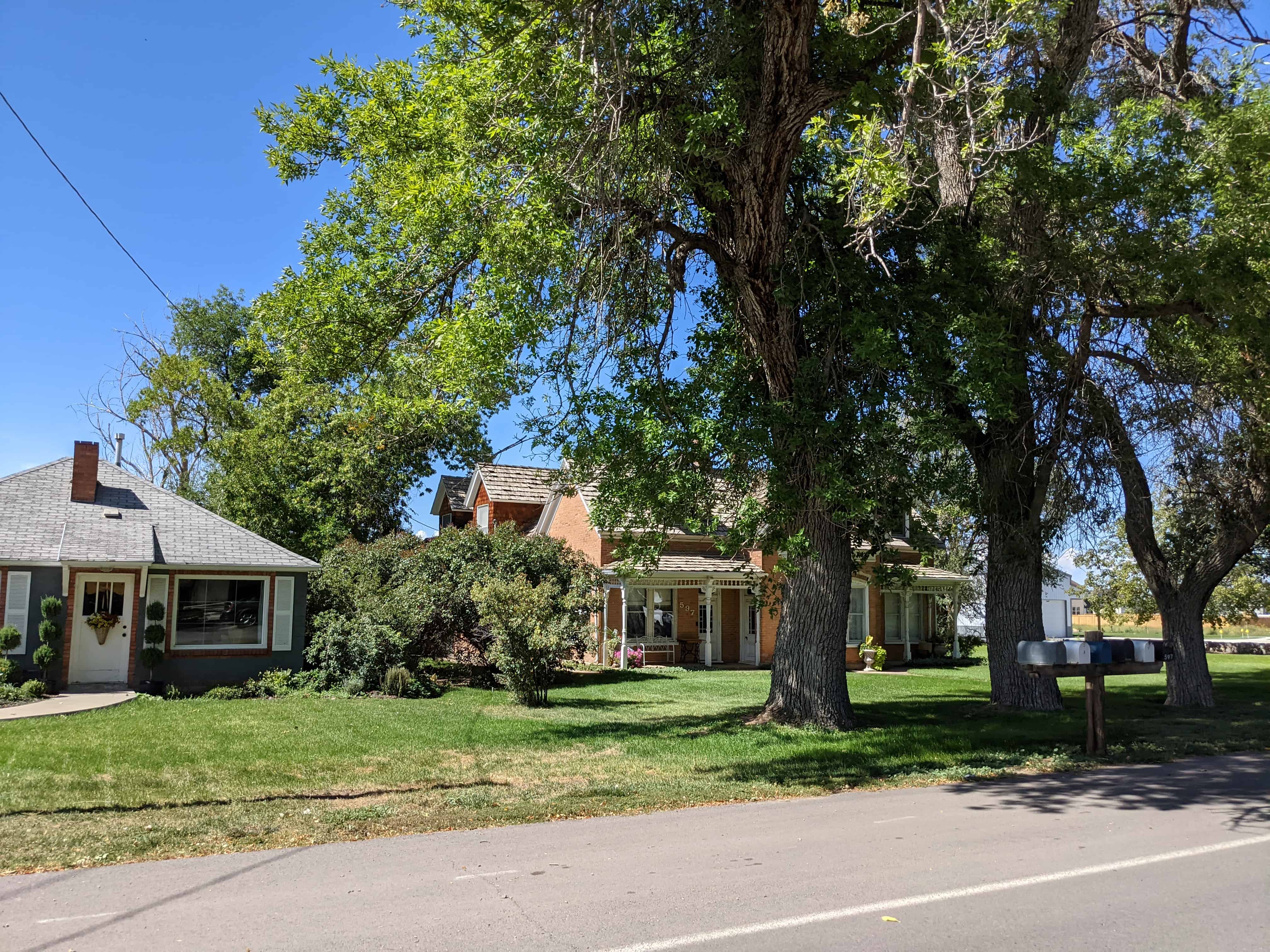
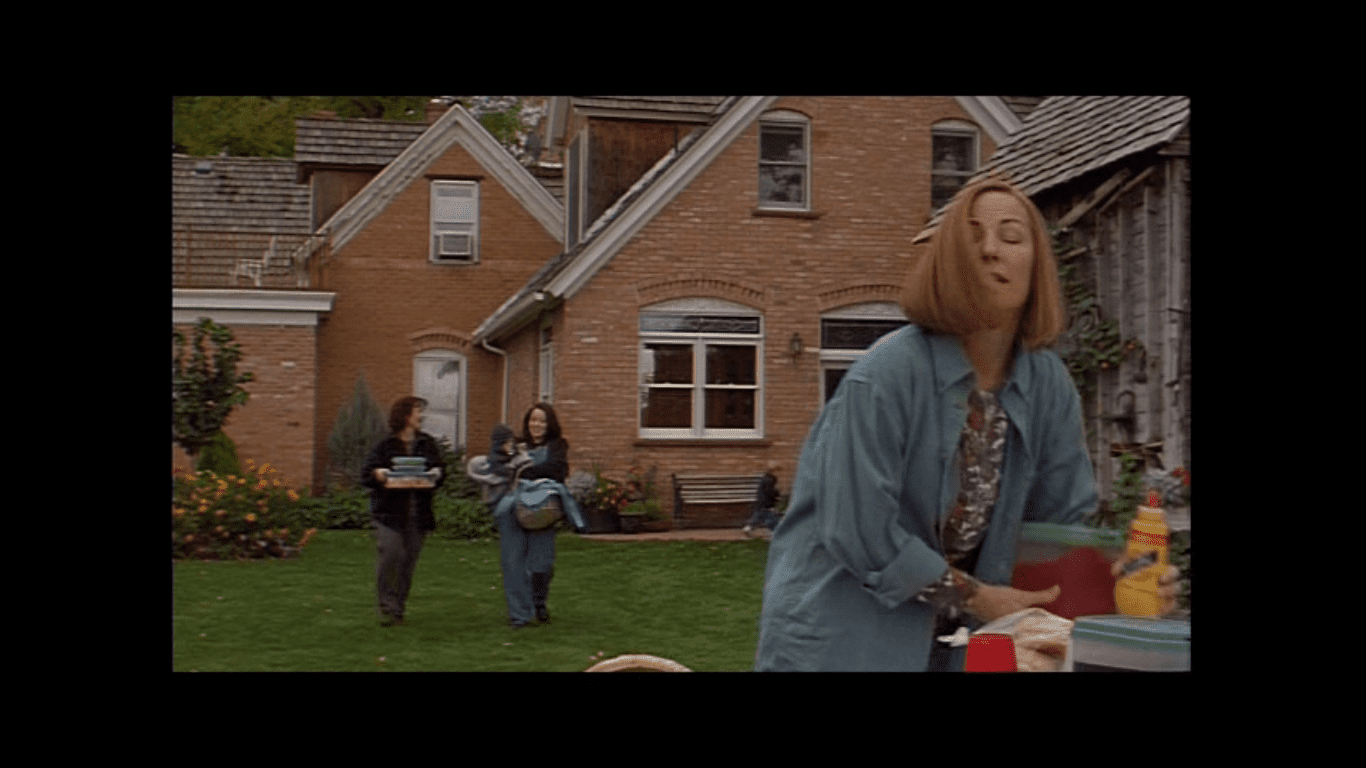
The Morgan Hughes Home. The address is 190 N 200 W but it is on the parcel of land at 195 West 200 North in Spanish Fork, Utah, the parcel is shared with the Hughes Memorial Hospital and the John Babcock Home, both of which have been joined together and are an apartment building now.
It was built in 1856 and is the oldest adobe home in Spanish Fork, Morgan was born in Wales and moved to Palmyra, Utah in 1851 and to this home in Spanish Fork in 1856.
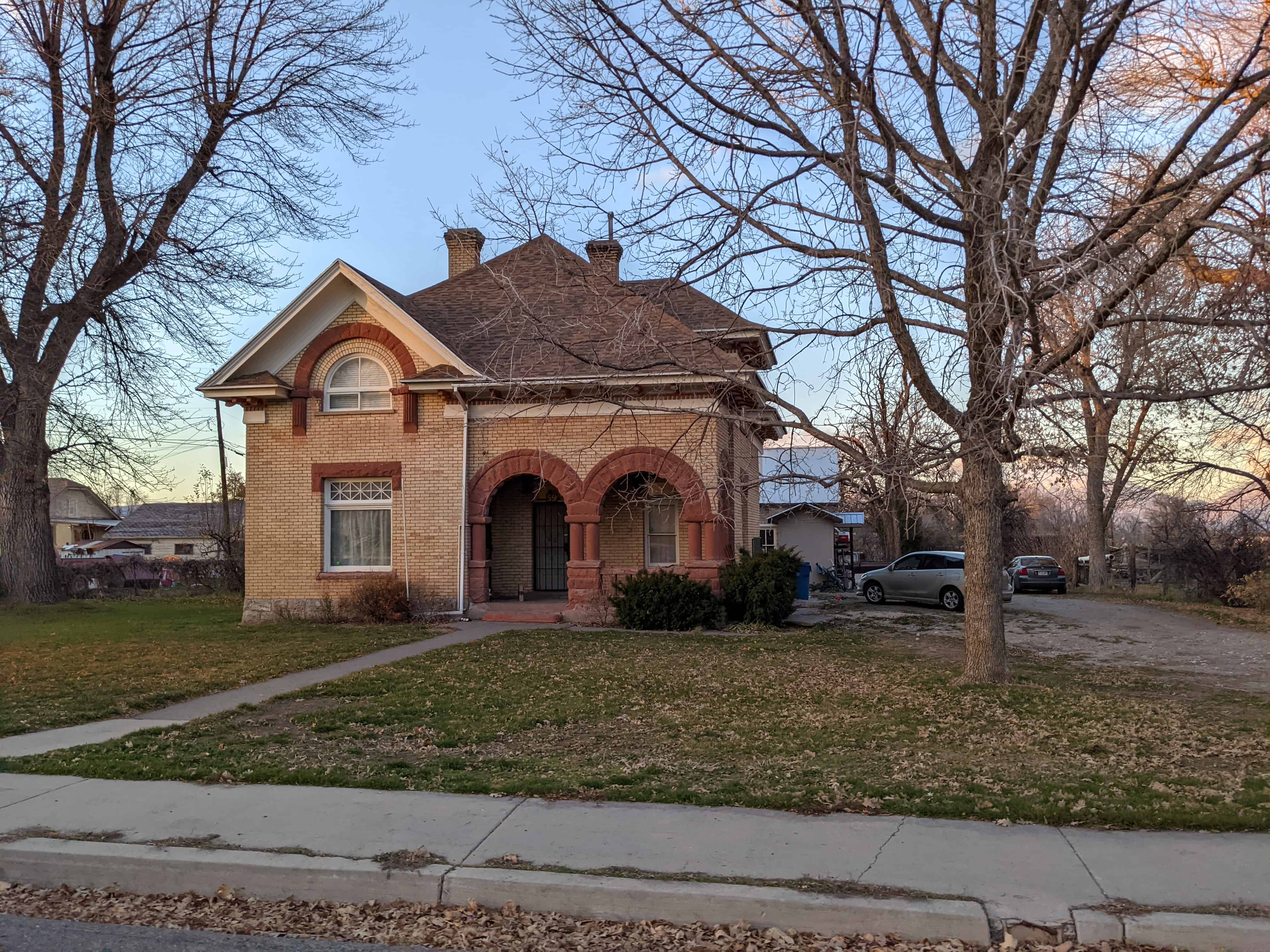
A good example of the Victorian Eclectic with Romanesque sandstone elements in Payson. Built in 1904, it is on a large parcel of that includes a granary built in 1900 of the same brick.
Built in 1857, the first home built outside the fort.
William and Grace Wignall immigrated to Utah in 1856. After a few months of living in the Payson fort, Grace told William “if he didn’t build her a home by March she would take the children and go back to England.” Her adobe home at 389 N. 100 East, completed in 1857, is oldest surviving residence within the boundaries of the historic district.
Utah South Company Daughters of Utah Pioneers, in conjunction with the City of Spanish Fork, community donors, and volunteers have reclaimed and restored this hallowed ground in remembrance of the pioneers who persevered through uncommon hardships because they had faith in their God and in their cause.
The pioneers chose this bluff overlooking the river as their sacred burial ground. We reverence the lives of these stalwart settlers who came into a barren land and built on a foundation of faith. Settling a community was arduous, backbreaking work that required unity. They lived in wagon boxes, tents, and dugouts along the river bank. They plowed, sowed crops, herded cattle, irrigated, and built roads and bridges. These pioneers were dependent upon one another for their very survival. When death occurred, they mourned together.
The first settlers arrived in 1850. Their life and death struggles while facing hunger, hostile natives, disease, grasshoppers, and crop failure are heroic and heartrending. Spanish Fork City was chartered, then surveyed in 1855 by Stake President James Chauncey Snow under the direction of George A. Smith, first counselor to LDS Church President Brigham Young. Spanish Fork combined the “upper” and “lower” settlements. The settlers’ lives, deeds, and devotion to the establishment of this community write a powerful chapter in the chronicles of Spanish Fork’s early history. Their valiant examples of strength and courage have left a legacy to be treasured. May this sacred and hallowed ground be a place of rest, reflection, and reverence.
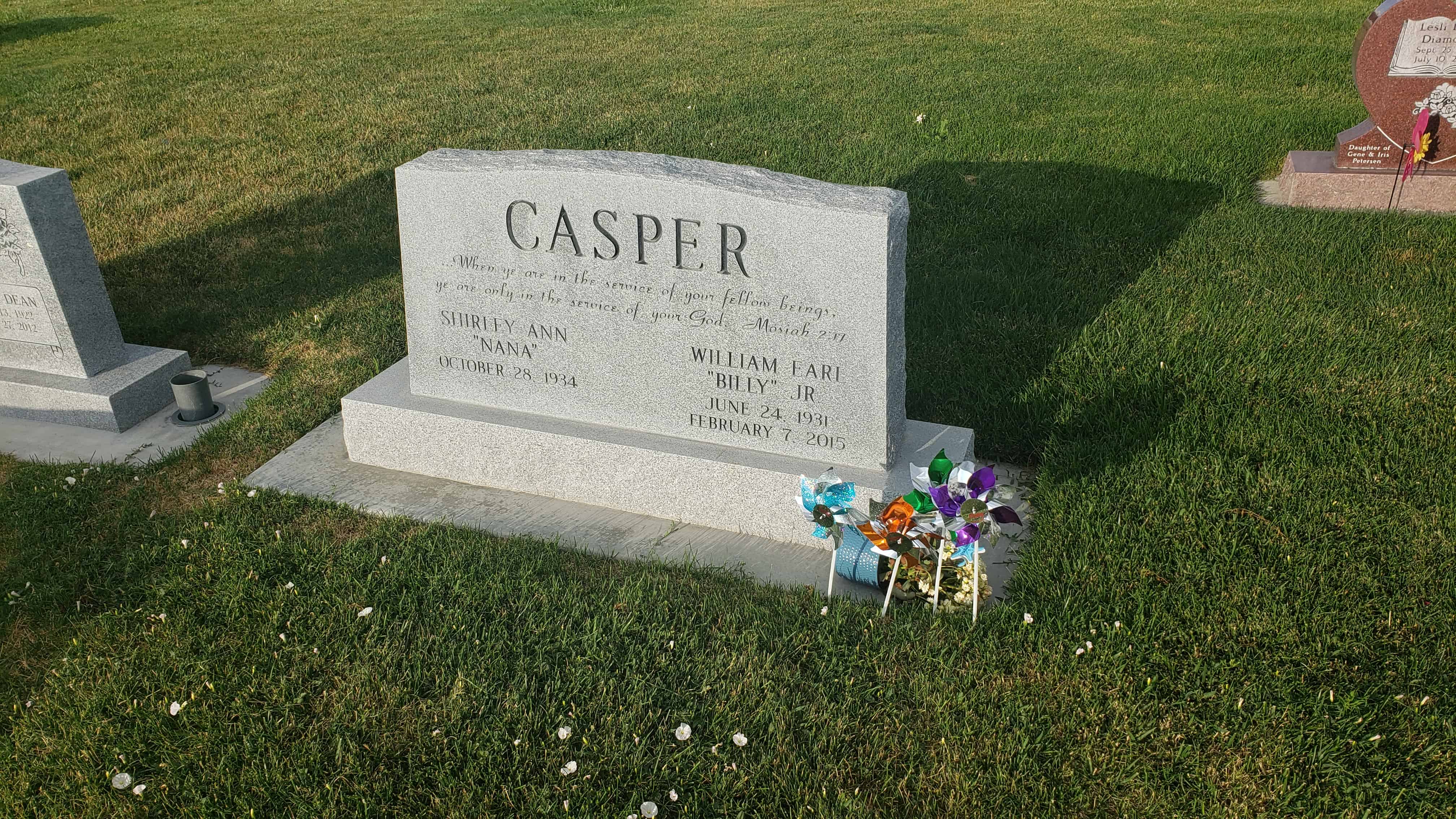
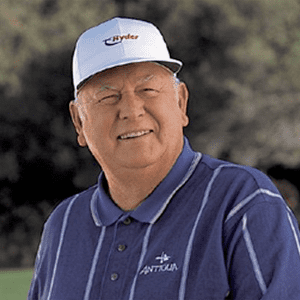
From findagrave, Professional Golfer. Casper was a Hall of Famer who won two U.S. Opens and a Masters. He won 51 PGA Tour events and played on eight U.S. Ryder Cup teams. His 51 tour wins ranks seventh on the all-time list, and from 1964 through 1970 his 27 victories topped every player in the world. He totaled two more wins than Jack Nicklaus, 13 more than Arnold Palmer and 14 more than Gary Player. He was PGA Tour Player of the Year twice, 1966 and 1970, and led the tour in scoring average five times. He scored more Ryder Cup points than any American in history. Casper’s three major victories came in the 1959 U.S. Open at Winged Foot, 1966 U.S. Open at Olympic Club, and 1970 Masters. His Masters victory was forged in a playoff over fellow San Diegan Gene Littler. He was inducted into the World Golf Hall of Fame in 1978. Casper, who received the 2010 PGA Distinguished Service Award in recognition of the work done by his charitable foundation, the Billy Casper Youth Foundation, died of a heart attack after suffering from pneumonia.
The Knight Allen house was built for J. William Knight, an important businessman in turn-of-the-century Provo and a son of Jesse Knight. It was subsequently owned by R. E. Allen a son-in-law of Jesse Knight who was also an important businessman and an officer in all the Knight family businesses. The Knight-Allen house is significant historically as the residence of important early businessmen of Provo.
The Knight-Allen house was built about 1899 for J. William Knight. It is probable that it was designed by Richard C. Watkins, a prominent local architect. J. William Knight married in 1899 and this was the couple’s first house. When he and his new wife moved to Canada to manage a Knight concern there, J. William Knight sold the house to his sister Inez and her new husband, Robert Eugene Allen. Because the Knights lived in the house for such a short period of time, the building is more closely associated with the Allen family.
Robert E. Allen was born in Coalville, Utah in 1877. He received his education at Summit Academy, Brigham Young Academy, and Rochester Business College. In 1901 he started teaching at Brigham Young university and in 1902 he married Amanda Inez Knight. Allen was quickly assimilated into the business concerns of the Knight family and became a rather wealthy businessman. He served as manager of the Knight Power Company from 1908 to 1912. From 1907 to 1933 he was secretary of the Knight Investment Company which directed the family’s holdings and was also cashier of the Knight Trust and Savings Bank. He later served as manager of First Security Bank in Provo.
Inez Knight Allen was a woman of note. She was one of the first two women sent as proselyting missionaries by the L.D.S. Church. She later became very active in politics and civic affairs. She was the Democratic National Committee woman from Utah for four years, was a delegate to National Democratic conventions, and ran unsuccessfully for the state senate. She also chaired many local civic groups.
Mr. and Mrs. Allen were very generous with their wealth and contributed heavily to B.Y.U. Several buildings were constructed by the University with these contributions.
Built in 1893 by Charles E. Loose. Charles Loose was involved in the Grand Central Mining Company as manager, which is where he acquired his wealth. He was probably the most prominent non-Mormon in Provo at the turn-of-the-century. This house is distinct among turn-of-the-century homes of Provo’s other leading entrepreneurs in that it combines the massing of the Shingle Style with a consistent program of Eastlake ornamentation. Its enveloping roof, veranda and pentagonal fanlight gable windows mark its individuality among the City’s architecture.*