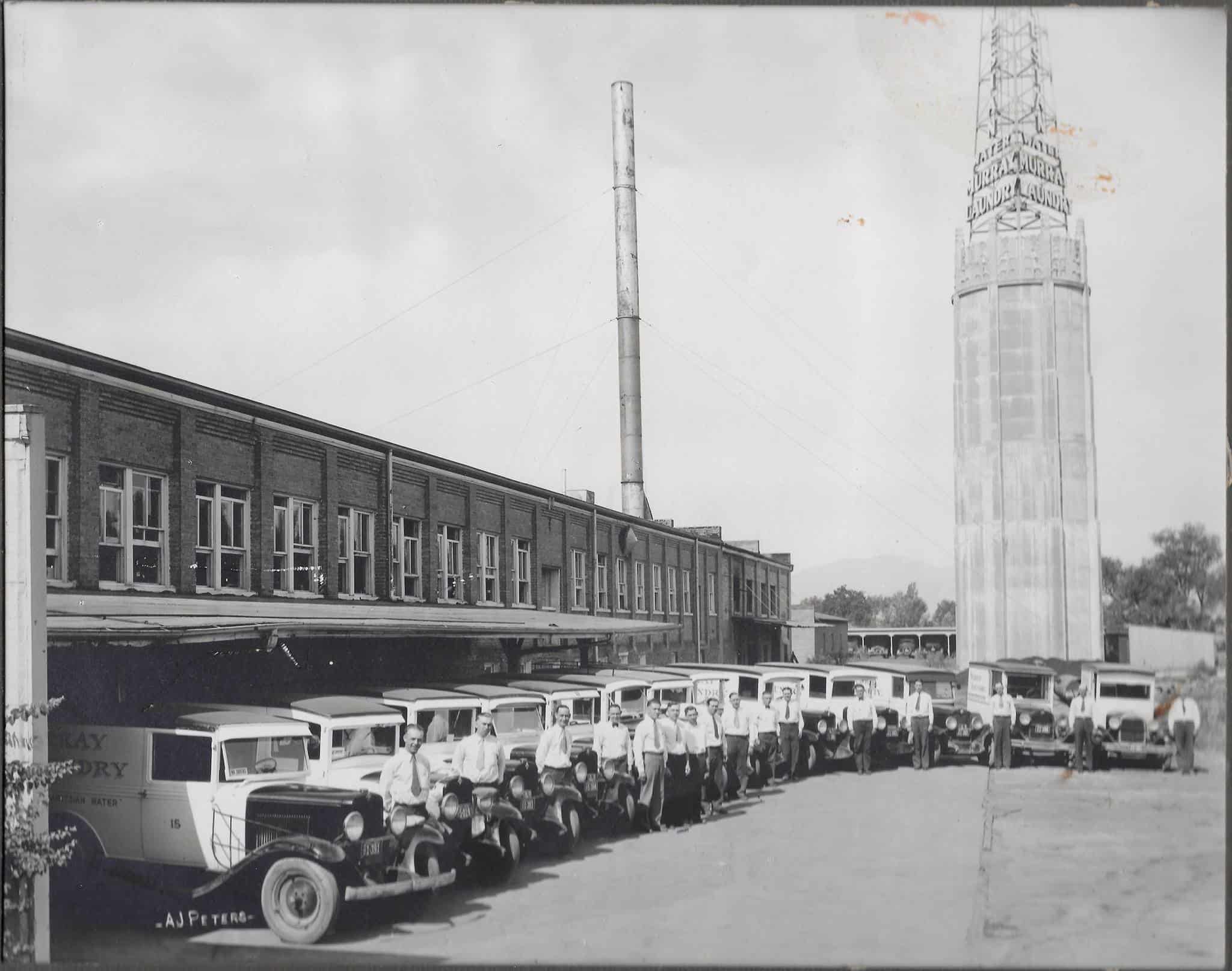
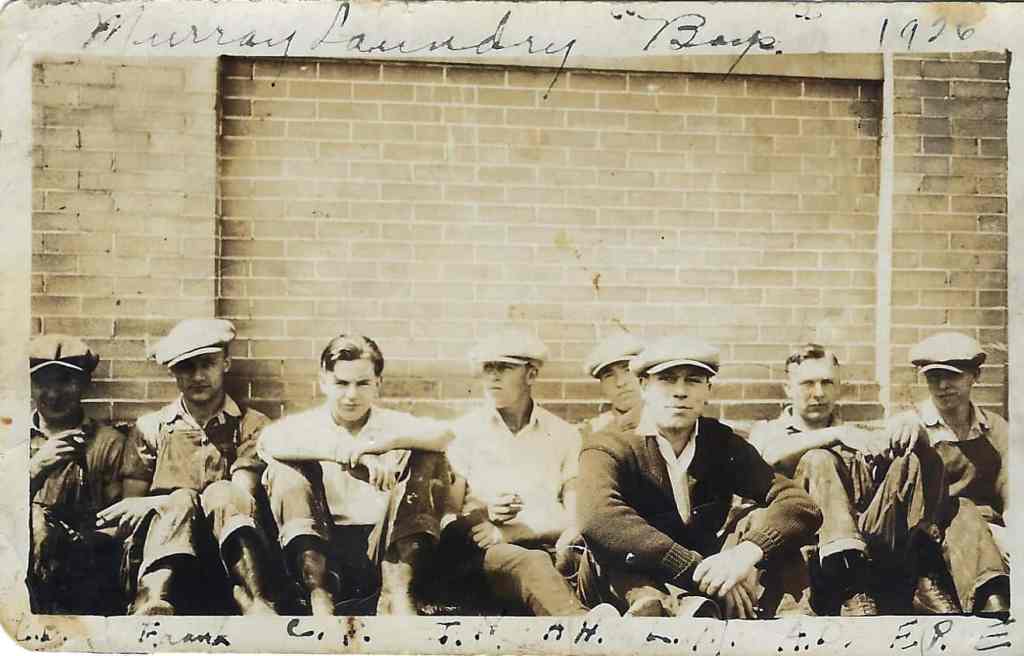
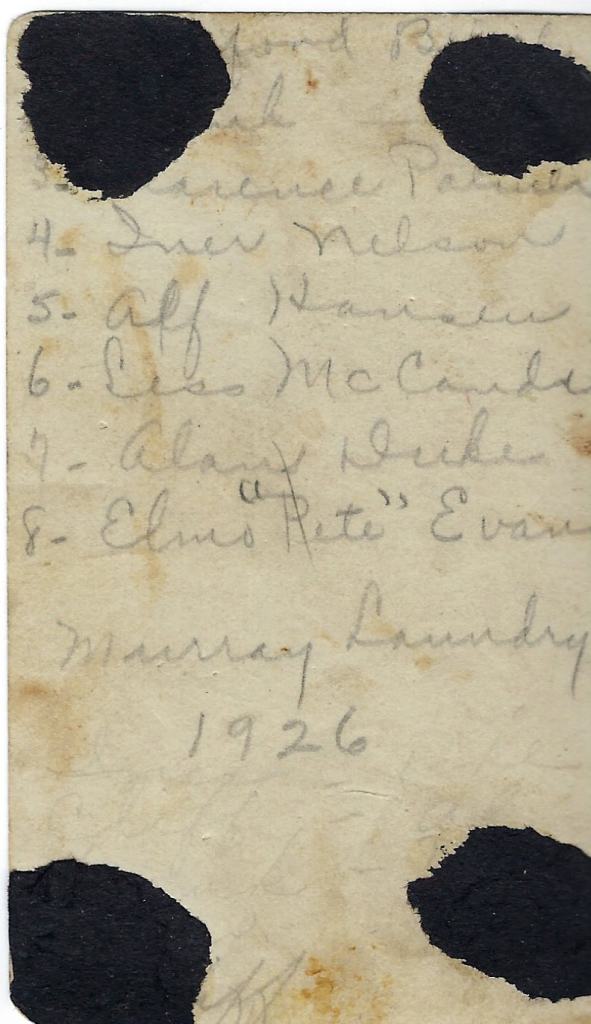
Murray Laundry was a large-scale industrial laundry located at 4200 South State Street. It opened in 1910, and at its height employed hundreds of workers. It operated until 1977, at which point it fell into disuse. The site had nine artesian wells on location, and they built a tall water tower to store 240,000 gallons of water. The laundry served both commercial customers and families, and had both delivery routes and drive-in locations. The water tower still stands, as part of an apartment complex.
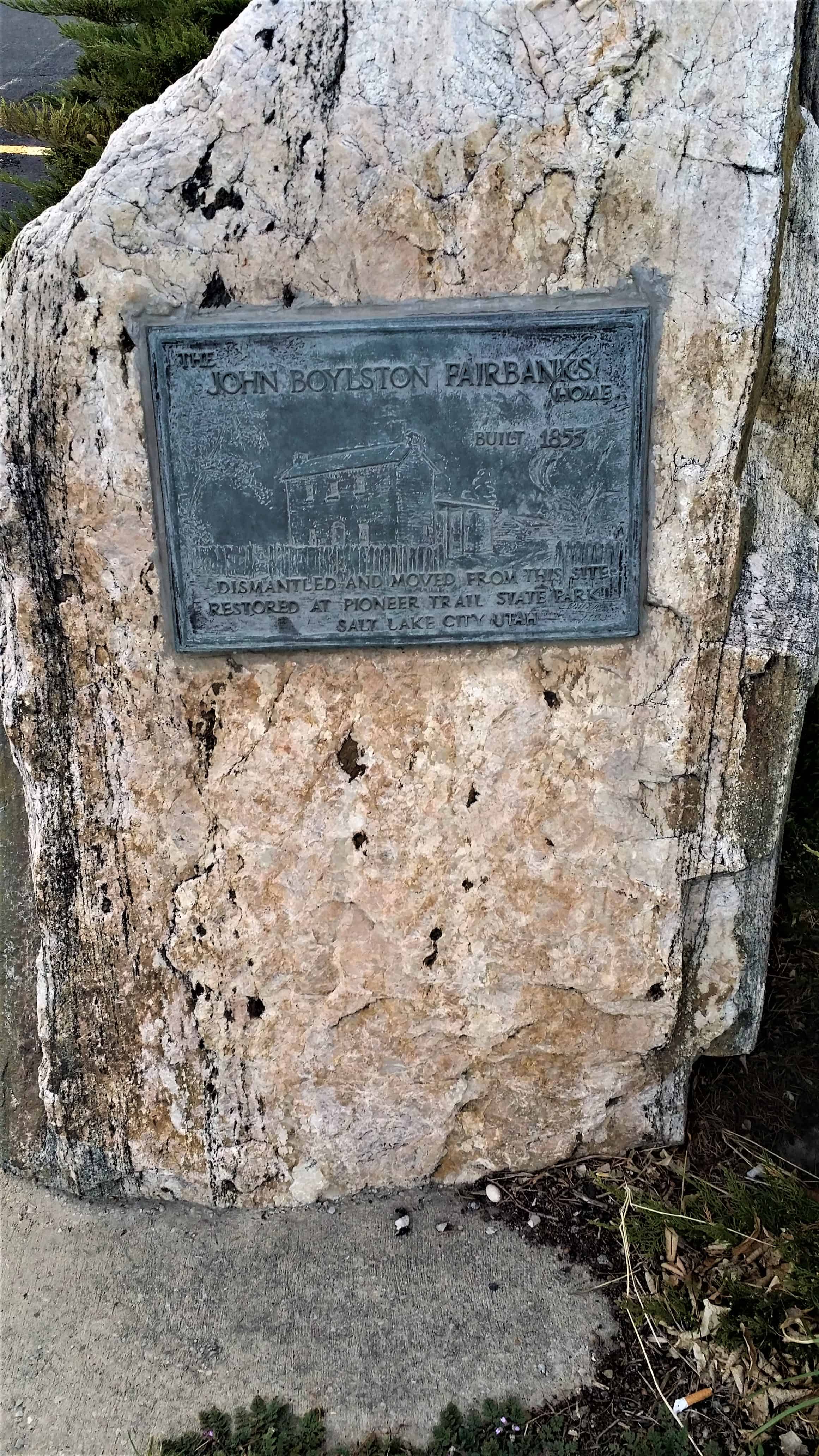
Mounted on a boulder at about 100 North Main in Payson is a plaque explaining that the John Boylston Fairbanks home was located here and was relocated to the Pioneer Trail State Park in Salt Lake City.
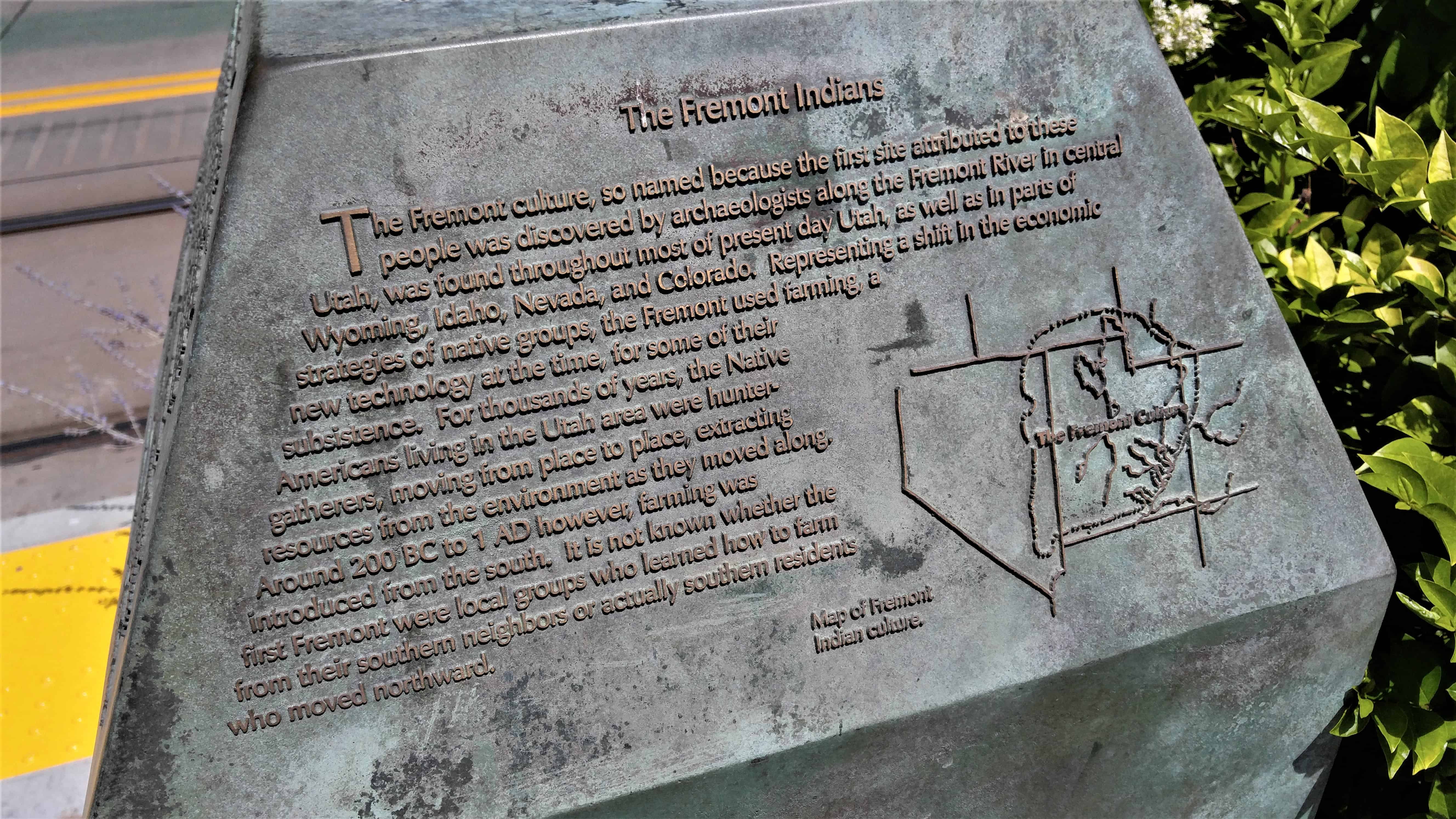
The Fremont culture, so named because the first site attributed to these people was discovered by archaeologists along the Fremont River in central Utah, was found throughout most of present day Utah, as well as in parts of Wyoming, Idaho, Nevada, and Colorado. representing a shift in the economic strategies of native groups, the Fremont used farming, a new technology at the time, for some of their subsistence. For thousands of years, the Native Americans living in the Utah area were hunter-gatherers, moving from place to place, extracting resources from the environment as they moved along. Around 200 BC to 1 AD however, farming was introduced from the south. It is not known whether the first Fremont were local groups who learned how to farm from their southern neighbors or actually southern residents who moved northward.
A Remarkable Discovery
When TRAX light rail construction along South Temple Street near Third West uncovered bones in a backhoe trench on June 8th, 1998, archaeologists from the State Antiquities Section investigated and determined that an archaeological site had been encountered. Excavation of the site by the Antiquities Section and the Office of Public Archaeology at Brigham Young University revealed houses, storage areas, work areas and artifacts related to the ancient Fremont culture. Occupied approximately 700 years ago, the site may represent the edge of a large village where people fished, hunted, gathered wild plants, and farmed corn, beans and squash. The archaeological endeavors at this and other sites have taught archaeologists much about the architecture, tools, and food of the Fremont people. Their language, religion, stories or myths however, remain a mystery. Perhaps taking a moment to learn a little about this ancient culture and reflect on the lives of those who dwelt on this land before will help us gain a greater understanding of ourselves and our own relationship to this land.
The South Temple Site
As farmers, the Fremont left much different archaeological remains than the hunter-gatherers before them. They moved around, but also built more permanent architecture such as pit houses and other features associated with longer-term occupation.
The South Temple discovery is one of the few Fremont sites in the Salt Lake area that has been excavated. Development such as farming and construction have destroyed many sites. Evidence gathered from other sites located near the shores of the Great Salt Lake shows that this area was heavily populated 1000 years ago. The Fremont probably used this area for extracting important resources such as waterfowl and other marsh animals, gathering wild plants and fruit, and processing those resources for use. There is evidence at the site of trade with Fremont groups in the Southern San Rafael area and possibly with groups in what is now southern Idaho and southwestern Utah.
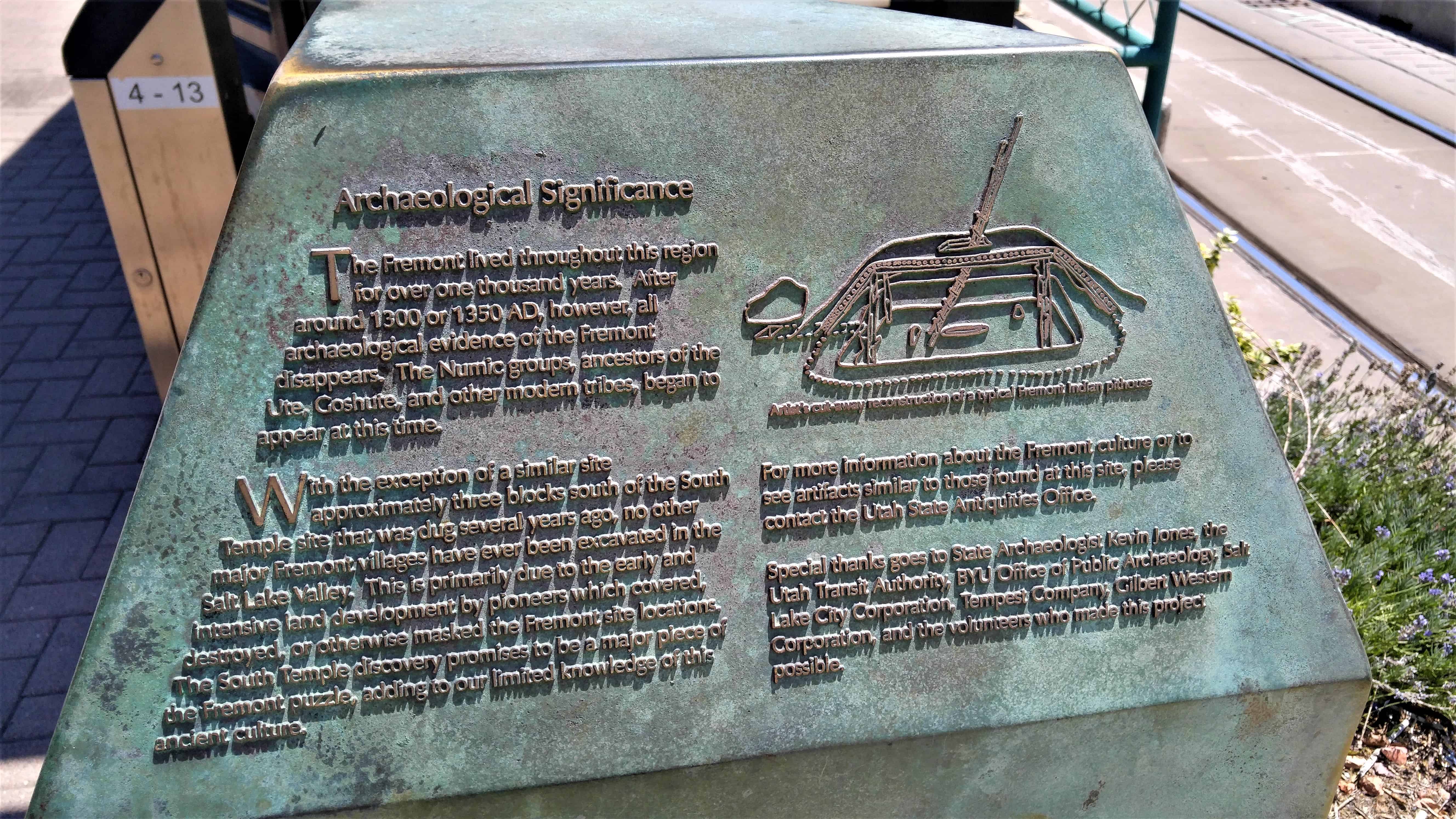
Archaeological Significance
The Fremont lived throughout this region for over one thousand years. After around 1300 or 1350 AD, however, all archaeological evidence of the Fremont disappears. The Numic groups, ancestors of the Ute, Goshute, and other modern tribes, began to appear at this time.
With the exception of a similar site approximately three blocks south of the South Temple site that was dug several years ago, no other major Fremont villages have ever been excavated in the Salt Lake Valley. This is primarily due to the early and intensive land development by pioneers which covered, destroyed, or otherwise masked the Fremont site locations. The South Temple discovery promises to be a major piece of the Fremont puzzle, adding to our limited knowledge of this ancient culture.
The Salt Lake Valley settlement began when wagon trains of members of The Church of Jesus Christ of Latter-day Saints began arriving in 1847. By 1858, farmers from the then-settled towns of Lehi and Kay’s Creek, looking for a new place to homestead, began considering the area now known as Plain City. On 17 March 1859, led by Lorin Farr, a group arrived to begin homesteading. Soon after arriving, the group surveyed a townsite and assigned building lots. The town layout used an organized grid system of blocks and streets, originally six blocks north-to-south and three blocks east-to-west. Each block was 5 acres in area, divided into 4 lots. The first settlers were allowed their choice in selection of a lot.
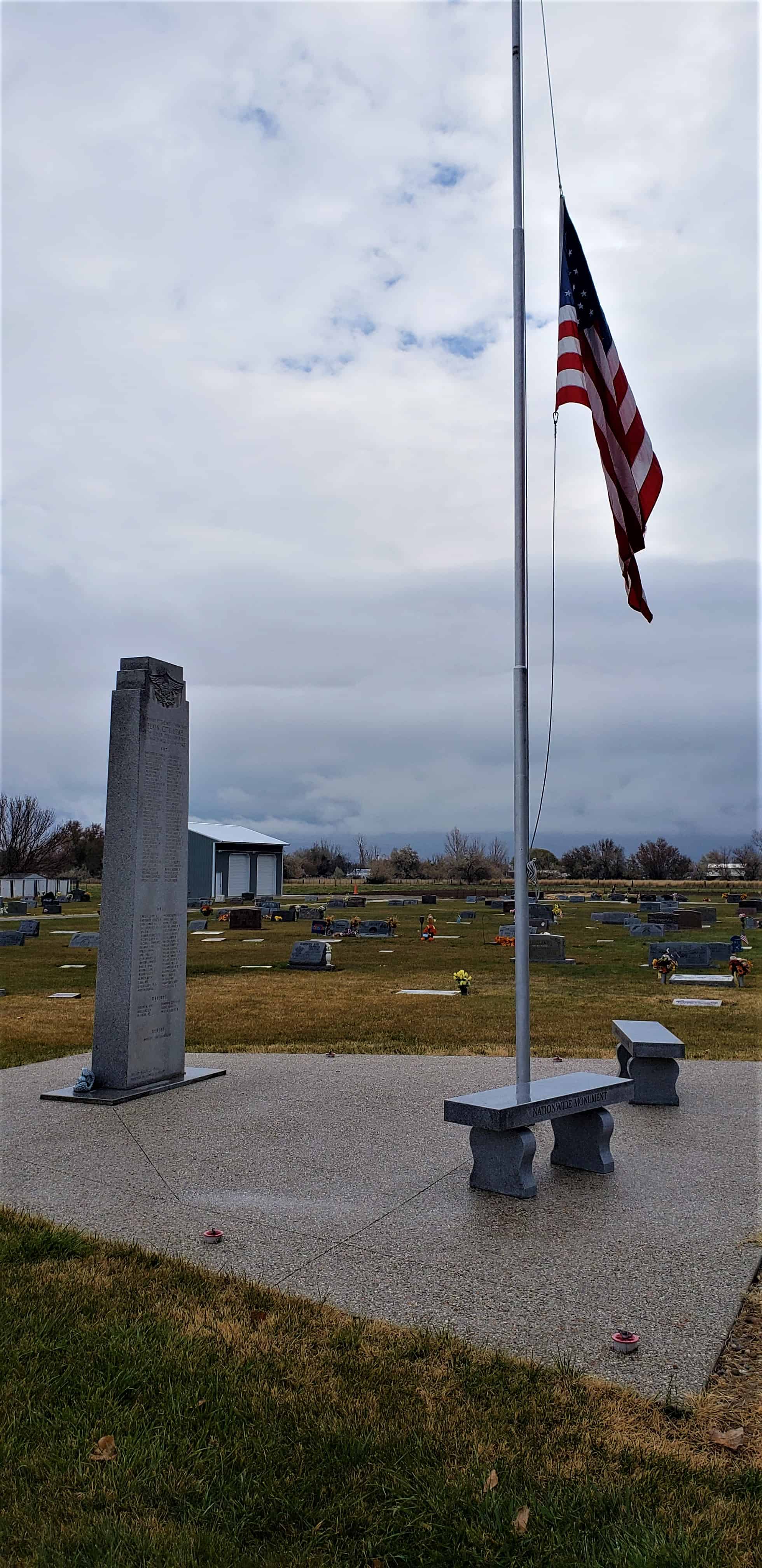
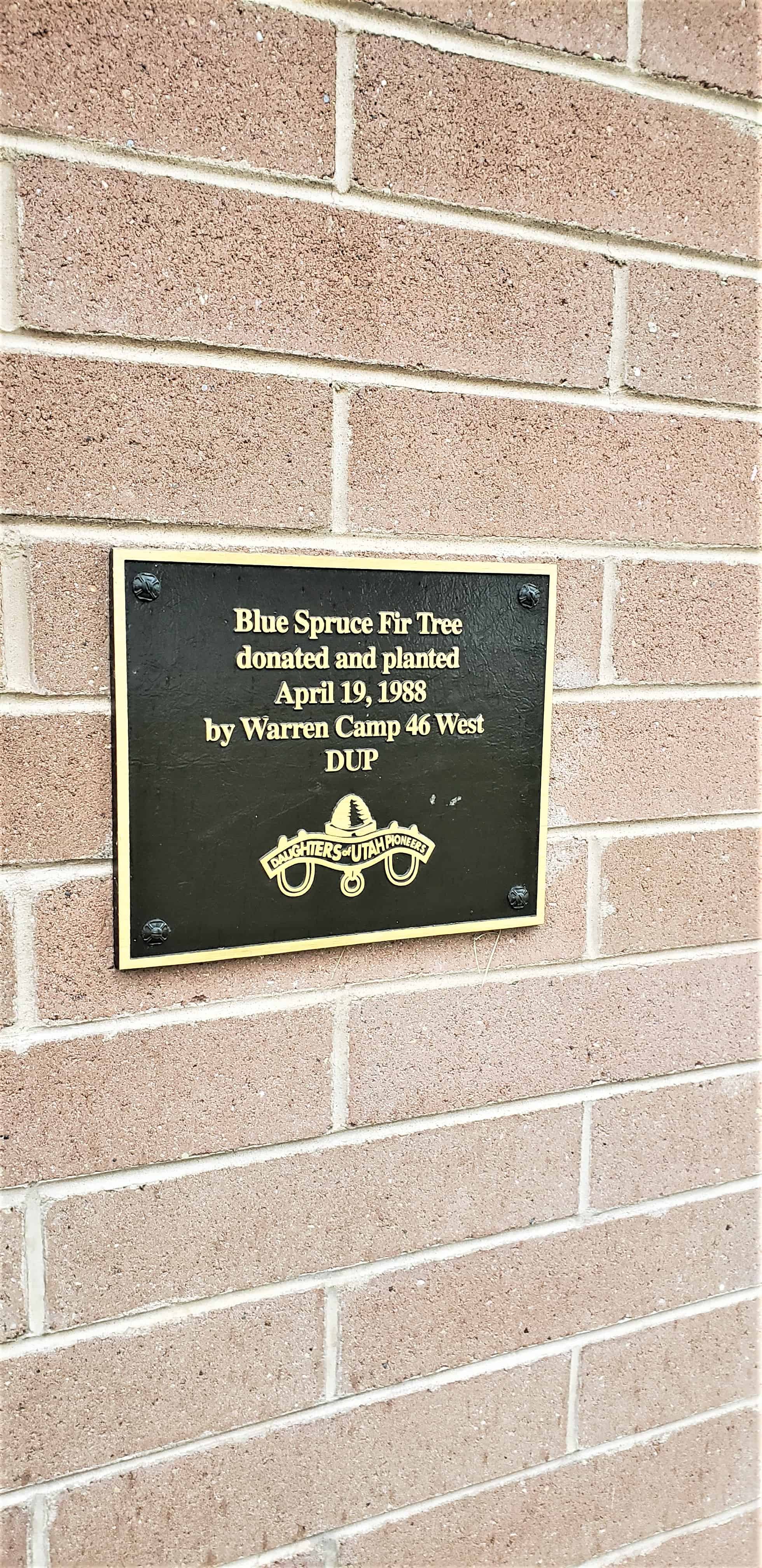
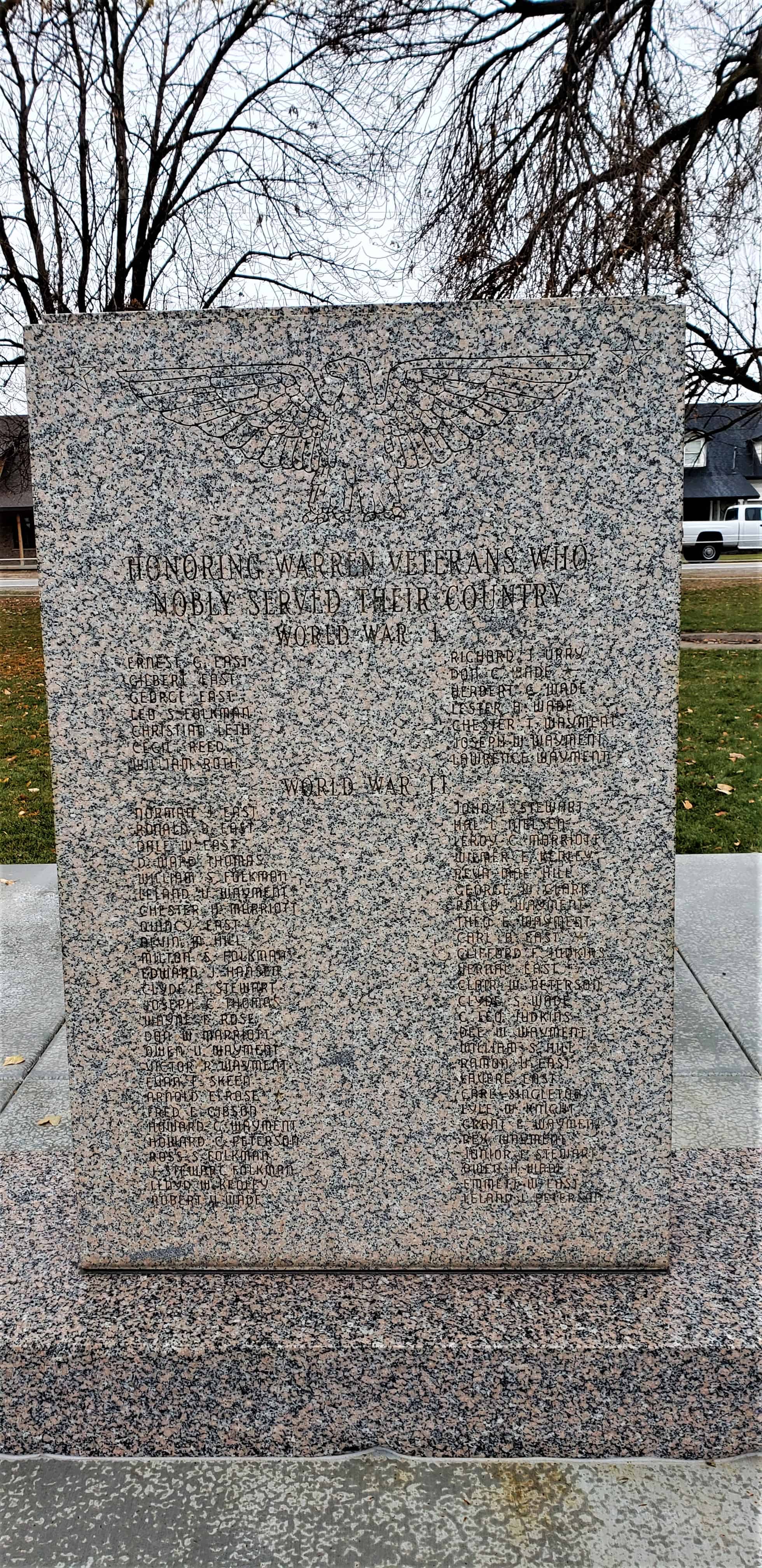
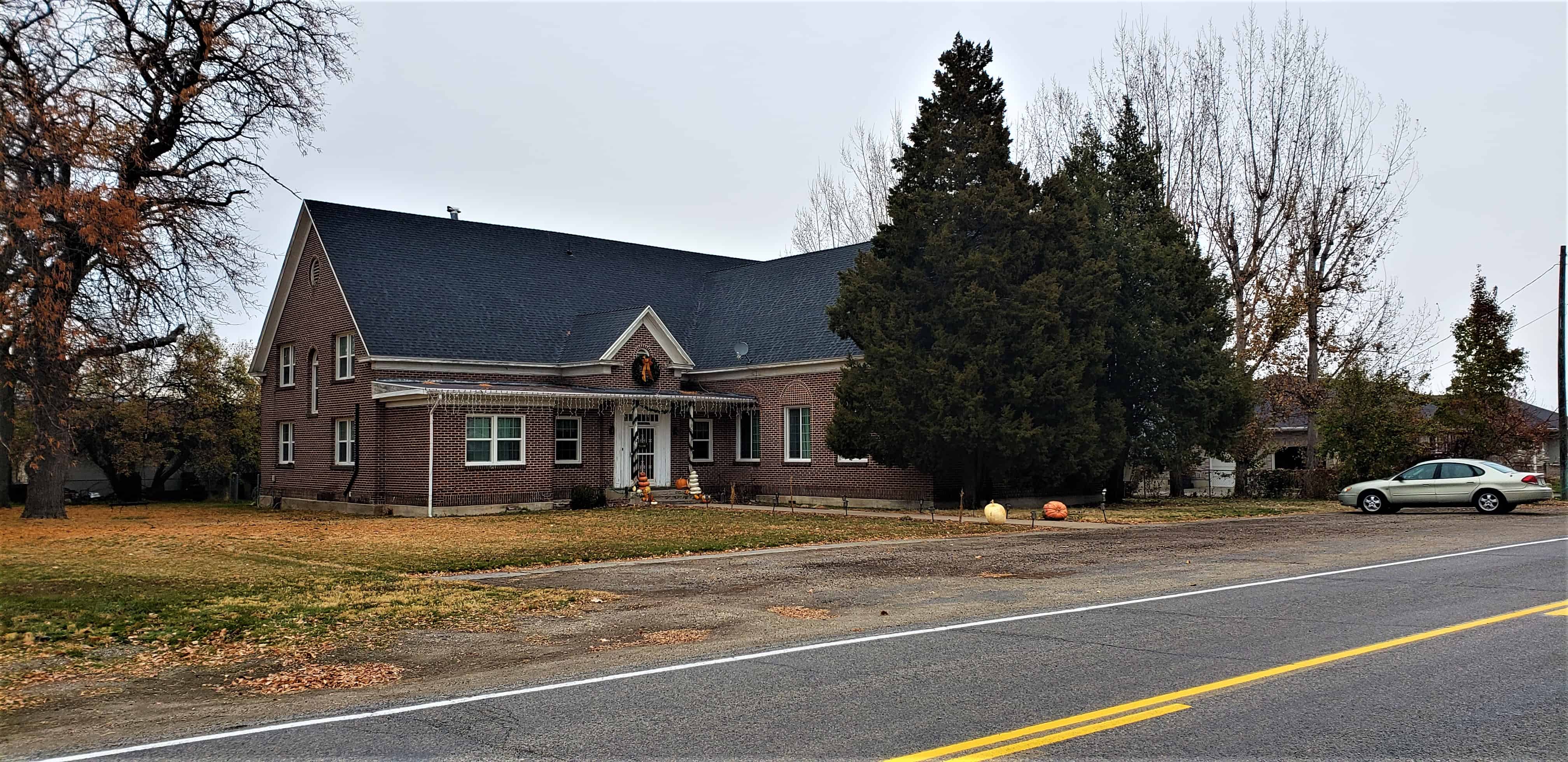
Warren is an unincorporated community in Weber County.
Originally settled in 1870 under the name of Salt Creek, it was renamed in 1896 in honor of Lewis Warren Shurtliff, the local stake president of The Church of Jesus Christ of Latter-day Saints.
The adobe (center) section of this home was built in 1877 by David Branson Brinton.
The east and west additions were constructed by Brinton of brick and were completed in 1896.
Located at 1981 E. Murray–Holladay Road in Holladay, Utah – This home was added to the National Historic Register on May 22, 1978 (#78002665)
The David Branson Brinton House is significant for its association with the lives of three locally prominent historical figures: David Brinton, David Branson Brinton, Sr. and David Branson Brinton, Jr., all of who played important roles in the growth and development of Holladay, Utah, one of the state’s earliest settlements. The three were particularly noted as religious leaders but were involved in a variety of community building roles. The Brinton Home is one of the oldest surviving structures in the Holladay area and is architecturally representative of the pioneer period during which it was constructed. The home and much of its rural setting is intact. The Brinton Home is locally considered an historic landmark.
Following the arrival of the first party of Mormon pioneers to the Great Salt Lake
Valley in July 1847, Salt Lake City was founded and built. The following spring,
groups of settlers were sent north and south of the city to establish other communities
The first permanent settlement made outside of Salt Lake City was Holladay’s Burgh,
(later Holliday) named after the founder, John Holladay, which was established on
Spring Creek, a tributary of Big Cottonwood Creek, three miles north of the mouth
of Big Cottonwood Canyon.
Among the settlers of 1848-49 was David Brinton (1814-1878) and his family. The Brintons had historically been builders and blacksmiths. William Brinton, David’s great-grandfather, built a three-story house in 1704 in Delworth Town, Pennsylvania, and Brinton’s Mill at Chadds Ford, Pennsylvania, both National Register sites. David Brinton was a well-known colonizer, missionary and church leader. He was sent on various scouting missions by Mormon leader, Brigham Young, and was among those to select and establish the site of Parowan, an important central Utah settlement in 1851, and was part of the first party to investigate possible settlement areas near Fort Bridger, Wyoming.
As an early pioneer of Holladay, David Brinton obtained lots five and six of the
Holladay Field Plat of 1849. To these properties he added several others and eventually controlled valuable commercial and agricultural land in the center of the
community. A blacksmith by trade, David built a blacksmith shop on the southeast
corner of 4800 South and lower County Road (Highland Drive) where Utah’s first major
shopping mall was later built. On this same land, he had a large farm on which he
raised produce and meat for the consumption of the military at Fort Douglas.
In the late 1860’s, Brinton saw the need for a supply station or store closer to the community than Salt Lake City. Consequently, in 1868, he and his sons built the first store in the area, the Big Cottonwood Co-Operative Store, on his property. In 1869 following the establishment of the Zions Co-Operative Mercantile Institution (Z.C.M.I.) system in Utah Territory, the store became a church-owned and operated venture. In later years, following the demise of the co-op store network, Brinton took over private ownership of the facility.
David Brinton was an important religious leader in Holliday. In 1856, he was ordained
Bishop of the Mormon congregation there and maintained that position, despite serving
as a missionary in England in 1857-58 and 1870-71 until released in 1873. He promoted
education by having a school built on his property in 1852 and had his daughters
teach at the school.
Brinton was somewhat of a controversial figure, being involved in local issues which
resolved only after the intervention of Mormon Church President, Brigham Young, and
some of the Mormon apostles. In one instance, Bishop Brinton disputed with James
Spillet over whether or not a liquor distillery should be allowed to be built in the
ward (ecclesiastical district). The distillery for making whiskey was subsequently
built and “caused considerable drunkeness” according to one account. In 1870, a group
of people sent a petition to Brigham Young requesting the removal of David Brinton
as Bishop. Three Apostles came to Holladay and met with the disgruntled faction and
after much deliberation, convinced them to sustain their leader.
Despite these difficulties, Brinton was known as the area’s “most prominent person.” The main intersection of town was named “Brinton’s Corner” and a new Latter-day Saint ward created in 1911 was named the Brinton Ward.
David Branson Brinton, Sr. (1850-1929) was one year old when his family came to Utah
and helped settle Holladay f s Burgh. He followed his father’s profession of blacksmithing and also helped his father build and run the Co-Op store. David Branson
attended college at the University of Deseret and became a prominent builder in the
state. He constructed numerous school houses and roads in Salt Lake County and the
0. B. Dam on the Sevier River, the Hatch Dam and the Grace Power Plant in Idaho.
Like his father, David Branson served in several community capacities including
Mormon Bishop from 1877 to 1900 and County Postmaster, Constable and Librarian.
David Branson Brinton married Susan E. Huffaker in 1874 and according to family
records, commenced building their brick home in 1877. It is claimed that the central
section of the present house was built first followed by the eastern and finally
the western sections. A close examination of the home suggests, however, that the central and eastern section were built at the same time and possibly as early as the
late 1860’s. The home was built on the old Brinton homestead where the earliest
family residences were erected in or after 1848. It may be that the home in question
was actually built by David Brinton after 1865 and was taken over by his son following
his marriage in 1874. In any event, the last part of the home built, the western wing,
was erected in 1896. The home is well-preserved and has not been significantly altered over the years. Its architecture combines an “L”-shaped vernacular structure,
trimmed with Federal lintels, with a later Victorian wing with Eastlake trim. The
home is one of the oldest remaining in the Holliday area.
The third significant figure to be associated with the Brinton Home was David Branson
Brinton, Jr. (1882-1956). He was raised in the home and became the third member of
his family line to occupy the position of Bishop in Holladay. Counting his service
from 1914-1926, the three generations of Brinton’s served as Bishops for a total of
52 of the community’s 70 years from 1856 to 1956.
David Branson Brinton was educated at the University of Utah from 1902-1906 and served as a Mormon missionary to New York in 1907-09. He became associated with the development of the electrical power industry as result of his knowledge of the hydraulic potential of Big Cottonwood Creek. After serving as manager of the Progress Company, an early Utah power company, he became owner and proprietor of the Brinton Electric Company, founded in 1920. Brinton’s later years were accepted in Church service as he became the Stake President (leader over several “wards” or congregations) of the Cottonwood Stake in 1946, and Stake Patriarch in 1950. Since David B. Brinton, Jr., three more generations, each represented by a son named David Branson Brinton, have become associated with the old Brinton Home, a building which is locally considered an important historical landmark.
The Brinton House was built in at least two stages, beginning in the late 1860’s or early 70’s and ending in 1896. The home has an irregular plan and features two distinctly different architectural styles or periods.
The oldest part of the building consists of its central and eastern sections. These appear to have been built at the same time as the exterior brickwork is integral at all corners and across all walls. Some bricks taken from a wall are stamped “1869” and the patent date on extant box-locks is “1866”, perhaps indicating an original construction date earlier than 1877.
The central part of the building contains four major spaces while the eastern part, which runs laterally to the central section, has two rooms considered together, this “L”-shaped structure represents the original Brinton Home. It is built upon a gray, granite foundation and has a brick superstructure. The brick appears to be handformed and kiln-baked and is not uniformed shaped, i.e., does not appear to have been made commercially. The bricks are laid in common bond with a lime mortar and flush or slightly concave joints. The brick varies in color from cream to light salmon. The one story structure has ten-foot tall ceilings and simply moulded interior trim, including picture rails and four-panel doors. Exterior trim is plain, excepting the decorative scroll-sawed porch brackets, Federal lintel caps and foliated scroll bargeboard.
The original porch which runs across the full width of the central section of the
home is intact, including the rounded columns and wooden floor. The roof ridge of
the “L”-shaped roof is at one level. The two identically designed, corbeled brick
chimneys are intact.
The western wing of the Brinton Home is two stories tall and features pressed dark
salmon or red brick and peut corners on the front facade. This added laterally to
the central part of the old home in 1896, the newer wing has a hip roof, segmentally
arched window bays and extensive interior Eastlake trim. The wing contains a large
living room and dining room on the first floor and three bedrooms on the second
floor. The stairway to the second floor was built in the western end of what is
now the central section. Ornate Eastlake doors, newell posts, railings and balusters
were added to that part of the original building in 1896.
The exterior of the Brinton has not been altered since 1896, excepting the addition
of a screened porch to the rear of the building which appears to date from the
1920 T s. The major interior spaces are basically unaltered, although a modern kitchen,
bathroom and utility room have been created within the existing back rooms of the
home. The original parlor fireplace, moulded ceiling cornice, box-locks and Victorian trim are intact in most areas. The interior walls are believed to be adobelined and are lathed and plastered. Original paint and wallcovering are not extant.
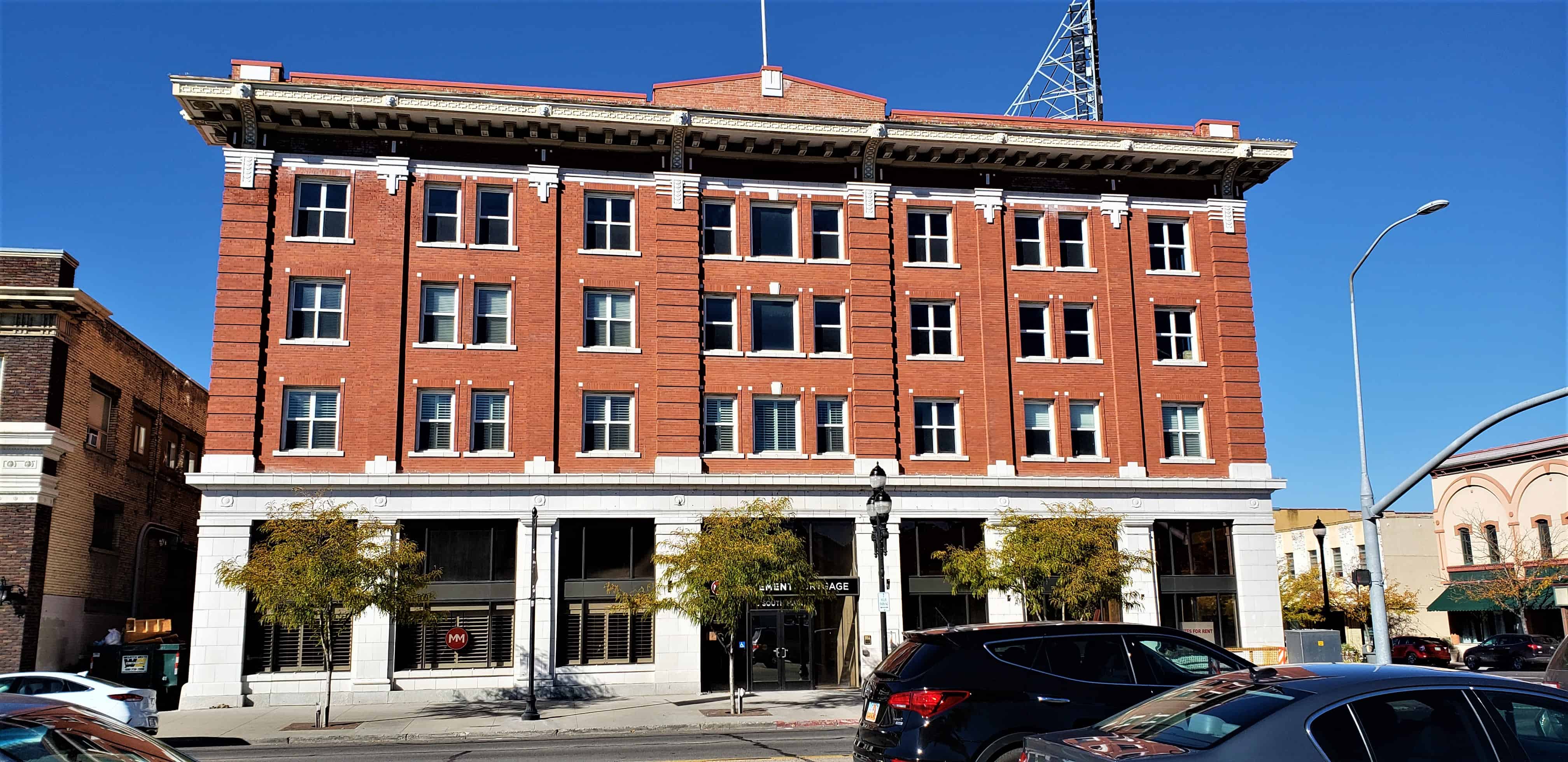
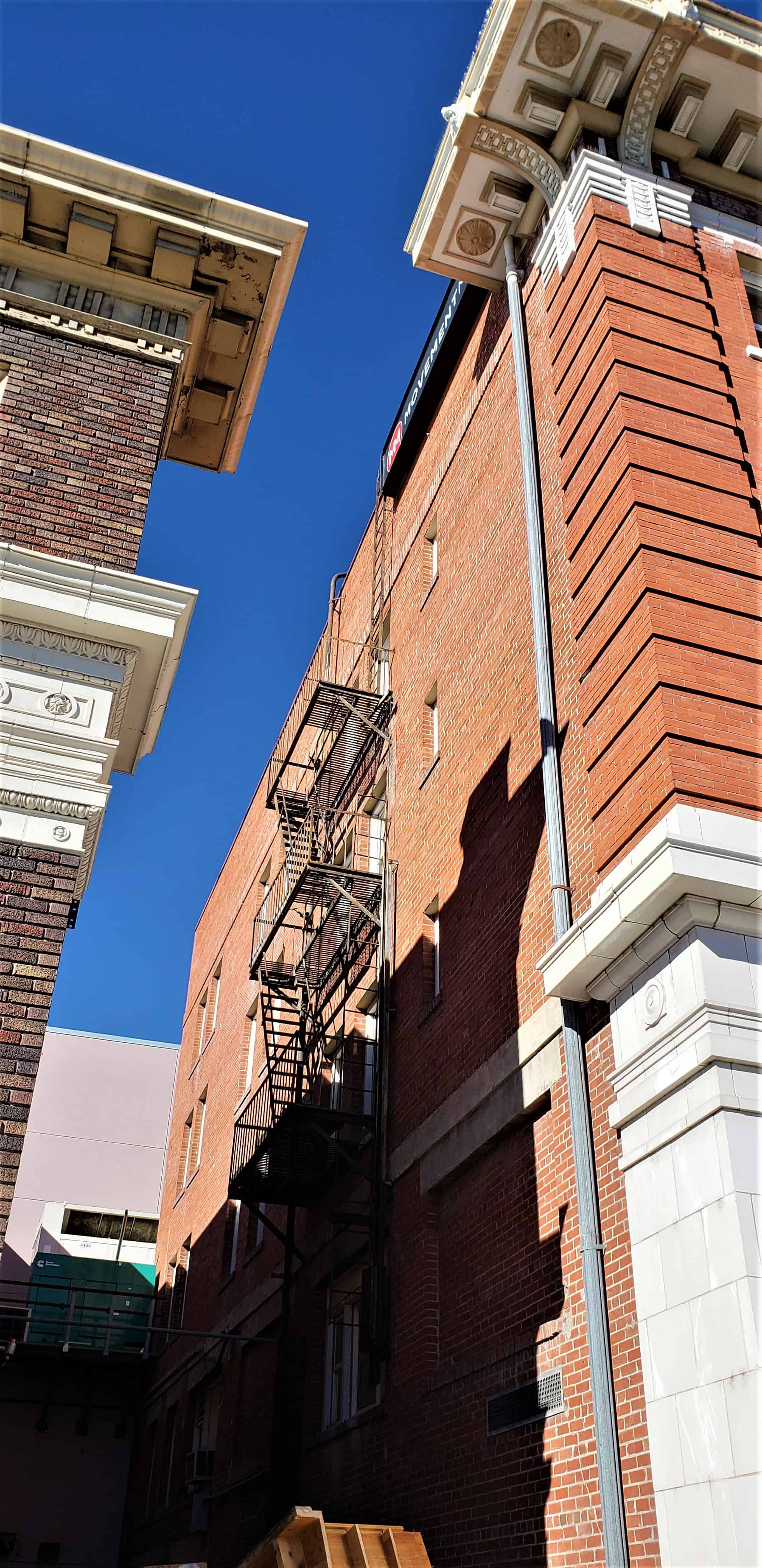
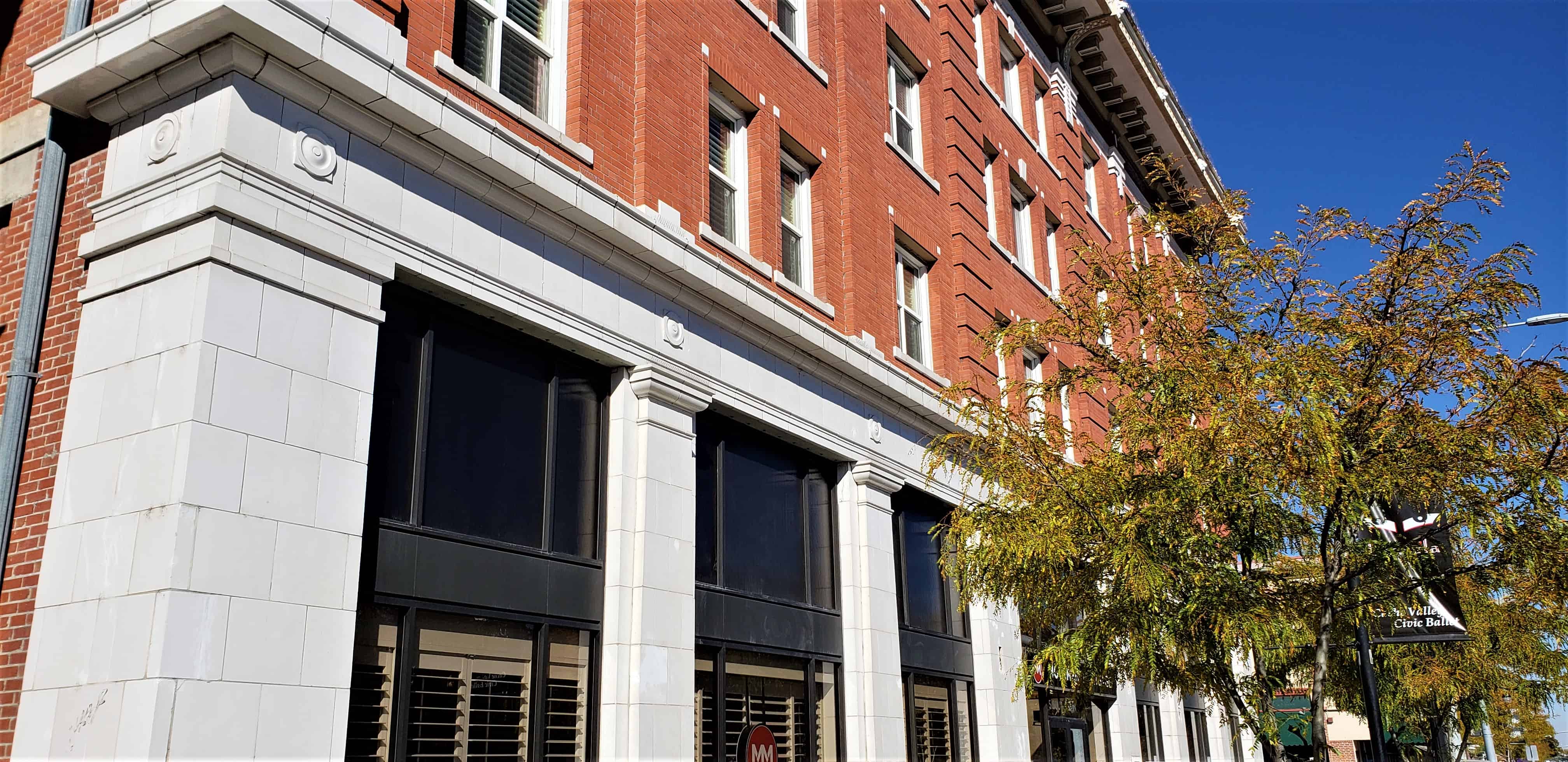
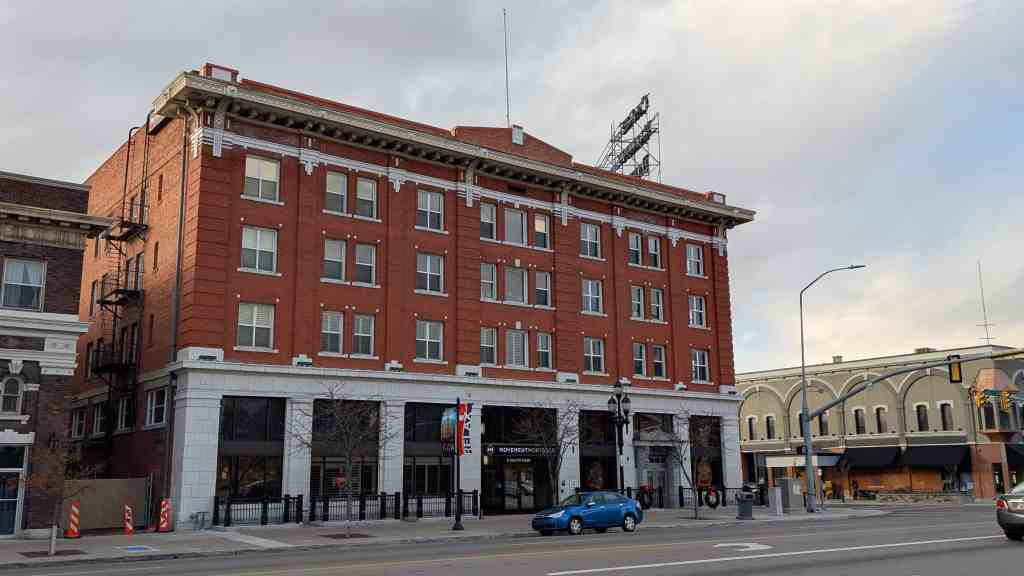
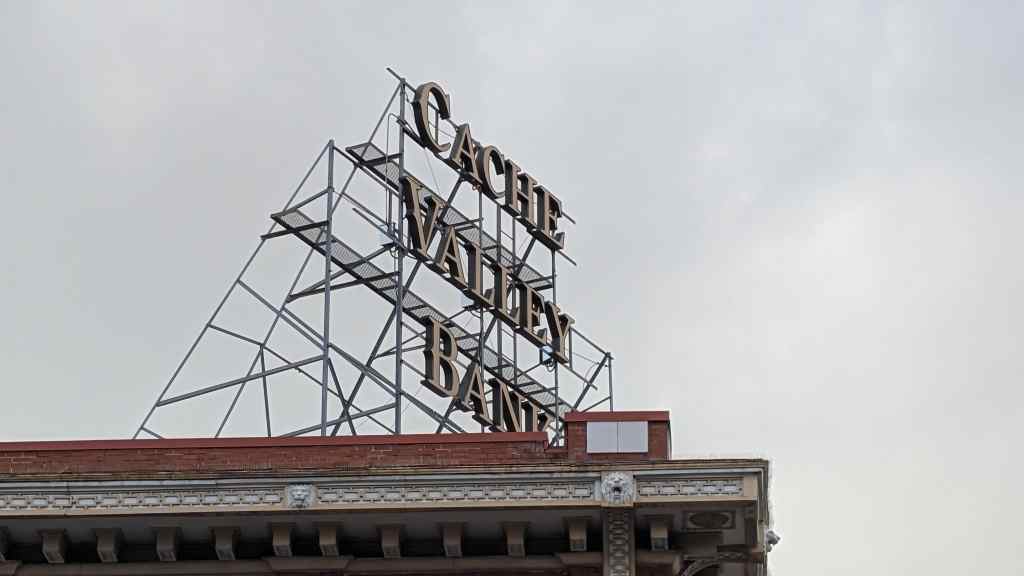
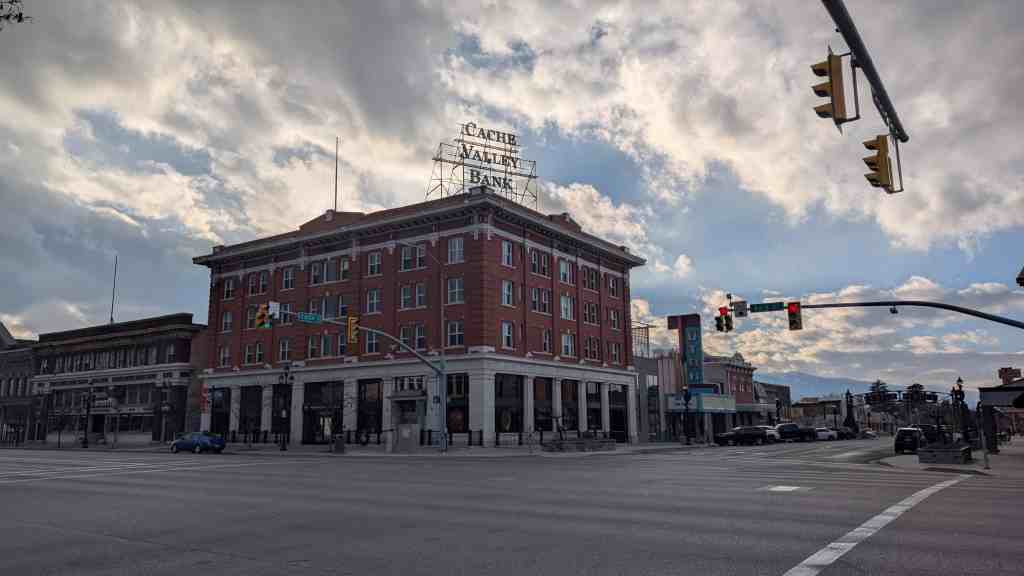
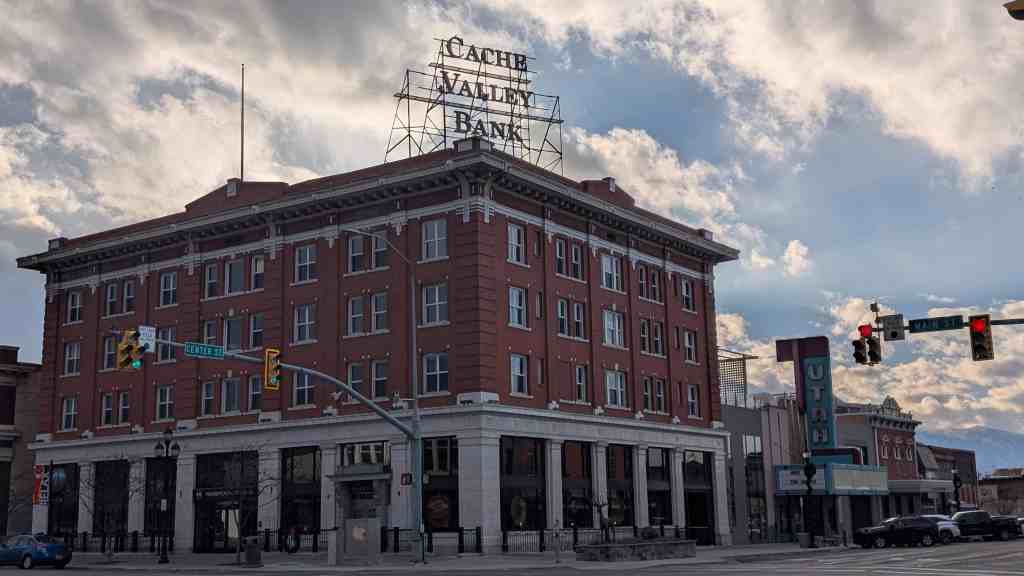
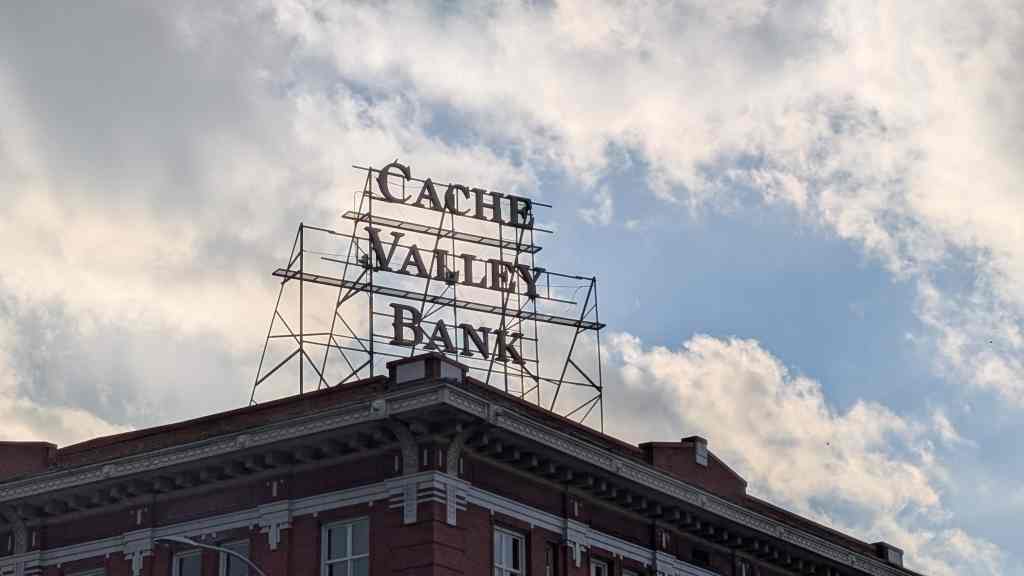
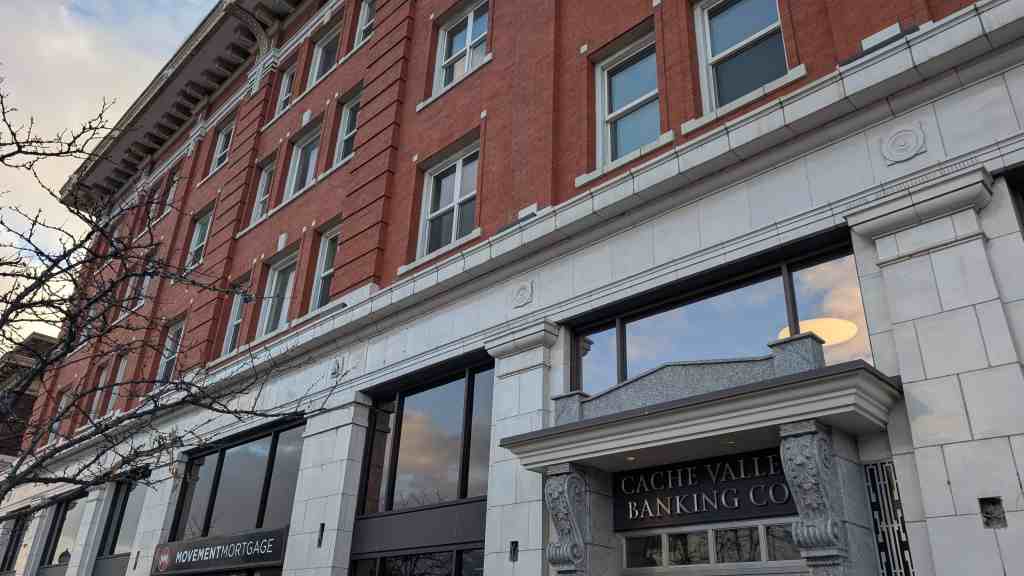
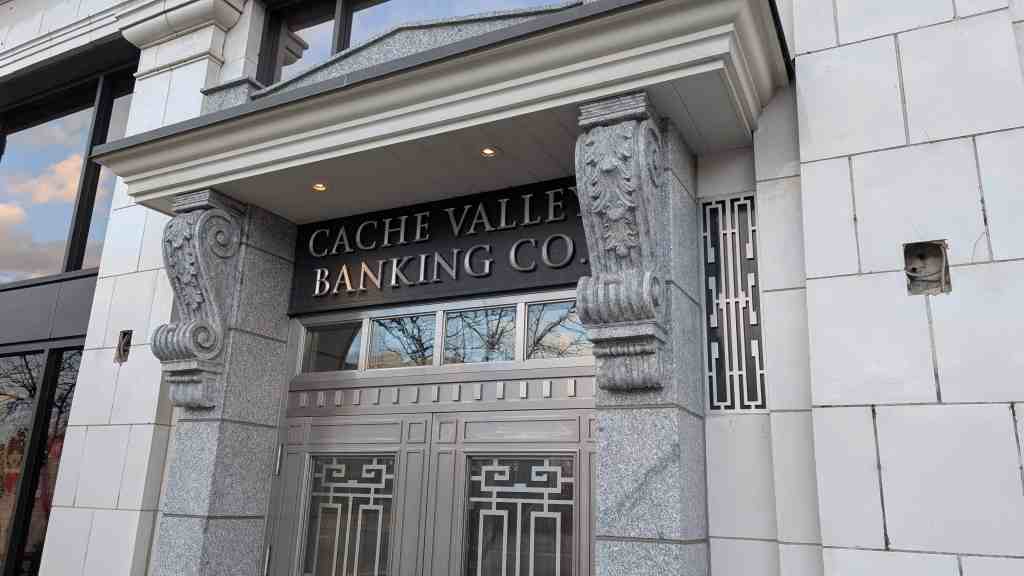
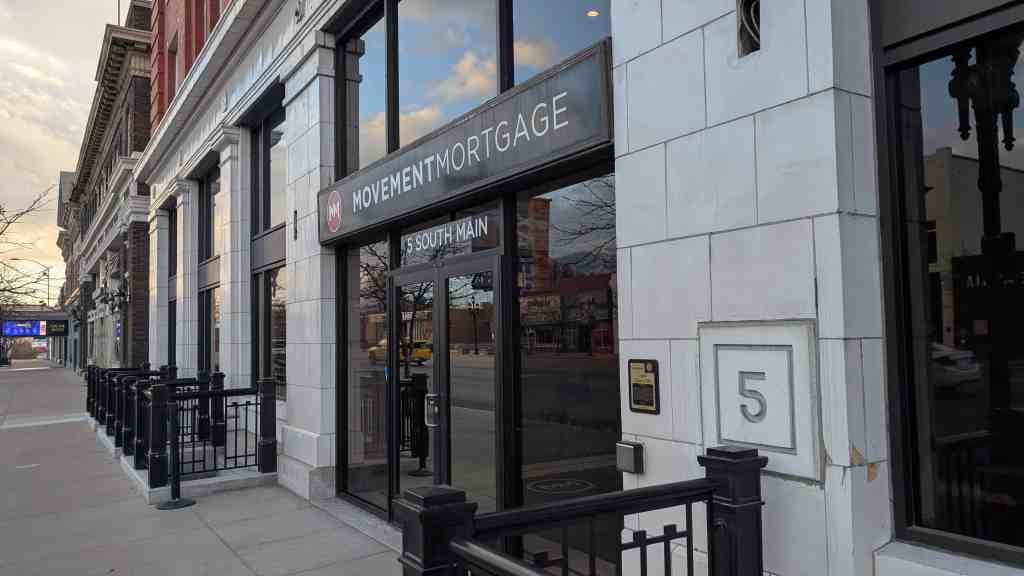
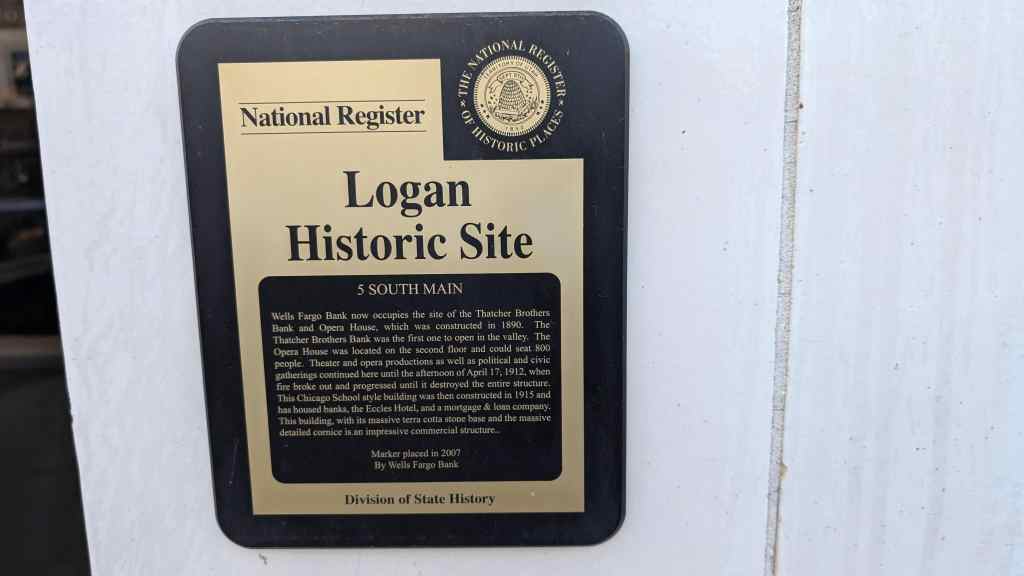
Wells Fargo Bank now occupies the site of the Thatcher Brothers Bank and Opera House, which was constructed in 1890. The Thatcher Brothers Bank was the first one to open in the valley. The Opera House was located on the second floor and could seat 800 people. Theater and opera productions as well as political and civic gatherings continued here until the afternoon of April 17, 1912, when fire broke out and progressed until it destroyed the entire structure. This Chicago School style building was then constructed in 1915 and has housed banks, the Eccles Hotel, and a mortgage & loan company. This building, with its massive terra cotta stone base and the massive detailed cornice is an impressive commercial structure