• About JacobBarlow.com
  • Cemeteries in Utah
  • D.U.P. Markers
  • Doors
  • Exploring Utah Email List
  • Geocaching
  • Historic Marker Map
  • Links
  • Movie/TV Show Filming Locations
  • Oldest in Utah
  • Other Travels
  • Photos Then and Now
  • S.U.P. Markers
  • U.P.T.L.A. Markers
  • Utah Cities and Places.
  • Utah Homes for Sale
  • Utah Treasure Hunt

JacobBarlow.com

~ Exploring with Jacob Barlow

JacobBarlow.com

Tag Archives: Arizona Historic Markers

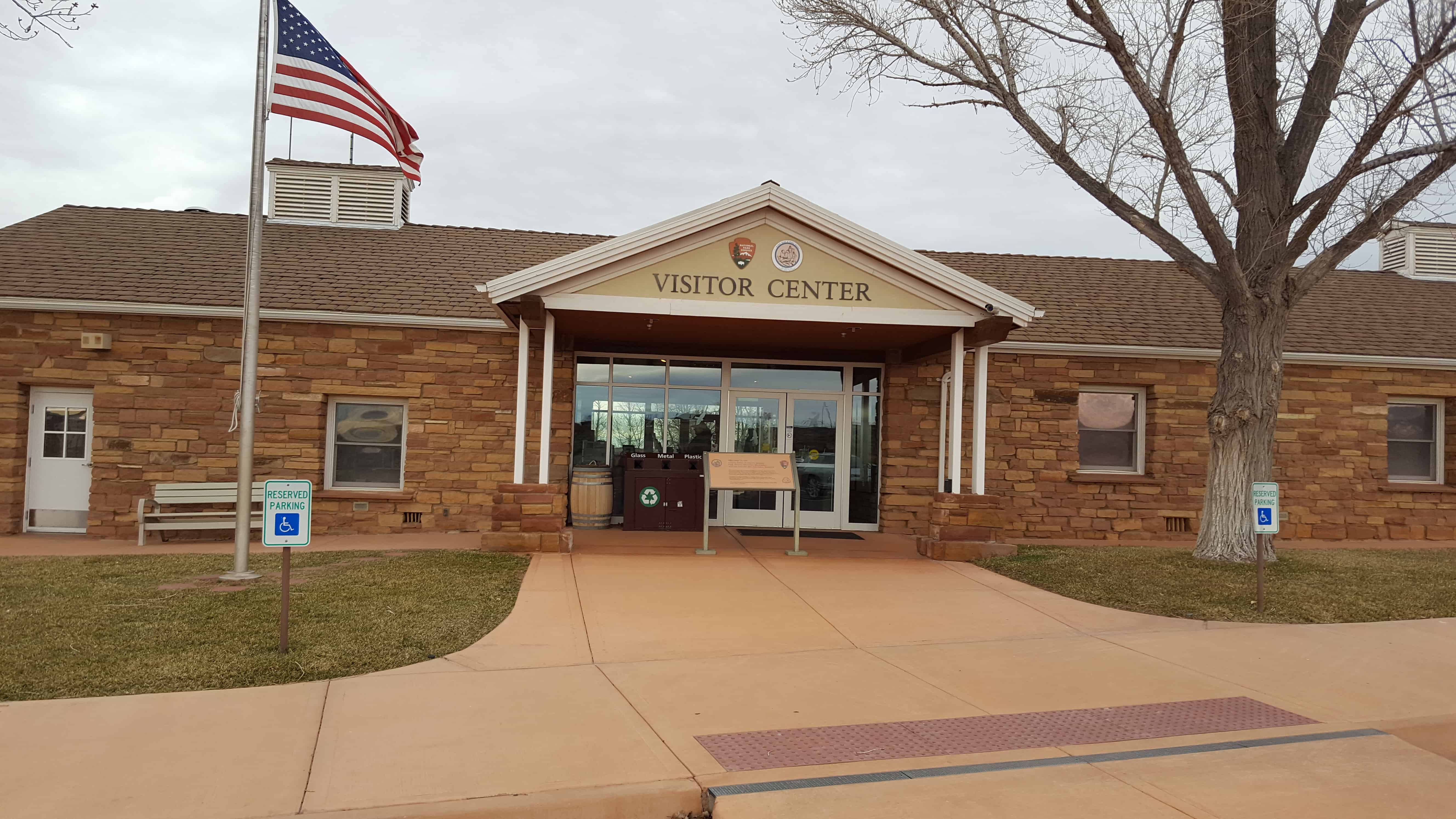
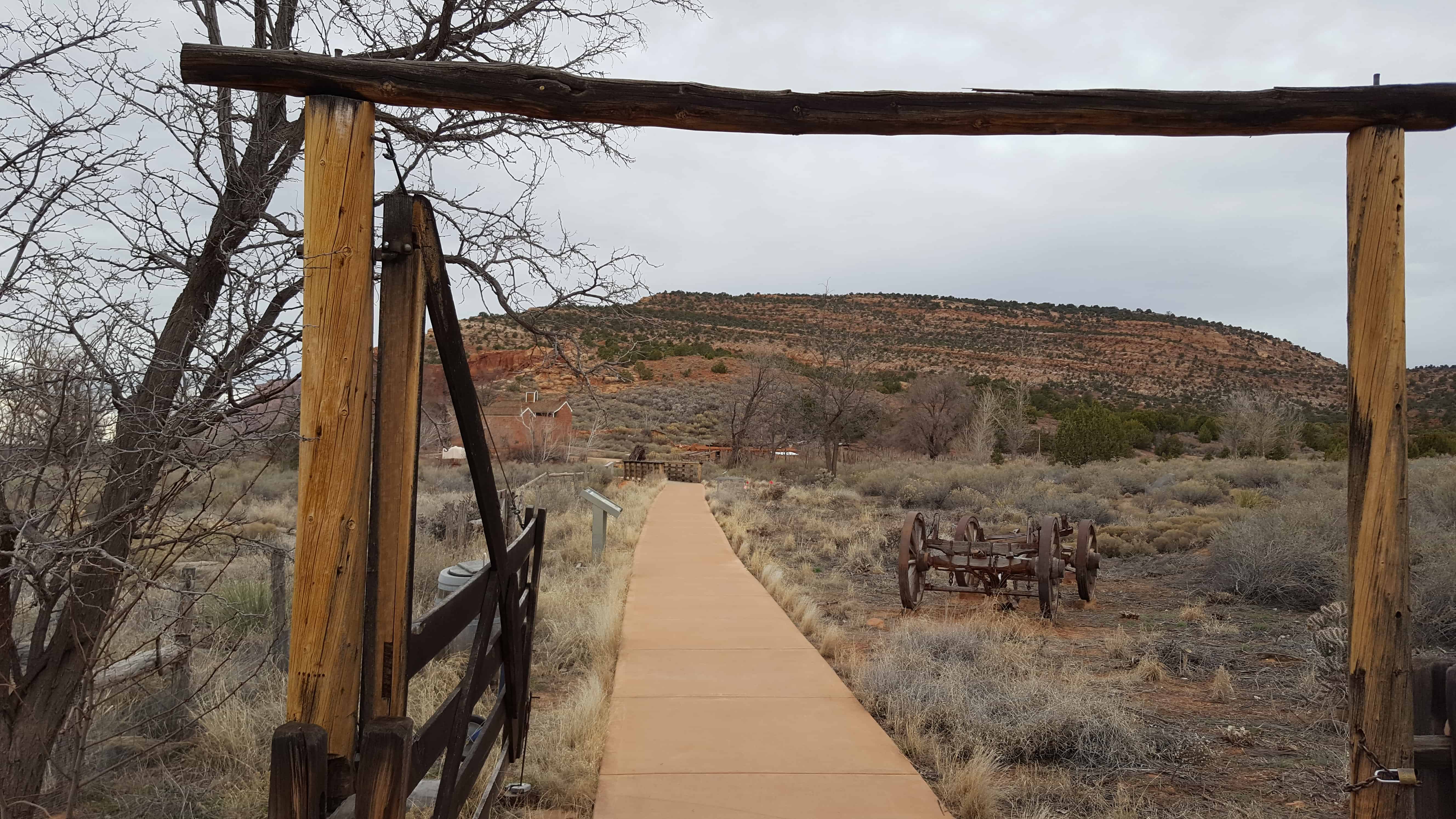
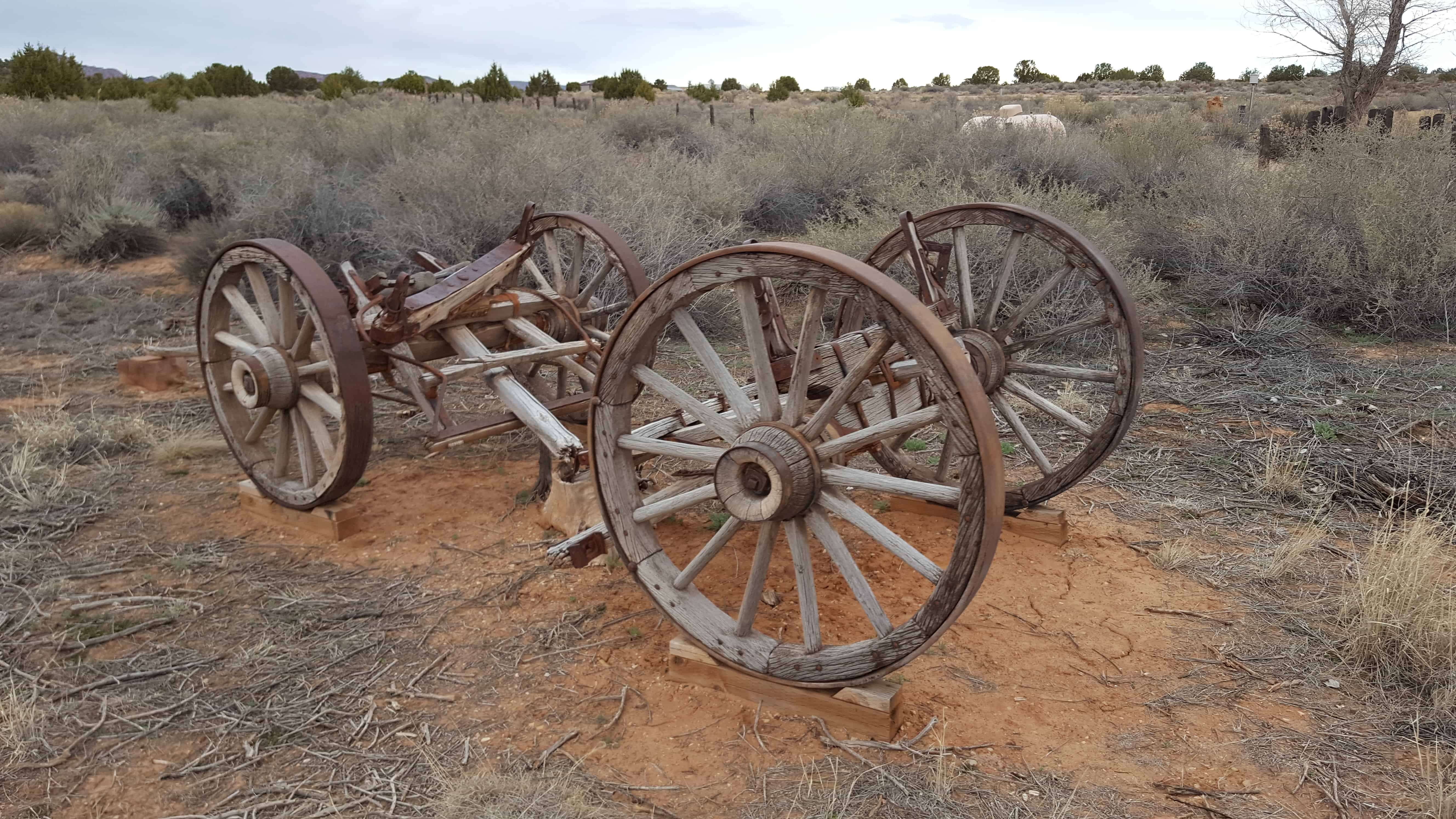
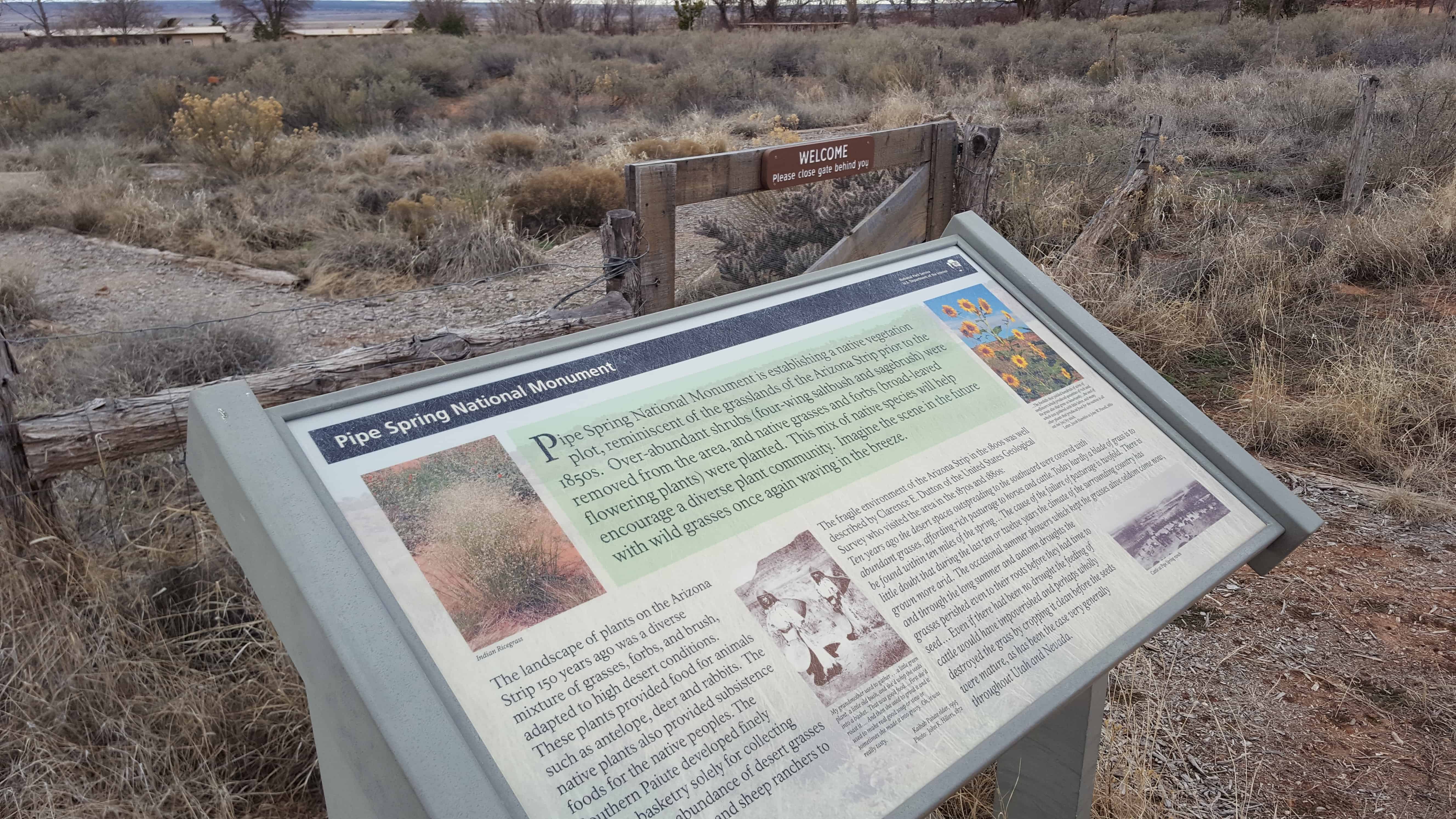
Pipe Spring National Monument

08 Sunday Jan 2017

Posted by Jacob Barlow in Uncategorized

≈ 5 Comments

Tags

Arizona, Arizona Historic Markers, Forts, historic, Historic Buildings, Historic Markers, Mohave County, National Monuments, National Parks, Pipe Spring National Monument, Springs

2017-03-05 09.32.19

Pipe Spring National Monument Posts:

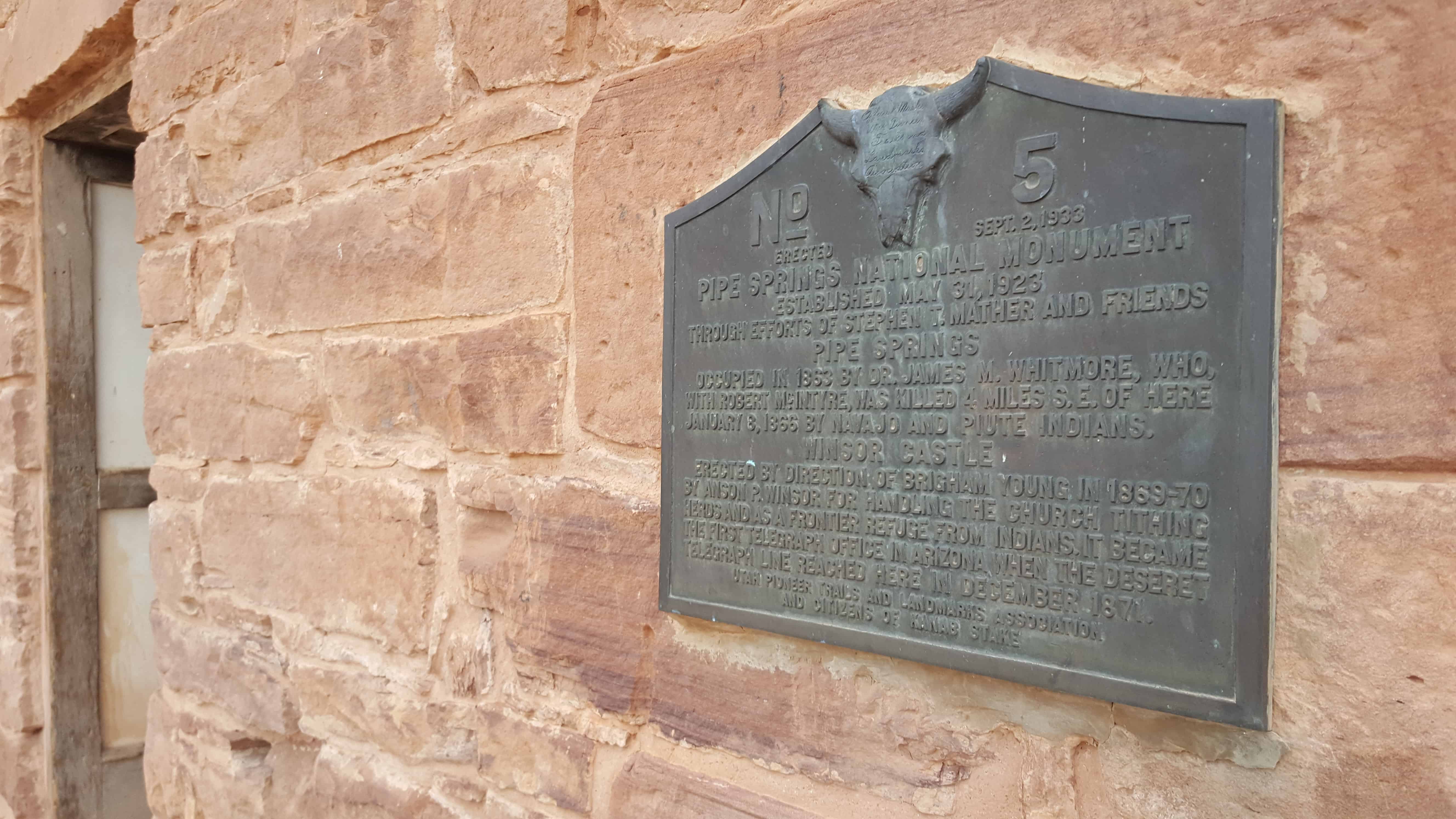
  • UPTLA/SUP Marker #5

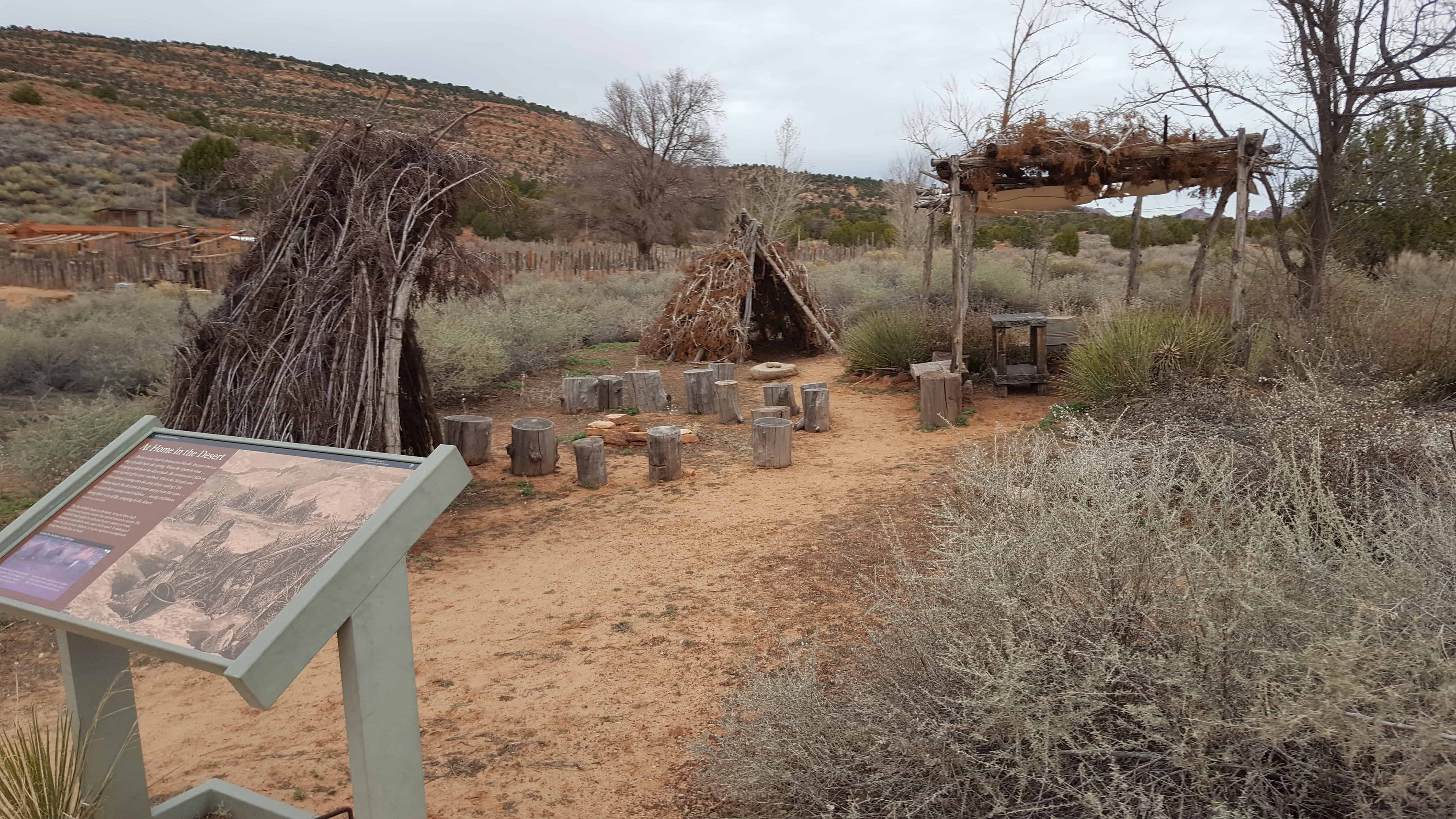
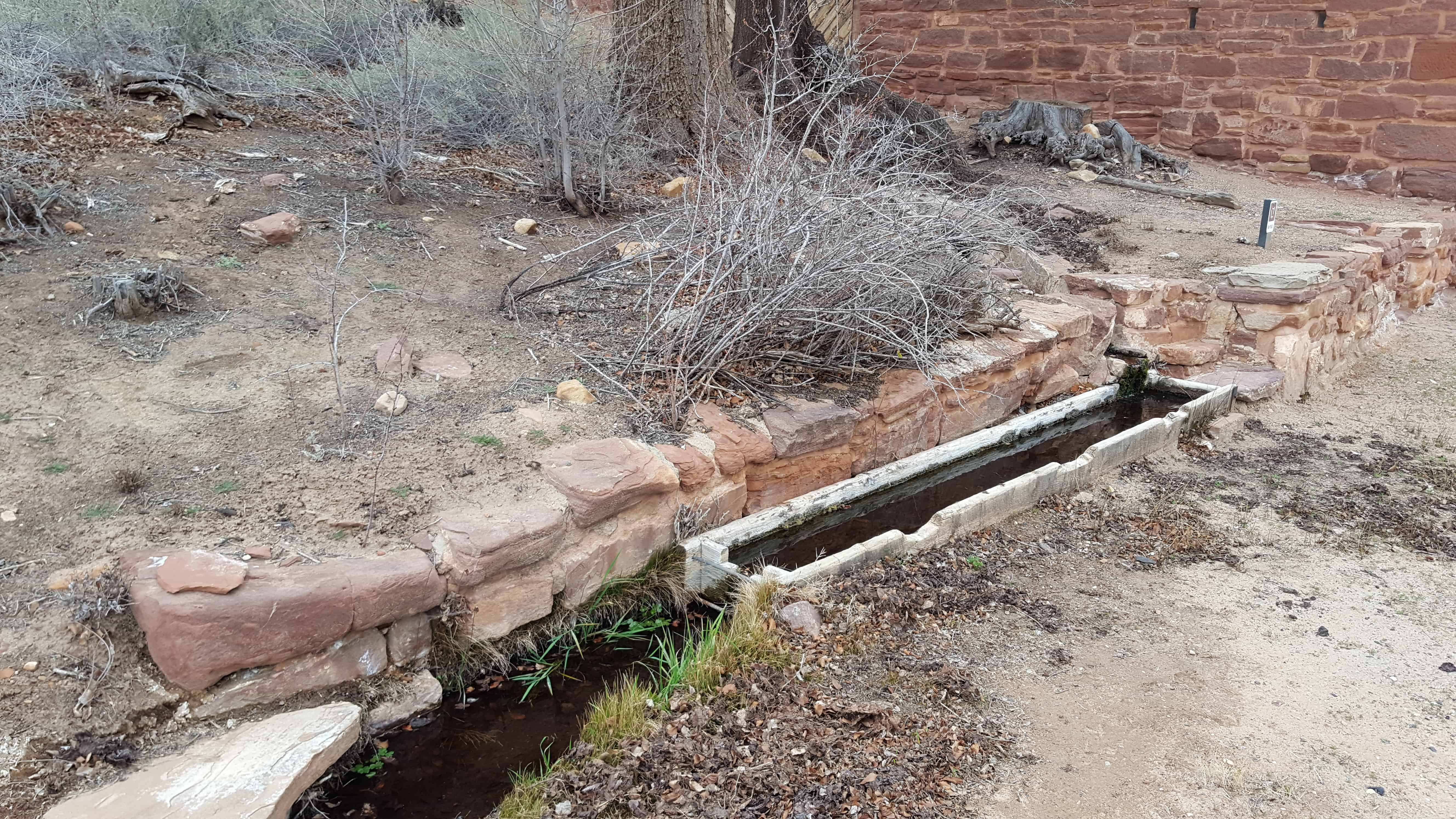
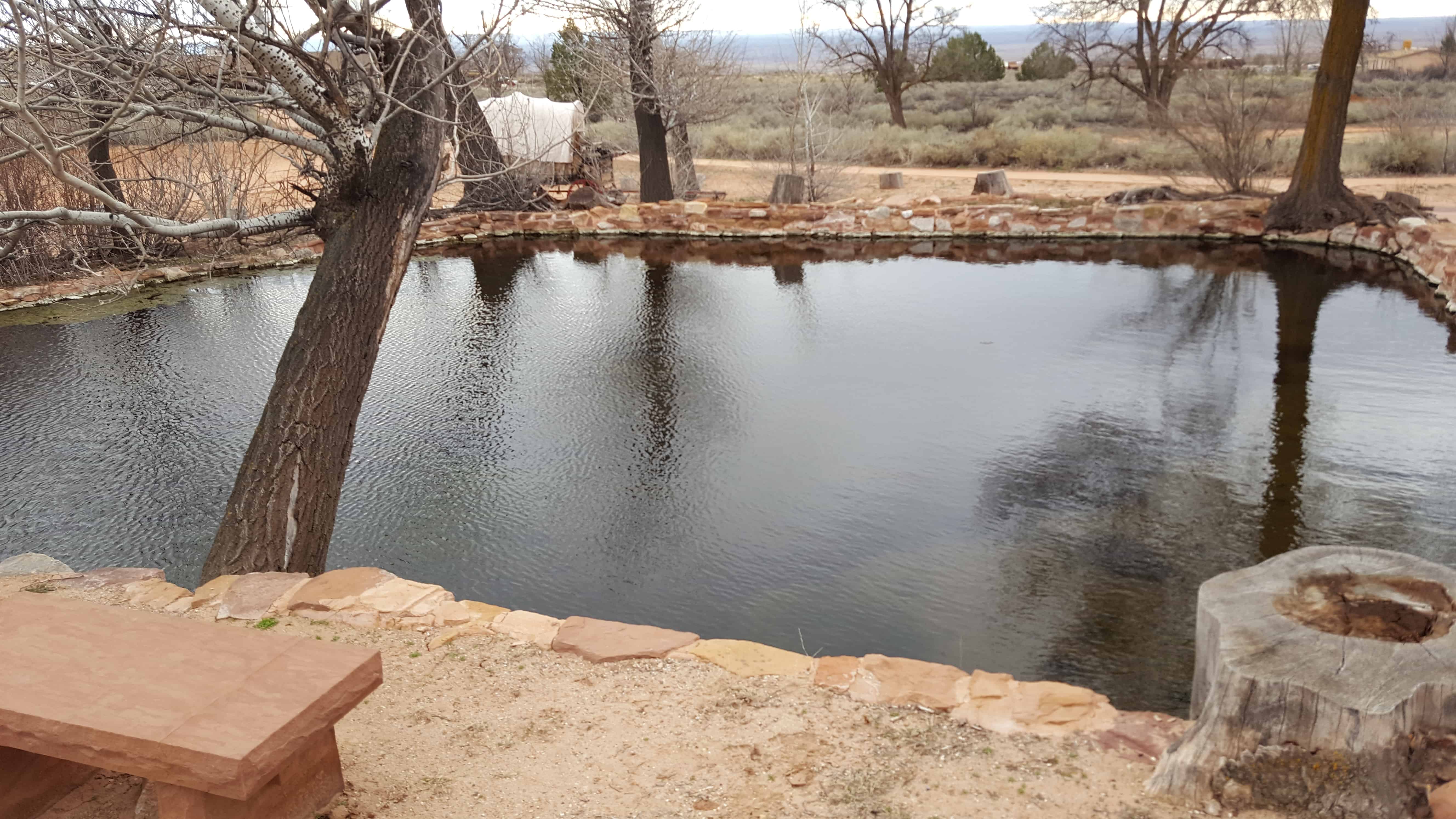
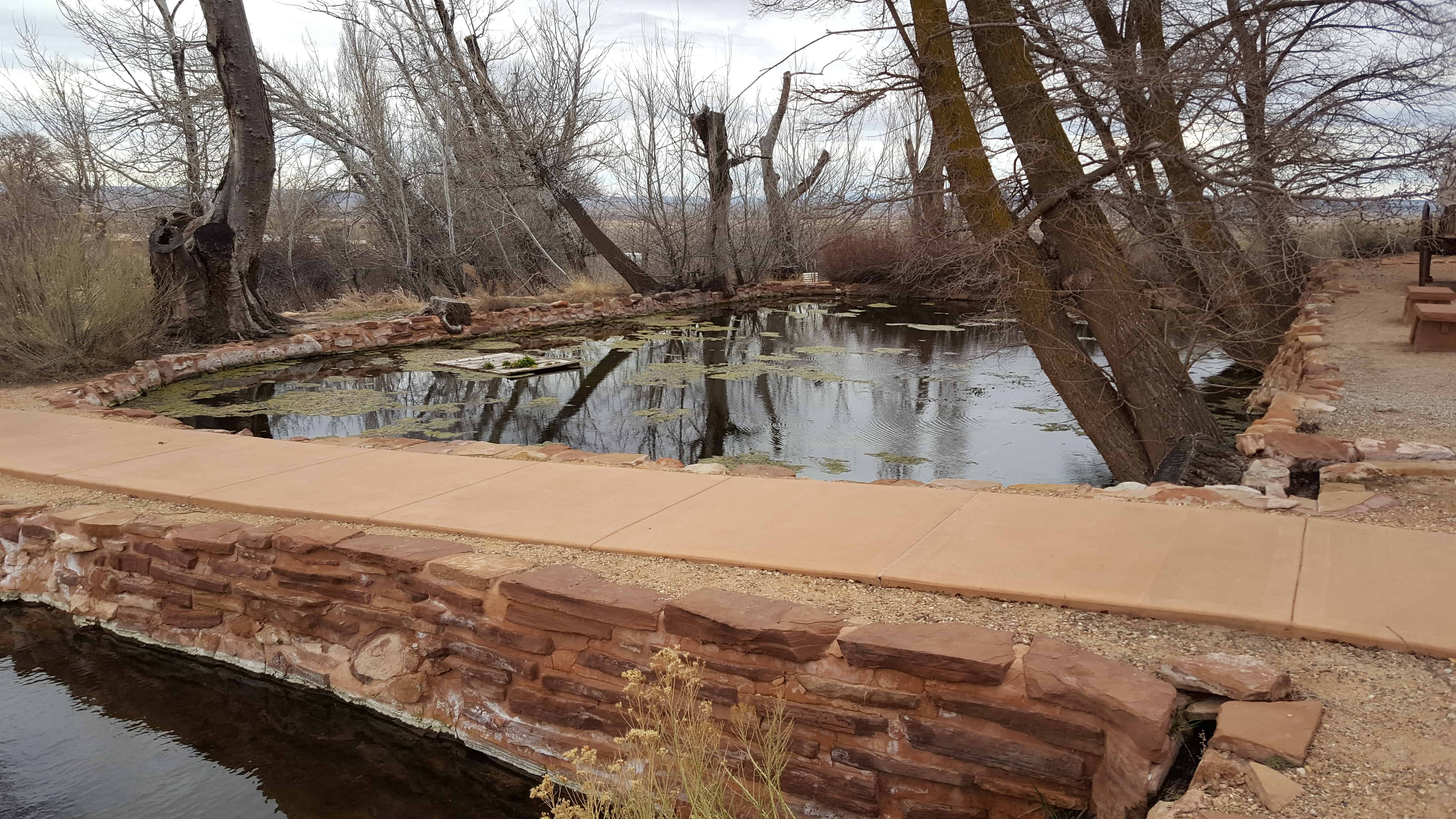
The water of Pipe Spring has made it possible for plants, animals, and people to live in this dry desert region. Ancestral Puebloans and Kaibab Paiute Indians gathered grass seeds, hunted animals, and raised crops near the springs for at least 1,000 years.

Antonio Armijo discovered the springs when he passed through the area in 1829, when he established by the Armijo Route of the Old Spanish Trail.

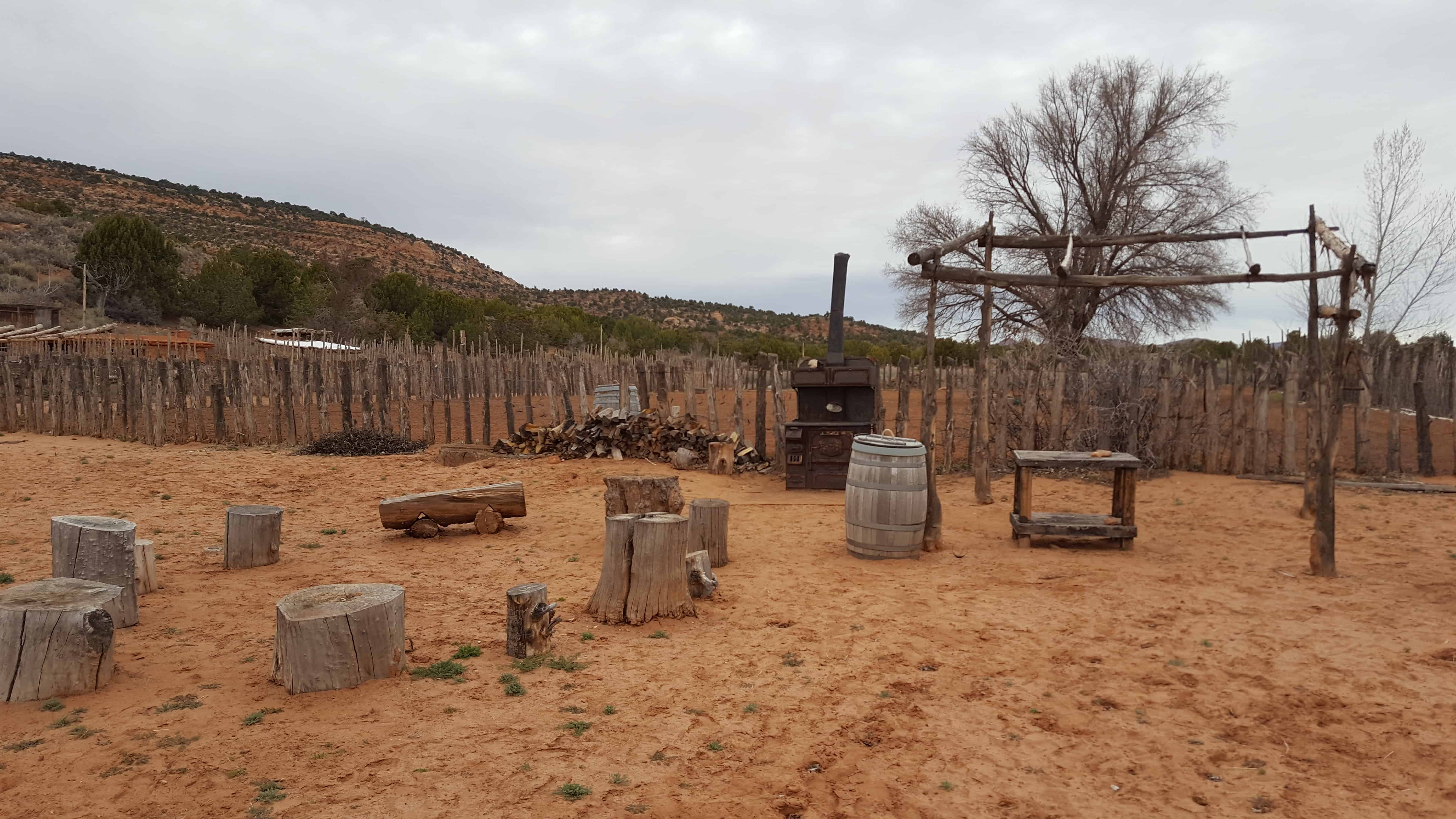
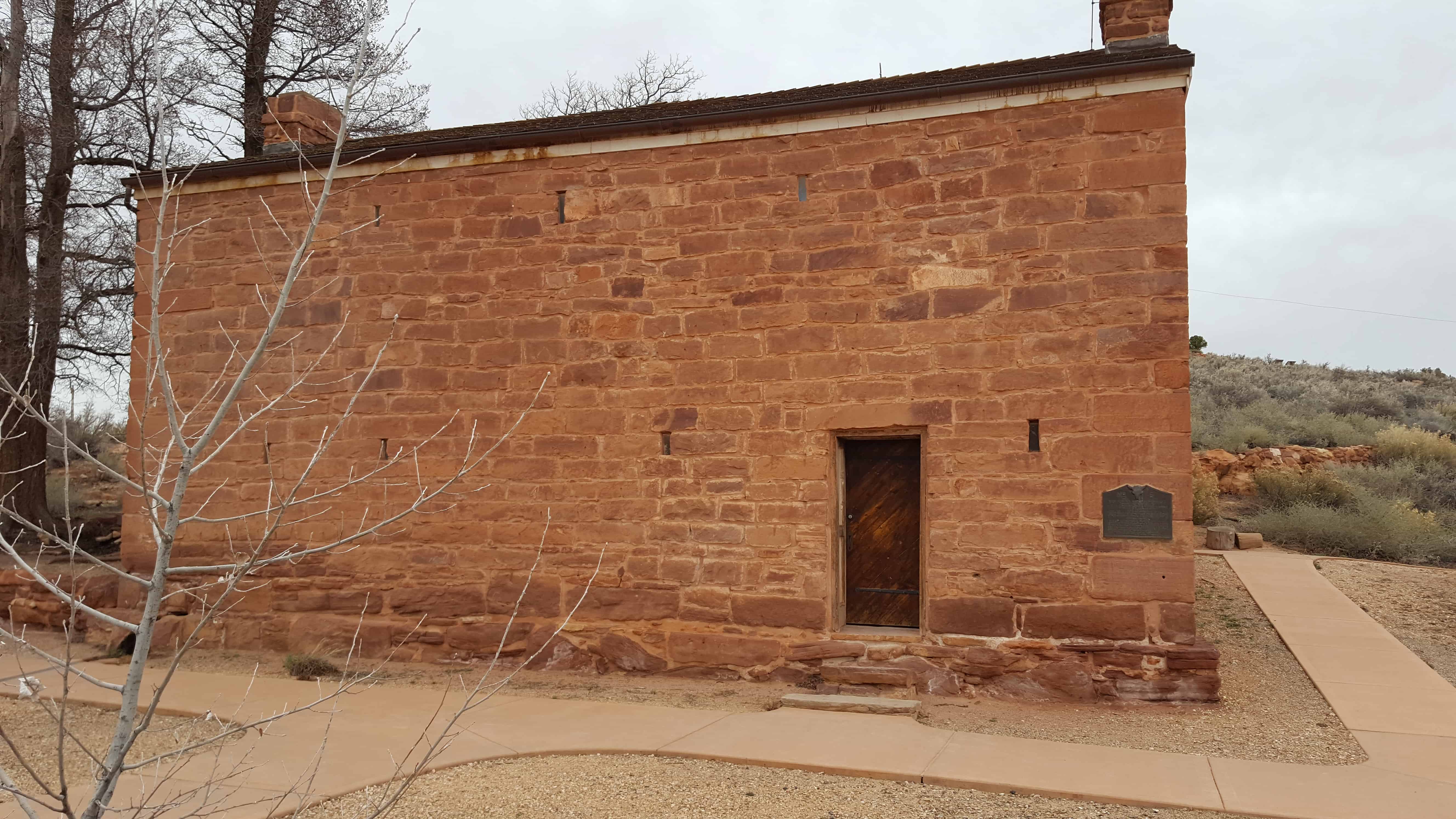
Pipe Spring was named by the 1858 Latter-day Saint missionary expedition to the Hopi mesas led by Jacob Hamblin. In the 1860s Mormon pioneers from St. George, Utah, led by James M. Whitmore brought cattle to the area, and a large cattle ranching operation was established. In 1866 the Apache, Navajo and Paiute tribes of the region joined the Utes for the Black Hawk War, and, after they raided Pipe Spring, a protective fort was constructed by 1872 over the main spring. The following year the fort and ranch was purchased by Brigham Young for The Church of Jesus Christ of Latter-day Saints (LDS Church). The LDS Bishop of nearby Grafton, Utah, Anson Perry Winsor, was hired to operate the ranch and maintain the fort, soon called Winsor Castle. This isolated outpost served as a way station for people traveling across the Arizona Strip, that part of Arizona separated from the rest of the state by the Grand Canyon. It also served as a refuge for polygamist wives during the 1880s and 1890s. The LDS Church lost ownership of the property through penalties involved in the federal Edmunds-Tucker Act of 1887.

Although their way of life was greatly impacted by Mormon settlement, the Paiute Indians continued to live in the area and by 1907 the Kaibab Paiute Indian Reservation was established, surrounding the privately owned Pipe Spring ranch. In 1923, the Pipe Spring ranch was purchased and set aside as a national monument to be a memorial to western pioneer life.

Cameron, Arizona

08 Sunday Jan 2017

Posted by Jacob Barlow in Uncategorized

≈ 2 Comments

Tags

Arizona, Arizona Historic Markers, Bridges, Cameron, Coconino County, Historic Markers

IMG_20170312_112150_990

picture20sep08-046

Cameron (Orinally Tanner’s Crossing)

Named for one of Arizona’s first U.S. Senators. A pioneer in development of trails and copper mines in Grand Canyon. Near here was the site of Tanner’s Crossing of the Little Colorado River on The Mormon Trail from Utah via Lee Ferry to settlements in Arizona and Mexico.

n 1911, a sway-back, one-track suspension bridge was erected over a gorge of the Little Colorado on the edge of Navajo and Hopi country. Hubert and C.D. Richardson built a small trading post there in 1916.
Designer – Midland Steel Co.
Location – Cameron, Arizona, USA
Date – 1911
Building Type – Transportation
Construction System – Concrete, Steel, Aluminum
Architectural Style – Suspension-truss hybrid
Street Address – Carries US 89 over the Little Colorado River
Notes – also known as Cameron Bridge;Little Colorado River Bridge

Related:

  • Arizona Historic Markers


Mineral Park, Arizona

19 Saturday Nov 2016

Posted by Jacob Barlow in Uncategorized

≈ 1 Comment

Tags

Arizona, Arizona Historic Markers, Ghost Towns, Mineral Park, Mining, Mohave County

2016-09-05-11-44-30

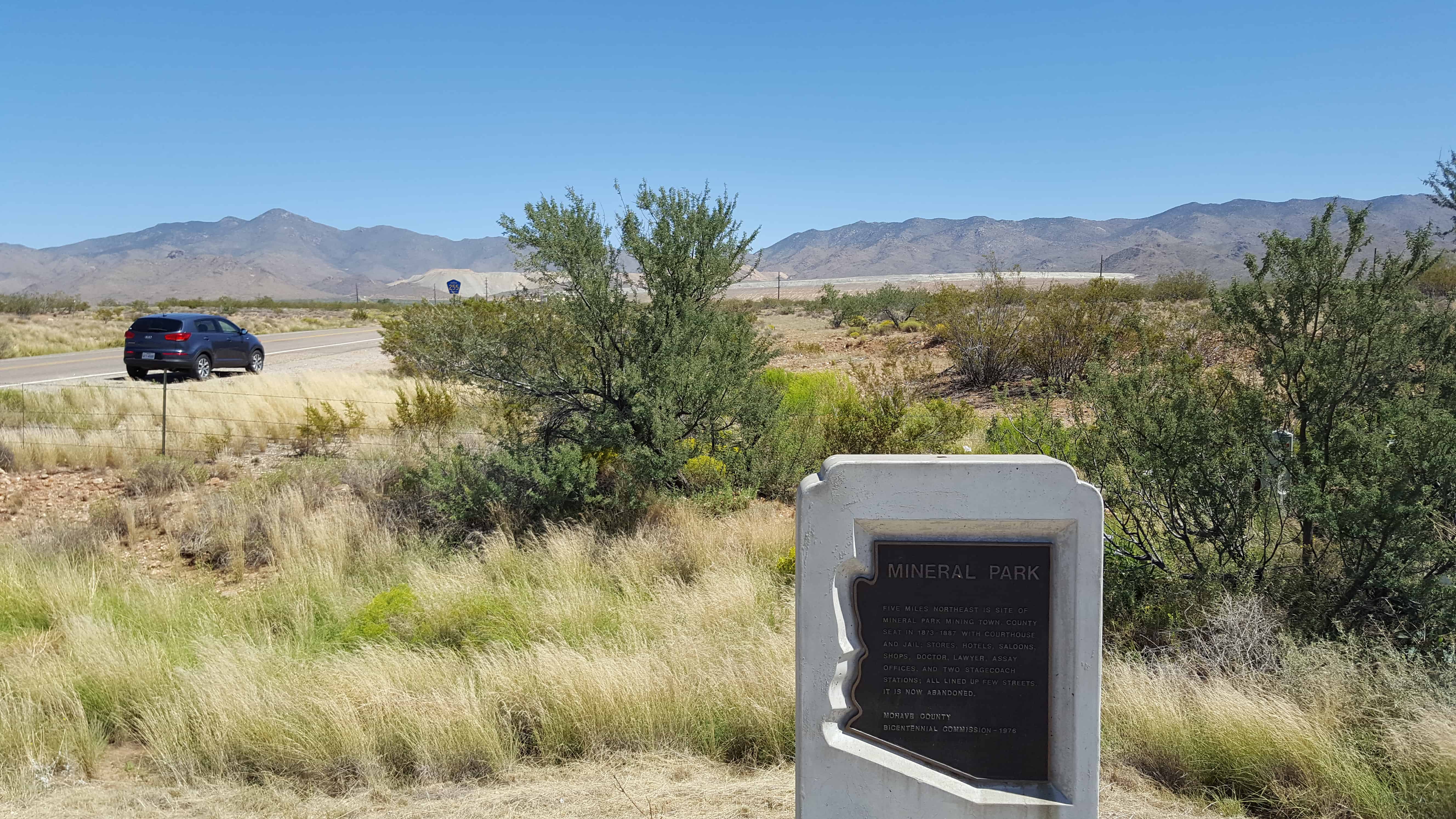
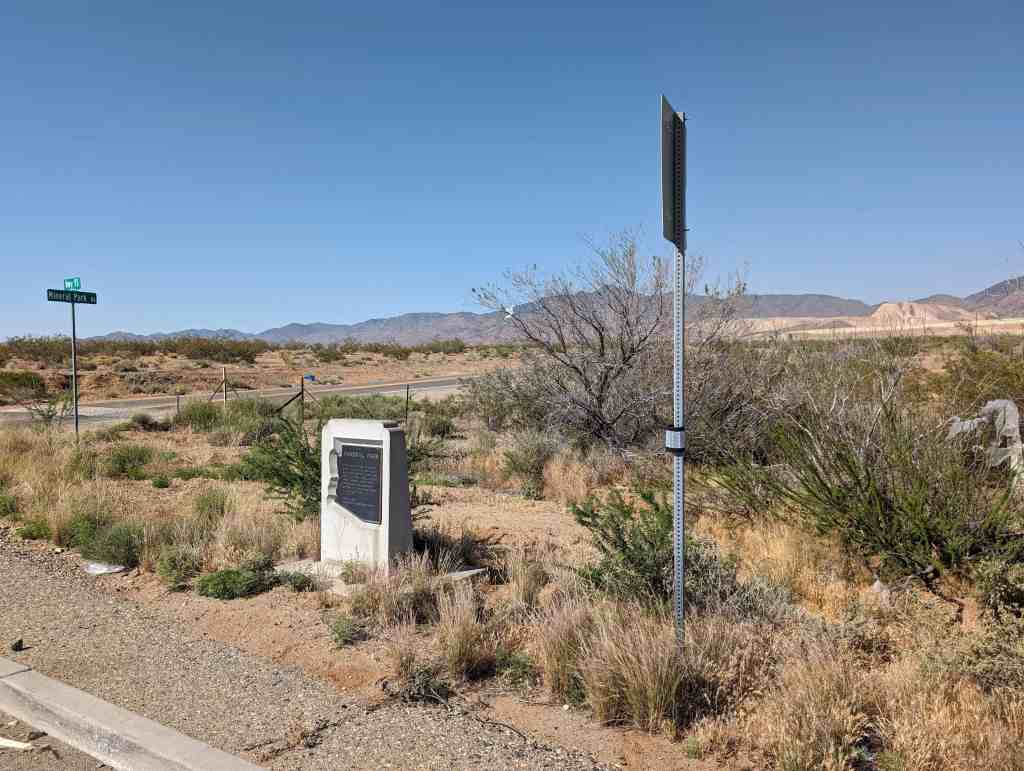
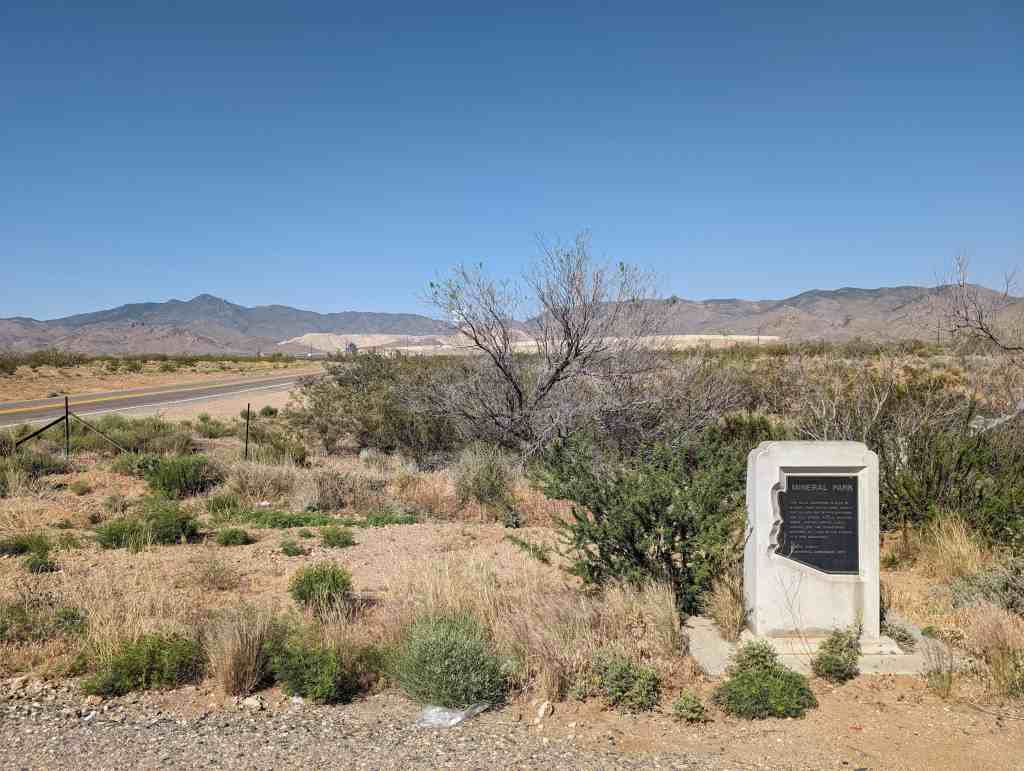
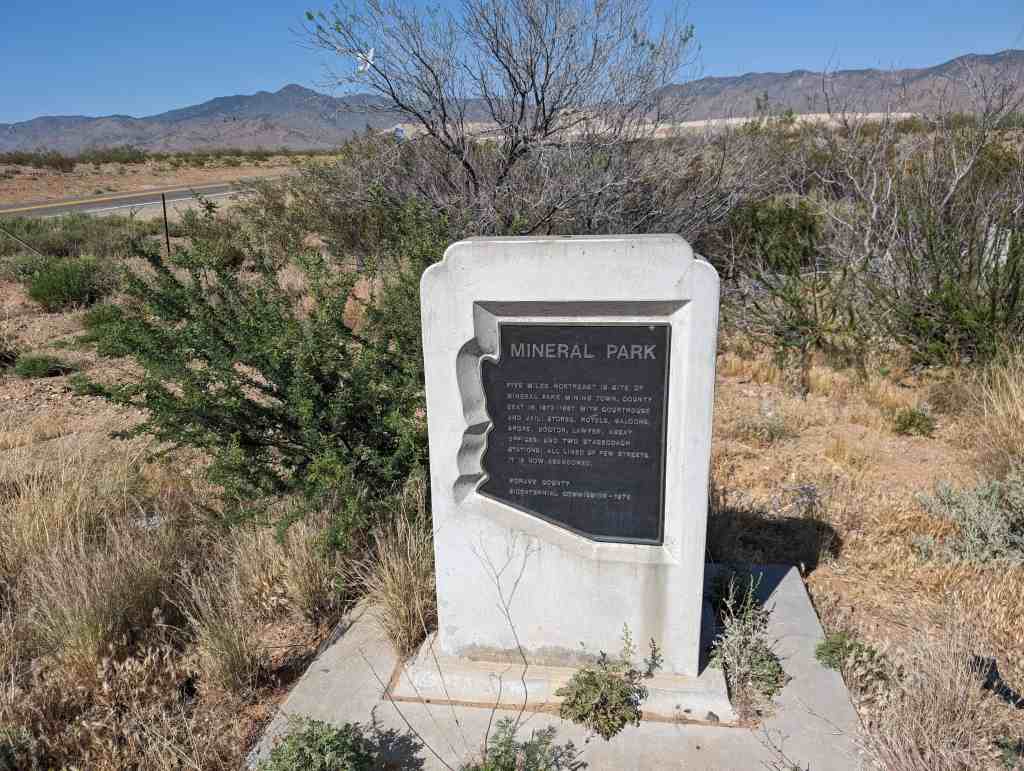
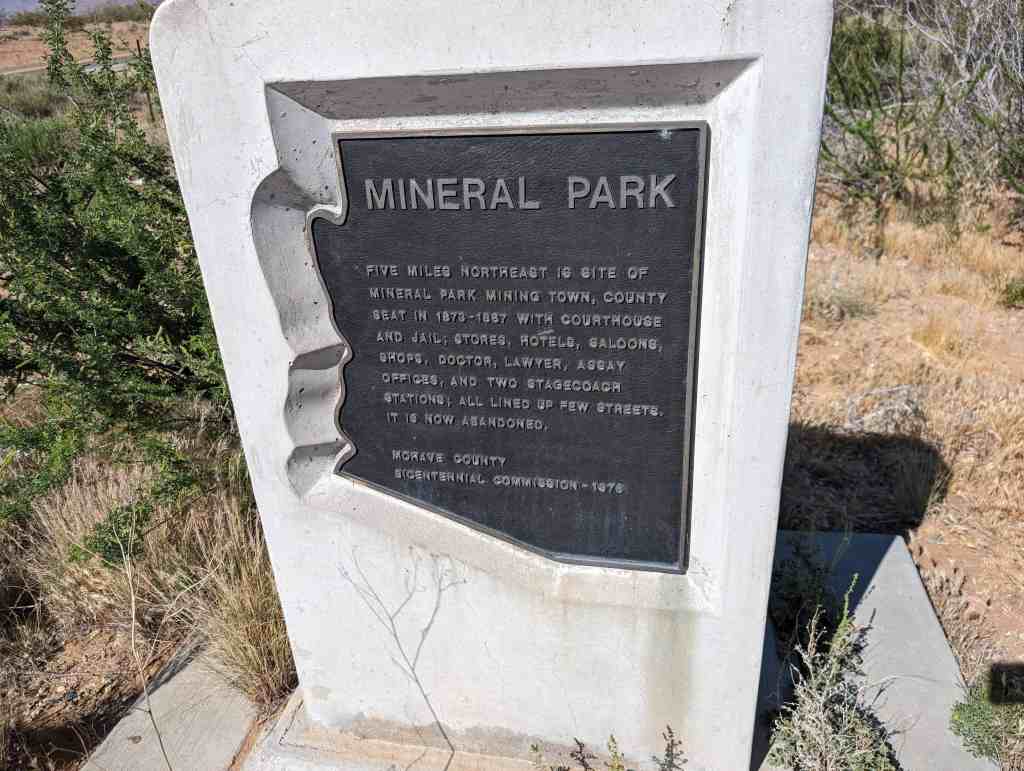
Mining in the area began in 1871 and a camp was established soon after. The mines produced primarily silver, gold, copper, lead and zinc. The post office was opened December 23, 1872. It grew to be the largest town in the county and became the county seat in 1873. It had the county courthouse and jail, stores, hotels, saloons, shops, doctors, lawyers, assay offices and two stagecoach stations. The town published a newspaper, the Mohave County Miner.

In 1887 it lost the county seat to the railroad town of Kingman in an election. Some of the population and the newspaper moved and mining began to slacken with the price of silver. The post office closed in April 30, 1893. It reopened in September 1894, but closed for the last time in 1912. Mining revived in the area since the 1960s, but the town never did.

Newer posts →

Follow Jacob

Follow Jacob

Blog Stats

  • 2,061,071 hits

Social and Other Links

BarlowLinks.com

Recent Posts

  • Navajo Shadehouse Museum
  • Impossible Canyons
  • The Old Hurricane Bell
  • Goulds Shearing Corral
  • Morgan Union Pacific Depot

Archives

Loading Comments...