• About JacobBarlow.com
  • Cemeteries in Utah
  • D.U.P. Markers
  • Doors
  • Exploring Utah Email List
  • Geocaching
  • Historic Marker Map
  • Links
  • Movie/TV Show Filming Locations
  • Oldest in Utah
  • Other Travels
  • Photos Then and Now
  • S.U.P. Markers
  • U.P.T.L.A. Markers
  • Utah Cities and Places.
  • Utah Homes for Sale
  • Utah Treasure Hunt

JacobBarlow.com

~ Exploring with Jacob Barlow

JacobBarlow.com

Tag Archives: Carbon County

Scofield Cemetery

27 Monday Apr 2015

Posted by Jacob Barlow in Uncategorized

≈ 1 Comment

Tags

Carbon County, Cemeteries, Scofield, utah

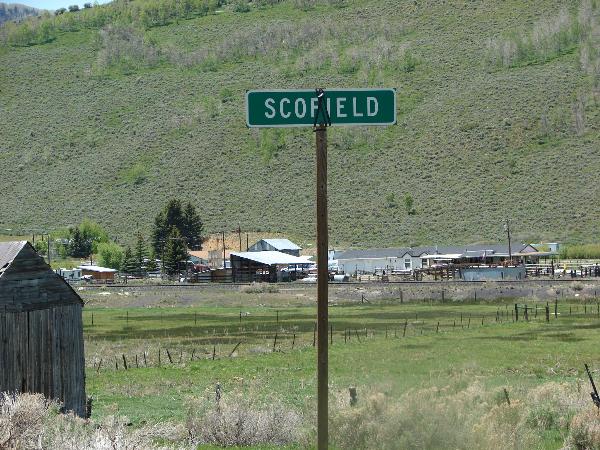
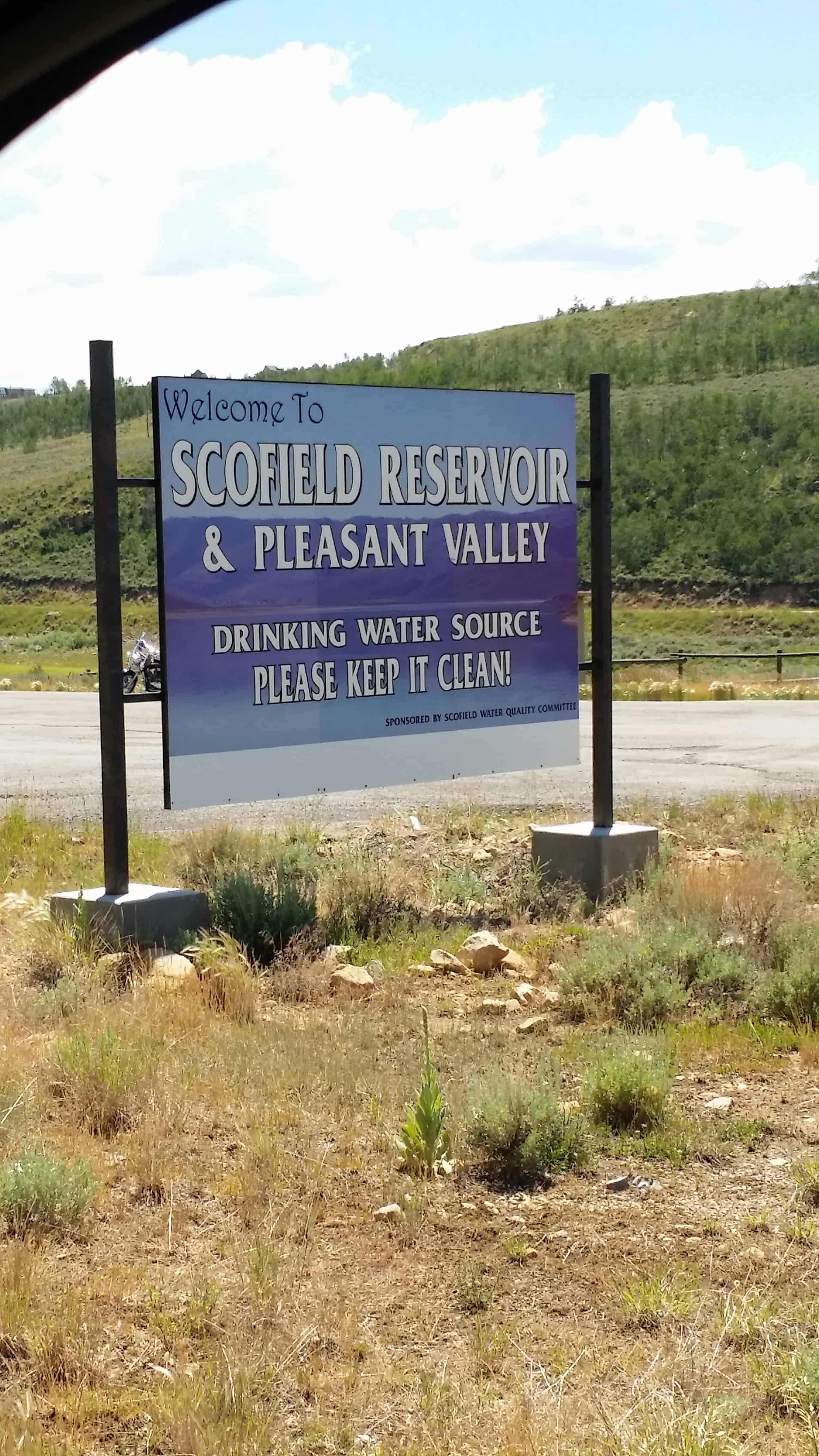
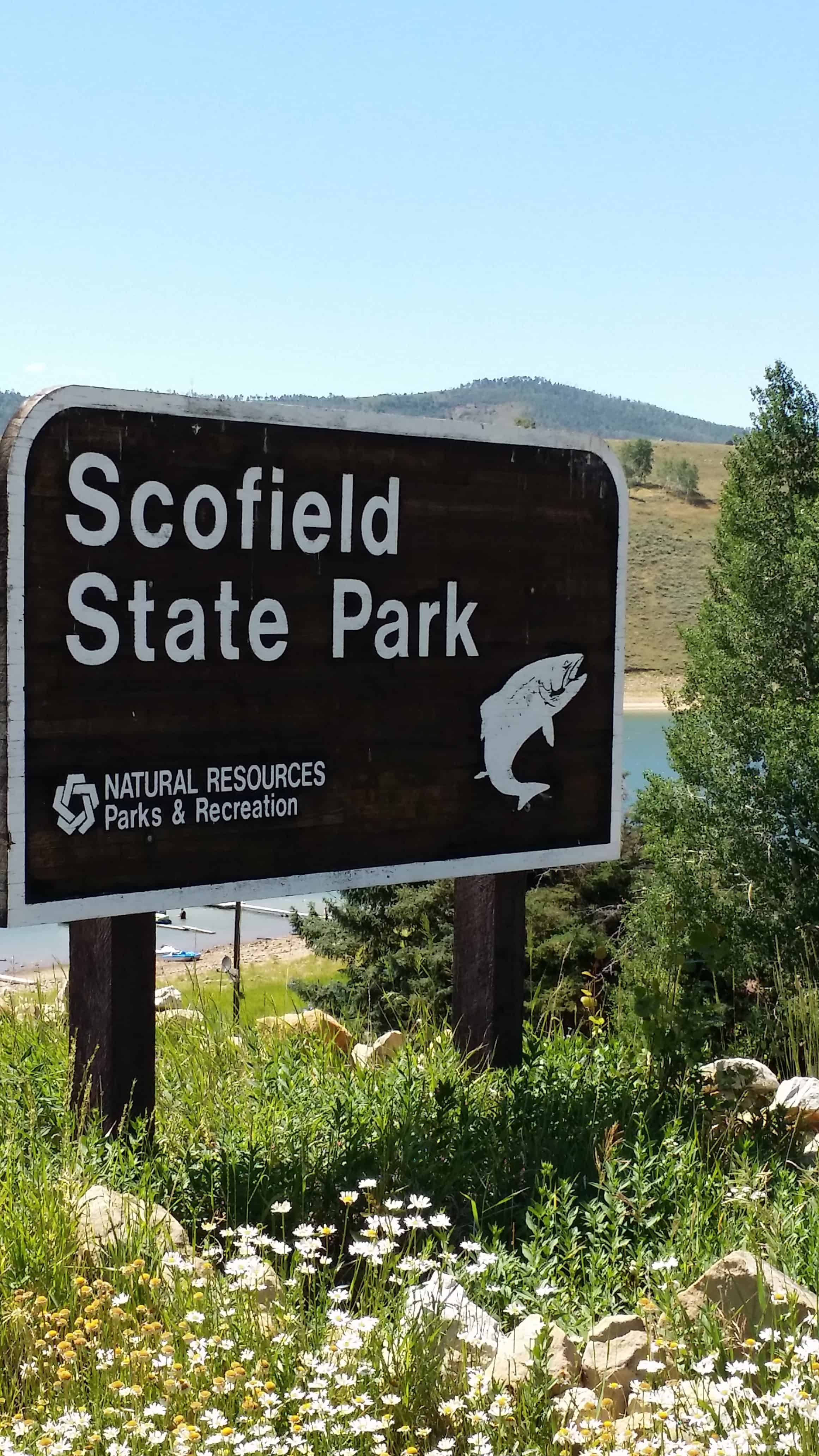
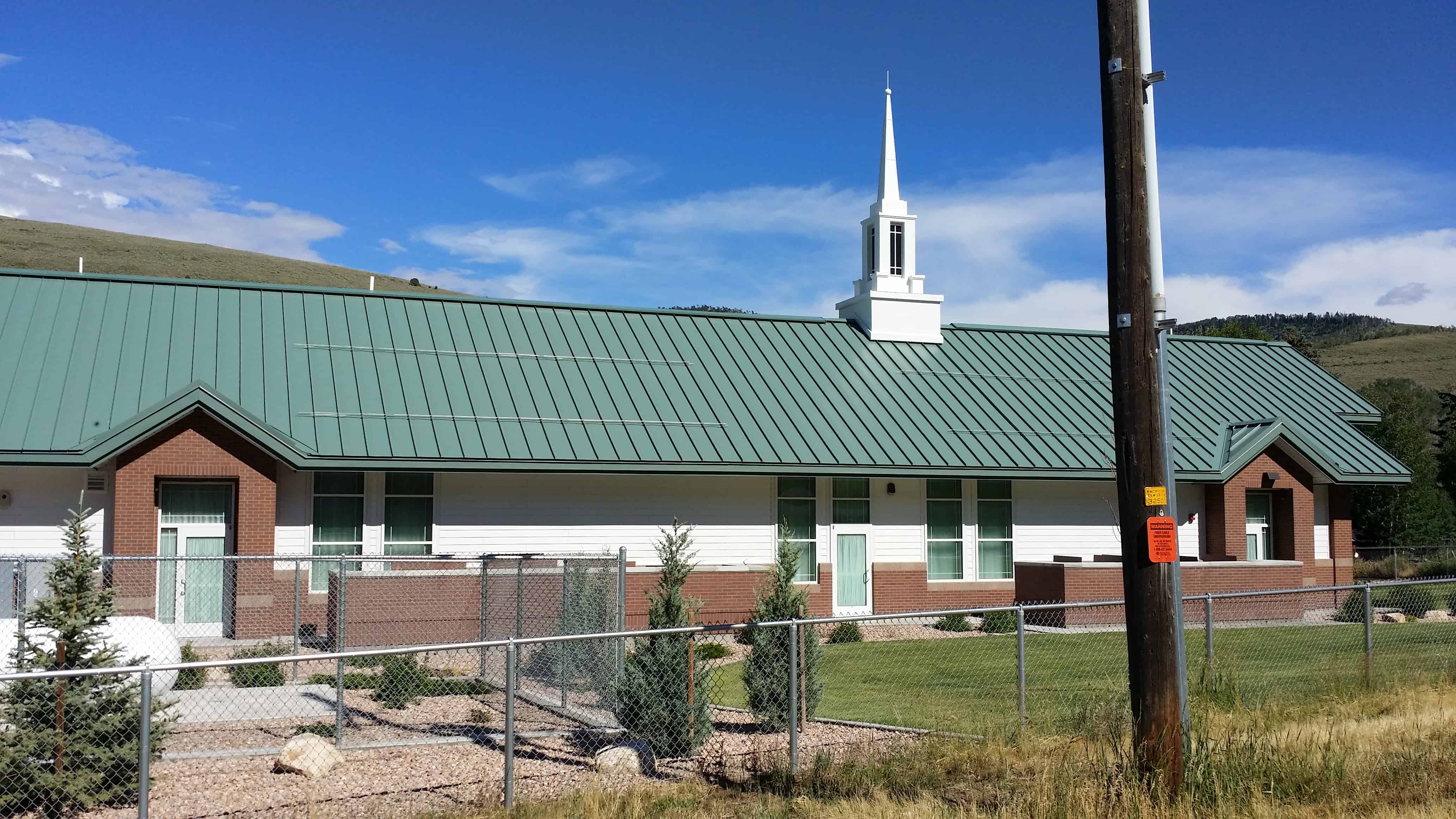
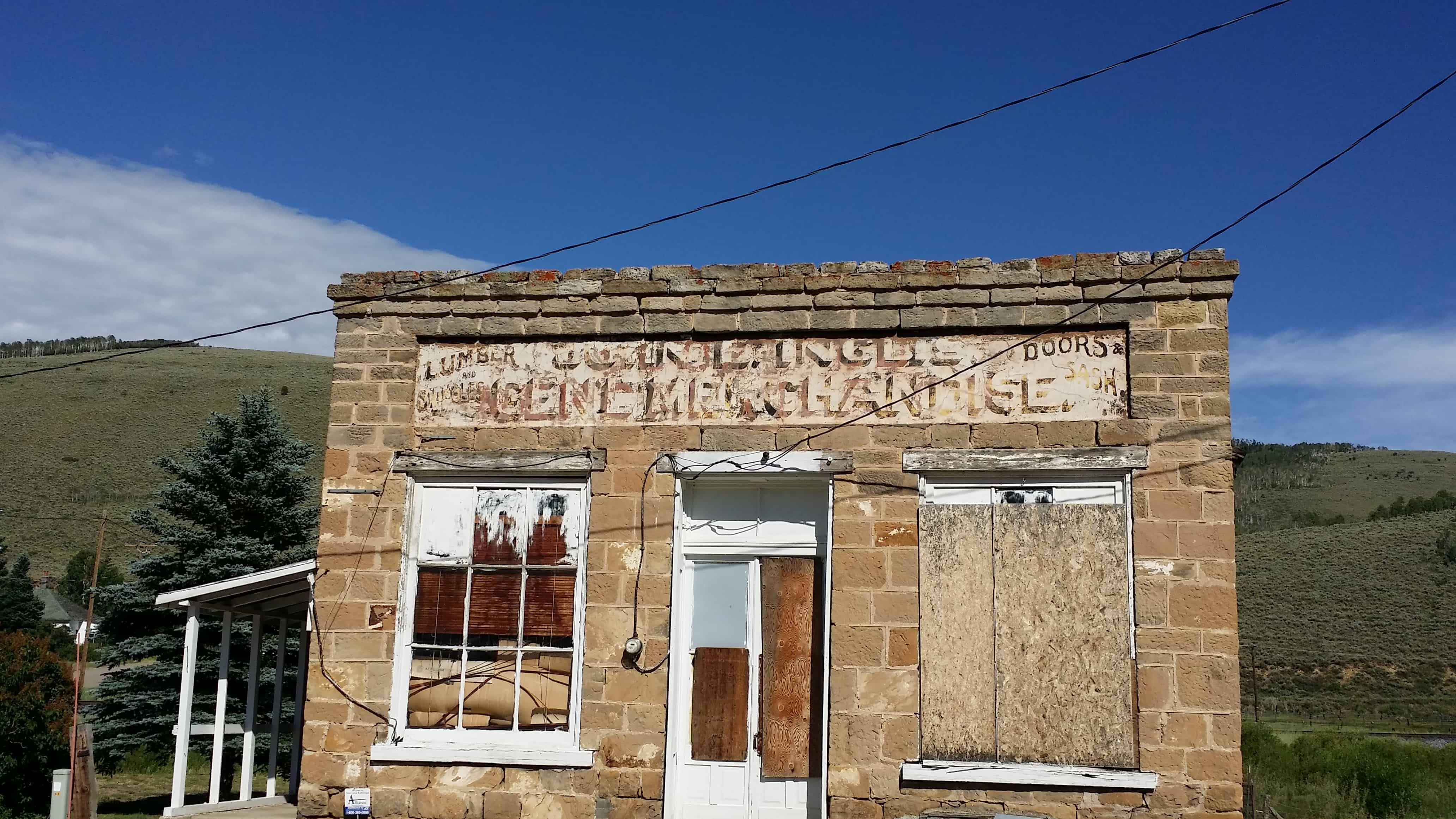
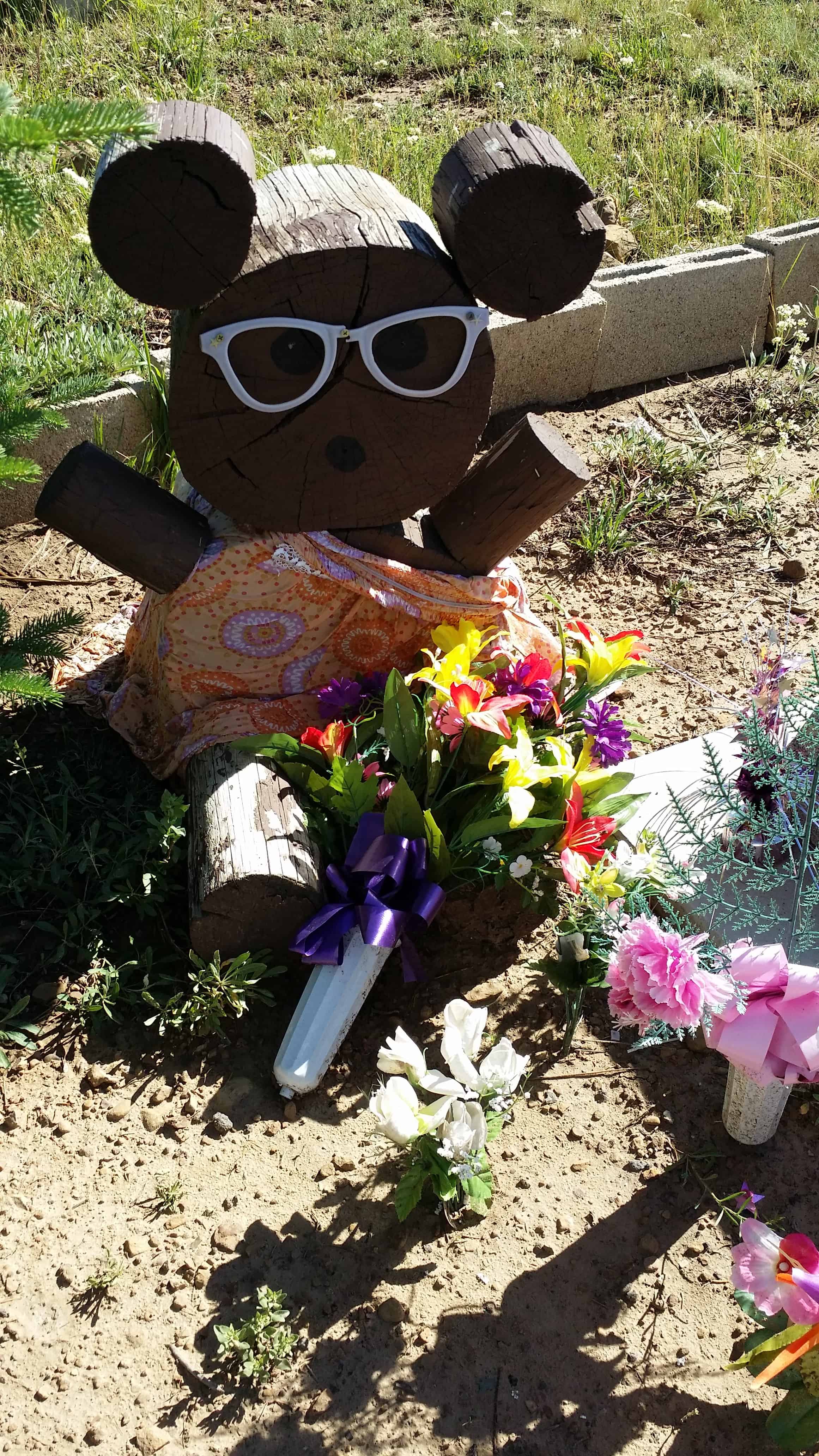
Photos from the Cemetery in Scofield, Utah.

2014-07-12 17.12.36

2014-07-12 17.13.29

2014-07-12 17.14.39

2014-07-12 17.17.15

2014-07-12 17.19.34

2014-07-12 17.21.25

2014-07-12 17.24.54

2014-07-12 17.26.32

2014-07-12 17.30.28

2014-07-12 17.31.37

2014-07-12 17.32.08

2014-07-12 17.33.26

2014-07-12 17.34.14

2014-07-12 17.36.38

Scofield Mine Disaster

27 Monday Apr 2015

Posted by Jacob Barlow in Uncategorized

≈ 1 Comment

Tags

Carbon County, Mining, Scofield, utah

The Scofield Mine Disaster in 1900 Was Utah’s Worst(Taken from historytogo)

In the early morning of May 1, 1900, several hundred miners of the Pleasant Valley Coal Company of Carbon County left their homes in the town of Scofield to begin another day of work in the mines. Some were looking forward to the evening celebrations at Odd Fellows Hall where festivities would be held in honor of Admiral Dewey’s 1898 defeat of the Spanish navy in the battle of Manila. Little did they know that the events of the day would culminate not in lively celebrations but in the death of 200 miners. It was the worst mine disaster in America to that time.

At 10:28 A.M. the No. 4 mine shaft unexpectedly exploded. Though the sound of the blast was heard in the nearby town, many residents thought at first that it came from fireworks set off early in celebration of Dewey Day. Those working closer to the mine were more wary of the noise. Mine superintendent T.J. Parmley quickly organized a rescue team to assess the damage.

What the relief crew saw as they approached the No. 4 mine was horrifying. John Wilson, a miner who had been standing at the opening of the mine at the time of the blast, had been blown 820 feet and was lying against a tree. It took nearly twenty minutes to clear away the debris that blocked the entrance to the mine. Time was crucial for those trapped inside. When the crew was finally able to enter the mine, they found that some men were still alive but quickly suffocating from the deadly gases left by the explosion. Miners in the No. 1 mining shaft, connected through tunnels to the No. 4, were also dying from the toxic fumes.

During the next two days the towns of Clear Creek and Scofield began the sad process of caring for the dead and wounded. Once dragged from the mining shafts, dead bodies were taken to the company boarding house where they were cleaned and dressed for burial. Then they were taken to the schoolhouse where mothers and wives anxiously waited to claim them.

The Pleasant Valley Coal Company provided the necessary materials to properly bury the dead. Coffins were shipped in from Salt Lake City and Denver. William Sharp, company manager, came from Salt Lake with several doctors to offer assistance to those who were still alive.

On May 5 two large funerals were held in Scofield, a Lutheran service for the 61 Finns killed in the accident and an LDS service directed by several General Authorities of the church. Services were also held in other towns throughout the state. Crowds of people waited at the Salt Lake train station for the bodies of loved ones to arrive for burial.

The Scofield mine disaster left a deep scar in the community and in Carbon County. Although many felt that the mine operators had failed to implement proper safety procedures, state officials cleared them of blame and the Pleasant Valley Coal Company continued operating until 1923. Since then, Scofield has become a ghost town. Several miles from the ruins of the town signs of a great explosion can still be found at the opening of the old No. 4 mine.

2014-07-12 17.12.36
2014-07-12 17.14.39
2014-07-12 17.19.34
2014-07-12 17.34.14

East Carbon City, Utah

18 Saturday Apr 2015

Posted by Jacob Barlow in Uncategorized

≈ Leave a comment

Tags

Carbon County, East Carbon, Sunnyside, utah

East Carbon City, Utah

East Carbon City, Utah

2014-06-28 04.26.49

East Carbon City had its beginnings in fall 1942, when the U.S. government–through the Defense Plant Corporation–awarded a contract to the W.E. Ryberg-Strong-Grant Corporation of Springville, Utah to develop the town at a planned cost of $5 million. It was originally named Drager, after W.L. Drager, chief engineer for the Defense Plant Corporation, who was raised in Utah and later moved to Washington, D.C.

On September 9, 1942, the Post Office moved into its new building, and during the ceremonies, Postmistress Agnes Scow announced the U.S Post Office Department would not allow the name of Drager. Its contention was that Drager was too similar to the name Draper (another Utah community), and would create confusion and delays in mail delivery. A selected group of citizen gathered in the school auditorium to discuss a new name from the proposed names of Dragerville, Dragervale or Drager Town offered by the Post Office Department. Dragerton, a derivative of Drager-town, was selected.

In 1959 with the area near its peak population the Carbon School District built a high school in the area. The school was placed was on land within the Sunnyside City limits that bordered Dragerton. The land was donated by Kaiser Steel a local mining company. In 1958 during an assembly at East Carbon Junior High School a vote was taken to give the new high school a name and mascot. The name they selected was East Carbon High School and the mascot was a Viking. The school colors were blue, white and red.

When the town was incorporated in 1973 the name was officially changed to East Carbon City, matching the high school name.

In 2005 the high school was closed and torn down before the beginning of the new school year. Bruin Point Elementary School, was built the following year and is the only school serving the area of East Carbon.

Price, Utah

25 Sunday Jan 2015

Posted by Jacob Barlow in Uncategorized

≈ 33 Comments

Tags

Carbon County, Price, utah

242231139233

Price Posts:

  • The Assumption Greek Orthodox Church
  • Carbon Tabernacle
  • Carbonville
  • Coal Miners’ Memorial
  • Crown Theatre
  • Harding School
  • Hiawatha Doughboy
  • First Cabin on Price Town-Site
  • First Meeting House
  • Grames Cabin (D.U.P.)
  • Grames Cabin (E Clampus Vitus)
  • Matt Warner Home
  • Parks in Price
  • Pioneer Park
  • Price Carnegie Library
  • Price Main Street Historic District
  • Price Municipal Building
  • Price River Valley – Its Early Beginnings
  • Price Tavern/Braffet Block
  • Star Theatre
  • USU Eastern Prehistoric Museum
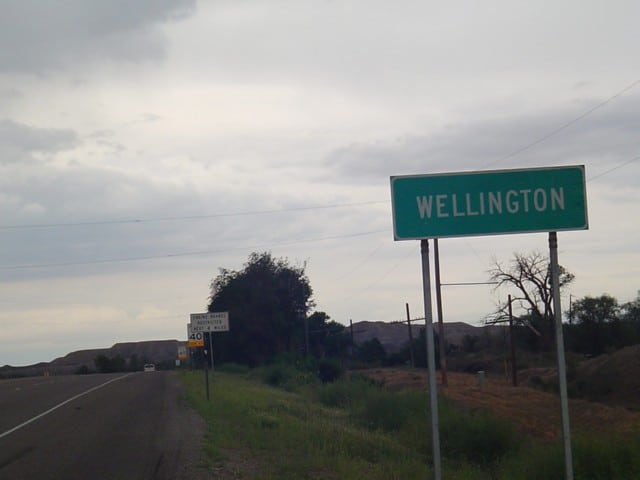
  • Wellington
  • Price Related Posts – Sorted by Address

Price, the county seat of Carbon County, is the largest city in the county and is located in the Price River Valley of the Colorado Plateau province of Utah. It is believed that Price was named after LDS Bishop William Price of Goshen, Utah, who explored the region in 1869. The area was originally a part of Sanpete County, and then was included in Emery County when it was created in 1880. Price was organized on 14 July 1892 while it was still a part of Emery County.

Caleb Baldwin Rhoades and Abraham Powell, trappers from Salem, Utah, were the first recorded settlers in the Price River Valley. They arrived in October 1877 and built a cabin in the northwest corner of what is now Price. The two returned to Salem when the trapping season was over. Their talk aroused interest in the area among their friends and families, and they soon convinced a group join them in relocating in the Price River Valley. However, Abraham Powell never returned to Price as he was killed by a bear on 7 December 1878 while hunting in the Nebo Mountains.
On 21 January 1879 Caleb Rhoades returned to the valley with two brothers, Frederick Empire Grames and Charles W. Grames. The men helped each other build homes for their families. Later that year, they were joined by their families and others, most coming from Utah County.(*)

Goblin Valley Trip

21 Friday Nov 2014

Posted by Jacob Barlow in Uncategorized

≈ 1 Comment

Tags

Carbon County, Goblin Valley, San Rafael Swell, utah, Wayne County

Some photos from a trip to Goblin valley and surrounding areas.

041511 001

041511 002

041511 004

041511 009

041511 019

041511 023

041511 024

041511 029

041511 031

041511 032

041511 033

041511 034

041511 036

041511 037

041511 039

041511 040

041511 041

041511 042

041511 043

041511 046

041511 048

041511 055

041511 070

041511 077

041511 078

041511 079

041511 087

041511 096

041511 098

041511 099

041511 100

041511 101

041511 102

041511 103

041511 108

041511 111

041511 112

041511 113

041511 114

041511 115

041511 116

041511 122

Helper, Utah

21 Friday Nov 2014

Posted by Jacob Barlow in Uncategorized

≈ 16 Comments

Tags

Carbon County, Helper, Price, utah

25c1e07f-8401-4a4d-9c56-a8ed34203b29

Helper Posts:

  • Helper Commercial District
  • Balance Rock
  • Barboglio Building
  • Big John
  • Carbon Fuel Company #2 Mine
  • Carbon Hotel
  • Castle Gate Historic Marker Highway Pull-Off
  • Central Cemetery – Austrian Lodge Cemetery
  • Francis Marion Ewell
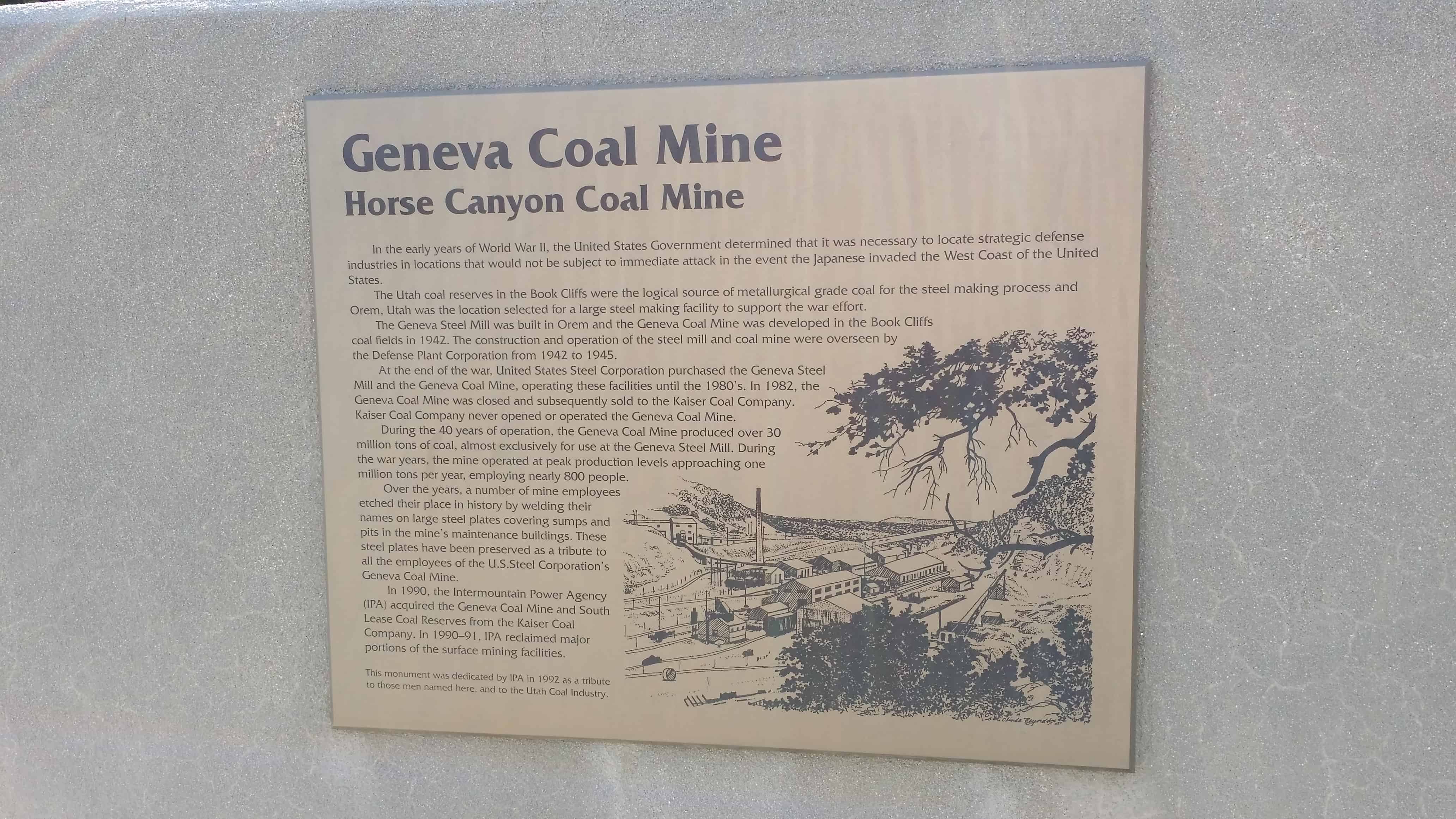
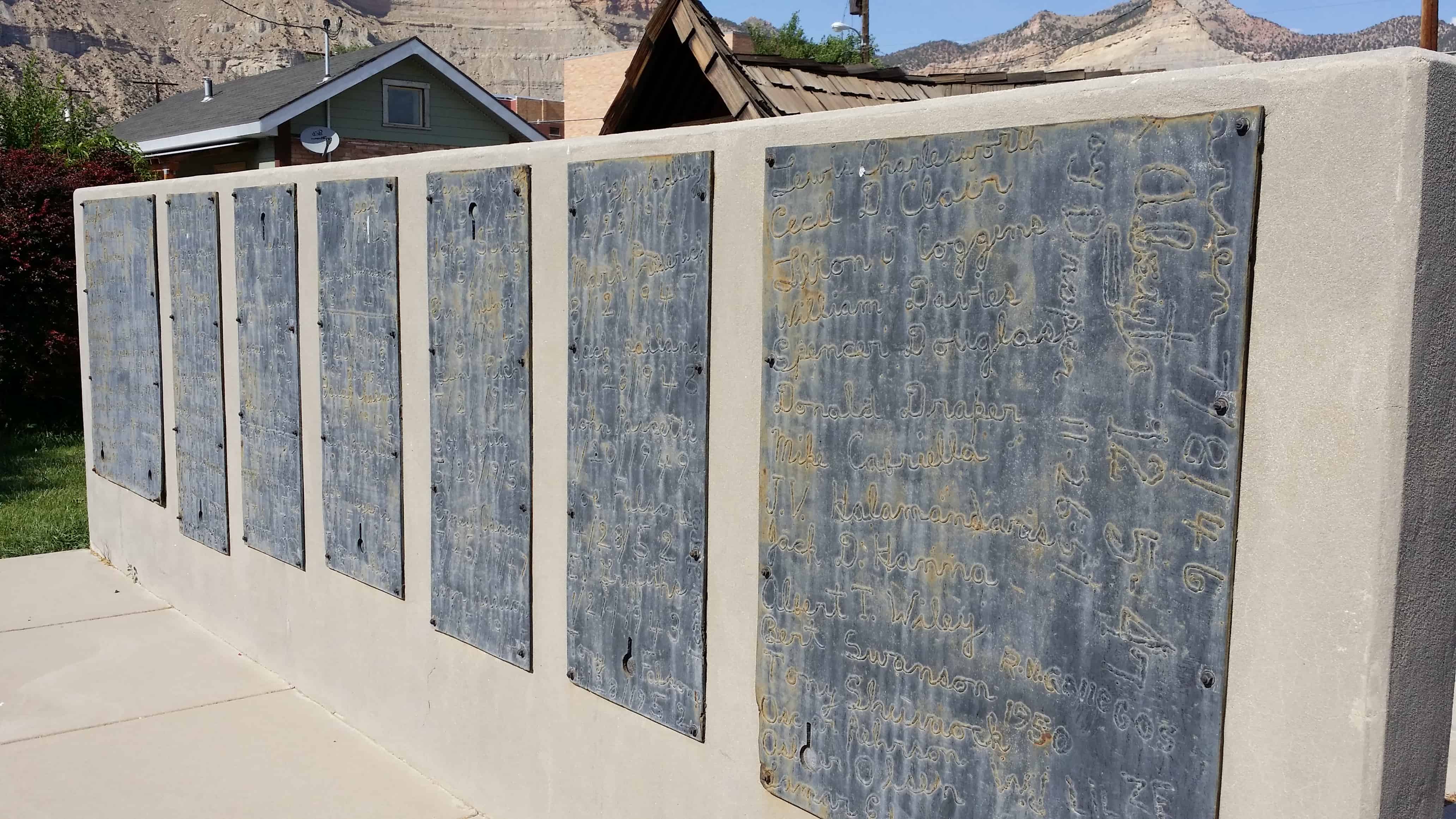
  • Geneva/Horse Canyon Mine Monument
  • Hardscrabble Canyon
  • Helper Civic Auditorium
  • Helper Cross
  • Helper Furniture and Hardware
  • Helper Labyrinth
  • La Salle Hotel
  • Matt Warner
  • Martin, Utah
  • Mining Equipment Display
  • Post Office
  • Rolapp / Royal
  • Saint Anthony Church
  • Smart Shop
  • Solar System Trail
  • Traveling Roundhouse
  • Movies filmed here:
    • Adventures of Power (2008)
  • Helper by Address

Helper was first settled in 1881 by Teamcum Pratt and his plural wives. He then settled into what he described as “a lonely wilderness” where he sought to escape the “hunters, trappers and bachelors and raveheads” in the area of his previous farm along Gordon Creek. The railroad was coming and less than six months after he files for his homestead, he sold parts of his family’s property to the DR&G railroad, soon, a railyard was born.

Helper’s name arrived with the railyard and its necessity of “helper” steam engines. These engines were attached to the trains traveling to Northern Utah, “helping” the trains with the steep grades found in Price Canyon. At that time trains needed steam. Steam required coal, and mining coal required men. Soon immigrants arrived in Helper by the hundreds, searching for the “American dream.” Italians, Greeks, Yugoslavians, Japanese, Slovenians and Chinese flooded the area. Many labored in the mines through Helper and the surrounding areas but some soon left mining to create businesses. Photos of Helper from the early 1900s show Greek coffeehouses, Italian bakeries, Japanese restaurants, Jewish and Italian mercantile stores together with saloons, billiard parlors, and hotels of all ethnic origins. By 1920, 27 different languages were spoken in Helper.

A must see in Helper is the Western Mining and Railroad Museum. The stories of the mines and railroads and the immigrants who worked them is shown in the many exhibits. Explore the basement mine, stand where Butch Cassidy stood when he robbed the Castlegate payroll, shop the company store and be awed at life in the coal camps. Housed in the old Helper Hotel, the Museum provides a trip back in time to the beginnings of Helper and the hard working people who formed its character.

Also, make sure to stop by the mining equipment and museum yard to see the amazing machines used in the coal mines today. You will also see train cars and the Helper Train Mosaic.

No visit to Helper would be complete without a stop by the Historical District, which includes Main Street. Here, local restaurants, coffee shops, antique stores, art galleries, and unique buildings all contribute to its charm and character.

One block off Main Street, you can stroll the Helper Parkway and take the family for a picnic at the pavilion and a volleyball game.

If you want to explore the surrounding mountain areas, the Spring Canyon Trail is ideal. Located in the west part of town, the trail follows the abandoned railroad line that served the old coal camps. The Kenilworth-Helper Railroad Trail is on the opposite side of town. Following the abandoned railroad line between Helper and the small mining town of Kenilworth, it is suitable for walking, biking or ATVing. The trail begins at the foot of the mountains in North Helper.

In June, experience the Helper Outlaw Car Show & Cruise and see a wide variety of custom cars. This event is held annually at the city park which is conveniently located next to a pool and ballpark. See Firebirds, Mustangs, Corvettes, Chevelles and more, all on display in one place highlighting America’s passion for the automobile.

On the third weekend in August, the Helper Arts and Music Festival arrives on Main Street with over 65 booths in the arts and crafts marketplace. Some of the best art in the Intermountain West is on display. Attend plays, musical theatre and dance revues and hear live music from a variety of bands. Sample mouthwatering food and icy beverages in the spacious food court. A 5K run and a car show coincide with the festival.

Every December , Helper transforms into a dazzling holiday extravaganza. Beginning before Thanksgiving, the town is lit up with Christmas lights and during this time many events are offered. There is a craft fair, chili dinners, silent auctions and visits with Santa, to name a few. In years past, the Helper Electric Light Parade has spanned two nights in a row followed by a fireworks show.

2018-12-18 08.25.59


Central Cemetery – Austrian Lodge Cemetery

12 Tuesday Aug 2014

Posted by Jacob Barlow in Uncategorized

≈ 2 Comments

Tags

Carbon County, Cemeteries, Helper, historic, Price, Sping Glen, utah

The Fraternal Organizations of Spring Glen and Helper established this  central cemetery in early 1930.  Low or no-cost burial places became necessary when members of the lodges, as well as others, died here while their families remained in the Old Country.  Most lost their lives in coal mine accidents or due to occupational disease and could not afford to be sent overseas to be buried with their families.  Also, many were bachelors with no one to see to their burials at all.  Members of the Fraternal Lodges saw to the needs of these lodge members and many others by making this exceptional overlook into a beautiful resting place in their honor.  This land was acquired for this sole purpose from the Ku Klux Klan.  Carbon County Clan No. 4, and was named the Austrian Lodge Cemetery, by which it is still known today.

20140810_102756
20140810_102801
20140810_102803
20140810_102854
20140810_102925

39.65161997082336, -110.86103696012843

Traveling Roundhouse

06 Wednesday Aug 2014

Posted by Jacob Barlow in Uncategorized

≈ 3 Comments

Tags

Carbon County, Helper, Price, Railroad, Soldier Summit, utah

Around 1891 after the D & R G W railroad replaced the narrow gauge, with standard gauge track. The division point was consolidated in Helper. At this time a 15 stall roundhouse, a new depot and other accommodations were built. In 1919 the division point was relocated to Soldier Summit. The roundhouse was moved piece by piece to the new location. In 1929, adverse weather conditions at 7,700 feet forced the railroad to move operations back to Helper.

The roundhouse was again dismantled and moved back to its original location. The roundhouse operated until the steam locomotive was phased out and replaced with diesel electric power in the 1950’s.


89fbbc39-f291-4e7a-bb0d-e7f751257d04

This historic marker is located at the Helper Museum at 294 South Main Street in Helper, Utah and was dedicated by the Matt Warner Chapter 1900 of E Clampus Vitus on July 9, 2005 (6010)

  • E Clampus Vitus Markers
149027c3-f934-4eab-9d87-c758254054c3

Coal Mining, Then and Now

17 Tuesday Jun 2014

Posted by Jacob Barlow in Uncategorized

≈ 1 Comment

Tags

Carbon County, Helper, Mining, utah

picture01jan08-163

In Helper I stopped by a cool little park that was more of a mining equipment museum.

The Four Steps Necessary For Mining Coal

Step One

Coal must be broken away from the face of the coal seam.

In the early mines picks were used to break the coal away from the face, then holes were drilled in the face and dynamite was into the hole and detonated (1900 – 1950).

This is located at the Mining Equipment Display.

Image

Step Two

Coal must be gathered up and loaded into a conveyance to haul it out of the mine.

In the first mines, coal was gathered up and loaded by hand with a coal shovel into the car.

Image

Step Three

Coal has to be transprted out of the mine.

The first coal cars were pushed out of the mine by hand, then mules were used to pull the cars.

Image

Step Four

The coal is prepared and delivered to the consumer.

In the early mines the coal was brought out of the mine in big chunks and loaded onto a horse-drawn wagon.

Image

Spring Glen, Utah

16 Monday Jun 2014

Posted by Jacob Barlow in Uncategorized

≈ 1 Comment

Tags

Carbon County, Spring Glen, utah

picture24jul07-015

Founded in 1878, Spring Glen was the first permanent settlement in what is now Carbon County.

Spring Glen was called Ewell from 1910 to 1925 in honor of F.M. Ewell.

The Austrian Lodge Cemetery above town is an interesting place to stop.

← Older posts
Newer posts →

Follow Jacob

Follow Jacob

Blog Stats

  • 2,068,863 hits

Social and Other Links

BarlowLinks.com

Recent Posts

  • Nellie C. Bailey House
  • The James and Manomas Andrus House
  • Jesse W. Crosby Home
  • The Heinrich Gubler Home
  • The Temple Quarry

Archives

Loading Comments...