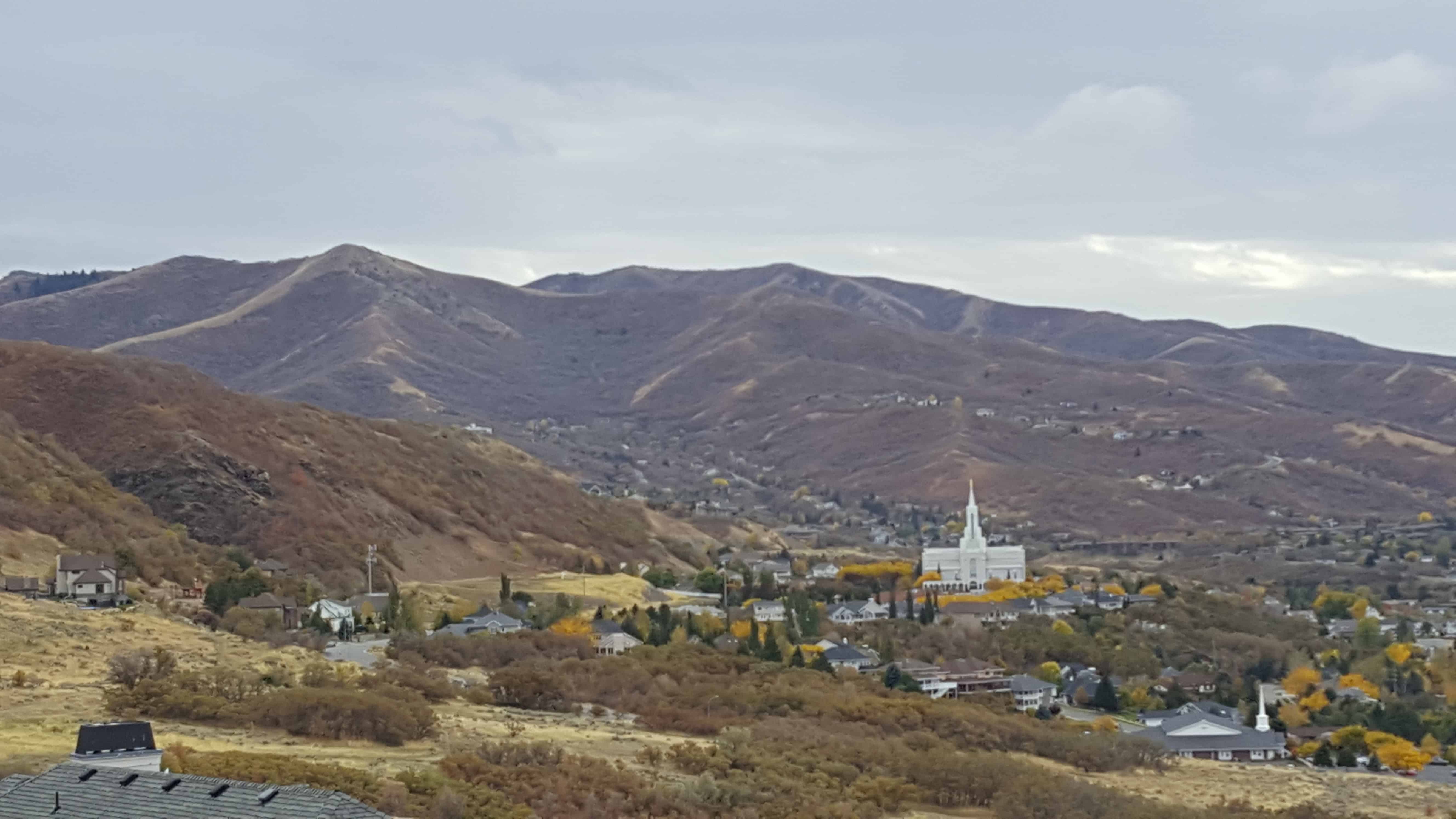
The Bountiful Temple is the eighth temple constructed in the state of Utah. The history of the temple site began back in 1897, when John Haven Barlow Sr. purchased 40 acres of land from the United States government. Because of lack of water and the steep terrain, little could be done with the land. In 1947 some of the land was cleared and four hundred apricot trees were planted. In the spring of 1983, flash flooding caused a great deal of damage in Bountiful, resulting in the decision to build a dam across the canyon to limit the flow of water during heavy rainstorms. The city requested the use of the soil from the future temple site, so construction crews removed over two hundred thousand cubic yards of soil, leaving the area an ideal spot on which the LDS temple would later be built.
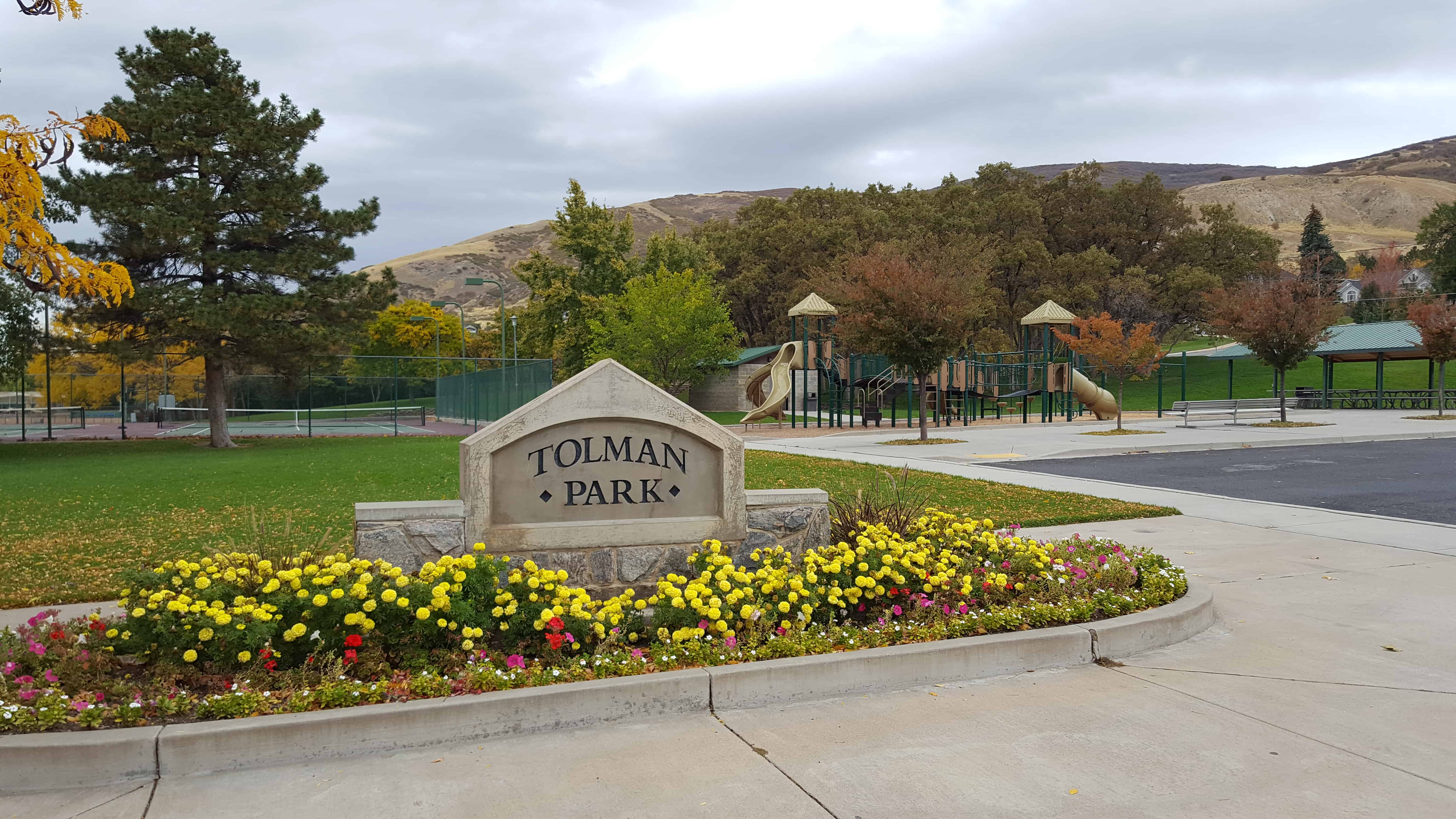
A major portion of the land that makes up this park, originally known as ‘Rocket Park’, was first tilled by Judson Tolman about 1854. Judson came to Utah with Brigham Young’s second party, arriving in the Salt Lake Valley September 20, 1848. He and his family spent the first winter and spring in Salt Lake and moved to ‘Sessions Settlement’ in July of 1849, having asked permission to take up a farm here. He helped fight the cricket invasion of 1849, after which Brigham Young asked him to help settle the Tooele area of the valley. In 1854 he moved back to Bountiful and resumed his farming on the east bench near this area.
Judson’s son Jaren helped work the farm, and in the 1880s he used the lower portion of this area (where the ball field is located), as an ice pond by diverting water from Stone Creek. He became one of the first in Davis County to put up ice as a business. The land was later acquired by Mark Cook and his wife, and eventually granted to Judson’s son Jaren in March 1890. Jaren built a home on this south end of this land at 50 South 1300 East, using rocks from Stone Creek. Jaren later sold this home and five acres of the farm to his son Ephraim in July 1907 for $700. Ephraim tore the home down and rebuilt it using the same rocks for the base of his home, which can still be seen today in the same location. In 1916, Ephraim bought another 3 acres and rented land from the City, giving him about ten acres for growing produce to take to market. Ephraim continued farming the land until new homes began replacing farms in the 1950s. The home and farm were finally sold in August 1958. The land served more than three generations of Tolmans for over 104 years.
On this, the original site of Sessions Settlement, many community festivals and parties have been held over the years including Handcart Days, Summerfest anf Cantaloupe Days. Cantaloupe Days were held yearly from 1945 to the early 1960s during cantaloupe harvest. Local farmers donated unneeded cantaloupes for people to freely enjoy as much as they wanted.
This site of Sessions Settlement, was where a 12′ high dirt wall was built in 1856 as a protection from Indians. The wall was never finished. In 1892 the Bamberger Railroad expanded from Salt Lake City to Bountiful en route to Ogden. It ran along 200 West with a stop at this Park. The 32-minute train ride to SLC cost 10 cents. The railroad brought commodities to Bountiful and carried farm goods back to SLC.
During the summers of 1849 and 1850, more than 25,000 emigrants passed this way en route to the California gold fields. The vanguard of the 1849 emigration reached Great Salt Lake City about June 16th. They lingered in the city to rest their animals and buy supplies. The first forty-niner wagons to pass here on the way to City of Rocks were led by James C. Sly, a Mormon Battalion veteran.
In his Gold Rush diary for July 1, 1849, George Shepard recorded what he saw while traveling through present Bountiful. “…[I] came across mountainous streams or ditches of water which were taken from the mountain streams and carried in all directions over these farms to water their crops as there is scarcely any rain through the summer saw more than 100 rods of stone wall today the most I’ve seen since [I] left Massachusetts.” This was the rock and clay wall protecting Sessions Settlement, now known as Bountiful.
James Samuel Smedley and Alice Chase Smedley
(1864-1940) (1863-1939)
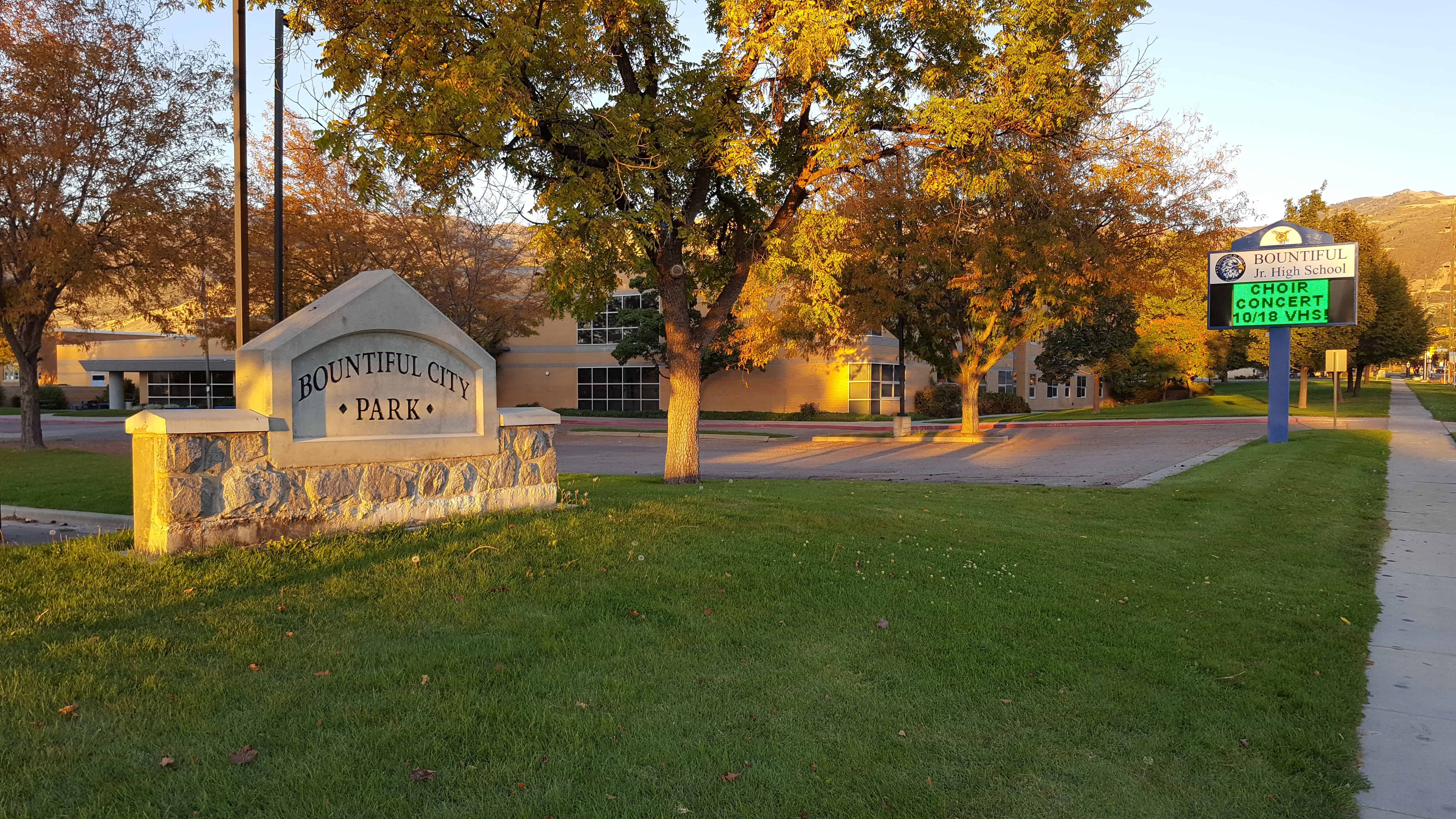
This site was once the farmland of of James and Alice Smedley. They were one of the major fruit and vegetable growers in the Bountiful area and contributed much to the city’s growth and development. James’ interest in truck farming and fruit growing led to his being one of the organizers of the Growers’ Market Company in Salt Lake City which game farmers a central place to market their fresh produce.
The School District and Bountiful City acquired the property from James and his wife Alice in 1937. Their once impressive peach orchards and vegetable gardens have become the park and playgrounds we now enjoy.
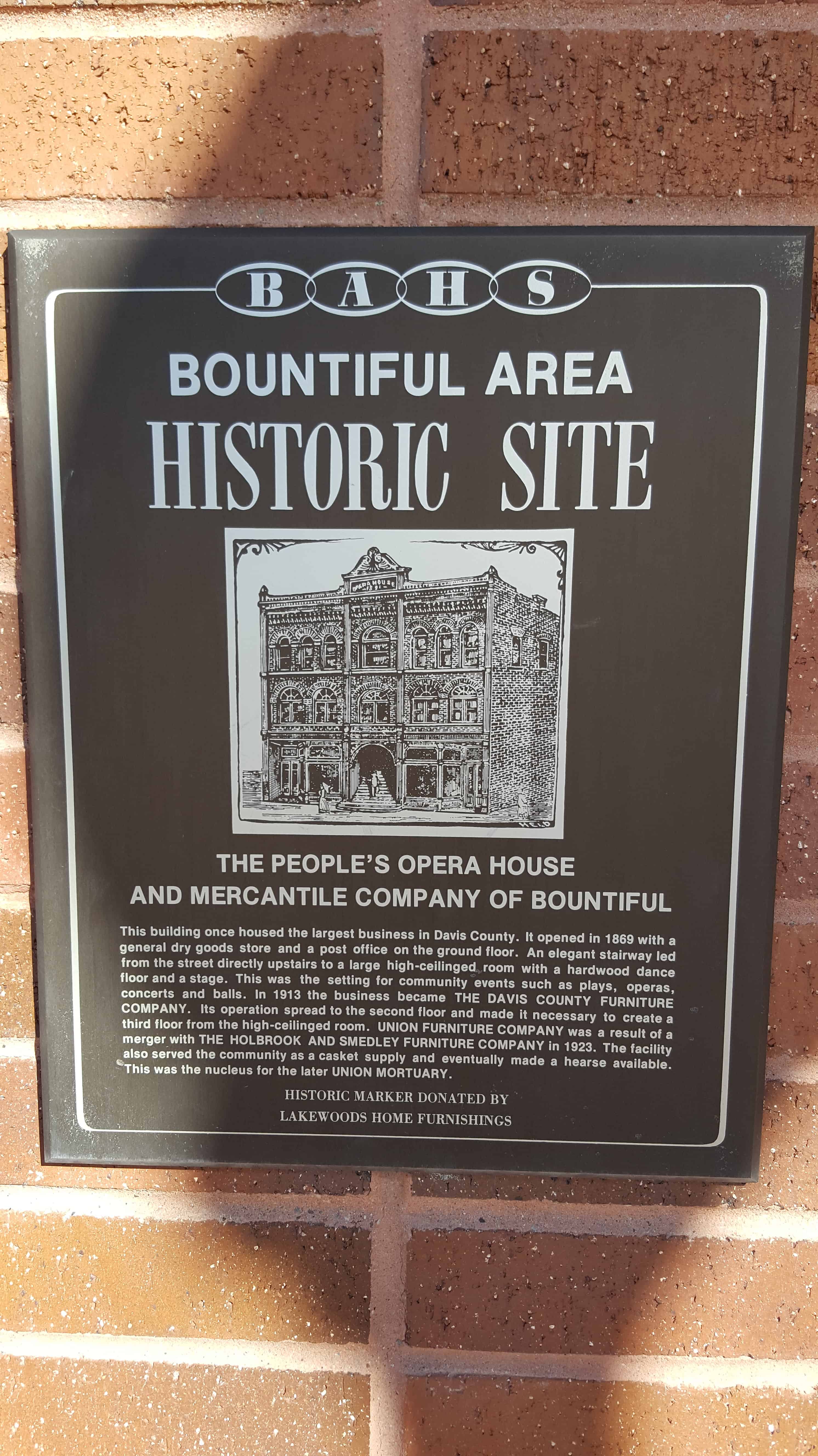
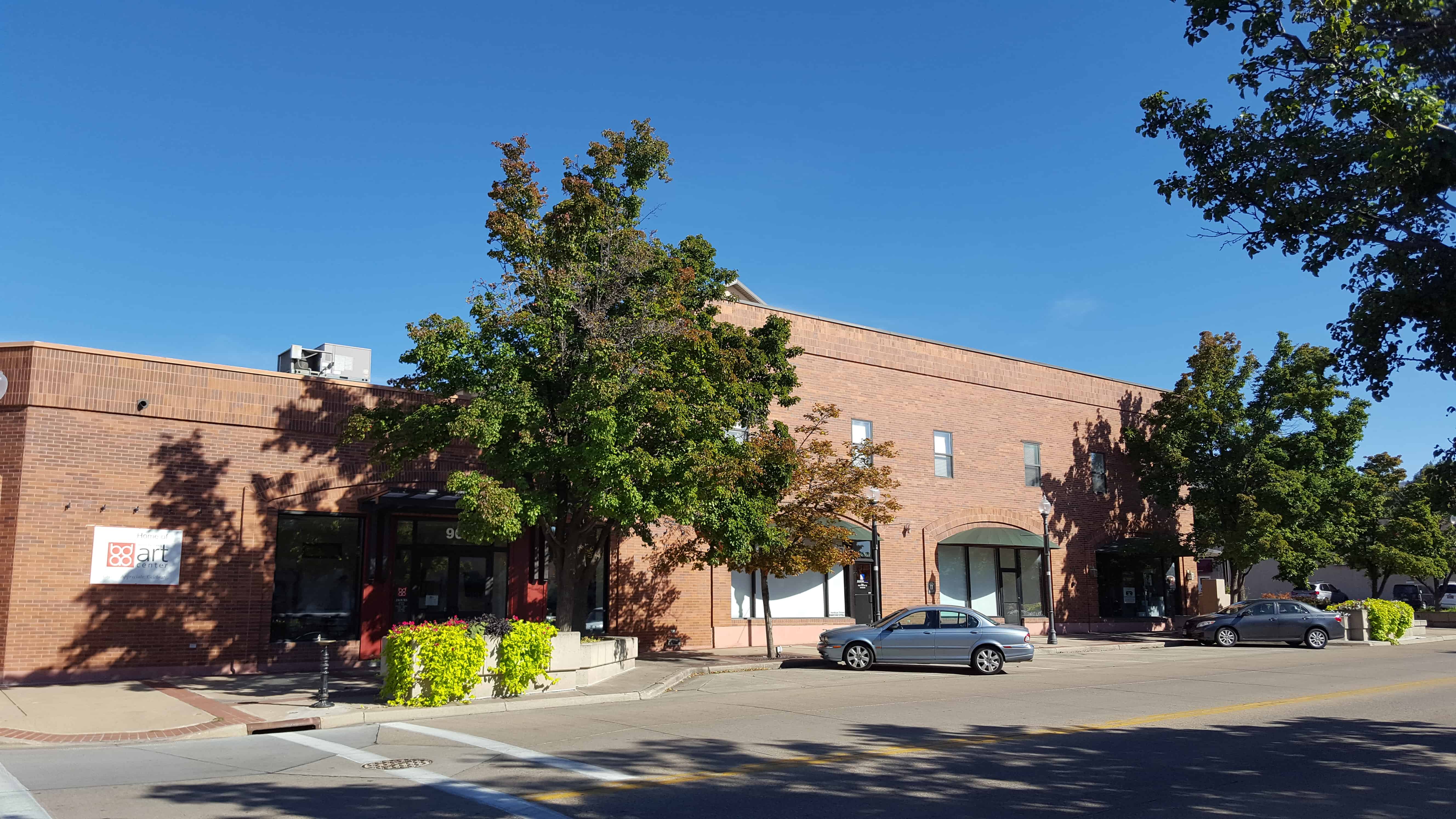
The People’s Opera House and Mercantile Company of Bountiful
This building once housed the largest business in Davis County. It opened in 1869 with a general dry goods store and a post office on the ground floor. An elegant stairway led from the street directly upstairs to a large high-ceilinged room with a hardwood dance floor and stage. This was the setting for community events such as plays, operas, concerts and balls. In 1913 the business became The Davis County Furniture Company. Its operation spread to the second floor and made it necessary to create a third floor from the high-ceilinged room. Union Furniture Company was a result of a merger with The Holbrook and Smedley Furniture Company in 1923. The facility also served the community as a casket supply and eventually made a hearse available. This was the nucleus for the later Union Mortuary.
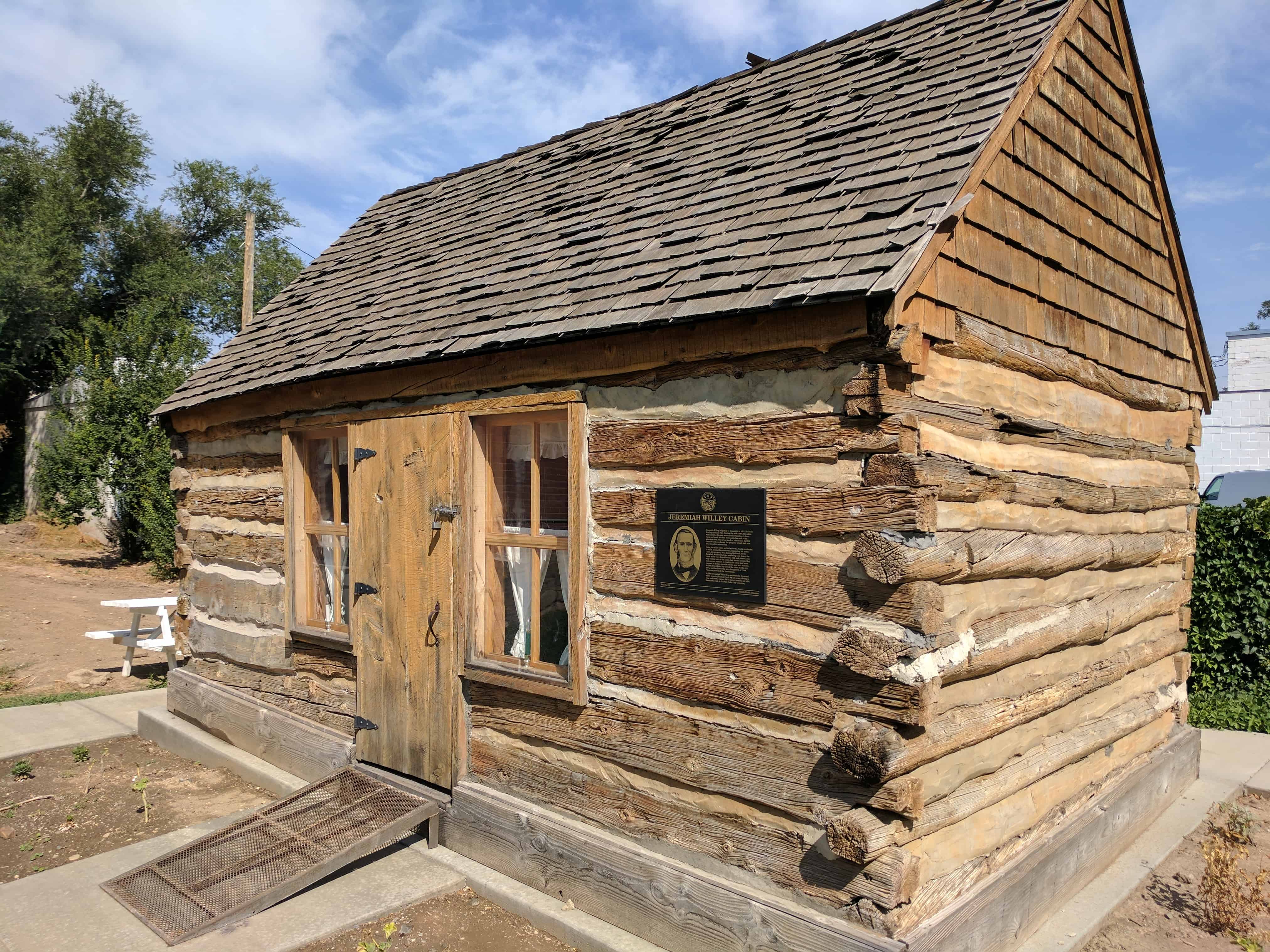
Jeremiah Willey migrated to Bountiful in 1851. He built this log cabin in 1854. During the mid-1930’s the cabin was home for his and several other families. A front room and small kitchen were added as well as an attached shed which was used as a bedroom. In 1939 Grant Neath purchased the property which had now been wired for electricity.
Using the main cabin as the bedroom, Neath continued to build around the structure, expanding his home. Later, the property was donated to South Davis Hospital. As the structure was being torn down, the cabin walls were found behind lath and plaster. The only visible part of the cabin had been a painted log and mortar portion. In reality, the cabin had been encased in a time-capsule for the past half century. In 1992 Bountiful City moved the cabin to the city park, and the Bountiful area Daughters of Utah Pioneers provided the furnishings.
In 1868 Jeremiah Willey was accidentally drowned while crossing Barton Creek by his home, closing a long and useful career. He is buried next to his wife, Samantha Call, in the Salt Lake City Cemetery.
See other historic markers in the series on this page for SUP Markers.
UPDATE
I noticed the cabin was moved from the above location (Next to the City building at 900 S 100 E) to a new location next to the Historical Museum (300 N Main).