Heber City’s Historic Home Tour – the map published by the city says: Take a step back in time-explore Heber City’s historic homes and uncover the stories, style, and spirit of those who shaped the valley.
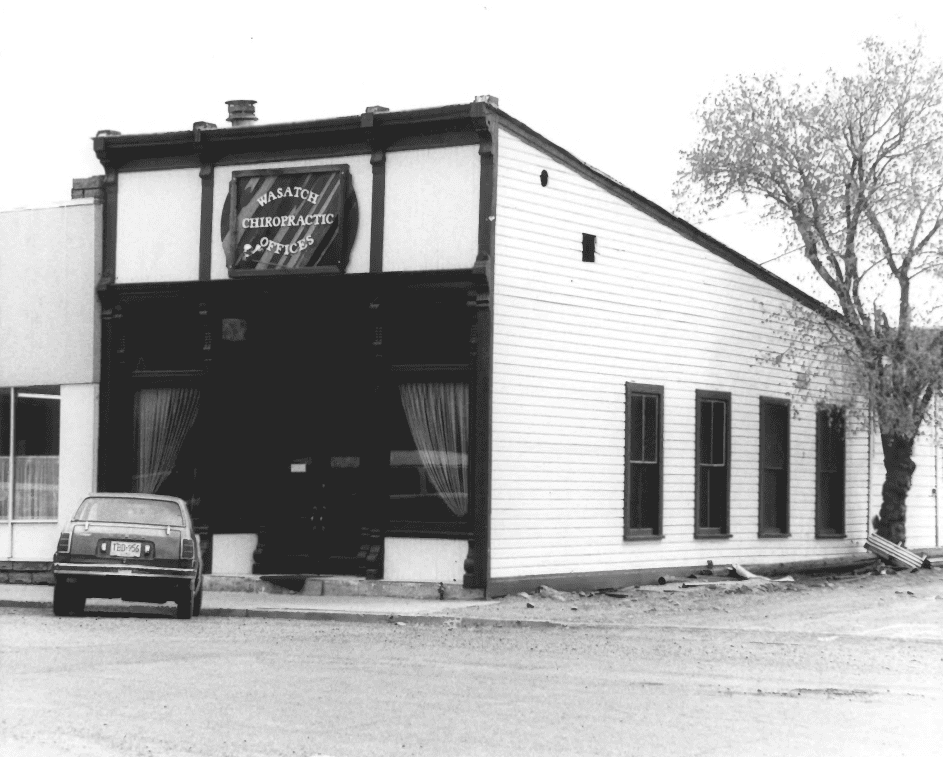
Former location of the Wasatch Wave Publishing Company Building, which was added to the National Register of Historic Places (#79002519) on December 27, 1979 and demolished in ~2000.
The Wave Publishing Company Building is significant because of architectural style and because of its importance in the development of communication in Wasatch County. It is also one of the oldest newspaper offices in the state of Utah, and one of a handful of unaltered wood Victorian boomtown storefronts in the state. It is one of only five commercial frame buildings now standing in Heber City. The building was the home of the local newspaper, the Wasatch Wave from 1901 until the early 1970s. Since the newspaper was ~the only way other than word of mouth to spread local news through the county, it played an important role in keeping the people informed of what was happening in the area. The paper not only provided news, but promoted changes in the community. It encouraged development of a water system, electric power plant and railroad through its editorials. The Wave continues to promote improvements in the county and to be the “voice” of Wasatch.
When the Mormons moved south during the Utah War in 1857, Brigham Young formed a company to build a road up Provo canyon to provide work to the men and to provide a route for Army supplies other than through Salt Lake City. With the new road, many people in Utah Valley who did not have land decided to move to a remote valley below the mouth of Provo River. They named the valley Provo after the river and their main community Heber City in honor of Heber C. Kimball, a Mormon leader.
Since Provo Valley was isolated from the rest of the settlements in the territory, news traveled ^slowly to the small communities of Heber, Midway, Charleston, Daniels Center Creek, and mainly had to depend on people traveling to L.D.S. Church meetings in Salt Lake, L.D.S. Church officials coming to the area or the mail system for news of the outside world. The only way for news to travel throughout the valley was through mail or word of mouth. In 1889 William Buys, a local surveyor and attorney, recognized the need for some way to spread information more efficiently throughout the valley. He decided to start a weekly newspaper. The small paper which he started has continued to operate as a weekly newspaper in Wasatch County. Although the residents can now tune into Salt Lake City radio and television stations for state, national and international news, the newspaper is still the main source of information for local events.
The first issue of the Wasatch Wave was 1889, William Buys named it the Wave because “we realize that it but a tiny ripple upon the great ocean of journalism, but we sincerely hope and trust that it may grow and gather strength as its proceeds on its perilous journey.” Buys solicited correspondence from everyone and announced he would carry articles on “general news, farming, mining, science, history, literature and series.”
Buys served as editor and publisher of the newspaper most of the time between 1889 and 1909 when he died. From 1891 to 1895 his son-in-law, George H. Barzee was the editor while Buys was ill. Co Glanville and Joseph A. Murdock had a lease to run the paper from 1895 to 1898.
From 1905 to 1909 the Wave was owned by the Wasatch Real Estate and Development Company. The development company hired Buys as the editor of the paper but he was required to work with the board of that the company appointed in setting newspaper policy.
After publisher Broadbent The first issue of the Wasatch Wave was 1889, William Buys named it the Wave because “we realize that it but a tiny ripple upon the great ocean of journalism, but we sincerely hope and trust that it may grow and gather strength as its proceeds on its perilous journey.” Buys solicited correspondence from everyone and announced he would carry articles on “general news, farming, mining, science, history, literature and series.”! Buys served as editor and publisher of the newspaper most of the time between 1889 and 1909 when he died. From 1891 to 1895 his son-in-law, George H. Barzee was the editor while Buys was ill. Co Glanville and Joseph A. Murdock had a lease to run the paper from 1895 to 1898. From 1905 to 1909 the Wave was owned by the Wasatch Real Estate and Development Company. The development company hired Buys as the editor of the paper but he was required to work with the board of that the company appointed in setting newspaper policy, the development company dissolved, William Buys became the of the paper again. He died in December 1909 and Charles of Provo was hired to replace him. Broadbent was the editor until 1939. John A. Wallis was editor from 1939 to 1942. Frank W. and James F. Mountford later took over the paper. Frank was editor in 1942 and in 1958 James joined his staff.
The Wave has carried a variety of news over the years that it has been in operation. It usually had general news stories, a serial, and a “comings and goings” section that told who had traveled during the week, who was visiting and any changes that were taking place in the community. Since the area was predominantly a Mormon community, ward announcements and stake conference minutes were included. The editorials in the Wasatch Wave helped make the citizens aware of the need for local improvements. The Wave pushed for the development of a power plant, a water system, a fire department and general civic improvements. It also was the public voice of disapproval when the Denver & Rio Grande Railroad made plans to cut the number of runs to the valley and the voice of encouragement when the Pike Peak Coast to Coast Highway decided to come through Heber.
The Wave bought this plot of land in June 1901 to build a new office. The newspaper moved into the building in September that year. In 1909 the building was enlarged and the floor was raised. The newspaper continued to use the building until the offices were moved to the old Bank Block at the corner of Main and Center. The building was vacant until 1978 when Gerald W. Klein, a chiropractor, bought it. Although he has had to alter some of the interior of the building to adapt to the needs of his equipment, he has maintained the original integrity of the exterior.
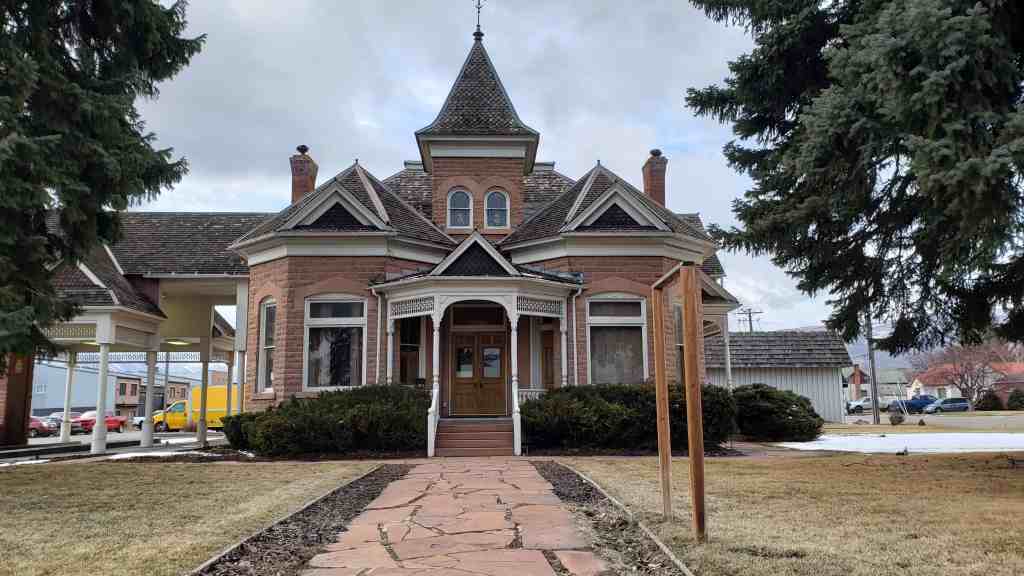
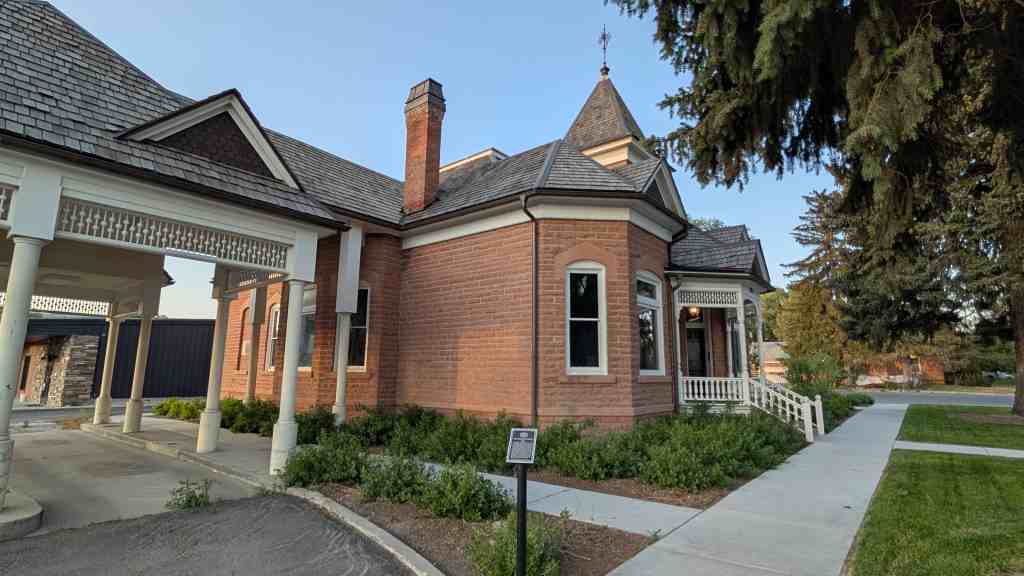
Built c. 1892 of native red sandstone by Abram Hatch — an important church, business and community leader and builder of early Wasatch County.
Adaptive restoration 1973-1974 by Zions First National Bank.
Located at 81 East Center Street in Heber City, Utah and added to the National Historic Register (#75001832) on October 10, 1975.
The Abram Hatch house was constructed circa 1892 of native red sandstone, Abram Hatch was born January 3, 1830 in Lincoln, Addison County, Vermont. In 1840 his family was converted to the Mormon Church and moved to Nauvoo, Illinois, in the fall of 1840. During the Mormon exodus of 1846, Abram captained one of the flat-bottomed ferry boats used to carry the Saints and their belongings across the Mississippi River. He made the journey to Utah in 1850 and settled at Lehi the following year, where he engaged in farming, stock-raising and operating a hotel and store. In 1861 and again in 1863 Mr. Hatch returned east to the Missouri by wagon to help bring immigrants across the plains to Utah and to purchase and freight goods for his store and others. From 1864 to 1867 he served a mission in England and upon his return was ordained by Brigham Young to serve as the Presiding Bishop of Wasatch County. When the area was formally organized as a stake in 1877, he served as stake president from 1877 to 1901, It was under his direction that the Wasatch Stake Tabernacle, now a National Register site, was constructed.
In addition to his church responsibilities, Mr. Hatch operated a mercantile store in Heber City, a farm and ranch and served as a member of the Territorial Legislature, He was, in every sense, a community leader and builder.
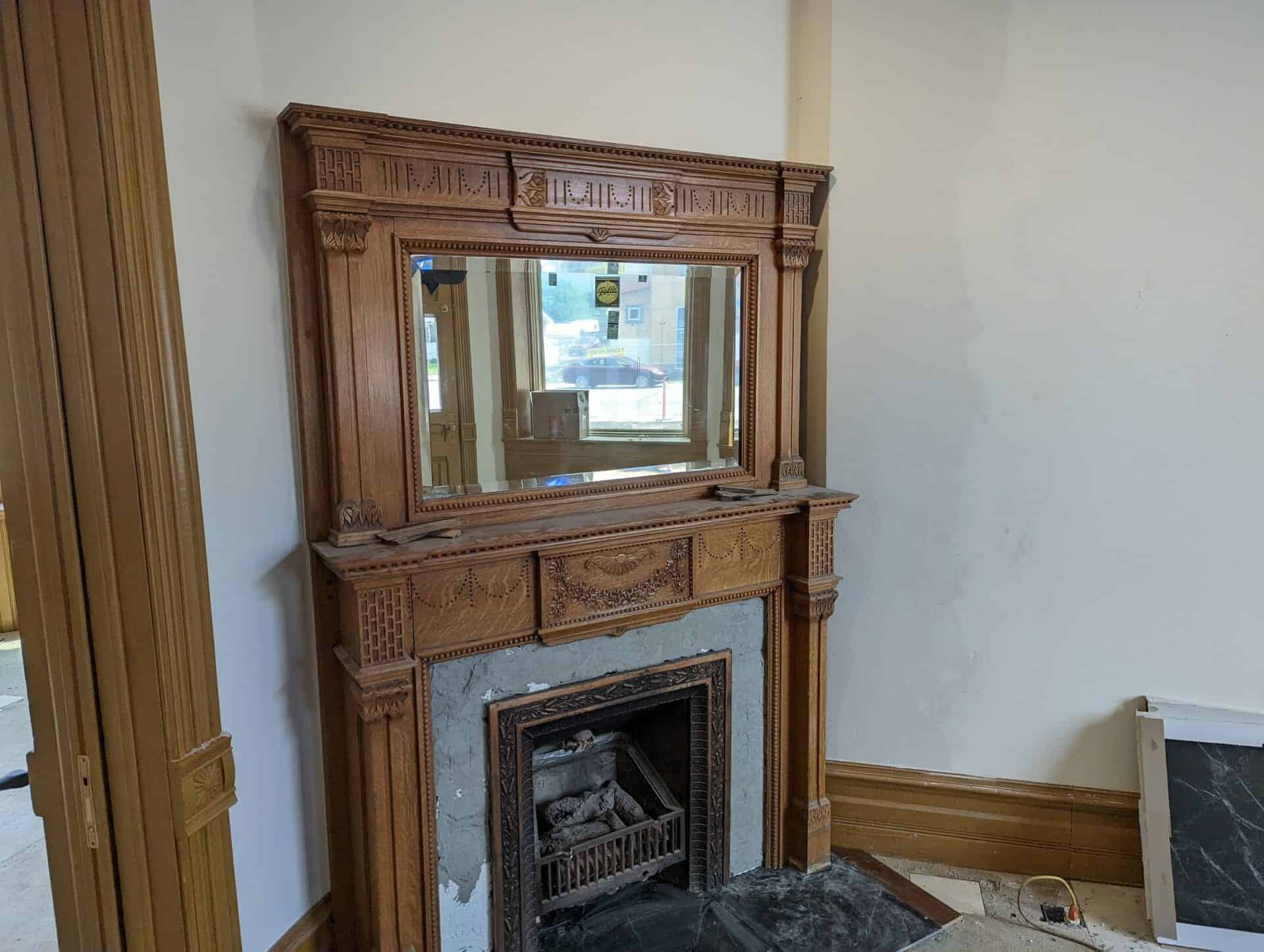
The home, constructed under his supervision in the early 1890s, was remodeled for use as apartments. However in 1973 the home was purchased by Zions First National Bank and renovated to house that bank’s Heber City office, The exterior was carefully restored and the interior, although adapted for a modern banking facility, contains much of the original woodwork.
The contribution of Zions First National Bank in restoring the Abram Hatch home has been recognized by a Certificate of Commendation from the American Association for State and Local History in 1974 and an Award of Merit by the Utah Heritage Foundation.
In addition to the building’s significance as the home of Abram Hatch – pioneer, long-time church leader and legislator, freighter, farmer, rancher, merchant, miller, businessman and community builder the home is an excellent example of a tasteful and meaningful adaptive use.
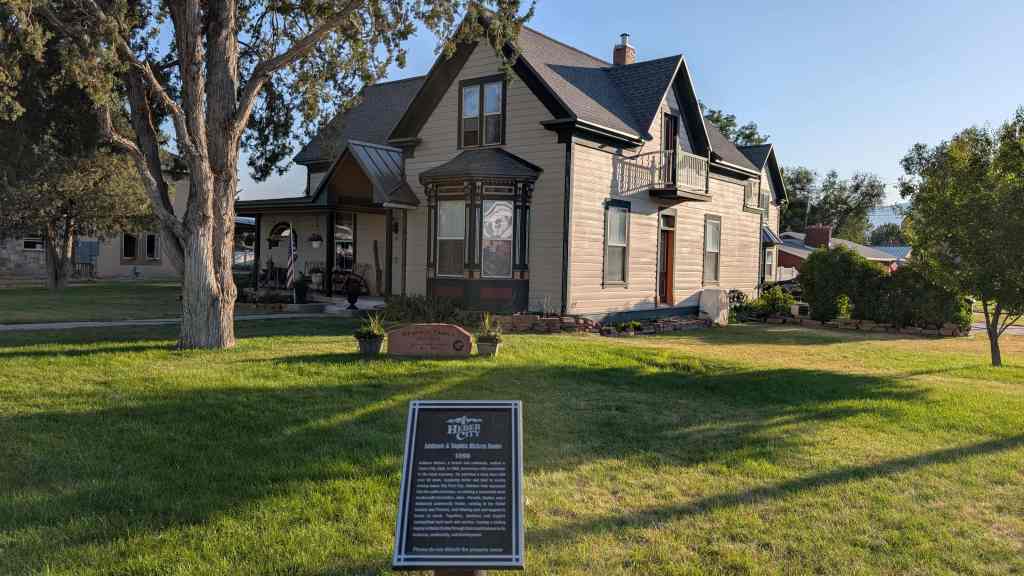
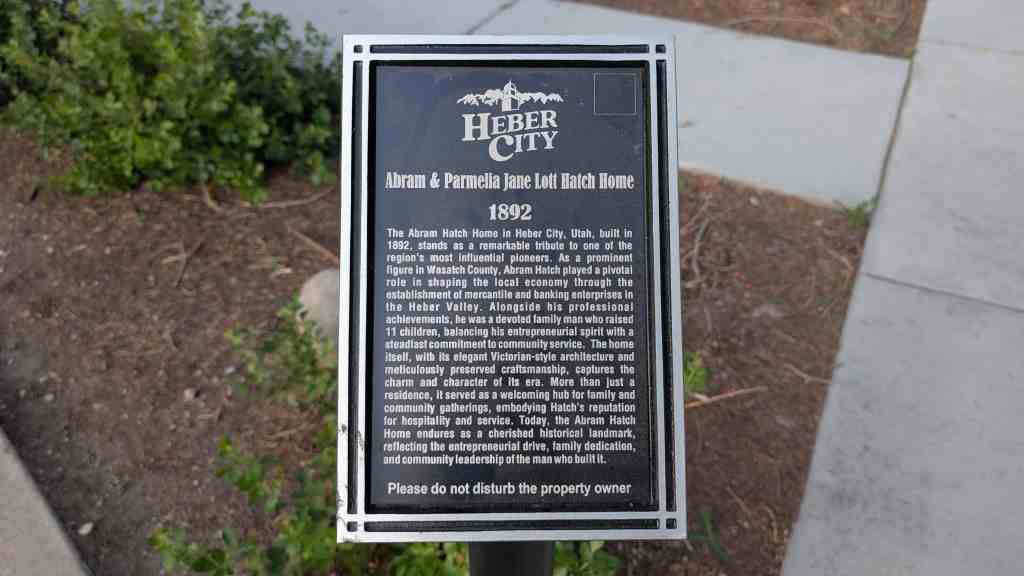
Abram & Parmelia Jane Lott Hatch Home 1892 The Abram Hatch Home in Heber City, Utah, built in 1892, stands as a remarkable tribute to one of the region’s most influential pioneers. As a prominent figure in Wasatch County, Abram Hatch played a pivotal role in shaping the local economy through the establishment of mercantile and banking enterprises in the Heber Valley. Alongside his professional achievements, he was a devoted family man who raised 11 children, balancing his entrepreneurial spirit with a steadfast commitment to community service. The home itself, with its elegant Victorian-style architecture and meticulously preserved craftsmanship, captures the charm and character of its era. More than just a residence, it served as a welcoming hub for family and community gatherings, embodying Hatch’s reputation for hospitality and service. Today, the Abram Hatch Home endures as a cherished historical landmark, reflecting the entrepreneurial drive, family dedication, and community leadership of the man who built it.
historichebercity’s instagram account has an interesting post here:
March is Women’s History Month so we’re happy to introduce some of the women who have played an integral part in the history of Heber. Meet Lavina Elizabeth Averett Murdock. Born in 1867 in Heber City, UT. Lavina was the second child of William and Elizabeth Averett. William and Elizabeth were among the earliest settlers in the valley. Lavina learned responsibility and hard work as a child. In 1894 she married Nelson Murdock and the two quickly became the parents of 5 children. In 1903 tragedy struck the young family when Nelson took his own life by drinking poison. Lavina was left to figure out how to care for her family. Just a few months after her husbands death Lavina found employment as the city recorder and was paid $40 monthly. Even though she had no formal education past 8th grade in 1905 Lavina began her career in local government by being elected treasurer of Wasatch County. She was the first woman to be elected as a county treasurer in the state of Utah. Lavina successfully continued in what was then a man’s world by holding the treasurer’s office from 1905-1917. In 1913 she was chosen to be the first woman to serve on the school board as trustee. In 1920 she was chosen to be the school board treasurer. In 1905 Lavina and her family moved into a home on the corner of 2nd E and 2nd N. She worked hard to pay for her home and often would rent rooms to help pay for the home. At one time she provided rooms in her home to be used as hospital rooms by Dr. Hatch since there was no hospital in town. Lavina raised and supported her 5 children on her own. In her later adult years she visited and lived with her adult children around the country. She lived to be 90 years old. She is buried in the Heber City Cemetery.
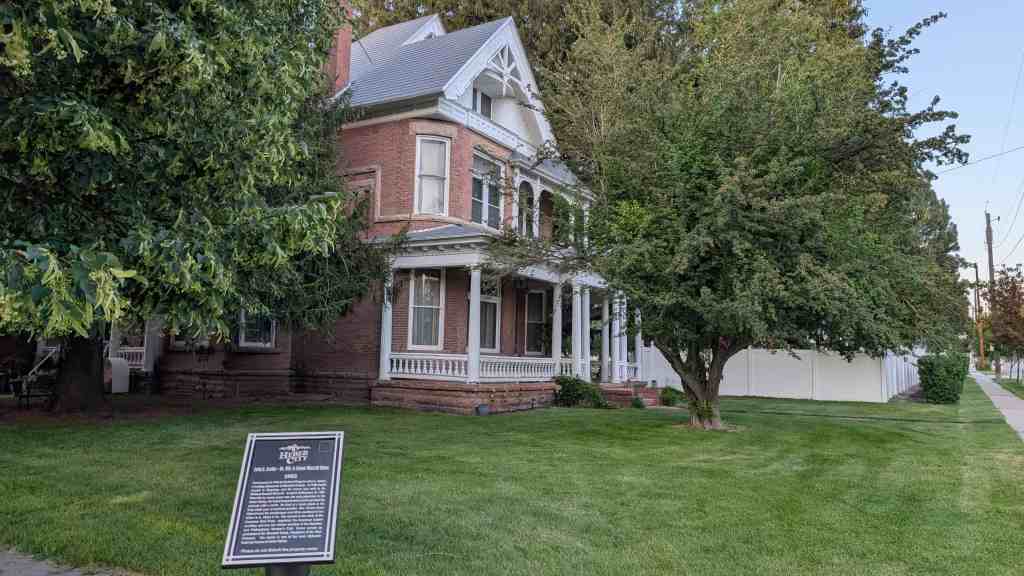
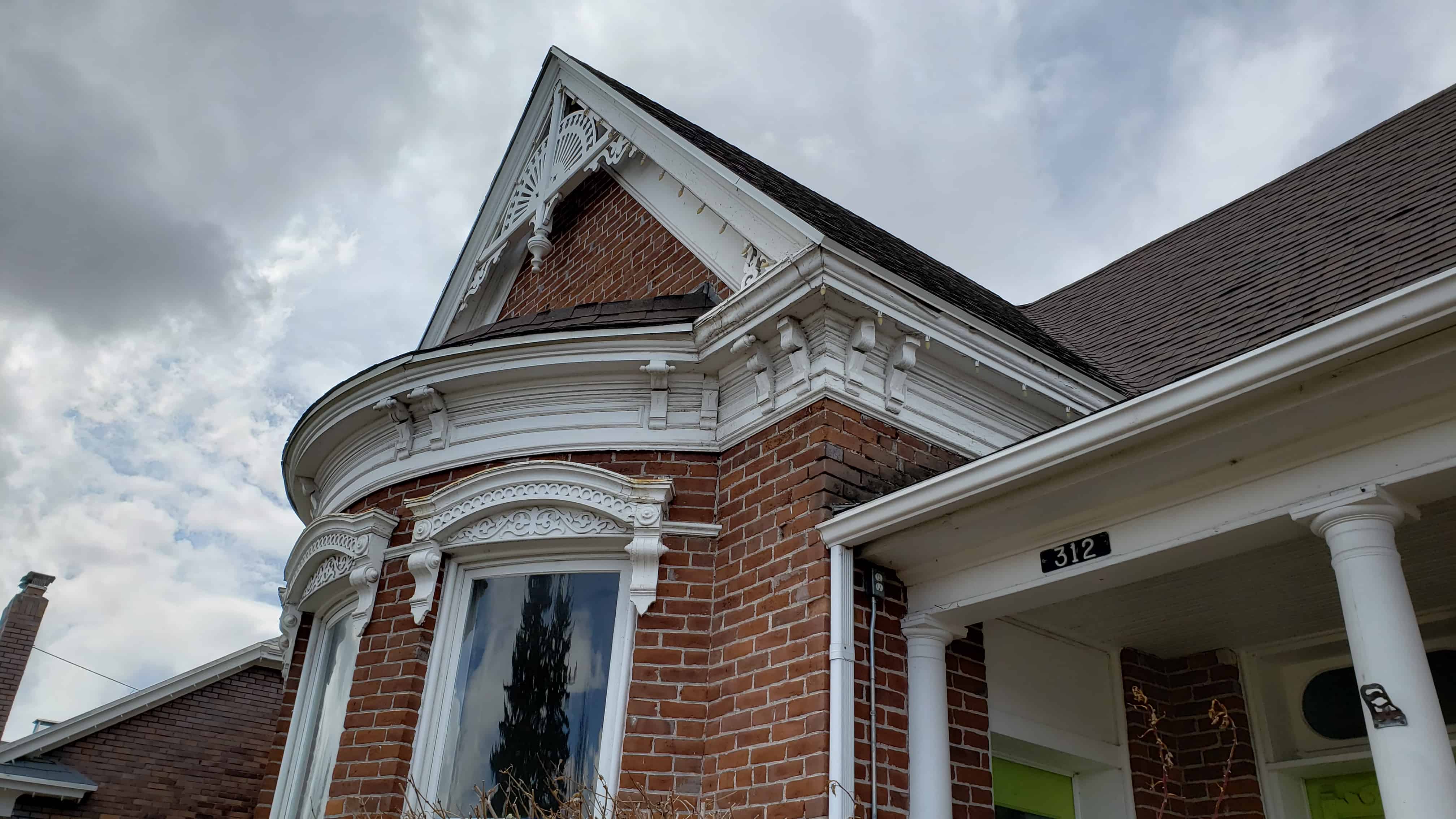
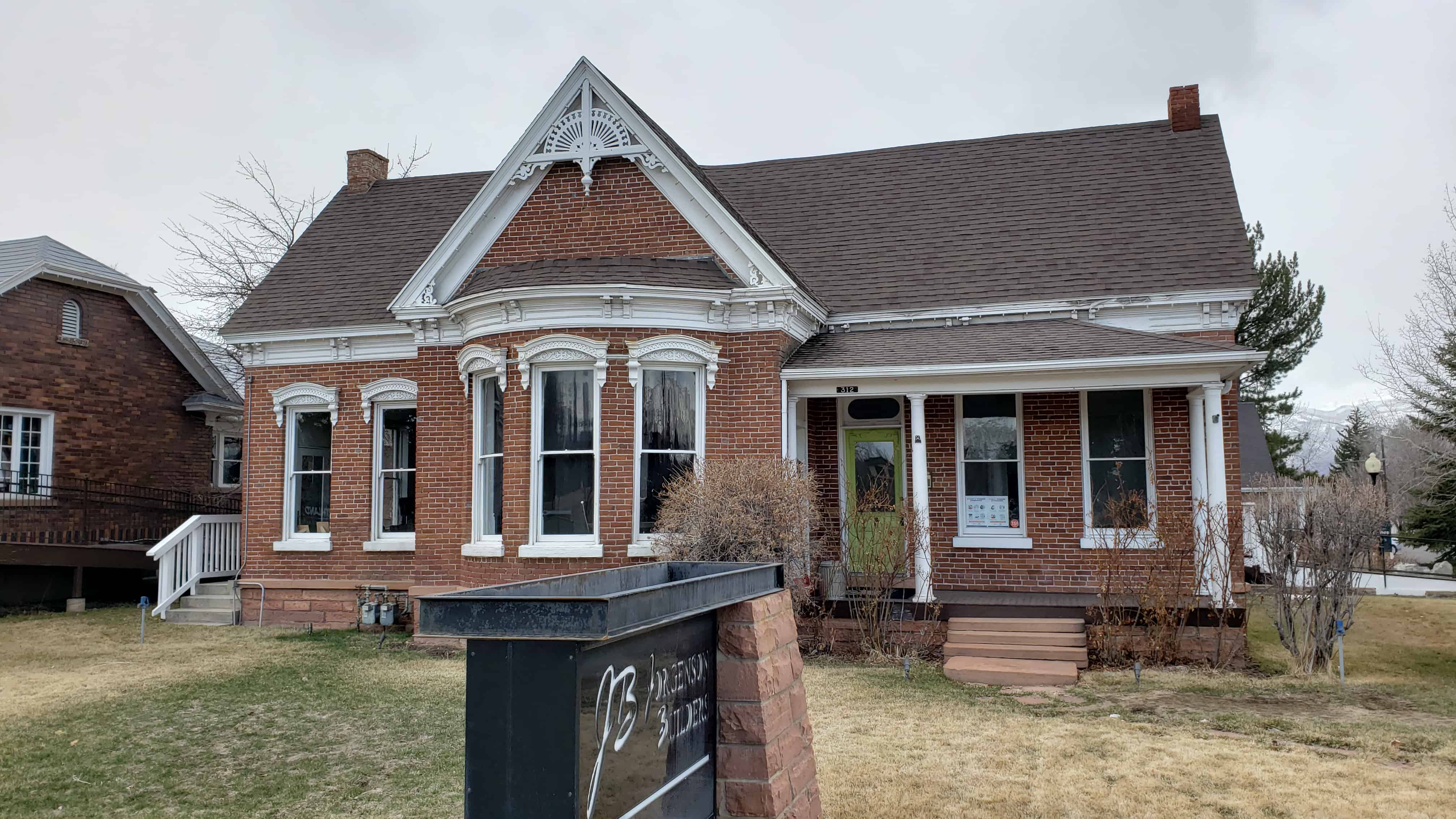
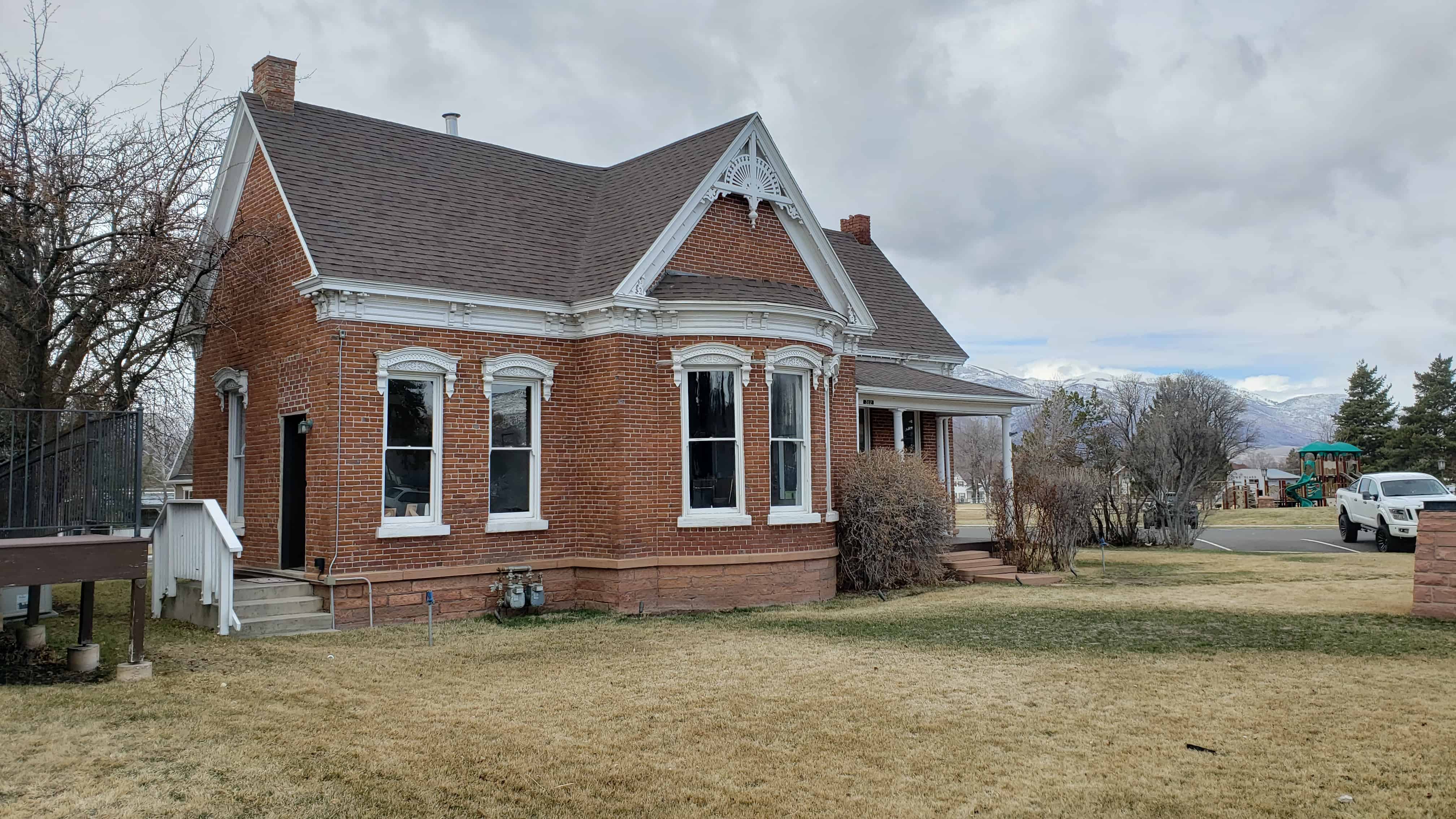
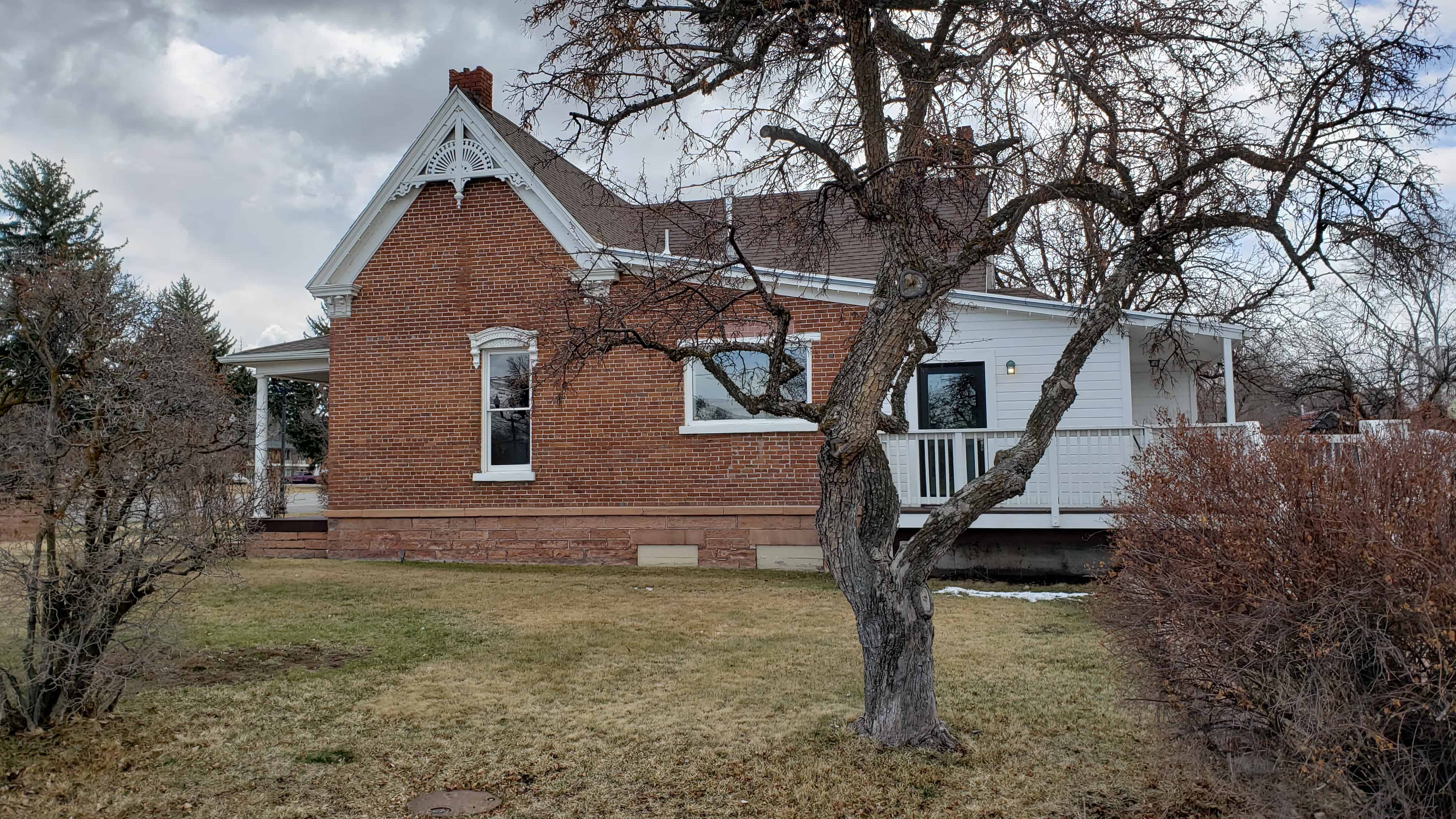
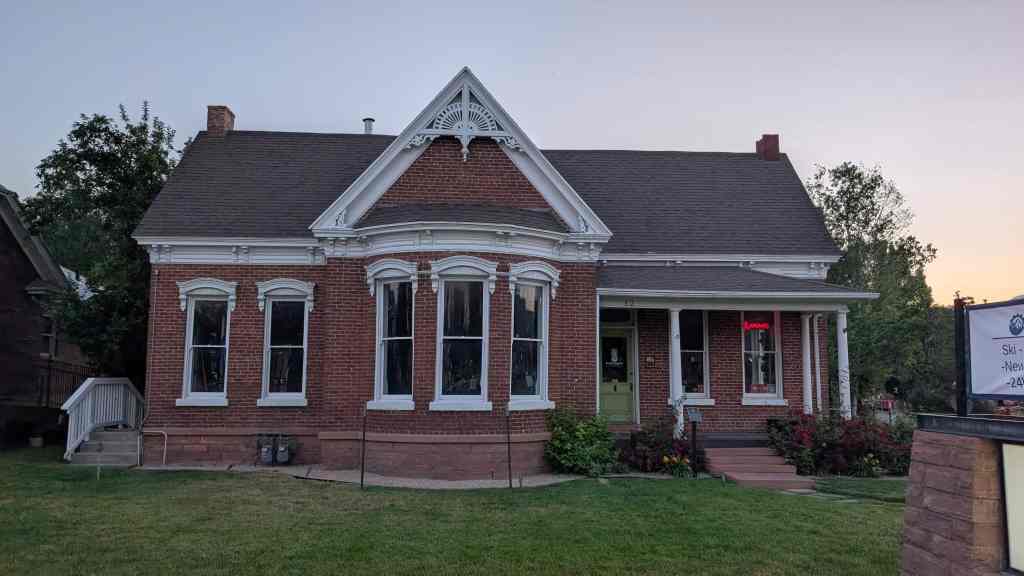
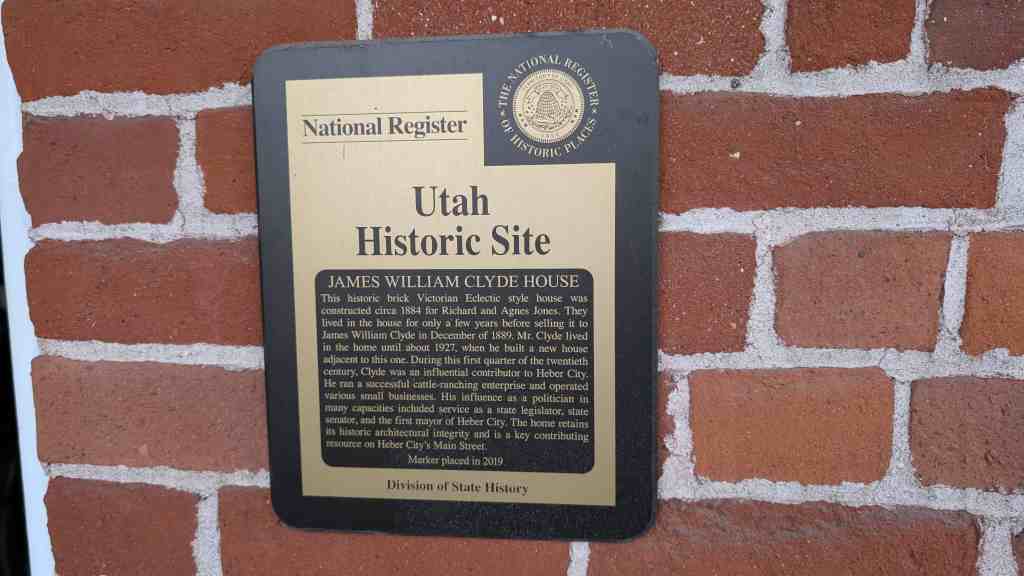
This historic brick Victorian Eclectic style house was constructed circa 1884 for Richard and Agnes Jones. They lived in the house for only a few years before selling it to James William Clyde in December of 1889. Mr. Clyde lived in the home until about 1927, when hw built a new house adjacent to this one. During this first quarter of the twentieth century, Clyde was an influential contributor to Heber City. He ran a successful cattle-ranching enterprise and operated various small businesses. His influence as a politician in many capacities included service as a state legislator, state senator, and the first mayor of Heber City. The home retains its historic architectural integrity and is a key contributing resource on Heber City’s Main Street.
Located at 312 South Main Street in Heber City, Utah.
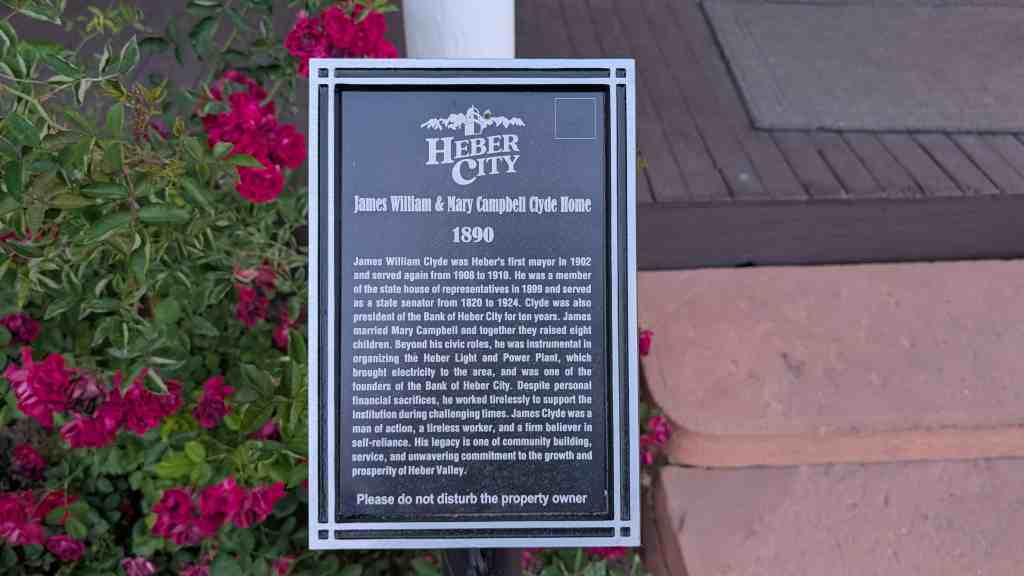
James William Clyde was Heber’s first mayor in 1902 and served again from 1908 to 1910. He was a member of the state house of representatives in 1899 and served as a state senator from 1820 to 1924. Clyde was also president of the Bank of Heber City for ten years. James married Mary Campbell and together they raised eight children. Beyond his civic roles, he was instrumental in organizing the Heber Light and Power Plant, which brought electricity to the area, and was one of the founders of the Bank of Heber City. Despite personal financial sacrifices, he worked tirelessly to support the institution during challenging times. James Clyde was a man of action, a tireless worker, and a firm believer in self-reliance. His legacy is one of community building, service, and unwavering commitment to the growth and prosperity of Heber Valley.
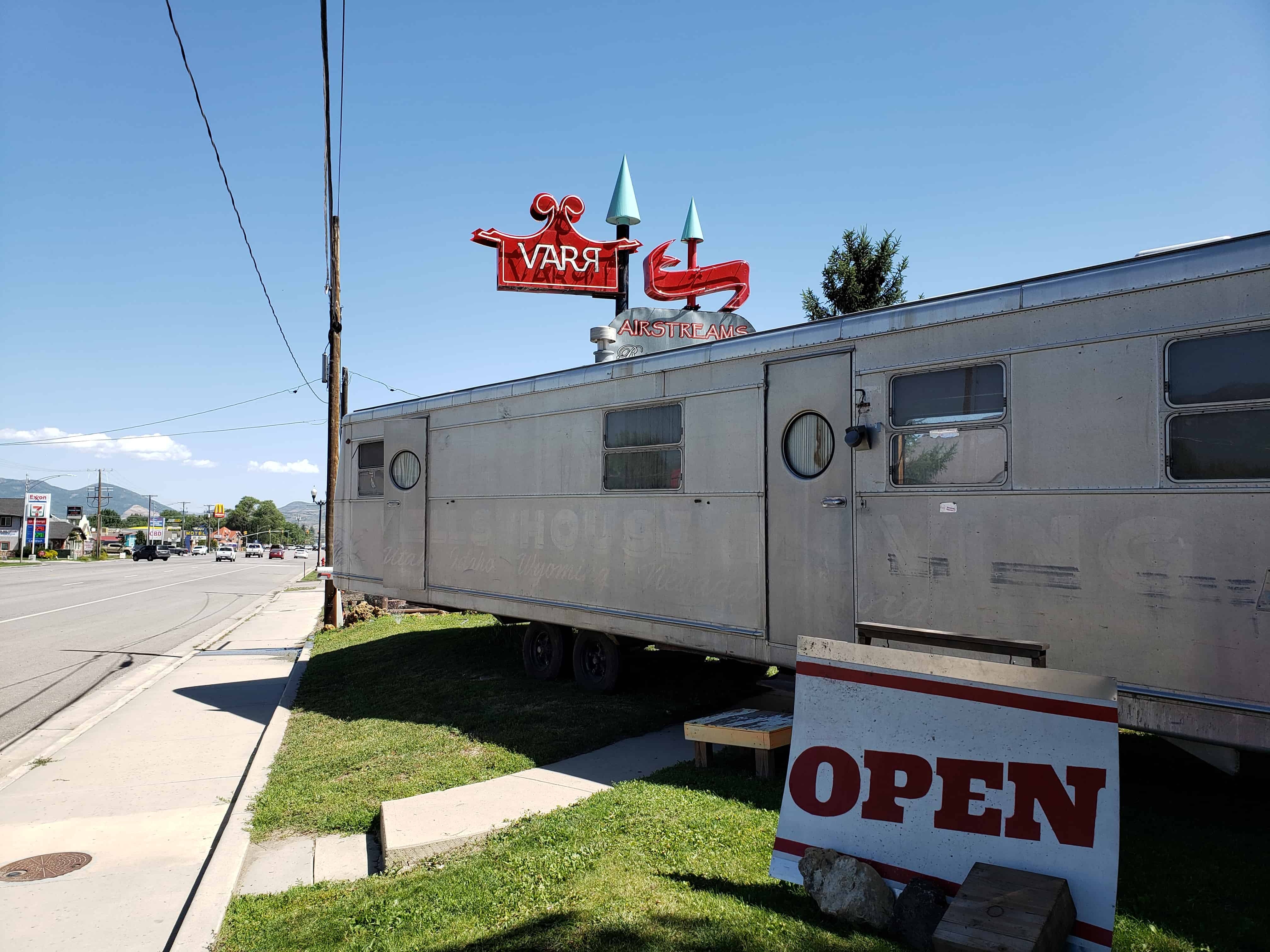
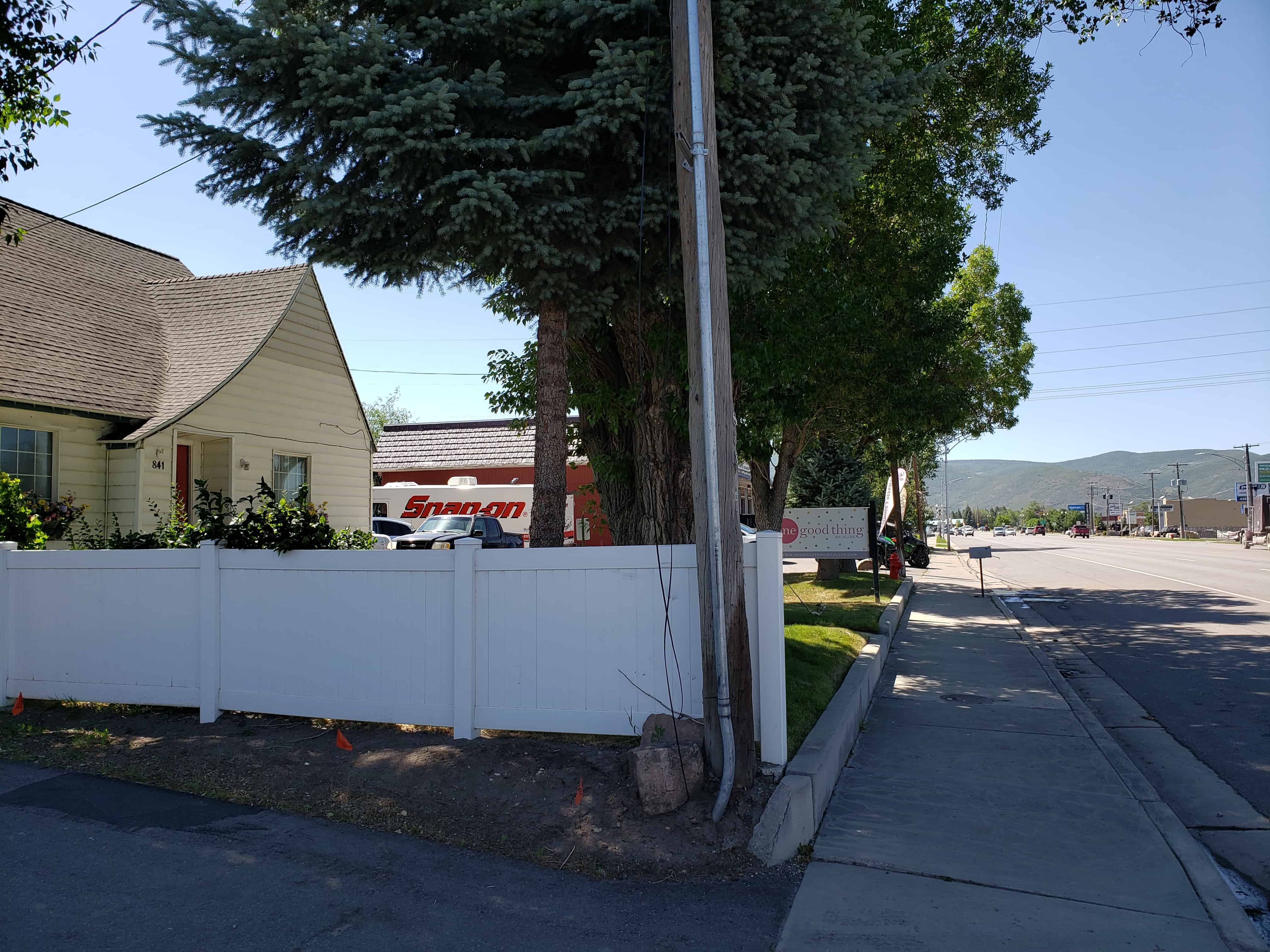
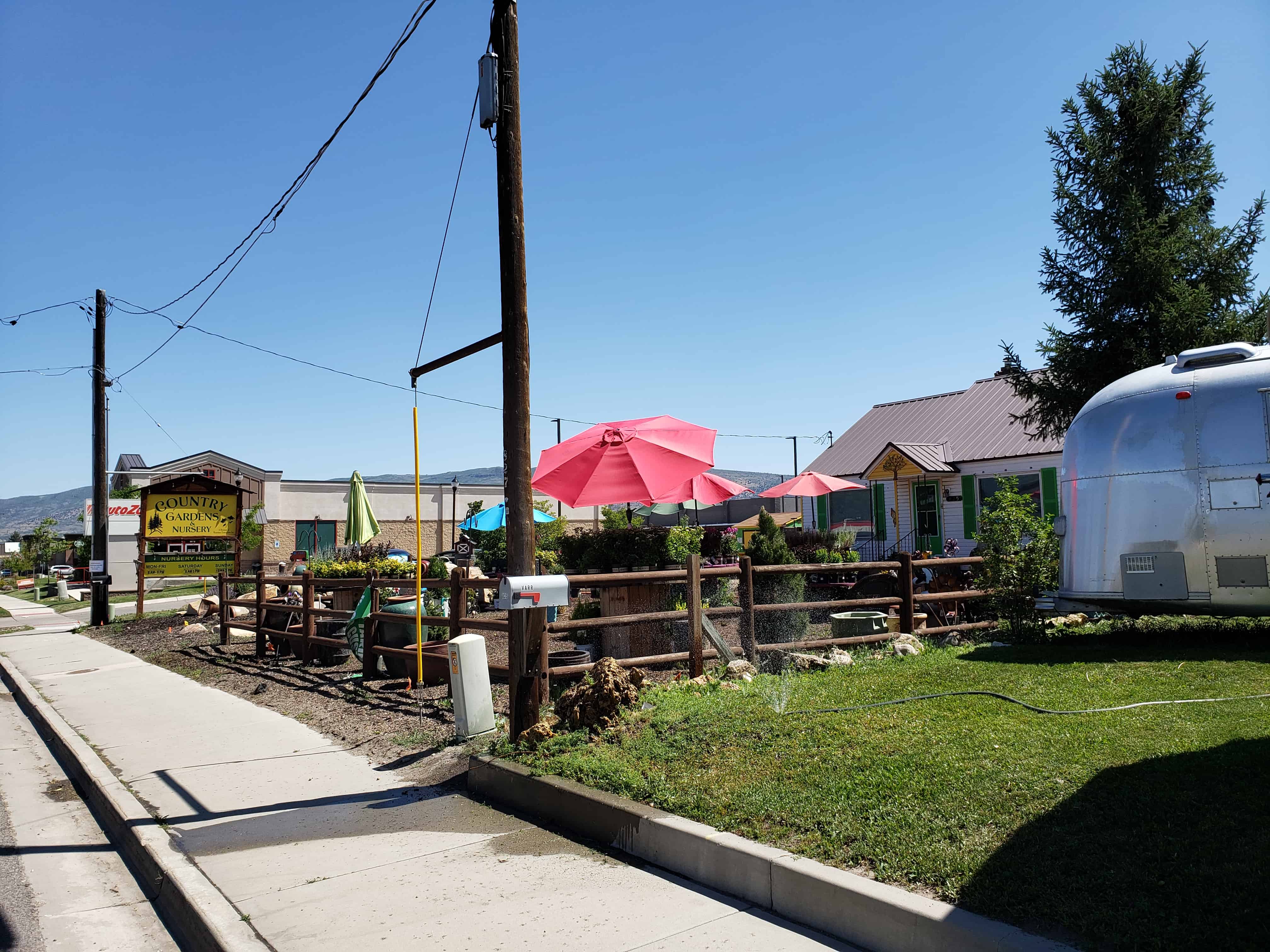
Vintage Airstream Restorations & Repairs, 835 S Main in Heber City, Utah.
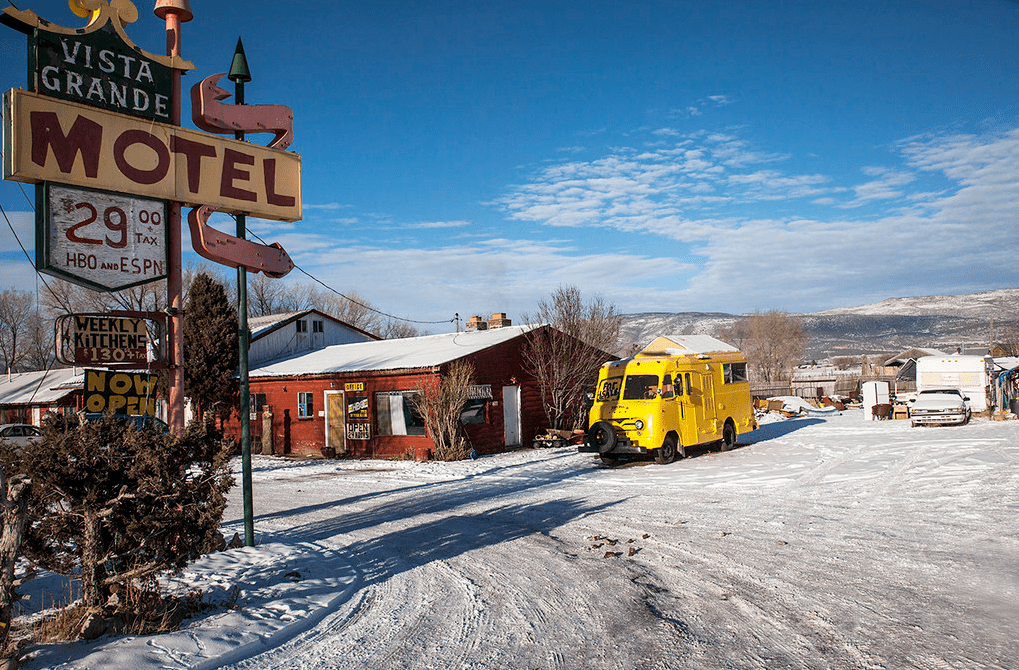
I’ve driven by this place many times and noticed that they have some really cool vintage neon signs, both the main sign for the business out from (that came from the old Vista Grande Motel here in Heber) and many out in the back as well. I stopped to get some photos and I was told that they came from southern Utah.
A legacy project of the Wasatch County Statehood Centennial Committee.
“Journey’s End,” honors the courage and sacrifice of the first colonizers to make their homes in these mountain valleys. This statue is dedicated to the memory of William Madison Wall and other pioneers and the hardships that they endured while creating a legacy for each of us. – James Smedley – County Chair