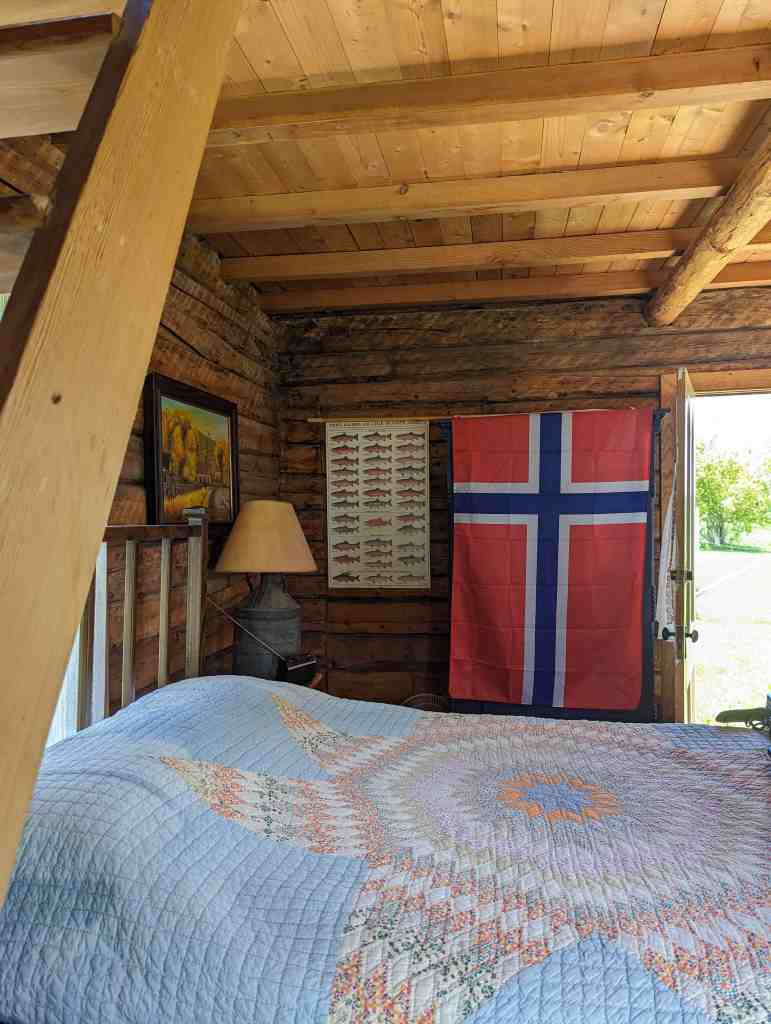
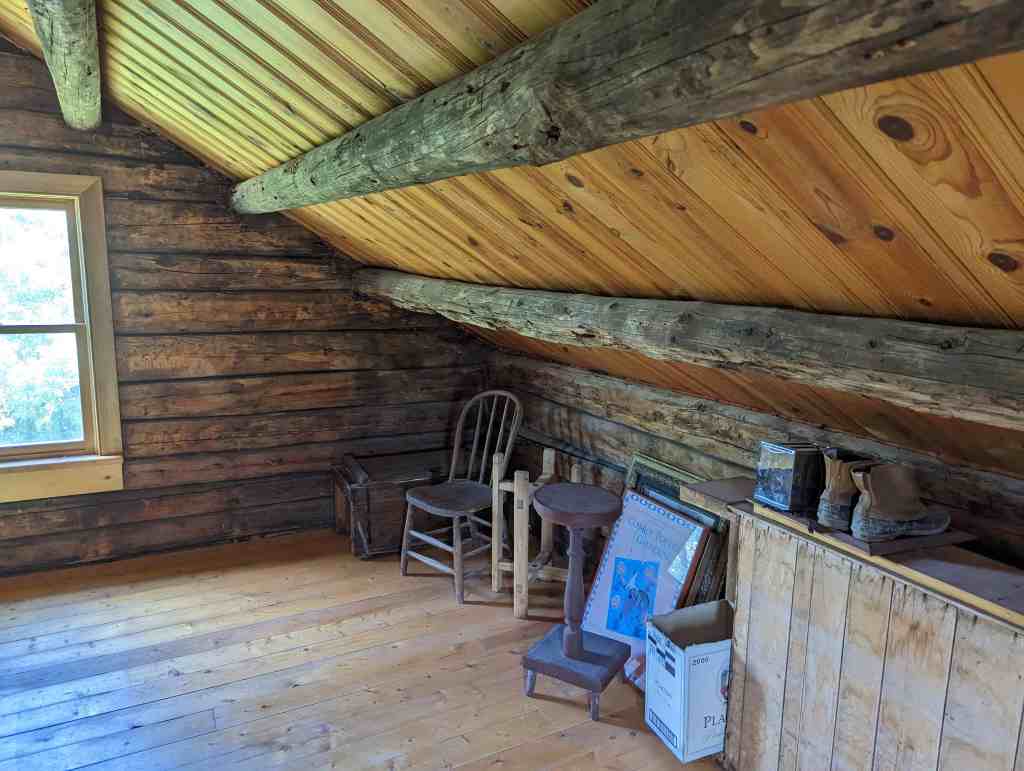
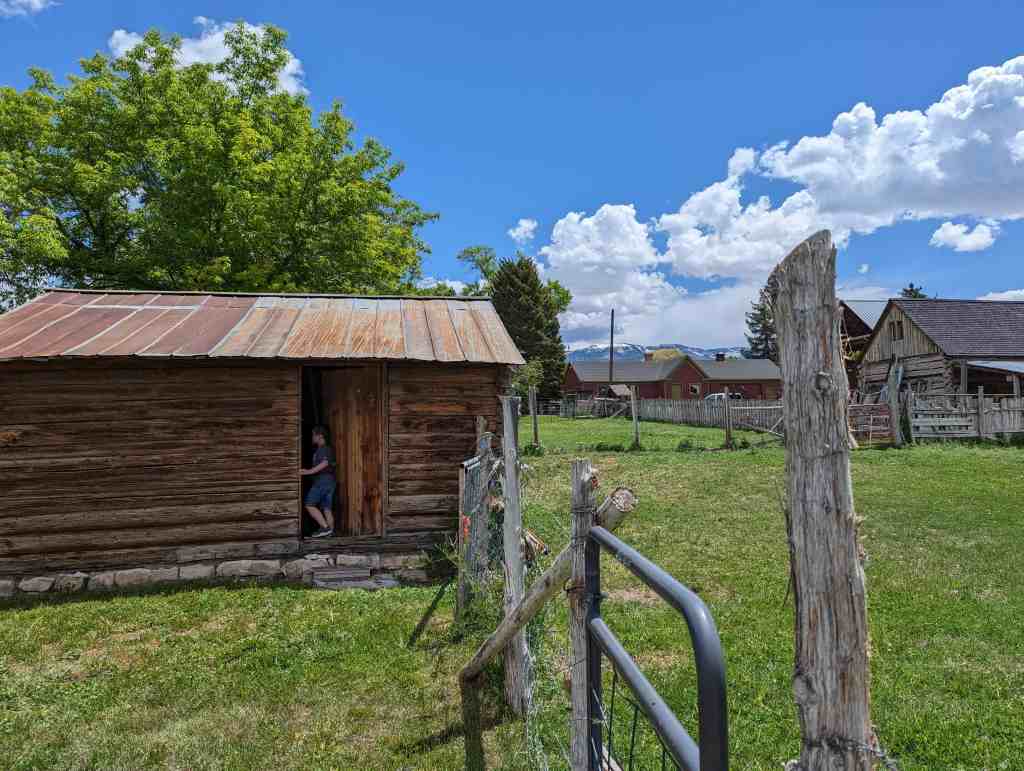
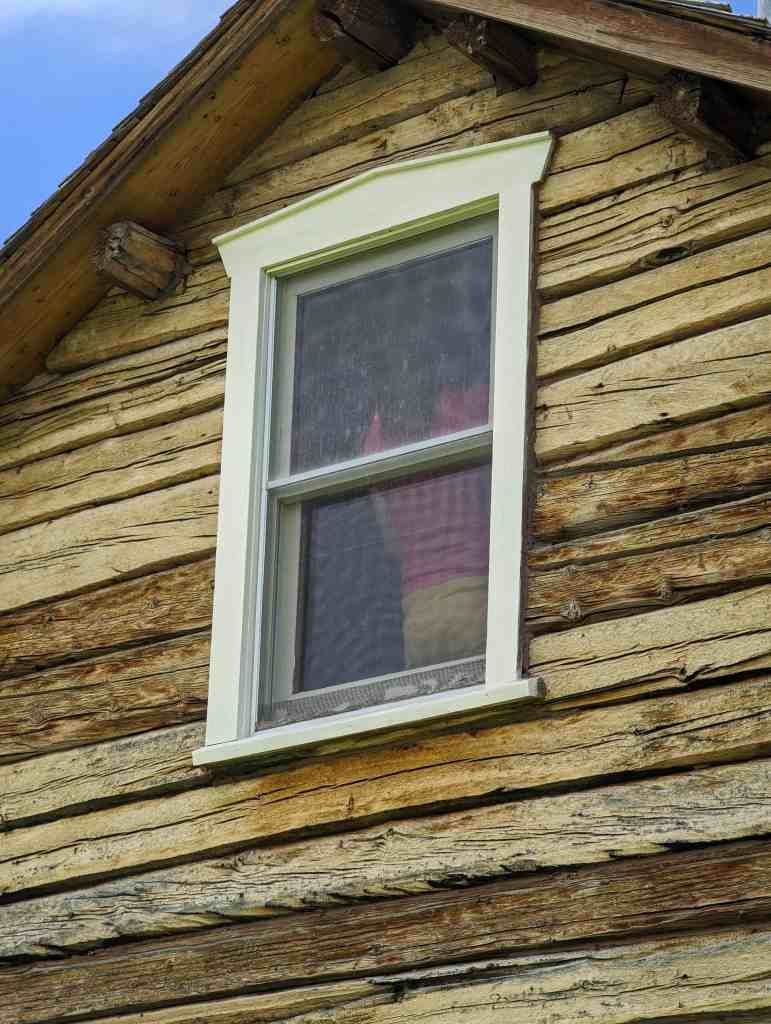
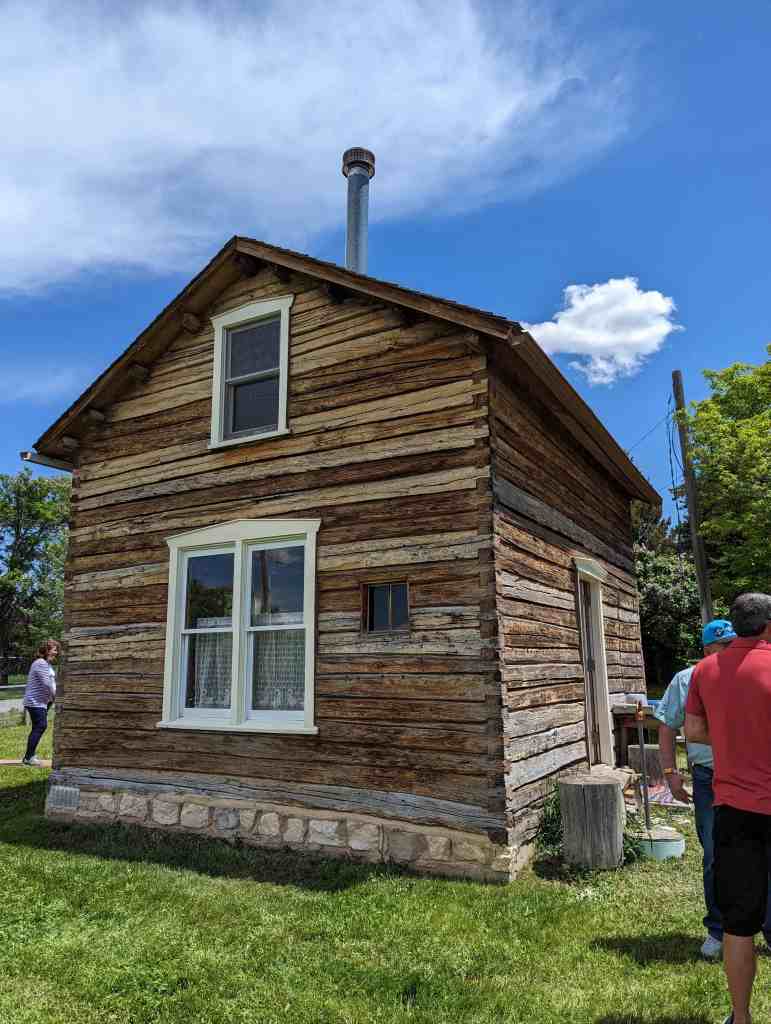
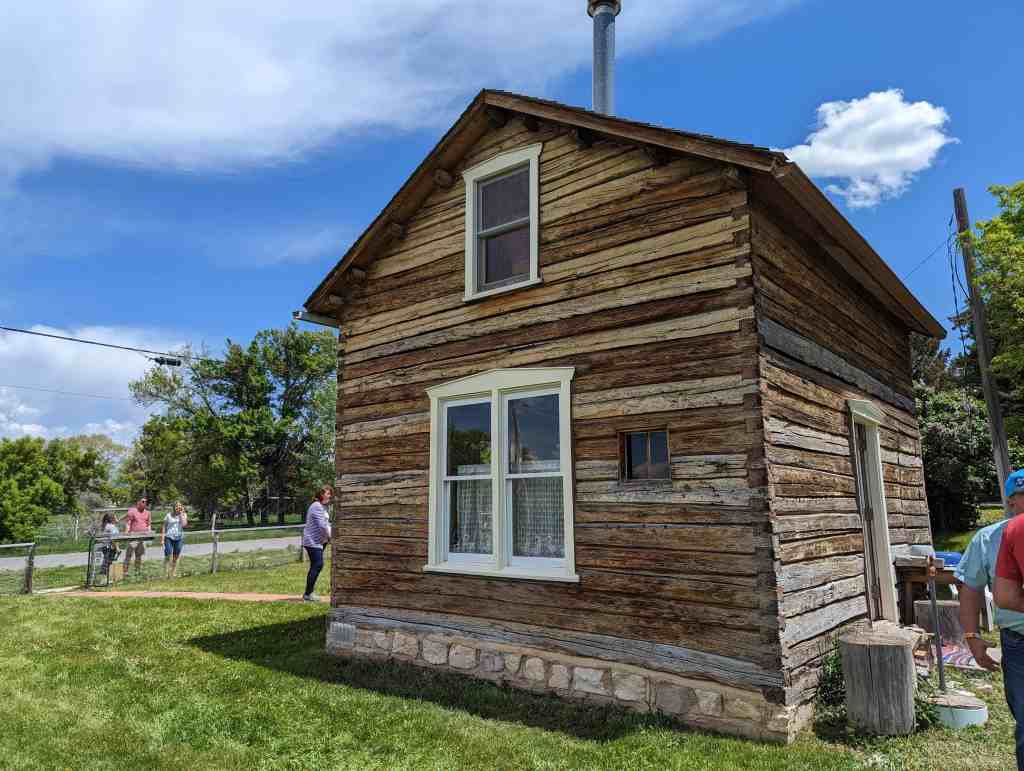
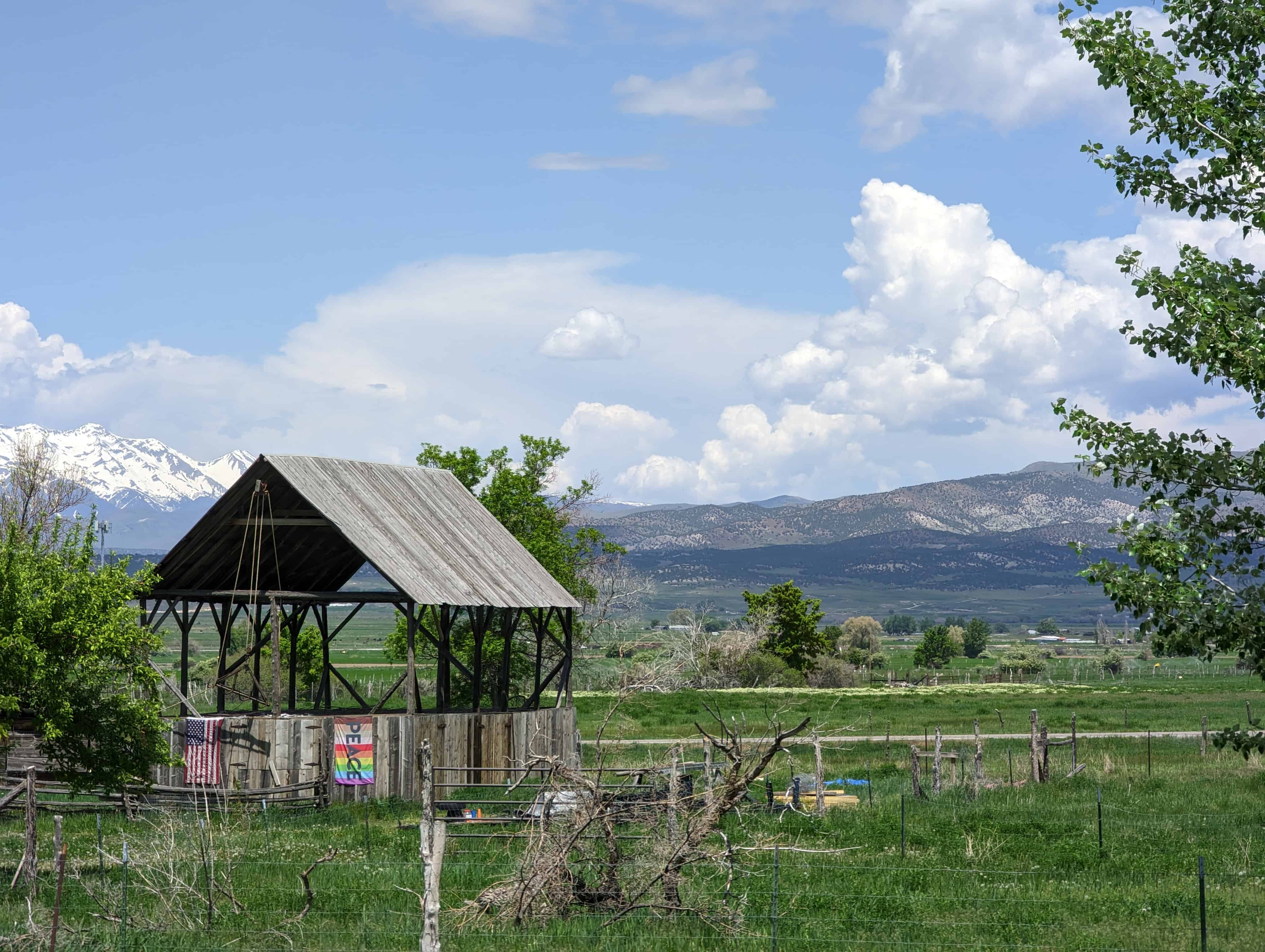
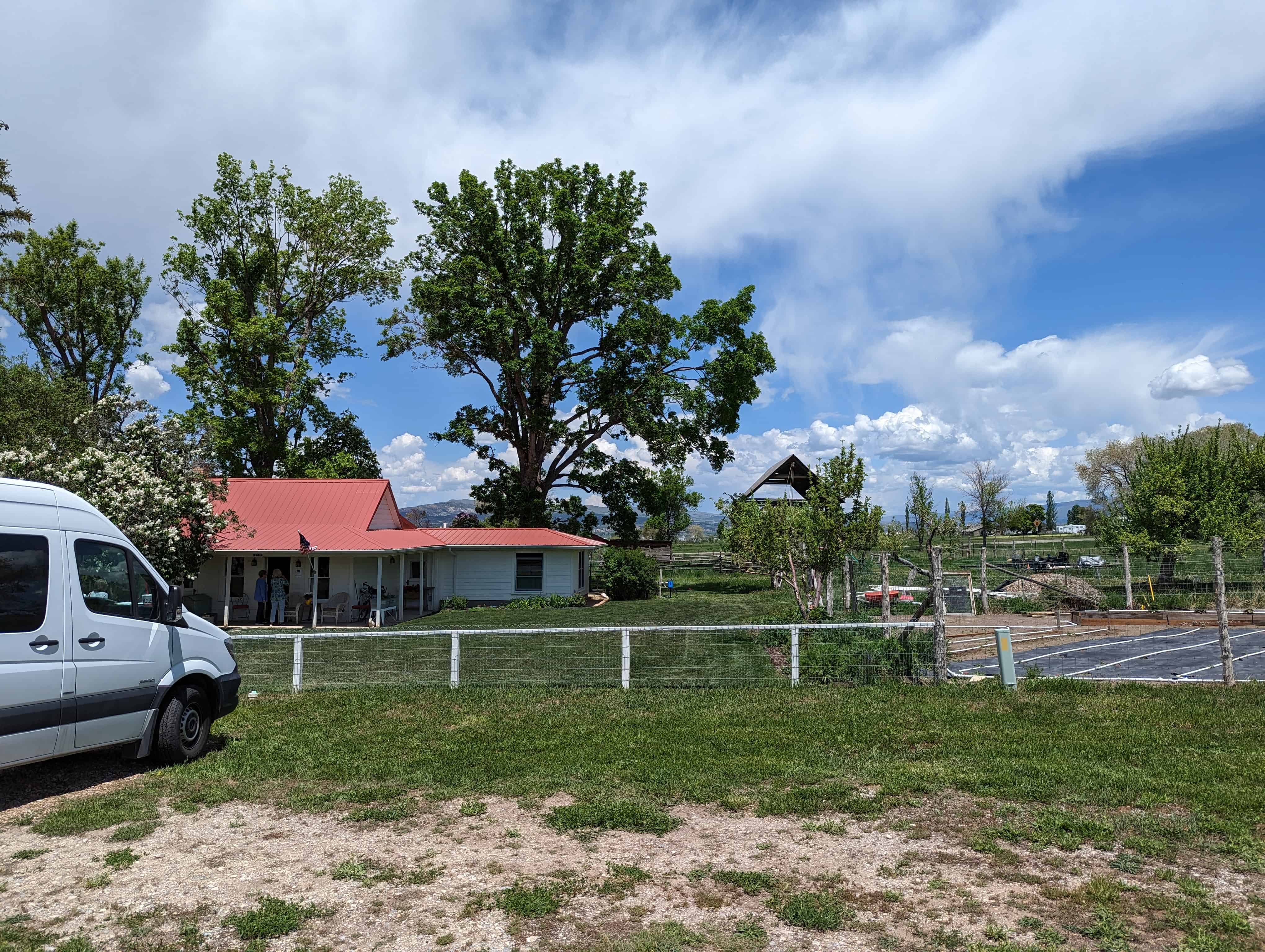
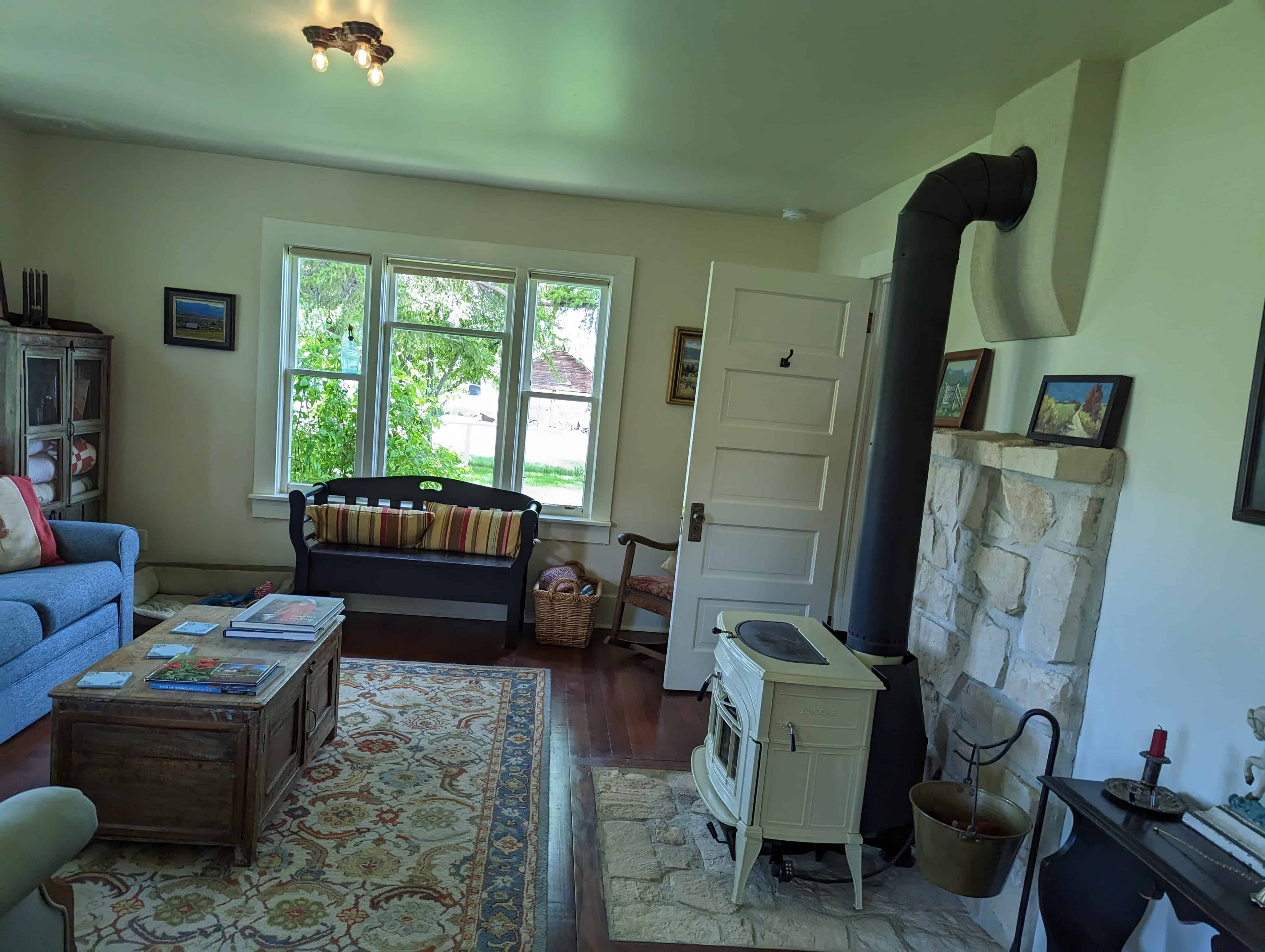
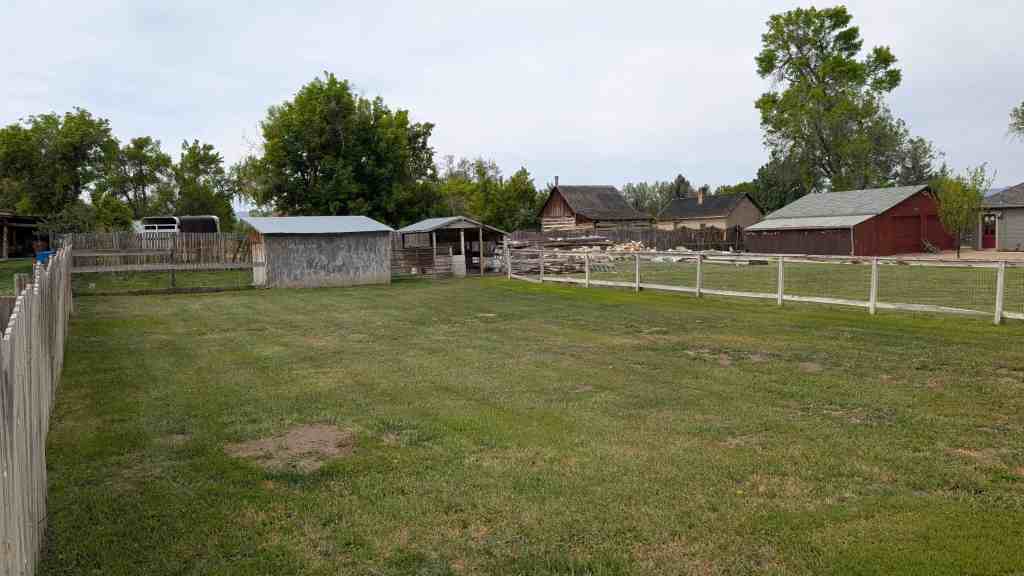
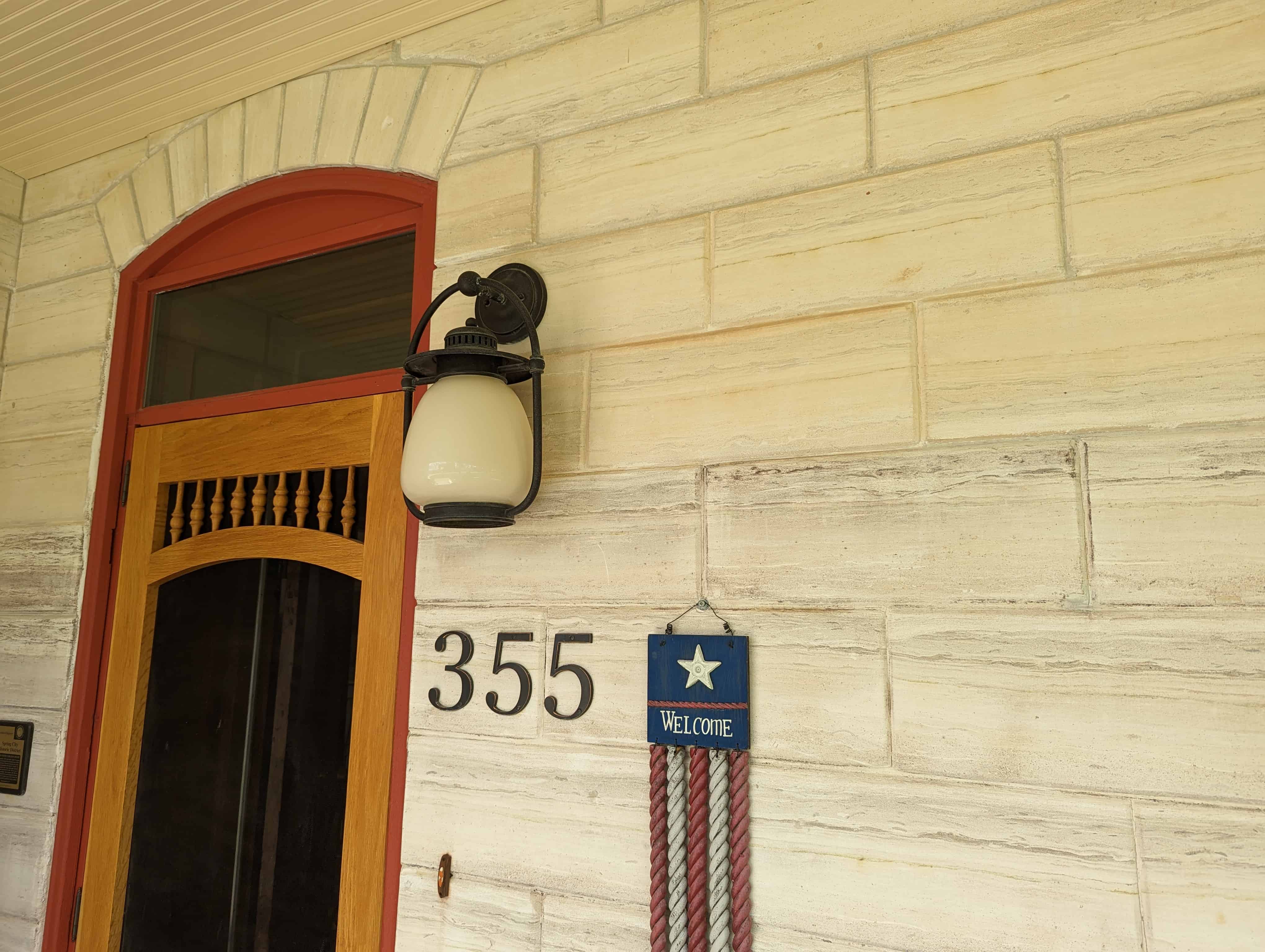
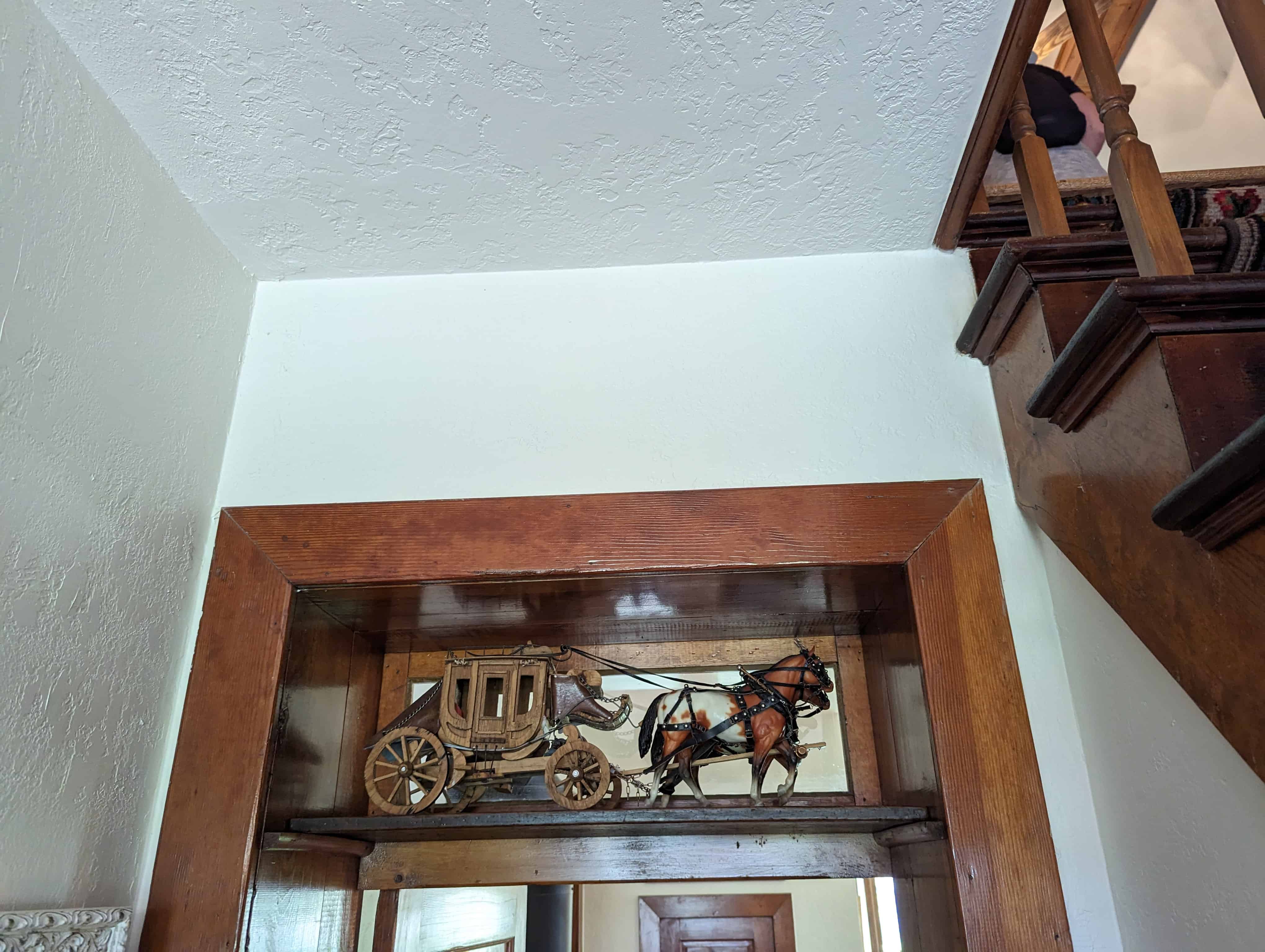
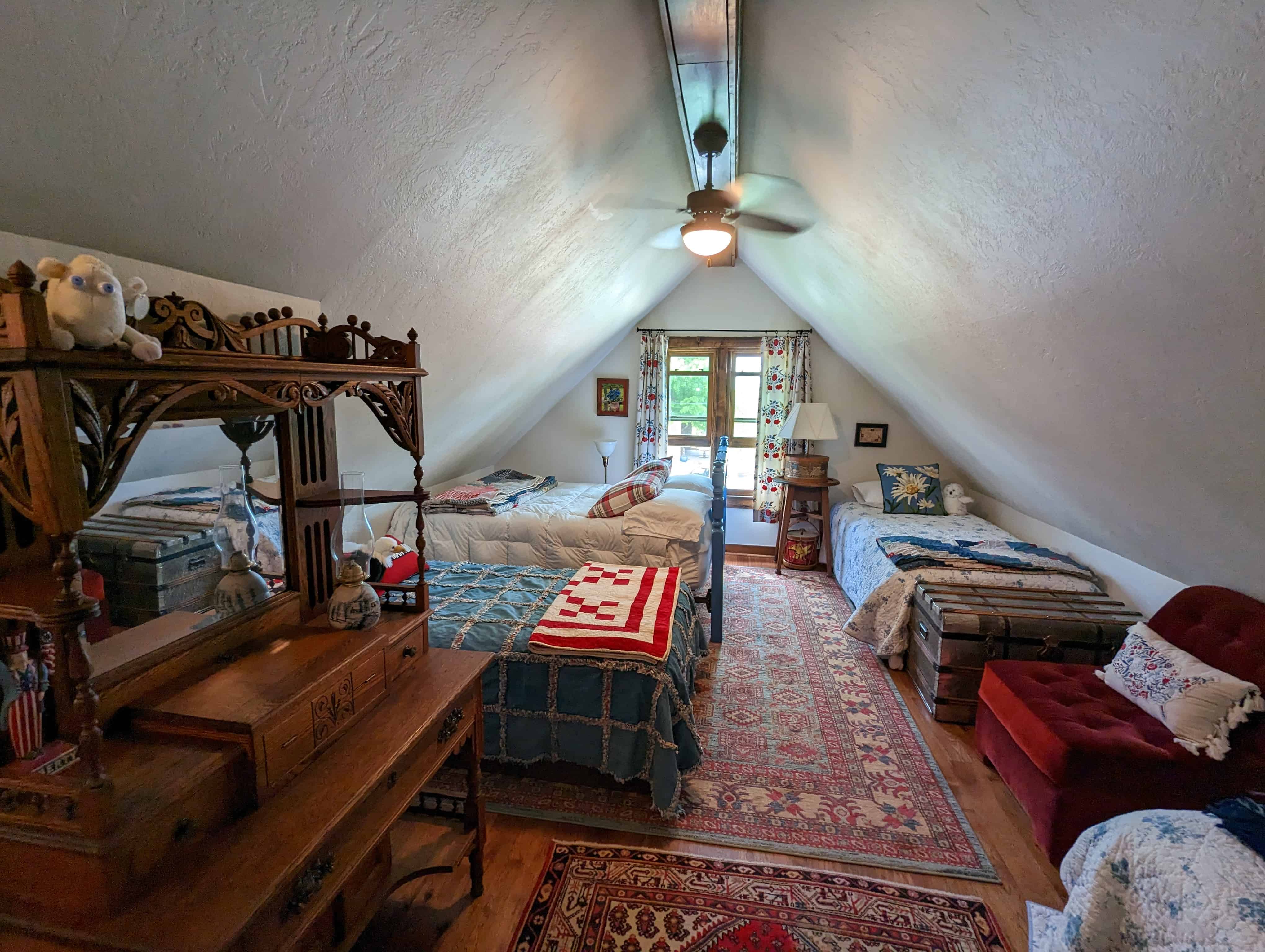
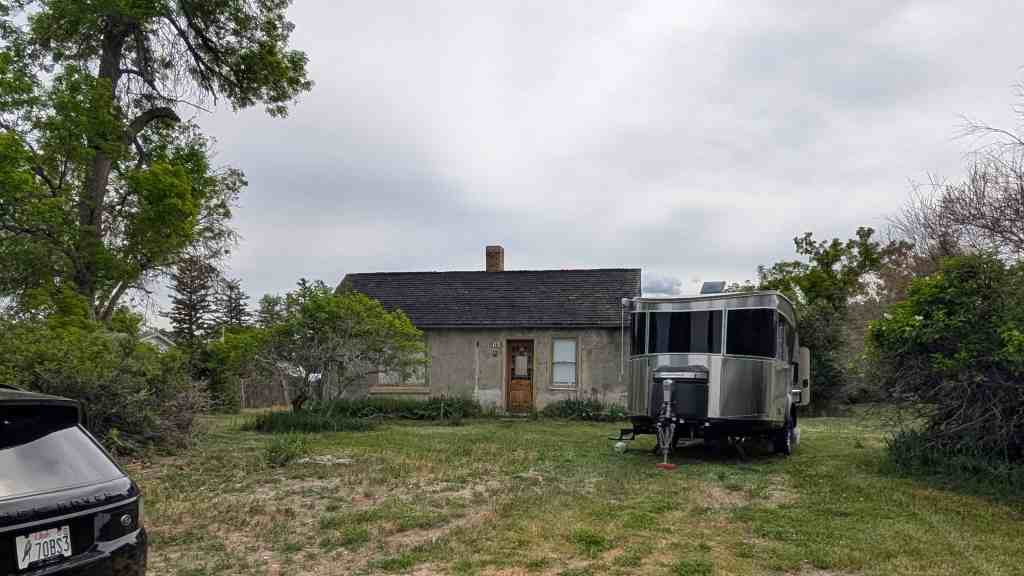
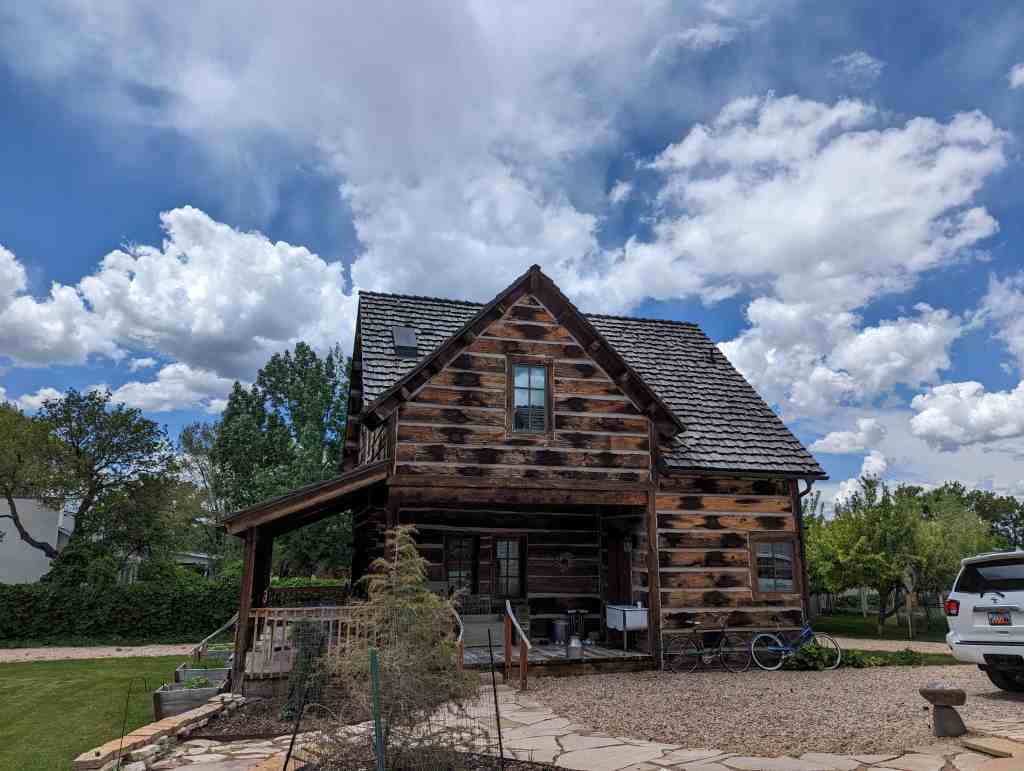
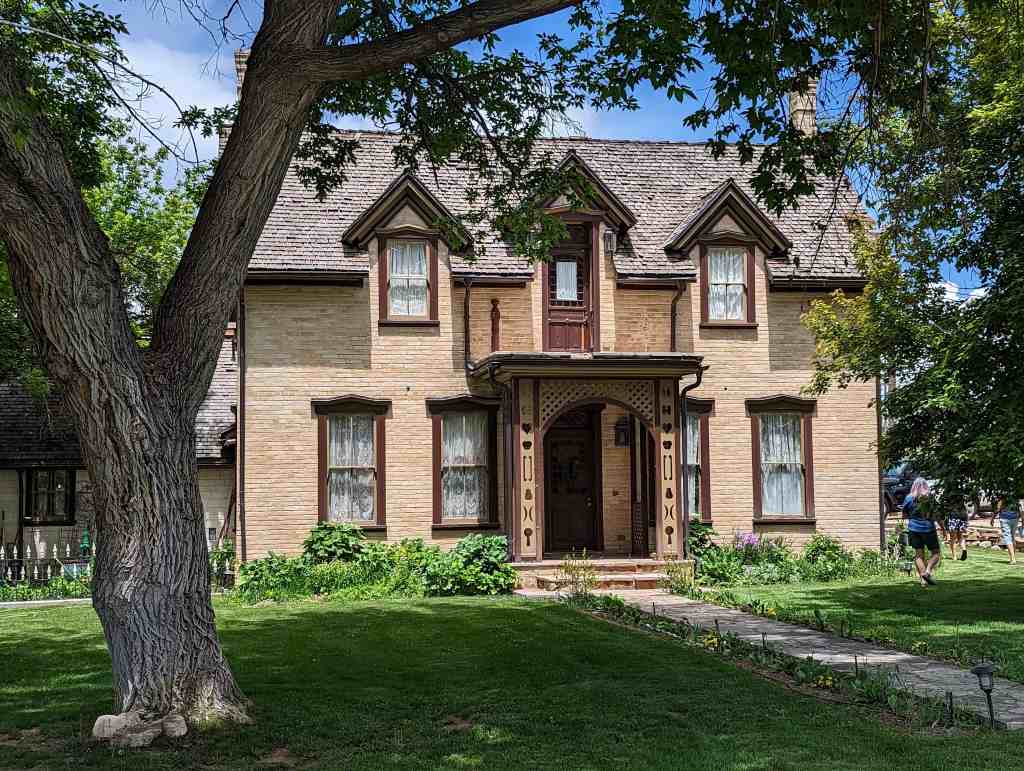
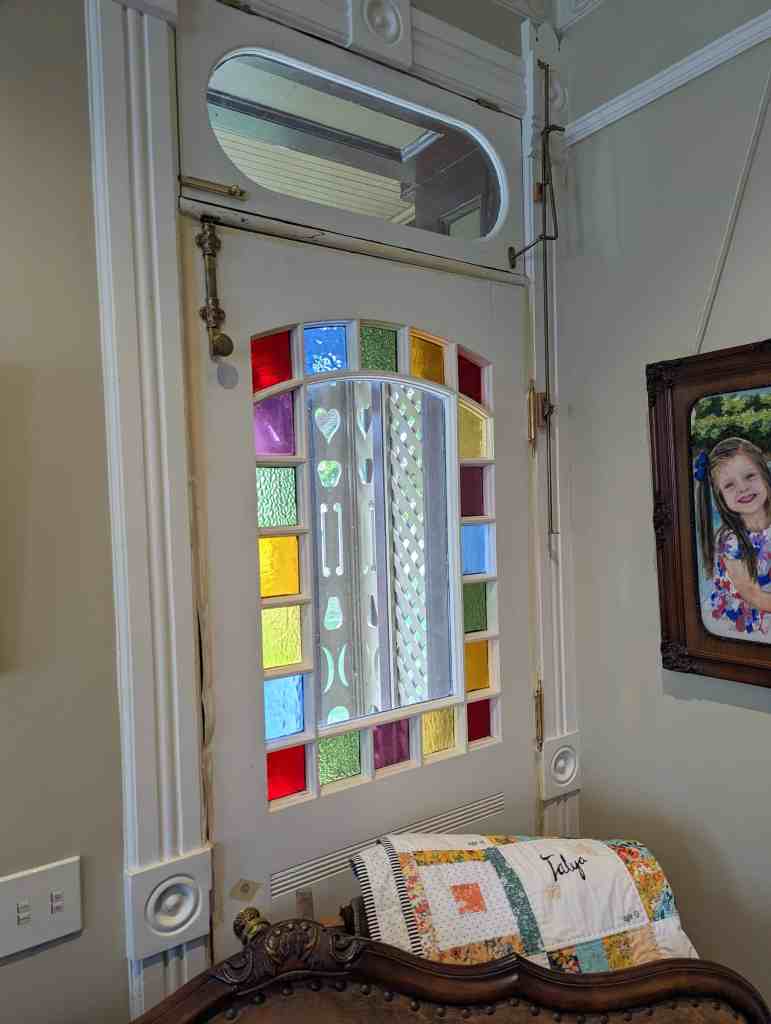
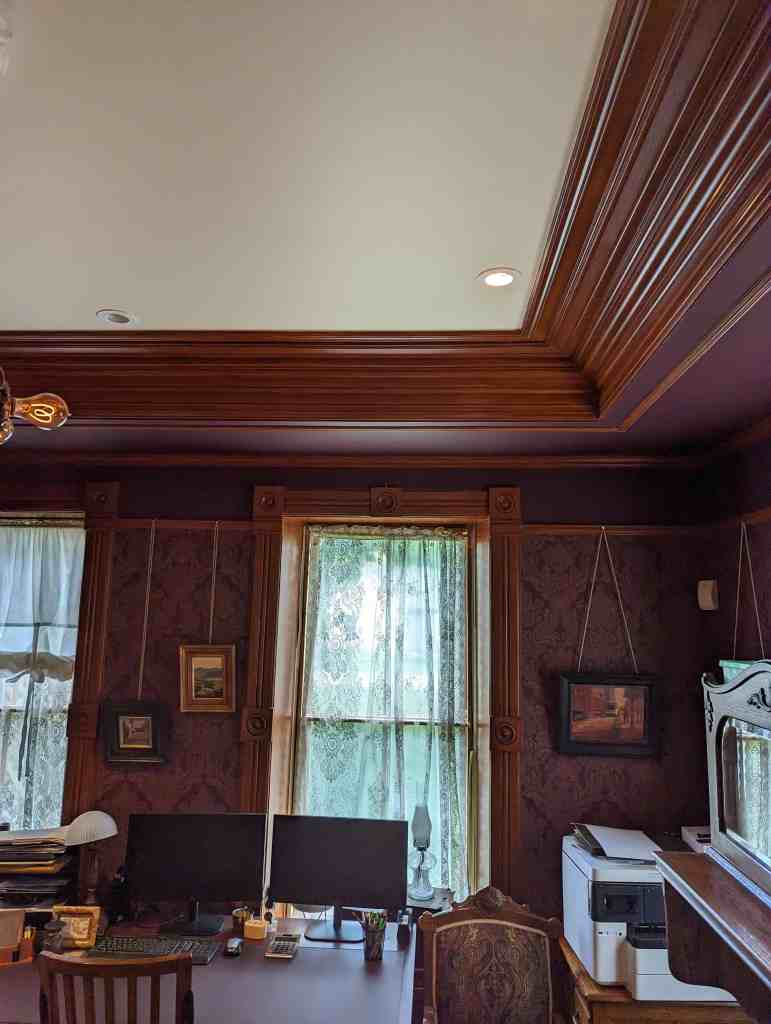
One and one-half story cabin moved to Spring City from the town of Central in Sevier County. One of few remaining Norwegian log houses in Utah and is noteworthy for key north joints at the corners. SO well made that chinking is not required between the logs.*
This house was built around a log granary which Ephraim Larsen and Everett Griffiths hauled to the west part of the lot. They punched holes for a door and windows and added siding.
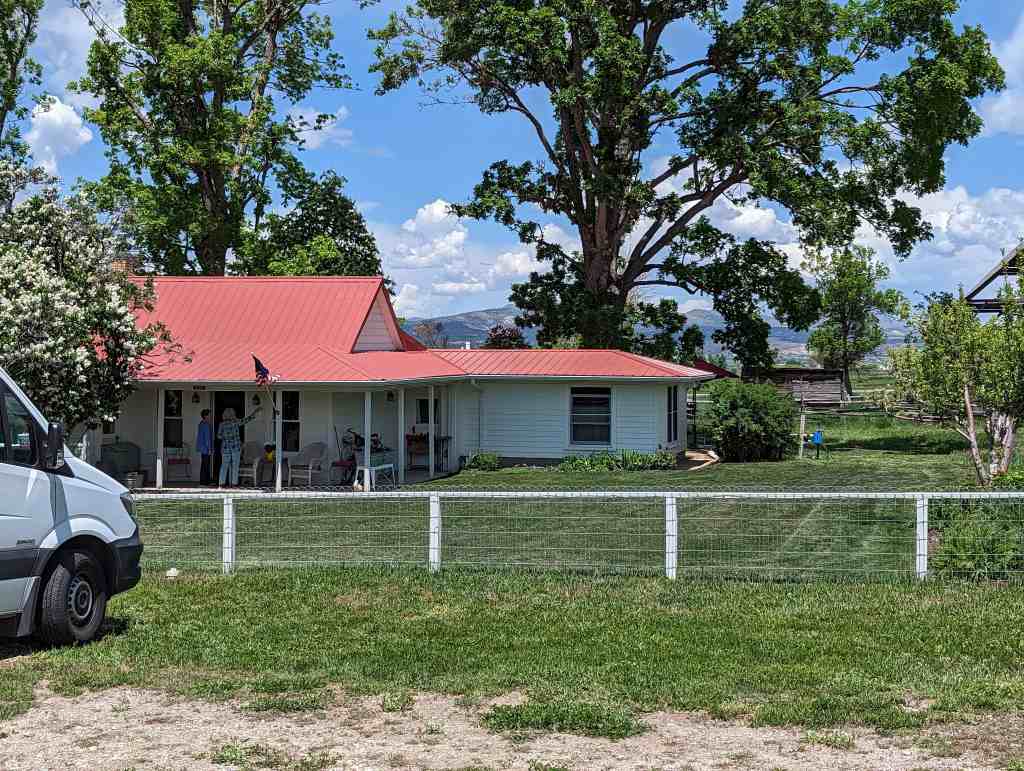
It was purchased by Allan and Christie Beck after 1926. Their daughter, Carma Beck, retired and lived here until her death in June 2011. The current owners (Jim & Eileen Brown) restored the home, built an addition, and added gardens.
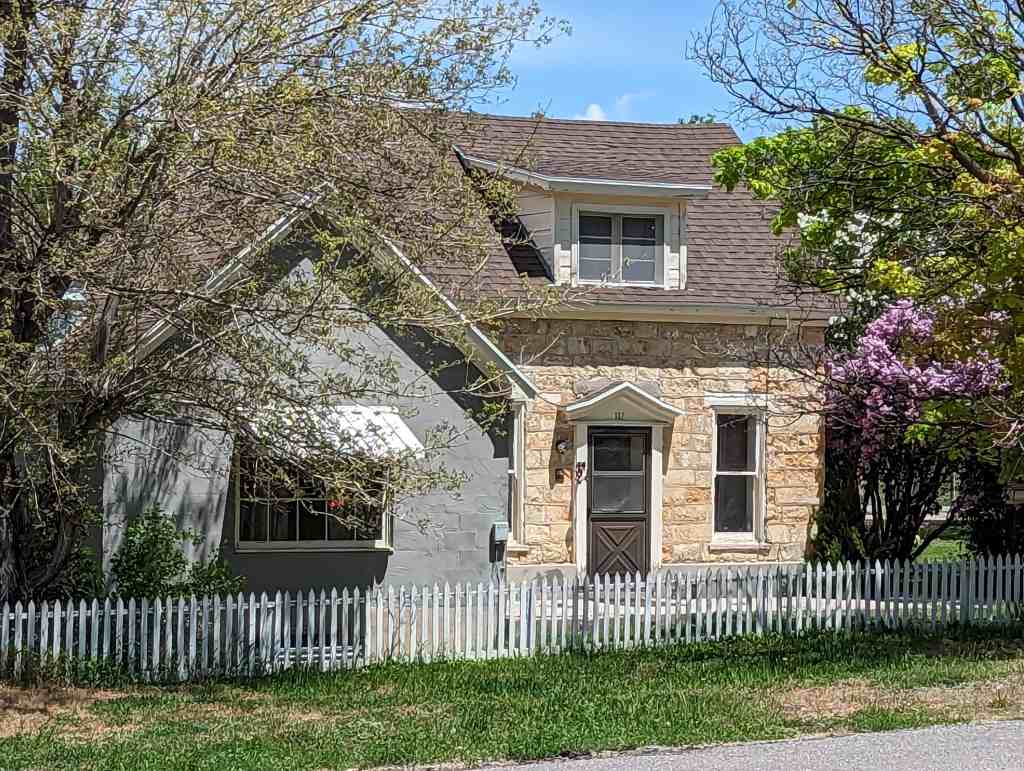
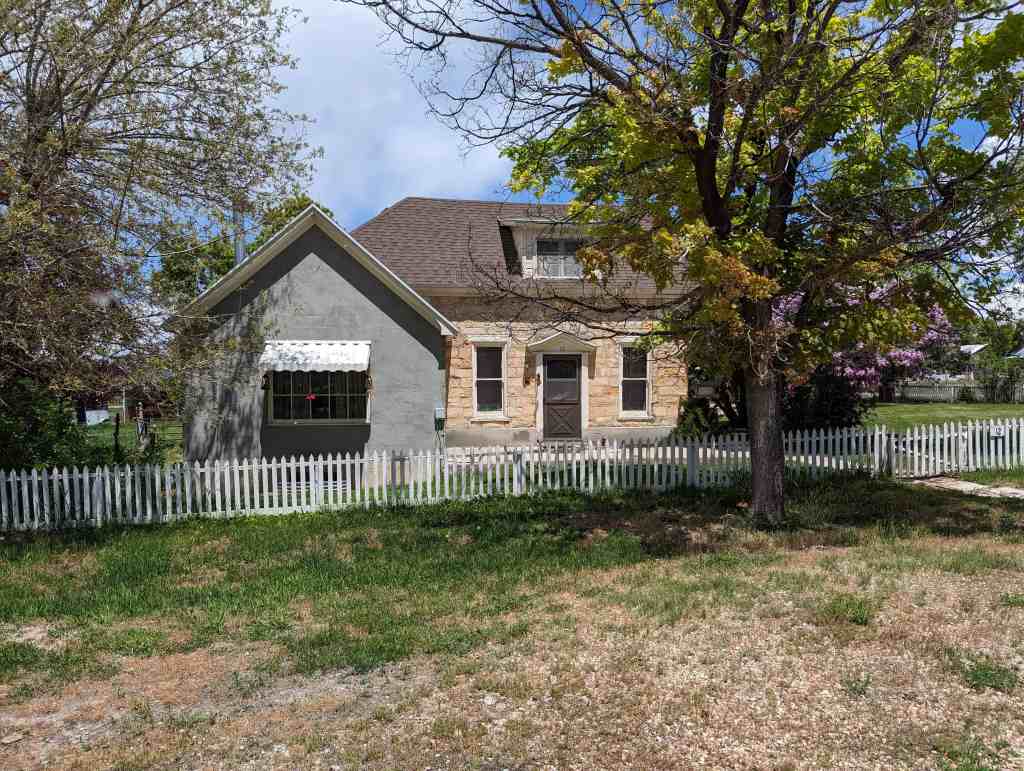
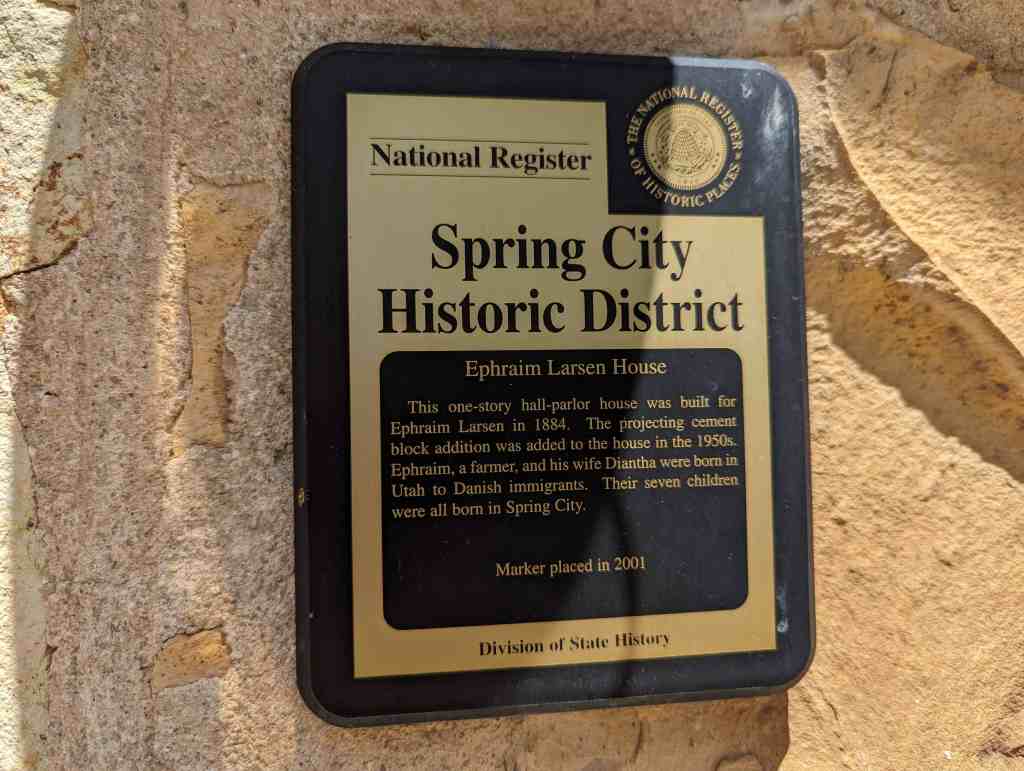
This one-story hall-parlor house was built for Ephraim Larsen in 1884. The projecting cement block addition was added to the house in the 1950s. Ephraim, a farmer, and his wife Diantha were born in Utah to Danish immigrants. Their seven children were all born in Spring City.
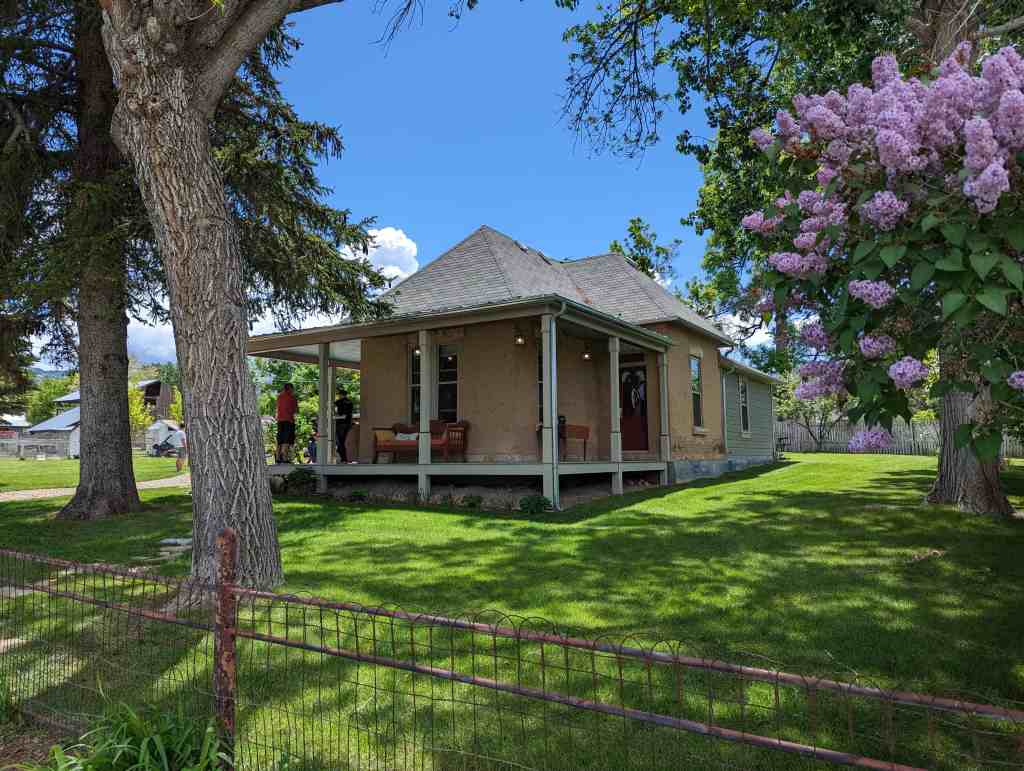
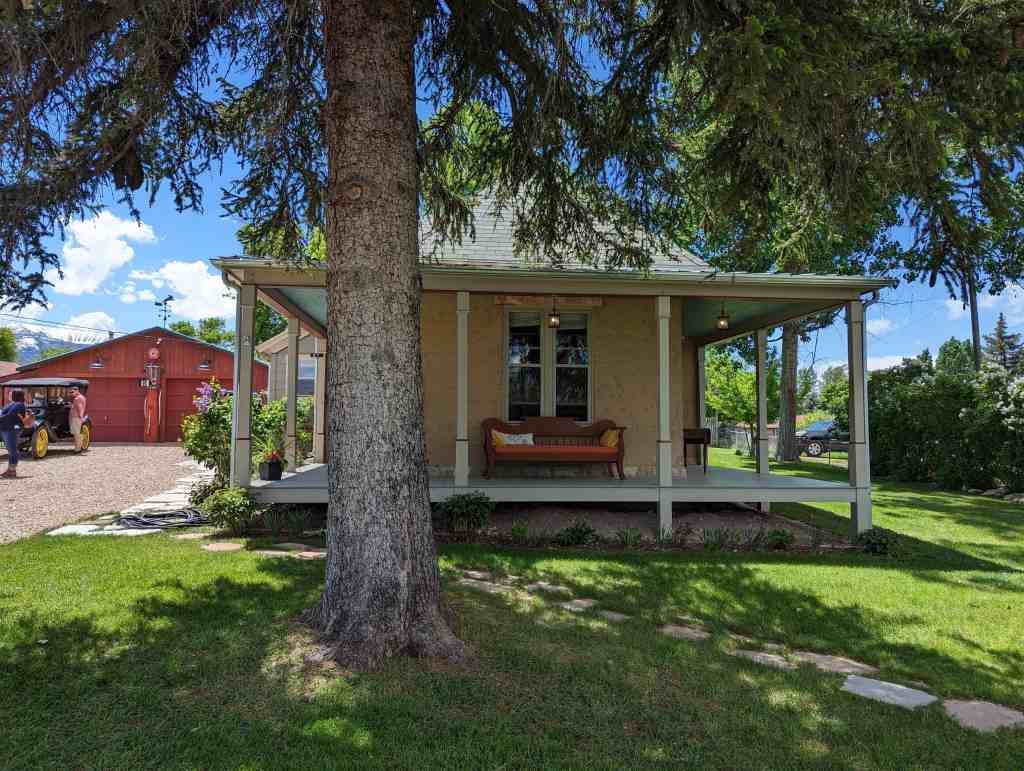
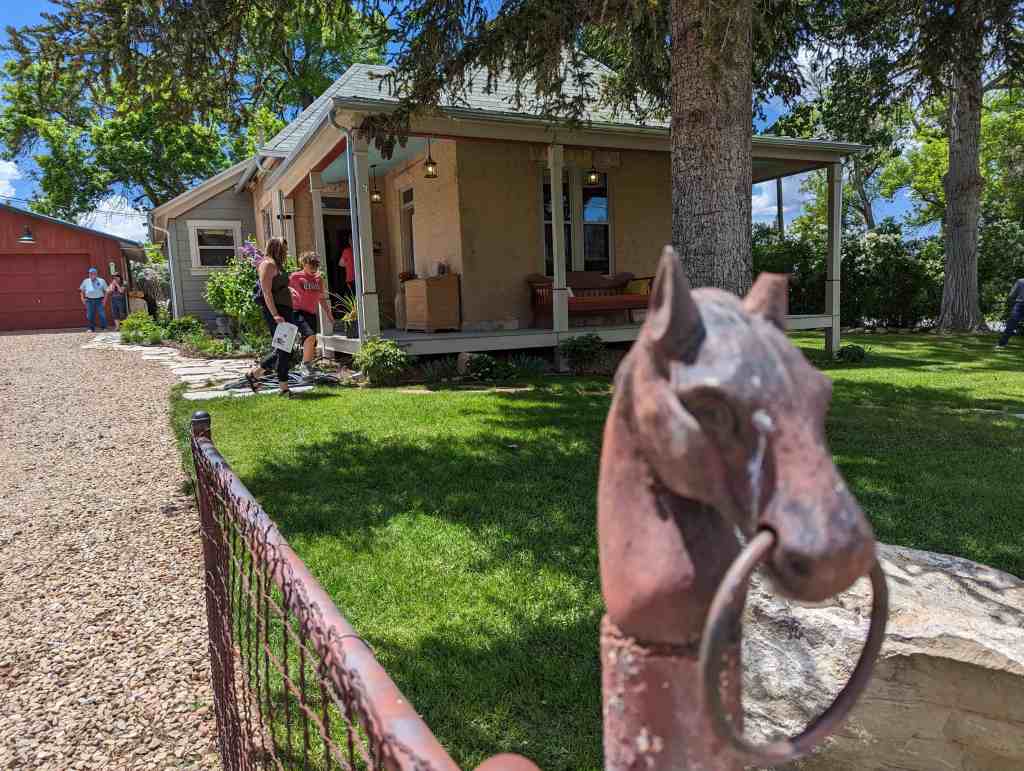
This historic house was built in 1906 by Albert Puzey. Albert’s wife, Martha, was given a wedding gift of $500 by her father, Simon Beck, and the Puzey’s were able to save another $100 during the next 5 years for the lot and construction funds. The house was originally an adobe ‘T’-shaped cross-wing type home and in 1913 a rear addition was built. The rear addition was an adobe-filled frame with Dutch Cove siding, which has recently been restored. Albert worked as a farmer, a sheepherder, a clerk at the local mercantile, and also served as Spring City Marshal for several years. The Puzey’s raised 10 children in the small adobe home without having indoor plumbing or a kitchen. Straw tick bedding was put down and picked up each day for the 10 children. To wash the clothes, water was heated outside in a large, black caldron over a fire. The kitchen and bathroom, with running water, were installed after 1948, when Albert sold the home to his son Willard and daughter-in-law Bessey Christiansen Puzey. The house passed through many hands for the next several decades. The current owners, the Millers, have been restoring it over the past four years. The house is a contributing feature within the Spring City Historic District.
This brick house was originally a “T” shape and had a small front porch on the east side. A wrap-around front porch and rear addition have been added while exterior aluminum siding has been removed.*
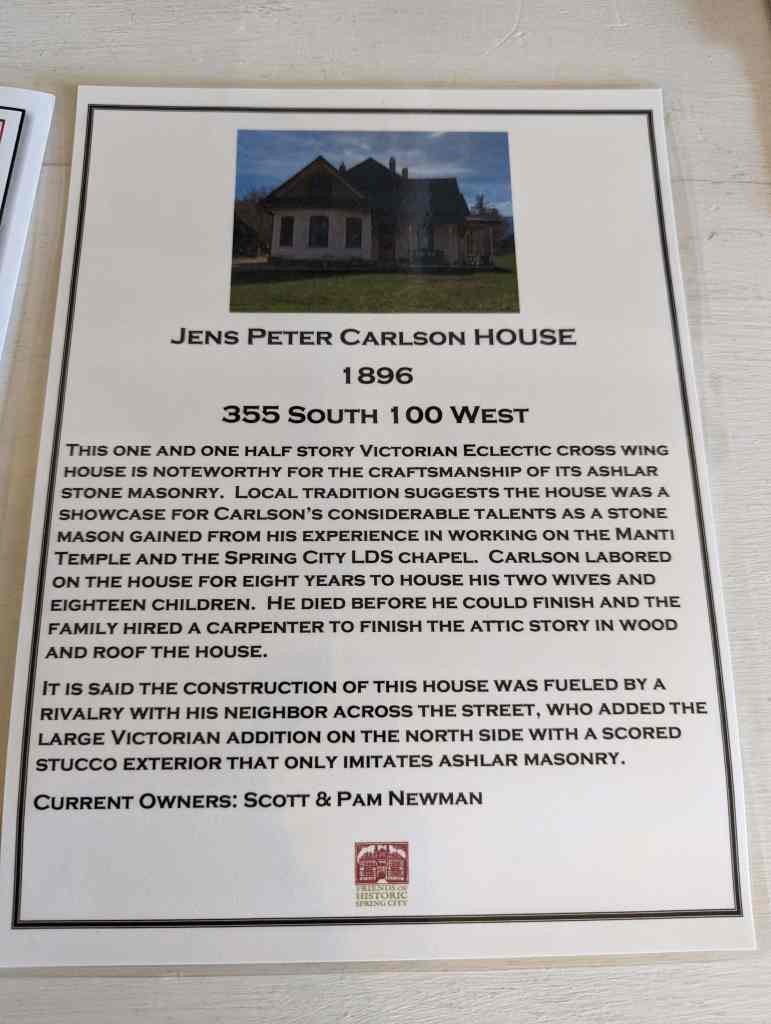
Constructed c. 1896, this finely crafted Victorian cottage is noteworthy for its polished, hand-rubbed oolite limestone. The home showcases the talents of Danish immigrant John (Jens) P. Carlson, the original builder and owner, who alone quarried, dressed, and smoothed the stone. He was one of the three principle stone masons who built the Manti Temple and the historic Spring City chapel. Carlson toiled for eight years on this house, but died before completing the full two-story residence.
John Bohleen built the original one-room adobe section of this house in 1859. He was a prominent local stone mason, responsible for work on the meetinghouse and on many homes in Spring City. He sold the property in 1874 to Peter Olsen. The brick and adobe addition on the south side dates. from the 1860’s or ’70’s. This house is one of the earliest remaining in the town, and illustrates the additive quality of Spring City vernacular architecture.
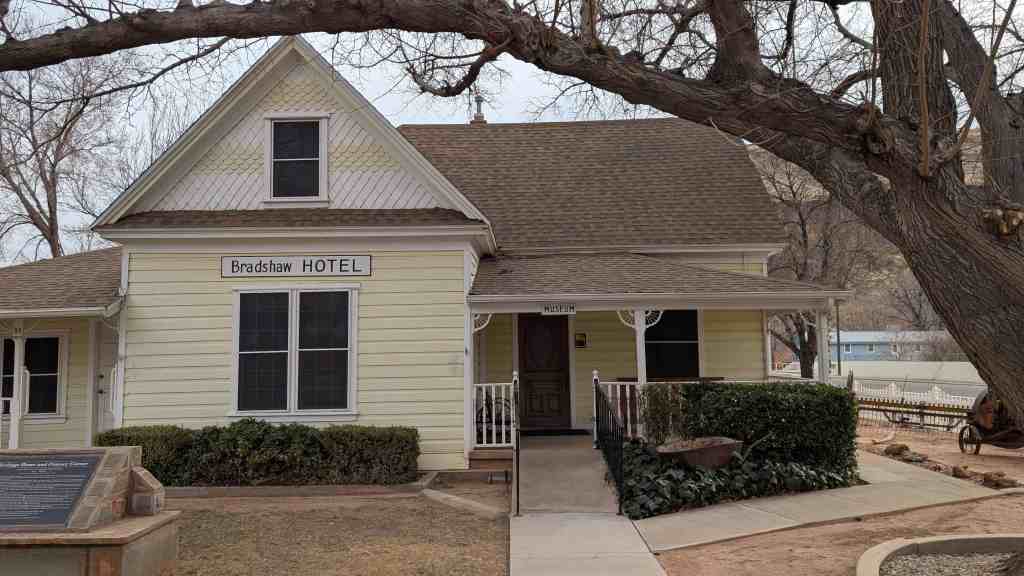
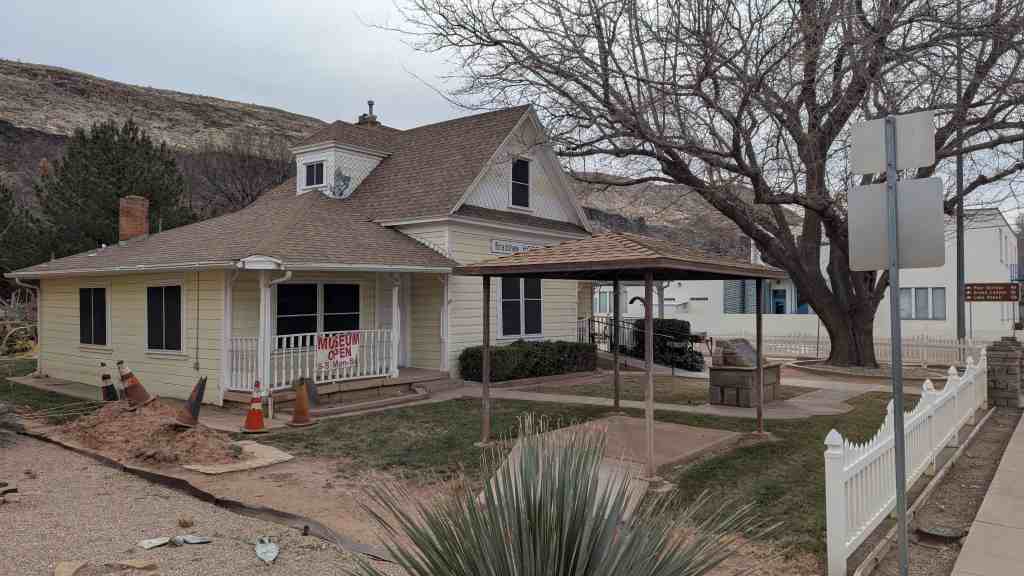
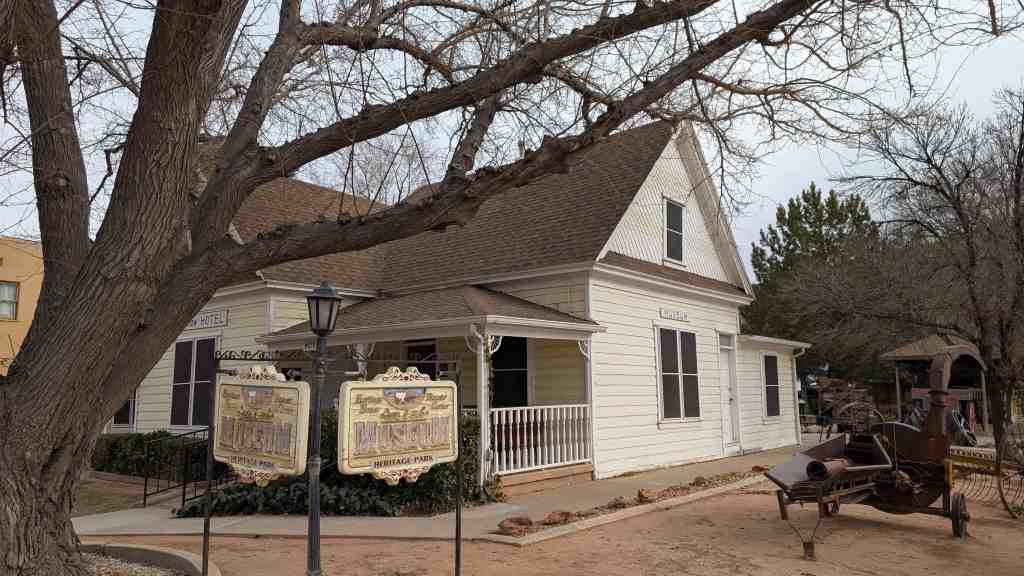
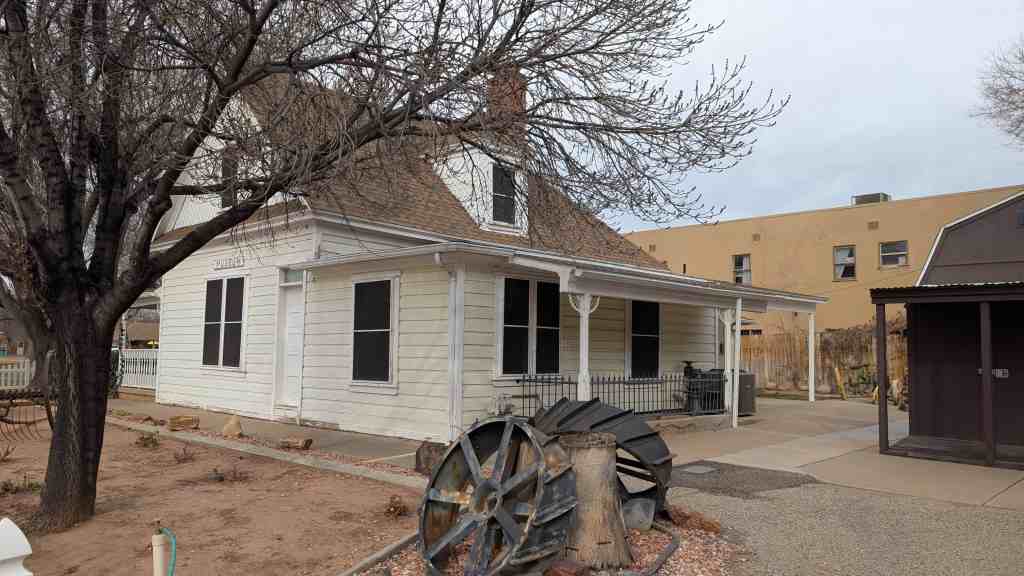
Built in 1906-08, the Bradshaw House/Hotel is significant for its role in the settlement and early community life of Hurricane, Utah. It was the first permanent house built in the town, which was established soon after the Hurricane Canal (National Register) was completed to bring water to this previously dry benchland. In addition to its use as the Bradshaw family residence, the house served as the first school in the town, as a place for Sunday school, and for a variety of other public gatherings. The Bradshaws also operated it as a boarding house and hotel, the first in the community. It was one of the few hotels in the town and one of the longest-lived, operating for over 25 years.
The Bradshaw House-Hotel is located at 85 South Main Street in Hurricane, Utah and was added to the National Historic Register (#91001443) on September 26, 1991. The text on this page is from the nomination form from when it was added to the register.
Ira E. and Marion Hinton Bradshaw started construction of this house in early 1906 and had it sufficiently completed by the end of the summer for the family to move in. According to family and local histories, it was the first permanent house built in the new community of Hurricane. As such it served a variety of community purposes since it was the largest building in town. The northwest room, though at first unfinished, served as the town’s first school, as a Sunday school room, and for other public gatherings. These activities were eventually shifted to other buildings as the town developed. These included a social hall (1908), a church (1907-08), and a school (1917).
Completion of the Hurricane Canal in 1904 opened up the Hurricane Bench for agriculture and instigated the formation of the town. Residents of neighboring communities first began constructing the canal in 1893. They continued under adverse conditions for nine years. By then only a few of the original canal stockholders still had faith to remain with the project. One of them was Ira Bradshaw, who served as president of the Hurricane Canal Company from 1901 to 1907. The group contacted the First Presidency of the Church of Jesus Christ of Latter-day Saints (Mormon Church) in Salt Lake City requesting assistance with their project. The church had directed the establishment of over 300 communities in Utah from 1847 to the late 1880s, so assisting with settlement efforts was not new. At this time, however, the church was no longer actively colonizing in Utah. The effort to build the canal and establish the town of Hurricane was a private venture. The church’s decision to invest $5,000 in the project demonstrates the leaders’ willingness to assist with community-building, though in a more business-like fashion than it had in the nineteenth century. Without the infusion of cash generated by the church’s purchase of stock, the company may not have completed the canal.
Settlement of the town of Hurricane began soon after the canal was completed. Stockholders drew lots to determine their parcels in the new townsite. The town was laid out in five-acre blocks divided into four lots. Twenty-acre farm sites south of town were divided in the same manner. Many of the early settlers built cellars or granaries that could serve temporarily as homes and later be used as auxiliary structures. Only one of those granaries is extant: the George H. and Annie C. Isom granary located at 274 W. 100 North, where it was moved in 1945.
Ira Bradshaw’s house is credited as the first permanent home in the town. Others were apparently built at approximately the same time. A Washington County News article from January 1908 noted that, “Lewis Campbell is finishing off the Ira Bradshaw house. It will soon be ready for the painter. Jesse Lemmon expects to have his house painted soon. Jesse Demill’s house is almost completed.” Though Bradshaw’s house was not completed until 1908, it was, according to numerous local sources, being used in an unfinished condition as early as the fall of 1906. Of the three houses mentioned in the article only the Bradshaw house remains standing.
Both Ira and Marion Bradshaw were lifelong residents of southern Utah. They were married in 1883 and had five children. They made their home in Virgin until moving to Hurricane after the canal was completed. Ira held a variety of jobs, including farmer, canal worker, and hotel operator. He served six years as president of the Hurricane Canal Company and twenty years as a member of the school board.
In addition to its community uses, the house also functioned as a hotel. Marion Bradshaw was an industrious homemaker and managed to accommodate traveling salesmen, known as “drummers,” and other travelers in the house. She also boarded teachers. From 1910 to 1923 the house became known as the Bradshaw Hotel. A c.1912 photograph shows the house, complete with a balustraded front porch and a “Bradshaw Hotel” sign over the front window. Thus it was the first hotel in the town of Hurricane. In 1917, The Hotel Monthly magazine gave a description of the clean rooms and sumptuous meals at the “little Bradshaw Hotel.” After Marion Bradshaw’s death in 1924, a daughter and son-in-law, “Mack” and Juanita Bradshaw Naegle, helped run the hotel and take care of the family still at home. Ira Bradshaw transferred title to the property to Juanita in 1929. Mack and Juanita decided to construct a new hotel just to the north. They operated that hotel only from 1930 until 1932. The economic decline brought on by the Depression forced them to close it down. They resumed taking boarders in the old home as before. Soon after Ira Bradshaw 1 s death in 1934, the loan company that held title to the property sold it, forcing the family to close down the hotel and move.
Other owners since 1942 were: the J. H. Ridings, the Golden Taylors, the Kenneth Gublers and Leah C. Adams and Miriam L. Cochran. The last two (who were joint owners) sold the property to Washington County in 1976. In June of 1989, Washington County leased the property to the City of Hurricane, who then leased it to the Hurricane Heritage Park Foundation in July of 1989. It is leased for a 25 year period, for a $100 per year lease with an option to renew. The foundation is in the process of the rehabilitating the hotel.
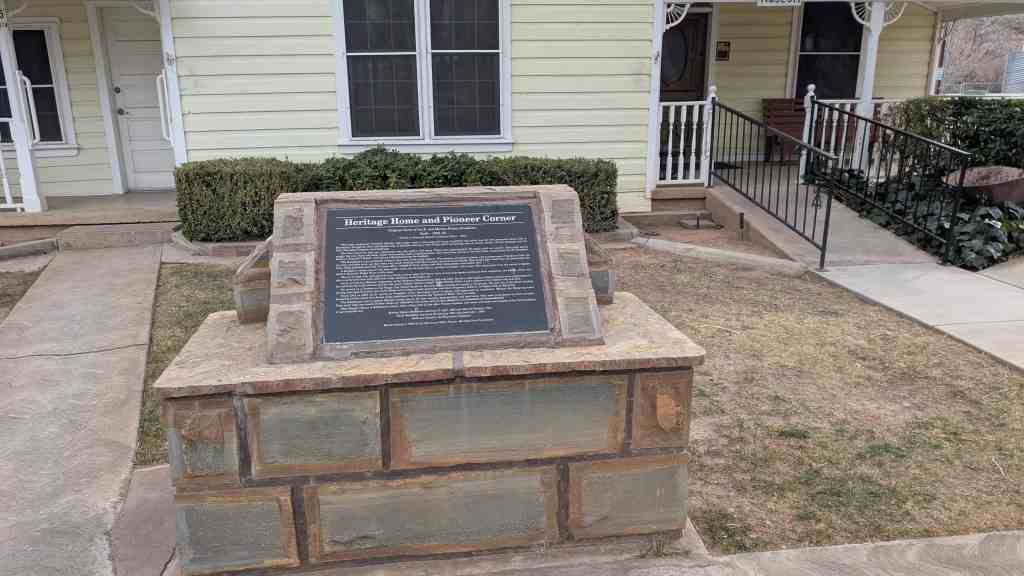
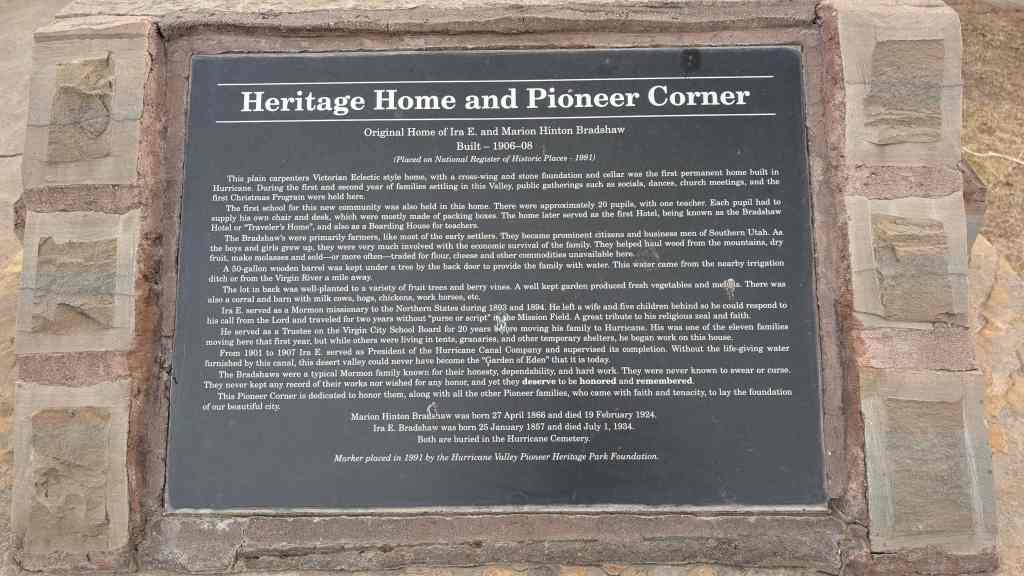
Heritage Home and Pioneer Corner Original Home of Ira E. and Marion Hinton Bradshaw Built 1906-08 (Placed on National Register of Historic Places – 1991)
This plain carpenters Victorian Eclectic style home, with a cross-wing and stone foundation and cellar was the first permanent home built in Hurricane. During the first and second year of families settling in this Valley, public gatherings such as socials, dances, church meetings, and the first Christmas Program were held here.
The first school for this new community was also held in this home. There were approximately 20 pupils, with one teacher. Each pupil had to supply his own chair and desk, which were mostly made of packing boxes. The home later served as the first Hotel, being known as the Bradshaw Hotel or “Traveler’s Home”, and also as a Boarding House for teachers.
The Bradshaw’s were primarily farmers, like most of the early settlers. They became prominent citizens and business men of Southern Utah. As the boys and girls grew up, they were very much involved with the economic survival of the family. They helped haul wood from the mountains, dry fruit, make molasses and sold-or more often-traded for flour, cheese and other commodities unavailable here.
A 50-gallon wooden barrel was kept under a tree by the back door to provide the family with water. This water came from the nearby irrigation ditch or from the Virgin River a mile away.
The lot in back was well-planted to a variety of fruit trees and berry vines. A well kept garden produced fresh vegetables and melons. There was also a corral and barn with milk cows, hogs, chickens, work horses, etc.
Ira E. served as a Mormon missionary to the Northern States during 1893 and 1894. He left a wife and five children behind so he could respond to his call from the Lord and traveled for two years without “purse or script” in the Mission Field. A great tribute to his religious zeal and faith.
He served as a Trustee on the Virgin City School Board for 20 years before moving his family to Hurricane. His was one of the eleven families moving here that first year, but while others were living in tents, granaries, and other temporary shelters, he began work on this house.
From 1901 to 1907 Ira E. served as President of the Hurricane Canal Company and supervised its completion. Without the life-giving water furnished by this canal, this desert valley could never have become the “Garden of Eden” that it is today.
The Bradshaws were a typical Mormon family known for their honesty, dependability, and hard work. They were never known to swear or curse. They never kept any record of their works nor wished for any honor, and yet they deserve to be honored and remembered.
This Pioneer Corner is dedicated to honor them, along with all the other Pioneer families, who came with faith and tenacity, to lay the foundation of our beautiful city.
Marion Hinton Bradshaw was born 27 April 1866 and died 19 February 1924. Ira E. Bradshaw was born 25 January 1857 and died July 1, 1934. Both are buried in the Hurricane Cemetery. Marker placed in 1991 by the Hurricane Valley Pioneer Heritage Park Foundation.
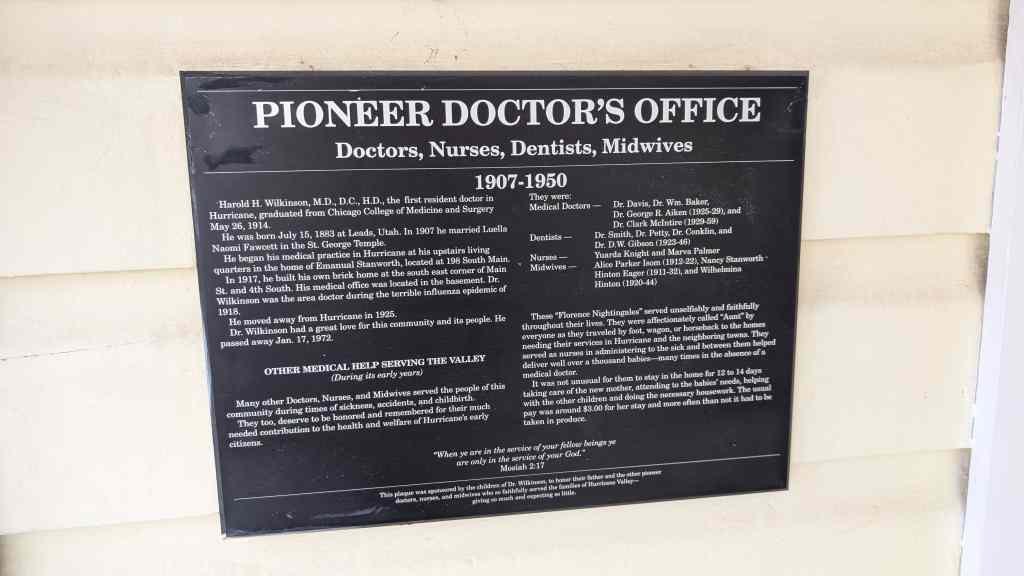
Harold H. Wilkinson, M.D., D.C., H.D., the first resident doctor in Hurricane, graduated from Chicago College of Medicine and Surgery May 26, 1914.
He was born July 15, 1883 at Leads, Utah. In 1907 he married Luella Naomi Fawcett in the St. George Temple.
He began his medical practice in Hurricane at his upstairs living quarters in the home of Emanual Stanworth, located at 198 South Main. In 1917, he built his own brick home at the south east corner of Main St. and 4th South. His medical office was located in the basement. Dr. Wilkinson was the area doctor during the terrible influenza epidemic of 1918.
He moved away from Hurricane in 1925.
Dr. Wilkinson had a great love for this community and its people. He passed away Jan. 17, 1972.
OTHER MEDICAL HELP SERVING THE VALLEY (During its early years)
Many other Doctors, Nurses, and Midwives served the people of this community during times of sickness, accidents, and childbirth.
They too, deserve to be honored and remembered for their much needed contribution to the health and welfare of Hurricane’s early citizens.
They were:
Medical Doctors
Dr. Davis, Dr. Wm. Baker,
Dr. George R. Aiken (1925-29),
Dr. Clark McIntire (1929-59)
Dentists
Dr. Smith,
Dr. Petty,
Dr. Conklin,
Dr. D.W. Gibson (1923-46)
Nurses
Yuarda Knight
Marva Palmer
Midwives
Alice Parker Isom (1912-22),
Nancy Stanworth Hinton Eager (1911-32),
Wilhelmina Hinton (1920-44)
These “Florence Nightingales” served unselfishly and faithfully throughout their lives. They were affectionately called “Aunt” by everyone as they traveled by foot, wagon, or horseback to the homes needing their services in Hurricane and the neighboring towns. They served as nurses in administering to the sick and between them helped deliver well over a thousand babies-many times in the absence of a medical doctor.
It was not unusual for them to stay in the home for 12 to 14 days taking care of the new mother, attending to the babies’ needs, helping with the other children and doing the necessary housework. The usual pay was around $3.00 for her stay and more often than not it had to be taken in produce.
“When ye are in the service of your fellow beings ye are only in the service of your God.” Mosiah 2:17
This plaque was sponsored by the children of Dr. Wilkinson, to honor their father and the other pioneer doctors, nurses, and midwives who so faithfully served the families of Hurricane Valley- giving so much and expecting so little,
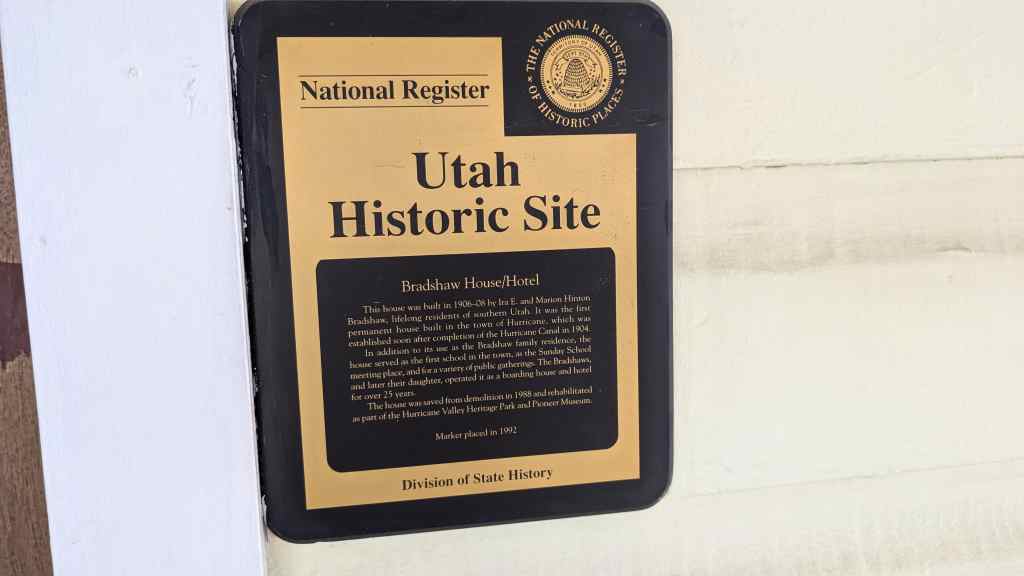
Bradshaw House/Hotel
This house was built in 1906-08 by Ira E. and Marion Hinton Bradshaw, lifelong residents of southern Utah. It was the first permanent house built in the town of Hurricane, which was established soon after completion of the Hurricane Canal in 1904.
In addition to its use as the Bradshaw family residence, the house served as the first school in the town, as the Sunday School meeting place, and for a variety of public gatherings. The Bradshaws, and later their daughter, operated it as a boarding house and hotel for over 25 years.
The house was saved from demolition in 1988 and rehabilitated as part of the Hurricane Valley Heritage Park and Pioneer Museum.
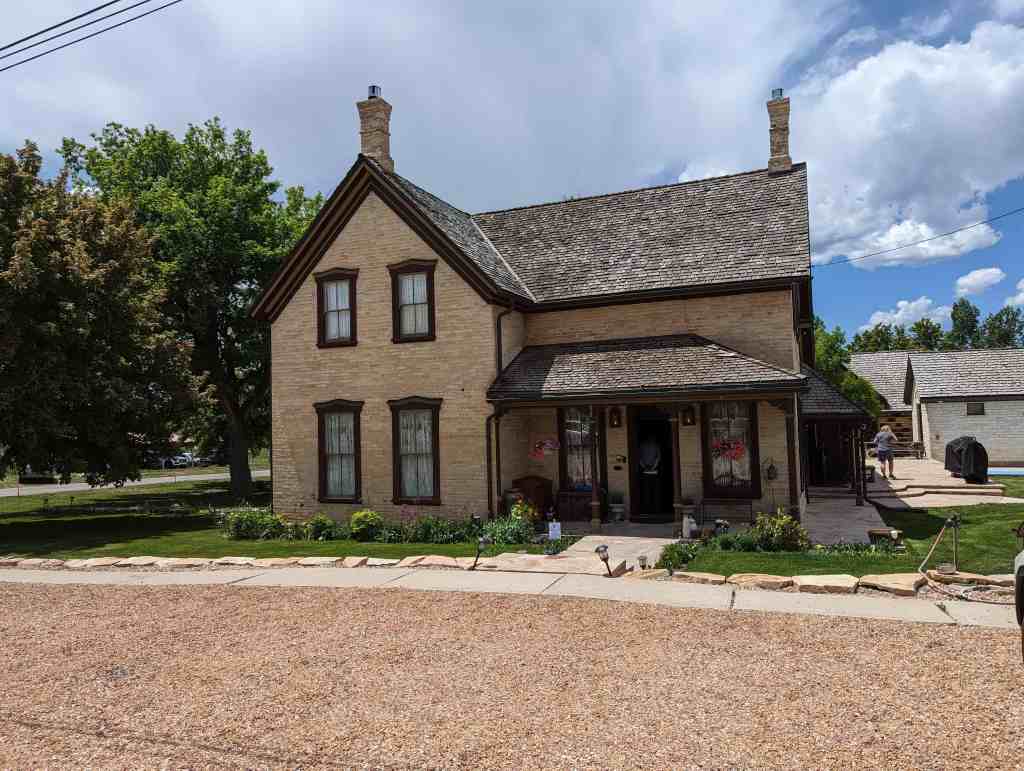
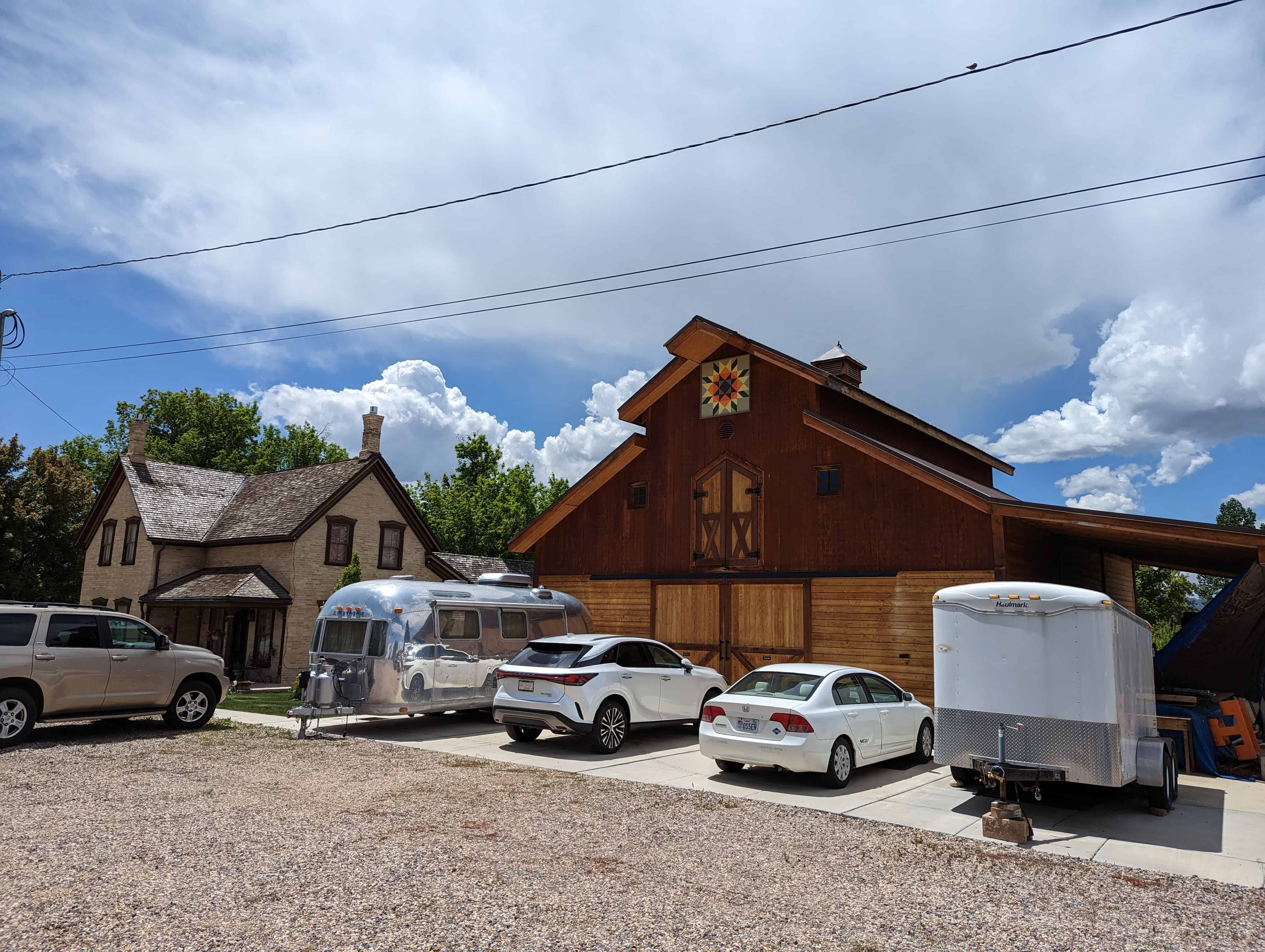
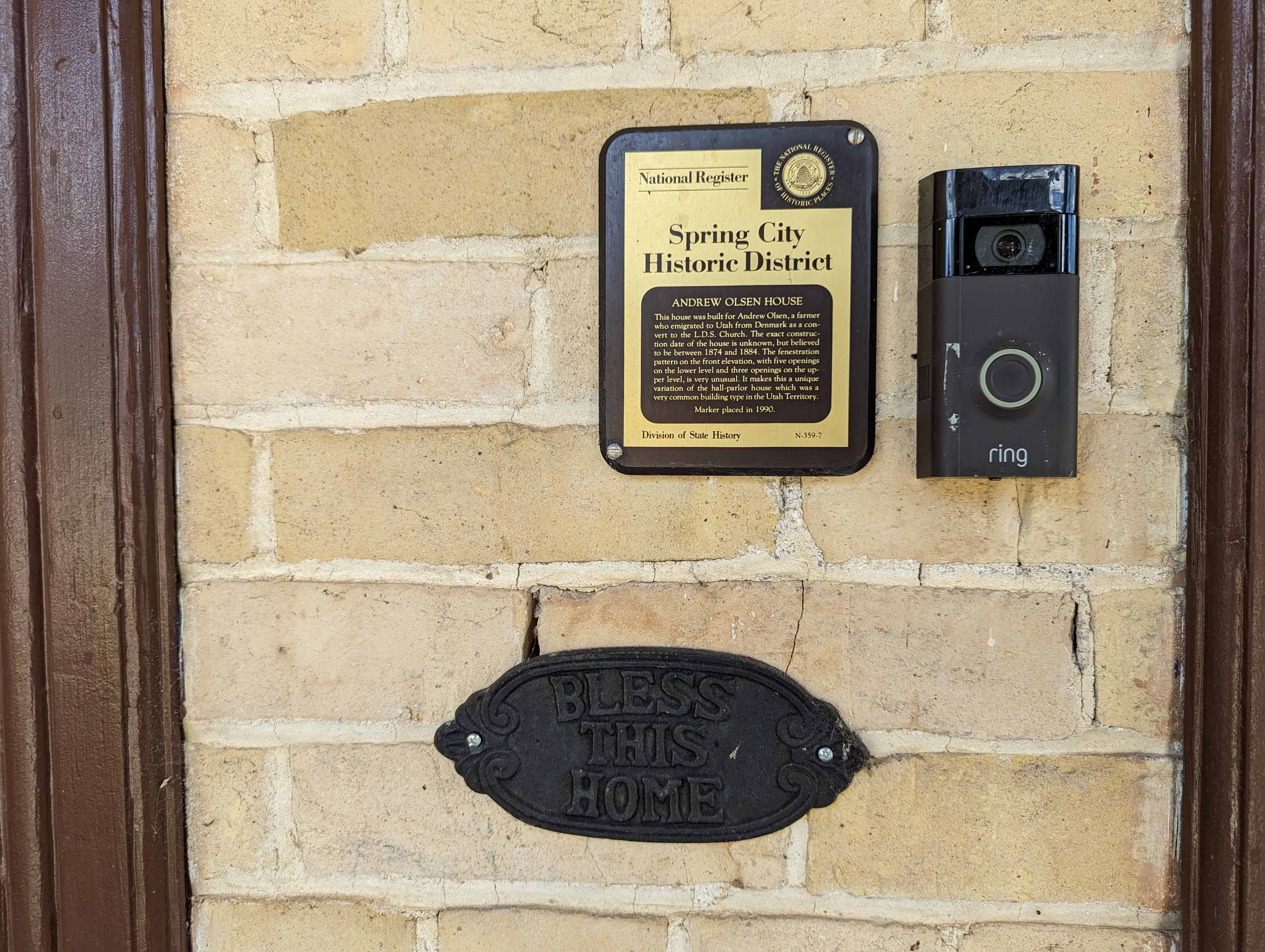
This house was built for Andrew Olsen, a farmer who emigrated to Utah from Denmark as a con- vert to the L.D.S. Church. The exact construction date of the house is unknown, but believed to be between 1874 and 1884. The fenestration pattern on the front elevation, with five openings on the lower level and three openings on the up- per level, is very unusual. It makes this a unique variation of the hall-parlor house which was a very common building type in the Utah Territory. Marker placed in 1990.
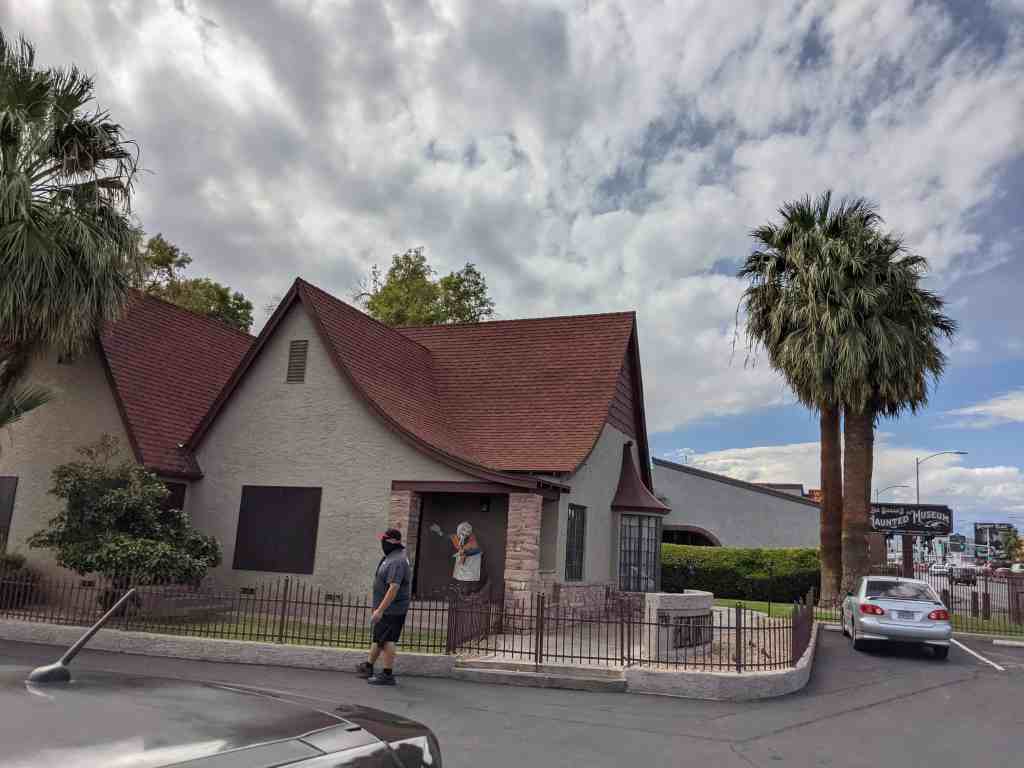
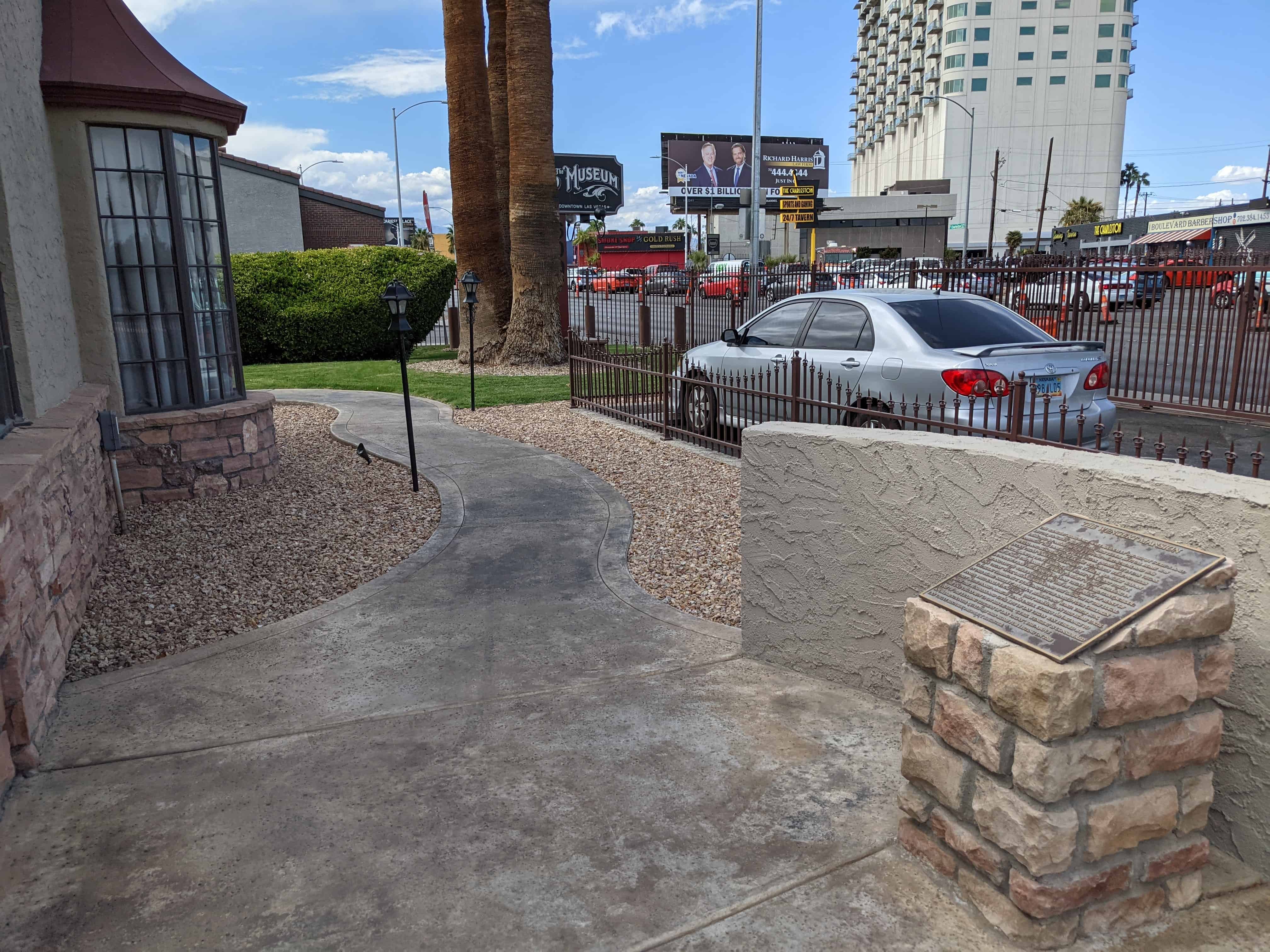
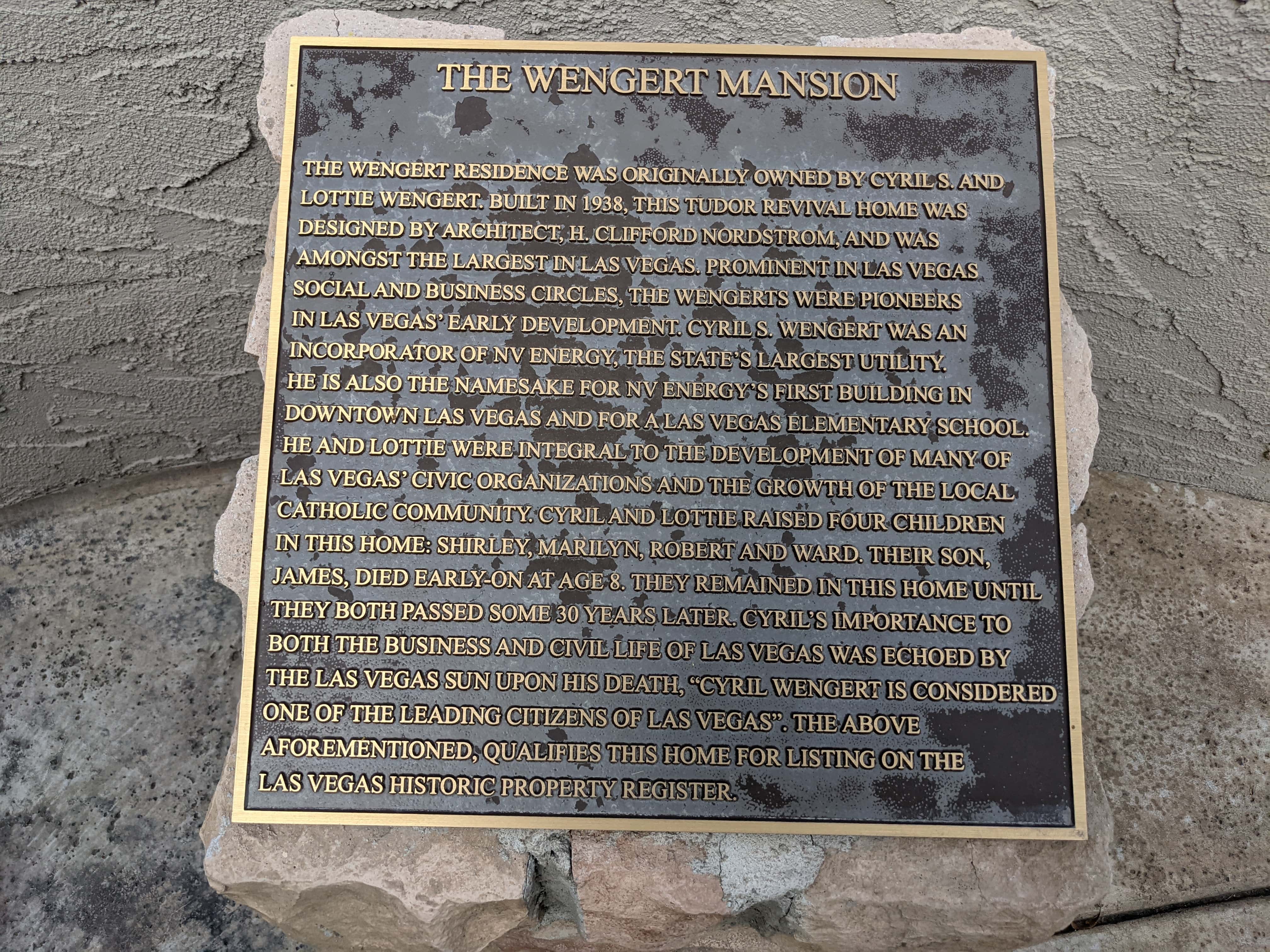
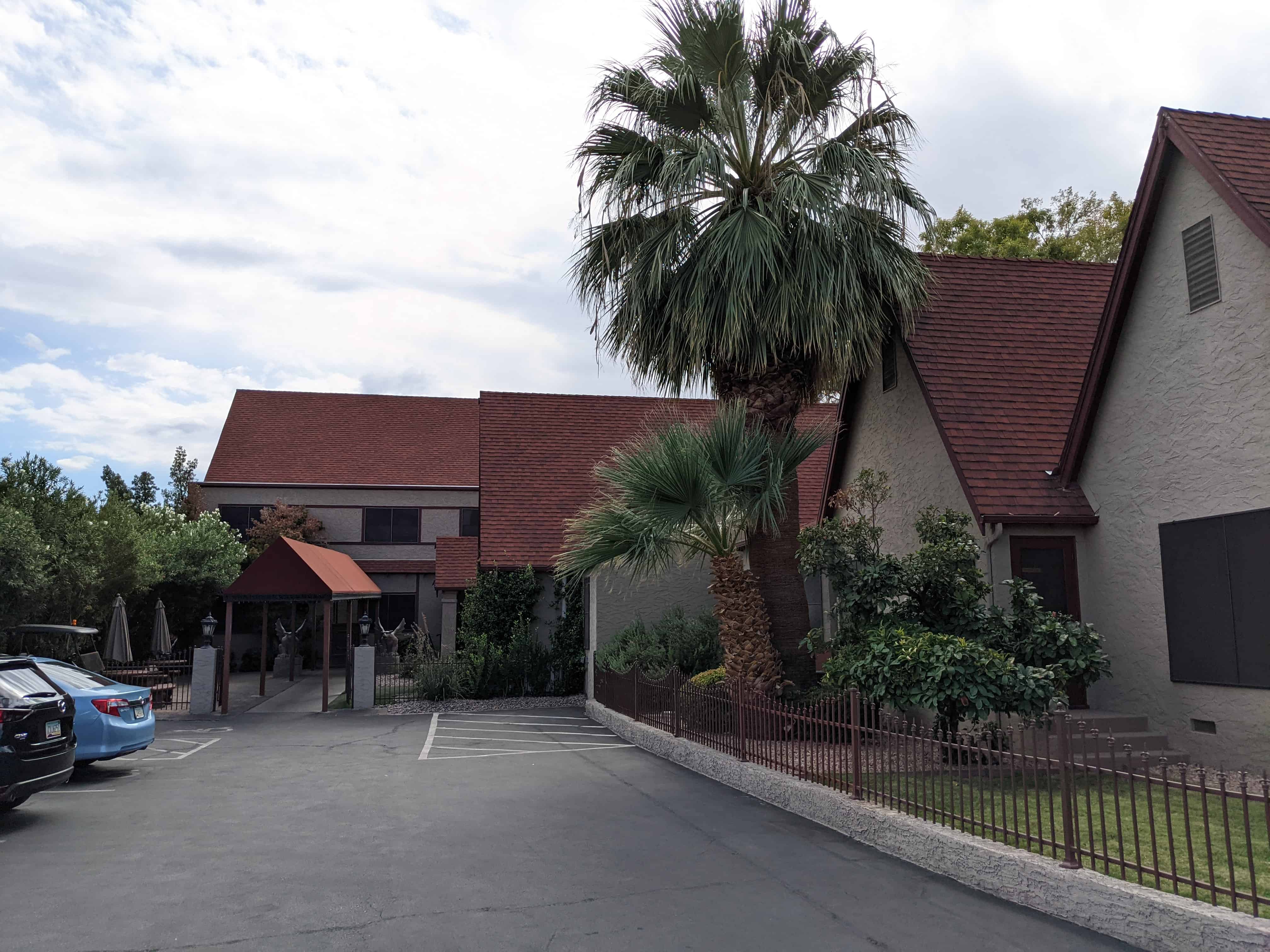
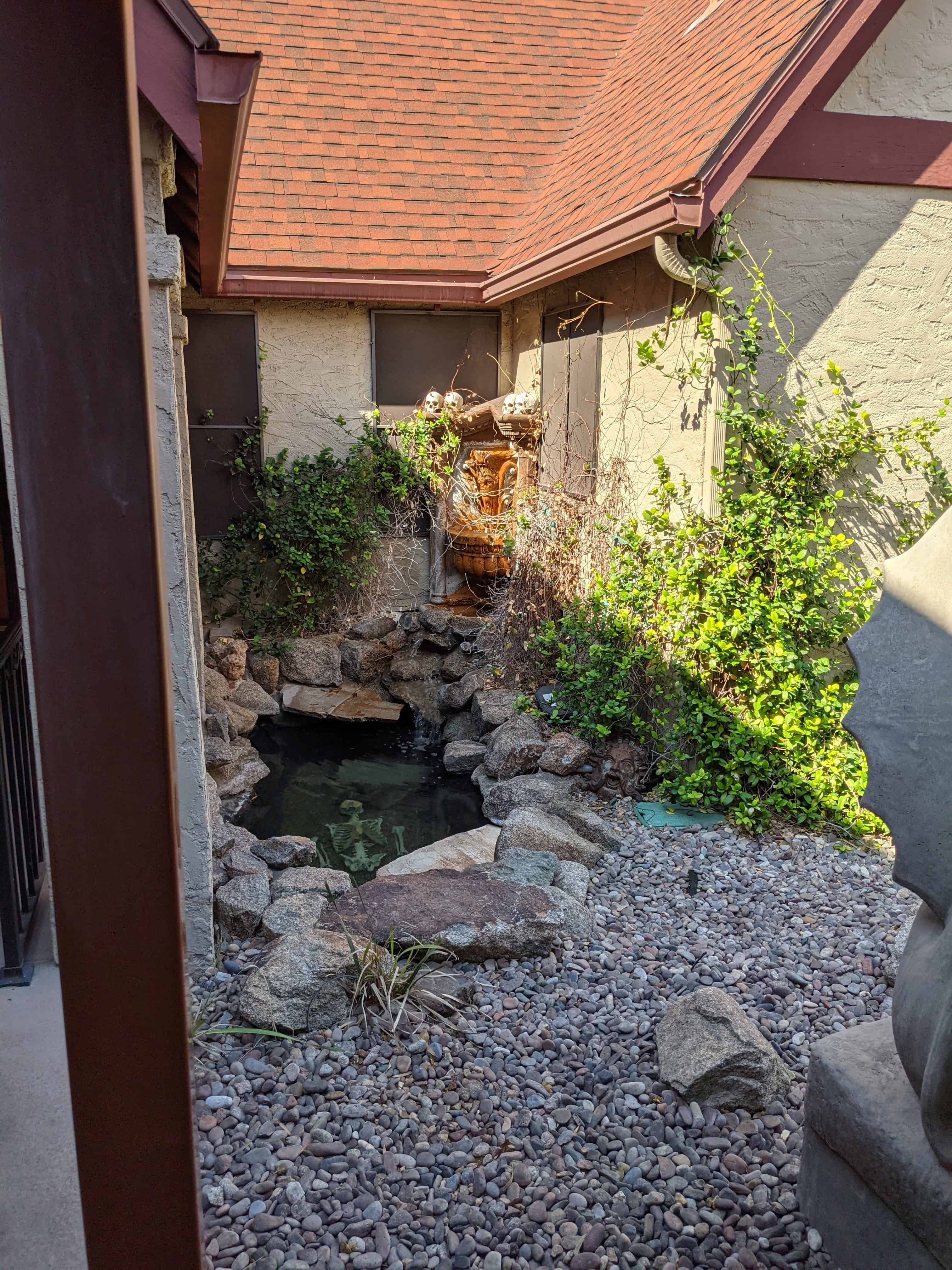
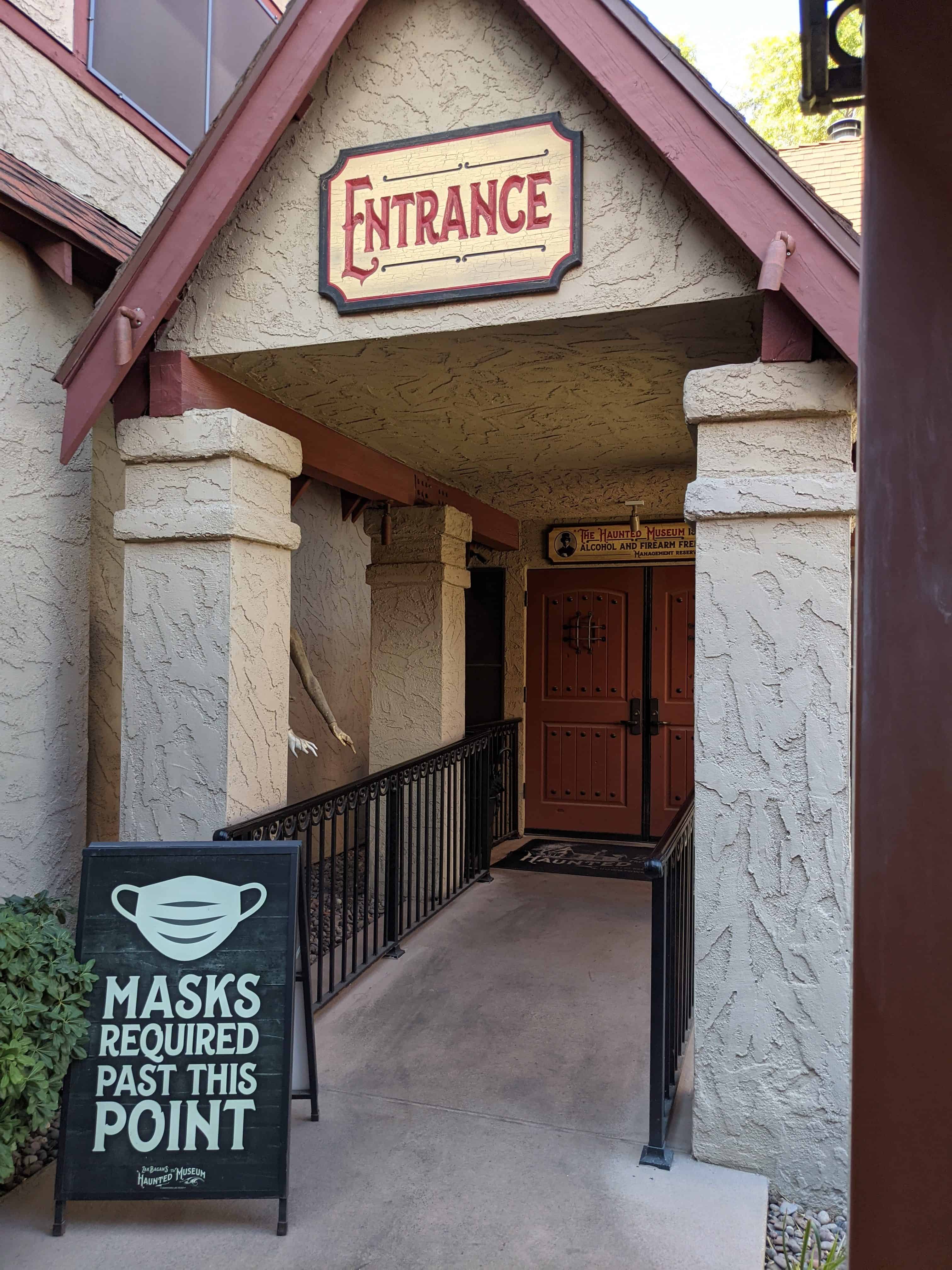
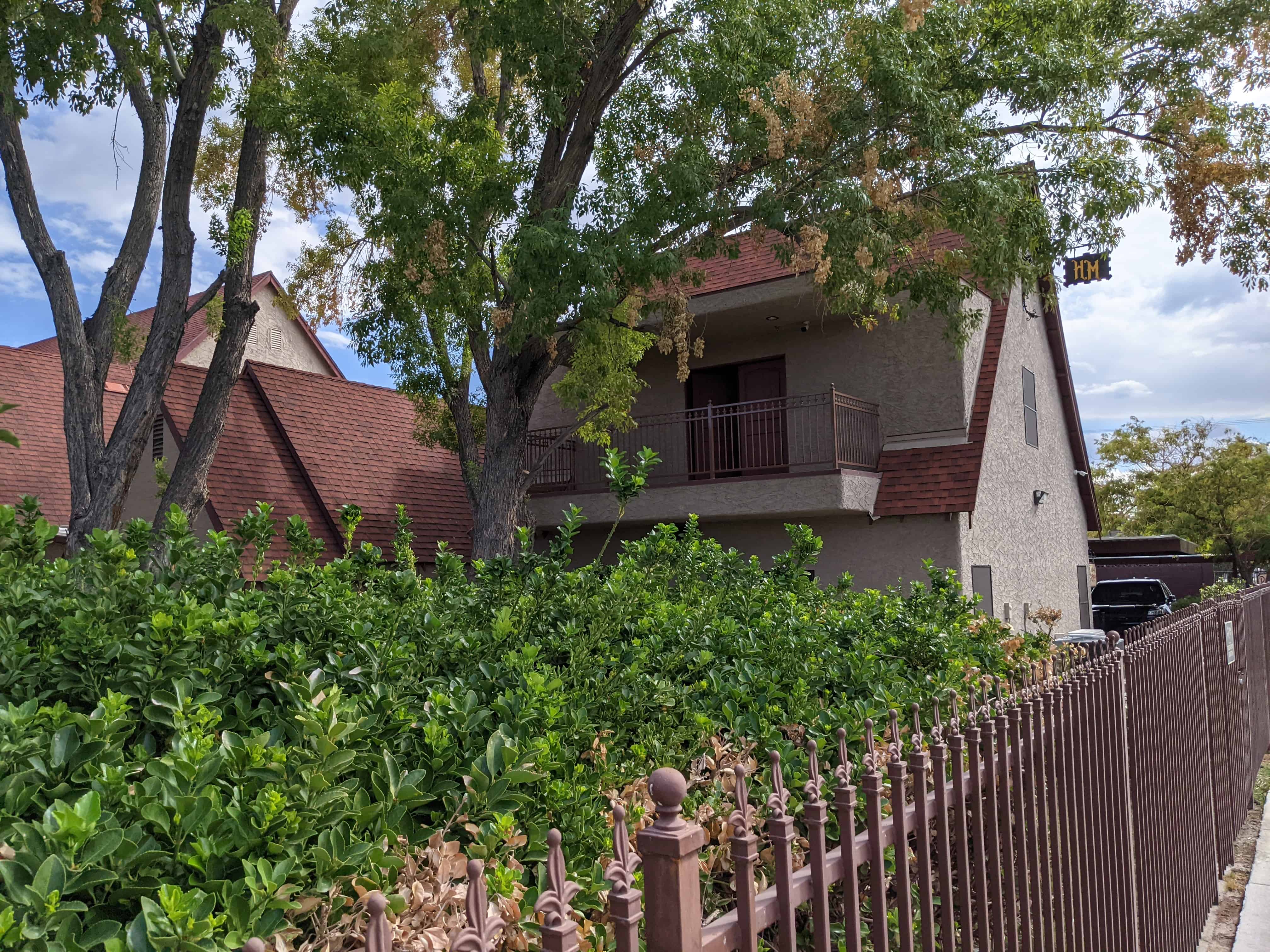
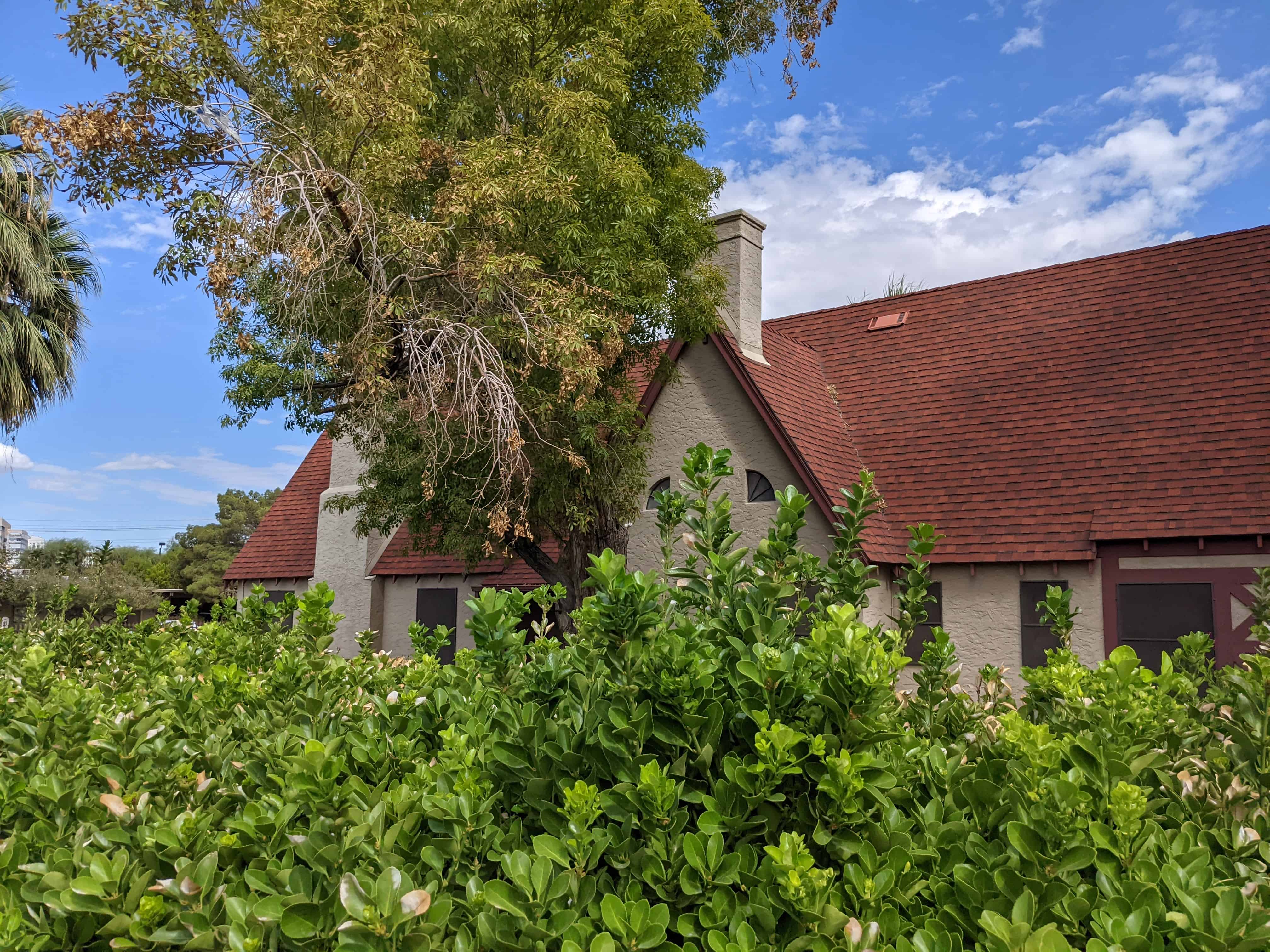
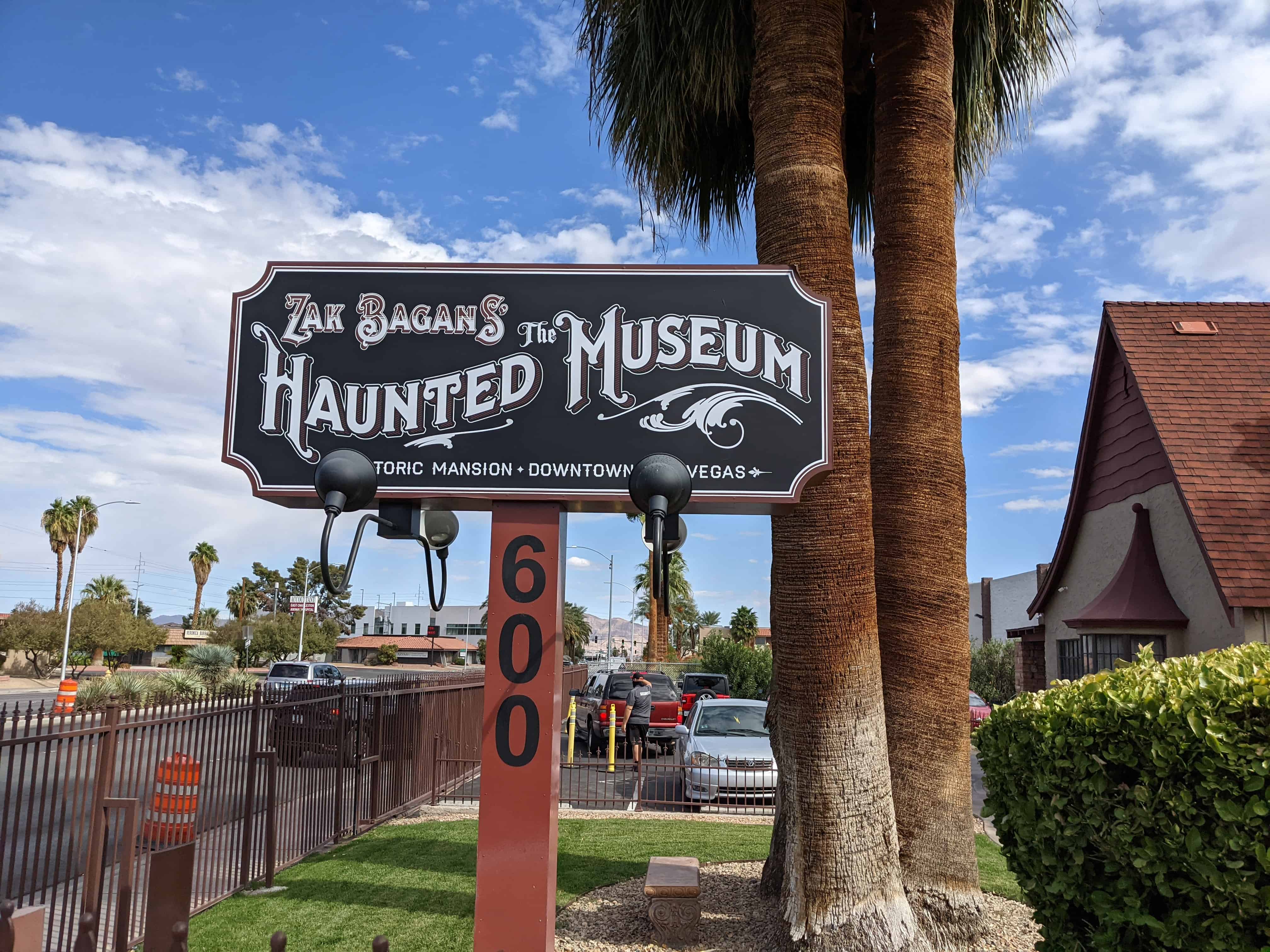
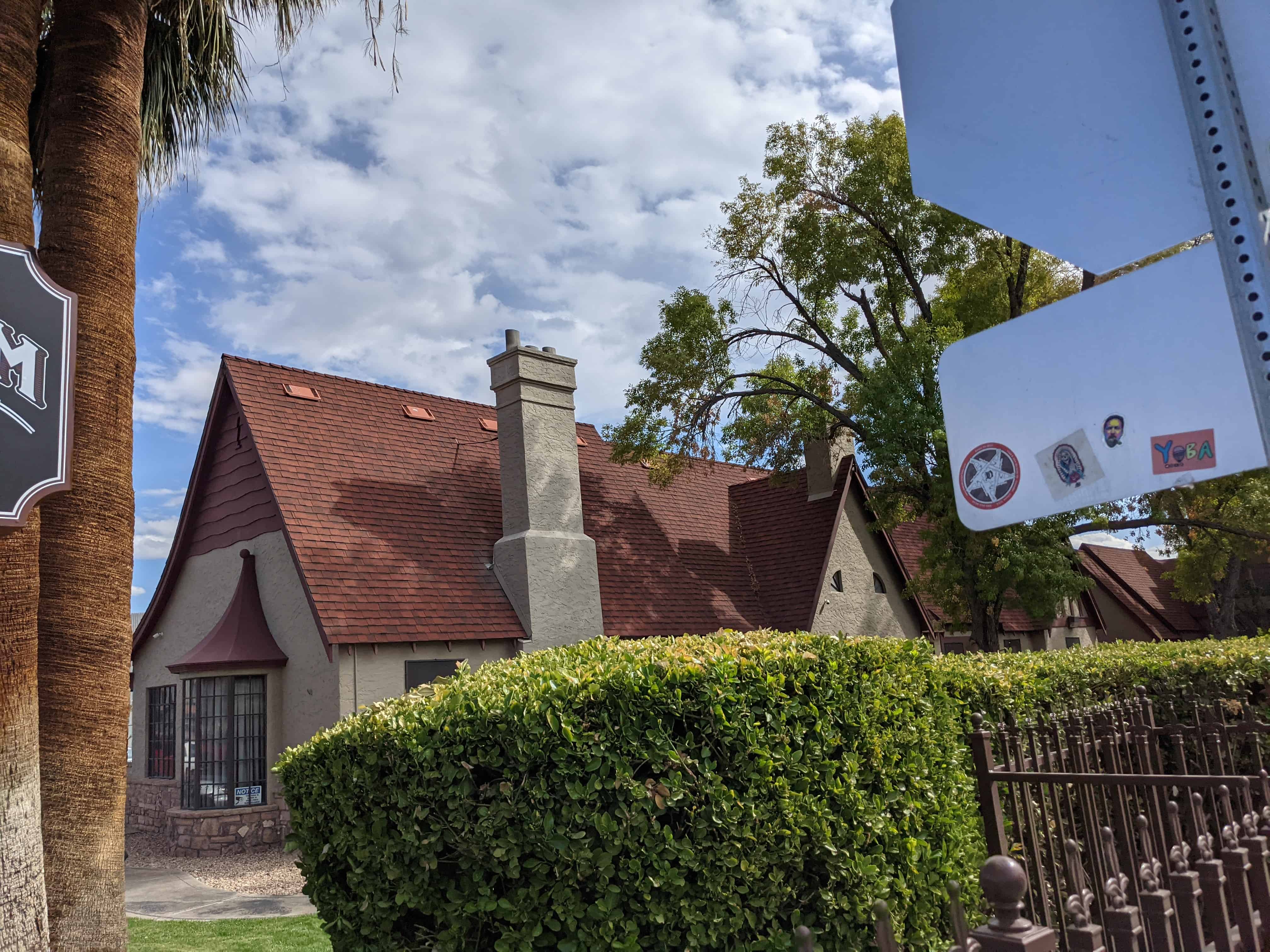
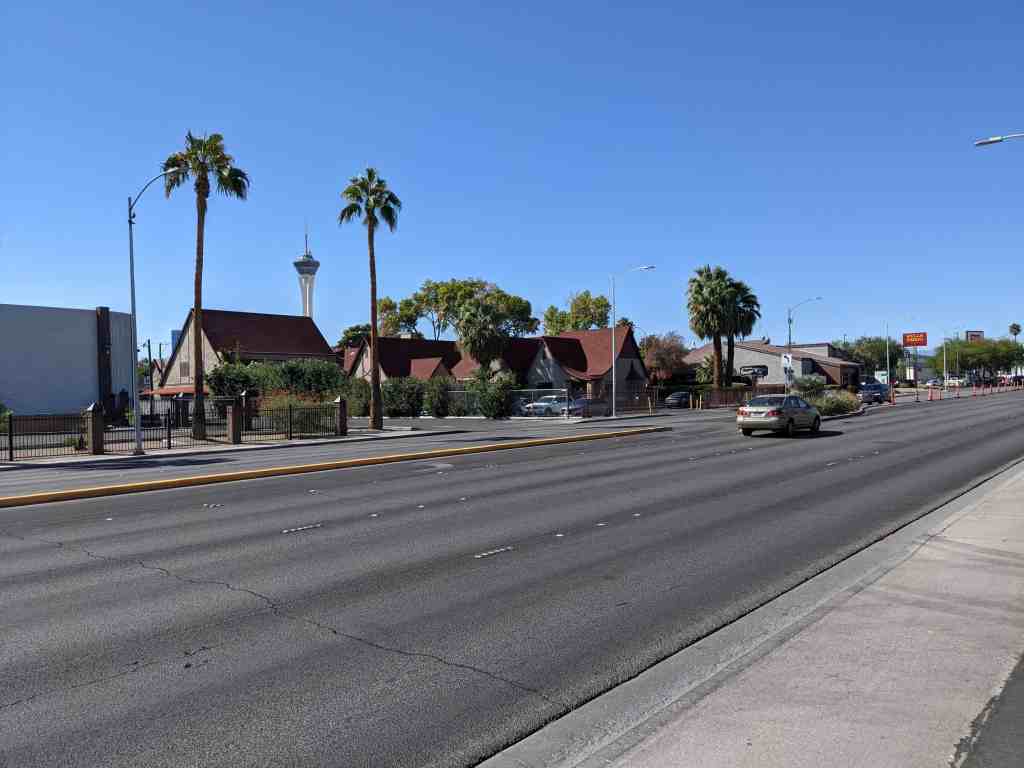
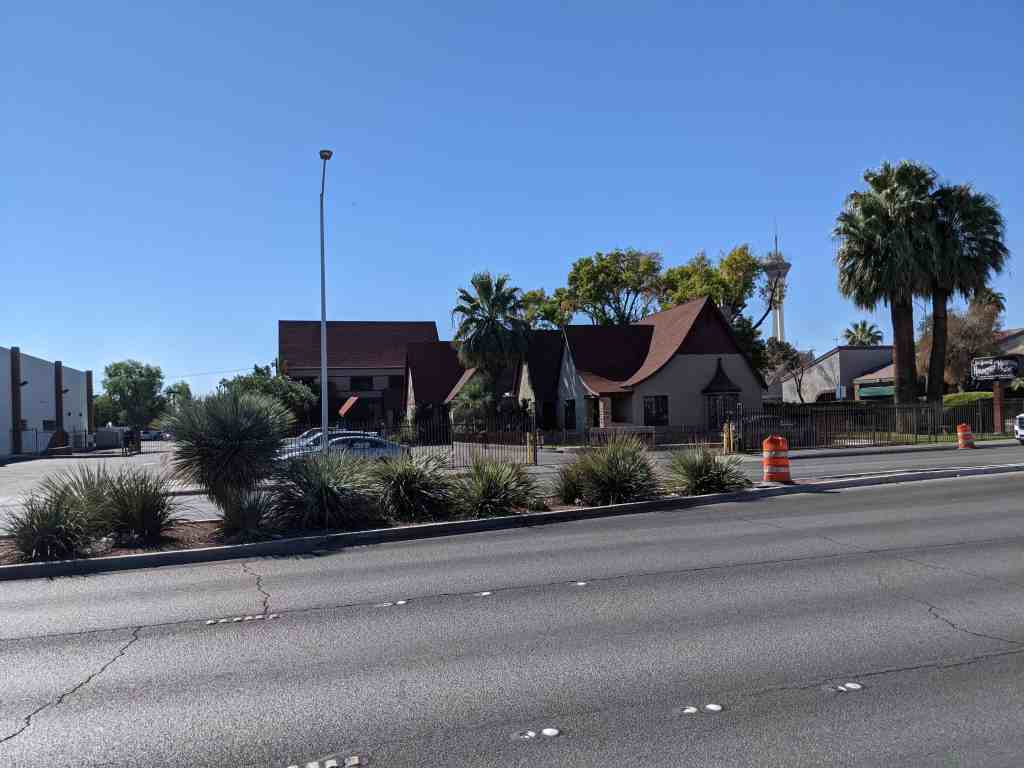
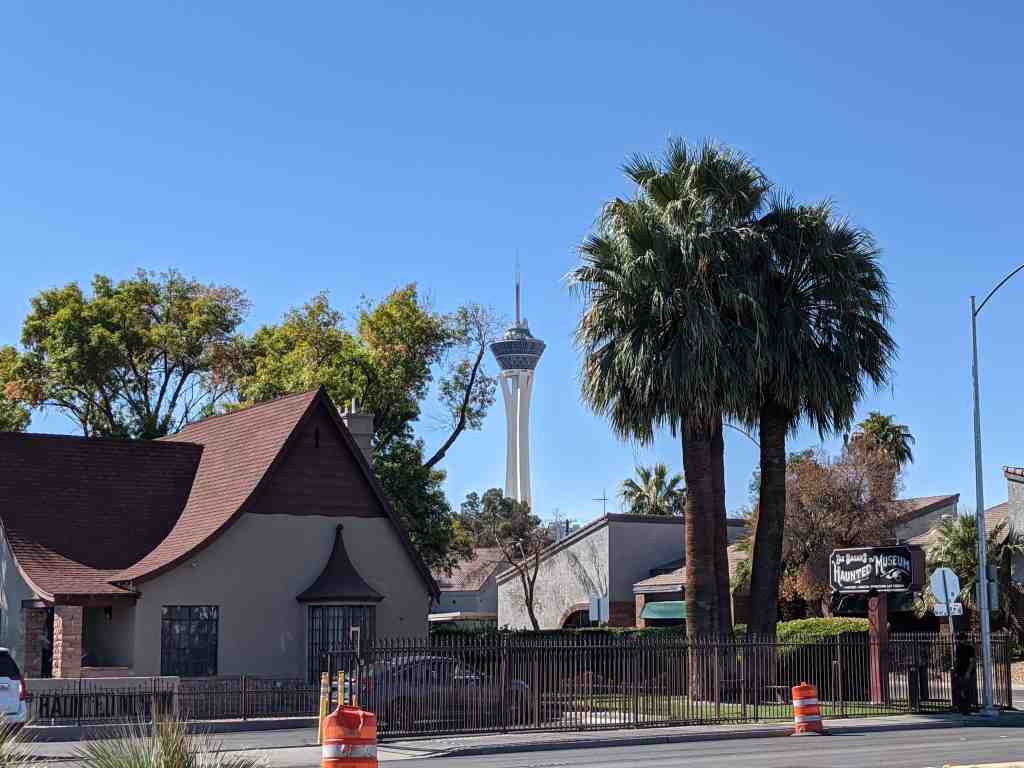
The Wengert Residence was originally owned by Cyril S. and Lottie Wengert. Built in 1938, this Tudor Revival home was designed by Architect, H. Clifford Nordstrom, and was amongst the largest in Las Vegas. Prominent in Las Vegas social and business circles, the Wengerts were pioneers in Las Vegas’ early development. Cyril S. Wengert was an incorporator of NV Energy, the state’s largest utility. He is also the namesake for NV Energy’s first building in downtown Las Vegas and for a Las Vegas elemental school. He and Lottie were integral to the development of many of Las Vegas’ civic organizations and the growth of the local Catholic community. Cyril and Lottie raised four children in this home: Shirley, Marilyn, Robert and Ward. Their son, James, died early-on at age 8. They remained in this home until they both passed some 30 years later. Cyril’s importance to both the business and civil life of Las Vegas was echoed by the Las Vegas Sun upon his death, “Cyril Wengert is considered one of the leading citizens of Las Vegas”.
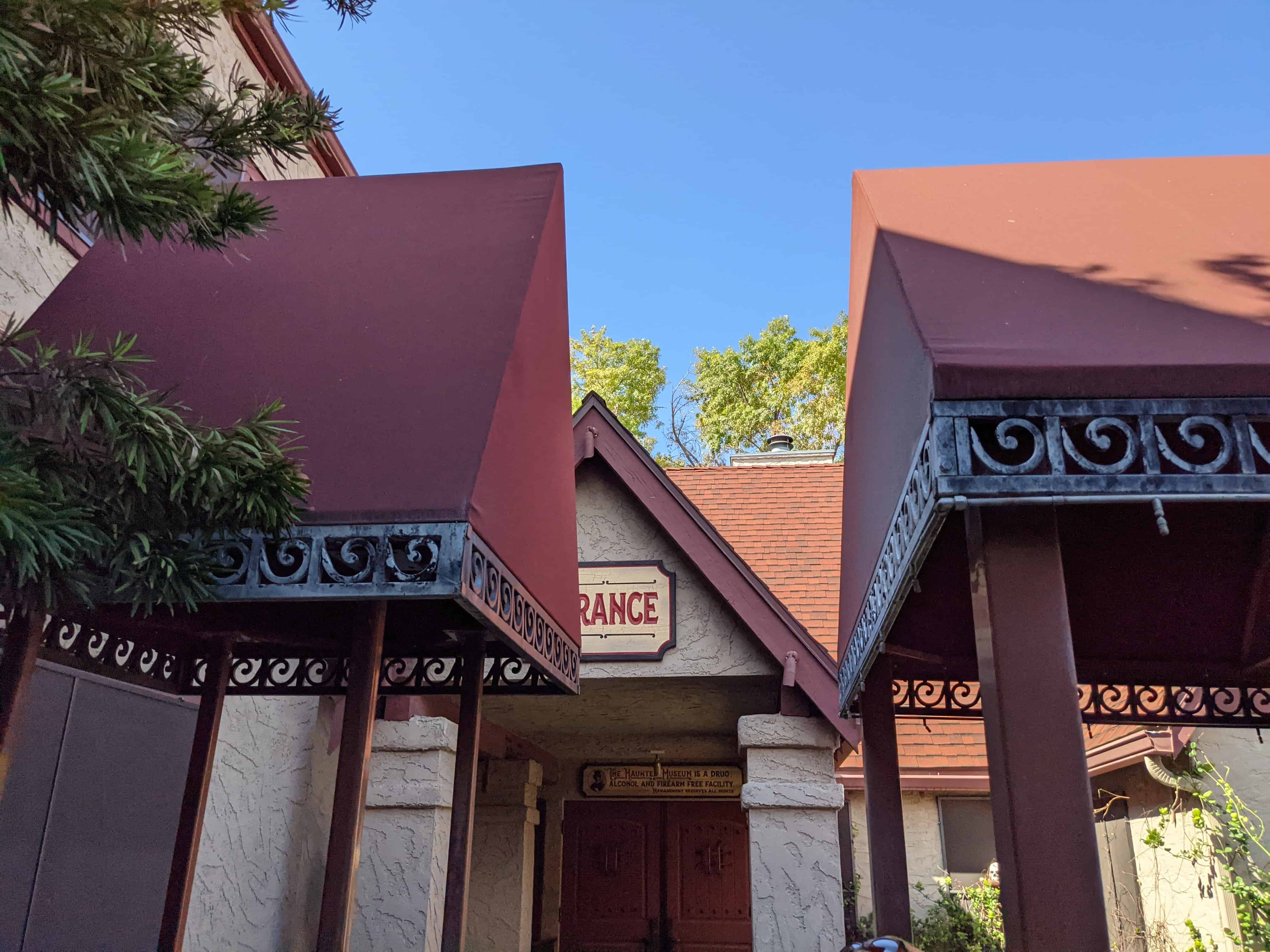
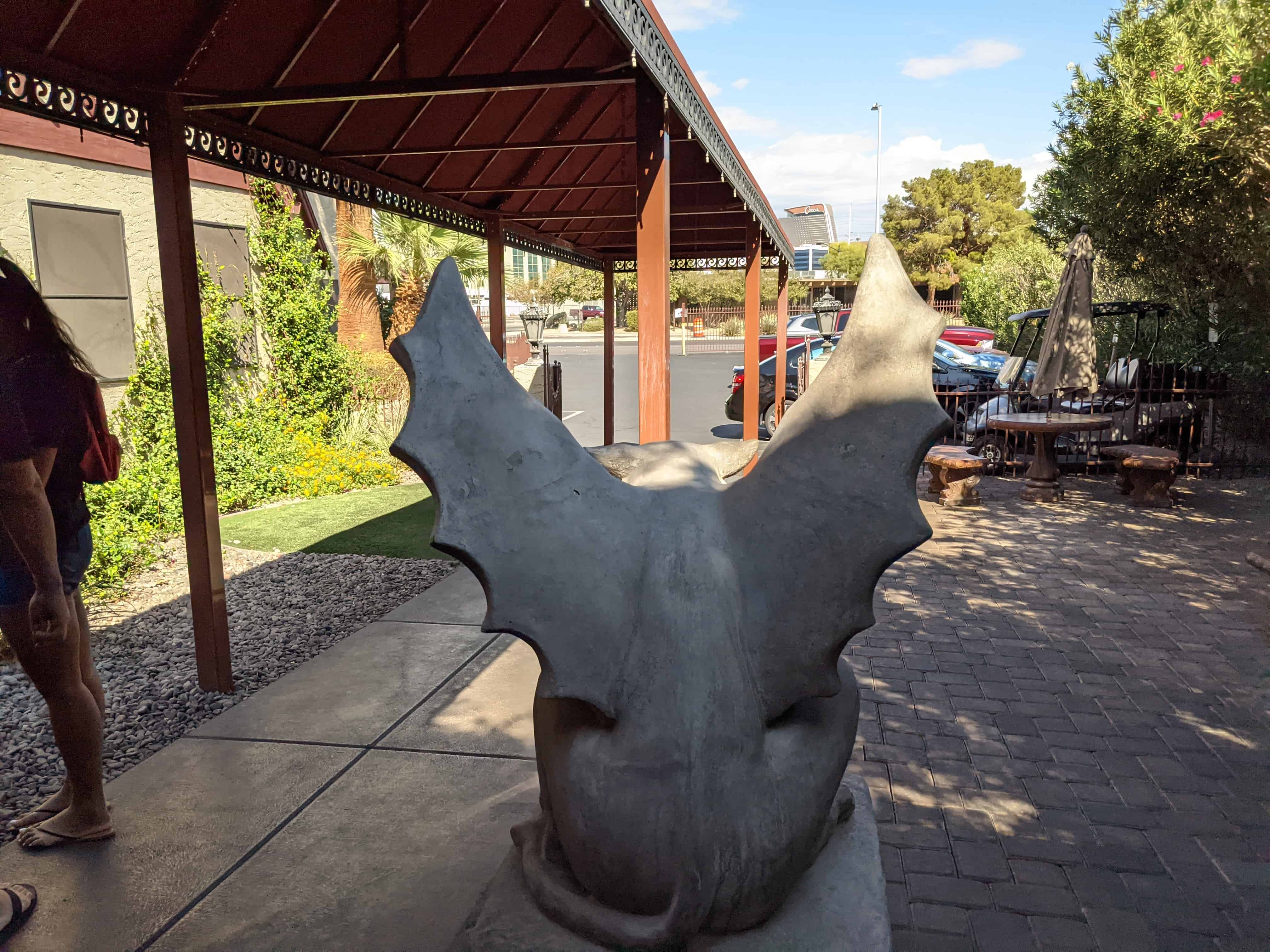
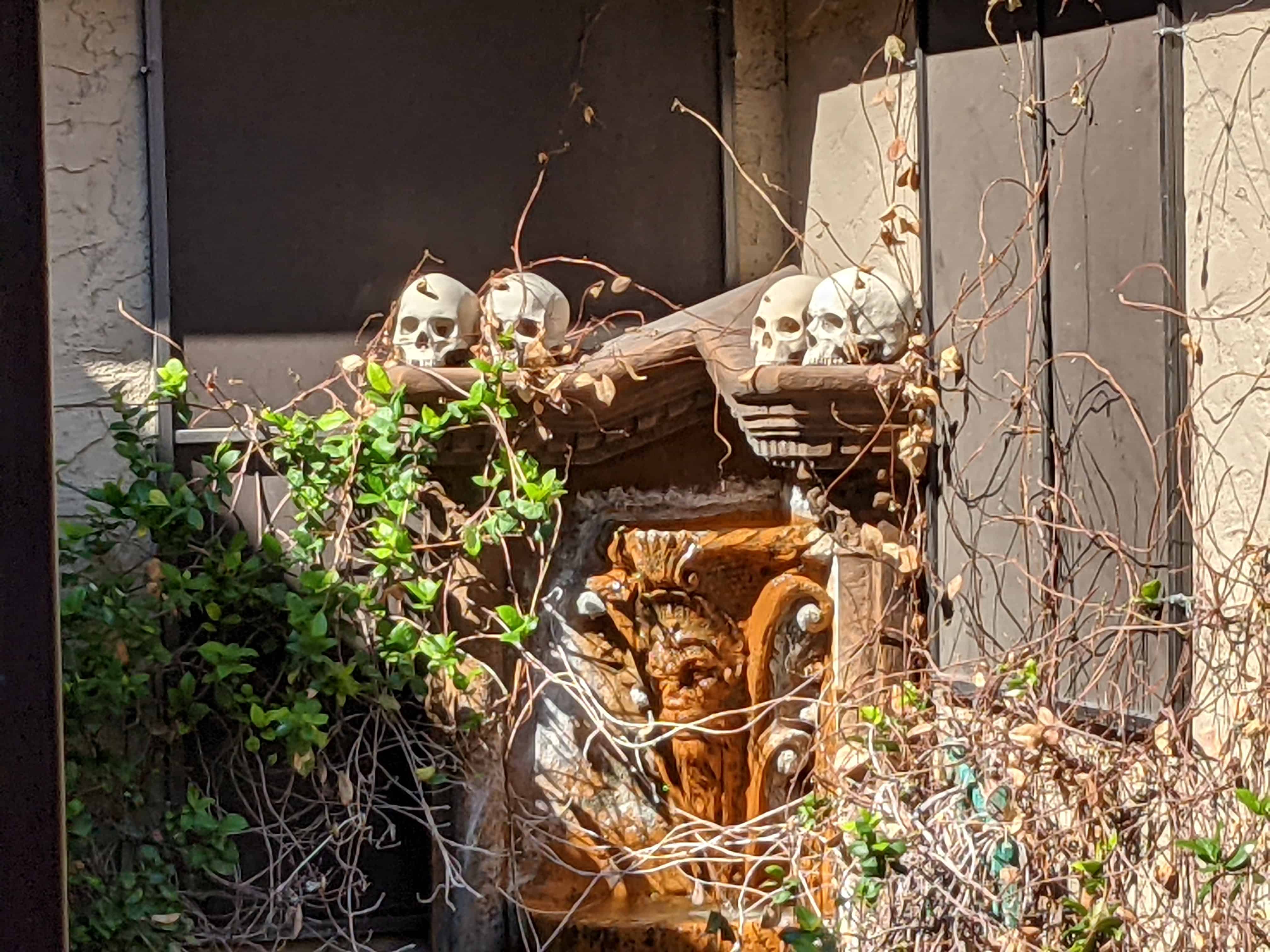
Currently the building is used for: Zak Bagans’ The Haunted Museum 600 East Charleston Boulevard in Las Vegas, Nevada
The Duckworth Grimshaw House is one of the black stone houses for which Beaver is famous. The house was started in March of 1877 and finished in December of 1877 so that the family could move in on Christmas Day. Thomas Frazer, the Scots stonemason/contractor, built the house; and Duckworth Grimshaw paid $2,000 for the completed home. The house represents the first extant house that was built in Frazer’s mature style. It has two cut rock facades with white mortar joints, a center gable upstairs on the front façade and two dormer windows, all of which are well known characteristics of Frazer’s building style.
Mr. Grimshaw was born in England and obtained his first name from his grandmother’s family, a name he recorded he was not greatly pleased with. He converted to the Mormon faith and moved to Beaver, Utah, where he was a farmer for most of his long life. He was a polygamist who was eventually convicted and sent to the state prison for “unlawful cohabitation.” However, he was released early due to good behavior.
Harley Potheringham, Duckworth’s grandson, now lives in the house, and the house has always been in the same family. Harley says that Duckworth, one wife and her five children lived in the house. He also says the first lights in the house were candles which were later replaced by coal oil lamps and eventually electric light bulbs.
The home is listed on the century register (1972).
The home’s significance stems from three sources: first, it is a historic house whose character has not been weakened over the years. Second, it is a stone house which traditionally was not a common building material in America. Third, the home has an excellent design; a design that was evolved over the years by the vernacular architect Thomas Frazer. This house is the first house done in Frazer’s mature style, and the design was so successful that it was repeated many times in other houses around town.
Located at 95 North 400 West in Beaver, Utah and added to the National Historic Register (#80003886) on February 1, 1980. The text on this page is from the national register’s nomination form.
The Duckworth Grimshaw House is a one-and-a-half story “I” house. It is built of black rock (basalt) which was hauled by ox team and wagon from the hills about four miles east of Beaver. The mortar is made of lime that was burned west of town in the Mineral Mountains. The lumber used was red and yellow pine from the Tushar Mountains. In fact, the house today still contains one section of log walls that used to be the family’s log cabin, a temporary dwelling used until the rock house was completed.
The walls are 18 inches thick and the house is 36 feet long by 20 feet wide. The two facades that face the street are of squared black rock. The front façade has four windows and a door, all symmetrically placed. Upstairs there is a center gable with a door in it that leads out to the front porch. The center gable is flanked by dormer windows on either side and each gable end has chimneys. There are offset windows on each side of the gable ends and over all the proportions of the windows, dormers, center gable, roof slope, height of the building, etc. are very well balanced with each other. The house has a very formal character, due to many factors including the contrast of the black and white colors, the symmetry and the angular lines of the house,