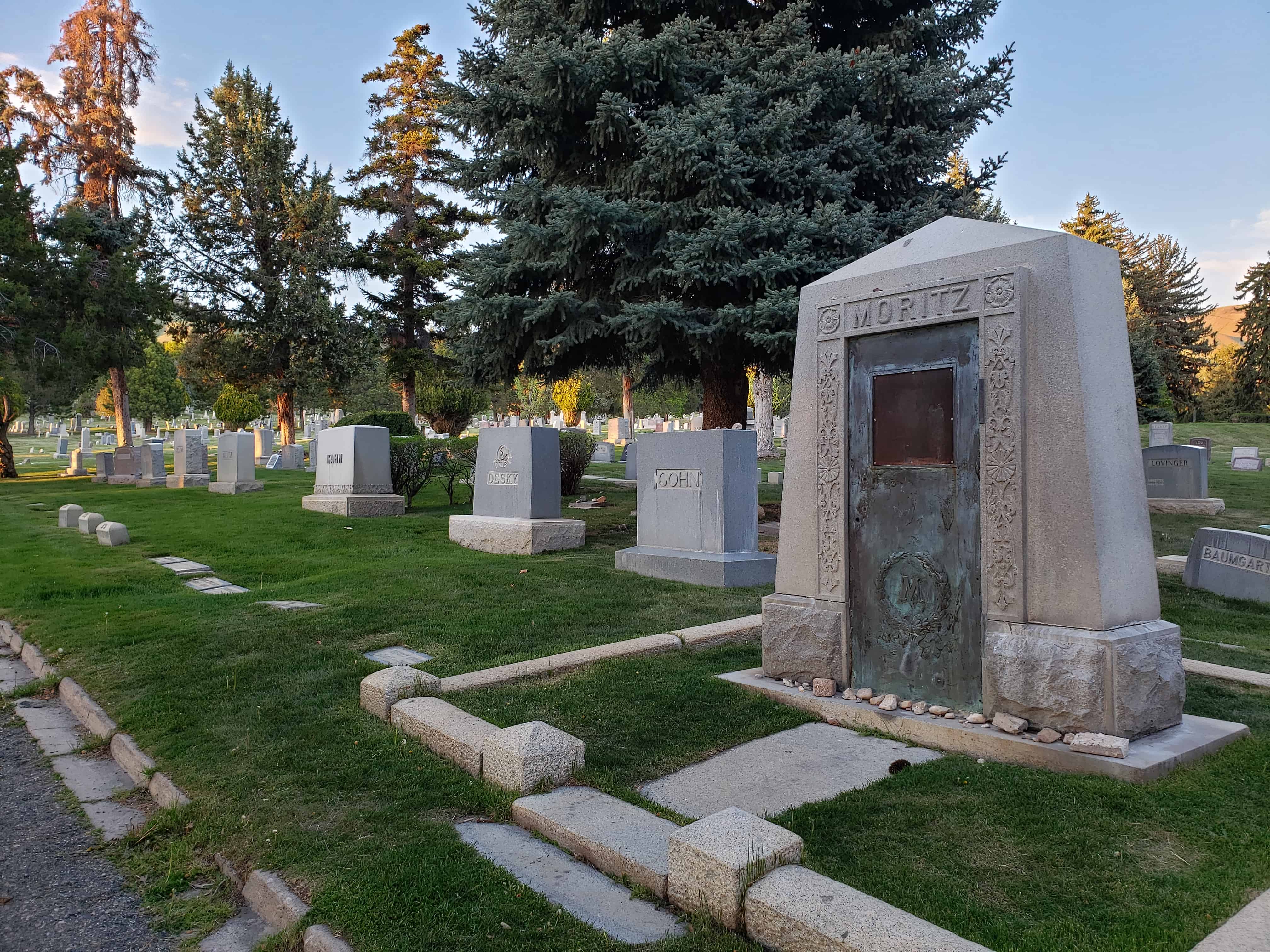
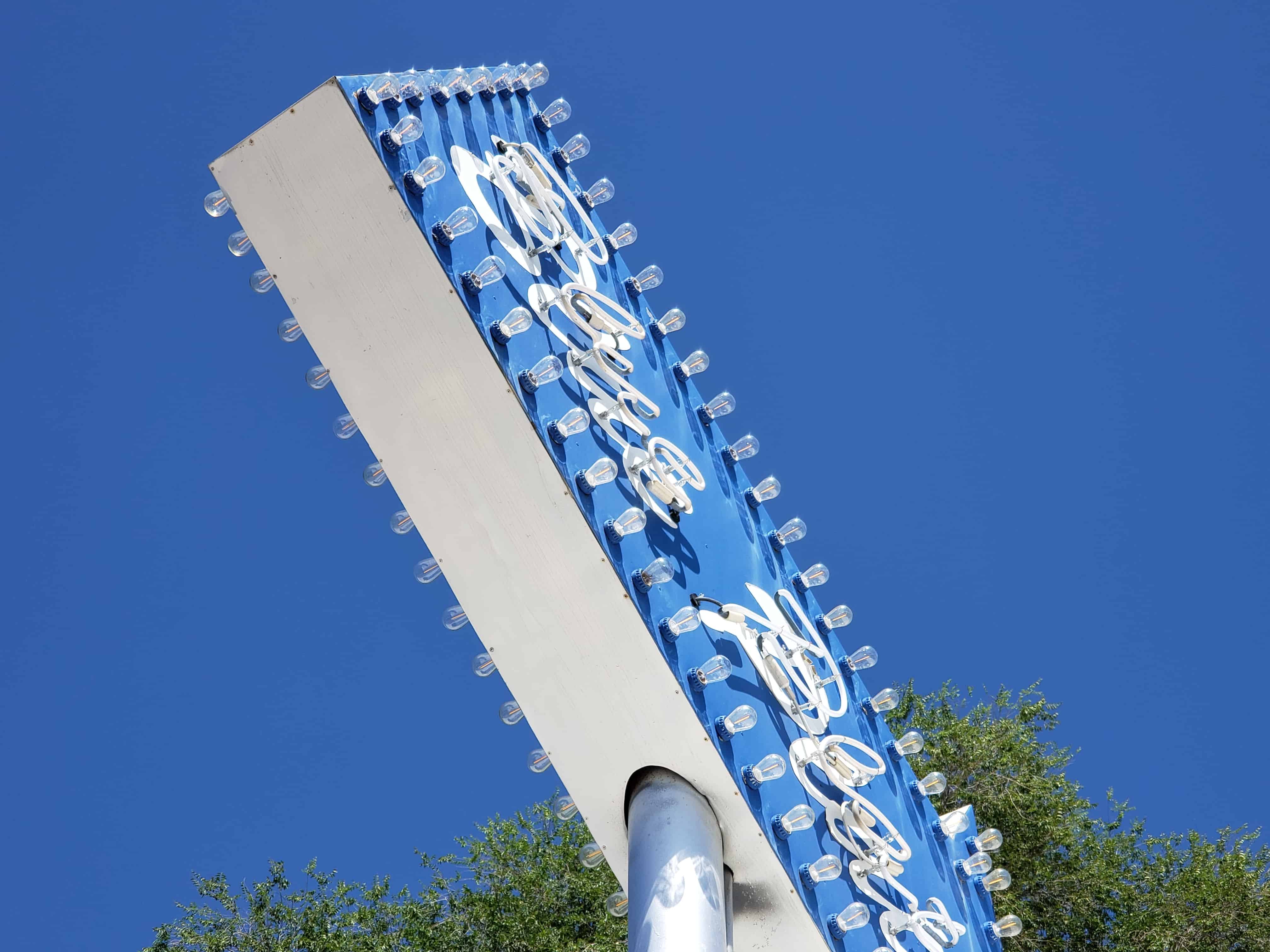
Growing up in Utah it was common to hear about Emo’s Grave, how people would go there and circle it chanting the name and have things appear.
findagrave says: Legions of Salt Lake City’s high school boys have terrified their girlfriends — gallantly offering to protect the girls by holding them close, of course — by the legend of “Emo’s Grave.”
If you circle that grave in the City Cemetery, they say, chanting “Emo, Emo, Emo,” and then look quickly into the window at the shattered remains of a vandalized flower urn, you will see Emo’s blood-red eyes glowing back at you.
The name on the monument is “Moritz.” And while you can find 400 Web pages devoted to “Emo,” a decent biography of the fine man that monument honors is lacking.
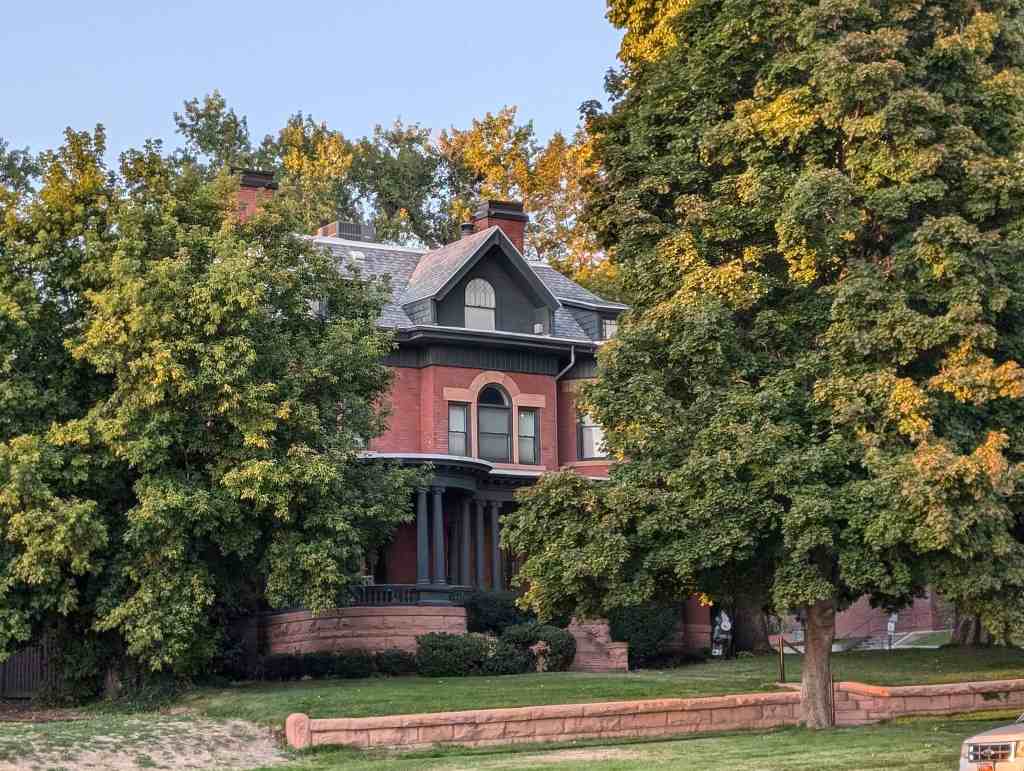
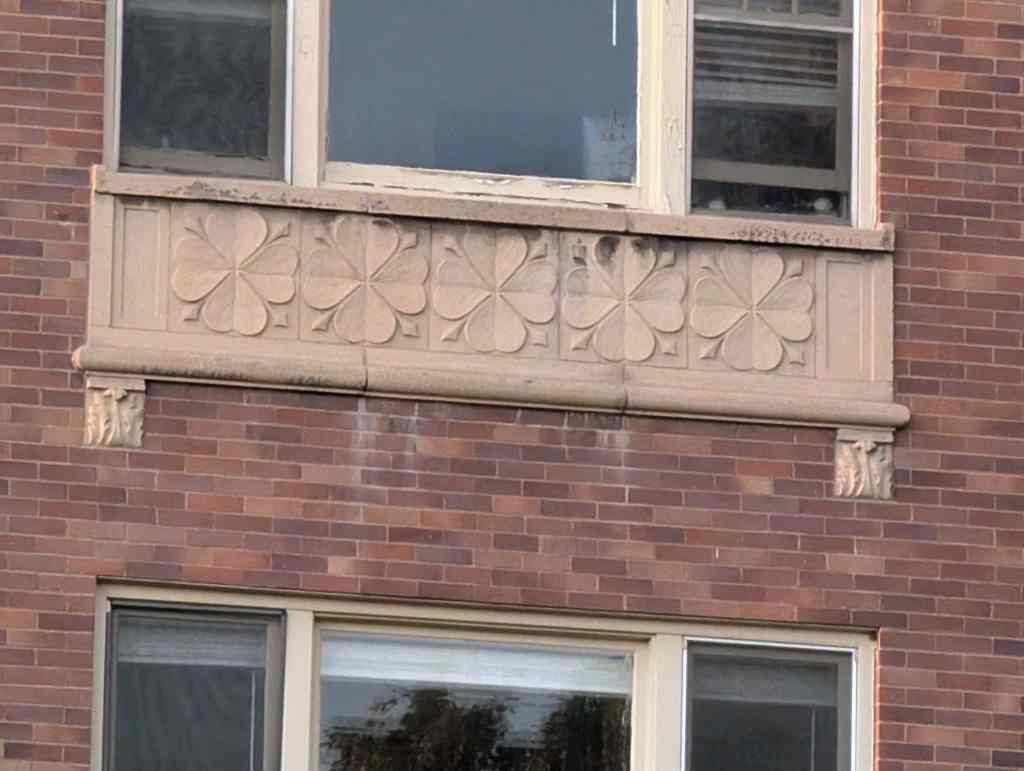
Built in 1898 by architect/builder Jasper N. Melton for Walter C. Lyne, the Lyne House is significant as a landmark structure in Salt Lake City’s East South Temple Street Historic District. The two-and-a-half story brick and stone residence is Georgian Revival in style but incorporates a columned portico and rounded bay projection, both off-centered, which add an element of balanced asymmetry to the design. The Lyne House also serves to document the career of its owner, a prominent wool dealer, city councilman and civic leader. The home, although somewhat altered, is considered to be the finest remaining work of Jasper N. Melton, a local builder who also designed the homes he built.
Walter Cogswell Lyne was born December 8, 1857, in Wisconsin and followed his father to Salt Lake City, Utah, in 1871 when he was 14 years old. Walter was one of a prestigious group of businessmen to establish a firm near the intersection of 200 South and Main Streets, one of the city’s most popular commercial corners in pioneer days. Here, on the site of the present Walker Bank, Lyne operated a drug store under the name of W. C. Lyne and Company. He later went into business with James ; E.. Paine, .and was a successful wook broker, a profession he followed for the remainder of his life. In 1889, at the age of 32, Lyne married Grace Coons of Nebraska. Nine years later he built his large home, the subject of this history, on East South Temple, Salt Lake City’s boulevard of mansions. The Lynes had three children: Norman Cogswell, Walter Jr., and Alice.
Among the significant accomplishments of Walter C. Lyne was his service as Salt Lake City councilman from 1910 to 1912 under Mayor John S. Brads ford. During these mining boom years of great expansion, Lyne played a significant role in the development of Salt Lake City from a quiet pioneer town to a major commercial and industrial center in the Intermountain West. His work in organizing the Salt Lake City Chamber of Commerce of which he was a charter member was also important. An active member of the First Presbyterian Church, Lyne maintained an active interest in the development of Westminster College. He also served on the Board of Directors of the Salt Lake Hardware Company. Considered a very generous man, Lyne was an anonymous benefactor to many organizations and individuals.
Walter C. Lyne died January 9, 1935, at the age of 77 and was preceded in death by his wife who died May 21, 1922. Following Lyne’s death,, Mrs. Alice Gurnsey, his daughter, lived in the home until 1944. Later the Lune house was used as a boarding house and halfway house. The house is currently being restored to its original appearance by the owners, with Raymond Jones, the project architect.
The Walter Lyne House was constructed by Jasper N. Melton, a local carpenter, contractor, and architect. Born in Harrison County, Indiana, on June 16, 1837, Melton pursued the profession of contracting in Lafayette, Indiana, following his service in the Civil War. He came to wait Lake City in 1889 and designed and built many of the city’s important residences and smaller commercial buildings.
Melton’s design for the Lyne House is basically Georgian Revival but incorporates a few as symmetrical elements more commonly associated with the Adamesque-inspired Georgian Revival. Aside from the Greek-ordered portico along the center and left of the front façade, and the two story semi-circular bay projection at the right of the façade, the exterior composition features characteristic Georgian Revival elements. The truncated hip roof (originally with a railing or iron crestwork), classically treated eave and cornice (now hidden), projecting, pedimented central part of the front façade, symmetrically arranged chimneys, portico with free-standing columns, and double-hung windows of the Lyne House re typical in Georgian Revival residences.
The Walter C. Lyne House was one of the first and largest Georgian Revival homes built on South Temple Street. Following the lead of the Lyne House, several other homes of this style were built to the east, giving upper South Temple Street the stately appearance for which it is noted today.
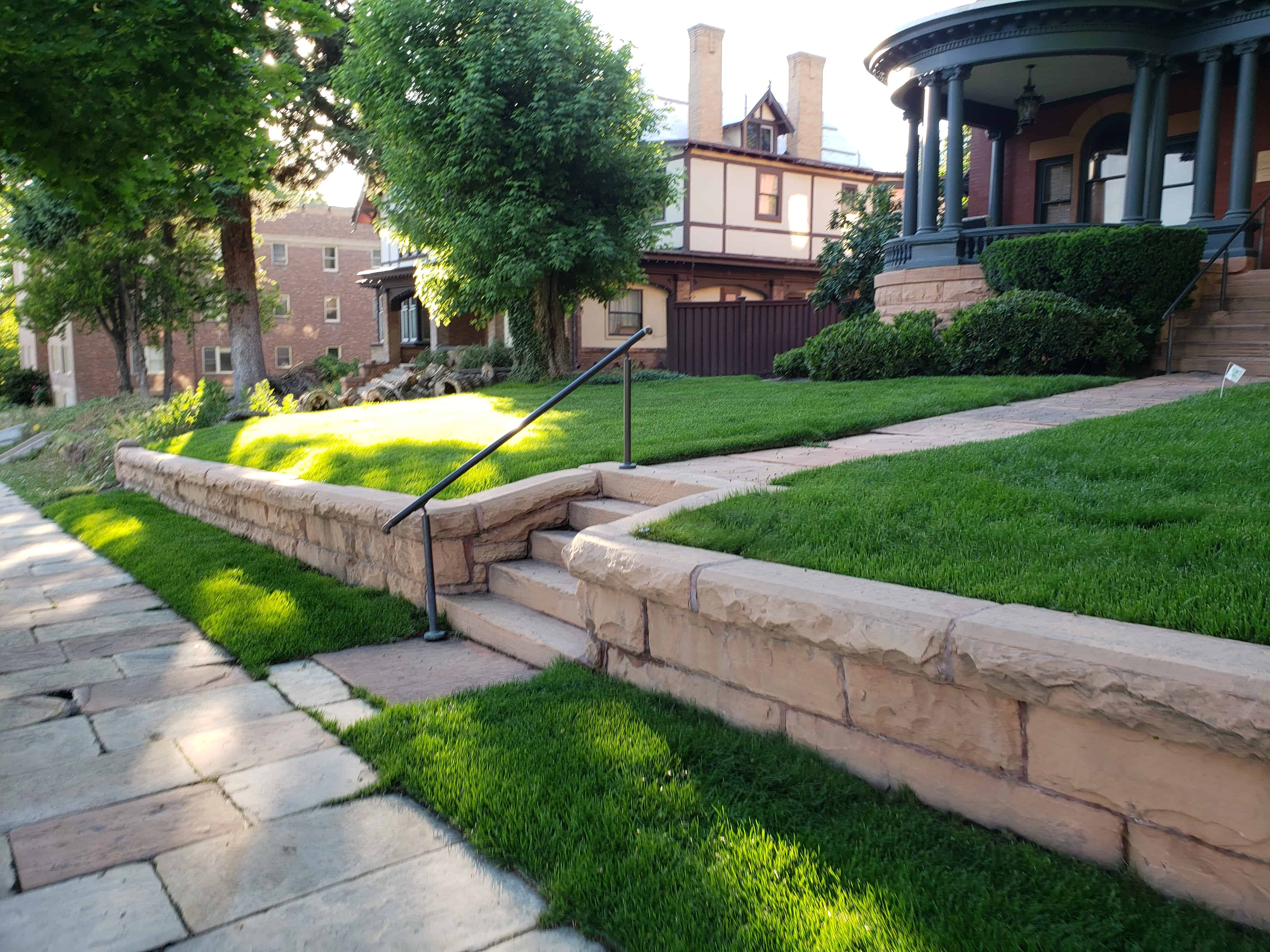
The Lyne House is a Victorian Eclectic building with many Colonial Revival details, including a classical front porch with pairs of Ionic columns and Palladian windows. The asymmetrical facade of the house is given a more classical feel by the balance of the semi-circular bay on the east with the rounded porch on the west. The Lyne House has lost some of its Victorian ornamentation, including decorative bargeboard in the front center gable and iron cresting along the roof. The house also once featured a balustrade on the porch roof and modillion brackets and dentil molding along the cornice.
Walter and Alice Lyne built this house in 1898. Walter Lyne owned a drug store on Main Street and later became a successful wool broker. The Lynes’ daughter continued to live in the house until 1944. Over the next 40 years, the Lyne House served as a boarding house, an optometrist’s office, and was finally abandoned. In 1981, Nancy and John Pace bought the house and renovated it as a bed and breakfast inn.
To the east across R Street from the Lyne House is the entrance to the Wasatch Elementary School “Pedestrian Subway.” This tunnel was built in 1931 to provide safe access to the school’s playground on the south side of South Temple. Wasatch Elementary students continue to use the tunnel today.
This Victorian Eclectic style house was probably built about 1903 by Ephraim Jensen, a businessman and an official of the LDS Church. Jensen built several houses along the block, including 140 W. Clinton in which he lived. Upon completion the house was sold to Mrs. Anna Cornelia Tjirno about when little is known. Anna lived here until her death in 1924.
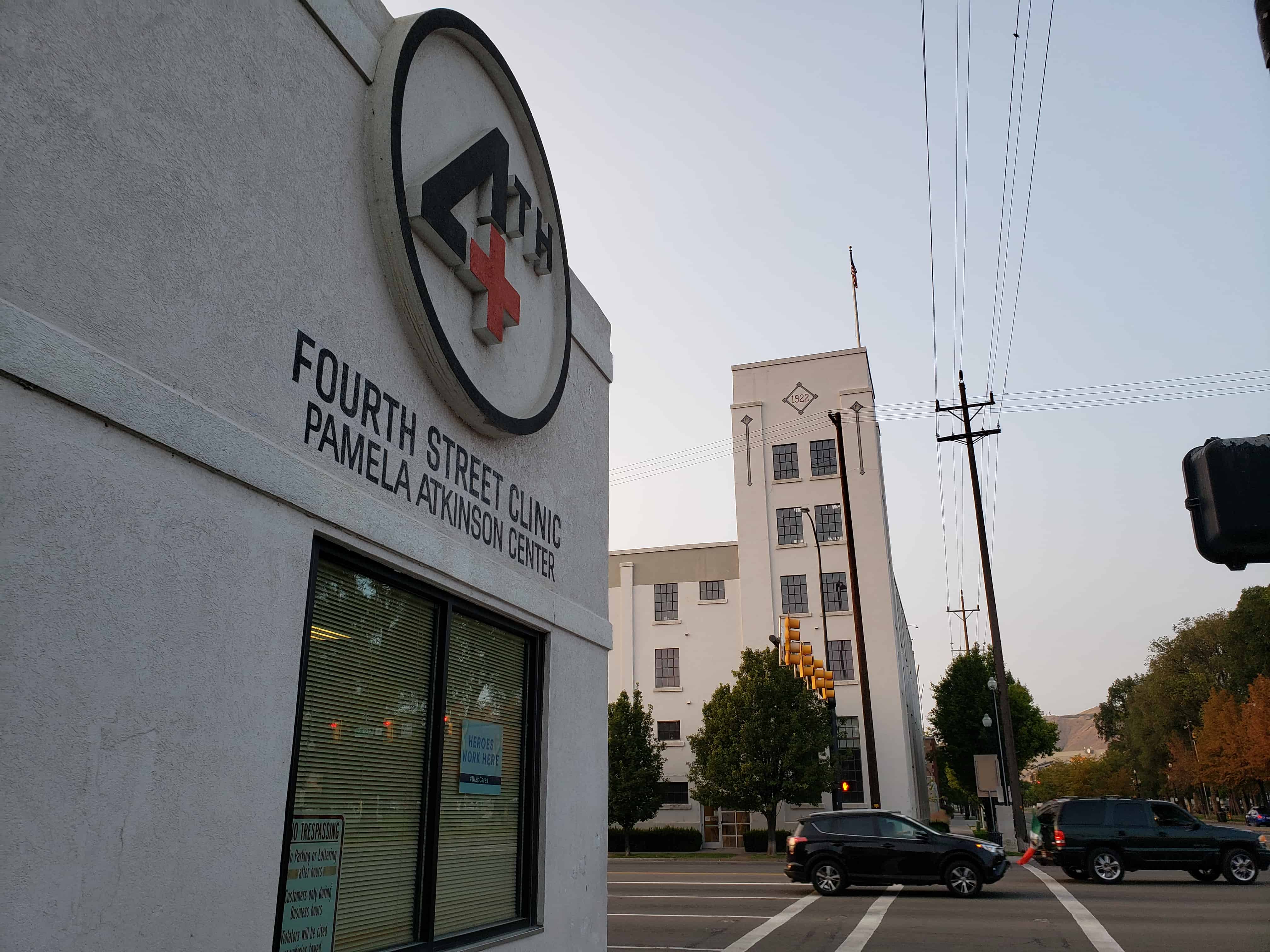
The W. P. Fuller Paint Company Office and Warehouse, built in 1922, is significant under Criteria A and C. The building is historically significant for its association with the twentieth-century development of Salt Lake City’s west side railroad and industrial district. It is located in an area of Salt Lake City that was, in the early settlement period, a neighborhood of residences and small family farms. After the coming of the railroad in 1870, the area was the preferred location for large-scale industries that wanted to access the railroad and expand their manufacturing capacities. The Fuller building was a transitional building designed to accommodate both rail and truck traffic. The building is also architecturally significant under Criterion C as one of the first all concrete warehouses in the city. The design for the concrete frame and curtain wall construction probably originated at the national offices of the W. P. Fuller Company in San Francisco, but was executed by local contractors John F. and Henry E. Schraven. The formed concrete support columns were innovative engineering for Salt Lake City of the period, and modest Art Deco details were an early manifestation of the style, especially in such a utilitarian structure. The W. P. Fuller Paint Company Office and Warehouse is being nominated as part of the Salt Lake City Business District Multiple Resource Area context. After sitting mostly vacant for several years the building was rehabilitated in 2004 and is a contributing resource in one of Salt Lake’s historic west side neighborhoods.
As the political capital of the State of Utah and the social and economic center for the Intermountain West, Salt Lake City has been one of the nation’s major regional centers since its establishment in 1847. The discovery of valuable ores in the canyons near Salt Lake in the early 1860s and the arrival of the transcontinental railroad in 1869 secured the city’s place as a major center of mining, smelting and refining. As a result, the number of foundries in the city quadrupled by the turn of the nineteenth century. Most of these facilities were located along an industrial corridor along either side of the numerous rail lines between 300 West and 500 West.(Originally 400 West was known as 3rd or Third West. All numbered streets in the area were renumbered in 1972. The original numbering system was based on the zero-numbered “Temple” streets bordering Temple Square in downtown Salt Lake City. West Temple, an original zero street, was followed by 1st West, 2nd West, 3 West and so on. Similar numbering came from North Temple. Address numbers were based on the origin point at the intersection of South Temple and Main Street (East Temple). This resulted in some confusion between street numbers north and west of the origin, and numbers to the south and east. For example, the address of Fuller Paint building was 404 West 4th South, although it was located at the corner of 3rd West and 4th South. In 1972 North and West Temple streets were renumbered 100 North and 100 West. First West became 200 West, 2nd West became 300 West, etc. The older numbering system is found on all historic documents used in researching this nomination; however, within the nomination the streets and buildings are designated by their current addresses. ) The construction of the Rio Grande (passenger) Depot at 300 S. Rio Grande Street (350 West) in 1910, as well as nearby freight depots, was celebrated as an event and was another sign that the previously semi-rural neighborhood had become city’s railroad district, and center for industry and warehousing.
Block 47 of Salt Lake City’s Plat A was located just west Block 48, the site of Salt Lake’s first pioneer fort and today’s Pioneer Park. By the 1880s, two tracks of the Oregon Short Line Railroad ran down the center of 400 West. The east half of Block 47 was originally divided into residential lots, but the 1898 Sanborn map indicates an early industry, a coal storage plant with a rail spur, was in the area. By the time of the 1911 map three industries (a seed and produce company, a meat packing plant, and a lime-cement company) had built in the, middle of the block. Two rail spurs curved from the main line into the block to service the companies. There were still several dwellings and one store at the north and south ends of the block.
On August 24, 1921, W, P. Fuller & Co. purchased the property from the heirs of Henry Reiser. A building permit for the construction of a four-story warehouse at be built at a price of $100,000 was approved on May 3, 1922. No architect was listed.3 The builders were listed as John F. Schraven (1854-1939) and his son Henry E. Schraven (1879-1945). The Schraven family moved from Kentucky to Utah in 1902 and immediately began their father-son contracting business. Henry Schraven continued the firm after his father’s retirement in 1929. The firm built the Salt Lake library, the Model Laundry building, a number of public schools, and several projects for the Union Pacific Railroad. Construction probably took place that summer. The address is listed in the 1922 city directory for Salt Lake City.
William Parmer Fuller (1827-1890) was born in New Hampshire. He went to California in search of gold in 1849. Unfortunately, he was frustrated in his quest for gold and became a paperhanger in Sacramento. He partnered with a man named Seton Heather and the two made a fortune in the paint and glass industry. Fuller settled in the San Francisco area in 1862 where he founded a branch of Fuller and Heather. In 1877, when Fuller established a partnership with the Whittier Company, the firm built the largest plant on the Pacific Coast. The partnership dissolved in 1894, and the reorganized W. P. Fuller & Company began to realize plans to dominate the paint, oil and glass market in the Western United States. The company first expanded into other parts of California and then to the Pacific Northwest. The company established its first branch in the Intermountain West in Boise, Idaho in 1908.
In 1921-1922, Salt Lake City became the fifteenth branch and the eighth executive office for the Fuller Company. The building in Salt Lake City was designed as a regional office and distribution center. A separate retail store was established in the downtown business district. Prior to this time, the company had used hardware merchants and dealers for distribution. At the time of the construction of the building in Salt Lake City, I. F. Littlefield, assisted by William P. Fuller II, managed the company. The 1920s marked a period of change for the company: the proliferation of specialized retail stores and ownership of the land where offices and warehouses were located. The design of the building was probably generated by architects in the corporate office. There is a Fuller building with a similar design in Tacoma, Washington. The family and company had sustained heavy losses during the 1906 San Francisco earthquake and fire. This event may have made the reinforced concrete construction method particularly attractive for warehouse designers at the Fuller Company.
The W. P. Fuller Company was one of six paint manufacturers in Salt Lake City, most of which were local firms. As was customary at the time for many industries, W. P. Fuller had a retail store in downtown Salt Lake at 40 East 200 South (building demolished). The company sold paints, oils, glass, varnish, and greases. The office and warehouse was located at 404 W. 400 South, near the railroad tracks. A newspaper article from the Deseret News, dated December 2, 1922, described the recently completed building in detail. The reporter was particularly impressed by the 70,000 square feet of floor space, the 15,000-gallon water tank, and the Fuller roofing material. According to the article, the main floor was to be used for office space, shelving, storage, and for glass cutting. The main floor tower room was used for paint testing. At the rail platform, three rail cars could be unloaded (or loaded) simultaneously. The truck landing could service four trucks at a time with a garage room for the company’s rolling equipment. The mezzanine was used for storing brushes, bronze powders, tools, etc. The second floor was devoted to the paints, varnishes, and enamels. The top floor was where the glass was stored. The offices took up only a small portion of the warehouse floor. The office was the only part of the building heated.
Art B. Cadman, the manager at the time, was quoted in the article was the manager in the 1920s, describing the company’s new facilities: “W. P. Fuller & Company stated in 1849 and has been reaching out for larger territory ever since. This is now the most easterly branch and one of the largest, as well as embodying all the latest innovations that experience has found necessary.” Cadman stated that the Salt Lake branch had “by far the largest territory to serve in regard to distance covered of any of the Fuller branches” and that the “payroll will probably include 75 men and woman all of whom are Utahns.” The author of the article declared, “It should be a matter of pride to Salt Lake that it is classes as one of the biggest branches of this great [Fuller] organization.”
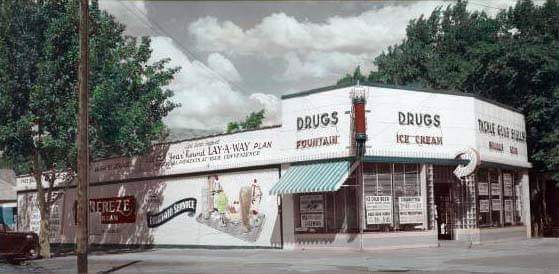
By the 1930s, rail activity in the area had decreased, but a 1937 tax photograph of the south elevation shows the truck docks in use. In 1941, the seamed metal and frame addition was built on the west elevation. It was used as a glass warehouse. A lunch stand was built on the southwest corner of the property in 1949. There was also a service station in the yard. In the early 1950s, the interior was substantially remodeled. Historic photographs taken in 1951 by the Shipler photographers of Salt Lake City indicate the offices were expanded and modernized on the second floor and mezzanine levels. The exterior was probably painted at the same time. The large corrugated metal shed was added to the property in 1951. By the 1950s, the company had moved their retail store to 211 South State Street. A full-page advertisement in the 1951 Salt Lake directory read “W P. Fuller & Co. for Paint – Glass – Wallpaper; Manufacturers of Paints for Farm, Home, Industry; Complete Glass and Installation Service.”
The W. P. Fuller Paint Company building was in use by the Fuller Company until 1965 when it was sold to the Nielson Investment Company. The office and warehouse was used as rental space for a variety of businesses. The 1969 Sanborn map shows the building divided for use by an auto repair shop, a sign painting company, and a school supplies warehouse. The metal shed housed three enterprises: a tire warehouse, a furniture warehouse and a garage. Between 1986 and 2003, the property changed hands five times. The Snarr Advertising Company was a long-time tenant. The owners mostly leased the space for light manufacturing and storage; for example, trucking, distribution, and the manufacture of fireplace equipment. On at least two occasions, in 1,998 and 1999, proposed plans for the adaptive reuse of the building were never realized. Big-D Construction Company purchased the building in November 2003. The company converted the building into its corporate offices in 2004 as part of a federal tax credit rehabilitation project.
Commemorating the beginning in America of modern irrigation.
In this vicinity on July 23 and 24, 1847 by the Mormon pioneers.
“Encamped near the bank of a beautiful creek of pure, cold water… In about two hours after our arrival we began to plow, and the sale afternoon built a dam to irrigate the soil.”
“July 24th… this forenoon commenced planting our potatoes, after which we turned the water upon them and gave the ground quite a soaking.”
Orson Pratt thus records compliance with the instructions of Brigham Young, who with the main company arrived about the time the irrigating began.
This tablet is within the half-acre of ground first plowed, as identified by William Carter who held the plow.
This historic marker is located outside the Wells Fargo building at 111 E 300 S in Salt Lake City, Utah and was placed by the Utah State Conference, Daughters of the American Revolution, July 23, 1931.
“The wilderness and the solitary place shall be glad for them, and the desert shall rejoice and blossom as the rose.” – Isaiah, 35:1
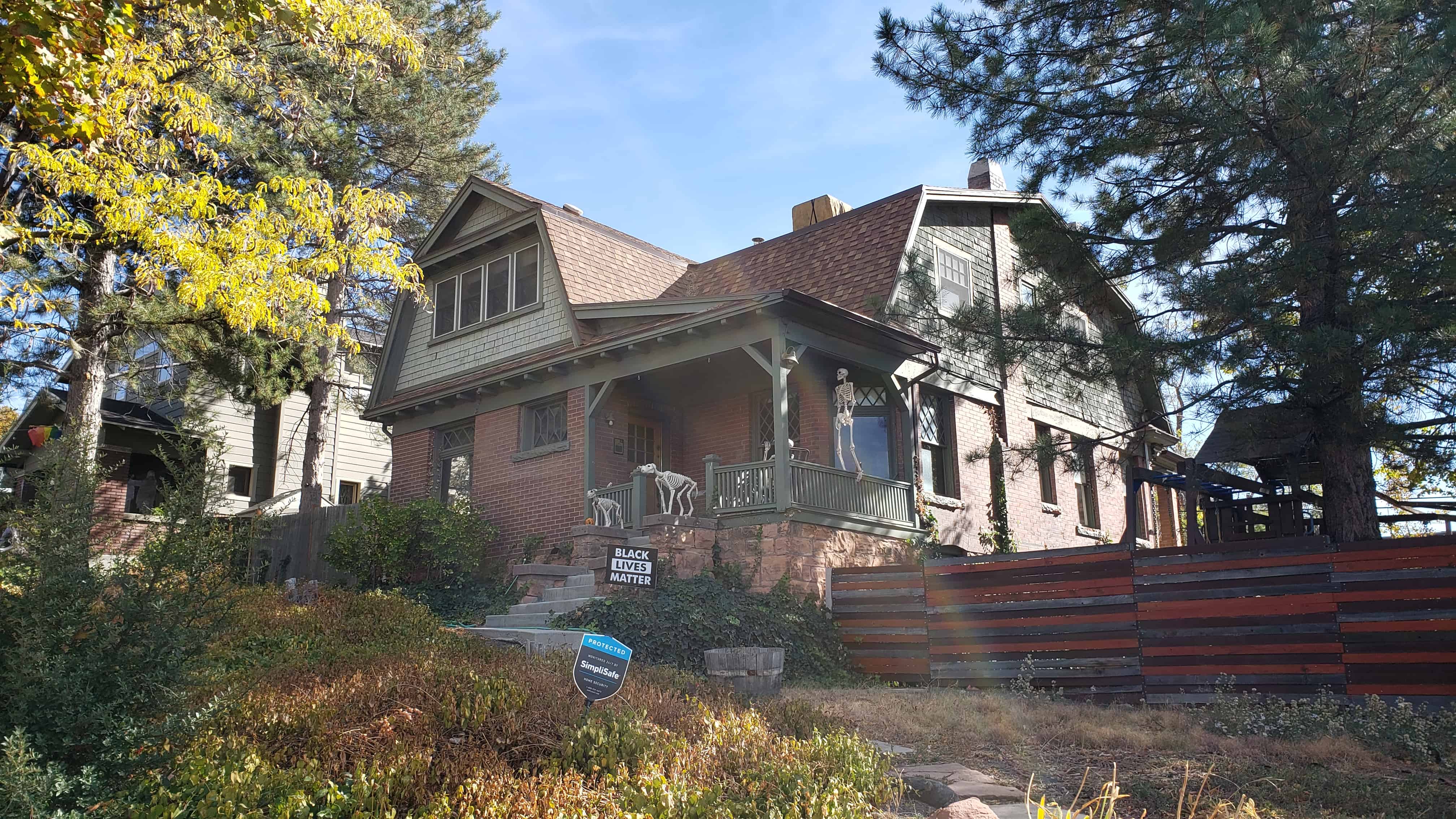
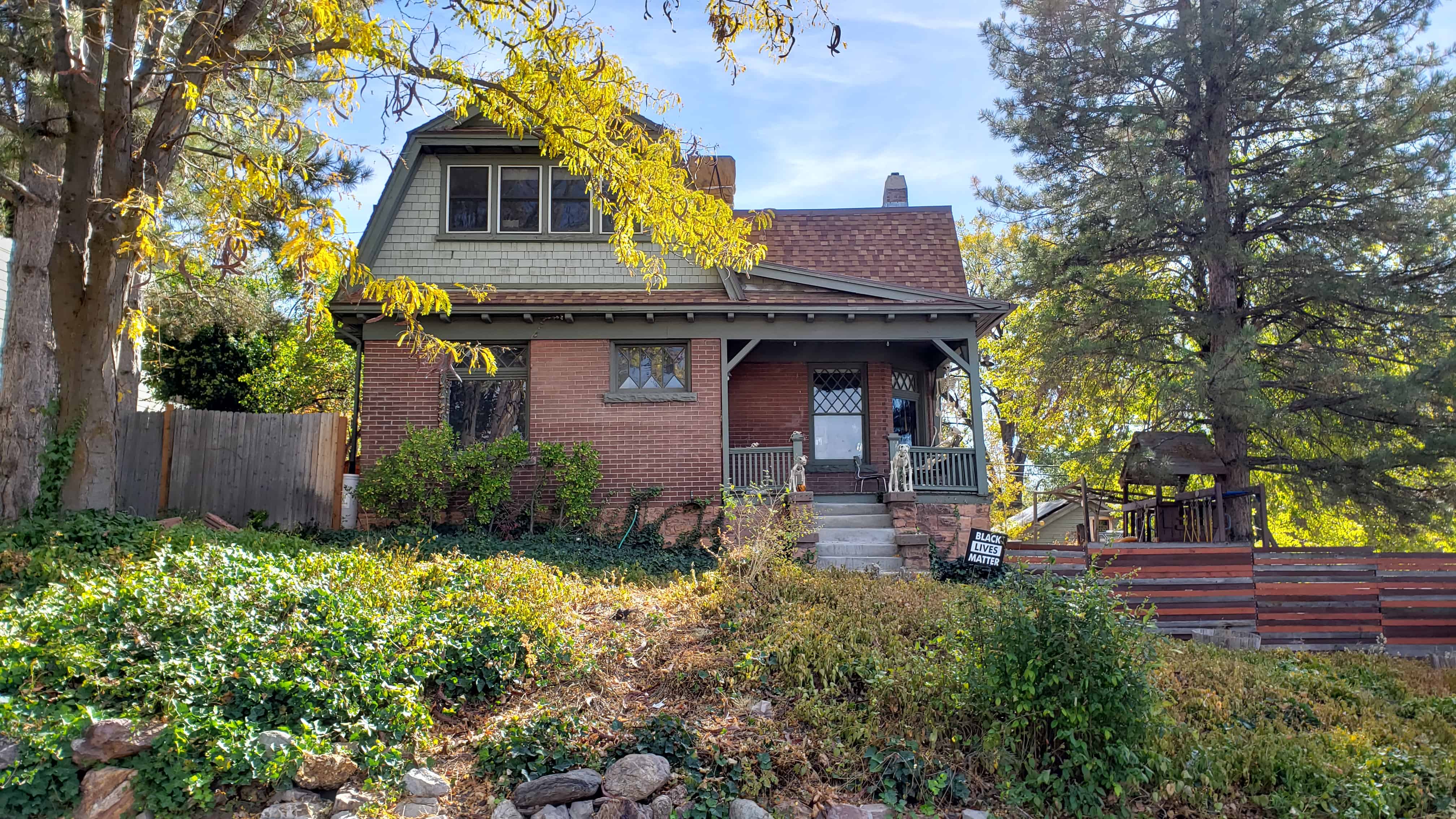
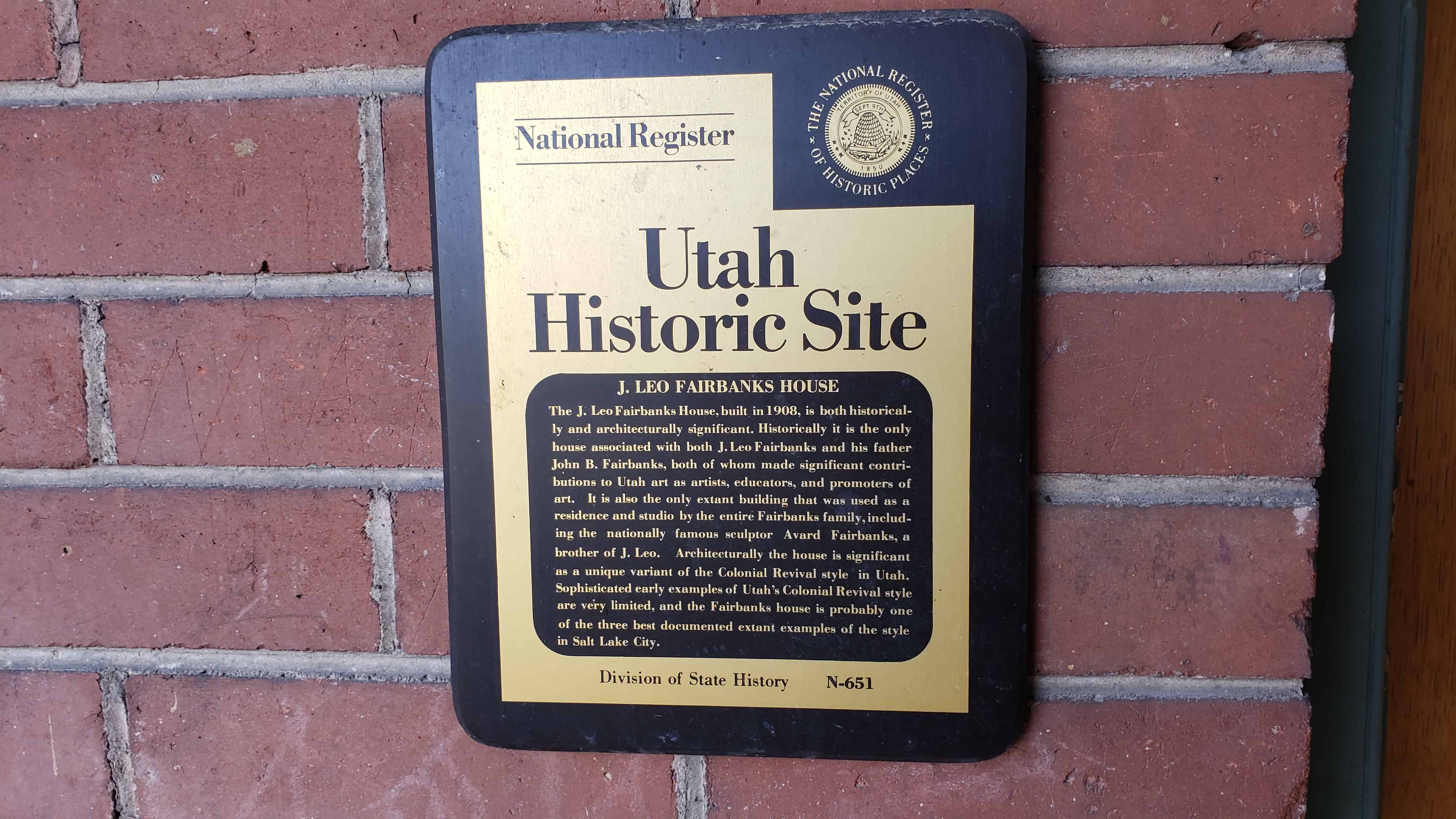
The J. Leo Fairbanks House, built in 1908, is both historically and architecturally significant. Historically it is the only house associated with both J. Leo Fairbanks and his father John B. Fairbanks, both of whom made significant contributions to Utah art as artists, educators, and promoters of art. It is also the only extant building that was used as a residence and studio by the entire Fairbanks family, including the nationally famous sculptor Avard Fairbanks, a brother of J. Leo. Architecturally the house is significant as a unique variant of the Colonial Revival style in Utah. Sophisticated early examples of Utah’s Colonial Revival style are very limited, and the Fairbanks house is probably one of the three best documented extant examples of the style in Salt Lake City.
Built in 1908 for Utah artist J. Leo Fairbanks, this house is both historically and architecturally significant. Historically it is the only house associated with both J. Leo Fairbanks and his father John B. Fairbanks, both of whom made significant contributions to Utah art as artists, educators, and promoters of art. It is also the only extant building that was used as a residence and studio by the entire Fairbanks family, including the nationally famous sculptor Avard Fairbanks, a brother of J. Leo. Both J. Leo and John B. studied in Paris and returned to Utah where they became best known for their work on religious murals in temples of The Church of Jesus Christ of Latter-day Saints (LDS Church), John B. having painted some of the murals, and J. Leo having restored some damaged murals. Both taught art at the LDS University in Salt Lake City and elsewhere, and each held the position of supervisor of art in public schools, John B. in Ogden, and J. Leo in Salt Lake City. Architecturally the house is significant as a unique variant of the Colonial Revival style in Utah. Sophisticated early examples of Utah’s Colonial Revival style are very limited, and the Fairbanks house is probably one of the three best documented extant examples of the style in Salt Lake City. Two other examples listed in the National Register include: the Walter E. Ware House, 1184 First Avenue, built ca. 1905 and listed in 1980 as part of the Avenues Historic District; and the Mort Cheesman House, 2320 Walker Lane, built 1912-13, and listed in the National Register as an individual nomination in 1982.
J. Leo Fairbanks, the designer and original owner of the house at 1228 Bryan Avenue, was born in Payson, Utah in 1878 to John B. and Lily H. Fairbanks. Following the lead of his father, John B. Fairbanks, and having studied under him at the LDS University, he became an artist. In 1901 he replaced his father as a teacher for one year at the LDS University, and then went to study in Paris. He studied with Laurens and Simon, and sculptors Bonn and Verlet before returning to Utah in 1903. He was then employed as supervisor of drawing in the Salt Lake City schools, a position which he held until 1923. He also served as the art director at LDS University and as president of the Utah Art Institute. J. Leo is best known for his many religious (LDS) paintings, and worked on the restoration of damaged mural sections in the Salt Lake City LDS Temple. He devised several successful schemes for mural decoration for the interiors of public halls. In 1924 he moved to Oregon where he became the director of the art department at Oregon State College.
J. Leo was single when he designed and had this house built in 1908. According to his brother Avard, inspiration for the design of the house came from the old family home in Dedham, MA, the famous Jonathan Fairbanks home, built in 1636, and from European sources to which he had been exposed during his years of study. J. Leo invited his father, a widower, and the rest of his family to live with him, and the house served as the Fairbanks family home and studio for over fifteen years. They had previously resided at 1152 East Bryan Avenue.
J. Leo, his father John B., and his brother Avard were all notable Utah artists, and each resided in the house for an extended period of time. Some of the second story rooms were used as a home studio. John B. was born in Payson on December 27, 1855 to Utah pioneers John Boylston and Sarah Van Wagoner Fairbanks. He studied art in Paris from 1890 to 1892 under Rigelot, Constant, Lefebvre and Laurens. Although his work includes some paintings, he is best known for the murals he painted in the LDS temples in Salt Lake City, St. George, Utah, and Mesa, Arizona, and for the Century in Progress exposition in Chicago, the San Diego exposition and the Texas centennial. He was a professor of art at Brigham Young University, Weber Stake Academy, and at the LDS University. He became the first supervisor of arts in public schools in Ogden in 1898. Avard, the most famous of the Fairbanks artists, was a child prodigy, and is the best known among traditional realist sculptors working in Utah.4 He spent his childhood in this house. He too studied in Paris at the Academie de la Grande Chaumier et Colaross and then with Injalbert at the Ecole Moderne. He became the first dean of the School of Fine Arts at the University of Utah.
The house was rented periodically during the later years of Fairbanks occupancy. It was sold to Edward G. Titus, Director of the Utah-Idaho Sugar Co., in 1925, and he owned the house until his death in 1964. The current owners are Michael Treshow and Marilyn Tueller who bought the house in 1982 and are restoring it.
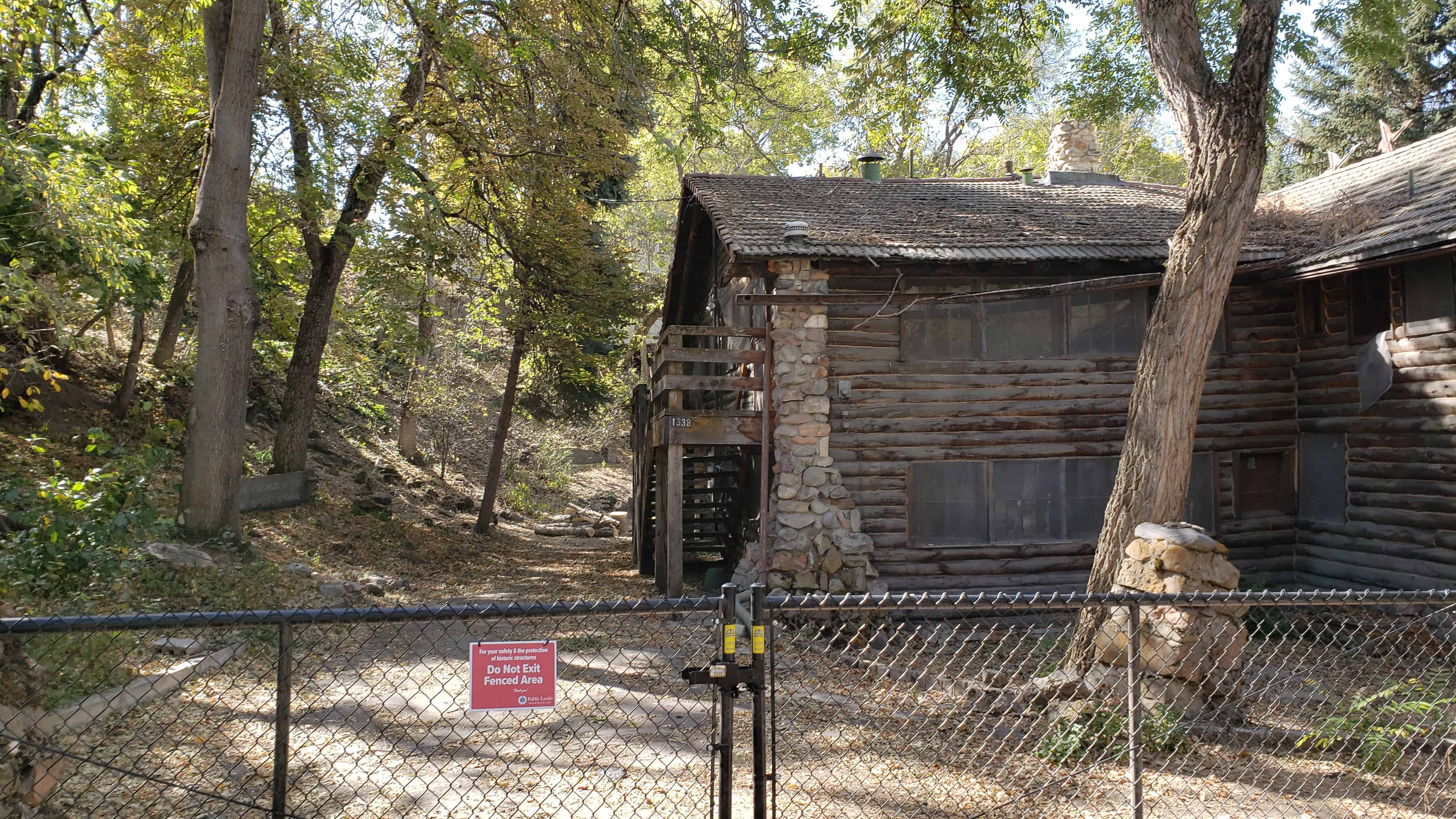
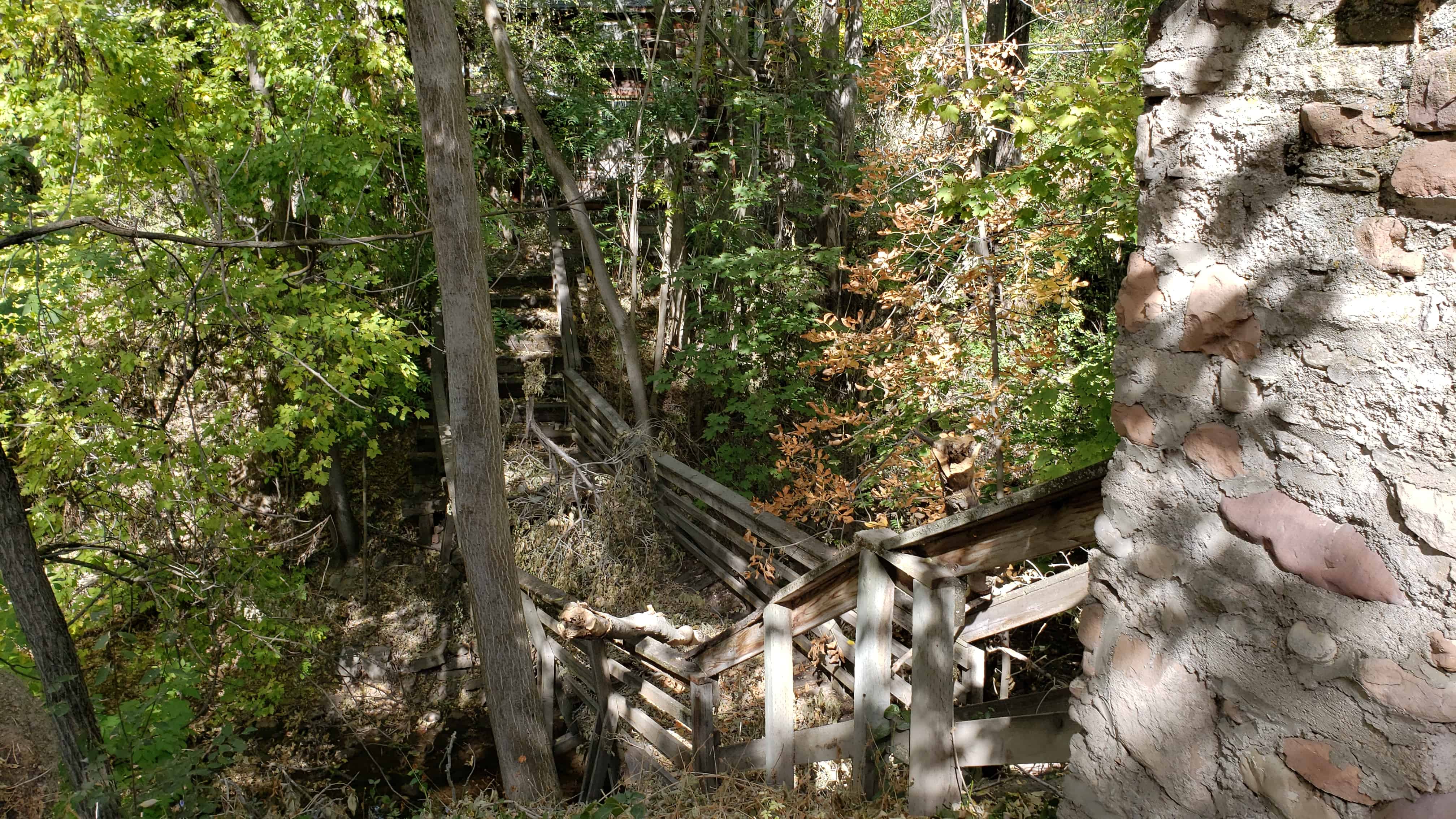
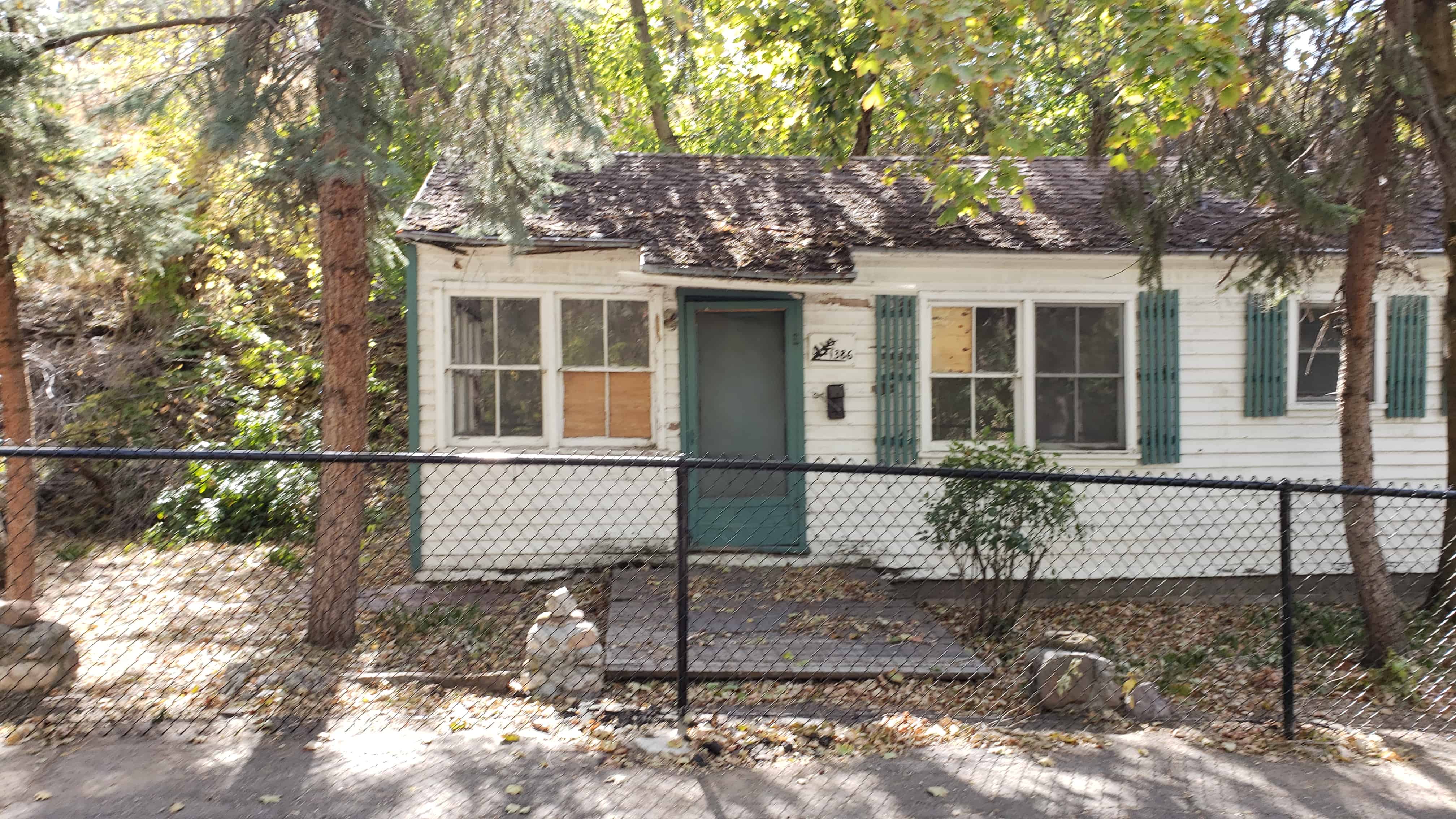
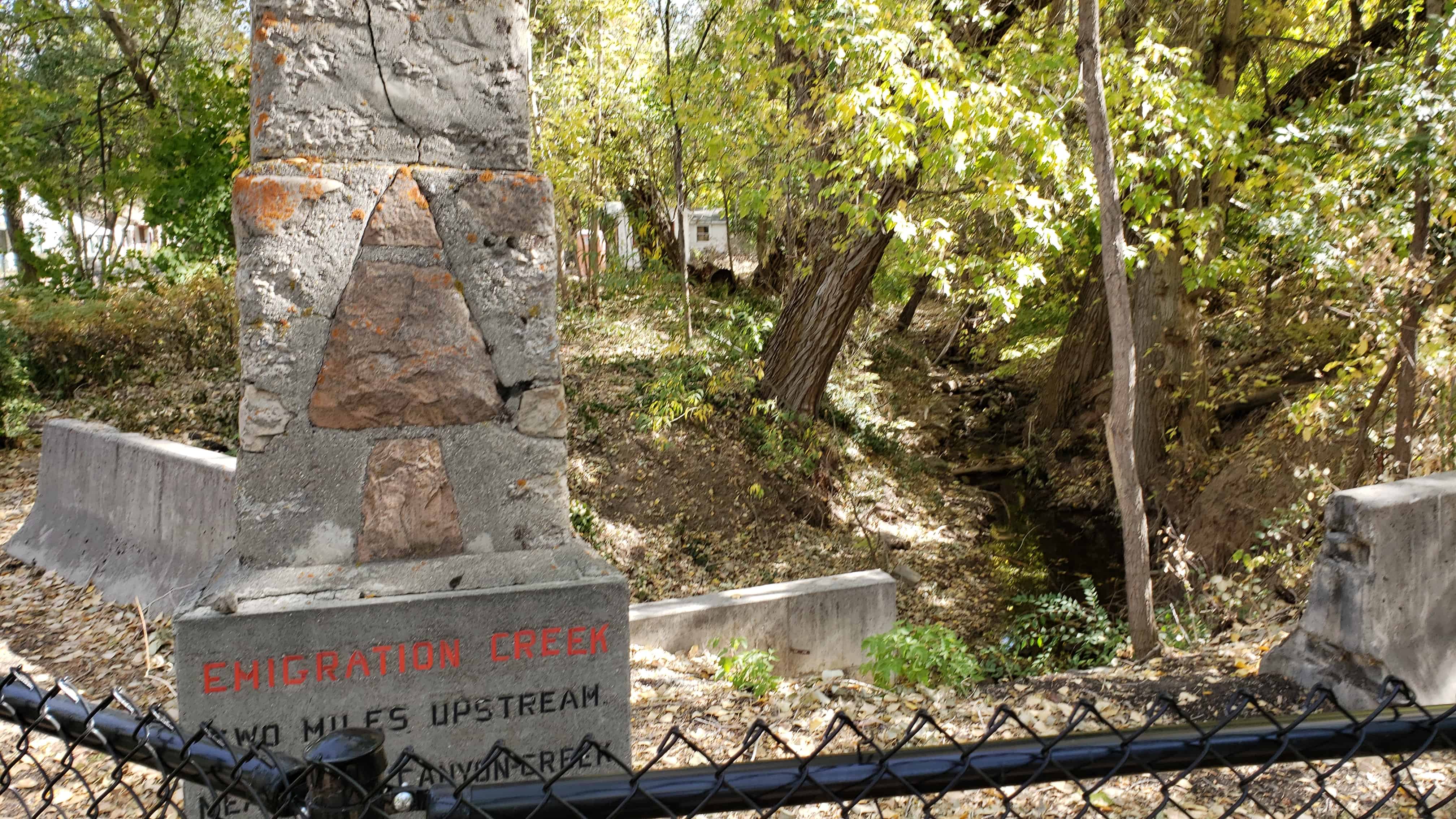
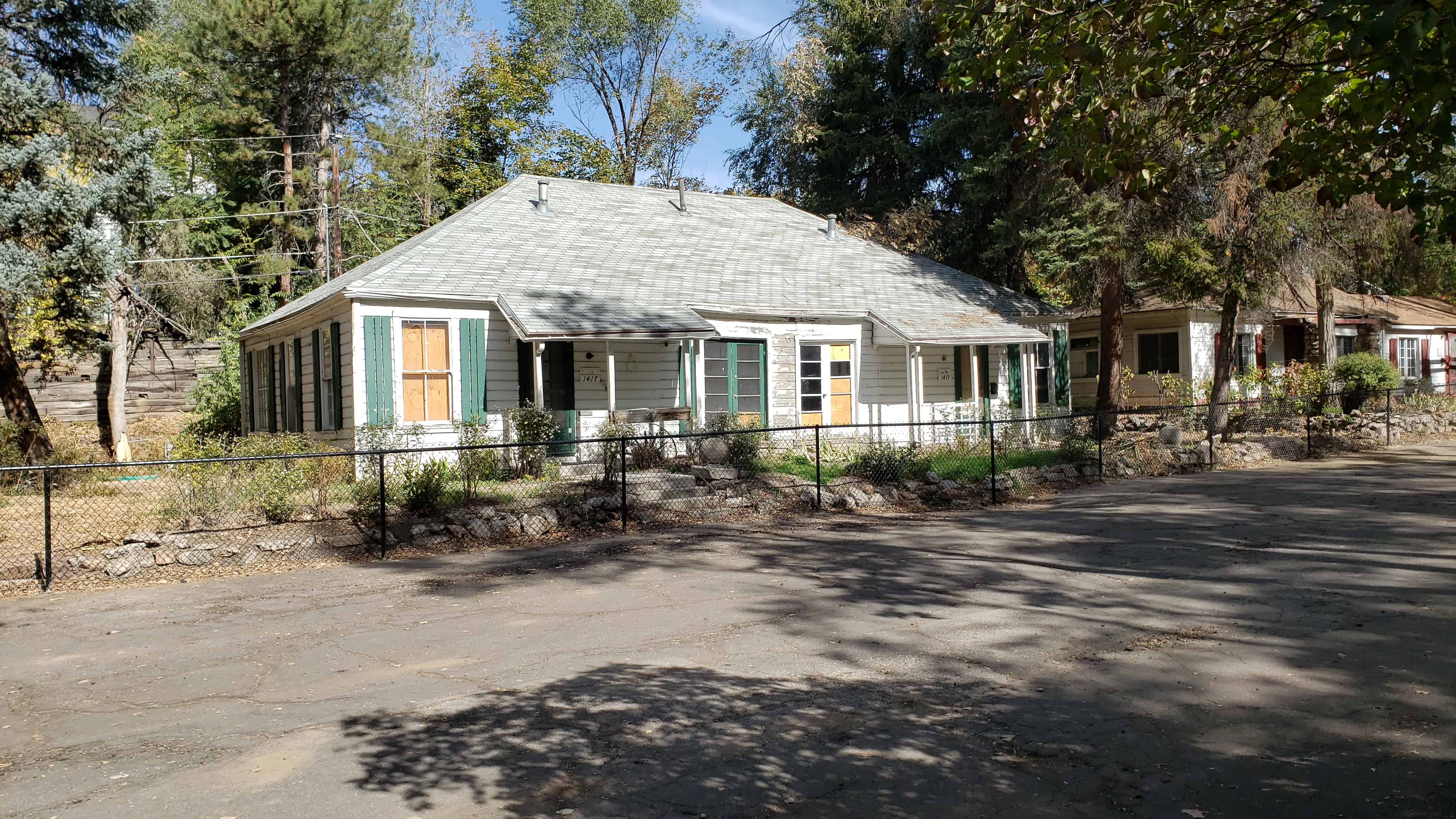
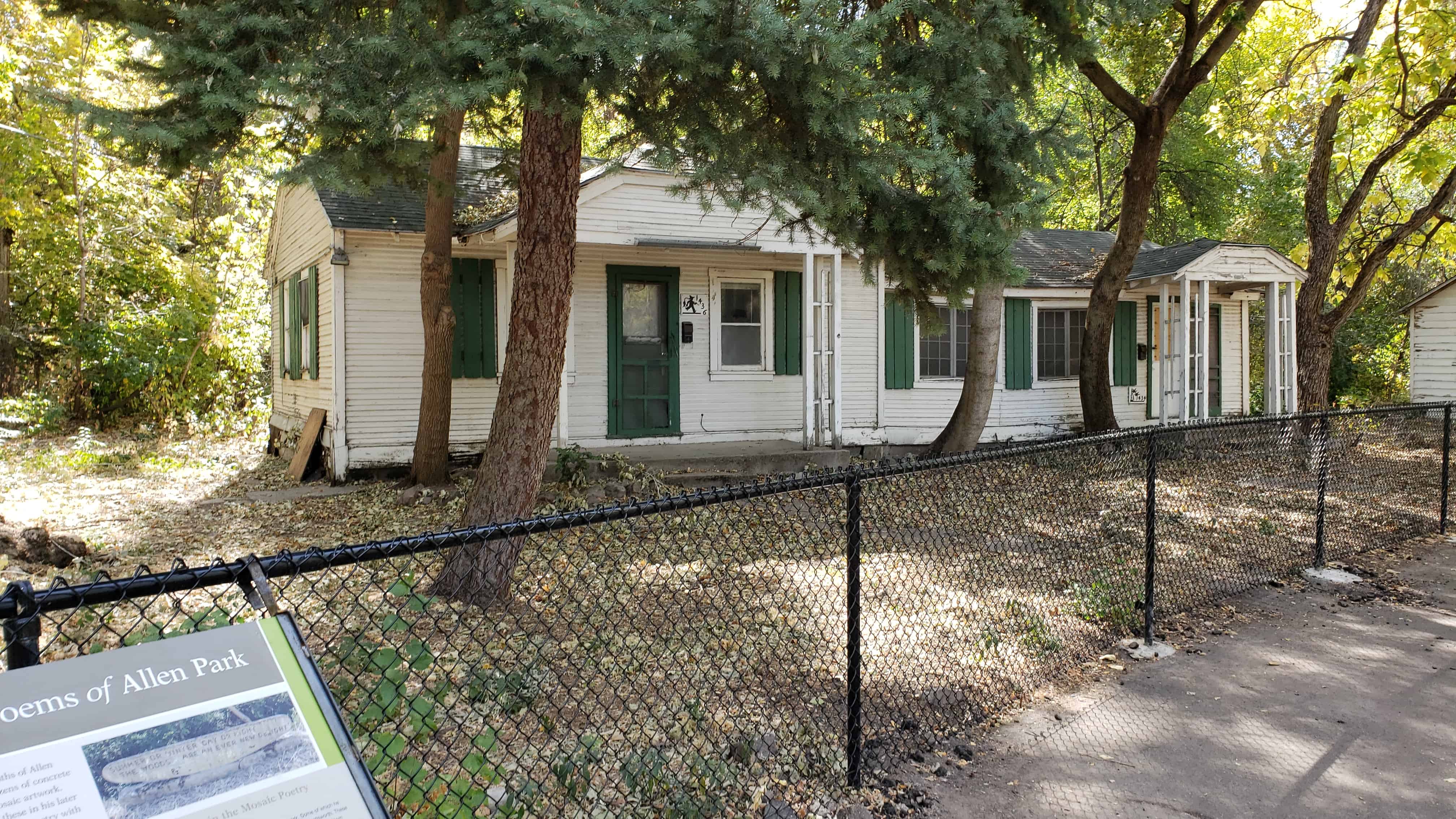
In October 2020 Allen Park was opened as a new public city park in Salt Lake City. Previously it was a private residential area with an interesting history, often called “Hobbitville.” I stopped by to document as much as I could without getting inside when there was talk of demolishing it all – you can see that on this page.
Dr. George Allen was born on June 7, 1894 in Penetanguishene, Ontario, Canada. He spent his childhood in Clintonia Township, Illinois, where he graduated from high school. Shortly after, he left for college at the university of Illinois Medical School in Chicago, IL.
Upon graduation in 1920, Dr. Allen and his sweetheart, Ruth Larson, migrated to Utah, where they got married on May 3rd.
During their first year in Utah, Dr. Allen worked as a surgeon for the Standardville Coal Mines. A year later, they moved to Salt Lake City, where Dr. Allen became a surgeon for several major businesses – including the Sugarhouse Penitentiary.
During the next decade, The Allens grew thier family from two to six; Mary Rose, Amy, George Al Jr., and Sally Ann. In 1931, the Allens purchased the 8-acre piece of land that Allen Park sits on. Originally farmland, the Allens worked to transform their home into an urban oasis.
Dr. Allen’s servitude in Salt Lake City was remarkably influential.
Helped establish the Tracy Aviary, Hogle Zoo, and the Salt Lake Zoological Society.
Served as president for the Sugarhouse Chamber of Commerce and the Salt Lake City Zoological Society.
Was a member of the Salt Lake Library Board, The Masons, Odd Fellows, American Pheasant Society, Chamber of Commerce, and GOP.
Emigration Creek History
In 1847, the first party of Mormon Pioneers entered the Salt Lake Valley through what we now know as Emigration Canyon. Tradition holds that this is where Brigham Young first views the valley unobstructed and said “This is the right place, drive on.”
Within days of settling in the Salt Lake Valley, the water of Emigration Creek was diverted for irrigation. The diversion established the first water right in the valley.
The hydrology of Emigration Canyon attracted pioneers to take up residence along the creek, clearing dense vegetation in favor of fields and pastures. Pollution from livestock deterred the City from protecting Emigration Canyon as a watershed, opening the area to development.
An early 1800s building boom prompted the extraction of red and white sandstone in Emigration Canyon. An electric railway system was installed in 1907 to meet the high demand but was dismantled a decade later as concrete became the preferred foundation material.
In 1931, Mr. & Mrs. Hogle donated land near the mouth of Emigration Canyon to became the new site for Salt Lake City zoo, now known as Hogle Zoo.
Record snowpacks in 1952 and 1983 caused hundreds of Salt Lake City blocks to be flooded. Excessive spring runoff in 1983 cased 10 million dollars of damage in Parleys, Emigration, and Red Butte Creeks.
In 2014, the non-profit organization Seven Canyons Trust formed a 100-year vision to uncover and restore the Salt Lake Valley’s buried and impaired creeks. Six years later, in 2020, Seven Canyons Trust partnered with Salt Lake City Public Lands to begin restorative work on the Three Creeks Confluence, where Emigration Creek, Red Butte Creek, and Parleys Creek join the Jordan River.
Allen Park: Bird Sanctuary in the City
Riparian areas of Utah, such as Emigration Creek, are key to the conservation of birds. Its importance is amplified as these streams are connected to the Great Salt Lake, an ecosystem that attracts millions of migratory birds each year.
82% of all bird species in the Intermountain West (466 and counting) rely on riparian habitat. You will find twice as much bird density in riparian areas than upland areas nearby.
Mosaic Poems of Allen Park
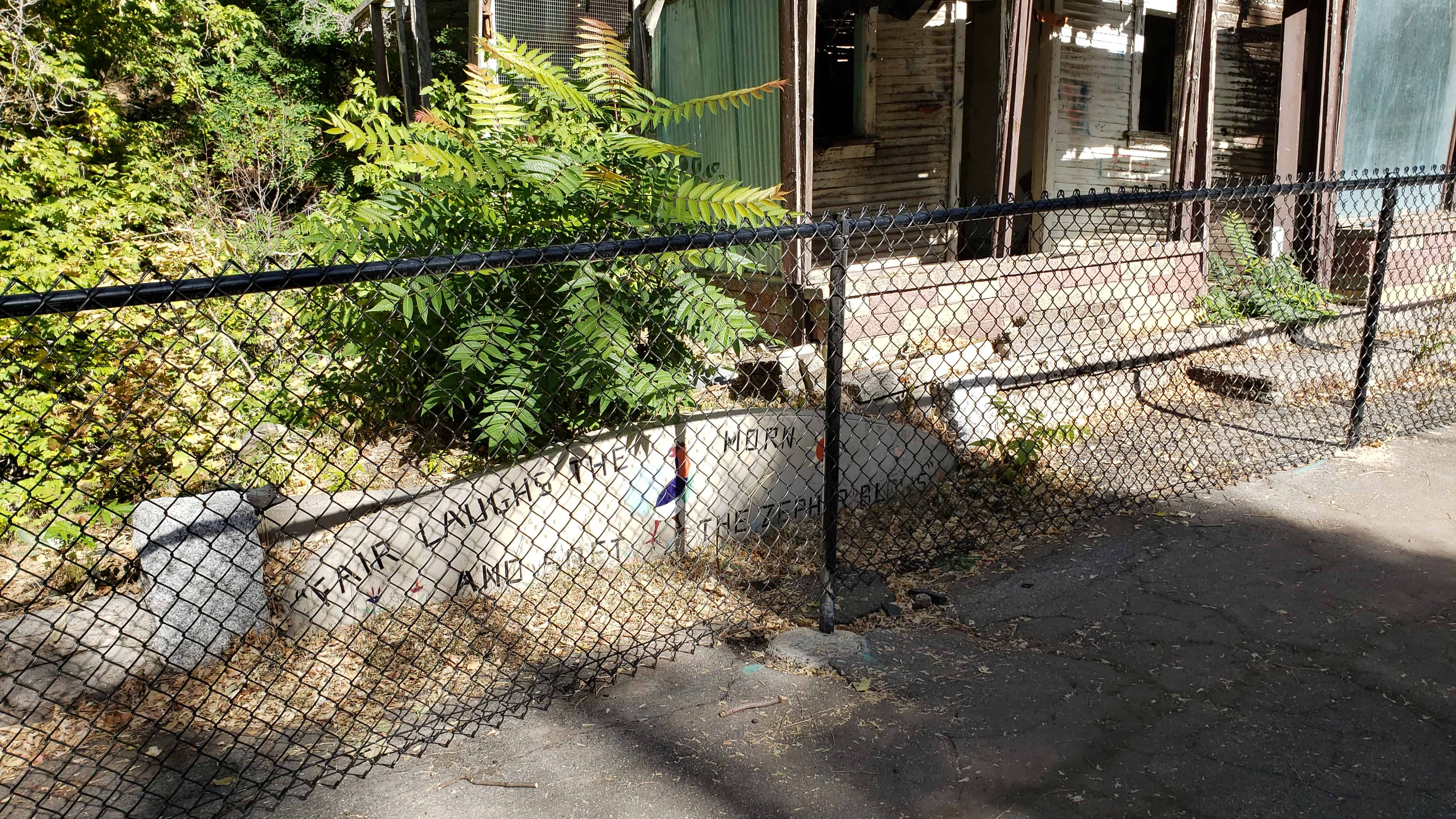
As you walk the quiet paths of Allen Park, you will find dozens of concrete monuments inset with mosaic artwork. Dr. George Allen created these in his later years, sharing his passion for poetry with his visitors.
According to his daughter, Mary Rose, her mother, Ruth, would find discarded tile in the local tire store’s dumpster. She would bring the tile home for her husband, who would then grind the pieces in their basement to form the mosaic artwork you see in Allen Park.
Romanticism in the Mosaic Poetry of Allen Park
Dr. George Allen quoted over 20 poets in his mosaic artwork. Some of which he quoted multiple times: Walt Whitman, John Keats, and William Wordsworth. These three writers have something in common – they were all a part the romanticism movement.
Romanticism is the retrospective name given to a dominant movement in literature, music, and painting from the 1770s to the mid-nineteenth century.
In its early years, Romanticism was associated with radical and revolutionary political ideologies, in reaction to the generally conservative mood of European Society.
A few main features of Romanticism include:
awe of nature and capacity for wonder
emotional and imaginative spontaneity
importance of self-expression and individual feeling