Tags
9th South River Park is in Salt Lake City and along the Jordan River Parkway Trail.
Related Posts:

22 Monday Jun 2020
Posted in Uncategorized
Tags

9th South River Park is in Salt Lake City and along the Jordan River Parkway Trail.
Related Posts:


22 Monday Jun 2020
Posted in Uncategorized

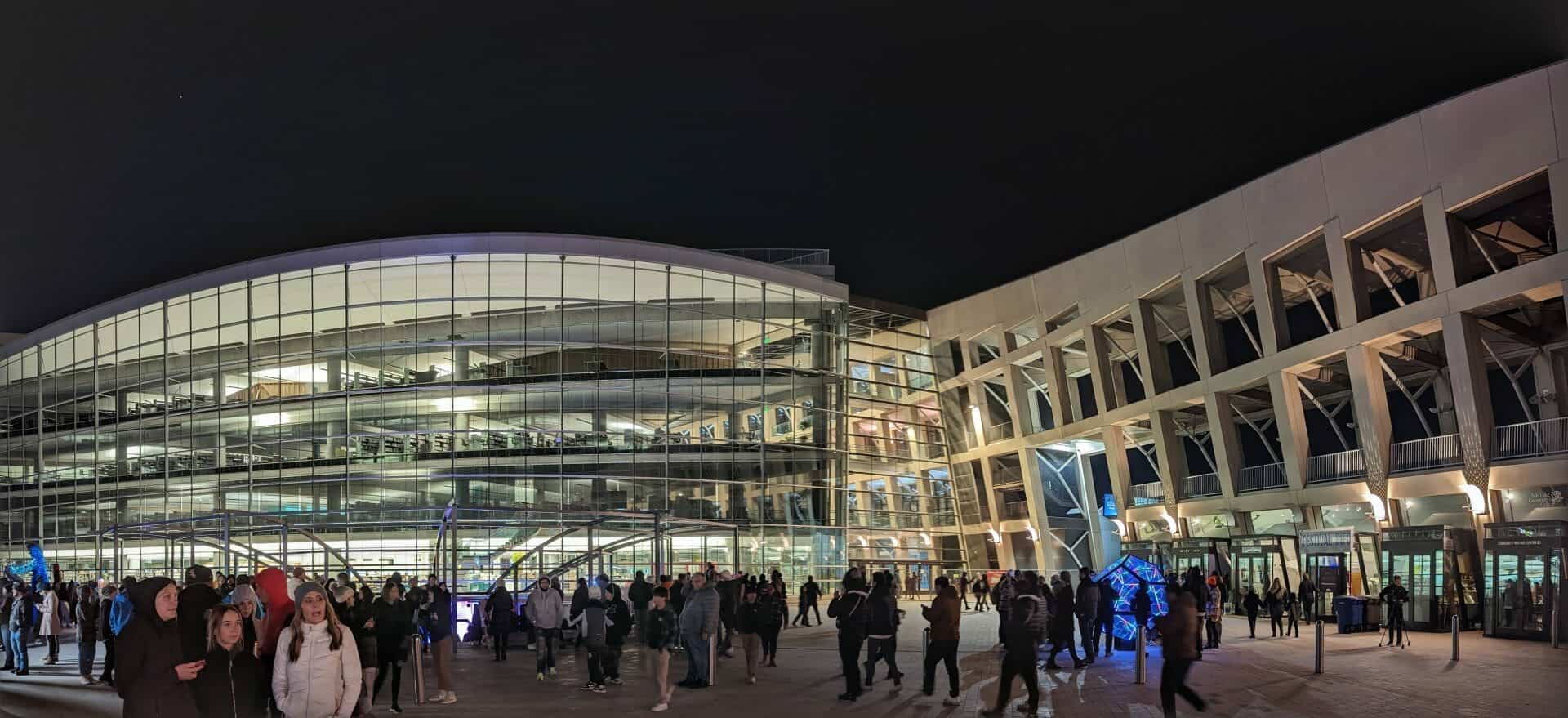
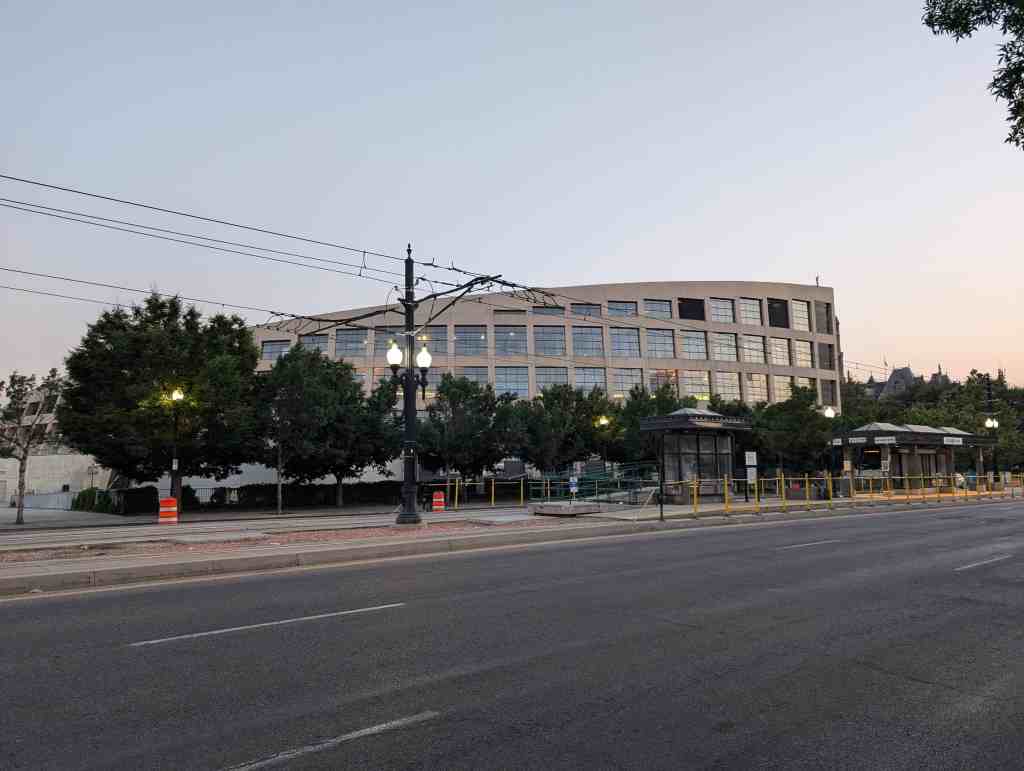
This has been the Salt Lake City Public Library since it was built in 2002, replacing the old Salt Lake City Public Library located just south of this one.
210 East 400 South in Salt Lake City, Utah


22 Monday Jun 2020
Posted in Uncategorized

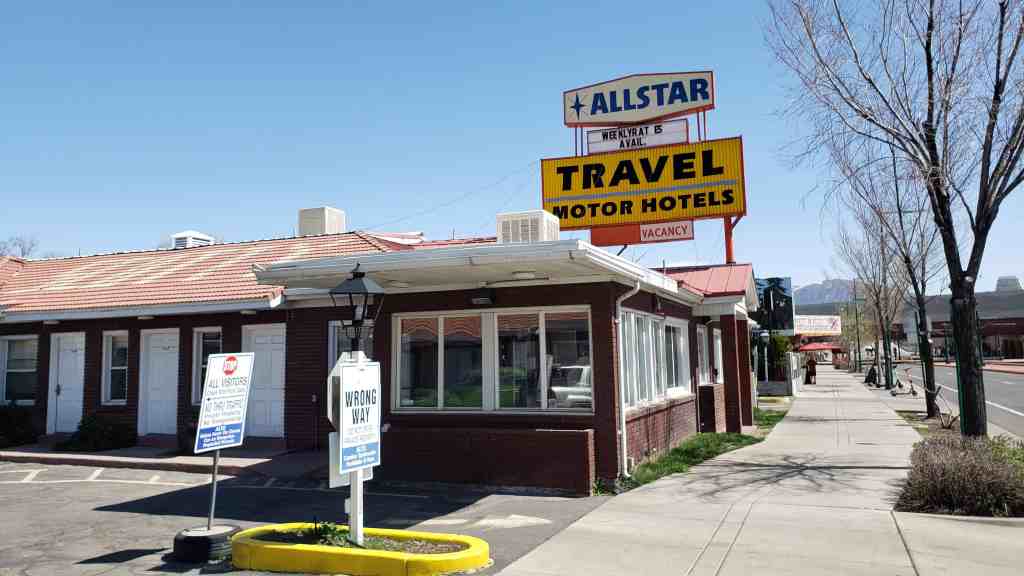
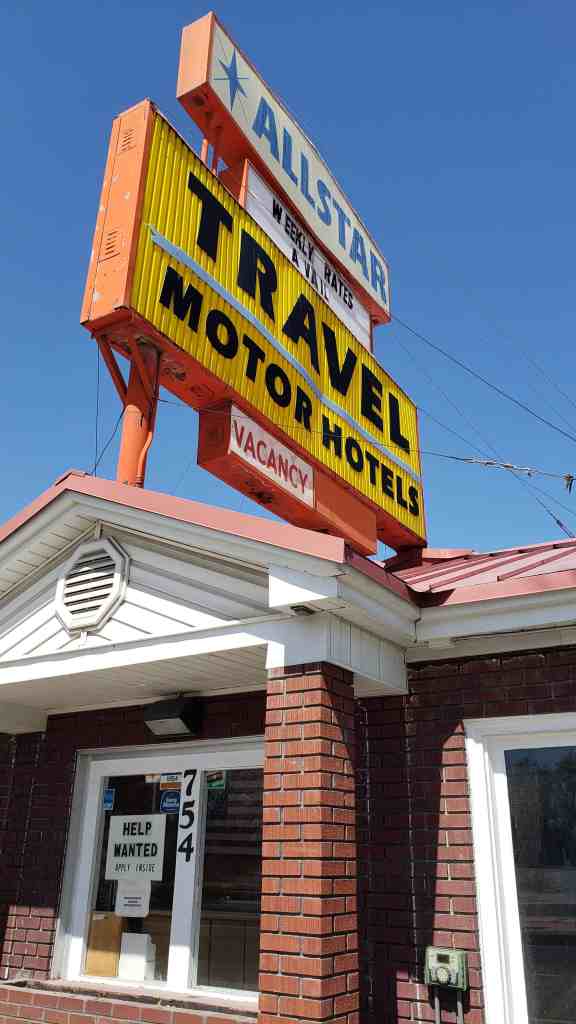
The All Star Motel at 754 W North Temple, Salt Lake City, Utah is one of my favorite vintage motels in the area, I love the look of it, the old signs, the colorful mini-golf area and more.
It was built in the 1940s as the Romney Motor Lodge.






20 Saturday Jun 2020
Posted in Uncategorized
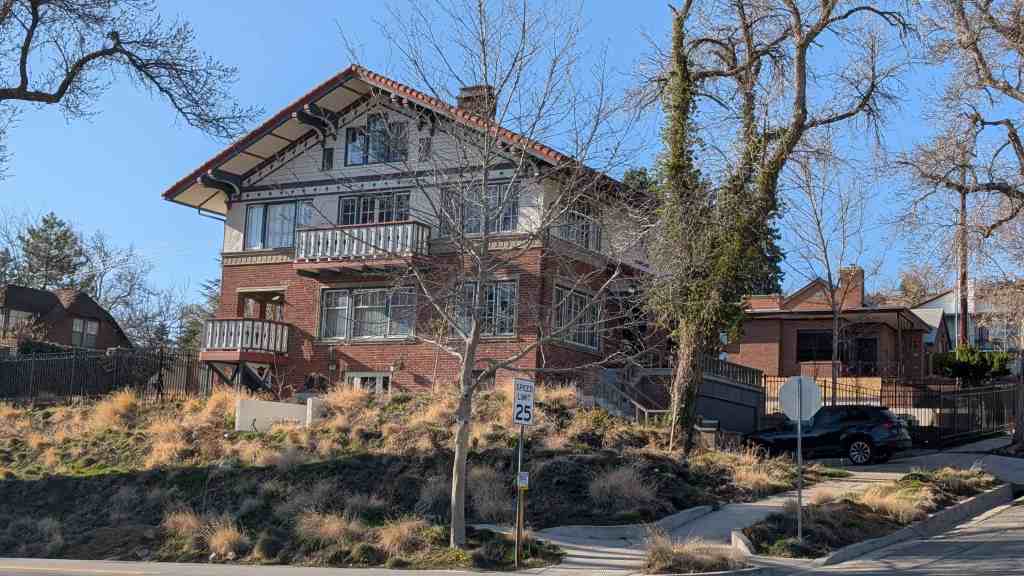
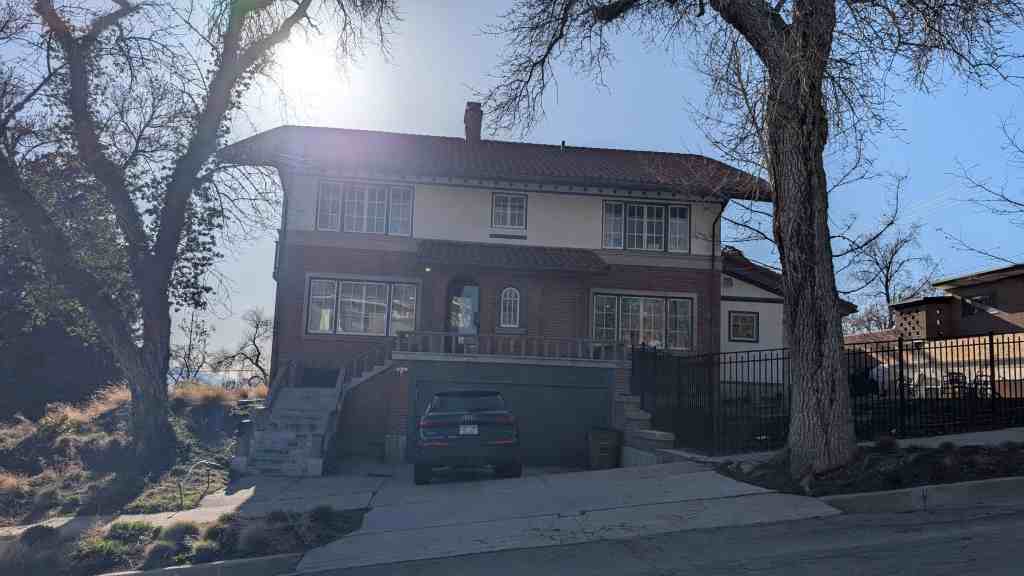
The Nelson/Beesley house is significant as the largest and best example of the Swiss Bungalow style in the Salt Lake City Avenues neighborhood and among the best in the State of Utah. Characteristics of this style romantically recall alpine chalets, and the Beesley home alludes to Swiss prototypes in its rectangular plan, broad gable roof, height and general symmetry, and decorative detailing. The residence served as the home of the Alvin A. Beesley family for twenty-two years. Beesley was a prominent figure in Salt Lake City business, cultural, civic and religious activities for nearly half a century. His association with the Beesley Music Company, represents the efforts of the Beesley family to promote Mormon musical values in the community.
The nomination of this residence is based upon an extensive survey of the Salt Lake City Avenues neighborhood. The Nelson/Beesley house, located in the upper Avenues, was not included in the Avenues Historic District, but was judged a significant site within the survey area based upon its architecture and historical associations.
Joseph Nelson, president and manager of Joseph Nelson Supply Company, plumbing suppliers, had this residence built in 1918 by Thomas Child and Son, Mason contractors. As listed in the Salt Lake City building permits, the two-story fourteen room house cost an estimated $15,000.
The Swiss Bungalow style was a romantic adaptation of the Alpine chalet, and represented one of a number of variations on the early twentieth century bungalow style. The Beesley house retains the integrity of the style in its plan, roof design, and general massing.

Joseph Nelson, the original owner, had lived at 568 I Street, also in the Avenues neighborhood, prior to his move to 533 11th Avenue- In 1926 Alvin and Ruby Pratt Beesley were listed in directories as residing at 533 11th Avenue, and purchased the home in 1927 from Nelson. Their tenure in the residence dated from 1926 to 1948, the year of Ruby Beesley’s death (Alvin had died in 1940).
Alvin A. Beesley, born in Salt Lake City in 1873, was the son of Ebenezer and Sarah Hancock Beesley. Ebenezer founded the Beesley Music Company in 1904, and both the man and the firm are considered pioneers in the Salt Lake City music field. The elder Beesley directed the Mormon Tabernacle choir from 1870 to 1885, and composed a large number of Mormon hymns. Alvin studied music under his father, as well as H.S. Kraure and C.F. Staynes; and in about 1906 became president and manager of the company. The Beesley name remains synonymous with the promotion of music and musical values, qualities important to the Mormon community. The business still functions under ownership of the Beesley family.
The activities and interests of Alvin Beesley proved influential in Salt Lake City’s business, civic, and religious activity. In addition to his involvement with the music business, Beesley assumed the directorship and a seat on the executive board of the Hotel Utah (National Register), which opened for business in 1911. He also became an organizer, three-time president, and director for various years, of the Salt Lake local American Federation of Musicians, thus, involved in both business and labor. Alvin Beesley served as a delegate to national musician’s conventions, and befriended Samuel Gompers, president of the American Federation of Labor.
From 1933 to 1935 he served as a Salt Lake County Commissioner, heading the finance department. A member and activist of several civic groups, including the Chamber of Commerce, Rotarians, and Boy Scouts,. Beesley served in numerous religious positions for the Mormon church, particularly as chorister of the Salt Lake Stake from 1904 to 1930.
Alvin and Ruby Pratt Beesley resided in the house until their deaths. Mrs. Beesley was the daughter of Mormon pioneer Orson Pratt, and married Alvin in She died in 1948, following Alvin’s death in 1940.
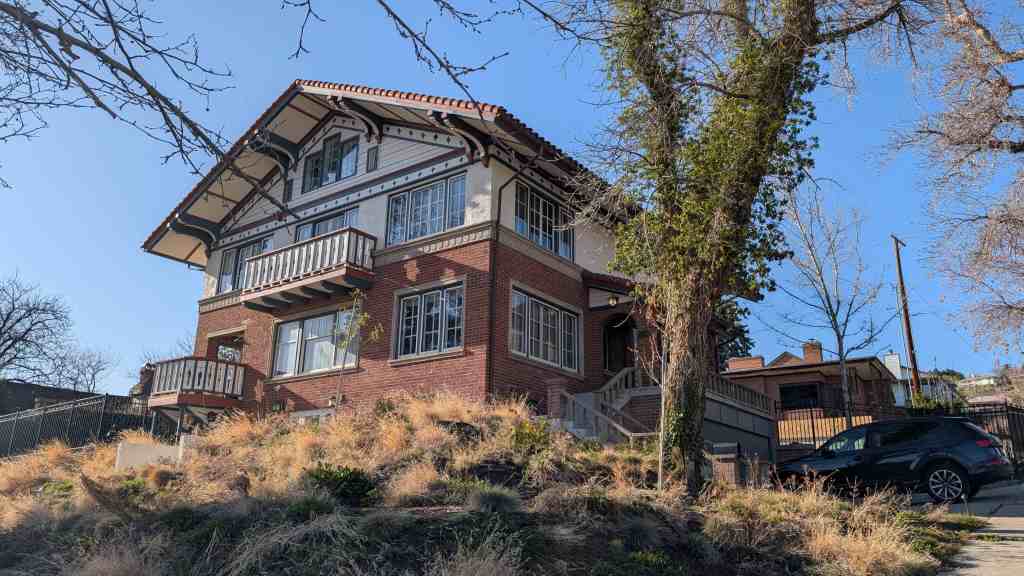
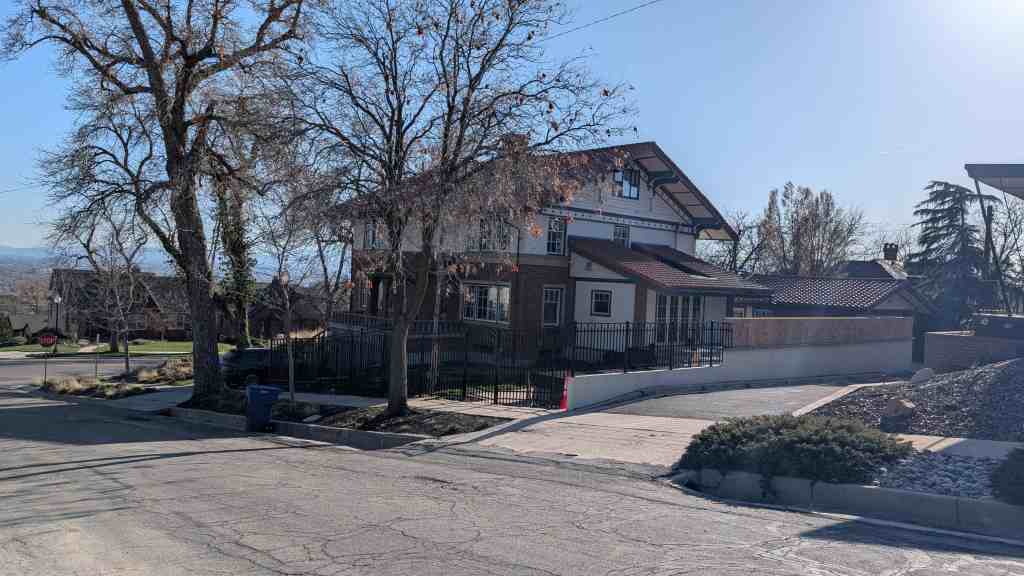
Located at 533 East Eleventh Avenue in The Avenues of Salt Lake City, Utah

Related Posts:
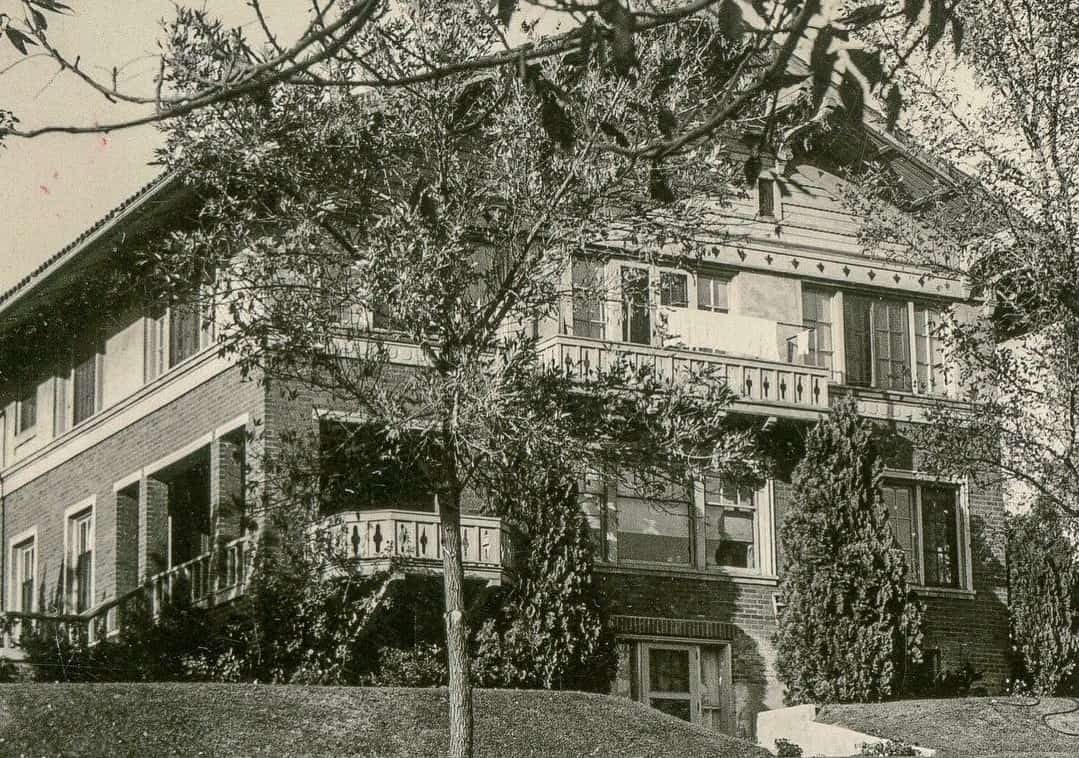


Joseph Nelson House
Built in 1918 by Joseph Nelson, an early day plumbing contractor. The Joseph Nelson house is architecturally significant as one of the best examples in Utah of the Swiss Bungalow style. Situated in the Avenues neighborhood, this house recalls an Alpine Chalet with decorative detailing. For many years it was owned by members of the Alvin A. Beesley family who were associated with the Beesley Music Company. In 1957 the house became the residence of W.E. Hess, M.D. and family.

17 Wednesday Jun 2020
Posted in Uncategorized

This building has a unique history in that it was built to serve as a garage for the production of electric automobiles.
It was built by Alfred O. Whitmore, an early manufacturer of electric cars. He was born in Ohio in 1877. In 1888 he moved to Colorado and in 1894 he settled in Provo, Utah. There he was employed by the Telluride Power Company. Next he worked for the Hunns Company and took part in the erection of the first power plant for long distance transmission. In 1903, he began manufacturing electric cars and two years later he moved his operation to Salt Lake City. Between 1905 and 1920 when production ceased, he was the largest electric car dealer and manufacturer in the area.
In 1914 he produced the first commercial oxygen in the state. Two years later he opened the Whitmore Oxygen Company, with himself as manager and president, He married Jennetta Richards in 1901, and died in Salt Lake City in 1943. Today the Whitmore Oxygen Company still bears his name.
It served as the offices of the Whitmore Oxygen Company until 1975.
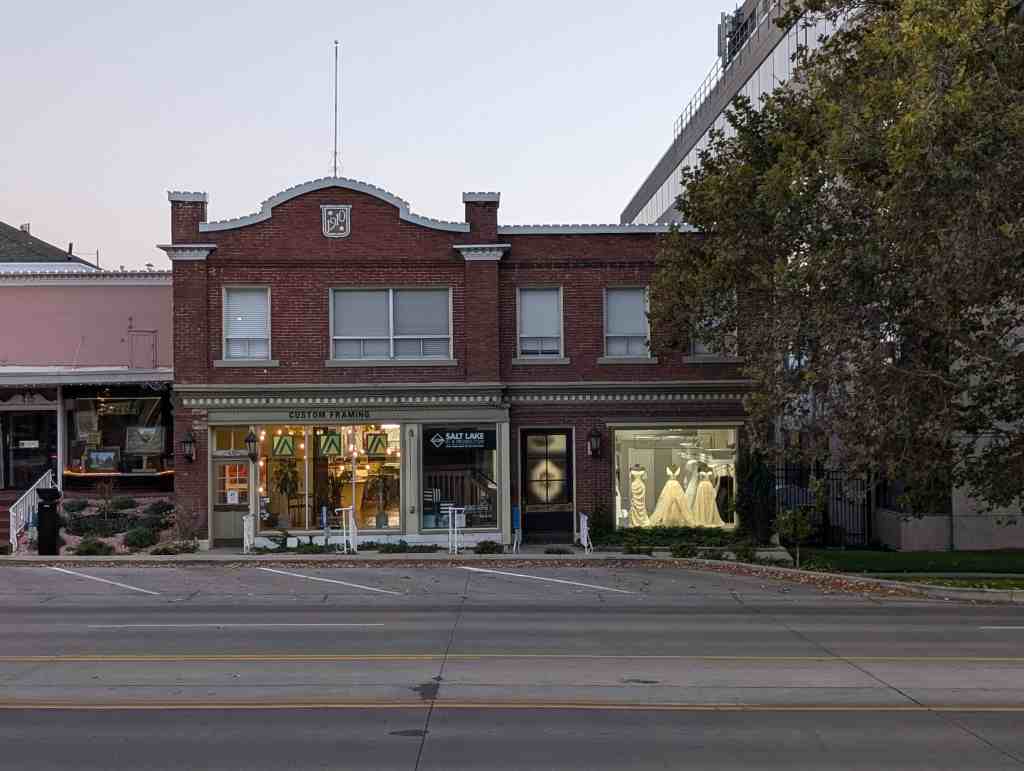
430 East South Temple in Salt Lake City, Utah.


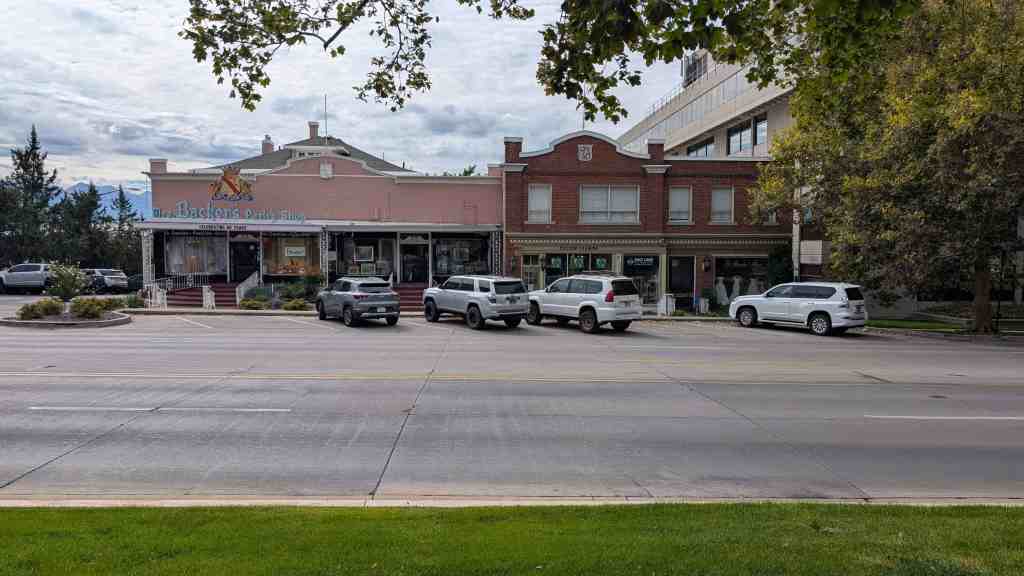
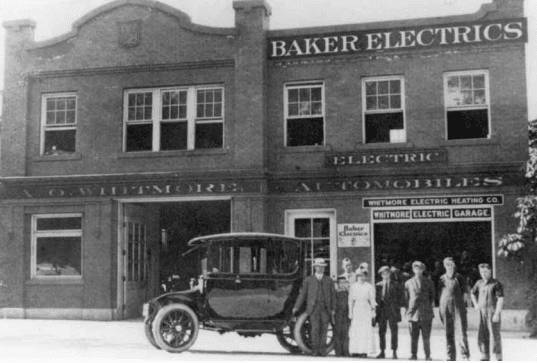
(from Preservation Utah’s walking tour)
A. O. Whitmore Electric Automobiles Building
430 E. South Temple 1910, Frederick A. Hale, SLC
This building’s simple exterior belies its fascinating history. It was built by A. O. Whitmore in 1910 as a factory, dealership, and service garage for his Whitmore electric automobiles. Whitmore came to Utah in 1894 to work on the development of the Nunn’s Park Power Plant at the mouth of Provo Canyon, the first power station in the nation built for the long-distance transmission of high-voltage electricity. He then used his experience with electricity to design and produce battery-powered cars. Whitmore soon became the largest manufacturer and dealer of electric cars in the region.
Whitmore strategically located his business on South Temple near the wealthy families who could afford to purchase early automobiles. The garage’s location was also convenient for South Temple residents who needed to recharge the batteries of their electric cars.
Whitmore stopped manufacturing electric cars in 1920, but by then he was pioneering another new business. In 1914, he produced the first commercial oxygen in Utah and founded the Whitmore Oxygen Company. Several years later he built a plant near the mouth of Little Cottonwood Canyon. This building, however, served as the offices for Whitmore Oxygen Company until 1975.
15 Monday Jun 2020
Posted in Uncategorized

I love the old vintage signs, even better when they’re neon signs. I love to look into the story they tell.
Located at 960 E 2100 S in Salt Lake City, Nu-Crisp Popcorn Co. was established in 1933 and started this location in 1946. The best I can tell it closed in 1994 so I’m surprised it is still sitting here undisturbed in 2020.
They sold 33 flavors of popcorn and a lot of taffy and candy.


14 Sunday Jun 2020
Posted in Uncategorized

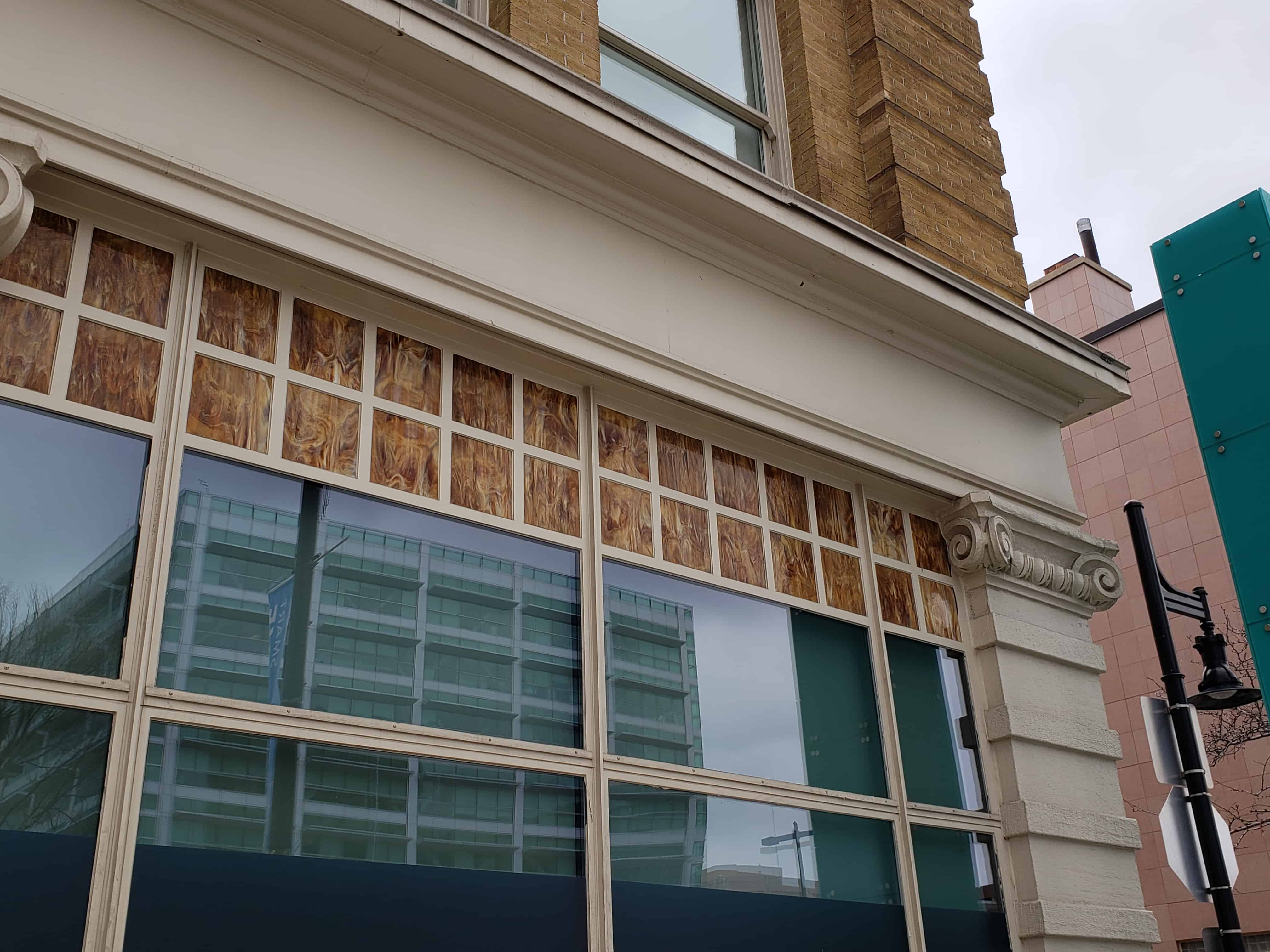
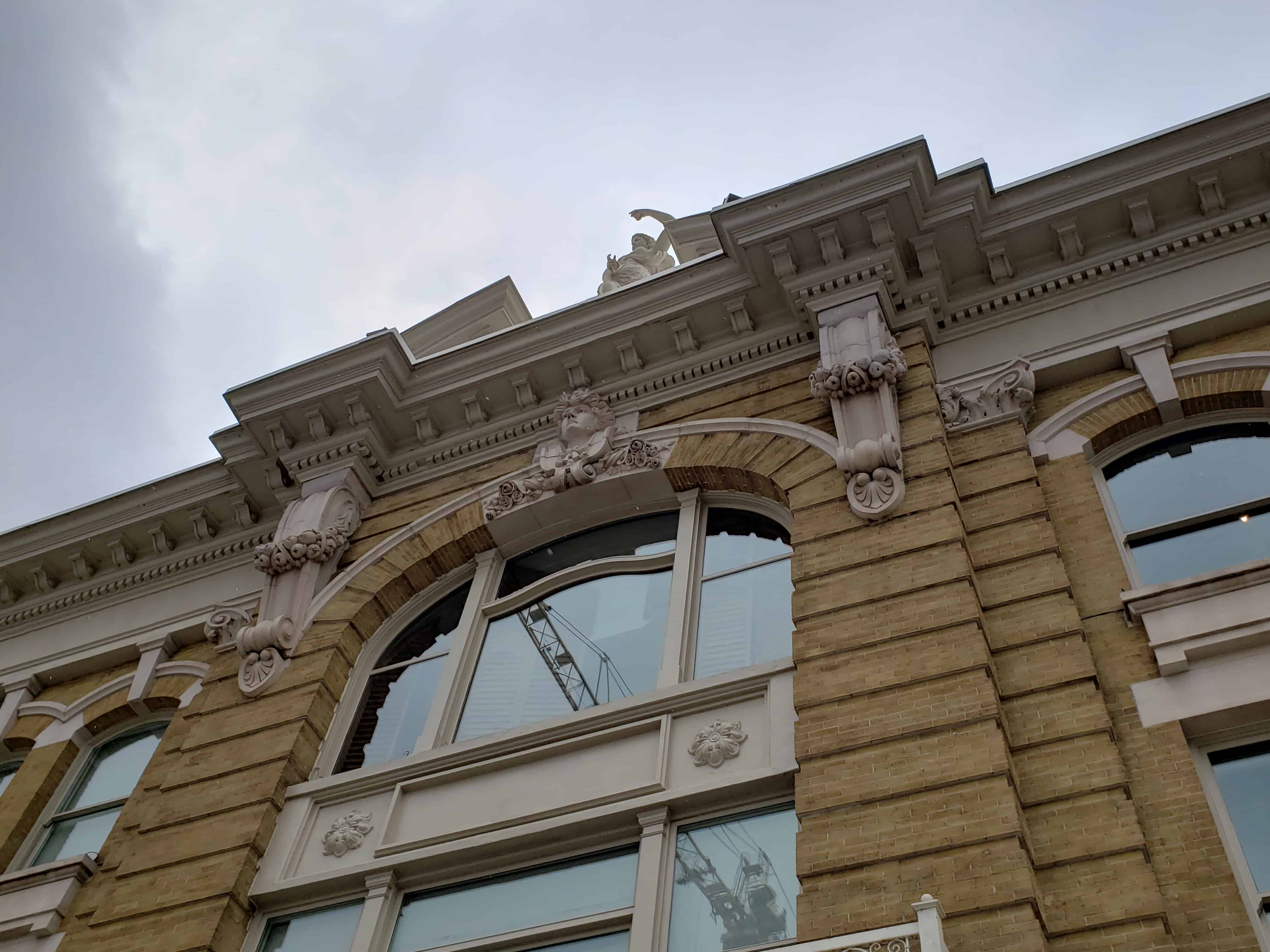
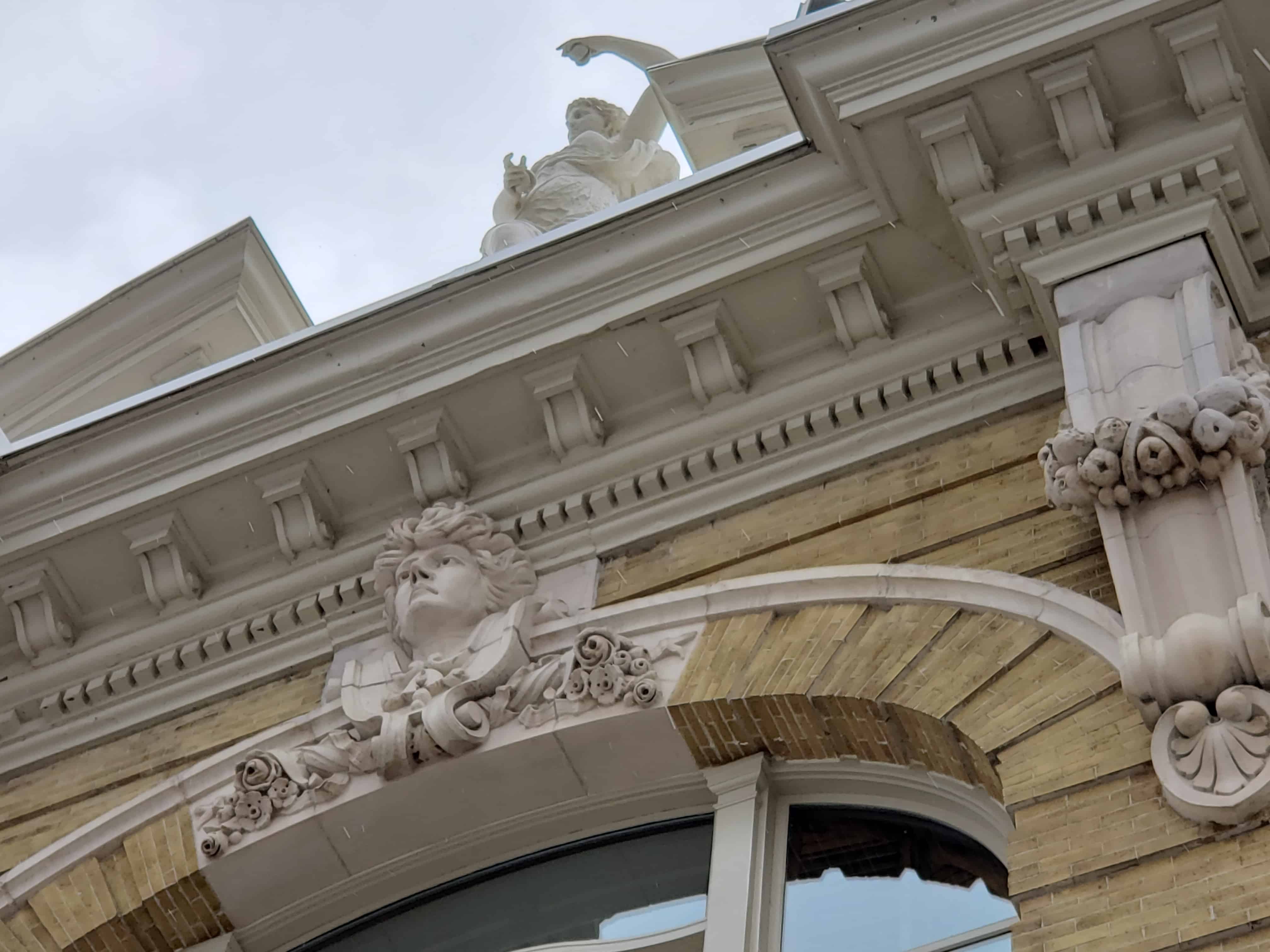
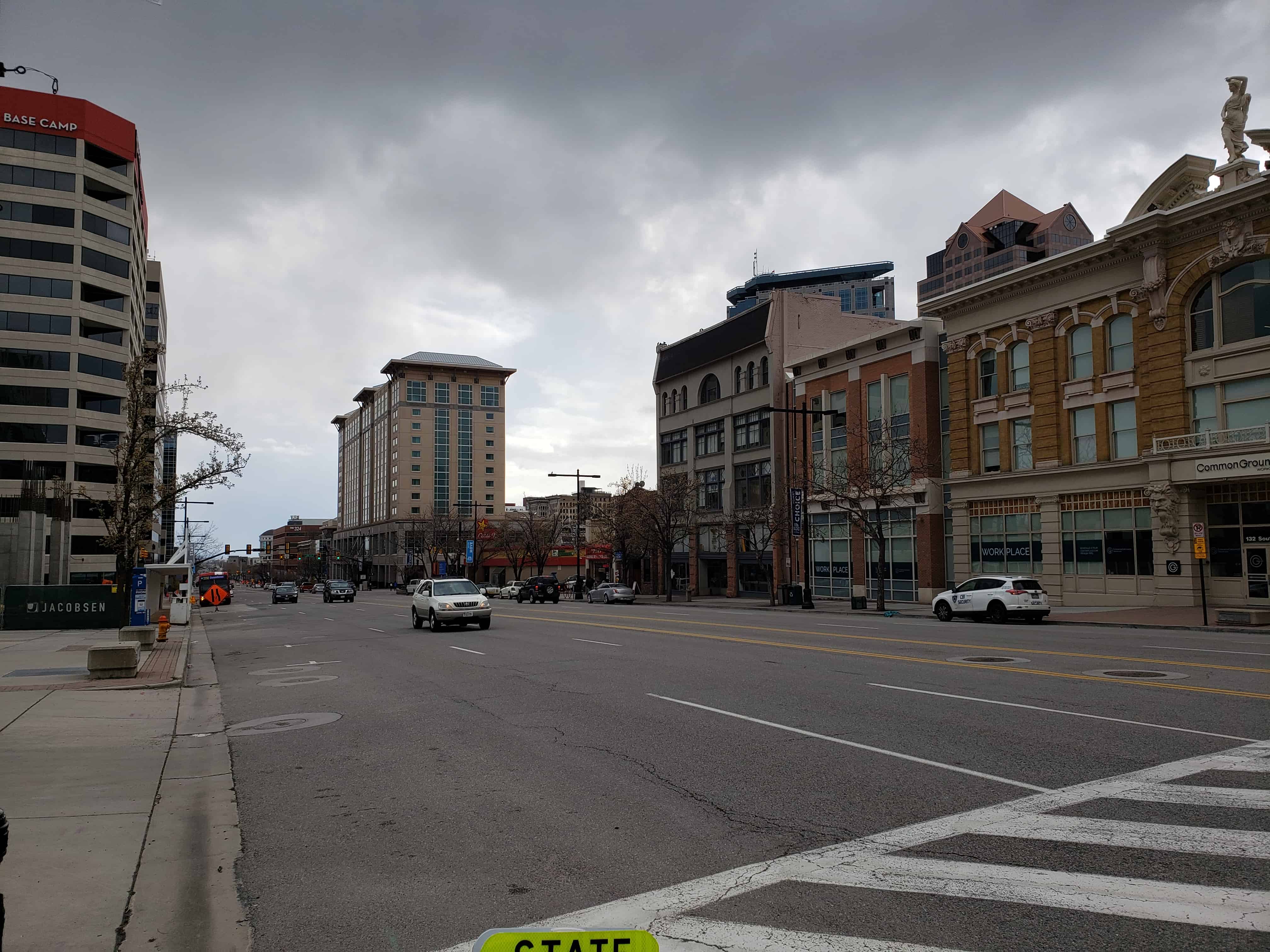
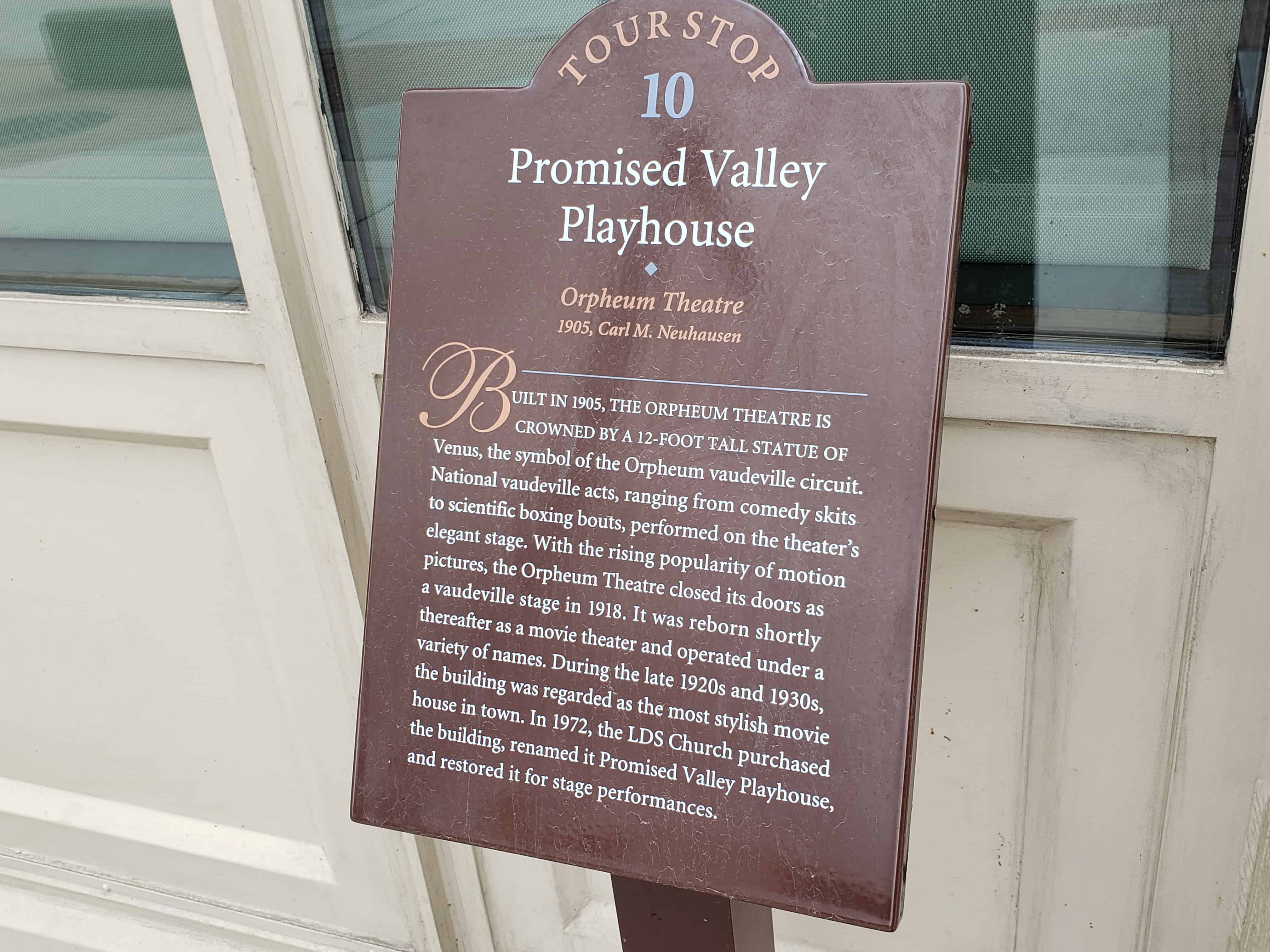
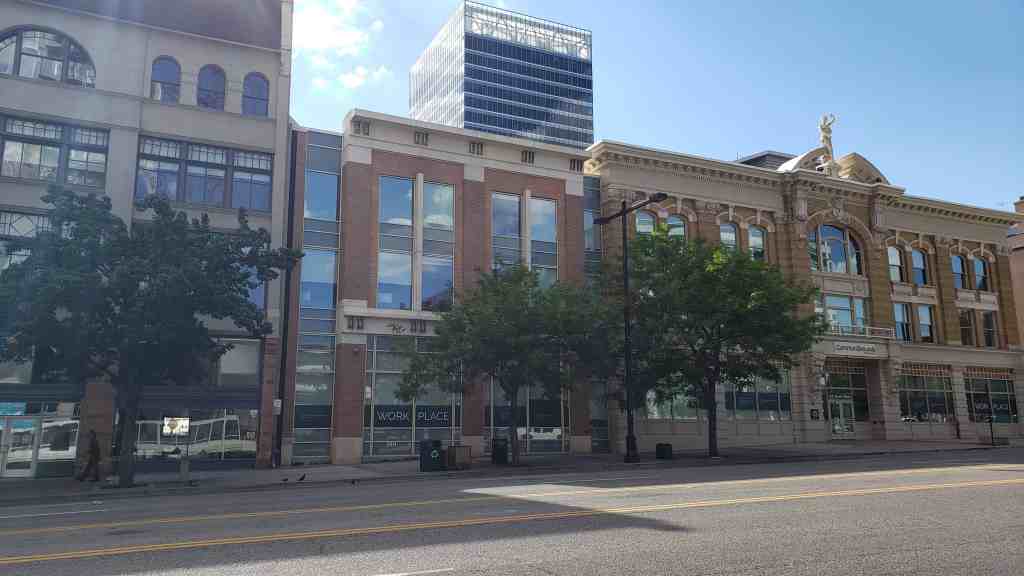
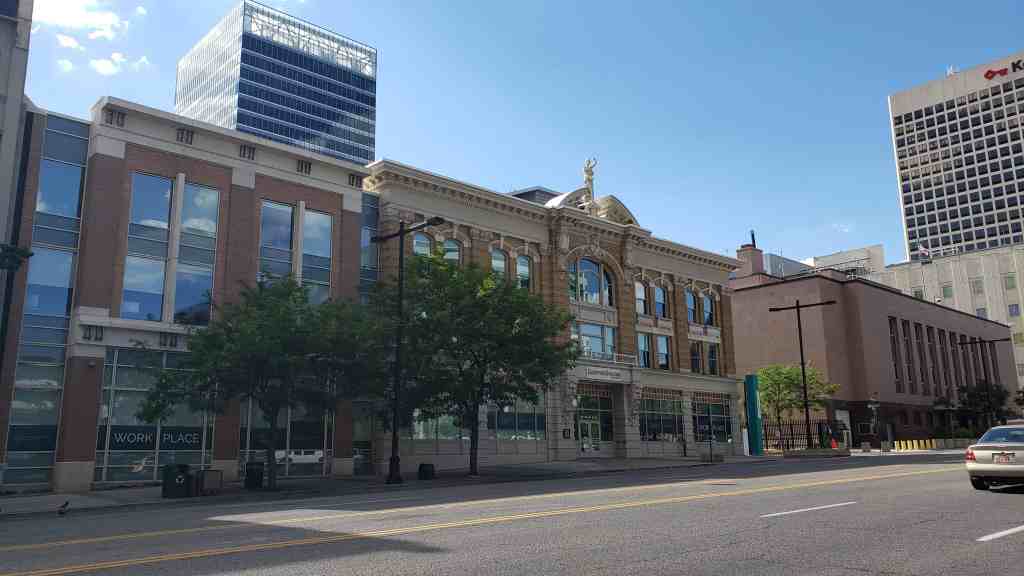
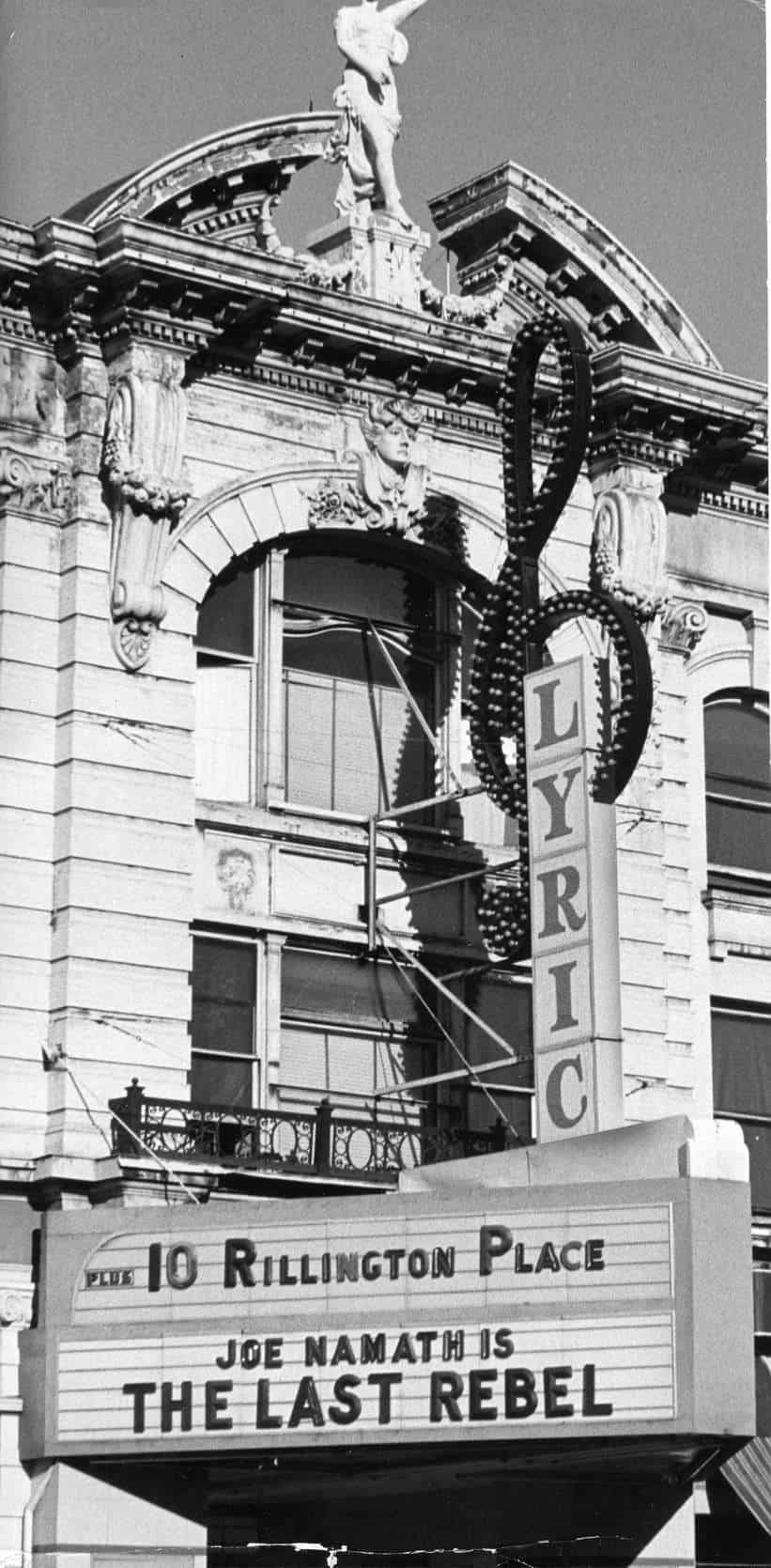
Built in 1905, the Orpheum Theatre is crowned by a 12-foot tall statue of Venus, the symbol of the Orpheum vaudeville circuit. National vaudeville acts, ranging from comedy skits to scientific boxing bouts, performed on the theater’s elegant stage. With the rising popularity of motion pictures, the Orpheum Theatre closed its doors as a vaudeville stage in 1918. It was reborn shortly thereafter as a movie theater and operated under a variety of names. During the late 1920s and 1930s, the building was regarded as the most stylish movie house in town. In 1972, the LDS Church purchased the building, renamed it Promised Valley Playhouse, and restored it for stage performances.
Architect: Carl M. Neuhausen
Related Posts:
132 South State Street in Salt Lake City, Utah




11 Thursday Jun 2020
Posted in Uncategorized

The old 34th Ward Meetinghouse of The Church of Jesus Christ of Latter-day Saints, now the Miracle Rock Church, located at 131 N 900 W in Salt Lake City, Utah.
This brick Neo-Classical structure on a raised basement was built in 1921. The temple-front facade features six massive Doric columns supporting a pediment. This building has been modified somewhat over the years but still retains its historic character.
Related Posts:


09 Tuesday Jun 2020
Posted in Uncategorized
04 Thursday Jun 2020
Posted in Uncategorized

The Lafayette School opened in 1904 at 100 North State Street in Salt Lake City. It burned in 1922, the replacement was town down in the 1970s.
Related Posts: