Tags

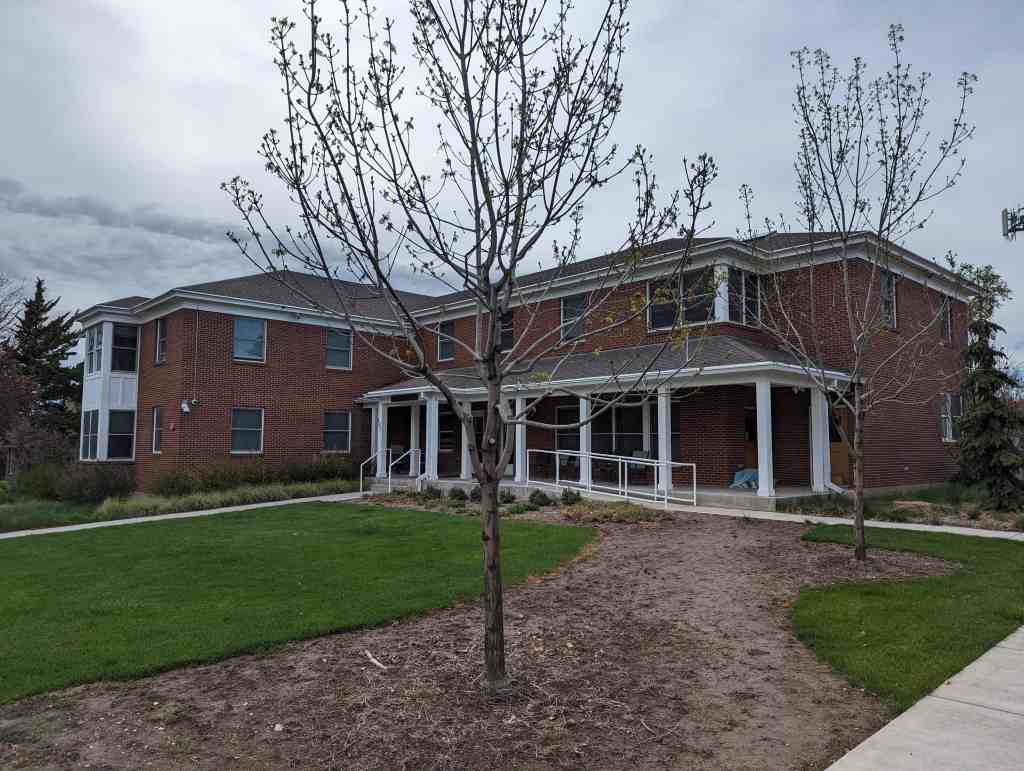
Zoe Frost Bonderman Hall, built in 2012 is located at 162 West 100 South in Mt Pleasant, Utah and is part of Wasatch Academy. The Craighead Cottage was located here before.


17 Wednesday May 2023
Posted in Uncategorized
Tags
Zoe Frost Bonderman Hall, built in 2012 is located at 162 West 100 South in Mt Pleasant, Utah and is part of Wasatch Academy. The Craighead Cottage was located here before.
17 Wednesday May 2023
Posted in Uncategorized
Tags
Borden Company Plant
Built 1904-1945.
Construction of the two-story brick factory building and warehouse began in 1904 but there were five key construction phases between 1904 and 1945. It was a milk factory with large ties to the Cache Valley dairy industry that remains prominent to this day.
“The plant in Logan was one of the two earliest and largest of the five canned milk plants built in Cache Valley in the early 20th century. These plants processed and shipped condensed and evaporated milk throughout the Intermountain West,” historians noted.
While originally local, it was sold to the Borden Company in 1912. It’s still in the hands of Borden Holdings, LLC, and went through a renovation that ended last year. Nonhistoric additions (from eras after 1945) were removed and remaining historic features were preserved.
The Borden Company Plant is located at 290 South 400 West in Logan, Utah and was added to the National Historic Register (#100006935) on September 20, 2021.
17 Wednesday May 2023
Posted in Uncategorized
Tags
Erected by direction of Brigham Young and associates in 1851-2 one block north of this monument, produced the first iron manufactured west of the Mississippi River. Thirty-five men, the founders of Cedar City, constructed and operated the blast furnace. They established the first mining camp in Utah a few miles west of here, from which they procured the iron ore. The foundry was operated for 8 years at a cost of $1,000,000. Ore used in this monument was hauled here from the mines by pioneer workers and the pig iron bars in this structure were made by them.
This monument was located in the Cedar City Park at 250 North Main Street in Cedar City, Utah and is now missing after the monument holding the plaque crumbled when it was being moved.
16 Tuesday May 2023
Posted in Uncategorized
Tags
Craighead Cottage, built in 1918; a one-story brick residence; bungaloid style; rectangular plan; it features stone and concrete trim, a columned porch, square window bays and a standing seam metal roof.
It was located where the current Zoe Frost Bonderman Hall is, at approximately ~162 West 100 South in Mt Pleasant, Utah and is part of Wasatch Academy.

16 Tuesday May 2023
Posted in Uncategorized
Tags
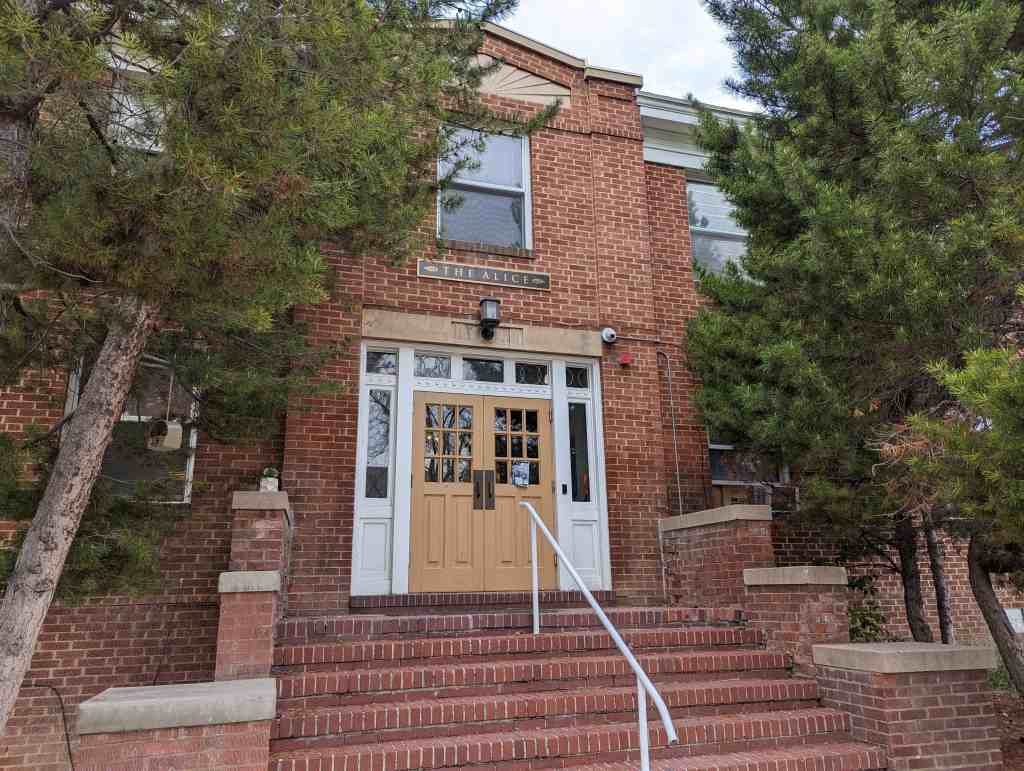
Alice Craighead Dormitory, built in 1938; It is a two-story brick and cast stone trim building; rectangular plan; shows subtle influence of the Georgian Revival Style. The building features square bays with eight-over-eight double hung sash windows, a hip roof and modest detailing.
Located on Wasatch Academy at ~90 South 100 West in Mt Pleasant, Utah


16 Tuesday May 2023
Posted in Uncategorized
Tags

The Manse at Wasatch Academy, built in 1938, it is a one-and-a-half story brick home; Tudor bungalow style; rectangular plan. It features square window bays, stepped chimney with a high-pitched roof and shed dormers.
Located at ~67 South 100 West in Mt Pleasant, Utah
13 Saturday May 2023
Posted in Uncategorized
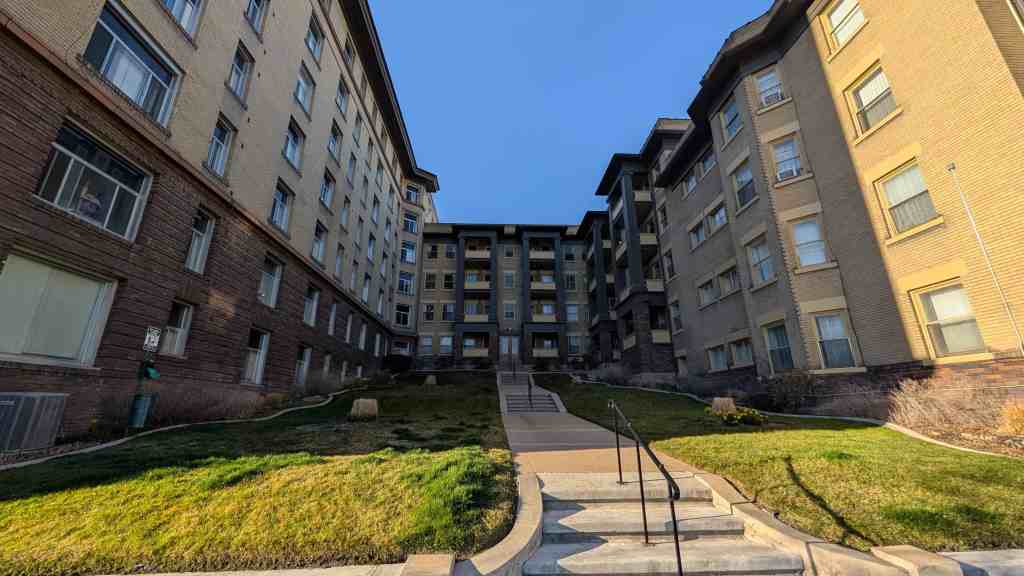
The Covey & Buckingham Apartment Buildings
(from Preservation Utah’s walking tour)
Covey-1909, David C. Dart, SLC
Buckingham-1916 ,W. C. A. Vissing (builder), SLC
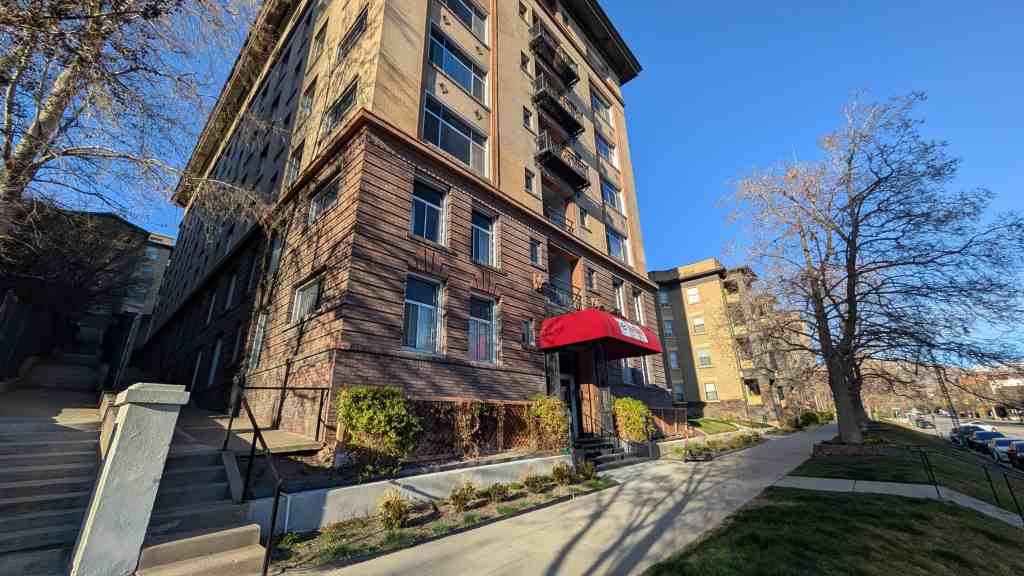
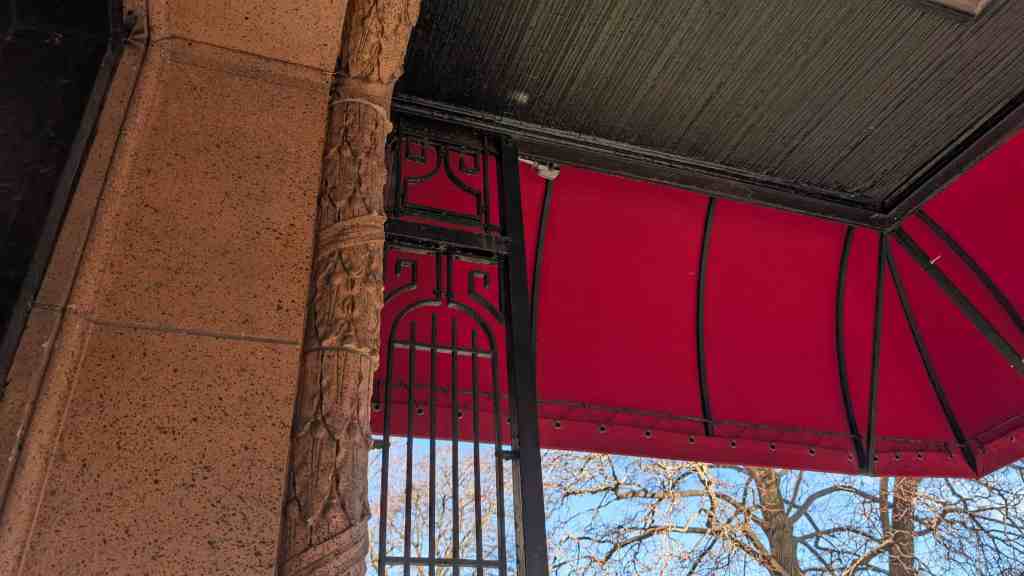
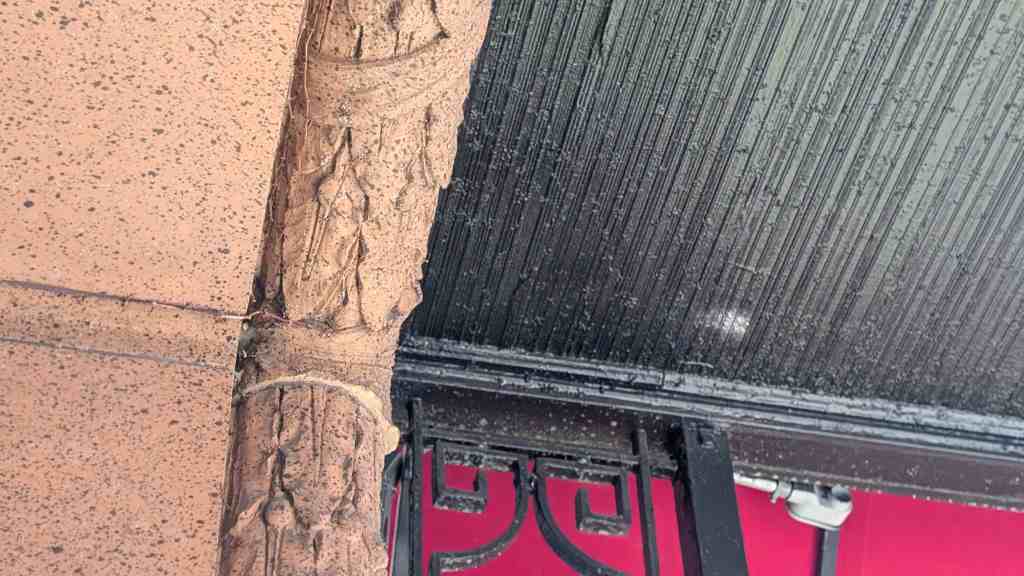
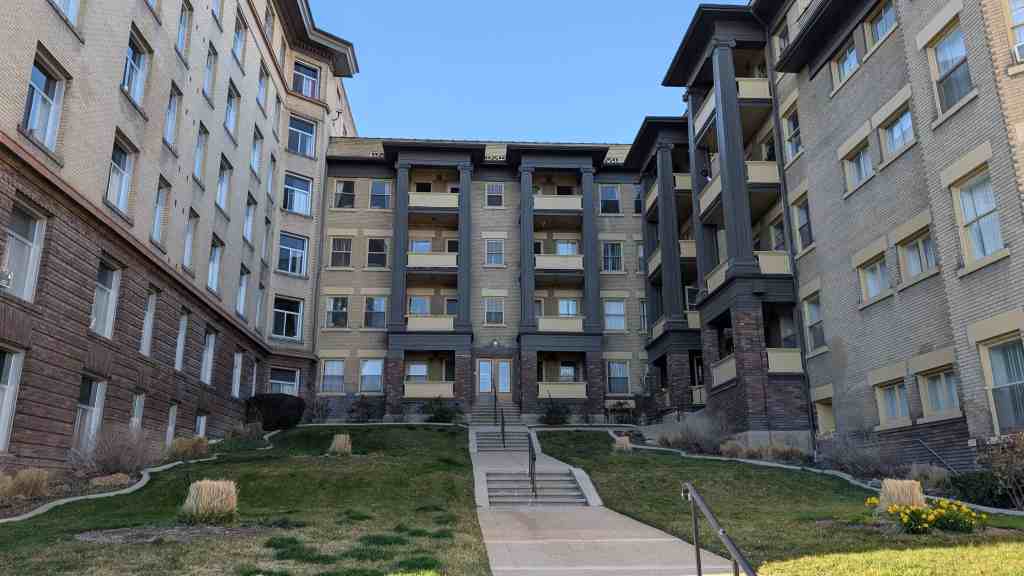
The Covey Investment Company, which built, owned, and managed many of the city’s early apartments, constructed both of these buildings. Completed in 1909, the seven-story Covey Apartments is one of Salt Lake’s few historic apartment buildings more than four stories tall. Because of its height, the Covey featured a rare luxury in early 20th-century Utah – a passenger elevator. Also note the tile ornaments dividing the upper stories and the indented porches with wrought iron railings.
The Covey Investment Company seems to have intended this “high rise” on prestigious South Temple to be its flagship apartment building. The company changed the name of the 1905 Covey Flats on 300 South to the La France Apartments so it could give the Covey name to this building.
The Buckingham Apartments, built in 1916, are more typical of the buildings constructed by the Covey Investment Company.
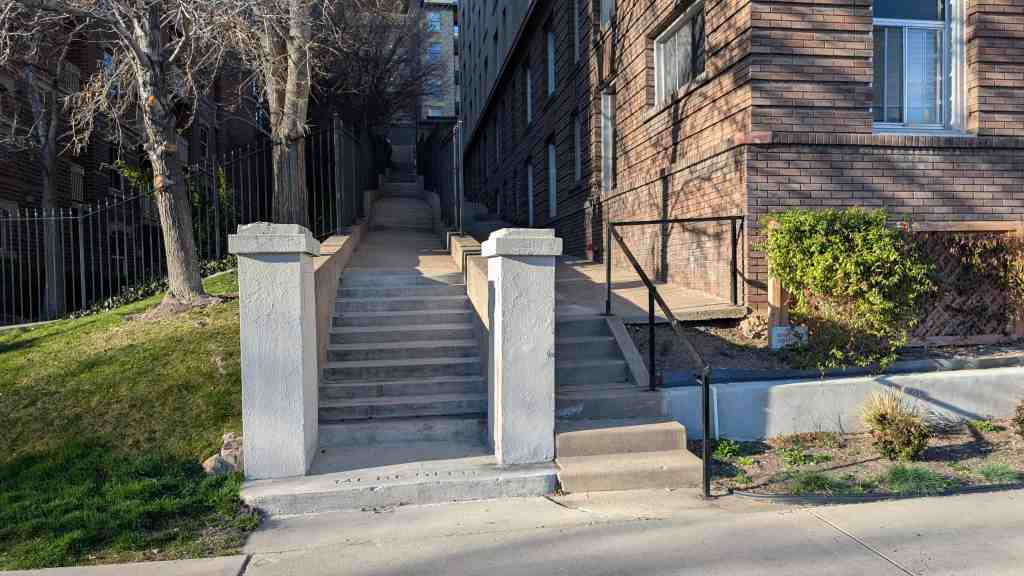
These “walk-up” apartments snake around two central courtyards, one opening to the street and one opening to the alley behind the building, allowing each tenant to have a front and back porch. The more humble Buckingham features much less architectural ornamentation than its upscale neighbor.
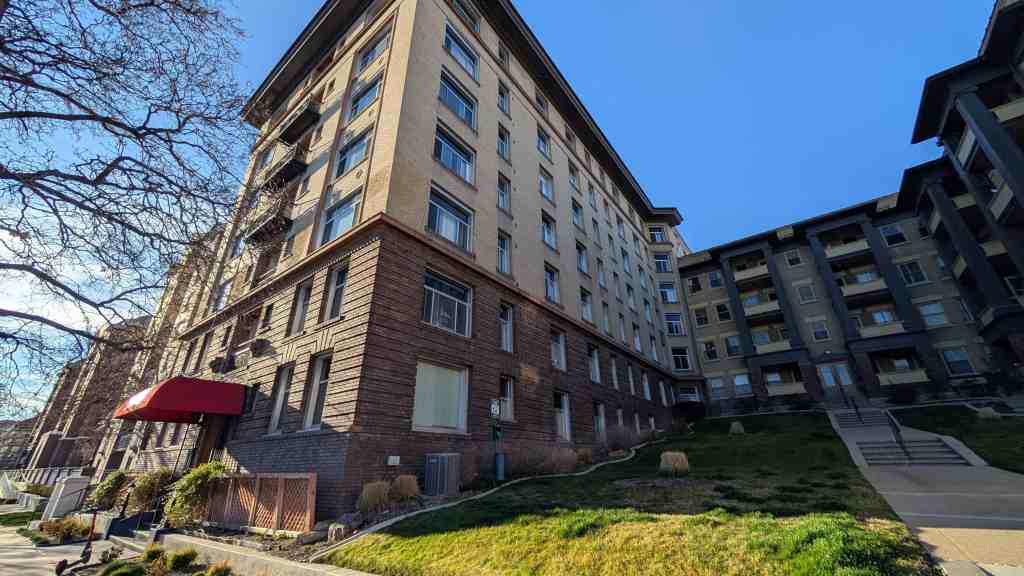
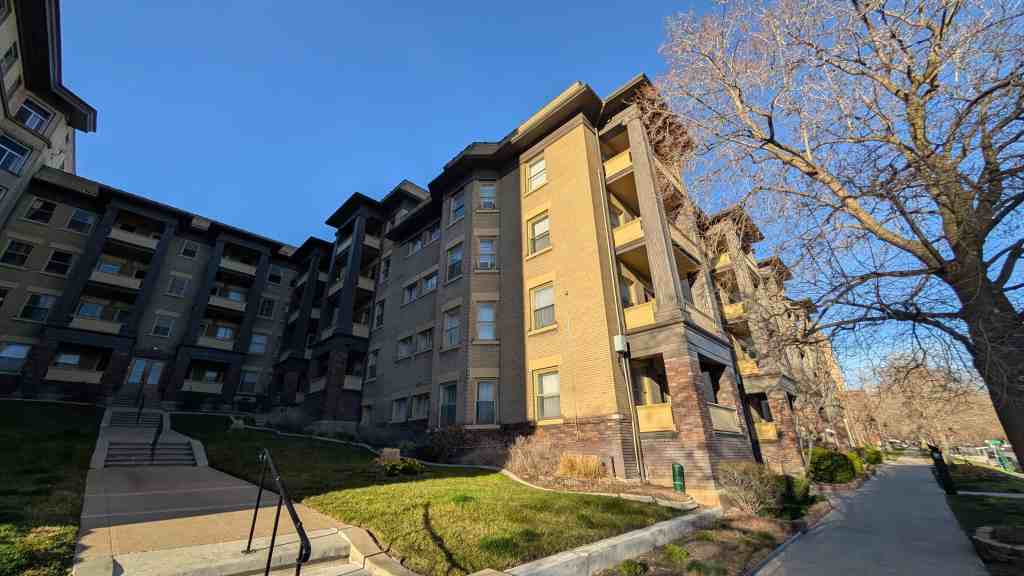
239 East South Temple in Salt Lake City, Utah


12 Friday May 2023
Posted in Uncategorized
Tags
Black Rock Site
The Black Rock Site includes some of the ruins of the Black Rock Resort and it was added to the National Historic Register (#100006332) on March 24, 2021.

07 Sunday May 2023
Posted in Uncategorized
Tags
Capitol Reef National Park
05 Friday May 2023
Posted in Uncategorized
Cable Mountain Draw Works
The Cable Mountain Draw Works is a unique focal point of pioneer activity in Zion Canyon. The design and construction of this structure was the work of one man, David Flanagan of Springdale, Utah. Flanagan saw the need for a local source of lumber for the inhabitants of the area and located an adequate supply of timber on top of Cable Mountain. However, the timber source was inaccessible from the canyon floor at the foot of the mountain and Flanagan devised a system of cable works running from the mountain top to the bottom of the canyon to bring down lumber. Prior to this, lumber was obtained by making a ten-day round trip to the nearest source.
Flanagan’s design encountered much initial skepticism from local people. He had first conceived a cable works in 1885 as a fifteen-year old youth and by 1904, after much experimentation and failures, had the cable: works, in- operation. Flanagan operated the cable works until 1906 when he sold it to Alfred Stout and O. D. Gifford of Springdale. The Cable Mountain Timber Works operation continued intermittently until 1926 when it was abandoned. The cable was removed in 1930. The remains of the draw works represent twenty-two years of adaptive use as the structure was in constant design evolution during its operation.
The structure will be recorded to the standards of the Historic American Engineering Record (HAER) with consideration for long term preservation being a scale model. Visitor access to the very precipitous site, also subjected to severe lightening storms, will be restricted.

The Cable Mountain Draw Works* a braced wooden headframe structure, was fitted with cables used to lower lumber from the summit of Cable Mountain down a 2,000-foot vertical cliff to the canyon floor. The dimensions of the structure, located at the edge of the cliff, are approximately 30 feet in length, 16 feet wide, and 14 feet high.
The supports and framing are partially collapsed, weathered, and generally deteriorated, though the overall outline and form of the origiwi structure is intact. Some of the hardware, including pulleys, -are still at the cable site, but are no longer integrated with the framework of the structure.
During operation, there were two snubbing posts set in the ground at the base of the cliff. They were used to separate the endless cable and provide tracking width for the cable as it carried down lumber on a trolley device. There are no physical remains of this lower portion of the operation.

The Cable Mountain Draw Works are located in Zion National Park in Washington County, Utah and were added to the National Historic Register (#78000281) on May 24, 1978.

Coordinates:
N 37.26857 W 112.93366