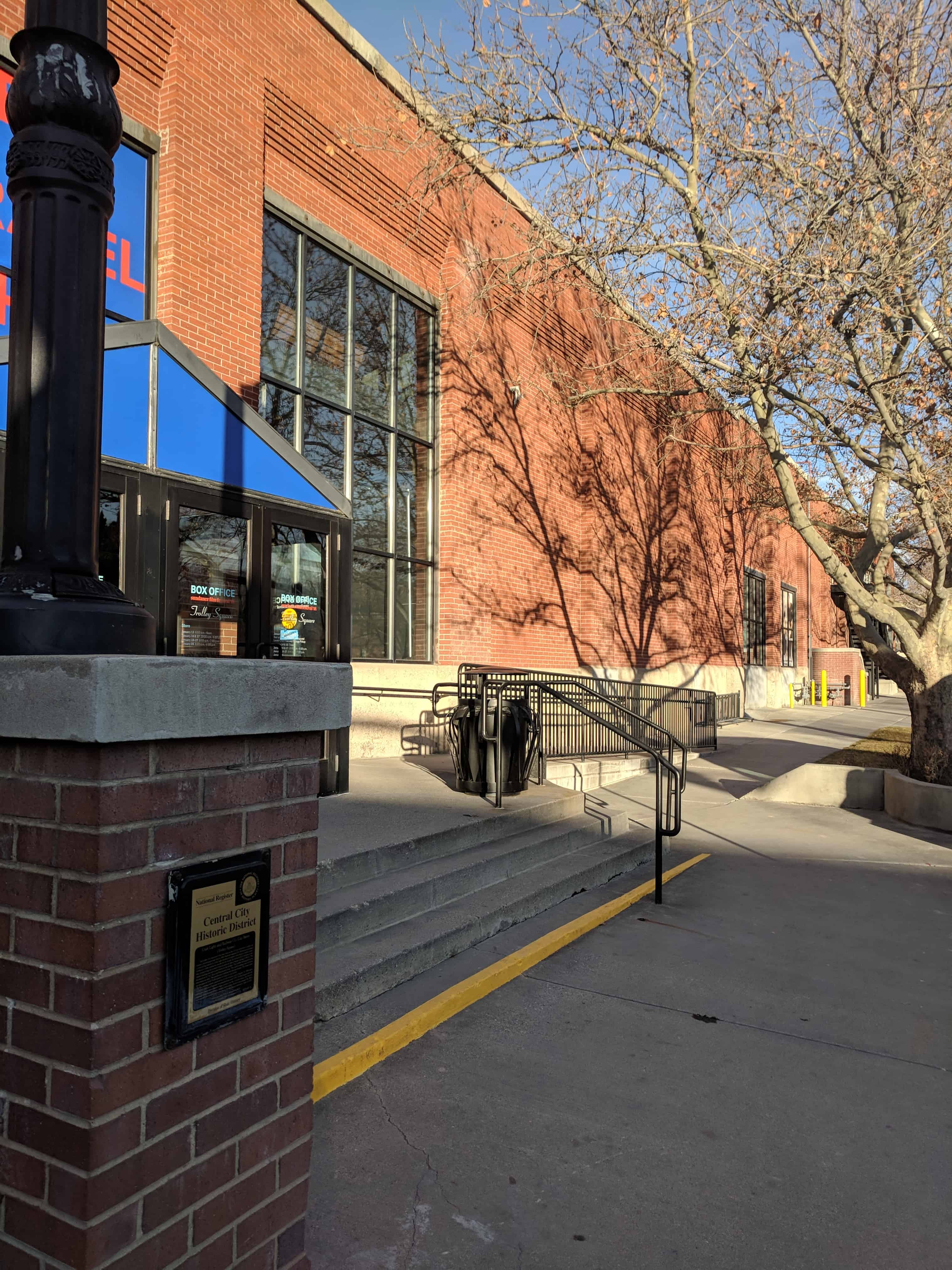
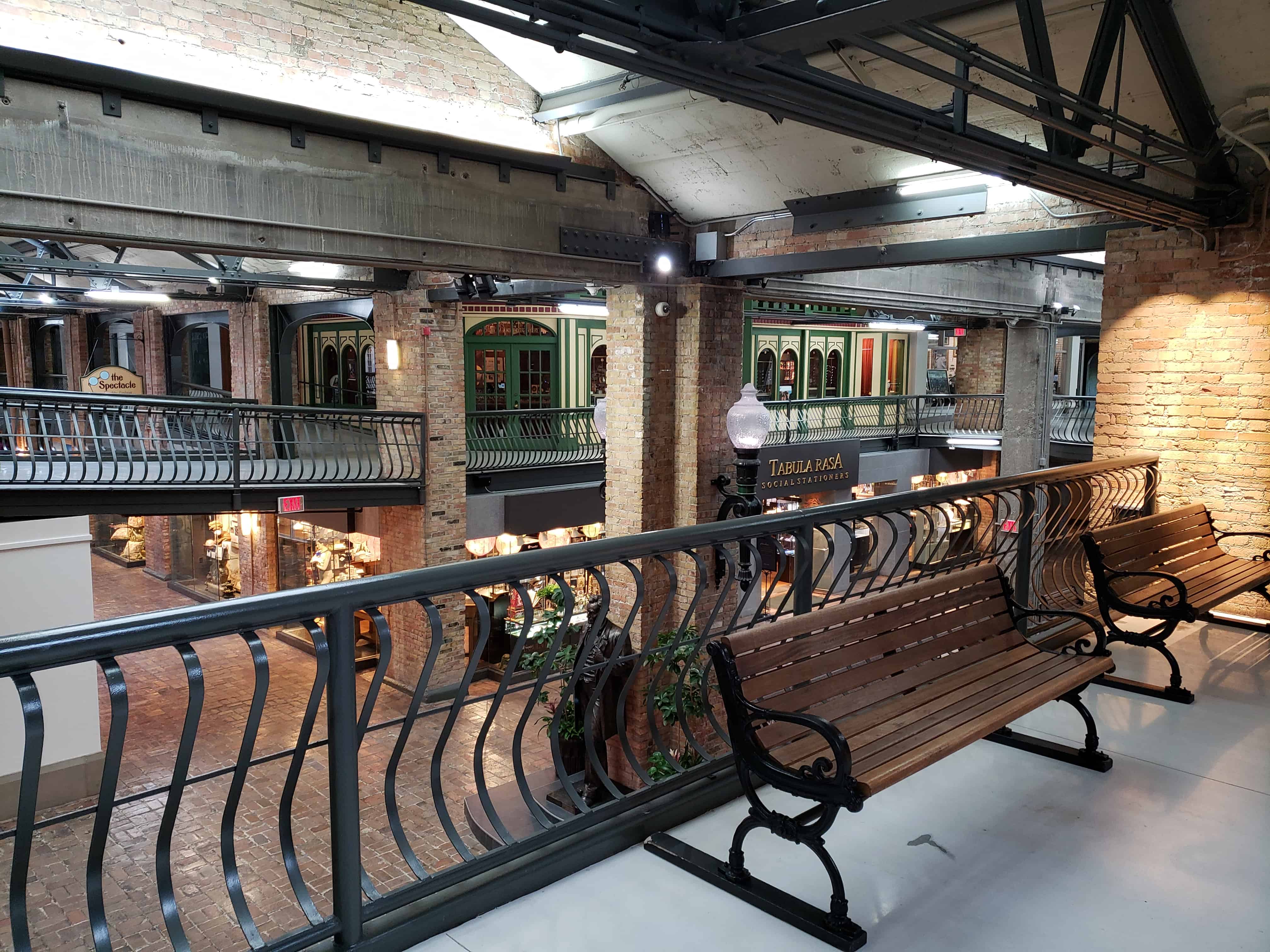
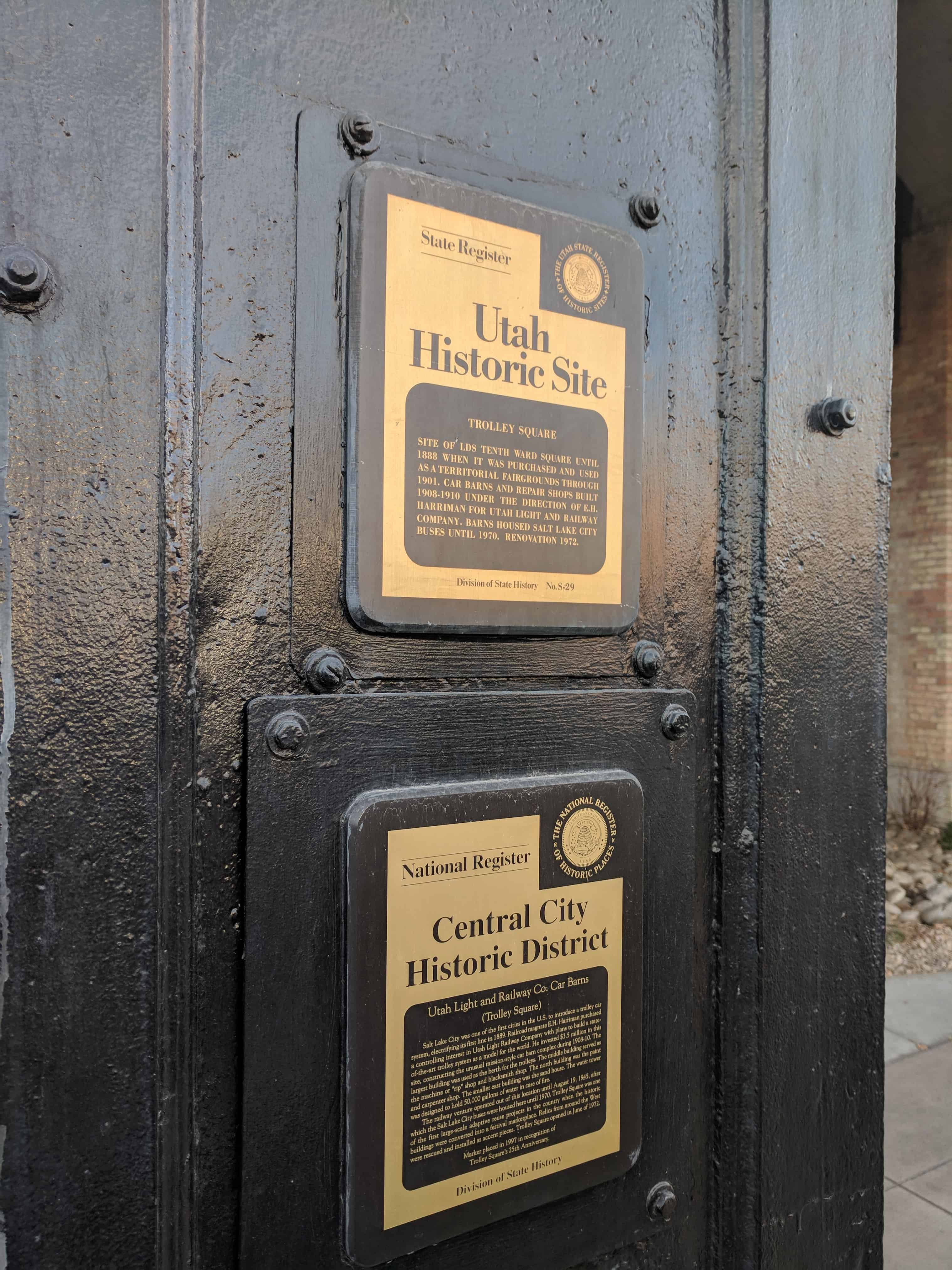
Site of LDS Tenth Ward Square until 1888 when it was purchased and used as a territorial fairgrounds through 1901. Car Barns and Repair shops built 1908-1910 under the direction of E.H. Harriman for Utah Light and Railway Company. Barns housed Salt Lake City Buses until 1970. Renovation 1972.
Salt Lake City was one of the first cities in the U.S. to introduce a trolley car system, electrifying its first line in 1889. Railroad magnate E.H. Harriman purchased a controlling interest in Utah Light Railway Company with plans to build a state-of-the-art trolley system as a model for the world. He invested $3.5 million in this site, constructing the unusual mission-style car barn complex during 1908-10. The largest building was used as the berth for the trolleys. The middle building served as a machine or “rip” shop and blacksmith shop. The north building was the paint and carpenter shop. The smaller east building was the sand house. The water tower was designed to hold 50,000 gallons of water in case of fire.
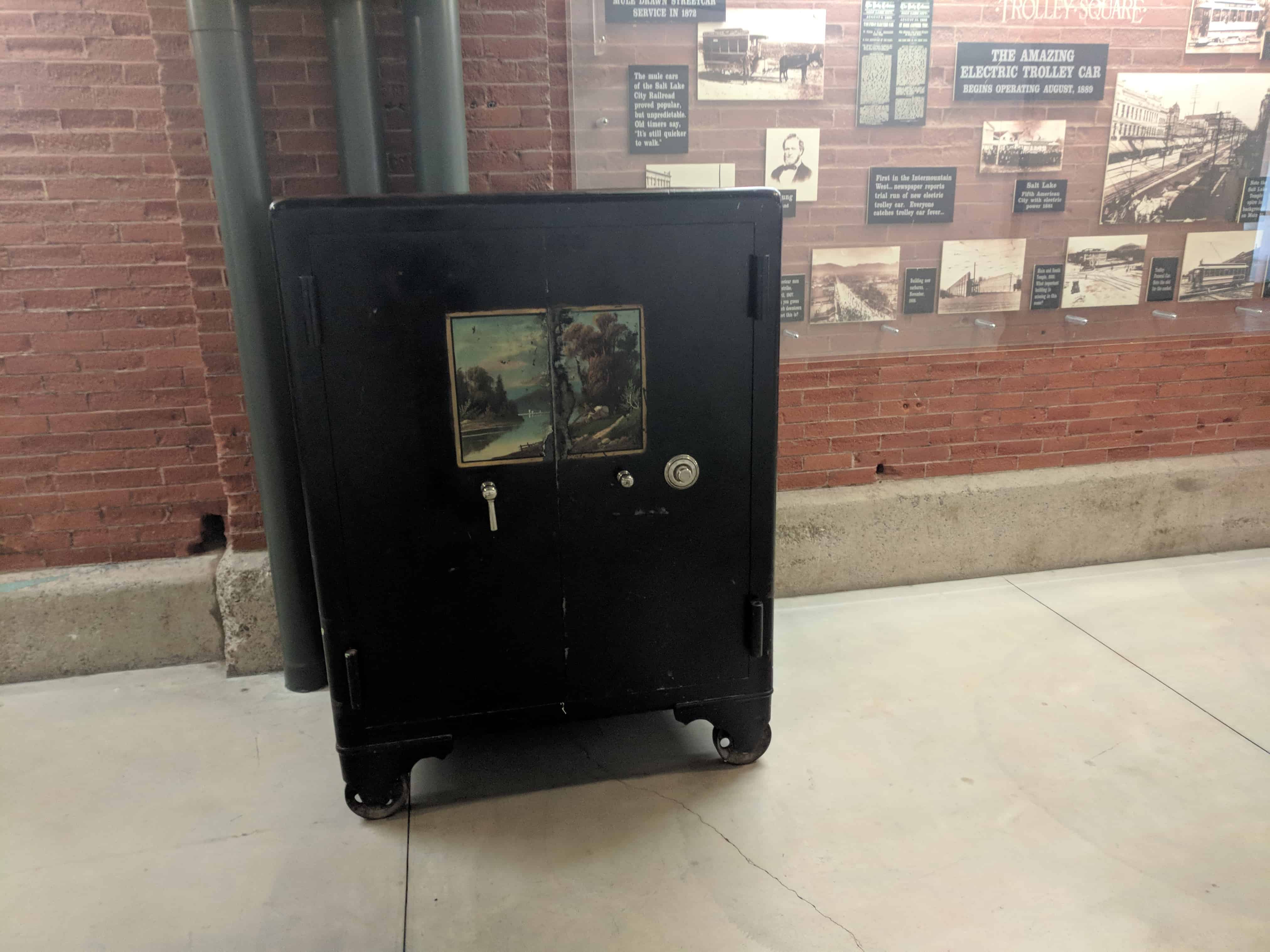
The railway venture operated out of this location until August 19, 1945, after which the Salt Lake City buses were housed here until 1970. Trolley Square was one of the first large-scale adaptive reuse projects in the country when the historic buildings were converted into a festival marketplace. Relics from around the West were rescued and installed as accent pieces. Trolley Square opened in June of 1972.
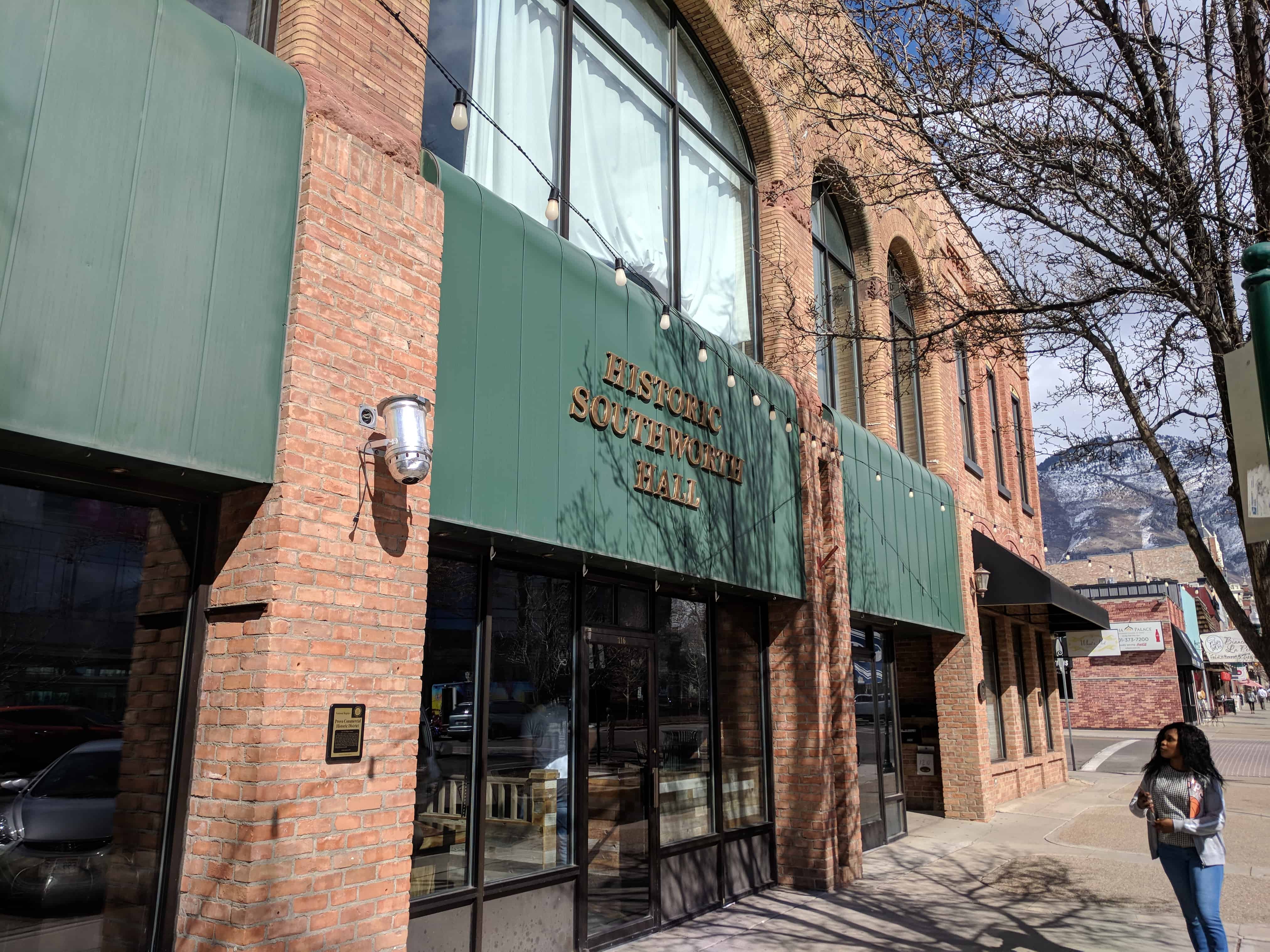
Located at 104 West Center Street in Provo, Utah, this historic building stands out and catches my eye when I’m nearby.
R. Spencer Hines, a pharmacist who made his money in the Tintic mines, constructed this building in 1885 as a drug store and saloon (The Palace) and rebuilt it to its present shape in 1890. Hines was a member of the Independent Order of Odd Fellows (I.O.O.F.), the first fraternal order formed in Provo, an organization which utilized the second floor of this building during 1890-93. In 1893 the second floor was rebuilt to create a rooming house. The drug store continued in operation and eventually became known as Hedquist Drug Store, Ivan’s Drug, Stone Drug, Sanitary Cafe, Cozy Cafe and Provo Pharmacy. Restaurants, such as the Vienna Cafe, have operated in the former saloon area.
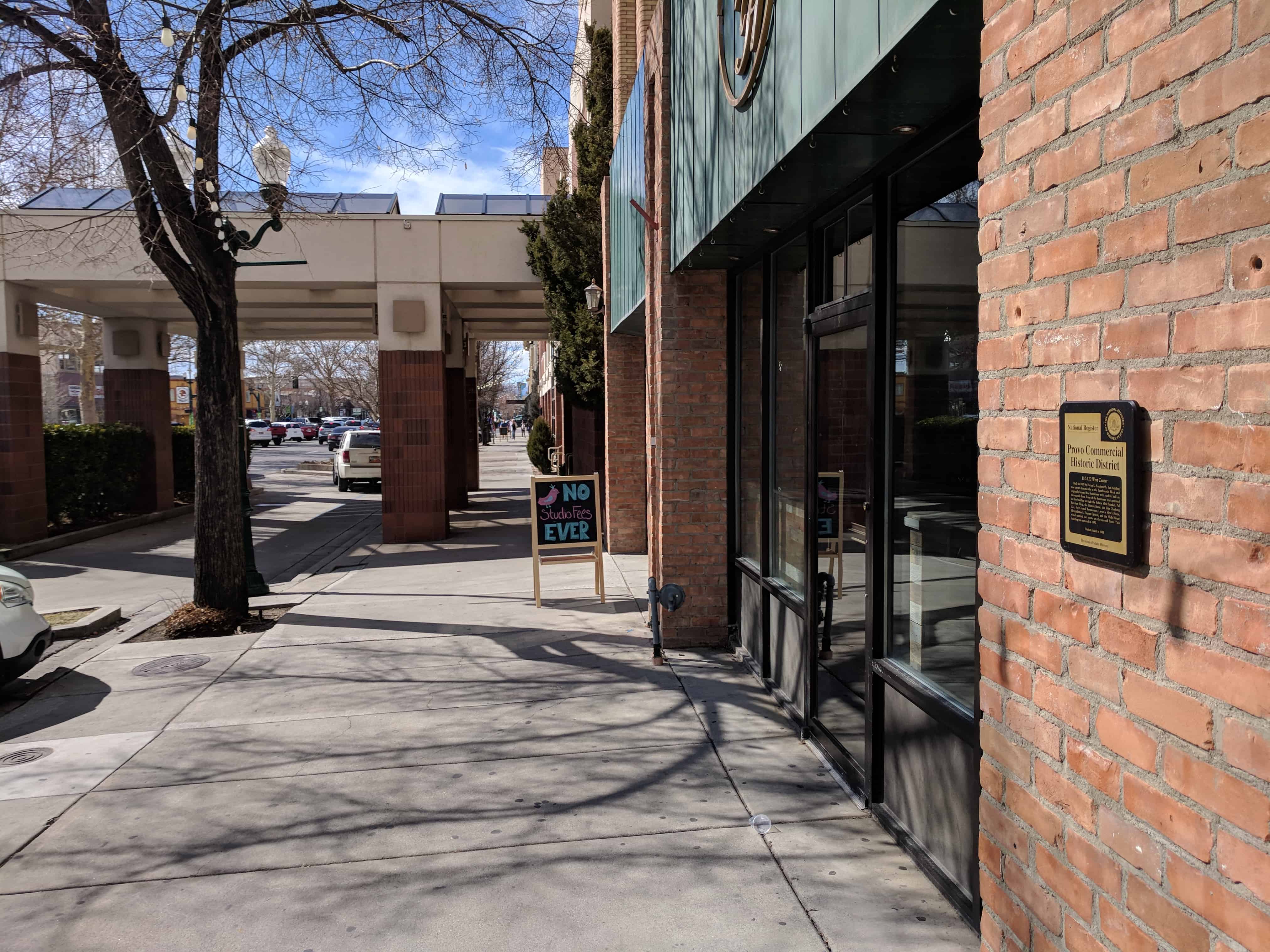
The backside of the buildings at 104 West Center Street in downtown Provo are cool looking too, I like the old ghost sign for Provo Pharmacy on the north side.
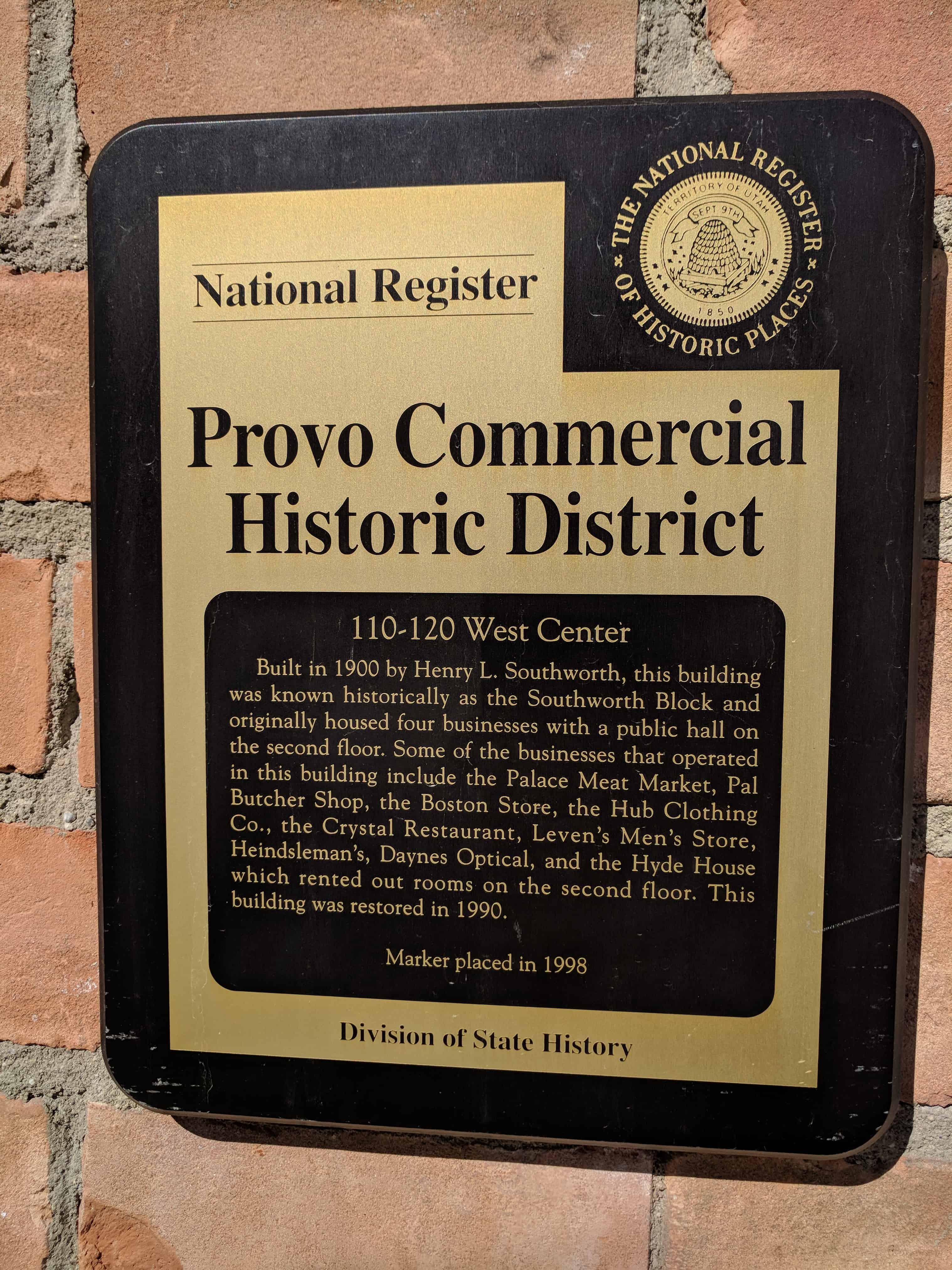
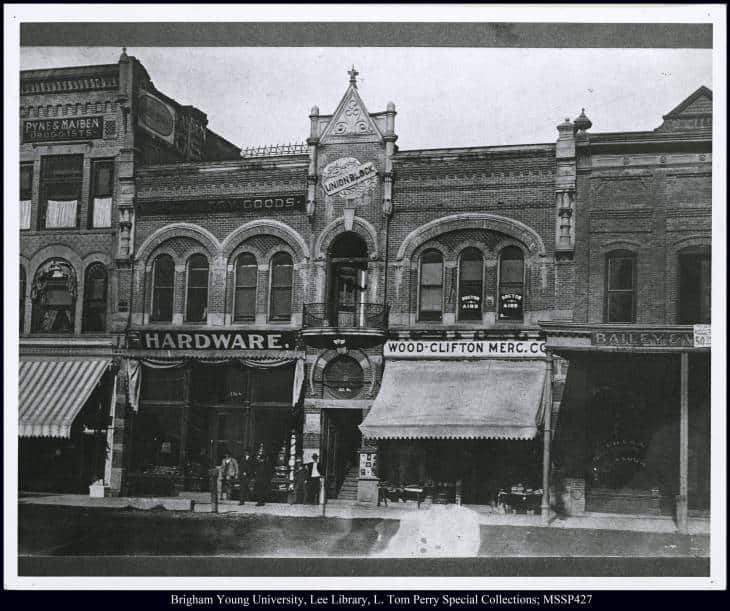
Located at 110-120 West Center Street in Provo, Utah, this historic building was built in 1900 by Henry L. Southworth, this building was known historically as the Southworth Block and originally housed four businesses with a public hall on the second floor. Some of the businesses that operated in the building include the Palace Meat Market, Pal Butcher Shop, the Boston Store, the Hub Clothing Co., the Crystal Restaurant, Leven’s Men’s Store, Heindsleman’s, Daynes Optical, and the Hyde House which rented out rooms on the second floor. This building was restored in 1990.
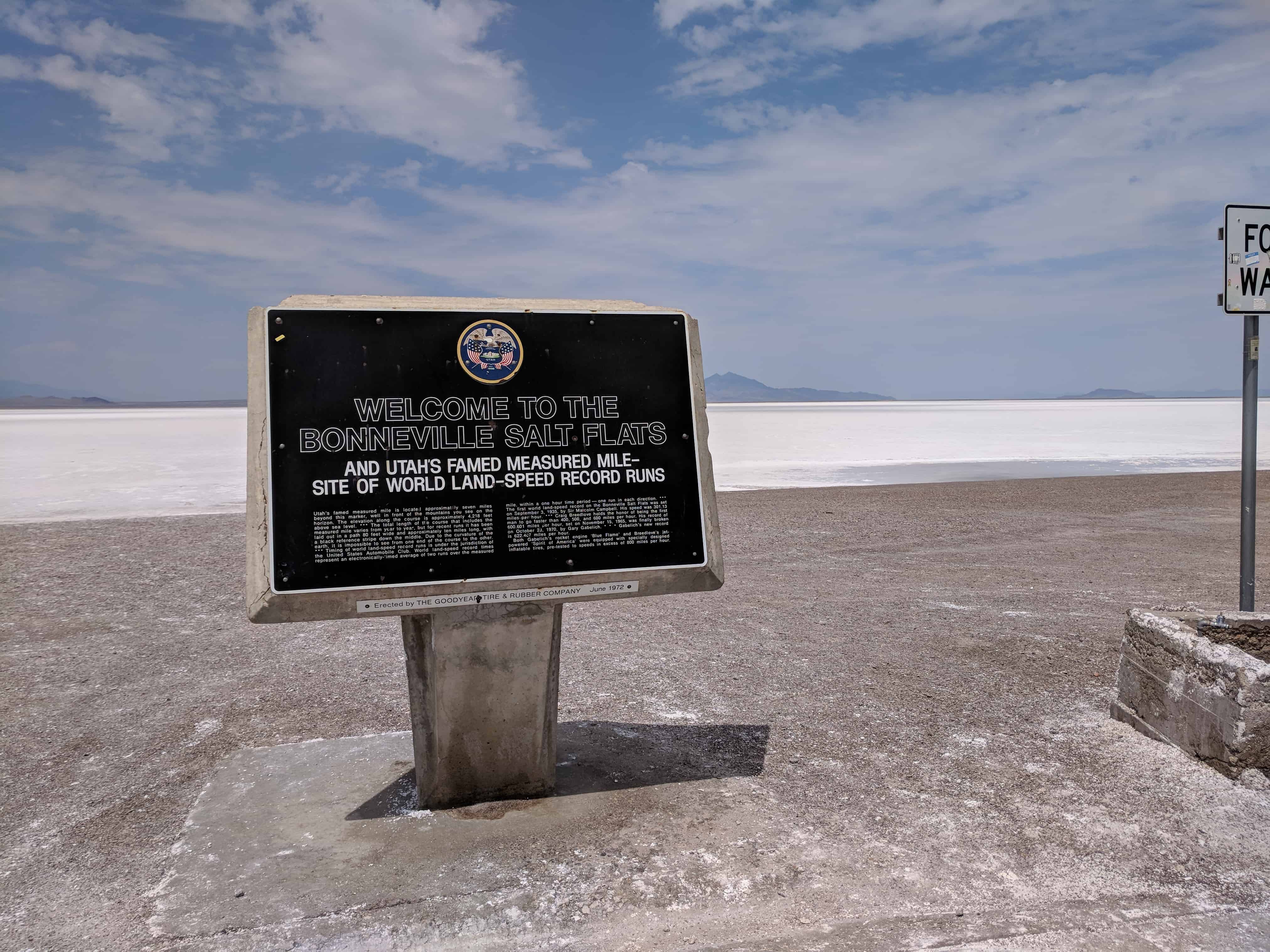
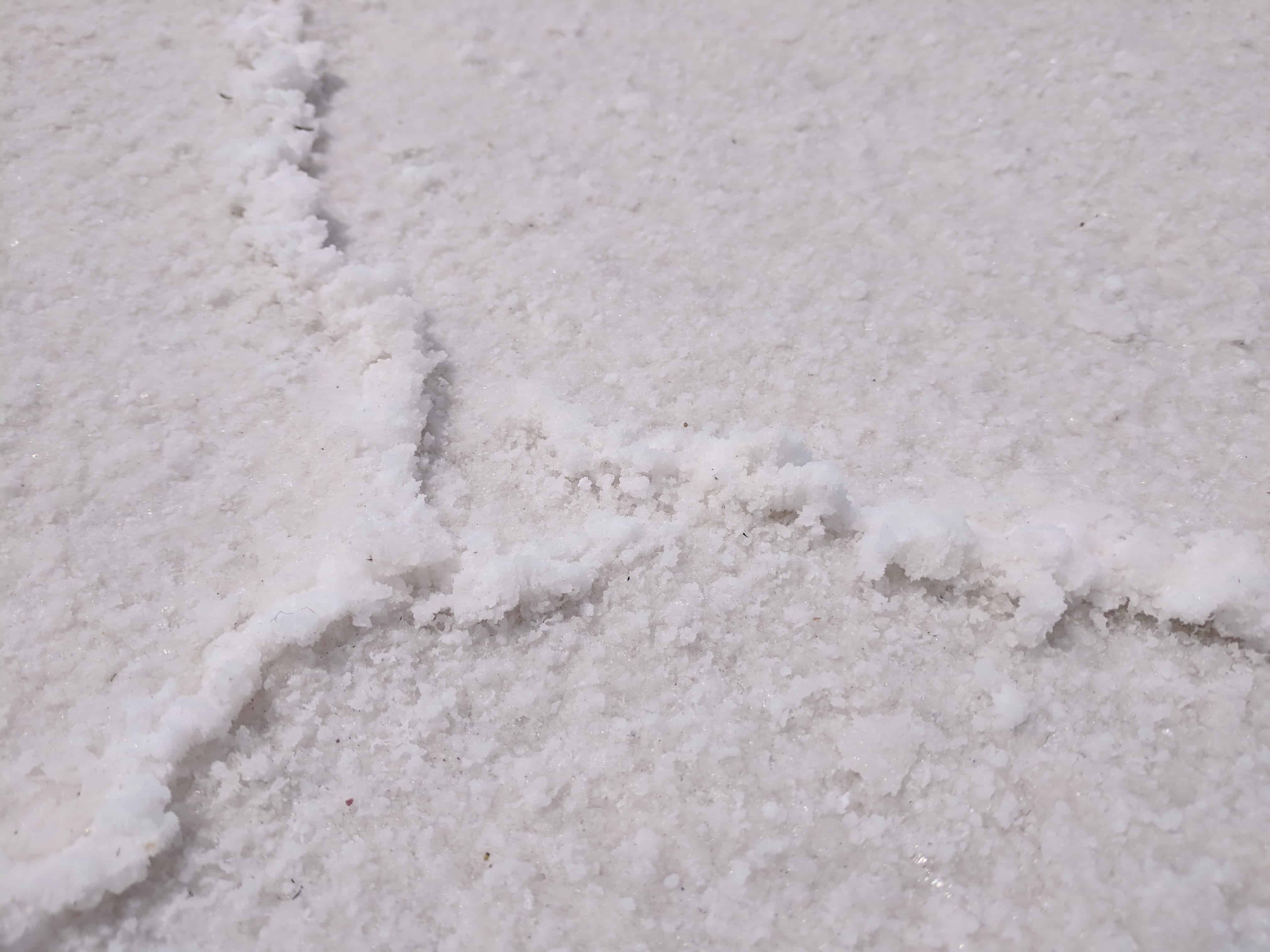
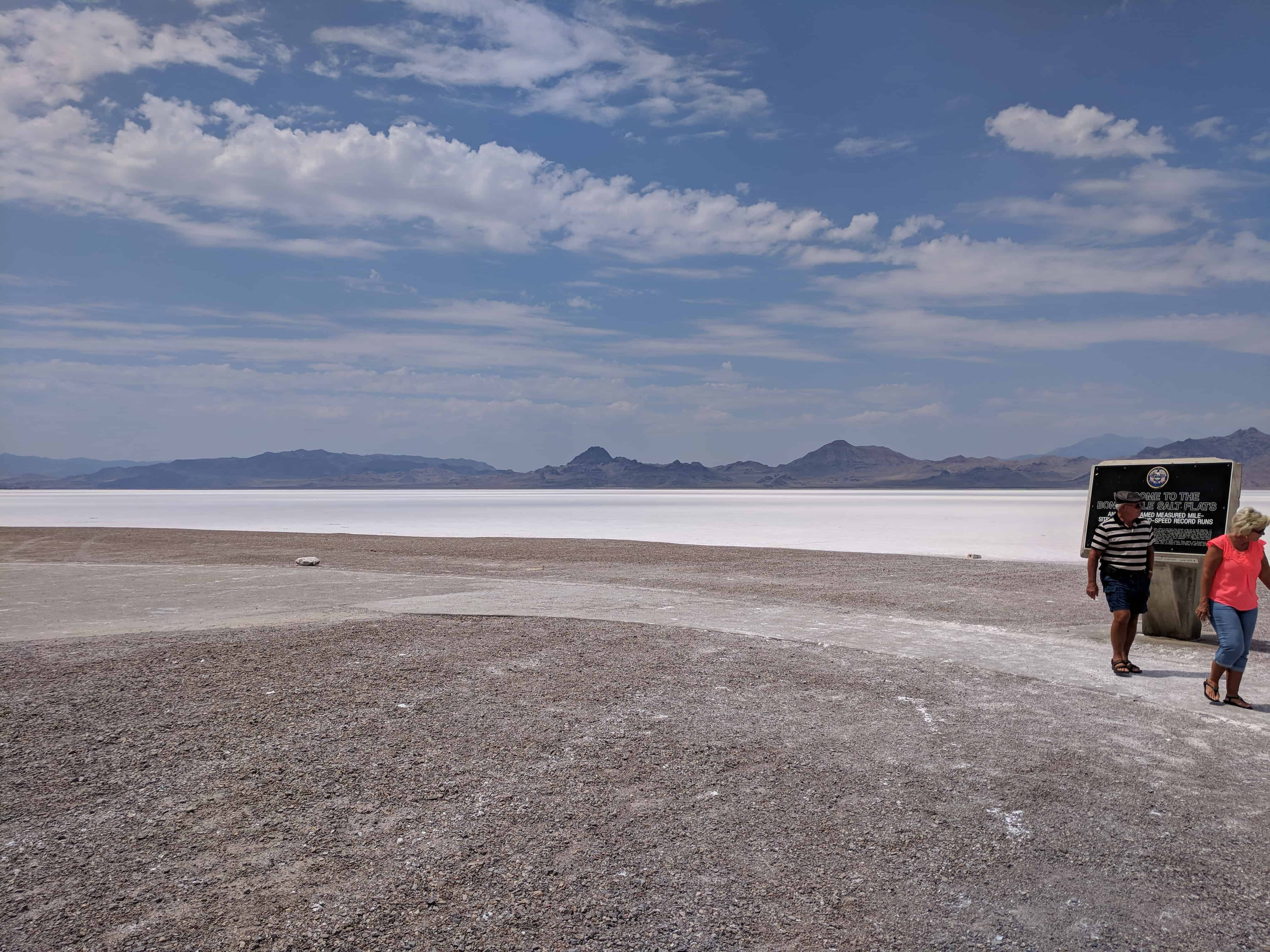
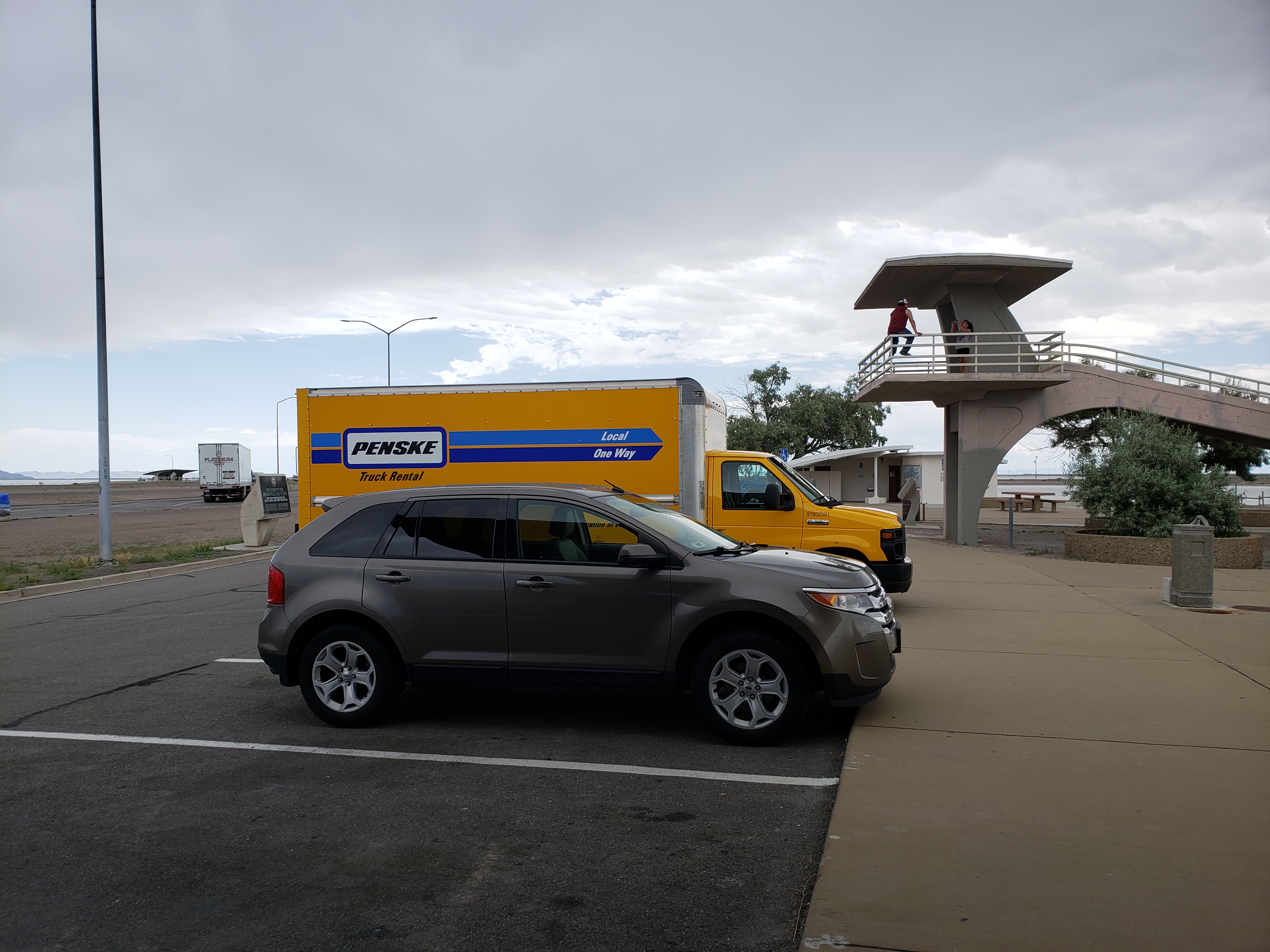
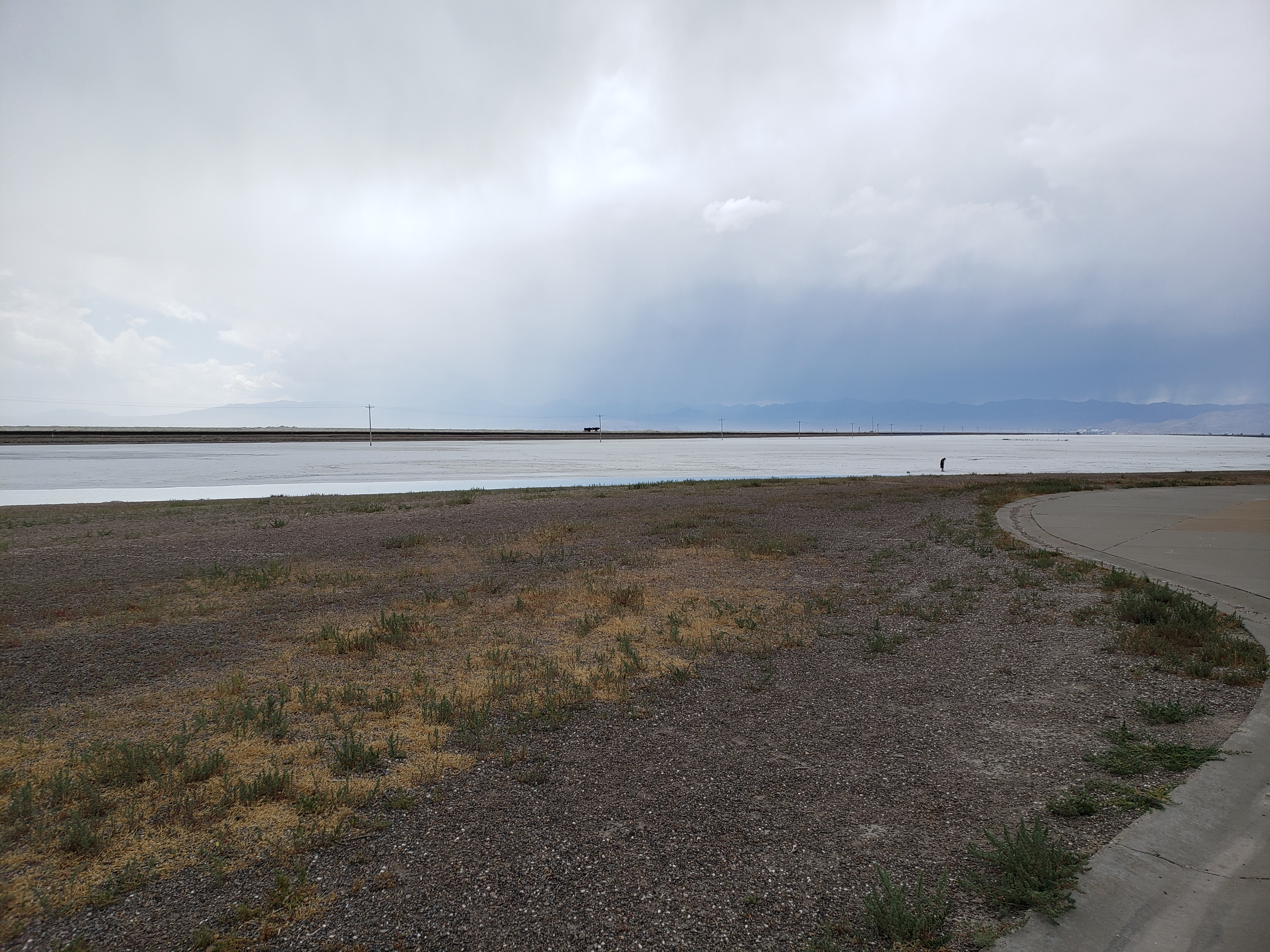
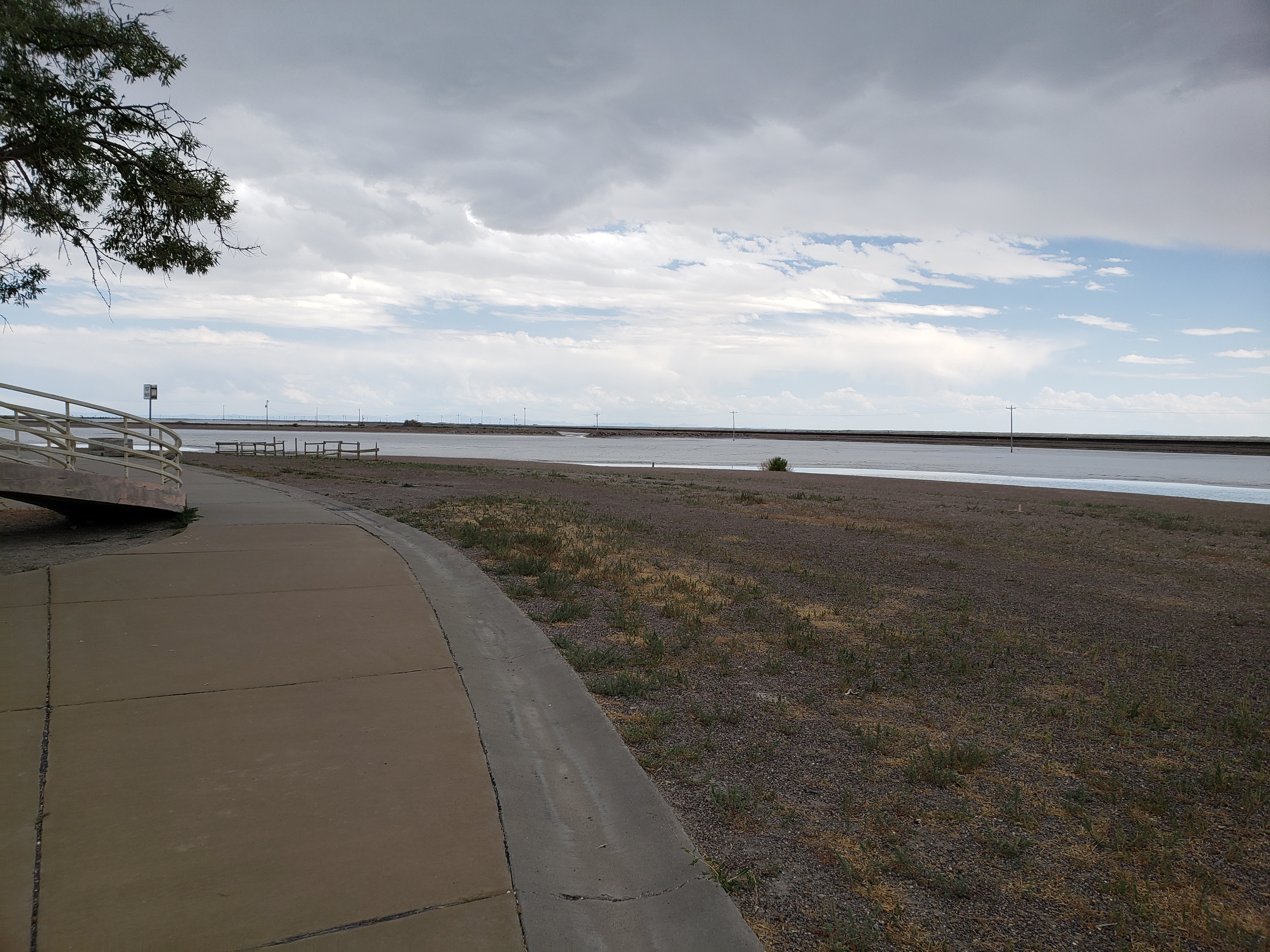
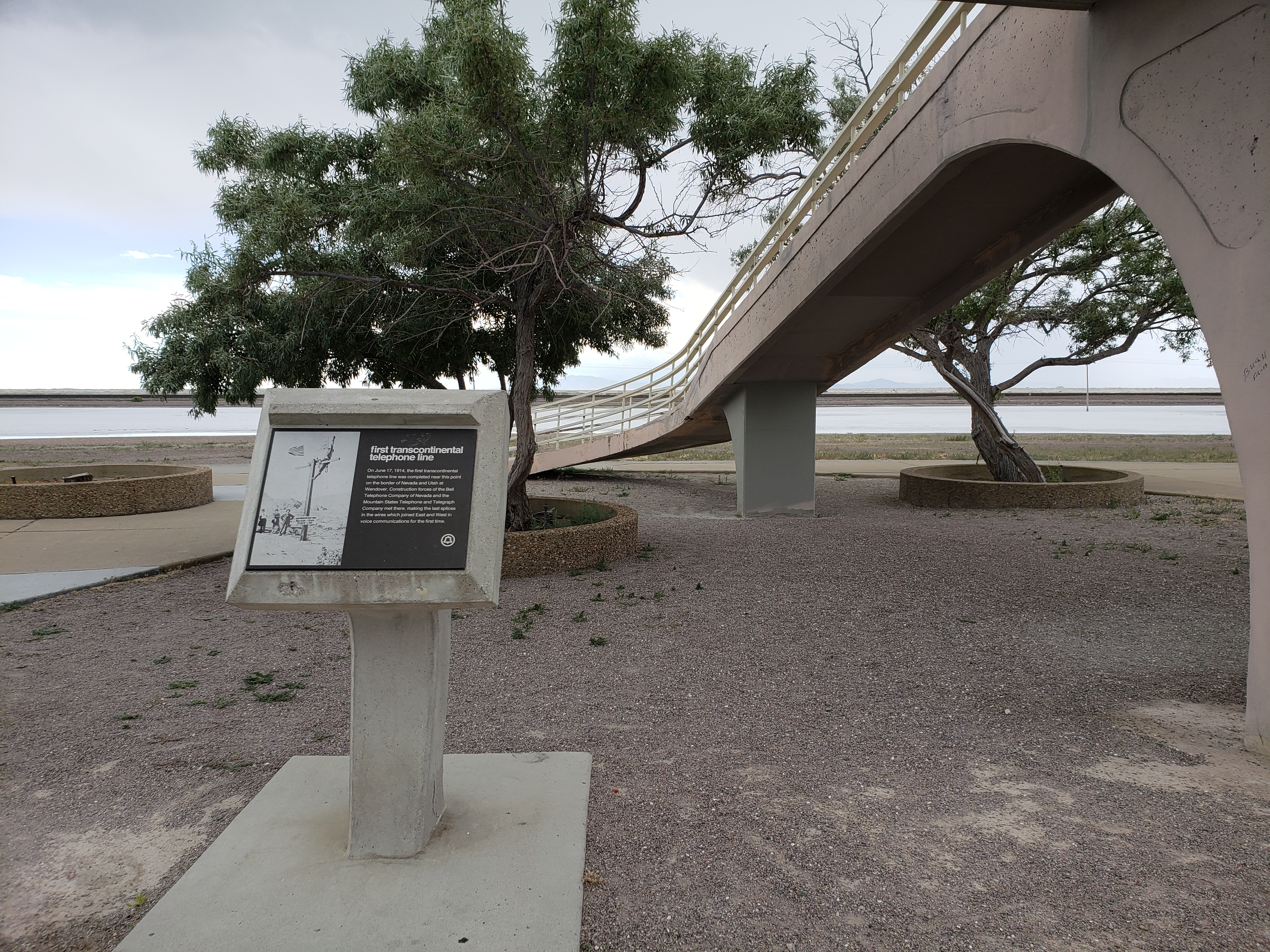
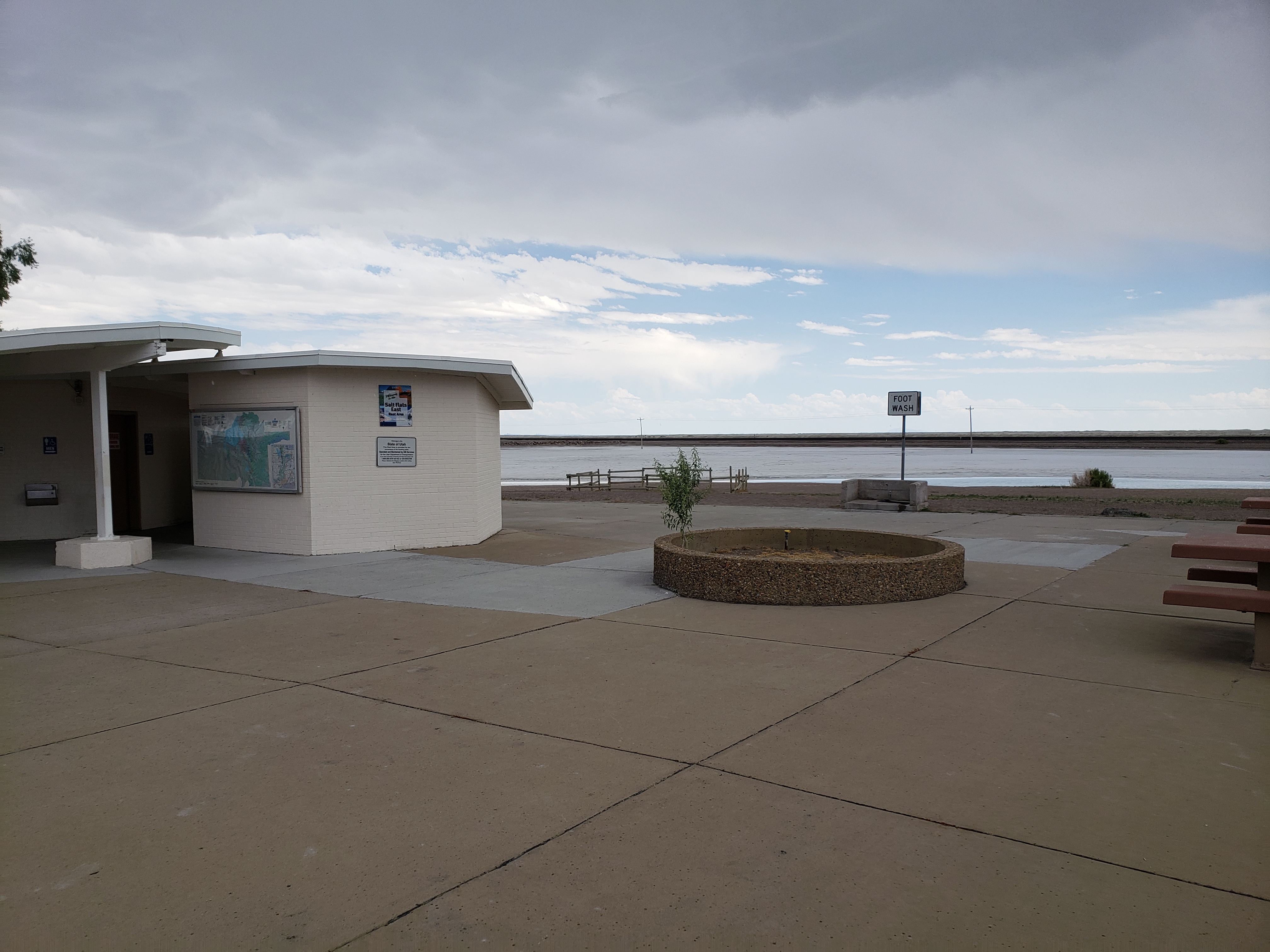
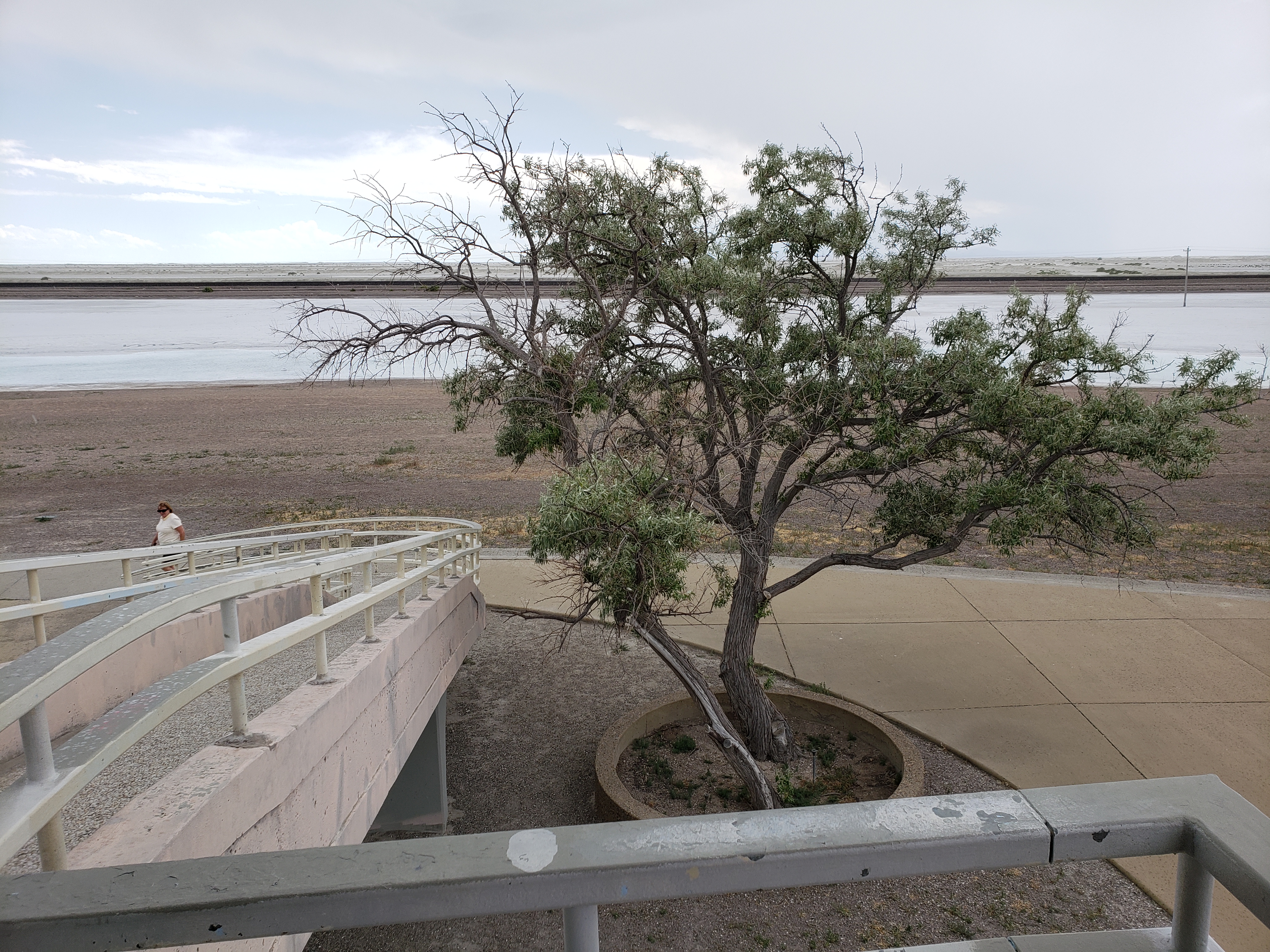
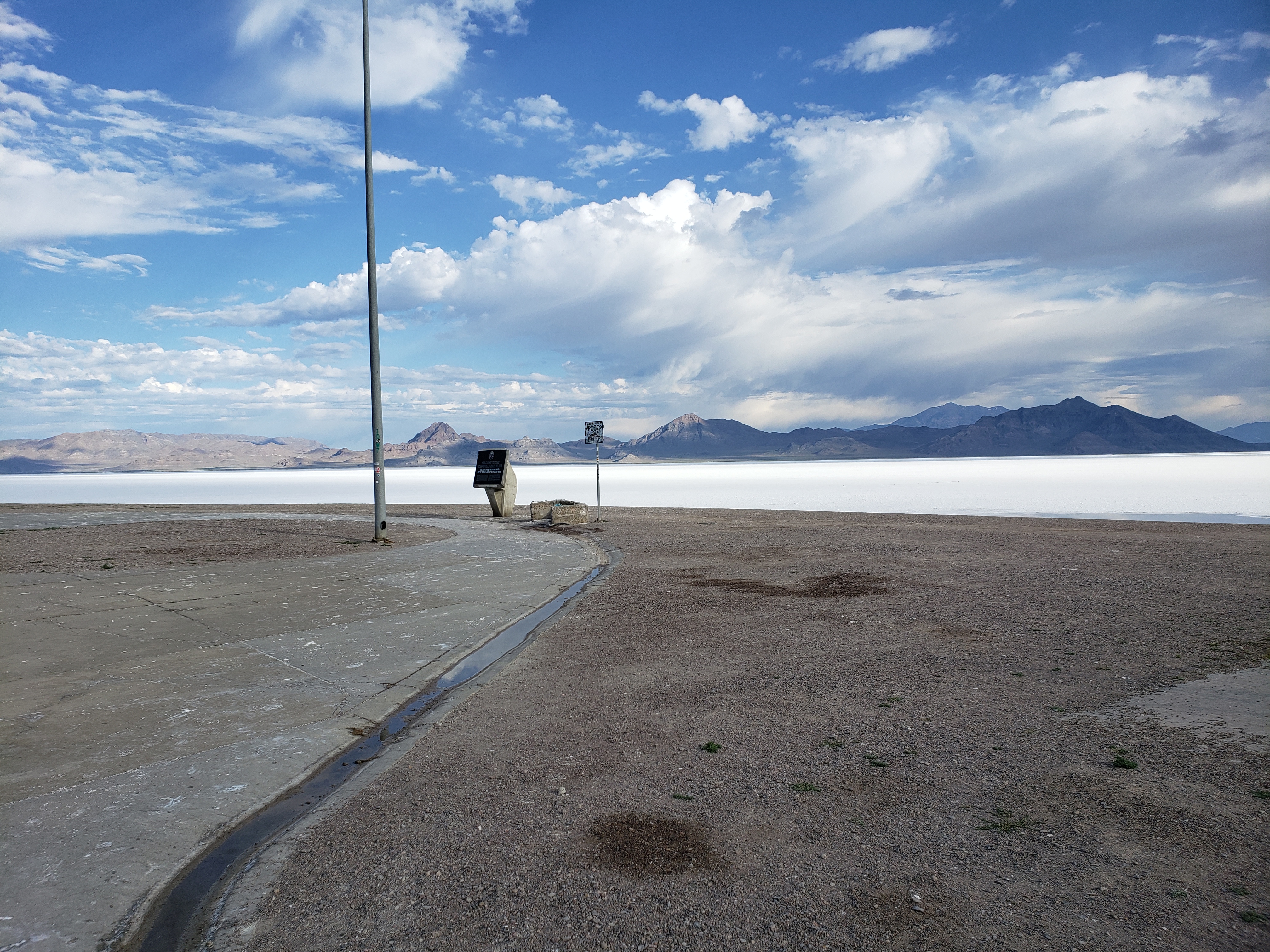
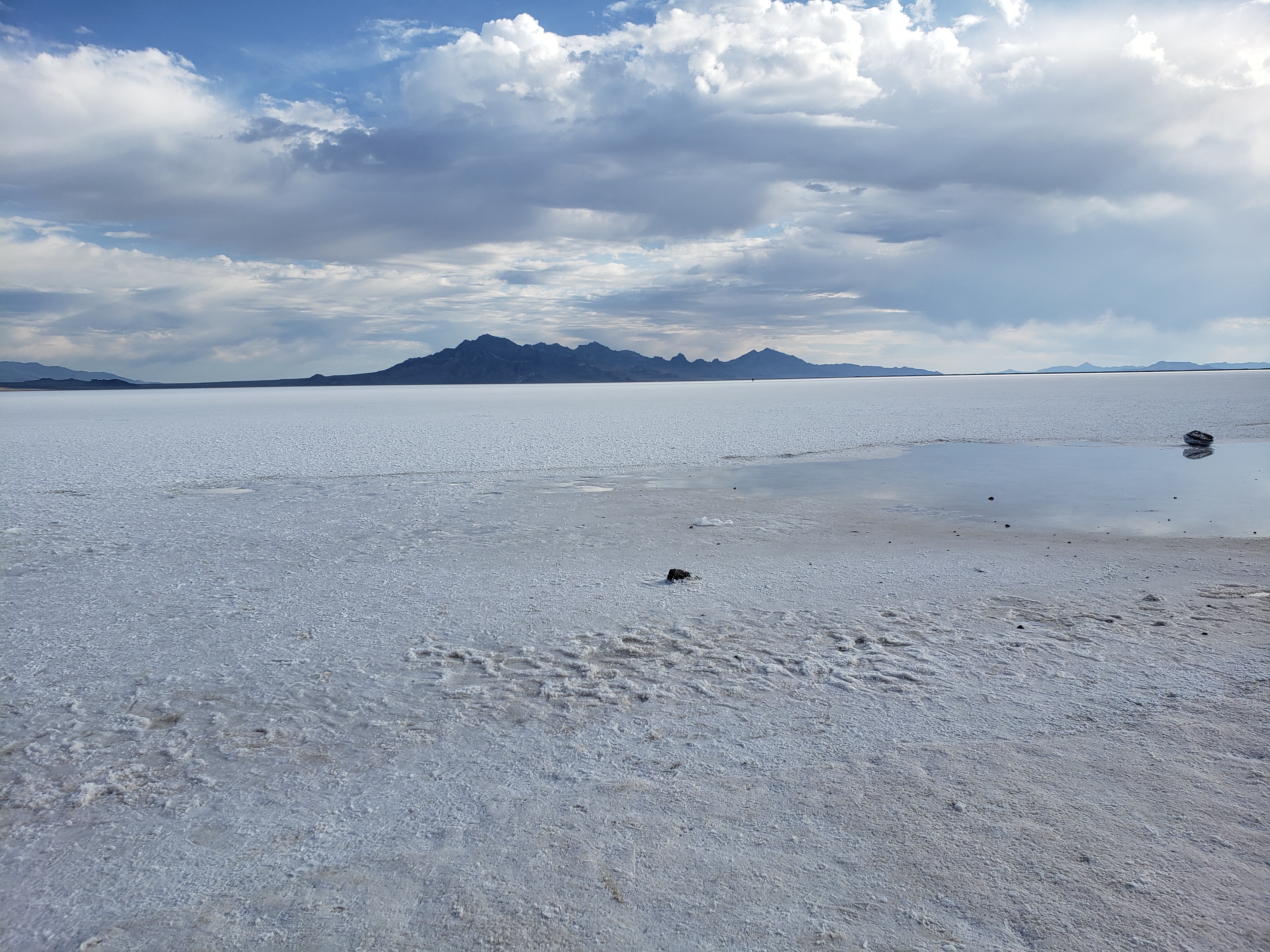
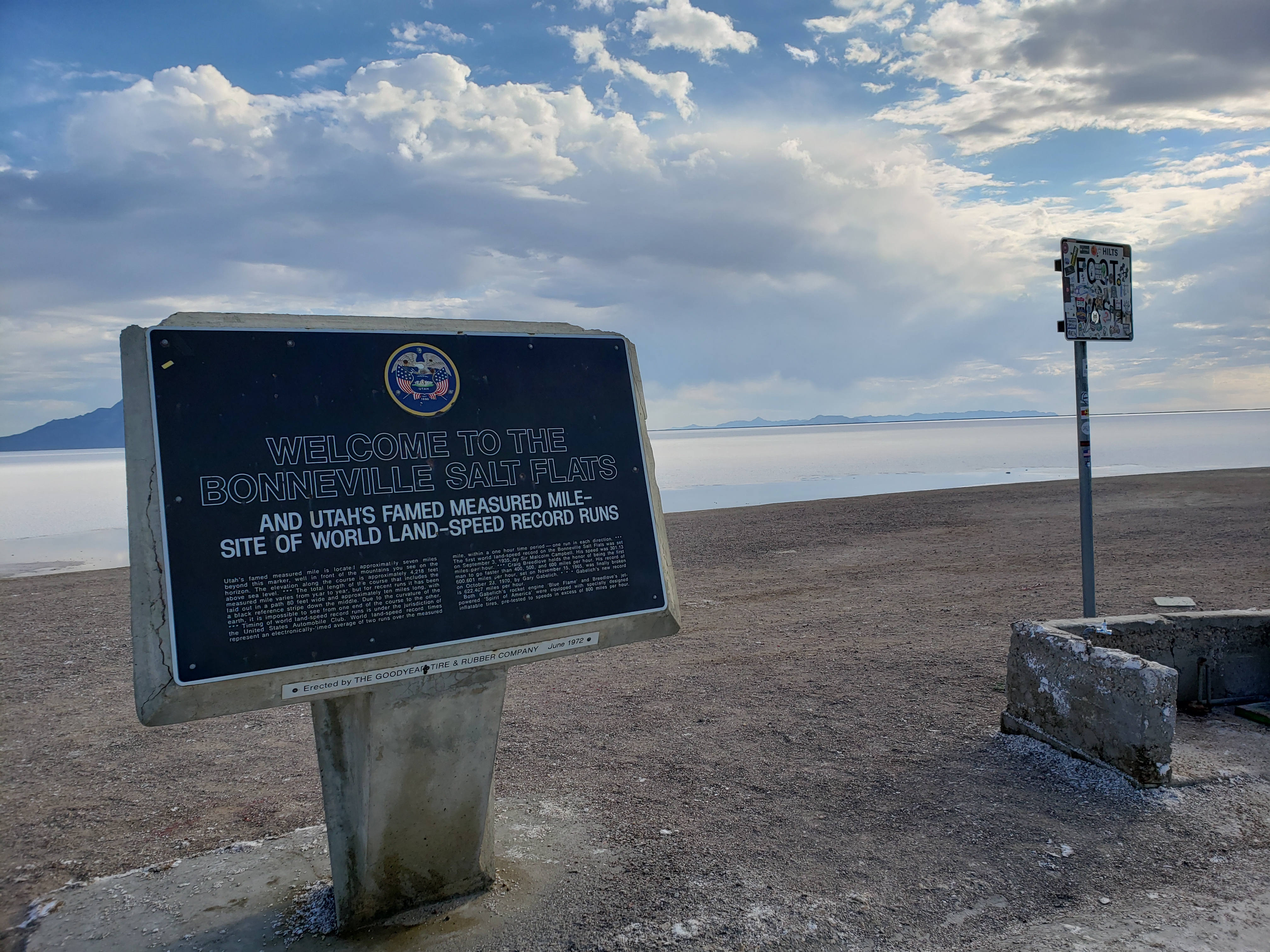
The Bonneville Salt Flats is an interesting area in Utah, as far as you can see it is densely packed salt that is perfectly flat. Because it is so large and flat it has been used as the place to set land speed records.
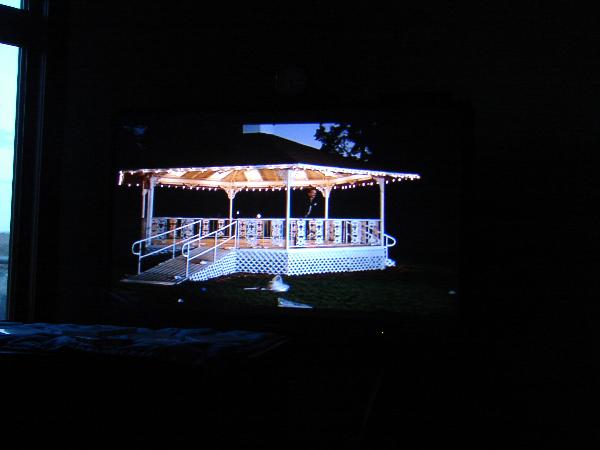
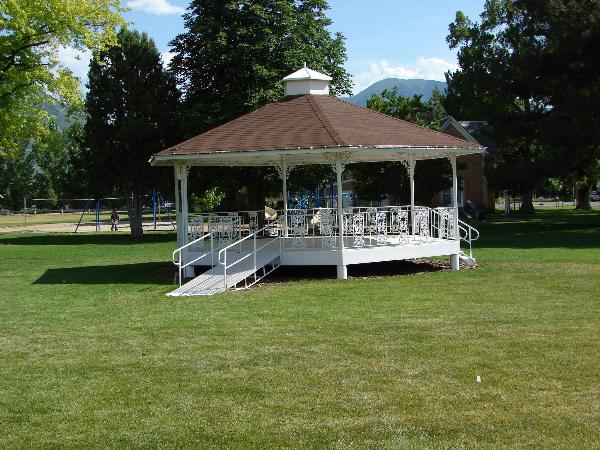
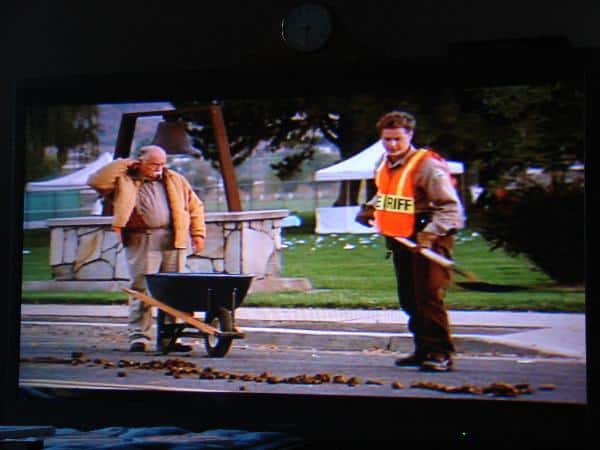
I’ve always got a kick out of visiting filming locations for movies and TV shows. I decided to start collecting pictures I take at locations and match them up with pictures of scenes from the movies/shows. Visit this page for more.
The movie Brigham City (2001) was mostly filmed in Mapleton and Springville, Utah which is where I grew up. I remember watching them film it, Richard Dutcher wrote and directed it and lived next door to me at the time ( I was 15-16 years old) and invited me and some friends to be extras but we didn’t think it was “cool” and said no. I regret that, it would be cool to see now. I do know many of the extras in the movie.
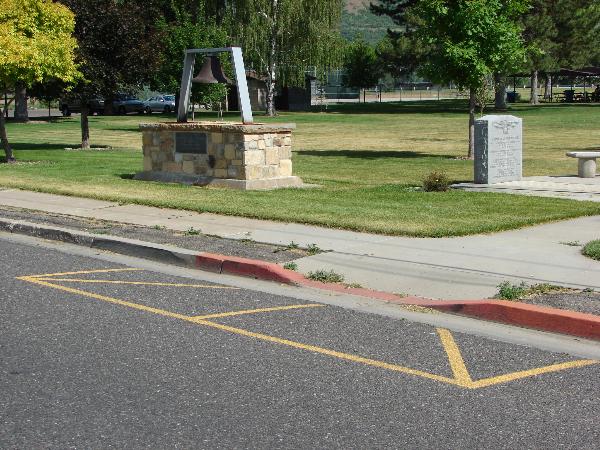
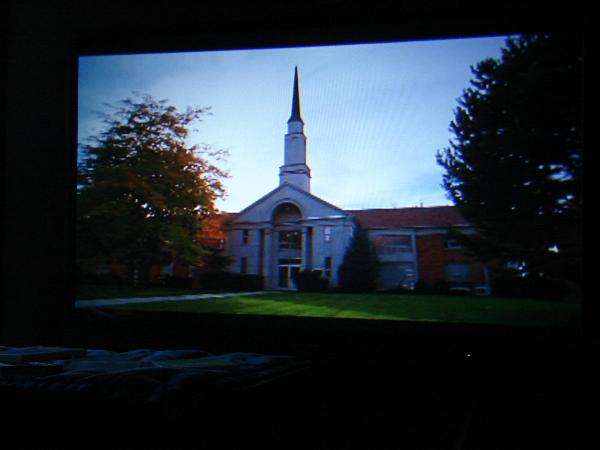
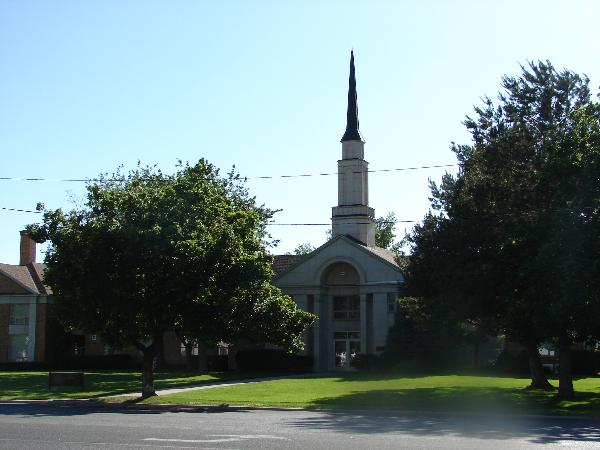
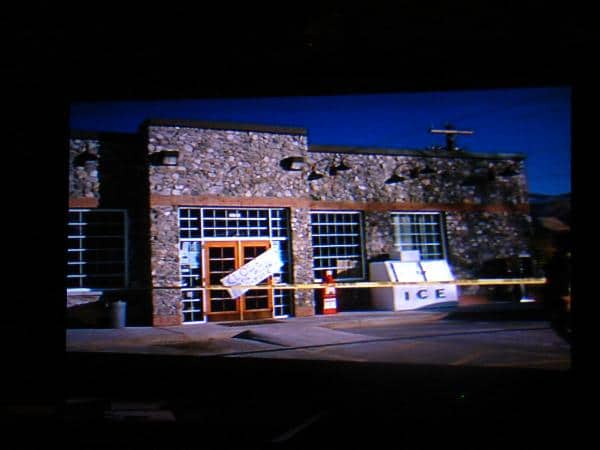
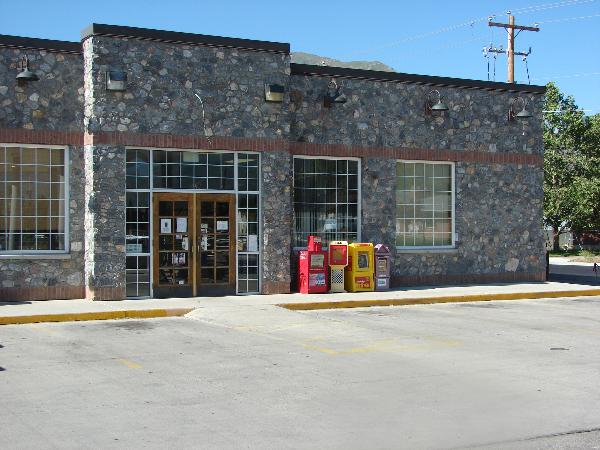
Filming locations I’ve come across for Brigham City.
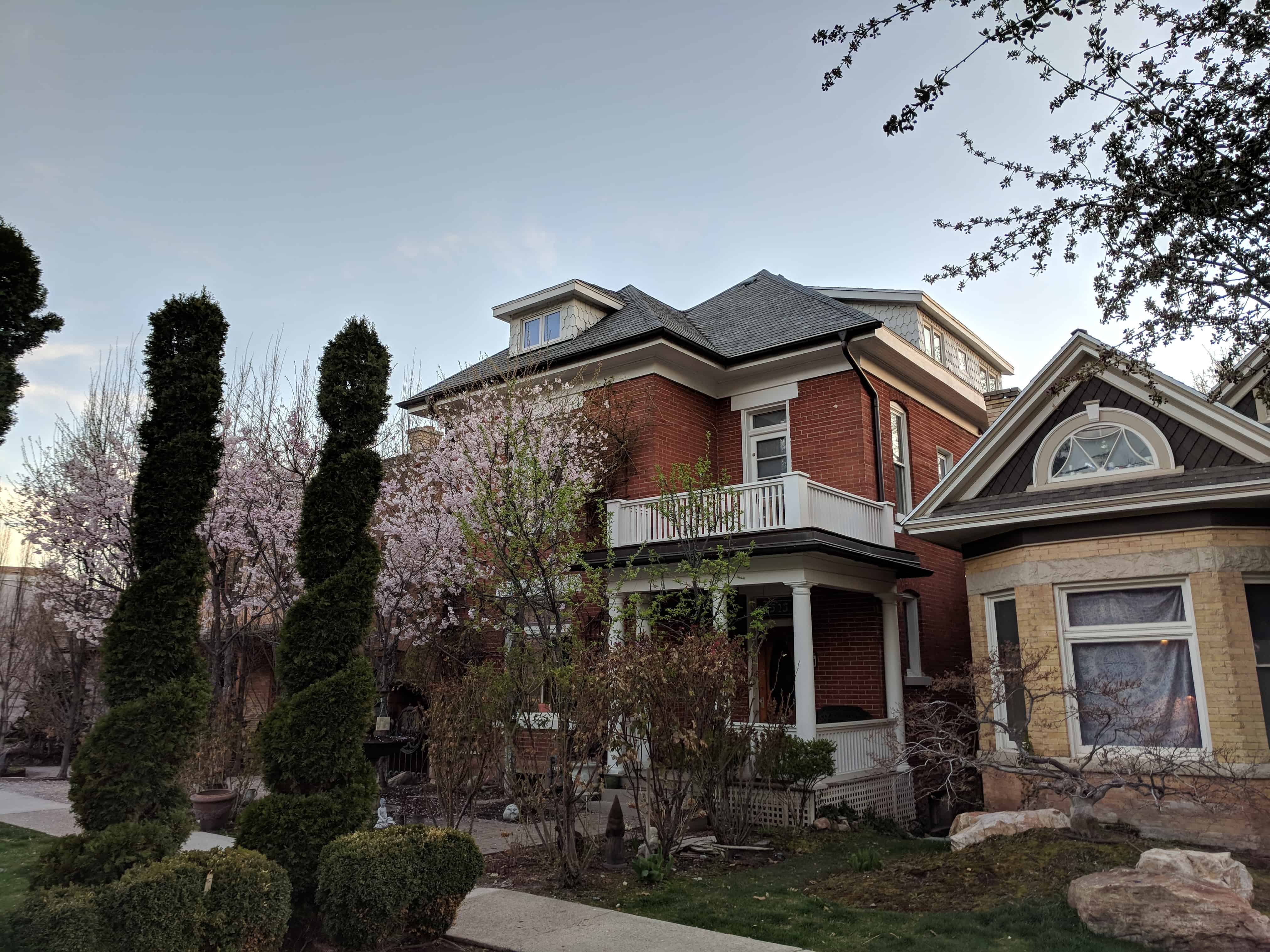
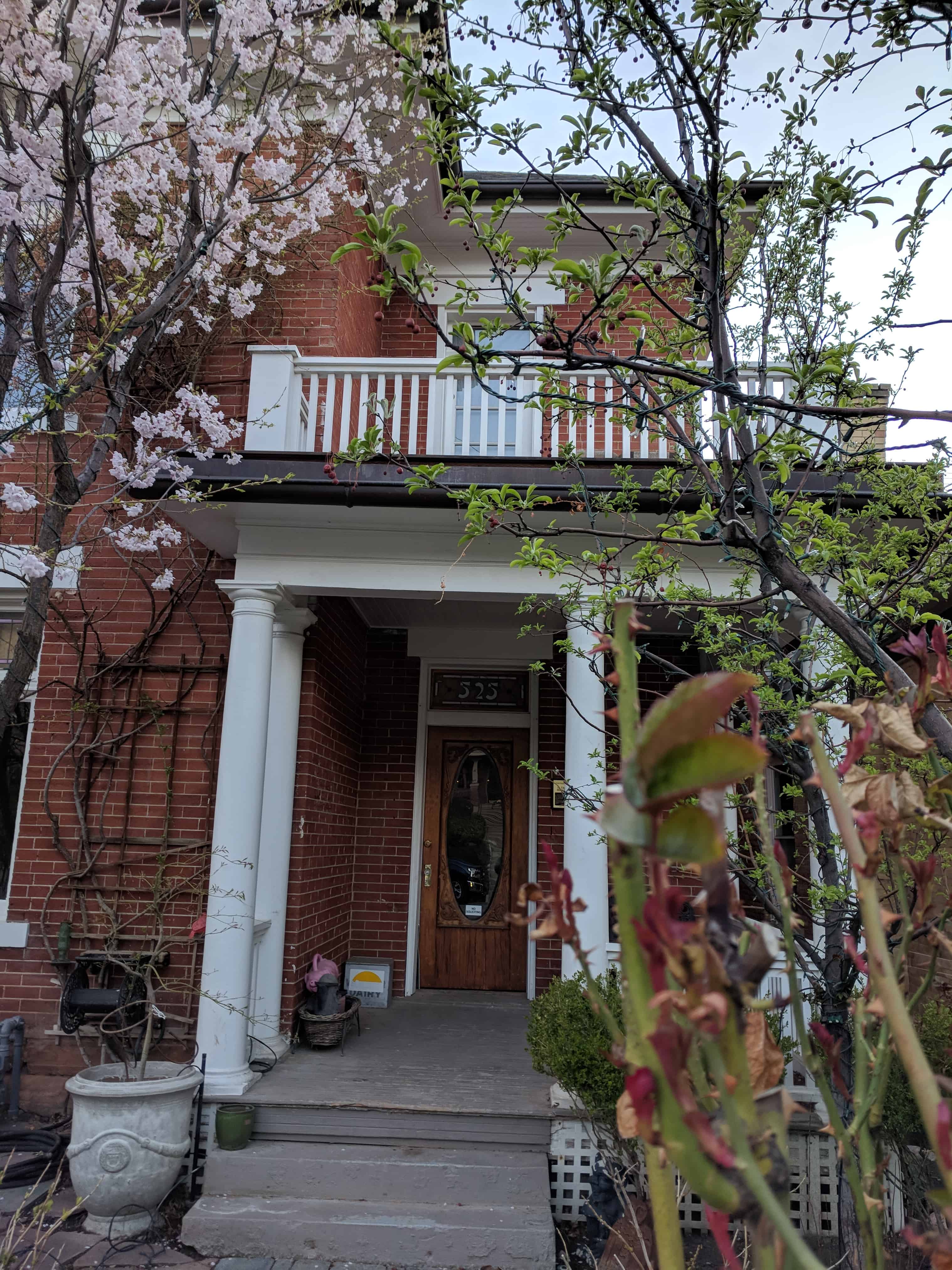
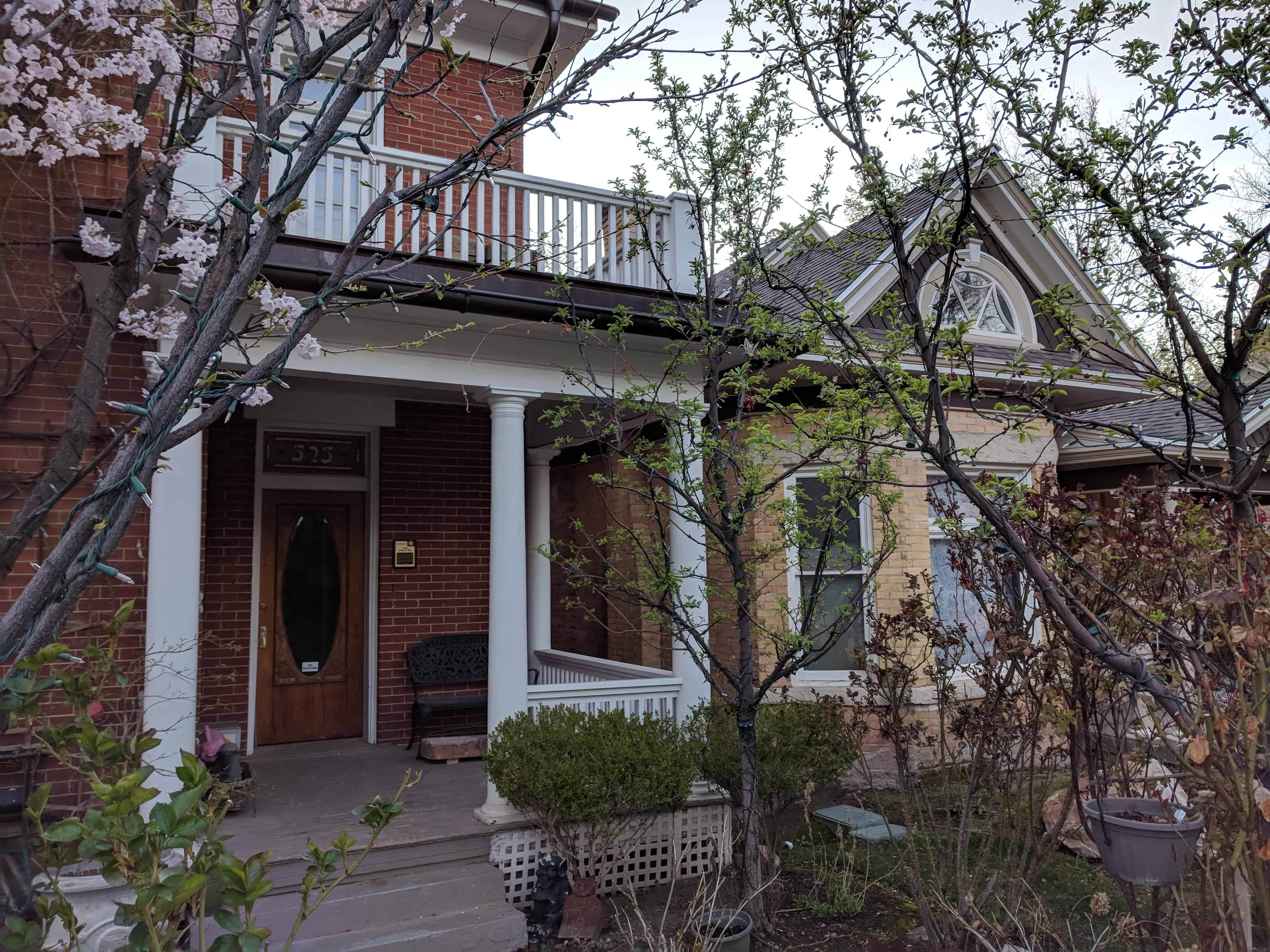
Constructed c.1905, for Benjamin F. Cummings, this two-story, side-passage house represents a transition in architectural styles that was occurring shortly after the turn of the century.
Elements of the waning Victorian eclecticism of the era can be found in the paid Tuscan columns, window arches, and bay window, while details of the emerging Prairie School style are apparent in the low-pitched, hipped-roof dormer, and large, rectangular windows with flat lintels.
Benjamin, a journalist and genealogist, and his wife, Emily, lived here from 1905 to 1911. After the Cummings sold the house it was used as an apartment building, as was common for larger houses during this era in Salt Lake City. The house is currently (1999) a single family residence and is undergoing an extensive rehabilitation.