I’ve seen this statue for many years as I go by and have heard a lot of rumors about it. Most recently (2020) I’ve heard rumors of it going to be removed because it is offensive to some so I figured I should document it while I still can.
It is located out in front of the Super 8 in Salina, Utah which I heard used to be the Safari Motel. It looks to be an Indian with a knife and some have said it is Chief Blackhawk. Some time around 2003? it was changed to this from a man in chains holding up a cup.
The Los Gables Apartments, along with the other next door at 125 South.
The Los Gables Apartments, also known as the Caledonian Apartments. The building was constructed in 1929 and is the largest of the early apartment buildings in the areas with 80 units.
These two adjacent 3 1/2-story brick buildings were constructed for apartments before a one-story annex was constructed in 1946 as it was renamed Hotel Los Gables.
“The Los Gables Apartments is a unique example of two separate 1929 apartment buildings that were connected in 1946,” historians wrote in the nomination of the buildings. “They are among the most elaborate examples of the Jacobethan Revival and English Tudor Revival styles in Salt Lake City.”
They would become the Caledonian Apartments in the 1960s. True to its name-shifting history, the two buildings stand next to each other to this day with different names: The Eleanor Rigby and Lorna Doone-Los Gables apartments.
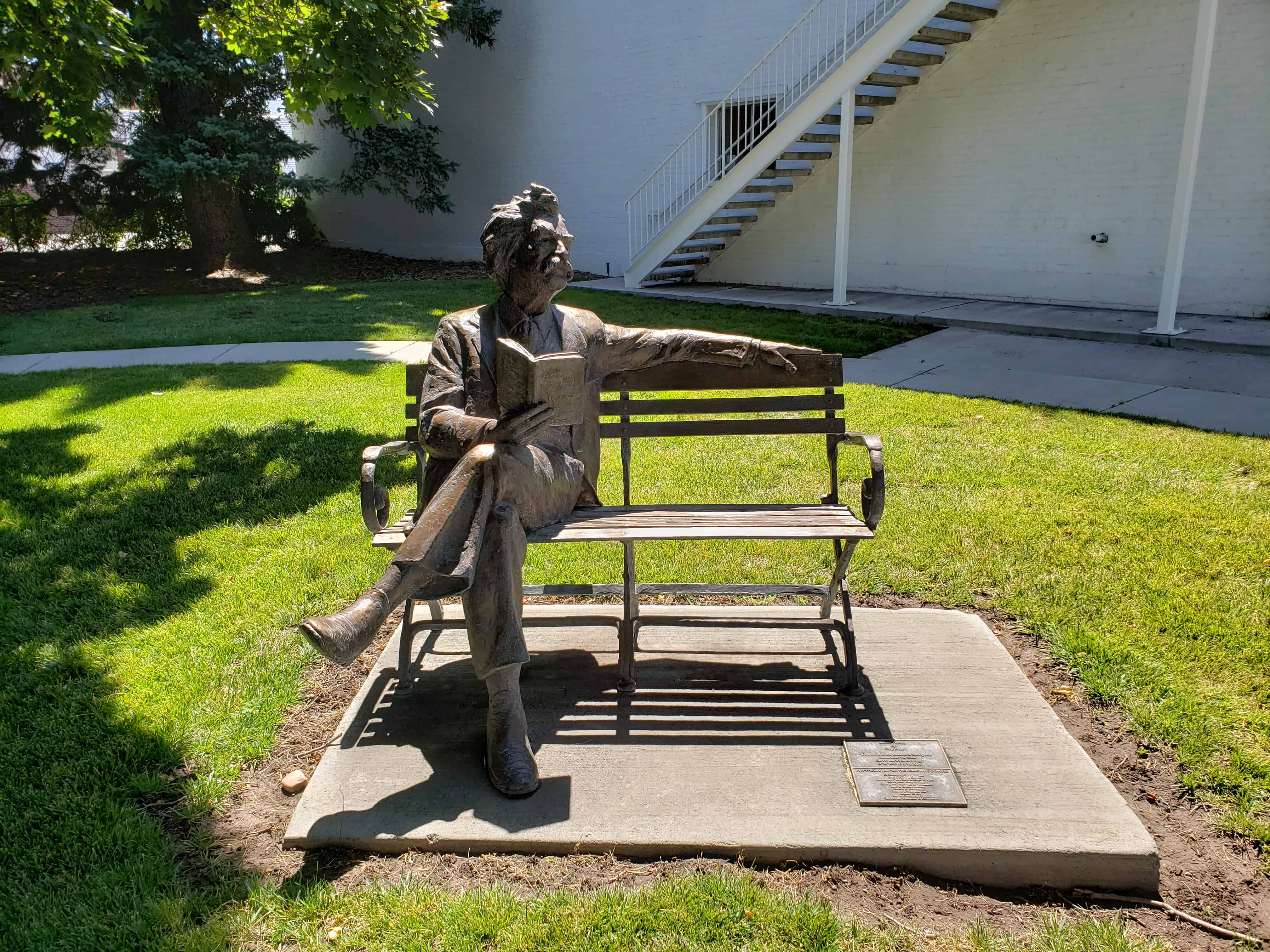
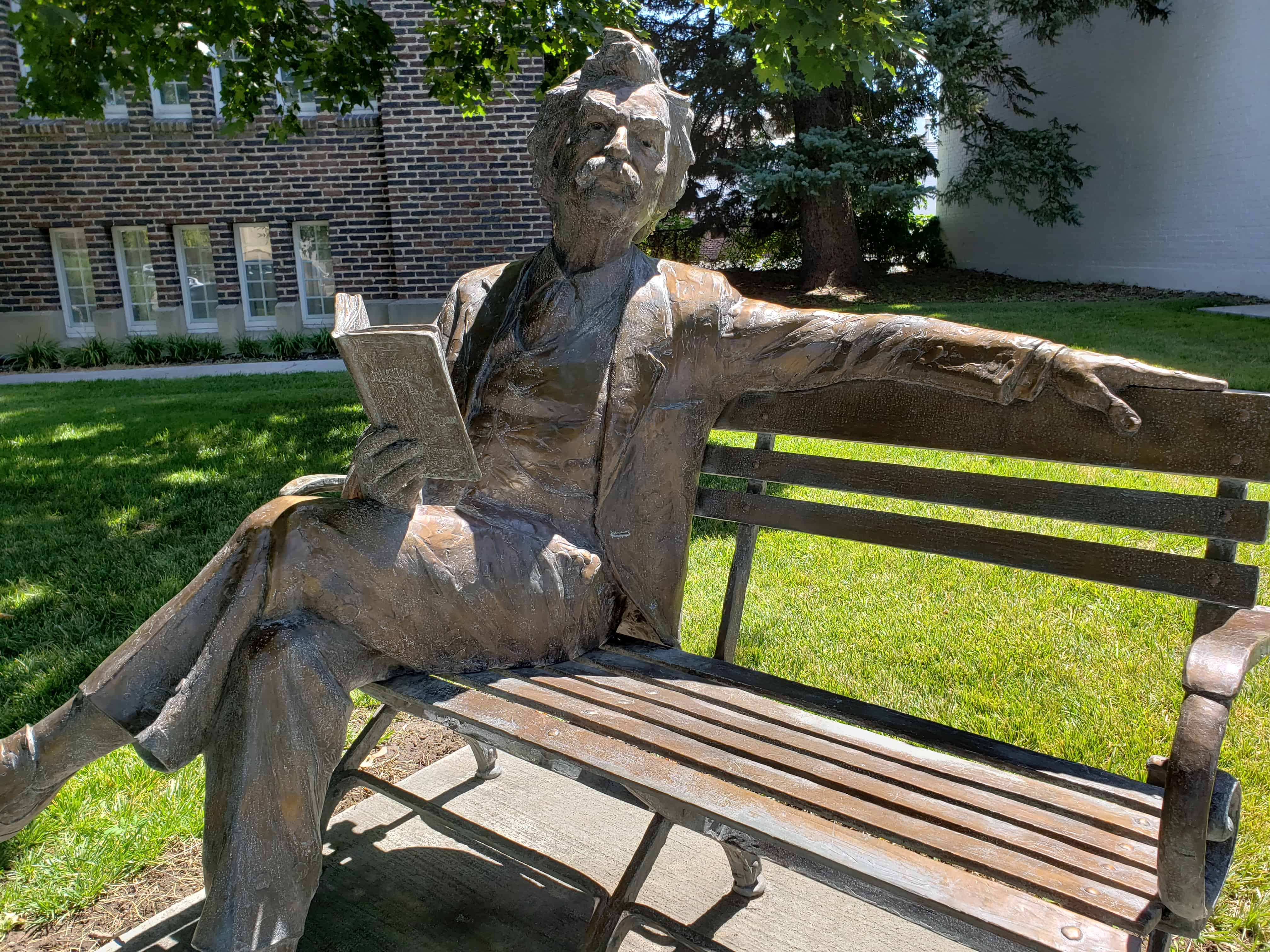
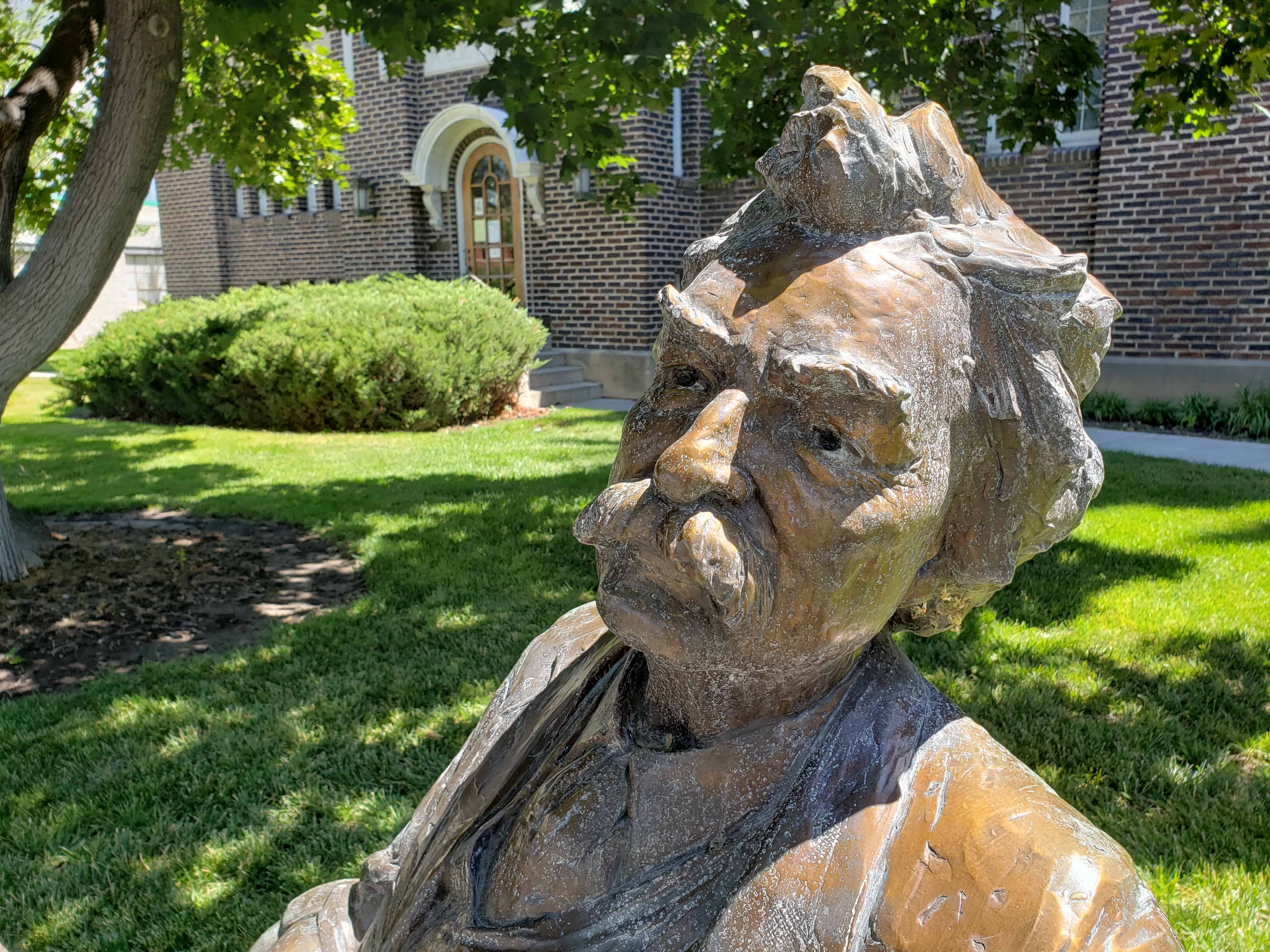
The above Mark Twain statue is located in front of the historic Springville Carnegie Library which is now a museum, there are other copies of it around – I know I saw one in California.
Gary Price is a local to Springville and his artwork is very common to see around town.
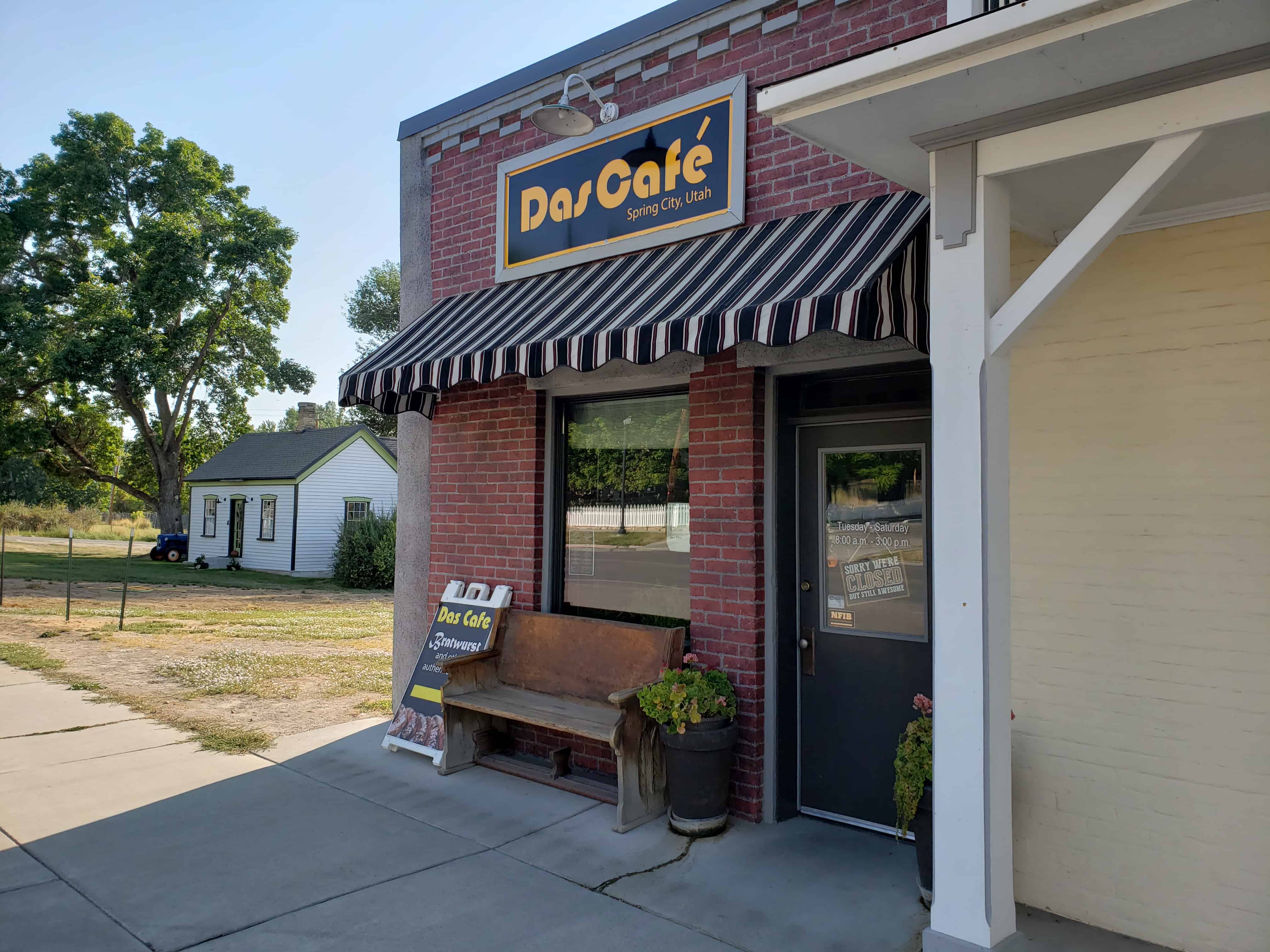
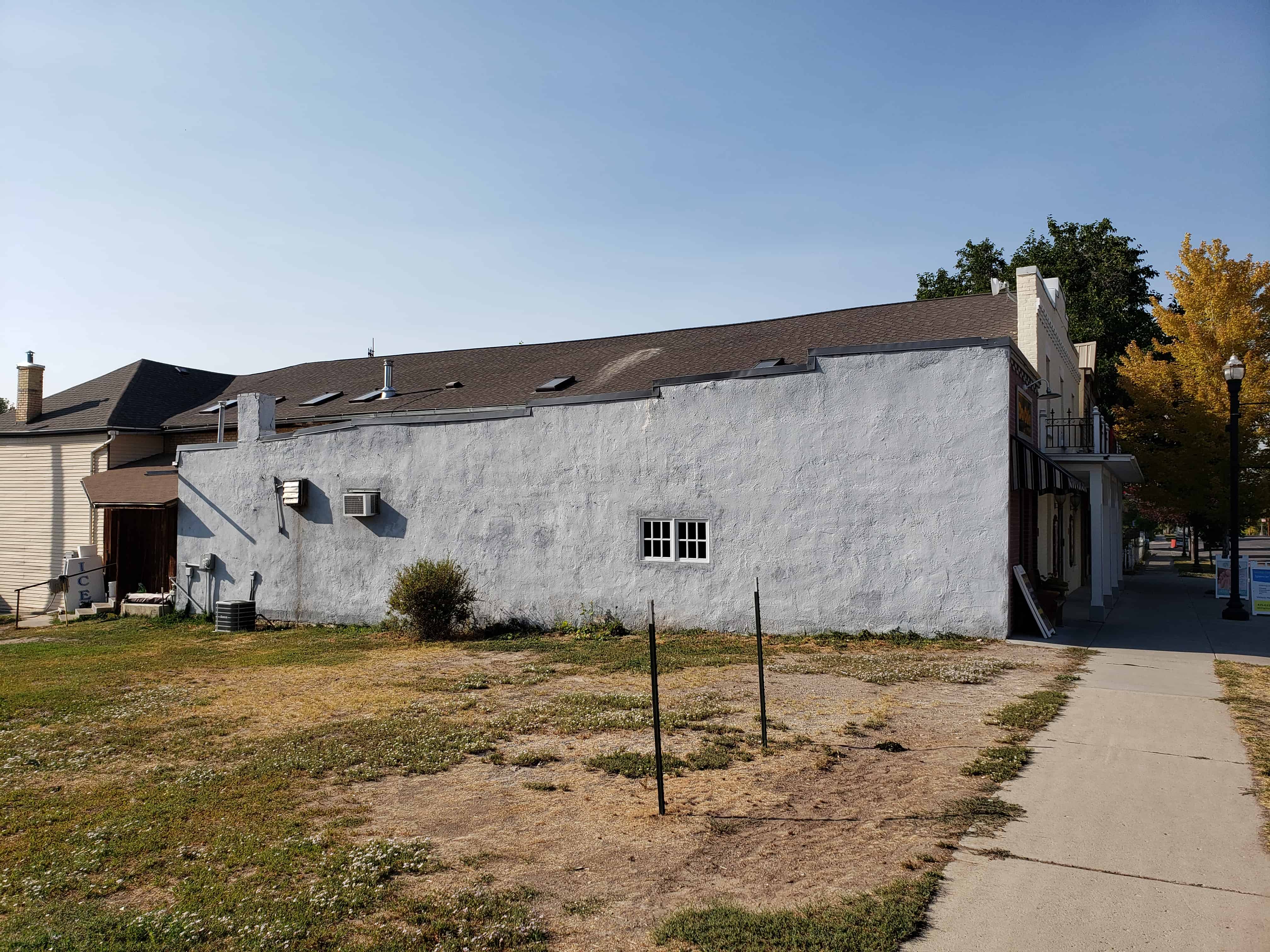
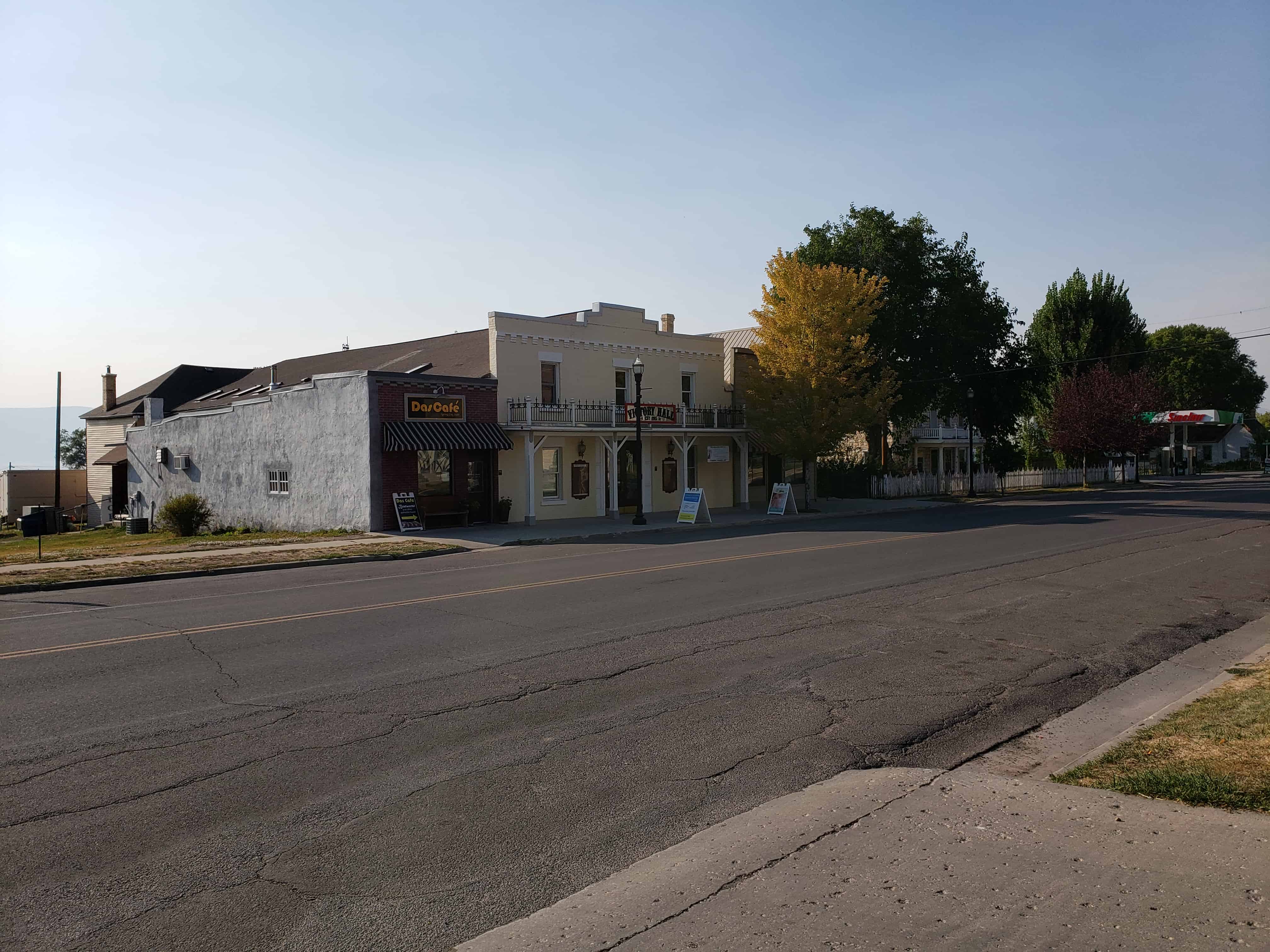
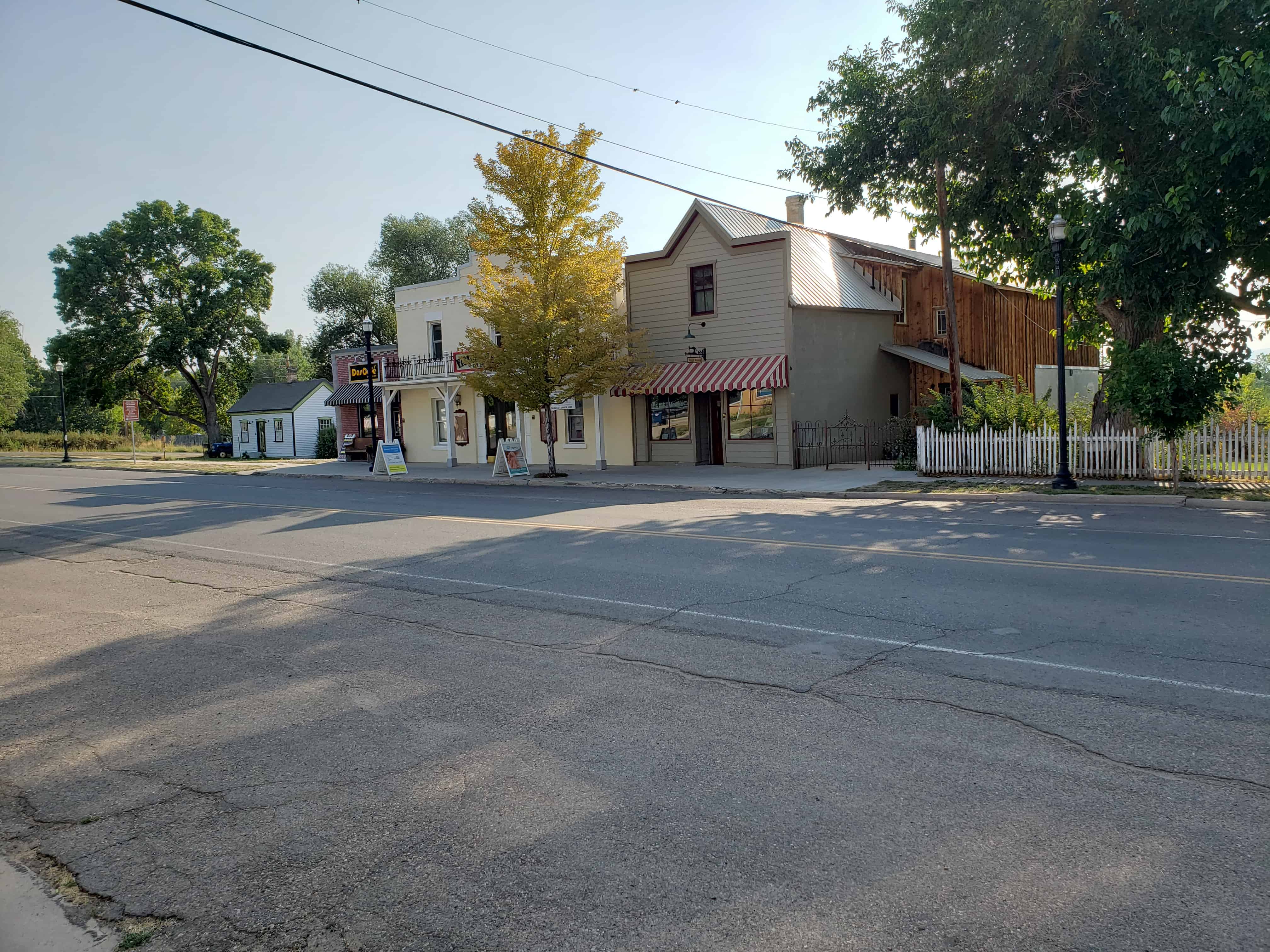
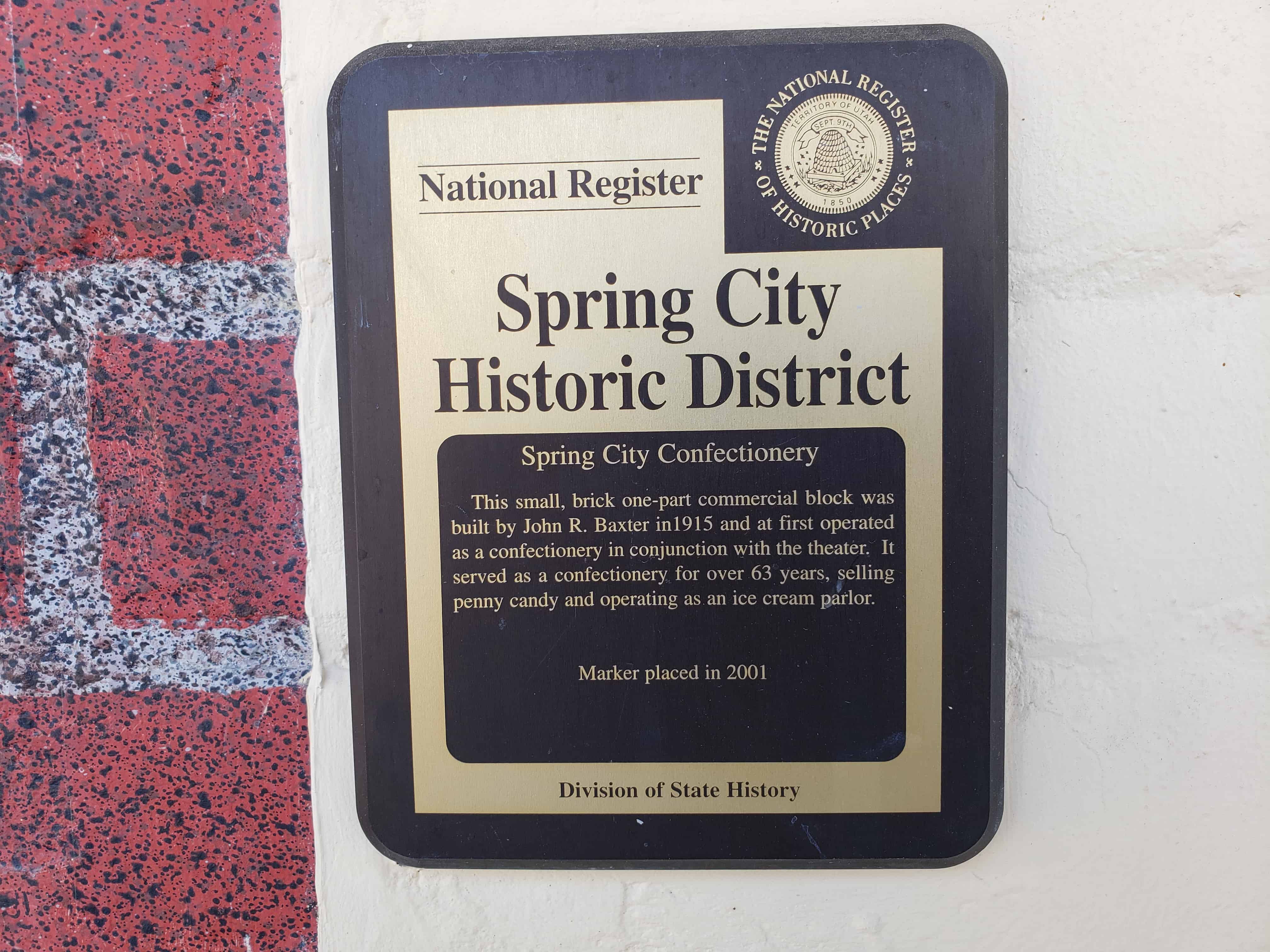
This small, brick one-part commercial block was built by John R. Baxter in 1915 and at first operated as a confectionery in conjunction with the theater. It served as a confectionery for over 63 years, selling penny candy and operating as an ice cream parlor.
From Sanpete.com: This small brick one-part commercial block was built in 1915 and operated as a confectionery until 1973 by John R. Baxter, Jr. (1888-1978) becoming a Spring City institution for several generations of Spring City children. Recently the building has been operated as a café.
The Old Spanish Trail, the main trade route between Santa Fe and Los Angeles, passed this way beginning in 1829. At the end of the Mexican-American War this portion of the route evolved into what was variously known as the Salt Lake Road, the Mormon Trail, the California Road, and eventually U.S. Highway 91. The original pack trail descended Utah Hill, passed through Beaver Dam, then followed the Virgin River toward Las Vegas. As wagon traffic increased in the 1850s the route veered westward near today’s Utah-Arizona border to avoid the river gorge.
In January, 2005 a major flood roared through this valley destroying thirty homes and causing massive property damage.
There are many markers about the Old Spanish Trail, see this page for others. This one is located in Beaver Dam, Arizona and was dedicated March 19, 2005 by the Matt Warner 1900, Billy Holcomb 1069 and Queho Posse 1919 chapters of the ancient and honorable order of E Clampus Vitus.
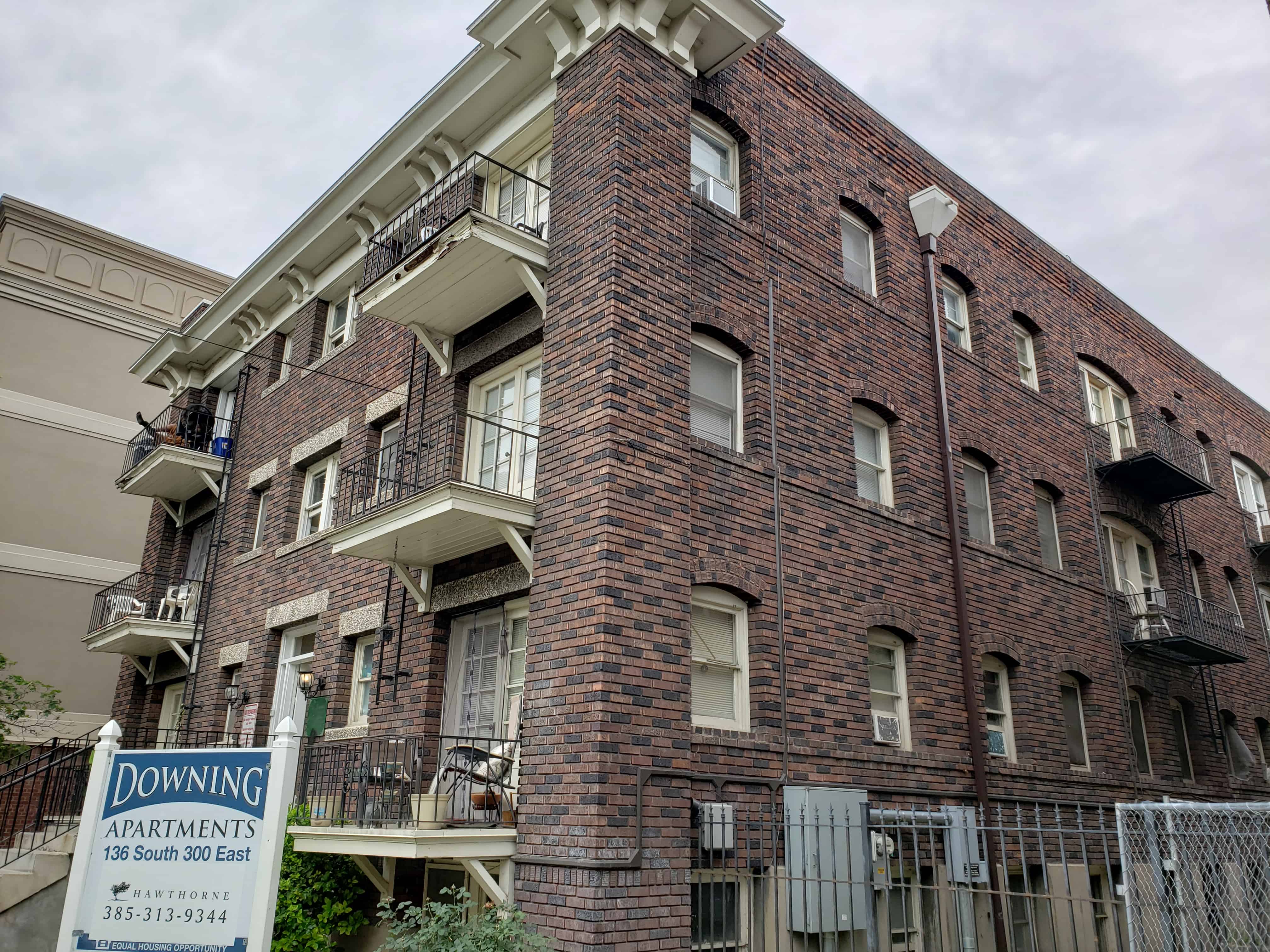
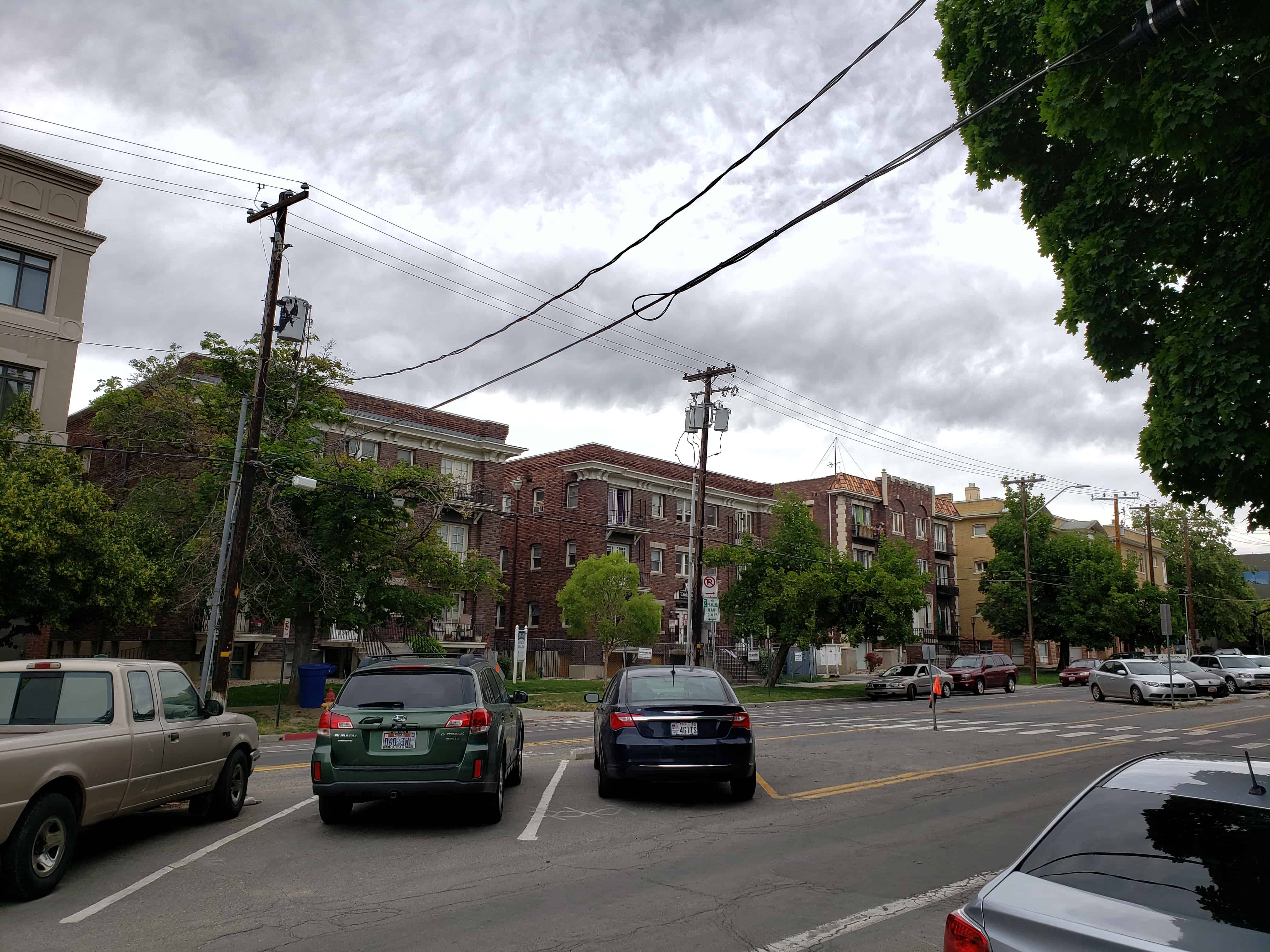
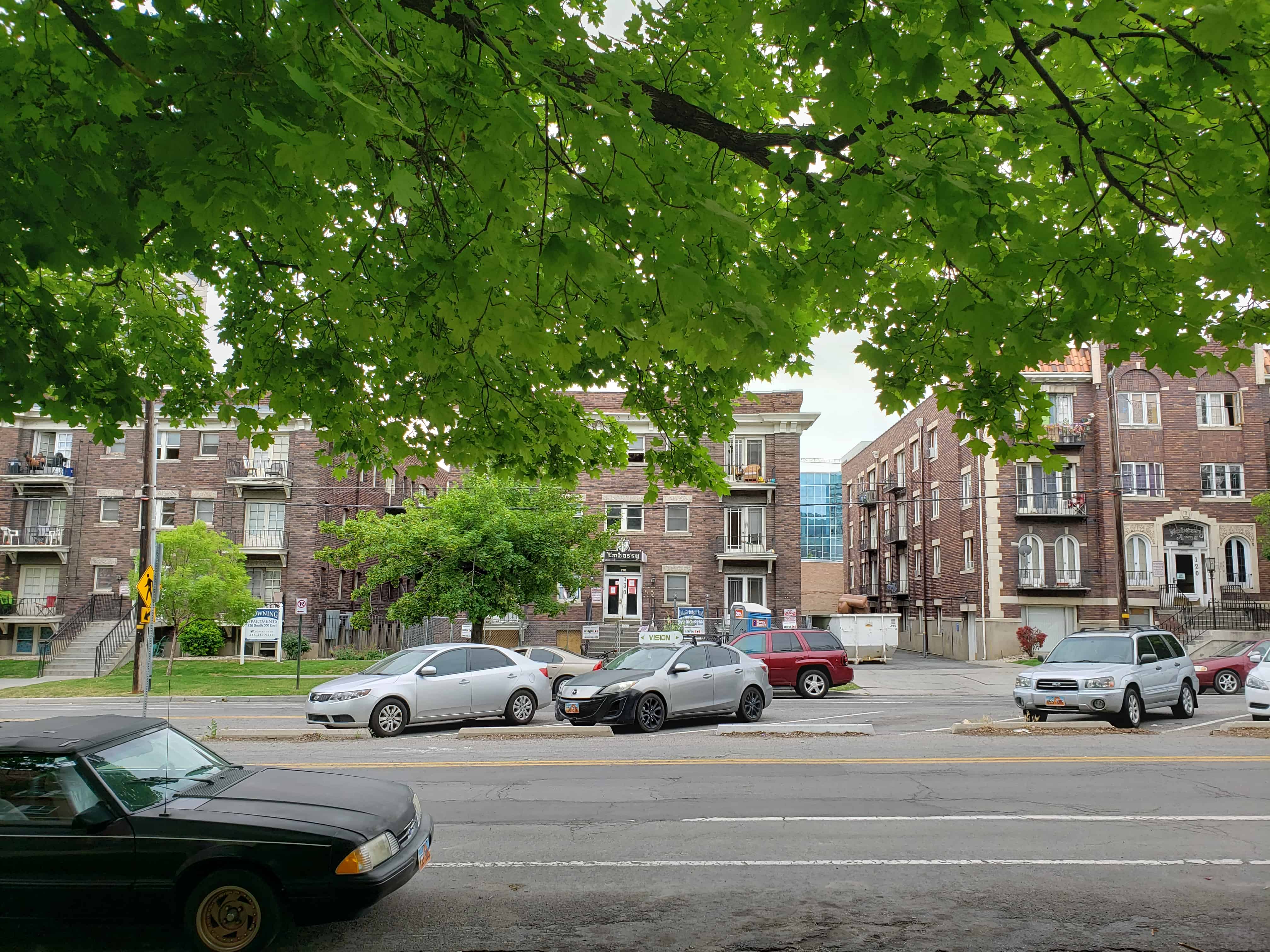
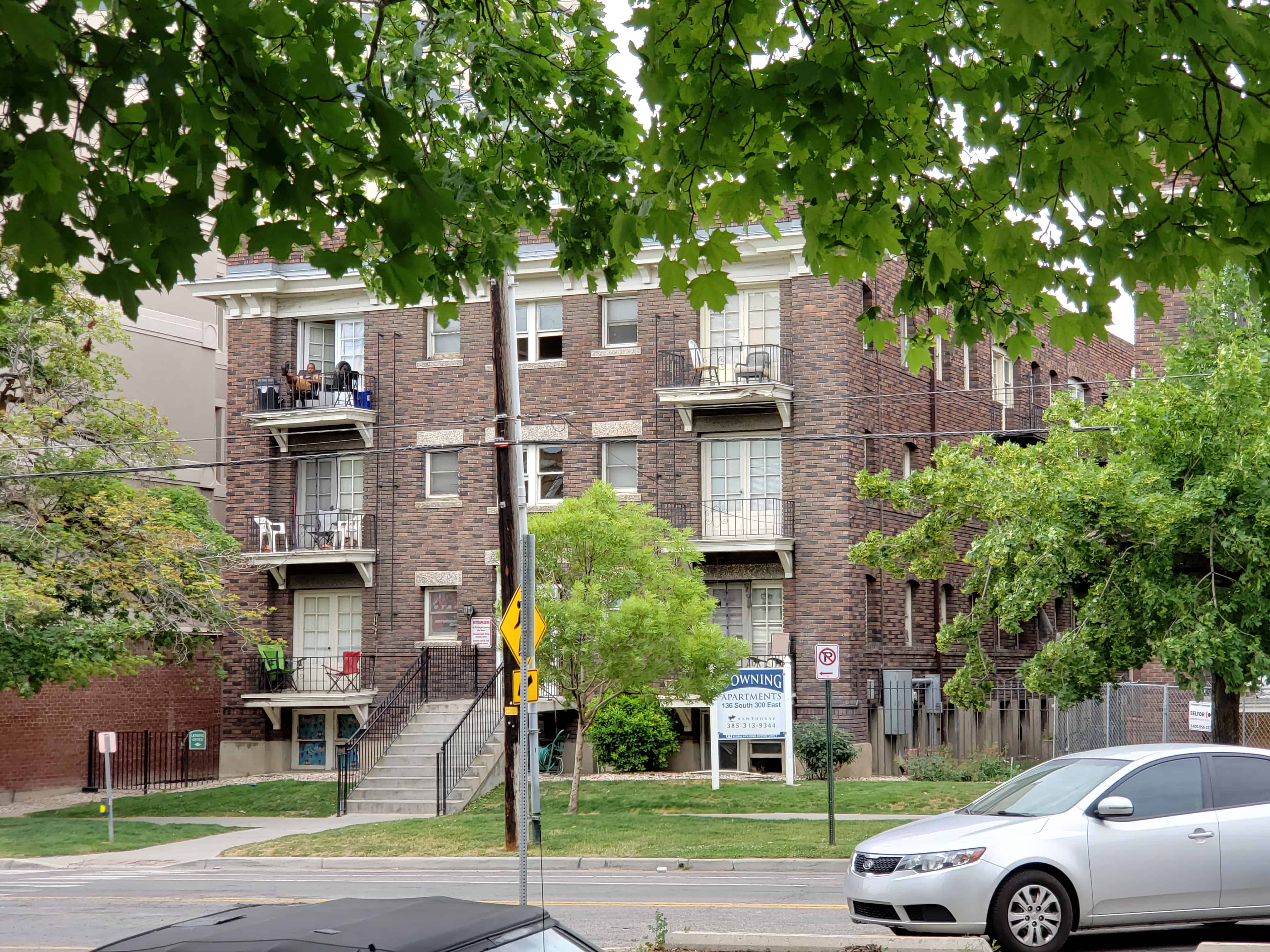
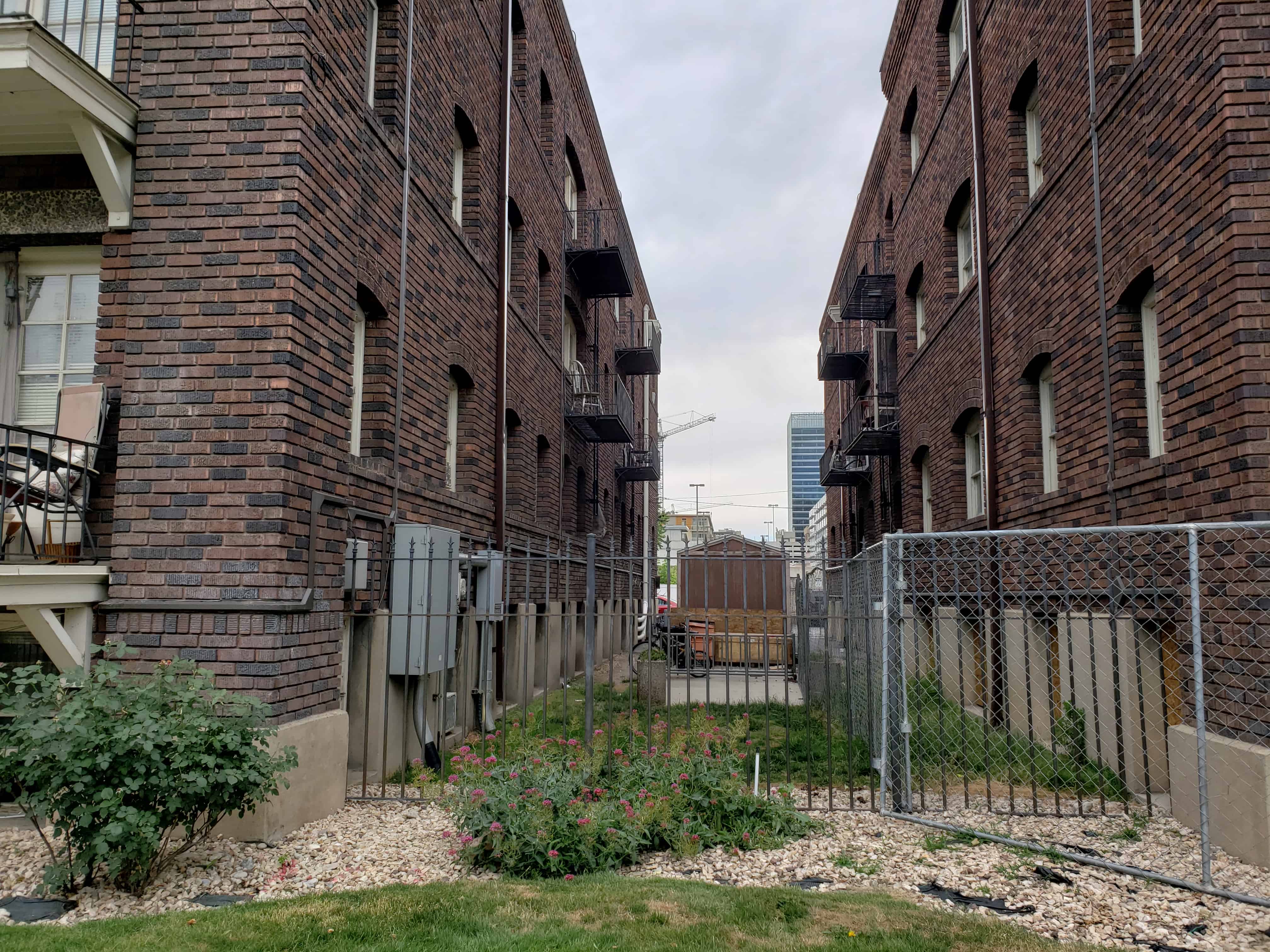
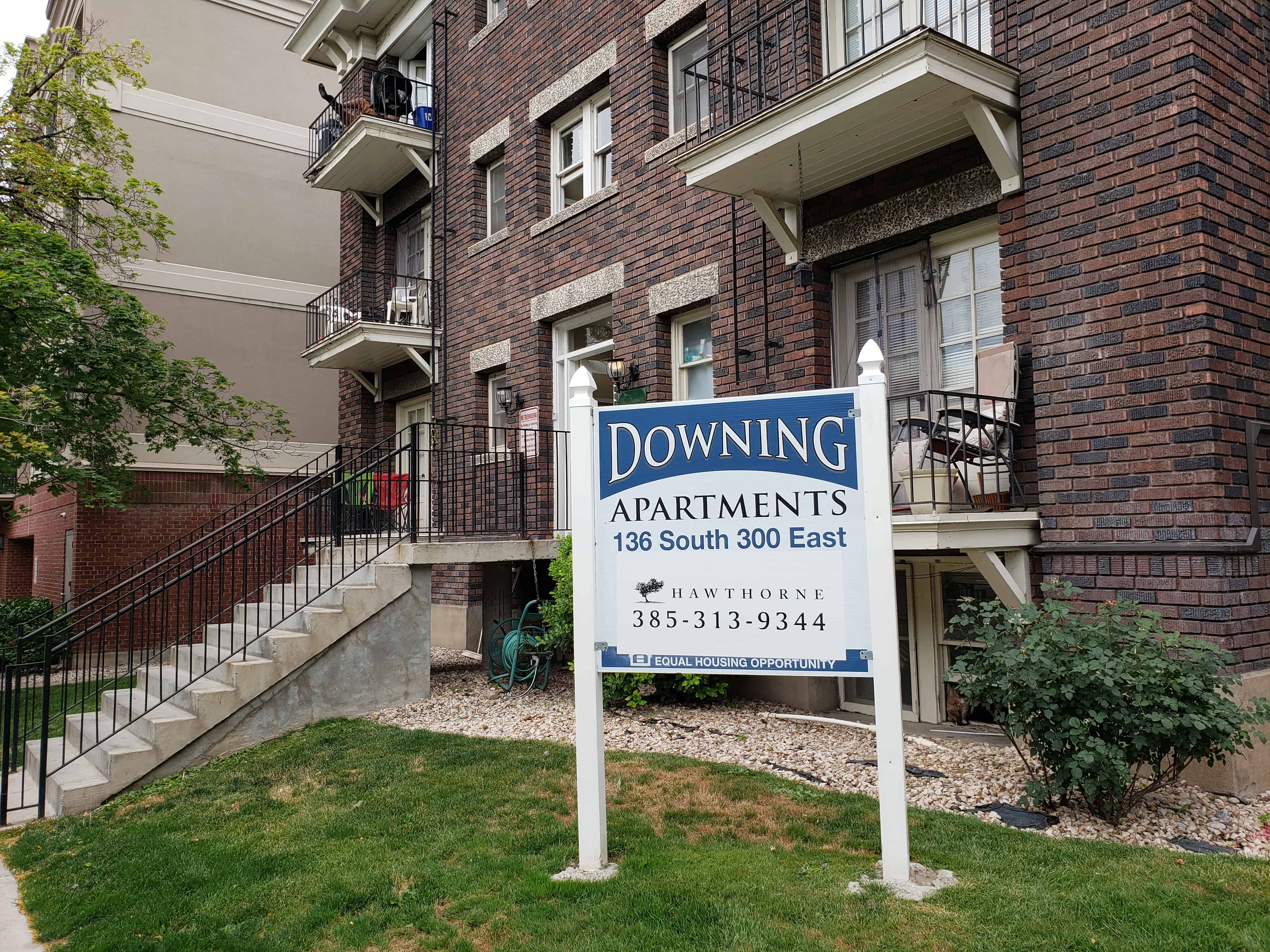
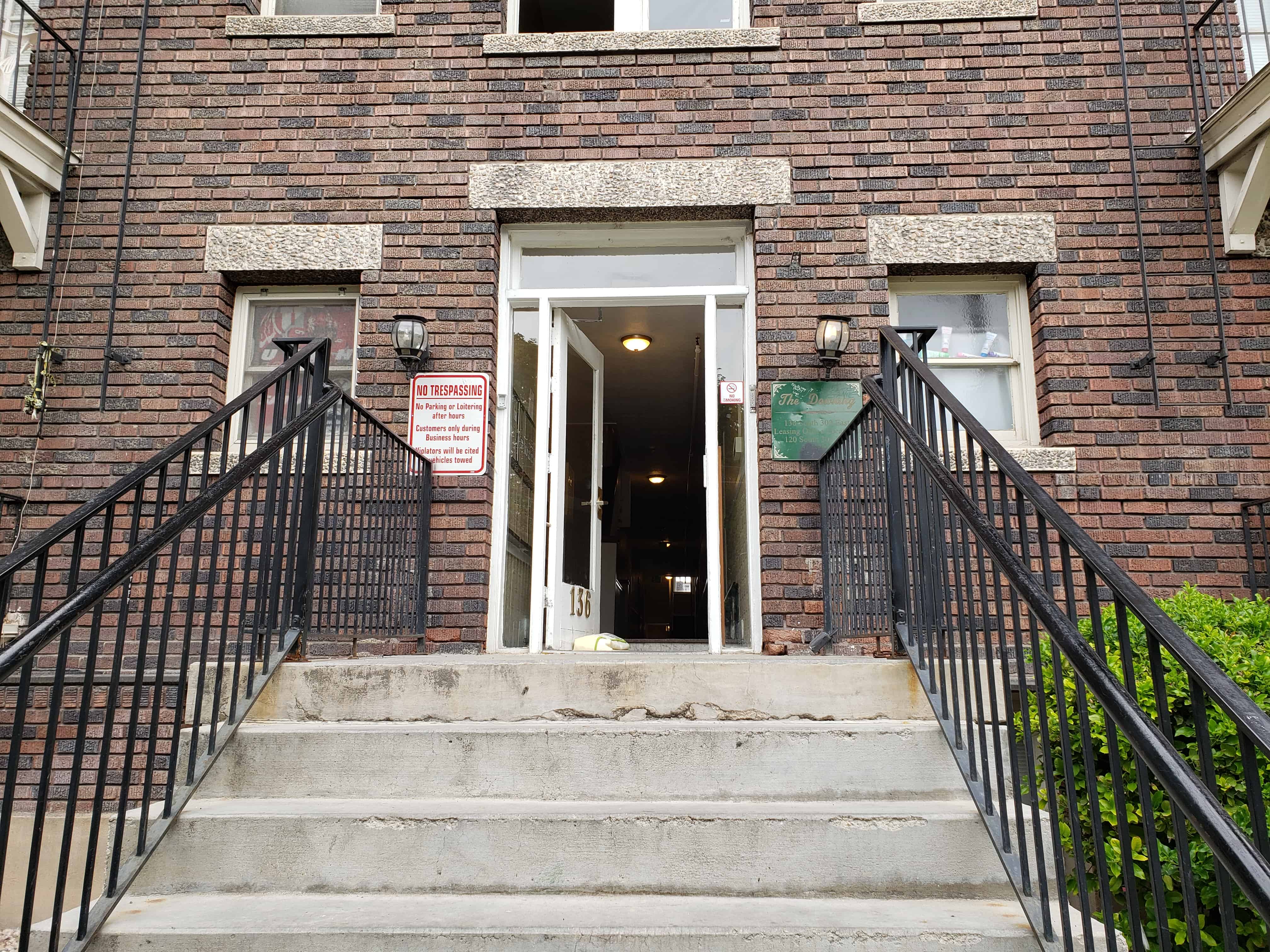
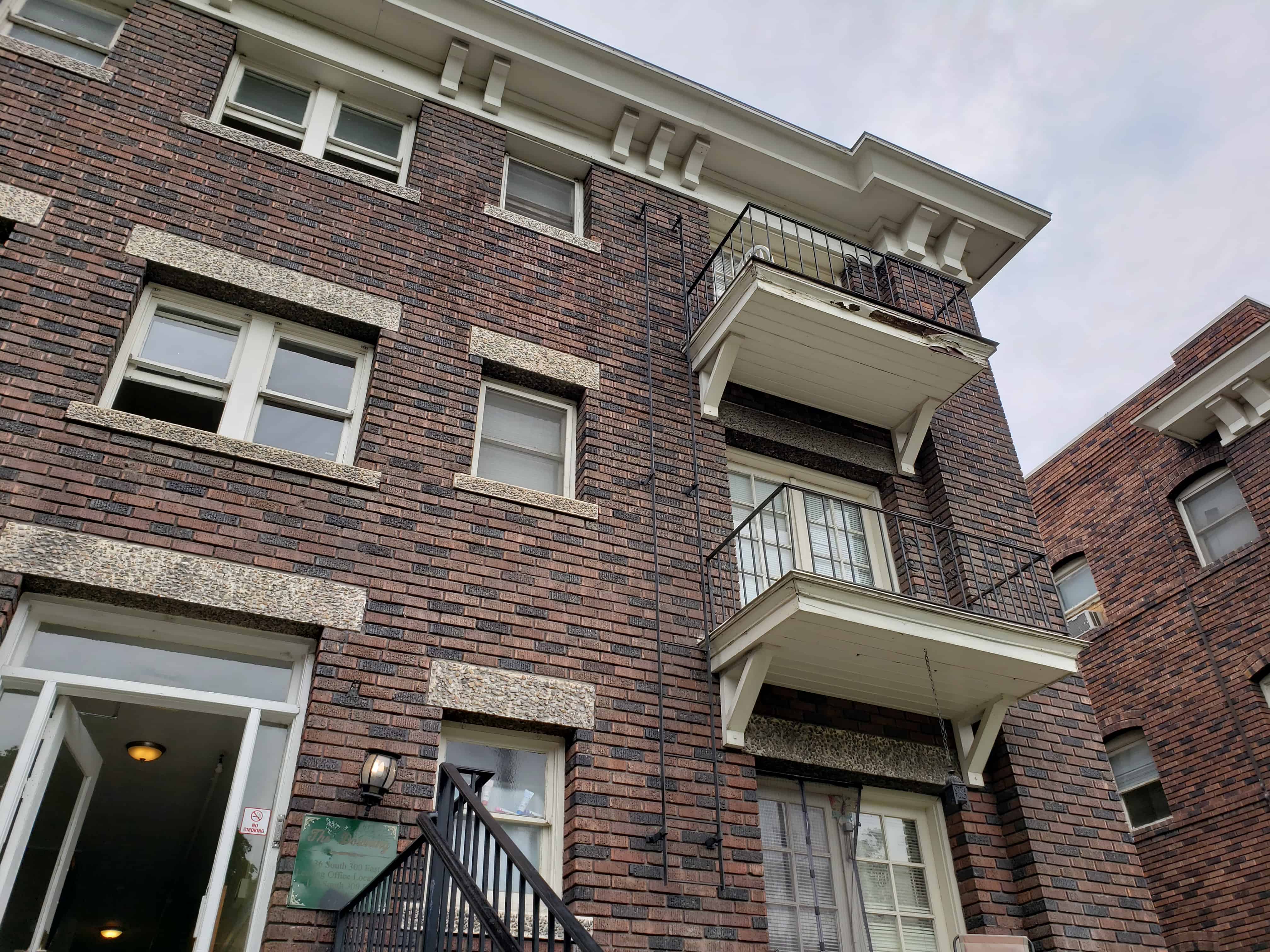
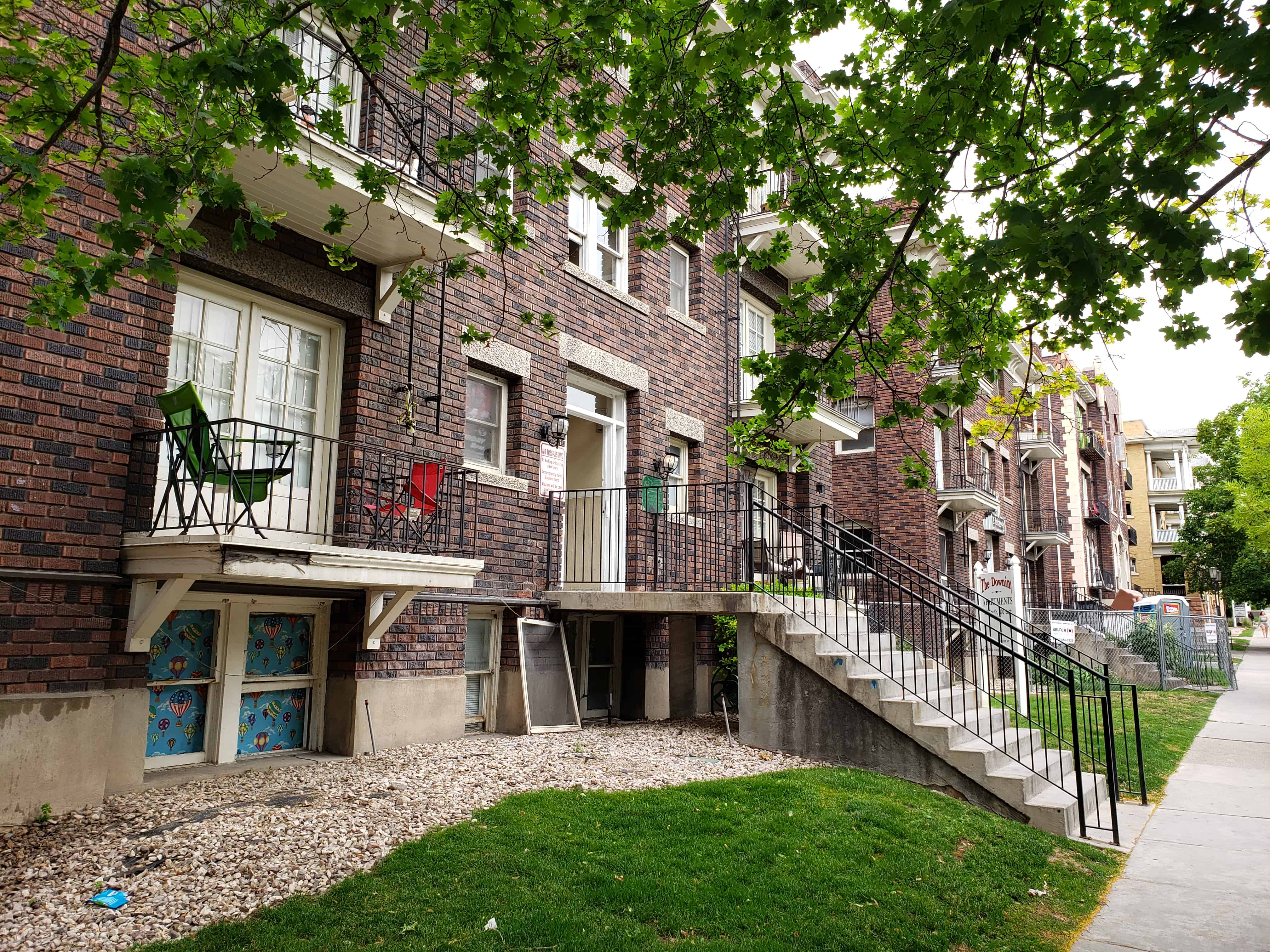
Located at 130 South 300 East in Salt Lake, it and the neighboring Embassy Arms Apartments (120 South) and Downing Apartments (136 South) were built in by Hardy and Bessie P. Downing who also lived here. The Embassy buildings were constructed in 1926, I don’t know the date for the Downing yet.
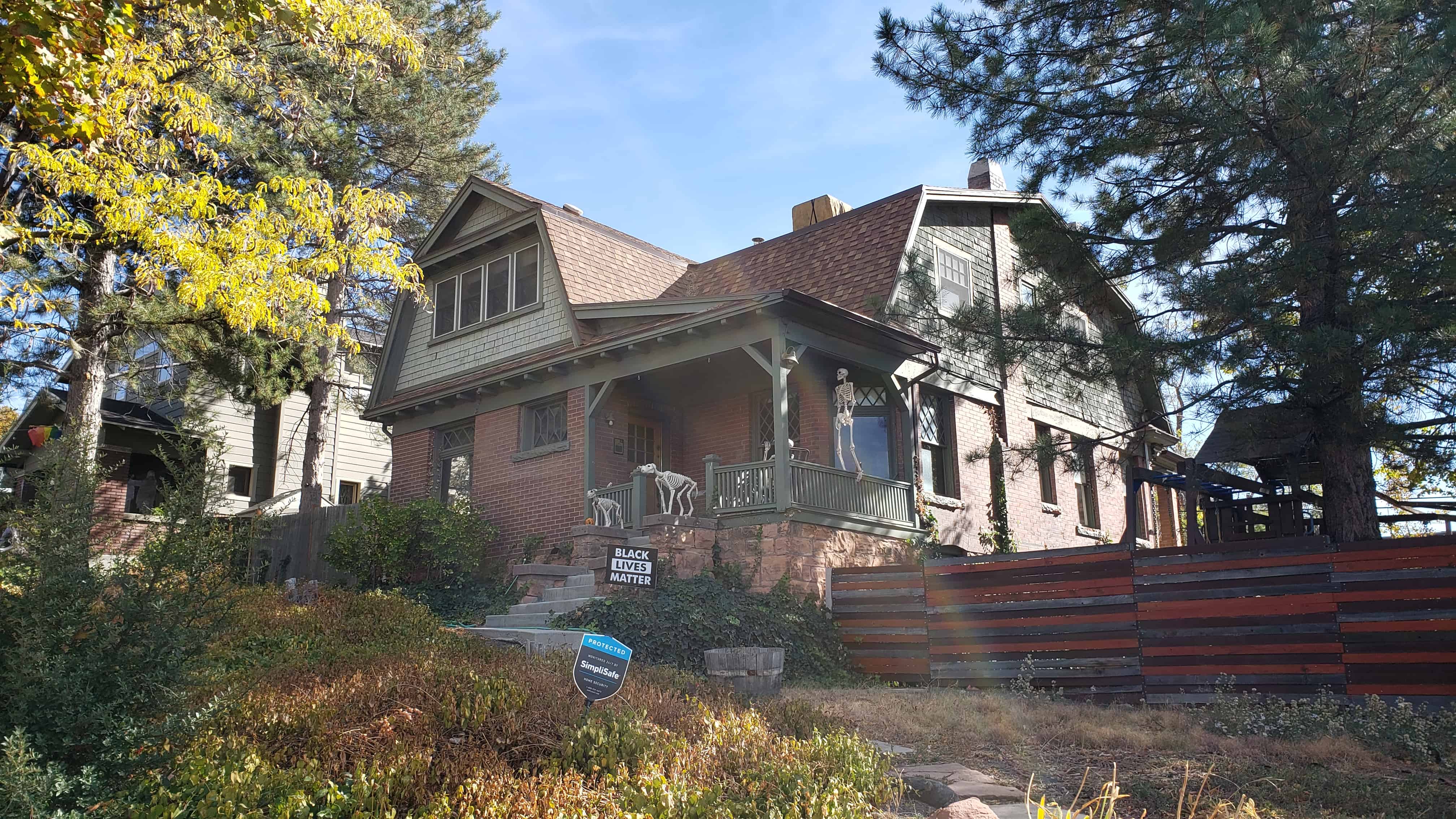
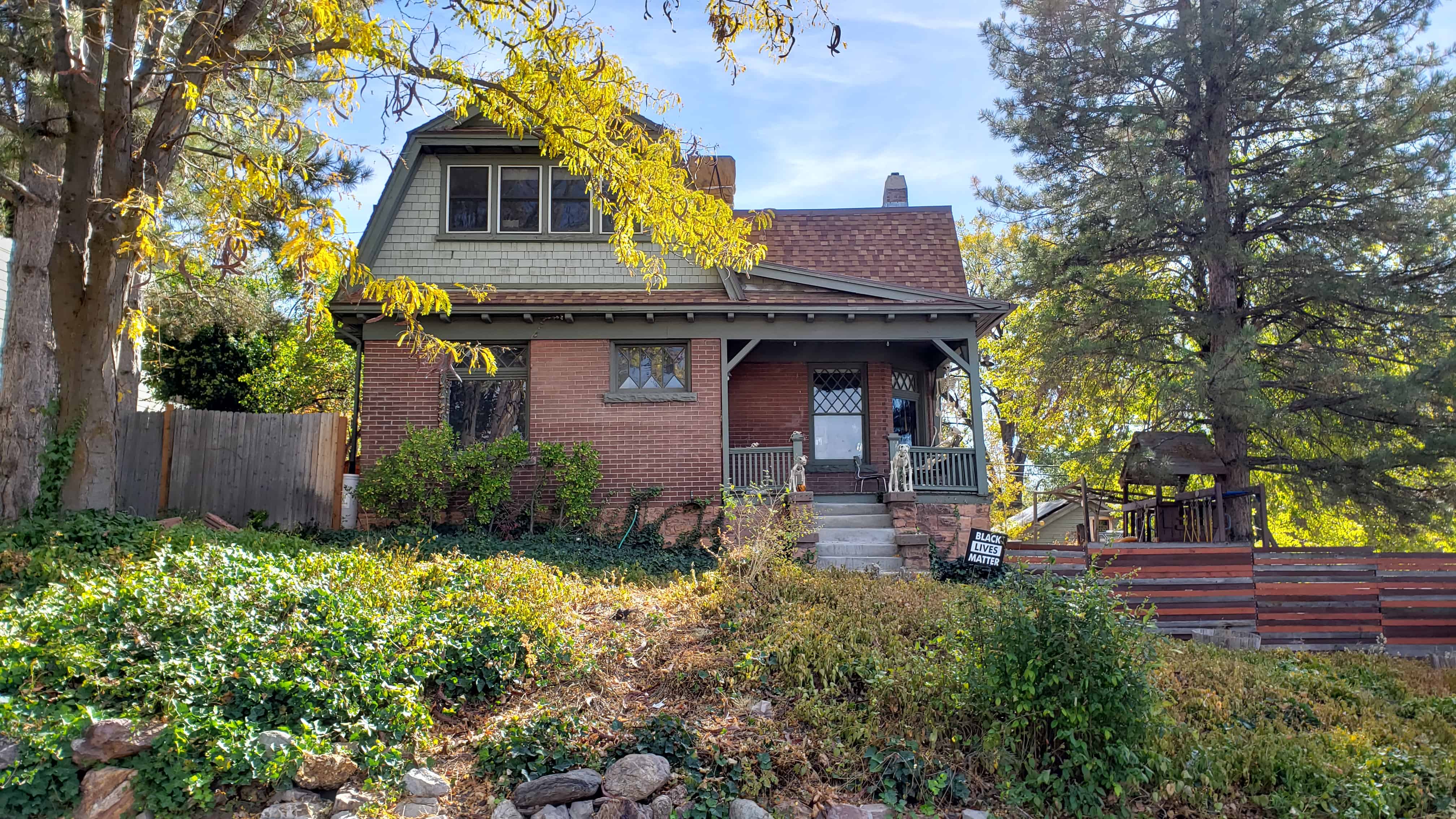
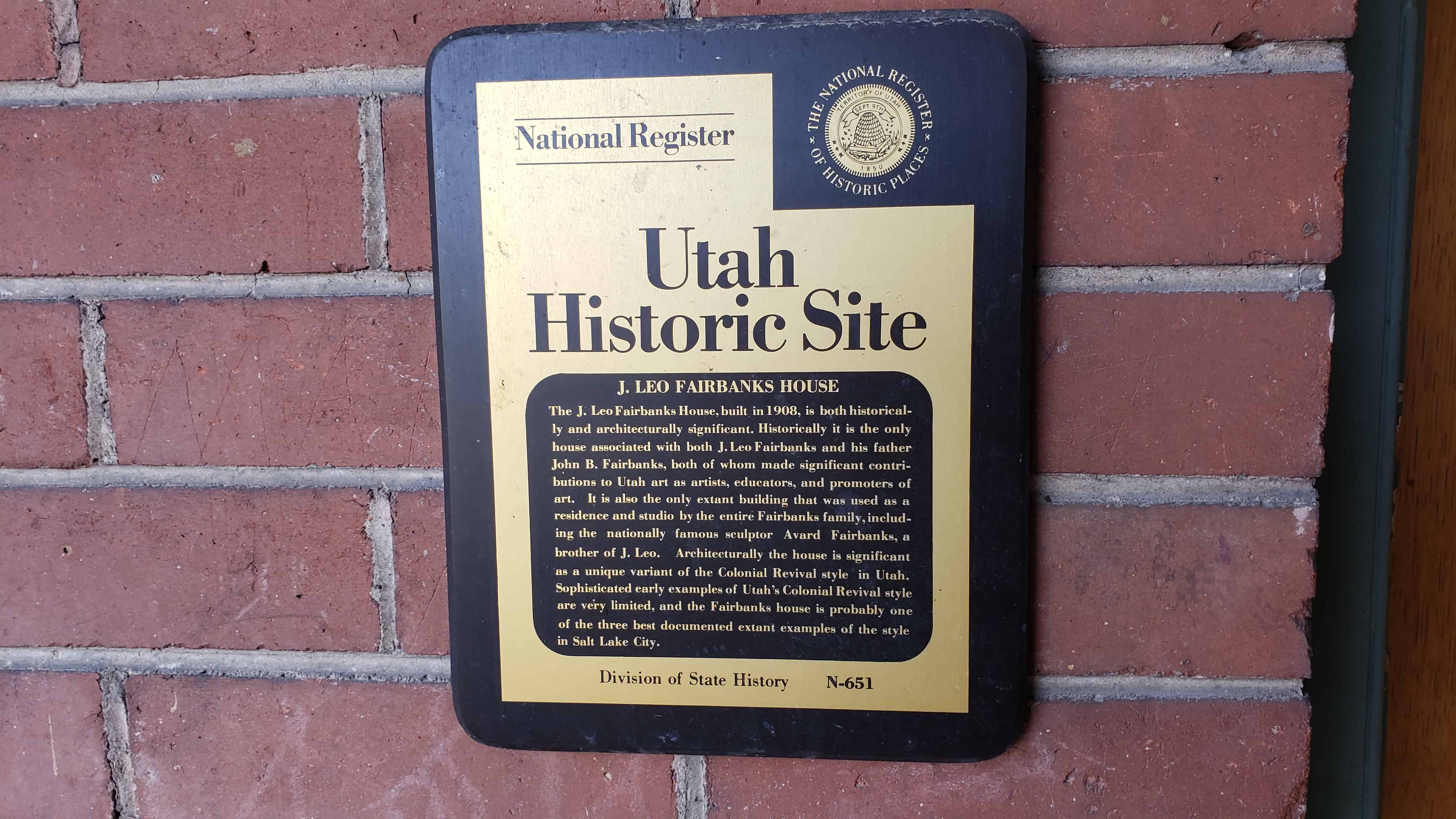
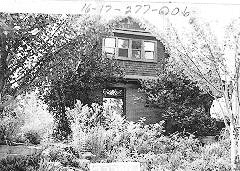
The J. Leo Fairbanks House, built in 1908, is both historically and architecturally significant. Historically it is the only house associated with both J. Leo Fairbanks and his father John B. Fairbanks, both of whom made significant contributions to Utah art as artists, educators, and promoters of art. It is also the only extant building that was used as a residence and studio by the entire Fairbanks family, including the nationally famous sculptor Avard Fairbanks, a brother of J. Leo. Architecturally the house is significant as a unique variant of the Colonial Revival style in Utah. Sophisticated early examples of Utah’s Colonial Revival style are very limited, and the Fairbanks house is probably one of the three best documented extant examples of the style in Salt Lake City.
Built in 1908 for Utah artist J. Leo Fairbanks, this house is both historically and architecturally significant. Historically it is the only house associated with both J. Leo Fairbanks and his father John B. Fairbanks, both of whom made significant contributions to Utah art as artists, educators, and promoters of art. It is also the only extant building that was used as a residence and studio by the entire Fairbanks family, including the nationally famous sculptor Avard Fairbanks, a brother of J. Leo. Both J. Leo and John B. studied in Paris and returned to Utah where they became best known for their work on religious murals in temples of The Church of Jesus Christ of Latter-day Saints (LDS Church), John B. having painted some of the murals, and J. Leo having restored some damaged murals. Both taught art at the LDS University in Salt Lake City and elsewhere, and each held the position of supervisor of art in public schools, John B. in Ogden, and J. Leo in Salt Lake City. Architecturally the house is significant as a unique variant of the Colonial Revival style in Utah. Sophisticated early examples of Utah’s Colonial Revival style are very limited, and the Fairbanks house is probably one of the three best documented extant examples of the style in Salt Lake City. Two other examples listed in the National Register include: the Walter E. Ware House, 1184 First Avenue, built ca. 1905 and listed in 1980 as part of the Avenues Historic District; and the Mort Cheesman House, 2320 Walker Lane, built 1912-13, and listed in the National Register as an individual nomination in 1982.
J. Leo Fairbanks, the designer and original owner of the house at 1228 Bryan Avenue, was born in Payson, Utah in 1878 to John B. and Lily H. Fairbanks. Following the lead of his father, John B. Fairbanks, and having studied under him at the LDS University, he became an artist. In 1901 he replaced his father as a teacher for one year at the LDS University, and then went to study in Paris. He studied with Laurens and Simon, and sculptors Bonn and Verlet before returning to Utah in 1903. He was then employed as supervisor of drawing in the Salt Lake City schools, a position which he held until 1923. He also served as the art director at LDS University and as president of the Utah Art Institute. J. Leo is best known for his many religious (LDS) paintings, and worked on the restoration of damaged mural sections in the Salt Lake City LDS Temple. He devised several successful schemes for mural decoration for the interiors of public halls. In 1924 he moved to Oregon where he became the director of the art department at Oregon State College.
J. Leo was single when he designed and had this house built in 1908. According to his brother Avard, inspiration for the design of the house came from the old family home in Dedham, MA, the famous Jonathan Fairbanks home, built in 1636, and from European sources to which he had been exposed during his years of study. J. Leo invited his father, a widower, and the rest of his family to live with him, and the house served as the Fairbanks family home and studio for over fifteen years. They had previously resided at 1152 East Bryan Avenue.
J. Leo, his father John B., and his brother Avard were all notable Utah artists, and each resided in the house for an extended period of time. Some of the second story rooms were used as a home studio. John B. was born in Payson on December 27, 1855 to Utah pioneers John Boylston and Sarah Van Wagoner Fairbanks. He studied art in Paris from 1890 to 1892 under Rigelot, Constant, Lefebvre and Laurens. Although his work includes some paintings, he is best known for the murals he painted in the LDS temples in Salt Lake City, St. George, Utah, and Mesa, Arizona, and for the Century in Progress exposition in Chicago, the San Diego exposition and the Texas centennial. He was a professor of art at Brigham Young University, Weber Stake Academy, and at the LDS University. He became the first supervisor of arts in public schools in Ogden in 1898. Avard, the most famous of the Fairbanks artists, was a child prodigy, and is the best known among traditional realist sculptors working in Utah.4 He spent his childhood in this house. He too studied in Paris at the Academie de la Grande Chaumier et Colaross and then with Injalbert at the Ecole Moderne. He became the first dean of the School of Fine Arts at the University of Utah.
The house was rented periodically during the later years of Fairbanks occupancy. It was sold to Edward G. Titus, Director of the Utah-Idaho Sugar Co., in 1925, and he owned the house until his death in 1964. The current owners are Michael Treshow and Marilyn Tueller who bought the house in 1982 and are restoring it.
The Oscar Swett Ranch consists of three pioneer homesteads–the first settled by Sanford Green in 1907, the second in 1909 by Mr. Swett’s mother and the third by Oscar Swett in 1913. The consolidation of the three homesteads was completed in 1928 when Oscar Swett bought the Sanford Green Homestead. The 397 acre ranch was operated with only horse-drawn equipment for 60 years until it was purchased by the United States Forest Service in 1970.