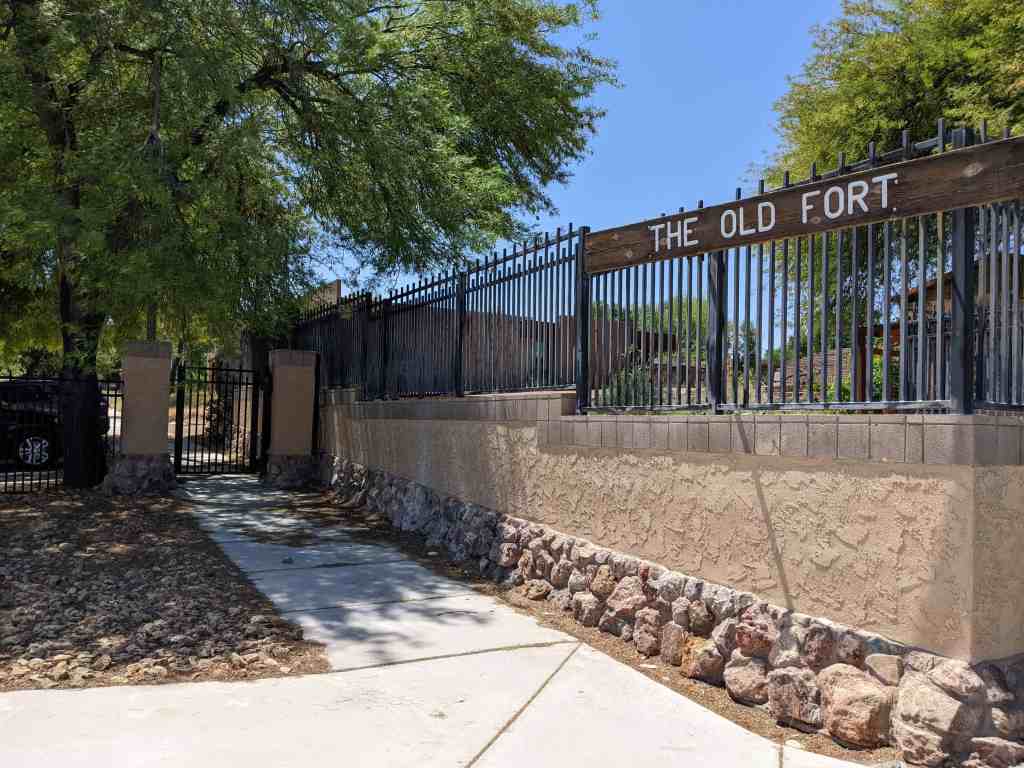
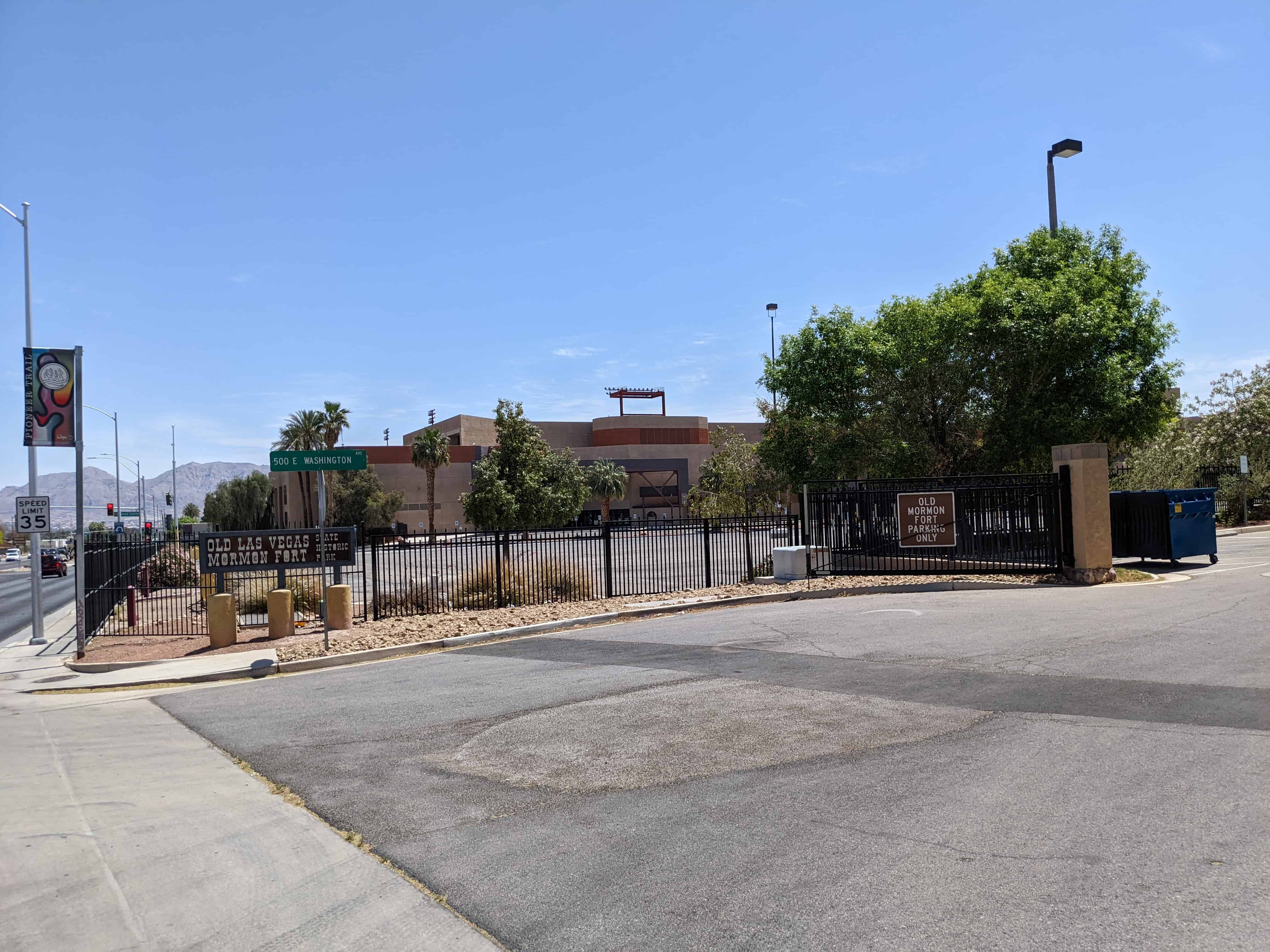
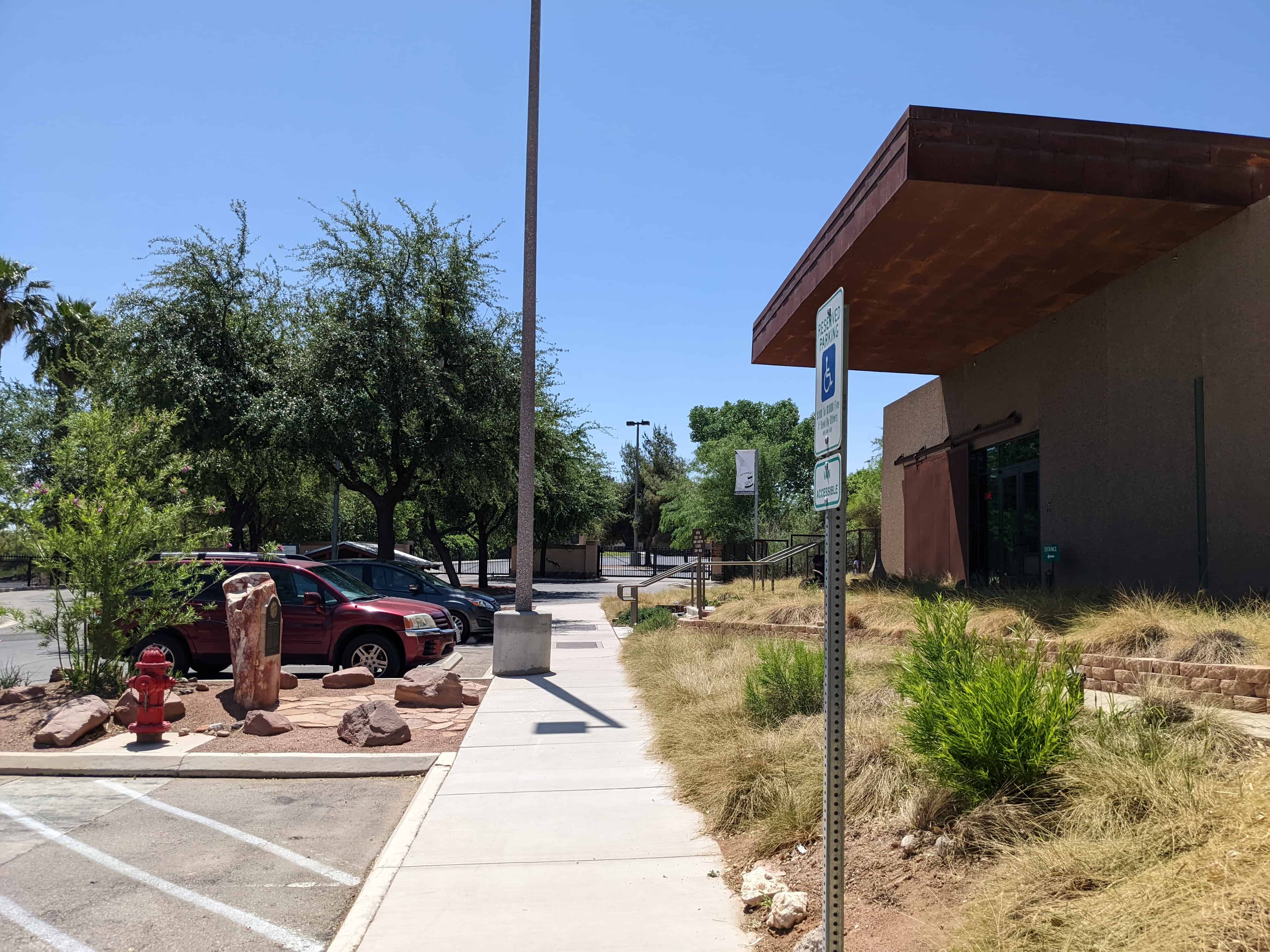
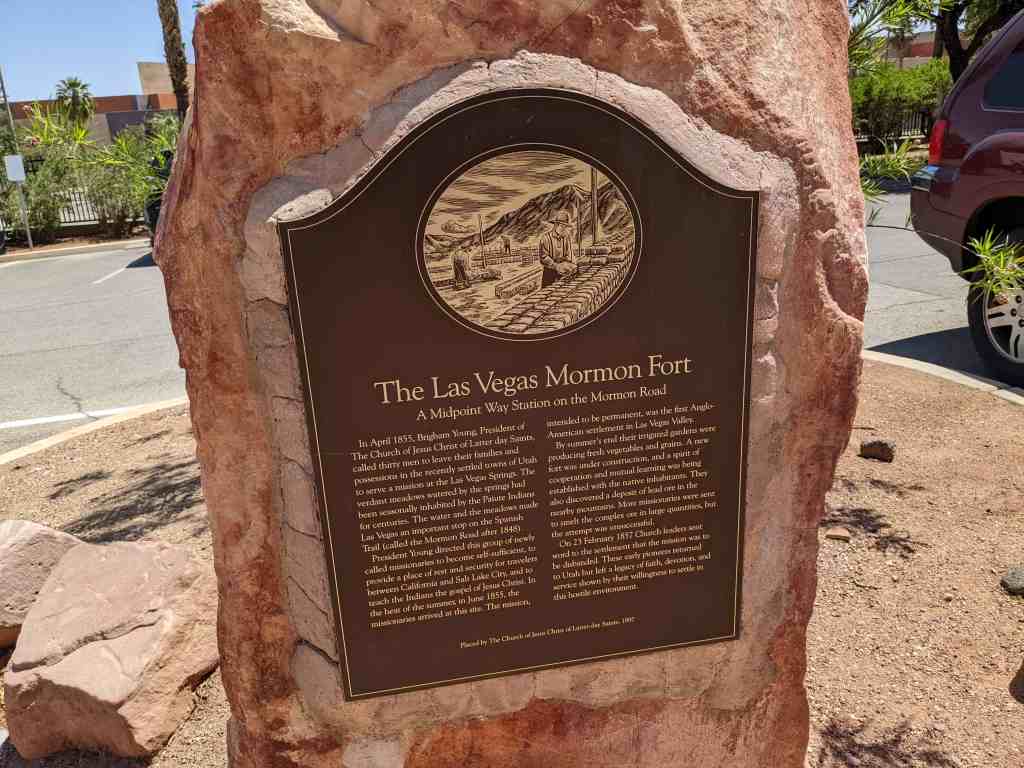
The Las Vegas Mormon Fort A Midpoint Way Station on the Mormon Road
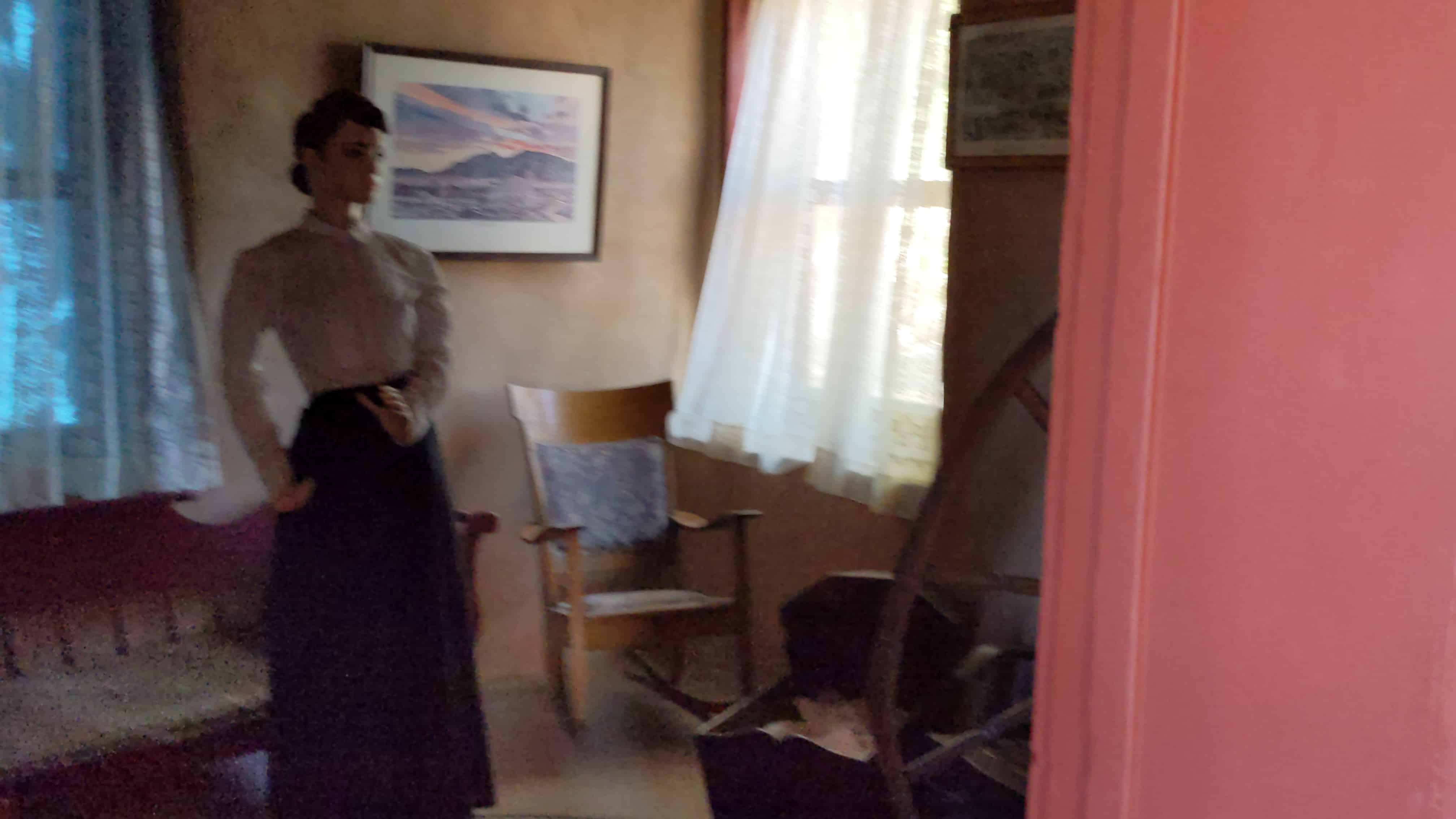
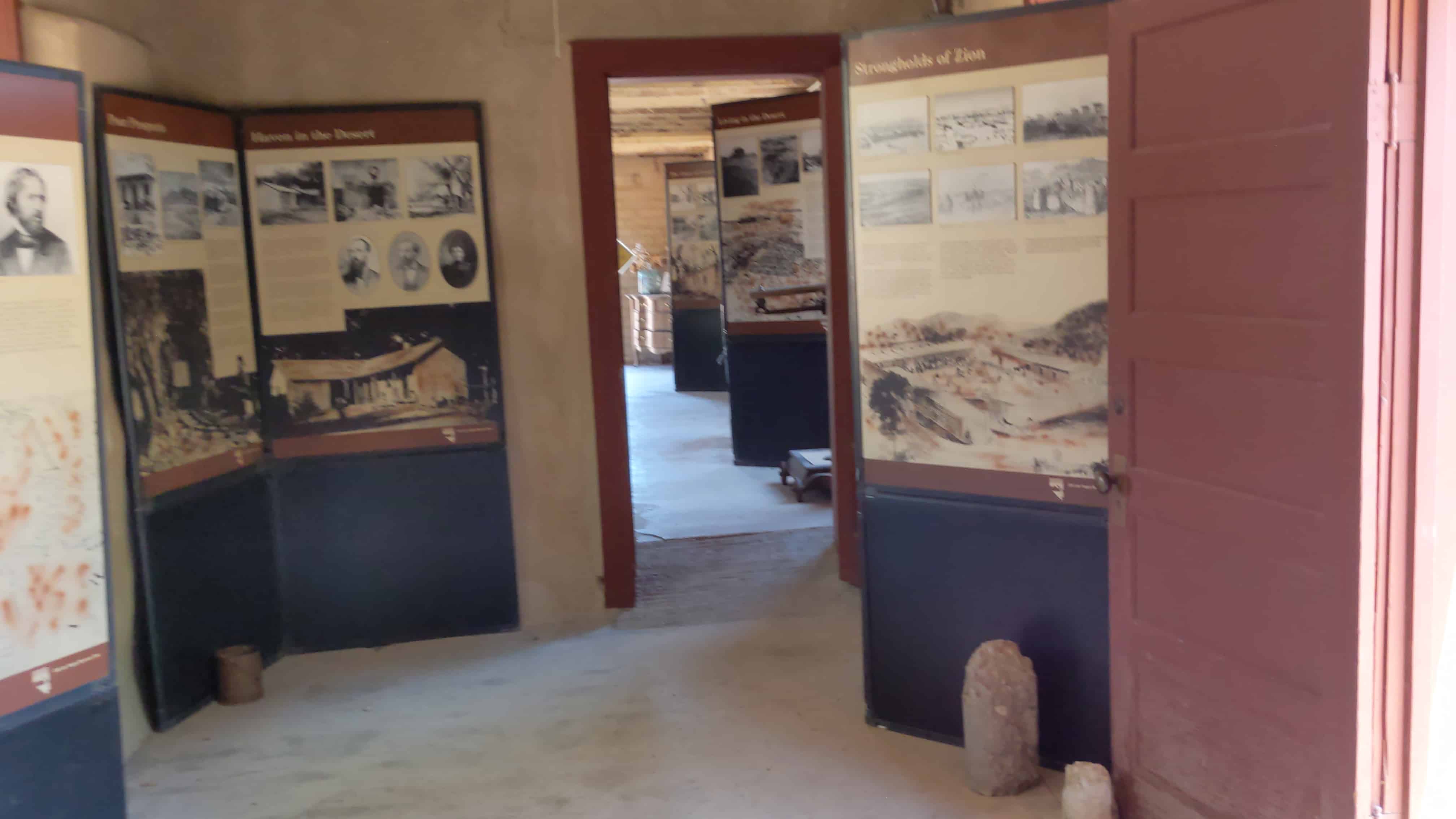
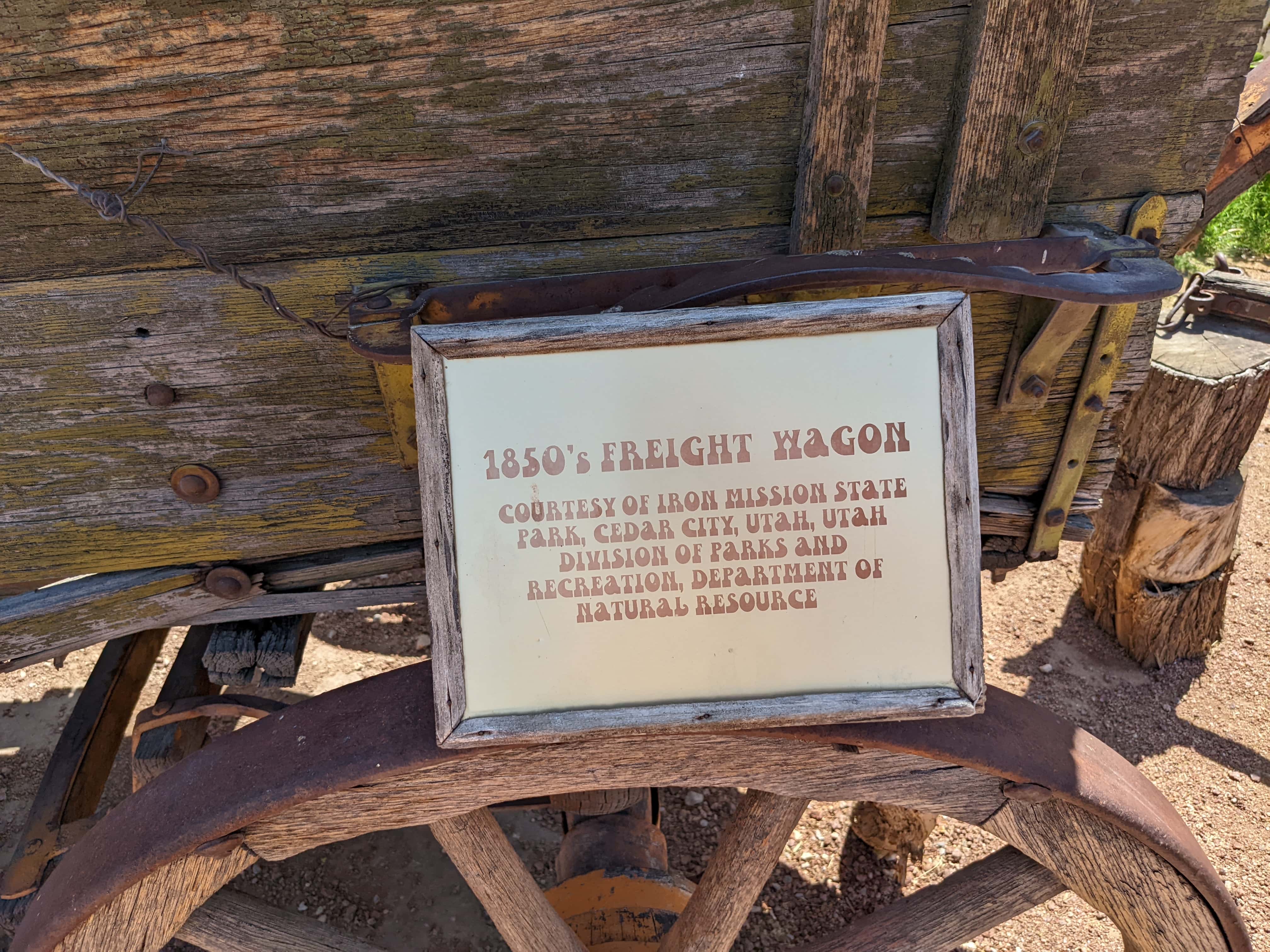
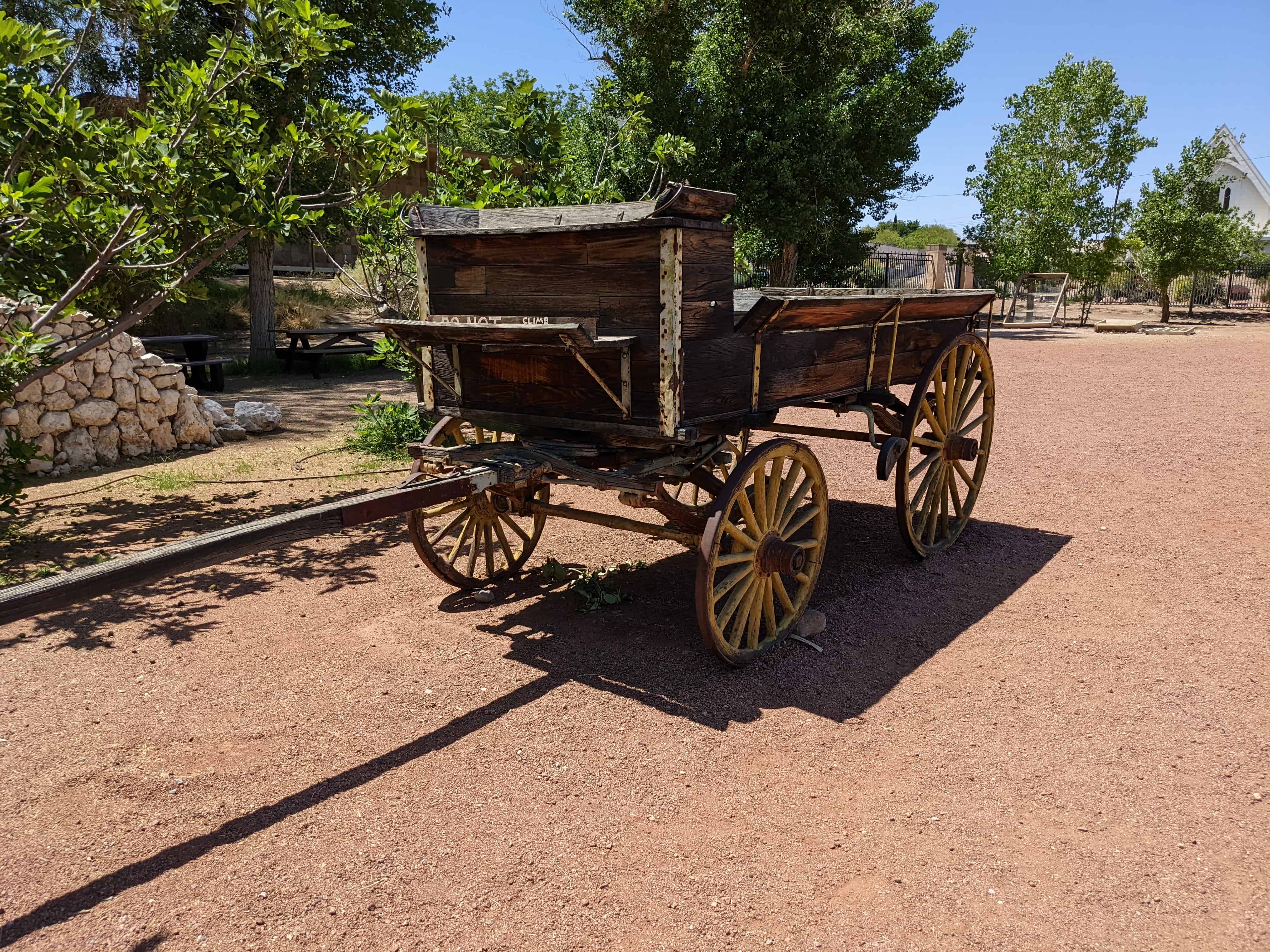
In April 1855, Brigham Young, President of The Church of Jesus Christ of Latter day Saints, called thirty men to leave their families and possessions in the recently settled towns of Utah to serve a mission at the Las Vegas Springs. The verdant meadows watered by the springs had been seasonally inhabited by the Paiute Indians for centuries. The water and the meadows made Las Vegas an important stop on the Spanish Trail (called the Mormon Road after 1848).
President Young directed this group of newly called missionaries to become self-sufficient, to provide a place of rest and security for travelers between California and Salt Lake City, and to teach the Indians the gospel of Jesus Christ. In the heat of the summer, in June 1855, the missionaries arrived at this site. The mission, intended to be permanent, was the first Anglo-American settlement in Las Vegas Valley.
By summer’s end their irrigated gardens were fort was under construction, and a spirit of producing fresh vegetables and grains. A new cooperation and mutual learning was being established with the native inhabitants. They also discovered a deposit of lead ore in the nearby mountains. More missionaries were sent to smelt the complex ore in large quantities, but the attempt was unsuccessful.
On 23 February 1857 Church leaders sent word to the settlement that the mission was to be disbanded. These early pioneers returned to Utah but left a legacy of faith, devotion, and service shown by their willingness to settle in this hostile environment.
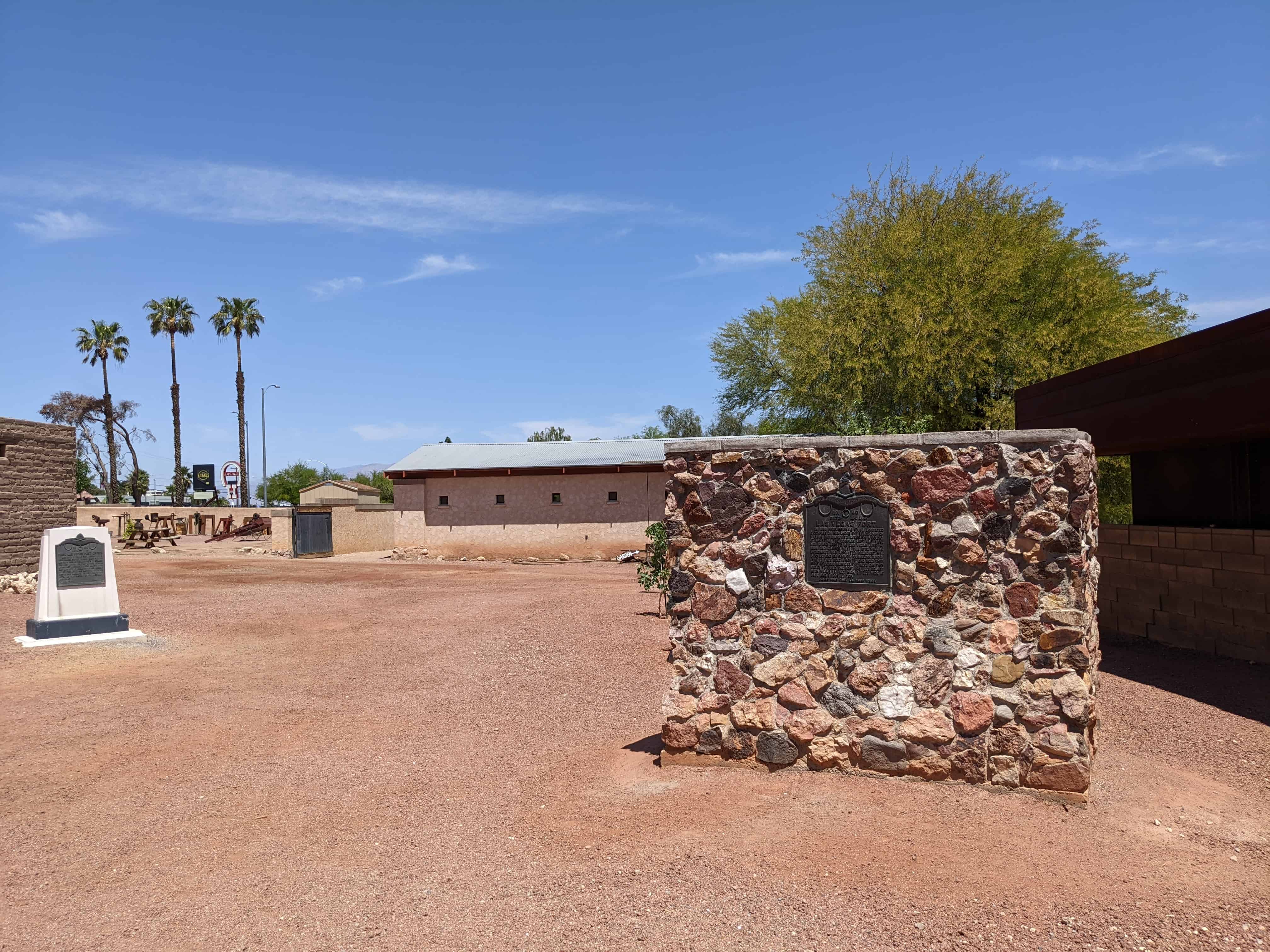
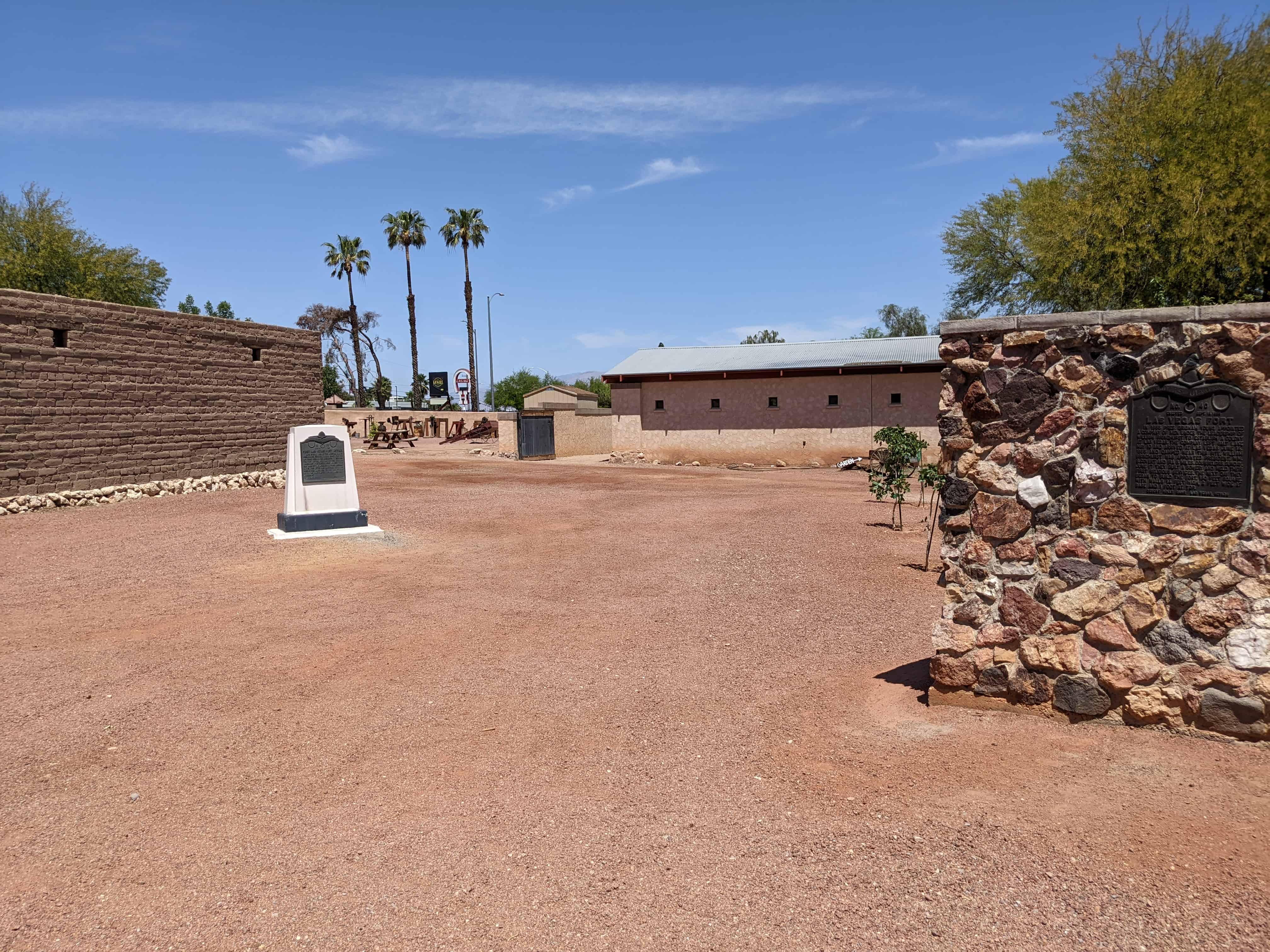
Las Vegas Old Mormon Fort (Nevada’s Oldest Building)
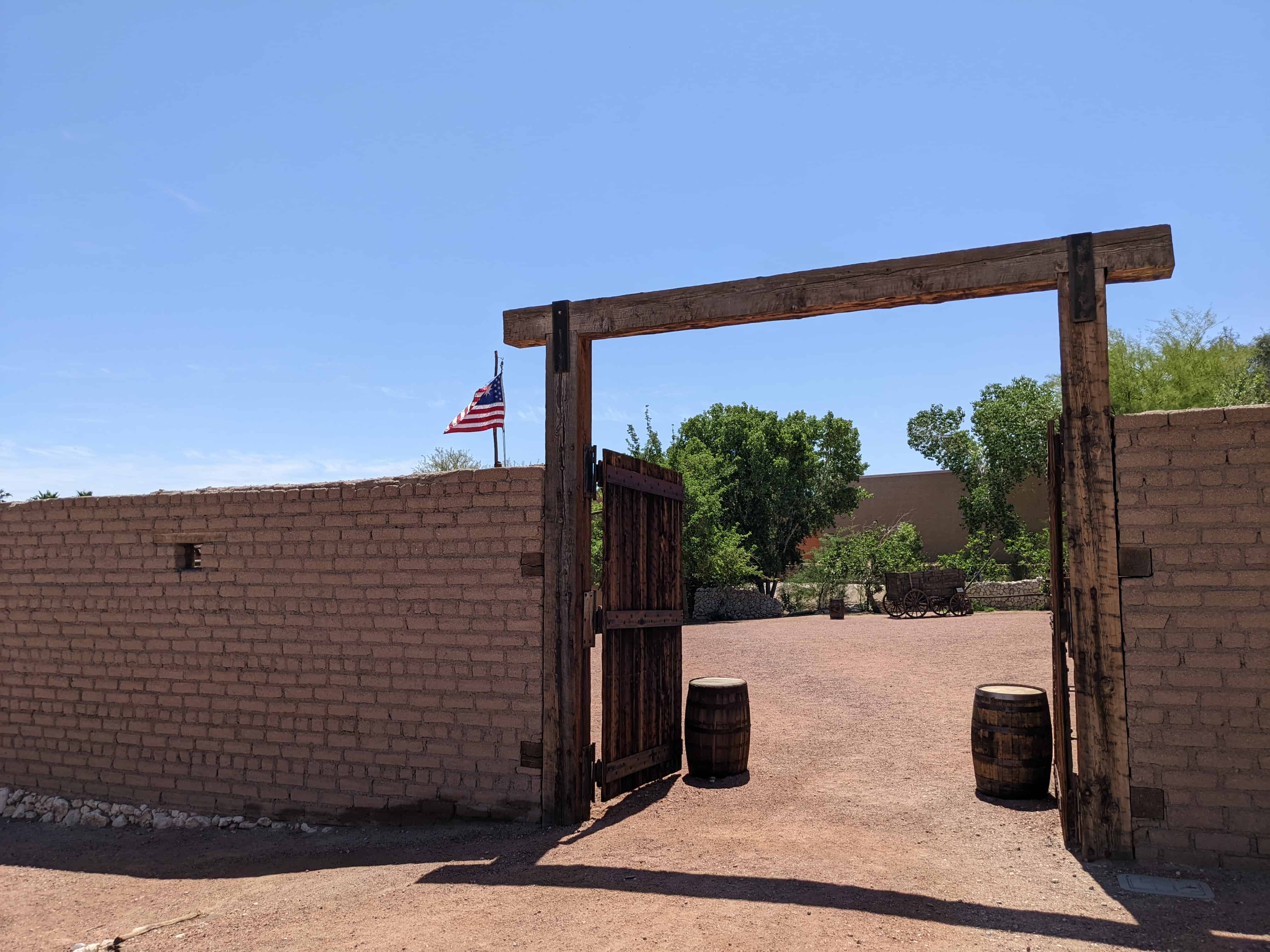
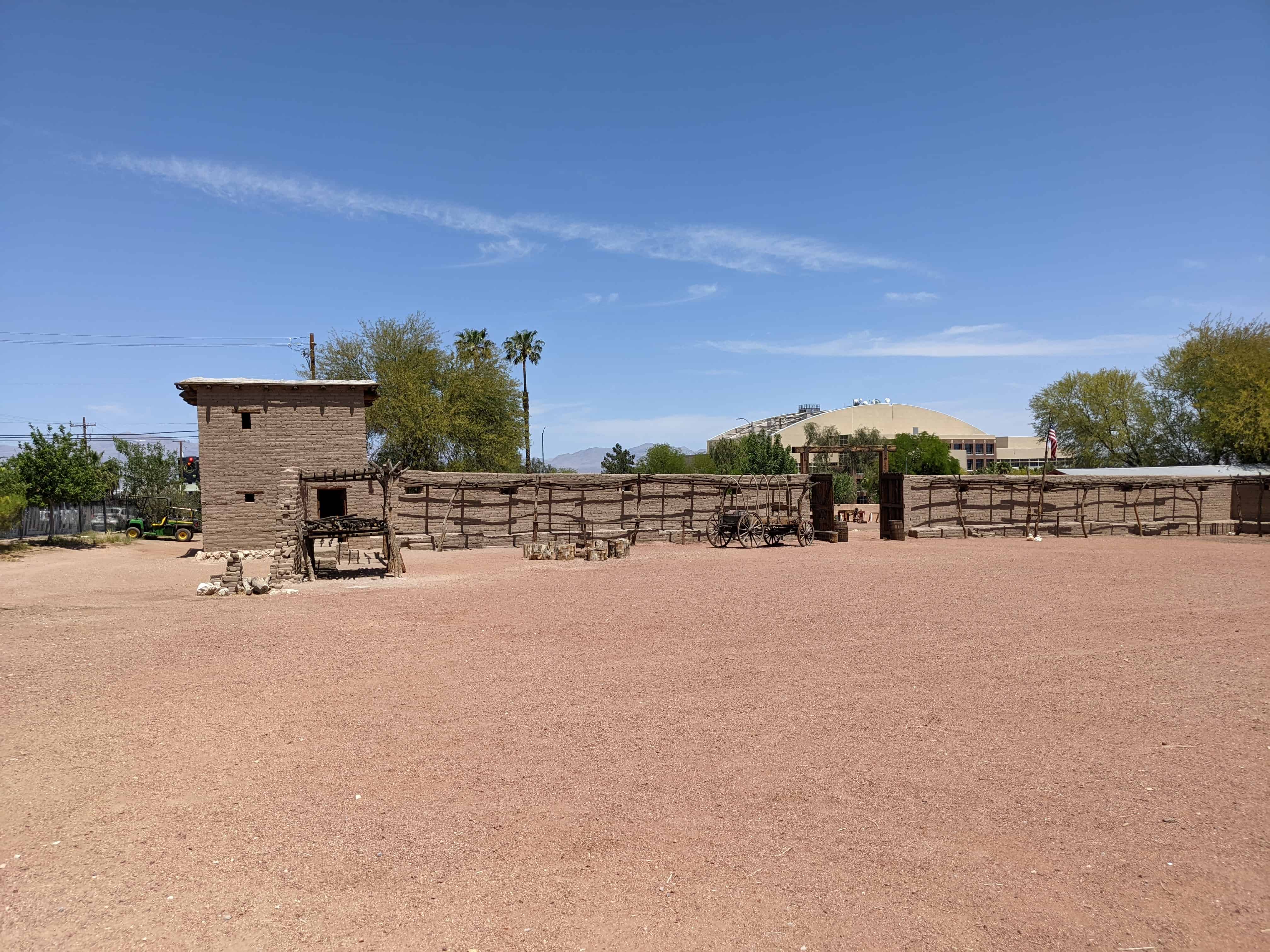
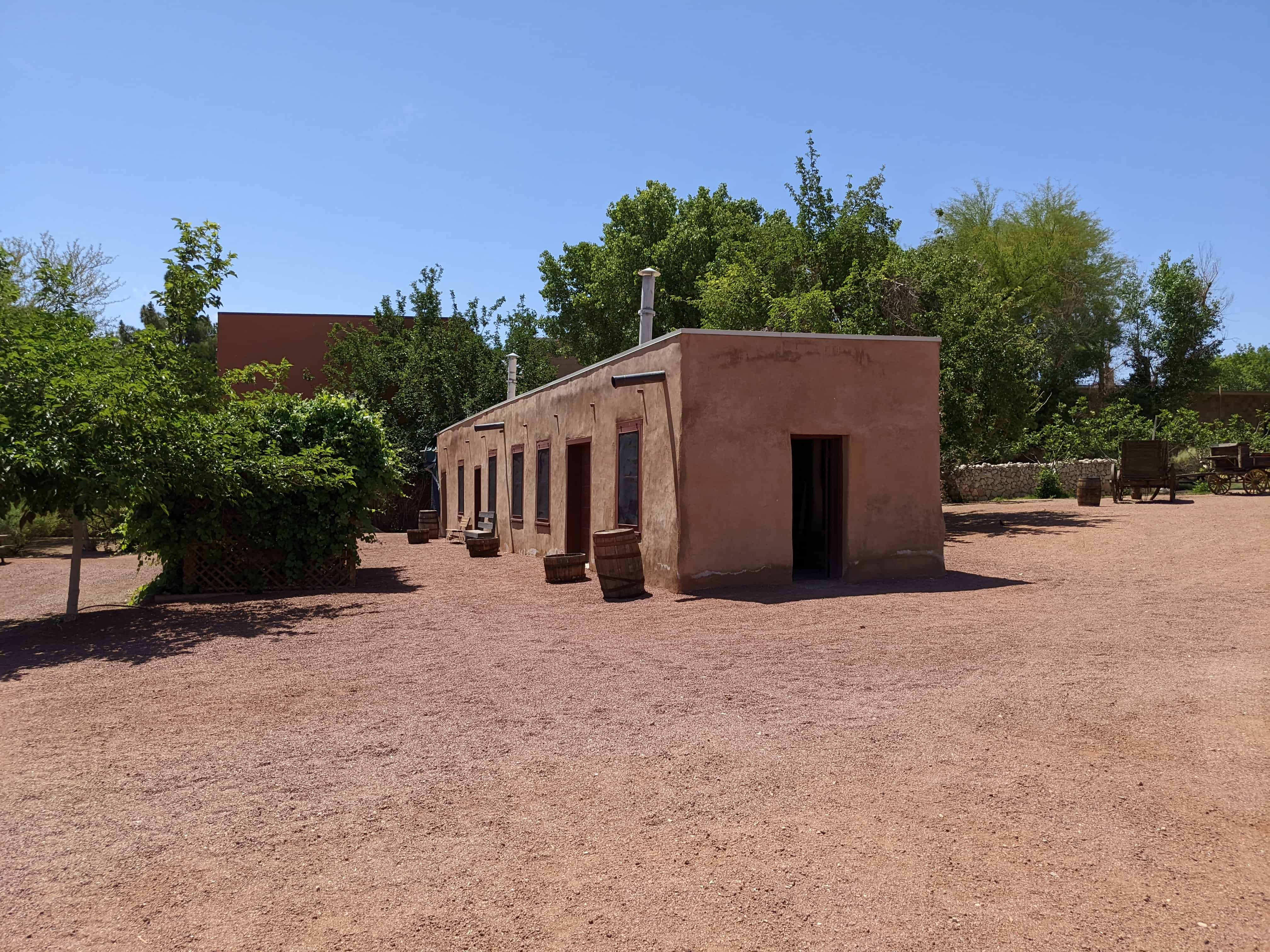
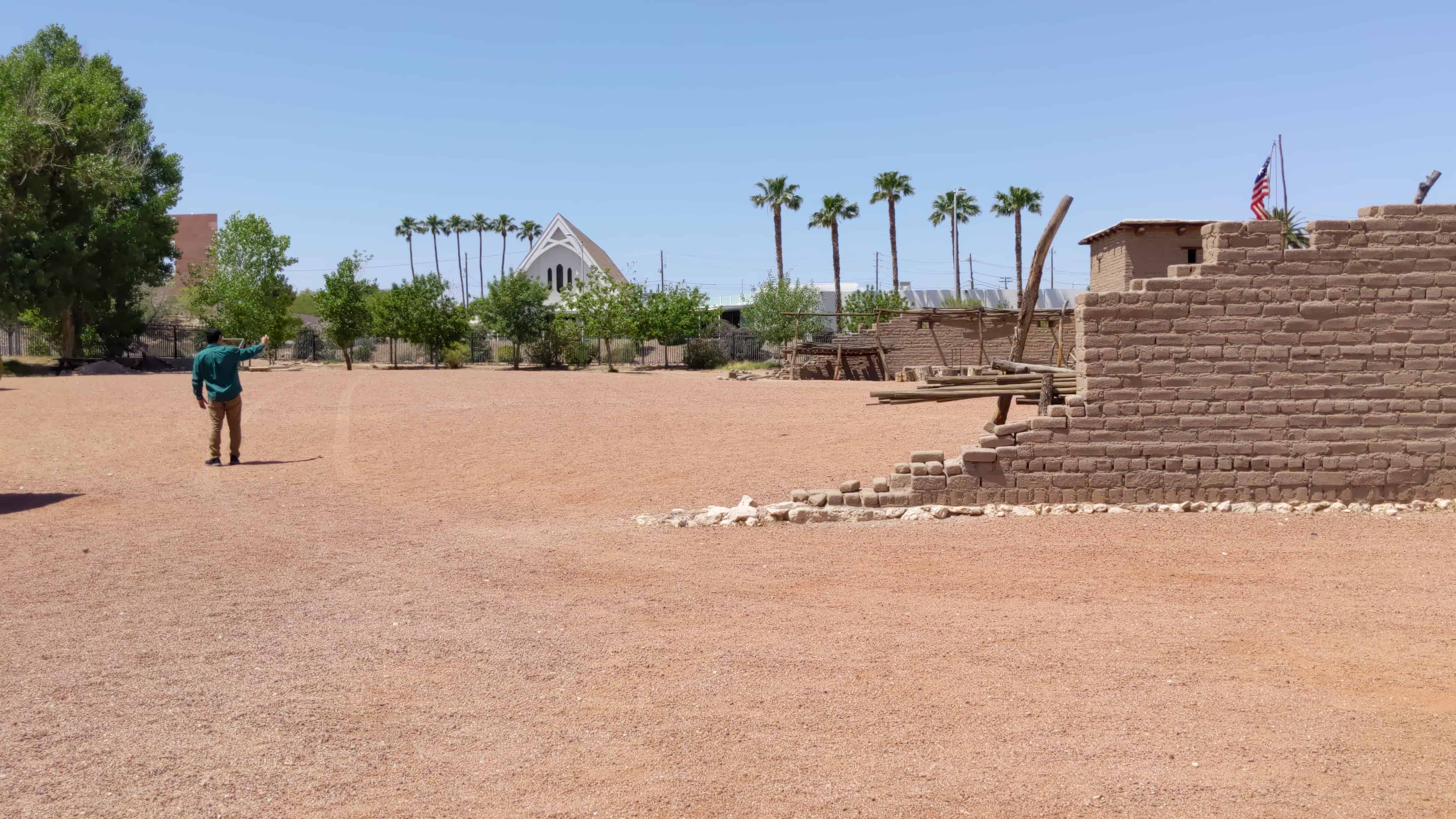
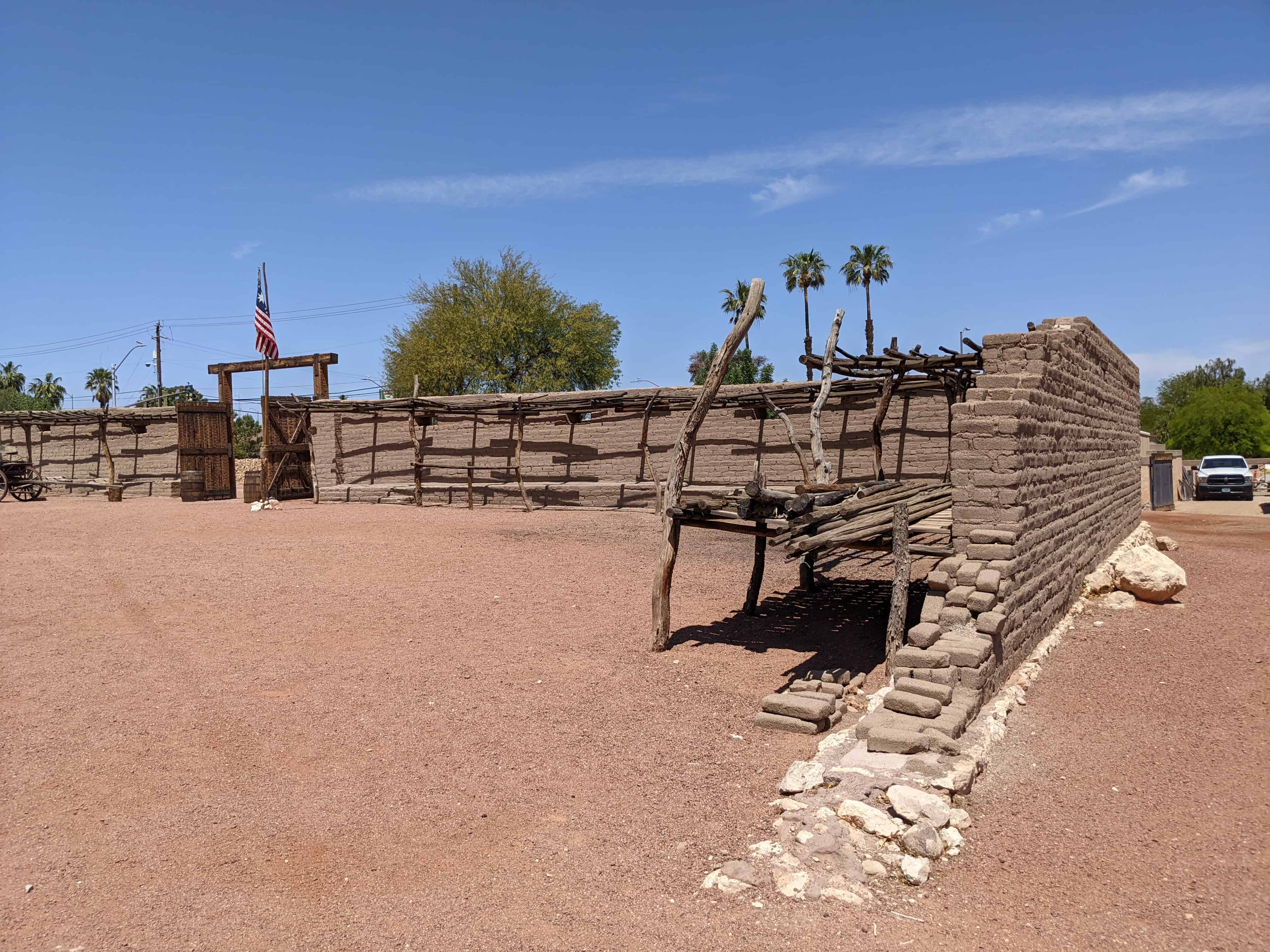
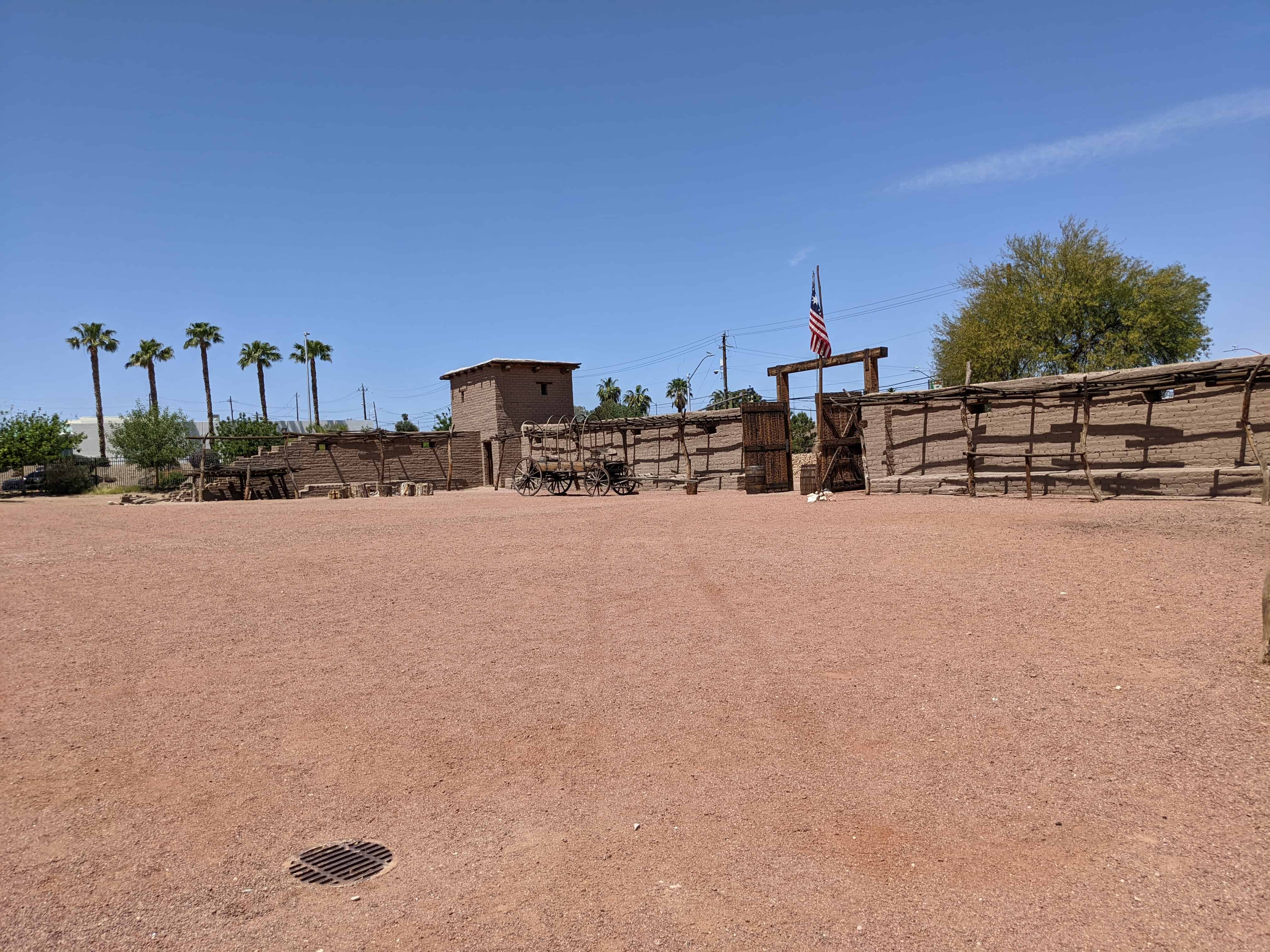
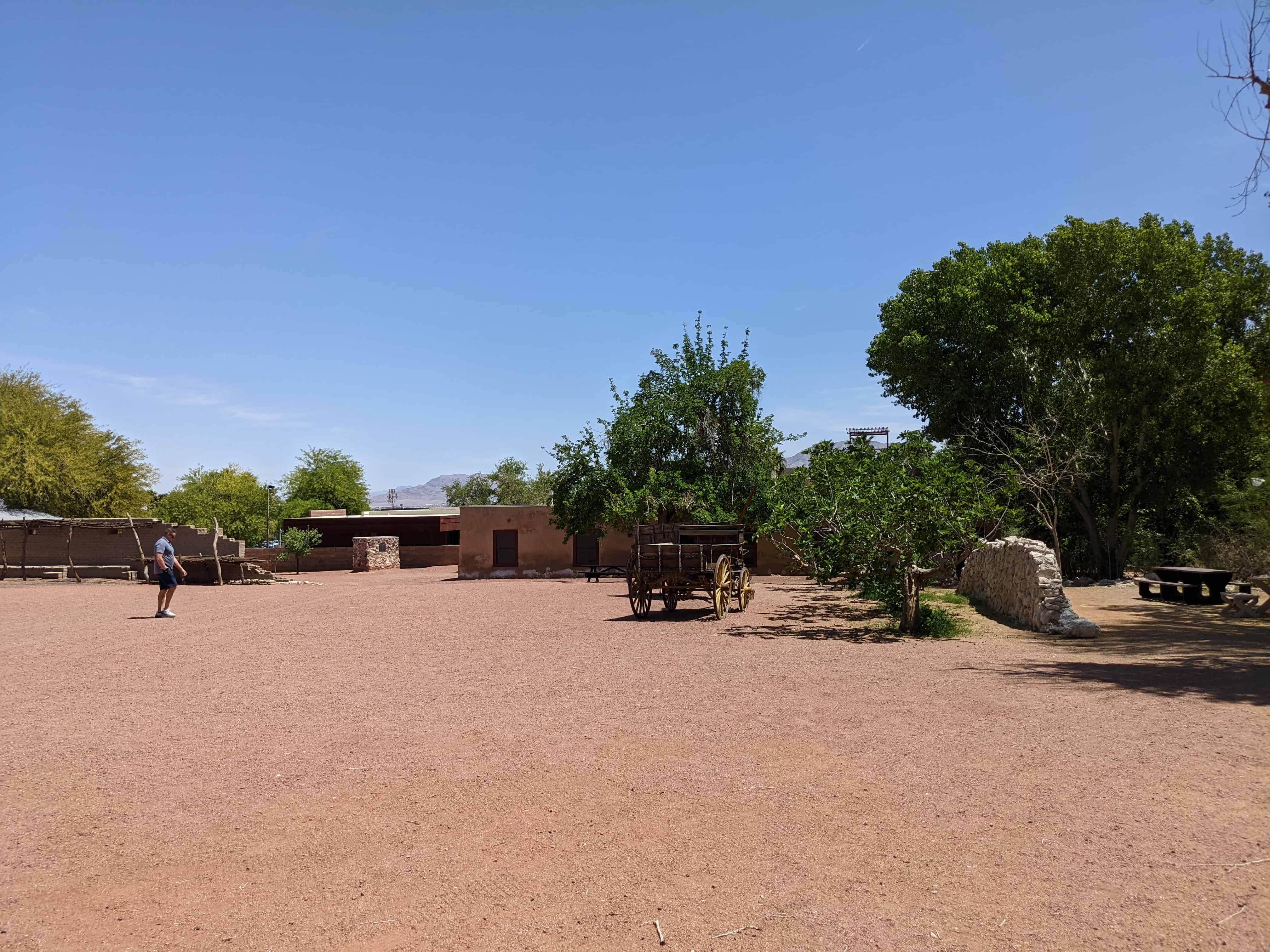
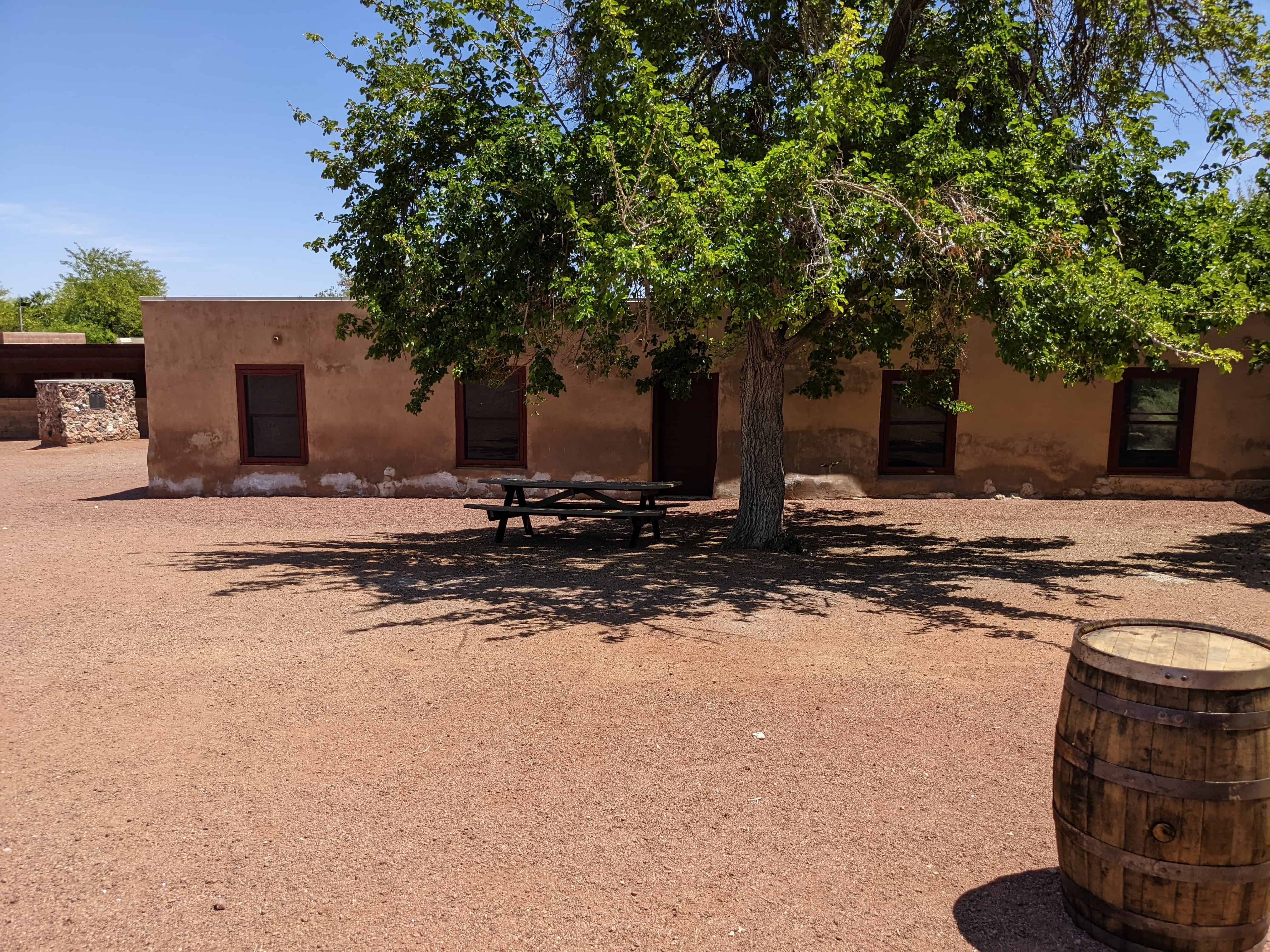
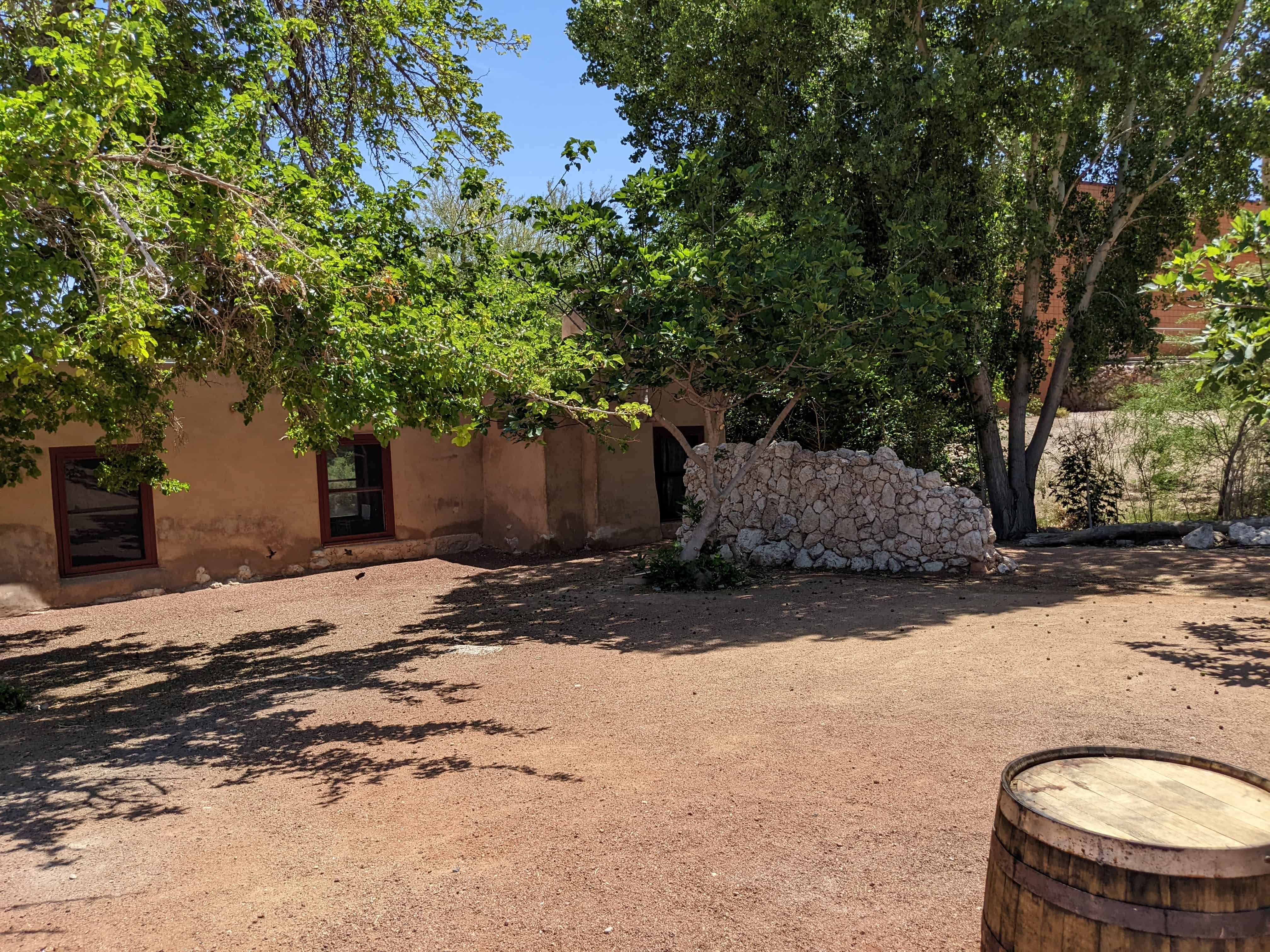
Las Vegas had its beginning at this location on June 14, 1855, when thirty-two Mormon missionaries arrived from Utah under the leadership of William Bringhurst. They set to work establishing farm fields that summer, and began to build a 150-foot square adobe fort that September, enclosing eight two-story houses. They cultivated small gardens and fields, planted fruit and shade trees, and tried to convert the local Southern Paiutes.
Most of the Mormons departed in 1857, and by 1865, Octavius Decatur Gass began developing the Las Vegas Rancho, using the adobe structures as headquarters. He farmed and raised beef cattle, supplying travellers and miners in the Potosi region.
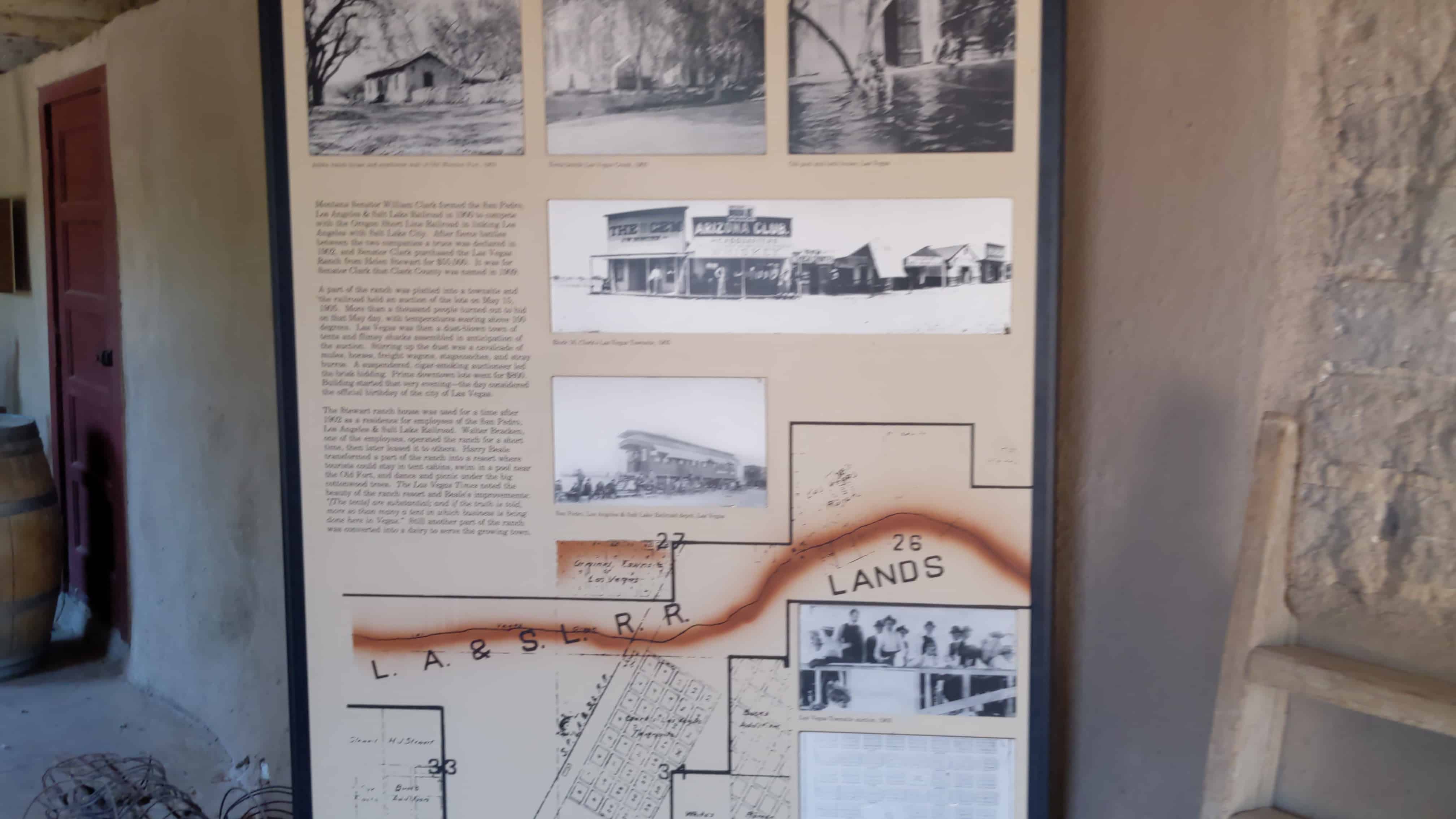
Helen J. Stewart, owner of the property from 1882 to 1902, expanded the ranch to 1,800 acres, which she sold to the San Pedro, Los Angeles & Salt Lake Railroad for the Las Vegas townsite. The Company auctioned the land on May 15, 1905, starting the process of building the Las Vegas around you today.
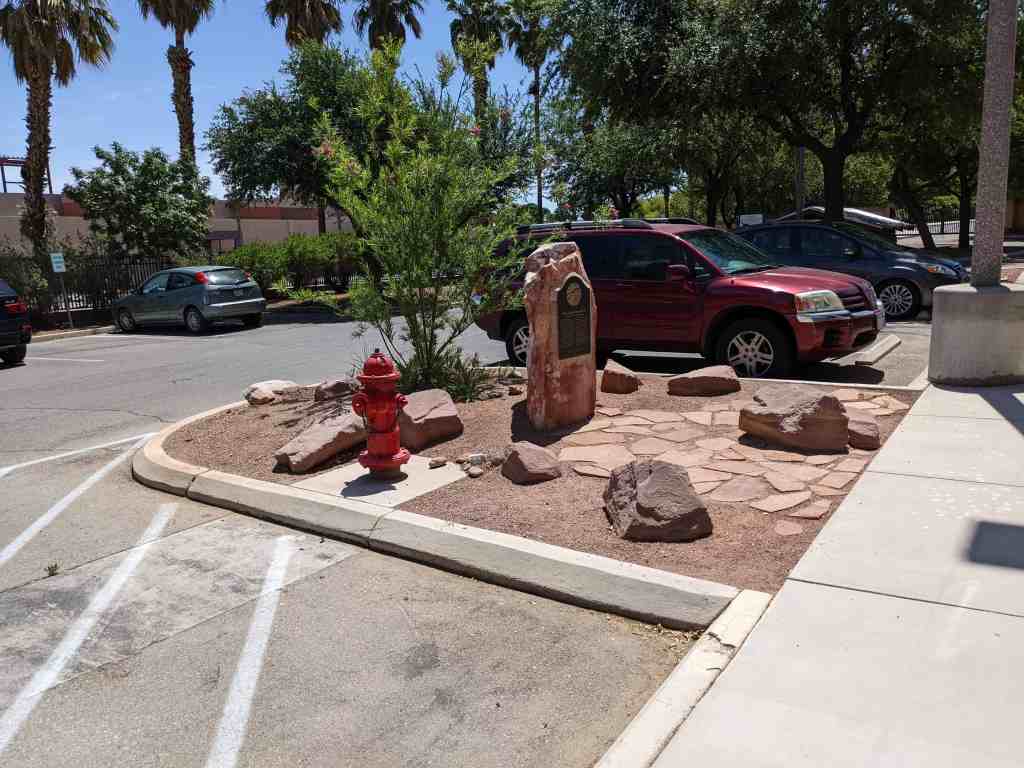
This is Nevada State Historical Marker #35, see others on this page: – Nevada Historic Markers
The Las Vegas Mormon Fort was added to the National Historic Register (#72000764) on February 1, 1972 with a boundary increase (#78003379) on December 12, 1978. The text below is from the nomination form from when it was added to the register:
The Church of the Latter Day Saints was instrumental in the early settlement and development of southern Nevada with the establishment of Mormon colonies. The Las Vegas Mission was the first of these settlements to be established, and was selected by the church to: (1) Raise crops which could not be raised in the colder northern Utah climate; (2) Find new homes for the numerous Mormons coming to Salt Lake Valley area; and (3) To establish a halfway station on the Mormon trail between San Bernardino and Salt Lake. A thirty man mission group left Salt Lake City on May 10, 1855, and arrived in Las Vegas on June 14, 1855. After touring the Las Vegas Valley on horseback, the decision was made to establish the permanent location on the site of the original stopping place, and work was commenced immediately on the Las Vegas Mormon Fort. The fort was located adjacent to one of the two clear streams of water flowing from the nearby Las Vegas springs which nurtured native grasses, and created lush meadows in the valley near the Sunrise Mountain.
The natural oasis of meadow and mesquite forest was the winter homeland of the Paiute Indians, who spent their summers in the Charleston Mountains. The valley and the meadows were first known to the Spanish, who named Las Vegas “The Meadows” and marked it as such on maps of the southwestern desert.
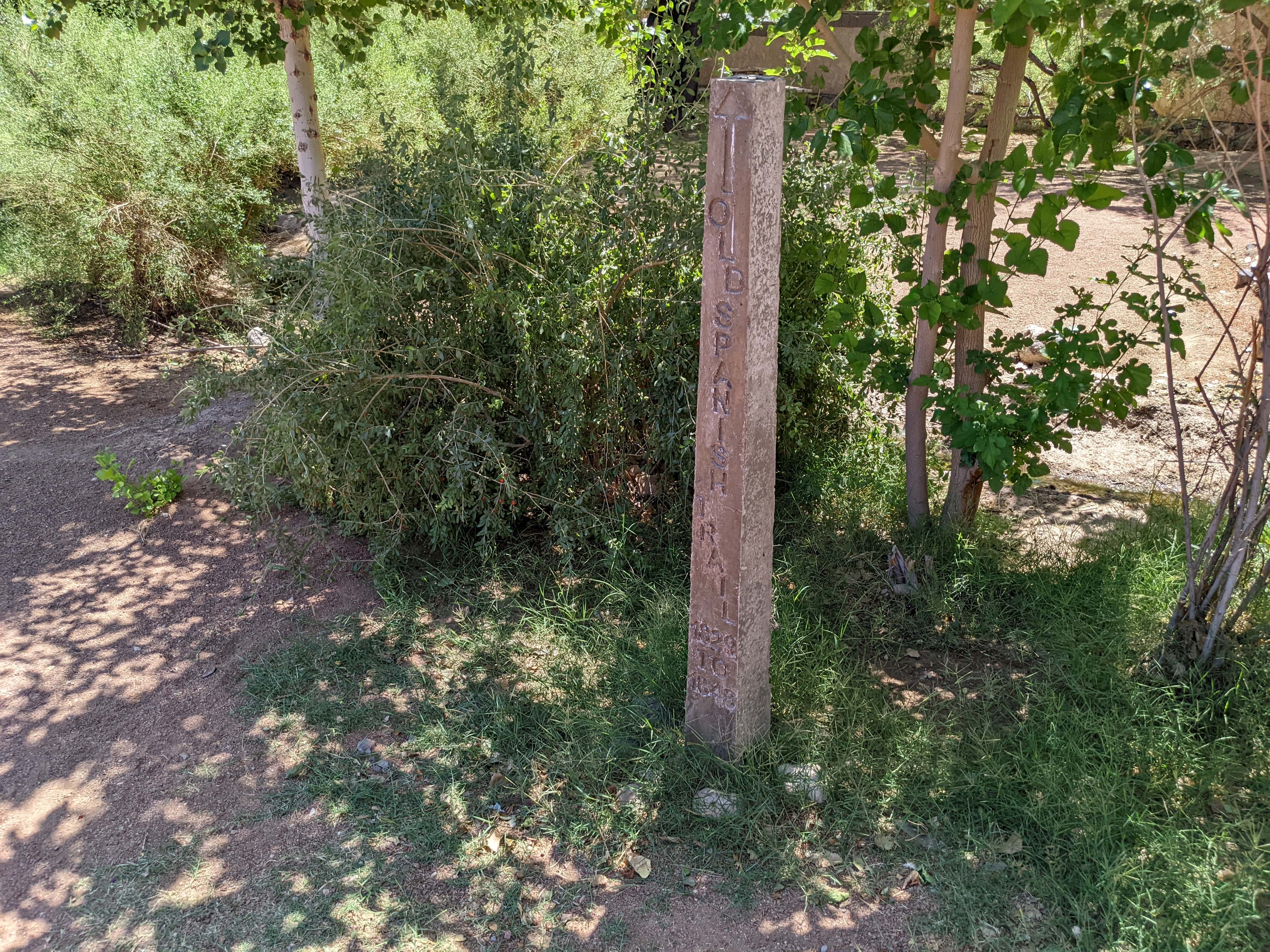
Antonio Armijo stopped at the springs in 1829-30, traveling the route which became known as the Old Spanish Trail. After 1830 the route was traveled by Spanish traders, emigrants and frontiersmen who rested beside the springs. On one of his western exploration trips, John C. Fremont camped here on May 3, 1844.
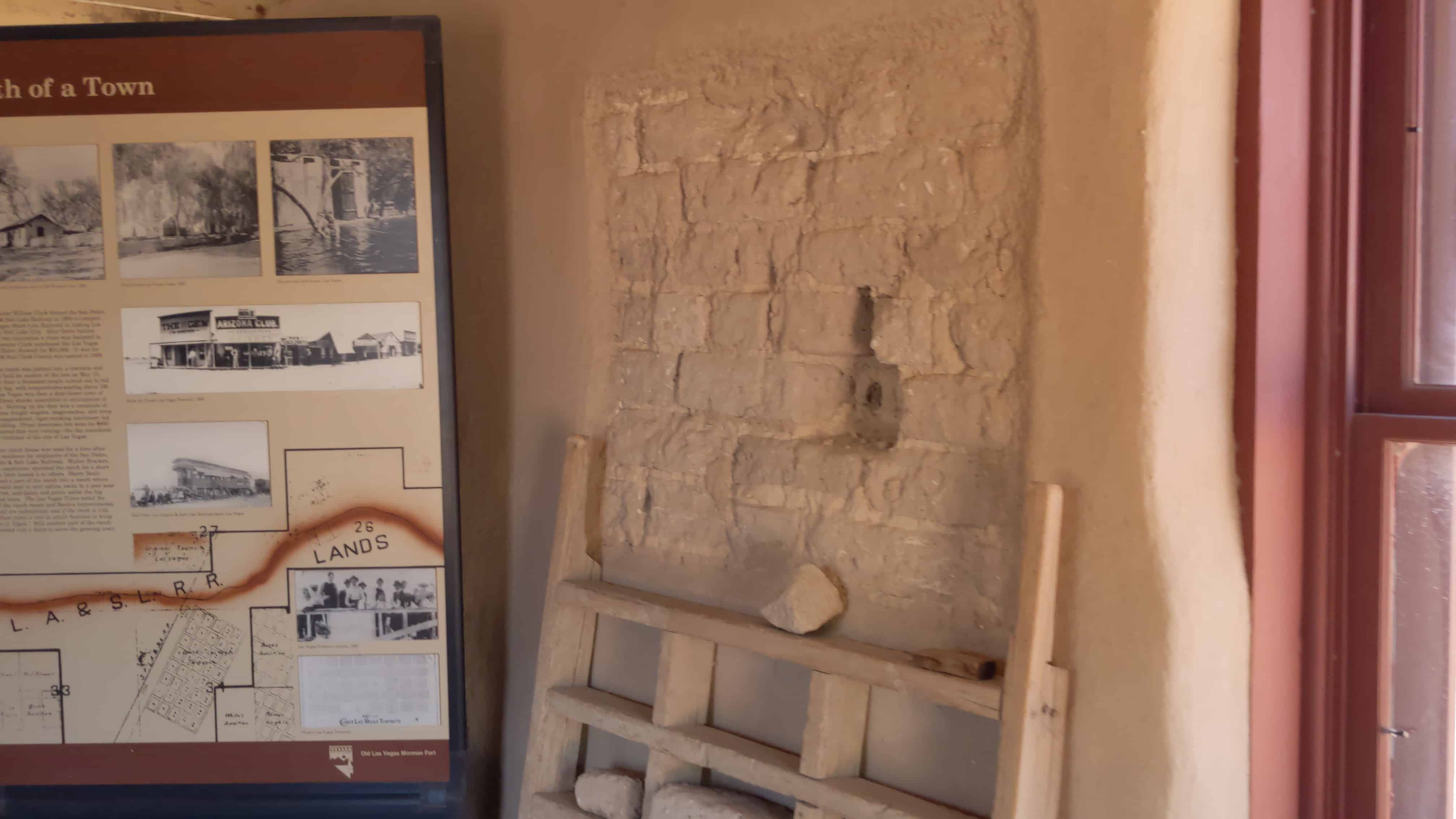
On about August 3, 1855 the missionaries started to build the walls 14 feet high, two feet thick at the bottom, and one foot at the top. The adobe fort, enclosed eight two-story houses. Outside the fort the missionaries cultivated small gardens and fields, two and one half acres being assigned to each of the party; they planted fruit and shade trees, and established friendly relations with the Paiutes. Near the fort was also built the first smelter west of the Missouri River. This was used by the Mormons in their Potosi lead-silver mine venture.
After the Mormons departed in 1858, called back £o Utah by their leader Brigham Young, Octavius Decatur Gass established the Las Vegas Rancho, using the adobe structures as headquarters. He farmed 800 acres in field crops, orchards, and grazed many cattle, supplying produce to miners and travelers.
In 1882 the Archibald Stewart family bought the ranch. Soon thereafter Mr. Stewart was killed in a feud with one of his neighbors. Mrs. Stewart, with children, continued to operate the ranch as an oasis in the desert, expanding it, from 800 acres to 1,800 acres. For 20 years Helen J. Stewart was known as a gracious, intelligent hostess to those who traveled the southwest. She exemplified the best of pioneer characteristics Initiative, determination, steadfastness, plus compassion for “those less fortunate. Her story ranks equally well with that of the earlier Mormon missionaries.
Mrs. Stewart sold her ranch in 190^ to the San Pedro, Los Angeles and Salt Lake Railroad Company for the Las Vegas townsite, which was auctioned in lots to buyers on May 18, 1905, starting contemporary Las Vegas.
A further note of interest, on January 10, 1856, the Las Vegas Mission was notified by the U.S. Post Office Department that the town would henceforth be known as Bringhurst, New Mexico Territory, and thus the7 Las Vegas Mormon Fort became the first Las Vegas post-office building. Las Vegas became a portion of the territory of Arizona, and finally became a part of Nevada on January 18, 1867, the state then firming up what are today’s boundaries of Nevada.
A note about Fort Baker. Fort Baker was apparently a fort in name only. It was a name assigned to the Las Vegas area, as a diversionary tactic during the Civil War in an effort to divert the attention of Confederate spies and sympathizers in California from the real objectives of getting Col. James H. Charleston’s command of the 1st California Volunteers across Arizona to New Mexico (Los Pinos). Information was released to the effect that a portion of the command would be assigned to Fort Yuma, Arizona. Three companies of infantry would go to Fort Mojave, Arizona, and one company of infantry and three of cavalry would go to Fort Baker at Las Vegas, at that time also in Arizona Territory. In reality, none of Carleton’s command ever reached, or served at Mojave or Baker nor was it designed that they should.
The fort as Las Vegas retains the name “Mormon Fort” as it was built by the Mormons assigned to the Las Vegas Mission, and was used by them as a fort during their sojourn at Las Vegas, 1855-1858.
Another note of significance, Las Vegas Mormon Fort is the oldest inhabited building in Nevada today.
Manneken Pis is the most widely visited and photographed statue in Belgium. While smiling coyly, he remains the emblem of the rebellious spirit of Brussels. The original Manneken Pis has been taking matters into his own hand since 1619 and has continuously made visitors smile, laugh and benefit from the legend of the good fortune for all who visit.
My brother and I have brought an oversized replica to the D Las Vegas as a “tip of the cap” to our parents and our Belgian descent and to warm the hearts of visitors and locals alike. Manneken Pis has been described as hard working yet fun loving, affable and slightly irreverent, all qualities embraced by the D Las Vegas.
Manneken Pis Las Vegas will continue to aim to please for many years to come.
Derek and Greg Stevens
This is located outside The D Casino & Hotel at the northeast corner of Carson Avenue and 3rd Street in Las Vegas, Nevada.
This water feature is operating in compliance with the City of Las Vegas Title 14.11 requirements and a water use reduction plan for this facility is on file with the District and the City.
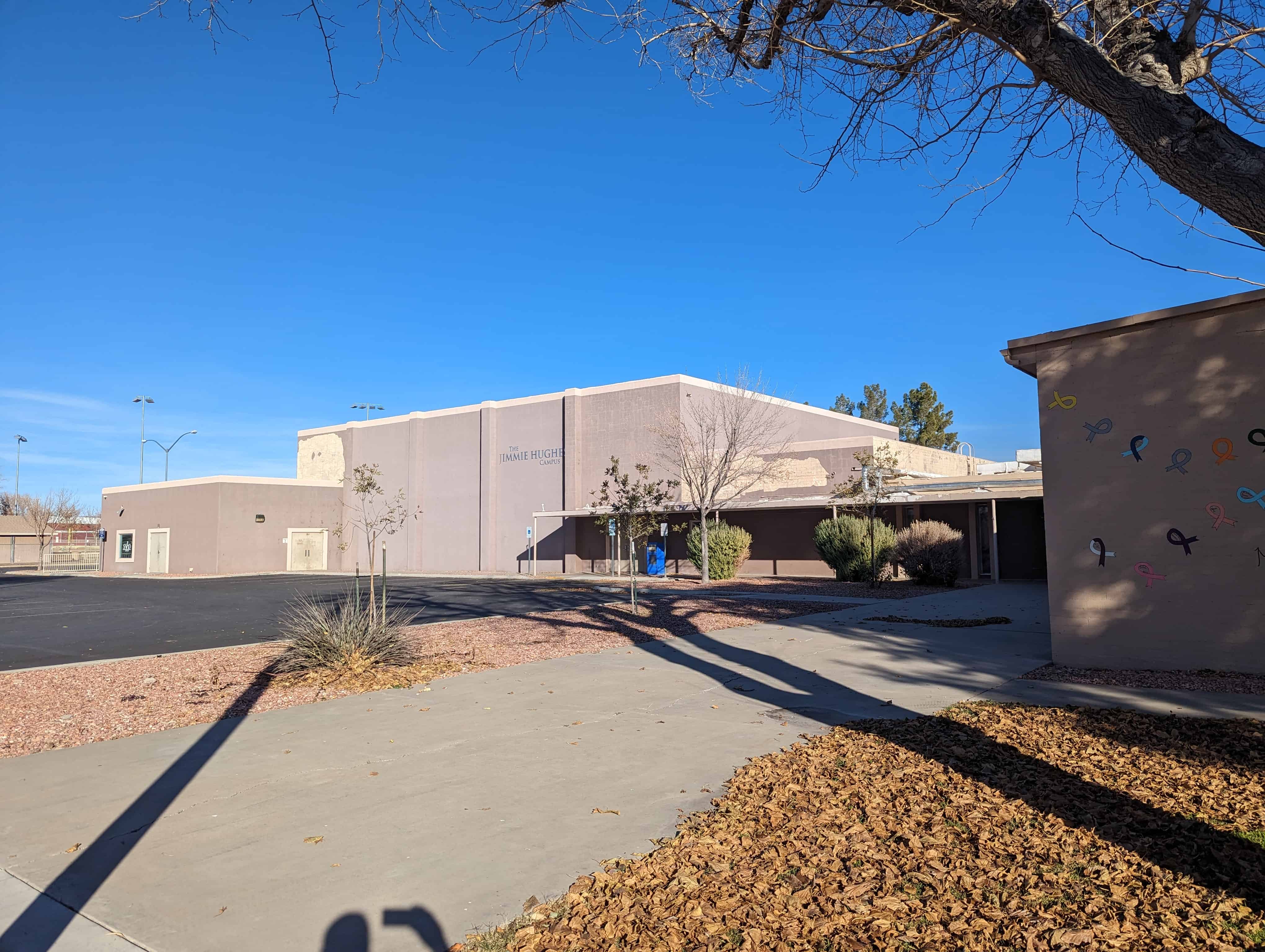
Jimmie Hughes was born February 21, 1940 to Archie Hughes (of Mesquite, NV) and Anna Brotherson (of Boneta, UT), the oldest of five children. Jimmie has spent the best part of the last 80 years in Mesquite.
He did 12 years of schooling here in the Valley. During this time he became the first Eagle Scout in Mesquite in 1955. He graduated from Virgin Valley High School in 1958 went on to college in Cedar City, UT in 1960 and then graduated from Brigham Young University in 1965 with a degree in Animal Science and minoring in Economics, Zoology and German.
Between 1960 and 1963 he served a mission for the Church of Jesus Christ in Germany. After completing his education he married his beloved wife Angie and together they have six children.
Jimmie was also the Volunteer Fire chief for over five years He served as a lay minister (Bishop of an LDS Ward) for 5 years and went on to give generously of his time and service in many leadership positions in the Church of Jesus Christ of Latter Day Saints.
In 1984 Mesquite was the first city incorporated in the state of Nevada in over 40 years Jimmie Hughes was elected the first mayor and served three terms (1 year, 2 years, 4 years). During his time as Mayor, some of the achievements he accomplished were: served on the board of the Las Vegas Convention and Visitors Authority and as the President of the League of Cities. In his 7 years as mayor, councilmen Tommy Leavitt, Craig Pulsipher and Bill Lee served diligently alongside him.
This is Mesquite Historic Marker #25 (see others on this page) located at 150 North Yucca Street in Mesquite, Nevada.
The Mural on this wall is dedicated to Tony Hsieh (1973-2020)
Tony Hsieh was a visionary who spent his life cultivating environments that were optimized for human connection, inspiration, and success. The ingredients necessary for what he considered ‘happiness’. His unique way of thinking, paired with his kind and generous spirit, helped him achieve feats once thought to be unimaginable. From building a leading global e-commerce and customer service company like zappos.com, to revitalizing an area of downtown Las Vegas that many had forgotten about. Please enjoy the landscape he spent much of his life investing in, and Tony would only ask that you be curious and kind.
This is a two-story adobe building with a rock foundation. The walls are three adobes thick and there are six rooms on each floor. Abbott served as Bishop of the local congregation of the Church of Jesus Christ of Later-day Saints for 27 years. His large home was a gathering place and hotel, offering lodging for weary travelers and visiting church authorities.
This is Mesquite Historic Marker #19 (see others on this page) located at 200 East Mesquite Boulevard in Mesquite, Nevada.
Tent Chapel and School, circa 1899. When Mormon settlers came to Mesquite Flats in 1894, they designed the southeast corner of this block as the Public Square. It was a place where the community gathered for many events. At this site a tent was set up circa 1899 for use as a chapel and a school. It was 16′ x 16′ with no windows, no heat, a dirt floor, and only logs to sit on.
Block School, circa 1922.
The Block School, so-named because it was made of cement block, had four classrooms and an auditorium. It stood on the southeast corner of the block until it was replaced with a new campus in the 1960’s. The Church of Jesus Christ of Latter-Day Saints rented the schoolhouse for meetings and gatherings for several years.
Gymnasium, circa 1938.
This red brick gymnasium was built adjacent to the Block School and became the center of recreation for the community. The gymnasium was placed on the National Register of Historic Places in 1992. It represents Italian Renaissance REvival style architecture. Construction of the gymnasium was funded through the federal Public Works Administration (WPA) program.
This is Mesquite Historic Marker #9 (see others on this page) located at 51 East 100 North in Mesquite, Nevada.
The Mesquite High School Gymnasium was added to the National Register of Historic Places (#92000119) on March 10, 1992.
From the national register’s nomination form: The Mesquite High School Gymnasium is significant under Criteria C in the area of significance of Architecture. Built in the Italian Renaissance Revival Style, it is representative of the historic context “Schoolhouse Architecture in Southern Nevada’s Fifth Supervision District, 1870 to 1942.” It is significant as an example of its style as well as its rare use of terra cotta and tinted concrete brick. The Mesquite Gymnasium is illustrative of the School Support Building property type, and possesses the characteristics of that type in terms of its historic use, which reflected the expanding educational curriculums of the 1930s, and its functional design, which incorporated a central gymnasium with classrooms on the perimeter. The building is representative of the Custom Architecturally Designed Schoolhouse property type as well. It embodies the characteristics of that type in terms of the formality of its style, and the special attention paid to the spatial organization of the building’s uses.
School support buildings were important components of the expanding role of education that occurred beginning in the early 20th Century. Their function and necessary large size often required designs and methods of construction quite different from traditional school buildings. Almost always designed by architects, and usually in the formal styles, the school support building became symbolic, not only of educational reform, but also of community stature.
Funded by the federal Public Works Administration (PWA), the Mesquite Gymnasium was designed by Salt Lake City architect Miles E. Miller, and built by Salzner-Thompson, contractors. Miller also designed gymnasiums in the nearby towns of Bunkerville (1939) and Overton (1938) under the PWA program. The Mesquite Gymnasium exemplifies the public architecture sponsored by the federal relief programs of the Depression era. The federal government promoted subdued or minimal versions of the traditional styles associated with public buildings. Those styles were mostly drawn from Italian Renaissance or classical examples. They also promoted the use of modern, fireproof materials, particularly concrete and steel.
The design of the Mesquite Gymnasium illustrates that preference through its incorporation of elements of the Italian Renaissance Revival Style in a simple, straightforward manner. Stylistic features of the Mesquite Gymnasium that typify the Italian Renaissance Revival model are strict attention to symmetry at the principal façade, a division of the façade into three primary bays, and classical detailing of the cornice, entry frontispiece, pilasters, and doorways. The gymnasium entrance bay is designed with a pair of fluted classical pilasters flanking each side of the recessed, round arch doorway. The pilasters terminate at an ornate entablature and cornice that extends the length of the facade. Those elements are built of tan terra cotta. Although a common architectural product, its application on Southern Nevada school buildings is rare. The stylized frieze at the gymnasium eave is also decorated with terra cotta, in the form of medallions.
Aside from the application of terra cotta ornamentation and symmetry of the building, the design makes little additional reference to classical architecture. The balance of the gymnasium’s design is, however, in keeping with the concepts of minimalism, simplicity, and use of modern materials, as promoted by the federal government. Windows along the front of the building, which shed light into classrooms, are organized in groups of five and are tall, steel sash awning windows. Other windows are symmetrically located and also constructed of steel. Tall, arched windows along the rear wall of the gymnasium, now infilled, were also constructed of steel sash.
The use of brick-size, red-tinted concrete masonry units is regionally rare, but reflects the desire to use modern fireproof materials that simulated traditional clay brick. Although briefly popular during the 1920s and 1930s, the use of concrete brick was not economical and was soon replaced with larger concrete block, which required less material to manufacture and less labor to erect. The masonry work at the gymnasium is well detailed, with stepped back reveals at the building corners, and soldier courses at the water table and as a decorative band along the upper walls of the lesser facades.
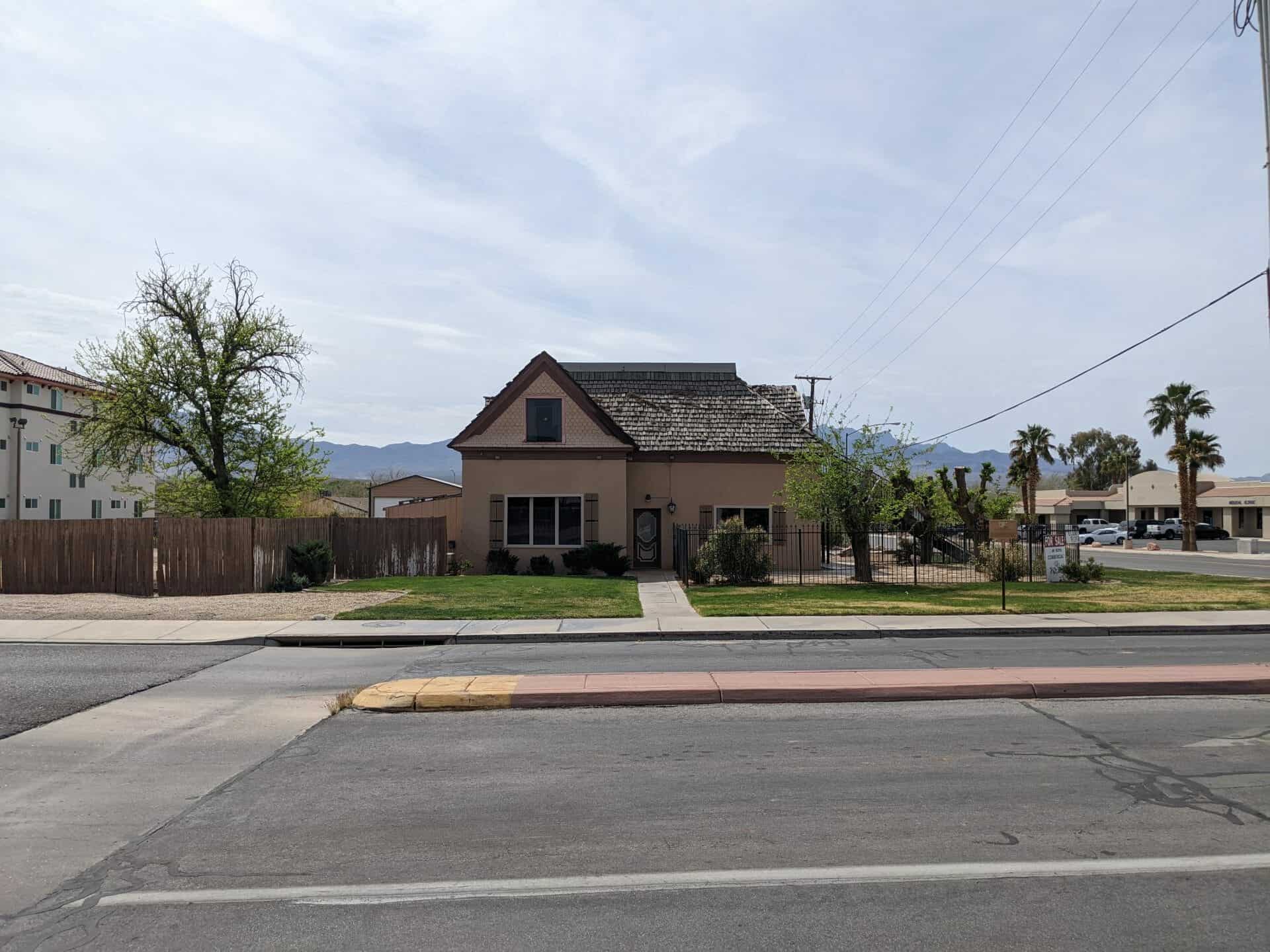
John Pulsipher purchased the Tent School (Marker #9) and moved it across the street to this location to use as a residence. The following year he built a large adobe brick one-room house with walls three adobes thick. The tent was then converted to a kitchen by attaching it to the rear of the house and lining its walls with lumber hauled from Mt. Trumbull.
This is Mesquite Historic Marker #10 (see others on this page) located at 111 East 100 North in Mesquite, Nevada.