Tags
This Historic Bell rang if the Mapleton School from 1907 to 1932.


11 Monday Aug 2014
Posted in Uncategorized
Tags
This Historic Bell rang if the Mapleton School from 1907 to 1932.
11 Monday Aug 2014
Posted in Uncategorized
Tags
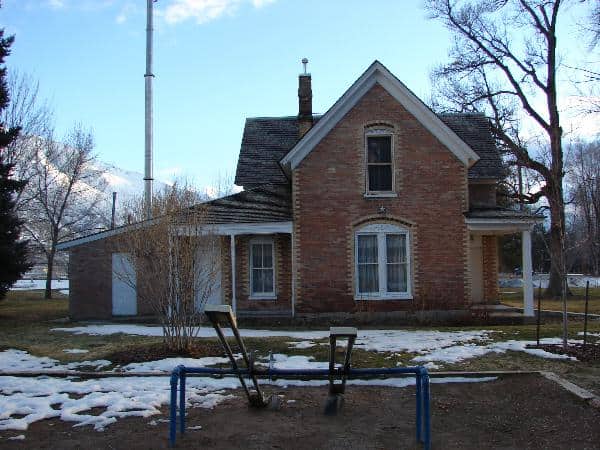
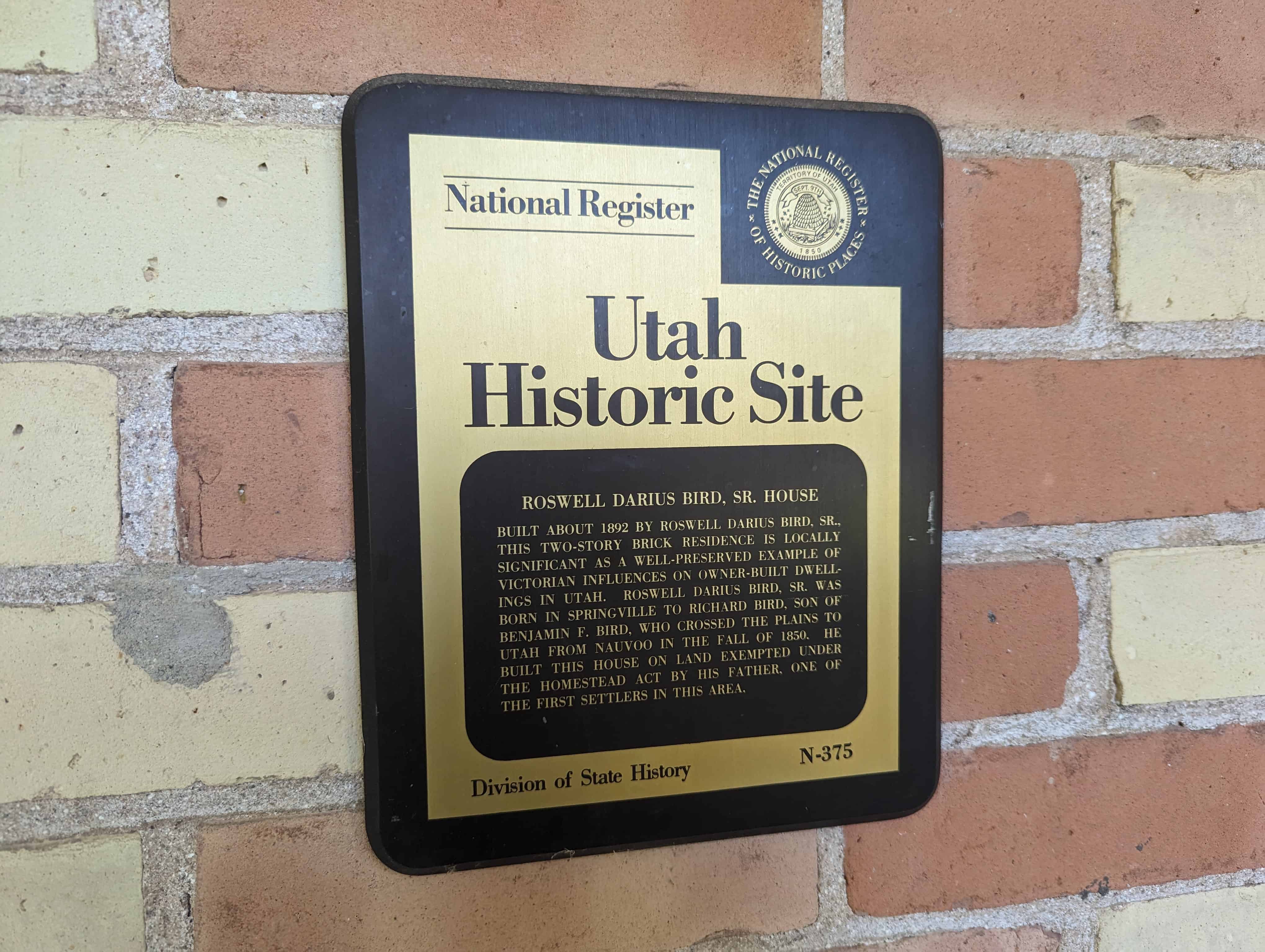
Roswell Darius Bird, Sr. House
Built about 1892 by Roswell Darius Bird, Sr., this two-story brick residence is locally significant as a well-preserved example of Victorian influences on owner-built dwellings in Utah. Roswell Darius Bird, Sr. was born in Springville to Richard Bird, son of Benjamin F. Bird, who crossed the plains to Utah from Nauvoo in the fall of 1850. He built this house on land exempted under the Homestead Act by his father, one of the first settlers in the area.
Located in the Mapleton Historic Village at Mapleton City Park at 125 South Main Street in Mapleton, Utah.


Related Posts:
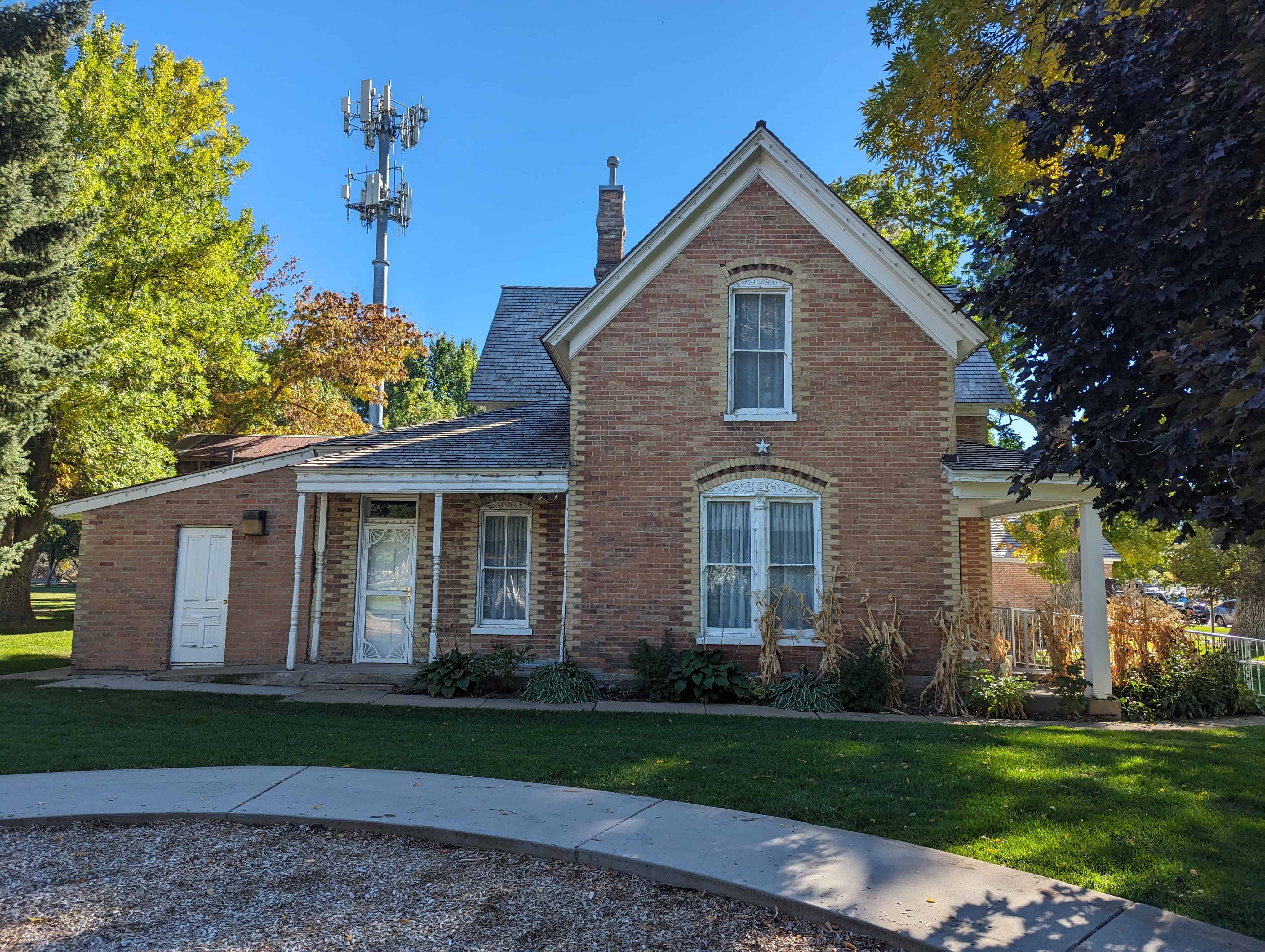
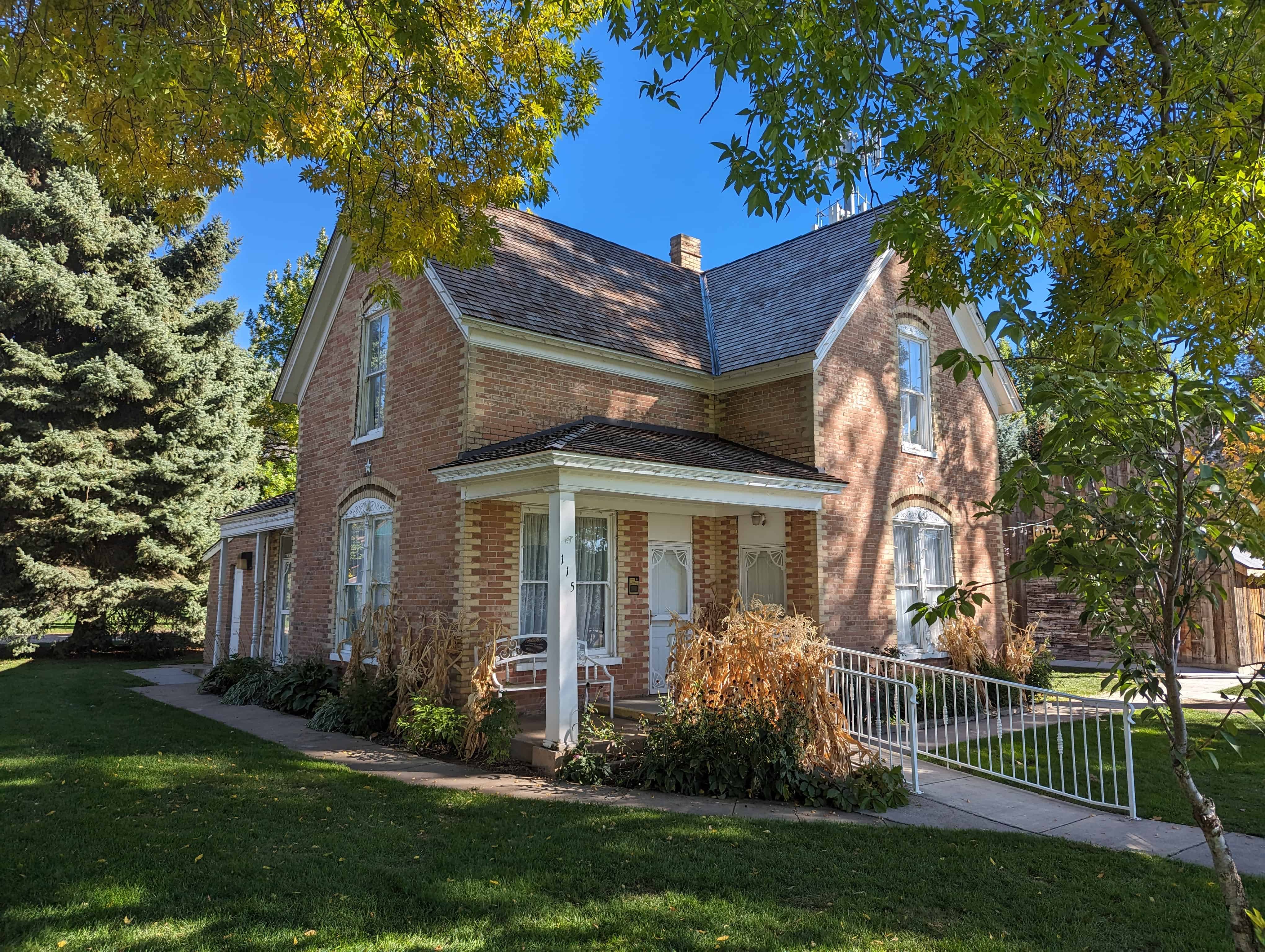
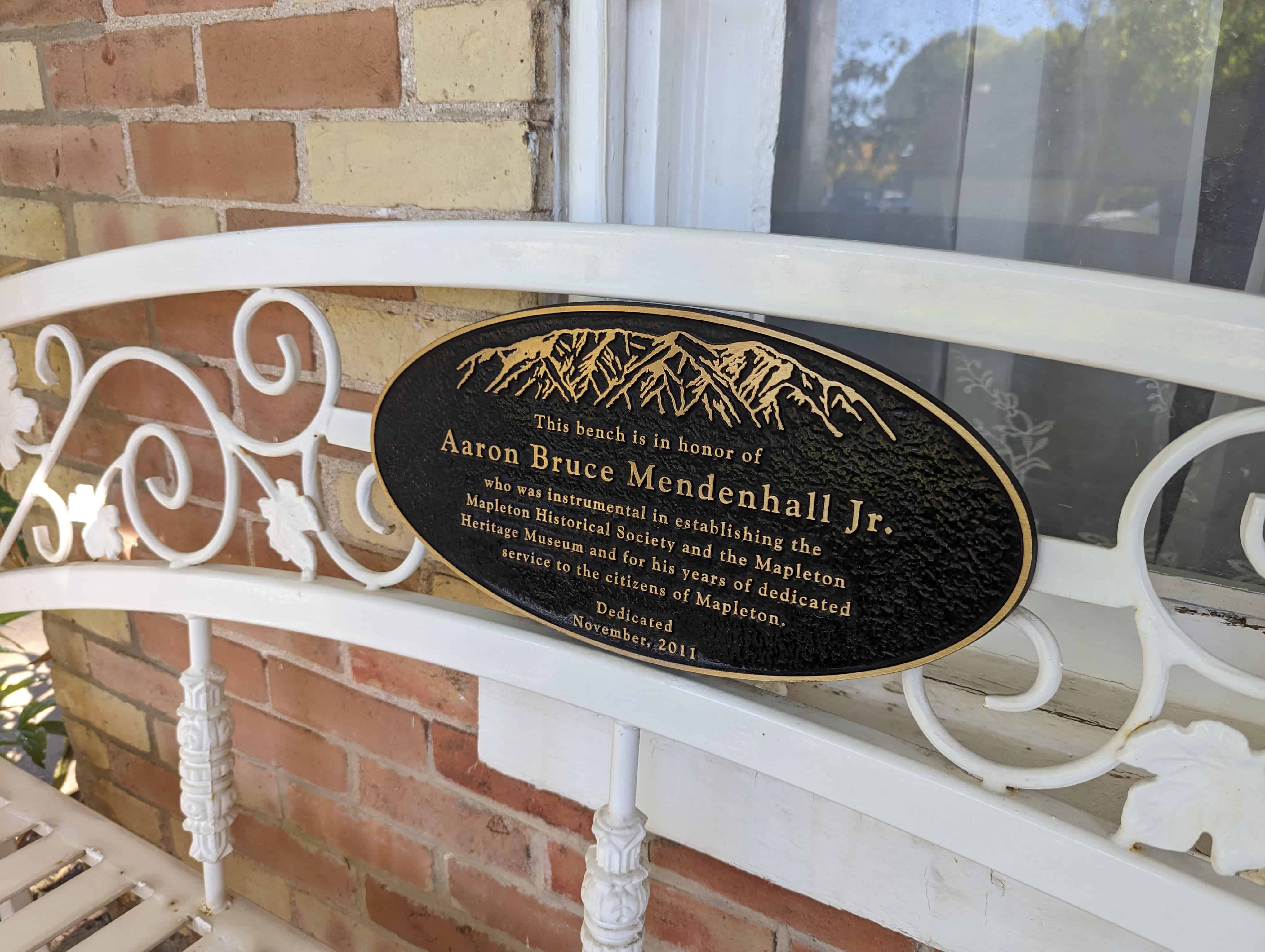
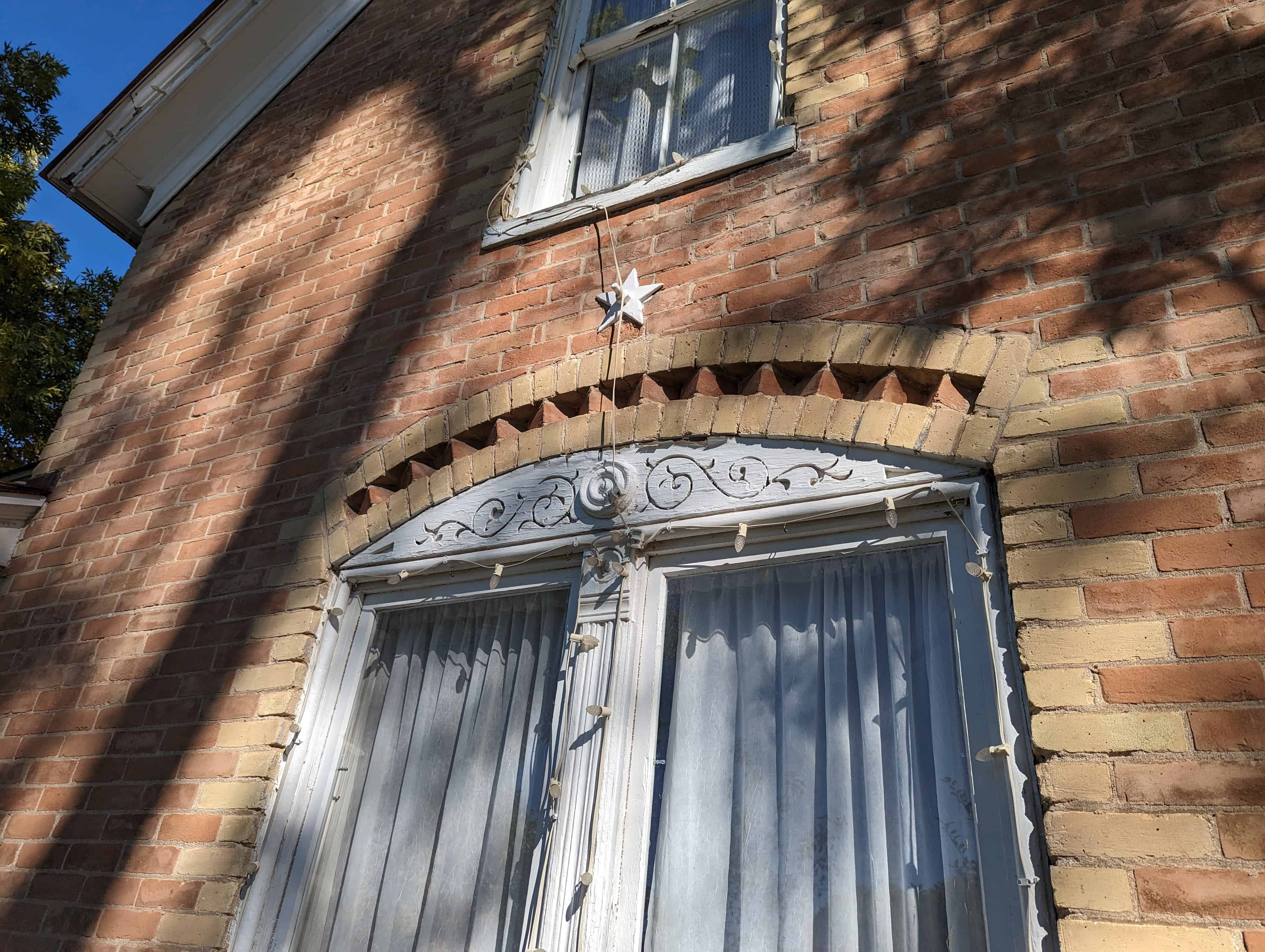
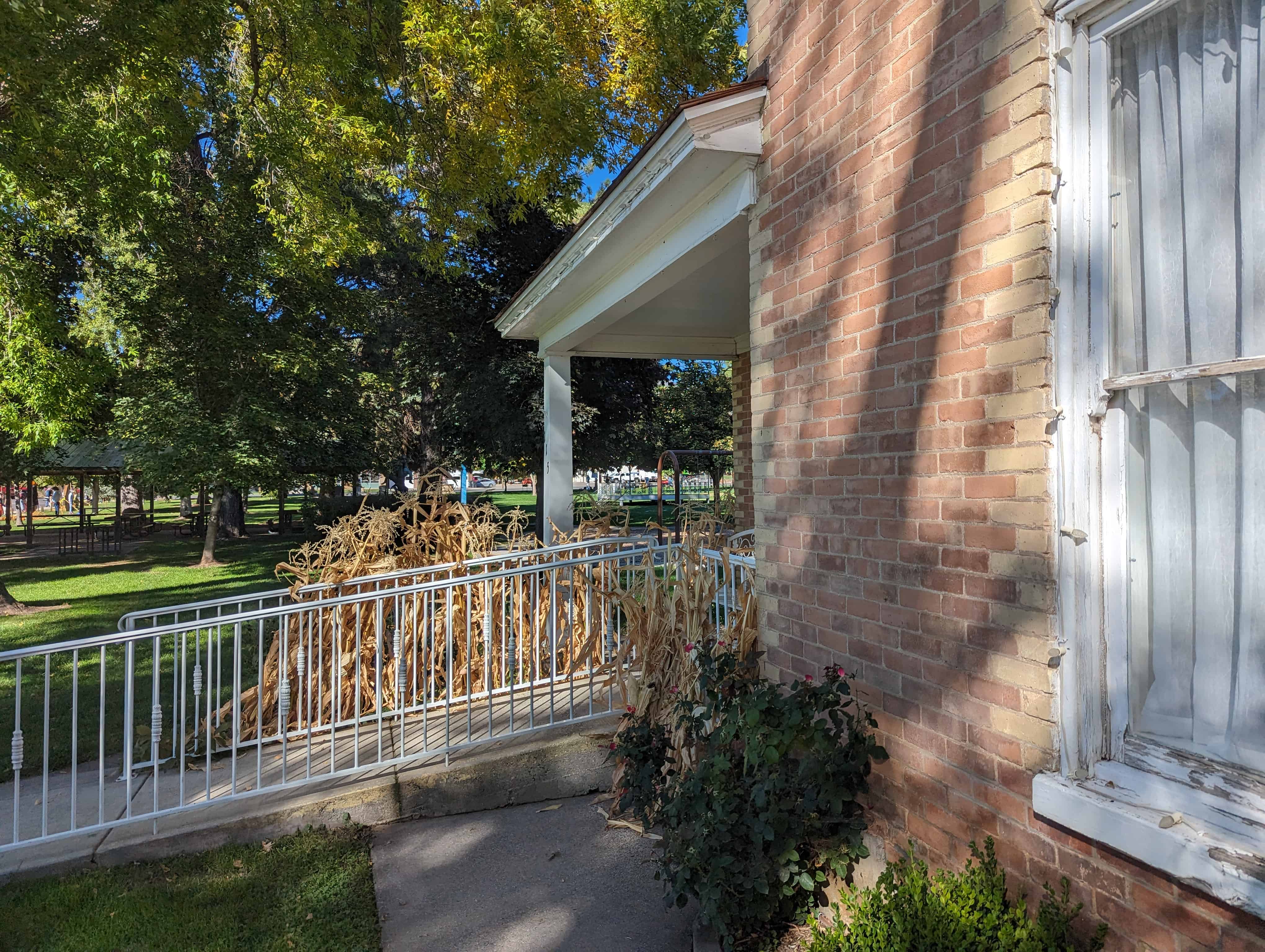
Roswell, on returning to Springville, found his childhood sweetheart, Evaline Steel. They were married on October 6, 1880 in Salt Lake City at the home of Daniel H. Wells. Their first home was in Springville.
Roswell spent most of the next two years away from home working on the railroad. While he was away his father, Richard, went to “Union Bench” and took up land. He gave each of his son’s 10 acres. Roswell got the ground where the Mapleton Park is. They finally owned 100 acres. The ballpark is some of it. He owned 10 acres where the Beck’s home is also.
Roswell sold his home in Springville and came to Mapleton. They were among some of the first settlers in Mapleton. They built a two-room log house, called the “frame home” and later called the “summer kitchen” as they used it to cook in the summer.
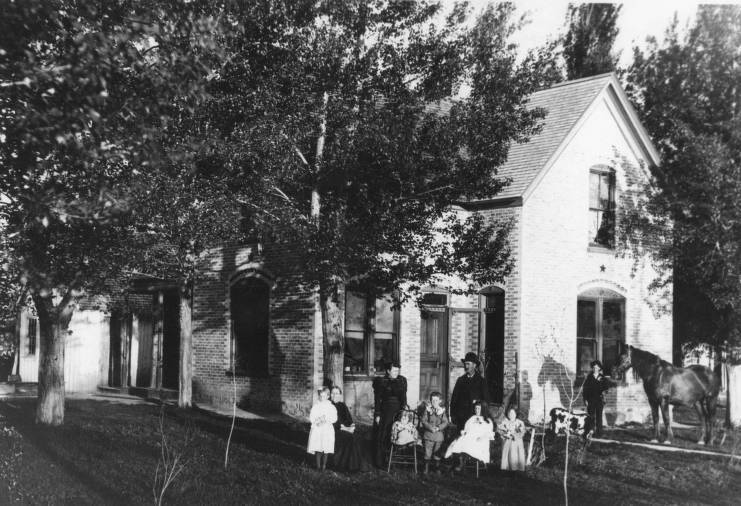
Having been blessed with seven lovely children, the two-room house was replaced with a seven-room brick home at 65 South Center, in 1892. It is now on the Utah Historical Homes Register. It is constructed of red sand brick with white brick trim around the windows, door and at the corners. There are two steel beams that run through to hold it together. The trees surrounding the home are Silver Maple and White Ash. They were planted at the time the house was built. They are now designated as Heritage Trees.
In 1903 Roswell was called on a mission to the Central States. This call was gladly accepted, although it worked quite a hardship on the family. After he was there eleven months, his four-year-old daughter died with scarlet fever. Four other members of his family were seriously ill with the same disease. Roswell returned home with an honorable release. President Smith said his place was at home.
Evaline made all her own carpets, pillows, and feather beds. It was the girls’ task each night after school to sew a ball of carpet rags. By spring they would have enough for one room. One of the rooms still has the same wallpaper from when the house was built.
Duck picking was one of the tasks they did about every six weeks. A tub was placed in the middle of the room. Each one gathered around and picked all the feathers off. If the duck wasn’t held just so it often flapped its wings, sending feathers every which way. Soap was also made at home. It was the only soap they had for clothes, hair, hands and bath.
One of the yearly events that were outstanding was the traveling theater troupe, which for one week put on the latest and most popular plays. These troupes always stayed at the Birds.
A town hall was very badly needed so Roswell gave the ground on the park for a new town hall.
After the death of Roswell, Evaline moved to Provo to be near her three unmarried daughters. They had jobs in Provo. After the girls were married, she moved back to Mapleton. Roswell, Jr. lived in the two north rooms and Evaline had the two south rooms. A bath was added in the middle, which they both used, and the porch on the front was added.
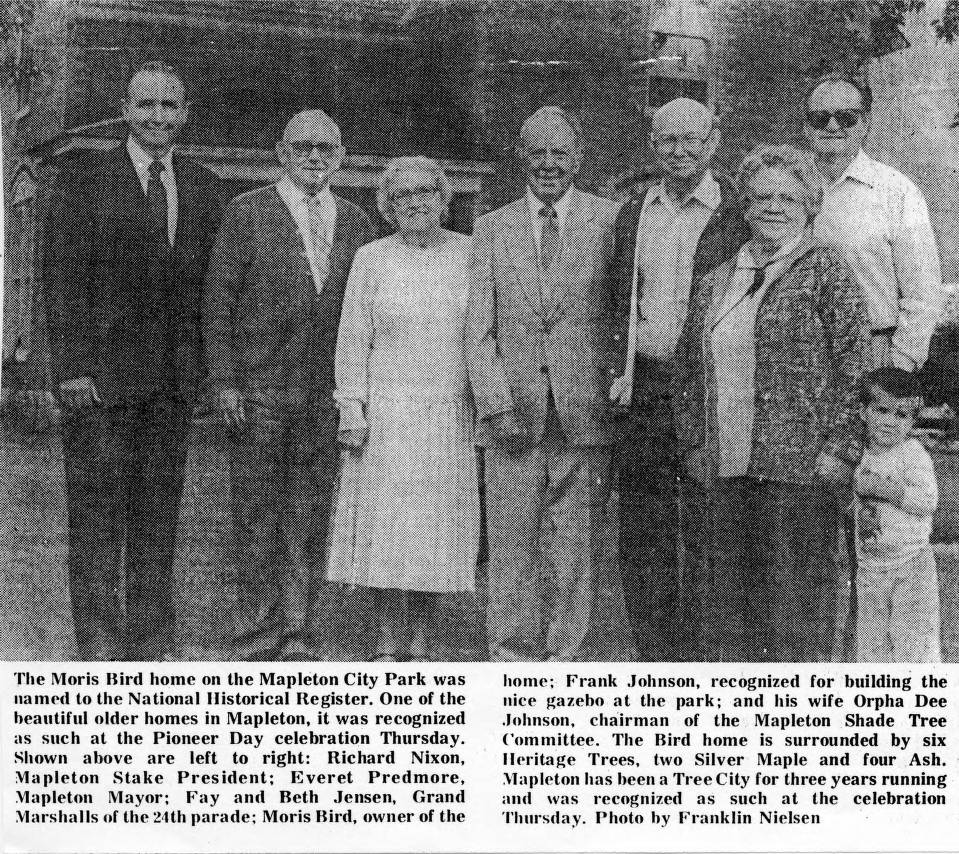
After Evaline died, Floyd, son of Roswell, Jr., lived in the house. When Floyd died, Floyd’s son, Dwayne, lived in it, and then his son, Ronald, lived in it for a while. It is now owned by Morris Bird, a son of Roswell, Fr. Morris has added another bath and a kitchen, and arches between some of the rooms were made. Morris has also fixed a furnace in it. The north side is fixed so a library can be made for the town. This home is currently the Mapleton Historic Museum that under renovation.
These two photos are from UVU’s Mapleton, Utah Historical Photographs:
11 Monday Aug 2014
Posted in Uncategorized
Tags

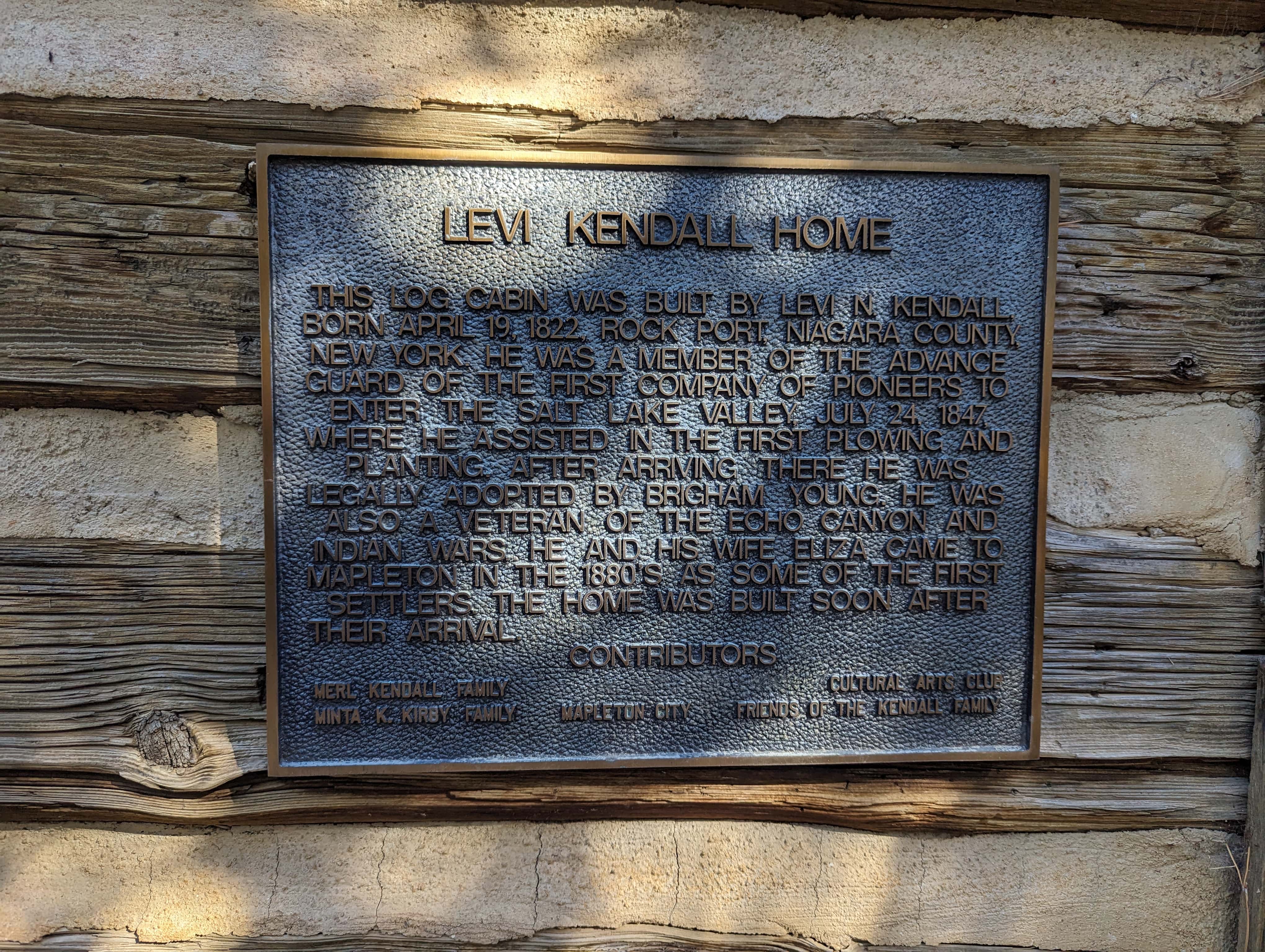
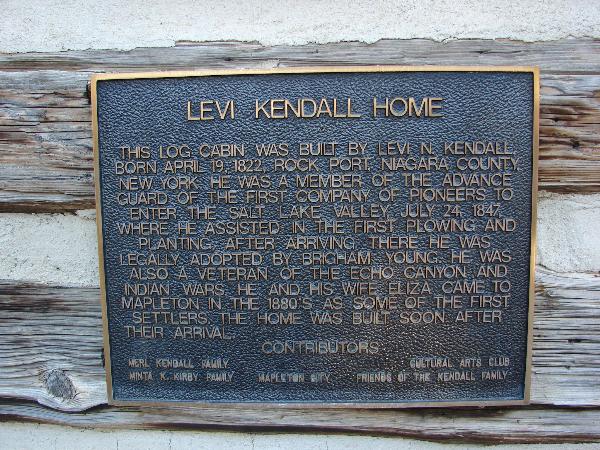
Levi Kendall Home
This log cabin was built by Levi N. Kendall, born April 19, 1822, Rock Port, Niagara County, New York. He was a member of the Advance Guard of the first company of pioneers to enter the Salt Lake Valley, July 24, 1847, where he assisted in the first plowing and planting. After arriving there he was legally adopted by Brigham Young. He was also a veteran of the Echo Canyon and Indian Wars. He and his wife Eliza came to Mapleton in the 1880’s as some of the first settlers. The home was built soon after their arrival.

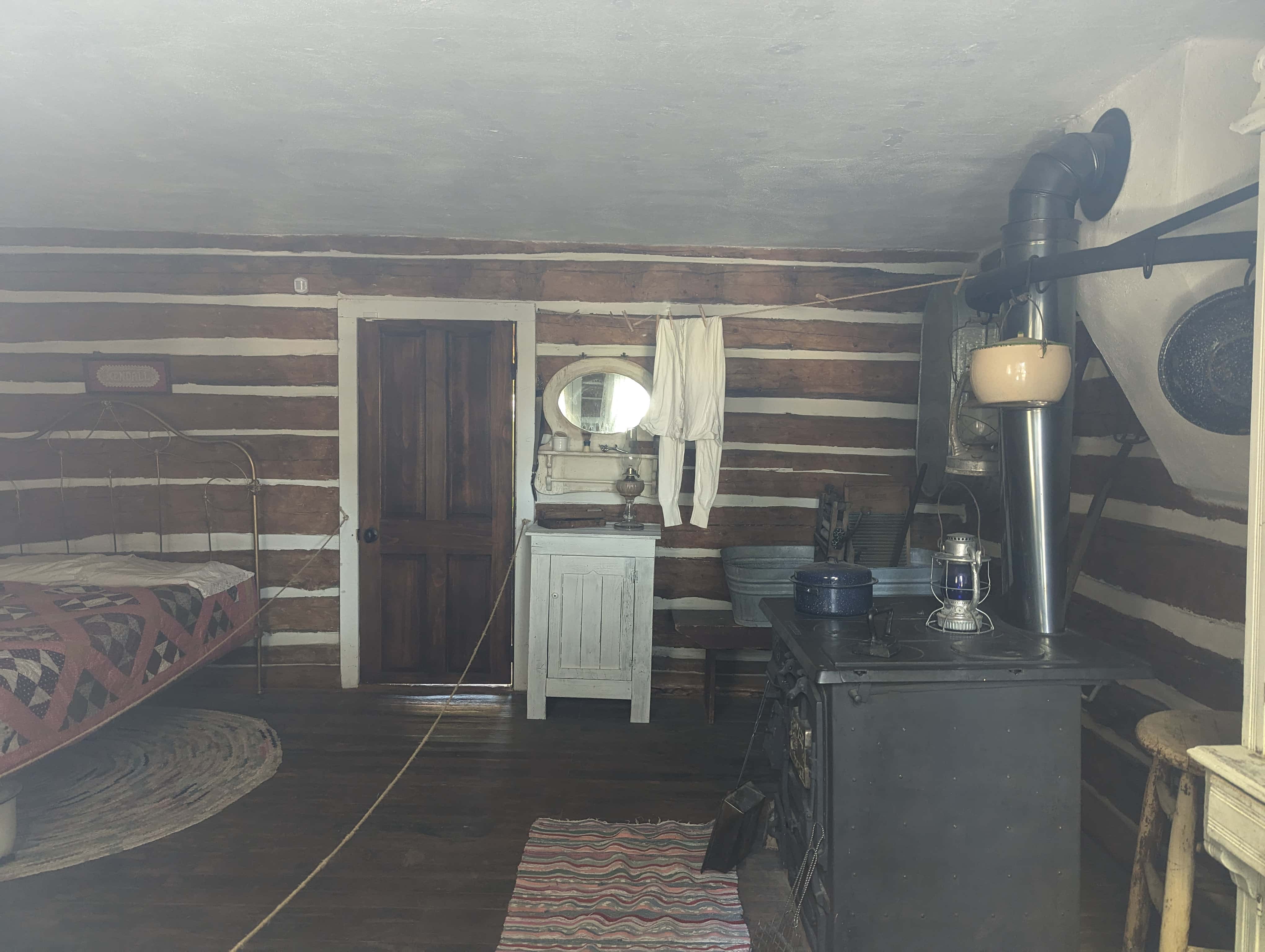
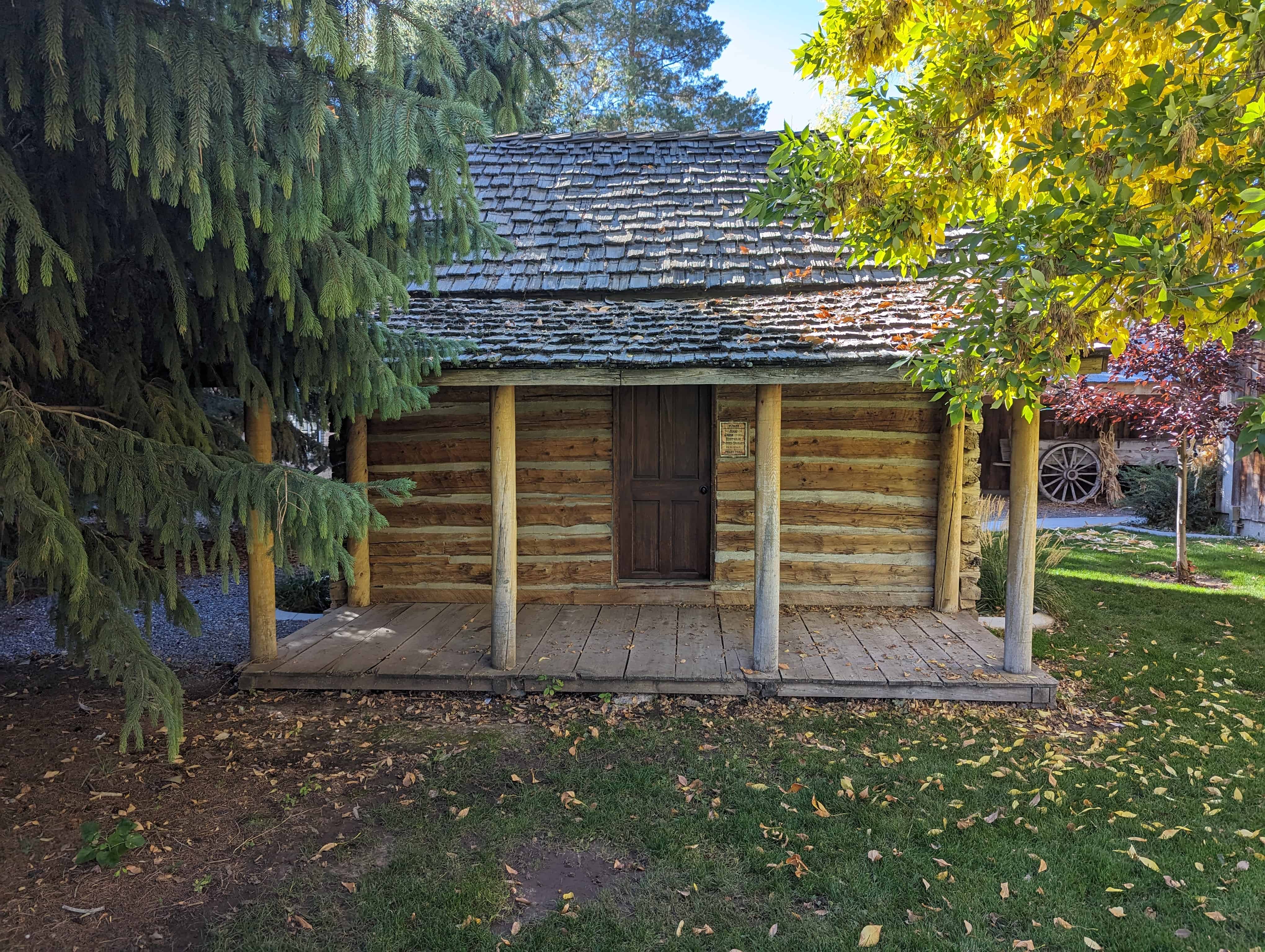
Levi Kendall was a member of the advance guard of the First Company of Pioneers to enter the Salt Lake Valley, July 24, 1847. He assisted in the first plowing and planting after he arrived there. Levi was legally adopted by Brigham Young and was a veteran of the Echo Canyon and Indian Wars.
He and his wife, Eliza, came to Mapleton in the 1880’s, as some of the first settlers. The home was built soon after their arrival to Mapleton, which was then called Union Bench. Morris Bird bought the log house and had it moved over by the Roswell Bird home, as it reminded him of the log cabin that was on the Bird property. He built a cement foundation for it to be put on. This cabin was built originally at 560 West 1600 North in Mapleton. Morris lived in the cabin during the summers.
Related Posts:
This is located in the Mapleton Historic Village at Mapleton City Park at 125 South Main Street in Mapleton, Utah


12 Thursday Jun 2014
Posted in Uncategorized
Tags
Battle, Black Hawk War, Diamond Fork Canyon, historic, Mapleton, spanish fork, spanish fork canyon, utah, utah county
Today I decided to go back up Diamond Fork Canyon to the Diamind Battle stone marker and look around, the story is that back in 1866 during the Black Hawk War there was a battle here. I’ll post my photos and then some stories and links I’ve found useful.
See other historic markers in the series on this page for SUP Markers.


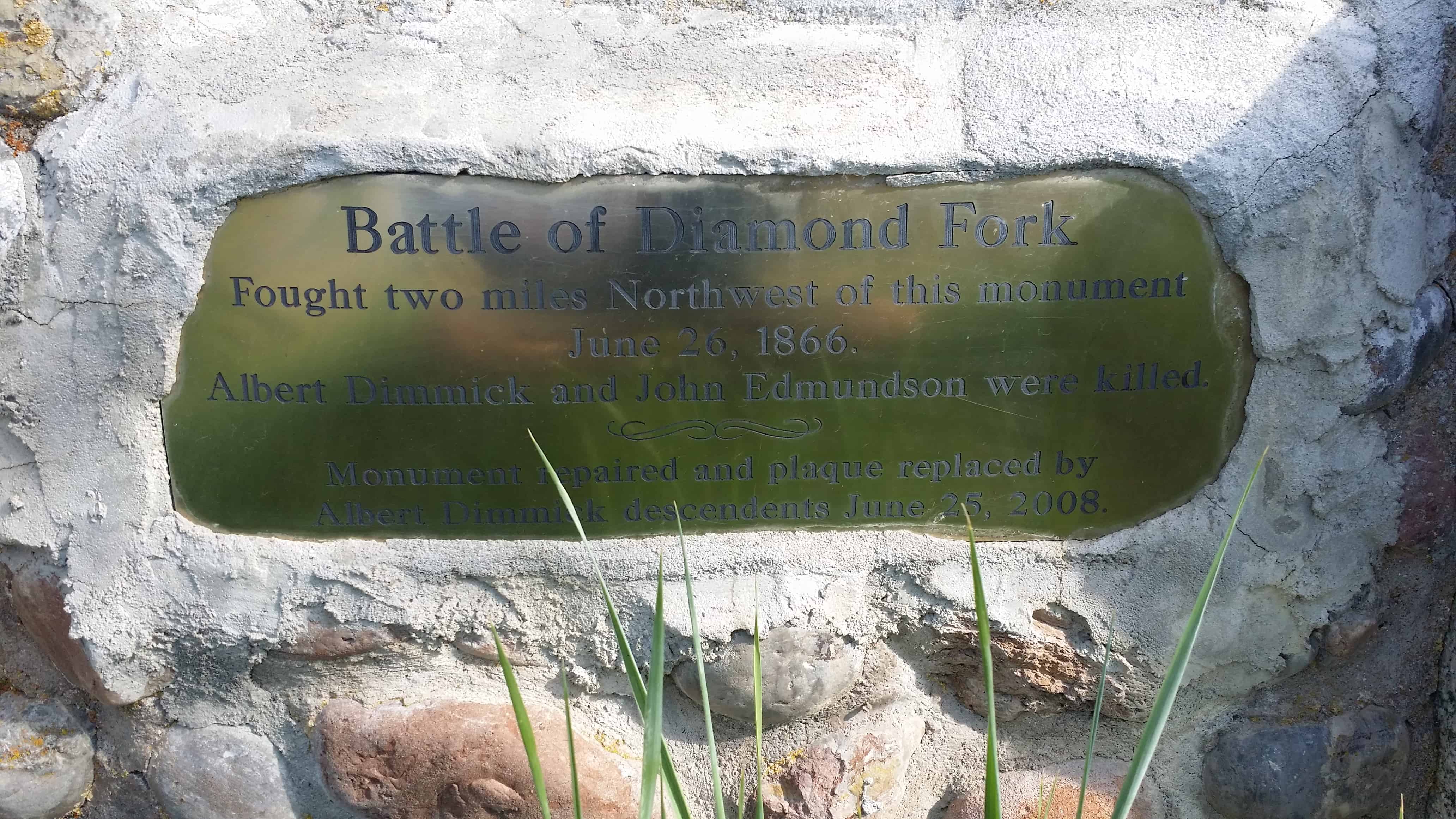


June 1866 brought the Uintah Utes into the conflict. Up until that time a few hot-headed young fighters joined Black Hawk but Chief Tabby and others had kept the Utes in the Uintah Valley reservation out of the war. The call for an additional 350 men from Salt Lake and Davis Counties to strengthen Mormon settlements angered Tabby and his fighters. But Black Hawk’s brother, Mountain, Isaac Potter and Richard led separate war parties toward Utah Valley. They found a Nauvoo Legion detachment at what is now Indianola and attacked. The pinned the militia down for most of the day, but a second detachment under John L. Ivie arrived late and kept the first detachment from being overwhelmed. The soldiers were convinced that Chief Tabby had led the attack. When and additional 130 men under Warren Snow arrived, it was agreed to chase the Utes up Spanish Fork Canyon. Fearing another Salina Canyon disaster, the troops moved cautiously but on arriving at Soldier Summit Pass found that the Utes had split up and gone in different directions. He turned his men around and marched them back to Sanpete Valley.
Mountain had led his men to Spanish Fork to exact vengeance on William Berry who years before had beaten Black Hawk with an old bucket for a supposed theft. They killed Berry and drove off about forty cattle and horses and fled into the Wasatch Mountains through Maple Canyon. The militia, who were already on alert, gave chase. They intercepted the Utes at Diamond Fork River but were outnumbered and pinned down by desultory rifle shots and arrows. A second force of eight men rushed the Utes and three were shot dead. The others put the Utes in a crossfire. The Utes quietly withdrew leaving the livestock and camp to be plundered by the militia. Among the gear they found US issued items, which showed the Utes had been accepting food and supplies at the Uintah Reservation. Leaders of the militia swore affidavits that white men had been seen directing the Utes. It was feared that the US Indian officials were aiding and abetting the Utes in their war against the Mormons.
These incidents were a turning point in the war. Mormons had begun to be vigilant as Brigham Young had repeatedly encouraged them to do. Fort building and evacuations of small settlements, combining livestock herds under guard, and the hundreds of additional soldiers patrolling commonly used canyon trails stymied the ability of Utes to drive off the numbers of cattle and horses of the first two years in the war. Tabby used his influence after the defeat of the reservation Utes to keep most of his people out of the conflict. It would not be until 1872 in the final days of the war that reservation Utes caused any more trouble. The ‘defeat’ of the reservation Utes encouraged Mormons to continue to prevent attacks whenever possible.(*)
10 Tuesday Jun 2014
Posted in Uncategorized
Tags

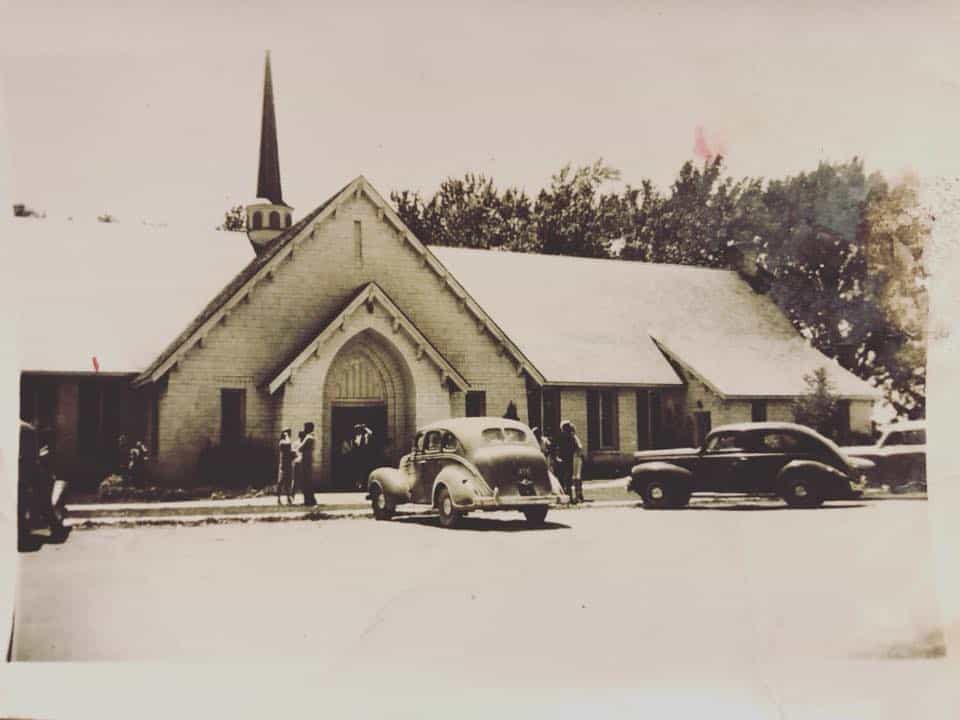
Site of First Mapleton Meeting House – DUP Marker #515

Matilda Wells Streeper donated one acre of land at this site for the building of a meeting house. A grove of trees was left on the lot to beautify the grounds. On August 26, 1888. Apostle Francis M. Lyman of The Church of Jesus Christ of Latter-day Saints organized the Mapleton Ward. Edwin Lucius Whiting was ordained as bishop, with William T. Tew and John Mendenhall as counselors.
The first building, costing approximately $3,500, was started in 1889 under the direction of the building committee – Lorenzo Whiting, L.J. Whitney, and Charles M. Bird. It was made of light-red bricks with walls 12 to 14 inches thick. The building measured 58 by 30 feet. There was a large central room with tall, cathedral-style windows; colored glass at the top of the windows reflected beautiful colors onto the floor. The handmade, high-backed benches were made of pine. The benches were removable so that the floor could be cleared for dances and other socials. A large stove was in the center of the room, with supplemental heating from a small stove near the rostrum. The central room could be divided into Sunday School rooms by pulling heavy curtains across to make eight classrooms. A small room behind the pulpit was reached by going down several steps. Another door opened into a stairway that led to a small, special prayer room above the pulpit.
Around the turn of the century, the building survived what could have been a disastrous fire. A bucket brigade quickly put out the fire in the attic.
The original meeting house was dedicated on April 30, 1899, and served the people until 1936 when it was razed and the present meeting house built. The second meeting house was dedicated on April 28, 1941.
In January of 1933 Frank M. Jenson was installed as Bishop of Mapleton LDS 1st Ward. Soon after the ward got busy and began to tear down the old meeting house. By 1936 a new building was given a work receipt that could be exchanged for food. Progress was slow and steady, but by September 30, 1937 the walls were up and the roof nearly completed. By late 1938 most of the inside work was completed.
The new building had an amusement hall, chapel, relief society quarters, heating plant, baptismal font, and classrooms. The benches and pulpit were made from black walnut trees that moveable panel that separated the amusement hall from the chapel. It could be opened to increase the seating capacity of the chapel for large meetings. Finally, A. Leo Harmer reported that all the debts were paid off and the work was completed on the new meeting house. Elder Charles A. Callis of the Quorum of Twelve Apostles of the LDS Church came to Mapleton on Sunday, April 27, 1941, and formally dedicated the new edifice. The building cost was $34,000 plus many hours of donated labor.
Information taken from the “History of Mapleton”
By Ralf Kay Harmer & Wendell B. Johnson


03 Tuesday Dec 2013
Posted in Uncategorized
Tags
Mapleton, Palmyra, Salem, spanish fork, Springville, utah, utah county


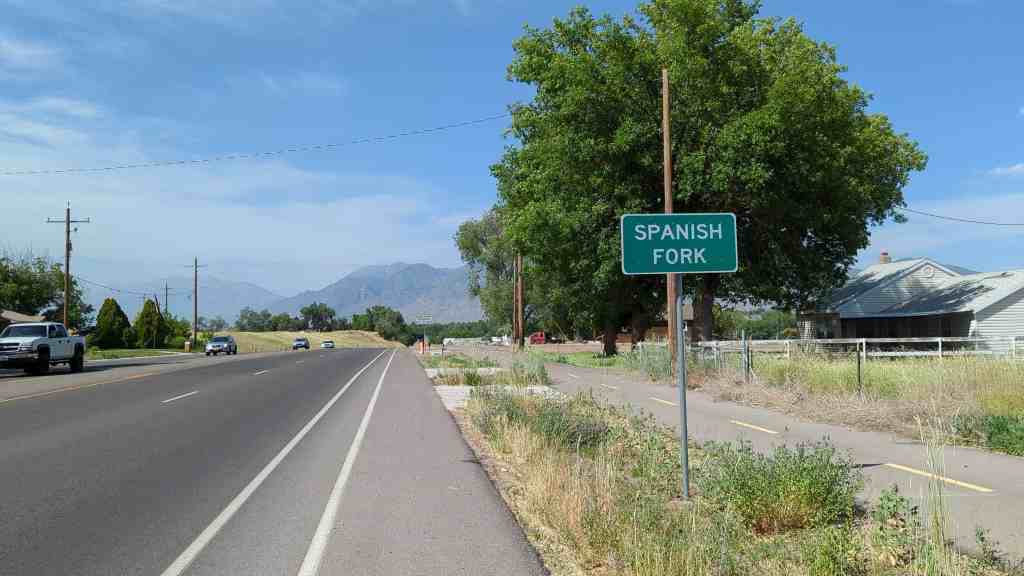
Spanish Fork is eight miles south of Provo on I-15 and the Spanish Fork River. Spanish Fork was an out-growth of Palmyra, Located to the northwest. As the community developed, Palmyra diminished and eventually became a suburb of Spanish Fork. In the early days, both settlements existed with one fort, Fort St. Luke. Spanish Fork received its name from the adjacent river, which was named by the 1776 Dominguez-Escalante expeditions.
Spanish Fork Posts:


18 Monday Nov 2013
Posted in Uncategorized

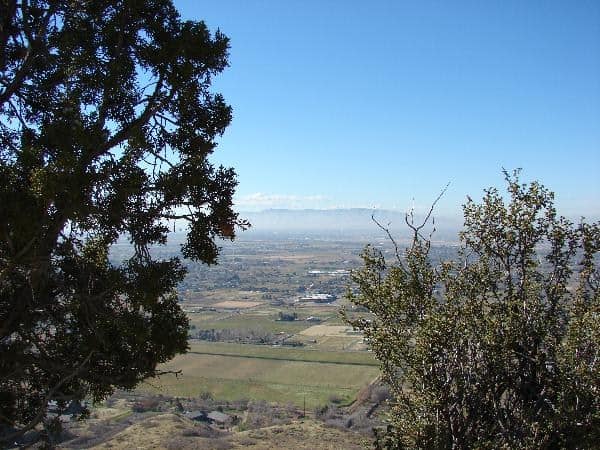
I spent a lot of my childhood hiking to Rattlesnake Point above Mapleton, it’s private property but I knew the owner and would spend a lot of time up there. I camped and explored more times than I could could up there and on the very flat bench just below it.



18 Monday Nov 2013
Posted in Uncategorized
Tags
Diamond Fork Canyon, hobble creek, Hobble Creek Canyon, Mapleton, Springville, utah, utah county, Wallsburg


In January 1849, Oliver B. Huntington, Barney Ward and Joseph Matthews entered Utah Valley on an Indian trading expedition. They camped on the banks of a stream near the present site of Springville. That night, the bell-horse slipped her hobbles and led the traders horse band to the mouth of Maple Canyon where Huntington tracked them down, recovered them, and took the horses back to their campsite. The traders named the stream Hobble Creek.
Hobble Creek Canyon is a place I spent a lot of my time growing up, the mouth of the canyon is in Springville/Mapleton and it goes up past the Reservoir, Golf Course and parks. The canyon splits and right fork goes up and over the mountain down into Diamond Fork Canyon, it’s a nice road Left fork goes to many cabins and eventually to Wallsburg but it’s a really rough road.
Related Posts:

Making of the Hobble Creek Canyon Parkway
In February 1997, the Hobble Creek Parkway Committee submitted the trail proposal. In January of 1998 they received the grant confirmation for $55,000. With help from the Forest Service, Utah Division of Wildlife Resources, Utah County, and Springville City, construction began in August 2001, and was completed in November of the same year. Asphalt was laid in the Spring of 2002.
Fish in Hobble Creek
Fish that can be found in Hobble Creek are cutthroat trout, brown trout, and a few rainbow trout. Cutthroats are the only native species. Stocking of rainbows, and all other fish in Hobble Creek has been discontinued because they are now self-sustaining and are reproducing naturally.
Wildlife in Hobble Creek Canyon
As you stand here and take in the beauty of this place, the first thing you might notice is the sound of water running over the rocks in Hobble Creek, or maybe a breeze or wind in the trees. If you look and listen, depending on the time of year, you could hear the song of a robin, junco, meadowlark, or gold finch. The calls of kingfishers and chuckers are heard high on the mountainsides. The sharp bark of a squirrel echoes down the canyon. Although you might not see these animals, they are here along with a host of others, including: humming birds, magpies, quail, mule deer, elk, coyotes, black bears, red fox, beavers, flying squirrels, cougars, lizards, water snakes, rattlesnakes, garter snakes, deer mice, voles, skunks, raccoons, muskrats, and weasels.


02 Saturday Nov 2013
Posted in Uncategorized
Tags
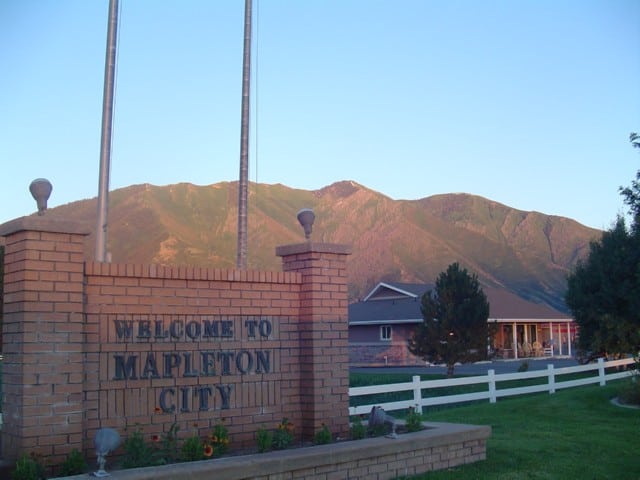
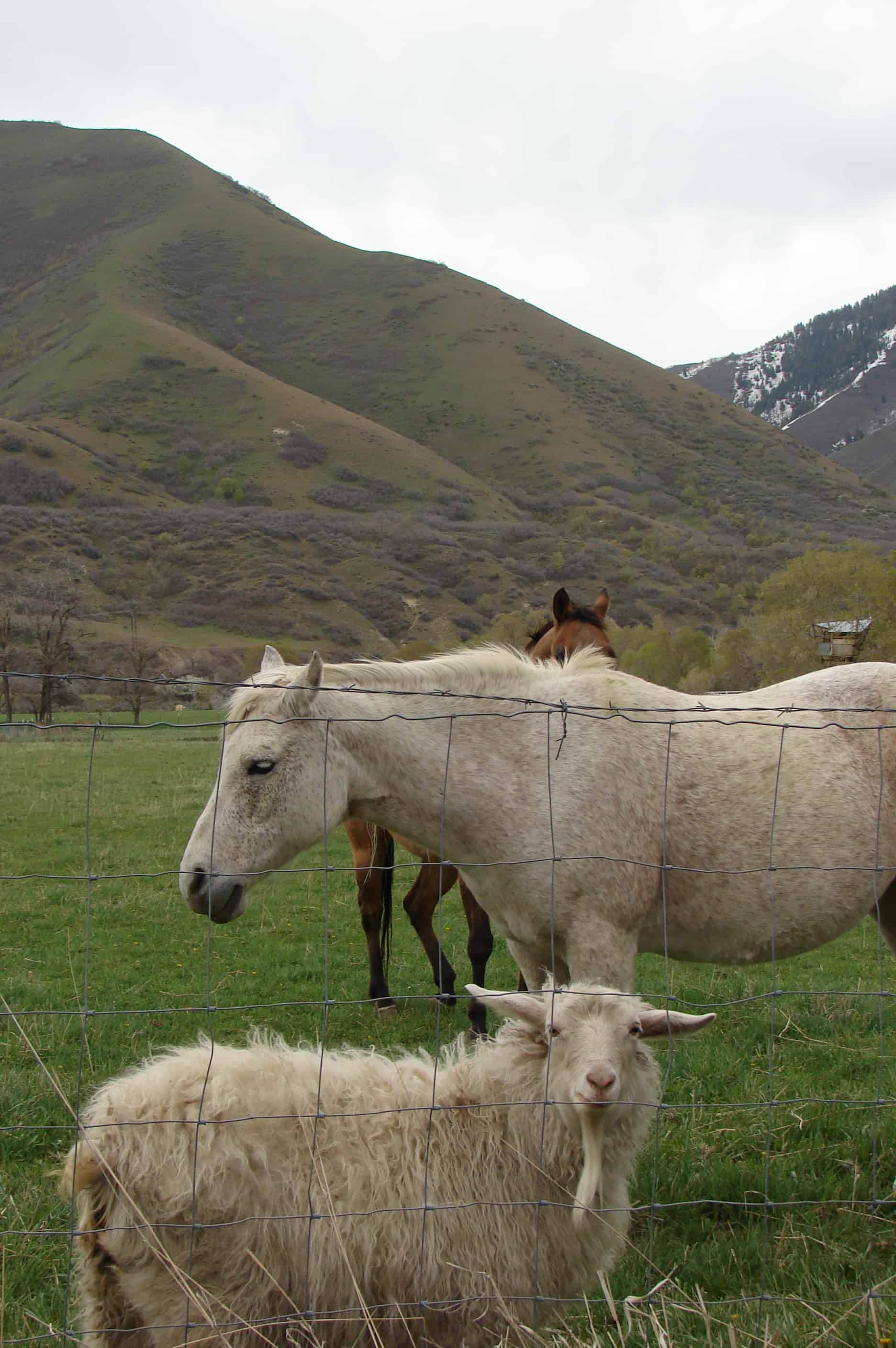
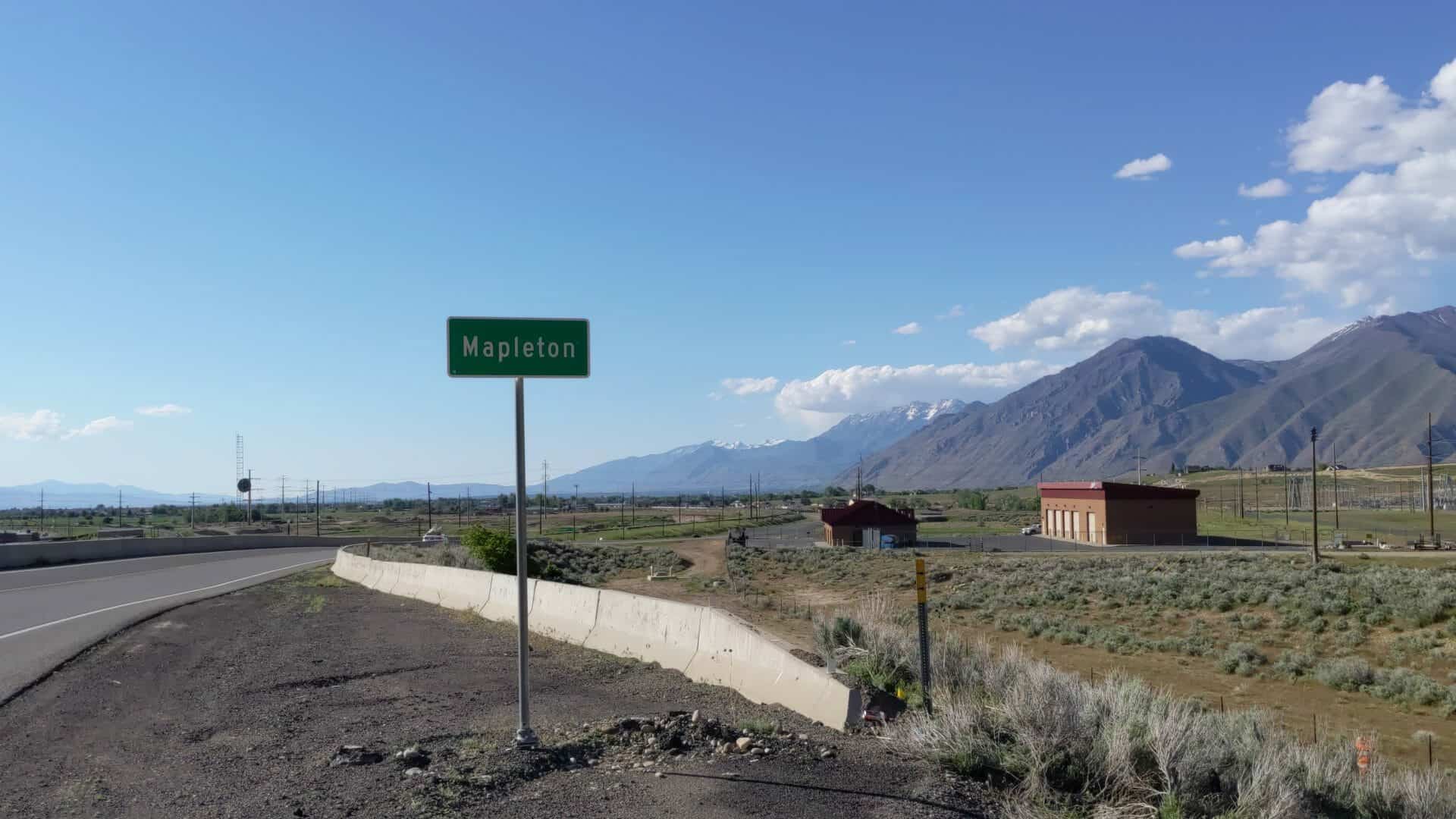
Mapleton, Utah is actually my hometown and means a lot to me. It was originally called Union Bench back in 1850 when first settled, and not officially incorporated until 1948.
Mapleton is south of Springville and north-east of Spanish Fork and between Hobble Creek Canyon and Spanish Fork Canyon to the east.
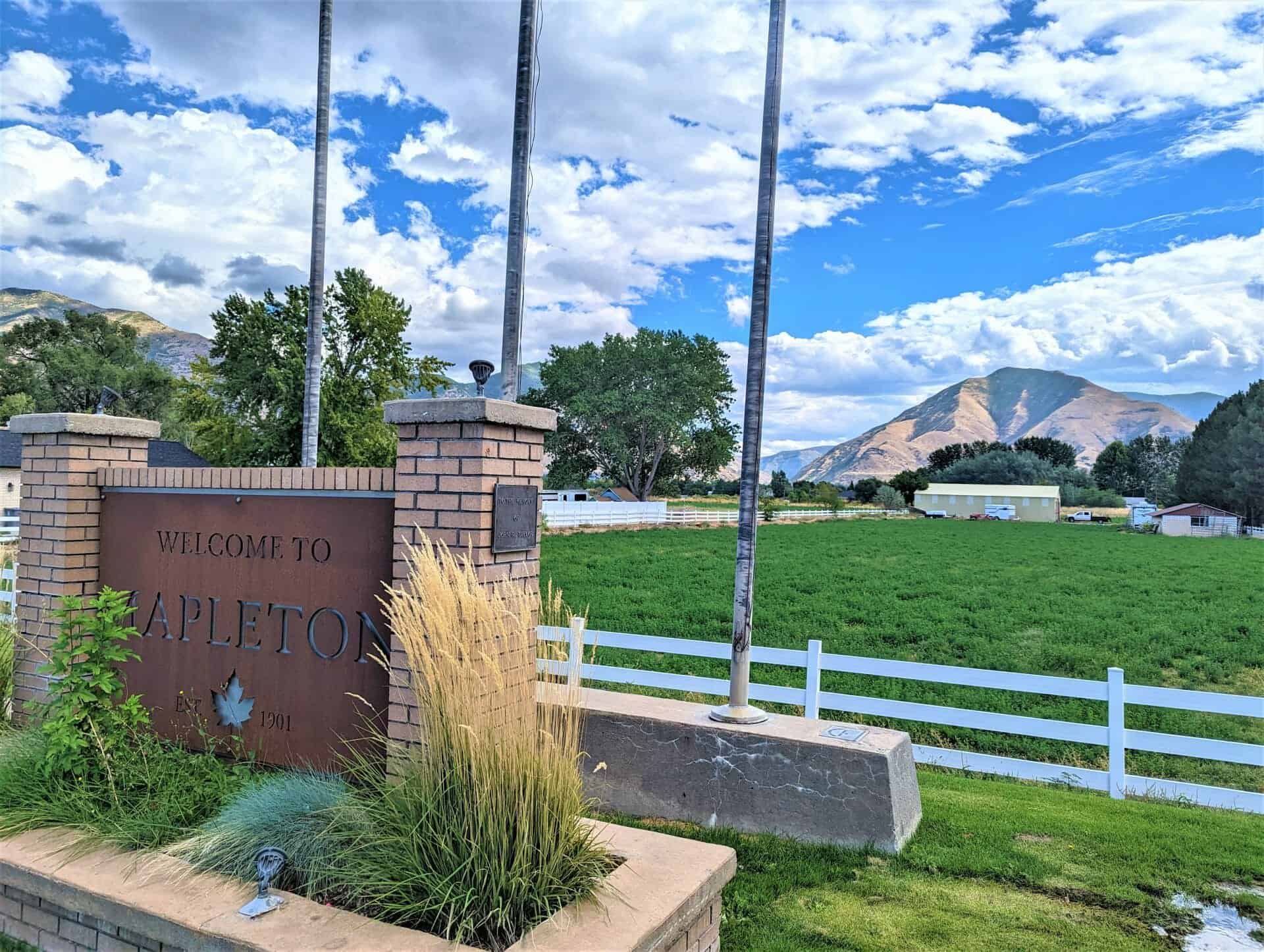
All Mapleton placed documented are on this page, sorted by address.
Related posts:
Historic Homes in Mapleton:
Historic Buildings in Mapleton:
Places and Things Now Gone in Mapleton:
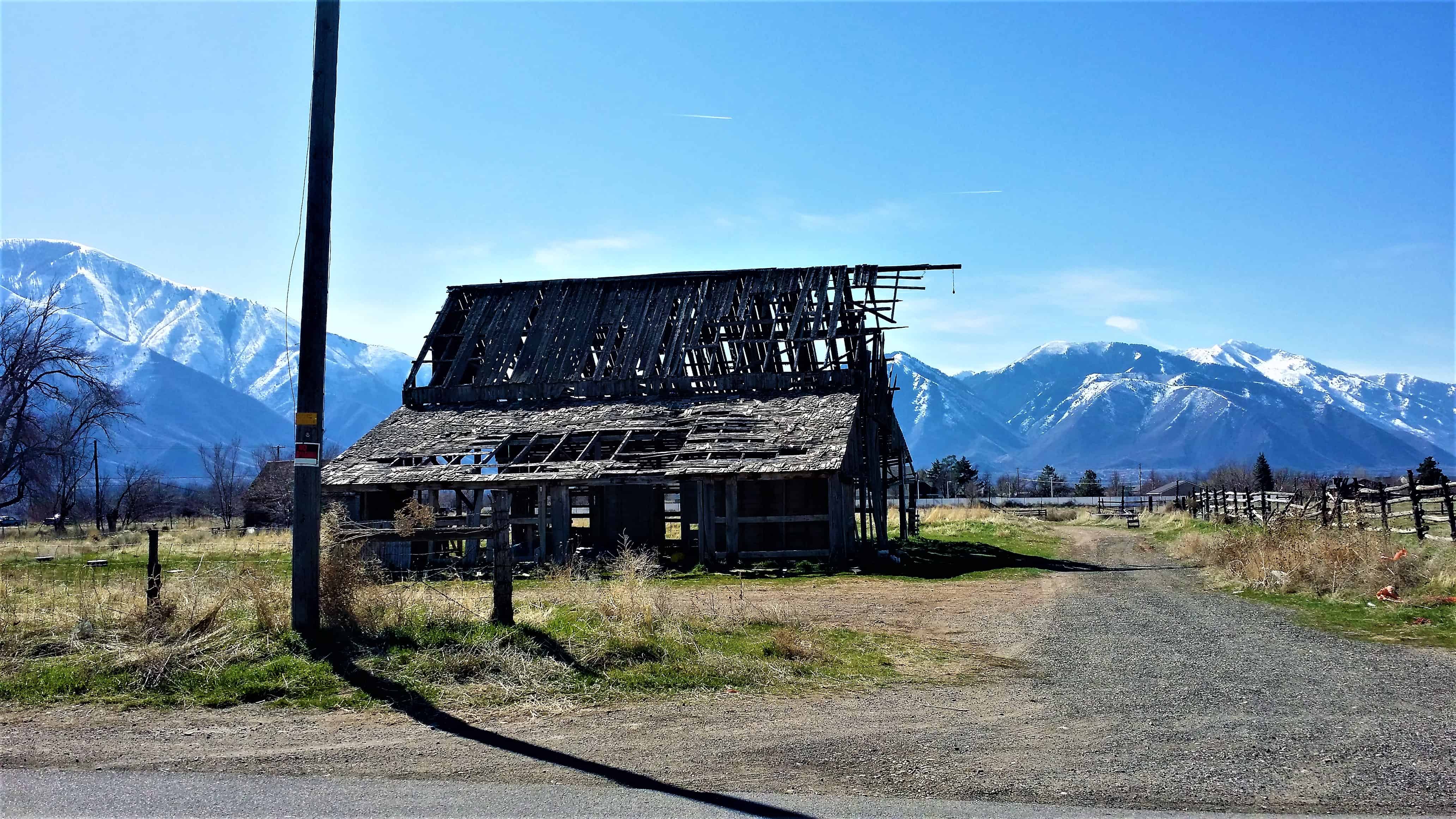


I’ve seen a lot of change over the years, when I was a kid in the 1990s it was probably half open fields, now it’s mostly residential.
I can remember “bragging” that I came from a town with no stop-light, that changed in 2012.


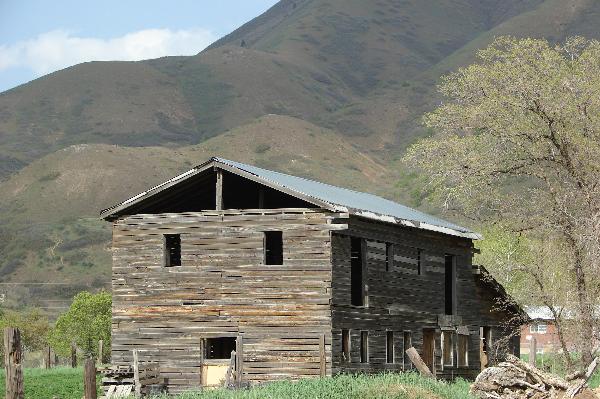

Mapleton is at the base of a couple of fun to explore mountains, Ether Peak and Spanish Fork Peak(Maple Mountain) overlook the town.


urpyflrcby;.prurgpuck.urgp.cidyaberb..n.k.blrcbyo.k.bydp..y,rbcb.ocq
(solve the line above to know where to get the west coordinates, add 3007 to the code you already have for the north coordinates)


02 Saturday Nov 2013
Posted in Uncategorized
Tags
One of Mapleton‘s nice parks.

Mapleton City North Park
1401 West 1600 North in Mapleton, Utah


Visit my list of places in Utah.