Tags
Abandoned, Beaver, Beaver County, Ghost Signs, Neon Signs, utah
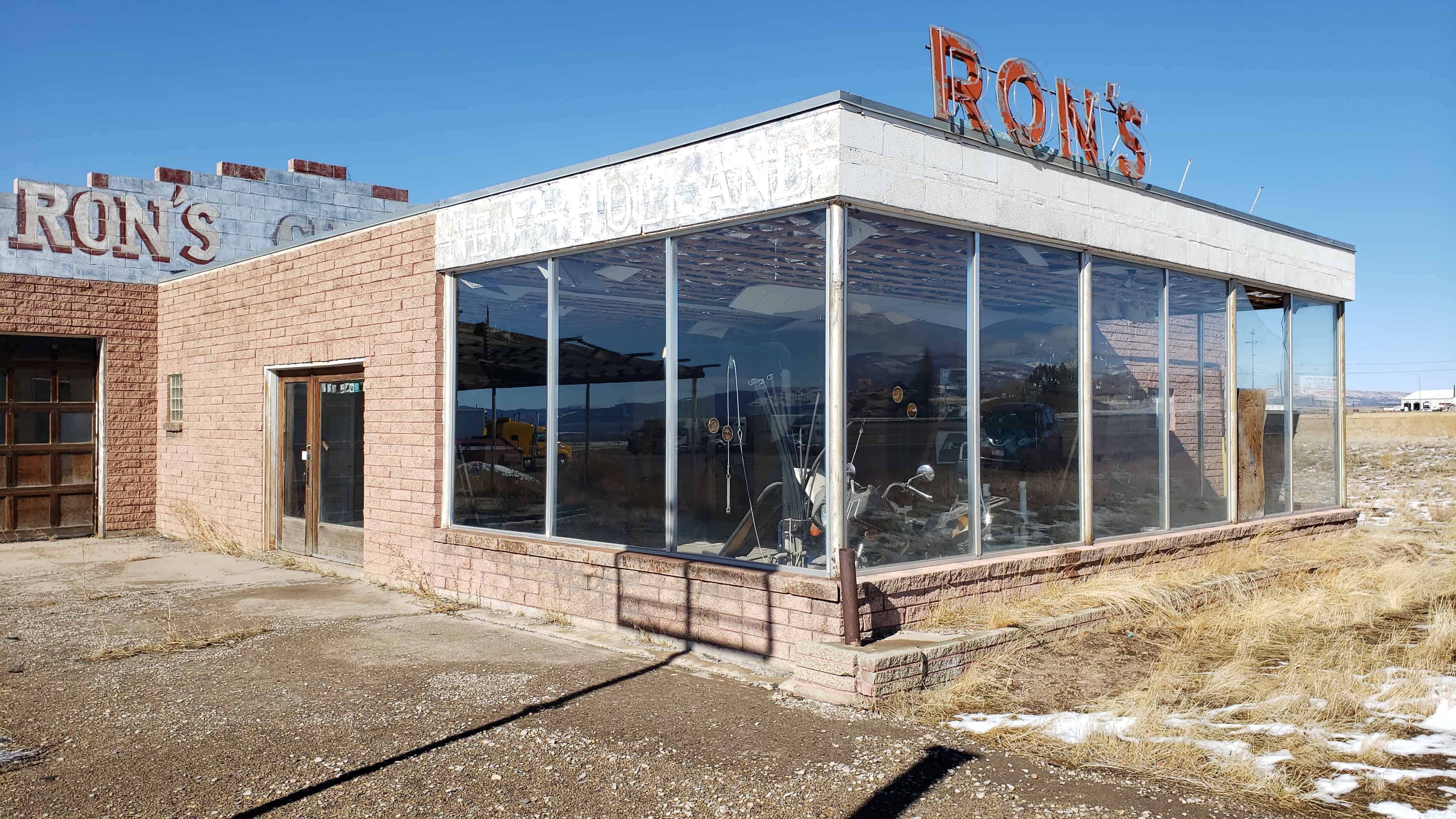
Ron’s is a cool looking old garage and dealer with painted ghost signs like I love to find and a cool neon sign like I like to find.
1095 N Main Street, Beaver, Utah

18 Tuesday May 2021
Posted in Uncategorized
Tags
Abandoned, Beaver, Beaver County, Ghost Signs, Neon Signs, utah

Ron’s is a cool looking old garage and dealer with painted ghost signs like I love to find and a cool neon sign like I like to find.
1095 N Main Street, Beaver, Utah




07 Sunday Mar 2021
Posted in Uncategorized

The DeLano Motel opened in 1962 and is another with a cool vintage neon sign.
480 North Main Street in Beaver, Utah
Related:


07 Sunday Mar 2021
Posted in Uncategorized
Tags

Arshel’s Cafe with their awesome vintage neon sign. They opened in 1944, making it one of Utah’s oldest restaurants.
711 N Main St, Beaver, Utah


07 Sunday Mar 2021
Posted in Uncategorized
Tags

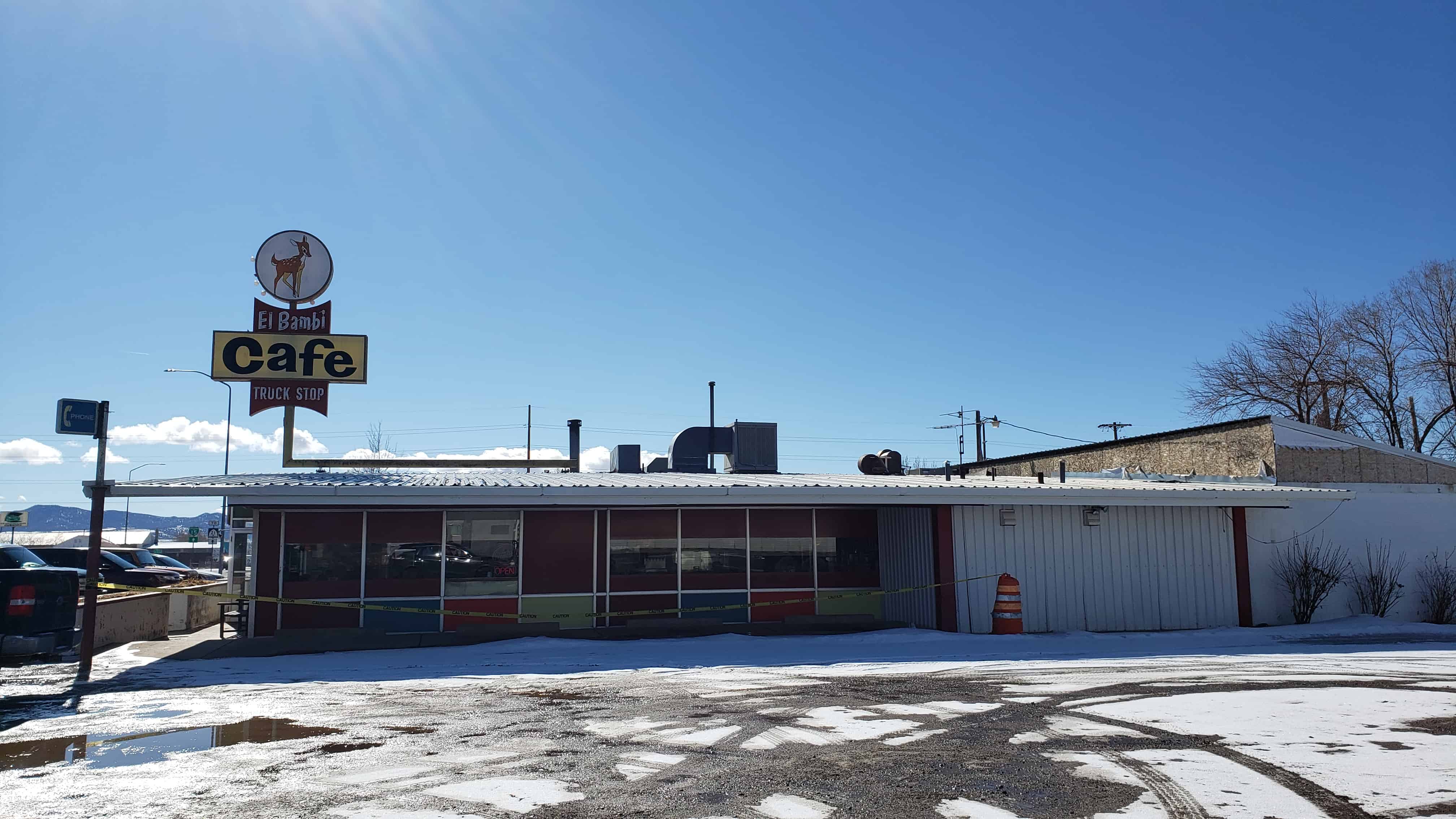
The El Bambi Cafe with its awesome vintage 1960’s neon sign. It opened in 1945.
935 N Main St, Beaver, Utah
Related:


09 Tuesday Feb 2021
Posted in Uncategorized
Tags

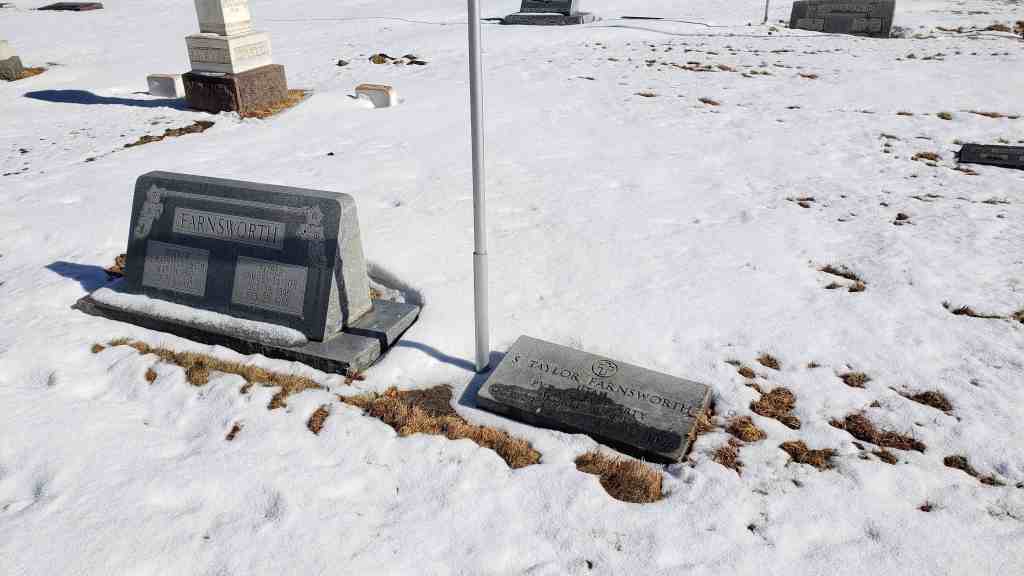
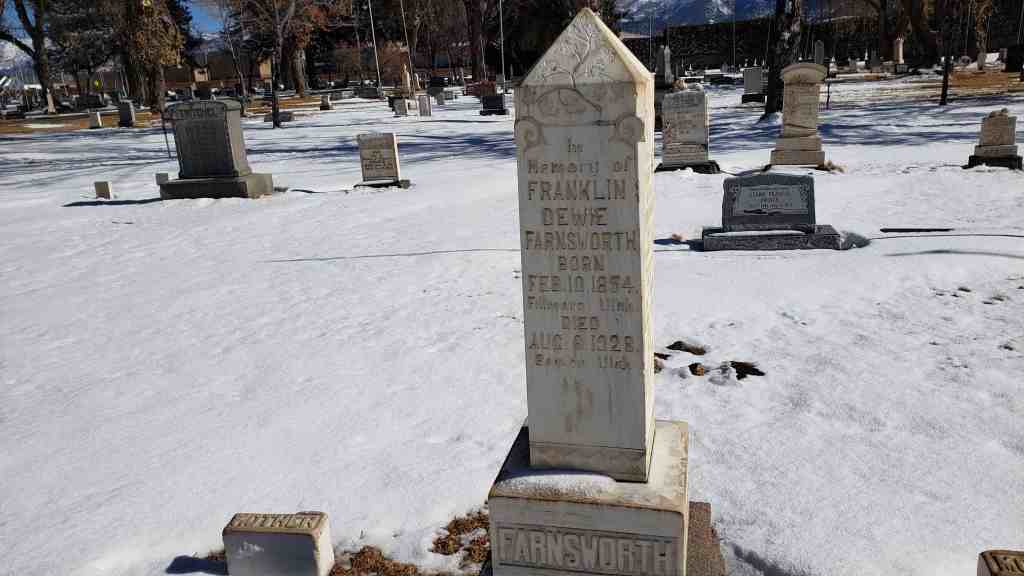
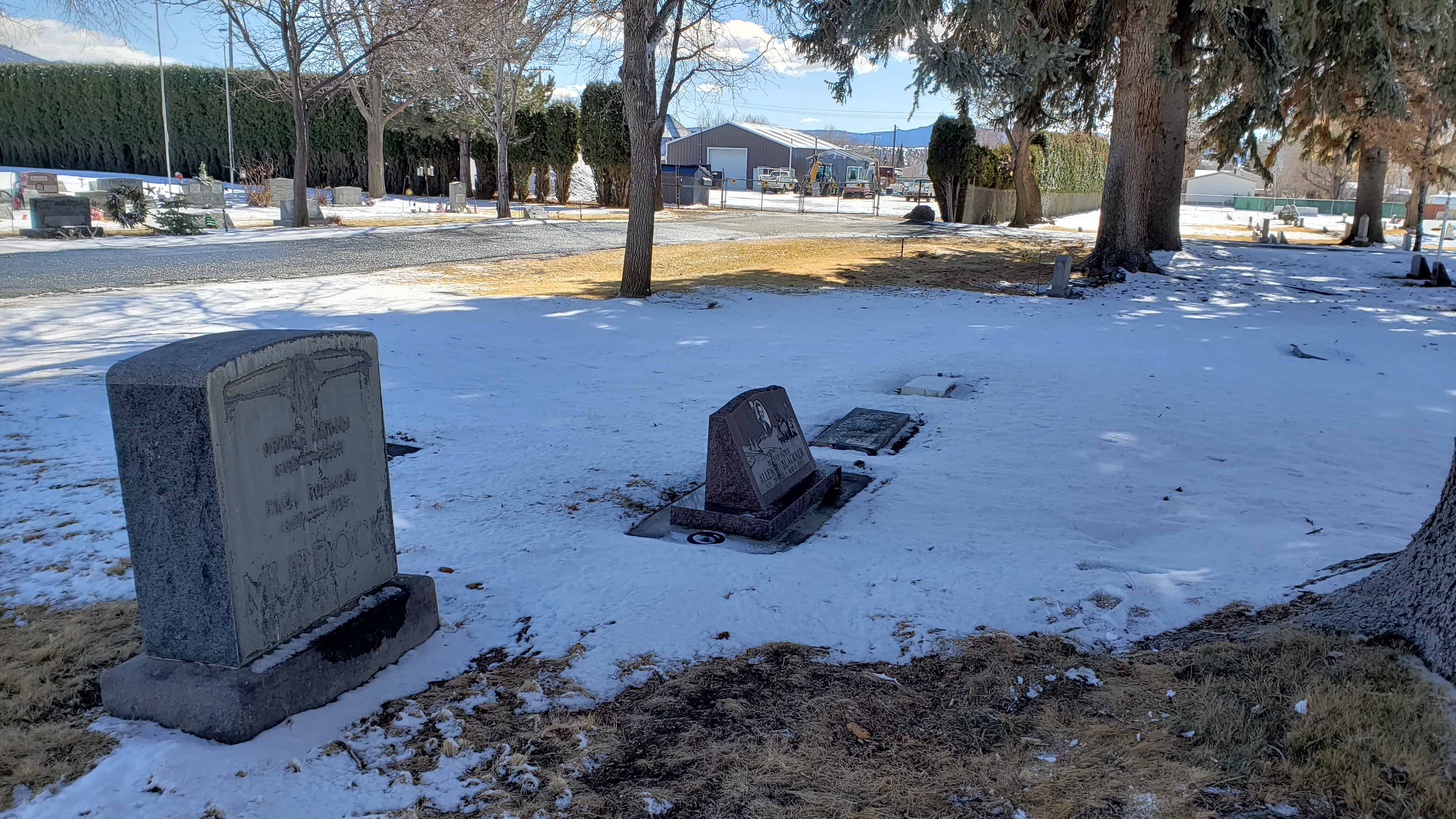
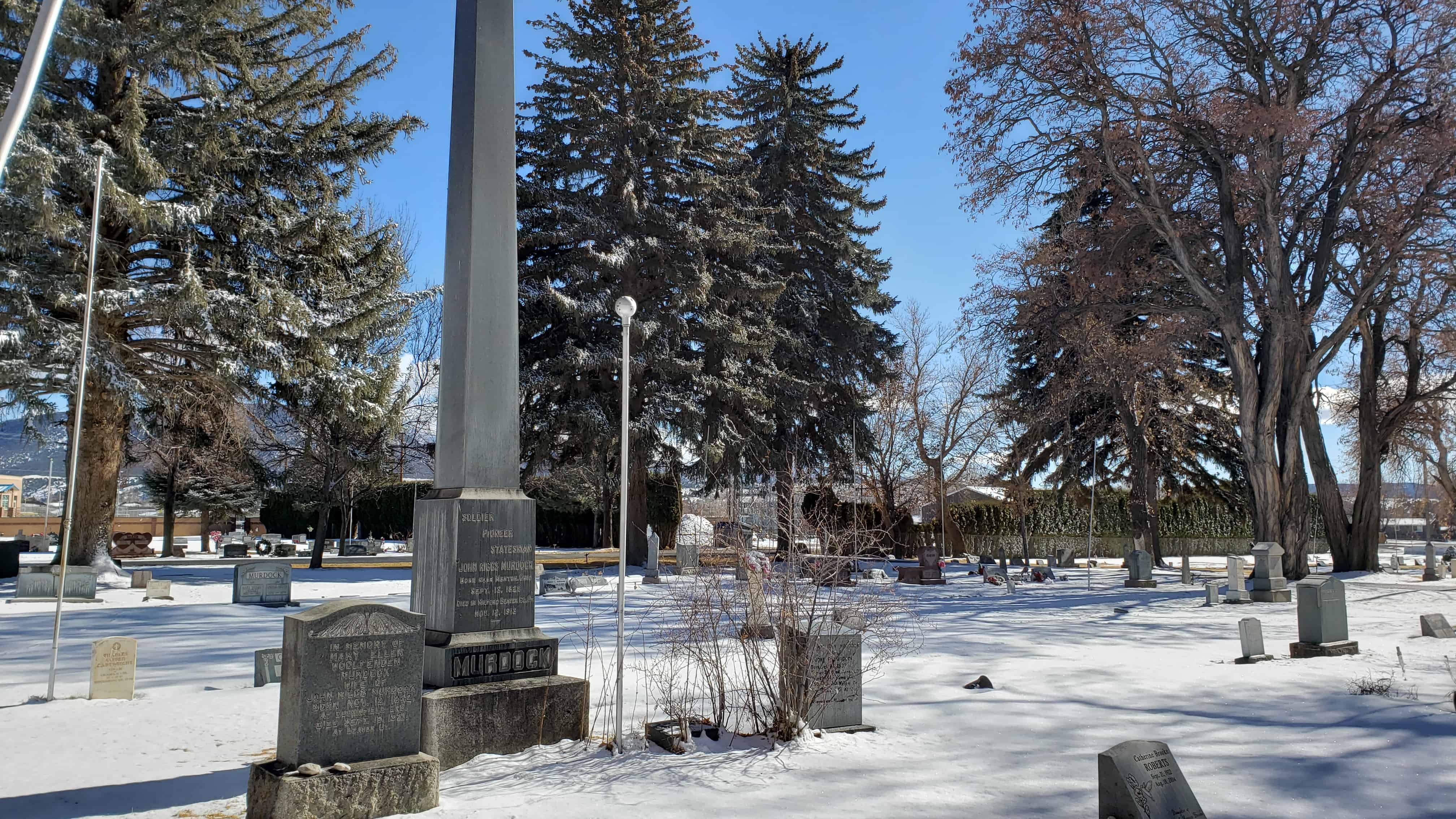
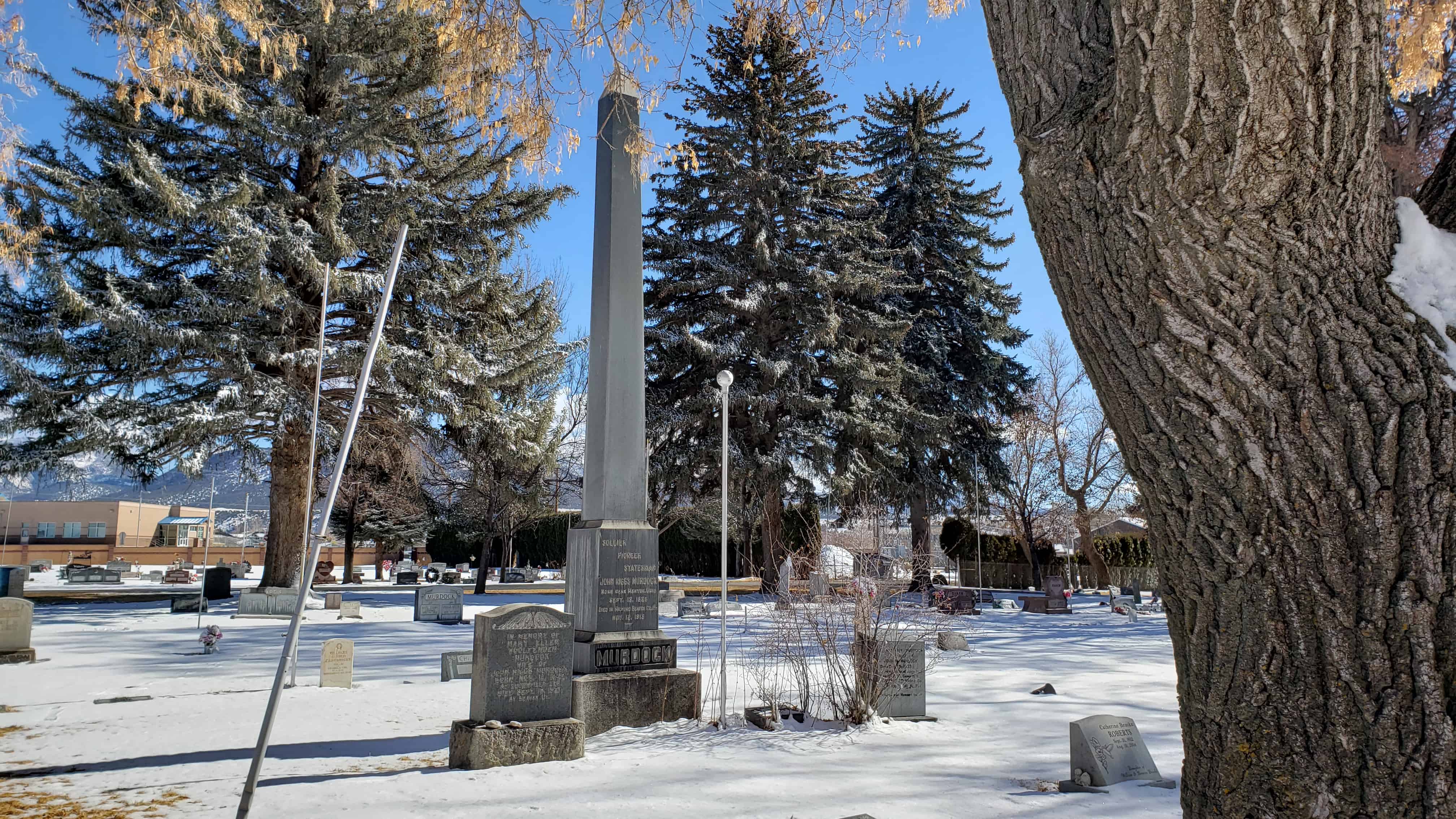
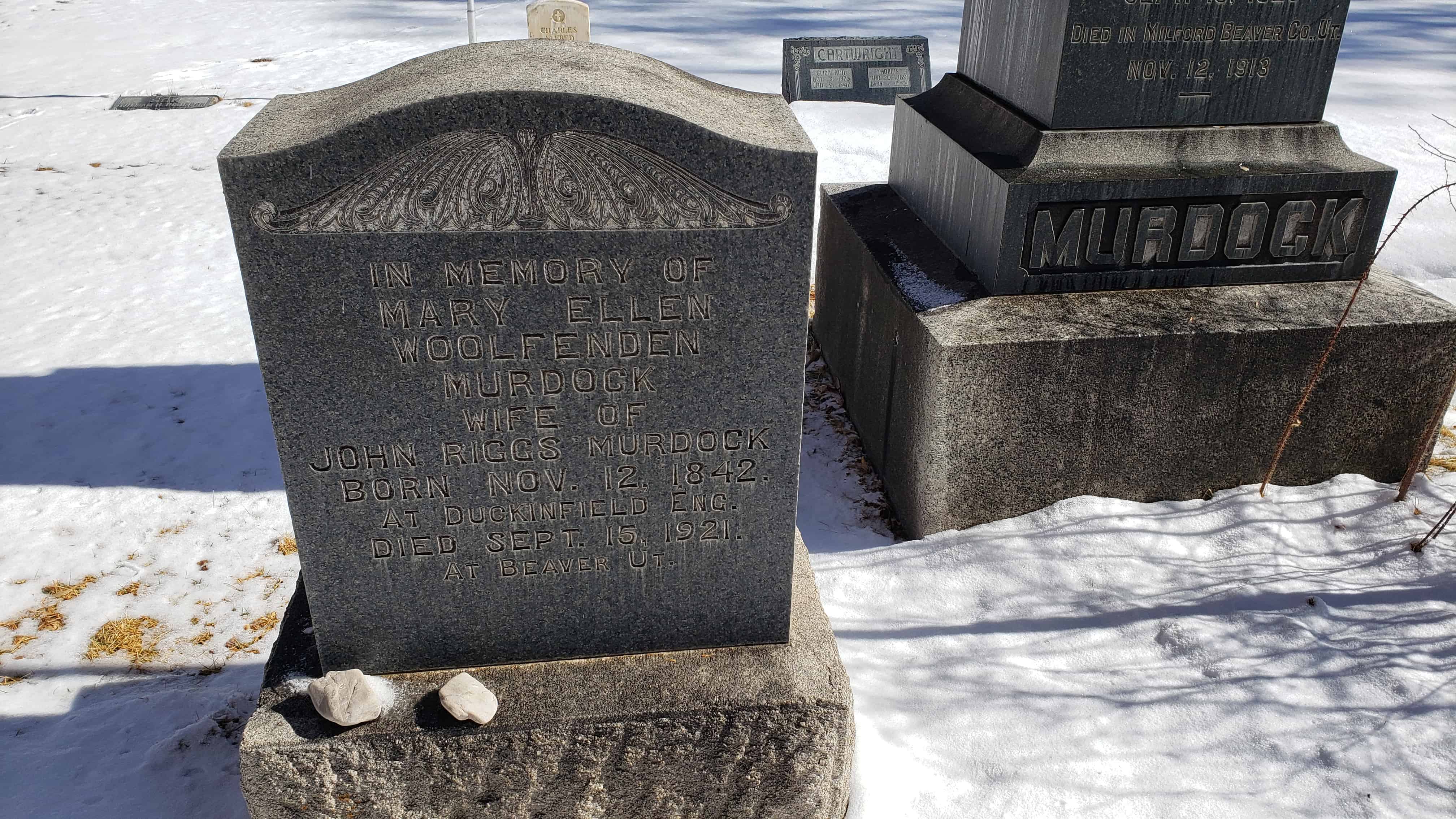
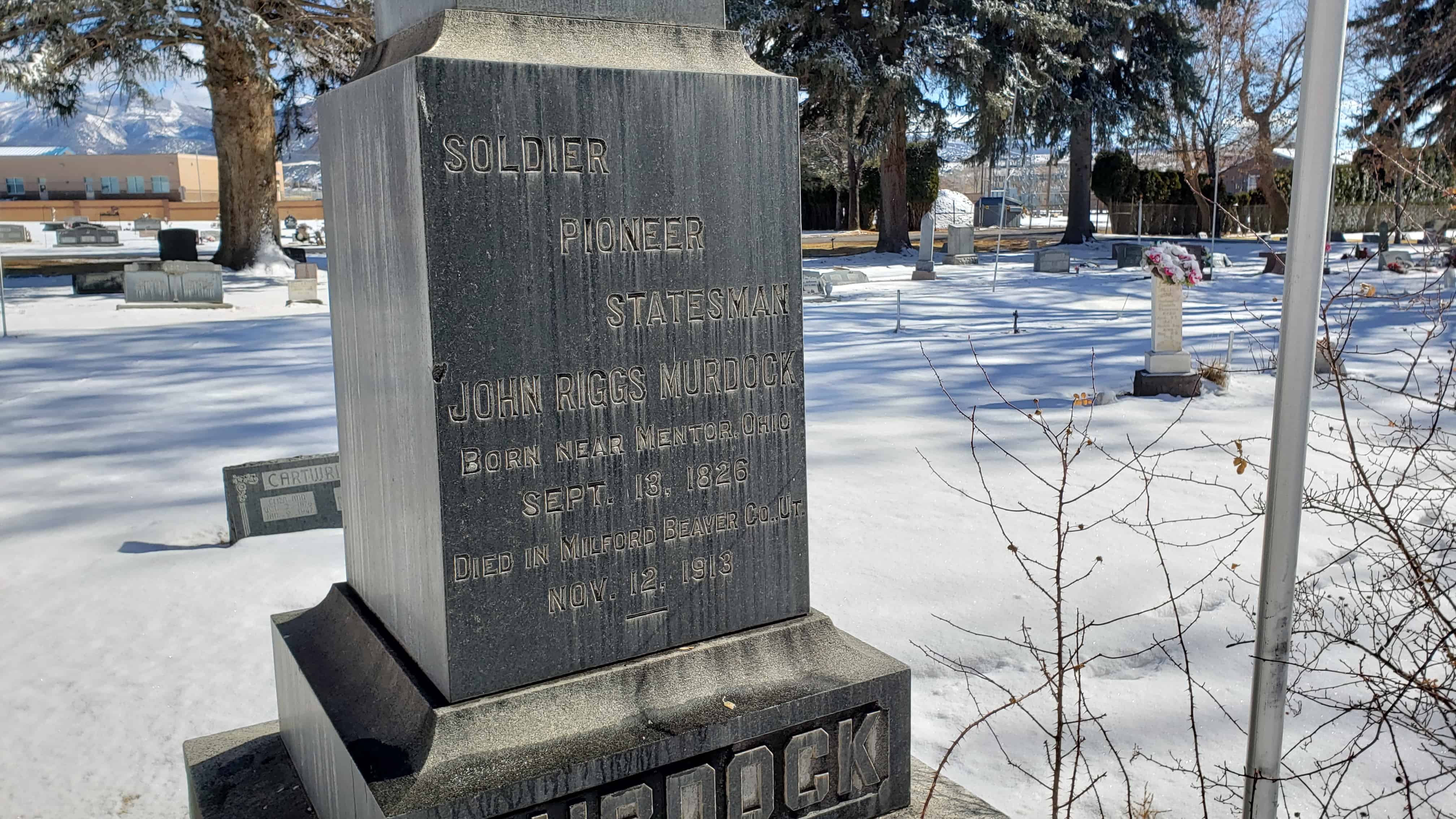
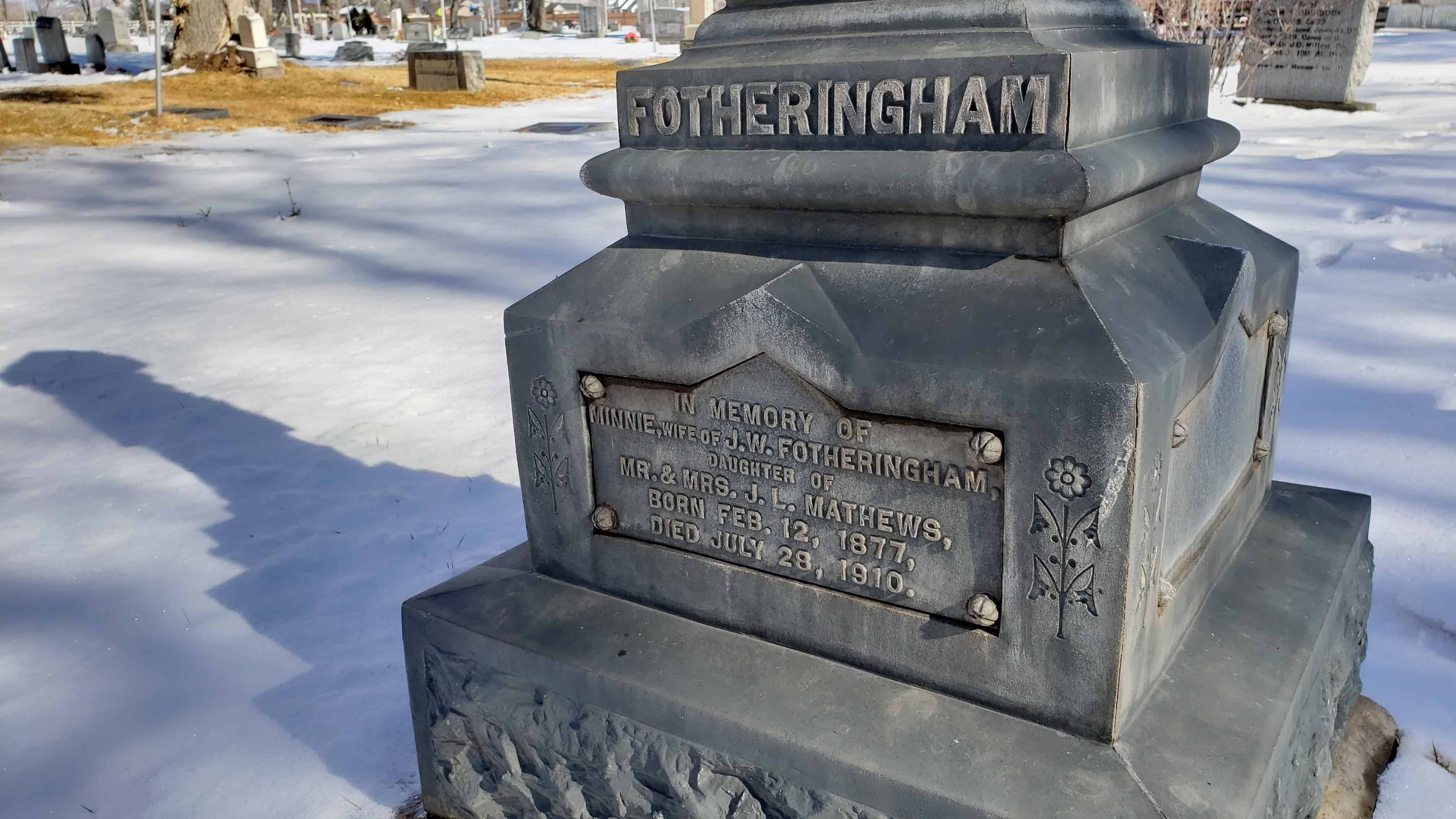
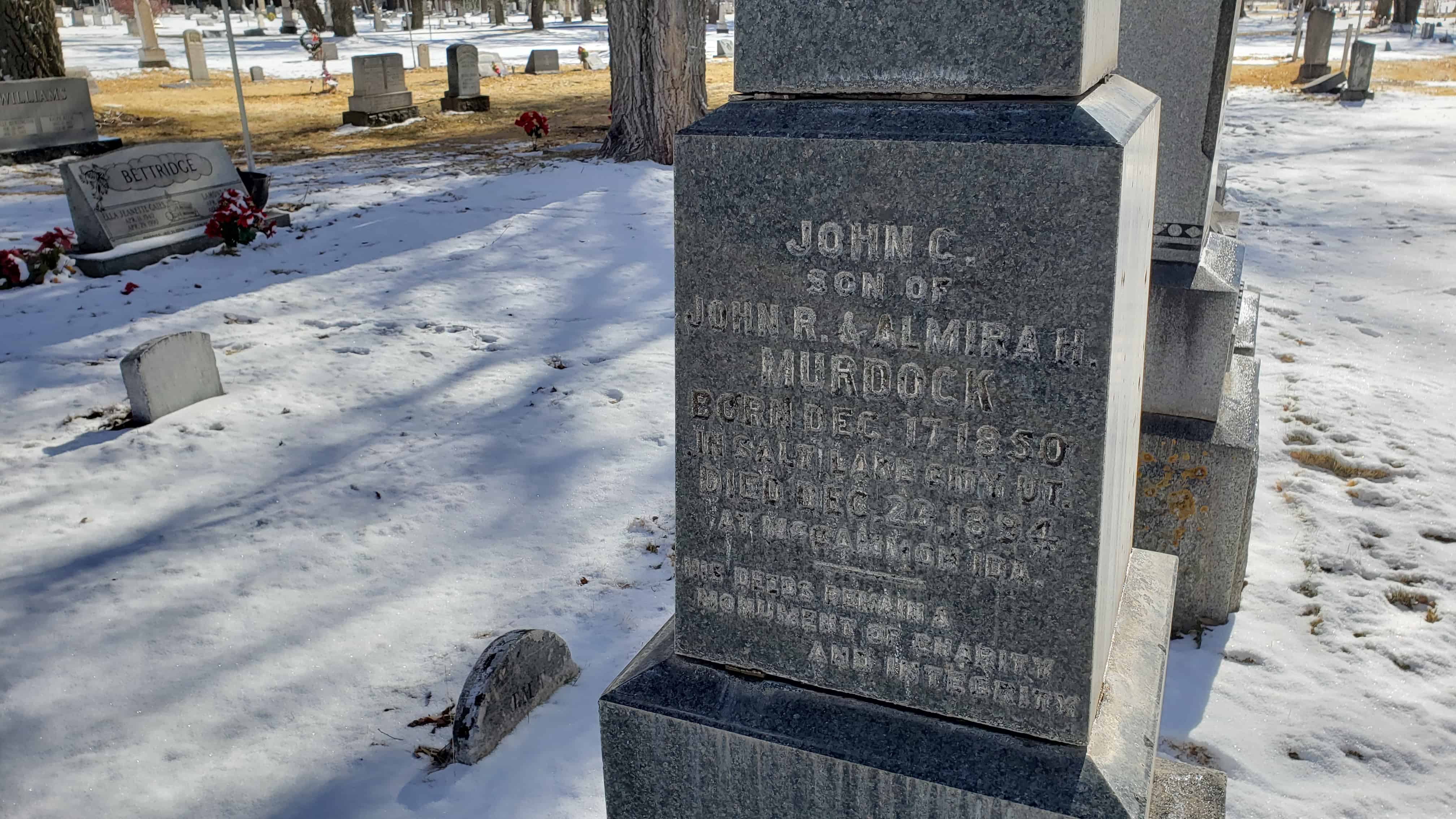
The Mountain View Cemetery, Beaver City’s Cemetery is located at 500 East 400 North in Beaver, Utah.
Notable Graves:













02 Friday Aug 2019
Posted in Uncategorized
Tags

I just thought this was a cool looking house and wanted to document it now before it’s gone someday.


I was on facebook and noticed the cover photo for this group was an older photo of this house, cool to see it when it was in better shape.

25 Sunday Jun 2017
Posted in Uncategorized
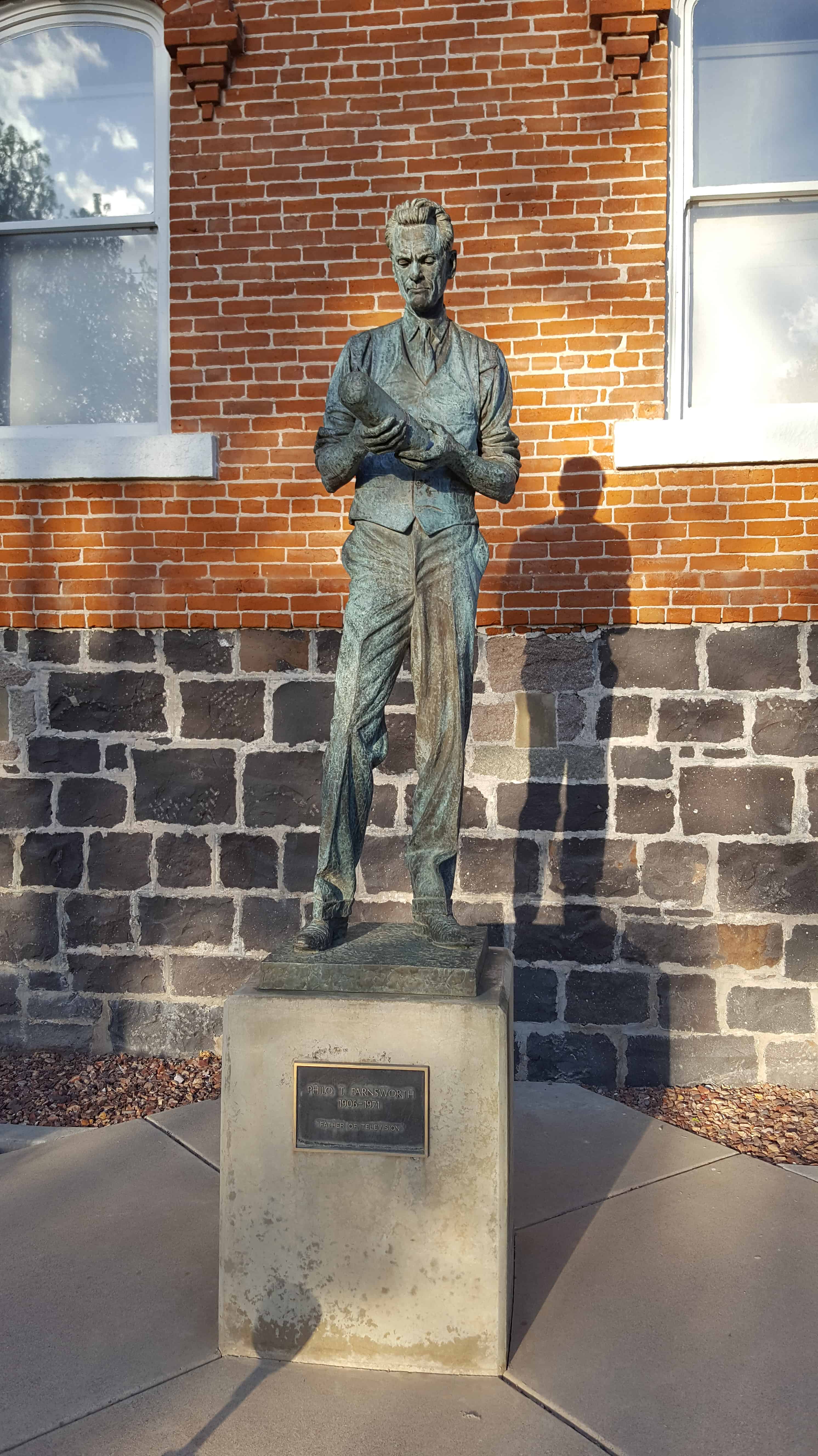
Philo T. Farnsworth
1906-1971
“Father of Television”
Philo Taylor Farnsworth was born August 19, 1906 in a log cabin near Beaver, Utah. At an early age, he became familiar with the various components of the telephone and the gramaphone. By age 12, he had a thorough understanding of electronics. In 1922, at age 15, now living in Rigby, Idaho, he developed the concept of the electronic transmission of images, and drew mathematical diagrams to show how this could be done.
In 1927, in San Francisco, California, after having invented and developed numerous vacuum tubes, such as the image dissector which the statue is holding, he was able to transmit and receive a recognizable image.
In 1934, after demonstrating that his ideas of electronic image transmission were the first to be written down, he was issued patents regarding television methods that are still used in every television receiving set, television camera, and transmitter manufactured in the United States as well as abroad.
He was issued over 170 patents regarding electronic inventions, most of which were designed for television. In addition, he also developed the first electron microscope, baby incubator, and medical gastroscope. He pioneered electronic infrared surveillance scopes used in World War Two and ever since. He developed memory vacuum tubes for radar screens, air traffic control, and underwater sonar devices. At the time of his death, he had developed cold cathode-ray tubes that are used in the television and computer industries, and working in cold nuclear fusion.


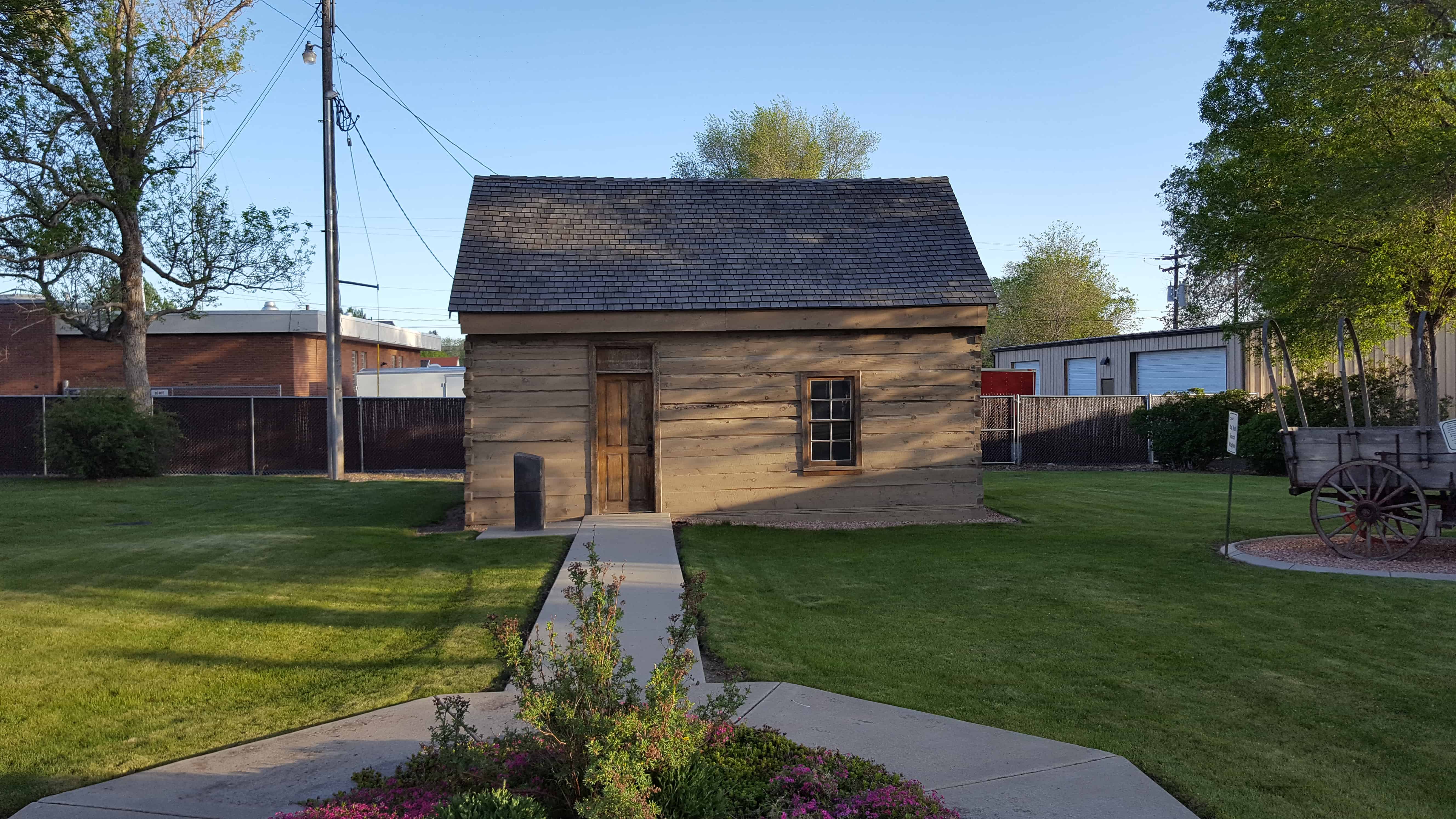
This early sawed log farm cabin (circa 1890-1900) was relocated to this site from the small hamlet of Manderfield located 5 miles north of Beaver.
Manderfield was known as Indian Creek in pioneer days. The Beaver Chapter of the sons of The Utah Pioneers took on the project when the owners of the building, LaVar and LaRay Cox donated it to the community. It is believed by many to be the birth cabin of Philo T. Farnsworth, the inventor of modern television.
His uncle, Robert Farnsworth, is thought to have built the cabin. Philo’s father and two of his mother’s brothers purchased 800 acres just north of his uncle Robert’s homestead the summer of 1906. Consequently, it is thought that Philo’s family was living with his uncle at the time of his birth, August 19, 1906.
For the first three years of his life Philo’s family lived and farmed in the Manderfield area. The family left Beaver County and lived for a time in the town of Washington, near St. George, then near Vernal in northeastern Utah. They eventually moved to a farm near Rigby, Idaho. As a lad of 15, Philo was attending school in Rigby, when the idea of how to electronically scan and transmit a visual image occured to him. It is said that he was riding on a horse drawn plow which created parallel rows in the farm field in preparation for spring planting when the inspiration of how to dissect a visual image into parallel horizontal lines; electronically scan it and reassemble the original image on a Television screen took root. Fortunately he diagrammed his idea on a small piece of paper which he gave to his teacher at Rigby High School. He was 21 years old when he was finally able to transmit an image of his wife, Elma.
The teacher kept the piece of paper, and years later was able to produce it as evidence when Philo’s patent was being challenged in the courts by the RCA Corporation, headed by David Sarnoff. The courts ruled in favor of Philo and settled the matter. Philo T. Farnsworth went on to invent numerous other devices. He died March 11, 1971.


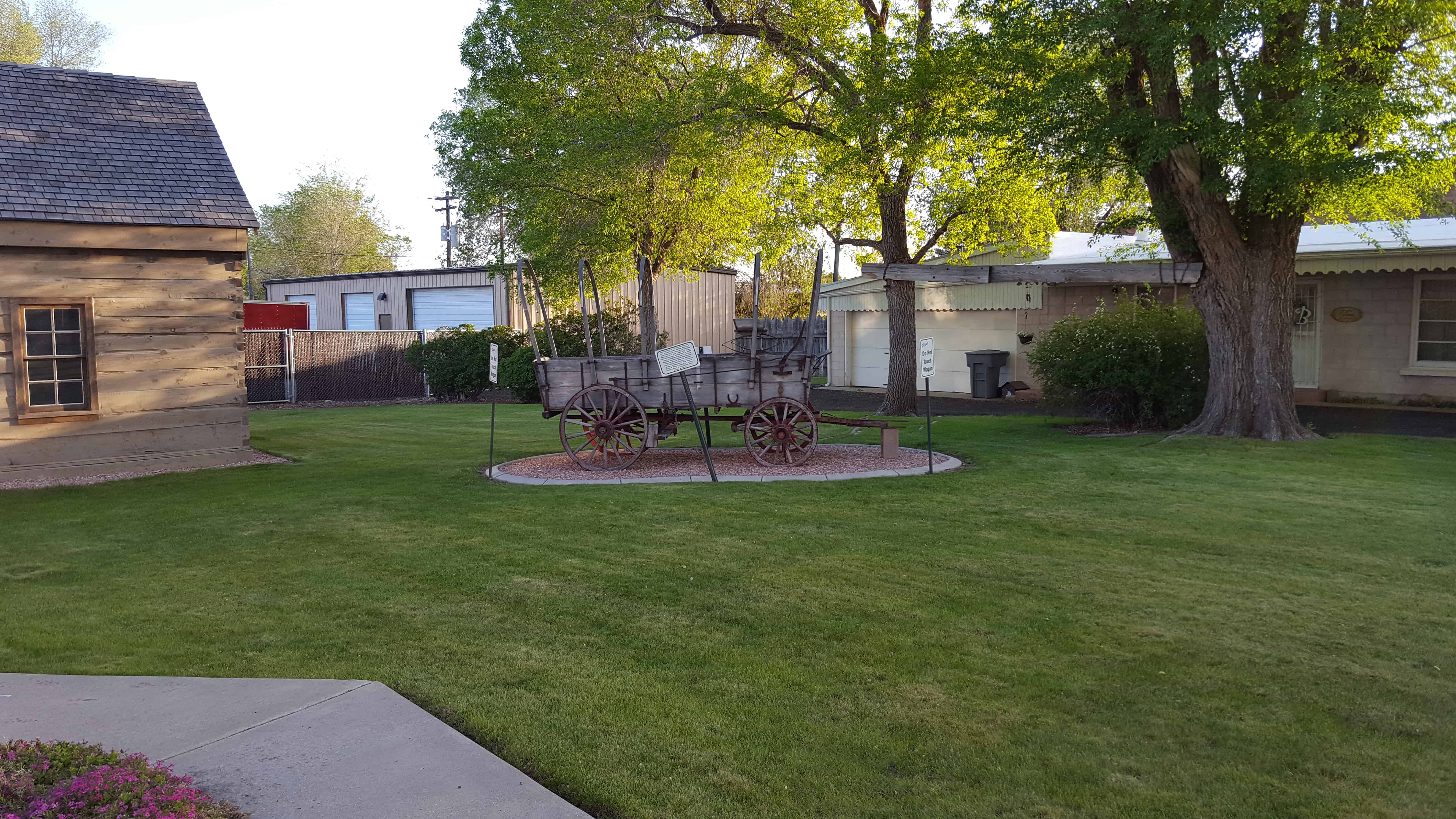
This wagon is a reproduction of the wagons used by the Mormon Settlement to travel from Omaha, Nebraska to Salt Lake City, Utah. It traveled the entire trail in 1997 being navigated by Vern and Carol Condie sponsored by the Beaver County Travel Council during the sesquicentennial re-creation of the settlement. Two mules “Ruth & Ruby” pulled the wagon 1000 miles, a trip which took three months.
25 Sunday Jun 2017
Posted in Uncategorized

The Beaver Opera House, built between 1908 and 1909, helped mark the beginning of the local citizens’ desire to build a “New Beaver” that would be the envy of other communities. The board of directors of the opera house were quoted as saying “…nothing is too good for the people of Beaver…” It was designed and built by the architectural firm of Liljenberg and Maeser, and is an impressive example of a Classical Renewal Style building constructed of tuff, the pink stone used in many Beaver residences. The opera house served as a center for community and church affairs for over two decades, and attracted many famous performers. For many years the building was used by the National Guard and today is the home of the Opera House Civic Center.
Related Posts:
Located at 81 East Center Street in Beaver, Utah


25 Sunday Jun 2017
Posted in Uncategorized
Tags
Beaver, Courthouses, DUP, historic, Historic Markers, Millard County, utah

Beaver Territorial Courthouse
Beaver Territorial Courthouse is considered one of the finest examples of Pioneer architecture. The architect, K.A. Kletting, designed the building in the Queen Ann style with Victorian overtones. The courthouse was constructed under the direction of William Stokes, a soldier of the Union army, stationed at nearby Fort Cameron. Constructed of local materials, the courthouse was built between 1877 and 1882, twenty-one years after Beaver was settled. The original cost of construction was $10,900. the three-storied structure had a deep basement made of black volcanic rock, and the upper portion was constructed of red brick. The building was finished with a tower, which was equipped with a good striking clock which faced all four directions. The clock chimed hourly. Throughout the years additions have been made to the original structure. Vaults and a county jail built of pink sandstone were eventually added to the courthouse.
Beaver was proclaimed the seat of the Second District Territorial Court in September 1870. During that time, the courthouse served as the center of justice for the expansive territory bordered by the Colorado River on the east and south and Nevada Territory on the west. Utah received statehood in 1896 and the Beaver Territorial Courthouse became known as the Beaver County Courthouse.
The courthouse survived a fire in 1889, an earthquake in 1901, and intended demolition in 1970, when a new courthouse was constructed. The courthouse was saved from demolition by the diligent efforts of Beaver Company Daughters of Utah Pioneers. Their committee, comprised of Susie Beeson, Clerynth Larson, Lulu T. Tanner, Viola Yardley, Phoebe Warby, Alta C Hickman, Margery Mackrell, Delia Nowers, Beatrice Hurst, and Jessie Ward, petitioned State Senators and County Commissioners to save the building. On December 5, 1974, county officials and DUP signed a 100-year lease which saved the historically significant courthouse. The building is now used as a DUP Pioneer Museum, and it is hoped that the building will remain in place for many generations for all posterity to enjoy. Renovations were completed in 2010.
Daughters of Utah Pioneers historic marker #570, located on the Beaver County Courthouse at 90 East Center Street in Beaver, Utah.


23 Friday Jun 2017
Posted in Uncategorized
Tags
Beaver, Beaver County, Forts, historic, Historic Markers, SUP, UPTLA, utah
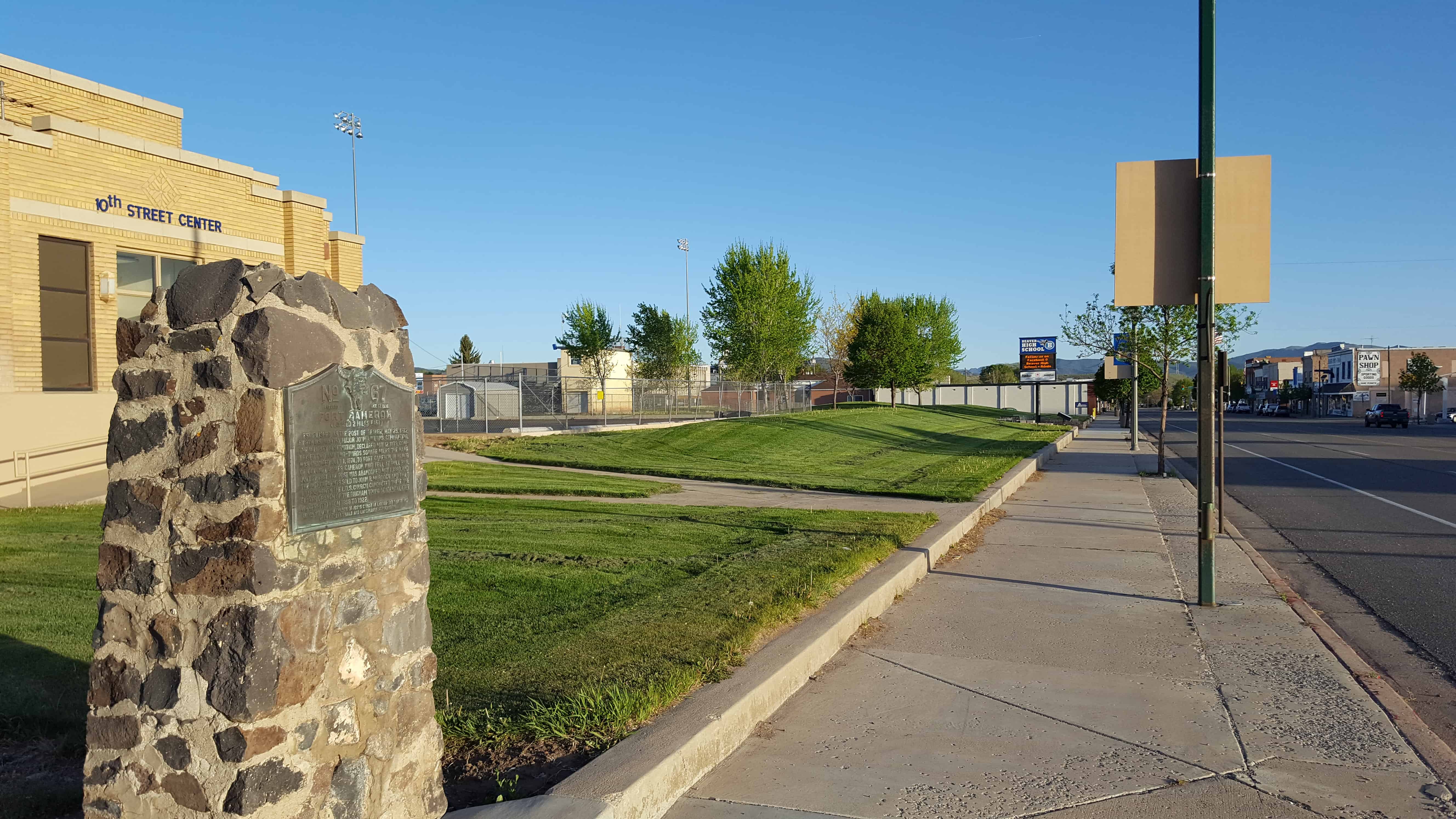
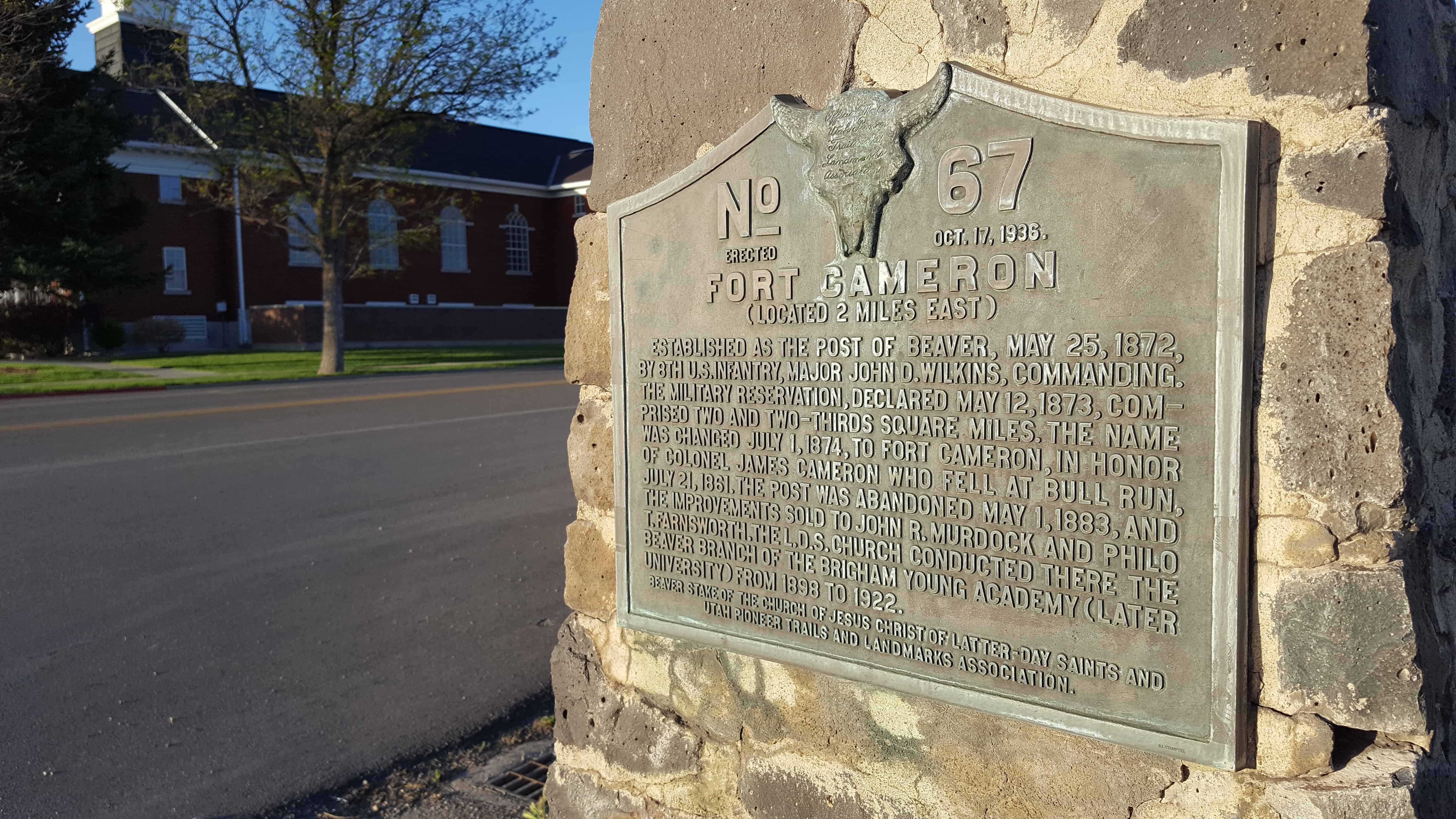
Established as the Post of Beaver, May 25, 1872, by 8th U.S. Infantry, Major John D. Wilkins, commanding. The military reservation, declared May 12, 1873, comprised two and two-thirds square miles. The name was changed July 1, 1874, to Fort Cameron, in honor of Colonel James Cameron who fell at Bull Run, July 21, 1861. The post was abandoned May 1, 1883, and the improvements sold to John R. Murdock and Philo T. Farnsworth. The L.D.S. Church conducted there the Beaver Branch of the Brigham Young Academy (later University) from 1898 to 1922.
See other historic markers in the series on this page for UPTLA/SUP Markers.