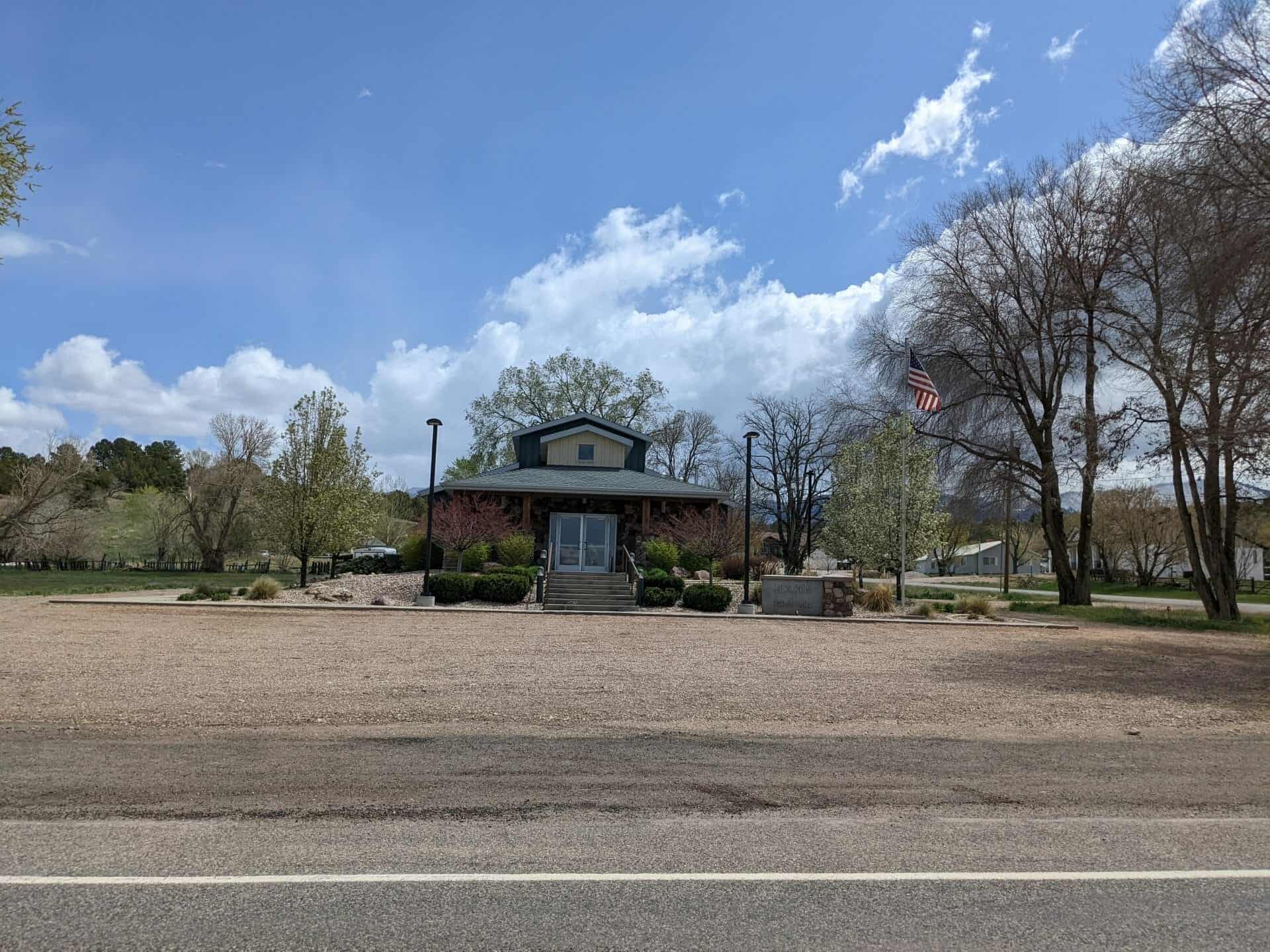
The Fillmore Armory, located at 35 West Center Street in Fillmore, Utah was constructed in 1937-1938 and is associated with the second generation of Utah National Guard (UTNG) armory construction. Even in times of peace, training was essential for soldier to be effective and prepared for active service during state and national emergencies. Due to the need for a space to perform drills and store equipment, the armory became a significant property type of the UTNG. During the early 1900s, few existing facilities could accommodate National Guard training, drilling, and storage for arms and equipment. Beginning in 1928, construction began on a second generation of armories in Utah meant to specifically address these needs.
Construction of the Fillmore Armory began with New Deal era funding as part of the Works Progress Administration (WPA) during the Great Depression. Initial construction employed mostly unskilled laborers. Local men supervised the project and used locally purchased building materials. Fillmore residents also donated funds and materials to install a hardwood floor in the building.
The Fillmore Armory was primarily constructed to house Utah National Guard artillery units, including batteries of the 213th Field Artillery Battalion (disbanded in 1967) as well as the 222nd Field Artillery Battalion. Members of these units would train in Fillmore and go on to serve overseas during the Second World War and the Korean War. Later, the 222nd would complete two deployment tours during the Iraq War. In addition to its use in military defense, the building has also served as a community recreation center and dance hall. Ownership of the armory was transferred from the Utah National Guard to the City of Fillmore in 2019 for continued public use.
Located at 35 West Center Street in Fillmore, Utah and added to the National Historic Register on (#100006003) January 4, 2021.
Related:


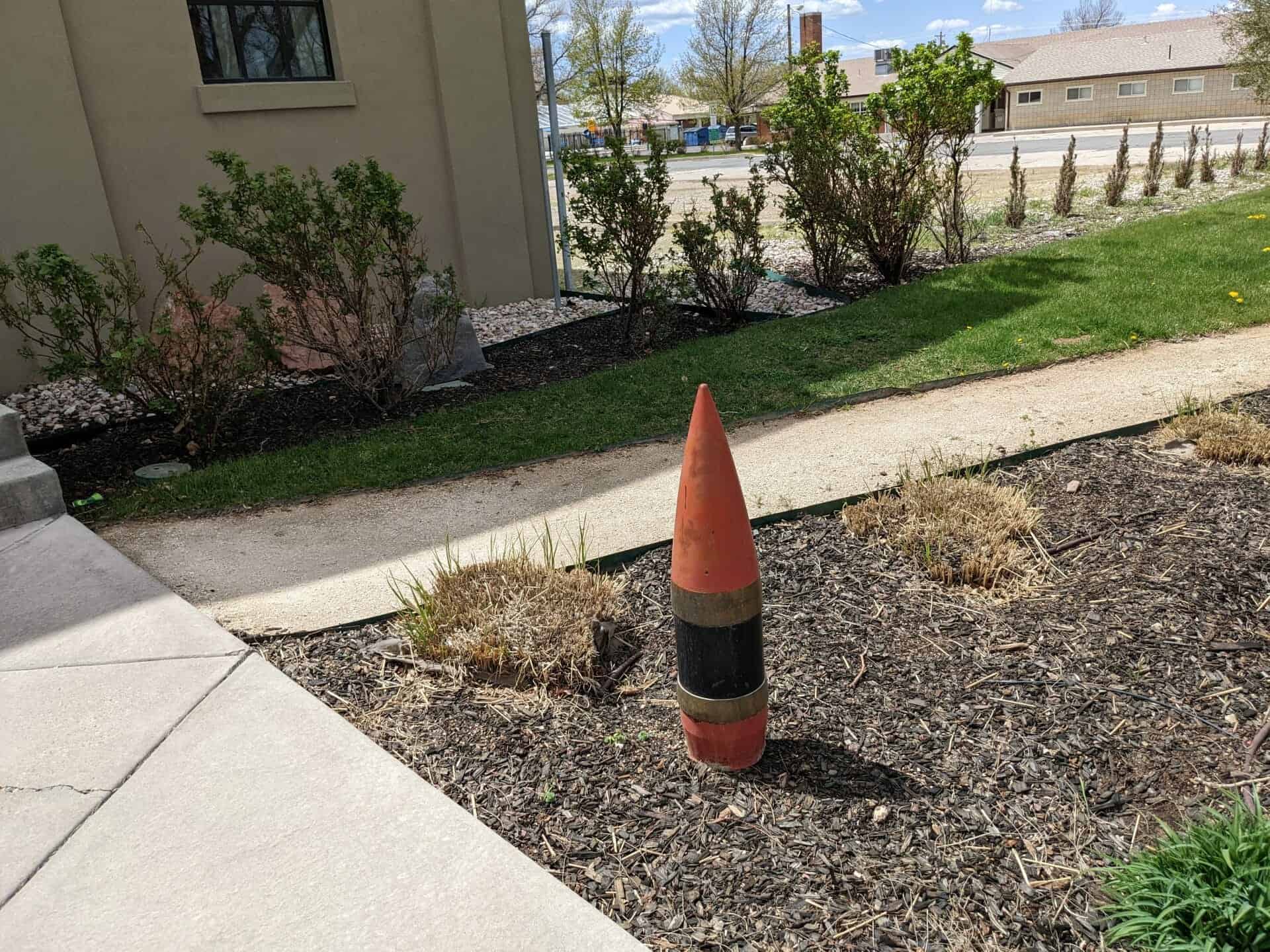


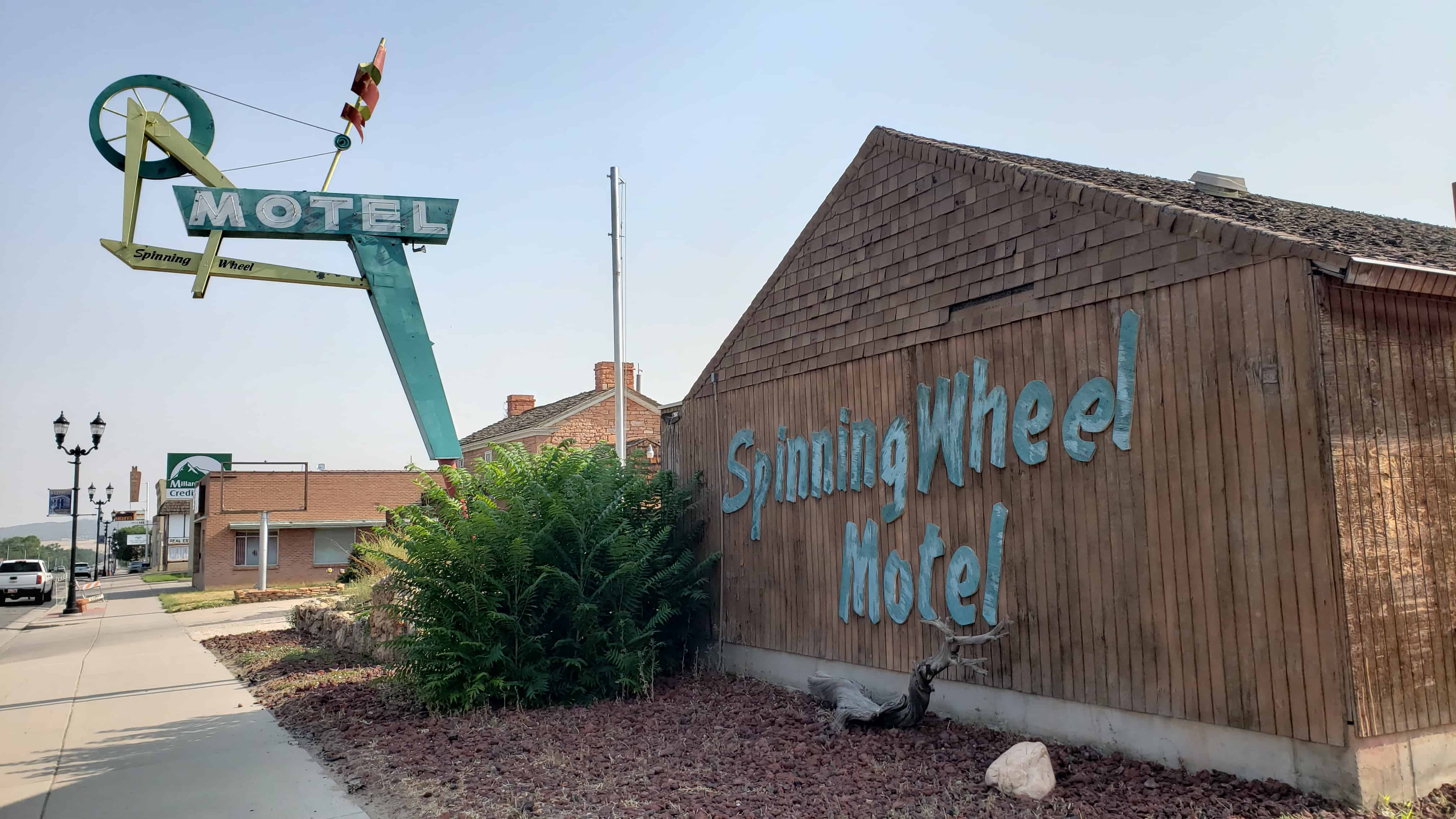


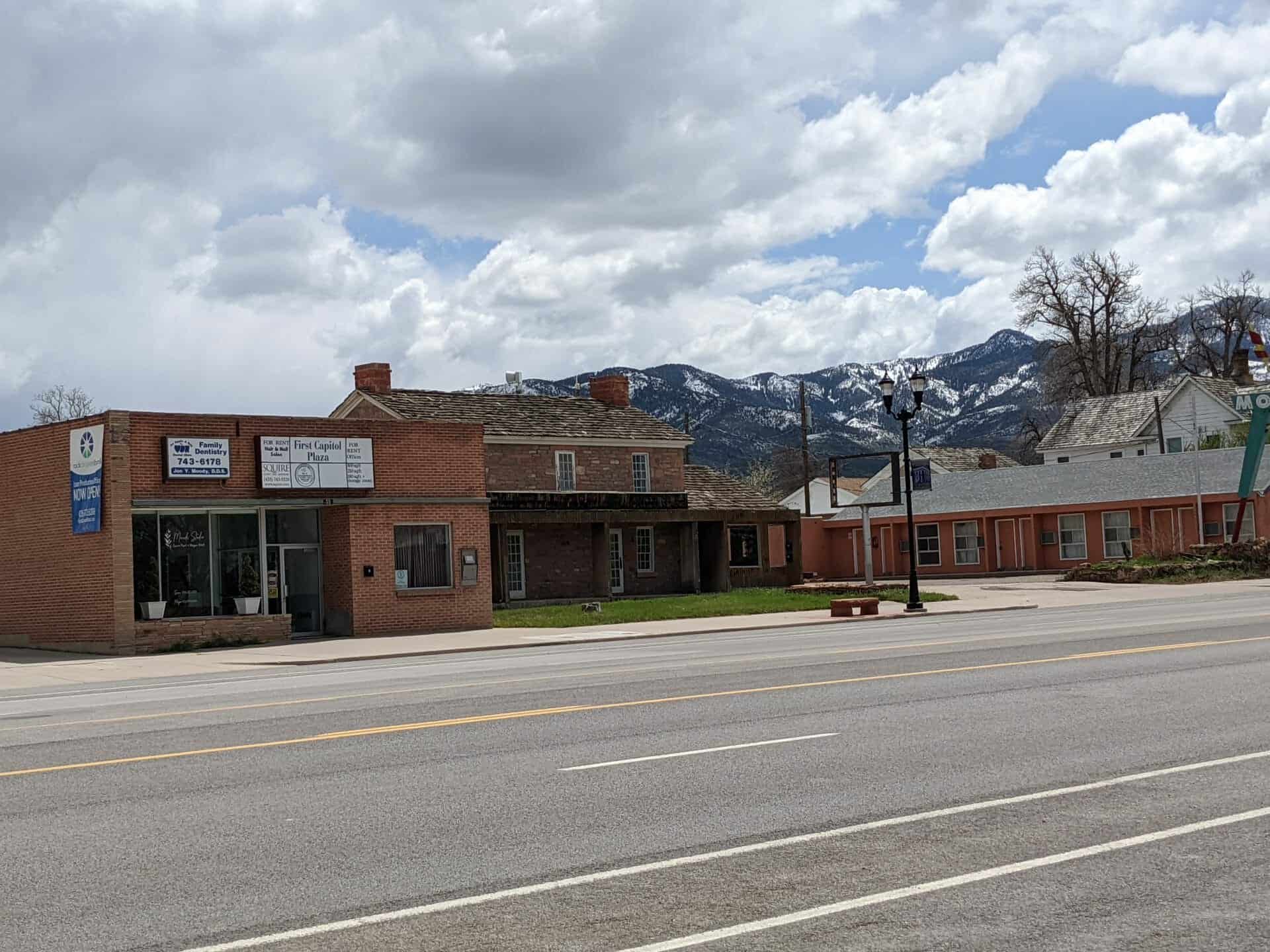








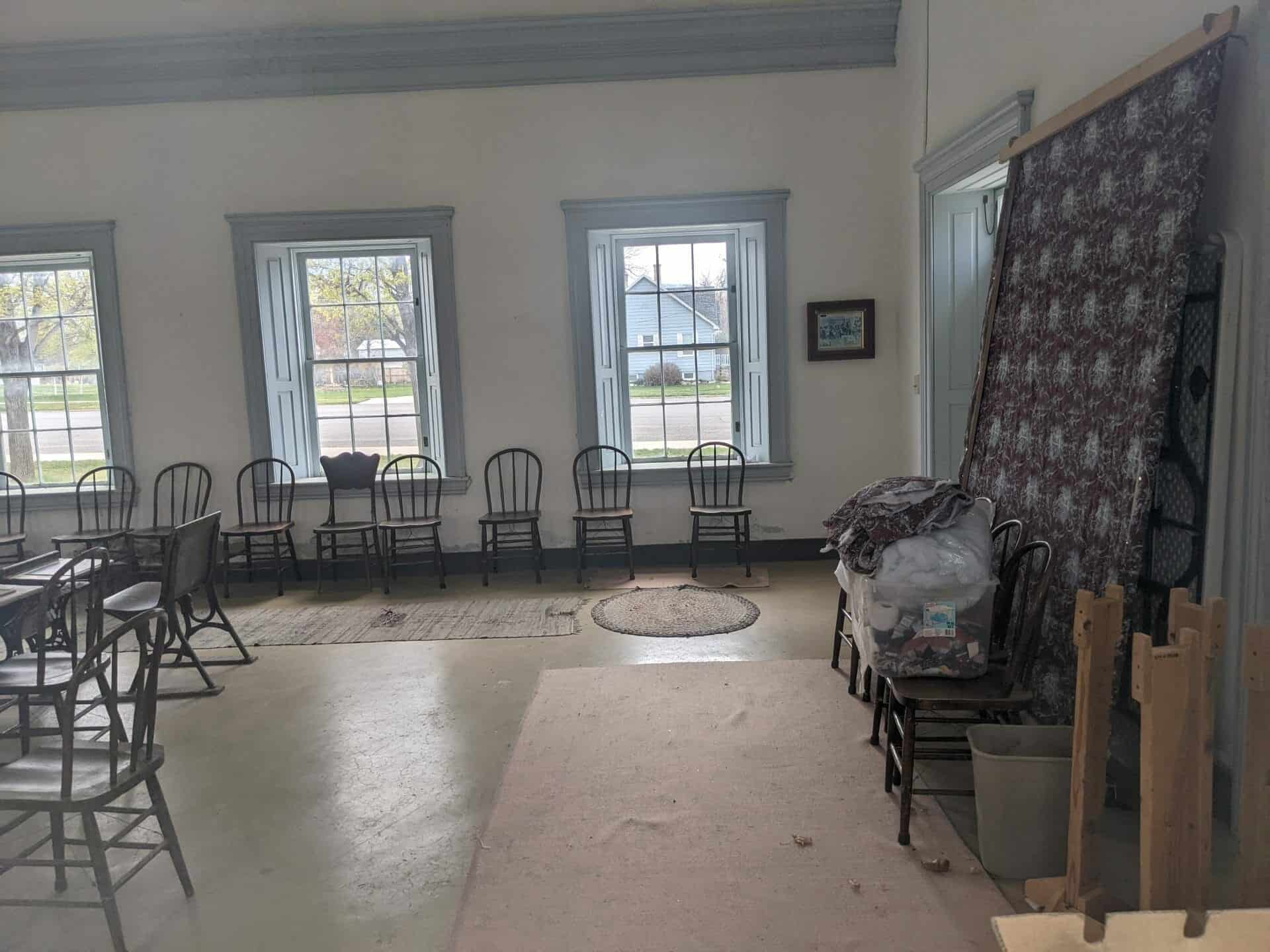
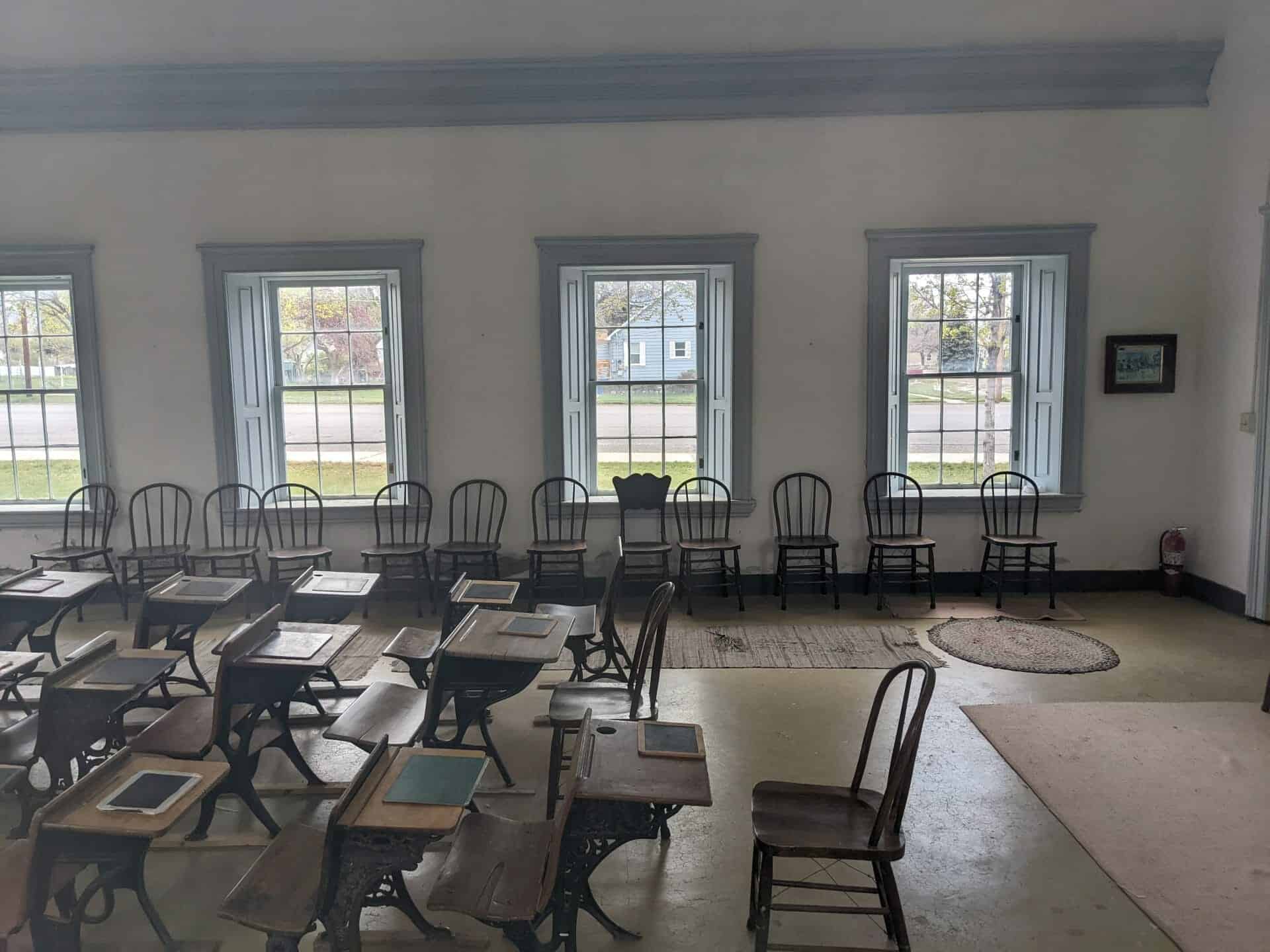
 Fillmore was settled in 1851. Before the close of the first year the Pioneers had erected a log school room inside the fort. It had split logs for seats, a dirt roof and floor. In 1854 an adobe church was built which also served as school. In 1867 three small school buildings were erected. This is one of them. It was the first building financed by the taxpayers. Contractors, Dellie Webb & Ova Peterson, Builders: Horace & James Owens, Nat Baldwin, Lewis Tarbuck, John Ashman, James & Ralph Rowley, Hans & Christian Hanson, & John Powell.