Tags
8136 S State St
27 Saturday Nov 2021
Posted in Uncategorized

27 Saturday Nov 2021
Posted in Uncategorized
Tags
07 Thursday May 2020
Posted in Uncategorized
Tags
07 Thursday May 2020
Posted in Uncategorized

Places I’ve documented in Midvale, Utah – sorted by address.
900 East
7200 South
Catalpa Street
Center Street
Fort Union Blvd
Founders Point Lane
Harrison Street
High Tech Drive
Holden Street
Main Street
Monroe Street
Presidio Drive
River Reserve Court
State Street
Union Park Ave
Wood Street
06 Tuesday Nov 2018
Posted in Uncategorized

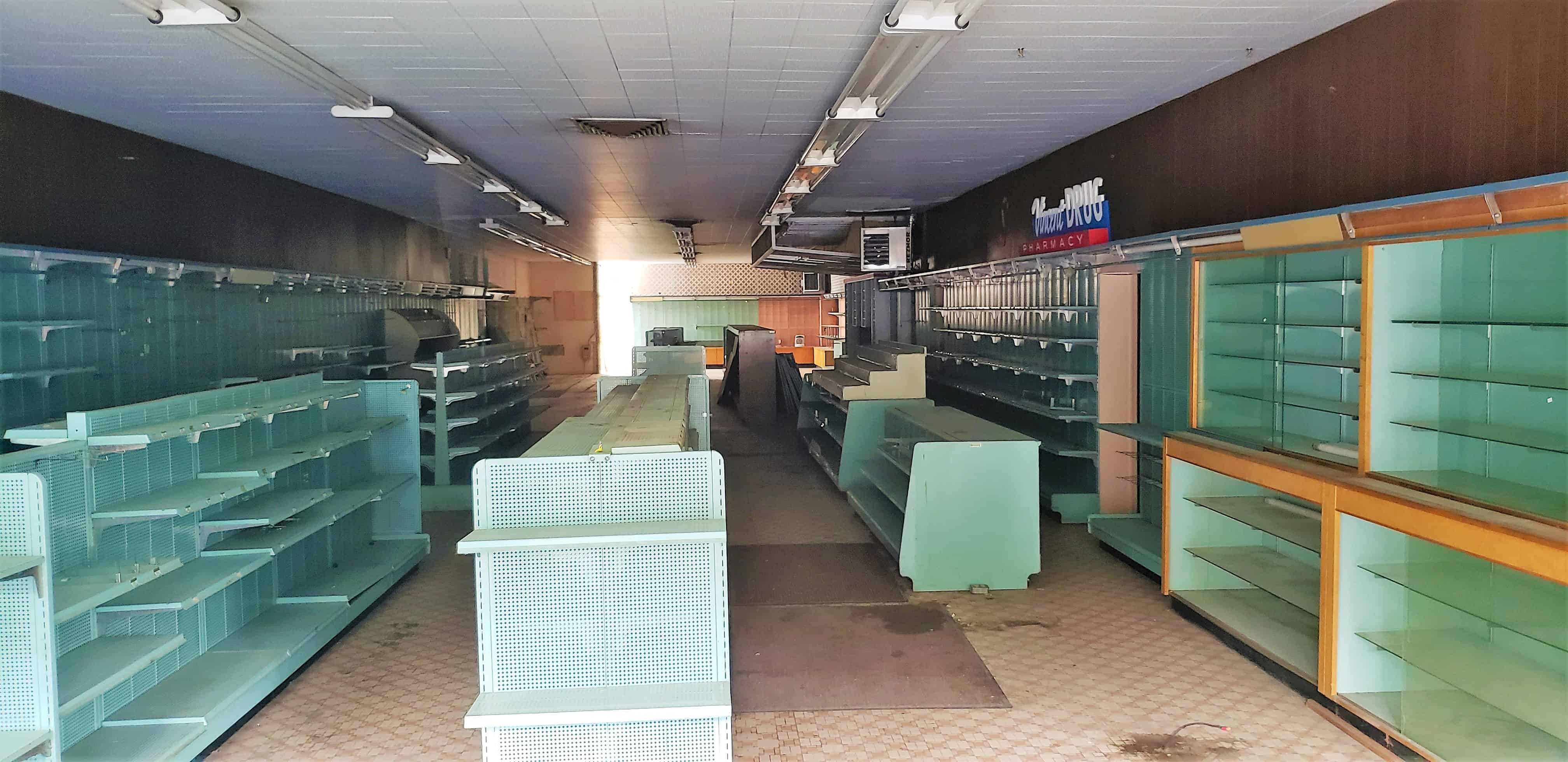
Vincent Drug is a classic spot on Midvale Main Street.
Vincent Drug is a popular filming location from The Sandlot and also Halloween 4, The Stand, Touched by an Angel and more.


Above: Halloween 4: The Return of Michael Myers (1988)



Related Posts:
24 Wednesday Oct 2018
Posted in Uncategorized

Midvale City Hall
Built in 1939, the Midvale City Hall was designed by Clark W. Scott and George W. Welch, prominent Utah architects. Rectangular in plan, this two-story brick building with parapeted gable roof is an excellent example of the Art Moderne style. Characteristic of that style is the streamlined appearance archived by the curved windows and rounded corners of the entry, extensive use of glass block, and curved capitals on the buttresses along the side walls.
The Midvale City Hall was the center of local government and community activities from 1939 to 1976 and housed the clerk’s office, city council chambers, city fire and police departments, a public auditorium, and recreation rooms. The cost of constructing the building was supported by a Public Works Administration (PWA) grant of $31,500 and a city bond of $38,500. The impact of the depression on Utah was so great that federal programs, in particular building programs, were important to bolstering the state’s productivity and were widely implemented. The Midvale City Hall was one of over 240 buildings constructed in the state, and one of 20 in Salt Lake County, to be funded under New Deal era programs.


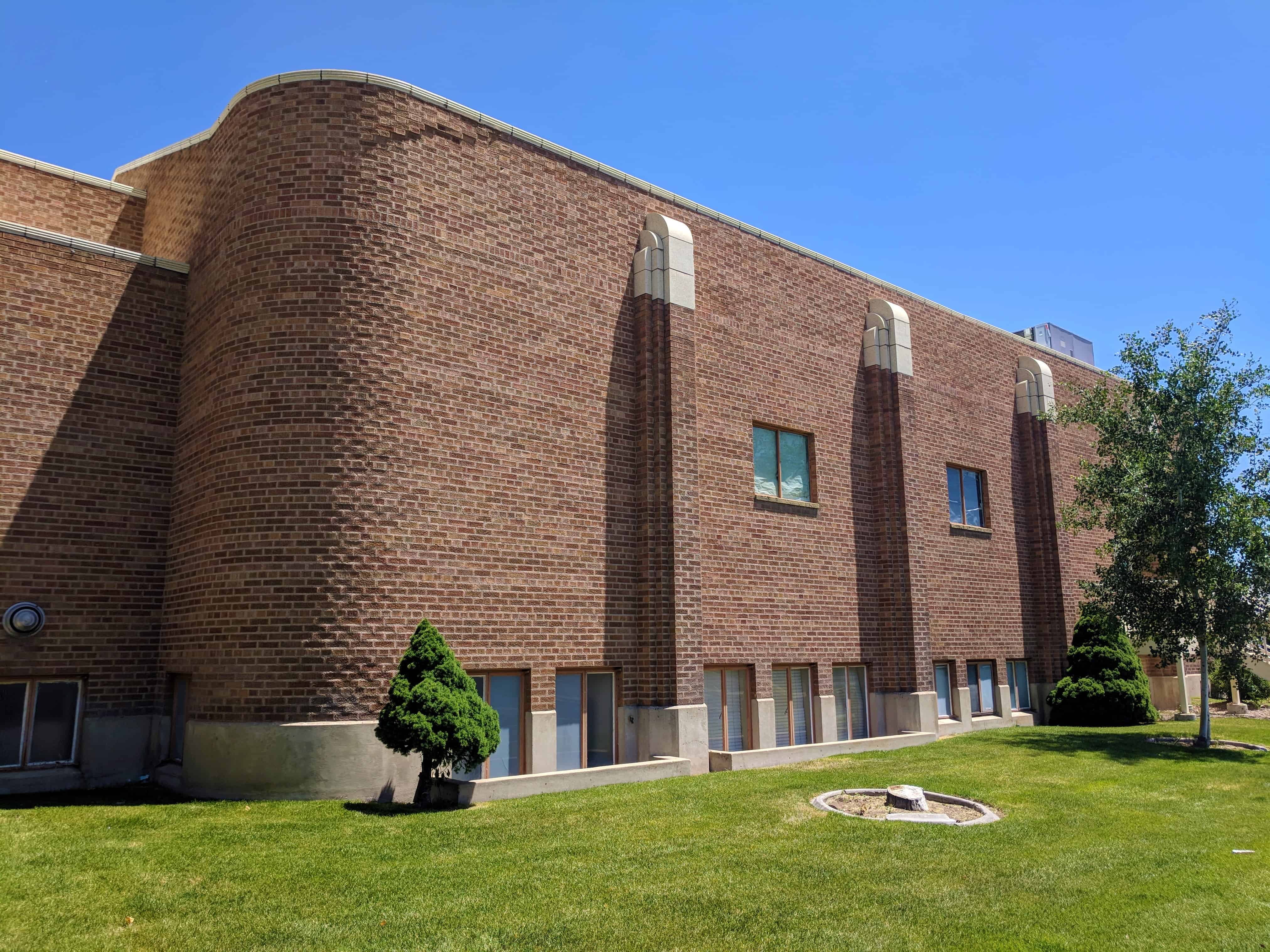


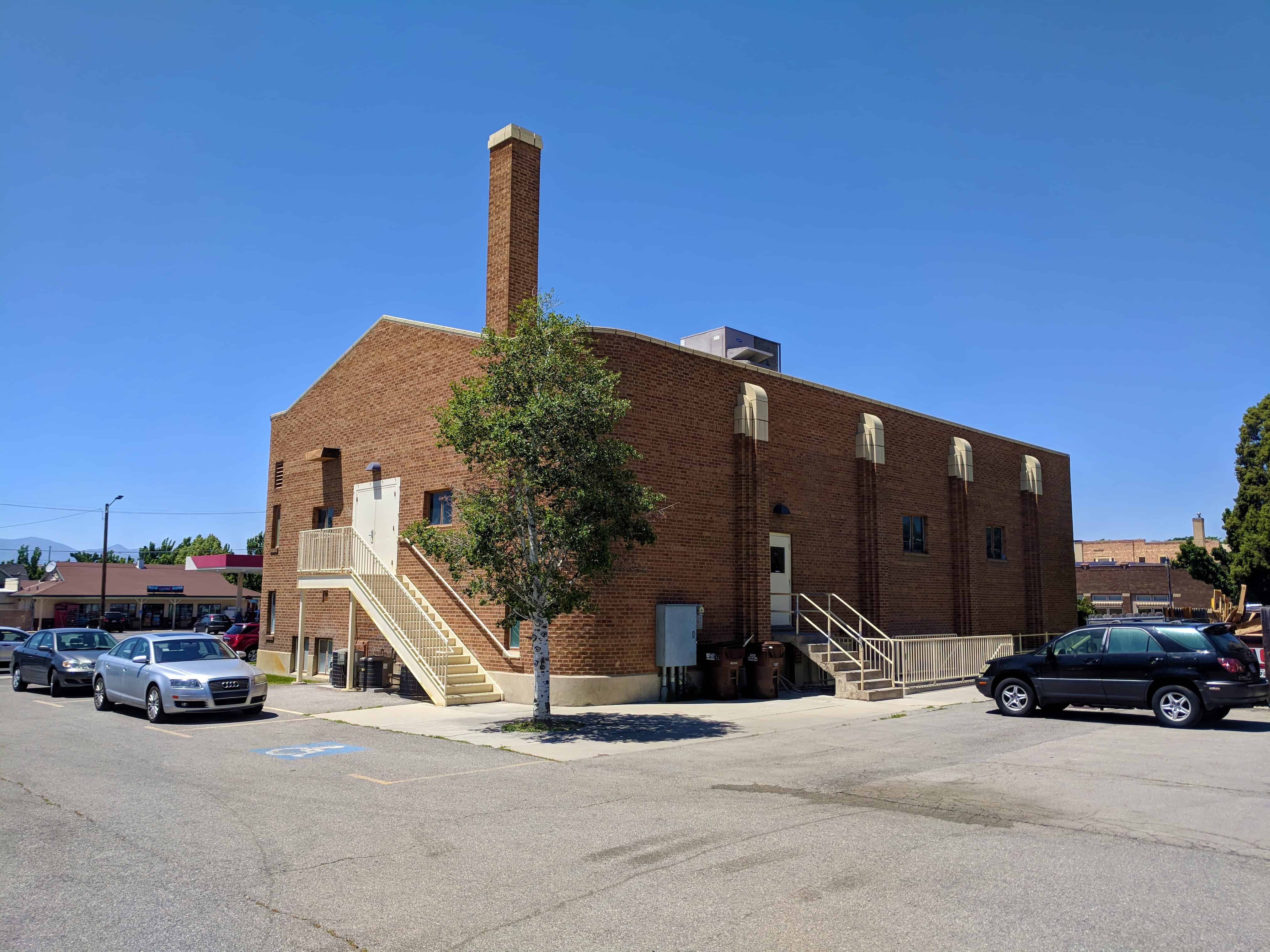
Built in 1940-41 as a WPA-project, the Salt Lake County Library is exceptionally significant the original headquarters of the Salt Lake County Library System, and as part of the Public Works Buildings Thematic Resources nomination. It helps document the impact of New Deal programs in Utah, which was one of the states that the Great Depression of the 1930s most severely affected. In 1933 Utah had an unemployment rate of 36 percent, the fourth highest in the country, and for the period 1932-40 Utah’s unemployment rate averaged 25 percent. Because the depression hit Utah so hard, federal programs were extensive in the state. Overall, per capita federal spending in Utah during the 1930s was 9th among the 48 states, and the percentage of workers on federal work projects was far above the national average. Building programs were of great importance. During the 1930s virtually every public building constructed in Utah, including county courthouses, city halls, fire stations, national guard armories, public school buildings, and a variety of others, were built under federal programs by one of several agencies, including the Civil Works Administration (CWA), the Federal Emergency Relief Administration (FERA), the National Youth Administration (NYA), the Works Progress Administration (WPA),or the Public Works Administration (PWA), and almost without exception none of the buildings would have been built when they were without the assistance of the federal government. The construction of this library marked an important step in the development of a county library system for Salt Lake County. As headquarters of that system, this building was the center for processing and distributing books for the entire 19-branch system.
Midvale is located approximately seven miles south of Salt Lake City. Together with the nearby area of Murray, Midvale became a center in Utah’s mining industry, serving as a central location for the smelting of metal ores. In 1902 the United States Smelting, Refining, and Mining Company completed its smelter at Midvale, and rendered the town as a primary settlement for southern and eastern European immigrants who were utilized as labor for the plant. “Americanization1 and educational efforts among the state’s foreign-born population, especially during the 1919 national Americanization movement, became important as Utah became one of few states to pass an Americanization law. This act was part of the 1919 Utah Educational Program which also included provisions for county library systems. The reading and writing of English was seen as paramount to Americanization, and as such, libraries became of special significance.
Until 1919, only incorporated cities and towns in Utah could raise taxes for libraries. Consequently, unincorporated areas had no publicly supported library service. In 1919, however, the Utah State Legislature passed legislation providing that county commissions could levy taxes up to one mill to establish and support a county library system. Between May 1919, when the law took effect, and August, 1919, ten counties established library systems: Cache, Grand, Iron, Morgan, San Juan, Tooele, Uintah, Wasatch, Washington, and Wayne. Salt Lake County did not establish its own system until nearly 20 years later. Until then, it had public libraries in only two cities, Murray and Salt Lake City. The rest of the county either had no libraries, or inadequate private library “associations.”
In the fall of 1938, Calvin Smith, Superintendent of the Granite School District, and C. N. Jensen, Superintendent of the Jordan School District, headed a drive for a Salt Lake County Library system, and in the spring of 1939, it was established, with a budget of $33,822; Ruth Vine Tyler as the head; and a staff of four people. The first Library Board was made up of the following members: Superintendents Smith and Jensen, Mrs. Alf G. Gunn, J. R. Rawlins, and J. Hollis Aylett, Mayor of Midvale. Temporary quarters were established in two rooms of the Midvale Elementary School at 575 East Center Street, and plans were laid to construct a new building. The Library Board decided to build it in Midvale, at least partly because Midvale City donated a piece of land 178 feet x 910 feet at the southeast corner of Main and Center Streets on which to construct the building.’ The project became a WPA effort, illustrating the federal government’s role and concern not only in public works, but also in funding buildings to be used for public and educational needs.
The architectural firm of (Raymond J.) Ashton and (Raymond L.) Evans designed this PWA Moderne-style building. Ashton and Evans, a prominent firm, also designed several other public work buildings during the 1930s and ’40s, including the Wayne County High School, the Thomas Library at the University of Utah, and the Wasatch County Library in Heber City, the design of which is very similar to this building.
The architectural drawings for the building were completed by the end of 1939, the building contract was awarded to Jense Bros, in the spring of 1940, and construction began in June of that year. Construction was completed in August 1941 and a grand opening held August 9, 1941. The building was intended to serve as the Midvale City Library, and as the center for processing and distributing books for the entire Salt Lake County system, which by that time had 19 branches: Bacchus, Bingham, Copperton, Draper, East Mill creek, Garfield, Granger, Herriman, Holladay, Magna, Mill creek, Riverton, Sandy (2), South Salt Lake (2), Taylorsville, Union, and West Jordan. Its facilities included an adult reading room, a children’s room, a board meeting room, several offices, a work and stack room, and shelves for 30,000 volumes.
The building served as a library until 1976, when it became the Midvale City Hall.
The Salt Lake County Library is one of 233 public works buildings identified in Utah that were built during the 1930s and early 1940s. Only 130 of those 233 buildings are known to remain today and retain their historic integrity. This is one of 20 buildings constructed in Salt Lake County, of which 10 remain. It is one of six public works library buildings constructed in Utah, of which five are known to remain. Libraries were included in at least five other public works buildings in the state, but the primary function of those buildings was as a city hall.
This building was added to the National Register of Historic Places (#82004129) on July 26, 1982.
23 Tuesday Oct 2018
Posted in Uncategorized
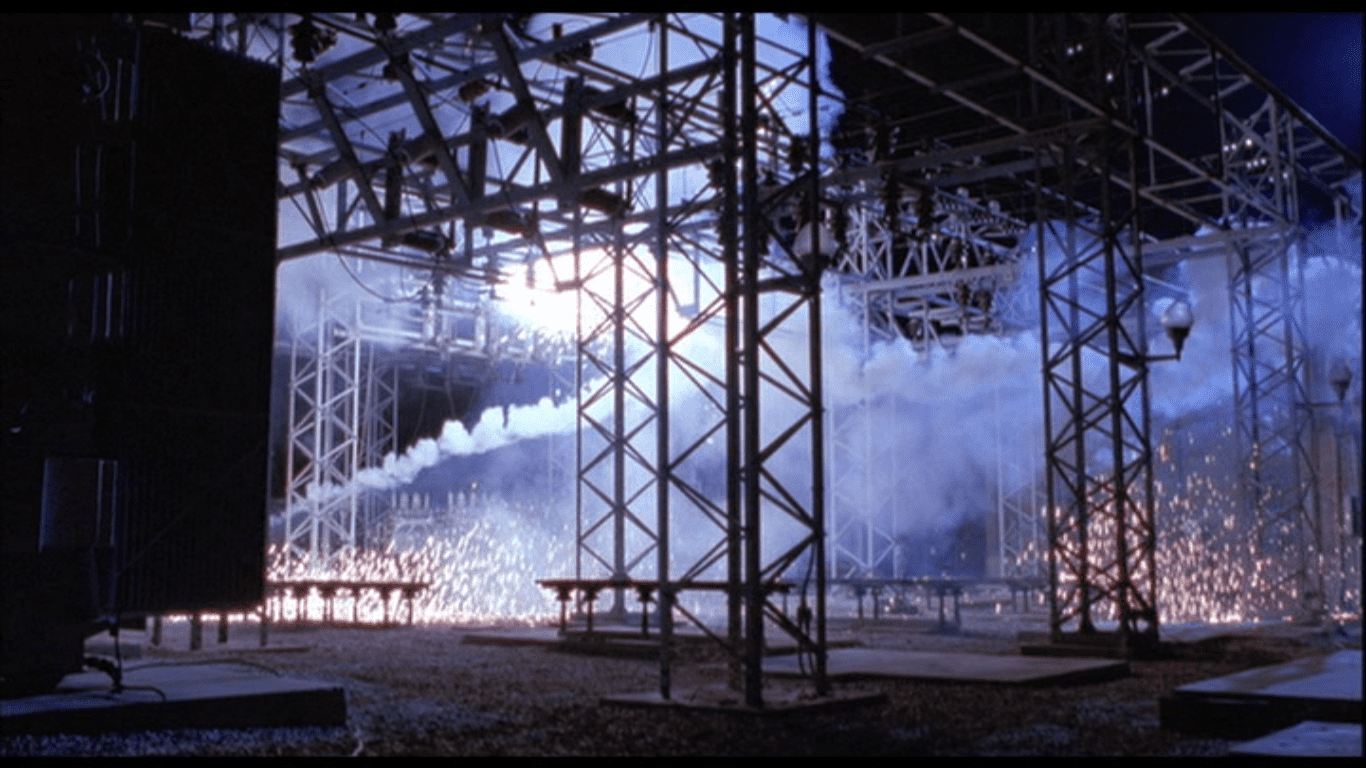

Haddonfield Power Plant
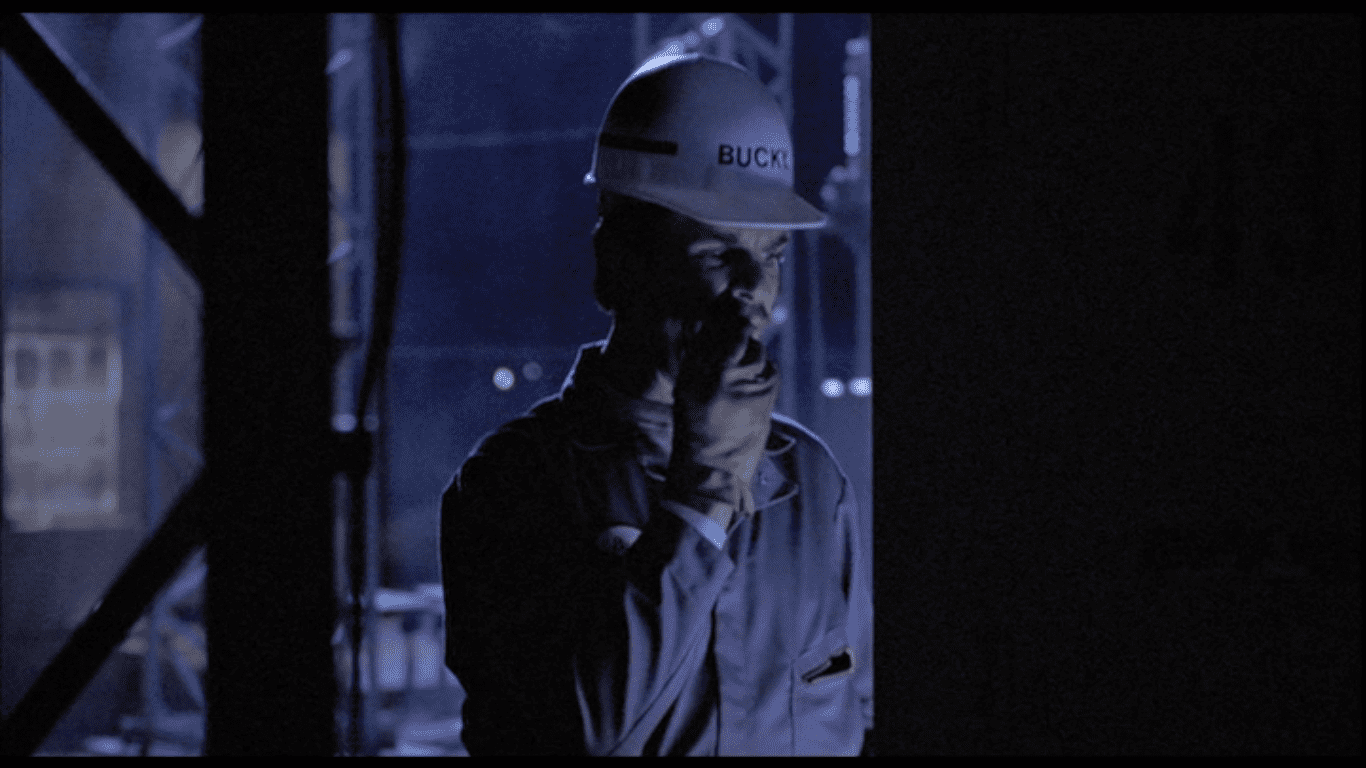
The Haddonfield Power Plant is a fictional location from Halloween 4: The Return of Michael Myers (1988). It is the location where Michael Myers kills Bucky. It was filmed at the Midvale Substation in Midvale, Utah.




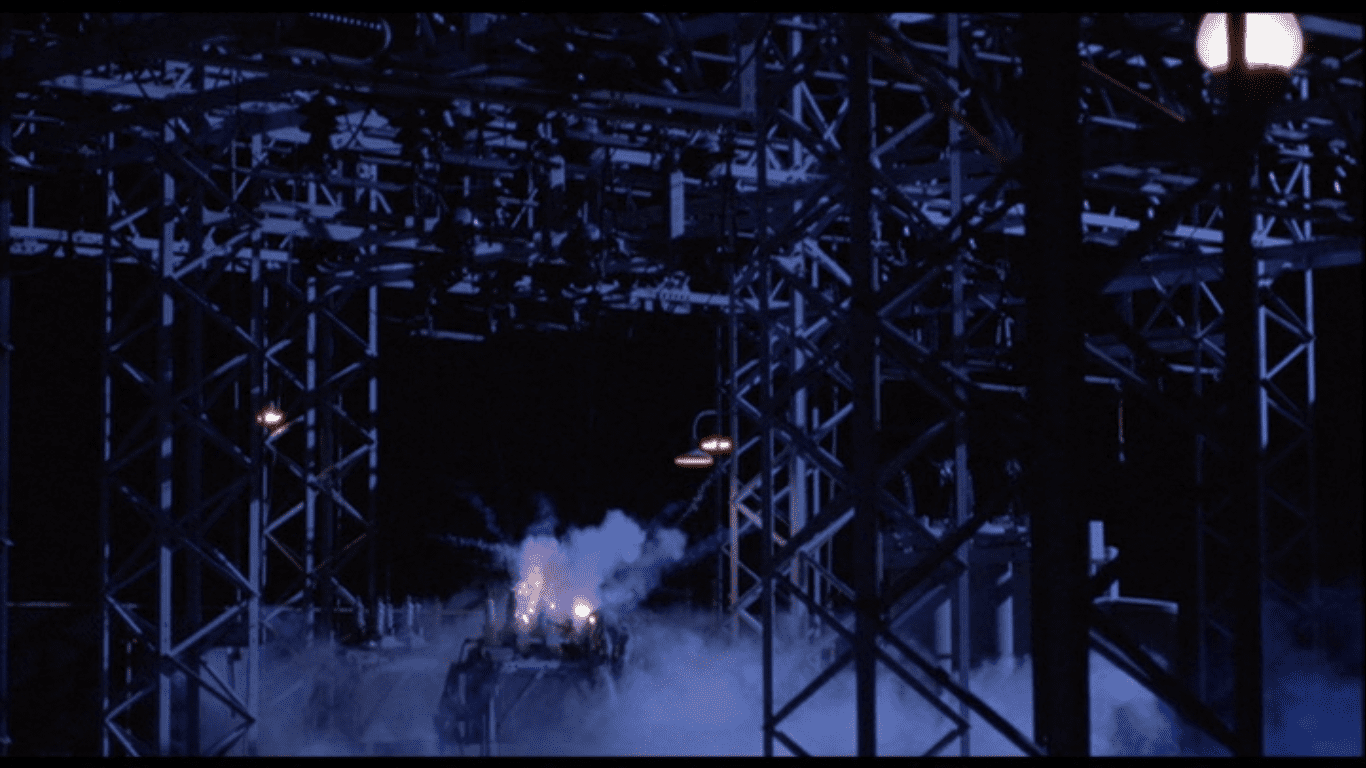

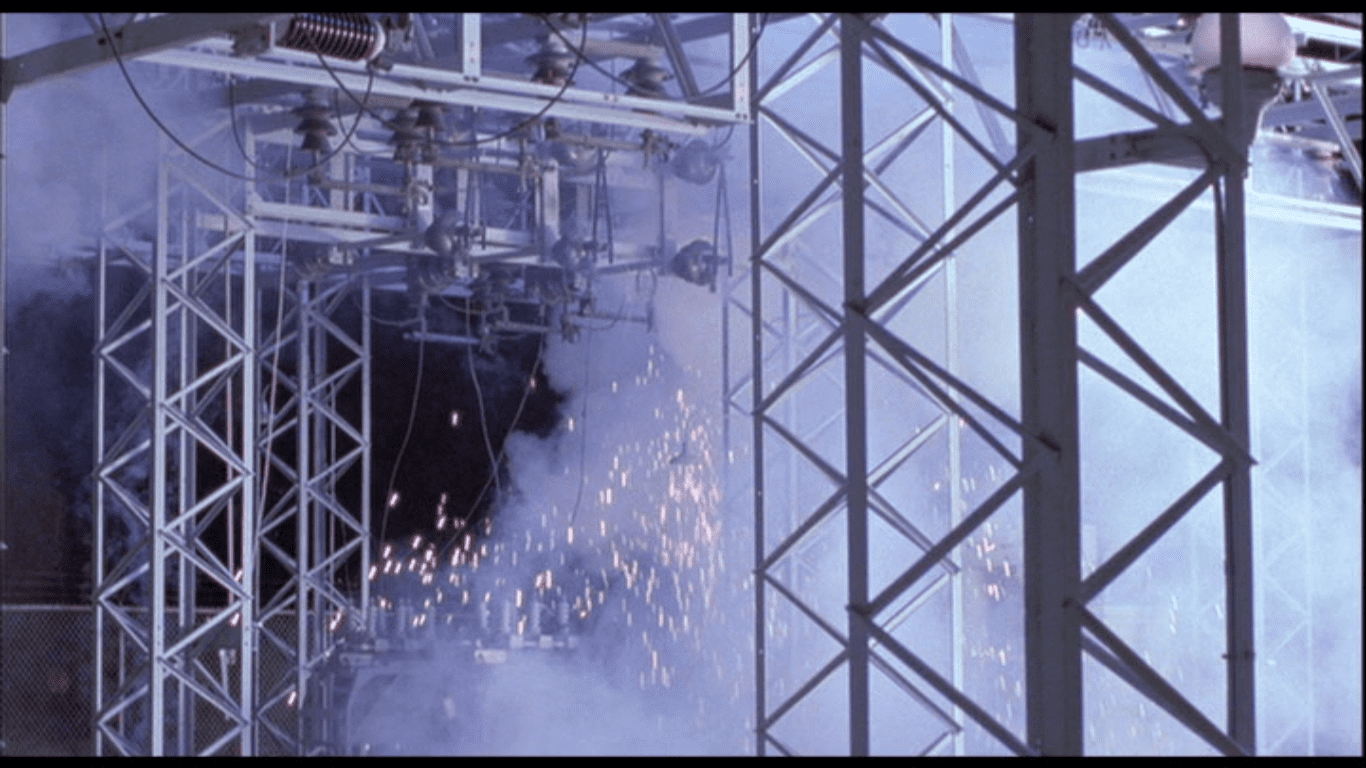
Related Posts:
16 Tuesday Oct 2018
Posted in Uncategorized
Tags
16 Tuesday Oct 2018
Posted in Uncategorized
Tags
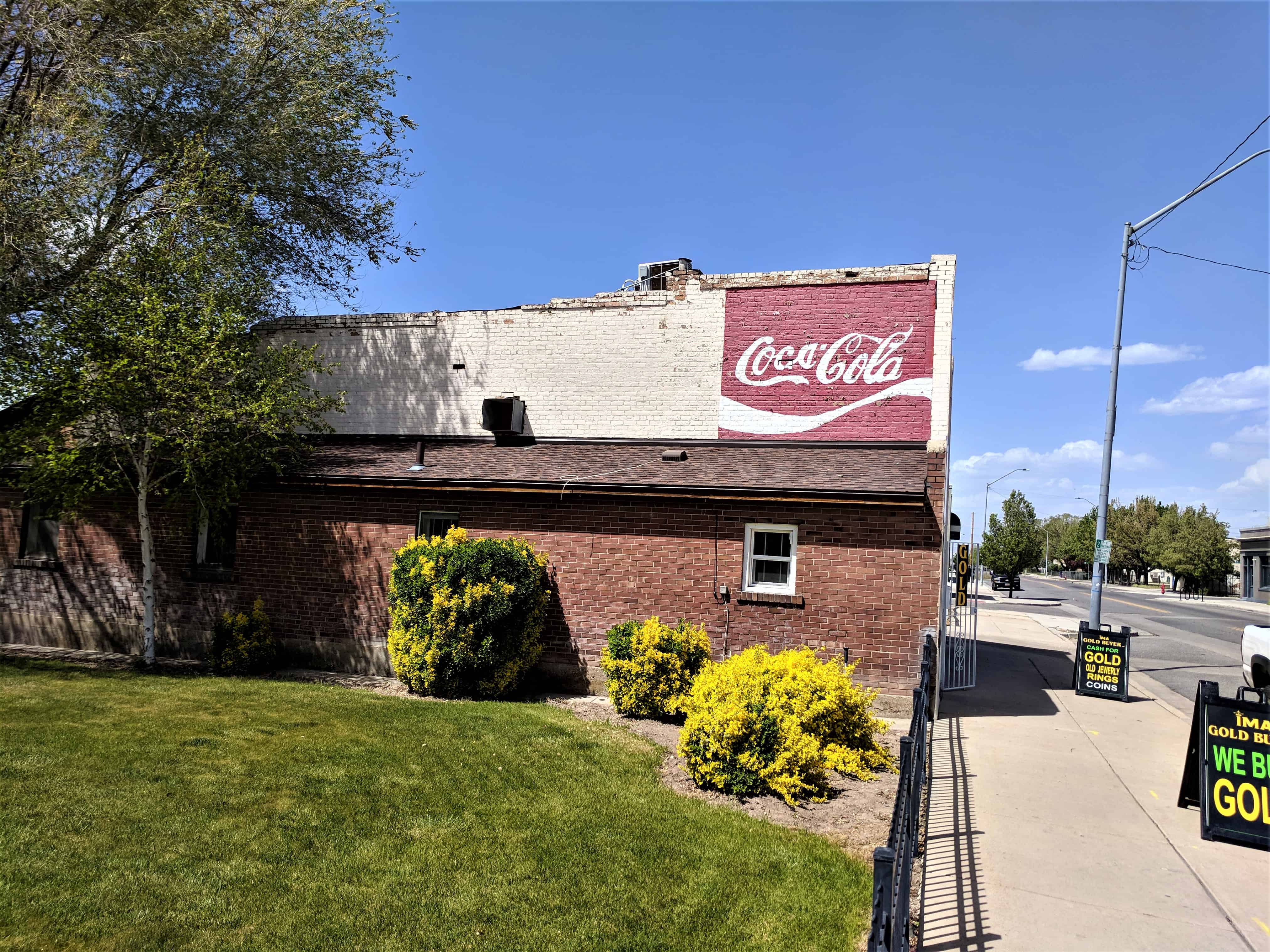
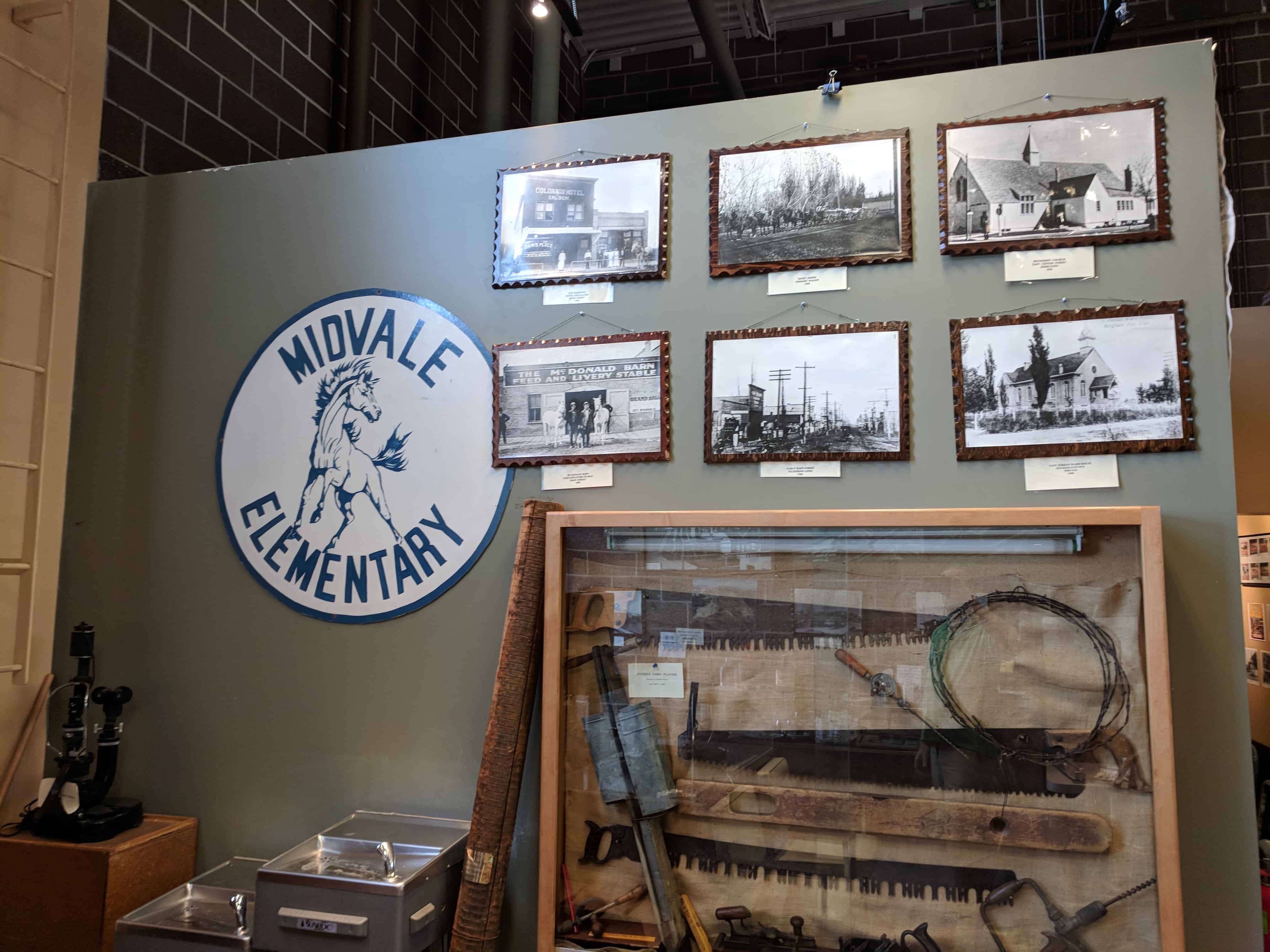
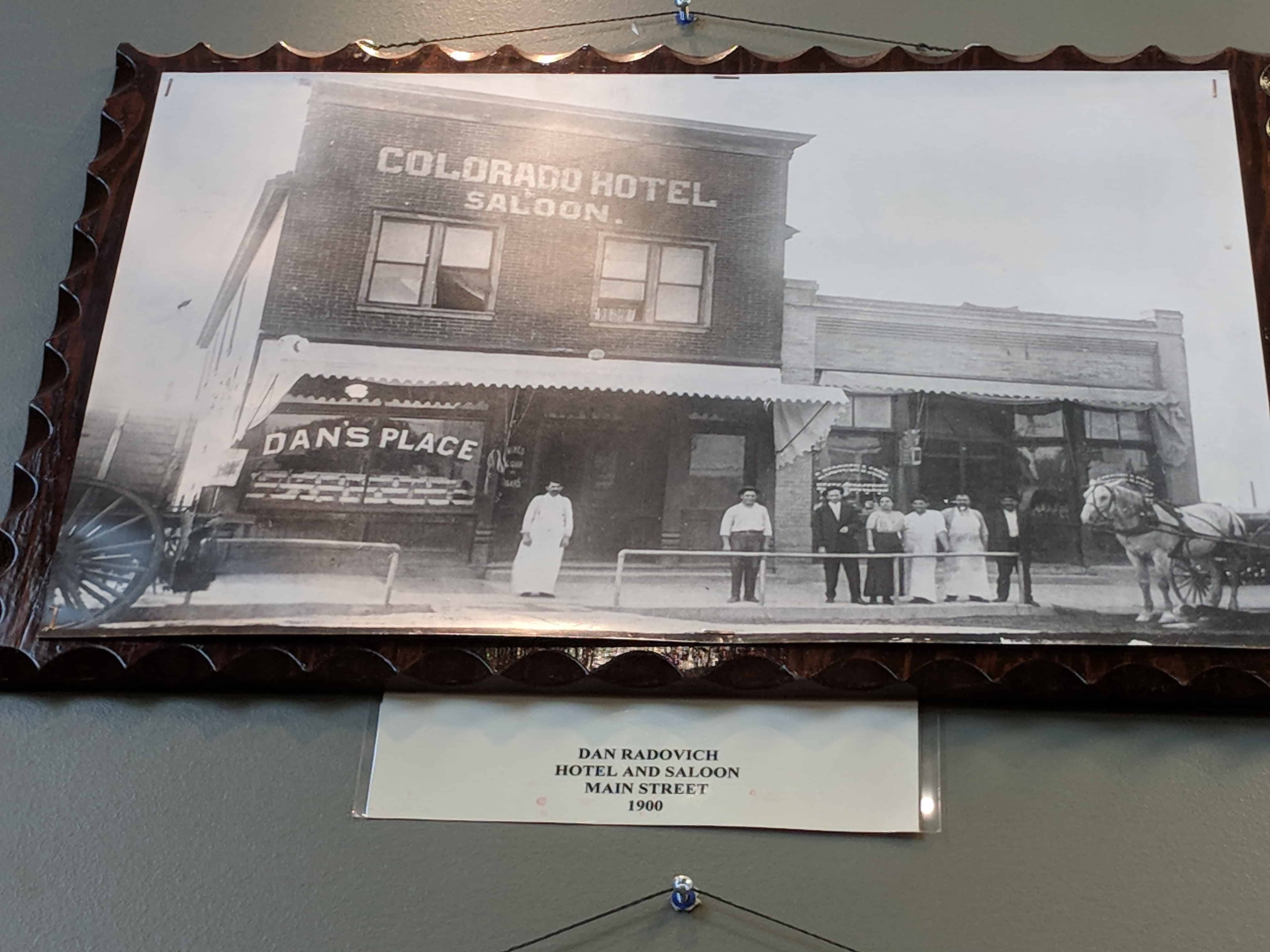
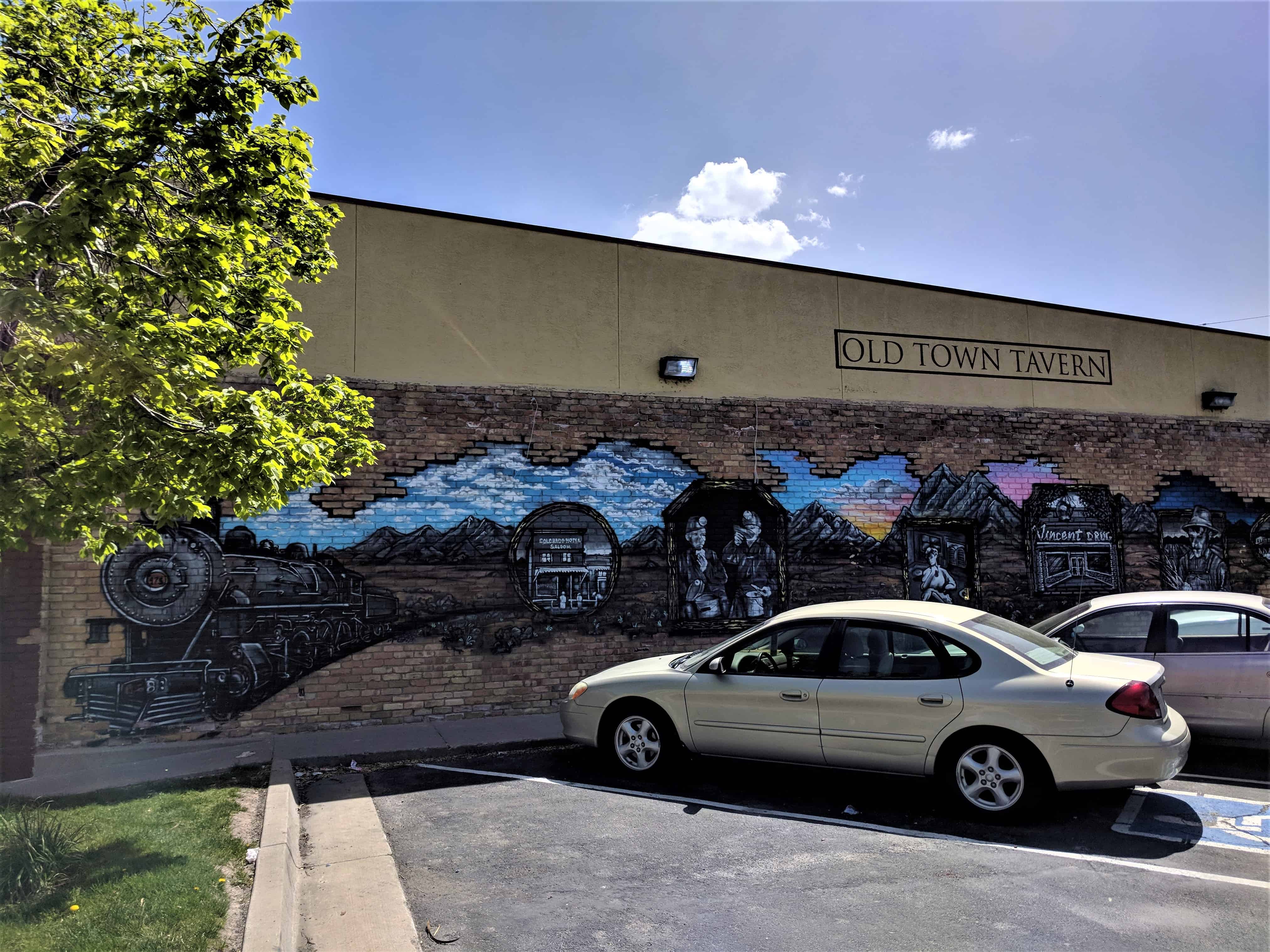
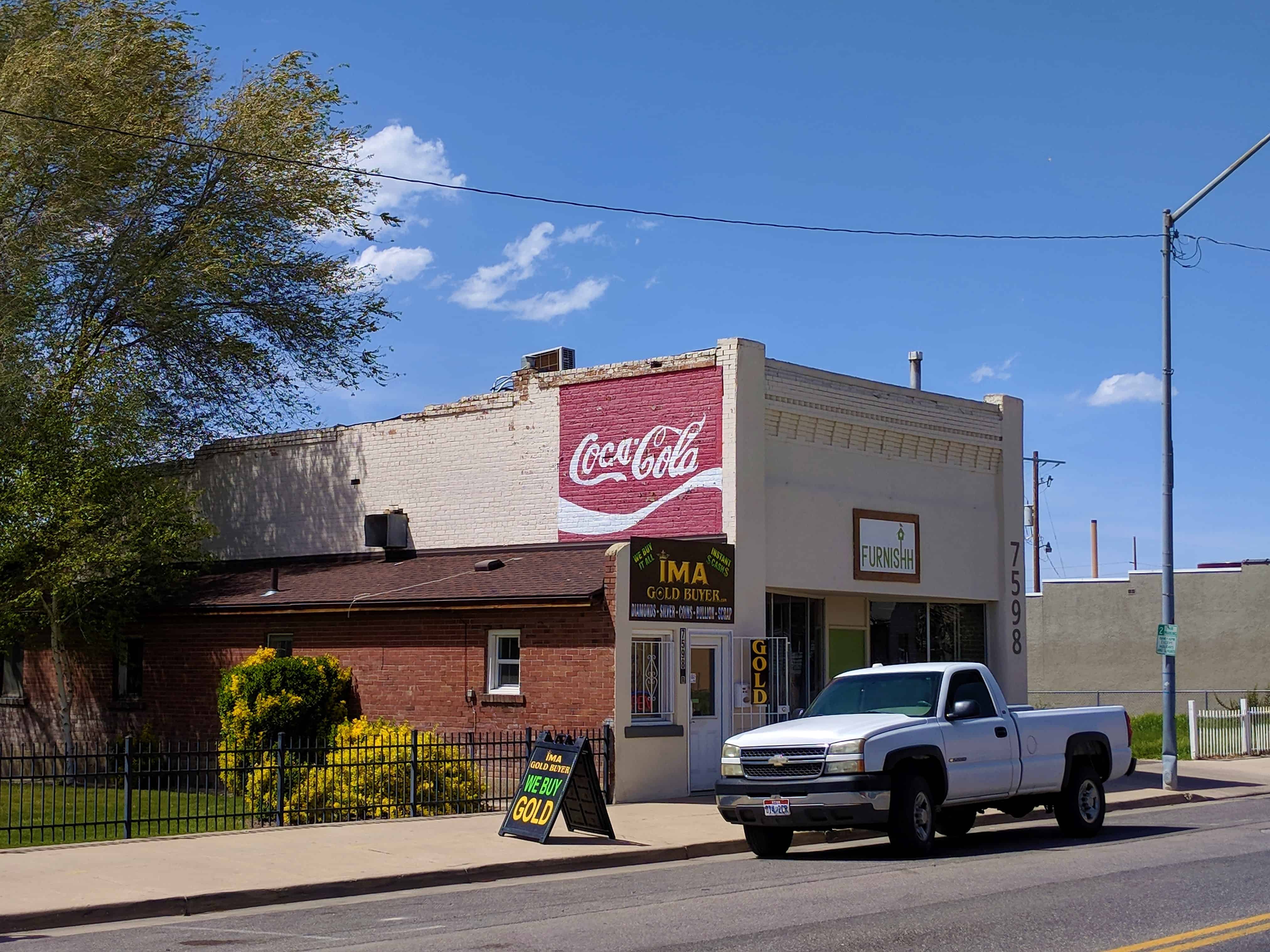
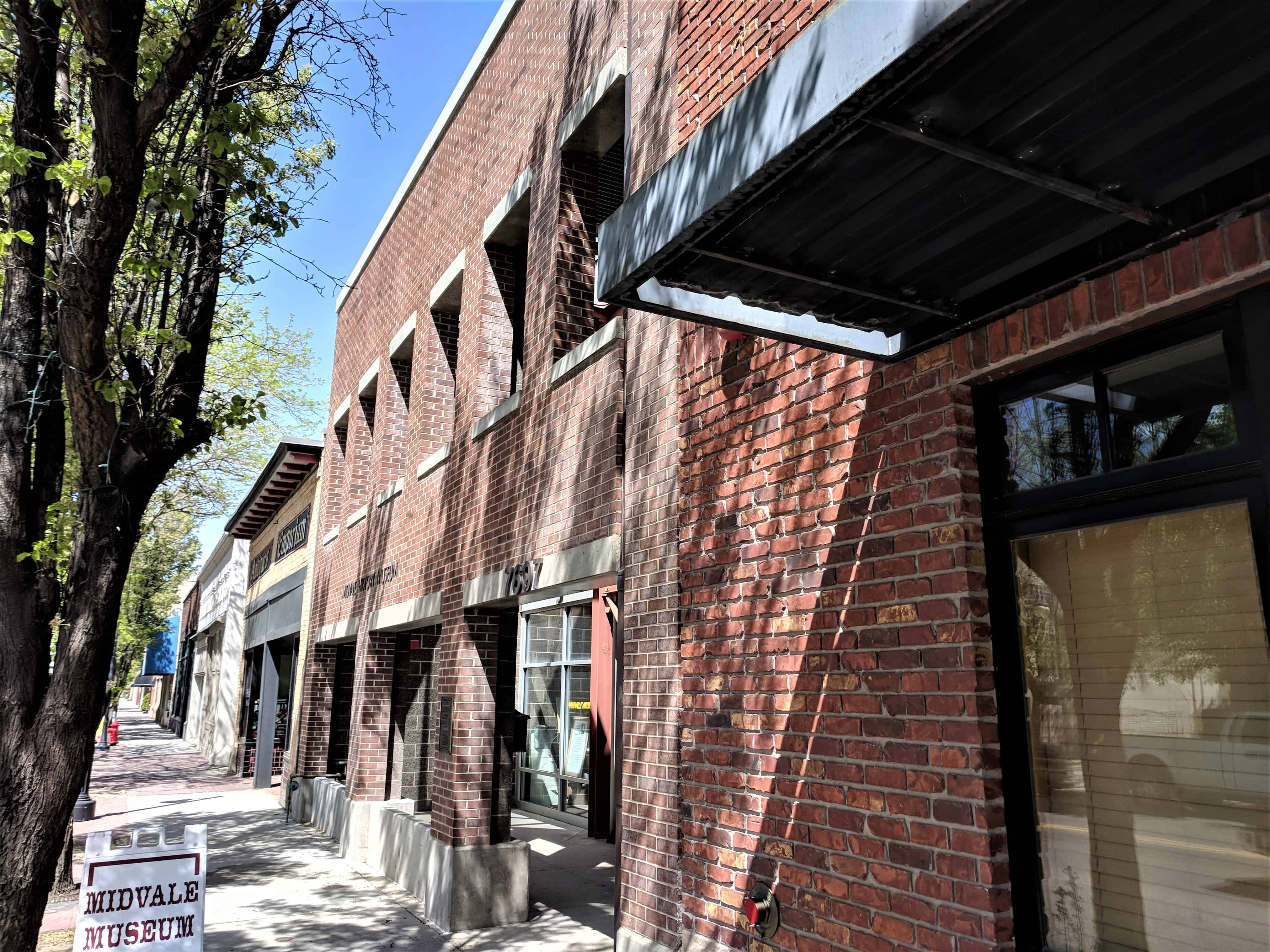
Historic Main Street in Midvale, Utah.



02 Friday Dec 2016
Posted in Uncategorized

In 1849, eight families were sent to settle what would become Union. According to A Union, Utah, History by Steven K. Madsen, “Jehu Cox, the first settler of Union, donated ten acres of his farming land for the establishment of [a] fort.” “By 1854, a total of 23 homes had been built inside the fort – the population stood at 273,” Madsen continued. The population according to the U.S. Census Bureau was 484 in 1880, 602 in 1890, and 757 in 1900. Between 1848 and 1872, other settlements included Butler Bench, Poverty Flats, and Danish Town.
What was once Union is now parts of Cottonwood Heights, Midvale, and Sandy. Within the Cottonwood Heights area, Butler and Union Precincts (a basic form of county government) were established in 1877, as were Butler School District 57 and Union School District 23. The Unified Jordan School District would not be created until 1905.
22 Monday Aug 2016
Posted in Uncategorized
Tags
Abandoned, Midvale, Murray, Ore, Pallas, Railroad, Railroad Siding, Salt Lake City, Salt Lake County, Smelters, utah

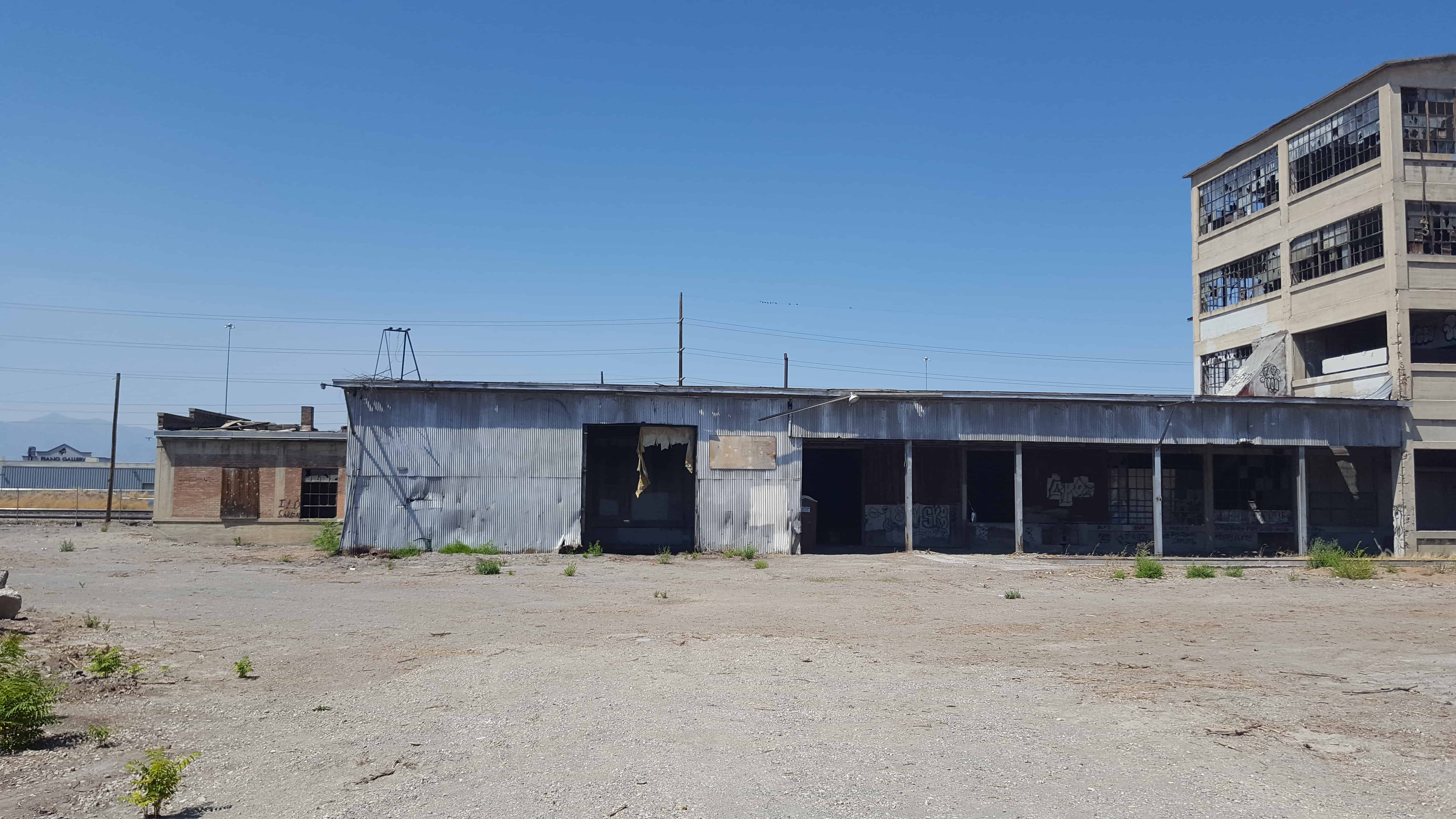
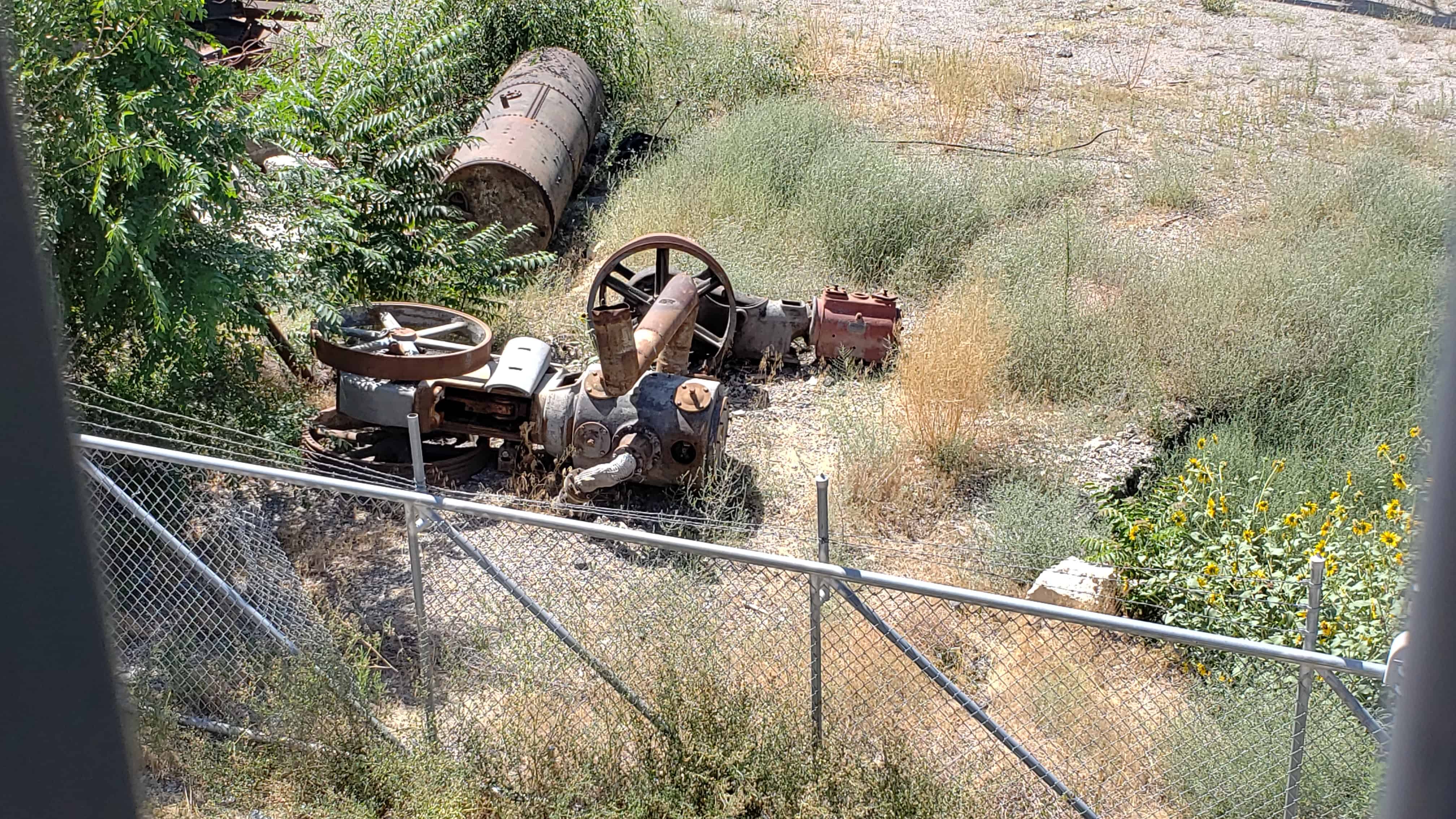
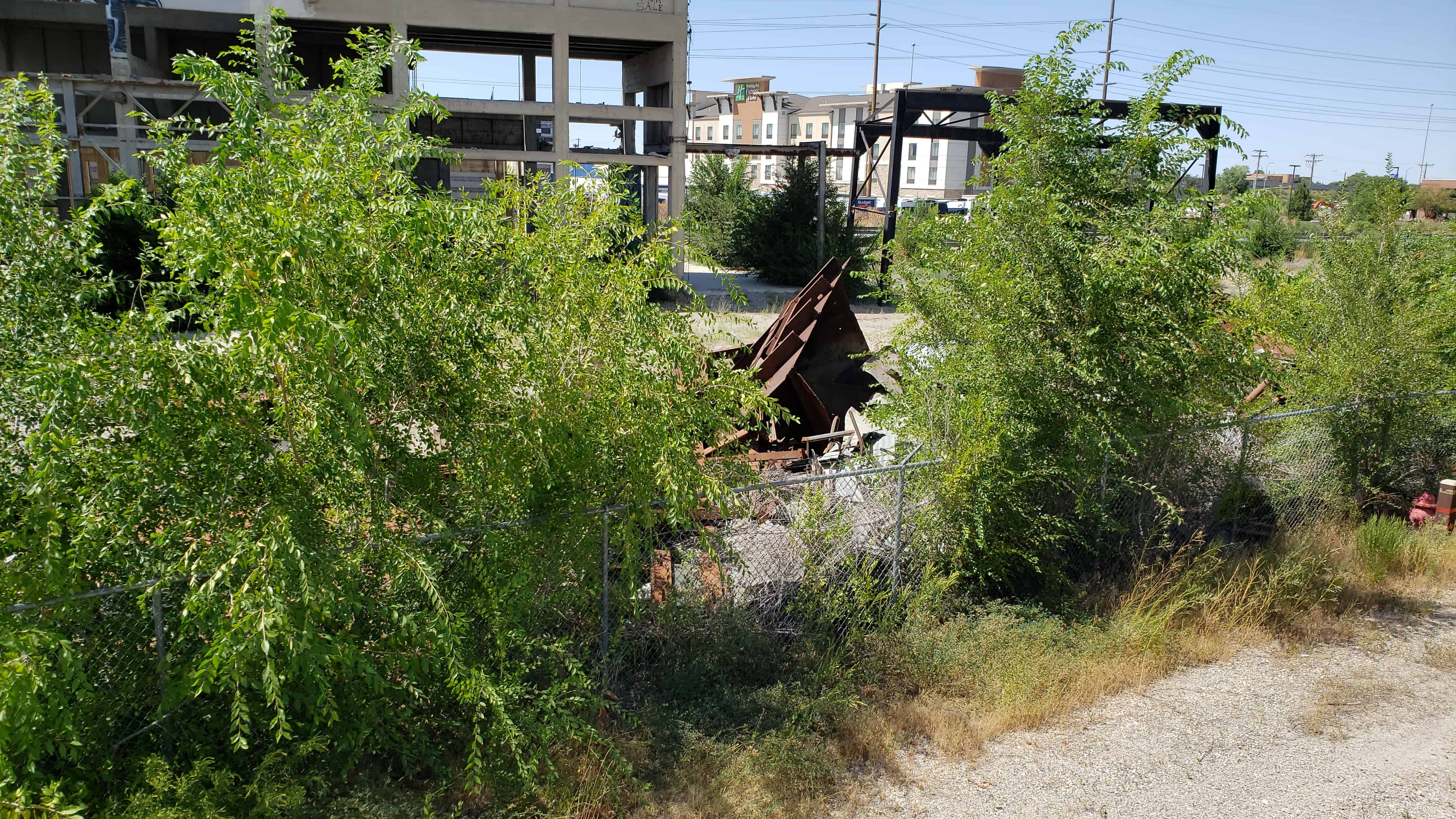
This is the old Utah Ore Sampling Company at the Pallas Yard.
Utah Ore Sampling Company built this sampler in 1909. Consolidated mining companies did their own sampling. This was the largest independent sampler between Missouri and California. After the ore was crushed and analyzed for content and quality, smelters decided on the basis of the samples, whether to buy larger quantities of the ore. Ore came here from all over the west. Most of the ores sampled here went to the ASARCO smelter for processing. The close proximity of the two plants allowed the railroads to treat them as a single destination for billing purposes. The large “Thawed House,” where loads of frozen ore were completely thawed before they were run through the sample plant, still remains. This mill was unique because it contained the only railroad spur that connected to both the Denver and Rio Grande and the Union Pacific Railroads. The company operated until the 1950’s, when the smelting industry in Murray ceased. (Salt Lake Valley Historical Tour, Ron Andersen, 1997)


News item about the Utah Ore Sampling Company closing its plant in Park City due to the larger plant in Murray going into operation. (Salt Lake Mining Review, Volume 19, number 1, April 15, 1917, p.33)
Article about the Utah Ore Sampling plant at Murray. (Salt Lake Mining Review, Volume 27, number 9, August 15, 1925, p.9)
Utah Ore Sampling Company was constructed between the Union Pacific Provo Subdivision and the Rio Grande mainlines at 53rd South and 3rd West. UP had quite a sizable yard at Pallas (between 53rd South and 59th South) used to store and classify cars for the Sampler and the large Murray and Midvale smelter complexes. The Rio Grande always referred to this location as Sampler long after the facility was closed. (James Belmont, February 5, 2008)
Utah Ore Sampling Company was an independent third party that assayed the mineral content, and amount of ores shipped from mines to smelters. They got their start in Park City, at a joint trackage location between UP and D&RGW inside UP’s wye. That location closed in 1917 when the Murray plant was built, and the existing structure was built in 1925 to expand on the original operation. There is a nice article in the August 15, 1925 issue of Salt Lake Mining Review.
The ore we are talking about is known as galena, a mix of lead and silver ore, with lots of other bits like zinc, cadmium, antimony, arsenic and bismuth, thrown in just to make the lives of smelter men interesting. Galena is the principle silver ore in the western U.S. Every load of ore, usually in classic GS gondolas, was different and the smelters needed to get the proper mix of ores and flux-ores to make each smelter run as economical as possible.
As the rail cars from the various mines from all over the west, but mostly from Utah and Idaho, arrived at the Murray/Midvale smelting complex, the loaded cars had to be “sampled” to determine the mix of ores in each load. The trackage at the Utah Ore Sampling Company was jointly owned and operated between UP and D&RGW, as well as portions of the trackage at Pallas itself.
As loads of ore arrived, they were switched to the sampler where samples were taken. The cars were then switched to Pallas to be held and used as each car’s particular mix of ore could best be used. UP kept a full time switcher and crew at Pallas, as did D&RGW at Midvale. If I recall, the two roads cooperated heavily in the movement of in and around Murray and Midvale. I would guess that at any one time, there would not be more than 50-60 cars in the Pallas yard. But like everything else with Utah railroads, there is much yet to be researched.
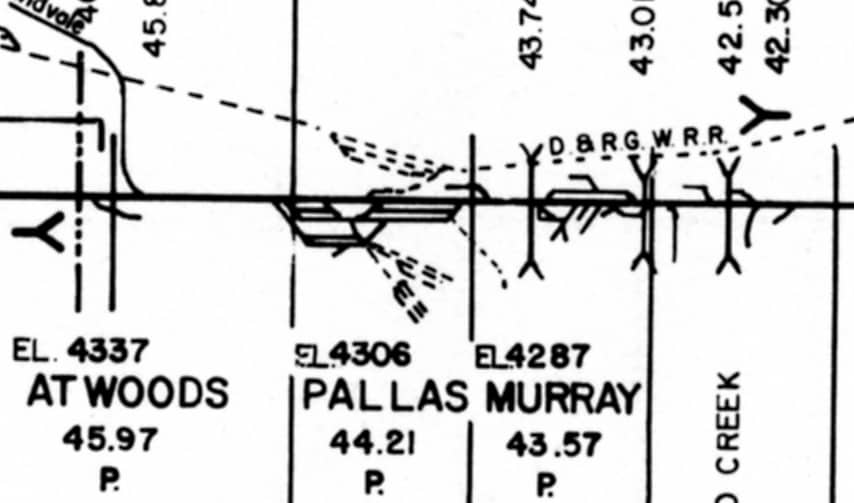
As can be seen, the trackage was still extensive even in this 1985 version. I’ve seen earlier track maps, and there was a lot of tracks in the area. There were lots of spurs to the 10 or so big and small smelters in the middle of Salt Lake Valley, which from 1900 to about 1920, was the smelting center of the western U.S. It would be an interesting subject to model, especially if you throw in the inbound coal in Utah Coal Route GS gons, and the outbound loads of lead and silver.
A side note from today is that UTA’s TRAX lightrail uses the old UP spur from Atwoods just south of Pallas, to get to its shops at Midvale, by way of an undercrossing under the D&RGW mainline. UTA will also use the old UP line to Midvale to get from its shops to the old D&RGW Bingham Branch to extend light rail all the way west to Daybreak.(*)