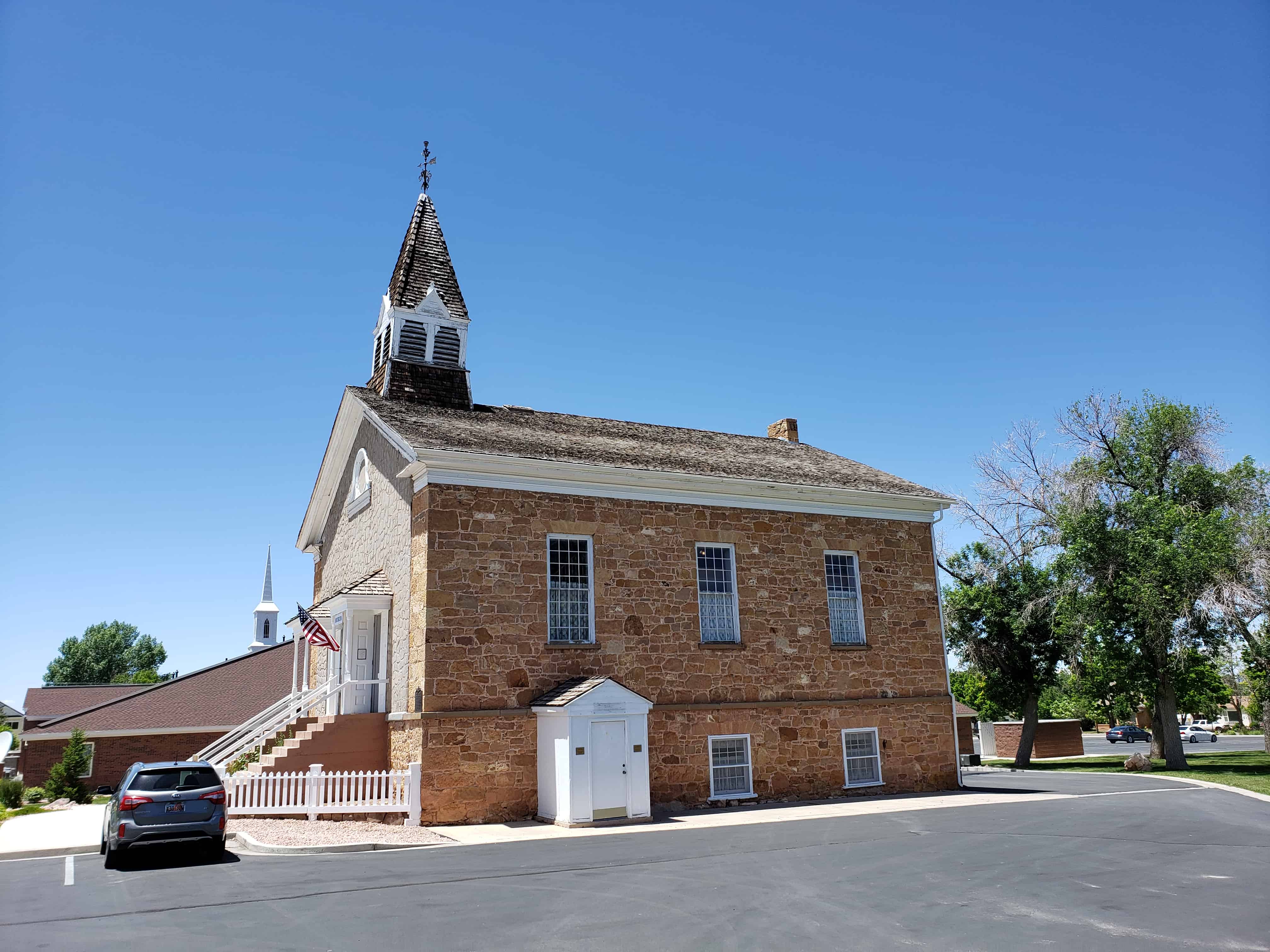
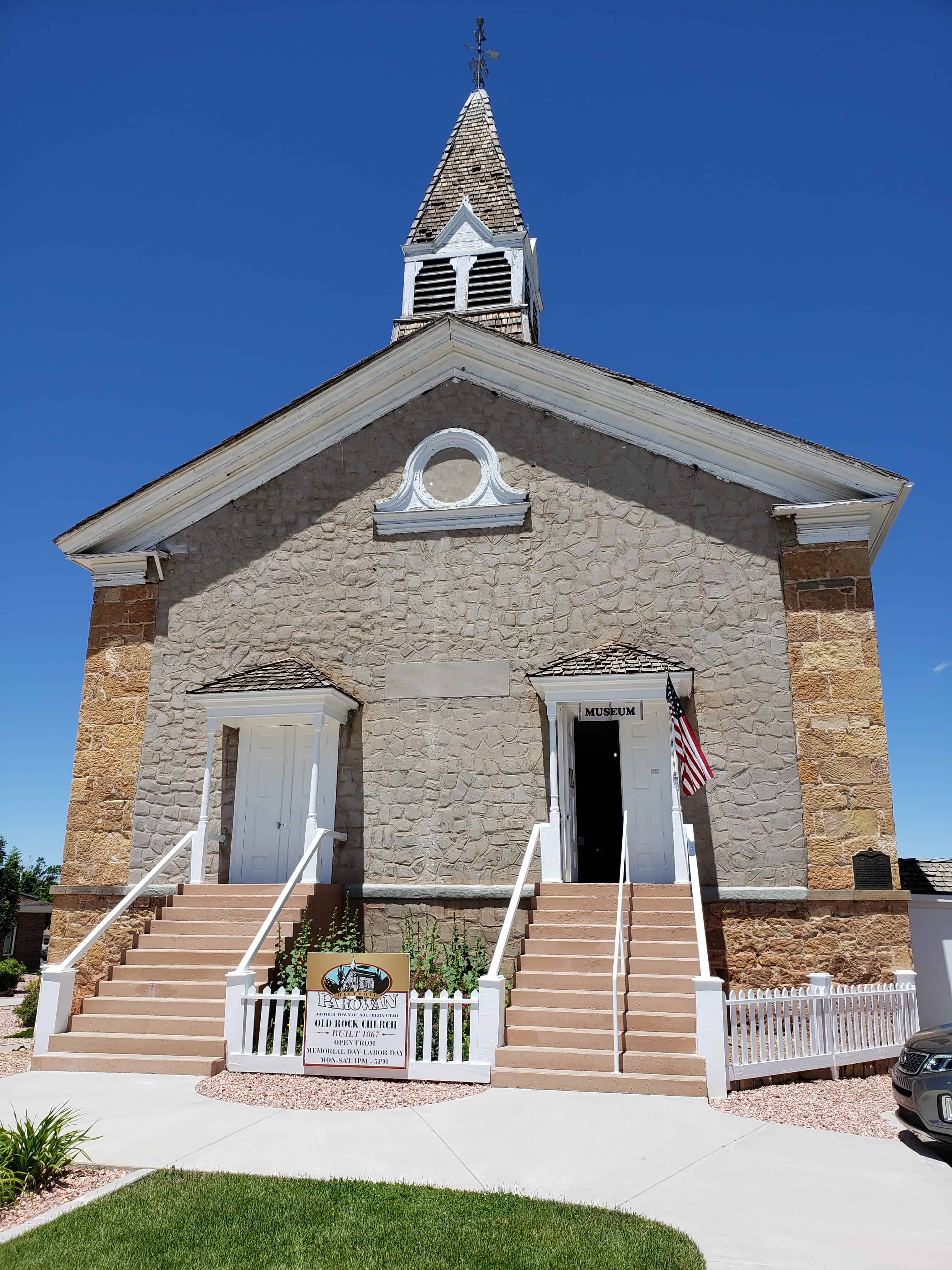
The Parowan Rock Church or meetinghouse is an important monument to the pioneering efforts of early colonists who settled Parowan in 1851 as part of the first phase of “the inner cordon of settlements” in the Mormon Kingdom. Intended to be a “center city” of Zion from which other settlements would expand, Parowan quickly established itself as one of the largest and most strategically important colonies in southern-central Utah. The rock meetinghouse, built between 1862 and 1866 as the first permanent house of worship, was appropriately impressive and large in scale, though modestly vernacular in style.
The Parowan Meetinghouse is located at 60 South 50 West in the middle of the block in Parowan, Utah and was added to the National Register of Historic Places (#76001818) on May 6, 1976.
Parowan had one of the early Mormon “stakes” a large ecclesiastical unit composed of several “wards” or congregations. The Parowan meetinghouse thus became a “stake center” or tabernacle where frequent mass meetings of the combined local congregations were held. (The seating capacity of the chapel is 800, unusually large for this early date). In these regional meetings, decisions and plans were made which initiated the overall development of valleys in southern-central Utah.
The three architects-builders, Ebenezer Hanks, Edward Dalton and William A. Warren, were also prominent religious community leaders.
The architectural significance of the building derives from its being one of the best examples of Mormon pioneer vernacular architecture. The church’s split level plan, typical of early religious buildings, consisted of a chapel and gallery upstairs and six smaller classrooms downstairs. The separate entries for men and origins from Puritan New England. The overall architecture, women may reflect colonial however, is vernacular and the four walls are made of roof is simply gabled and Square window bays feature pieces of glass in pioneer a is without evidence of attempts at stylization. AM of an orange-brown sandstone laid in coursed rubble. The s adorned by a modest, curiously proportioned belfry. 16/16 windows indicative of the scarcity of larger times. The cornice is simply molded and boxed and has plain frieze.
Unused as a church for decades, a museum in the building. The local community, of pioneer the Daughters of the Utah community, as well as the Pioneers now maintain broader historical recognize the Parowan rock church as one of Utah’s best landmark symbols of life and culture.
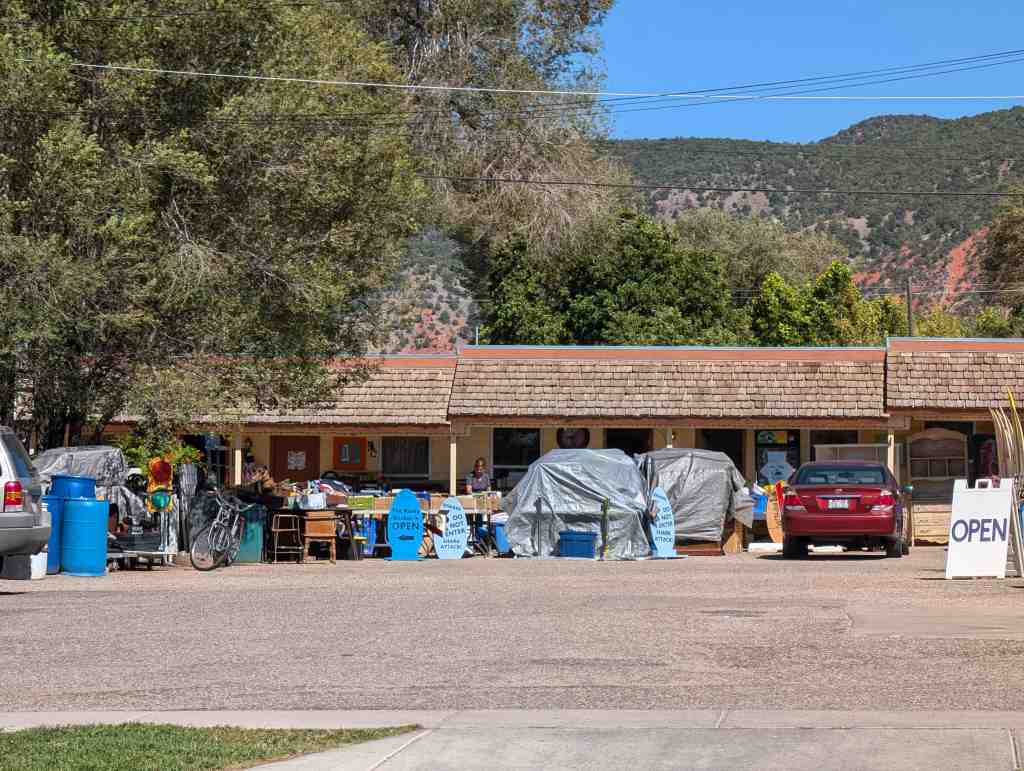
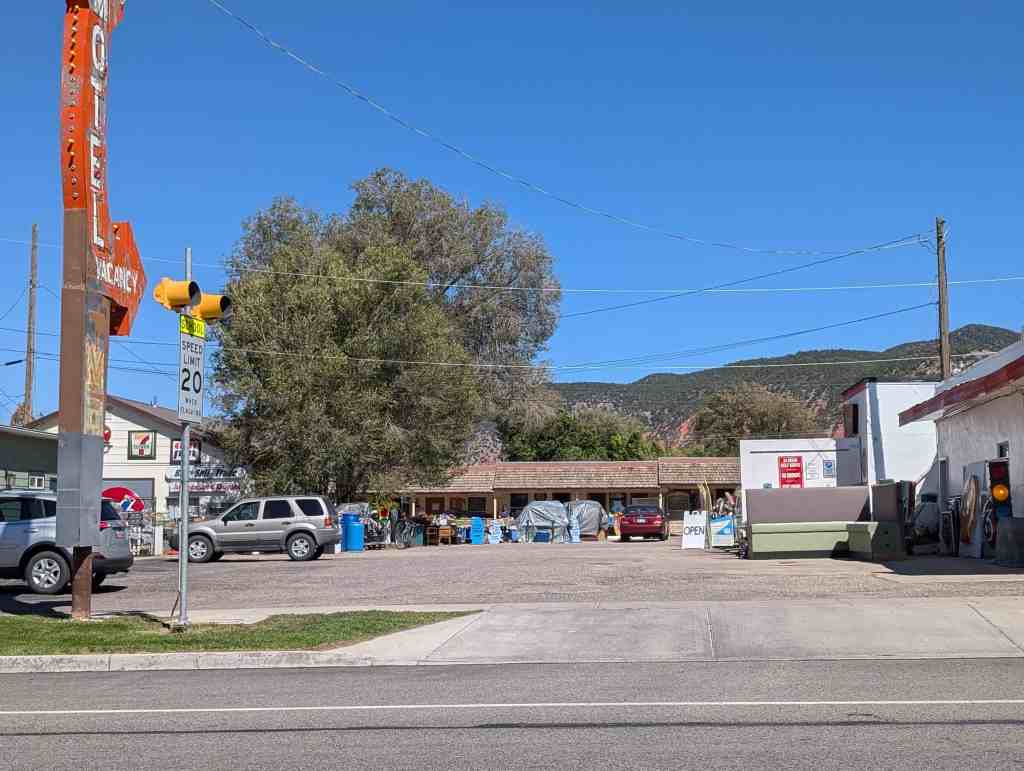
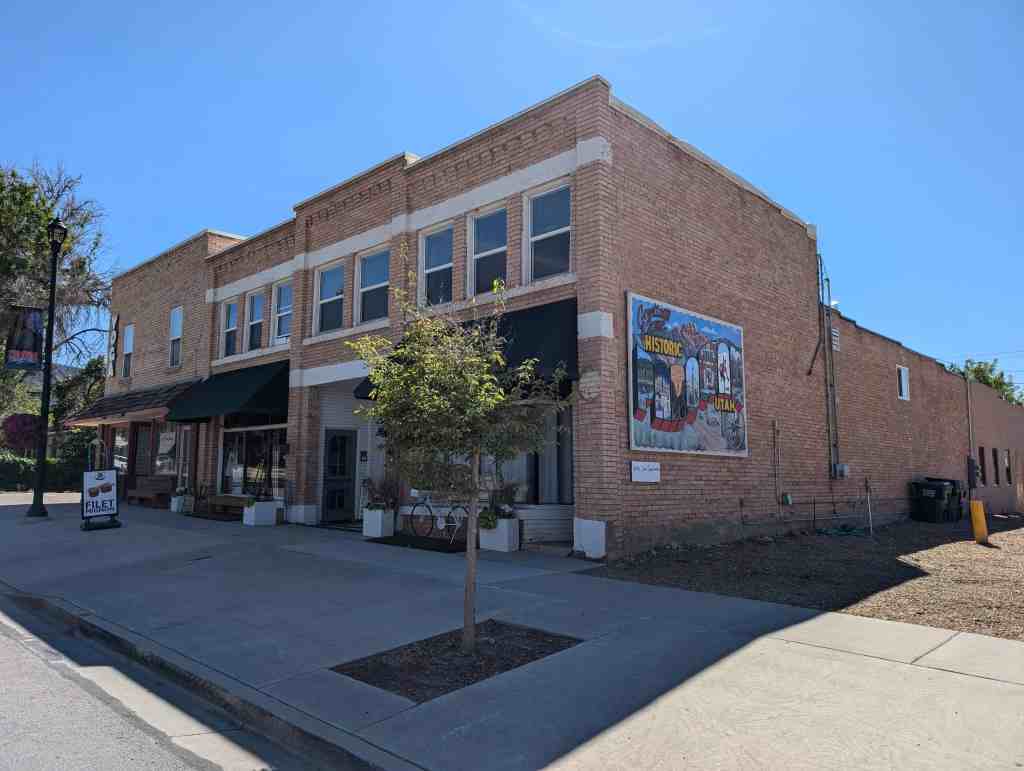
(from preservationutah) This 1915 commercial block located on Parowan’s Main Street originally housed the first Dodge dealership in southern Utah. The building also housed a telephone company and the printing rooms of the “Parowan Times” newspaper. The property later served as Parowan’s visitor’s center and a city workshop. When Parowan’s mayor, Mollie Halterman, purchased the property in 2020, however, this former Dodge dealership fell into extreme disrepair and became a dead spot in Parowan’s revitalizing downtown. Ms. Halterman’s efforts to remodel the Parowan Dodge building addressed not only the building’s aesthetic but also its structural deficiencies. The building received needed bracing, which allows all of its floors to provide badly needed commercial and residential space. The building’s ground-level storefront houses a high-end, locally-grown meat/butcher shop. A second dwelling upstairs provides a quant apartment that can accommodate a family of four. The entire building is multi-purpose and multi-functional and offers walkable access to schools, gyms, the city post office, drug and grocery stores, and other of Parowan’s amenities. Once a diamond in the rough, this building is now a polished gem that greatly contributes to Parowan’s placemaking while offering affordable commercial and residential space.
On this site, in 1862 the first Cotton Factory was erected in the west. Designed and operated by William Marsden and owned by Ebenizer Hanks. Here the first ball of Cotton Yarn was made west of the Mississippi River.
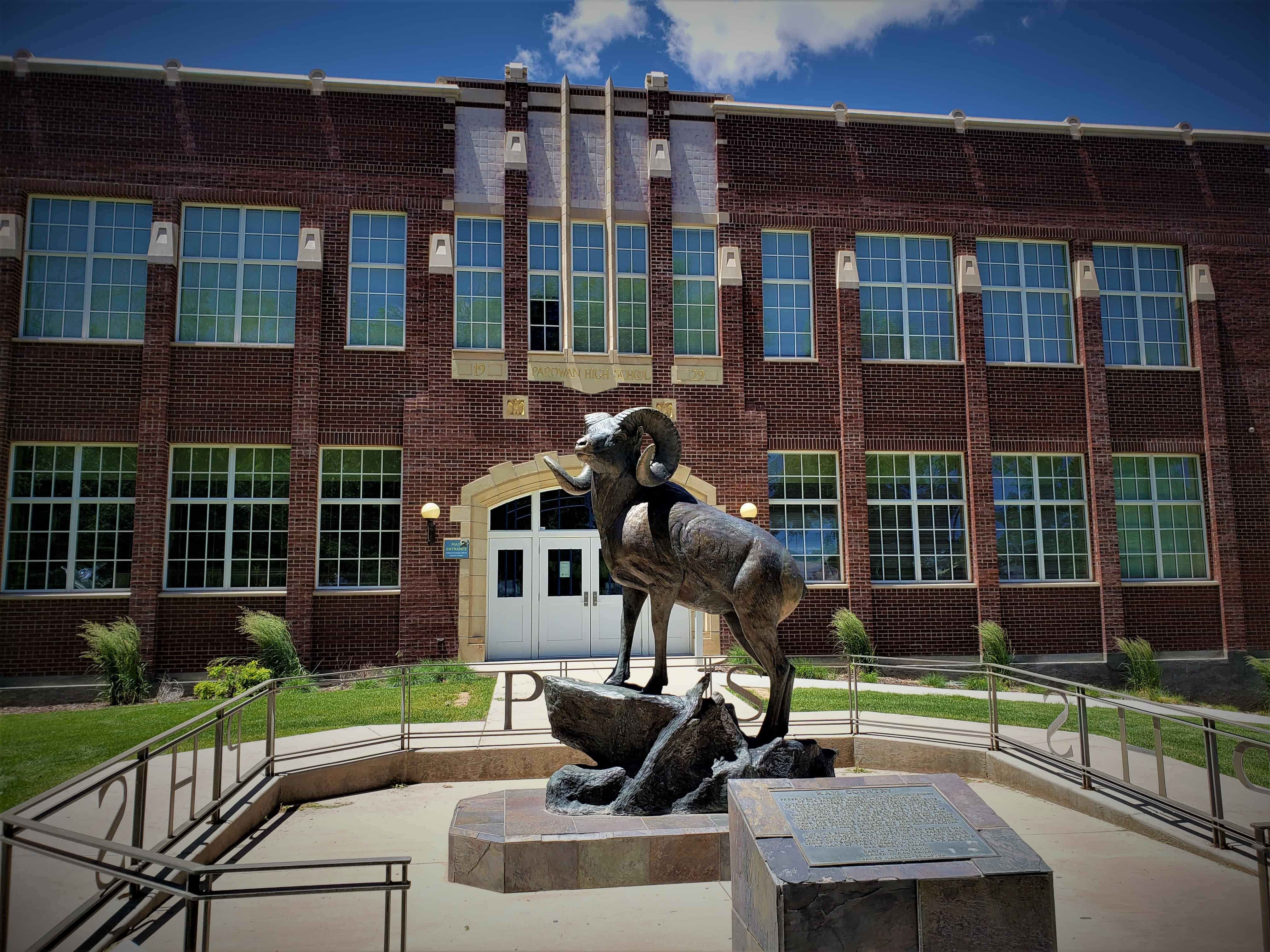
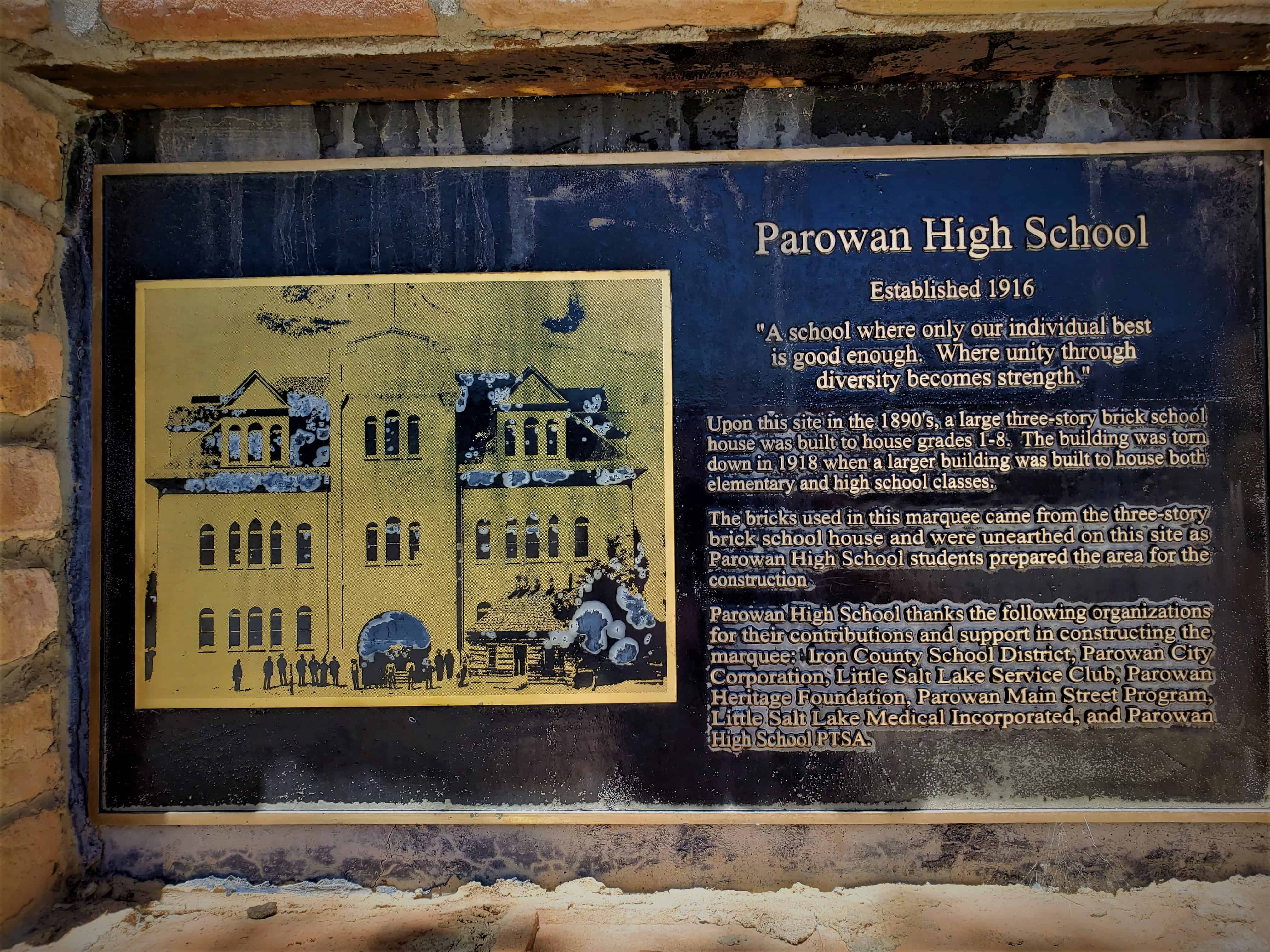
“A school where only our individual best is good enough. Where unity through diversity becomes strength.”
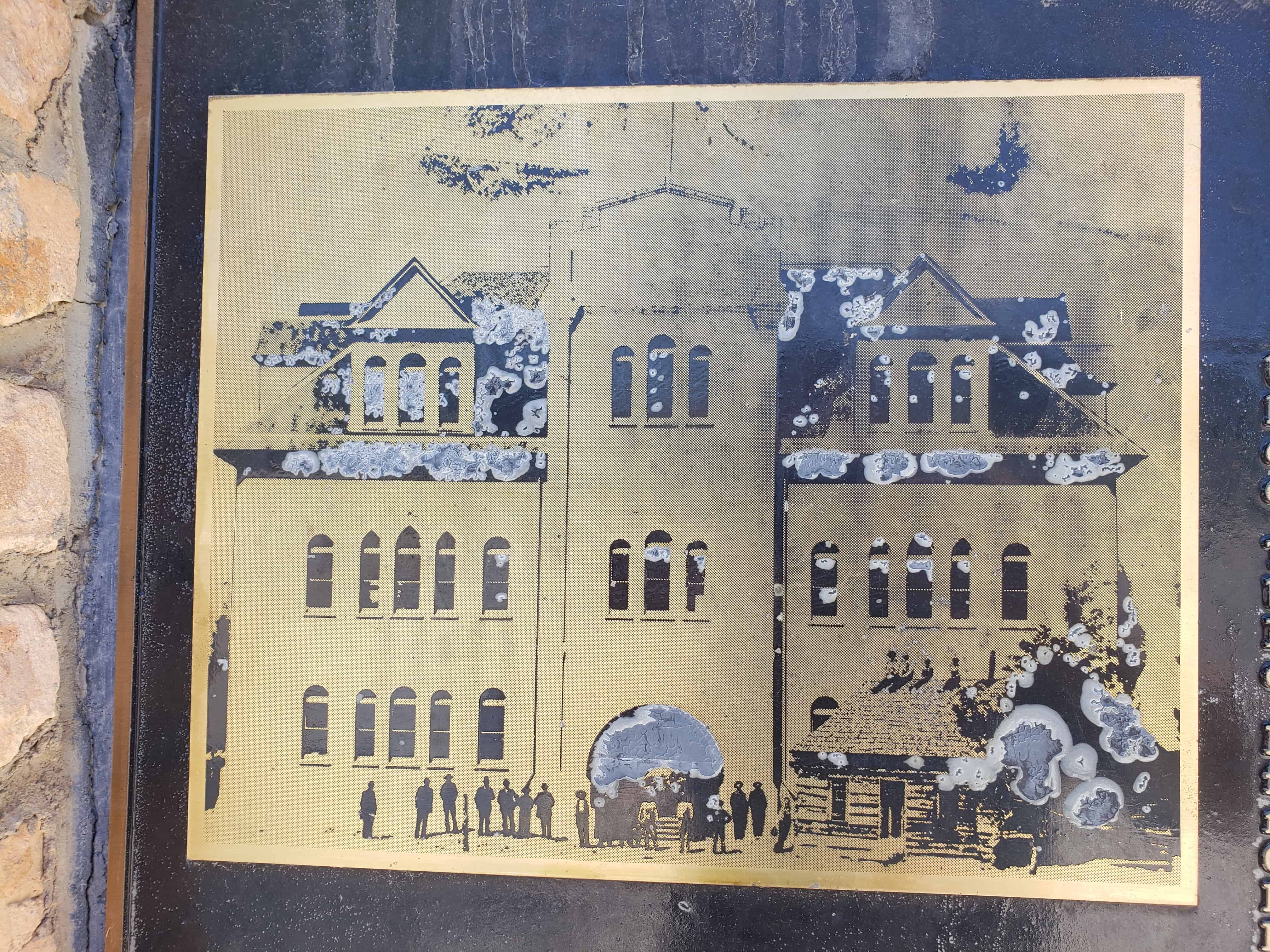
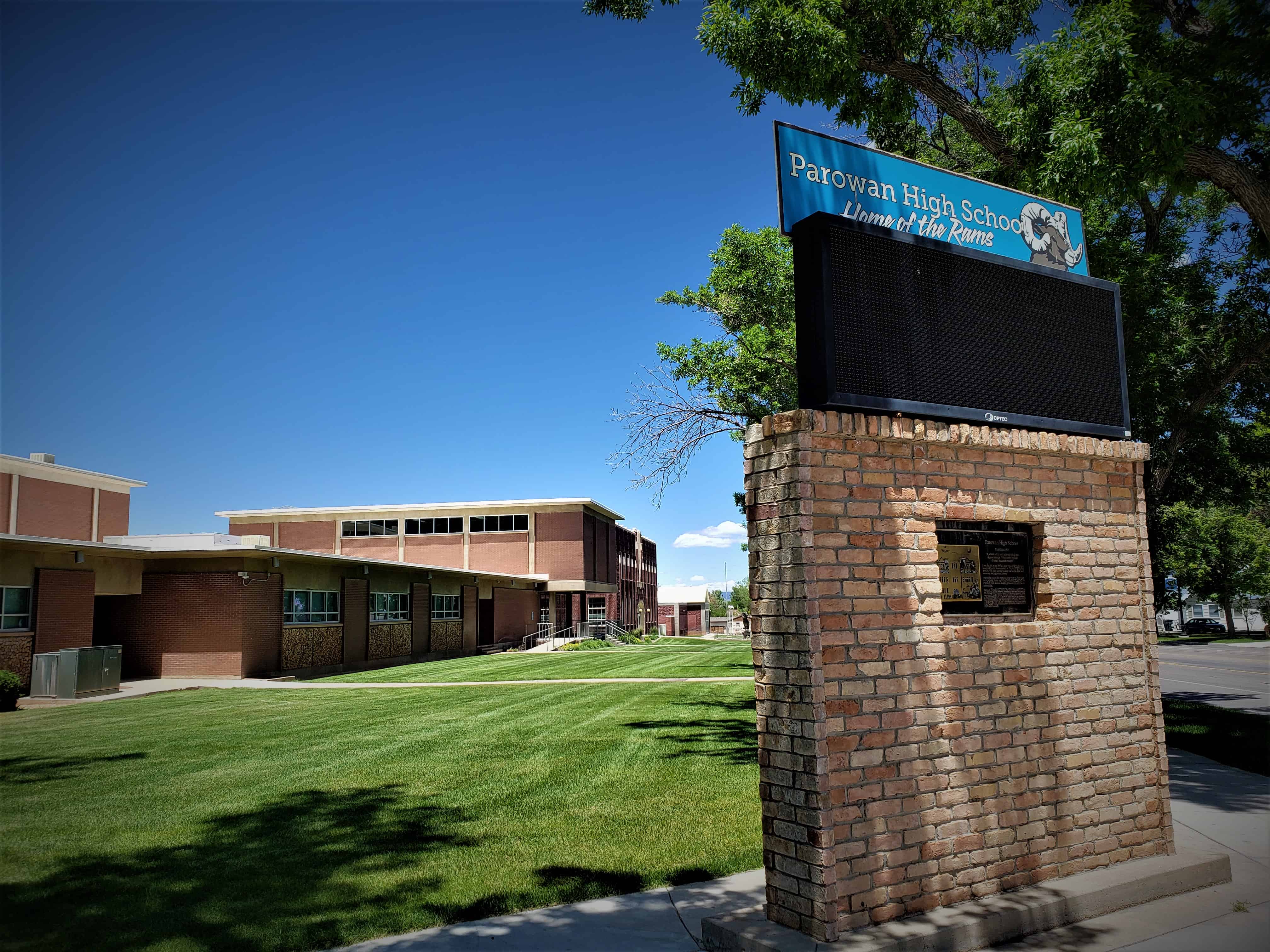
Upon this site in the 1890’s, a large three-story brick school house was built to house grades 1-8. The building was torn down in 1918 when a larger building was built to house both elementary and high school classes.
The bricks used in this marquee came from the three-story brick school house and were unearthed on this site as Parowan High School students prepared the area for the construction.
Parowan High School thanks the following organizations for their contributions and support in constructing the marquee: Iron County School District, Parowan City Corporation, Little Salt Lake Service Club, Parowan Heritage Foundation, Parowan Main Street Program, Little Salt Lake Medical Incorporated, and Parowan High School PTSA.
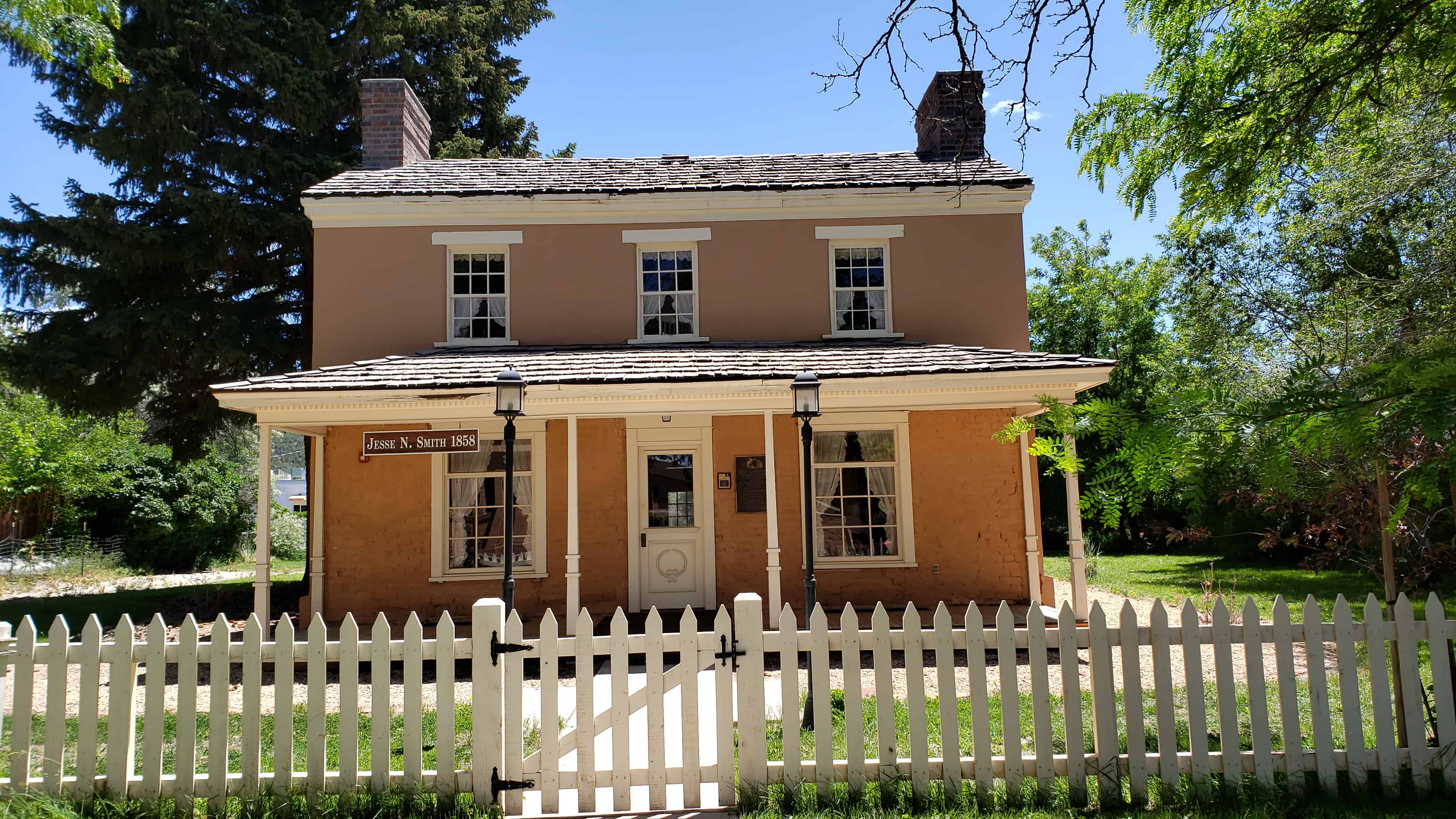
Located in Parowan, Utah – this is the oldest adobe structure in Utah. Jesse also discovered the first lead mine in Utah.
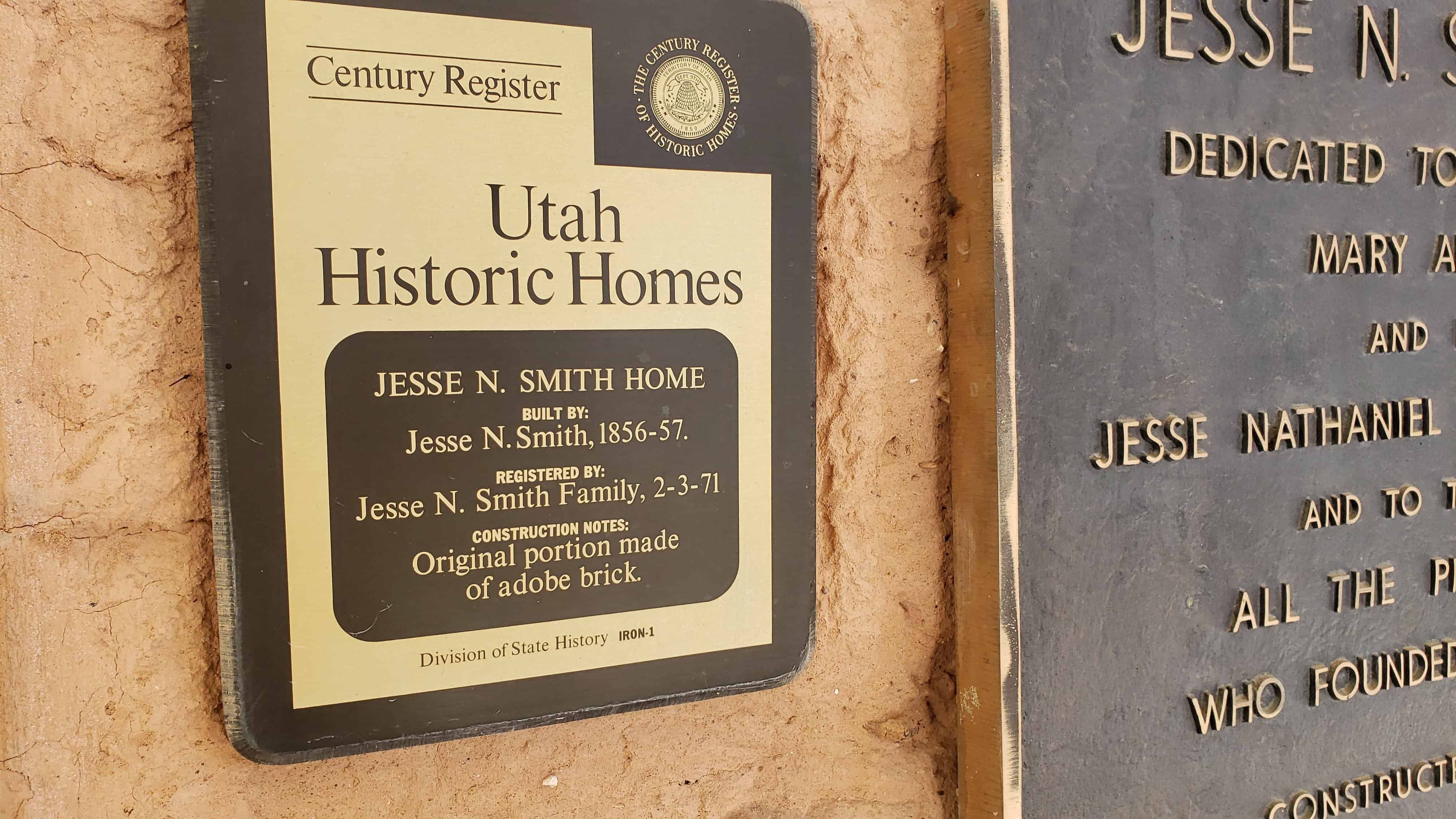
Dedicated to the memory of Mary Aikens Smith and her sons Jesse Nathaniel and Silas Sanford and to the memory of all the pioneer settlers who founded Parowan in 1851.
Constructed 1856-58 by Jesse N. Smith
Restored 1967 by Jesse N. Smith Family Assn.
Plaque provided by National Society Sons of the Utah Pioneers
Utah Historic Homes
Jesse N. Smith Home
Built by: Jesse N. Smith, 1856-57
Registered by: Jesse N. Smith Family, 2-3-71
Construction notes: Original portion made of adobe brick
Located at 45 West 100 South in Parowan, Utah and added to the National Register of Historic Places (#75001807) on June 20, 1975. The following is from the nomination form when it was added to the register:
The Jesse N. Smith hone derives its significance from two factors. It is an excellent and well preserved example of an early Mormon Pioneer lone built of stuccoed adobe. Secondly, it was the home of one of Southern Utah and Northern Arizona’s most prominent pioneers, Jesse W. Smith. According to family records,. Jesse N. Smith, born December 2, 1834, in Stockholm, St. Lawrence County, New York, was the youngest cousin of the Mormon founder Joseph Smith. As a boy Jesse lived in Kirtland, Ohio, and in 1839 his family moved to Missouri. Intending to settle at Far West, word of Governor Bogg’s Extermination Order caused a change of plans and eventually the family made their way to Illinois. At the age of thirteen Jesse traveled to Utah with the Parley P. Pratt Company, reaching the Great Salt Lake Valley on September 25, 1847.
Four years after his arrival in Utah, Jesse N. Smith was called to help with the establishment of the Iron Mission. Making his home in Parowan, lie soon became one of the leaders in church and political affairs in Southern Utah. In 1855. at the age of 21, he served as a Representative to the Territorial Legislature and three years later was elected Mayor of Parowan.
It was during this period that work on his Parowan home began. In his journal Smith notes that in the spring of 1856 he made adobes to build a house. The June 28, 1856, journal entry offers some insight into the hazards of house-building, “While quarrying rock for my house, I fell and rolled down the face of a steep cliff, some thirty feet, wrenching one of ray ankles so severely that I could not work for several days. The events of the Utah War in 1857 delayed completion of the home until March 1858 when, the Smith diary notes, the family moved into the new home. In 1860 Jesse was called to serve a mission to Denmark. Me proved a successful missionary and in May 1862 he assumed responsibility as President of the Scandinavian Mission and served in that position for more than two years before returning to Utah in 1864. Pour years later in 1868 he was again called to return to Scandinavia where once more he presided over the Scandinavian Mission until 1870. Although Jesse N. Smith had provided his family with a modest but comfortable home, the five years lie was away from his family serving missions for the Church were undoubtedly a difficult time for his two wives and their children. One of his daughters, recalling the Christmas of 1862 in their Parowan home, wrote: “All of us children hung up our stockings. We jumped up early in the rooming to see what Santa had brought, but there was not a tiling in them. Mother wept bitterly. She want to her box and got out a little apple and cut it in tiny pieces and this was our Christmas.
Nine months before Jesse Smith returned home from his first Scandinavian mission his second wife Margaret died leaving two children to be raised by his first wife Emma. Jesse married a total of five wives and fathered 44 children. The Smiths remained in Parowan until 1878 when Jesse was called to help lead the Mormon colonization efforts in Arizona. Apparently this call came in response to a controversy which developed between the Smith brothers, Silas S. and Jesse H. , and William U. Dame in something of a power struggle for the position of ecclesiastical leader in Iron County. Jesse N. Smith was nominated as Stake President in a meeting presided over by Brigham Young but was not sustained by a majority of Saints because of objections to Smith’s arbitrary and tyrannical nature. In the end Dame was successful in becoming Stake President and the Smith brothers left for other areas Silas to the San Juan Mission and ultimately the San Luis Valley of Colorado and Jesse to the Little Colorado Region of Arizona. Here he did become the spiritual leader of the Snowflake area serving as President of the Fast Arizona Stake from 1879 to 18S7 and President of -the Snowflake Stake from 1887 to his death in 1906. In addition to his church responsibilities, Smith was President of the Arizona Cooperative Mercantile Association. He was active in railroad construction and a leading figure in water development on the Little Colorado River. His 1 1/2 story brick home in Snowflake, Arizona, was listed on the National Register in 1972.
In the Forward to the 1970 edition of The Journal of Jesse Nathaniel Smith, Charles Peterson outlines the significant role of Smith in Utah and Mormon history:
Of all the Latter-day Saint causes of Smith’s time none were more important than those of the gathering to Zion and the extension of the physical bounds of the Kingdom. Like many Mormons, Jesse N. Smith devoted his life to these causes, but, more than most of his contemporaries, he played roles which cut across the full fabric of the Mormon experience. He was in the truest sense of a church leader one who may be classified accurately as a field commander. Directing the preaching and convert migration of a proselyting mission abroad and directing the water development and homebuilding of long-term colonizing missions in the West, he at once shared the attitudes and experiences of the church’s top hierarchs, yet worked, aspired, and sacrificed with rank-and-file pioneers in opening new frontiers.
Style and significance: During the period from June, 1856, to March, 1858, Jesse N. Smith constructed, a two-story home facing the town square in Parowan. He quarried the rock, baked the adobes and, hewed the timber himself. The original building consisted of four rooms, two upstairs and two downstairs and a rock basement. As originally constructed, it an “I” house, i.e., it had a one-room deep rectangular plan, two stories high. In 1865, Smith built a lean-to addition on the rear of the house consisting of four rooms, two upstairs and two downstairs. The front façade of the house was also plastered at that time, In 1879, Smith sold the house to a William Bentley for $2,700. For several years the building was unoccupied, but in 1962 the Jesse N. Smith Family Association purchased the building and began to raise money for its restoration. This restoration took place between 1967 and 1969 and cost $12.000. The roof was repaired and the adobe walls, which because badly eroded due to the defective roof, were repaired and replastered. The front wall on the main story had lost its original plaster, but because of protection from the long front porch the wall had not eroded and was left with its adobe bricks exposed.
In profile, the building is a modified saltbox. Though the lean-to was added later, its roof has the same pitch as the original gabled roof.
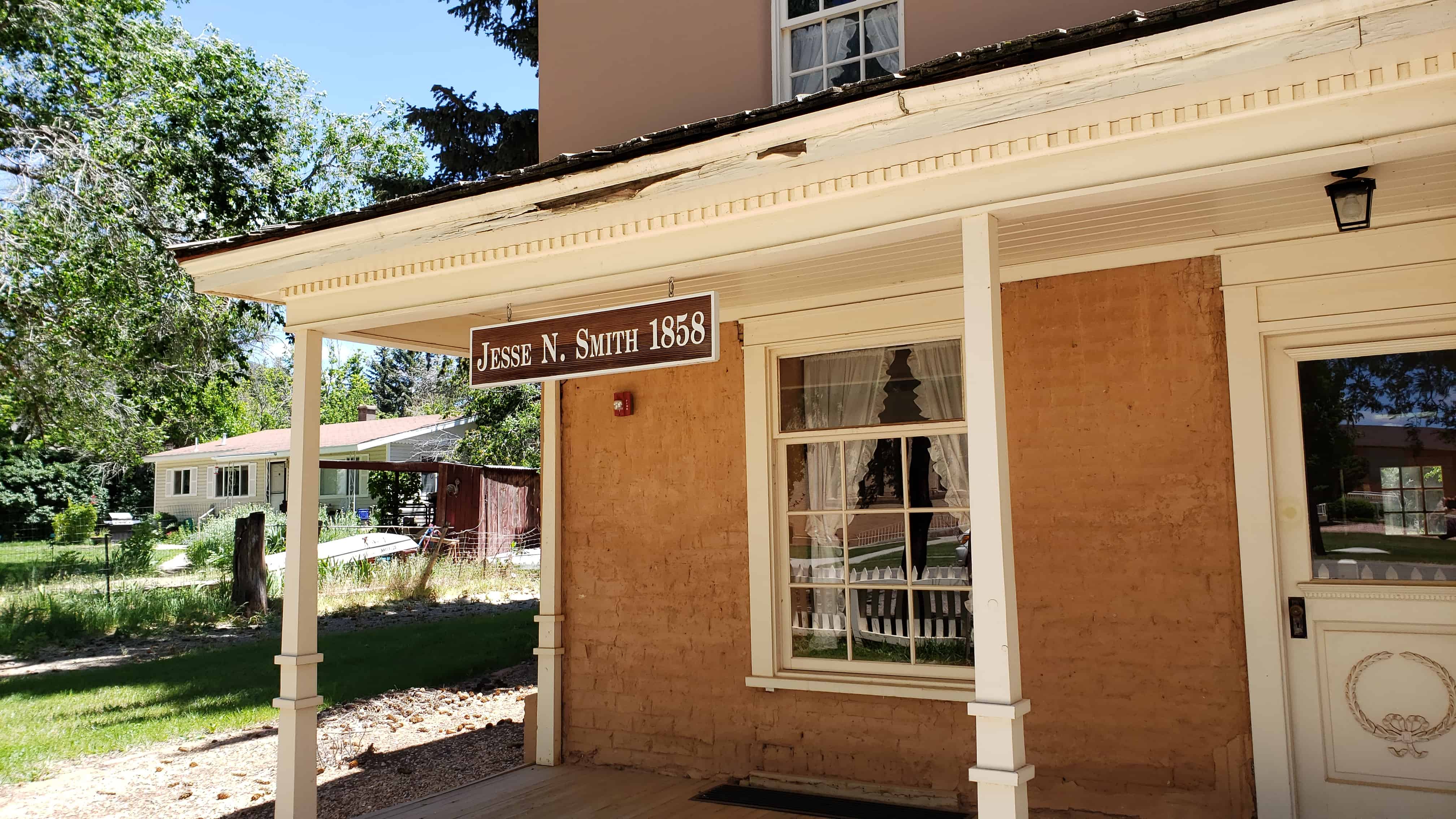
The front façade of the house is symmetrically arranged with a centered door and two large flanking windows on the lower floor and three double-hung sash 6 over 6 paned windows on the upper floor, The windows have wooden lintels and sills and are trimless. The cornice is moulded and skirted and returns slightly along the gable-ends. Two gable-end chimneys complete the Federal style façade. The large porch which extends along “the entire length of the home is supported by decorative lathe-turned posts. The porch entablature is simple and the porch soffit is boxed. The porch is believed to have been added later, as was the front door with its glass pane and the small window to the right of the door. The windows on the lower floor are fixed with transoms above. These, too, were doubtlessly modified after initial construction.
The interior features the same room arrangement as the original plan, The staircase is centralized and in the lean-to. There are six fireplaces in the home.
Despite the few alterations that have been made to the building, its general form-and simple detailing continue to reflect its 1856-58 construction and styling. It is typical of old Colonial American houses and is thought to be the oldest home in Southern Utah.
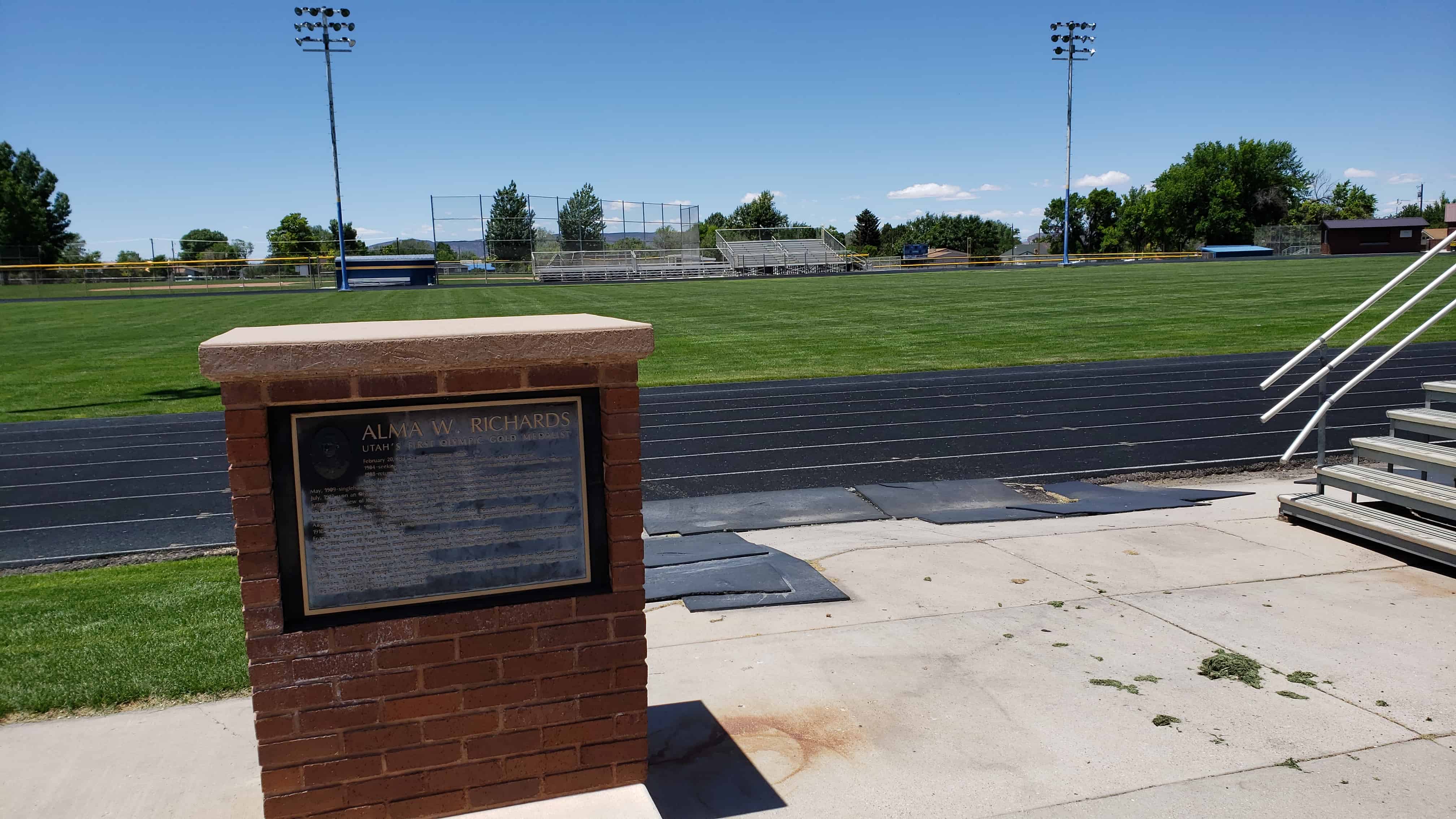
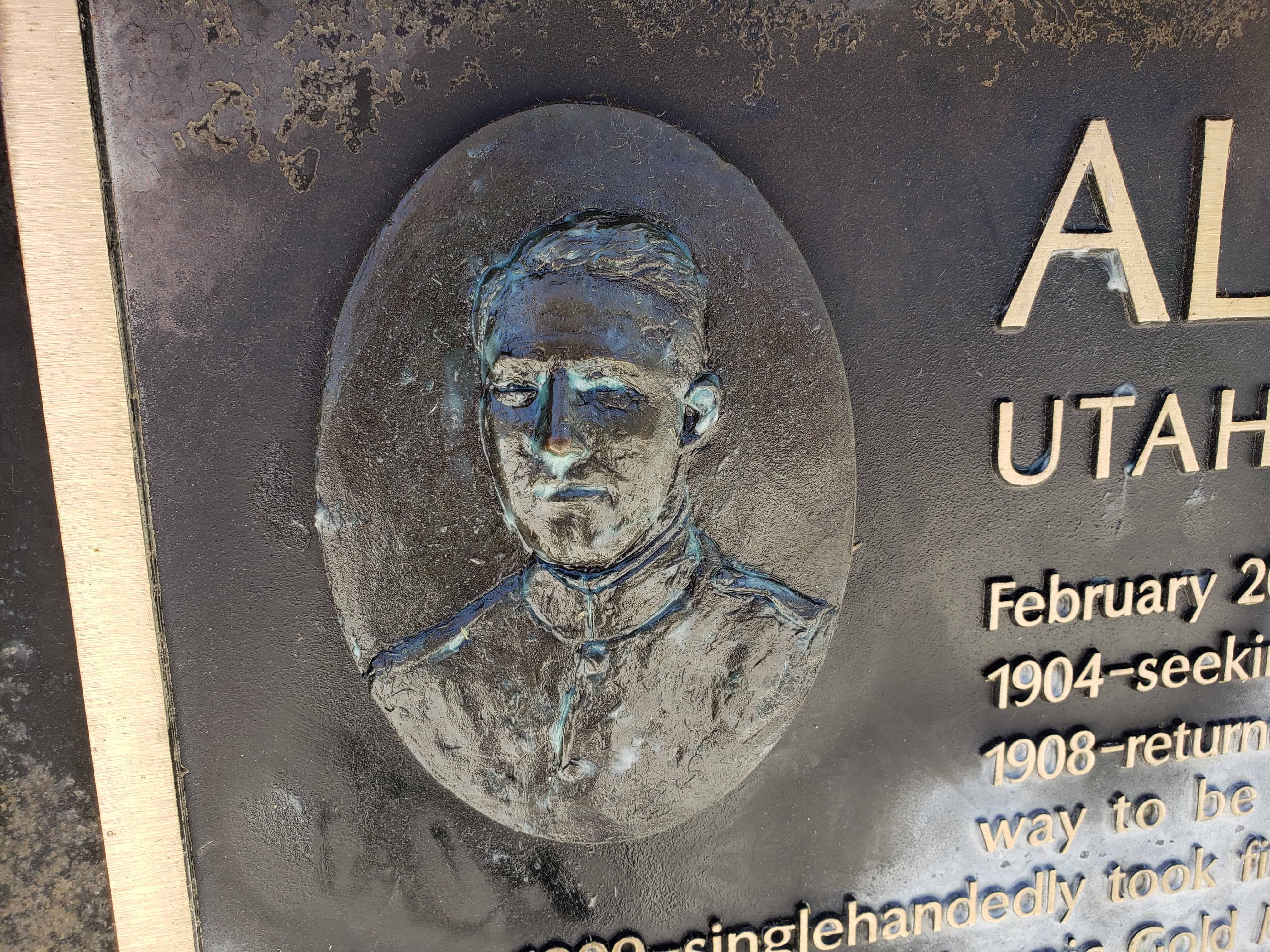
Alma W. Richards Utah’s First Olympic Gold Medalist
February 20, 1890 – born in Parowan, Utah.
1904 – seeing to be “free,” Richards dropped out of school at age 14.
1908 – returned to school through the influence of a teacher who admonished, “The only way to be truly free is to get an education.”
May, 1909 – singlehandedly took first in the state track meet, which included all of the high schools in Utah.
July, 1912 – won an Olympic Gold Medal in the high jump at Stockholm, Sweden. Just prior to his victorious jump, in full view of King Gustav and 22,000 noisy spectators, the humble farm boy dropped to his knees and silently prayed, “God, give me strength. And if it’s right that I should win, give me strength to do my best and set a good example all the days of my life.”
August 1915 – smashed Jim Thorpe’s Olympic world decathlon record by 1000 points.
1916-1919 – served in the US Army during WWI and was declared the greatest athlete in the US Expeditionary Forces by General John Pershing.
1913-1932 – won 55 Regional and National Track & Field Championships.
1924 – after achieving academic excellence and earning a law degree at USC, he chose to become a teacher so he could make a difference in young people’s lives. Richards taught briefly at Parowan High School and then in Southern California for 30 years.
1947 – named Utah Athlete of the Century.
April 3, 1963 – died in Orange, California. Richard’s last request was to be buried in his beloved Parowan.
Sincere thanks for the many private and public donations received for this monument.
Joe Zaleski – Eagle Scout Project 2001
Joe Zaleski raised the funds and organized the effort to have this monument built in time for the torch run through Parowan when the Olympic torch was on its way to Salt Lake City for the 2002 Winter Olympics.
N 37.84627 W 112.82885
A monument to Alma Richards, Utah’s first Olympic gold medalist.
This is a monument to Alma Richards, the first Utahn to ever win a Gold Medal in the modern Olympic games. Joe Zaleski raised the funds and organized the effort to have this monument built in time for the torch run through Parowan when the Olympic torch was on its way to Salt Lake City for the 2002 Winter Olympics.
The settlement was established as a railroad town in 1899 by the Utah and Nevada Railway. By 1905 it was on the Los Angeles and Salt Lake Railroad route between Salt Lake City and Southern California.
This building, erected in 1866, served the community of Parowan for 52 years as a religious and cultural center. Later it was given by the L.D.S. Church to the Daughters of Utah Pioneers, who in 1939-40 restored the old edifice and in 1949-50 improved the basement. This Pioneer Church is now the meeting place and Pioneer Relic Hall of the Daughters.