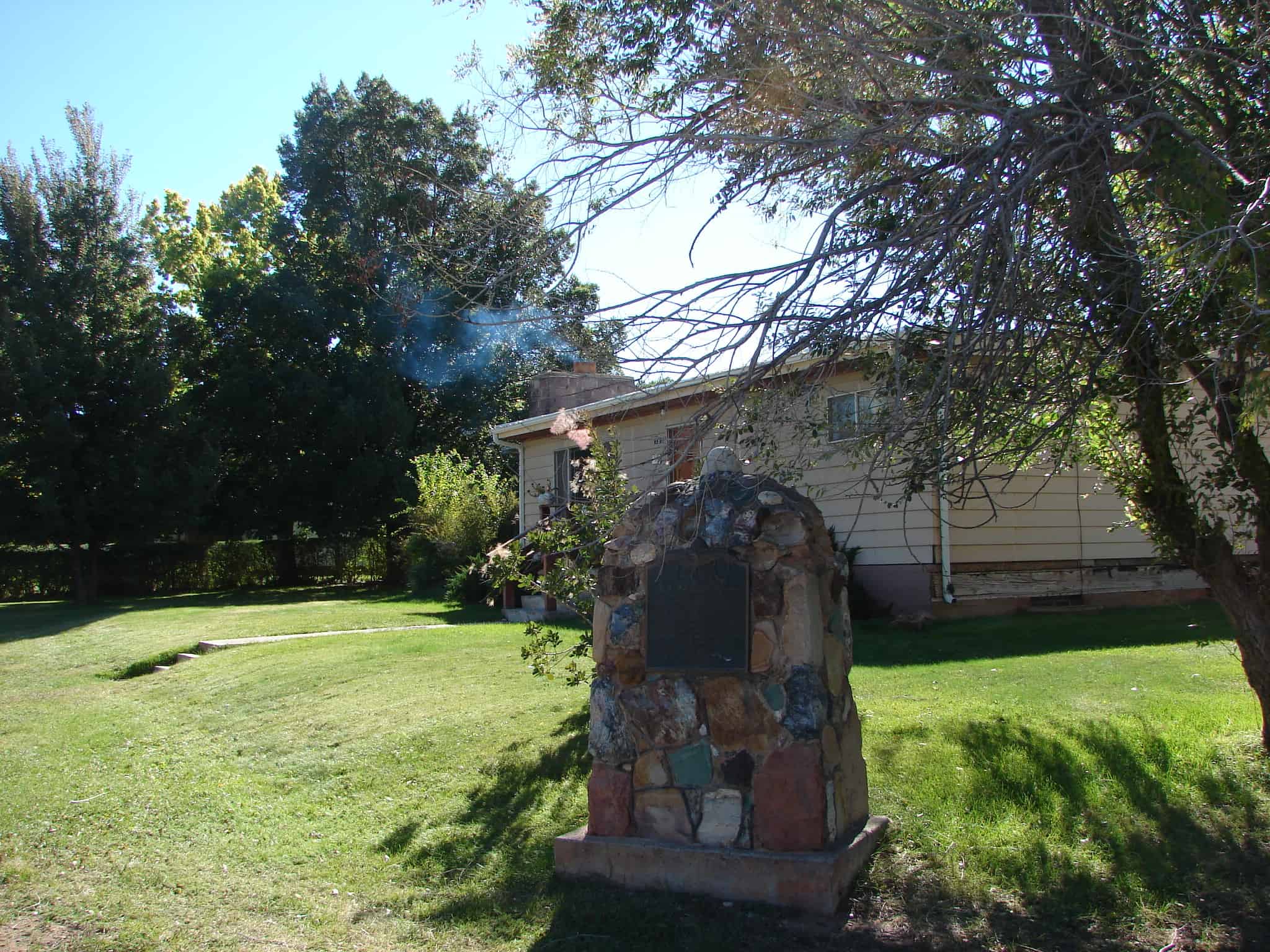
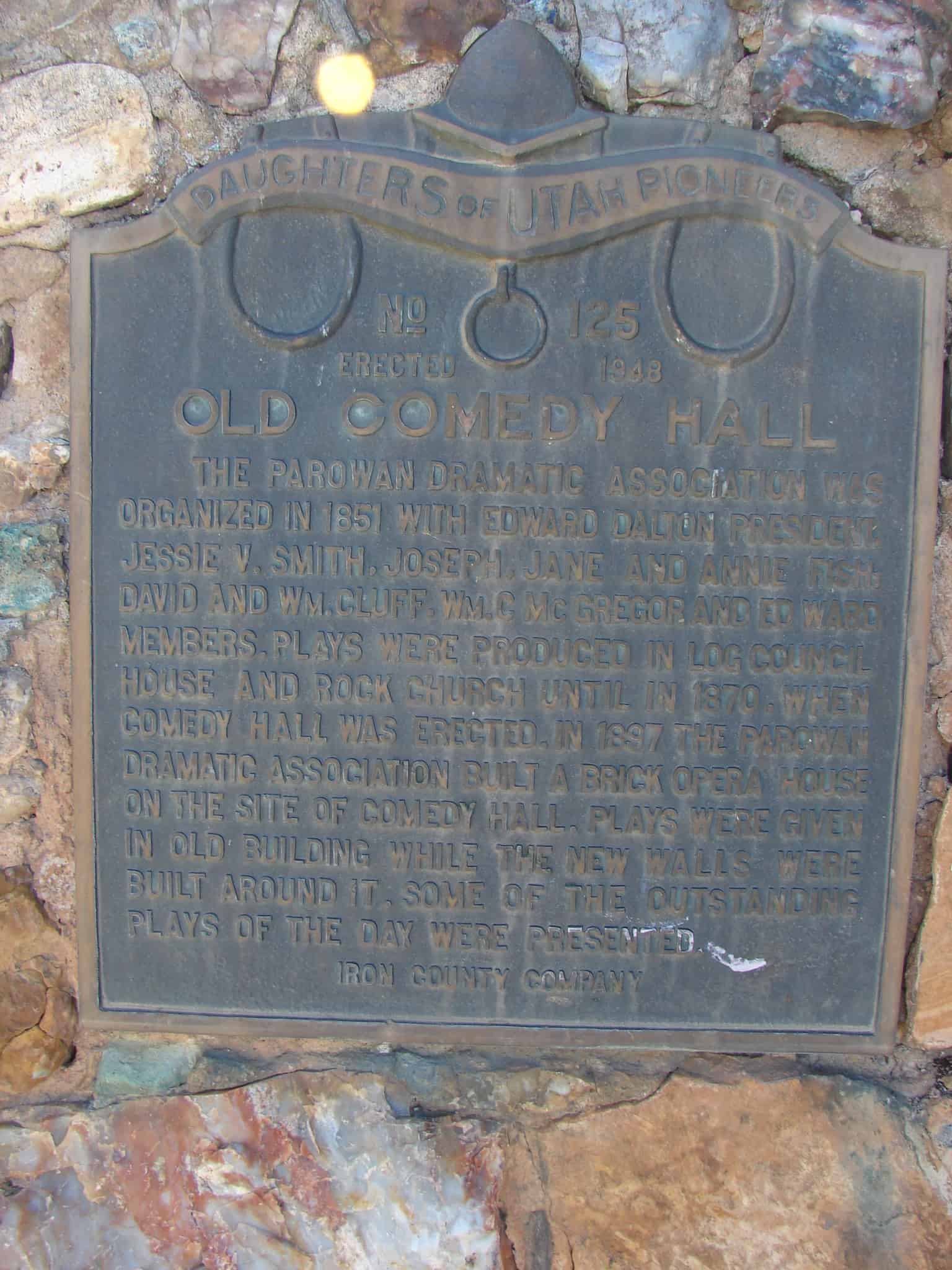
The Parowan Dramatic Association was organized in 1851 with Edward Dalton, who was chosen president, Jessie V. Smith, Joseph, Jane and Annie Fish, David and William Cluff, William C. McGregor and Ed Ward, members. Plays were produced in log Council House and Rock Church until 1870, when Comedy Hall was erected. In 1897 the Parowan Dramatic Association built a brick Opera House on the site of Comedy Hall. Plays were given in the old building while the new walls were built around it. Some of the outstanding plays of the day were presented.
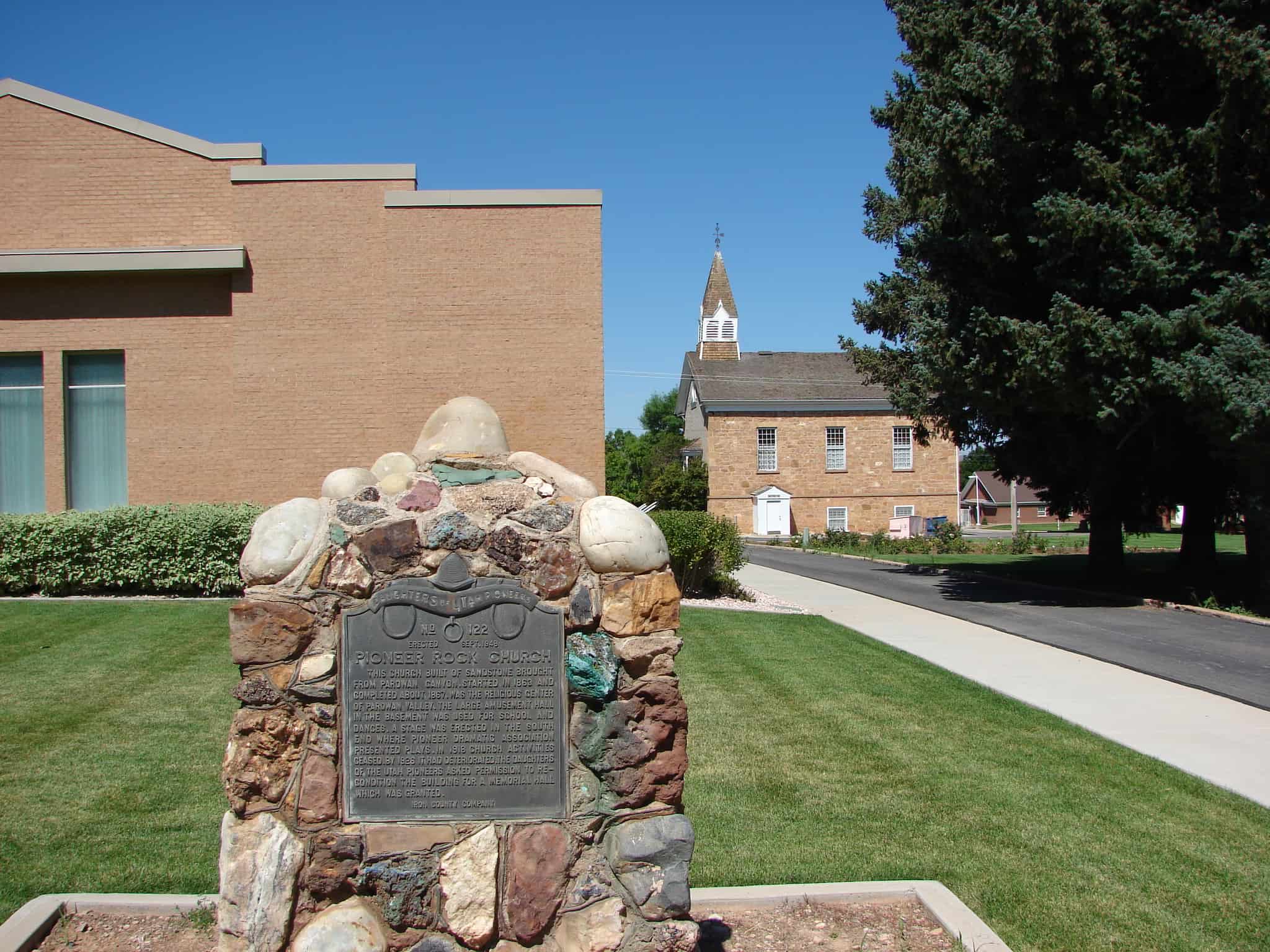
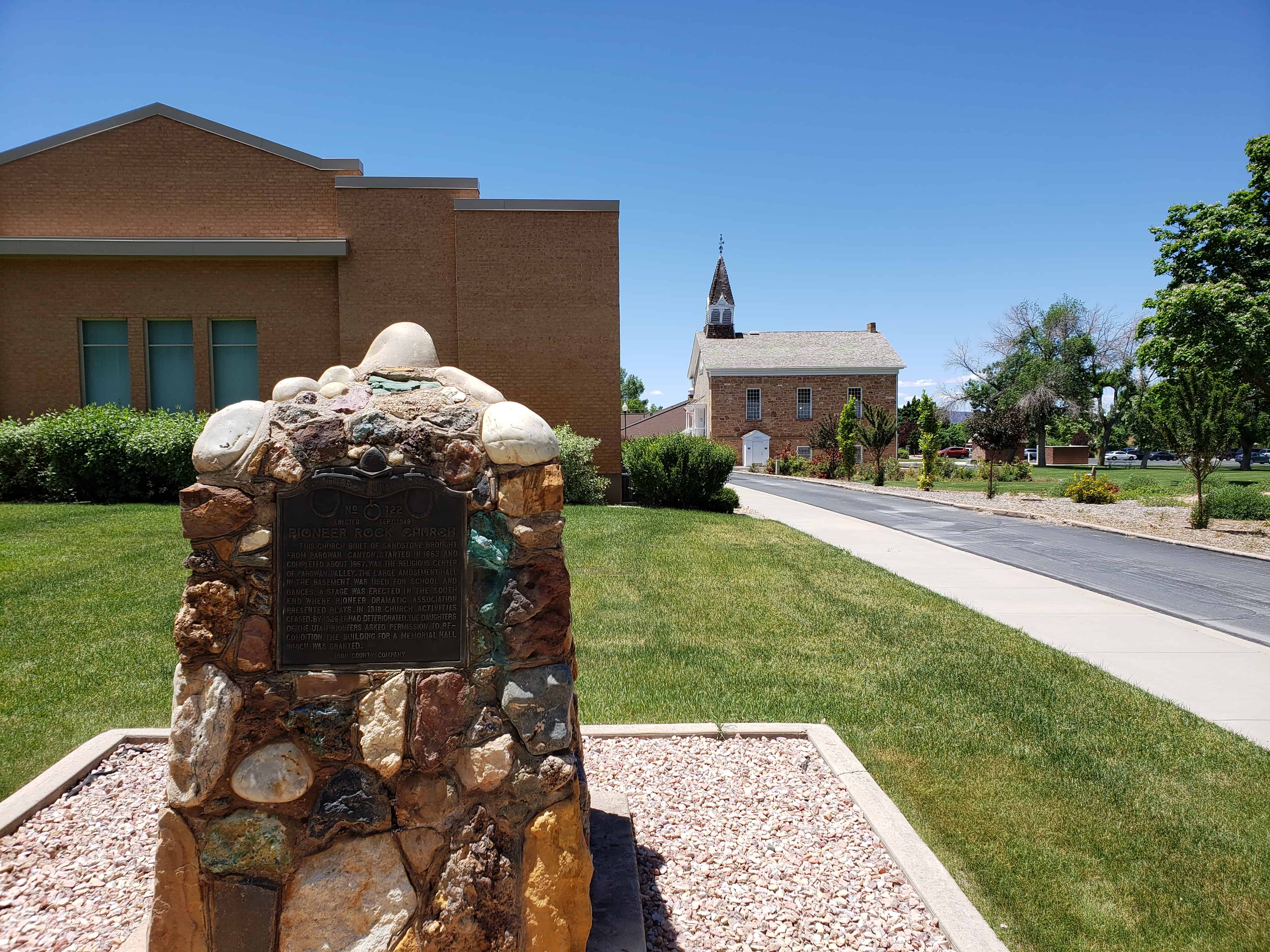
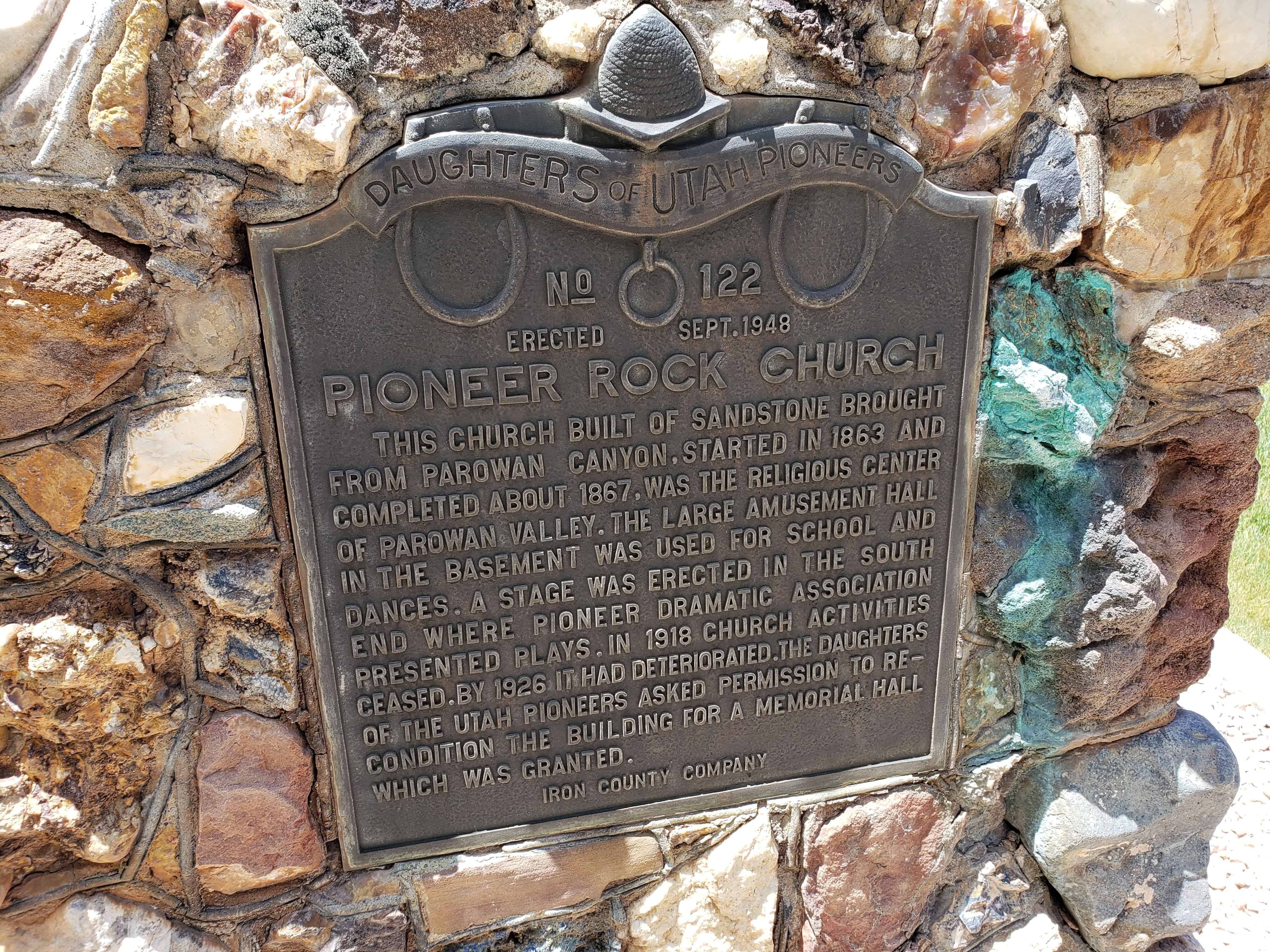
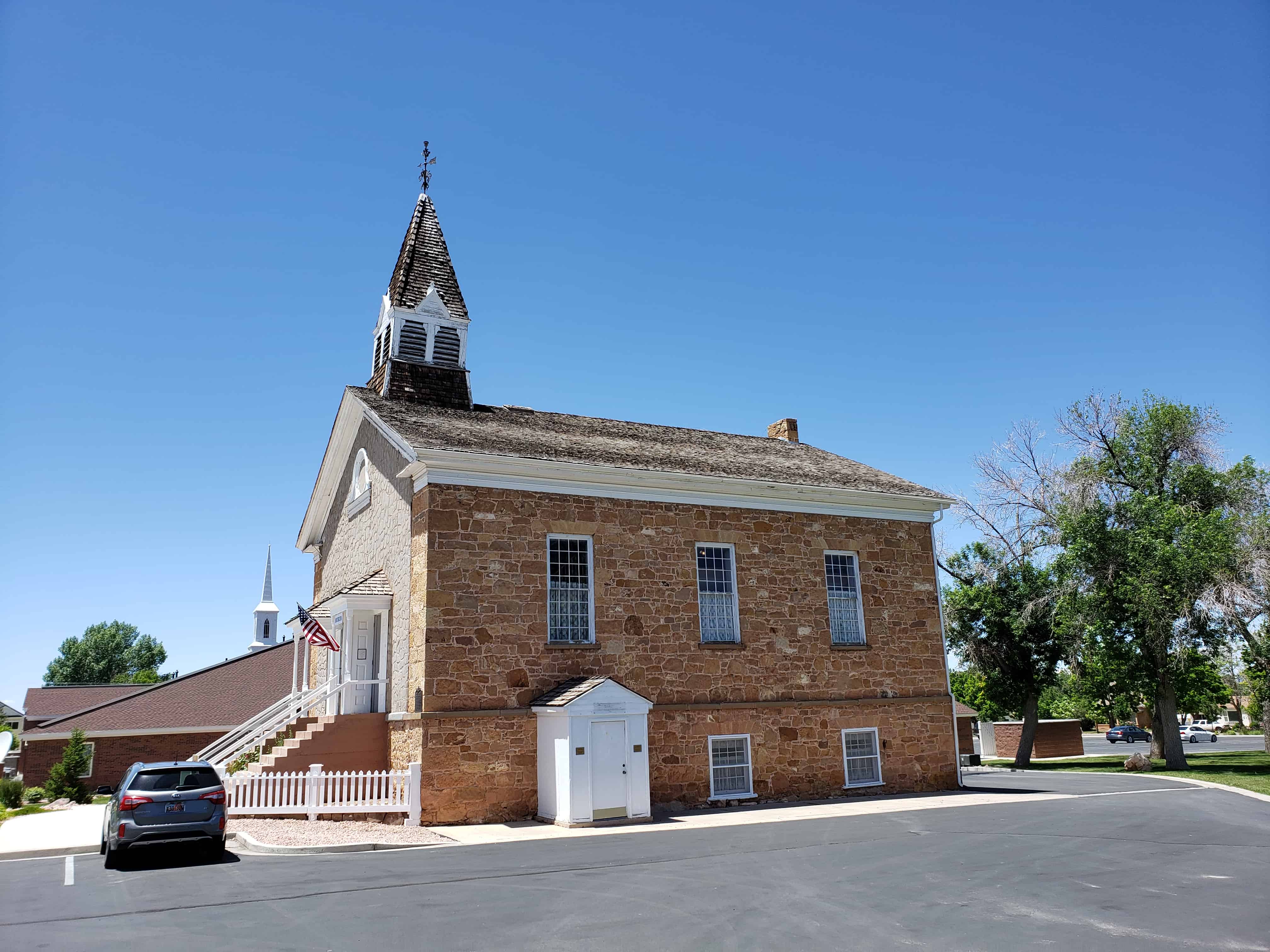
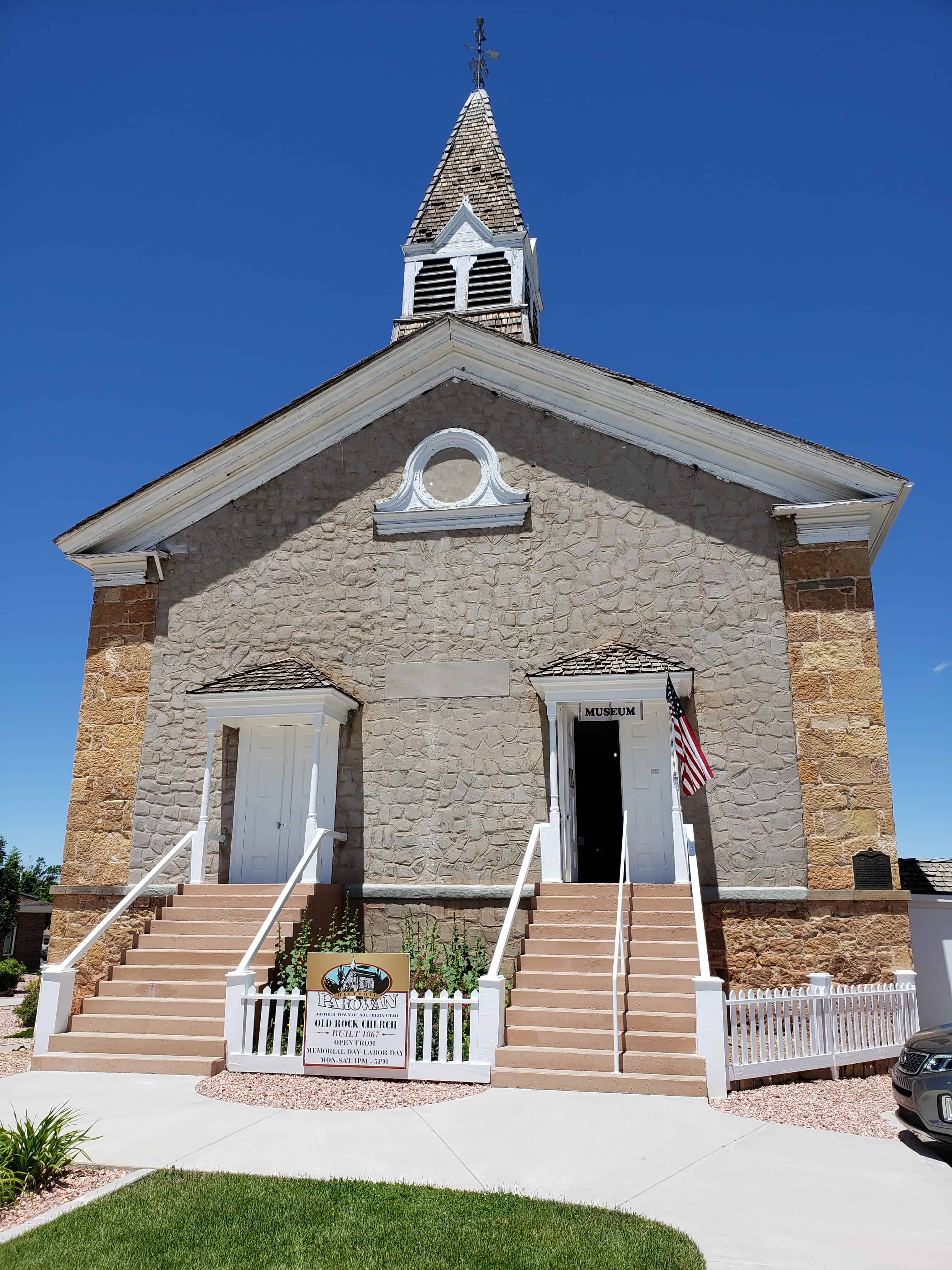
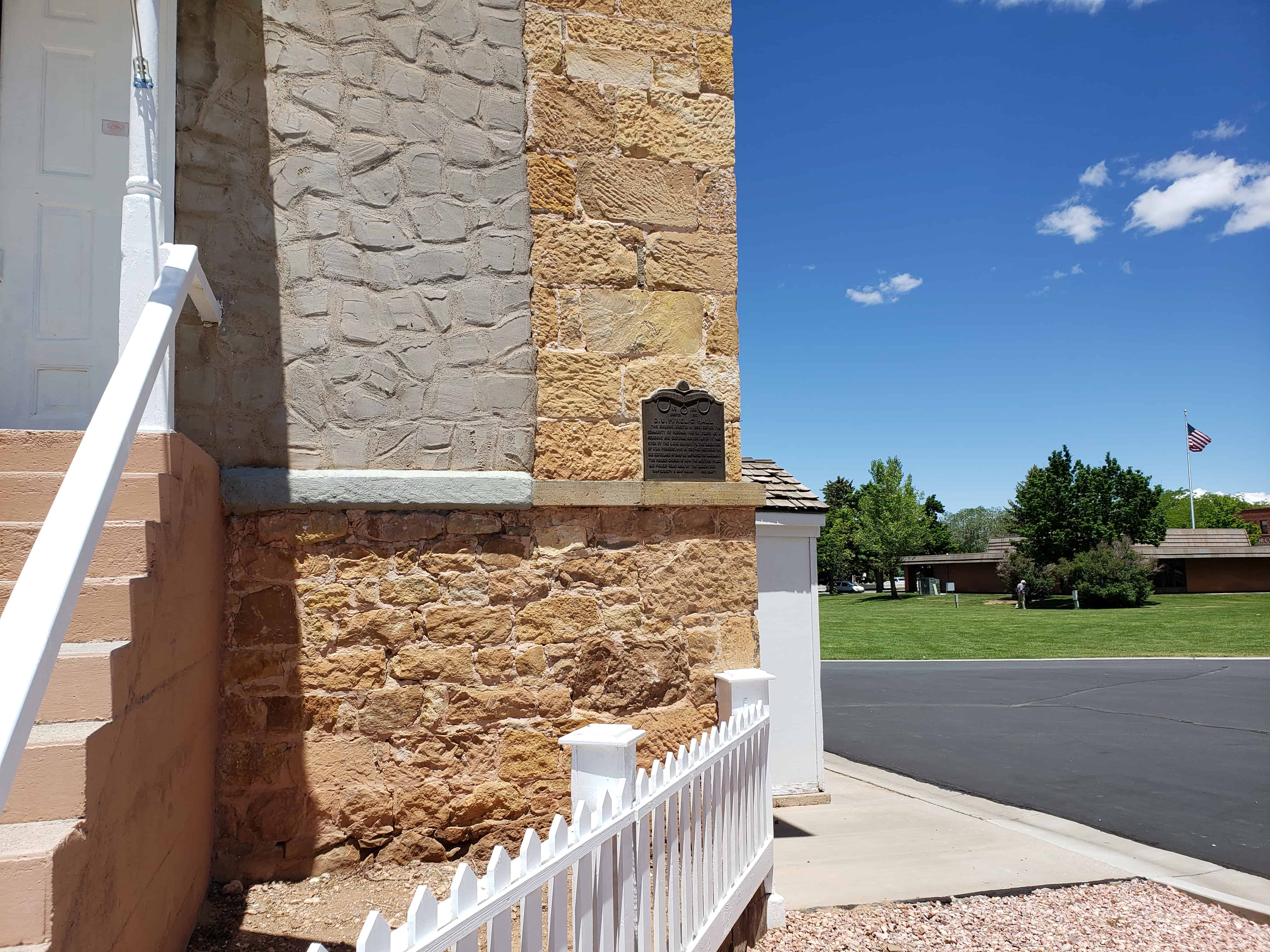
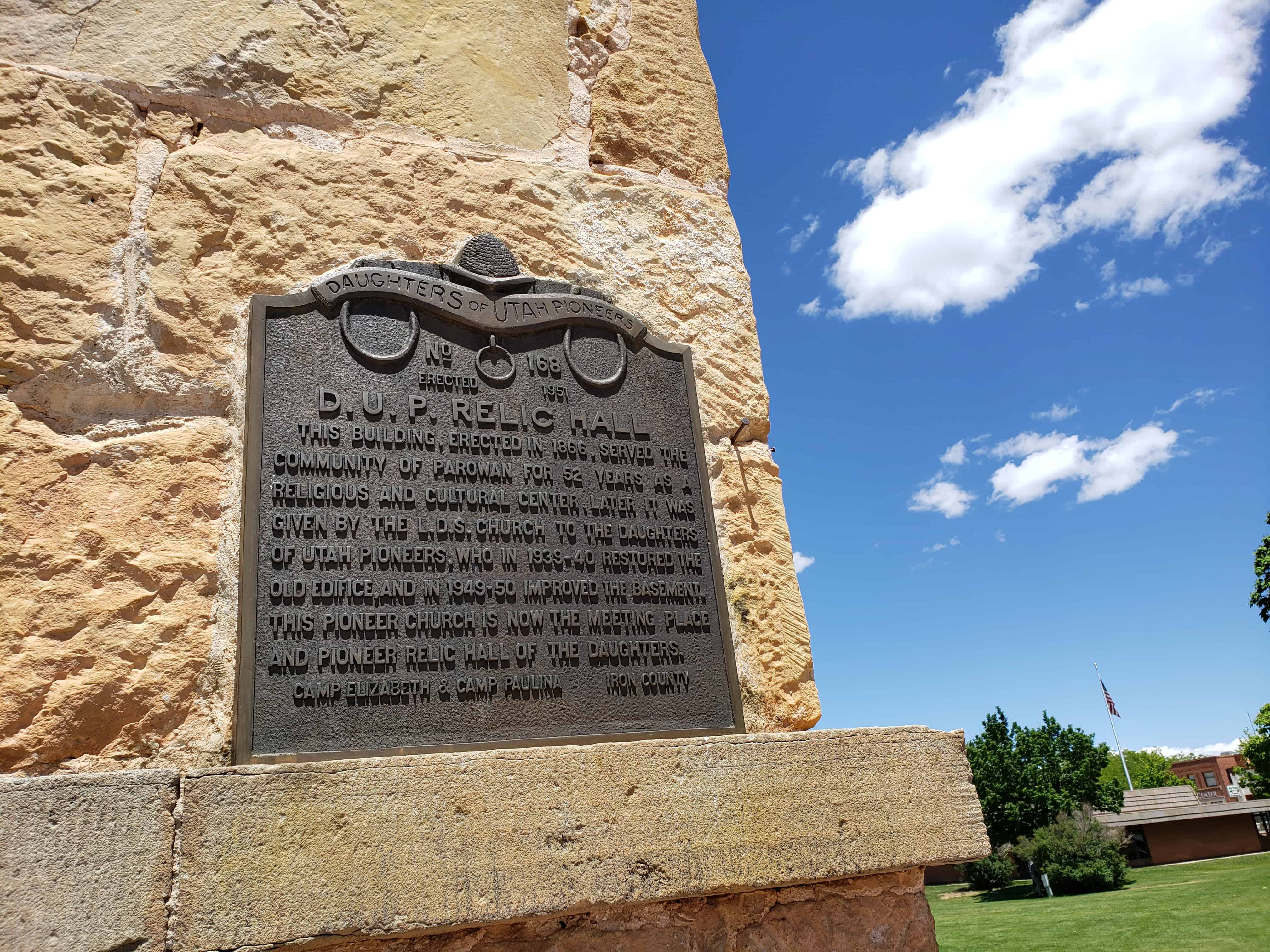
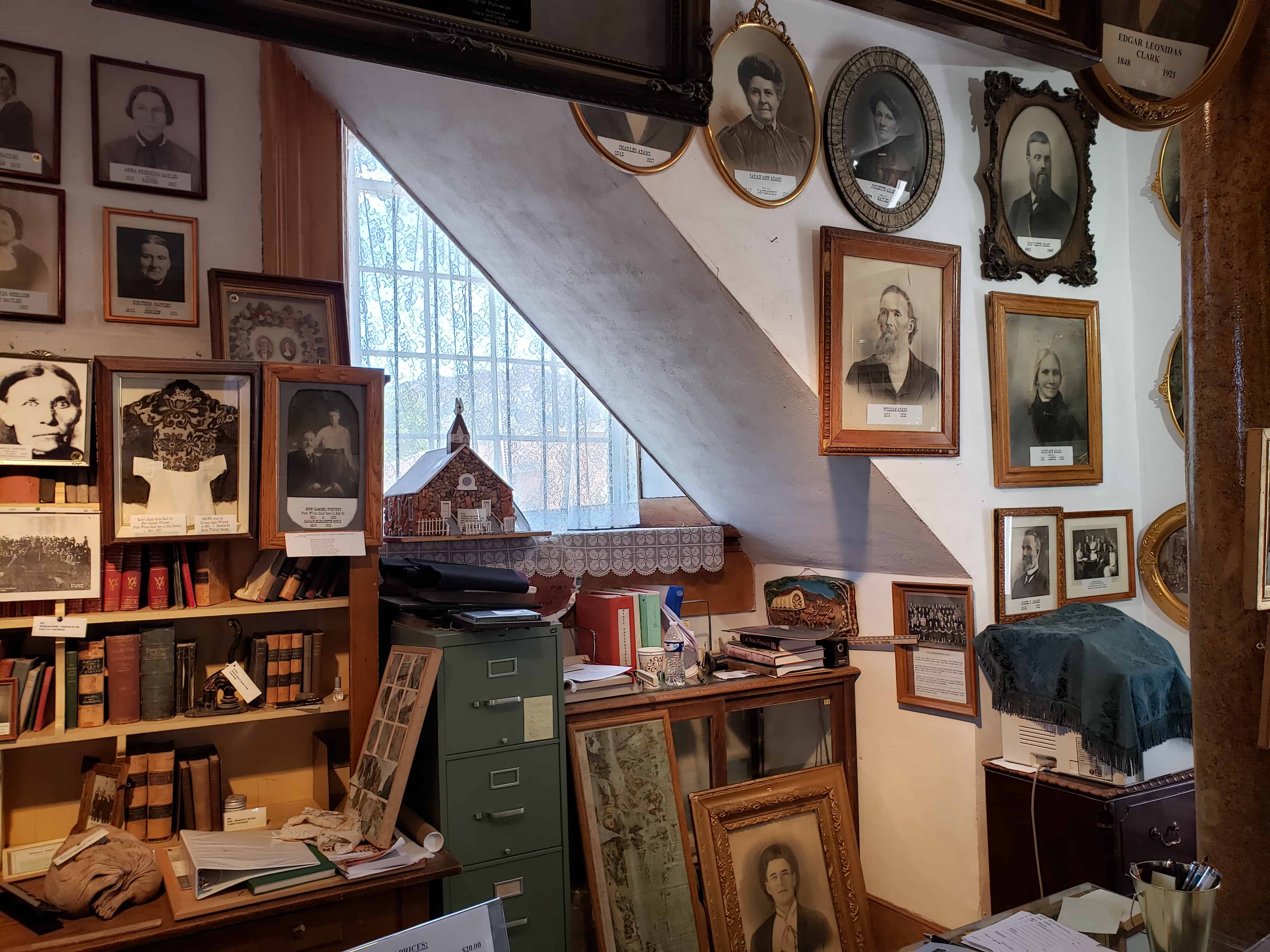
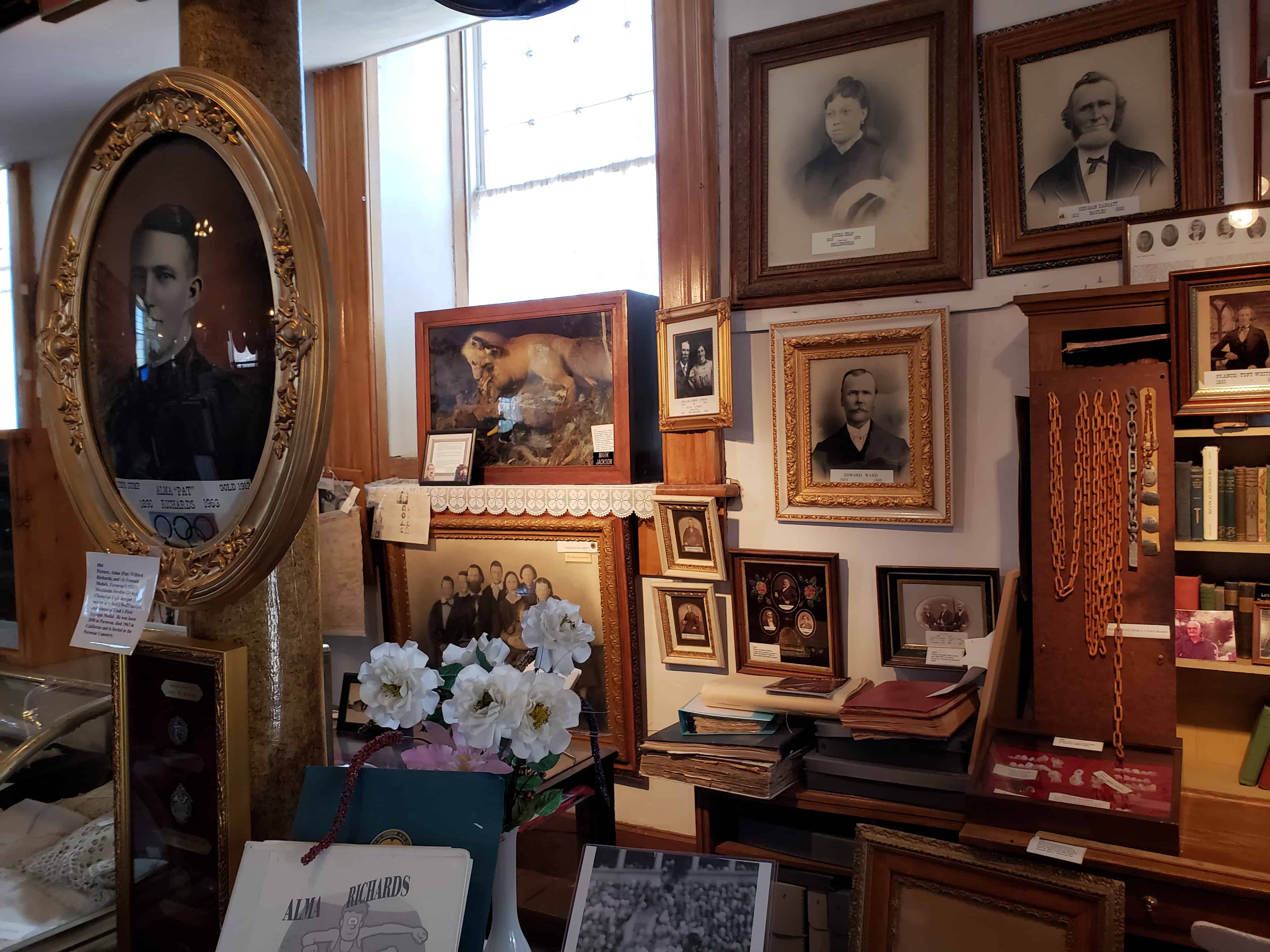
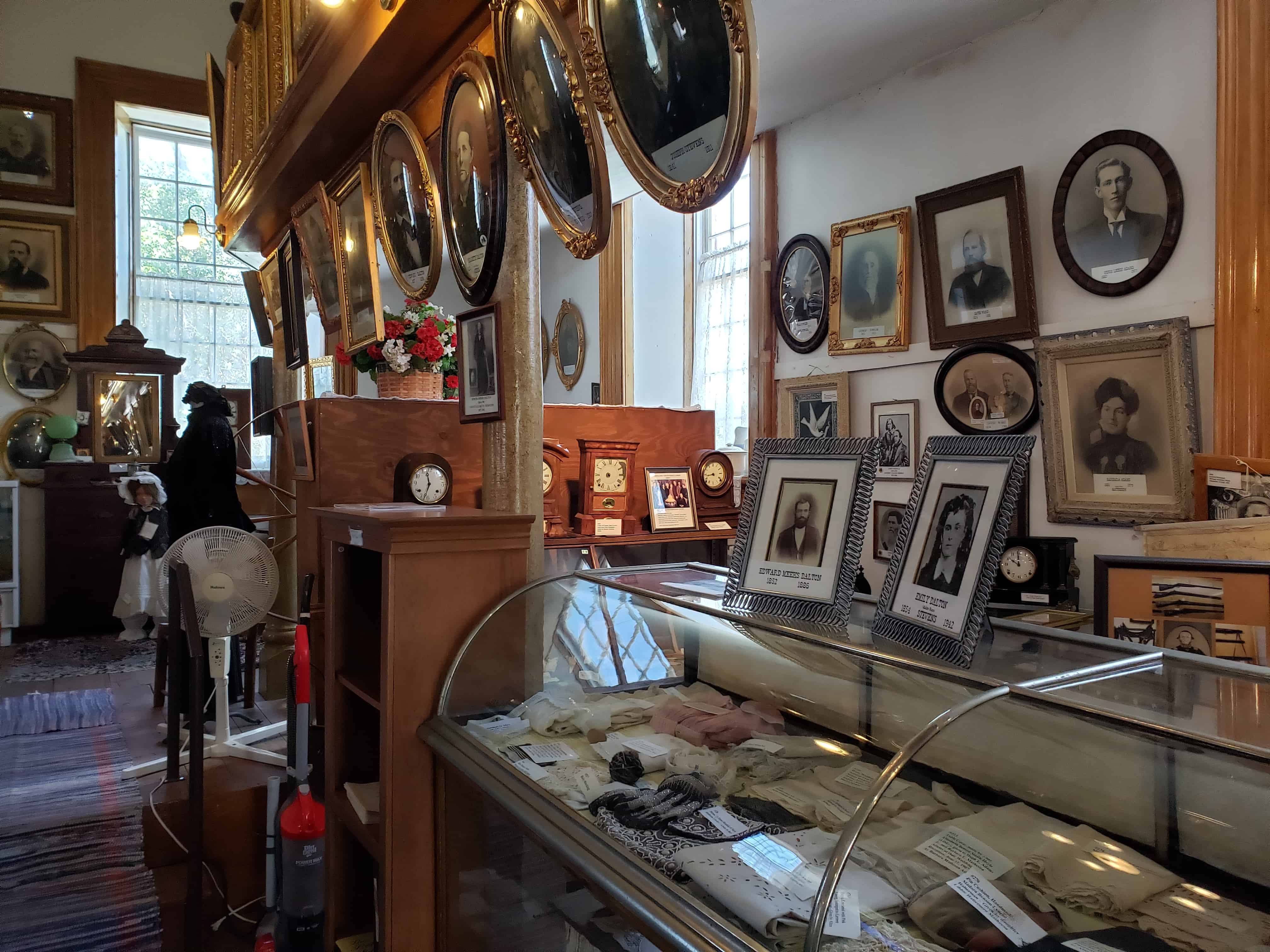
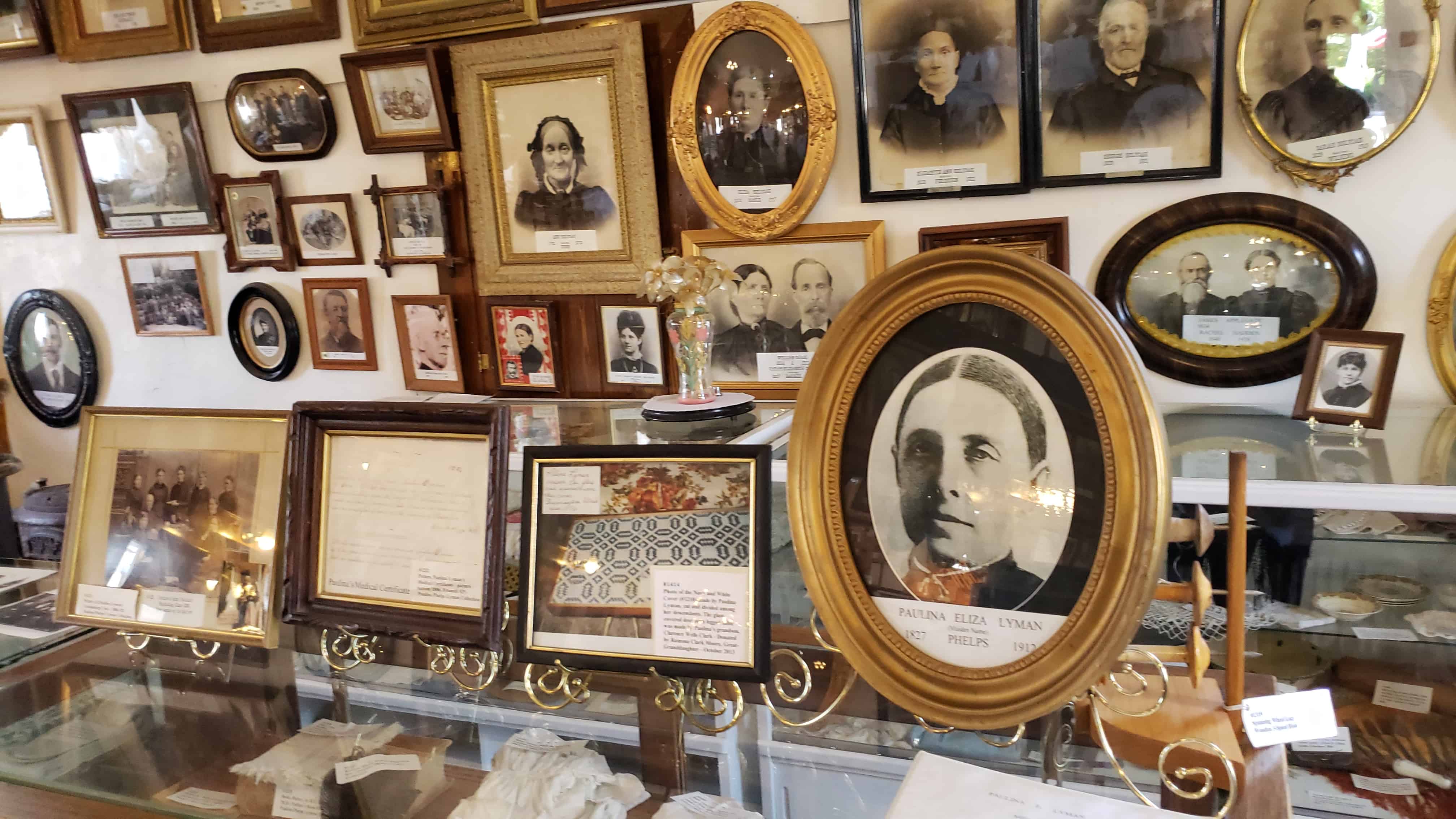
This church built of sandstone brought from Parowan Canyon, started in 1863 and completed about 1876, was the religious center of Parowan Valley. The large amusement hall in the basement was used for school and dances. A stage was erected in the south end where Pioneer Dramatic Association presented plays. In 1918 church activities ceased. By 1826 it had deteriorated. The Daughters of Utah Pioneers asked permission to recondition the building for a Memorial Hall which was granted.
“I commenced a grammar school in my wickiup by the light of the fire and only one grammar book.” Diary of George A. Smith, February 25, 1851.
The first school house, 18 x 24 ft., was built west of the Council House and dedicated December 25, 1851. This log Council House, 22 x 45 feet was erected in 1851 with a large stage, and it served as a social center for Iron County until the Rock Church was completed in 1867.
At Parowan, a pioneer industrial center was settled in 1851. Water for manufacturing and industry was carried by wooden flume from the canyon to the fort. Along this water line industries were established known as the Public Works. Among these were cabinet shop, tannery, gun and machine shop, blacksmith shop, wooden tub and bucket factory, pottery factory, saddle and harness shop and shoe shop. Located inside the fort was a grist burr mill. Monument erected on grist mill site.
This area, a part of the Great Basin, has evolved from the time of Lake Bonneville. It has known Anasazi Indian civilizations as evidenced by nearby ruins. It has seen the Dominguez-Escalante expedition of 1776 which passed west of this valley. It has hosted explorers and traders on the Old Spanish Trail which came through Bear Valley and entered the Parowan Valley at Little Creek. It knew the Jedediah S. Smith expedition in 1826. Even Parley P. Pratt and his company explored here in 1849 to search for sites for Mormon colonization.
Apostle George A. Smith led an expedition and colonized what is now Parowan in the year 1851. That spring, 40 acres were cultivated near Black Rock, south of town. In 1852 others joined the farming venture, building rude huts for shelter at “Red Creek,” as it was originally named. In 1853 the settlement was abandoned due to Indian skirmishes, and was not resettled until 1855 when a fort was erected.
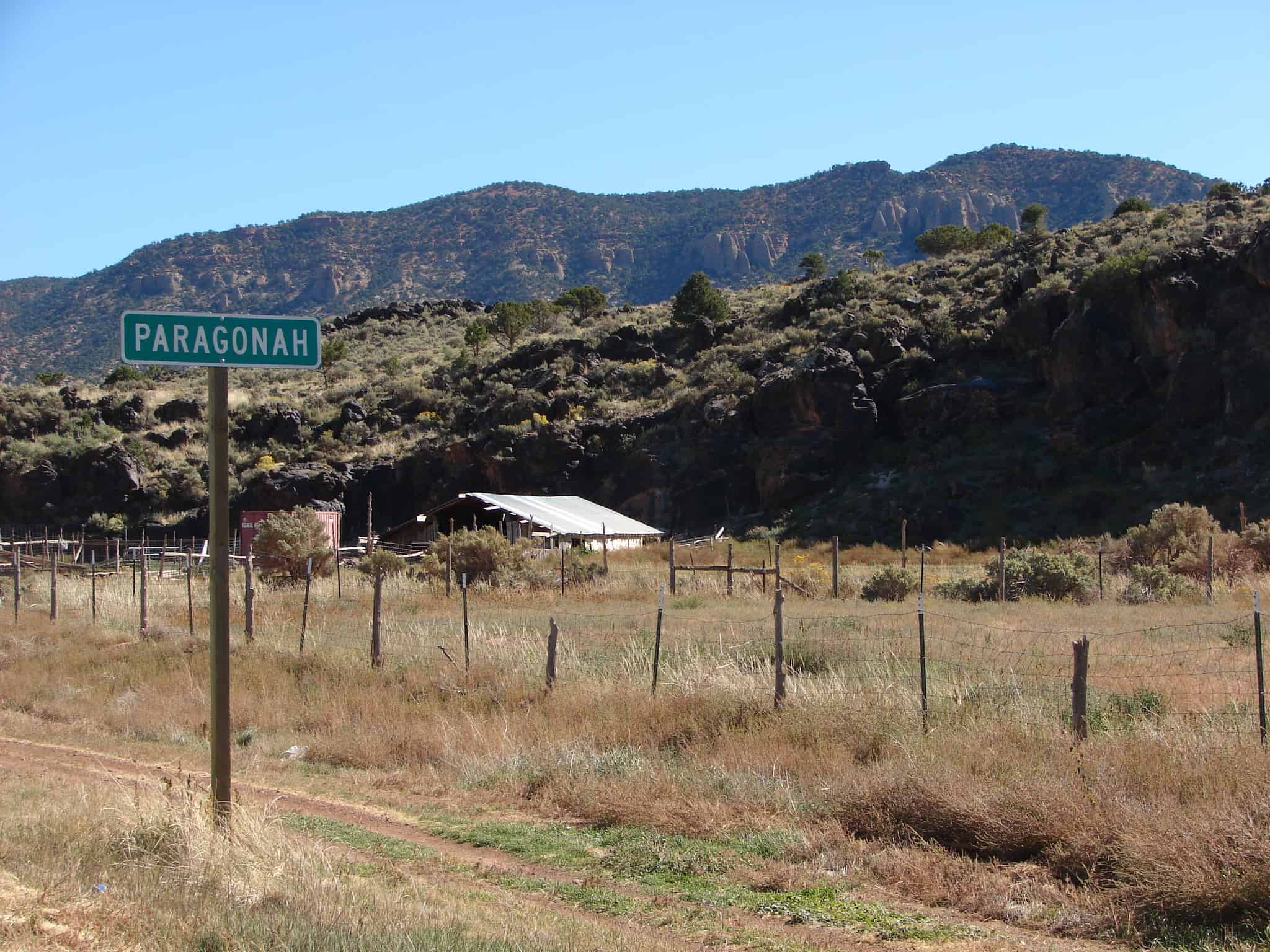
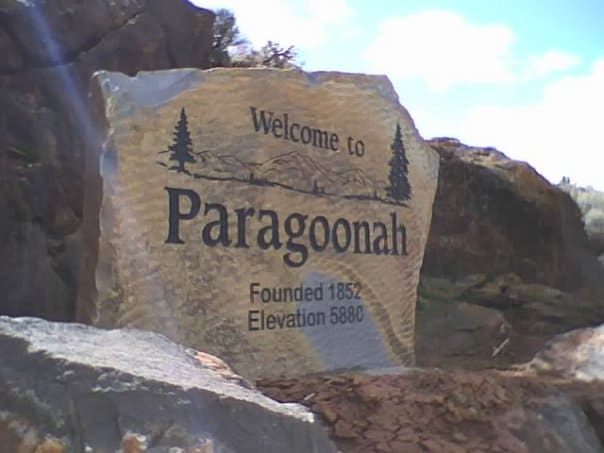
The town’s name was originally spelled “Paragoonah,” an Indian word meaning “many watering holes.” Artesian wells dotted the landscape, which today have been replaced by gravity-flow sprinkling systems that provide water to the abundant stands of alfalfa.
This Centennial year of 1996 finds a peaceful community with a spirit of unity, freedom from density of population, clear spring water, and clean air. Nearby canyons provide ample opportunities for fishing, hunting, and other recreation. Old homes and barns, the Black Rock Cave, and Anasazi remnants make it historically unique. Today, the proud community honors its past and future in the Town/Church square at this spot.
Enoch was originally settled as part of an iron mission along with Cedar City and Parowan. The area was originally known as Johnson Springs, as named by Joel H. Johnson, the earliest known white settler. In 1890, the area’s name was changed to Enoch, to avoid confusion with another settlement in Utah also named Johnson Springs. Enoch was officially incorporated on January 10, 1966, absorbing nearby Grimshawville, Stevensville, and Williamsville.
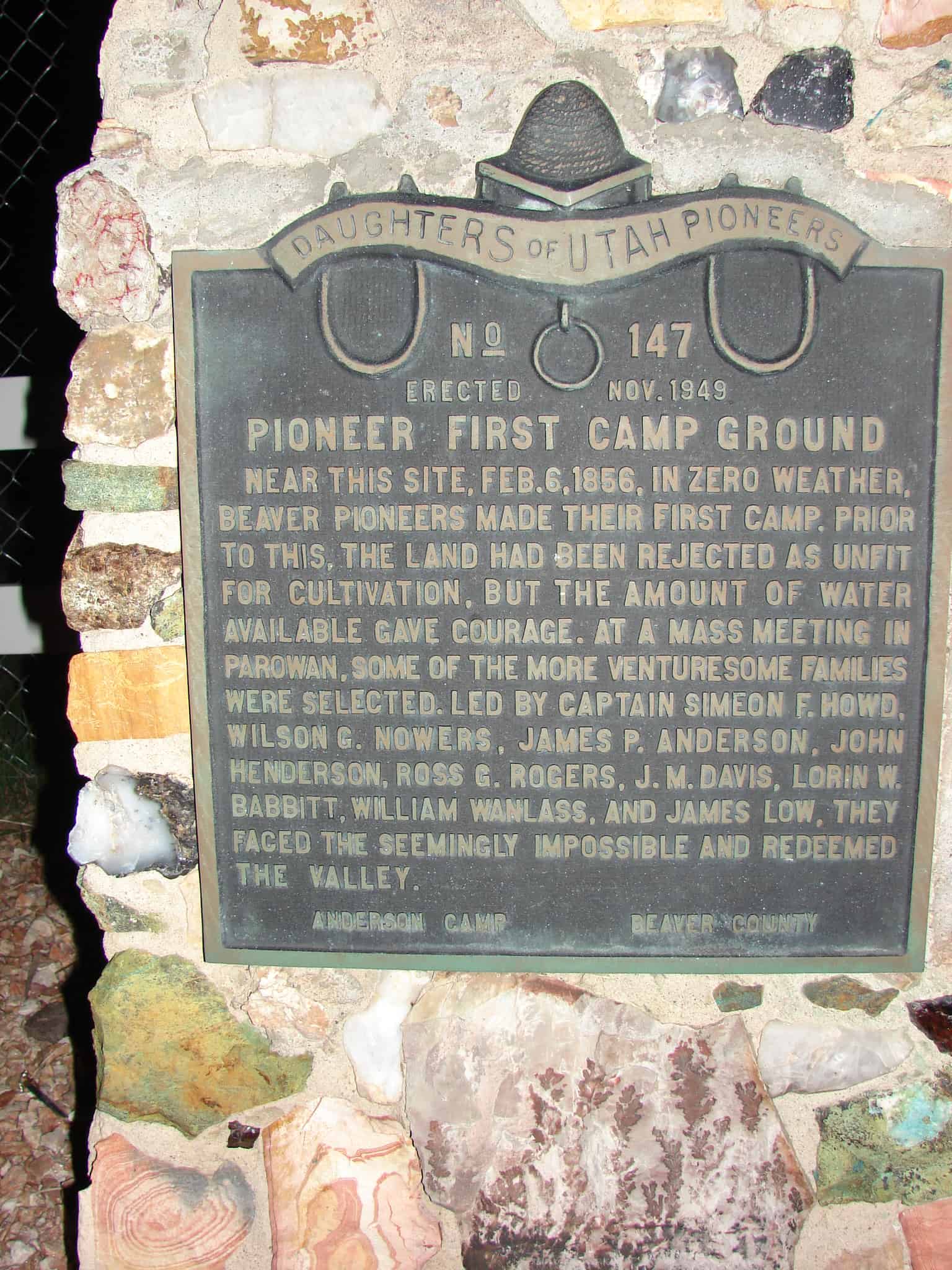
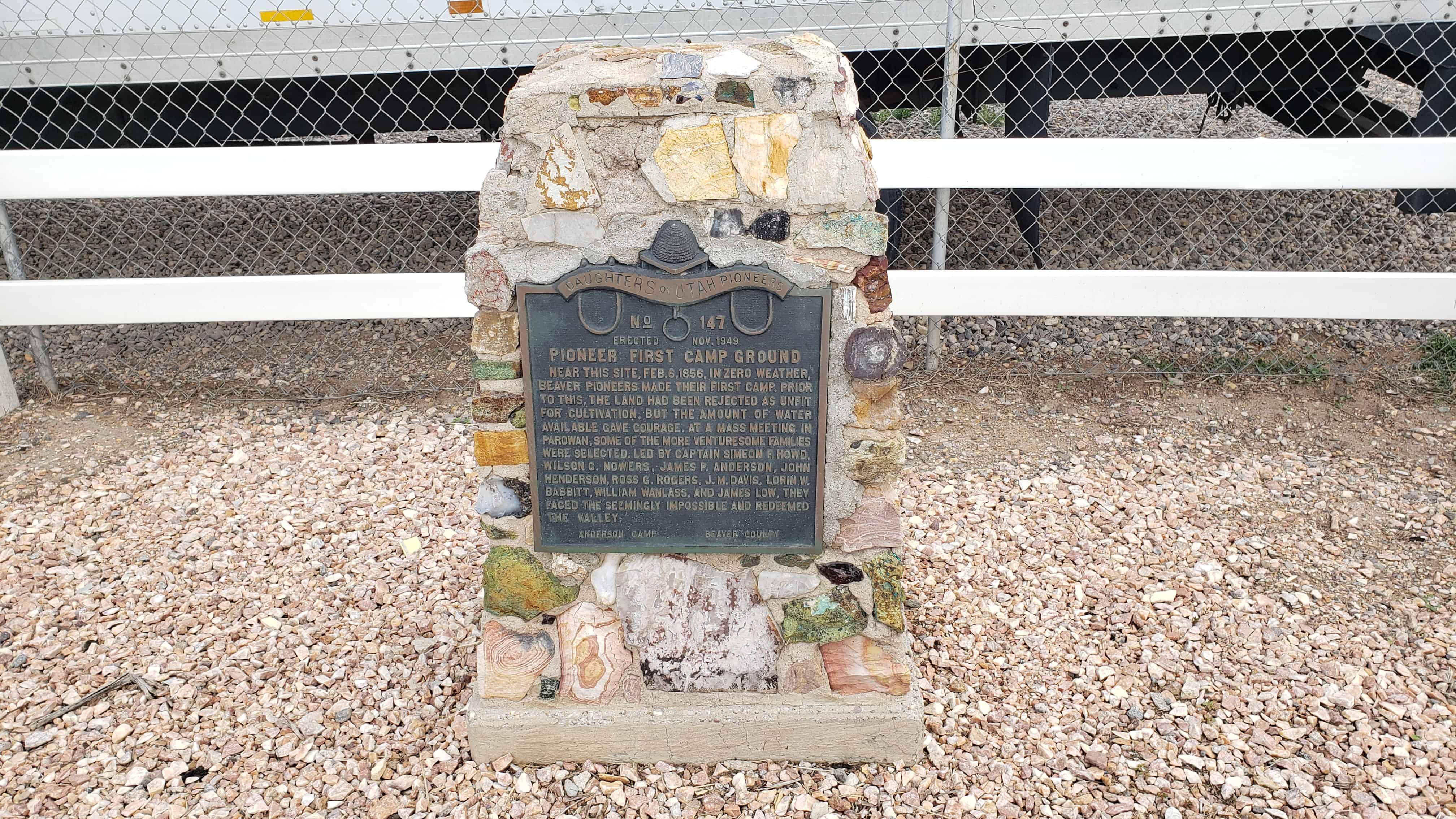
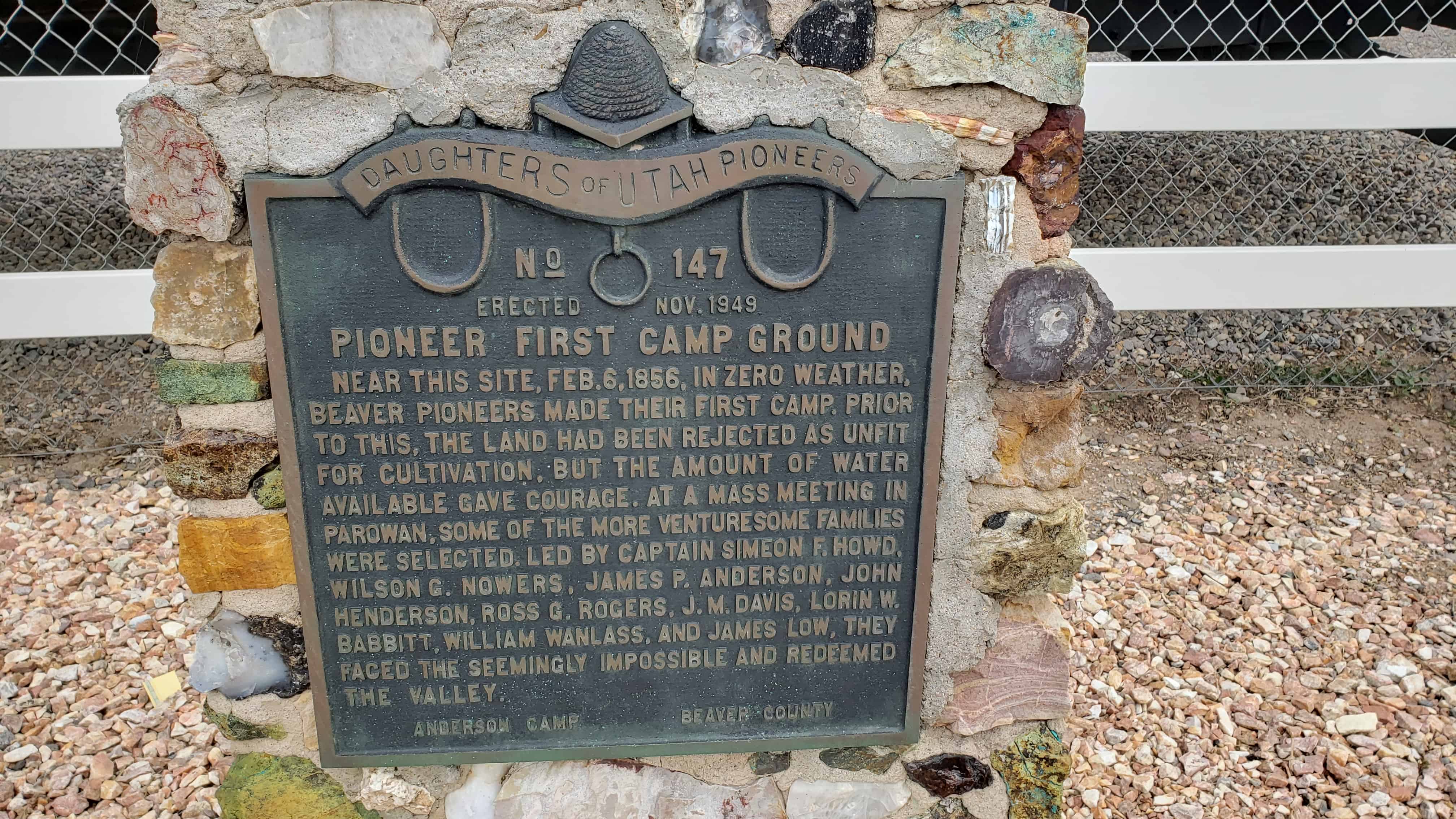
Near this site, February 6, 1856, in zero weather, Beaver pioneers made their first camp. Prior to this, the land had been rejected as unfit for cultivation, but the amount of water available gave courage. At a mass meeting in Parowan some of the more venturesome families were selected. Led by Captain Simeon F. Howd, Wilson G. Nowers, James P. Anderson, John Henderson, Ross G. Rogers, J.M. Davis, Lorin W. Babbit, William Wanlass and James Low they faced the seemingly impossible and redeemed the valley.