Tags
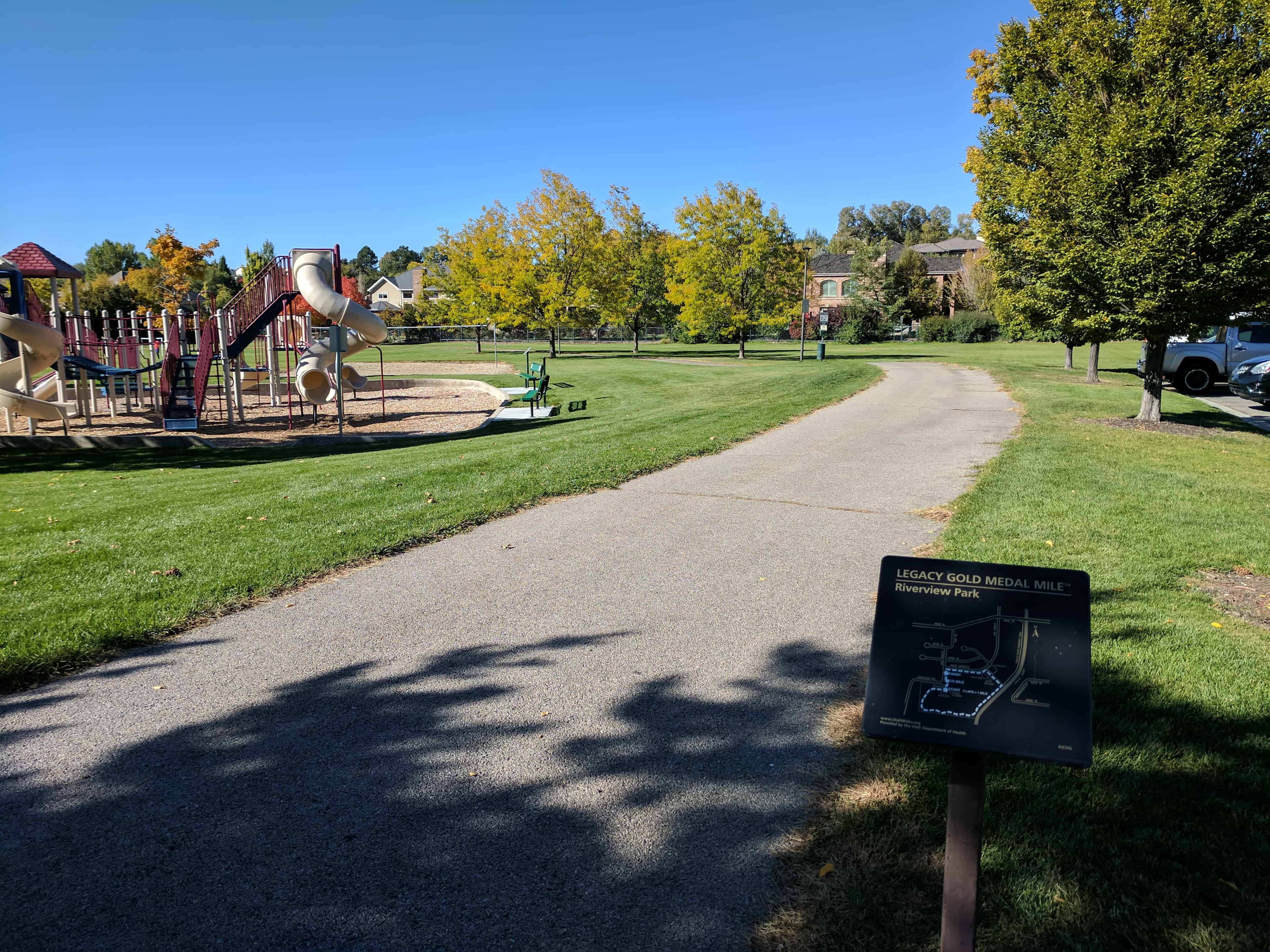
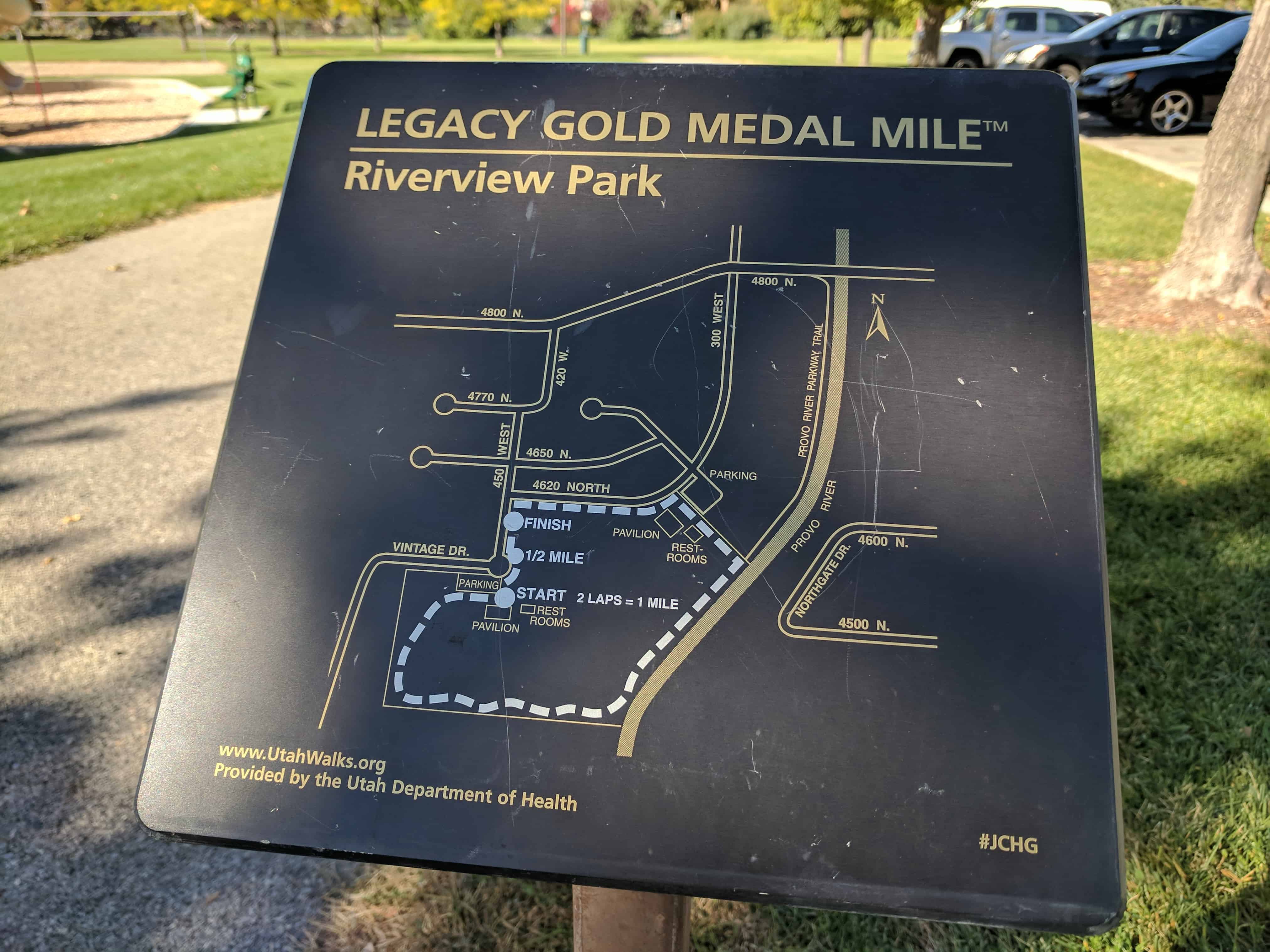
One of the Gold Medal Miles is located here in Riverview Park in Provo. For others on the list visit this page.


05 Tuesday Dec 2017
Posted in Uncategorized
Tags
One of the Gold Medal Miles is located here in Riverview Park in Provo. For others on the list visit this page.
05 Tuesday Dec 2017
Posted in Uncategorized
Tags

The Forerunner of Frontrunner: Provo-to-SLC trains Began in 1912
The Utah Transit Authority feels justly proud of its FrontRunner train which provides mass transportation to people along the Wasatch Front.
This form of transit is nothing new to Provo. Old-timers remember that such a system of transportation once existed in the Valley. Its official name was the Salt Lake and Utah Railroad, but most people called it the Orem Electric or the Orem Inter-Urban.
Interest in an electric railroad line connecting Utah Valley with Salt Lake Valley began in the 1890s. However, it was not until 1912 that Walter C Orem, for whom the city of Orem is named, provided the necessary experience and financing to establish a successful electric railway line.
Instead of laying tracks along the outskirts of town like the steam powered railroads did, the Orem Inter-Urban built its tracks right through nearly every town in Utah Valley from Lehi to Spanish Fork. This made the new railroad more convenient to commuters. The swinging, swaying motion of the passenger cars led to the train’s nickname, “Leaping Lena.”
In Provo, the new rails ran right down Center Street in 1914, and the company built its station at 100 West Center. The Inter-Urban also operated a short lived street railroad in Provo. Its first stretch of tracks ran from the mainline railroad tracks at 600 South up University Avenue to Brigham Young University on 500 North. This unprofitable line operated only a few years.
Many people used the Orem Inter-Urban to travel to Salt Lake City for work, shopping, and cultural events. By 1940, however, the railroads’s infrastructure and equipment began to fail. Soon the number of riders declined when World War II ended and automobiles became more readily available and highways were improved. On March 1, 1946, the Salt Lake and Utah Railroad ceased operating and workmen began removing its rails.
This is plaque #33 in the Series of Events from Provo’s History and it is located just north of Riverview Park.

05 Tuesday Dec 2017
Posted in Uncategorized
Tags

From Provo’s Website:
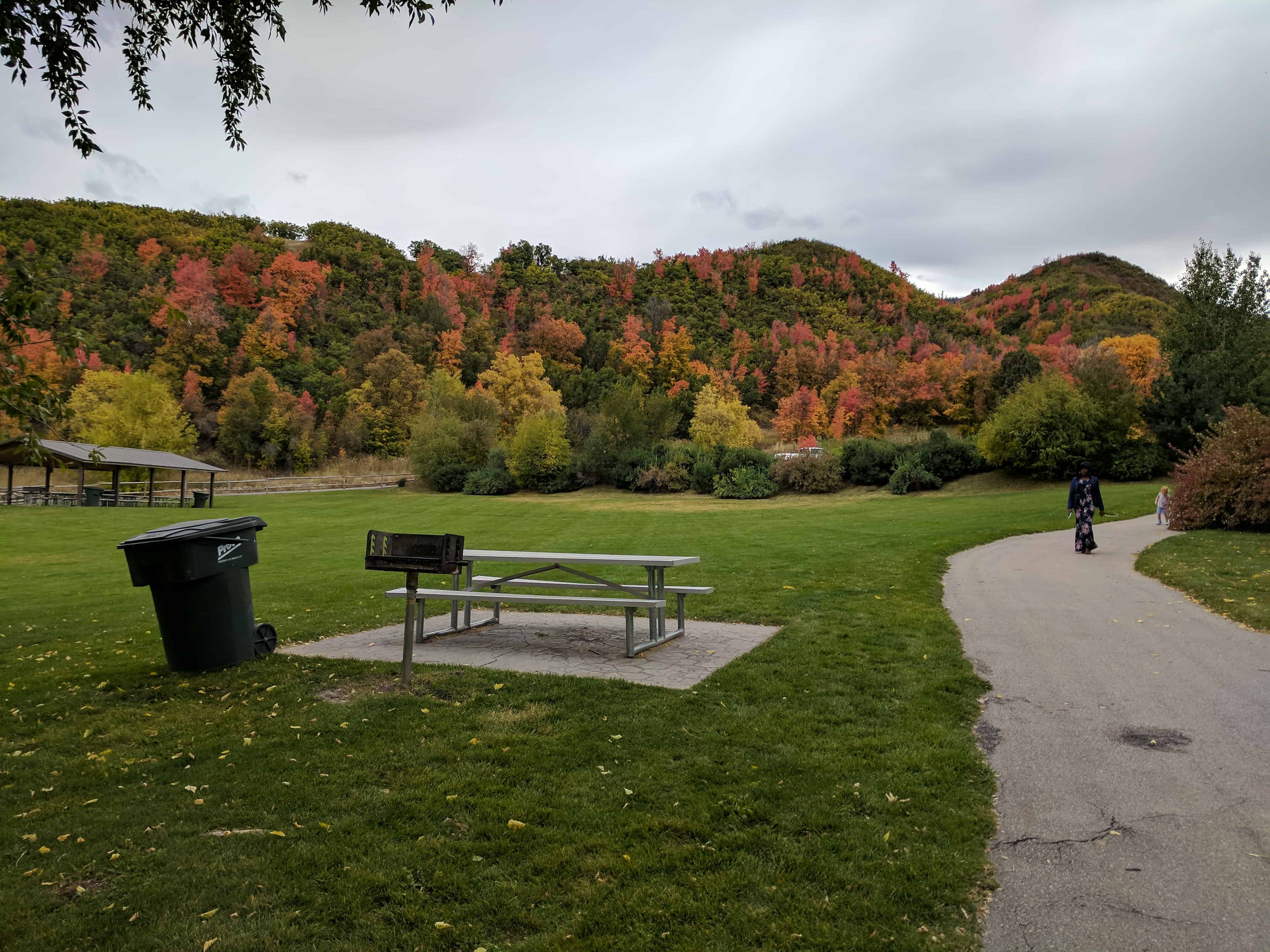
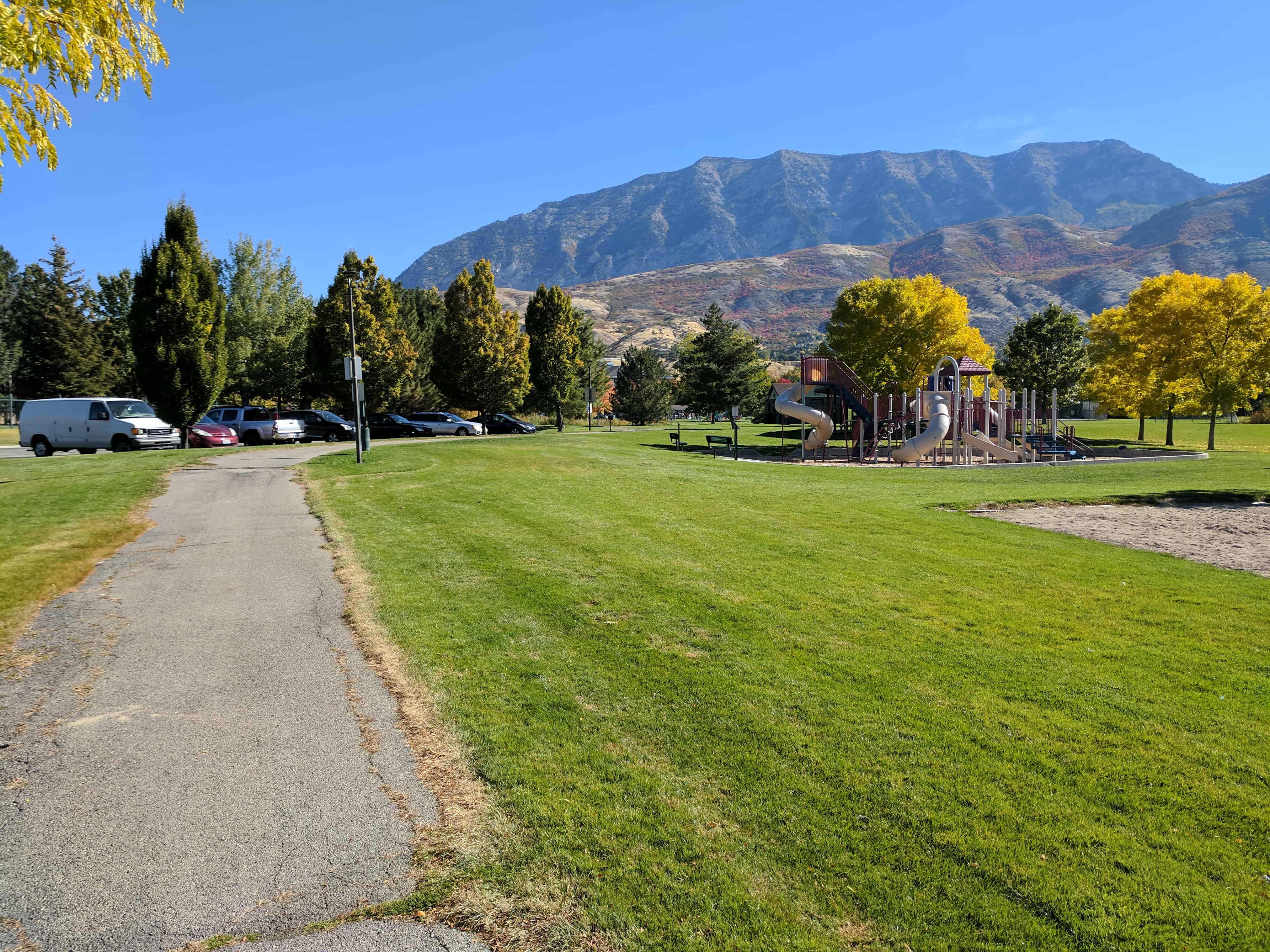
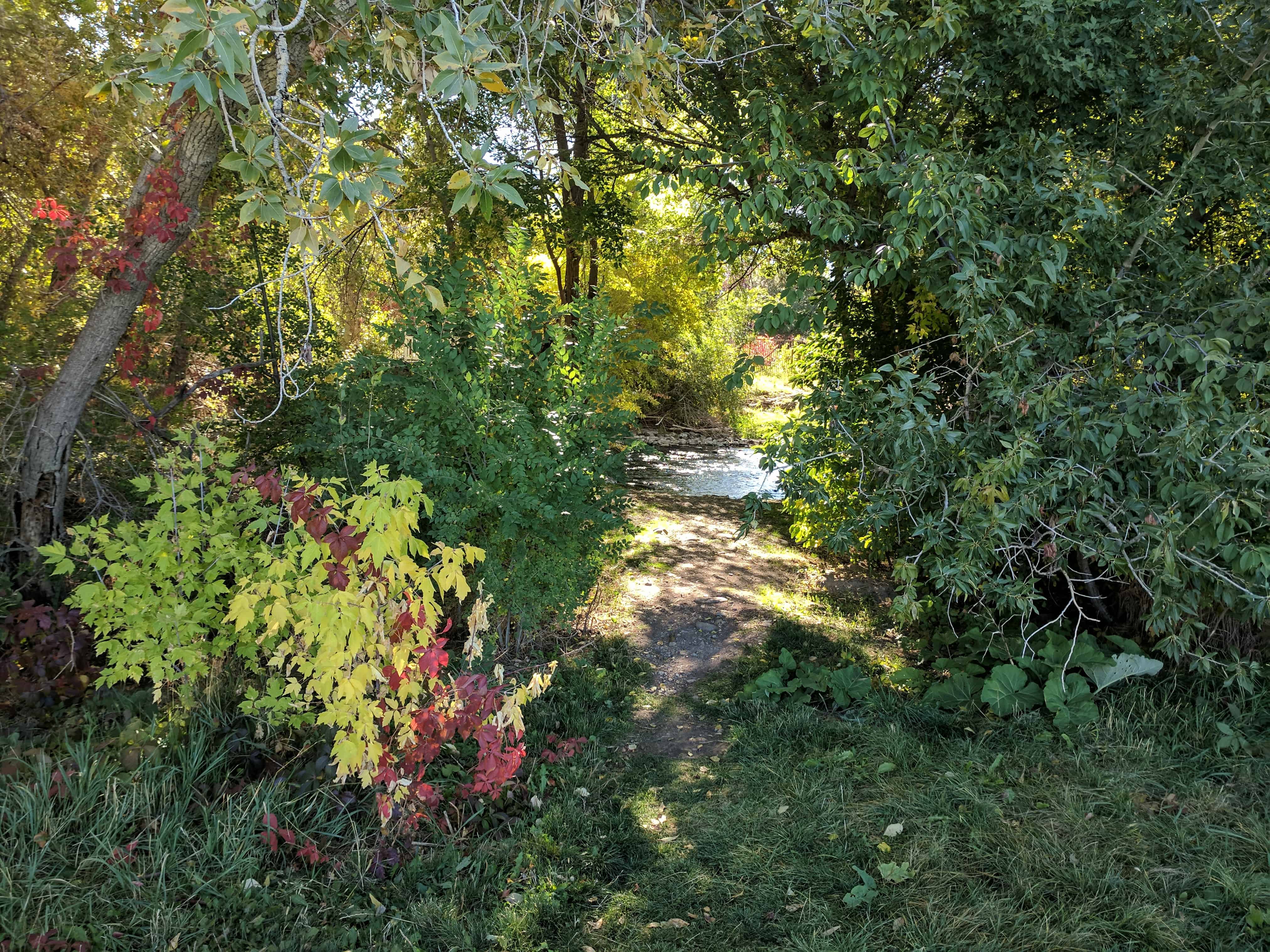
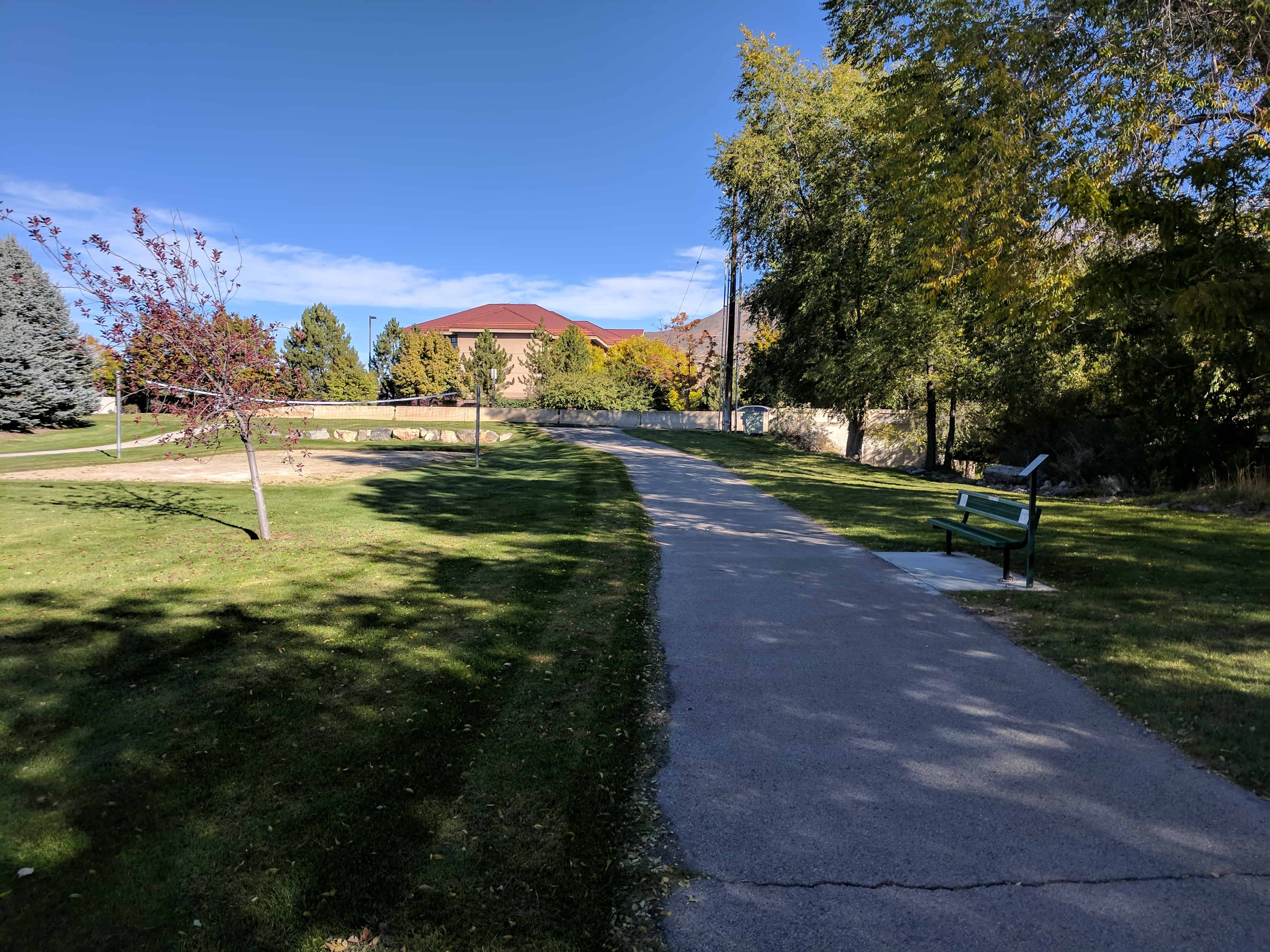
Sometimes called Vintage Park, Riverview Park is like two parks in-one! Each pavilion has easy, close access to a playground and restroom. There is a lazy river that meanders through the park that children and adults love to cool off in on hot summer days. There is also a disc golf course, a tennis court, a volleyball court and a non-league softball area for those who want to work up a sweat. Excellent park for family reunions and company parties.
See also:




01 Friday Dec 2017
Posted in Uncategorized
Tags
01 Friday Dec 2017
Posted in Uncategorized
Tags
21 Tuesday Nov 2017
Posted in Uncategorized
Tags

Pioneers Made Their Initial Boat Trip on Utah Lake in 1847.
The presence of warlike Utes in Utah Valley helped convince the Mormon pioneers to settle in Salt Lake Valley in 1847. However, the newcomers did not lose interest in Utah Valley and its large freshwater lake.
On July 26, just two days after Brigham Young’s entrance into the Great Basin, he ordered workmen to construct a boat, Young planned to use this craft to explore the Great Salt Lake, the Jordan River, and Utah Lake (where men intended to try their luck at fishing).
The pioneer shipbuilders began work on a lightweight, flat bottomed skiff. This type of boat could easily be transported and could sail in shallow water. Workmen finished the boat on August 11. The very next day a small group of five anxious men loaded the skiff onto a wagon and started south to Utah Lake to explore and fish.
When these explorers reached the Point of the Mountain, they looked down its steep southern slope and decided not to go any further. The men were reasonably sure they could get the wagon and boat down the hill, but they worried that they could not get it back to the summit. The disappointed men launched the boat in the Jordan River and floated back to Salt Lake City.
It was the end of November after they had finished sowing their wheat that the pioneers made a second effort to launch the boat on Utah Lake. Parley P. Pratt and John S. Higbee led this expedition, and they took sufficient oxen to pull the boat up steep hills. It was December 1, 1847, when this group launched the first Mormon boat on Utah Lake.
The men explored the west side of the lake where there were fewer Indians and tried their fishing nets with limited success. They caught only a few trout. After spending several days on the lake, the men returned to Salt Lake Valley. Luckily, they avoided a confrontation with the Indians.
This marker is #35 in a series, see the others on this page.

19 Sunday Nov 2017
Posted in Uncategorized
Tags
Provo Once Thought it Should Be Utah’s Capitol City.
Provo grew rapidly during the 1880s and 1890s. Many of the old brick business buildings along University Avenue and Center Street were built during this boom period and local pride soared. Many residents thought Provo could be more than a regional business leader; they aspired to make it Utah’s capital city.
During a December, 1891, meeting of the Provo Chamber of Commerce, some civic leaders pointed out that that metropolis and commercial center of a state was nearer Utah’s geographical and population center than Salt Lake City was, and great possibilities for development lay in south and eastern Utah.
Provo Mayor John E. Booth presented a resolution to the territorial legislature in 1892 in which he offered land where BYU’s Maeser Building now stands as the site for the Capitol Building. Booth and others claimed the site was much prettier than the site proposed in Salt Lake City, and it would be easier to bring water to it. People in Provo started a subscription that was to be used to improve the grounds. For several years, local people referred to the site in Provo as Capitol Hill.
In 1894, Mayor Booth presented a bill in the territorial legislature asking that the capitol be moved to Provo. At this point, Salt Lake City offered land on Arsenal Hill to the state free of charge, and the city’s leaders stated that the building of the capitol in Salt Lake City would offer work to the city’s poor. The legislature failed to pass a bill establishing a site for the capital.
Provo made a last ditch effort to become Utah’s capital city in 1895 by proposing that the question should be brought to the vote of the people. This notion was rejected and the legislature chose Salt lake City as the capital. Provo reluctantly gave up the fight to become the capital, but not the notion that she was worthy of it.
This marker is #35 in a series, see the others on this page.

04 Saturday Nov 2017
Posted in Uncategorized

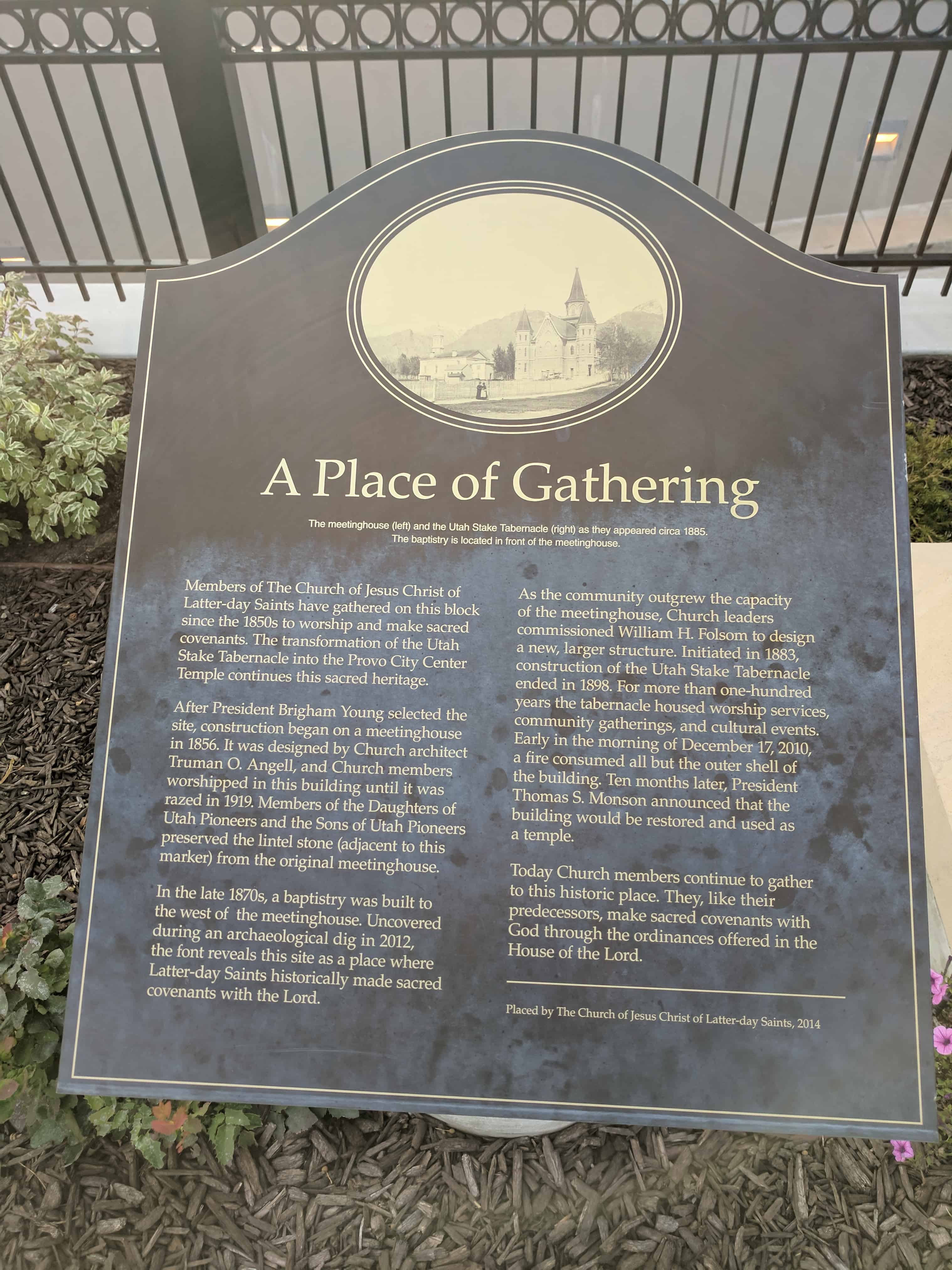
(Above: The Meetinghouse and the Utah Stake Tabernacle as they appeared circa 1885. The baptistry is located in front of the meetinghouse.)
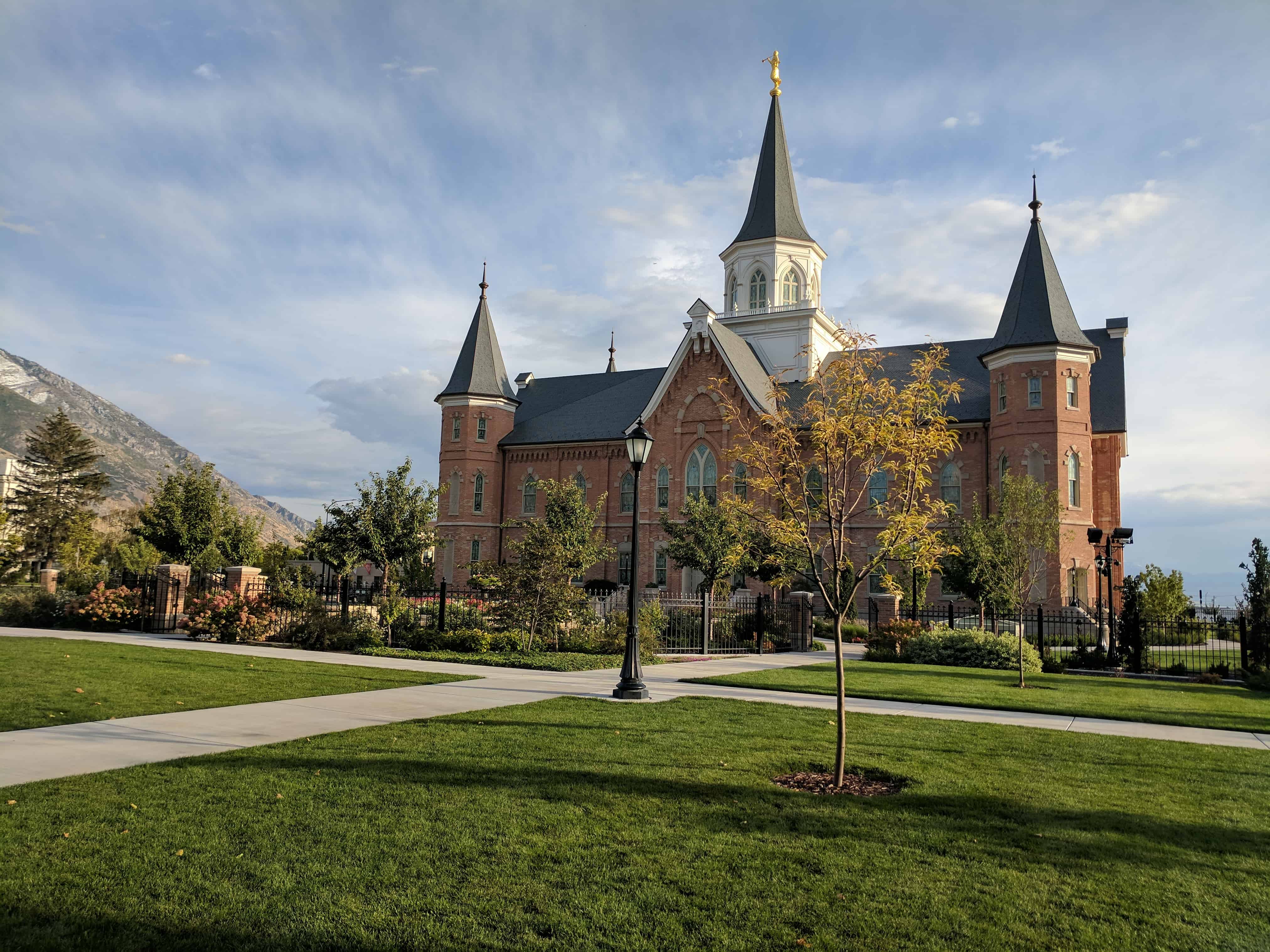
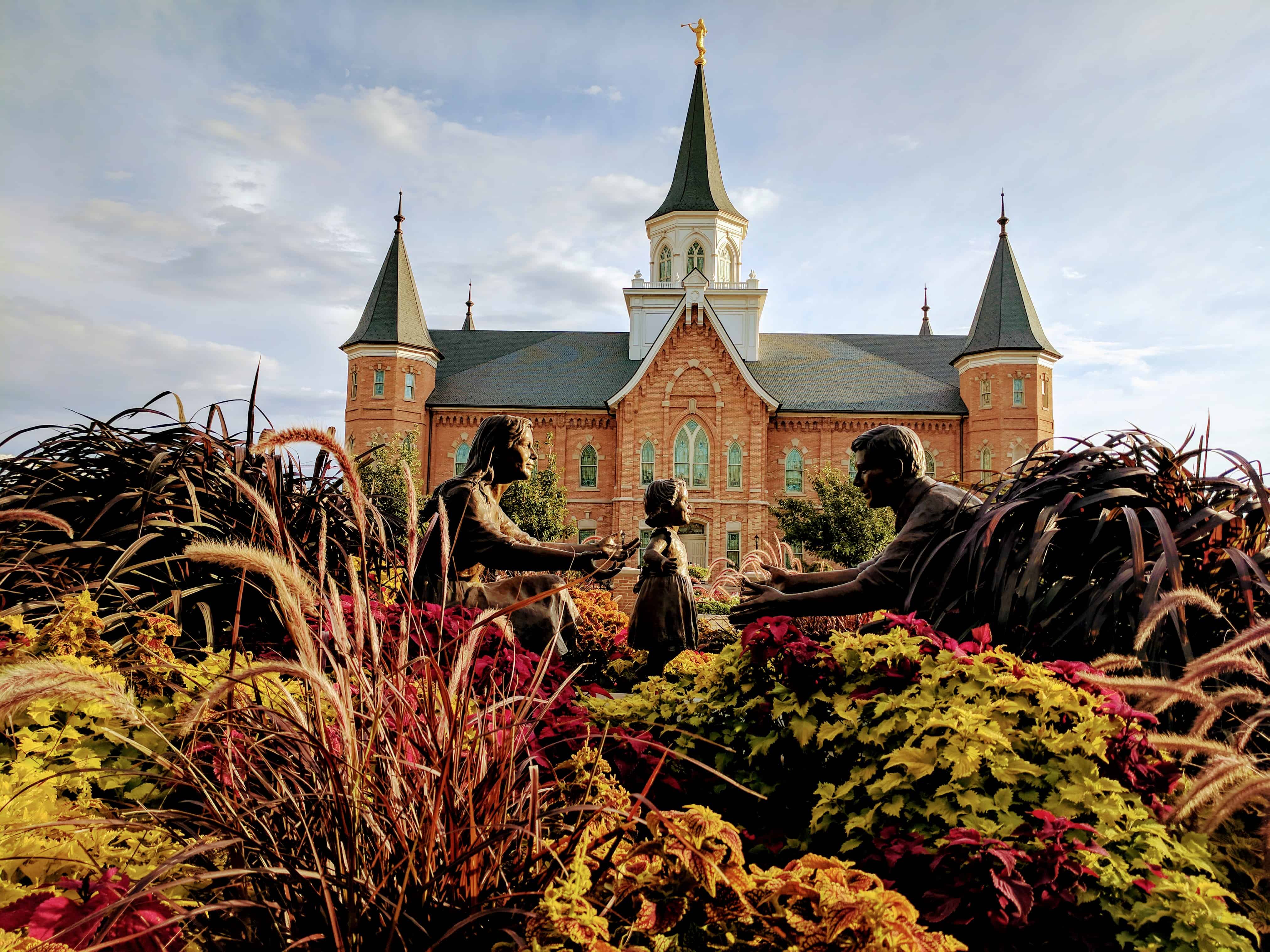
Members of The Church of Jesus Christ of Latter-day Saints have gathered on this block since the 1850s to worship and make sacred covenants. The transformation of the Utah Stake Tabernacle into the Provo City Center Temple continues this sacred heritage.
After President Brigham Young selected the site, construction began on a meetinghouse in 1856. It was designed by Church architect Truman O. Angell, and Church members worshiped in this building until it was razed in 1919. Members of the Daughters of Utah Pioneers and the Sons of Utah Pioneers preserved the lintel stone (adjacent to this marker from the original meetinghouse.
In the late 1870s, a baptistry was built to the west of the meetinghouse. Uncovered during an archaeological dig in 2012, the font reveals this site as a place where Latter-day Saints historically made sacred covenants with the Lord.
As the community outgrew the capacity of the meetinghouse, Church leaders commissioned William H. Folsom to design a new, larger structure. Initiated in 1883, construction of the Utah Stake Tabernacle ended in 1898. For more than one-hundred years the tabernacle housed worship services, community gatherings, and cultural events. Early in the morning of December 17, 2010, a fire consumed all but the outer shell of the building. Ten months later, President Thomas S. Monson announced that the building would be restored and used as a temple.
Today Church members continue to gather to this historic place. They, like their predecessors, make sacred covenants with God through the ordinances offered in the House of the Lord.
Related posts:





04 Saturday Nov 2017
Posted in Uncategorized
Tags

This sandstone lintel capped the front entrance of the Old Provo meeting house (Old Tabernacle), once a landmark of the tabernacle block.
The building was dedicated by Apostle John Taylor August 24, 1867 at services conducted by President Brigham Young.
It was dismantled in 1914-19 by George Albert Clark and Sons. The Clark Family donated it to the Sons and Daughters of Utah Pioneers of Provo for preservation.
Note: After the new Tabernacle was built in 1898, this meetinghouse continued to be used until 1918. This stone was then placed in Sowiette Park on July 24, 1954 and subsequently removed to be re-installed later on the temple lot of the new Provo City Temple.
Related posts:
See other historic markers in the series on this page for SUP Markers.

03 Friday Nov 2017
Posted in Uncategorized
Tags
Historic Markers, Provo, Provo River, SLSCR, utah, utah county
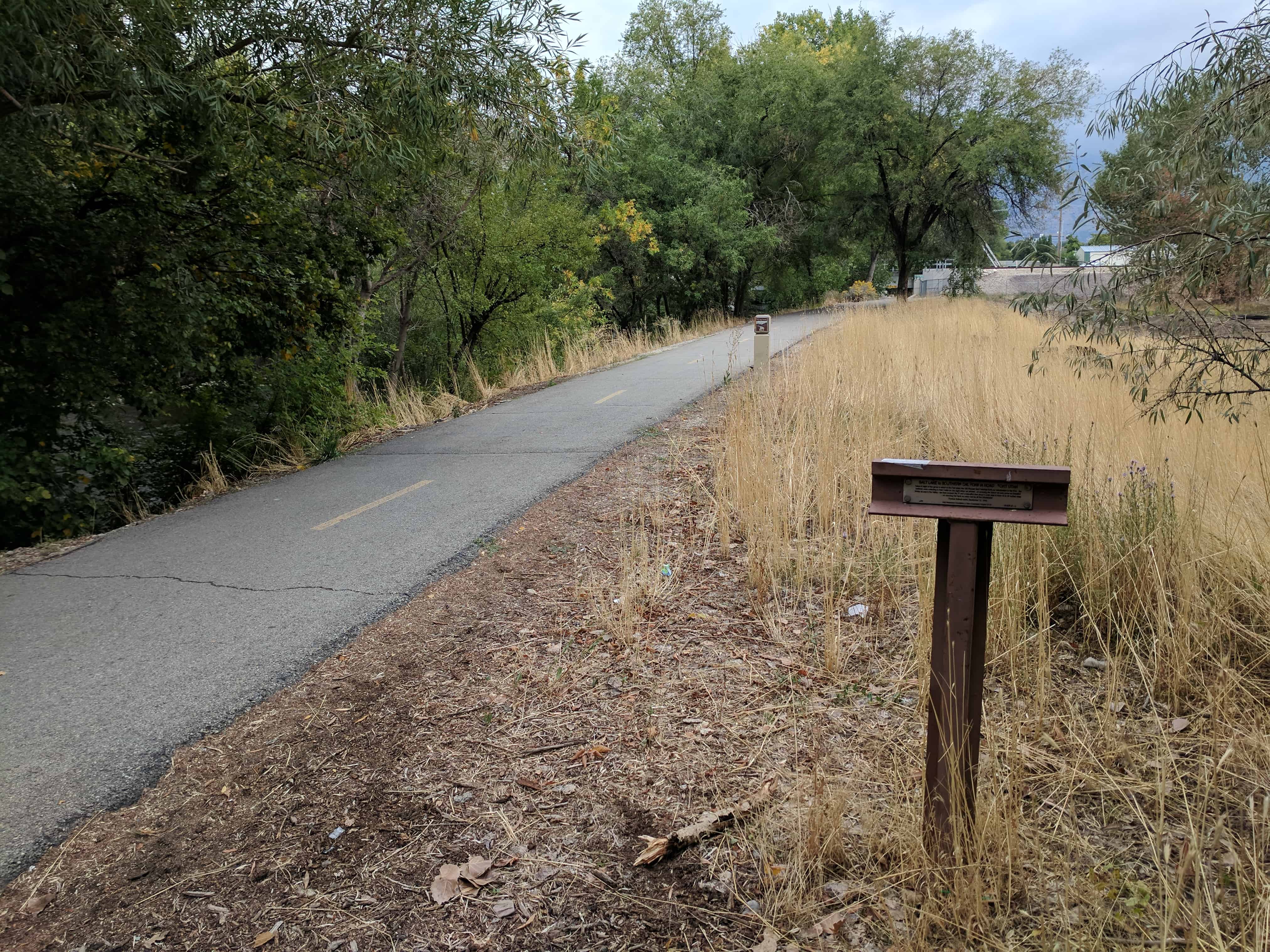
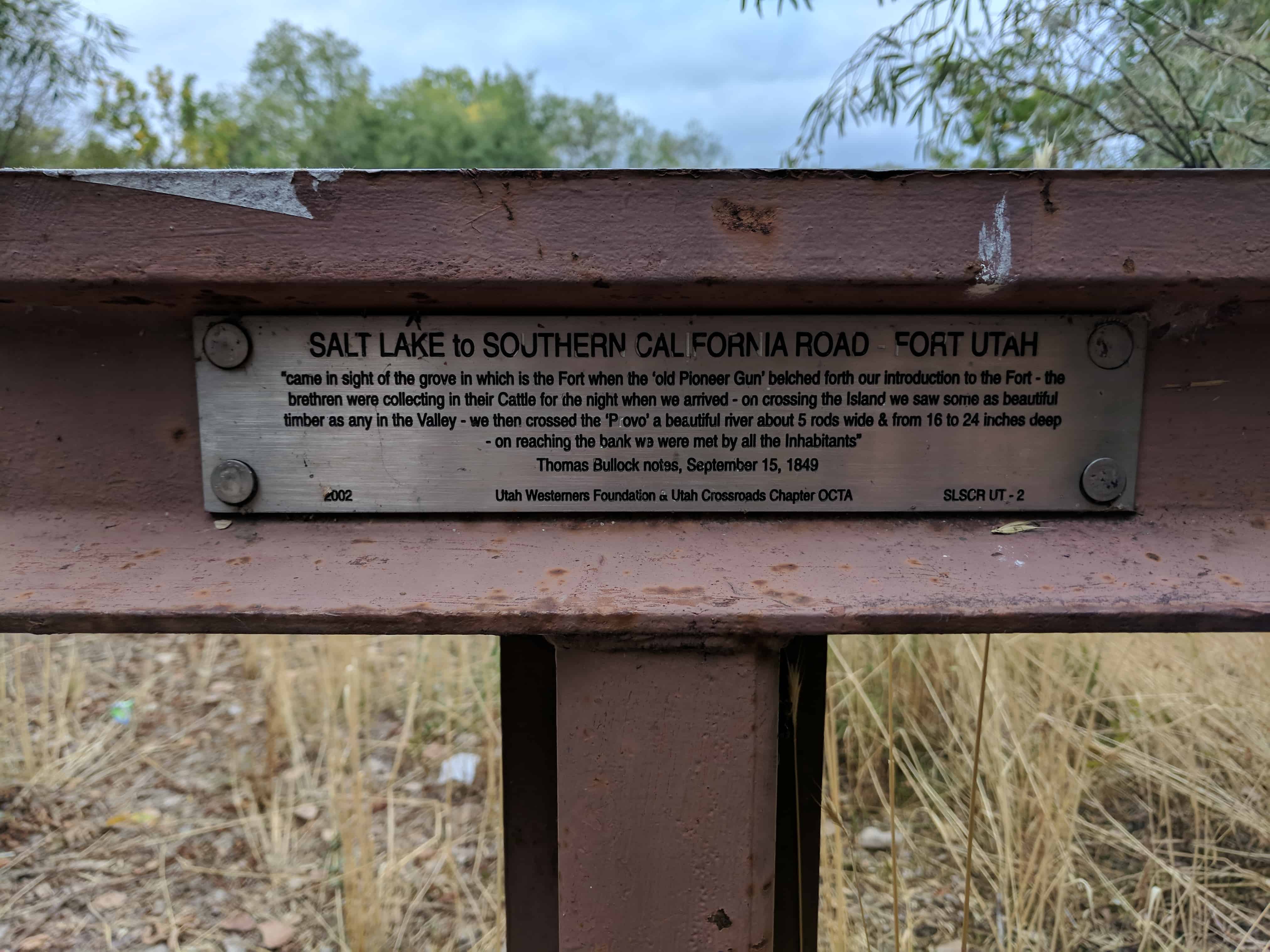
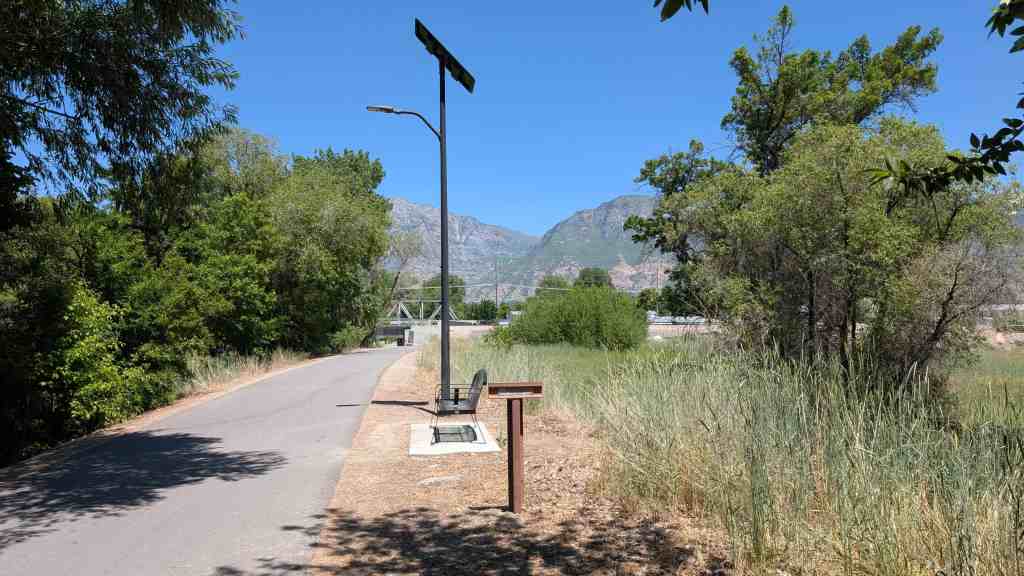
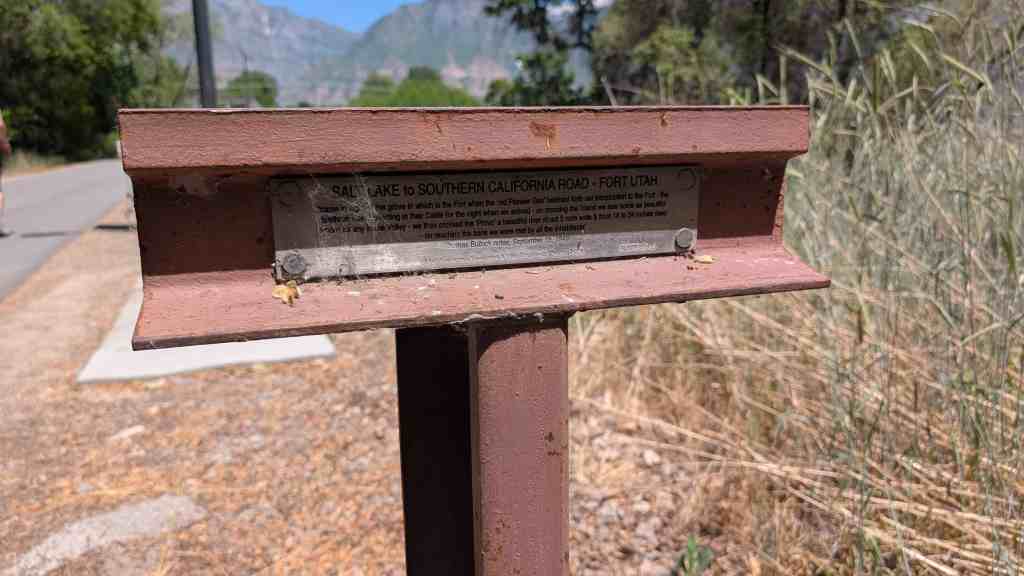
Salt Lake to Southern California Road – Fort Utah
“came in sight of the grove in which is the Fort when the ‘old Pioneer Gun’ belched forth our introduction to the Fort – the brethren were collecting in their Cattle for the night when we arrived – on crossing the Island we saw some as beautiful as any in the Valley – we then crossed the ‘Provo’ a beautiful river about 5 rods wide & from 16 to 24 inches deep – on reaching the bank we were met by all the Inhabitants.”
-Thomas Bullock notes, September 15, 1849
Related posts: