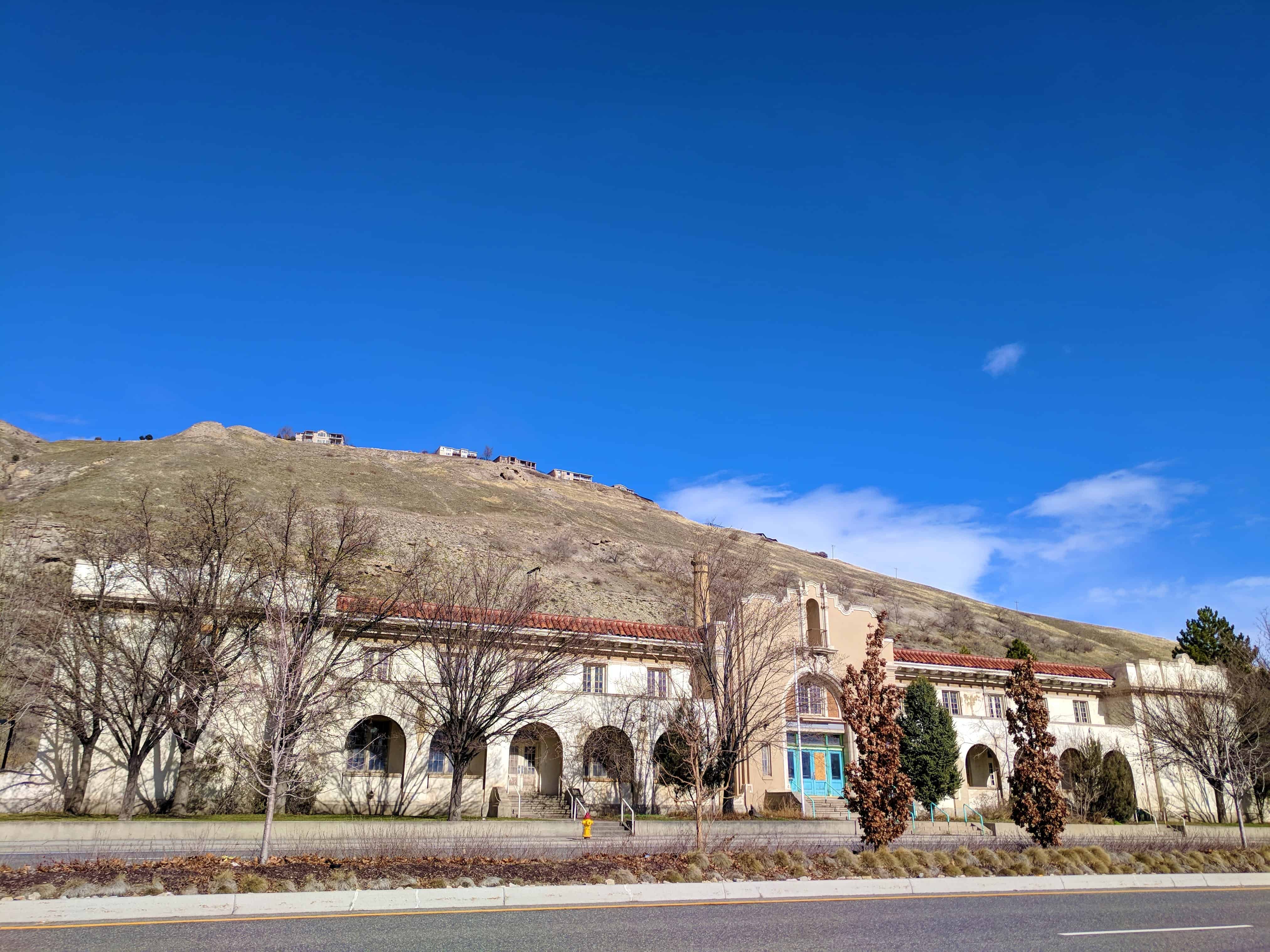
Wasatch Springs Plunge
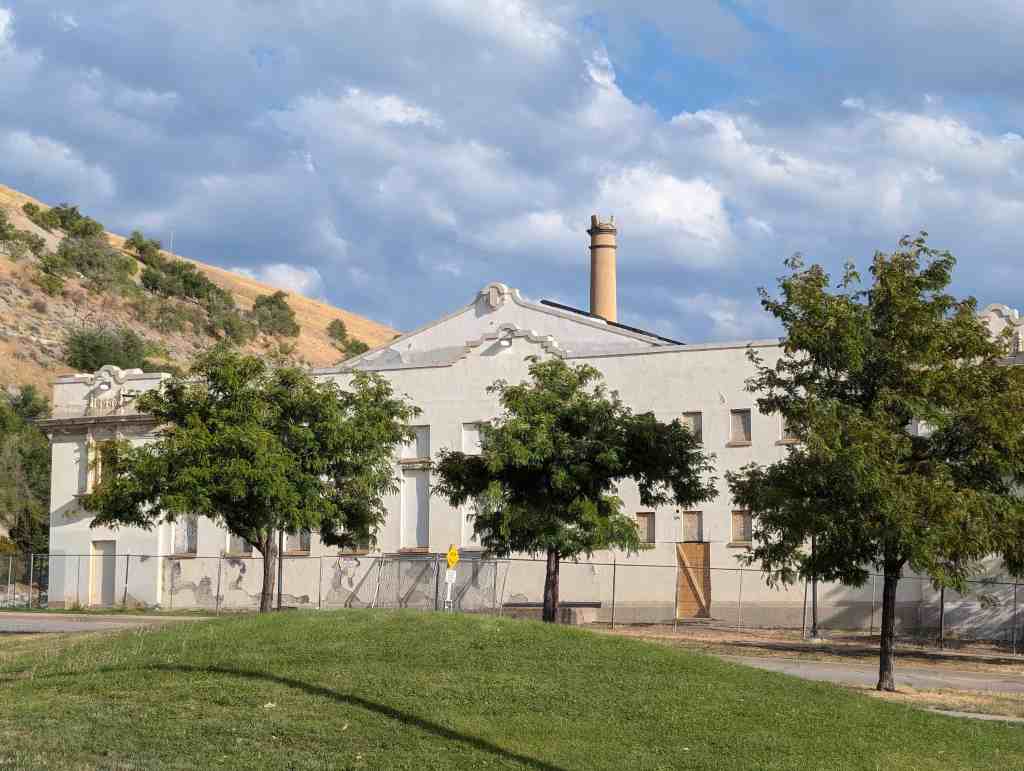
Built near several warm springs, the Wasatch Springs Plunge is significant for its Mission style architecture and as a early municipal recreational facility. The warm springs along this portion of the Wasatch Fault were used by Native Americans even before the arrival of the Mormon pioneers who quickly developed the springs and constructed numerous bathing facilities, praising the warm sulphurous water for its curative and rejuvenating qualities. The substantial masonry building was built by Salt Lake City in 1921 and replaced earlier frame buildings.
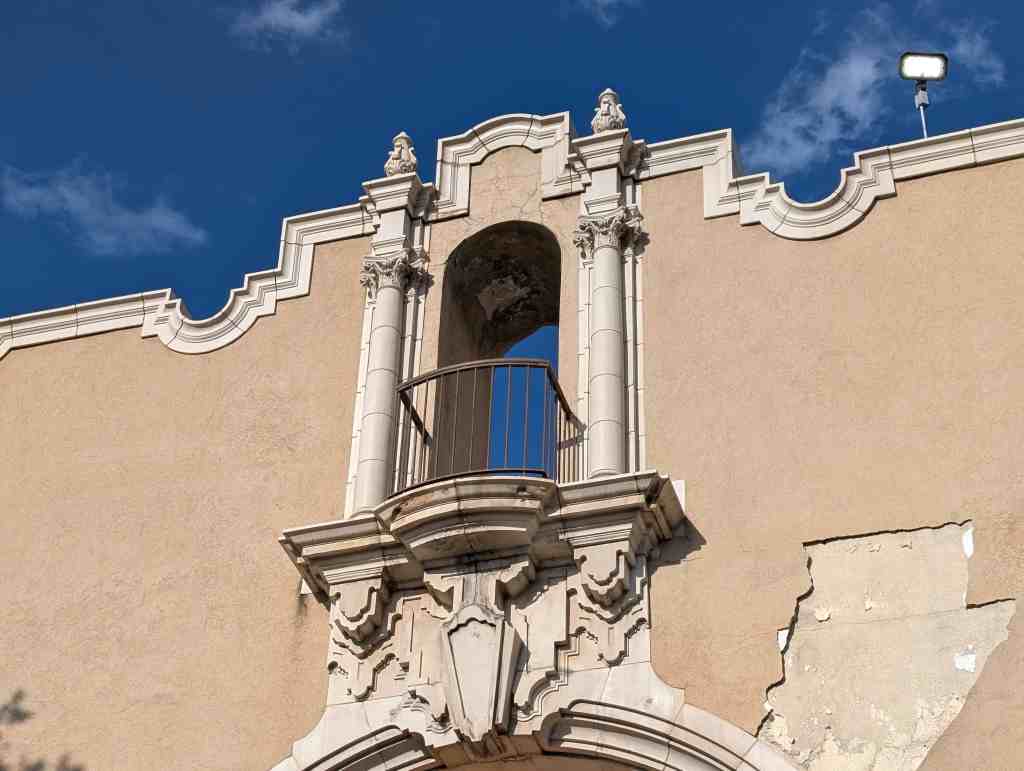
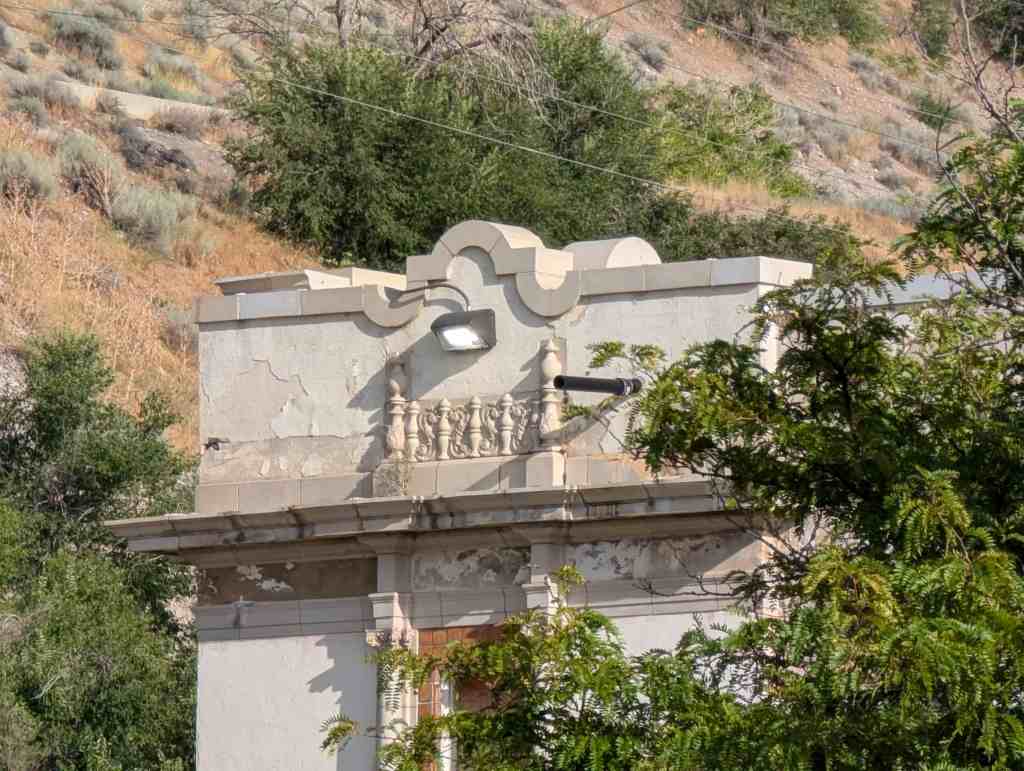
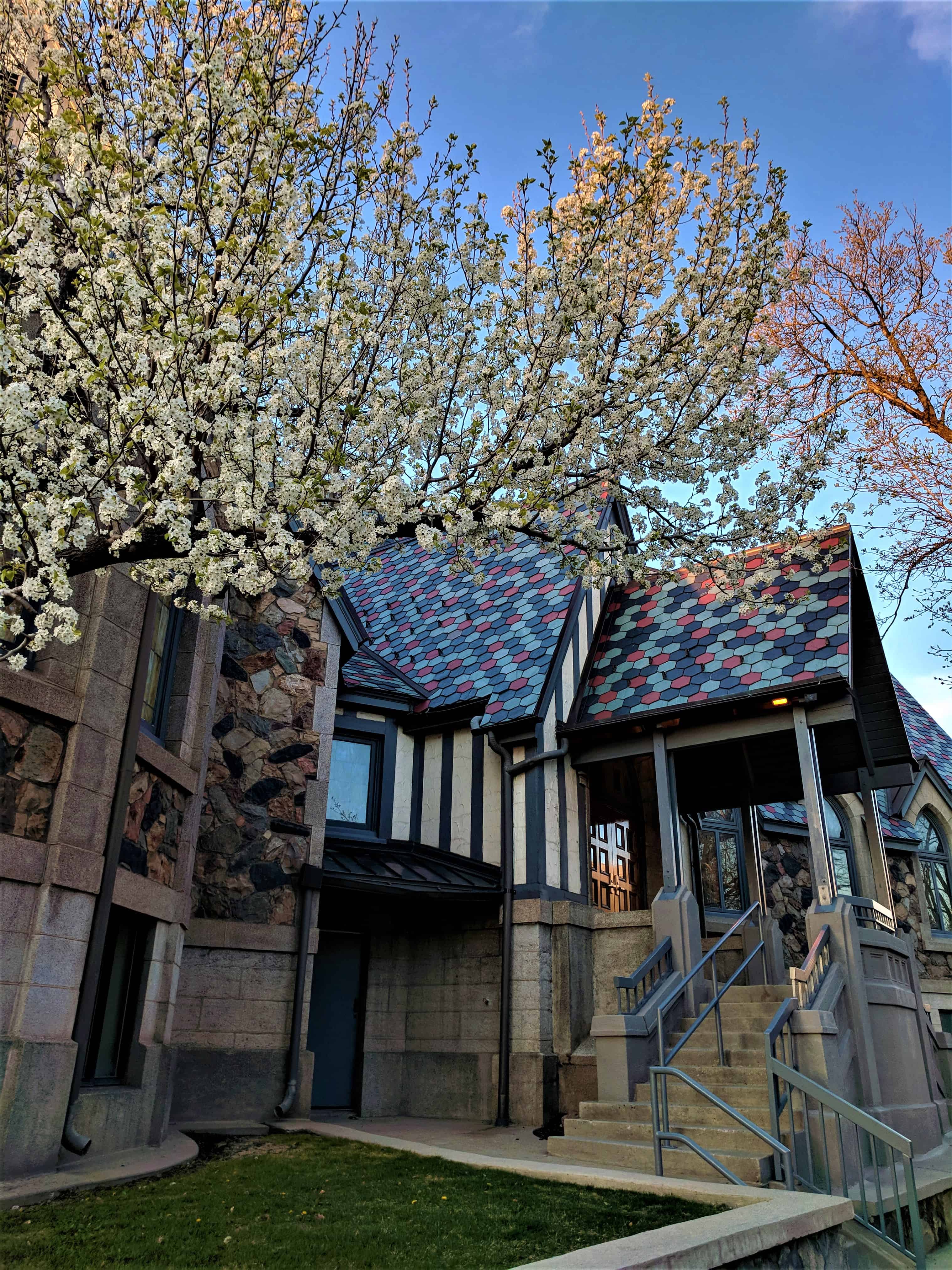
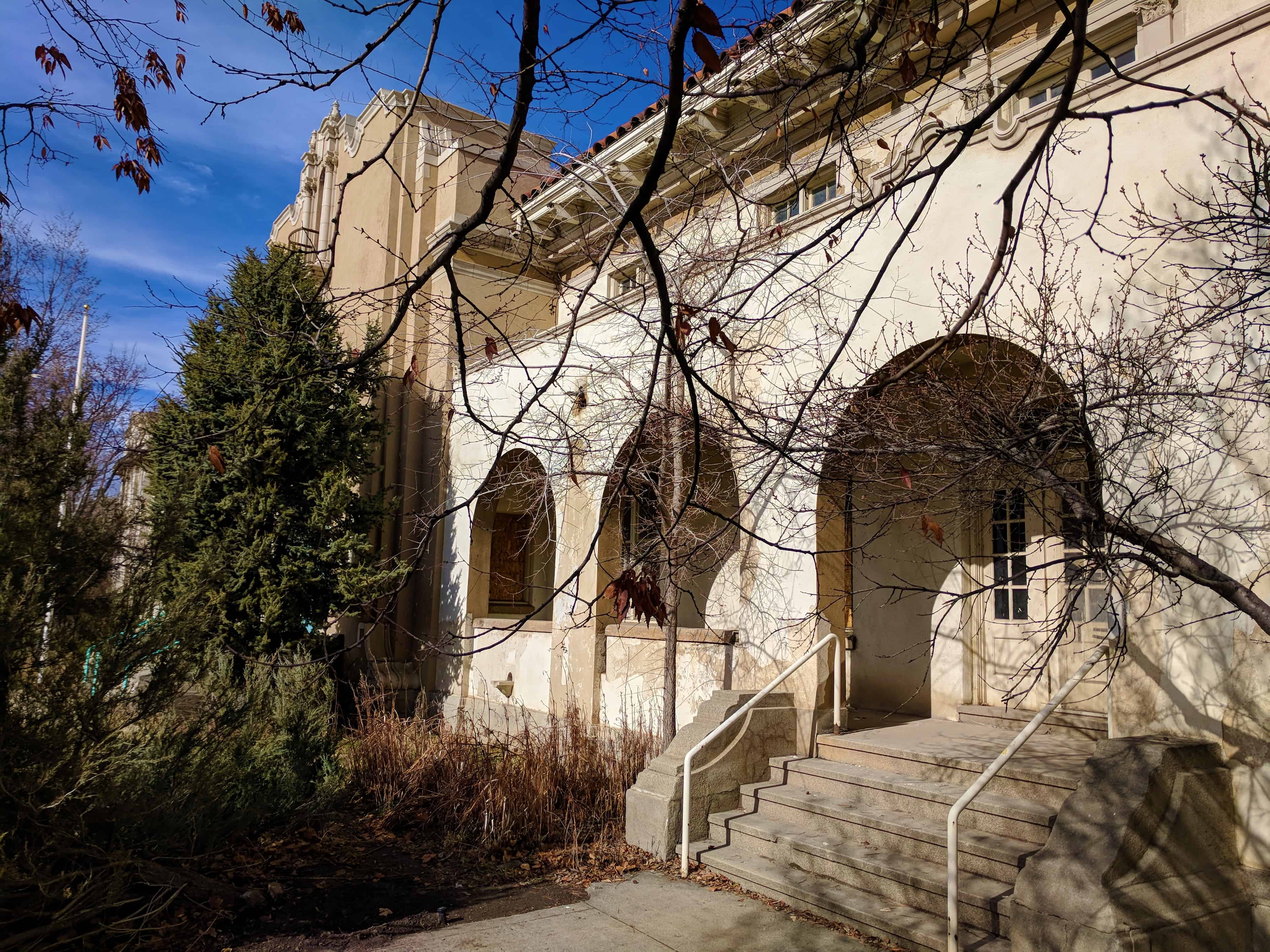
Designed by the noted local architectural firm of Cannon and Fetzer, the building exemplifies the Mission style. The stuccoed walls, red tile roofs, curvilinear parapets, arched openings and arcades are characteristic of Mission style which emanated from California at the end of the nineteenth century and was based on old Catholic missions.
Due to problems with the water, deterioration of the structure, construction of newer pools and changes in demographics, the facility fell into disuse in the 1970s and was closed. It was later rehabilitated and reopened in 1983 as The Children’s Museum of Utah.
Related Posts:
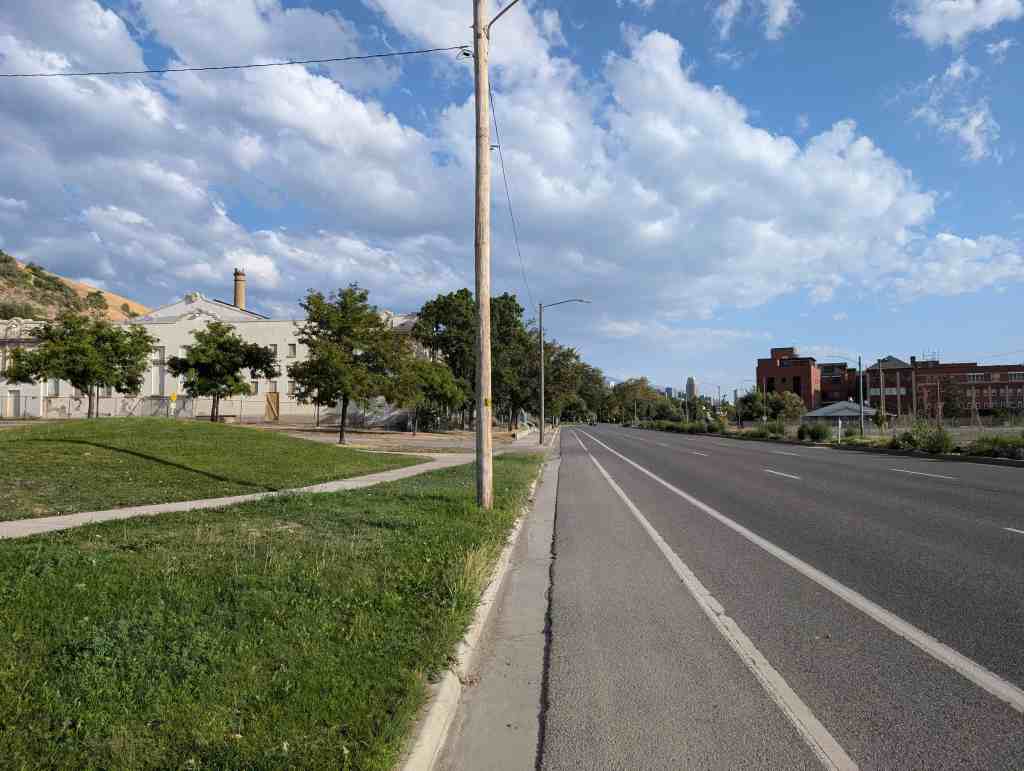
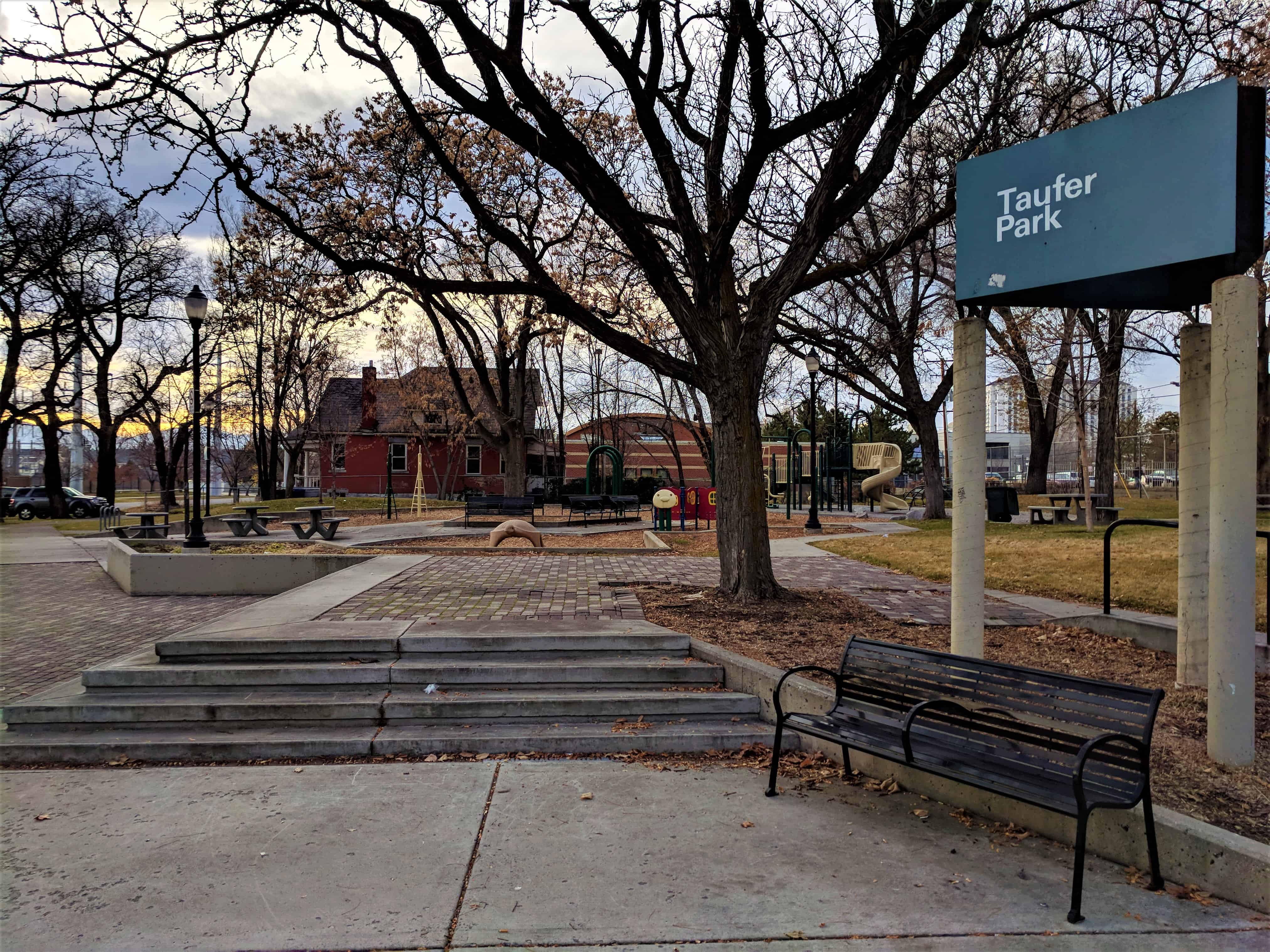
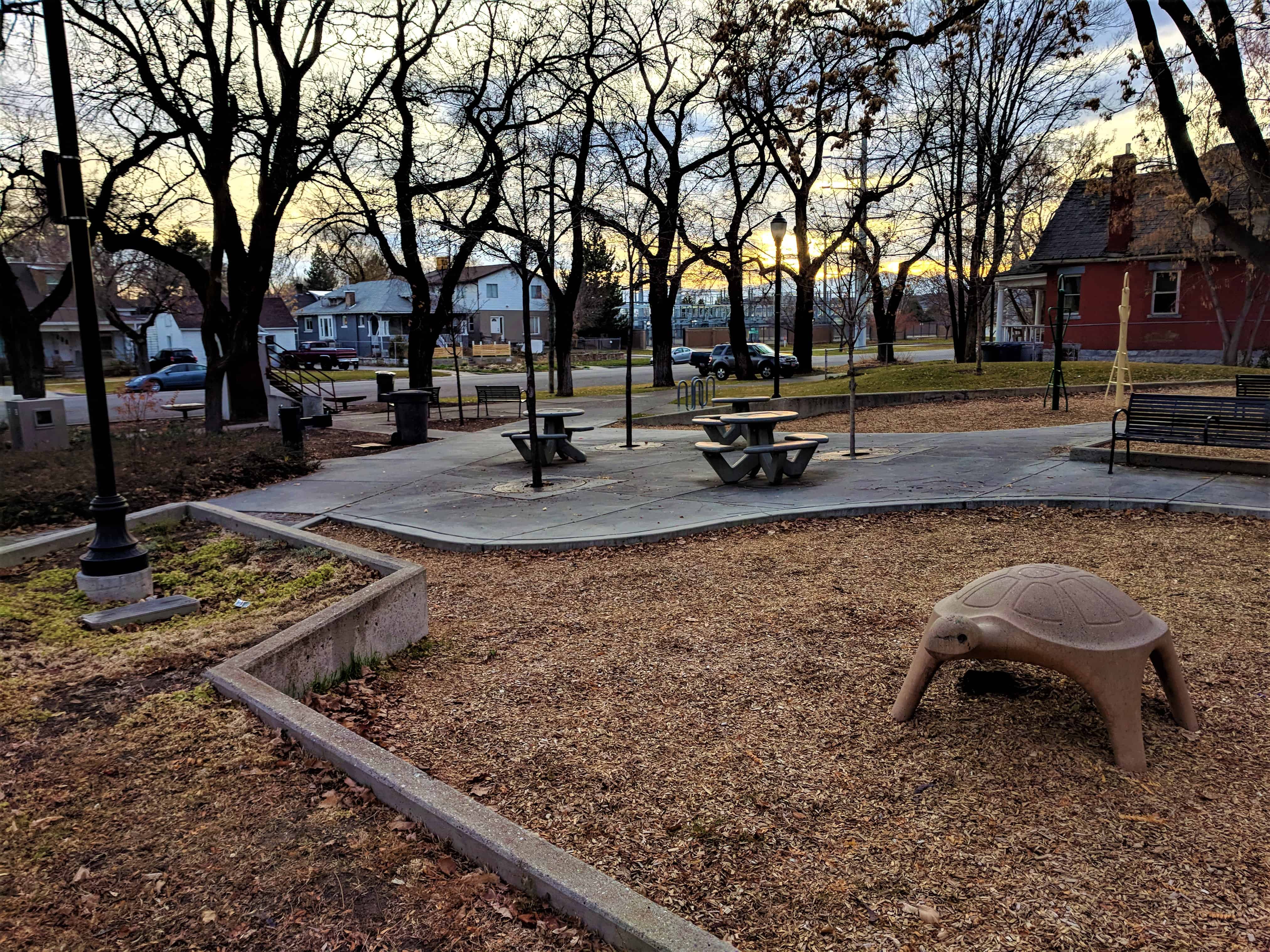
Located at 840 North Beck Street in Salt Lake City, Utah – also on the parcel are two parks, North Gateway Park to the north and Warm Springs Park to the south.
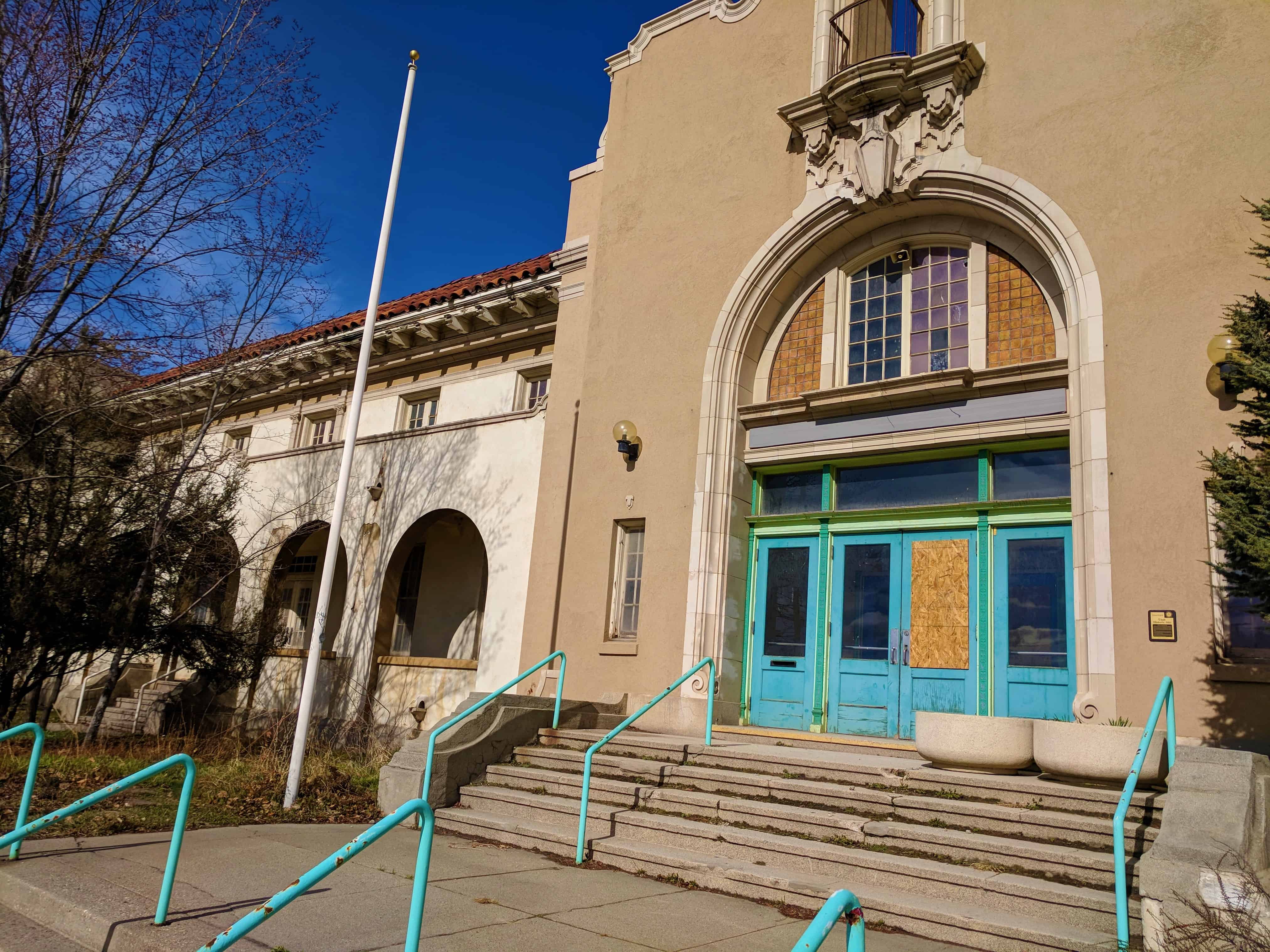
The Wasatch Warm Springs Plunge is significant as the last remaining evidence of the centuries long human use of mineral waters which rise along the Wasatch Fault at the north end of Jordan Valley. It also is significant architecturally as an example of Cannon and Fetzer’s work. Since Cannon and Fetzer are best known for their Prairie School designs, the Warm Springs is interesting as an example of their work in a different style, the Spanish Colonial Revival Style. The concept of a municipal warm springs bath on this scale providing grooming and sleeping facilities, is in itself unusual, making the function of this structure perhaps as significant as its design. The hillside thermal springs, which include Beck’s Hot Springs, Hobo Springs and Warm Springs, and the Hot Spring Lake which they created, once formed a 2-3 mile strip of sites in which the sick, the mystical, the playful could find solace and recreation.

The Plunge, which used the waters of Warm Springs, was built in 1921 by Salt Lake City as a municipal pool. Of the 17 areas in Utah whose springs yield thermal waters (15.5°C and Higher) 1 , this is the only one developed with public funds and that public support began in 1848. The plans for the Plunge were produced by the prominent Salt Lake architectural firm of Lewis T. Cannon and John Fetzer. For the next several decades, the Plunge served the thousands who came to swim and soak in the waters.
Wasatch Warm Springs Plunge used the waters of the Warm Springs and, in fact, the facility was called the Warm Springs Municipal Bath until 1932 when the name was changed to Wasatch Springs Plunge by city commissioners hoping to thereby encourage more summer business. The sign on the building, however, reads Wasatch Warm Springs Plunge.
Warm Springs was that spring nearest Great Salt Lake City which was established in 1847 by members of the Church of Jesus Christ of Latter-day Saints who were seeking refuge and security in the Great Basin. Warm Springs was, therefore, the first of the many mineral springs in the area to be developed as a health/recreational site. In fact, the close proximity of the springs was one of the factors which influenced the church leaders to establish their first and major settlement in the valley. The hot springs were thought to be valuable in curing many illnesses. This factor seemed important at the time, because many of the pioneers had suffered illness on the long trek from the middle west.
The 2-3 mile strip of hot springs and lake had been used for preceding
centuries by the American Indians – Shoshones, Utes, Paiutes – who traveled through the area on hunting, foraging, trading and social expeditions. The
earliest meetings between the Indians and the settlers during the winter of
1847-48 demonstrated the tragic consequences of such meetings for the former and their use of the Thermal waters. The Indians (Ute) caught from the settlers measles which spread among them as an epidemic. Mormon journalists reported: “They assembled in large numbers at the warm springs, bathed in the waters and died.”
The preceding years of use by Indian Peoples of the thermal waters have, thus far, not been described. No oral traditions concerning that use have been recorded. Perhaps future archaeological investigations may constitute to that description.

One of the members of the Mormon pioneer band who explored in July of 1847 the area round the settlers’ camp on City Creek described the original topography of the 2-3 mile strip: “A pretty large stream of sulphur water boils out of the rock at the foot of the mountain (Beck’s springs) and thence branches out into several smaller streams for some distance till those enter a small lake.”
It was another of these early settlers, Thomas Bullock, who first developed warm springs (about 1 1/2 miles north of the LDS Temple Block): “My fingers rooted out the stones, and a couple of brethren afterwards assisted me with spades to dig out a place, about sixteen feet square, to bathe in,..seven or eight persons often bathe in it at a time; those who once bathe there want to go again.”
Bullock also reported that church president Brigham Young ordered that a boat be built for use on the hot springs lake – one of the first of the pleasure boats used there for recreational purposes. The lake eventually became surrounded by hotels and boat docks and, according to oral tradition, houses of prostitution on the northwest shores. After 1892 when the city put in a gravity sewer system which served this north end of town, the lake began to slowly drain, it was completely drained in 1915, upon recommendations of the City Board of Health because it had become a mosquito breeding area.

The warm springs site developed by Thomas Bullock proved popular with residents and visitors alike. One of these early “tourists” to enjoy the springs was William G. Johnson, a member of an 1849 California-bound wagon train. He reported: “…a number of us visited a warm spring, one of the principal attractions of the valley and a possession of great value to the settlement…While there we met several men and children bathing, and learned that they visited it with great frequency. The Mormons, we were told, have great faith in the efficacy of the spring for healing, and as a panacea for diseases in general. By a regulation of the church, which governs matters secular as well as spiritual, on Tuesdays and Thursdays women only are allowed to bathe here, and the men on the other days of the week.”
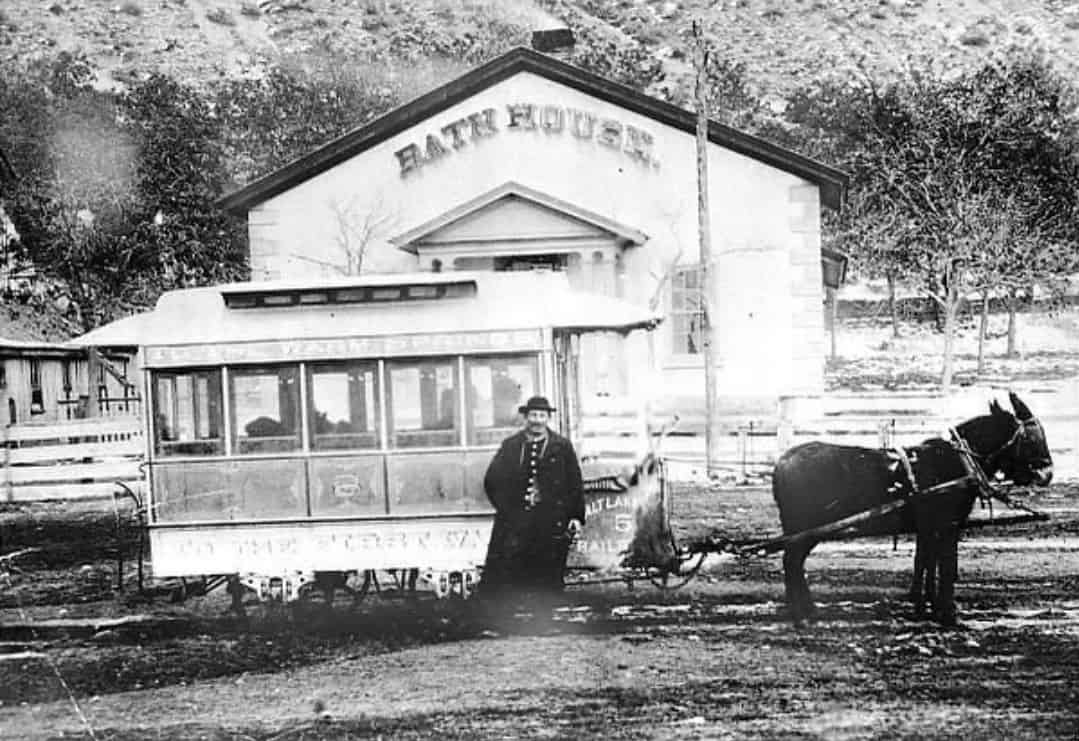
It is the public development of the Warm Springs site which contributes to its significance. That long municipal support began in 1848. At a meeting of the settlers, Daniel Spencer, the road master, was authorized to levy a poll and property tax to defray the expense of certain projected public improvements, among which was a bathhouse at Warm Springs. In the summer of 1850 enough funds had been collected to build an adobe building over the springs, with a boarded inner pool for women, and an outer one for men. Several private rooms were fitted with wooden bathtubs.
The building, which was located on the site now used as the Wasatch Springs Park located just south of the Plunge and which is marked with a memorial plaque erected in 1965 by the Daughters of Utah Pioneers, 10 was dedicated by Mormon church leaders on November 27, 1850. Addresses were given by Brigham Young and others. A feasting and dancing went on into the evening. This event signified the importance with which the city’s fathers regarded the springs. Young hoped that the Bath House, as it was called, would become a good source of revenue for the community.

Such hope was premature. However, other people saw promise in the site. Early in 1860 a group of men planted a grove of black locust trees that had been raised from seeds curried across the plains by pioneers. In a few years a large grove of trees provided shads for bathers and picnickers, in 1866 Dr. King Robinson, who had come to Utah as the assistant surgeon at Camp Douglas, filed a claim on the land surrounding the Warm Springs. The Bath House had been abandoned in 1865 in favor of a more luxurious plunge built south of the first location, so the site was unoccupied. And land titles in Utah until after 1870 were complicated because actual land offices had not been established until 1869 to properly register claims. Robinson built a saloon on the property. The city council claimed that the land belonged to the corporation and ordered the marshal to destroy the building and eject the doctor. Robinson appealed to the federal court which decided against him. Other of his property was destroyed by a gang of men and Robinson himself was soon afterwards murdered on Salt Lake City’s Main street. His assassins were never arrested and the incident contributed to the tensions and antagonisms between Mormons and non-Mormons.
Several structures were built after the 1865 move of the facilities a few yards south of the first bathhouse which had been built directly over the springs. The water from the springs was now piped underground through hollowed out logs to fill two pools and several private tubs all of which were housed in a large wooden structure which also accommodated offices and private rooms. A concrete building which housed at different times a saloon, offices, storage and baths was built just to the south of the plunge building and a frame house was built just to the north of it to serve as the dwelling for the bath proprietors. 13 From 1867 to 1877 the proprietor / manager was Henry Arnold, Sr.

In 1872 the city’s title to the warm springs was secured and in that year the Salt Lake street railroad was established and its first one and one-half miles of track for the mule-drawn cars were laid from Temple Square to Warm Springs. The plunge and private baths were re-fitted and re-decorated and they were “freely patronized by Salt Lake City residents as well as by all visitors.”
In 1885 mining entrepreneur John Beck developed a pleasure resort on property between Beck’s Hot Spring. The spring largest, hottest and farthest from the city, and the Hot Spring lake. It became a major resort in the west until a disastrous fire in 1898. Although the area continued to be used for recreation under various owners for the next several years, the glory days were over. In 1953 the property was acquired by the State of Utah as part of the development of Interstate Highway 89.
Another bathing resort was developed at the Wasatch Springs. Originally the site was developed in the 1890s as a bottling company and a wooden structure was built to house the operations (located at 987 N Beck). Later the building was used as a plunge, but that was abandoned in the early 1930s. The building was destroyed in 1953.

It was the Warm Springs which continued as a viable recreation site. From 1876-1916 the city leased the 10-acre development to various private entrepreneurs. In 1890, the proprietors were listed as Henry Barnes and Edward Byrne. Also described then were the waters as a gravity treatment:
“(the) waters are considered a great beautifier of the complexion; also a sovereign remedy for the removal of tan, freckles, etc., the curative properties, imparting to the skin a bright and smooth surface, give a white and velvety appearance, thus making them a favorite resort for ladies.”
In 1916 the city assumed full control of Warm Springs Sulphur Baths. In 1921 the city contracted with the architectural firm of Cannon and Fetzer to design a new building to serve the users of the warm Springs. It was built a few yards north of the old baths.20 In July of 1922 the old bathhouse and adjoining buildings were burned.
The new building, Warm Springs Plunge, accommodated two large pools, the smaller of which was reserved for private parties, several private soaking tanks, offices, locker and dressing rooms. The facilities also inducted a barber shop, a hair dresser, a ladies and a mens masseur. There were also 5 private rooms on the second floor which accommodated out-of-town visitors. These rooms were popular until a hotel-motel was built across the street to the west.

In 1925 the site of the 1860s complex was cleared and developed by the city as the Wasatch Springs Park.
The Plunge remained a popular recreation facility. However, as the years passed, it became less a resort used by tourists and leisure-seeking residents and more a municipal pool providing swimming to hospital patients and workers (St. Mark’s Hospital had been built to the west in 1879, later rebuilt in 1892), children from boy’s clubs and Neighborhood house, and residents of Swede Town, Capitol Hill, West side. The plunge operated at a deficit.
In 1946 the State Dept. of Health provoked a controversy about the condition of the waters. The state contended that the bacterial count was so high as to be a safety hazard and ordered the city to chlorinate the water. Since sulphur water cannot be chlorinated without producing a damaging precipitate. The city considered selling the property, but finally resolved the controversy by converting in 1949 the 2 large pools into fresh, chlorinated water and pumping the thermal waters only into the small, private baths.
As the population center of the city moved further south and additional swimming facilities were built elsewhere, the use of the Plunge declined and the facility fell into disrepair. In June 1970 the city commission closed the plunge after chunks of concrete fell from the ceiling and posed hazard to swimmers. However, following a $93,000 remodeling project which included a new roof, the facility was reopened.
Early in 1976 the building was closed again because of economics and was then used by the City Parks Dept. as storage,25 but is now vacant and a victim of vandals.
The building which serves as a local landmark of the long history of human use of the thermal waters in the area and as the reminder for many Salt Lake residents of pleasant hours spent at the “Muny Baths” is currently under consideration by the city as a potential site of offices and space by several community organizations.