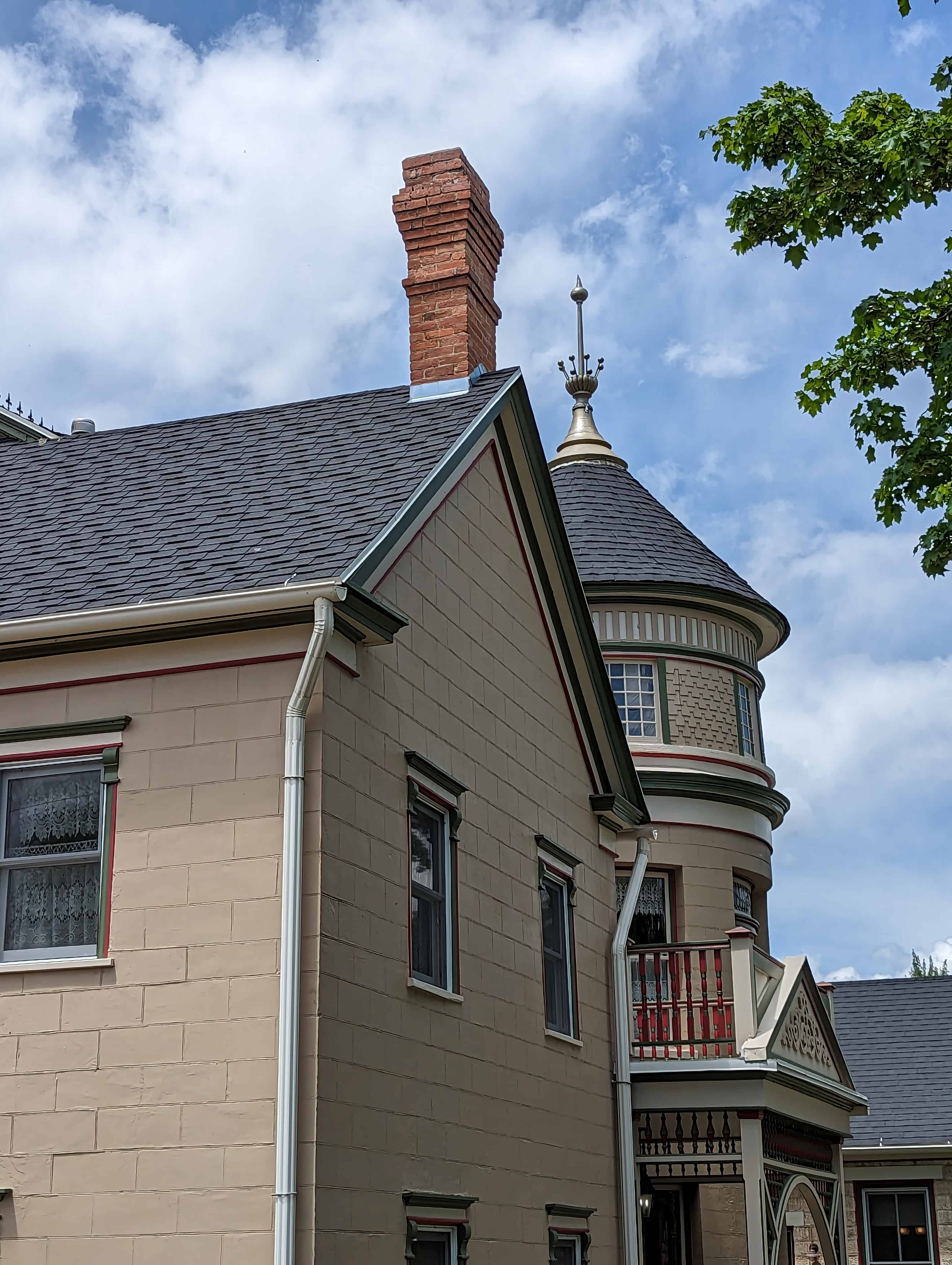
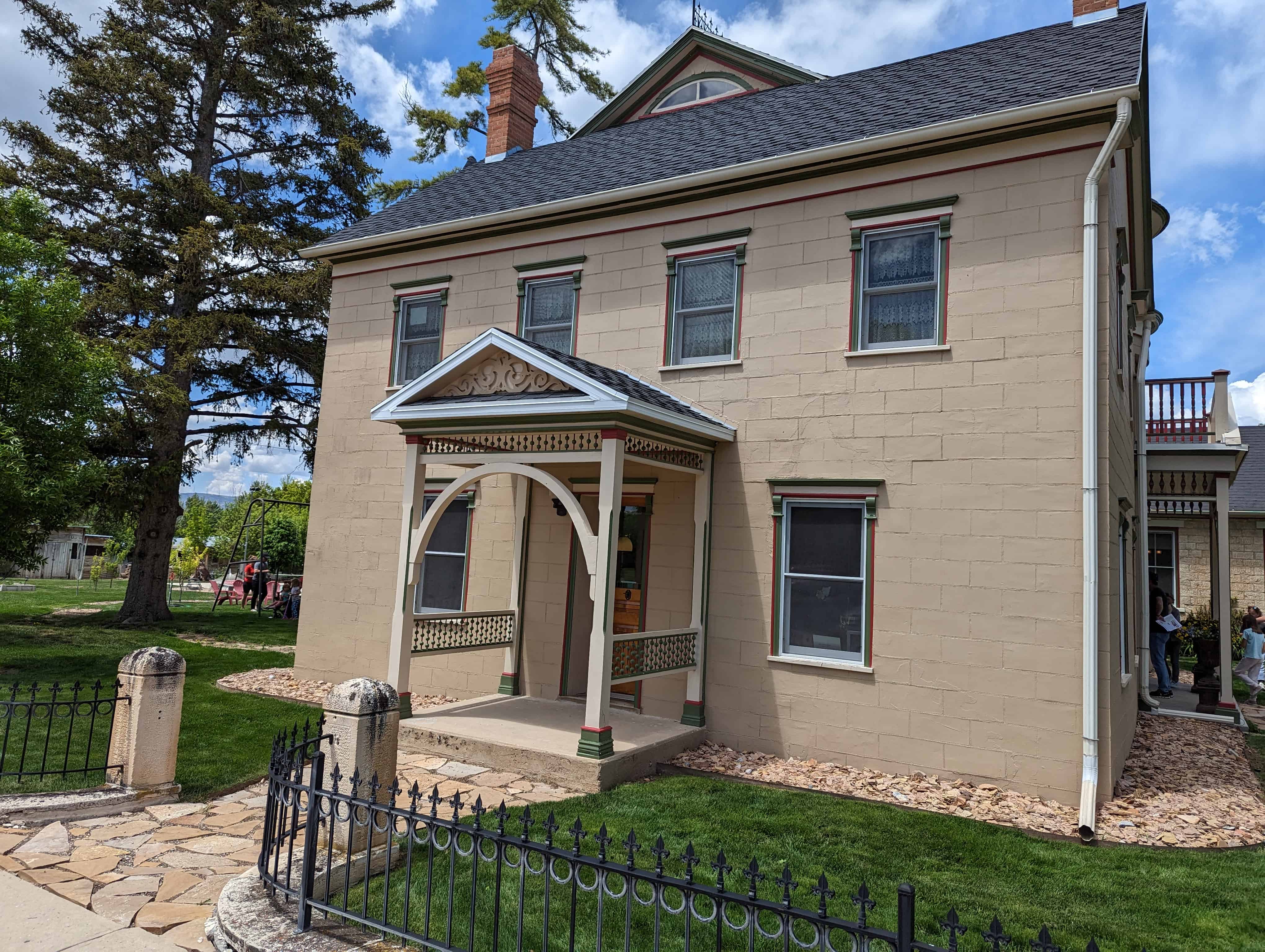
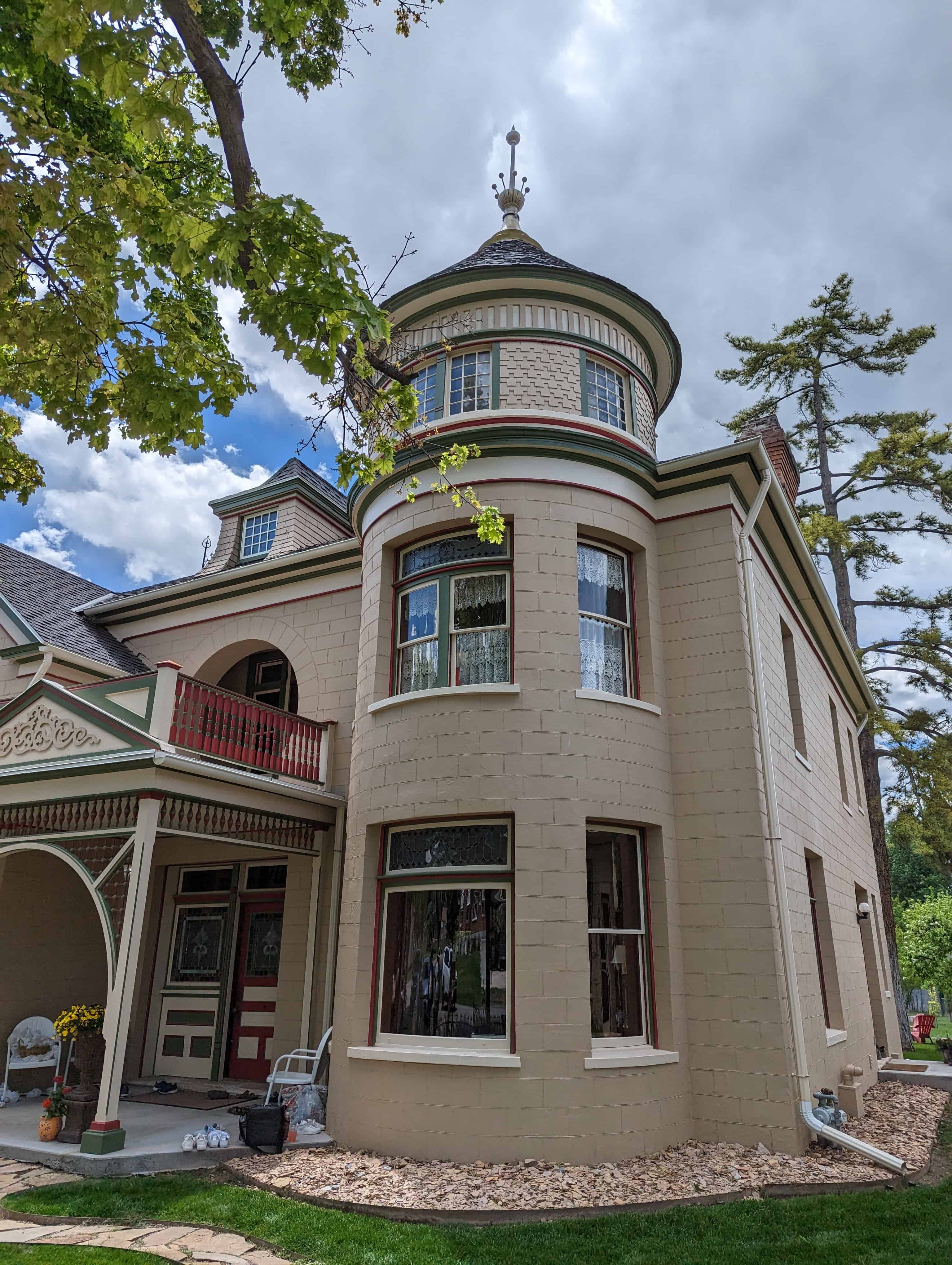
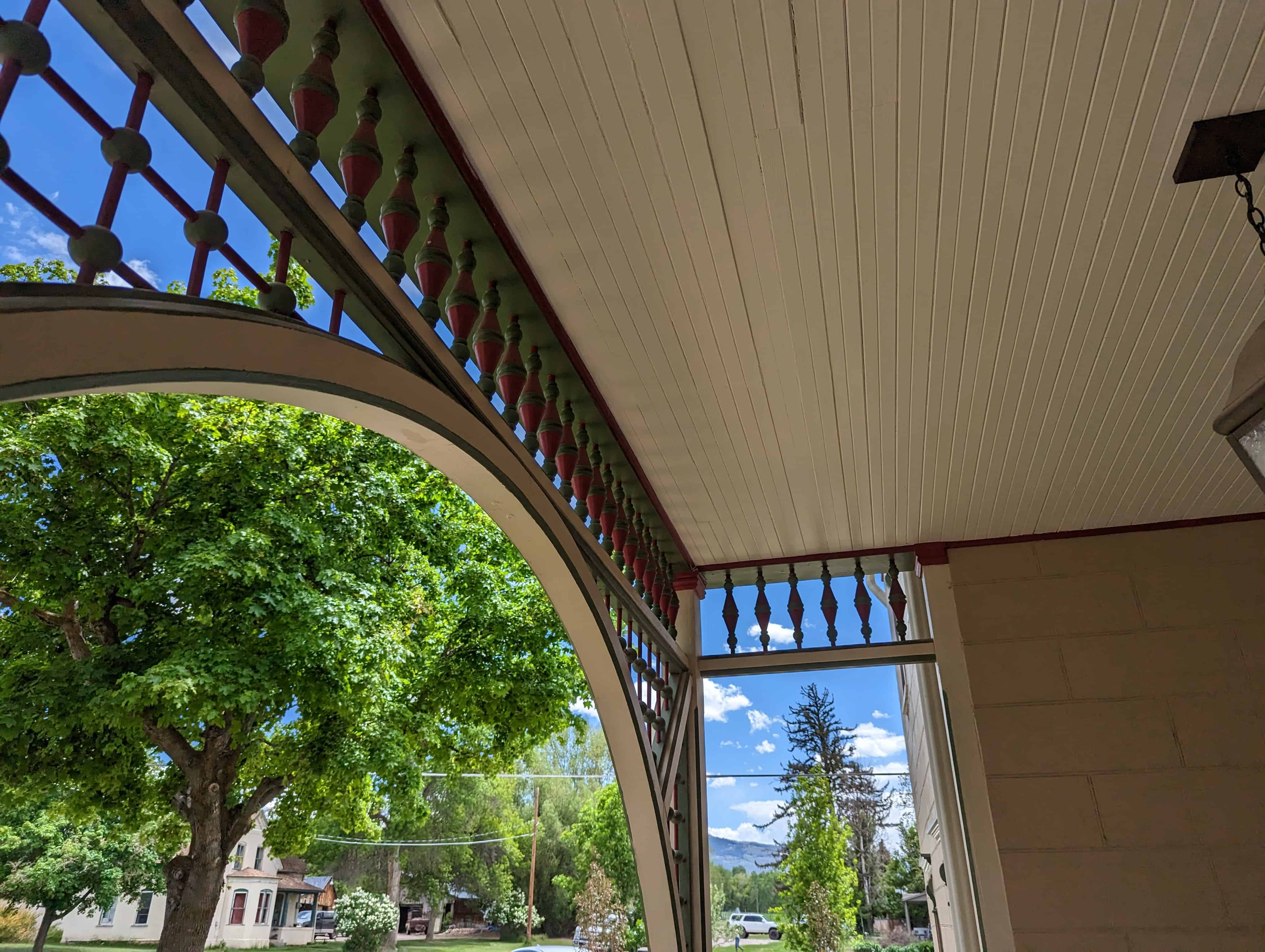
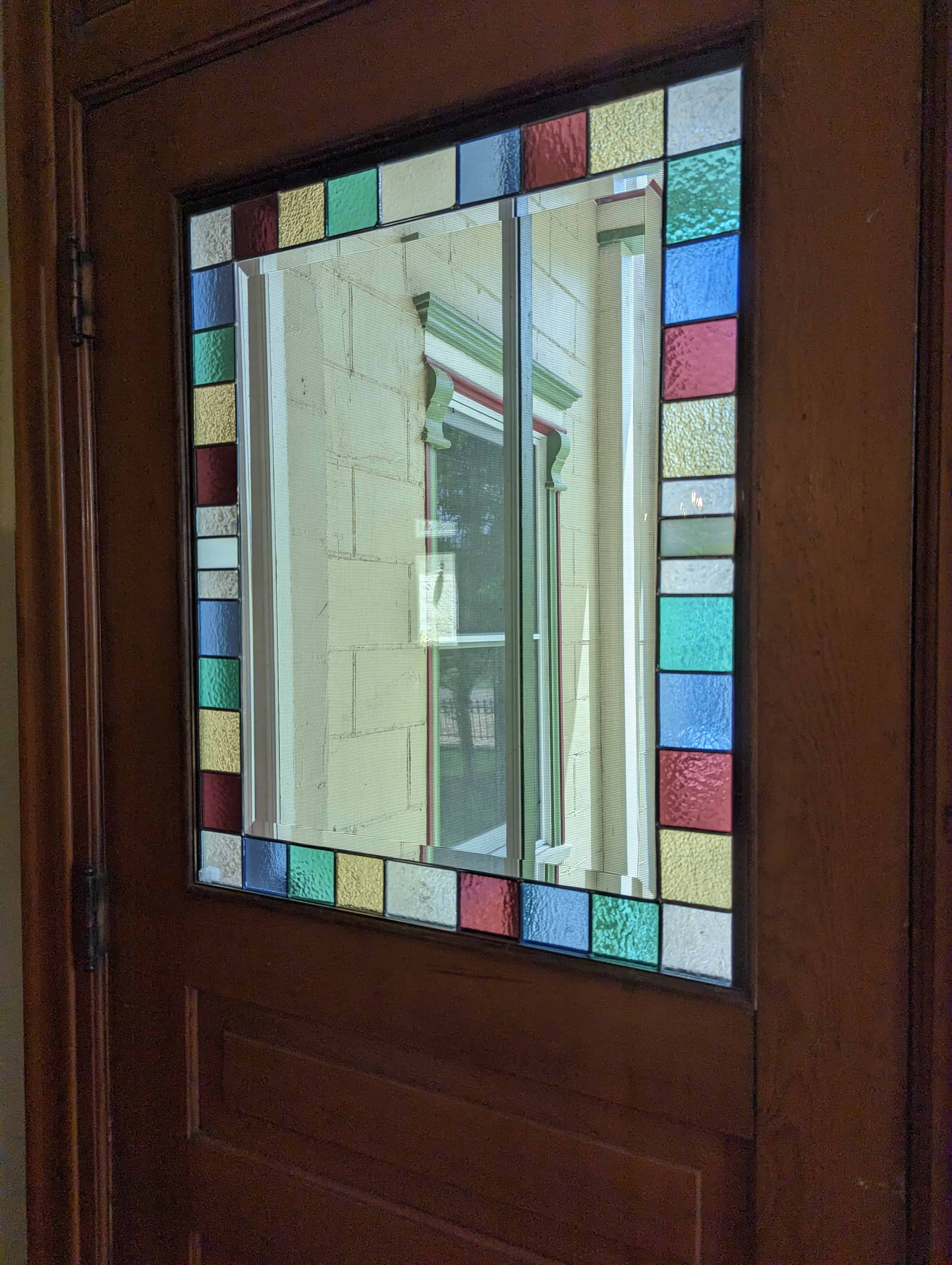
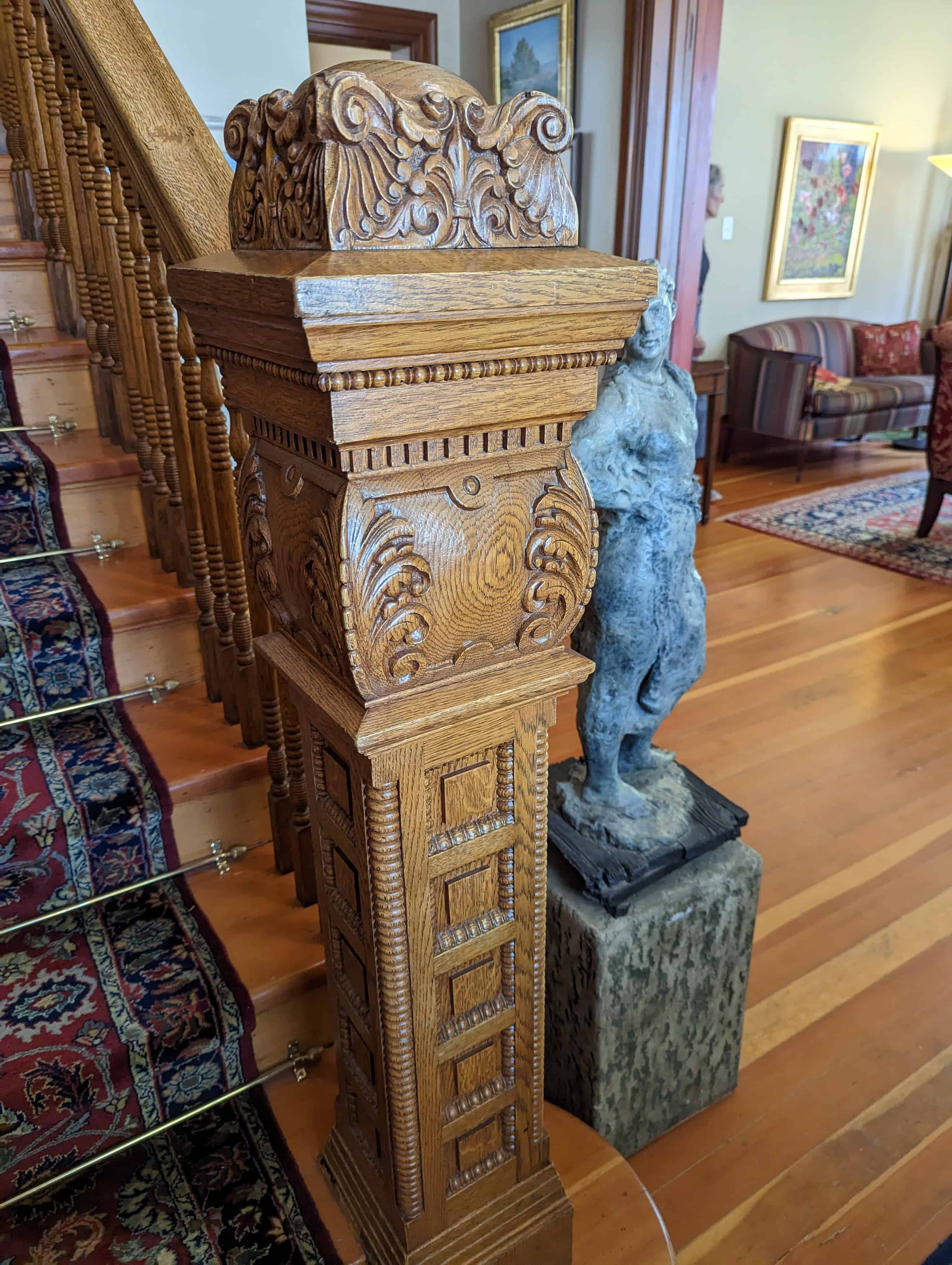
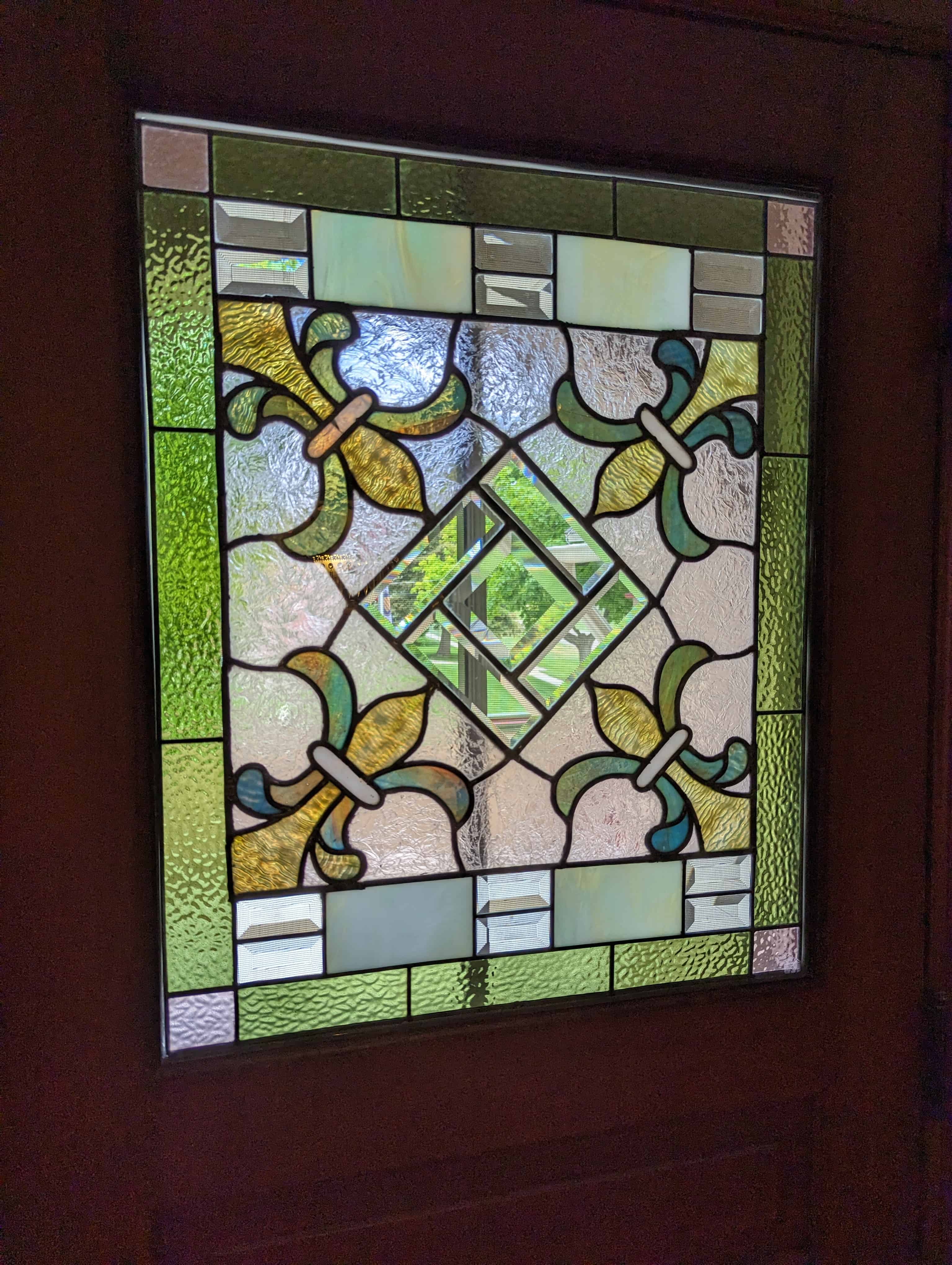
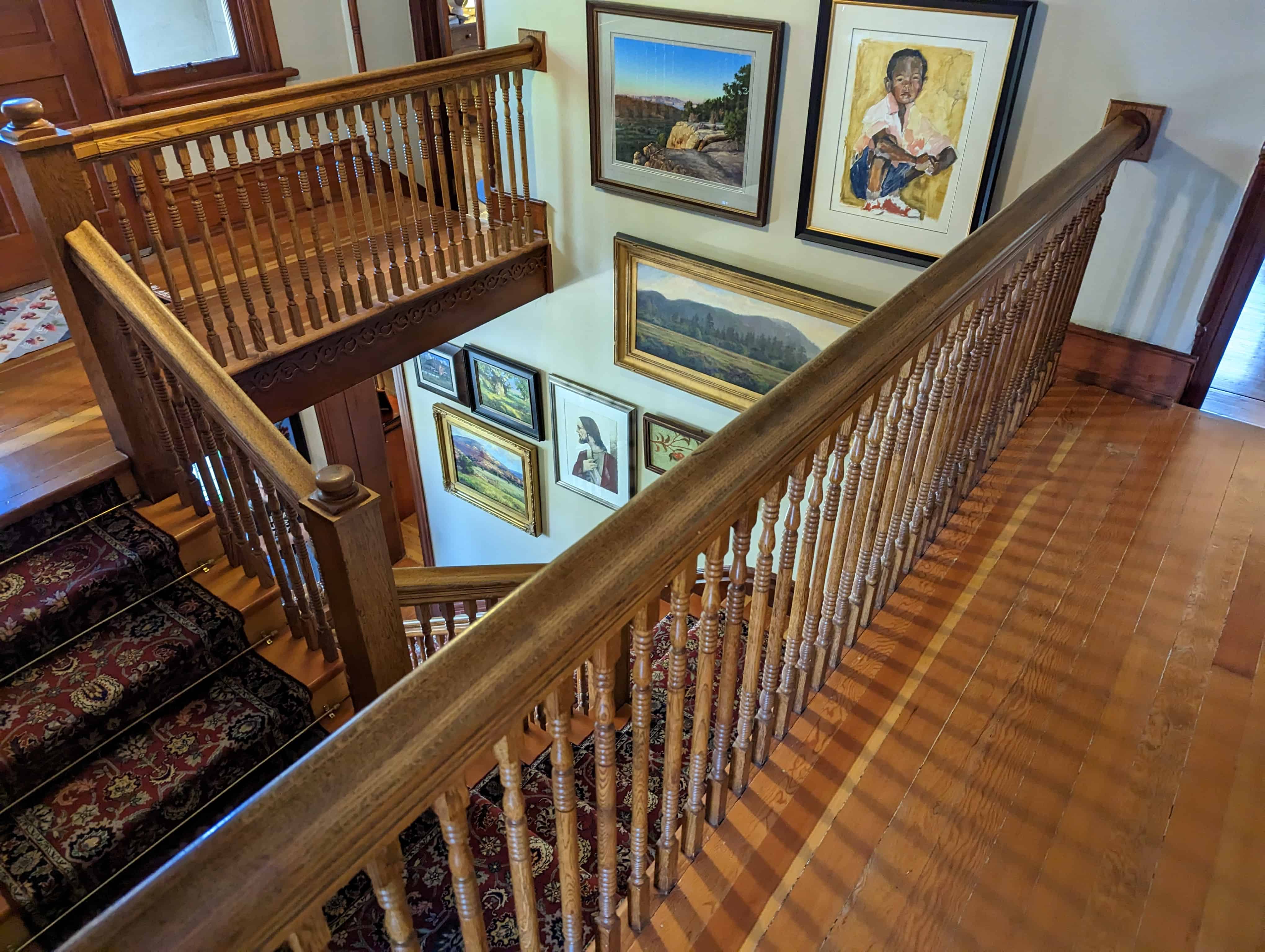
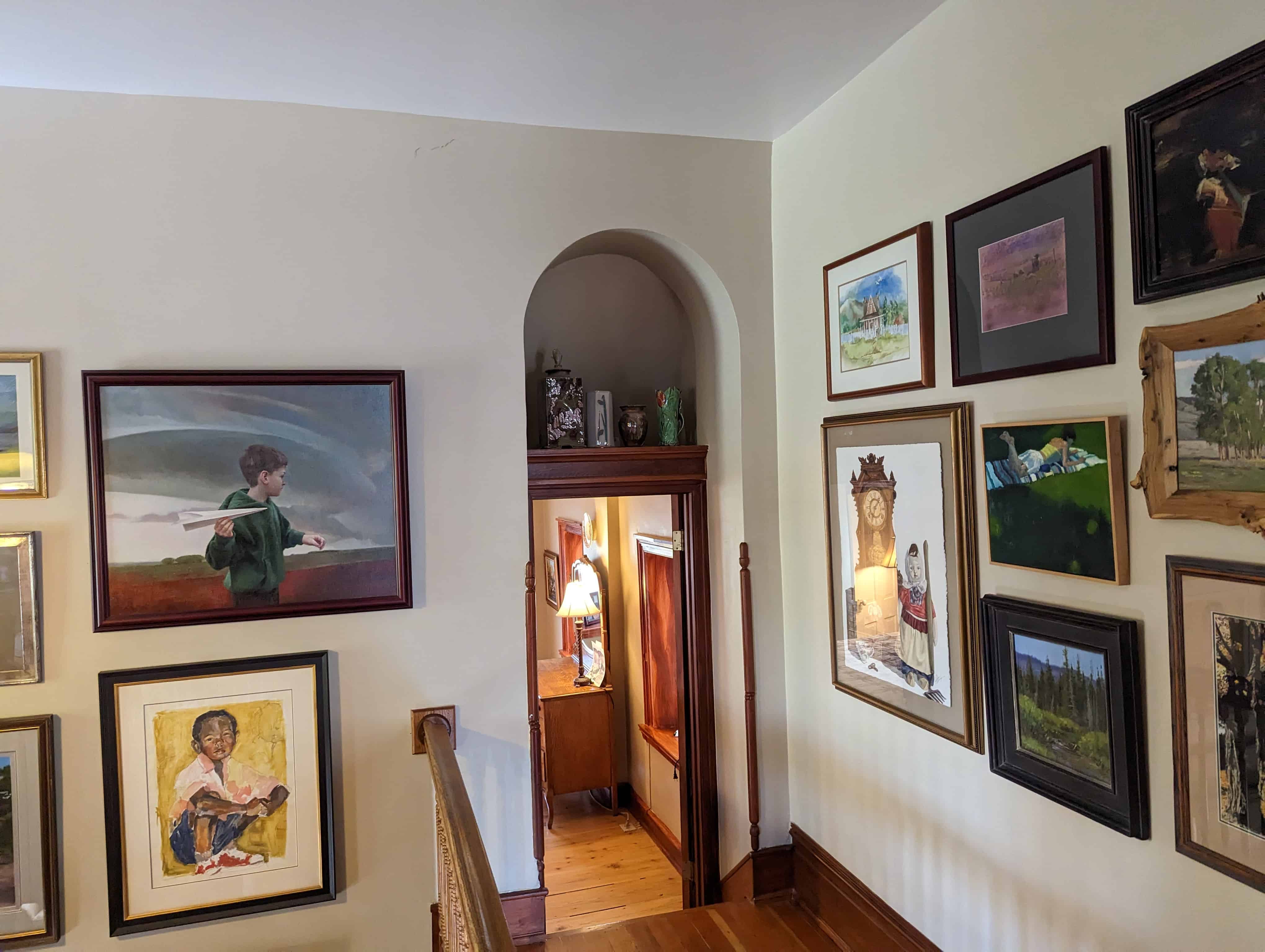
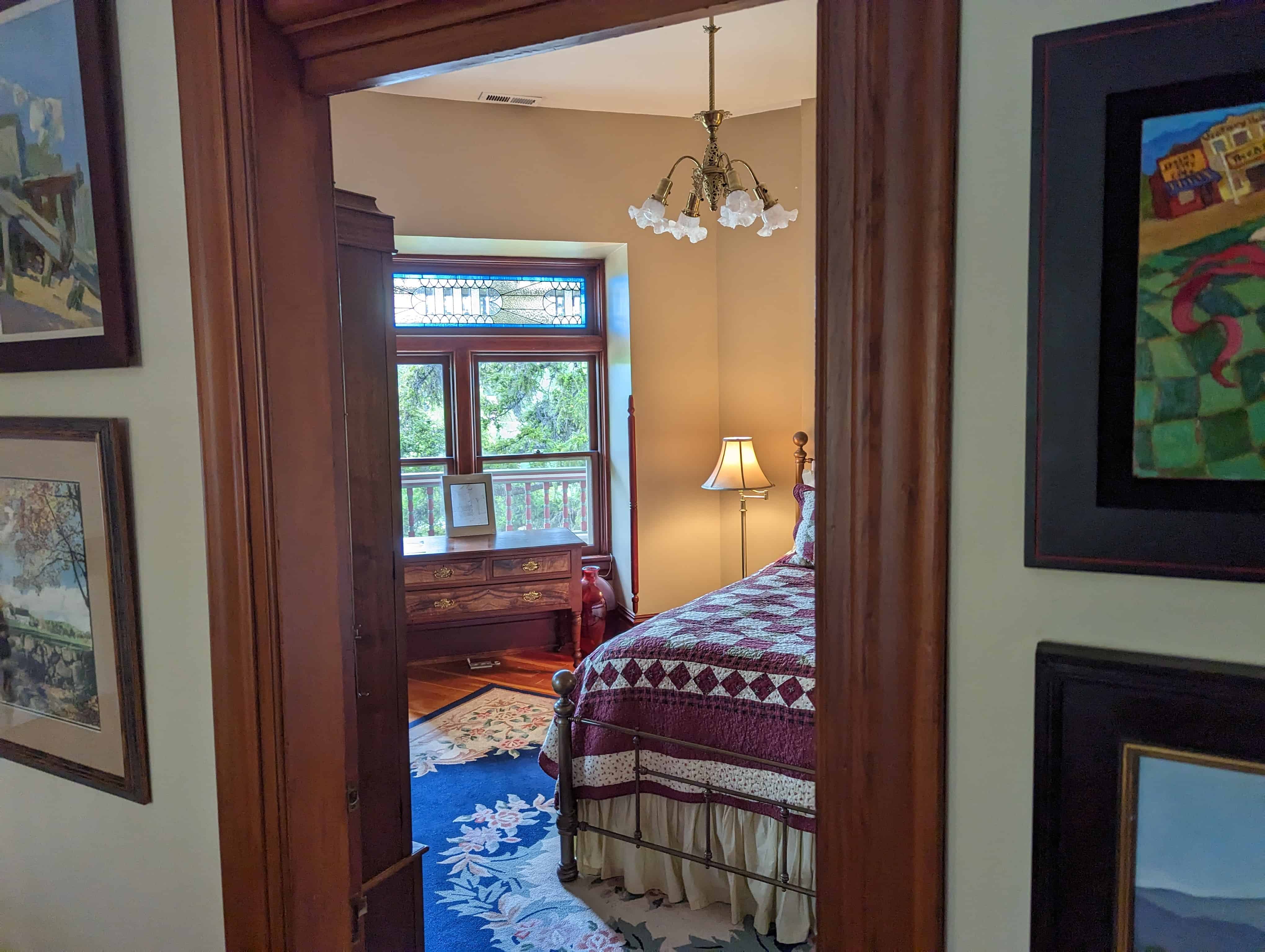
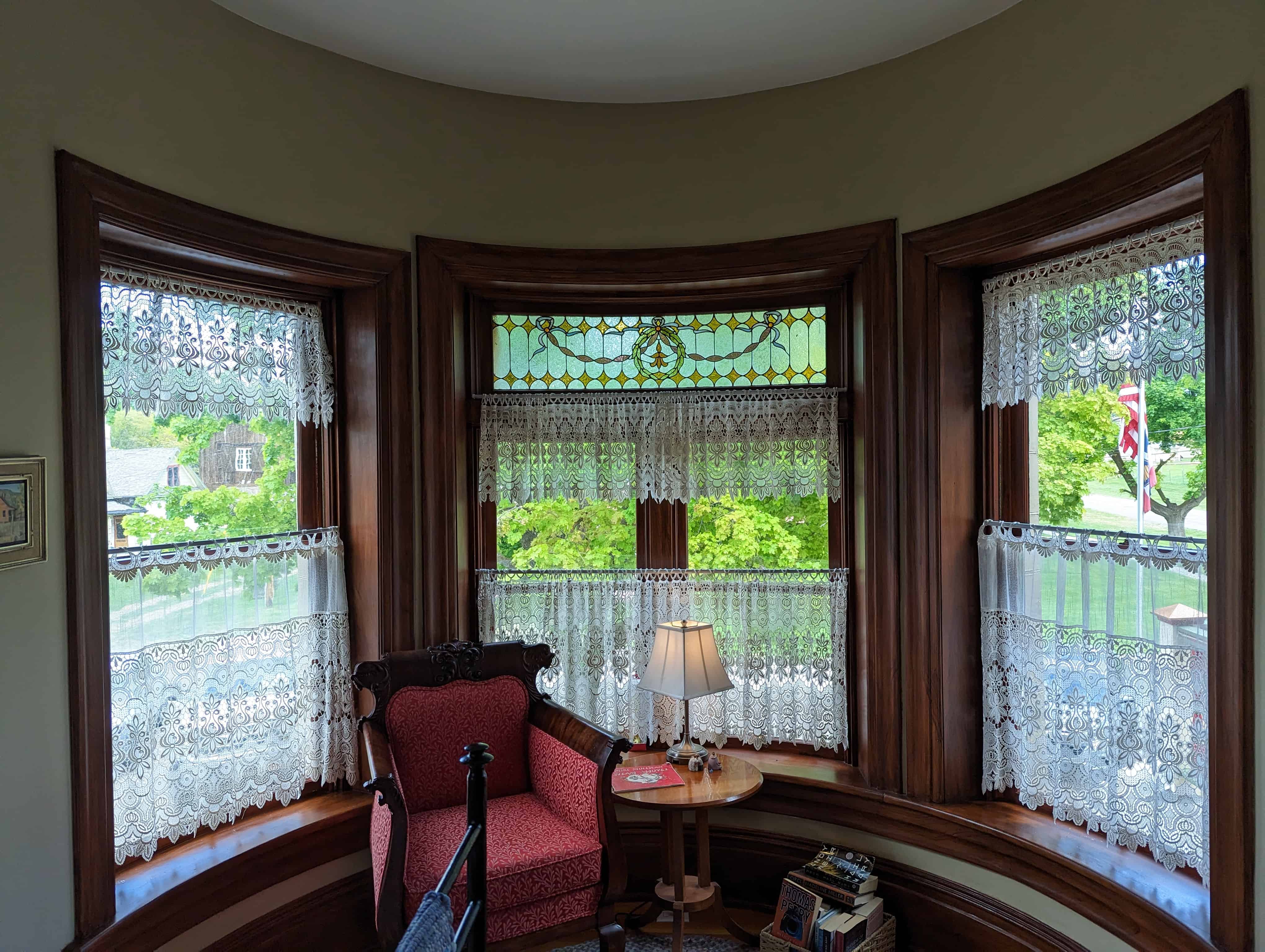
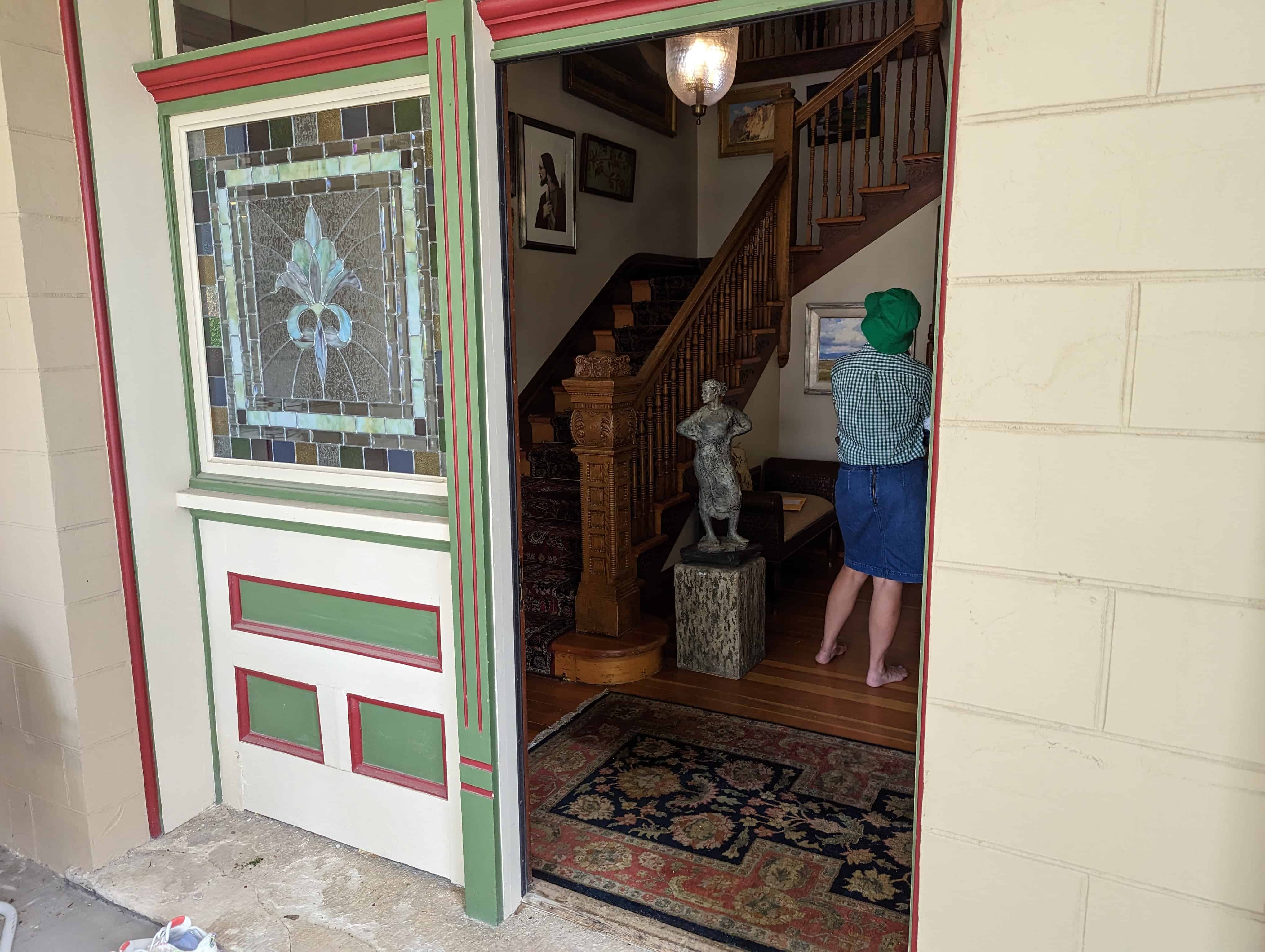
Rasmus Justesen was a sheepman and polygamist who built this 1-1/2 story stucco-over-adobe for his first wife, Sarah Shepherd and her family. In addition to his sheep business, Rasmus fought in the Black Hawk Indian War, sat on the Spring City Council in 1876 and was elected mayor twice, in 1880 and in 1897. (text from the marker on the house)
Located at 12 North Main Street in Spring City, Utah
This one and one half story adobe house was originally stuccoed and scored to resemble cut stone, including simulated quoins. The house was built for Rasmus Justesen’s (1842-1917) first wife, Sarah A Shepherd (1842-1933), who raised nine children here. Justesen, mayor from 1898-99, took a second wife, Annie Marie Larsen (1859-1942) who had a house elsewhere in Spring City. Rasmus also homesteaded in Emery County. Artist Susan Gallacher purchased and restored the house in 2002. (text from sanpete.com)
RASMUS & SARAH JUSTESEN HOUSE, 12 N. Main ca. 1875: This one and one-half story adobe house was originally stuccoed and scored to resemble cut stone. One of the better examples of vernacular folk building and one of the few remaining adobe houses along Main Street. Built for Justesen’s first wife. Susan Gallacher purchased and restored it in 2002. Owned by Susan Gallacher. (text from the Friends of historic Spring City tour pamphlet)
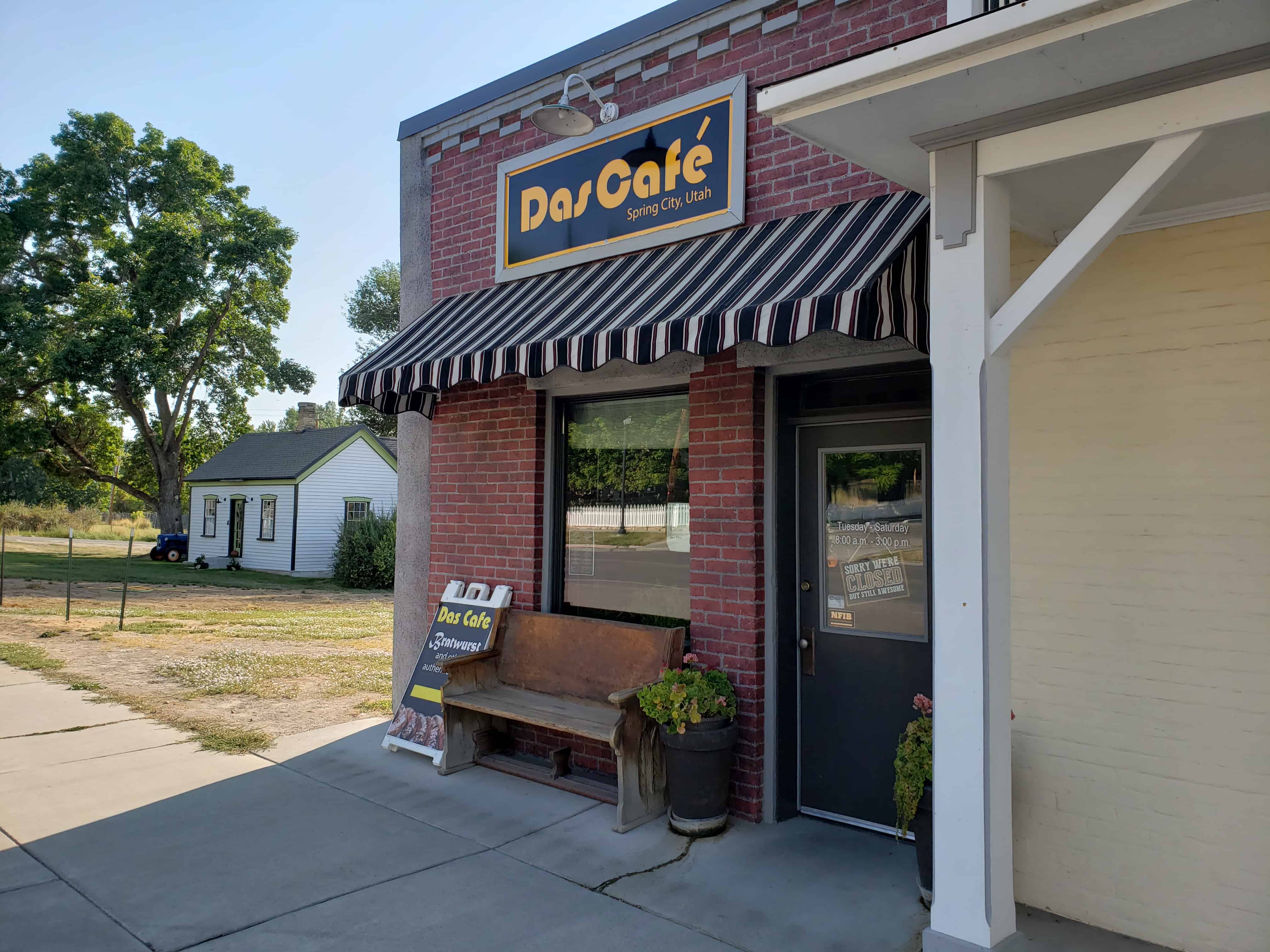
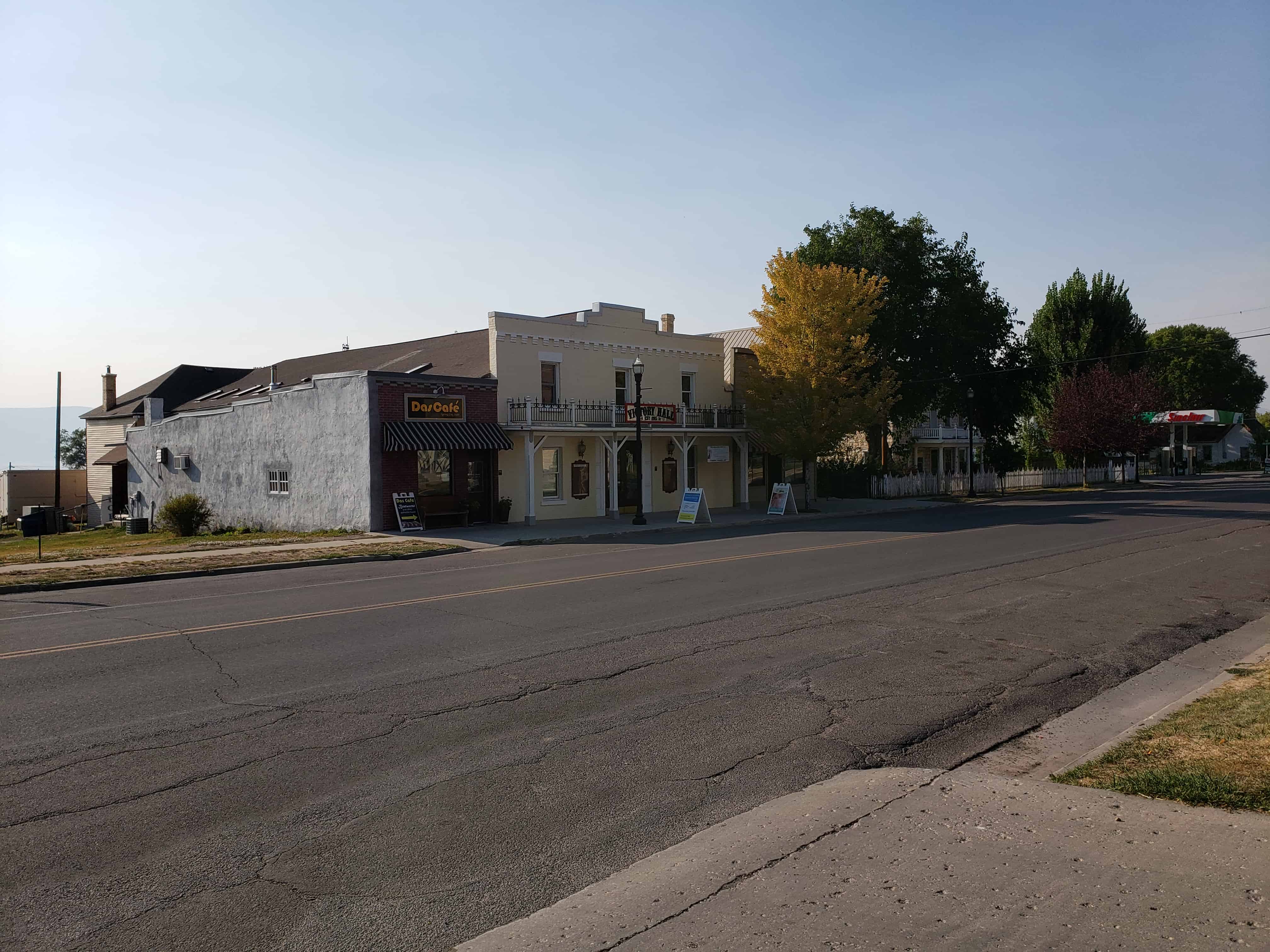
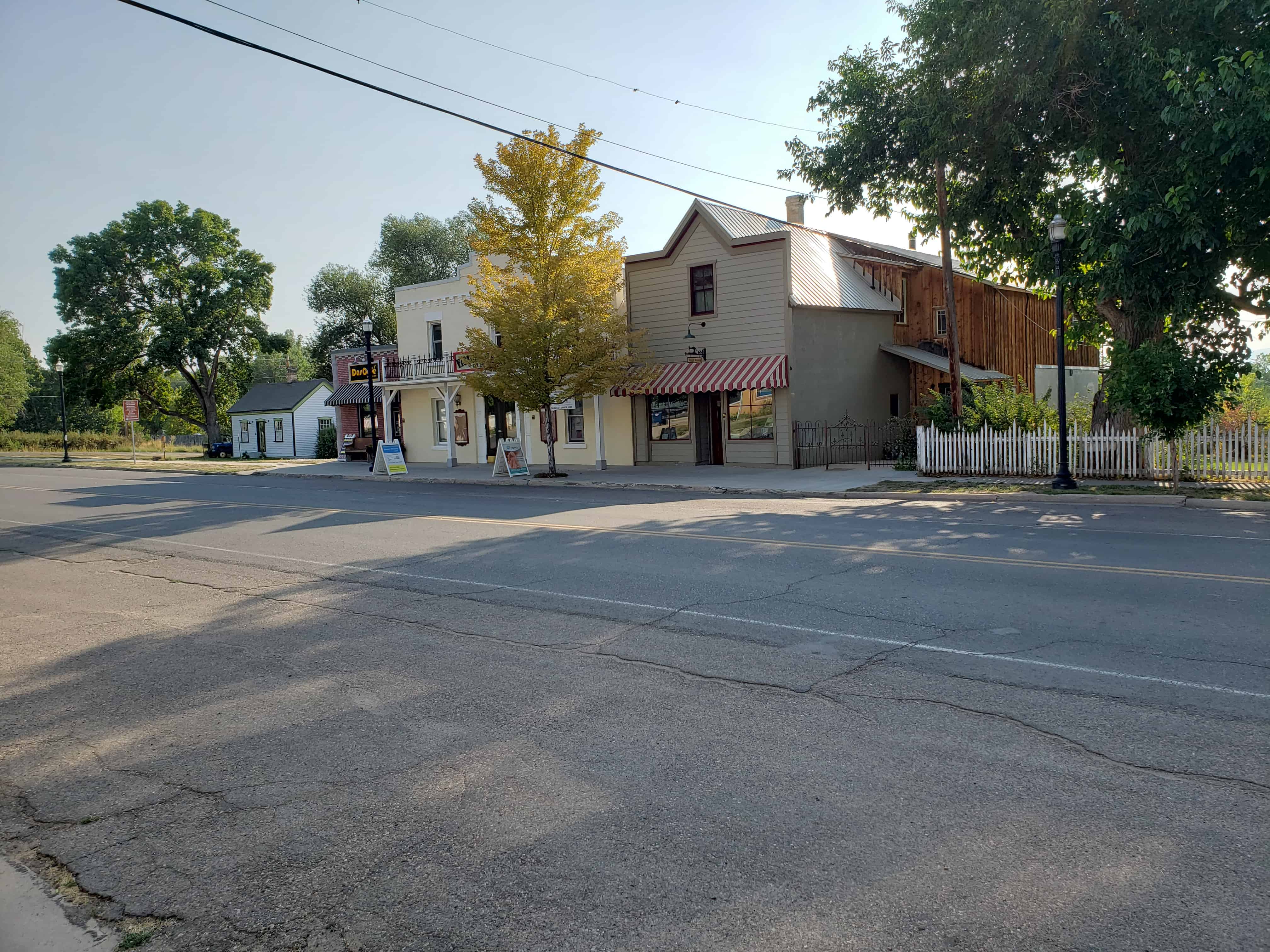
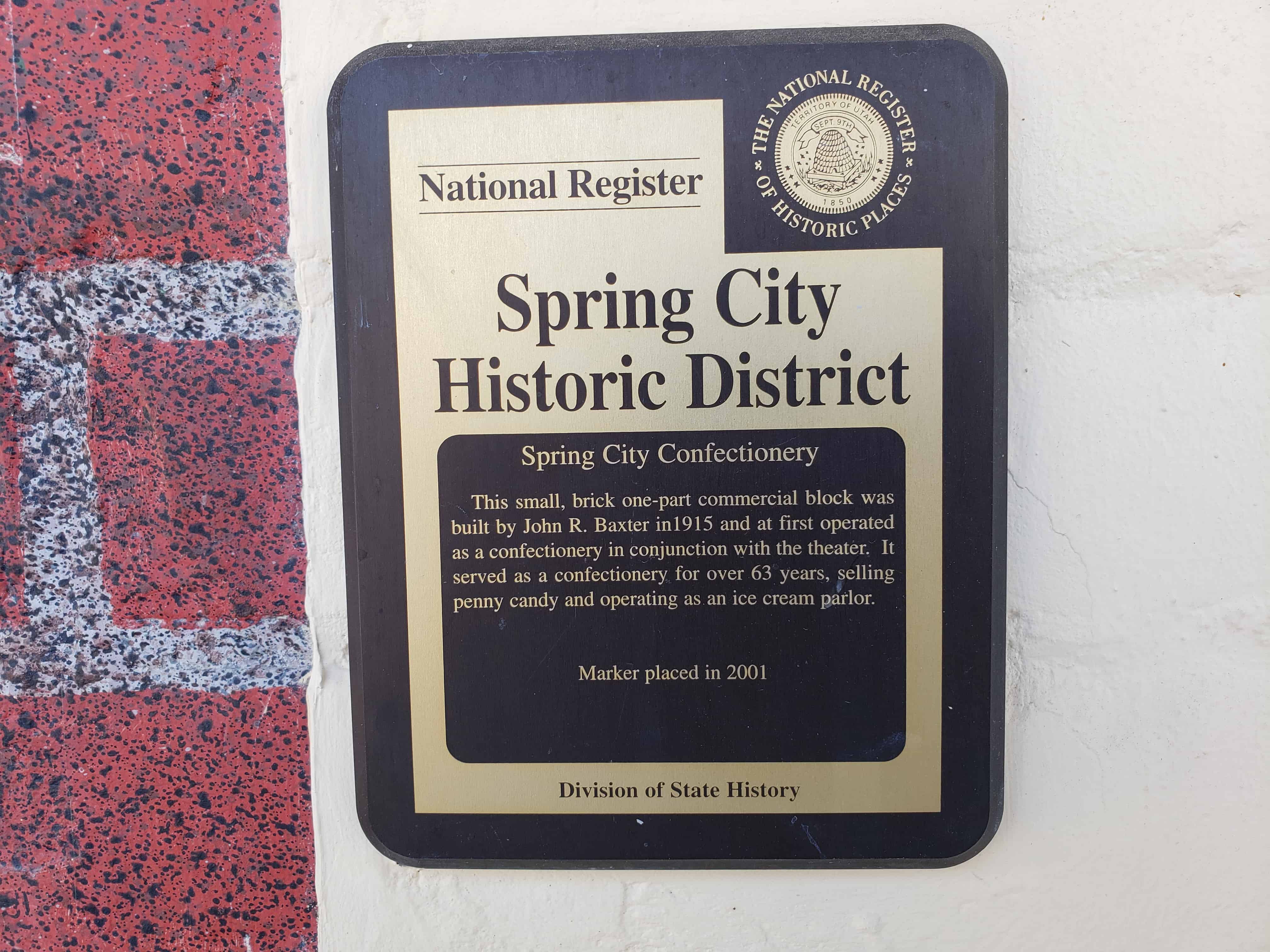
This small, brick one-part commercial block was built by John R. Baxter in 1915 and at first operated as a confectionery in conjunction with the theater. It served as a confectionery for over 63 years, selling penny candy and operating as an ice cream parlor.
From Sanpete.com: This small brick one-part commercial block was built in 1915 and operated as a confectionery until 1973 by John R. Baxter, Jr. (1888-1978) becoming a Spring City institution for several generations of Spring City children. Recently the building has been operated as a café.
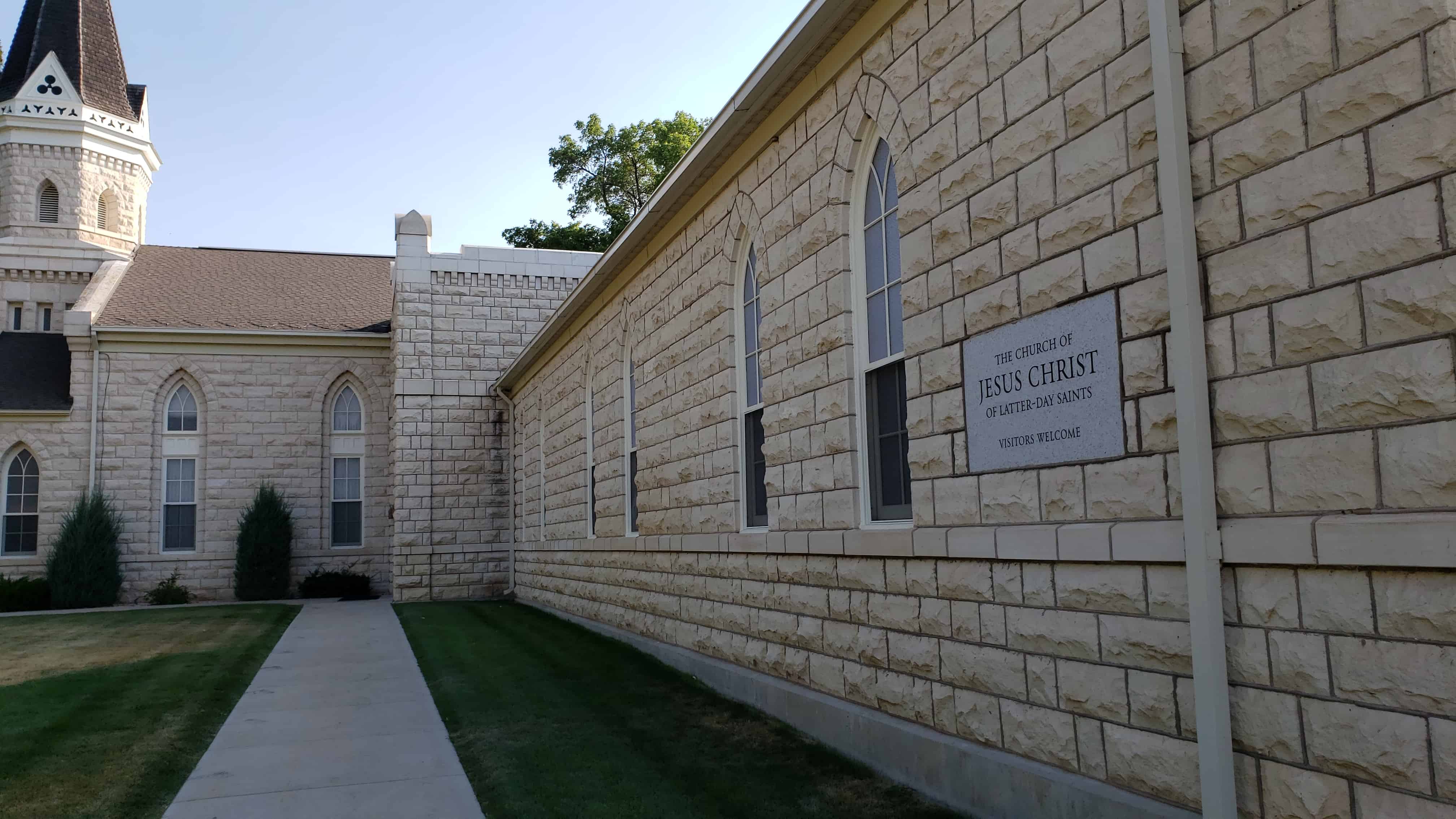
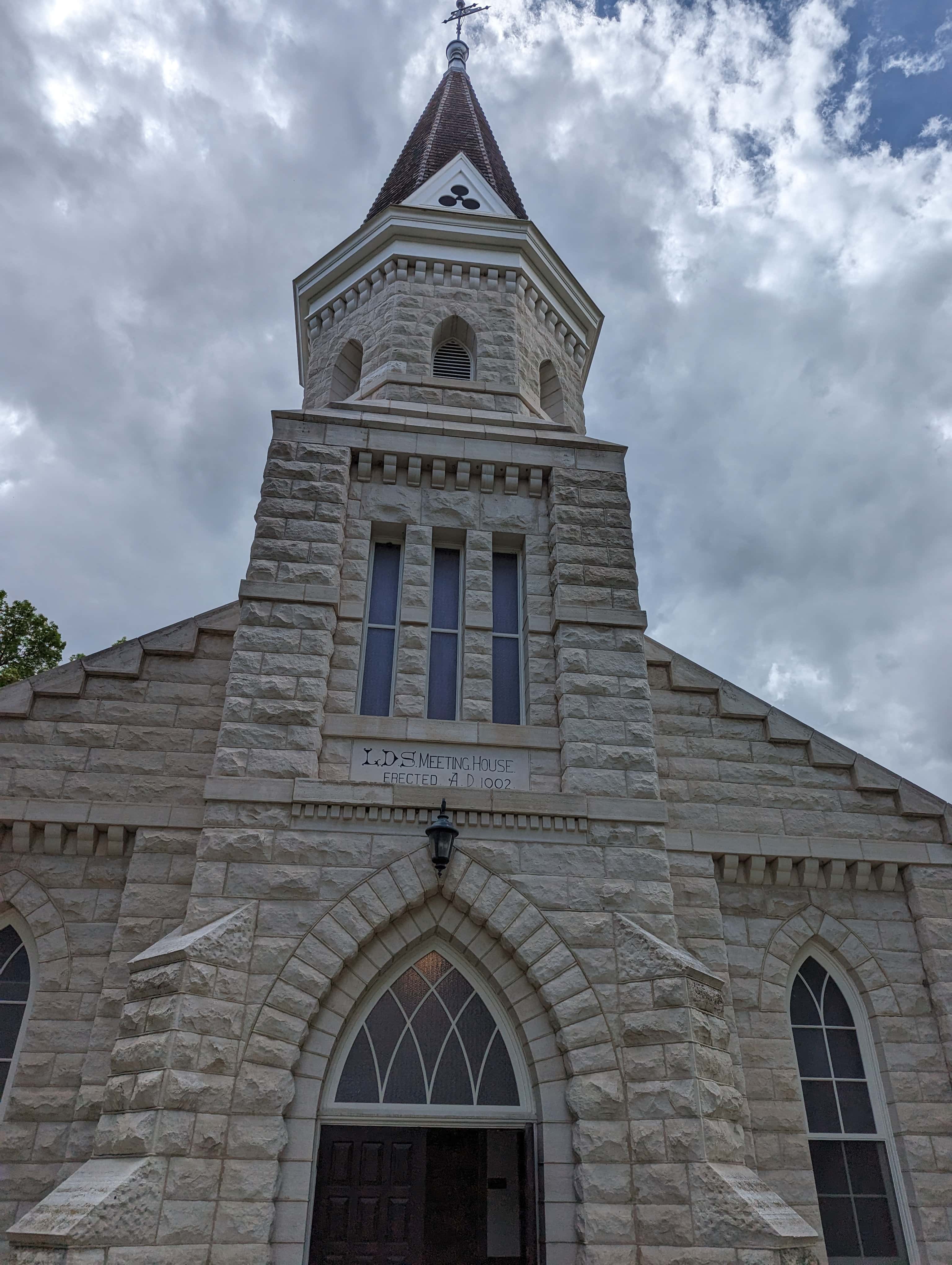
The Spring City Chapel for The Church of Jesus Christ of Latter-day Saints, locally called the old stone church is located at 164 S Main Street in Spring City, Utah.
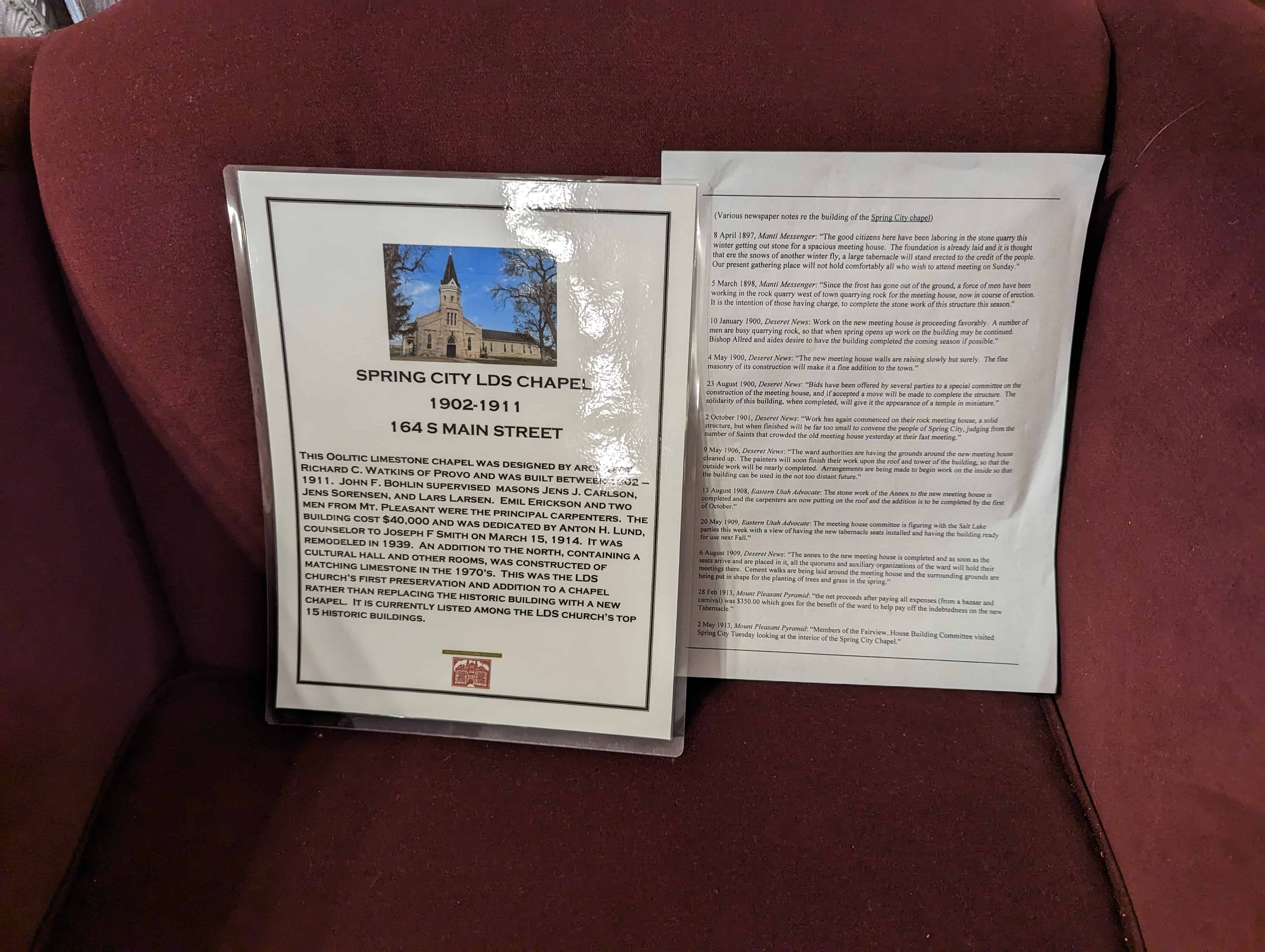
The following is from sanpete.com: This Gothic Revival/Romanesque-influenced stone LDS Chapel was constructed between 1898 and 1914, although an inscription stone bears the date”1902.” Richard C. Watkins was the architect of this spectacular edifice. Scandinavian masons John F. Bohlin (1844-1924), Jens J. Carlson (1848-1927), Lars Larsen (1852-1924) and Jens ‘Rock’ Sorensen did the stone work. The carpenter’s name was Emil Erickson. The building has an elegant, horseshoe-shaped gallery accessible by a stairway in the tower. The chapel features a sloping floor and an ornamental oak pulpit at the west end. Behind the pulpit, hand-grained sliding doors opened into the annex. From the original exposed flooring to the vaulted and beamed ceiling, the interior is replete with beautifully detailed woodworking, all following the Gothic theme. The pulpit and the handmade rostrum chairs for the ward leadership are skillfully carved. The pew ends are decoratively milled, as is the sacrament table. The exterior is equally impressive with its tall, Gothic windows, tall stone tower and buttress and overall massiveness and solidity.
The chapel was conceived in 1882 by LDS bishop James Anderson Allred (1819-1904), who appointed a committee of twenty men to plan the project. It eventually was built at a cost of $40,000, with $6,000 received from church funds, and the remainder being donated by the men and women of Spring City ward. A masterpiece of LDS Church architecture, this chapel was dedicated in March 1914 by Anthon F. Lund, counselor to Mormon Church President Joseph F. Smith. During construction, a classroom annex was added to the rear. A compatible addition was made on the north in 1978, using rock from the same quarry to carefully match the design elements.
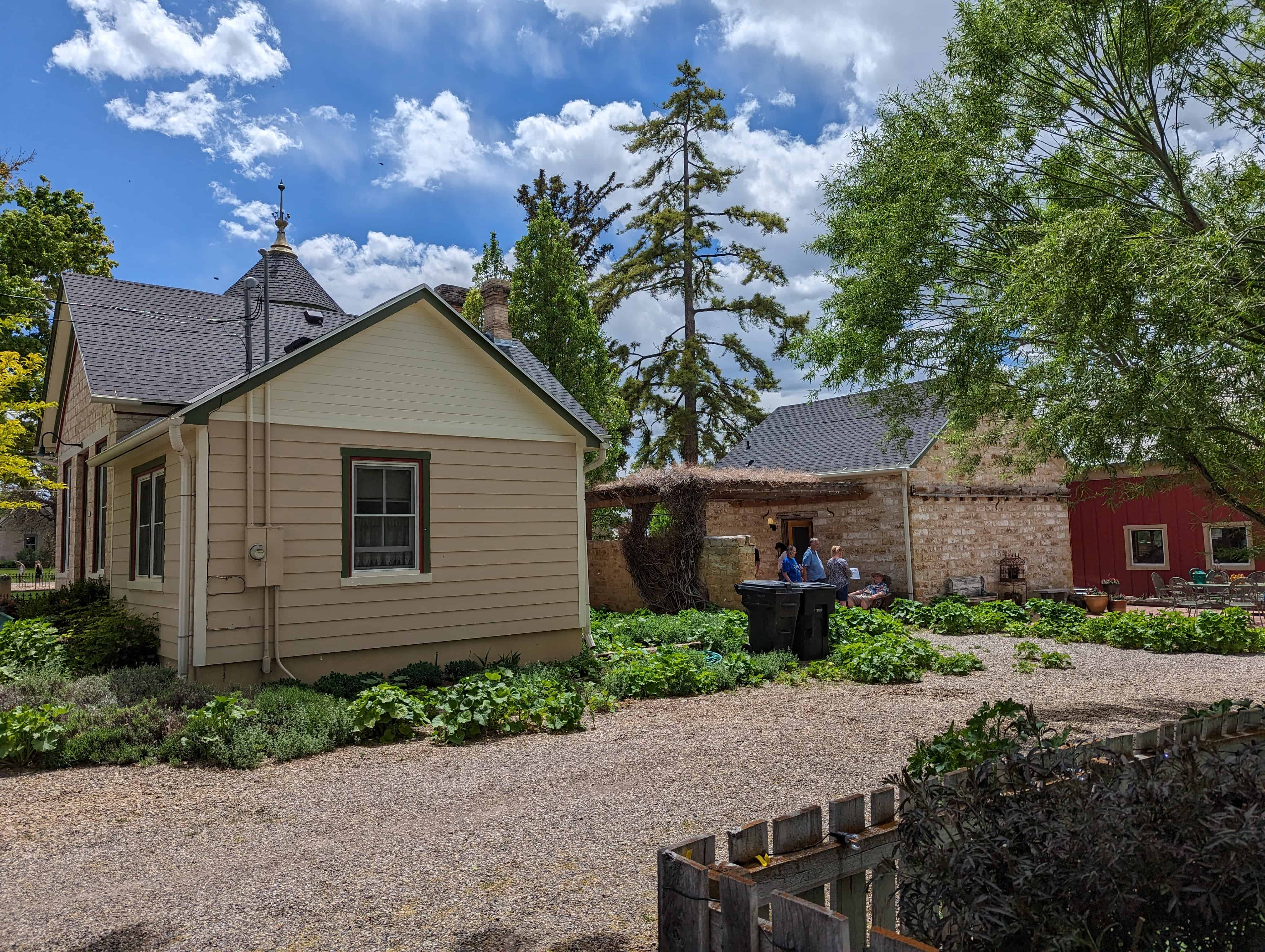
This house offers a view of the range of Spring City’s architectural tradition. Built c. 1875, the original structure was a stone, hall-parlor house. The rear adobe addition was probably completed within just a few years after the main portion. Little is known about Iver Petersen, except that he also built the stone granary located on the property. The granary is one of the best preserved and most substantial granaries of Spring City.
Located at 309 North Main Street in Spring City, Utah
Iver Petersen (1844-1881), a Danish immigrant, built this stone, hall-parlor plan house in the mid 1870s. A rear adobe addition was constructed shortly thereafter. He died at a young age leaving a widow with several young children. A stone granary behind the house has been made into a living space.(*)
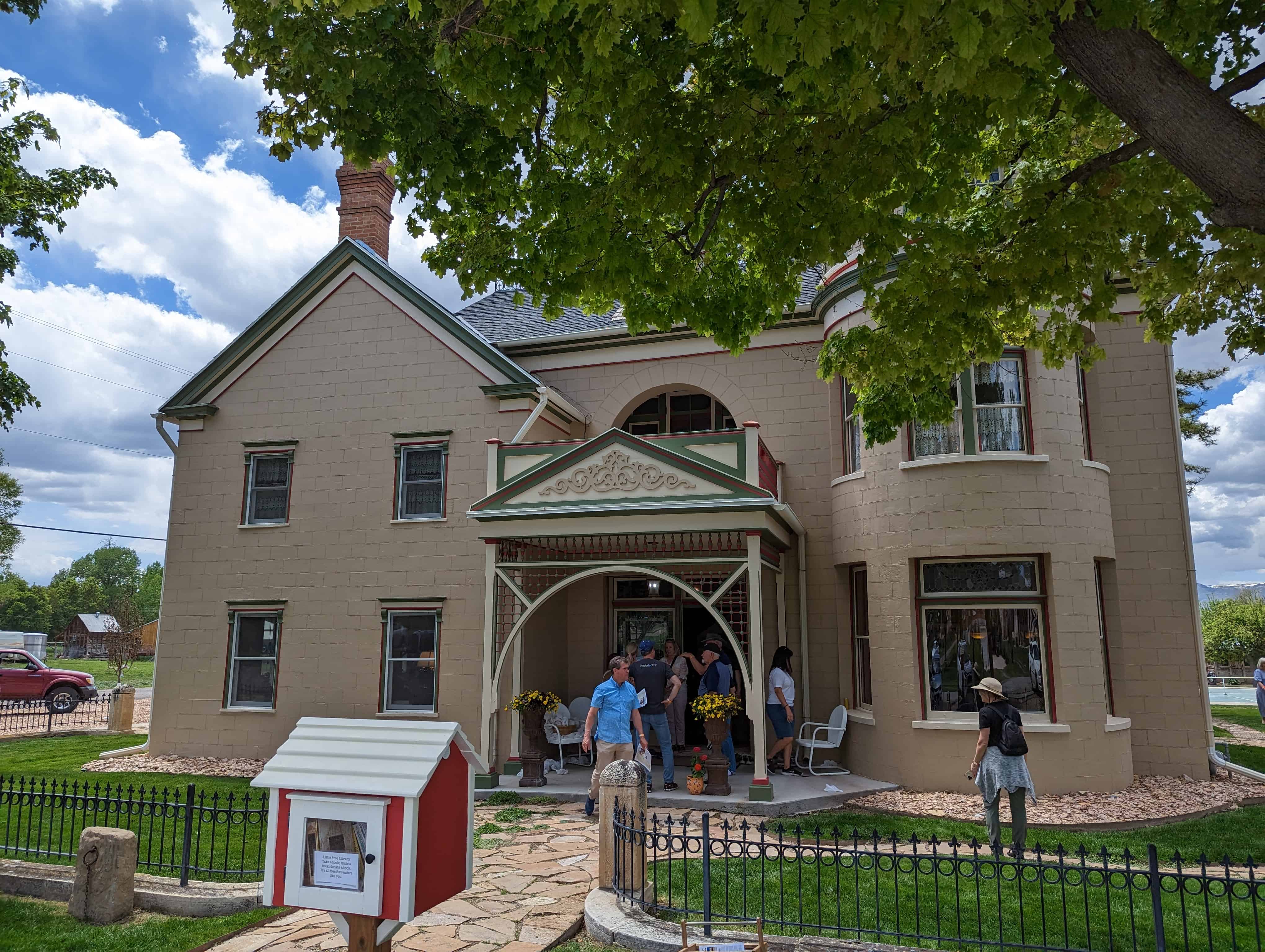
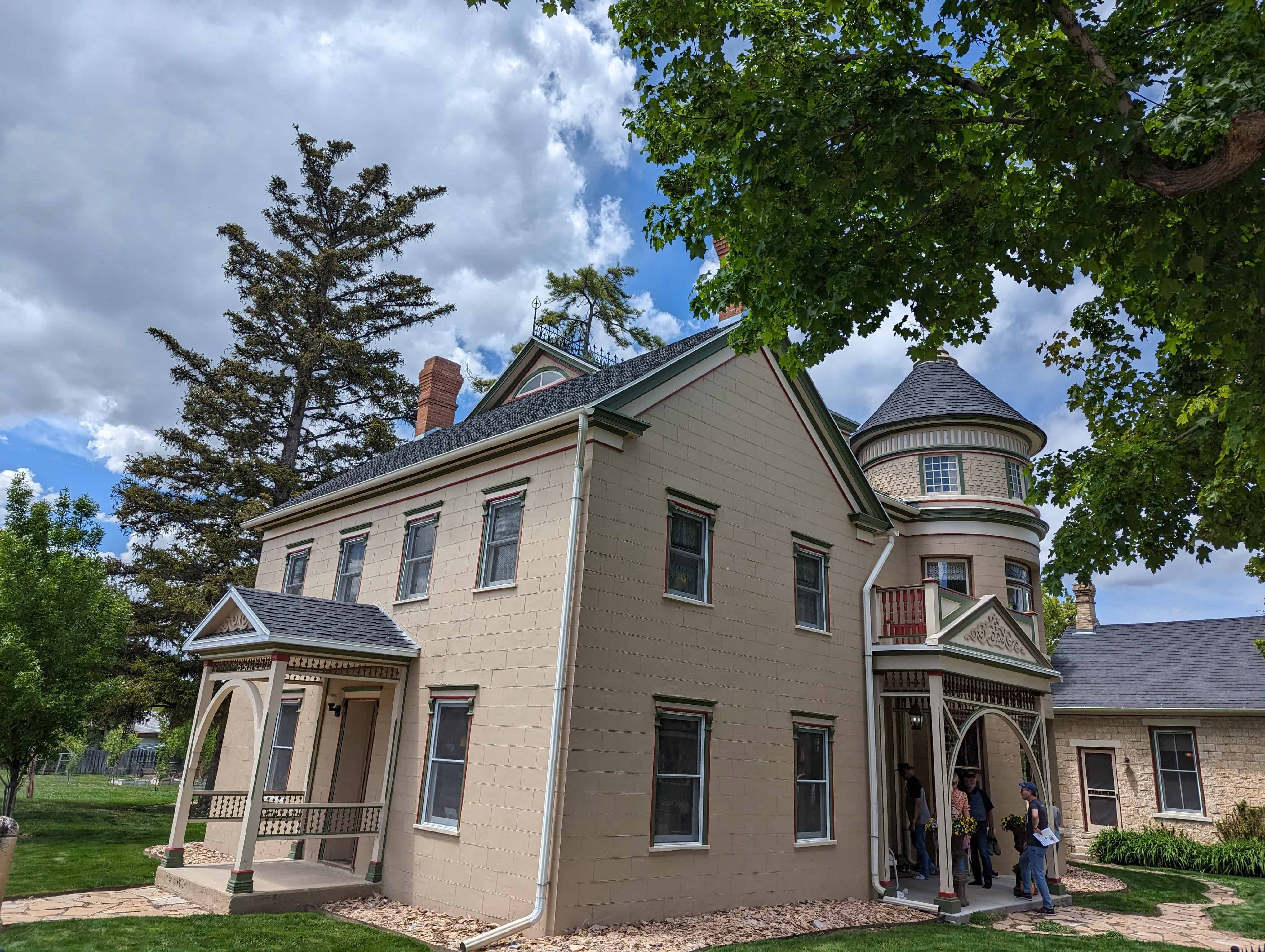
The south section of this house, built of stone in about 1875, is a Classical two-story hall-parlor building. In 1892, the large Victorian addition on the north was completed. The stone walls of the house have been stuccoed and scored to simulate ashlar masonry. Jacob Johnson (1847-1925) built the original section of the house when he opened his law office in Spring City and lived here with his wives, Margaret Anderson (1844-1885) and Matilda Justesen (1866-1930). It is the largest house in Spring City, and was the first house in town to have a bathroom and running water.(*)
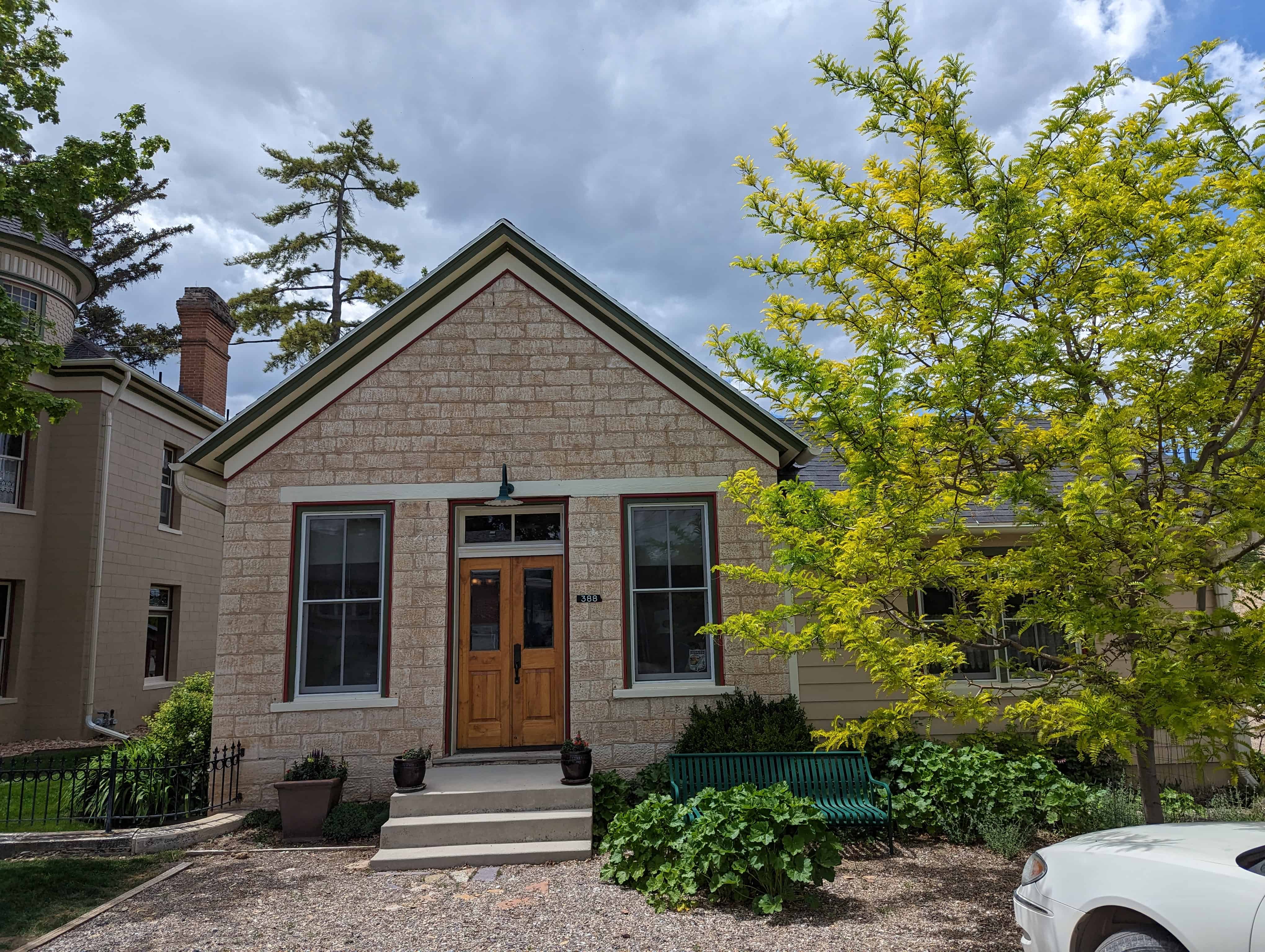
The oolitic limestone building just to the north, with cement block addition, served as his office and library. later, when Johnson became judge for the 7th Judicial of Utah, the building became his court.
A fine stone barn is situated north of the house and office.
As a circuit judge, Johnson held court in Manti, Price, Castledale, Moab, and Monticello for a number of years after 1895. He was also a United States Congressman for 2 years.
The current owners are the Anderson’s who have done the restoration on the home.
The old tithing office/Bishop’s Storehouse in Spring City, Utah. I’ve been trying to document all of the old tithing offices I can (see the link below for others). This one was built in 1905 and is very similar to those in Fountain Green and Ephraim.
In 1905 the Sanpete Valley received five new Bishop’s storehouses built from a standard plan: Fountain Green, Manti, Fairview, Ephraim and Spring City. These buildings were constructed to receive tithing, store ward records, and to hold meetings. This storehouse was built of stone and brick under a pyramidal roof with a corner entry framed by low rounded arches. The storehouse was once part of a tithing yard with a granary, cellar and barn. In the 1930s it was converted to a Relief Society Hall with a canning room. It also housed the DUP museum for a short while. It was restored and converted to a residence in the late 1990s.*
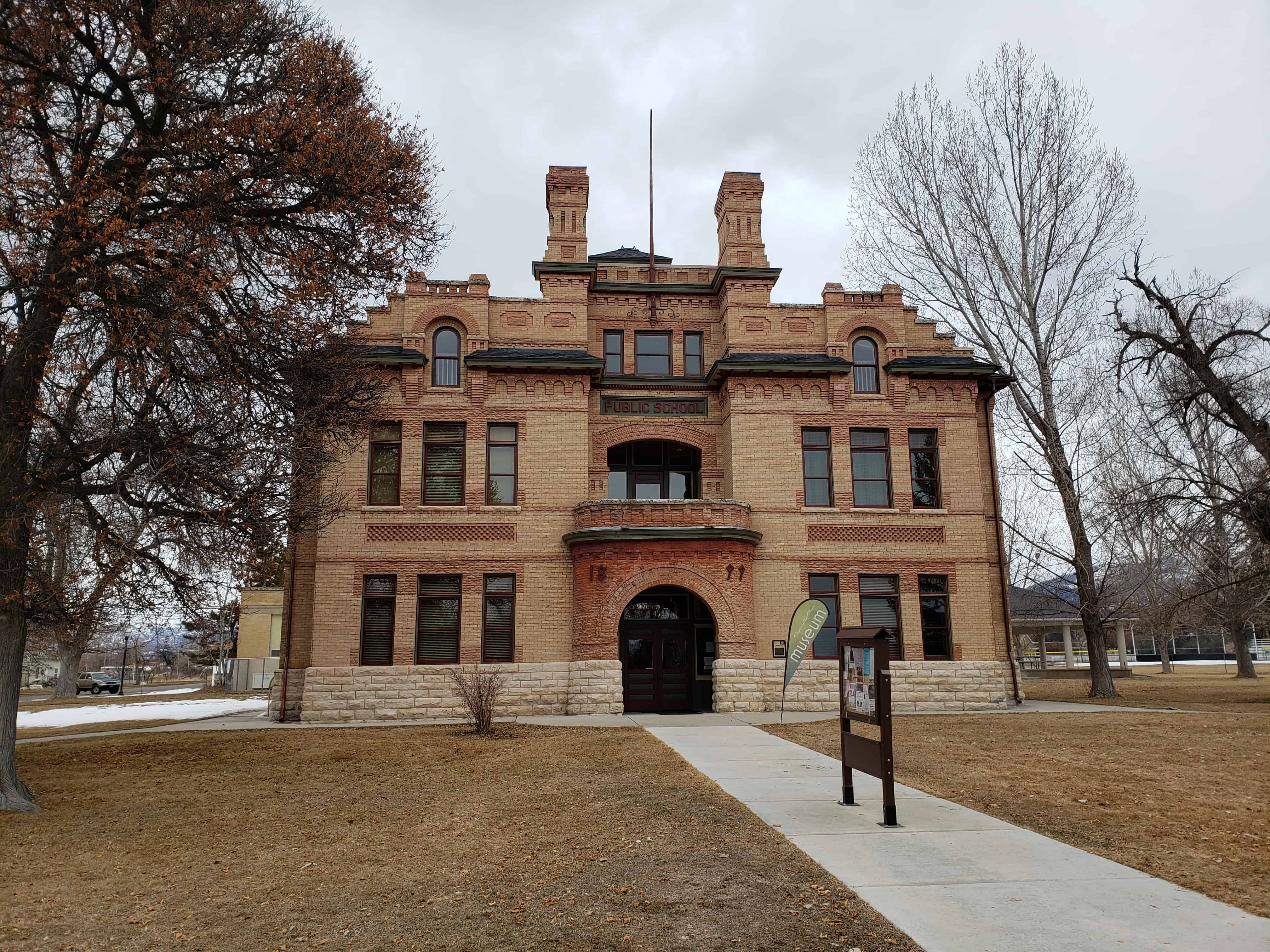
This Victorian Eclectic public school, noted for its fine brick work, was built in 1899. It was designed by noted architect Richard C. Watkins of Provo, who also designed the Spring City Meetinghouse and numerous other school buildings in Utah. The builder was Grace Brothers of Nephi. The building is laid out on an “H” plan and had 4 classrooms on each of the 2 floors. Last used as a school in 1957, citizens of the area worked from 1979 to 2017 to renovate this landmark building for the community. (text from the plaque on the building)
The school is now the city building and is located at 45 South 100 East in Spring City, Utah. It was added to the National Historic Register (#78002691) on November 14, 1978.
Until 1899 classes were held in various locations scattered throughout Spring City. In that year a public school was completed at the cost of $10,200. Half the amount was financed with a bond and the rest was financed by local citizens including Rasmus Justesen who mortgaged his sheep herd. The architect was R.C. Watkins. General contractor was Grace Brothers of Nephi, employing local labor. Brick and adobe was made in town and stone was quarried nearby.
The building was in use until 1957. In 1977 the North Sanpete School District determined that the school be demolished, but the two local Camps of Daughters of Utah Pioneers negotiated the purchase of the building for one dollar, securing its future. Historic home tours were an early means of fund-raising to keep the structure intact.
By 1987 there were enough concerns over liability that the deed was transferred to the City. Friends of Historic Spring City, a non profit organization, was formed in 1988 to develop a plan with the specific condition that no city funds would be available. Jack Brady was selected as restoration architect.
Heritage Day events, art sales, as well as donations from individuals and foundations allowed the project to proceed. A large grant and loan was secured through Spring City Corp. from the Community Impact Fund Board with The Friends of Historic Spring City being solely responsible for repayment.
Paulsen Construction, with many local tradesmen, completed the restoration in May 2017.
The Friends of Historic Spring City presented the completed building as a gift to the City and citizens as City Hall and Community Center. (text from sanpete.com)
The Daughters of Utah Pioneers museum is also located inside the old school.
The following text is from the National Register of Historic Places nomination form in 1978:
The Spring City School, built following the transition from church-supported to public education, is one of the outstanding architectural examples of public school architecture in Utah. It is one of only three public buildings in Spring City (the others are the small City Hall, built as a school in 1893 and converted to city offices in 1900; and the imposing Spring City Tabernacle, also designed by Richard C. Watkins, architect of the 1899 school).
The 1899 school was the fourth school to be used in Spring City. A brickyard was opened in the 1880s and was still in operation and was the source for brick when the school was built. The school was built on a roughly H-shaped plan, with halls on both floors at the crossing of the H and two classrooms on each side of the H on each floor, providing one classroom for each grade.
In the fall of 1916, a new junior high school for grades seven through nine was opened behind the old school; the classroom on the northwest corner of the second floor became a library. In about 1946, following years of declining school population, the elementary grades were combined under three teachers. The library became a kitchen, and the adjacent classroom became the lunchroom. The two south rooms on the second floor were made into a stage and auditorium. Before that time school plays and activities had been held in the L.D.S. social hall (a brick building across Main Street from the L.D.S. ward house). In addition to school functions, the new auditorium was used for town meetings, dancing and educational films for the community.
A district consolidation relocated the junior high grades in Moroni in 1956, and remodeling began on the junior high building in Spring City. When that work was completed in 1959, the old brick school was closed and the elementary grades were moved into the remodeled junior high school and the old brick school was closed. During the 1960s the building was used for several years as a camper manufacturing plant, and for a time the Utah sculptor Avard Fairbanks stored some of his work there, In 1977 the local camps of the Daughters of Utah Pioneers persuaded the school board to transfer title to the building only (but not the surrounding property) to them for use as a museum.
Richard C. Watkins (1869-1941), architect of the Spring City School, was born in Bristol, England, and immigrated to Utah in 1869. Prom about 1890 to 1892 he worked as a draftsman for Richard K. A. Kletting, Utah’s most important architect for more than a generation. In 1892 Watkins began his own firm, and in association with various other architects during the next three decades was perhaps the most prolific architect in central Utah, His firm office designed about 240 schools and about 140 other buildings. In 1911 he was appointed architect for state schools. Watkins was most probably the architect for the Spring City L.D.S. Tabernacle.
!. In March, 1852, at the suggestion of Brigham Young, James Allred and several other Mormon families began settling along Canal Creek in Sanpete County in what is now the southwest part of Spring City. The following July, the Walker War with Chief Walker and the Sanpitch Indians began, and settlers at Pleasant Creek fled north to join the Allred settlement. A fort was finished in July 1853, but after continued problems with the Indians, the fort was abandoned and the townspeople moved to Manti. Although an attempt was made to resettle Spring City in the fall of 1853, it was vacated again in December. Settlers did not return until 1859.
A substantial number of Danish immigrants came to Spring City beginning in 1859. Most of the Danish settlers were tradesmen, and did not develop large livestock or produce farms. Three Danish stonemasons, Jens J. Sorensen, John Peter Carlson, and John Bohlin, were among the most important builders in the community. They helped build the ward chapel and many of the stone houses, and did much of the stone work on the Manti Temple. A one-room adobe meeting house was built soon after they arrived in Spring City, where Danish services were held until after the turn of the century. Much of the history of the town reflects the cultural influence of the large Danish population.
Spring City’s population reached a high of 1,235 in 1900, but the decline of agriculture in Sanpete County contributed to an out-migration beginning in the Twenties. Recent coal and energy developments in Emery County (east of Sanpete County) have brought some new residential construction to the town, which as ~ late as the fifties was largely unchanged from its turn of the century appearance.
Completed in 1899, the appearance of the school is largely unchanged. Deterioration has occurred around the door and window openings, but the major damage to the building is cracked or collapsed ceilings and window breakage.
The two-and-a-half story brick building is rectangular with a hipped roof. Stepped gables on the side facades balance the stepped parapet of the front façade. The Boost prominent architectural elements are the pattern brick details around the door and window openings and at the cornices. The roof for the projecting, round arch entrance canopy with recessed doors makes a second floor balcony, with the door to the balcony also recessed behind a segmental brick arch. Round arch windows in the stepped parapet break the eave line on either side of the entrance bay. The roof is capped by a small bell tower, framed by two corbelled and patterned brick chimneys.