• About JacobBarlow.com
  • Cemeteries in Utah
  • D.U.P. Markers
  • Doors
  • Exploring Utah Email List
  • Geocaching
  • Historic Marker Map
  • Links
  • Movie/TV Show Filming Locations
  • Oldest in Utah
  • Other Travels
  • Photos Then and Now
  • S.U.P. Markers
  • U.P.T.L.A. Markers
  • Utah Cities and Places.
  • Utah Homes for Sale
  • Utah Treasure Hunt

JacobBarlow.com

~ Exploring with Jacob Barlow

JacobBarlow.com

Tag Archives: Sugar

Sugar City Sugar Beet Factory

03 Saturday Feb 2024

Posted by Jacob Barlow in Uncategorized

≈ Leave a comment

Tags

DUP, Factories, Historic Markers, Idaho, Sugar, Sugar Beets

Sugar City Sugar Beet Factory

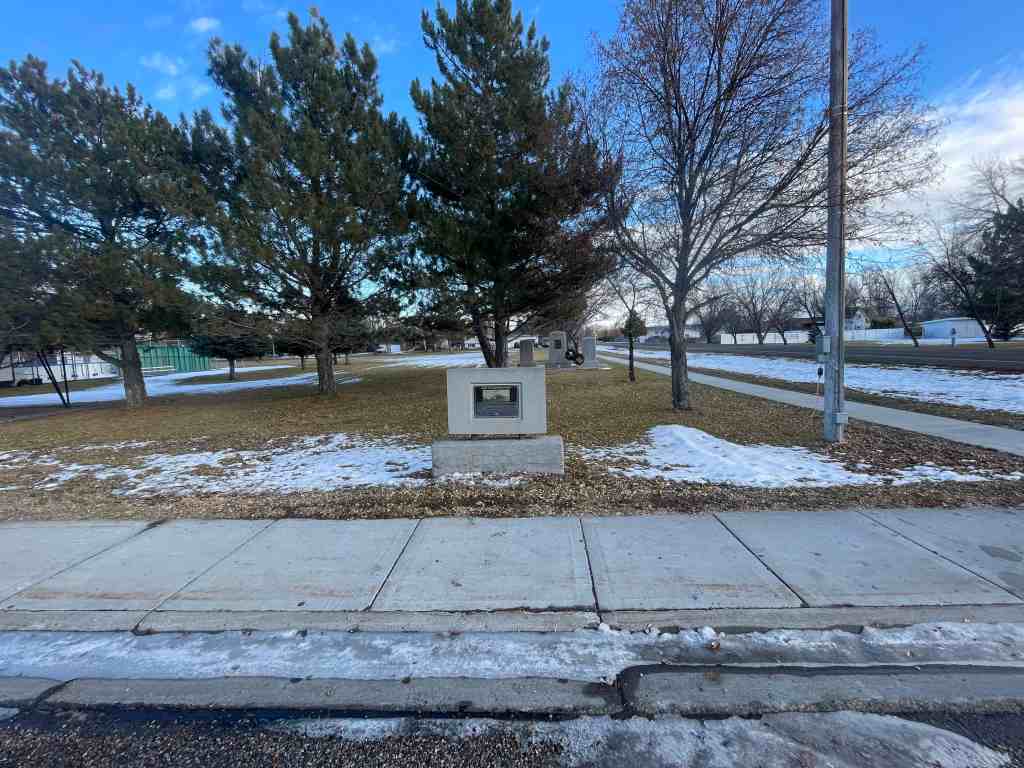
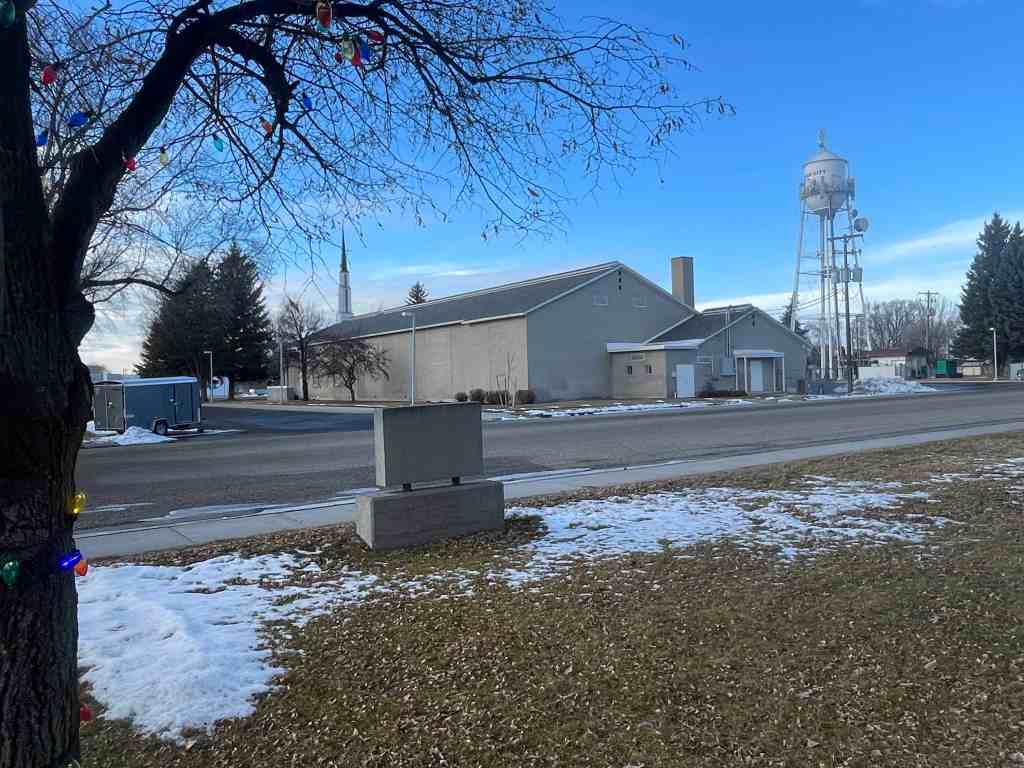
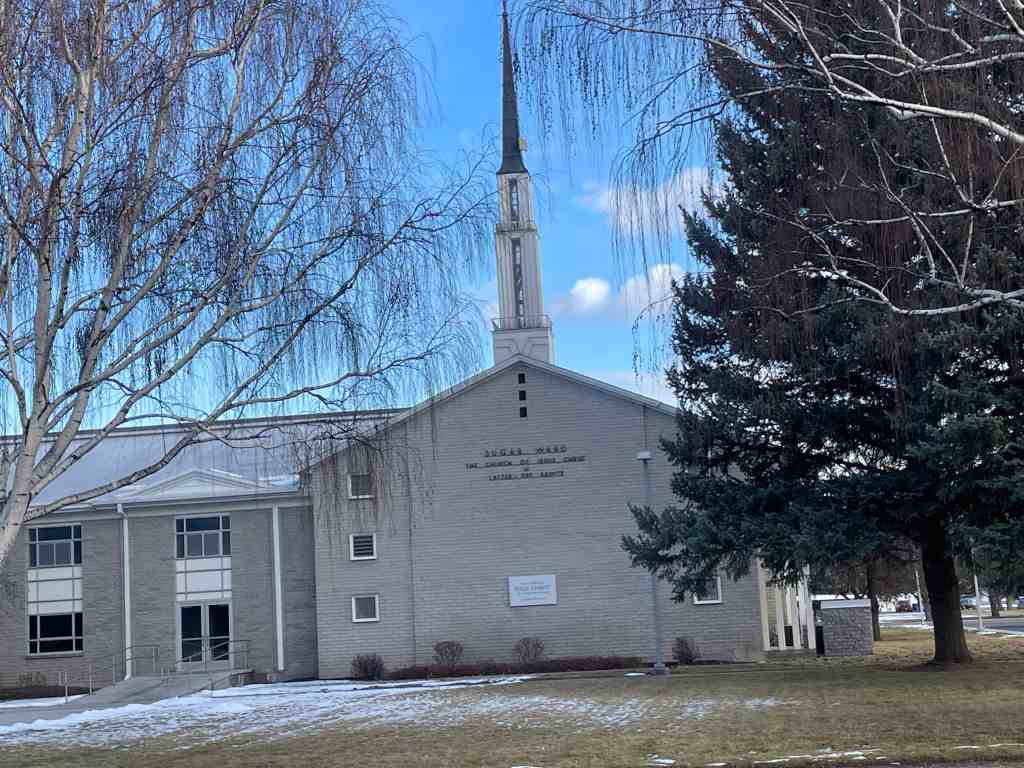
In August 1903, Mark Austin negotiated the purchase of a section of land here, the south half to be used as this town site and the north half, about 1/2 mile northeast, to be used for a sugar beet factory for the Fremont County Sugar Company. By October 1903, E.H. Dyer had contracted to build the $750,000 factor. Early in 1904, the company signed an additional contract with Dyer providing for the erection of an auxiliary plant at Parker, bringing the total to nearly $1 million.

On December 8, 1903, President Joseph F. Smith, elected president of the company, laid the cornerstone of the factory which processed 35,000 tons of beets the next fall. The Church of Jesus Christ of Latter-day Saints sent 3 chemists from Germany to teach the people how to make sugar. Growing beets required very hard labor. Planting, cultivating, and digging were done with horses, but the difficult thinning, weeding, irrigating, toping, and loading were done by hand by the farmer and his family. In 1906 the company paid laborers and growers $3/4 million. The town grew and 20 businesses flourished here.

At the slicer in Parker, beet juice was extracted and pumped almost 6 miles away through a pipeline to the factory in Sugar City. The slicer was closed in 1913 because of difficulties incident to the extremely cold weather. Juice would freeze in the pipeline, and the water and beets would freeze in the flume.

Because of limitations of acreage and labor, the factory was closed in 1940 and 1941 but reopened for the last campaign in 1942. The factory was dismantled in 1947.

The above text is from the monument (Daughters of Utah Pioneers historic marker #525) located at Park Avenue and Center Street in Sugar City, Idaho.

  • D.U.P. Historic Markers

The photos below were submitted by Marshall Hurst:

Garland Sugar Beet Refinery

26 Thursday May 2022

Posted by Jacob Barlow in Uncategorized

≈ Leave a comment

Tags

Factories, Refineries, Sugar

  • Mural on the side of 1 N Main St

The Garland Sugar Beet Refinery (1903-1979) was part of the Utah-Idaho Sugar Company and was located east of town on Factory Street.

From loc.gov:
The history of the beet sugar industry in Utah began at the Lehi Plant of the Utah Sugar Company. In that plant on 15 October 1891, Edward Dyer reached into a whirling centrifugal and withdrew a handful of white crystals – the first white granulated sugar manufactured in the Mountain West, also the first beet sugar made with American machinery, and the first sugar made from irrigated beets. The Garland Plan is now the oldest working sugar beet refinery in the Mountain West and a remarkable example of early agricultural-industrial ventures in the State of Utah. Reorganized in 1901 as the Utah-Idaho Sugar Company, the firm turned out more than 16 billion pounds of sugar in its first 75 years and now distributes its product in the twenty-four Western states.

Related:

  • Garland, Utah
  • Gunnison Valley Sugar Company
  • Lehi Sugar Factory
  • Springville-Mapleton Sugar Company
  • The Sugar Mill: How Sugar House Got Its Name
  • Utah Idaho Sugar Company Factory
  • https://www.loc.gov/item/ut0010/
  • https://www.loc.gov/resource/hhh.ut0010.sheet/?sp=2
  • https://beckinnovation.com/jmiltonleila/beethisgp/index.htm

Springville-Mapleton Sugar Company

13 Sunday Sep 2020

Posted by Jacob Barlow in Uncategorized

≈ Leave a comment

Tags

Mapleton, Springville, Sugar, utah, utah county

This building, now part of JW Storage at 1940 S State St in Springville, Utah was part of the Springville-Mapleton Sugar Company until 1930 when it was purchased by the U and I Sugar Company, it was shut down in 1940.

Utah Idaho Sugar Company Factory

07 Monday Aug 2017

Posted by Jacob Barlow in Uncategorized

≈ 2 Comments

Tags

historic, Historic Markers, Salt Lake County, Sugar, SUP, utah, West Jordan

2017-07-03 19.02.58

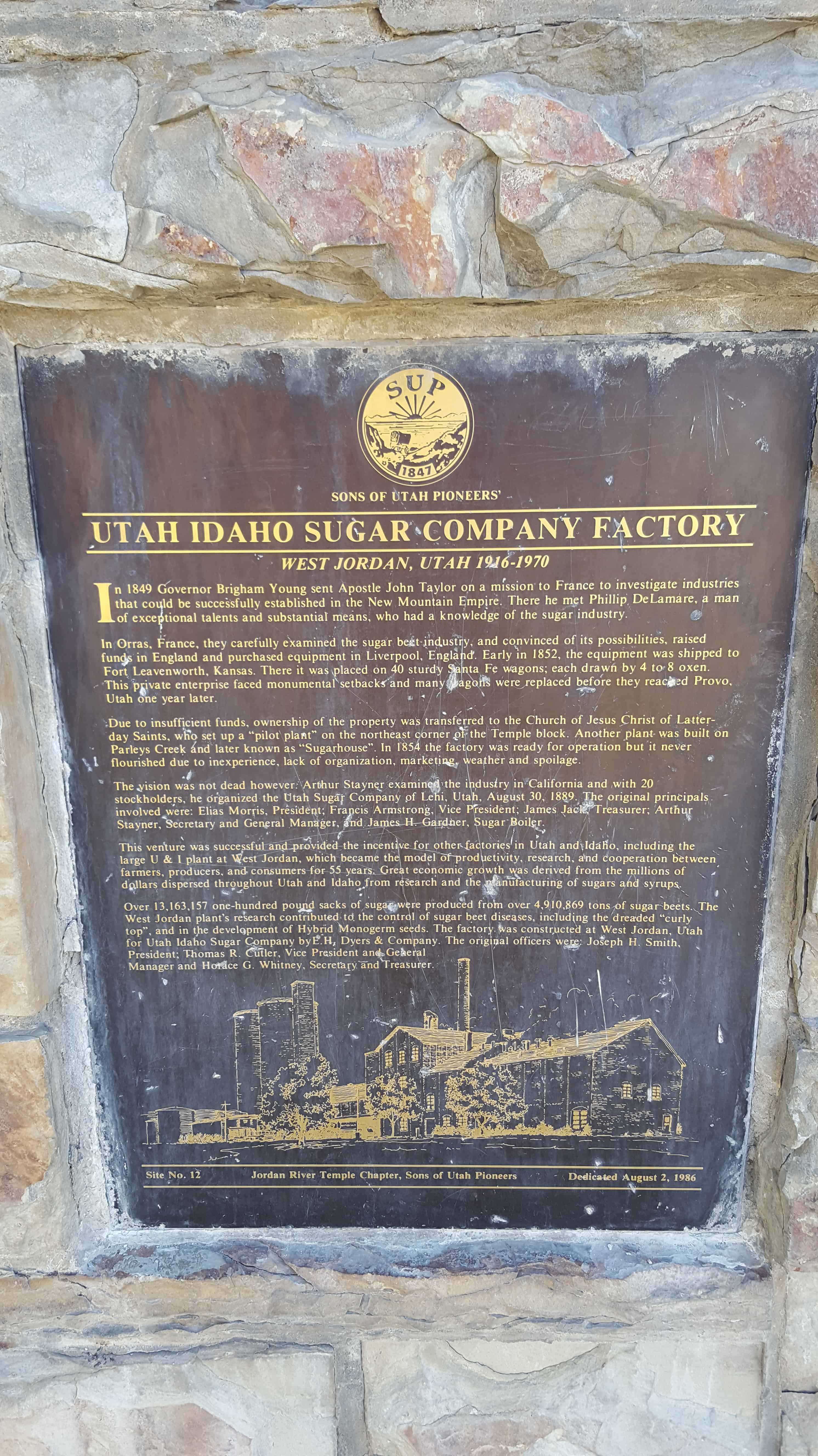
West Jordan, Utah 1916-1970

In 1849 Governor Brigham Young sent Apostle John Taylor on a mission to France to investigate industries that could be successfully established in the New Mountain Empire. There he met Phillip DeLamare, a man of exceptional talents and substantial means, who had a knowledge of the sugar industry.
In Orras, France, they carefully examined the sugar beet industry, and convinced of its possibilities, raised funds in England and purchased equipment in Liverpool, England. Early in 1852, the equipment was shipped to Fort Leavenworth, Kansas. There it was placed on 40 sturdy Santa Fe wagons; each drawn by 4 to 8 oxen. This private enterprise faced monumental setbacks and many wagons were replaced before they reached Provo, Utah one year later.
Due to insufficient funds, ownership of the property was transferred to the Church of Jesus Christ of Latter-day Saints, who set up a “pilot plant” on the northeast corner of the Temple block. Another plant was built on Parley’s Creek and later known as “Sugarhouse”. In 1854 the factory was ready for operation but it never flourished due to inexperience, lack of organization, marketing, weather and spoilage.
The vision was not dead however, Arthur Stayner examined the industry in California and with 20 stockholders, he organized the Utah Sugar Company of Lehi, Utah, August 30, 1889. The original principals involved were: Elias Morris, President; Francis Armstrong, Vice President; James Jack, Treasurer; Arthur Stayner, Secretary and General Manager, and James H. Gardner, Sugar Boiler.

This venture was successful and provided the incentive for other factories in Utah and Idaho, including the large U & I plant at West Jordan, which became the model of productivity, research, and cooperation between farmers, producers, and consumers for 55 years. Great economic growth was derived from the millions of dollars dispersed throughout Utah and Idaho from research and the manufacturing of sugars and syrups.

Over 13,163,157 one-hundred pound sacks of sugar were produced from over 4,910,869 tons of sugar beets. The West Jordan plant’s research contributed to the control of sugar beet diseases, including the dreaded “curly top”, and in the development of Hybrid Monogerm seeds. The factory was constructed at West Jordan, Utah for Utah Idaho Sugar Company by E.H. Dyers & Company. The original officers were: Joseph H. Smith, Manager and Horace G. Whitney, Secretary and Treasurer.

Note: This plaque is on the opposite side of the same structure as the Salt Lake and Utah Railroad, SUP #35 in Veterans Memorial Park in West Jordan. In 2013 the structure had crumbled and was rebuilt by the Chapter from the same materials.

See other historic markers in the series on this page for SUP Markers.

2017-07-03 19.03.09

2017-07-03 19.03.20

Salt Lake and Utah Railroad

07 Monday Aug 2017

Posted by Jacob Barlow in Uncategorized

≈ 2 Comments

Tags

historic, Historic Markers, Salt Lake County, Sugar, SUP, utah, West Jordan

2017-07-03 19.02.24

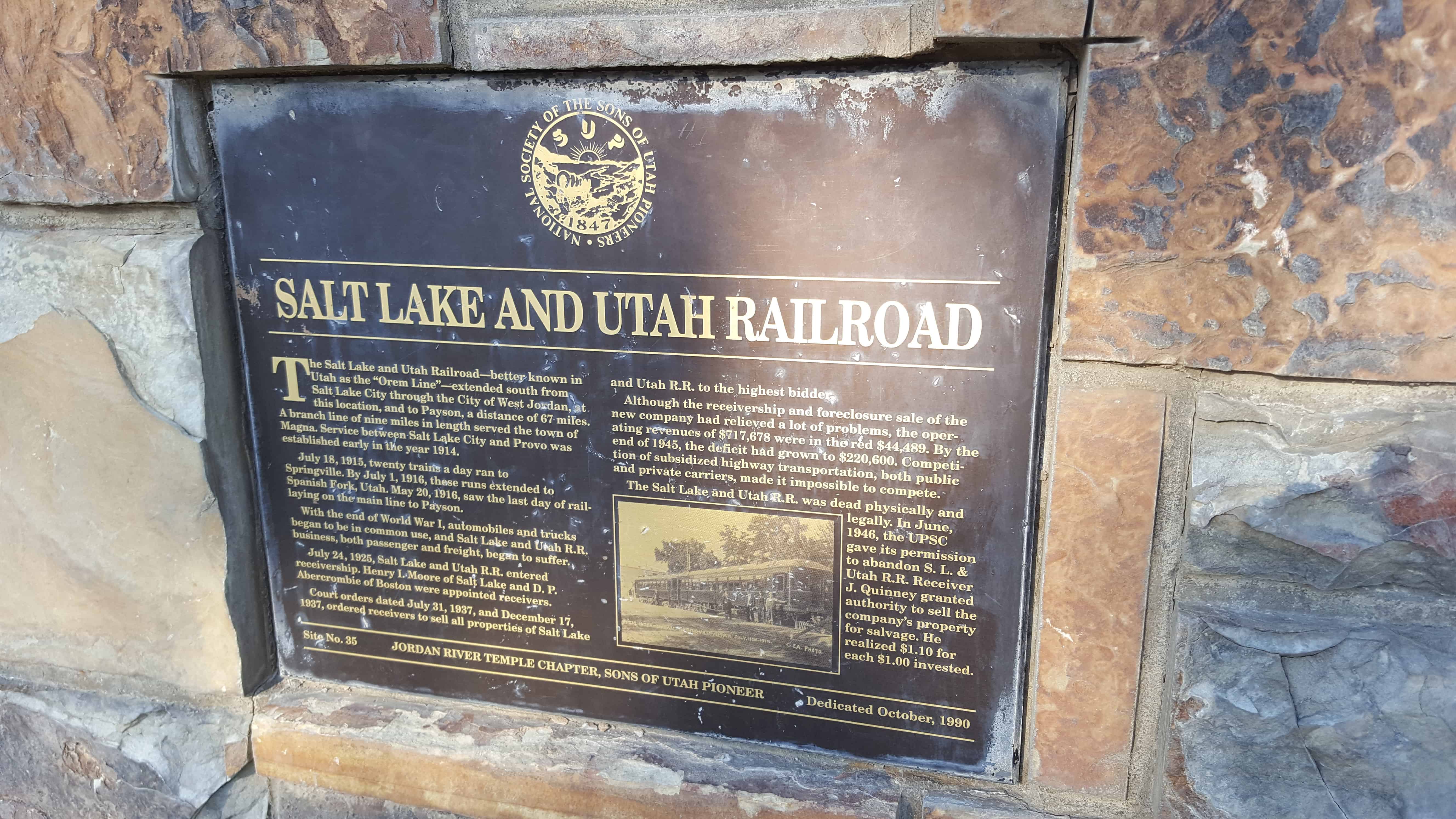
The Salt Lake “Orem Line” – extended south from Salt Lake City through the City of West Jordan, at this location, and to Payson, a distance of 67 miles.
A branch line of nine miles in length served the town of Magna. Service between Salt Lake City and Provo was established early in the year 1914.
July 18, 1915, twenty trains a day ran to Springville. By July 1, 1916, these runs extended to Spanish Fork, Utah. May 20, 1916, saw the last day of rail-laying on the main line to Payson.
With the end of World War I, automobiles and trucks began to be in common use, and Salt Lake and Utah R.R. business, both passenger and freight, began to suffer.
July 24, 1925, Salt Lake and Utah R.R. entered receivership. Henry I. Moore of Salt Lake and D.P. Abercrombie of Boston were appointed receivers.
Court orders dated July 31, 1937, and December 17, 1937, ordered receivers to sell all properties of Salt Lake and Utah R.R. to the highest bidder.
Although the receivership and foreclosure sale of the new company had received a lot of problems, the operating revenues of $717,678 were in the red $44,489. By the end of 1945, the deficit had grown to $220,000. Competition of subsidized highway transportation, both public and private carriers, made it impossible to compete.

The Salt Lake and Utah R.R. was dead physically and legally. In June, 1946, the UPSC gave its permission to abandon S.L. & Utah R.R. Receiver J. Quinney granted authority to sell the company property for salvage. He realized $1.10 for each $1.00 invested.

Note: This plaque is on the opposite side of the same structure as the Utah Idaho Sugar Company Factory, SUP #12 in Veterans Memorial Park in West Jordan. In 2013 the structure had crumbled and was rebuilt by the Chapter from the same materials.

See other historic markers in the series on this page for SUP Markers.

2017-07-03 19.02.43

Spanish Fork Beet Factory

19 Friday Aug 2016

Posted by Jacob Barlow in Uncategorized

≈ 2 Comments

Tags

Factories, historic, Historic Buildings, Lehi, spanish fork, Sugar, utah, utah county

  • IMG_20160527_134936

The first Sugar Factory in Utah was built in Lehi, UT, and it was also the first beet sugar factory in the Mountain West, the first to use beets grown by irrigation, the first to have a systematic program for producing its own beet seed, the first to use American-made machinery, the first to use the “osmose process” of reprocessing molasses, and the first to build auxiliary cutting stations. This factory also served as a training base for many of the technical leaders of the sugar beet industry of the United States.

Needless to say, the Lehi factory was a marvel of modern engineering, and one of the most important buildings in Utah Industry for many years. Most of the history linked to the Spanish Fork Factory finds its way back to Lehi. At one point one could say that quite literally, as until the building of the Pleasant Grove pipeline, the beet pipeline between the Spanish Fork and Lehi factories was the largest beet pipeline in the world, although eventually it corroded due to high alkali soils found in the valley.

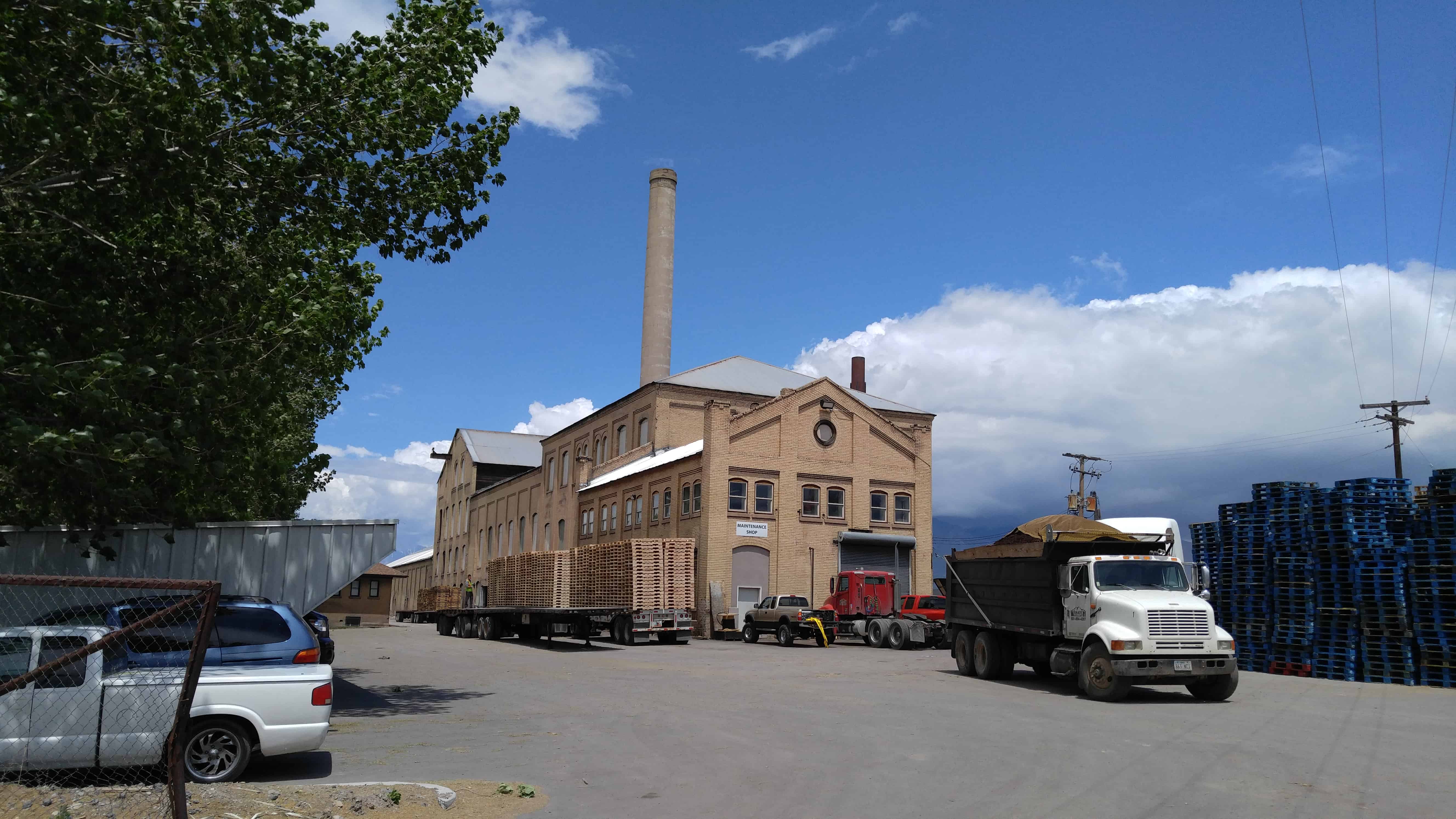
After the initial success of the Lehi factory, many other factories were built around the state. Spanish Fork in particular became the bloodline for the Lehi factory, as the world’s largest and longest pipeline used to transport beets ran between the two. Built sometime in the early 1900s, the factories were owned by the Utah-Idaho sugar company (originally a commercial venture of the LDS / Mormon Church). The current Spanish Fork factory that you can see today was was built in 1916. Much of the plant equipment was transferred from Nampa Idaho to the Spanish Fork area.

The plant was designated as a beet slicing factory and then the beets were shipped to Lehi via pipe. The factory was able to grind 450 to 500 tons of beets per day, 50 tons more than the Lehi factory. The pipe from Spanish Fork to Lehi was, at the time, the longest pipe used for transferring beet pulp in the nation. Trains were an important park of the beet industry, and several railroad lines were extended into Spanish Fork (and possibly down to Payson) expressly for the shipping of sugar beets. There were several factories around the valley, including factories in Payson, Springville, and Provo, although the one in Spanish Fork was one of the largest in the state.

Eventually, the industry changed course. Anti-trust laws broke the back of the company, and many of the factories closed down as a result in the 1920s. Finally, in 1952 the Spanish Fork factory was closed as well, as the industry for sugar swung to sugar cane as the main source of sugar, because it could be grown year-round and the labor to produce it was much cheaper.

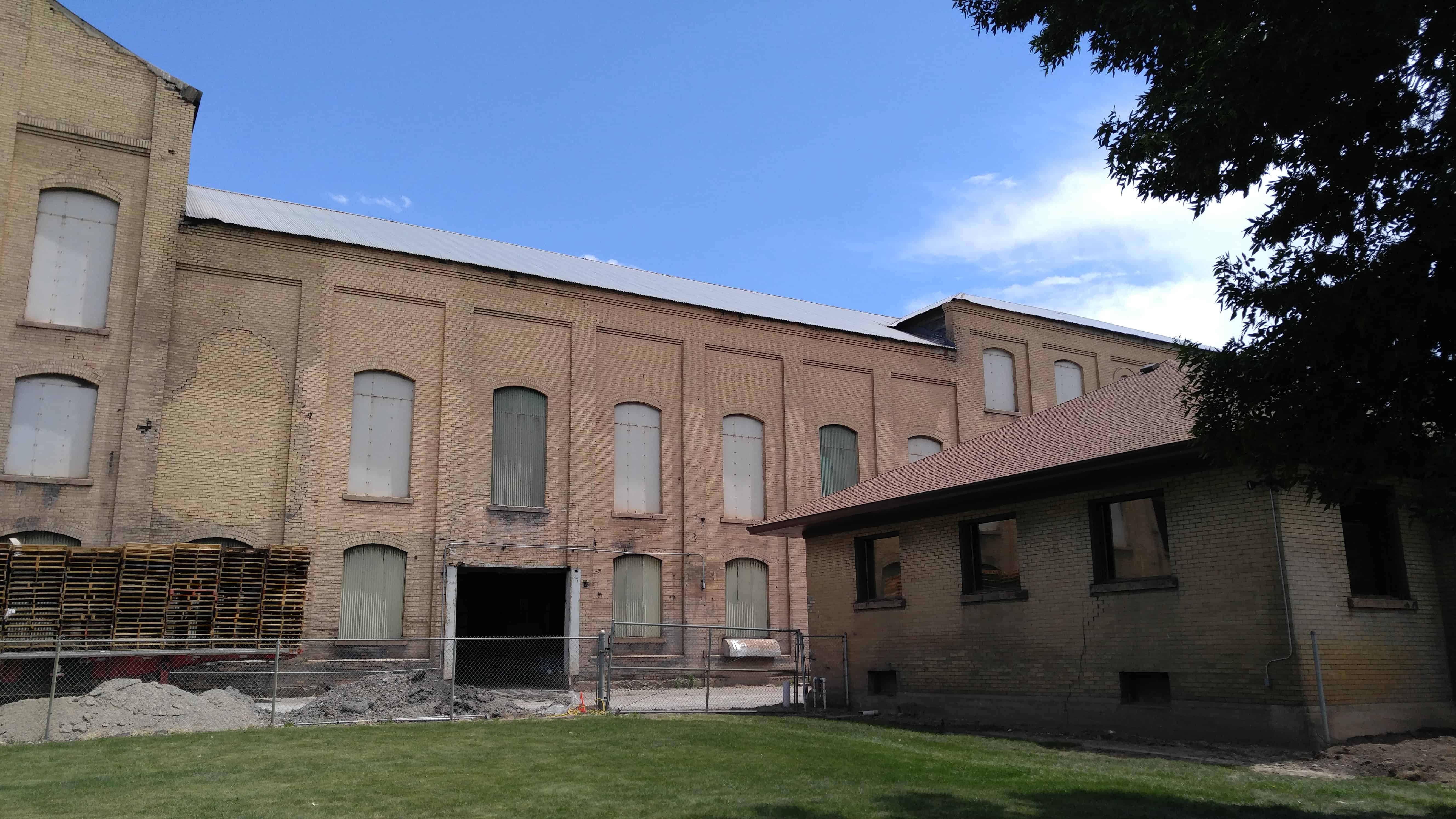
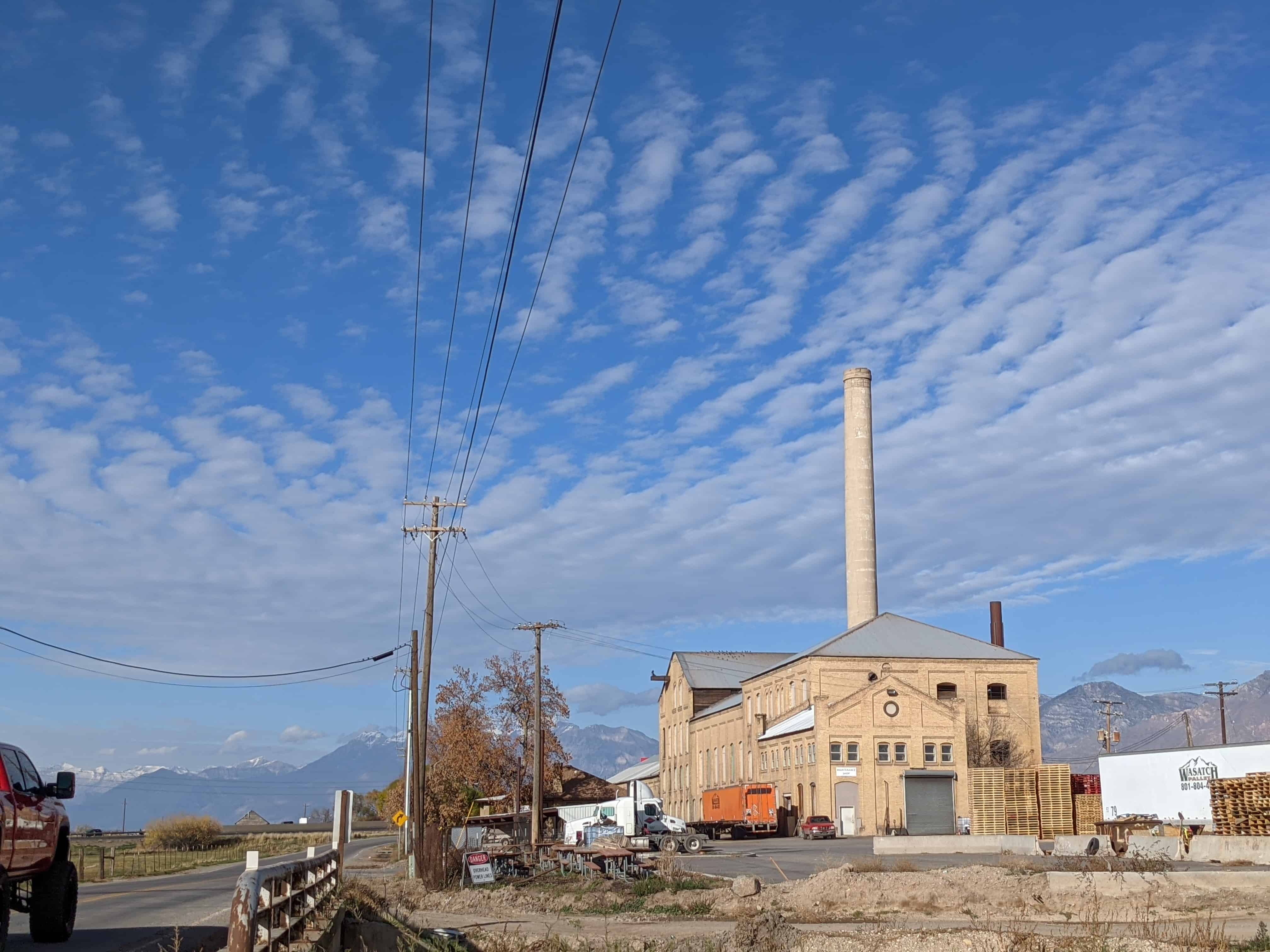
Today, the factory is owned and used by the Wasatch Pallet Company, though most of it is condemned and not considered safe. The owners do not mind letting people get closer just as long as you speak with them and get their permission (you should find them at their office on the south end of the property) and they should oblige. Though a shell of its former self, it is still nevertheless a prominent feature on the landscape, and certainly an important part of the local history.

Located at 521 South 1550 West in Spanish Fork, Utah

  • 2016-05-27 13.47.53

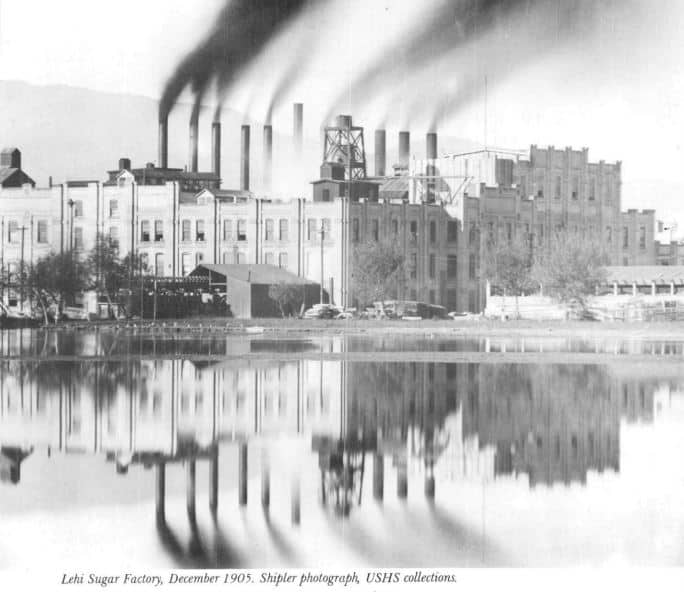
The History of the Lehi Sugar Factory

19 Friday Sep 2014

Posted by Jacob Barlow in Uncategorized

≈ 4 Comments

Tags

Benchmarks, Factories, historic, Lehi, NRHP, Sugar, utah, utah county

picture01jan08-176

The Lehi Factory of the Utah Sugar Company, of the Church of Jesus Christ of Latter-day Saints, occupies a pre-eminent place among early sugar mills in America.  As historian Leonard Arrington has written: “It was the first sugar-beet factory in the Mountain West, the first to utilize beets grown by irrigation, the first to use American made machinery, the first to use the ‘osmoses process’ of reprocessing molasses, the first to built auxiliary cutting stations and the first to have been established as part of a great social and religious movement.”

The factory was built in 1891 and the first sugar strike was completed on October 15 of that year.  During that first growing season 565 farmers planted 1500 acres of sugar beets which processed into 12,500 100-pound bags of sugar.  The success of the factory had a dramatic effect on Lehi‘s financial well-being.

Between 1890 and 1896 nearly thirty new businesses came into existence.  Many local men, with valuable experience gained at this factory, were relocated to other areas and helped establish many additional factories in Utah and Idaho.  The Utah Sugar Company eventually became the Utah and Idaho Sugar Company and then the U and I Sugar Company.

During 1899 and 1900 the factory doubled in size.  To accommodate the growing demands for sugar during World War I, a huge fourteen-million-pound capacity warehouse was completed along with the 184-foot high smokestack, both of which are still standing in 2008 (and 2014).

The demise of the Lehi Sugar Factory was ultimately caused by two beet maladies: nematodes (round worms) and “curly top” from white fly infection.  Farmers did not plan sufficient acreage in this area to sustain the factory and it closed after the 1924 campaign although beets continued to be grown locally and processed at other factories until the 1960s.  The machinery was shipped to new factories in other locations and in 1939 the main buildings of this factory were demolished.  Many of the bricks were used to construct the Joseph Smith Memorial Building on the BYU Campus and the Lehi First Ward Chapel.

The large sugar warehouse continually stored sugar from 1914 until the late 1960s.  The Utah and Idaho Sugar Company sold the property in 1979 to the Thomas Peck and Sons trucking Company.  In 1996 the smokestack was remodeled into a cell phone antenna tower.  Until Micron established its Lehi Division during the late 1990s, no single business provided greater financial benefits to the local economy than the Sugar Factory.

2014-08-18 18.22.59
2014-08-18 18.23.04
2014-08-18 18.24.26
2014-08-18 18.24.40

After the initial success of the Lehi factory, many other factories were built around the state. Spanish Fork in particular became the bloodline for the Lehi factory, as the world’s largest and longest pipeline used to transport beets ran between the two. Built sometime in the early 1900s, the factories were owned by the Utah-Idaho sugar company (originally a commercial venture of the LDS / Mormon Church). The current Spanish Fork factory that you can see today was was built in 1916. Much of the plant equipment was transferred from Nampa Idaho to the Spanish Fork area.

See other historic markers in the series on this page for SUP Markers.

The stack is also an NGS Benchmark. “LO0797” LEHI U I SUGAR CO STACK

  • Benchmarks

Follow Jacob

Follow Jacob

Blog Stats

  • 2,036,245 hits

Social and Other Links

BarlowLinks.com

Recent Posts

  • Pioneer Hay Barn, Manger, and Corral
  • Grain Reaper
  • Early Pioneer Granary and Home
  • Dixie Sorghum (Molasses) Mill
  • This is the Place State Park

Archives


Loading Comments...