• About JacobBarlow.com
  • Cemeteries in Utah
  • D.U.P. Markers
  • Doors
  • Exploring Utah Email List
  • Geocaching
  • Historic Marker Map
  • Links
  • Movie/TV Show Filming Locations
  • Oldest in Utah
  • Other Travels
  • Photos Then and Now
  • S.U.P. Markers
  • U.P.T.L.A. Markers
  • Utah Cities and Places.
  • Utah Homes for Sale
  • Utah Treasure Hunt

JacobBarlow.com

~ Exploring with Jacob Barlow

JacobBarlow.com

Monthly Archives: August 2017

Geneva/Horse Canyon Mine Monument

31 Thursday Aug 2017

Posted by Jacob Barlow in Uncategorized

≈ 1 Comment

Tags

Carbon County, Coal, Helper, Mining, utah

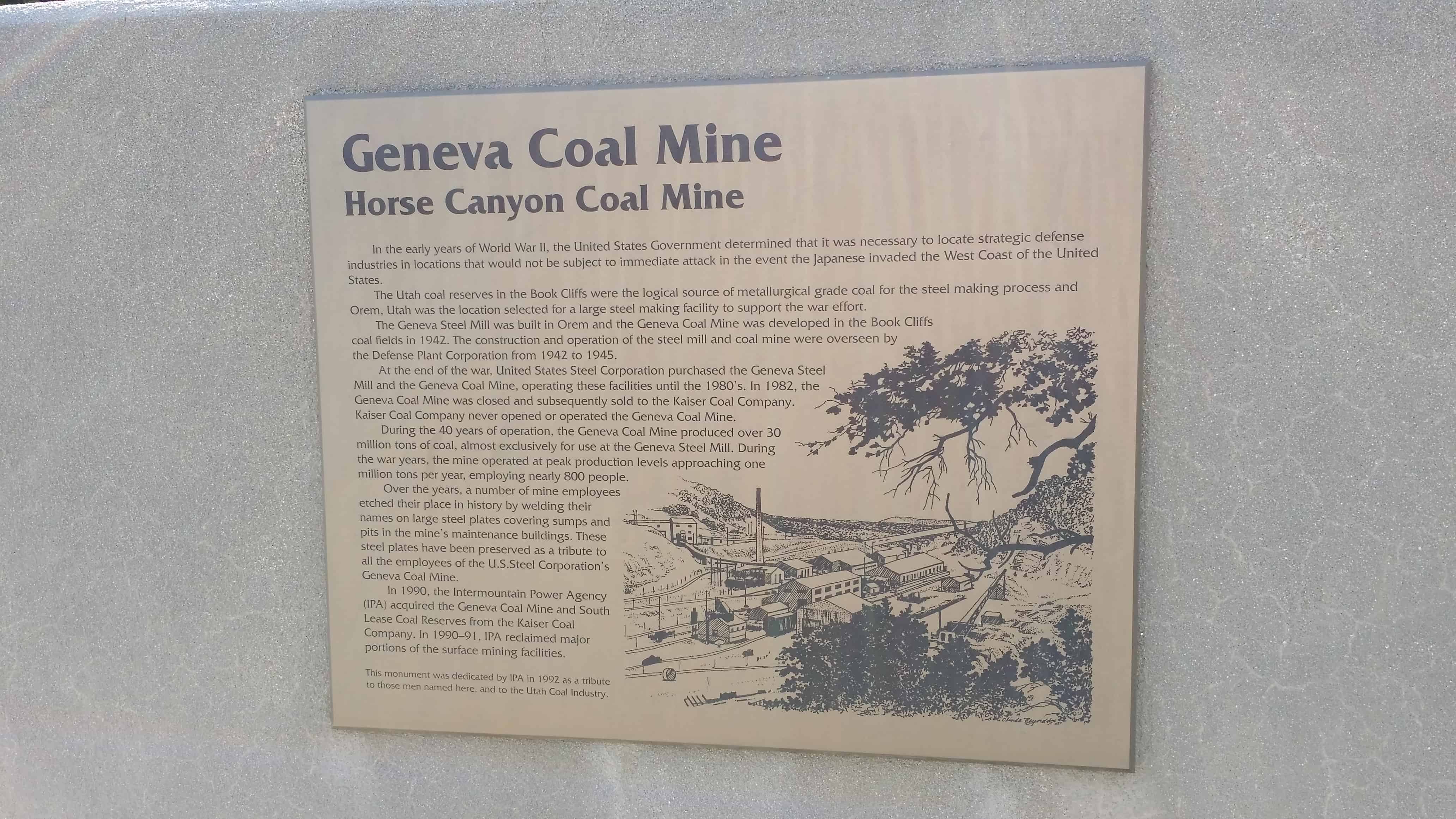
2014-07-07 17.06.46

GENEVA COAL MINE

HORSE CANYON COAL MINE

In the early years of World War II, the United States Government determined that it was necessary to locate strategic defense industries in locations that would not be subject to immediate attack in the event the Japanese invaded the West Coast of the United States.

The Utah coal reserves in the Book Cliffs were the logical source of metallurgical grade coal for the steel making process and Orem, Utah, was the location selected for a large steel making facility to support the war effort.

The Geneva Steel Mill was built in Orem and the Geneva Coal Mine was developed in the Book Cliffs coal fields in 1942. The construction and operation of the steel mill and coal mine were overseen by the Defense Plant Corporation from 1942 to 1945.

At the end of the war United States Steel Corporation purchased the Geneva Steel Mill and the Geneva Coal Mine, operating these facilities until the 1980’s. In 1982, the Geneva Coal Mine was closed and subsequently sold to the Kaiser Coal Company. Kaiser Coal Company never opened or operated the Geneva Coal Mine.

During the 40 years of operation the Geneva Coal Mine produced over 30 million tons of coal, almost exclusively for use at the Geneva Steel Mill. During the war years the mine operated at peak production levels approaching one million tons per year, employing nearly 800 people.

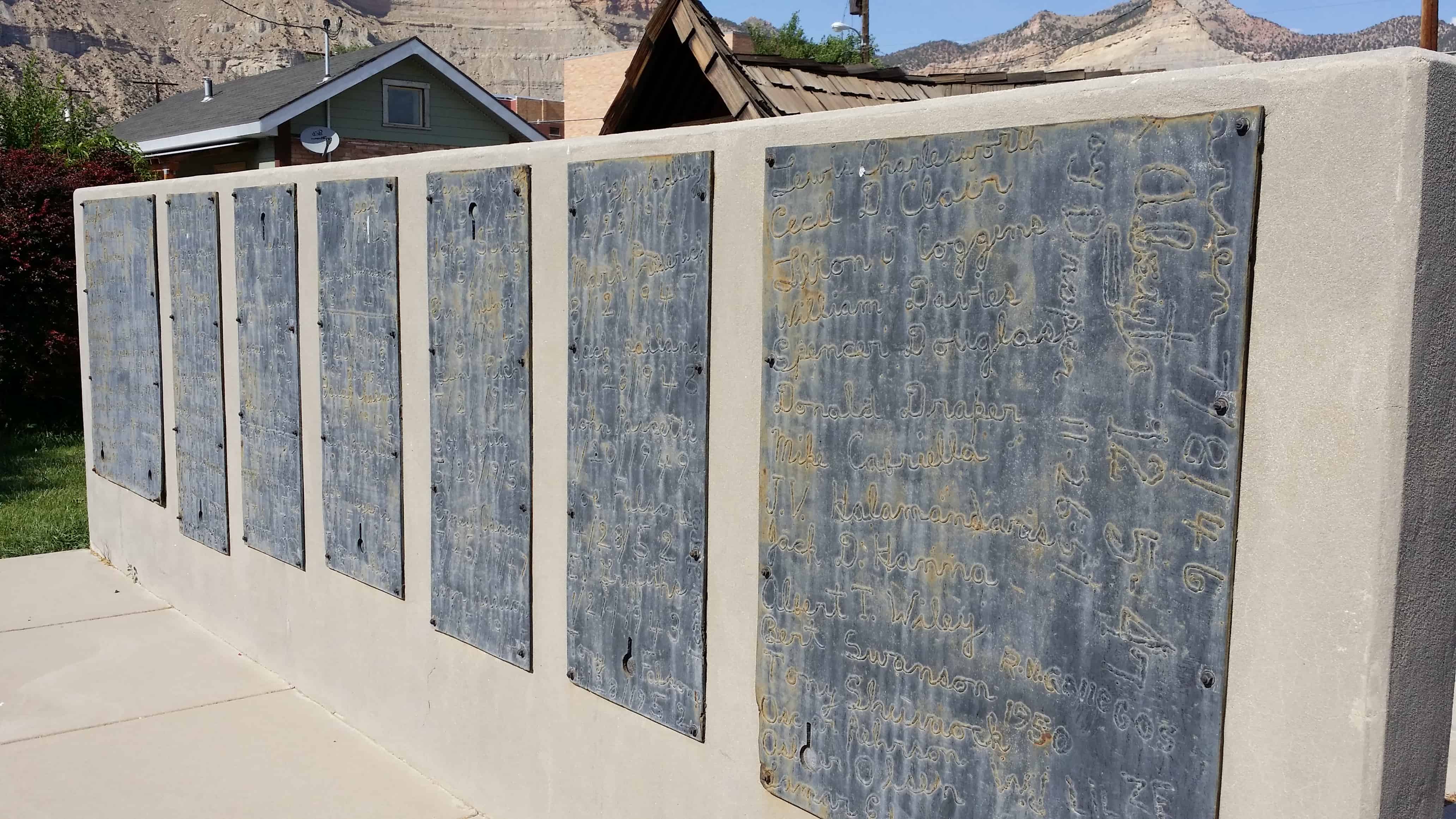
Over the years, a number of mine employees etched their place in history by welding their names on large steel plates covering sumps and pits in the mines maintenance buildings. These steel plates have been preserved as a tribute to all employees of the U.S. Steel Corporation’s Geneva Coal Mine

In 1990 the Intermountain Power Agency (IPA) acquired the Geneva Coal Mine and South Lease coal Reserves from the Kaiser Coal Company. In 1990-91 IPA reclaimed major portions of the surface mining facilities.

This monument dedicated by IPA in 1991 as a tribute to those men named here and to the Utah Coal Industry.

12 STEEL PLAQUES CONTAIN WELDED NAMES OF MINE EMPLOYEES

Click here to see other info on Helper, Utah.

2014-07-07 17.06.51

2014-07-07 17.06.57

Heber C. Kimball Monument

31 Thursday Aug 2017

Posted by Jacob Barlow in Uncategorized

≈ 1 Comment

Tags

Heber City, historic, Historic Markers, utah, Wasatch County

  • ingress_20130705_135255_1

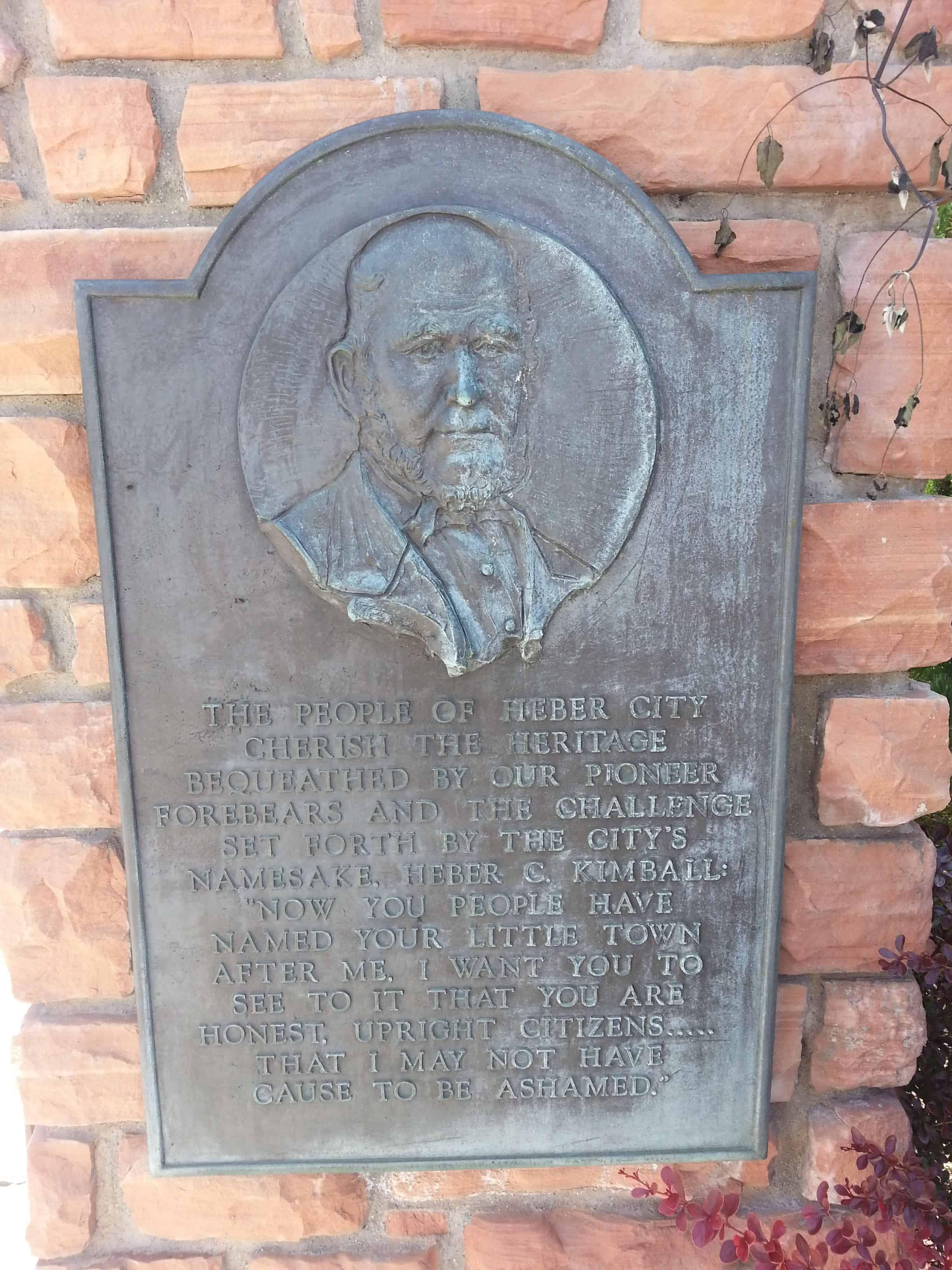
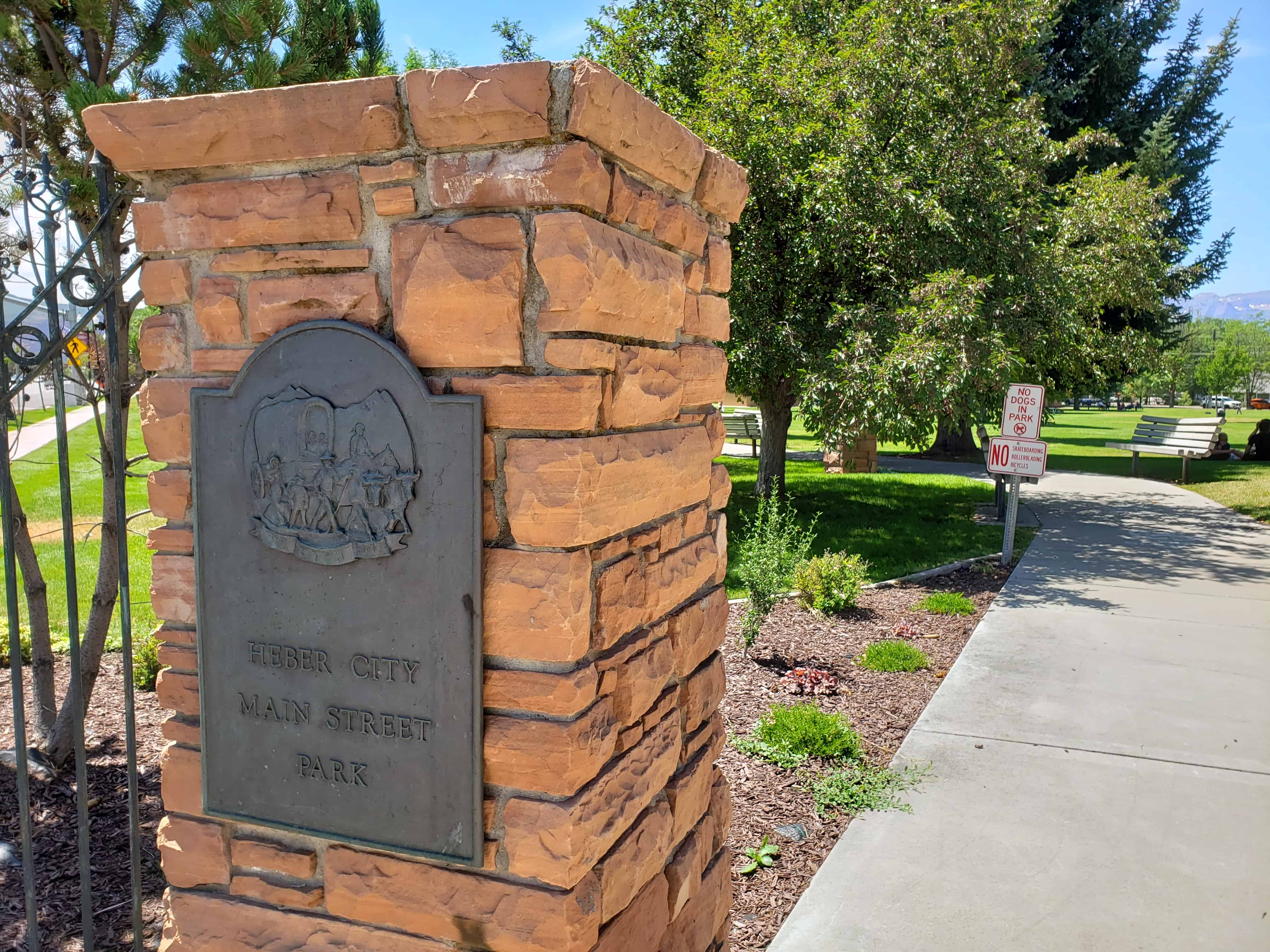
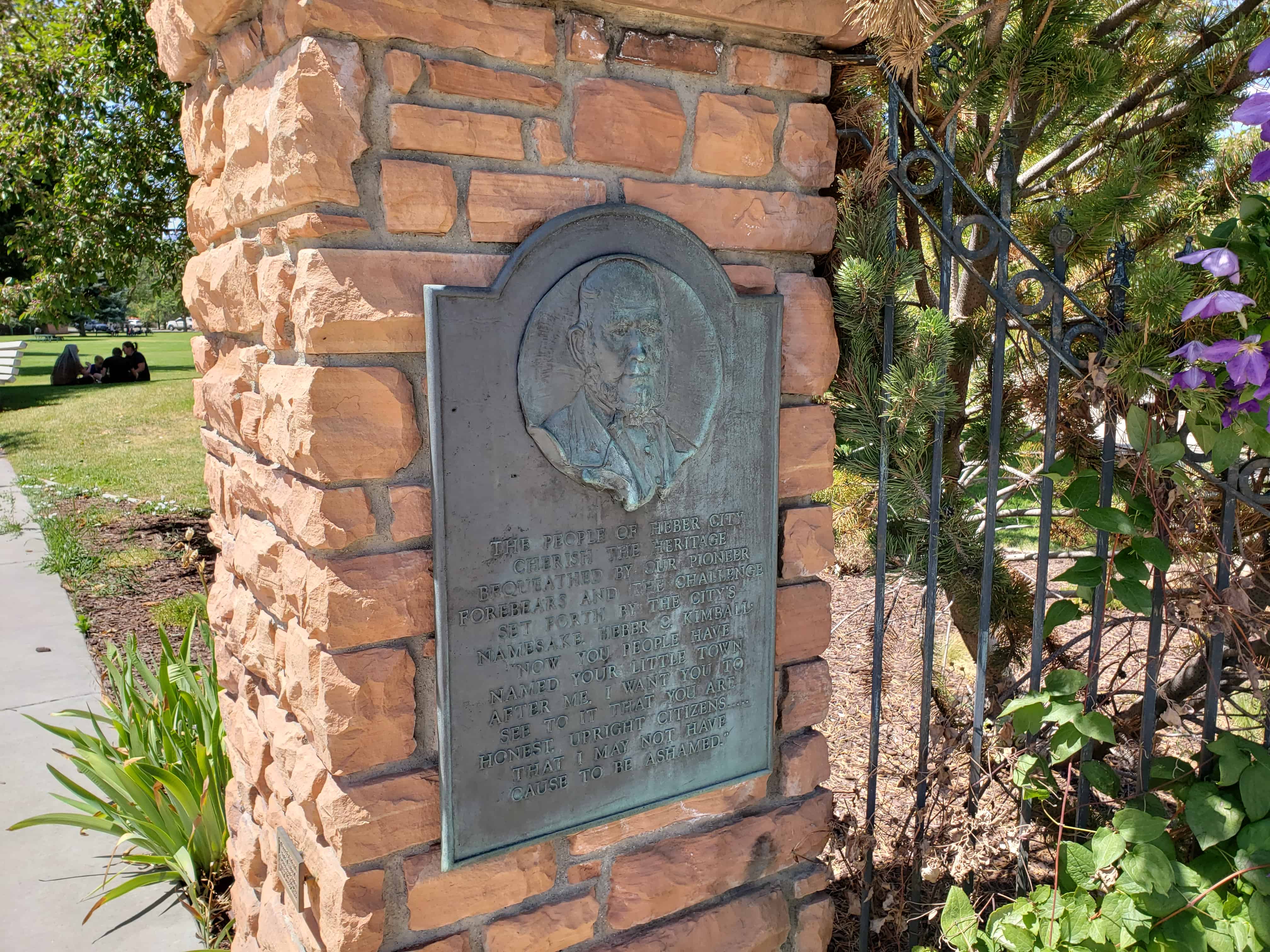
A Monument/Plaque to Heber C. Kimball at the Main Street Park in Heber.  Across the street from the DUP Museum.

It reads:

The people of Heber City cherish the heritage bequeathed by our pioneer forebears and the challenge set forth by the city’s namesake, Heber C. Kimball: “Now you people have named your little town after me, I want you to see to it that you are honest, upright citizens…. that I may not have cause to be ashamed.”

  • ingress_20130705_135220_0

    Dr. Barney Clark

    31 Thursday Aug 2017

    Posted by Jacob Barlow in Uncategorized

    ≈ 2 Comments

    Tags

    Historic Markers, Memorials, Parks, Provo, utah, utah county

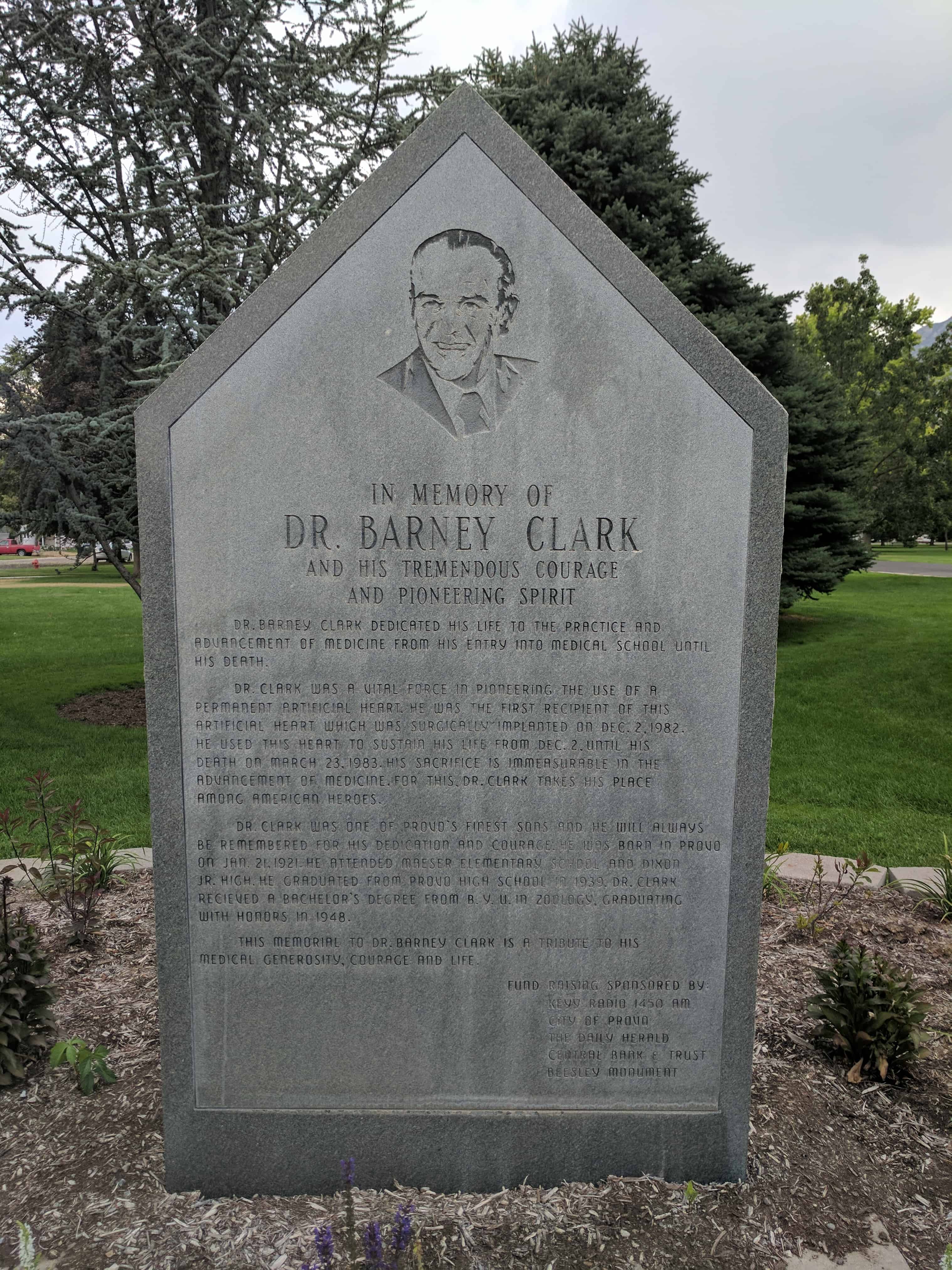
    2017-07-11 18.49.01

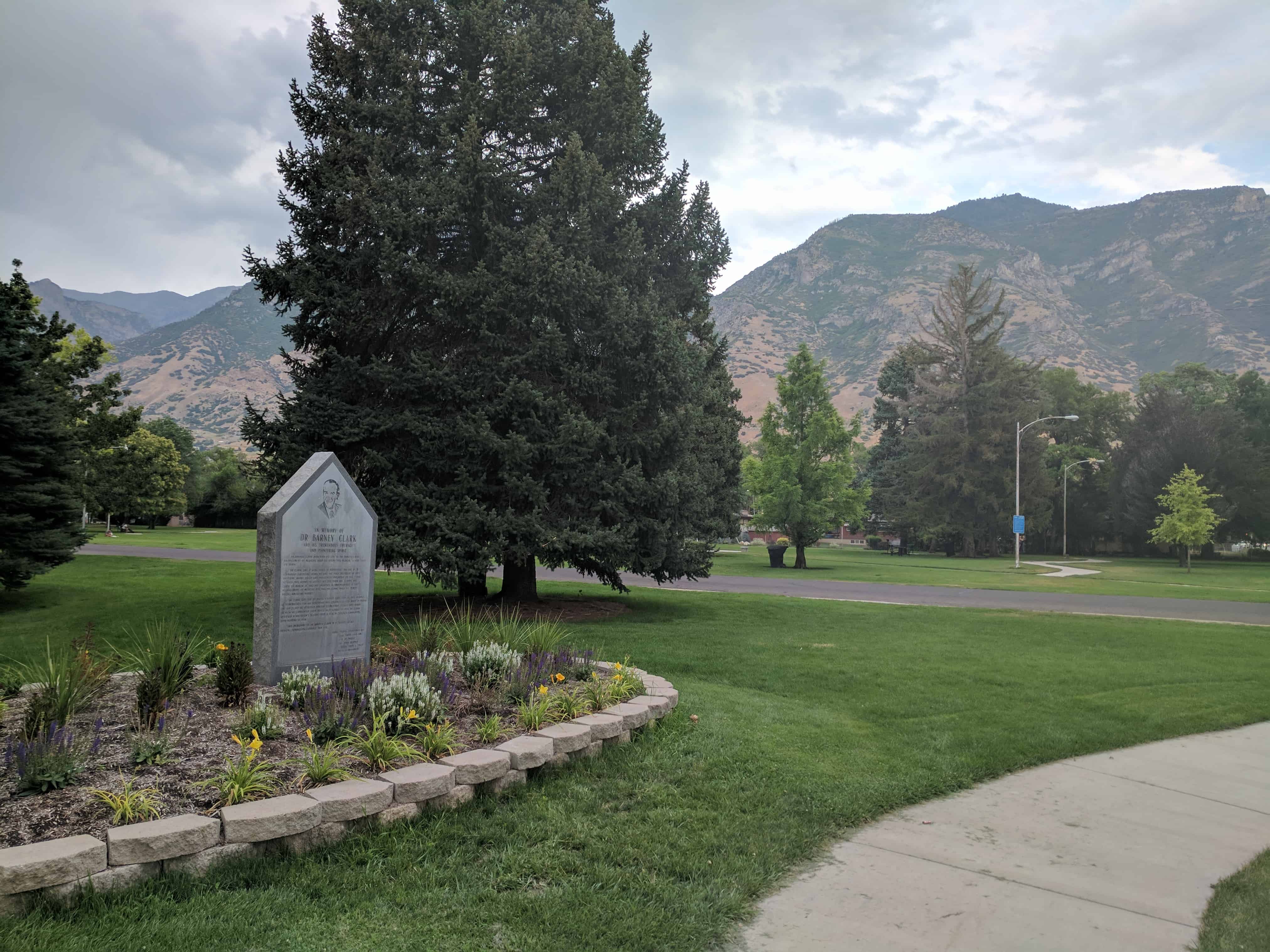
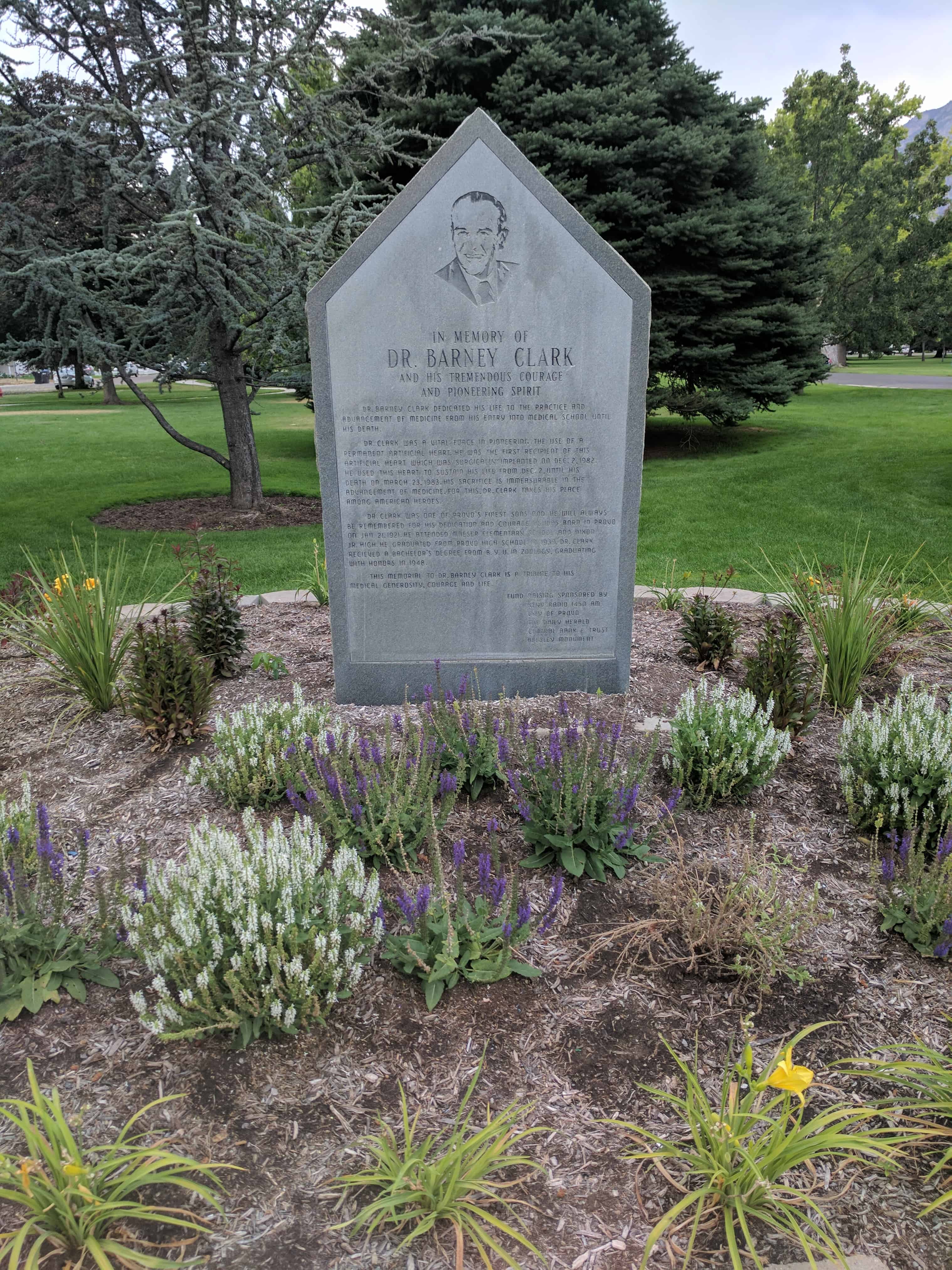
    In memory of Dr. Barney Clark and his tremendous courage and pioneering spirit.

    Dr. Barney Clark dedicated his life to the practice and advancement of medicine from his entry into medical school until his death.

    Dr. Clark was a vital force in pioneering the use of a permanent artificial heart. He was the first recipient of this artificial heart which was surgically implanted on Dec. 2, 1982. He used this heart to sustain his life from Dec. 2, until his death on March 23, 1983. His sacrifice is immeasurable in the advancement of medicine, for this, Dr. Clark takes his place among American heroes.

    Dr. Clark was one of Provo’s finest sons and he will always be remembered for his dedication and courage. He was born in Provo on Jan. 21, 1921. He attended Maeser Elementary School and Dixon Jr. High. He graduated from Provo High School in 1939, Dr. Clark received a bachelors degree from B.Y.U. in zoology, graduating with honors in 1948.

    This memorial to Dr. Barney Clark is a tribute to his medical generosity, courage and life. Fundraising sponsored by KEYY Radio 1450 AM, City of Provo, The Daily Herald, Central Bank and Trust, Beesly Monument

    This monument is located in Memorial Park in Provo.

    2017-07-11 18.48.48

    2017-07-11 18.48.52

    Fire Destroys Brigham Young Academy Building

    30 Wednesday Aug 2017

    Posted by Jacob Barlow in Uncategorized

    ≈ 5 Comments

    Tags

    Historic Buildings, Historic Markers, History, Provo, Schools, utah, utah county

    2017-07-11 18.36.20

    Fire Destroys Brigham Young Academy Building

    William and Warren Dusenberry operated the Timpanogos Branch of the University of Deseret in Lewis Hall, a two-story brick building on the northeast corner of the intersection of 300 West Center.  From 1870 to 1875, the school succeeded educationally, but it failed financially.

    Brigham Young, who owned Lewis Hall, transferred the deed to the building to a board of trustees in 1875 and instructed them to create a new school named Brigham Young Academy.  The board complied and elected Warren Dusenberry as the new school’s principal.

    Karl G. Maeser replaced Dusenberry the next year, and the teachers of the academy incorporated religion into their courses.  Enrollment grew and workmen expanded the building in 1882 and 1883.

    Then on the night of January 27, 1884, tragedy envoloped Lewis Hall.  Two men walking past the building about 11:00 p.m. noticed a glow of flames inside.  They broke into the building and dragged the school’s pump organ out of harm’s way.  Other men sounded the alarm by ringing the meetinghouse bell or by running through the streets yelling, “Fire! It’s the B.Y. Academy!”

    A large crowd gathered around the academy and carried out some of its contents.  Since Provo had no fire department, members of the throng formed a bucket brigade from the millrace a block to the east.  The efforts of the brigade were futile, and the fore consumed the uninsured building.

    Local officials announced a public meeting to be held the next day in Provo’s partially finished tabernacle.  President Smoot announced that the new term would start the next day as scheduled.  Students met in the basement of the Provo Meetinghouse and in various business buildings.  Te school’s board of trustees chose a new site for the academy and build a large school building on what is now Academy Square.  It has served many years as Provo’s library.

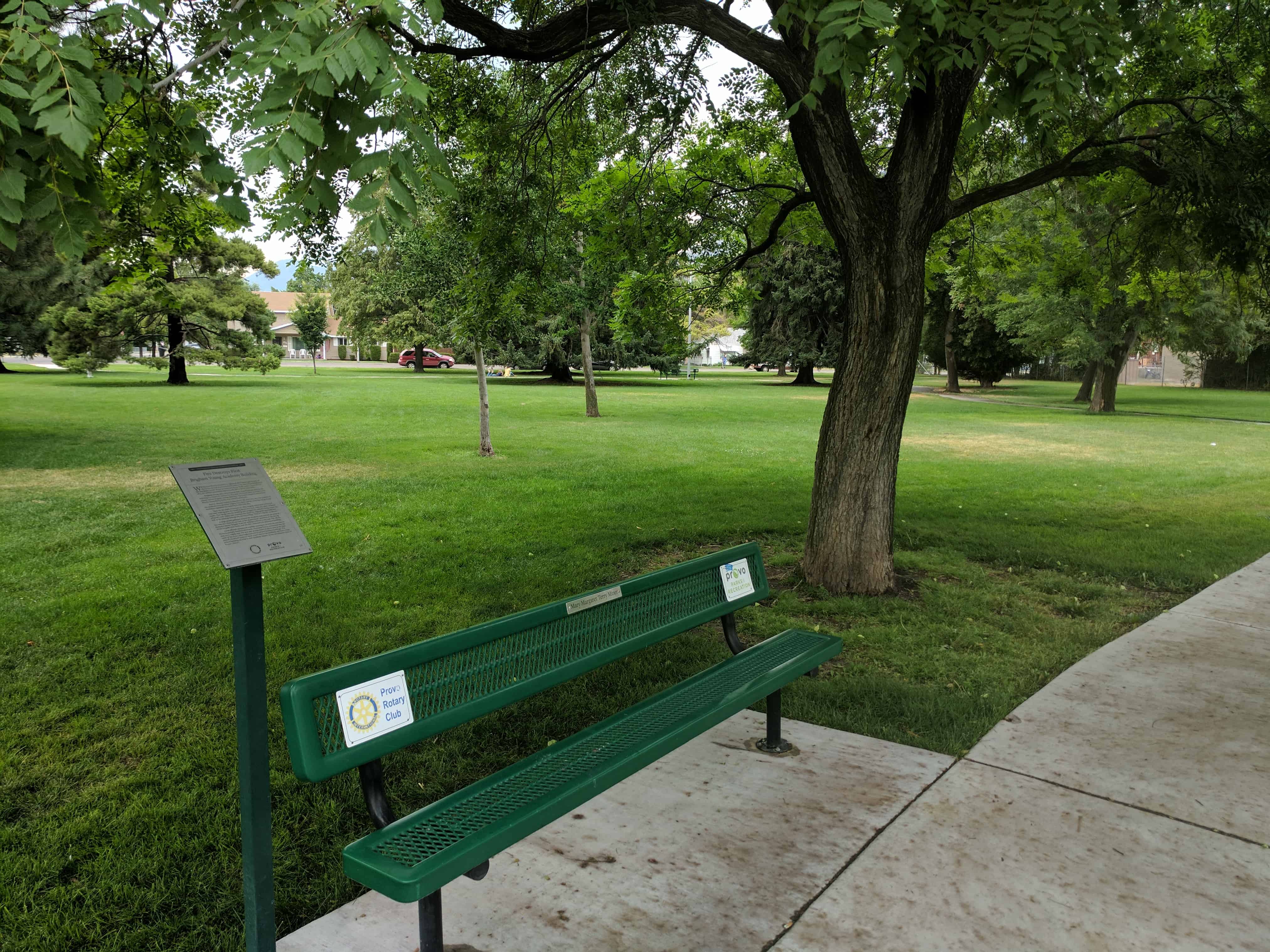
    This plaque is located in Memorial Park, to see other plaques in the series click here.

    2017-07-11 18.36.27

    One in a Series of Events from Provo’s History

    29 Tuesday Aug 2017

    Posted by Jacob Barlow in Uncategorized

    ≈ 42 Comments

    Tags

    historic, Historic Markers, History, Provo, utah, utah county

    2017-07-11 18.30.19

    When exploring Provo I’ve come across a series of historic plaques Provo City put up around town that say “One in a Series of Events from Provo’s History” across the top and then describe some of Provo’s history and are numbered.  I’d like to eventually locate them all and have them listed here so I’ll create this and add to it as I find them.

    • 001 – The City of Provo was founded in 1849 by Mormon pioneers.
    • 002 – Provo’s North Park Was Once an Adobe Yard for Its Early Settlers.
    • 003 – Memorial Park at 800 East Center Street Was an Unsightly Swamp.
    • 004 – Fish in Utah Lake and the Provo River Saved Utah’s Early Settlers.
    • 005 – Provo’s First Cooperative Opened in 1869
    • 006 – Provoans Built First Railroad in 1873.
    • 007 – How Provo’s Squaw Peak Got Its Name.
    • 008 – Provo’s First Department Store Began in 1866 at 250 West Center St.
    • 009 – Utah’s Largest Indian Battle, Called the “Battle of Provo River.”
    • 010 – Utah County’s Early Courthouses.
    • 011 – Provo’s Early Carding Mill and Machine Shop Were Vital to the City.
    • 012 – The Excelsior Flour Mill Was Crucial to Provo’s Early Settlers.
    • 013 – Provo’s First Bank was Late in Coming but Didn’t Last Long.
    • 014 – Choosing the Site of Provo’s First Tabernacle Caused Controversy.
    • 015 – Provo’s First Tithing Office was South of Provo’s Town Square…
    • 016 – Provo’s Early Colonists Were Caught Between Warring Indian Bands.
    • 017 – Provo’s First Colonizers Moved from the River to Higher Ground.
    • 018 – Brigham Young Used Surplus Labor to Build a New Tithing Office.
    • 019 –
    • 020 – A Captured German Howitzer Stood in Front of the Utah County Courthouse.
    • 021 – Spanish Fathers Visit Utah Valley in 1776.
    • 022 – Brigham Young University Opened in 1875 in Lewis Hall.
    • 023 – Creating the “Y” on the Mountain.
    • 024 – Carp Not Native to Utah Lake; Introduced in 1882.
    • 025 – Deseret Telegraph Line Connected Provo to the Rest of Utah.
    • 026 – Several Brick Manufacturing Companies Once Operated in Provo.
    • 027 – A Tragedy at the Site of the Provo Lime Kiln.
    • 028 – Fire Destroys Brigham Young Academy Building.
    • 029 – Provo’s First Volunteer Fire Department.
    • 030 – First Utah County Fair Held in Provo.
    • 031 –
    • 032 – Provo Hosted Utah’s Largest Trading Fair Between the Utes and Pioneers.
    • 033 – The Forerunner of FrontRunner: Provo-to-SLC Trains Began in 1912.
    • 034 – Pioneers Made Their Initial Boat Trip on Utah Lake in 1847.
    • 035 – Provo Once Thought it Should Be Utah’s Capital City.
    • 036 – Provo’s First Fire Station was Opened Downtown in 1893.
    • 037 – Provo’s Two Oldest Existing Homes Are Neighbors in Pioneer Village.
    • 038 – One of Provo’s Oldest Businesses is the Startup Candy Company.
    • 039 – Sewage Disposal in Early Provo Was the Same as in Other Frontier Towns.
    • 040 –
    • 041 – Two Railroads Moved Coal to Provo in the 1880s.
    • 042 –
    • 043 – A Firebug Bit Provo in 1878
    • 044 – Provo’s First Jail Was Built in 1871.
    • 045 – Provo’s First Radio Station Came in 1939.
    • 046 – A Provo Accident Hastened the Death of President Heber C. Kimball.
    • 047 – Provo’s North Park had a Community Ice Skating Rink in the 1930s.
    • 048 – Utah Territorial Insane Asylum Came to Provo in 1885.
    • 049 – Early Residents of Provo lacked Land Titles.
    • 050 – Provo Had a “Pest House” for Those with Communicable Diseases.
    • 051 – Provo Police Chief Killed in 1873.
    • 052 – Proctor Academy Helped Educate Provo’s Youth.
    • 053 – Army Troops Caused the “Provo Riot” in 1870.
    • 054 – Provo’s Name Has an Interesting History.
    • 055 – Large Showboat Once Sailed on Utah Lake.
    • 056 – Provo Once Had a Silk Industry.
    • 057 – A Curious Craft Once Skimmed the Ice on Utah Lake.
    • 058 – A Wheelbarrow Parade in 1888 Helped Bring Political Parties to Provo.
    • 059 – A Woolen Mill Was Once Provo’s Largest Business.
    • 060 – Early Provo Bridges Across the Provo River Kept Washing Out.

    Utah Territorial Insane Asylum Came to Provo in 1885.

    29 Tuesday Aug 2017

    Posted by Jacob Barlow in Uncategorized

    ≈ 4 Comments

    Tags

    Asylums, historic, Historic Buildings, Historic Markers, History, Provo, utah, utah county

    • 2017-07-11 18.30.03

    For decades after colonists settled Provo in 1849, the Utah County Court (now called the County Commission) supervised the care of those in the county who suffered from extreme poverty, mental deficiency, or mental illness.  Residents of the community submitted bids to the County Court for the care of these people.  The justices then assigned the care of these disadvantaged individuals to the lowest bidder.

    The Utah Territorial Legislature passed a bill authorizing the establishment of the Utah Territorial Insane Asylum in 1880.  This new institution’s board of directors, which included two former members of the Provo City Council, became responsible for choosing a site for the asylum.

    Utah, Salt Lake, and Davis counties actively campaigned to become the site of the new institution.  In an effort to sway the opinion of the board of directors, Provo City offered the asylum’s board $500 and Utah County offered another $2,000 to help buy the necessary land for the new buildings.  With this inducement in mind, the board chose Provo in 1881 as the site for the asylum.

    A four-man committee selected the location for the new buildings in the foothills east of the end of Provo’s Center Street where a good spring flowed from the mountain.  The money from the city and county paid for the initial 40 acres of land.

    There was one major difficulty with the site: no road existed between the location of the future buildings and the east end of Center Street.  The Provo City Council negotiated with landowners, bought the right of way, and extended Center Street to the asylum grounds.

    Construction workers finished the south wing of the new building in 1885.  It housed the first 200 patients.  Builders added a middle wing and north wing to the main building later.  Although the old building has been replaced, the current hospital stands on the same site.   A small museum open to the public now occupies the former residence of the superintendent.

    This plaque is located in Memorial Park, for other plaques in the series click here.

    • 2017-07-11 18.30.19
    • 2017-07-11 18.30.11

    Kay Rees Park

    29 Tuesday Aug 2017

    Posted by Jacob Barlow in Uncategorized

    ≈ 1 Comment

    Tags

    Parks, Salt Lake City, Salt Lake County, utah

    2017-08-29 12.47.43

    Kay Rees Park – In honor of Kay Rees – who envisioned this park as a place for children.

    Kay Rees Park is a small grass field, popular for dogs or children to play.  A small trail goes northwest.

    Click here for other parks in Salt Lake or here for Salt Lake City.

    2017-08-29 12.48.58

    2017-08-29 12.48.23

    2017-08-29 12.48.04

    2017-08-29 12.47.49

    Samford University

    28 Monday Aug 2017

    Posted by Jacob Barlow in Uncategorized

    ≈ Leave a comment

    Tags

    Alabama, Jefferson County, Universities

    07431c66-3d1a-47c0-89fd-9ae30ffeaf6d

    Near the main entrance to Samford University you find this statue, he’s a very friendly guy and even though it was wet and rainy I took the time to sit with him.  I’m not sure if it’s Frank Park Samford but it sounded good to me.

    Harmon Park

    28 Monday Aug 2017

    Posted by Jacob Barlow in Uncategorized

    ≈ 1 Comment

    Tags

    Parks, Provo, utah, utah county

    • 2017-07-11 18.15.32

    The Harmon Foundation of New York City gave the money to purchase the ground for this park in 1925 for perpetual use a a public playground.

    Provo Post Number 13 of the American legion was instrumental in obtaining the Harmon Grant, members of the American Legion have donated many hours toward the development of the park.

    Related:

    • Parks in Provo

    2017-07-11 18.15.29
    2017-07-11 18.13.43

    Roadside Park

    28 Monday Aug 2017

    Posted by Jacob Barlow in Uncategorized

    ≈ 1 Comment

    Tags

    Parks, Provo, utah, utah county

    2017-07-11 18.18.48

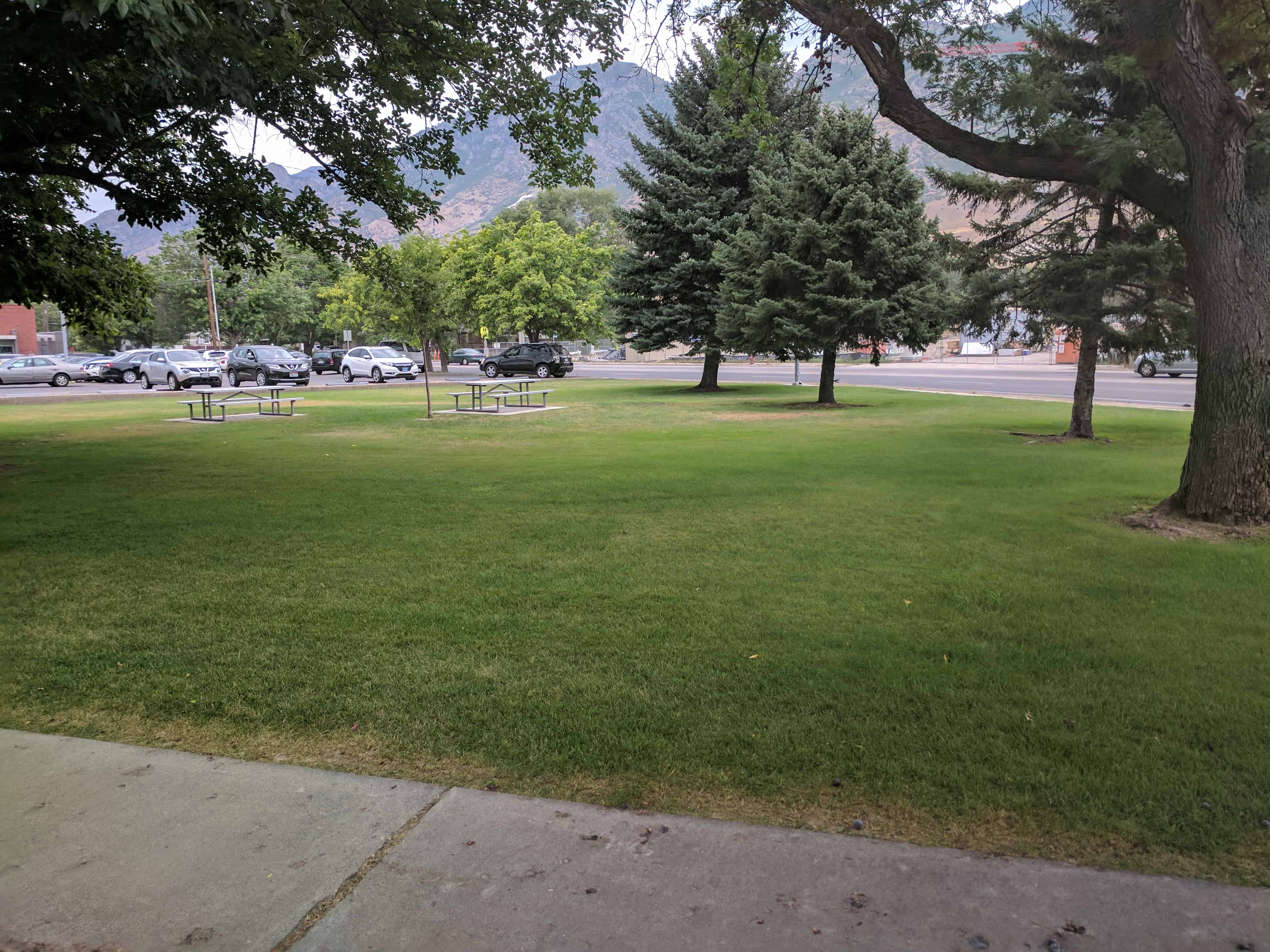
    Roadside Park in Provo is a very small park with not much in it, just some picnic tables and trees.   For other parks in Provo click here.

    2017-07-11 18.18.58

    2017-07-11 18.19.22

    ← Older posts

    Follow Jacob

    Follow Jacob

    Blog Stats

    • 2,021,310 hits

    Social and Other Links

    BarlowLinks.com

    Recent Posts

    • Dale’s Sinclair Service Station
    • 83 N Street
    • First Company of Pioneers into the Valley
    • Blue Base – The Stand Filming Location
    • 926 E South Temple

    Archives


    Loading Comments...