• About JacobBarlow.com
  • Cemeteries in Utah
  • D.U.P. Markers
  • Doors
  • Exploring Utah Email List
  • Geocaching
  • Historic Marker Map
  • Links
  • Movie/TV Show Filming Locations
  • Oldest in Utah
  • Other Travels
  • Photos Then and Now
  • S.U.P. Markers
  • U.P.T.L.A. Markers
  • Utah Cities and Places.
  • Utah Homes for Sale
  • Utah Treasure Hunt

JacobBarlow.com

~ Exploring with Jacob Barlow

JacobBarlow.com

Monthly Archives: July 2018

Monument to the flood of 2005

11 Wednesday Jul 2018

Posted by Jacob Barlow in Uncategorized

≈ Leave a comment

Tags

historic, Historic Markers, St. George, utah, Washington County

2018-02-19 17.38.42

Monument to the flood of 2005

This is a historic marker located in Crosby Family Confluence Park in St. George, Utah.

Warm rain on recently-fallen snow in areas destroyed by wildfires during the summer of 2004 contributed greatly to the flood of January, 2005, which occurred along the Virgin and Santa Clara Rivers. Along with sever bridges in the area such as this bridge, many people lost their homes and belongings. The cost of this flood was great and extremely devastating to many family who lost everything. But the compassion that was shown that winter by the people of Saint George was something to be remembered.

This monument is dedicated to the shoes who lost so much and to those who gave much as well – families helping families, neighbors helping neighbors, and strangers helping stranger. To all who remember this flood or were in any way involved in it, we will not soon forget.

History of the Main Street Bridge

This bridge was original placed across the Ash Creek at the base of the black ridge on the old Arrowhead Trail. In 1942 Washington County decided to move this abandoned bridge ant place it at the end of Main Street in order to provide another access to Bloomington. At that time Interstate 15 was nonexistent and the south end of Main Street went up to this point where the Virgin and Santa Clara Rivers meet.

Elton McArther later know as “Weldin’ Eldon” has not yes finished welding classes when he was asked by Washington County to provide welding serviced. Washington County rented a welding machine from Ashby-McQuaid, an auto repair shop here in Saint Gerge, and along with Eldon’s Older brother Rex, they put together and welded the supporting members of this bridge.

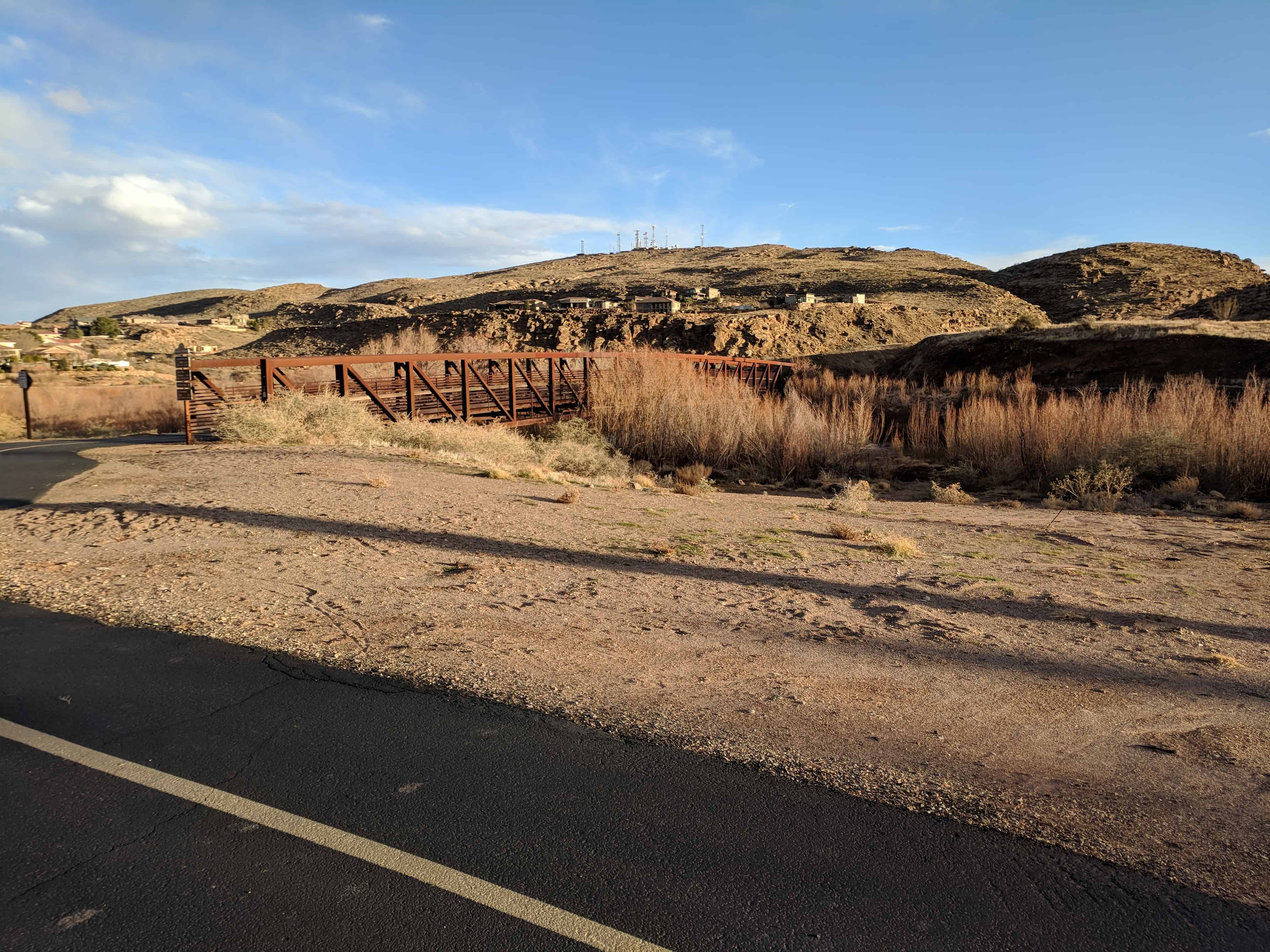
Due to the war effort, it was difficult to find metal, but after several days the laborious task was finished. This bridge would then be used for the next 63 years as an additional access to Bloomington and as part of the bike trail until the flood in January 0f 2005 when it was ripped apart and washed away. This steel truss is all that remains today.

The Last Man Standing on the Main Street Bridge

On Tuesday, January 11th, during the flood of 2005, a citizen called the police and said that this bridge was shaking and that it might collapse. Fortunately, Captain Lorin Johnson was close by. He drove over to the bridge as he spoke with the gentleman who called the police he could see the bridge sinking slowly and the concrete start to crack. Carly, he told everyone to get off the bridge. People came from both directions of the bike trail to see what was happening and Captain Johnson kept them from coming too close. Very quickly the west side collapsed. The steel screamed as it bent. Rivets popped and the bridge dropped three or four feet into the water. The north side of the bridge disconnected, and as the river pulled it downstream, it broke in two. Had of the bridge floated down the river, and the other half wrapped around itself to the south bank. A small part of the bridge was left, including the steel girder you see before you. Thanks to Captain Johnson citizens were spared injury that day.

2018-02-19 17.38.54

2018-02-19 17.38.51

The Confluence of the Santa Clara and Virgin Rivers

11 Wednesday Jul 2018

Posted by Jacob Barlow in Uncategorized

≈ Leave a comment

Tags

historic, Historic Markers, St. George, utah, Washington County

2018-02-19 17.38.15

The Confluence of the Santa Clara and Virgin Rivers

This is a historic marker located in Crosby Family Confluence Park in St. George, Utah.

In November 1849 a little-known expedition was sent by Brigham Young to explore southern Utah for possible future settlement. This fifty-man party was led by Apostle Parley P. Pratt.

On Tuesday, January 1, 1850, twenty horse-mounted members of this party made camp near the confluence of the Santa Clara and Virgin Rivers. This historic event was mentioned in their journals and the union of these rivers can be seen from this mark. After their long difficult winter journeyer that at times requires struggling through snow up to four feet deep, they brought back descriptions and information that soon led to the settling of southern Utah.

In his report to the territorial legislature Pratt wrote:

“I arrived home on Wednesday evening, the 30th of Jan. having been absent ten weeks. The pack company soon after, some with frozen limbs but I believe generally in good health and Spirits.

I now wish to bear witness of the fifty who accompanied me on this expedition, and to have them in honorable remembrance…I Have never seen men placed in circumstances better calculated to try their utmost strength and patience. And at onetime, another half-mile of deep snow intervening between them and camp would have cause every man to sink exhausted without being able to force their way any longer.

They are first-rate men, and I have promised to remember them for the very next undertaking which requires toil, labor and sacrifice.”

I have the honor to subscribe myself your obedience servant,
Parly P. Pratt”

2018-02-19 17.38.20

Crosby Family Confluence Park

11 Wednesday Jul 2018

Posted by Jacob Barlow in Uncategorized

≈ 2 Comments

Tags

Parks, St. George, utah, Washington County

2018-02-19 17.37.16

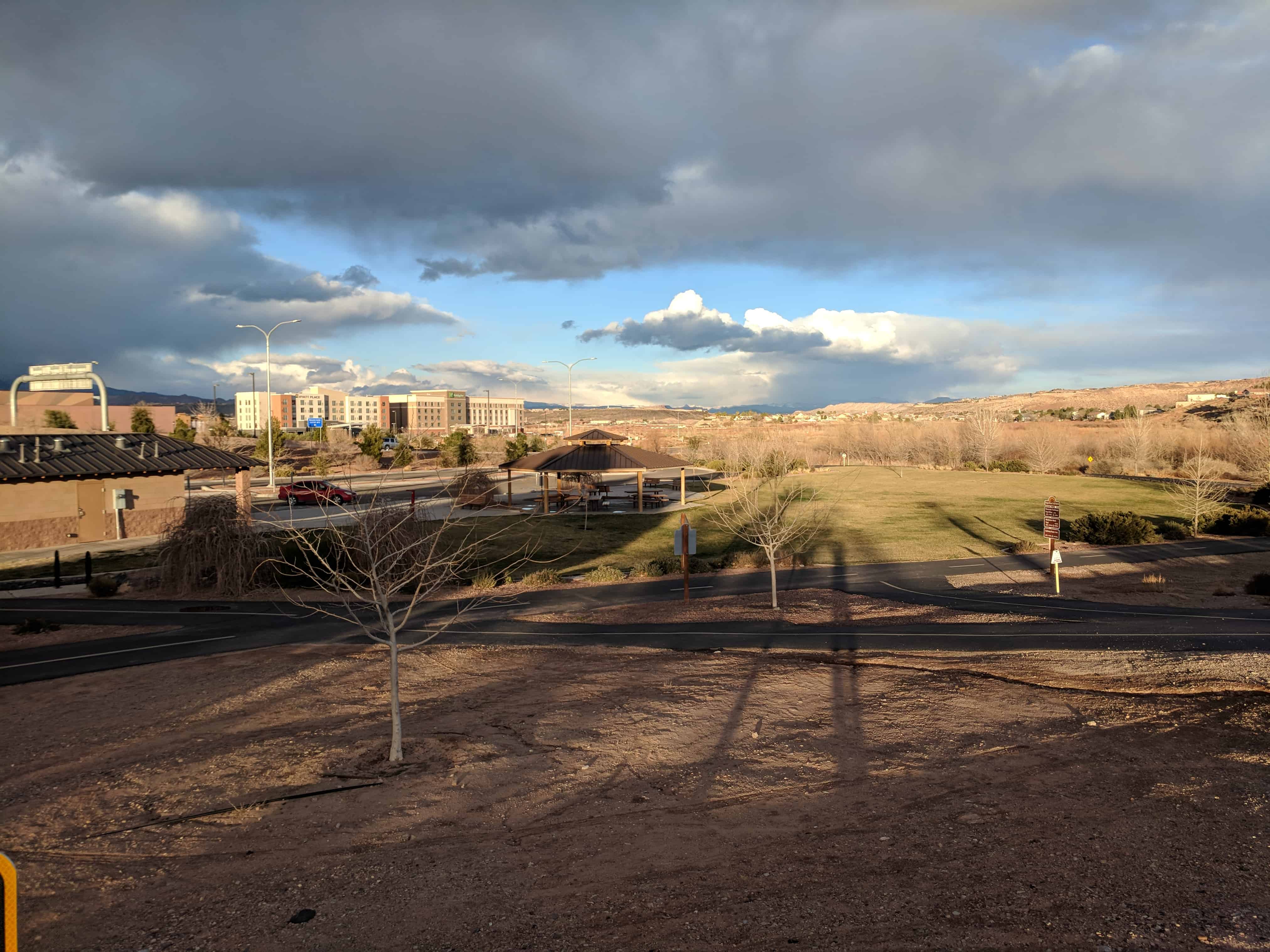
Crosby Family Confluence Park in St. George, Utah.

There are several historic markers in the park:

  • The Confluence of the Santa Clara and Virgin Rivers
  • Monument to the flood of 2005
  • The Southern Exploring Company
  • Jedediah Strong Smith
  • Brigham Young’s Vision
  • Tonaquint

2018-02-19 17.40.53

2018-02-19 17.39.07

2018-02-19 17.39.00

108 C Street

11 Wednesday Jul 2018

Posted by Jacob Barlow in Uncategorized

≈ 1 Comment

Tags

Avenues, Avenues Historic District, historic, Historic Homes, NRHP, Salt Lake City, Salt Lake County, utah

2018-01-13 15.48.52

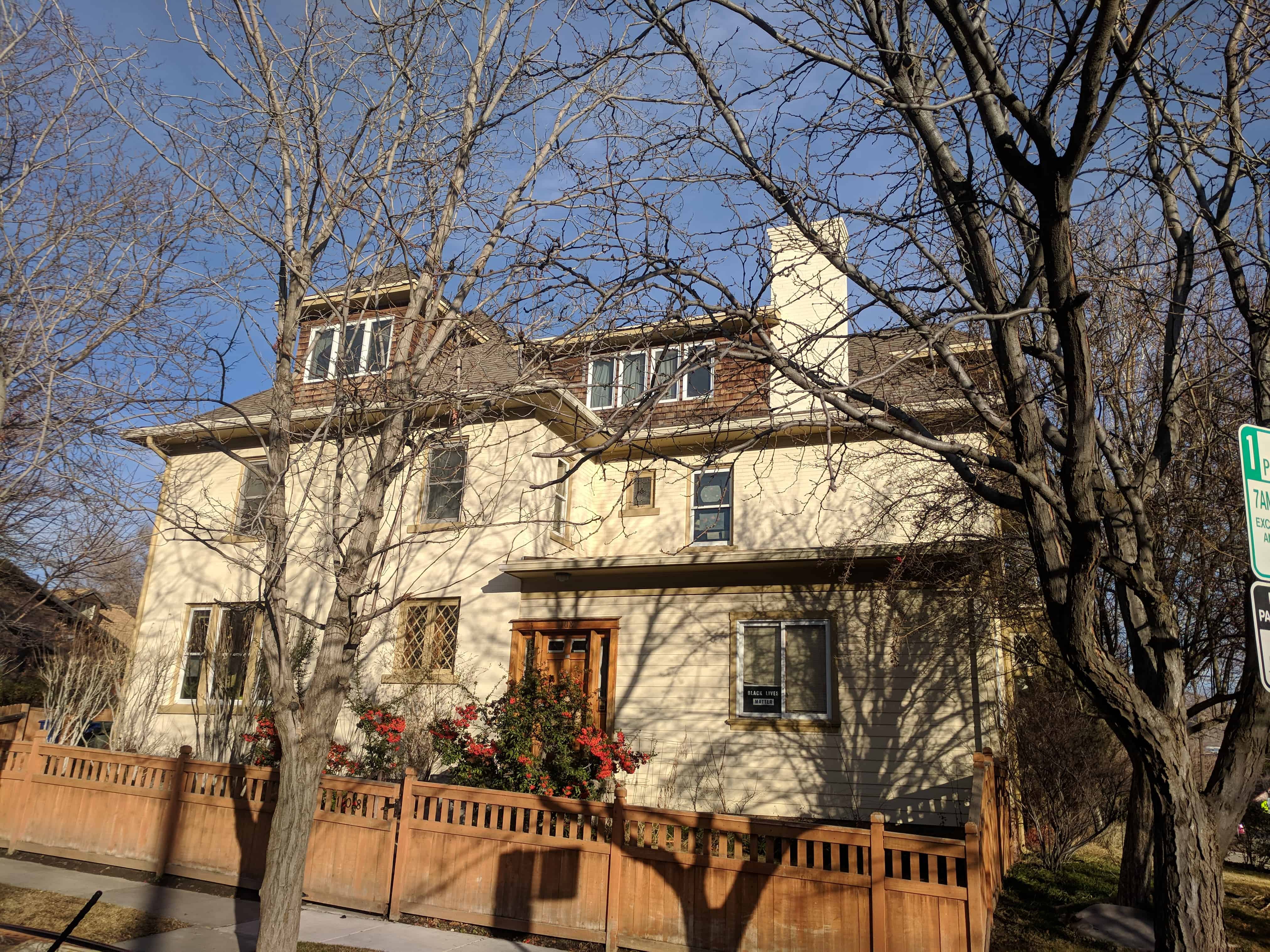
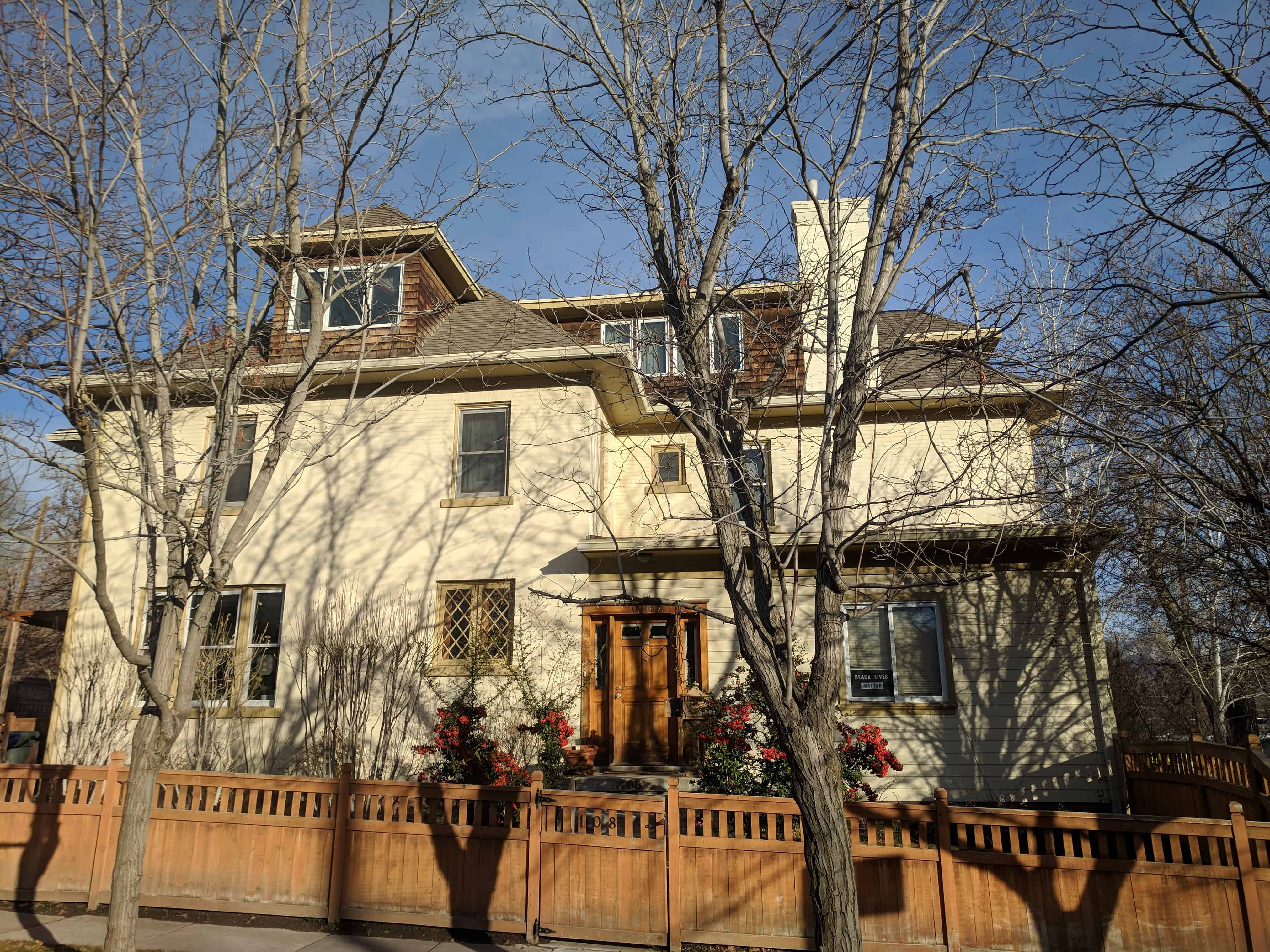
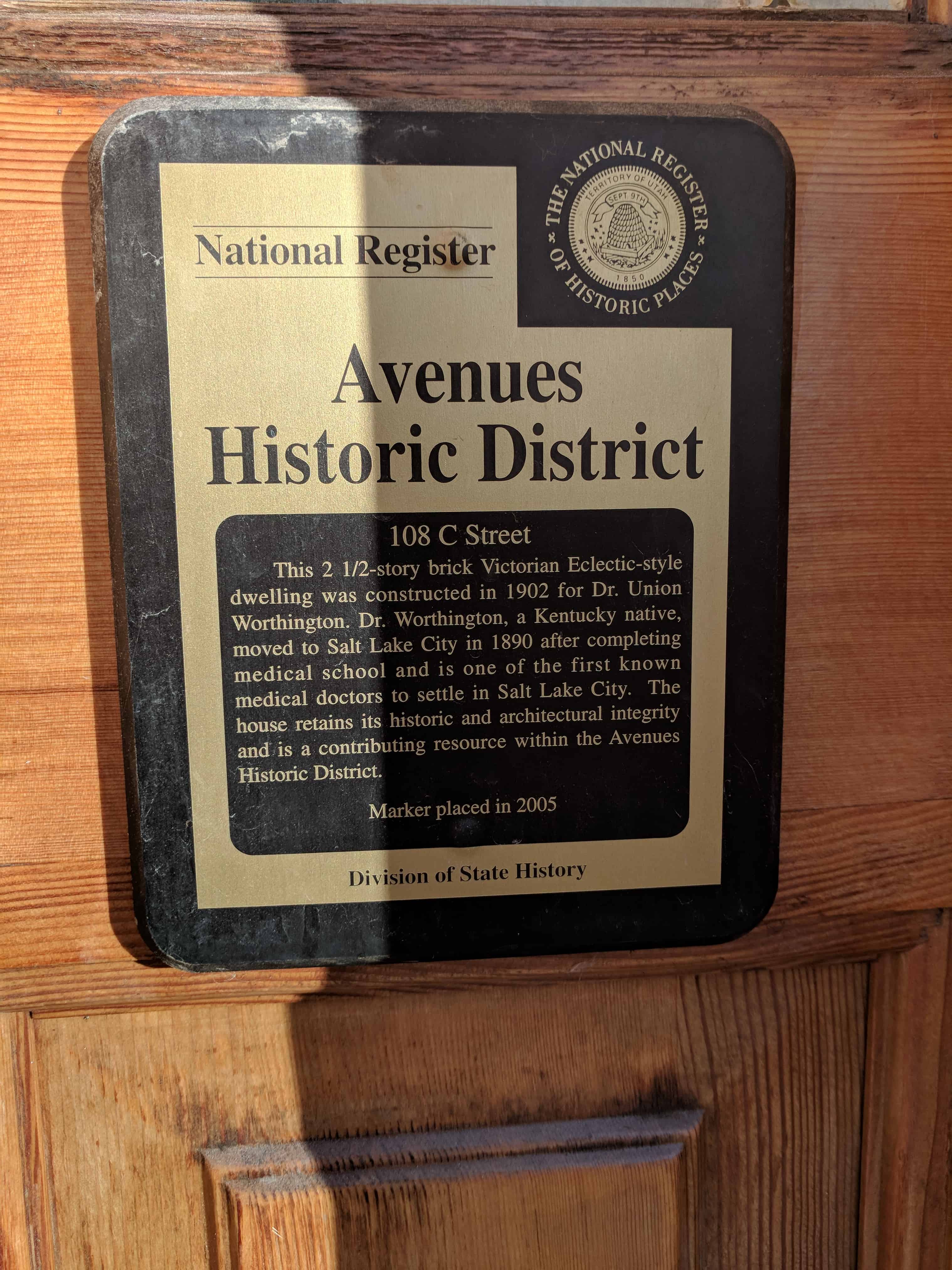
This 2 1/2-story brick Victorian Eclectic-style dwelling was constructed in 1902 for Dr. Union Worthington.  Dr. Worthington, a Kentucky native, moved to Salt Lake City in 1890 after completing medical school and is one of the first known medical doctors to settle in Salt Lake City.  The house retains its historic and architectural integrity and is a contributing resource within the Avenues Historic District.
108 North C Street in The Avenues in Salt Lake City, Utah

2018-01-13 15.48.56

2018-01-13 15.48.20

Glade’s Drive Inn

09 Monday Jul 2018

Posted by Jacob Barlow in Uncategorized

≈ 3 Comments

Tags

spanish fork, utah, utah county

2018-07-04 16.06.04

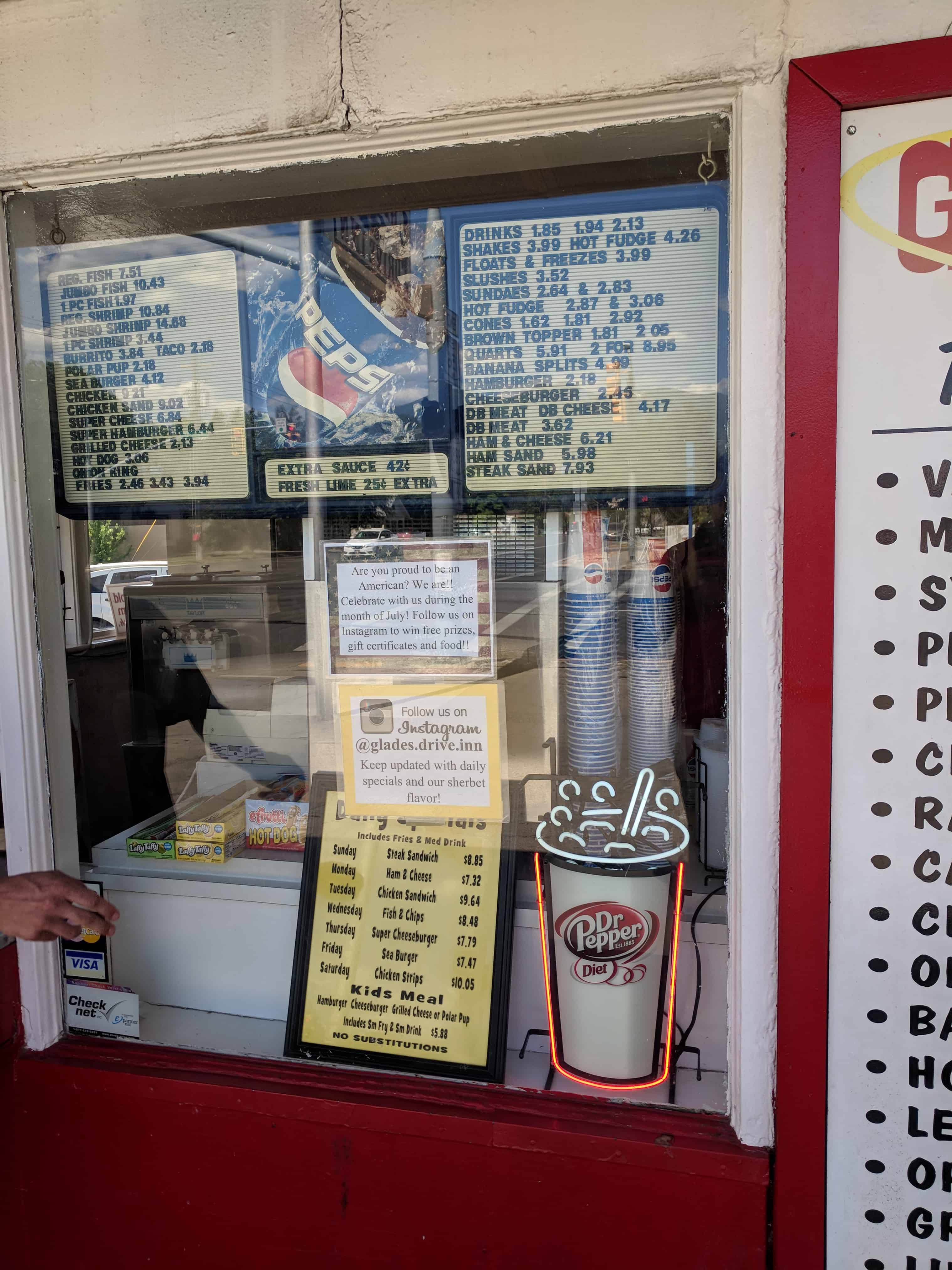
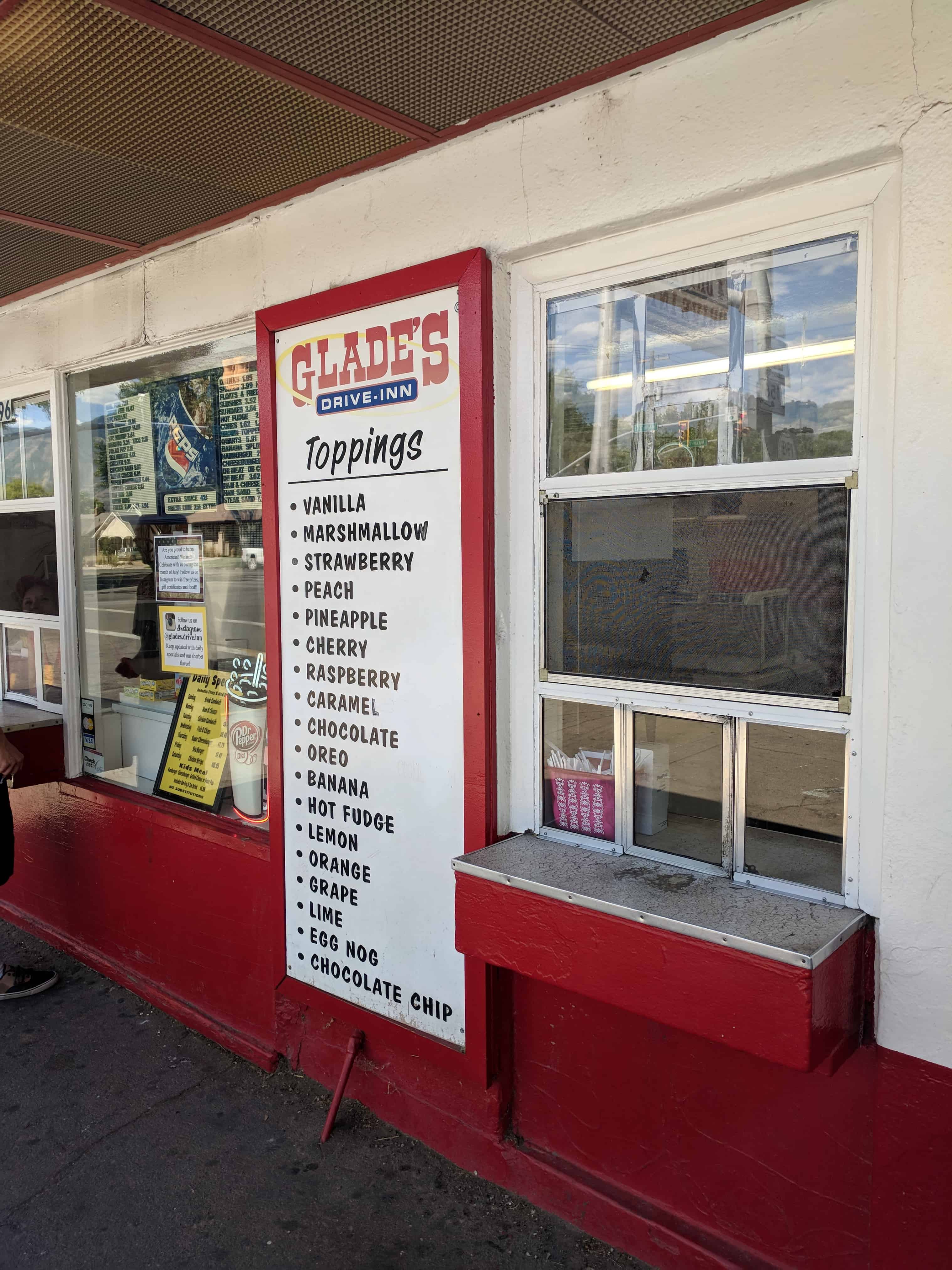
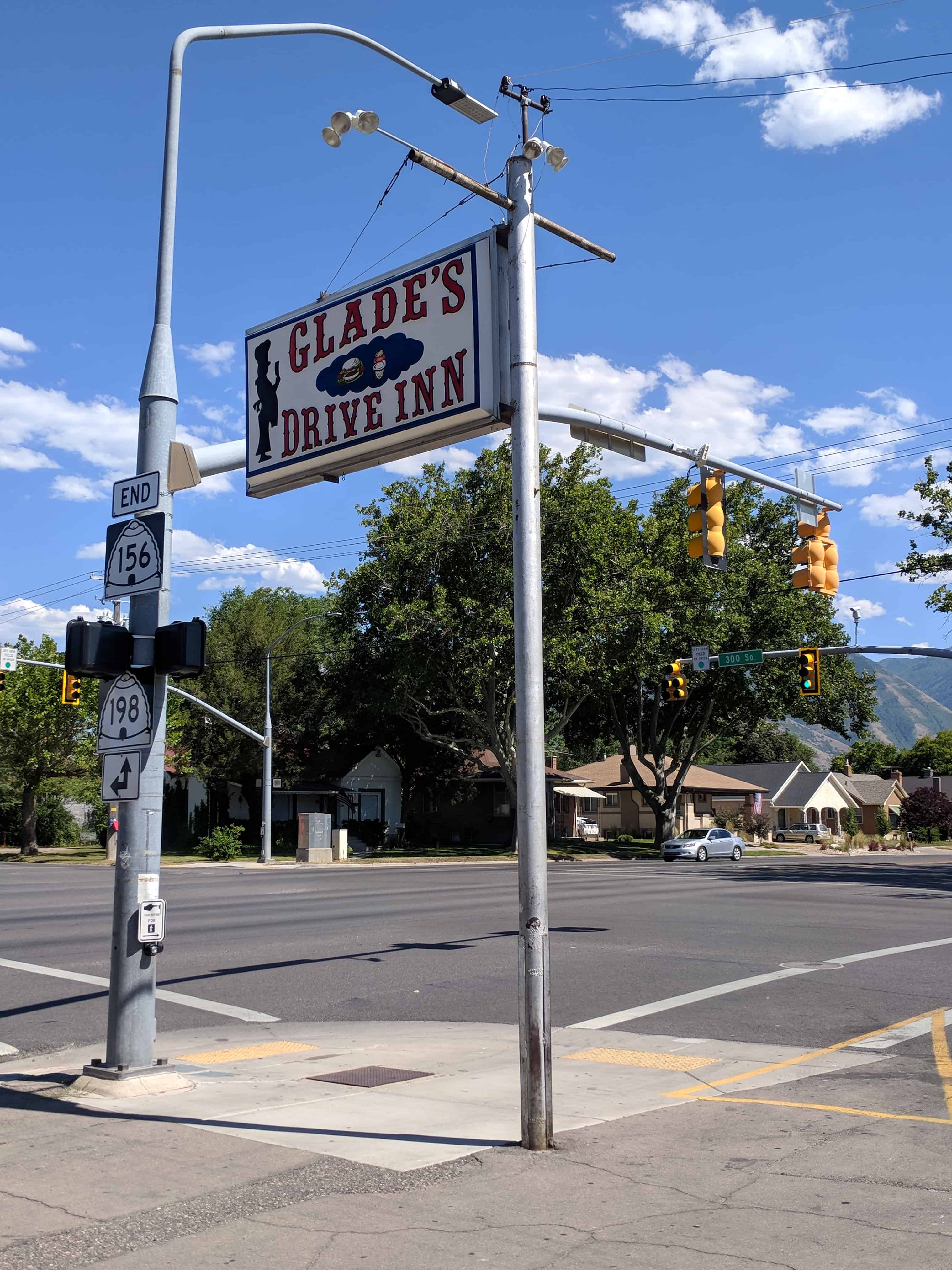
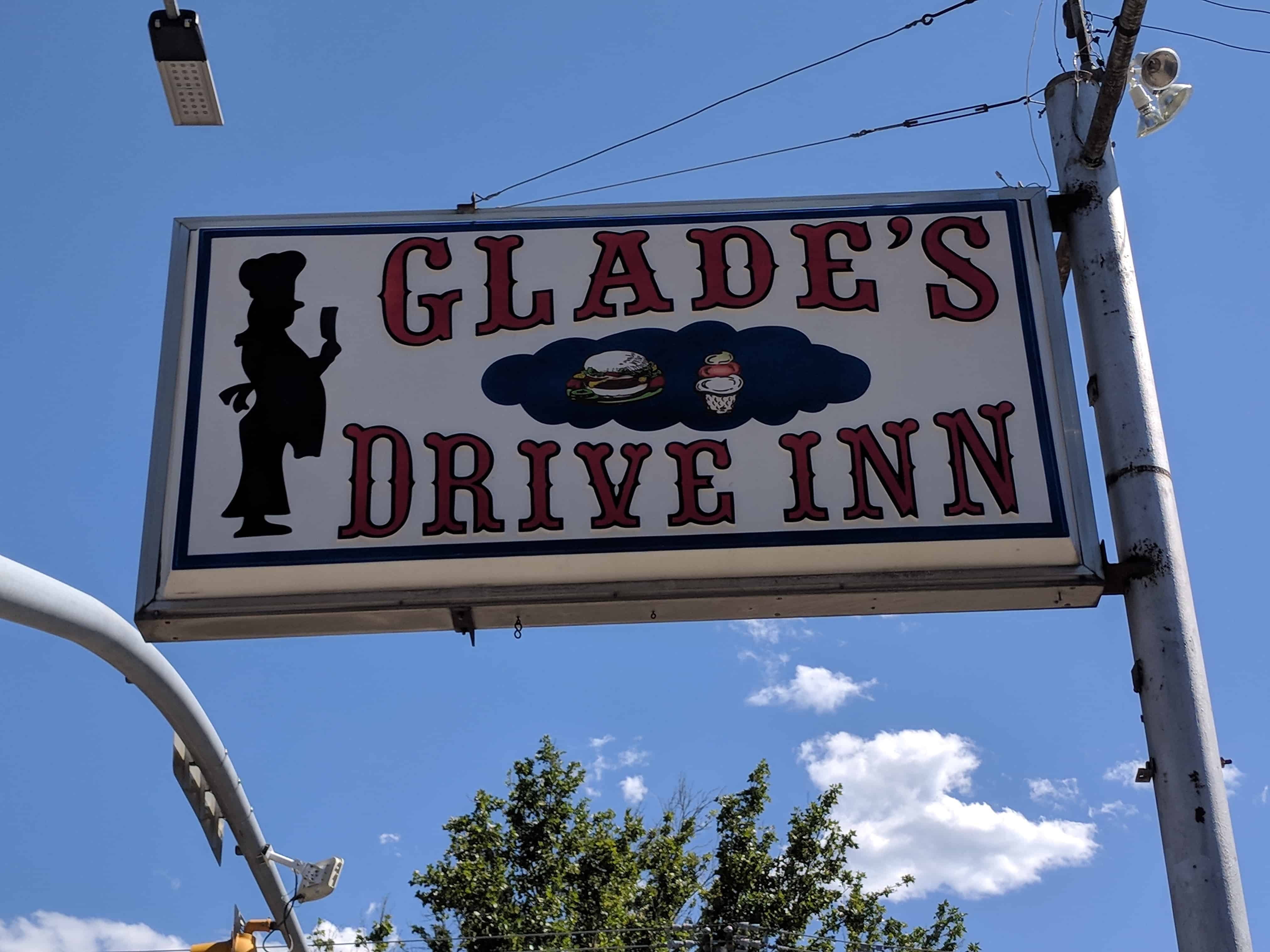
Glade’s Drive Inn is a classic spot to eat in Spanish Fork, Utah.

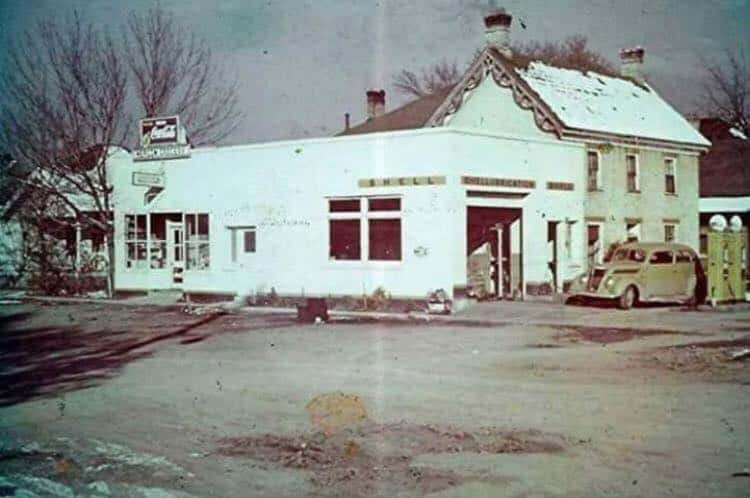
Originally it was the Hubbard Tuttle, Sr. Home. Built as a home and hotel in 1878, Hubbard was the city marshal in 1890 and he built a dance hall was on the west side of main between 300 N and 400 N. He was also part owner in a cannery at 4th south and main.

Jim Measom bought it in 1929 and put a gas station and store there, “Measom Service and Groceries.”

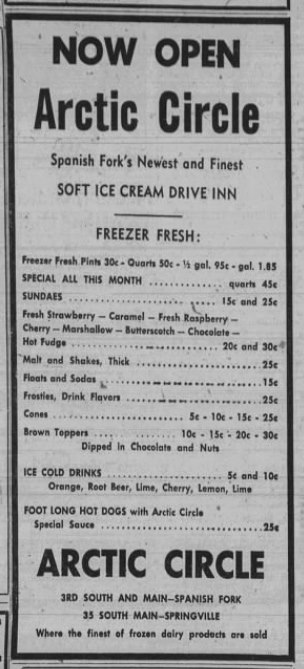
Bud Bates rented it and built 20th Arctic Circle.

Glade Schwartz bought it in 1952, it became Glade’s. He was the police chief.

296 South Main Street in Spanish Fork, Utah

Related:

  • Former Arctic Circle Sign
  • Hole in the Wall Burger Joints in Utah
2018-07-04 16.02.30
2018-07-04 16.02.20
2018-07-04 16.02.09

A couple old photos I found online:

29496808_10155316374141179_6100042445922238464_n
18402613_10154503153846179_7283068828423048643_n

They shared this cool collection on their facebook page:

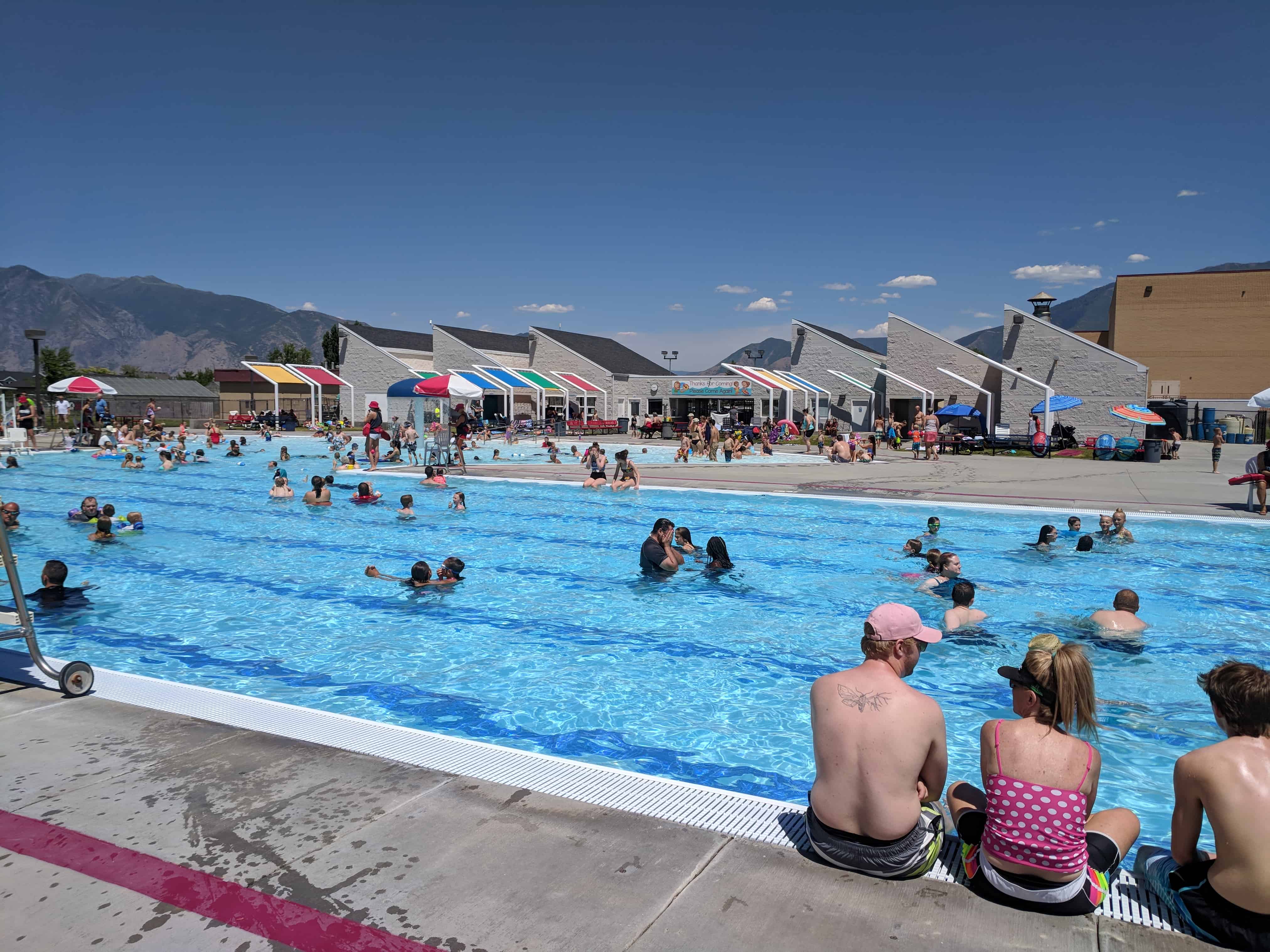
Spanish Fork Water Park

08 Sunday Jul 2018

Posted by Jacob Barlow in Uncategorized

≈ 2 Comments

Tags

Parks, Pools, spanish fork, utah, utah county, Water Parks

2018-07-04 14.47.48

2018-07-04 14.50.00

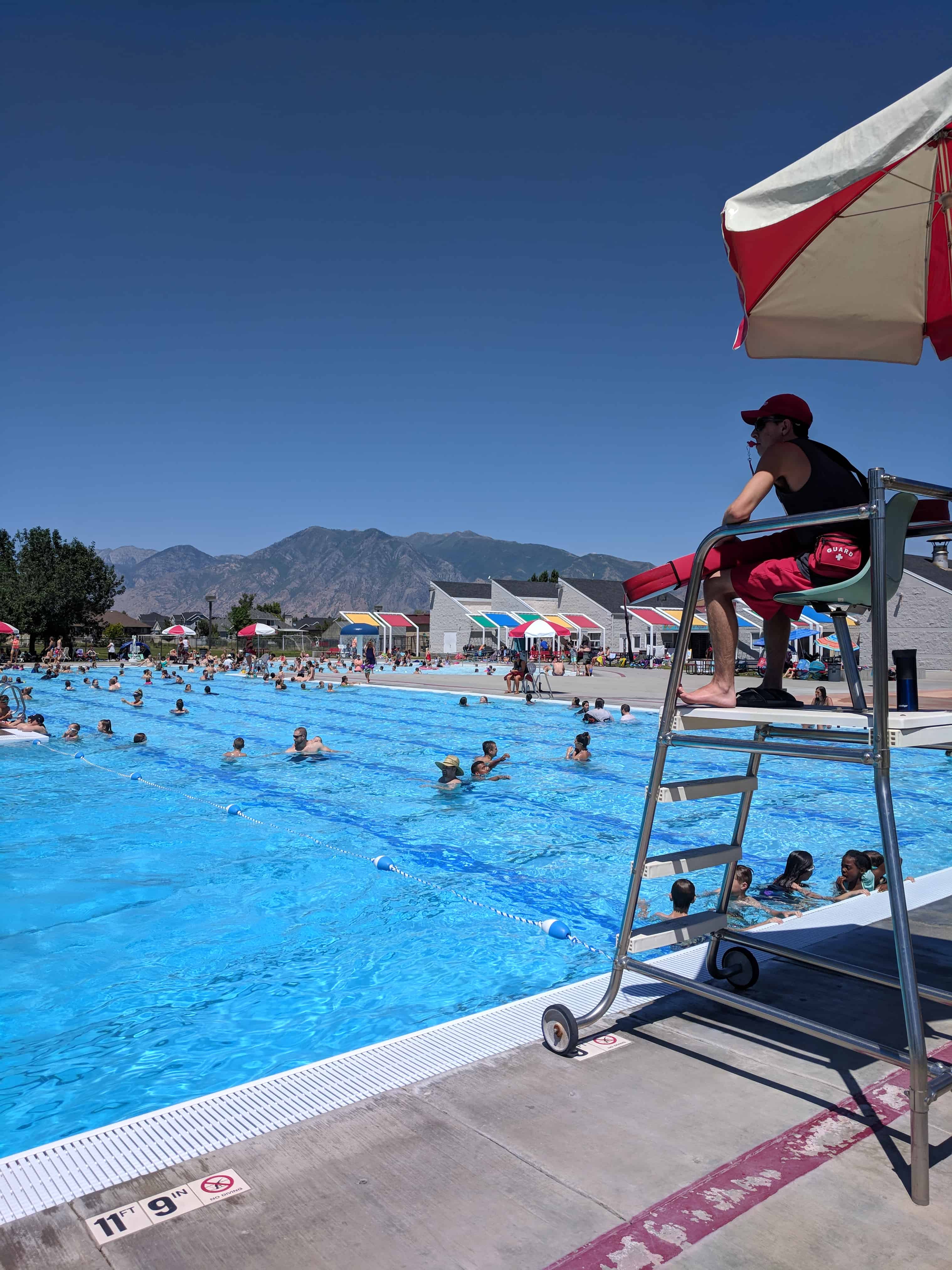
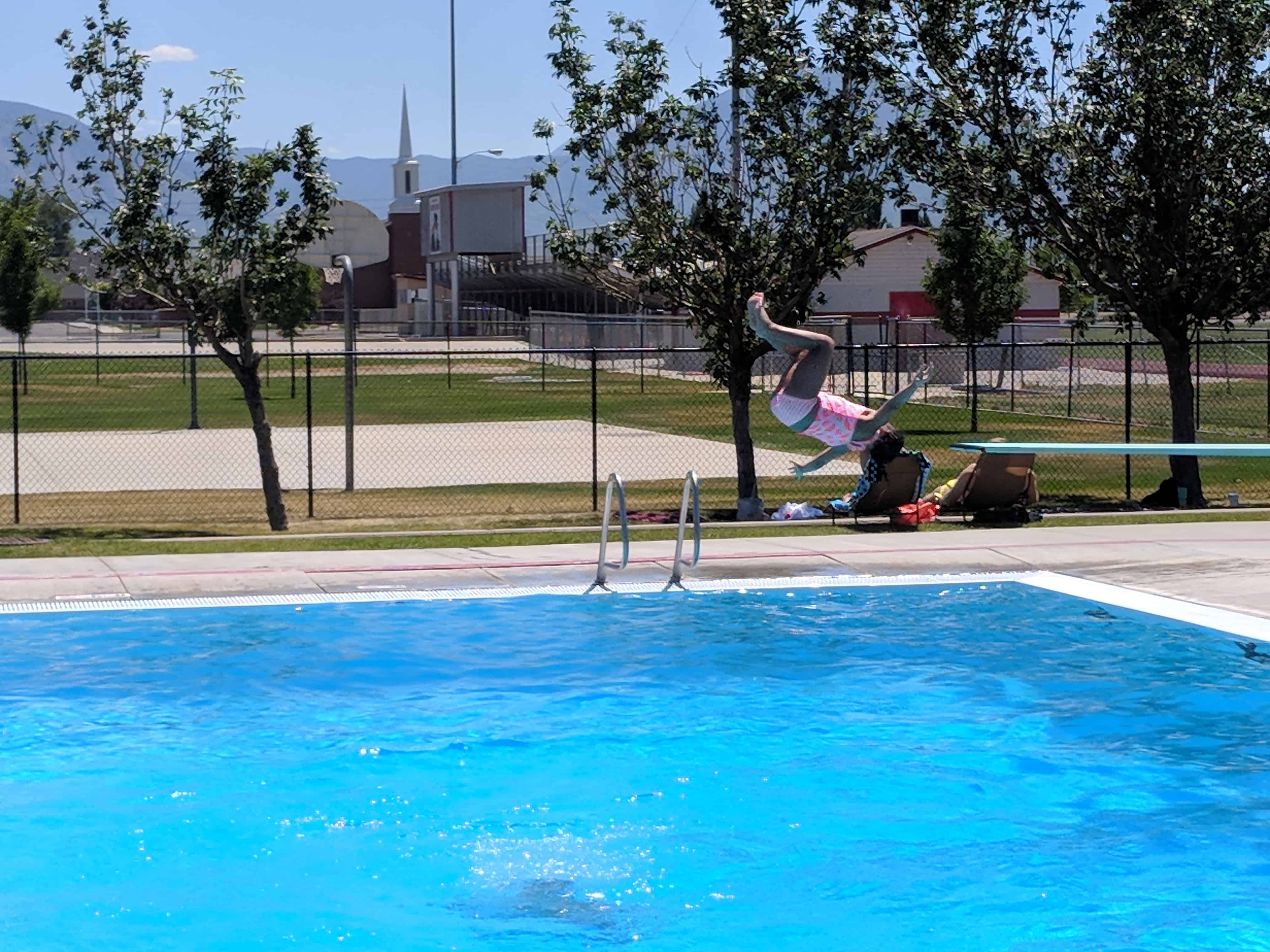
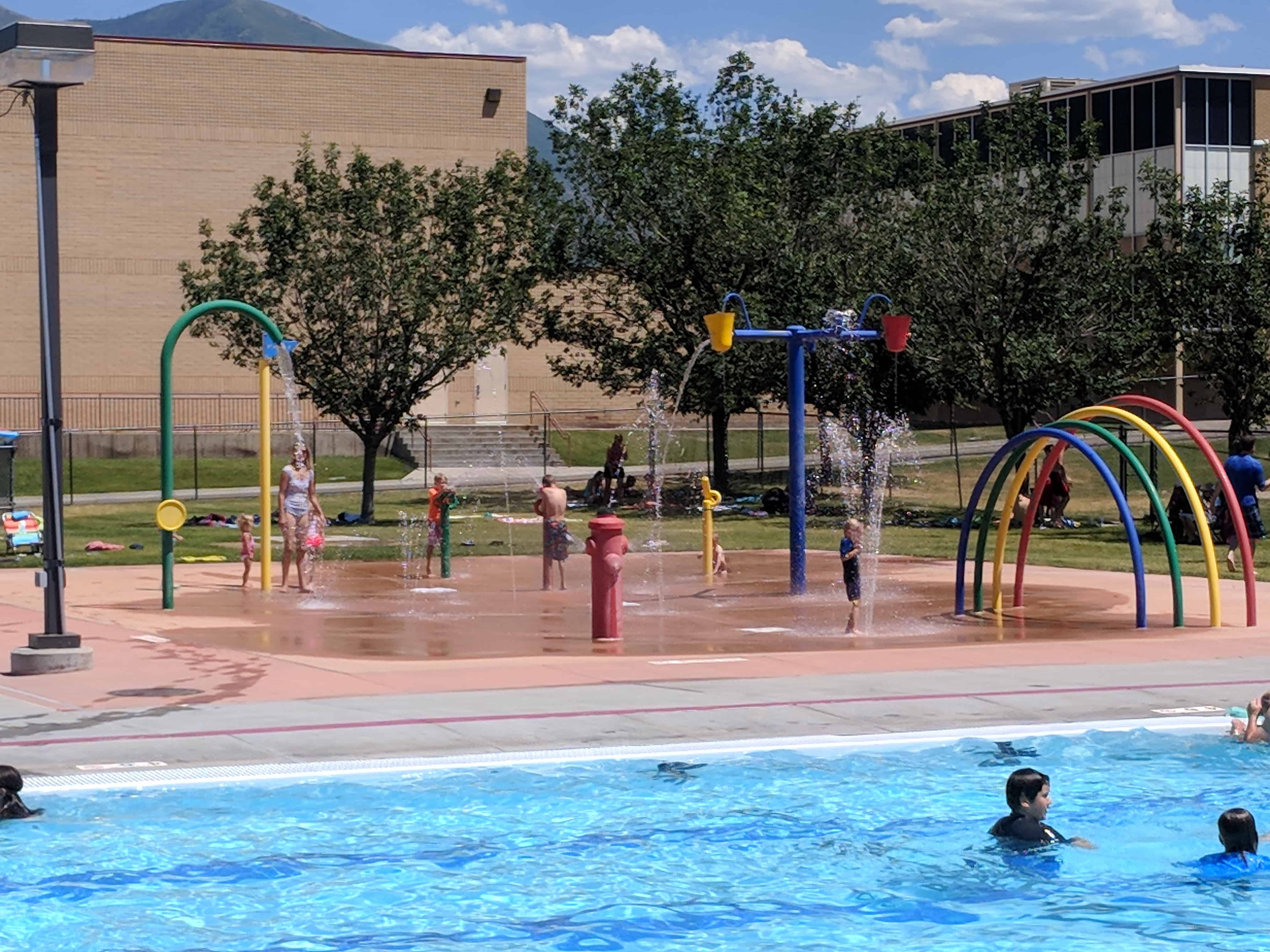
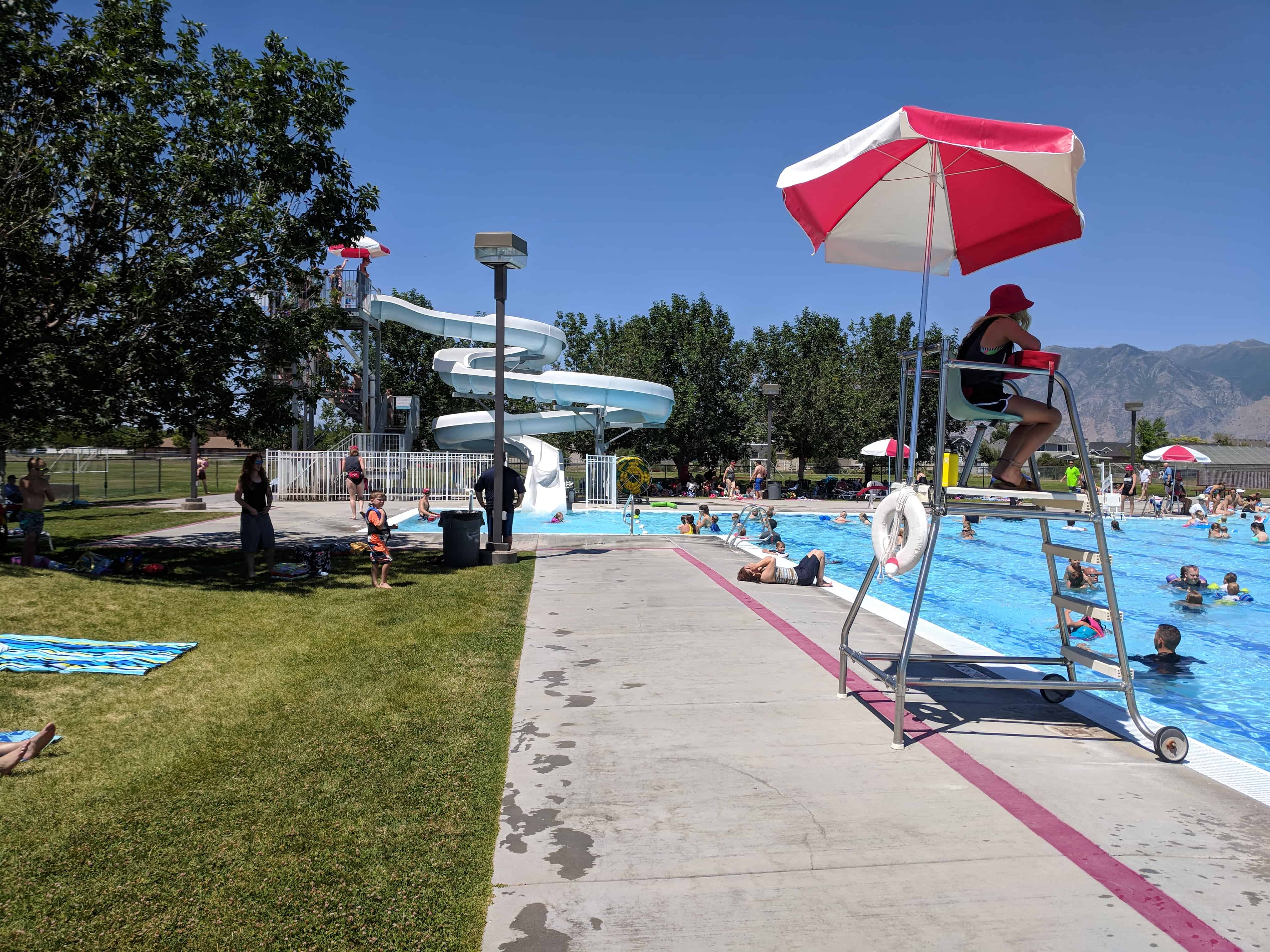
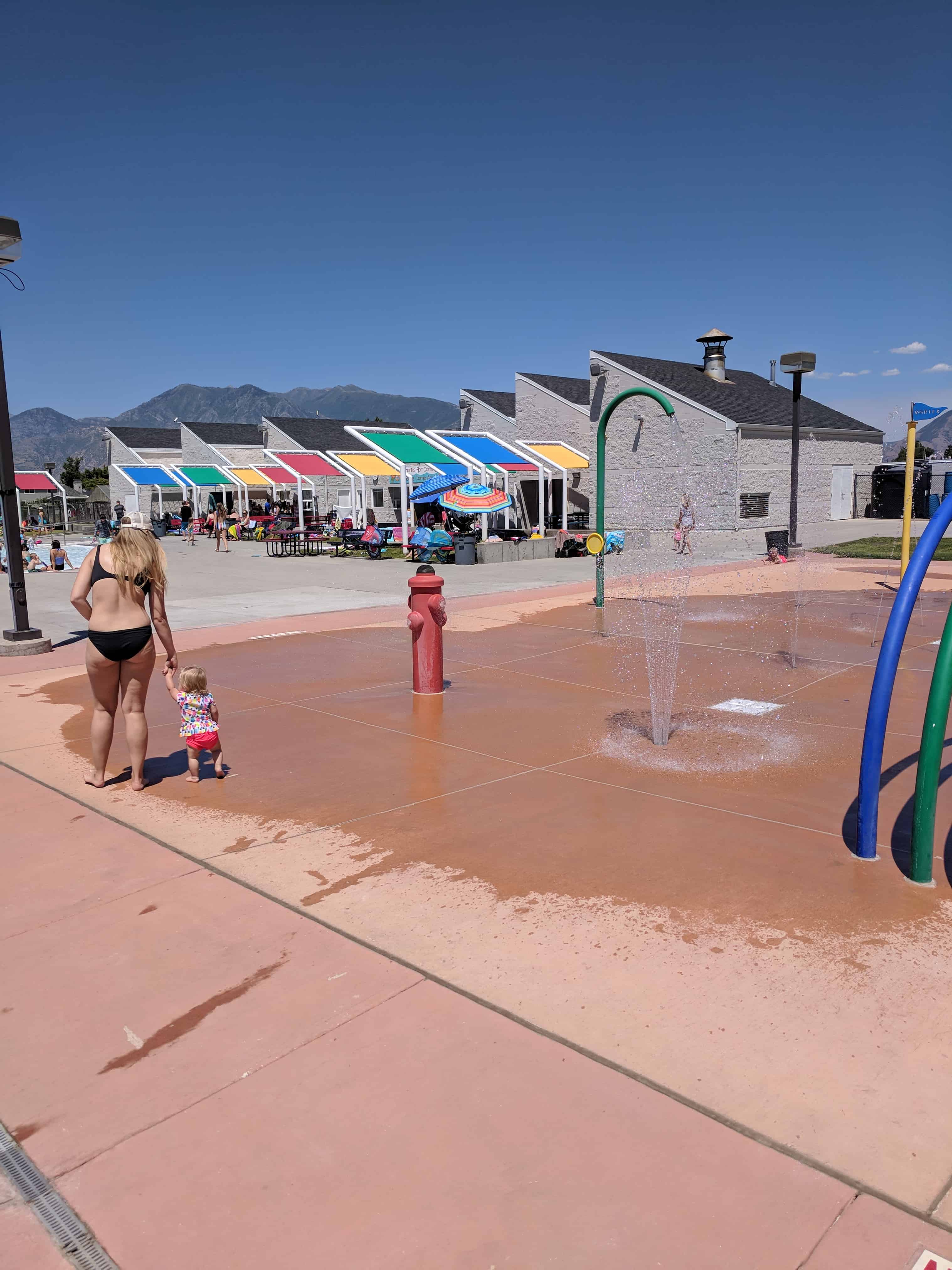
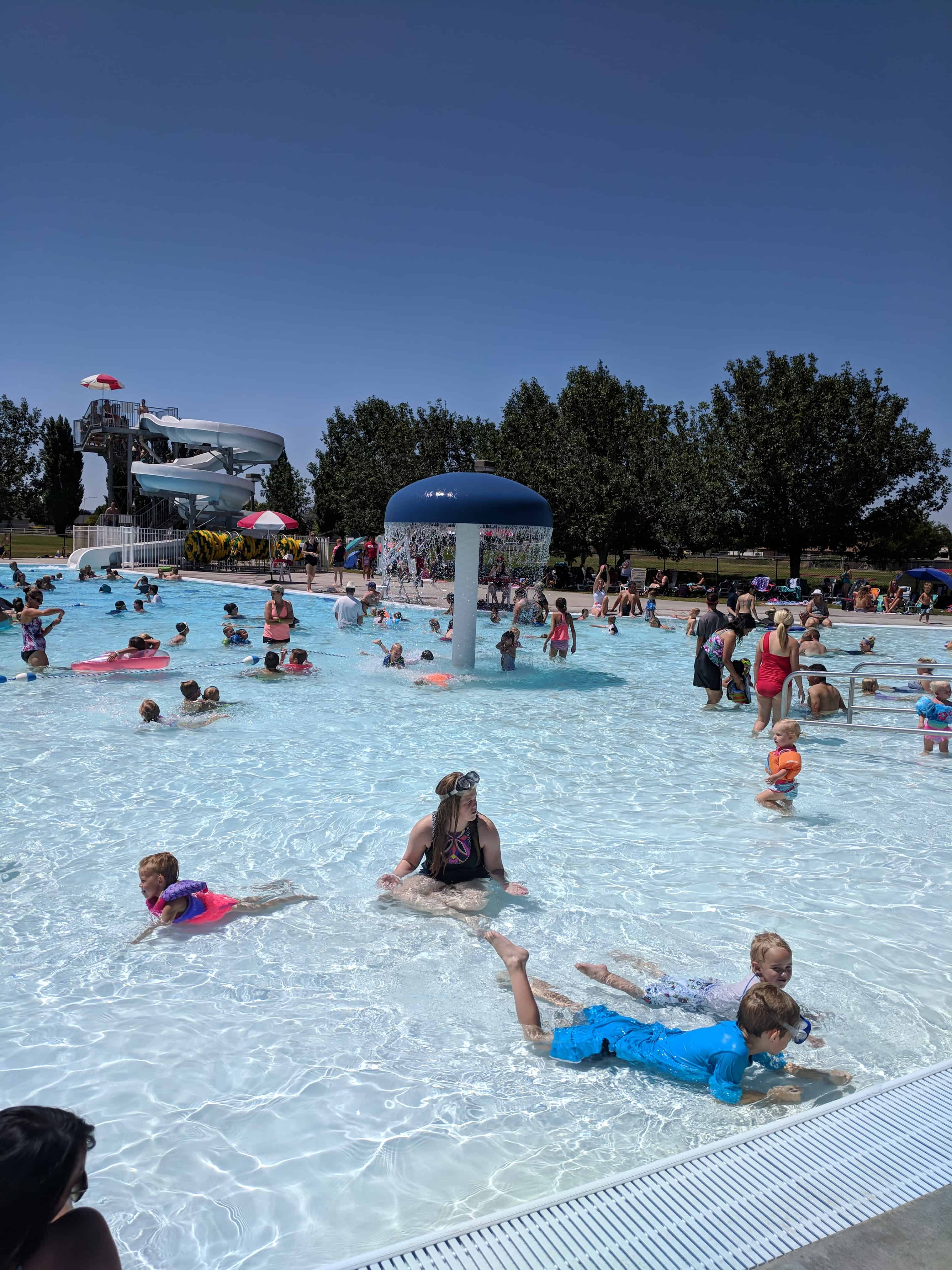
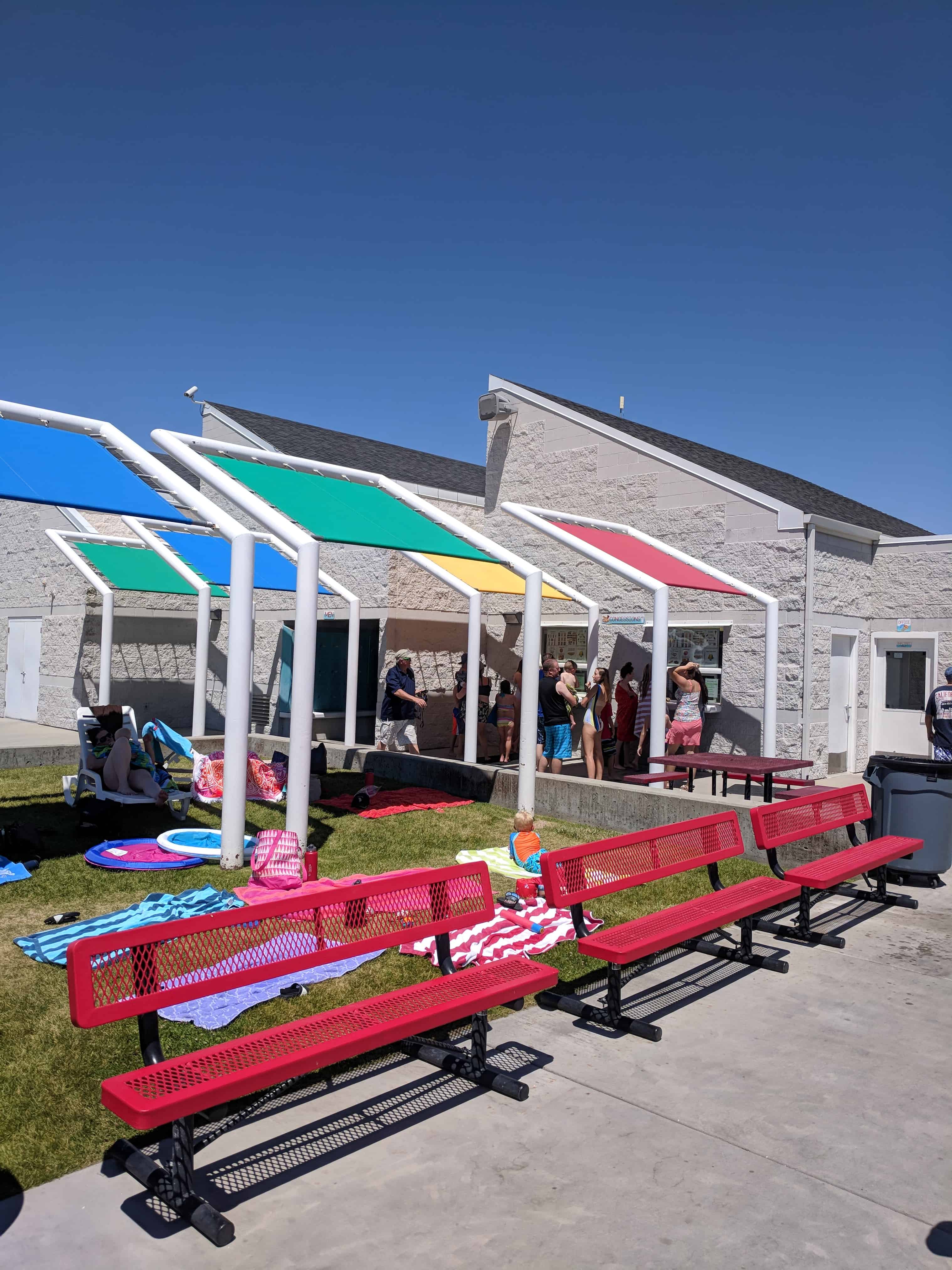
The Spanish Fork Water Park in Spanish Fork, Utah.  For other parks in town visit this page.

2018-07-04 14.43.52

2018-07-04 14.43.49

2018-07-04 14.43.40

2018-07-04 14.43.37

2018-07-04 14.43.35

2018-07-04 14.47.50

2018-07-04 14.48.16

2018-07-04 14.48.23

2018-07-04 14.48.56

2018-07-04 14.49.05

271 Second Avenue

05 Thursday Jul 2018

Posted by Jacob Barlow in Uncategorized

≈ 2 Comments

Tags

Avenues, Historic Homes, NRHP, Salt Lake City, Salt Lake County, utah

2018-01-13 15.47.16

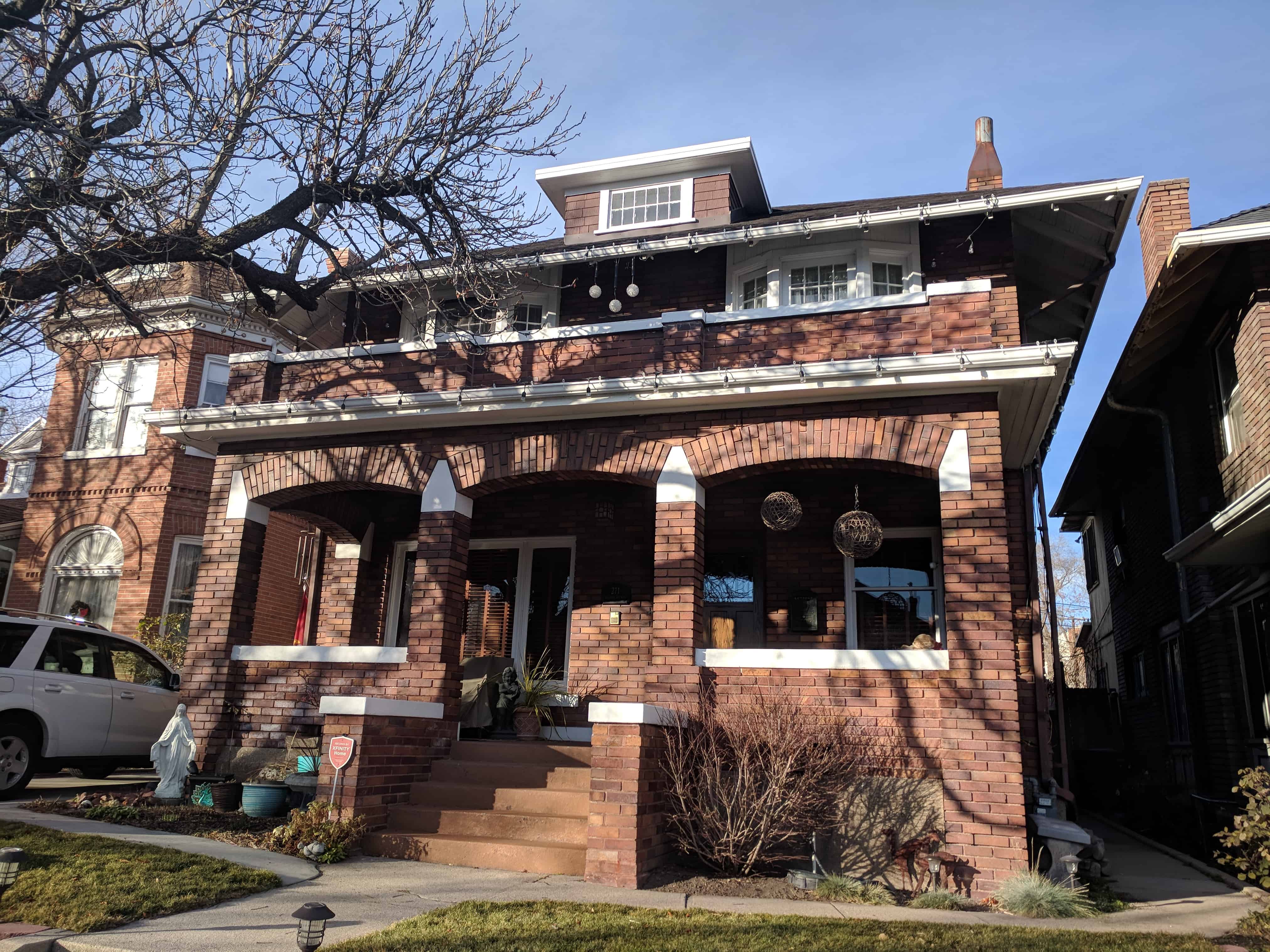
271 Second Avenue

Constructed in 1911 for Henry Wallace, this two-story foursquare type house was designed by Walter Ware and Alberto Treganza, two of Utah’s best known architects.  Mr. Wallace was born in England in 1840 and came to Salt Lake City in 1862.  He was in the baking business in England and continued that profession in Utah, in addition to being an early partner in Bennett Paint and Glass, which built the home’s stained glass windows.  Historically significant, the home retains its integrity and contributes to the Avenues Historic District.

Located at 271 East 2nd Avenue in the Avenues of Salt Lake City, Utah.

2018-01-13 15.47.01

The photos below are borrowed from Luann Lakis‘ real estate listing:

Shem, Shivwits Indian Chieftain

04 Wednesday Jul 2018

Posted by Jacob Barlow in Uncategorized

≈ Leave a comment

Tags

Cemeteries, History, St. George, SUP, Washington County

2018-02-19 17.27.06

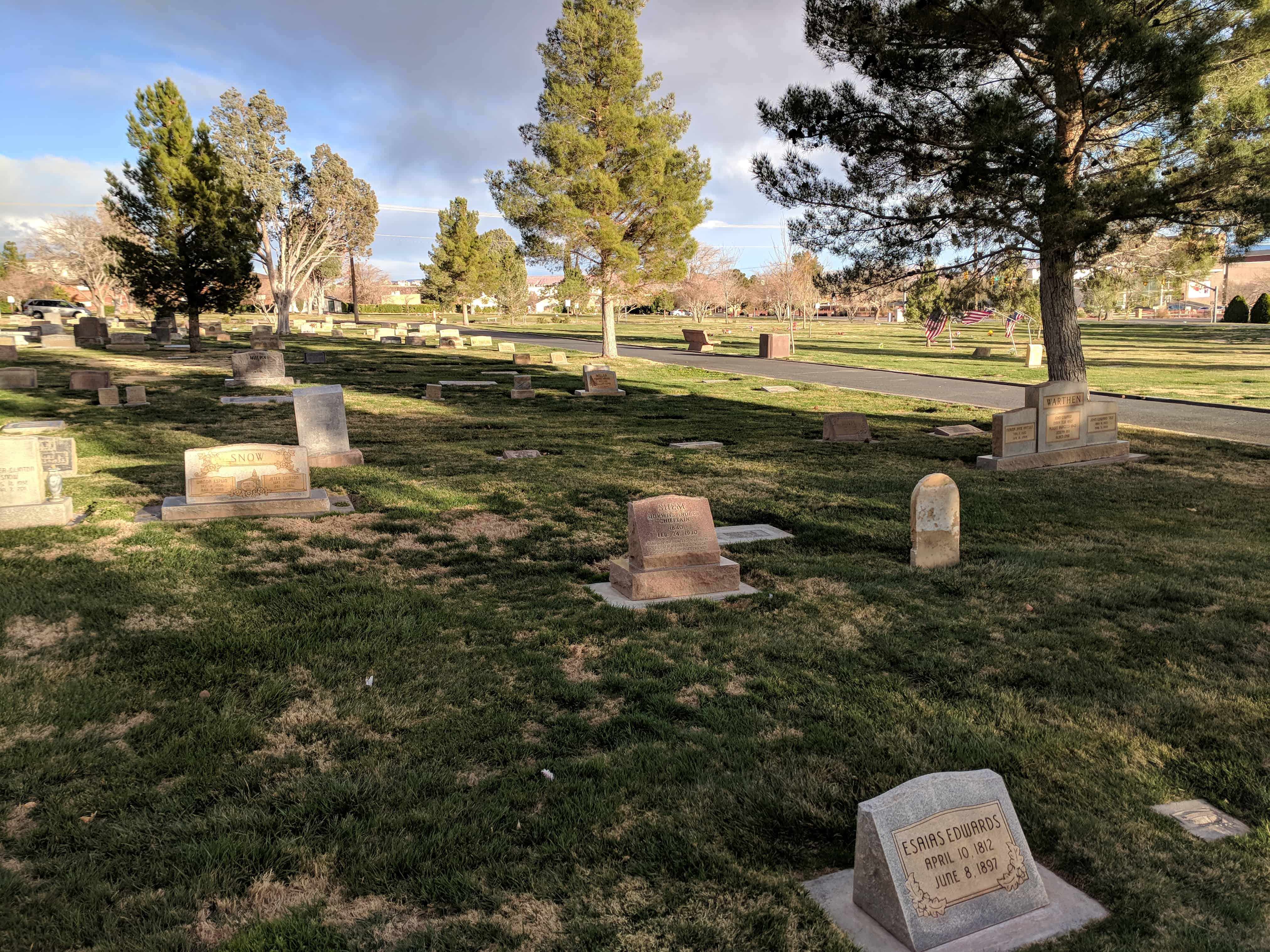
Grave of Shem, Shivwits Indian Chieftain

Located in the St. George City Cemetery.

1840, Feb. 24, 1930 Friend of the pioneers and faithful member of the LDS Church

Shem was a well-known chieftain of the Shivwits Band. Highly respected by the new settlers and his own people, Shem served as a peacemaker for the two cultures. He converted to the LDS Church and was a faithful member. He died in 1930 at the age of ninety years. His grave had gone unmarked for many years.

Shem, Shivwits Band Chieftain is SUP Marker # 112, see others here.

2018-02-19 17.26.59

Oswald Barlow

04 Wednesday Jul 2018

Posted by Jacob Barlow in Uncategorized

≈ Leave a comment

Tags

Cemeteries, St. George, utah, Washington County

thumb200s

2018-02-19 17.15.40

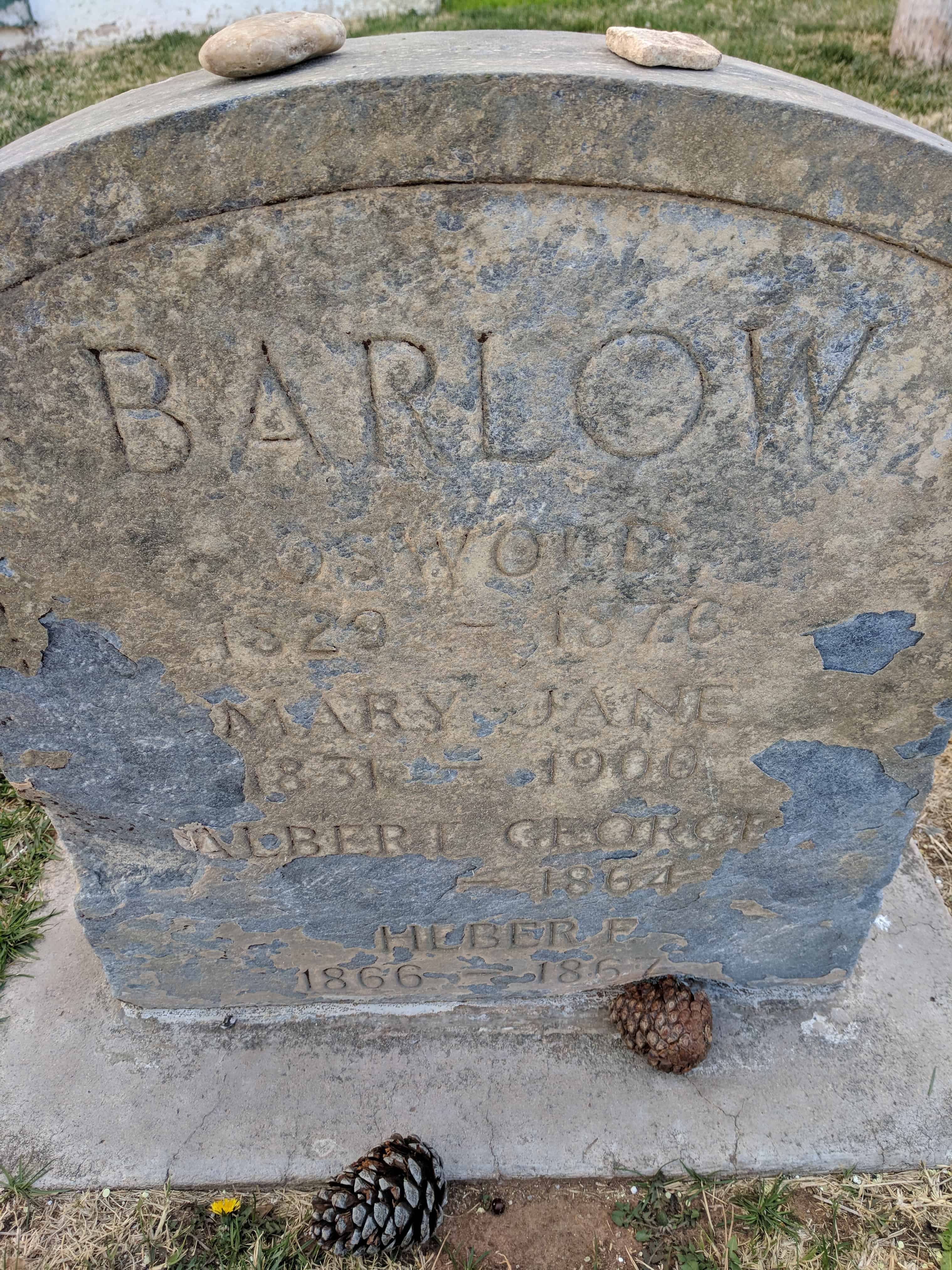
Oswald Barlow

20 July 1829 – 23 April 1876,

My Great Great Great Grandfather. 

Mary Jane Oliver

8 May 1831 – 18 January 1900

2018-02-19 17.14.28

2018-02-19 17.14.34

2018-02-19 17.14.42

2018-02-19 17.14.50

2018-02-19 17.18.22

Brief History of Oswald Barlow 

Oswald Barlow was born July 20, 1829 at Prestwich, Lancashire, England, son of James and Crompton Barlow. At an early age he learned his trade, that of a mason and stone cutter, of which he became a master. This trade he followed the remainder of his life.

His favorite pastime was, band music, his specialty was playing the fife and drum. Later he became an able teacher of these instruments.

In March 1848 he married Catherine Nightingale at Manchester, England. Their first child, James, was born there on October 22, 1849. By this time they were both members of The Church of Jesus Christ of Latter-day Saints and as a result began to formulate plans to come to Zion. Oswald Barlow came to America about 1850 leaving his wife and child until he was able to send for them. He came across the plains, to Utah with one of the later bands of immigrants led by President Brigham Young. Oswald drove President Young’s team. He also lived and worked for him all the time he was in Salt Lake.

He married a second wife, Mary Jane Oliver, in the Endowment house in 1854. In the same year, he saved enough money to send for his first wife, Catherine, and young son to join them. Catherine and her son, James, were on the ocean seven weeks in a sailing vessel. Soon after they landed, Oswald met them and with a load of supplies and took them to Salt Lake. He was a teamster for President Brigham Young while engaged in traveling among the saints in the different stakes of Zion. (The same carriage, that President Young rode in and Oswald drove, is in the State Capital Building now on exhibition.)

In 1858, he moved his families to Payson, where President Young had ordered them to move, so that if the men had to fight Johnson’s Army, their wives and families would be safe. He left them there and returned to Salt Lake to help guard and hold the army back at Echo Canyon. While in Payson, Malinda was born in the old school house. After the saints had driven Johnson’s Army back, the Barlow families moved back to Salt Lake.

Oswald Barlow was a member of the first marshal band in Utah under the leadership of Professor Thomas. In 1859, he opened up a dancing school. He was an expert dancer and many were glad to receive instruction from him. The saints were interested in recreating and Brigham Young encouraged it. A number of his daughters were among the first pupils at the school. The people loved to hear him sing as he had a splendid bass voice and was a good entertainer.

In 1861, he was called to Dixie to help settle Southern Utah. At this time they had eight children, but he loaded both families into a covered wagon which was drawn by two yoke of oxen. After a tiresome journey of three weeks, they arrived in St. George on December 3, 1861. They camped on the old camp ground at the adobe yard until the valley was cleared, brush taken off and the streets laid out. Apostle Erastus Snow put Oswald to work on building dwelling houses. He soon was able to purchase a lot in the west part of town. They lived there in a tent until he built their house.

He, being a good mason and stone cutter, worked off and on for seven years on the St. George Stake Tabernacle. He laid the foundation and walls of the court house and helped build all the prominent houses in this part of the country as far north as Beaver and west as far as Pioche. He did not work on the Temple as he had been instructed by Apostle Erastus Snow to build homes for the saints to live in. His sons worked on the Temple.

In 1863, he organized a Martial Band with nineteen members and they held band practices every Saturday night at his home. Alex Fullerton had the first base drum that was available in Utah. It was the drum that was heard fifteen miles in Echo Canyon at the time Johnson’s Army tried to enter the canyon in 1858. It was owned then by Alonzo Russell.

His families went through the hardships of pioneering and early settling. Many times they had nothing to eat but pigweed greens; but they prospered with the rest of the Saints.

Oswald died April 27, 1876 at St. George. He was the father of eighteen children; nine by the first wife Catherine, and nine by his second wife, Jane. He had eighty-seven grandchildren, two-hundred and nineteen great-grandchildren and thirty-six great-great-grandchildren, making a total of three-hundred and forty-two descendants. Since the writing of this history, there are many more descendants.

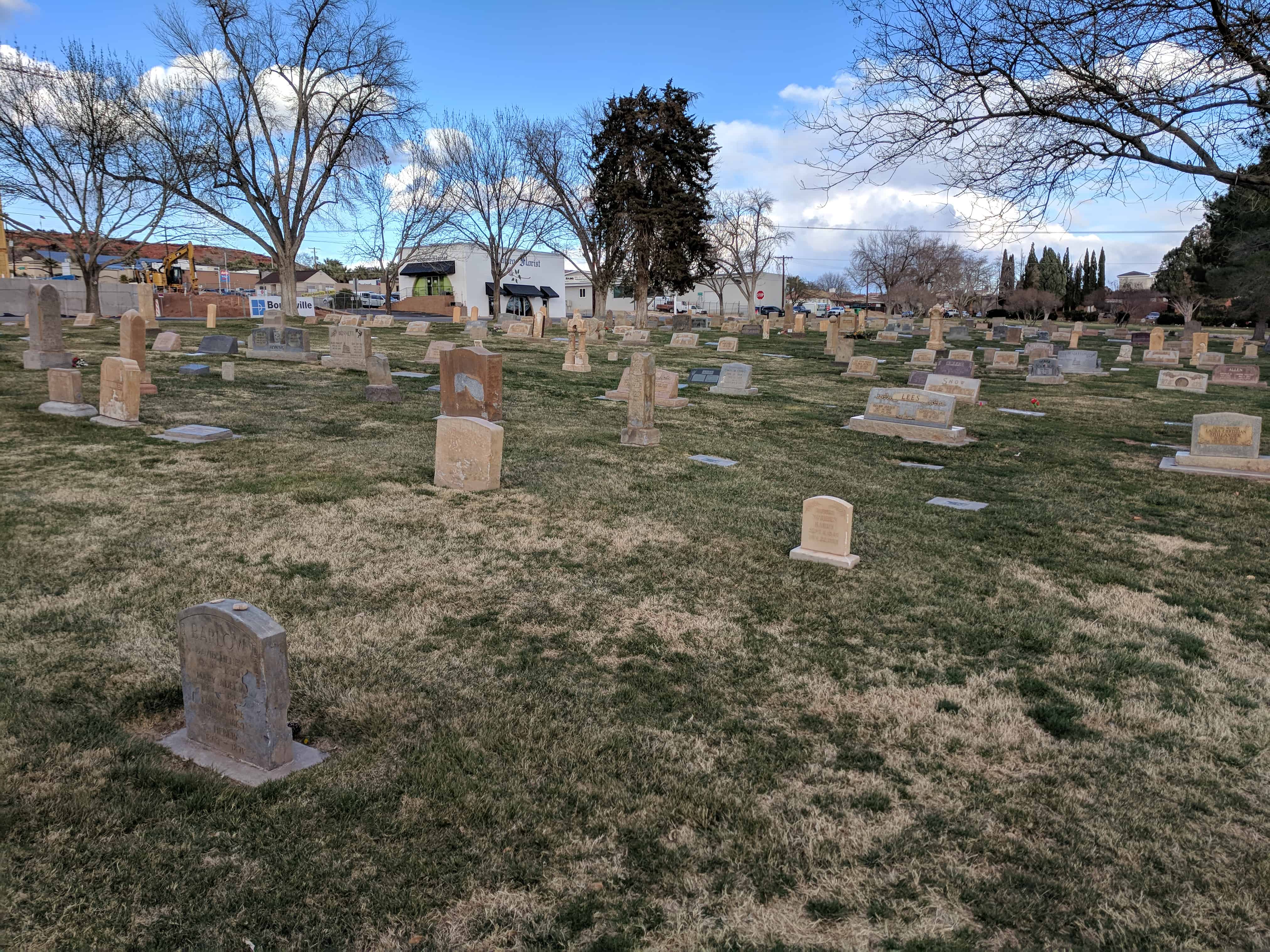
Located in the St. George City Cemetery.

Saint George City Cemetery

04 Wednesday Jul 2018

Posted by Jacob Barlow in Uncategorized

≈ 2 Comments

Tags

Cemeteries, historic, St. George, utah, Washington County

2018-02-19 17.13.10

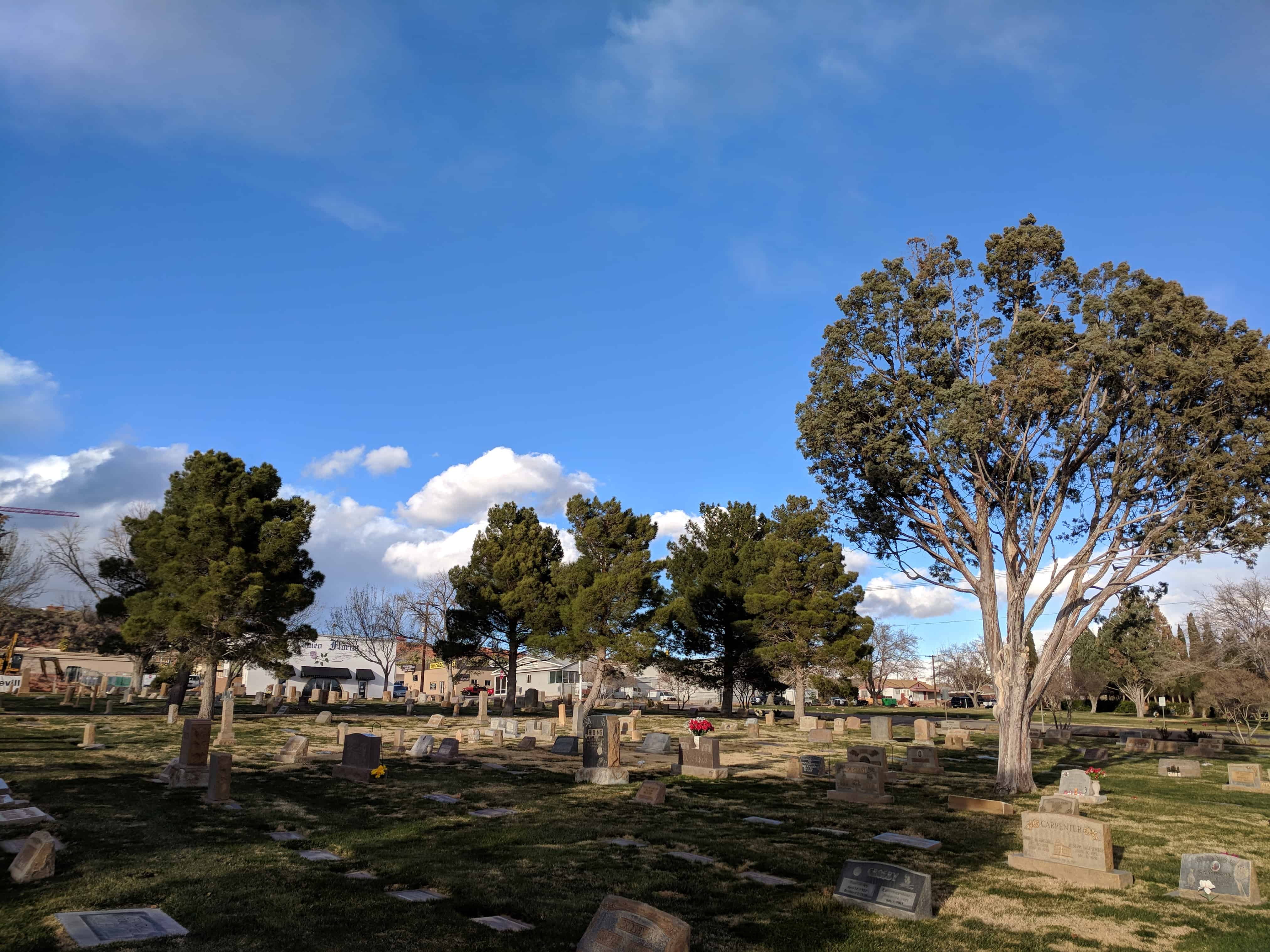
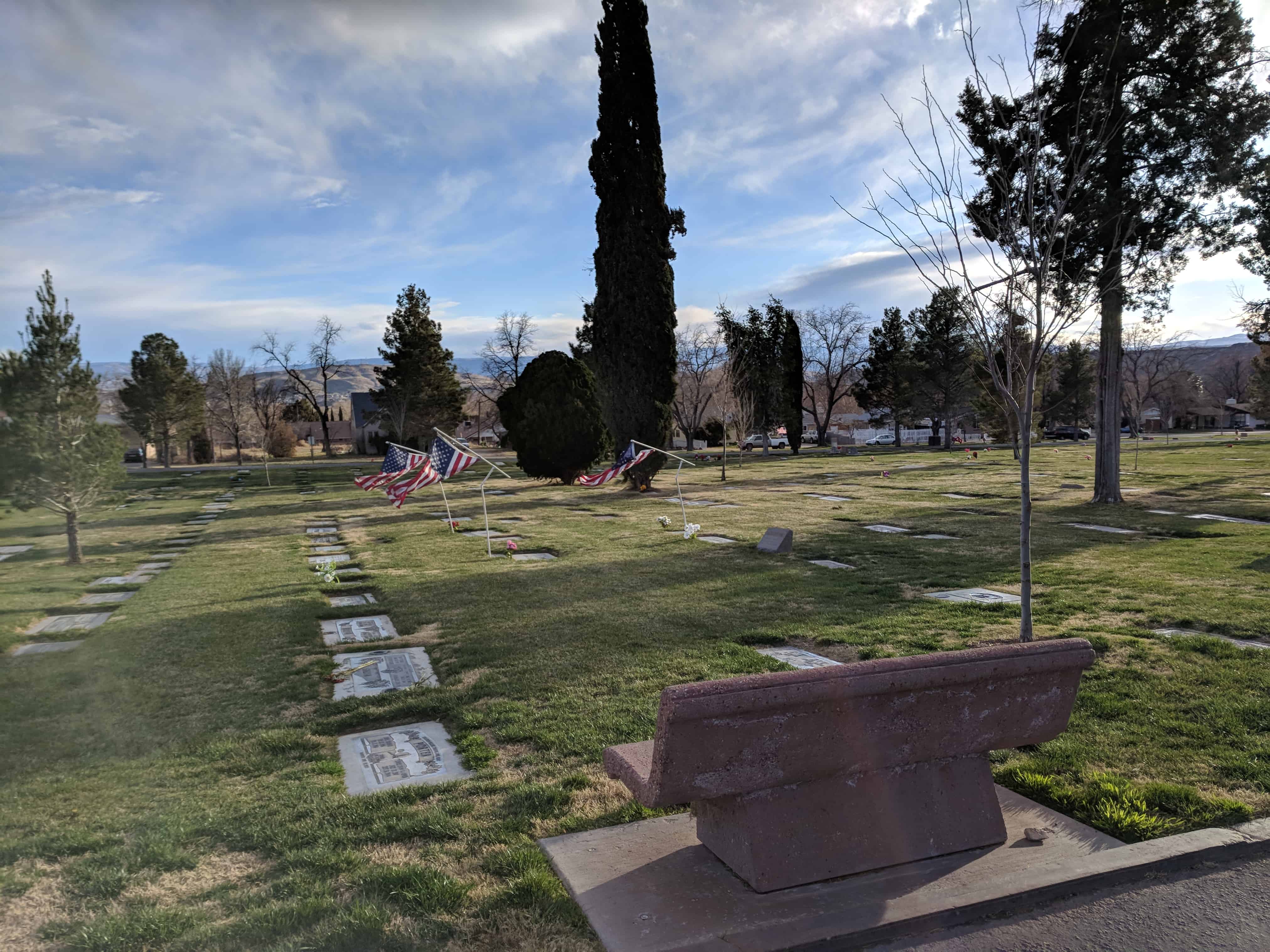
Saint George City Cemetery

The cemetery in St. George, Utah.

Related posts:

  • Oswald Barlow’s Grave
  • Shem’s Grave

2018-02-19 17.13.28

2018-02-19 17.13.33

2018-02-19 17.18.25

2018-02-19 17.18.27

2018-02-19 17.21.50

2018-02-19 17.21.56

2018-02-19 17.22.04

2018-02-19 17.25.23

← Older posts
Newer posts →

Follow Jacob

Follow Jacob

Come wander with me on Youtube.

Blog Stats

  • 2,103,048 hits

Social and Other Links

BarlowLinks.com

Recent Posts

  • Scout Monument
  • Provo High School Seminary Building
  • 821 E 100 S
  • 820 E 100 S
  • 817-819 E 100 S

Archives

Loading Comments...