Tags

Jack & Jill Bowling Lanes opened in 1957, the vintage sign is about 50 feet tall on a 14 foot pole, the business moved in 1984 to this location (105 S 700 E in American Fork, Utah) and the sign came with it.



03 Saturday Oct 2020
Posted in Uncategorized
Tags
Jack & Jill Bowling Lanes opened in 1957, the vintage sign is about 50 feet tall on a 14 foot pole, the business moved in 1984 to this location (105 S 700 E in American Fork, Utah) and the sign came with it.
24 Tuesday Mar 2020
Posted in Uncategorized
Tags

Out in front of the American Fork Police Department and the District Courthouse are some stone memorials.

PSD Marco
Aug. 16 1995 – Jan. 18, 2000

Mike
American Fork Police K9
2006-2010
“No night too dark, No mission too tough, No sacrifice too great.”

American Fork Police Department
In Memorial Of:

14 Sunday Jan 2018
Posted in Uncategorized

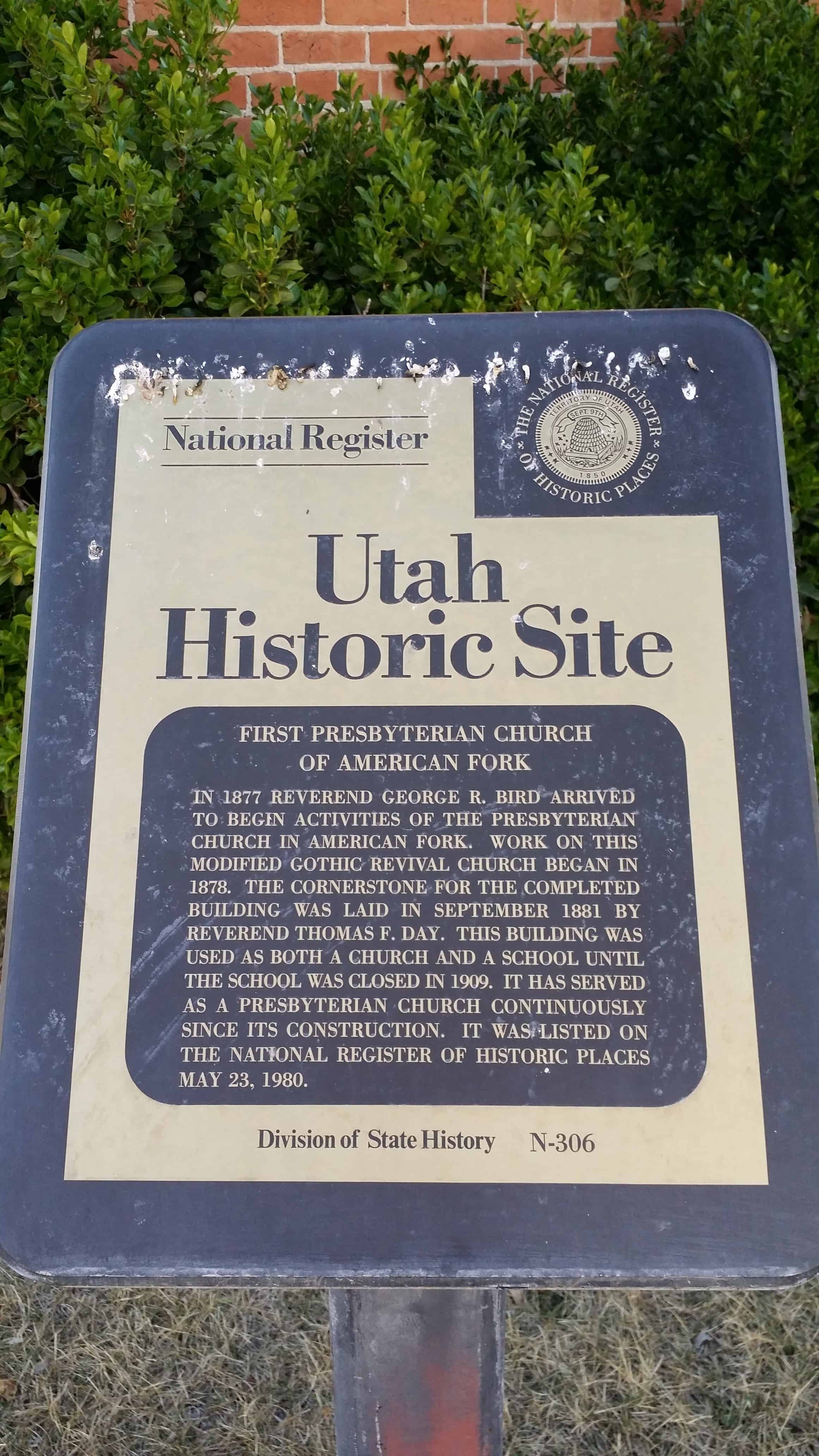
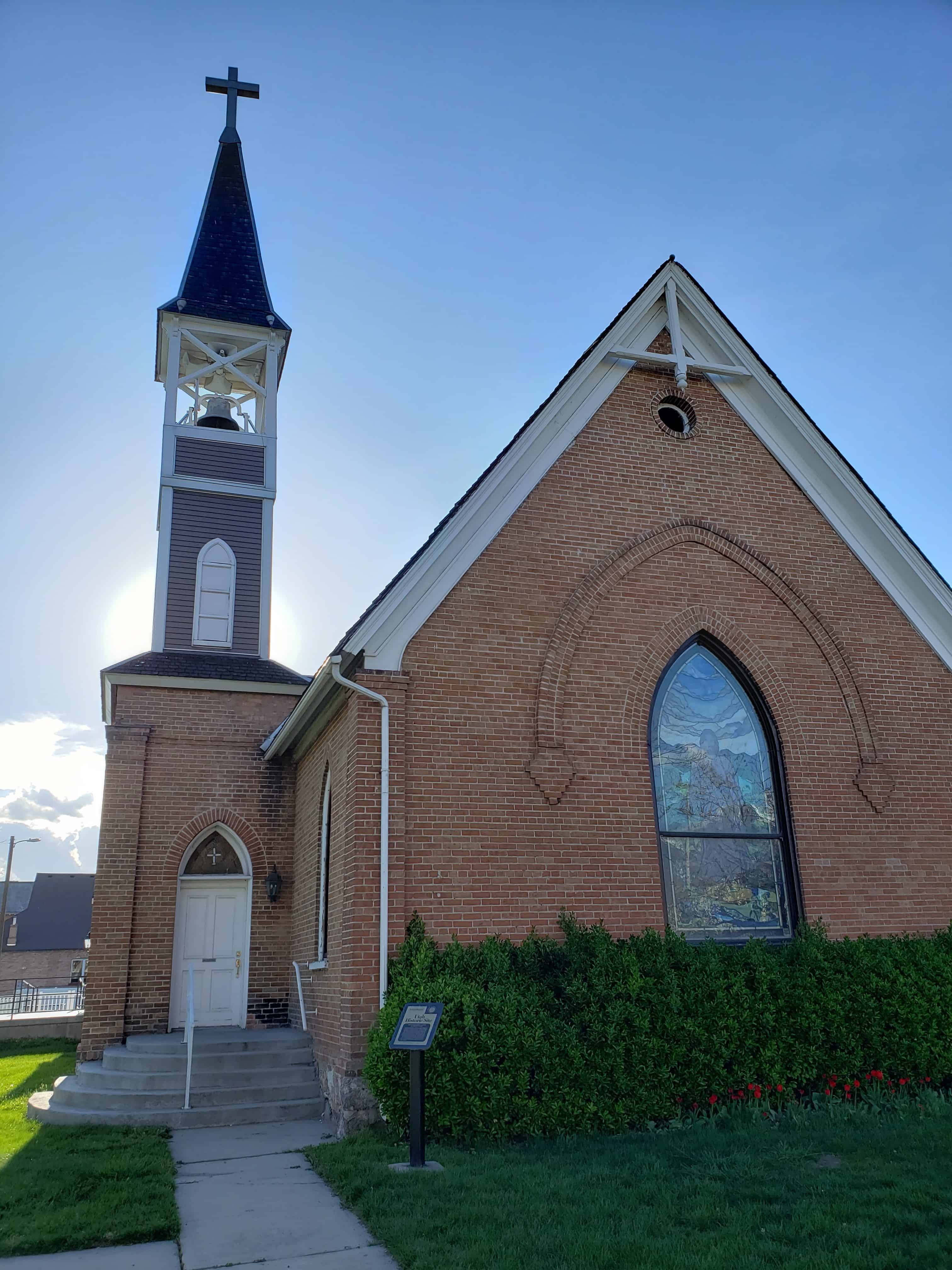
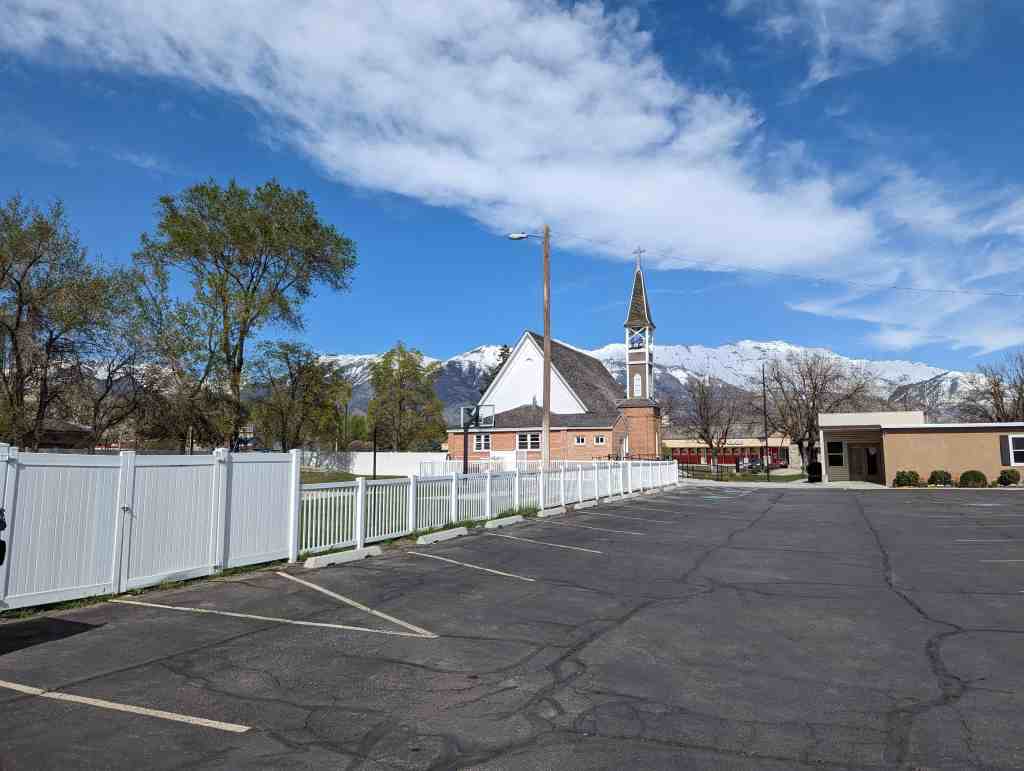
First Presbyterian Church of American Fork – 75 North 100 East
In 1877 Reverend George R. Bird arrived to begin activities of the Presbyterian Church in American Fork. Work on this modified gothic revival church began in 1878. The cornerstone for the completed building was laid in September 1881 by Reverend Thomas F. Day. This building was used as both a church and a school until the school was closed in 1909. It has served as a Presbyterian Church continuously since its construction. It was listed on the National Register of Historic Places May 23, 1980.





12 Friday Jan 2018
Posted in Uncategorized

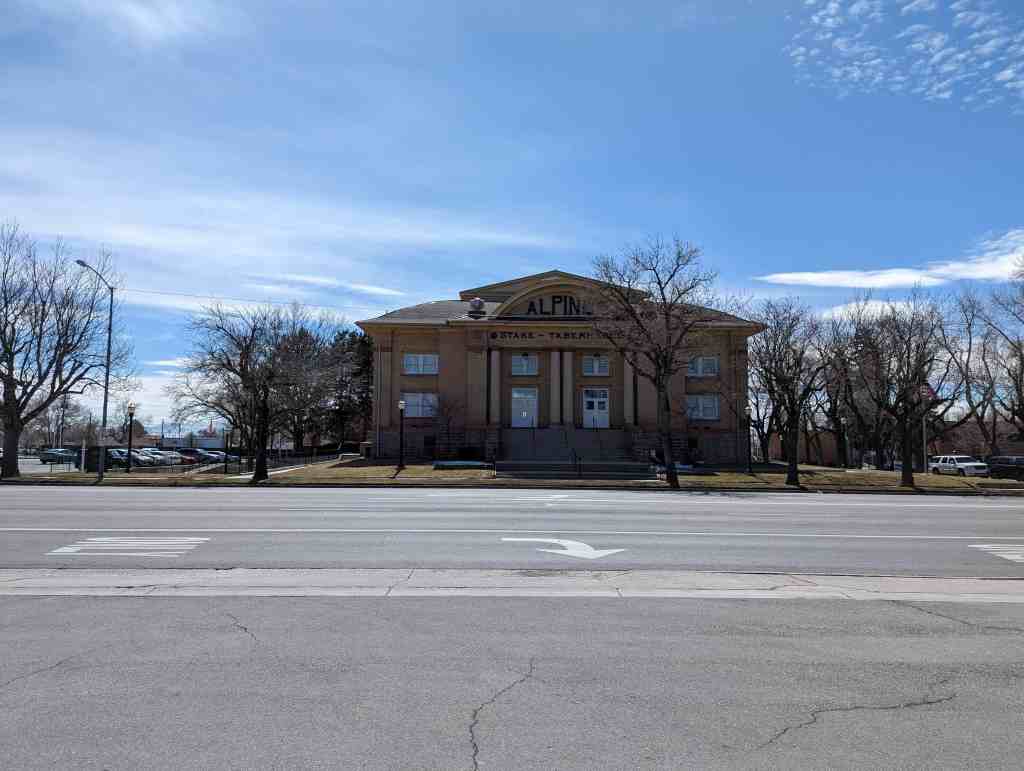
Built in 1911, the Alpine Stake Tabernacle is located in the American Fork Historic District at 110 E. Main Street in American Fork, Utah. It was added to the National Historic Register on December 10, 1988.
Related:




16 Thursday Nov 2017
Posted in Uncategorized
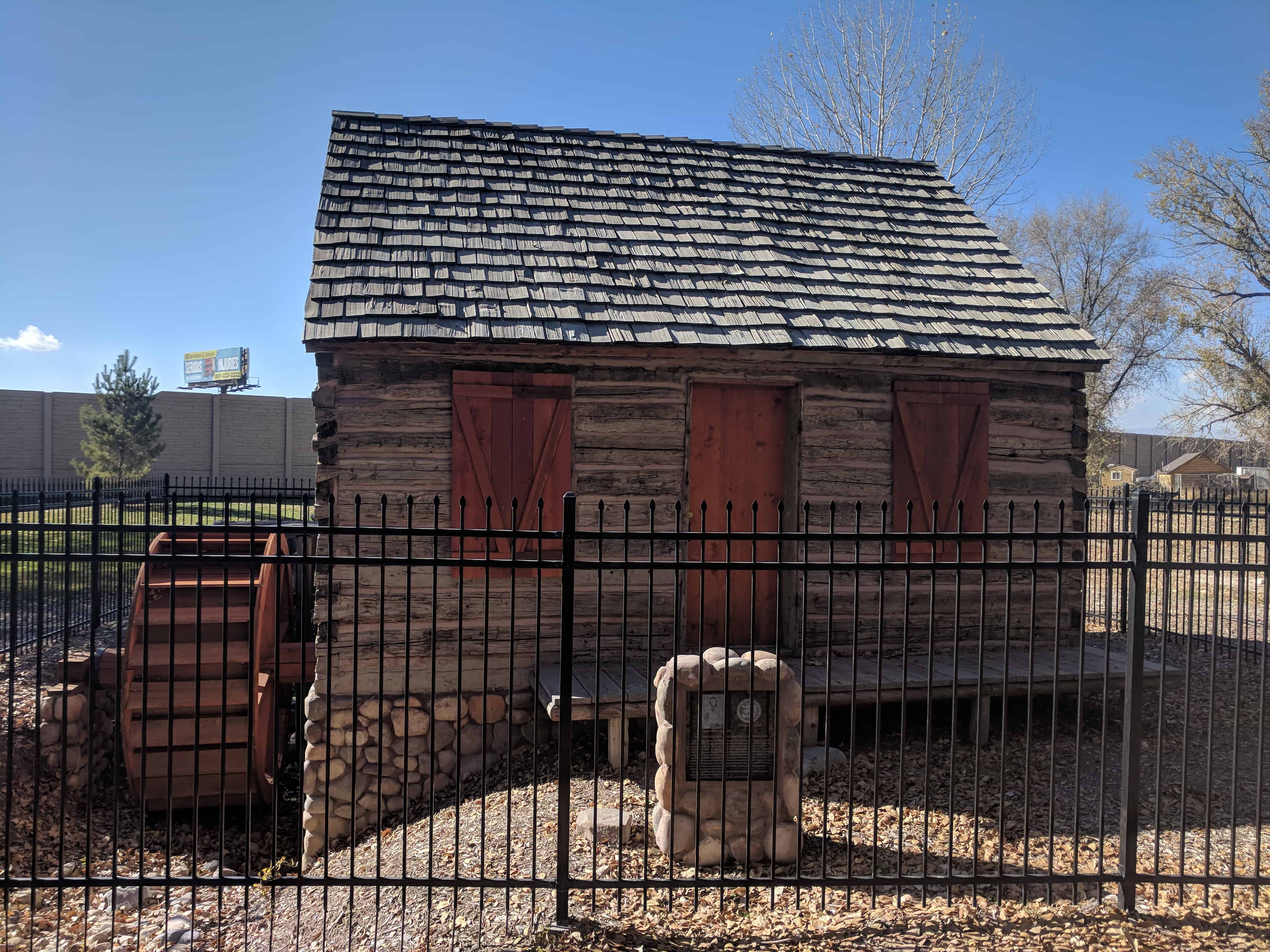
During the winter of 1850-51, Arza and Sabina Adams moved their family of seven children here from Mill Creek, Salt Lake Valley. They built a log cabin across the street east of where you stand. Journals tell that Arza built a Grist Mill near his log cabin. Arza learned how to build and operate flour mills from his father, Capt. Joshua Adams, in Ontario, Canada. The Adams Flour Mill was the first to produce baking flour for American Fork families. In 1853 Arza moved the water wheel, mill stones and other workings 4½ blocks north of here and built a larger mill near the Lake City Fort. During his lifetime, Arza also built and operated a third flour mill one mile north of town.
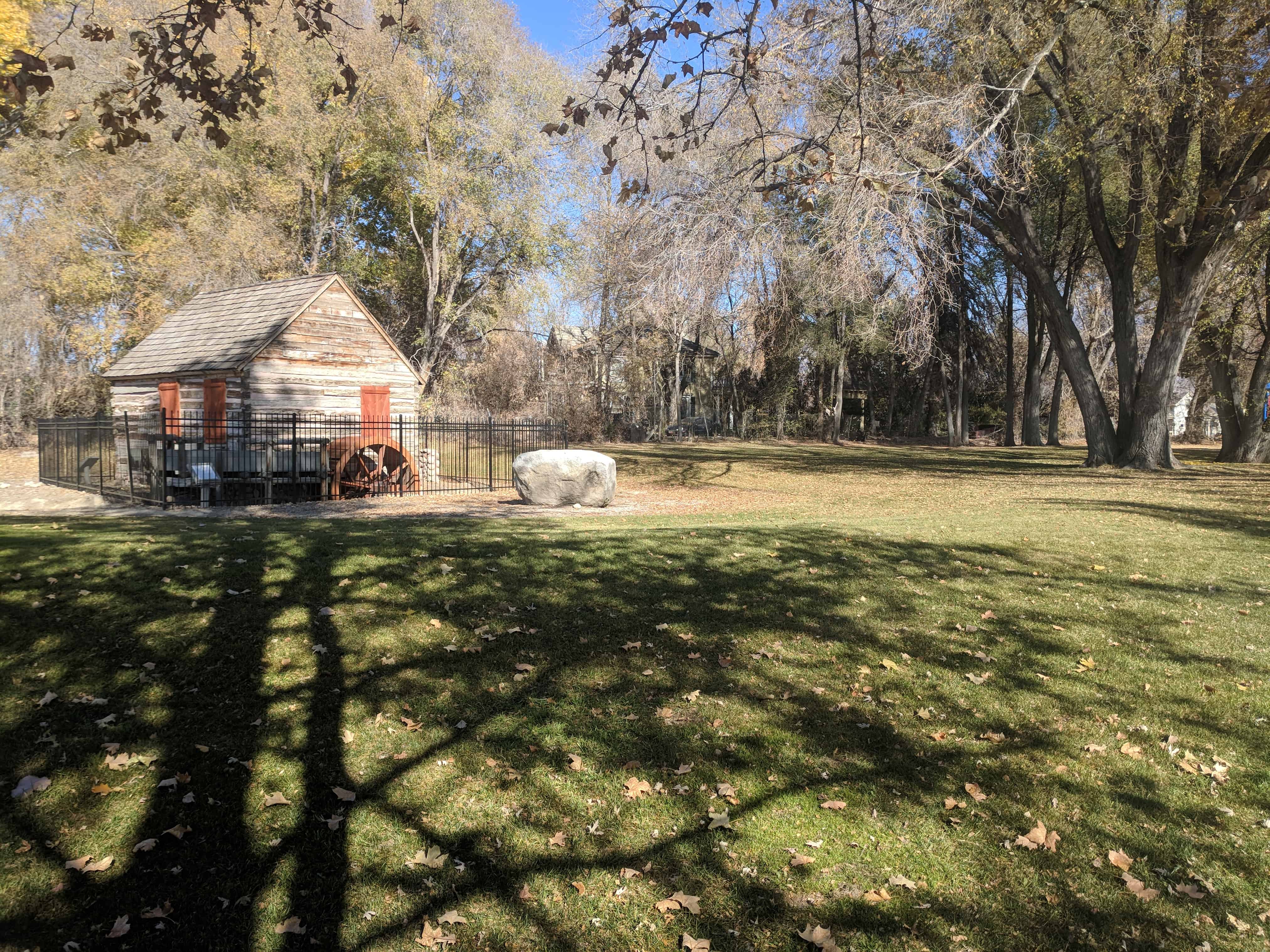
No photographs exist of the original 1851 mill. The log cabin and water wheel in front of you is a replication of that grist mill. Arza Adams built this log cabin at 234 North 100 East, American Fork in 1880. It became the home of his daughter, Bets Adams Robinson. The cabin was taken down log by log in 2012 and reassembled on this site in 2014. The water wheel is a replica of a wheel built in the mid 1800s. This park property originally belonged to Stephen Chipman who was Arza’s maternal uncle.
This Log Cabin Grist Mill stands as a Historical Monument of American Fork City and a tribute to Arza Adams, pioneer miller and one of the co-founders of this city.
SUP Monument dedicated July 11, 2015 by Daniel K. Adams, Arza’s Great-Grandson.
This is located in Centennial Park in American Fork.
See other historic markers in the series on this page for SUP Markers.


16 Thursday Nov 2017
Posted in Uncategorized
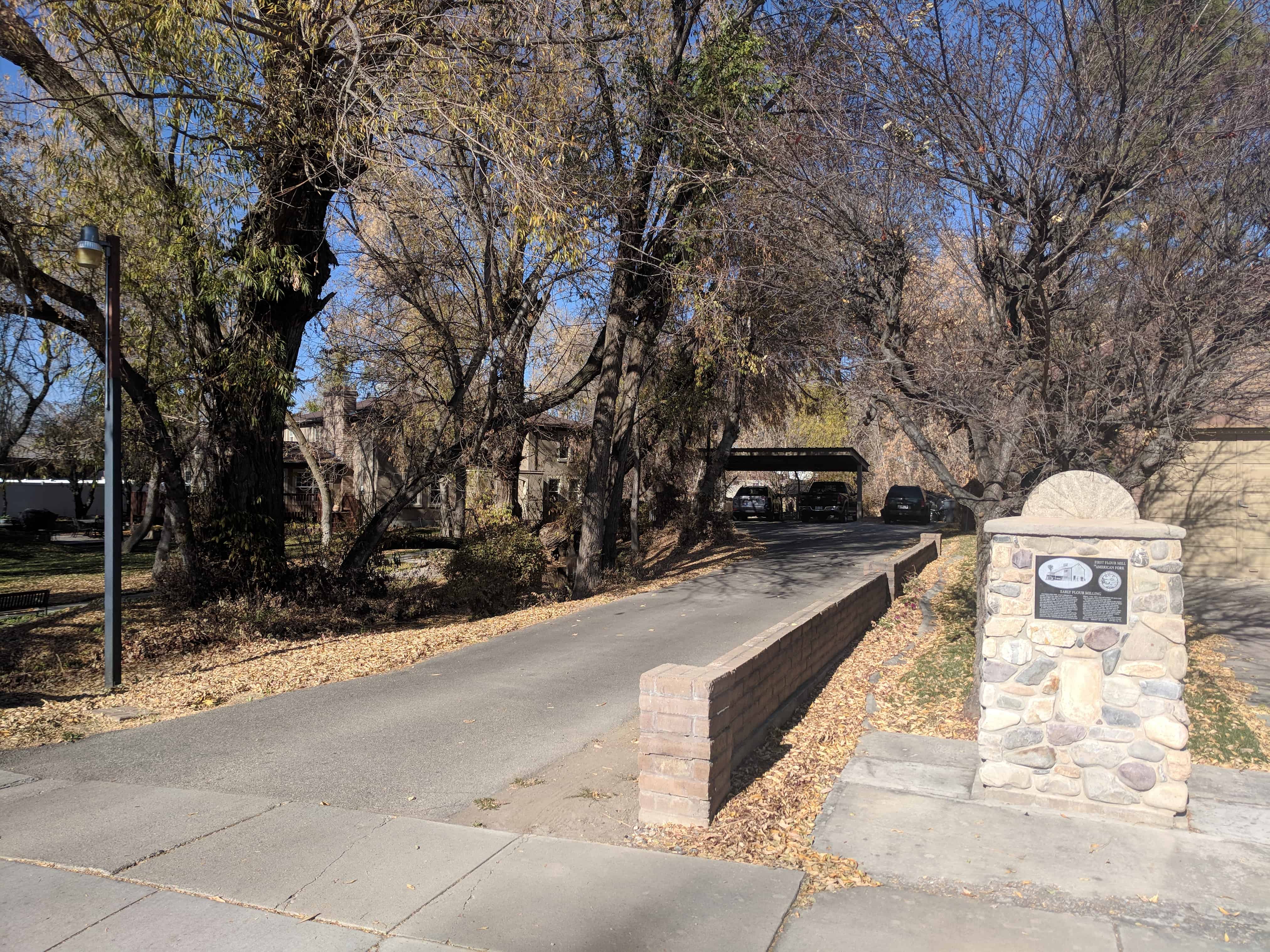
First Flour Mill, American Fork
Location: 49 East 200 North, American Fork, UT, on the same block where the second Arza Adams mill was located next to the millstream.
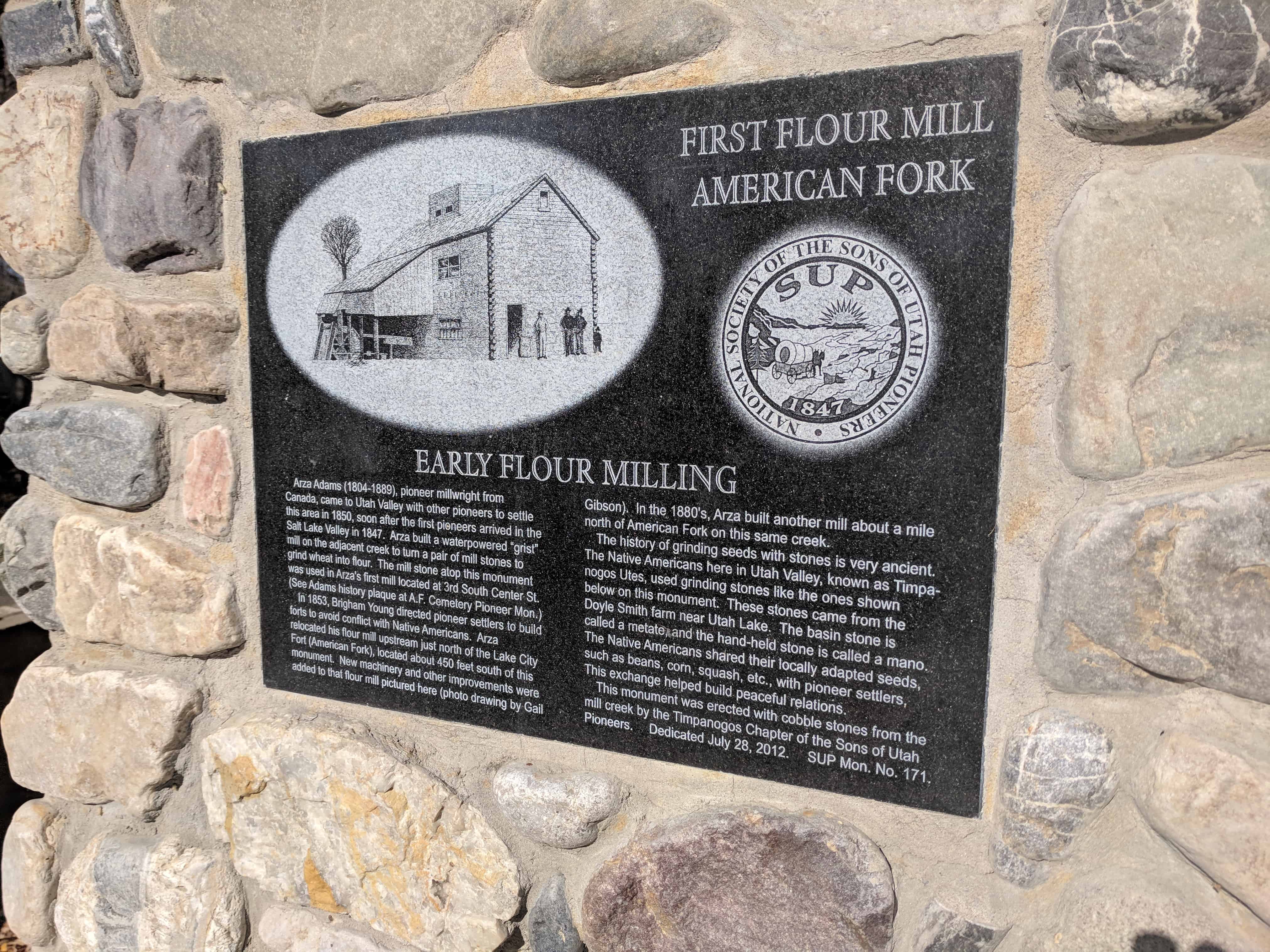
EARLY FLOUR MILLING
Arza Adams (1804-1889), pioneer millwright from Canada, came to Utah Valley with other pioneers to settle this area in 1850, soon after the first pioneers arrived in the Salt Lake Valley in 1847. Arza built a waterpowered “grist” mill on the adjacent creek to turn a pair of mill stones to grind wheat into flour. The mill stone atop this monument was used in Arza’s first mill located at 3rd South Center St. (See Adams history plaque at A.F. Cemetery Pioneer Mon.)
In 1853, Brigham Young directed pioneer settlers to build forts to avoid conflict with Native Americans. Arza relocated his flour mill upstream just north of the Lake City Fort (American Fork), located about 450 feet south of this monument. New machinery and other improvements were added to that flour mill pictured here (photo drawing by Gail Gibson). In the 1880’s Arza built another mill about a mile north of American Fork on this same creek.
The history of grinding seeds with stones is very ancient. The Native Americans here in Utah Valley, known as Timpanogos Utes, used grinding stones like the ones shown below this monument. These stones came from the Doyle Smith farm near Utah Lake. The basin stone is called a metate, and the hand-held stone is called a mano. The Native Americans shared their locally adapted seeds, such as beans, corn, squash, etc., with pioneer settlers. This exchange helped build peaceful relations.
This monument was erected with cobble stones from the mill creek by the Timpanogos Chapter of the Sons of Utah Pioneers. Dedicated July 28, 2012. SUP Mon. No. 171.
See other historic markers in the series on this page for SUP Markers.

16 Thursday Nov 2017
Posted in Uncategorized
Tags

Centennial Park in American Fork, Utah. For other parks in town click here.
The Log Cabin Grist Mill is located in this park.



16 Thursday Nov 2017
Posted in Uncategorized
Tags
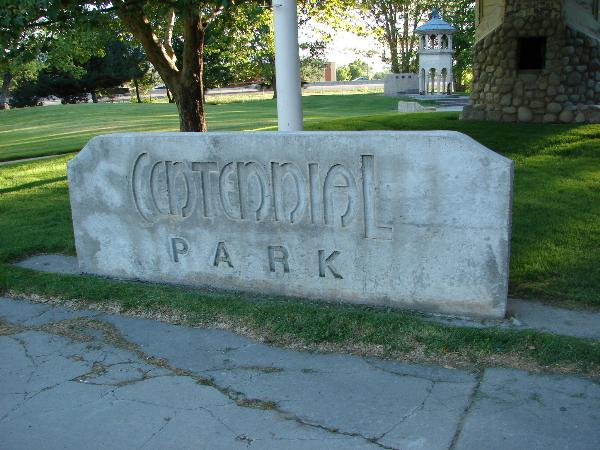
This page is links to pages about the parks that are in American Fork, Utah.
02 Monday Jan 2017
Posted in Uncategorized
Tags

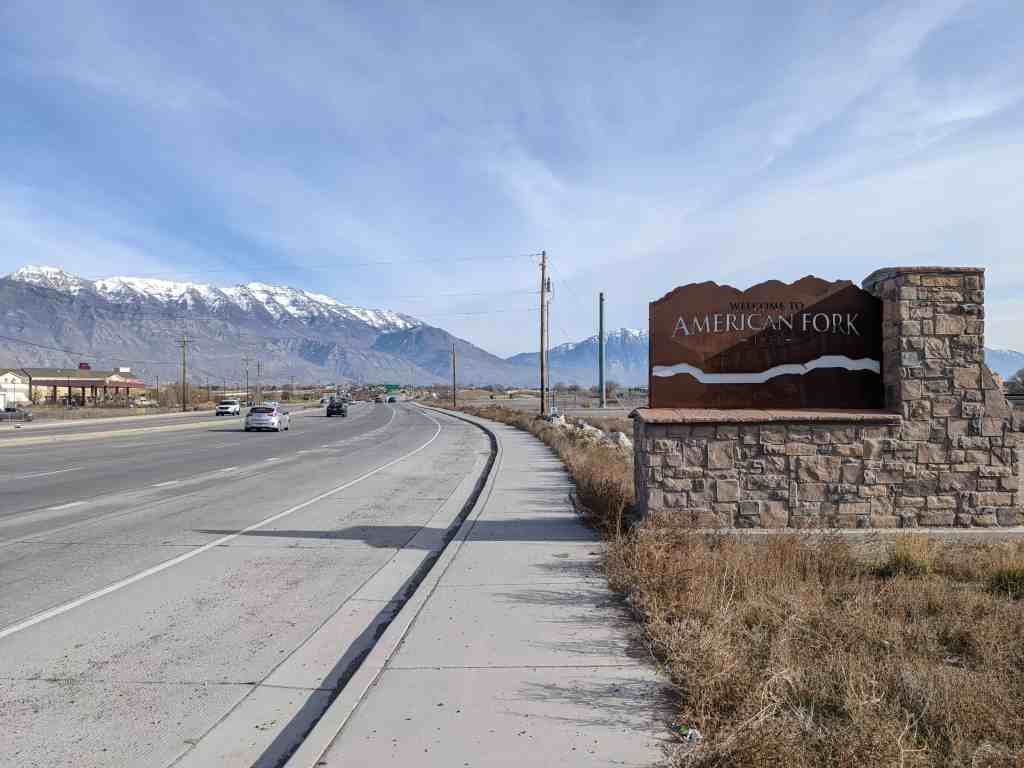
American Fork Posts:


12 Monday Sep 2016
Posted in Uncategorized
Tags


A DUP museum of history located in American Fork, Utah.