Utah’s First Sunday School
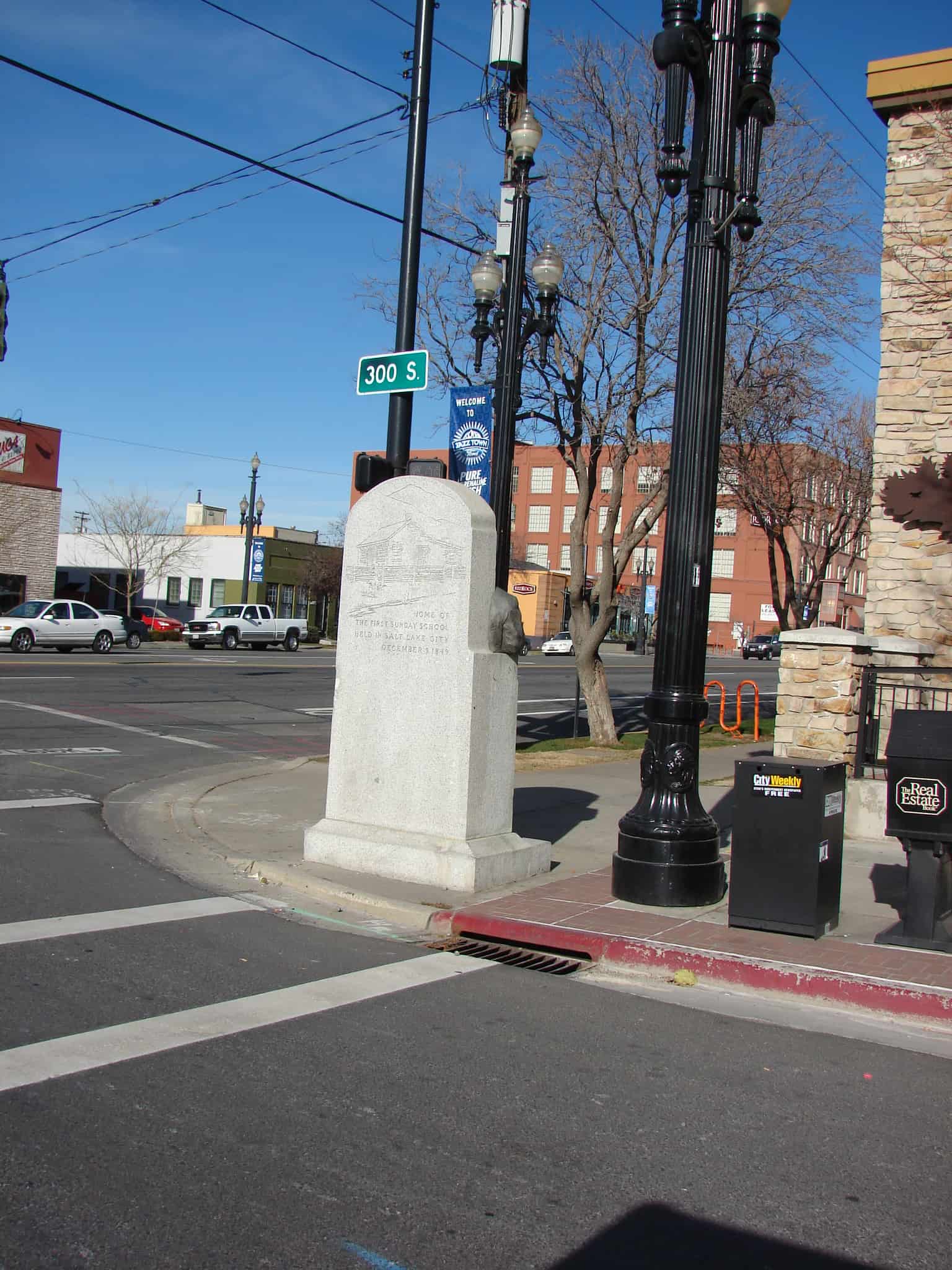
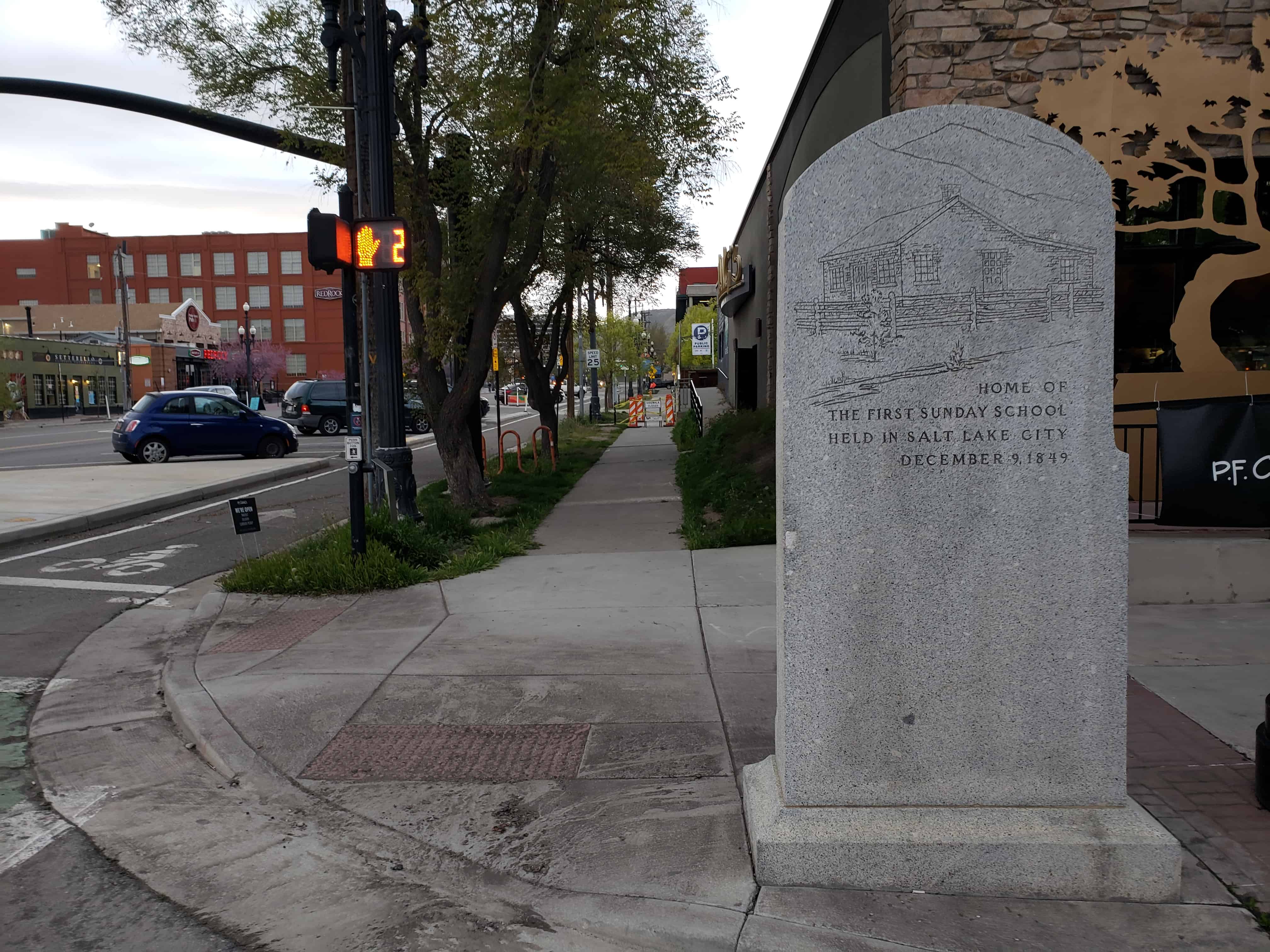
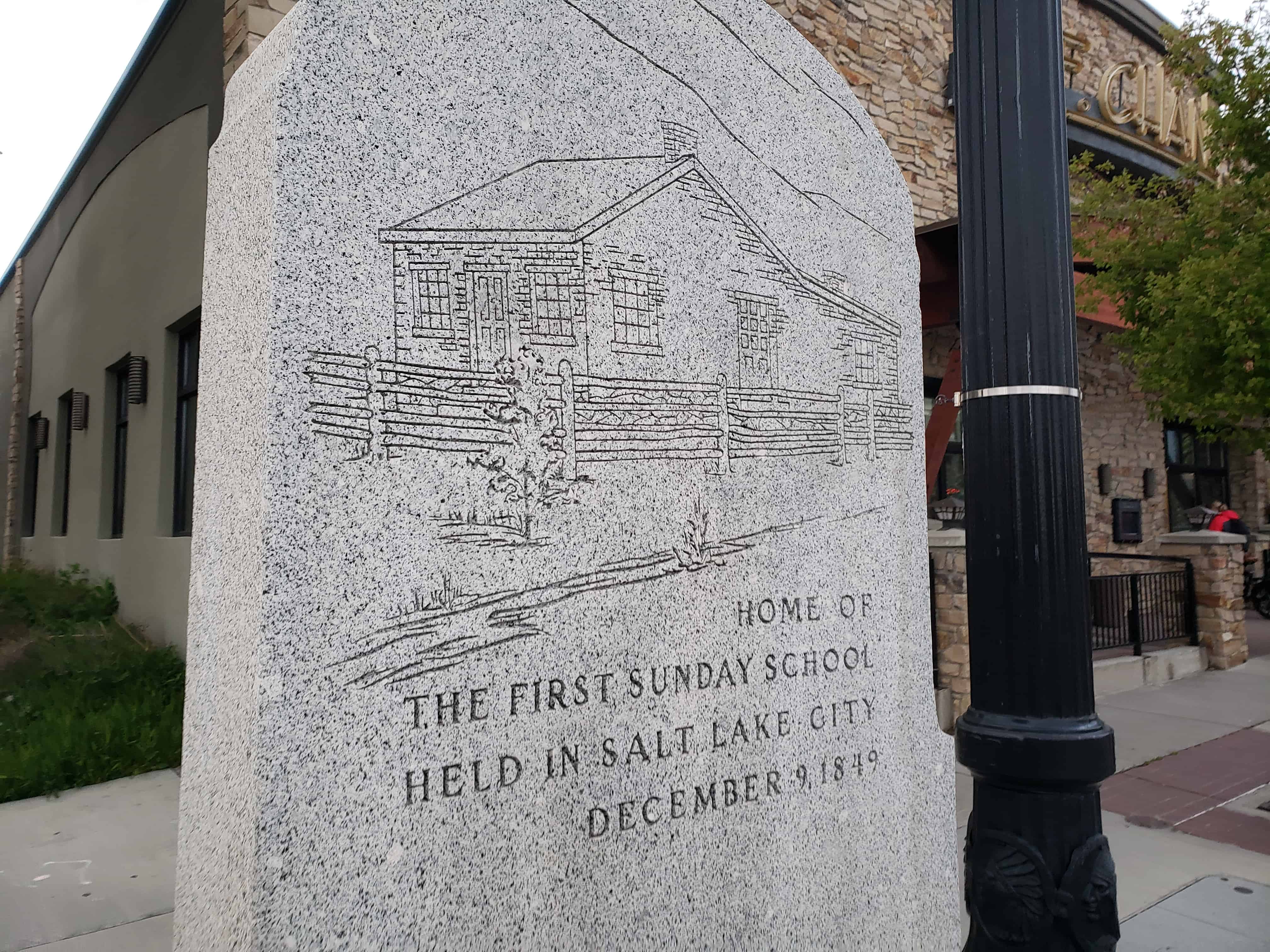
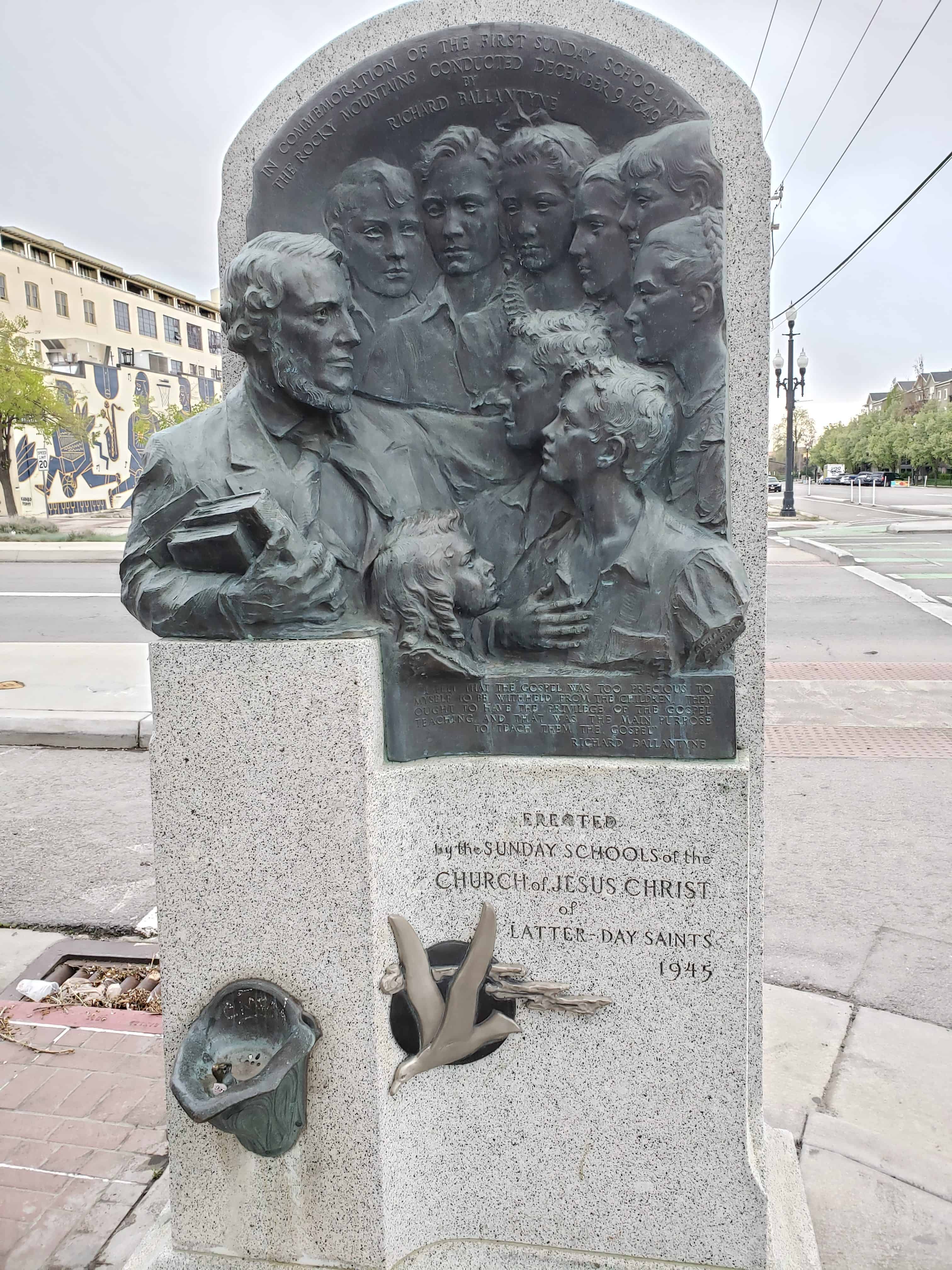
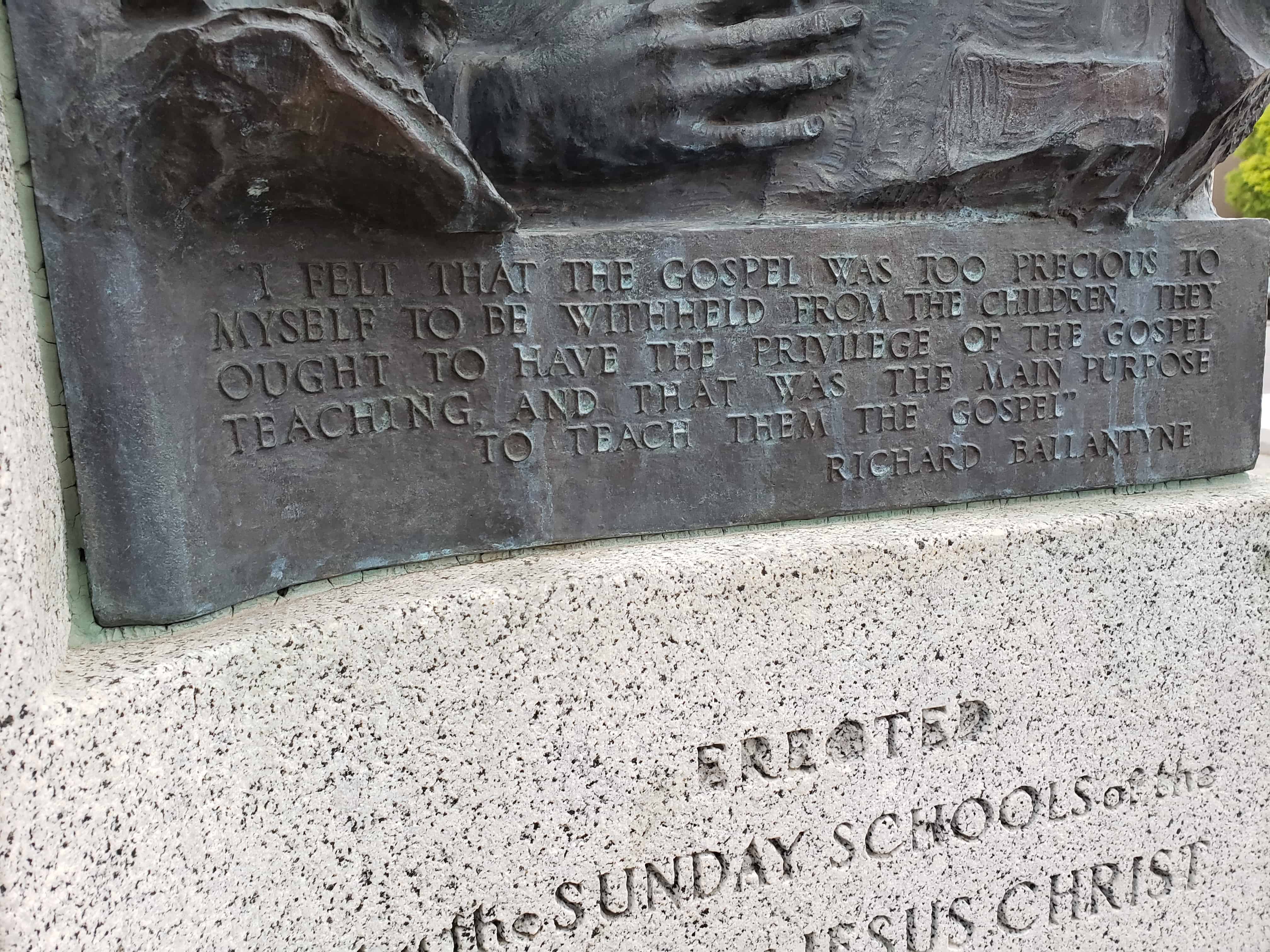
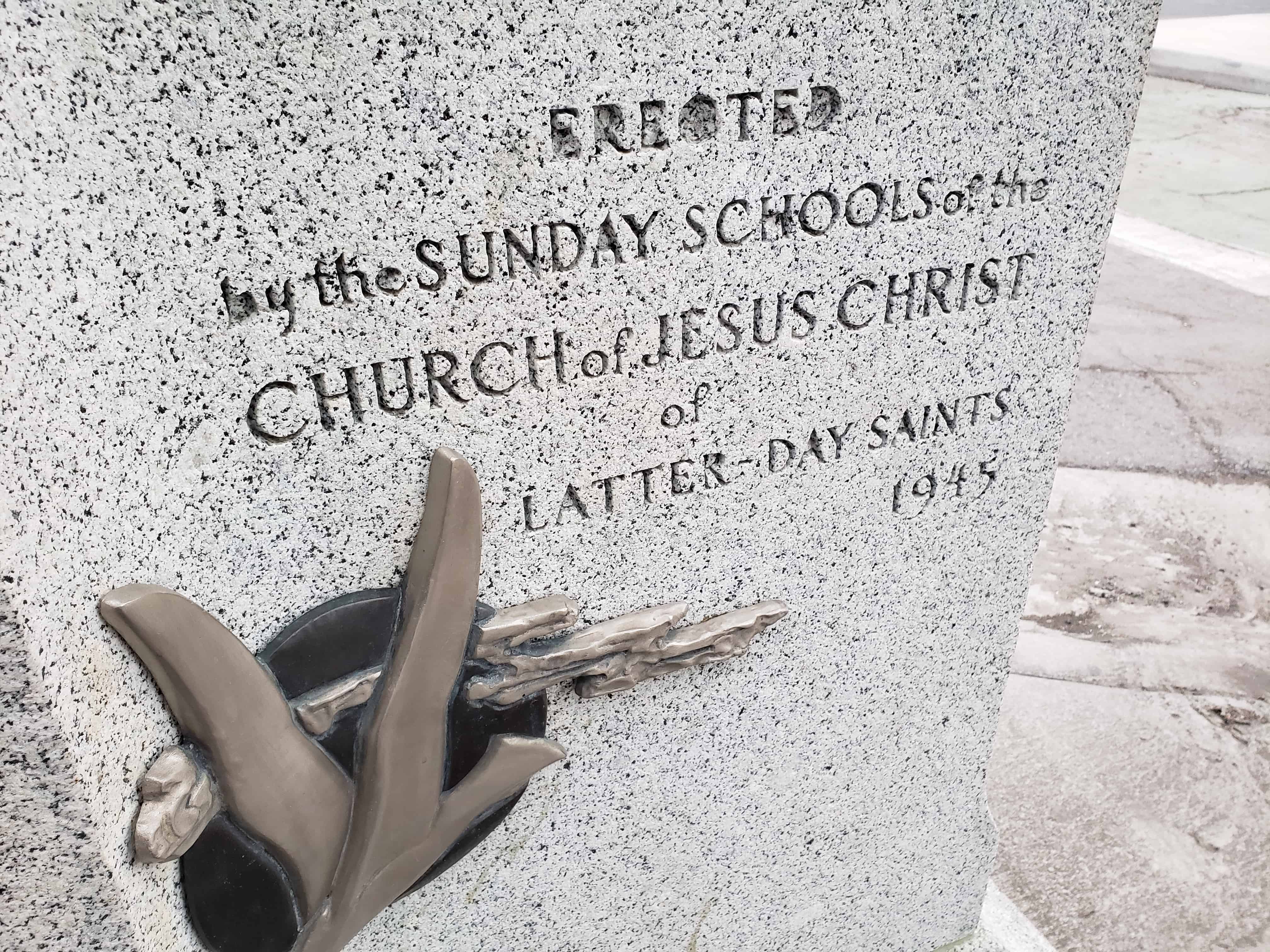
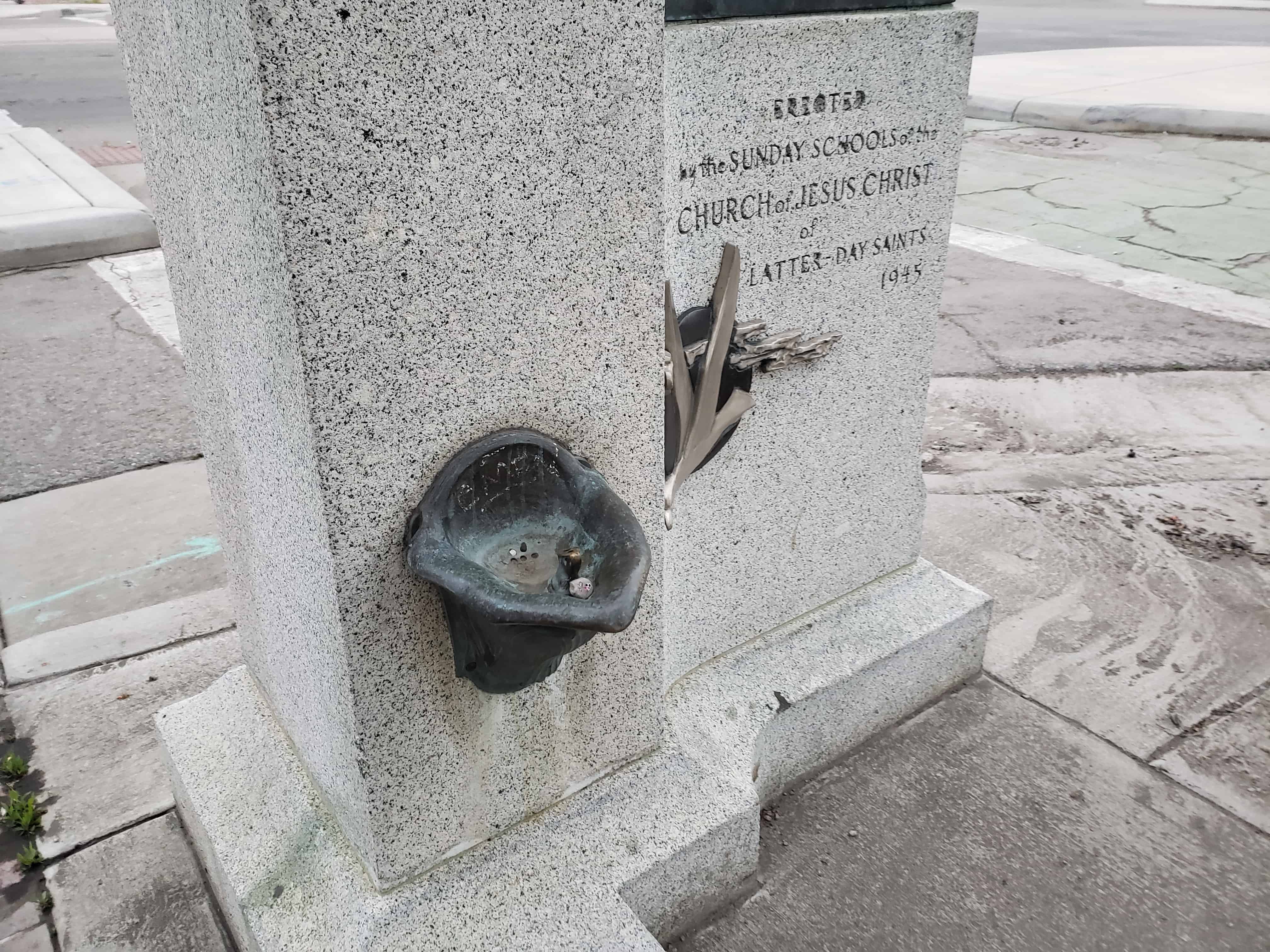
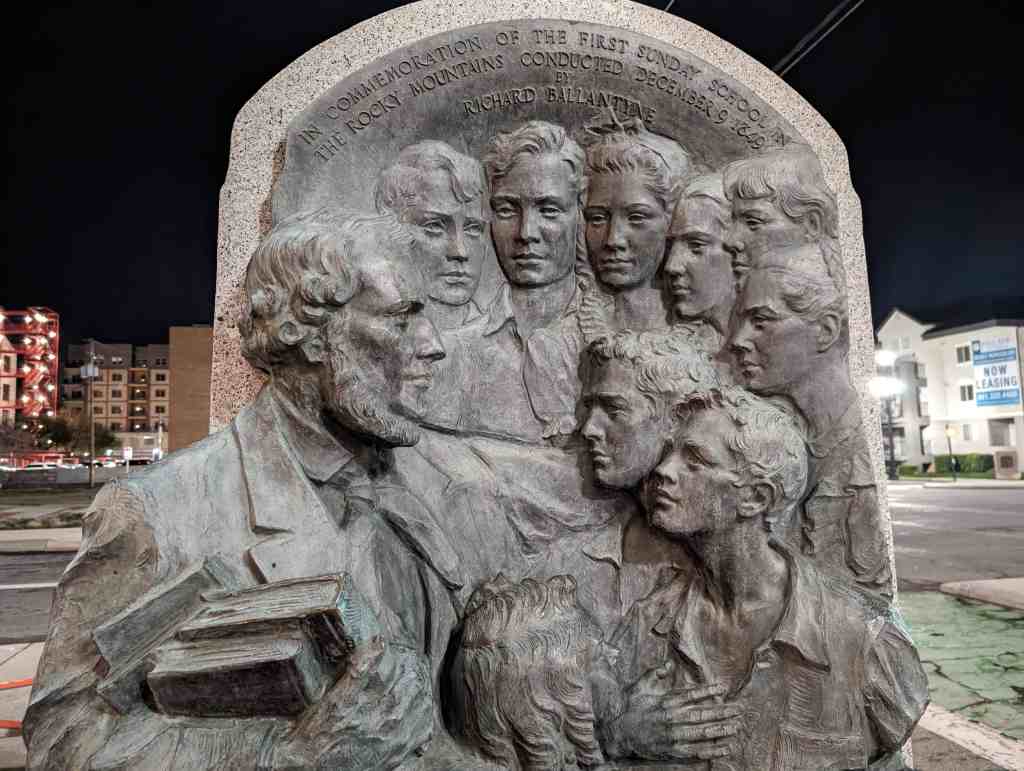
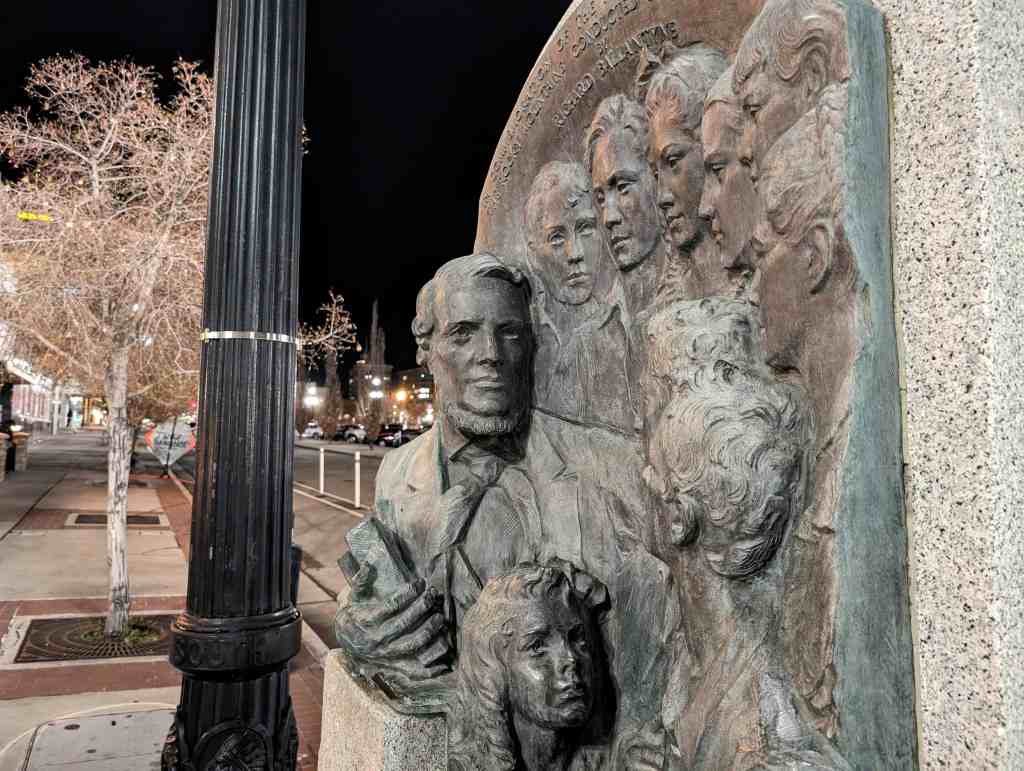
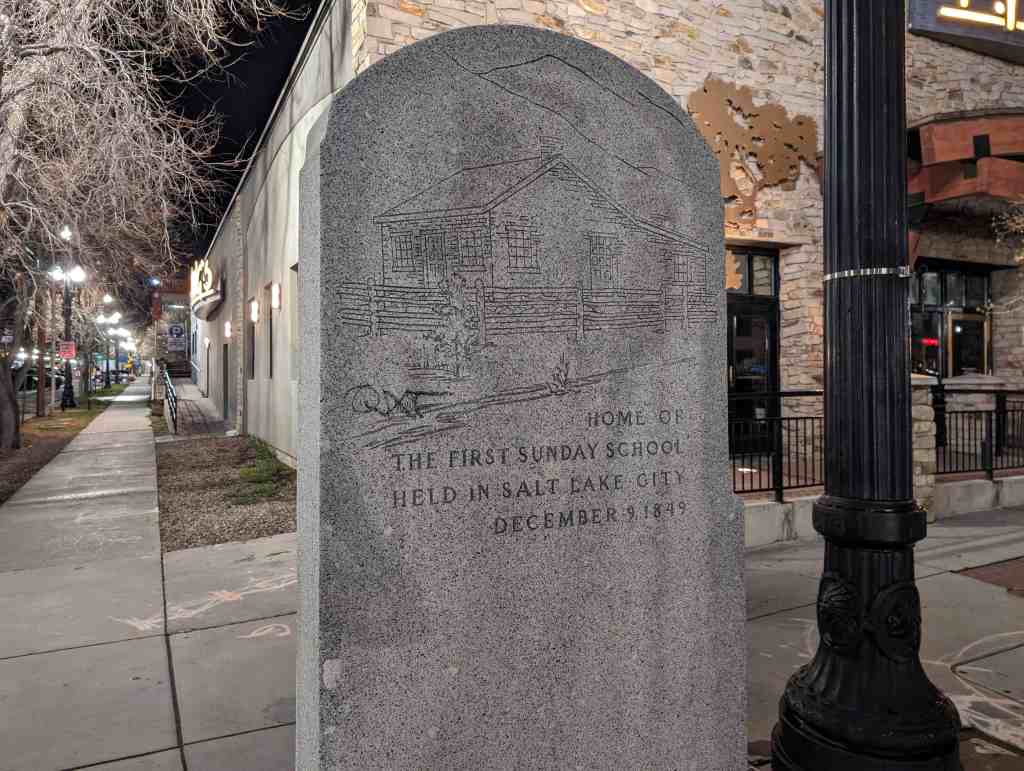
This marker was erected in 1945 to commemorate the first Sunday school that took place near here nearly 100 years earlier.
This historic marker is located out in front of 174 W 300 S in Salt Lake.



25 Sunday Dec 2016
Posted in Uncategorized
Utah’s First Sunday School
This marker was erected in 1945 to commemorate the first Sunday school that took place near here nearly 100 years earlier.
This historic marker is located out in front of 174 W 300 S in Salt Lake.
25 Sunday Dec 2016
Posted in Uncategorized
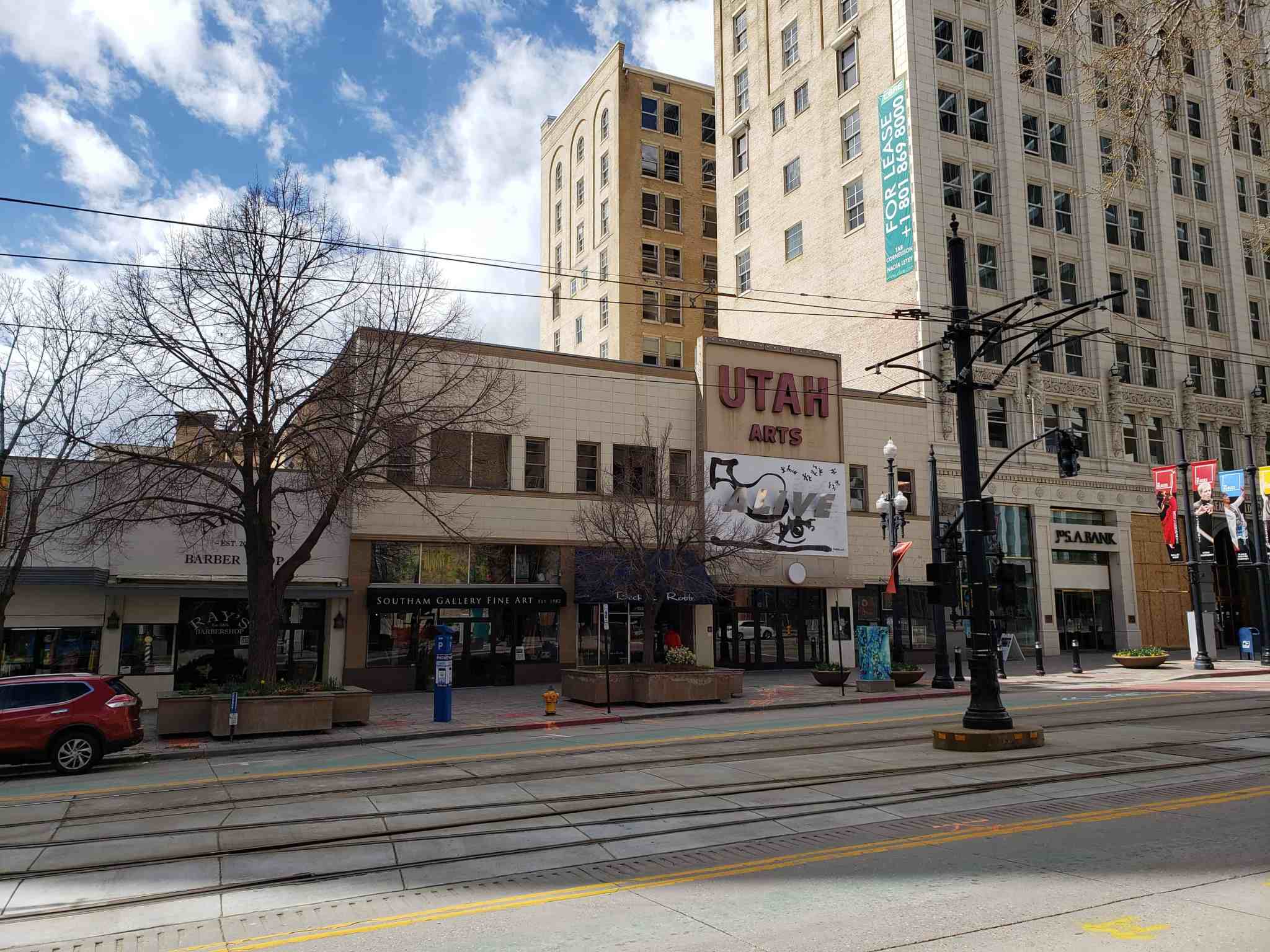
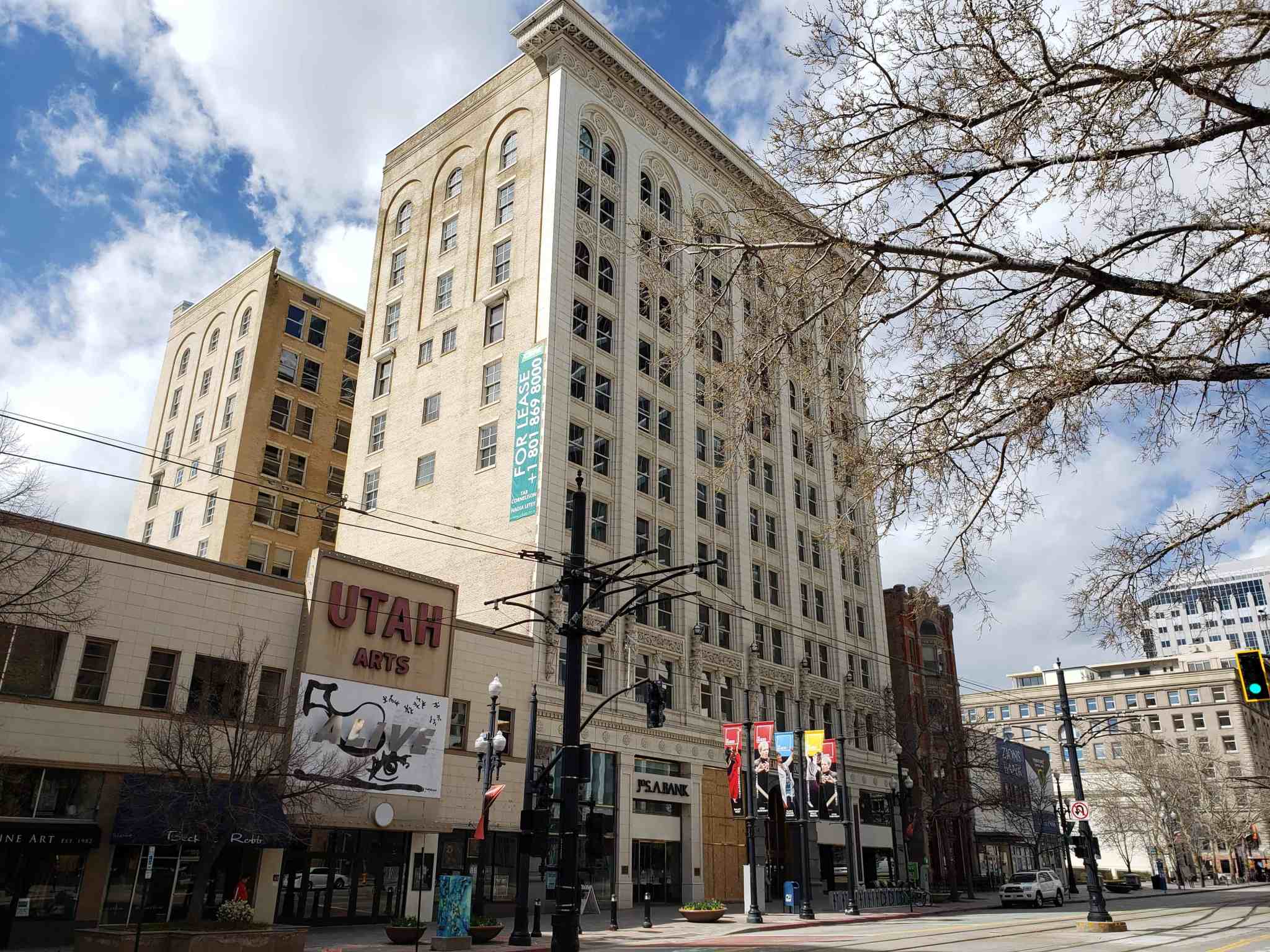
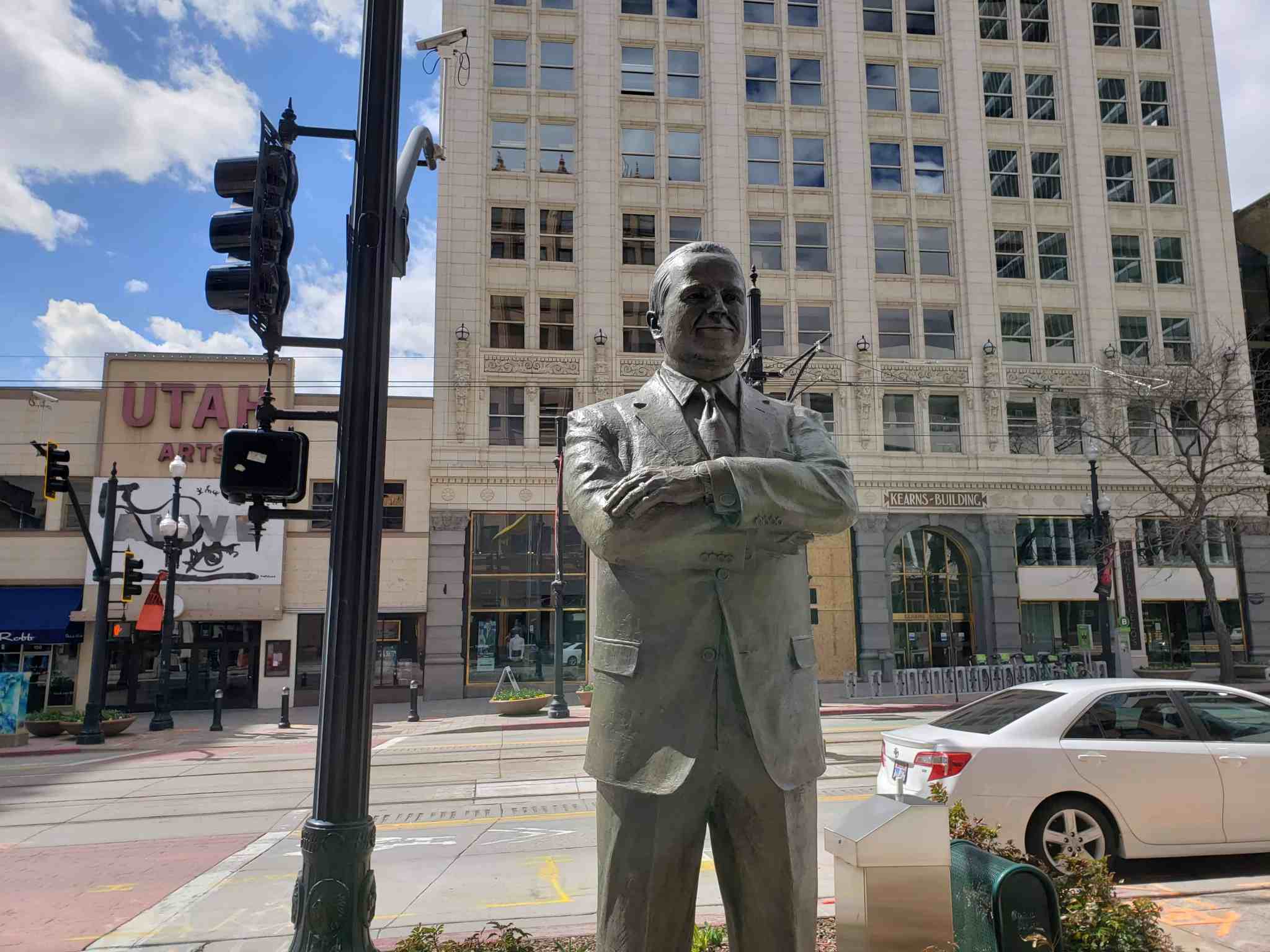
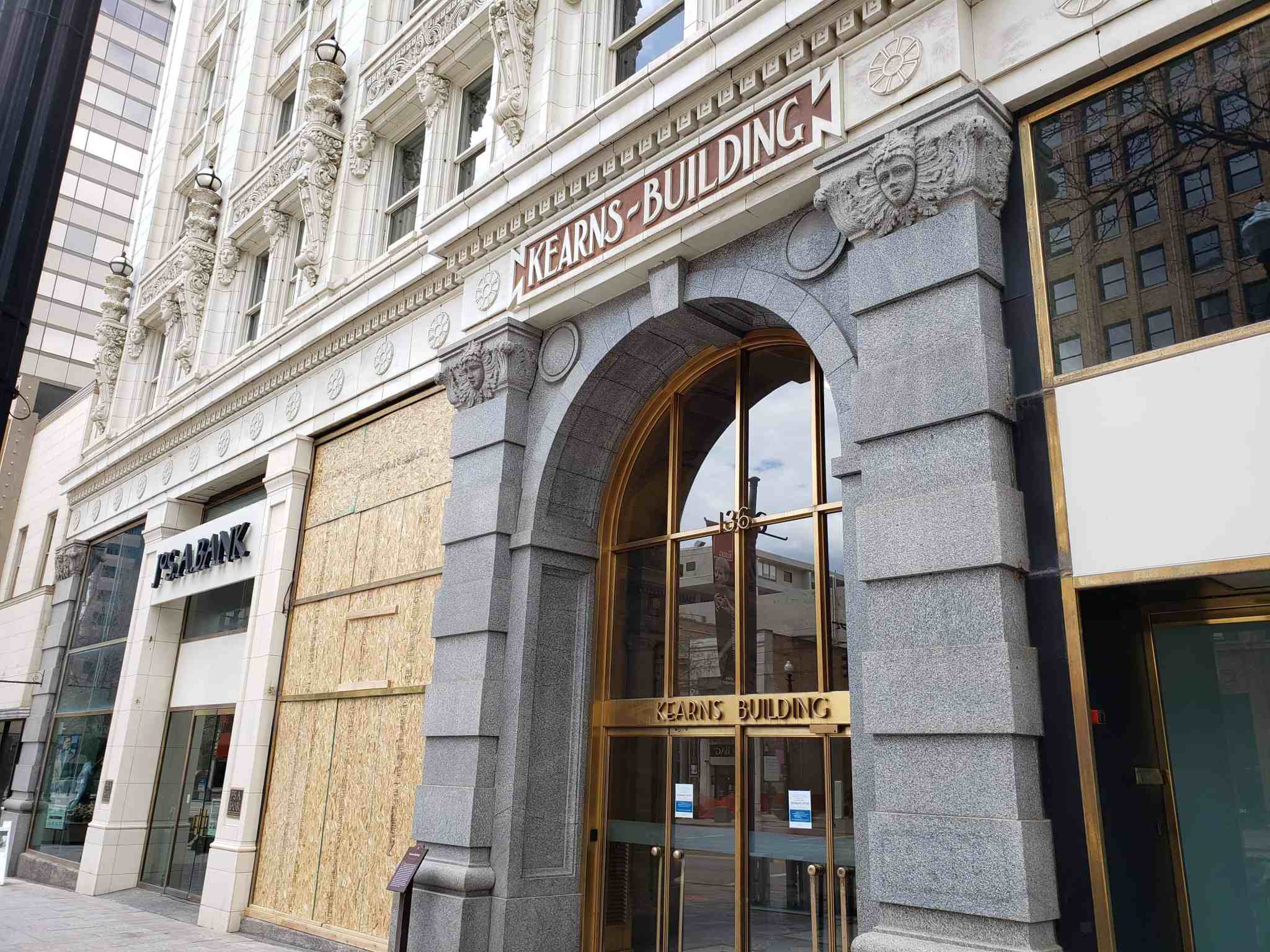
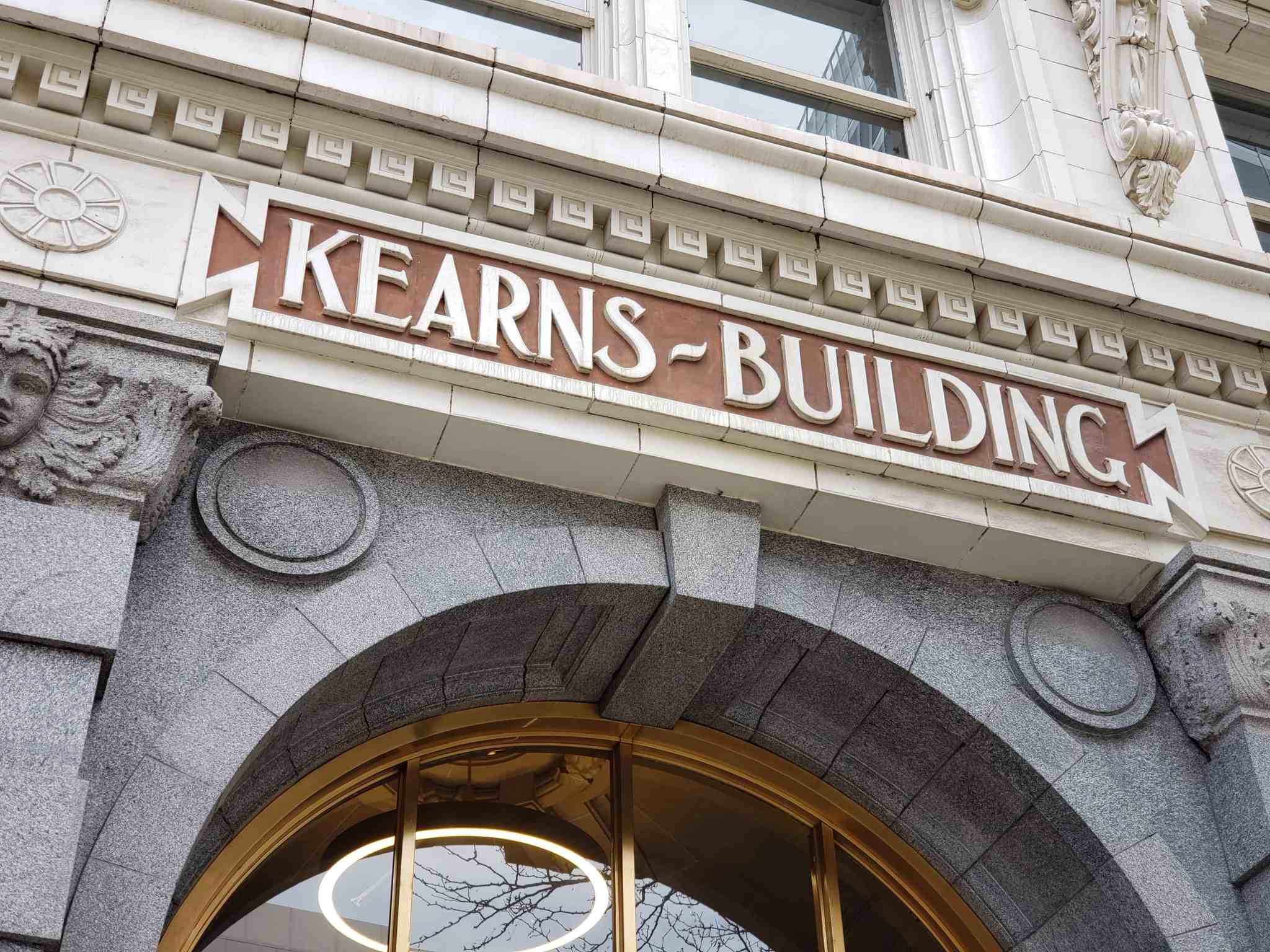
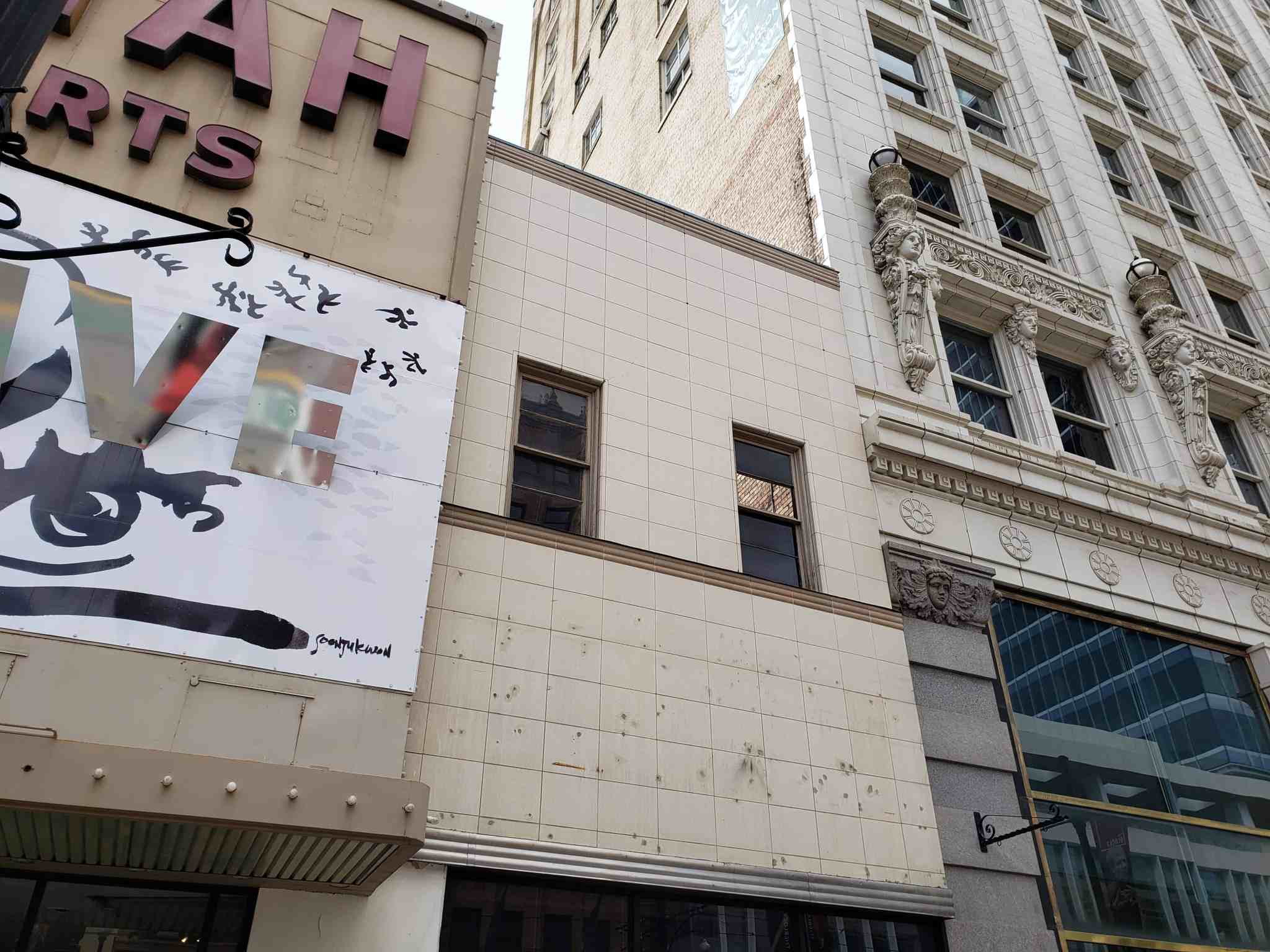
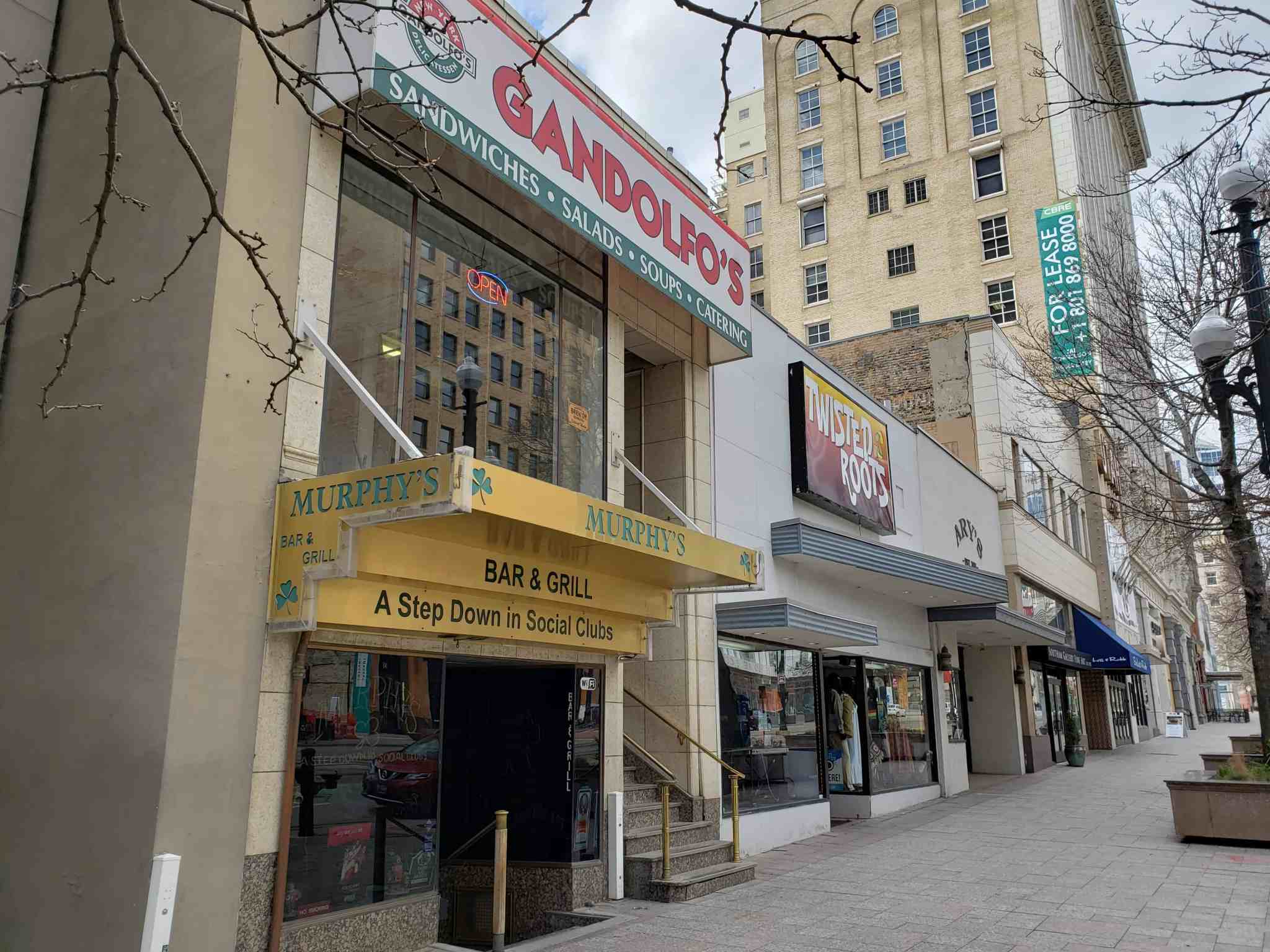
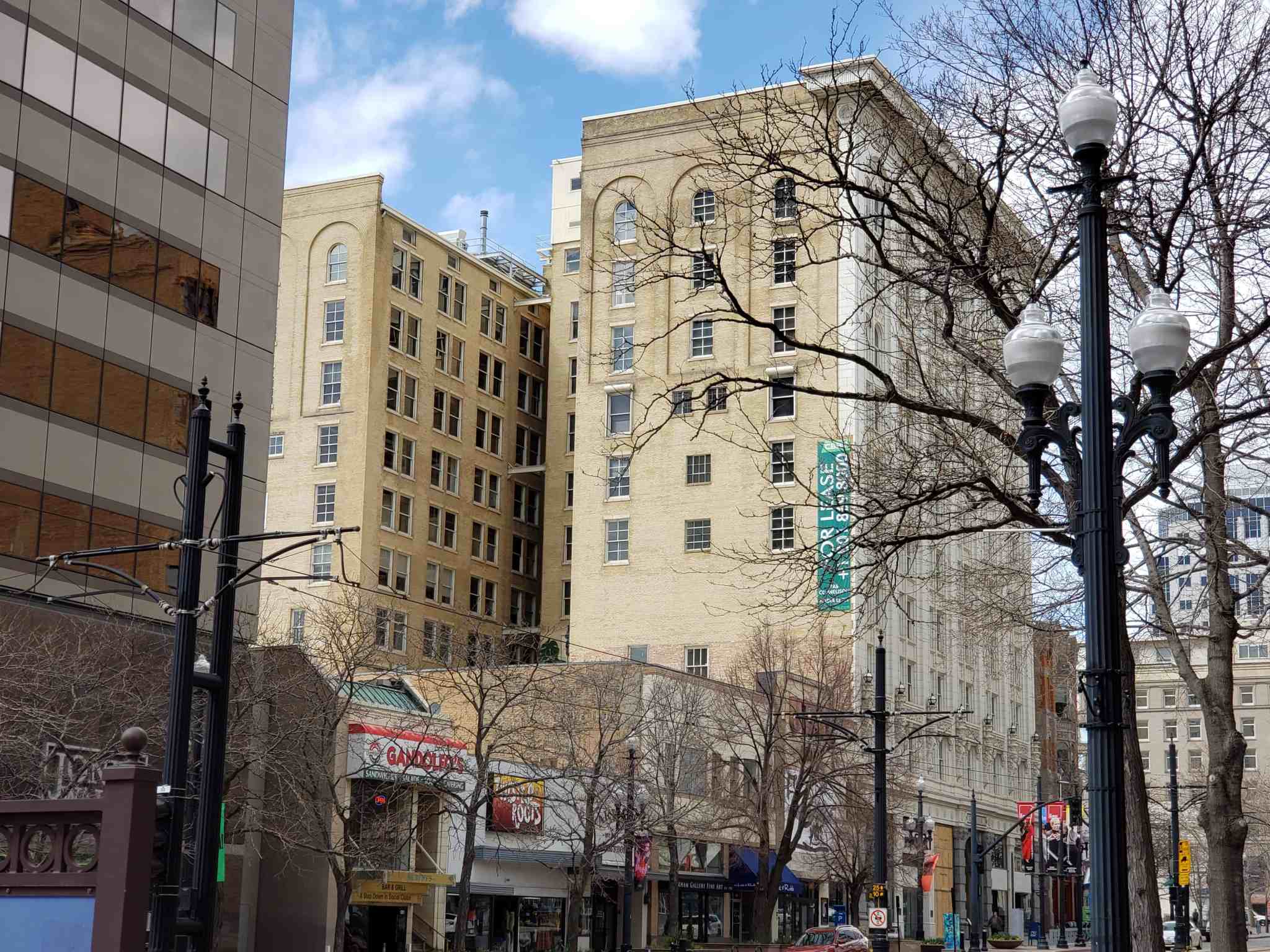
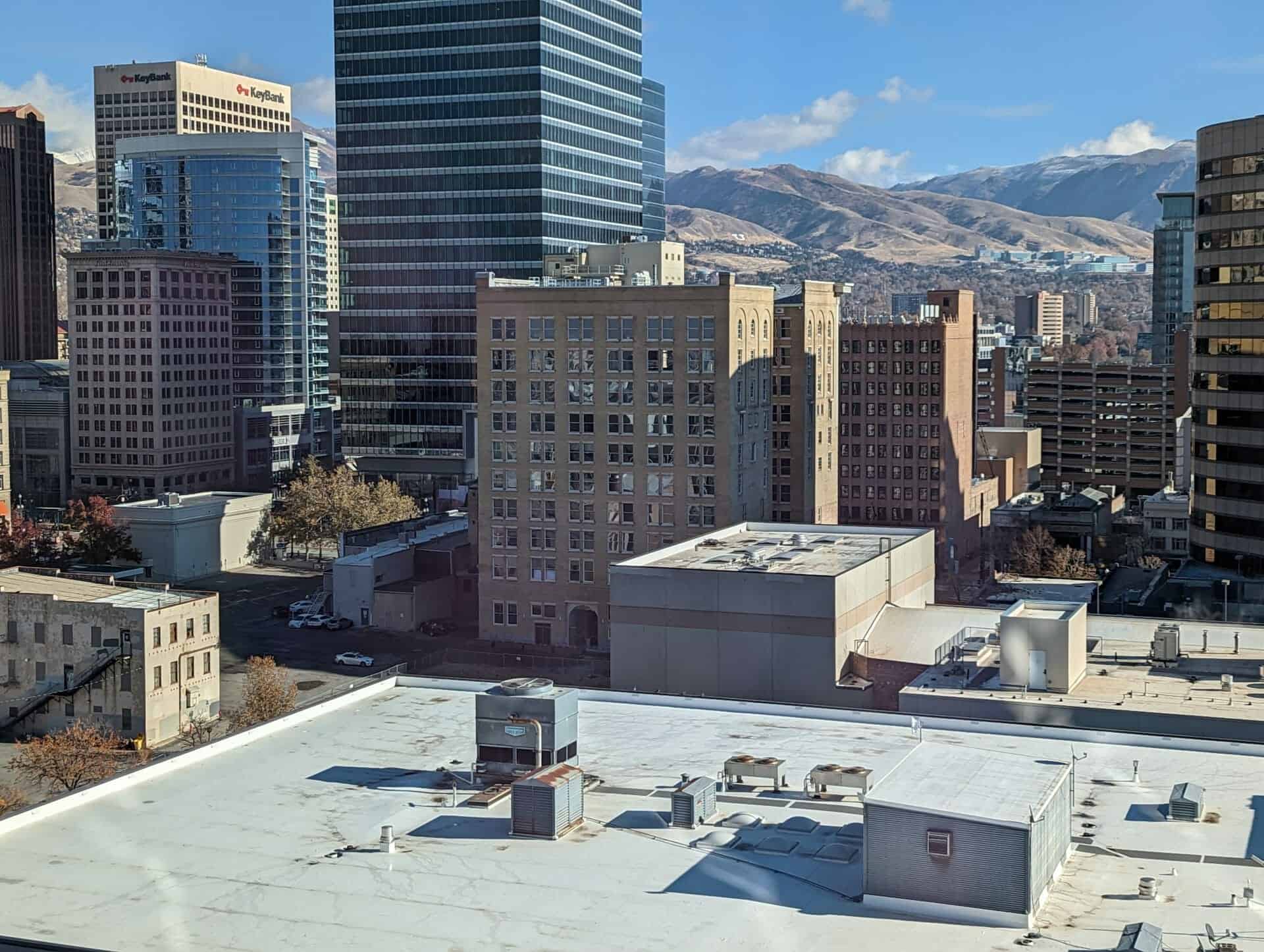
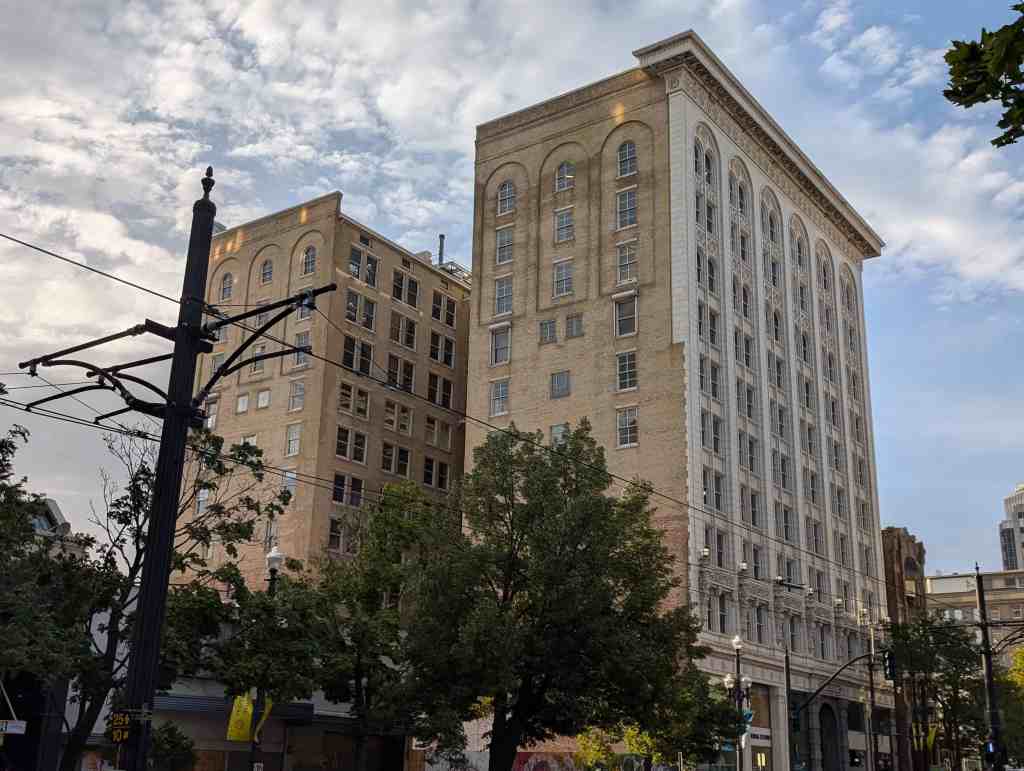
Kearns Building
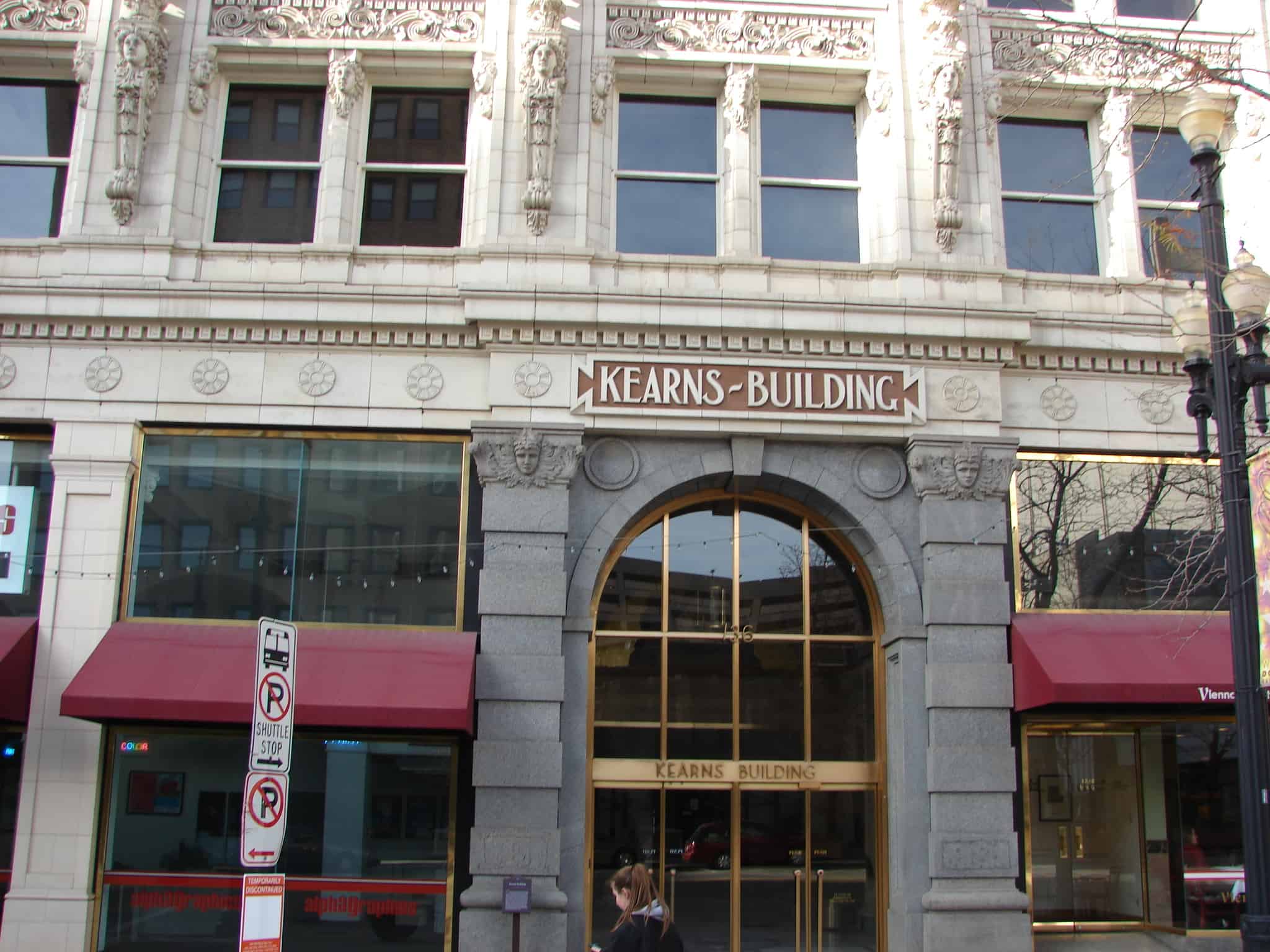
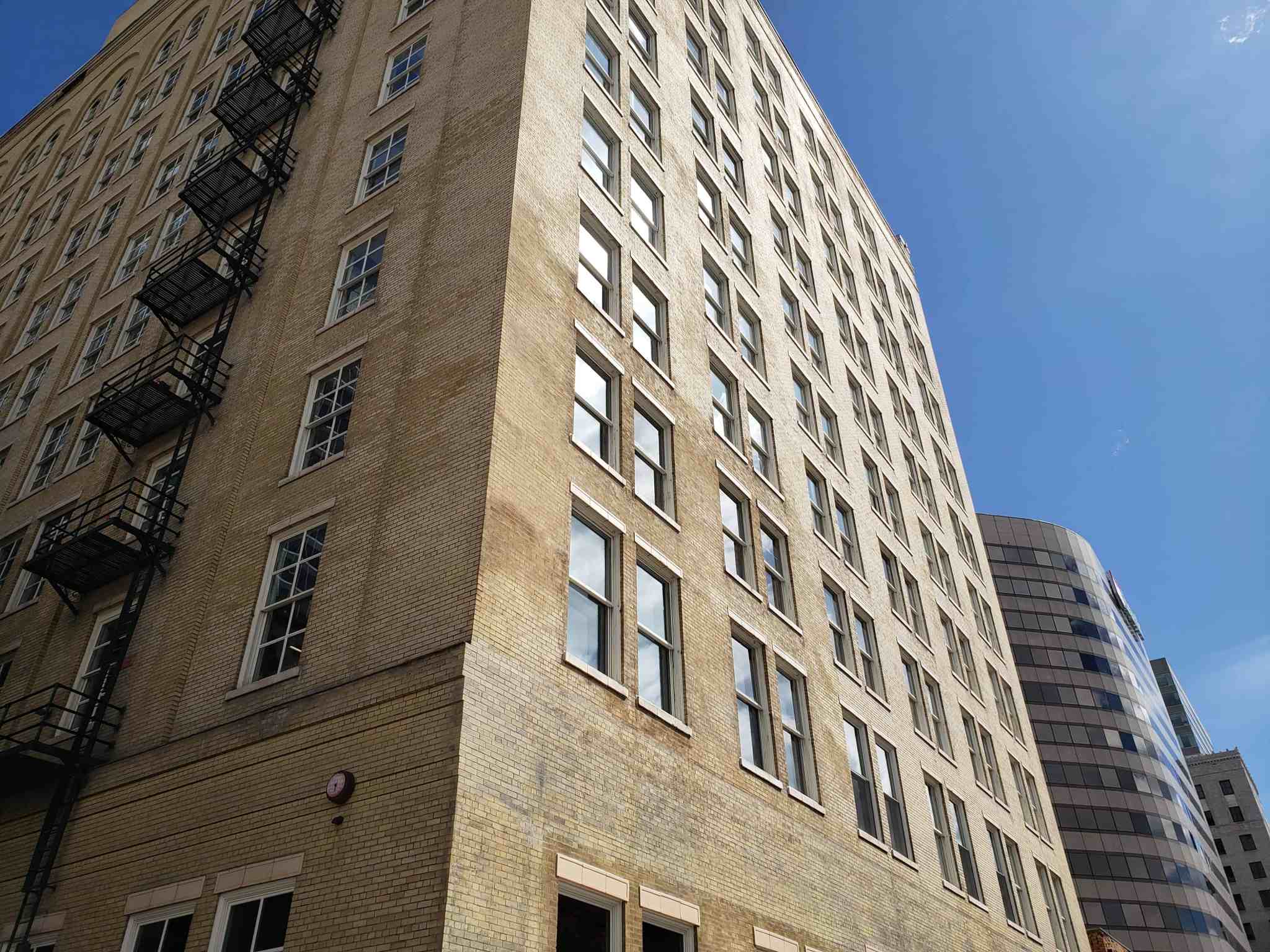
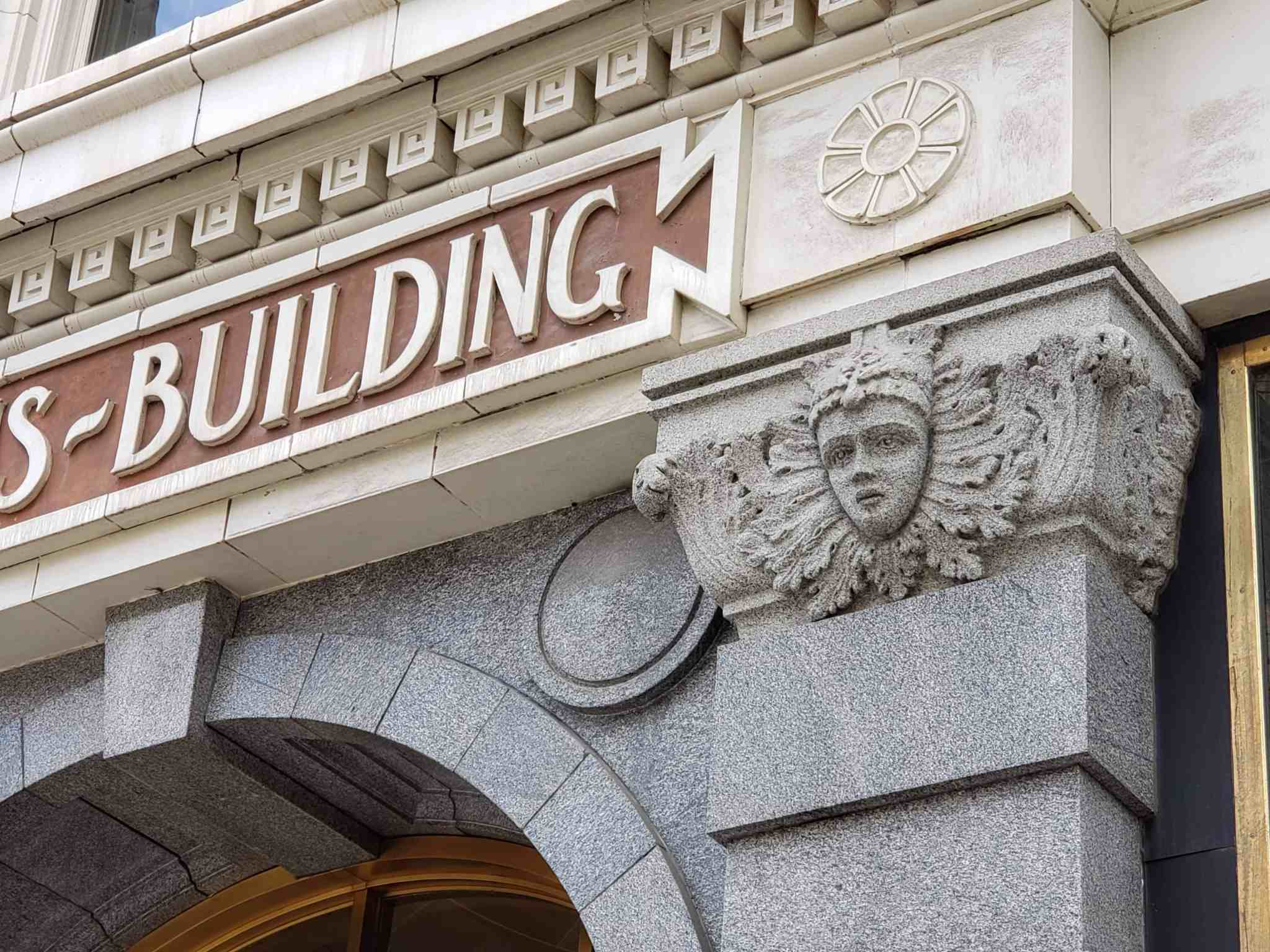
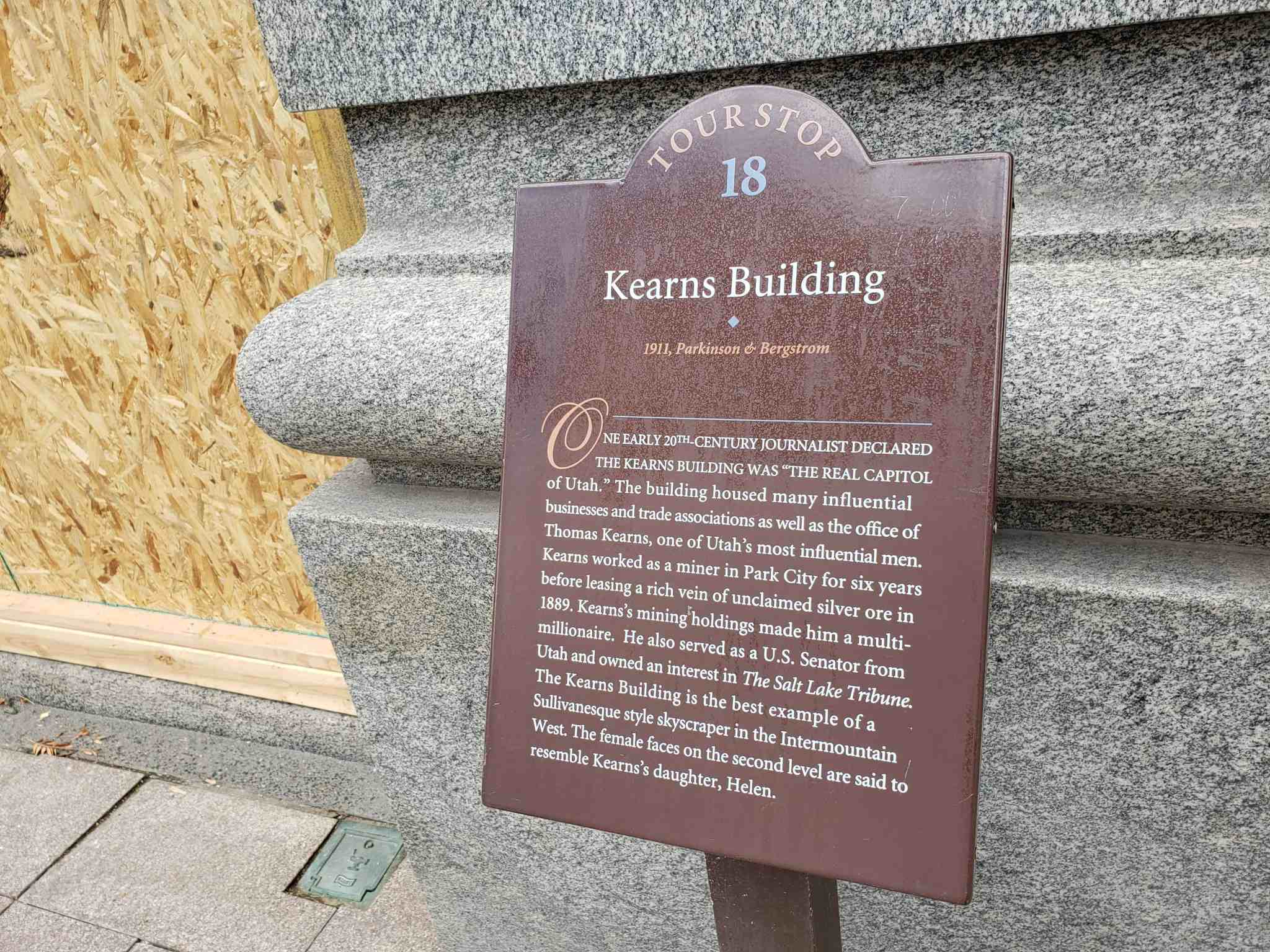
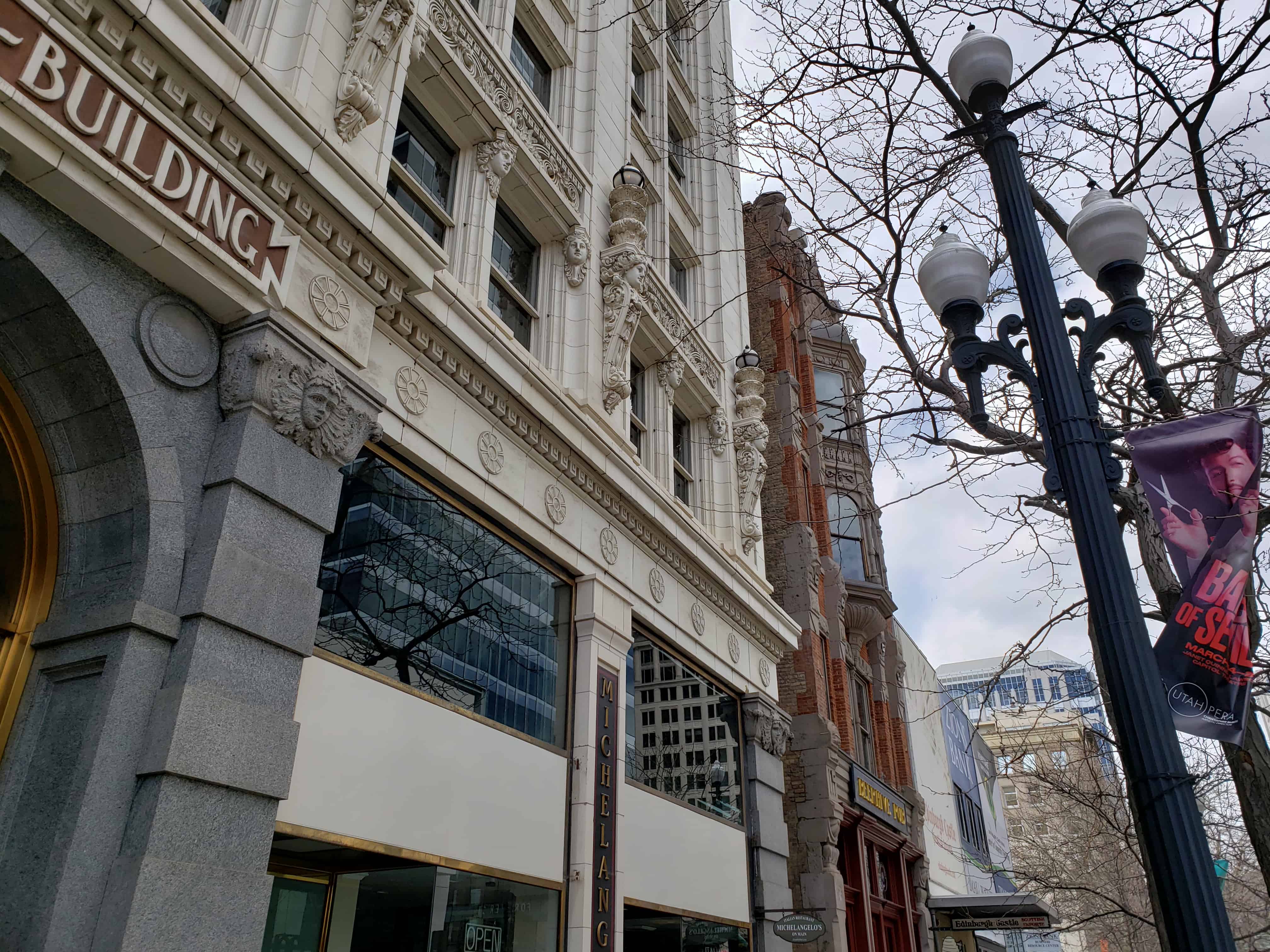
One early 20th-century journalist declared the Kearns Building was “The real Capitol of Utah.” The building housed many influential businesses and trade associations as well las the office of Thomas Kearns, one of Utah’s most influential men. Kearns worked as a miner in Park City for six years before leasing a rich vein of unclaimed silver ore in 1889. Kearns’s mining holdings made him a multi-millionaire. He also served as a U.S. Senator from Utah and owned an interest in The Salt Lake Tribune.
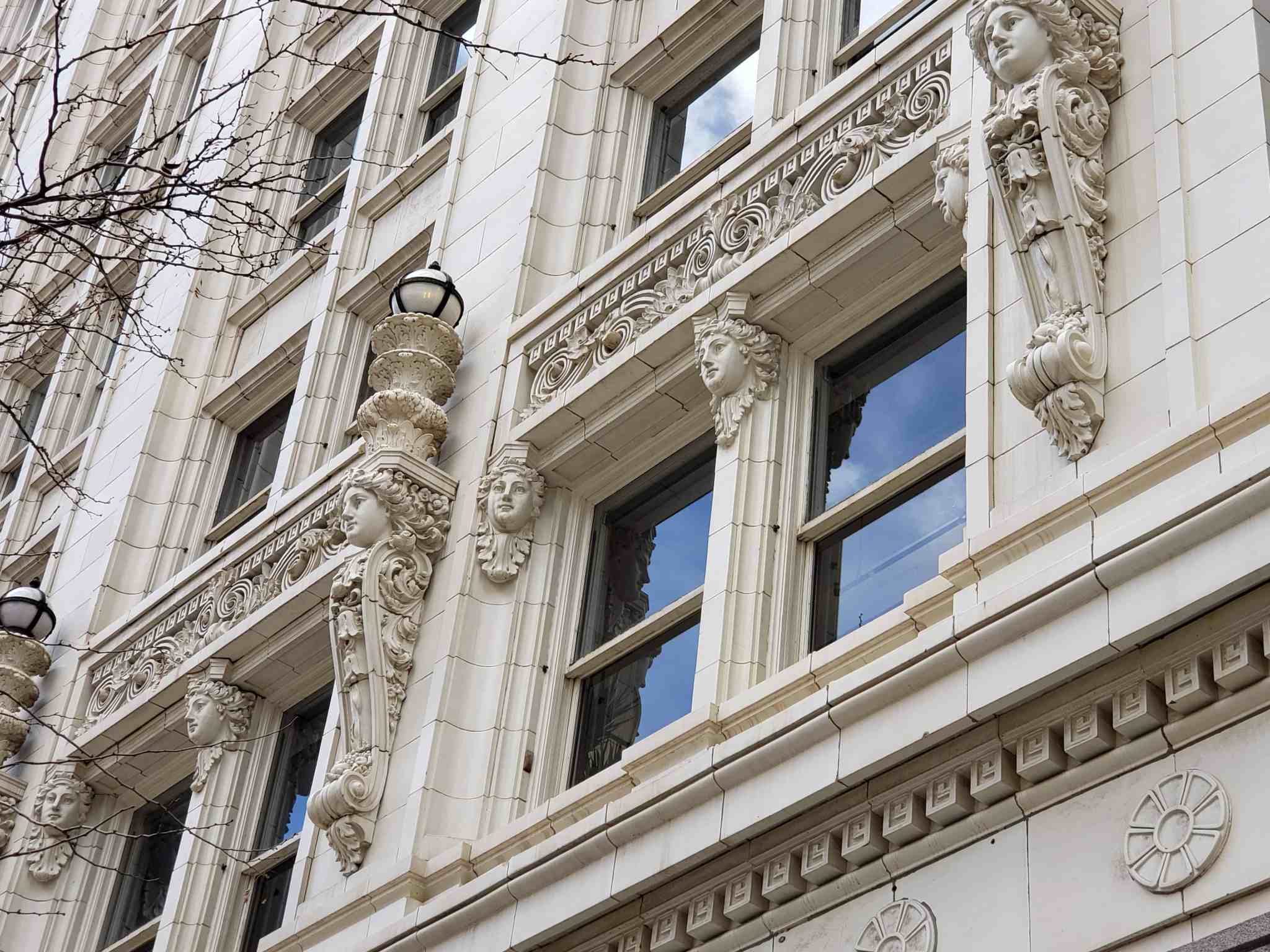
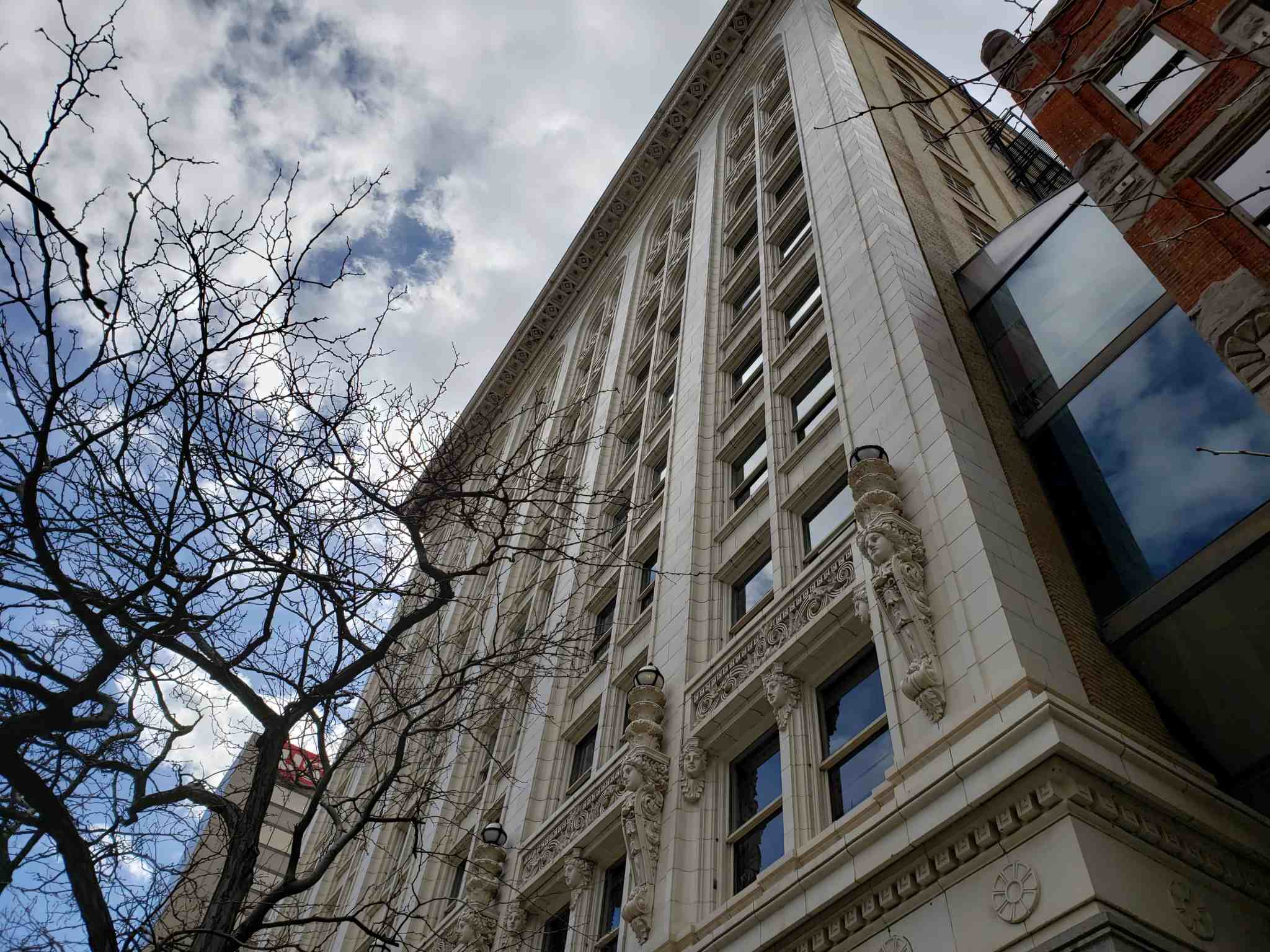
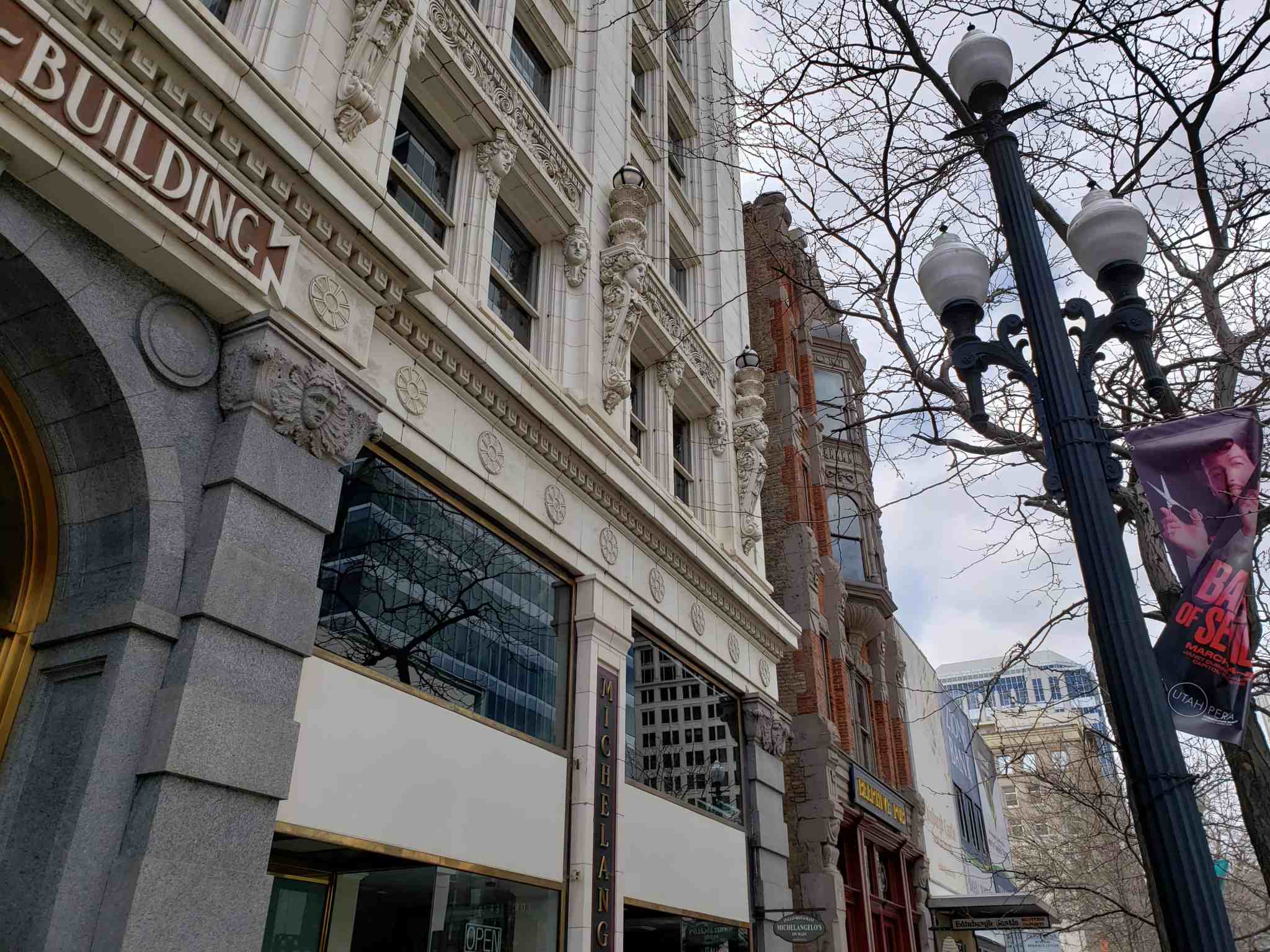
The Kearns Building is the best example of a Sullivanesque style skyscraper in the Intermountain West. The female faces on the second level are said to resemble Kearns’s daughter, Helen.
Related Posts:






24 Saturday Dec 2016
Posted in Uncategorized
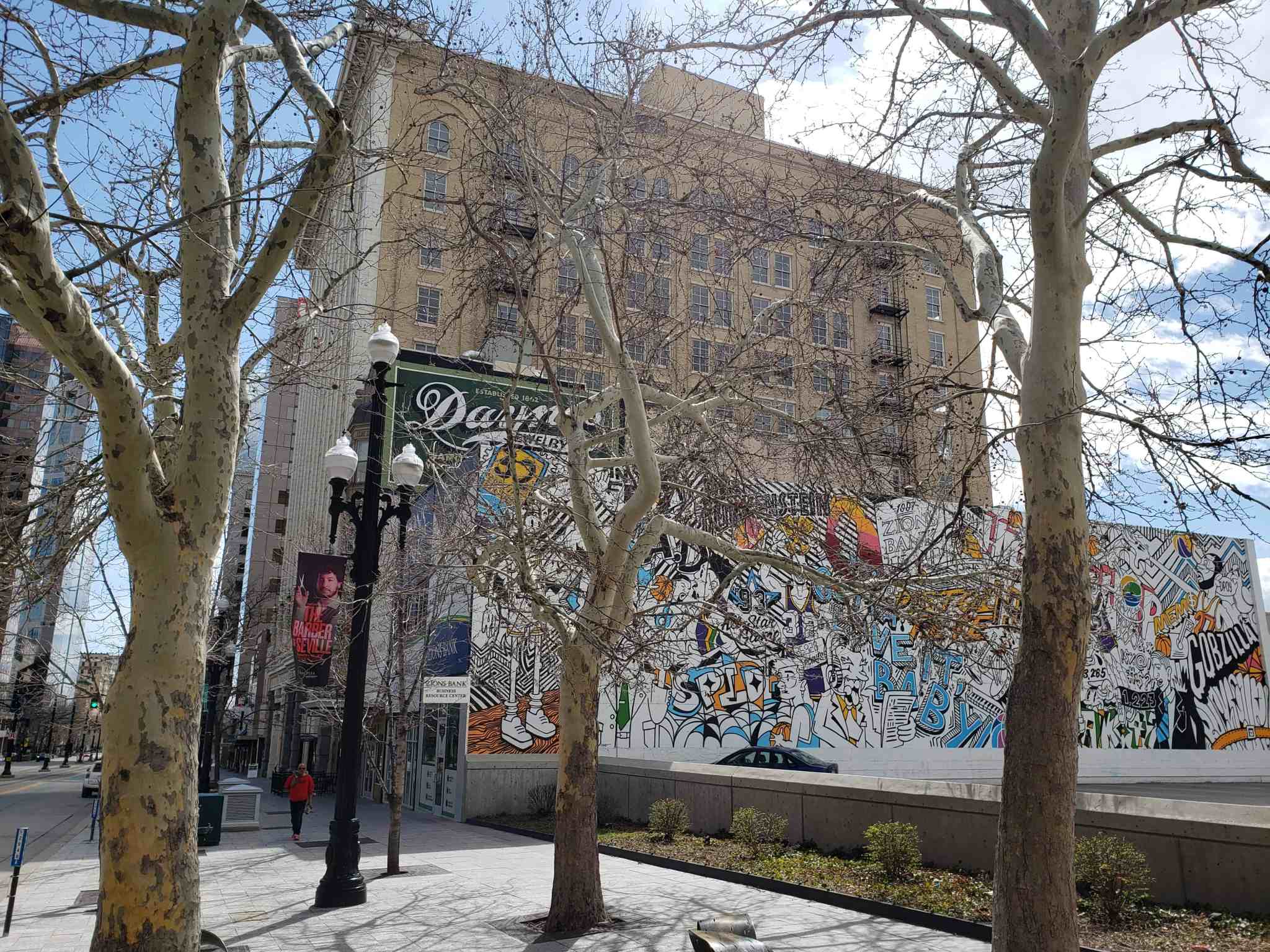
Daft Block
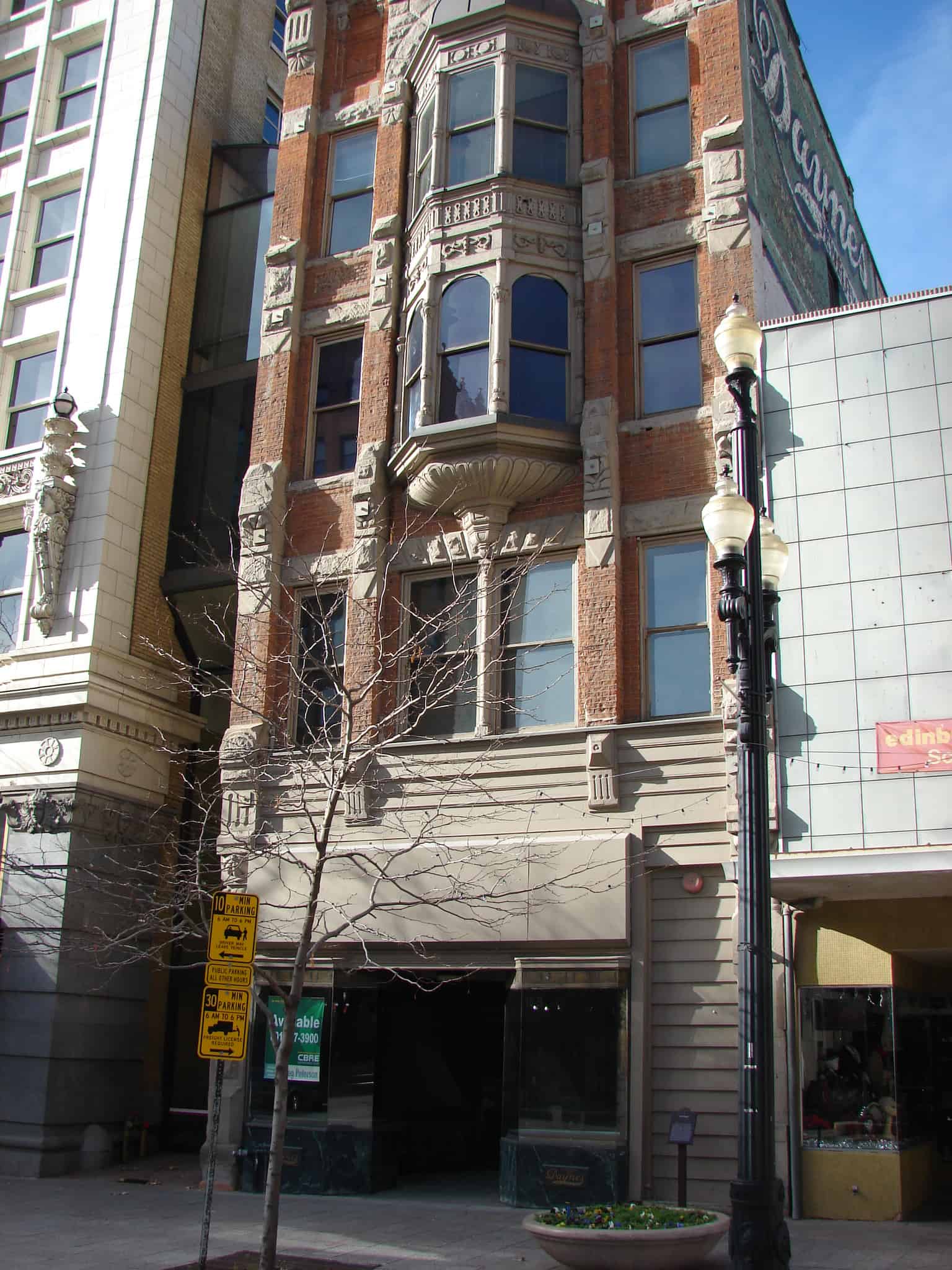
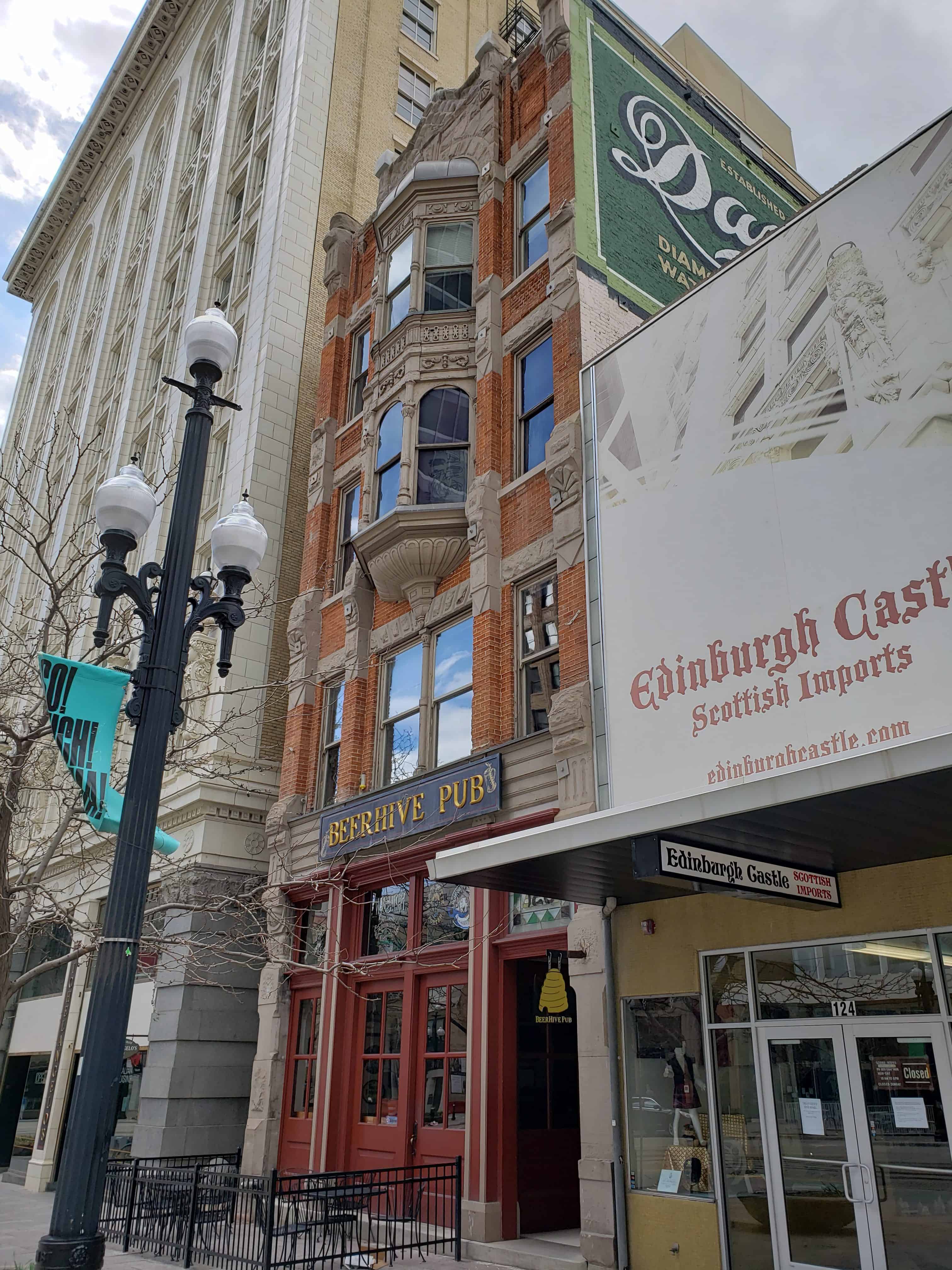
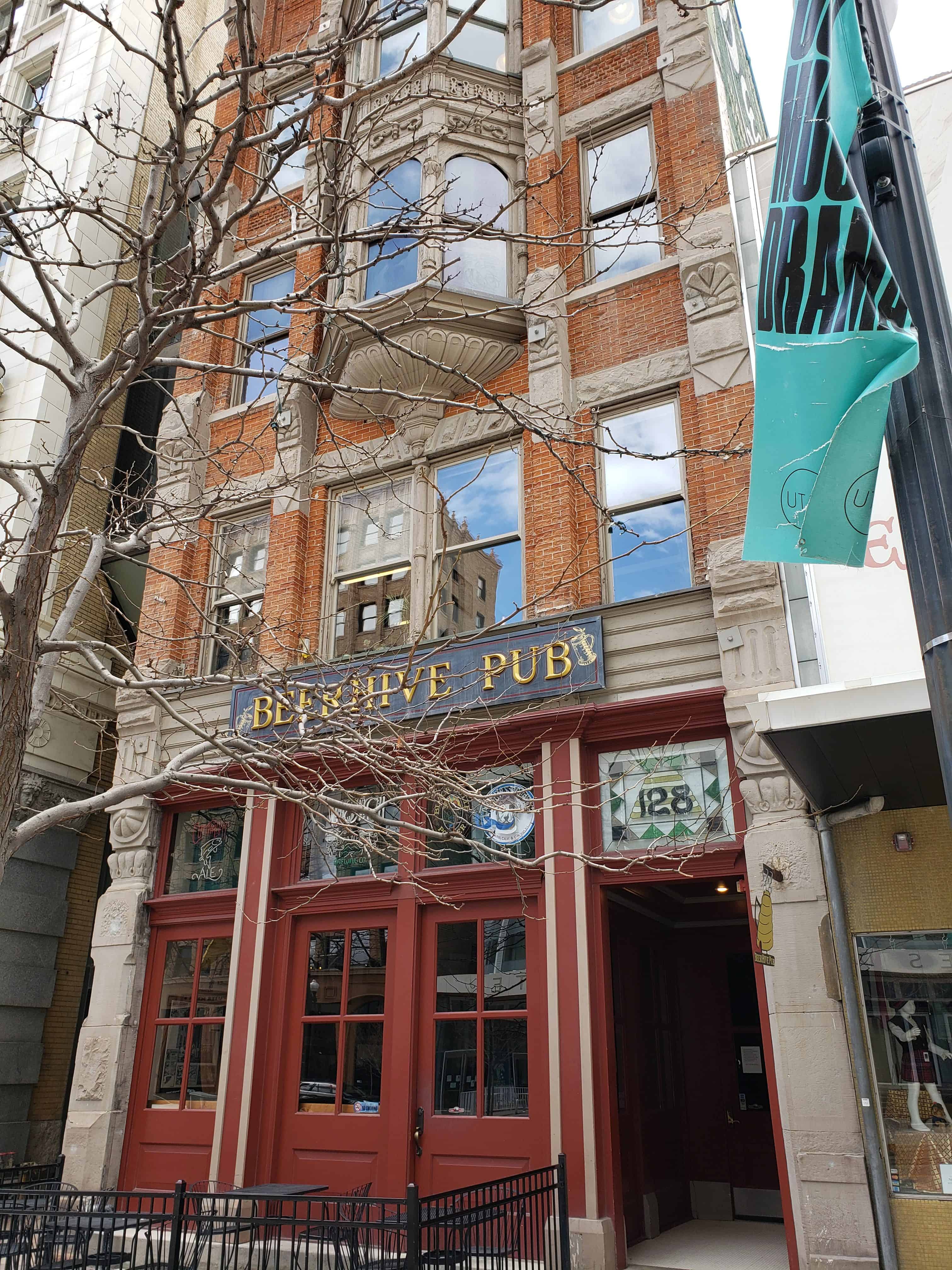
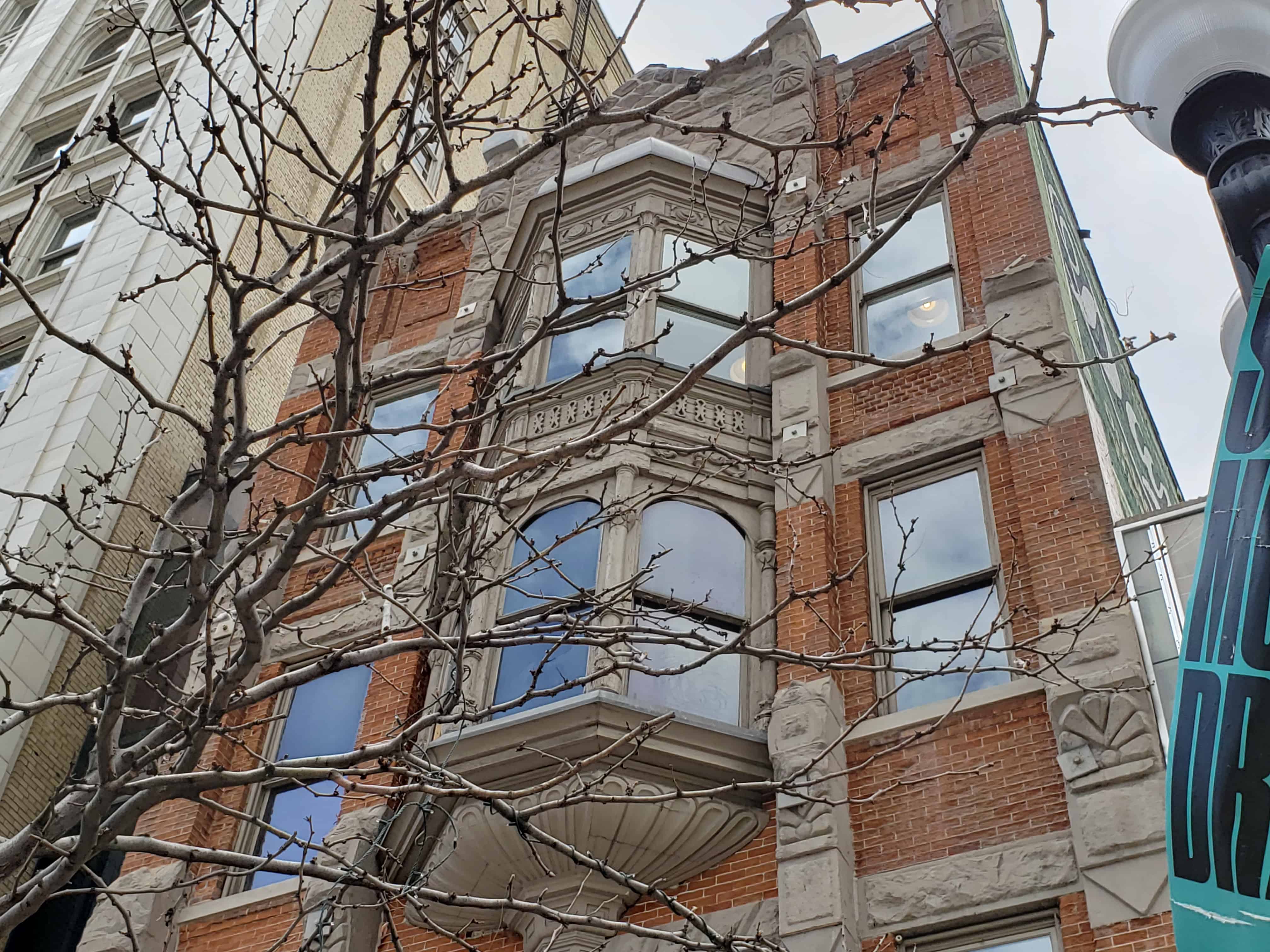
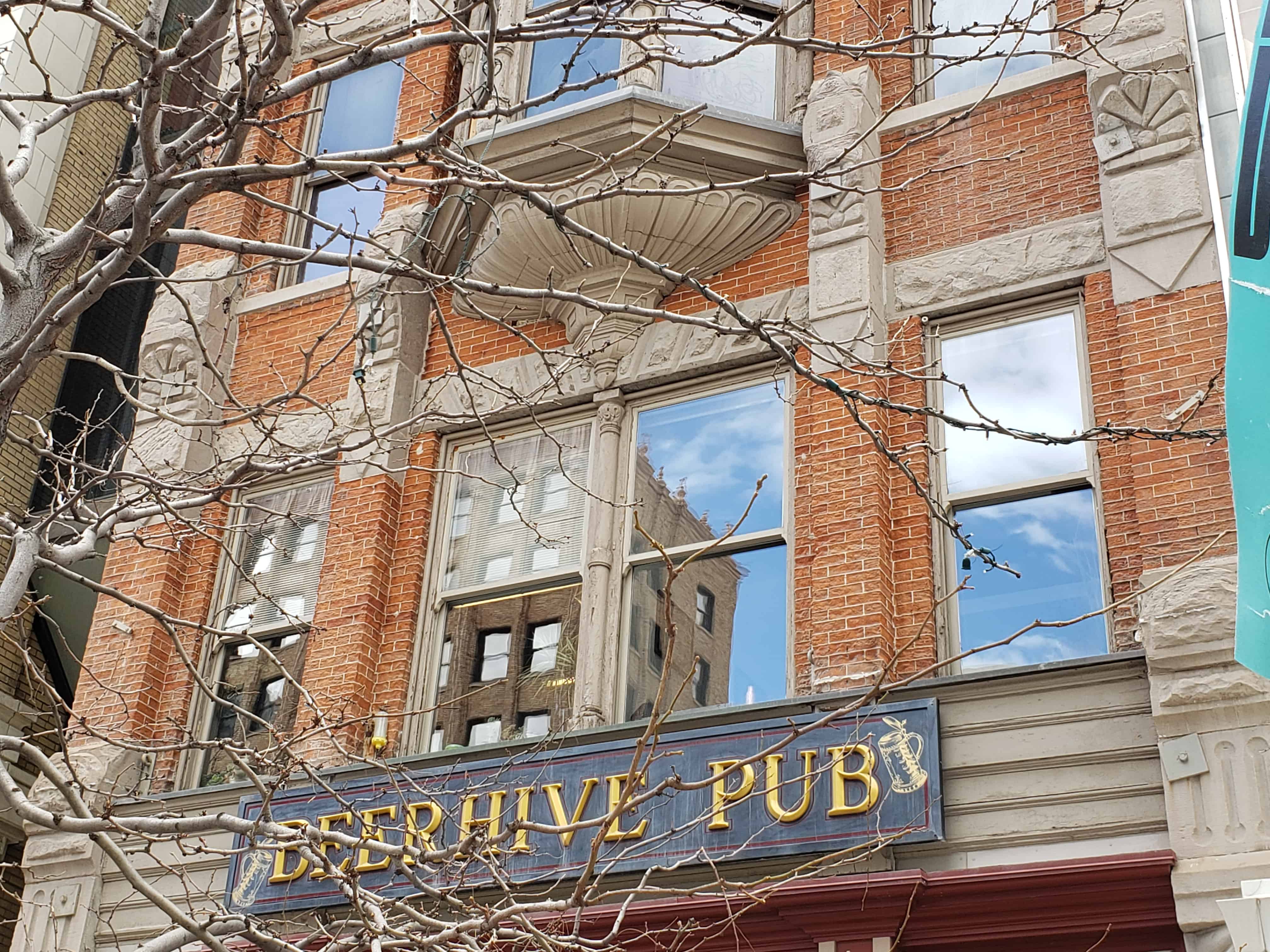
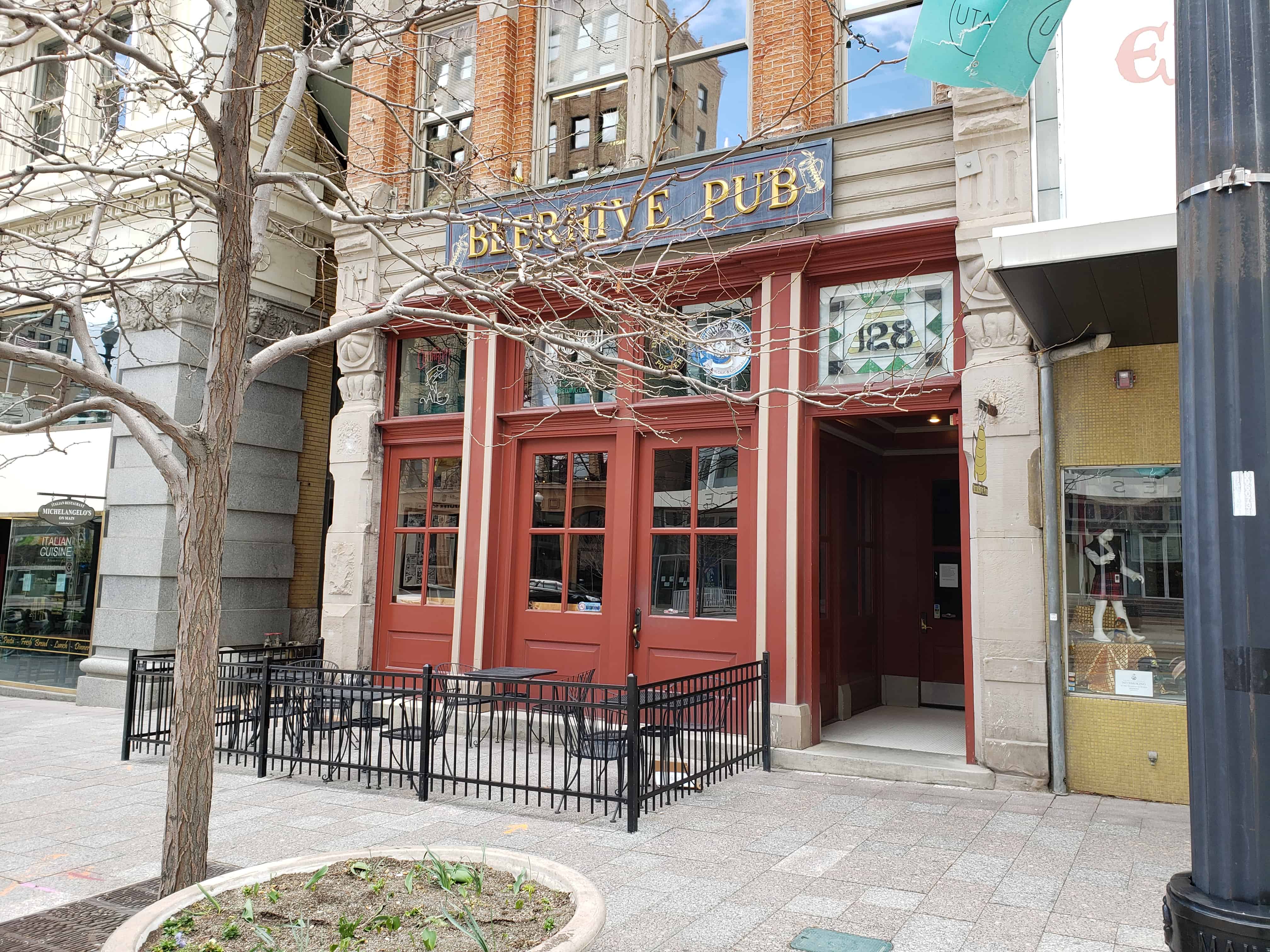
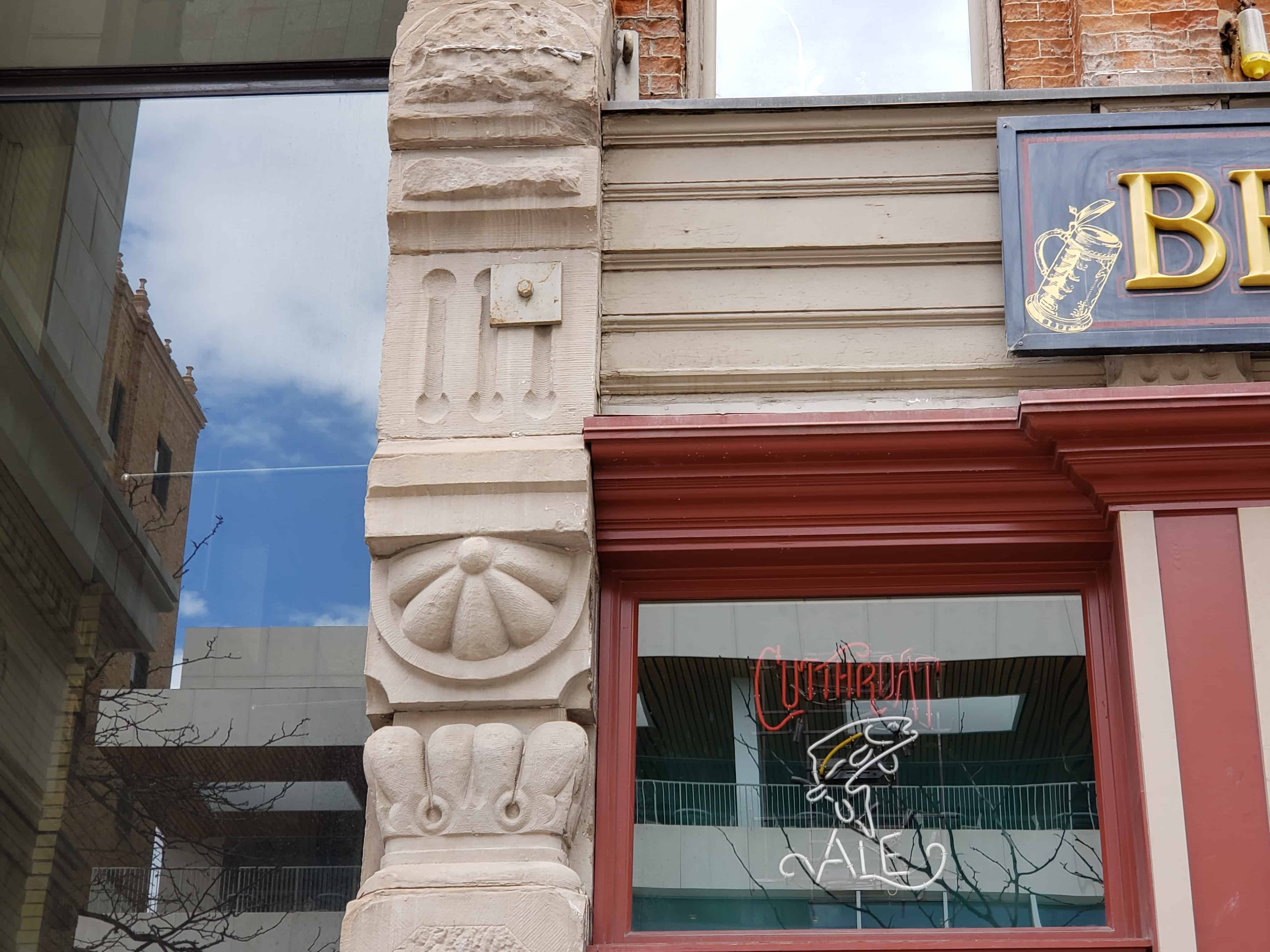
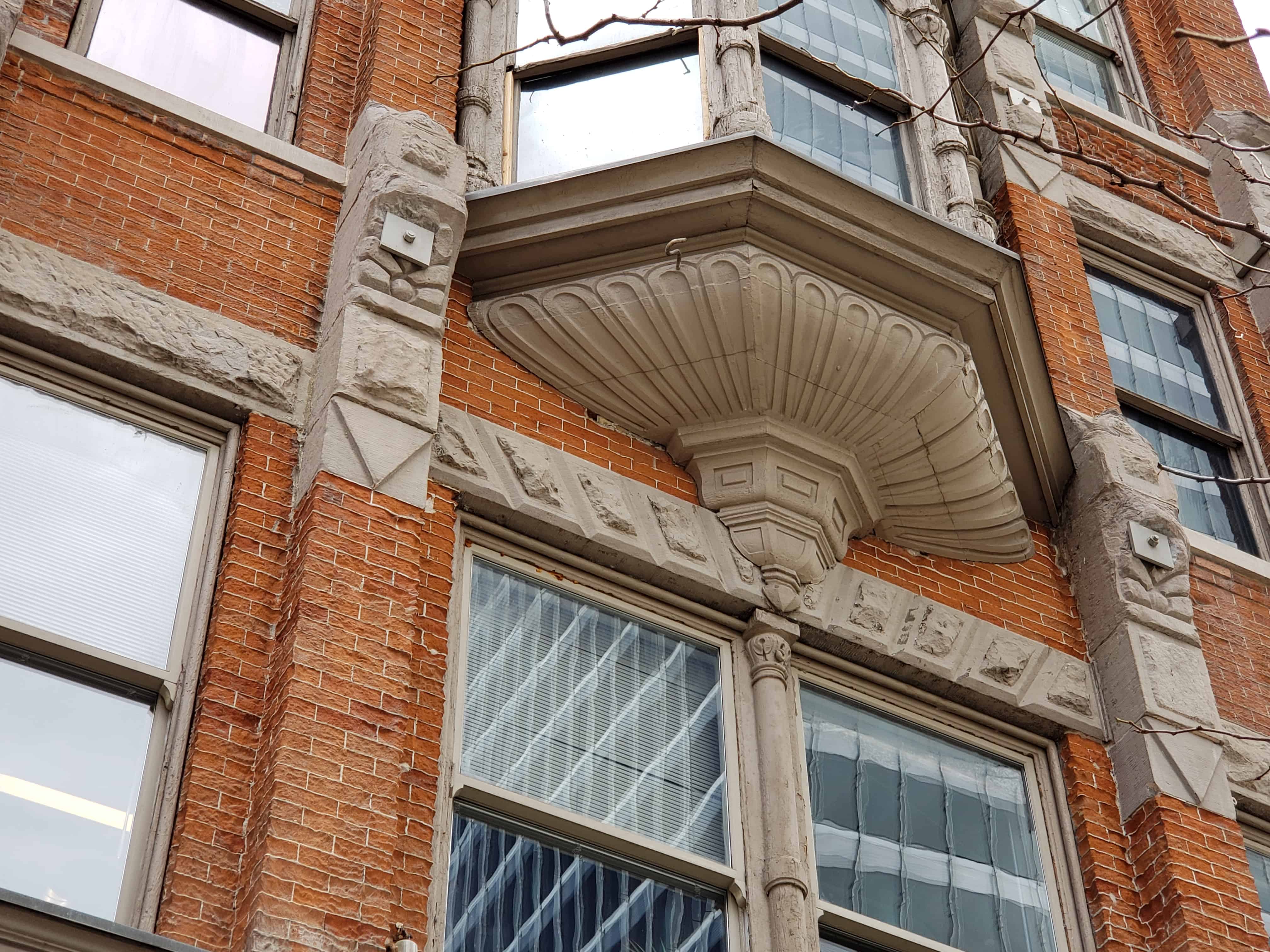
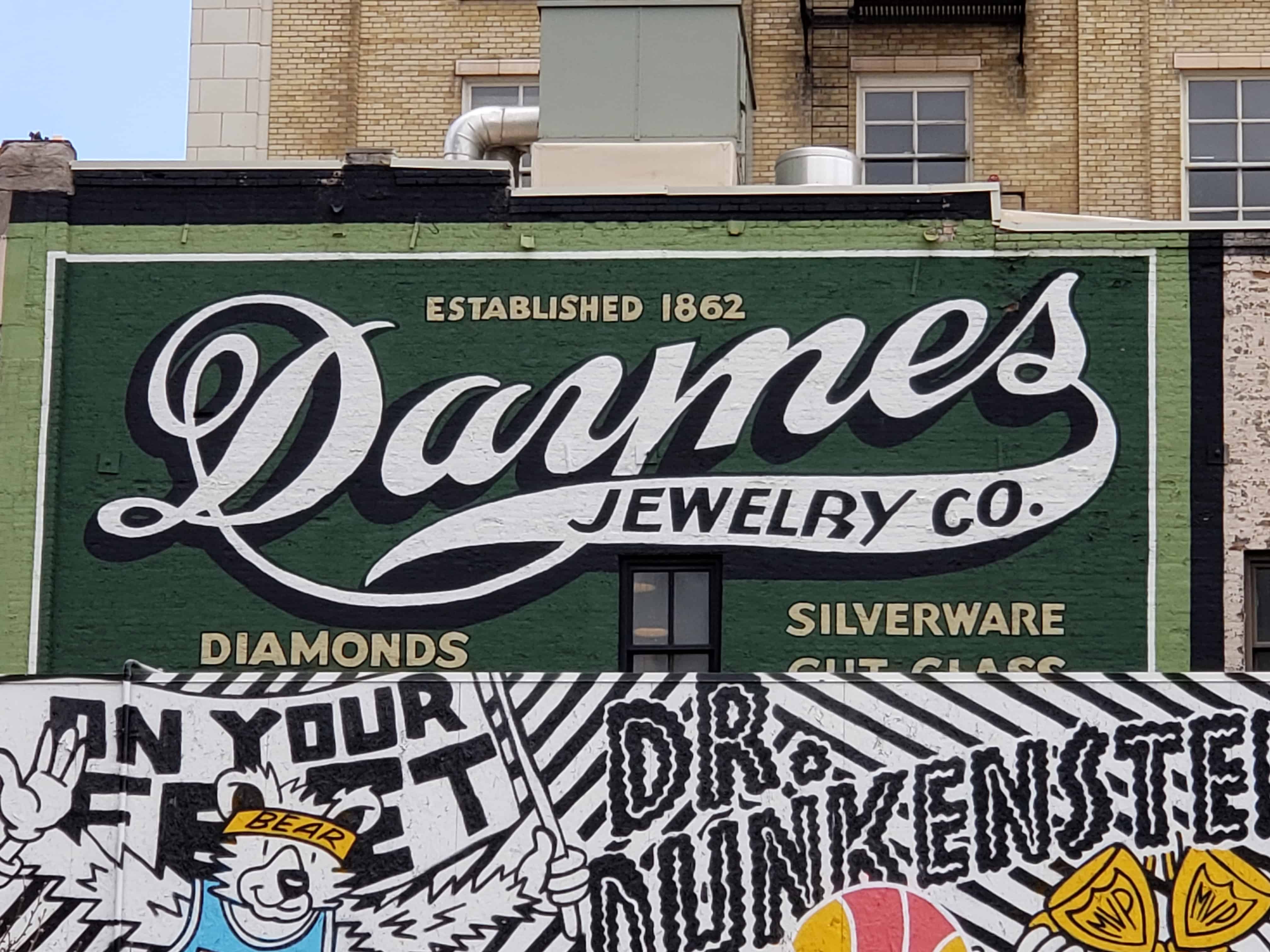
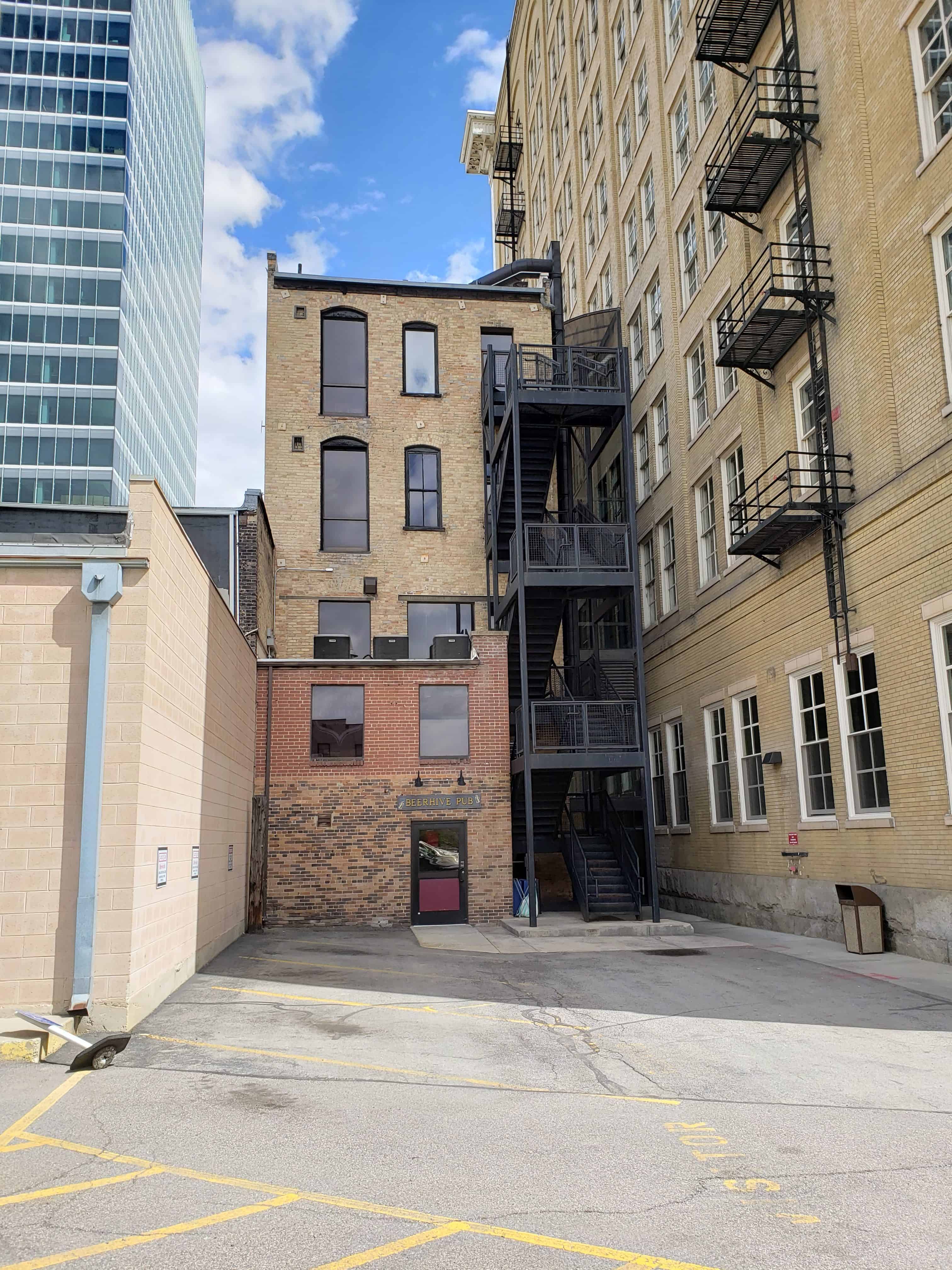
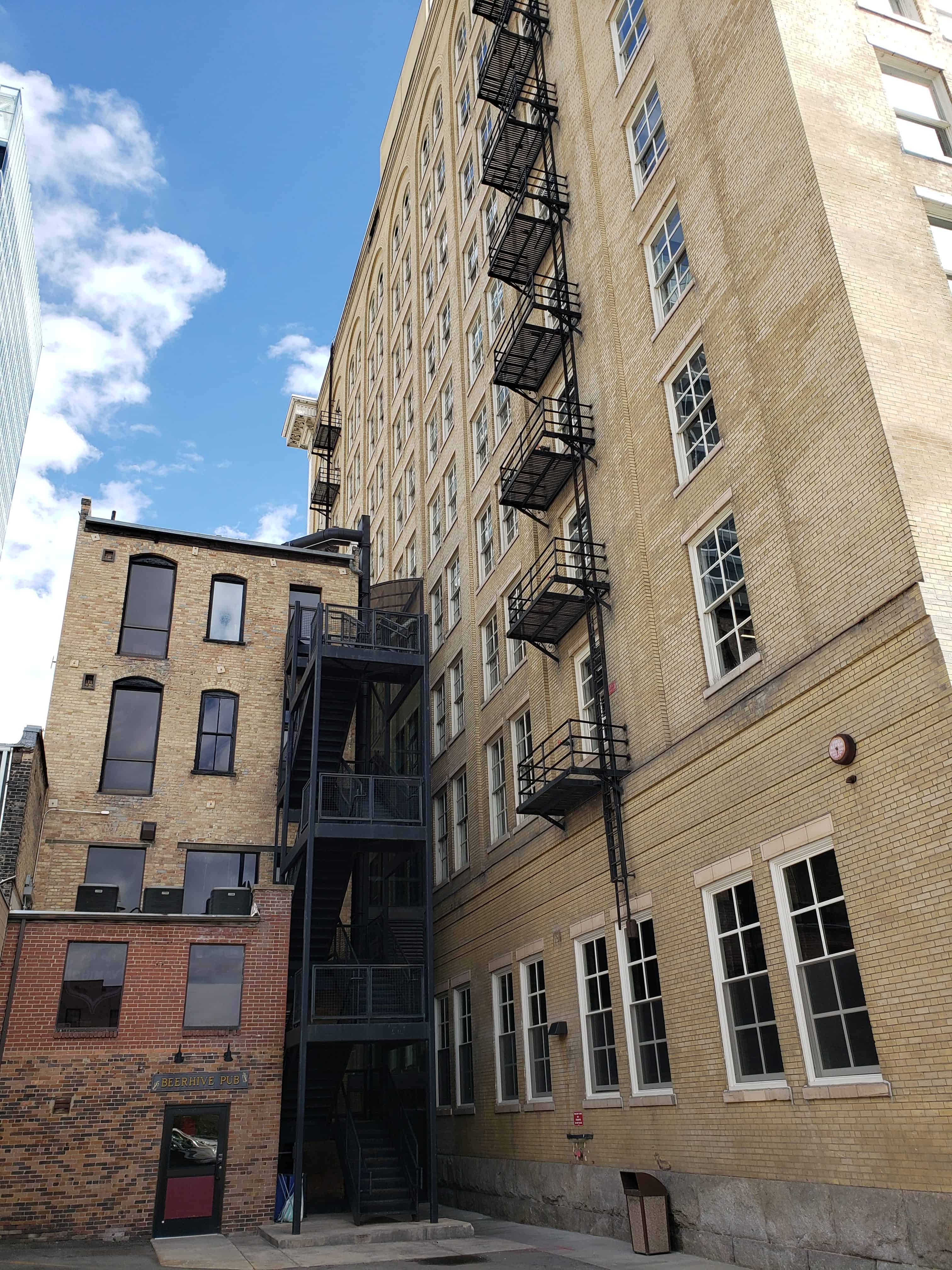
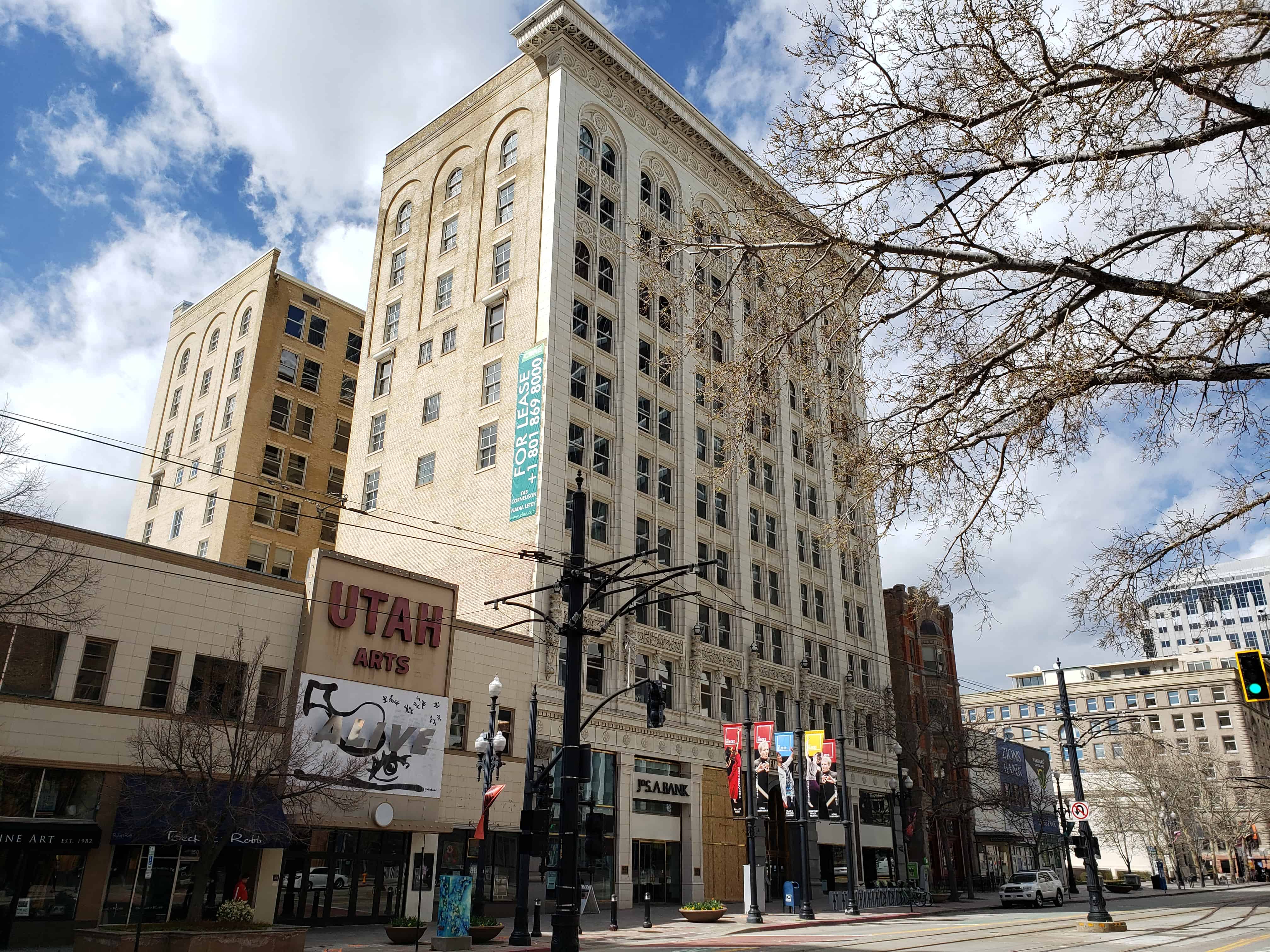
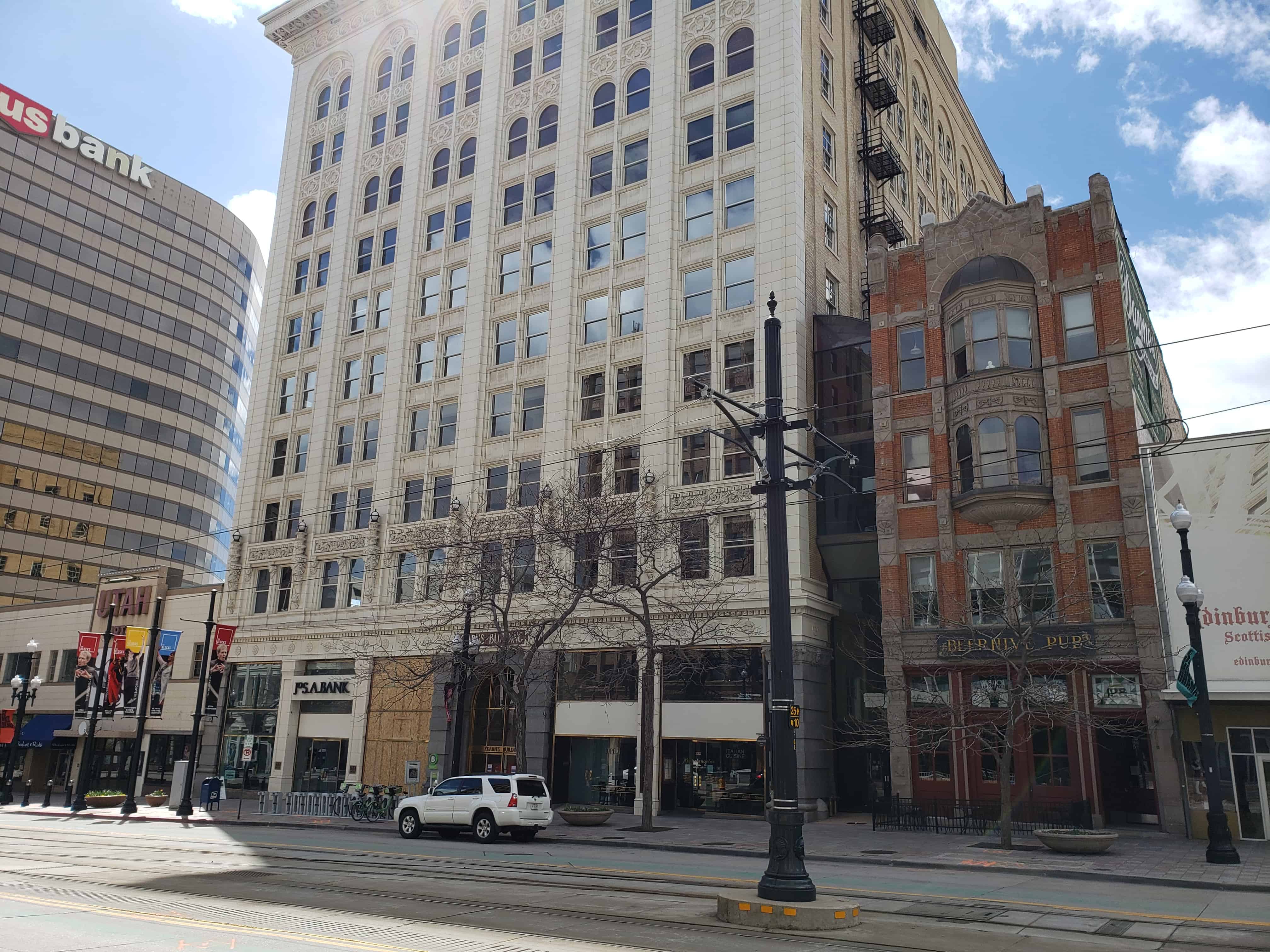
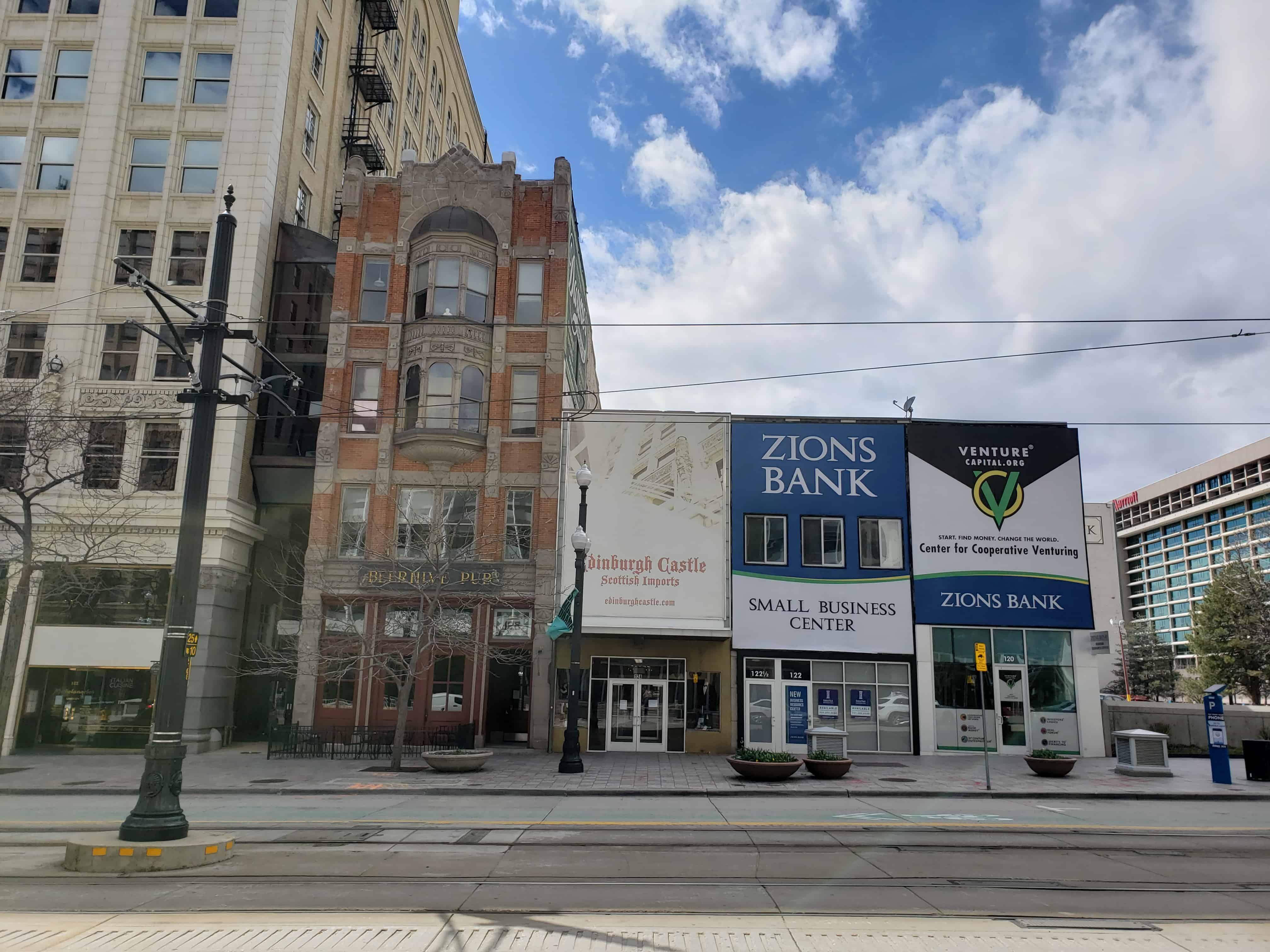
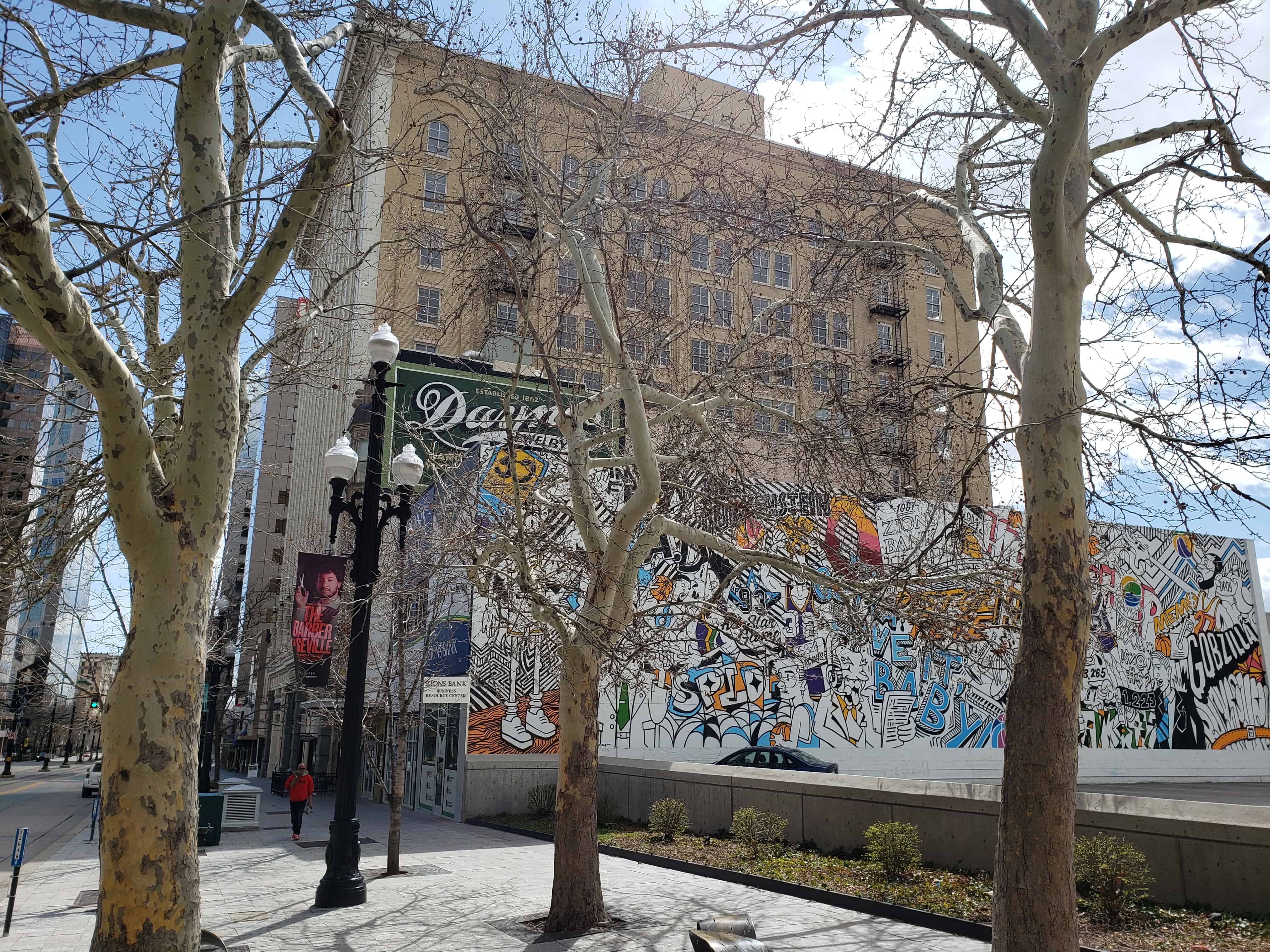
The ornate Daft Block was completed in 1889 for Sarah Daft. Widowed in 1881, Daft built the inheritance left by her husband into a sizable fortune through wise investments in mining and real estate. At her death, her wealth endowed the Sarah Daft Retirement Home. The designer of the Daft Block, E.L.T. Harrison, was an important early Utah architect. The Daft Block features an unusual projecting two-story bay window and a profusion of carved stone and wood details. On the north side of the building you can still see the sign for the Daynes Jewelry Company which bought the Daft Block in 1908. The company’s founder, John Daynes, was an expert jeweler and Brigham Young’s watchmaker.
The Daft Block is at 128 S Main Street in in the downtown neighborhood of Salt Lake City, Utah.

24 Saturday Dec 2016
Posted in Uncategorized
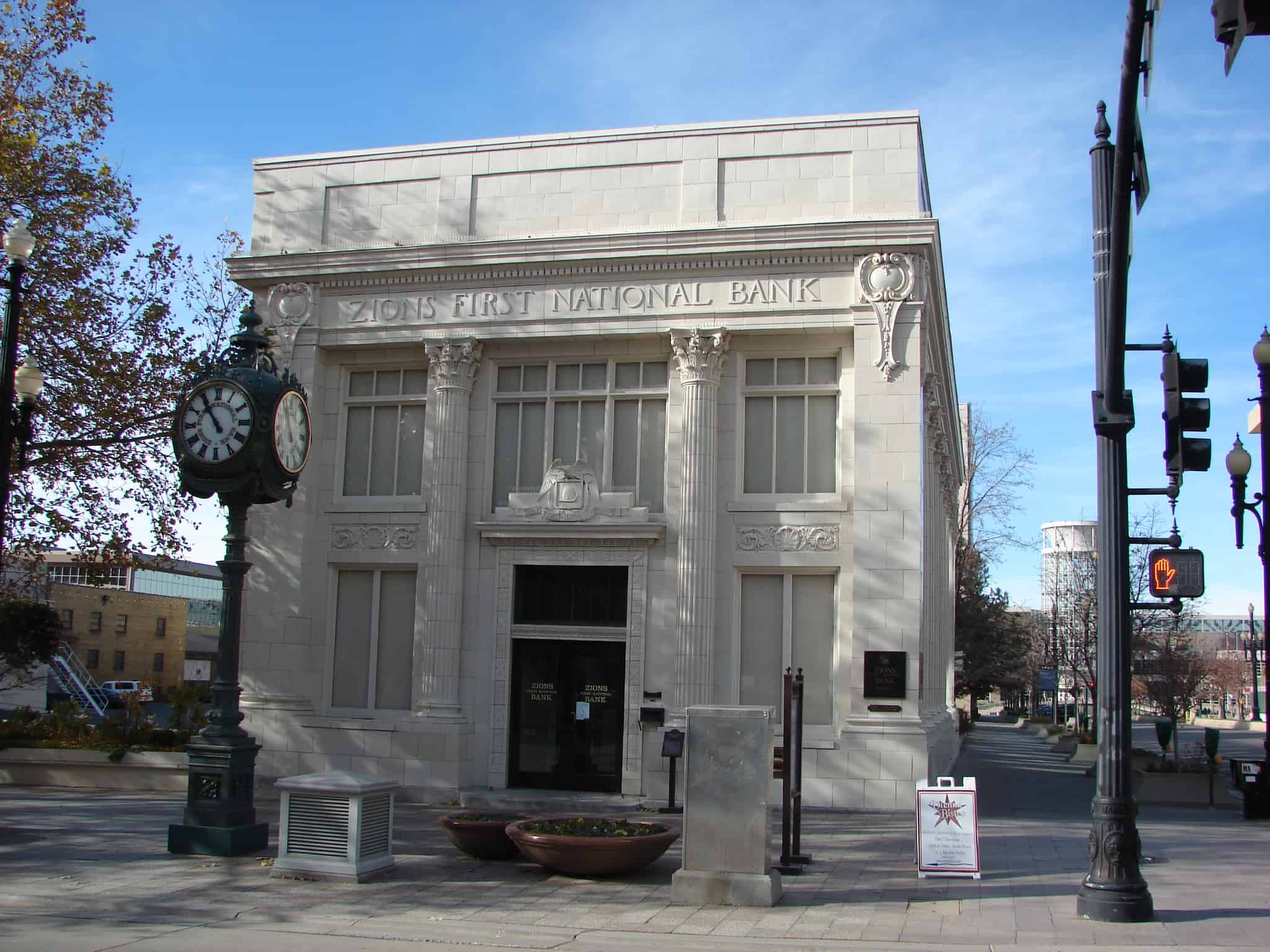
Eagle Emporium Building
Built in 1864, The Eagle Emporium Building is the oldest existing commercial building in downtown Salt Lake City. William Jennings, Utah’s first millionaire, constructed the building to house his mercantile business. The Eagle Emporium Building was also the first home of the Zion’s Cooperative Mercantile Institution.
At Brigham Young’s request, Jennings exchanged his emporium’s inventory for stock in the new ZCMI and leased this building to the cooperative in 1868.
The ornate clock in front of this building is one of the few remaining pieces of 19th-century street furniture in downtown. The clock was erected in 1873 and first powered by a water wheel.
102 South Main Street in Salt Lake City, Utah.


23 Friday Dec 2016
Posted in Uncategorized
Tags
Downtown SLC, historic, Historic Markers, Salt Lake City, Salt Lake County, SUP, Temple Square, utah

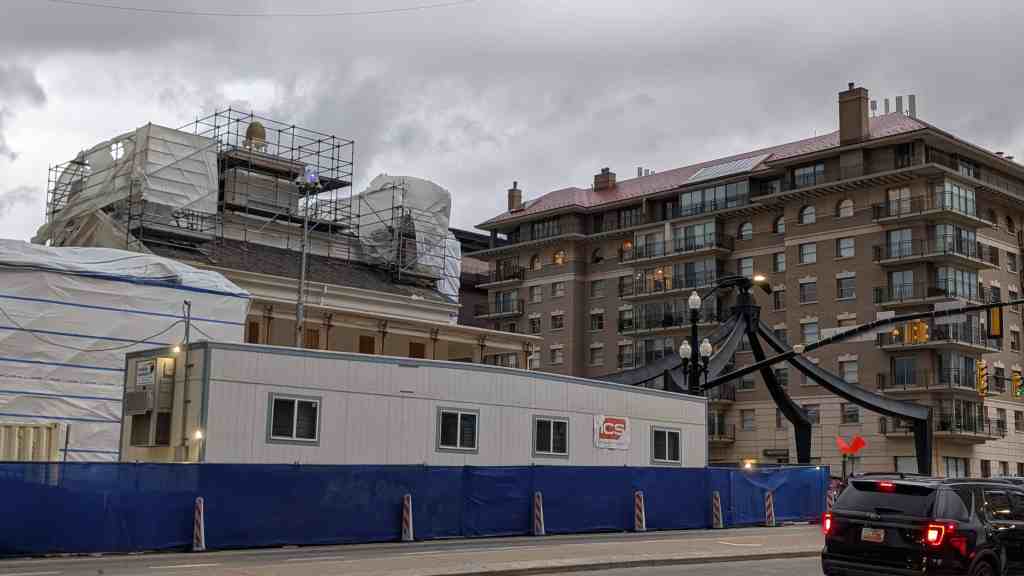
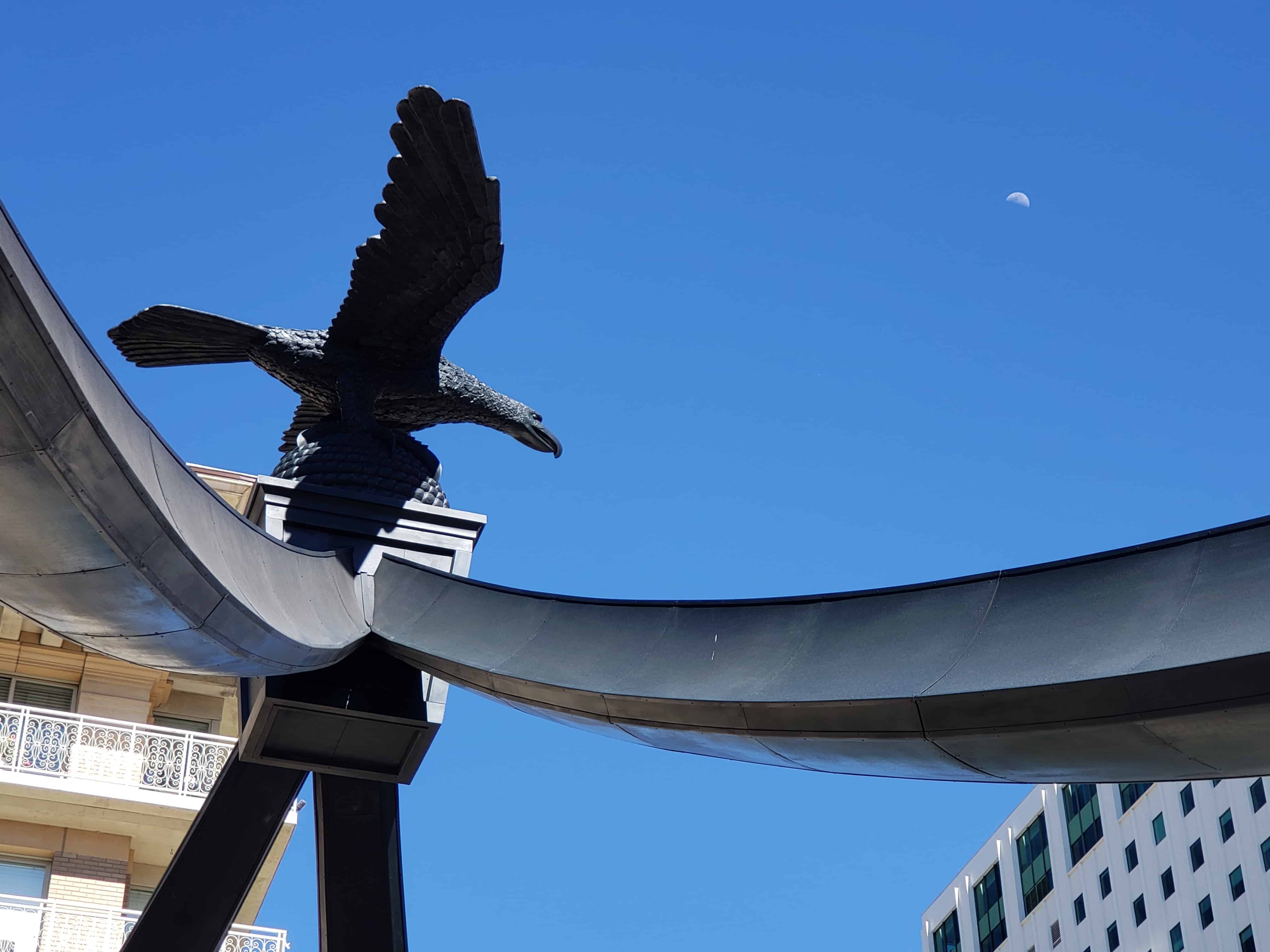
Eagle Gate
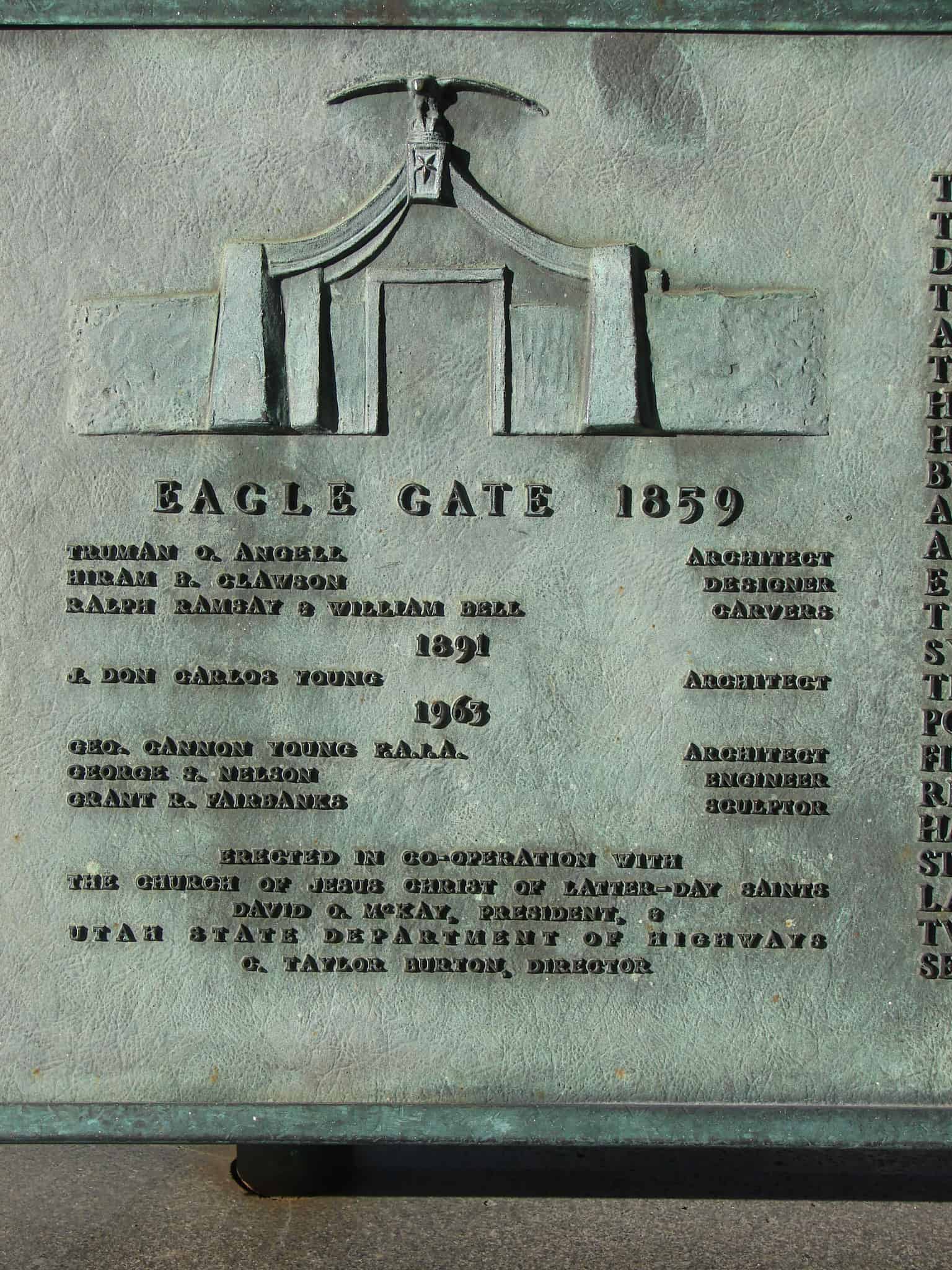
“The Eagle Gate was erected in 1859, Hiram B. Clawson, designer; Ralph Ramsay and William Bell, carvers. It formed a part of a cobble stone wall, 8 feet high and 500 rods long, which surrounded the grounds of President Brigham Young and was built by him as a protection against Indians, and to furnish labor to the unemployed. Torn down in 1890 to widen the street and to permit the passage of electric cars. Rebuilt in 1891.”
When the Eagle Gate was reconstructed and dedicated October 5, 1891, a treasure box was sealed in the granite base containing newspapers, photographic views, personal cards and a copper plate engraved by David McKenzie, Containing the paragraph quoted above.
The 16 foot wooden eagle, weighing 500 pounds, the beehive and four-way wooden supports were placed in March 1859, over the original gate way, leading to City Creek Canyon and the private grounds of Brigham Young, Governor of Utah.
At the time of reconstruction the original wooden eagle was sent to Chicago, Electroplated with copper and replaced over the present gate.
See other historic markers in the series on this page for UPTLA/SUP Markers.
Several SUP/UPTLA Markers are located near each other here.
Related:






23 Friday Dec 2016
Posted in Uncategorized

A Private School House
Built by Brigham Young for his own children – stood on this corner lot 1860 – 1903 This early school was directed by Eli B. Kelsey, who in soliciting additional students, announced in the Deseret News December 12, 1860, as follows: “President Young not only intends it to be used for the education of own family during the day, but purposes it to be thoroughly devoted to further educational purposes in the evenings, including the teaching of vocal music.
“Mr. David O. Calder will open therein two classes for young persons of both sexes, in order that a competent number may be thoroughly taught this simple and beautiful science, so that a uniform system of teaching may be adopted throughout all the schools of the territory. The produce of the valley will be taken in payment for tuition.”
See other historic markers in the series on this page for UPTLA/SUP Markers.
Several SUP/UPTLA Markers are located near each other here.

23 Friday Dec 2016
Posted in Uncategorized

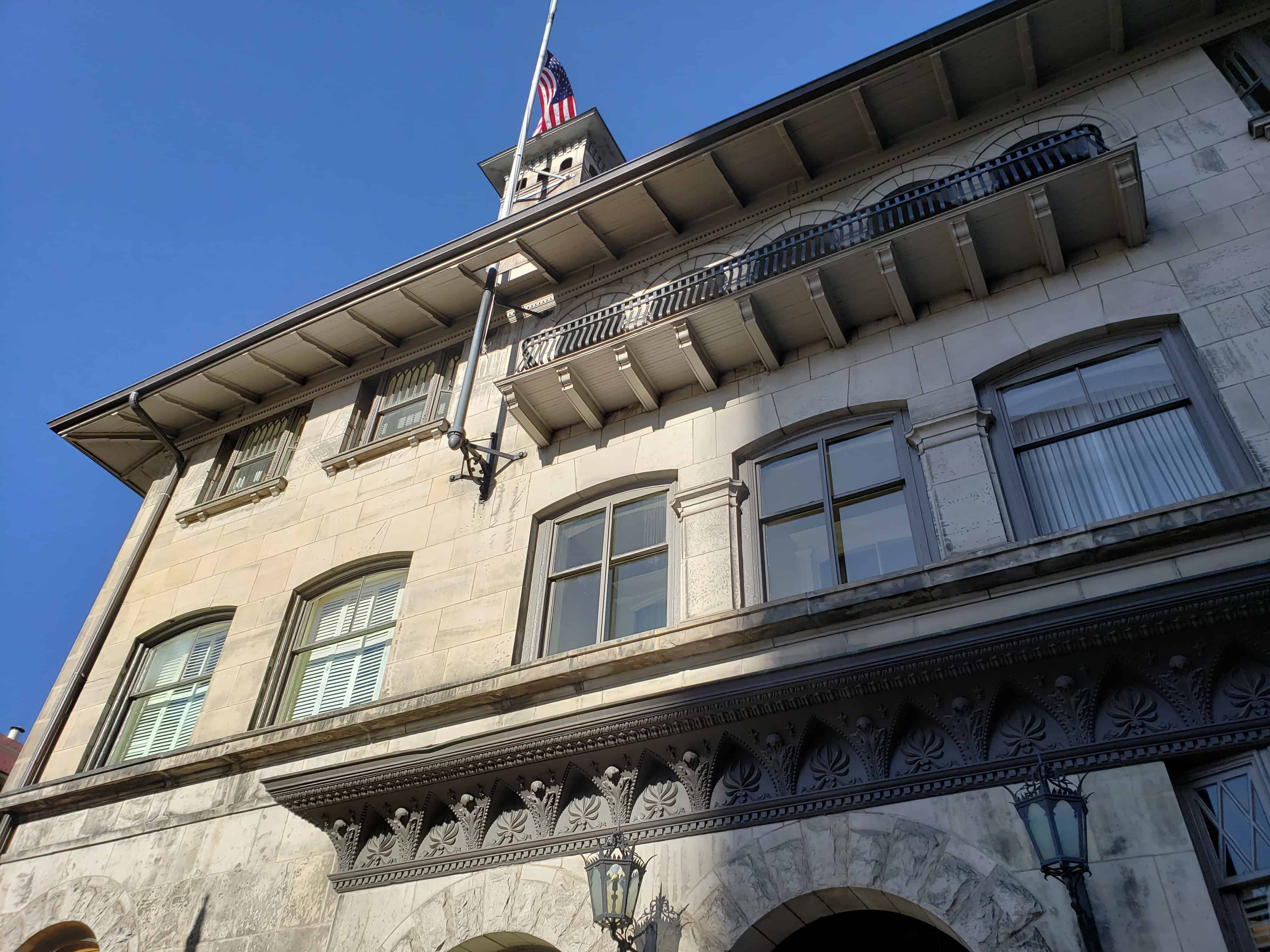
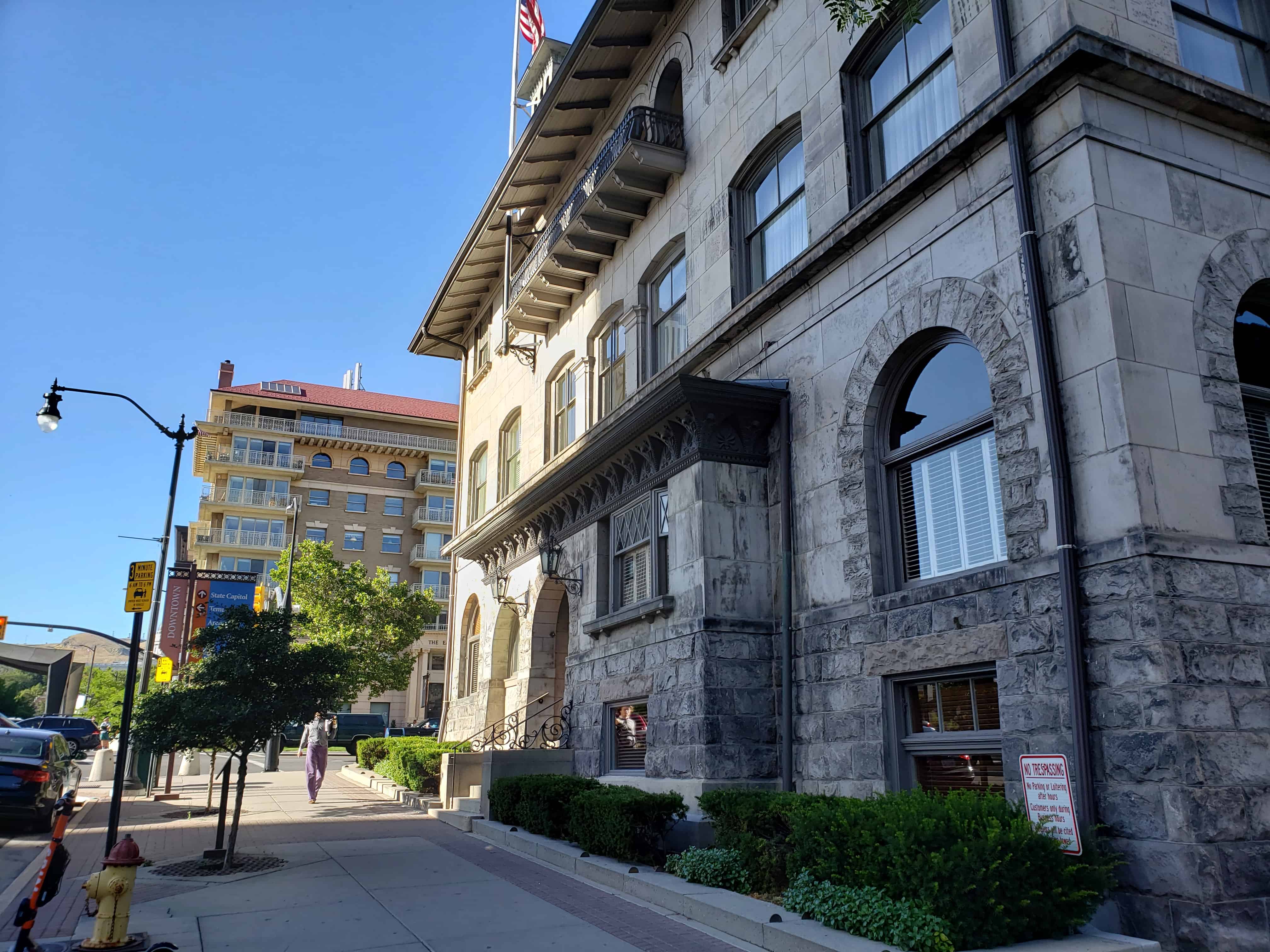
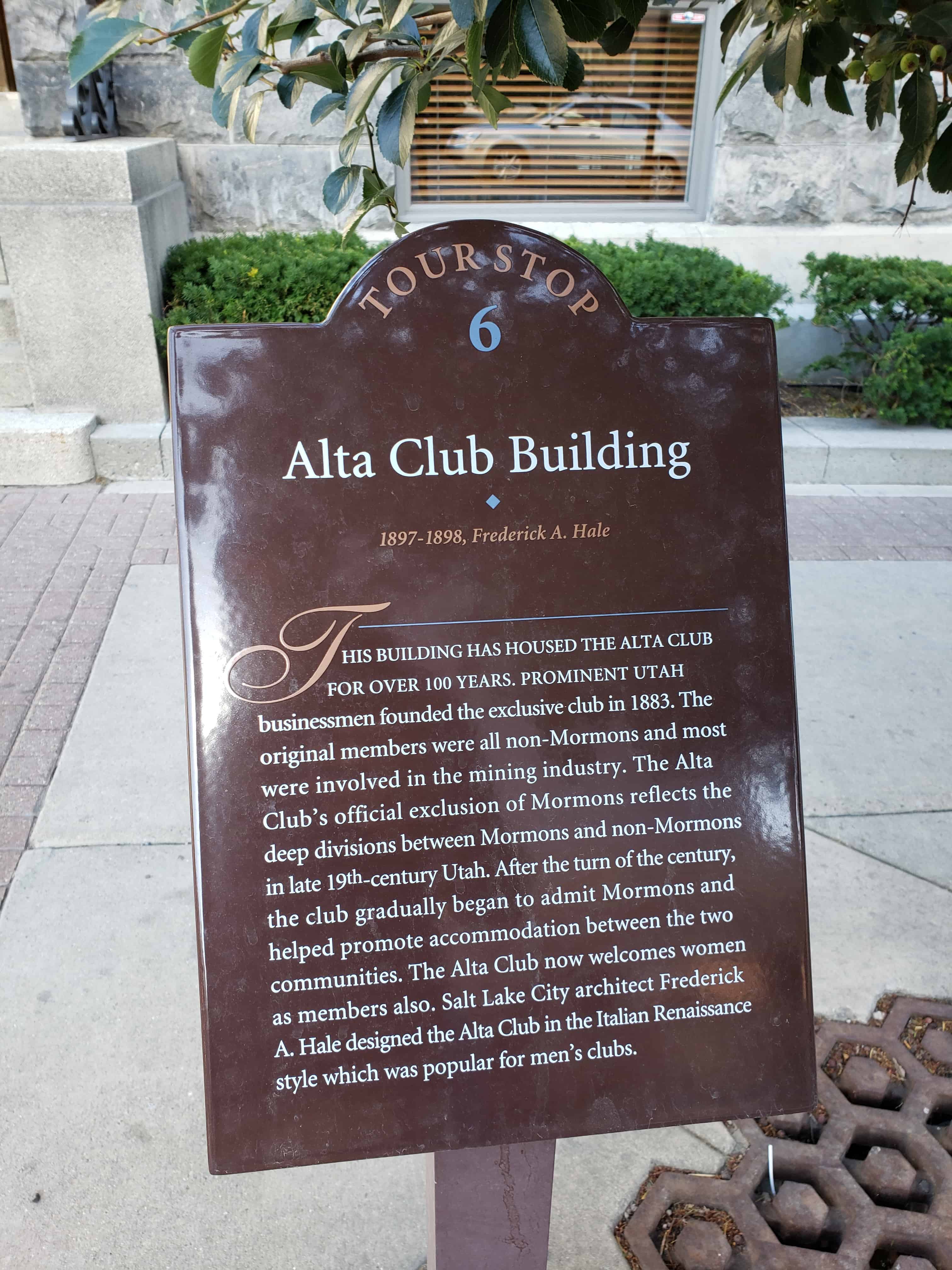
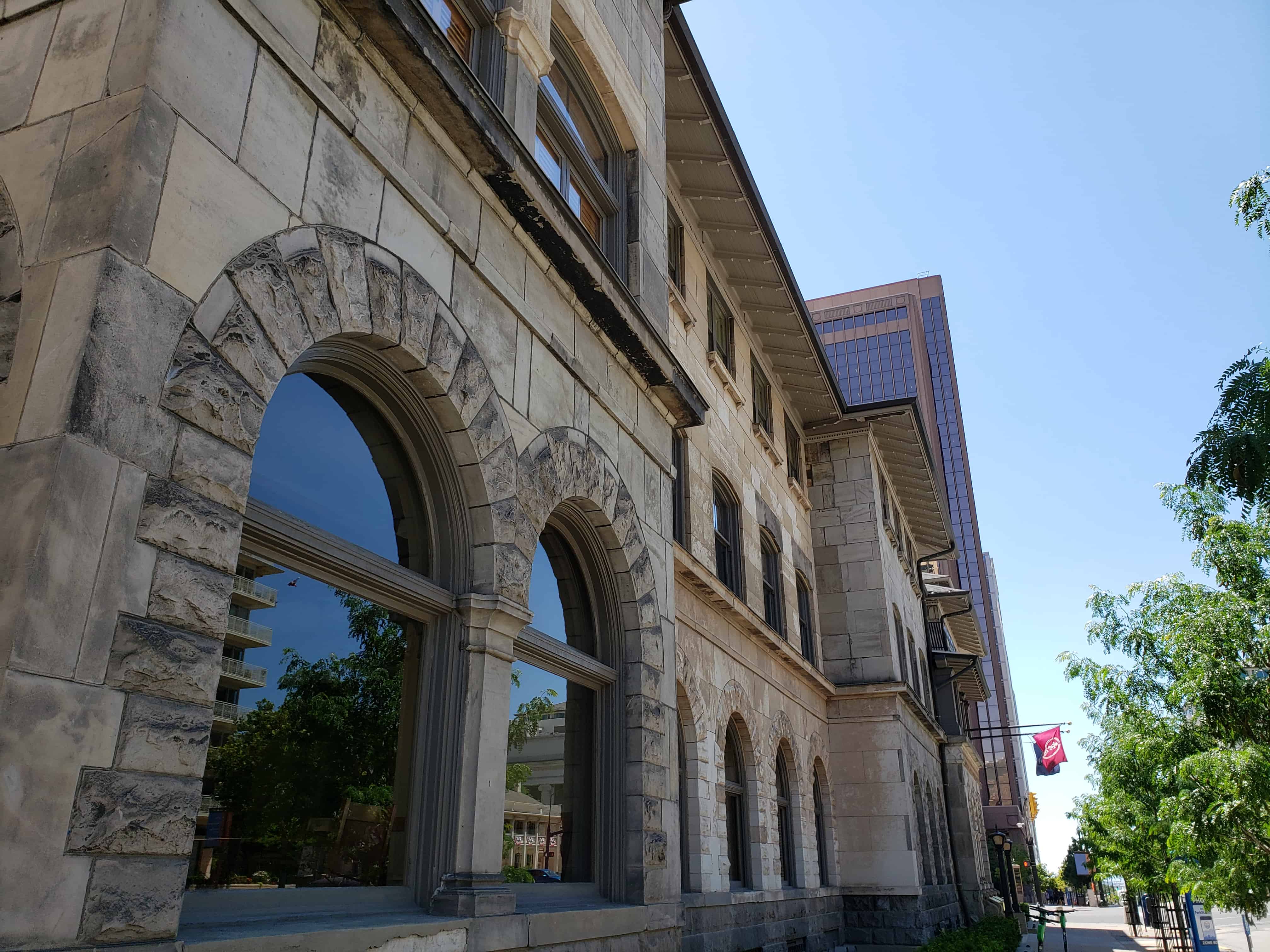
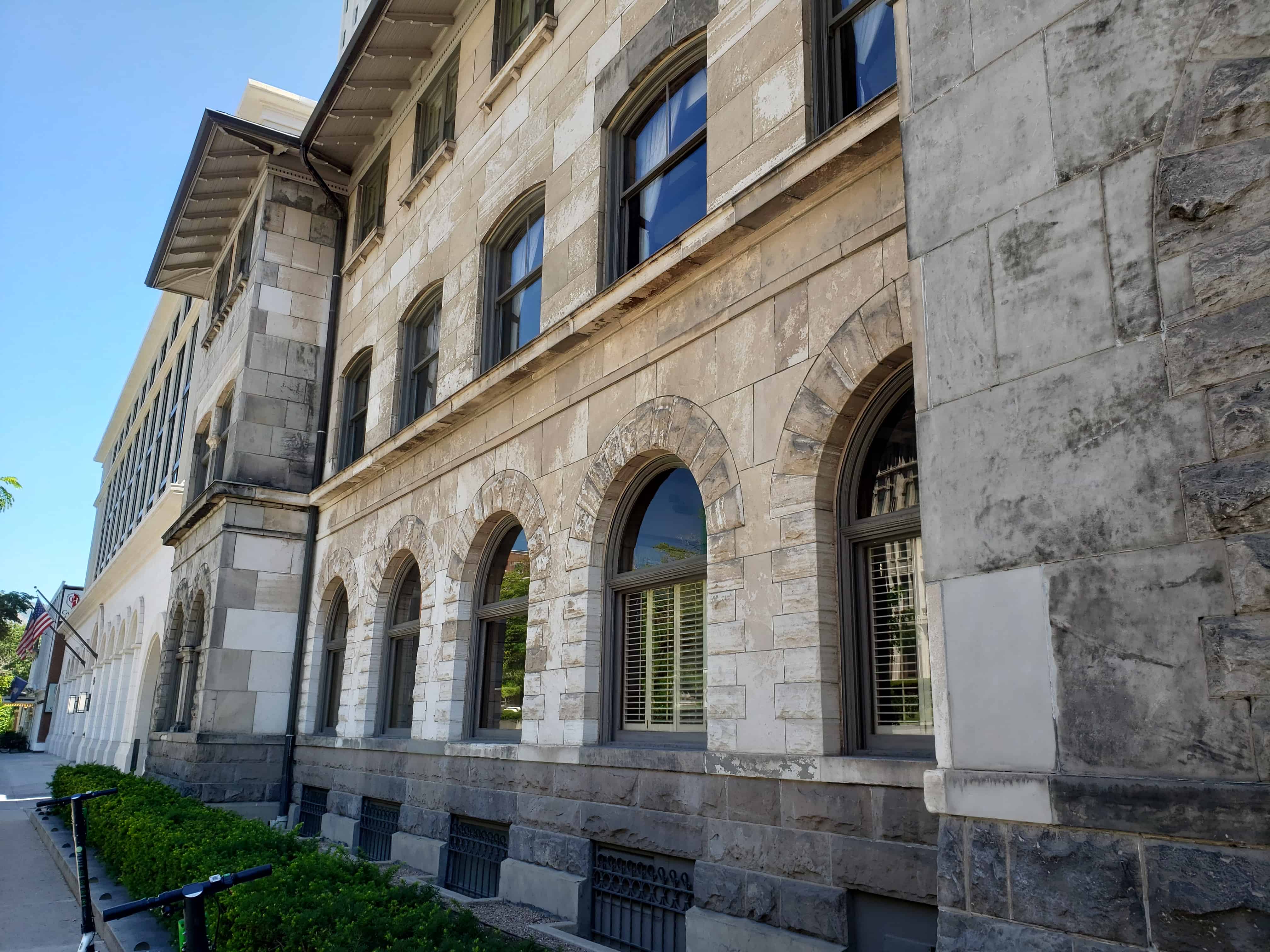
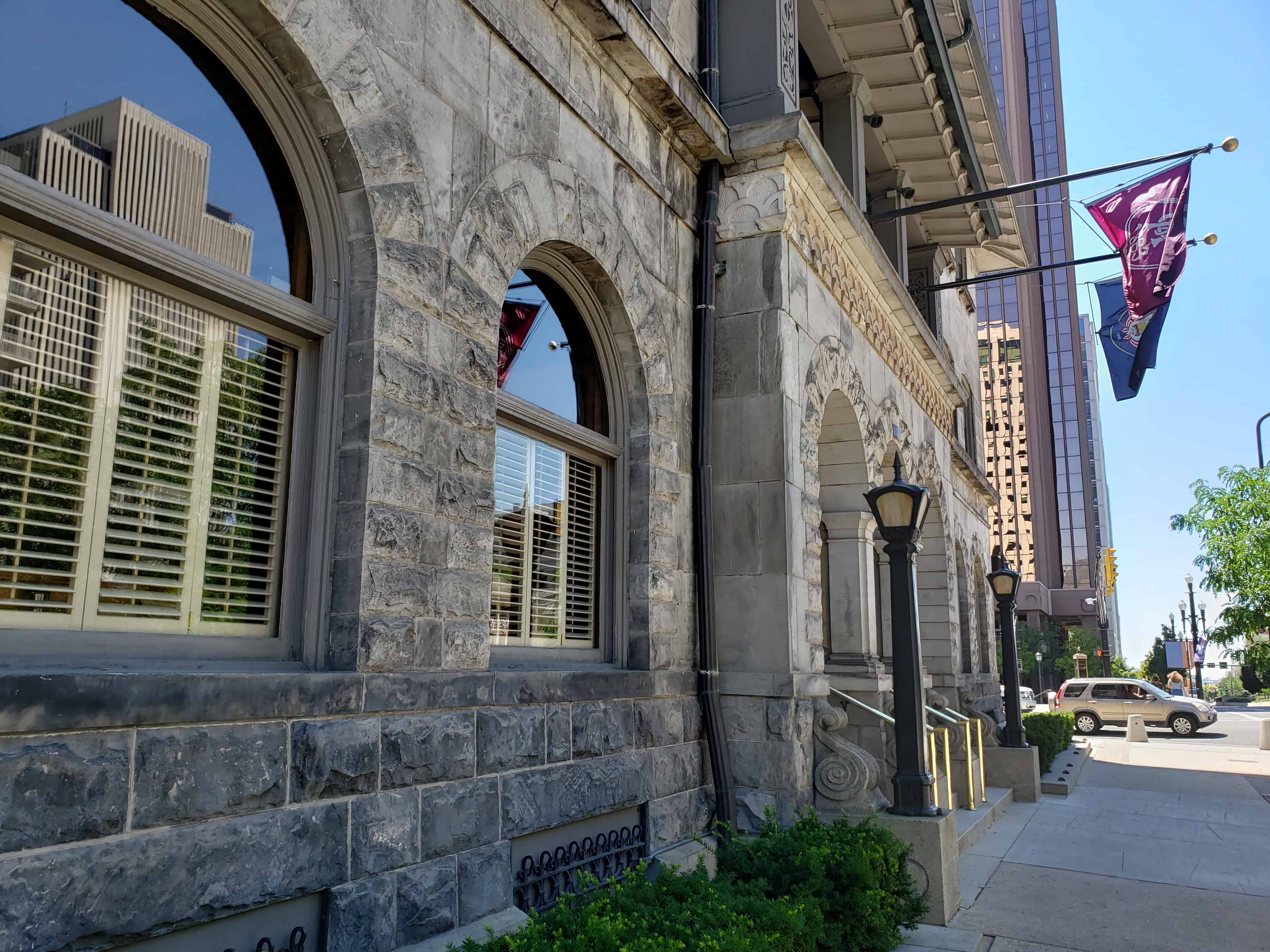
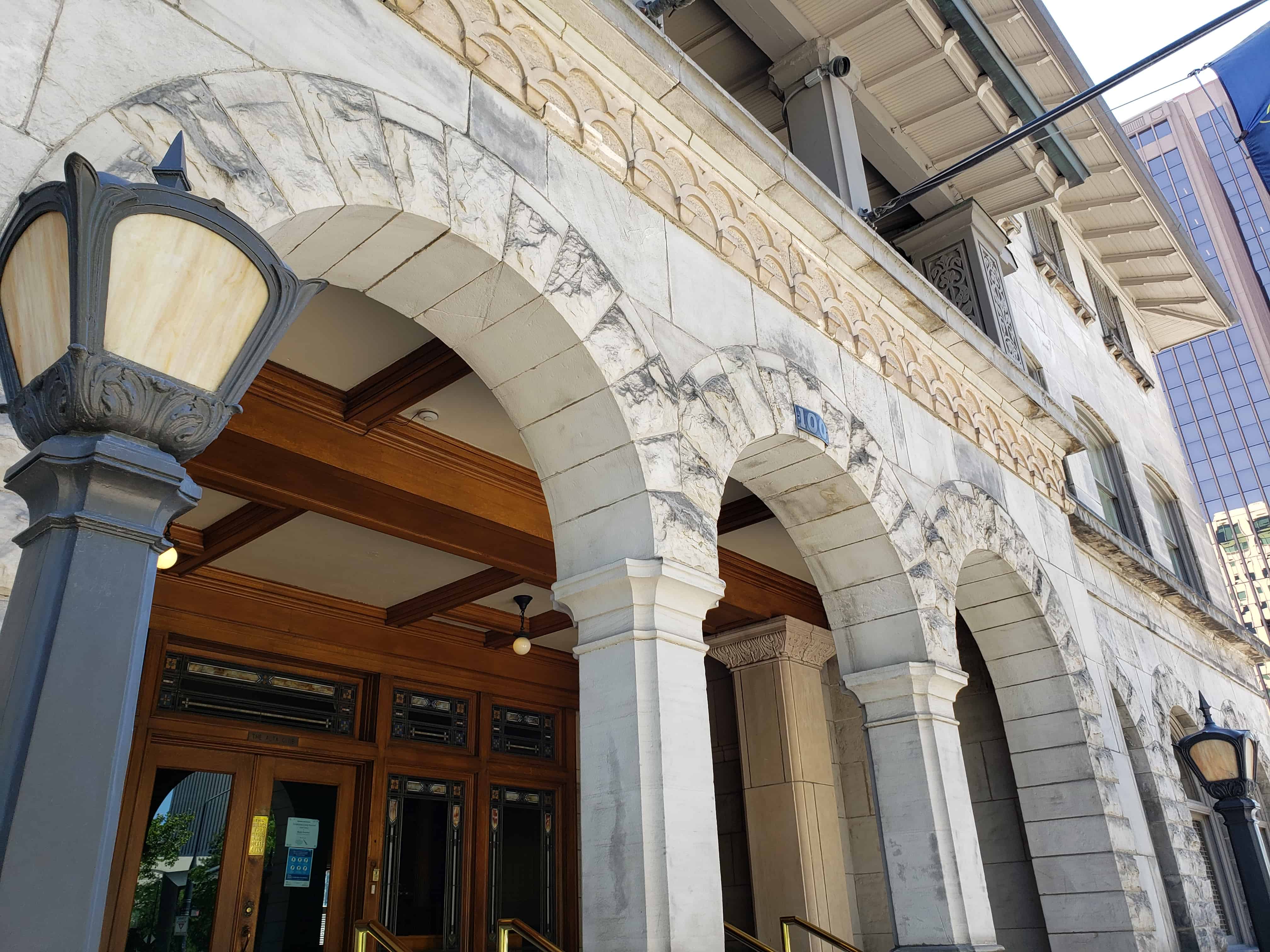
Alta Club Building
This building has housed the Alta Club for over 100 years. Prominent Utah businessmen founded the exclusive club in 1883. The original members were all non-Mormons and most were involved in the mining industry. The Alta Club’s official exclusion of Mormons reflects the deep divisions between Mormons and non-Mormons in late 19th-century Utah. After the turn of the century, the club gradually began to admit Mormons and helped promote accommodation between the two communities. The Alta Club now welcomes women as members also. Salt Lake City architect Frederick A. Hale designed the Alta Club in the Italian Renaissance style which was popular for men’s clubs.

Related Posts:


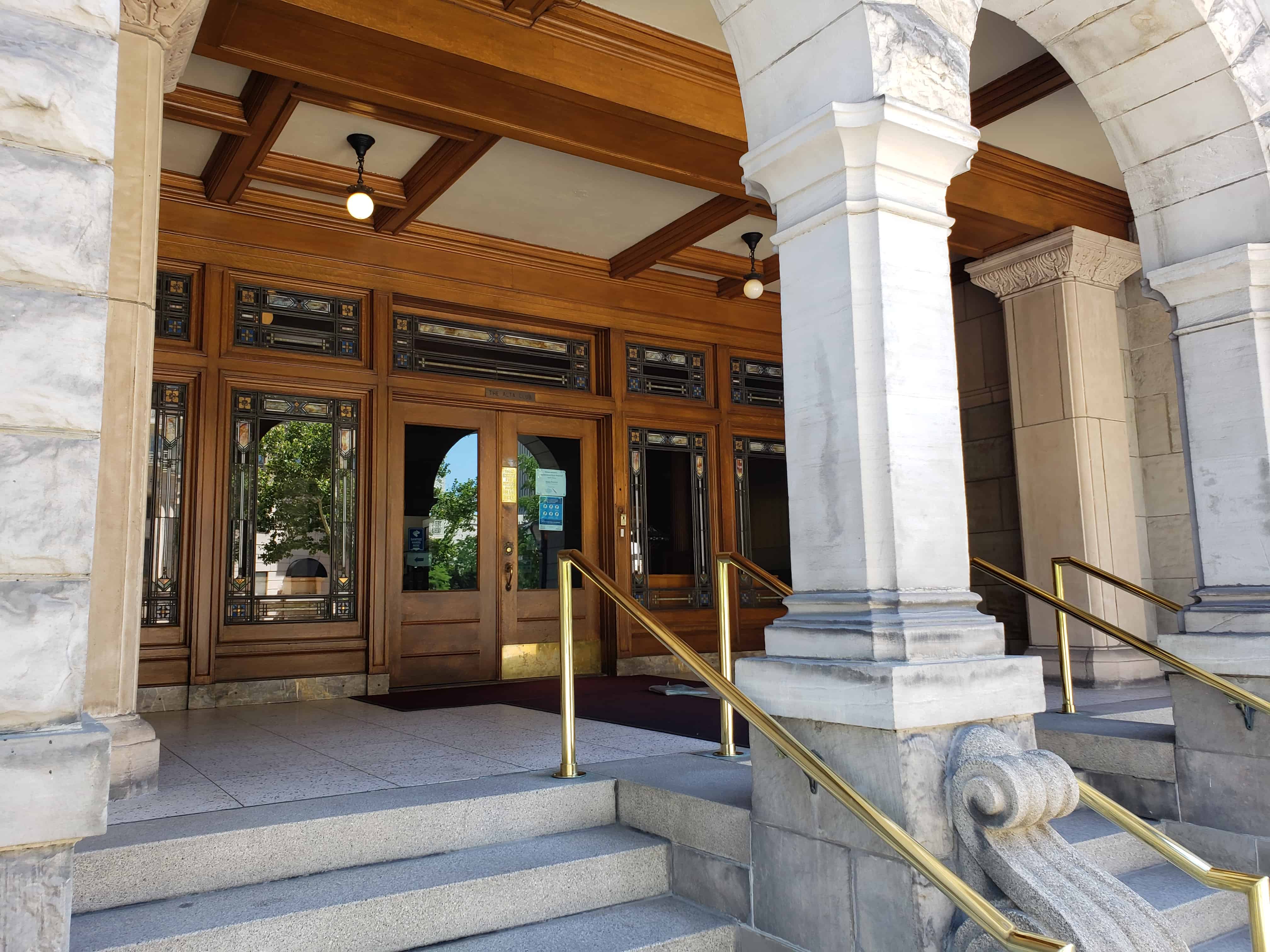
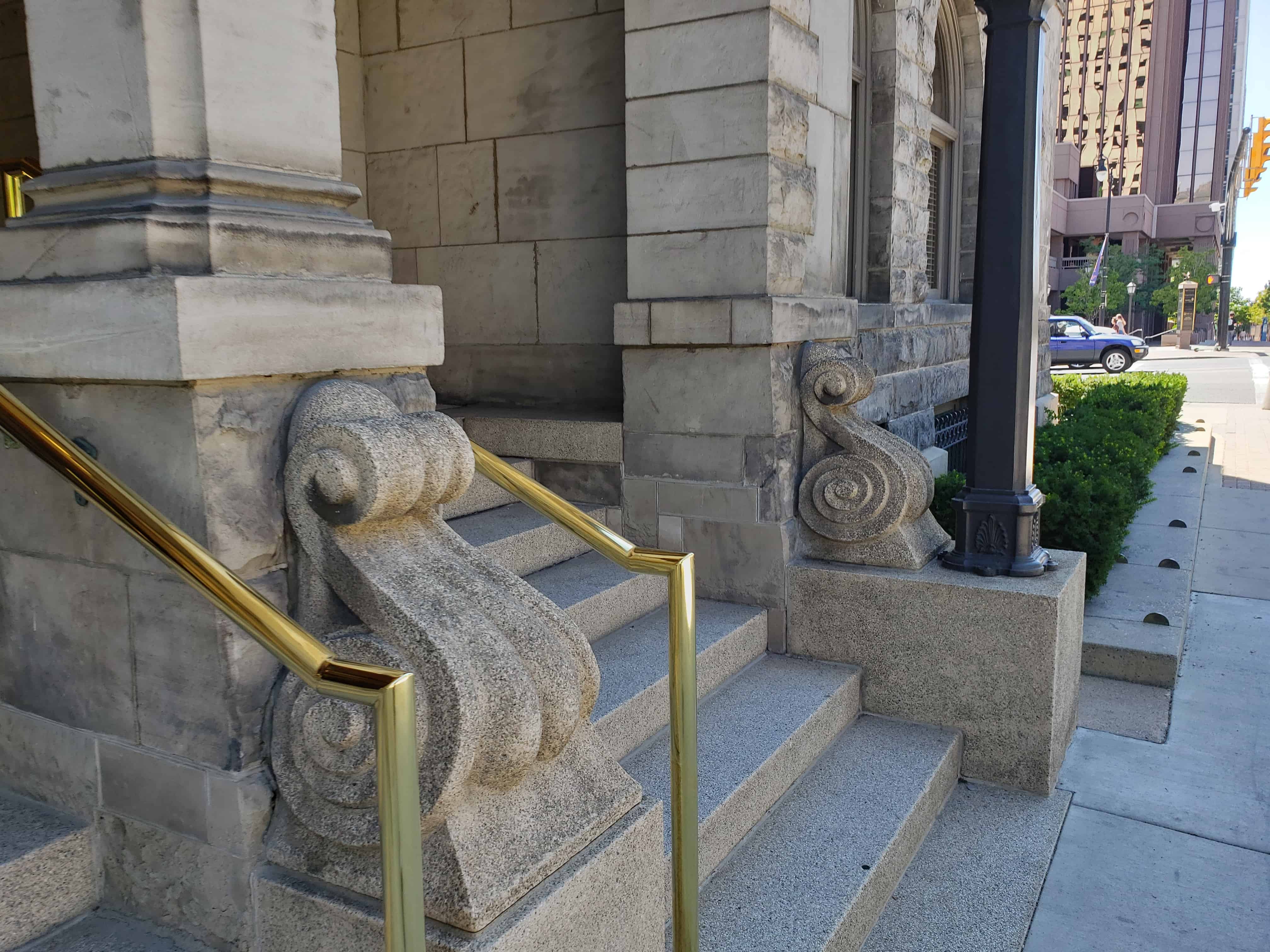
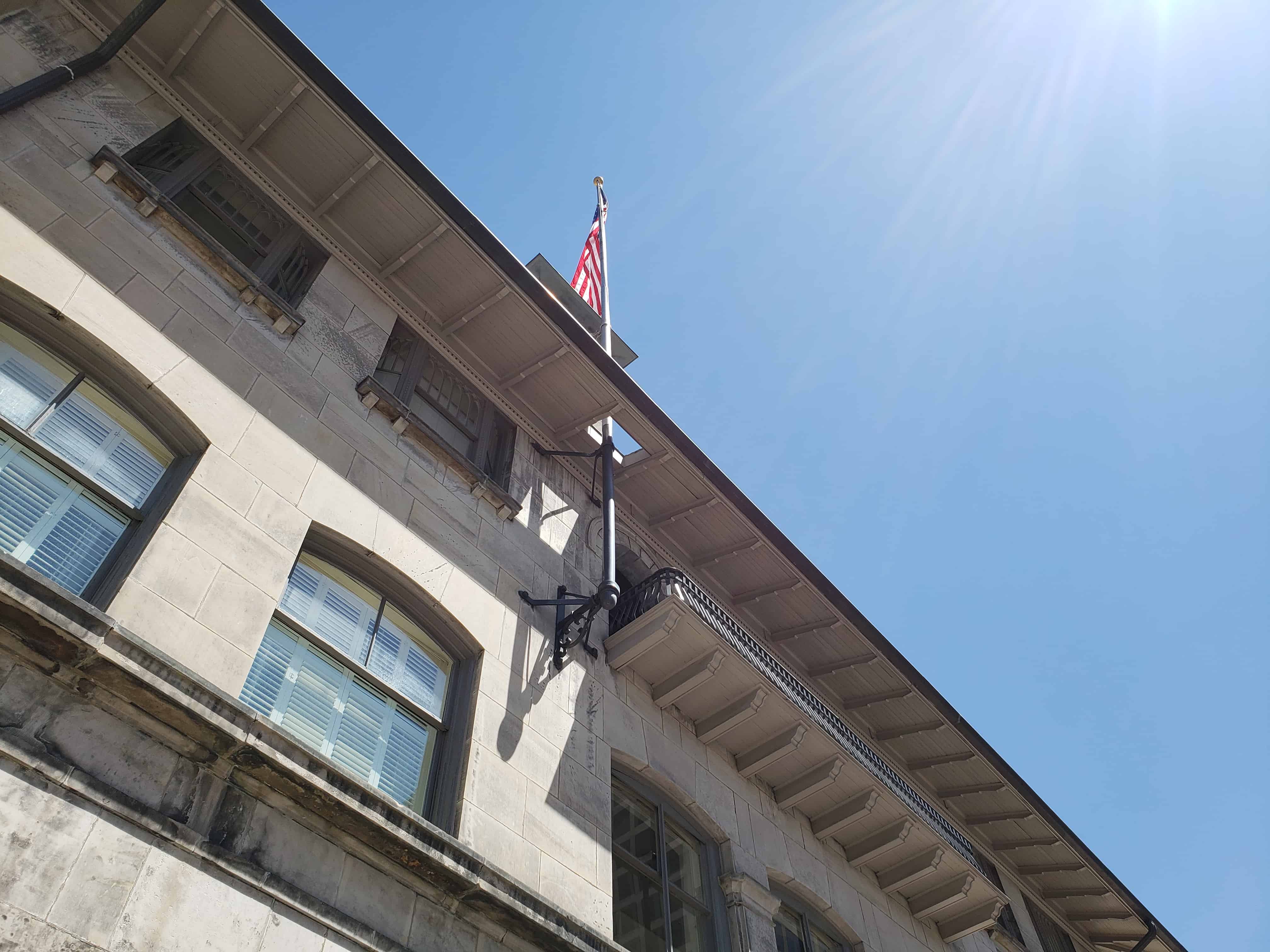
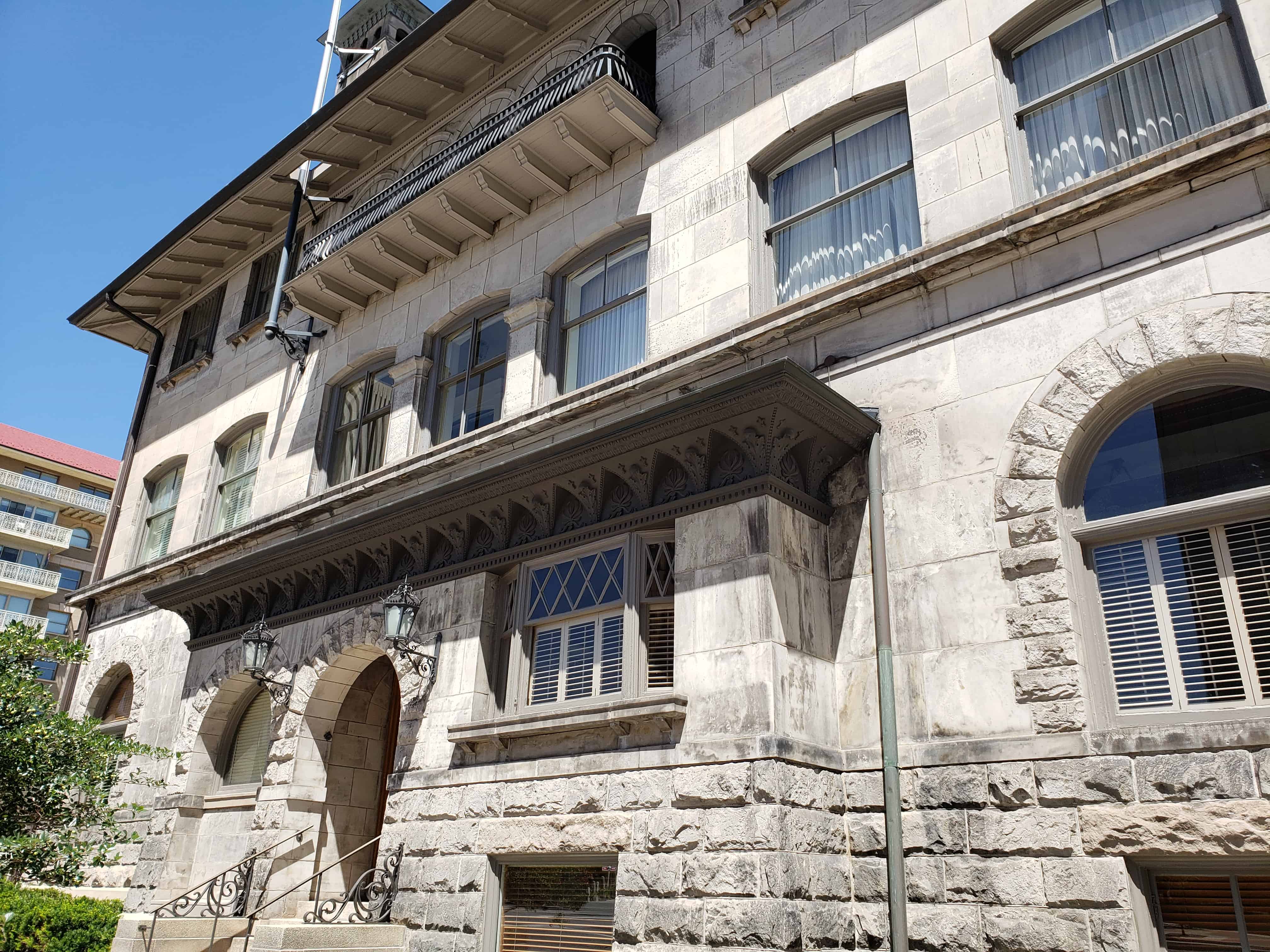
(from Preservation Utah’s walking tour)
1897-1898, Frederick A. Hale, SLC; east wing, 1910
The exclusive Alta Club was founded in 1883 by prominent Utah businessmen and named after the Alta mining district in Little Cottonwood Canyon. The original members were largely involved in the mining industry and were all non-Mormons.
The Alta Club’s official exclusion of Mormons reflects the deep divisions between Mormons and non-Mormons in late 19th-century Utah. After the turn of the century, the club gradually began to admit Mormons and helped promote accommodation between the two communities. The Alta Club now also welcomes women as members.
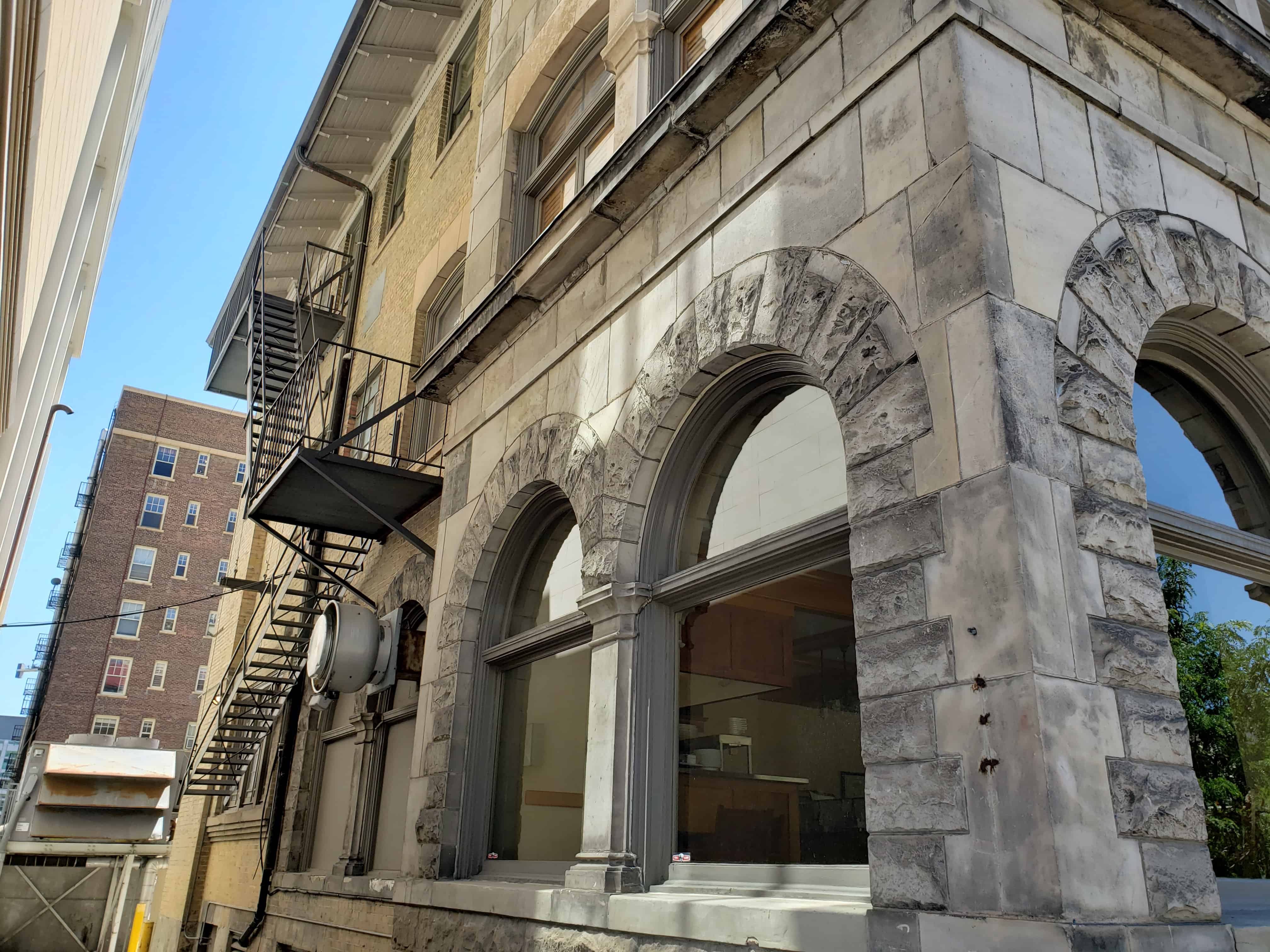
Well-known Salt Lake City architect Frederick A. Hale designed the Alta Club in the Second Renaissance Revival style. This style was popular for men’s clubs in the eastern United States at the turn of the century. The club’s Renaissance Revival elements include its horizontal emphasis, arched windows and doors, and recessed arcaded balconies.
23 Friday Dec 2016
Posted in Uncategorized

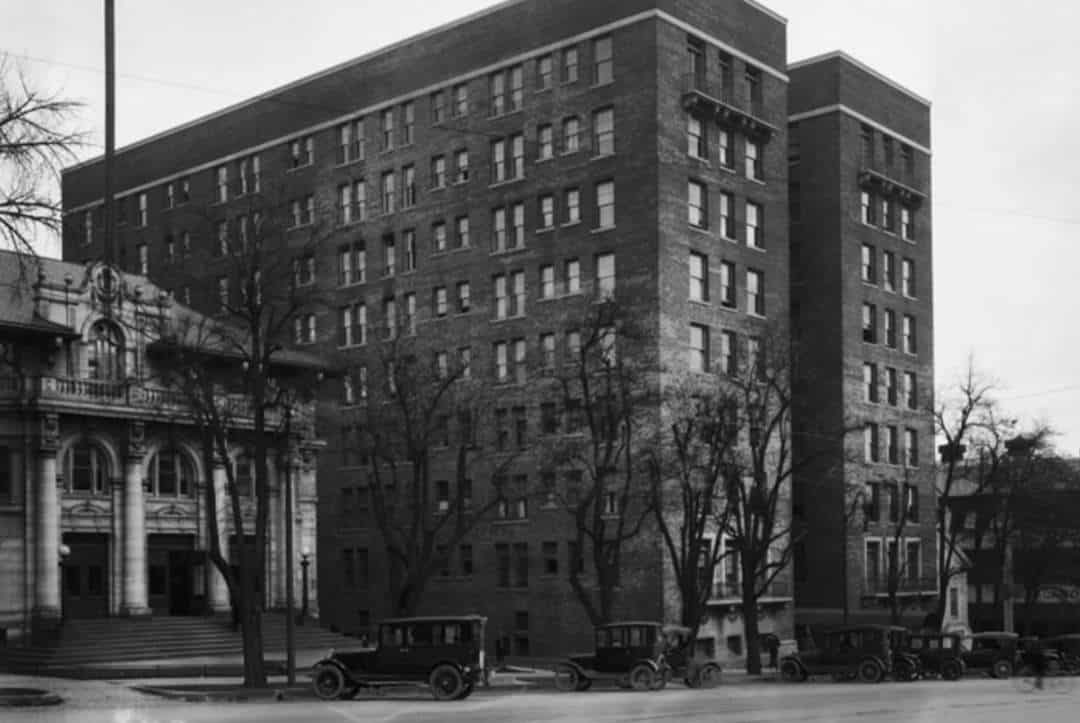
Salt Lake City Public Library / Hansen Planetarium
Dedicated October 27, 1905
Built of Sanpete Limestone with a donation from John A. Packard, Tintic Mining District Millionaire.
Designed by Heins & Lefarge of New York.
Planetarium established 1965 as a memorial to George T. Hansen by his wife.
The Ladies Literary Society is responsible for the construction of the Salt Lake City Public Library Building. These women promoted Utah’s first tax for the support of public libraries in 1898. They then convinced mining millionaire John Q. Packard to donate both the land and funds for constructing the state’s first public library building.
The Salt Lake City Public Library Building is a good example of the Beaux Arts Style architecture. This style, which combines classical motifs with elaborate decorative elements, was popular for large public buildings at the turn of the century. Look for the library’s ornate stone gable and two-story entrance pavilion.
Related Posts:


I took the above 3 photos in 2007, below are photos I took in 2019.


The Mr. and Mrs. George T. Hansen Planetarium, Space Science Library, and Museum, formerly the Salt Lake City Public Library, is worthy of designation as a cultural site on the basis of its architectural merit, and as a historic site because it is the only building remaining in Salt Lake City that records the philanthropic urge for community improvement that characterized turn of the century America.
considered a necessary asset to a civilized community. In 1850 the Territory of Utah quickly accepted a federal appropriation for the establishment of a territorial library, and appointed William C. Staines (builder of the Devereaux House, Salt Lake City’s first mansion and a National Register site) as the territorial librarian. The territorial library was intended to be both a law library and a general public library, and served as such for a period of years. Eventually the collection was divided up, with the general books going to the library of the University of Deseret and the law books remaining as the Utah Library.
Efforts were made to promote public lending libraries accessible to the public, and the Seventies’ Library functioned for this purpose for a number of years. When this service faltered, a number of private lending libraries sprang up in the city to provide the only library service available to Salt Lake City for many years.
Ladies Literary Society of Salt Lake City, and by the Masonic Order who were interested in promoting libraries to assist in educating Mormons out of their peculiar beliefs. It was the Ladies Literary Society, however, who were successful in promoting a bill in the territorial legislature in 1898 permitting a tax levy for the support of public libraries in the state. Salt Lake City moved to take advantage of this provision and created a free public library, purchasing first the library holdings of the Pioneer Library owned by the Grand Lodge of Utah. For $1,400 the city acquired a library worth $24,000. The facility was installed in the City and County Building (a National Register site) and attention was immediately turned to acquiring some more permanent location. Again the Ladies Literary Society came to the rescue by persuading the eccentric and retiring mining millionaire, John Q. Packard, to donate both land and capital for the construction of a public library building.
The combination of a crusading group of progressive upper-class women and a millionaire eager to fulfill his obligations within the Gospel of Wealth was not unique in Salt Lake City. it was a scenario common to that era of the nation’s history. But while many cities have numerous examples of such public magnificence, it was comparatively rare in Salt Lake City … and the present building is certainly the only one of its nature left in the city. Fittingly when the public use of the library demanded a larger facility, the old library was rescued by a generous donation in the spirit of John Q. Packard. The new donors gave the city $400,000 to renovate the building for use as a planetarium.
Described at the time of its completion as “a combination of the Doric and Ionian styles of architecture,” the Salt Lake Public Library is a three story, rectangular gabled hip roof structure with a two story entrance pavilion, constructed of oolite limestone from Sanpete County. The Beaux-Arts Classical library was designed by Hines and LaFarge of New York City (architects of the Cathedral of St. John the Divine), with Frederick A. Hale the supervising local architect.
The front facade is five bays wide with a heavy moulded cornice between the second and third floors. The first and second floor window openings are slightly recessed in arched frames. The wide eaves of the slightly flared roof are supported by very large modillion brackets. The roofline is broken by a large carved stone gable with a center arched window and four decorated pilasters. The two-story balustraded entrance pavilion end walls are curved to follow the radius of the spiral staircases at both ends of the entrance foyer. Four attached columns divide the entrance facade into three bays with double oak doors. (The center doors have been replaced by a large fixed sheet of glass, and the center part of the steps has been replaced with a fountain.) The interior of the entrance pavilion, done in golden oak, is entirely intact. A mezzanine has been added recently above the second floor for exhibits and demonstrations. Millwork for the additions was done by Fetzer’s, Inc., the same firm that did the original millwork in 1904. The open trusses and tongue-and-groove ceiling are visible above the new mezzanine. Architect for the additions was Wesley Budd.
The following description of the building was published by the Salt Lake Herald at the time of its dedication:
“The library stands on State street, just south of the Alta club, on high ground with lawns sloping from the building in all directions. …
“The building is of white oolite from Sanpete vally, the stone lending itself admirable to the form and dignity of the structure. The main entrance is in three parts opening on the hallway, from which rise the two broad ample stairways to the lecture hall above. Entrance to the east from this hallway leads to the main floor of the reading room, a commodious, sunny room, furnished with all modern conveniences. In the central part of this stands the librarian’s desk or counter, which is of solid steel with a top of golden oak to match the finishing of the interior. In the southeast corner of the room is a small apartment shut off with glass for the chief librarian, so arranged that all parts of the reading room are under supervision.
“Behind this is the stack room, or place for the books. The room is fitted with rows and rows of steel shelving of the latest design, so arranged in units that each small shelf may be readily detached and, if need, be removed. …
“The main auditorium on the upper floor has seats to accommodate 350 persons. It is finished like the remainder of the building, and is built for a gallery to extend around three sides. This gallery is not yet completed, but the building is so planned that the heavy steel bolts which hold it together will support this addition when the time comes to provide it. A good-sized platform extends outward from the east wall into the auditorium, making an ideal place for small lectures or recitals.” (Salt Lake Herald, October 27, 1905.)



23 Friday Dec 2016
Posted in Uncategorized
Tags
Downtown SLC, historic, Historic Markers, LDS, Salt Lake City, Salt Lake County, SUP, Temple Square, utah

Location: 51 South and State St. – Social Hall Ave.
This monument marks the site of the Social Hall, the first recreation center in the intermountain west. Built by the Church of Jesus Christ of Latter-day Saints under the direction of Brigham Young. Made of plastered adobe walls with native wood floors and roof. Auditorium 40 by 60 feet, seating 350 persons – stage 20 by 40 feet – dressing rooms and banquet hall in basement. Dedicated January 1, 1853.
Here the Deseret Dramatic Association conducted many home talent theatricals, musicales and other festivities. Sessions of the Legislature, official meetings, receptions, banquets, and other social functions were held here. It was used as theatre, library and gymnasium by the Mutual Improvement Associations.
In 1922 the building was razed.
This is UPTLA Marker #20, see other historic markers in the series on this page for UPTLA/SUP Markers.
Salt Lake City Tour #8 is also here. See also, Social Hall Museum.
Related Posts:

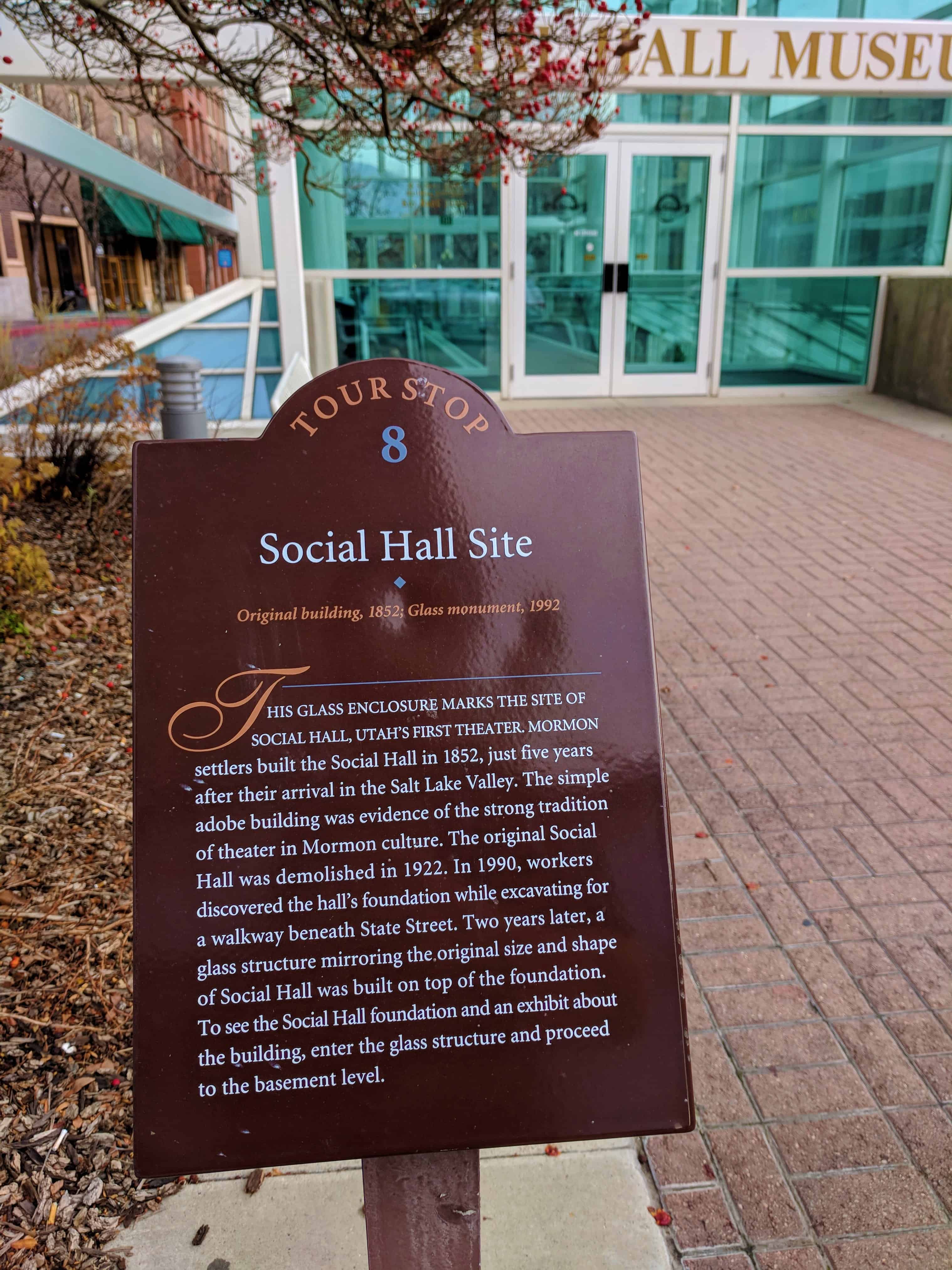
Social Hall Site
Original building, 1852; Glass monument, 1992
This glass enclosure marks the site of Social Hall, Utah’s first Theater. Mormon settlers built the Social Hall in 1852, just five years after their arrival in the Salt Lake Valley. The simple adobe building was evidence of the strong tradition of theater in Mormon culture. The original Social Hall was demolished in 1922. In 1990, workers discovered the hall’s foundation while excavating for a walkway beneath State Street. Two years later, a glass structure mirroring the original size and shape of Social Hall was built on top of the foundation. To see the Social Hall foundation and an exhibit about the building, enter the glass structure and proceed to the basement level.
(Tour Stop 8)


The above photos are from my 2017 visit, I stopped by in 2022 to get updated photos and they have moved the monument down into the Social Hall Museum, same location, lower elevation. Below are the updated photos:


23 Friday Dec 2016
Posted in Uncategorized

Mountain States Telephone & Telegraph Building
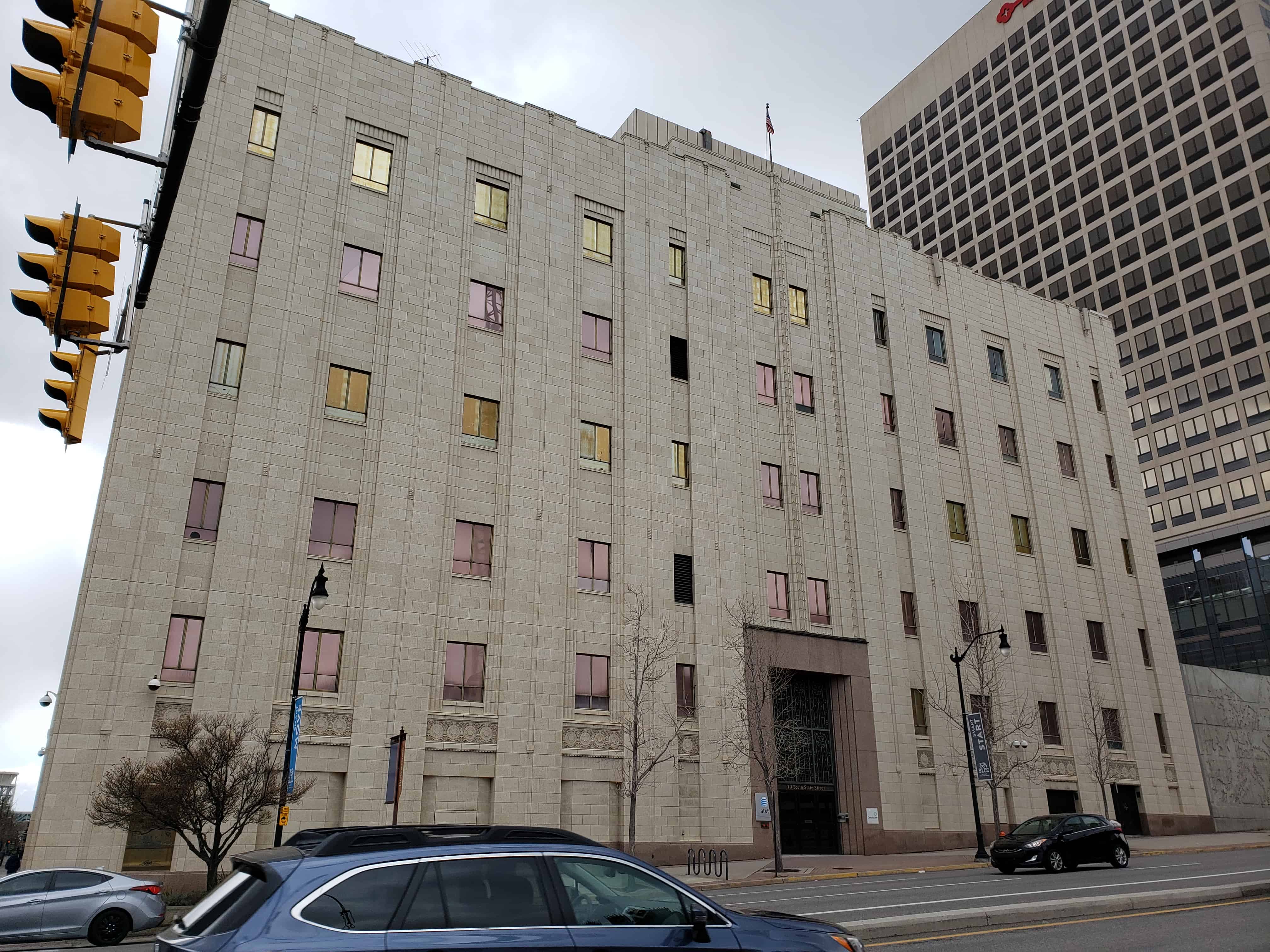
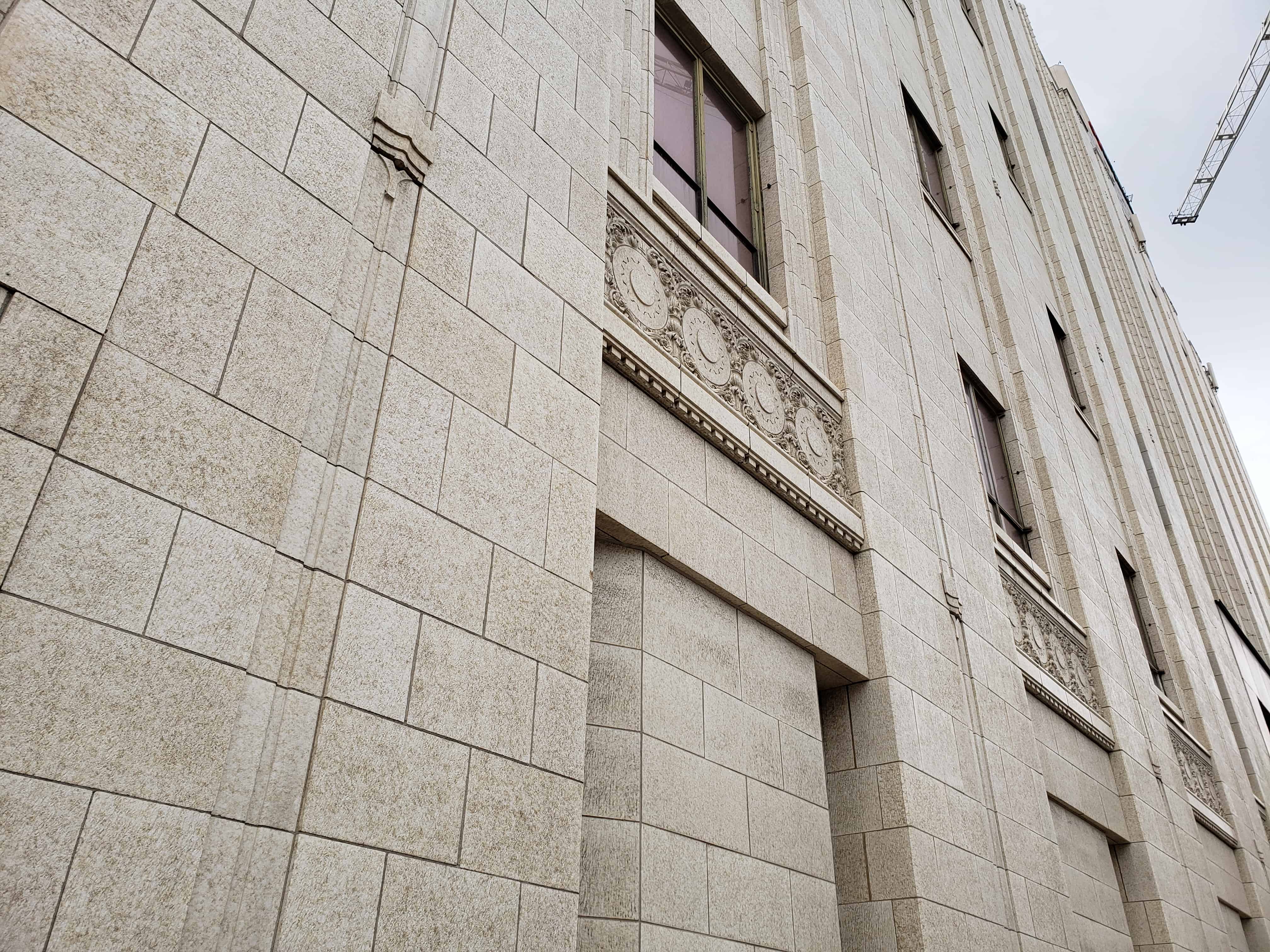
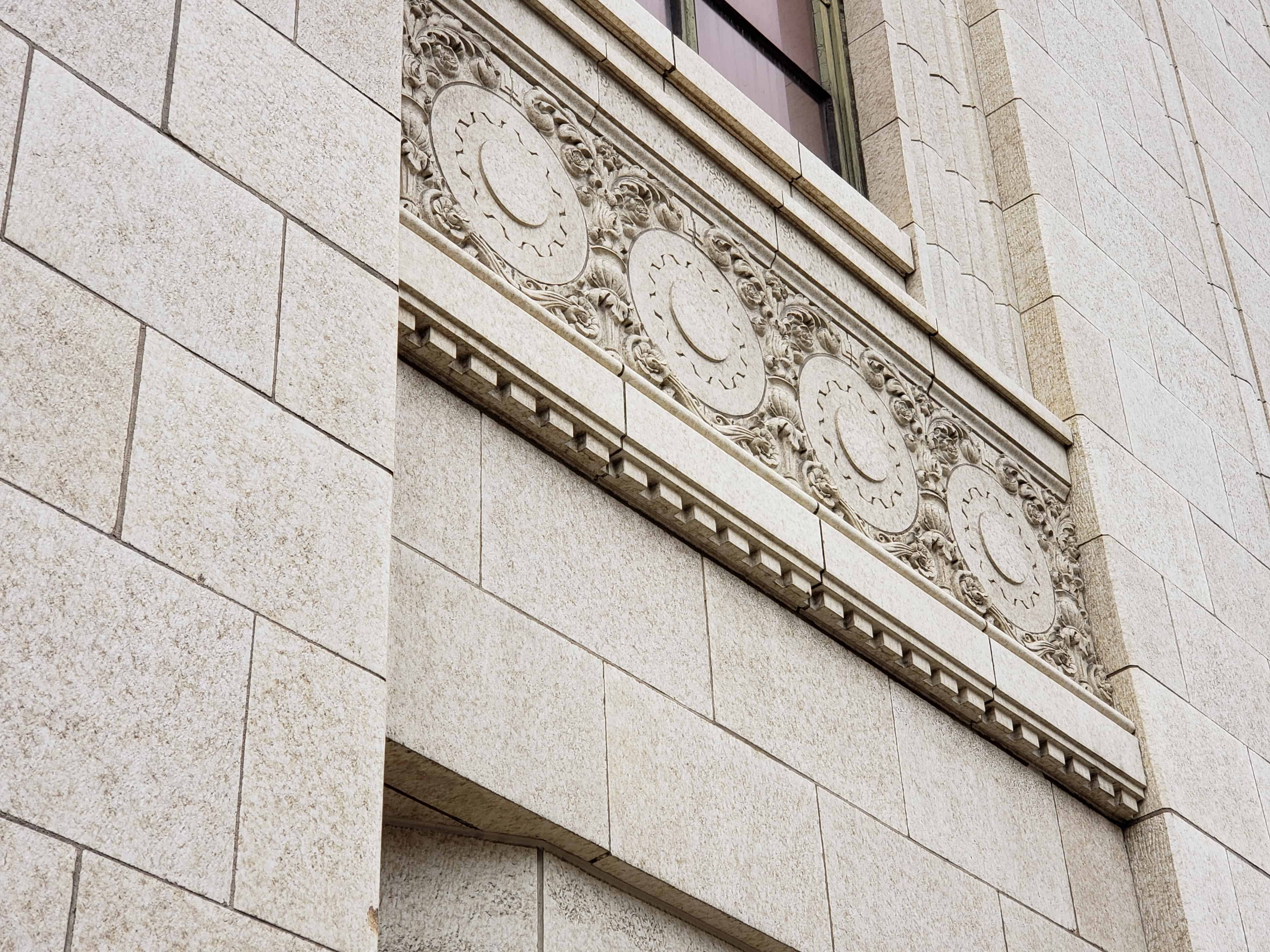
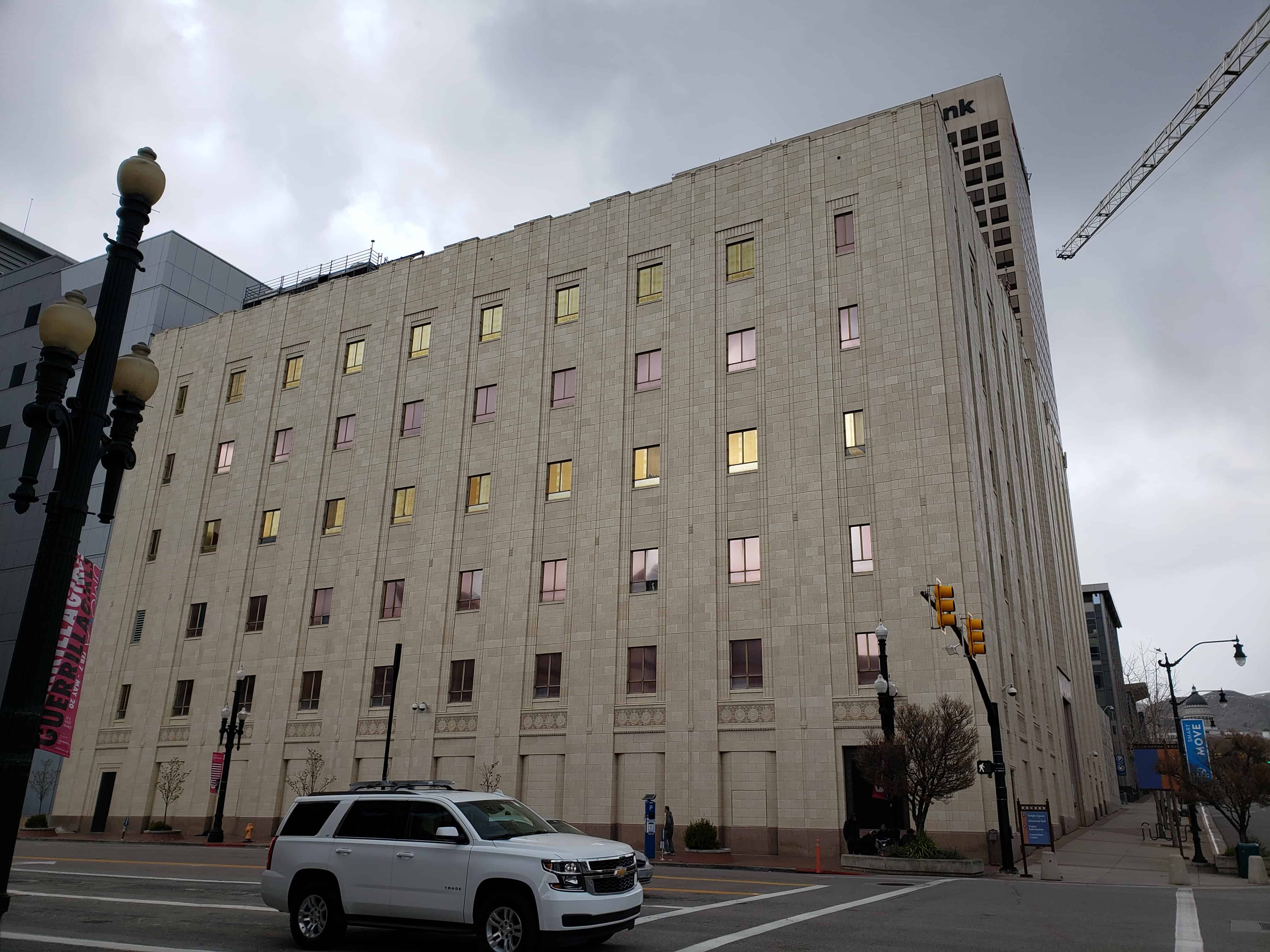
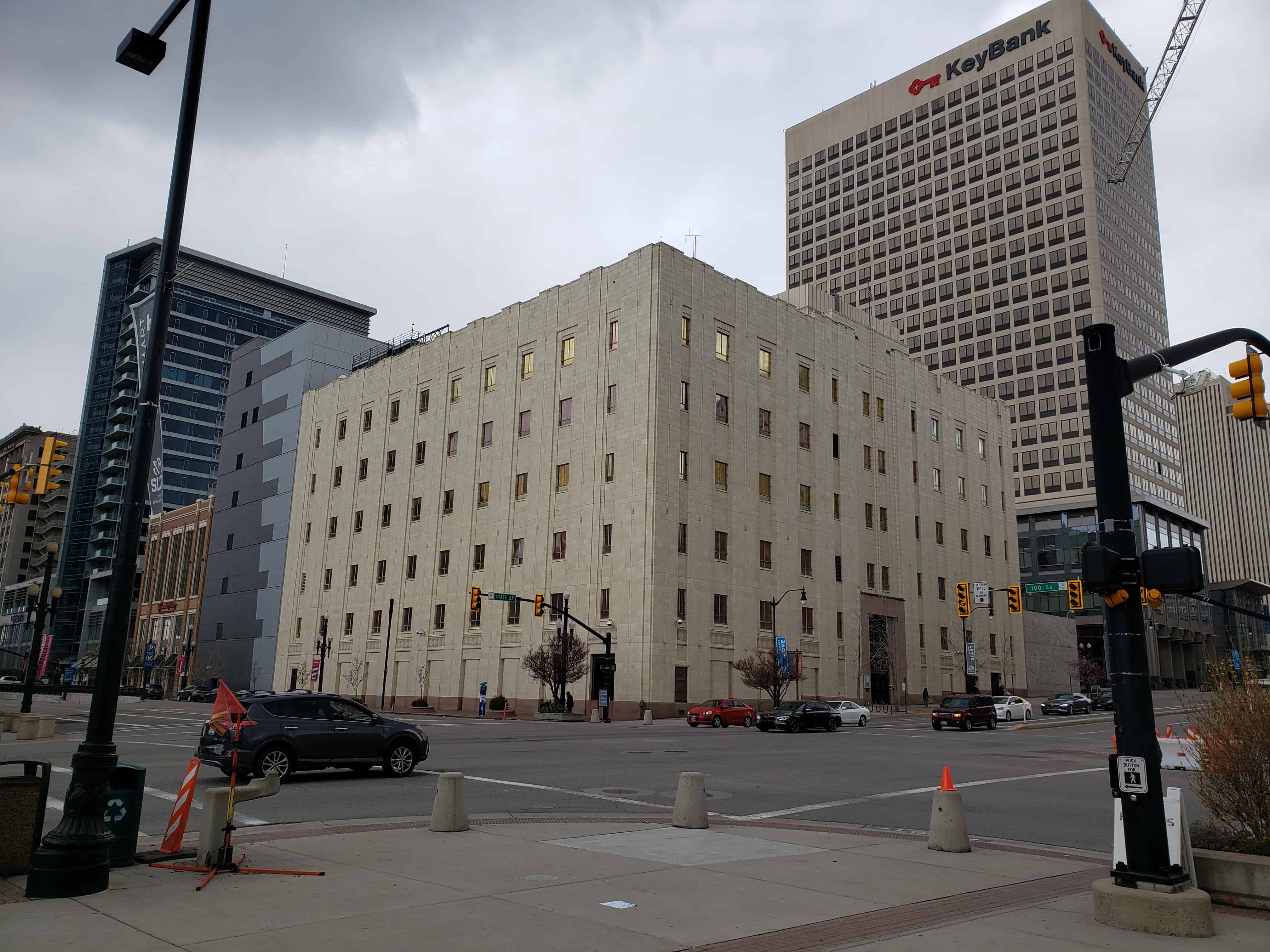
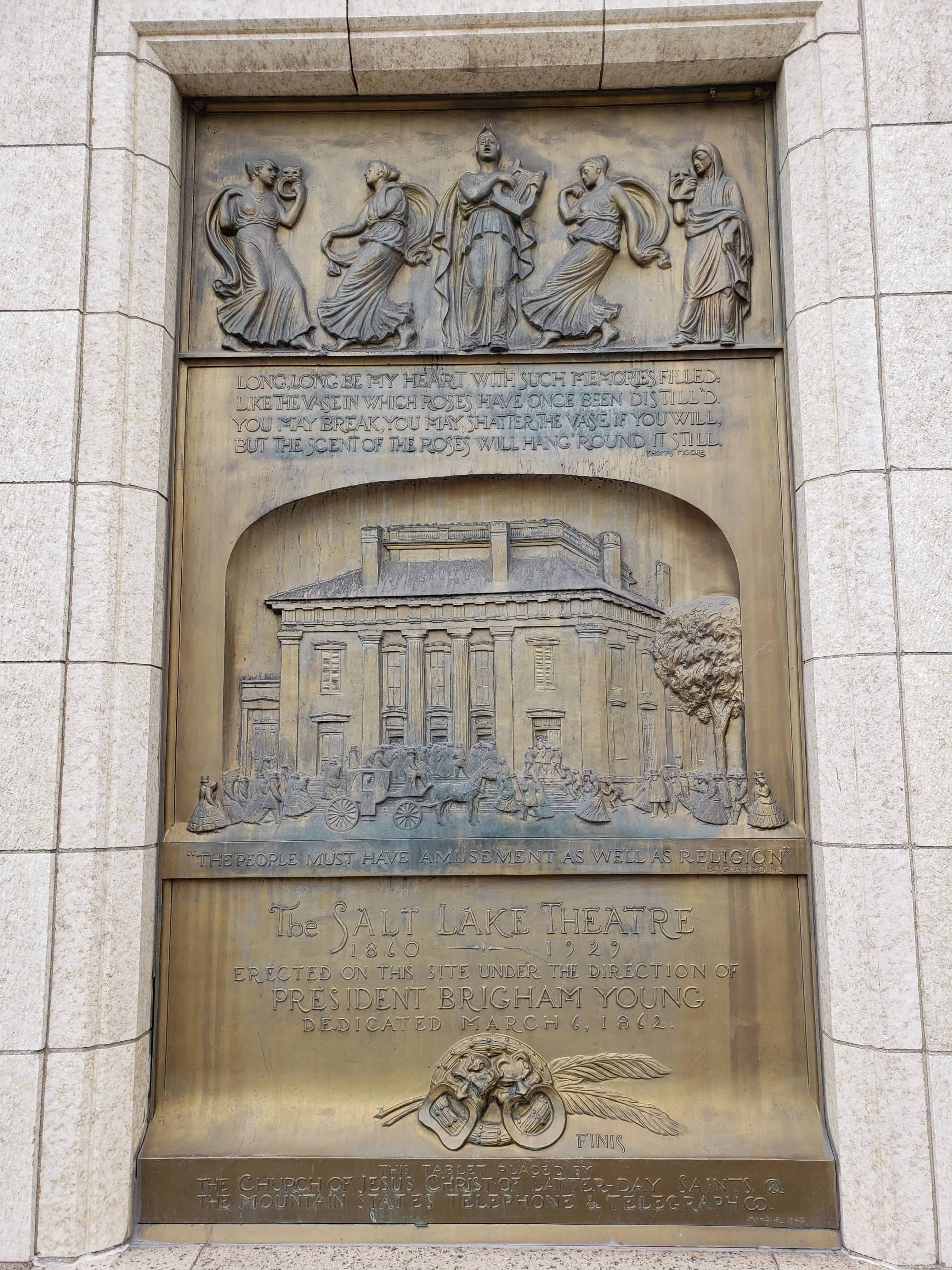
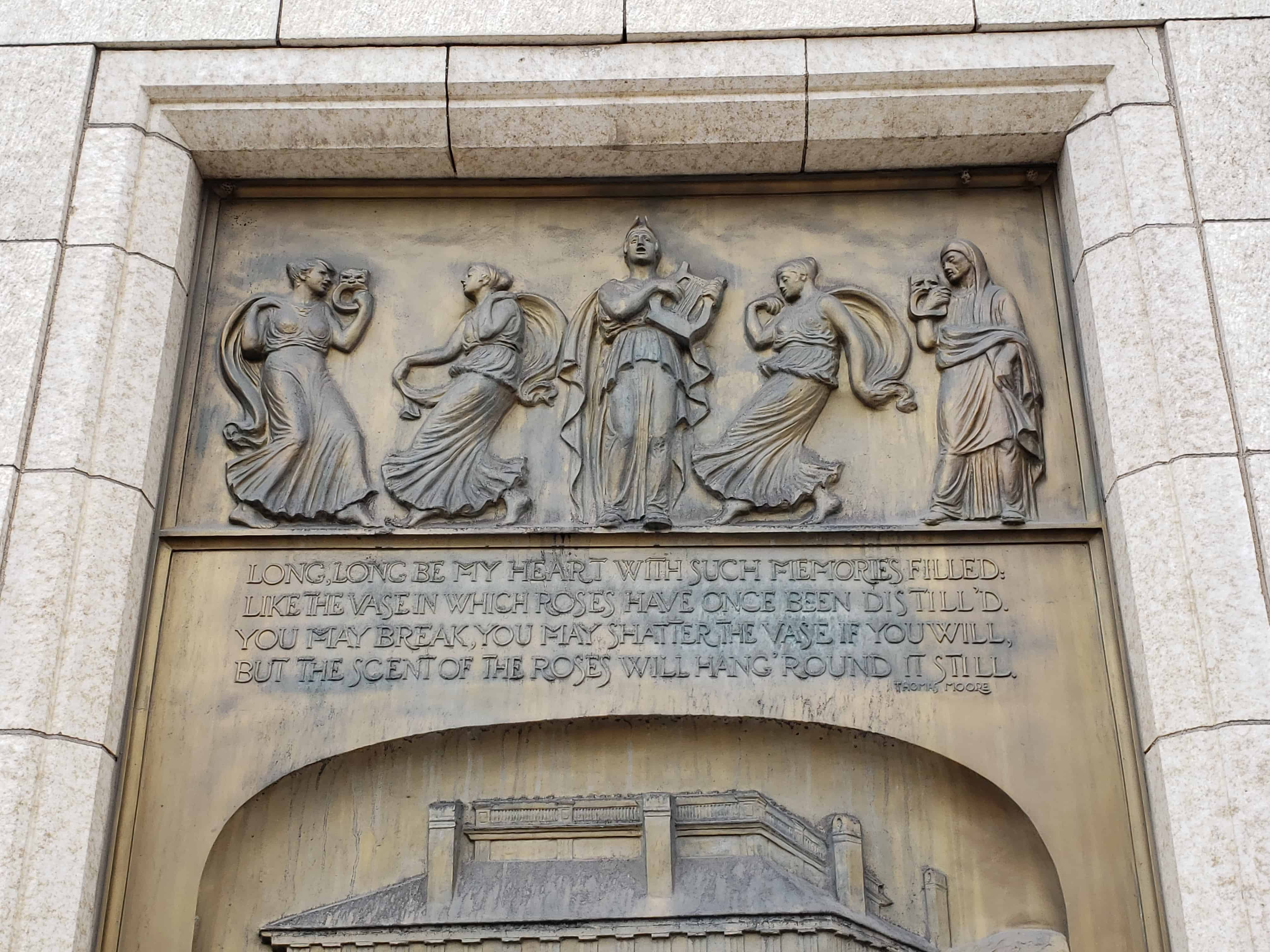
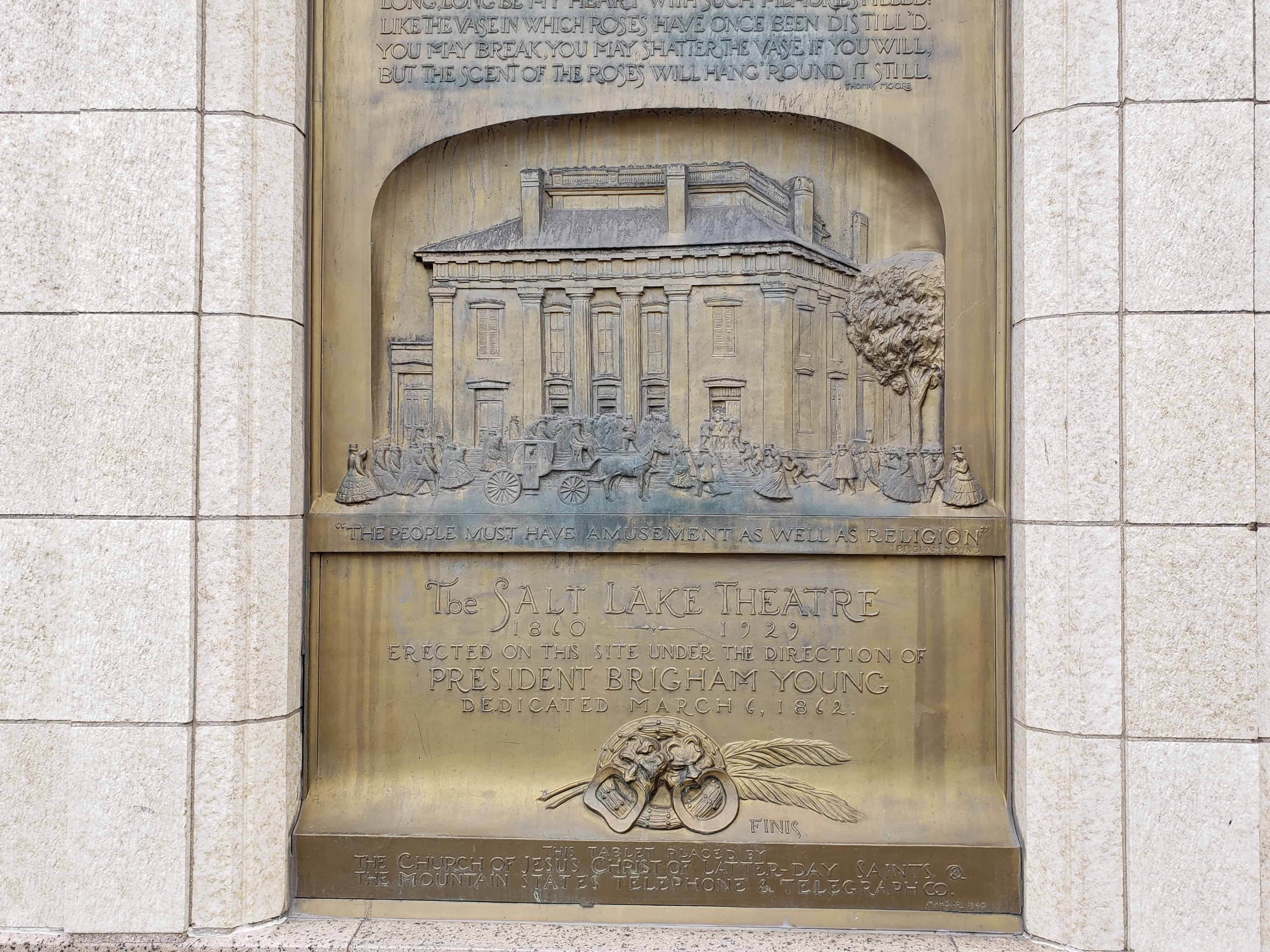
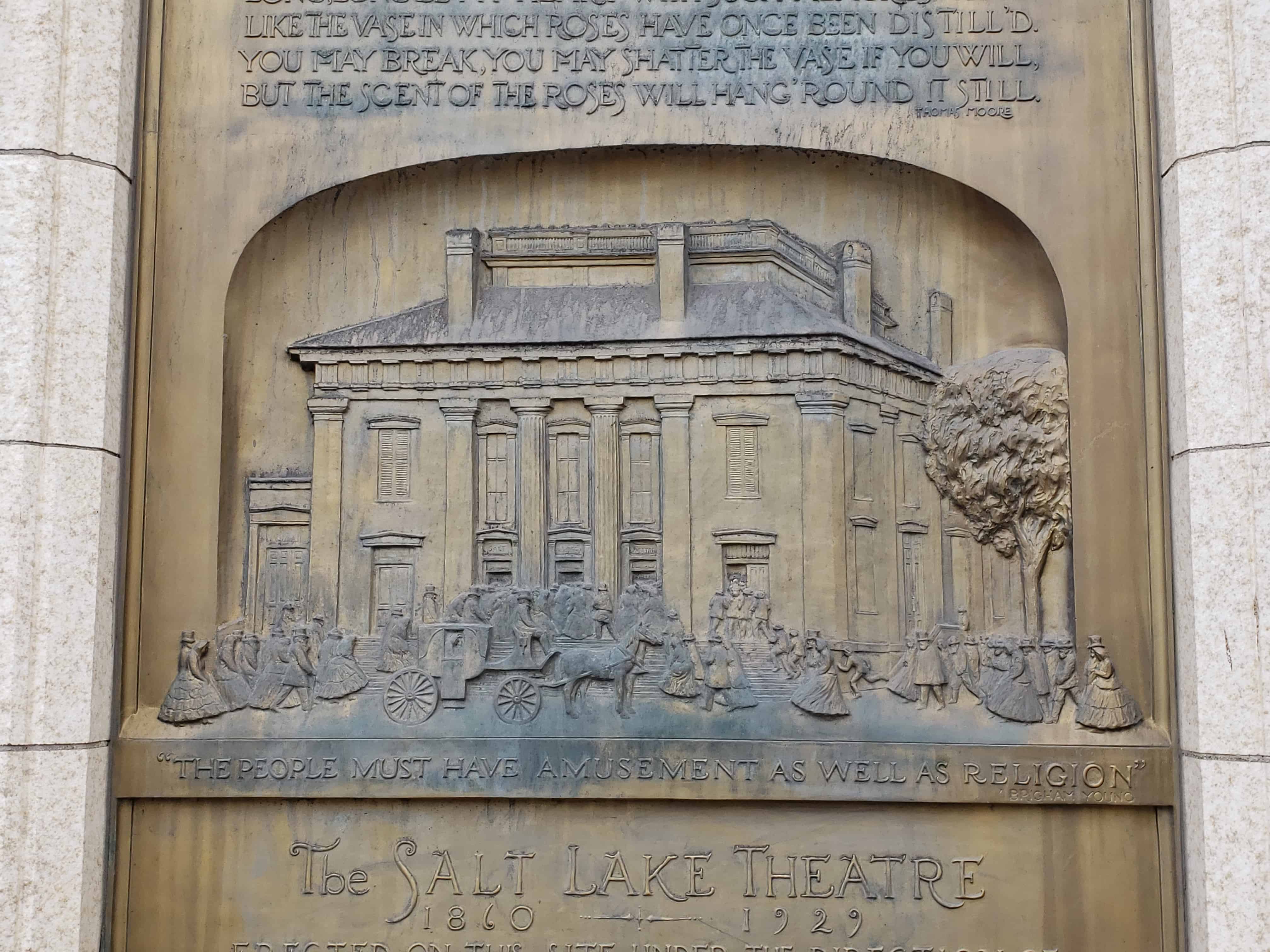
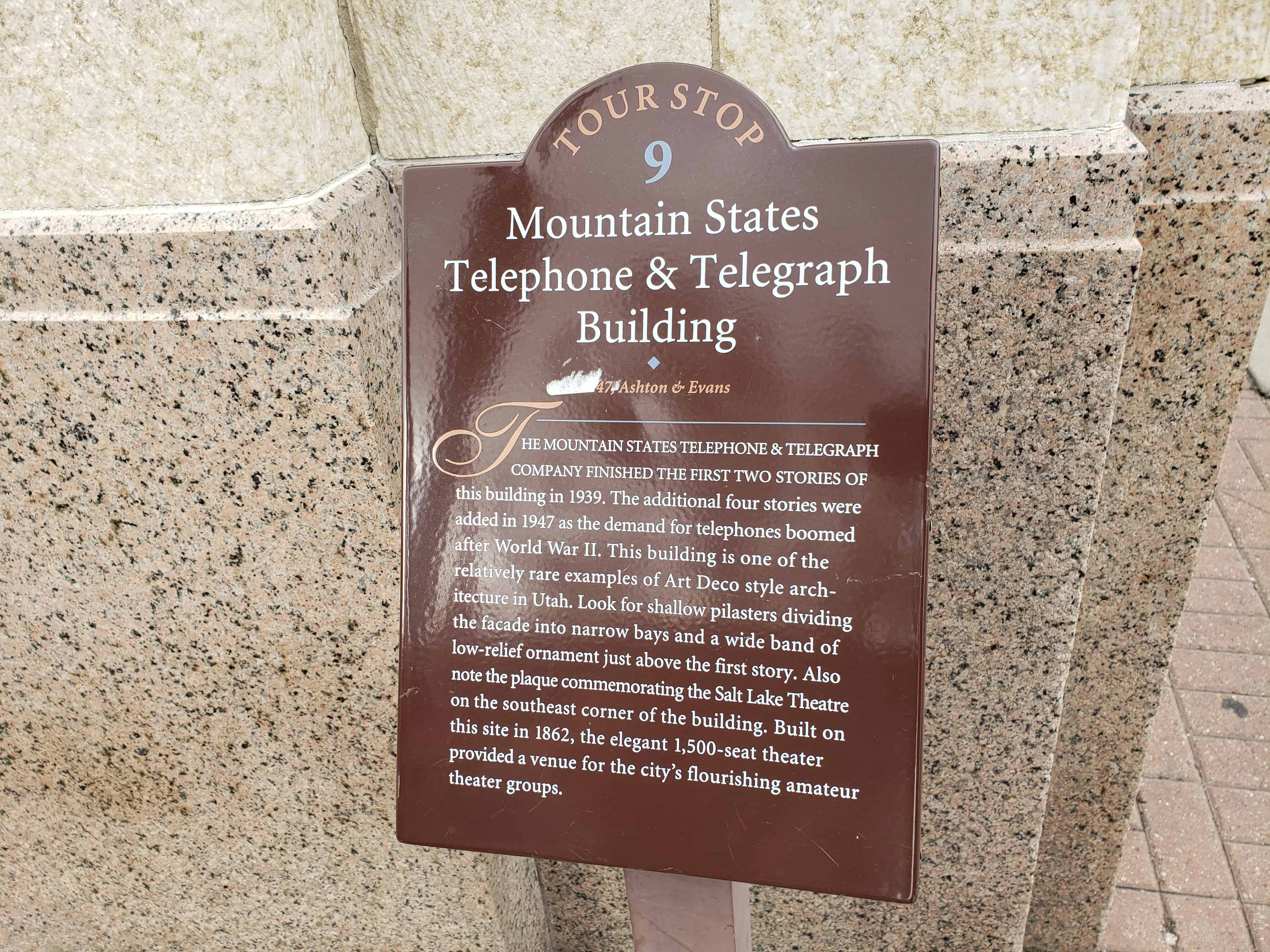
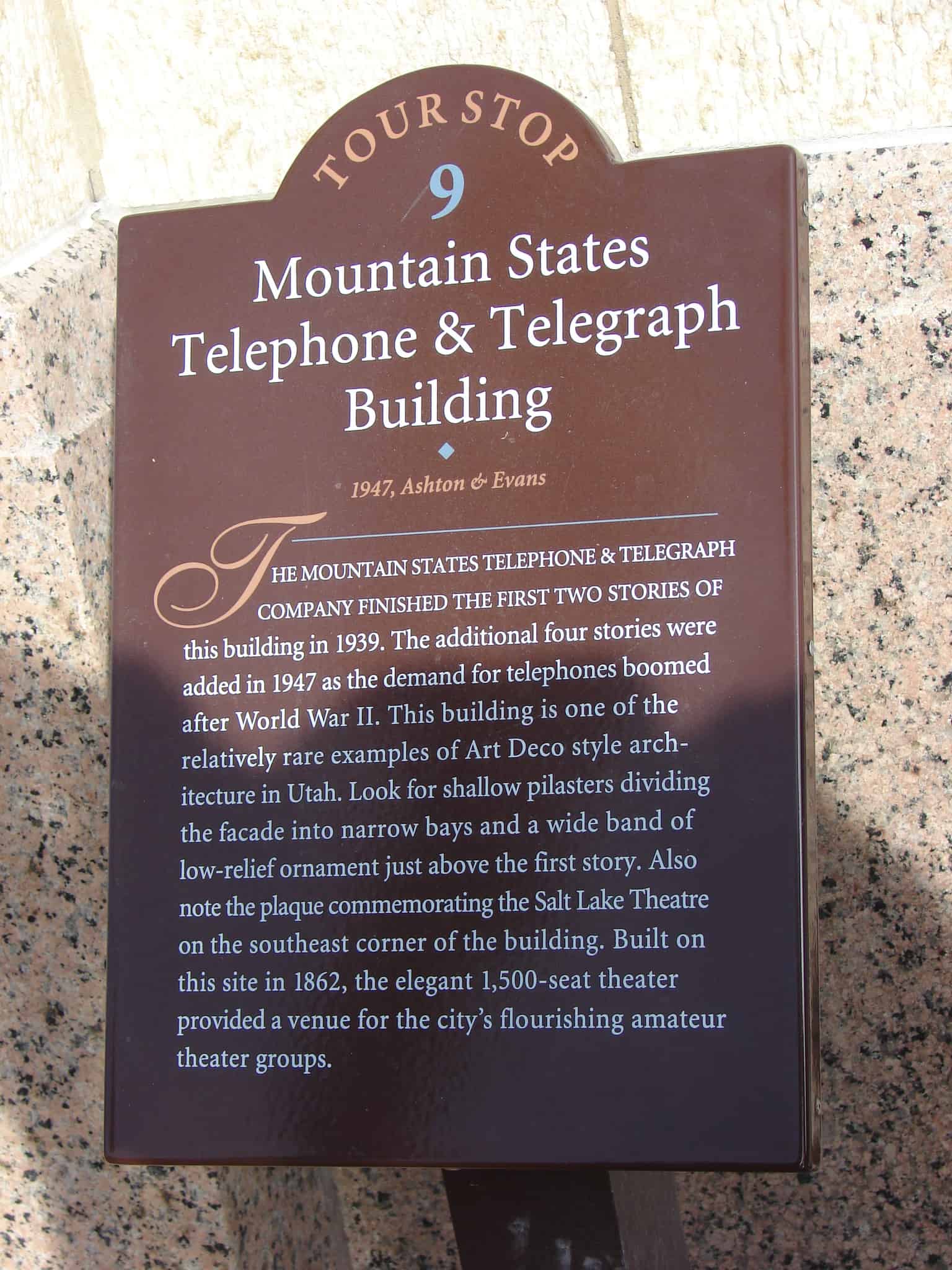
The Mountain States Telephone & Telegraph Company finished the first two stories of this building in 1939. The additional four stories were added in 1947 as the demand for telephones boomed after World War II. This building is one of the relatively rare examples of Art Deco style architecture in Utah. Look for shallow pilasters dividing the facade into narrow bays and a wide band of low-relief ornament just above the first story. Also note the plaque commemorating the Salt Lake Theatre on the southeast corner of the building. Built on this site in 1862, the elegant 1,500-seat theater provided a venue for the city’s flourishing amateur theater groups.
Related Posts: