• About JacobBarlow.com
  • Cemeteries in Utah
  • D.U.P. Markers
  • Doors
  • Exploring Utah Email List
  • Geocaching
  • Historic Marker Map
  • Links
  • Movie/TV Show Filming Locations
  • Oldest in Utah
  • Other Travels
  • Photos Then and Now
  • S.U.P. Markers
  • U.P.T.L.A. Markers
  • Utah Cities and Places.
  • Utah Homes for Sale
  • Utah Treasure Hunt

JacobBarlow.com

~ Exploring with Jacob Barlow

JacobBarlow.com

Tag Archives: First

Camp Williams Historic Masonry Ditch

21 Thursday Dec 2017

Posted by Jacob Barlow in Uncategorized

≈ 1 Comment

Tags

Camp Williams, First, Masonry, utah, utah county, WPA

2017-11-25 10.42.11

The Camp W.G. Williams historical masonry ditch is a concrete and rock-lined irrigation ditch system constructed for the Utah National Guard by the Works Progress Administration (WPA) during the Great Depression.  As such, a federal appropriation of $22,155 was utilized, many Utahns were provided with jobs, and the cantonment area was improved.  The project, originally proposed to the WPA in December of 1938, was completed by 1940.  The masonry ditch was designed and constructed to irrigate newly planted trees along the camp avenues as well as enhance camp aesthetics.  The stone was obtained from a local quarry located west of the cantonment area in the military reservation.  The stone and mortar workmanship is characteristic of many WPA projects.   All in all, the masonry ditch is credited as the first federally funded “curb and gutter” project in the United States.  To this day, the preserved portion of the ditch contains architectural landscape significance for its association with the WPA and early Camp W.G. Williams improvement.

2017-11-25 10.41.42

2017-11-25 10.41.53

Utah’s First Sunday School

25 Sunday Dec 2016

Posted by Jacob Barlow in Uncategorized

≈ 1 Comment

Tags

Downtown SLC, First, historic, Salt Lake City, Salt Lake County, utah

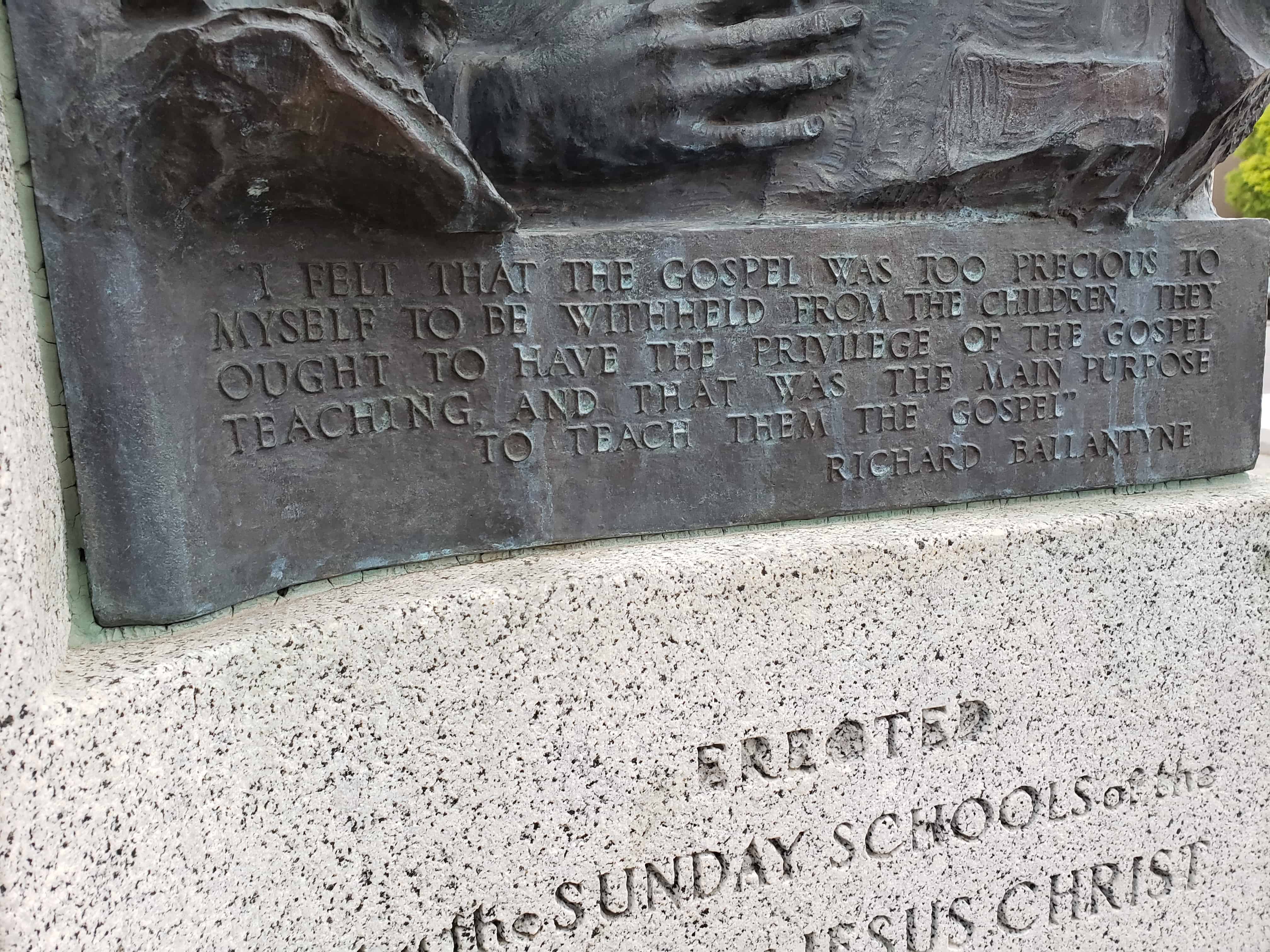
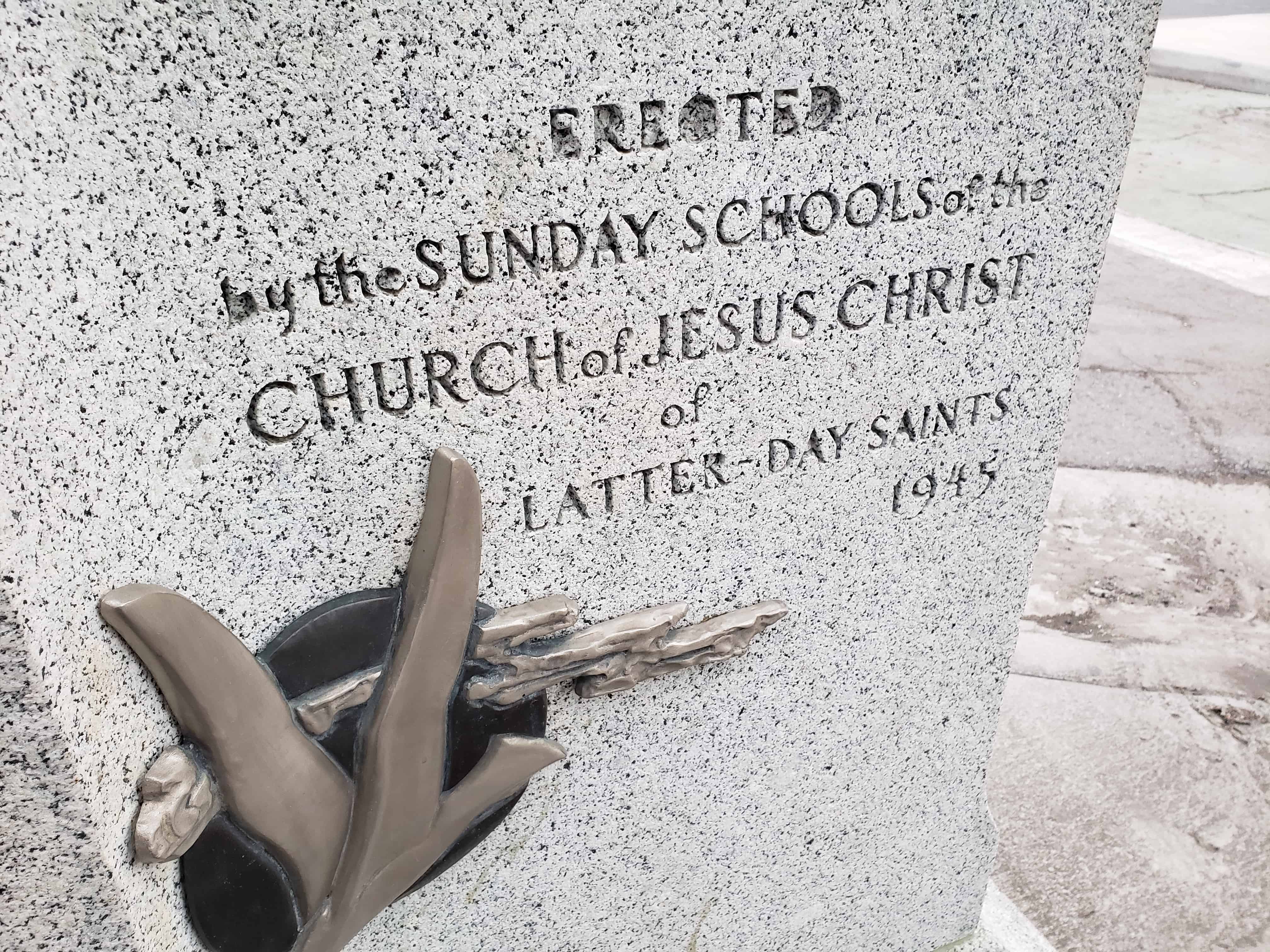
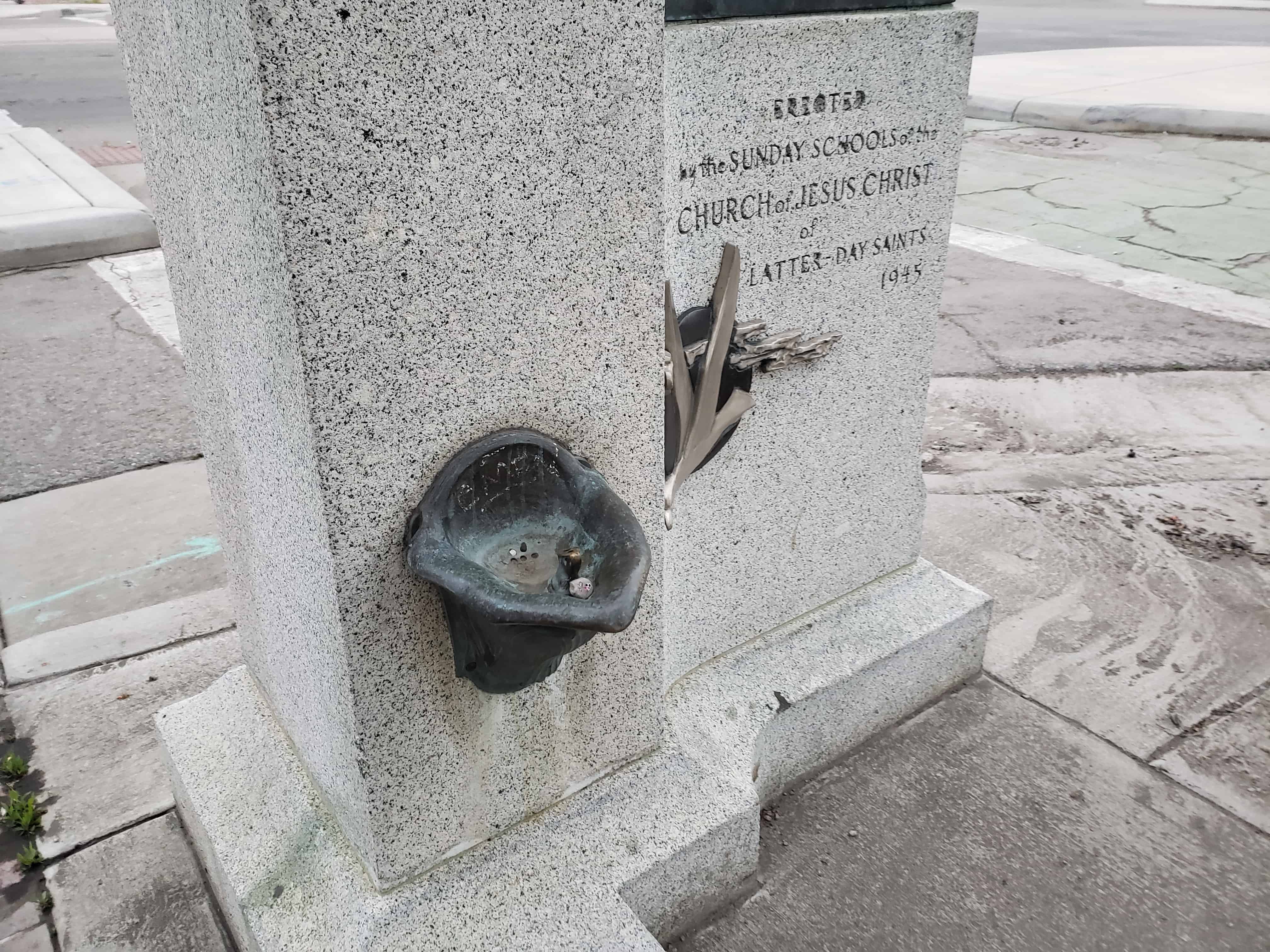
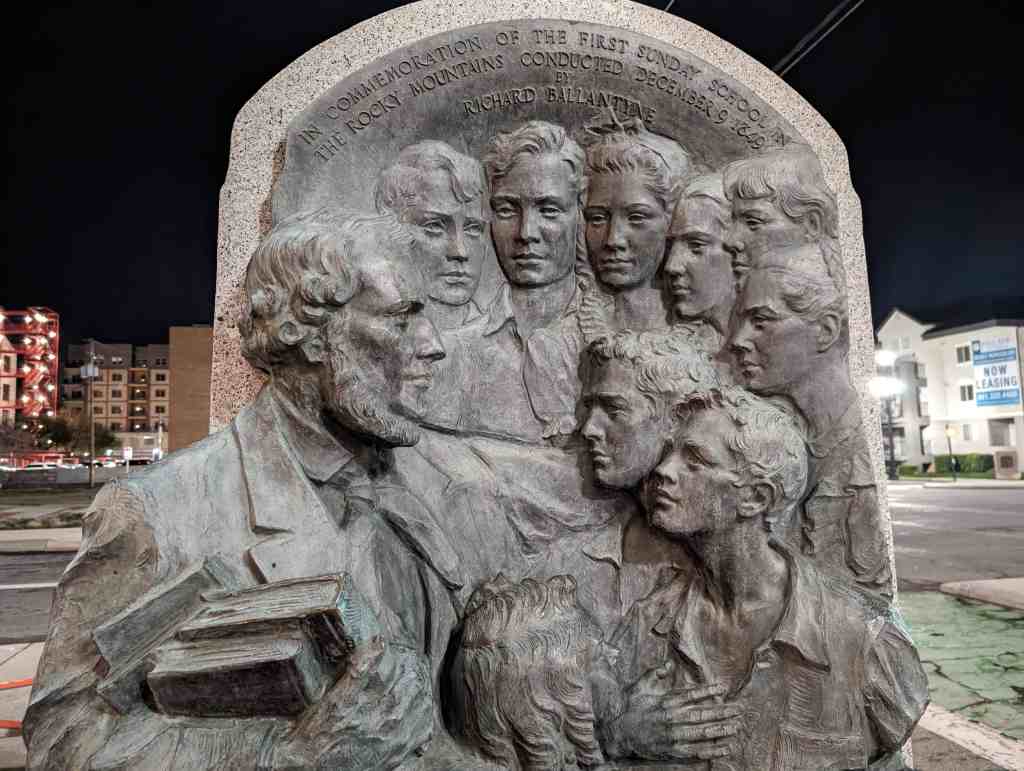
Utah’s First Sunday School

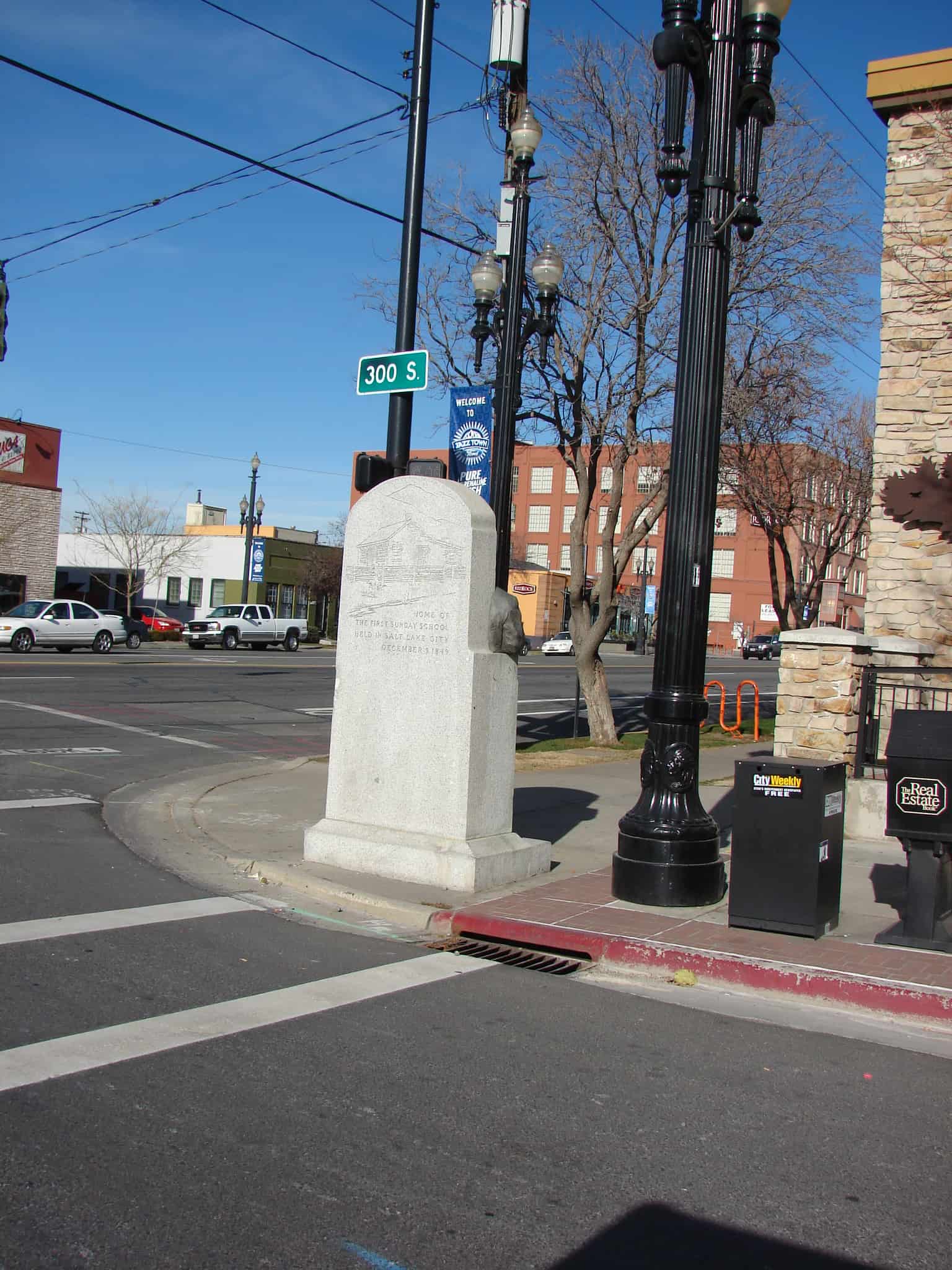
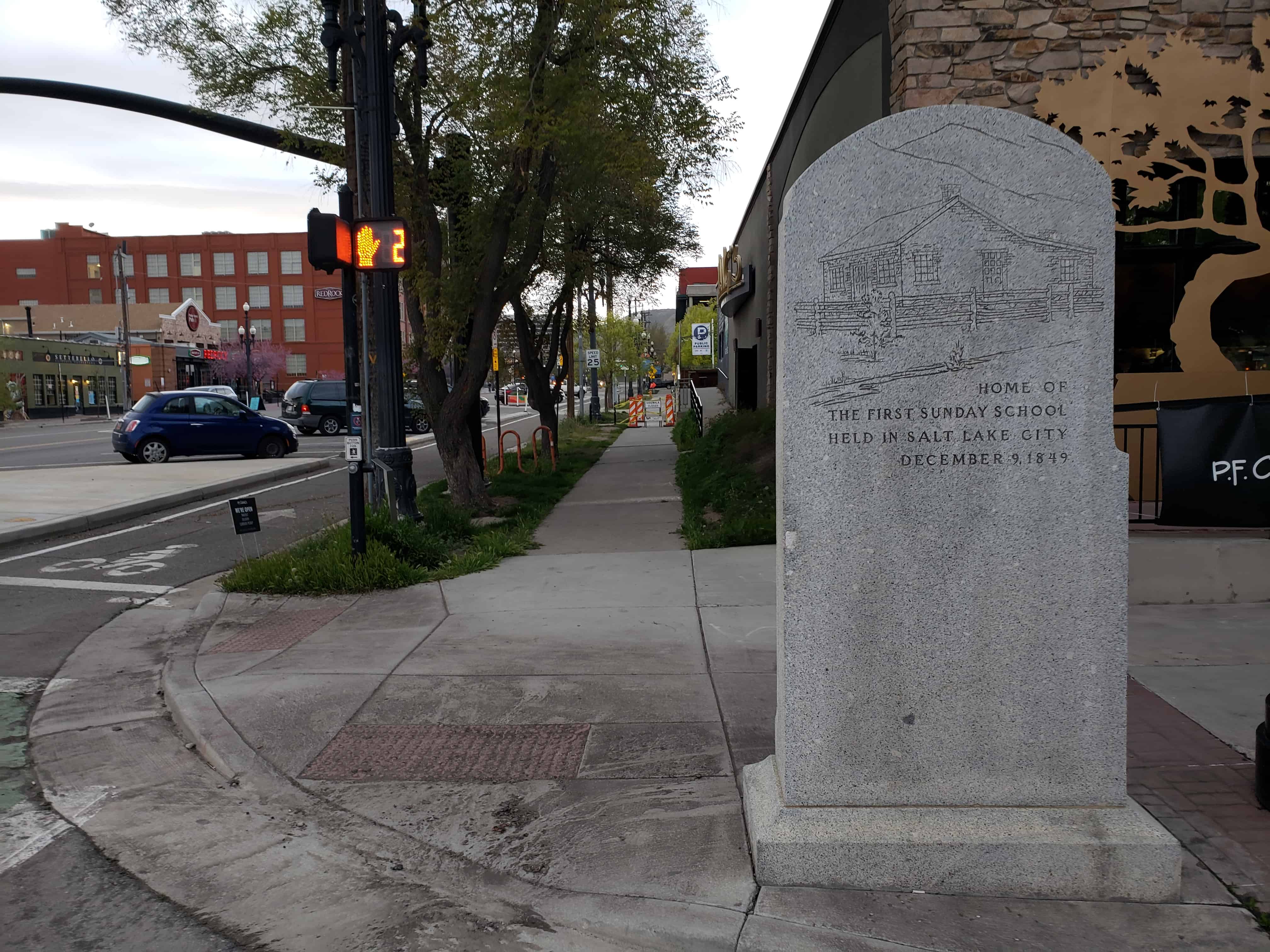
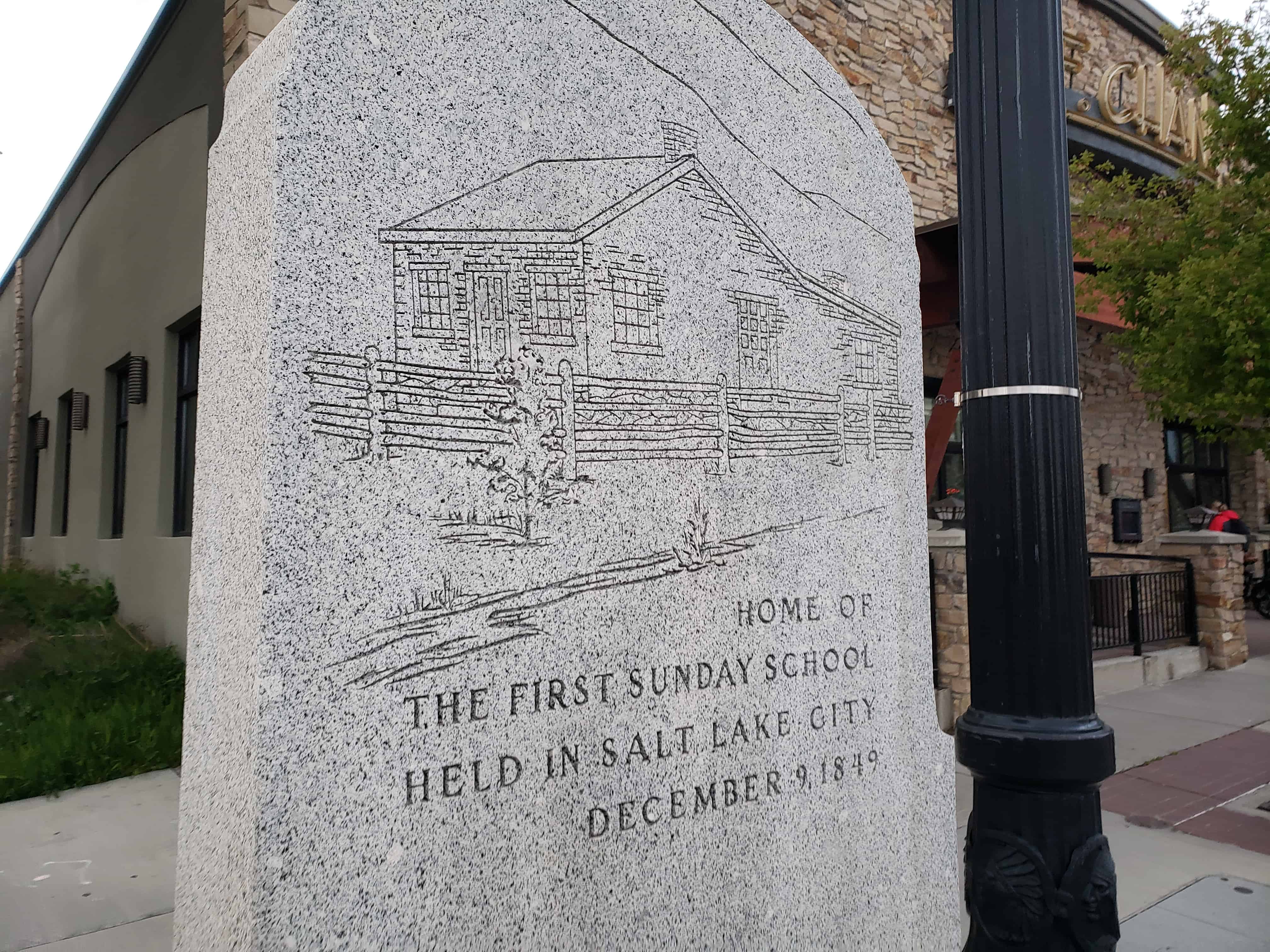
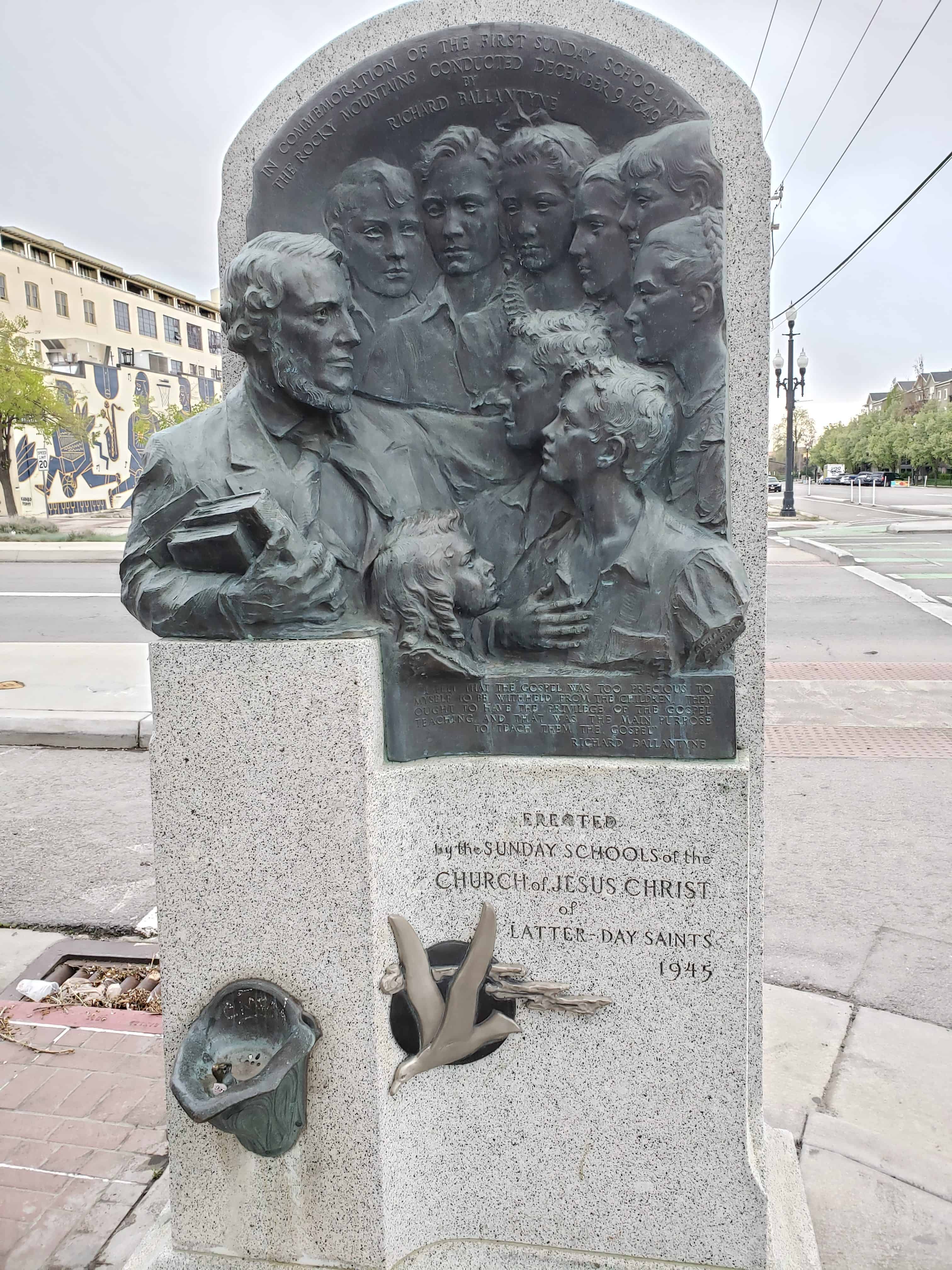
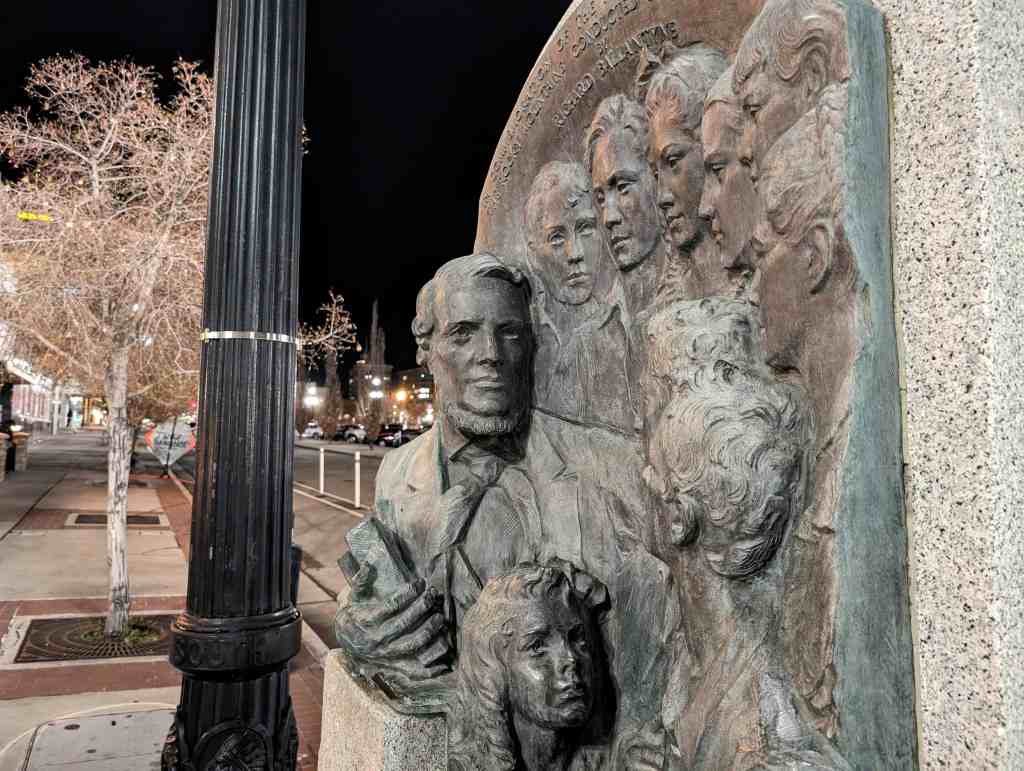
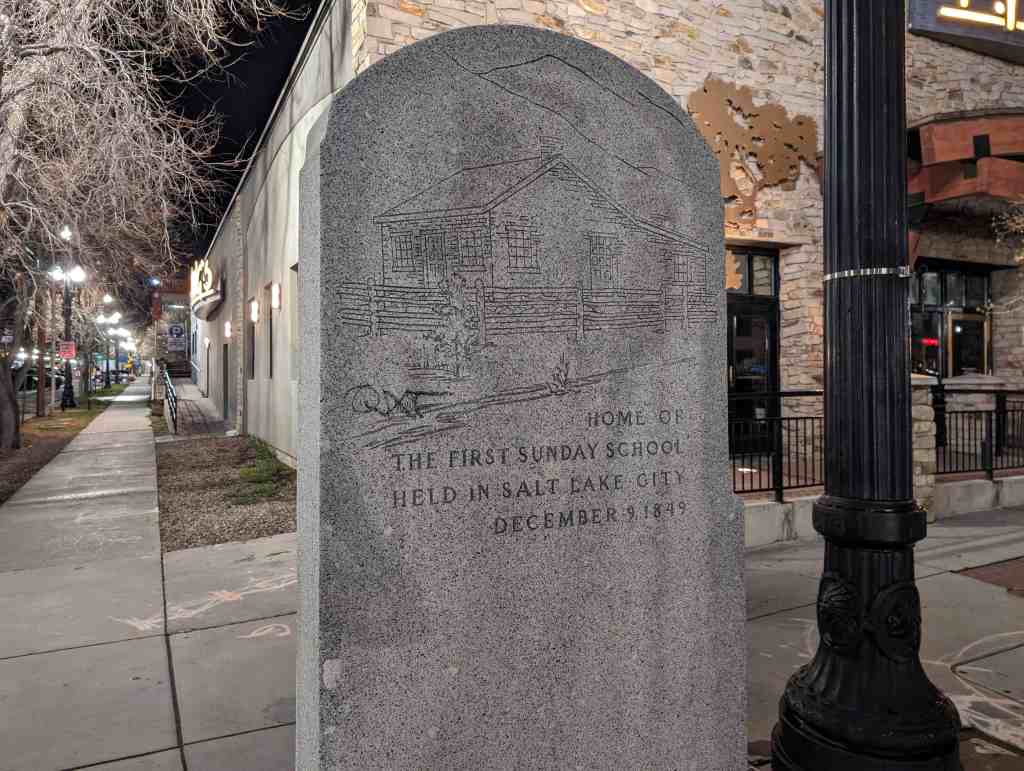
This marker was erected in 1945 to commemorate the first Sunday school that took place near here nearly 100 years earlier.

This historic marker is located out in front of 174 W 300 S in Salt Lake.

picture24nov07-192

World’s First KFC

09 Friday Sep 2016

Posted by Jacob Barlow in Uncategorized

≈ 1 Comment

Tags

First, Salt Lake City, Salt Lake County, South Salt Lake City, utah

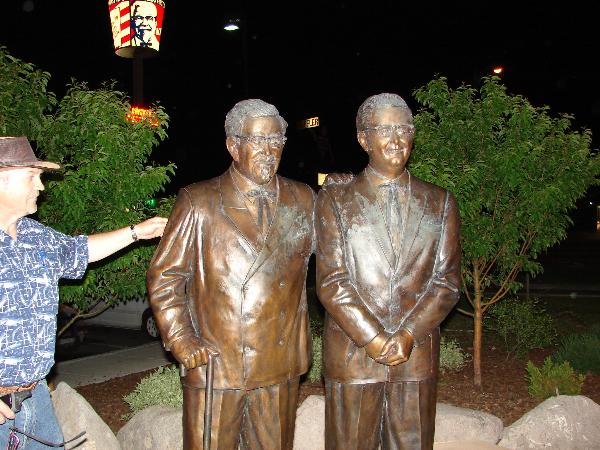
World’s First KFC (Kentucky Fried Chicken)

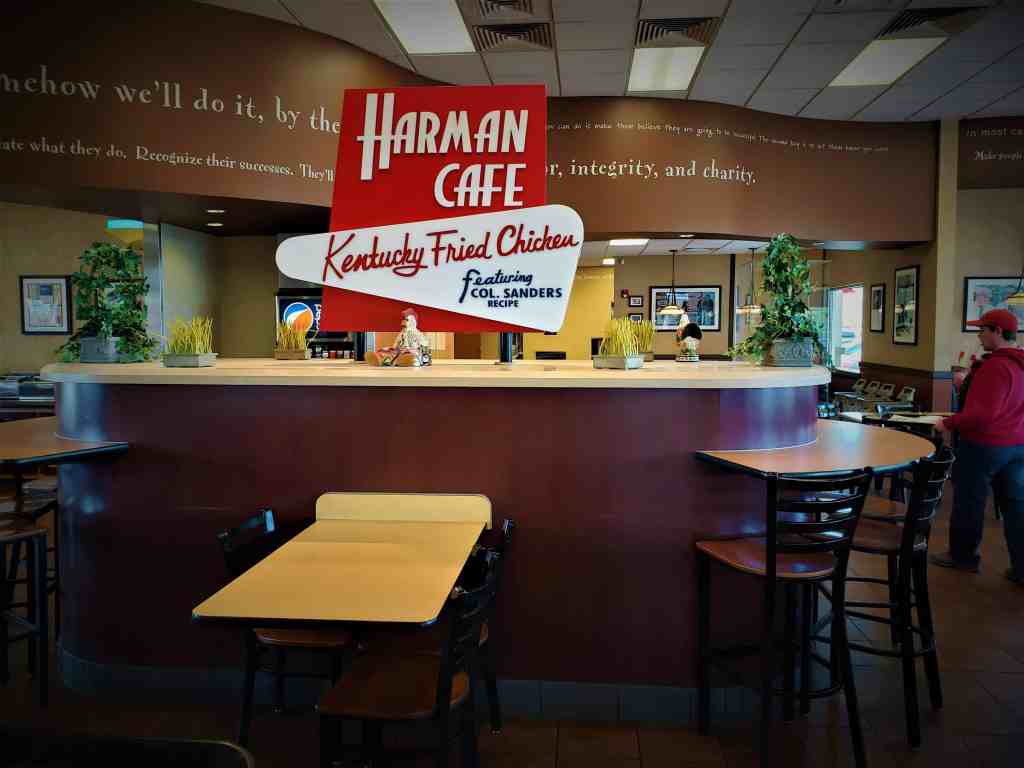
It all started here at 3890 South State in Salt Lake City, Utah, the first home of Kentucky Fried Chicken.

In 1941 Leon W. “Pete” Harman and Arline Harman purchased the “Do Drop Inn” at 3890 South State.

Pete met the Colonel and a few years later in 1952, Harman’s became the first Kentucky Fried Chicken franchise.

Pete’s innovative ideas, charming nature, and love for the restaurant business have resulted in Harman’s Kentucky Fried Chicken restaurants growing from just one to over 300.

Pete and Arline’s joy comes from watching people grow and experience success.

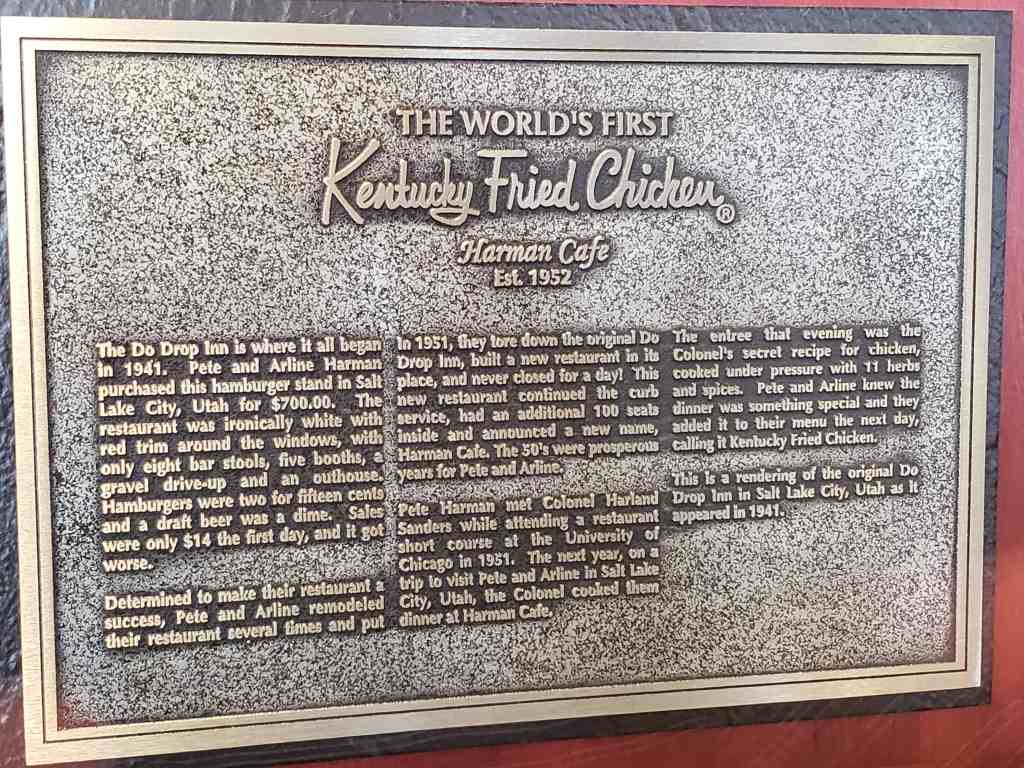
The Do Drop Inn is where it all began in 1941. Pete and Arline Harman purchased this hamburger stand in Salt Lake City, Utah for $700.00. The restaurant was ironically white with red trim around the windows, with only eight bar stools, five booths, a gravel drive-up and an outhouse. Hamburgers were two for fifteen cents and a draft beer was a dime. Sales were only $14 the first day, and it got worse.

Determined to make their restaurant a success, Pete and Arline remodeled their restaurant several times and put in 1951, they tore down the original Do Drop Inn, built a new restaurant in its place, and never closed for a day! The new restaurant continued the curb service, had an additional 100 seats inside and announced a new name, Harman Cafe. The 50’s were prosperous years for Pete and Arline.

Pete Harman met Colonel Harland Sanders while attending a restaurant short course at the University of Chicago in 1951. The next year, on a trip to visit Pete and Arline in Salt Lake City, Utah, the Colonel cooked them dinner at Harman Cafe.

The entree that evening was the Colonel’s secret recipe for chicken, cooked under pressure with 11 herbs and spices. Pete and Arline knew the dinner was something special and they added it to their menu the next day, calling it Kentucky Fried Chicken.

This is a rendering of the original Do Drop Inn in Salt Lake City, Utah as it appeared in 1941.

  • ddc6f516-a2df-4171-ab14-dc28e2b9ef9f
  • 7a21a5c4-2c2b-463e-9d2a-902463f3ddad

First Public Building

18 Wednesday Dec 2013

Posted by Jacob Barlow in Uncategorized

≈ 1 Comment

Tags

DUP, Escalante, First, Garfield County, historic, utah

picture24jul07-127

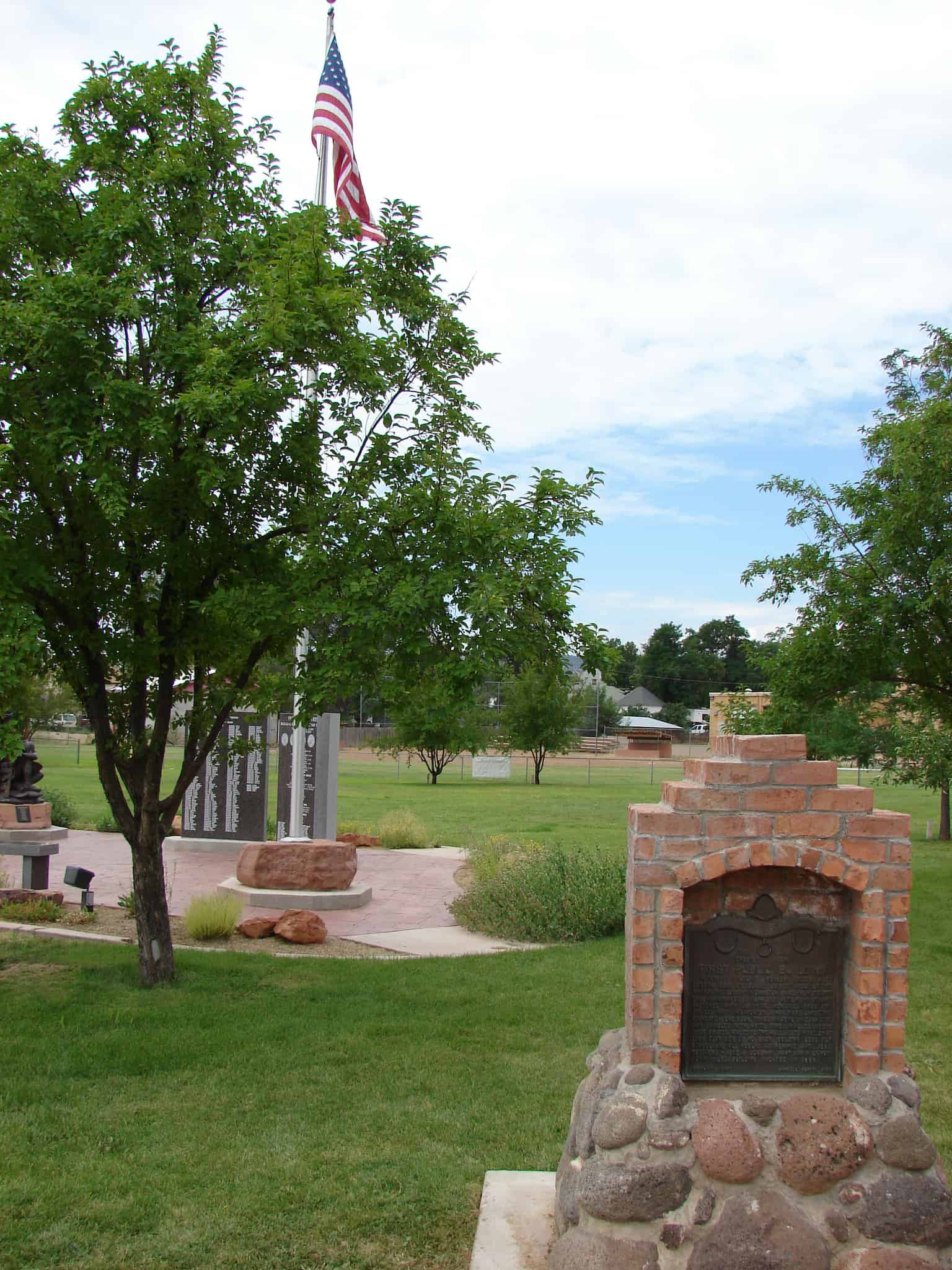
In 1876-77 Escalante Pioneers erected a log building, 36×18 ft., located 20 feet west of this marker. The logs 18″ in diameter, came from Cyclone Lake Mountain by ox team. They were hewn by hand, fastened with oak pins, morticed ends and chinked with lime mortar. It had white sandstone foundation, one door, three windows on each side, and shingled with white pine shingles. Desks were boards hinged to the wall. Seats were split logs, flat side up, no back. Building used for school and all public gatherings until 1885. Teachers – Jane S. Coleman, Mary Ann P. Schow, John Miles. Building vacated in 1898.

picture24jul07-126

Other DUP Markers are listed at JacobBarlow.com/dup

First Grist Mill in Weber County

10 Tuesday Dec 2013

Posted by Jacob Barlow in Uncategorized

≈ 1 Comment

Tags

DUP, First, Grist Mills, historic, Ogden, utah, Weber County

First Grist Mill in Weber County

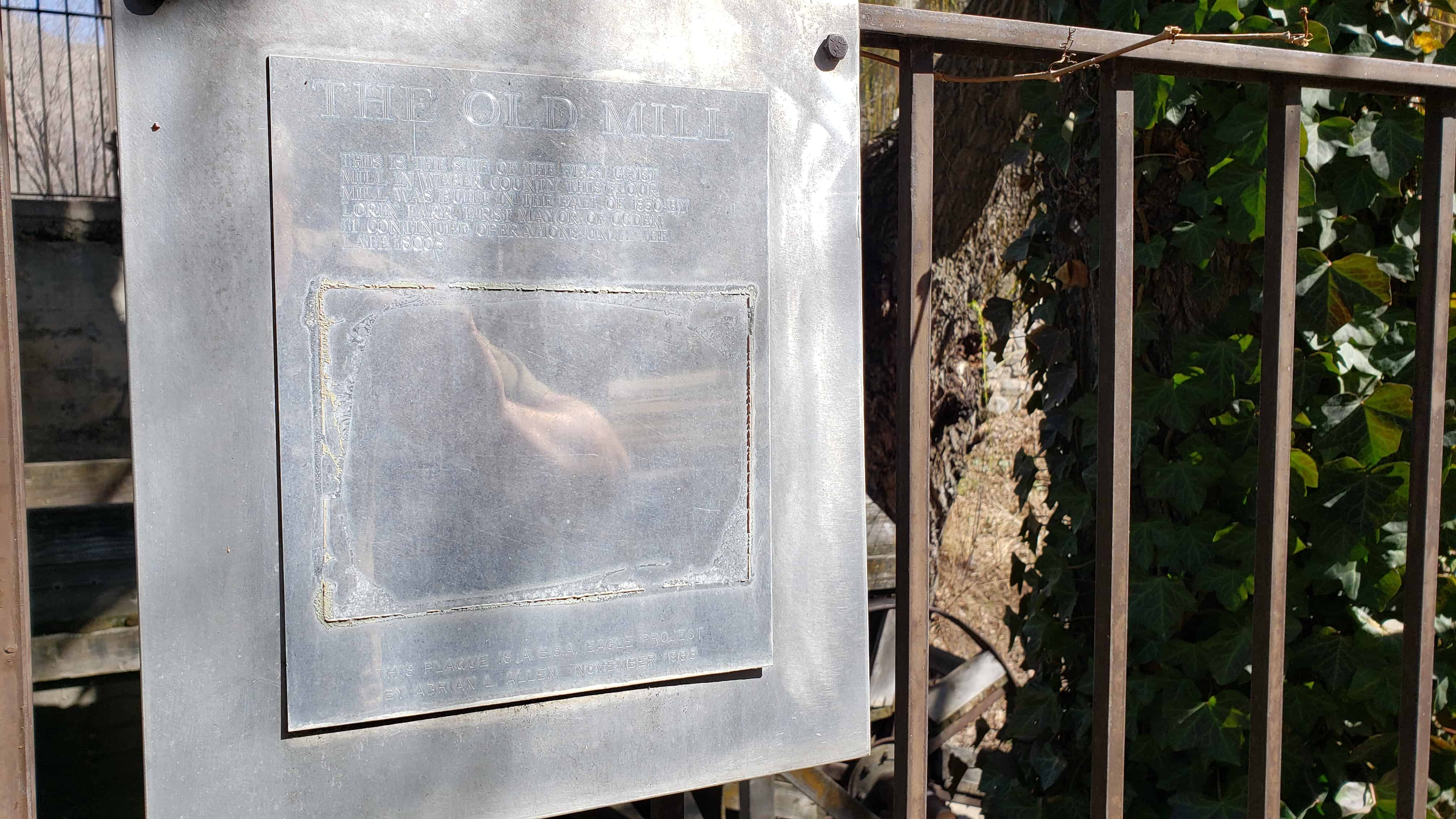
This flour mill was built in the fall of 1850 by Lorin Farr, first mayor of Ogden, and continued to operate until 1862. It was a 30 x 40 foot two story building of lumber and rock. The grain was ground by the use of burrs several of which were set up.

This other plaque is also located there:

  • Image

This flour mill was built in the fall of 1850 by Lorin Farr, first mayor of Ogden, and continued to operate till 1862. There was a 30×40 foot two story building of lumber and rock. The grain was ground by the use of burrs several of which were set up.

  • Image

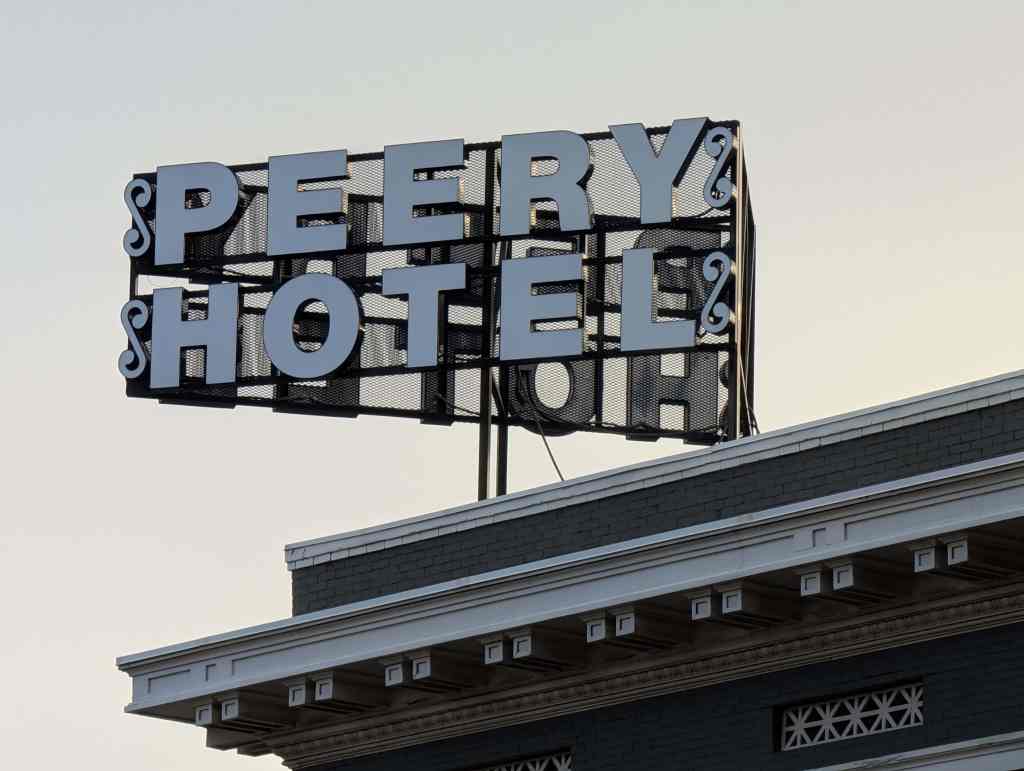
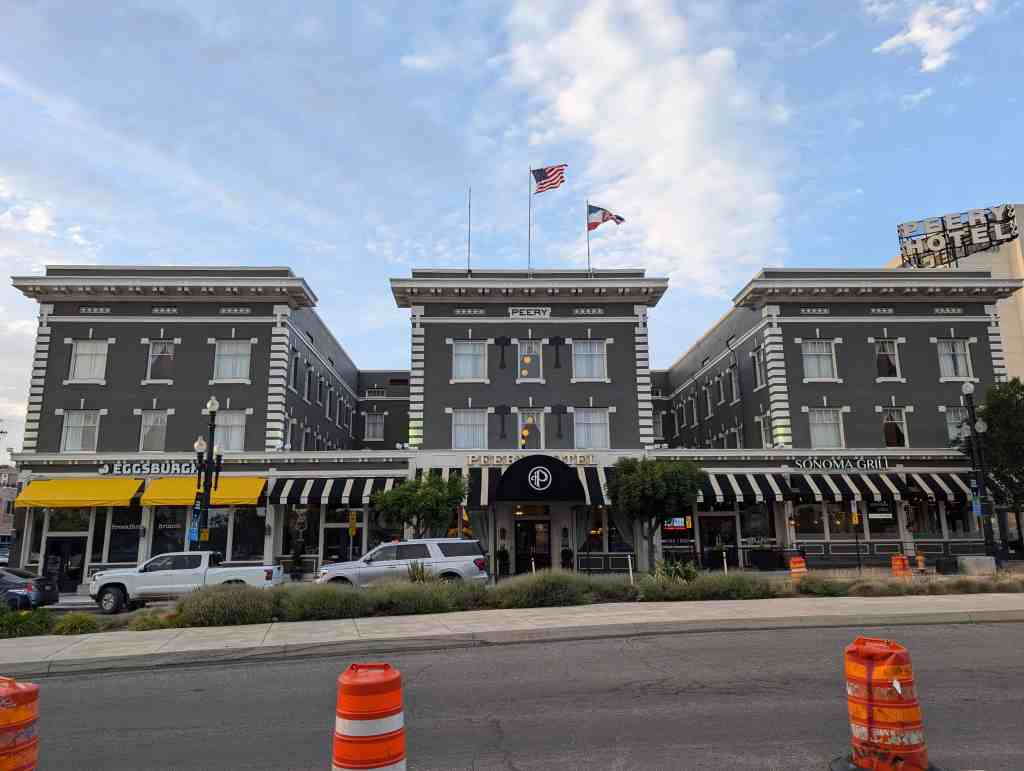
Peery Hotel and the first Jewish House of Worship

11 Monday Nov 2013

Posted by Jacob Barlow in Uncategorized

≈ 1 Comment

Tags

First, Historic Buildings, NRHP, Salt Lake City, Salt Lake County, utah

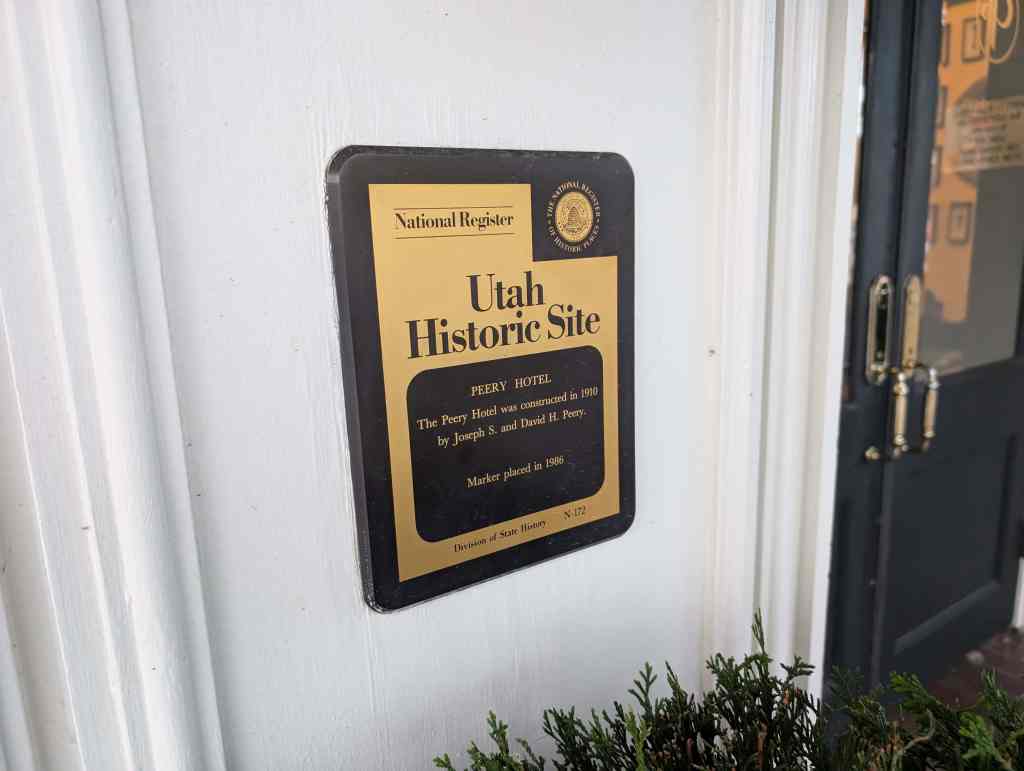
Image

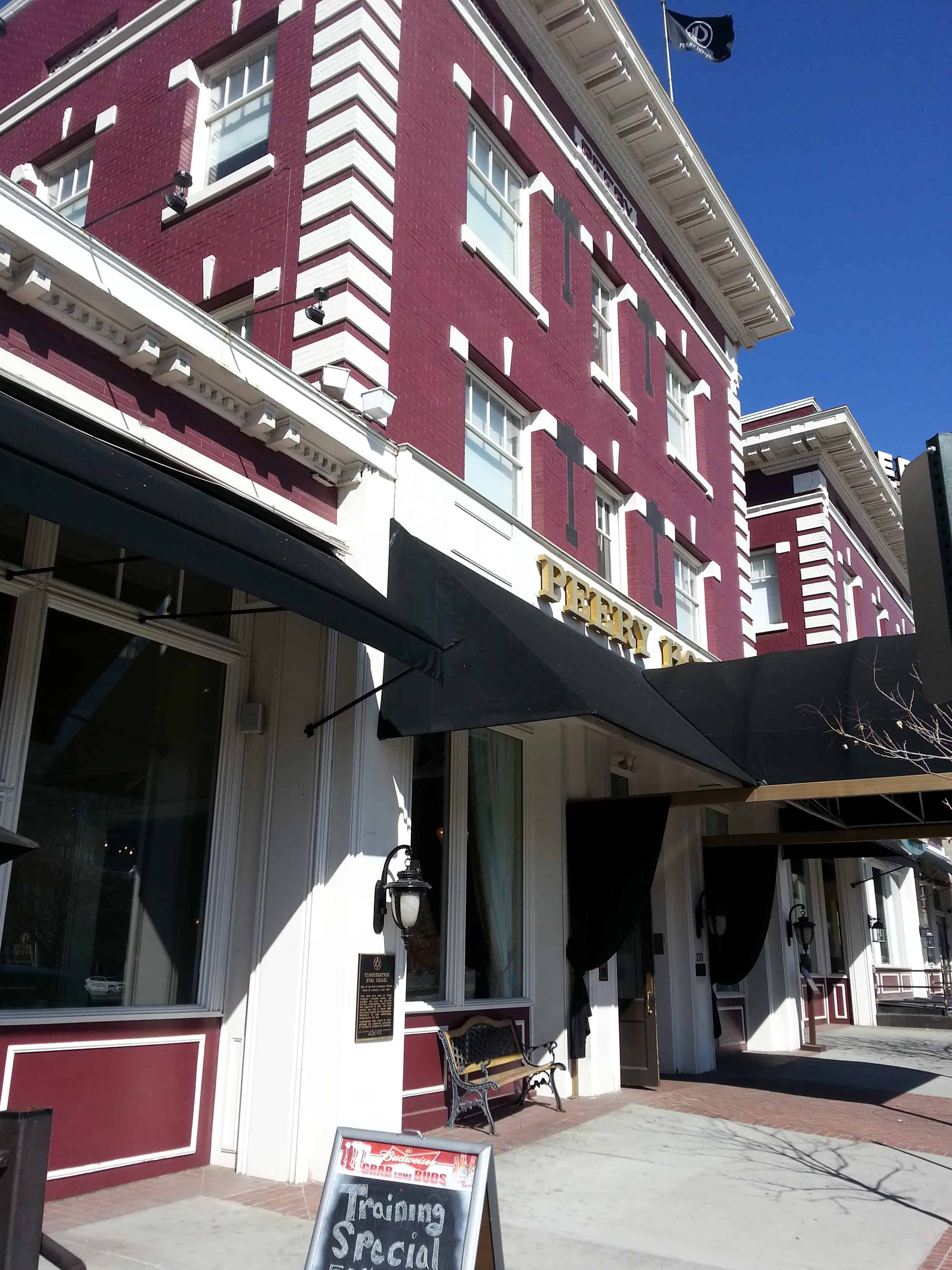
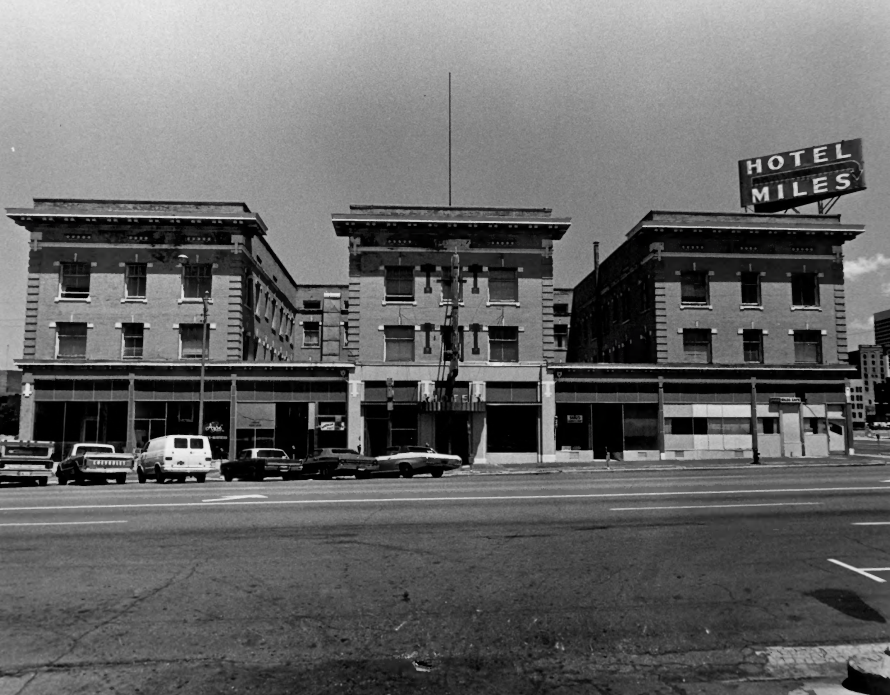
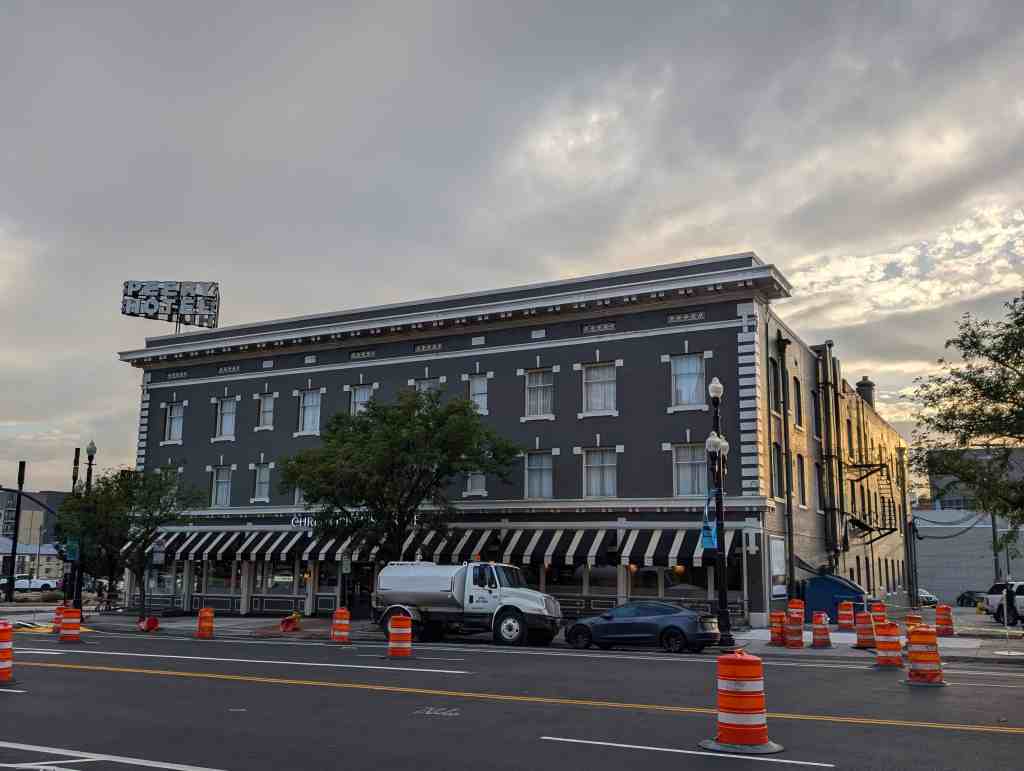
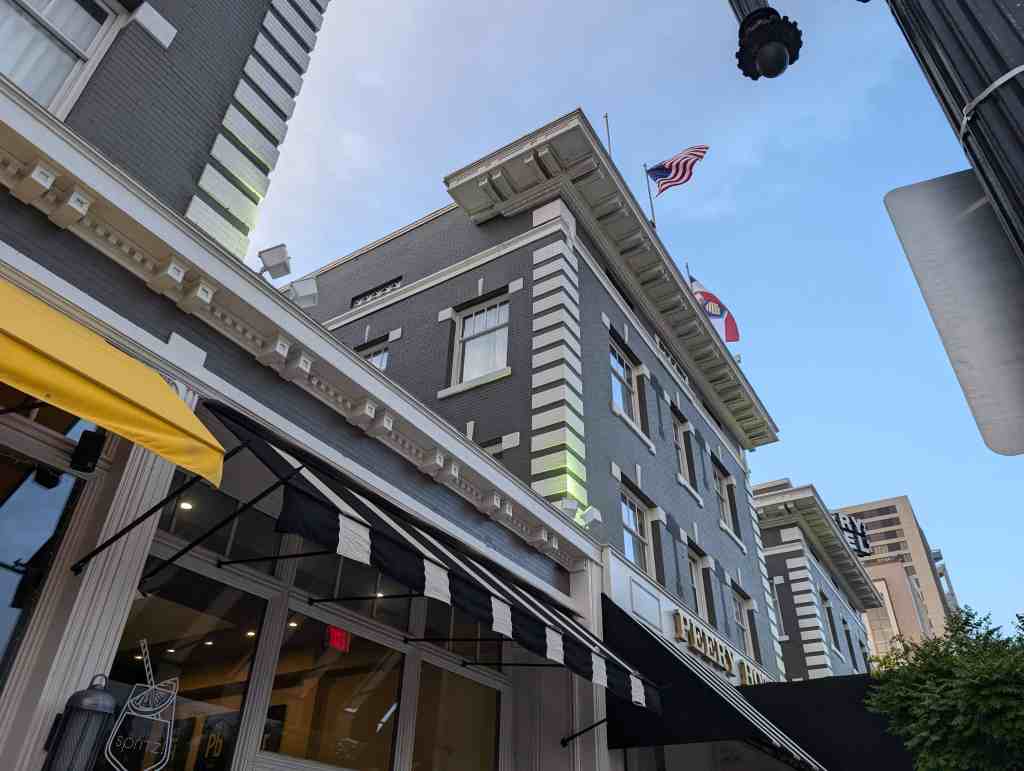
Peery Hotel

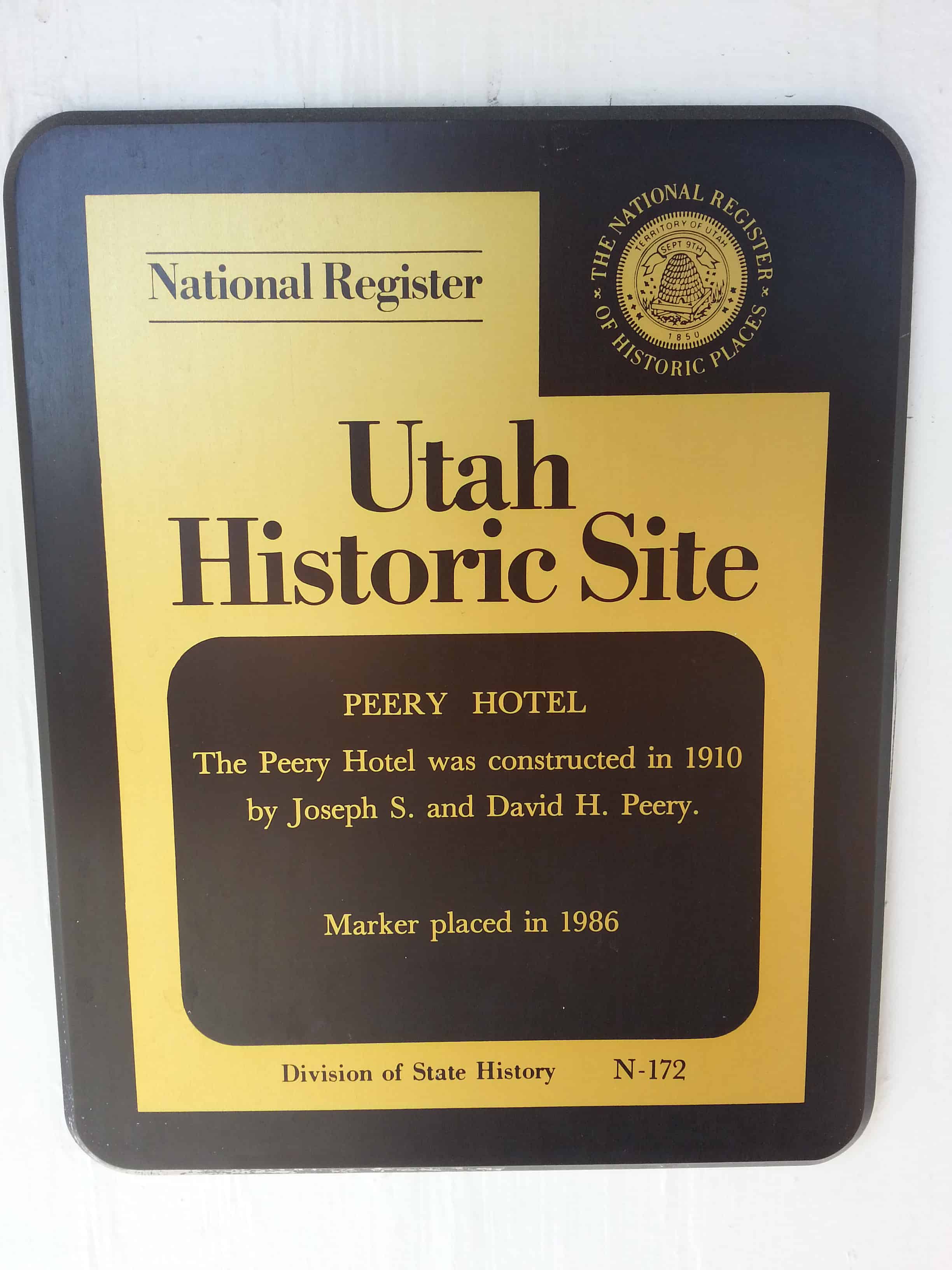
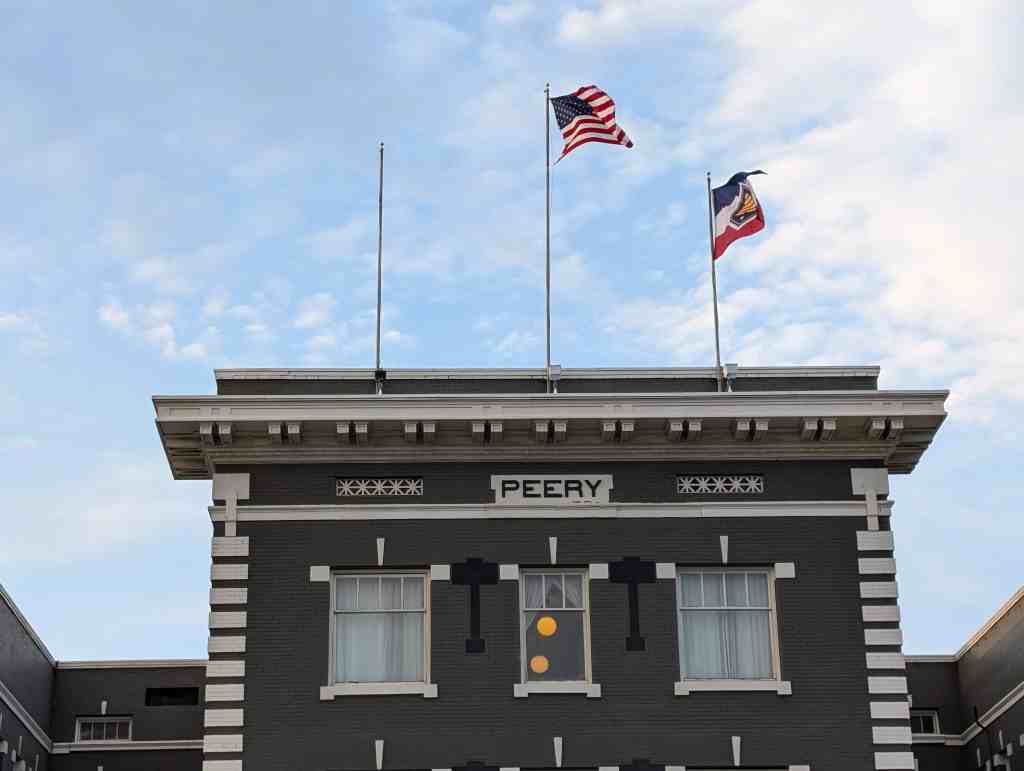
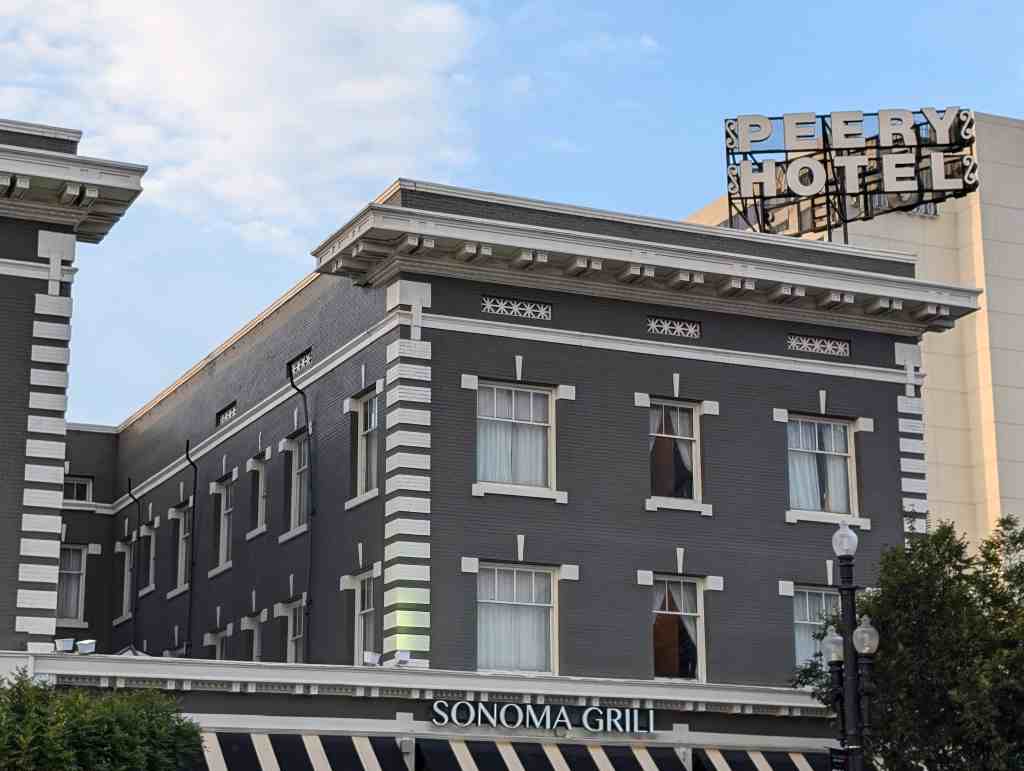
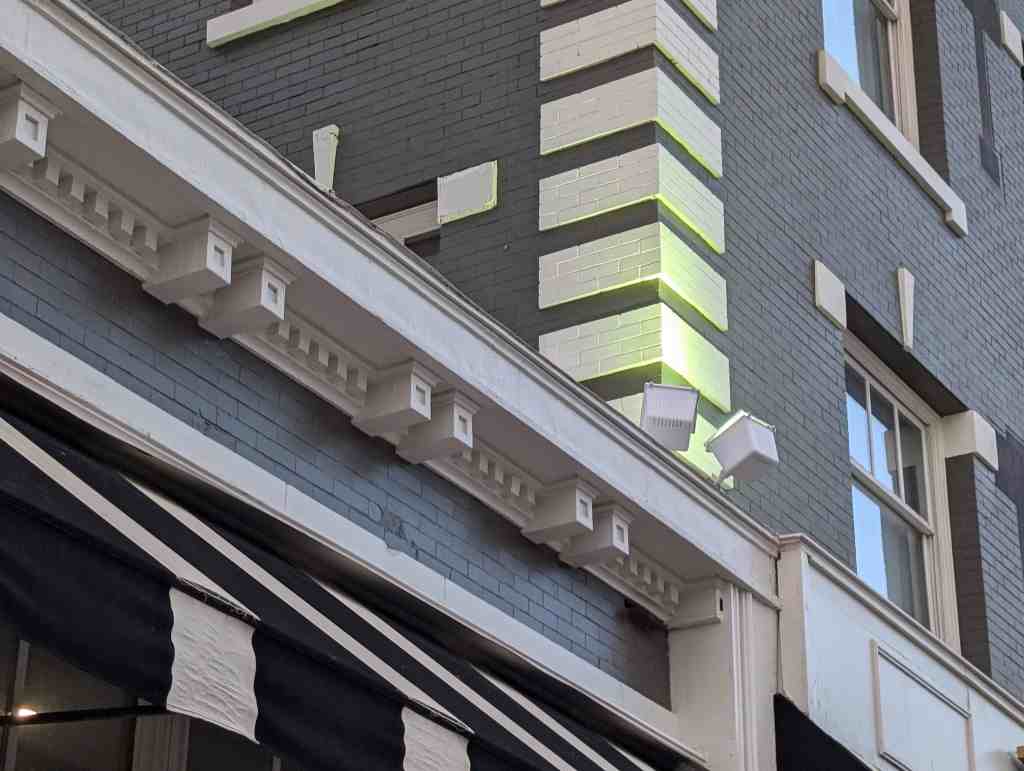
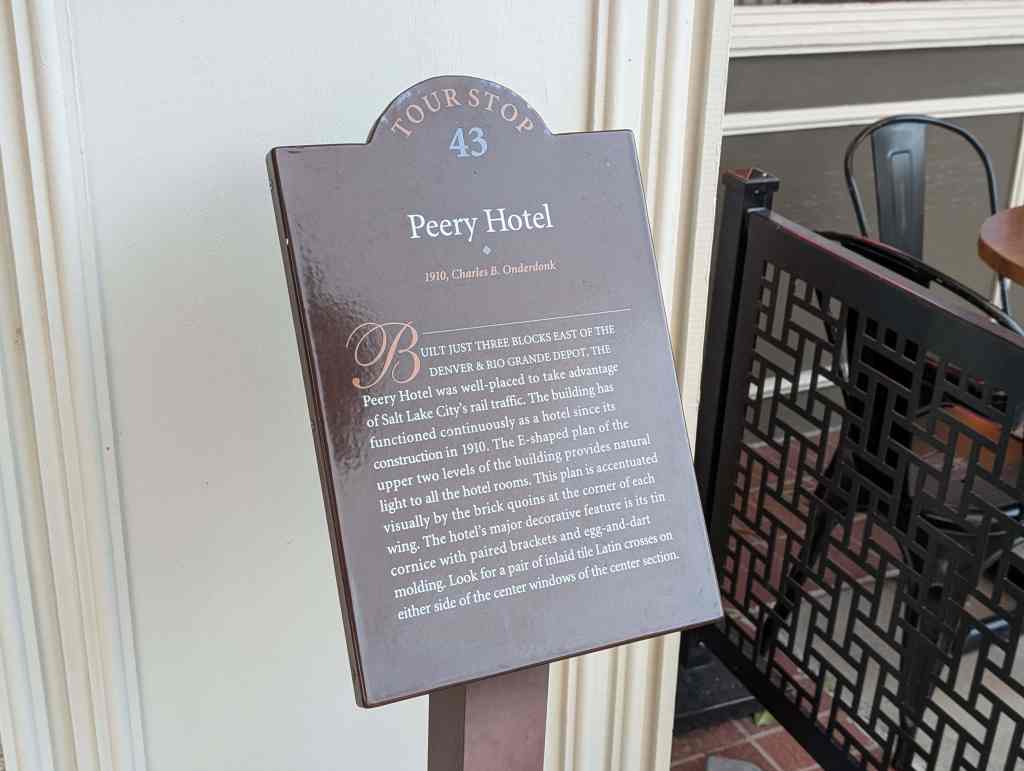
Built just three blocks east of the Denver & Rio Grande Depot, the Peery Hotel was well-placed to take advantage of Salt Lake City’s rail traffic. The building has functioned continuously as a hotel since its construction in 1910 (by Joseph S. and David H. Peery.) The E-shaped plan of the upper two levels of the building provides natural light to all the hotel rooms. This plan is accentuated visually by the brick quoins at the corner of each wing. The hotel’s major decorative feature is its tin cornice with paired brackets and egg-and-dart molding. Look for a pair of inlaid tile Latin crosses on either side of the center windows of the center section.

110 West 300 South in Salt Lake City, Utah

  • Salt Lake City Tour #43
Image
Image

Peery Hotel

Congregation B’Nai Israel
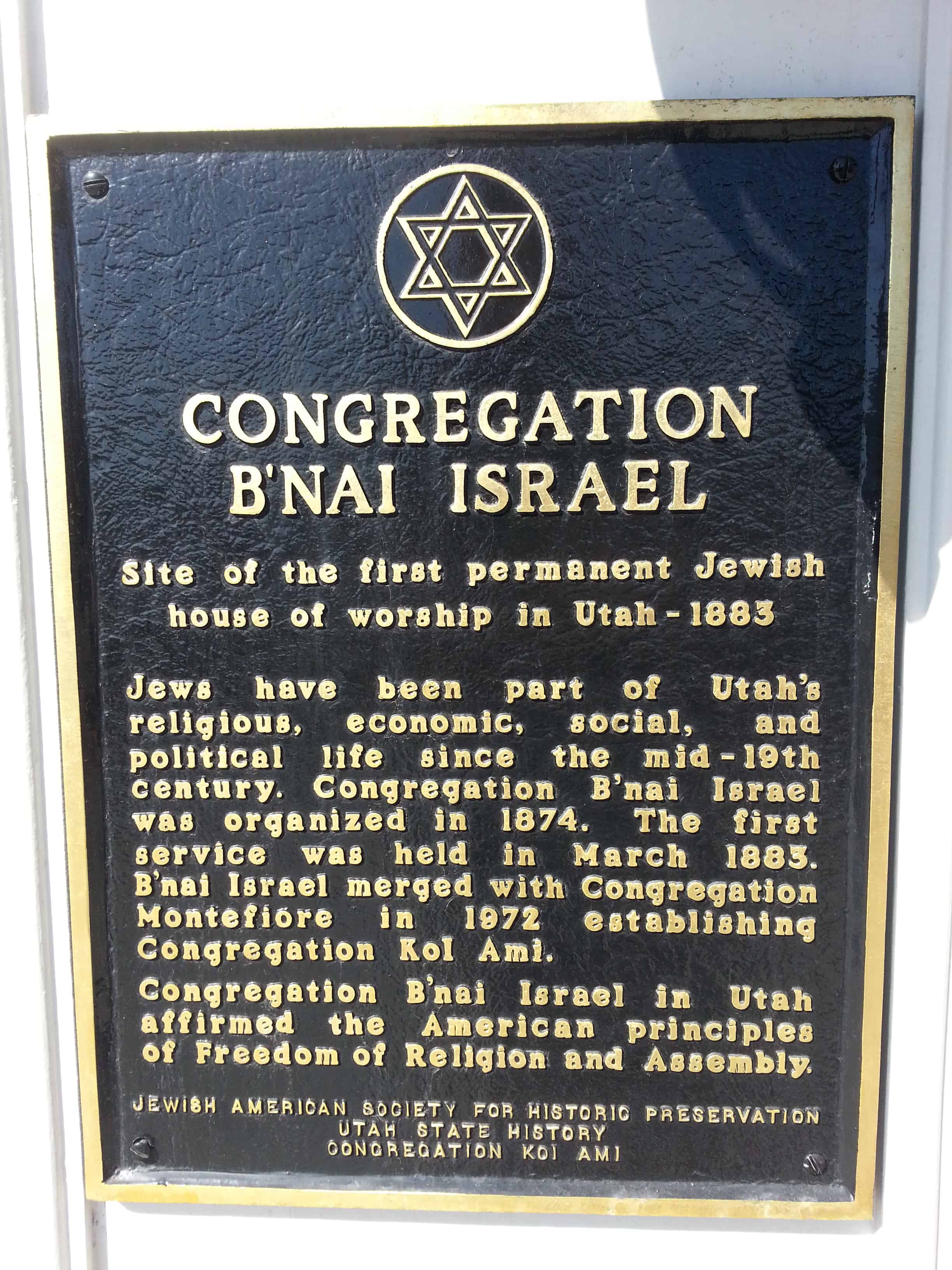
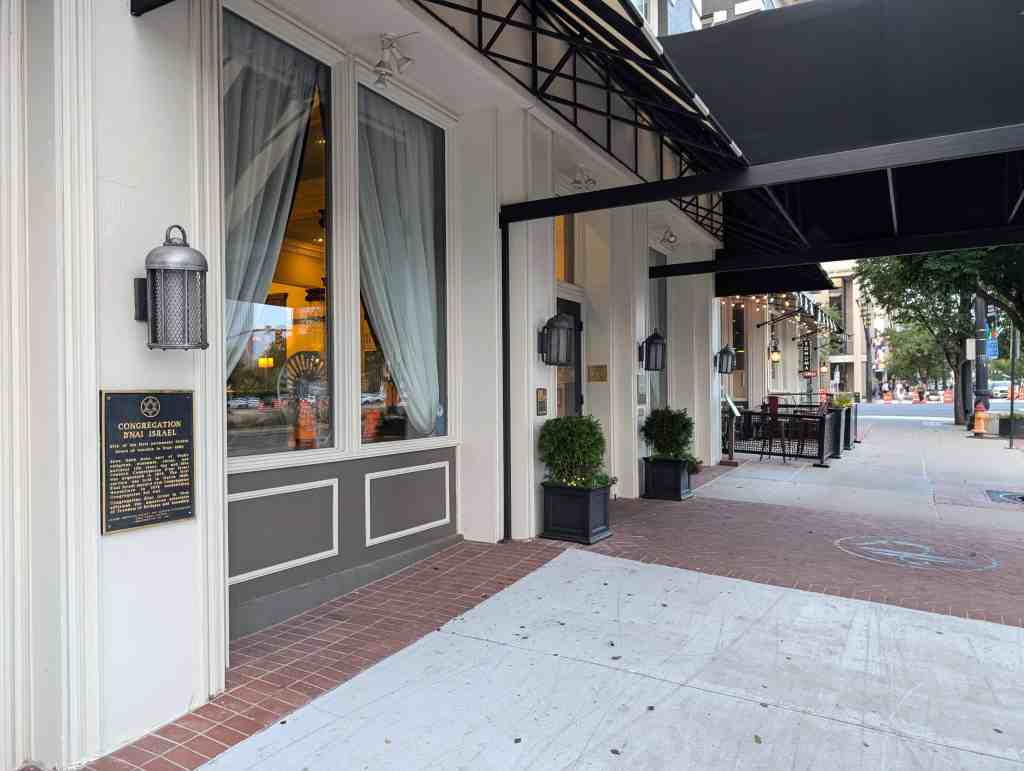
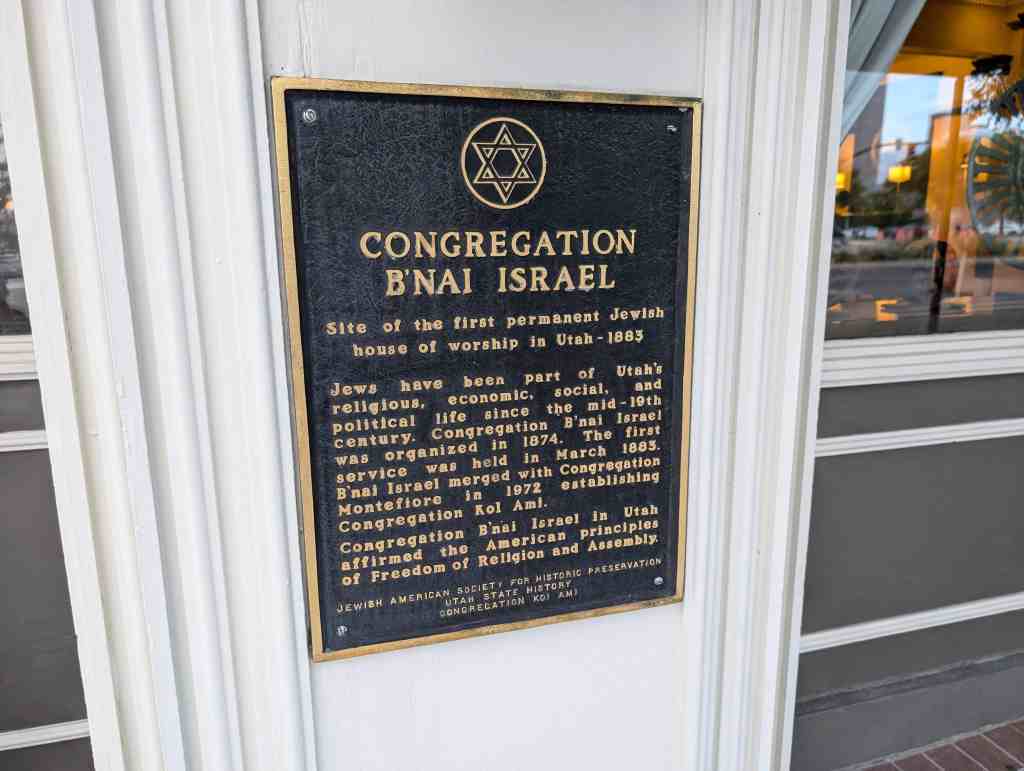
The Peery Hotel sits at the site of the first permanent Jewish house of worship in Utah back in 1883.

jews have been part of Utah’s religious, economic, social and political life since the mid – 19th century. Congregation B’nai Israel was organized in 1874. The first service was held in March 1883. B’nai Israel merged with Congregation Montefiore in 1972 establishing Congregation Koi Ami.

Congregation B’nai Israel in Utah affirmed the American principles of Freedom of Religion and Assembly.

Image

First Jewish House of Worship in Utah

Image

First Orem Chapel

11 Monday Nov 2013

Posted by Jacob Barlow in Uncategorized

≈ 1 Comment

Tags

DUP, First, historic, Historic Buildings, Orem, utah, utah county

Image

First Orem Chapel

Timpanogos Ward of The Church of Jesus Christ of Latter-day Saints was organized November 8, 1885, at a meeting held in the log schoolhouse presided over by Presiding Bishop William B. Preston, his counselor Robert T. Burton, and Provo Stake President Abraham O. Smoot. Timpanogos, an Indian word meaning many waters, was the name given by the Indians to the entire valley as well as the beautiful mountain standing at the northeast border of the valley.

Plans were made in 1895 to erect the meetinghouse. The land for the new building was donated by Thomas Jefferson Patten, Sr., nephew of the Apostle David W. Patten. Peter Mastin Wentz, called as the first bishop, and his sons made some of the brick for the building and the adobe lining. The various hues now apparent in the restored brick face show that they were made in small batches. The style of the church with its lovely gothic windows and tower was typical of the architecture of the day. The building measured fifty-two feet by thirty-six feet. Balls of carpet rags were donated and these were placed on hand looms to make rugs that added comfort and beauty to the new chapel. Window openings were covered with quilts. The building was dedicated in 1898 and used for dances and community activities as well as for worship.

This chapel has been remodeled, renovated and added to throughout the years to accommodate members. From the original Timpanogos Ward has come a growing number of wards and stakes.

ingress_20131111_142656_4

Related:

  • Timpanogos Chapel

The amusement hall that was added in 1916 was not always connected, I found this these old photos on this page:

Chapel (1898) and Amusement Hall (1916)

The Timpanogos LDS Chapel is the oldest church building in Orem. It was built following the organization of the Timpanogos Ward of the Church of Jesus Christ of Latter-day Saints in 1895 on property donated by Thomas J. Patten, Sr. Before it was completely finished, it was used by the Timpanogos Drama Club for play presentations. The proceeds from the plays helped pay for completing the chapel. It was completed in 1898 and served for many years as a community center for social and civic functions as well as for church meetings. The Timpanogos chapel replaced a combination Church meetinghouse and school located just to the west of this building. The original log cabin schoolhouse continued to be used as a school building until 1900 when it was torn down and replaced by the Spencer School located further to the west of this chapel. This church has been remodeled several times but is still in use by the LDS Church for church meetings.

First Brick Church in Wyoming

11 Monday Nov 2013

Posted by Jacob Barlow in Uncategorized

≈ 1 Comment

Tags

DUP, Evanston, First, Historic Buildings, Uinta County, Wyoming

picture7sep07-228

In February 1873 a Branch of the Church of Jesus Christ of Latter-Day Saints was organized in Evanston by President William Budge, of Bear Lake Valley, Idaho. On May 23rd, 1873 William G. Burton was ordained Bishop. On June 24th, 1890 this ward was incorporated under the laws of the state of Wyoming and named Evanston. The board of trustees were James Brown, Thomas Parkinson, John Whittle, Frank Mills and Arthur W. Sims. In 1890, This group, with James Brown as Bishop built the first brick church in Wyoming.

The text above is from Daughters of Utah Pioneers historic marker #78, located at 645 Main Street in Evanston, Wyoming.

  • D.U.P. Historic Markers
picture7sep07-227

First Coal Mine in Utah

06 Wednesday Nov 2013

Posted by Jacob Barlow in Uncategorized

≈ Leave a comment

Tags

Coal, DUP, First, Mining, Sanpete County, Wales

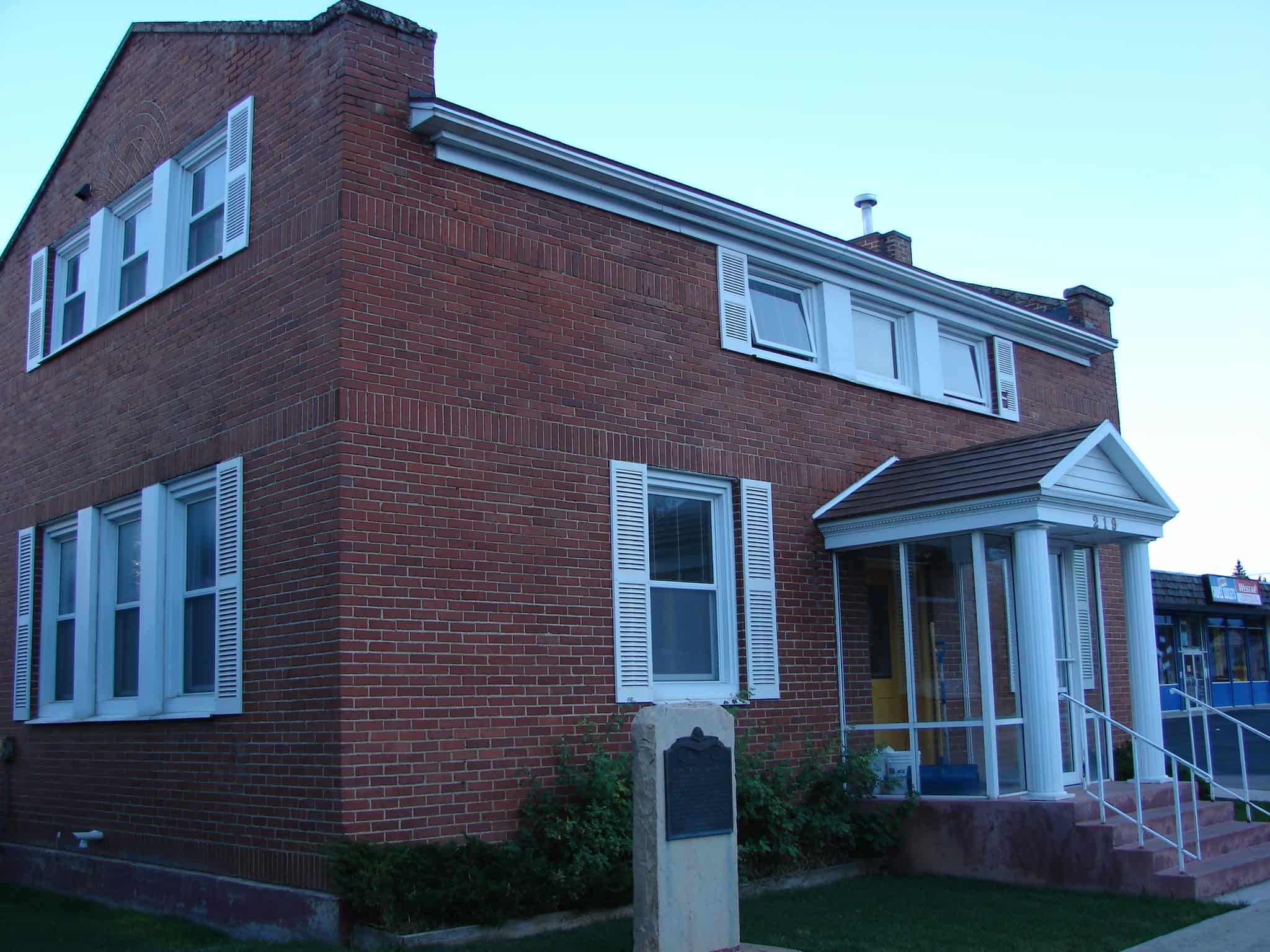
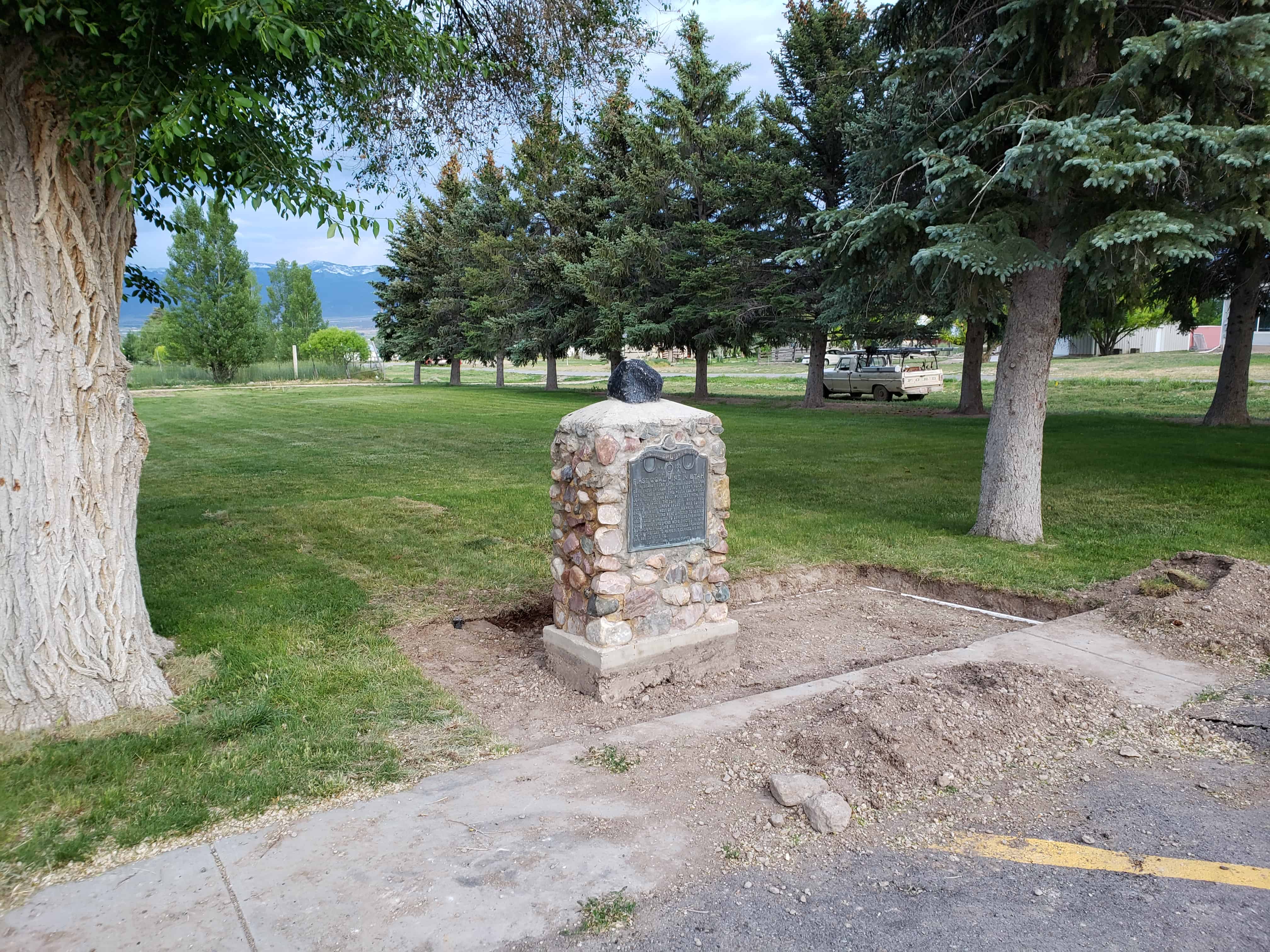
In 1854, at Fort Ephraim, an Indian, Tabiona, gave President Brigham Young a black rock, saying “Heap burn.” Two Welsh coal miners, John Rees and John Price, were sent with the Indian to located the coal vein, which was found in Coal Canyon about 1 mile south and 1/4 mile west of this marker. Until 1860, Welsh pioneers were directed to settle near coal bed (Wales) to develop the mines. In 1872, twelve coke ovens were built, and in 1875, a branch railroad line was built from Nephi to ship the coal to market. It carried U.S. mail for all Sanpete County.

D.U.P. Marker #133 in Wales, Utah

Related posts:

  • D.U.P. Markers
  • Wales, Utah

Image
Image

Wales, Utah

06 Wednesday Nov 2013

Posted by Jacob Barlow in Uncategorized

≈ 2 Comments

Tags

Coal, Coalbed, First, Mining, Sanpete County, utah, Wales

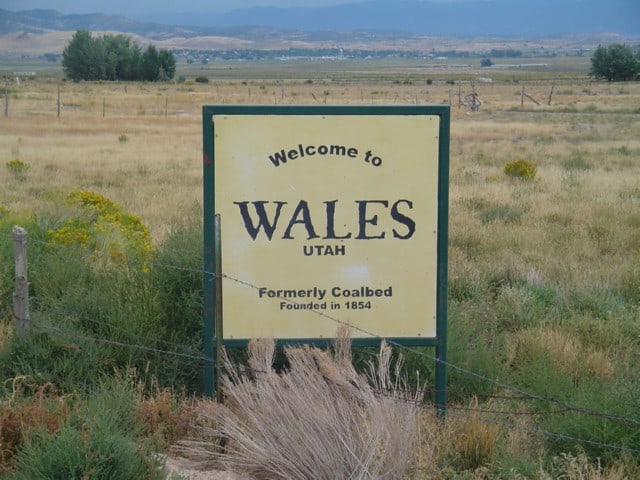
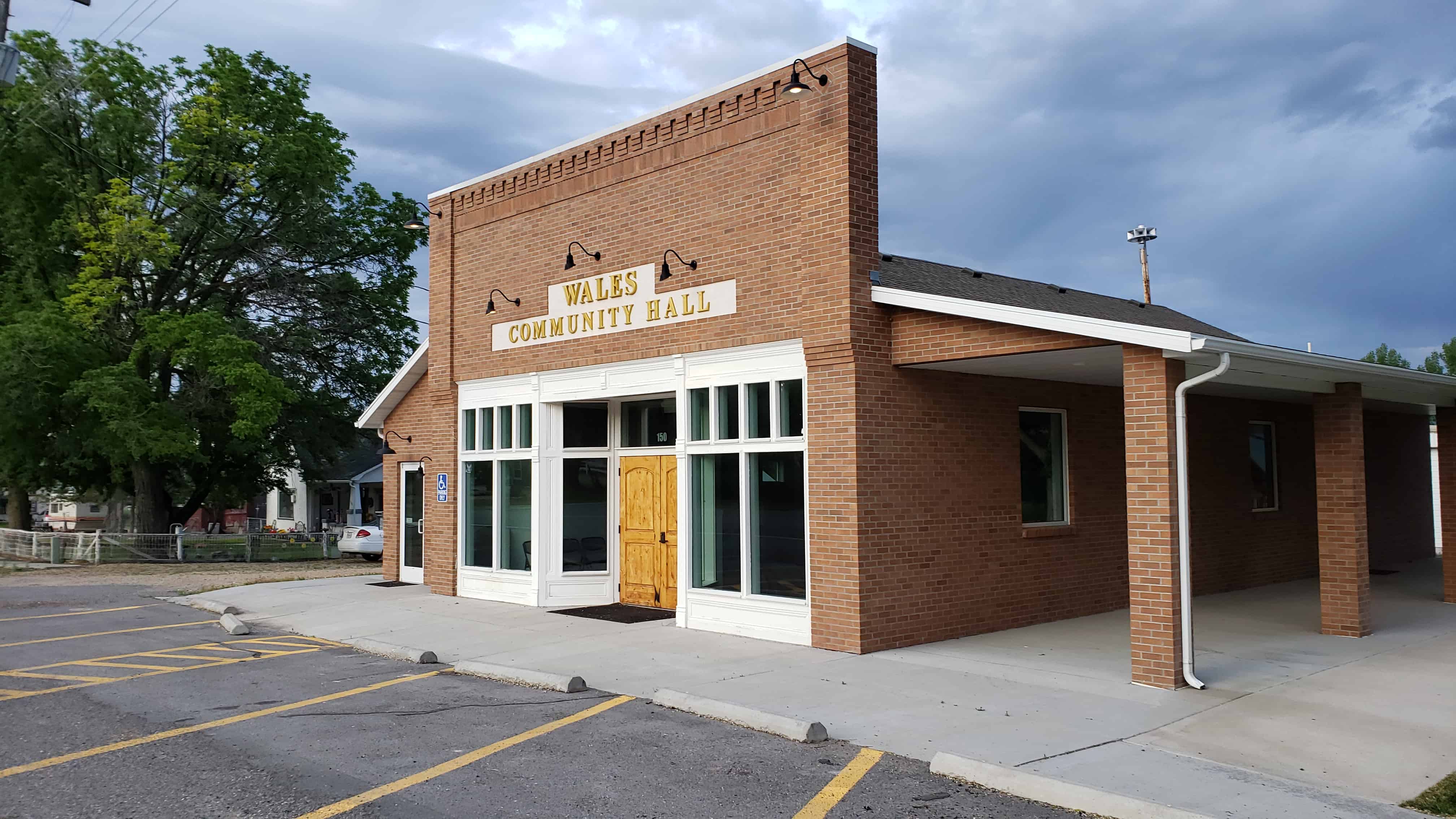
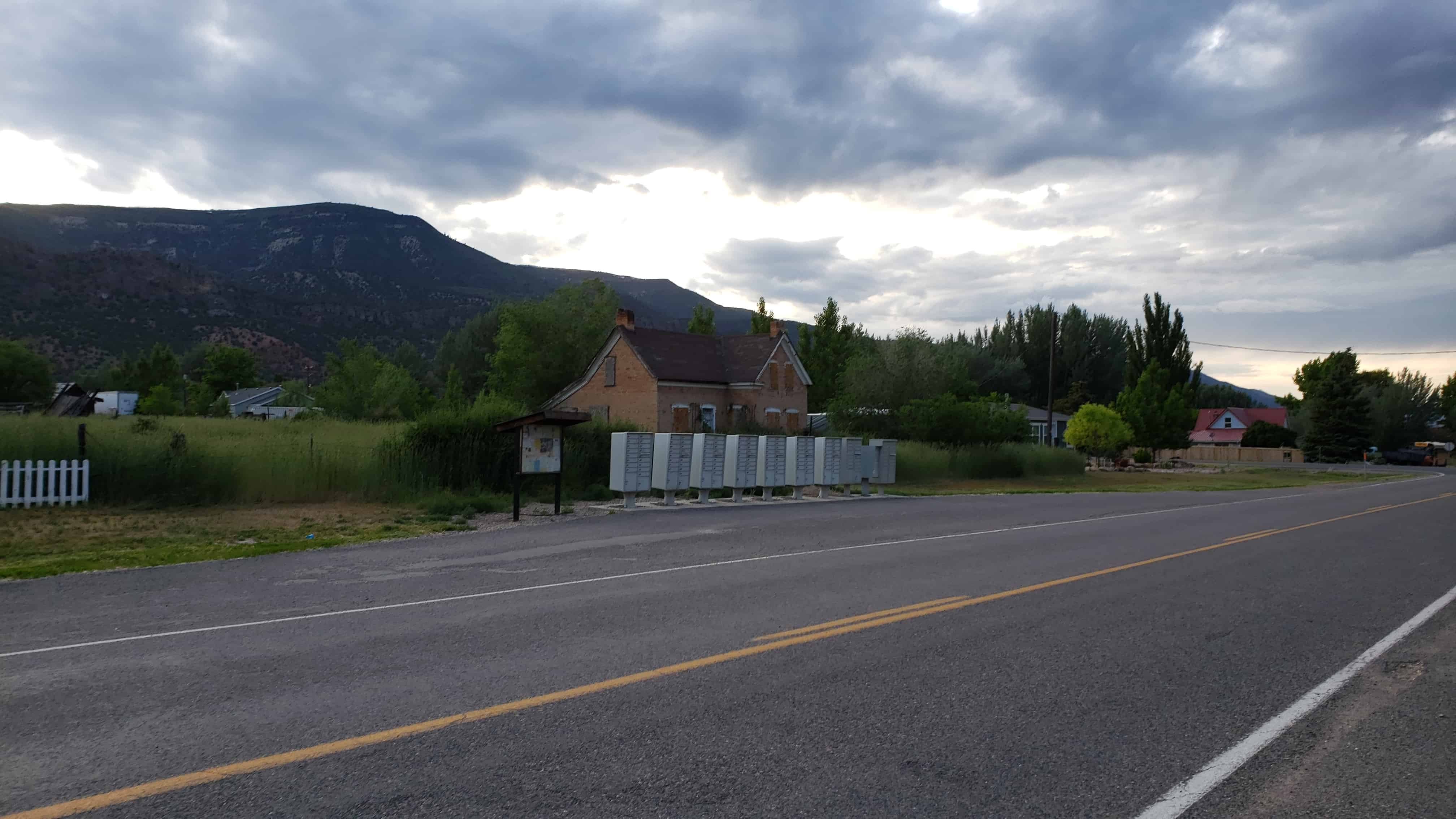
Originally Coalbed or Coal Bed, Utah – Brigham Young sent saints from Wales (the country) to settle the area and mine coal, the first coal mines in Utah were here in Coalbed. Coalbed was renamed Wales in 1869, ten years after they arrived.

A D.U.P. Historic Marker I found in Wales says:
In 1854, at Fort Ephraim, an Indian, Tabiona, gave President Brigham Young a black rock, saying “Heap burn.” Two Welsh coal miners, John Rees and John Price, were sent with the Indian to located the coal vein, which was found in Coal Canyon about 1 mile south and 1/4 mile west of this marker. Until 1860, Welsh pioneers were directed to settle near coal bed (Wales) to develop the mines. In 1872, twelve coke ovens were built, and in 1875, a branch railroad line was built from Nephi to ship the coal to market. It carried U.S. mail for all Sanpete County.

Related:

  • First Coal Mine in Utah
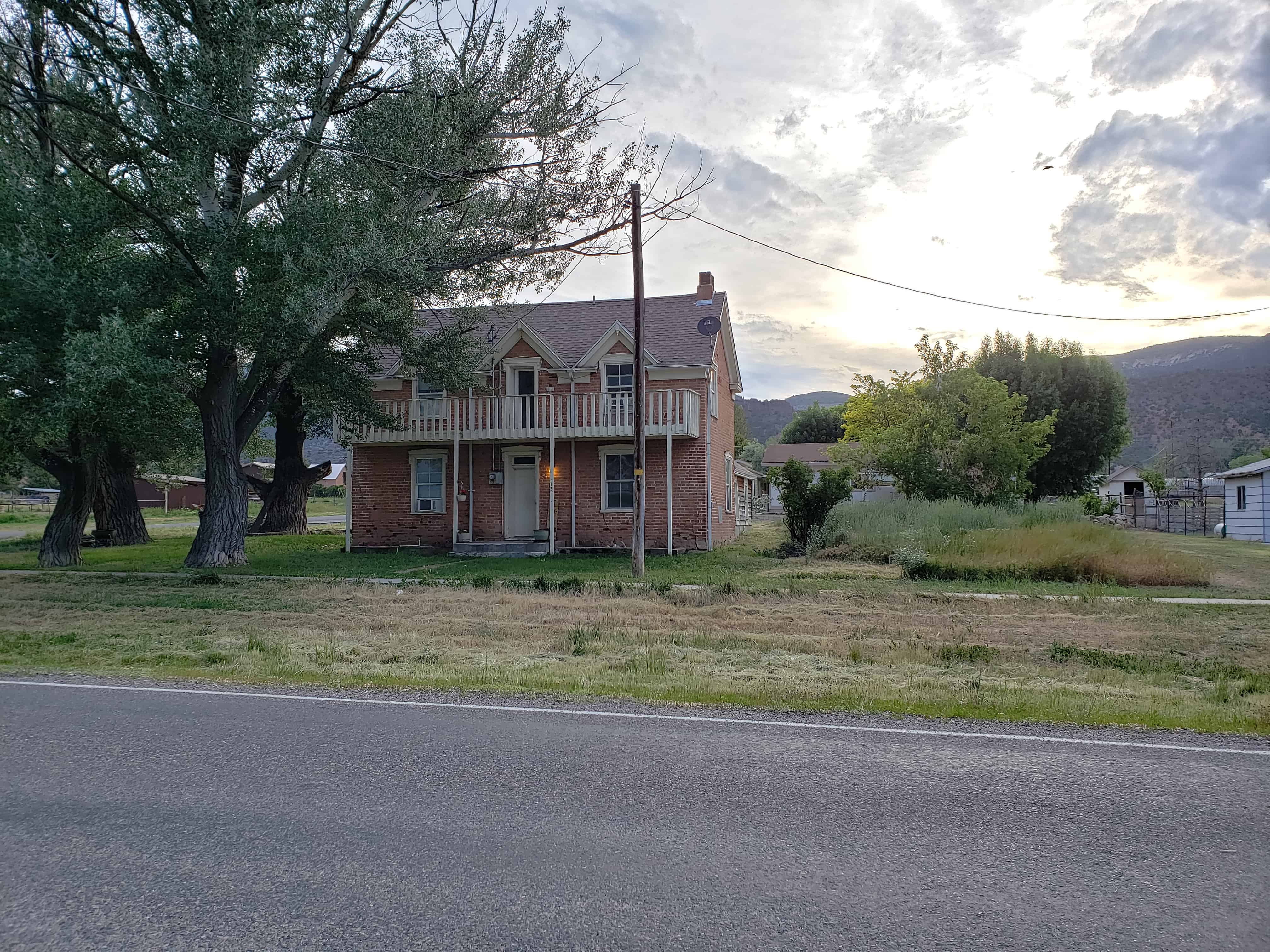
  • Hyrum Thomas House
  • Rosser L. Thomas House
  • Wales Cemetery

Image

Wales, Utah Sign

Image

First Coal Mine in Utah

Image

Follow Jacob

Follow Jacob

Blog Stats

  • 2,061,344 hits

Social and Other Links

BarlowLinks.com

Recent Posts

  • Arthur Miles Home
  • Navajo Shadehouse Museum
  • Impossible Canyons
  • The Old Hurricane Bell
  • Goulds Shearing Corral

Archives

Loading Comments...