Matt Warner left home in 1879 at age 15, thinking he had killed a rival in a fight over a girl. He lived his early life on the outlaw trail as a bandit and rustler and was sent to prison on September 21, 1896.
Matt was pardoned by Governor Wells on January 21, 1900. He settled in Price and spent his remaining 38 years as a productive member of society; serving as deputy Sheriff, Justice of the Peace, detective and night policeman. In 1912 he ran for Sheriff but was defeated because he ran under his real name of Willard Christiansen and nobody knew who that was. Matt lived in this house until his death on December 21, 1938.
This historic marker was dedicated by the Matt Warner Chapter 1900 of E Clampus Vitus on July 19, 1997 and is located at 55 South 200 East in Price, Utah
Harding School was named after President Warren G. Harding. Classes started August 1925 with George Fox as the first principal. It was used as an elementary school until May 1968 when Principal James L. Jensen called classes to order for the last time. Price City purchased the property and converted the school into a fire station and multi-use center in 1968. It was torn down in 1983 to make way for the Price City Public Safety Building.
Dedicated July 14, 1984 By Utah Outpost Mountain Charlie Chapter No. 1850 E Clampus Vitus
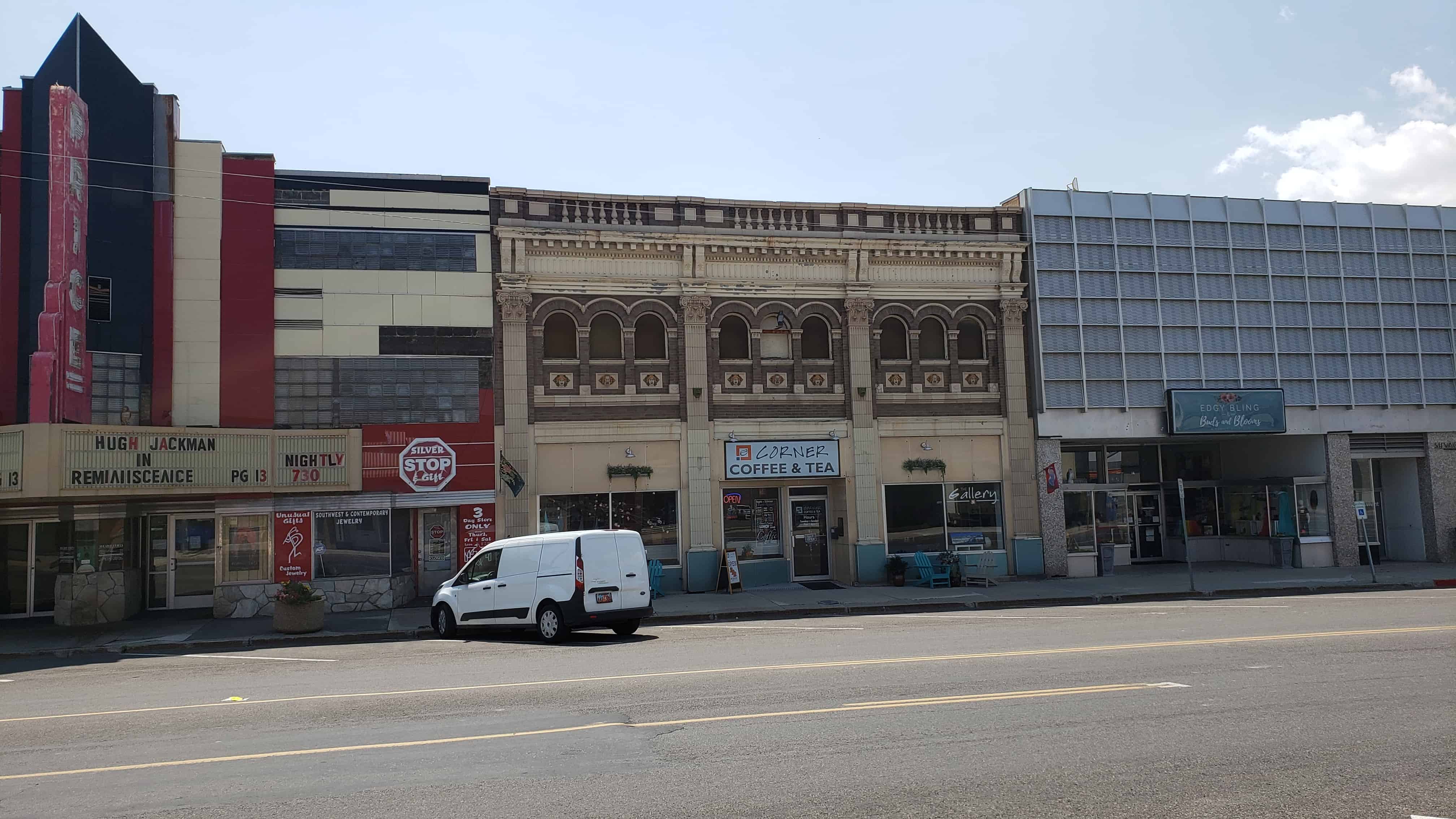
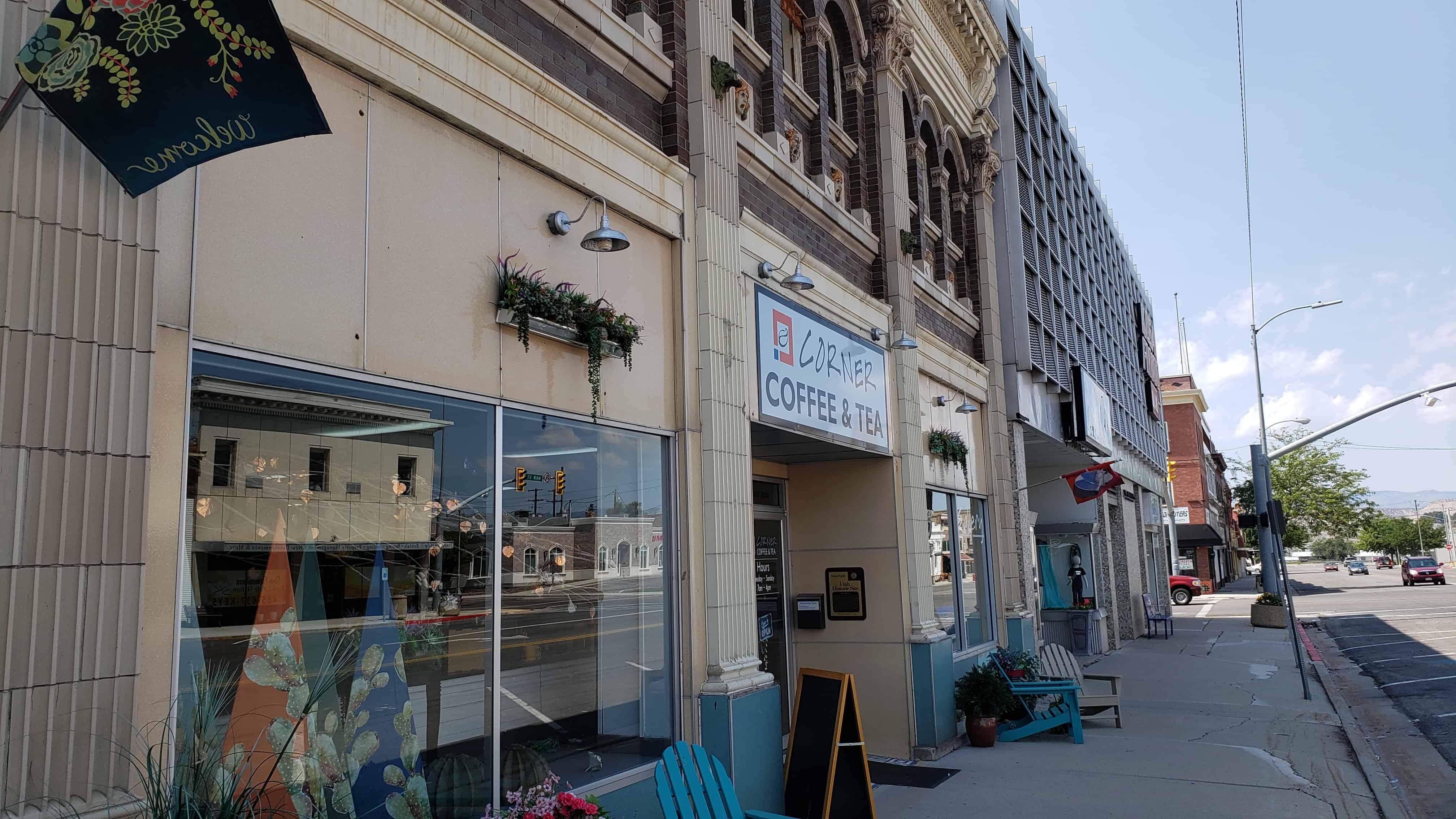
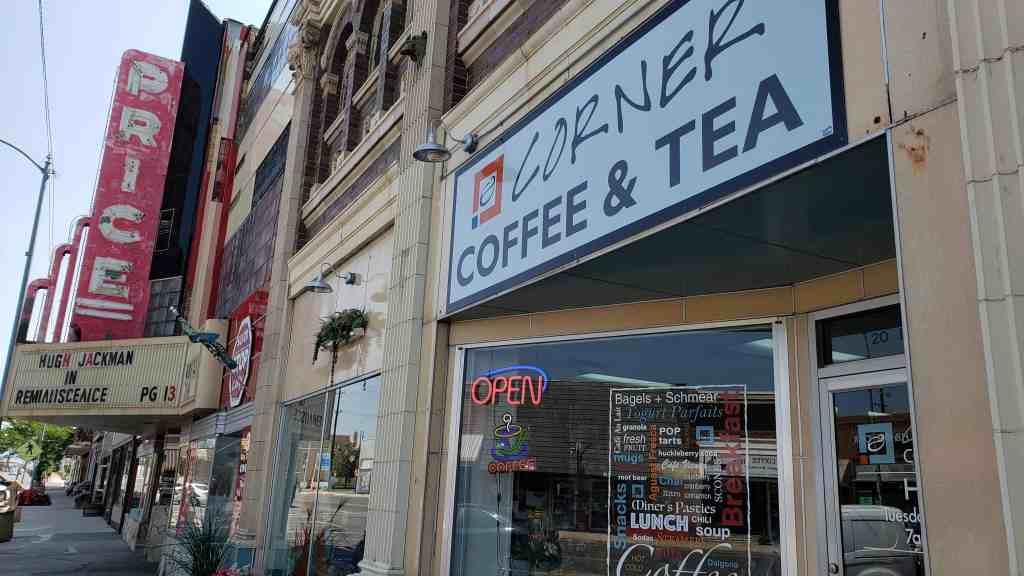
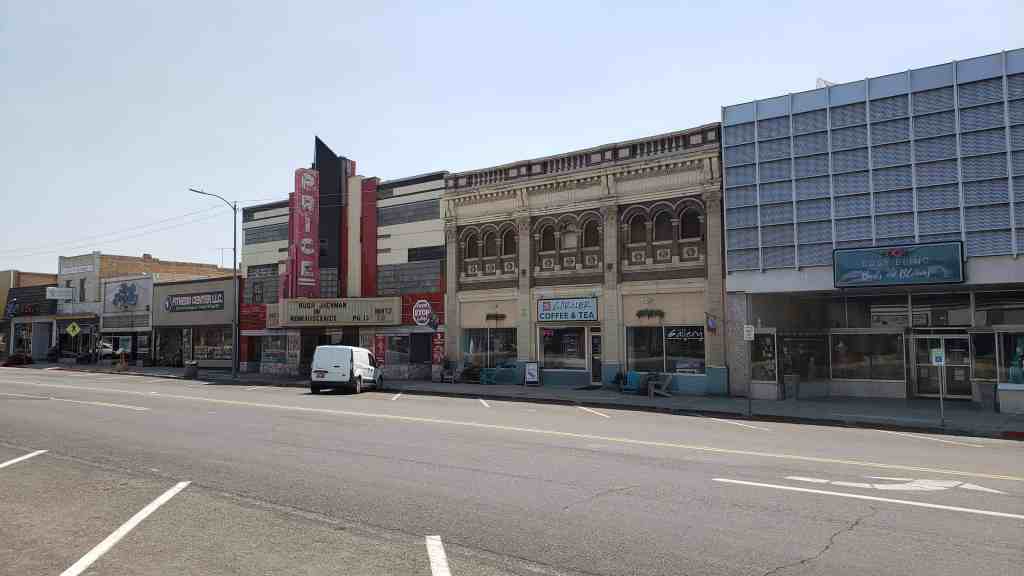
The Star Theater was built in 1923-24 for the Georgedes brothers: Pete, Angelo, Charlie, George and Harry. Natives of the Greek island of Mytelene, the Georgedes brothers immigrated to the United States and by the early 1920’s had become successful businessmen. The theater was designed by architect J. A. Headland of Salt Lake City. The architectural features, with Corinthian columns and second story masks representing figures from Greek Theater, reflect the Greek heritage of the original owners. In 1964, the building was acquired by Duane and LaVern Steele, and later acquired by Curtis Steele and Scott Sjostrom in 1985.
Located at 20 East Main Street in Price, Utah and listed on the National Register of Historic Places (#82004116). The text below is from the nomination form from when it was added to the register.
ent of Significance (in one paragraph) The Star Theatre built in 1923-24, is an extremely fine symbol of Greek immigrant success in America. The building’s facade contains many design elements derived directly from Greek theatrical tradition, and the solid construction and central location of the structure are emblematic of immigrant accomodation to new surroundings. In addition, the building is significant as an outstanding and well preserved example of the Classical Revival style in a small commercial building in Utah.
The Star Theatre, later called the Carbon Theatre and now Office Equipment was built in 1923-24 by the five Georgedes brothers: Pete, Angelo, Charlie, George and Harry. They took great pains to insure an attractive, substantial building for the beautification of Price and the hope of its future expansion. After purchase of the land from Frank Grosso et. al. in 1923, they concluded party wall and right-of-way agreements with P.O. Silvangi, whose building abuts on the right. They hired a Salt Lake architect, J.A. Headlund, to “furnish designs, plats, plans, specifications, drawing, and superintendence” for construction of the theatre for 4% of the cost of the building, which equaled $2,267.311 (This fee means that the building itself cost $56,682.75, exclusive of the land. Pete Georgedes estimated the entire cost of land, structure and equipment at $70,000, 2 a very substantial investment for a building at that time.) The Georgedes family retained possession of the theatre until 1964, when they sold it to the present owners, Duane W. and LaVern Steele, who converted the building to the present retail use.
The Star Theatre has retained many features that contributed to its permanence and attractiveness. First, the Georgedes Brothers insisted on a strong foundation and thick walls. In the early 1920’s Price was in the grip of Booster Fever, and the brothers reasoned that as Price grew, they could build another story on top of their theatre to expand its uses. However, this idea never materialized.
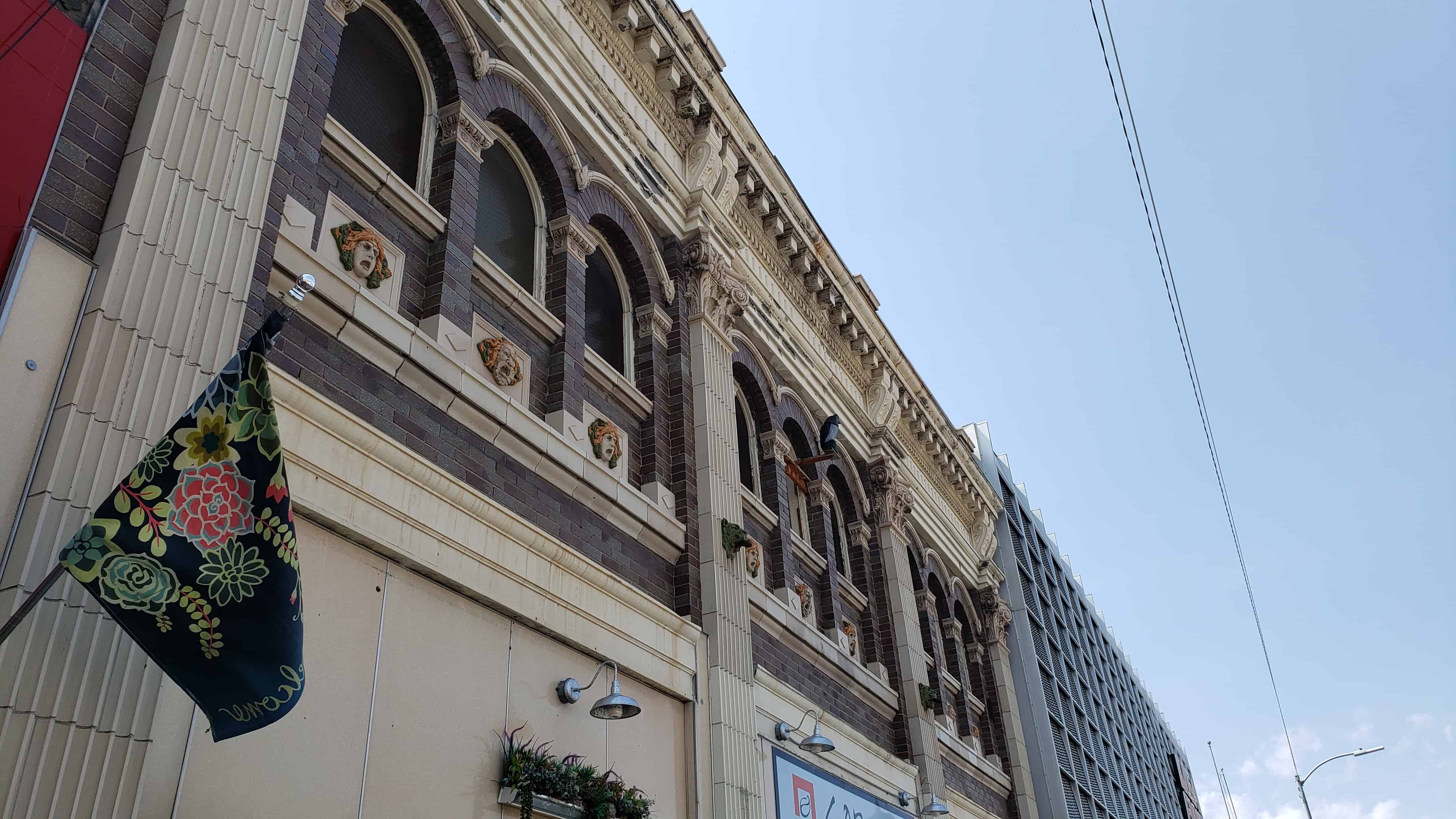
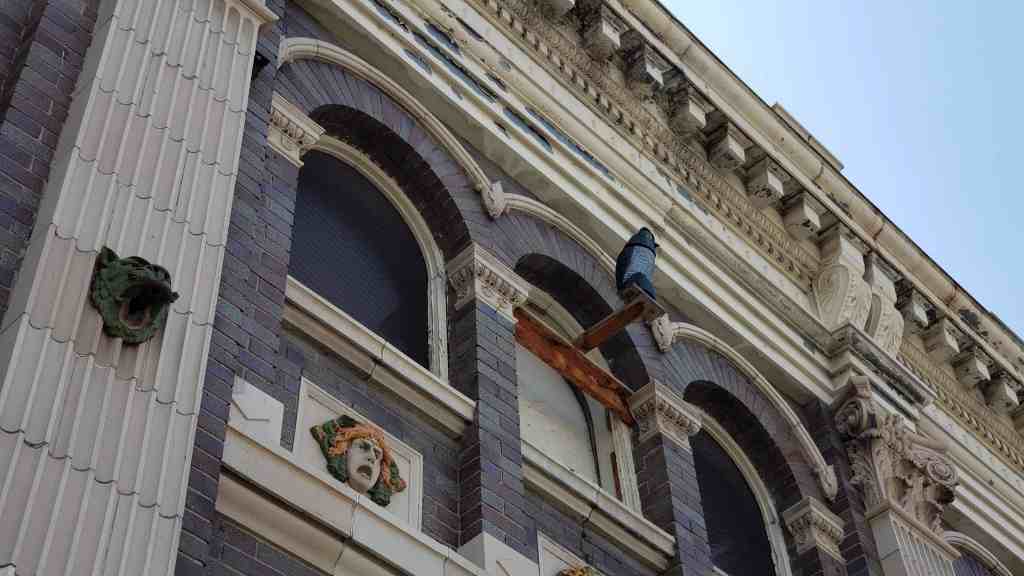
The theatre’s most outstanding feature, for which the Georgedes Brothers were directly responsible, is its impressive façade. As Greek immigrants less than two decades in America, the Georgedeses wanted an architectural style that reflected their homeland and its ancient theatrical tradition. They chose the Corinthian, the most ornate of the Greek architectural styles, for the columns on the front elevation. The masks on the second story represent muses, or figures from Greek theatre, from dramas they had seen performed in their homeland. One of the brothers, George, made several trips to Denver to oversee the actual production of the theatre façade. The elegant front elevation itself, with its direct connection to the ancient traditions of the land of its original owners, is reason enough for this building’s nomination to the National Register of Historic Places.
Even the name of the theatre was not idly chosen and revealed traditional Greek attitudes. The men consulted the Greek Orthodox priest, Father Smyrnopoulos, the leader of the immigrant Greek community. He suggested the name “Star”, as he said that everyone saw the stars in the sky so it was a name that would appeal to all people. 3 The sign for the theatre, already commissioned, was changed from “G.B.(Georgedes Brothers) Theatre” to “Star Theatre” and a lyre, another ancient Greek symbol, was added to the marquee.
In addition to its architectural features, the importance of the Star Theatre derives from its role in the life of eastern Utah. It was the second theatre to open in Price, providing increased recreational opportunities. From its inception the theatre was used both for moving pictures (originally silents, especially the popular cowboy films with William S. Hart or Tom Mix) and for live theatre productions. Two types of troupes performed in the original Star Theatre: traveling burlesque and theatrical companies and local thespians. The traveling companies were hired by the theatre’s manager; the building was let free of charge to local groups as a community service. The theatre was equipped for many types of live performances judging from the scenery purchased by the Georgedes Brothers. These included one fancy drop curtain and one pair of heavy drapes, scenery for a fancy parlor, a rustic kitchen, a garden, a light wood (as opposed to a dark wood), a modern street, one set of rocks, two sets of balustrades, foliage and other borders, in addition to the movie screen. ^ Many of these sets and the movie screen could be “flown,” ie. raised by a cable and pully system into the empty second-story space at the rear of the building above the stage. For this reason, the only second-story rooms were in the front of the theatre.
The Star Theatre, although owned by the Georgedes family, was managed by others. The Georgedeses first rented it to Mr. Littlejohn, who also ran the theatre in Helper. A later manager was Charles Huish, who renamed it the Carbon Theatre. When he died, Pete Georgedes’ daughter, Mary, and her husband, Joe Santi, took over the building’s management. They ran it until the building was sold, a second generation to be involved in the commercial success of this building.
The Star Theatre is a two-story flat roof brick building whose façade is an outstanding example of the Classical Revival style which was a common stylistic choice in twentieth century commercial architecture in the early decades of the twentieth century. Elements of that style include: fluted pilasters with Corinthian capitals; bands of round arch windows; an elaborate entablature with modillions on the cornice; egg and dart molding and dentils on the frieze and an architrave; and a parapet.
The façade is divided vertically into three bays by four fluted pilasters which have Corinthian capitals. Horizontally the building is further divided into three sections by floor, a broad cornice making up the third section. The first floor is unremarkable architecturally, consisting of show windows which probably reflect a major alteration made in 1964 when the theatre was changed to a commercial establishment. On the second story there are three round arch windows per bay accented with concrete moldings which contrast with the plum colored brick of the theatre. The piers of the window openings have capitals with egg and dart molding and simple bases. Cast masks which harken to the original purpose of the building are set into panels below each window. There is also a cast iron mask set into each of the two central pilasters at the second story level. The cornice of the building is divided into two sections: an elaborate variant of a Corinthian entablature; and a parapet with a blind balustrade. The entablature has an architrave with three fascia, a frieze ornamented by evenly spaced projecting vertical lines and capped by dentils and a band of egg and dart molding, and a cornice complete with modillions. The division of the façade by the Corinthian pilasters is continued in the entablature by monumental pairs of brackets which rest on the architrave above each capital.
The façade of the theatre above the ground floor appears to be unchanged except perhaps for the type of glass used in each of the round arch windows, and is well preserved.
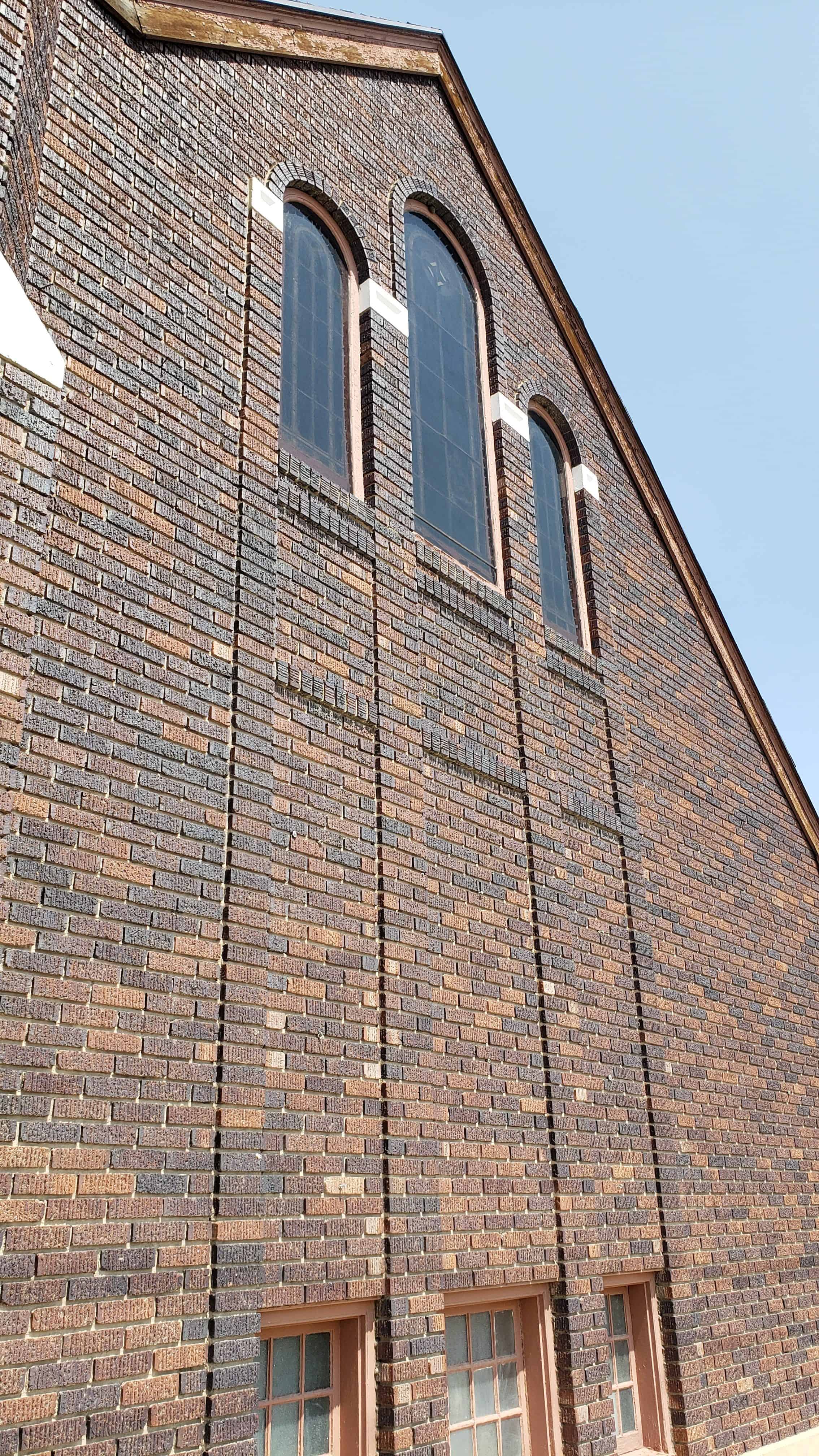
Price Community Methodist Church Built in 1899, rededicated 100 years later in 1999. Grand Lodge F. & A. M. in Utah C. F. Jennings Commandry #6 Carbon Lodge #16 Joppa Lodge #26 10 North 200 East in Price, Utah
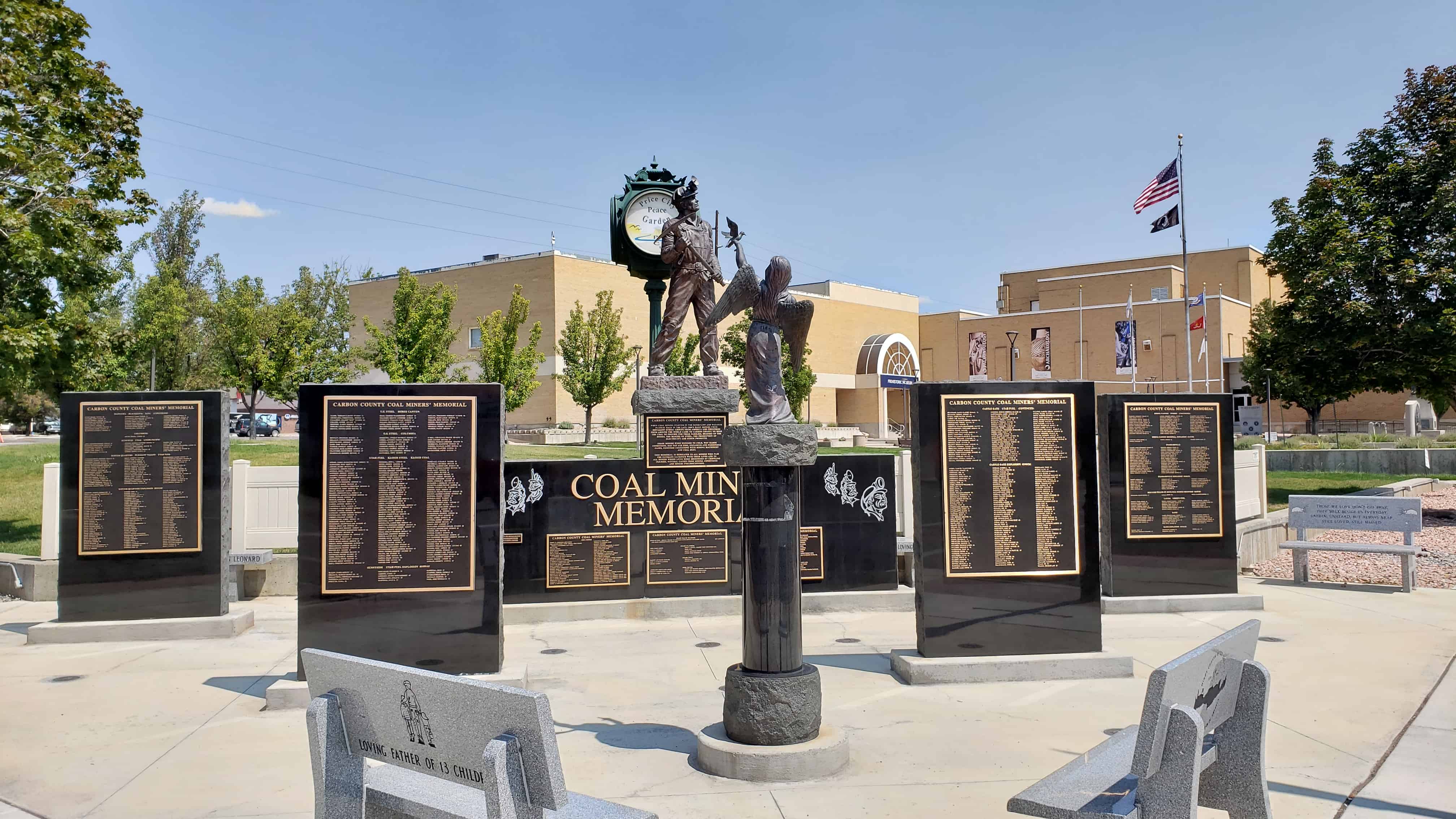
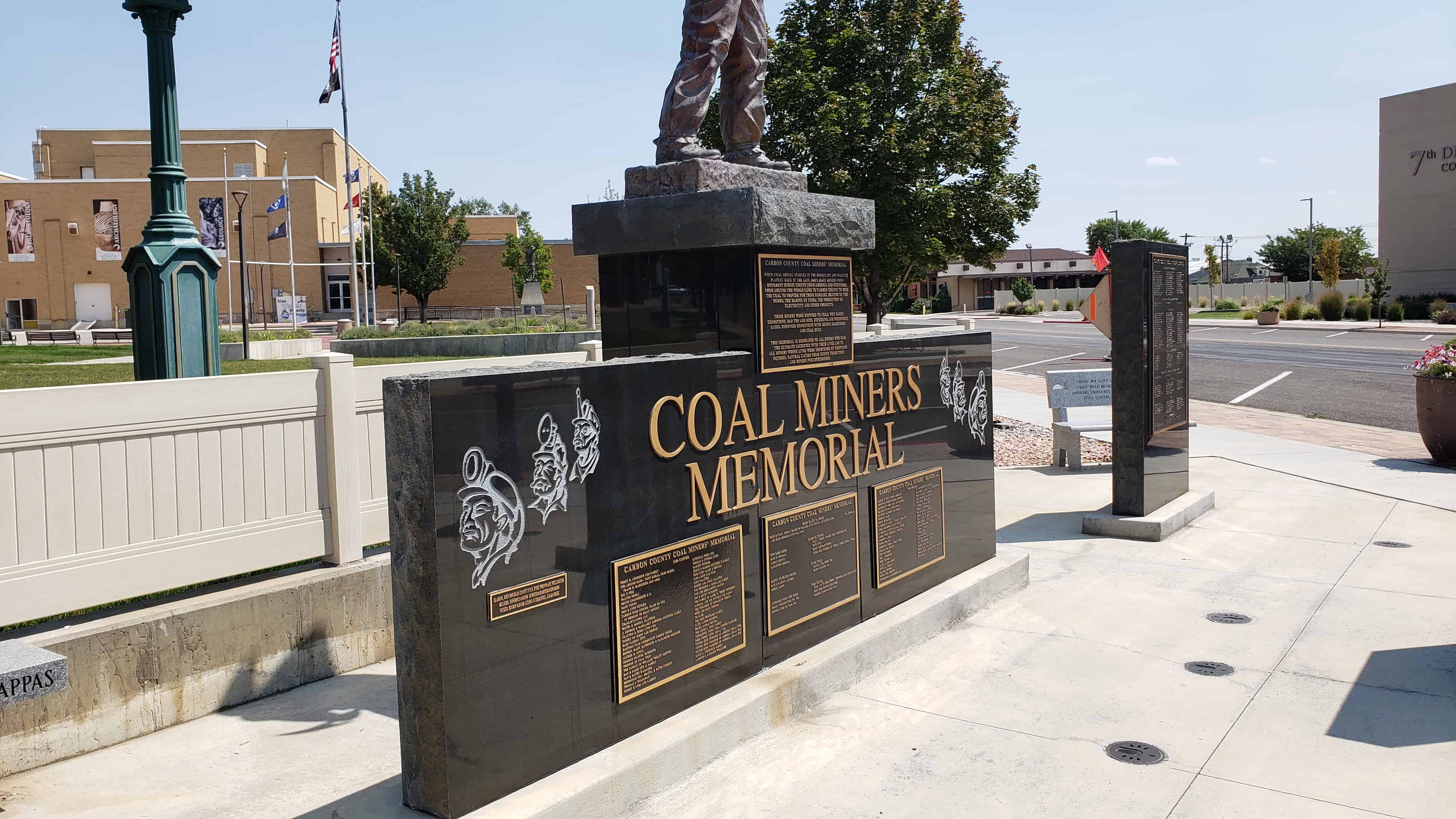
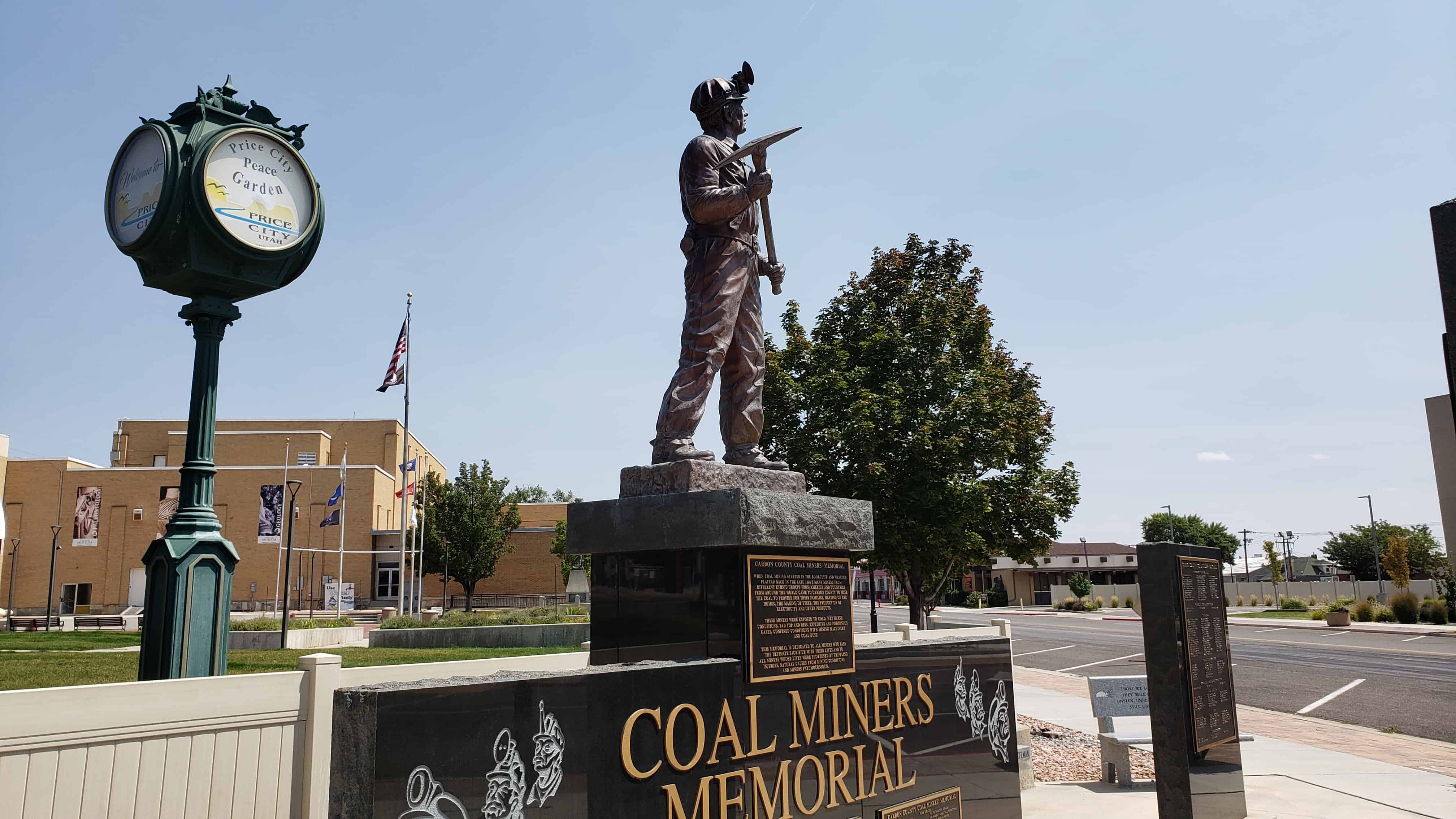
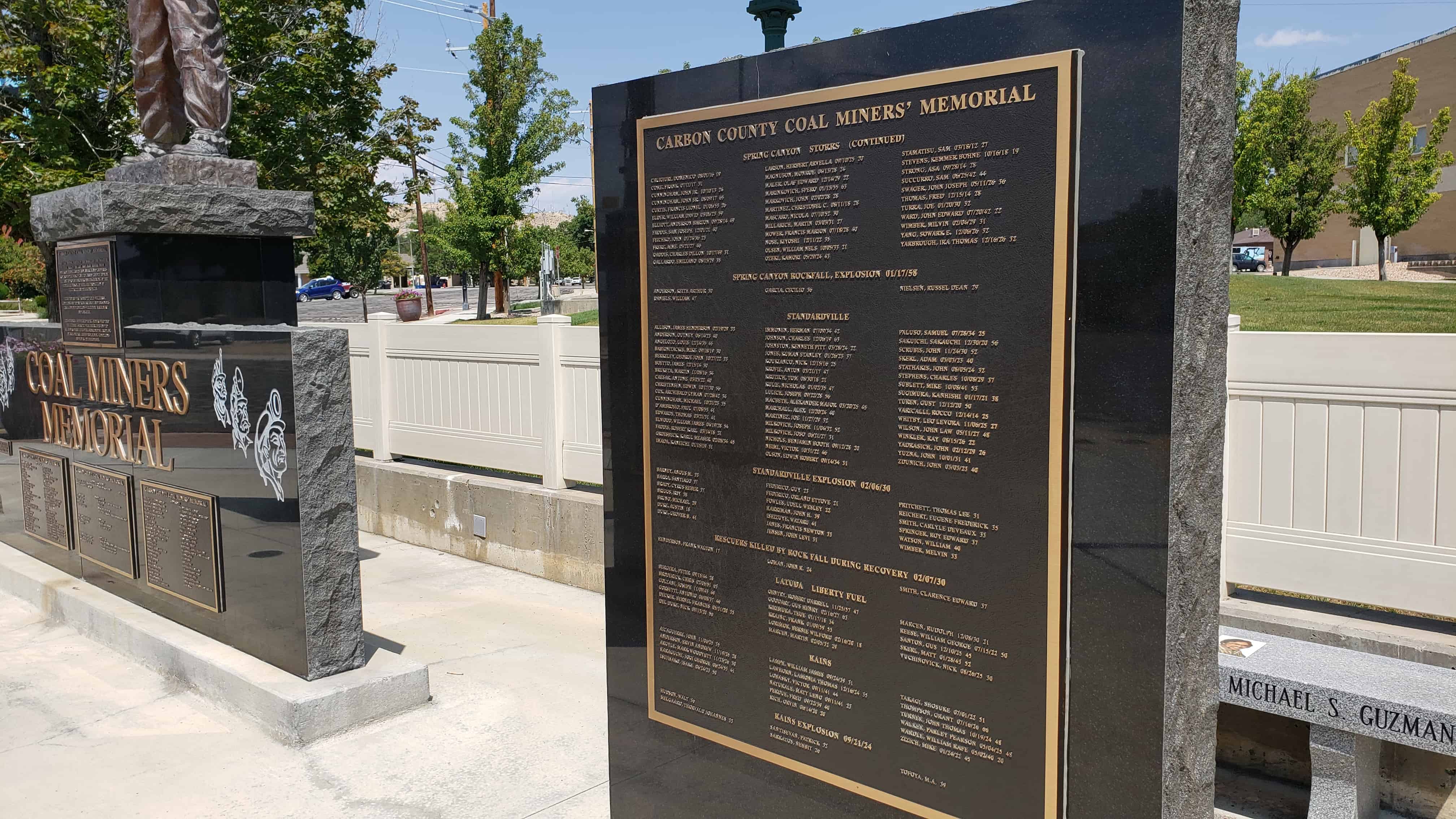
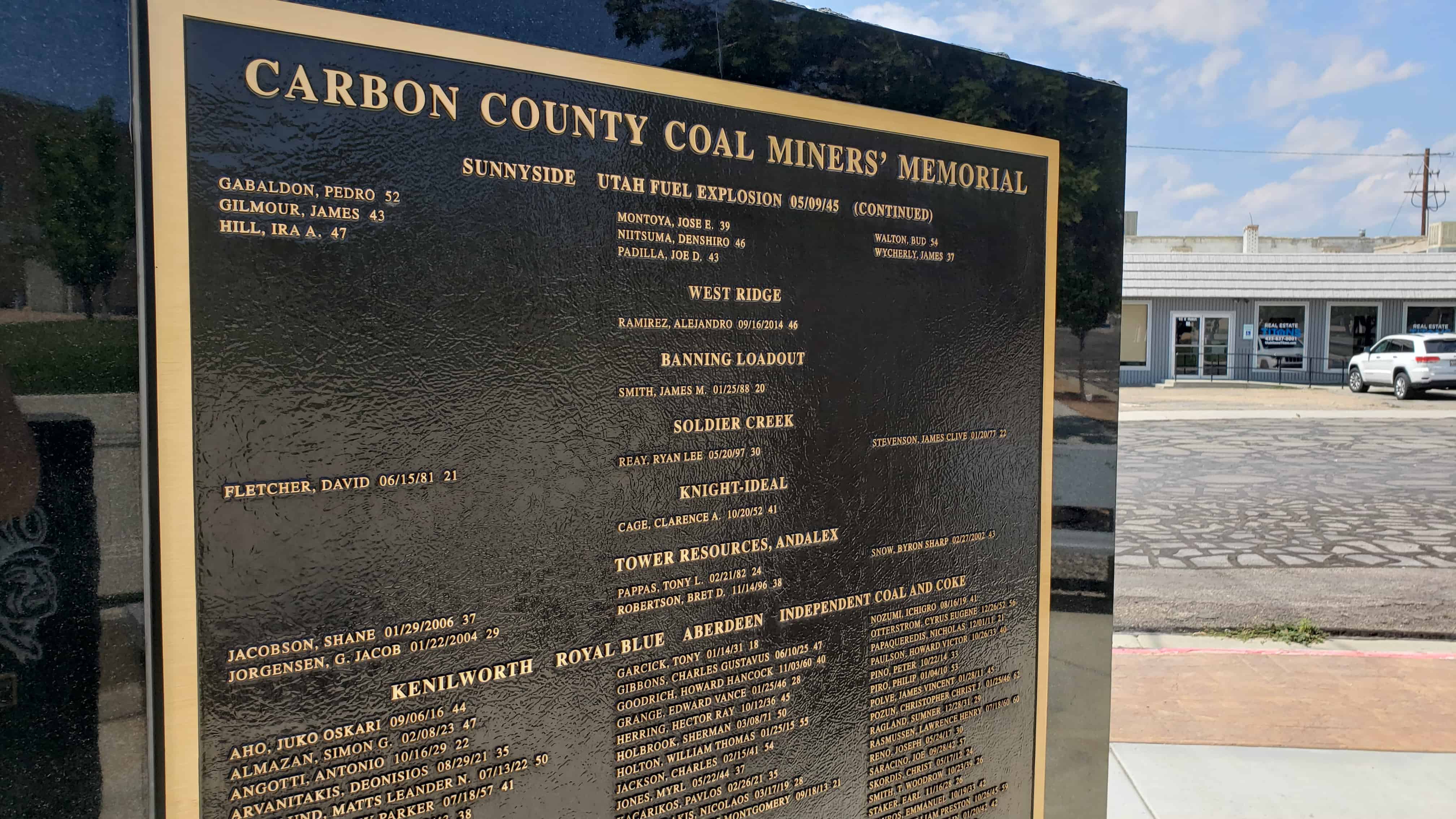
When coal mining started in the Bookcliff and Wasatch Plateau back in the late 1800’s many miners from different ethnic groups from America and countries from around the world came to Carbon County to mine the coal to provide for their families, heating of the homes, the making of steel, the production of electricity and other products.
These miners were exposed to cold, wet harsh conditions, bad top and ribs, explosive and poisonous gases, confined conditions with mining machinery and coal dust.
This memorial is dedicated to all miners who paid the ultimate sacrifice with their lives and to all miners whose lives were shortened by crippling injuries, natural causes from from conditions and miners pneumoconiosis.
This memorial is located at 2 North 100 East in Price, Utah.
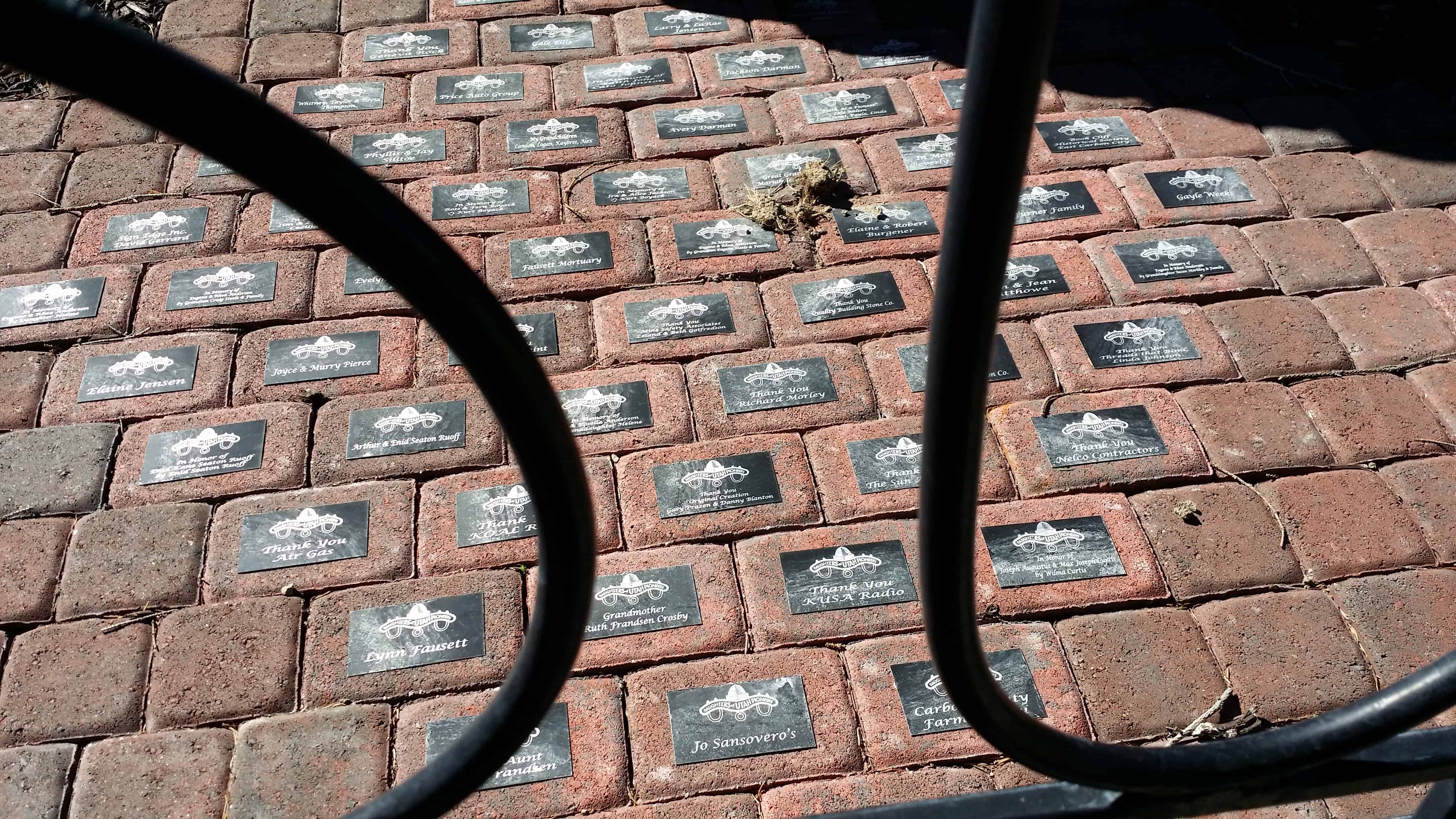
We hold in sacred memory those sturdy and brave pioneer women, who left their homes in the Eastern United States or sailed from the foreign lands; that trekked across hills, plains, and mountains, forded streams and rivers, birthed and buried loved ones along the trail. Others followed, with faith in every footstep, arriving in Price River Valley. Contributing their ethnic traditions and religious beliefs; each endured hardship to conquer this desert, make a home, provide for their posterity and contribute to the settlement.
The women hoed and helped husbands, fathers, sons and daughters to prepare the soil and plant. They prayed for sun and rain, in turn; fought off crickets, grasshoppers or prairie fires in order to save their crops. They harvested, gleaned, and ground wheat on gristmill stones, lovingly shaped loaves of bread and baked in earthen ovens. They blessed and broke bread, together, as families and friends.
In honor of these pioneer women’s contributions, in June of 1928, Price’s Mayor, W. F. Olson, deeded DUP land for the Pioneer Evergreen Park. Price Company Daughters of Utah Pioneers, their families, and Boy Scouts of America cleared the area and prepared for the monument and statue to be erected. Local artist, Dean Fausett, created an original statue of a pioneer woman in a walking position, dressed in a long dress with a bonnet hanging down her back, and a sack of grain over her left arm, to adorn the top of a rock cairn built by Dan Morley. The dedicatory prayer for the original monument was offered by Bishop George Jorgensen, September 7, 1931. Years later, the cement statue and bronze markers disappeared.
In 2009, a search began to locate the monument’s history. DUP minutes revealed that the original statue was modeled after Florence Virginia Horsley Jorgensen. News articles and photographs were provided to Gary Prazen, a local sculptor, to recreate the replica in enduring bronze. Richard Morley, repaired the original rock monument.
Price City Centennial Year Celebration of 2011 marks the rededication of Price Company Daughters of Utah Pioneer’s efforts to restore “Pioneer Women” to honor all women residing in this multinational community, united in their preservation of the past and dedicated to prepare for Price’s future.
Carbonville was one of the very first settlement sites in what became Carbon County. Caleb Rhoades built a dugout here in 1877, before moving on to found Price in 1879. Later called “Rhoades Meadow”, the place had plenty of water, but of poor quality.
The village grew slowly, with most immigrants preferring the more developed areas of Price and Spring Glen. Carbonville did experience rapid growth in the industrial and housing boom years after World War II. The Church of Jesus Christ of Latter-day Saints organized the first ward here in the late 1940s, and a second one in the 1950s.
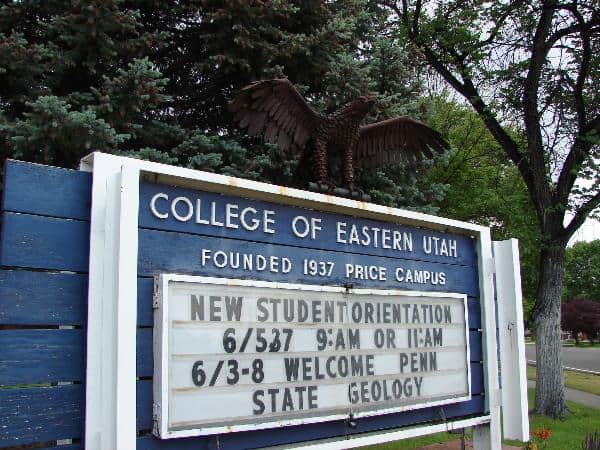
Carbon College was formed on February 20, 1937 by the State of Utah and classes began in October 1938 with approximately 100 students. The newly formed college faced financial difficulties in 1953 when a budget-cutting measure was proposed to dismantle the college and sell the property. The issue went to the ballot during the election of 1954 with 56,000 petition signatures and a subsequent 78% of the vote to reject such a measure.
In 1959, the college was joined with the University of Utah and acted as a branch of the University for 10 years. During the partnership, the campus grew significantly and the college became known as College of Eastern Utah (CEU). During the 1960s, CEU added several new buildings including the Geary Theater, Music Building, Science Center, and Library. In 1969, the Utah System of Higher Education was created ending the relationship between the University of Utah and CEU.
During the 1970s, CEU began to focus on the mission of being a vocational-technical school for the community. Degrees were expanded to include welding, automotive mechanics, machine shop, cosmetology, diesel mechanics, and a registered nursing program. CEU expanded courses to be taught at the San Juan Center. After the start of the 21st century, courses and enrollment began to climb to more than 2,000 students enrolled in more than 400 courses.
In 2010, the College of Eastern Utah merged with Utah State University creating Utah State University Eastern (USU Eastern). Shortly after the merger, Dr. Joe Peterson, a former vice president of instruction at Salt Lake Community College, became the school’s first chancellor, reporting directly to USU president Stan L. Albrecht.
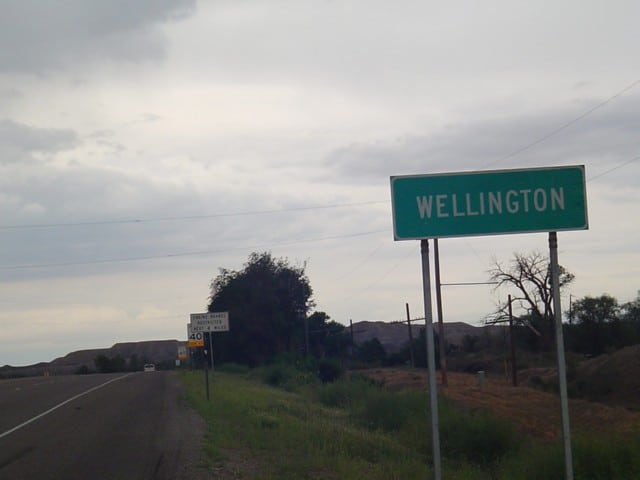
Wellington is a city in Carbon County, Utah, United States. The population was 1,676 at the 2010 census. The community was settled in 1878 by a band of thirteen Mormons led by Jefferson Tidwell. The town was named for Justus Wellington Seeley, Jr., of the Emery County Court. Many residents commute to nearby Price for their jobs, or work in one of the various coal mines in the area.
Price, the county seat of Carbon County, is the largest city in the county and is located in the Price River Valley of the Colorado Plateau province of Utah. It is believed that Price was named after LDS Bishop William Price of Goshen, Utah, who explored the region in 1869. The area was originally a part of Sanpete County, and then was included in Emery County when it was created in 1880. Price was organized on 14 July 1892 while it was still a part of Emery County.
Caleb Baldwin Rhoades and Abraham Powell, trappers from Salem, Utah, were the first recorded settlers in the Price River Valley. They arrived in October 1877 and built a cabin in the northwest corner of what is now Price. The two returned to Salem when the trapping season was over. Their talk aroused interest in the area among their friends and families, and they soon convinced a group join them in relocating in the Price River Valley. However, Abraham Powell never returned to Price as he was killed by a bear on 7 December 1878 while hunting in the Nebo Mountains.
On 21 January 1879 Caleb Rhoades returned to the valley with two brothers, Frederick Empire Grames and Charles W. Grames. The men helped each other build homes for their families. Later that year, they were joined by their families and others, most coming from Utah County.(*)