When first constructed in 1906, the New York Hotel provided luxurious accommodations for travelers. The building offered steam heat and electric lights in every room while advertisements assured all guests of excellent service.
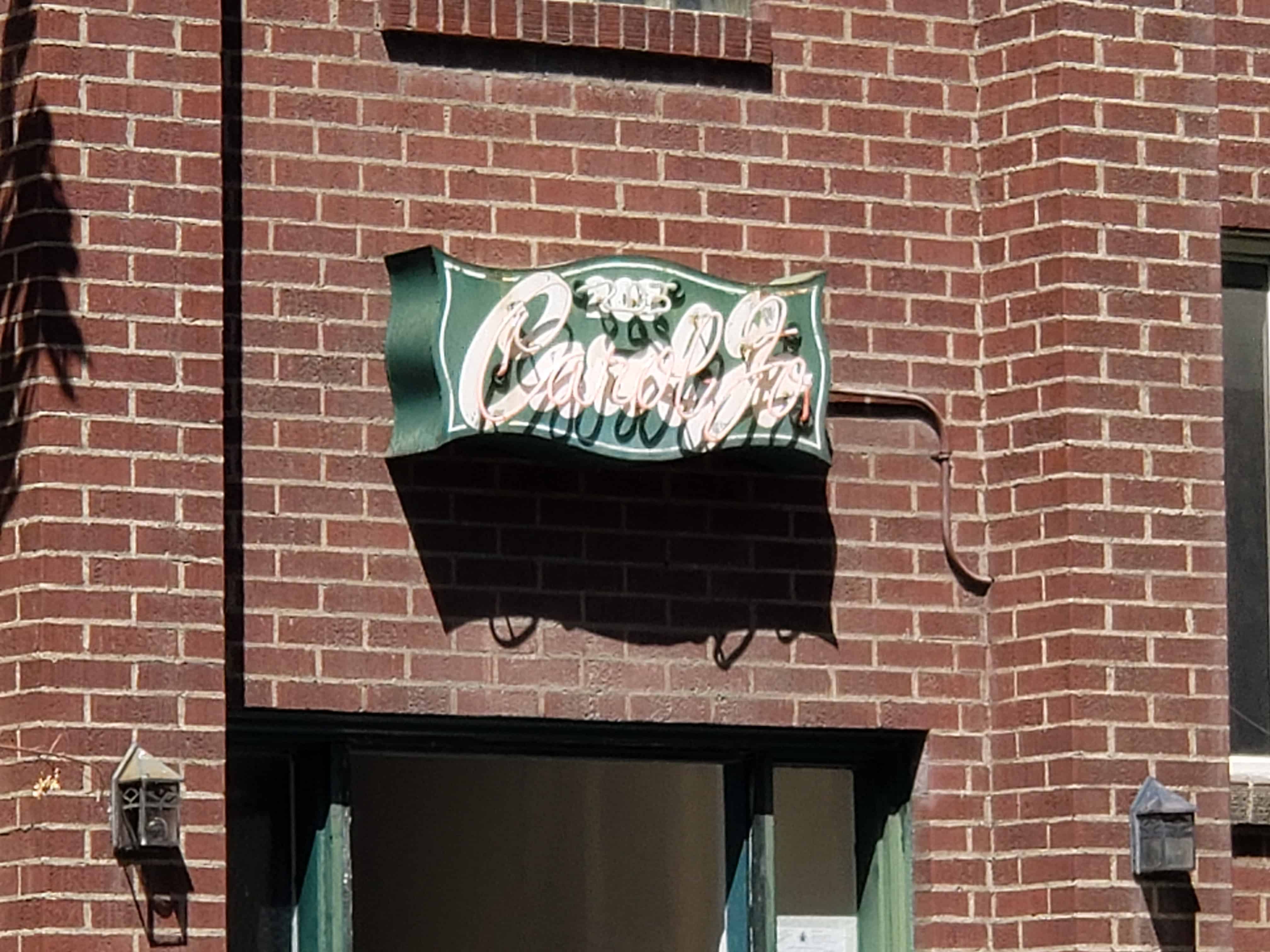
The hotel features an attractive entrance canopy supported by cast iron columns on high sandstone bases. Also note the curvilinear gable where the building’s name appears in large block letters. In the mid-1970s, the New York Hotel was renovated to house restaurants and office space. The pioneering project was one of the first in Salt Lake City to adapt an historic building for a new use. Its success brought new life to an historic building and a declining area of downtown.
Constructed c. 1911, this one-and-one-half-story house is a nice example of large bungalow, the most common house type in Utah during the early twentieth century. The house exhibits characteristics of the transition between the waning Victorian Eclectic style and the then current Arts and Crafts style. These details include wide eaves with classical modillions, large side dormers, decorative iron railing and square classical columns on the large from porch, and the decorative use of multiple materials with the combination of brick and patterned shingles in the gable ends. These elements combine to produce a unique dwelling.
According to the title, Esther Catherine W. Haslam was the original owner of the house and she deeded it to David and Emma Haslam in 1943. Most likely the house was always used as a rental, for city directories indicate that neither of the Haslam families lived here, and residents’ names changed on a regular basis.
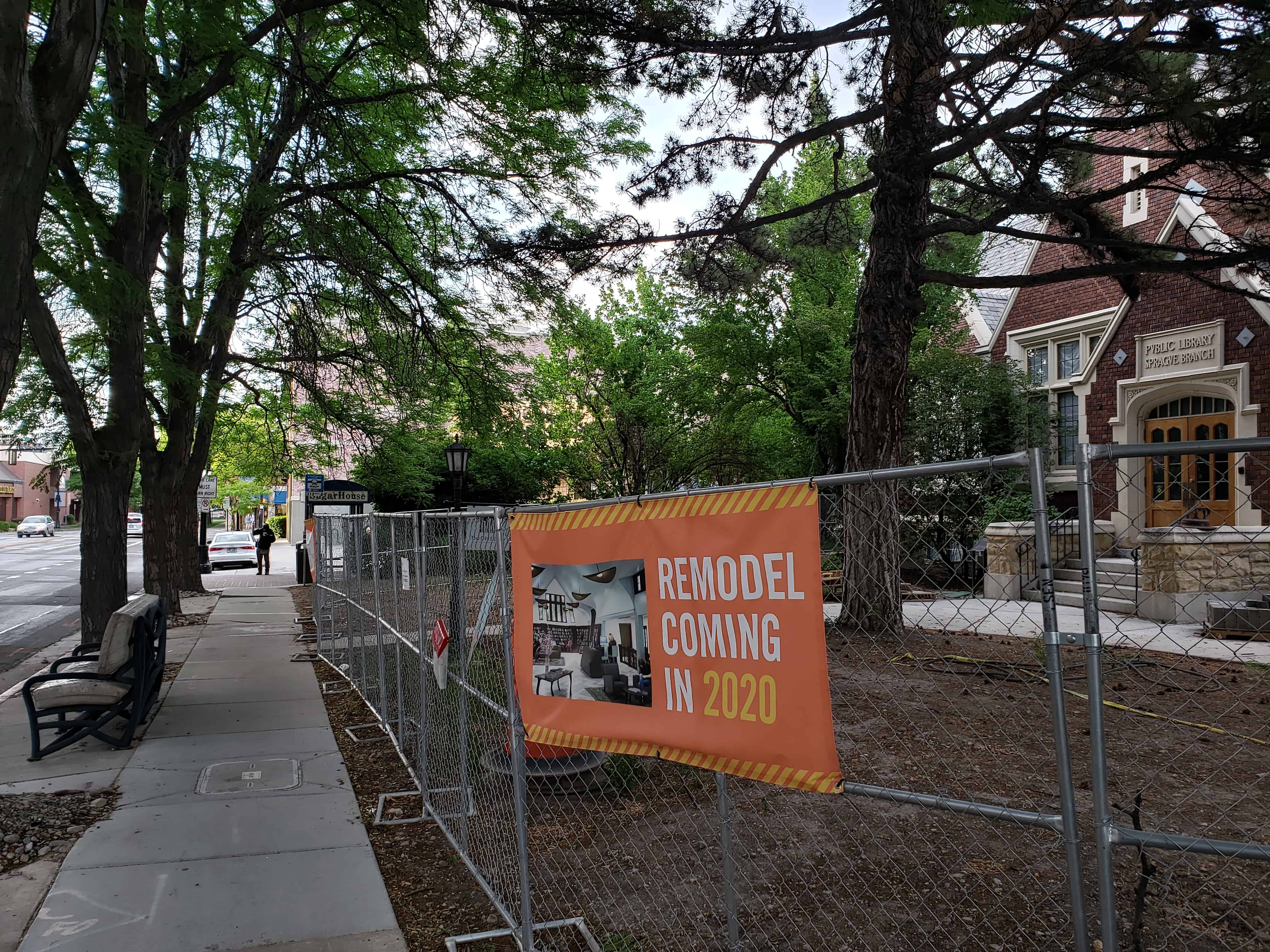
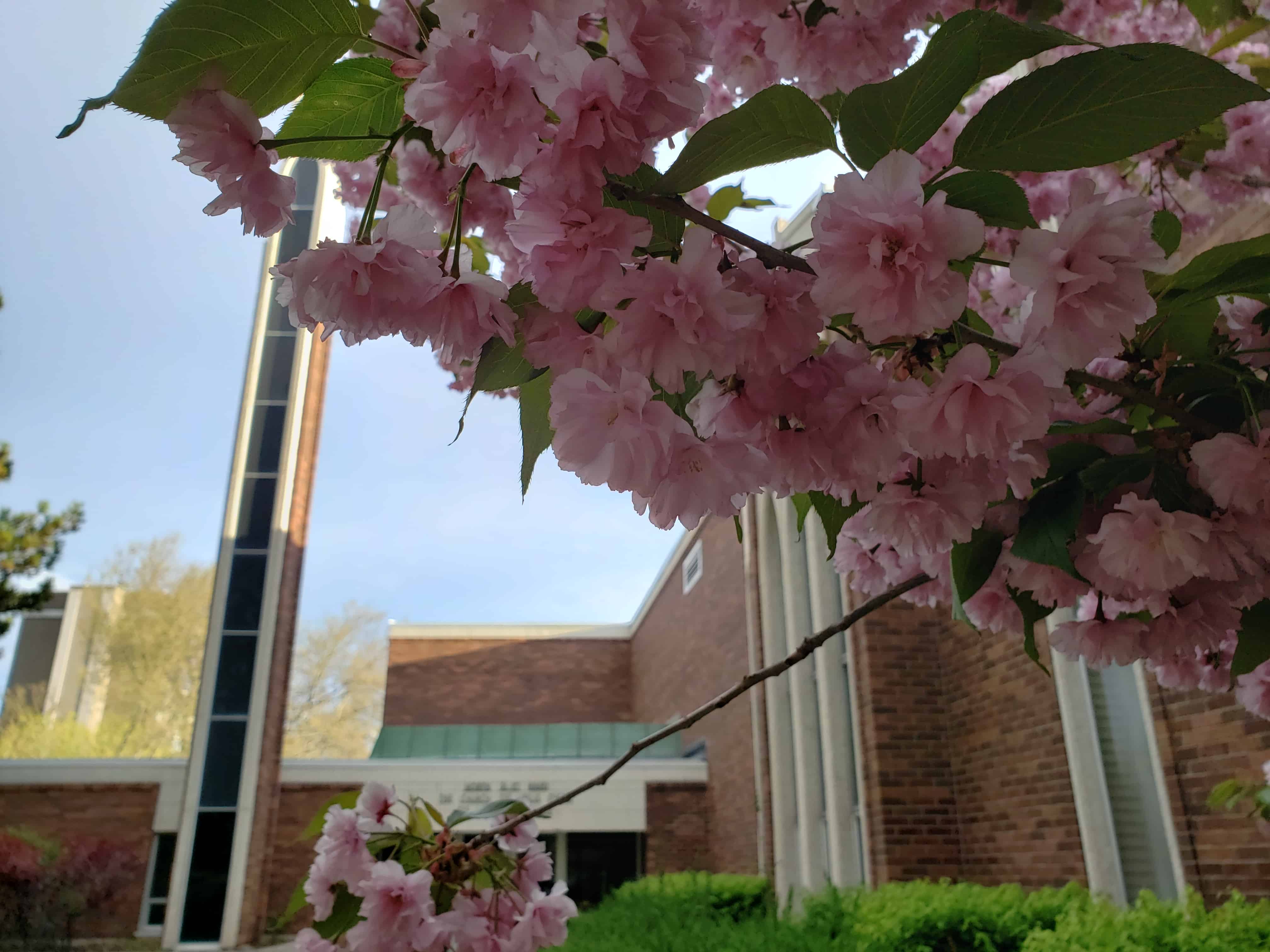
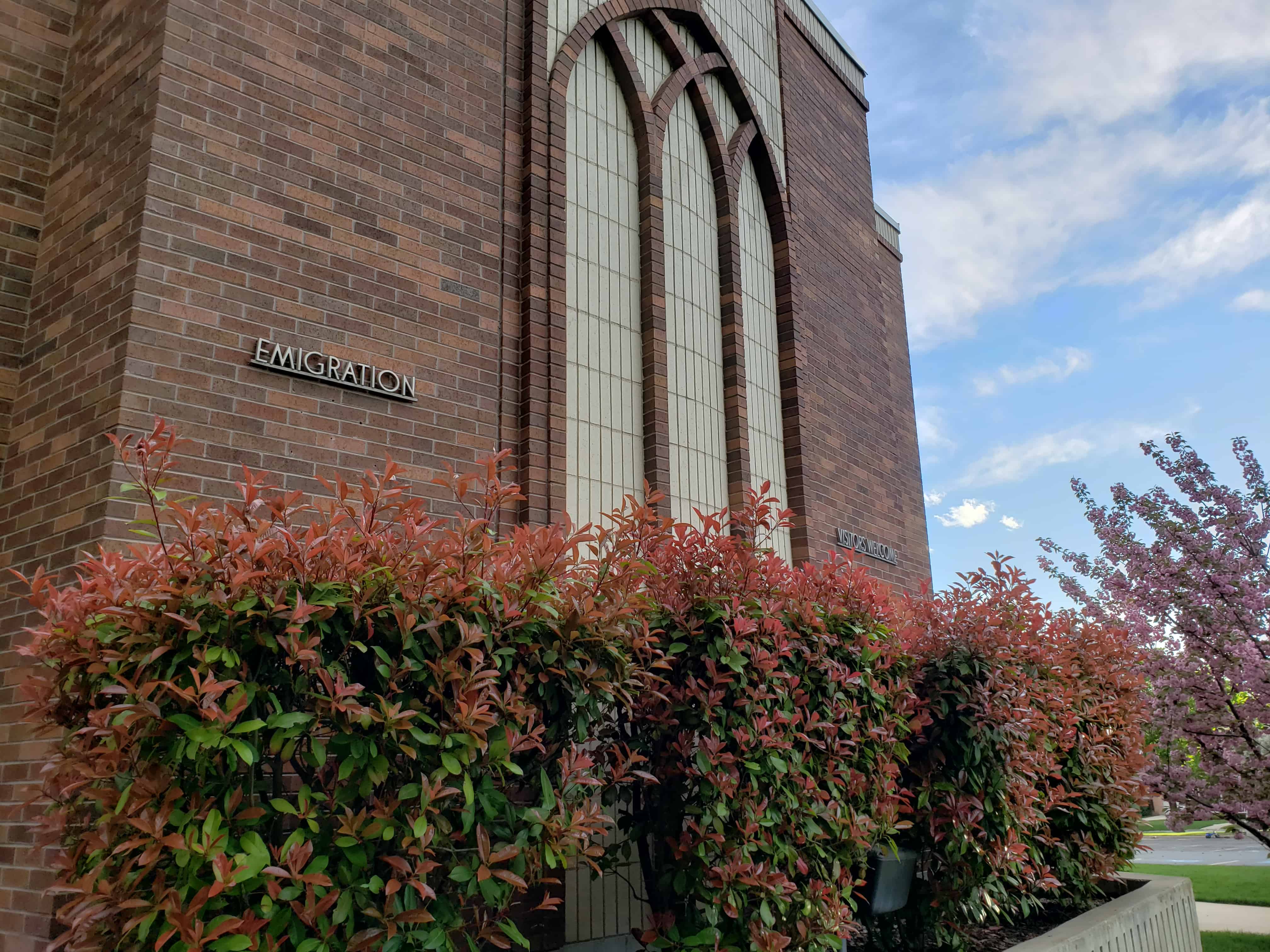
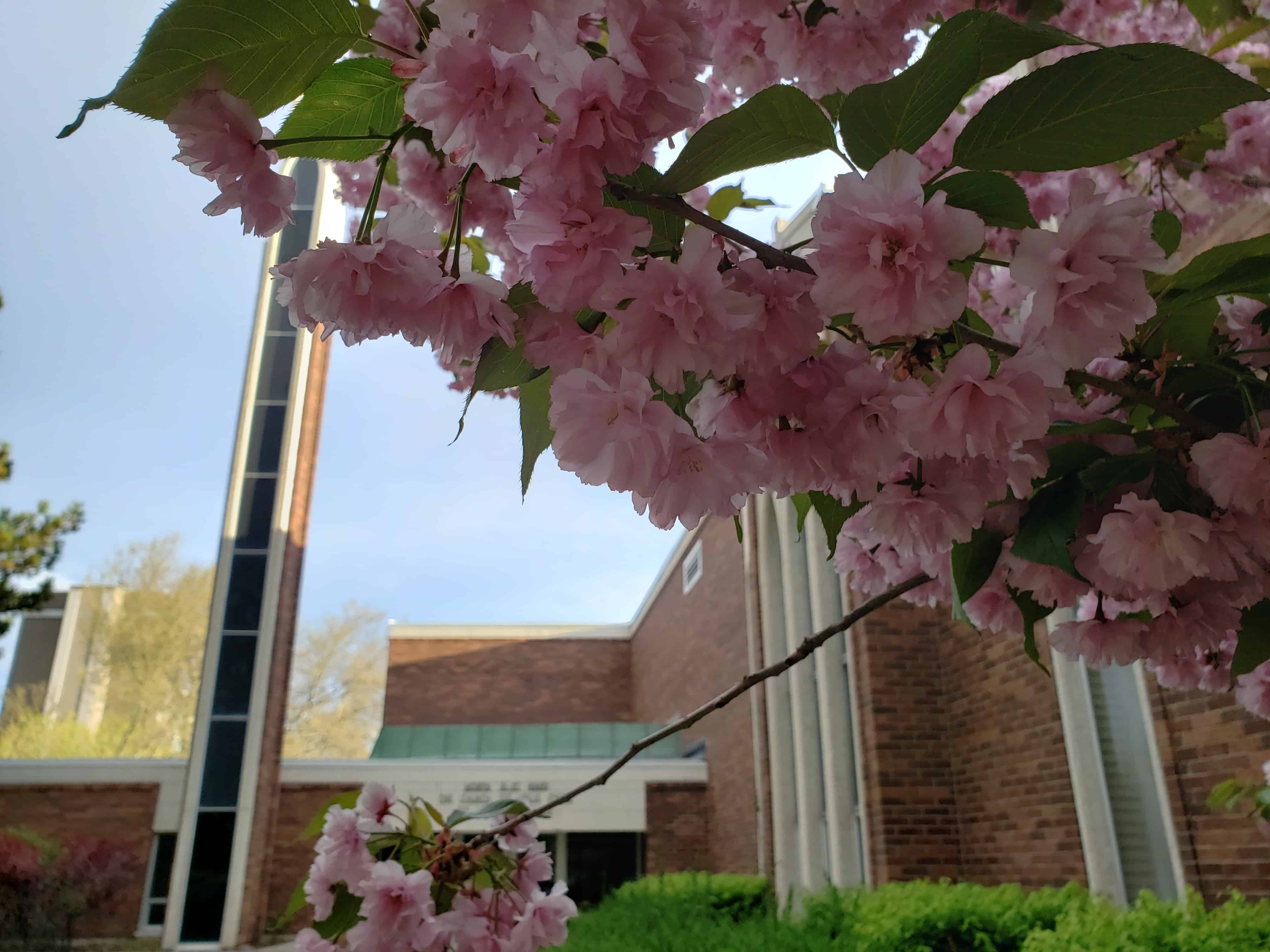
The Sprague Branch of the Salt Lake City Public Library, built in 1928 by prominent local architects, Ashton and Evans, in the Jacobethan Revival style, is significant under Criterion A for its contribution as a community and educational facility to the history of the Sugar House business district. The original Sprague Branch of the Salt Lake City Public Library in Sugar House was established in 1914 and it is been an essential part of the community life of the Sugar House area. This particular building has provided a community gathering place for the people of the area and is a local architectural landmark. For this reason it is also significant under Criterion C. The Jacobethan Revival style building is the best example of its kind in the district and one of the best in the entire city, and has been well maintained. It has recently (2001) undergone an interior renovation with a sympathetic underground addition. However, the building retains its historical and architectural integrity. The Sprague Branch is being nominated as part of a multiple property submission, Sugar House Business District Multiple Resource Area under the context, “A City Within A City, 1910-1954.”
The first Sprague branch of the Salt Lake City Public Library in Sugar House was located at 1065 (also 1085) East 2100 South (now demolished) in rented quarters in the center of the business district. Its opening in 1914 coincided with the paving of the surrounding streets (1100 East, Highland Drive and 2100 South) and the installation of sewer and gas lines in the Sugar House district. The branch was created after repeated requests to the city from citizens of the Sugar House area. It was named for Joanna H. Sprague, an early head of the Salt Lake City public library, who spoke at the opening ceremonies. She began her work in Salt Lake City in 1898, the same year that the library was established, and oversaw the beginnings of the city branch library system during the forty-four years that she was associated with the city library. She earned a national reputation in her profession and was named president of the Pacific Northwest Library Association in 1928. The Sprague branch library was heavily used from the beginning with much community support, and its success spawned the current building.
The Salt Lake City Council and the Sugar House Businessmen’s League were influential in the construction of the new branch building in 1928 on land that had been part of the Sugar House Park and donated by the city to the library. An effort was made during the design of the building to have the exterior “fit the park surroundings” and to not be of the “usual and conventional style.”4 In 1933 the American Library Association declared the Sprague branch of the Salt Lake City Public Library the most beautiful branch library in America.
The Sugar House community heavily uses the library. It is one of the busiest branches of the Salt Lake City Public Library system. Salt Lake Magazine readers voted it the “best sanctuary on Sunday” in 1999 for its reading room and relaxing atmosphere. Statewide, the Utah Heritage Foundation recognized it for the quality of its 1990 renovation and restoration. The Sugar House Community Master Plan refers to the Sprague Library as “a long-standing community gathering place.” The building retains its historic integrity and contributes to the historic quality of the Sugar House Business District.
The Sprague Branch of the Salt Lake City Public Library was built in 1928 a half block south of the center of the Sugar House commercial district at 1100 East and 2100 South. It is constructed in the Jacobethan Revival style of brick masonry with the main gable roofline running north/south and cross gables to the east (reading room) and west (entrance vestibule and stairs). Its property boundary on the northwest is Parley’s Creek, currently underground in a conduit, and the parking lot of the Sugar House Commons shopping center.
The building is a colorful combination of brick, stone, terra cotta, cast concrete, and slate with a rock-faced ashlar sandstone foundation in a pale buff color. The striated brick laid in an English bond ranges in tones from red to brown and the terra cotta accents are pale ivory. The slate roofing varies in color with predominant tones of grays, blues, and purple. The main entrance to the library is on the west facing 1100 East through a raised entrance vestibule under a small gable. A larger west-facing gable section has triple casement windows. Each window is tall and narrow with twelve rectangular lights, metal muntins and mullions, and wooden sash. A three-sided bay section to the south on the facade has the same windows. Half-timbering fills the tops of the north and south gable ends.
The first floor interior has coved ceilings and an open plan with the stacks in the north area, a reference desk and the main circulation desk in the central room and a smaller reading room and staff work area to the east. The interior space retains the open area with the high coved ceilings of the initial library space. The basement of the original building has more stack area, a large children’s section, and public rest rooms.
Efforts have been made over the years to maintain and improve the building beginning in 1954 with work on the foundation and continuing with interior renovation in 1971. A 1989-90 remodeling project done by Brixen and Christopher, Architects, for $405,000 using LSCA and Salt Lake City Public Library funds, stabilized the foundation, removed asbestos, added a rear entry/ handicapped access, installed an elevator, replaced lighting throughout, installed energy efficient heating and cooling systems, upgraded the electrical system, insulated the attic, and did other improvements.
Renovations completed in the spring of 2001, again by Brixen and Christopher, for $939,000l , included improvements to the children’s area and the reading room on the main floor as well as the addition of a new community meeting room and staff office space in the newly excavated basement area with a leaded glass and copper skylight pyramid on the east plaza. The plaza serves as the roof of the addition and provides an outdoor gathering space to the east of the building. The new eastern entrance is in a sympathetic style, using the same materials as the original building. The copper clad skylight pyramid with leaded glass complements the building.
The building faces west, set back from the street, on 1100 East in a landscaped lot with mature trees and concrete walks leading to the oak doors at the raised entrance. The library retains its original appearance from the traditional entrance on 1100 East. The Sprague Branch library makes a significant contribution to the historic character of the Sugar House business area.
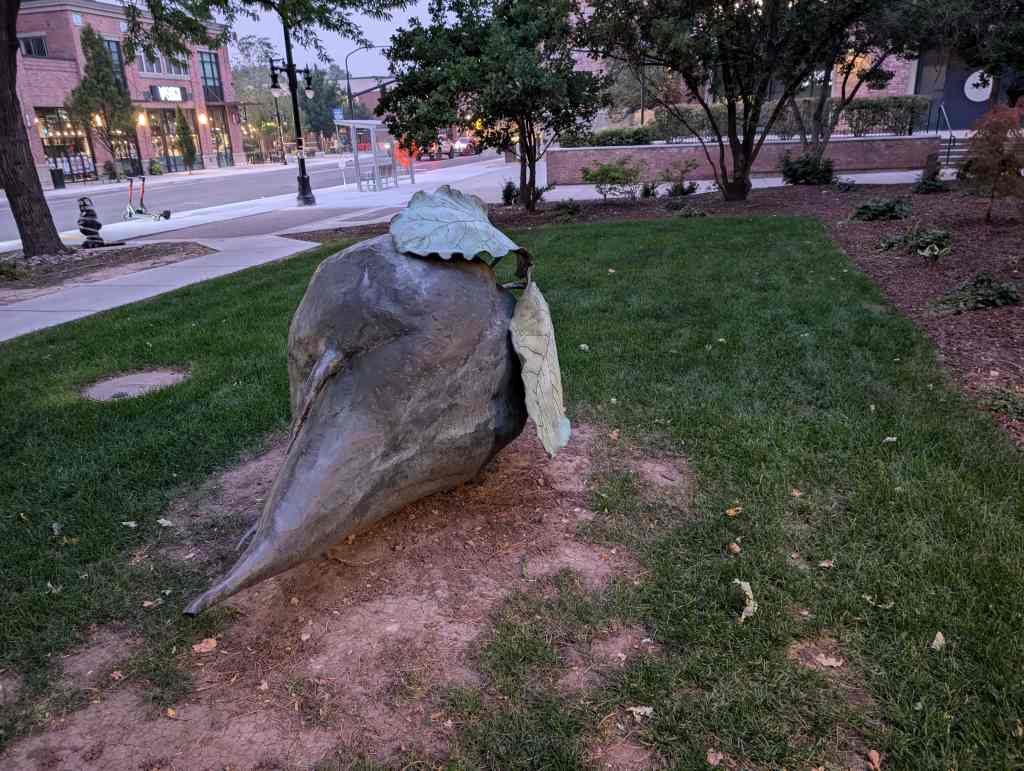
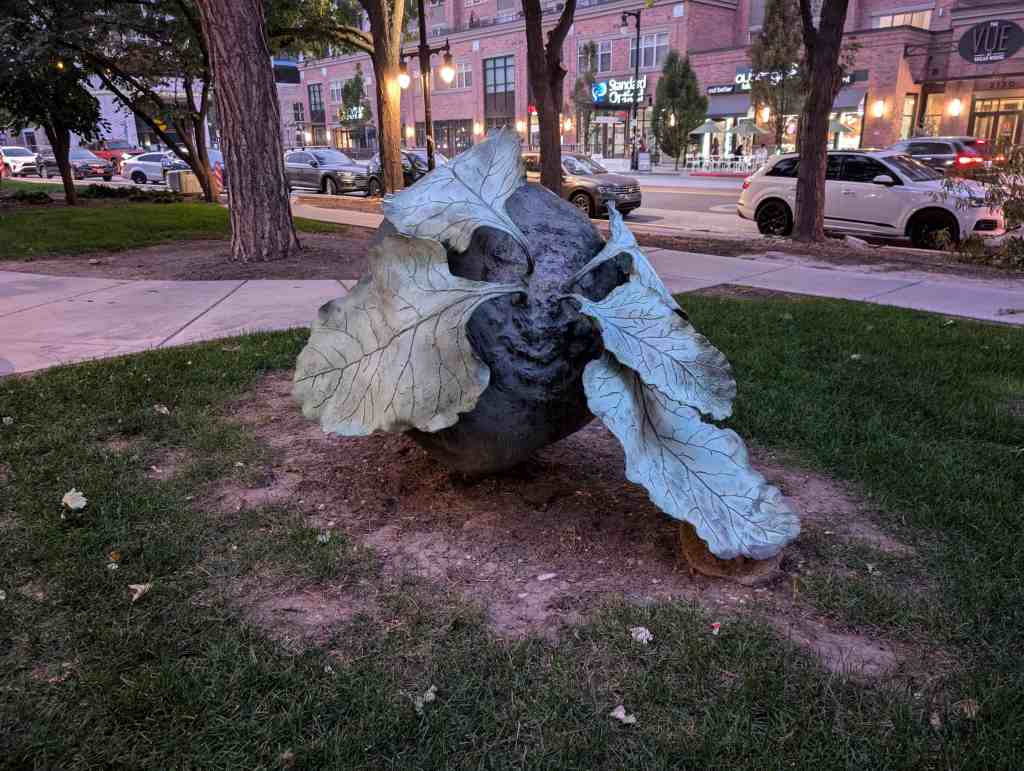
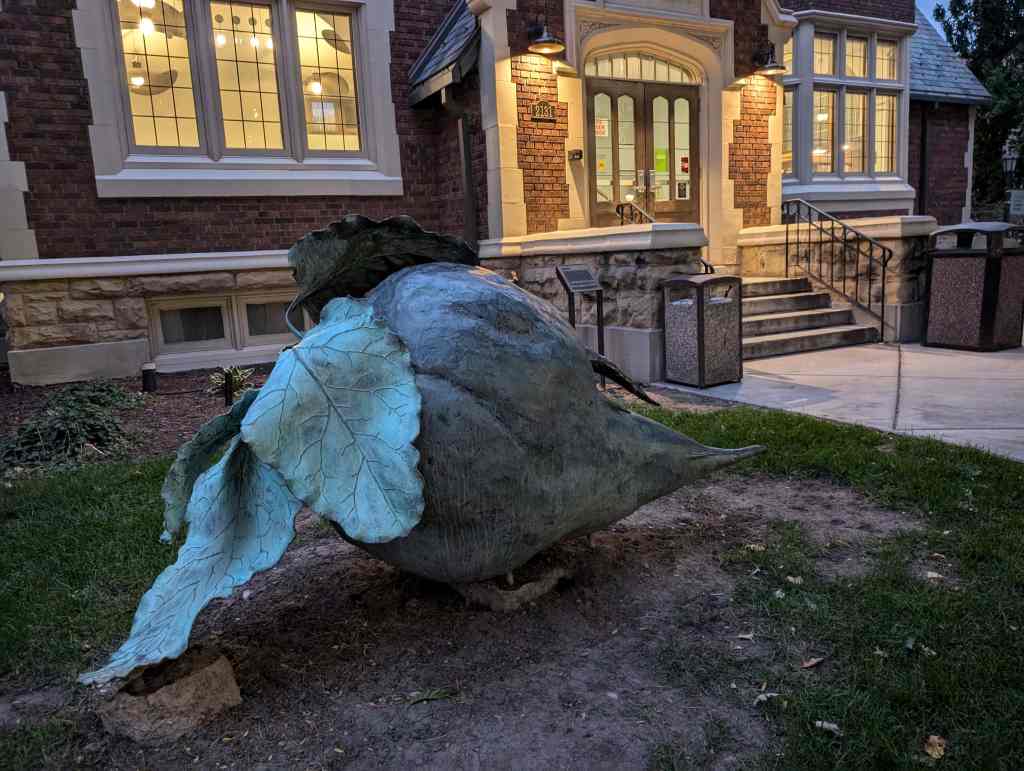
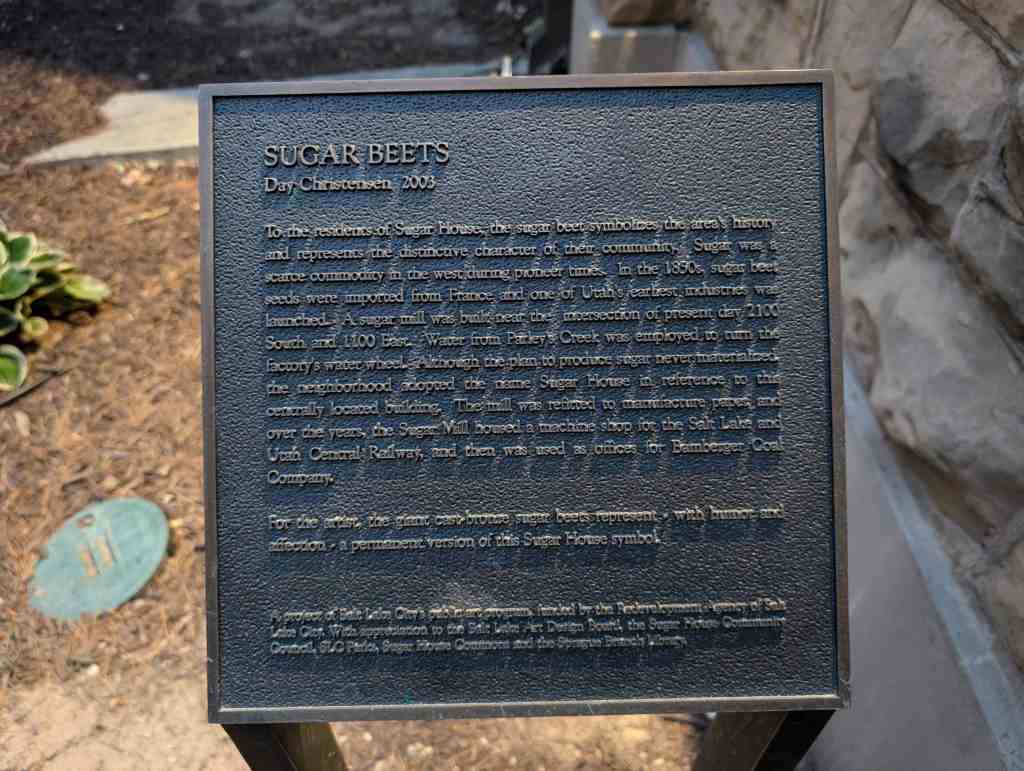
Sugar Beets Day Christensen 2003
To the residents of Sugar House, the sugar beet symbolizes the area’s history and represents the distinctive character of the community Sugar was a scarce commodity in the west during pioneer times. In the 1850s, sugar beet seeds were imported from France and one of Utah’s earliest industries was launched. A sugar mill was built near the intersection of present day 2100 South and 1100 East. Water from Parley’s Creek was employed to turn the factory’s water wheel. Although the plan to produce sugar never materialized the neighborhood adopted the name Sugar House in reference to this centrally located building. The mill was refitted to manufacture paper and over the years, the Sugar Mill housed a machine shop for the Salt Lake and Utah Central Railway, and then was used as offices for Bamberger Coal Company.
For the artist, the giant cast bronze sugar beets represent with humor and affection a permanent version of this Sugar House symbol.
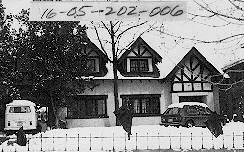
Built in 1908-10 by Patrick J. Moron as a carriage house, this structure was converted into a duplex in the 1930s. Moran operated his own contracting company known as P.J. Moron Contractor Inc., and became president of the Portland Cement Co. of Utah in 1918. He designed this one-and-one-half story building with Arts and Crafts and English Tudor stylistic features such as half-timbering, gabled dormers, stucco walls, exposed rafters, and casement windows.
This building was originally designed as a carriage house to accommodate four electric carriages or three automobiles. An underground gasoline tank provided fuel for the vehicles through a pump inside the south door. A large basement held a coal room and commercial-size furnace that heated the carriage house, the Moran family dwelling to the north, and the bungalow to the northeast, built for Moran’s mother-in-law. A bedroom over the porte cochere (archway) was used at one time by the chauffeur and his wife and, later a housekeeper. When ownership of the property changed c. 1936, the carriage house was remodeled for use as a duplex.
This home is located at 17-19 South 1100 East in Salt Lake City, Utah
To the residents of Sugar House, the sugar beet symbolizes the area’s history and represents the distinctive character of their community. Sugar was a scarce commodity in the west during pioneer times. In the 1850s, sugar beet seeds were imported from France and one of Utah’s earliest industries was launched. A sugar mill was built near the intersection of present day 2100 South and 1100 East. Water from Parley’s Creek was employed to turn the factory’s water wheel. Although the plan to produce sugar never materialized, the neighborhood adopted the name Sugar House in reference to this centrally located building. The mill was refitted to manufacture paper, and over the years, the Sugar Mill housed a machine shop for the Salt Lake and Utah Central Railway, and then was used as offices for Bamberger Coal Company.
For the artist, the giant cast-bronze sugar beets represent – with humor and affection – a permanent version of this Sugar House symbol.
These beets are located around Sugarhouse and the plaques explaining them are located at both ends of Hidden Hollow.
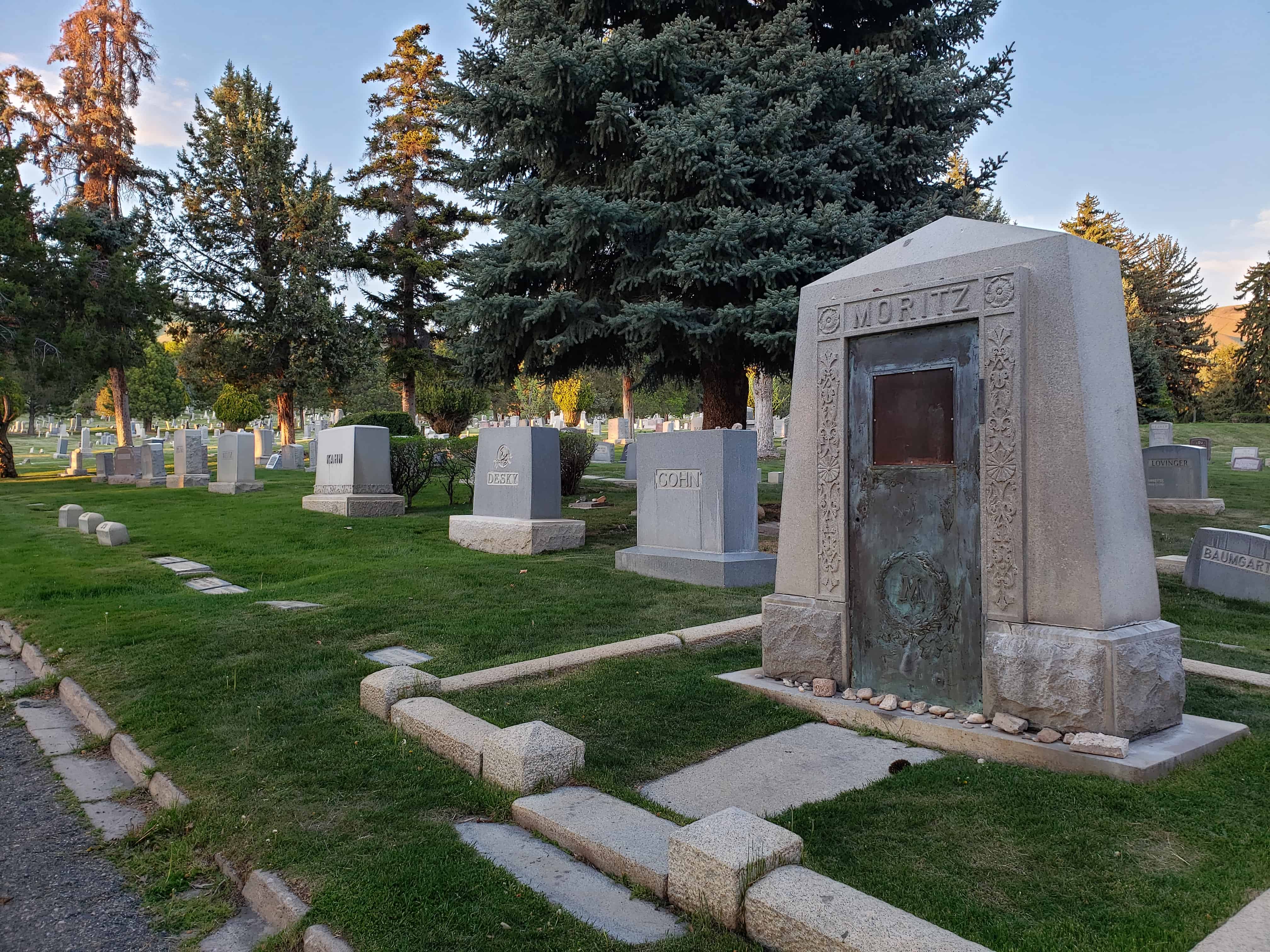
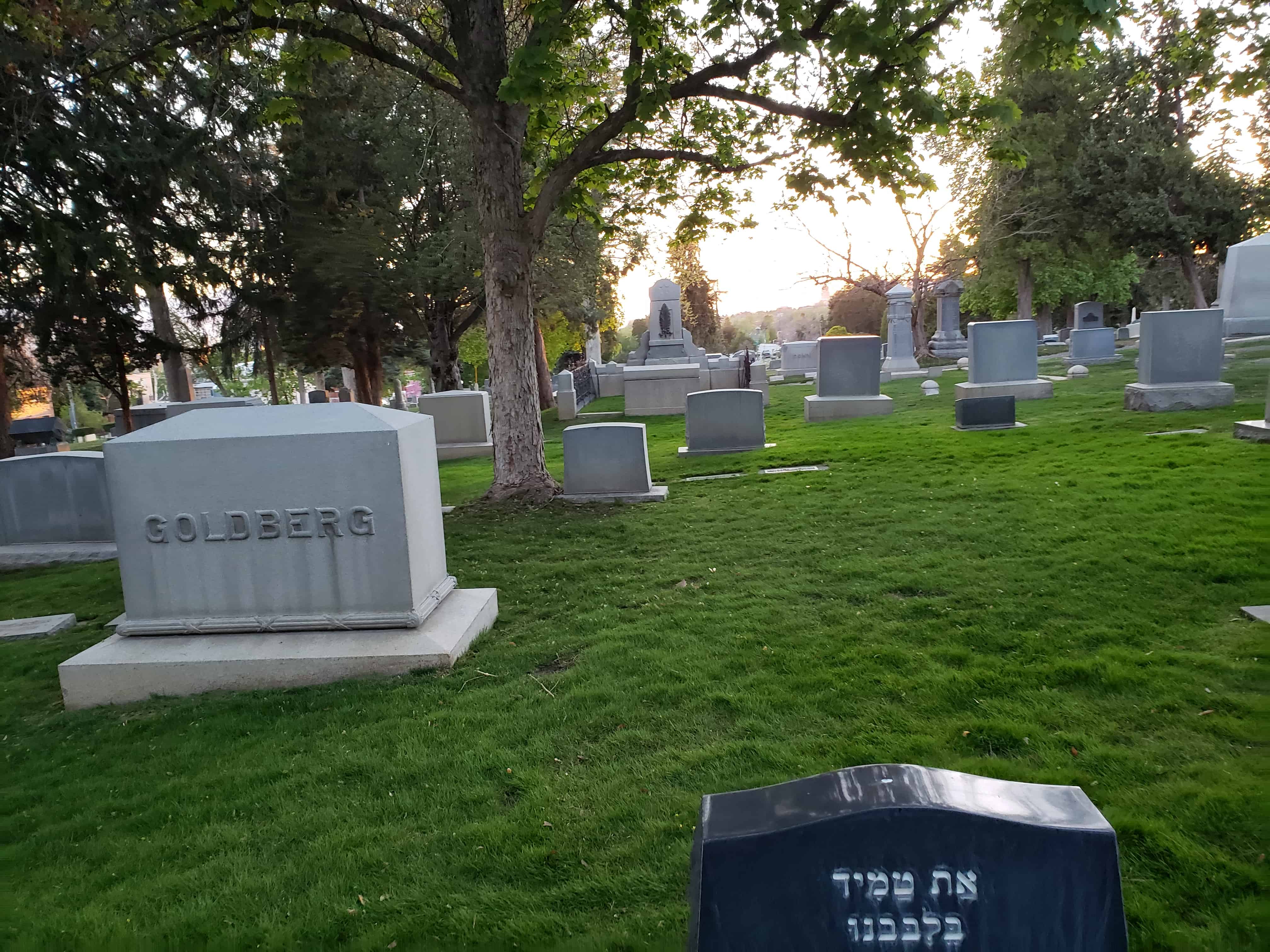
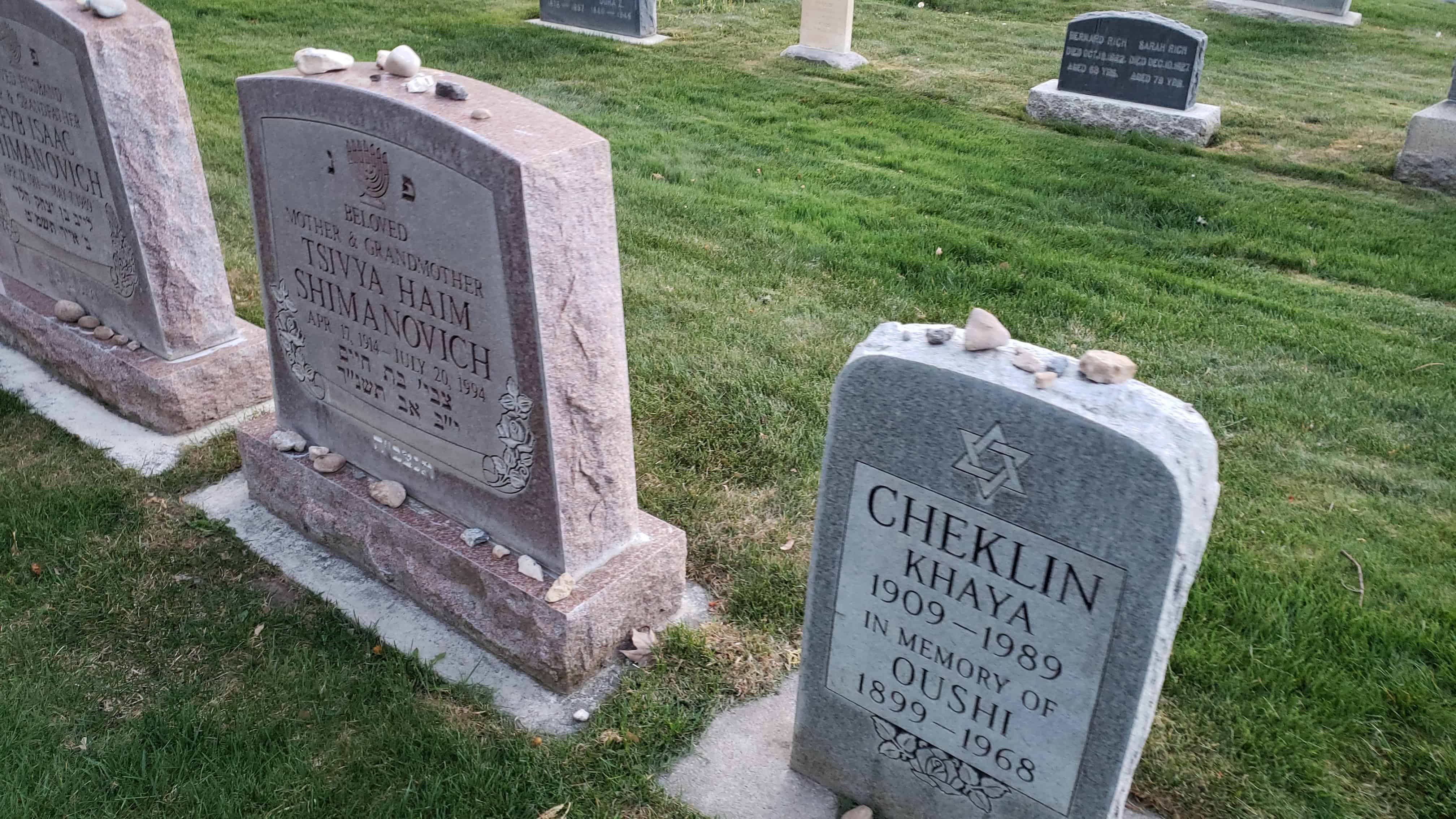
B’Nai Israel Cemetery tells the story of many immigrants. Some held great prominence in Utah.
The B’Nai Israel congregation was established formally in 1873 and had about 40 families in the Salt Lake City area. The first synagogue was completed in 1883 and soon after the B’Nai Israel congregation began to transition to a reform style. The orthodox members separated and created Congregation Montefiore. The B’Nai Israel congregation soon outgrew that first temple and began construction on the historic synagogue located at 249 S 400 E.
The Auerbach brothers were instrumental in building the 2nd B’Nai Israel Temple. Frederick Auerbach brought his nephew, Philip Meyer over from Germany who fashioned its design after the great synagogue in Berlin. Meyer stayed in Utah to oversee its construction and eventually returned to Germany. Philip Meyer died in the holocaust.
Frederick Auerbach and his brother Samuel built a hugely successful chain of stores in many small towns in Utah. They opened their Salt Lake City store in 1879 and lasted for 100 years closing its doors in 1979.
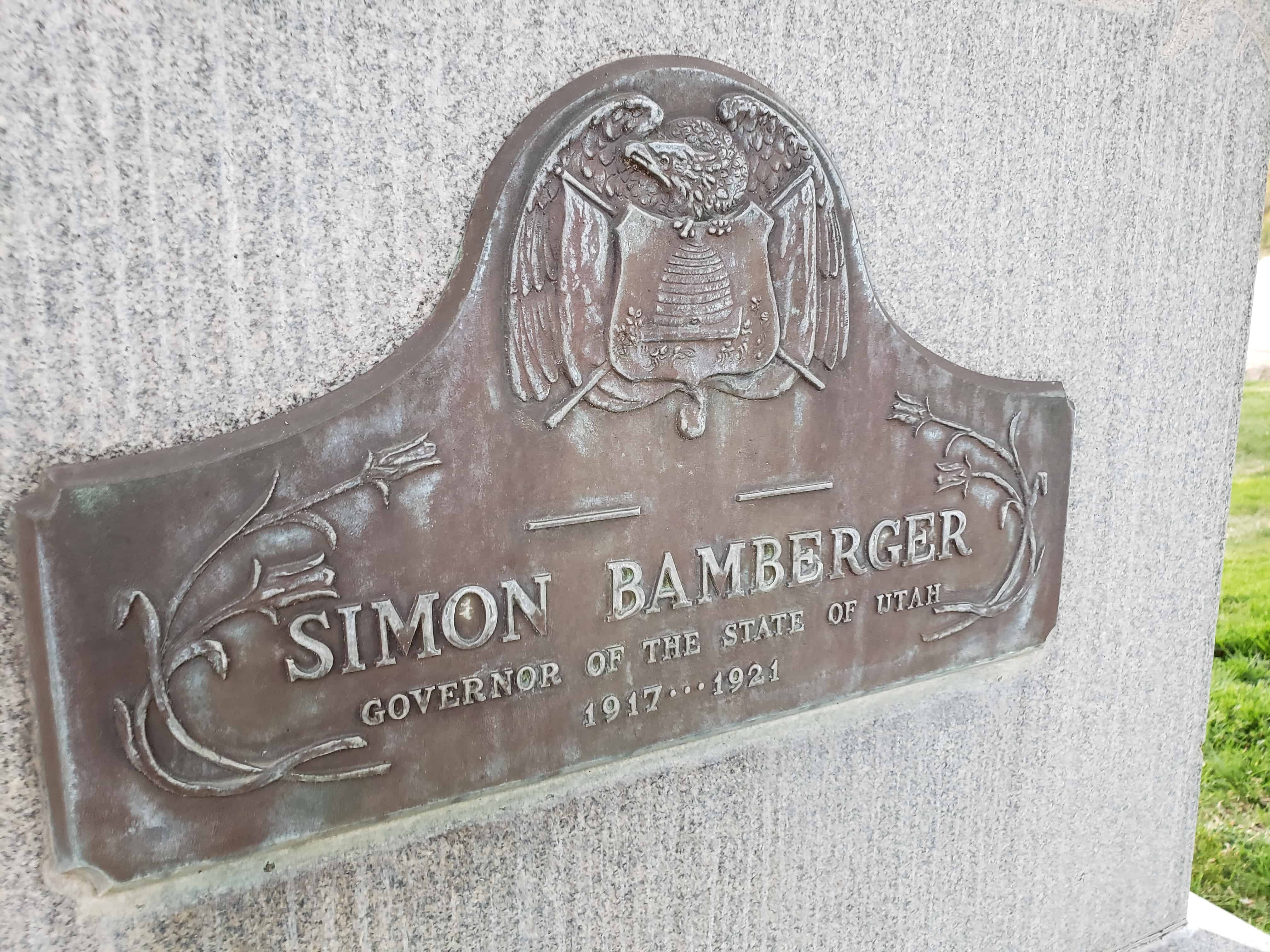
Simon Bamberger was elected the 4th Governor of Utah in 1917 and to date is the only person of Jewish heritage to serve as Governor. Bamberger had many economic endeavors in Utah from mining to railroads. Bamberger owned the interurban railroad that served the Great Salt Lake and northern hot springs up to Farmington. In 1895, Bamberger purchased a swampy area north of Farmington to provide a destination for the end of the rail line. He drained it and built the Lagoon resort. The railroad was reorganized to the Salt Lake & Ogden railway and construction resumed to reach Ogden.
Maurice Abravanel was a classical music composer and conductor of the Utah Symphony for 32 years. Turning down a lucrative deal with Radio City Music Hall in New York he made his way to Utah in 1946. Many years Abravanel worked without pay to fulfill his dream of building is own orchestra.
Their impact lives on in Utah and they all have their final resting place in the B’Nai Israel Cemetery. (quoted from Utah State History)
The Granite Lumber Company Building constructed c. 1900-1908 & 1919 is significant under Criterion A for its contribution to the historical development of the business district of Sugar House. The building has a prominent position in the center of the Sugar House commercial area and was one of the early two-story buildings in the area. The Granite Lumber Company Building represents the retail emphasis of the Sugar House business district since its earliest days. It has always housed retail operations on the first floor with various offices and residential space above. The two-story two-part block brick commercial building was built in two sections in c. 1900-08 and 1919 in the Commercial style. It is significant for its association with the “Early Settlement and Industry, 1848-1909” context of the Sugar House Business District Multiple Resource Area nomination. It is the oldest known building in the commercial section of Sugar House that retains its historic integrity and one of only a few commercial buildings that retain any architectural integrity.
Located at 1090 East 2100 South in Sugar House, Salt Lake City, Utah It was listed on the National Register of Historic Places (#03000629 ) until it was demolished.
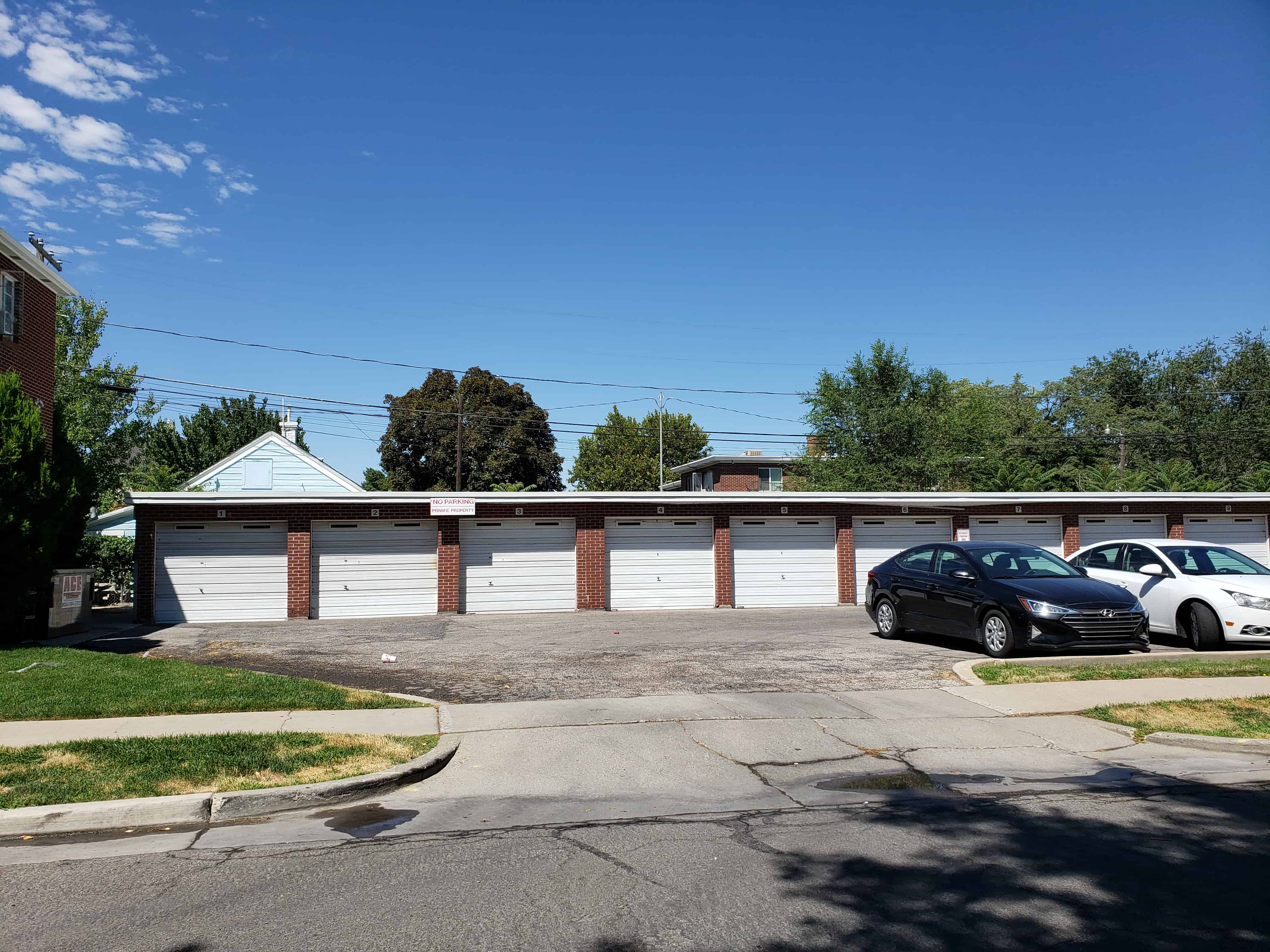
Below is what the location looked like in 2020:
The Granite Lumber Company was founded in 1901 by Nephi Hansen who was known as “the mayor or Sugar House” for his leadership in the commercial and civic affairs of Sugar House. He played an important role in the development of the Sugar House business district and was involved in founding a number of its leading firms; Granite Lumber Company, Sugar Banking Company, Granite Furniture Company, Hygeia Ice Company, Hansen Auto Company, Builders Finance and Granite Holding Company. Most of these companies had a physical presence in buildings along 2100 South in the center of Sugar House. He was involved in a variety of business ventures, constructing and managing commercial buildings in Sugar House and at one time was president of seven companies. He believed in spreading the word on the businesses in Sugar House and published a newsletter in 1920 from the Granite Lumber Company, “Splinters, ” that publicized Sugar House, its history and its businesses.
Nephi J. Hansen was born in Salt Lake City in 1868 to Peter and Rosanna Jenne Hansen, Danish immigrants and converts to the LDS Church. He attended school in Sugar House in the adobe schoolhouse then the University of Deseret. In 1901 Hansen founded the Granite Lumber Company that he headed until his retirement in 1949. While a representative to the State Legislature in 1921 he wrote the first bill to authorize moving the state prison from its Sugar House site. Nephi Hansen was active in Sugar House business and civic affairs until his death in 1951. He belonged to the Sugar House Businessmen’s League, the Commercial Club, and served on the county board to oversee road improvements and other organizations. He was an early landowner in Sugar House, purchasing properties on the northeast and southwest corners of the intersection of 1100 East and 2100 South, as well as various other sites.
The Granite Lumber Company carried lumber, building supplies and hardware in its retail store. It gradually changed to a greater emphasis on retail hardware and its name changed to the Granite Lumber and Hardware Company (1921) and finally the Granite Hardware Company (1928). It had a construction business as well and was responsible for building many of the early Sugar House commercial buildings as well as its own addition to the west in 1919. The Great Depression affected retail businesses severely, especially those associated with new construction and building. The Granite Hardware Company had financial difficulties from 1929-1931, The Granite Hardware Company was able retain ownership of the building but ceased retail operations.
In 1932 the Zion’s Cooperative Mercantile Institution (ZCMI), an LDS-church affiliated store that had cooperative and branch stores in Utah and Mormon-populated towns in nearby states, opened the Granite Mart in the former Granite Hardware Company space in Sugar House. ZCMI was organized as a joint-stock company by the Mormon Church in 1868 to do joint purchasing for Mormon stores. In the early 1930s it had both wholesale and retail operations, up to 150 at one time. The Granite Mart was used as an outlet for merchandise from the stores that ZCMI was closing in the 1930s. Richard H. Madsen, the president of ZCMI, acquired the property privately and continued to use the name Granite Mart for the department store that operated on that site until the late 1960s. At that point the building was rented for other retail operations. Ownership changed again in 1992 and the building continued to be occupied by retail companies on the first floor with offices and residential space above. The current occupant is “The Blue Boutique, ” a Sugar House business for the last eighteen years.