• About JacobBarlow.com
  • Cemeteries in Utah
  • D.U.P. Markers
  • Doors
  • Exploring Utah Email List
  • Geocaching
  • Historic Marker Map
  • Links
  • Movie/TV Show Filming Locations
  • Oldest in Utah
  • Other Travels
  • Photos Then and Now
  • S.U.P. Markers
  • U.P.T.L.A. Markers
  • Utah Cities and Places.
  • Utah Homes for Sale
  • Utah Treasure Hunt

JacobBarlow.com

~ Exploring with Jacob Barlow

JacobBarlow.com

Tag Archives: utah

Harris Home

10 Friday Oct 2014

Posted by Jacob Barlow in Uncategorized

≈ 3 Comments

Tags

historic, Historic Homes, Lindon, utah, utah county

Harris Home
310 North State Street
This is one of the original “Stringtown” homes built along State Street around 1865. The builder and original owners are unknown. The house was owned by Harriet and Joseph Harris during the first half of this century and this small home was often the site of dances and other social events. At one time the house was slated for demolition. The bulldozers were on the site. Pam Dain, a Lindon resident with an interest in historic architecture and antiques, was driving her school bus (with no children aboard) when she saw the demolition crew at the home. She pulled the bus between the house and bulldozers and asked the operators to wait until she could make a few phone calls. Pam single-handedly saved one of Lindon’s few remaining examples of architecture of the earliest period of Lindon’s history.
The home was eventually dismantled and the stones were used to construct the pioneer home that sits in Pioneer Park at 150 South 500 East.

The old Harris Home

The old Harris Home

2014-08-22 18.13.38

2014-08-22 18.13.42

2014-08-22 18.13.46

Ophir, Utah

10 Friday Oct 2014

Posted by Jacob Barlow in Uncategorized

≈ 4 Comments

Tags

Ophir, Tooele, Tooele County, utah

picture12mayr08-019

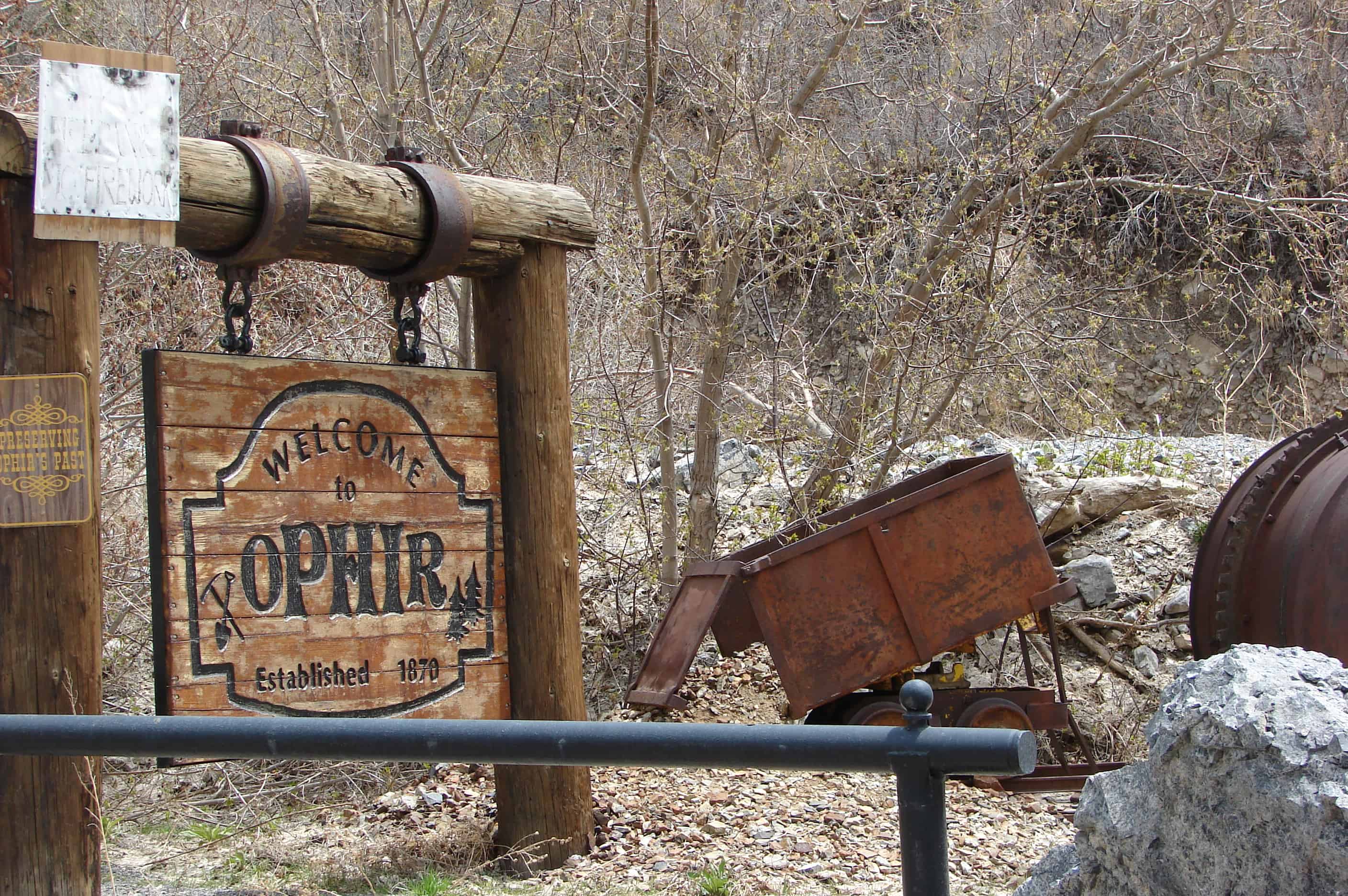
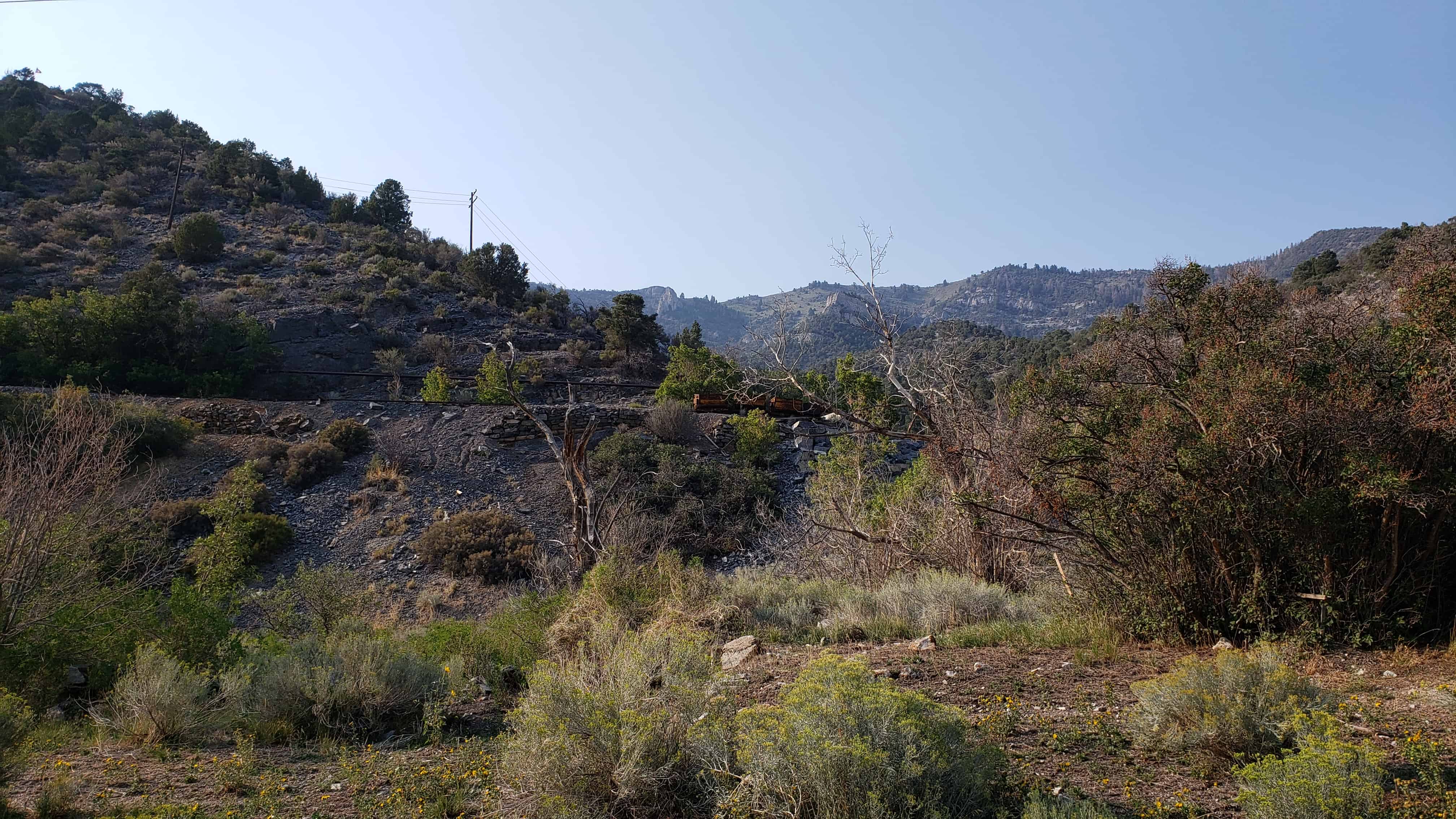
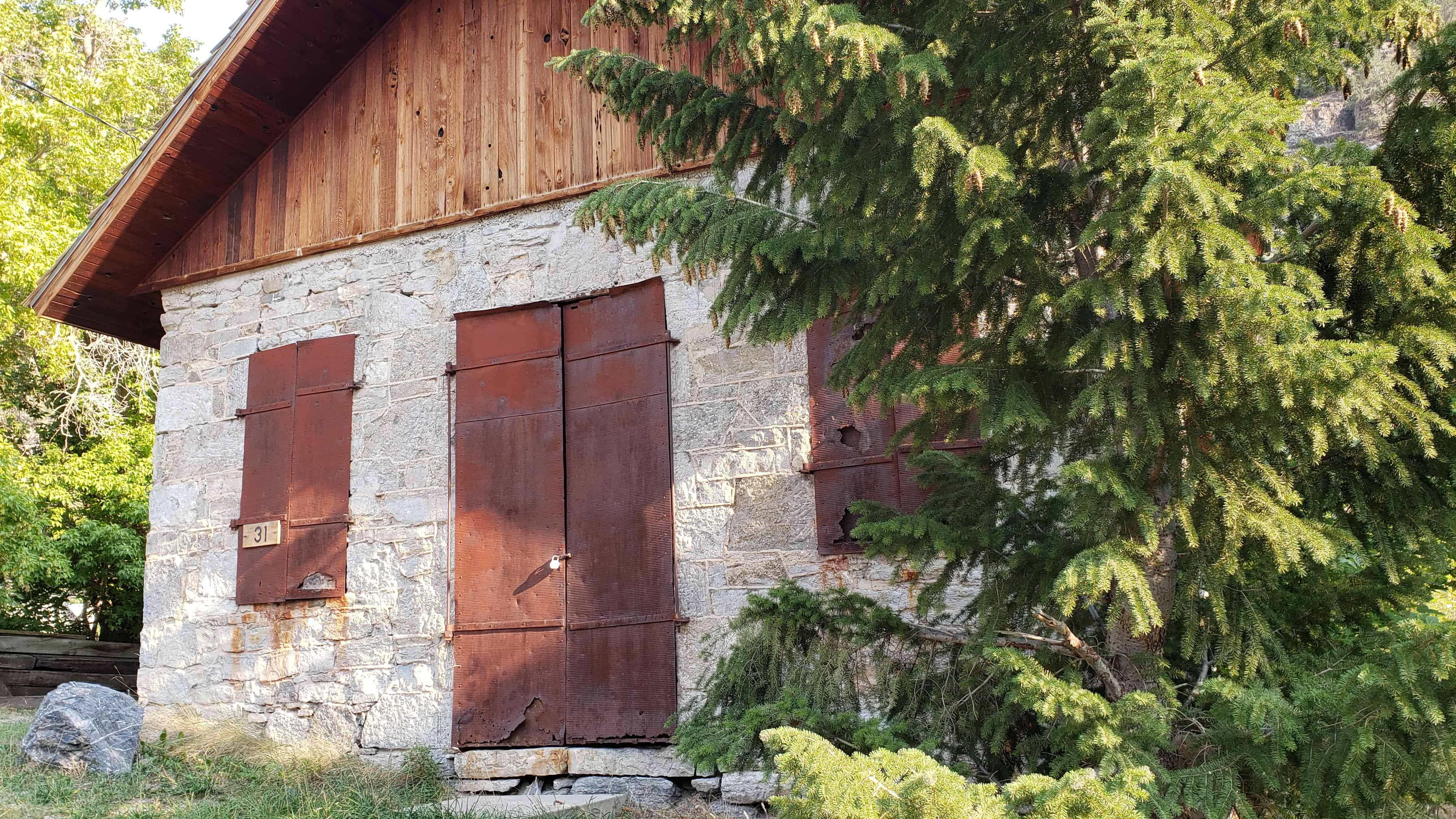
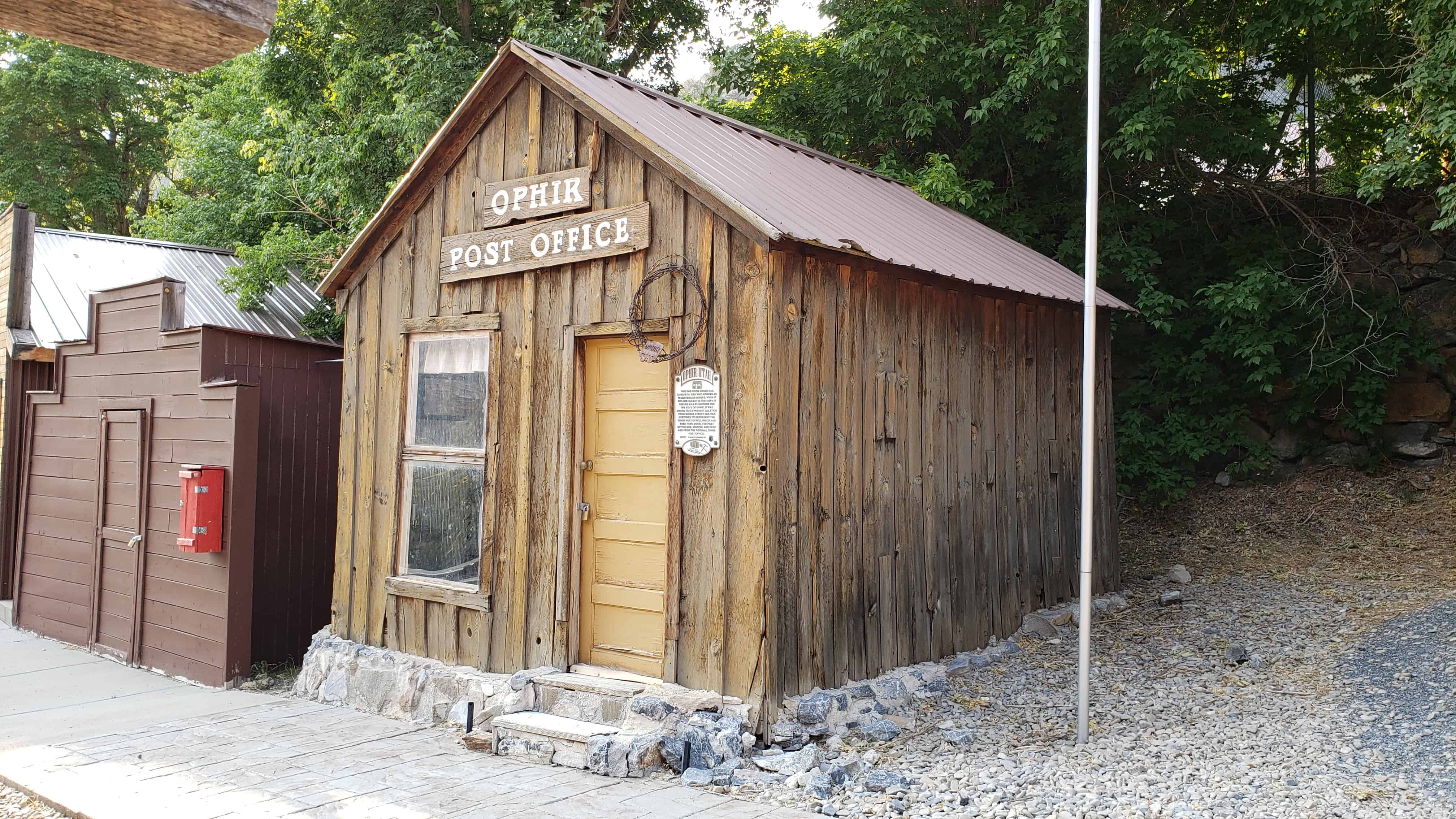
Ophir is a small mining town in Tooele County, Utah.

Related:

  • Carl Berg Rental Cabin
  • Carl “Charley” Berg Home
  • Cemetery
  • Dr. Zerick Logan Home
  • Ore Loading Chute
  • Jay and Esolina Morgan Home
  • Lawrence Brothers and Company Store
  • Ophir Fire Station
  • Ophir Post Office
  • Ophir Town Hall
  • Patsy Vario Jr.
  • Rail Car
  • Restored Home
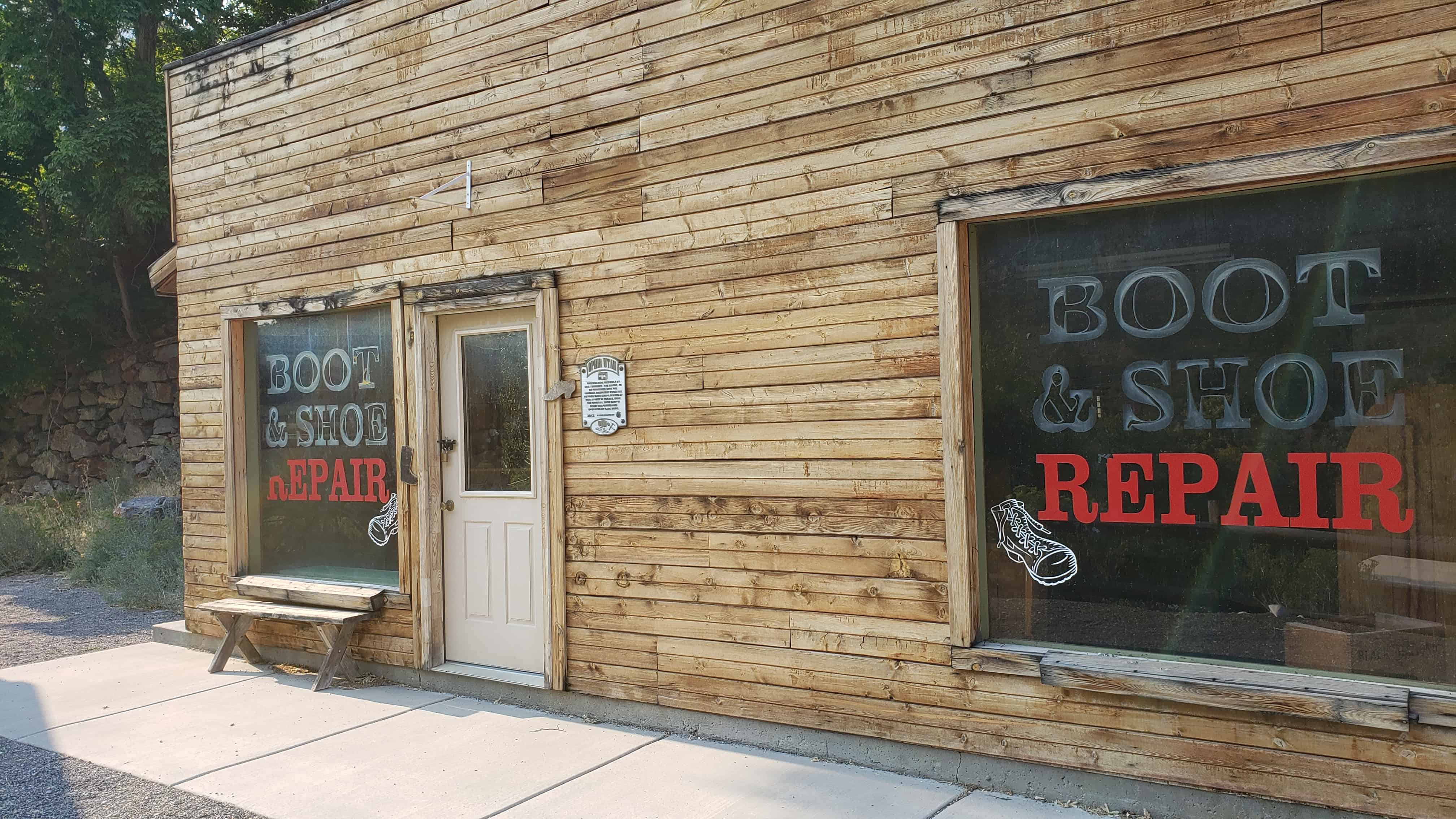
  • Shoe Shop

Alfred Harper House

05 Sunday Oct 2014

Posted by Jacob Barlow in Uncategorized

≈ Leave a comment

Tags

historic, Historic Homes, Lindon, Soft-rock constructed, utah, utah county

Alfred Harper built this house in 1876 of honeycombed limestone quarried from  nearby American Fork Canyon. It is said that he traded his homegrown vegetables and flowers for the rock. Before the building was completed, Harper had to leave his family and home to serve a three-year mission in New Zealand for the LDS church. On his return he finished the house and planted vines he’d brought from New Zealand. The vines eventually grew to surround the building.
Locals called it “The Big House,” and it became a gathering place for community and church activities.

One of the most notable features of the property was a well, complete with bucket  and dipper, that passers-by were welcome to use to quench their thirst. Church-goers, children, and even the occasional tramp made good use of the clear, cold water.

In 1987, the Harper House was listed on the National Register of Historic Places, the nation’s official list of cultural resources worthy of preservation. The register recognizes the accomplishments of all peoples who have contributed to the history and heritage of the United States.

2014-08-22 18.10.02 2014-08-22 18.10.04 2014-08-22 18.10.09 2014-08-22 18.10.13

Main Street Chapel

03 Friday Oct 2014

Posted by Jacob Barlow in Uncategorized

≈ 2 Comments

Tags

historic, Historic Buildings, Lindon, utah, utah county

2014-08-22 17.54.49 2014-08-22 17.54.54

The first Lindon church building was completed in 1891 on land donated by Joseph W. Ash.  In the fall of 1941, the original building was condemned and was torn down.  On May 31, 1947 a building lot was purchased where a new and larger church could be constructed.  It was located immediately west of what is now the Lindon Elementary School.

The ground breaking ceremony was held on April 6, 1949.  Ward members sacrificed their time and money to help build this new church.  Through the continued efforts of ward members and the stake building committee, work was completed on the chapel and it was dedicated on March 23, 1952.

Over the years, as Lindon grew and the needs of new wards put more demand on the Main Street chapel, renovations were made and additions were added.

In 2010, the LDS Church constructed a new chapel on 500 North in Lindon and relocated the wards that were meeting in the Main Street chapel to the new chapel.  The LDS church intended to demolish the Main Street chapel as it was too small to be used for the large Lindon wards and had limited capacity for the parking demands of multiple wards.

Lindon City became aware of the plans to demolish the building, and adter some negotiations, purchased the property from The Church of Jesus Christ of Latter-day Saints in July of 2010.  Upon condition of the sale, the old steeple and church signs were removed from the chapel.  After some minor remodeling of the building, the City reopened it to the public in June 2011 as the new Lindon City Community Center and the Lindon Senior Center.  The building now houses the Lindon City Parks & Recreation Department, as well as the Lindon City Historical Society.  It also provides a place for community gatherings and events.

Terra, Utah

03 Friday Oct 2014

Posted by Jacob Barlow in Uncategorized

≈ 1 Comment

Tags

Clover Creek, Terra, Tooele County, utah

picture14jul08-019

Terra is over the pass west of Clover Creek.

Penrose, Utah

03 Friday Oct 2014

Posted by Jacob Barlow in Uncategorized

≈ Leave a comment

Tags

Box Elder County, Penrose, Tremonton, utah

picture16aug07-103

The community was named for Charles W. Penrose, an apostle for the Church of Jesus Christ of Latter-day Saints.

The first permanent settler to the Penrose area was C.S. Rowher, in 1890. He, along with others, farmed beets, wheat, corn and hay.

picture16aug07-102

Penrose is a collection of homes situated along the last seven miles of Highway 102.  Everyone lives between Mile Marker 1 and Mile Marker 7 on the road from Tremonton to Promontory.  It was named for Mormon Apostle Charles W. Penrose in 1911, and is a place of refuge and safety.  Anciently, it was part of large grassland ranging from the Snake River to Promontory Point.  The lush, tall grass supported great herds of deer and tribes of Indians that sought out the many watering places located at the base of the mountains.

After Spanish Exploration, it supported great bands of wild horses that made trails from watering holes to highland pastures.  Penrose ranchers were amazed when the sky would become darkened, so large were the dust clouds when the great numbers came to Connor Springs for water.  As the grass died out and was replaced by scrub sagebrush and June grass, the land was ready for farming. 

It was not until 1890 that C.S. Rowher, a dry farmer from Park Valley, became the first permanent settler to locate on the slopes of the valley with its excellent view of the majestic Wasatch sunsets.  He and those who followed knew that the parched, overgrazed land would be turning into an oasis as soon as clear water from the Bear River was diverted to the sloping community.  They fought alkali soil, snakes, mosquitoes, gnats, and coyotes.  They delighted in the ample supply of muskrat, ducks, and pheasants.  They cultivated beets, wheat, corn and hay, and they prospected for gold, oil, coal and diamonds.  The first L.D.S. bishop in Penrose, P.N. Pierce, owned a sand and gravel company that he used to make road beds for the county.  In all, they strove to provide for their families and provide a better life for their children, including higher education and an appreciation for culture.  Travel didn’t appear to present a great problem, as early farmers walked to Brigham and back in a single day.  With horses, several trips a month were not uncommon, and with cars, it could be done daily.  To the question:  “Can anything good come out of Penrose?”  Our reply:  “Only the best!” (*)

Standing at the bottom of the Ocean

29 Monday Sep 2014

Posted by Jacob Barlow in Uncategorized

≈ Leave a comment

Tags

Emery County, Geology, historic, San Rafael Swell, utah

  • picture18apr08-024

Standing here you are standing on a limestone layer of the Carmel formation, which formed in an ancient inland sea. The is was sea that covered the giant sand dunes that eventually turned to massive deposits of Navajo Sandstone. The formation is prevalent across the Colorado Plateau. Here at the San Rafael Swell, erosion has cut the Navajo Sandstone into great white monoliths, knobs, and canyons bearing names such as Ghost Rock, Locomotive Point, Joe and his Dog, Eagle Canyon, and Temple Mountain. A good eye can see how the rock layers dip slightly to the west. Eventually the monoliths will become knobs, the knobs will become mounds, and the mounds will succumb to erosion and disappear. The great cliff you now stand atop will also be worn away a grain at a time and “the hills will be made low.”

(Located at the Eagle Canyon View Area on I-70)

  • picture18apr08-020

John J. and Emily Craner House

27 Saturday Sep 2014

Posted by Jacob Barlow in Uncategorized

≈ 1 Comment

Tags

historic, Historic Homes, Provo, utah, utah county

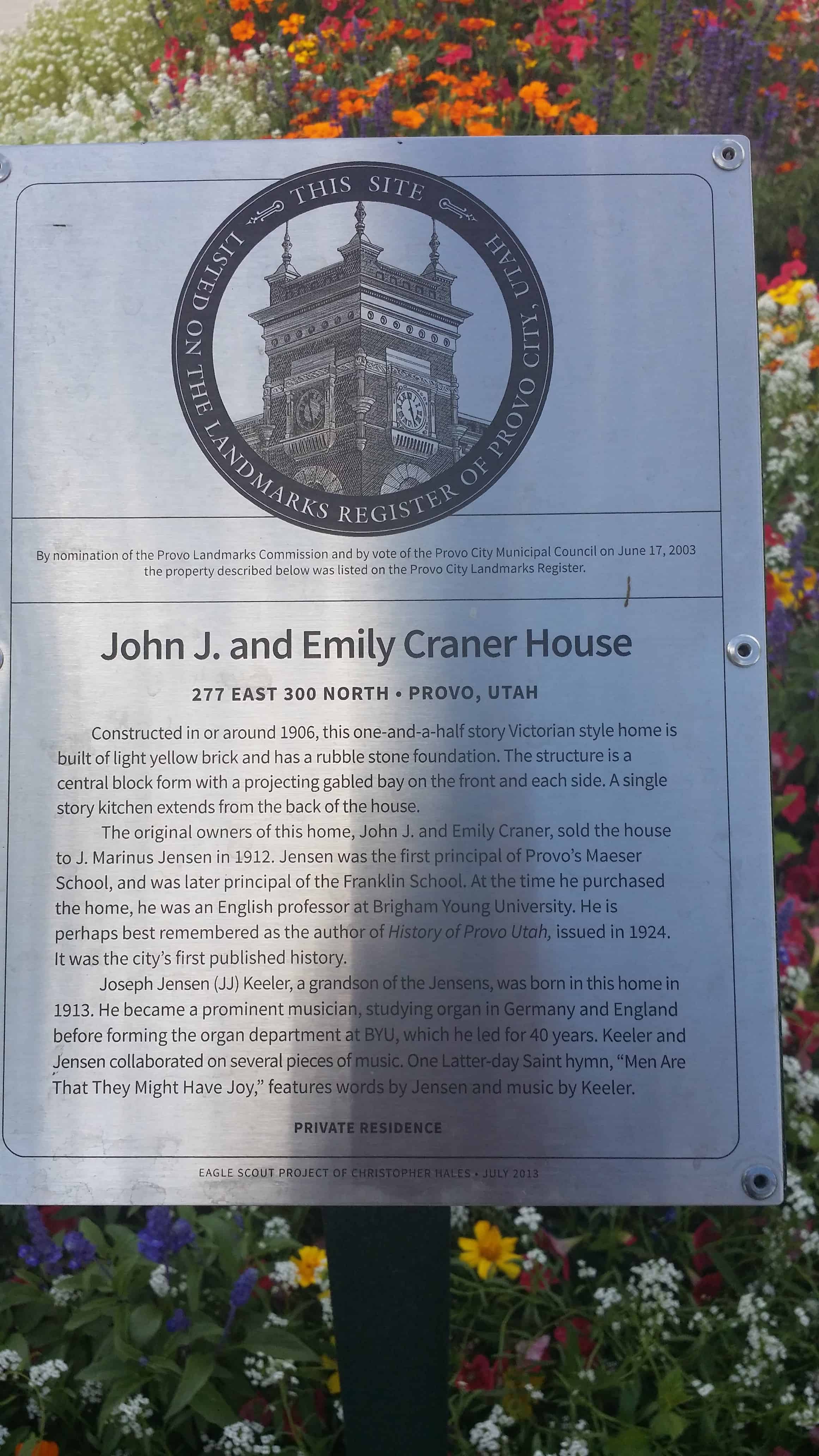
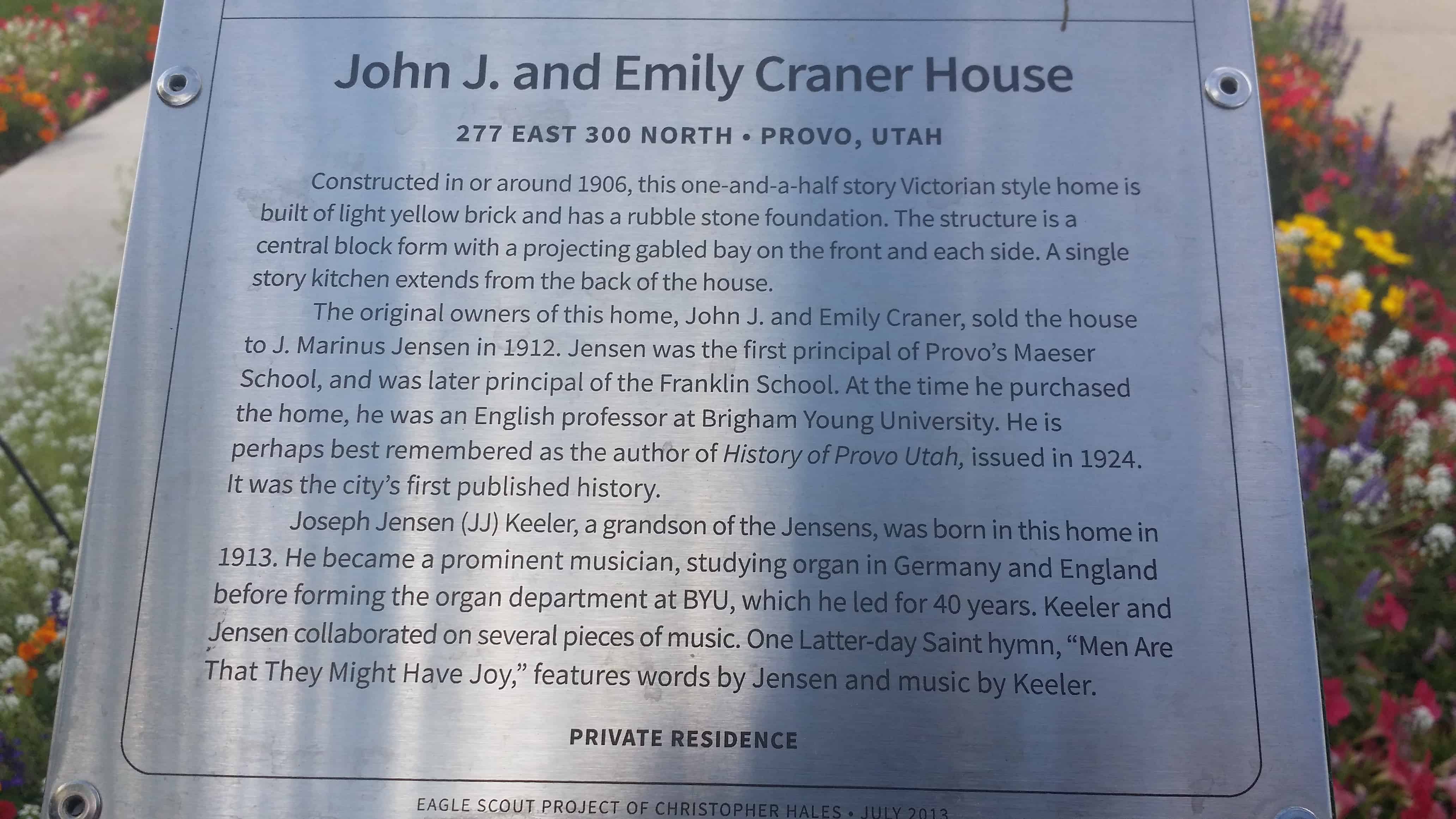
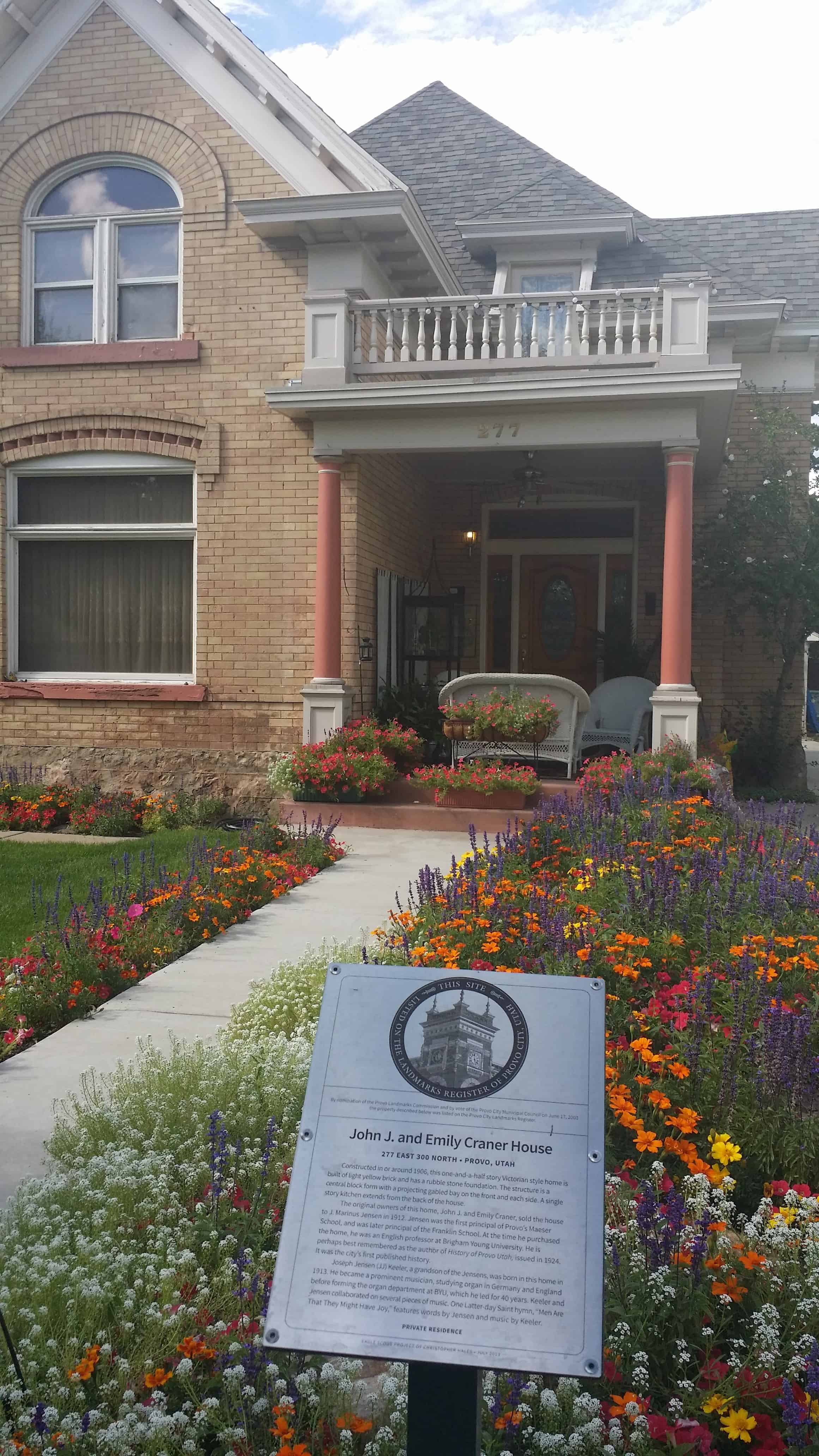
Located at 277 East 300 North in Provo is the John J. and Emily Craner House.

Constructed in or around 1906, this one-and-a-half story Victorian style home is build of light yellow brick and has a rubble stone foundation.  The structure is a central black form with a projecting gabled bay on the front and each side.  A single story kitchen extends from the back of the house.

The original owners of this home, John J. and Emily Craner, sold the house to J. Marinus Jensen in 1912.  Jensen was the first principal of Provo’s Maeser School, and was later principal of the Franklin School.  At the time he purchased the home, he was and English professor at Brigham Young University.  He is perhaps best remembered as the author of History of Provo Utah, issued in 1924.  It was the city’s first published history.

Joseph Jensen (JJ) Keeler, a grandson of the Jensens, was born in this home in 1913.  He became a prominent musician, studying organ in Germany and England before forming the organ department at BYU, which he led for 40 years.  Keeler and Jensen collaborated on several pieces of music.  One latter-day saint hymn, “Men Are That They Might Have Joy,” features words by Jensen and music by Keeler.
2014-08-22 16.28.53 2014-08-22 16.28.59 2014-08-22 16.29.04 2014-08-22 16.29.08 2014-08-22 16.29.11

Johnson/Hansen House

27 Saturday Sep 2014

Posted by Jacob Barlow in Uncategorized

≈ Leave a comment

Tags

historic, Historic Homes, NRHP, Provo, utah, utah county

  • 2014-08-22 16.16.47

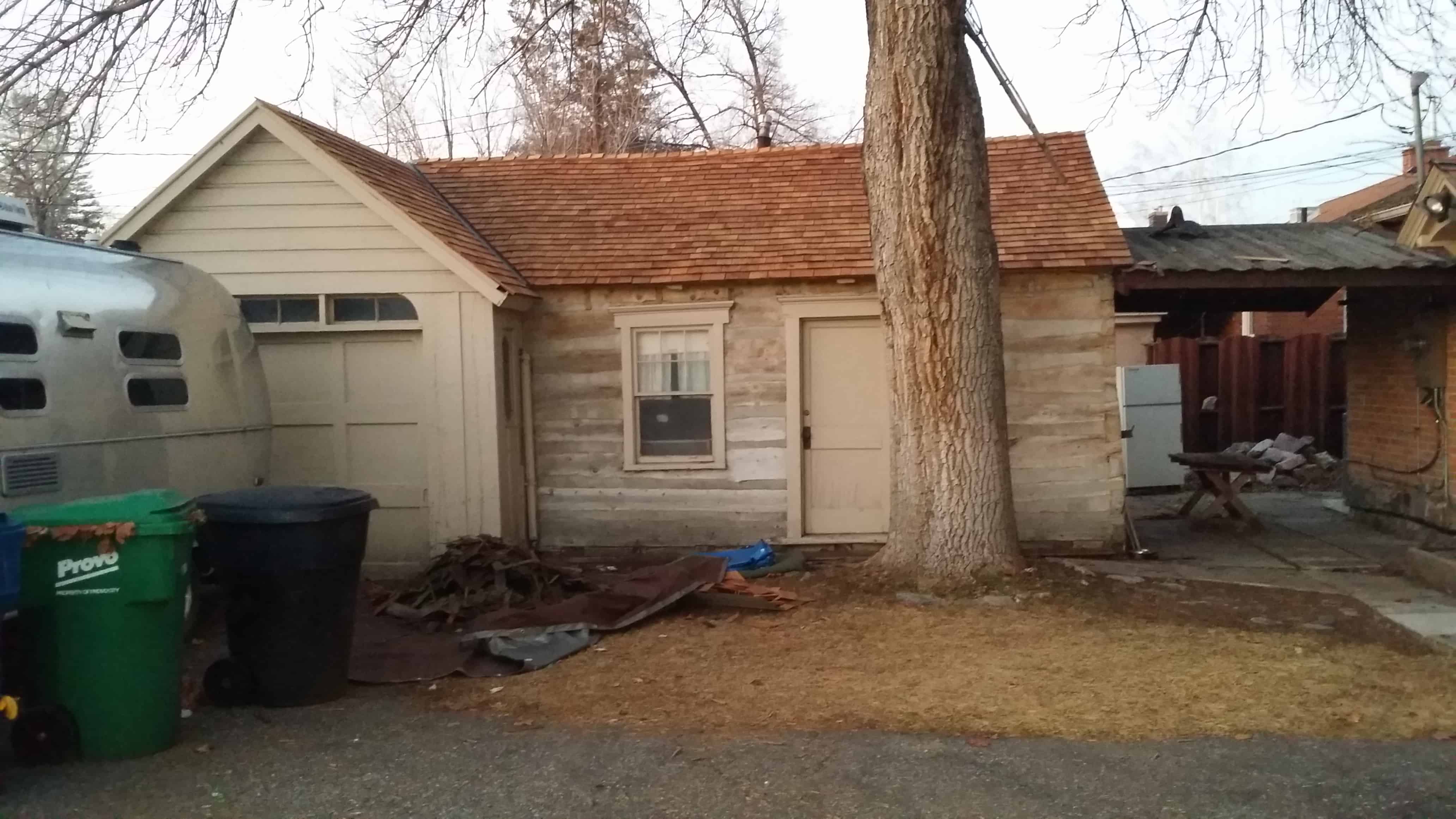
One of the oldest homes in Utah, the Johnson/Hansen at 485 E 400 S in Provo is a historic property consists of a c.1870 log cabin, c.1876 brick house, and c. 1938 garage.  Niels and Josephine Johnson lived in the log cabin while they were building the Victorian Eclectic style brick house.

The property was sold c.1937 to Ray Hansen who placed the log cabin between the brick house and a “modern” garage.  He used the cabin as his gunsmith shop for half a century.  Hansen was simultaneously preserving the community’s pioneer heritage and acknowledging the realities of a more contemporary lifestyle.  Because most original dwellings were replaced and removed as property was developed, the Johnson/Hansen historic property is one of the few enduring examples illustrating the evolution of Utah housing.

  • 2014-08-22 16.17.04
  • 2015-01-25 17.52.47
  • 2015-01-25 17.52.59

Springville Presbyterian Church

27 Saturday Sep 2014

Posted by Jacob Barlow in Uncategorized

≈ 1 Comment

Tags

Churches, historic, Historic Buildings, Historic Churches, NRHP, Presbyterian, Presbyterian Churches, Springville, utah, utah county

  • 2016-08-02-12-12-45

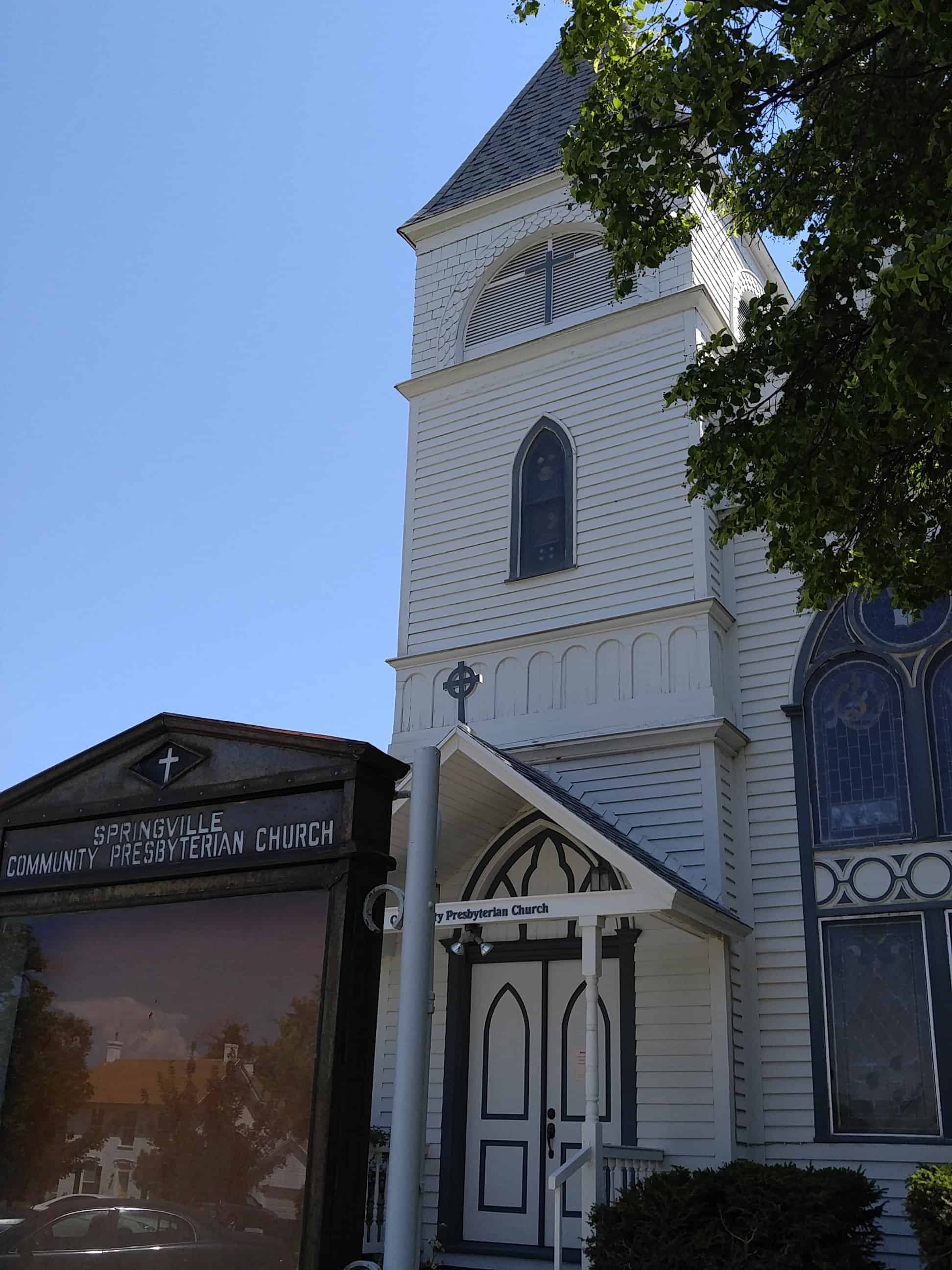
Located at 251 South 200 East in Springville is the Springville Presbyterian Church.   In 1877 The Rev. George Leonard established a Presbyterian Church and Mission School in Springville.  In 1892-1893, this church was built just south of the Presbyterian Hungerford Academy, the only school then providing education from elementary grades through high school for all denominations.  This church is an example of the late gothic revival style with a romanesque revival bell tower.  The stained glass windows are part of the original structure.  This building has served as a Presbyterian Church continuously since its construction.

  • 2014-08-19 17.55.36
  • 2014-08-19 17.55.46
2014-08-19 17.55.49
  • 2014-08-19 17.55.59

In 1886 the Presbyterian Church built the Hungeford Academy in Springville, on the corner of 200 East 200 South. Six years later, in 1892, they built the Presbyterian Church to the South of it. The Hungeford Academy was a private boarding school, and only stood on that corner for 26 years, before being torn down in 1912.

← Older posts
Newer posts →

Follow Jacob

Follow Jacob

Come wander with me on Youtube.

Blog Stats

  • 2,100,080 hits

Social and Other Links

BarlowLinks.com

Recent Posts

  • Scout Monument
  • Provo High School Seminary Building
  • 821 E 100 S
  • 820 E 100 S
  • 817-819 E 100 S

Archives

Loading Comments...