• About JacobBarlow.com
  • Cemeteries in Utah
  • D.U.P. Markers
  • Doors
  • Exploring Utah Email List
  • Geocaching
  • Historic Marker Map
  • Links
  • Movie/TV Show Filming Locations
  • Oldest in Utah
  • Other Travels
  • Photos Then and Now
  • S.U.P. Markers
  • U.P.T.L.A. Markers
  • Utah Cities and Places.
  • Utah Homes for Sale
  • Utah Treasure Hunt

JacobBarlow.com

~ Exploring with Jacob Barlow

JacobBarlow.com

Tag Archives: Provo

Nunns Park

24 Tuesday Oct 2017

Posted by Jacob Barlow in Uncategorized

≈ 2 Comments

Tags

Parks, Power Plants, Provo, Provo Canyon, utah, utah county

  • 2017-08-21 10.09.47

Nunns Park is named after L.L. Nunn, a pioneer in the field of hydroelectric power, who became the operator of the first 44,000 volt hydro-power plant in America harnessing the flows of the Provo River. Built on this site in 1897, the plant provided electricity for mining operations near Mercur, Utah. In time, Nunn sold his interests to Utah Power and Light, who eventually sold the ground to Utah County as a park site. Located alongside the Provo River Parkway and nestled in a grove of trees, Nunn’s Park offers overnight camping, picnicking, fishing, biking, jogging, and just plain escape from the traffic of life. There are plenty of family campsites on a first come, first serve basis; a pavilion can be reserved for family or group use; there are open areas just right for contemplating nothing but your favorite pastime. If you look, there are even a few reminders of the century old power plant that once turned the lights on in a remote Utah mining town and put Utah and the Provo River in the electrical history books. Public parking is limited and there is absolutely no parking on the state road or outside the county park. Groups with reservations cannot limit the public parking to only members of their group. Groups exceeding allowed parking will be asked to leave and no refund will be given.(text from utahcounty.gov)

See also:

  • Nunns Provo Station
  • Provo Canyon

William H. Ray House

10 Tuesday Oct 2017

Posted by Jacob Barlow in Uncategorized

≈ 1 Comment

Tags

historic, Historic Homes, Historic Markers, NRHP, Provo, utah, utah county

2017-07-11 19.32.23

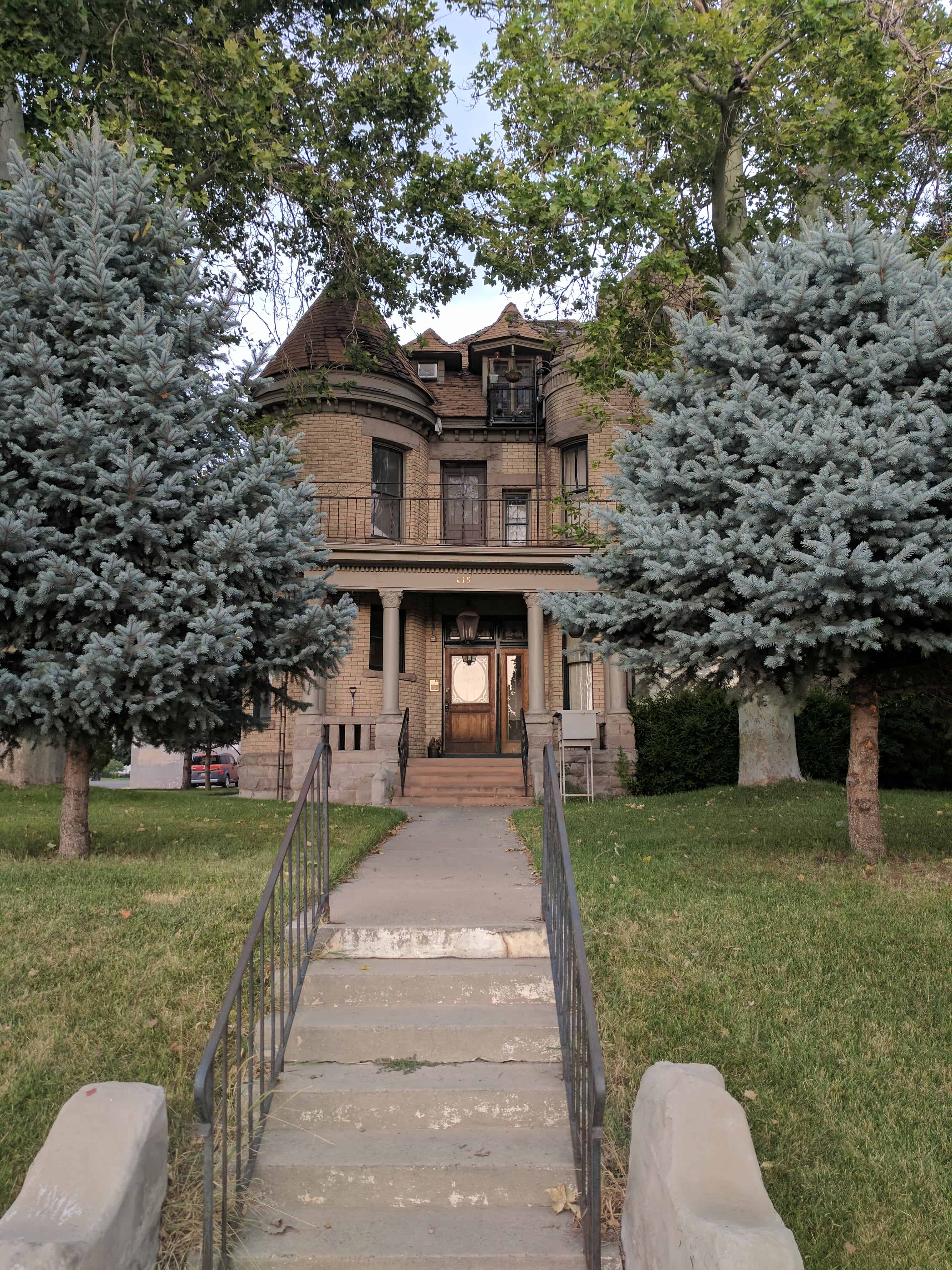
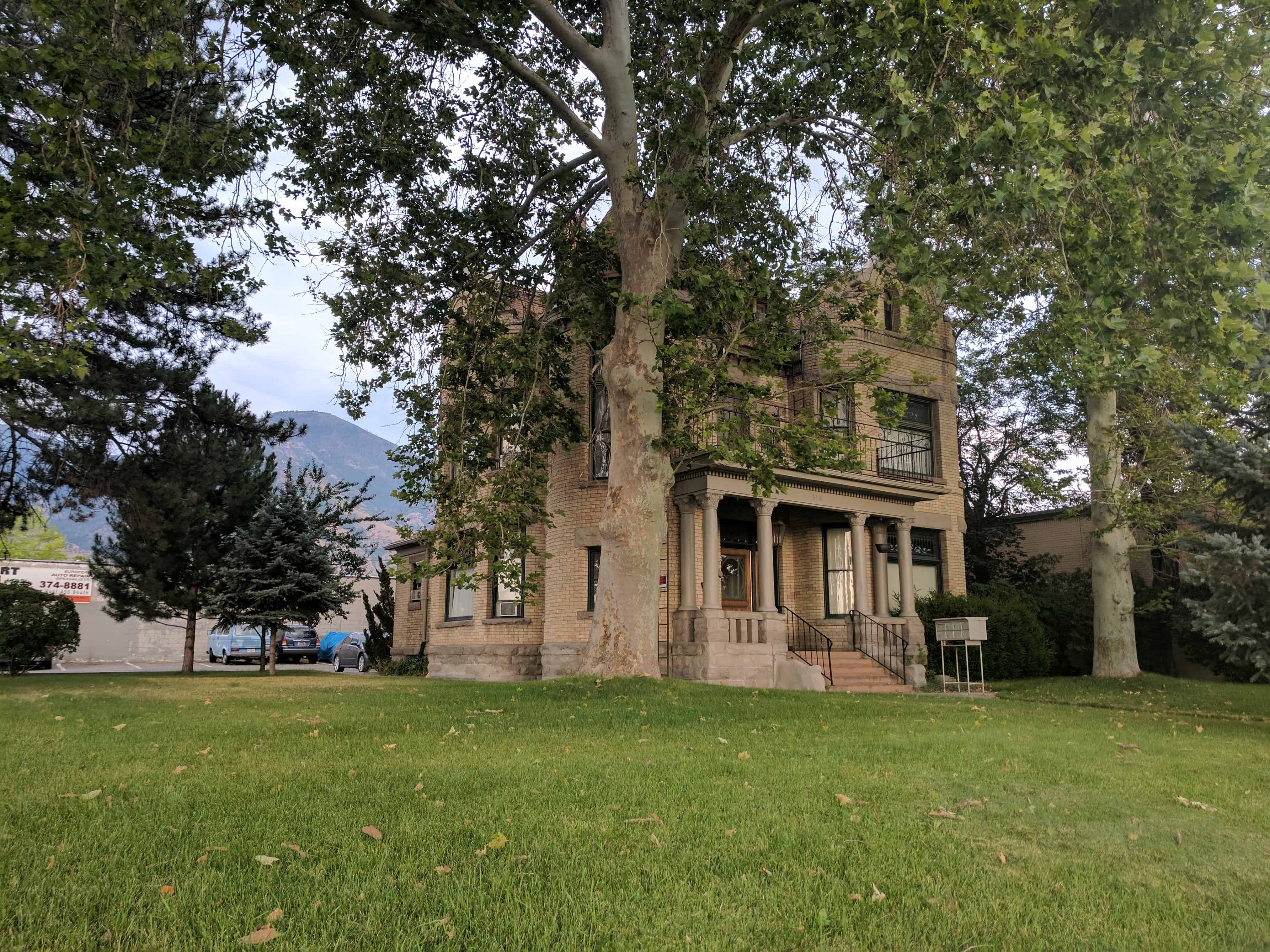
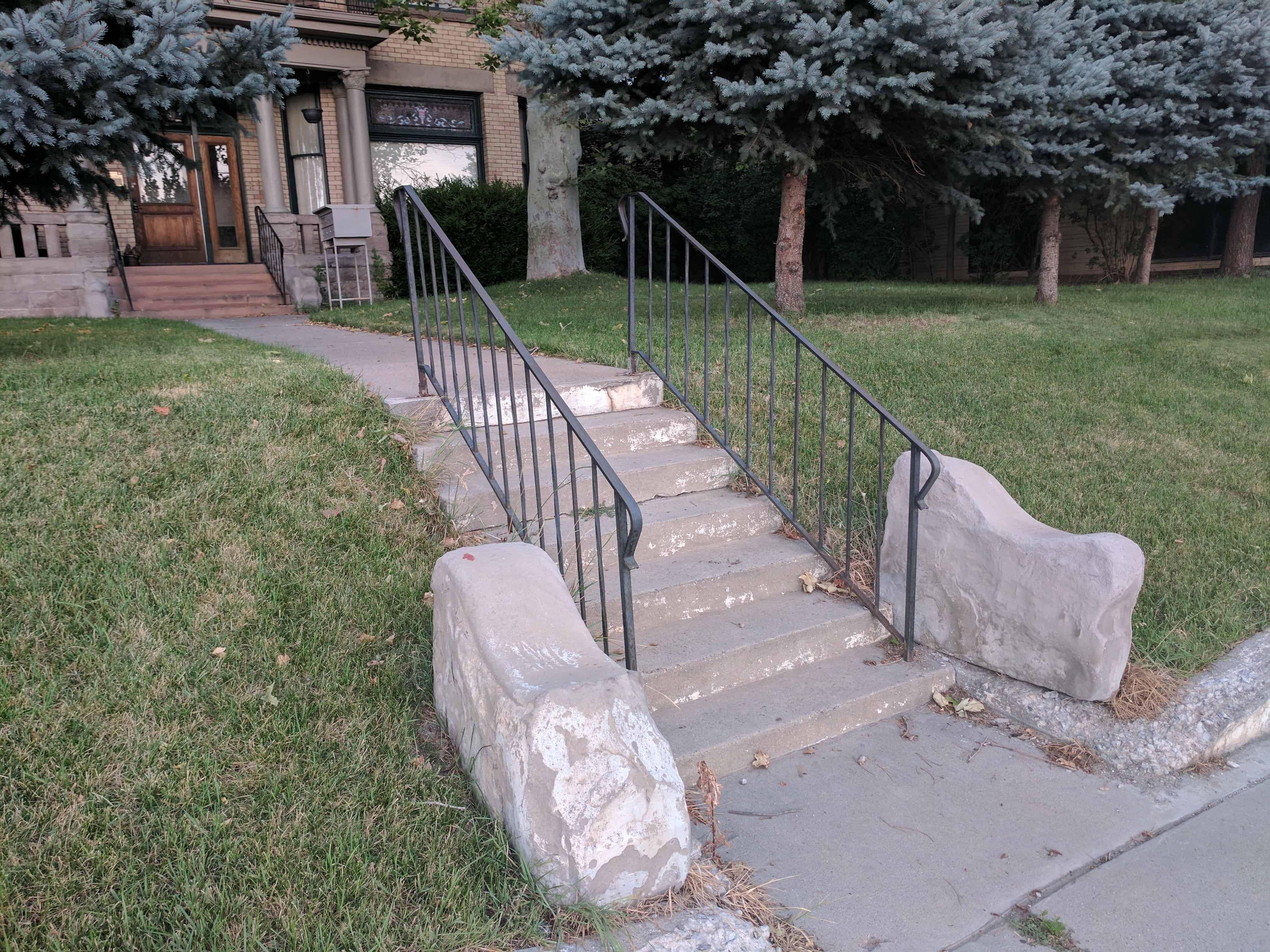
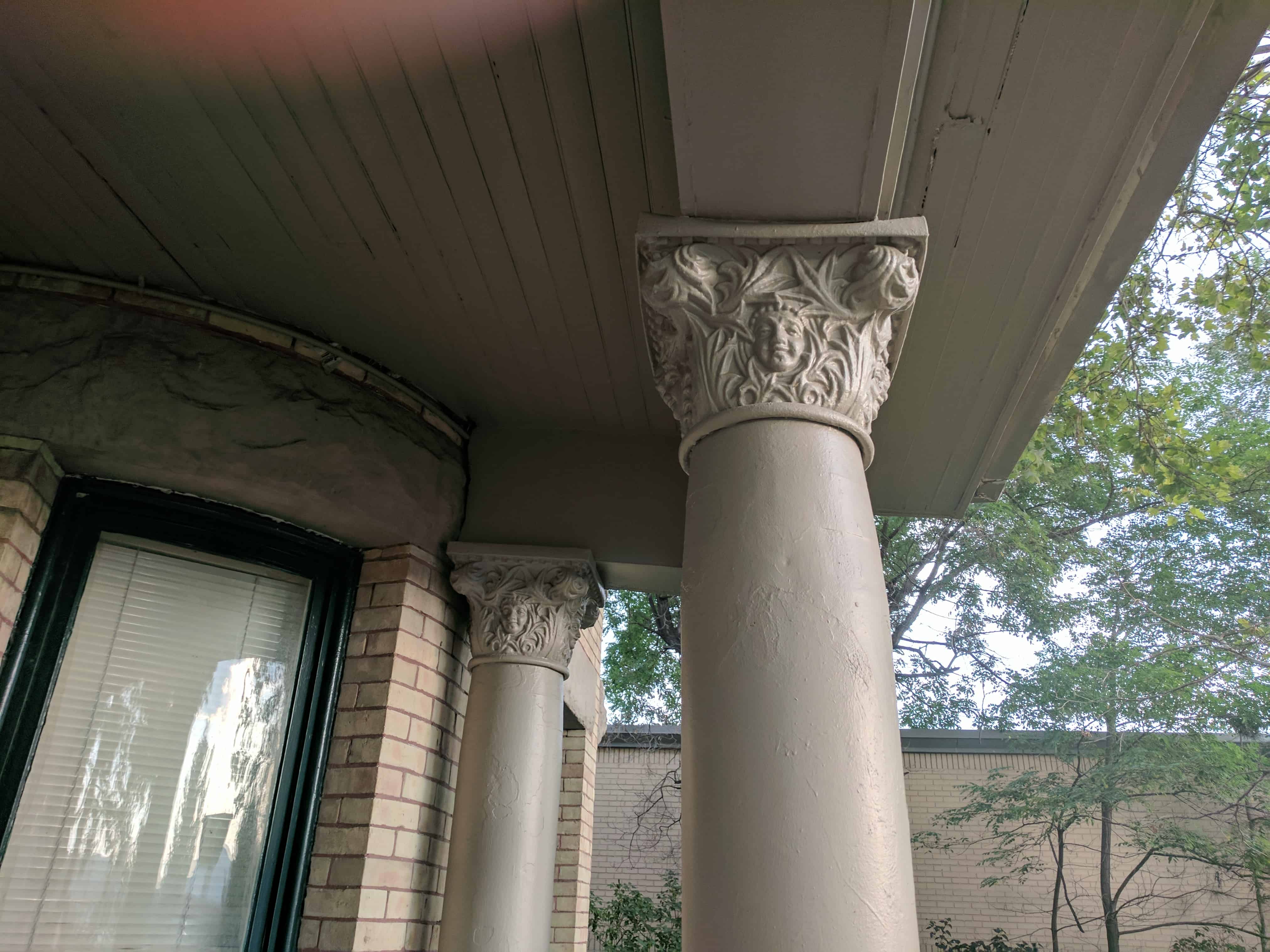
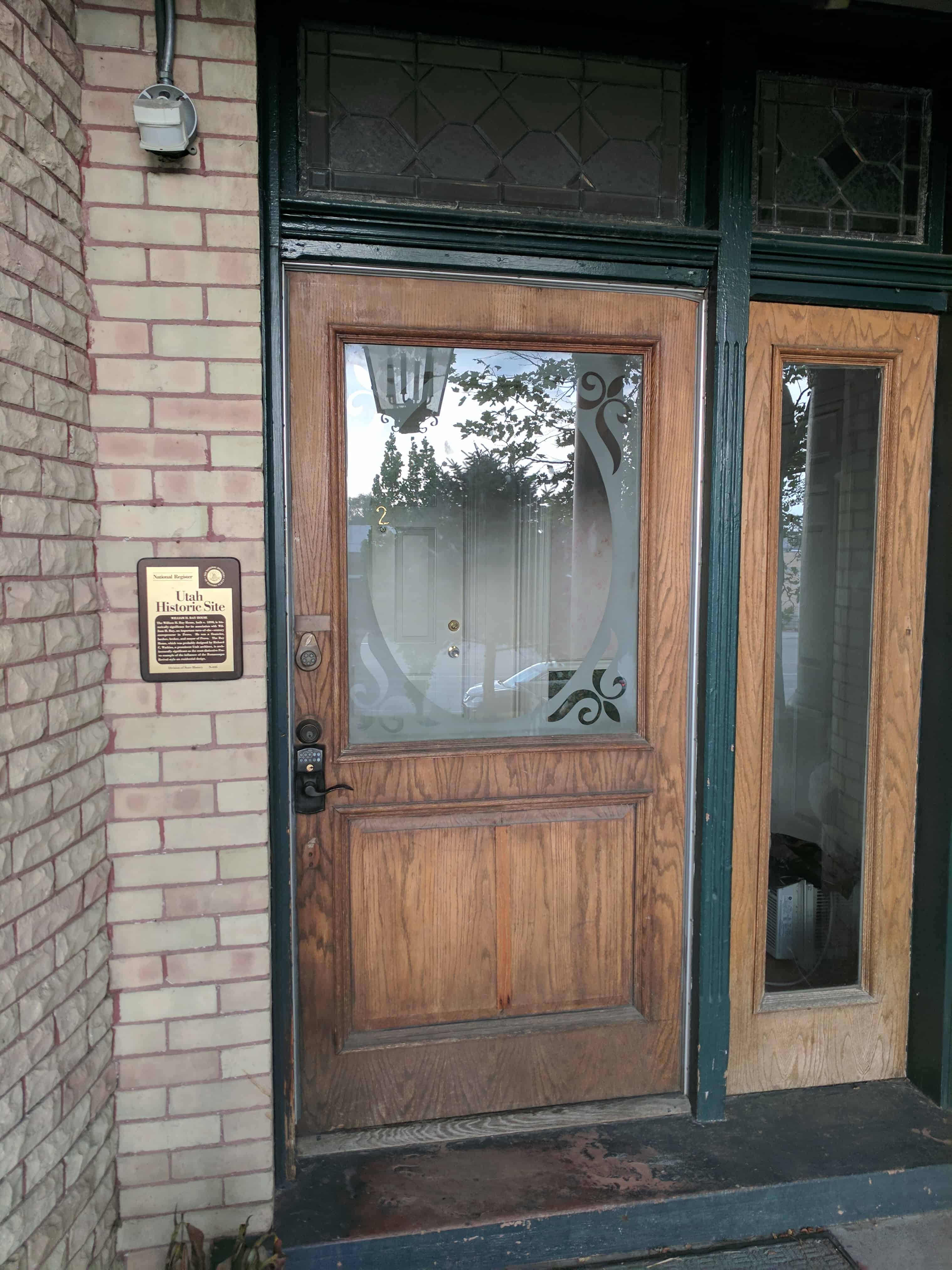
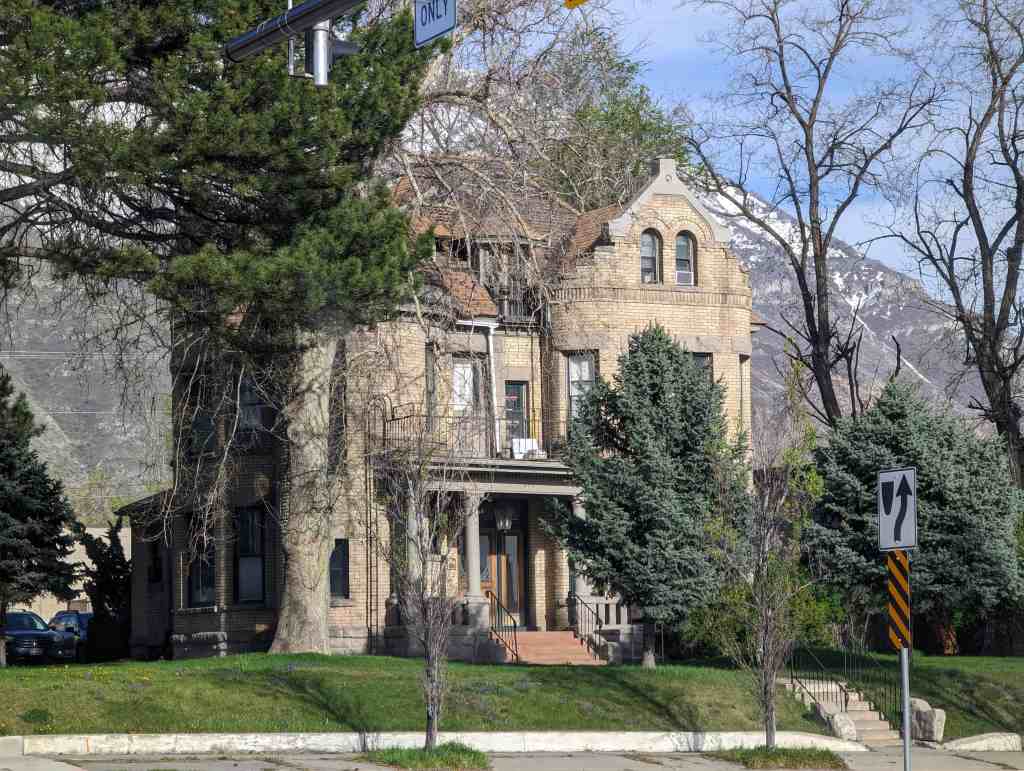
The William H. Ray House, located at 415 South University Ave in Provo, Utah.  For other historic homes in Provo visit this page.

The William H. Ray House, built c. 1898, is historically significant for its association with William H. Ray, an important turn-of-the-century entrepreneur in Provo.  He was a financier, banker, broker, and mayor of Provo.  The Ray House, which was probably designed by Richard C. Watkins, a prominent Utah architect, is architecturally significant as the most distinctive Provo example of the influence of the Romanesque Revival style on residential design.

2017-07-11 19.32.14
2017-07-11 19.33.21
2017-07-11 19.33.08
2017-07-11 19.32.48
2017-07-11 19.32.42
2017-07-11 19.32.37

Fred J. Moore House

10 Tuesday Oct 2017

Posted by Jacob Barlow in Uncategorized

≈ 1 Comment

Tags

historic, Historic Homes, Provo, utah, utah county

2017-07-11 19.10.12

The Fred J. Moore House in Provo, Utah.  For other historic homes in Provo visit this page.

73 North 500 East in Provo, Utah

Featuring a bellcast gambrel roof, this house is perhaps the best example of the Dutch revival style in Provo.  Some research indicates that the home was constructed in 1907 by Fred J. Moore, who was a manager of the Roberts Buffet in the Hotel Roberts and later, a duggist.  Other research suggests that the home was constructed by Russell Rice in 1894.  Edwin R. Firmage, owner of Firage’s Department store at Center Street and 100 West, owned this home from 1938 to 1948.

The Dutch Colonial style in the U.S. was used on homes in New England beginning in about 1625, continuing until 1840.  Between 1890 and 1940, the style was reintroduced as part of a broader Colonial Revival.  Within Utah, gambrel roof designs became especially popular in Salt Lake City.  House plan books like Radford’s Bungalows, which were in common use around united States during the early twentieth century, were responsible for spreading the style throughout American neighborhoods.  This home is similar to Radford‘s Design No. 2121-B.

2017-07-11 19.10.23
2017-07-11 19.10.31
2017-07-11 19.10.40

Lawrence Bean House

09 Monday Oct 2017

Posted by Jacob Barlow in Uncategorized

≈ 2 Comments

Tags

Historic Homes, Historic Markers, Provo, utah, utah county

2017-07-11 19.09.36

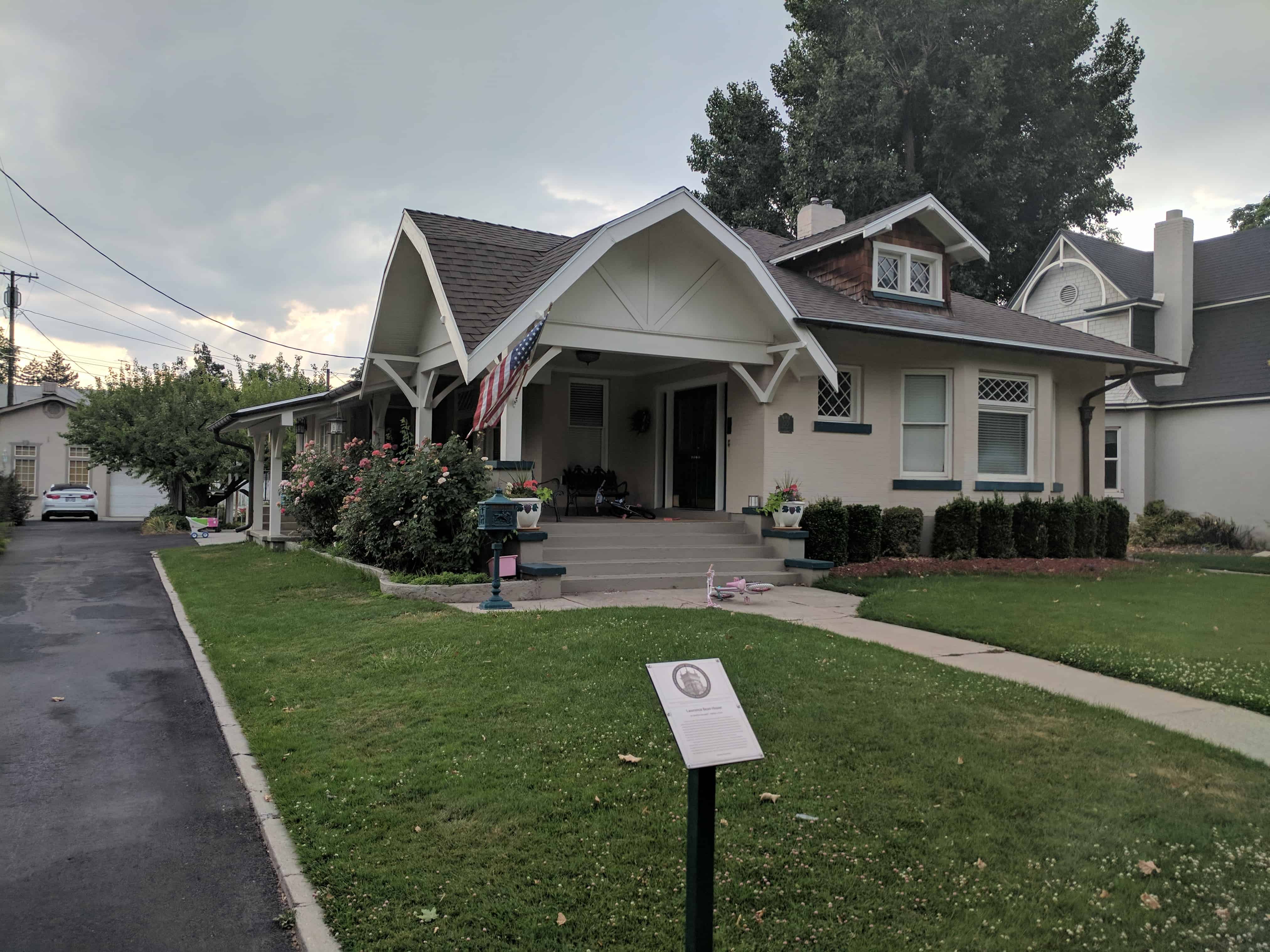
The Lawrence Bean House in Provo, Utah.  For other historic homes in Provo visit this page.

55 North 500 East in Provo, Utah

Built circa 1911, this yellow pressed brick, single story bungalow is noteworthy for its eclectic combination of styles.  The design of this home is unique since few houses in Utah combine elements of the Dutch Colonial Revival such as the gambrel roof, with Arts and Crafts details like the exposed cross braces of the porch columns.  At the time this home was built, the bungalow was America’s most popular house type, with wide overhanging eaves, projecting bays on the main floor, broad front porches and dormers in the slope of the roof, often facing the street.  This particular home demonstrates all of those features.

The original owners of this home were Lawrence L. and Mary Elizabeth Jones Bean.  Lawrence Bean was among the first generation of Provo residents to be born in the city, his parents and grandparents having been prominent among the pioneers who settled Provo in 1849.  The first major irrigation ditch in Provo was called the “Bean Ditch” after this family whose members helped to dig it.

2017-07-11 19.09.43

Choosing the Site of Provo’s First Tabernacle Caused Some Controversy

09 Monday Oct 2017

Posted by Jacob Barlow in Uncategorized

≈ 7 Comments

Tags

Historic Buildings, Historic Markers, Parks, Provo, Tabernacles, utah, utah county

2017-09-12 19.25.24

Choosing the Site of Provo’s First Tabernacle Caused Some Controversy.

Provo constructed its first tabernacle on the northeast quarter of the block fronting on Center Street and University Avenue. Selecting its site caused a fair amount of controversy.

When Brigham Young visited Utah Valley for the first time in September, 1849, the settlers lived in Fort Utah located where I-15 crosses the Provo River today. Young explored the vast area easy of the fort and selected a site for the central square and tabernacle.

After the settlers began to leave Fort Utah in 1850, they established Fort Provo, where North Park is located today. In spite of President Young’s wishes they located their townsite five blocks west of the site Young selected. In 1852, George A. Smith selected a site for the first tabernacle on the town square, today’s Pioneer Park. Church leaders dedicated the land and broke the ground for a building designed by LDS Church architect, Truman O. Angel, who had designed the Salt Lake Temple.

Men dig a large hole, hauled in some rock for the basement wall–and then the work ended. During a special conference held in Provo in July, 1855, Brigham Young relocated the site he had selected for the tabernacle in 1849, and Heber C. Kimball ordered the congregation to fill the first hole on the public square and go to work on the new site five blocks to the east. The tabernacle was finally dedicated on August 24, 1867. After a half century of use, it was demolished during the winter of 1918/1919.

Archaeologists excavated the site of the old tabernacle and located it’s rock foundation in 2012 during construction for the Provo City Center Temple.

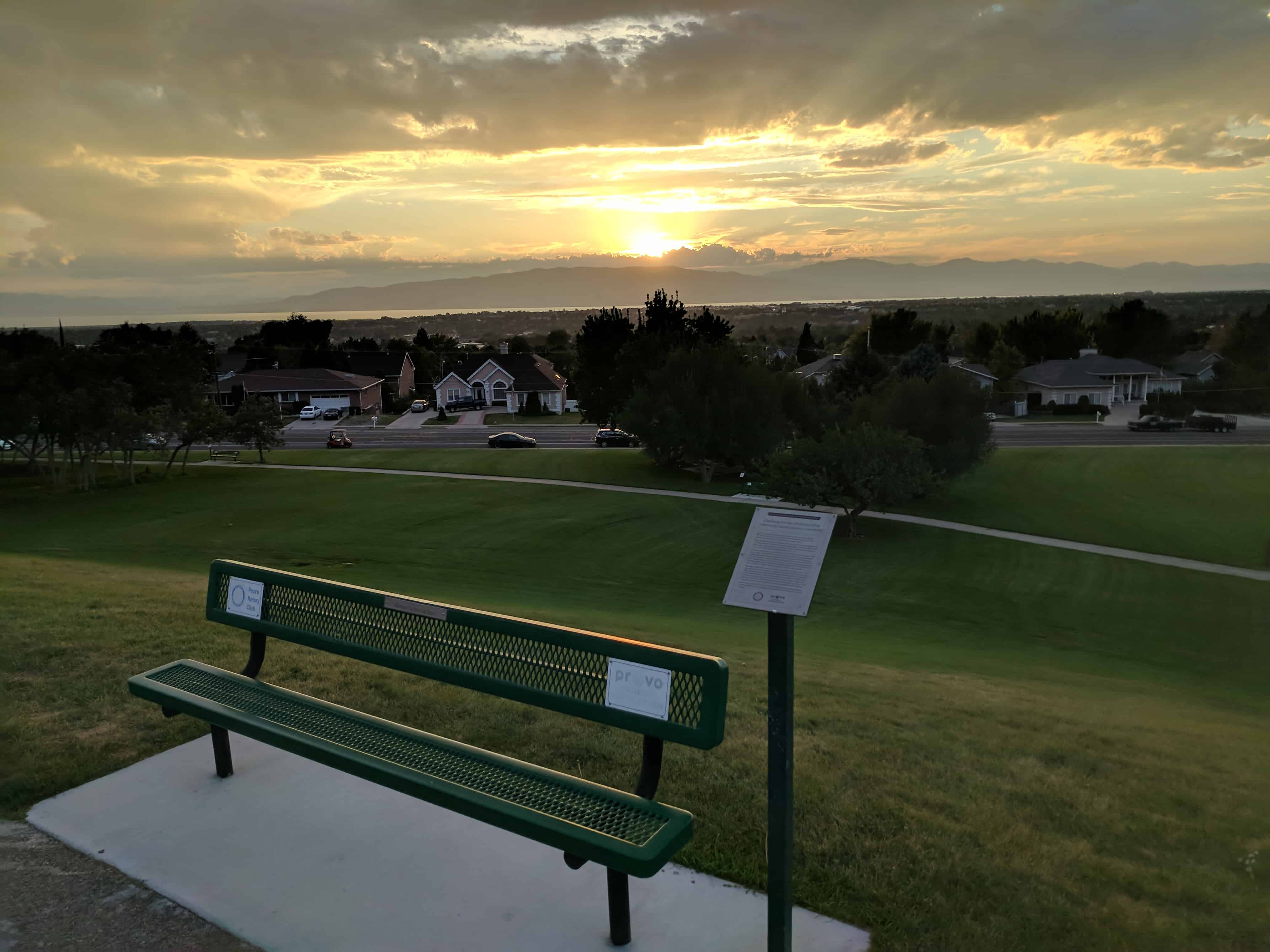
This marker is located in Rock Canyon Park in Provo, for other markers in this series click here.

Related posts:

  • A Place of Gathering
  • Choosing the Site of Provo’s First Tabernacle Caused Some Controversy
  • First Tabernacle
  • Old Tabernacle Lintel Stone
  • Provo City Center Temple
  • Provo City Center Temple Square

2017-09-12 19.25.29

Provo’s First Bank was Late in Coming but Didn’t Last Long

09 Monday Oct 2017

Posted by Jacob Barlow in Uncategorized

≈ 3 Comments

Tags

Banks, Historic Markers, Provo, utah, utah county

  • 2017-09-12 19.24.25

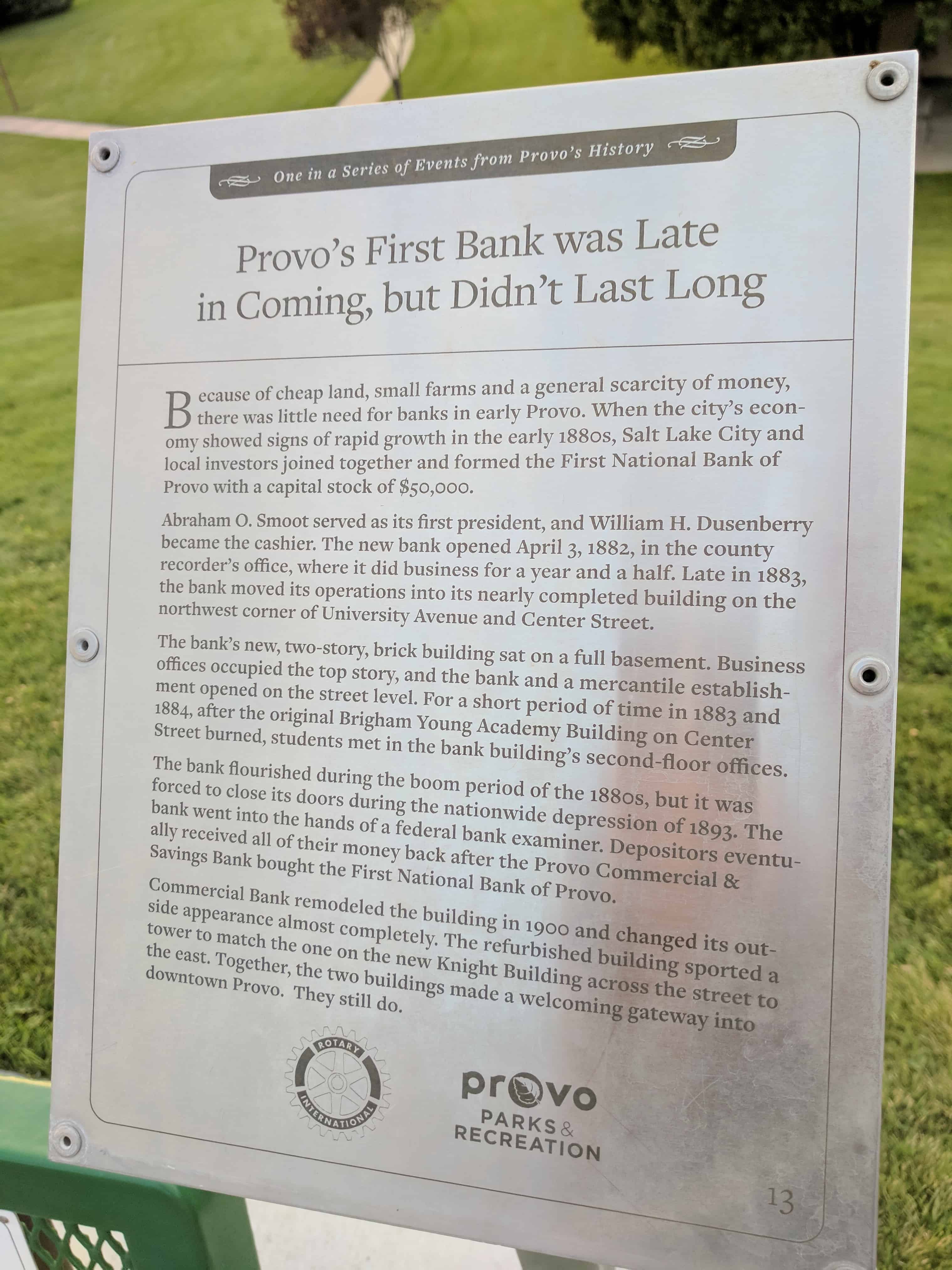
Provo’s First Bank was Late in Coming but Didn’t Last Long.

Because of cheap land, small farms and a general scarcity of money, there was little need for banks in early Provo.  When the city’s economy showed signs of rapid growth in the early 1880, Salt Lake City and local investors joined together and formed the First National Bank of Provo with a capital stick of $50,000.

Abraham O. Smoot served as its first president, and William H. Dusenberry became the cashier.  The new bank opened April 3, 1882, in the county recorders office, where it did business for a year and a half.  Late in 1883, the bank moved its operations into its nearly completed building on the northwest corner of University Avenue and Center Street.

The bank’s new, two-story, brick building sat on a full basement.  Business offices occupied the top story, and the bank and a mercantile establishment opened on the street level.  For a short period of time in 1883 and 1884, after the original Brigham Young Academy Building on Center Street burned, students met in the bank building’s second-floor offices.

The bank flourished during the boom period of the 1880s, but it was forced to close its doors during the nationwide depression if 1893.  The bank went into the hands of a federal bank examiner.  Depositors eventually received all of their money back after the Provo Commercial & Savings Bank bought the First National Bank of Provo.

Commercial Bank remodeled the building in 1900 and changed its outside appearance almost completely.  The refurbished building sported a tower to match the one on the new Knight Building across the street to the east.  Together, the two buildings made a welcoming gateway into downtown Provo.  They still do.

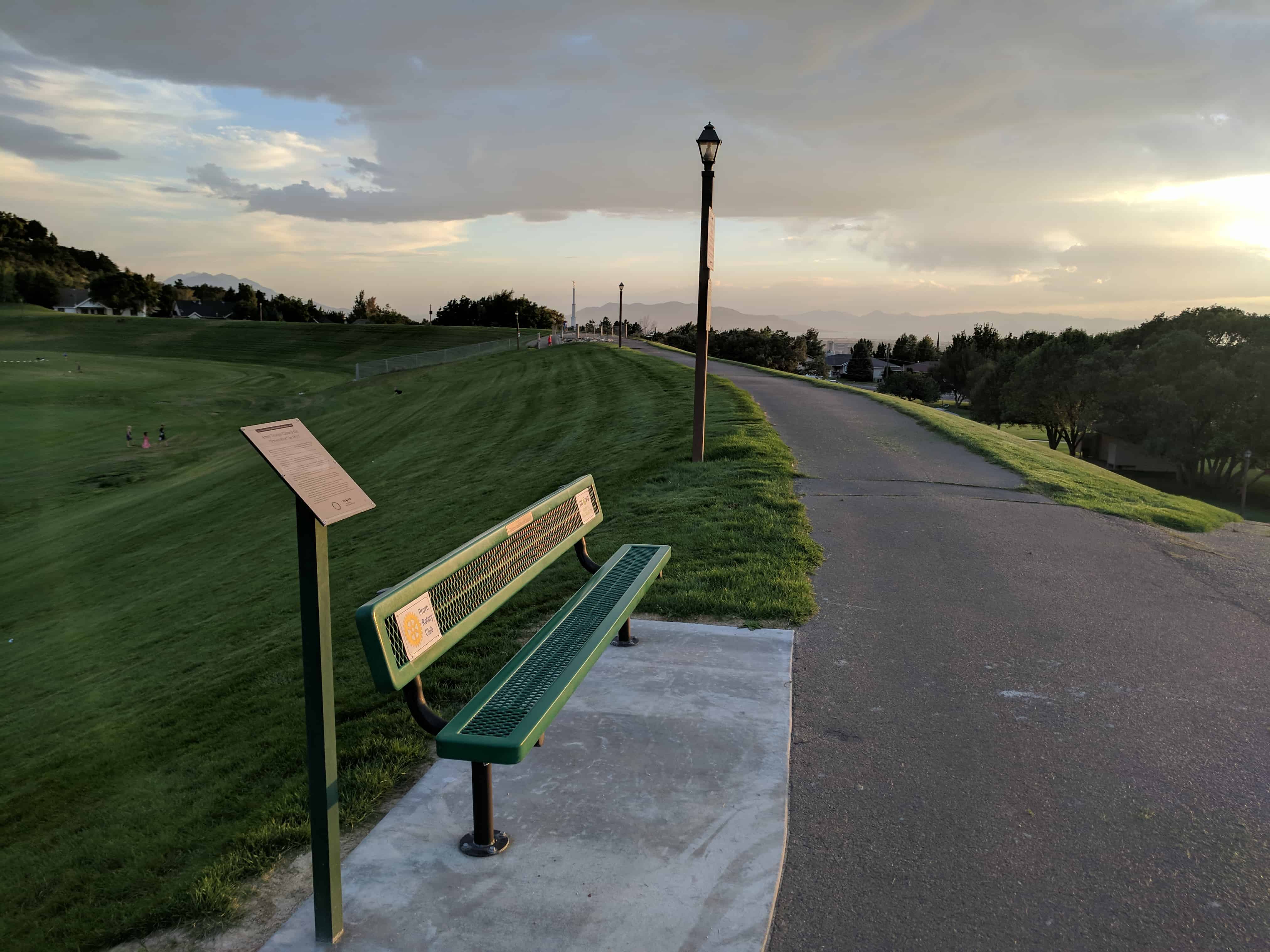
This marker is located in Rock Canyon Park in Provo, for other markers in this series click here.

2017-09-12 19.24.33

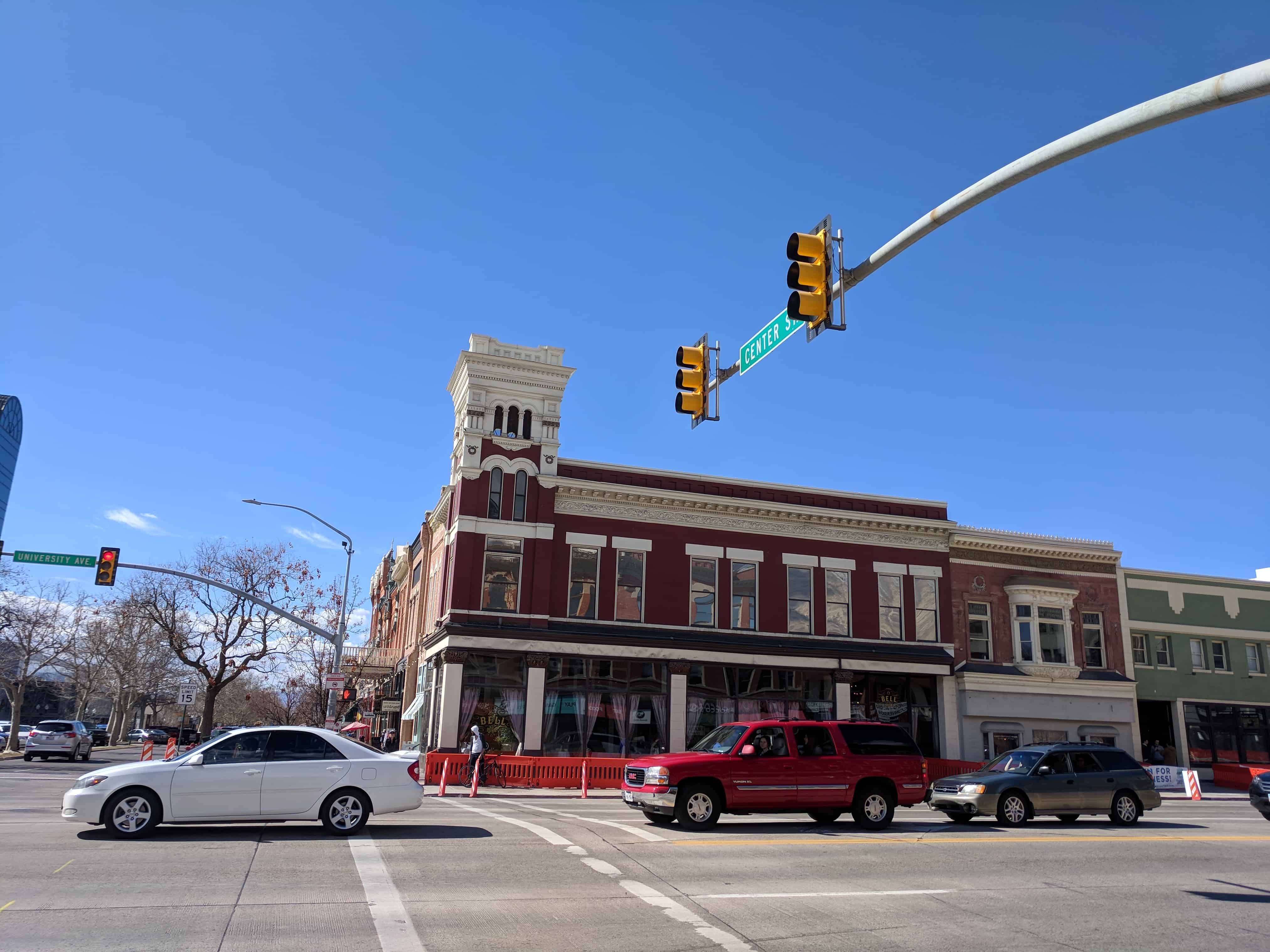
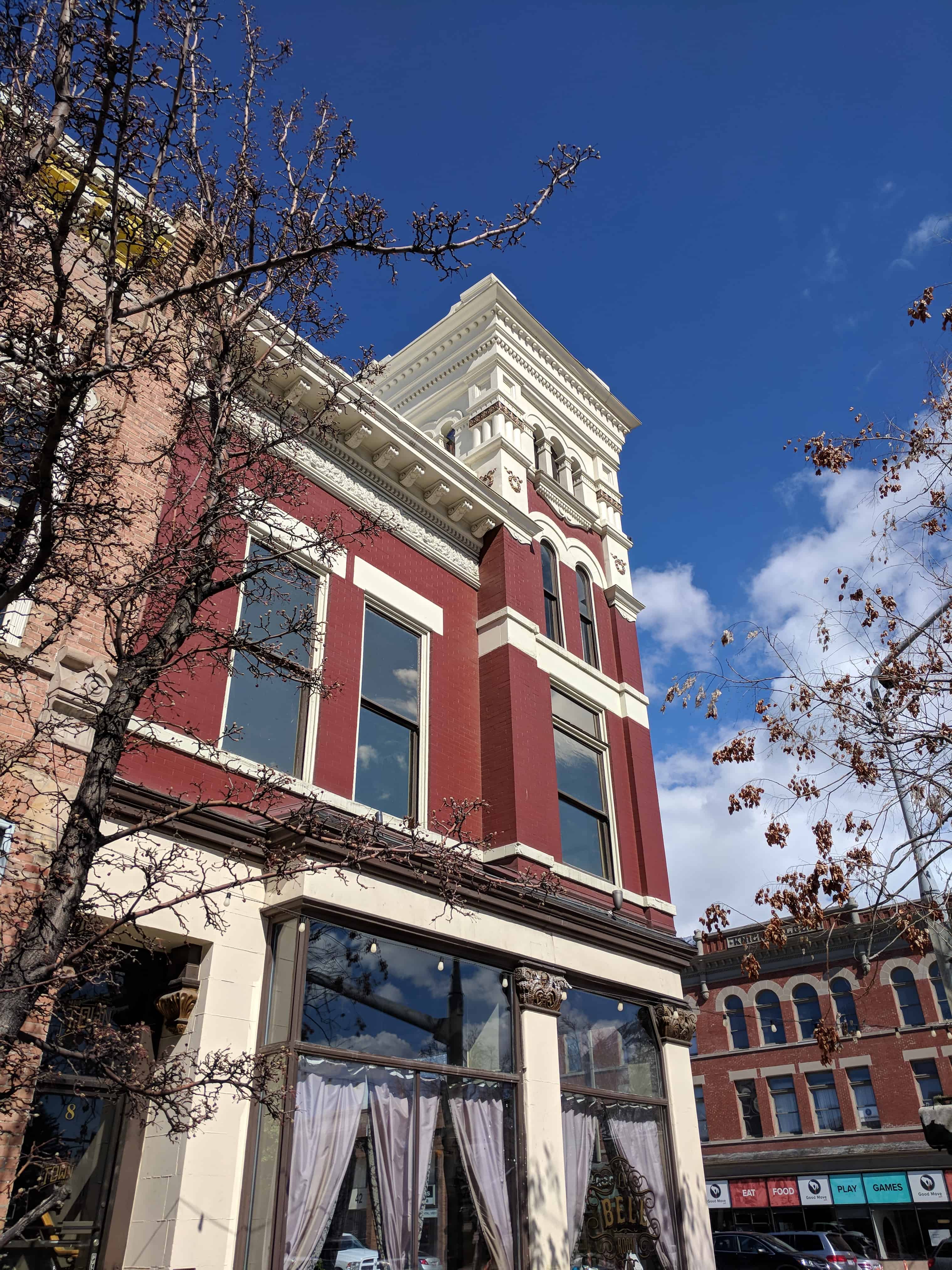
The NW corner of University and Center:

2018-03-10 13.36.23
2018-03-10 13.36.27
2018-03-10 13.38.05

First National Bank of Provo – 2 West Center

Businessmen A. O. Smoot organized the First National Bank of Provo in 1882 and constructed their first building on this site in 1884. In 1894 the Provo Commercial and Savings Bank took over First National. Reed Smoot had organized the new bank in 1890. Provo Commercial and Savings constructed this building in 1904. Like the Knight Block, the architect for this building was Richard C. Watkins. Watkins also designed College Hall and other commercial buildings on University and Center during the real estate boom in Provo at the turn of the century. The new bank resembles the Knight Block and is late Richardson Romanesque-Commercial. The ground level has been altered, eliminating a large arched window. Look especially for the capitals on the free standing and engaged columns. They have some of the finest hand carved masonry work in Provo. The carving, which is also Richardson Romanesque inspired, includes Gothic creatures and naturalistic designs such as leaves. The second level has remained essentially intact.

default

Army Troops Caused the “Provo Riot” in 1870

05 Thursday Oct 2017

Posted by Jacob Barlow in Uncategorized

≈ 3 Comments

Tags

Historic Markers, History, Military, Provo, Riots, utah, utah county

2017-09-12 19.22.13

Army Troops Caused the “Provo Riot” in 1870.

Late in July, 1870, two companies of the U.S. Army’s 13th Infantry stationed at Camp Douglas in Salt Lake City arrived in Provo and established Camp Rawlins, a tent encampment on the southern edge of Grandview Hill near where 900 North and 1550 West now intersect.

Provo officials responded by increasing the city’s police force to 62 men, many times the useful number.

Local leaders and many residents treated the soldiers poorly and avoided them whenever possible. Townspeople did not invite the newcomers to any of their parties and dance, although the soldiers tried to be sociable. The troopers resented this treatment.

Just after payday in September, 1870, the soldiers decided to have a party of their own. They found it difficult to secure a hall, but John M. Cunningham finally consented to rent them the large octagonal house he occupied on the southwest corner of 500 West 100 North.

Soldiers gathered at Cunningham’s house for dinner, drink, and dance on the night of September 22, 1870. The more these partygoers drank, the more resentful they became of the local leaders.

Around midnight, some of the revelers burst outdoors and went on a rampage through town. They fired random shots, smashed windows, broke doors, and sacked three houses belonging to local authorities. The rioters even made a half-hearted attempt to burn down the town’s meetinghouse.

After meeting token resistance, the soldiers returned to Cunningham’s home. They eventually dragged themselves back into camp in time for reveille.

The soldiers then received a surprise: residents insisted that they be arrested and made to pay for the damages. The War Department deducted reparations from their next paychecks, and many of the rioters were sentenced to military confinement.

Those involved in what became known as the “Provo Riot” soon received transfers. Then soldiers and Provo citizens peacefully coexisted until the troops returned to Salt Lake City in June, 1871.

This marker is located in Rock Canyon Park in Provo, for other markers in this series click here.

2017-09-12 19.22.21


Several Brick Manufacturing Companies Once Operated in Provo

04 Wednesday Oct 2017

Posted by Jacob Barlow in Uncategorized

≈ 2 Comments

Tags

brick manufacturing, Brick yards, historic, Historic Markers, History, Parks, Provo, utah, utah county

2017-09-12 19.11.52

Several Brick Manufacturing Companies Once Operated in Provo

Colonists erected the first adobe homes in Provo in 1851. As time passed, builders yearned for a more durable brick. In 1864, Philander Colton manufactured the first kiln of fired brick, and brick gradually replaced adobe as the building material of choice.

Ten years later, in 1874, William Allen purchased an acre of land, erected two mills to grind and mix materials, hired ten men, and went into the brick manufacturing business on a large scale. Others, including John Beesley, Nels Tiffany, Halma Smith, George Jacques, and William D. Roberts, soon followed his example.

Thomas Cook was one of Provo’s most important brick manufacturers of the 1880s. Cook moved his brick works as he used up the clay. All three of his brick plants lay along the road between Provo and Springville. Cook and his various partners furnished bricks for the main building at the Utah State Hospital, the Provo Tabernacle, the Old Utah County Courthouse, the smokestack of the Provo Woolen Mills, and many of the city’s older brick homes.

Cook, Liddiard & Company made travel on the Springville road dangerous in 1889 when it set up a steam powered engine for mechanically pressing brick right next to the much-traveled thoroughfare. The machine spooked most of the horses that went past it.

After a runaway in which an elderly woman and her son were thrown from their carriage when the machine caused the horse to stampede, the public lodged a growing number of complaints. Cook & Liddiard built a tall board fence around the brick press. This screened the machine from the view of the horses. Safe travel resumed.

In 1903, six Provo men incorporated the Provo Pressed Brick Company which leased land north of Provo and built a modern, water powered plant near the railroad tracks that once ran up 200 West. This company operated well into the 20th century.

This marker is located in Rock Canyon Park in Provo, for other markers in this series click here.

2017-09-12 19.03.48

Utah Territory’s Deseret Telegraph Line Connected Provo to the Rest of Utah.

04 Wednesday Oct 2017

Posted by Jacob Barlow in Uncategorized

≈ 2 Comments

Tags

historic, Historic Markers, History, Parks, Provo, Telegraph, utah, utah county

2017-09-12 19.03.21

Utah Territory’s Deseret Telegraph Line Connected Provo to the Rest of Utah.

In October 1861, two companies–one working from the east and one working from the west– met in Salt Lake City and completed the transcontinental telegraph line. This line brought national news to Salt Lake City, but since the wires ran basically east and west and almost all of Utah’s settlements ran north and south, the telegraph did little to spread news throughout Utah Territory.

The very day telegraphers sent the first official message over the transcontinental line, Brigham Young called advisors into his office and began planning a telegraph line that would run north and south and connect Mormon settlements with Salt Lake City. The line would make it faster and easier to conduct church, government, and business activities in the territory.

Unfortunately, the Civil War delayed construction of the line until 1867 when Mormon leaders, including Provo’s William Miller, organized the Deseret Telegraph Company. Mormon men, who had gained experience providing poles for the transcontinental telegraph and helping erect them, now went to work building their own line.

Local communities like Provo were responsible for financing the lines running through their town and halfway to the next community. Provo was also responsible for financing a portion of the line running from Santaquin to Scipio. Church leaders asked for contributions and Provo’s city council used the heavy license fees that it charged liquor merchants to help pay for the line.

Provo’s telegraph office was located in a barn behind William Miller’s house which once stood just across the street south of the Provo City Center Temple. Brigham Young later bought the property and one of Young’s wives lived in the house. Provo’s wards had to pay the telegraphers, many of whom were women. The Deseret Telegraph Company continued to operate in Provo until the Western Union Company purchased the line in 1900.

This marker is located in Rock Canyon Park in Provo, for other markers in this series click here.

2017-09-12 19.03.34

Provo’s First Tithing Office was South of Provo’s Town Square, Now Pioneer Park.

03 Tuesday Oct 2017

Posted by Jacob Barlow in Uncategorized

≈ 2 Comments

Tags

historic, Historic Buildings, History, Provo, utah, utah county

2017-09-12 18.49.36

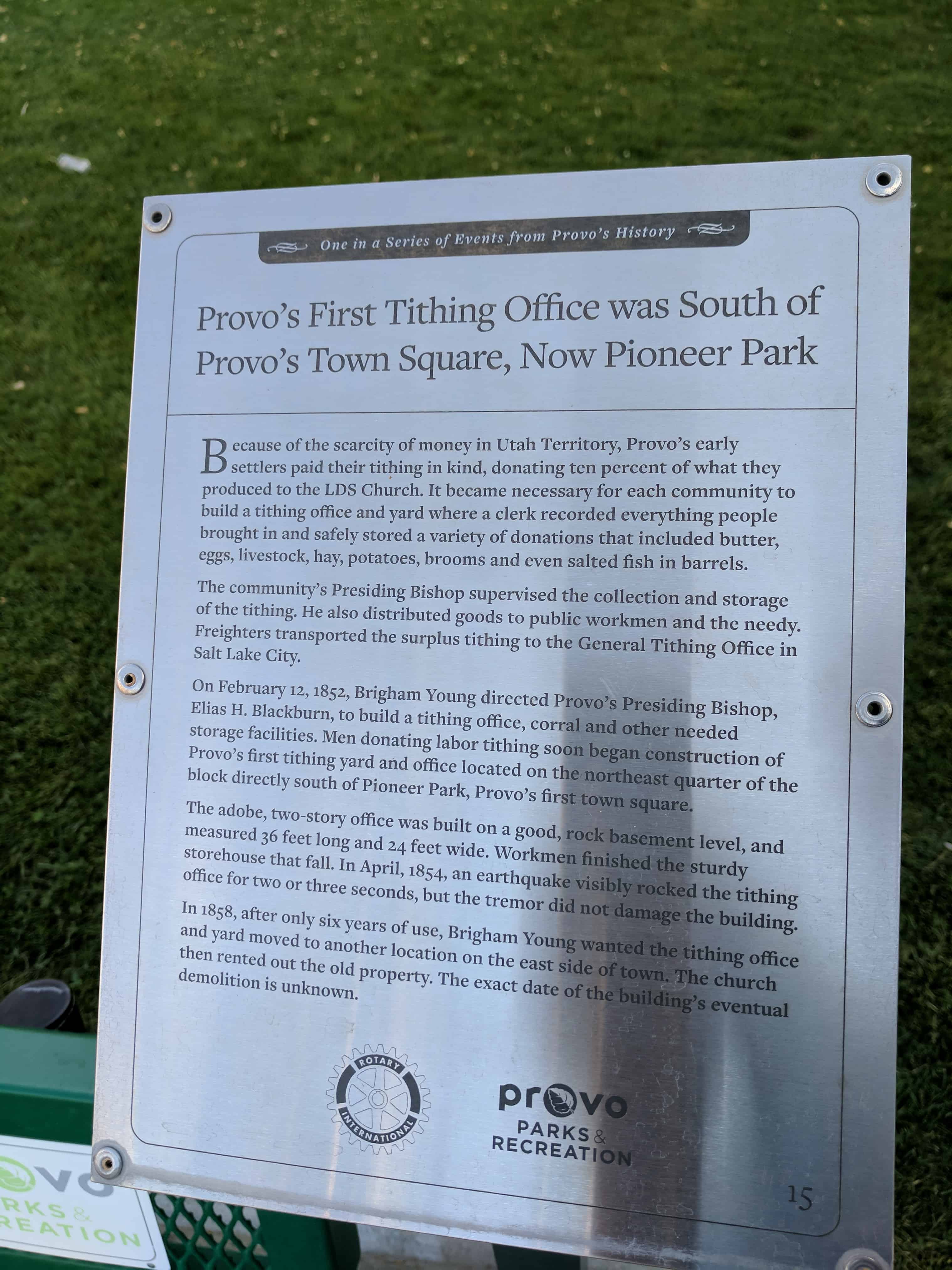
Provo’s First Tithing Office was South of Provo’s Town Square, Now Pioneer Park.

Because of the scarcity of money in Utah Territory, Provo’s early settlers paid their tithing in kind, donating ten percent of what they produced to the LDS Church. It became necessary for each community to build a tithing office and yard where a clerk recorded everything people brought in and safely stored a variety of donations that included butter, eggs, livestock, hay, potatoes, brooms and even salted fish in barrels.

The community’s Presiding Bishop supervised the collection and storage of the tithing. He also distributed goods to public workmen and the needy. Freighters transported the surplus tithing to the General Tithing Office in Salt Lake City.

On February 12, 1852, Brigham Young directed Provo’s Presiding Bishop, Elias H. Blackburn, to build a tithing office, corral and other needed storage facilities. Men donating labor tithing soon began construction of Provo’s first tithing yard and office located on the northeast quarter of the block directly south of Pioneer Park, Provo’s first town square.

The adobe, two-story office was built on a good, rock basement level, and measured 36 feet long and 24 feet wide. Workmen finished the sturdy storehouse that fall. In April, 1854, an earthquake visibly rocked the tithing office for two or three seconds but the tremor did not damage the building.

In 1858, after only six years of use, Brigham Young wanted the tithing office and yard moved to another location on the east side of town. The church then rented out the old property. The exact date of the building’s eventual demolition is unknown.

This marker is located in Rock Canyon Park in Provo, for other markers in this series click here.

2017-09-12 18.49.47

← Older posts
Newer posts →

Follow Jacob

Follow Jacob

Come wander with me on Youtube.

Blog Stats

  • 2,183,450 hits

Social and Other Links

BarlowLinks.com

Recent Posts

  • Abilene Carnegie Library
  • Silver Plume & Georgetown
  • Jens C. Anderson Home
  • Mary Wanlass Hutchings
  • Memorial Building

Archives

Loading Comments...