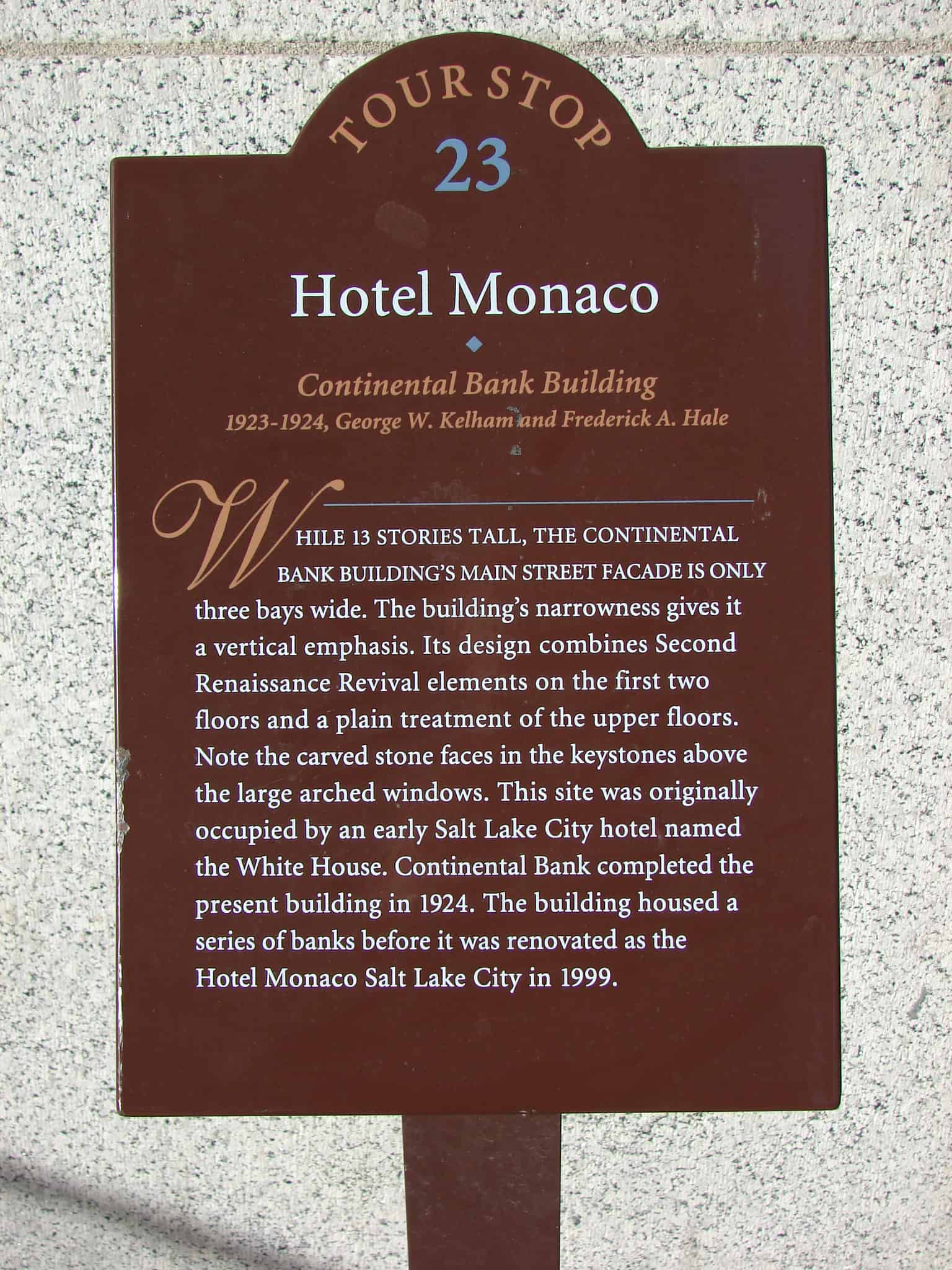
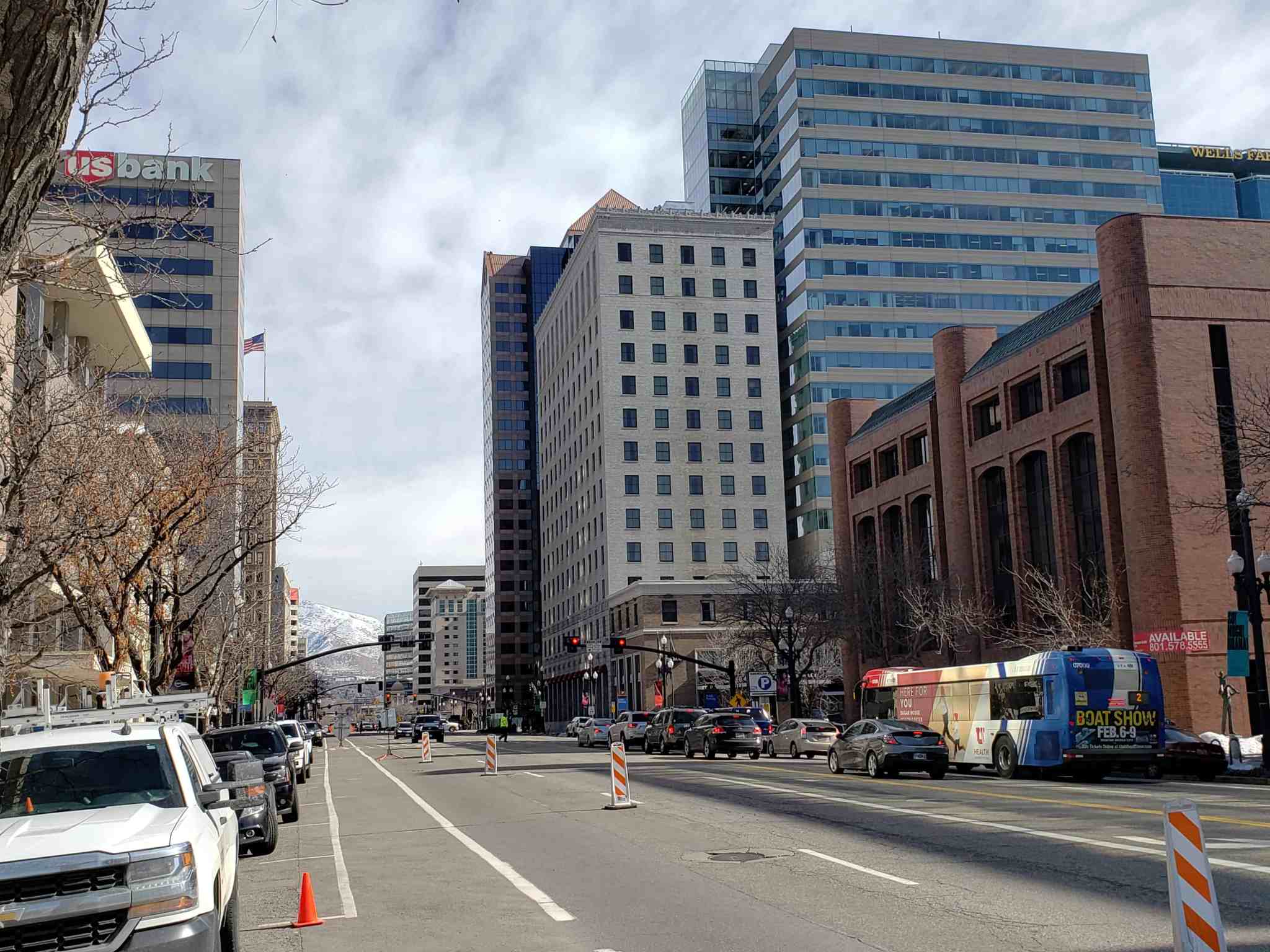
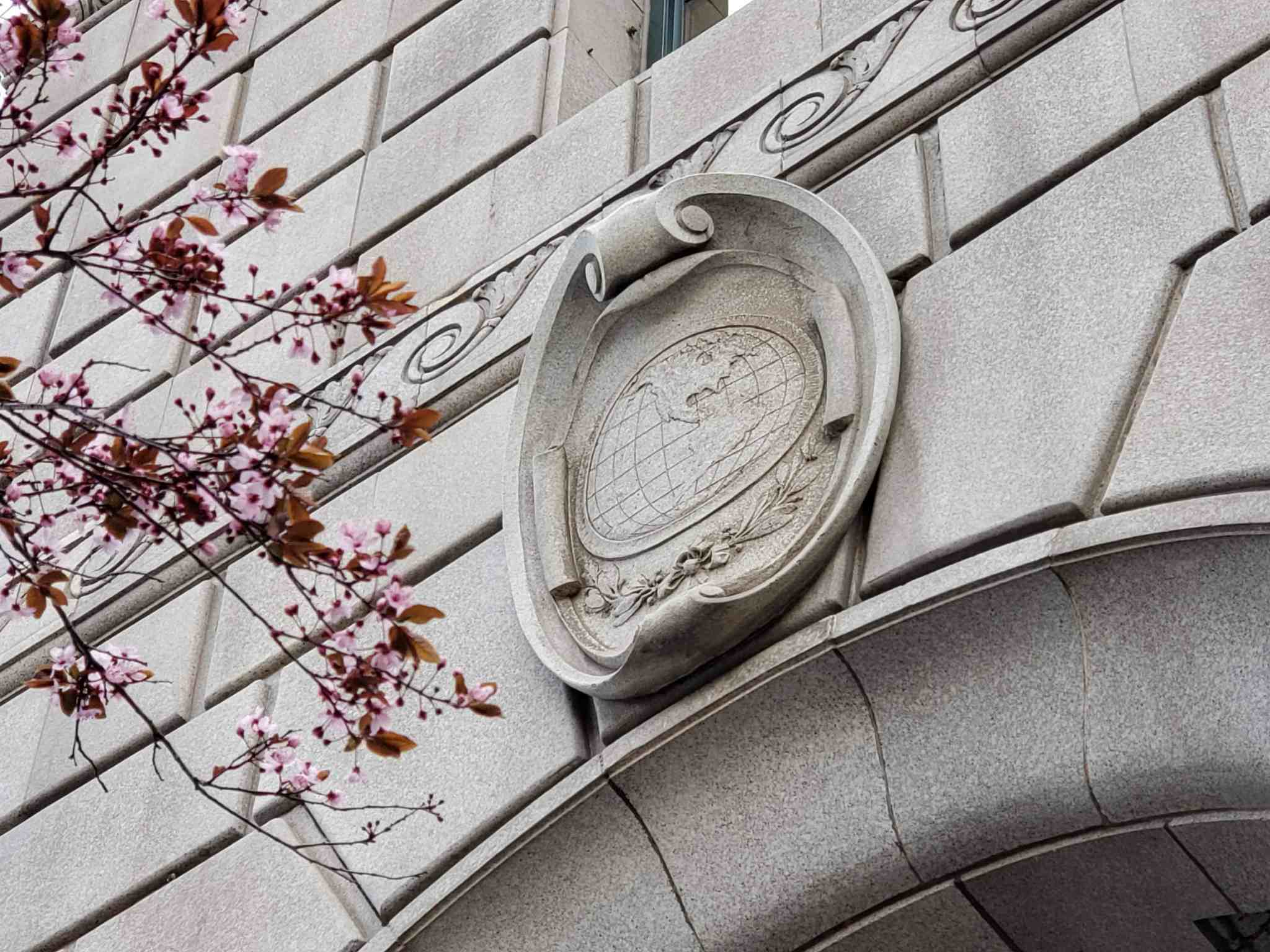
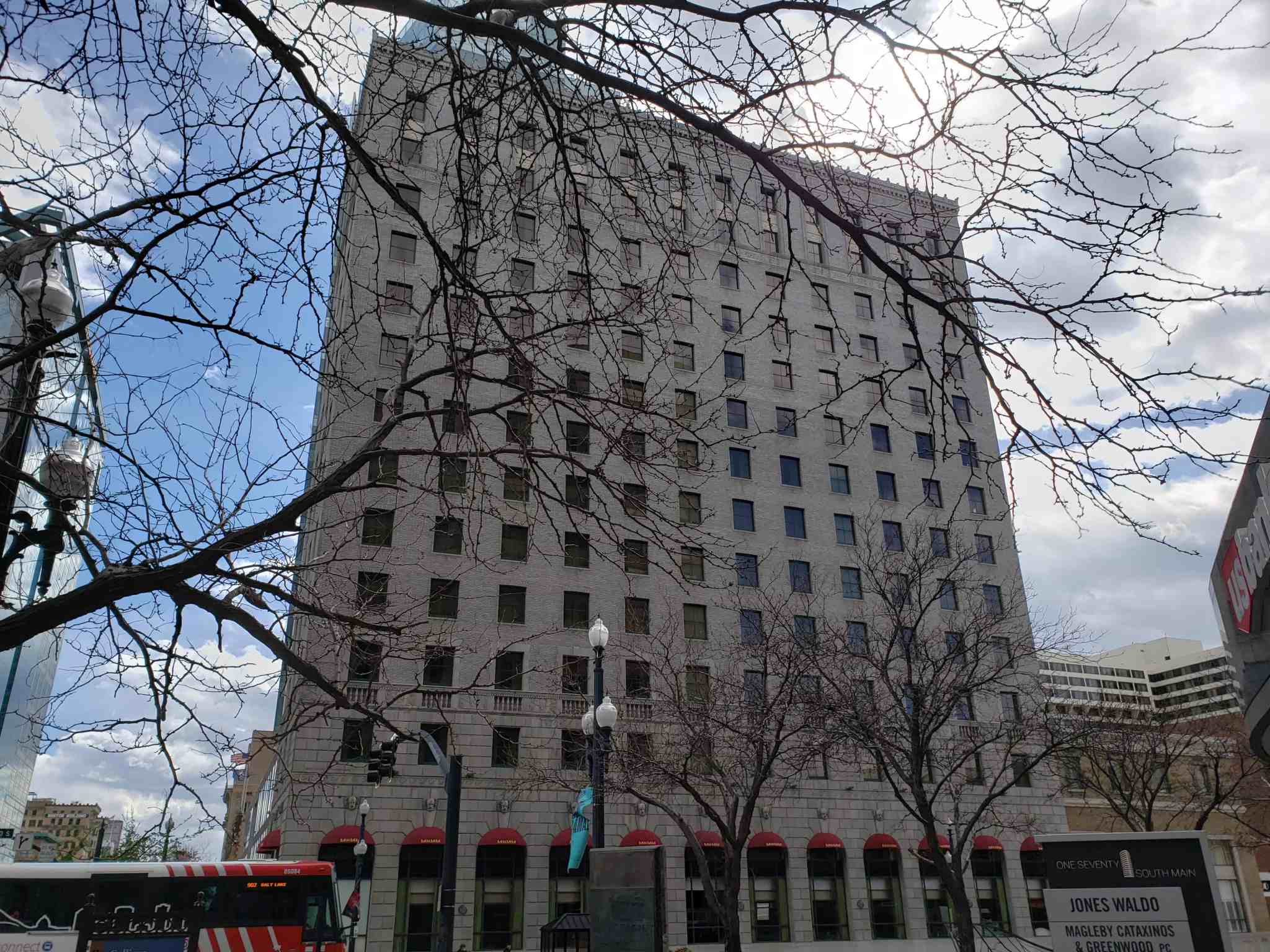
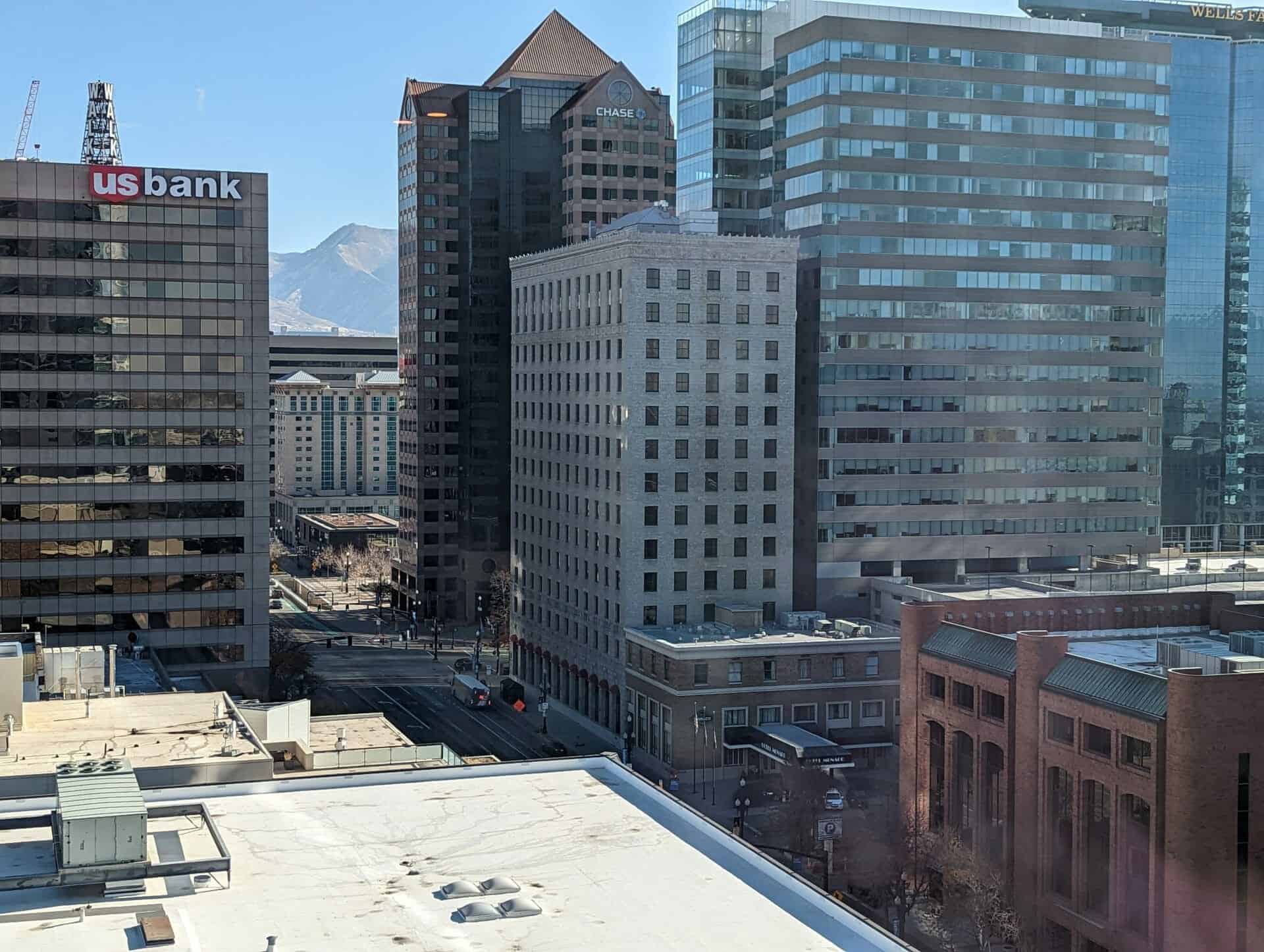
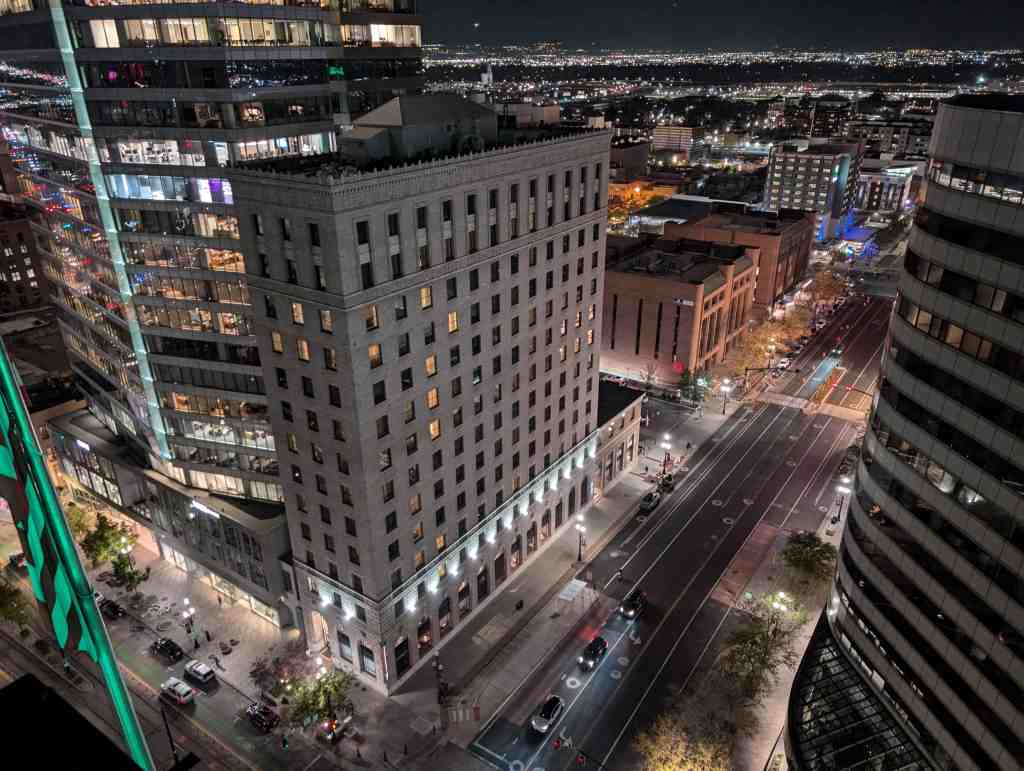
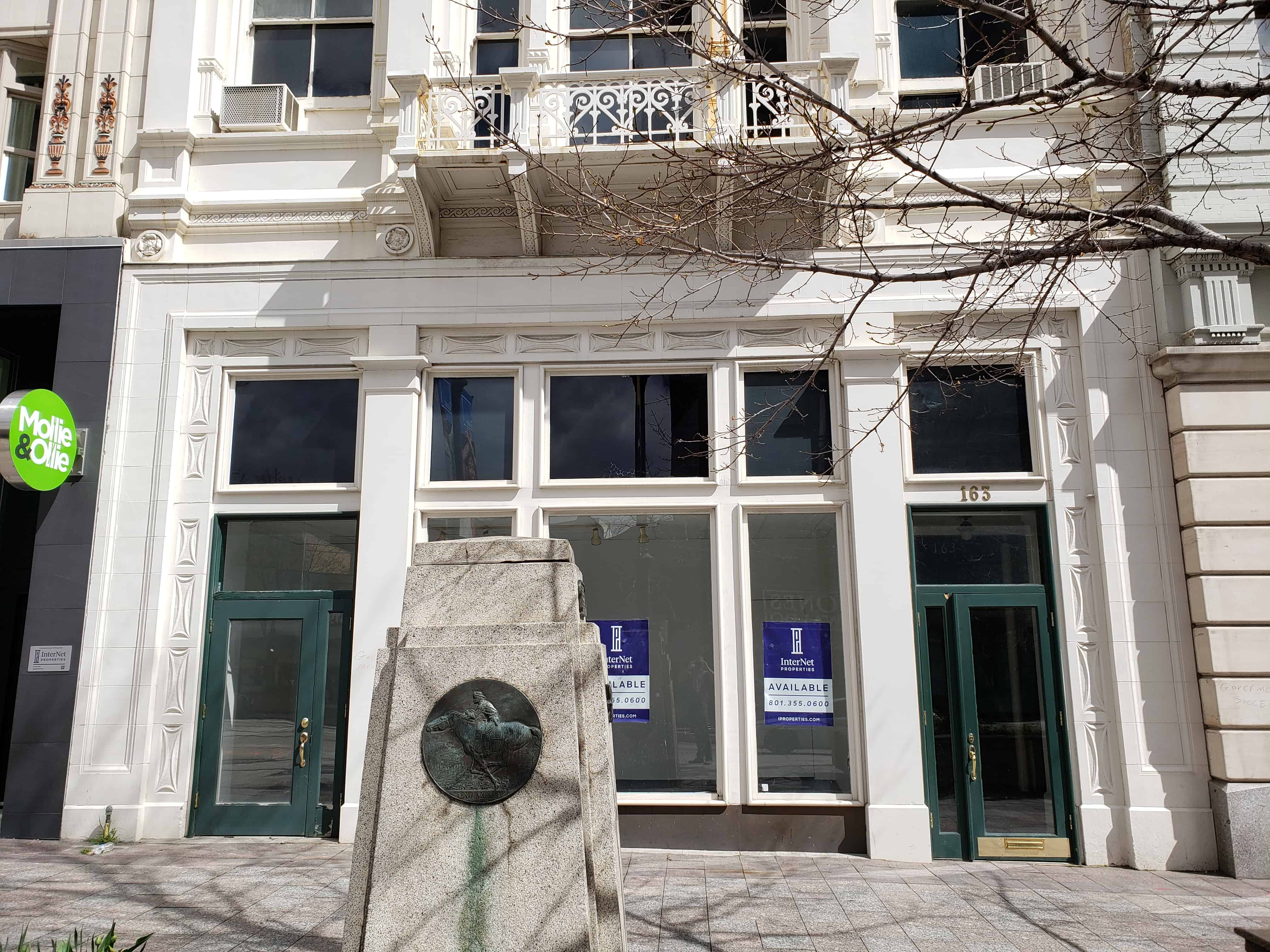
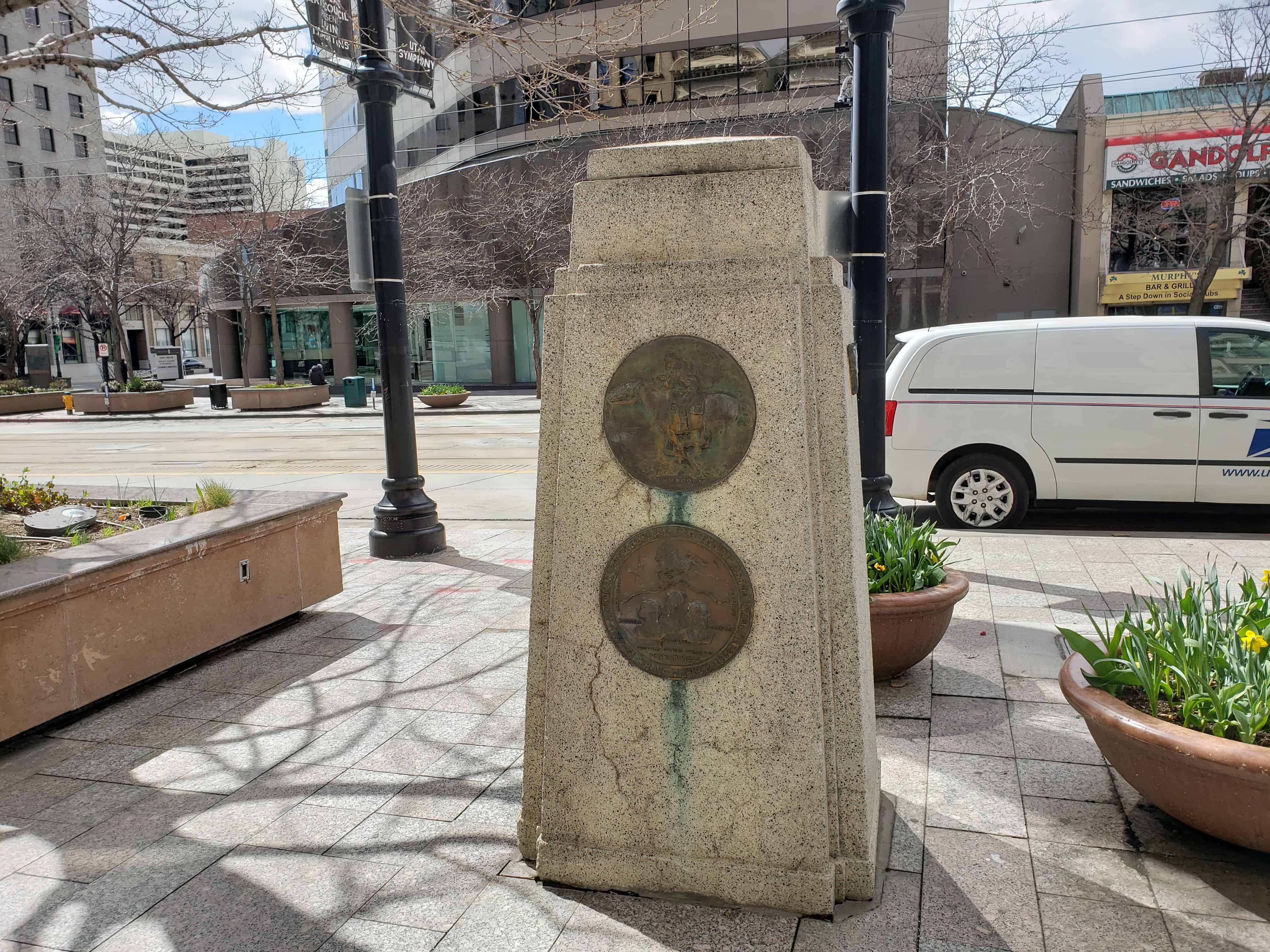
While 13 stories tall, the Continental Bank Building’s Main Street facade is only three bays wide. The building’s narrowness gives it a vertical emphasis. Its design combines Second Renaissance Revival elements on the first two floors and a plain treatment of the upper floors.
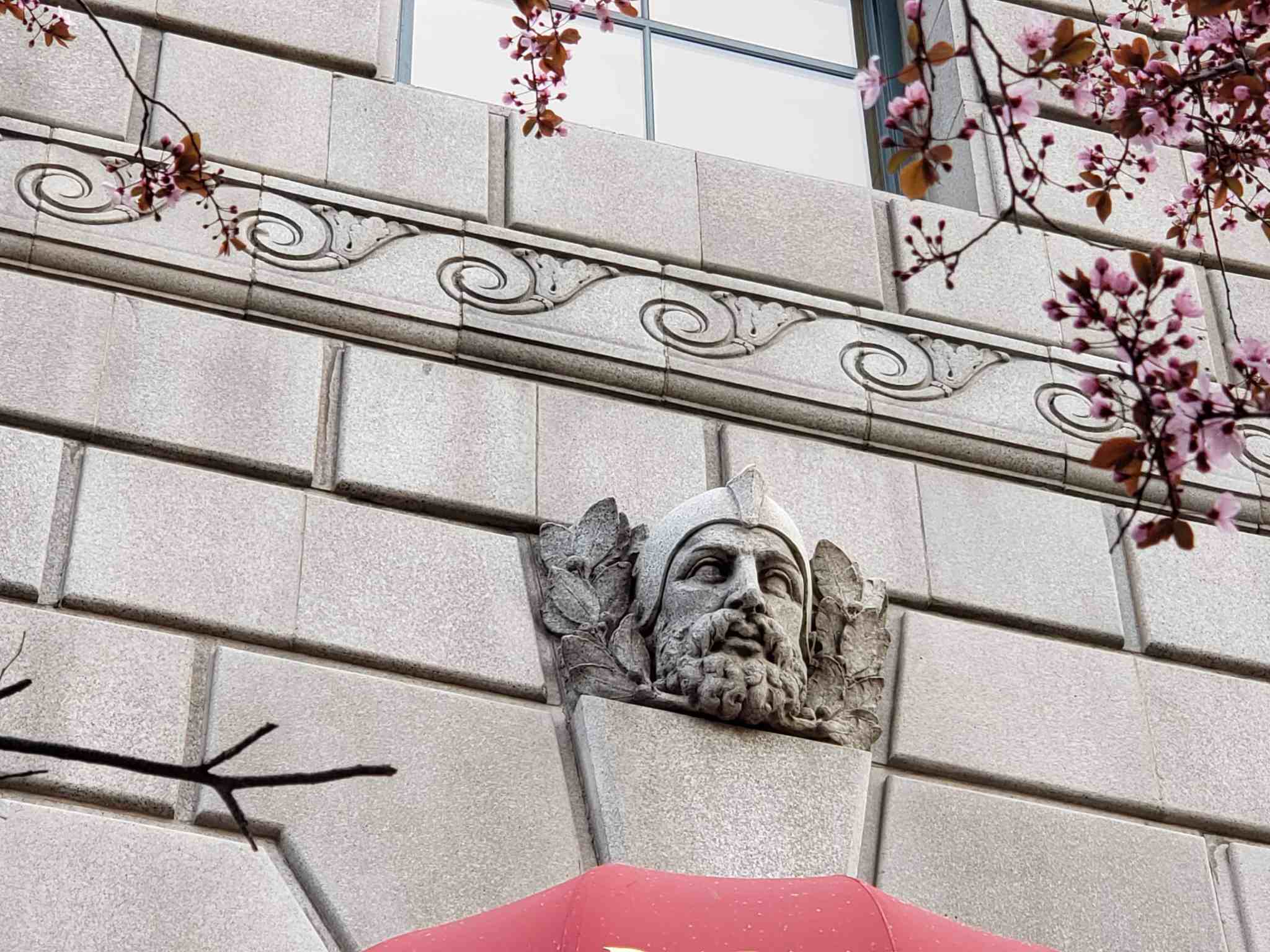
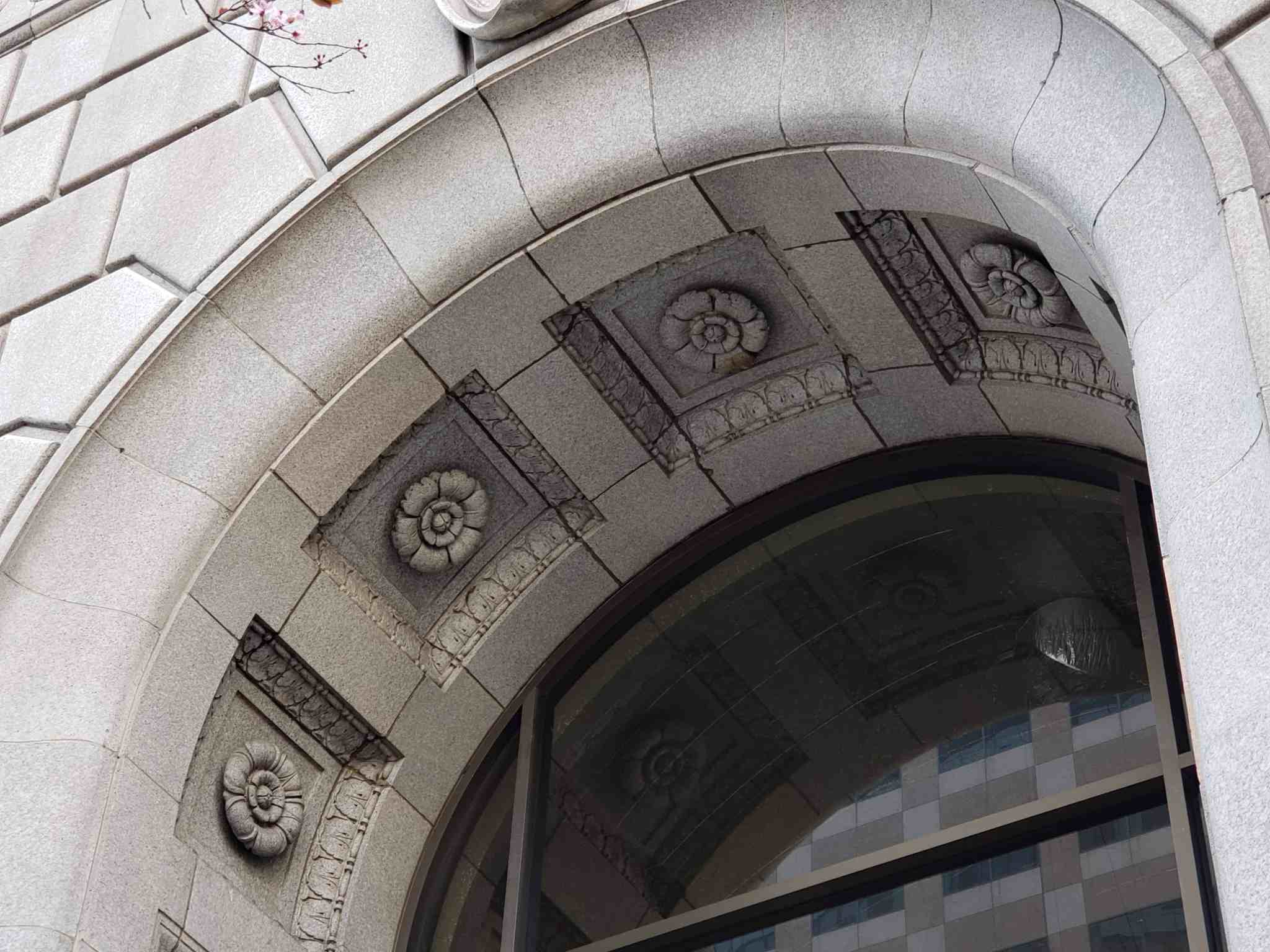
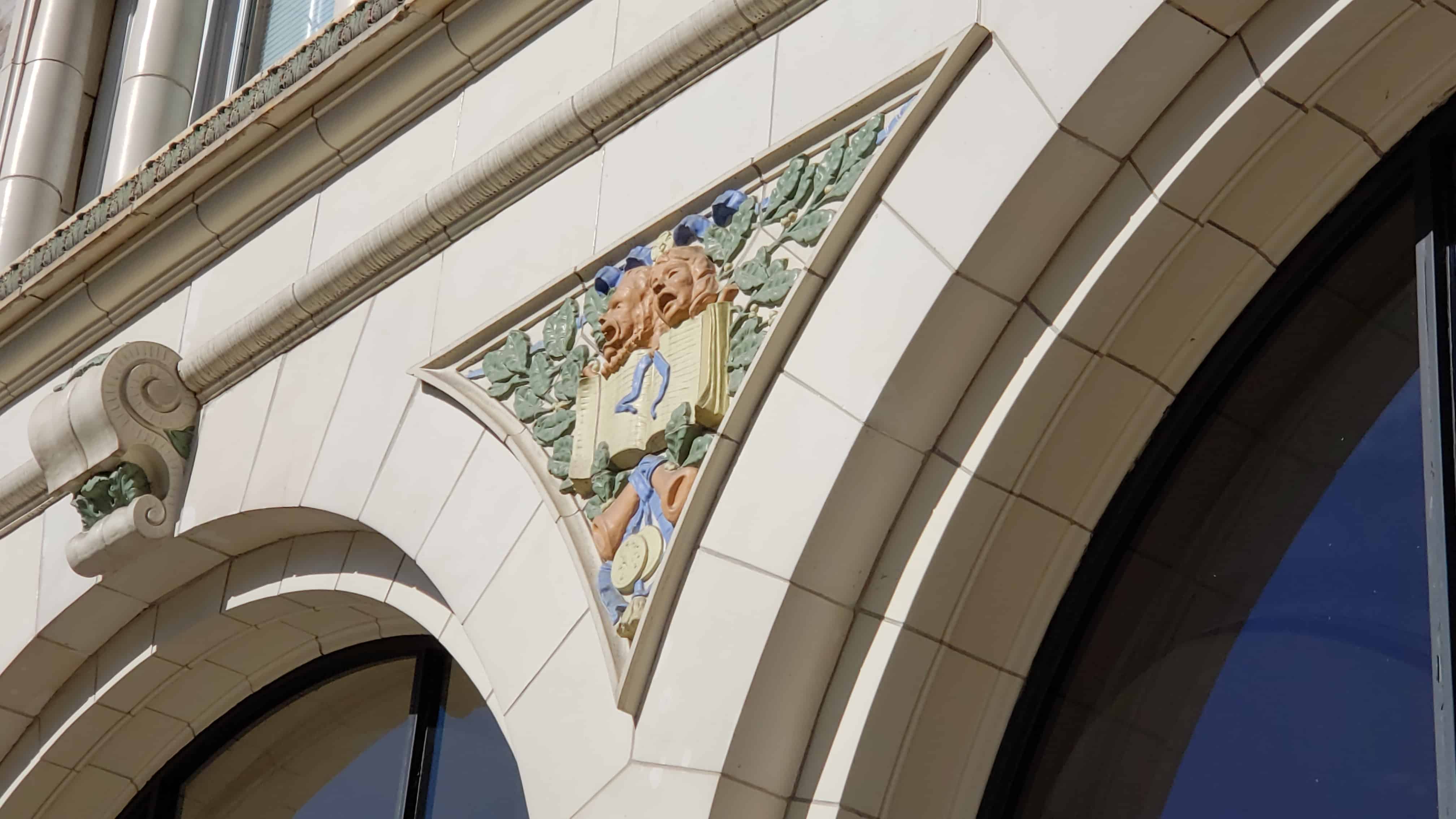
Note the carved stone faces in the keystones above the large arched windows. This site was originally occupied by an early Salt Lake City hotel named the White House. Continental Bank completed the present building in 1924. The building housed a series of banks before it was renovated as the Hotel Monaco Salt Lake City in 1999.
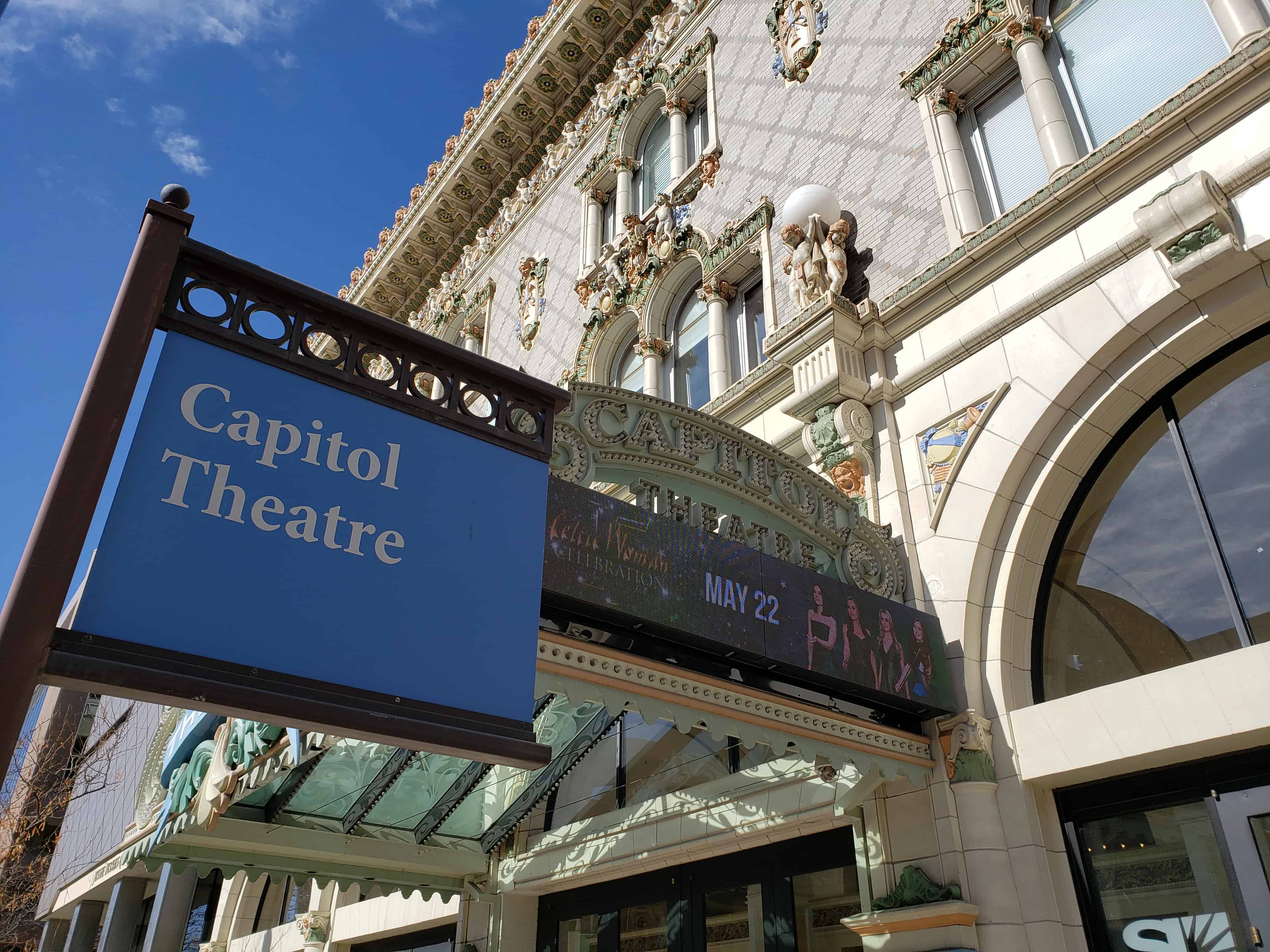
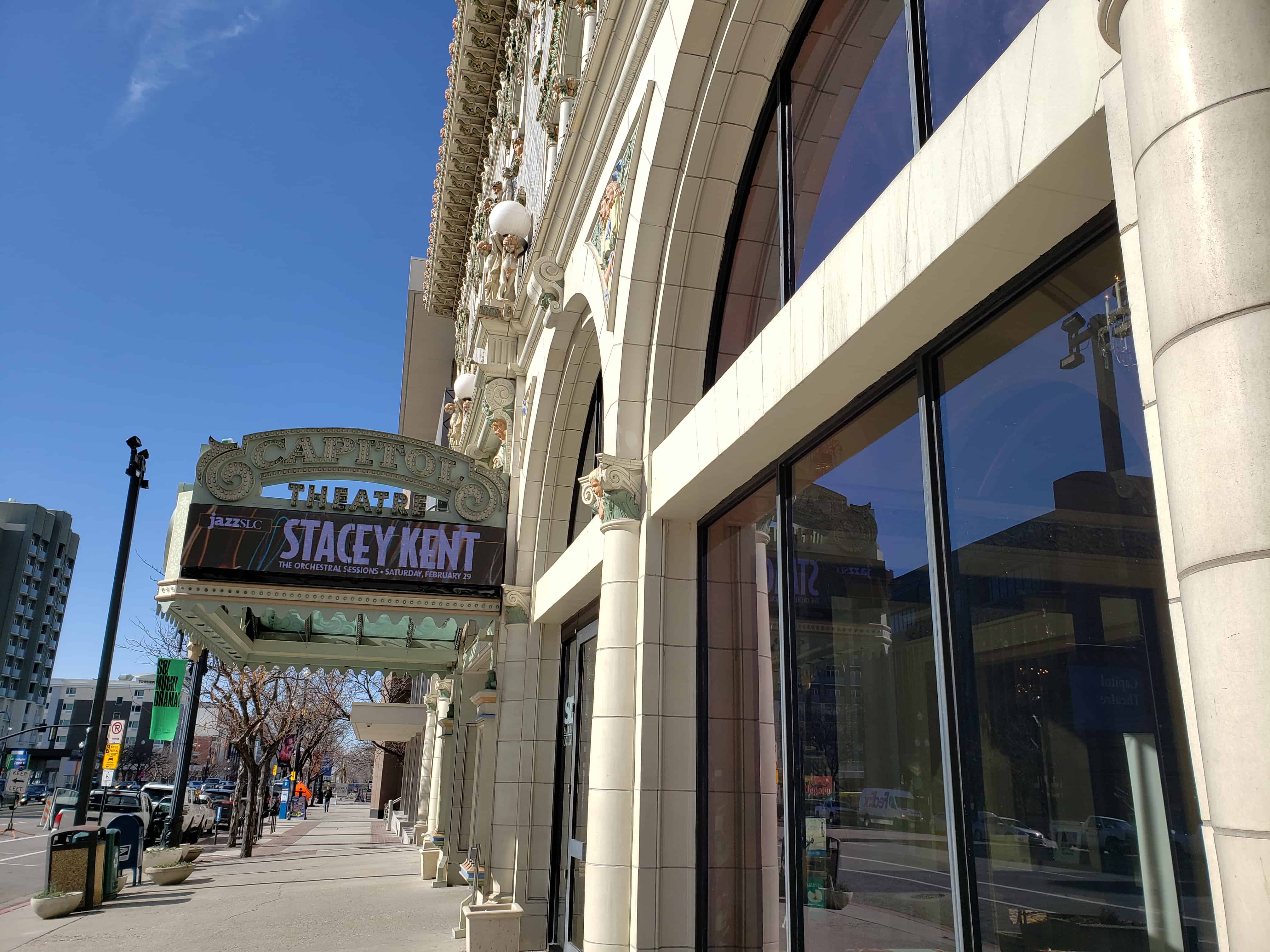
The Orpheum Theatre (now Capitol Theatre), the second theatre built in Salt Lake City for the Orpheum Theatre chain, is significant for introducing innovative architectural features in theatre construction to the Intermountain West. Built in 1912-13, the Orpheum Theatre utilized the most modern mechanical contrivances of its time bringing advancements in safety and comfort through carefully manipulating the interior environment of its public spaces. The building of the theatre also marked an important event in the importation of out-of-state architects and foreign design styles to provide alternatives to the more conventional American and Utah vernacular styles which dominated the majority of commercial and public architecture. The introduction of new building materials tapestry brick and terra cotta, and a highly decorative new style–Italian Rennaissance, along with the “water-curtain,” “Plenum System” air-conditioning and “totally fireproof” construction made the Orpheum Theatre a significant building in the development of architecture in Utah. Of the several theatres built nationally by San Francisco architect G. Albert Lansburgh, the Salt Lake Orpheum was considered one of the most successful.
With such an outstanding facility, the Orpheum Theatre was capable of attracting the best-known performers of the day. The theatre was significant as a major center of vaudeville in Salt Lake City.
After having built a theatre on South Main Street in 1905, the L. L. Orpheum Realty Company took out a permit for a new theatre on May 27, 1912. Architect for the theatre was G. Albert Lansburgh of San Francisco. Thirty-six years of age at the time, Lansburgh had graduated from the Ecole des Beaux Arts in Paris and was awarded Le Dlplome d ! Architect de Government Francais and a gold medal from the Society of French Artists at the Grand Salon of the Champs Elysses in 1906. After spending seven more years studying ancient and modern architecture in Europe, Lansburgh returned to San Francisco, his boyhood home, and began practice. Among the more important buildings which he designed were the Orpheums in San Francisco and Los Angeles, the Manx Hotel, Newman and Levism Building, Concordia Club, Sacks Building, E. and M. A. Gunst Buildings, and Lamberman’s Buildings. Lansburgh was also involved with restoration architecture, having done the restoration of the Temple Emanuel in San Francisco.
Lansburgh’s training in classicism was brought to bear in the design ot the Orpheum Theatre in Salt Lake City. Designed in what described at the time as the “Italian Renaissance Style,” the building displays a profusion of classical revival detailing. The exquisite terra cotta figurines, moldings and brackets, were unknown in the city, with the exception of the Hotel Utah which was built at the same time and used terra cotta decoration from the same California manufacturer.
The theatre housed from 1,800 to 2,000 and was built at a cost of $250,000. Capitalization for the project came from the Walker Estate in Salt Lake City as well as M. Meyerfeld of the Orpheum circuit.
Amenities included were a mezzanine floor lounge for female patrons, marble floors and staircases, removable seats in the front of the auditorium to allow for enlargement of the orchestra pit, 26 box seats, among them a central “royal” box. No posts hindered the view of spectators. Perhaps the most impressive features, however, were those intended to bring extra comfort and safety.
The Orpheum Theatre was considered architecturally advanced during its time. Constructed of concrete, steel and brick, this fireproof construction was aided by a “Water Curtain” which was a series of sprays in front of an asbestos curtain which automatically activated when the temperature reached a designated height. According to one report, “Water spouts from the sides and descends from above, forming a complete screen of water through which fire or smoke could not penetrate.”
A mechanical ventilation system known as the “Plenum system” was also provided. Precurssor to present forced air conditioning systems, it worked thusly: “Automatically the air is expelled through gratings beneath the seats at a rate of three feet per second. It rises to be drawn out through the ventilators in the ceiling and dome without any perceptible draught.” It was claimed that “on the hottest day ‘n summer it is possible to keep the atmosphere at 60 degrees while, when the mercury is below zero in winter, patrons can be warm and snug…and breathe absolutely pure air.”
An added safety feature was the exit system with 30 exits from all sides of the building, “the doors of which are fitted with patent contrivances that cause them to fly open on the least pressure from the inside. A special structural system made the building “earthquake-proof.” The boiler was placed in a separate building to eliminate the dangers of possible explosions.
The total absence of posts, concealed lights and mirrored reflectors, special acoustical treatments were among other new elements which attracted large crowds of theatre-goers. Catering to the vaudeville type of productions, weekly offerings of such artists as Will Rogers, Sophie Tucker, Trixie Friganza and Joe Frisco played to Salt Lake audiences. The theatre offered such fare under the Orpheum Chain until 1923 when the Ackerman-Harris vaudeville Chain purchased the building. In 1927, the Orpheum was purchased by the Louis Marcus Chain, which also owned theatres in Provo, Ogden, and Boise, as well as others in Salt Lake, for $300,000
Major remodeling over a three-month period transformed the structure into a Louis XVI-style theatre, a notable feature being a sunburst set in the center of the ceiling. Interior design was by R. E. Powers, and Co., considered a prominent national designer of the era.
Called the “city’s leading motion picture palace,” by reviewers, the seating capacity was enlarged to 2,260, and included a new Wurlitzer organ, billed as second in the city only to the Tabernacle Organ, and featured Tabernacle Organist Alexander Schreiner as organist.
It apparently catered to a wide spectrum of society, with prices in 1917 ranging from 10 to 75 cents, depending on seating and show-time. The theatre changed with the times, being transformed from live theatre to “talking shows” in 1929.
The Orpheum or Capitol Theatre as it was later called has continued to show motion pictures to the present time, although parts of the building have been turned over to small commercial businesses. In early 1976 the Salt Lake City Redevelopment Agency purchased the building and are currently having the building restored for use as a much needed performing arts center. The restoration is intended to return the Orpheum to much of its original appearance.
Original Appearance:
Newspaper accounts of the opening, August 1, 1913, give an idea of the original appearance of the theatre. Some of the features mentioned include the lobby which was “paved with marble flags, domed by a striking groined ceiling in Caen stone and flanked by supporting pillars.” The staircases to the balconies were marble. The original color scheme was French gray and gold, “the gold being subdued with French lacquers in blue and mulberry which go well with the gold orsini velvet draperies, in turn relieved by mulberry and rose colored silk underdrapes.” The theatre balcony and proscenium arch were heavily molded with classical motifs. Descriptions of the building’s original appearance are extremely detailed and lengthy, but, in short, the entire theatre was extravagantly finished, both inside and out.
1976 Appearance:
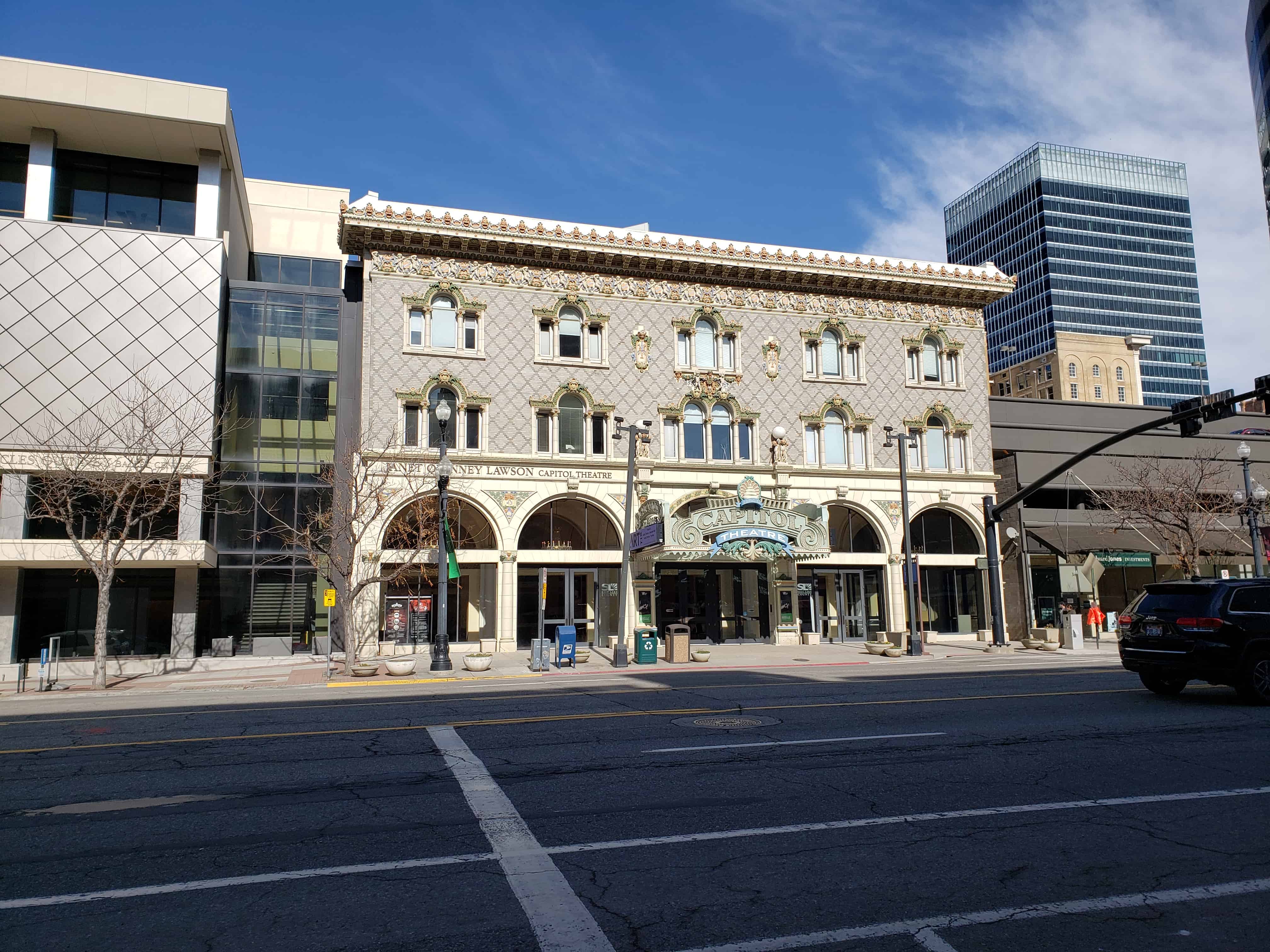
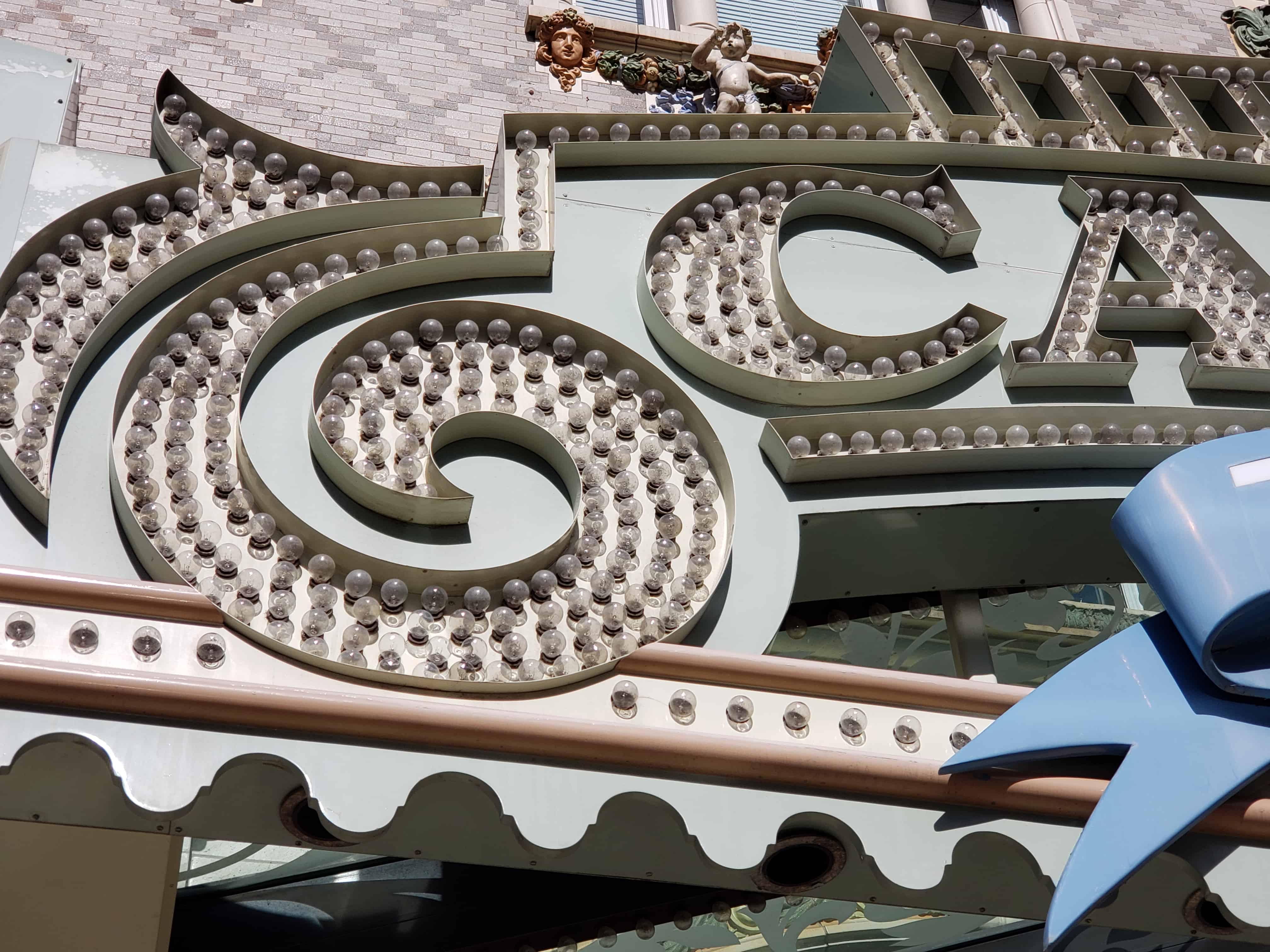
The building now known as the Capitol Theatre is a brick structure, three stories in height with a highly decorative facade consisting of tapestry brick and polychrome terra cotta. The symmetrical front facade is five bays wide with large Roman;arches over each bay on the street level and sets of Palladian windows situated directly above each lower bay. Until recently, the arches were concealed by metal siding which covered the entire clerestory portion of the street level facade. Other modifications of the facade include the rearrangement of spaces and masses between the columns at the street level. Undisturbed, however, is the ornate facade from the first story cornice up. The Palladian windows display round columns with composite capitals, and classically molded entablatures or lintels complete with cartouches, foliated bands, cherubs and stereotyped classicist heads, all done in terra cotta. The frieze is also a repetitious band of cherubs and musical instruments. The bracketed cornice is crowned with a band of drama masks.
Much of the theatre’s interior is intact. The building is rectangular in shape and features the main lobby, ticket rooms, offices, a set of grand staircases elevators, men’s and women’s parlors and restrooms, a large balcony, theatre, orchestra pit, stage control and mechanical rooms. Much of the original interior decor is intact although some changes were made as a result of the remodeling in 1927. The restoration in progress intends to restore as many of the original features as possible. ;
Capitol Theatre
Constructed 1912-1913, the Capitol Theatre incorporated classical design and was stylistically advanced for its time. the theater’s highly decorative Italian Renaissance style is significant as an innovation in the development of Utah architure. The building, with its façade style, including exquisite terra cotta figurines, moldings and brackets, was new in the city, along with the Hotel Utah, which was built at the same time. The interior marble staircases and balconies, as well as the marble-paved lobby, were originally set off by a color scheme of gray and gold.
Designed by Albert G. Lansburgh, who had graduated from the Ecole des Beaux Arts in Paris, the Capitol Theatre was originally built as part of the Orpheum Theatre chain. It utilized the most modern mechanical contrivances or its time, bringing advancements in safety and comfort through such features as fireproof and earthquake-resistant construction and air conditioning. The building was remodeled in 1929 as a motion picture theater. In 1976 it was purchased by Salt Lake County and restored closely to its original form.
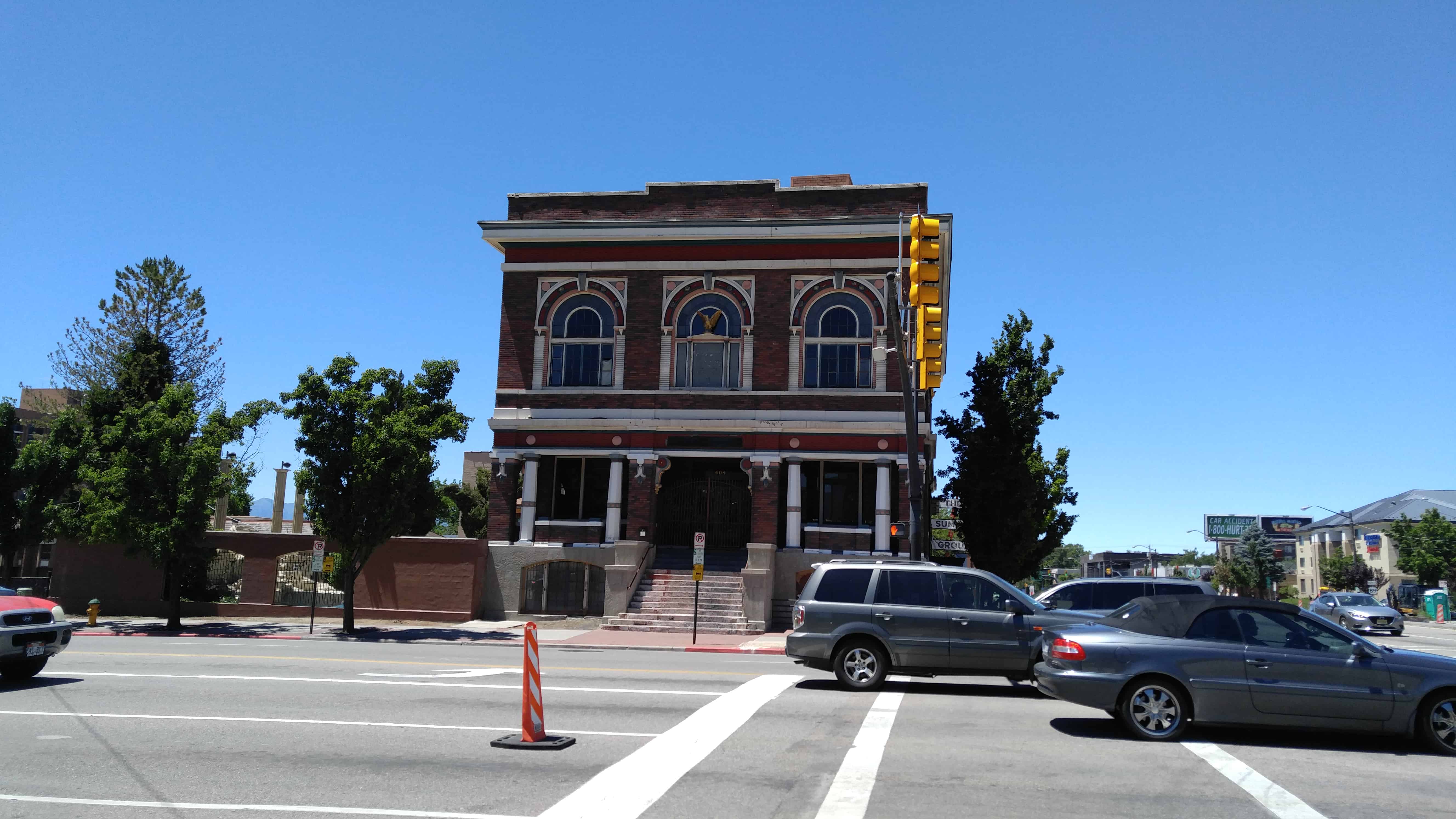
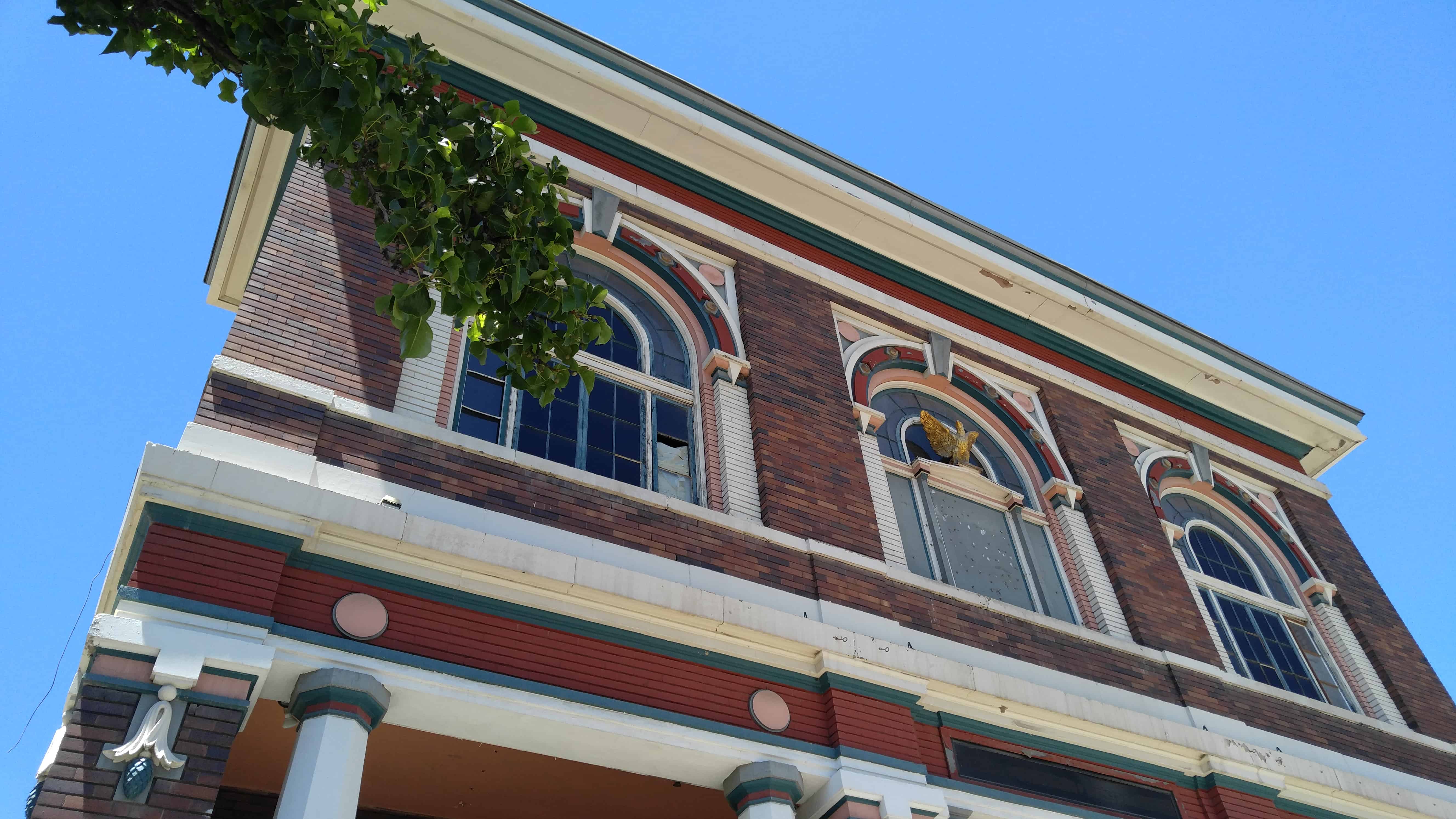
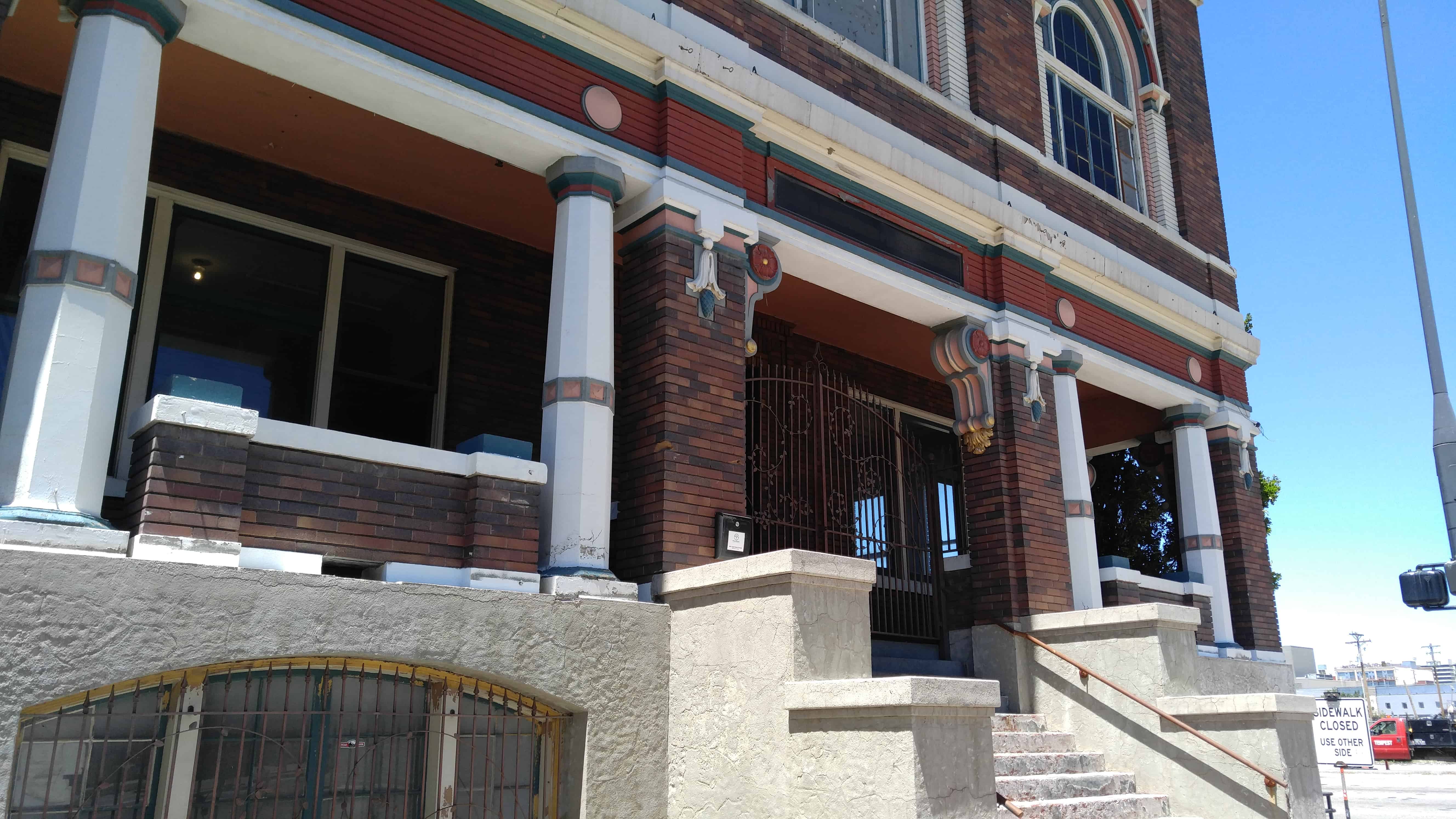
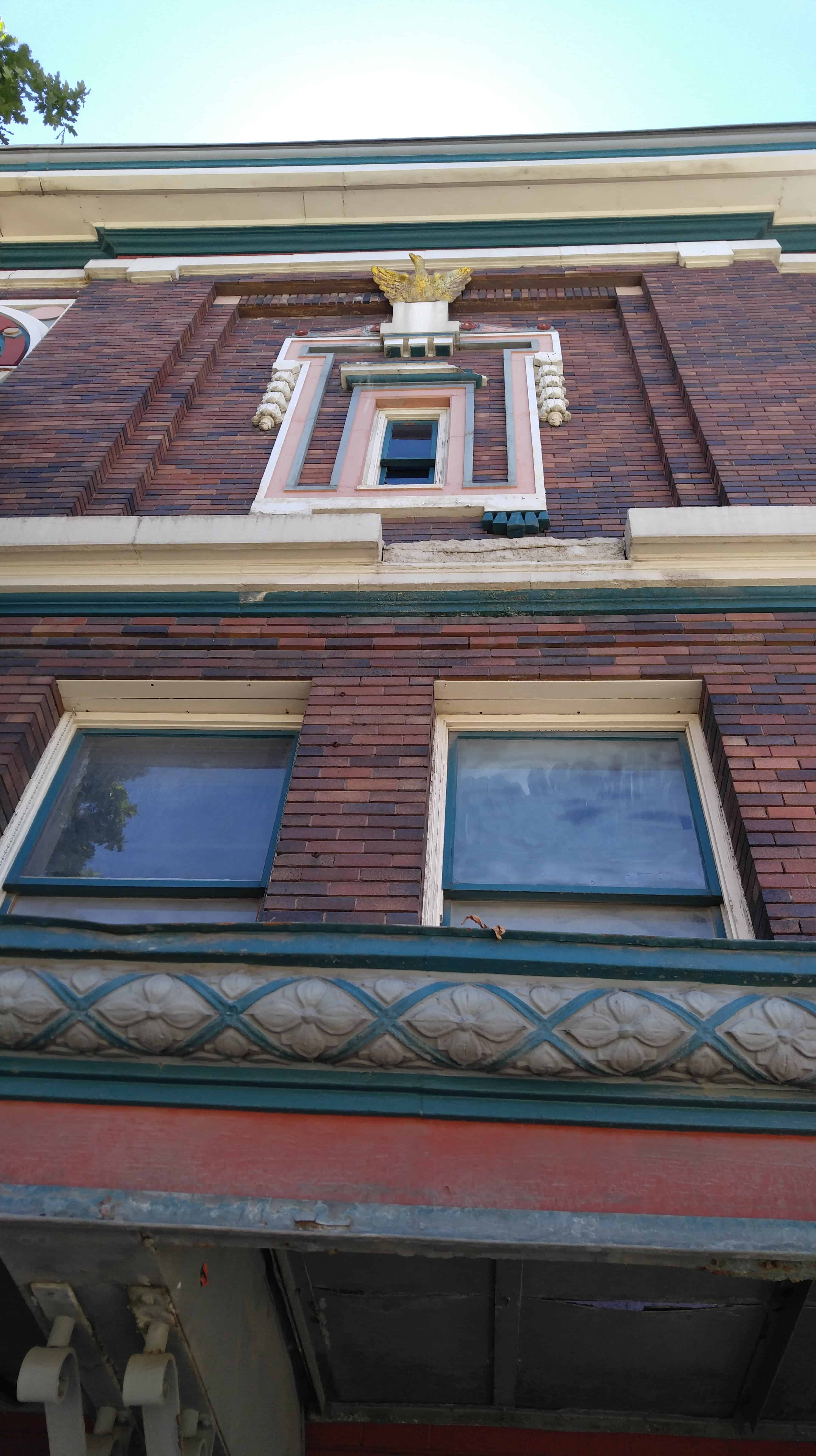
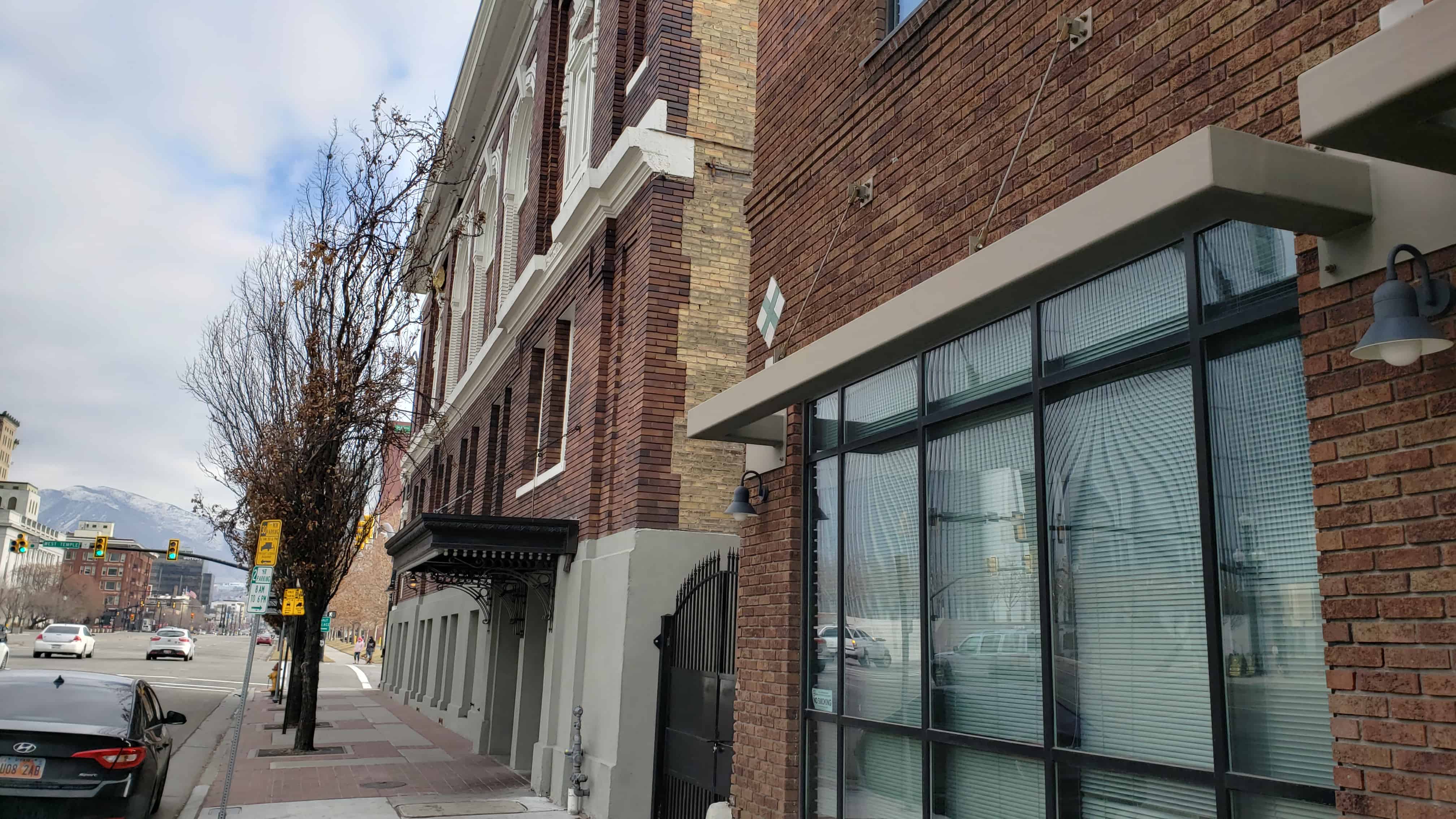
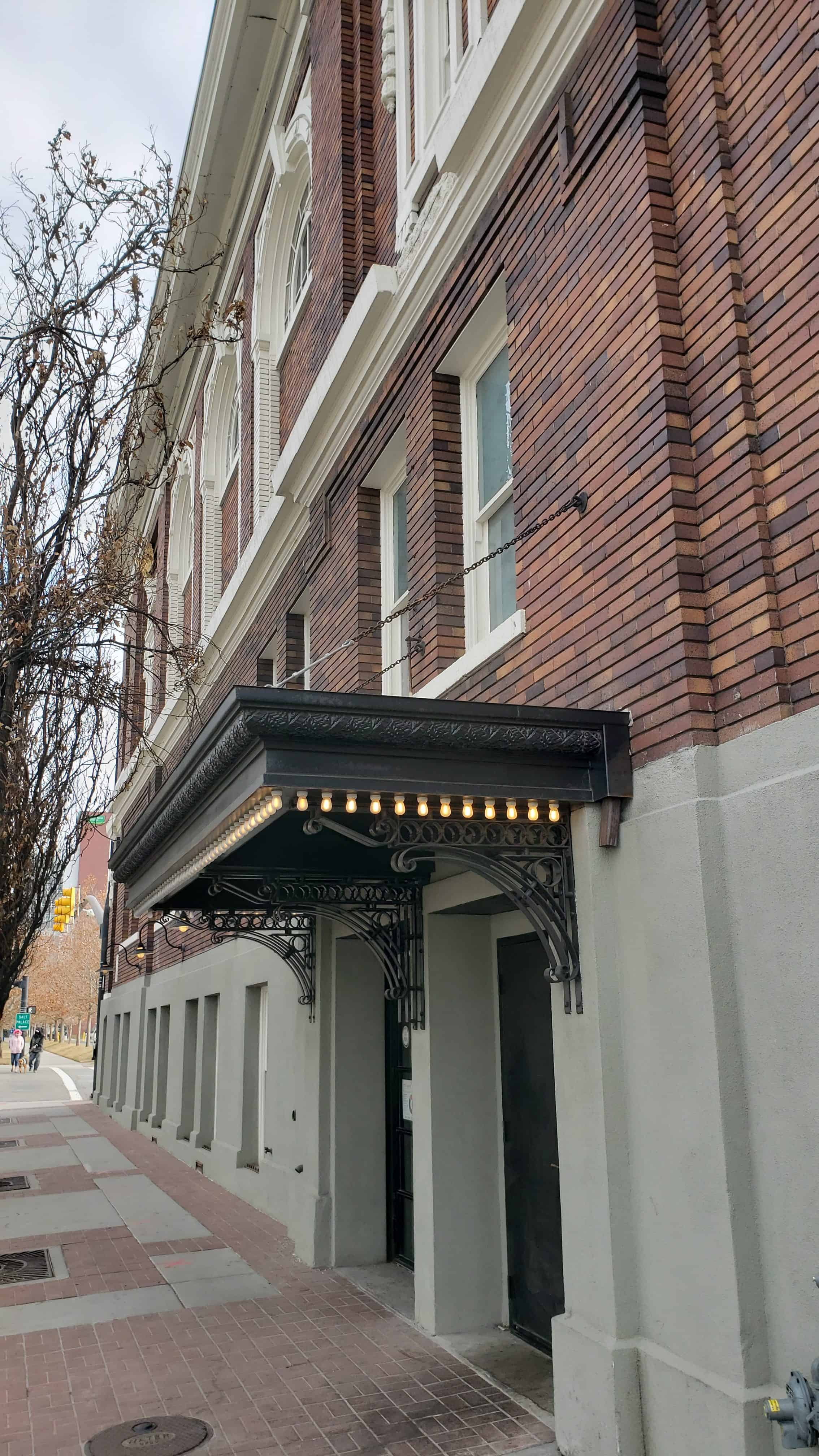
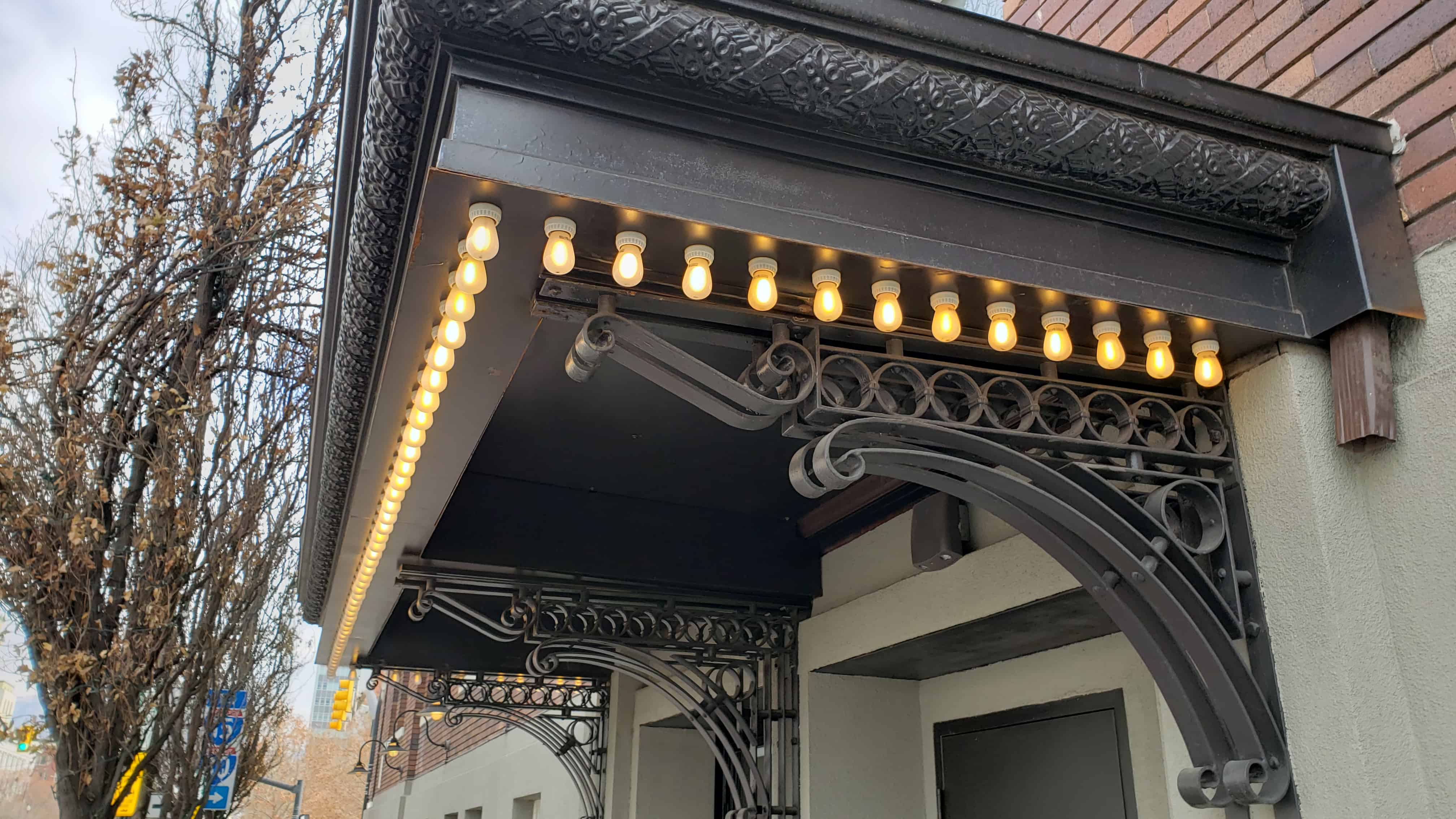
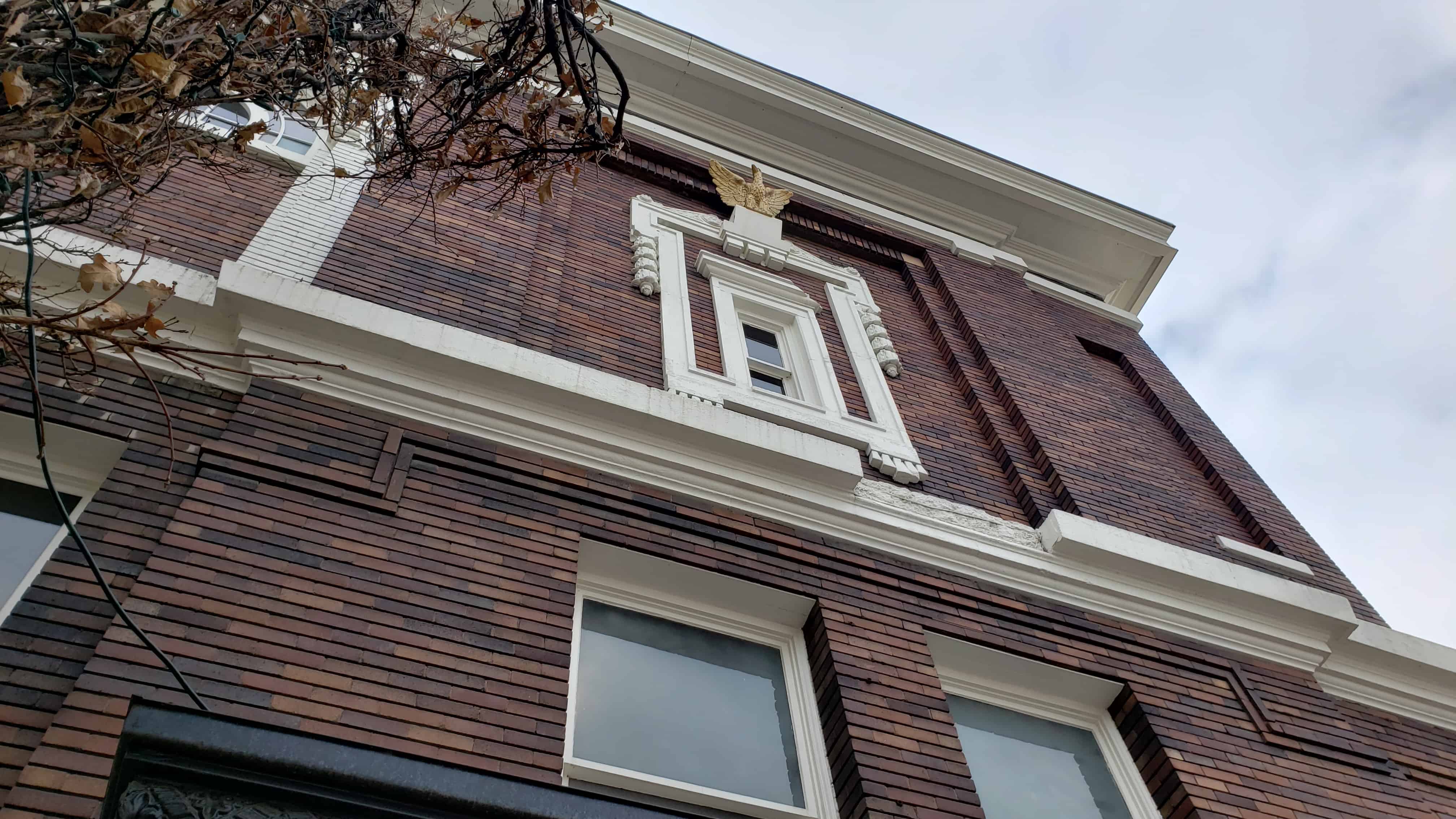
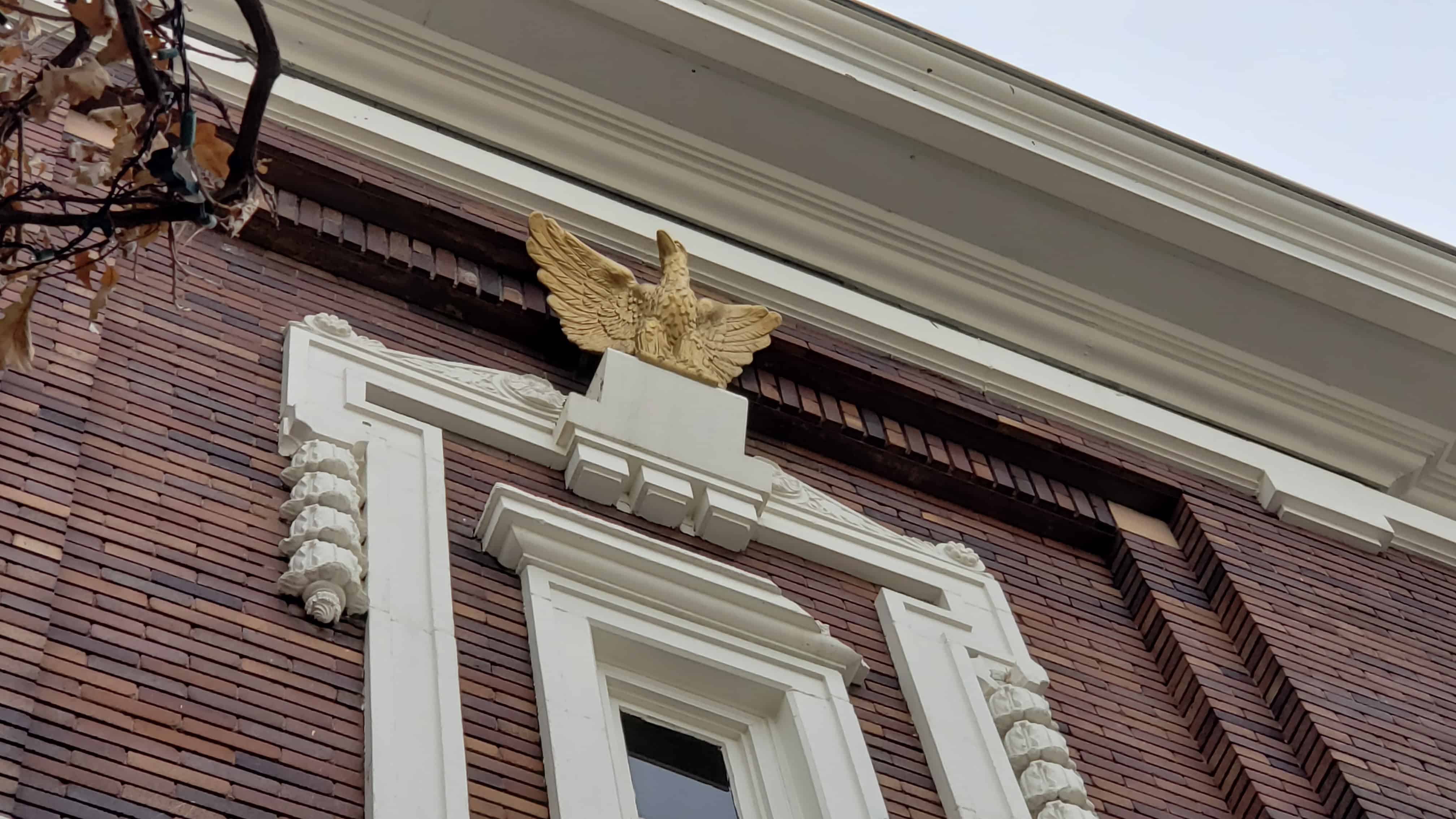
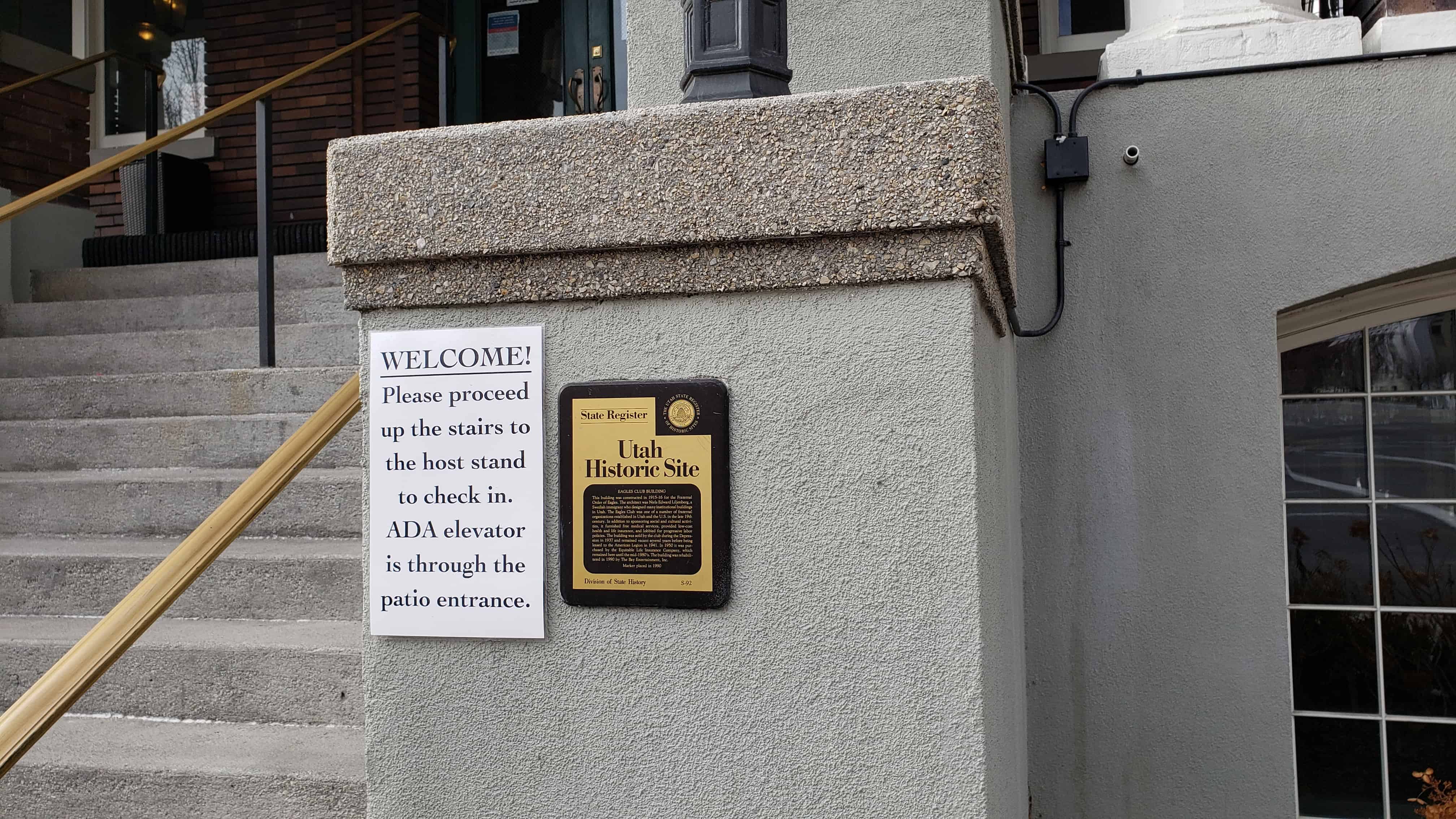
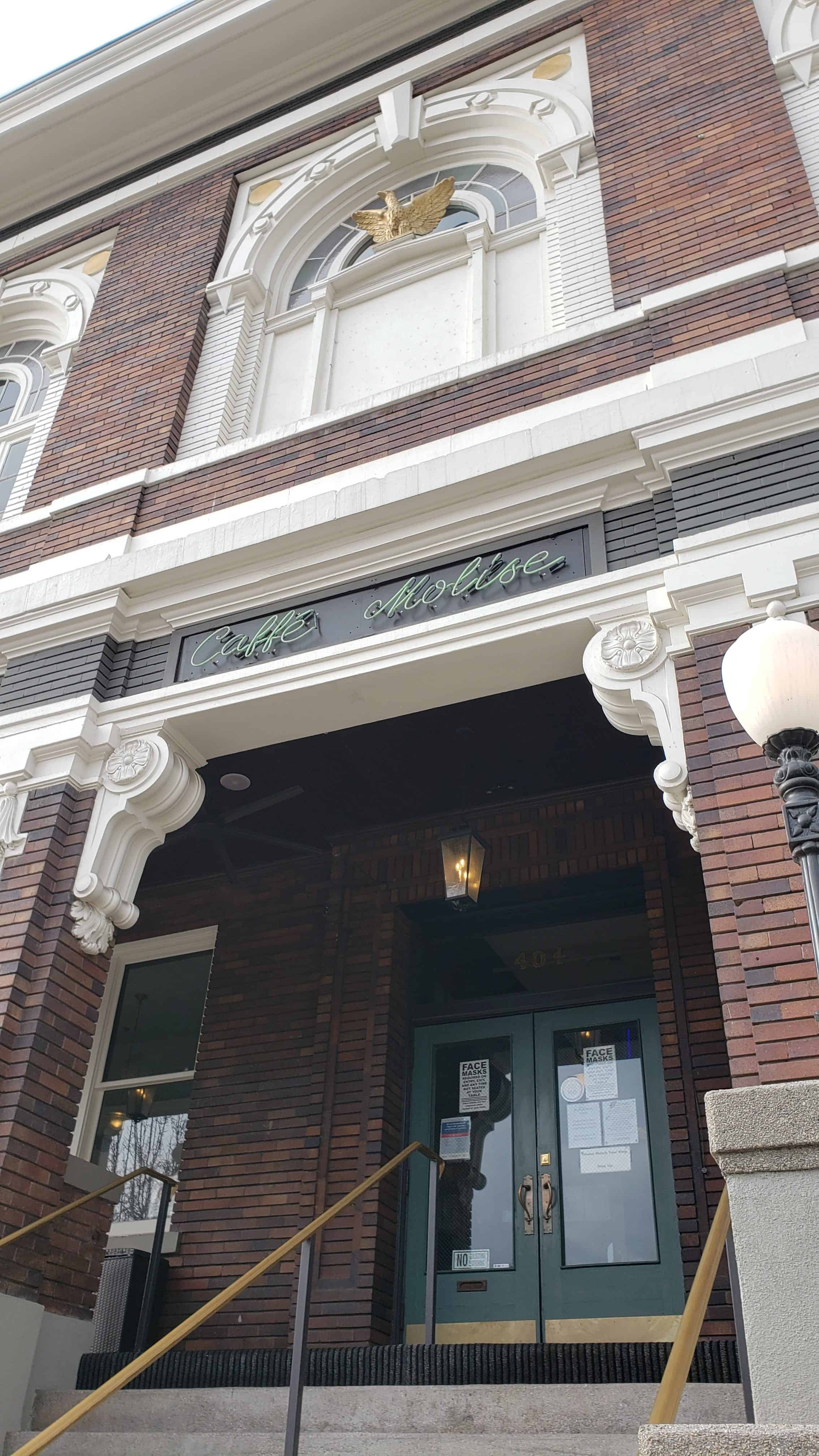
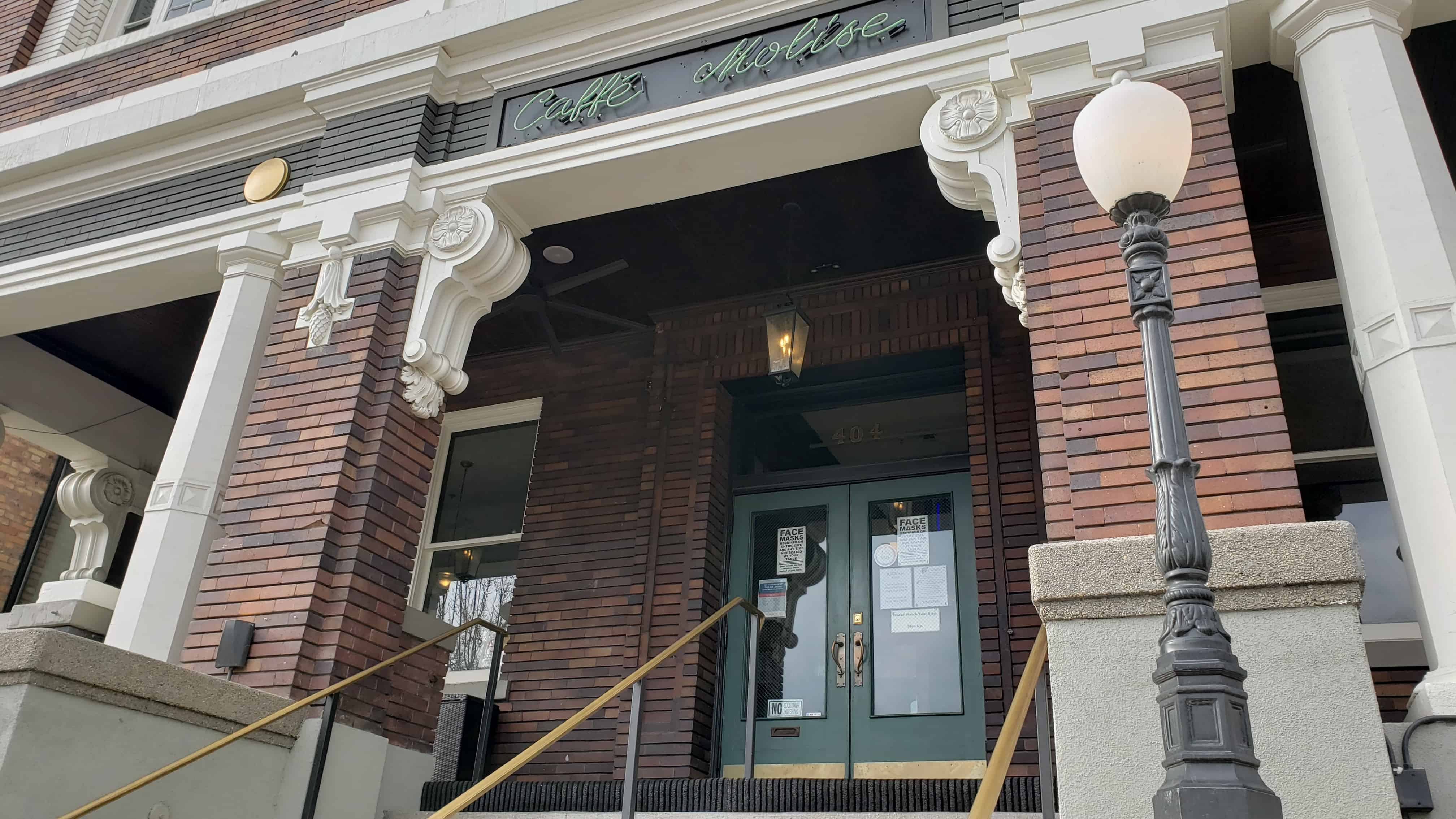
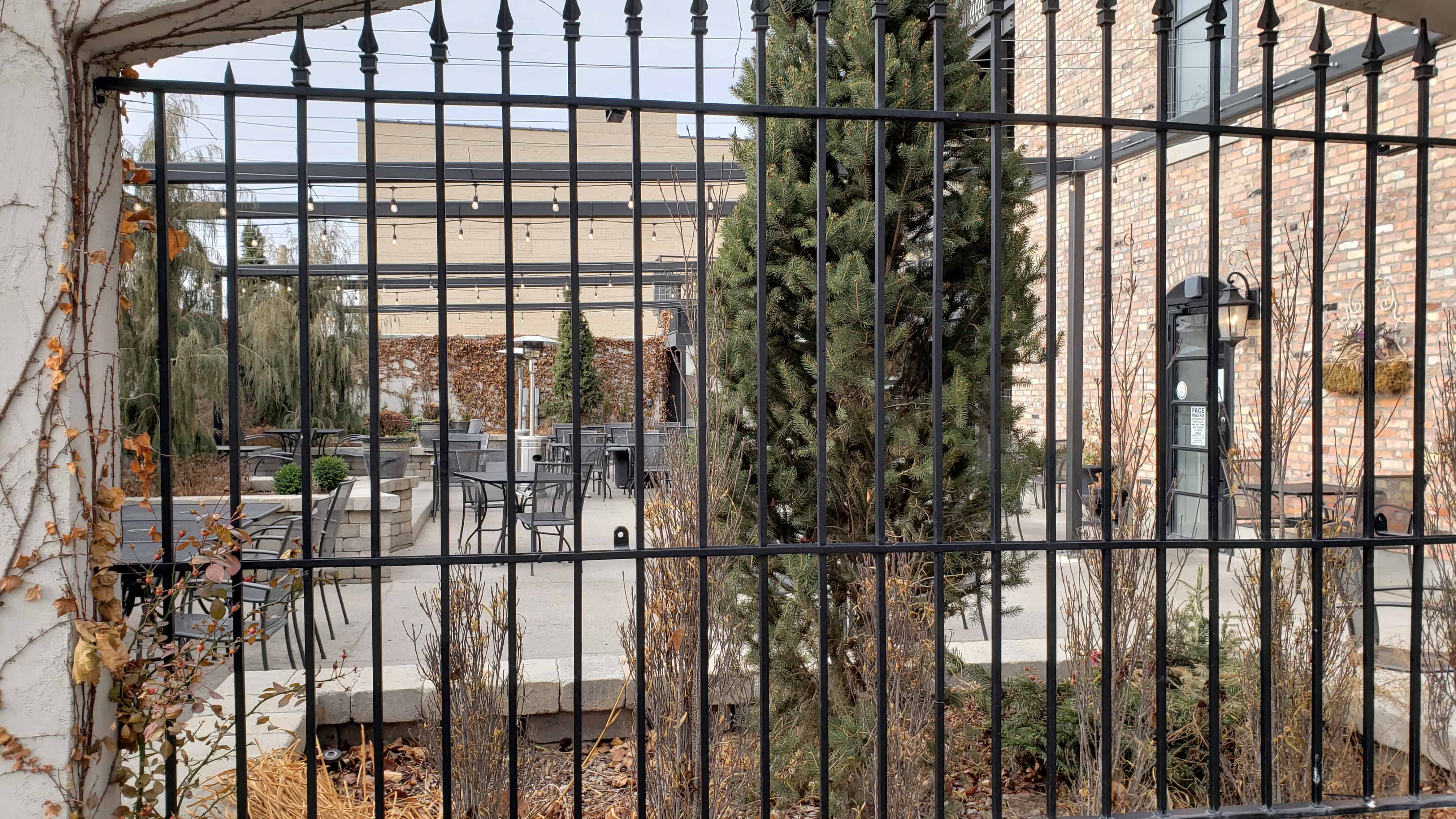
This century old building was originally built for the Fraternal Order of the Eagles and was recently a dance club, The Bay. It is located in downtown Salt Lake City, Utah.
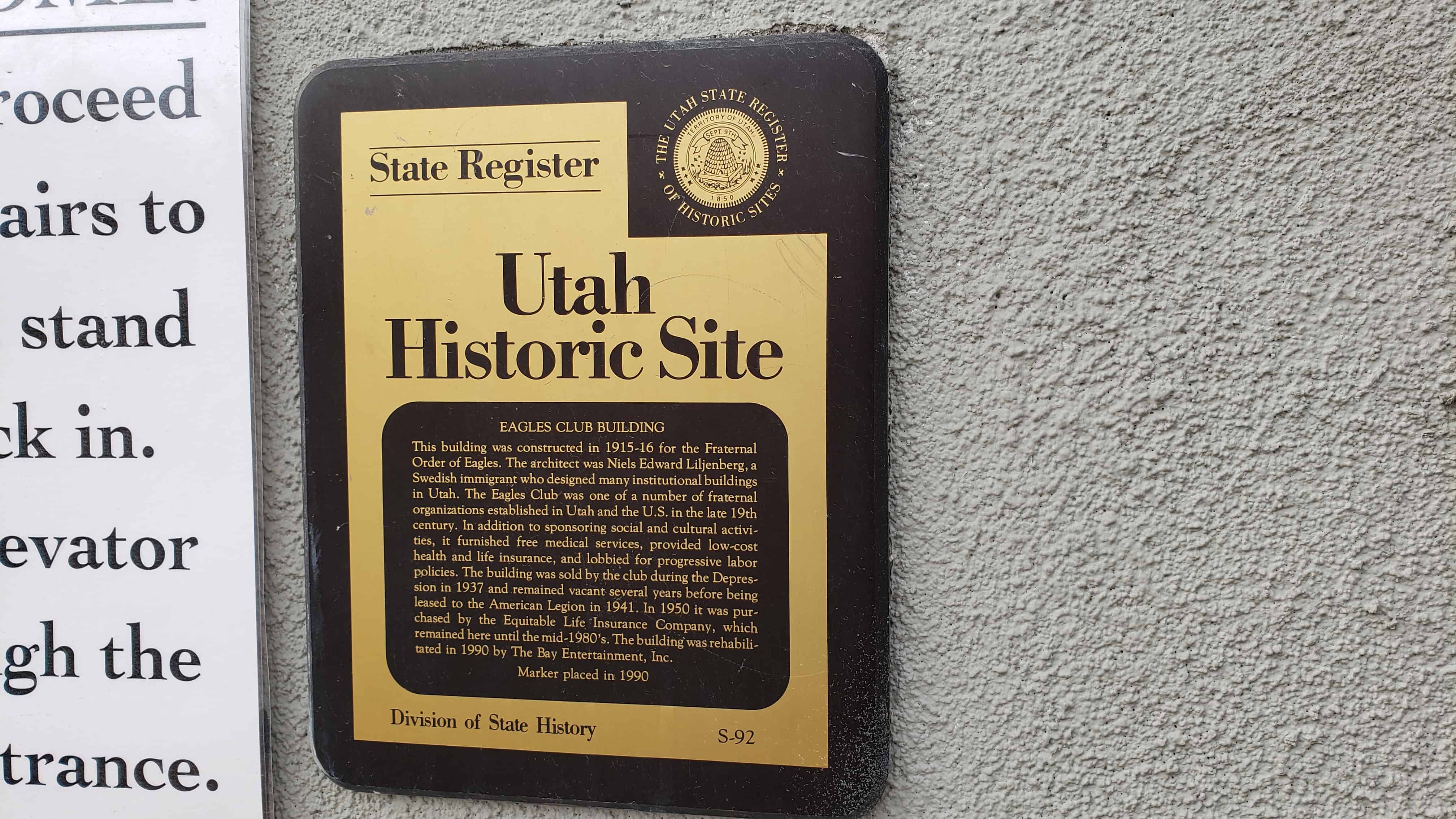
EAGLES CLUB BUILDING
This building was constructed in 1915-16 for the Fraternal Order of the Eagles. The architect was Niels Edward Liljenberg, a Swedish immigrant who designed many institutional buildings in Utah. The Eagles Club was one of a number of fraternal organizations established in Utah and the U.S. in the late 19th century. In addition to sponsoring social and cultural activities, it furnished free medical services, provided low-cost health and life insurance, and lobbied for progressive labor policies. The building was sold by the club during the Depression in 1937 and remained vacant several years before being leased to the American Legion in 1941. In 1950 it was purchased by the Equitable Life Insurance Company, which remained here until the mid-1980’s. The building was rehabilitated in 1990 by The Bay Entertainment, Inc.
Located at 404 South West Temple in Salt Lake City, Utah.
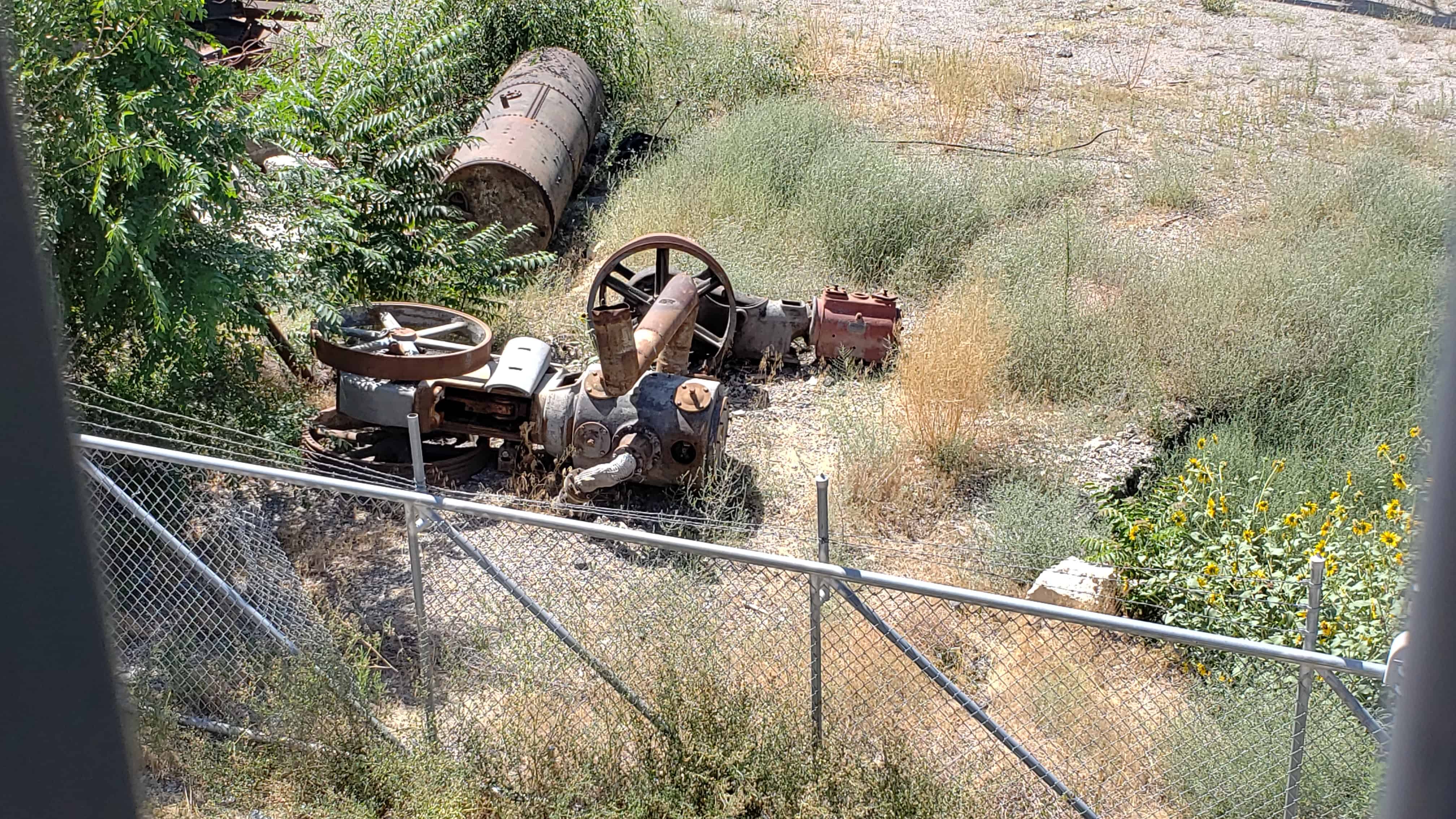
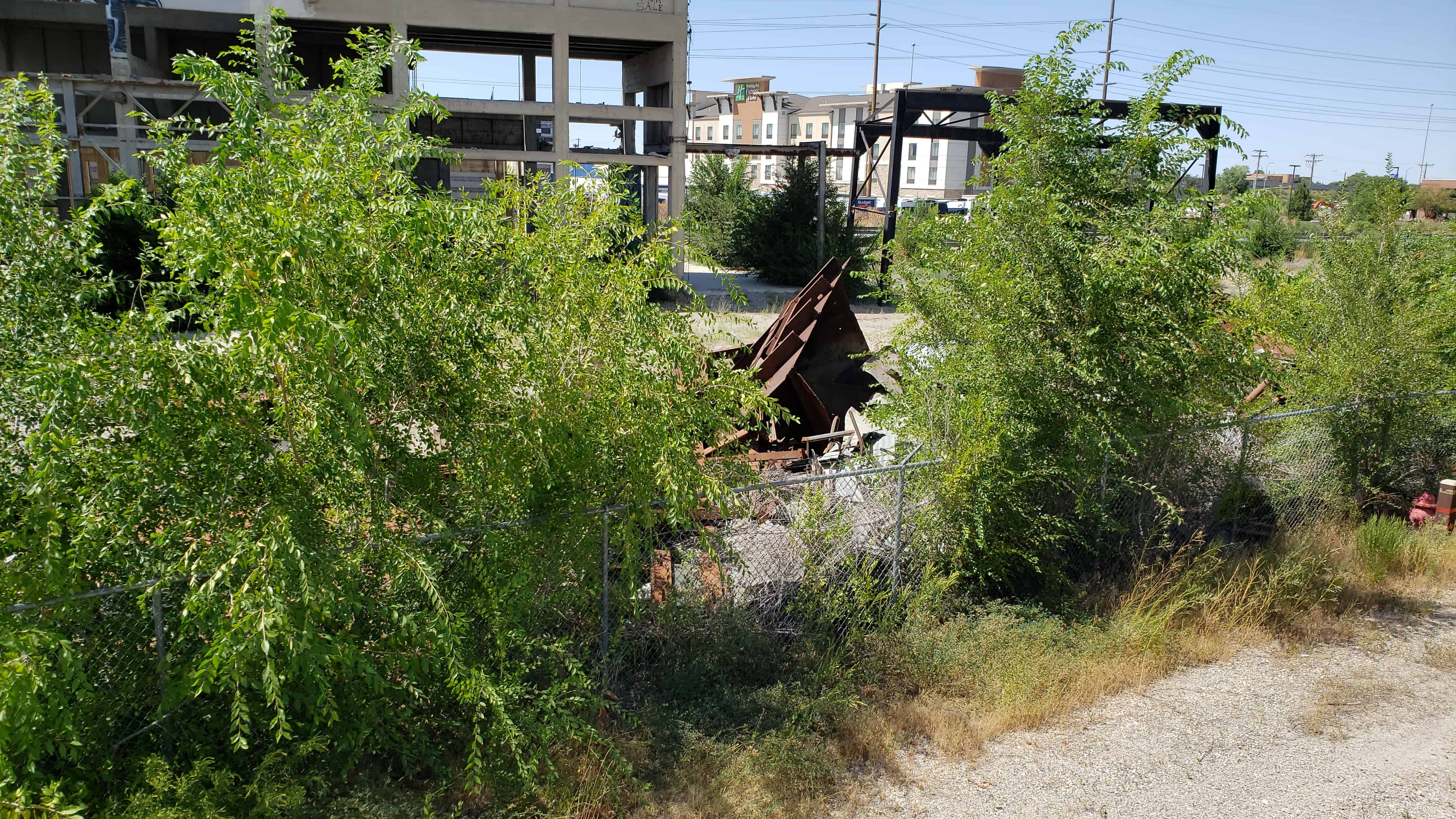
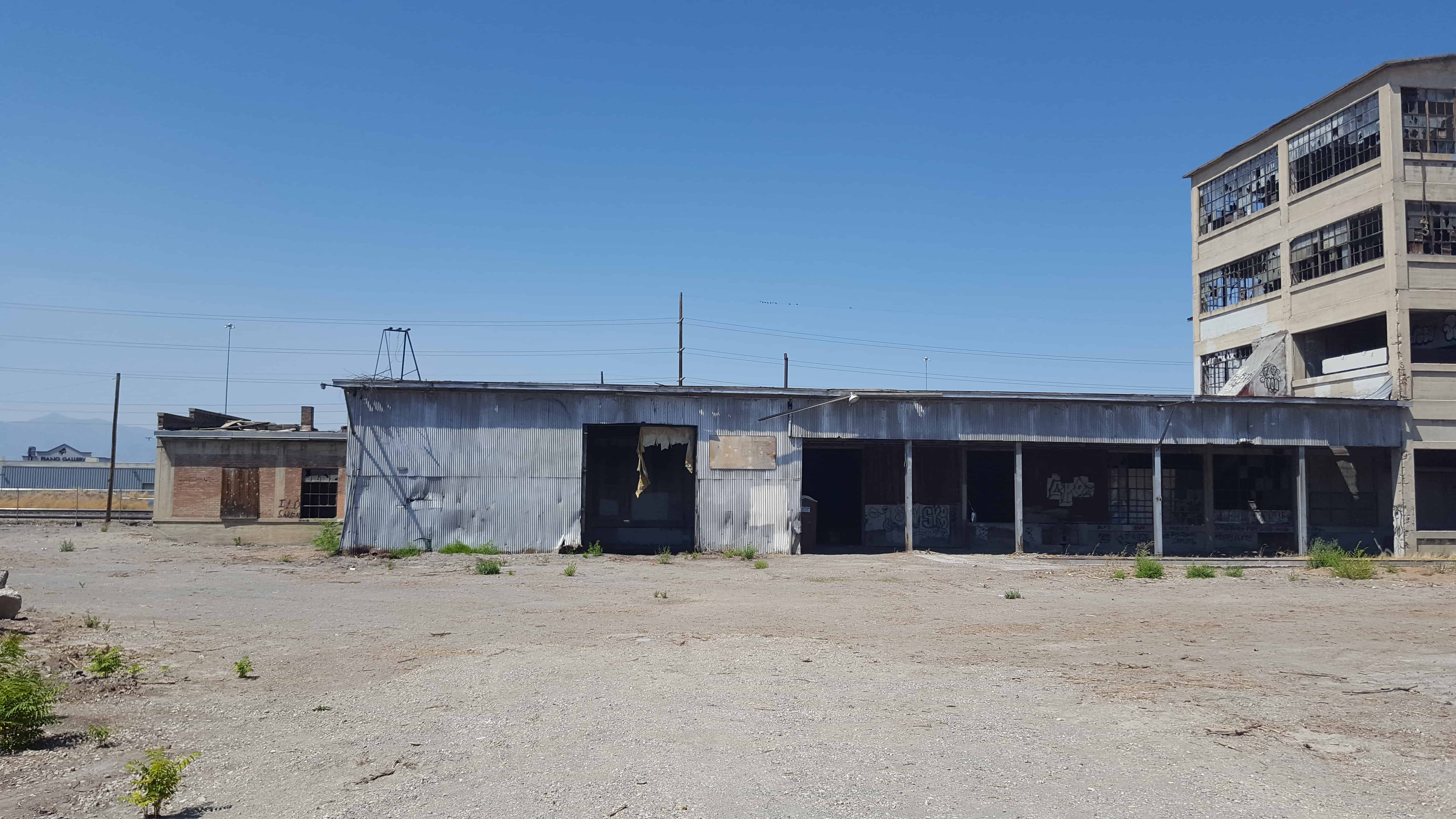
This is the old Utah Ore Sampling Company at the Pallas Yard.
Utah Ore Sampling Company built this sampler in 1909. Consolidated mining companies did their own sampling. This was the largest independent sampler between Missouri and California. After the ore was crushed and analyzed for content and quality, smelters decided on the basis of the samples, whether to buy larger quantities of the ore. Ore came here from all over the west. Most of the ores sampled here went to the ASARCO smelter for processing. The close proximity of the two plants allowed the railroads to treat them as a single destination for billing purposes. The large “Thawed House,” where loads of frozen ore were completely thawed before they were run through the sample plant, still remains. This mill was unique because it contained the only railroad spur that connected to both the Denver and Rio Grande and the Union Pacific Railroads. The company operated until the 1950’s, when the smelting industry in Murray ceased. (Salt Lake Valley Historical Tour, Ron Andersen, 1997)
News item about the Utah Ore Sampling Company closing its plant in Park City due to the larger plant in Murray going into operation. (Salt Lake Mining Review, Volume 19, number 1, April 15, 1917, p.33)
Article about the Utah Ore Sampling plant at Murray. (Salt Lake Mining Review, Volume 27, number 9, August 15, 1925, p.9)
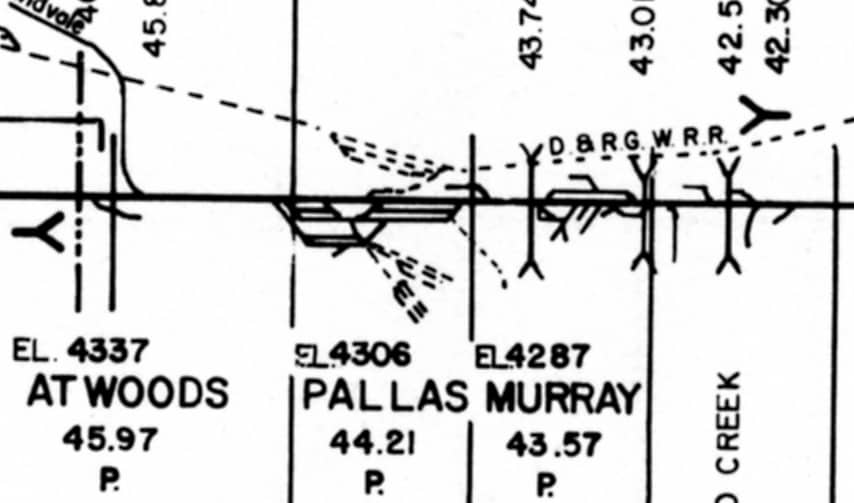
Utah Ore Sampling Company was constructed between the Union Pacific Provo Subdivision and the Rio Grande mainlines at 53rd South and 3rd West. UP had quite a sizable yard at Pallas (between 53rd South and 59th South) used to store and classify cars for the Sampler and the large Murray and Midvale smelter complexes. The Rio Grande always referred to this location as Sampler long after the facility was closed. (James Belmont, February 5, 2008)
Utah Ore Sampling Company was an independent third party that assayed the mineral content, and amount of ores shipped from mines to smelters. They got their start in Park City, at a joint trackage location between UP and D&RGW inside UP’s wye. That location closed in 1917 when the Murray plant was built, and the existing structure was built in 1925 to expand on the original operation. There is a nice article in the August 15, 1925 issue of Salt Lake Mining Review.
The ore we are talking about is known as galena, a mix of lead and silver ore, with lots of other bits like zinc, cadmium, antimony, arsenic and bismuth, thrown in just to make the lives of smelter men interesting. Galena is the principle silver ore in the western U.S. Every load of ore, usually in classic GS gondolas, was different and the smelters needed to get the proper mix of ores and flux-ores to make each smelter run as economical as possible.
As the rail cars from the various mines from all over the west, but mostly from Utah and Idaho, arrived at the Murray/Midvale smelting complex, the loaded cars had to be “sampled” to determine the mix of ores in each load. The trackage at the Utah Ore Sampling Company was jointly owned and operated between UP and D&RGW, as well as portions of the trackage at Pallas itself.
As loads of ore arrived, they were switched to the sampler where samples were taken. The cars were then switched to Pallas to be held and used as each car’s particular mix of ore could best be used. UP kept a full time switcher and crew at Pallas, as did D&RGW at Midvale. If I recall, the two roads cooperated heavily in the movement of in and around Murray and Midvale. I would guess that at any one time, there would not be more than 50-60 cars in the Pallas yard. But like everything else with Utah railroads, there is much yet to be researched.
As can be seen, the trackage was still extensive even in this 1985 version. I’ve seen earlier track maps, and there was a lot of tracks in the area. There were lots of spurs to the 10 or so big and small smelters in the middle of Salt Lake Valley, which from 1900 to about 1920, was the smelting center of the western U.S. It would be an interesting subject to model, especially if you throw in the inbound coal in Utah Coal Route GS gons, and the outbound loads of lead and silver.
A side note from today is that UTA’s TRAX lightrail uses the old UP spur from Atwoods just south of Pallas, to get to its shops at Midvale, by way of an undercrossing under the D&RGW mainline. UTA will also use the old UP line to Midvale to get from its shops to the old D&RGW Bingham Branch to extend light rail all the way west to Daybreak.(*)
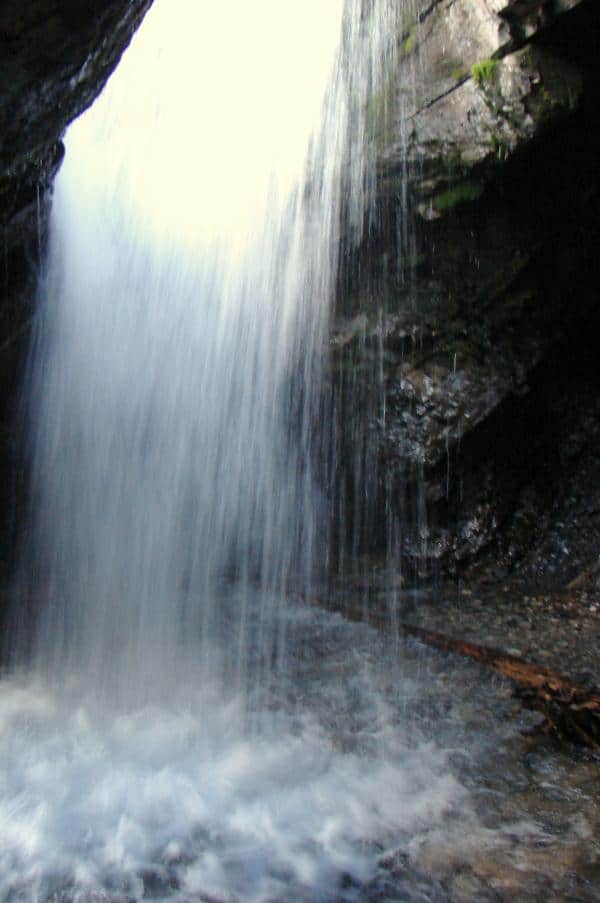
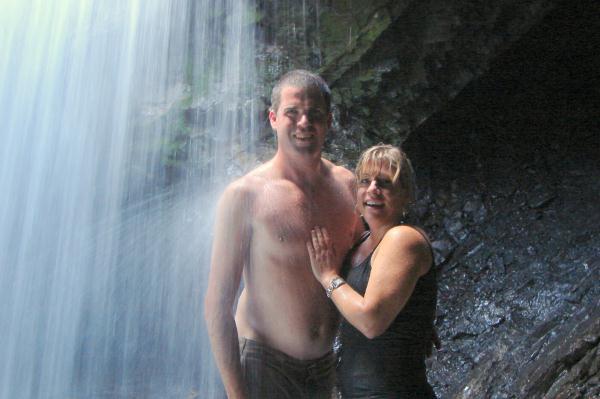
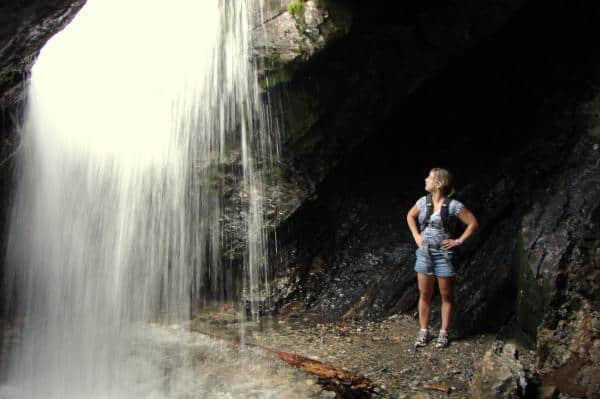
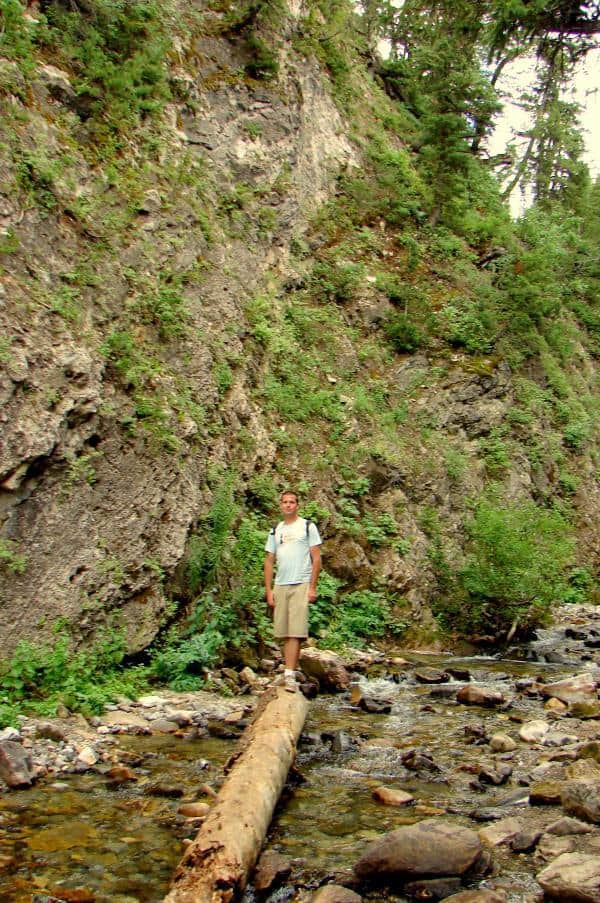
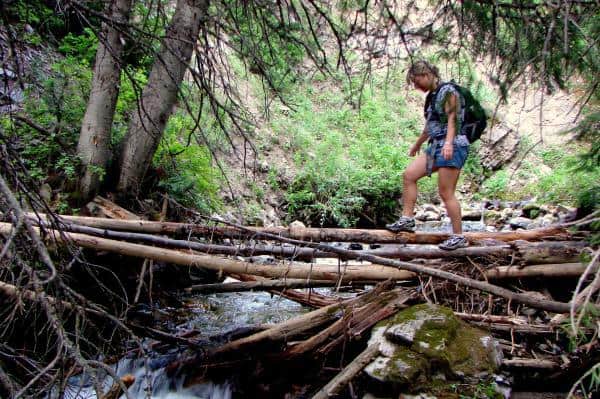
I hiked up to Donut falls with Tammy, the hike up was nice, about three quarters of a mile from parking to the falls. We played around a while at the falls and found a geocache then we decided to find our own way down, that is always a bad idea, why don’t I learn? sliding down hillsides, climbing cliffs, jumping across raging rivers, running into a moose just a few feet away from us…. another good adventure in the books.
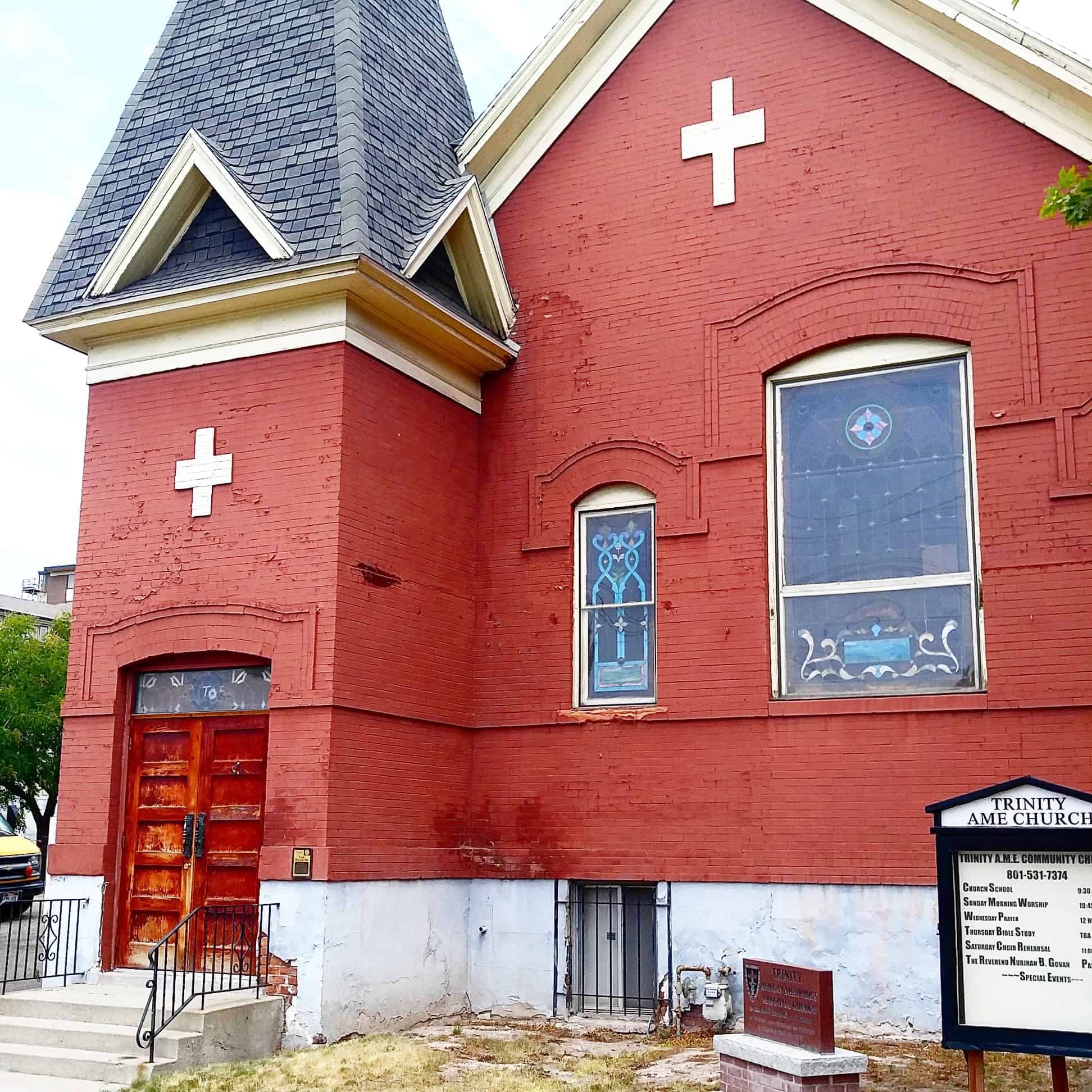
Organized during the 1880’s by the Reverend T. Saunders, this congregation has served as a focus of black religious, social, and cultural activity in Utah from territorial days to the present. In 1907 property at this spot was acquired, and a church designed by Hurly Howell was constructed through the sacrifice and energy of the congregation under the Reverend T. C. Bell. Restoration was begun in 1976 under the Reverend D. D. Wilson.
The congregation met in various members’ homes until it acquired enough funds to buy property to build a church in 1907. The new church was located on 600 South which is now Martin Luther King Boulevard.
From the 1930s and through the 1960s the church congregation numbered around 300 members. Despite the previous strong membership, the church has struggled with declining membership since the 1970s. In 2012 it reported only 50 worshippers a week. Trinity AME now touts itself as a “working class” church that primarily serves widowed senior citizens. It has struggled to attract more youth despite its long history of community involvement. It continues to hold youth activities such as movie nights that partner with the Salt Lake City women’s shelter. It also sponsors interfaith events that involve other religious denominations in the city.(*)