• About JacobBarlow.com
  • Cemeteries in Utah
  • D.U.P. Markers
  • Doors
  • Exploring Utah Email List
  • Geocaching
  • Historic Marker Map
  • Links
  • Movie/TV Show Filming Locations
  • Oldest in Utah
  • Other Travels
  • Photos Then and Now
  • S.U.P. Markers
  • U.P.T.L.A. Markers
  • Utah Cities and Places.
  • Utah Homes for Sale
  • Utah Treasure Hunt

JacobBarlow.com

~ Exploring with Jacob Barlow

JacobBarlow.com

Tag Archives: Historic Churches

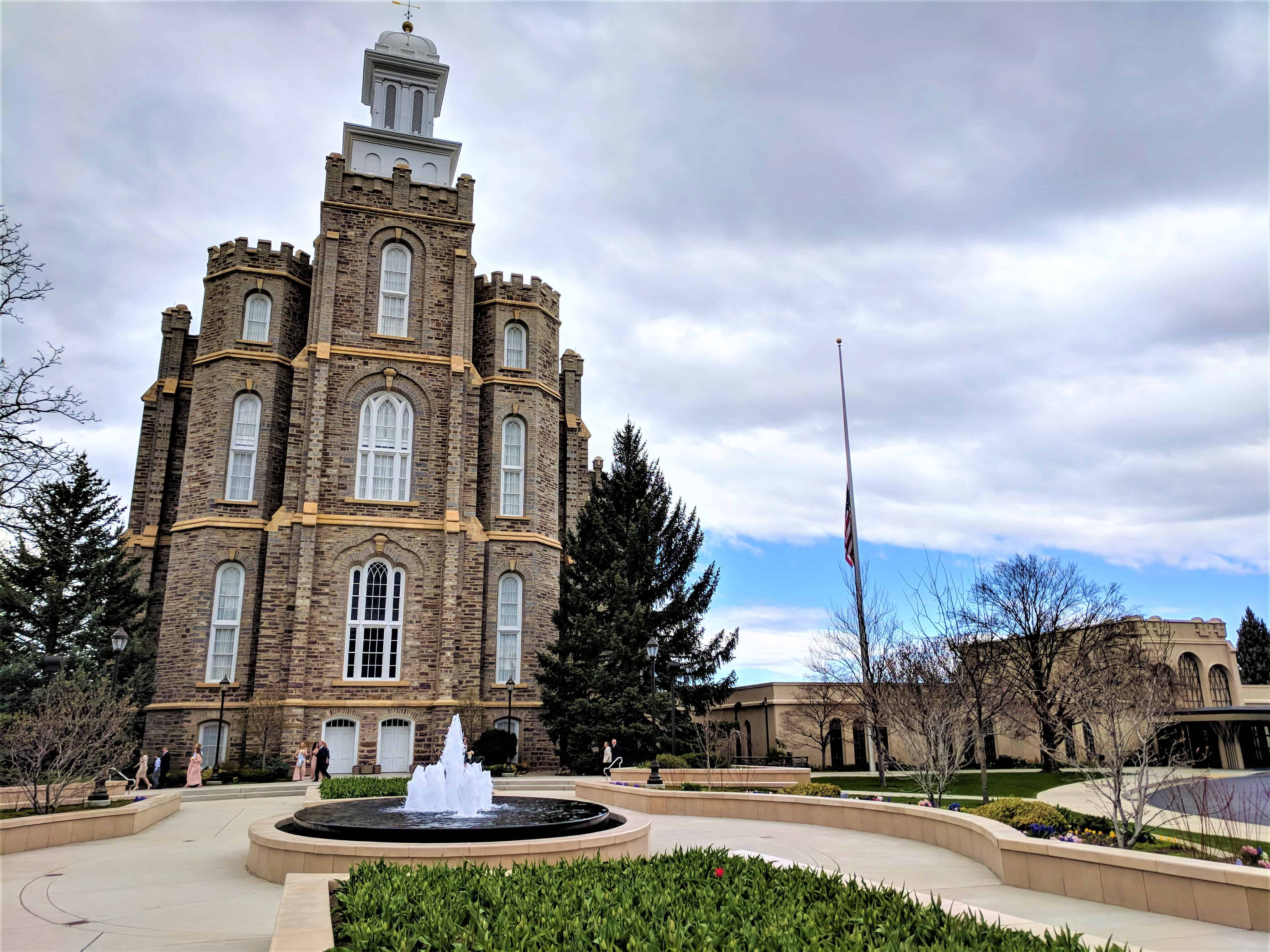
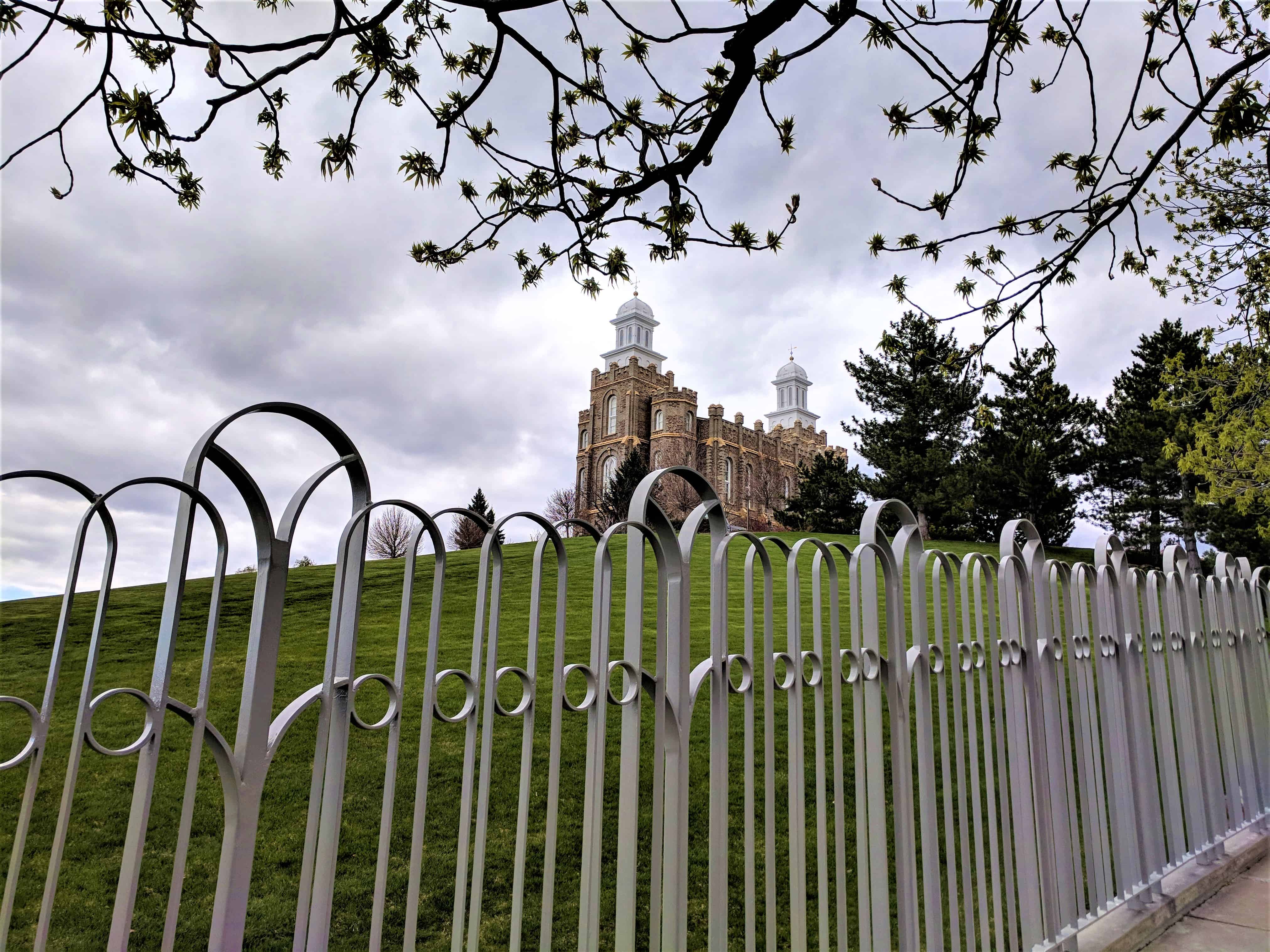
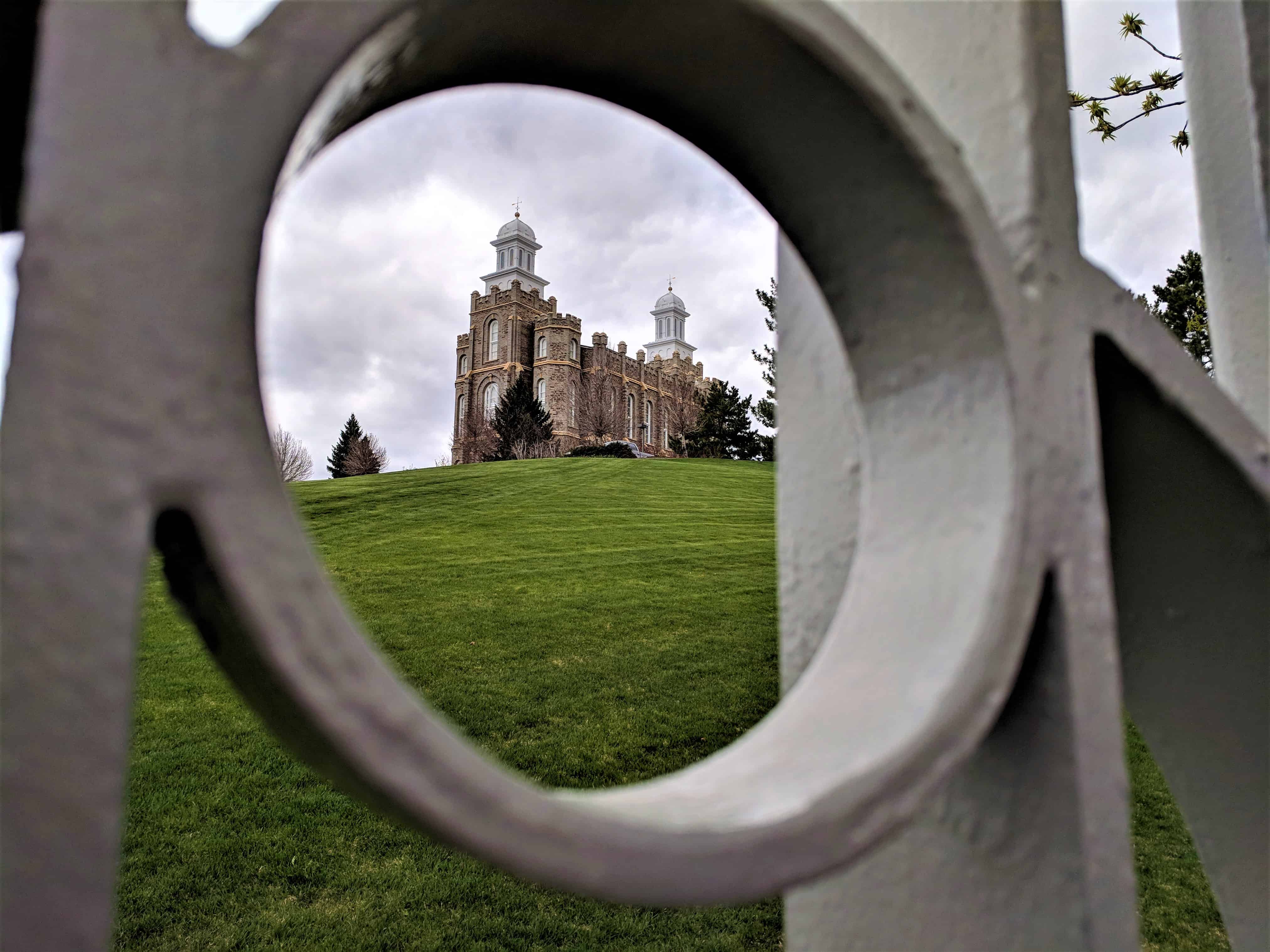
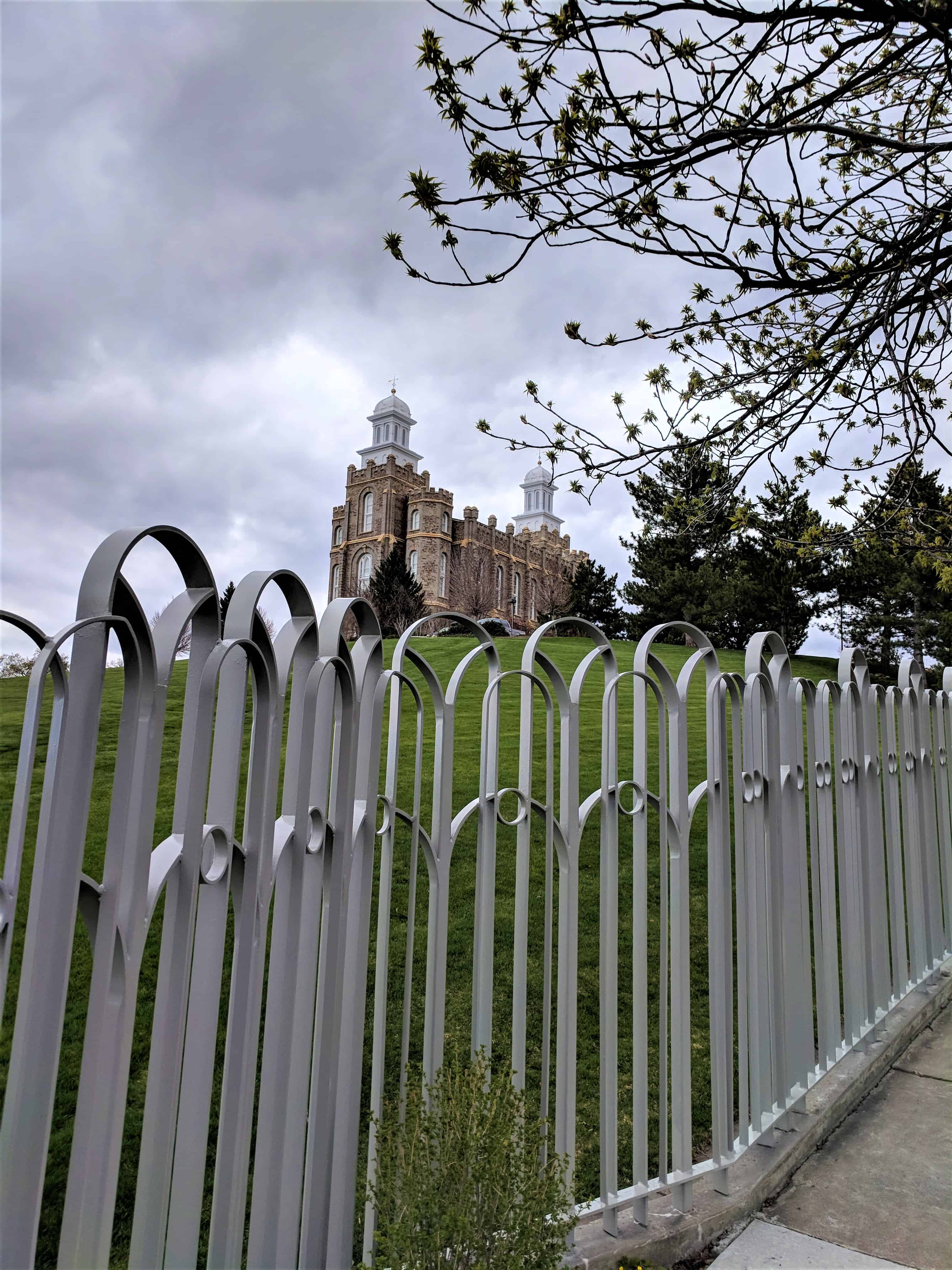
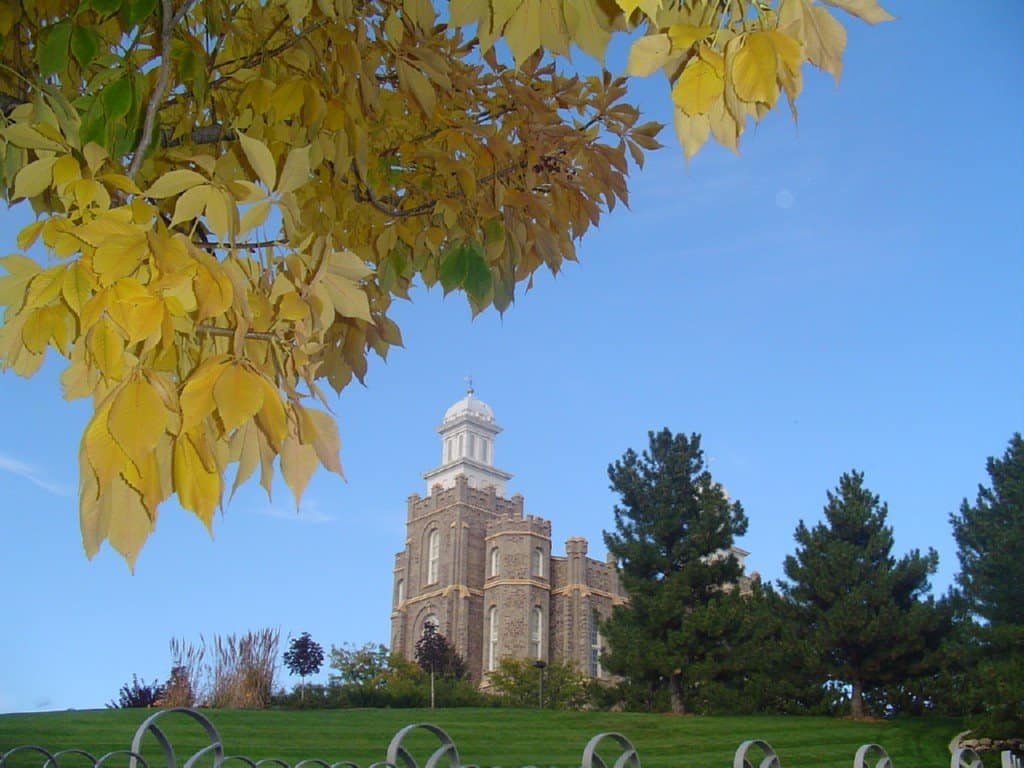
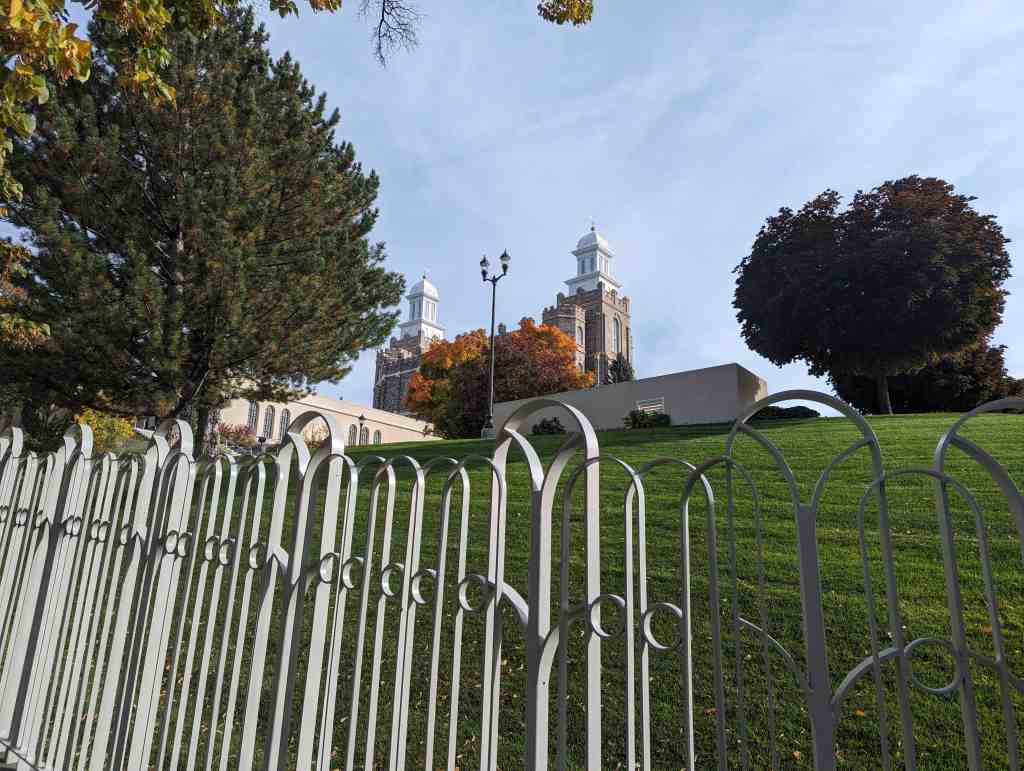
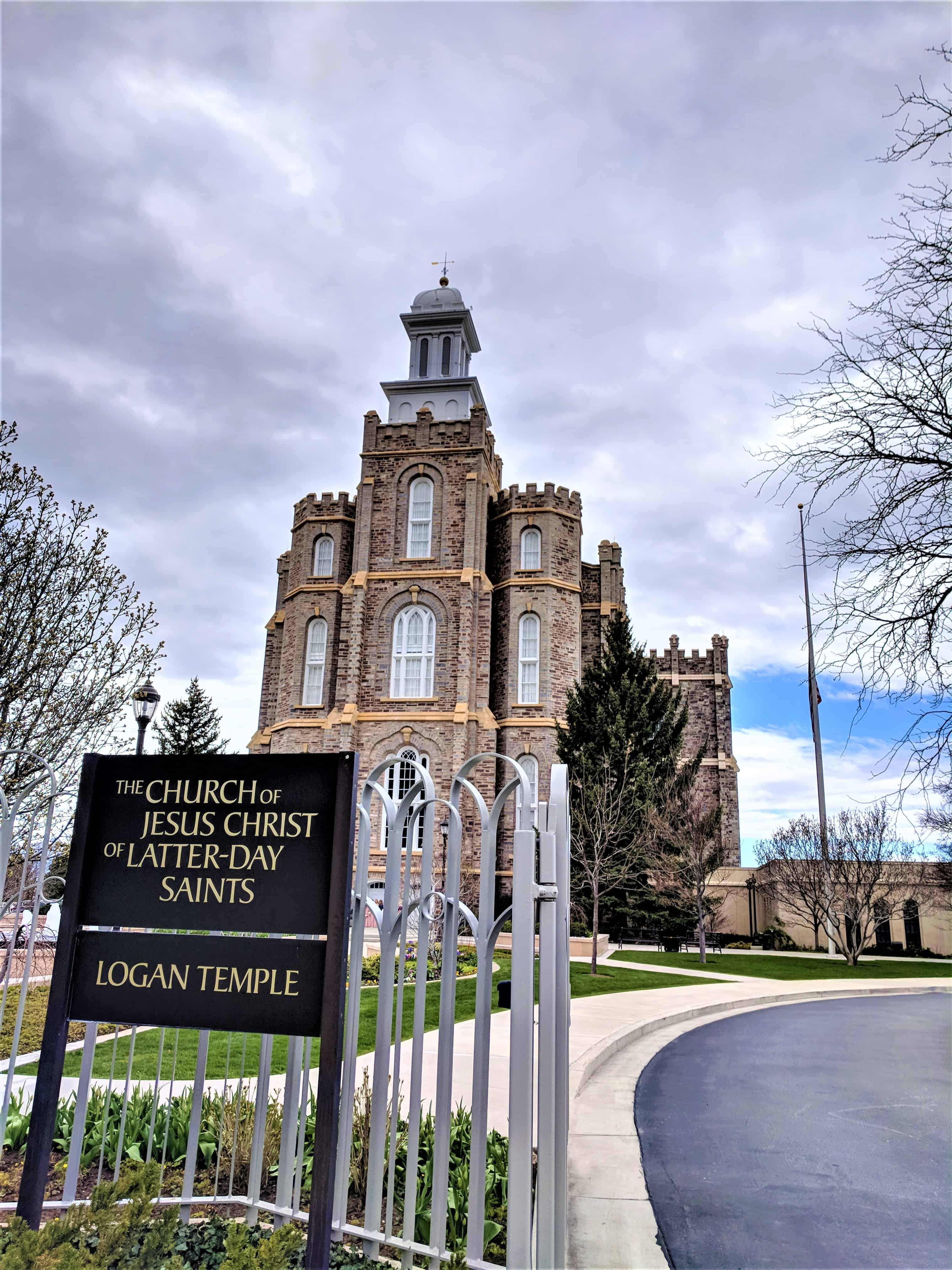
Logan Utah Temple

07 Sunday Oct 2018

Posted by Jacob Barlow in Uncategorized

≈ Leave a comment

Tags

Cache County, Historic Buildings, Historic Churches, LDS Church, Logan, Temples, utah

2018-04-20 11.53.53

Logan Utah Temple

Related:

  • See other LDS Temples in Utah on this page.
2018-04-20 11.54.07

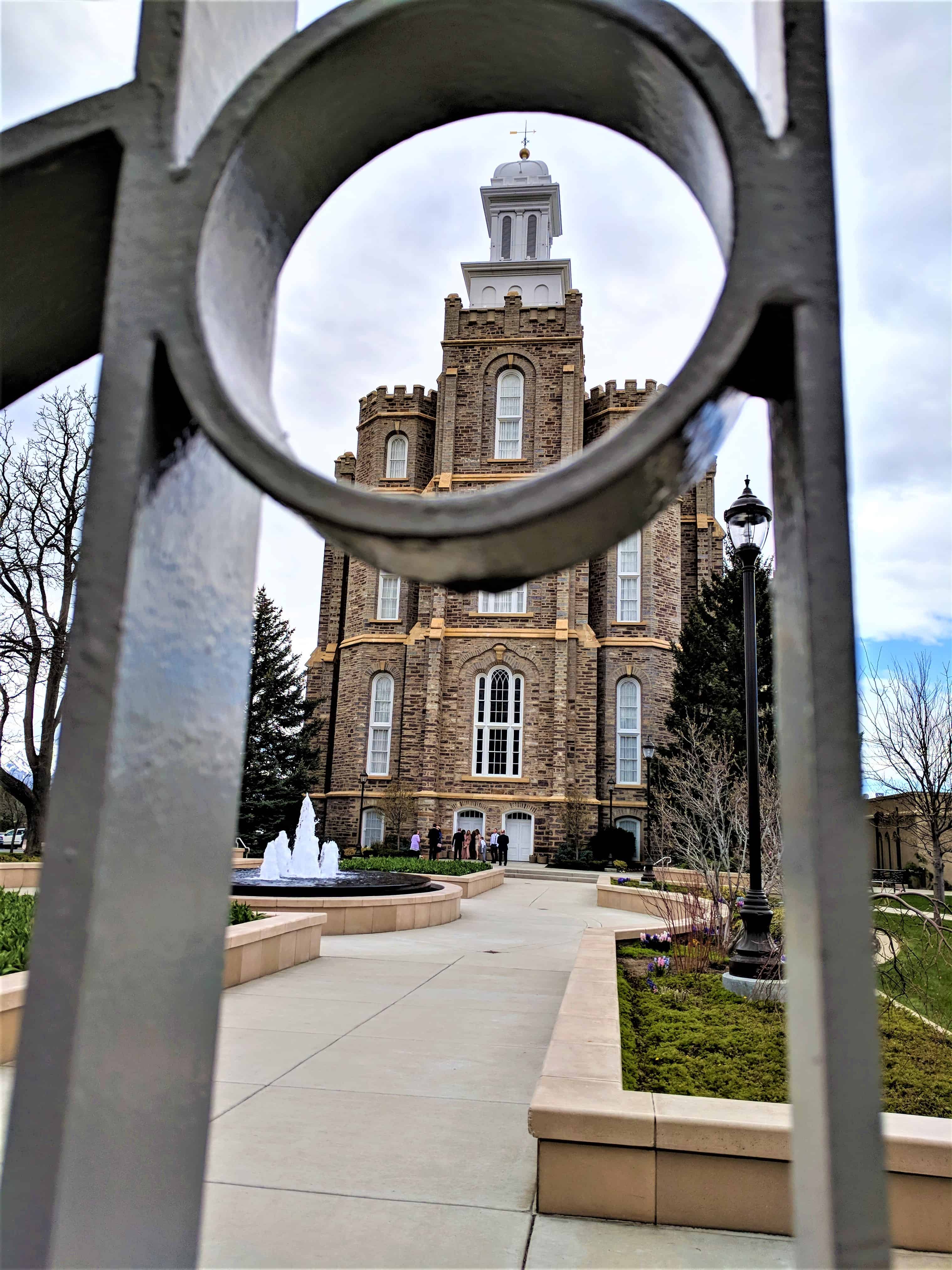
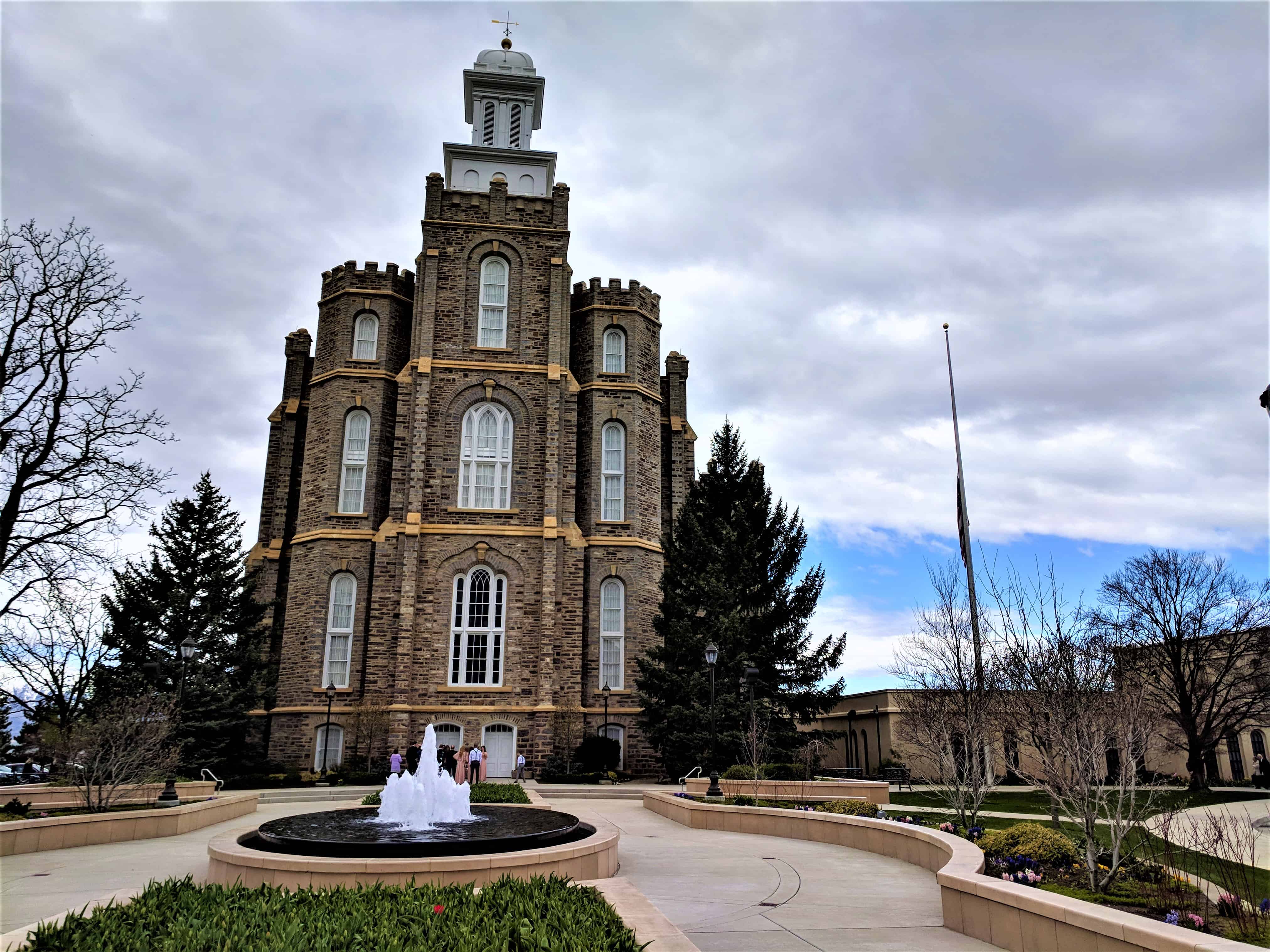
Located at 175 North 300 East in Logan Utah and added to the National Register of Historic Places (#75001801) on November 20, 1975 – the text below is from the nomination form from the national register:

The Logan Temple has been defined as the structural and spiritual symbol of Cache Valley. Built on a hill near the center of Logan, the temple can be seen from almost every part of the valley,

Worship in the LDS temples is restricted to the devout and faithful members of the Mormon Church and the Logan Temple is, for the Mormons of northern Utah and southern Idaho, the most important religious shrine in their vicinity,

In 1871, Wilford Woodruff, at that time a member of the Quorum of the Twelve Apostles, while speaking at Logan predicted that a temple would be built on the east bench of Logan and two years later Brigham Young also suggested that ” fine temple … be built on the bench crowning the eastern part of the city.” (quoted in Joel E. Ricks, ed., The History of a Valley, p. 283.)

Groundbreaking ceremonies were held on May 18, 1877. Brigham Young, presiding at the dedication, outlined the procedure by which the temple would be built “We require the brethren and sisters to go to with their might and erect this temple; and from the architect to the boy who carried the drinking water, to the men that work on the building, we wish them to understand that wages are out of the question. We are going to build a house for ourselves, and we shall expect the brethren and sisters, neighborhood after neighborhood, ward after ward, to turn out their proportion of men to come here and labor as they shall be notified by the proper authorities.”
(quoted in Leonard J. Arrington and Melvin A, Larkin, “The Logan Tabernacle and Temple,” Utah Historical Quarterly, Summer, 1973, p. 305.)

Six temple industries were established to provide materials for the temple construction:

  1. A sawmill was established in Temple Fork (Mauqhan’s Fork) in Logan Canyon. Here they cut red pine (Douglas fir).
  2. A wood camp was set up a few miles down the canyon. This provided firewood, for the lime kilns and scaffolding for workmen, railroad ties for sale, and telegraph poles for their cooperative Deseret Telegraph Company.
  3. A lime kiln was built in the mouth of the canyon. The firewood to provide fuel was floated downstream on the Logan River.
  4. The main stone quarry was developed in Green Canyon, east of North Logan. Here they quarried the dark fucoid quartzite which is the main component of the exterior walls.
  5. Another quarry in Hyde Park Canyon provided additional stone for the walls.
  6. A third quarry northeast of Franklin supplied sandstone for the water tables, caps, and window ledges.
    (Ibid., p. 306.)

In addition to supplying materials for the temple f the industries also provided building materials used in the erection of homes, farms and businesses by those temple employees who received their pay in these essential supplies.

Records indicate that a total of $607,000 was donated for the temple construction in the following categories:
$30,000 in merchandise (5 percent)
$30,000 in livestock (5 percent)
$71,000 in produce (12 percent)
$93,000 in cash (15 percent)
$380,000 in labor (63 percent)
$3,000 in wagons and teams
(Ibid., p. 308.)

The temple was under construction for seven years, from 1877 to 1884, during which time about one hundred fifty men and fifty teams worked constantly on the temple or at the temple industries.

Truman O. Angell, architect for the Salt Lake temple, St, George temple, Beehive House, Lion House and Territorial Capitol at Fillmore, also designed the Logan temple. The temple was formally dedicated on May 17, 1884.

In their article, Arrington and Larkin explain the economic significance of the temple project:

“In essence, the temple project was a means of redistributing income. Those of greater property and income supported craftsmen and laborers to work on the temple during the seven years of construction, Since the materials were nearly all supplied locally, the money, labor, and materials were not lost to the community. Very little was expended outside the valley, In essence, those able to furnish resources did so, and the community economy thus was enriched. In most frontier economies, surplus resources were used to build large homes for the wealthy. In Cache Valley, such large homes were products of the twentieth century when there were not projects as effective as the tabernacle and temple in utilizing surplus for the benefit of the entire community.” (Ibid., pp. 309-310).

Symbolically they conclude:

“The temple was a kind of private mountain a corporeal embodiment of their ideals a formidable defender of the Saints’ way of life, symbolically guarding the church from the threats of the larger society around them, It was also a symbol of their reaching out to God of their closeness to God a place to which the Savior would come to dwell with them, In many respects the temple came to be regarded almost in a mystical sense, In actuality, it was a more explicit formulation of the rugged and majestic mountains around them a man-made sentinel, guarding their Promised Valley.

“Today the Logan Temple can be seen from almost every part of the valley. It symbolically demonstrates the early settlers’ belief that life is more than a struggle for physical survival. To the twenty-five thousand persons who built it and labored on it ‘without purse or scrip,’ it was a visual reminder of the omnipresence of eternity. “ (Ibid., p. 314).

2018-04-20 11.54.26
2018-04-20 11.54.31
2018-04-20 11.54.58
2018-04-20 11.57.05
2018-04-20 11.57.14
2018-04-20 11.57.24

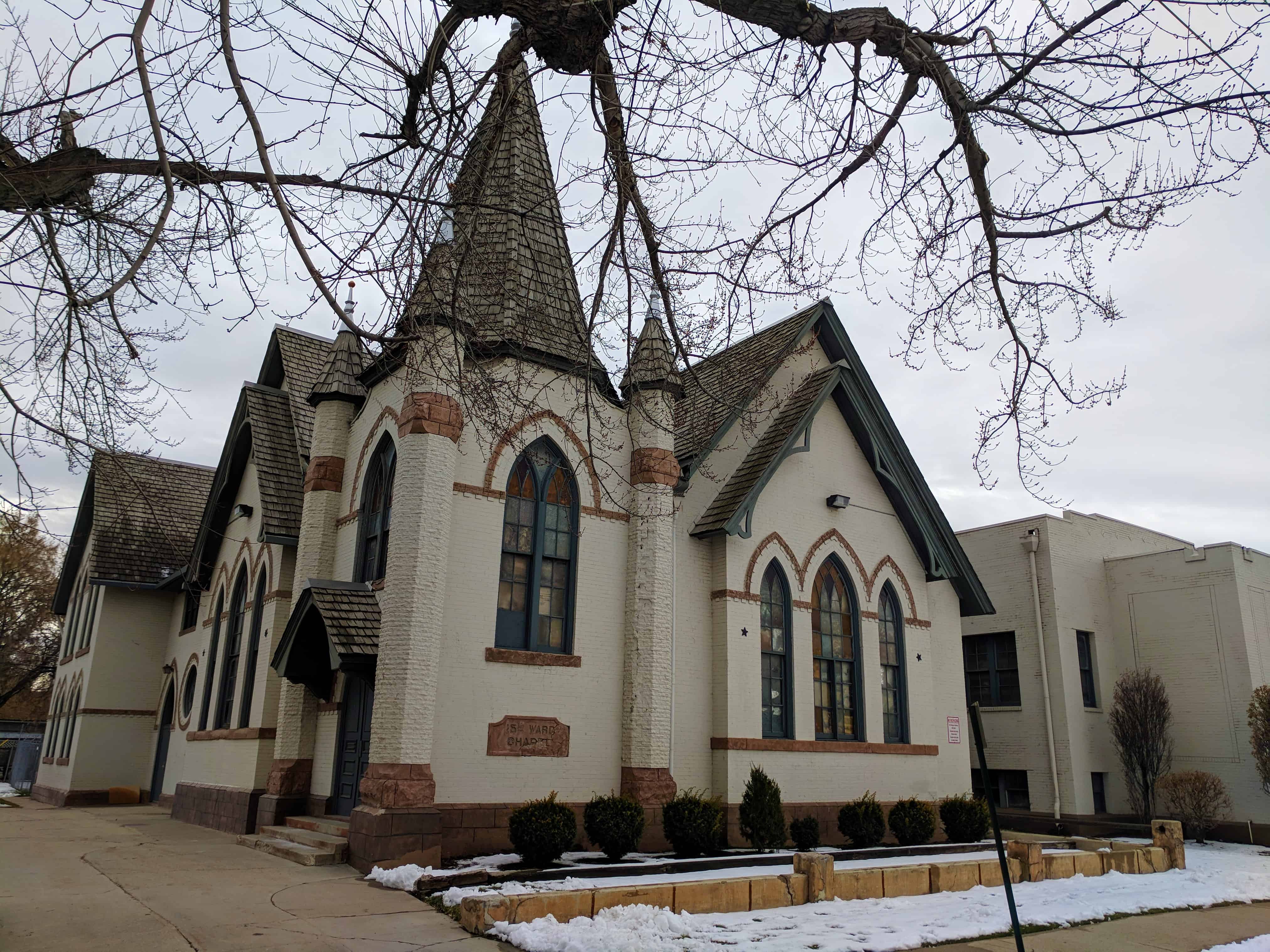
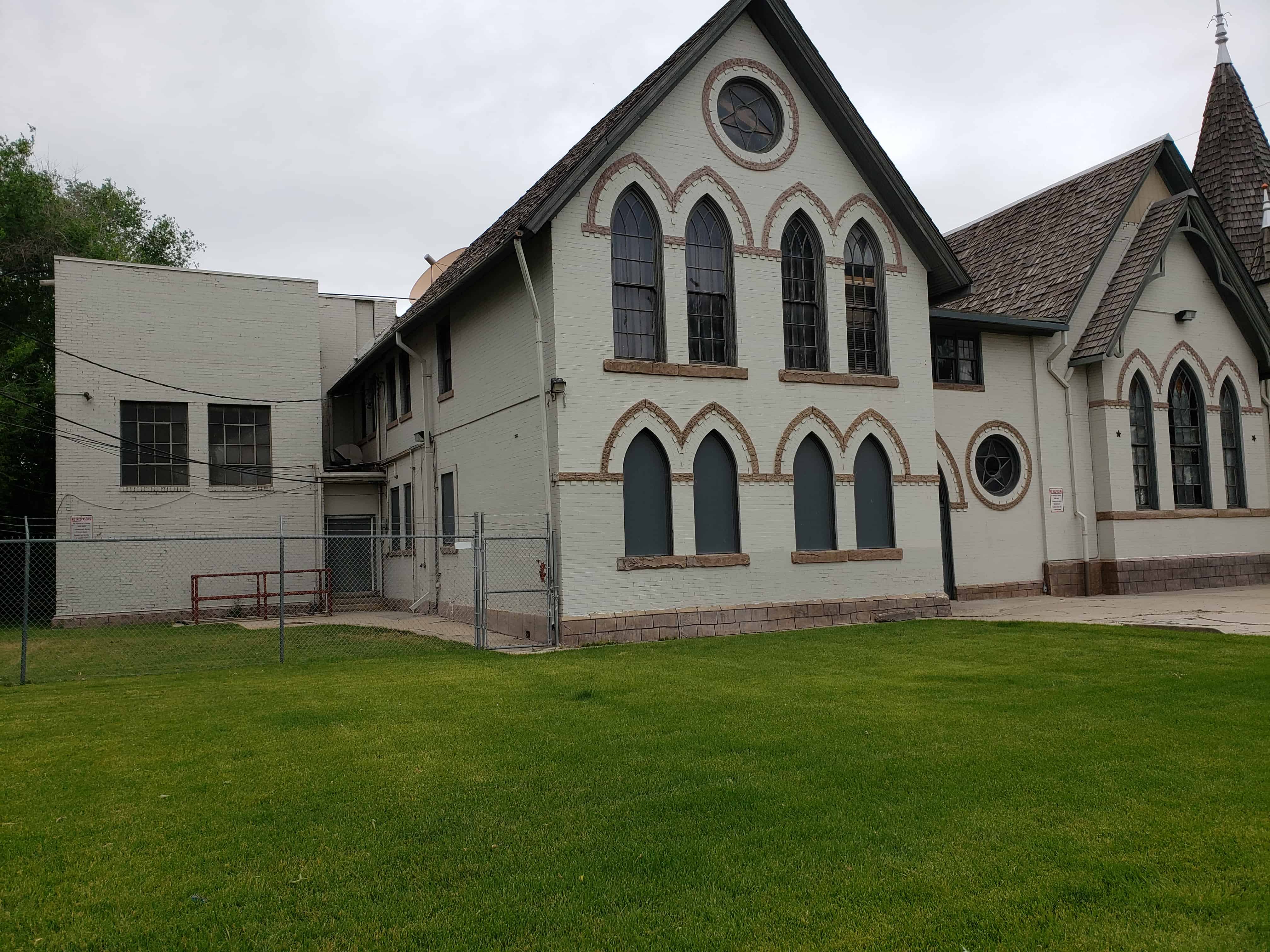
The 15th Ward Chapel

03 Wednesday Oct 2018

Posted by Jacob Barlow in Uncategorized

≈ 2 Comments

Tags

Churches, Historic Churches, LDS, Salt Lake City, Salt Lake County, utah

  • 2017-12-30 15.01.18

The 15th Ward Chapel

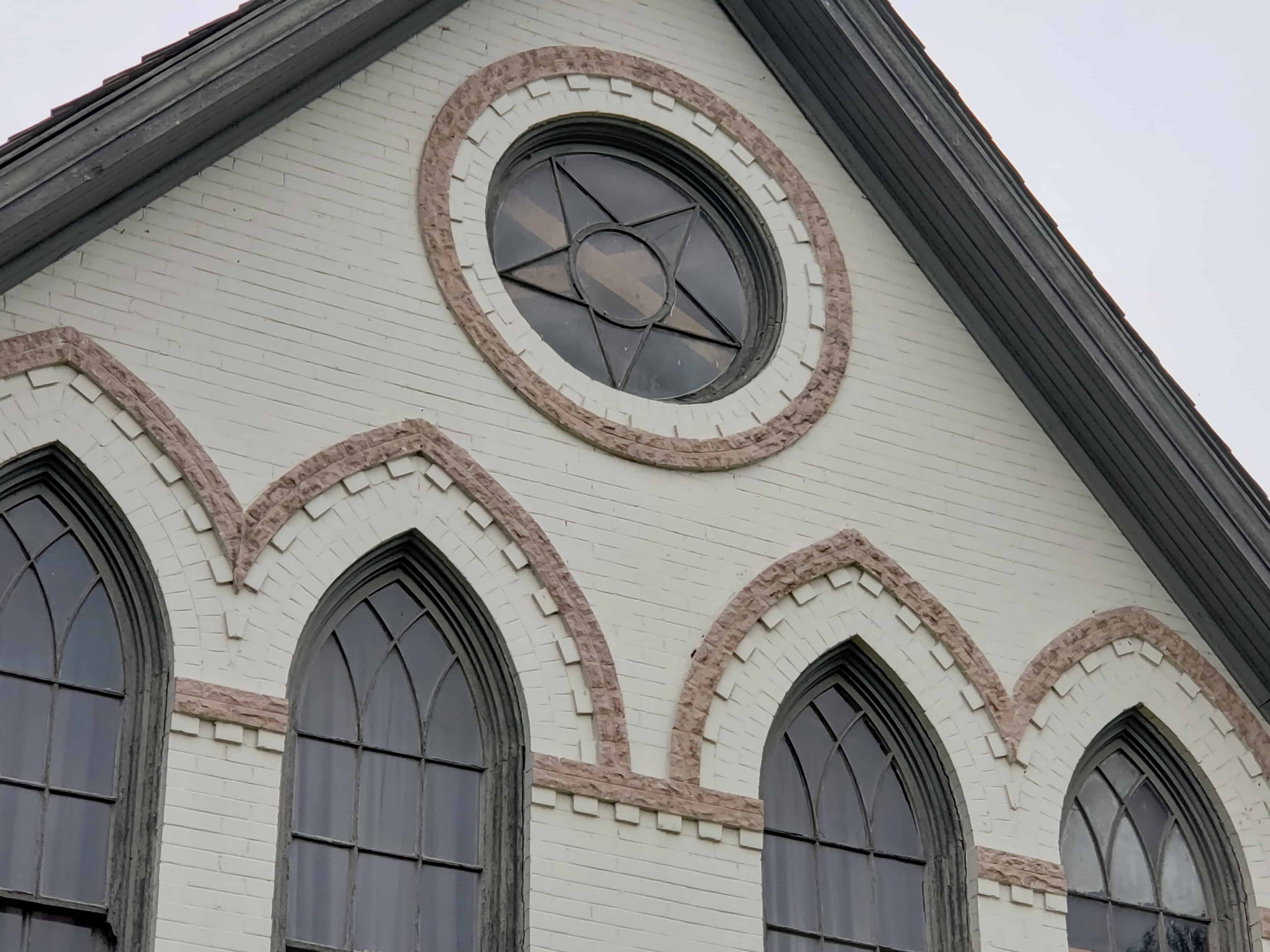
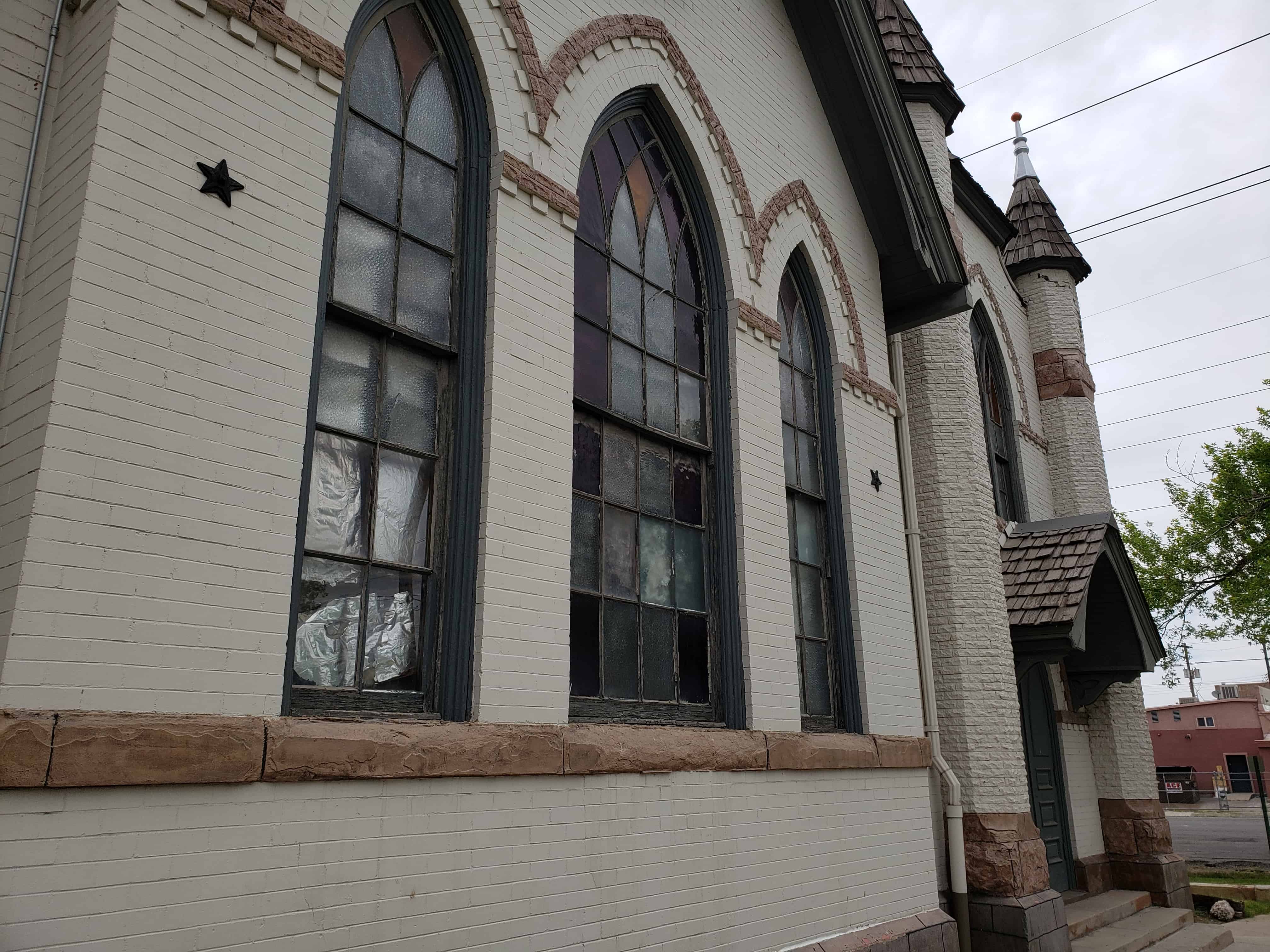
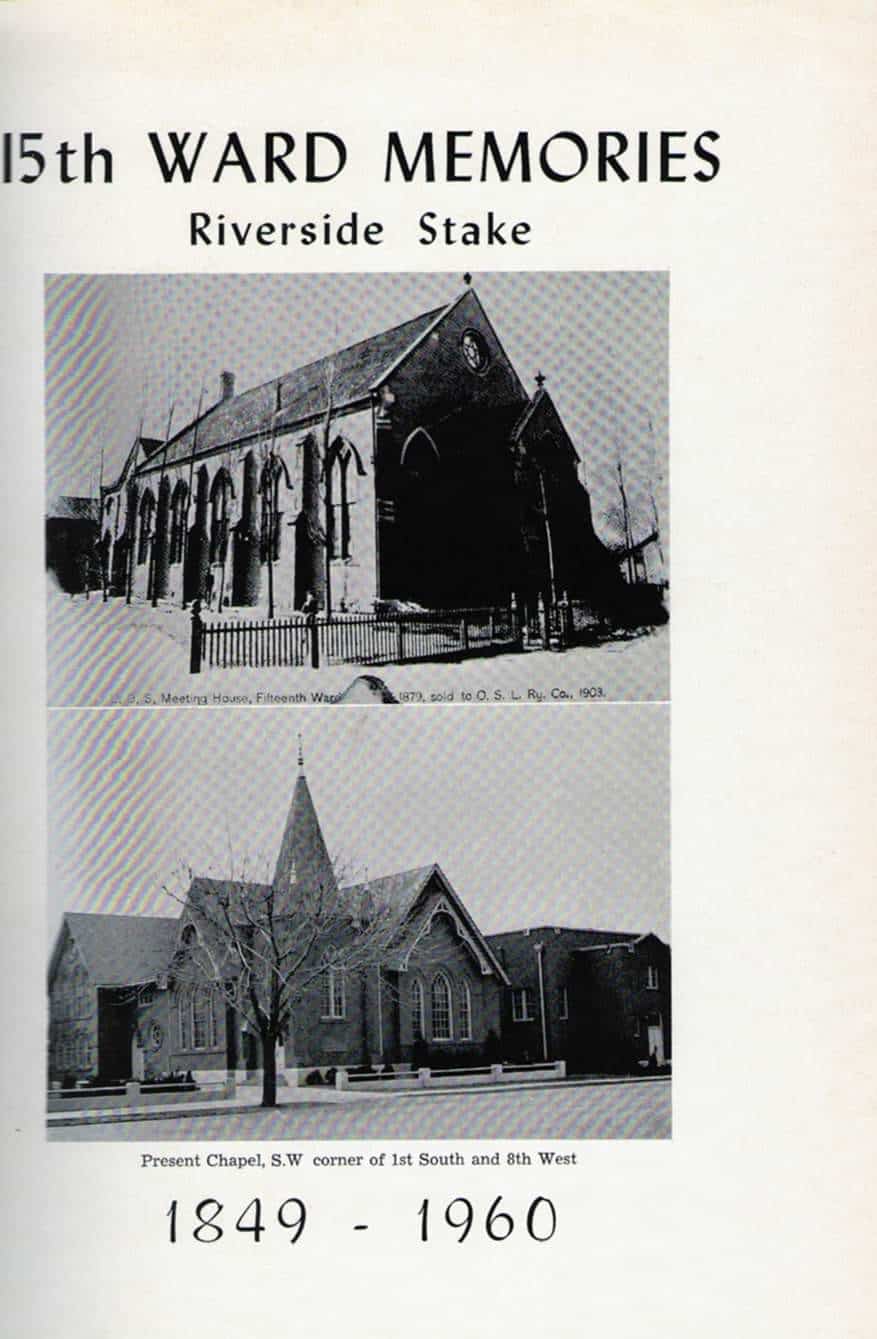
The old chapel that was built in 1904 and was previously used for the 15th Ward of the Church of Jesus Christ of Latter-day Saints in Salt Lake City.

Built in 1900 and dedicated in 1906, The addition to the west of the chapel is a cultural hall and was built in 1931. The church sold the chapel in the late sixties when the ward was discontinued and it was merged into the 34th ward. (thank you Samuel Roberts)

For other historic churches in Salt Lake City visit this page.

15th Ward Boundaries: (*)


… bounded on the north by South Temple St. (or the 16th and 34th wards), east by 4th West St. (or the 14th Ward), south by 3rd South St. (or the 6th-7th and 25th wards), and west by the Jordan River (or the 32nd Ward).

When first organized, the 15th Ward extended from South Temple to 3rd South streets and from 2nd to 5th West streets

History timeline:

1849, February 22 – one of the nineteen original wards organized
1898 – 24th Ward took that part lying west of 6th West St.
1904 – Boundaries of the 15th Ward were extended to 4th West St.
At the same time the 24th Ward was discontinued and the limits of the 15th Ward extended to the river, as at present.

The 15th ward is one of the original 19 wards in Salt Lake City in 1849, you can see the others on this page.

  • 2017-12-30 15.01.27
  • 2017-12-30 15.01.32
  • 2017-12-30 15.01.38
  • 2017-12-30 15.02.11

Also from the old 15th Ward:

  • https://collections.lib.utah.edu/ark:/87278/s62v2q3j
  • 340 W 100 S
  • Salt Lake tribune photo from the 1940’s, colorized.

The 28th Ward Chapel

03 Wednesday Oct 2018

Posted by Jacob Barlow in Uncategorized

≈ 5 Comments

Tags

Churches, Historic Churches, LDS, Salt Lake City, Salt Lake County, utah

2017-12-30 15.35.31

The 28th Ward Chapel

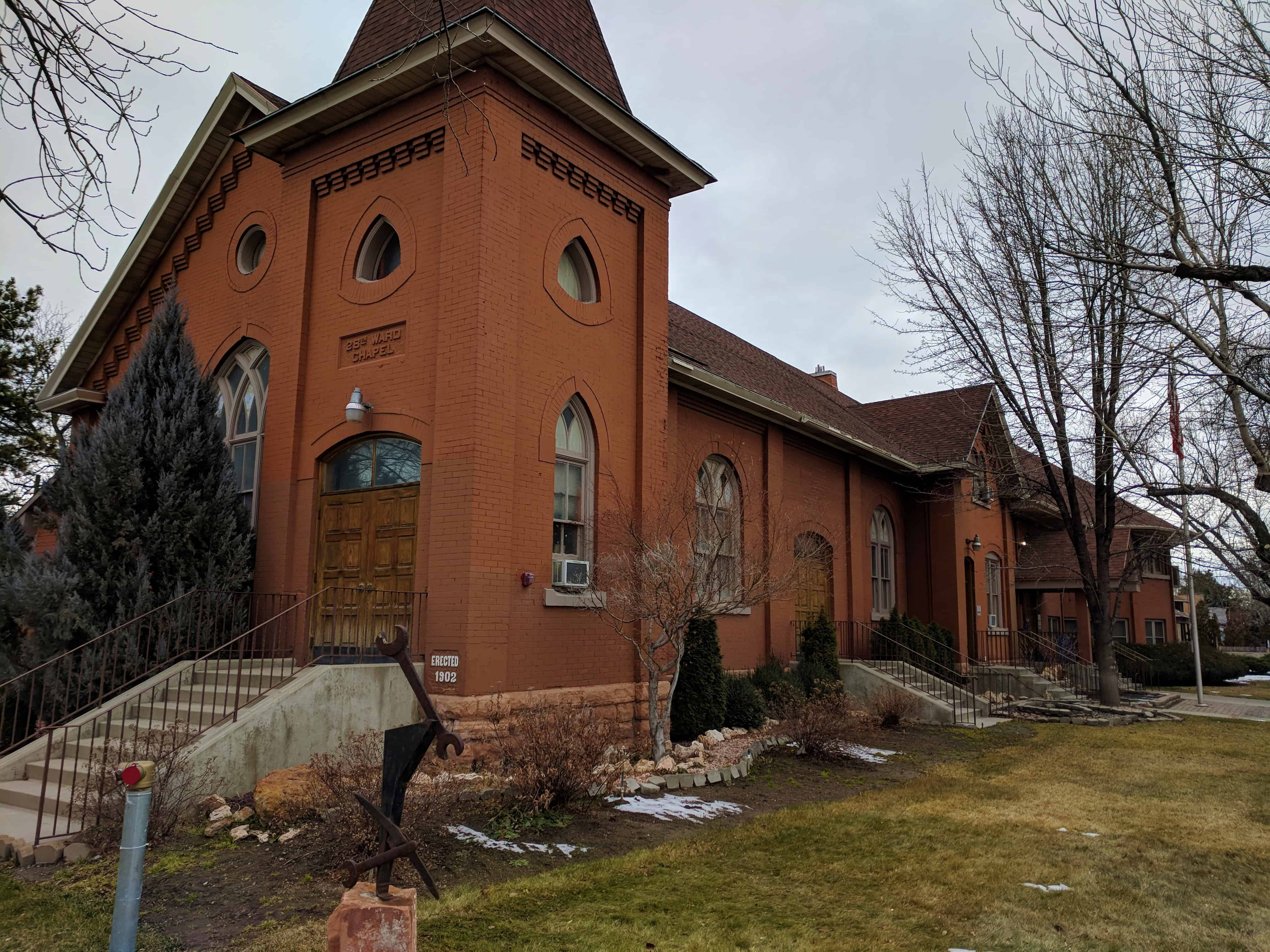
The old chapel the was previously used for the 28th Ward of the Church of Jesus Christ of Latter-day Saints in Salt Lake City.

For other historic churches in Salt Lake City visit this page.

2017-12-30 15.35.44

2017-12-30 15.36.03

Box Elder Tabernacle

24 Monday Sep 2018

Posted by Jacob Barlow in Uncategorized

≈ 1 Comment

Tags

Box Elder County, Brigham City, Historic Buildings, Historic Churches, Historic Markers, SUP, Tabernacles, utah

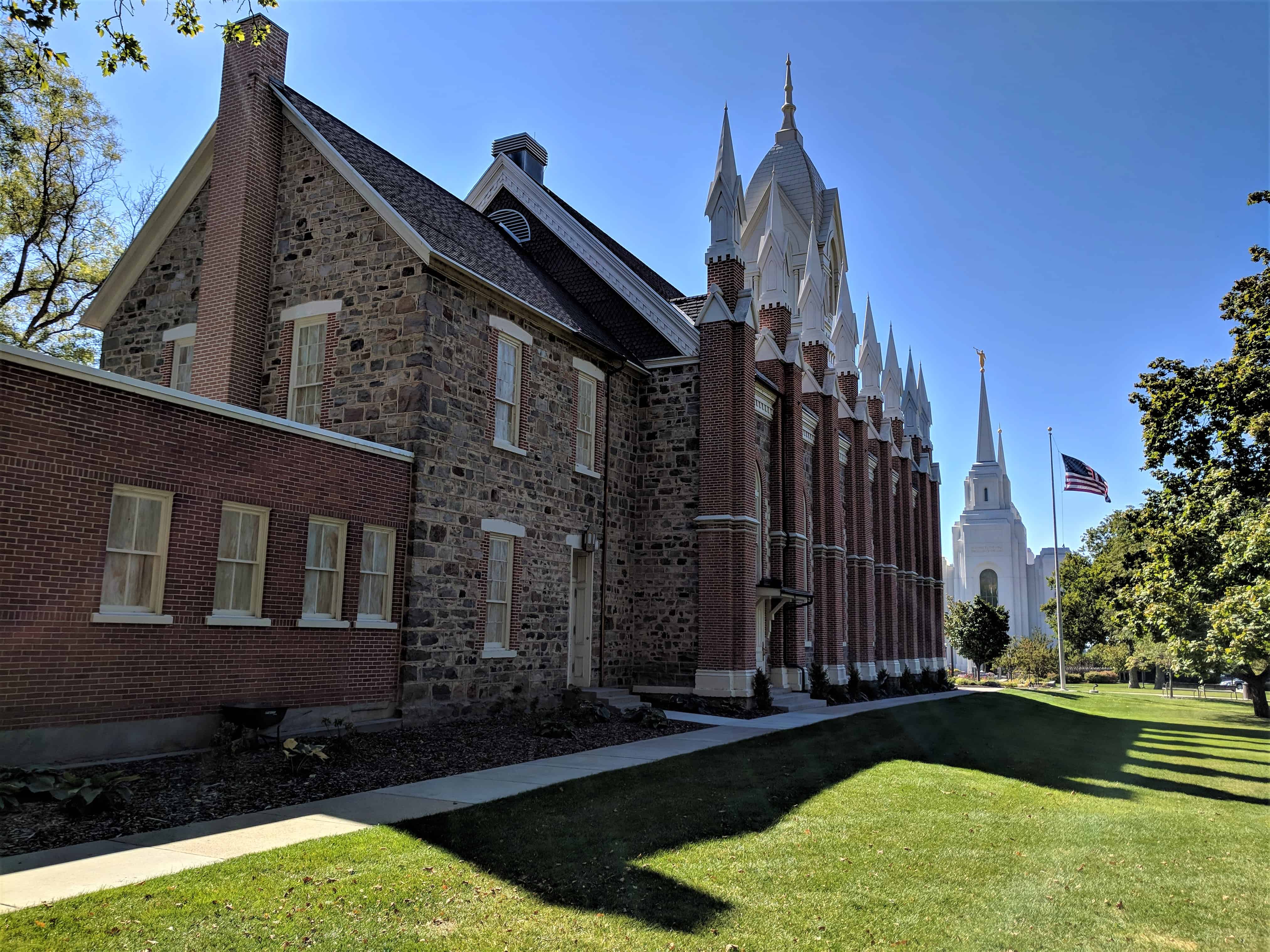
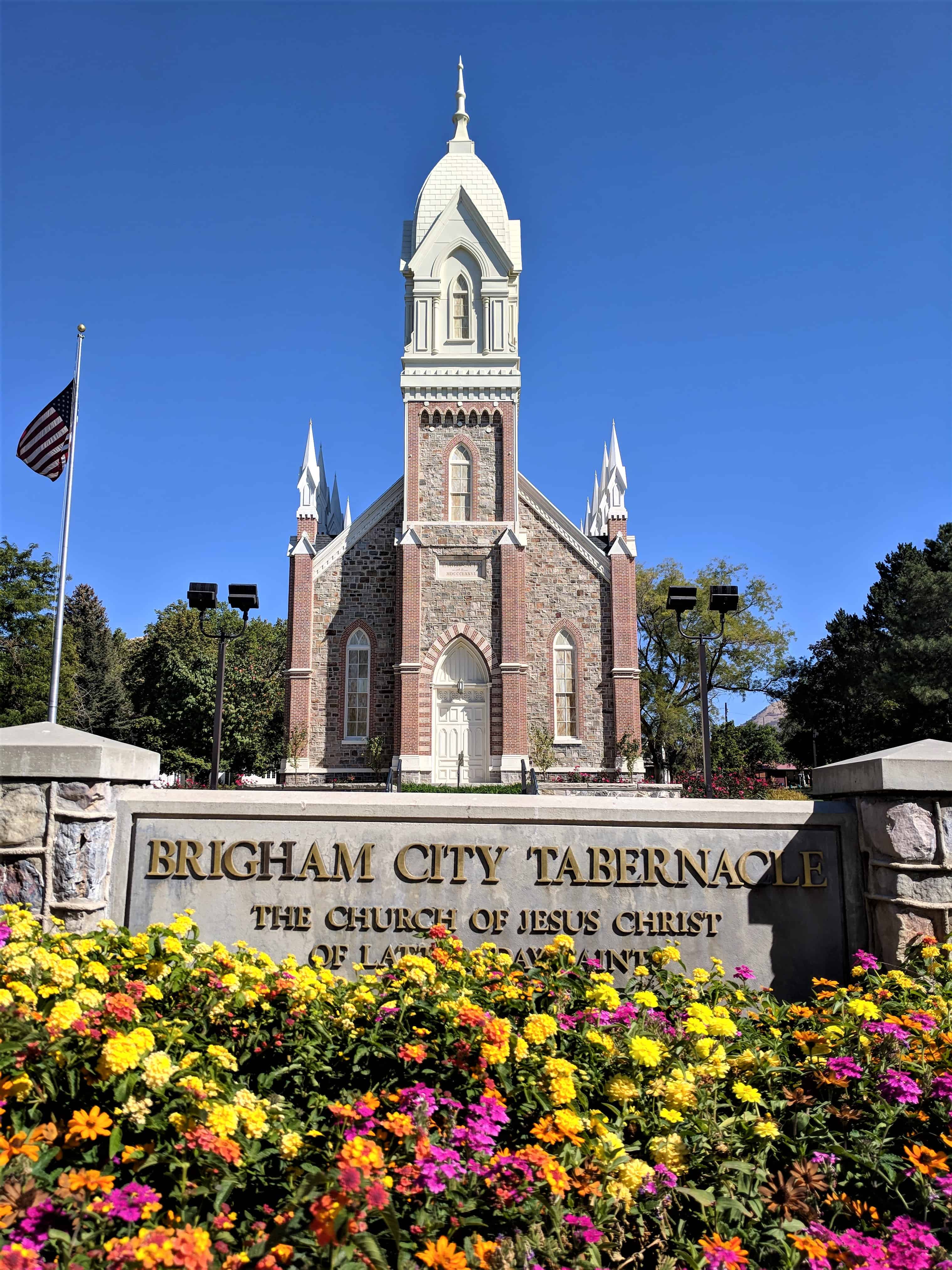
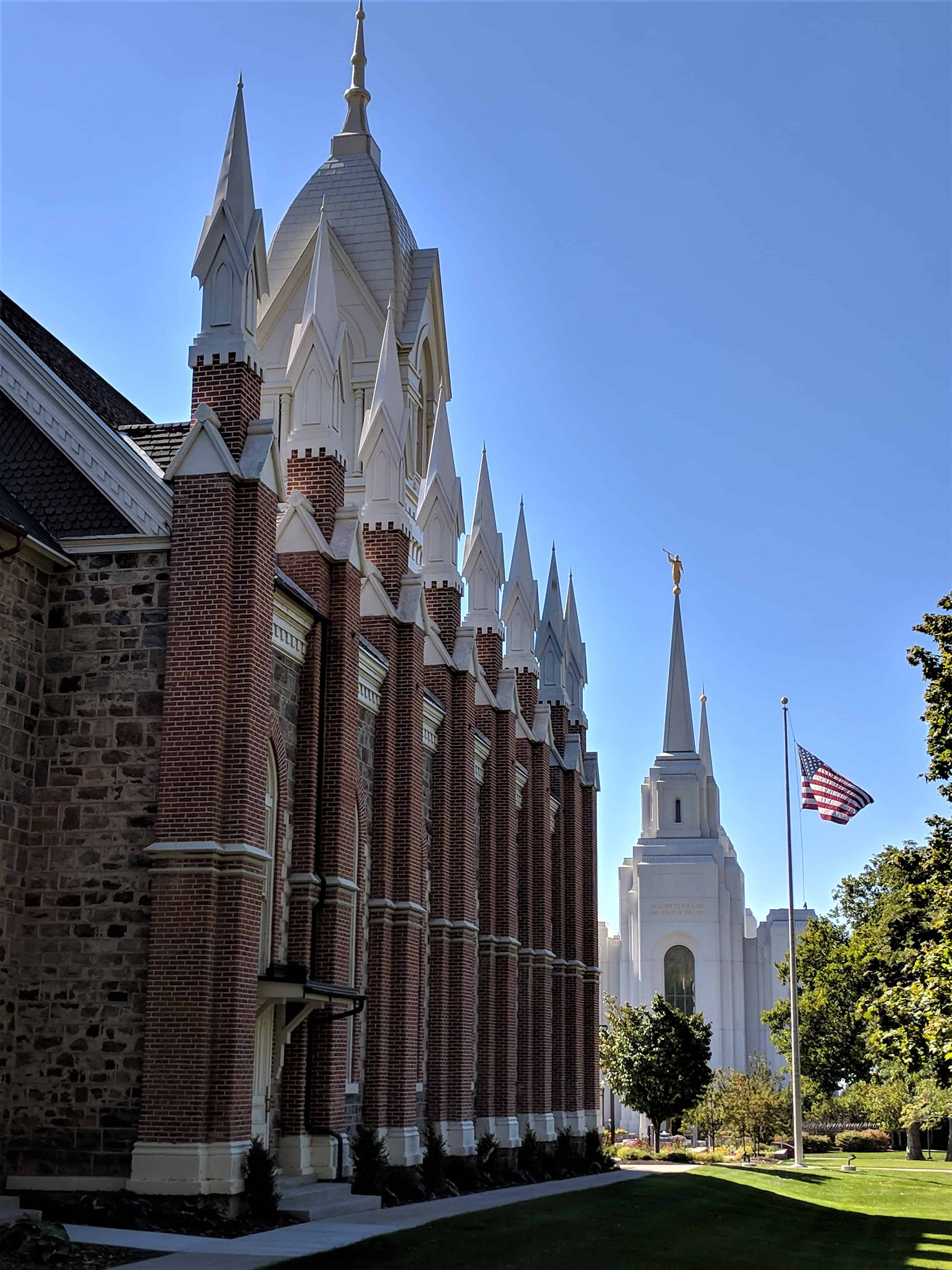
2018-09-22 14.47.28

Brigham City Tabernacle

This stately building is one of the finest examples of nineteenth century Latter-day Saint architecture. For more than a century, it has served as a center of Christian worship, cultural enrichment, and community activities. Towering above the trees, it has become one of the principal landmarks of the region.

Members of the Church of Jesus Christ of Latter-day Saints settled this area in 1851, just four years after the arrival of the first pioneers in Salt Lake City. Under the leadership of Elder Lorenzo Snow of the Council of the Twelve Apostles, they built this town at the mouth of Box Elder Canyon, near traditional Shoshone Indian campgrounds and renamed it for the Church president Brigham Young. For many years they worshiped in a log meetinghouse and in the local courthouse, but in 1865 Brigham Young directed Elder Snow and other community leaders to build a tabernacle for conferences of the Box Elder Stake. The local leaders had already selected a site on the corner of Main and Forest Streets in the center of town when President Young visited the community. However, according to tradition, he led them here to “Sagebrush Hill,” the highest point on Main Street and said, “This is the spot for your Tabernacle.” The selection of this site insured that the building would be visible for many miles across the valley. President Young and his territorial surveyor Jesse W. Fox laid the cornerstones on 9 May 1865.

Construction proceeded slowly as local manpower was diverted to completing the transcontinental railroad. Work on the building resumed in earnest in 1876, mostly with donated labor. Local craftsmen used quartzite, sandstone and lumber from the nearby mountains. Women donated produce from their gardens and eggs laid on Sundays to sell for the needed cash for glass and other materials that could not be produced locally. Fourteen years after Brigham Young laid the cornerstone, the first meeting in the partially completed building took place on 27 May 1879.

As originally built, the Tabernacle was sturdy but plain in appearance. However, in 1889, a conference of the Box Elder Stake voted to “complete” the building. In the following months, a tower, a gallery, a rear vestibule, brick buttresses with decorative caps, and other improvements added to beautify the structure. Church President Wilford Woodruff dedicated the finished building 28 October 1890.

On Sunday 9 February 1896, as people began to assemble for afternoon services, a fire started in the furnace room. No one was injured but despite frantic efforts, only smoke-blackened stone walls remained an hour later. Stake President Rodger Clawson supervised reconstruction over the next thirteen months. The new Tabernacle was even finer than the old, with elegant woodwork, a distinctive gothic/revival tower and sixteen graceful pinnacles. On 21 March 1897, George Q. Cannon, First Counselor to President Woodruff, dedicated the rebuilt structure.

Throughout the following years, the people of Brigham City and neighboring towns have preserved and maintained this beloved building. In 1971, it was listed on the National Register of Historic Places, one of the first buildings in Utah to be so honored. Beginning in 1985, an extensive restoration project replaced the mechanical and electrical systems, reinforced the structure, and carefully renewed both the exterior and interior to guarantee the continued preservation of this magnificent landmark. The 106-old Tabernacle was rededicated on 12 April 1987 by Elder Boyd K. Packer of the Council of the Twelve Apostles, a native of Brigham City.

Located at 251 South Main Street in Brigham City, Utah and is #6 in the Brigham City Historic Tour and #21 of the S.U.P. historic markers. It was added to the National Register of Historic Places (#71000840) on May 14, 1971.

2018-09-22 14.43.21

Box Elder Tabernacle- Built 1867-1890 Pioneer settlers used stone and wood from nearby mountains and their finest craftsmanship to built this place of worship. It was finished and dedicated in 1890. Six years later in 1896, it was gutted by fire and had to be rebuilt. The building was finished and rededicated in 1897.

2018-09-22 14.44.06
2018-09-22 14.44.12
2018-09-22 14.45.05
2018-09-22 14.45.30
2018-09-22 14.45.36
2018-09-22 14.47.36
2018-09-22 14.47.59
2018-09-22 14.50.10

The following is from the National Historic Register’s nomination form:

During the summer of 1865, Brigham Young visited the community. When he observed men beginning an excavation, he asked its purpose. When told it was to be the site of their new tabernacle, he objected. Taking Jesse W. Fox, church surveyor with him, he located a spot on Sagebrush Hill, the back bone of the community. Actually, the site was on the crest of the alluvial fan so characteristic of many of the Mormon communities along the Wasatch front. From that spot the water ran north, south and west.

During the next 11 years rocks were hauled to the site. Construction was begun with some serious intent in 1876. By 1881, the building was sufficiently completed to hold conference in it. However, the buiIding was not finished until 1890. It was dedicated by President Wilford Woodruff October 27th of that year. The building had taken twenty-five years to build, in part because the small community was also building numerous other structures tannery, gristmills, broom factory, etc. under the cooperative arrangement of the United Order or communal economic system.

The lovely structure served well, except for the furnace. One Sunday afternoon, February 9, 1896, it burned down, leaving only the four sturdy walls standing. Stake President Charles Kelley asked architects to investigate the walls. They were declared sound. On March 27, 1896, the people voted to rebuild it. Monies were solicited from as far away as Salt Lake City. Reconstruction began immediately and by March 21, 1897, a lovely new structure was ready for dedication by Apostle George Q. Cannon.

Brigham City holds its tabernacle in high regard. It sits proudly on the crest of the hill, probably one of Utah’s most photographed buildings. Its architectural style and history mark it as one of the State’s most significant structures.

Brigham City’s first Stake President was Lorenzo Snow 1853-1877. He was succeeded by Oliver B. Snow, who served until 1888 when Rudger Clawson became president. His successor, who rebuilt the Tabernacle, was Charles Kelley. The building is still used for L.D.S. Church functions and is open to the public on a restricted basis.

The original Box Elder Stake Tabernacle was built of field stone collected nearby. The architect was probably Truman O. Angel, Jr. or his father, one of the more famous L.D.S. Church architects. The Tabernacle was 50 feet by 95 feet with a tower rising above each of the four corners. The interior when finally completed in 1890, had a gallery on the north and south walls, with the elevated speaker’s stand on the east end. Most of the lumber was hauled from nearly mountains, sawed and delivered to the site. The seating capacity was 1200.

After the building burned in 1896, it was rebuilt even more elaborately. The restoration architect is not identified. Sixteen brick buttresses were added to the exterior with steeples topping each one, A major tower was built on the front. The style has been described as neo-Sothic. Inside the building a vestibule was added, and the seating capacity increased by 400. A very simple hand-carved design goes all around the new balcony to focus the eyes on the pulpit which, with the choir seats, is now on the west end of the building.

The building has an excellent organ and modern lighting and heat. It is maintained by the Box Elder Stake L.D.S. Church.

Holy Trinity Greek Orthodox Church

19 Wednesday Sep 2018

Posted by Jacob Barlow in Uncategorized

≈ 2 Comments

Tags

Byzantine Revival Style, Downtown SLC, Greek Orthodox, Historic Buildings, Historic Churches, NRHP, Salt Lake City, Salt Lake County, utah

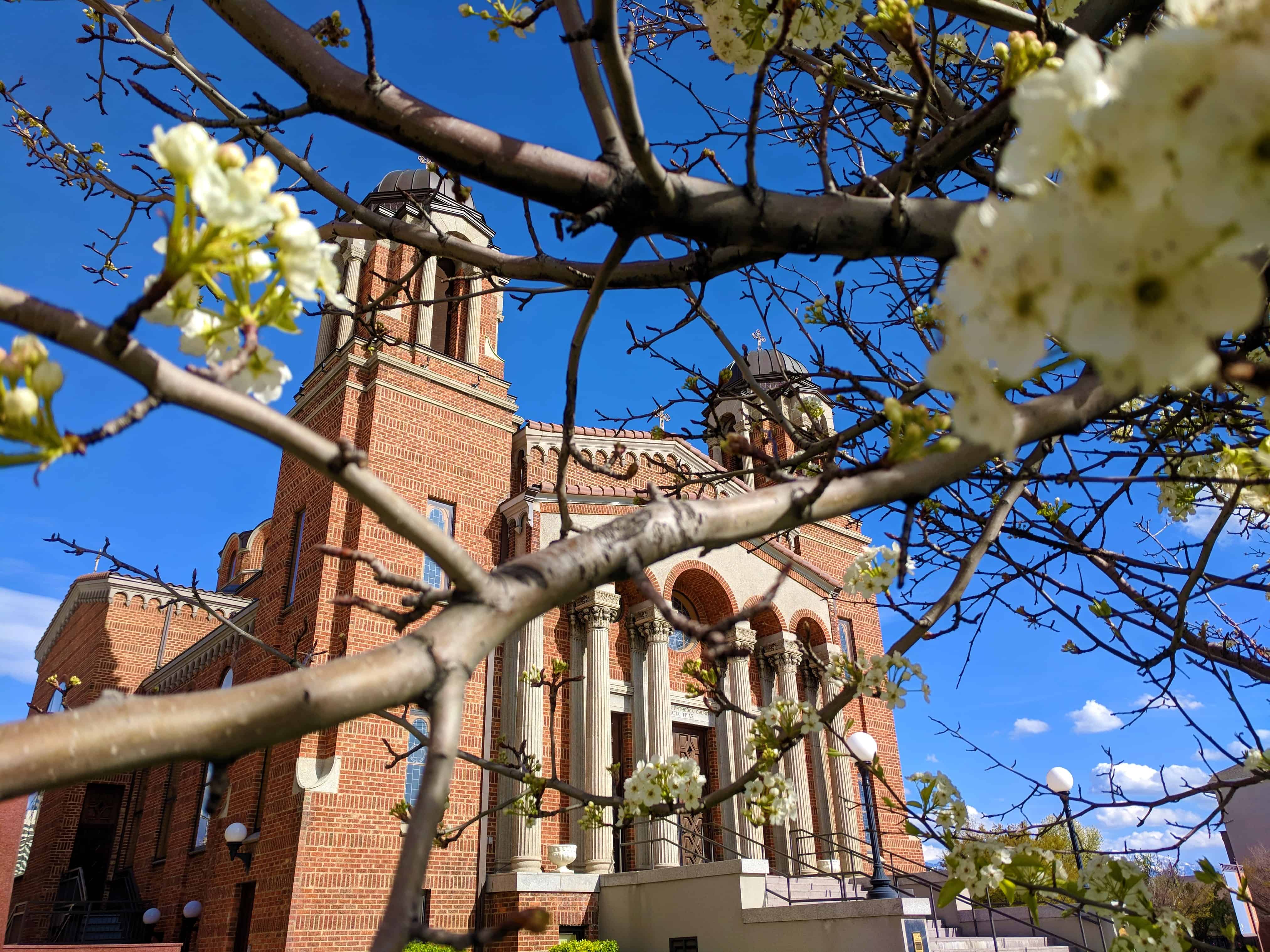
2018-04-14 16.59.59

Holy Trinity Greek Orthodox Church

Utah Historic Site

Replaced the First Greek Church in Utah, consecrated in 1905. Designed in the Byzantine tradition, its construction began in July 1923 and was completed in August 1924. Surrounding the church were once many immigrant neighborhoods dependent on the railroads and mines. The church remains a symbol of early Greek life in Utah.

See also: Site of the First Greek Orthodox Church in Utah

2018-04-14 17.00.41
2018-04-14 17.00.08
2018-04-14 16.59.41
2018-04-14 16.59.19
2018-04-14 16.59.45

Holy Trinity Greek Orthodox Church

1924, Pope & Burton and N. A. Dokas

The Holy Trinity Greek Orthodox Church is evidence of the size and religious devotion of Salt Lake City’s Greek immigrant community. In the early 20th century, Greeks were the largest immigrant group in Utah. Salt Lake City’s Greek community was centered in a “Greek Town” with over 60 Greek businesses located on 200 South between 400 and 600 West. Completed in 1924, the Holy Trinity Greek Orthodox Church is an excellent example of Byzantine Revival style architecture. A large gold dome crowns the building while two domed bell towers with decorative tiles frame the arcaded entryway. The tile roof, patterned brick, and elaborate capitals are also typical of the Byzantine Revival Style.

FOUNDERS OF THE GREEK ORTHODOX GREEK COMMUNITY OF UTAH

Next to family and life itself, the Greek immigrant loved the Greek Orthodox Faith. The discovery of copper in 1903 in Bingham Canyon, coal mines of Carbon-Emery counties and railroad construction, brough a major influx of Greek immigrants to Utah. Despite barriers in their new land, Greek immigrants began to make plans for the formation of a Greek Orthodox Church and Community. The immigrants displayed extraordinary zeal, dedication and leadership in organizing the first Greek Orthodox Church in Salt Lake City. On January 22, 1905 about 200 young Greek men met at the Odd Fellows Building in Salt Lake City for the purpose of organizing the GREEK COMMUNITY OF UTAH. Location of the new church was on Fourth South between the present Fourth and Fifth West Streets. In april (sic) 1905, Archimandrite Parthenios Lymberopolous, arrived in Salt Lake City as the first Greek Orthodox Priest sent from the Holy Synod of Greece. The first Liturgy was held on October 29, 1905. The 1905 Board of Trustees of the Greek Community of Utah included Nicholas P. Stathakos, president; Stravros G. Skliris, vice president; Anastasosios Pappas, secretary; George Christophylou, treasurer; and Trustees George Demetrakopoulous, Michael Litrivas, George Macherias, Konstantinos Papaioannou, Andreas Papanikolaou, George Soteropoulos, Gregory Soteropoulos and Stelios Theoharis. Having outgrown its facilities, after World War I the Greek Community made plans for the construction of the second Holy Trinity Church. This was built on its present site, Third West and Third South. Actual construction of Holy Trinity began in July 1923. The first Liturgy was held on August 15, 1924. Construction cost was approximately $150,000. The Holy Trinity Church of Salt Lake City has served as the “Mother Church” for other Greek Orthodox churches in Utah, including the Assumption Church of Price, the Transfiguration Church in Ogden, and the Prophet Elias Church in Salt Lake City. The plaque is dedicated especially to all those Greek immigrants and clergy who contributed time, effort, money and services to create Greek Orthodox Churches in Utah and whose example of service, vision, faith and leadership provides guidance and inspiration for all of us to follow. *MAY THE MEMORY OF ALL OUR FOREFATHERS BE ETERNAL* AIONIA H MNH AYTON P

CASTLE GATE, CARBON COUNTY, UTAH COAL MINE EXPLOSION MARCH 8, 1924

172 Miners were killed instantly, 49 of the miners who lost their lives were Greeks, 48 of the miners were from the Island of Crete. Andreadakis, Steve…….. list of names ….Zanis, Mike

  • Castle Gate Mine Disaster

Site of the First Greek Orthodox Church in Utah

19 Wednesday Sep 2018

Posted by Jacob Barlow in Uncategorized

≈ 1 Comment

Tags

Greek Orthodox, Historic Churches, Historic Markers, Salt Lake City, Salt Lake County, utah

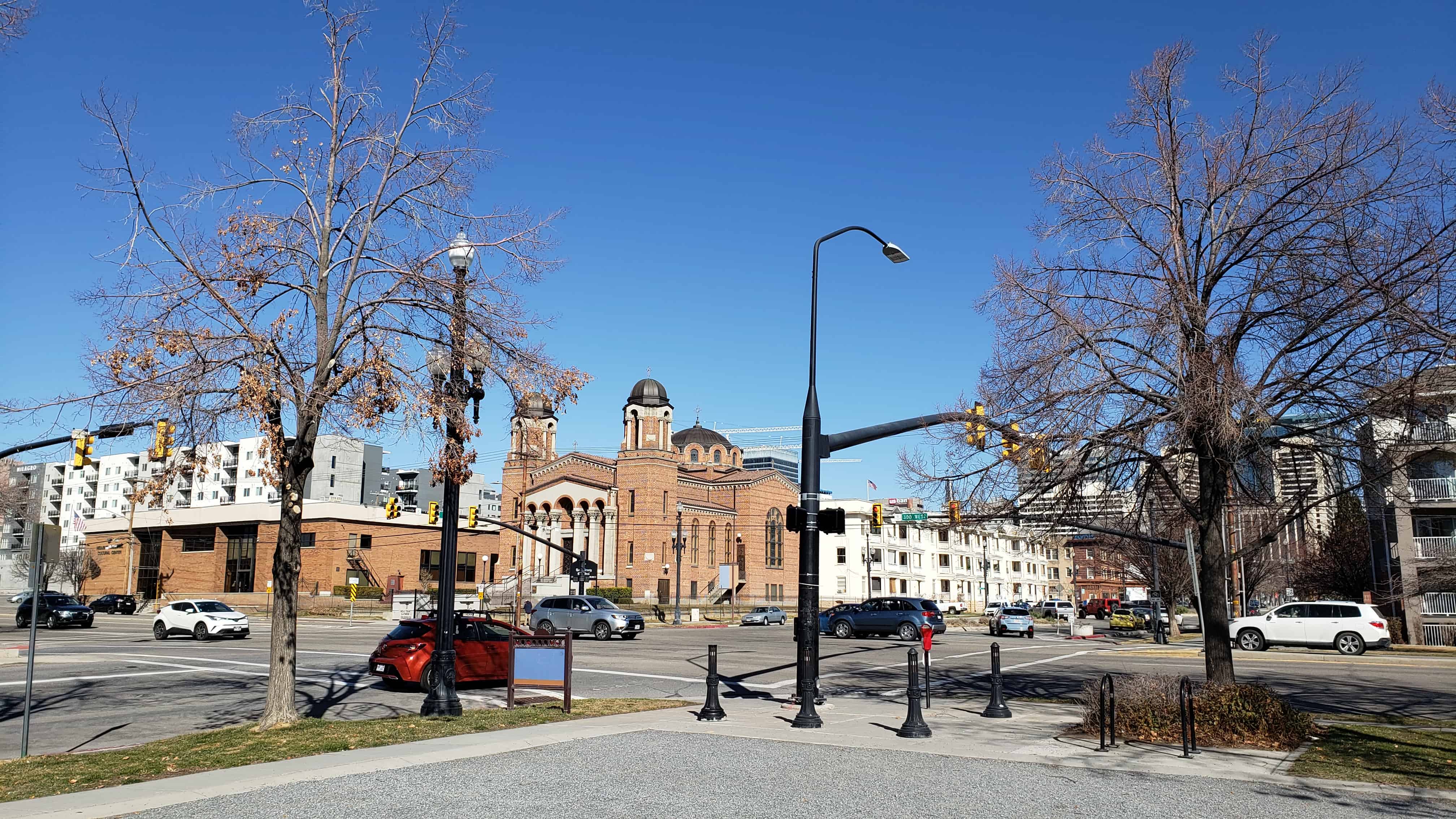
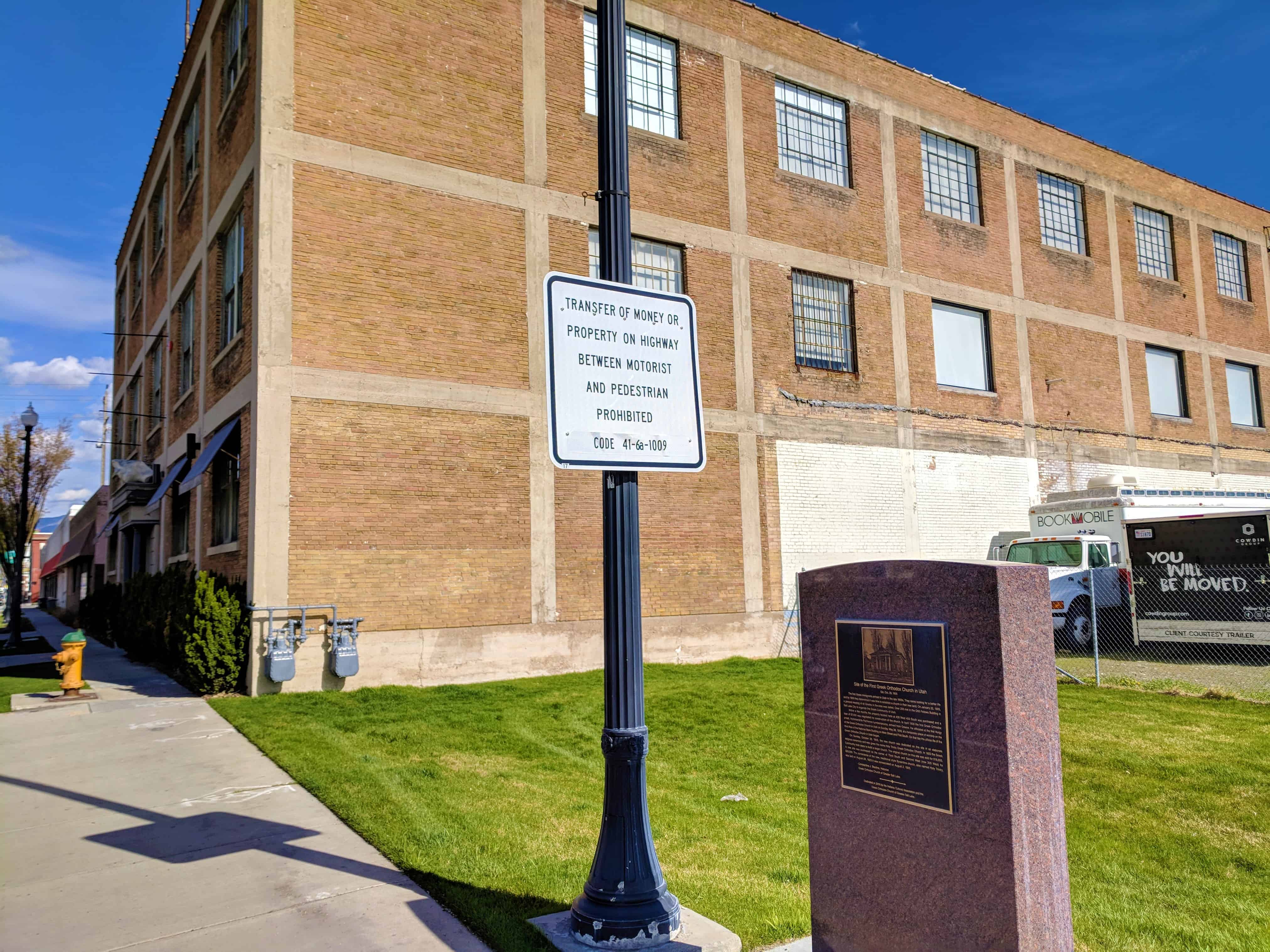
2018-04-14 16.52.52

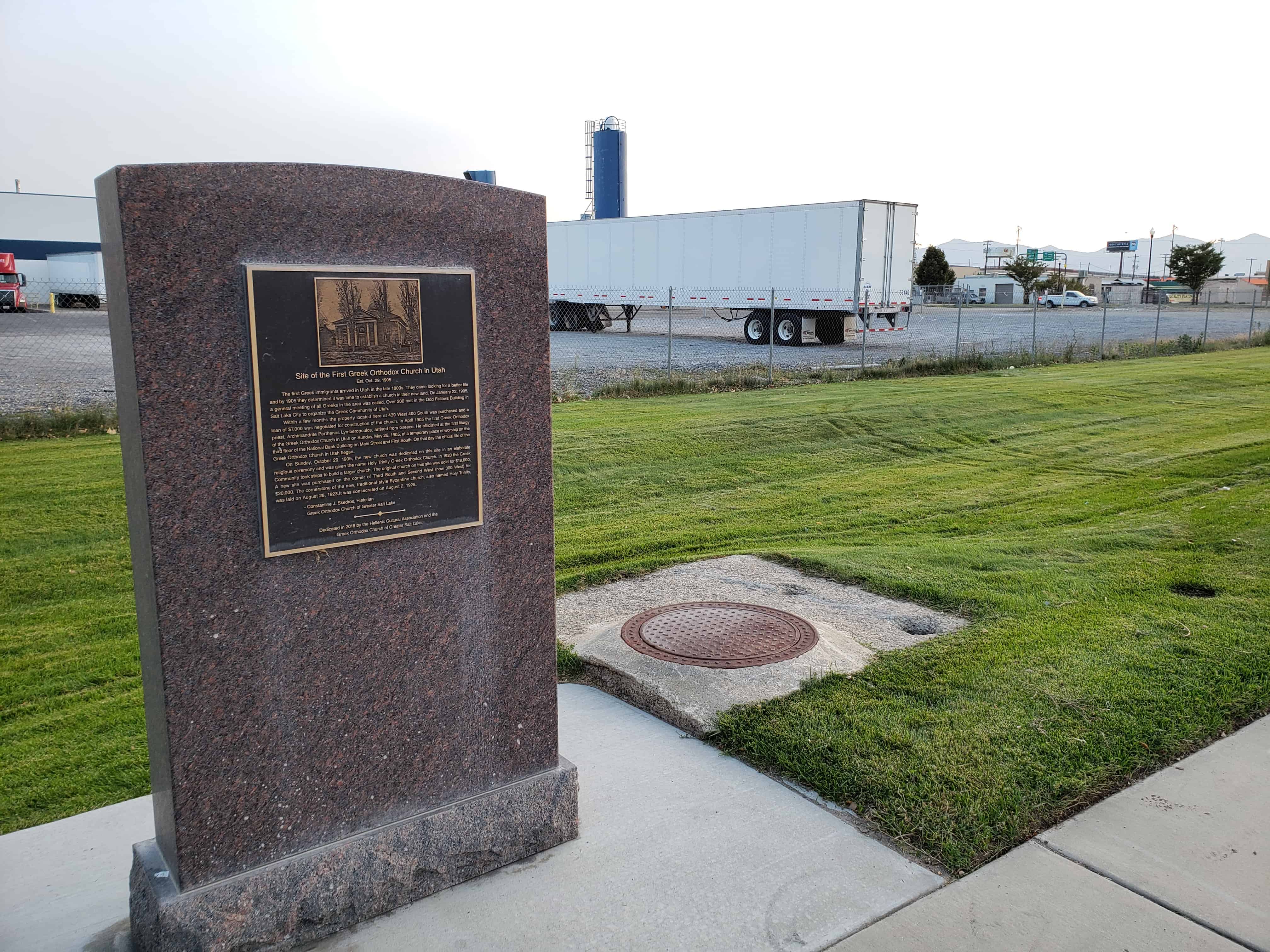
(475 W 400 S in Salt Lake.)

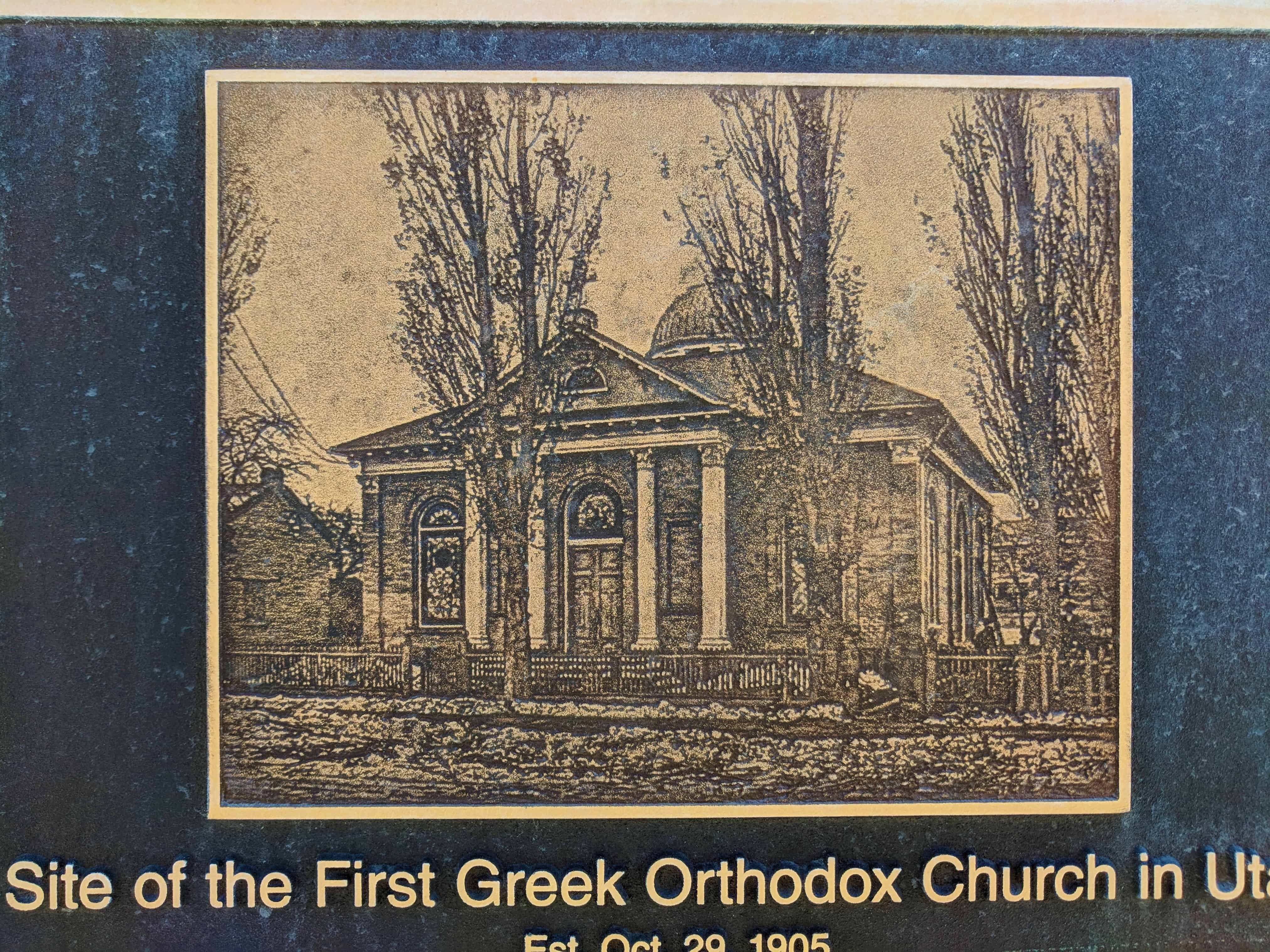
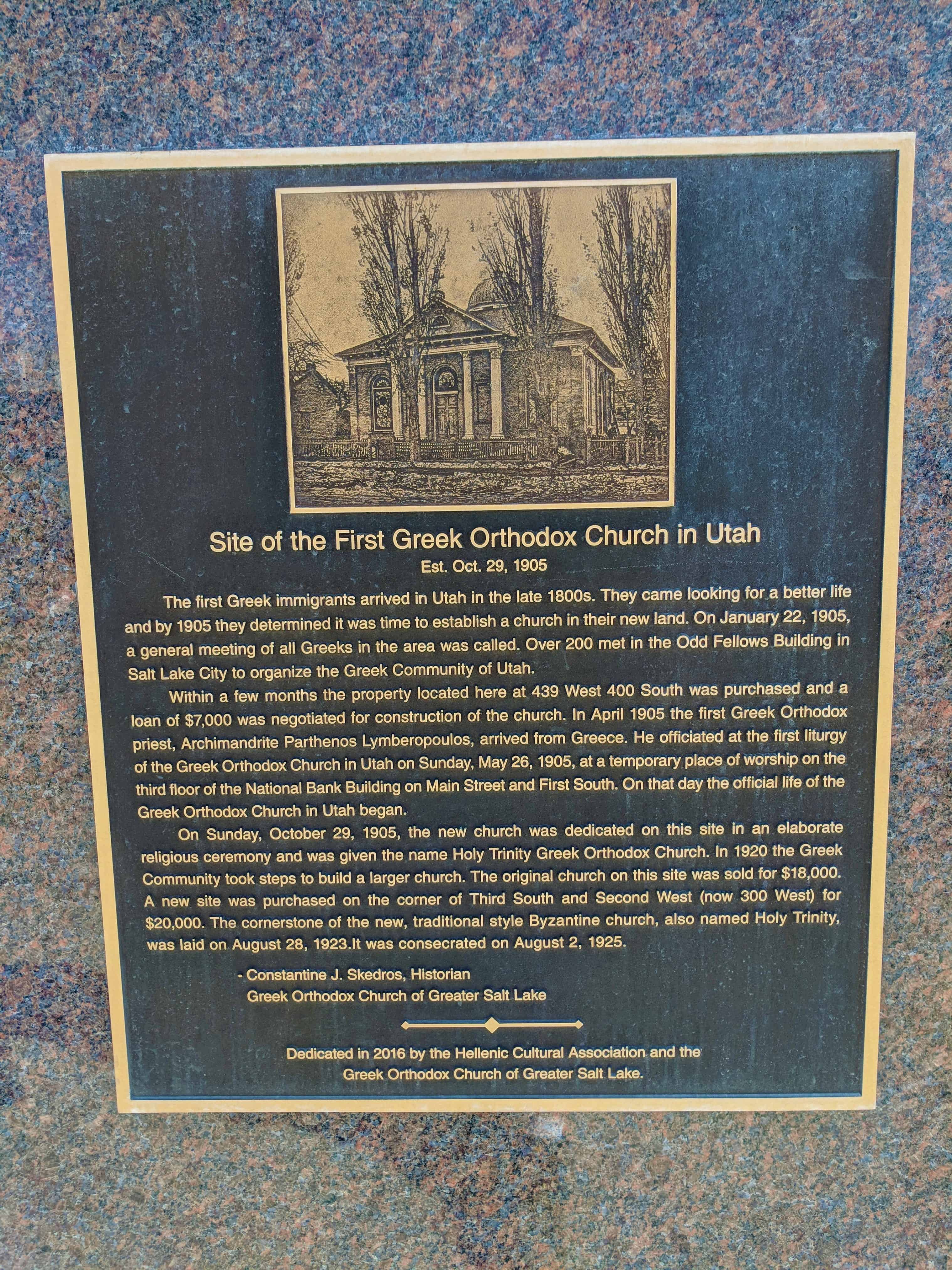
Site of the First Greek Orthodox Church in Utah

Est. Oct. 29, 1905

The first Greek immigrants arrived in Utah in the late 1800s.  They came looking for a better life and by 1905 they determined it was time to establish a church in their new land.  On January 22, 1905, a general meeting of all Greeks in the area was called.  Over 200 met in the Odd Fellows Building in Salt Lake City to organize the Greek Community of Utah.

Within a few months the property located here at 439 West 400 South was purchased and a loan of $7,000 was negotiated for construction of the church.  In April 1905 the first Greek Orthodox priest, Archimandrite Parthenos Lymberopoulos, arrived from Greece.  He officiated at the first liturgy of the Greek Orthodox Church in Utah on Sunday, May 26, 1905, at a temporary place of worship on the third floor of the National Bank Building on Main Street and First South.  On that day the official life of the Greek Orthodox Church in Utah began.

On Sunday, October 29, 1905, the new church was dedicated on this site in an elaborate religious ceremony and was given the name Holy trinity Greek Orthodox Church.  In 1920 the Greek Community took steps to build a larger church.  The original church on this site was sold for $18,000.  A new site was purchased on the corner of Third South and Second West (now 300 West) for $20,000.  The cornerstone of the new, traditional style Byzantine church, also named Holy Trinity, was laid on August 28, 1923.  It was consecrated on August 2, 1925.

2018-04-14 16.53.02
2018-04-14 16.52.58

Capitol Hill Ward Chapel

08 Wednesday Aug 2018

Posted by Jacob Barlow in Uncategorized

≈ 2 Comments

Tags

Capitol Hill Historic District, Historic Buildings, Historic Churches, Salt Lake City, Salt Lake County, utah

  • 2018-04-09 19.47.33

Capitol Hill Ward Chapel

See other historic church in Salt Lake City on this page.

Also called the old rock church, this elegant and colorful chapel is located across the street from the State Capitol and just up the street from the DUP Museum.

The address is:

413 N W Capitol St Salt Lake City, Utah

It was built in 1928.

Architect: Ashton and Evans

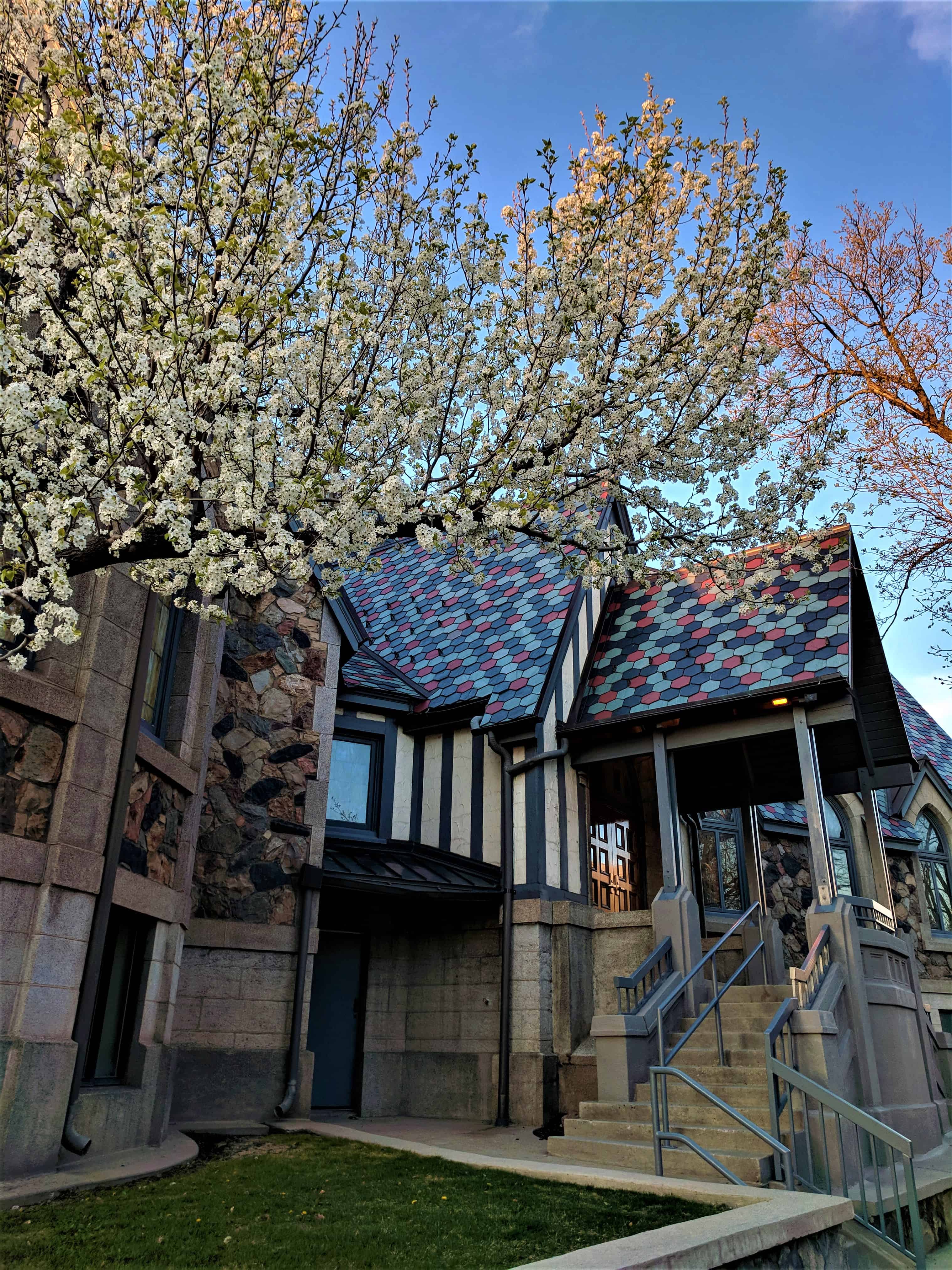
The Capitol Hill L.D.S. Ward is a picturesque, Neo-Gothic building. The main roof is gabled, with hipped roofed bays in the east and south. The plan is a cross configuration with the chapel in the east and amusement hall in the west. A later extension in the north is compatible in scale and materials. Pointed arch windows have cast stone surrounds. Some stained glass windows were used. – D. Diana Johnson

“Capitol Hill Ward was orgnized April 12, 1925, from the east parts of the 17th, 19th, and 24th wards.” In 1929, “a new, modern chapel, one of the finest in the Church, was completed on the corner of 3rd North and West Capitol Streets. George Savage Ashton was the first Bishop of the ward, he was succeeded December 28, 1930 by George C. Lloyd. . . .”

Related:

  • Capitol Hill Historic District
  • 2018-04-09 19.47.58
  • 2018-04-09 19.48.25
  • 2018-04-09 19.48.40
  • 2018-04-09 19.49.01
  • 2018-04-09 19.49.03
  • 2018-04-09 19.47.43

Murray LDS First Ward Meetinghouse

01 Wednesday Aug 2018

Posted by Jacob Barlow in Uncategorized

≈ 2 Comments

Tags

Historic Buildings, Historic Churches, Murray, NRHP, Salt Lake County, utah

  • 2018-07-02 19.11.29

Murray LDS 1st Ward Meetinghouse

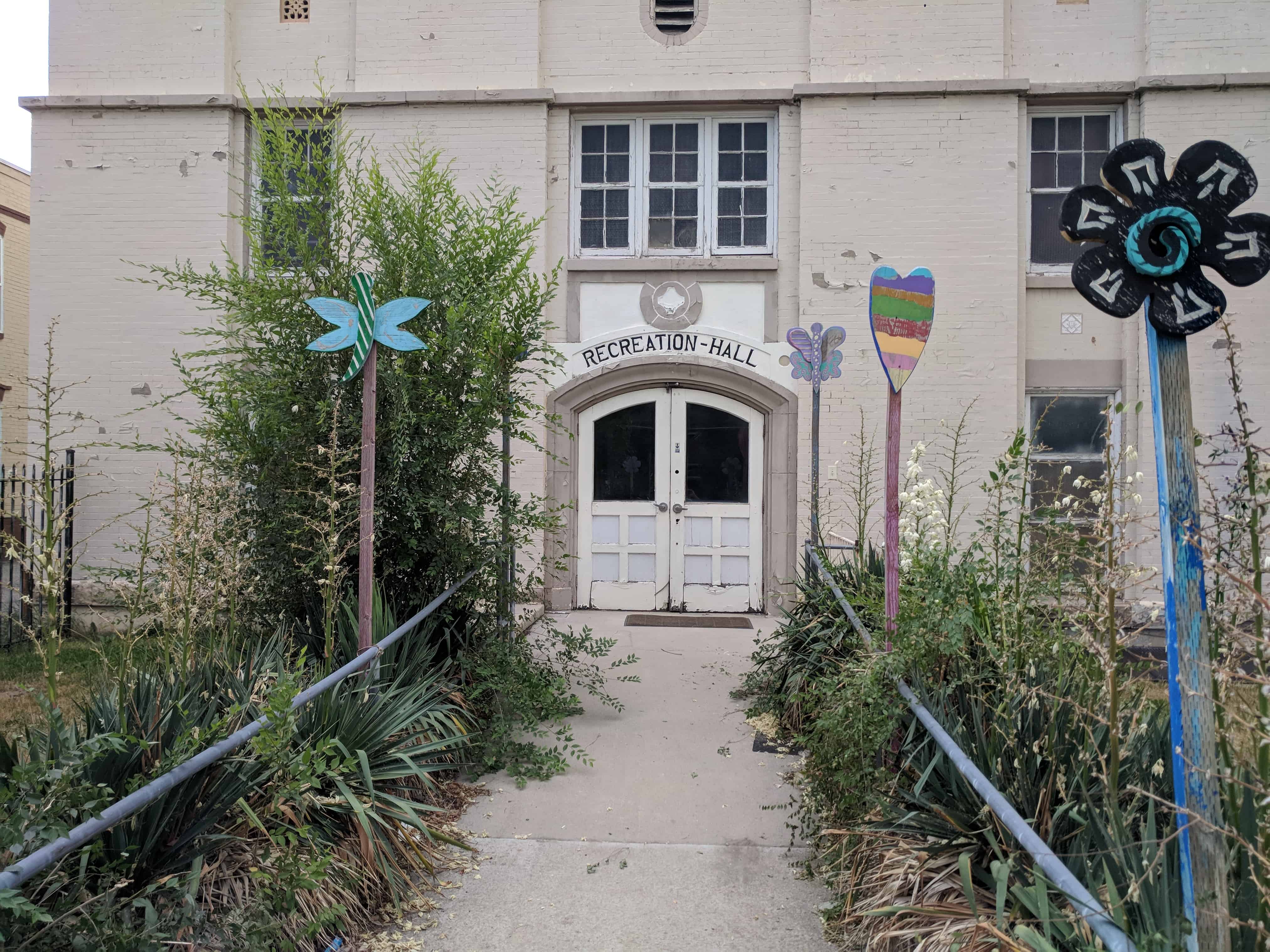
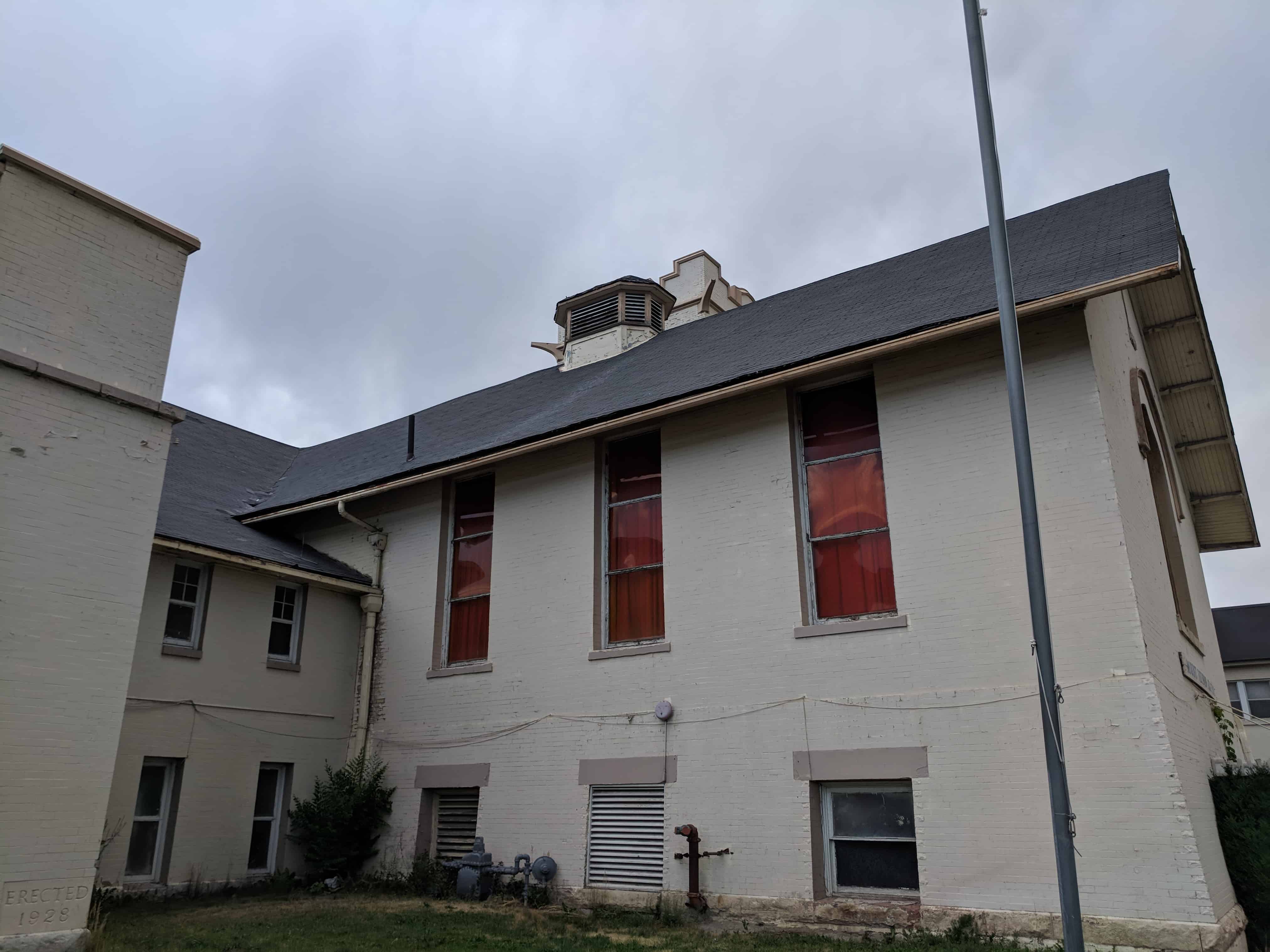
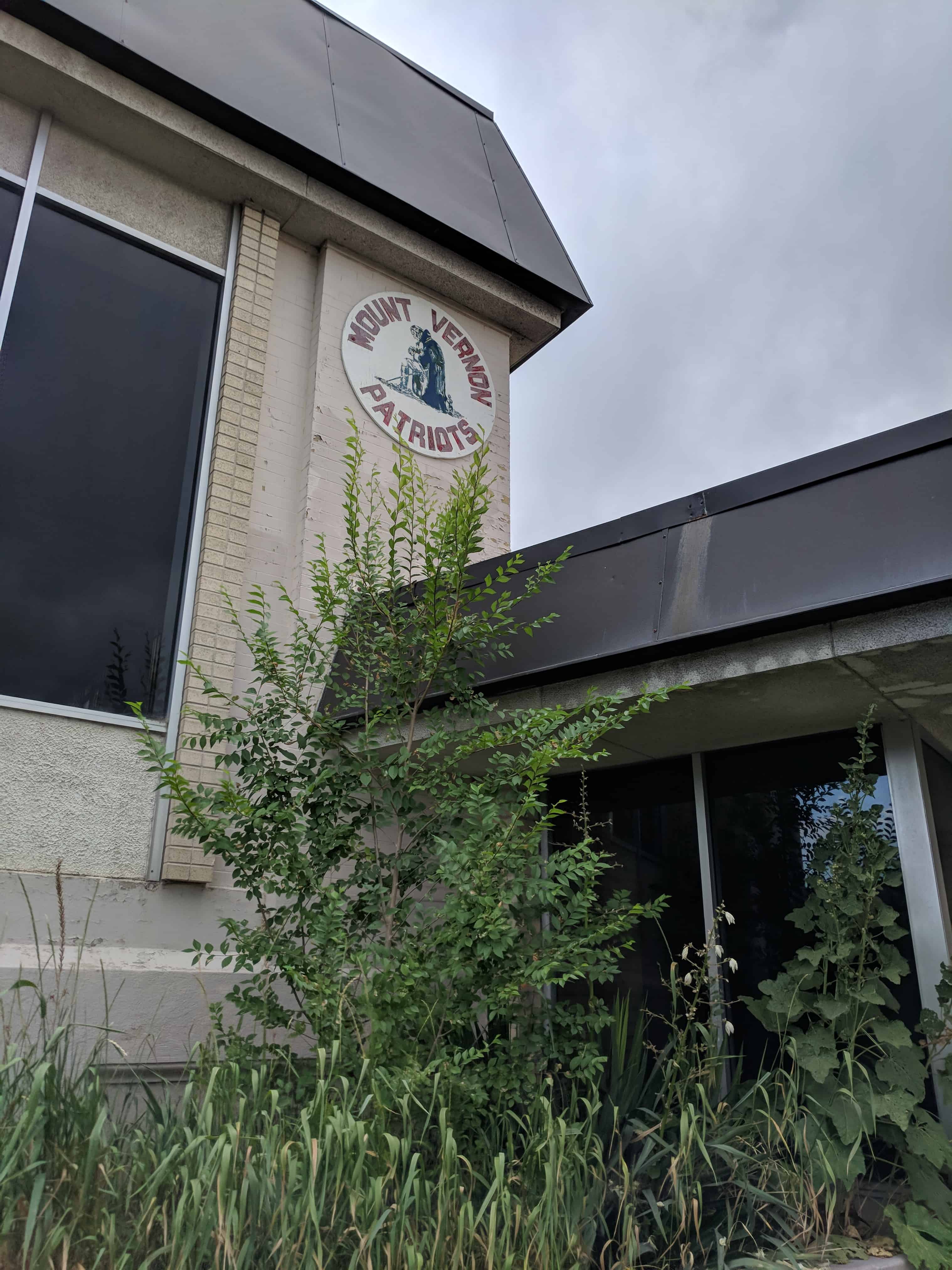
The Murray LDS First Ward Meetinghouse, the old Murray Library and the Mount Vernon Academy are located on Vine Street in Murray, Utah in the Murray Downtown Historic District.  These buildings really stand out with their gorgeous architecture.

Built in 1907, this has been a landmark for Murray and lately there is talk of demolishing it. (update, it was demolished March 11th 2020)

I was able to stop by when they had the building open for a fundraising tour, see the video and photos of that on this page: Interior Tour of the Murray First Ward Chapel

Located next door is the Murray Carnegie Library.

  • 2018-07-02 19.04.38
  • 2018-07-02 19.04.41
  • 2018-07-02 19.05.18
  • 2018-07-02 19.05.21
  • 2018-07-02 19.05.52
  • 2018-07-02 19.07.03
  • 2018-07-02 19.07.47
  • 2018-07-02 19.08.00
  • 2018-07-02 19.08.06
  • 2018-07-02 19.08.37
  • 2018-07-02 19.08.43
  • 2018-07-02 19.08.45
  • 2018-07-02 19.08.55
  • 2018-07-02 19.09.05
  • 2018-07-02 19.09.10
  • 2018-07-02 19.09.18
  • 2018-07-02 19.09.37
  • 2018-07-02 19.09.44
  • 2018-07-02 19.09.58
  • 2018-07-02 19.10.02
  • 2018-07-02 19.10.36
  • 2018-07-02 19.10.45

Center Street Church

11 Wednesday Jul 2018

Posted by Jacob Barlow in Uncategorized

≈ 1 Comment

Tags

Historic Churches, Springville, utah, utah county

  • 2018-03-10 10.23.01

The chapel at 355 E Center Street in Springville, Utah was built in 1936 for the 4th Ward.

Site of First Chapel in Lehi

15 Monday Jan 2018

Posted by Jacob Barlow in Uncategorized

≈ 1 Comment

Tags

Historic Churches, LDS Church, Lehi, utah, utah county

2017-11-25 12.38.50

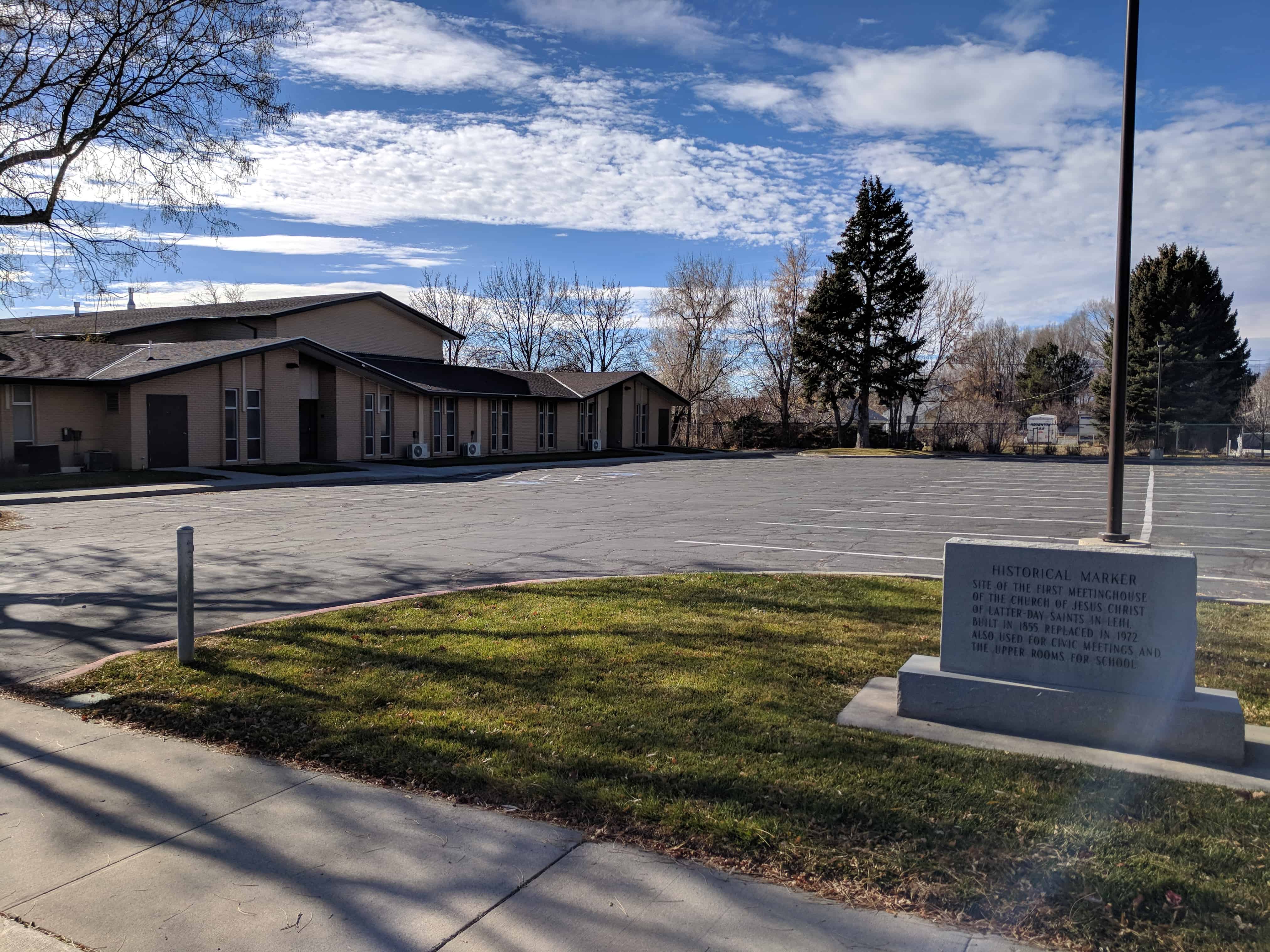
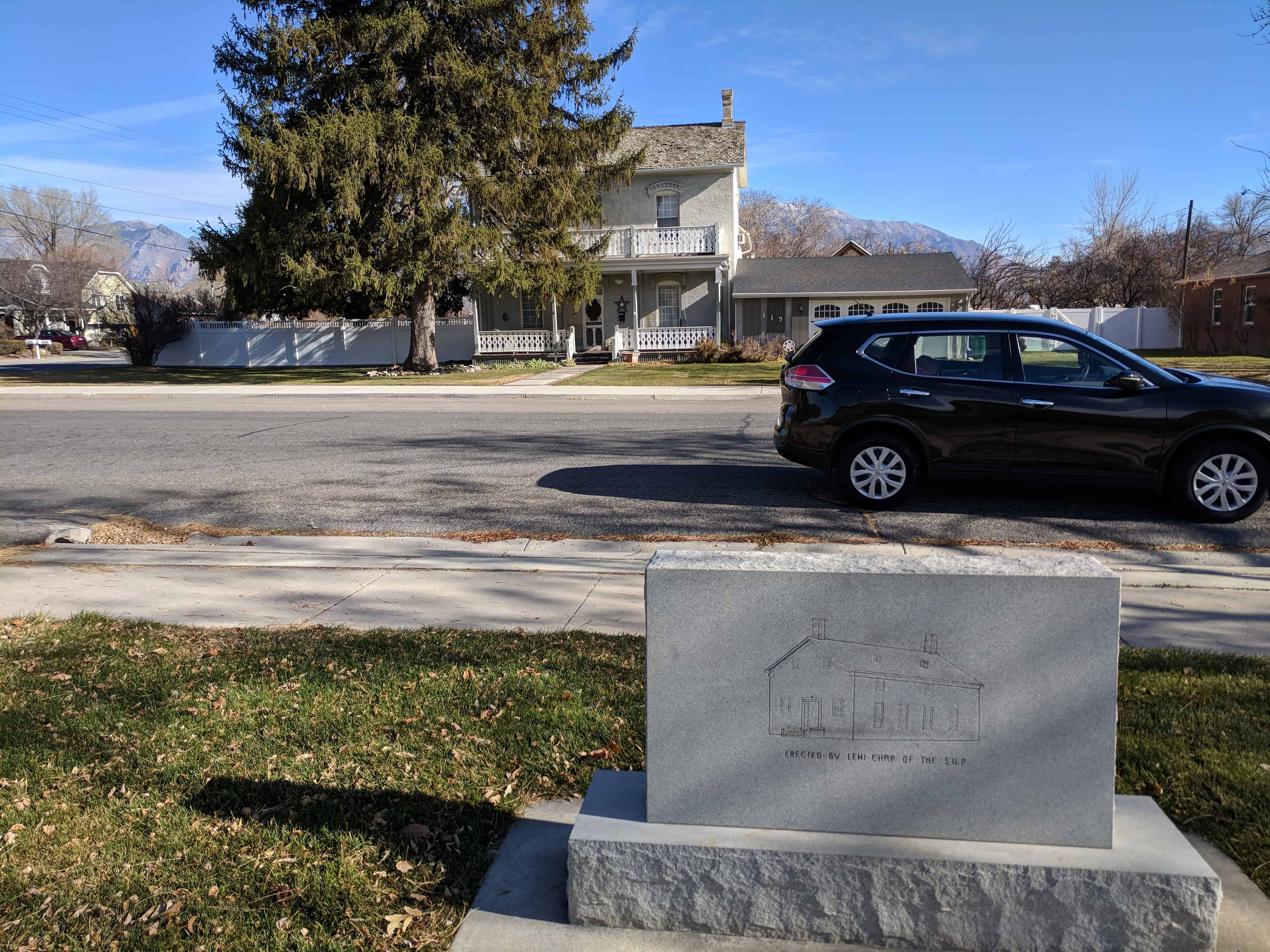
The site of the first Chapel in Lehi, Utah.

Site of the first meetinghouse of the Church of Jesus Christ of Latter-day Saints in Lehi, Built in 1855. Replaced in 1972. Also used for civic meetings and upper rooms for school.

This marker commemorates the ancient, beloved old “Lehi Meeting House” built in 1855 that served the community and church for 96 years.

2017-11-25 12.38.35

2017-11-25 12.38.56

2017-11-25 12.39.01

2017-11-25 12.38.42

In 1855 Lehi Ward Bishop Evans announced plans to erect a new meeting
house to replace the old log one. The site for the new structure was the southwest
corner of present First South and Second West, then the center of Lehi’s fort. A
committee, including James Harwood as assessor and collector, was appointed
under the chairmanship of Daniel S. Thomas. A community­wide tax of $1.50
per $100 valuation was assessed. One dollar was to be paid in labor and 50c in
grain.

Some men worked off their labor assessment felling trees in West Canyon.
The saw timber was then taken to mills in alpine and processed into planks,
shingles, joists, pillars, and other needed lumber. Additional workers labored in
the limestone quarry at Zion’s Hill on the Lake Mountains. Hundreds of tons of
rock were required for the building’s massive sixty­by­forty­foot foundation.
Most men, however, worked in the adobe pits south of the present Lehi Roller
Mills where thousands of the sun­baked bricks were required for the
eighteen­inch thick walls.

The construction of the Meeting House required five years. Everything
was made locally except the glass and hardware items, which were freighted from
the East. By the fall of 1855 the building was beginning to take form.
Although all men in the ward were required to work on the building, the
craftsmen who actually supervised the project included adobe makers William W.
Taylor, William B. Rigby, and Abel Evans; masons J. Wiley Norton and a Mr.
Howe; carpenters Thomas Ashton, Lorenzo Hatch, and Hyland D. Wilcox; and
plasterer William Clark.

The building was finally finished in the fall of 1860, though it was never
formally dedicated. The main entrance to the Meeting House fronted to the east
on Second West. Double doors opened into a twelve­by­forty­foot anteroom. A
stairwell to the gallery and the second­story school and prayer room was in the
south end of the anteroom.

The auditorium was forty-­eight by thirty-­six feet. The ceiling and second
floor were supported by eight twenty­foot pillars which were arranged so that the
first two on the east supported the gallery and the last two on the west defined the
speakers stand and the pulpit.

A large potbellied stove provided the auditorium’s heat though,
unfortunately, only the immediate area surrounding the stove offered real warmth
in the dead of winter. This spot was reserved for the ward’s elderly women, their
personal rocking chairs arranged around the stove.

The building’s seating capacity was five hundred, including the gallery.
This “balcony,” as many church members called it, was primarily for the choir’s
use. Above the gallery and auditorium was a second­story attic area which
contained two rooms. The largest was used for school until the 1863 completion
of the Southwest School (Thurman). It also served for a time as the city council
chamber. The smaller room was called the Quorum or Prayer Circle Room
because of the special Priesthood functions held there.

In 1903 when Lehi was divided into four ecclesiastical wards, the Meeting
House became the chapel of the new Lehi First Ward. In 1915 the old thurman
School, which stood just a few feet west of the Meeting House, was remodeled
into a ward amusement hall. The partition dividing the building into two rooms
was removed and a maple floor laid. A musician’s stand was erected in one end,
and the $600 project became a dance hall. From 1936 until 1949, major
renovations were made in the building. The old Meeting House was converted
into an amusement hall. The pillars, balcony, and partition wall near the front
entrance were removed and a stage was built on the west end. This remodeling
project combined the Meeting House and the historic Thurman School into a
single building. A new chapel was built to the south.

In 1972 the entire building, including the Meeting House was demolished.
A new $361,000 chapel was completed on this site. The following year the local
Sons of the Utah Pioneers, under the direction of Virgil Peterson, dedicated a
historical marker on the site of the original Meeting House.

← Older posts
Newer posts →

Follow Jacob

Follow Jacob

Blog Stats

  • 2,064,751 hits

Social and Other Links

BarlowLinks.com

Recent Posts

  • The Heinrich Gubler Home
  • The Temple Quarry
  • The Old Settler’s “Swallow’s Nest”
  • Arthur Miles Home
  • Navajo Shadehouse Museum

Archives

Loading Comments...