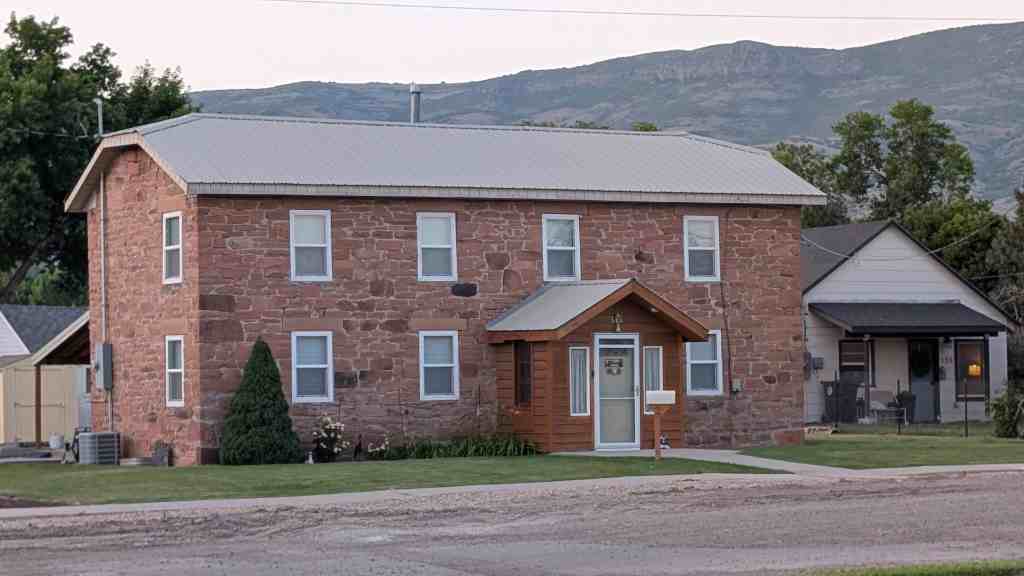
Located at 208 N State Street in Mount Pleasant, Utah, this home was built in 1861.
Related Posts:
This cool timeline of ownership came from this page.

27 Saturday Jun 2020
Posted in Uncategorized

Located at 208 N State Street in Mount Pleasant, Utah, this home was built in 1861.
Related Posts:


This cool timeline of ownership came from this page.

20 Saturday Jun 2020
Posted in Uncategorized
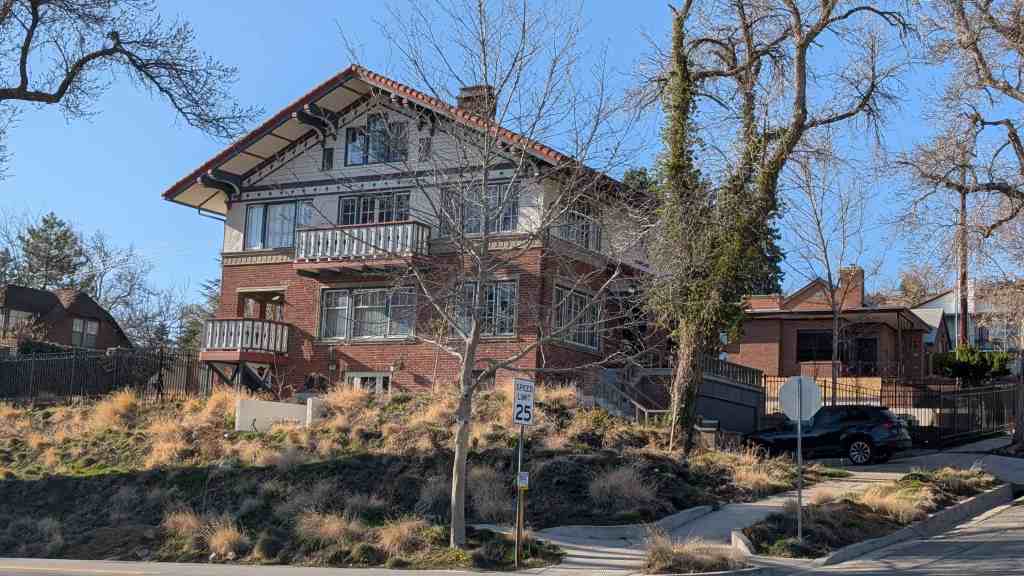
The Nelson/Beesley house is significant as the largest and best example of the Swiss Bungalow style in the Salt Lake City Avenues neighborhood and among the best in the State of Utah. Characteristics of this style romantically recall alpine chalets, and the Beesley home alludes to Swiss prototypes in its rectangular plan, broad gable roof, height and general symmetry, and decorative detailing. The residence served as the home of the Alvin A. Beesley family for twenty-two years. Beesley was a prominent figure in Salt Lake City business, cultural, civic and religious activities for nearly half a century. His association with the Beesley Music Company, represents the efforts of the Beesley family to promote Mormon musical values in the community.
The nomination of this residence is based upon an extensive survey of the Salt Lake City Avenues neighborhood. The Nelson/Beesley house, located in the upper Avenues, was not included in the Avenues Historic District, but was judged a significant site within the survey area based upon its architecture and historical associations.
Joseph Nelson, president and manager of Joseph Nelson Supply Company, plumbing suppliers, had this residence built in 1918 by Thomas Child and Son, Mason contractors. As listed in the Salt Lake City building permits, the two-story fourteen room house cost an estimated $15,000.
The Swiss Bungalow style was a romantic adaptation of the Alpine chalet, and represented one of a number of variations on the early twentieth century bungalow style. The Beesley house retains the integrity of the style in its plan, roof design, and general massing.

Joseph Nelson, the original owner, had lived at 568 I Street, also in the Avenues neighborhood, prior to his move to 533 11th Avenue- In 1926 Alvin and Ruby Pratt Beesley were listed in directories as residing at 533 11th Avenue, and purchased the home in 1927 from Nelson. Their tenure in the residence dated from 1926 to 1948, the year of Ruby Beesley’s death (Alvin had died in 1940).
Alvin A. Beesley, born in Salt Lake City in 1873, was the son of Ebenezer and Sarah Hancock Beesley. Ebenezer founded the Beesley Music Company in 1904, and both the man and the firm are considered pioneers in the Salt Lake City music field. The elder Beesley directed the Mormon Tabernacle choir from 1870 to 1885, and composed a large number of Mormon hymns. Alvin studied music under his father, as well as H.S. Kraure and C.F. Staynes; and in about 1906 became president and manager of the company. The Beesley name remains synonymous with the promotion of music and musical values, qualities important to the Mormon community. The business still functions under ownership of the Beesley family.
The activities and interests of Alvin Beesley proved influential in Salt Lake City’s business, civic, and religious activity. In addition to his involvement with the music business, Beesley assumed the directorship and a seat on the executive board of the Hotel Utah (National Register), which opened for business in 1911. He also became an organizer, three-time president, and director for various years, of the Salt Lake local American Federation of Musicians, thus, involved in both business and labor. Alvin Beesley served as a delegate to national musician’s conventions, and befriended Samuel Gompers, president of the American Federation of Labor.
From 1933 to 1935 he served as a Salt Lake County Commissioner, heading the finance department. A member and activist of several civic groups, including the Chamber of Commerce, Rotarians, and Boy Scouts,. Beesley served in numerous religious positions for the Mormon church, particularly as chorister of the Salt Lake Stake from 1904 to 1930.
Alvin and Ruby Pratt Beesley resided in the house until their deaths. Mrs. Beesley was the daughter of Mormon pioneer Orson Pratt, and married Alvin in She died in 1948, following Alvin’s death in 1940.
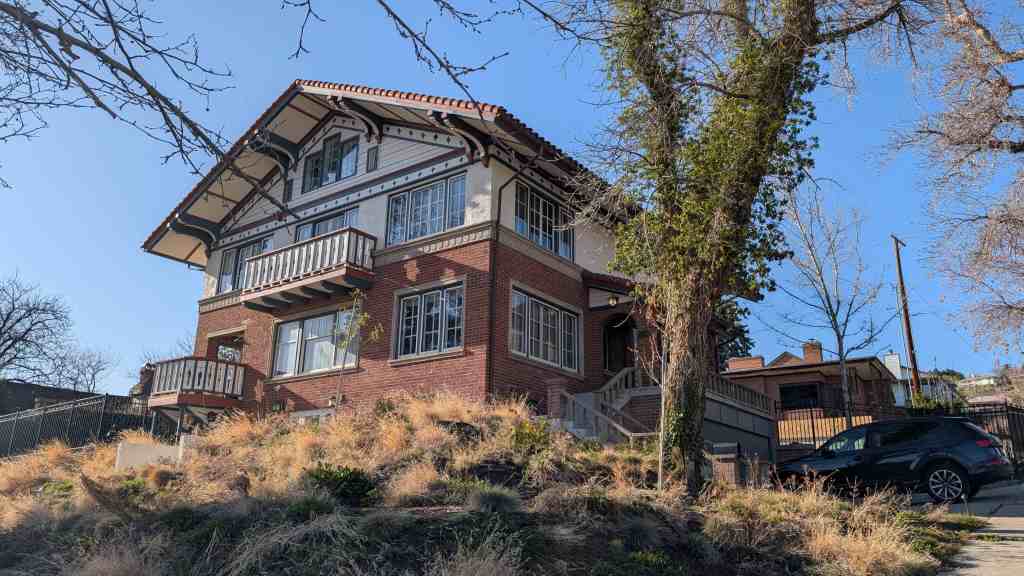
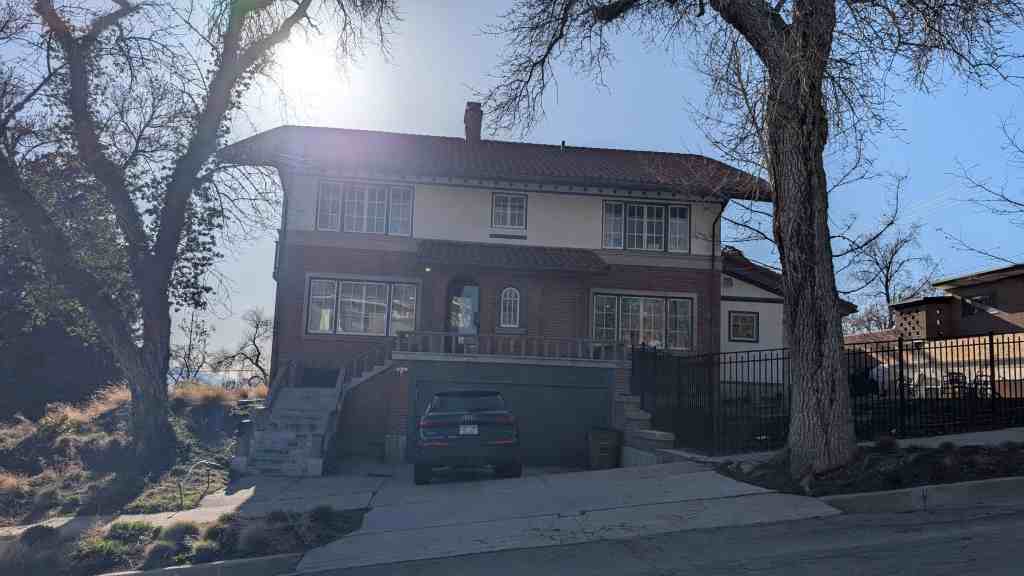
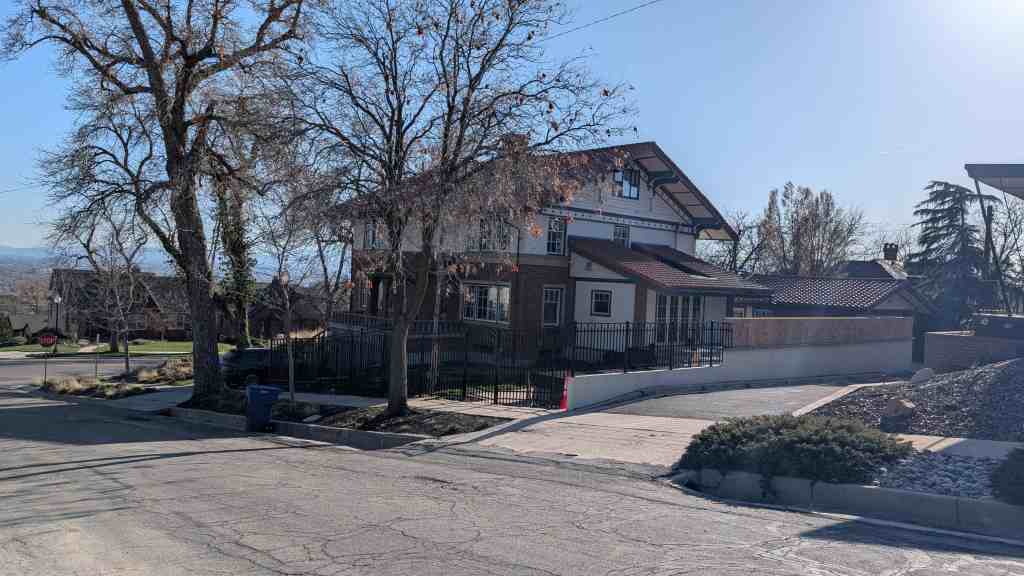
Located at 533 East Eleventh Avenue in The Avenues of Salt Lake City, Utah

Related Posts:
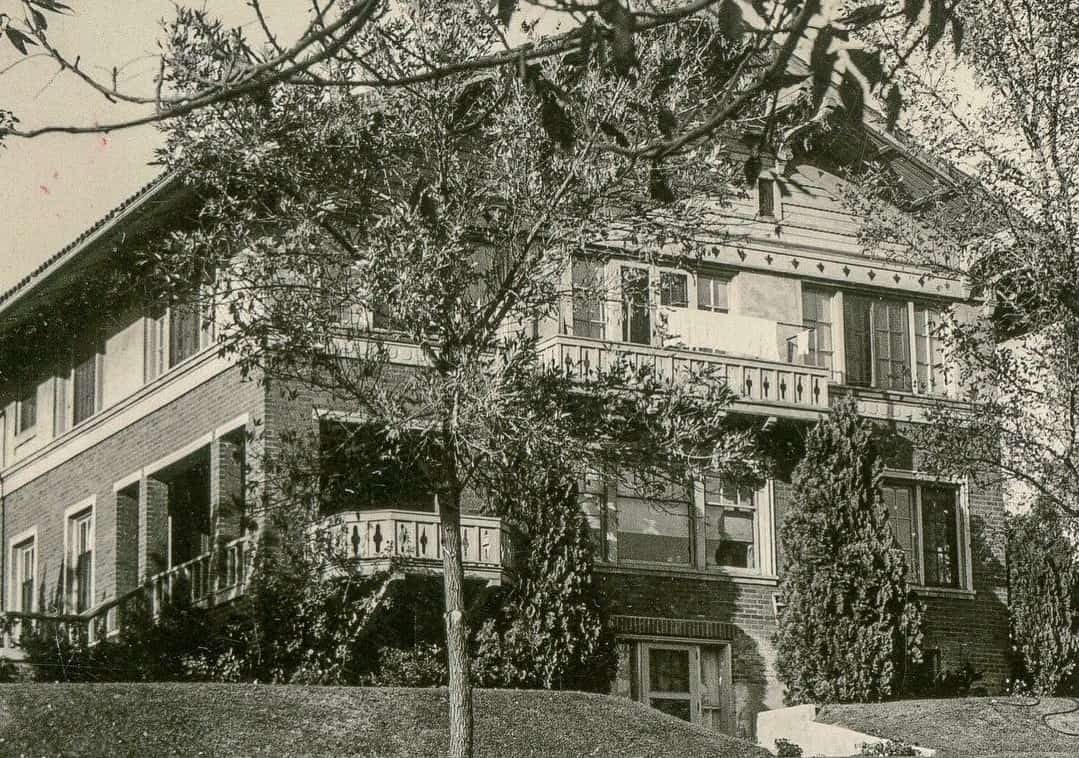


Joseph Nelson House
Built in 1918 by Joseph Nelson, an early day plumbing contractor. The Joseph Nelson house is architecturally significant as one of the best examples in Utah of the Swiss Bungalow style. Situated in the Avenues neighborhood, this house recalls an Alpine Chalet with decorative detailing. For many years it was owned by members of the Alvin A. Beesley family who were associated with the Beesley Music Company. In 1957 the house became the residence of W.E. Hess, M.D. and family.

28 Thursday May 2020
Posted in Uncategorized
Tags

This Victorian Eclectic red fired brick home, known as “The Castle” was built in 1898 for $3200. Furnishings and landscaping added an additional $1200. A pipe from Corner Canyon resulted in this being one of the first homes in Draper with running water. Lights where first provided by coal oil, then acetylene and by 1912 electricity. Coal/wood stoves furnished the heat. The original home on this property, probably built in the 1870’s is was a granite cobble rock cottage that still stood behind the main house until recently.
Mr. Enniss served as a bishop of Draper for 12 years and he entertained many L.D.S. Church Authorities in his home. He had the bishop’s storehouse in his backyard and it still stands today.
Mr. Enniss helped bring electricity to Draper, served in the State Legislature and was President Of Draper Irrigation Company.
The Akagi family has owned and maintained the home and farm since 1947 until recently, the subdivision and park behind the home are named after them.
Related Posts:


25 Monday May 2020
Posted in Uncategorized
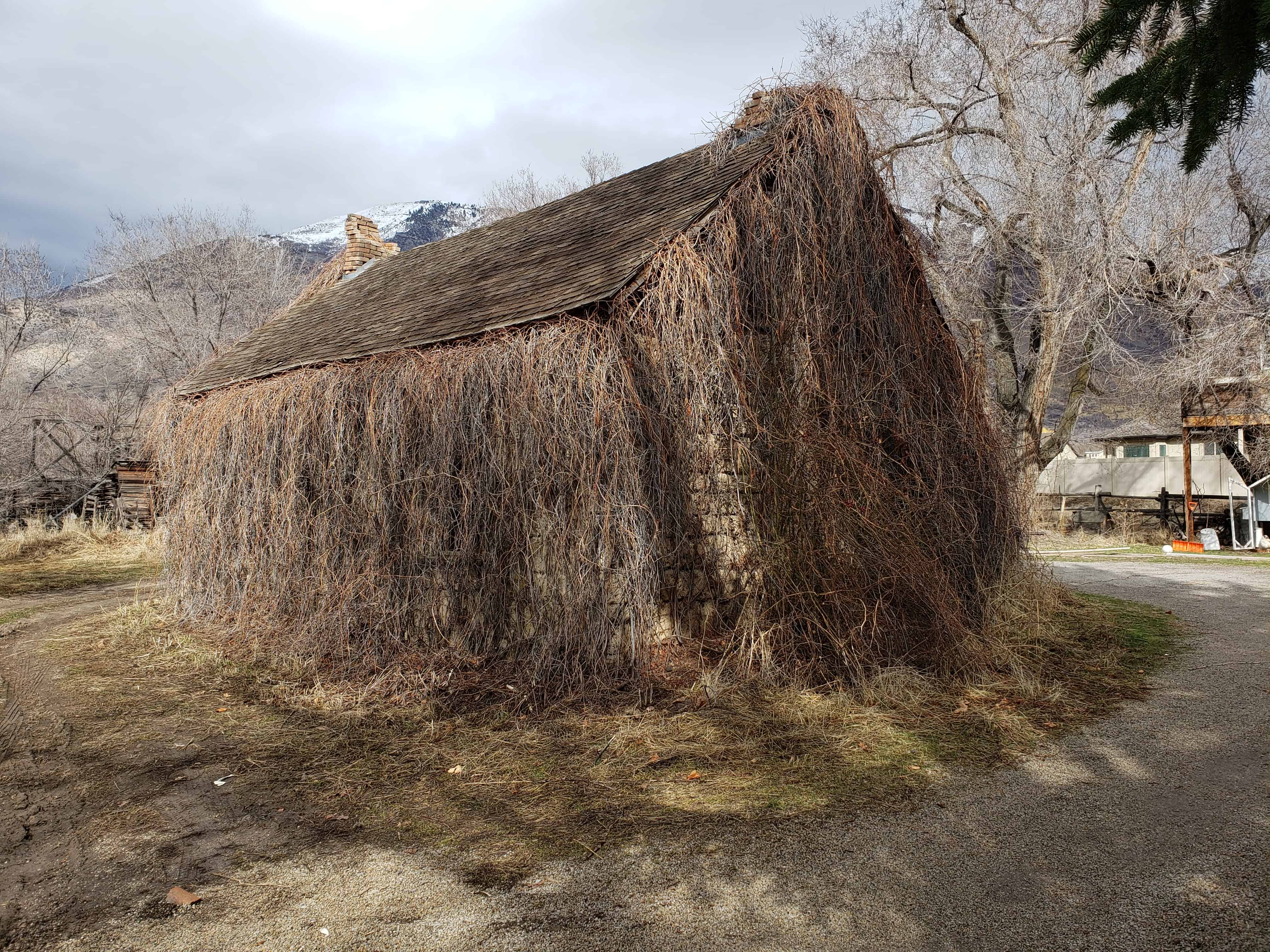
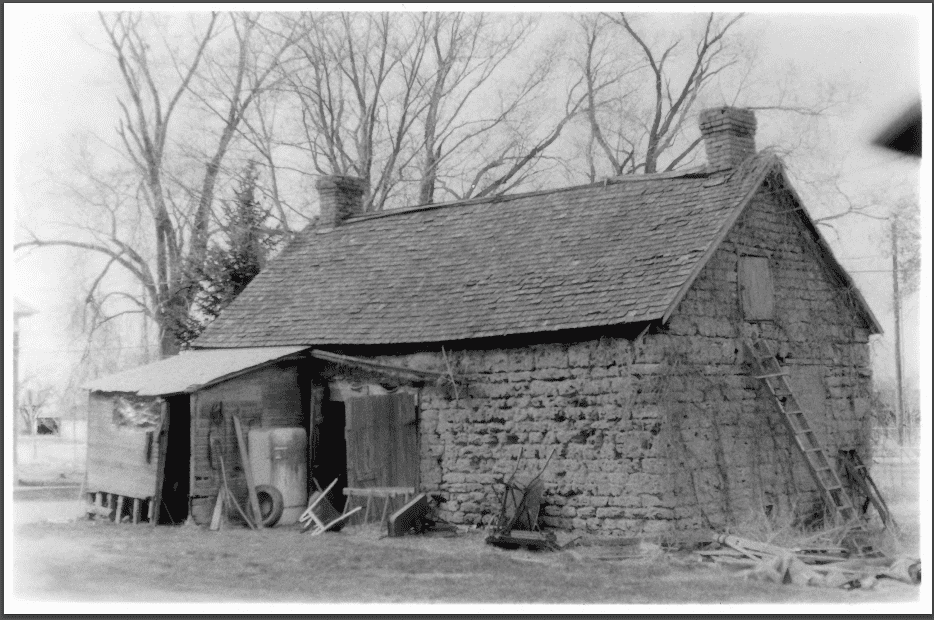
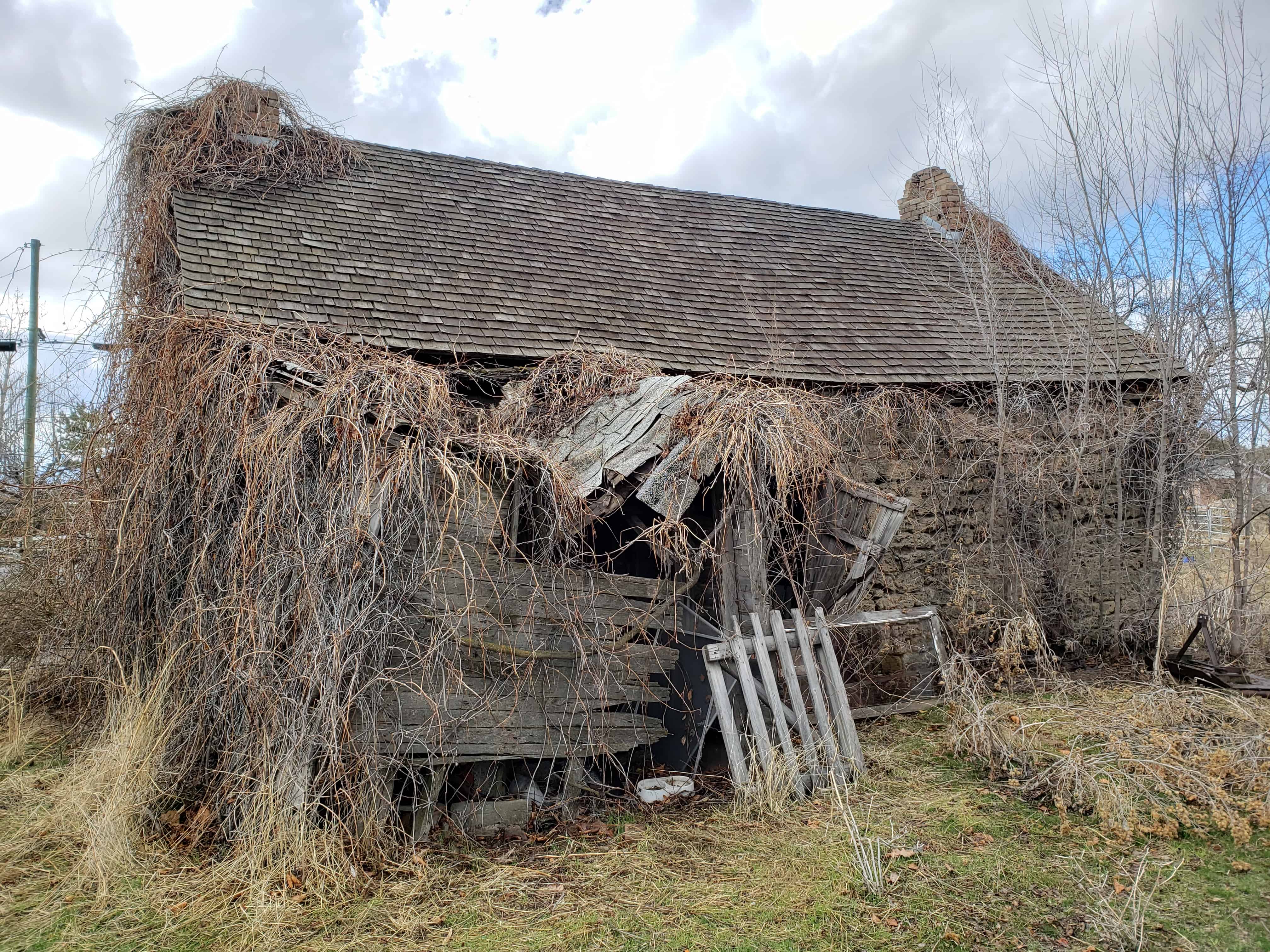
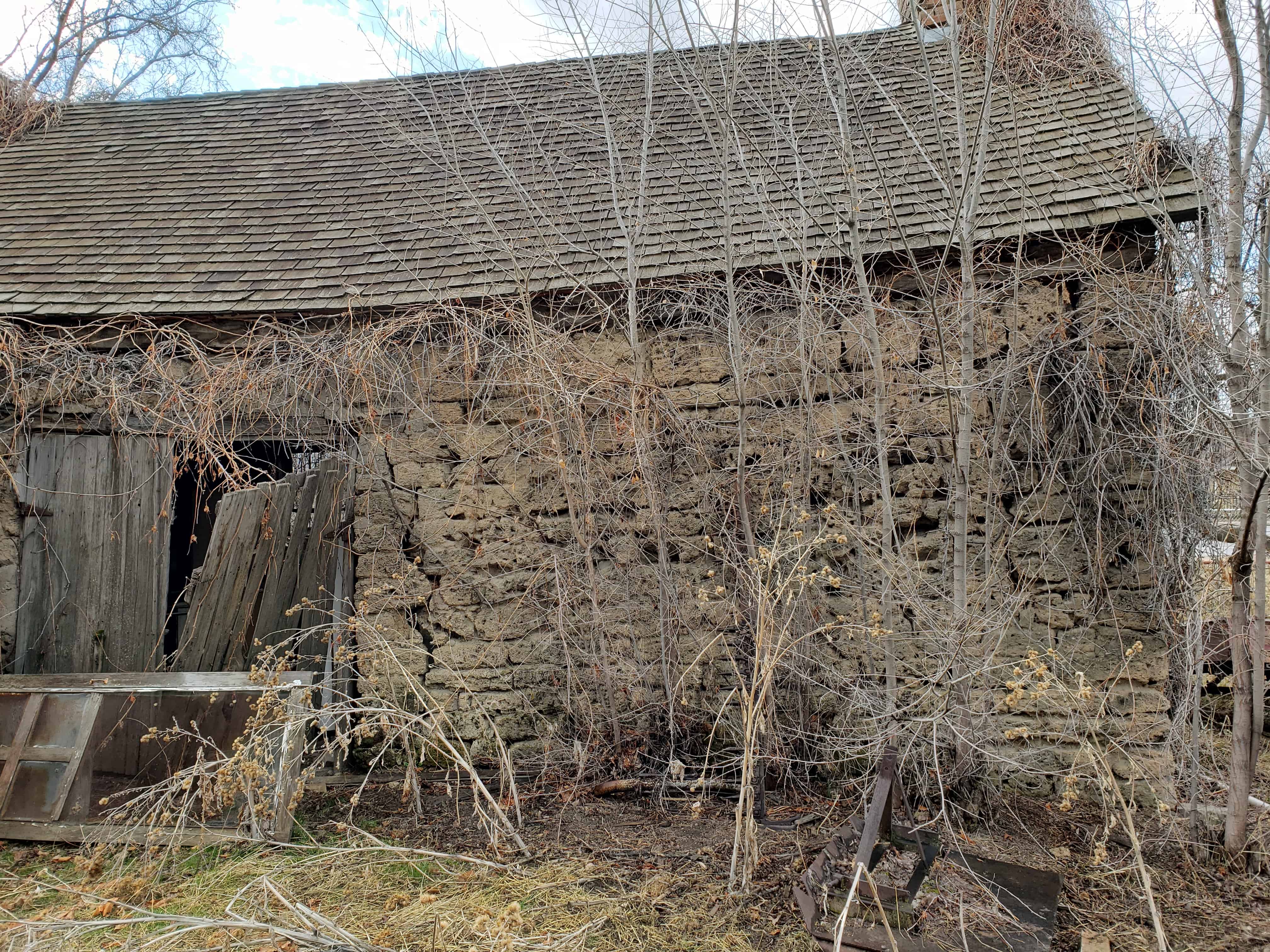
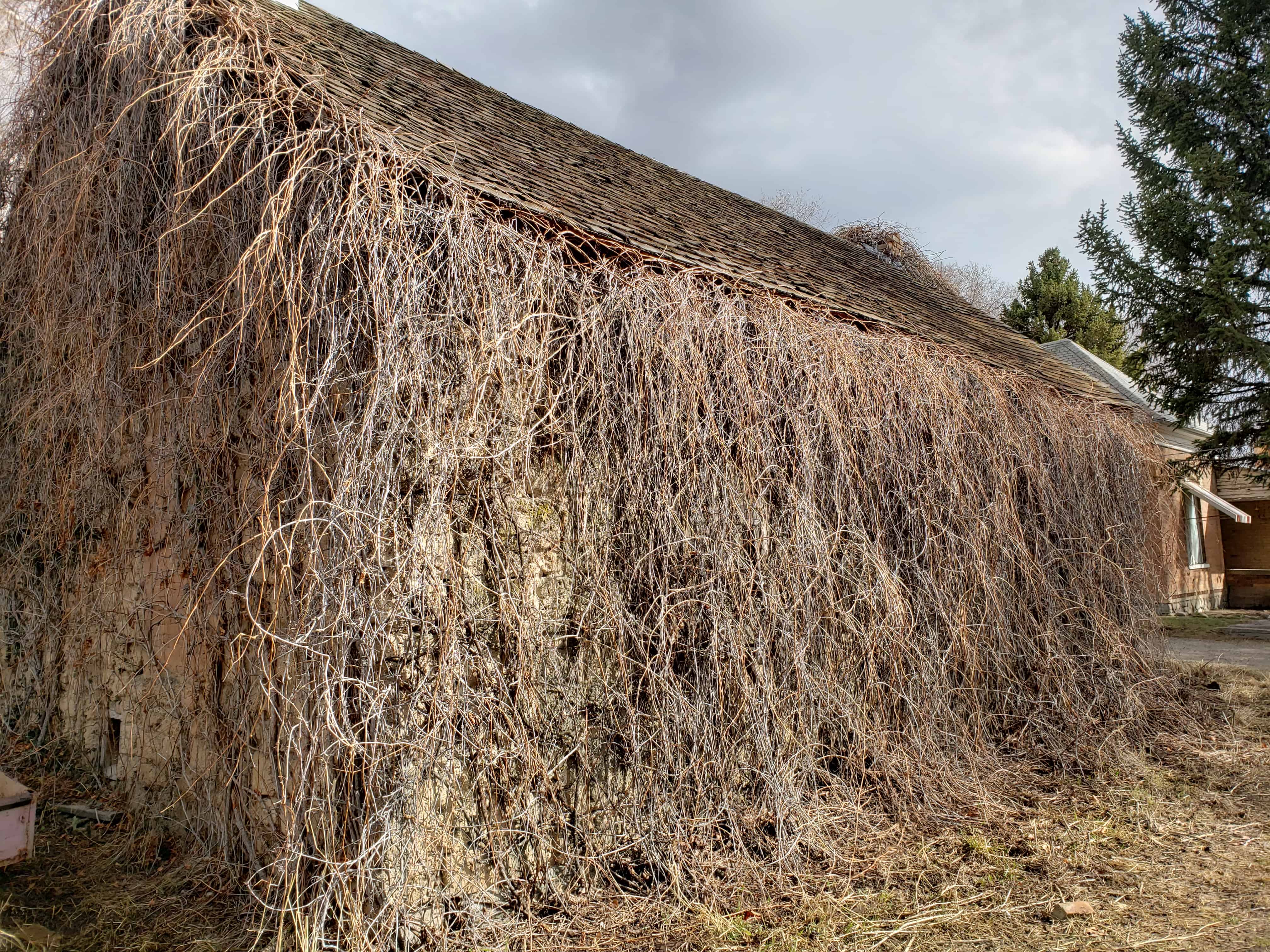
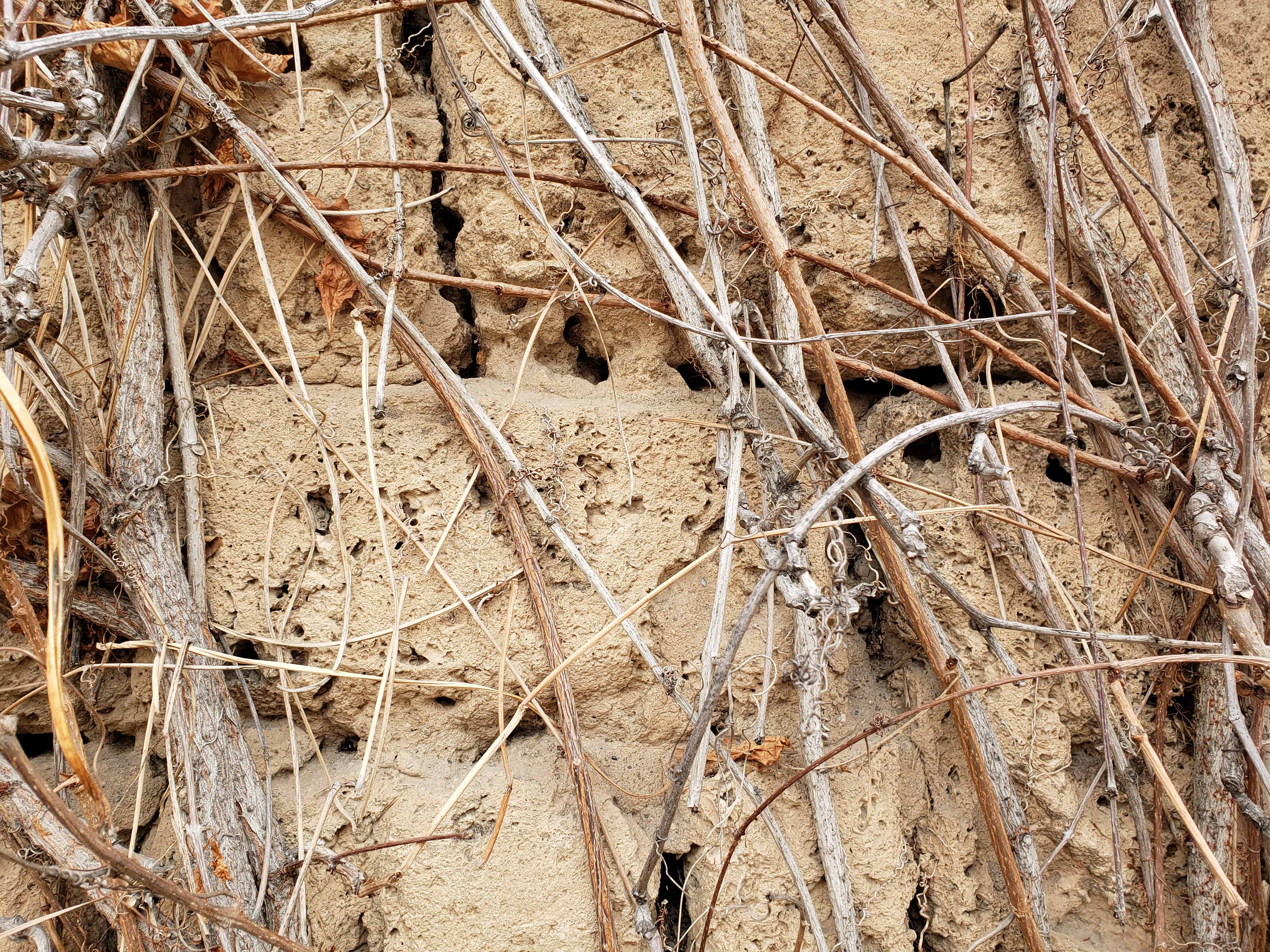
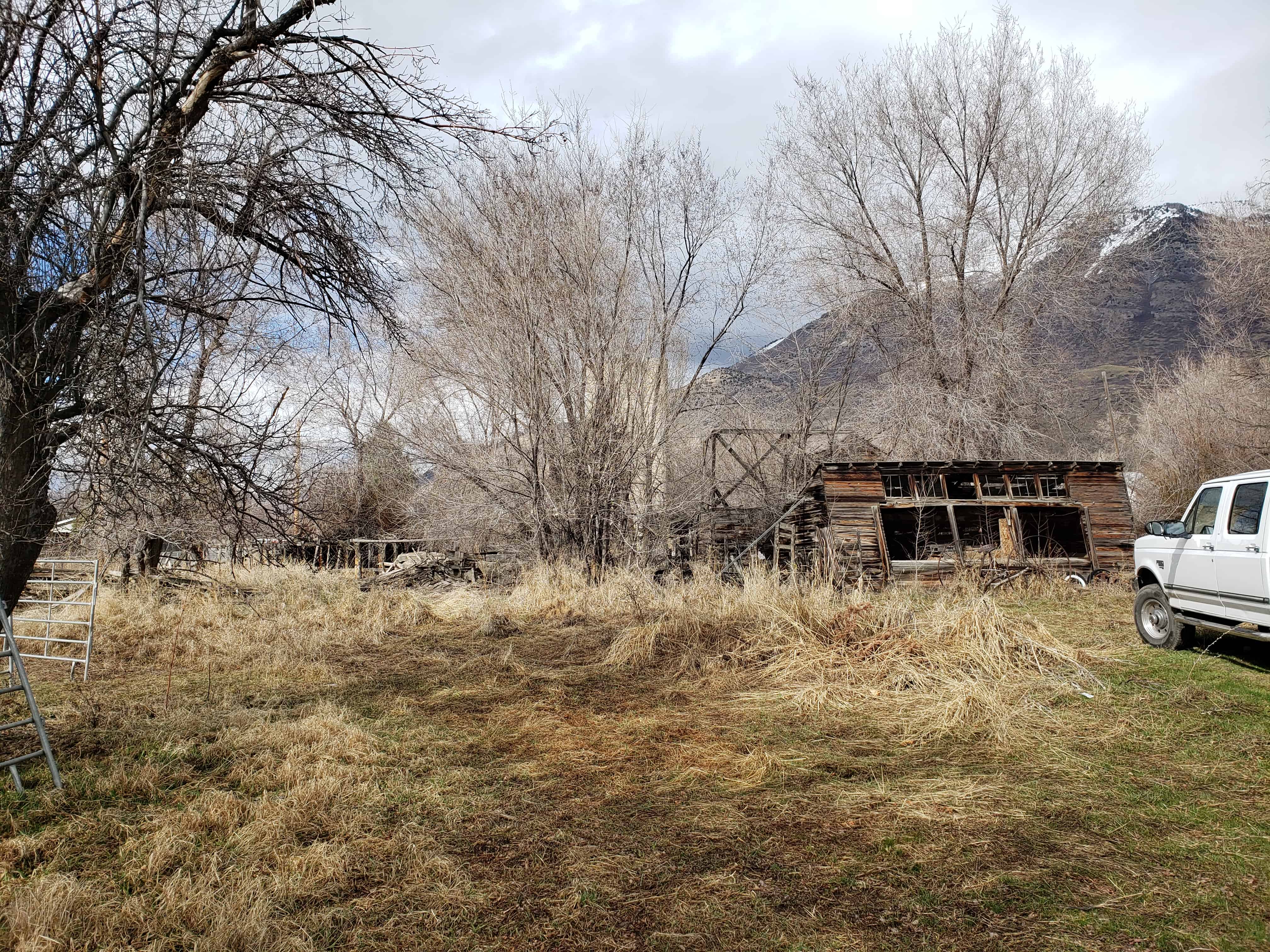
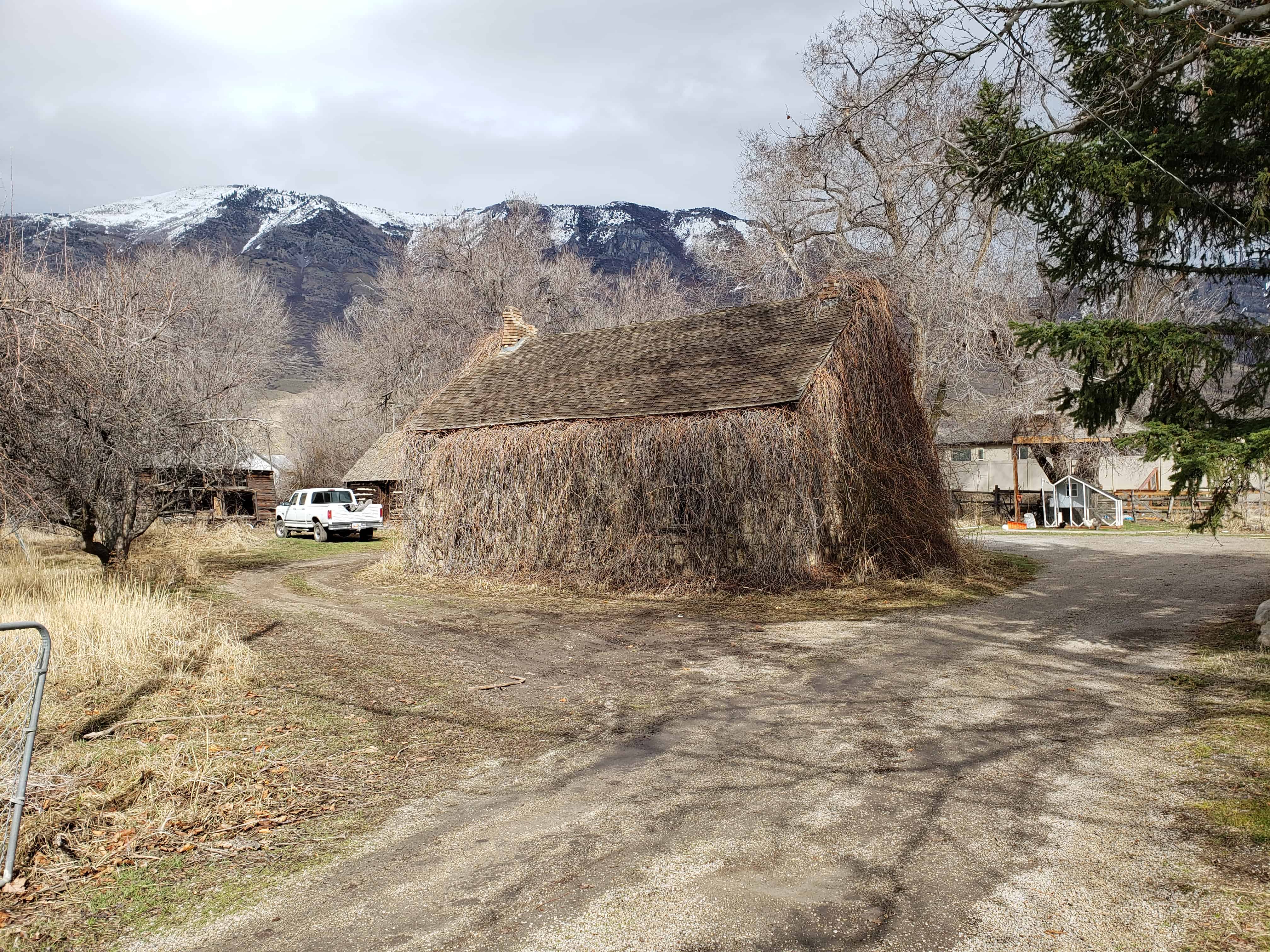
Built c. 1870, the Neils Peter Larsen House is one of the 13 buildings included in the Pleasant Grove Soft-rock Buildings Thematic Resource nomination. Soft-rock buildings are significant because they help document the distinctive regional diversity found in nineteenth-century building stones in Utah. They also represent a distinct phase of the building construction industry in the Pleasant Grove area. Mormon community building in the Great Basin West rested upon the dual principles of order and permanence, and the grid-iron town plan and the use of stone as an early building material have become important symbols of Mormon settlement values. A great variety of local stones were used throughout the state, and the soft and easily worked tufa stone, popular in Pleasant Grove between about 1865 to 1900, remains one of the most distinctive. About 130 soft-rock buildings were known to have once stood in Pleasant Grove, yet there are only 13 well preserved examples today. Most of the earlier buildings in the community, constructed during the 1850s and ’60s, were made of adobe, which was easily made and worked. As fired brick became more available and fashionable during the late nineteenth and early twentieth centuries, it replaced soft-rock as the dominant local building material. The remaining soft-rock buildings are important examples of a local architectural tradition and contribute to an understanding of the regional diversity of Utah’s early architectural history.
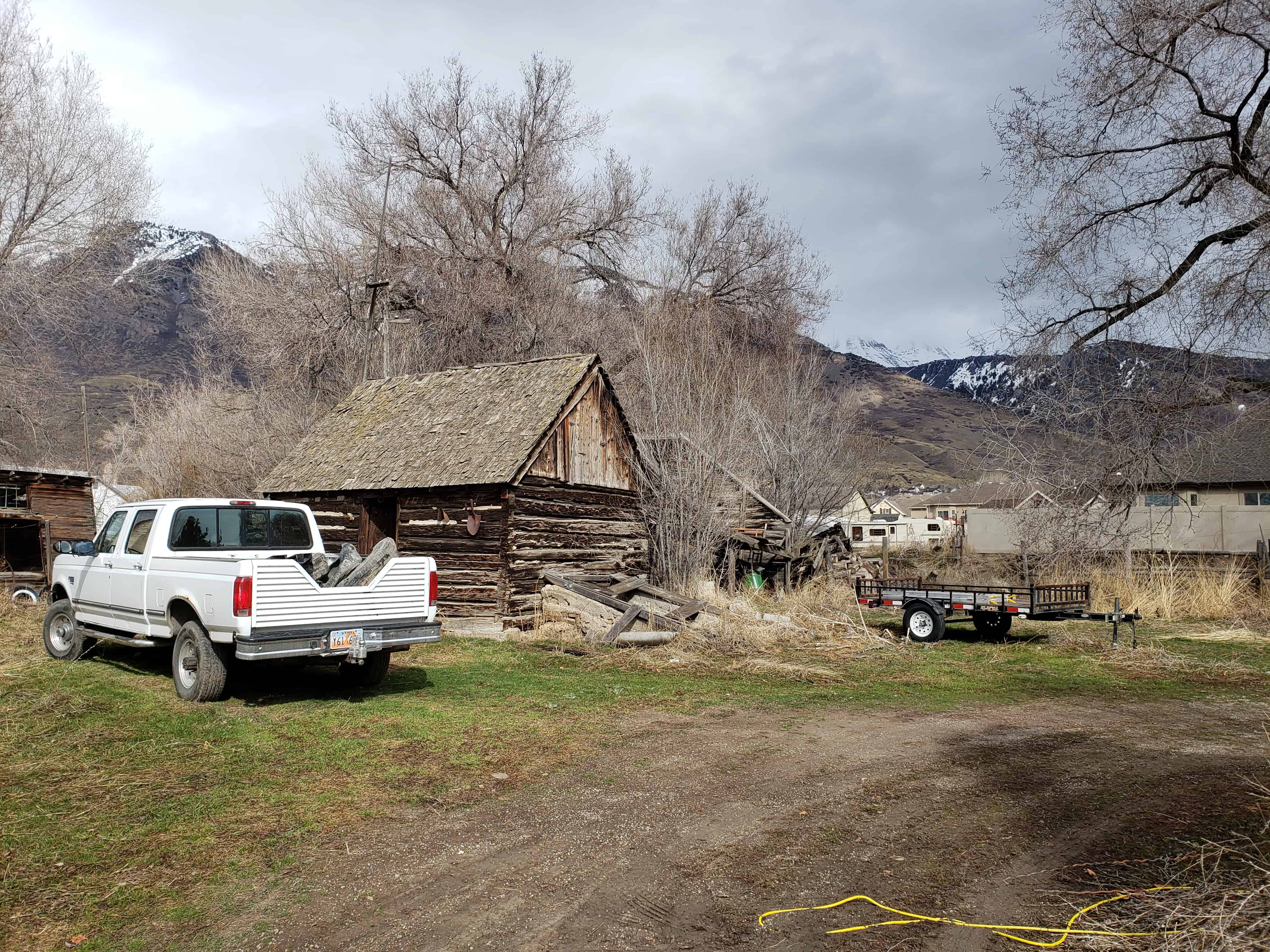
In May 1862, Neils Peter Larsen homesteaded a quarter section in what was known as the north fields of Pleasant Grove. The first home on this ground was a dugout, a submerged room dug into the earth and covered with a roof of mud and willows. This provided living quarters for one of his polygamous families until this soft-rock home was built c. 1870 on the corner of the farm at 1150 North 100 East. One wife and family occupied this home while the other two wives and one family continued to reside in the Larsen home one mile south at 181 E. Center Street in Pleasant Grove. During the 1880’s the nations attention was focused on polygamous Mormons. The U.S. Government sent federal officers to the Utah Territory to arrest and prosecute the Mormons practicing polygamy. Neils Peter Larsen, having three wives, was one of the sought-after men. In order to escape arrest, he hid in the attic of the small soft-rock house while the marshals were in the vicinity, which was quite often.
A desire for a financially independent territory brought another use for the small attic of this home. To help make Utah independent of outside industry, a domestic silk industry was begun. The Larsens were one of the families that became involved. They converted the attic of the house into a home for more than a thousand silk worm houses in cases and cared for by family members. A grove of mulberry trees was planted to feed the silk worms. Being on the outlying northern area of Pleasant Grove, the house served as a neighborhood school for the Larsen children and the children of several other families Niels oldest daughter Annie was the school teacher. Besides unusual uses, the house did serve the family of Karen Kirsten Swendsen, the second wife, as a residence. She and Neils Peter Larsen raised their five children in this home until 1897. At that time Neils moved back to his town residence in Pleasant Grove. The north field property, including house and farm, was sold in 1897 to the oldest child, Joseph, and his new bride, Osstella Baker. Joseph built a large brick home just south of the soft-rock house that same year. The soft-rock house has not been used as a residence since that time, and now serves as storage. The current owner is Joseph Wendell Larsen, a son of Joseph and Osstella. He and his wife, Gwen, purchased this property from his parents in 1956 and still reside in the brick home built by his parents.(*)
The home is located at 1146 North 100 East in Pleasant Grove, Utah
Related Posts:











23 Saturday May 2020
Posted in Uncategorized
Tags

The A.B. (Aurelius) Fitzgerald Home
Aurelius W. Fitzgerald was educated in Draper and became a prominent sheep farmer. He built this home in 1898 for his bride, Mary Ellen “Nellie” Brown. It is constructed of adobe brick with a granite foundation. In 1912 a two-room basement and two rooms on the main floor were added, replacing the old back porch. The house was completely remodeled in 1952 when electrical wiring, plumbing, closets and lights were added throughout. The entire upstairs floor has remained vacant and unfinished for over 100 years. In 1994 Clay & Collette Leavitt began remodeling the house to return it to its original period look. The kitchen floor was refinished with 10-inch wide pine planks salvaged from the old granary behind the house. The tall silo behind the house was part of the milk house that was one of several buildings in the barnyard.
Related Posts:


Fitzgerald House
The Fitzgerald House, constructed in 1898, is a 1 1/2″ story brick Victorian Eclectic residence located on Fort Street. The house is locally significant for its association with the rise of sheep-ranching families in Draper at the turn of the twentieth century. The period of significance spans the productive lives of sheep ranchers, Aurelius W. and Nellie Brown Fitzgerald, and their son, Aurelius B. Fitzgerald, from 1898 to 1960. The prosperity of Draper ranchers during this period is represented by four Victorian-era mansions along Fort Street. Built around the same time as the mansions, the Fitzgerald House is more modest in scale, but features Victorian Eclectic ornamentation similar to its larger neighbors, retains excellent historical integrity, and is a contributing resource along Fort Street in Draper.


22 Friday May 2020
Posted in Uncategorized

Built in 1895 at 209 S 400 W in Mt Pleasant, Utah.


I found this cool timeline of ownership online put together by Tudy Standlee.

A few photos from Pam Pettingill‘s real estate listing:


20 Wednesday May 2020
Posted in Uncategorized
Tags

The Franklin Larsen home, 969 E 200 S in Mt Pleasant. The home is currently unoccupied, I was talking to a granddaughter of Franklin and she said she’d get me some history and dates of when it was built.
Related Posts:


14 Thursday May 2020
Posted in Uncategorized
Tags
Joseph and Mina Mickelsen House
Built in 1929, the Joseph and Mina Mickelsen House is a large, one-story, hip-roofed bungalow with wide caves constructed of striated brick in a stretcher bond. The building is significant for its association with the development of Draper in the first half of the twentieth century. For much of the twentieth century, the poultry business was the single most important economic force in Draper. Sources estimate that nearly one-third of Draper’s workforce was associated with the poultry industry during the peak years between the 1930s and the 1950s. Joseph E. Mickelsen was the Secretary, Tresurer, and Manager of the Draper Egg Producers’ Association Inc., for over forty years. Just across the road from the poultry feed mill and egg producers’ plant, the house he shared with his wife Mina Wadley Mickelsen was a community showplace and gathering spot for leaders in the poultry business and other community members. The house was moved from its original location at 1020 E. Pioneer Road to 782 E. Pioneer Road in 2002, and was rehabilitated in 2002-2003 by Rob and Jan Perry as a historic federal tax credit project for use as an office. Despite the move, the house retains its historic integrity and is a significant resource within the City of Draper.

Joseph E. and Mina Mickelsen
This one-story hip-roofed bungalow was built in 1929 on property now occupied by the Draper City Hall. When built, the house was a showpiece with the first colored bathroom fixtures and first automatic watering system in Draper. When demolition threatened the home at 1020 E. Pioneer, community members mounted an effort to preserve the home as an example of historic preservation for the community of Draper. Through the efforts of Katie Shell, Lynn Kimball and other members of the Draper Historic Conservation Commission, the home was obtained by Rob and Jan Perry in 2002.
Moved to its present location and carefully restored as office space, this historic asset is situated in an identical orientation on property originally owned by Samuel and Verda Gray Crane. The land specifically purchased to relocate this local historic jewel was enabled through the generous co-operation of the Lorna C. Rogers family.
Related Posts:


13 Wednesday May 2020
Posted in Uncategorized
Tags
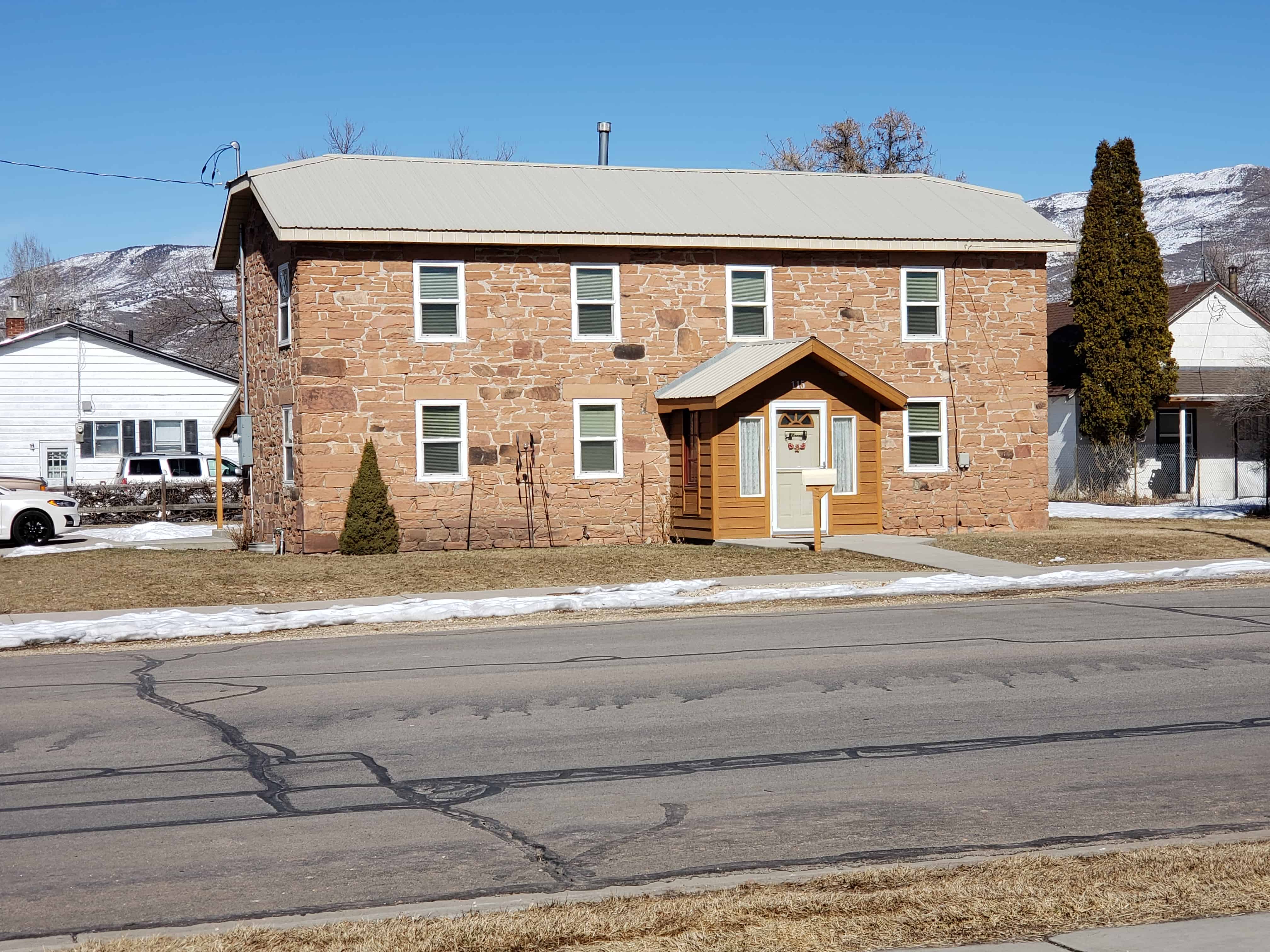
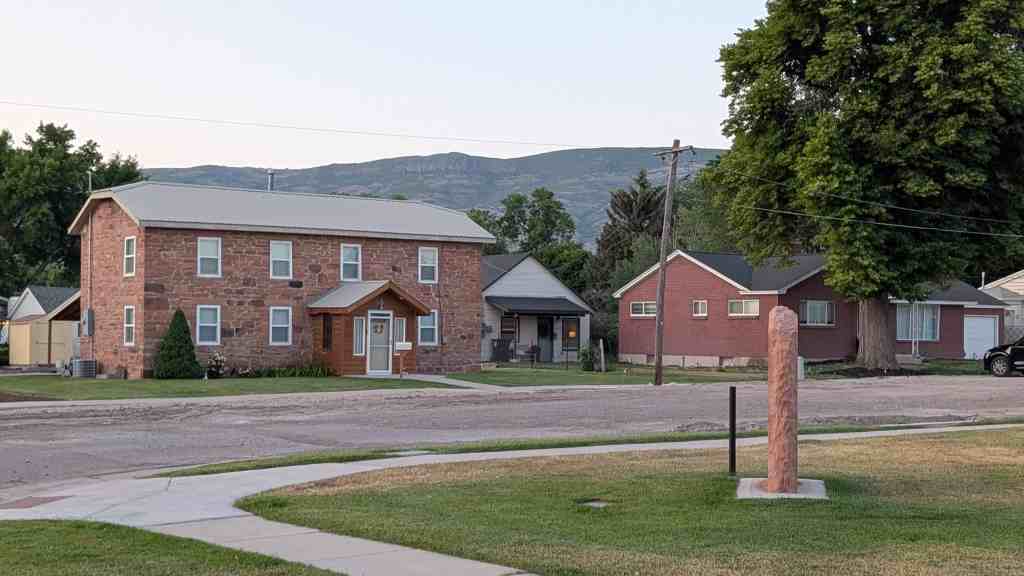
The Joseph Stacy Murdock House, built in Heber City Utah c.1865, is historically significant for its association with Murdock, an important early convert to and later leader of the Church of Jesus Christ of Latter-day Saints, the Mormons, and as the site of an important early treaty between the Mormon settlers and the local Ute-Shoshone people. Murdock was a friend and adviser to the Mormon prophet, Joseph Smith, before the martyrdom in 1844, and served in a similar capacity to Smith’s successor, Brigham Young, during the, Mormon colonization of the Great Basin West after 1847. In 1863, Murdock became the first ecclesiastical leader of Heber City, the principal settlement in the Provo River Valley east of Salt Lake City. Murdock was integrally j involved in all facets of Heber City life, and his personal relations with the Ute-Shoshone chief, Tabiona, helped ease Mormon-Indian tensions in the area during the Black Hawk War. An important treaty between the two leaders, signed in this house in 1867, was instrumental in bringing an end to the hostilities. In addition to his leadership role in Heber City, Murdock led the expedition that established the Mormon buffer settlements along the Muddy River in northern Nevada between 1867 and 1870.(*)
Related Posts:

Part of the Historic Home Tour and located at 115 East 300 North in Heber City, Utah
12 Tuesday May 2020
Posted in Uncategorized
Tags

The Peter Greaves and William Price Deakin house is located at 118 South Main Street in Ephraim, Utah and was built in 1880 and was considered to be one of the finest homes south of Provo.
The Greaves-Deakin House is significant because of its fine vernacular architectural design, its elaborate interior decoration, and its remarkable state of preservation. Greaves was a successful Ephraim merchant and his home was consistent with his prominent standing in the community. While basing his design on certain older concepts of internal plan and formal massing. Greaves exploited the stately verticality of the Gothic Revival style to achieve a particularly fine synthesis of traditional and innovative architectural ideas. With its subtle but well-crafted Gothic trim and its spectacular interior decoration, the Greaves-Deakin house ranks as one of truly exceptional examples of early domestic architecture in the Sanpete Valley.
The Greaves house plan is essentially a “T” plan, or “modified temple” vernacular type. The house has a gable facade central axis with a side wing on the north which contains the front door. The gable-façade house plan finds its source in Greek-Revival architectural thinking of the early 19th century when people demanded houses which resembled classical temples. Scholars have called the earliest versions of the Greek Revival house which had the front door on the central gabled axis a “temple form” house. As the century wore on and the house type moved into the upper midwest the main door was increasingly found on the side wing. This house has been called appropriately a “modified temple” form type and reached its height of popularity during the 1840-1880 period in the midwest. The house persists through a number of stylistic changes and can be found in Utah both with Greek Revival and Gothic Revival stylistic features. This modified-temple house forms an important part of the Utah vernacular and can be viewed as one of the typical house types of the 19th century.
Peter Greaves was born in Patterson, New Jersey in 1837. The family moved through Ohio to St. Louis and eventually joined the Church of Jesus Christ of Latter-day Saints in the late 1840s. Greaves journeyed to Provo in 1852 and moved onto Fort Ephraim in Sanpete County in 1856 where he established himself as a fine carpenter and farmer. By the 1870s Greaves was expanding his operations to include freighting as a “buyer and shipper of wools, hides, and grain.” By 1886 he was president of the Andrews and Co. shipping firm which was based in Nephi. Greaves holdings included in 1898, 100 acres of land and a “comfortable town residence.” He participated in the community as churchman and city councilman and served in the territorial legislature during 1891-1896. Family records indicate that the house was constructed during the 1875-1880 period.
The Greaves-Deakin house is a two-story stone “modified temple” vernacular house type. The type grows out of a Greek Revival attempt to create a gable-facade home patterned after classical temples. Surfacing in the early 1800s the “temple form” homes had the main front door on the central gable facade which was often flanked by side wings. As the house moved into the midwest around mid-century, the front door increasingly was found on the side wing; this variant has come to be called a “modified temple house.” The modifed temple house has a “T” plan, with the “T” lying on its side. Though inspired by Greek thinking, the Greaves-Deakin house is composed primarily of Gothic Revival stylistic features.
The central gable facade axis of the house is two rooms deep and really 2 1/2 stories high. This section contains a frame segmented bay window on the first floor and gingerbread scroll-cut bargeboards crested by a finial. The side wing is two stories high and has a two-over-two piercing pattern. The tops of the upstairs openings break the eaves slightly and are gabled. The bargeboards and finial pattern here follows the example of the main gable. A hipped porch covers the side front door. While the vertical proportions and principle decorative features of the house reflect Gothic stylistic concerns, the pedimented wooden window heads represent a continued regard for classical motifs.
On the inside the Greaves-Deakin house is well preserved and retains much of its original painted woodwork and wallpaper. The first floor door frames and window moldings are wood grained walnut. The ceiling in the front bay has a hand painted rosette. Each of the rooms on the first floor contain large fireplaces. The fireplace openings are sealed with wooden panels which at one time were painted with elaborate floral designs. This elaborate painting remains intact in the back room on the south extending up the wall to the ceiling. The mantle in this room is painted to resemble white marble. Upper rooms reflect a similar state of preservation. Doors are painted in hushed Victorian tones – greys, pinks, and blues. Double doors lead out onto balconies which once graced both the front porch and bay window.
Related Posts:
Located at 118 South Main Street in Ephraim, Utah

