• About JacobBarlow.com
  • Cemeteries in Utah
  • D.U.P. Markers
  • Doors
  • Exploring Utah Email List
  • Geocaching
  • Historic Marker Map
  • Links
  • Movie/TV Show Filming Locations
  • Oldest in Utah
  • Other Travels
  • Photos Then and Now
  • S.U.P. Markers
  • U.P.T.L.A. Markers
  • Utah Cities and Places.
  • Utah Homes for Sale
  • Utah Treasure Hunt

JacobBarlow.com

~ Exploring with Jacob Barlow

JacobBarlow.com

Tag Archives: New Deal Funded

Park City High School Mechanical Arts Building

30 Thursday Apr 2020

Posted by Jacob Barlow in Uncategorized

≈ Leave a comment

Tags

Historic Buildings, New Deal Funded, NRHP, park city, PWA Projects, summit county

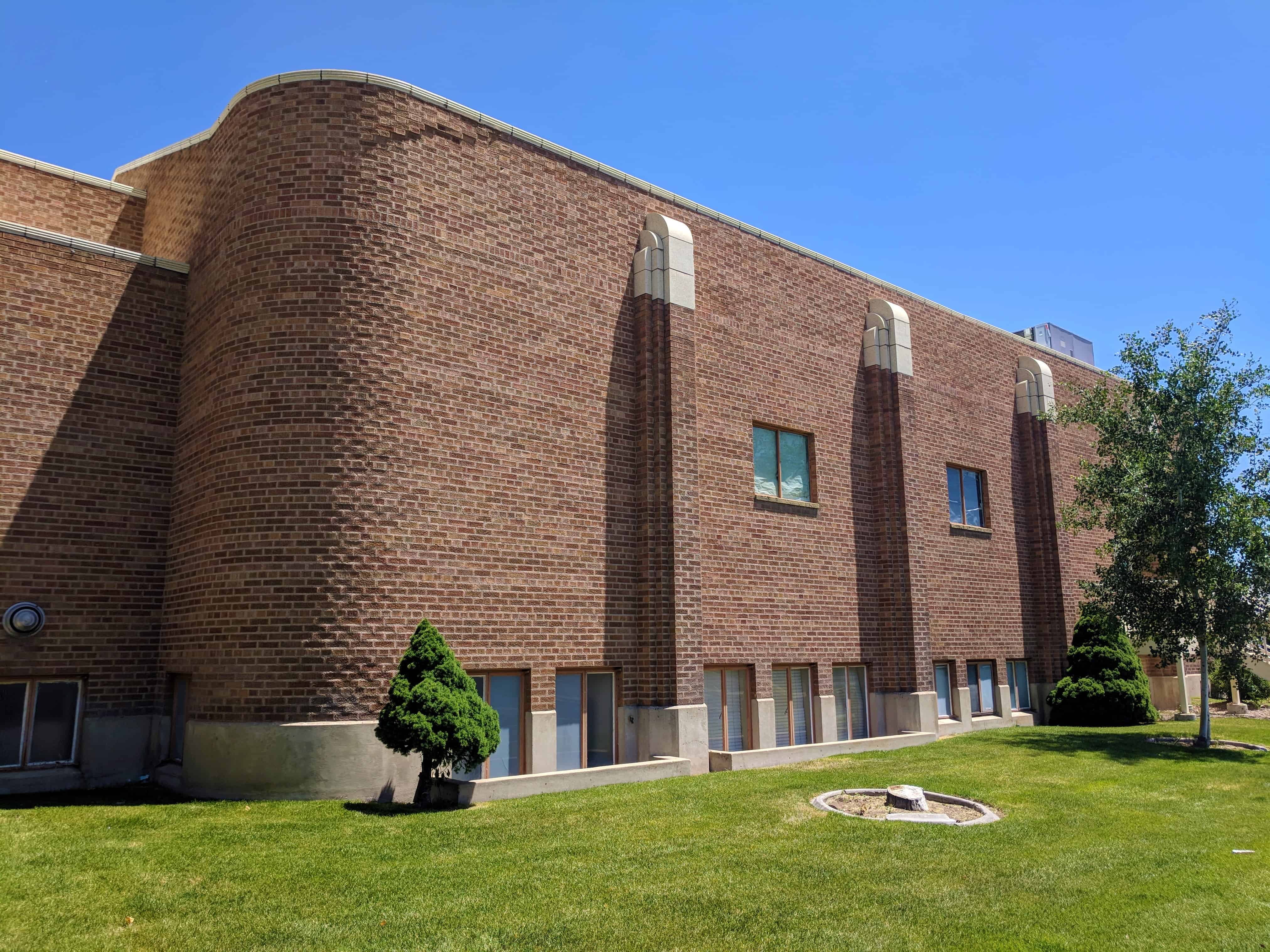
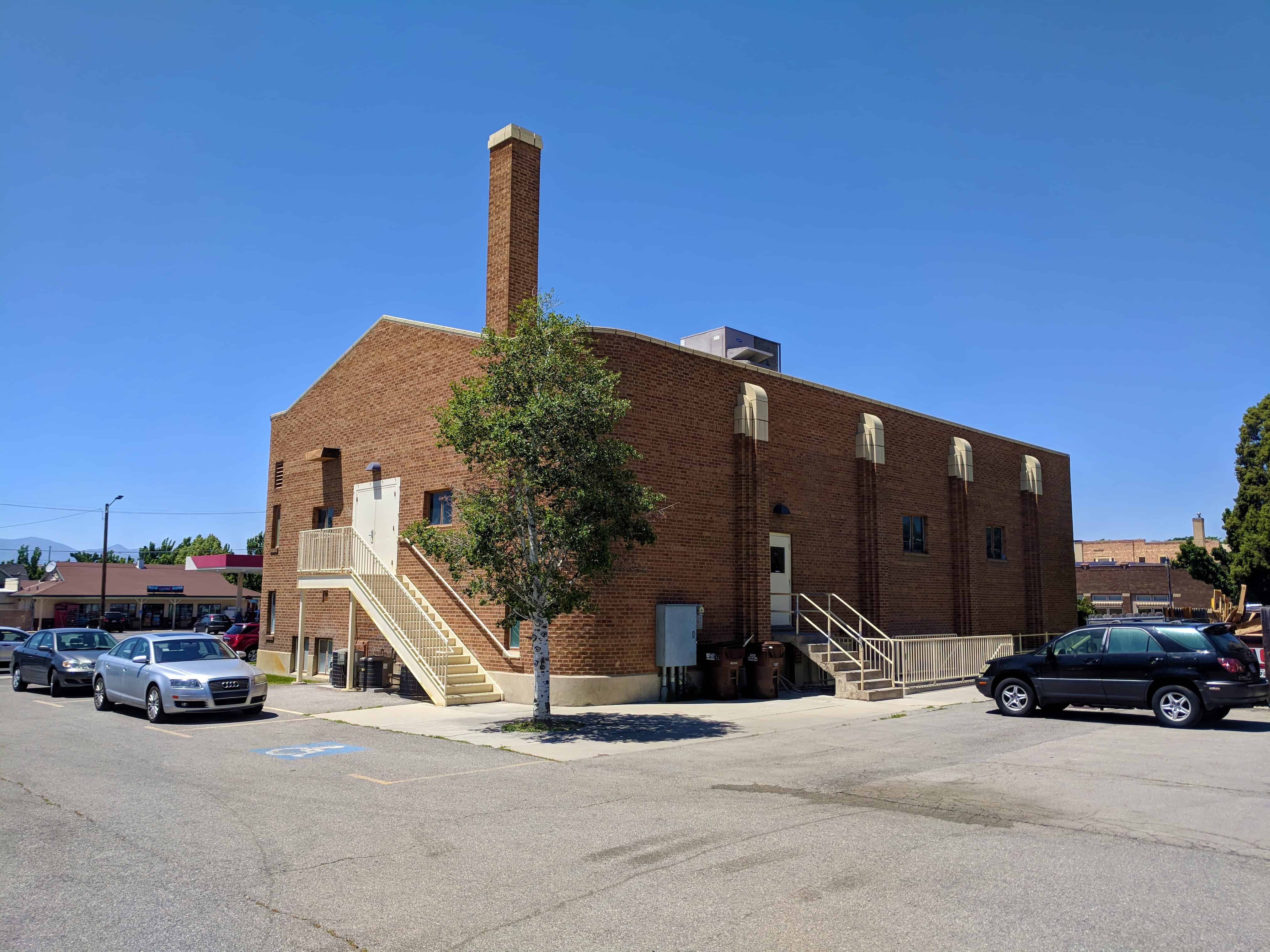
Built in 1935-36 at 1167 Woodside Ave, the Park City High School Mechanical Arts Building is part of the Public Works Buildings Thematic Resource nomination and is significant because it helps document the impact of New Deal programs in Utah, which was one of the states that the Great Depression of the 1930s most severely affected. In 1933 Utah had an unemployment rate of 36 percent, the fourth highest in the county, and for the period 1932-40 Utah’s unemployment rate averaged 25 percent.
Because the depression hit Utah so hard, federal programs were extensive in the state. Overall, per capita federal spending in Utah during the 1930s was 9th among the 48 states, and the percentage of workers on federal work projects was far above the national average. Building programs were of great importance. During the 1930s virtually every public building constructed in Utah, including county courthouses, city halls, fire stations, national guard armories, public school buildings, and a variety of others, were built under federal programs by one of the several agencies, including the Civil Works Administration (CWA), the Federal Emergency Relief Administration (FERA), the National Youth Administration (NYA), the Works Progress Administration (WPA), or the Public Works Administration (PWA), and almost without exception none of the buildings would have been built when they were without the assistance of the federal government. Built by the Works Progress Administration and designed by Scott and Welch, the Park City High School Mechanical Arts Building is also architecturally significant as one of five buildings remaining in Park City constructed in the PWA Moderne style.

Related Posts:

  • NRHP #96001324
  • Old Park City High School
  • Park City, Utah

Between 1933-39 federal agencies spent nearly $300 million in federal assistance in Utah. The longest-lasting and most extensive New Deal relief program in Utah and the rest of the nation, the WPA was established in 1935 and continued until 1943. The peak of WPA employment in Utah was in the fall of 1936 when more than 17,000 Utahns were at work on WPA projects. The New Deal era programs offered not only work relief, but also provided long-term benefits to the communities and the state in the form of improved public facilities. The Mechanical Arts building in Park City is one of the 233 public works buildings identified in Utah that were built during the 1930s and early 1940s. Only 130 of those 233 buildings are known to remain today and retain their historic integrity. Of the 233, 107 were public school buildings. The Park City High School Mechanical Arts Building is one of 7 public works buildings constructed in Summit County, 6 of which remain.

Art Deco and Art Moderne buildings are the most conspicuous elements of public works architecture but are overshadowed by a large group of buildings constructed in what David Gebhard has called the PWA Moderne style. During the depression years, Gebhard writes, “architects Streamlined Moderne… These buildings were fundamentally classical and formal, but just enough Moderne details were injected to convey a contemporary Moderne feeling as well as the traditional authority of the classical.” The PWA Moderne style combines the formal symmetrical elements of the Classical roots with Art Deco and Art Moderne details such as masonry wall surfaces, metal sash, vertical molded ornamentation, and decorative parapet. Many of these buildings-schools, mechanical arts buildings, city halls-appear at first glance plain and box-like. Upon closer inspection, however, in their rigid symmetry and abstract classicism, they remain fully consistent with the stylistic impulses of the times. The Park City High School Mechanical Arts Building is one of five remaining PWA Moderne style buildings remaining in Park City.

Most public works buildings were designed by architects. The most prolific firm was Scott and Welch of Salt Lake City. Carl W. Scott and George W. Welch were both prominent Utah architects. Scott was born October 17, 1887, in Minneapolis, Kansas, and graduated in 1907 from the University of Utah with a degree in mining. He was given credit for the idea of the concrete “U” that is still above the University of Utah campus. Following graduation he began a career in architecture as a draftsman for Richard Kletting. In 1914 he became partners with George W. Welch.

Welch was born in Denver, Colorado, on May 15, 1886, graduated from Colorado College, and came to Salt Lake City to begin work as an architect. Active in political affairs while here, he was a member of the Utah House of Representatives from 1919 until 1921.

Scott and Welch designed the Salt Lake City’s Elks’ Club Building, South High School, the Masonic Temple, and many public school buildings throughout Utah including Hawthorne Elementary School and Bryant Junior high School in Salt Lake, Park City High School, Tooele High School, Blanding High School and Cedar City Elementary School. They also designed a number of commercial buildings including the Nelson Manufacturing Company Warehouse, the Nelson-Ricks Creamery Building, and the Firestone Tire Company building, all in Salt Lake City. Scott and Welch also designed and built the planned community of Copperton. Copperton was a company town built by the copper mining company, Utah Copper Company, in the 1920-30s. Included in the plan was a Bingham High School, built in 1931. Scott and Welch designed more school buildings during the 1930s than any other Utah firm.

The Park City High School Mechanical Arts building is historically related to the adjacent Park City Education Center, formerly the Park City High School (1926), and to the Marsac Elementary School (1935-36). The Mechanical Arts building was built as an addition to the high school “campus” and incorporates similar materials and detailing to “harmonize” with the adjacent High School structure. The High School was constructed in 1926-27 and renovated in 1993-94 by the City to house the library, a theater, and educational facilities.

The Park City High School Mechanical Arts Building was originally constructed in 1935-36 as a part of the same bond issue used to build the Marsac Building. Approval for funding the building was given at a bond election in Park City on October 19, 1935. Approval was overwhelming: 169
in favor and 12 opposed. The two buildings used the same architects, materials, similar styles and were constructed and dedicated at the same time. The Marsac Elementary School was fully renovated c.1985 and is in use today as Park City’s municipal offices.

At its original dedication the Park City newspaper described the Mechanical Arts Building as follows:

The high school mechanical arts shop was built at a cost of about $15,000. Like the elementary school just described and the high school built ten years ago, it is fireproof throughout. In design and material it harmonizes with the high school building. This shop is the last word in Industrial arts housing. It contains one large room for general shop classes, a drawing room, toilet and locker rooms, paint and storage room. It is equipped with tools, benches and machinery for woodwork, cold and hot metal work, and auto-mechanics. Translucent glass is used in all windows. The drawing room is equipped with individual drawing tables and stools. Other special rooms are furnished with appropriate appliances. The shop is heated from the high school heating plant.

Construction began on the Mechanical Arts Building at 1167 Woodside in the fall of 1935, was opened for use on November 15, 1936, and was officially dedicated on December 4th, 1936.

When the high school program moved to its present location in Park Meadows, the School district began using the building as a bus barn for the City school buses. It was at this time that the structure’s mezzanine and the mechanical systems were striped out to make more room for the buses, plows and storage needs. The 1995-96 restoration of the building is currently near completion and will be used for architectural offices.

In Park City’s history there were few civic and educational structures built. Accordingly, they were and are particularly significant to the community’s history. This is especially true for this structure since it was in service as a school shop as recently as 15 years ago. Many still live in Park City who grew up, took classes, and created fond memories in this building. In a city faced with the pressures of development, the preservation of historic properties as a part of the town’s promotional vision is difficult to balance. The Park City High School Mechanical Arts building retains its historic integrity and contributes to the qualities of the town.

Marsac Elementary School

28 Tuesday Apr 2020

Posted by Jacob Barlow in Uncategorized

≈ 1 Comment

Tags

City Hall Buildings, Historic Buildings, New Deal Funded, NRHP, park city, PWA Projects, Schools, summit county, utah

Marsac Elementary School

Built in 1935-36, the Marsac Elementary School is one of over 230 public works buildings constructed in Utah under various New Deal programs during the Depression years of the 1930s and ’40s. The construction of public works buildings, of which only 130 are extant and well preserved, not only offered temporary work relief, but also provided long-term benefits in the form of improved facilities for a variety of local public programs. The types of buildings constructed included public schools, county courthouses, city halls, libraries, National Guard armories, and a variety of others. The architects of this building were Carl W. Scott and George W. Welch, who designed numerous school buildings throughout the state, as well as a number of commercial and institutional buildings in Salt Lake City. In 1983 the building was purchased by Park City Municipal Corporation and renovated to house the city offices.

Marsac School

Park City, from its earliest days as a mining camp, was conscientious of the educational needs of its children. As early as 1875 private schools were established by the mining companies and churches. The Jefferson and Washington Schools were public institutions built to accommodate the burgeoning student population in the early 1900’s.
In 1936 Park City constructed Marsac School and consolidated its various schools at Marsac. Its 24,102 square feet was designed for 317 pupils. The facility served Park City’s educational system until 1979, when enrollment exceeded available space by about 40 students. Marsac School was deemed no longer viable for a modern educational program, and its structural and mechanical systems were judged to be inadequate or failing. Students were relocated to a new facility on the outskirts of Park City.

In 1983 Park City Municipal Corporation undertook an extensive renovation of Marsac School. It now houses city offices and continues to serve this rapidly growing community by providing adequate space for a consolidated, integrated system of city government and services.

Related Posts:

  • New Deal Funded Projects
  • Park City, Utah
  • Schools in Utah

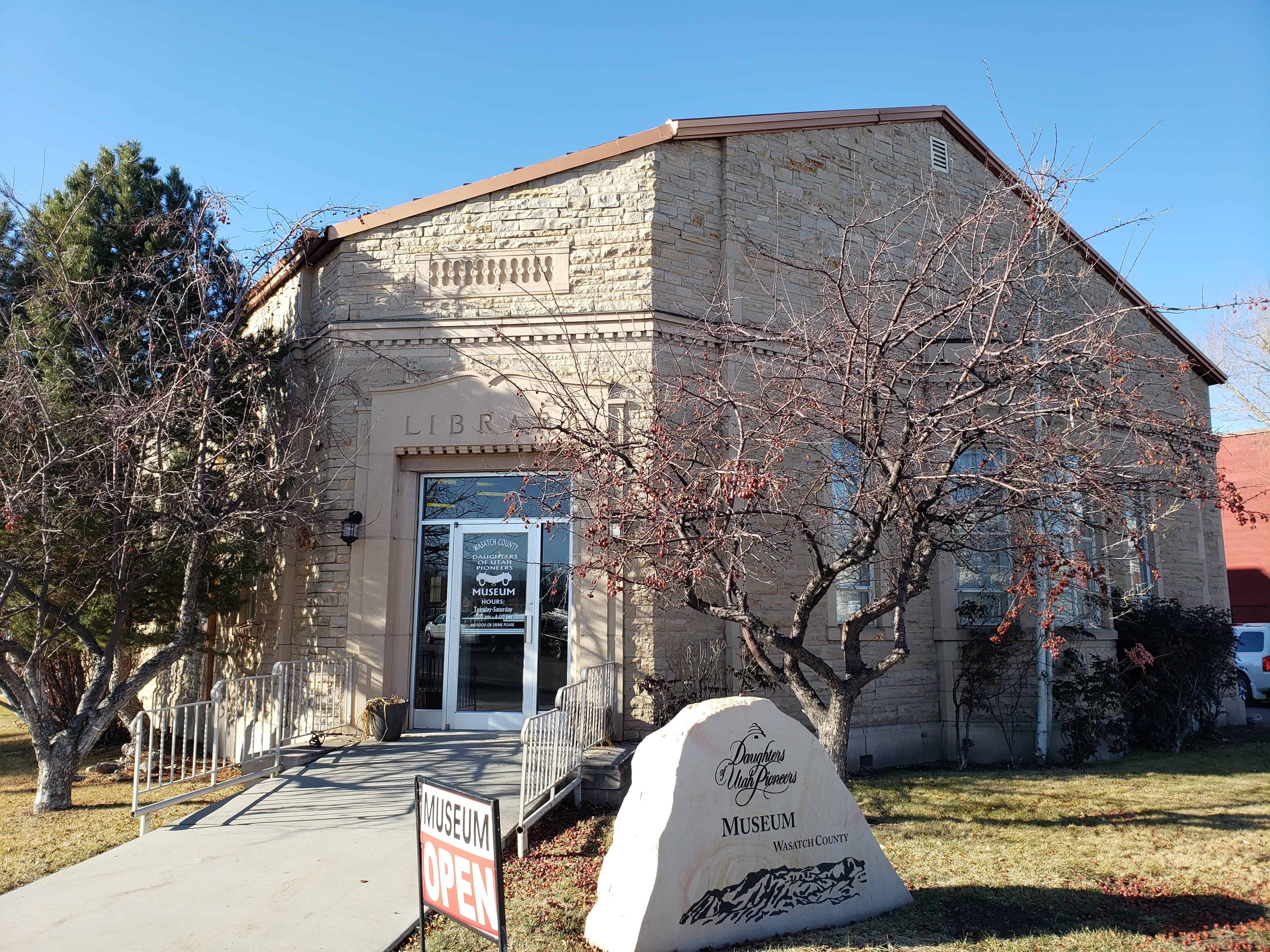
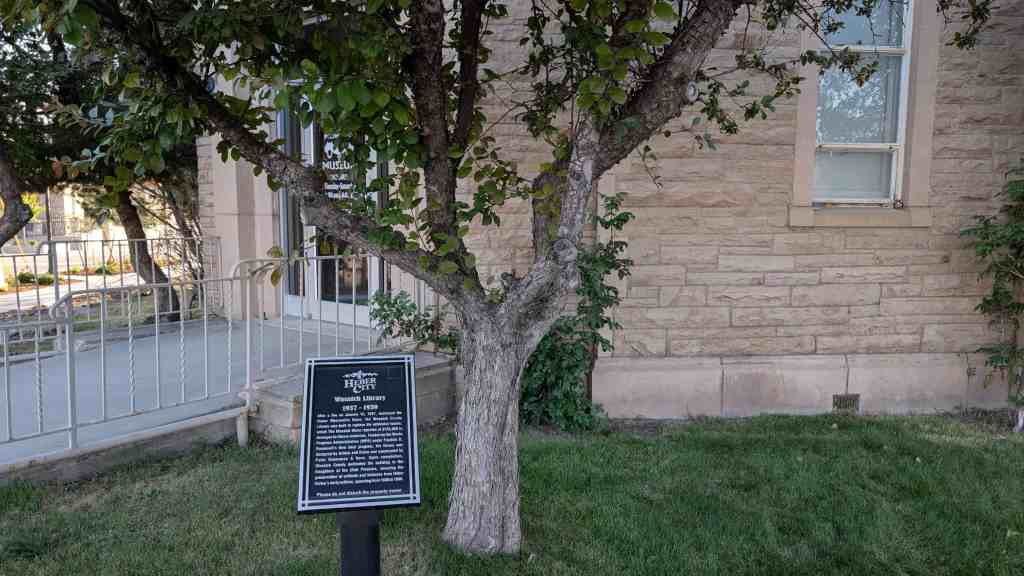
Historic Former Heber City Library

19 Wednesday Feb 2020

Posted by Jacob Barlow in Uncategorized

≈ Leave a comment

Tags

DUP, Heber City, Libraries, museums, New Deal Funded, PWA Projects, utah, Wasatch County

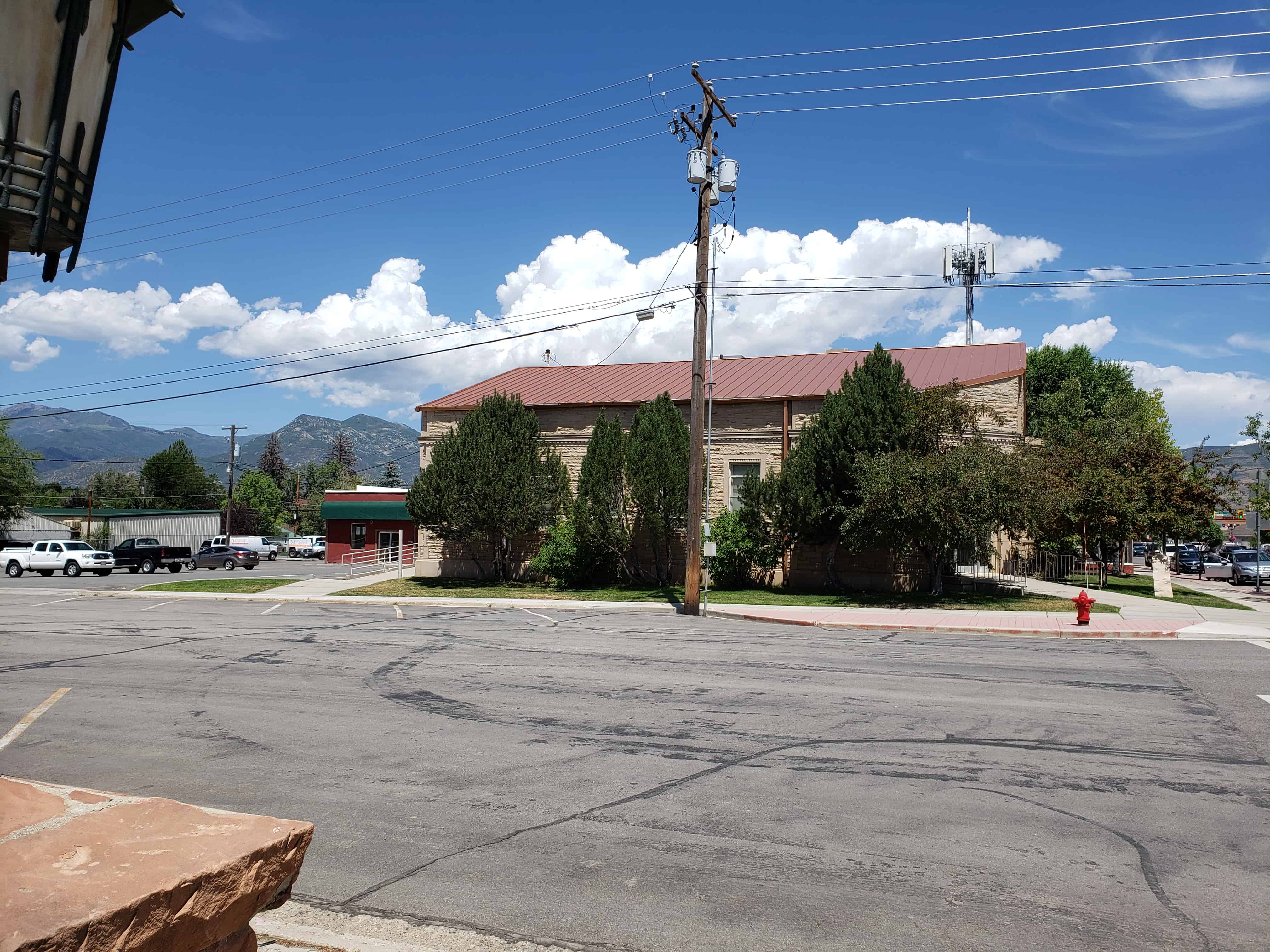
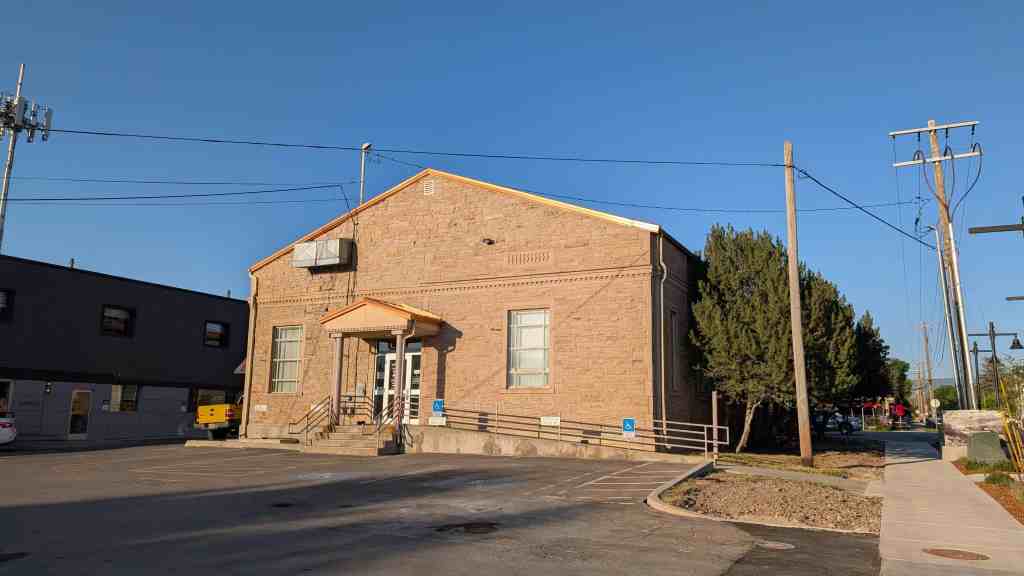
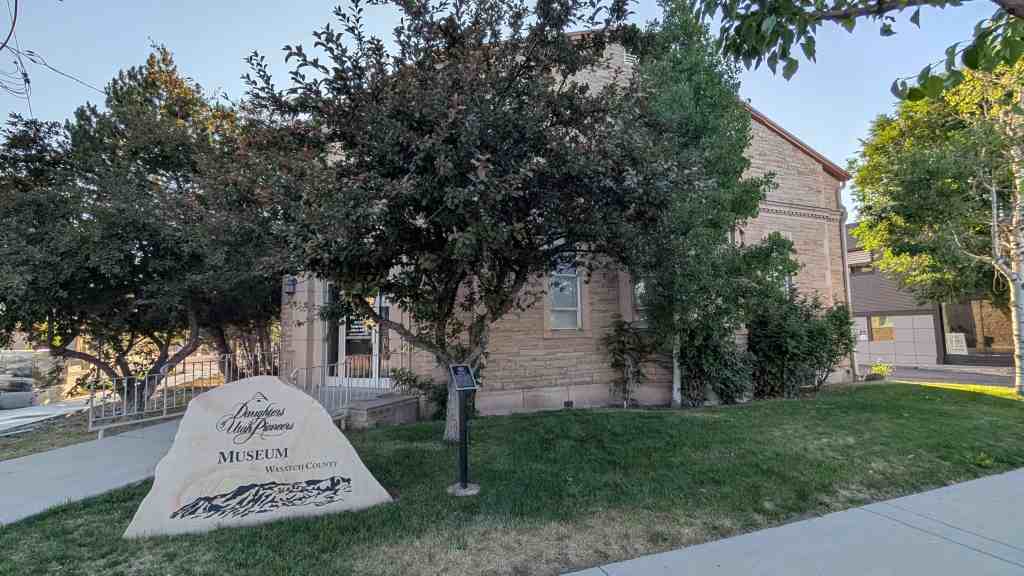
Historic Former Heber City Library

188 S Main Street, Heber City, Utah

The historic former Heber City library was constructed as a federal Public Works Administration (PWA) project during the latter years of the Great Depression.
Construction occurred between Aug. 1938 and May 1939. The PWA supplied a grant of $13,275 toward the project, whose total cost was $27,529.
The building served as the community’s library until construction of the new Wasatch County Library, completed 2004.

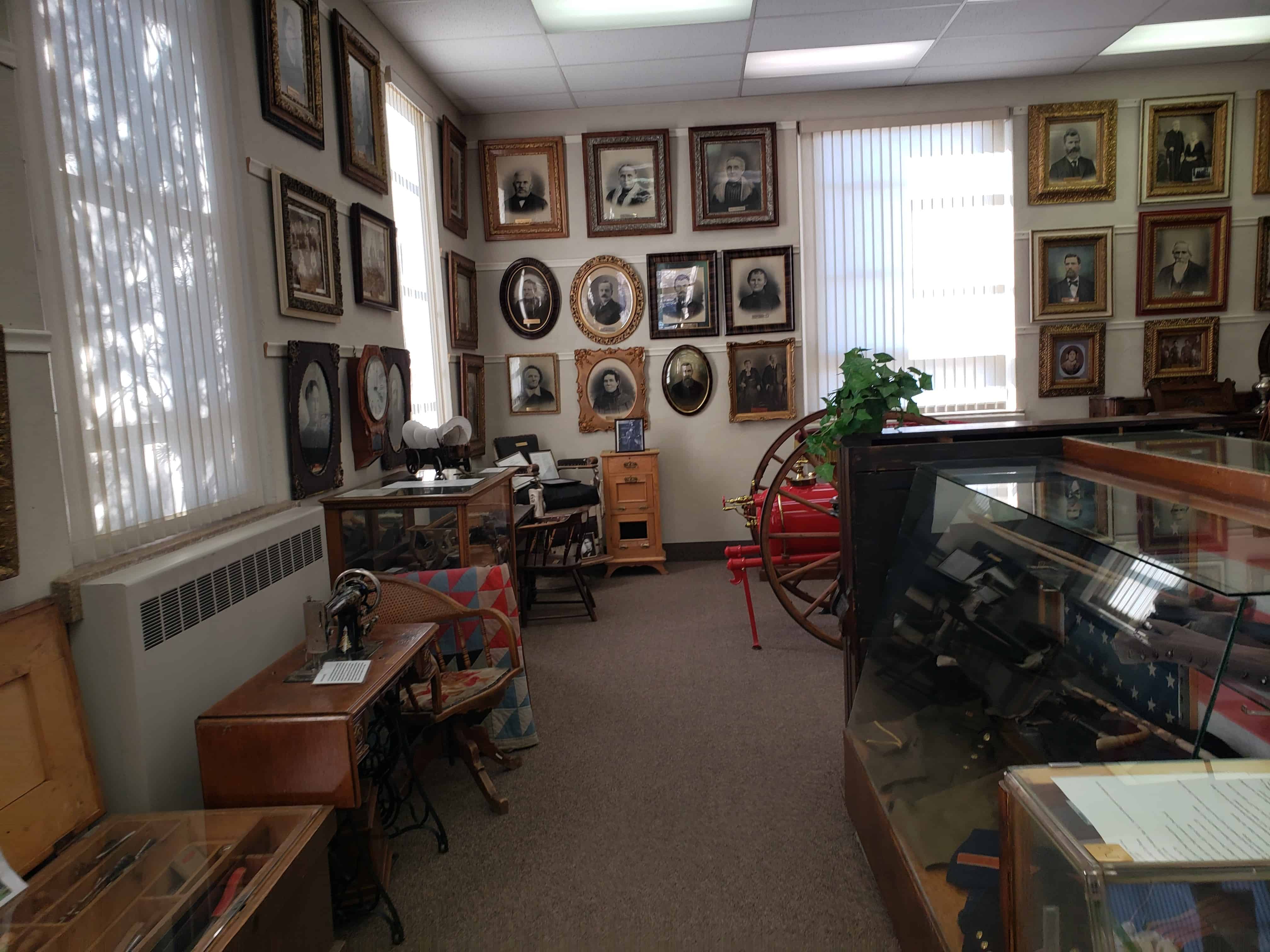
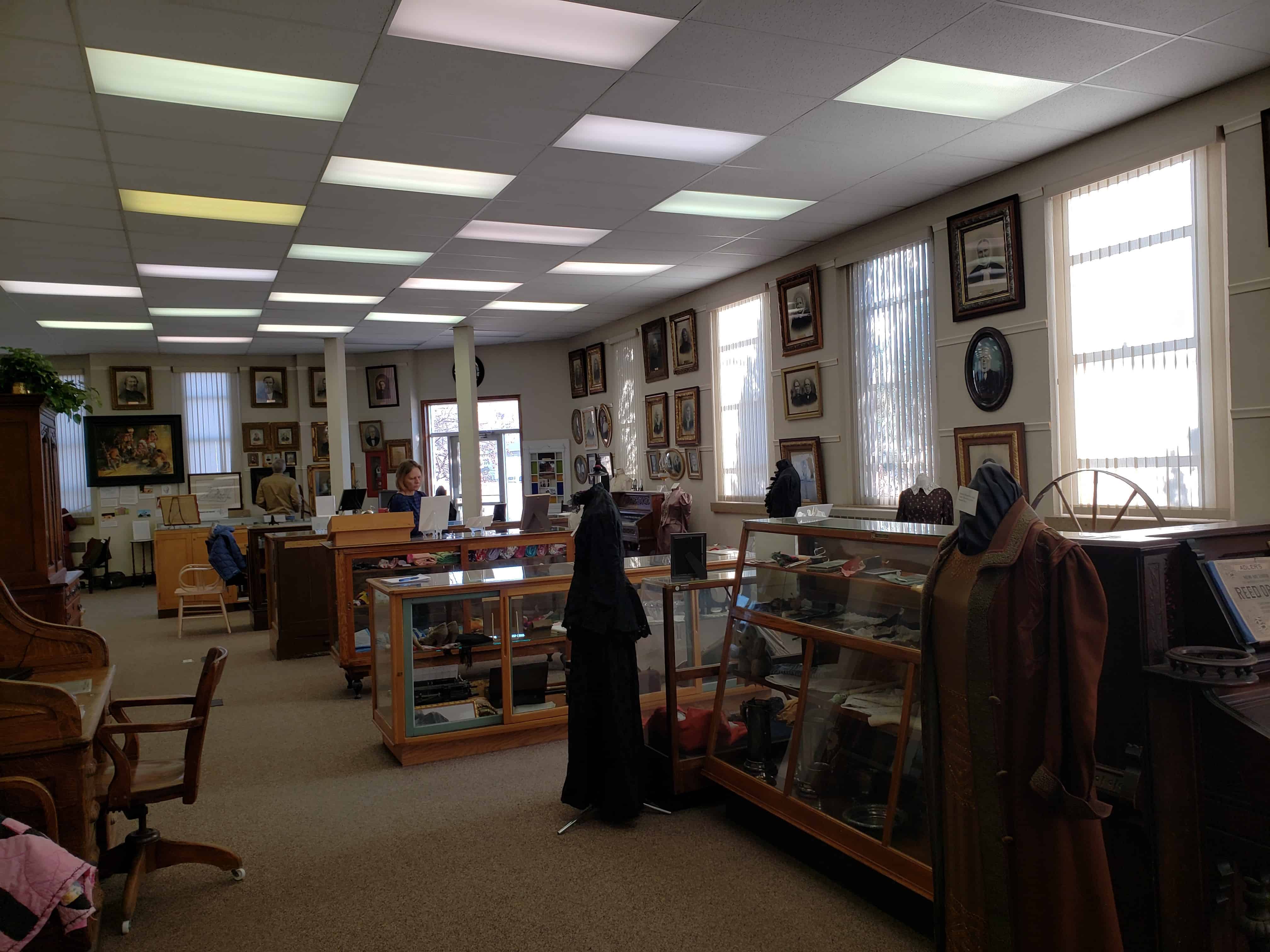
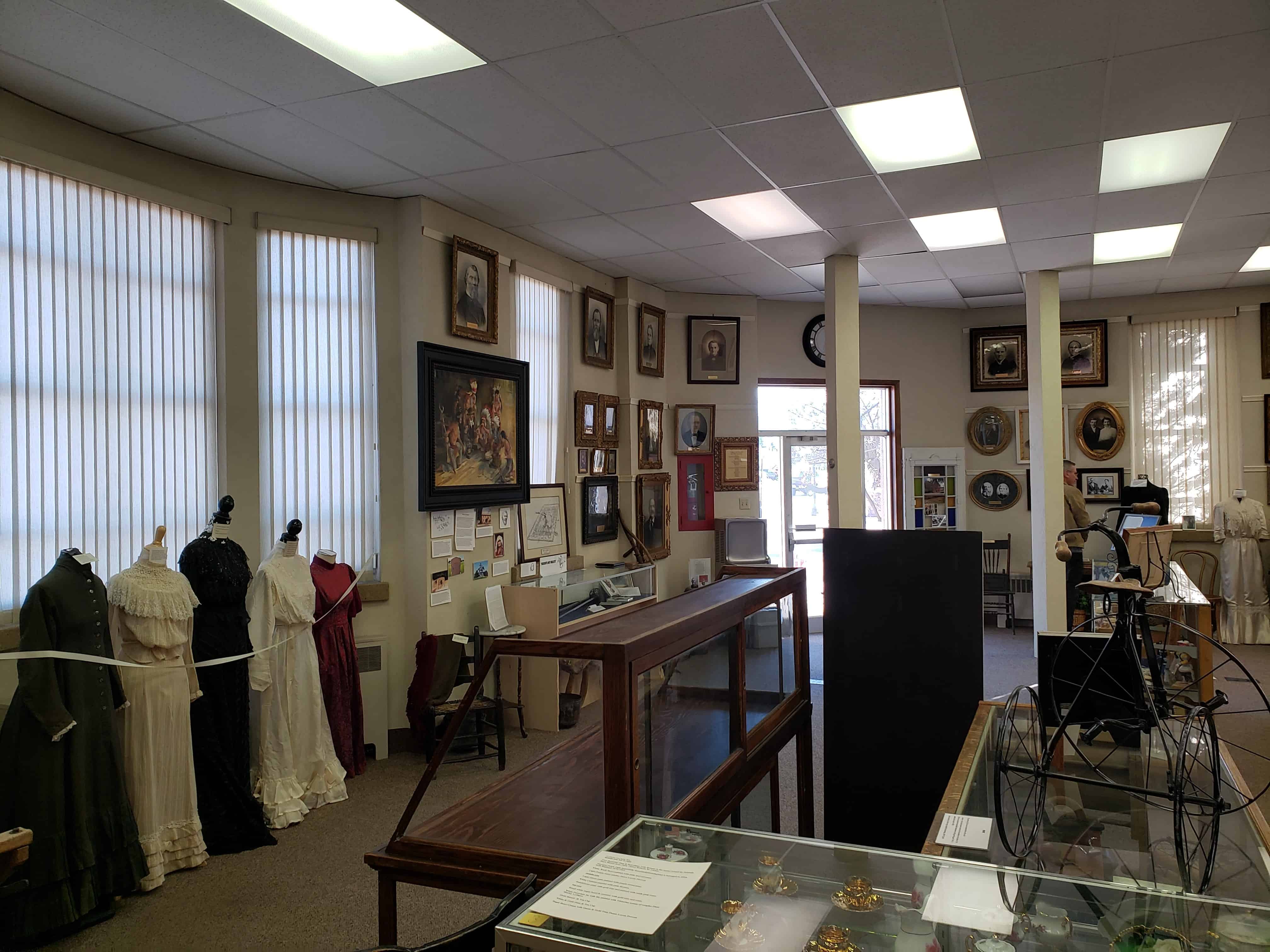
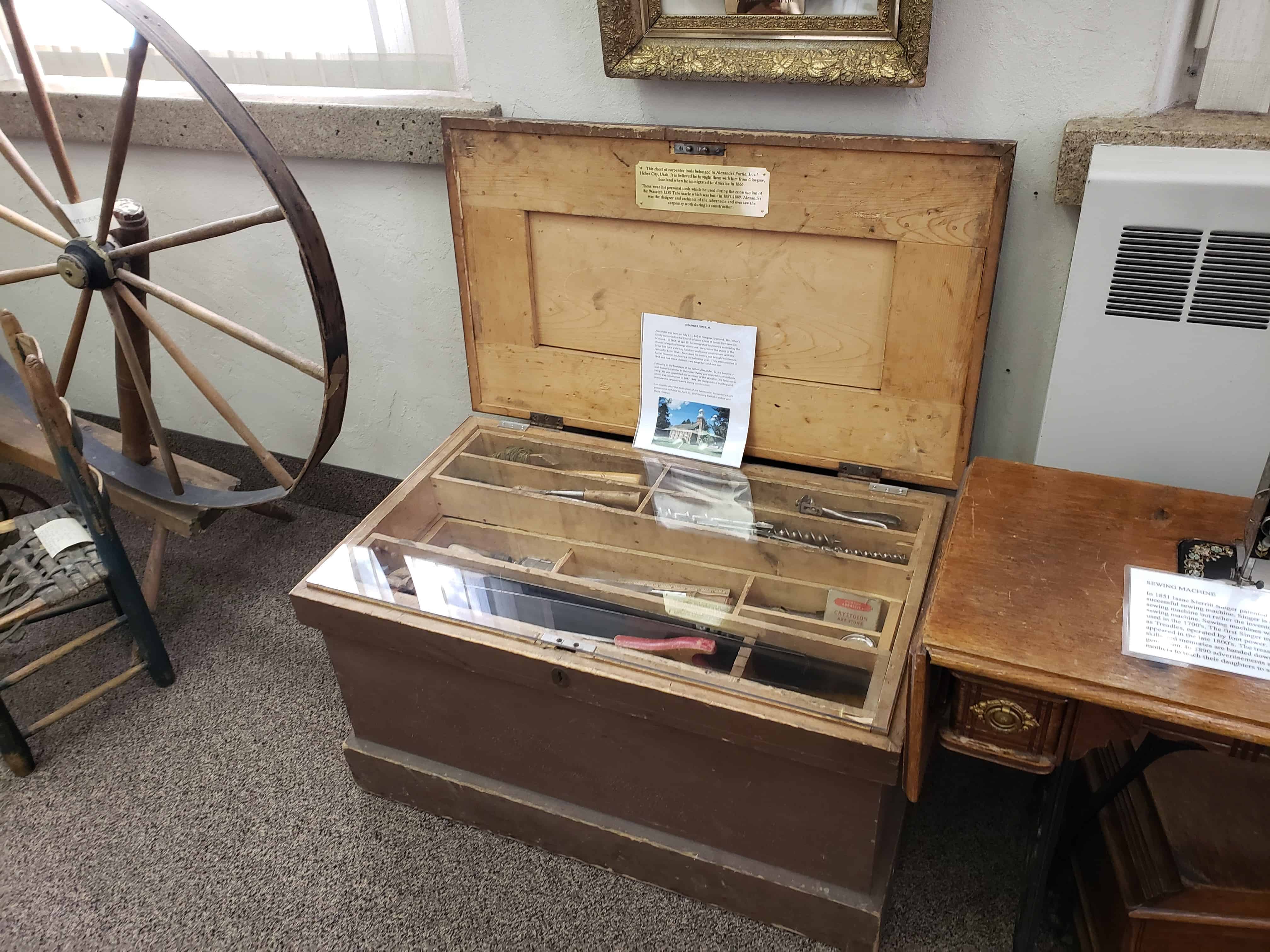
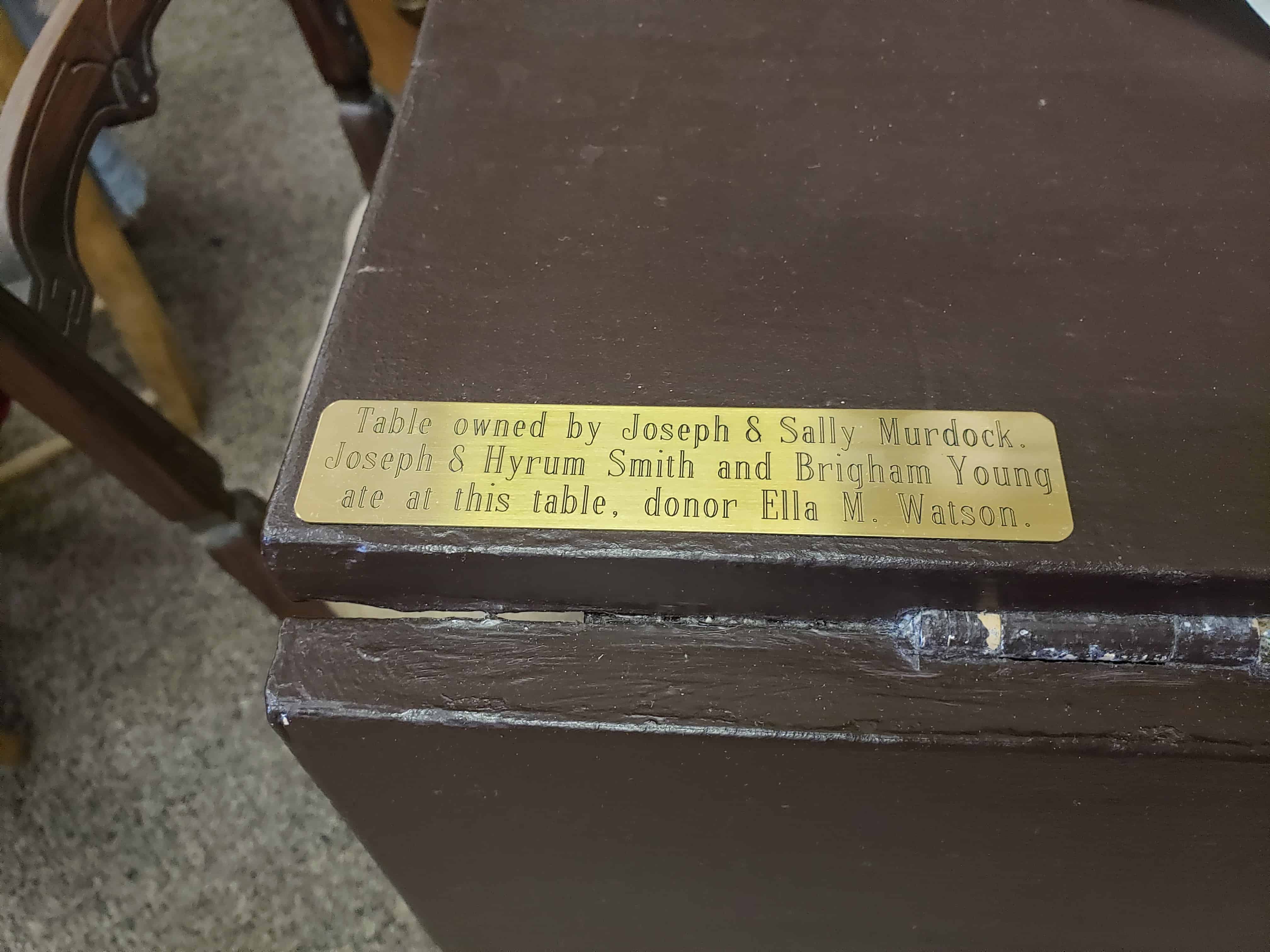
The New Deal facility now houses the Daughters of Utah Pioneers Museum.

Related Posts:

  • Heber City, Utah
  • New Deal Funded Projects in Utah

The plaque for the Historic Home Tour says:

Wasatch Library
1937-1939

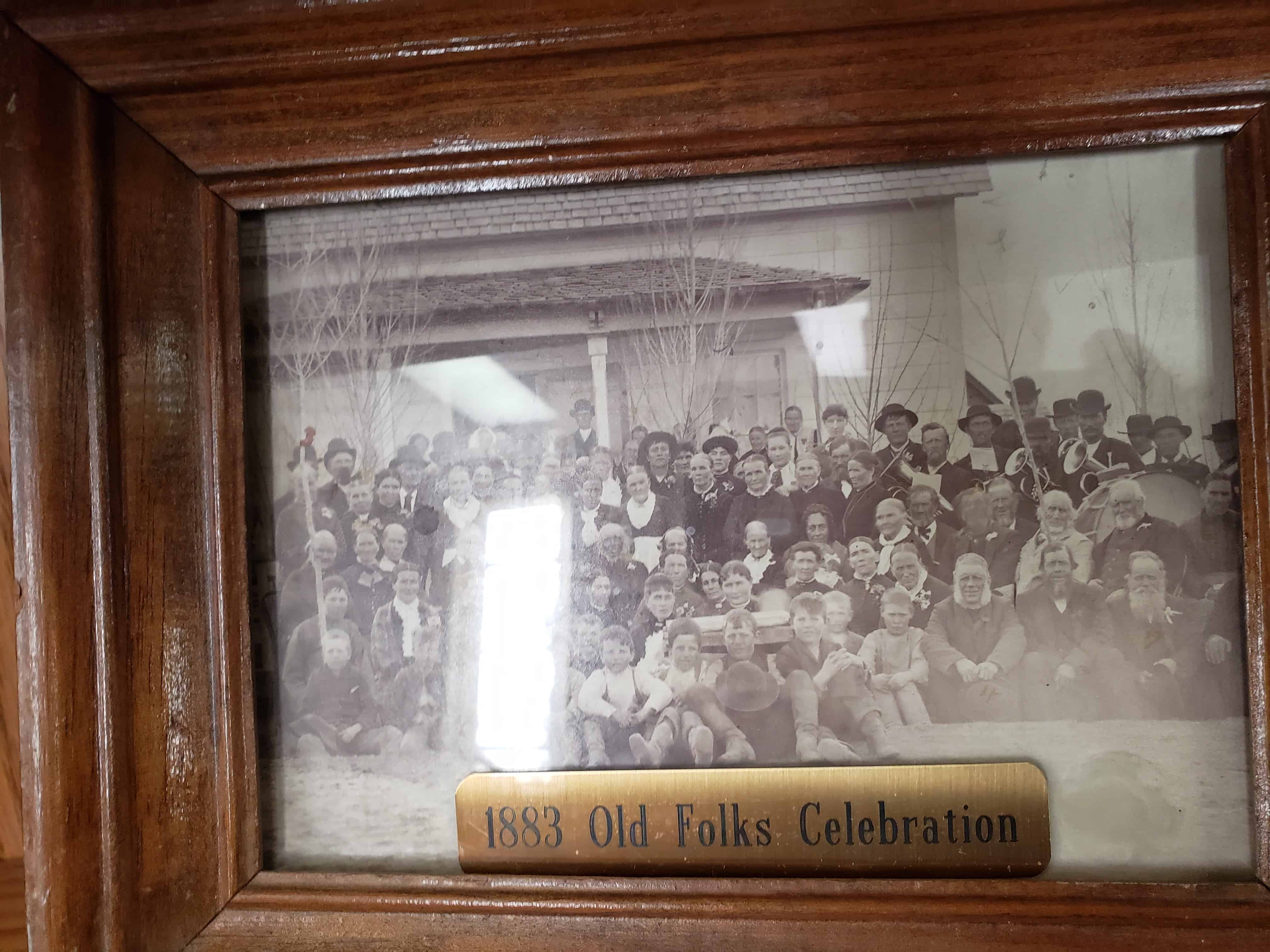
After a fire on January 13, 1937, destroyed the Heber Mercantile Store, the Wasatch County Library was built to replace the extensive losses, which The Wasatch Wave reported at $125,000 in damages to library materials. Funded by the Works Progress Administration (WPA) under Franklin D. Roosevelt’s New Deal program, the library was designed by Ashton and Evans and constructed by Peter Groneman & Sons. Upon completion, Wasatch County dedicated the building to the Daughters of the Utah Pioneers, ensuring the preservation of artifacts and histories from Heber Valley’s early settlers, spanning from 1830 to 1900.

Superintendent’s Residence

19 Monday Nov 2018

Posted by Jacob Barlow in Uncategorized

≈ 1 Comment

Tags

Historic Buildings, Historic Homes, New Deal Funded, NRHP, Provo, utah, utah county

2018-10-27 17.49.49

Superintendent’s Residence

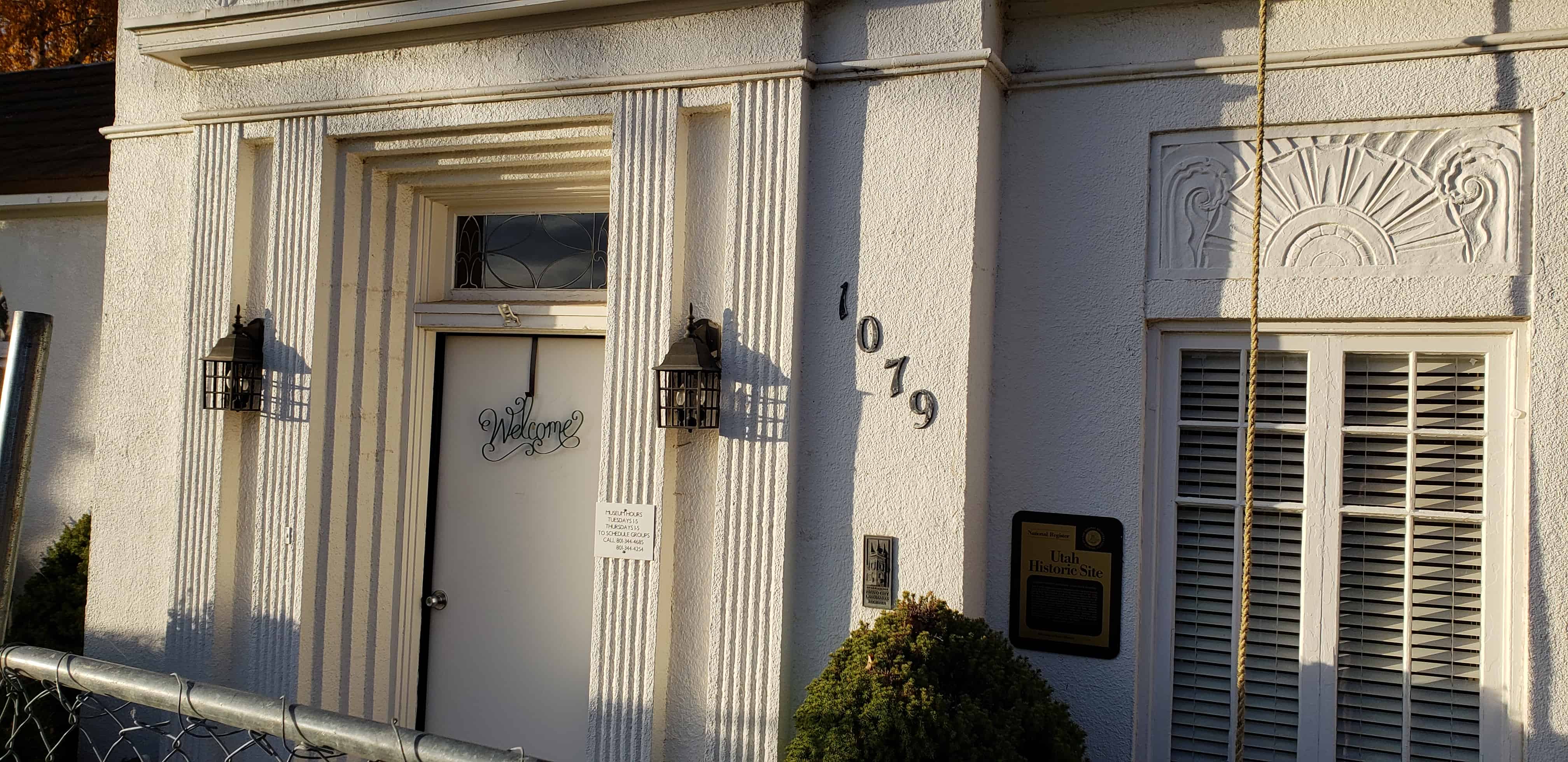
1079 East Center Street

Built in 1934, this residence is a one-and-a-half story, brick Colonial Revival style house. The Superintendent’s Residence is historically significant because it helps document the impact of New Deal programs in Utah. The Superintendent’s House is one of 232 buildings constructed in Utah during the 1930s and early 1940s under the Works Progress Administration (WPA) and other New Deal programs. In 1933 Utah had an unemployment rate of 36 percent, the fourth highest in the country. For the period between 1932-40, Utah’s unemployment rate averaged 25 percent. Because the depression hit Utah so hard, federal spending in Utah during the 1930s was ninth among the 48 states, and the percentage of workers on federal works projects was far above the national average. During the 1930s virtually every public building constructed in Utah, including courthouses, city halls, fire stations, and a variety of others, were built under the direction of federal programs.

  • Utah State Hospital
2018-10-27 17.50.11
2018-10-27 17.50.28
2018-10-27 17.50.30
2018-10-27 17.51.08
2018-10-27 17.50.45

Recreation Center for the Utah State Hospital

17 Saturday Nov 2018

Posted by Jacob Barlow in Uncategorized

≈ 2 Comments

Tags

Historic Buildings, New Deal Funded, Provo, utah, utah county

2018-10-27 17.38.38

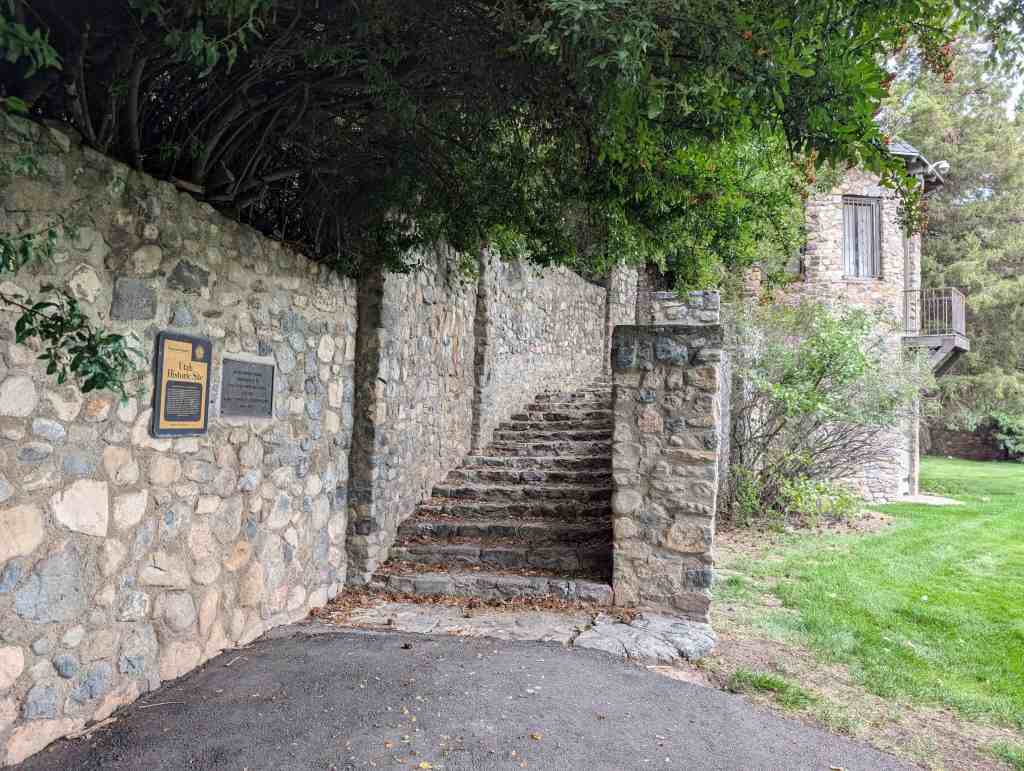
Recreation Center for the Utah State Hospital

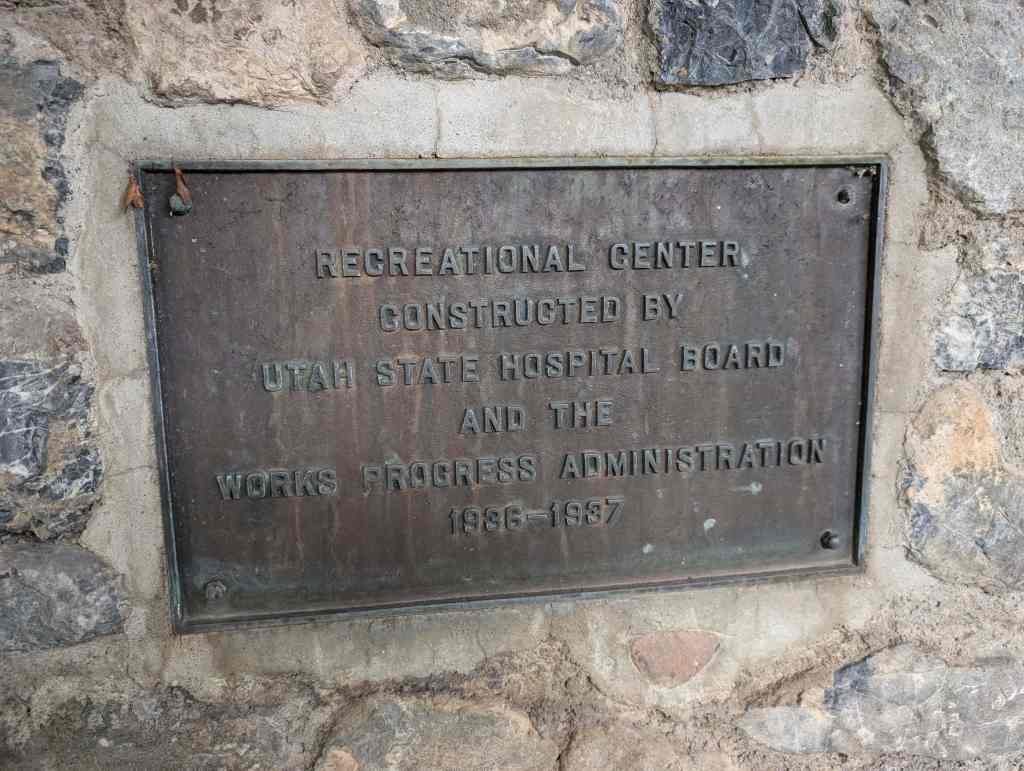
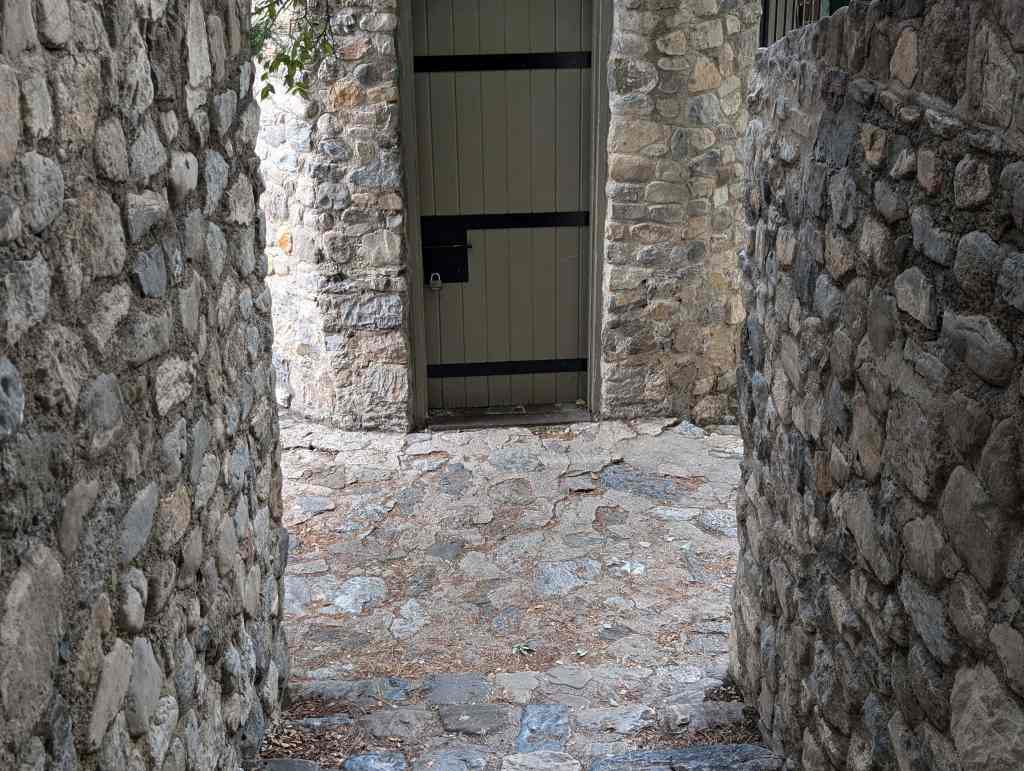
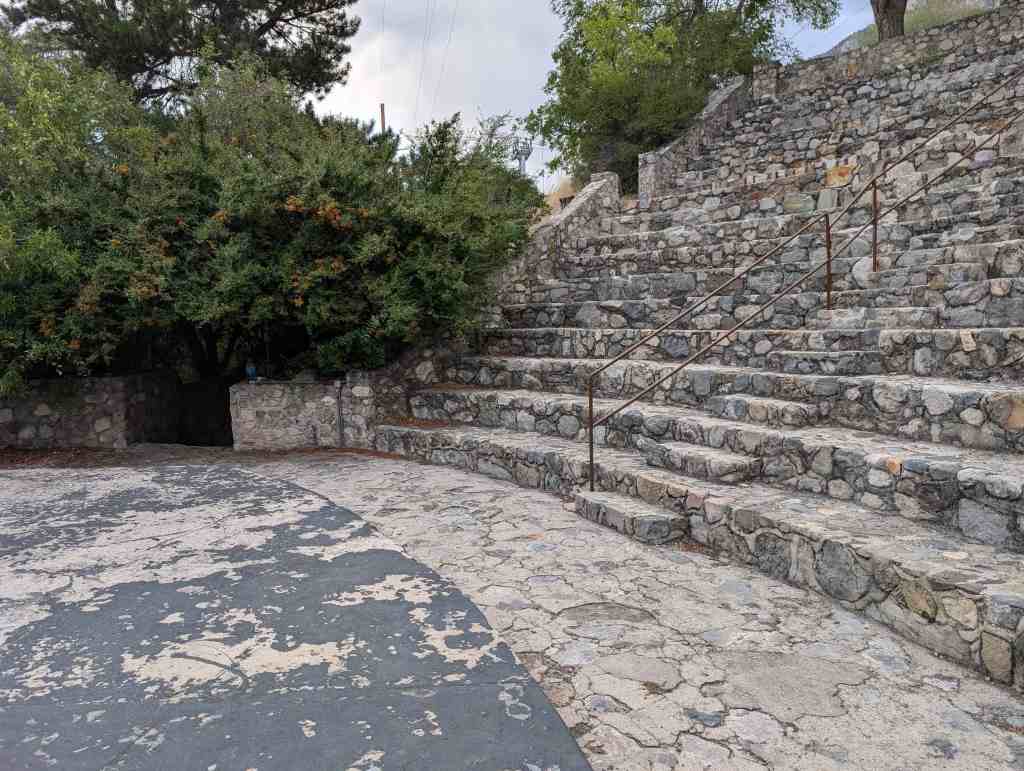
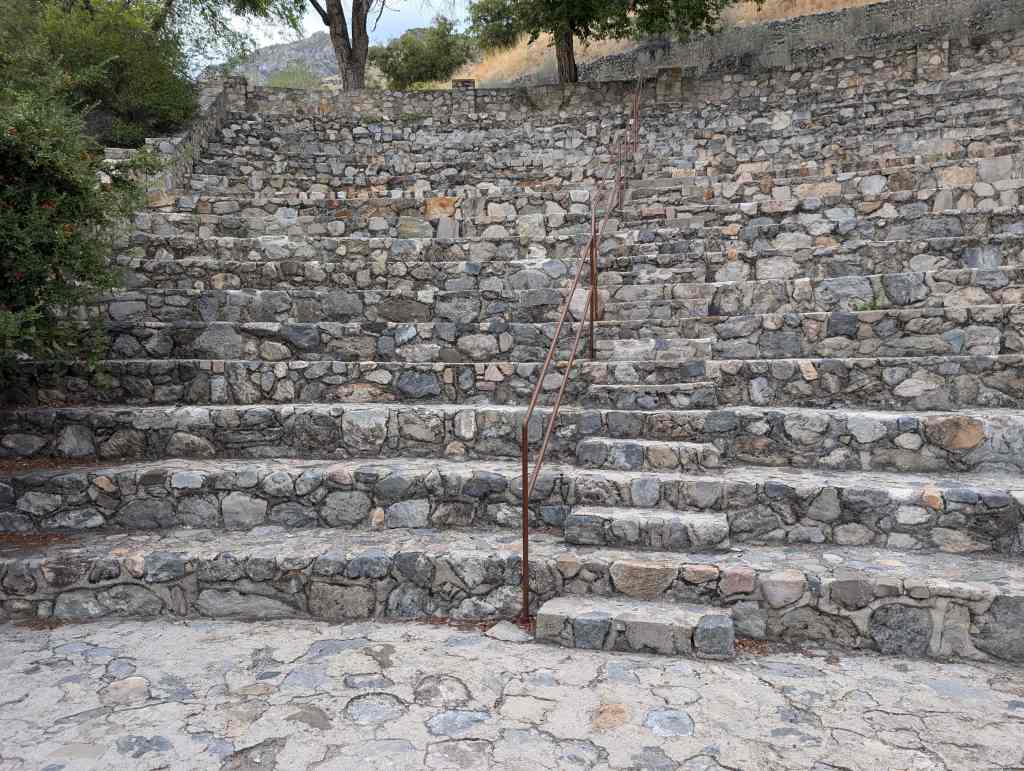
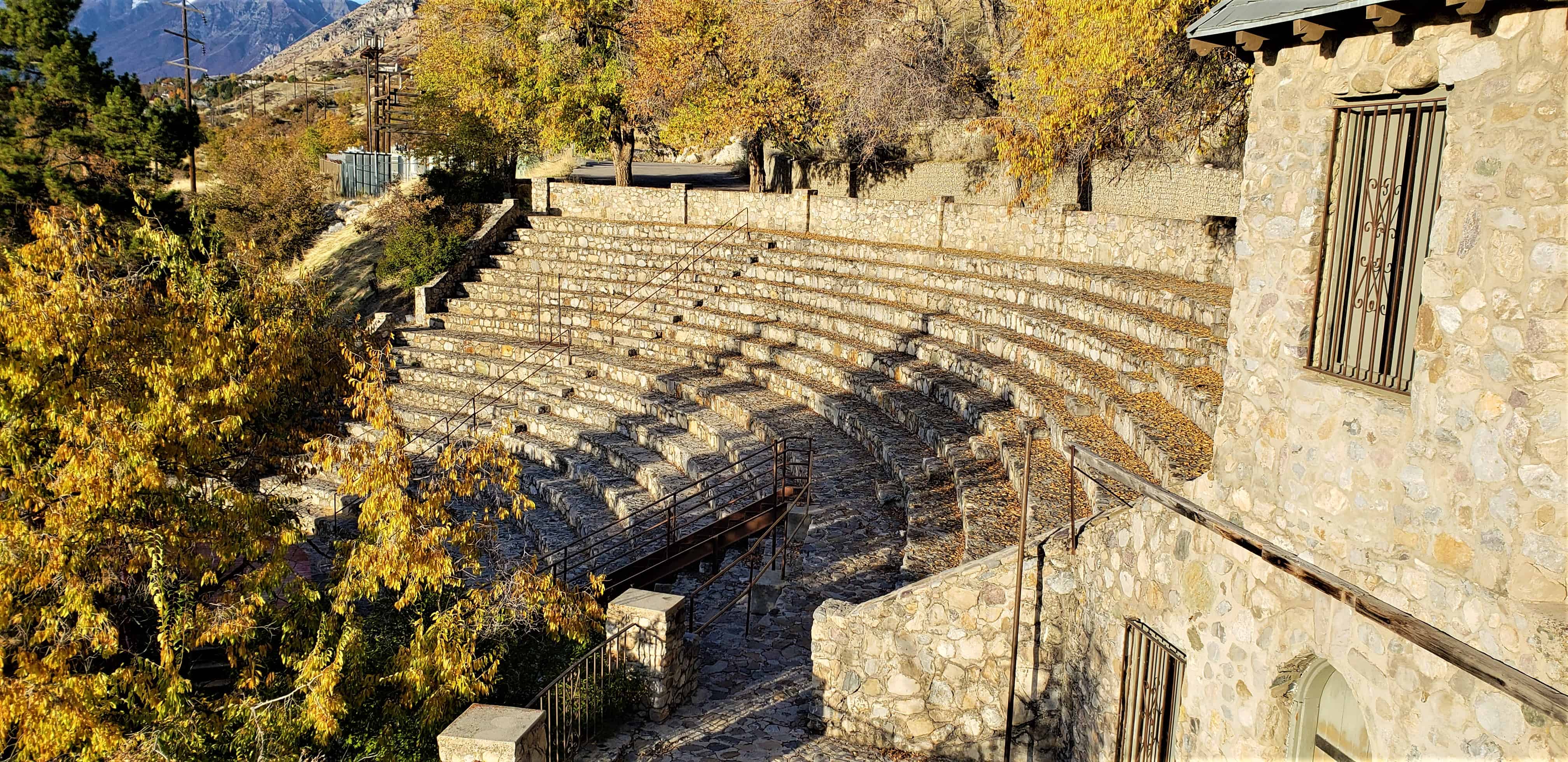
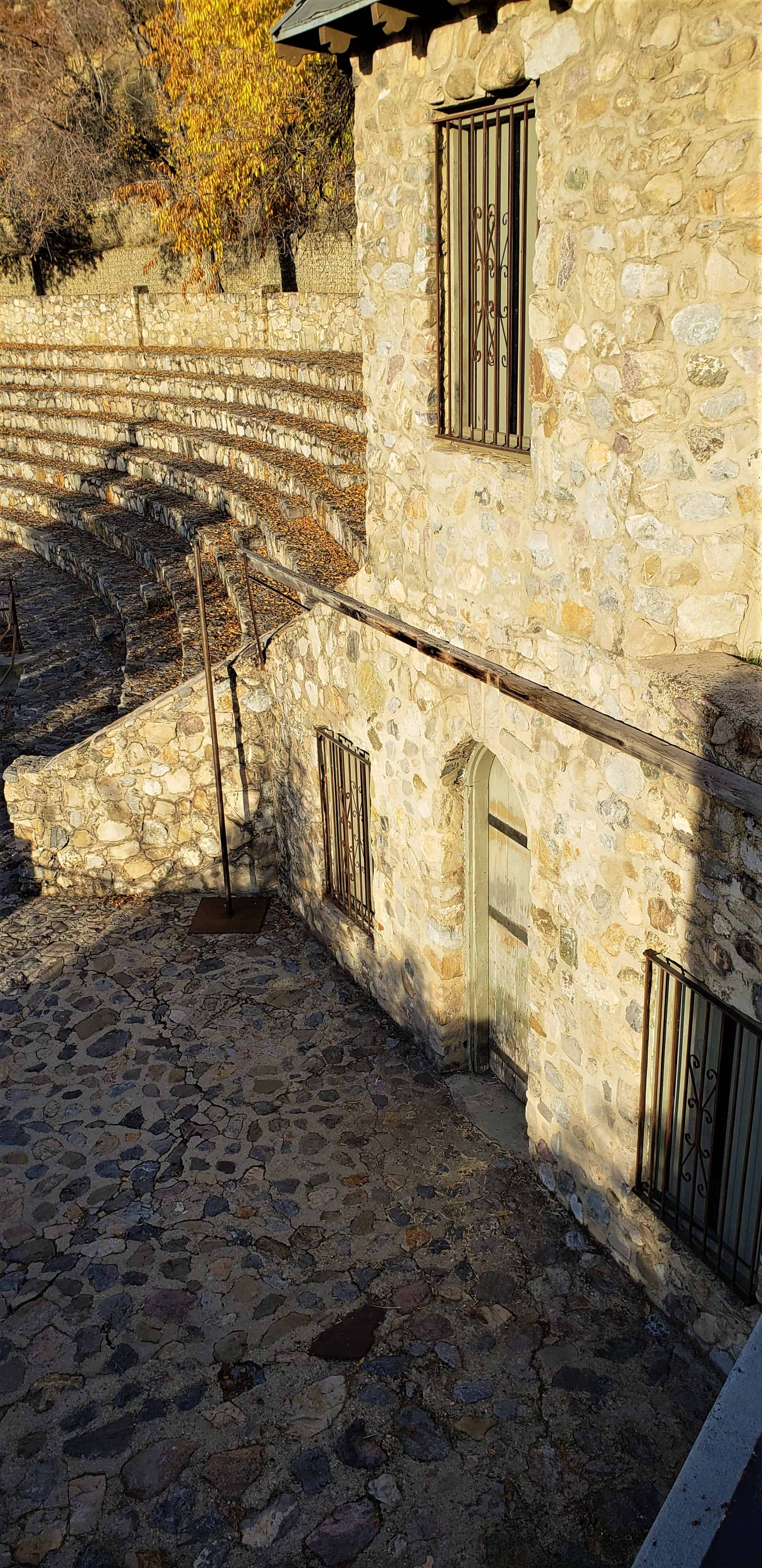
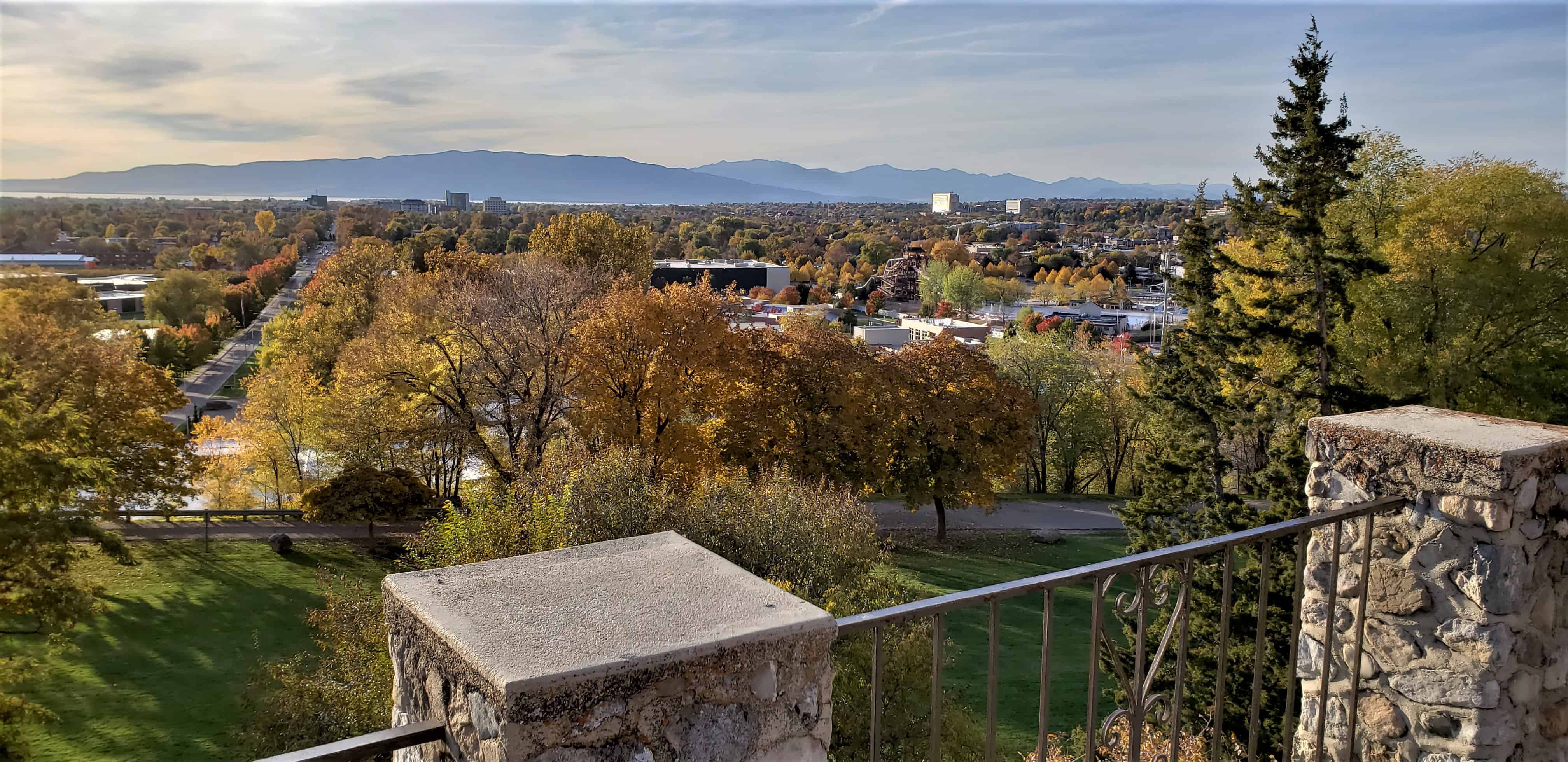
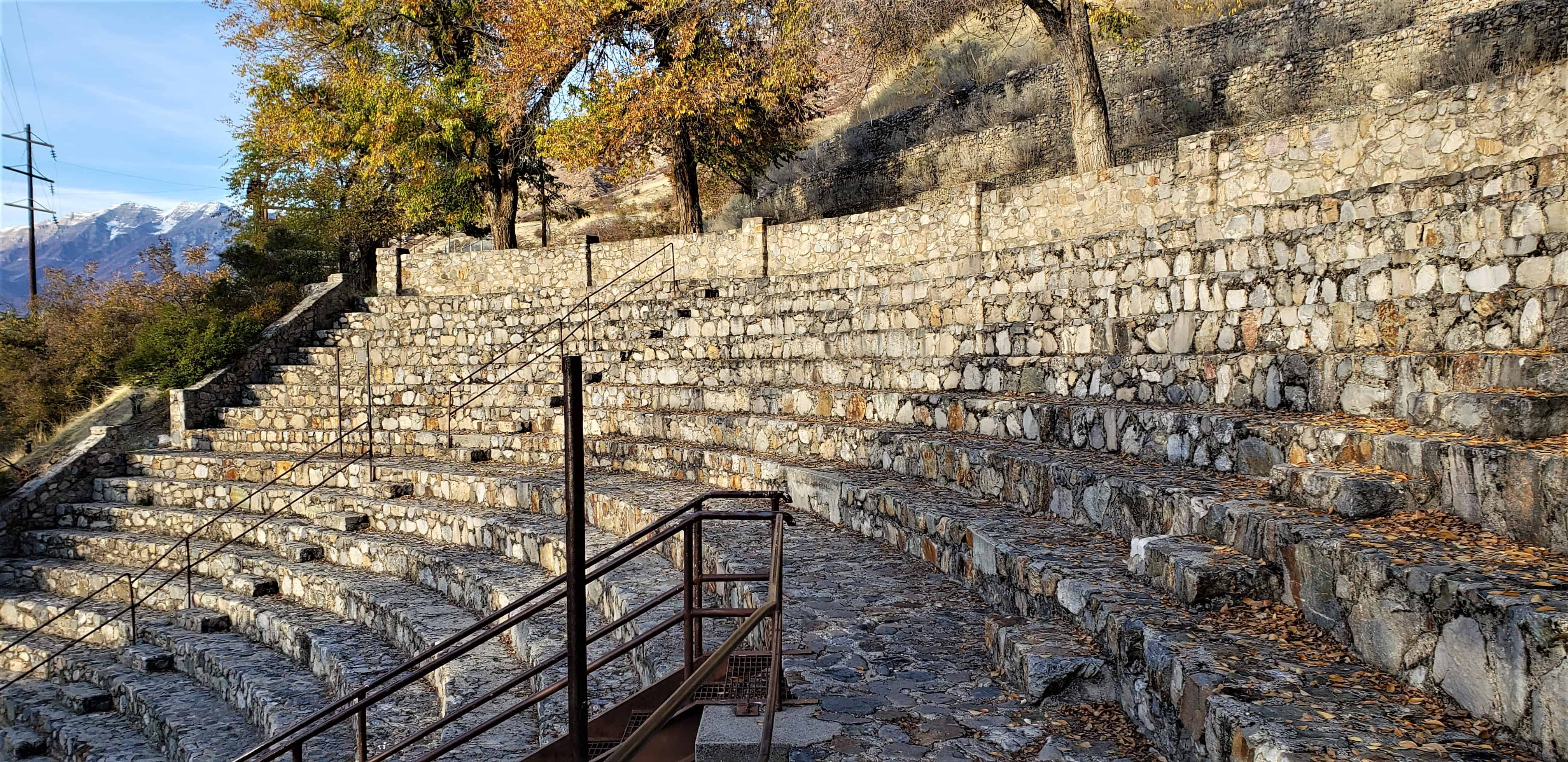
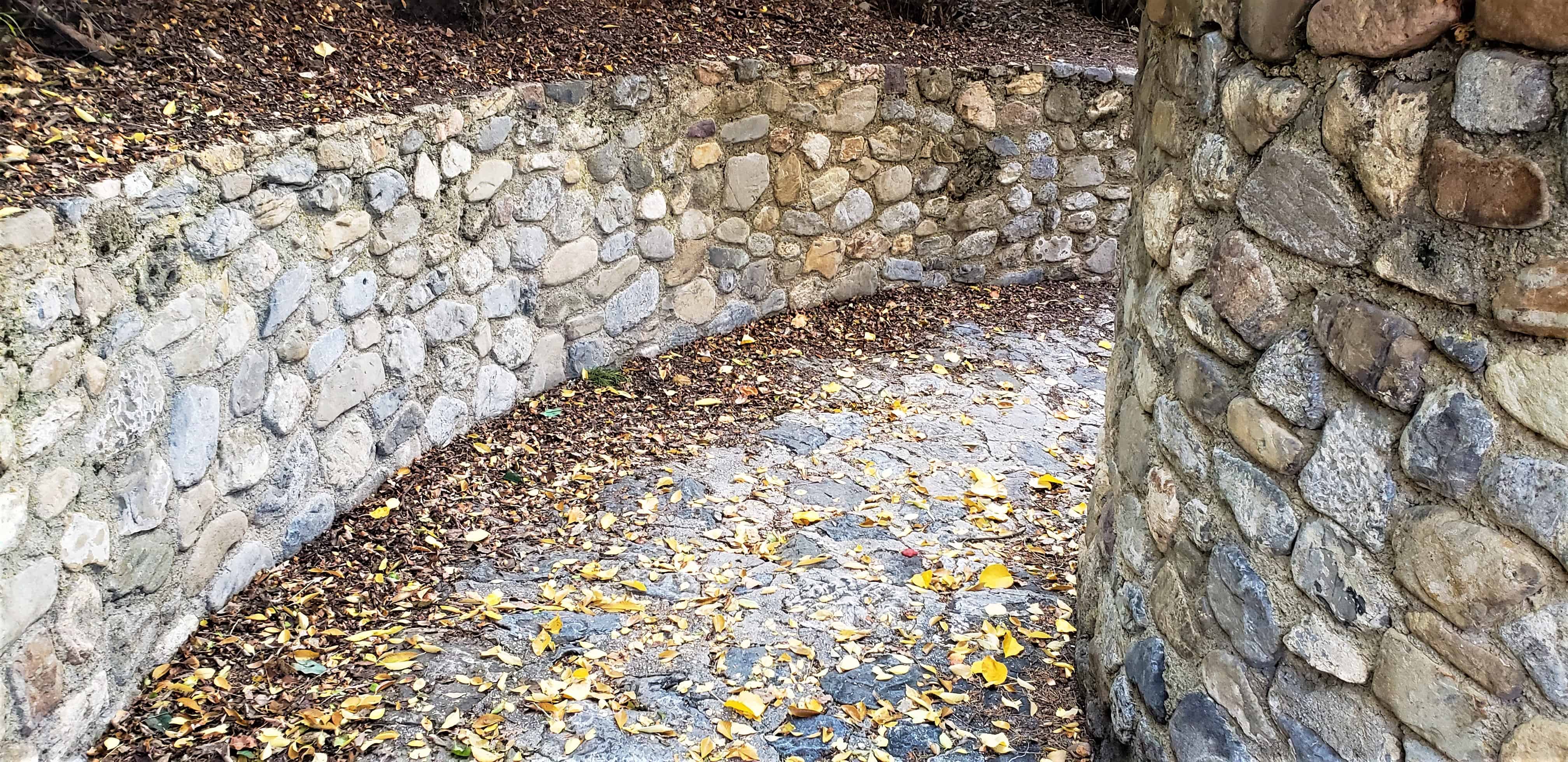
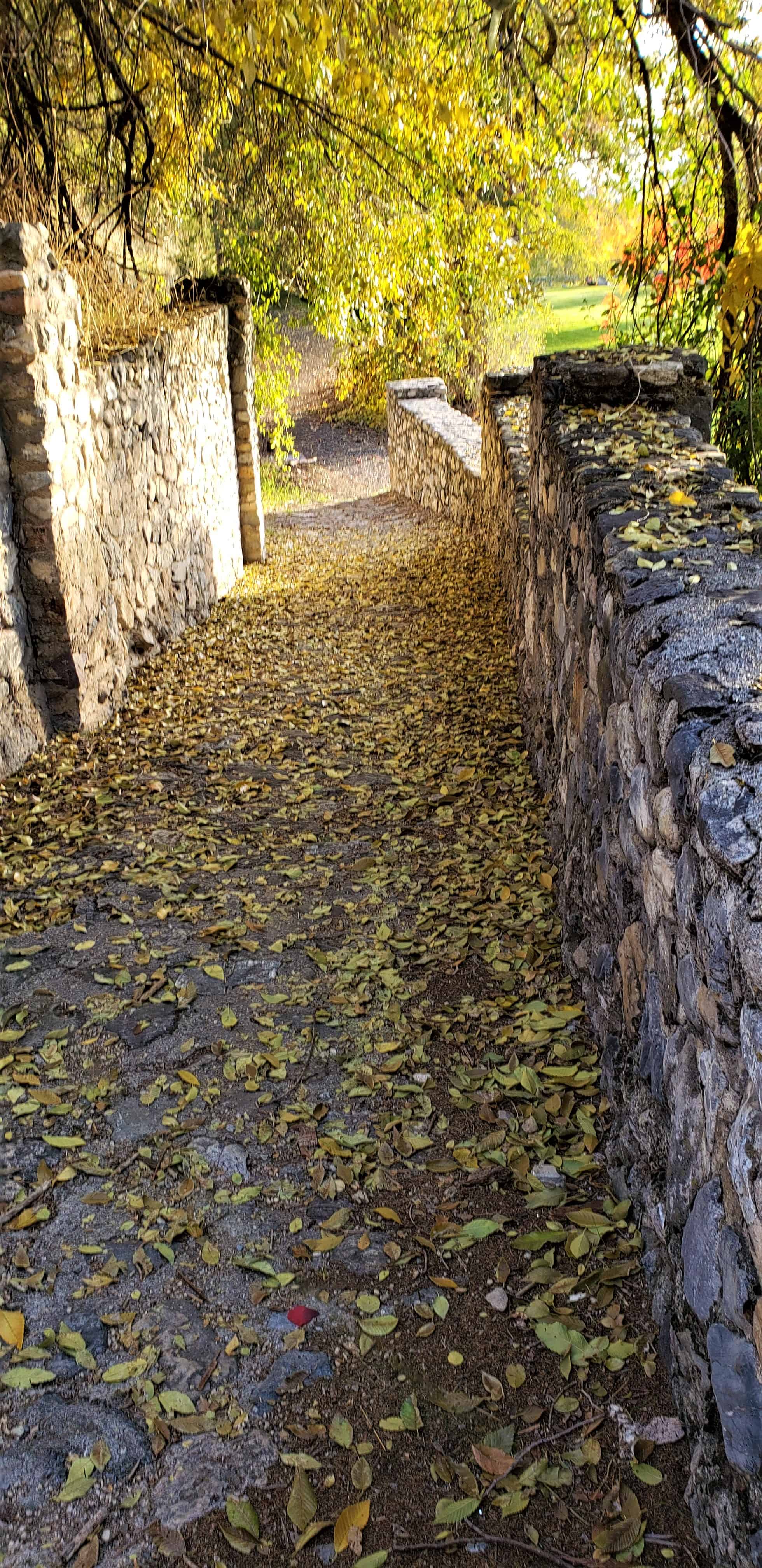
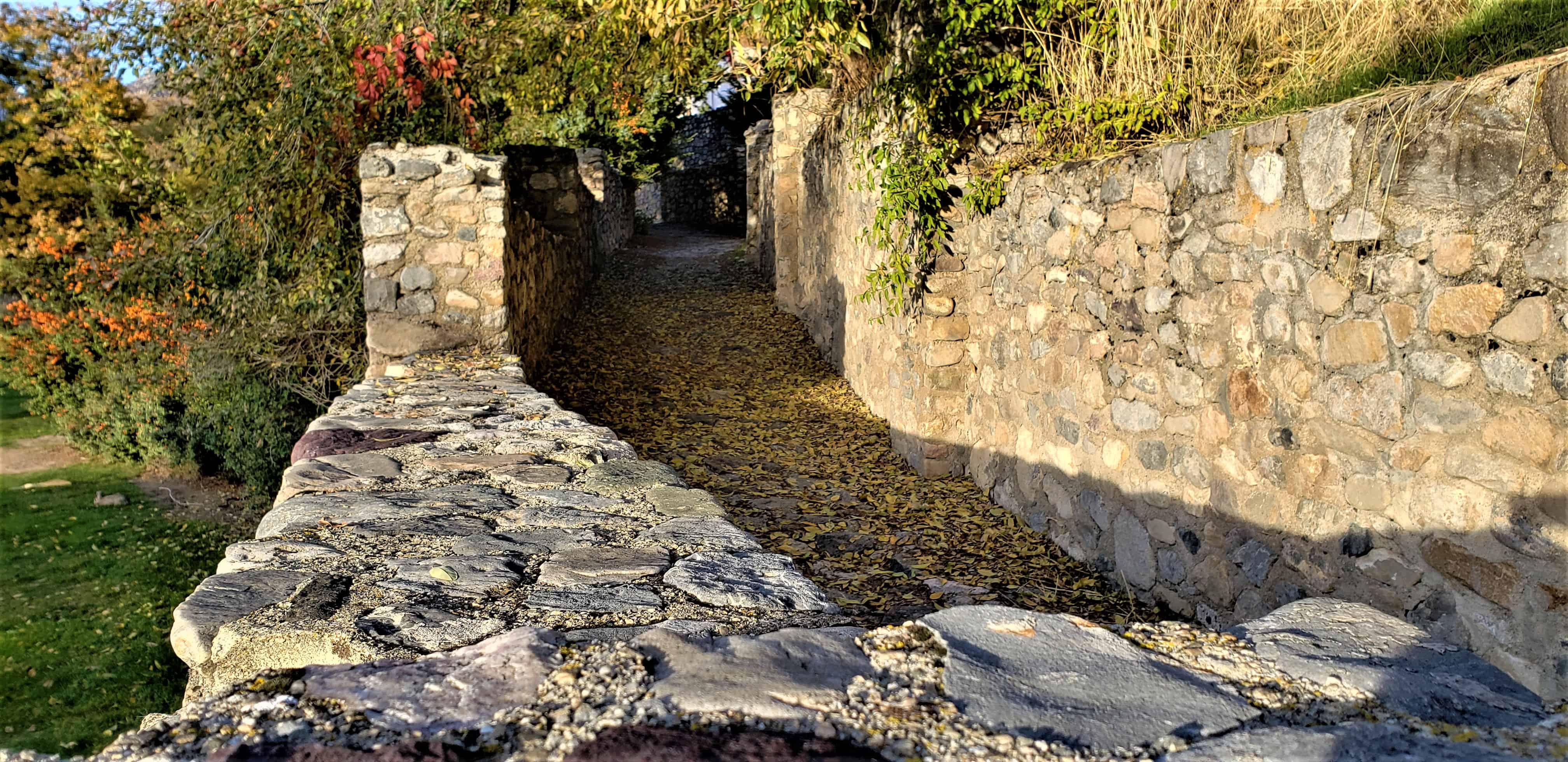
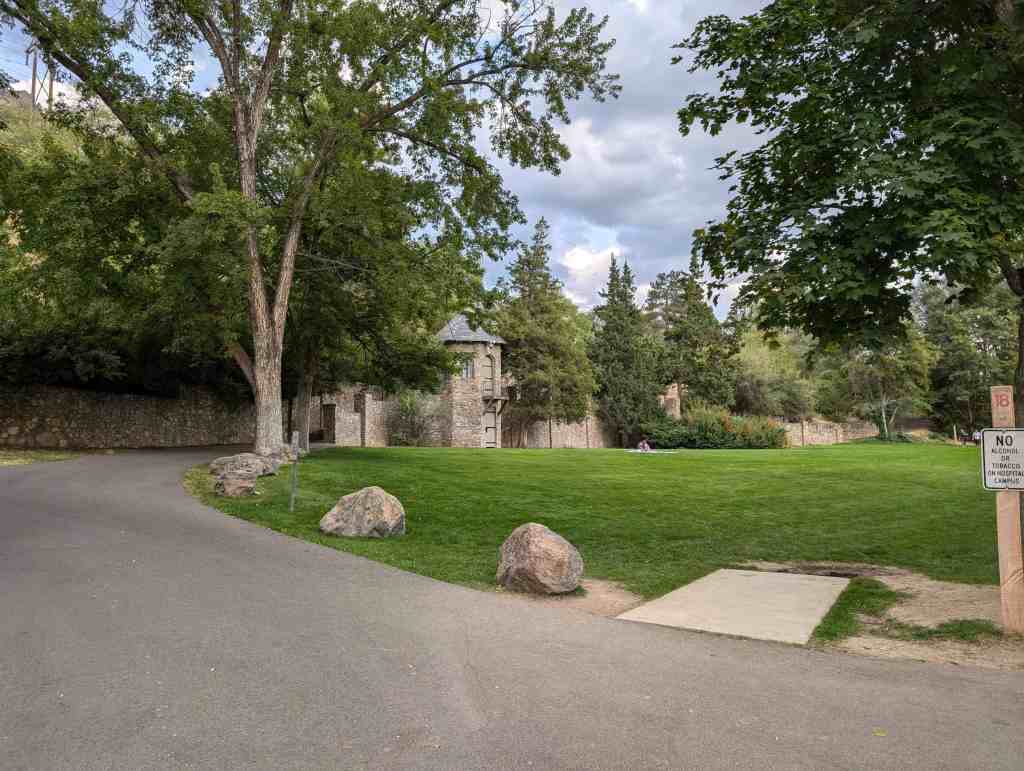
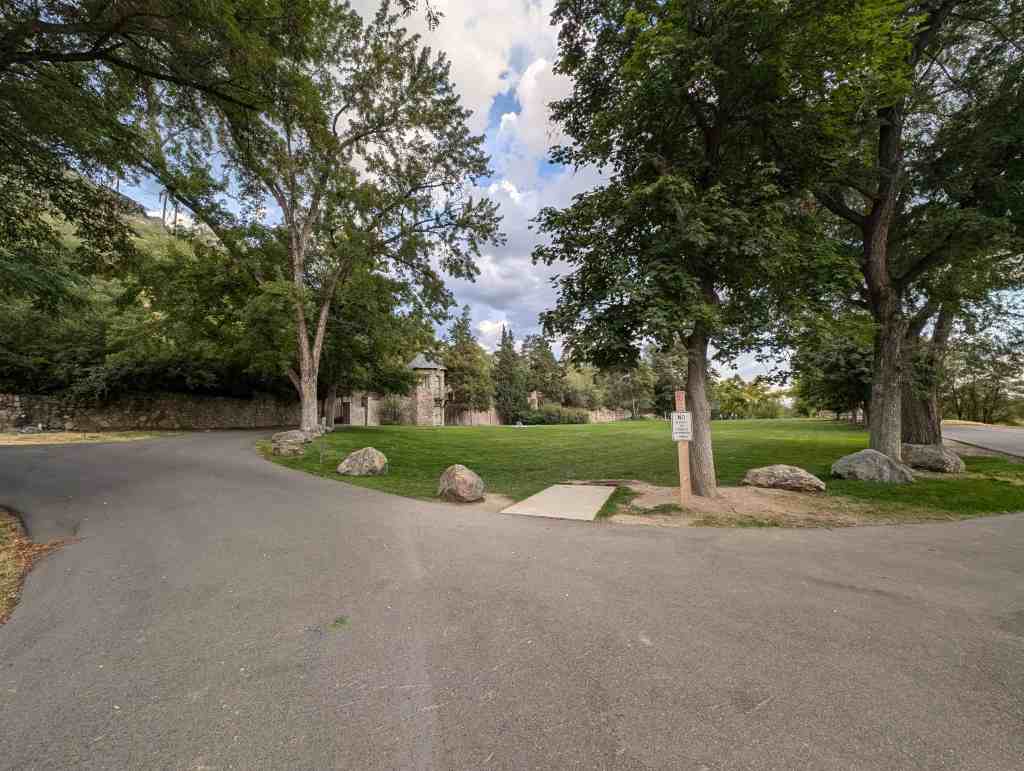
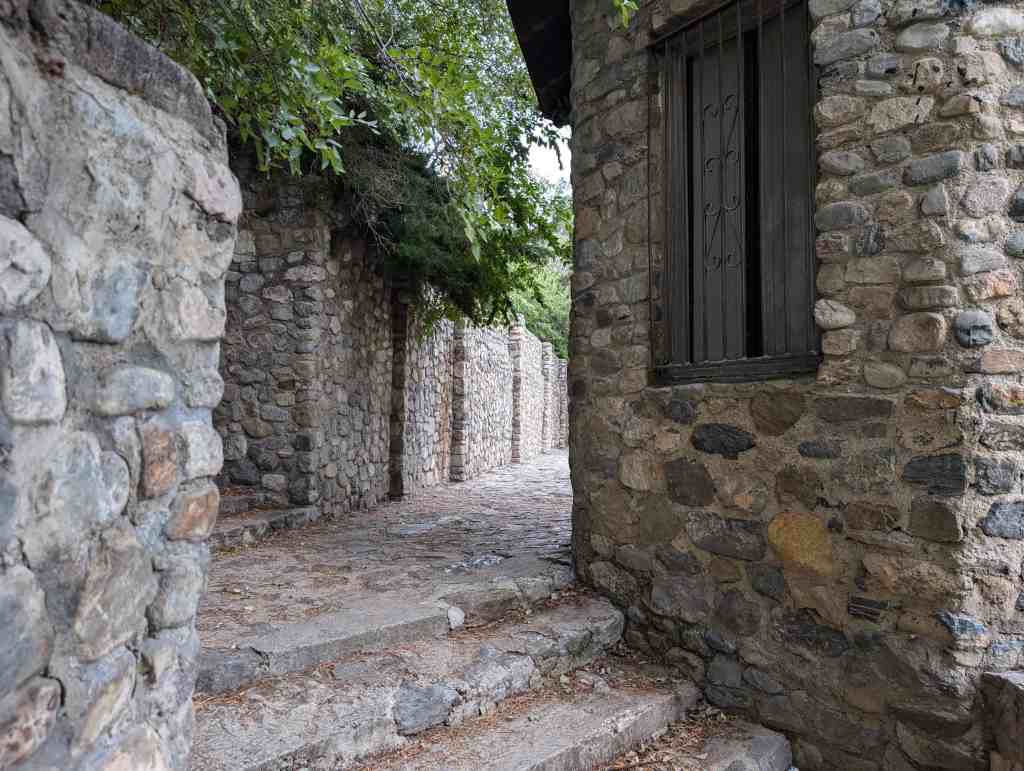
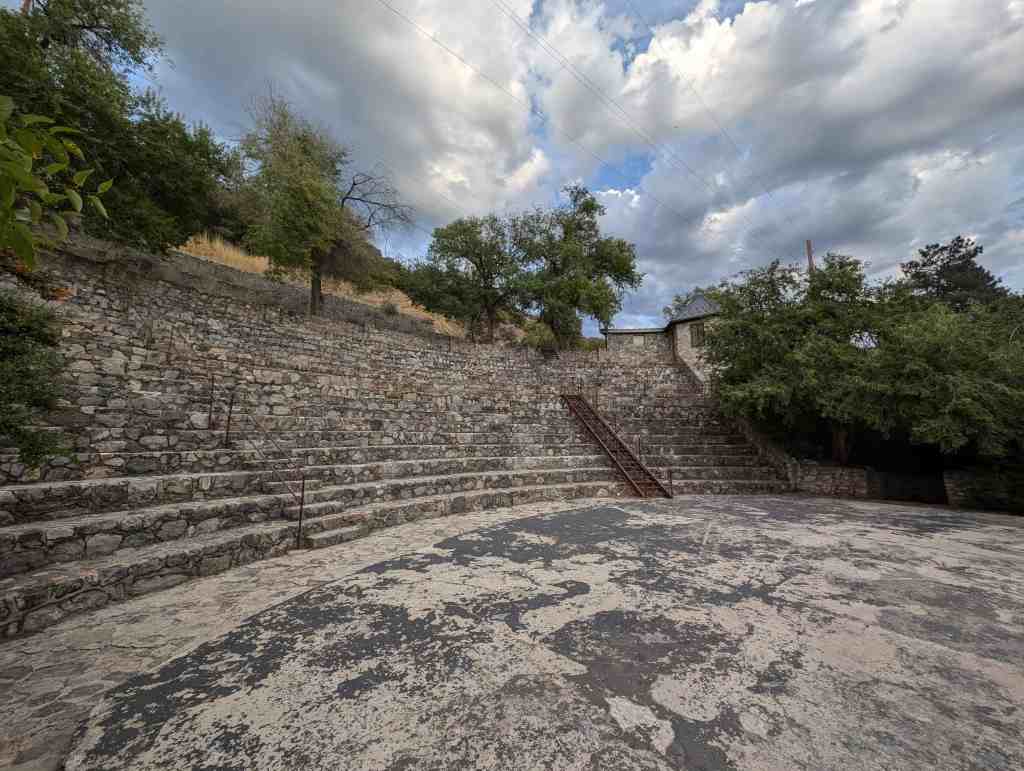
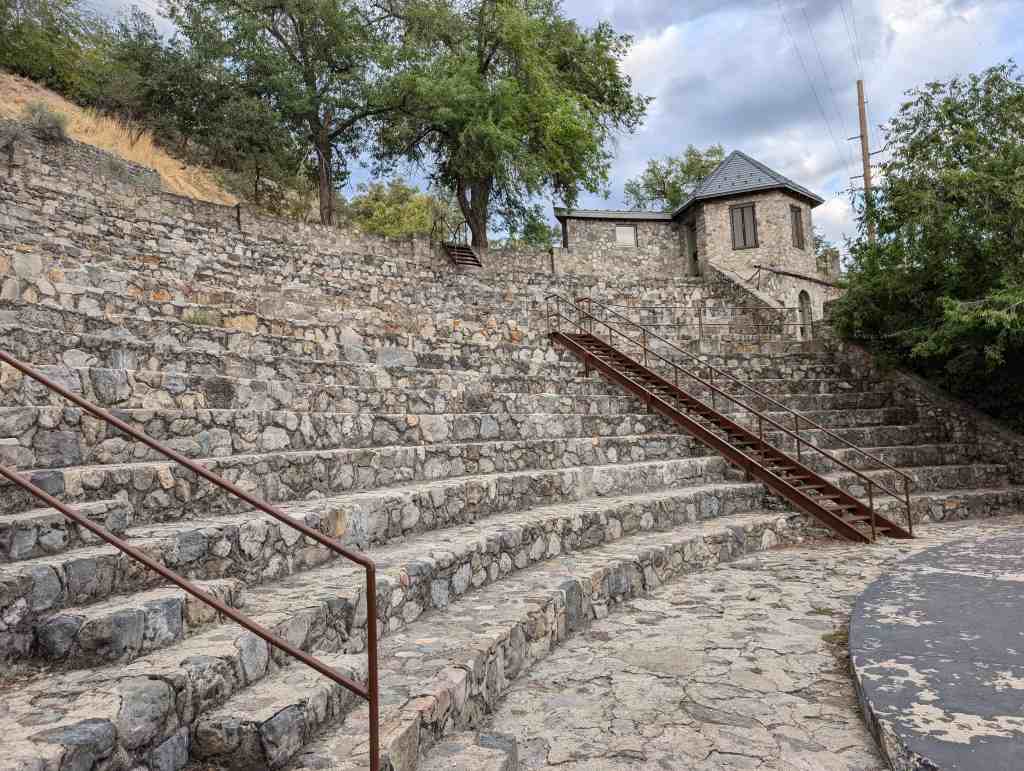
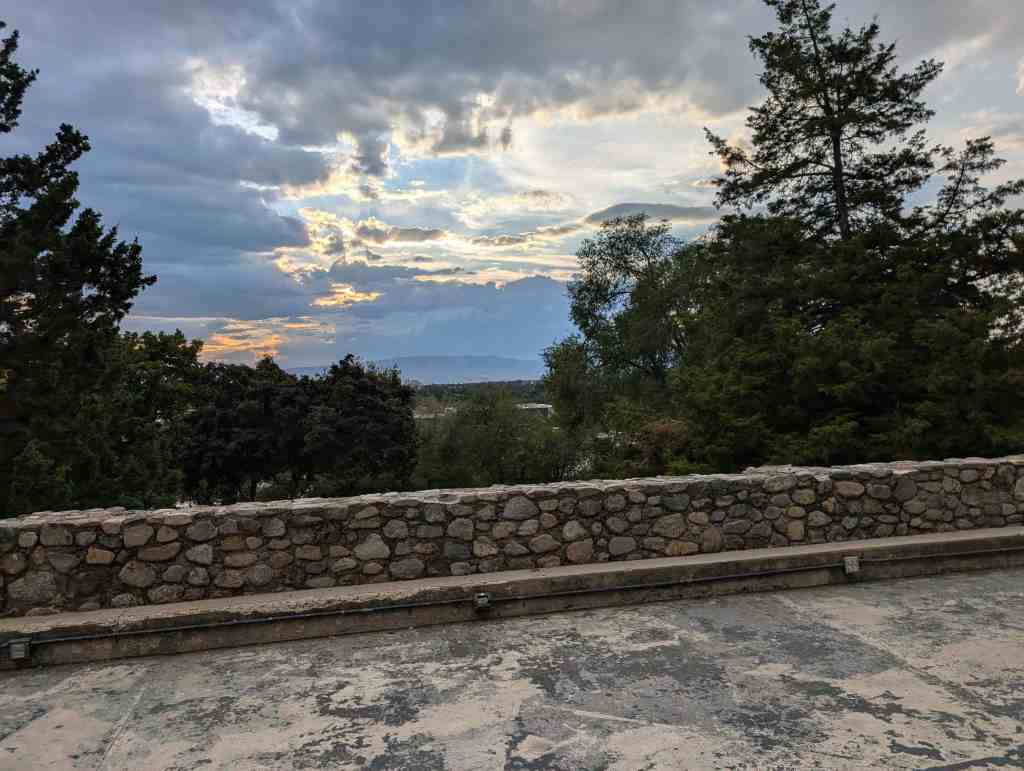
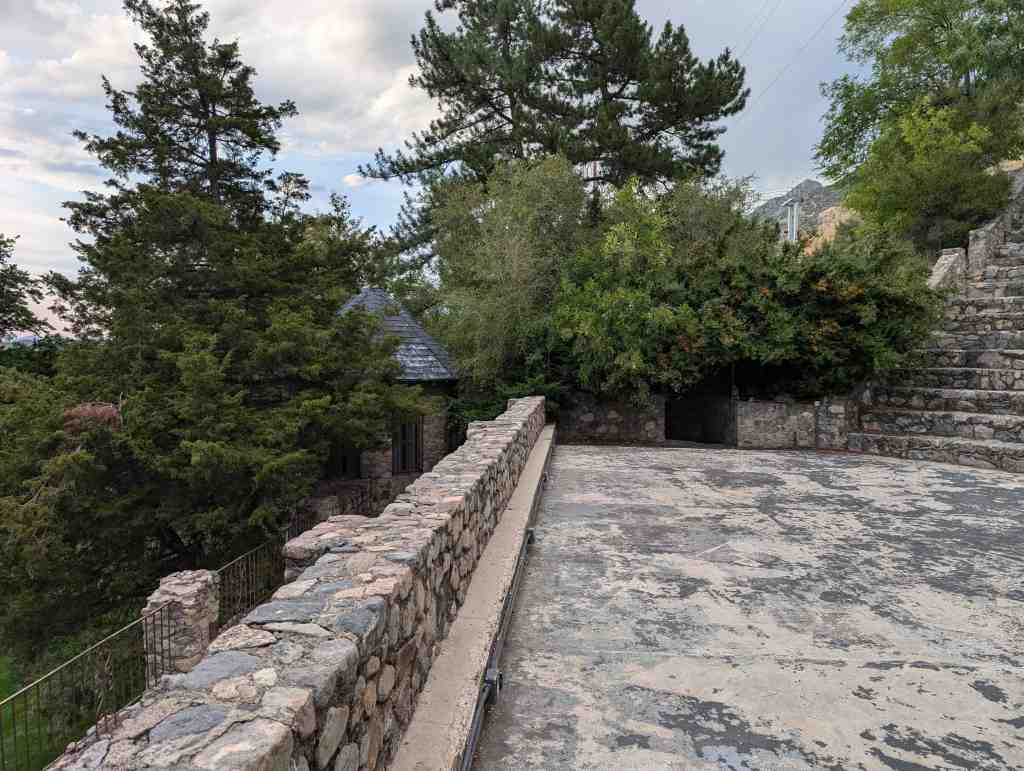
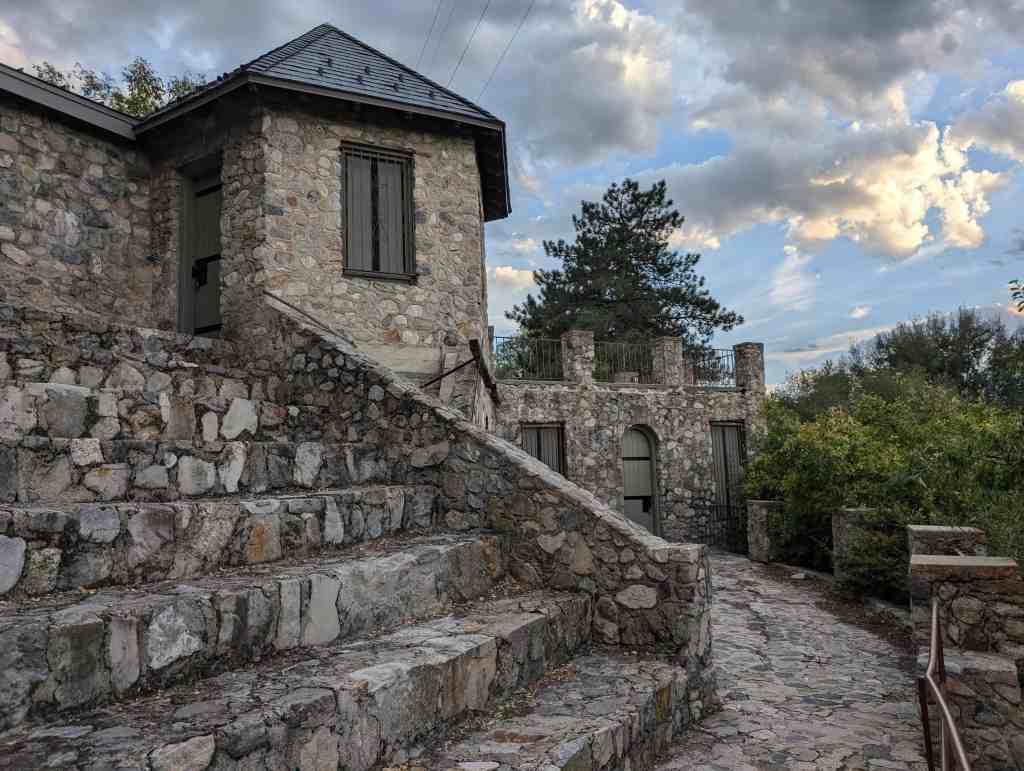
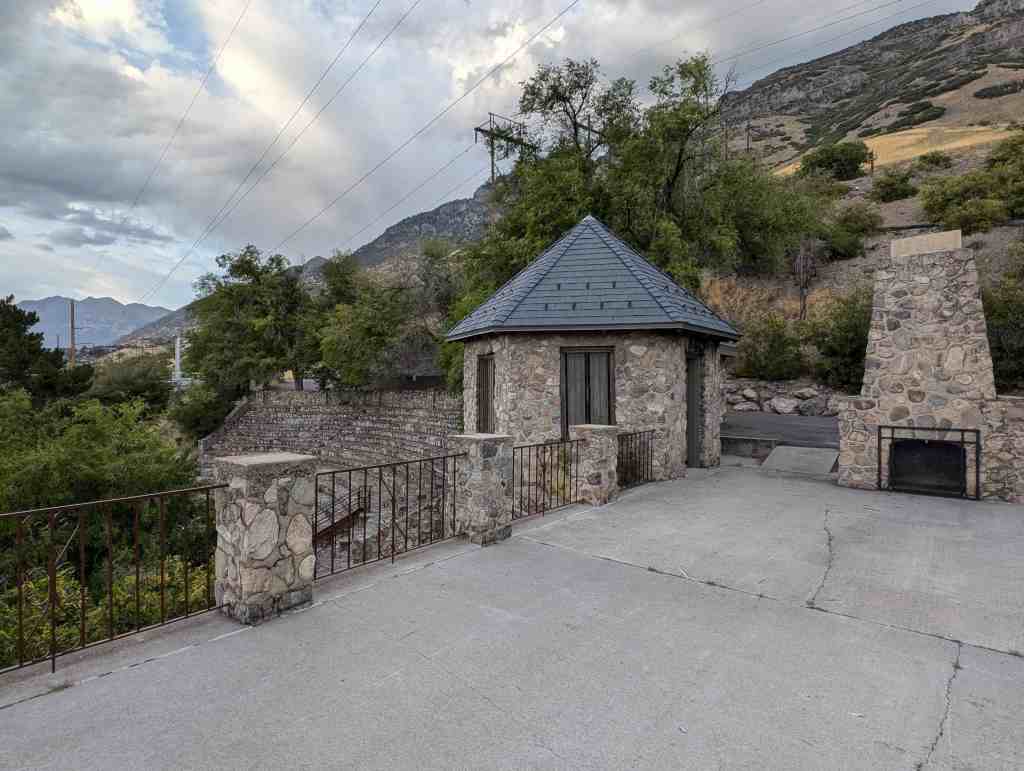
Built in 1936–1937, the Recreation Center (sometimes called the Castle Amphitheatre) is significant because it also helps document the impact of New Deal programs in Utah during the 1930s and 1940s. This structure is the second public works project built at the Utah State Hospital, the first being the Superintendent’s Residence. The Recreation Center is a three-acre facility consisting of an 800-seat stone amphitheater with attached interior rooms and an accompanying grass-covered play area. The towers and the “battlements” of various sections give the structure a castle-like appearance.

Originally, the center was significant for its important role in providing therapy through play and recreation for the patients at the Utah State Hospital. It was the first such facility constructed at the hospital. This facility is also believed to be one of the earliest and largest amphitheaters built in the state.

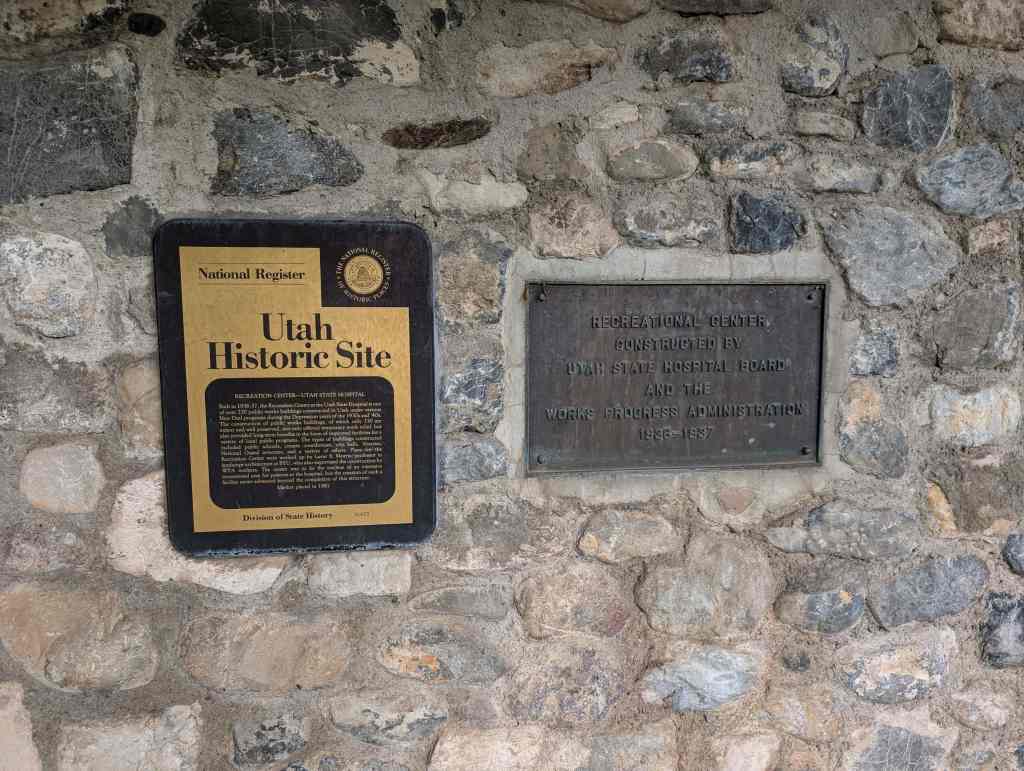
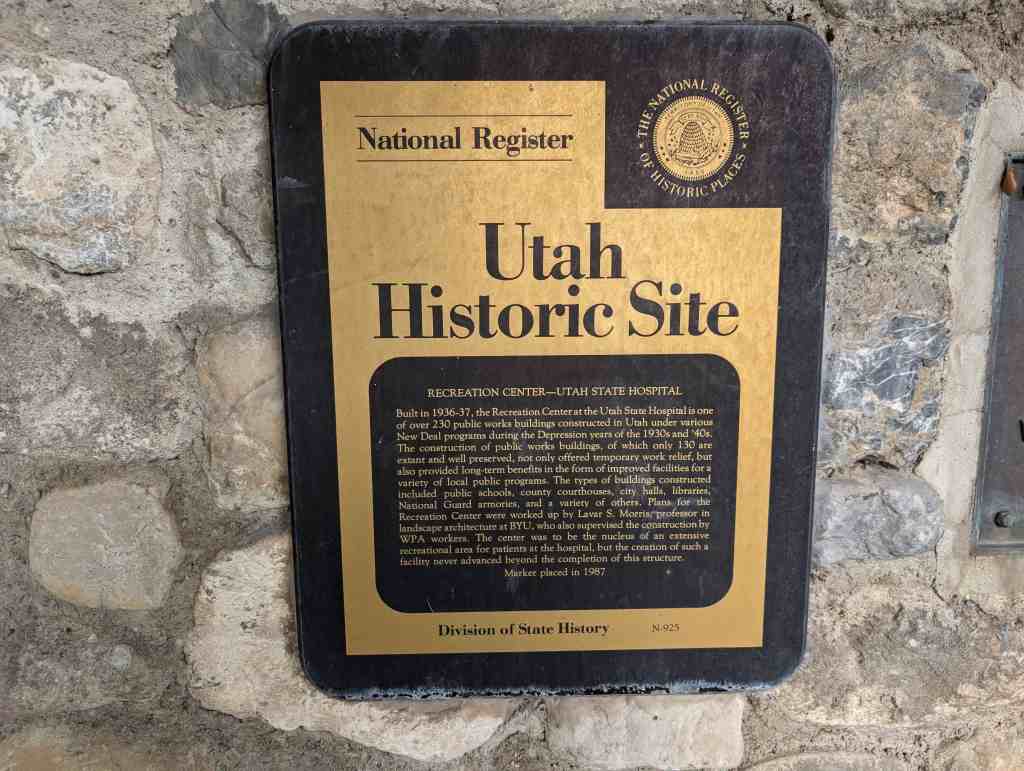
Recreation Center – Utah State Hospital

Built in 1936-37, the Recreation Center at the Utah State Hospital is one of over 230 public works buildings constructed in Utah under various New Deal programs during the Depression years of the 1930s and ’40s. The construction of public works buildings, of which only 130 are extant and well preserved, not only offered temporary work relief, but also provided long-term benefits in the form of improved facilities for a variety of local public programs. The types of buildings constructed included public schools, county courthouses, city halls, libraries, National Guard armories, and a variety of others. Plans for the Recreation Center were worked up by Lavar S. Morris, professor in landscape architecture at BYU, who also supervised the construction by WPA workers. The center was to be the nucleus of an extensive recreational area for patients at the hospital, but the creation of such a facility never advanced beyond the completion of this structure.

Related Posts:

  • New Deal Funded Projects
  • Provo, Utah
  • Johnny Jerusalem’s Grave – Don Verdean Filming Location
  • Utah State Hospital
2018-10-27 17.34.52
2018-10-27 17.36.50
2018-10-27 17.36.55
2018-10-27 17.36.59
2018-10-27 17.37.07
2018-10-27 17.37.36
2018-10-27 17.40.22
2018-10-27 17.40.45
2018-10-27 17.40.48
2018-10-27 17.41.21
2018-10-27 17.41.30
2018-10-27 17.41.39
2018-10-27 17.43.12
2018-10-27 17.44.17

Alpine City Hall

26 Friday Oct 2018

Posted by Jacob Barlow in Uncategorized

≈ 3 Comments

Tags

Alpine, Historic Buildings, New Deal Funded, NRHP, utah, utah county

2018-08-07 14.05.41

Alpine City Hall

Constructed in 1936, this building represents the significant impact of New Deal programs in providing both jobs and public facilities. It is one of over 240 buildings constructed in Utah by the Works Progress Administration (WPA) and other public works programs. As Utah was especially hard hit by the Great Depression, these programs were of particular importance. The federal government typically paid the workmen’s wages if the city provided the building site and construction materials. The total cost of this building was approximately $18,000, two-thirds of which was paid by the federal government. Local men did most of the work including some volunteers using many local materials such as the stone on the chimney and foundation which was obtained from rock canyon. The new building provided much-needed space for municipal functions. In addition to the large meeting room and city offices, it housed the public library, jail, and fire station. Additions were made to the fire station in 1962 and 1982.

The building is also architecturally significant as an important example of Colonial Revival/Neo Classical styling. Notable features include the bell tower, the symmetrical main facade, and the classically obtained entry with transom and capped stone pilasters, urns and sunburst. Marker placed in 1992.

Located around the City Hall grounds are several historic markers:

  • Alpine
  • Alpine History Board
  • Alpine Pioneer Relic Hall

2018-08-07 14.05.25

2018-08-07 14.05.47

2018-08-07 14.05.54

2018-08-07 14.07.00

2018-08-07 14.07.02

2018-08-07 14.12.19

Midvale City Hall

24 Wednesday Oct 2018

Posted by Jacob Barlow in Uncategorized

≈ 2 Comments

Tags

Historic Buildings, Midvale, New Deal Funded, NRHP, Salt Lake County, utah

2018-06-09 14.10.36

Midvale City Hall

Built in 1939, the Midvale City Hall was designed by Clark W. Scott and George W. Welch, prominent Utah architects. Rectangular in plan, this two-story brick building with parapeted gable roof is an excellent example of the Art Moderne style. Characteristic of that style is the streamlined appearance archived by the curved windows and rounded corners of the entry, extensive use of glass block, and curved capitals on the buttresses along the side walls.

The Midvale City Hall was the center of local government and community activities from 1939 to 1976 and housed the clerk’s office, city council chambers, city fire and police departments, a public auditorium, and recreation rooms. The cost of constructing the building was supported by a Public Works Administration (PWA) grant of $31,500 and a city bond of $38,500. The impact of the depression on Utah was so great that federal programs, in particular building programs, were important to bolstering the state’s productivity and were widely implemented. The Midvale City Hall was one of over 240 buildings constructed in the state, and one of 20 in Salt Lake County, to be funded under New Deal era programs.

2018-06-09 14.02.56
This photo is from the Midvale Museum

2018-06-09 14.10.47
2018-06-09 14.10.52
2018-10-27 11.00.27
Midvale Honors Utah Centennial 1896 – 1996
August 5, 1996
2018-06-09 14.11.02
2018-06-09 14.11.13
2018-06-09 14.11.14
2018-06-09 14.11.29
2018-06-09 14.11.35
2018-06-09 14.11.37
2018-06-09 14.12.25

Built in 1940-41 as a WPA-project, the Salt Lake County Library is exceptionally significant the original headquarters of the Salt Lake County Library System, and as part of the Public Works Buildings Thematic Resources nomination. It helps document the impact of New Deal programs in Utah, which was one of the states that the Great Depression of the 1930s most severely affected. In 1933 Utah had an unemployment rate of 36 percent, the fourth highest in the country, and for the period 1932-40 Utah’s unemployment rate averaged 25 percent. Because the depression hit Utah so hard, federal programs were extensive in the state. Overall, per capita federal spending in Utah during the 1930s was 9th among the 48 states, and the percentage of workers on federal work projects was far above the national average. Building programs were of great importance. During the 1930s virtually every public building constructed in Utah, including county courthouses, city halls, fire stations, national guard armories, public school buildings, and a variety of others, were built under federal programs by one of several agencies, including the Civil Works Administration (CWA), the Federal Emergency Relief Administration (FERA), the National Youth Administration (NYA), the Works Progress Administration (WPA),or the Public Works Administration (PWA), and almost without exception none of the buildings would have been built when they were without the assistance of the federal government. The construction of this library marked an important step in the development of a county library system for Salt Lake County. As headquarters of that system, this building was the center for processing and distributing books for the entire 19-branch system.

Midvale is located approximately seven miles south of Salt Lake City. Together with the nearby area of Murray, Midvale became a center in Utah’s mining industry, serving as a central location for the smelting of metal ores. In 1902 the United States Smelting, Refining, and Mining Company completed its smelter at Midvale, and rendered the town as a primary settlement for southern and eastern European immigrants who were utilized as labor for the plant. “Americanization1 and educational efforts among the state’s foreign-born population, especially during the 1919 national Americanization movement, became important as Utah became one of few states to pass an Americanization law. This act was part of the 1919 Utah Educational Program which also included provisions for county library systems. The reading and writing of English was seen as paramount to Americanization, and as such, libraries became of special significance.

Until 1919, only incorporated cities and towns in Utah could raise taxes for libraries. Consequently, unincorporated areas had no publicly supported library service. In 1919, however, the Utah State Legislature passed legislation providing that county commissions could levy taxes up to one mill to establish and support a county library system. Between May 1919, when the law took effect, and August, 1919, ten counties established library systems: Cache, Grand, Iron, Morgan, San Juan, Tooele, Uintah, Wasatch, Washington, and Wayne. Salt Lake County did not establish its own system until nearly 20 years later. Until then, it had public libraries in only two cities, Murray and Salt Lake City. The rest of the county either had no libraries, or inadequate private library “associations.”

In the fall of 1938, Calvin Smith, Superintendent of the Granite School District, and C. N. Jensen, Superintendent of the Jordan School District, headed a drive for a Salt Lake County Library system, and in the spring of 1939, it was established, with a budget of $33,822; Ruth Vine Tyler as the head; and a staff of four people. The first Library Board was made up of the following members: Superintendents Smith and Jensen, Mrs. Alf G. Gunn, J. R. Rawlins, and J. Hollis Aylett, Mayor of Midvale. Temporary quarters were established in two rooms of the Midvale Elementary School at 575 East Center Street, and plans were laid to construct a new building. The Library Board decided to build it in Midvale, at least partly because Midvale City donated a piece of land 178 feet x 910 feet at the southeast corner of Main and Center Streets on which to construct the building.’ The project became a WPA effort, illustrating the federal government’s role and concern not only in public works, but also in funding buildings to be used for public and educational needs.

The architectural firm of (Raymond J.) Ashton and (Raymond L.) Evans designed this PWA Moderne-style building. Ashton and Evans, a prominent firm, also designed several other public work buildings during the 1930s and ’40s, including the Wayne County High School, the Thomas Library at the University of Utah, and the Wasatch County Library in Heber City, the design of which is very similar to this building.

The architectural drawings for the building were completed by the end of 1939, the building contract was awarded to Jense Bros, in the spring of 1940, and construction began in June of that year. Construction was completed in August 1941 and a grand opening held August 9, 1941. The building was intended to serve as the Midvale City Library, and as the center for processing and distributing books for the entire Salt Lake County system, which by that time had 19 branches: Bacchus, Bingham, Copperton, Draper, East Mill creek, Garfield, Granger, Herriman, Holladay, Magna, Mill creek, Riverton, Sandy (2), South Salt Lake (2), Taylorsville, Union, and West Jordan. Its facilities included an adult reading room, a children’s room, a board meeting room, several offices, a work and stack room, and shelves for 30,000 volumes.

The building served as a library until 1976, when it became the Midvale City Hall.

The Salt Lake County Library is one of 233 public works buildings identified in Utah that were built during the 1930s and early 1940s. Only 130 of those 233 buildings are known to remain today and retain their historic integrity. This is one of 20 buildings constructed in Salt Lake County, of which 10 remain. It is one of six public works library buildings constructed in Utah, of which five are known to remain. Libraries were included in at least five other public works buildings in the state, but the primary function of those buildings was as a city hall.

This building was added to the National Register of Historic Places (#82004129) on July 26, 1982.

Hostess House / Officers Club

21 Thursday Dec 2017

Posted by Jacob Barlow in Uncategorized

≈ 1 Comment

Tags

New Deal Funded

2017-11-25 10.44.16

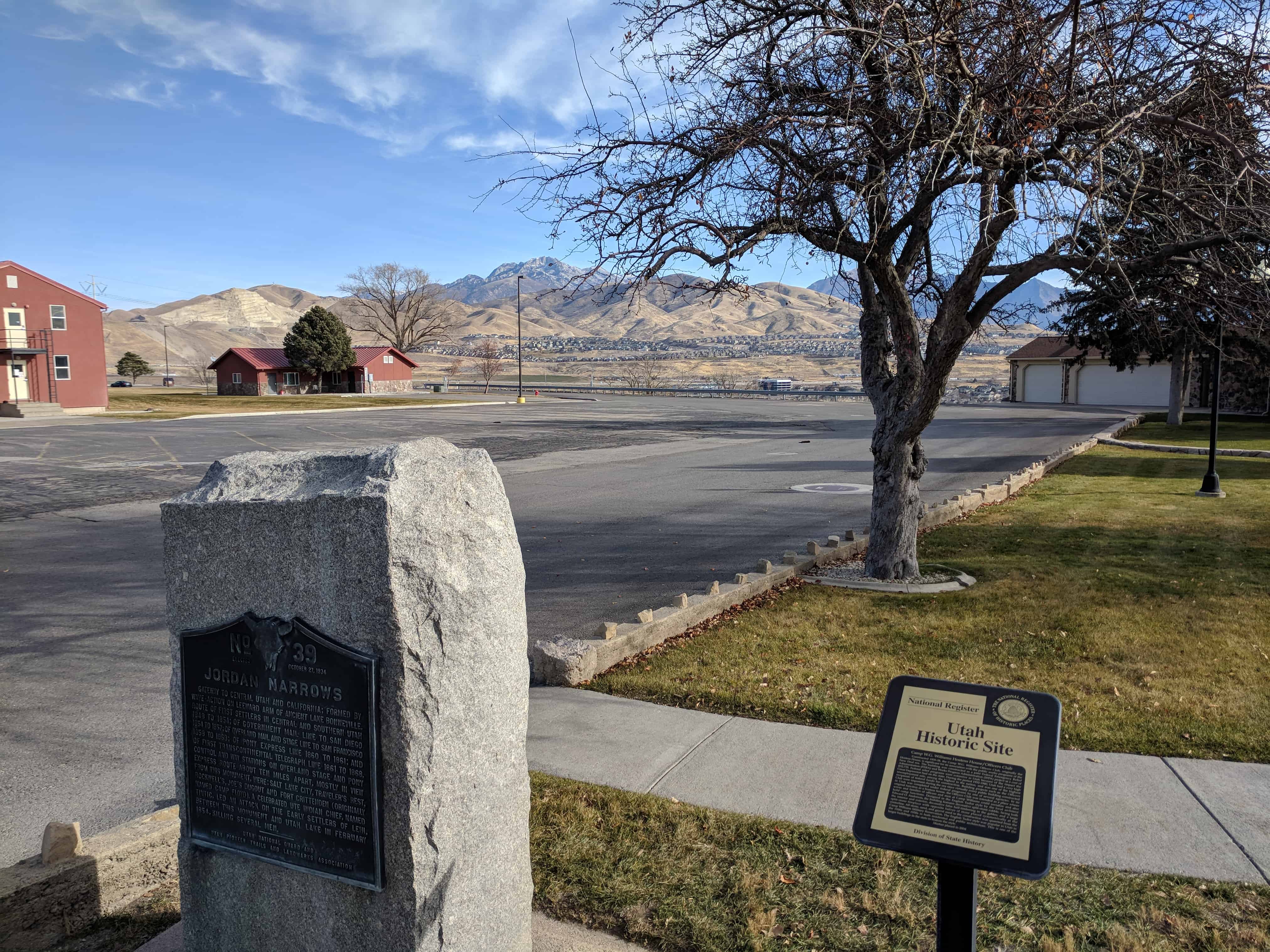
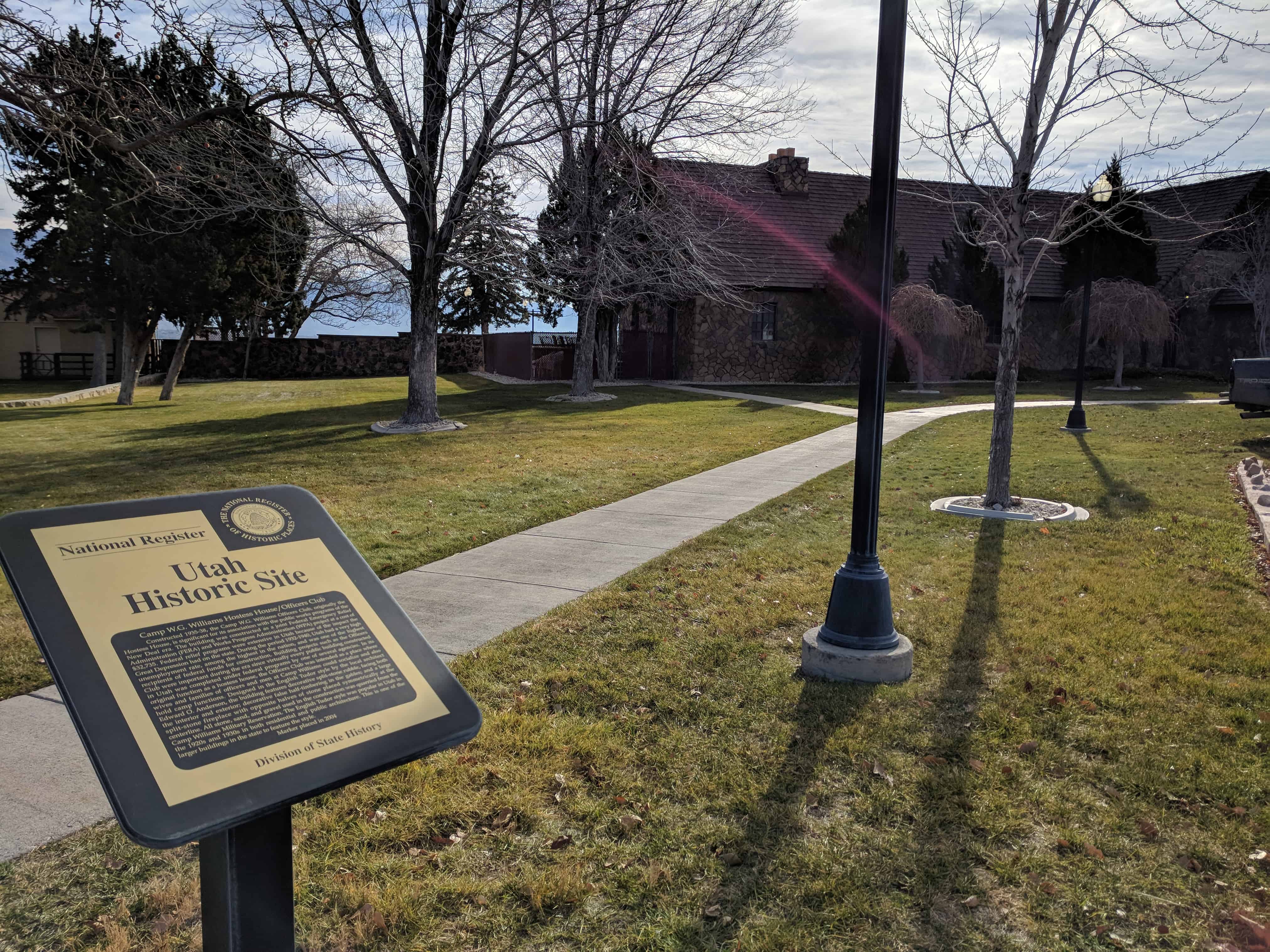
Camp W.G. Williams Hostess House / Officers Club

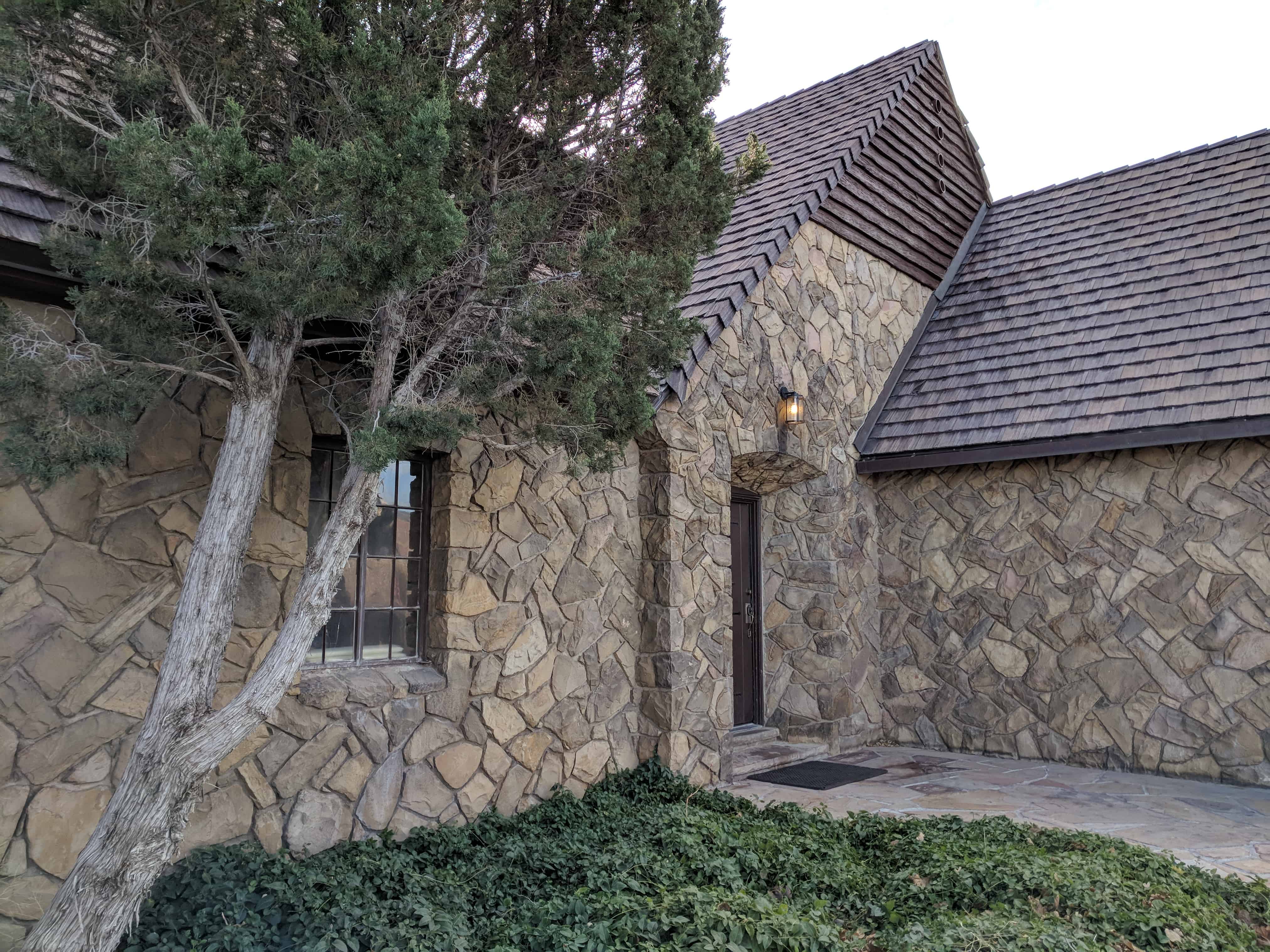
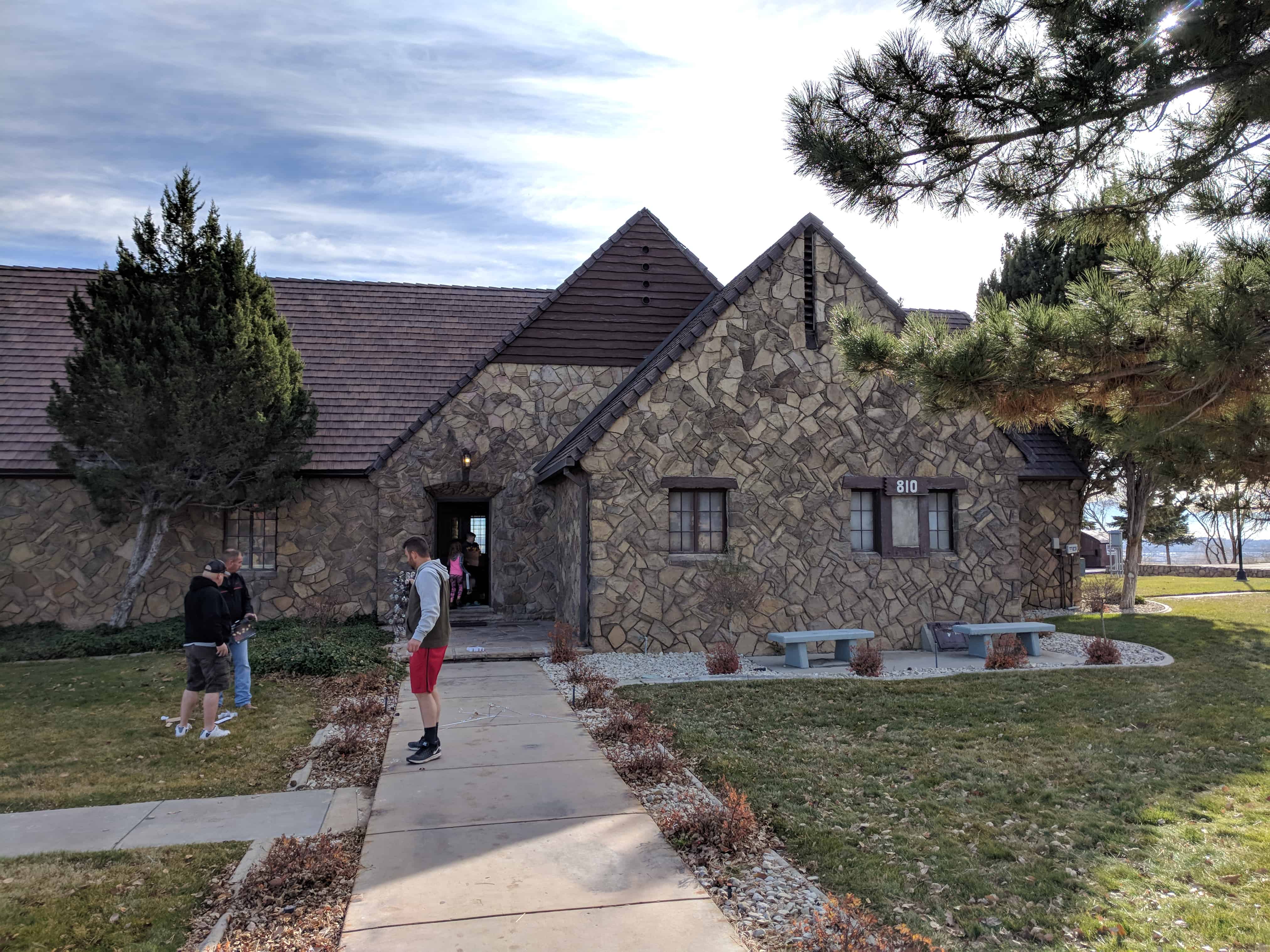
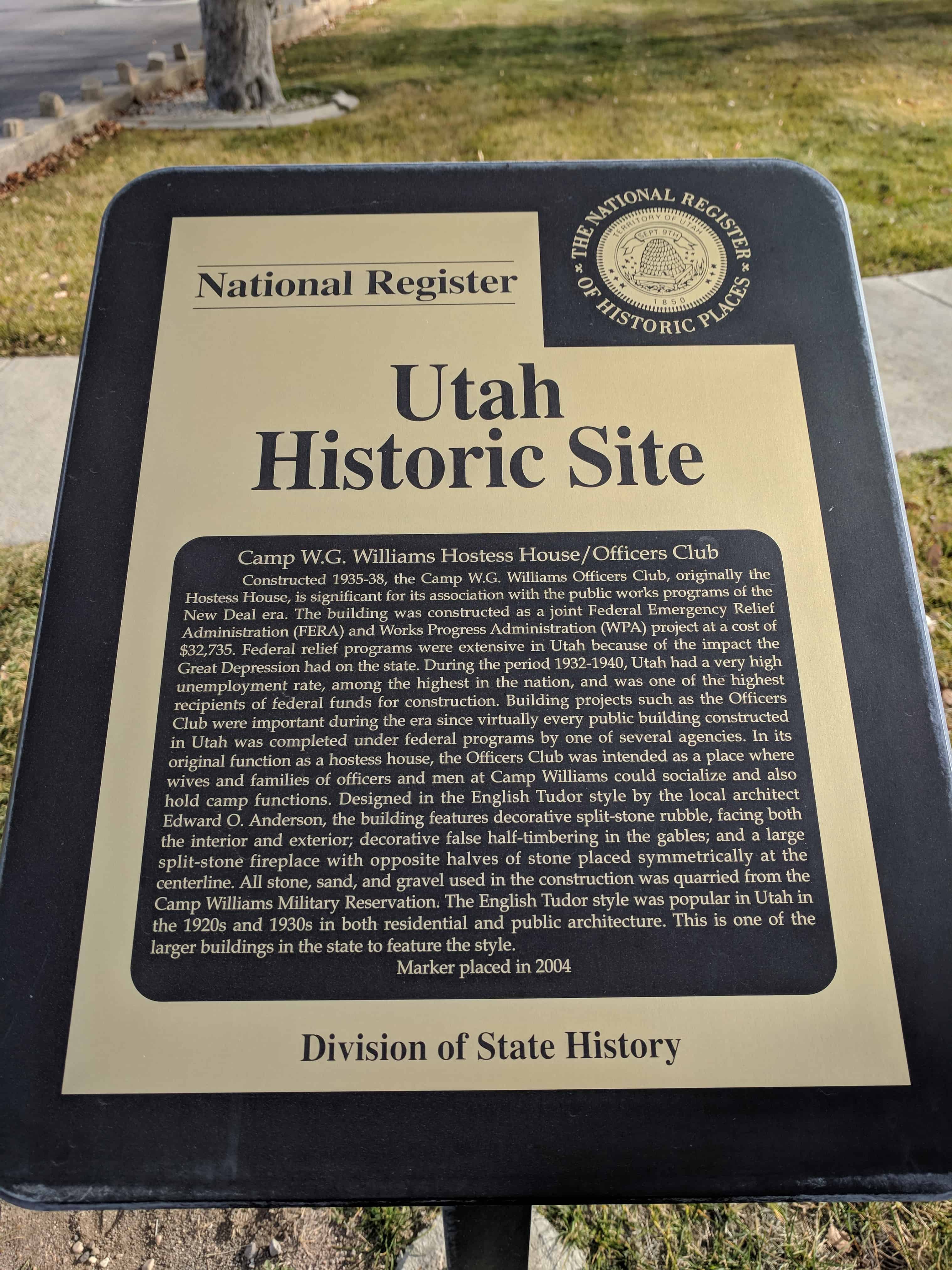
Constructed 1935-38, the Camp W.G. Williams Hostess House / Officers Club, originally the Hostess House, is significant for its association with the public works programs of the New Deal era.  The building was constructed as a joint Federal Emergency Relief Administration (FERA) and Works Progress Administration (WPA) project at a cost of $32,735.  Federal relief programs were extensive in Utah because of the impact the Great Depression had on the state.  During the period 1932-1940, Utah had a very high unemployment rate, among the highest in the nation, and was one of the highest recipients of federal finds for construction.  Building projects such as the Officers Club were important during the era since virtually every public building constructed in Utah was completed under federal programs by one of several agencies.  In its original function as a hostess house, the Officers Club was intended as a place where wives and families of officers and men at Camp Williams could socialize and also hold camp functions.  Designed in the English Tudor style by the local architect Edward O. Anderson, the building features decorative split-stone rubble, facing both the interior and exterior; decorative false half-timbering in the gables; and a large split-stone fireplace with opposite halves of stone placed symmetrically at the centerline.  All stone, sand, and gravel used in the construction was quarried from the Camp Williams Military Reservation.  The English Tudor style was popular in Utah in the 1920s and 1930s in both residential and public architecture.  This is one of the larger buildings in the state to feature the style.

Related Posts:

  • The Living New Deal
  • New Deal Funded Projects
2017-11-25 10.47.39
2017-11-25 10.44.41
2017-11-25 10.44.19
2017-11-25 10.40.21
2017-11-25 10.37.32
2017-11-25 10.37.06
2017-11-25 10.37.25
Newer posts →

Follow Jacob

Follow Jacob

Come wander with me on Youtube.

Blog Stats

  • 2,103,640 hits

Social and Other Links

BarlowLinks.com

Recent Posts

  • Scout Monument
  • Provo High School Seminary Building
  • 821 E 100 S
  • 820 E 100 S
  • 817-819 E 100 S

Archives

Loading Comments...