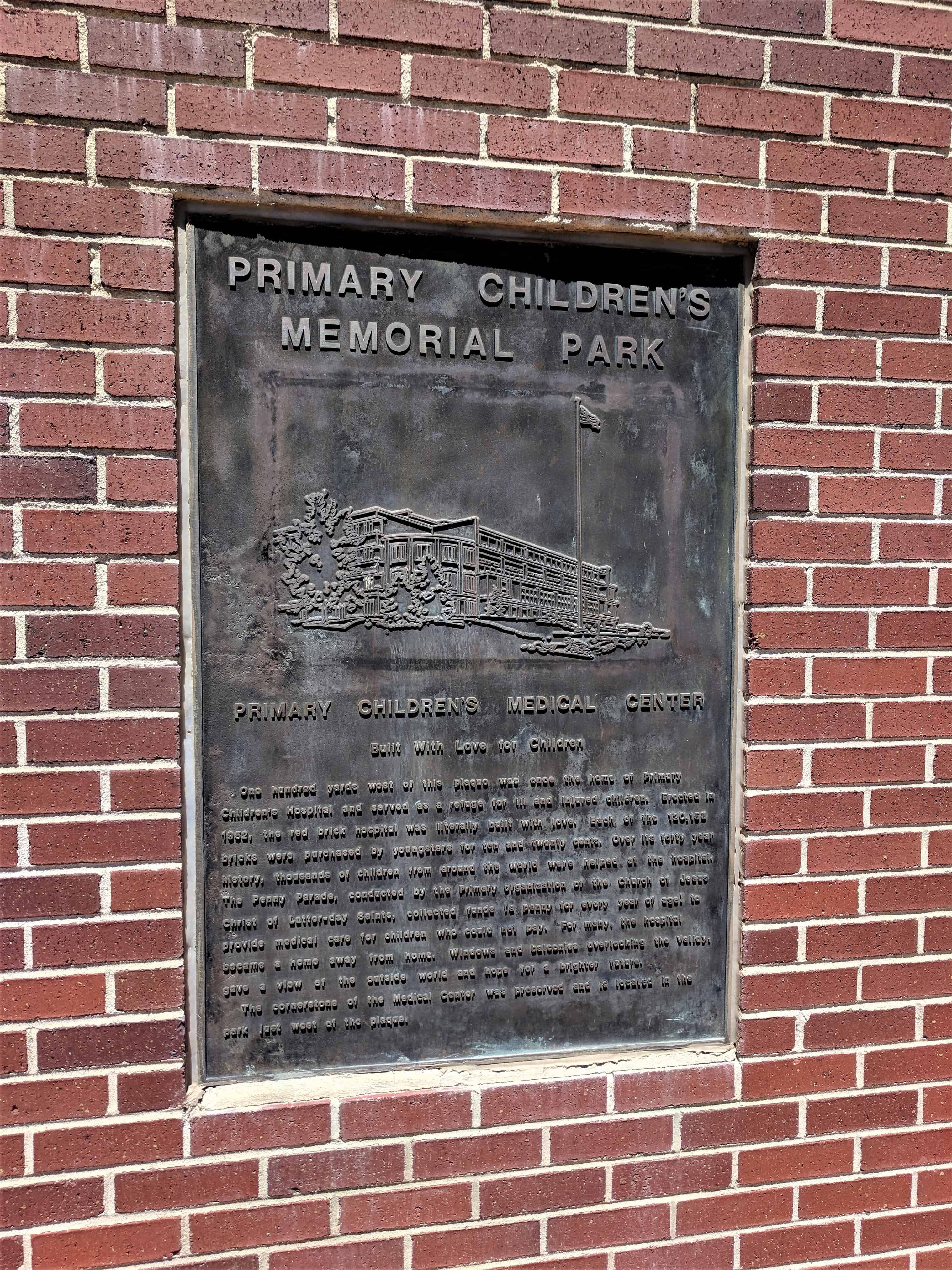
Primary Children’s Hospital / Primary Children’s Medical Center
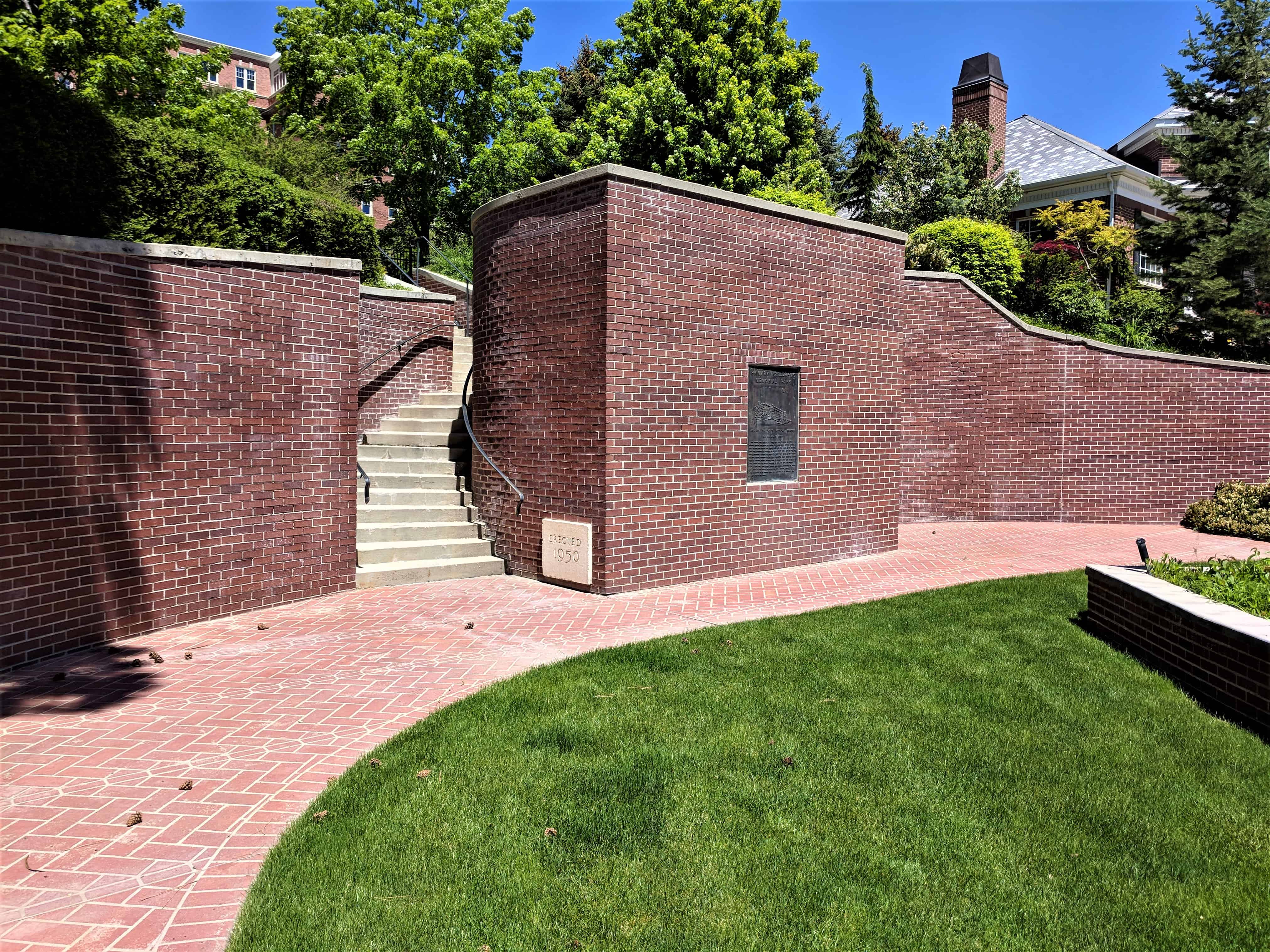
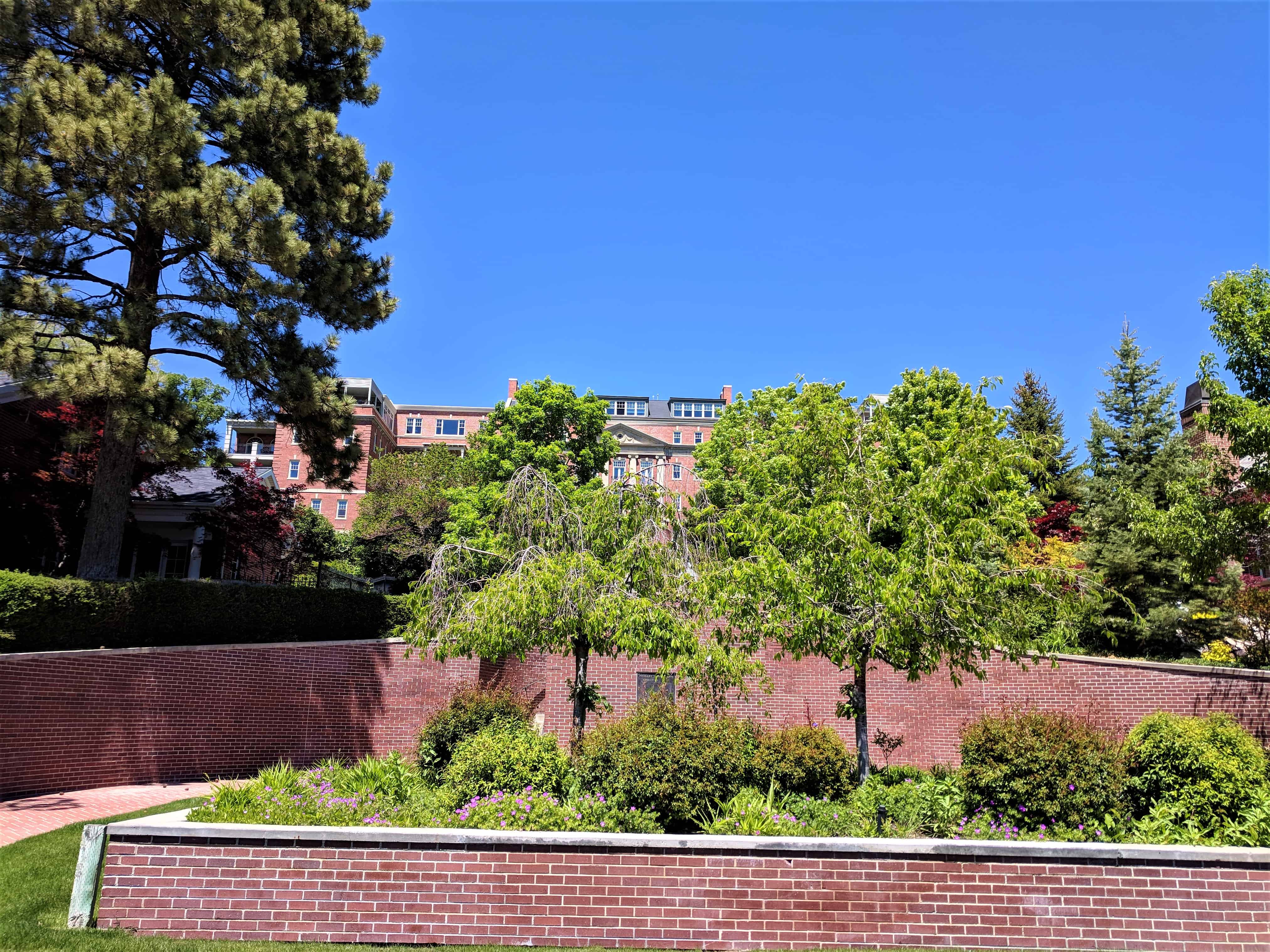
One hundred yards west of this plaque was once the home of Primary Children’s Hospital and served as a refuge for ill and injured children. Erected in 1952, the red brick hospital was literally build with love. Each of the 120,158 bricks were purchased by youngsters for ten and twenty cents. Over its forty year history, thousands of children from around the world were helped at the hospital.
The Penny Parade, conducted by the Primary organization of the Church of Jesus Christ of Latter-day Saints, collected funds (a penny for every years of age) to provide medical care for children who could not pay. For many, the hospital became a home away from home. Windows and balconies overlooking the Valley, gave a view of the outside world and hope for a brighter future.
The cornerstone of the Medical Center was preserved and is located in the park just west of the plaque.
Utah businessmen Orange J. Salisbury shared Samuel Newhouse’s goal of shifting the center of Salt Lake City’s business district to the south. He financed the construction of several commercial buildings in Salt Lake City, including the Felt Building. Designed by Richard Kletting, the Felt Building is an early example of Sullivanesque architecture in Utah. It also features the first terra-cotta facade in the state. What the Felt Building lacks in color, it makes up for in exuberant detail. Note the relief portraits of classical Greek figures in the round arches, dentilled cornice, foliated frieze, and decorative capitals atop the pilasters between the bays.
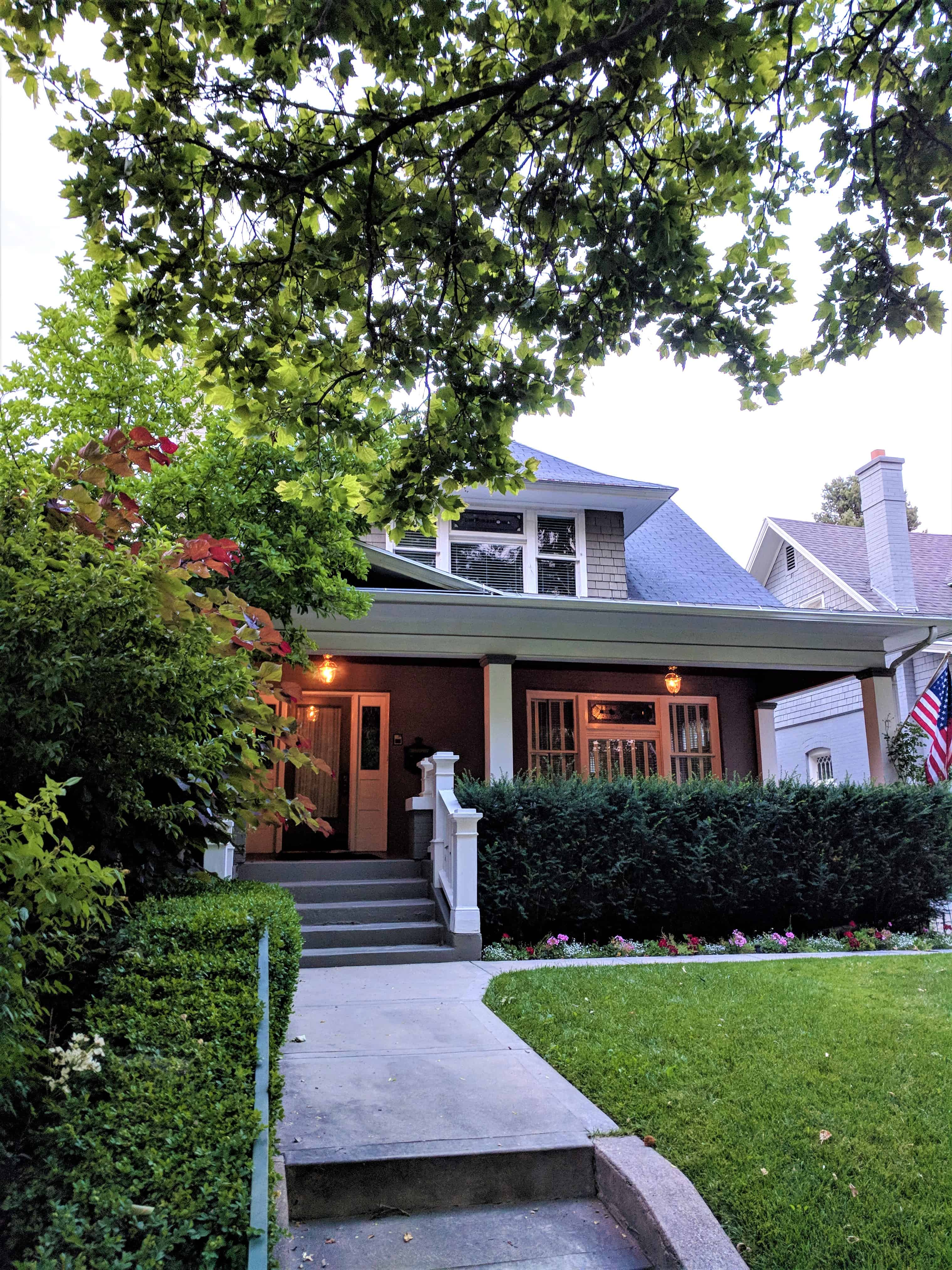
This home and the one next door at 74 N were built c.1909 for investment purposes by Agatha P. Schettleron. She sold this house to Grace C. Stratton, an osteopath who was active in local politics, Stratton was elected to the Utah Legislature in 1916 and 1918, and she held a prominent social position within the Salt Lake community.
This one-and-one-half-story bungalow is distinguished by the centrally placed front dormer and the shallow ornamental gable marking the main entrance.
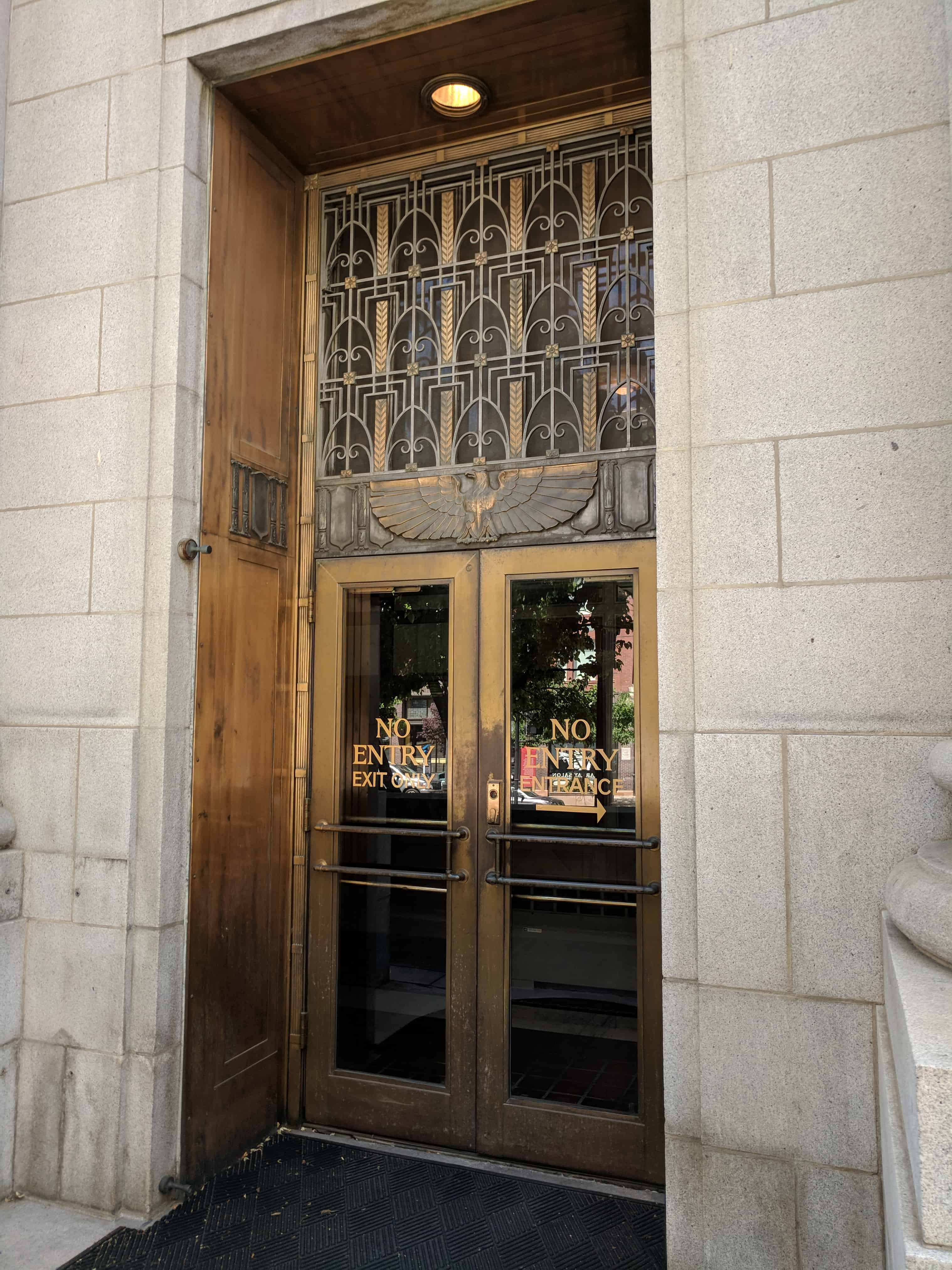
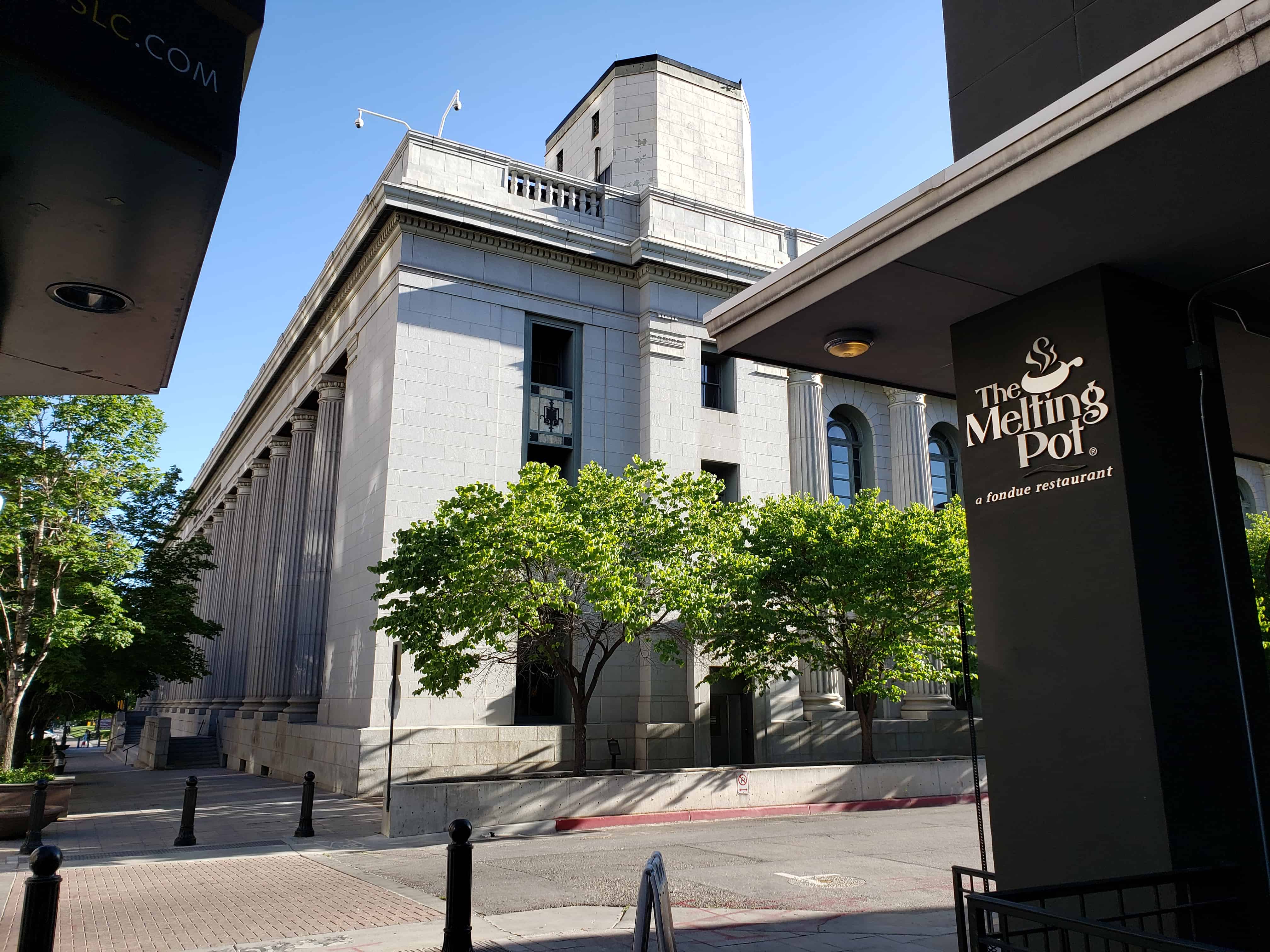
1902-1905, James Knox Taylor, Supervising Architect of the Treasury
After Utah became a state in 1896, the Federal Government began planning a building to house federal offices in Salt Lake City. The Treasury Department considered two sites for the building. After vocal opposition from many of Salt Lake City’s leading non-Mormon businessmen to a site offered by the LDS Church near Temple Square, the federal government purchased this site. Completed in 1905, this building was one of the earliest examples of Neoclassical style architecture in Utah. Originally serving as a combination post office, courthouse, and federal building, it became the anchor of the non-Mormon south downtown business district.
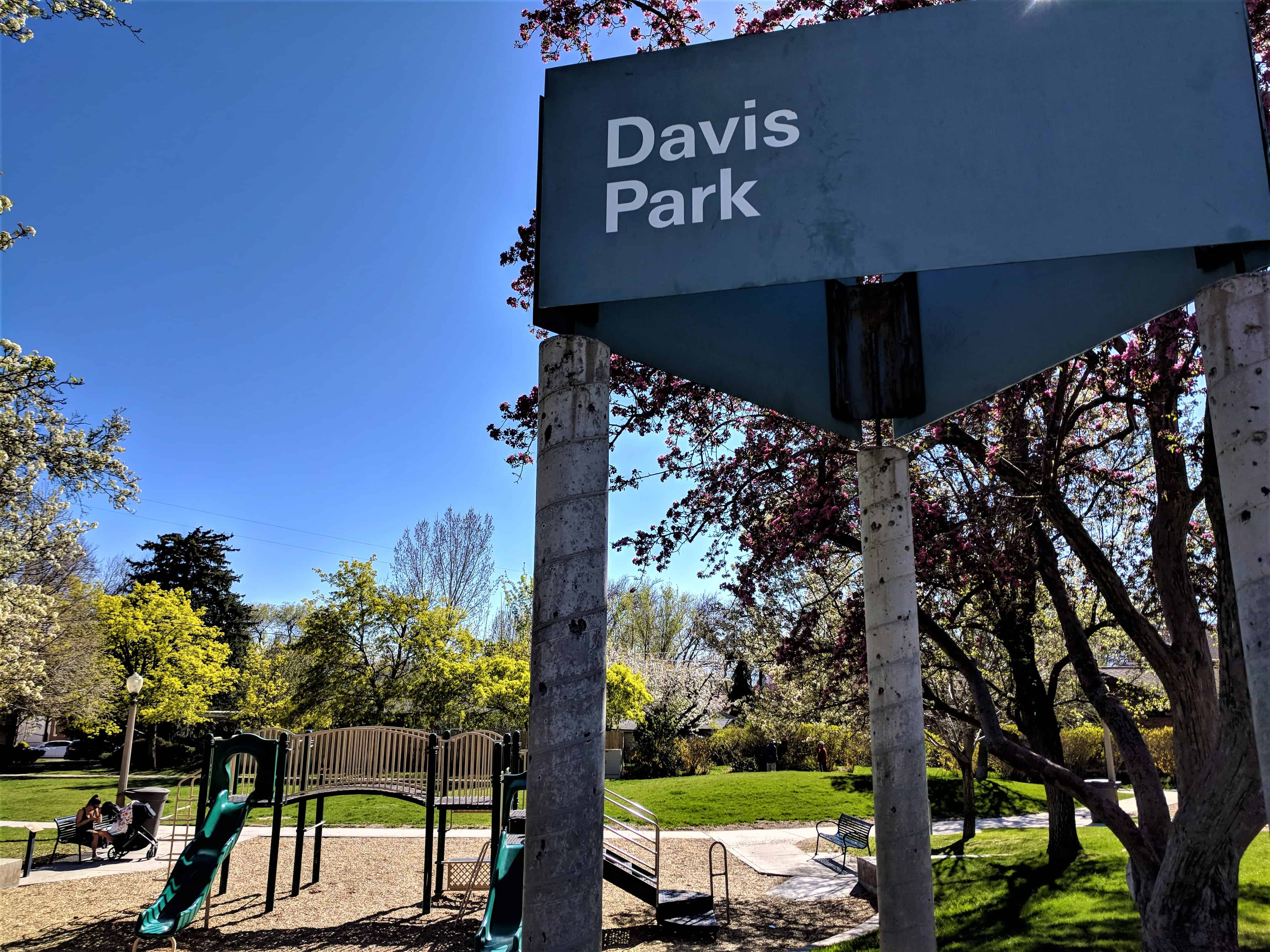
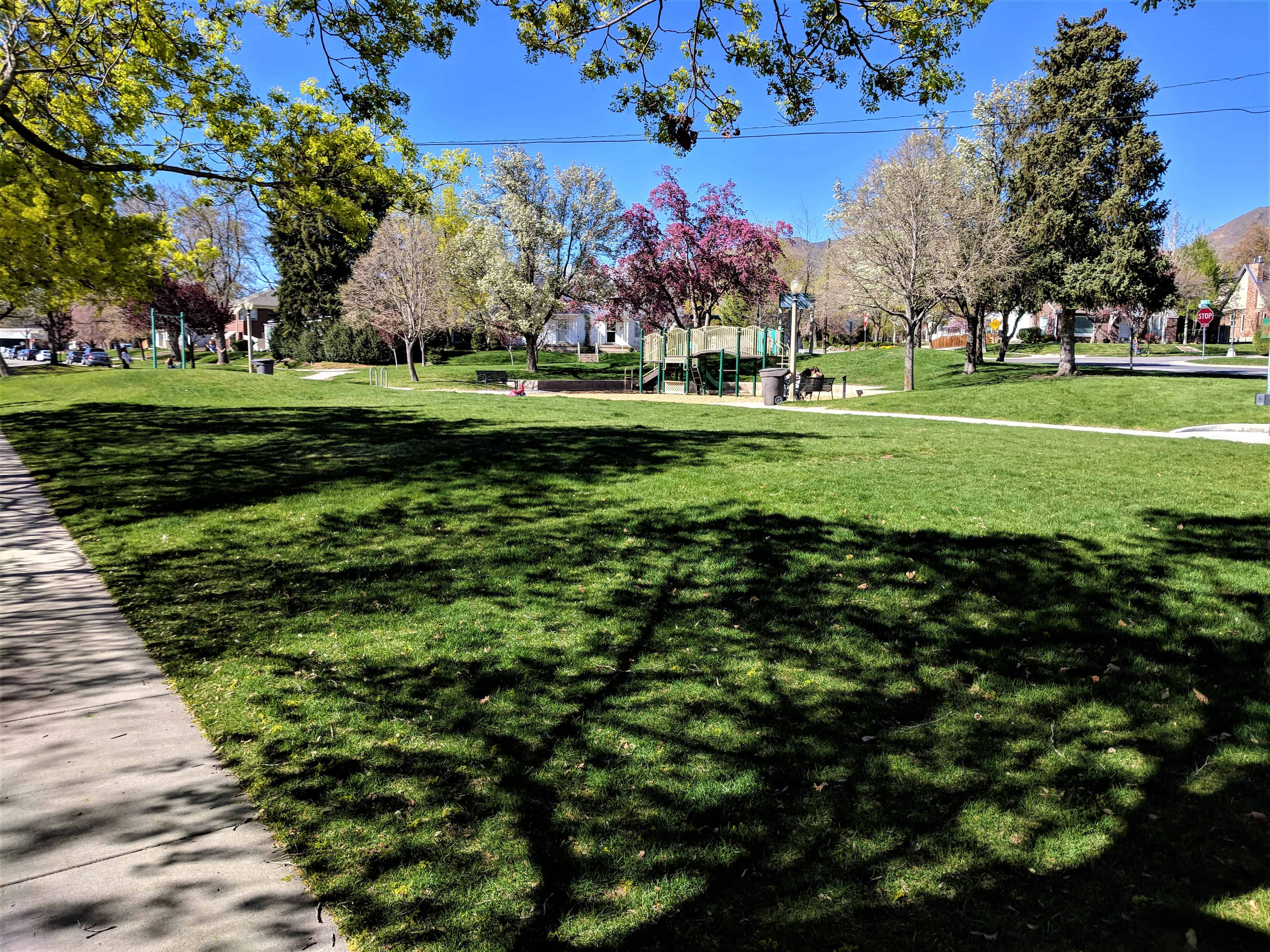
This park is dedicated to the memory of Ione McKean Davis, a lifelong resident of Salt Lake City, who devoted herself to the interests of the community. She served in many areas, including the public schools, neighborhood associations, and tennis programs. Mrs. Davis was known as the “watchdog” for the city’s foothills, stressing preservation and controlled development. She was a lifelong political activist and served on many civic boards and communities.
As a member of the Salt Lake City Council representing District 6, Mrs. Davis conscientiously studied the issues and fought tirelessly for effective government, quality services, and careful use of fiscal resources. Her expertise was instrumental in changing this location a gravel-strewn intersection to a safe and peaceful retreat for children and adults.
While serving as the vice-chairwoman of the City Council in 1985 during her second term, Mrs. Davis died of cancer. In memory of her civic service, the name of this park was changed from Foothill Park to Davis Park. Mrs. Davis embodied the best of American citizenship and local leadership. She is remembered by those who associated with her as being insightful, spirited, hard working, compassionate and honest. Her family and community contributions constitute her legacy.
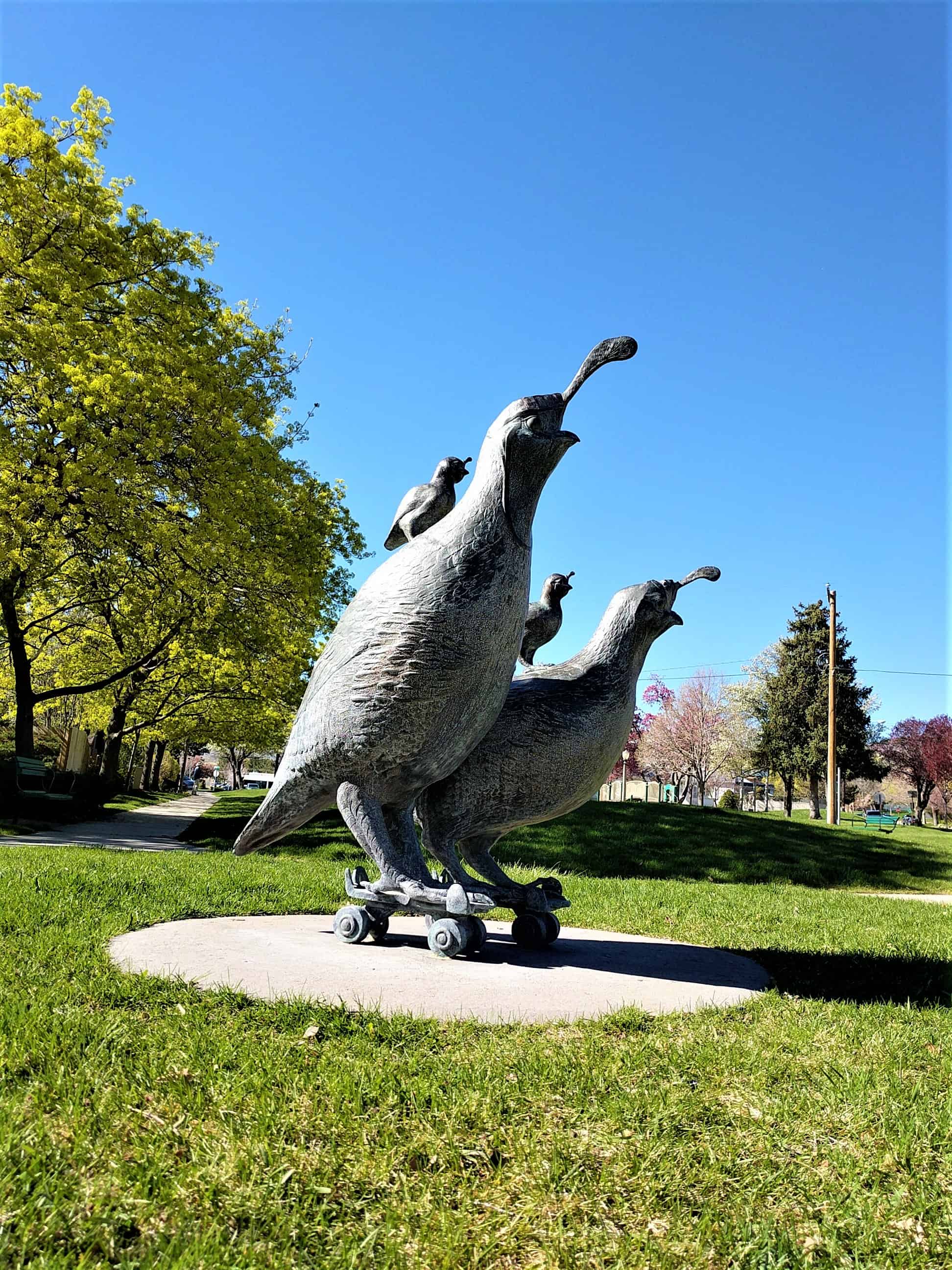
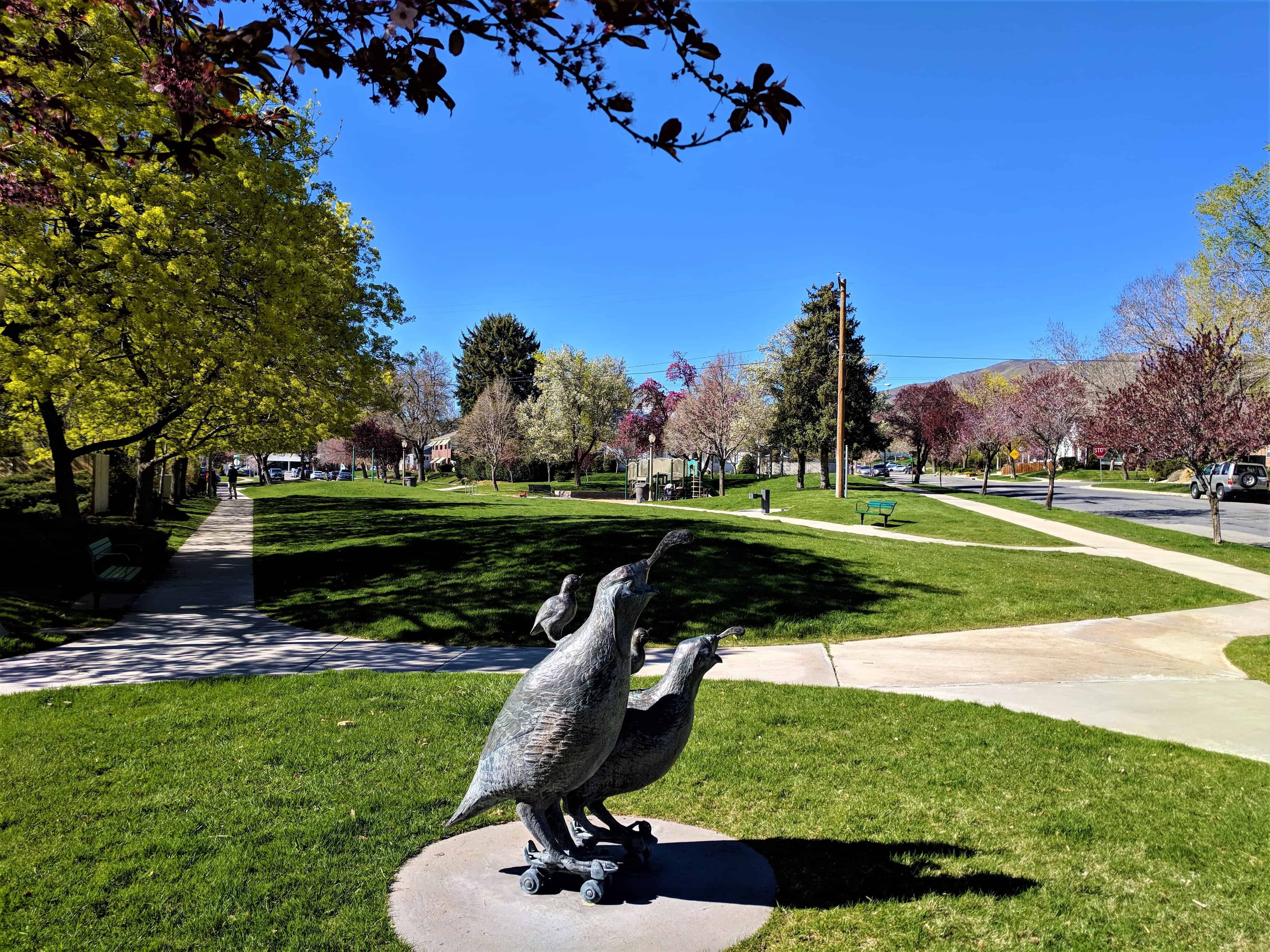
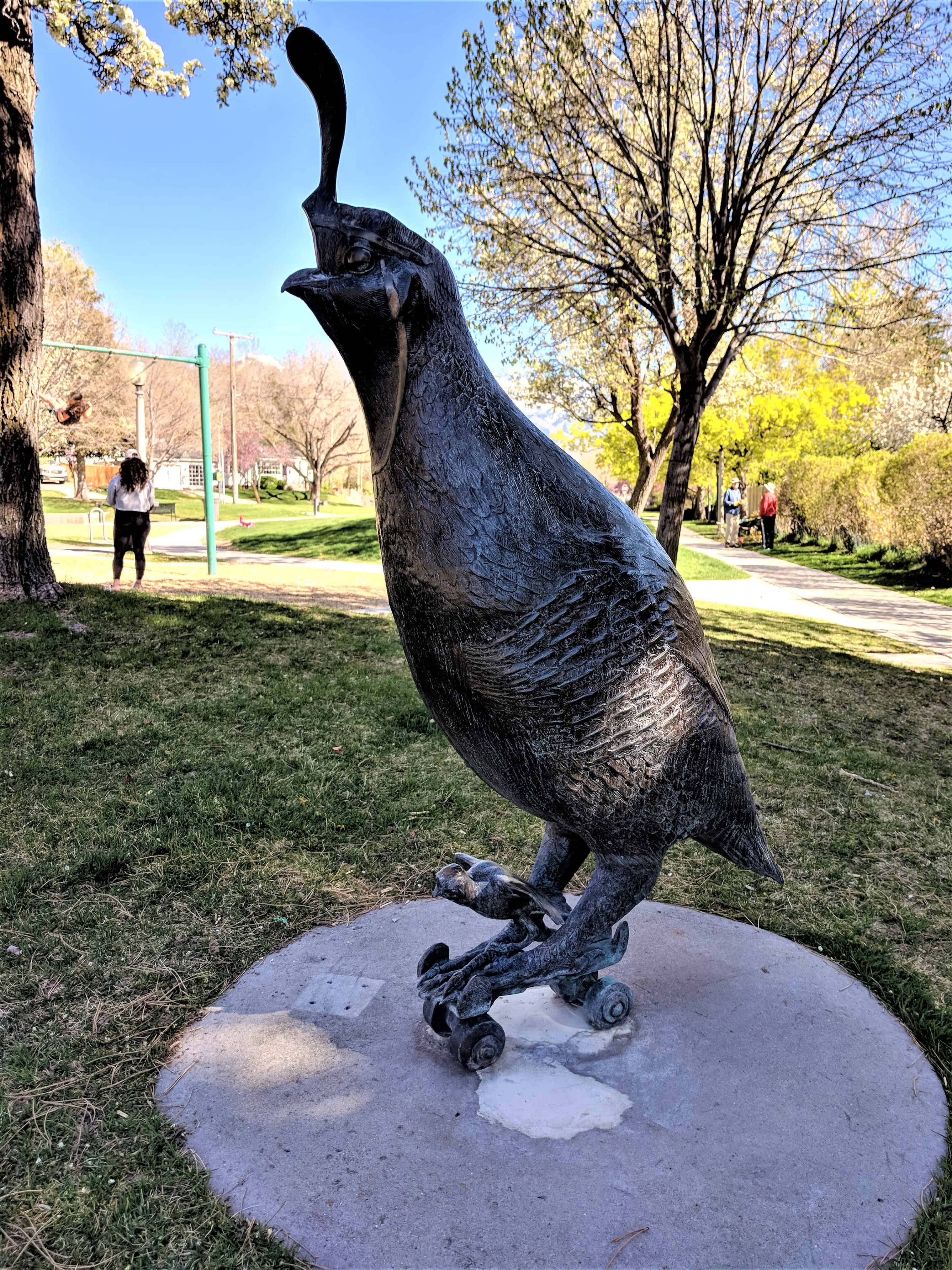
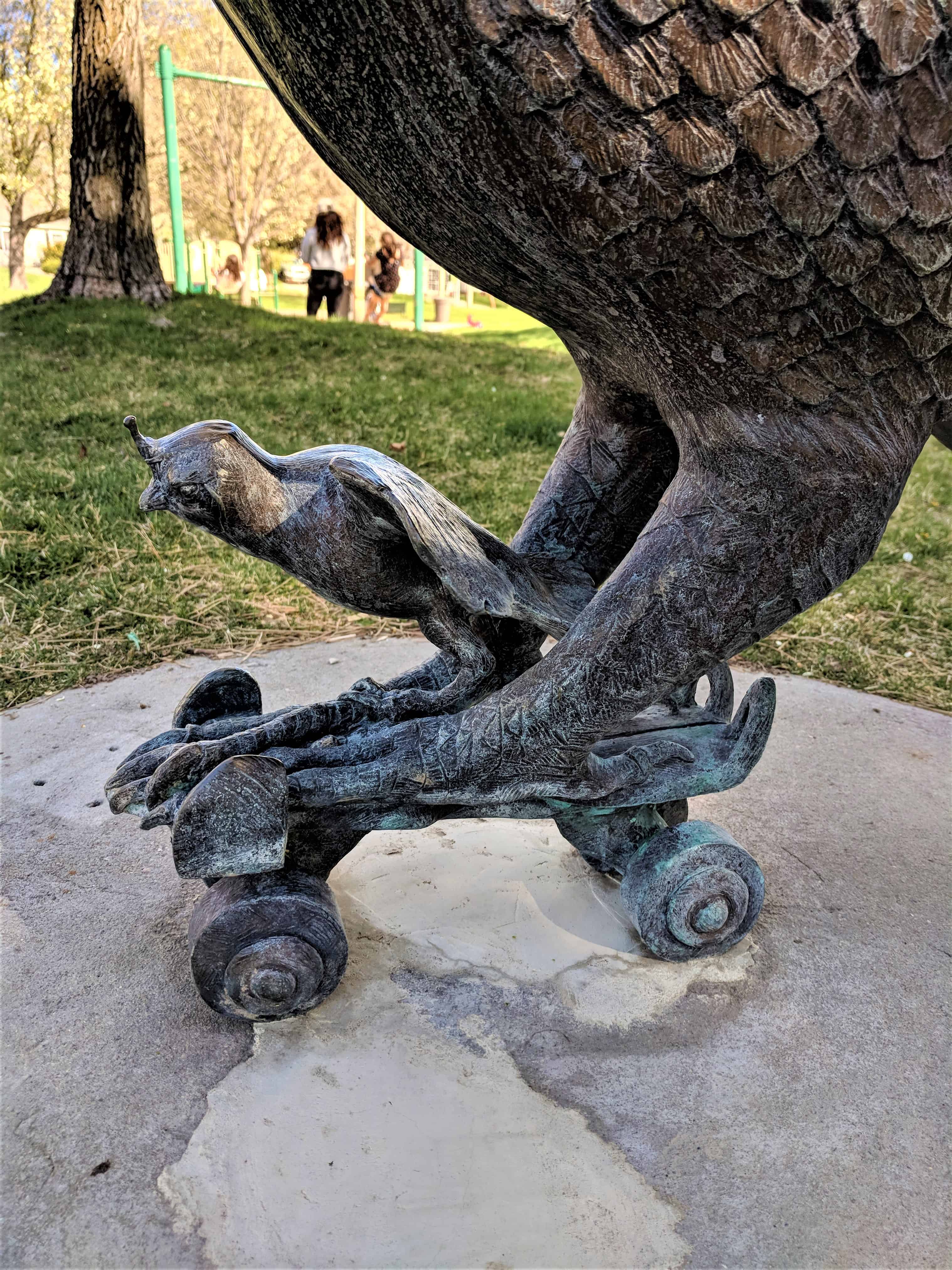
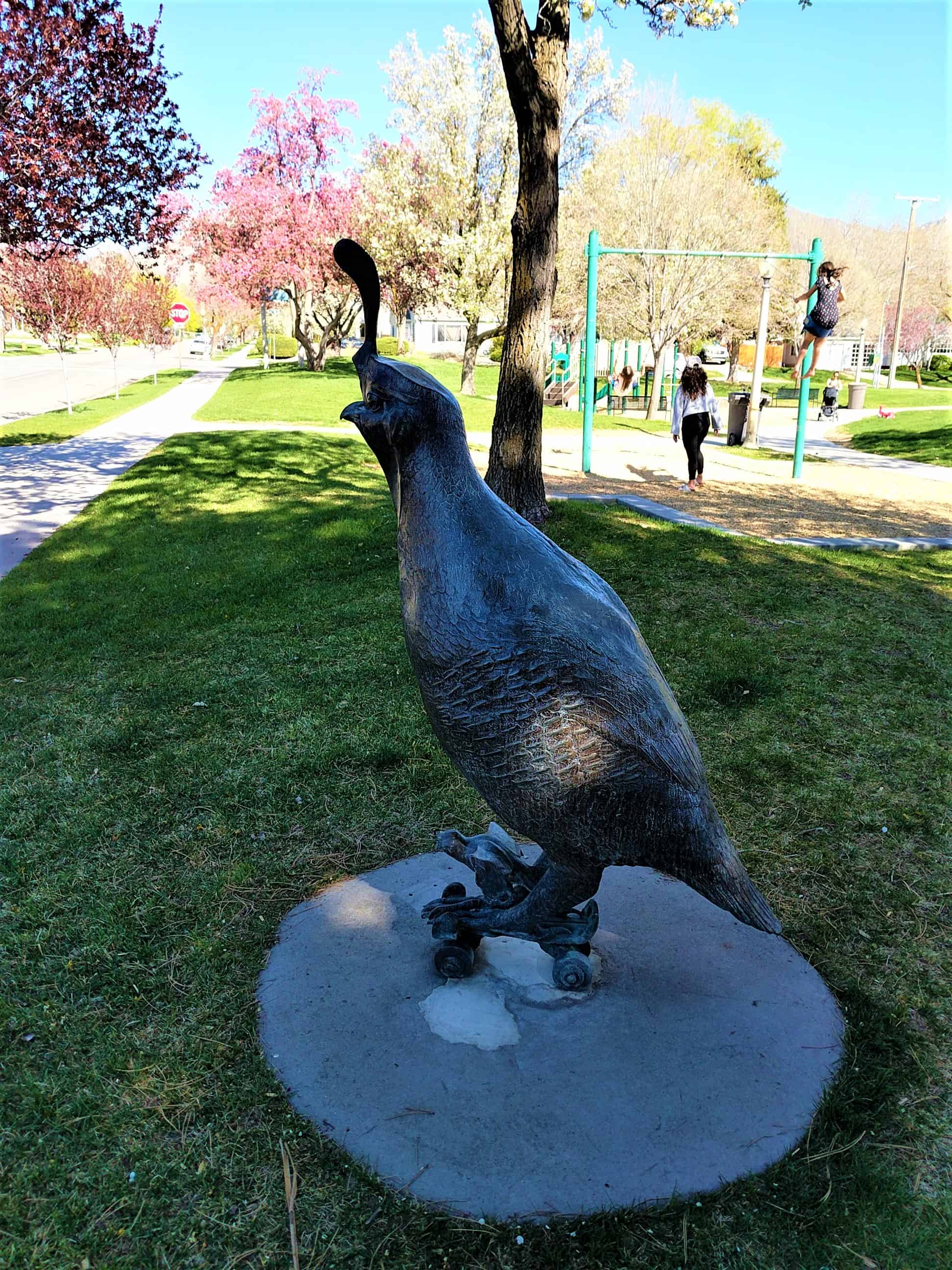
There are sculptures of quail on roller-skates around the park.
DAN GERHART GAMBEL’S QUAIL, 2009 CAST BRONZE QUAIL The sculptural subject of Gambel’s quail reflects the commitment of Ione McKean Davis to the preservation of open space in the urban environment. Coveys of wild Gambel’s quail can be seen throughout the neighborhoods of Salt Lake City. Recognizing the wild presence of quail in the urban landscape affirms an appreciation for our fragile local ecosystem and the importance of urban open space.
Gambel’s quail are identified by their tear-drop shaped topknot, the distinct black patch on the chest of the buck, and the scaly plumage on their undersides. As ground birds in an urban environment, Gambel’s quail primarily move about by walking and can move surprisingly fast through brush and undergrowth.
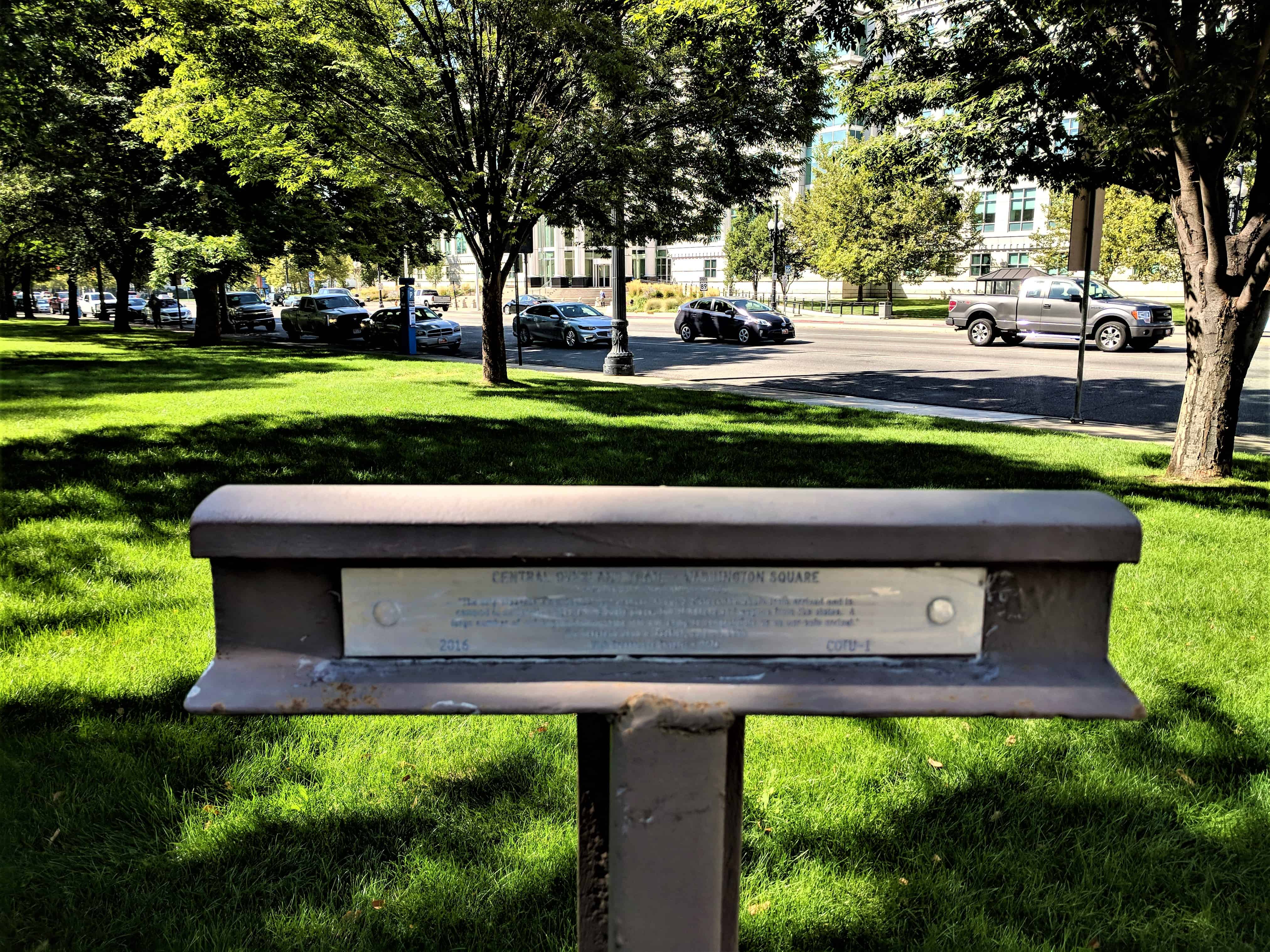
“The city presents a handsome appearance. About 3 o’clock the whole train arrived and is camped in Emigration Square in a dusty place, full of horses and wagons from the states. A large number of old acquaintances came into our camp to congratulate us on our safe arrival.”
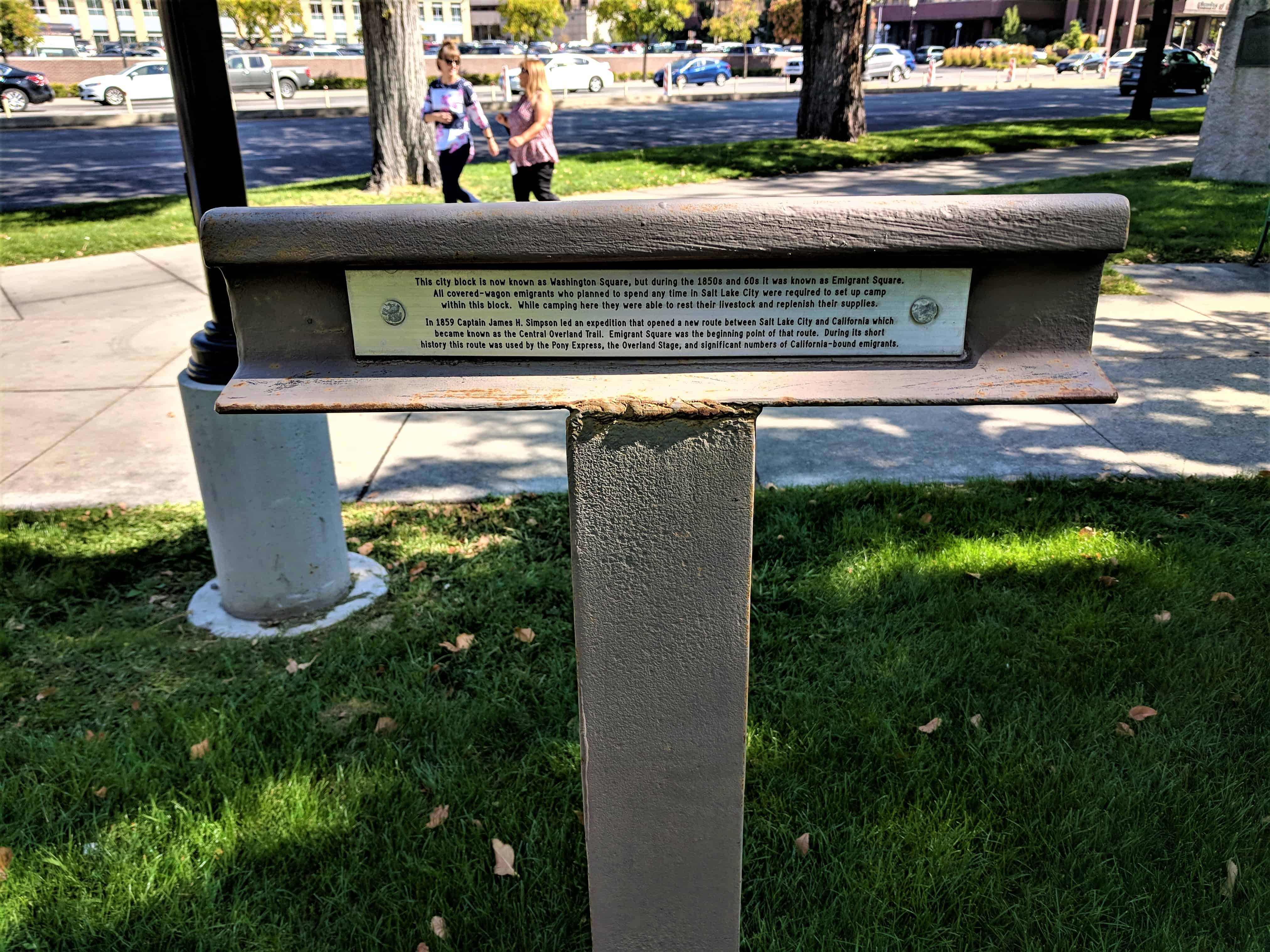
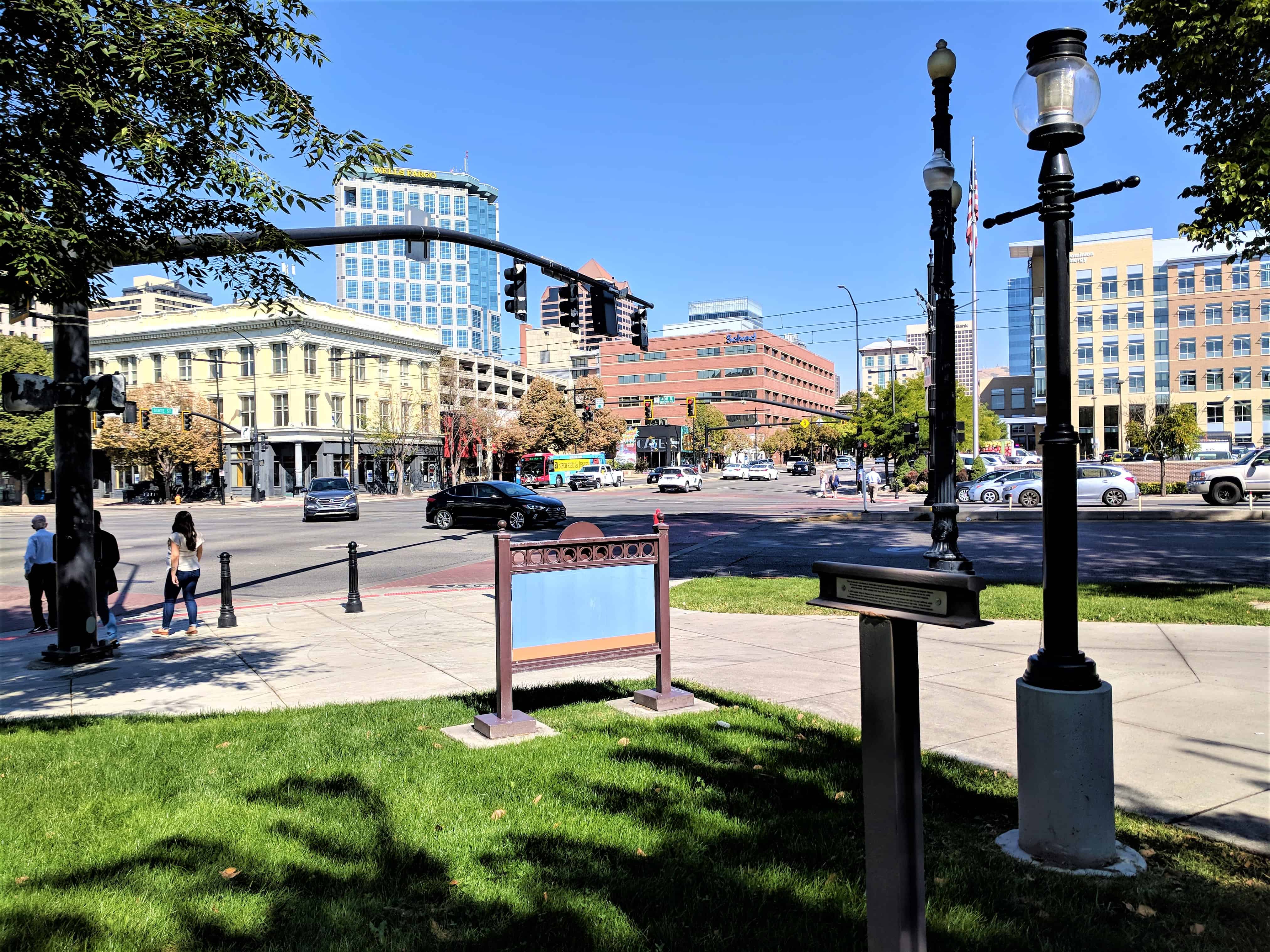
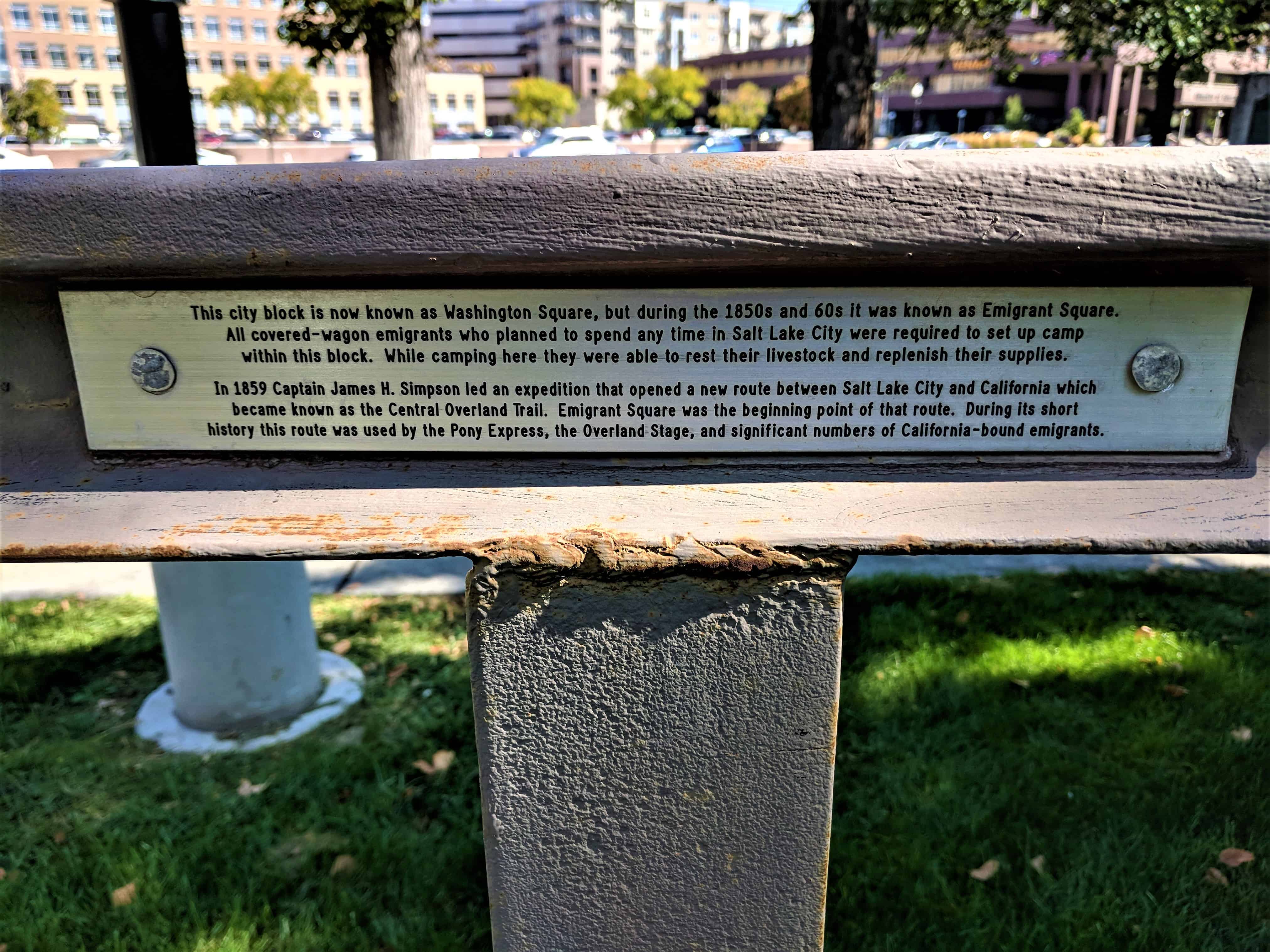
This city block is now known as Washington Square, but during the 1850s and 60s it was known as Emigrant Square. All covered-wagon emigrants who planned to spend any time in Salt Lake City were required to set up camp within this block. While camping here they were able to rest their livestock and replenish their supplies.
In 1859 Captain James H. Simpson led an expedition that opened a new route between Salt Lake City and California which became known as the Central Overland Trail. Emigrant Square was the beginning point of that route. During its short history this route was used by the Pony Express, the Overland Stage, and significant numbers if California-bound emigrants.
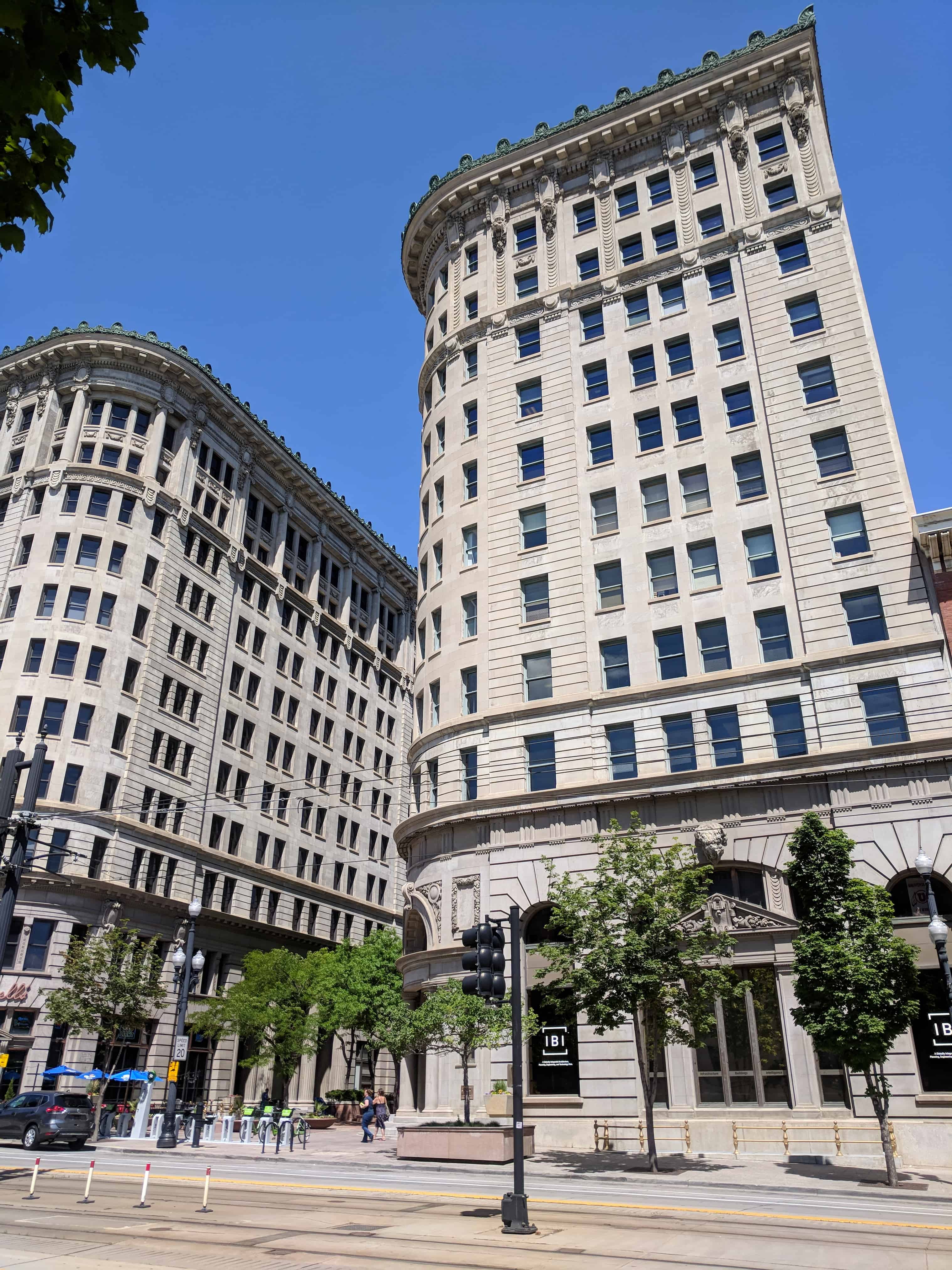
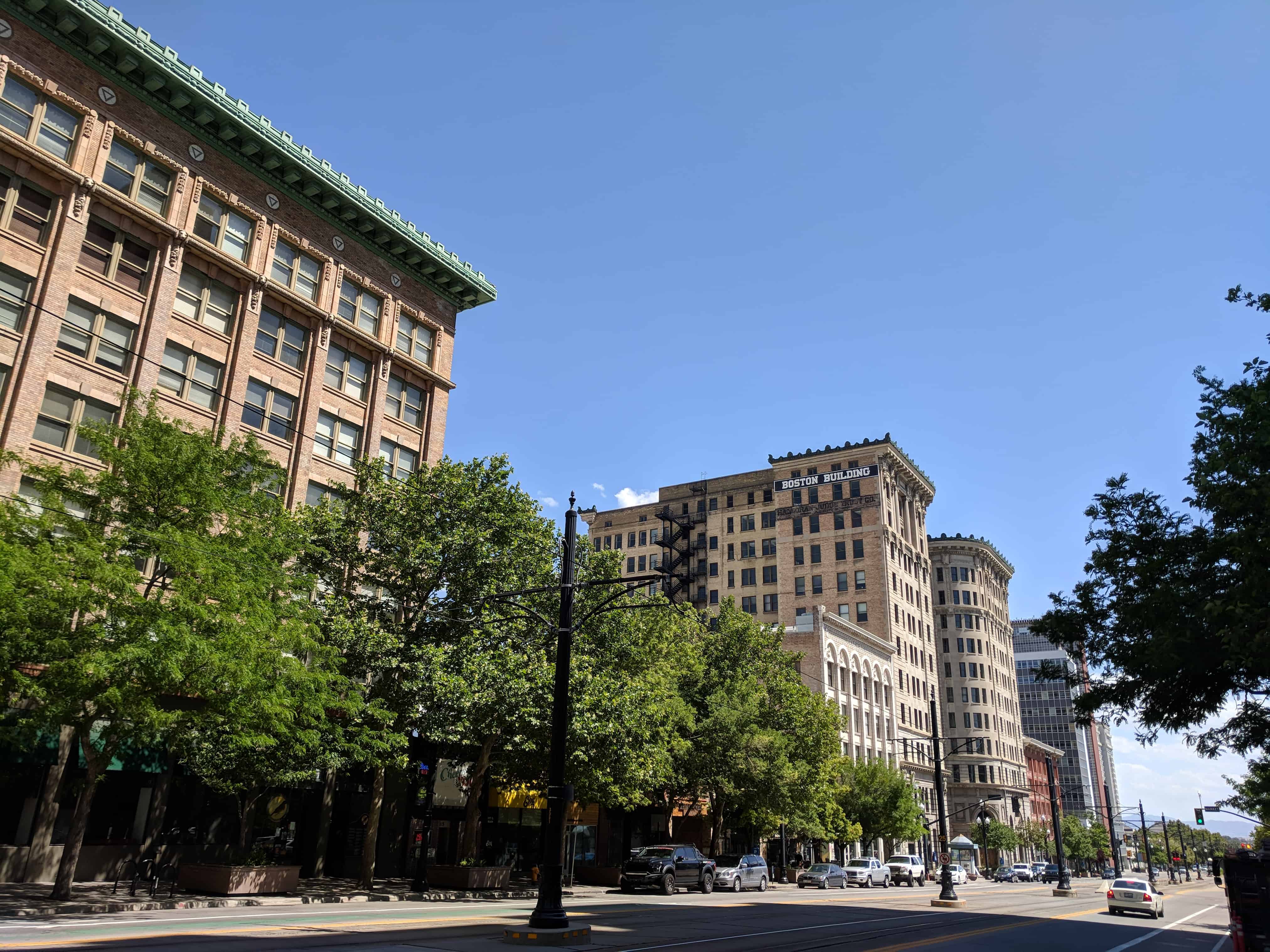
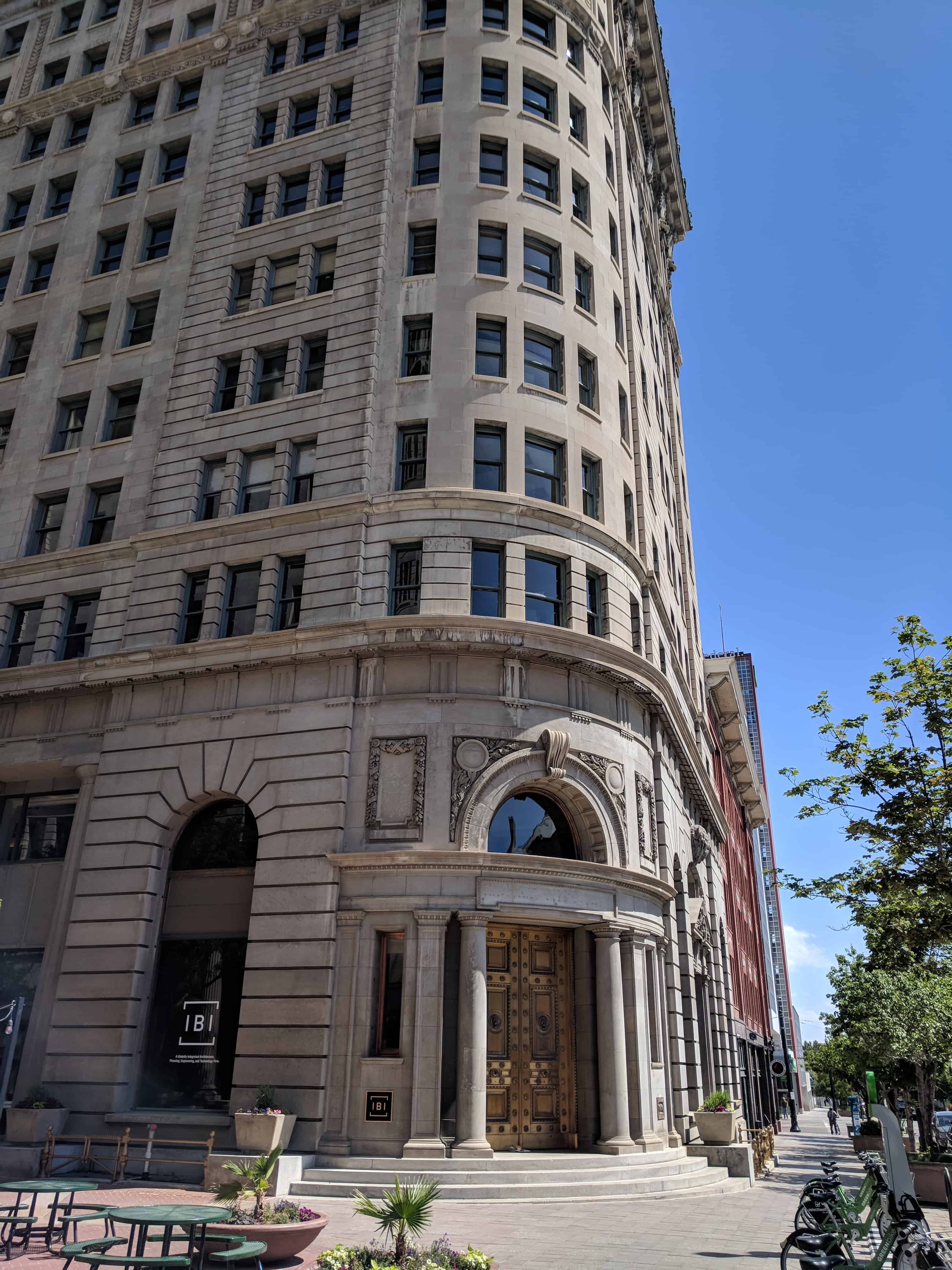
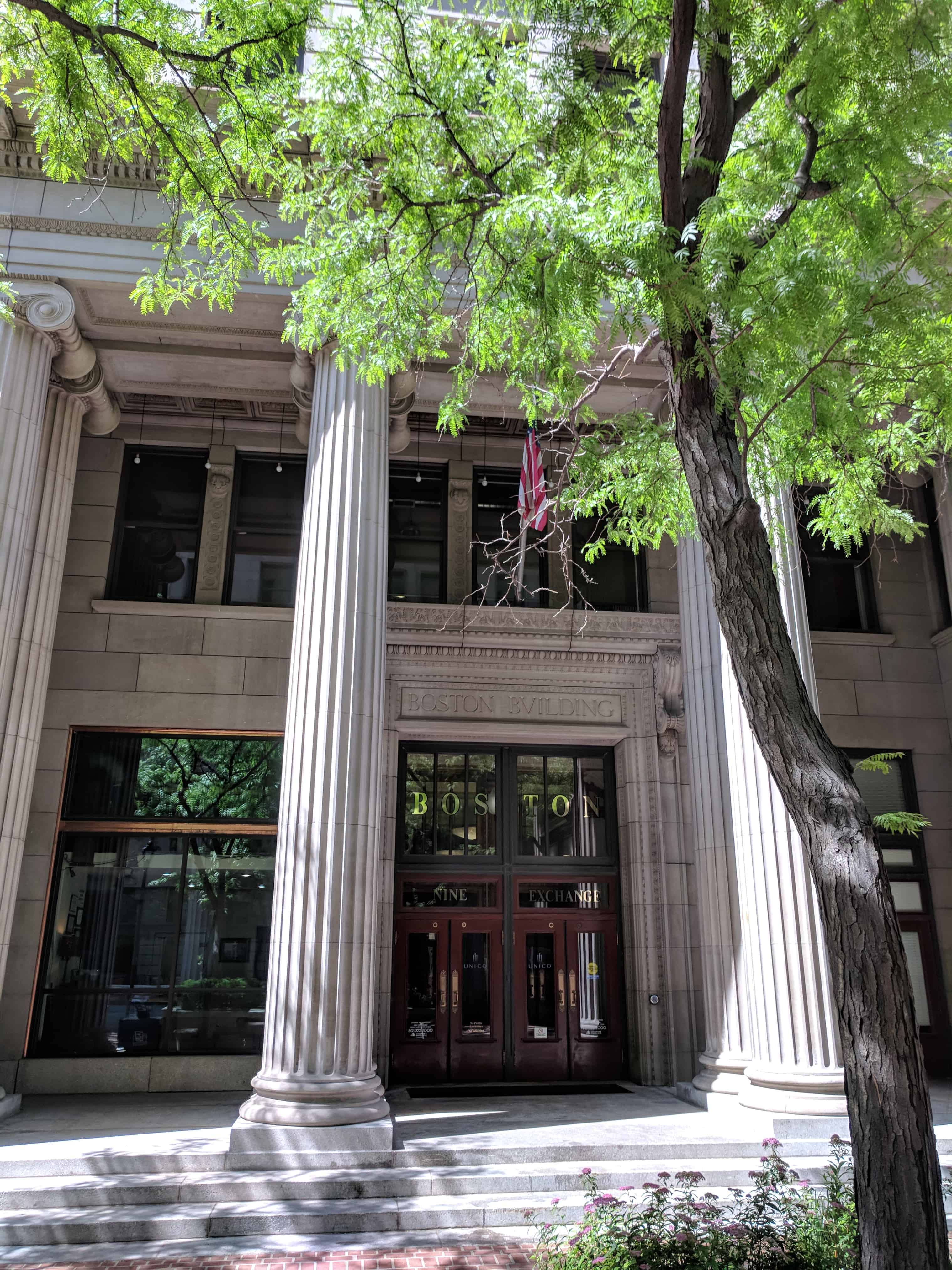
These twin buildings in downtown Salt Lake City really stand out to me. They were Utah’s first skyscrapers and were built by one of the state’s wealthiest mining magnates, Samuel Newhouse.
The buildings are located at 9 E Exchange Place (Boston) and 10 E Exchange Place (Newhouse) in Salt Lake.
The Boston and Newhouse Buildings 1907-1909, Henry Ives Cobb
Mining Magnate Samuel Newhouse began his south downtown empire by financing the construction of these two buildings.
Newhouse intended to construct a similar pair of buildings at the east end of Exchange Place, but went bankrupt before he could undertake this project.
The Boston and Newhouse Buildings are considered Utah’s first “skyscrapers.” Attempting to bring some of the sophistication and prestige of the East to Salt Lake City, Newhouse hired famous Chicago/New York architect Henry Ives Cobb to design these towers.
Take a moment to look at the elaborate stone ornamentation on these buildings from the west side of Main Street.
In 1865 the Military Governor of the Territory of Utah requested the Baptist Mission Society to begin work in Utah, feeling that the already established Presbyterian, Methodist, Episcopalian and Congregationalist churches were insufficiently vigorous in evangelizing among the Mormons.
No missionaries could be spared by the Baptists, and until the Reverend George W. Dodge took up his appointment in 1871 as Superintendent of Indian Affairs for the Territory of Utah, no clergyman was available to care for the handful of resident Baptists.
The Reverend Dodge immediately began a campaign to induce the Baptist Missionary Society to support a missionary in Utah. Although willing in principal, the Society had a personnel and financial problem created by the enormous burden it had shouldered in opening schools and missions for blacks in the South during this reconstruction period. However, in October 1871, they assigned the Reverend Seweel Brown to officially open a mission in the area, but specifying that he was to divide his time between Evanston, Wyoming, and Salt Lake City. This responsibility was difficult to discharge and the Reverend Brown stayed at his post for no more than a year.
It was not until 1881 that another Baptist missionary, the Reverend Dwight Spencer, was dispatched to Utah, and with greater financial support from the Missionary Society finally established a Baptist presence in Utah on a permanent basis. On August 1,1883, the First Baptist Church of Salt Lake City was organized with 16 charter members. The denomination flourished, and by 1900 several other churches and mission stations had been created in the Salt Lake City area, including, in 1896, the Rocky Mountain Region’s first black church, Calvary Baptists.
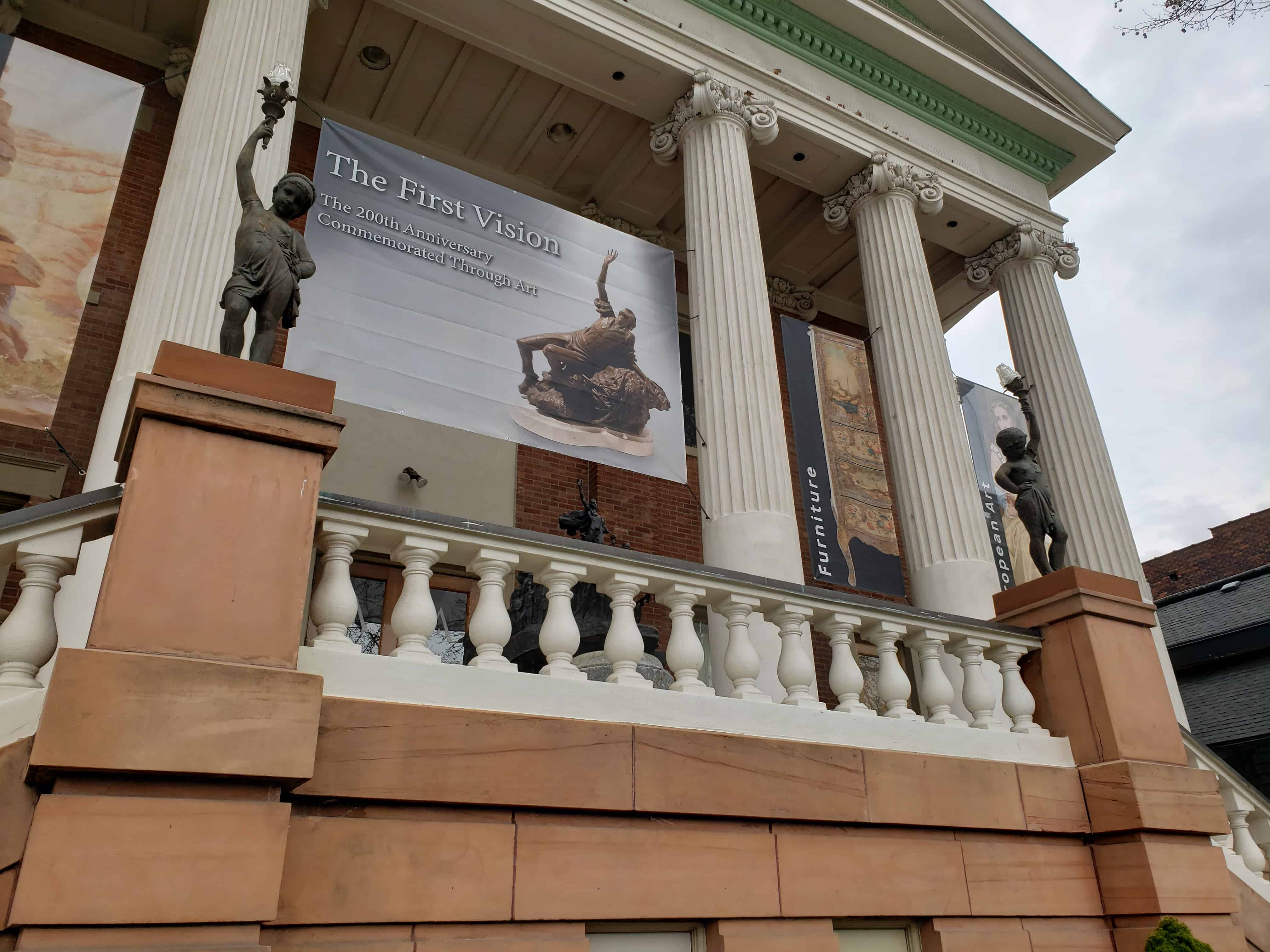
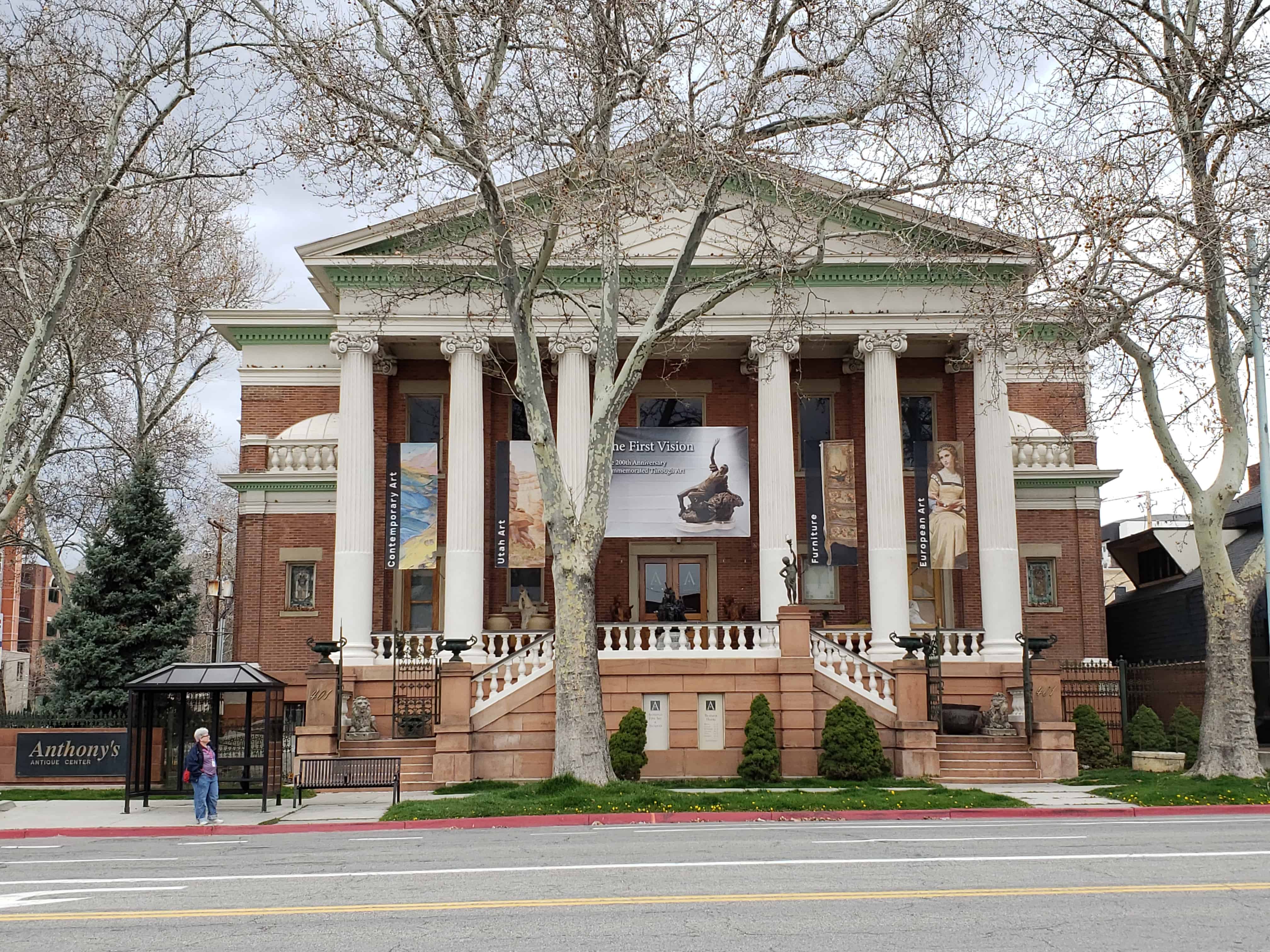
The growth of Salt Lake City and the changing pattern of residential development caused two congregations to come together in 1908. The well-established First Baptist Church and the Eastside church merged to form Immanuel Baptist Church. The reason for the coming together was simple; both had outgrown their pioneer structures and with the new stature of the Baptist Church as an established member of the community, it was decided that a large and impressive building would further enhance that prestige.
Accordingly, a lot was purchased at the corner of Fourth East and Second South streets in what was then one of the finest areas of the city. An architect, J. A. Headlund, was hired at a cost of $1,371.50 and given instructions to design a distinguished building. The Greek Revival structure that came from his pen was indeed impressive, and totally satisfied the parishmen of Immanuel Baptist.
Finished in 1911, but not dedicated until 1915, Immanuel Baptist took its place as one of the showplace churches of Salt Lake City. However, even at this late date, and despite the growth in the number of Baptists, the major financial contribution toward the construction of the building came from the Baptist Missionary Society. Financing for the $80,000 project as a whole, and the mortgage holder, was the Zim’s Savings and Trust Company, owned by the Mormon Church.
Despite the magnificence of their new building, the Immanuel Baptist Church did not experience any rapid new growth. The hoped-for growth in prestige is difficult to evaluate and it must be assumed that the social class categorization of Protestant denominations would limit Baptist influence as much in Utah’s power elite as elsewhere in the nation.
Immanuel Baptist enjoyed an increase in members and an important role in providing for Baptist servicemen during World War II. The huge Army and Air Force installation in Salt Lake County created a need for special support efforts in areas of recreation and opportunities for religious worship. Eventually, the changing demographics of Salt Lake City after World War II caused Immanuel Baptist’s role to be reassessed and the decision made to remove the congregation to a more suburban setting.
The contribution of this building to Salt Lake City lies principally in the dignity and refinement that it adds to its neighborhood. The history of the Baptist Church in Utah is similarly given a suitable monument to the earnest endeavors of the clergy and lay people who struggled to operate a Baptist community under circumstances that were difficult and often inhospitable.
John A. Headlund, the architect, was born in Engelholm, Sweden, in 1863, and trained at the Architects’ Institute in Chicago. He worked in Colorado Springs for Van Brunt and Howe before coming to Utah in 1891, where he designed a large number of school buildings in Salt Lake County, Park City, and Heber.
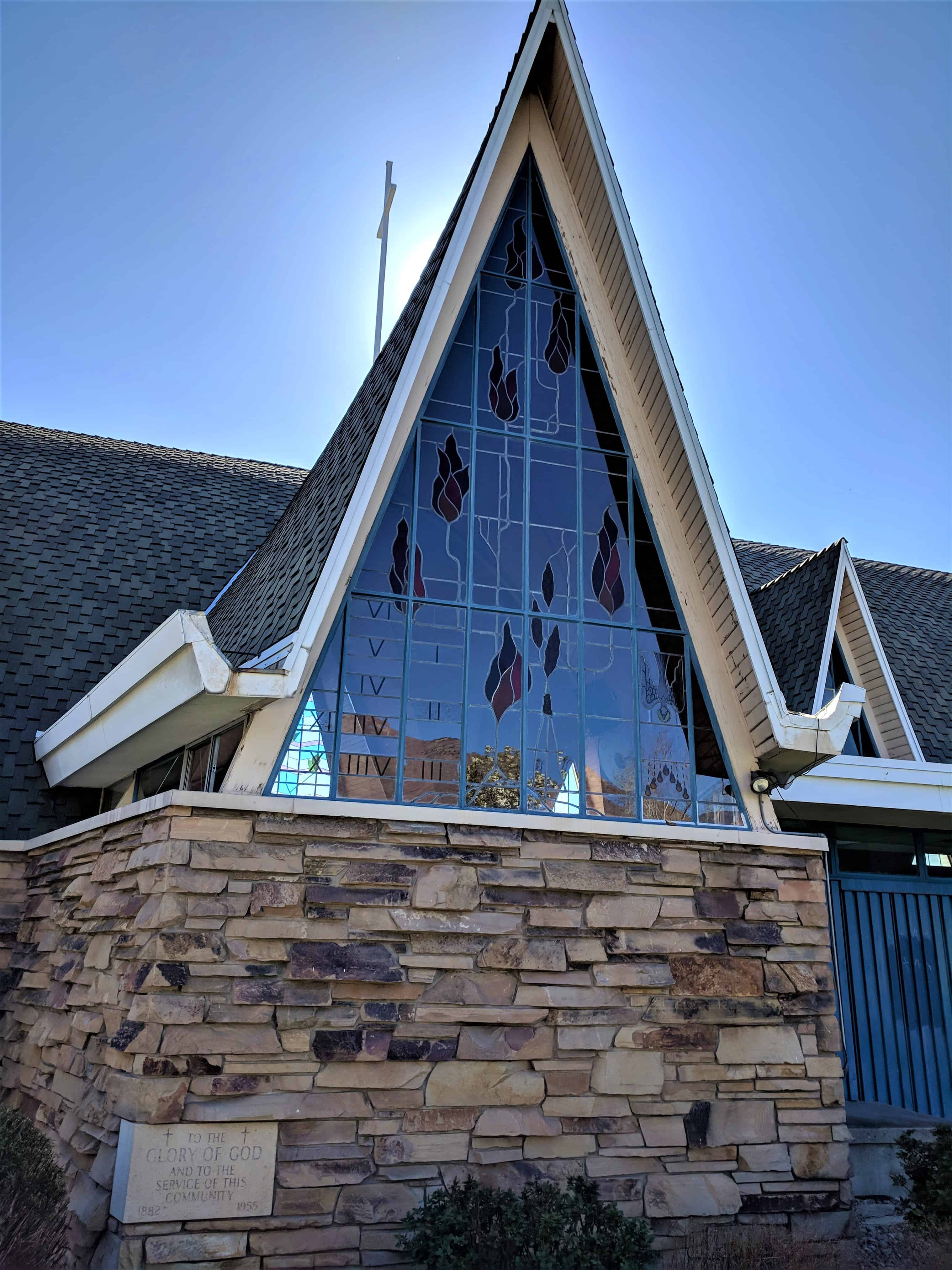
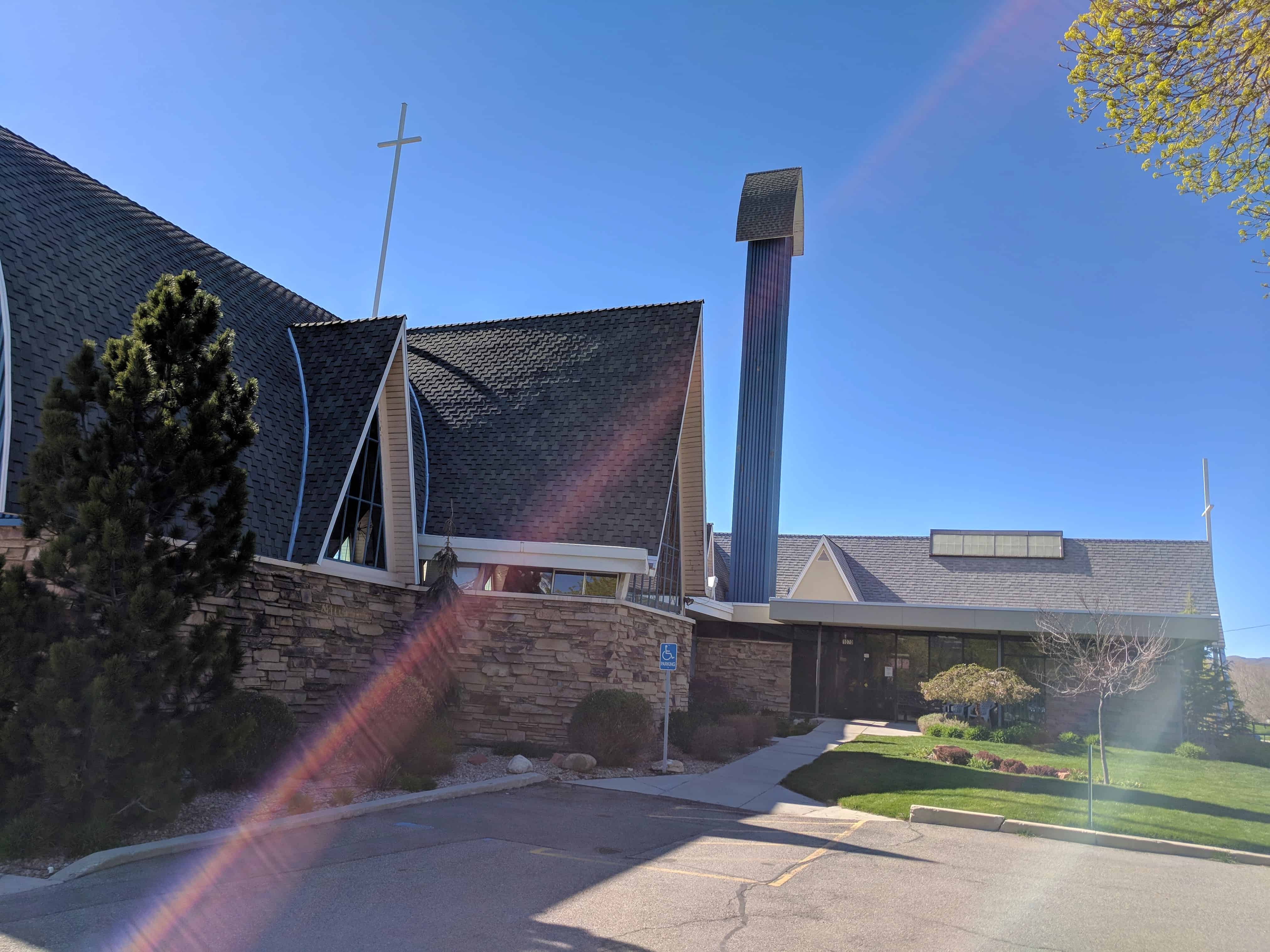
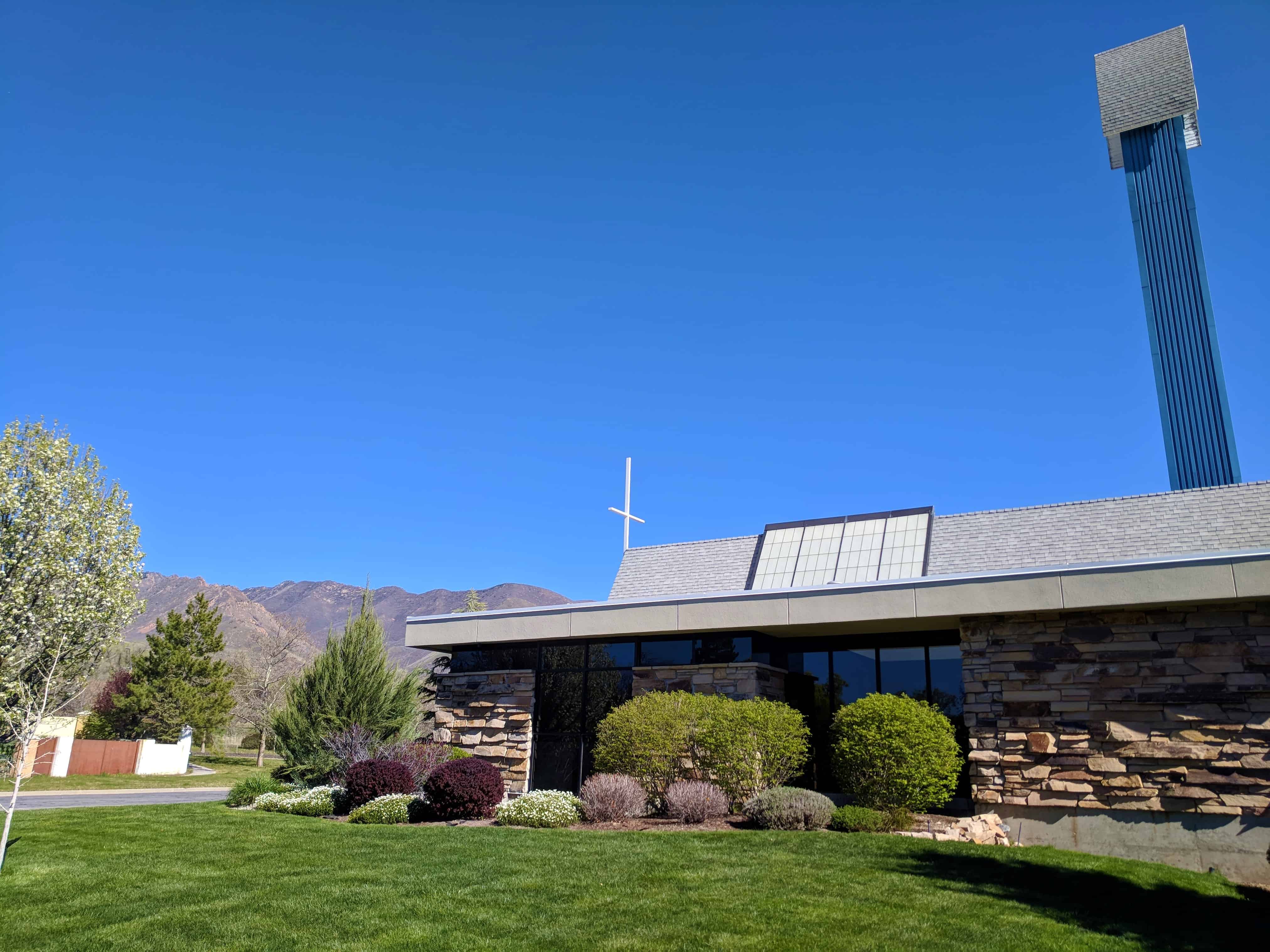
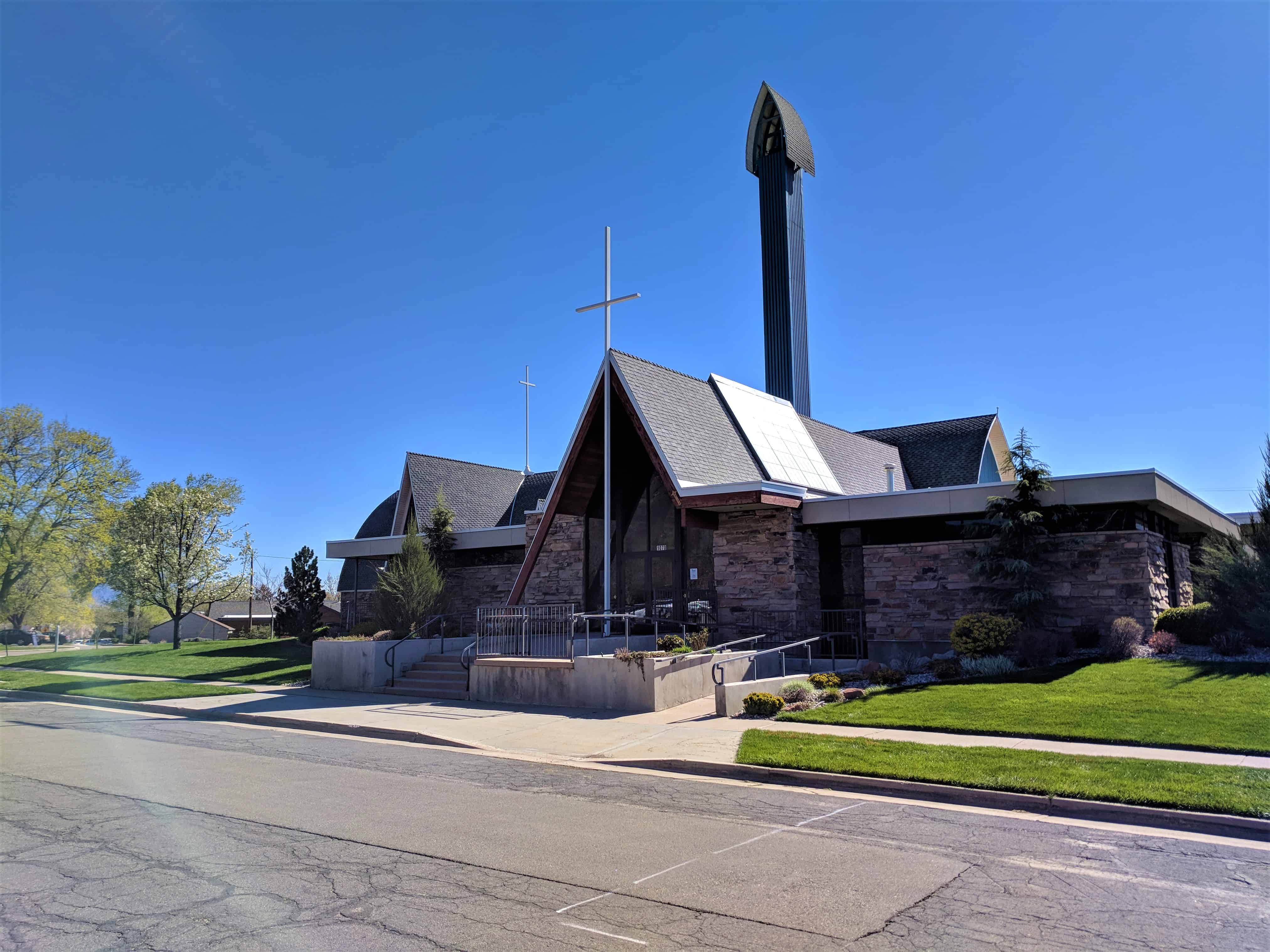
The first Lutheran church in Utah was originally located at 150 S 400 E in Salt Lake City . Organized July 18, 1852 it was later relocated to 1070 Foothill Drive.
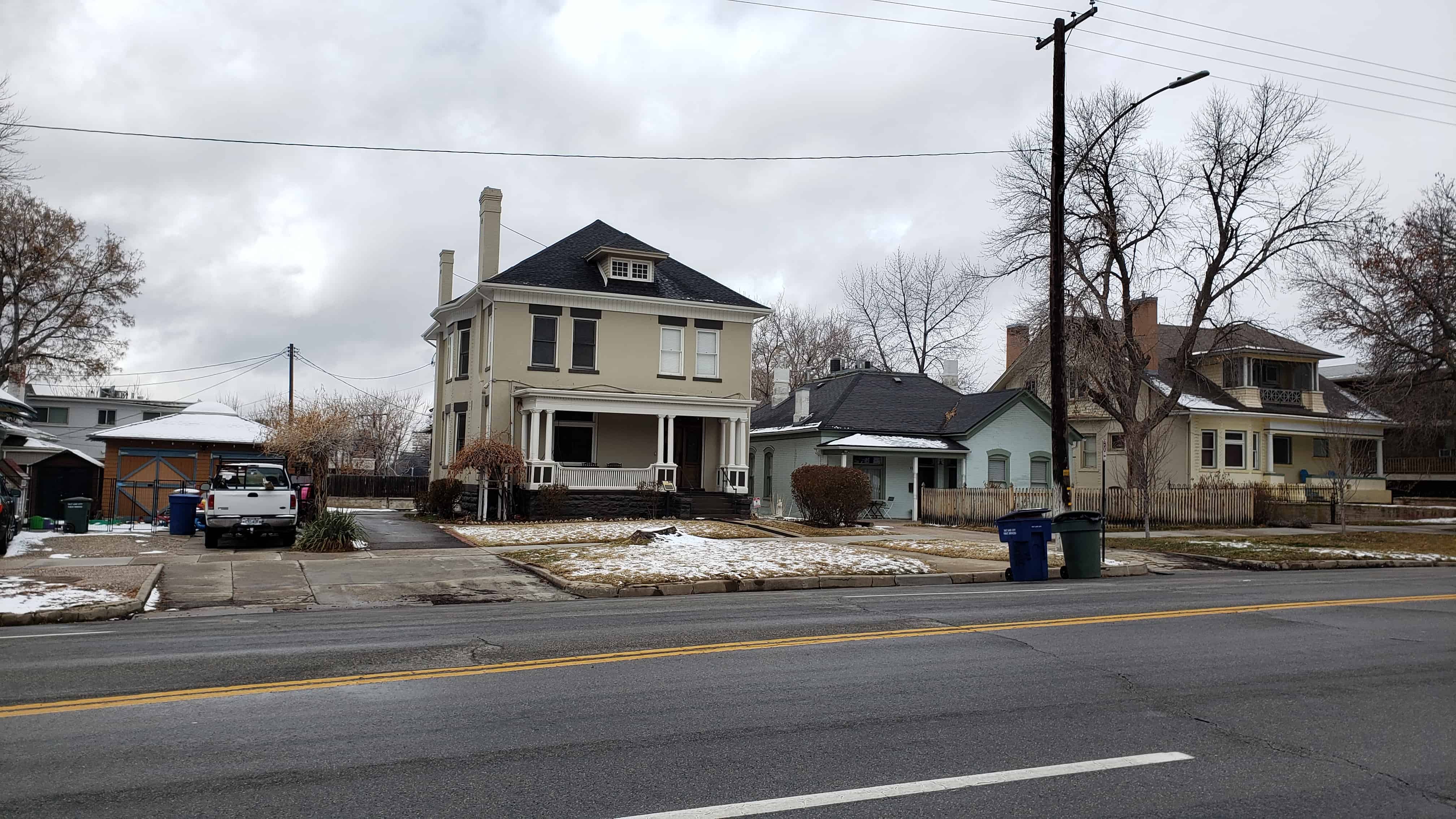
This house was constructed in 1903 by Silas B. Wood. In 1920 Fortunato Anselmo purchased the house and lived here until 1950. Born October 1, 1883, in Grimaldi, Italy, Fortunato Anselmo immigrated to the United States in the first decade of the twentieth century and arrived in Salt Lake City in 1911. Later he established a wholesale import food business. In 1915 he was appointed Italian Vice Consul for Utah and Wyoming and in this position served as both friend and official advisor to Italians as well as other immigrants in the intermountain West from 1915 until 1965.
164 South 900 East in Salt Lake City, Utah.
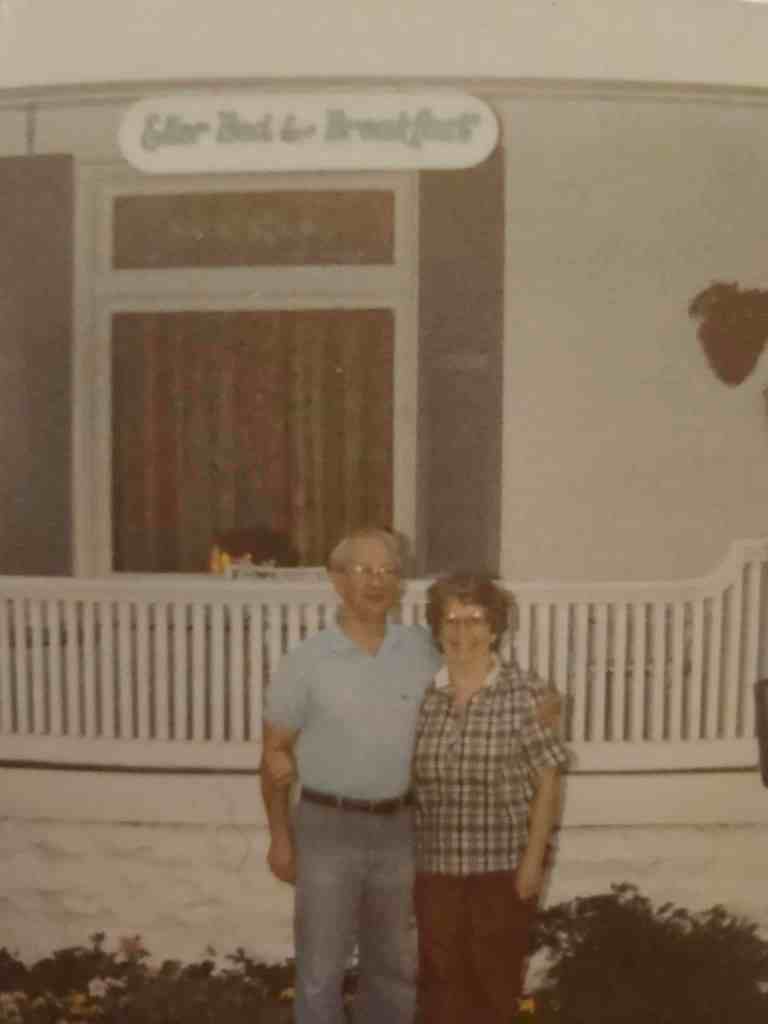
In 1980 it was the first Bed and Breakfast in Salt Lake City, The Eller Bed & Breakfast. – Brynn Eastman