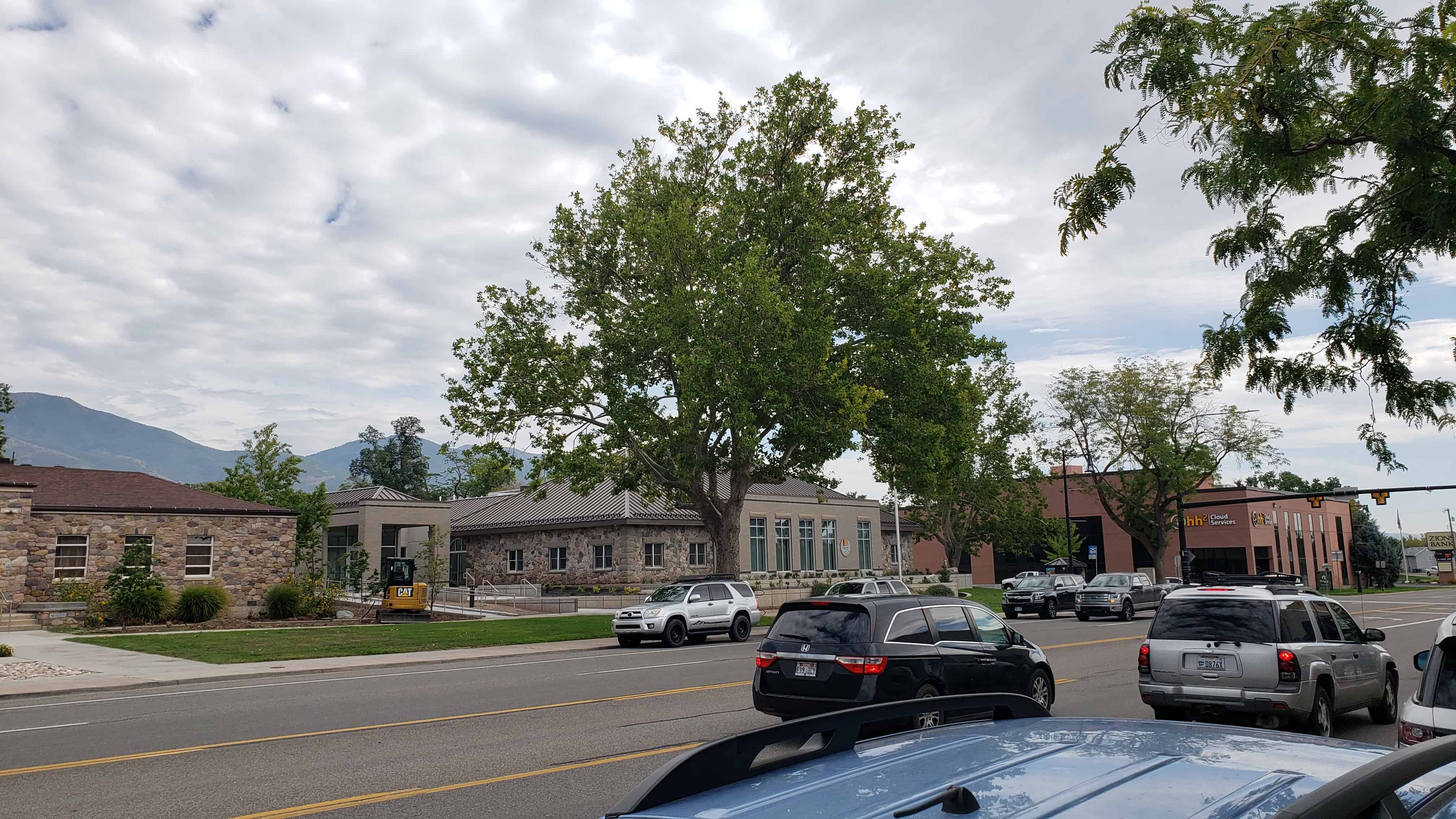
Kaysville Municipal Building / Old Kaysville City Hall / Old Kaysville Library Built in 1940, located at 44 North Main Street in Kaysville, Utah and added to the National Historic Register (#100004476) September 30, 2019.
This building was constructed in 1938-40 as a Works Progress Administration (WPA) project. The WPA was one of several New Deal programs designed to stimulate economic recovery during the Great Depression while providing needed public services and facilities. Over 230 public works buildings were constructed in Utah; approximately half of them retain their architectural integrity.
This building housed the city offices, library, police, and Hurricane Canal Company until the mid-1980s. The city then made it available to the Hurricane Valley Pioneer Heritage Foundation to develop as a museum.
The structure is built chiefly of hand-hewn sandstone that was quarried by construction workers from the banks of Berry Springs, about six miles west of Hurricane. The original estimated cost of construction was $22,300, but as the material cost was greatly reduced, the city was obligated to pay only $7,000.
William Sandstrom built this two-story frame and adobe commercial building in 1911. The first floor operated as a pool hall with a dance hall above. Later in the century, it was operated as a grocery store. It also served as the post office and, during the 1930s, had a WPA library on the upper floor. At one time it was occupied by the Dahl family.
William Sandstrom (1877-1911) built this two-story adobe-lined, wood frame commercial building about 1911. The first floor operated as a pool hall with a dance hall above. After Sandstrom’s death, James W. Blain ran a grocery store here and in the teens it was the post office. It also served as a bicycle shop, WPA library, and Dahl’s Grocery.*
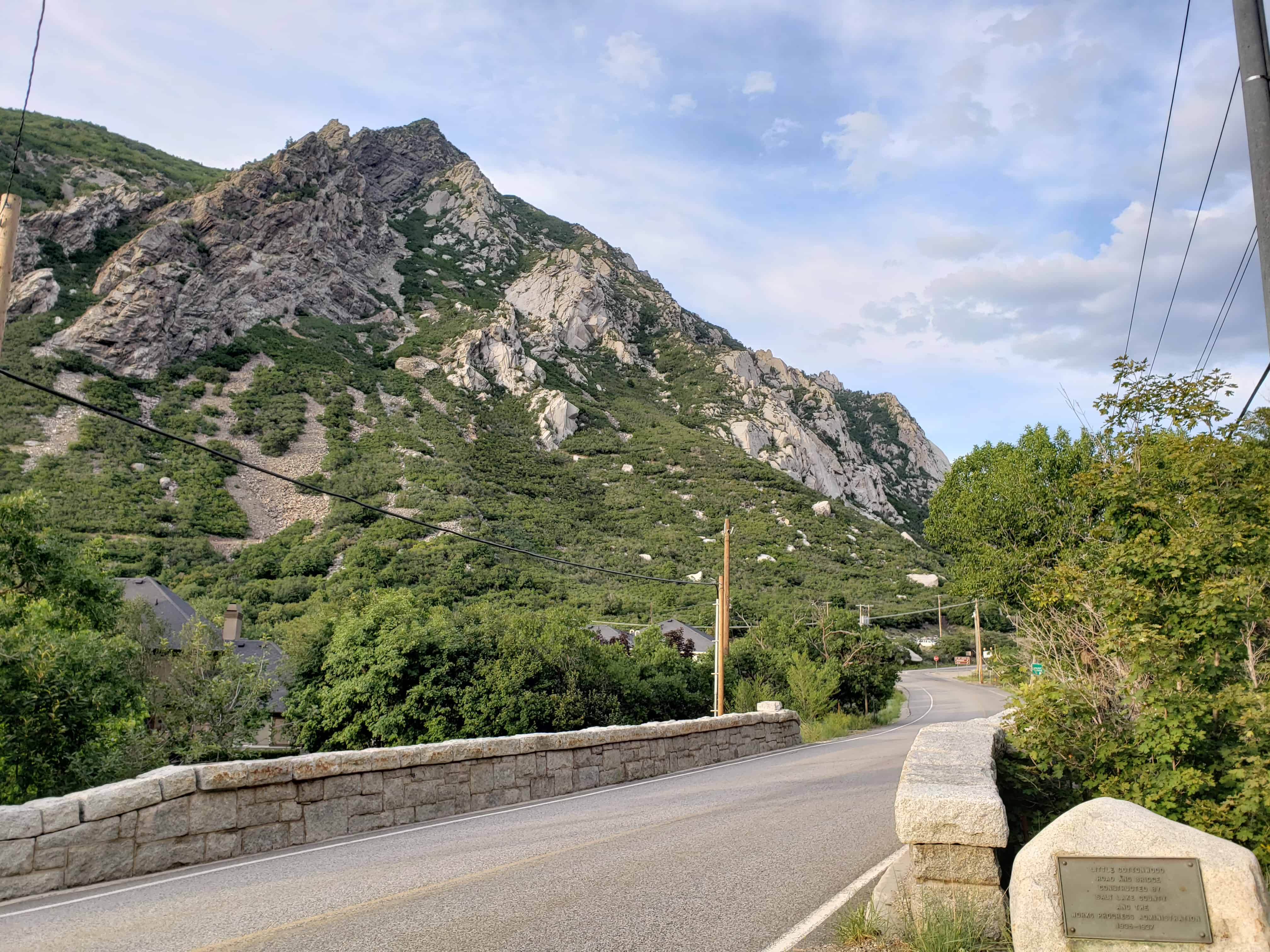
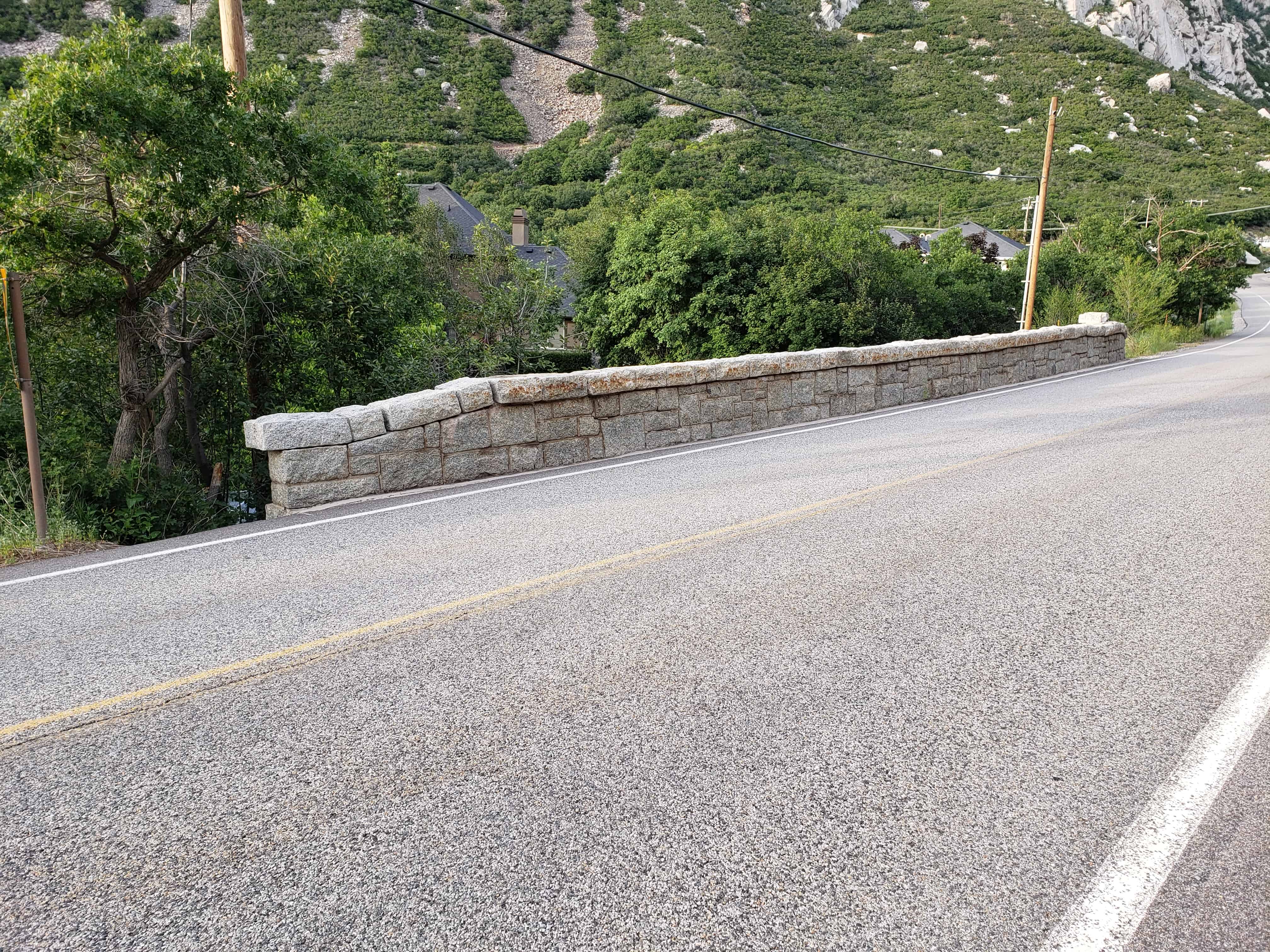
Little Cottonwood Road and Bridge – one of many New Deal Funded Projects in Utah. It was a project to built/repair the road into Little Cottonwood Canyon and the bridge over the creek and it was done by Salt Lake County and the WPA (Works Progress Administration) in 1935-1937.
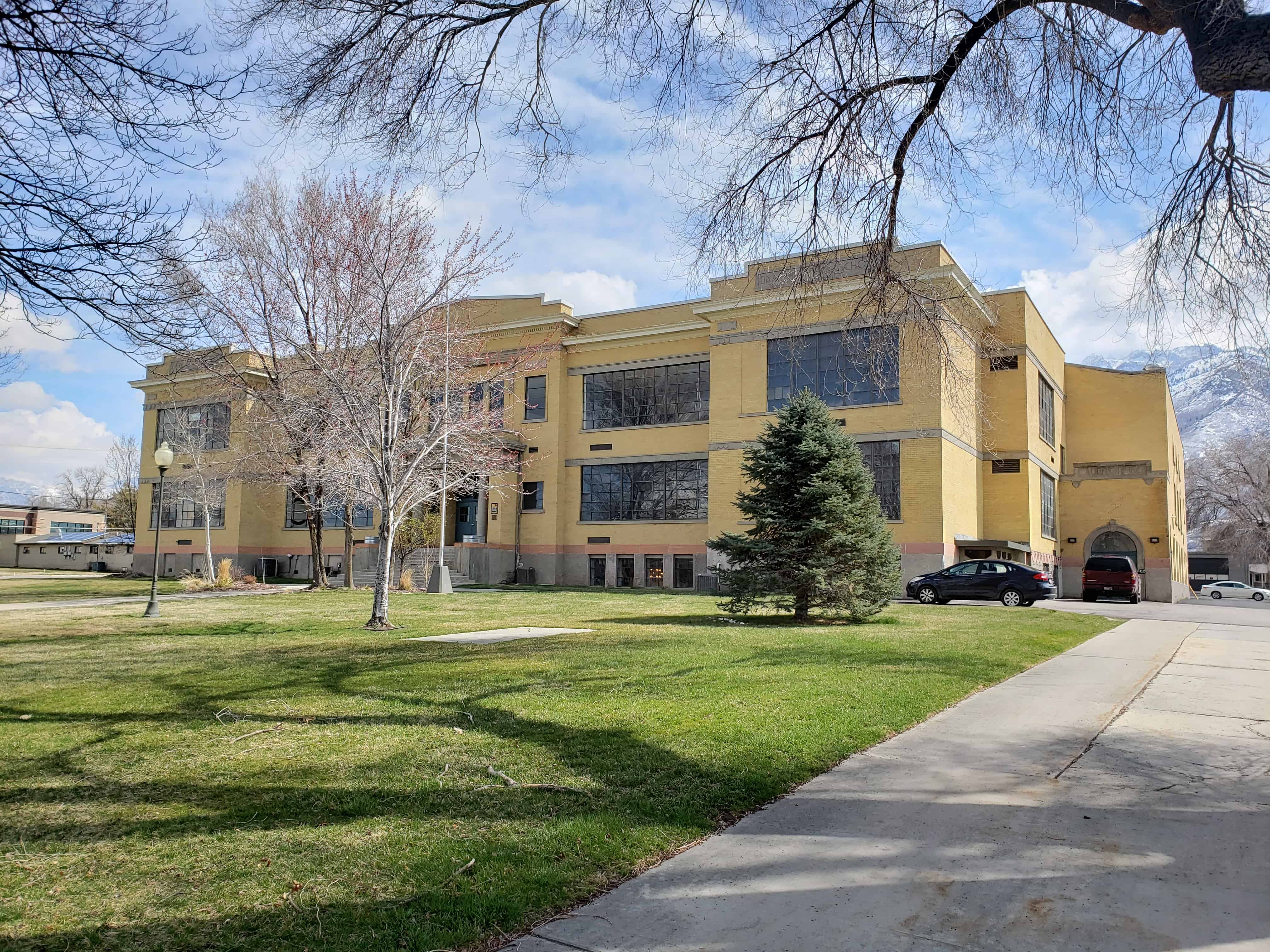
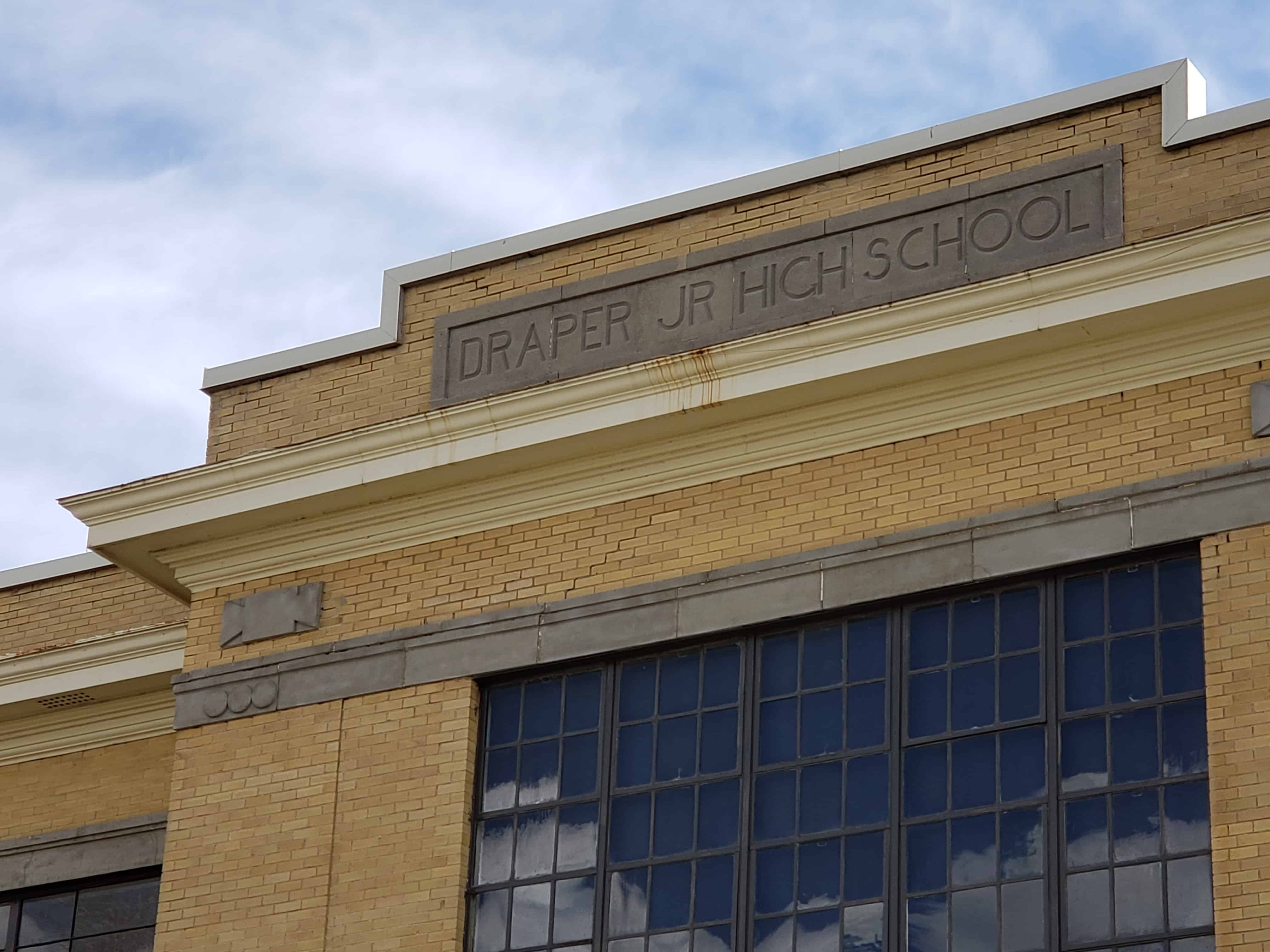
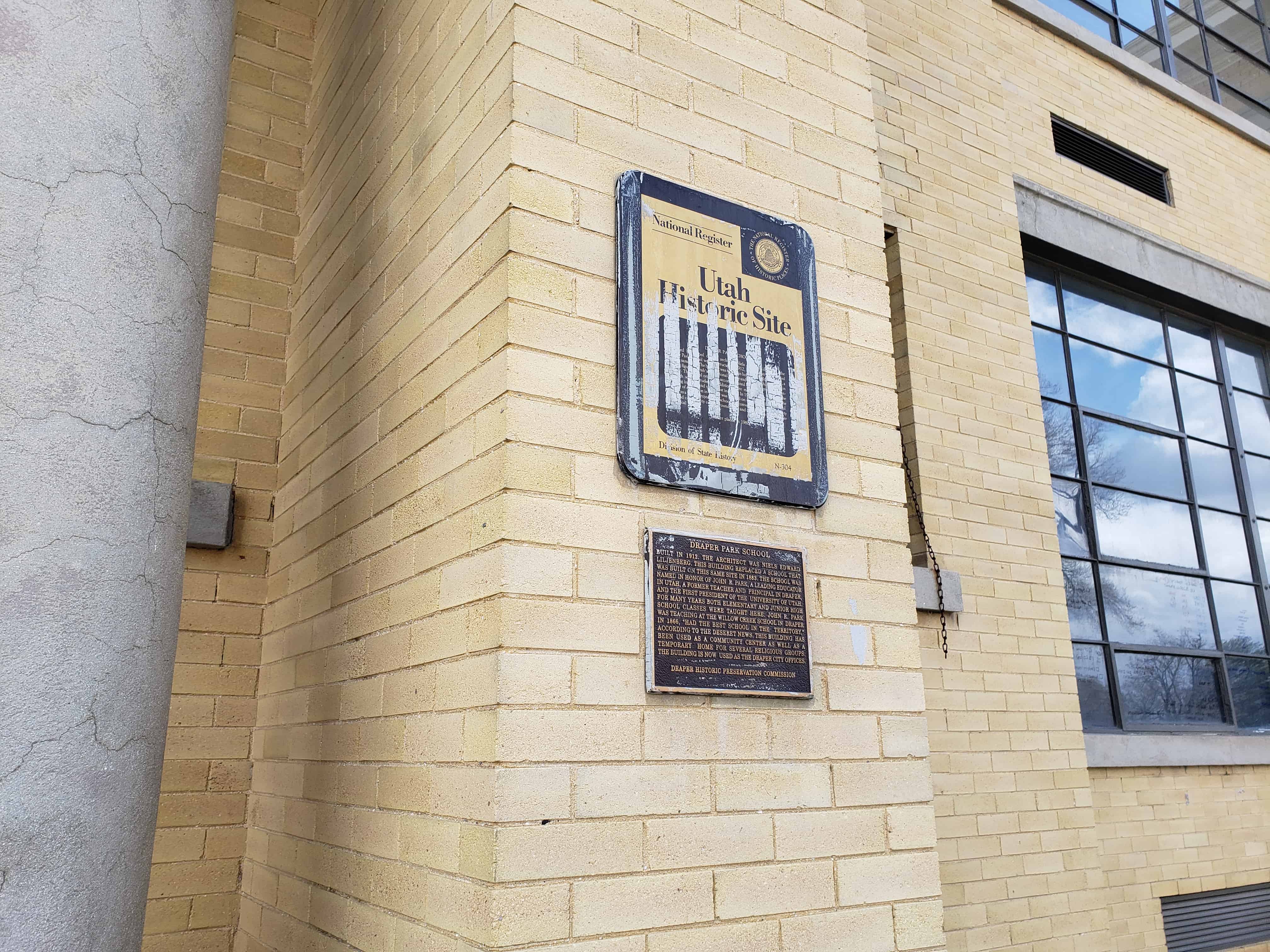
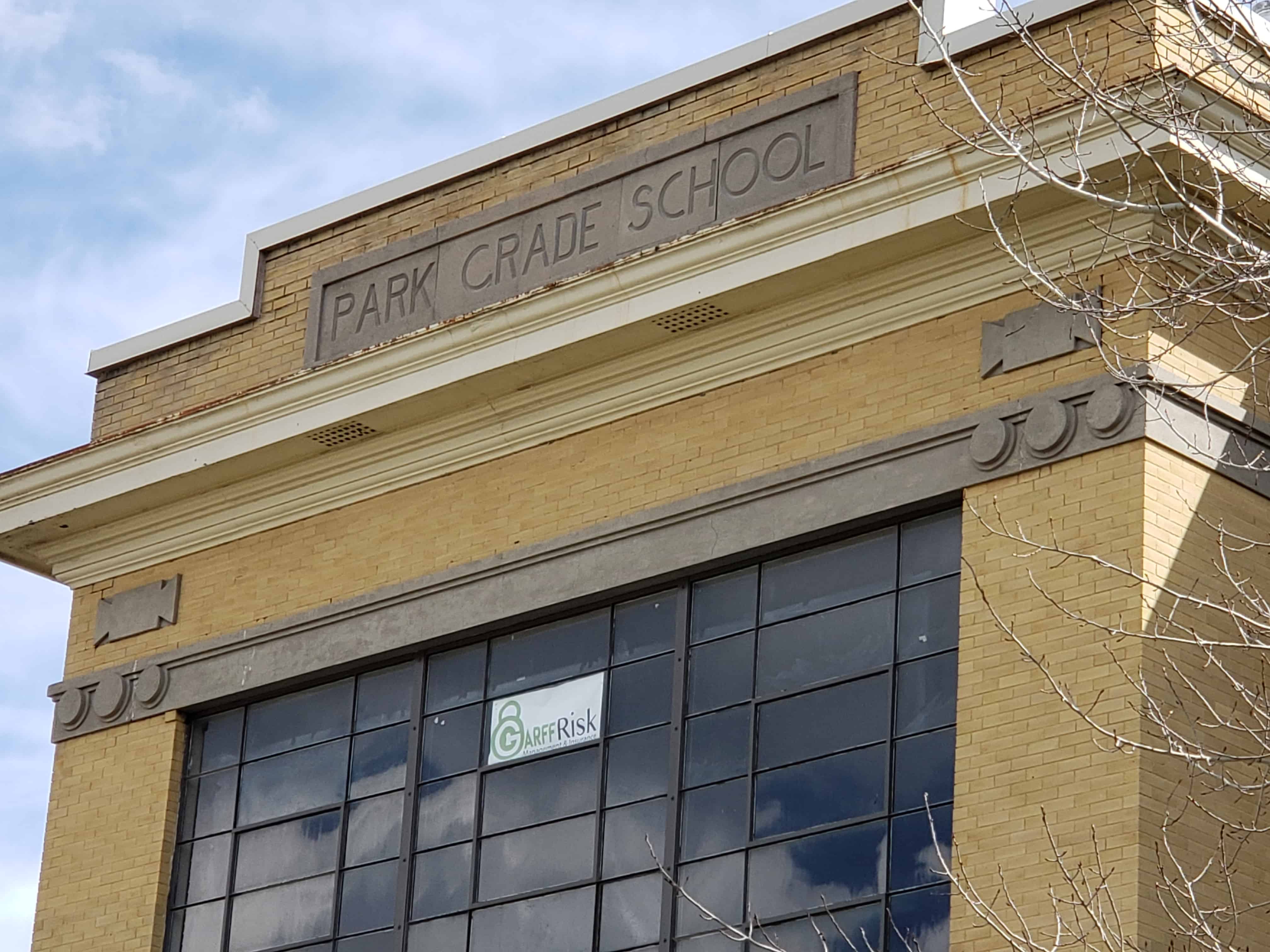
Located at 12441 S 900 E in Draper, Utah and designed by School District Architect Niels Edward Liljenberg, the Draper Park School was constructed in 1912, replacing an 1883 school on the same site. The building was named in honor of Dr. John R. Park, a leading figure in Utah’s educational history and early school teacher in Draper. The school originally accommodated both elementary and junior high school students. Additions were made to the south of the building in 1928 and to the east in 1963. In 1938 a mural depicting the history of education in Draper was painted on the interior by artist Paul Smith as a WPA project. The school was converted into the Draper City Hall and community center around 1980 and is the home of the Draper Historical Society.
The Draper Park School, 1912, is significant as a structure illustrating the growing educational needs and desires of one of Salt Lake City’s rapidly growing suburban areas. Named after Dr. John R. Park, a leading figure in Utah’s educational history, the school remains a tribute to Park who also served as an early local school teacher in Draper. In addition, the building houses a mural painted by artist Paul Smith in 1938 as a Works Progress Administration project. The mural depicts the history of education in Draper utilizing real characters as models, and allows present residents one opportunity to appreciate visually their past.
Draper was settled about 1850 and from its beginning showed a special interest in education. Proud of its local reputation as the “Cradle of Education” the history of Draper is marked by the construction of several school buildings to meet the educational needs of the community’s youth. The work of John Rocky Park was regarded as the first rural high school in Utah, he later became president of the University of Utah.
By 1860 Draper had outgrown its first school house. A small adobe building called the Vestry was erected. In 1863 the main hall was added. It was in this “Old White Meetinghouse” that Dr. John R. Park taught his famous village school. He came to Draper in the fall of 1861 and went to the home of Absolom W. Smith where he asked for work. Mr. Smith told him that most of the farm work was done , but he could stay there if he wished. Park told him that he would rather work; so after a good meal, Mr. Smith put him to work husking corn. Mr. Smith was a councilor to Bishop Isaac M. Stewart and also acted as one of the local school trustees. He soon discovered that Mr. Park was an intelligent, well-educated man holding an M.D. degree. Mr. Smith, with the help of other leading men, persuaded Mr. Park to remain in Draper as a school teacher. He boarded that winter at the home of Bishop Stewart and received a salary of $60 per month, one third in cash, one third in potatoes and one third in wheat.
In 1883 a new school was built where the present Draper Park School stands. This building was known as the Central School. William M. Stewart was the first principal and taught for four years. By 1890 two other schools had been built, one in the eastern part of town known as the East Side School, the other in the southern part of the community known as the South side School. These three schools operated about seven months each year and had one teacher. In 1898 the three schools were consolidated and all the pupils went to the Central School. The East Side School was torn down and the South Side School was remodeled into a residence.
Draper probably had the first rural high school in the state of Utah. In 1861 Dr. Park introduced high school subjects into the curriculum and this practice continued whenever the teacher was qualified to give such instruction. In 1902 a recognized high school was begun with J.C. Spiers as principal. It’s credits and diplomas were accepted by the University of Utah.
In 1912 the Draper School again felt the need to expand. The old building was razed and the present building was erected. It contained eleven classrooms and the principal’s office. Sources indicate the architect was N. Edward Liljenberg, architect for the School District, with C.A. Talboe awarded the contract. Nils Edward Liljenberg, a native of Sweden, was considered a leading Utah architect. He designed buildings for the Y.M.C.A. and Westminster College in Salt Lake City, and designed “many” public schools.
To provide more room and facilities for the junior high school, a new wing was added on the south of the building in 1928. This wing provided an auditorium, work shops, a domestic science section, a music room, stage, locker space, showers and restrooms. It was designed by the firm of Scott and Welch.
With some improvements and changes this building housed the junior high and elementary schools until 1954. In that year the Mount Jordan Junior High School was completed in Sandy, Utah, and students in the seventh, eighth and ninth grades went to school there. The Draper Park School was then remodeled with a new wing being added on the northeast corner. The interior was also redecorated to take care of the six elementary grades. It has thirteen classrooms equipped with modern visual aids, teachers, work-rooms, a faculty room, a sick room, auditorium, music room, library, and an up-to-date cafeteria and a modern gas heating plant.
In the lower main hallway of the Draper Park School is a beautiful mural. It depicts the history of education in Draper. The theme of the mural is “Onward and Upward”.
Current plans are to use the building as a community center.
Built in 1935-36, the Mount Pleasant High School Mechanical Arts Building is part of the Public Works Buildings Thematic Resources nomination and is w significant because it helps document the impact of New Deal programs in Utah, which was one of the states that the Great Depression of the 1930s most severely affected. In 1933 Utah had an unemployment rate of 36 percent, the fourth highest in the country, and for the period 1932-1940 Utah’s unemployment rate averaged 25 percent. Because the depression hit Utah so hard, federal programs were extensive in the state. Overall, per capita federal spending in Utah during the 1930s was 9th among the 48 states, and the percentage of workers on federal work projects was far above the national average. Building programs were of great importance. During the 1930s virtually every public building constructed in Utah, including county courthouses, city halls, fire stations, national guard armories, public school buildings, and a variety of others, were built under federal programs by one of several agencies, including the Civil Works Administration (CWA), the Federal Emergency Relief Administration (FERA), the National Youth Administration (NYA), the Works Progress Administration (WPA), or the Public Works Administration (PWA), and almost without exception none of the buildings would have been built when they were without the assistance of the federal government.
The Mount Pleasant High School Mechanical Arts Building is one of 233 public works buildings identified in Utah that were built during the 1930s and early 1940s. Only 130 of those 233 buildings are known to remain today and retain their historic integrity. This is one of 107 public school buildings constructed in Utah, 55 of which remain. In Sanpete County 18 buildings were built. This is one of 11 that remain and are relatively unaltered.
The building was constructed between 1935 and 1936 as a Federal Emergency Relief Administration (FERA) project. It was a duplicate of the Moroni High School Mechanical Arts Building that was constructed at the same time. The project was approved in November 1934; construction began in January of 1935 and was completed in April 1936.
Located at 180 North State Street in Mt Pleasant, Utah
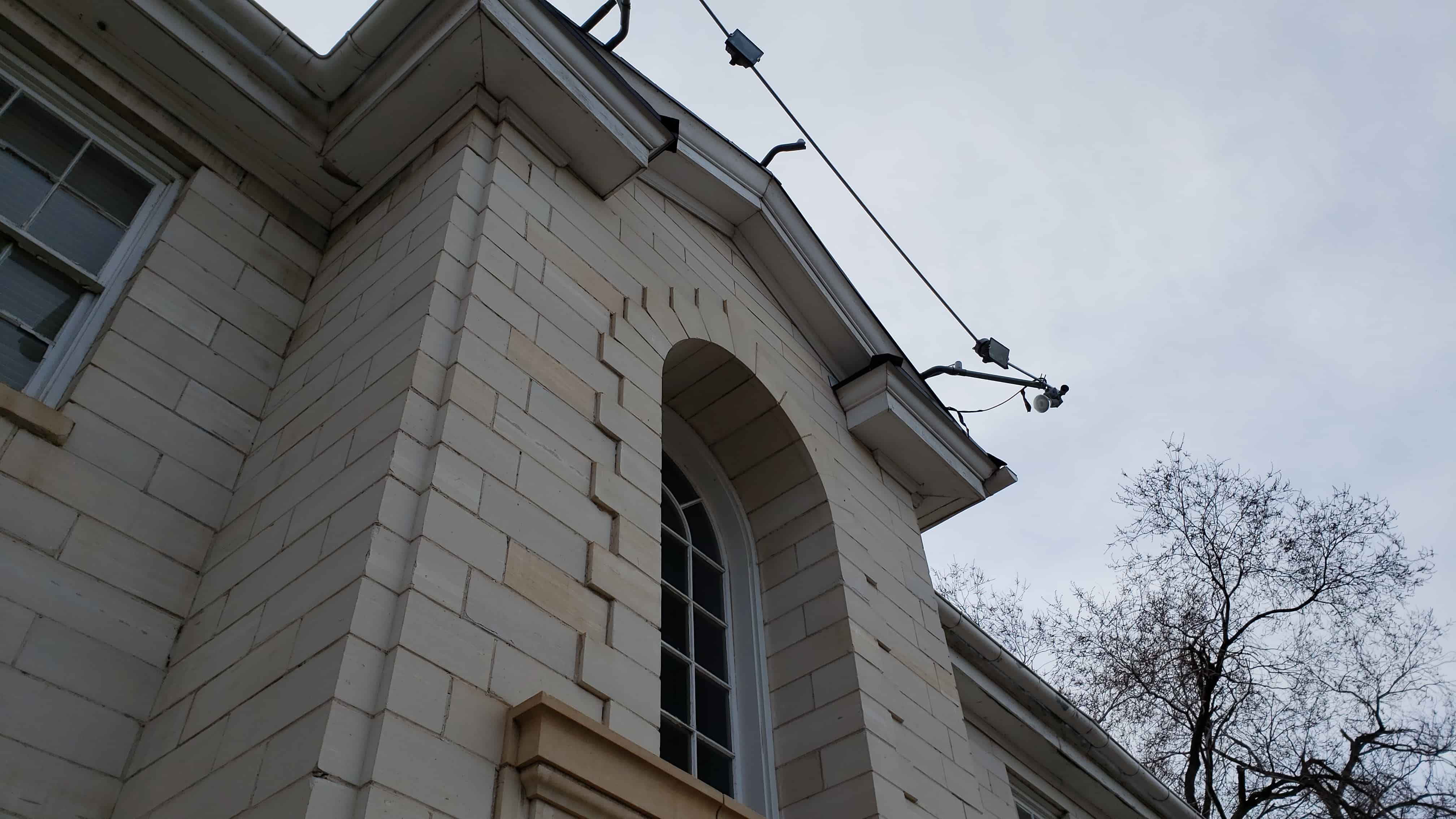
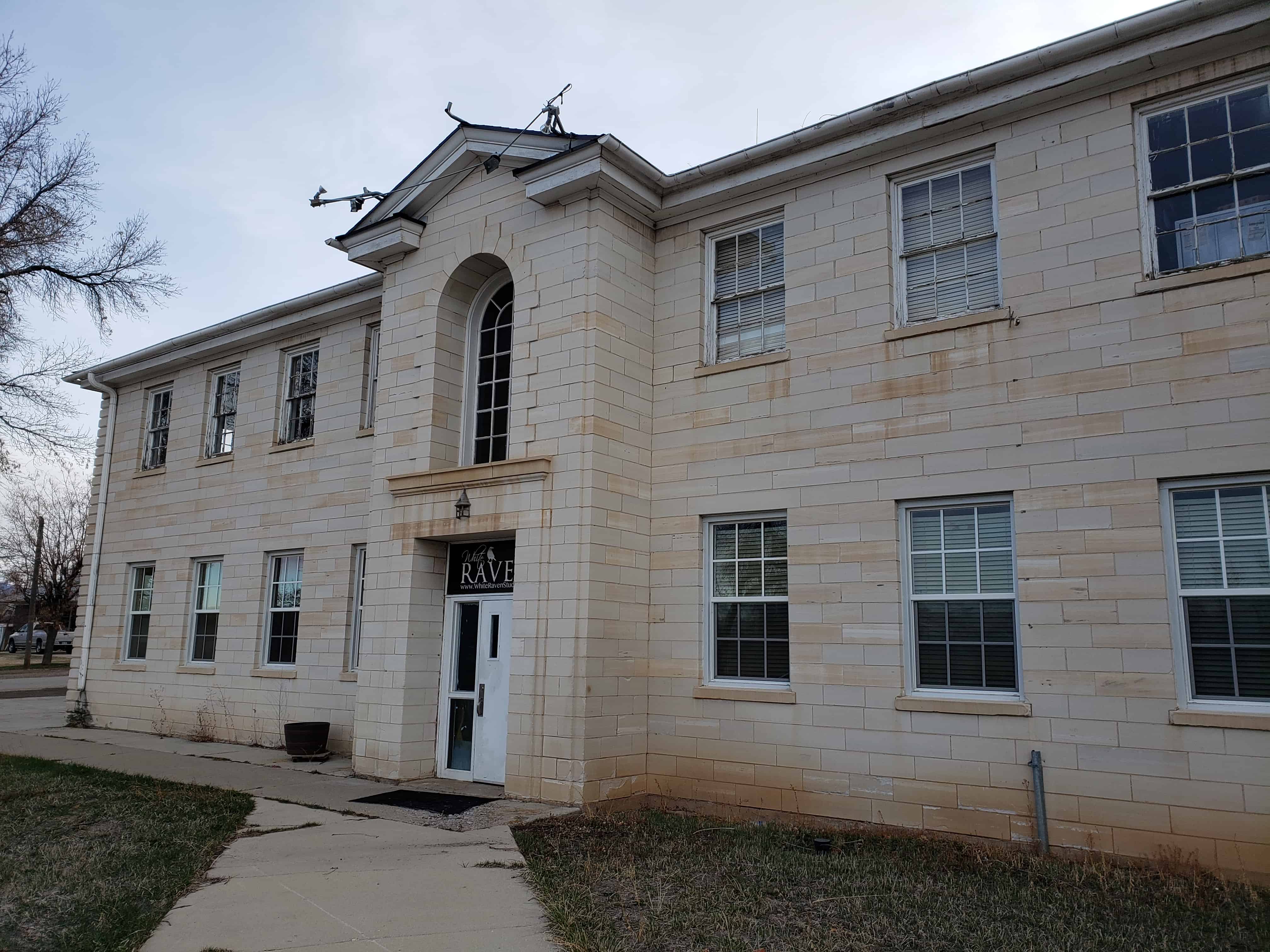
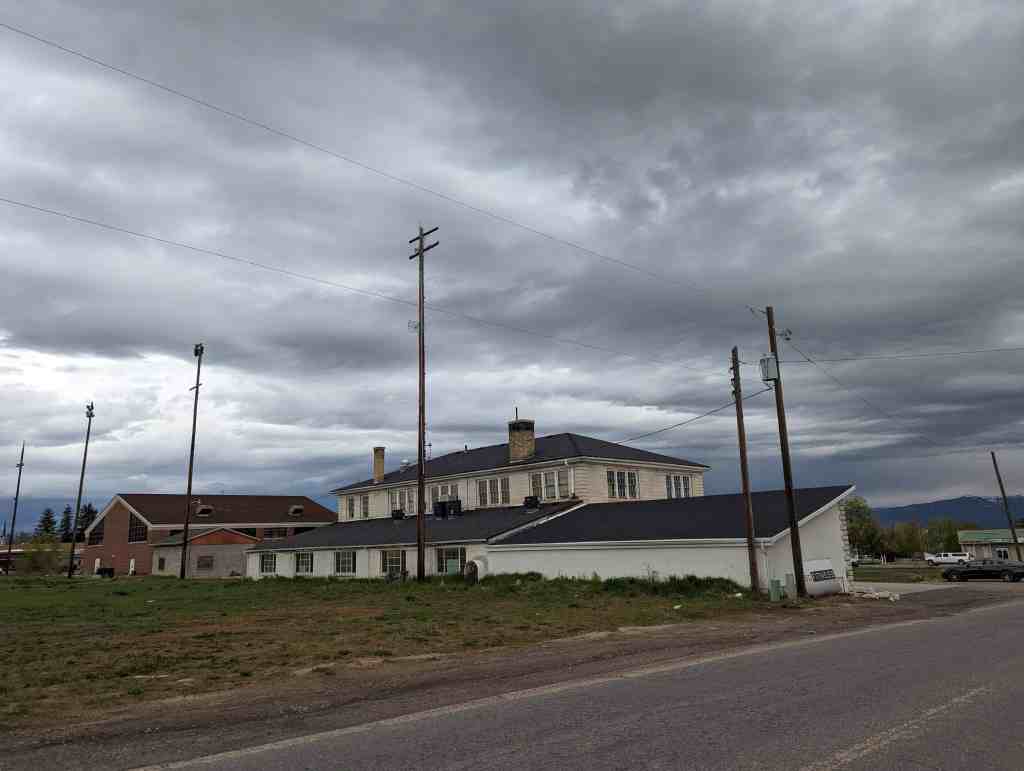
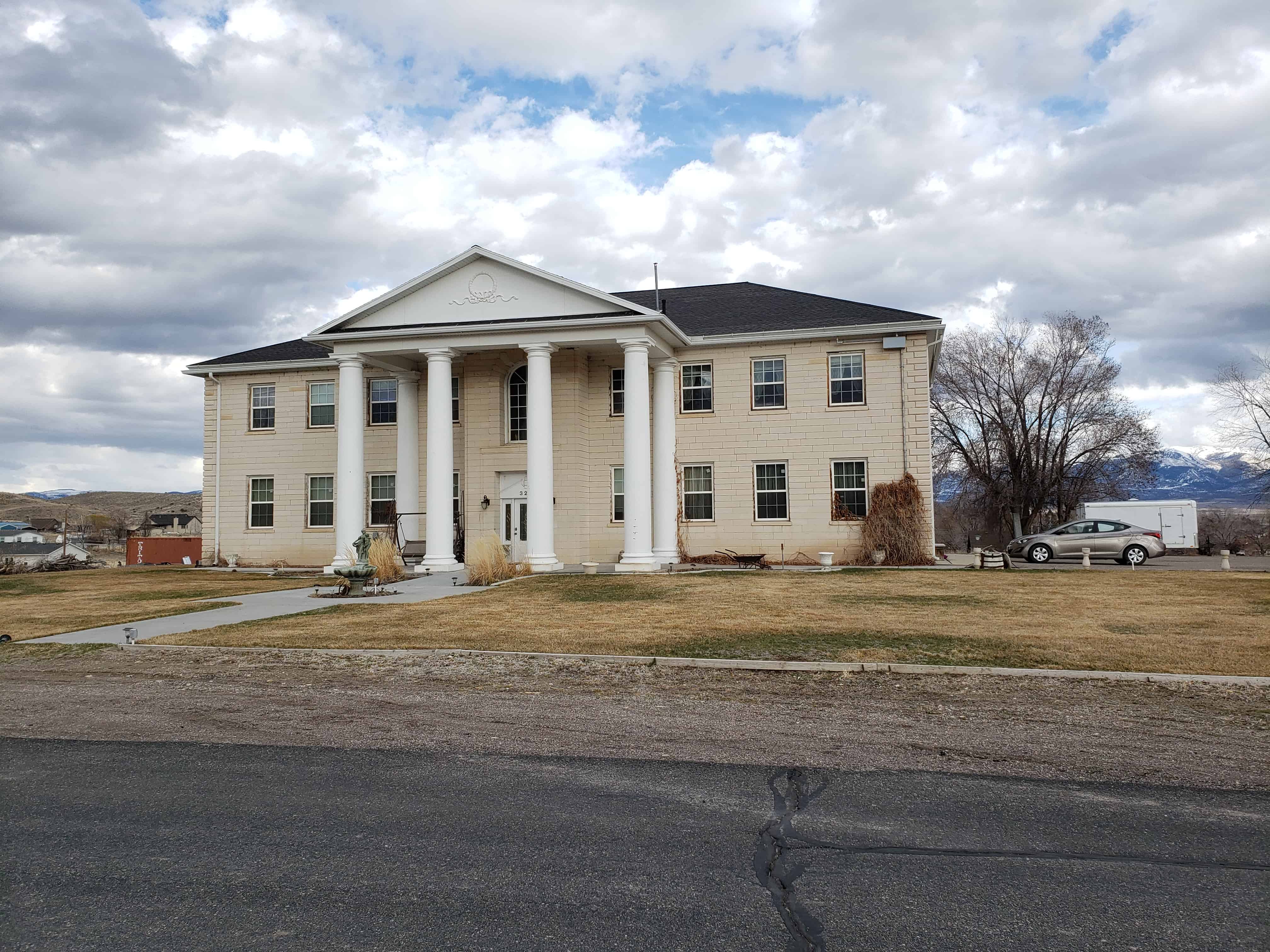
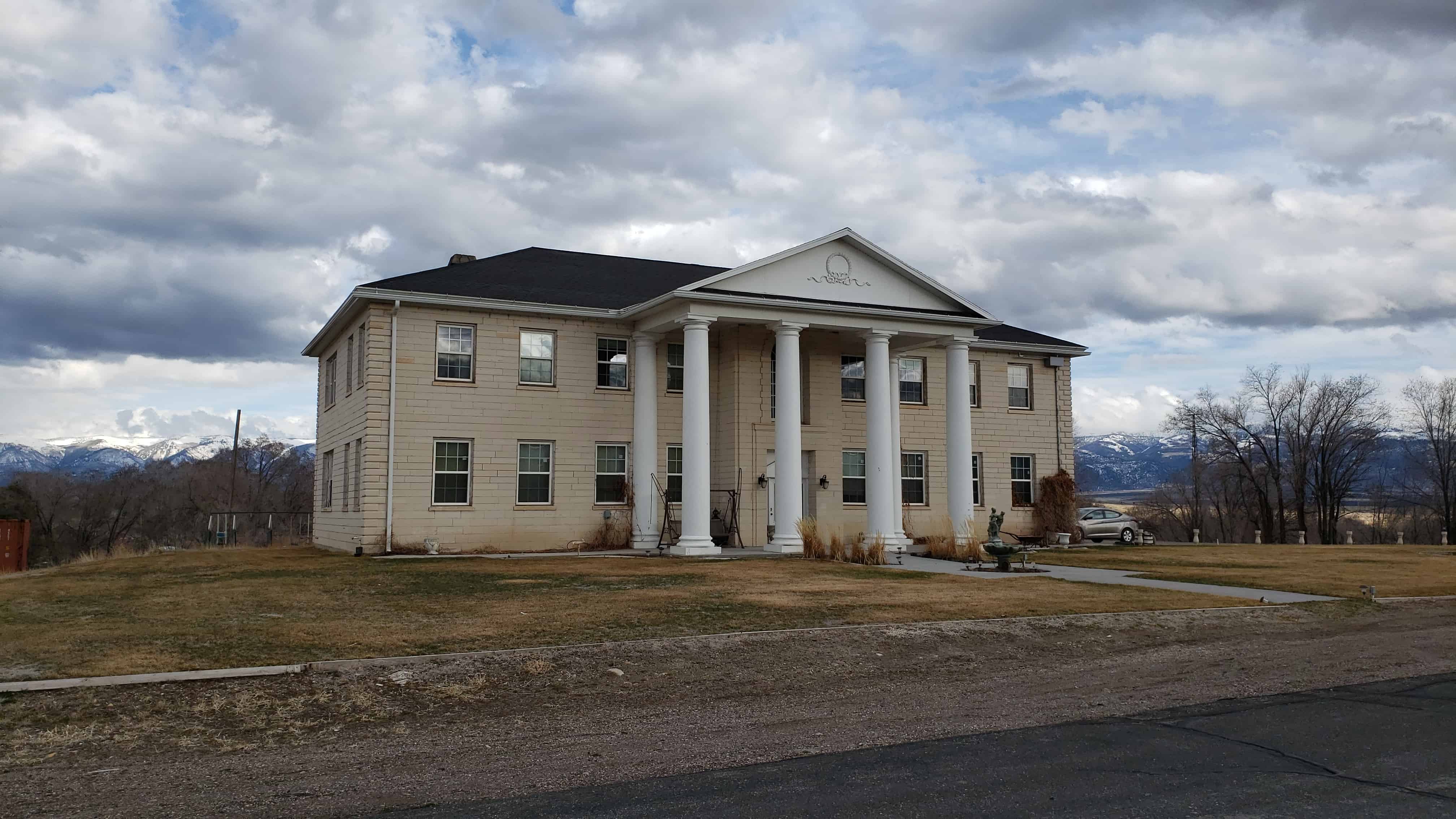
This building is one of three high school shop buildings constructed in Sanpete County using the same basic design. The other two are in Ephraim and Moroni, both of which are still standing and eligible for nomination. All three of these buildings are large, two-story box-like structures with rectangular plans and centrally placed two-story entrance porticos. The Mt. Pleasant building, like the one in Moroni, is built of cream-colored limestone and has a low-pitched hip roof. The openings are arranged symmetrically around the entrance bay which has a gable roof, heavy cornice returns, a round arch upper story window, and a molded cornice over the door itself. There are low-relief quoins at the corners. The building remains in good original condition.
Built in 1935-36, the Moroni High School Mechanical Arts Building is part of the Utah Public Works Administration (PWA) and Works Progress Administration (WPA) Buildings Thematic Nomination and is significant because it helps document the impact of New Deal programs in Utah, which was one of the states that the Great Depression of the 1930s most severely affected. In 1933 Utah had an unemployment rate of 36 percent, the fourth highest in the country, and for the period 1932-1940 Utah’s unemployment rate averaged 25 percent. Because the depression hit Utah so hard, federal programs were extensive in the state. Overall, per capita federal spending in Utah during the 1930s was 9th among the 48 states, and the percentage of workers on federal work projects was far above the national average. Building programs were of great importance. During the 1930s virtually every public building constructed in Utah, including county courthouses, city halls, fire stations, national guard armories, public school buildings, and a variety of others, were built under federal programs by one of several agencies, including the Civil Works Administration (CWA), the Federal Emergency Relief Administration (FERA), the National Youth Administration (NYA), the Works Progress Administration (WPA), or the Public Works Administration (PWA), and almost without exception none of the buildings would have been built when they were without the assistance of the federal government.
The Moroni High School Mechanical Arts Building is one of 233 public works buildings identified in Utah that were built during the 1930s and early 1940s. Only 130 of those 233 buildings are known to remain today and retain their historic integrity. This is one of 107 public school buildings constructed, 55 of which remain. In Sanpete County 18 buildings were built. This is one of 11 that remain.
The building was constructed between 1935 and 1936 as a Federal Emergency Relief Administration (FERA) project. It was a duplicate of the Mt. Pleasant High School Mechanical Arts Building that was constructed at the same time. The project was approved in November 1934; construction began in January of 1935 and was completed in April 1936.
I haven’t been able to find out exactly where this was located, if you know please comment on this page or let me know.
During the 1930s, UTNG used federal money, often supplied through the Works Progress Administration (WPA), to build or expand a number of UTNG facilities. The WPA funded eight armories and several garage and storage areas for the UTNG. By 1940, 13 armories were in use by the Utah Guard including” that in Cedar City.
The location of the historic armory is presently unknown to Living New Deal. The building has since been demolished.
During the 1930s, UTNG used federal money, often supplied through the Works Progress Administration (WPA), to build or expand a number of UTNG facilities. The WPA funded eight armories and several garage and storage areas for the UTNG. By 1940, 13 armories were in use by the Utah Guard including” that in Spanish Fork. The historic armory in Spanish Fork has since been demolished.(*)
During the 1930s, UTNG used federal money, often supplied through the Works Progress Administration (WPA), to build or expand a number of UTNG facilities. The WPA funded eight armories and several garage and storage areas for the UTNG. By 1940, 13 armories were in use by the Utah Guard including” that in Nephi.
“Construction of the National Guard armory in Nephi will be furthered with $34,669” in WPA funds, Provo’s Daily Herald reported.(*)