Built in 1897, at a cost of $1,000, by Peter Christensen who fired the brick in a kiln between Lyman and Horse Valley Ranch. Benjamin F. Brown carved the wood decorations. Used only for tithing office as long as offerings were paid in produce. It then became the Wayne Stake presidential office. Now owned by Daughters of Utah Pioneers, where pioneer relics are displayed and meetings held.
This is Daughters of Utah Pioneers historic marker #396 located at 19 South 100 West in Loa, Utah.
In 1855-56 people of Ogden area started construction of this tabernacle, under direction of Stake President Lorin Farr. About fifty families donated labor, materials, etc. Wm. Nicol Fife, architect and builder and Walter Thompson were sent from Salt Lake City by Brigham Young to take charge of the erection. Foundation was rock, walls adobe, two feet thick, and interior finished with red pine from Strong’s Canyon, floated down Ogden River and sawed at Farr’s Mill. Roof arches were fastened with wooden pegs. Dedicated October 10, 1869 and remodeled in 1896 at a cost of $15,000. It was used until 1956 for Stake Conferences.
This is Daughters of Utah Pioneers historic marker #265, erected in 1961 and located at the Ogden LDS Temple until it was remodeled, it was then moved to the Weber County Daughters of Utah Pioneers Museum at 2104 Lincoln Avenue in Ogden, Utah.
After Albert Petty surveyed this site in 1859, pioneers came, built homes, erected a meetinghouse of logs cut by William Gibson and Asbury Parks. In 1861, Bishop Robert L. Johnson opened first store and hotel. Polly Johnson was first Relief Society President; Catherine Oldroyd served as midwife. Bernard Snow supplied flour from his burr mill in 1867. John Green operated adobe and brickyard. Black Hawk War forced settlers to move for safety. They returned and built fort in fall of 1866. Plaque below: The bell atop this monument rang its message from the tower of the first schoolhouse, 1880. As each new schoolhouse was built, the bell was transferred; tolling time, fire and curfew for 88 years.
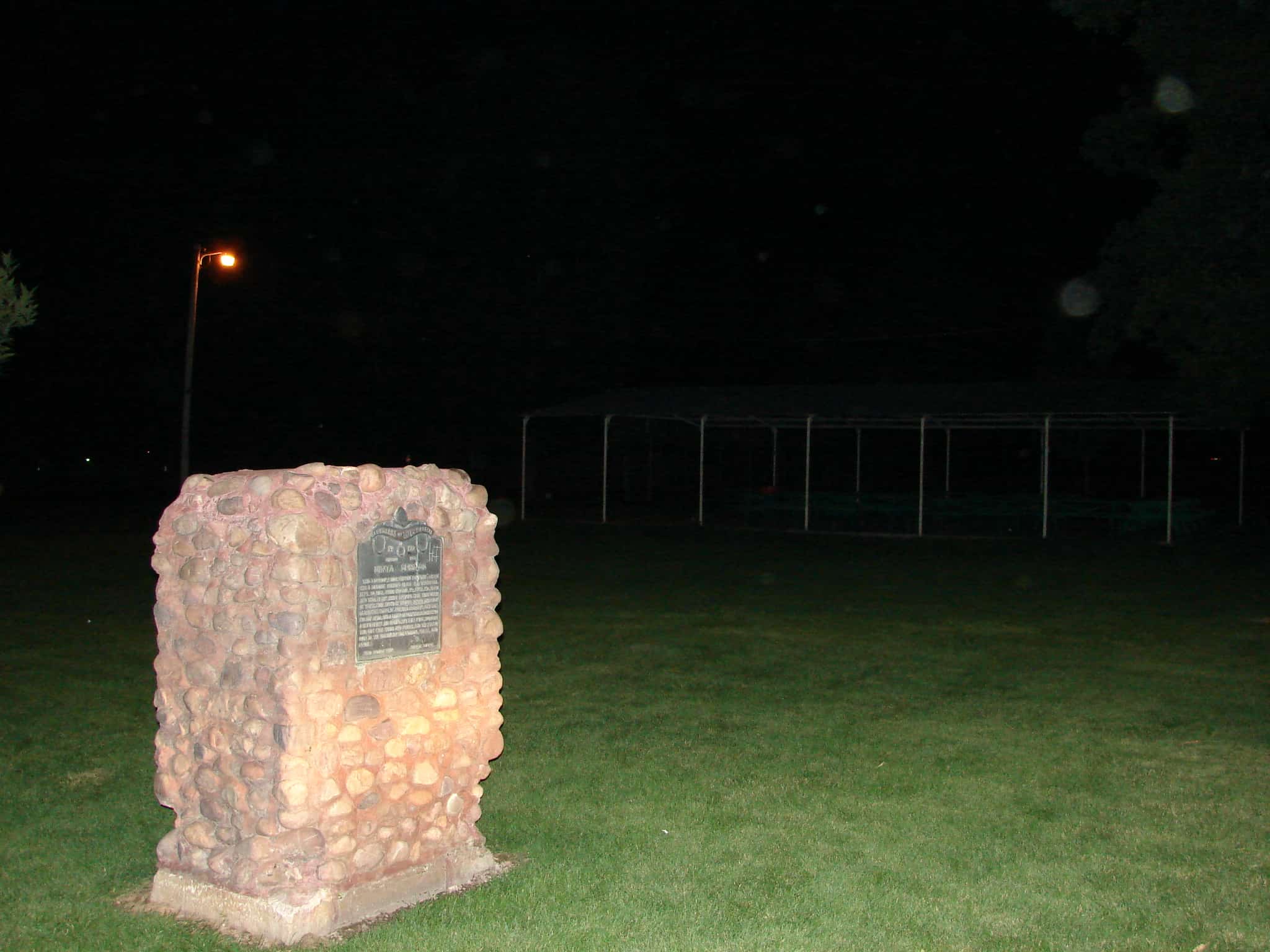
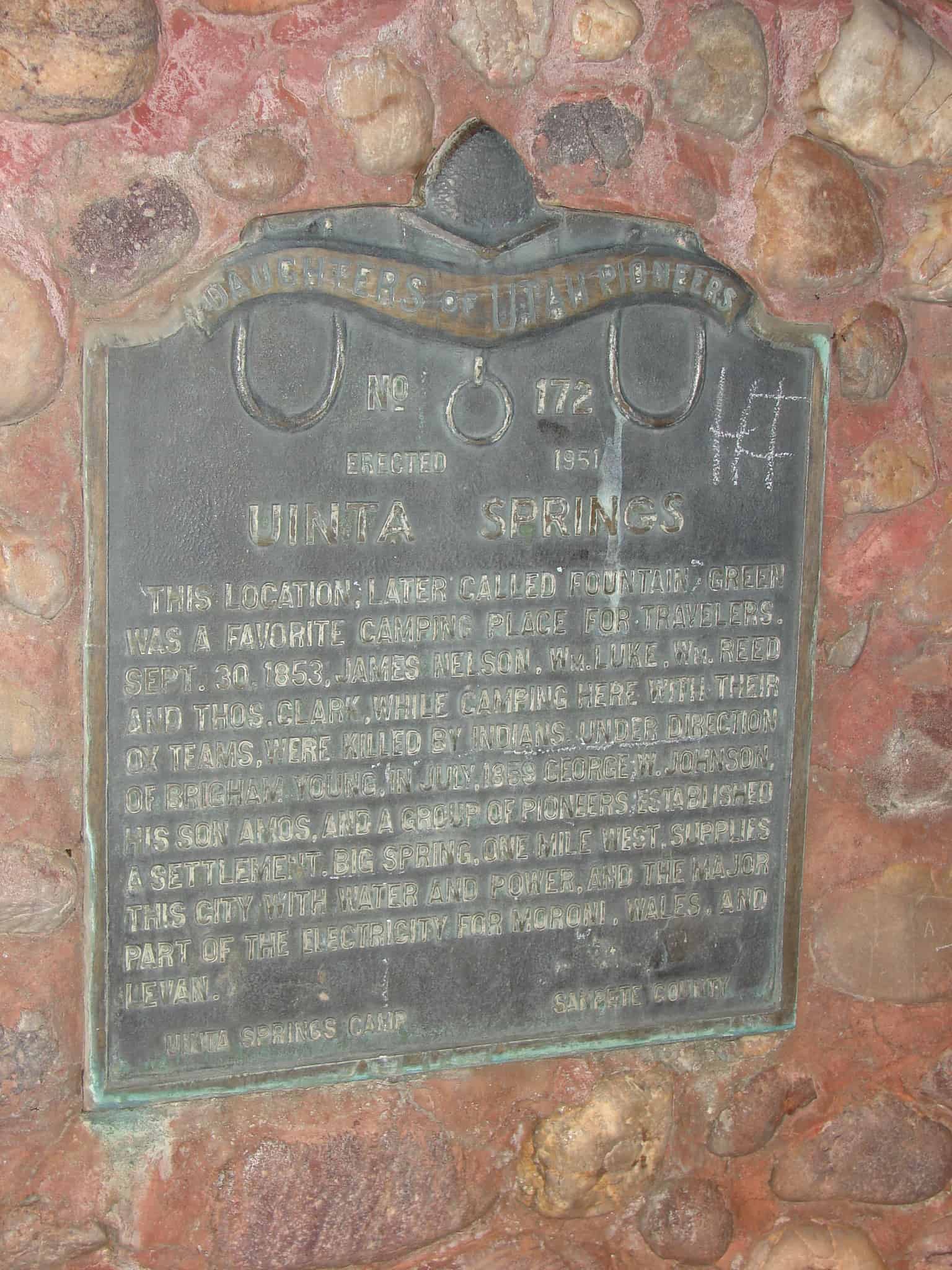
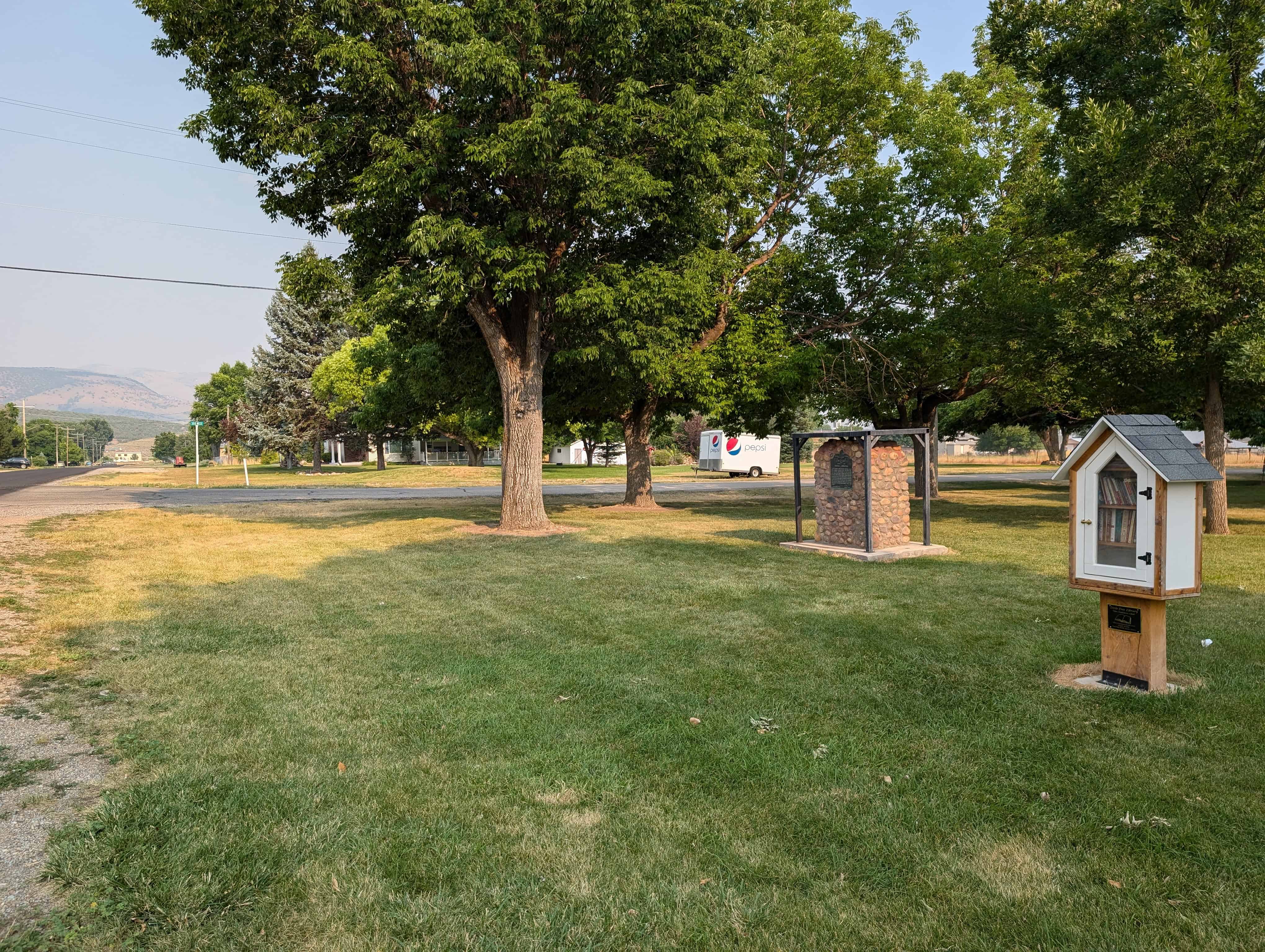
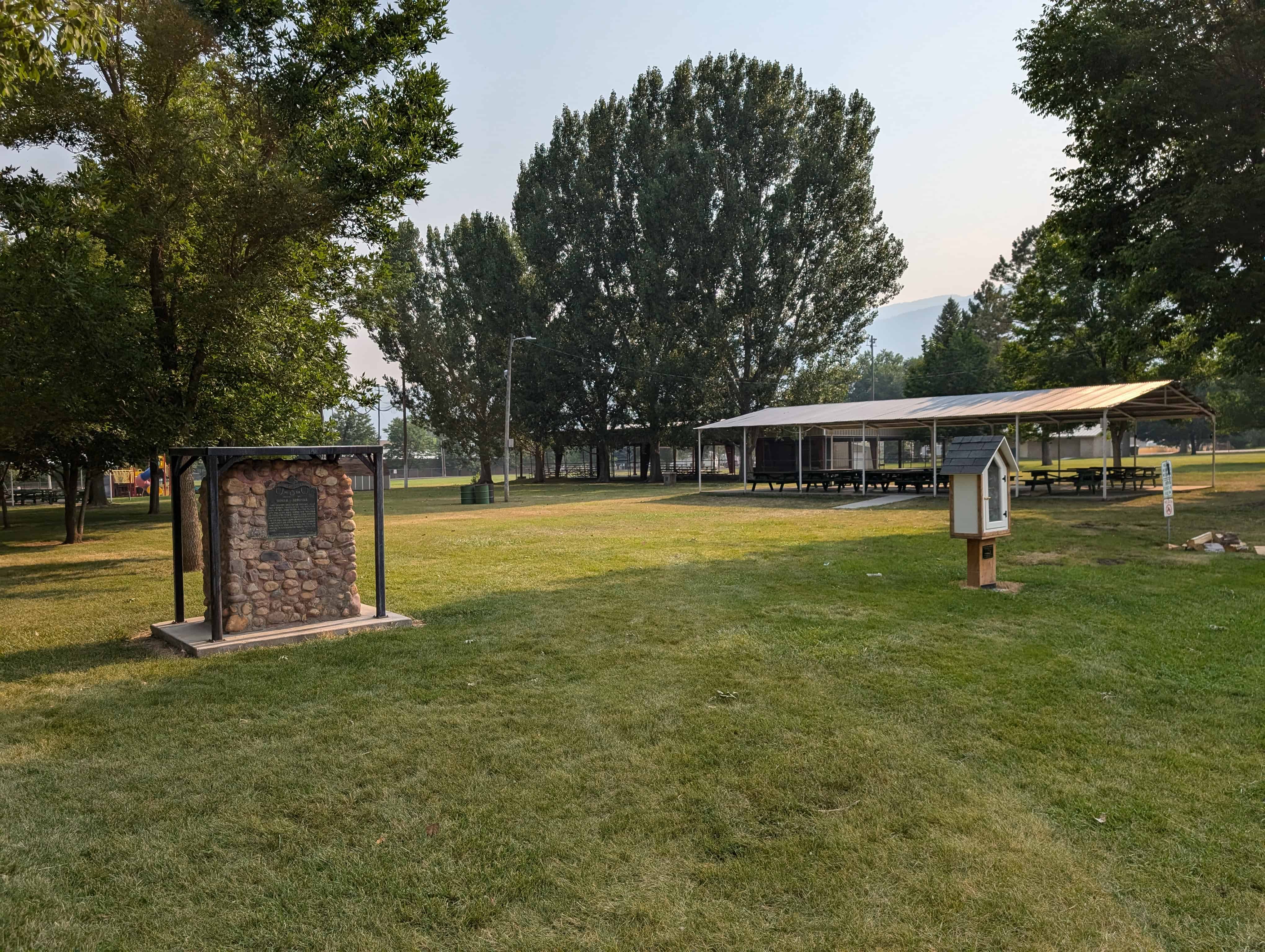
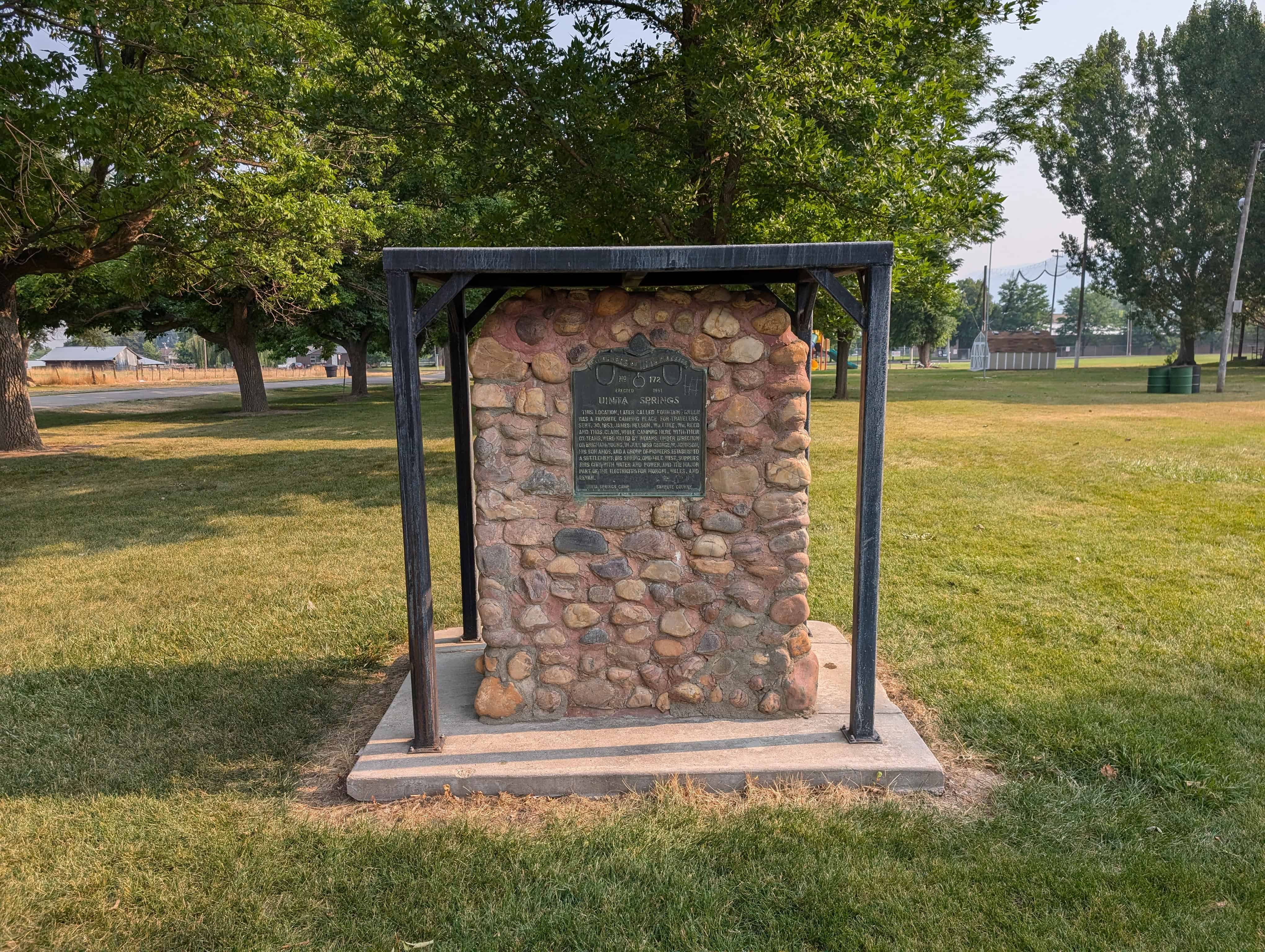
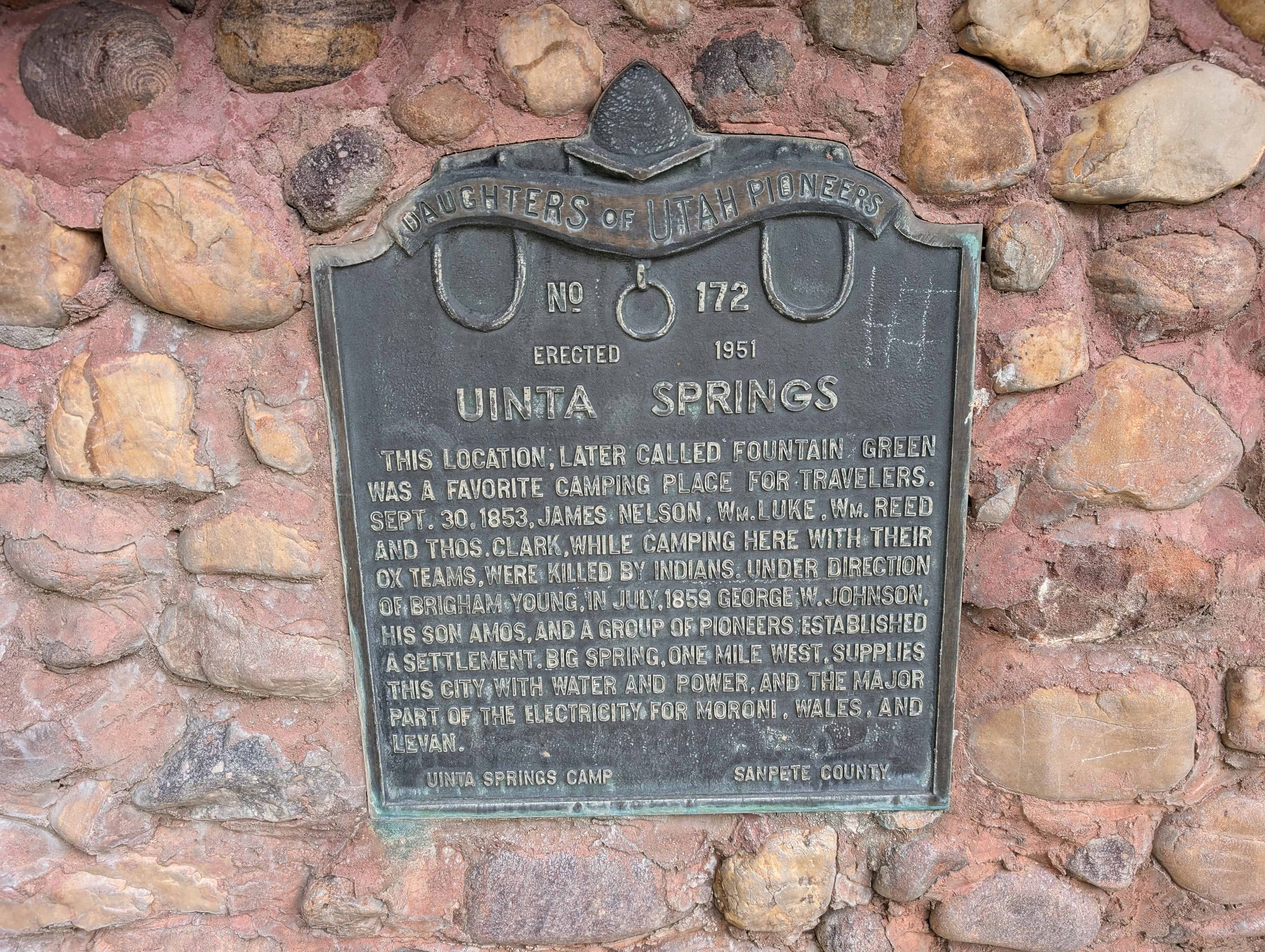
This location, later called Fountain Green, was a favorite camping place for travelers. Sept. 30, 1853, James Nielson, William Luke, William Reed and Thomas Clark, while camping here with their ox teams, were killed by Indians. Under direction of Brigham Young in July, 1859, George W. Johnson, his son, Amos, and a group of pioneers established a settlement. Big Spring, one mile west, supplies this city with water and power and the major part of the electricity for Moroni, Wales and Levan.
This is Daughters of Utah Pioneers historic marker #172 located at 305 West Center Street in Fountain Green Park.
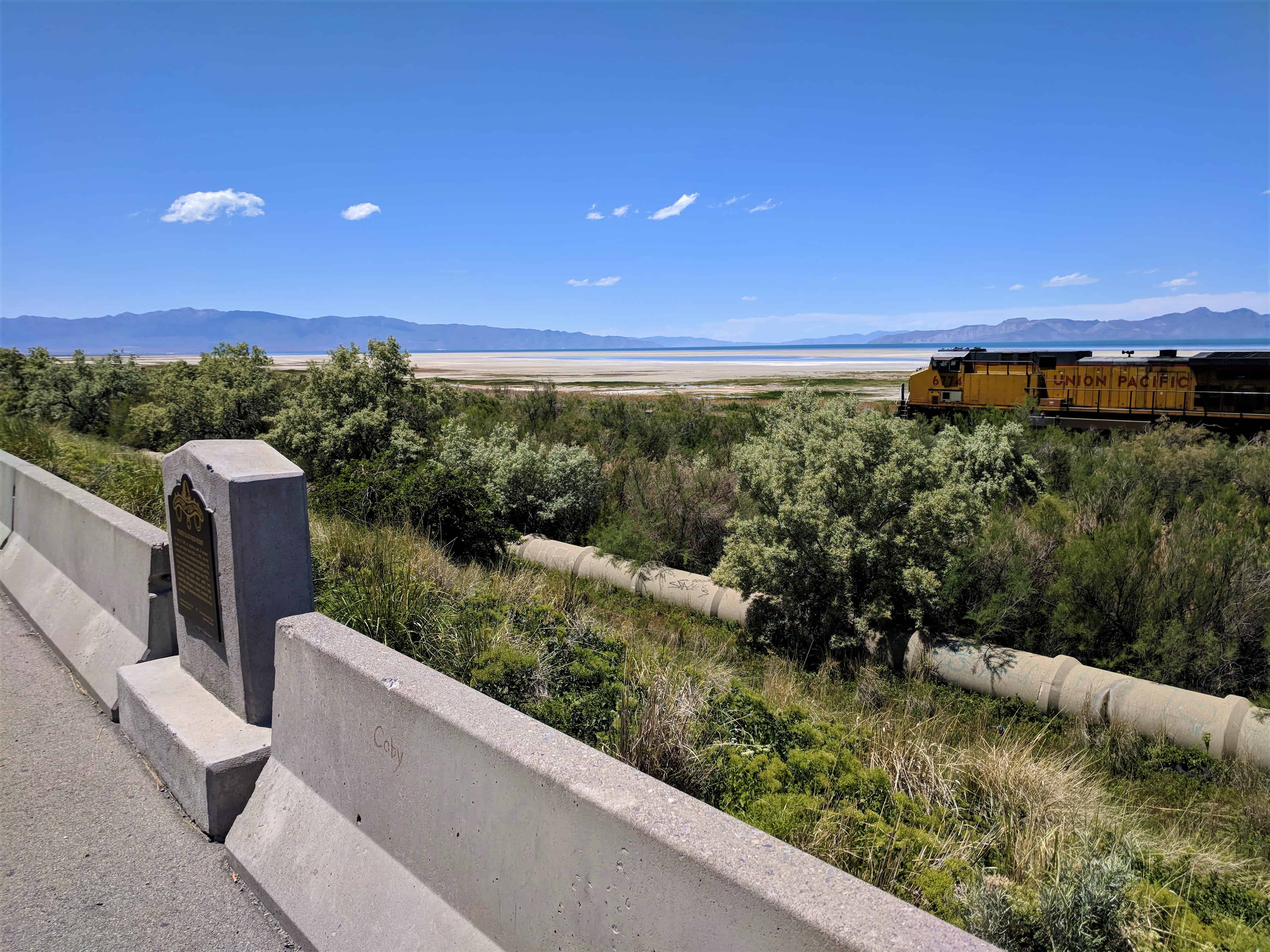
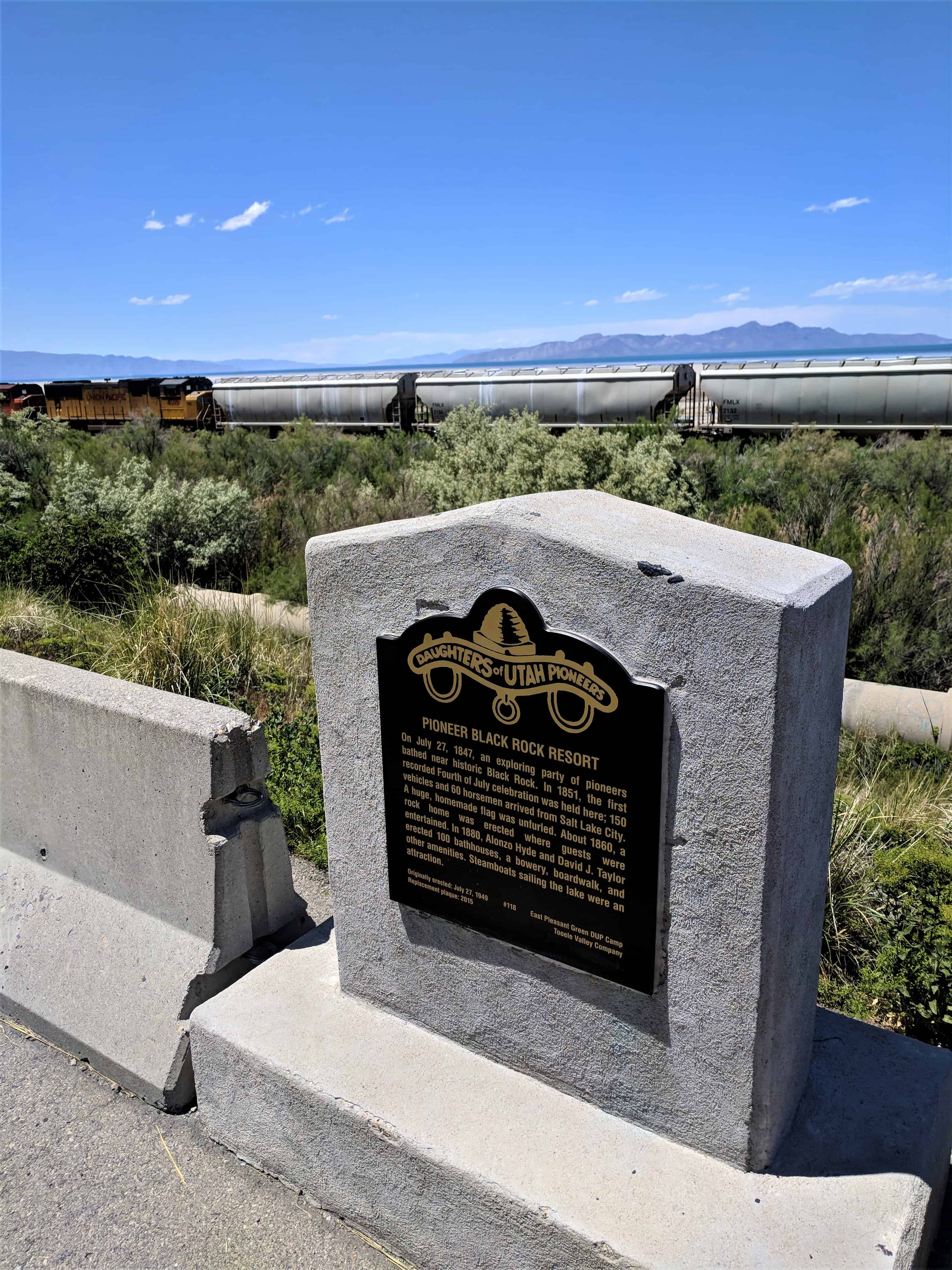
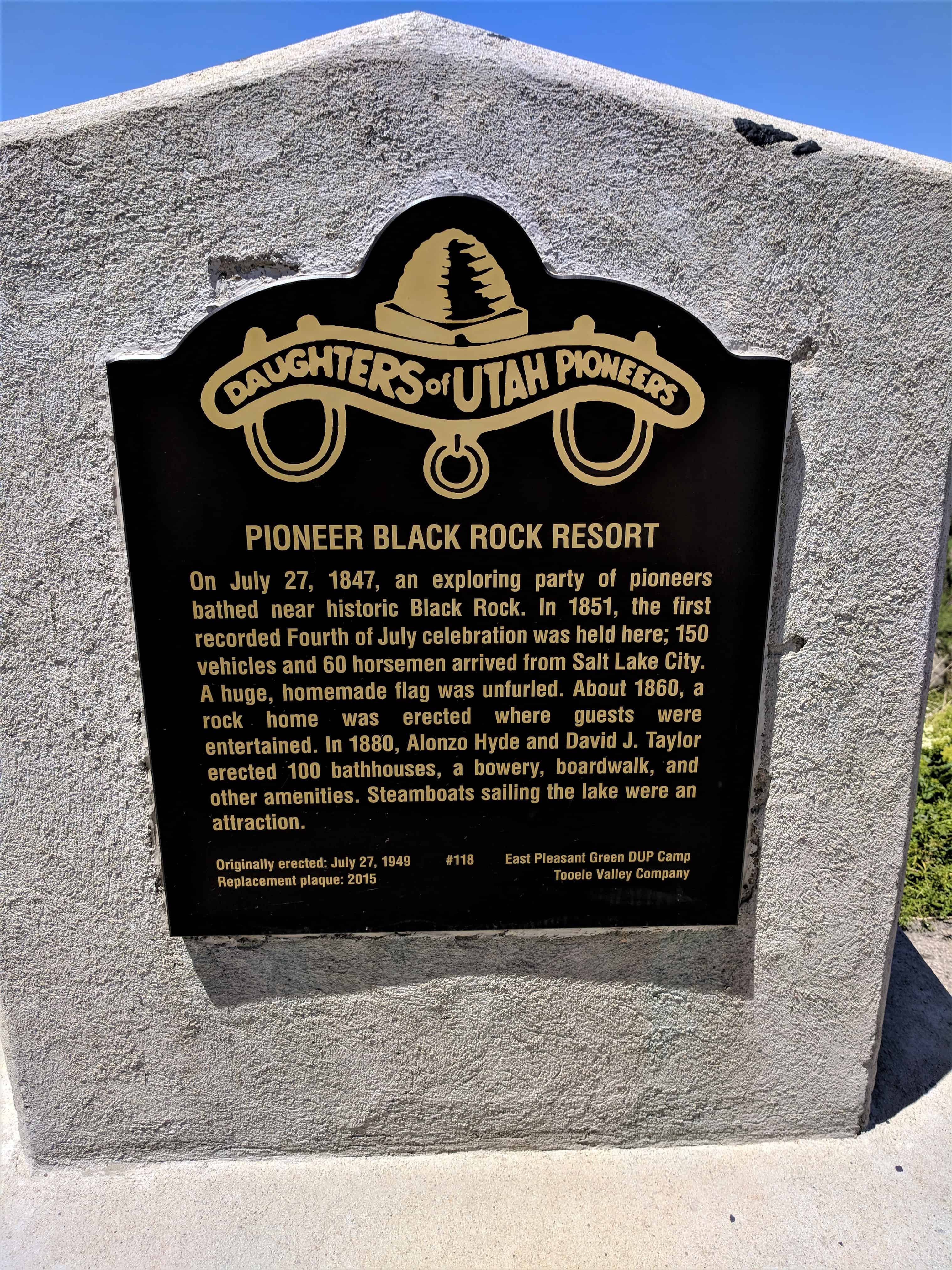
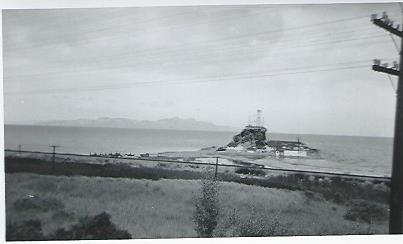
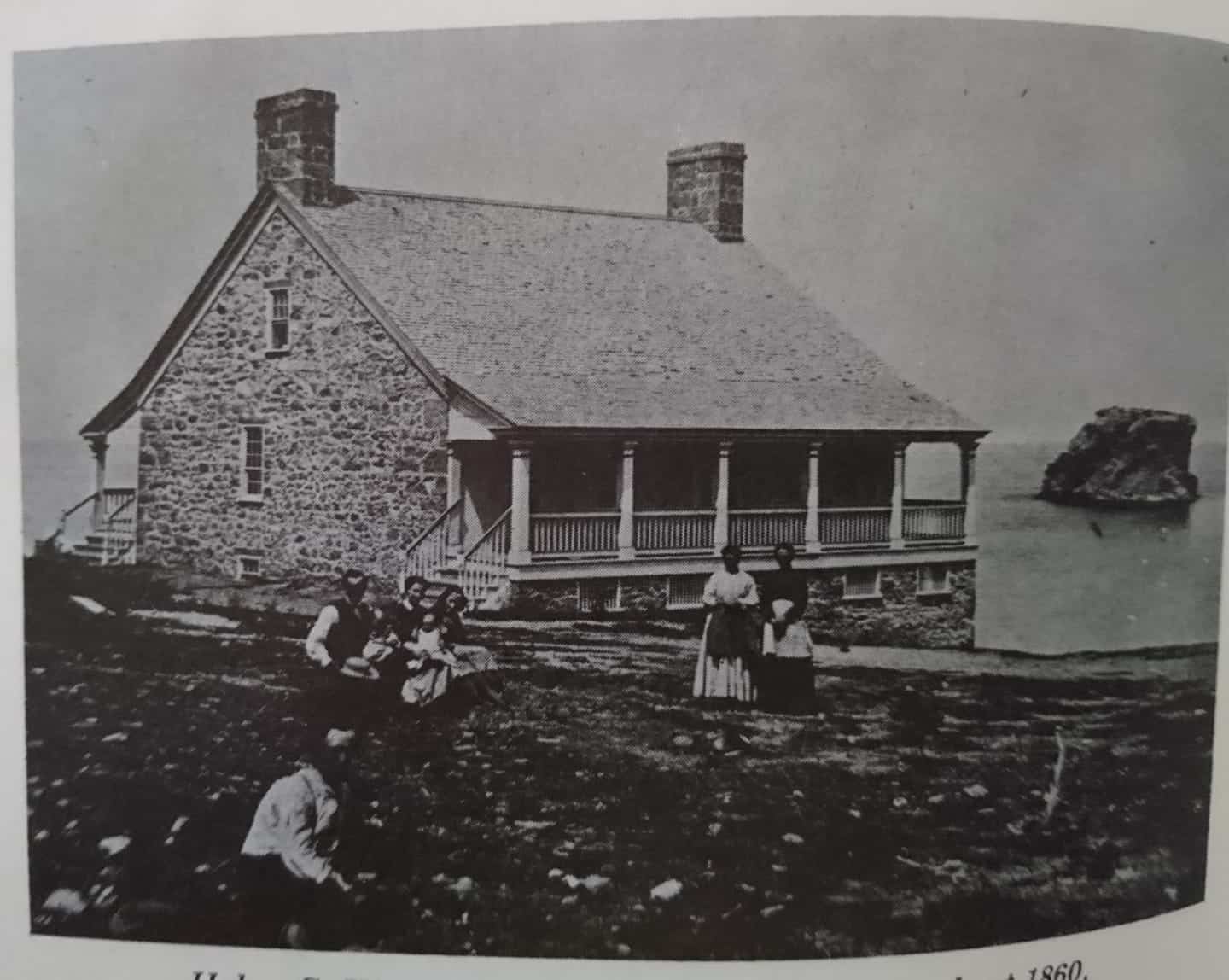
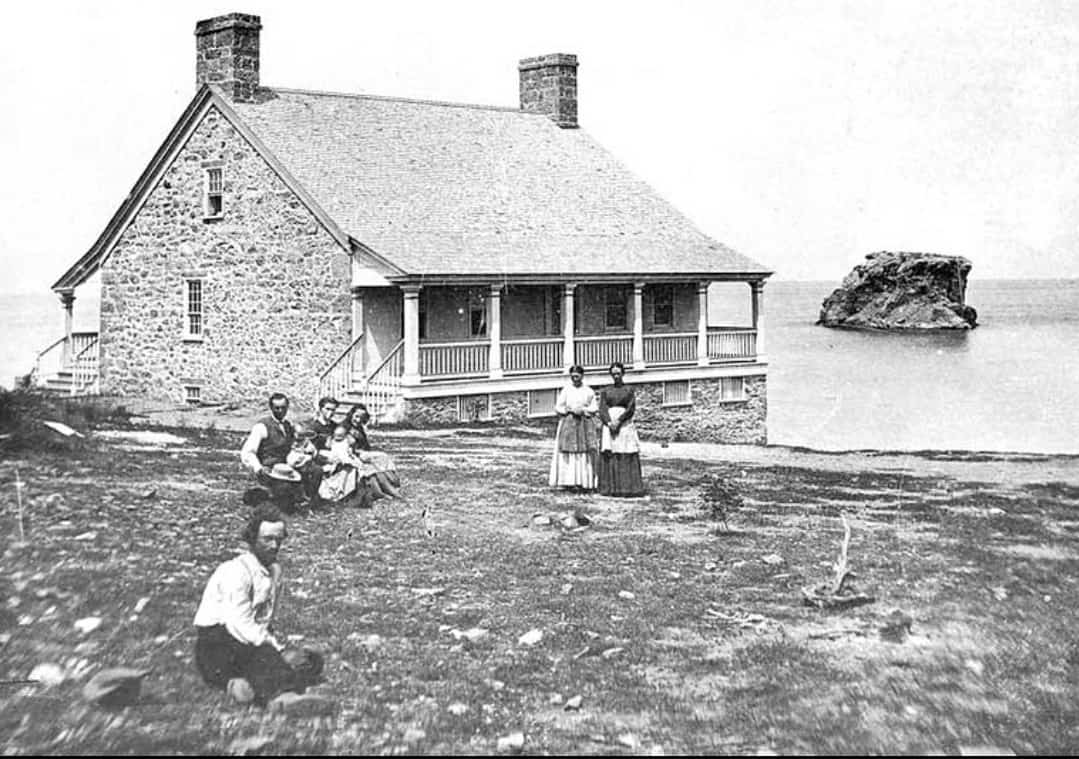
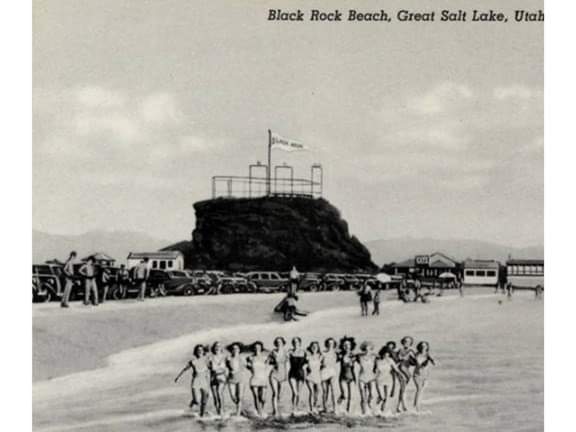
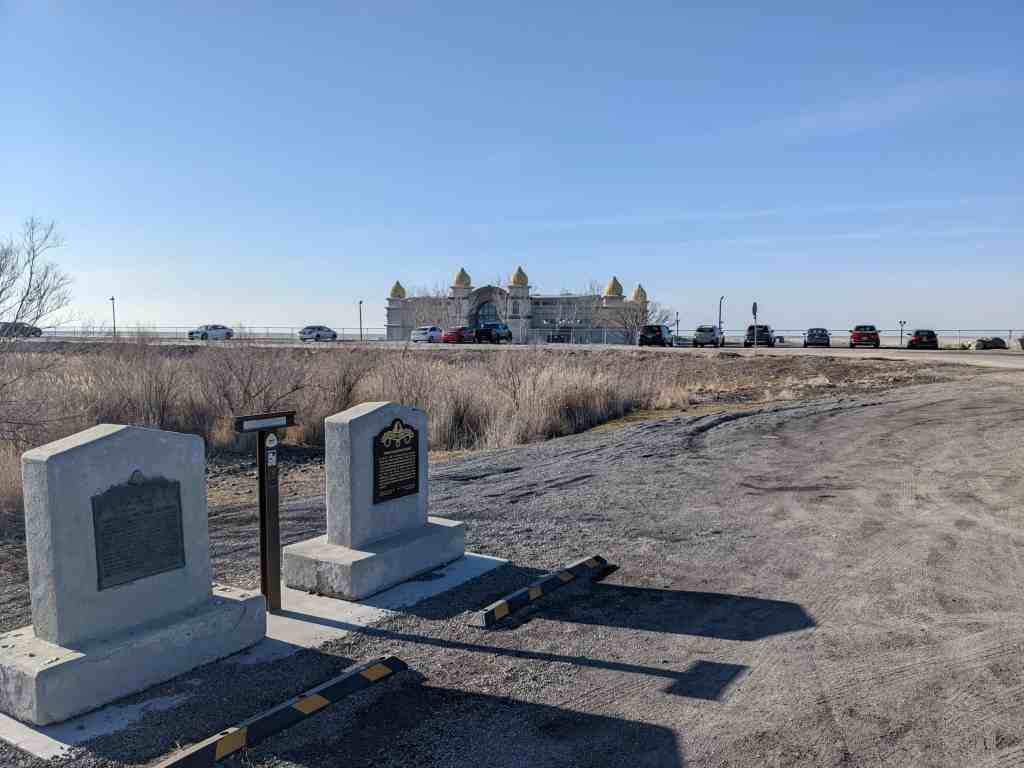
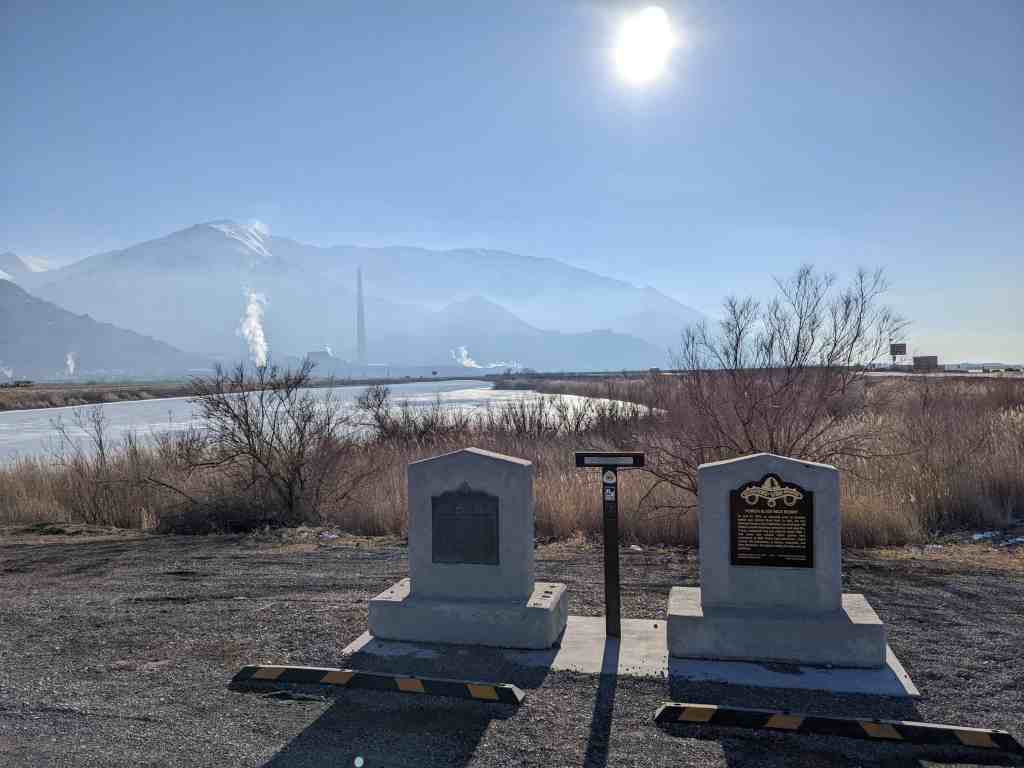
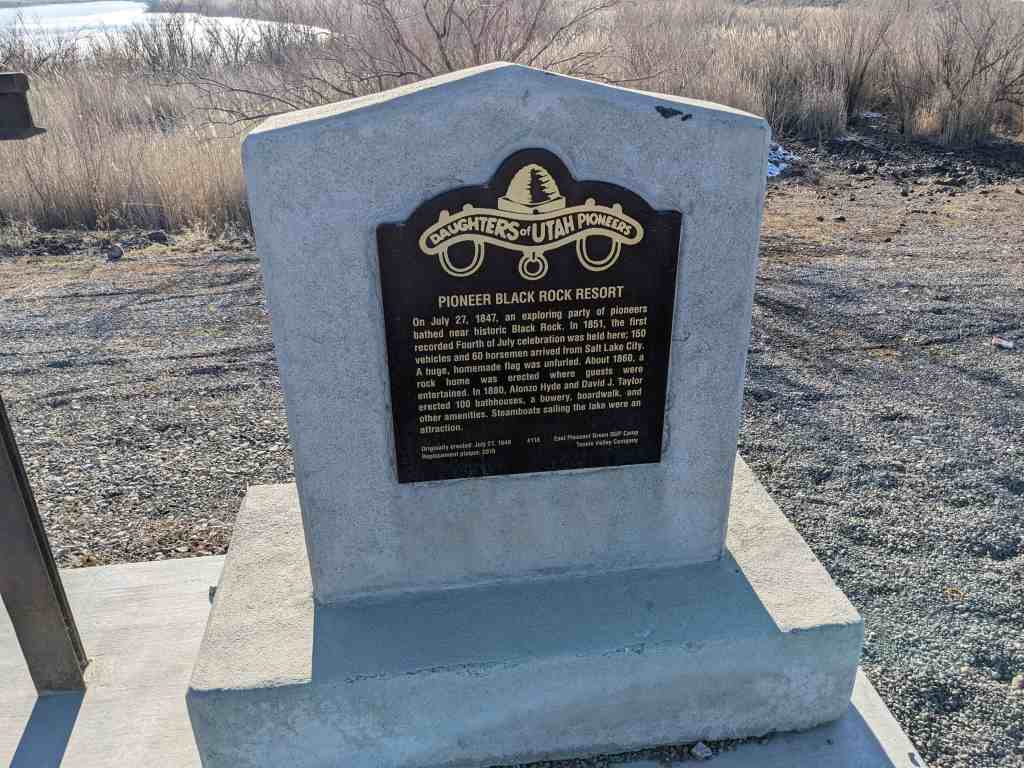
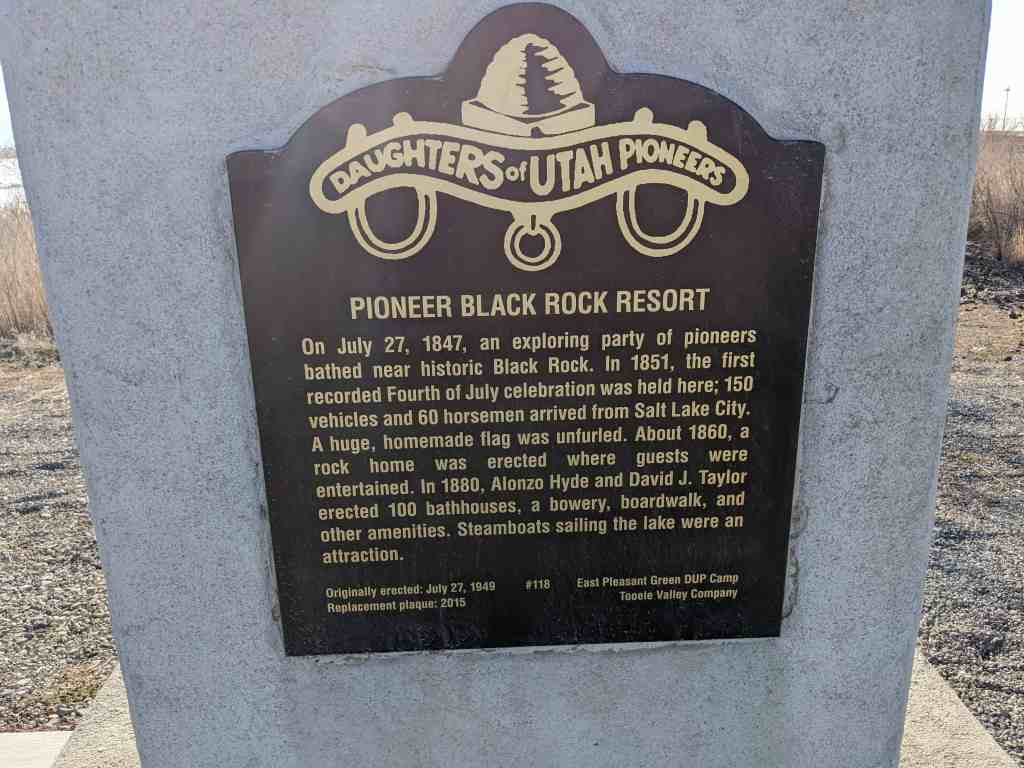
On July 27, 1847 an exploring party of pioneers bathed near historic Black Rock. In 1851, the first recorded fourth of July celebration was held here when about 150 vehicles and sixty horsemen arrived from Salt Lake City. A huge homemade flag was unfurled. About 1860, a rock house was erected where guests were entertained. In 1880, Alonzo Hyde and David J. Taylor erected one hundred bath houses, bowery, boardwalk and other equipment. Steamboats sailing the Lake were an attraction.
The freeway pullout this was located at (N 40.71546 W 112.24008) was closed and this historic marker along with the other two also located there were moved to a new located just outside the Saltair, (N 40.74664 W 112.18543).
Spanish Fork was settled in 1857. The first flour mill was built by Archibald Gardner in 1858-59. The water for the mill came from the Spanish Fork River. The stream was enlarged to give sufficient power to run the mill. This mill was constructed of rough lumber.
The grinding was accomplished by large round granite stone burrs about four feet in diameter and two feet thick. These stones had grooves running across them; the lower stones remained stationary while the upper one rotated. The wheat came to the center of the burrs through a wooden chute. The husks of the kernels of wheat, when separated, were called bran; the next finer are the shorts; and the finest made of flour. The burrs frequently had to be dressed to keep them in good operating condition. Gardner sold the mill to the Spanish Fork Co-op in 1874. Shortly after it was torn down, it was replaced by a larger, two-story building with more advanced equipment.
This mill was built of shiplap lumber with gables facing north and south. The flumes carried water to the mill wheel, with a fall of twenty feet. Flour was made in the mill for fourteen years until April 15, 1888, when it burned to the ground, probably from spontaneous combustion. Within a short time, a four-story brick building was started at a cost of $40,000. New machinery was installed, and large steel rollers replaced stone burrs. The new mill burned in December 1927. It was never rebuilt. Today nothing remains of the once busy whirring mill.
This is Daughters of Utah Pioneers historic marker #526, located at 200 East River Bottom Road in Spanish Fork, Utah.
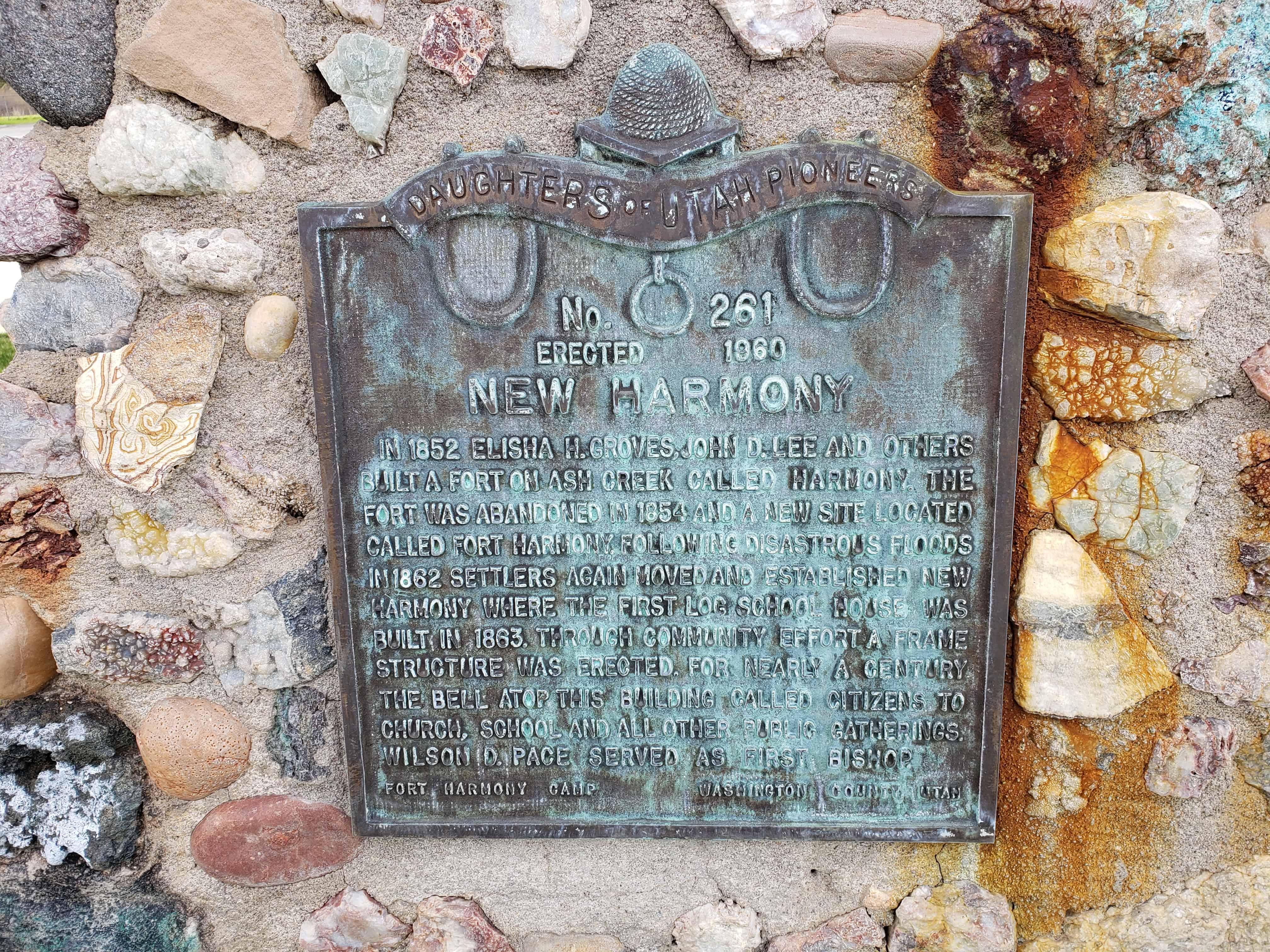
In 1852 Elisha H. Groves, John D. Lee and others built a fort on Ash Creek, called Harmony. The fort was abandoned in 1854 and a new site located called Fort Harmony. Following disastrous floods in 1862 settlers again moved and established New Harmony where the first log school house was built in 1863. Through community effort a frame structure was erected. For nearly a century the bell atop this building called citizens to church, school and all other public gatherings. Wilson D. Pace served as first Bishop.
Burraston Ponds is popular for fishing and the rope swing, people come from all over to take part in both.
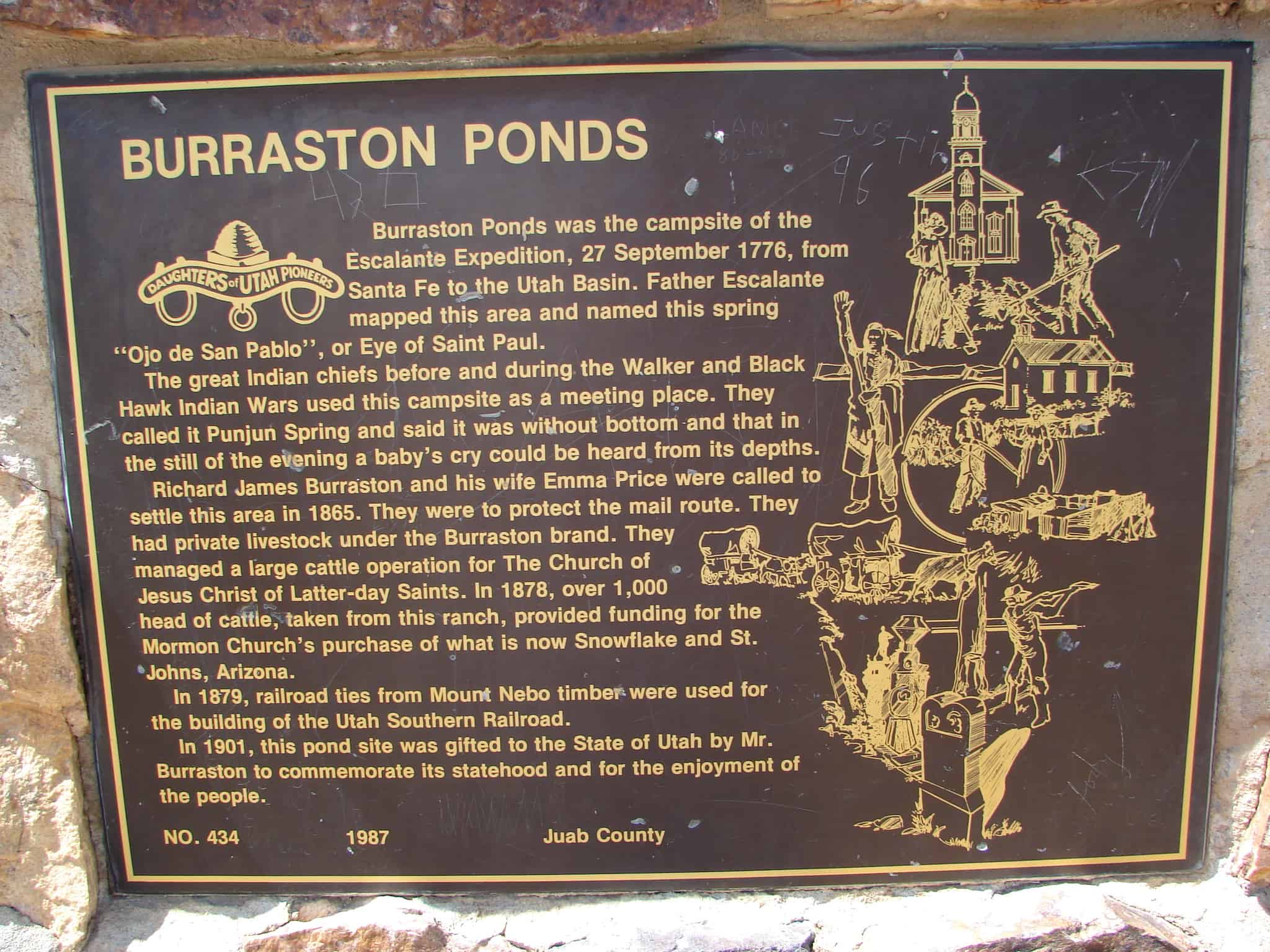
Burraston Ponds was the campsite of the Escalante Expedition, 27 September 1776, from Santa Fe to the Utah Basin. Father Escalante mapped this area and named this spring “Ojo de San Pablo” or Eye of Saint Paul. The great Indian chiefs before and during the Walker and Black Hawk Indian Wars used this campsite as a meeting place. They called it Punjun Spring and said it was without bottom and that in the still of the evening a baby’s cry could be heard from its depths. Richard James Burraston and his wife Emma Price were called to settle this area in 1865. They were to protect the mail route. They had private livestock under the Burraston brand. They managed a large cattle operation for the Church of Jesus Christ of Latter-day Saints. In 1878, over 1,000 head of cattle, taken from this ranch, provided funding for the Mormon Church’s purchase of what is now Snowflake and St. Johns, Arizona. In 1879, railroad ties from Mount Nebo timber were used for the building of the Utah Southern Railroad. In 1901, this pond site was gifted to the State of Utah by Mr. Burraston to commemorate its statehood and for the enjoyment of the people.
In March, 1864, about fifty Pioneers under the leadership of Jens Neilson settled Panguitch and built a fort of logs, enclosing their homes and a building used for church, school and recreation. The town was abandoned in 1867 because of Indian trouble, the people moving to Beaver, Parowan and Paragonah. In 1870 President Young called George W. Sevy to lead a company and resettle Panguitch. In March, 1871, a small band of people left Paragonah, arriving in Panguitch March 16, 1871. They found the Fort had not been molested.
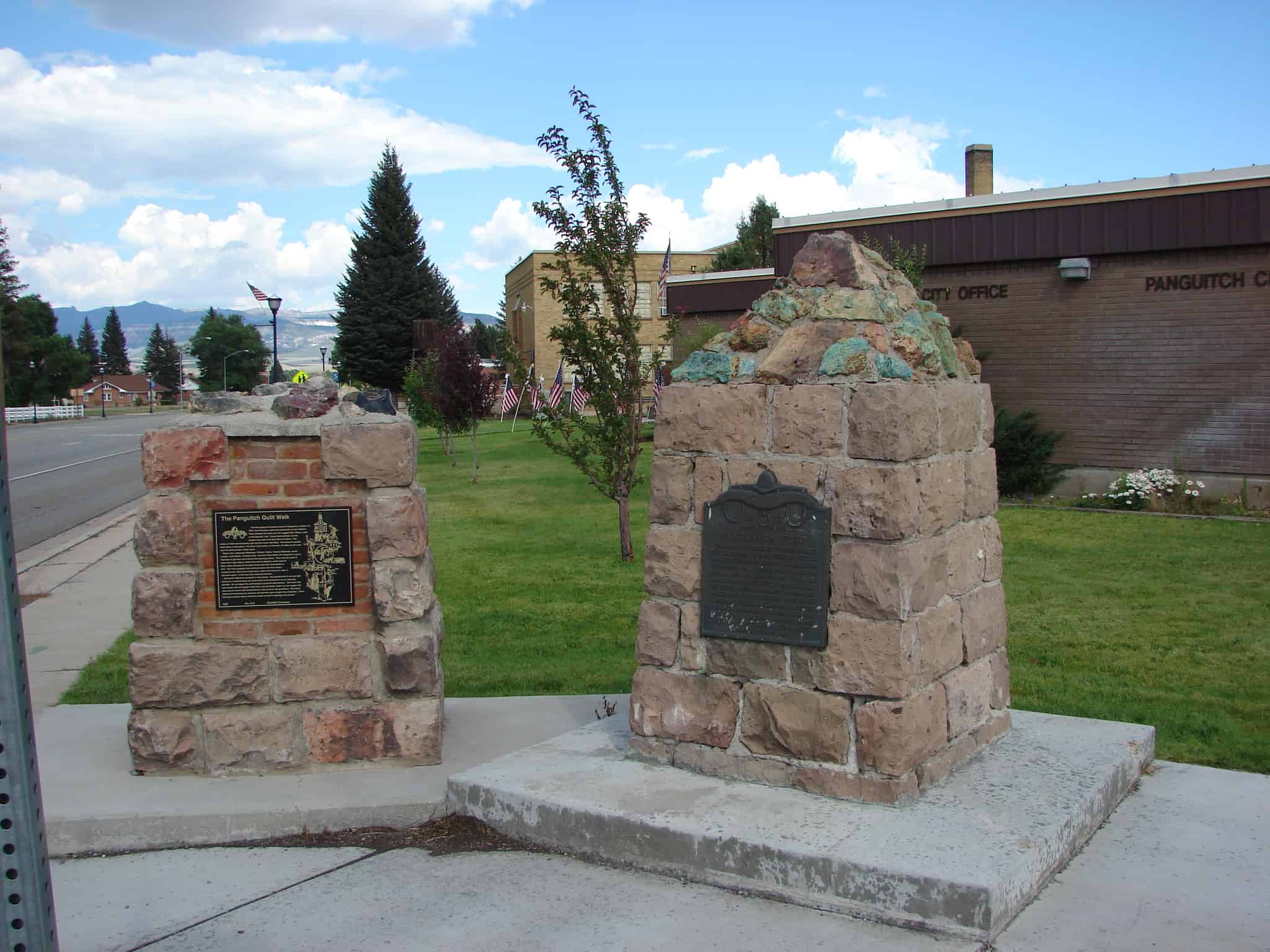
Located at 202 East Center Street in Panguitch, Utah
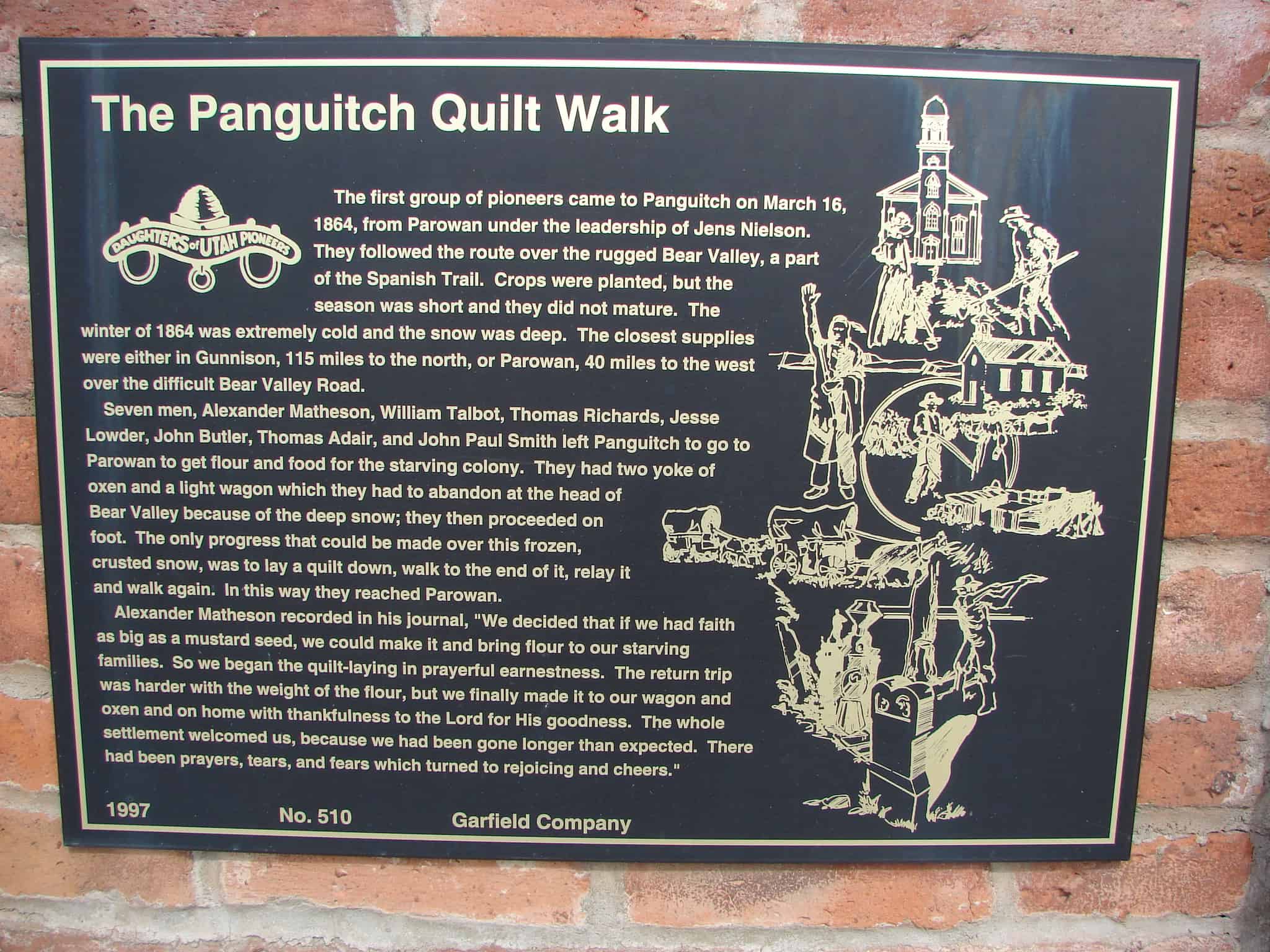
The first group of pioneers came to Panguitch on March 16, 1864, from Parowan under the leadership of Jens Nielson. They followed the route over the rugged Bear Valley, a part of the Spanish Trail. Crops were planted, but the season was short and they did not mature. The winter of 1864 was extremely cold and the snow was deep. The closest supplies were either in Gunnison, 115 miles to the North, or Parowan, 40 miles to the west over the difficult Bear Valley Road.
Seven men, Alexander Matheson, William Talbot, Thomas Richards, Jesse Lowder, John Butler, Thomas Adair, and John Paul Smith left Panguitch to go to Parowan to get flour and food for the starving colony. They had two yoke of oxen and a light wagon which they had to abandon at the head of Bear Valley because of the deep snow; they then proceeded on foot. The only progress that could be made over this frozen, crusted snow, was to lay a quilt down, walk to the end of it, relay it and walk again. In the way they reached Parowan.
Alexander Matheson recorded in his journal,”We decided that if we had faith as big as a mustard seed, we could make it and bring flour to our starving families. So we began the quilt-laying in prayerful earnestness. The return trip was harder with the weight of the flour, but we finally made it to our wagon and oxen and on home with thankfulness to the Lord for His goodness. The whole settlement welcomed us, because we had been gone longer than expected. There had been prayers, tears, and fears which turned to rejoicing and cheers.”
Located at 202 East Center Street in Panguitch, Utah