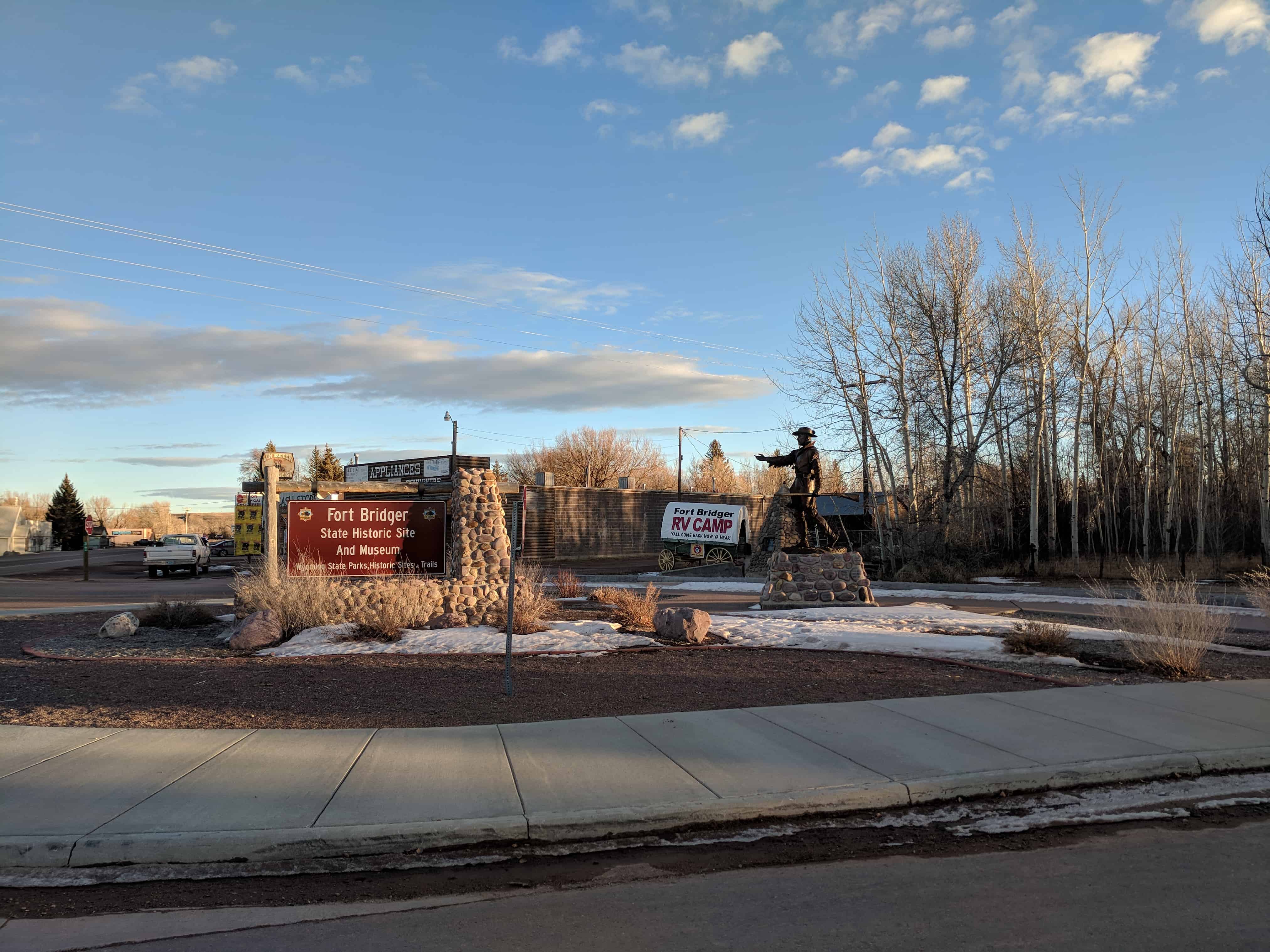
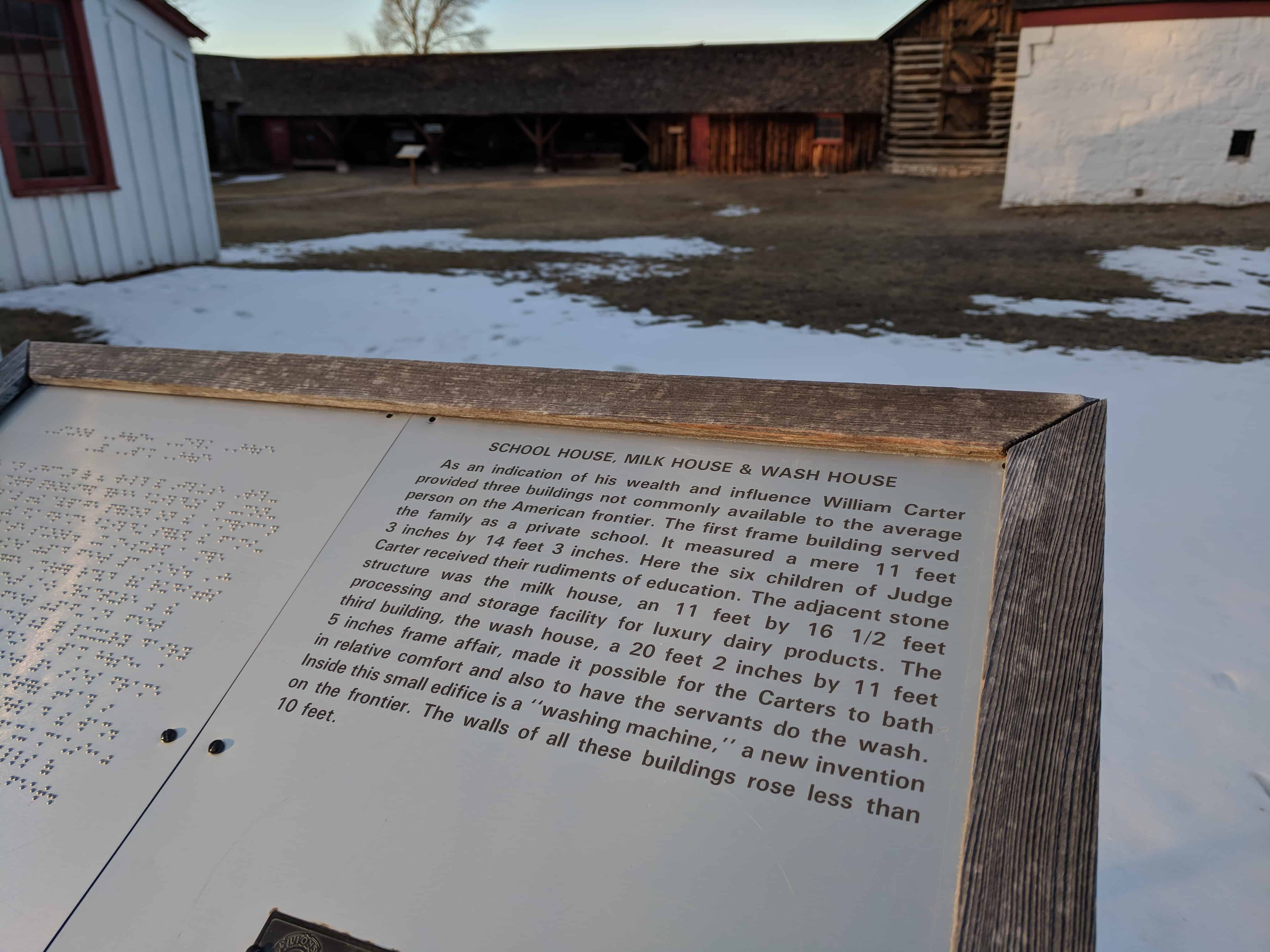
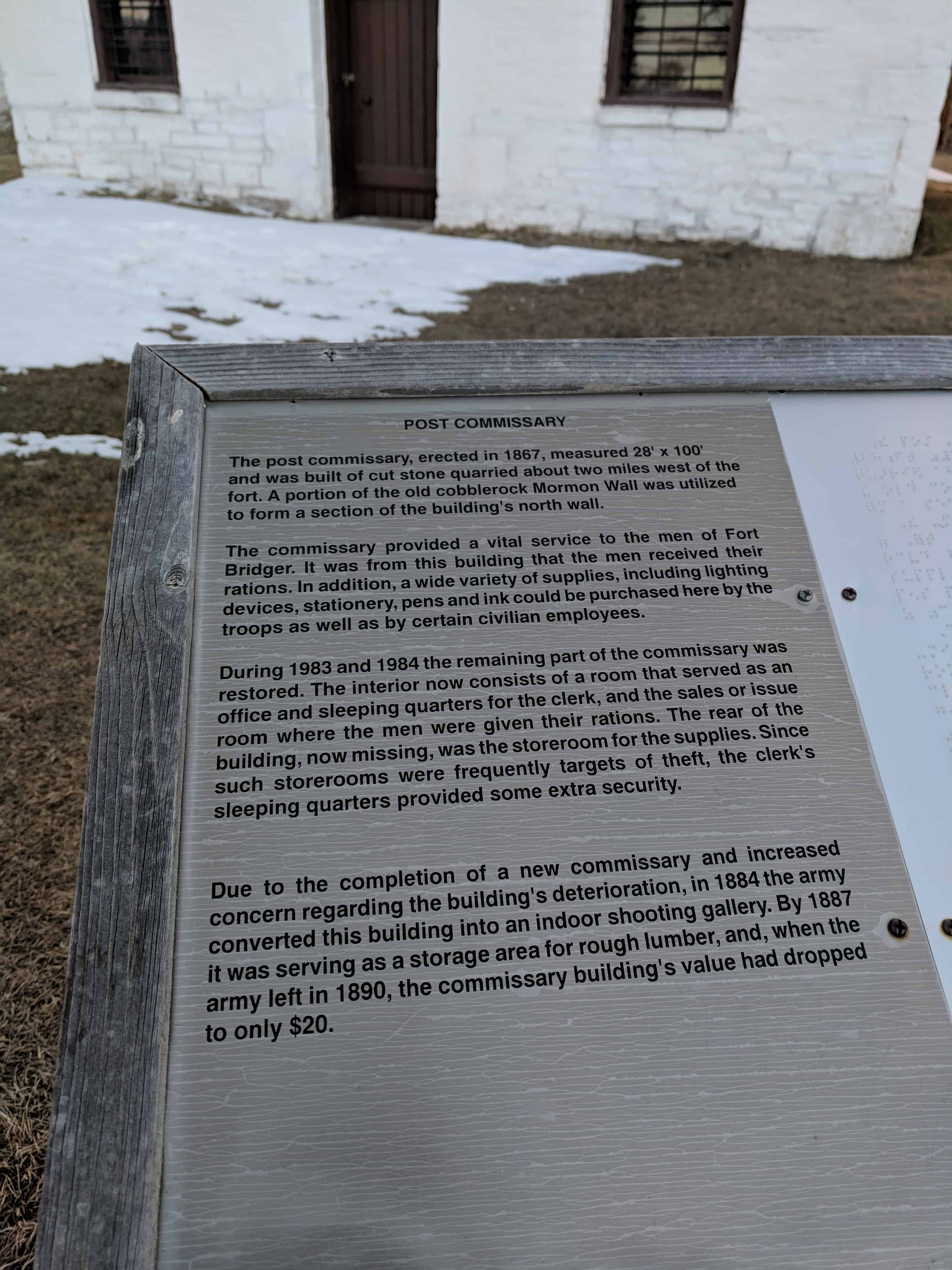
Fort Bridger, Wyoming was established in 1843 by Jim Bridger and Louis Vasquez. It served as a trading post for those who were traveling westward along the Oregon Trail, as well as LDS Pioneers, the Pony Express, the Lincoln Highway, and the transcontinental railroad. The fort was also commonly used to trade with the local Native Americans.
The fort was not very glamorous, it was even a disappointment to most travelers. It was simply two log cabins about 40 feet in length connected by a fence to hold horses. Most visitors complained about insufficient supplies and it being over priced. They did, however, have a blacksmith’s that many travelers took advantage of.
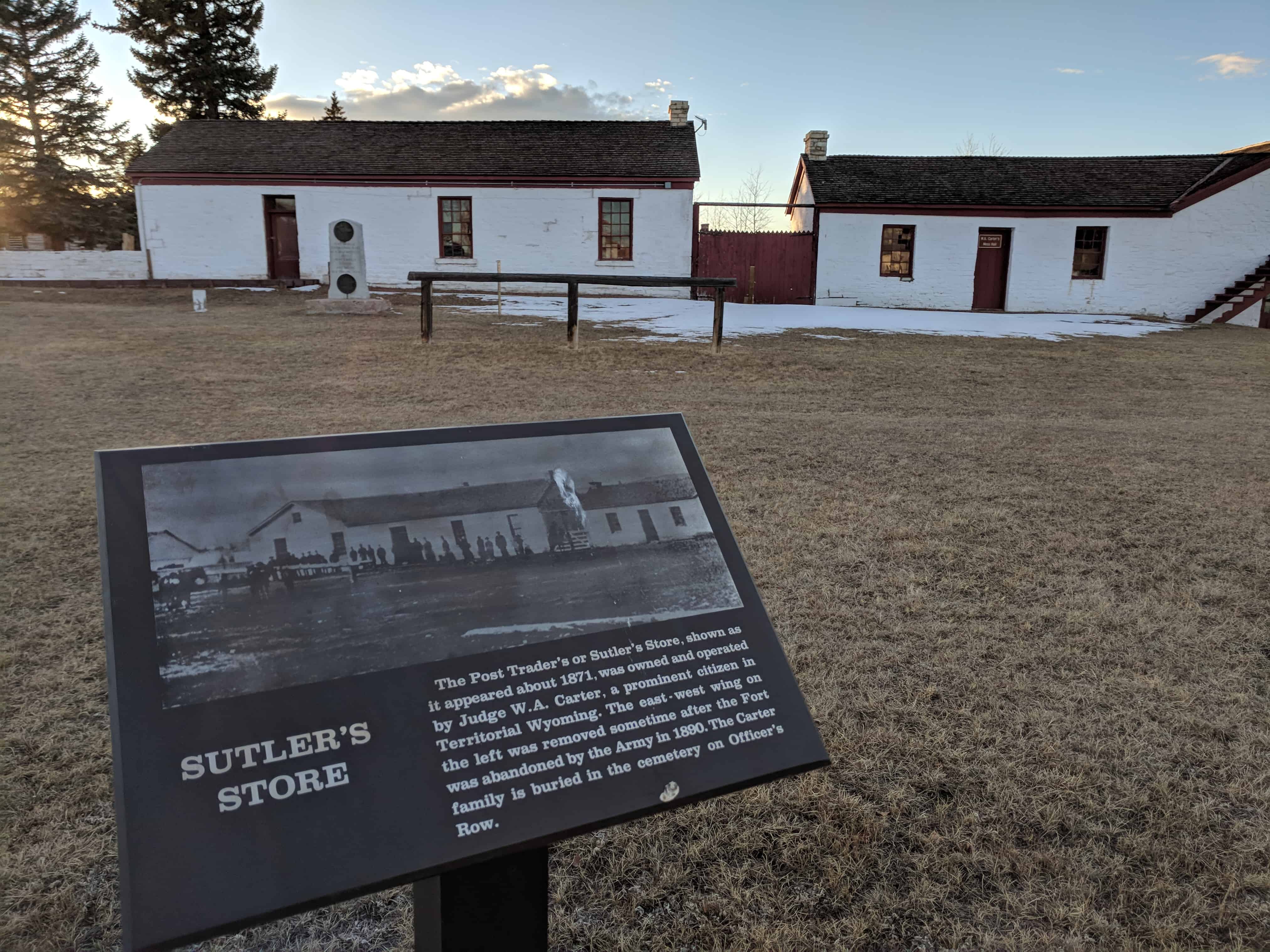
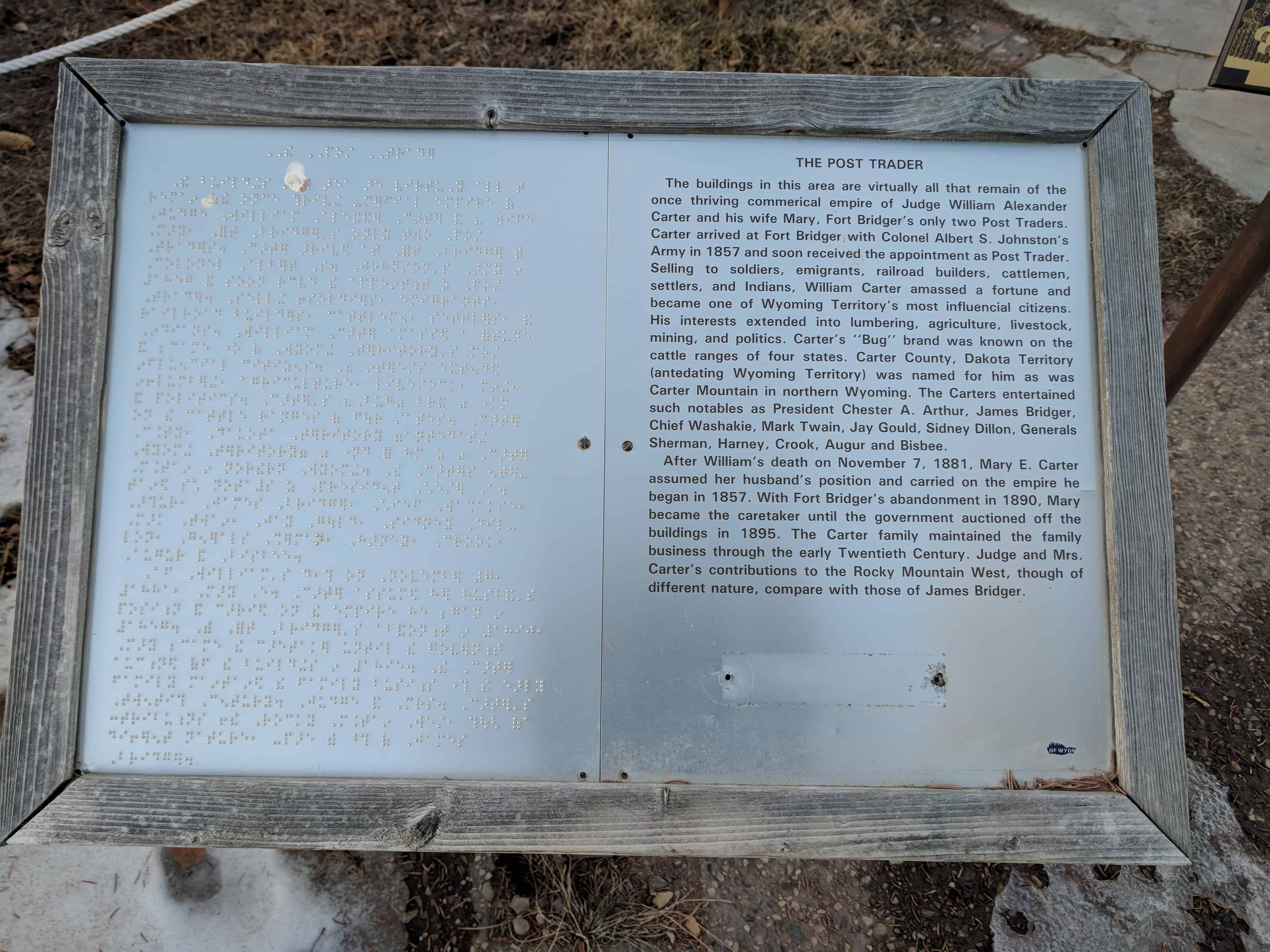
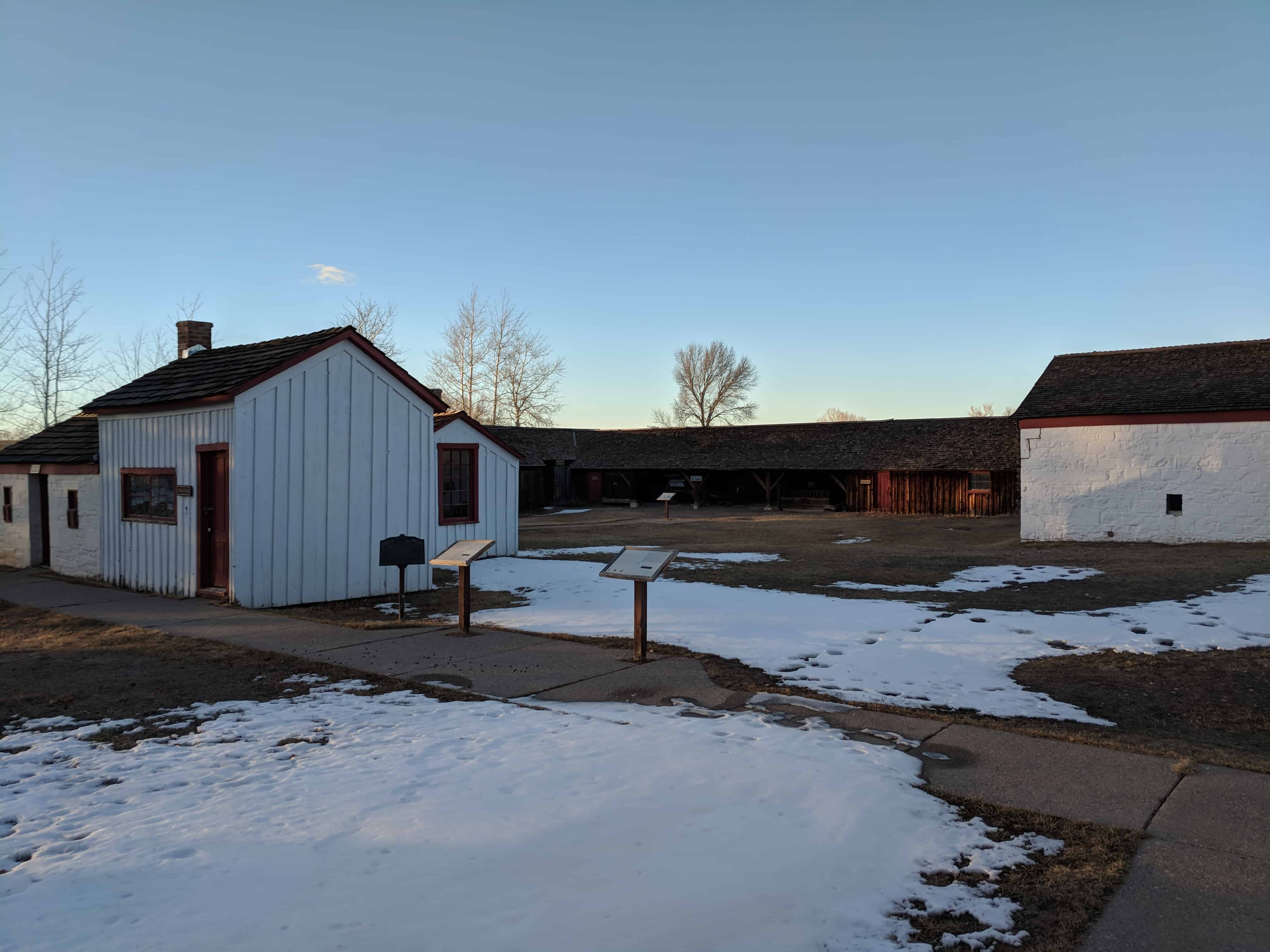
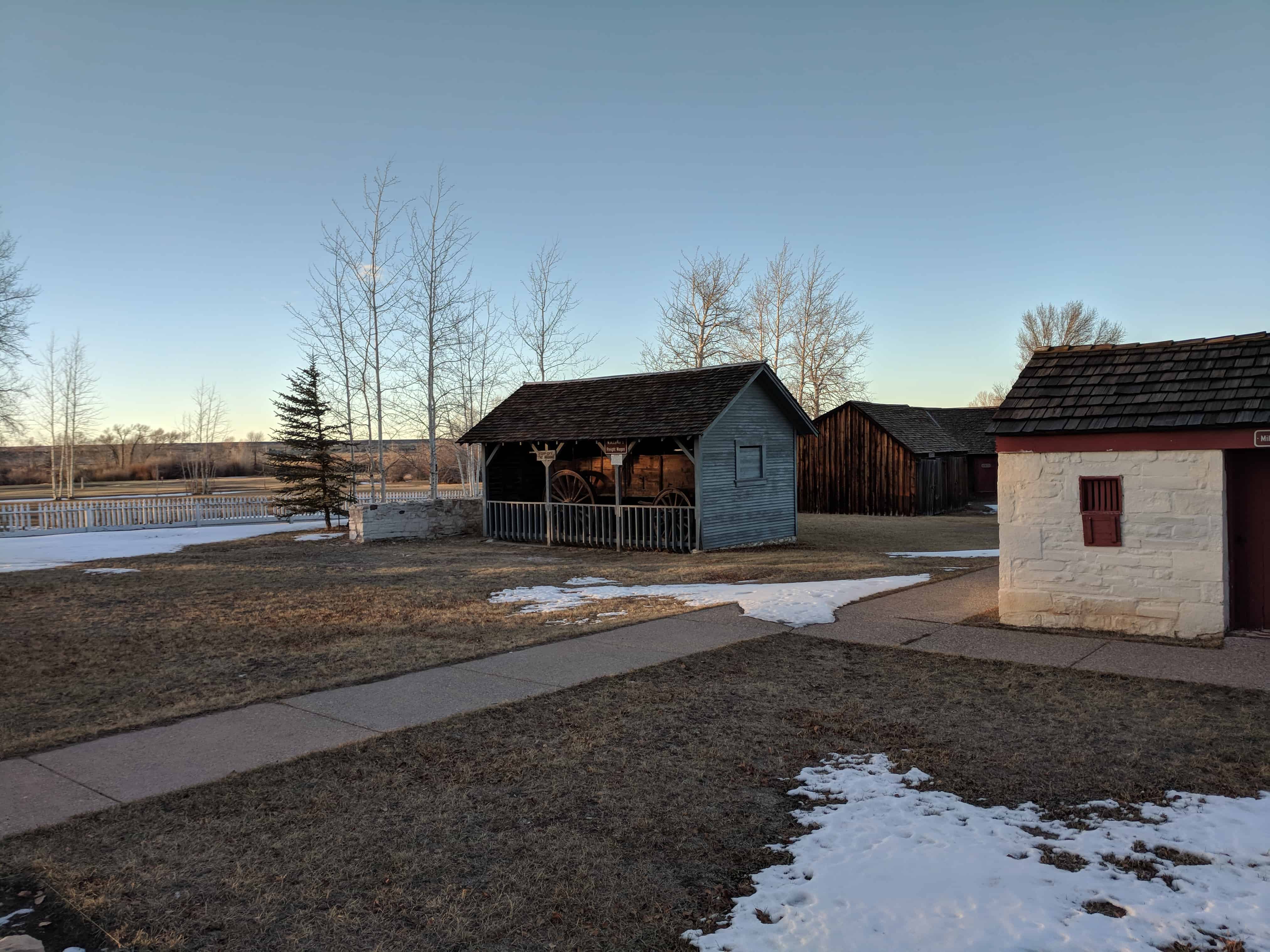
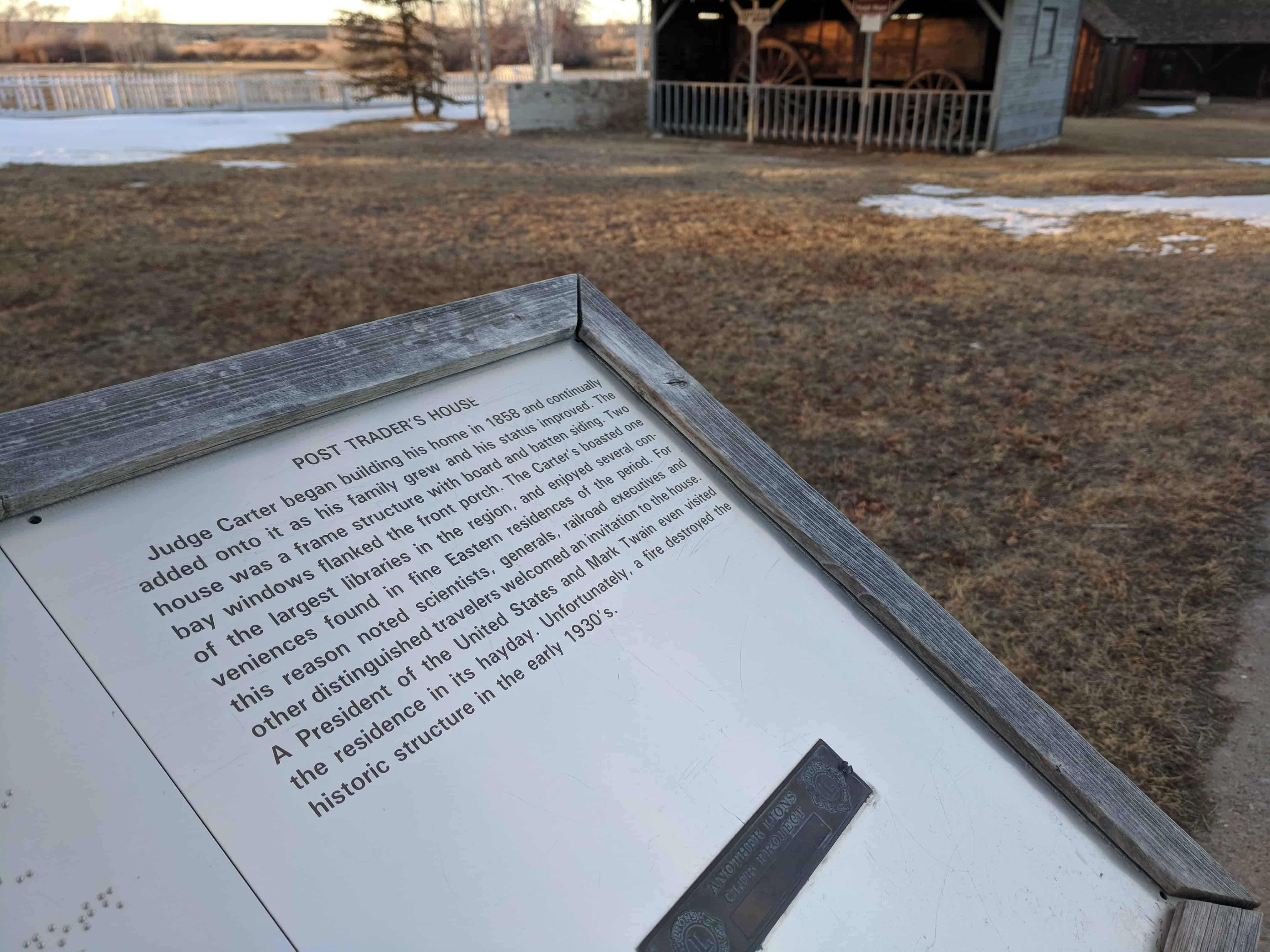
By 1858, Fort Bridger became a military outpost. Today, Fort Bridger is a historic site. Jim Bridger’s trading post is reconstructed, along with other historic buildings from the military. There is also a museum with gift shops available for visitors.
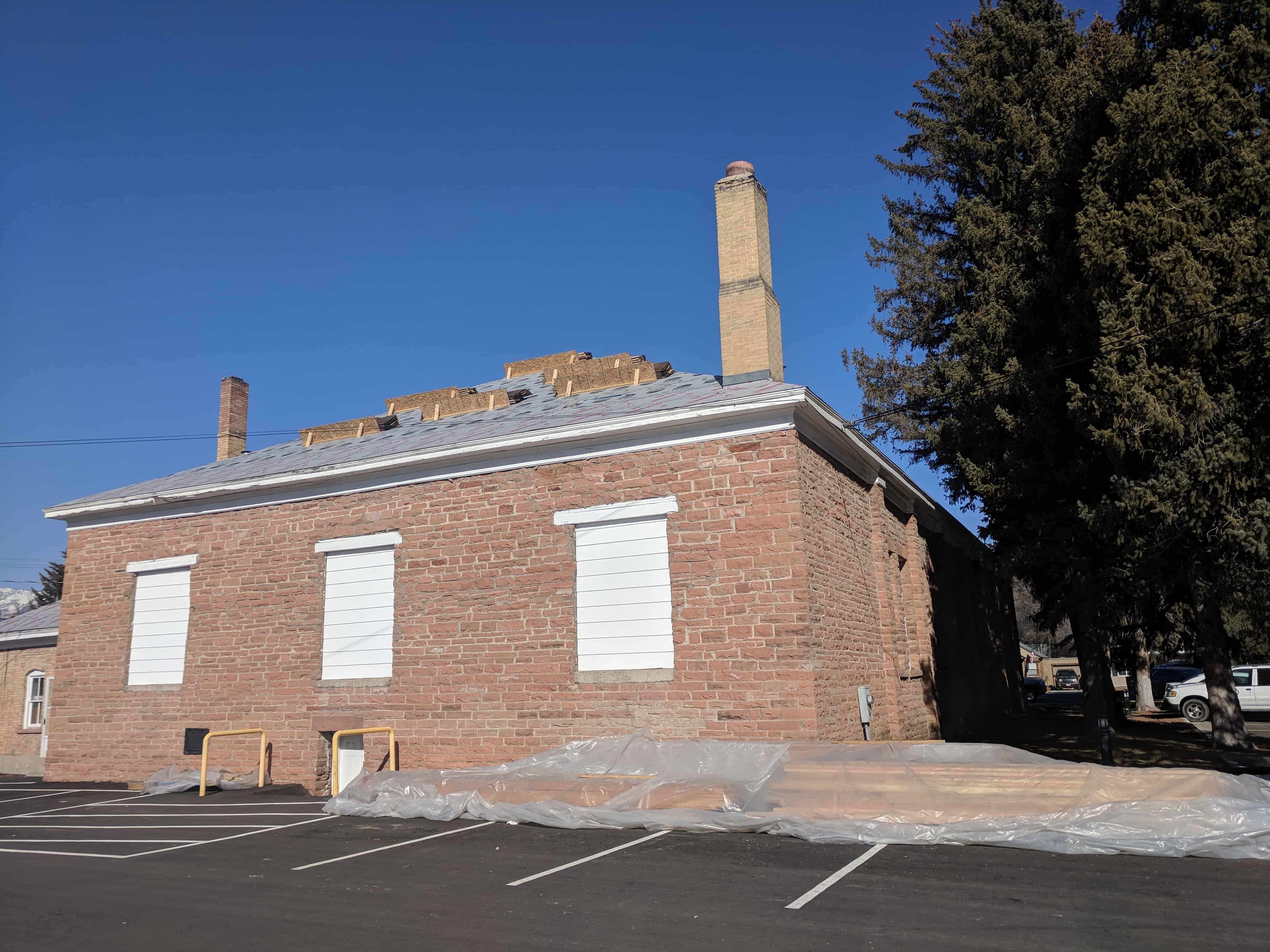
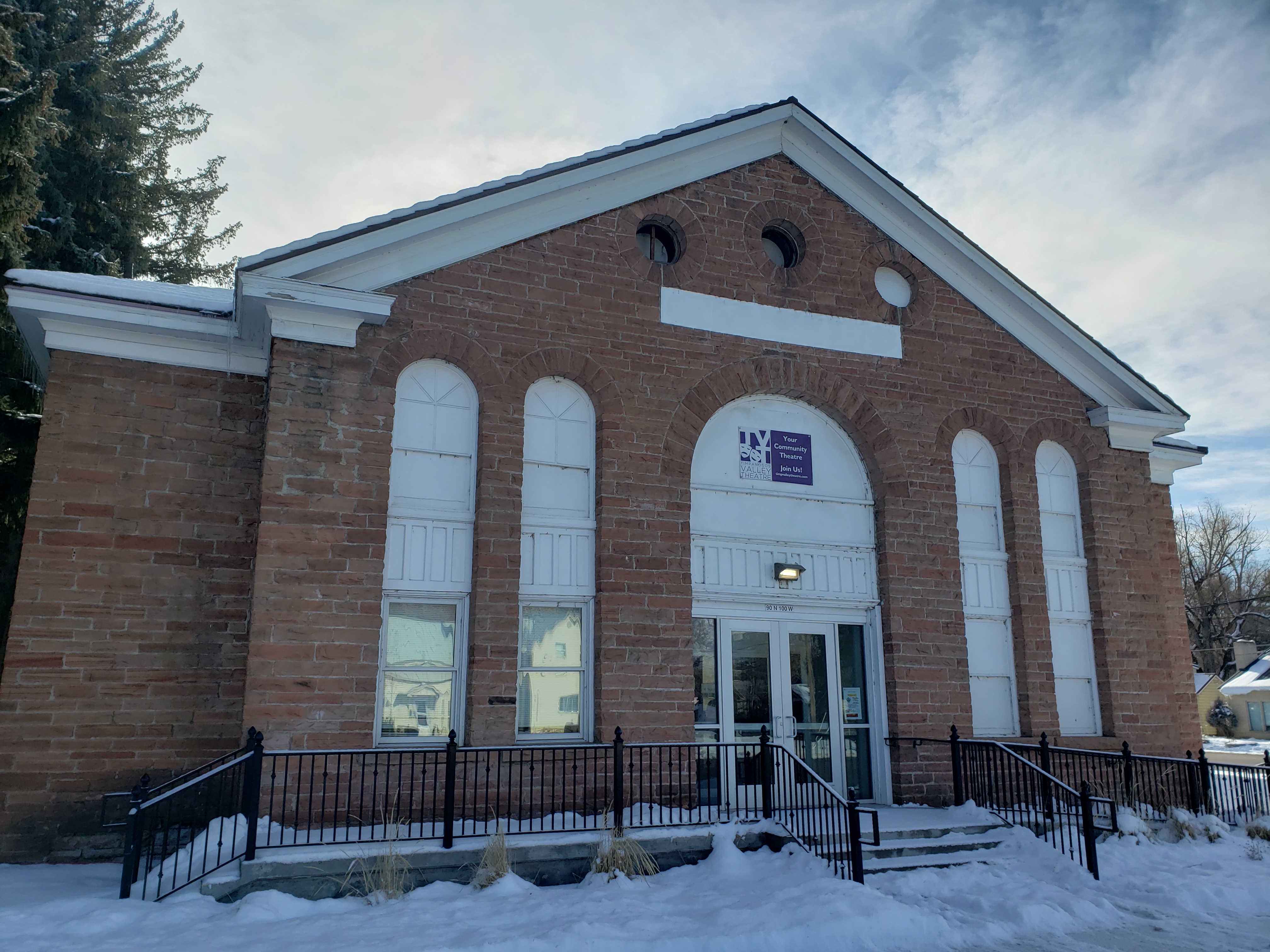
Built in 1906-1908, the Heber City Amusement Hall became a part of the Town Square complex, which included religious, governmental, and recreational facilities. Designed by Mr. Watkins of Provo and built of red sandstone, the structure’s unusual dance floor was considered to be one of the best in the state. The oval-shaped floor is set on 56 heavy coil springs, which are embedded in native sandstone. Dancers often boasted of its excellent “feel”. The hall’s doors and semicircular windows are topped with Roman arches, and pendant arches originally supported the ceiling. The kitchen, added to the southwest corner in 1917, housed cooking and dining facilities. The gables at the north and west ends were probably added in 1928, the same year the pendant arches were replaced and a large annex added to the west side. At this time the front facade was also altered somewhat. Located at the north end of the main hall were the entrance, ticket office, and cloakrooms; at the south end was a stage and bandstand. Once threatened by destruction, the hall was saved through the efforts of concerned citizens.
The Amusement Hall is located at 90 North 100 West next to the tabernacle in Heber City, Utah and was listed (together with the tabernacle as listing #70000633) on the National Historic Register on December 2, 1970. It is also part of the Historic Home Tour.
Built in 1906-1908 as a joint three-Ward project, the Heber City Amusement Hall became a part of the Town Square complex containing religious, governmental, and recreational facilities. The structure was designed by a Mr. Watkins from Provo, and Edward D. Clyde supervised the volunteers who built it.
The unusual dancing floor is still considered to be one of the best in the State, In 1917 a kitchen was added on the southwest corner and in 1928 a large annex was also built onto the west side to form a “T” structure. At this time the front façade was modified somewhat.
Although it has served for recreational and social functions in the community for years, its destruction was threatened a few years ago. Through the efforts of concerned citizens it has been kept. Although now used as office space (annex) and for storage (ballroom), its restoration is anticipated.
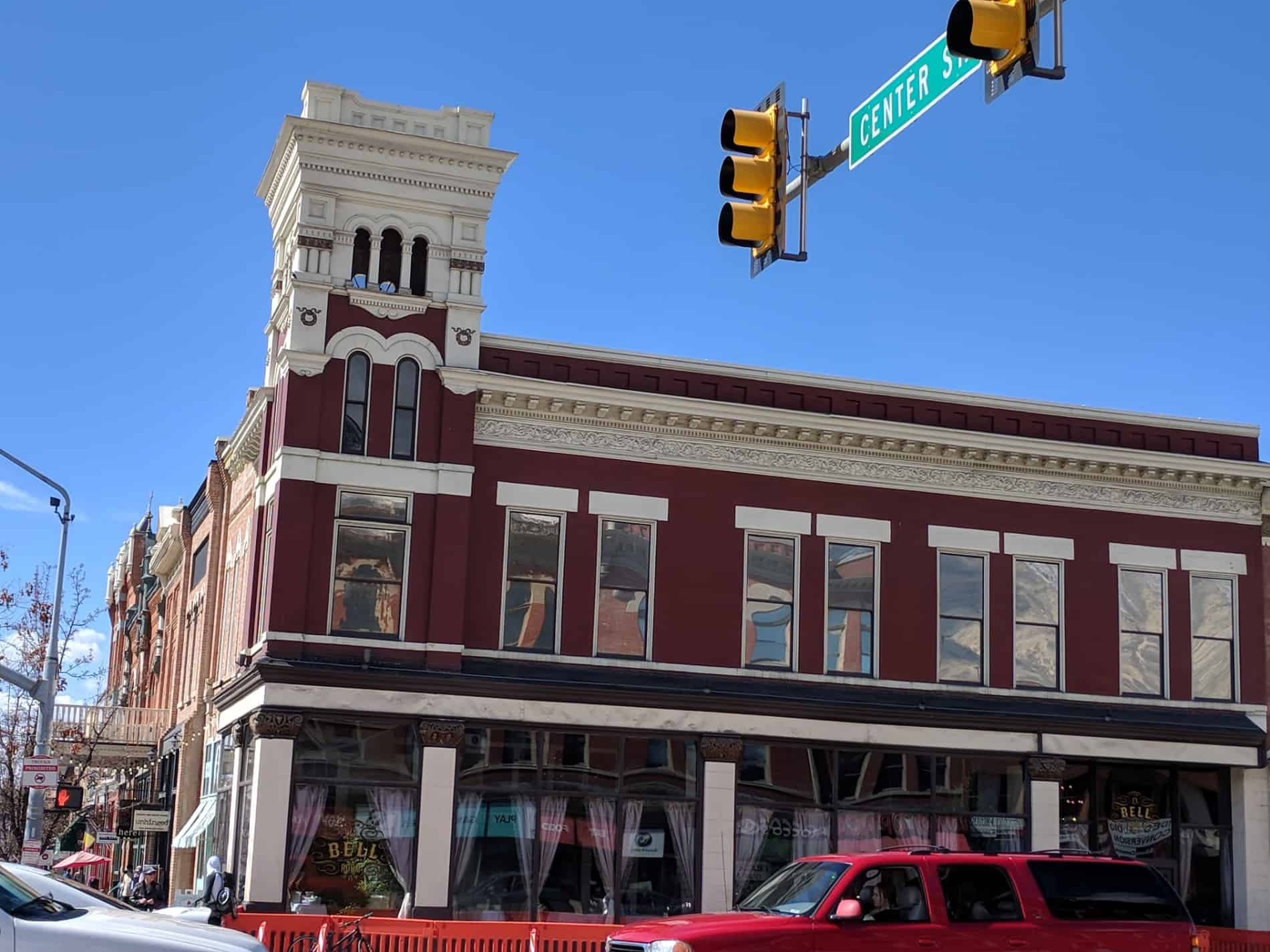
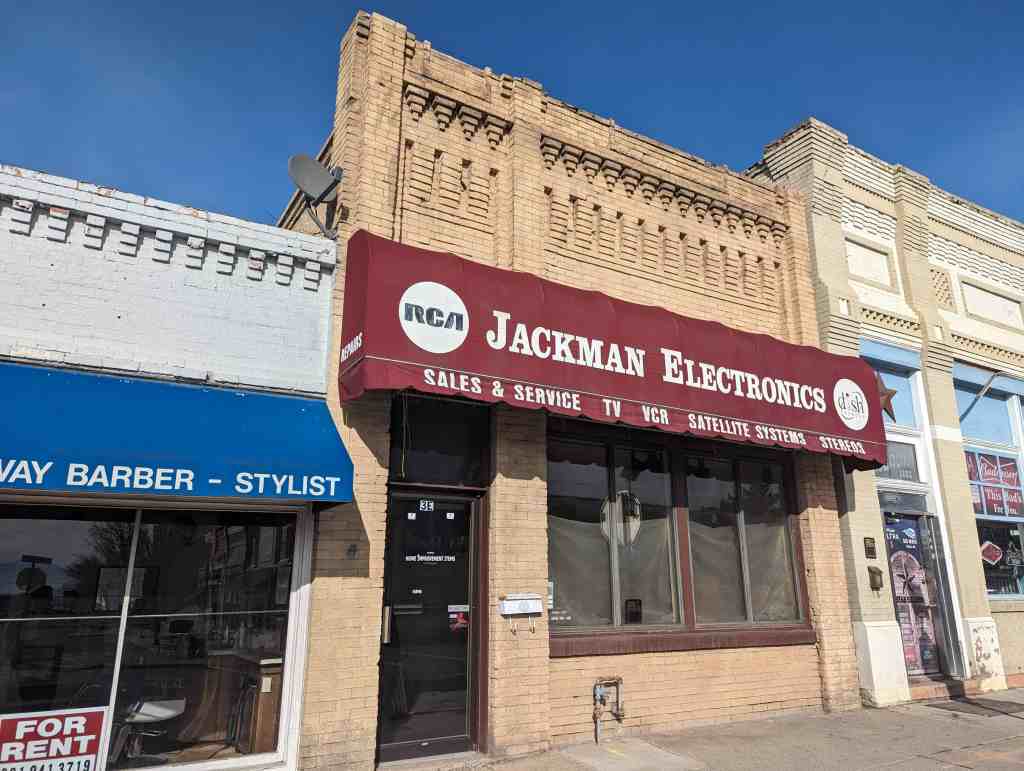
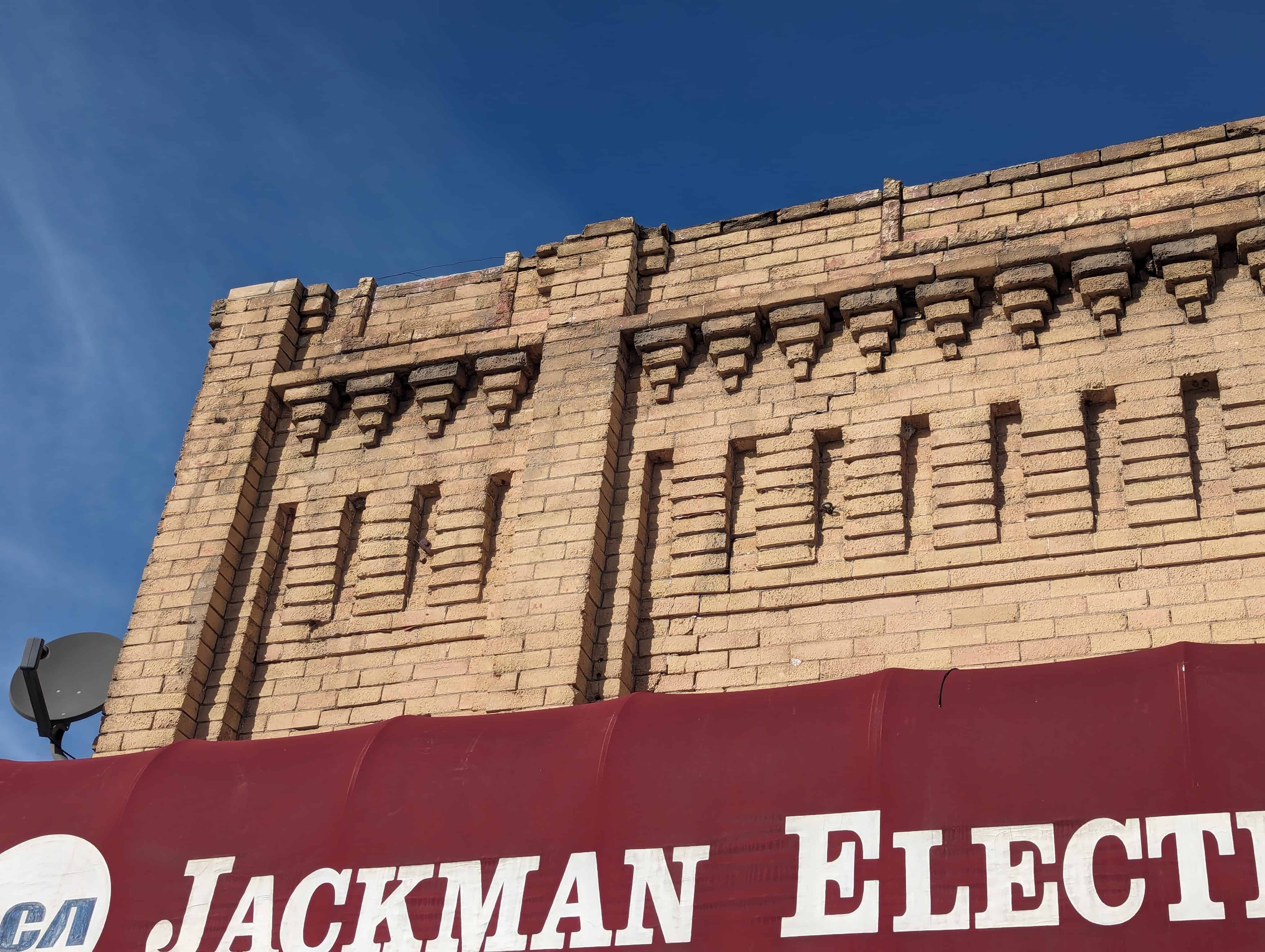
This is a bunch of random photos of a couple blocks worth of ProvoCenter Street that I took just to be able to look back at them years later when things have changed.
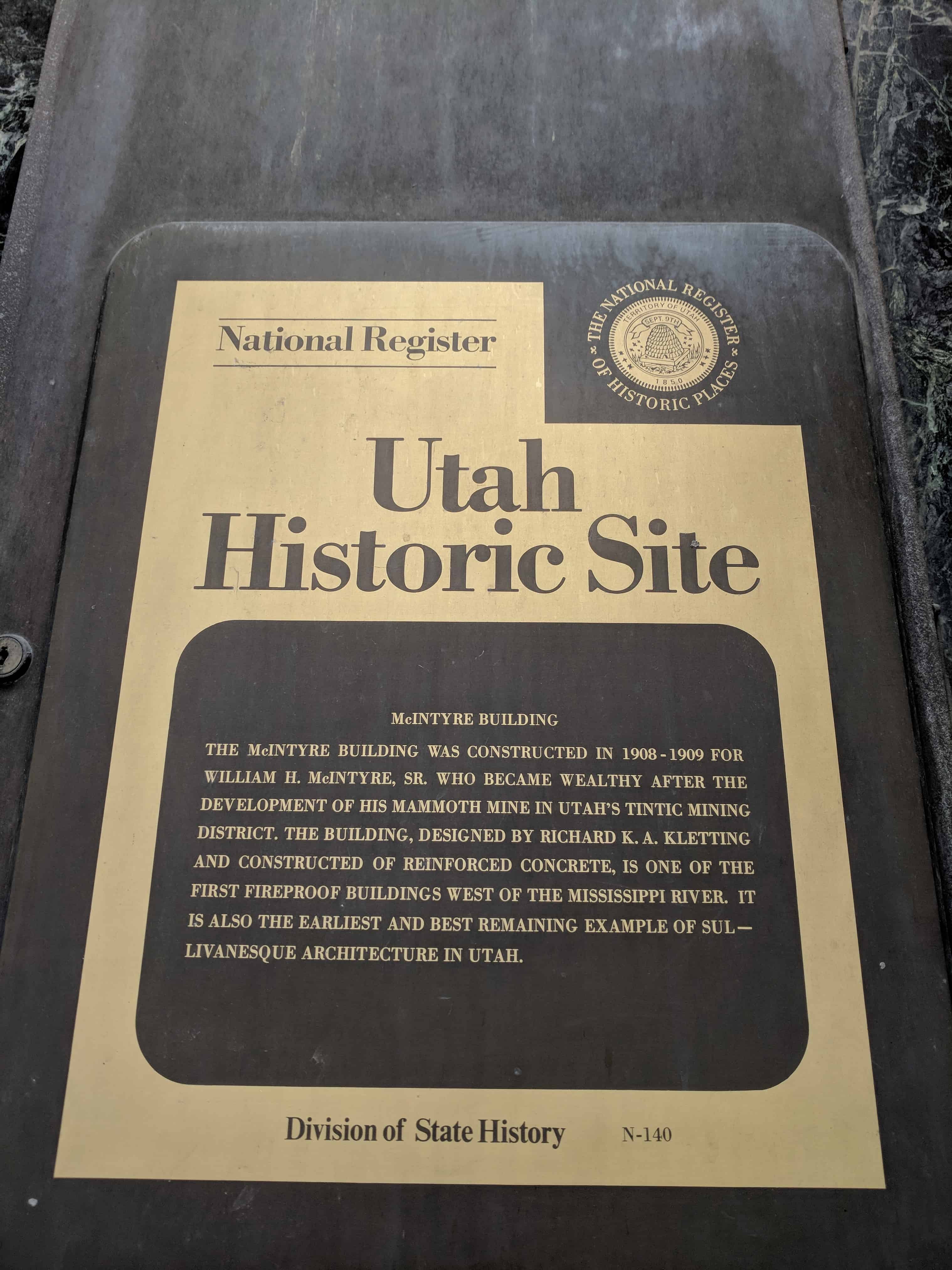
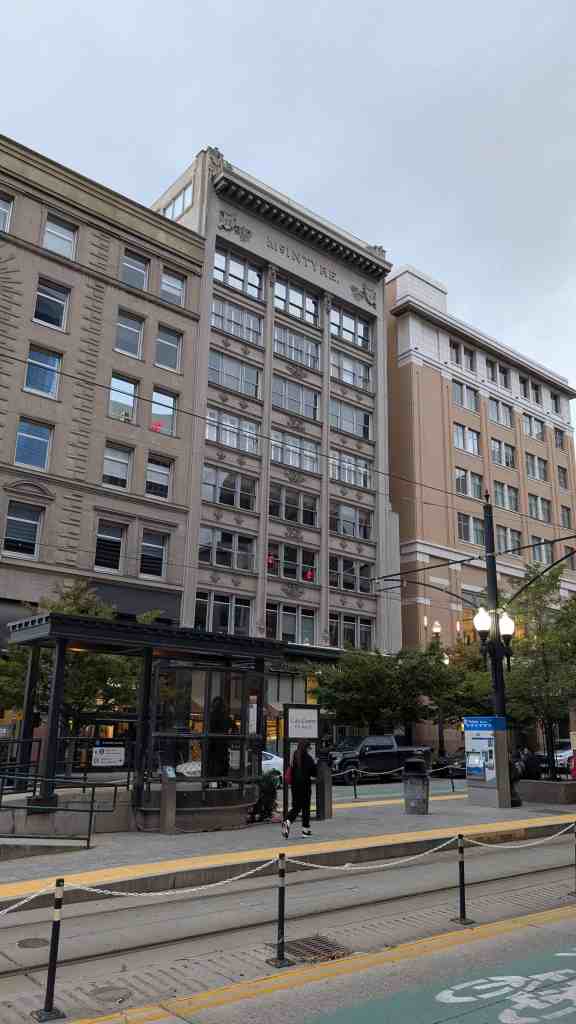
The McIntyre Building was constructed in 1908-1909 for William H. McIntire, Sr. who became wealthy after the development of his mammoth mine in Utah’s Tintic Mining District. This building, designed by Richard K.A. Kletting and constructed of reinforced concrete, is one of the first fire-proof buildings west of the Mississippi River. It is also the earliest and best remaining example of Sullivanesque architecture in Utah.
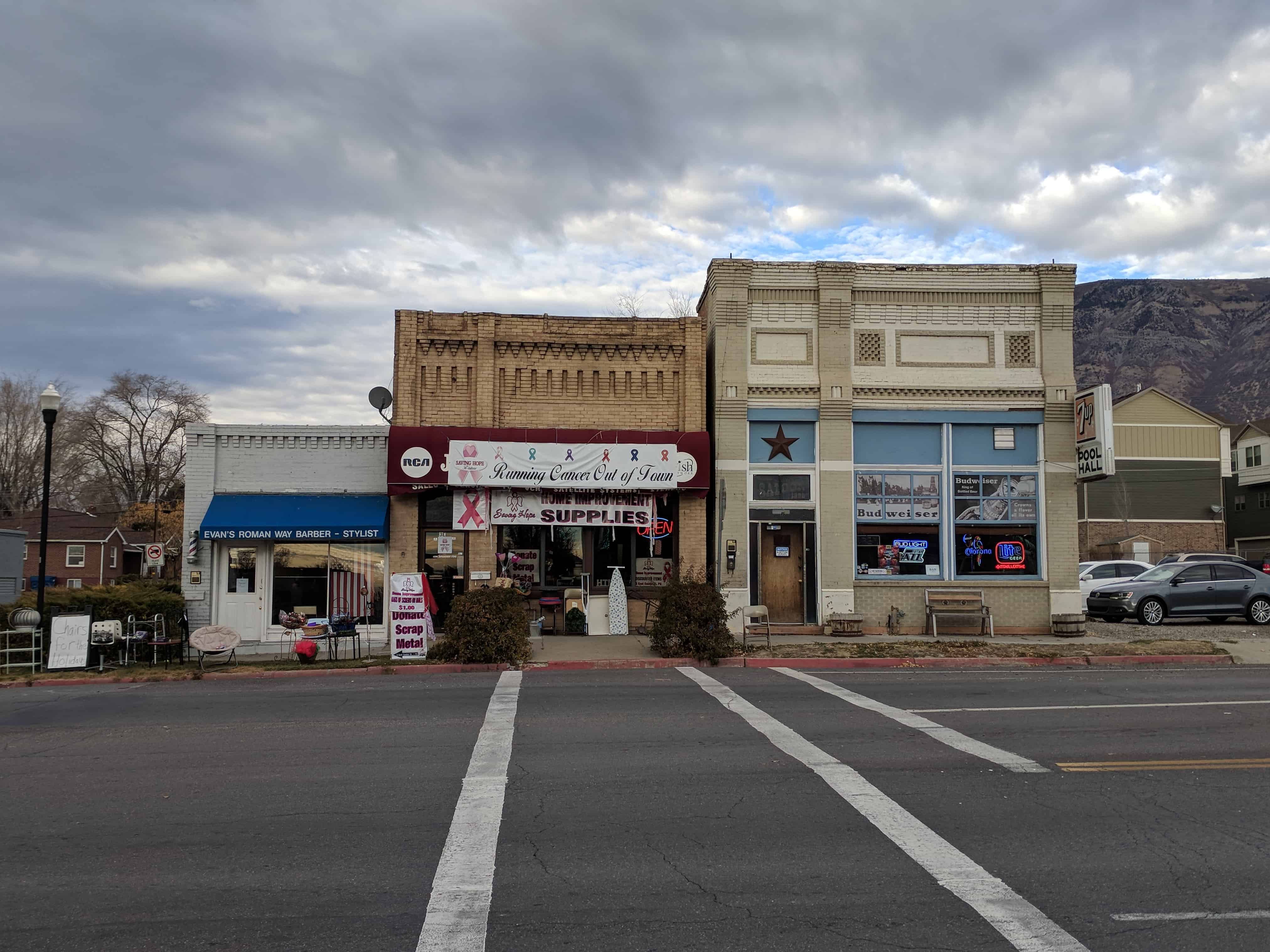
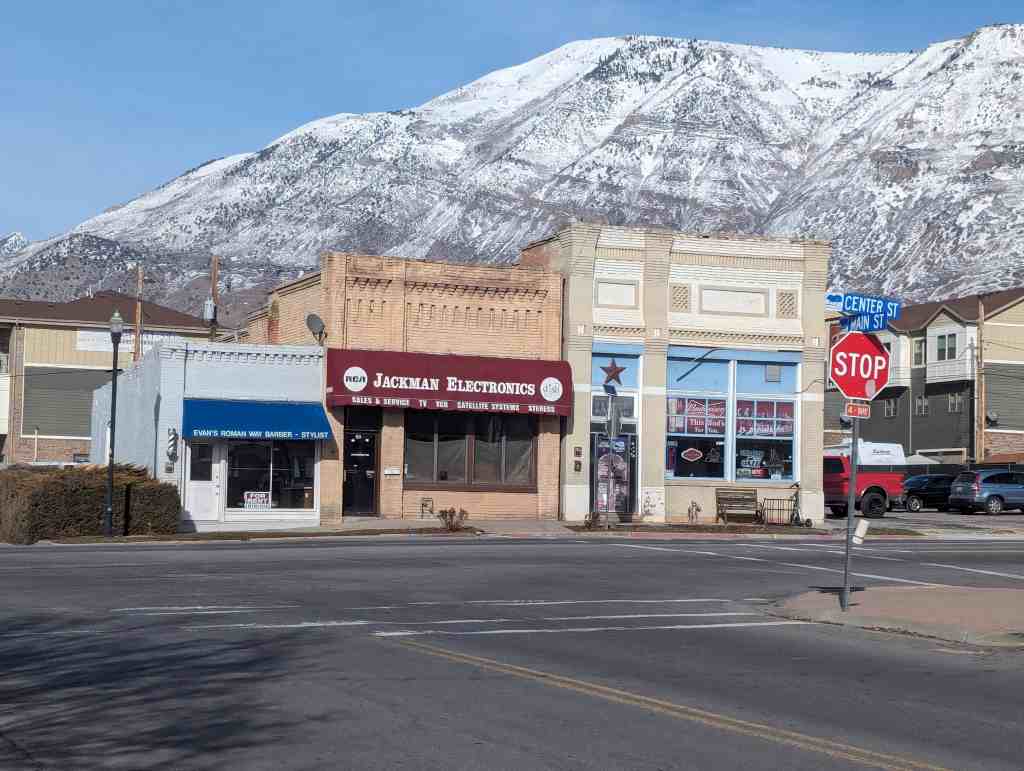
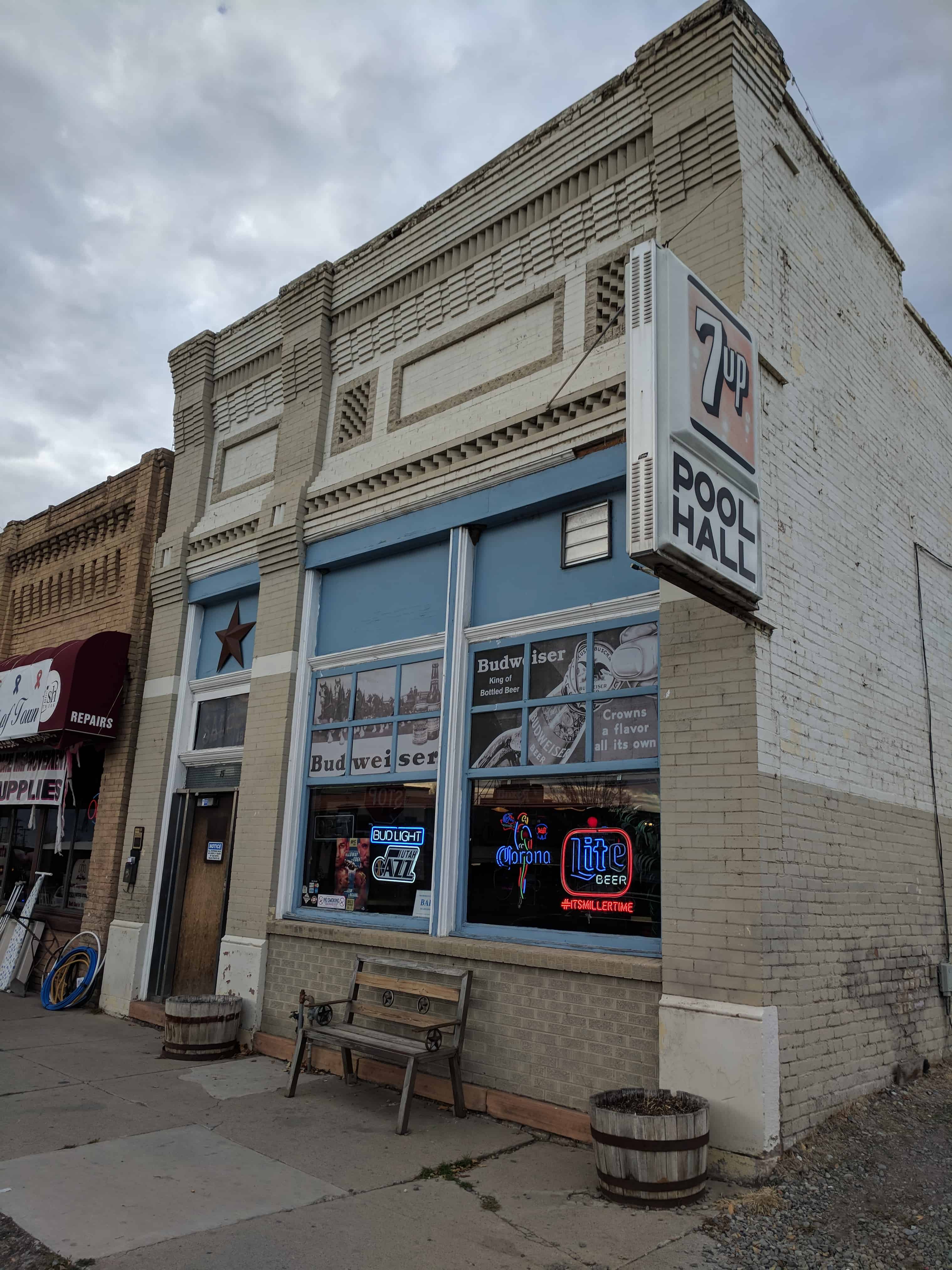
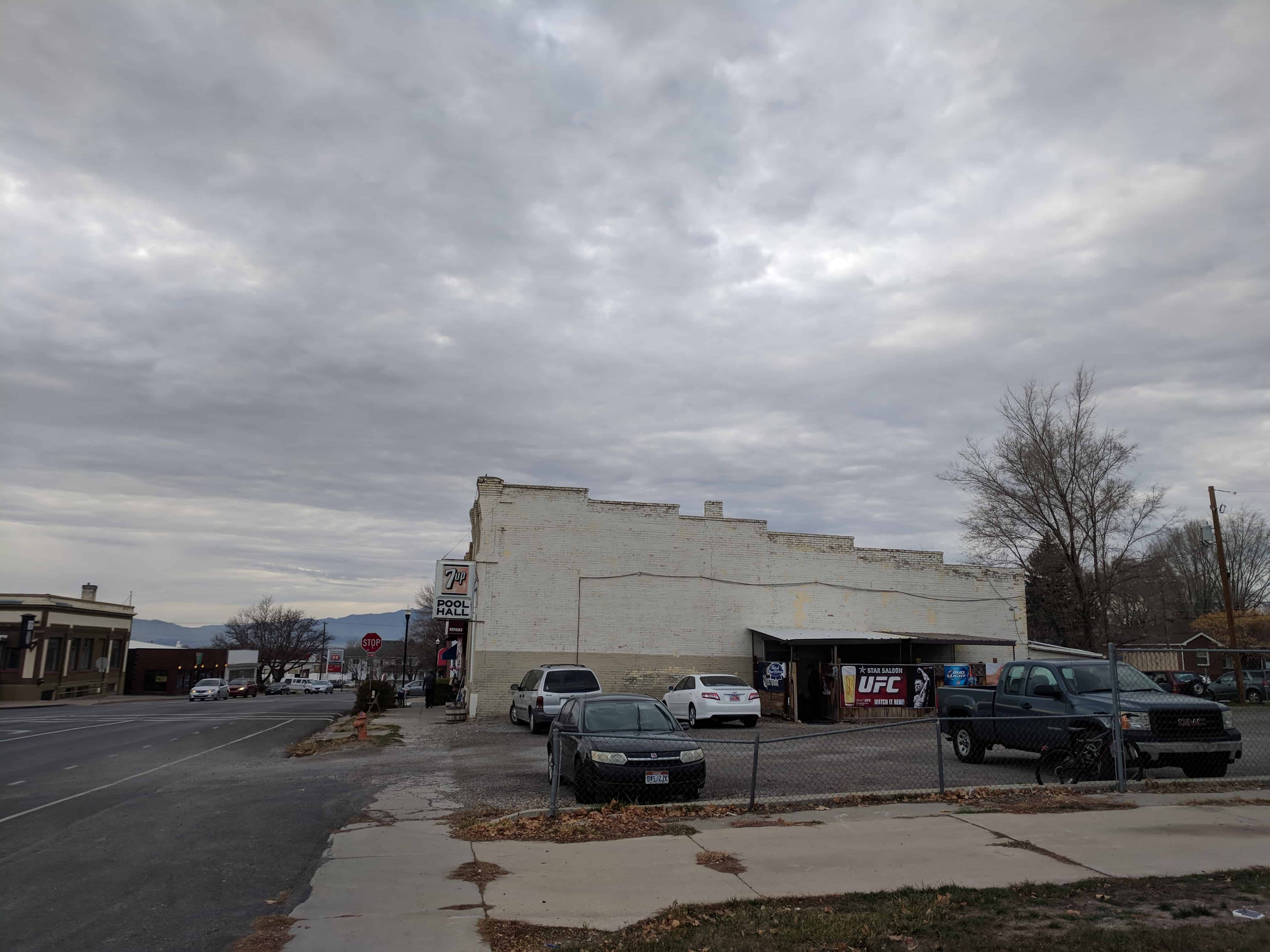
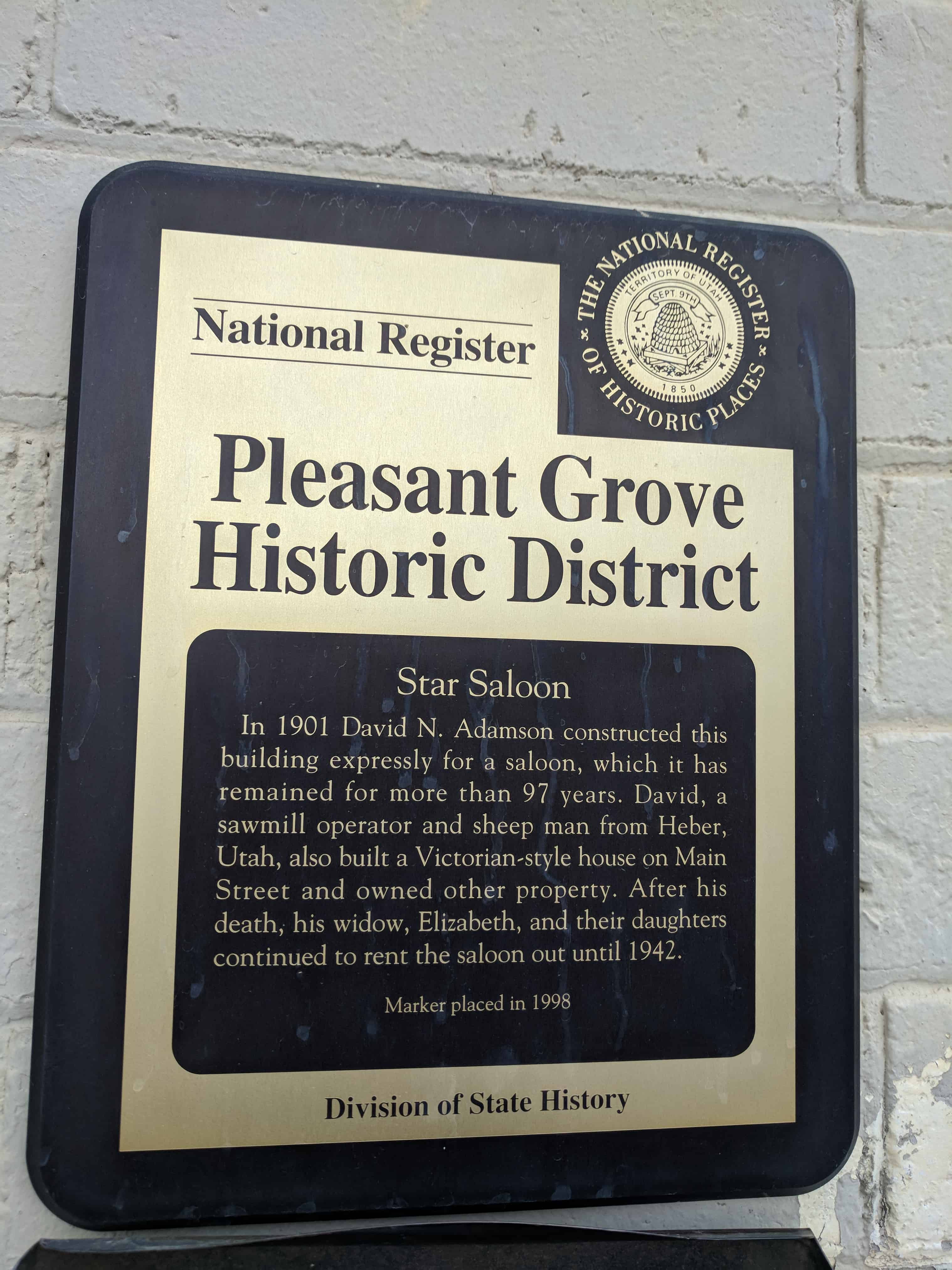
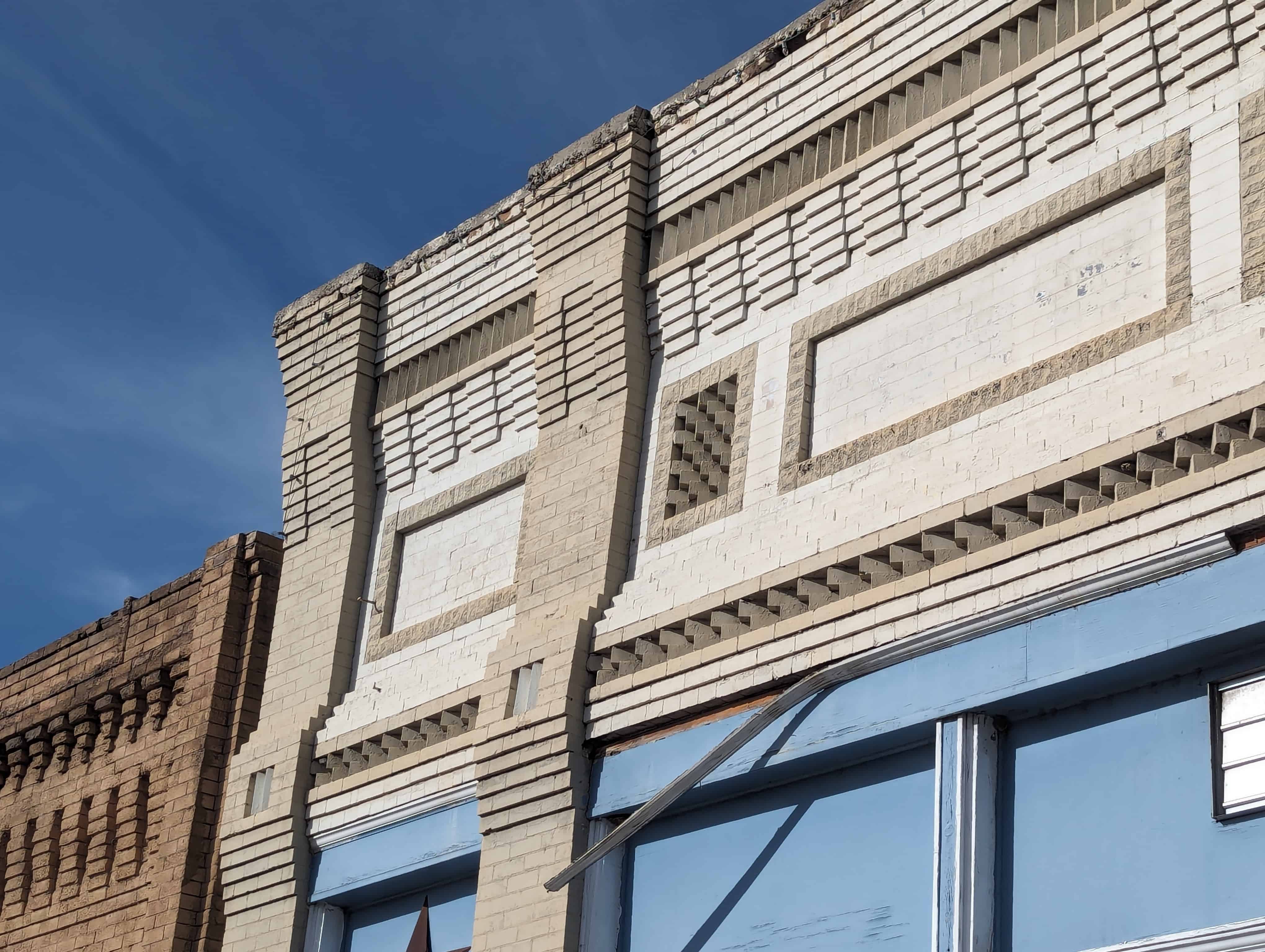
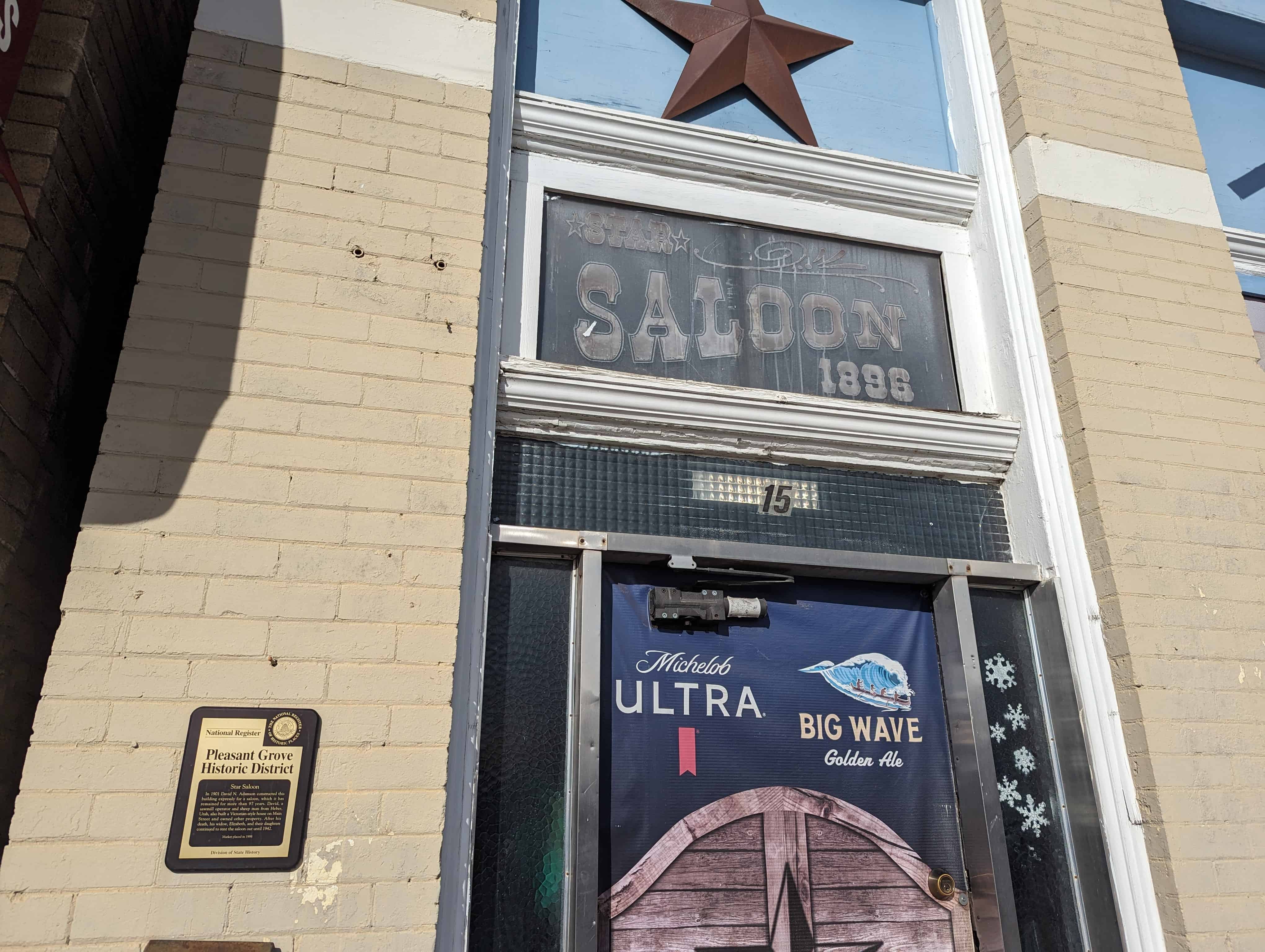
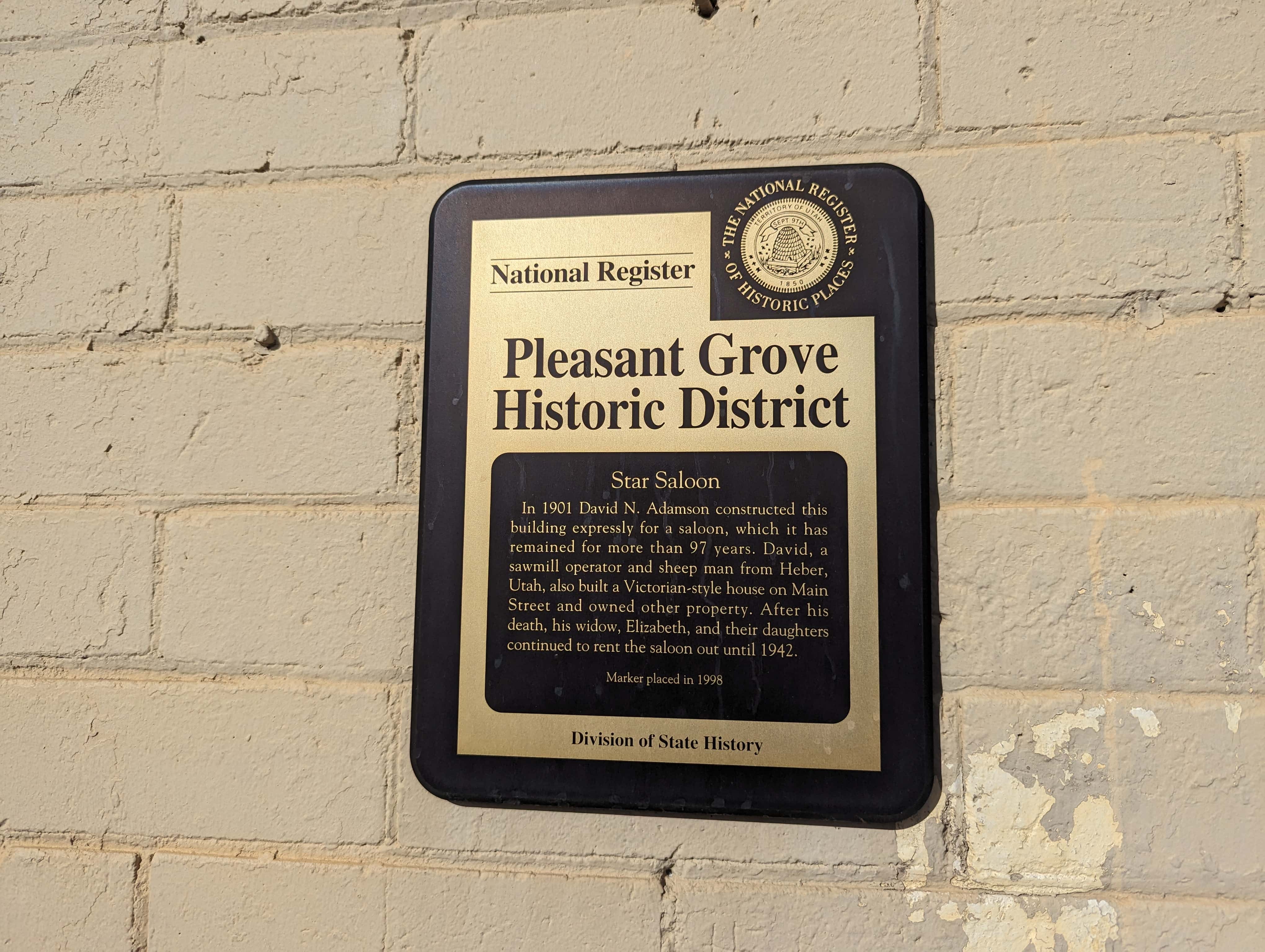
In 1901 David N. Adamson constructed this building expressly for a saloon, which it has remained for more than 117 years. David, a sawmill operator and sheep man from Heber, Utah, also built a Victorian-style house on Main Street and owned other property. After his death, his widow, Elizabeth, and their daughters continued to rent the saloon out until 1942. (text from the plaque on the building)
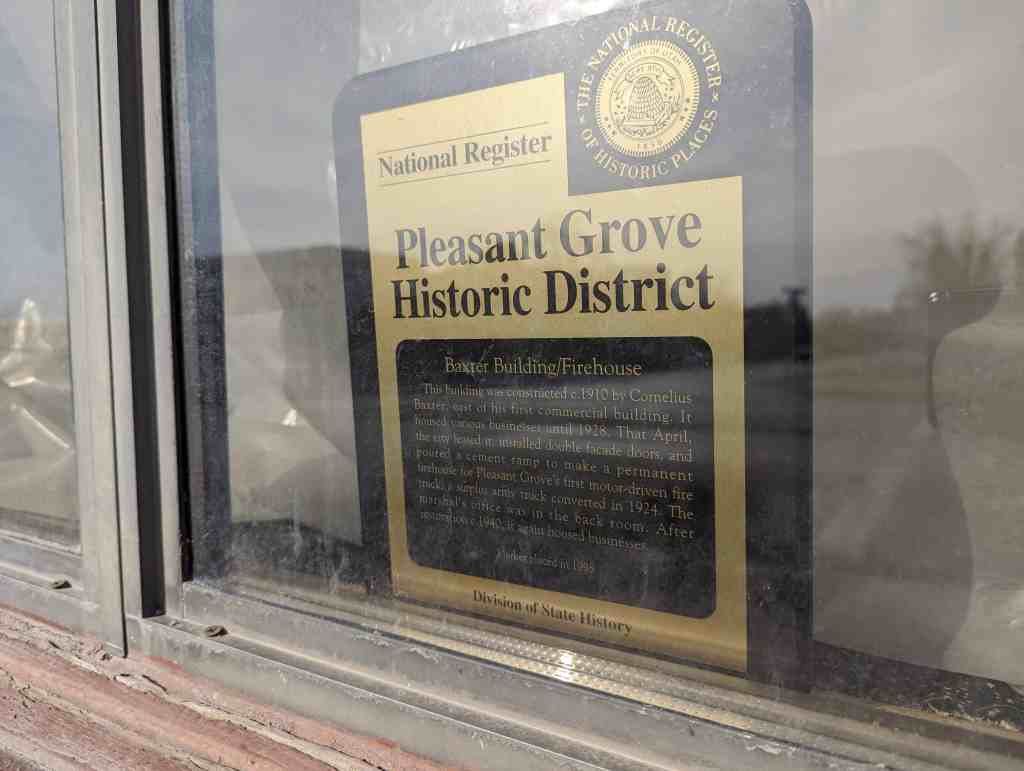
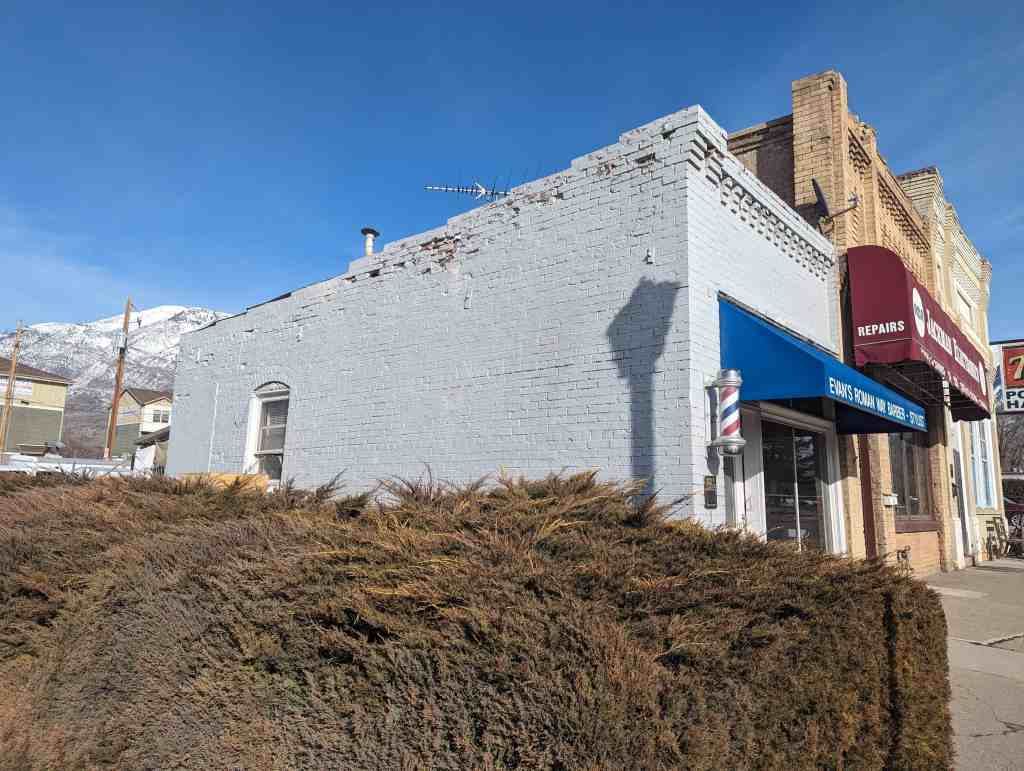
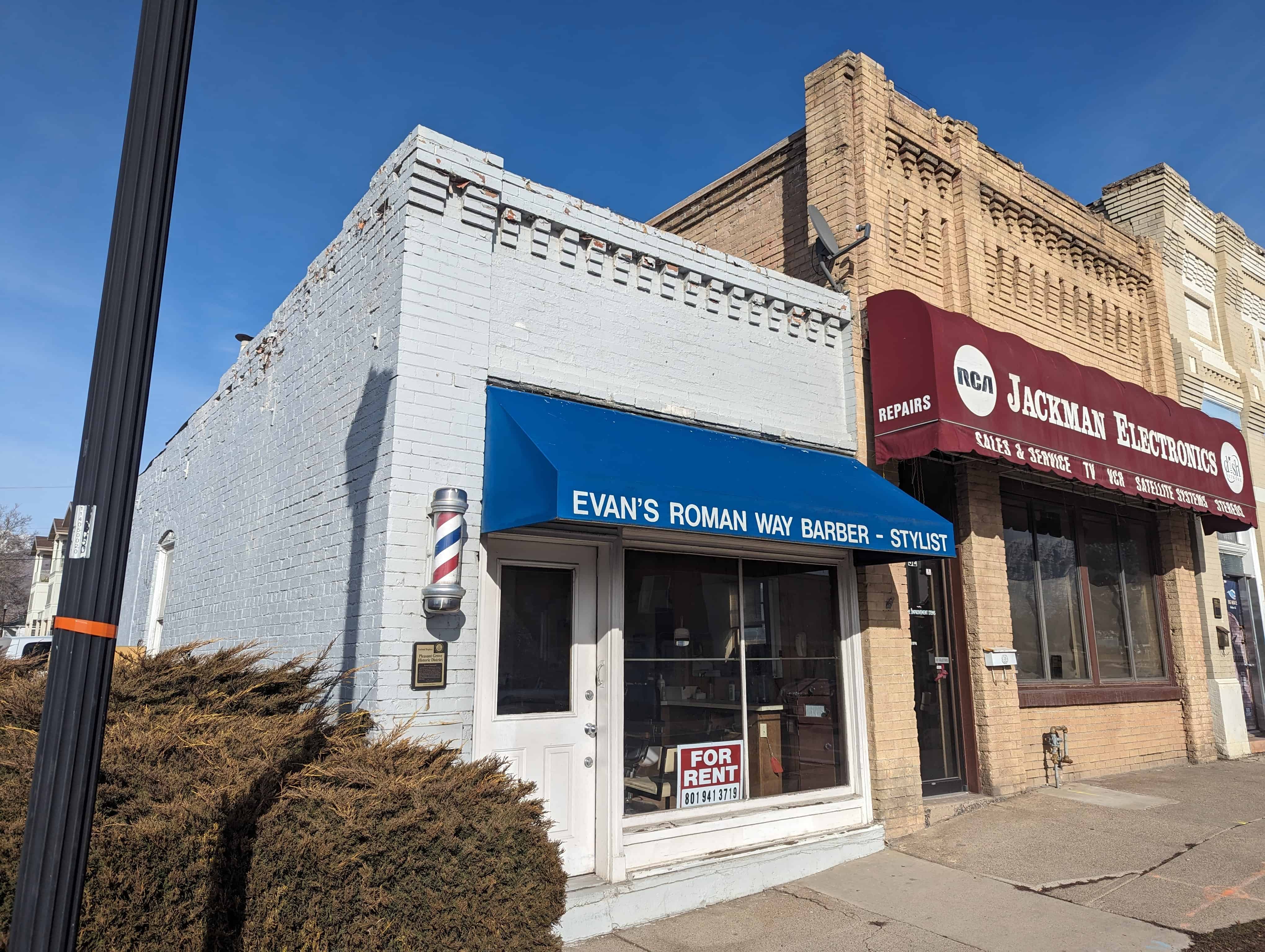
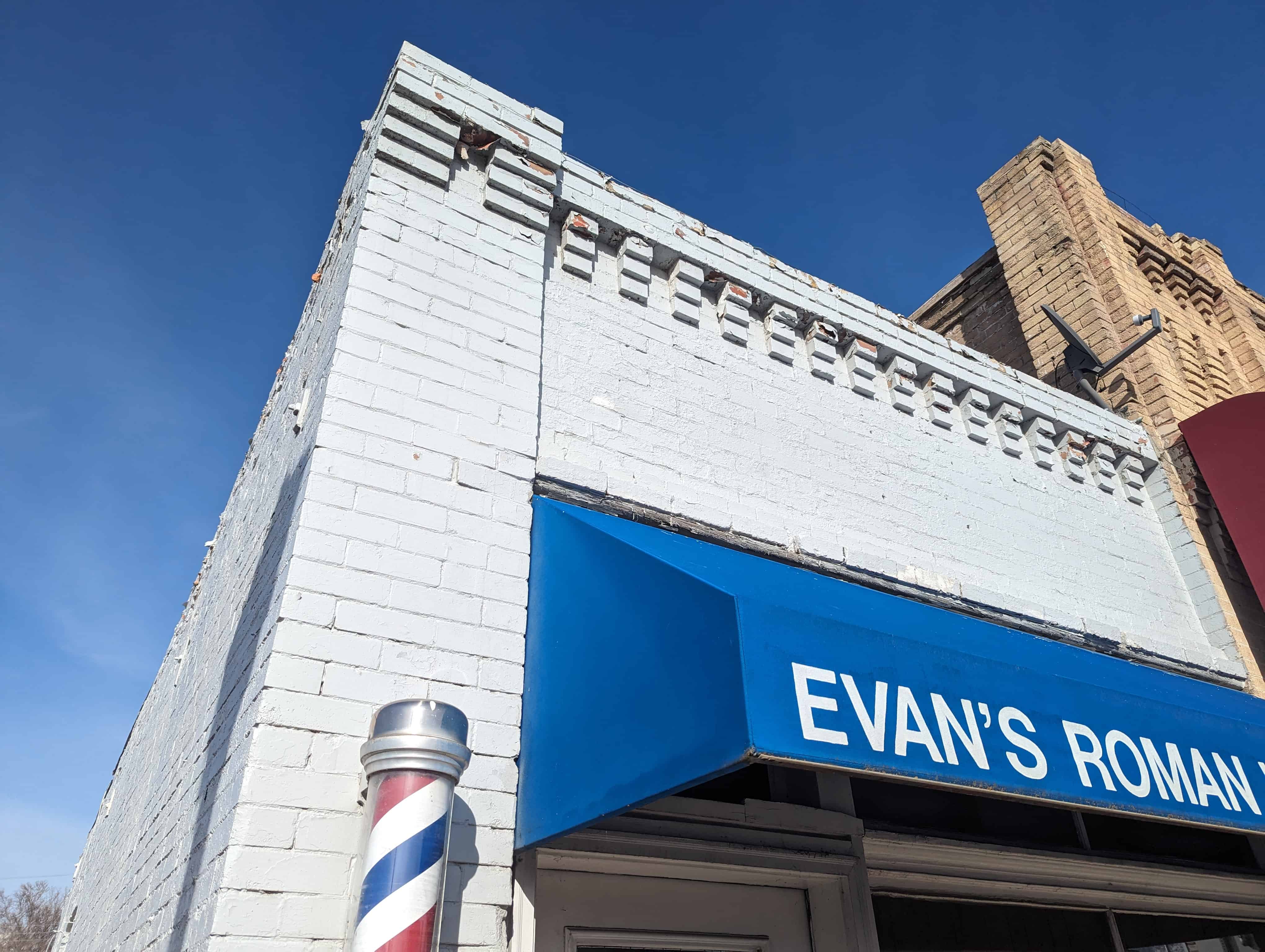
This building was constructed c.1910 by Cornelius Baxter, east of his first commercial building. It housed various businesses until 1928. That April, the city leased it, installed double facade doors, and poured a cement ramp to make a permanent firehouse for Pleasant Grove’s fire motor-driven fire truck, a surplus army truck converted in 1924. The marshal’s office was in the back room. After restoration c.1940, it again housed businesses. (text from the plaque on the building)
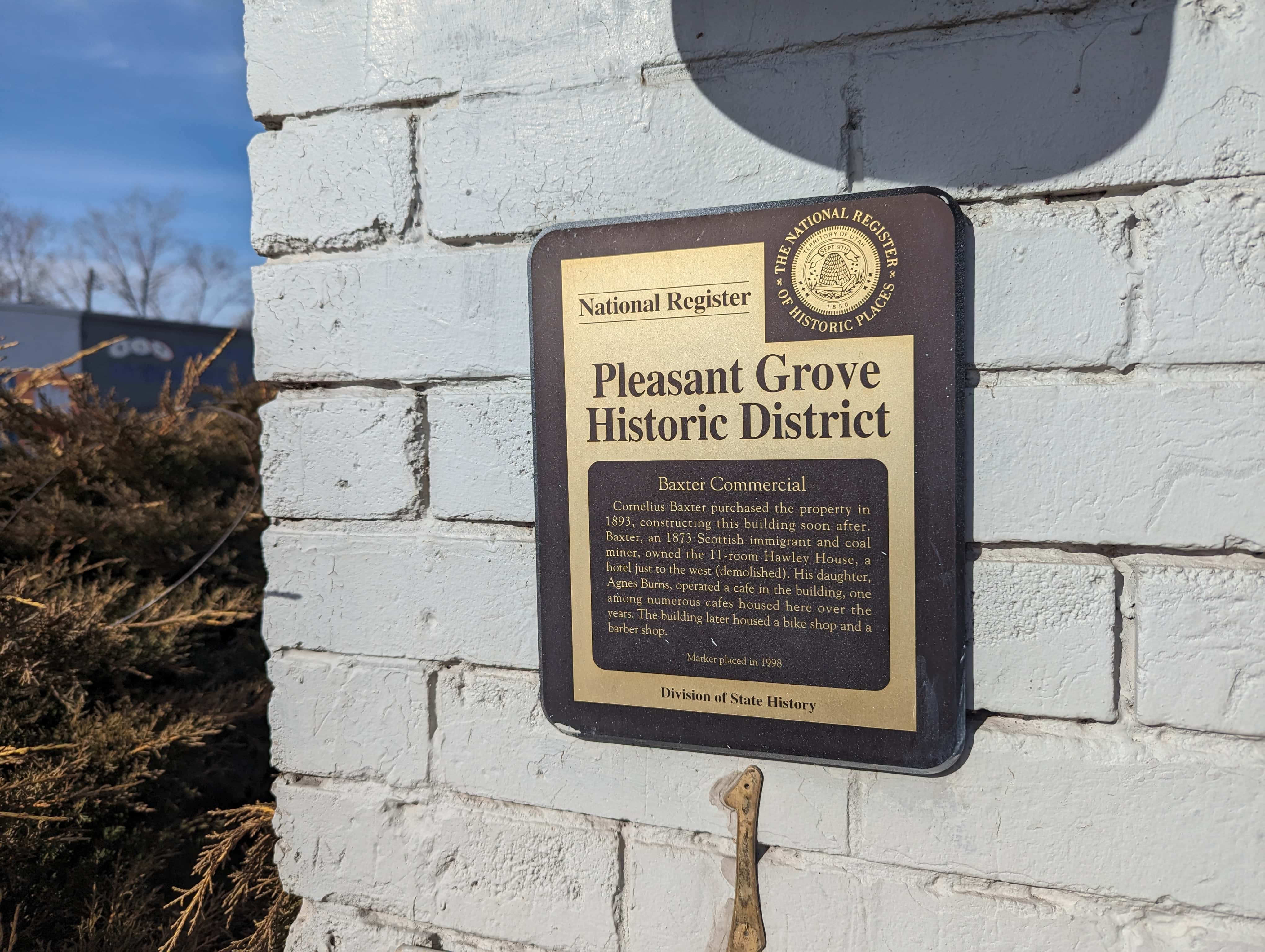
Cornelius Baxter purchased the property in 1893, constructing this building soon after. Baxter, an 1873 Scottish immigrant and coal miner, owned the 11-room Hawley House, a hotel just to the west (demolished). His daughter, Agnes Burns, operated a café in the building, one among numerous cafes housed here over the years. The building later housed a bike shop and a barber shop. (text from the plaque on the building)
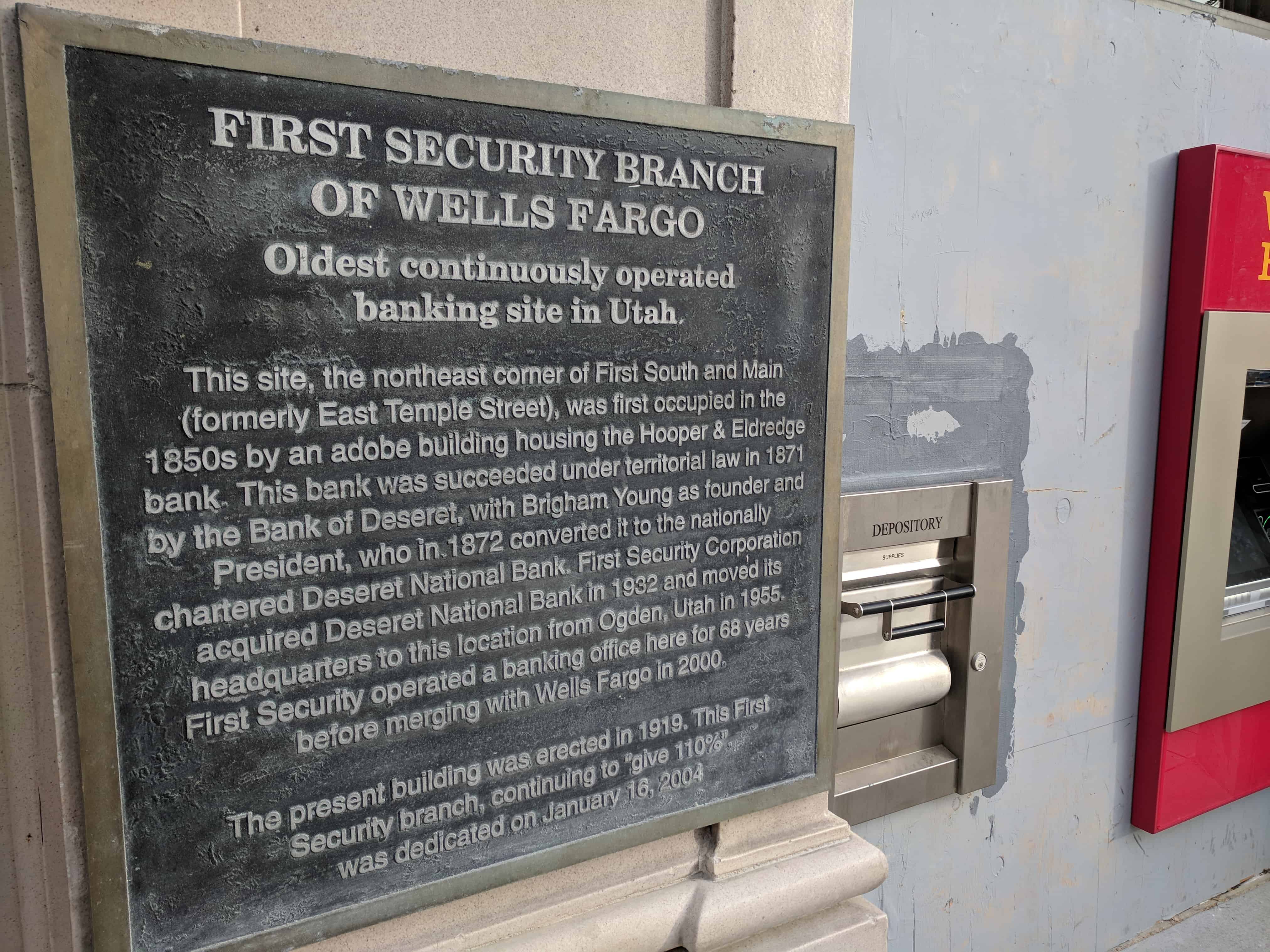
Oldest continuously operated banking site in Utah.
This site, the northeast corner of First South and Main (formerly East Temple Street), was first occupied in the 1850s by an adobe building housing the Hooper & Eldridge bank. This bank was succeeded under territorial law in 1871 by the Bank of Deseret, with Brigham Young as founder and President, who in 1872 converted it to the nationally chartered Deseret National Bank. First Security Corporation acquired Deseret National Bank in 1932 and moved its headquarters to this location from Ogden, Utah in 1955. First Security operated a banking office here for 68 years before merging with Wells Fargo in 2000.
This present building was erected in 1919. This First Security branch, continuing to “give 110%”, was dedicated on January 16, 2004.
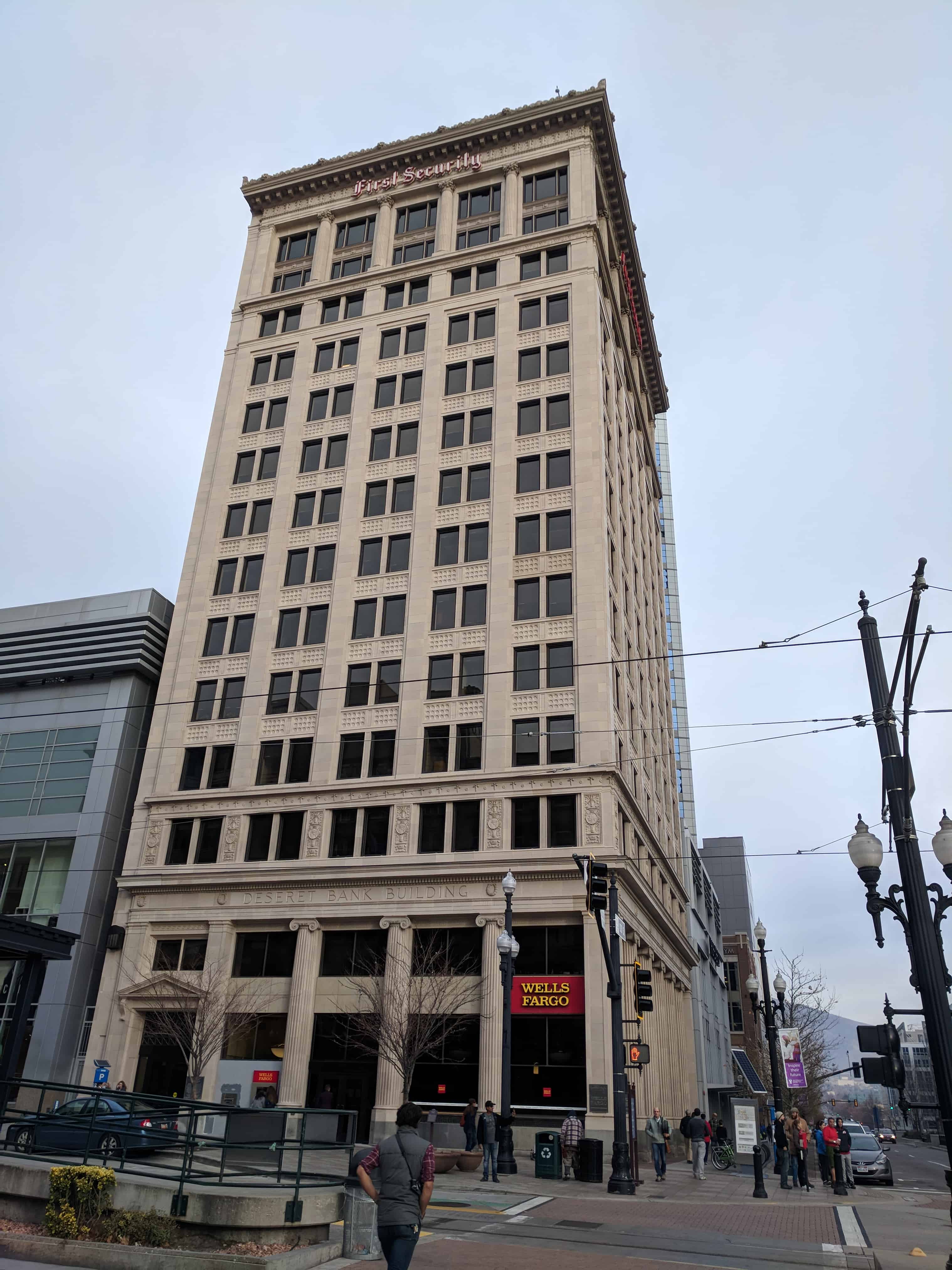
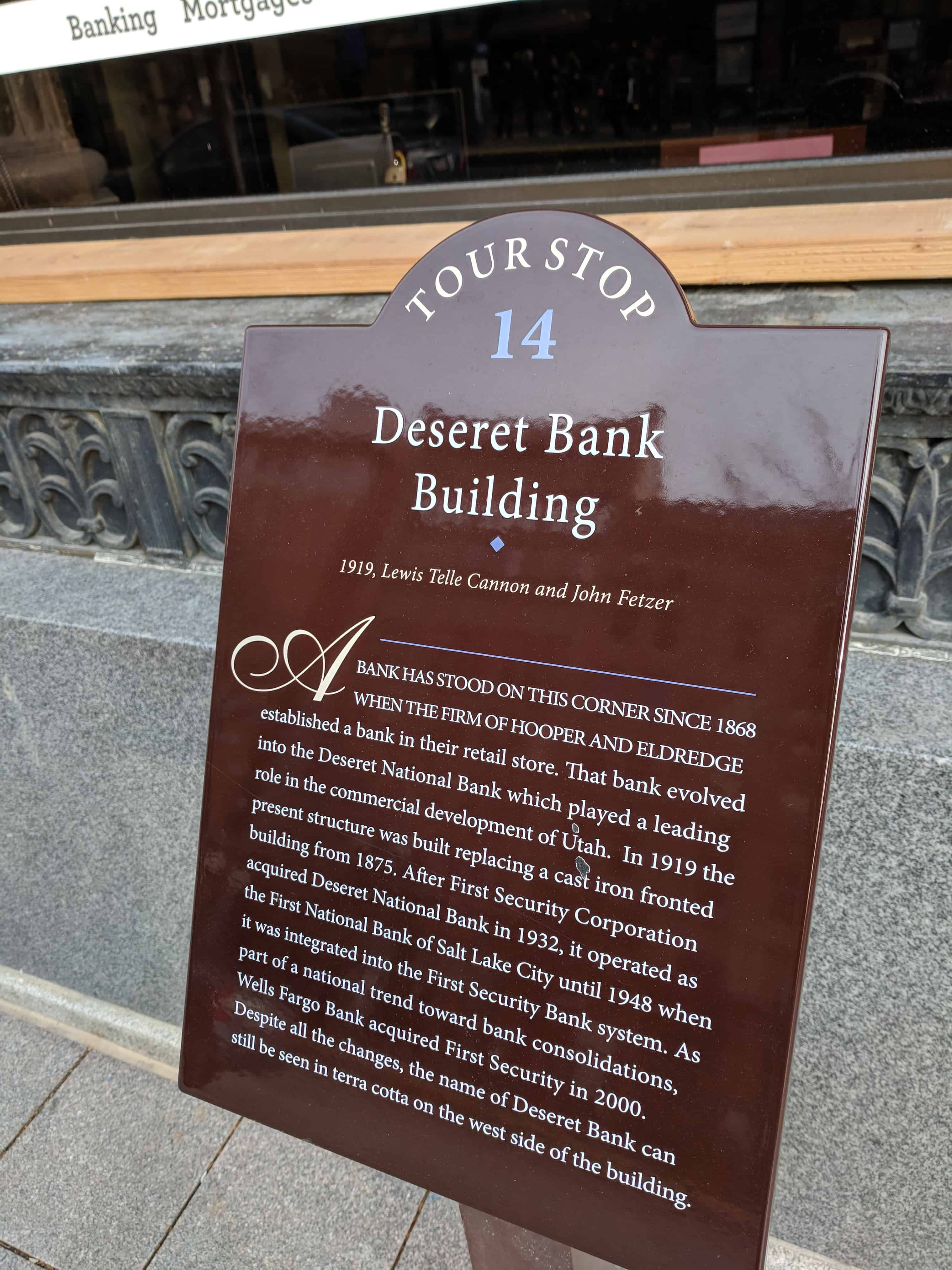
Deseret Bank Building – 1919, Lewis Telle Cannon and John Fetzer
A bank has stood on this corner since 1868 when the firm of Hooper and Eldredge established a bank in their retail store. That bank evolved into the Deseret National Bank which played a leading role in the commercial development of Utah. In 1919 the present structure was built replacing a cast iron fronted building from 1875. After First Security Corporation acquired Deseret National Bank in 1932, it opened as the First National Bank of Salt Lake City until 1948 when it was integrated into the First Security Bank system. As part of a national trend toward bank consolidations, Wells Fargo Bank acquired First Security in 2000. Despite all the changes, the name of Deseret Bank can still be seen in terra cotta on the west side of the building.
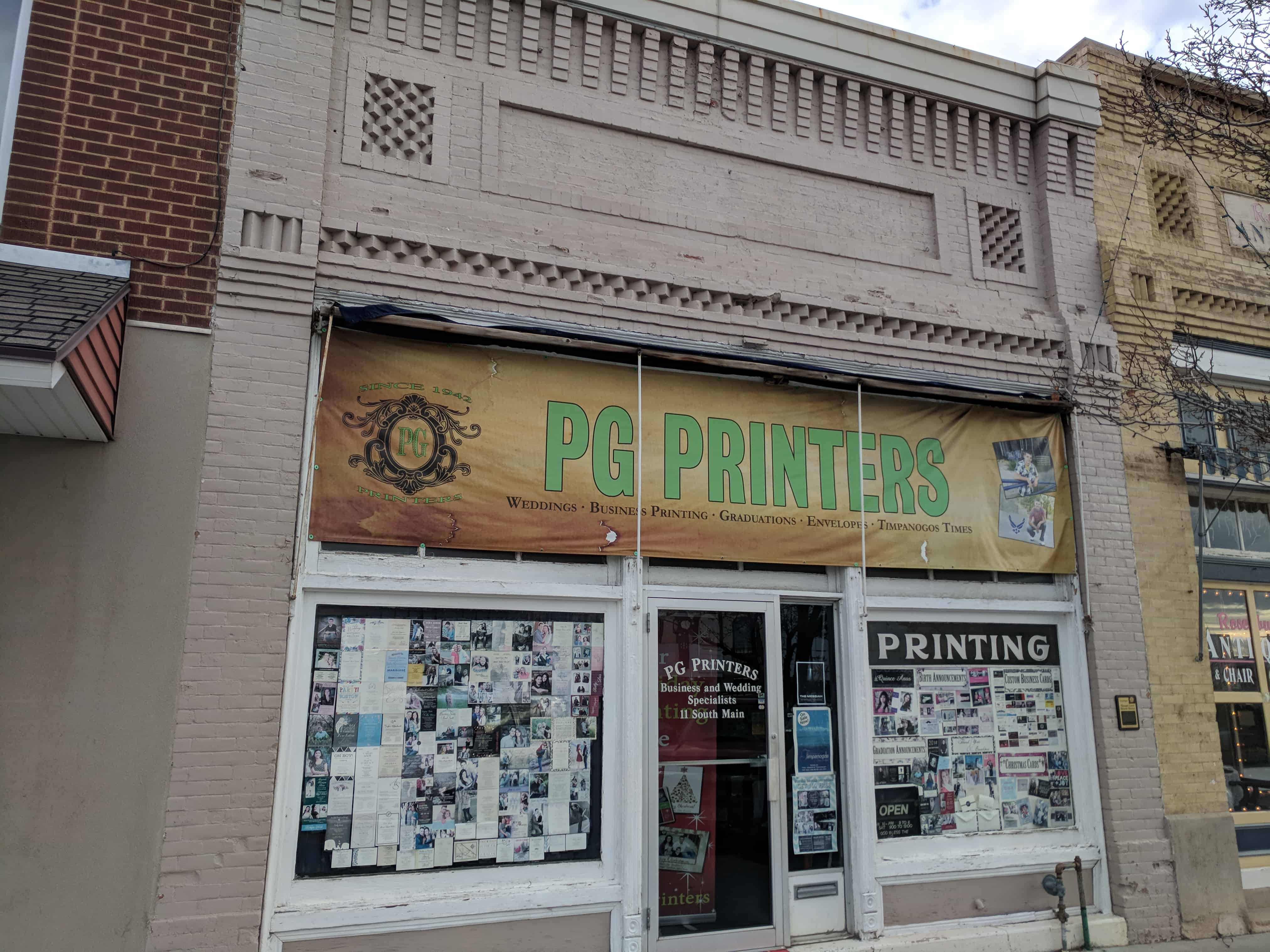
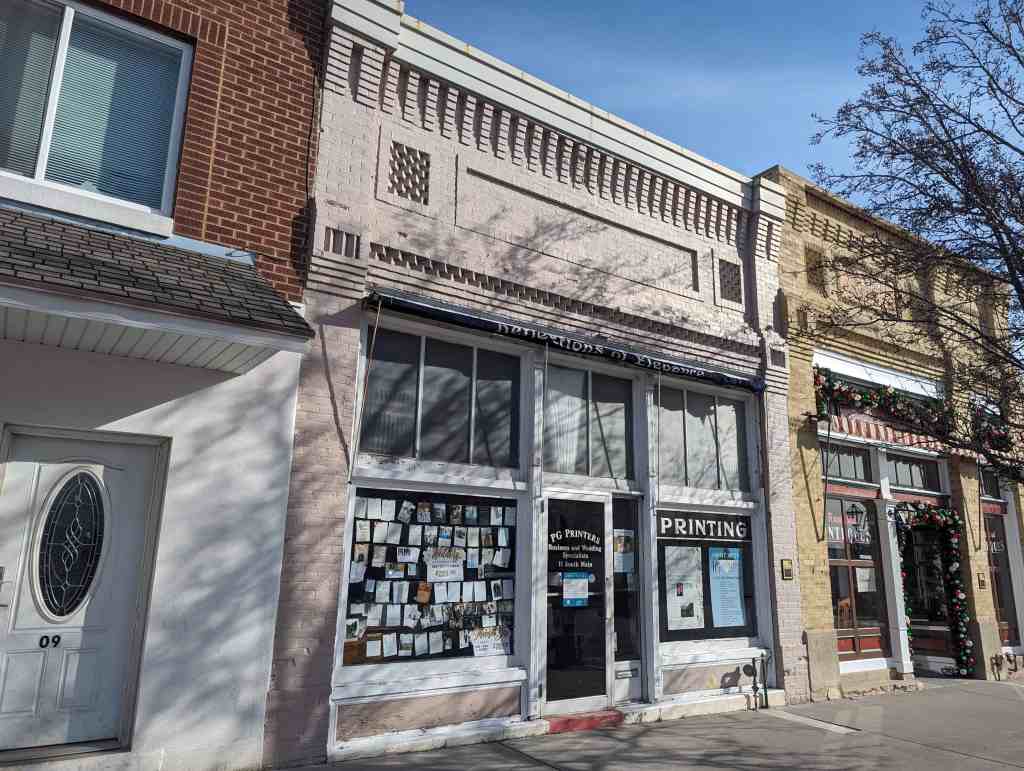
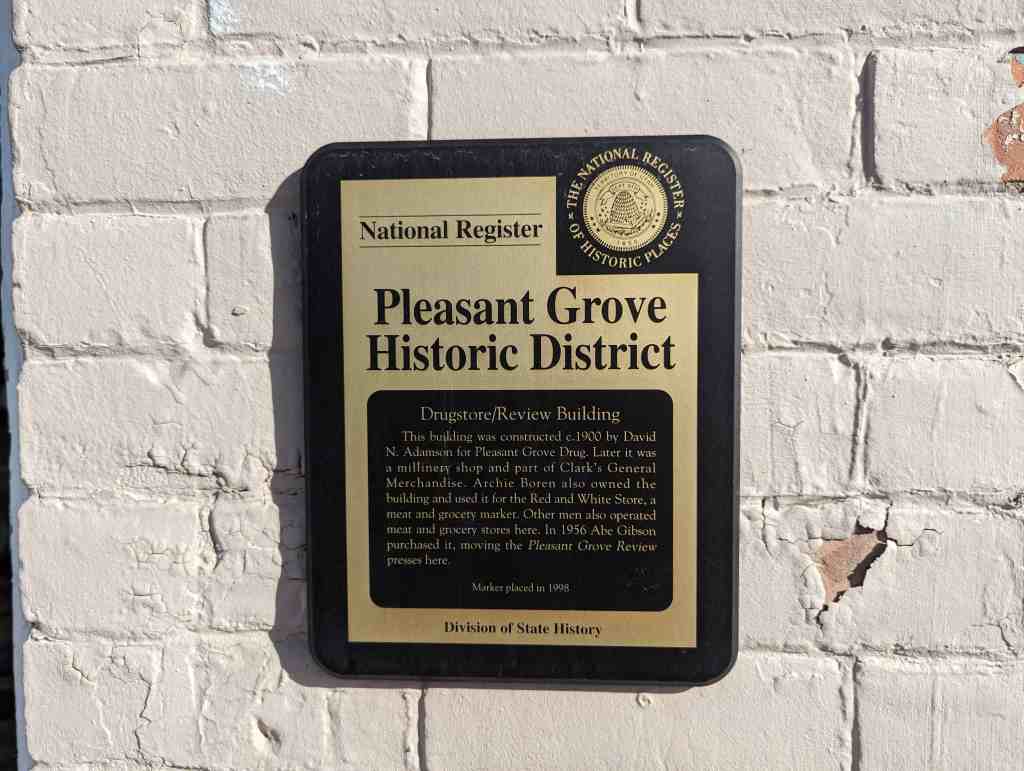
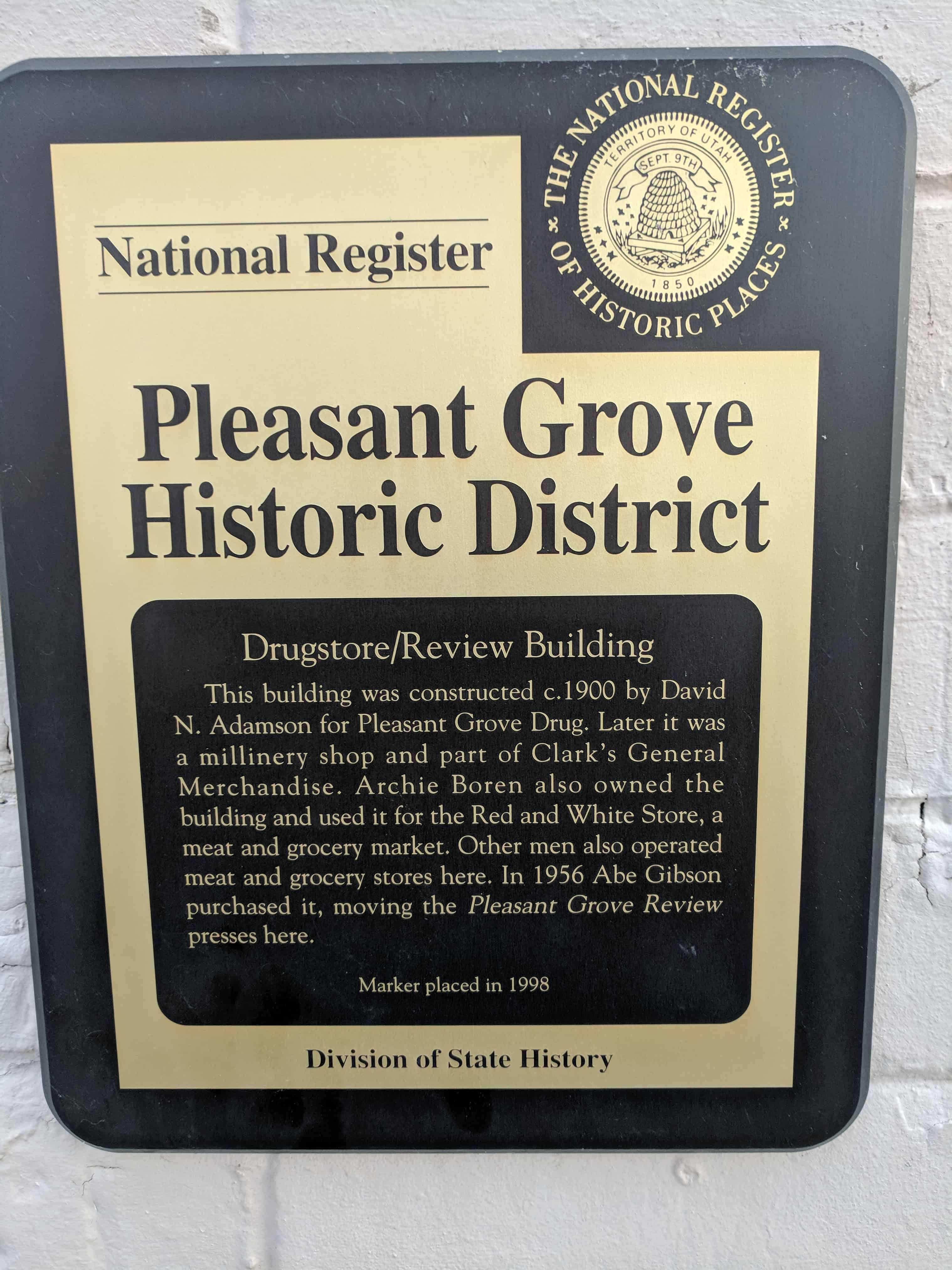
This building was constructed c.1900 by David N. Adamson for Pleasant Grove Drug. Later it was a millinery shop and part of Clark’s General Merchandise. Archie Boren also owned the building and used it for the Red and White Store, a meat and grocery market. Other men also operated meat and grocery stores here. In 1956 Abe Gibson purchased it, moving the Pleasant Grove Review presses here. (text from the plaque on the building)
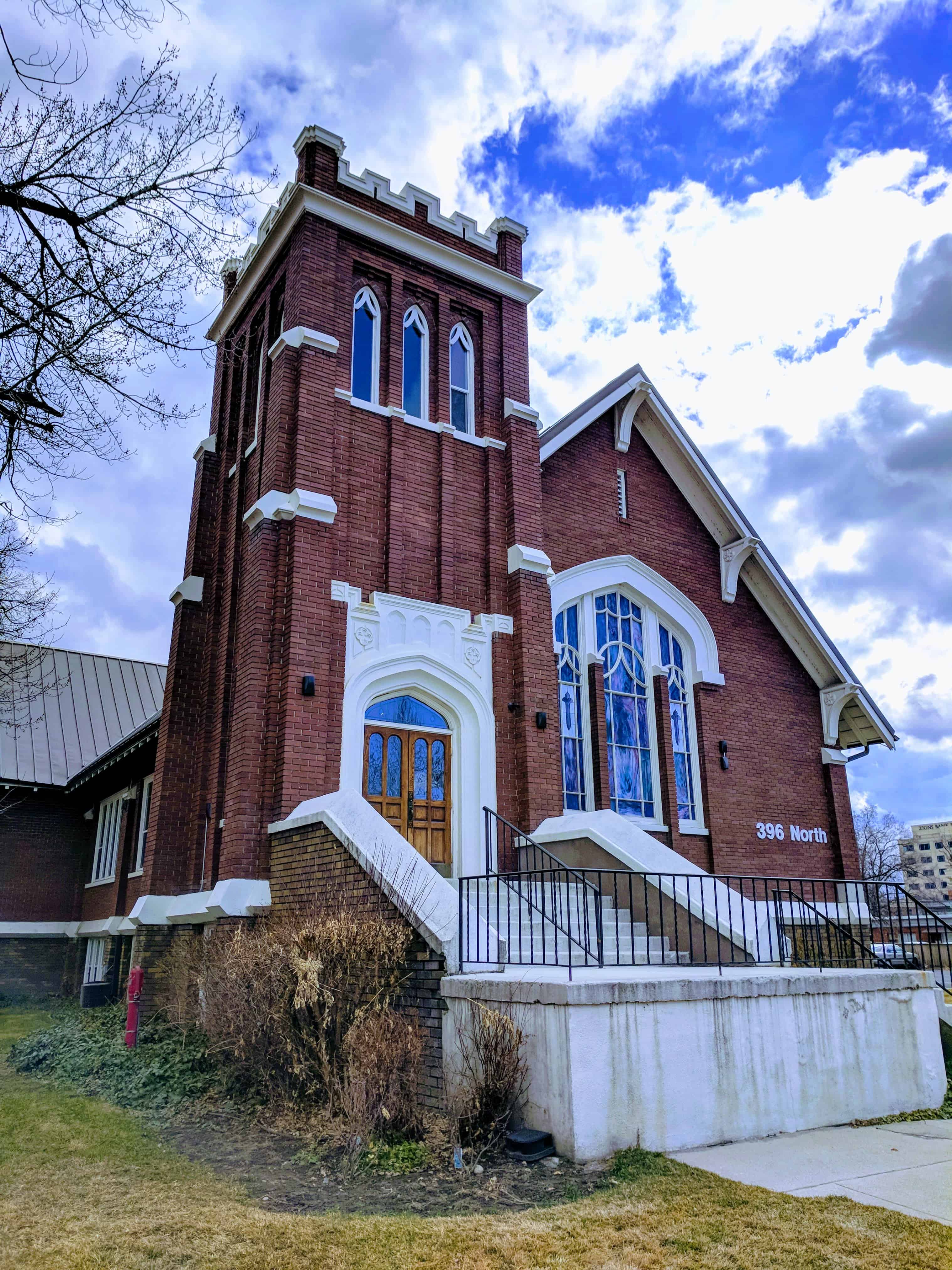
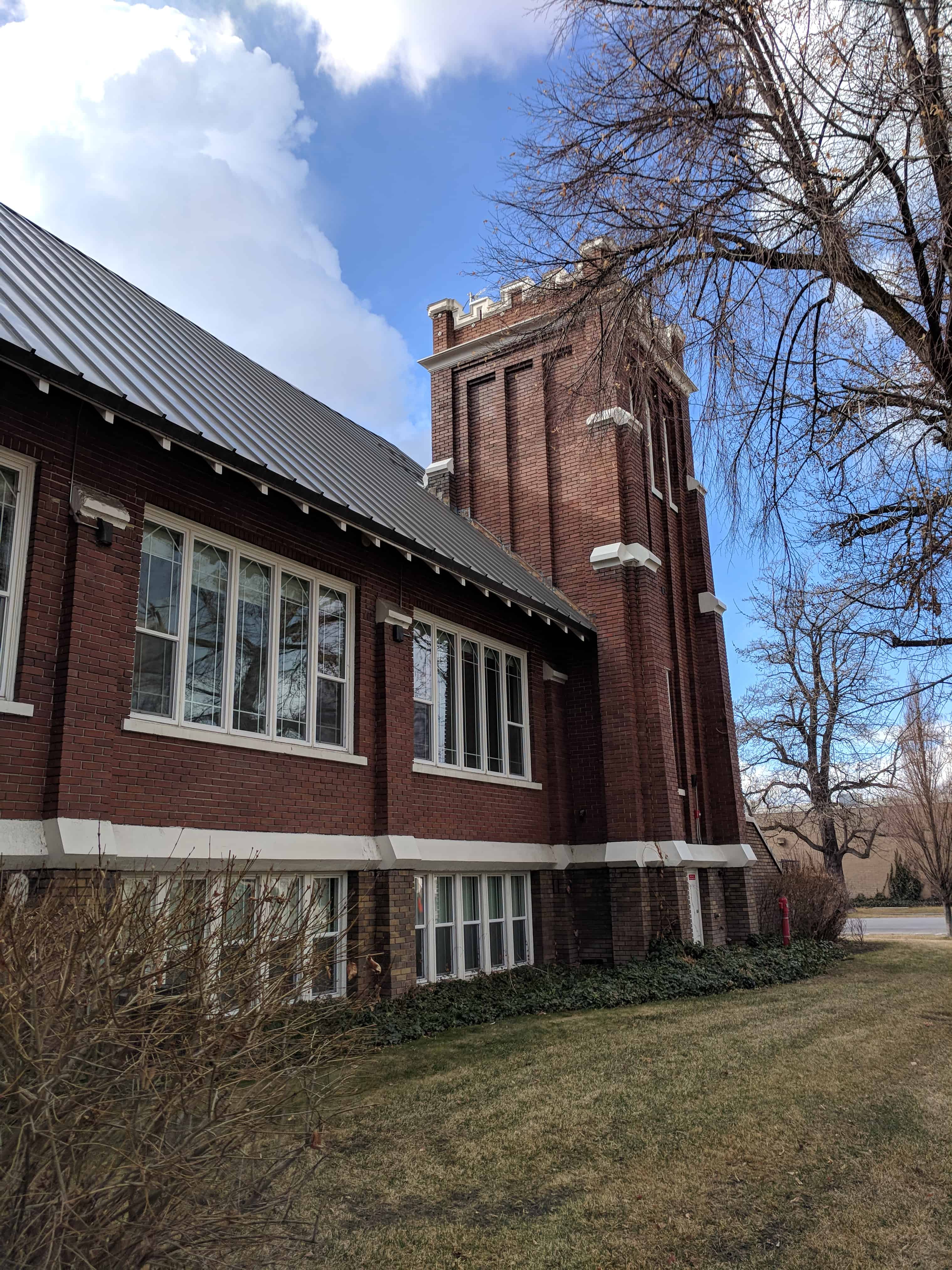
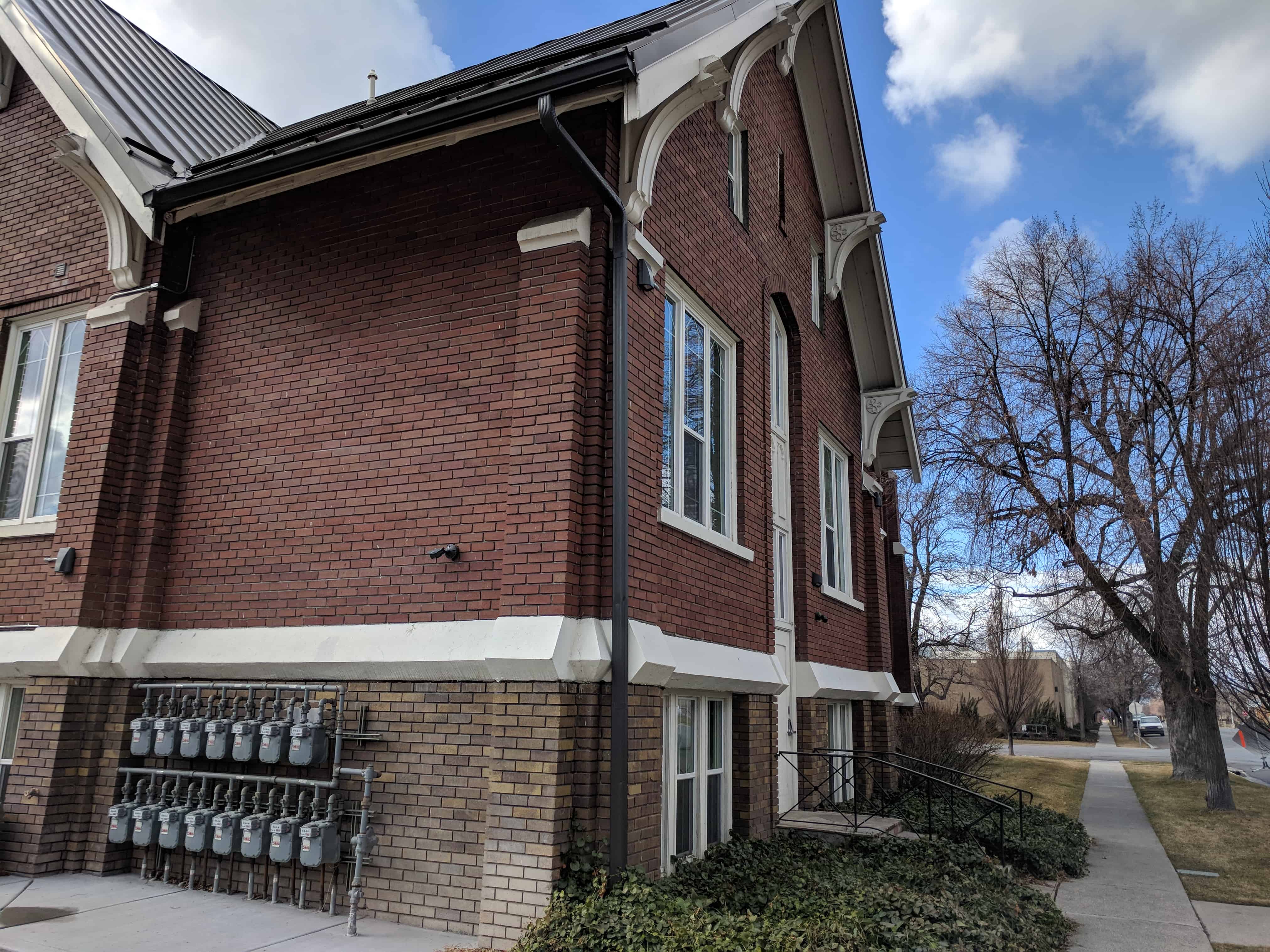
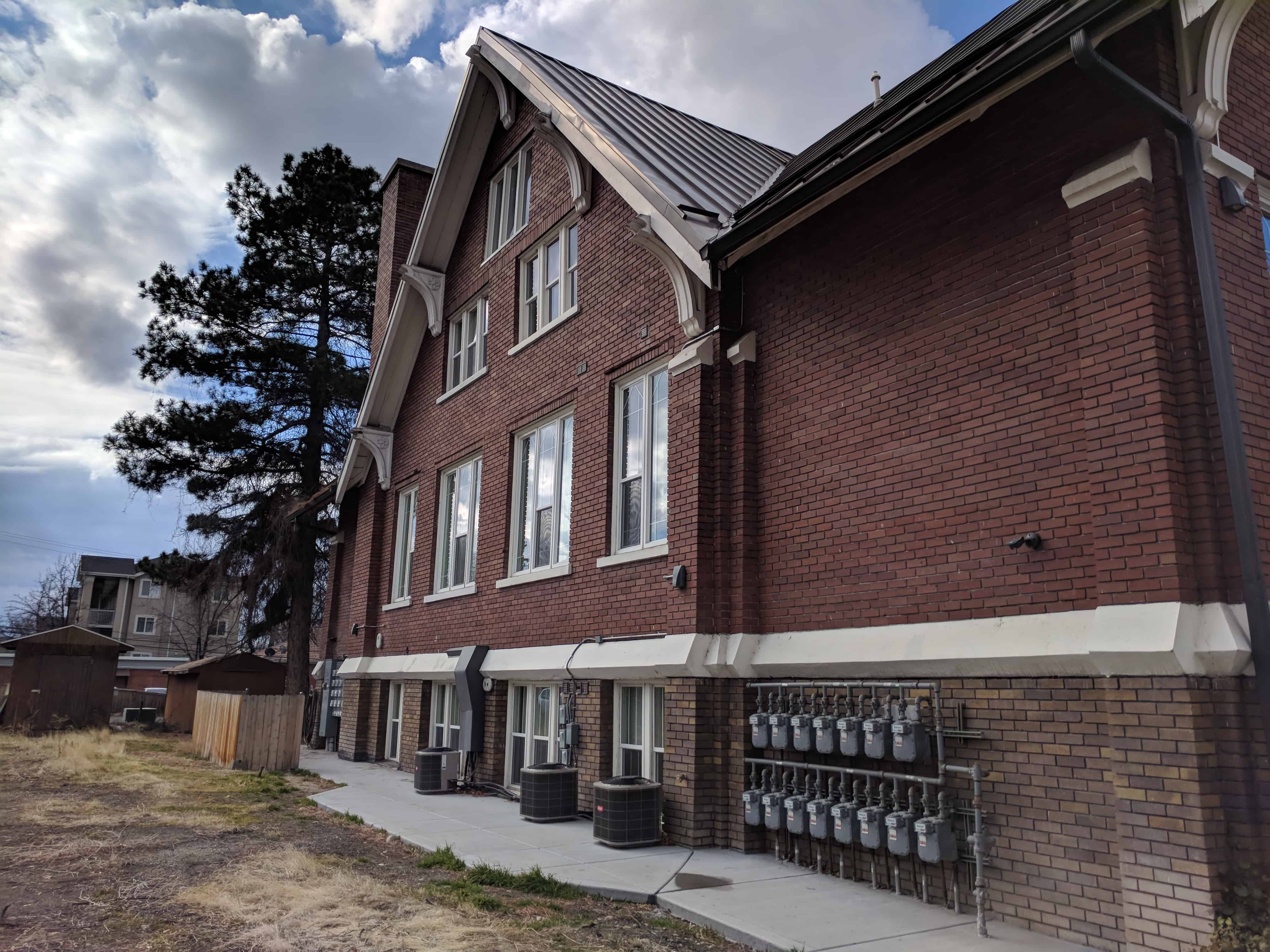
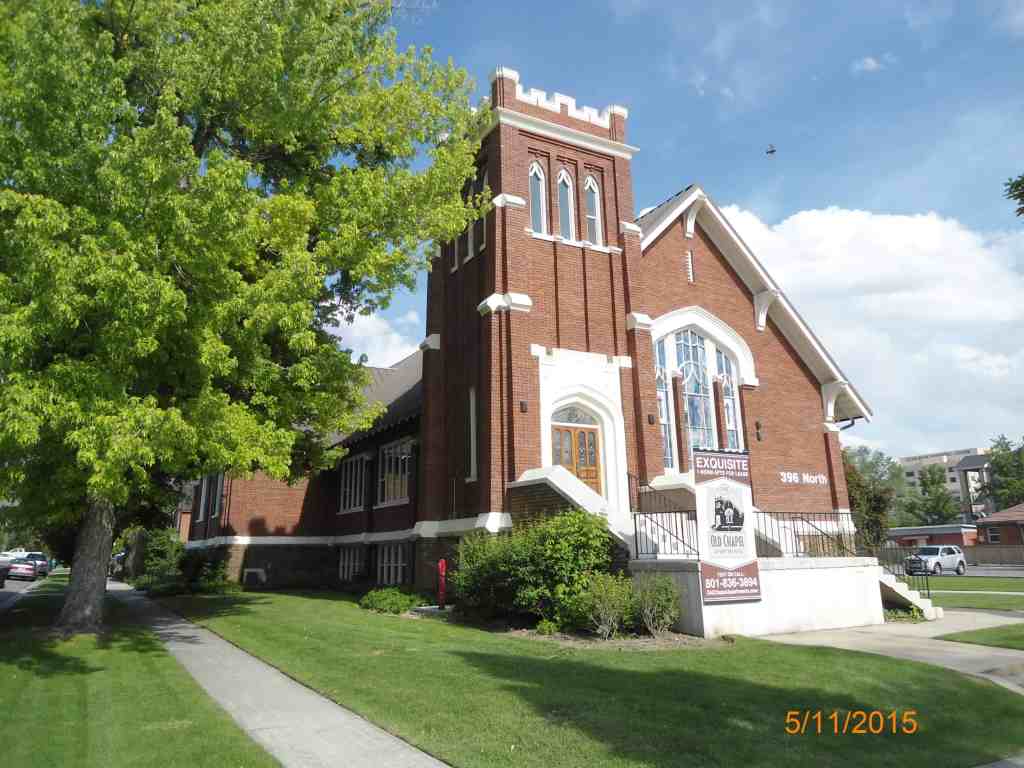
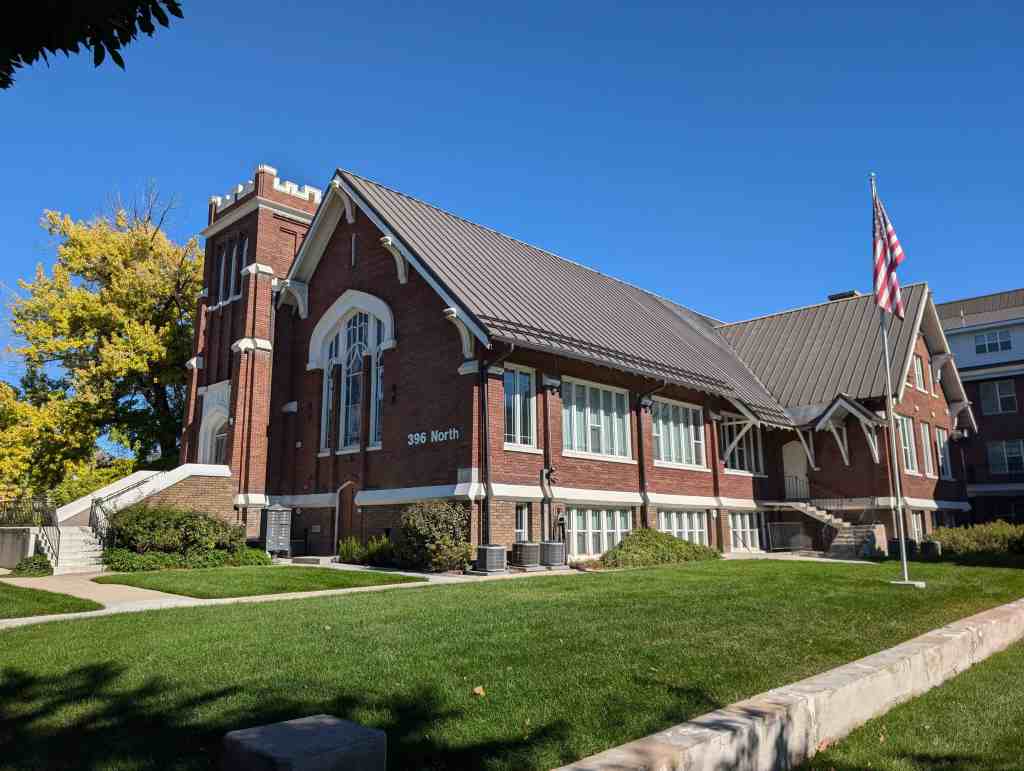
Located at 396 North 100 West in Provo and built 1925, the Provo 4th Ward Building stands out as another gorgeous formal chapel.
It is now an apartment building, but was in the past started being built in 1915, but stopped because of World War I. The saints met in the basement. After the war they continued building and finally dedicated it in 1925. Church President Heber J. Grant came from Salt Lake City to dedicate the building. They even had door prizes at the dedication. They included a lifetime Schaeffer Pen set, a 1925 Chevrolet car and a live bull.