• About JacobBarlow.com
  • Cemeteries in Utah
  • D.U.P. Markers
  • Doors
  • Exploring Utah Email List
  • Geocaching
  • Historic Marker Map
  • Links
  • Movie/TV Show Filming Locations
  • Oldest in Utah
  • Other Travels
  • Photos Then and Now
  • S.U.P. Markers
  • U.P.T.L.A. Markers
  • Utah Cities and Places.
  • Utah Homes for Sale
  • Utah Treasure Hunt

JacobBarlow.com

~ Exploring with Jacob Barlow

JacobBarlow.com

Tag Archives: Historic Churches

Green River Presbyterian Church

20 Wednesday Oct 2021

Posted by Jacob Barlow in Uncategorized

≈ Leave a comment

Tags

Chapels, Churches, Emery County, Historic Buildings, Historic Churches, Late Gothic Revival, NRHP, Presbyterian, Presbyterian Churches, utah, Victorian, Victorian Gothic

The Green River Presbyterian Church / Green River Bible Church

Built in 1907, this small wooden church is a good example of the Victorian Gothic architectural style. It is composed of intersecting wings with a tower set into the entrance angle. The principal wing is nearly two stories high and has a broad, steeply pitched gable roof. The front projecting wing is smaller, perhaps a story-and-a-half, but has the same pointed roof shape as the larger section to the rear. The tower is a full two stories and the roof a unique mixture of hip and tower element. The tower roof itself is hipped, but it is clipped at each corner by square battlements that protrude upward to a point just below the apex of the hip. Each wing contains large Gothic arched, stained-glass windows with
pointed-arch wooden tracery. The two visible sides of the tower have round-arched paired windows on the second story. Above each of these windows is another small round window which is framed beneath a decorative pointed arch of applied wood. Over the tower’s front door is a slightly flared hipped roof canopy. The wooden frame sits on a rusticated stone foundation and is covered with clapboard siding. Originally, the building was white with brown trim.

In 1963 a four room addition was put on the west end for Sunday School rooms, and storage. In 1986 the old paint was removed and the church repainted white with gold trim. The interior walls were originally painted plaster and moveable chairs were used for seating. In the 1970’s, carpet was placed over the wooden floors, and pine pews replaced moveable chairs. In 1985, the interior plaster walls were replaced with insulation and sheetrock and all woodwork was restored and refinished. In 1986, the church received a new asphalt roof. Despite these changes and perhaps because of them the building retains much of its historic integrity.

Located at 320 West Main Street in Green River, Utah and added to the National Historic Register (#88002998) on January 5, 1989.

Constructed in 1906-07, the Green River Presbyterian Church is architecturally significant at the local level as an excellent example of the Victorian Gothic style. It is also historically significant as the first church built in the town and as an important early example of the “community church” phase of Protestant church activity in predominantly Mormon Utah. Unlike nineteenth-century Protestant church buildings in Utah, which were erected as part of the missionary effort among the Mormons, twentieth-century churches were constructed with the sole purpose of serving local congregations. The relatively small number of non-Mormons in Utah communities often prompted members of various Protestant backgrounds to band together in a community church arrangement, even though one faith may have sponsored the congregation and the construction of the building. Such was the case with the Green River church, which was loosely affiliated with the Presbyterian Church but had several different denominations represented among its original members. Although the church acted solely as a religious structure, its significance is derived from its unique architecture and early representation of the historical theme of Protestant community churches.

The first Protestant congregation in Green River was established in March 1906 under the direction of Rev. J.K. McGillivray, a Presbyterian pastor. There were 29 members of the original congregation, representing eight different denominations. Immediately after Rev. McLain W. Davis took over the pastorate in December 1906, he proposed the project to construct a building for the congregation. Land for the new church (five lots valued at $1000) was donated by the Green River Land and Townsite Company, and over $2200 were raised locally through donations, labor subscriptions and a variety of fund-raising activities, such as chicken pie suppers. There was also a $1000 grant from the “Board of Church Erection” of the Utah Presbytery to assist with construction costs. Ware & Treganza, a prominent architectural firm from Salt Lake City, was hired at a cost of $125 to design the new structure. Work on the project probably started in the spring or summer of 1907. The building was dedicated on October 20, 1907, though it had been used for some time before its completion. Total cost of the facility, which included an organ and chairs, was almost $4500. The building functioned as a Presbyterian church until 1958, when the Presbytery of Utah was no longer able to provide a full-time minister. Since 1959 the church has been a nondenominational community church, though its historical role has always been that of a community church.

The Green River Presbyterian Church was constructed at a time when the community of Green River was emerging as an official town. A makeshift settlement known as Blake City had been located at this site as early as 1879 along the newly established mail route connecting Salina, Utah, and Ouray, Colorado. The site of the settlement was at a favorable crossing of the Green River. In 1883 the Denver and Rio Grande Western Railroad established an east/west line along that route, helping ensure the existence of the settlement. The town took on the name Green River in 1895, but it was not until 1906 that the first town council was elected and a new townsite laid out. Green River was officially incorporated in 1910. This period of municipal growth corresponded with the local “Peach Boom,” during which the peach industry was introduced and thrived. Other community advances at that time were the construction of a two-story brick school in 1910, the erection of a metal-truss wagon bridge across the Green River in 1910, the establishment of a Mormon ward (congregation) in 1904, and the formation of a Presbyterian congregation in 1906 and the construction of their building in 1907.

The Green River Presbyterian Church represents a new phase of Protestant activity in Utah cities, a “community church” phase. The evangelical zeal that had sustained Protestant missionary efforts in Utah during the 1870s-90s was extinguished by the turn of the century. Nationwide economic depressions during the 1890s greatly reduced donations from church contributors in the eastern U.S., and the perceived need for missionary work among the Mormons was significantly lessened with the 1890 Manifesto denouncing polygamy by Mormon church president Wilford Woodruff. The establishment of a viable Utah public school system in the 1890s also had a negative effect on Protestant missionary efforts in Utah. These efforts focused on providing Mormon children with schooling as a first step toward conversion. The combination of these factors in the 1890s brought an end to the Protestant evangelical missionary period in Utah.

The community church phase of Protestantism in Utah represents a local desire for Protestant religious services and the willingness of the various churches to support congregations of mixed denominational background. Most Utah towns were at overwhelmingly Mormon, so there were relatively few Protestant churches, usually only one per community (except in the larger cities). No single denomination had enough congregants to justify the expense of a building and minister, so ecumenical community churches were the practical solution. Affiliations with the sponsoring institutions were maintained for a number of years (e.g. Green River Presbyterian Church, Magna Community Baptist Church), but they usually became weaker with time. Most of the congregations eventually became nondenominational community churches.

Moroni Ward Chapel

15 Saturday May 2021

Posted by Jacob Barlow in Uncategorized

≈ 2 Comments

Tags

City Hall Buildings, Historic Churches, Moroni, Sanpete County, utah

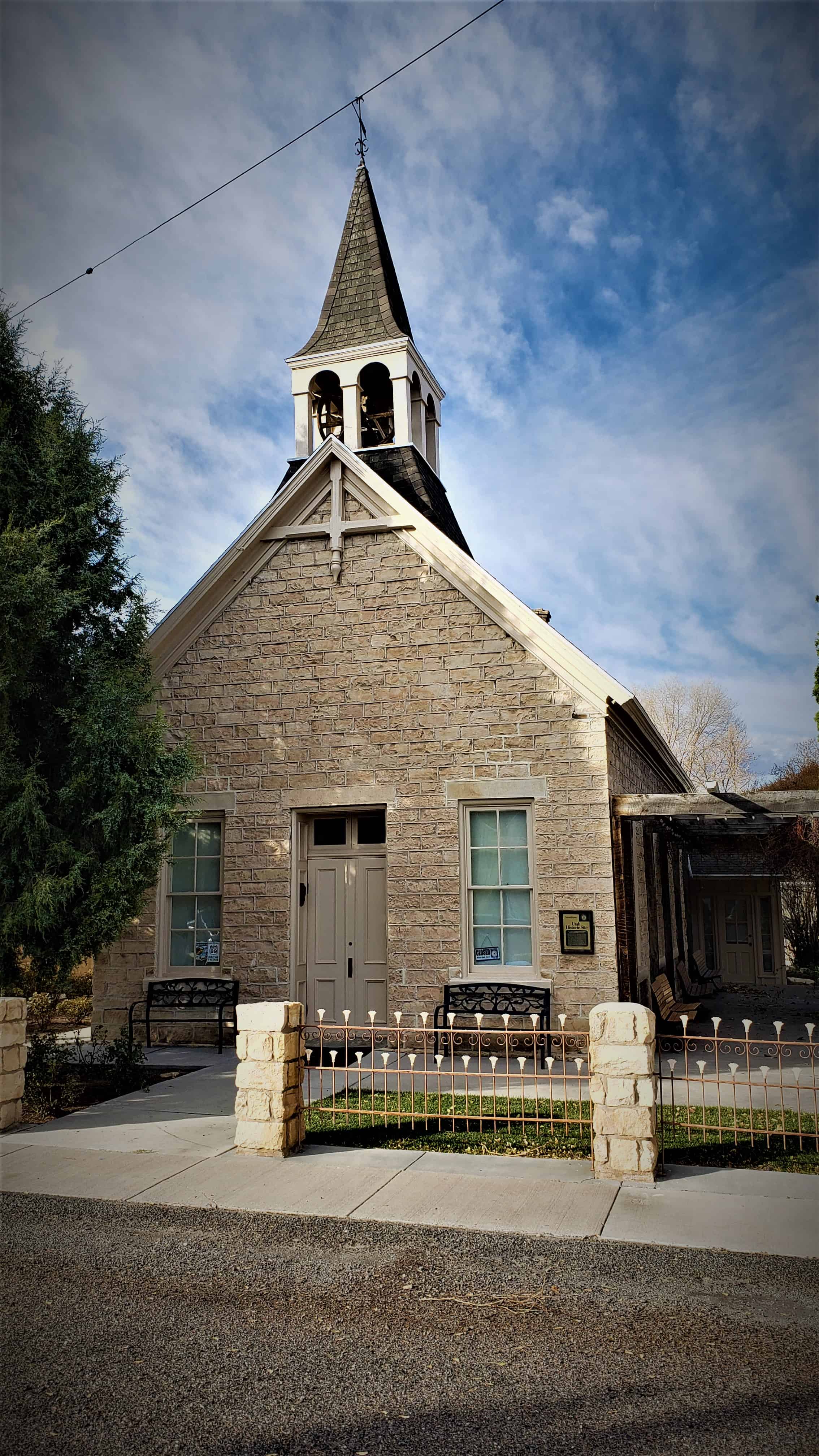
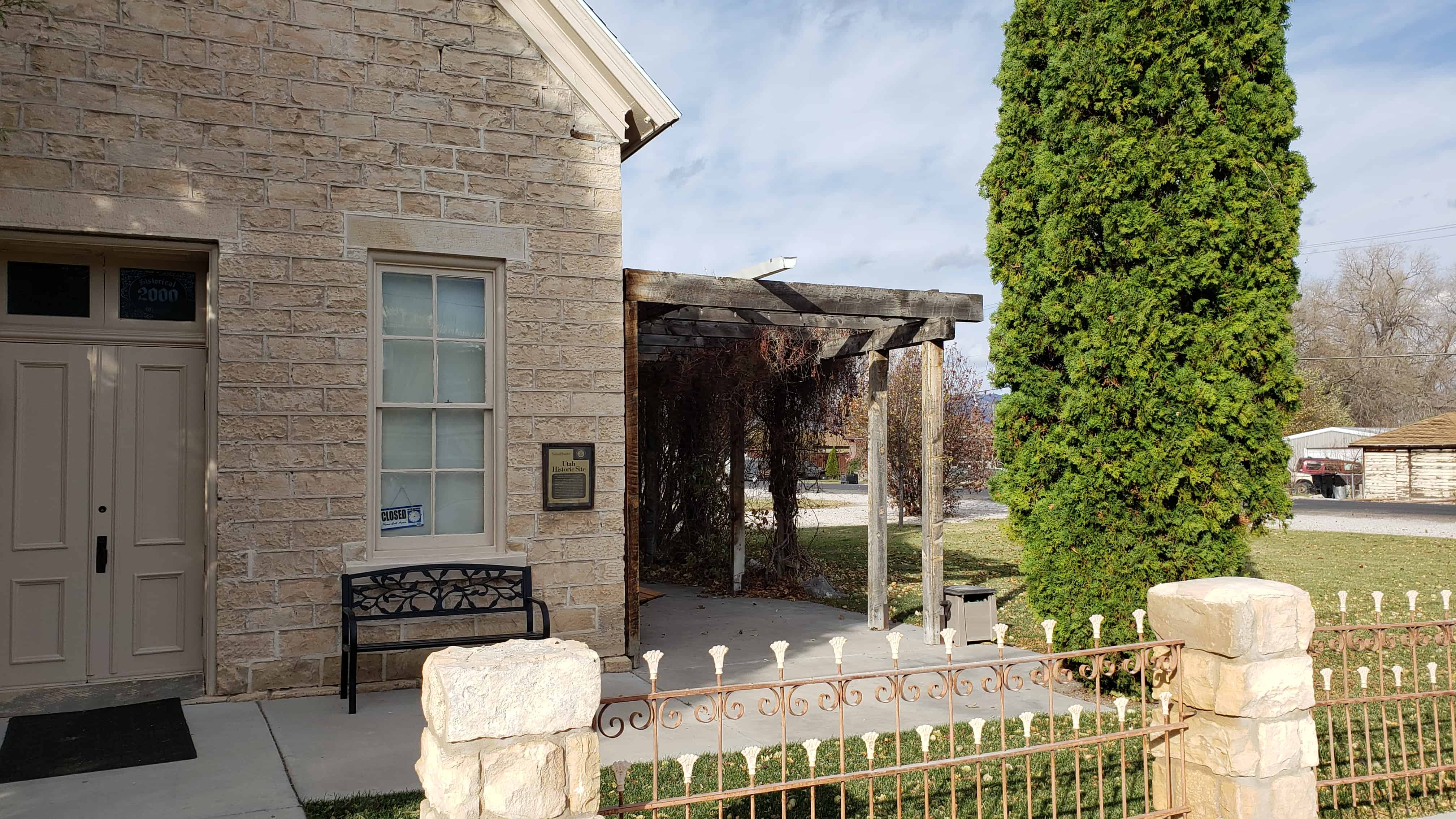
Built in 1889 as the Moroni Ward Chapel it was later the City Hall Building and is currently a residence.

36 North Center Street, Moroni, Utah.

Santaquin Ward Chapel

12 Wednesday May 2021

Posted by Jacob Barlow in Uncategorized

≈ 1 Comment

Tags

Chapels, Historic Churches, Santaquin, utah, utah county

The Santaquin Ward Chapel was built in 1901 and is now the Santaquin City Library.

Located at 20 West 100 South in Santaquin, Utah.

29th Ward Chapel

08 Tuesday Dec 2020

Posted by Jacob Barlow in Uncategorized

≈ 1 Comment

Tags

Chapels, Churches, Historic Buildings, Historic Churches, LDS, Salt Lake City, Salt Lake County, utah

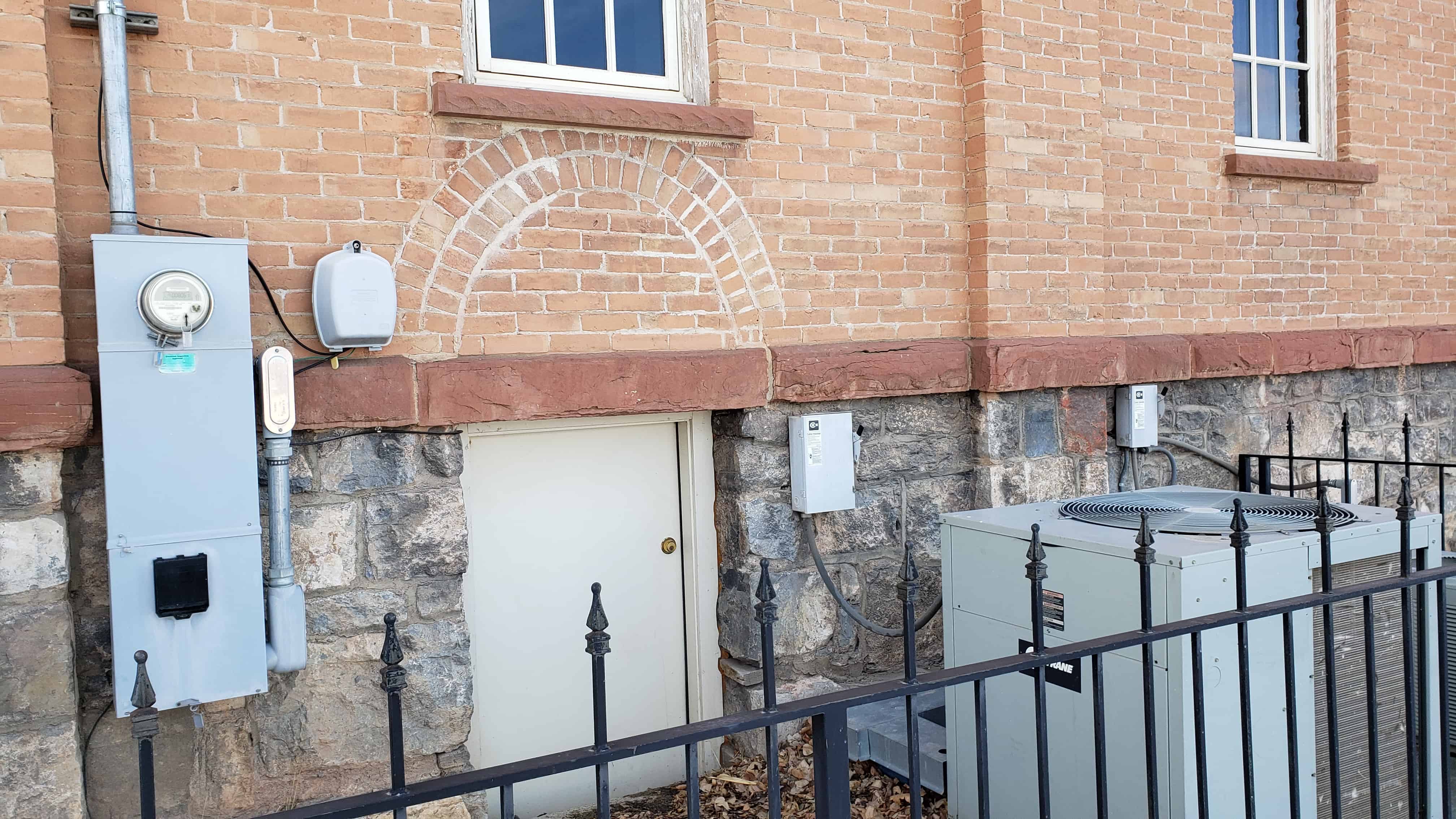
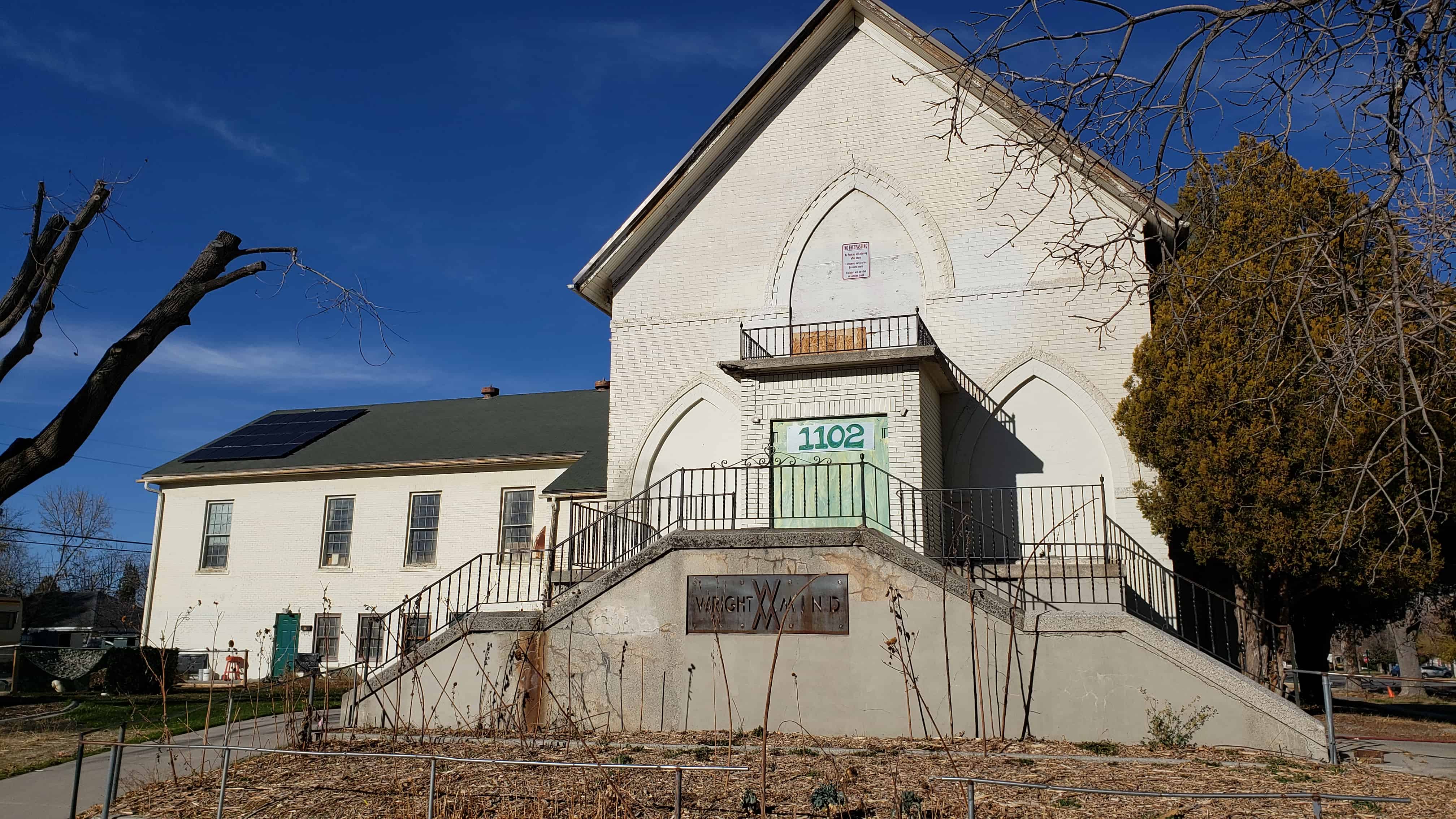
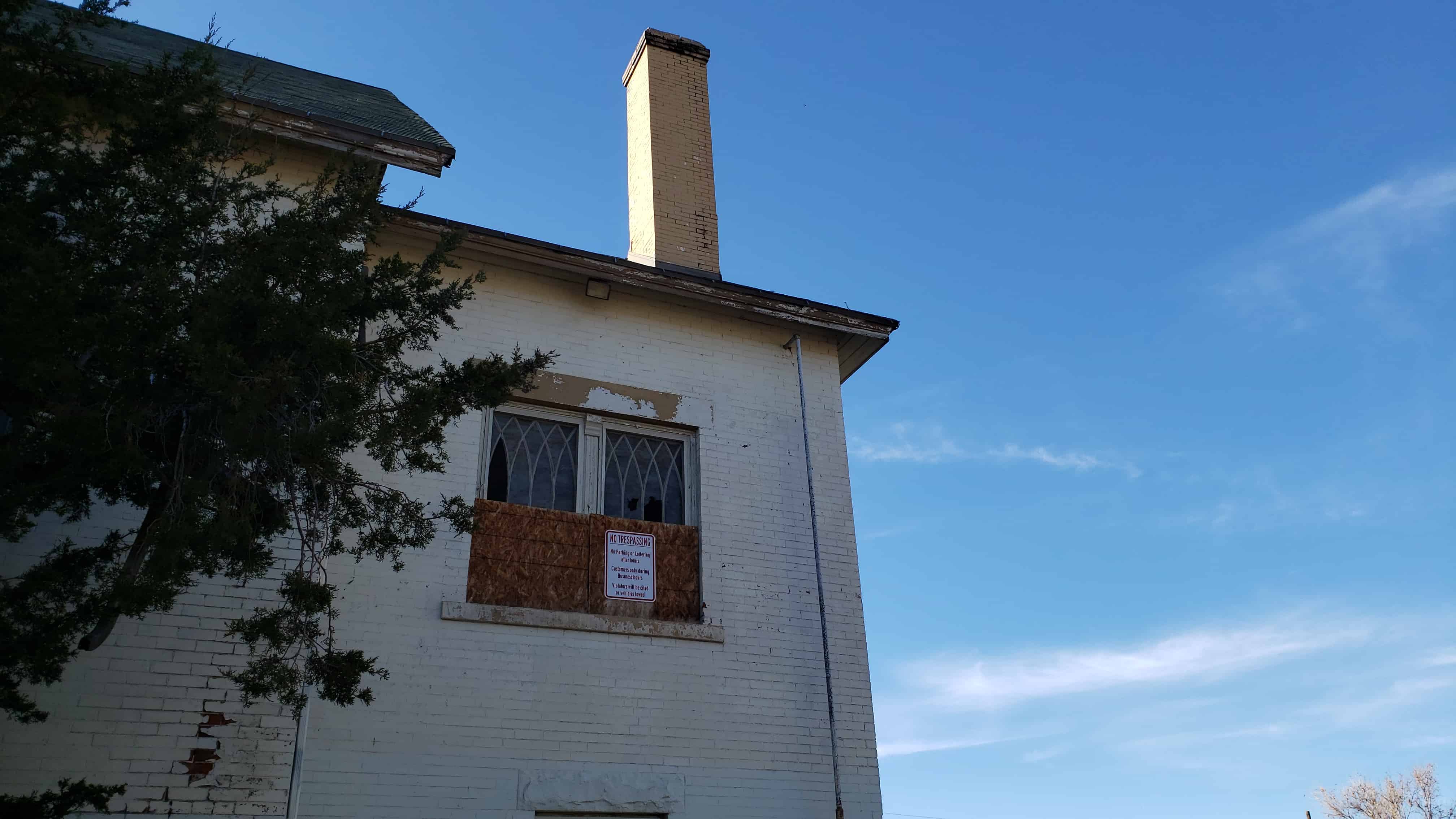
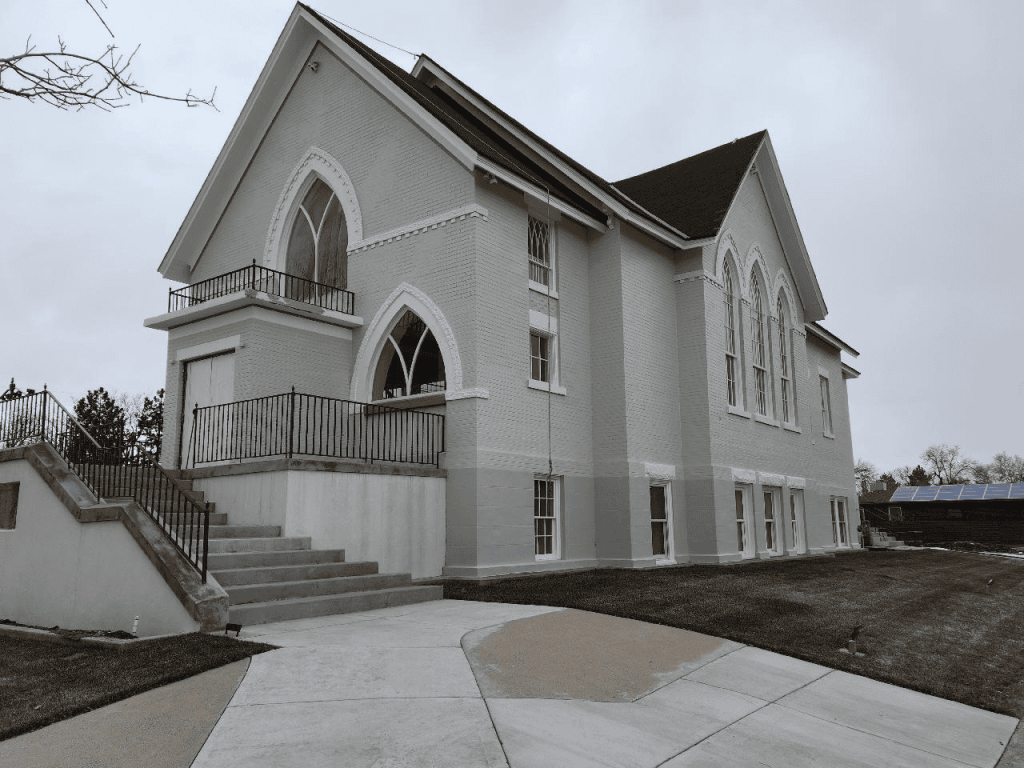
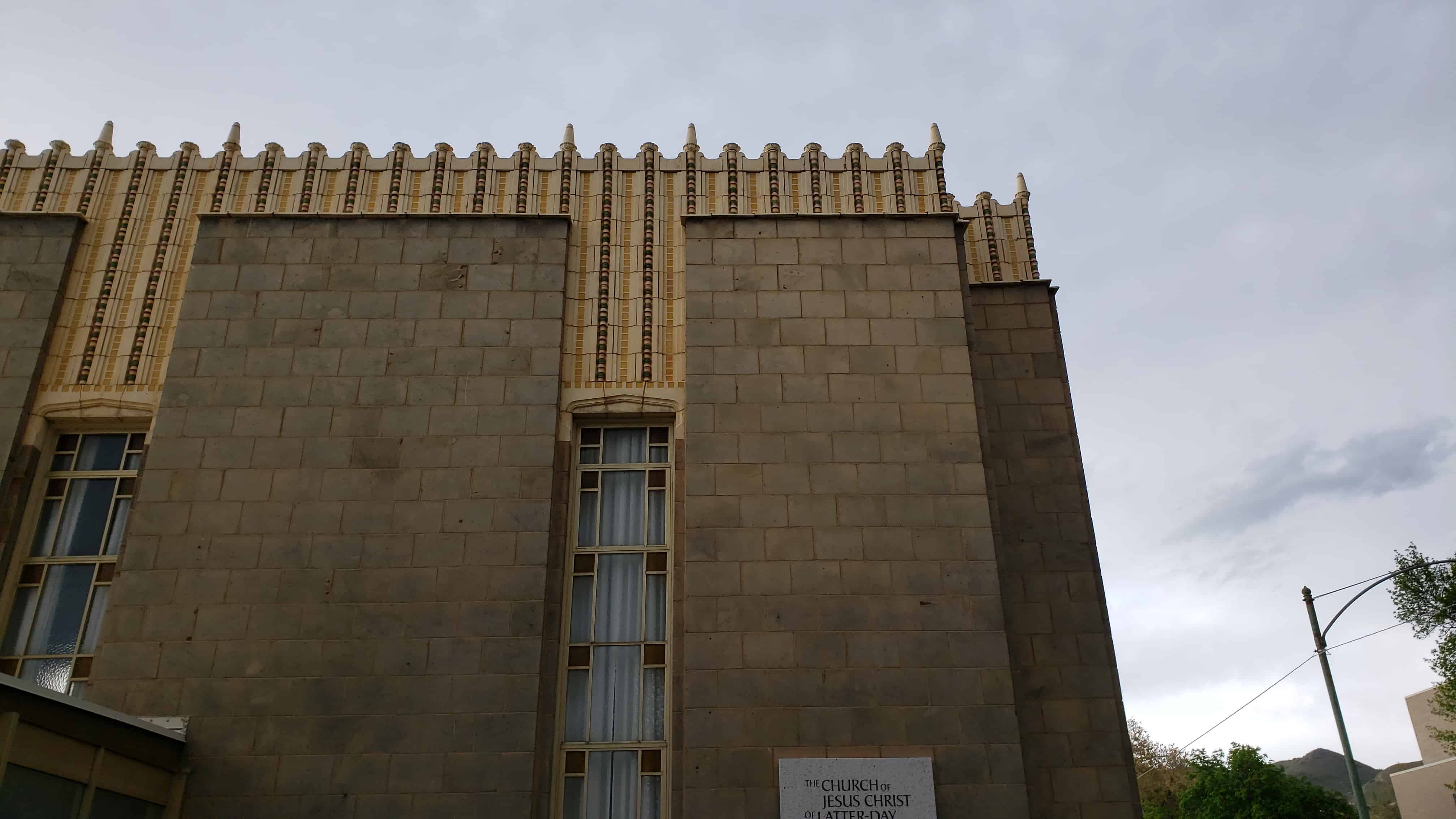
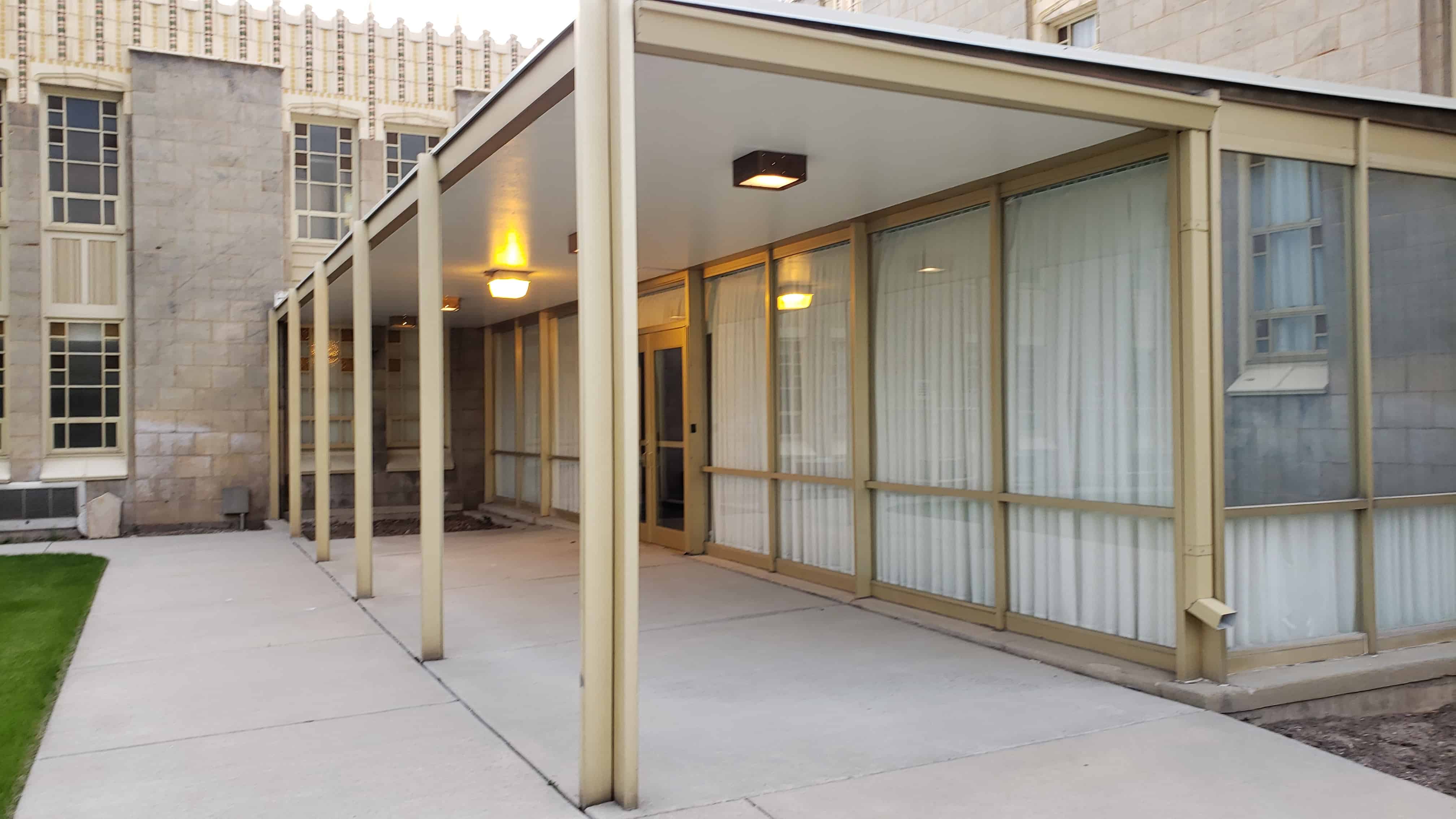
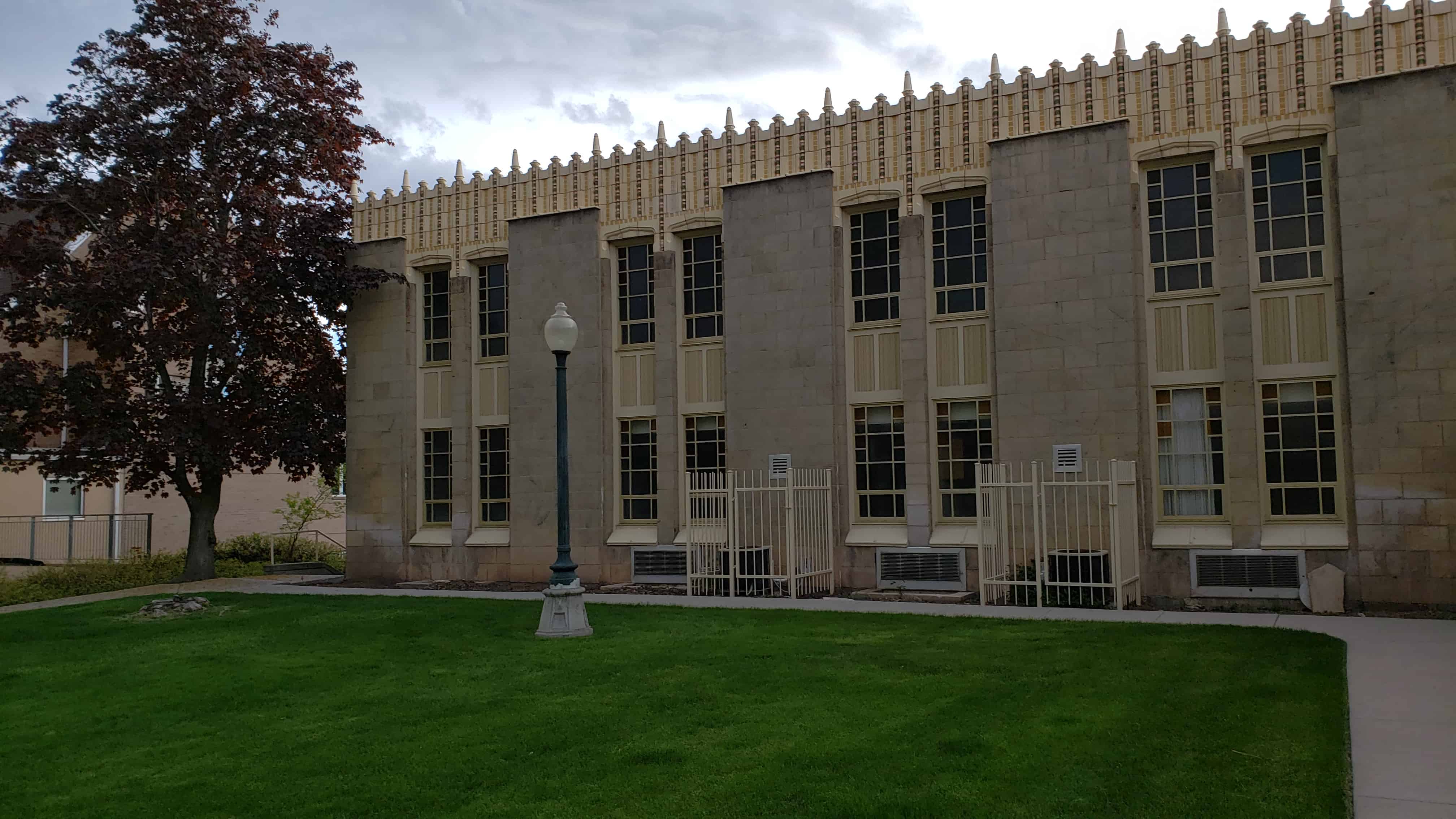
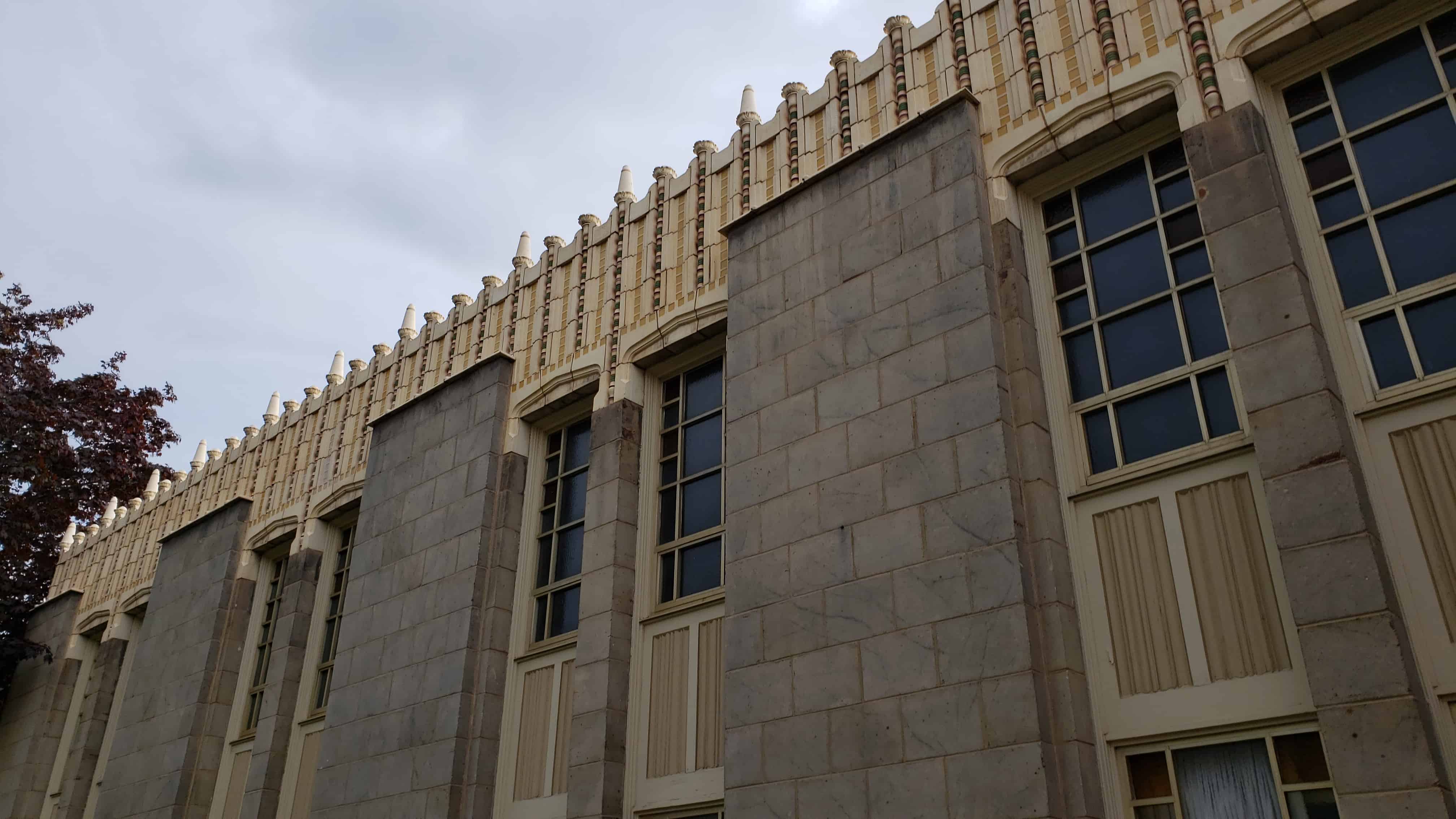
The old 29th Ward Chapel of The Church of Jesus Christ of Latter-day Saints, located at 1102 W 400 North in Salt Lake City, Utah.

Related:

  • National Register Listing #15000132
  • Original 19 Wards

(county records)

The Crosby Memorial Presbyterian Church and School of Salina

26 Thursday Nov 2020

Posted by Jacob Barlow in Uncategorized

≈ 1 Comment

Tags

Chapels, Historic Buildings, Historic Churches, NRHP, Salina, Schools, Sevier County, utah

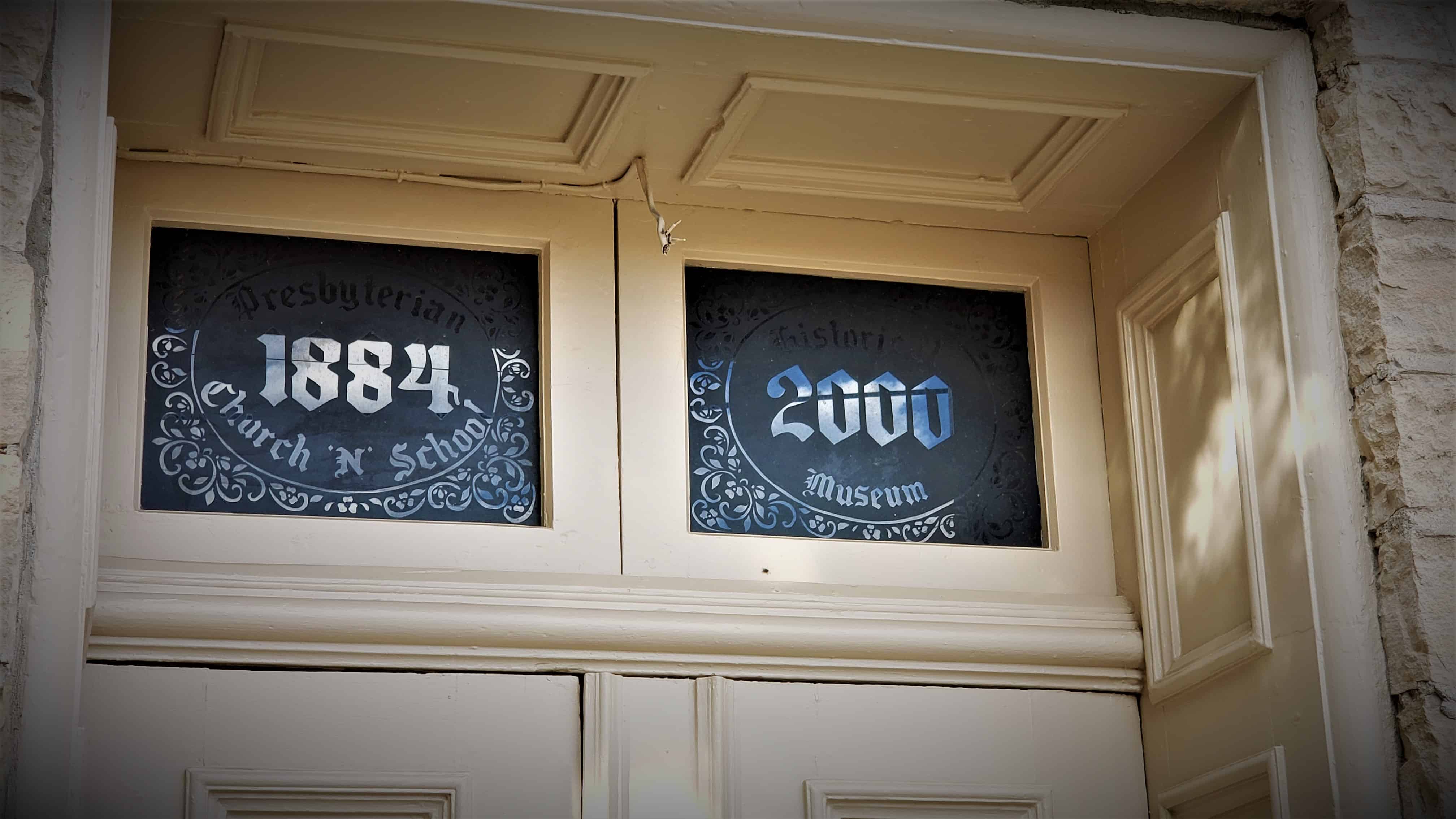
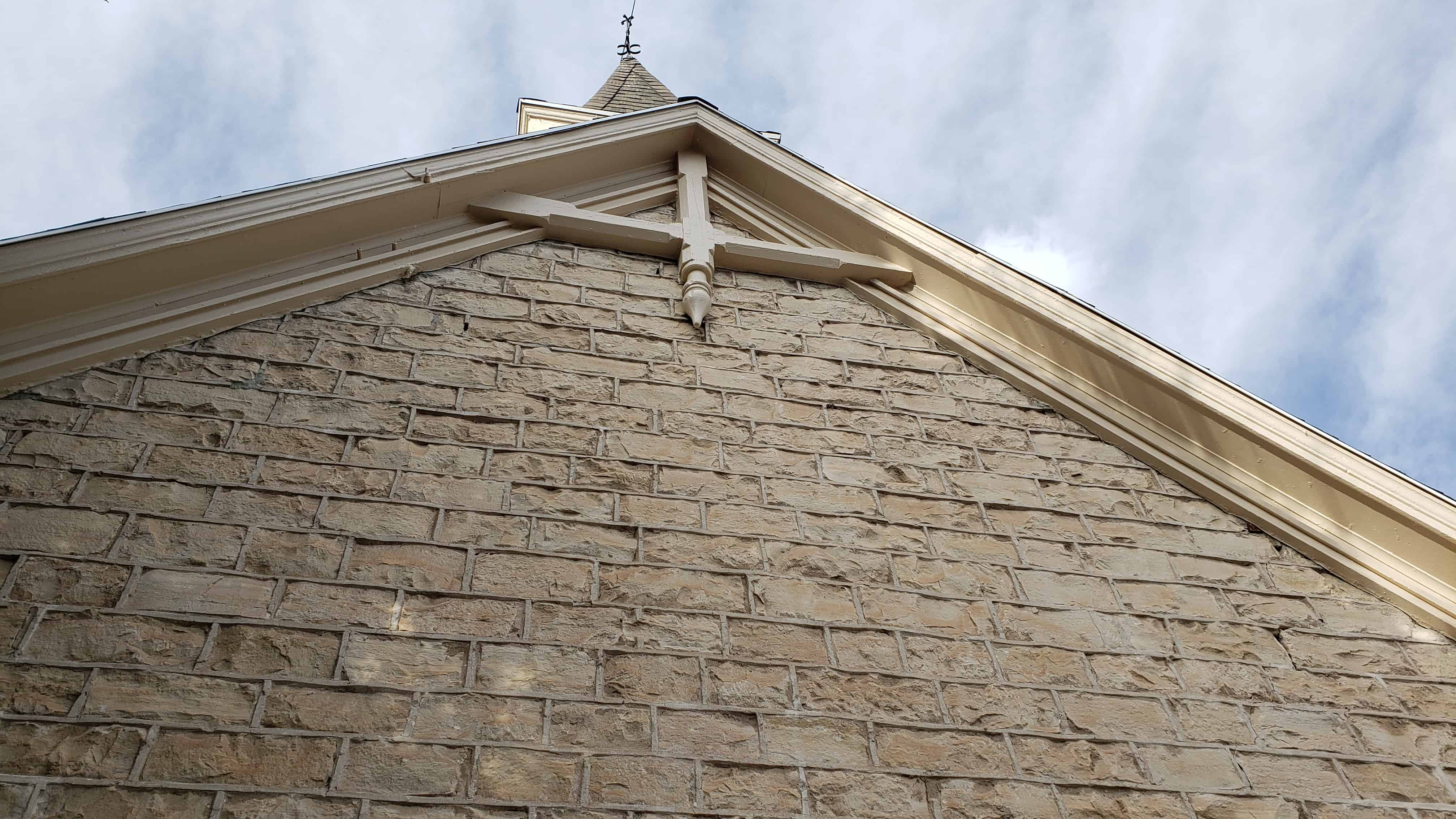
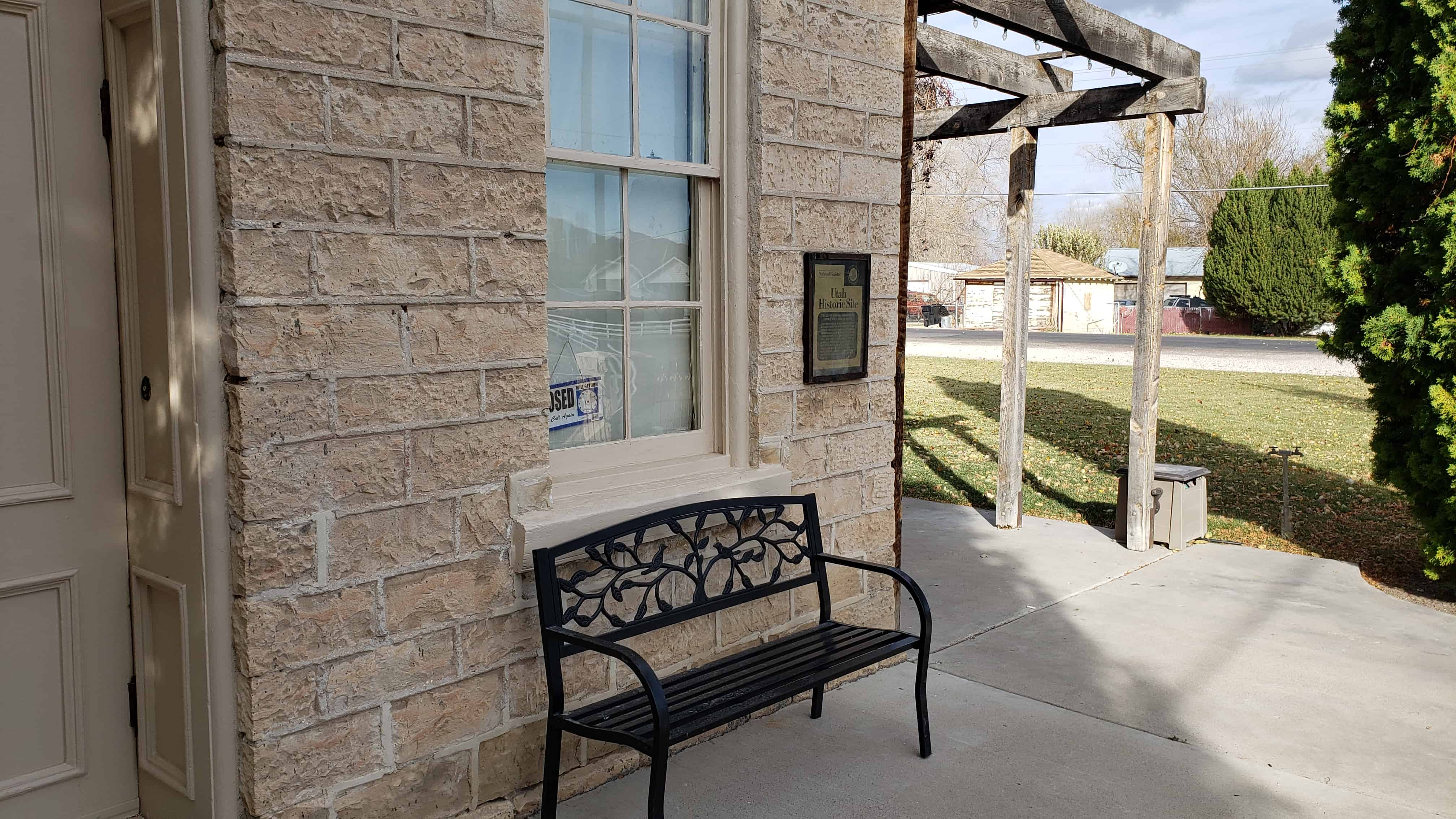
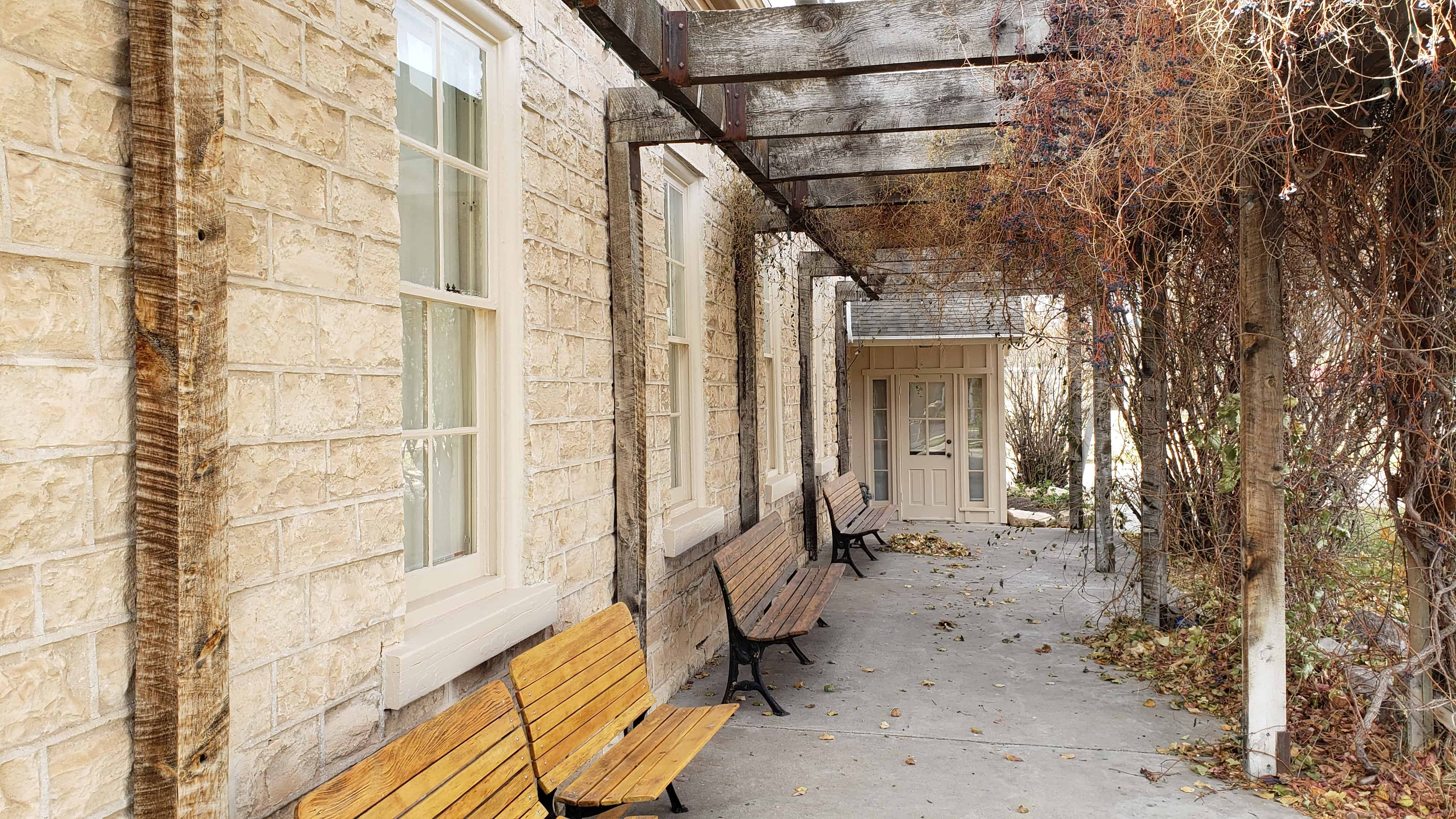
The Crosby Memorial Presbyterian Church and School of Salina

Erected in 1884 as a memorial to Helen Rutgers Crosby of New York City, this church and school was one of several Presbyterian Churches built in central Utah’s Sanpete and Sevier valleys under the direction of Reverend Duncan McMillan, Presbyterian Mission Superintendent in Utah from 1875 to 1917. The chapel has been renovated by Mr. and Mrs. Thomas W. Carter, in memory of Mrs. Carter’s mother, Mrs. Florence Mathew Gordon.

Located at 204 South 100 East in Salina, Utah and added to the National Register of Historic Places (#80003967) on March 27, 1980 – the text below is from the nomination form for the national register:

The Crosby Memorial Chapel in Salina derives its significance from its important role in the religious and educational history of central Utah, and also as an interesting example of late 19th century “charitable good works” as it was a privately endowed Presbyterian chapel.

Presbyterianism was established in Utah on June 11, 1869, with the arrival of the Reverend Melancthon Hughes to begin a pastorate in Corinne, Utah. Although begun with work in a Gentile boom town, Presbyterianism in Utah quickly became a determined missionary and youth education program aimed principally at converting Mormons.

As a religion whose own beliefs demanded an educated understanding of Christian doctrine, and whose style of religious organization was democratic, Presbyterians perceived Mormonism as a perversion, “a sort of cross between Roman Catholicism and Protestantism with vestigal marks of paganism, too eclectic to be evangelical and yet too evangelical to be wholly non-Christian.” Similarly, the authoritarian nature of the Mormon Church and its internal discipline was seen as “despotic suppression of liberty among its votaries and victims.” Convinced that Mormonism was both false and un-American, and, strengthened by the resolve that “Christianity and patriotism are natural allies . . . the Presbyterian Church discovered that it had mission work in Utah requiring intellectual strength, fervent piety, and executive ability.”

The missionary who epitomized these qualities, the Reverend Duncan McMillan, was also the man who brought into being the Presbyterian missionary strategy in Utah of offering superior educational facilities that would in time create an educated populace who would turn away from Mormonism. McMillan’s first venture demonstrated his ability to capitalize on available opportunities. Hearing of a group of disaffected Mormons in Sanpete County, he received permission from the Presbytery of Utah to proceed to Mt. Pleasant.

When he arrived on March 3, 1875, the Reverend McMillan found a group of potential converts in the Mt. Pleasant Liberal Club. These people were former members of the Mormon Church, either apostate or excommunicated, who had been growing in number since 1862 when a rift in the local Mormon Church organization had produced the defection of a sizeable number of Swedes. They had been joined over the years by others, Anglo-American and from the other Scandinavian groups, whose common bond was that they were now no longer Mormon. Politically they supported the Liberal Party against the People’s (Mormon) Party in territorial politics, but religiously they were adrift. Since they had progressed far enough in organization to have completed a Liberal Hall just the year before, the situation for the Reverend McMillan was well-nigh perfect … to have both a congregation and a meeting place.

The other situation from which the Reverend McMillan was able to profit was the poor quality of public schools in Utah. While Mormon communities had generally established schools as among their settlement priorities, the nature and product of this schooling left much to be desired. Lack of trained teachers and an irregular and often-interrupted school year meant that most children received an indifferent education at best, but often, none at all. Fashioning benches with his own hands, McMillan opened his first school in Mt. Pleasant on April 20, 1875, with 35 students in attendance.

After overcoming some initial financial problems and with the help of other ministers and a corp of dedicated female Presbyterian missionary teachers, McMillan would establish congregations or schools throughout Sanpete and Sevier counties and in other parts of Utah territory. His school at Mt. Pleasant would become the Wasatch Academy, still operating and listed on the National Register.

The Crosby Memorial Chapel in Salina was used principally as a school, with the small lean-to at the rear serving as the teacher’s quarters. There seems to have never been a permanent minister installed in this Church, which was served principally by the circuit-riding Reverend G. W. Martin of Manti. As was true for many of the smaller congregations, the Presbyterian presence in Salina was personified by the resident Presbyterian teacher. Acting as both teacher, missionary, civic worker, nurse, and being equally evangelical in matters of religion, education, and culture, these extraordinary women were undoubted assets to their frontier communities . . . although treated by local Mormons with considerable ambivalence.
Part of the Mormon distrust of these Presbyterian efforts was undoubtedly a resentment of being evangelized by what they felt to be a false religion. But the Crosby Memorial Chapel represents yet another cause for resentment; with the construction of this fine school facility with a full time teacher, paid for from sources outside the community, local Mormons could hardly escape having the same kinds of feelings that, say, the Chinese had about “rice Christians.” Although modest by many standards, these expenditures were clearly seen as a form of bribery and the Mormon response was to take the education and reject the religion. In 1889-1890 the Presbyterians had 36 mission schools, 4 academies, 65 qualified teachers. By 1897, as the system was being wrapped up, the Board of Presbyterian Missions announced that approximately 50,000 children had received some education in these schools.^ Considering the handful of Presbyterian converts gained from this effort, one can well understand the exasperation of one delegate to a Presbyterian General Assembly who is said to have lamented that “vast sums were spent on the education of future Mormon bishops and Sunday School teachers.”

The Crosby Memorial Chapel in Salina, now a private summer residence that is being gradually restored, is the kind of cultural asset that, in addition to its inherent charm and architectural interest, has the power to illuminate many interesting aspects of the late 19th century Mormon/Gentile conflict.

University Ward Chapel

21 Saturday Nov 2020

Posted by Jacob Barlow in Uncategorized

≈ Leave a comment

Tags

Chapels, Historic Churches, Salt Lake City, Salt Lake County, utah

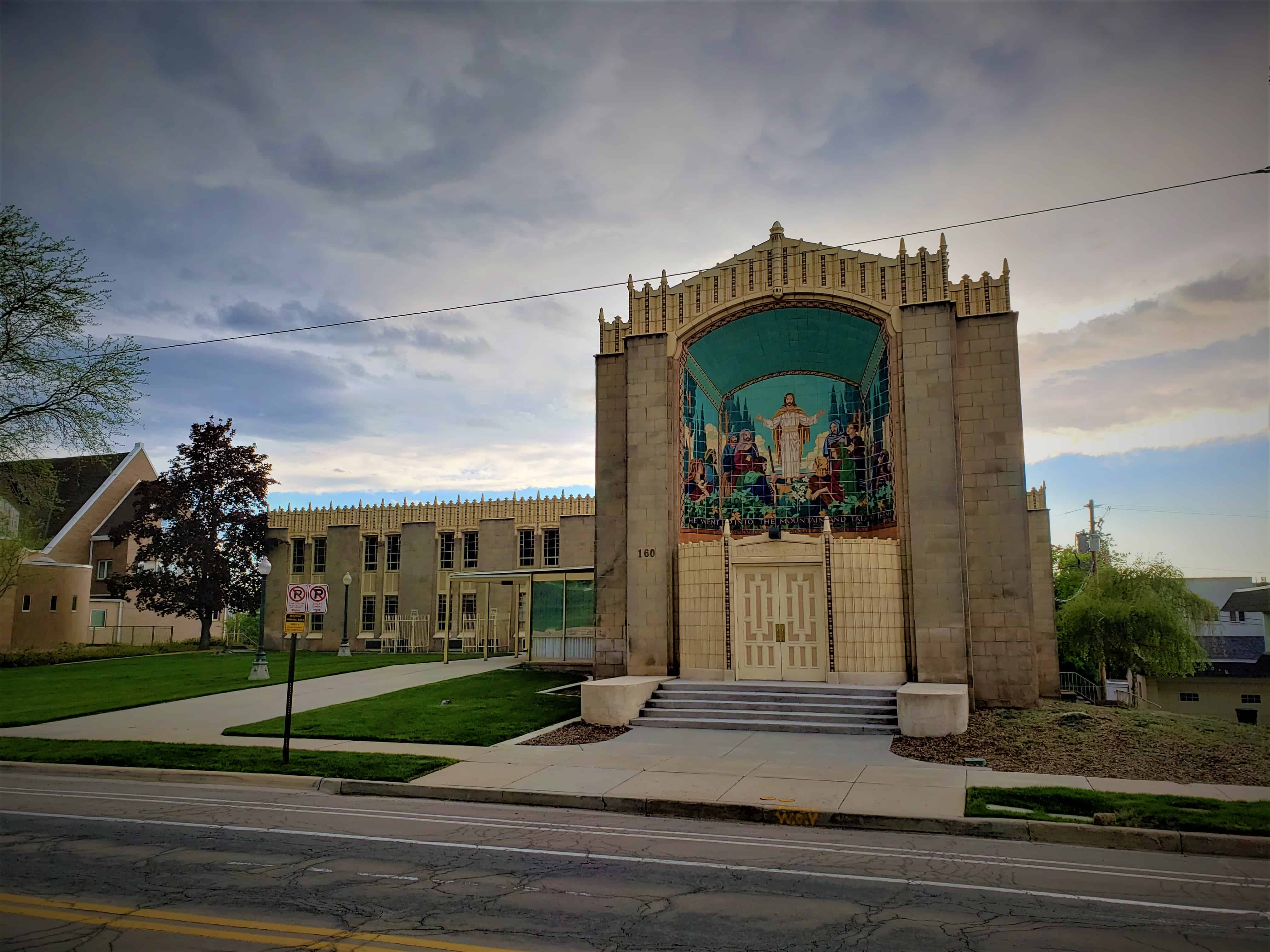
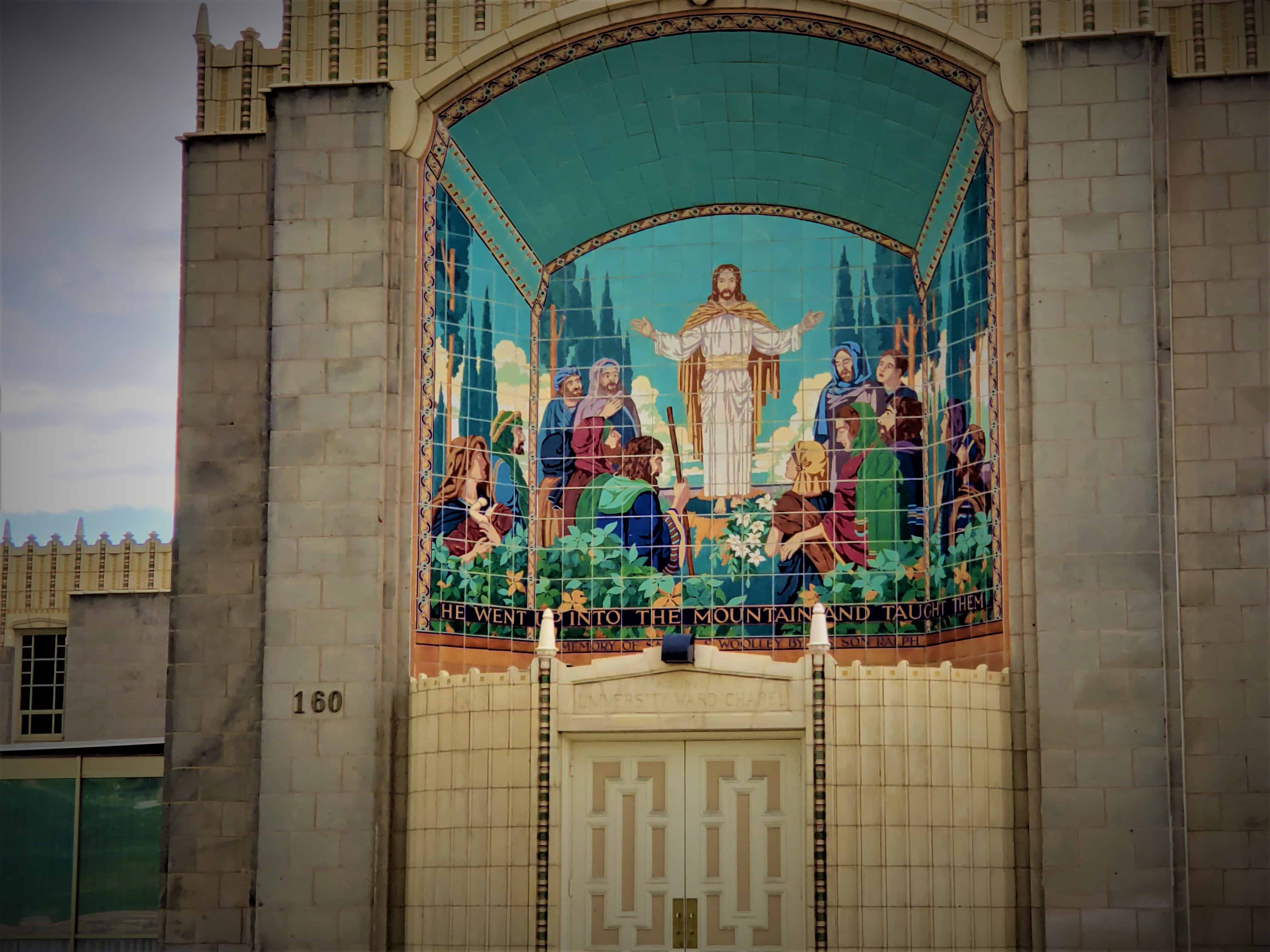
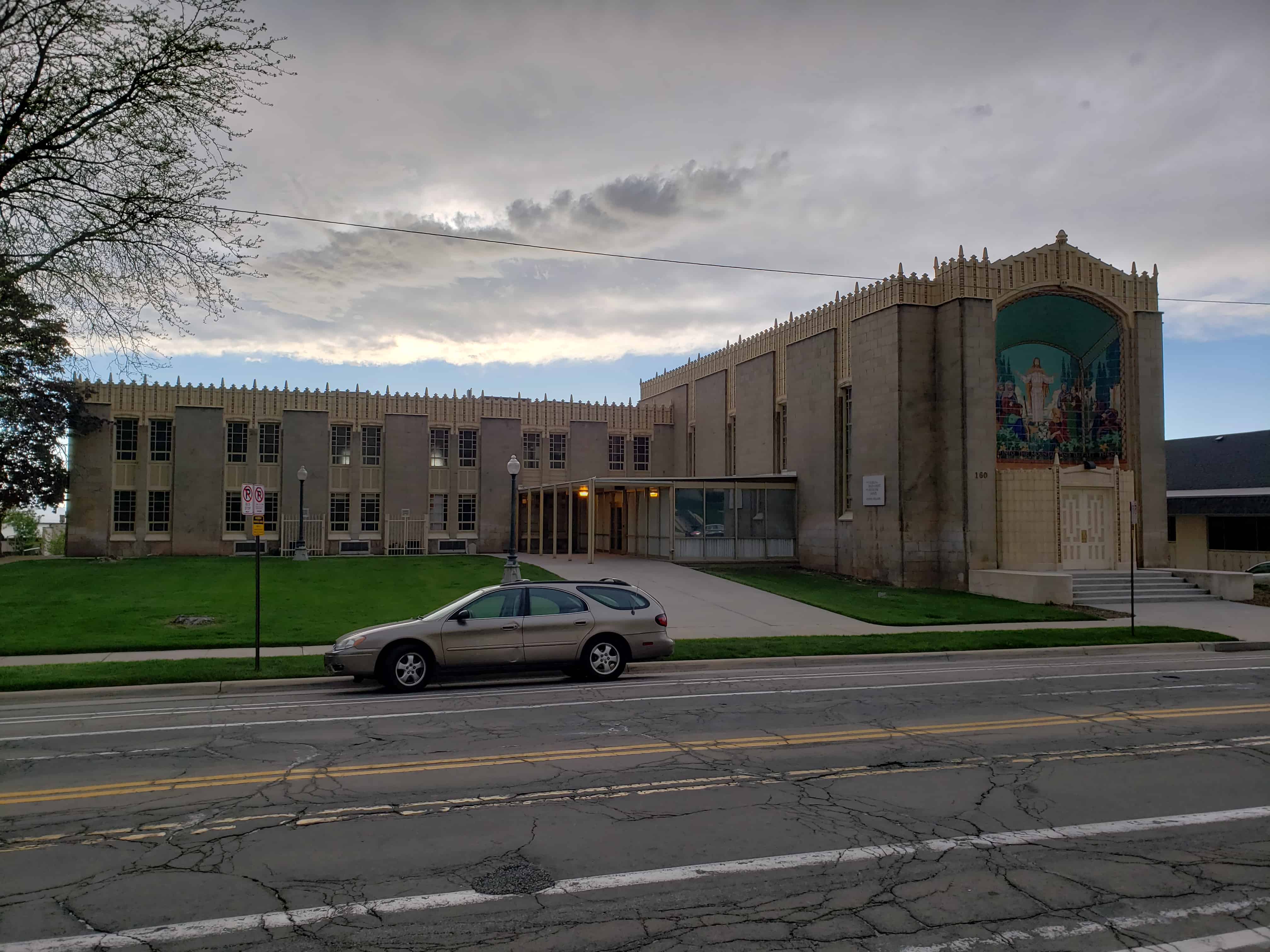
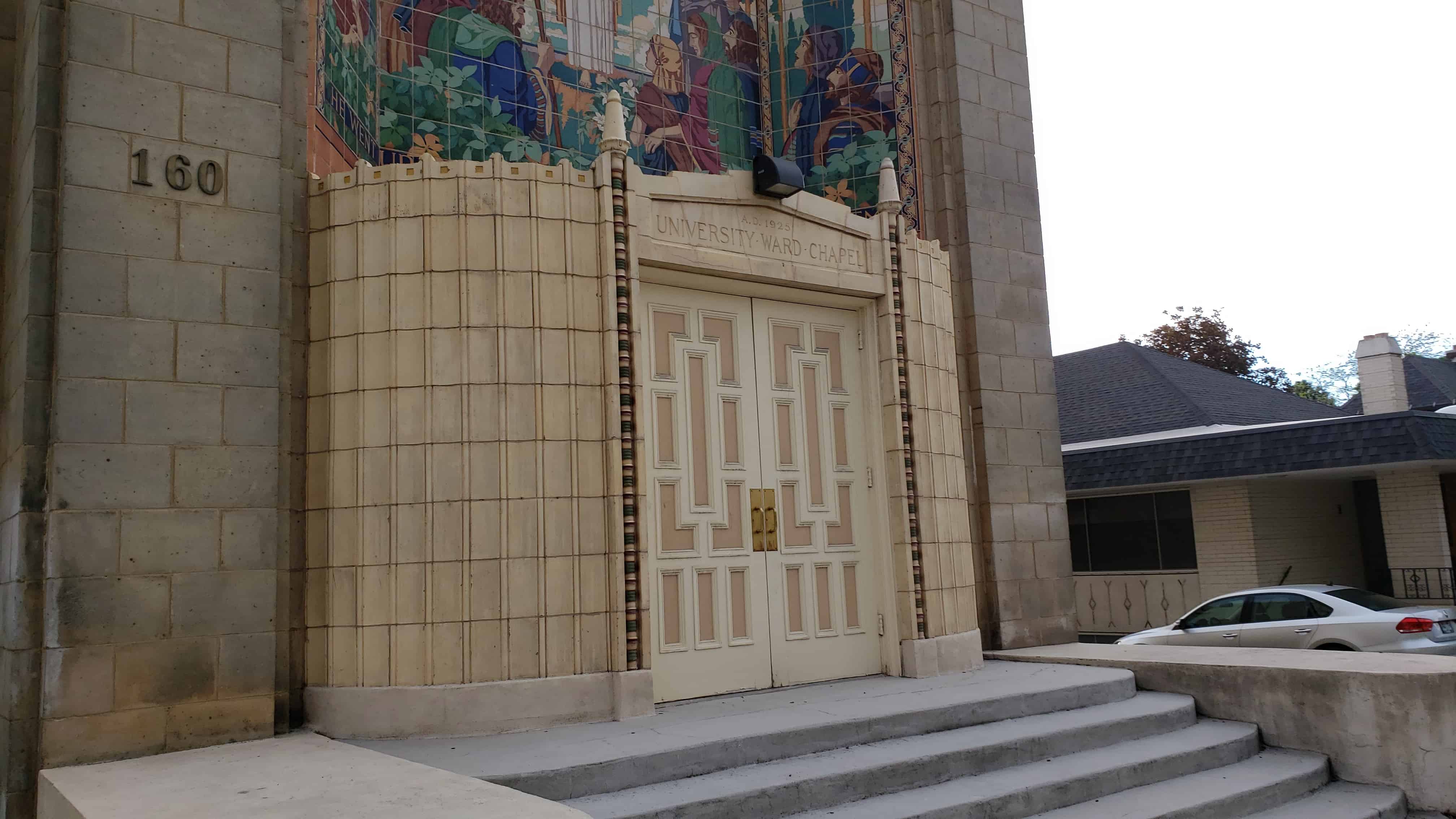
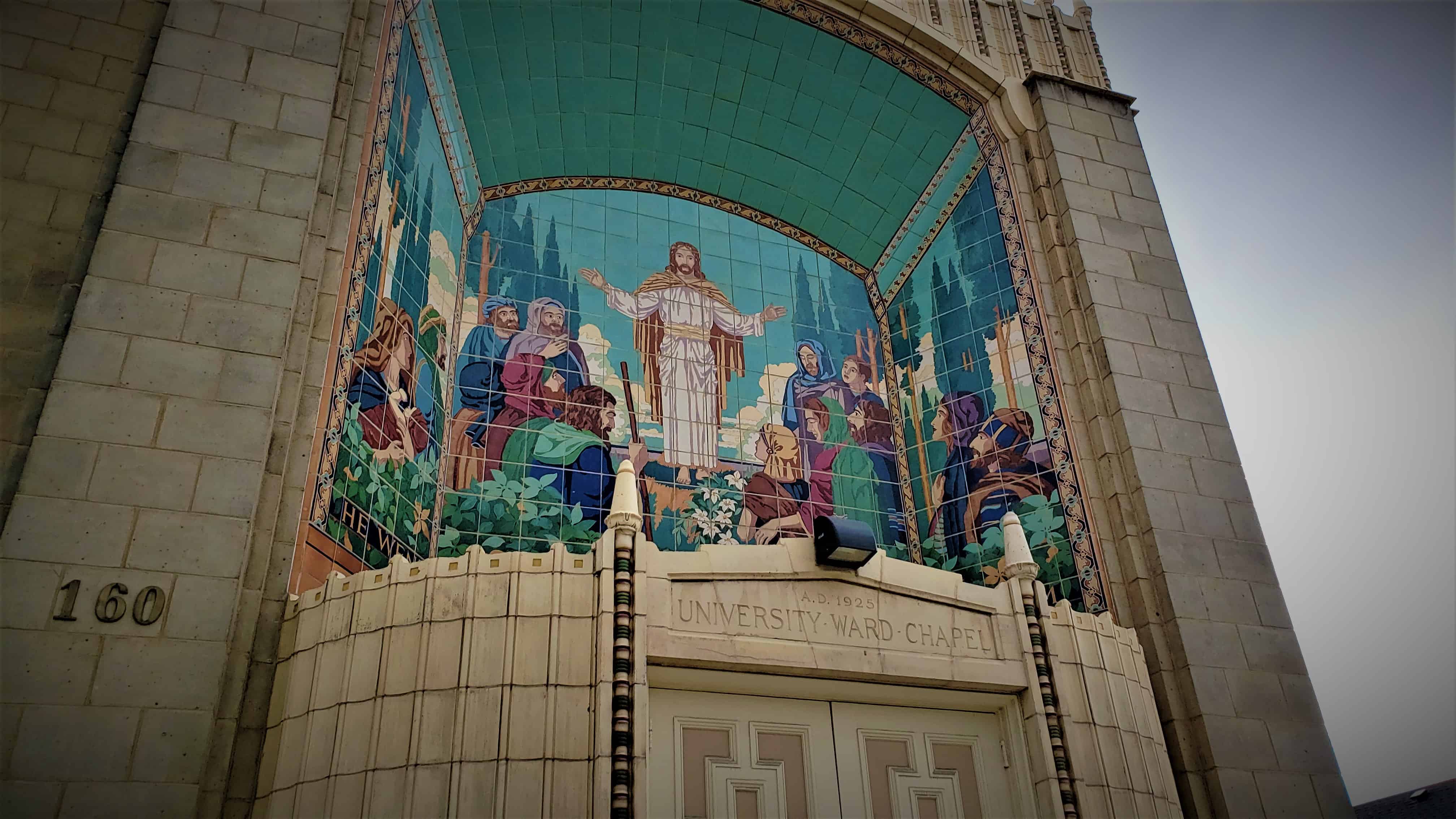
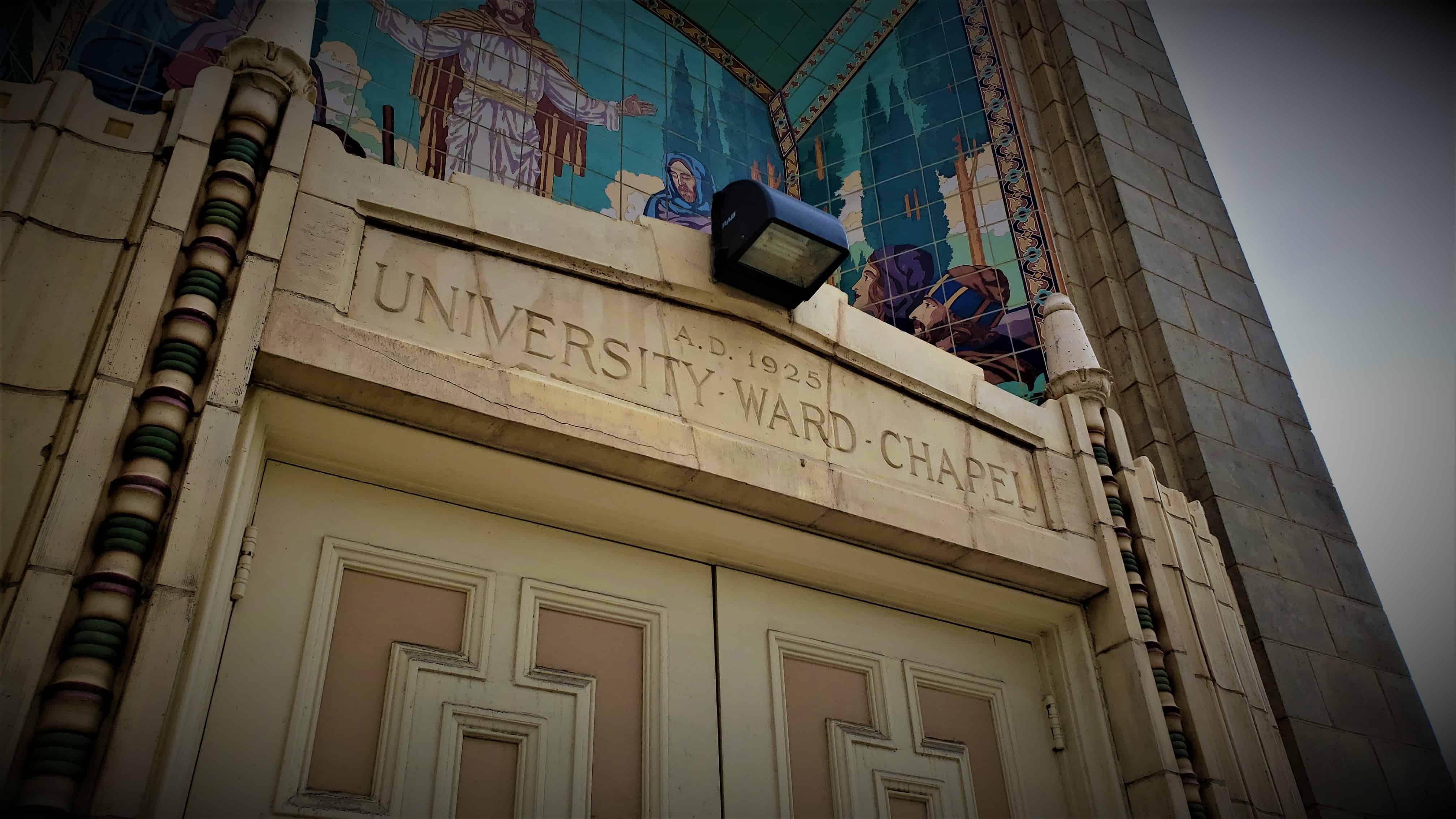
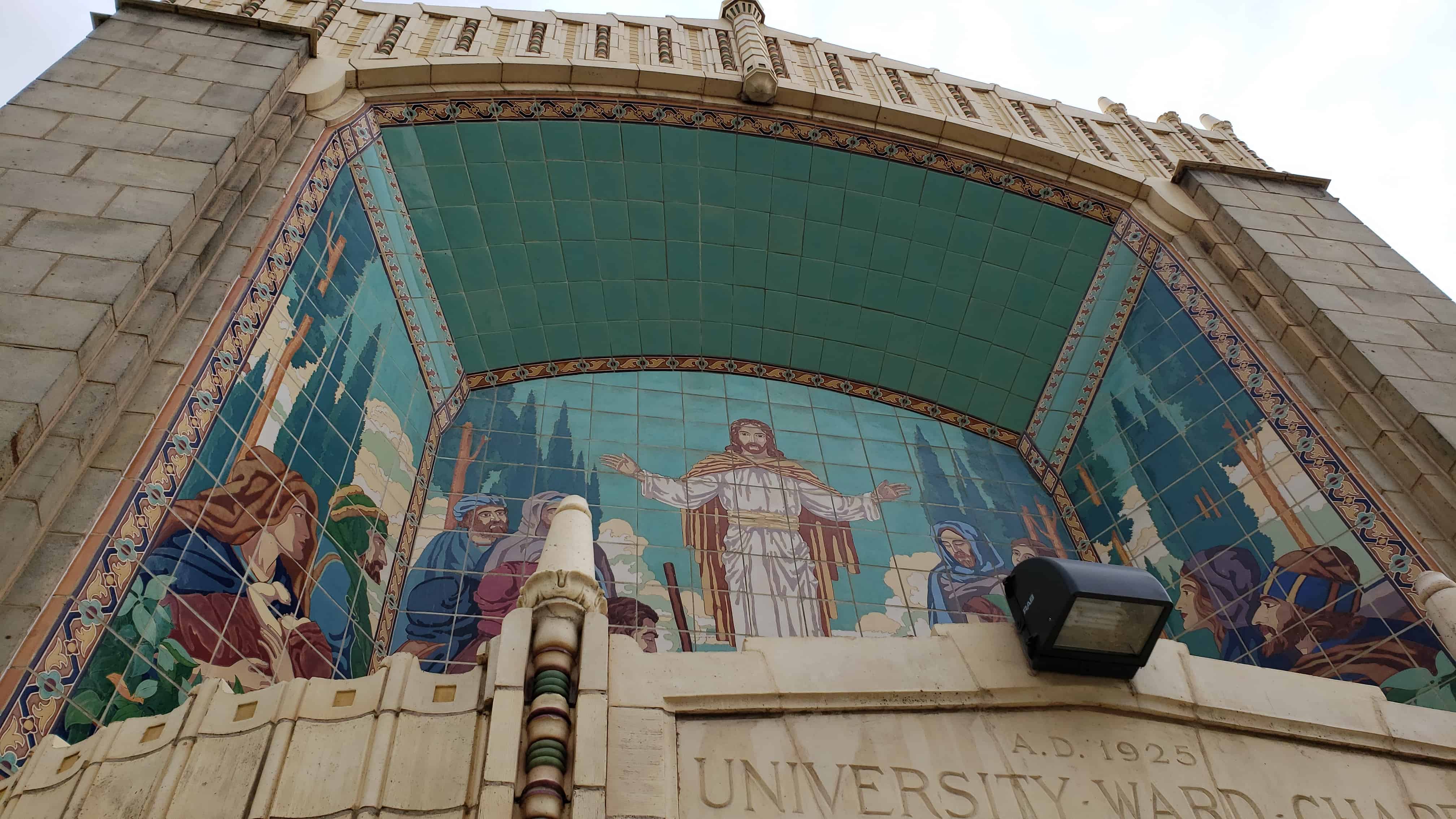
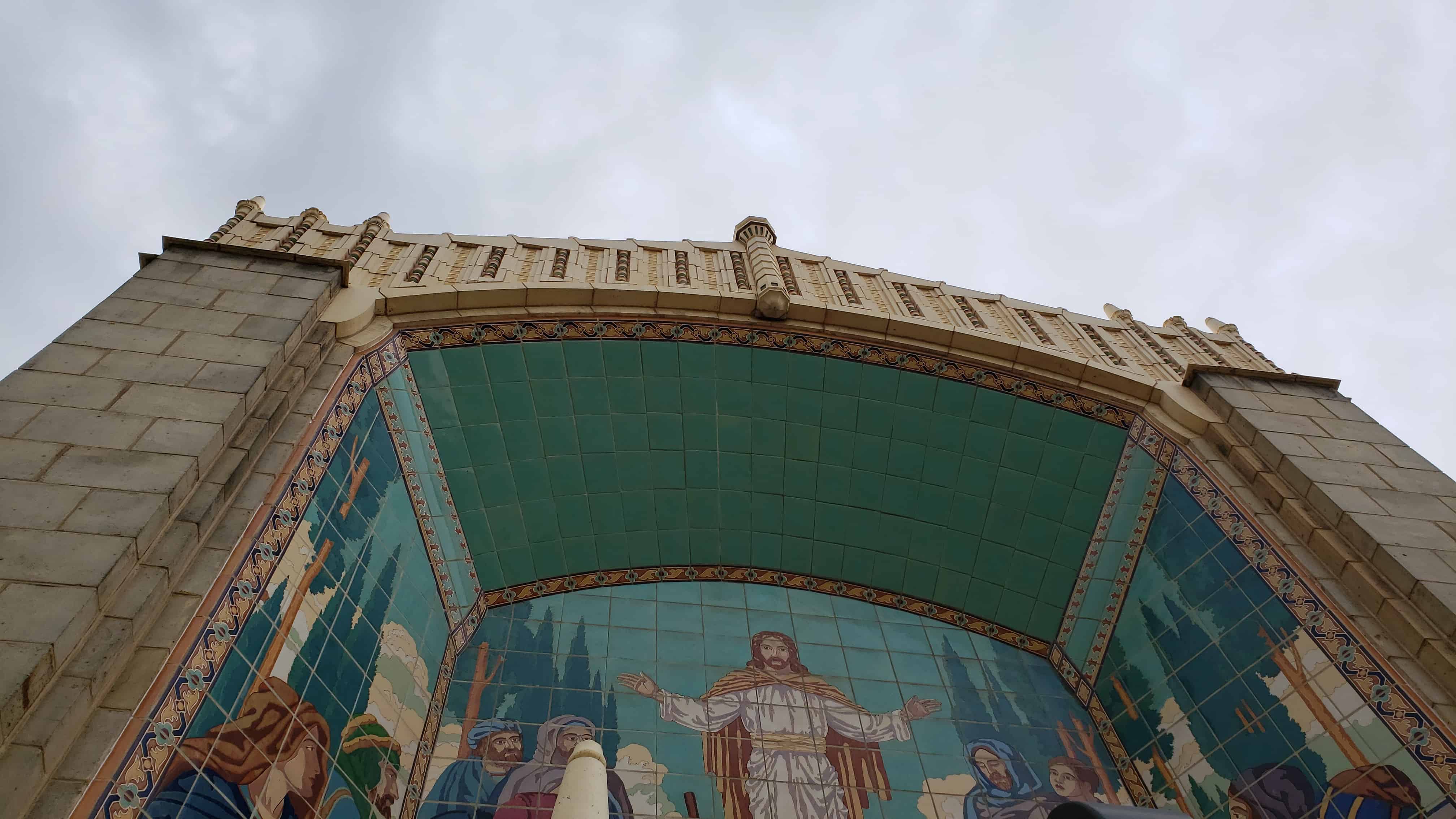
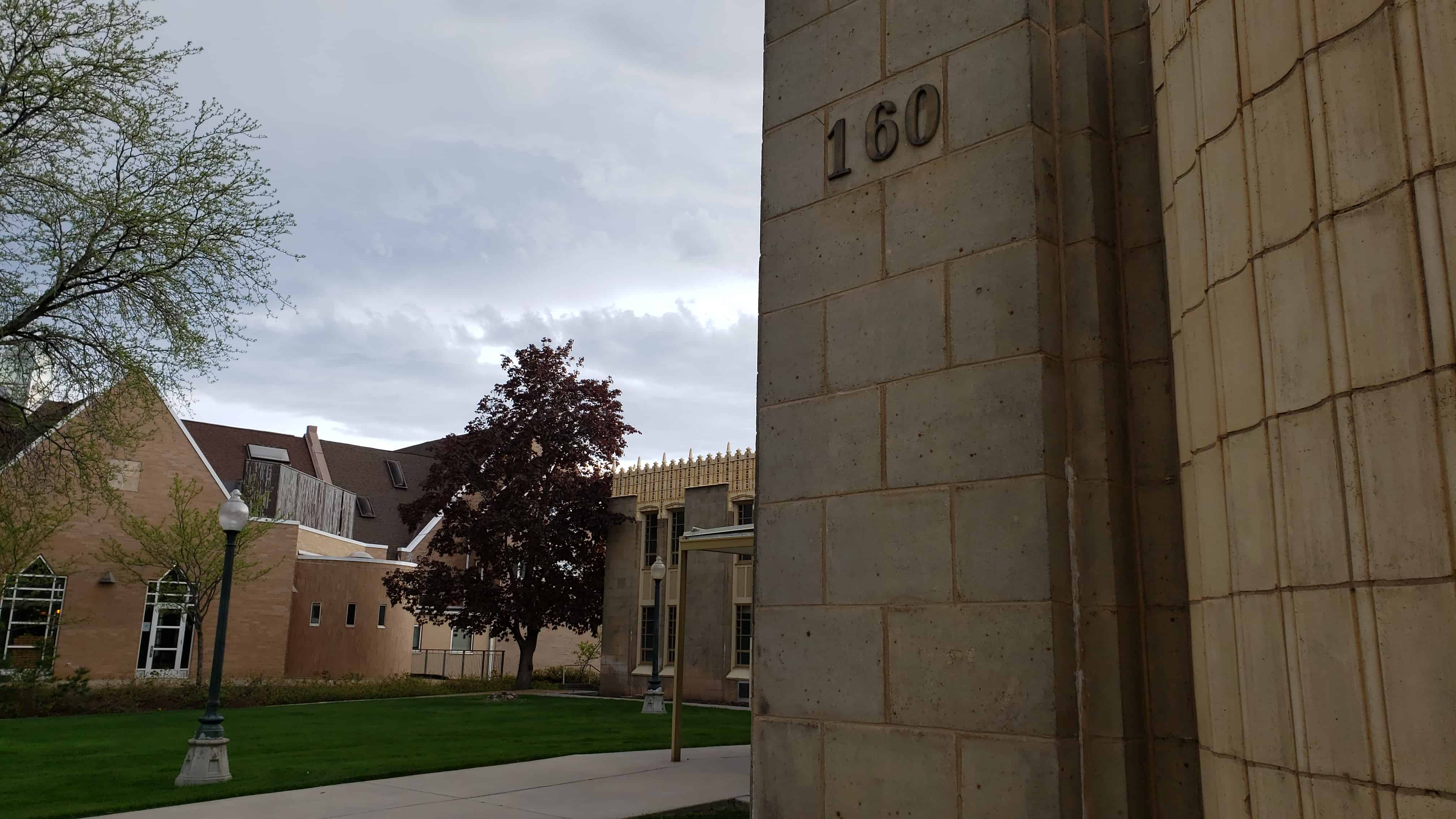
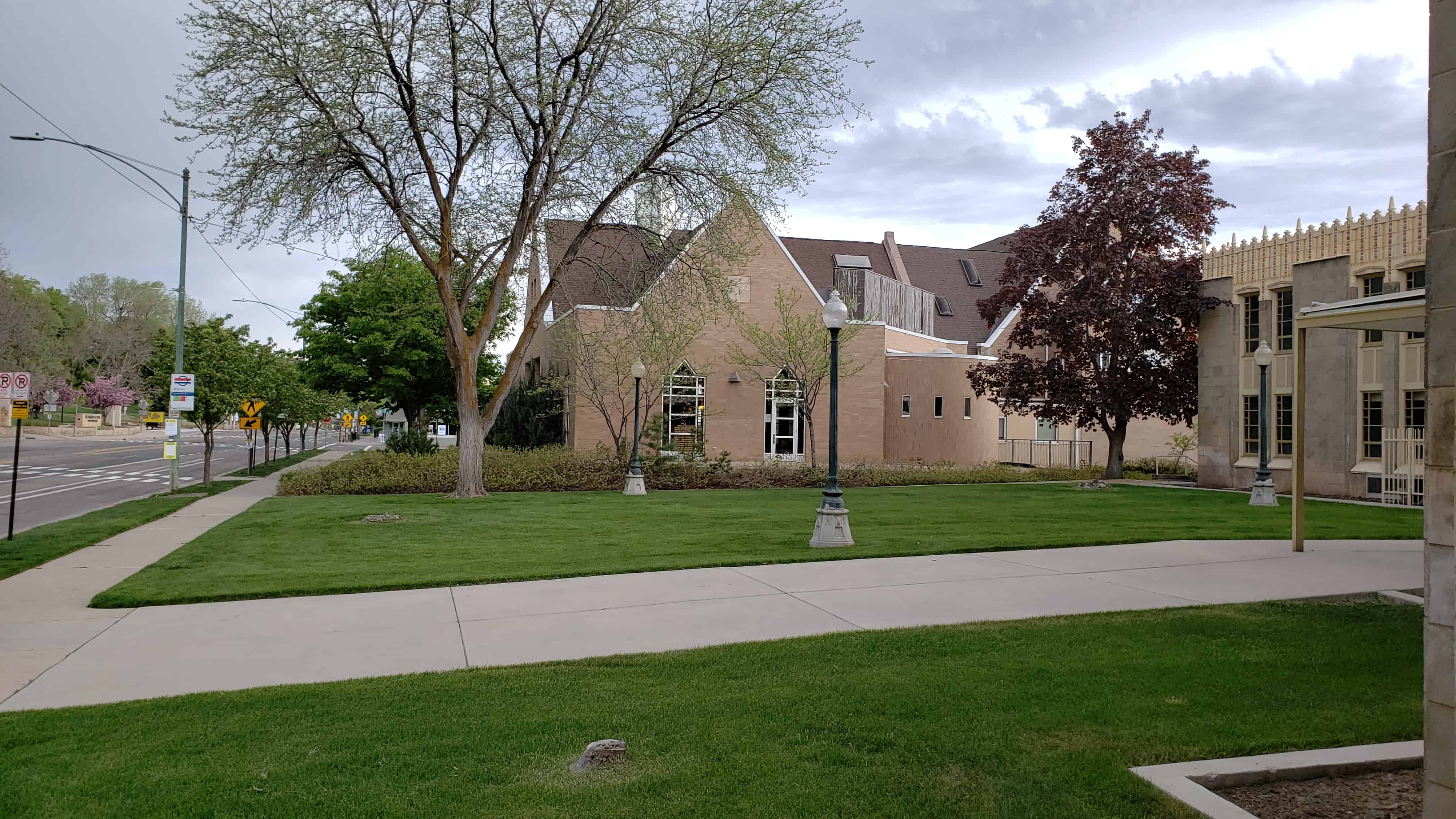
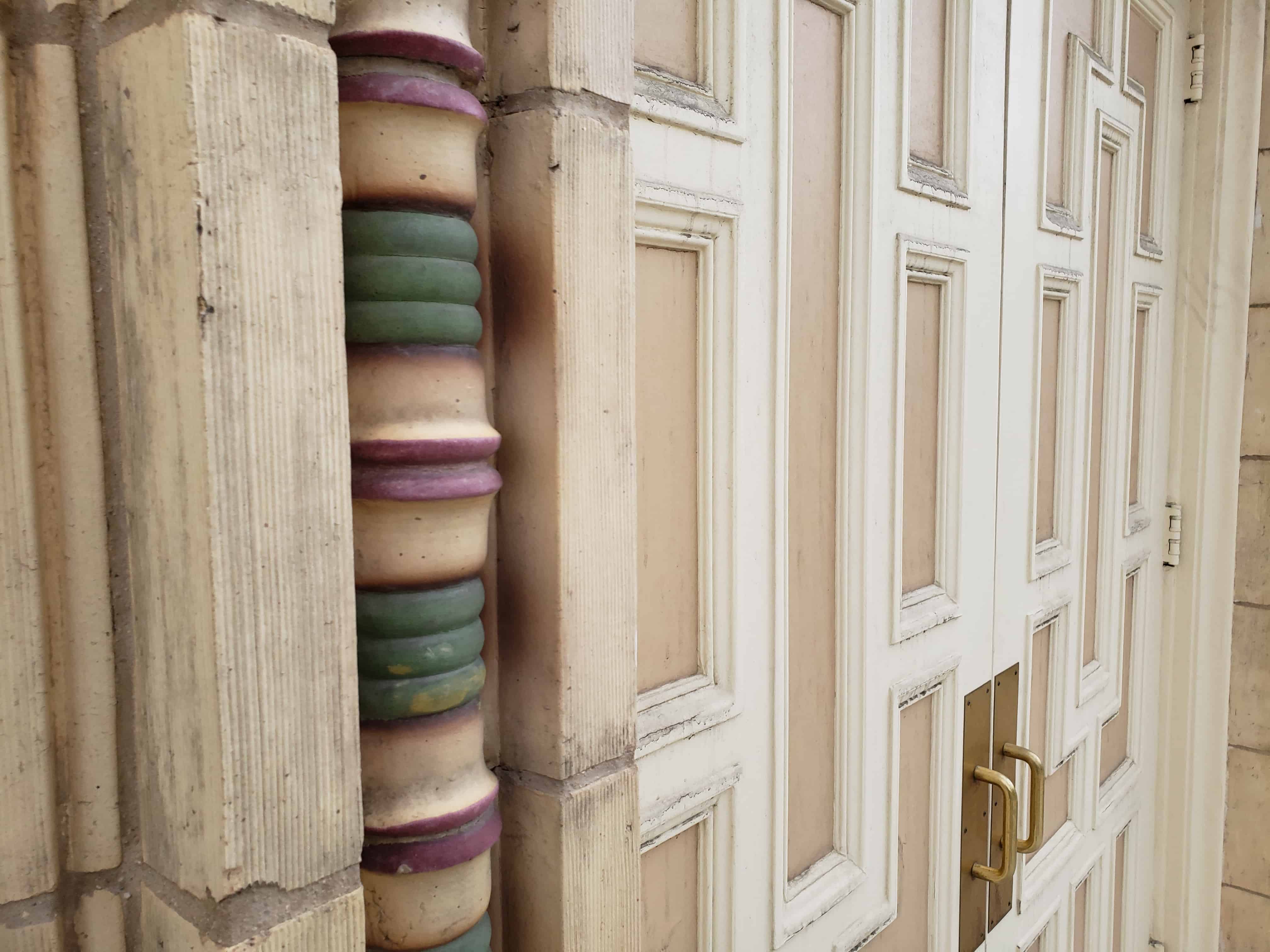
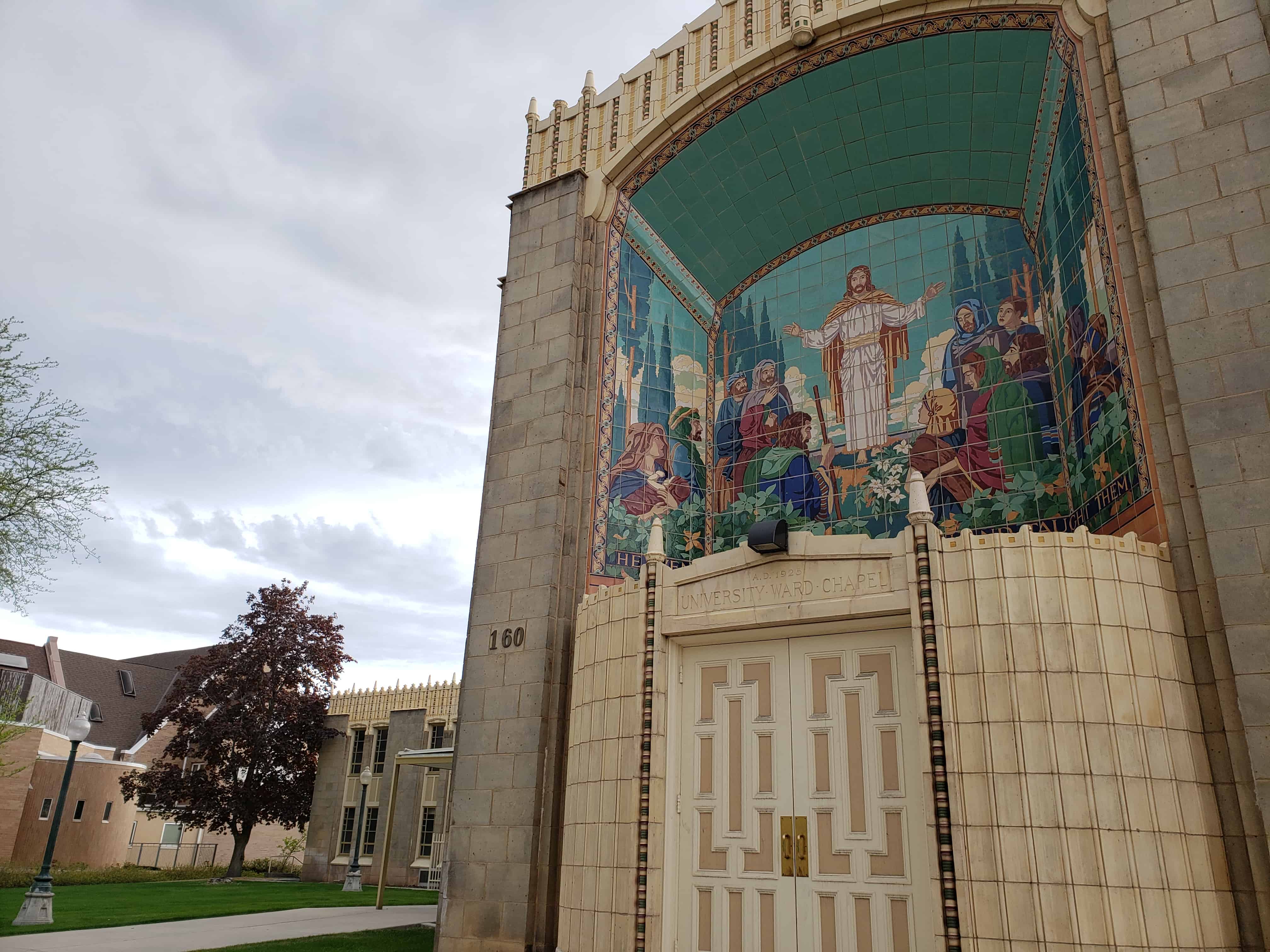
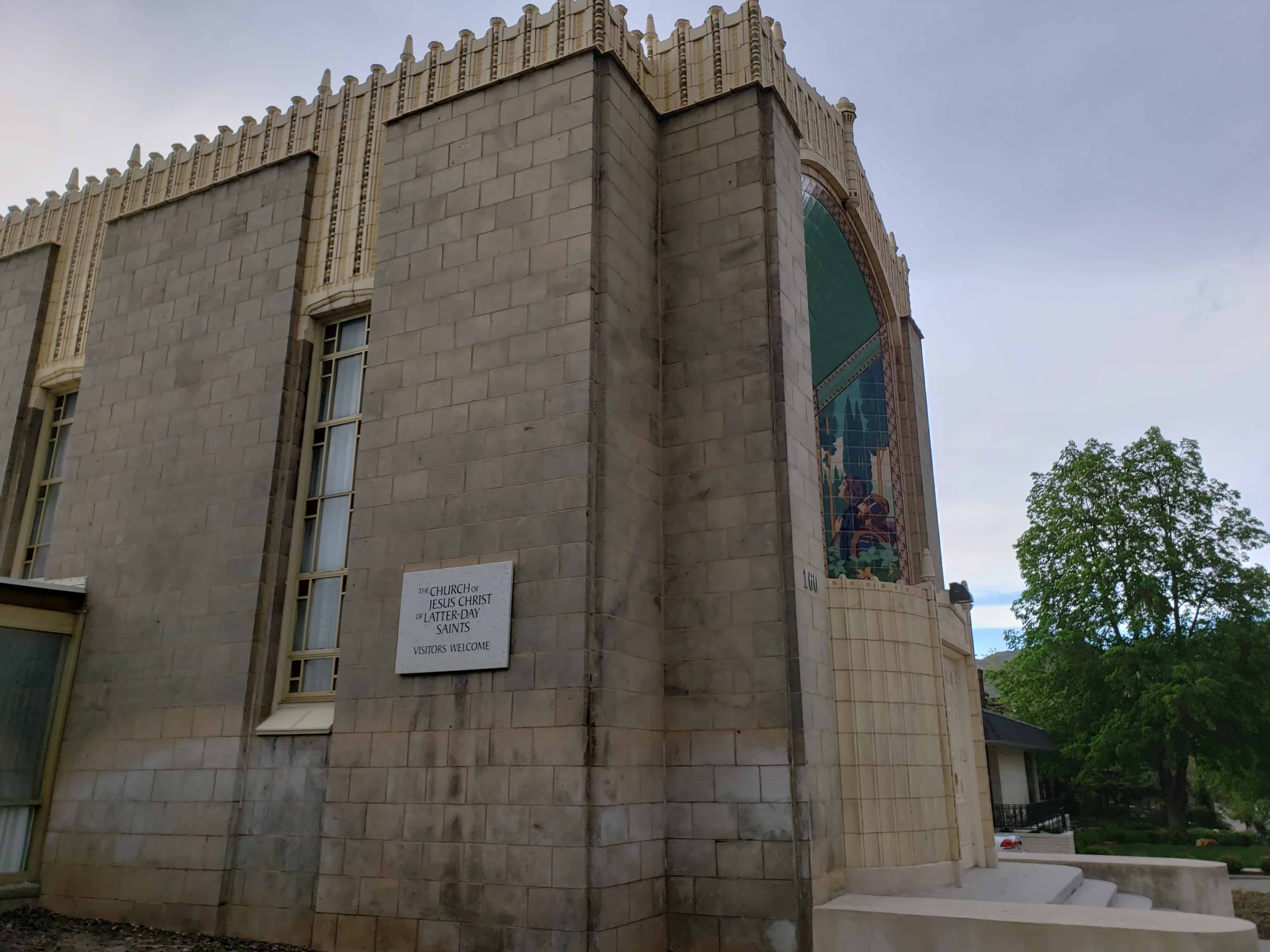
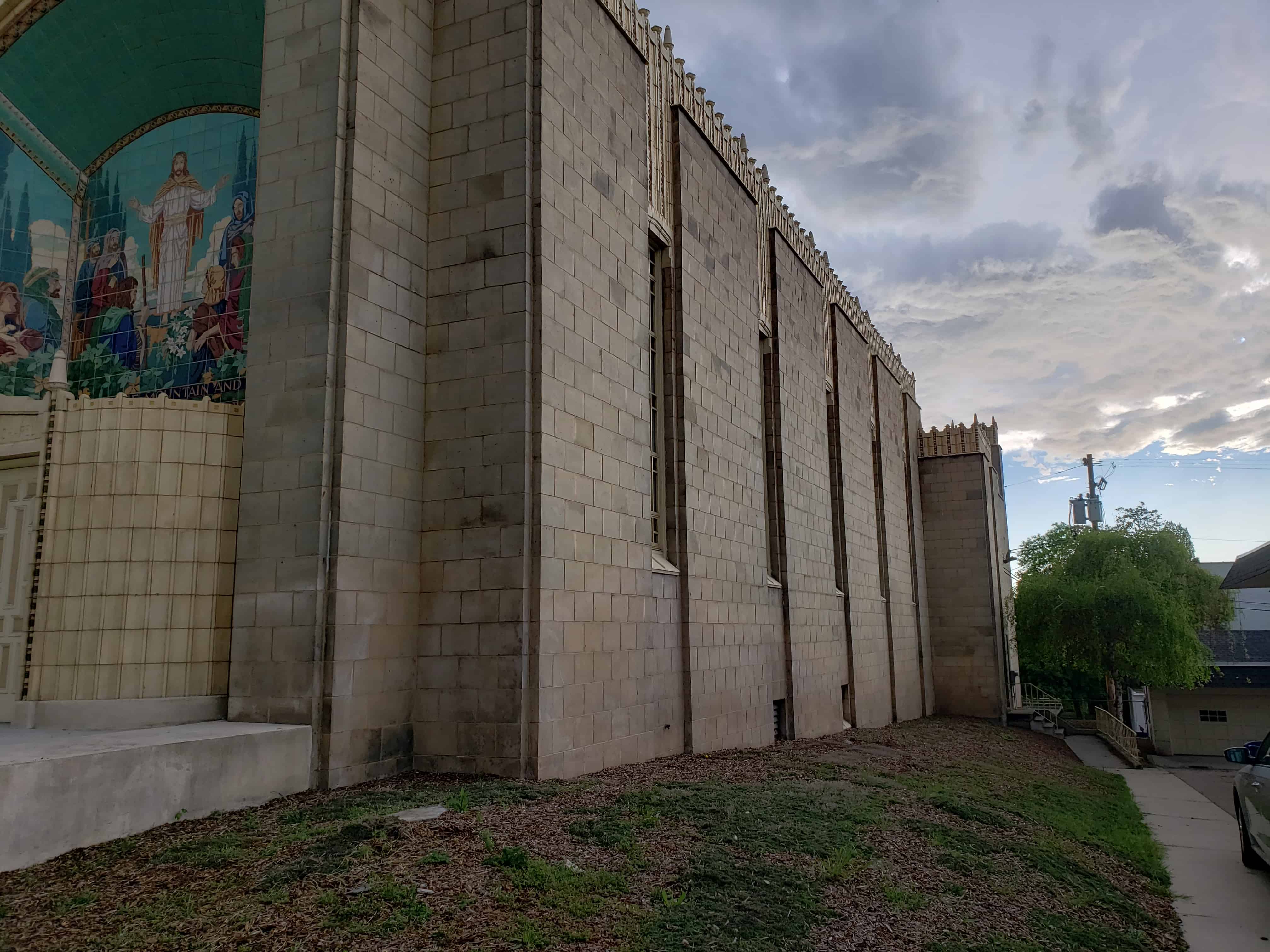
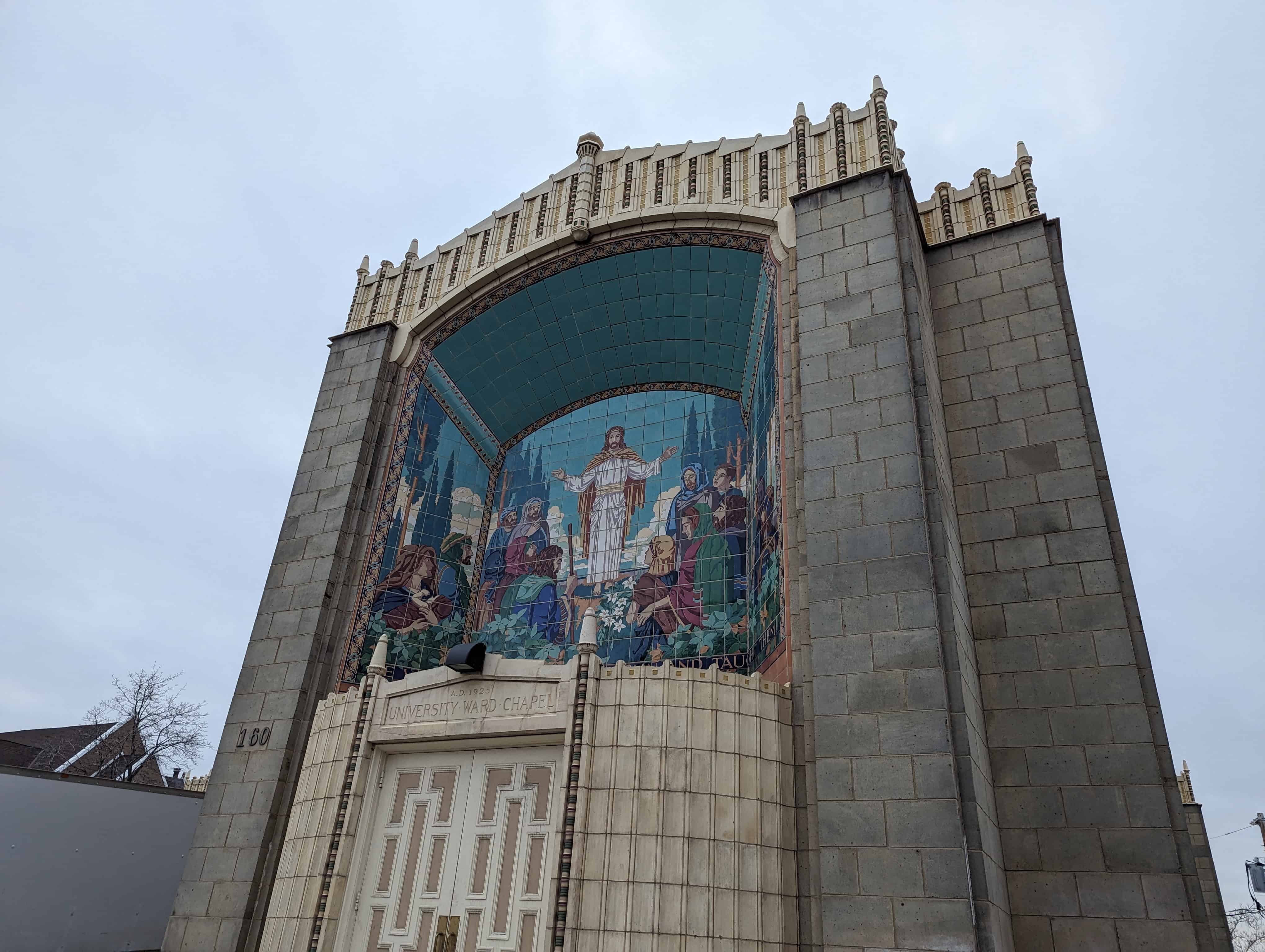
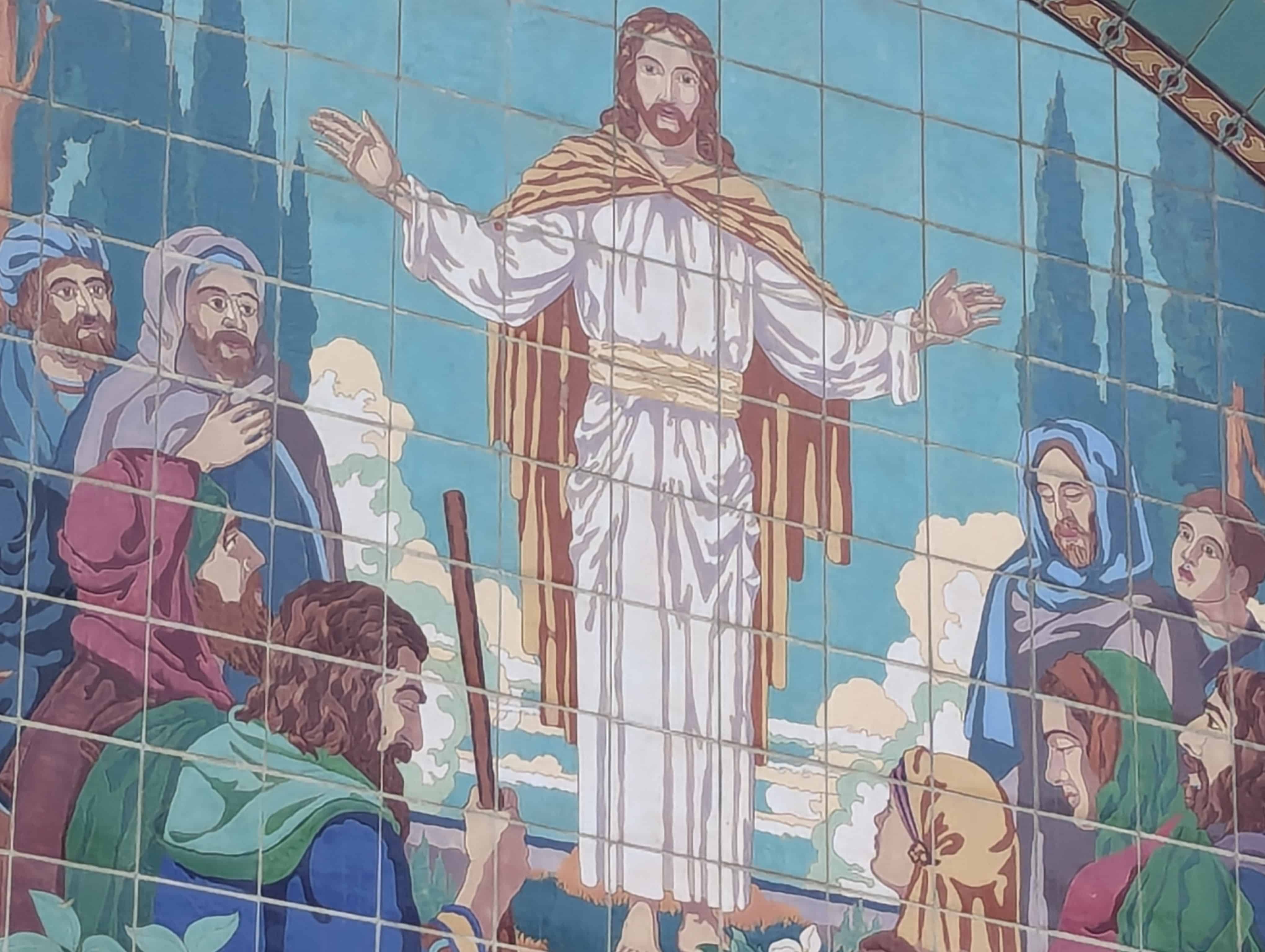
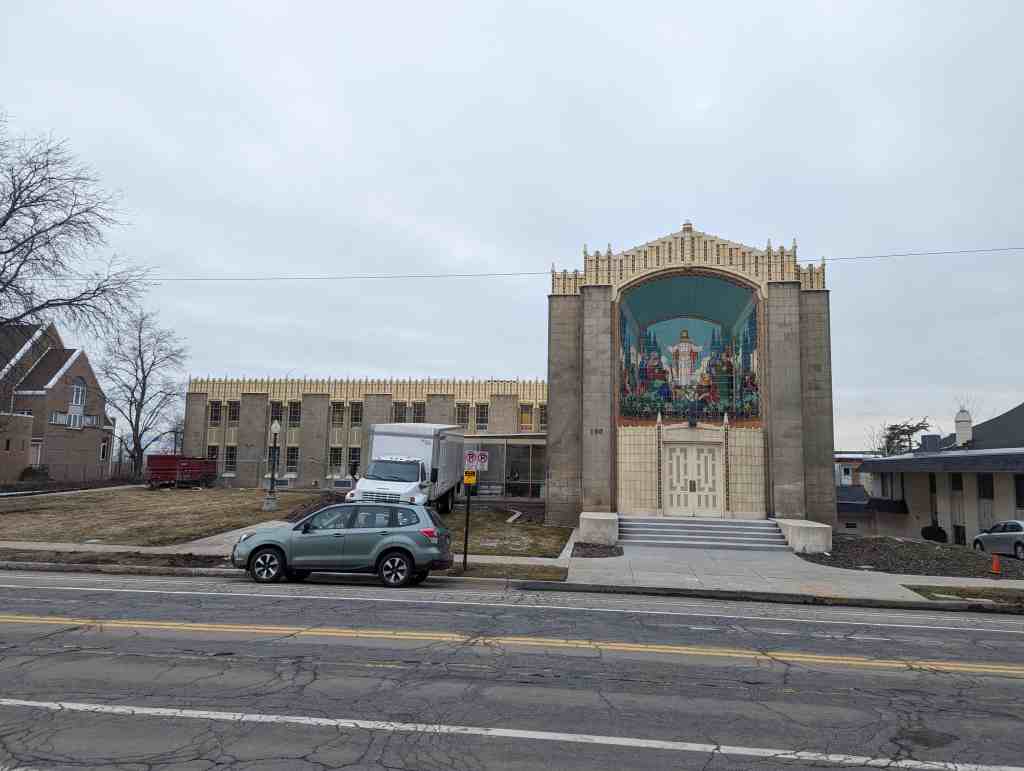
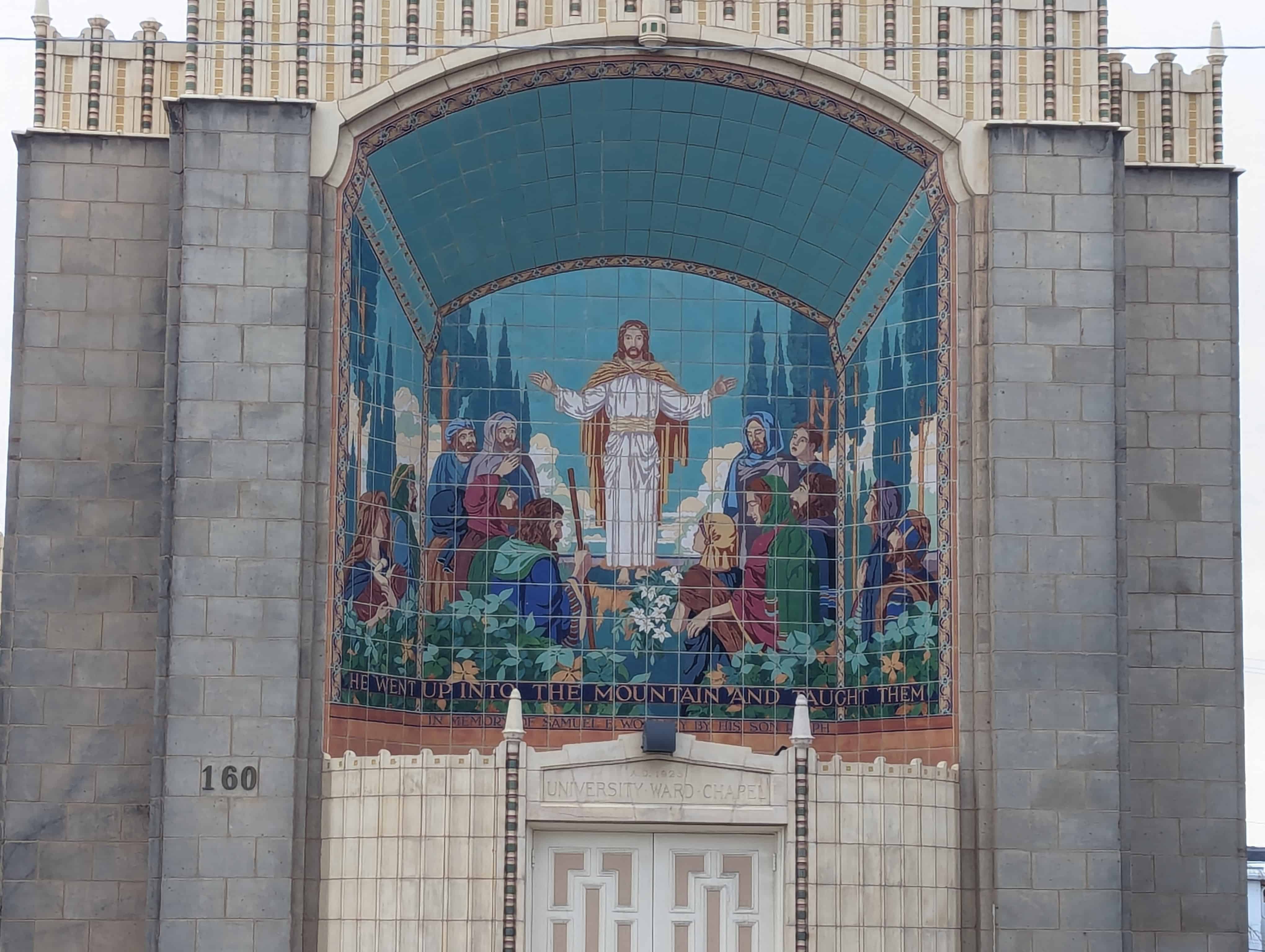
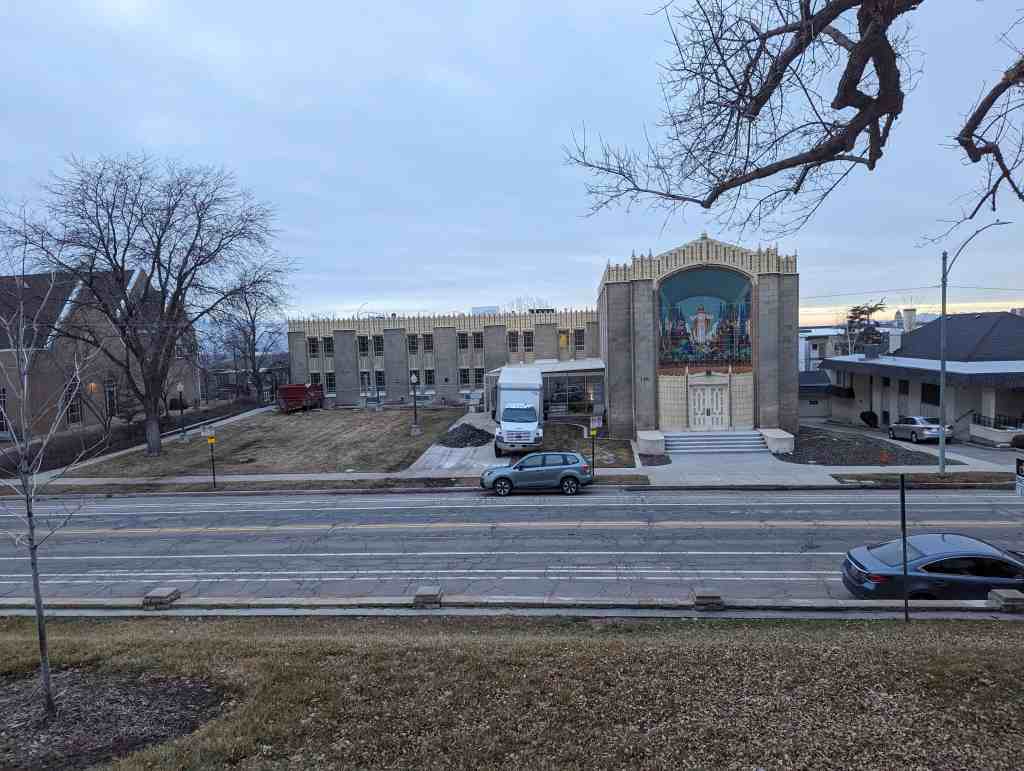
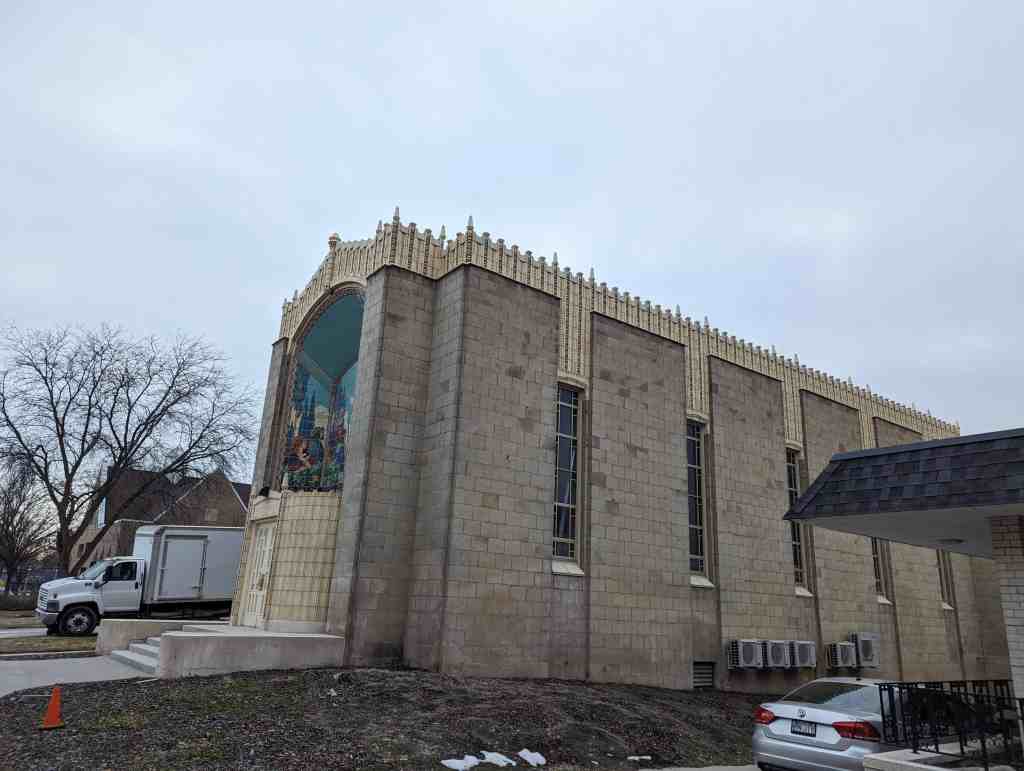
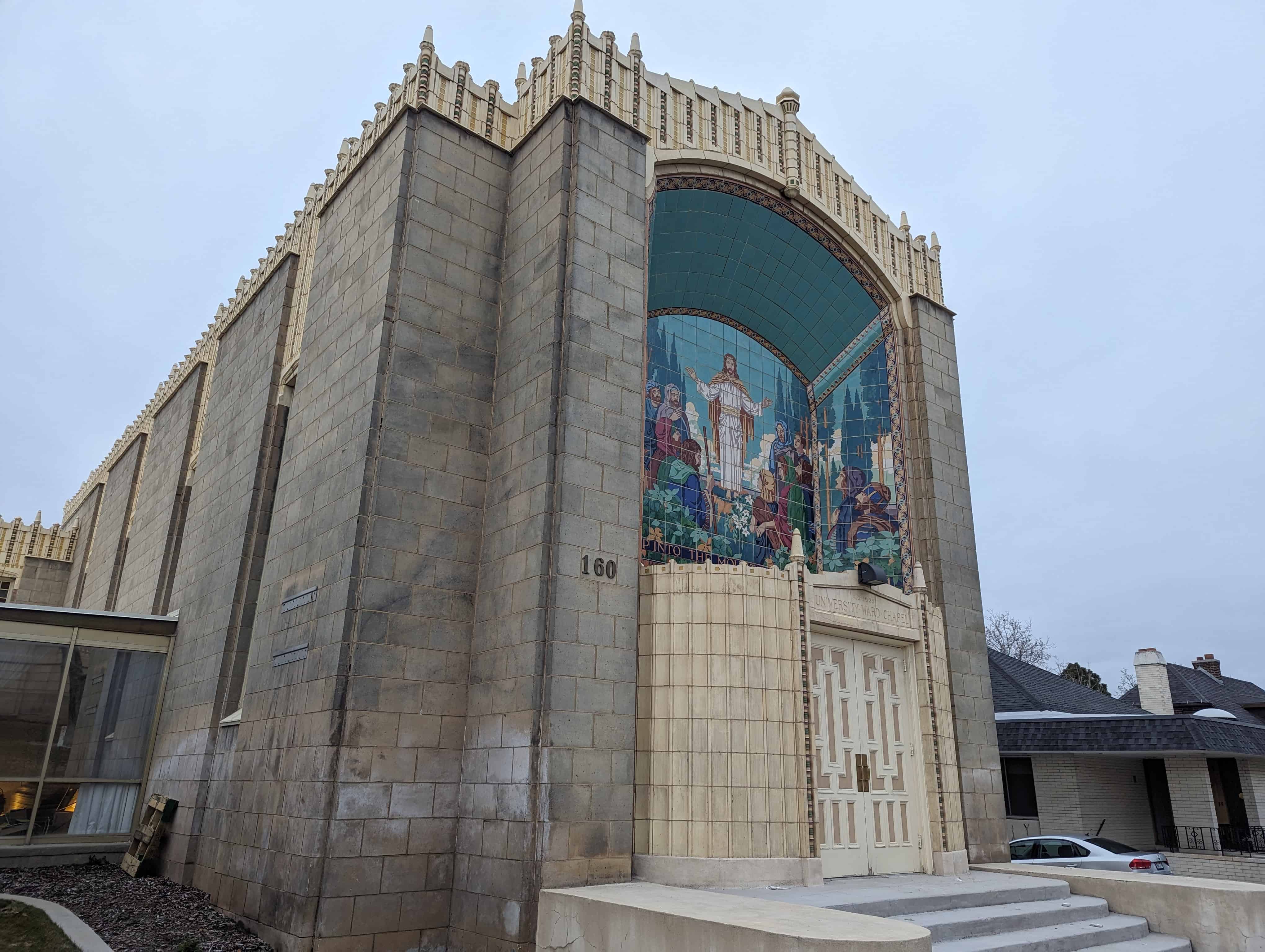
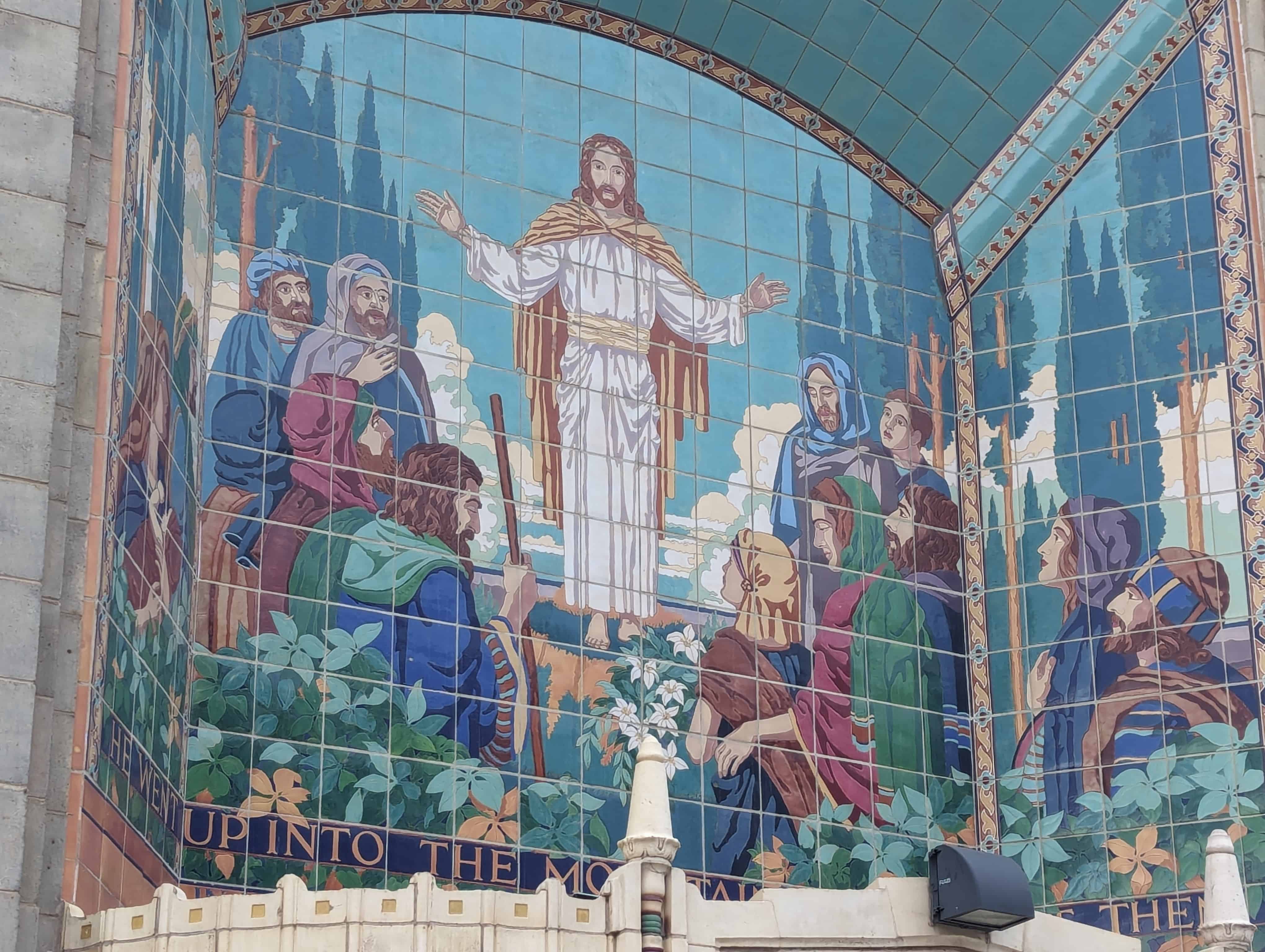
The historic 1925 University Ward Chapel
160 South University Street in Salt Lake City, Utah

Richfield Presbyterian Church and School

21 Saturday Nov 2020

Posted by Jacob Barlow in Uncategorized

≈ Leave a comment

Tags

Historic Churches, NRHP, Presbyterian Churches, Richfield, Sevier County, utah

Richfield Presbyterian Church and School

This mission chapel was erected in 1880 as part of the efforts of the Reverend Duncan McMillan to evangelize central Utah. Originally located on Main Street, the building was torn down and rebuilt at this location in 1937/38. This church also symbolizes a historic decision by the Protestant churches of Utah not to compete with each other in areas where their numbers were few, but to unite as a community church to serve all denominations.

Located at 46 E 200 S in Richfield, Utah

Spring City Chapel

30 Wednesday Sep 2020

Posted by Jacob Barlow in Uncategorized

≈ 3 Comments

Tags

Chapels, Churches, Historic Churches, Sanpete County, Spring City, utah

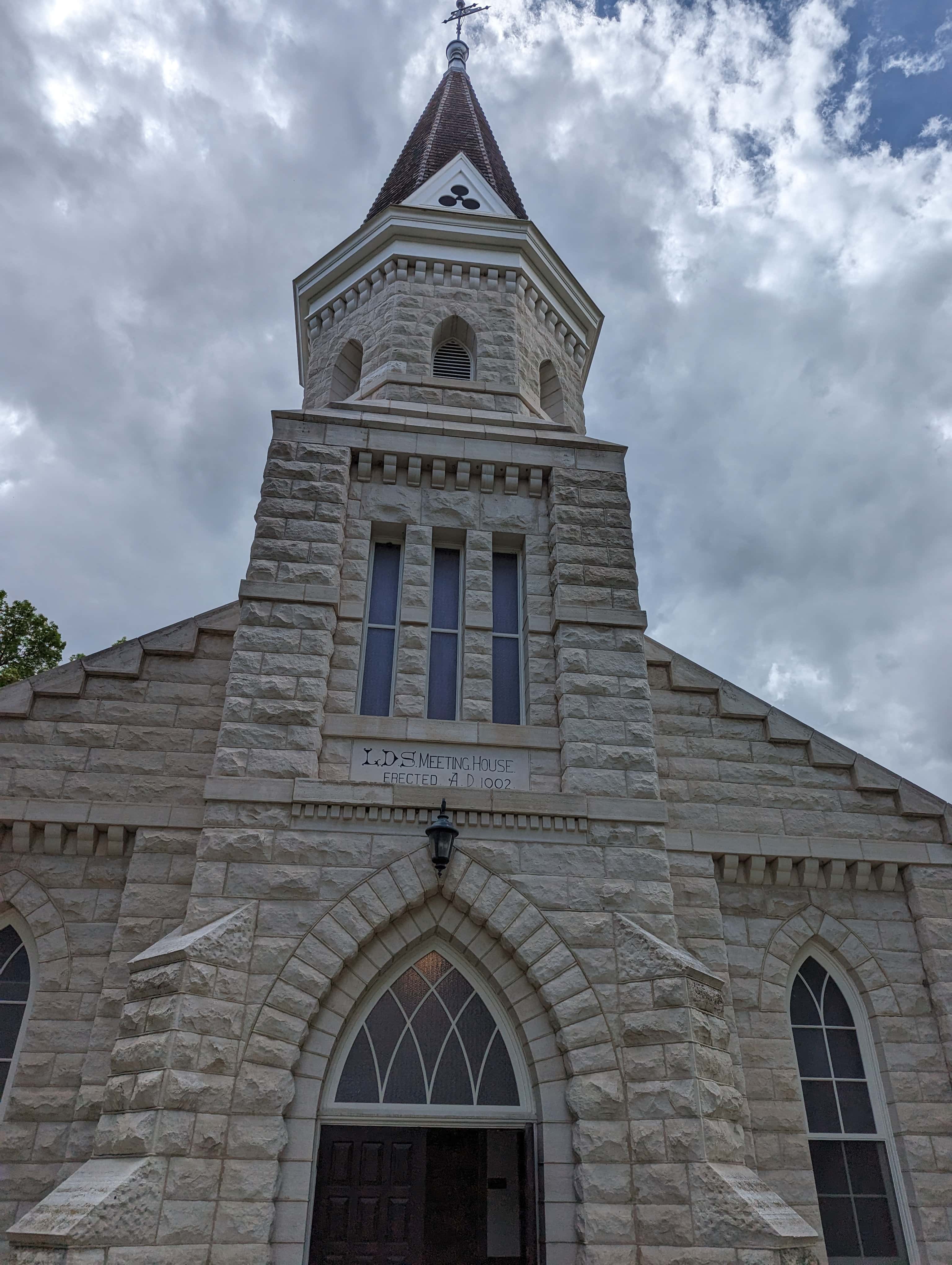
The Spring City Chapel for The Church of Jesus Christ of Latter-day Saints, locally called the old stone church is located at 164 S Main Street in Spring City, Utah.

Related:

  • D.U.P. Marker #405 “Spring Town” is located here.

The following is from sanpete.com:
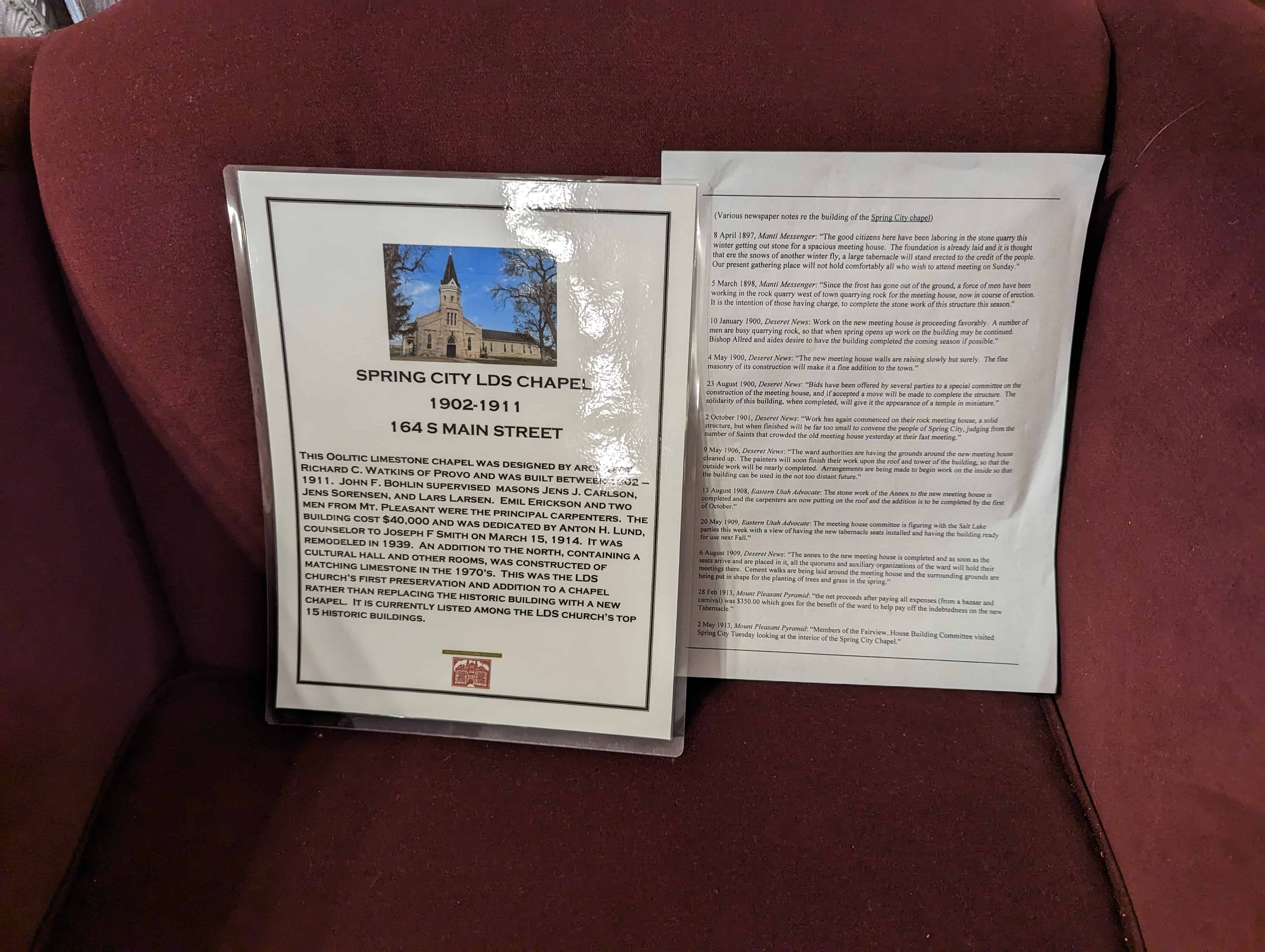
This Gothic Revival/Romanesque-influenced stone LDS Chapel was constructed between 1898 and 1914, although an inscription stone bears the date”1902.” Richard C. Watkins was the architect of this spectacular edifice. Scandinavian masons John F. Bohlin (1844-1924), Jens J. Carlson (1848-1927), Lars Larsen (1852-1924) and Jens ‘Rock’ Sorensen did the stone work. The carpenter’s name was Emil Erickson. The building has an elegant, horseshoe-shaped gallery accessible by a stairway in the tower. The chapel features a sloping floor and an ornamental oak pulpit at the west end. Behind the pulpit, hand-grained sliding doors opened into the annex. From the original exposed flooring to the vaulted and beamed ceiling, the interior is replete with beautifully detailed woodworking, all following the Gothic theme. The pulpit and the handmade rostrum chairs for the ward leadership are skillfully carved. The pew ends are decoratively milled, as is the sacrament table. The exterior is equally impressive with its tall, Gothic windows, tall stone tower and buttress and overall massiveness and solidity.

The chapel was conceived in 1882 by LDS bishop James Anderson Allred (1819-1904), who appointed a committee of twenty men to plan the project. It eventually was built at a cost of $40,000, with $6,000 received from church funds, and the remainder being donated by the men and women of Spring City ward. A masterpiece of LDS Church architecture, this chapel was dedicated in March 1914 by Anthon F. Lund, counselor to Mormon Church President Joseph F. Smith. During construction, a classroom annex was added to the rear. A compatible addition was made on the north in 1978, using rock from the same quarry to carefully match the design elements.

Holy Trinity “English” Lutheran Church

25 Friday Sep 2020

Posted by Jacob Barlow in Uncategorized

≈ 2 Comments

Tags

Historic Churches, Salt Lake City, Salt Lake County, utah

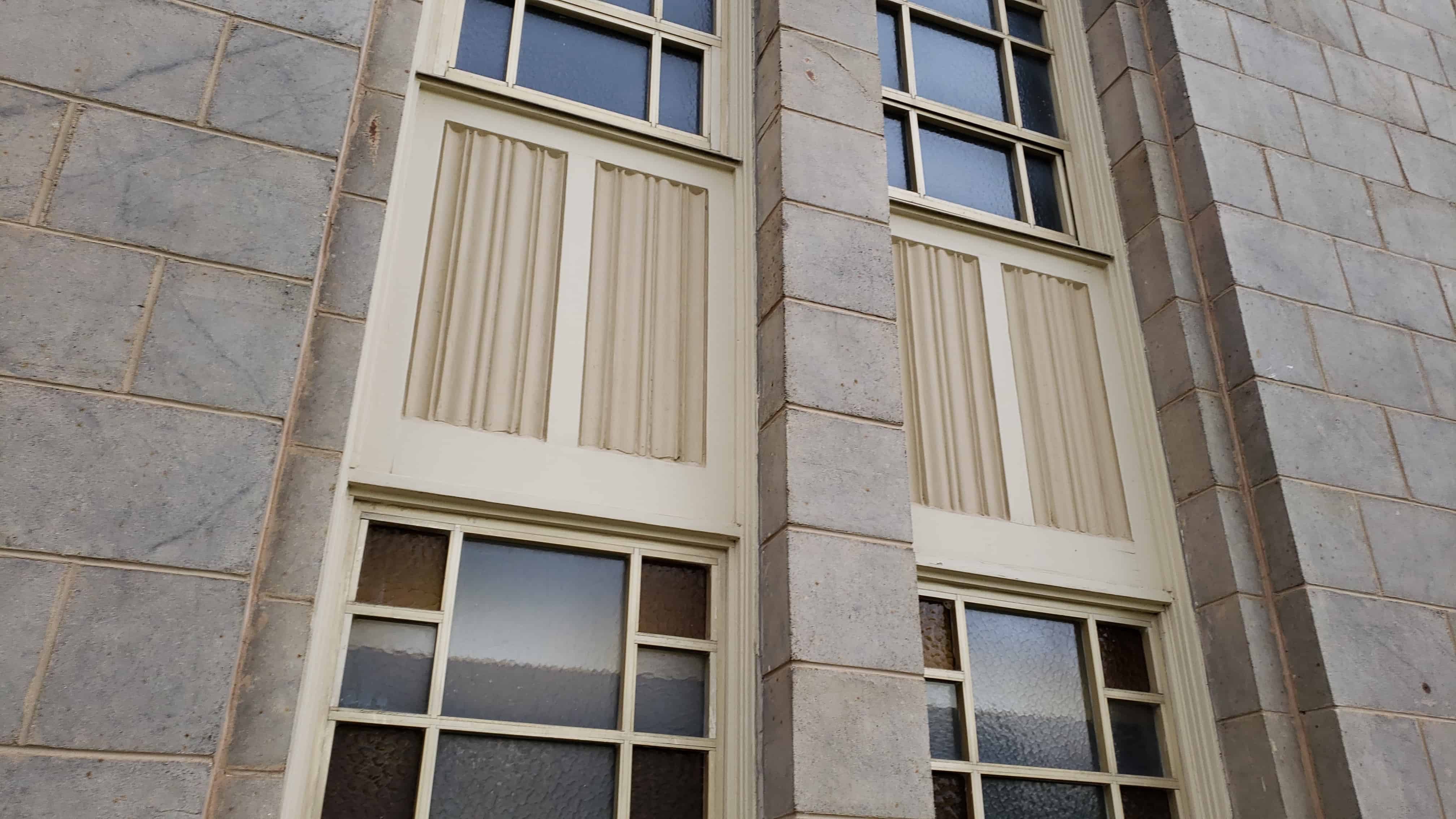
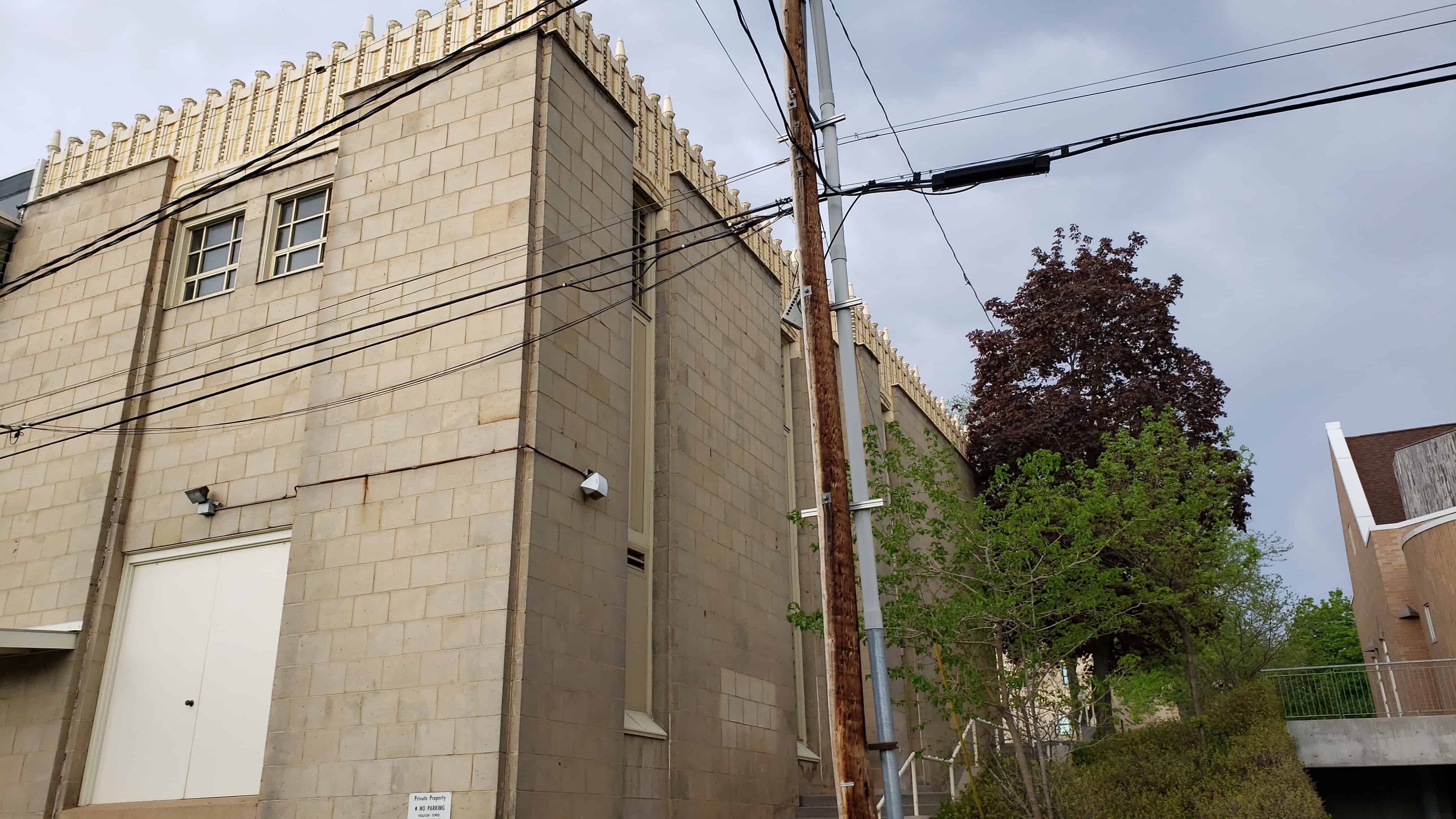
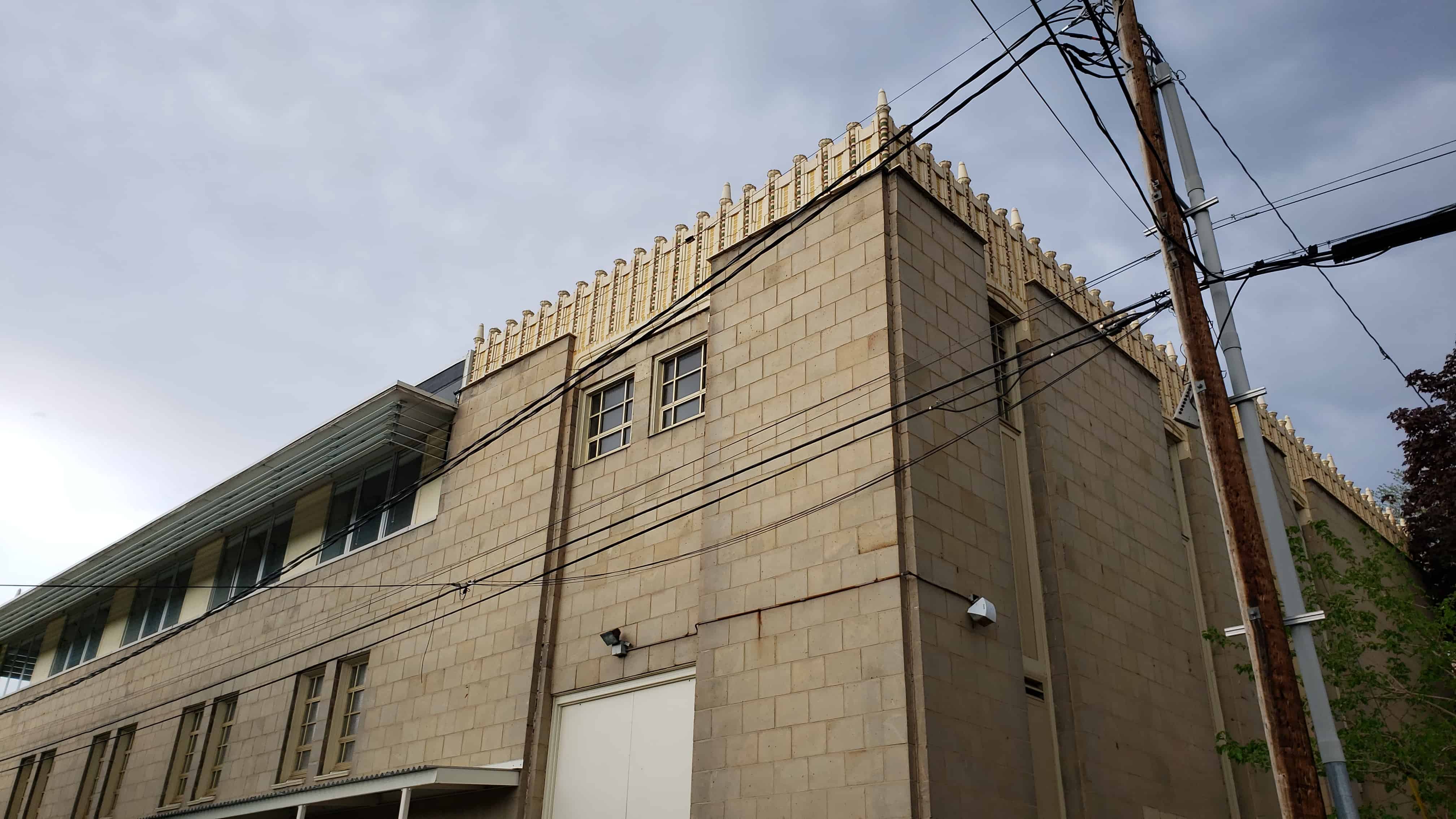
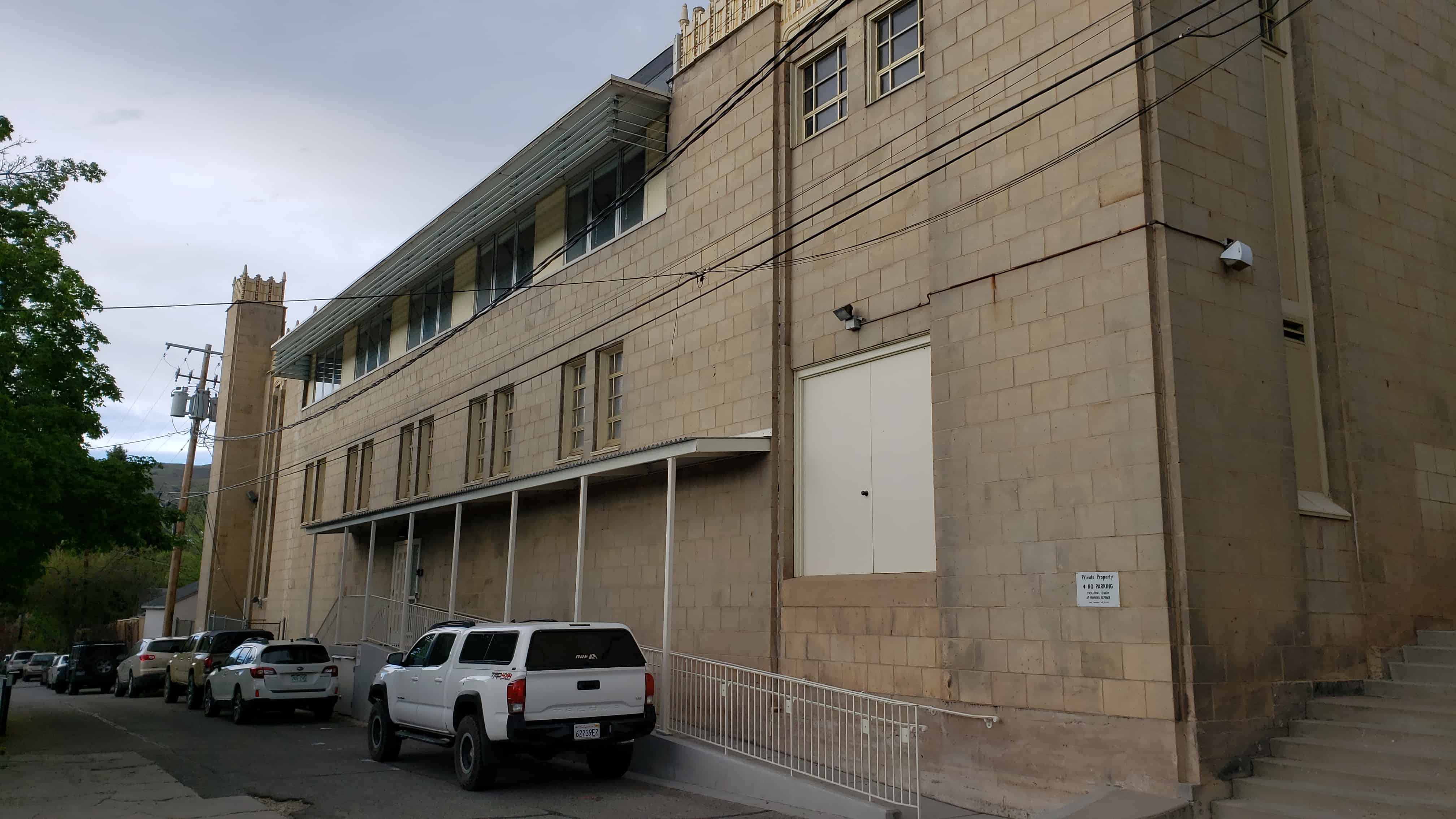
Built in 1892 as the Holy Trinity “English” Lutheran Church, the time I spend there (2010-ish) was when it was Ichiban Sushi and now (2020) it has sat abandoned for a while.

Located at 336 South 400 East in Salt Lake, 324 South is also on the parcel and is the parking lot ( in 2020).

Salt Lake 33rd Ward Chapel

12 Saturday Sep 2020

Posted by Jacob Barlow in Uncategorized

≈ 1 Comment

Tags

Historic Churches, Salt Lake City, Salt Lake County, utah

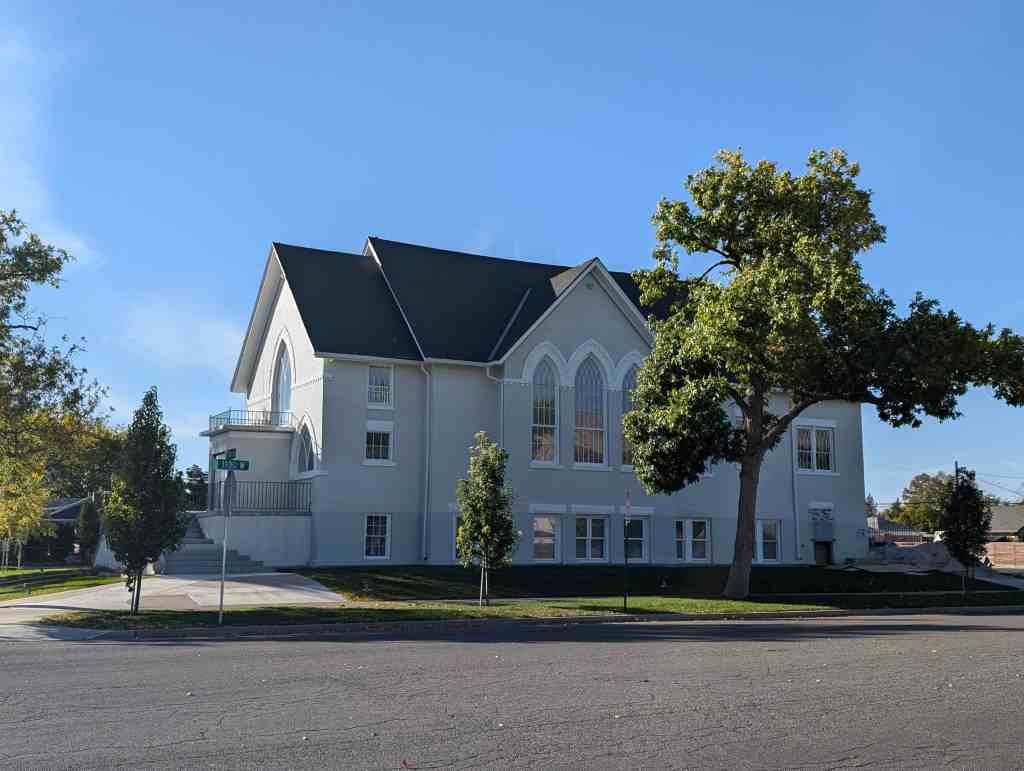
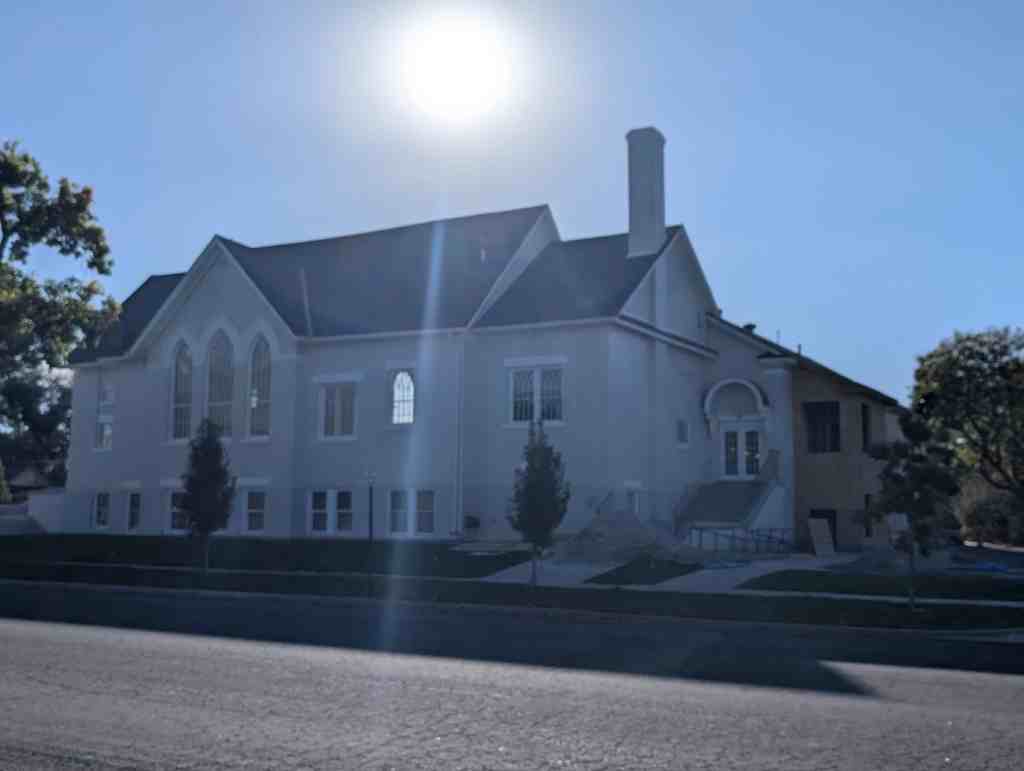
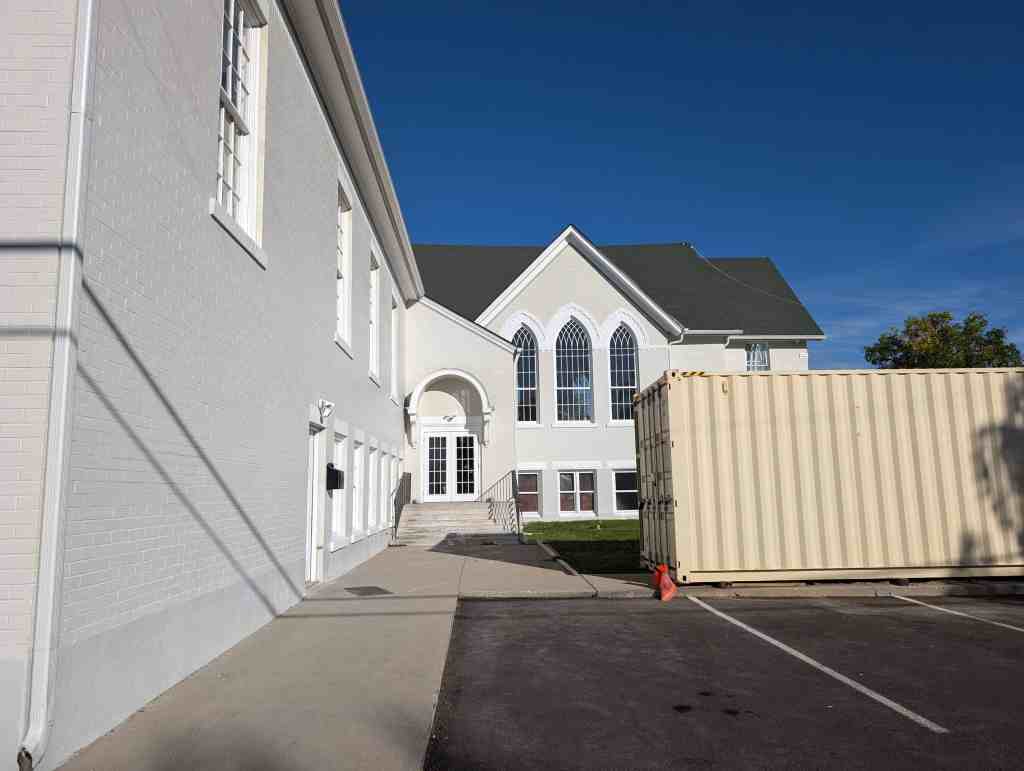
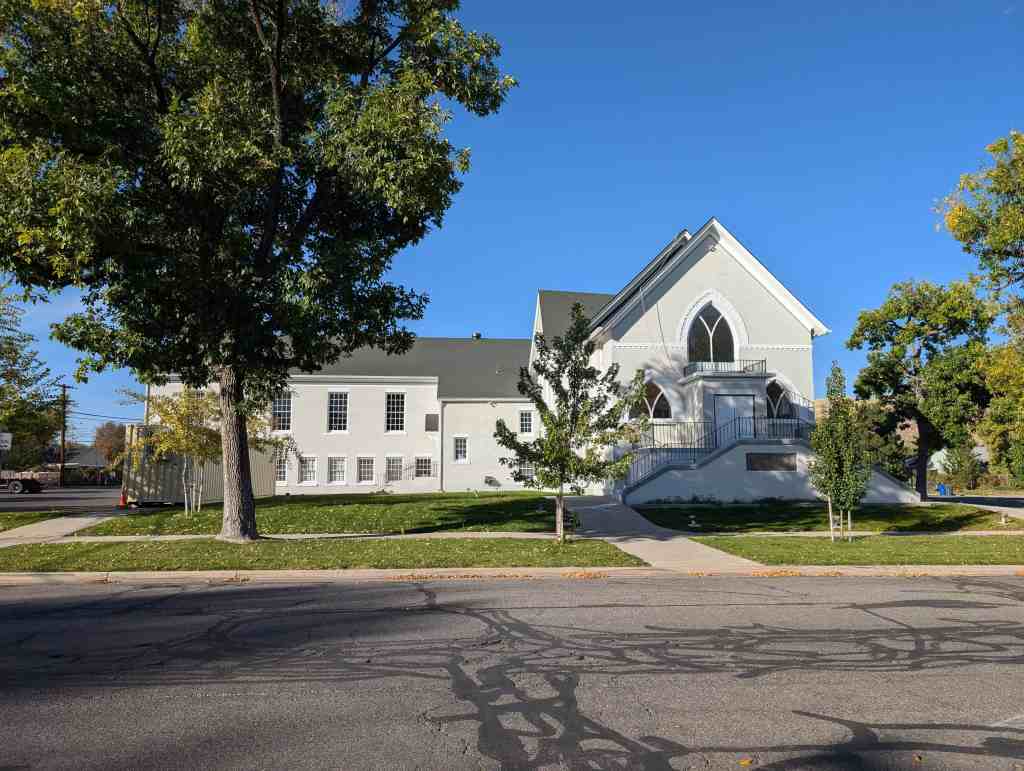
The old 33rd Ward Chapel of The Church of Jesus Christ of Latter-day Saints in Salt Lake City, Utah.

Related Posts:

  • Old Photo

← Older posts
Newer posts →

Follow Jacob

Follow Jacob

Blog Stats

  • 2,064,964 hits

Social and Other Links

BarlowLinks.com

Recent Posts

  • The Heinrich Gubler Home
  • The Temple Quarry
  • The Old Settler’s “Swallow’s Nest”
  • Arthur Miles Home
  • Navajo Shadehouse Museum

Archives

Loading Comments...