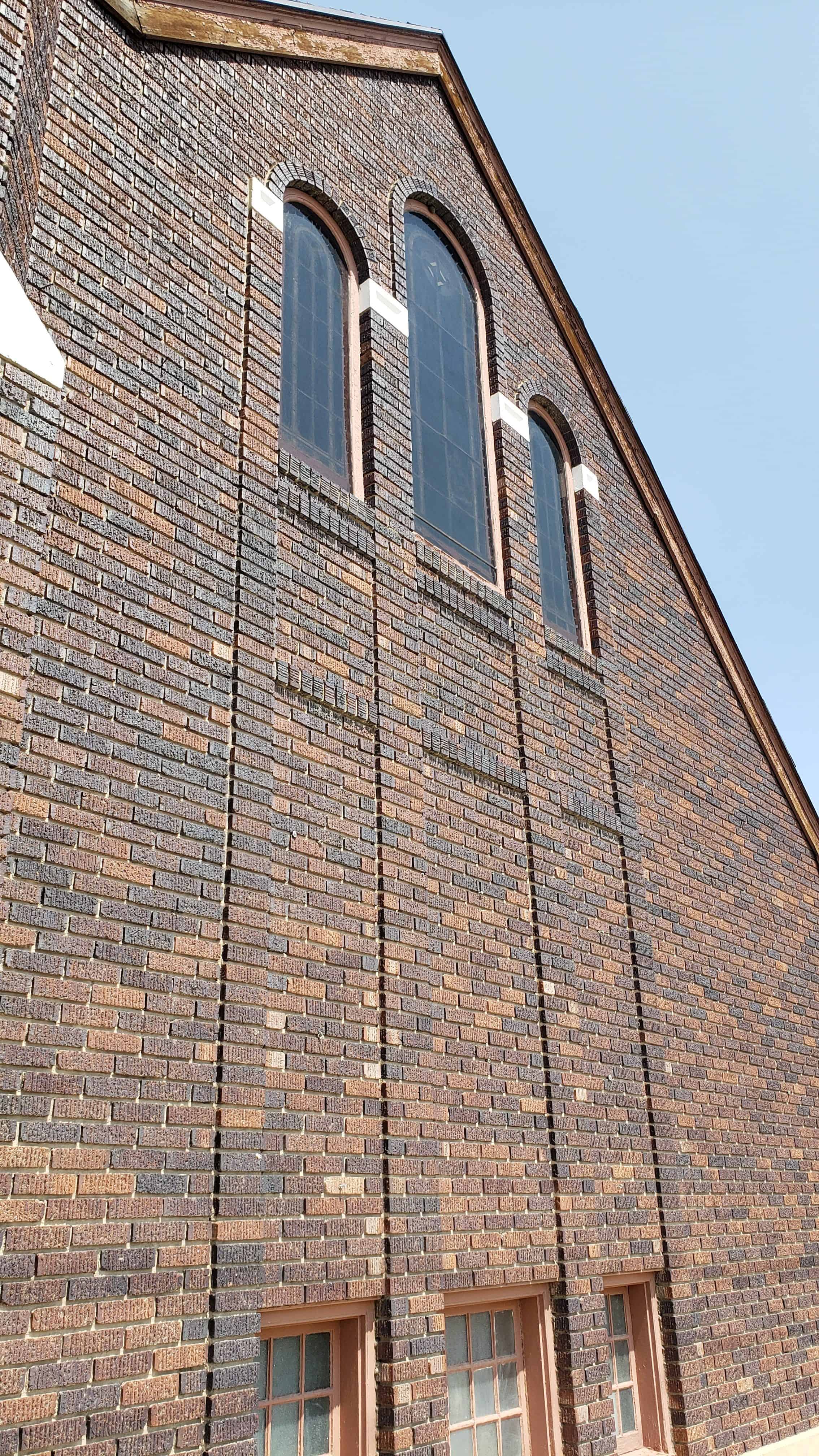
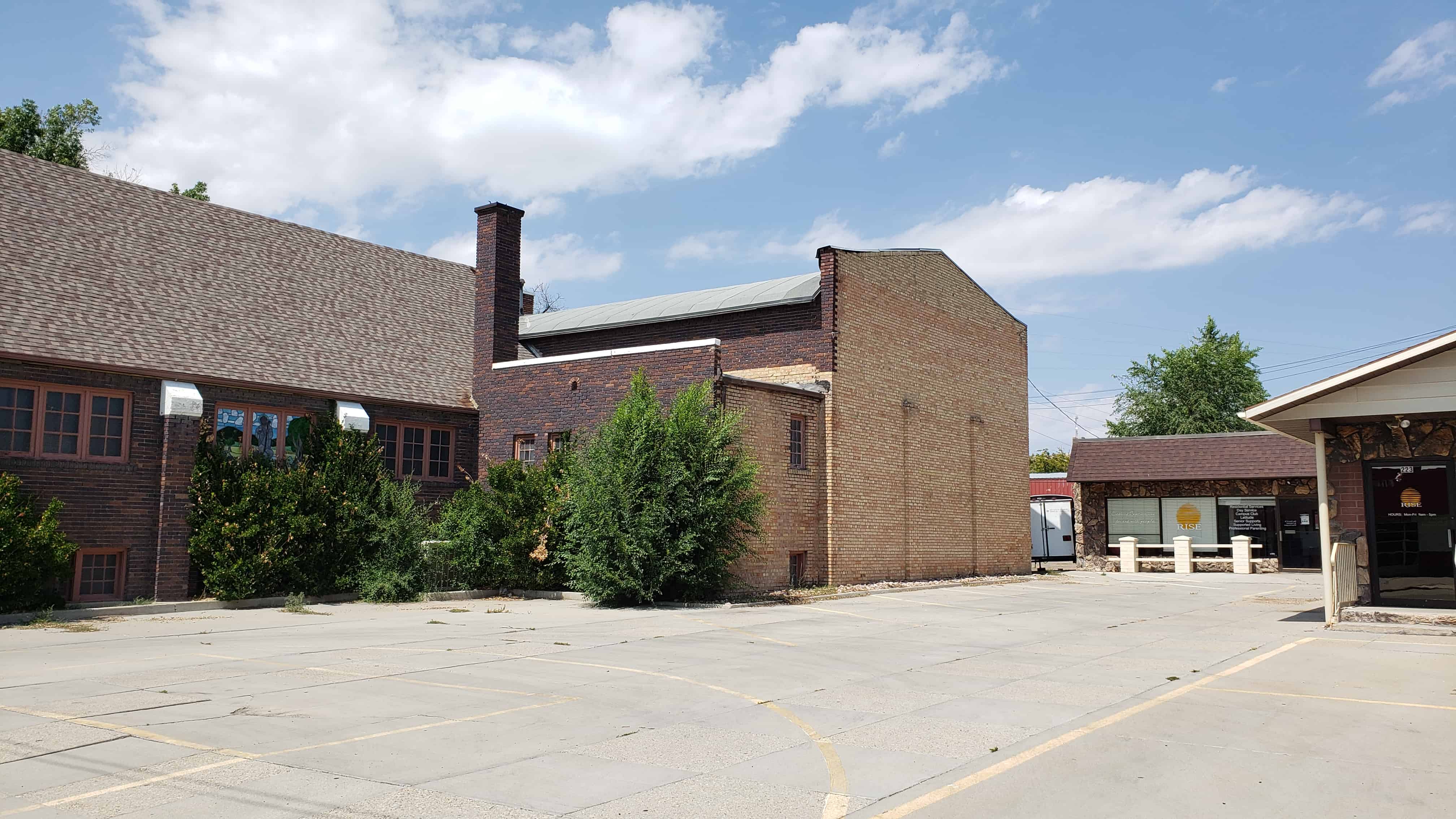
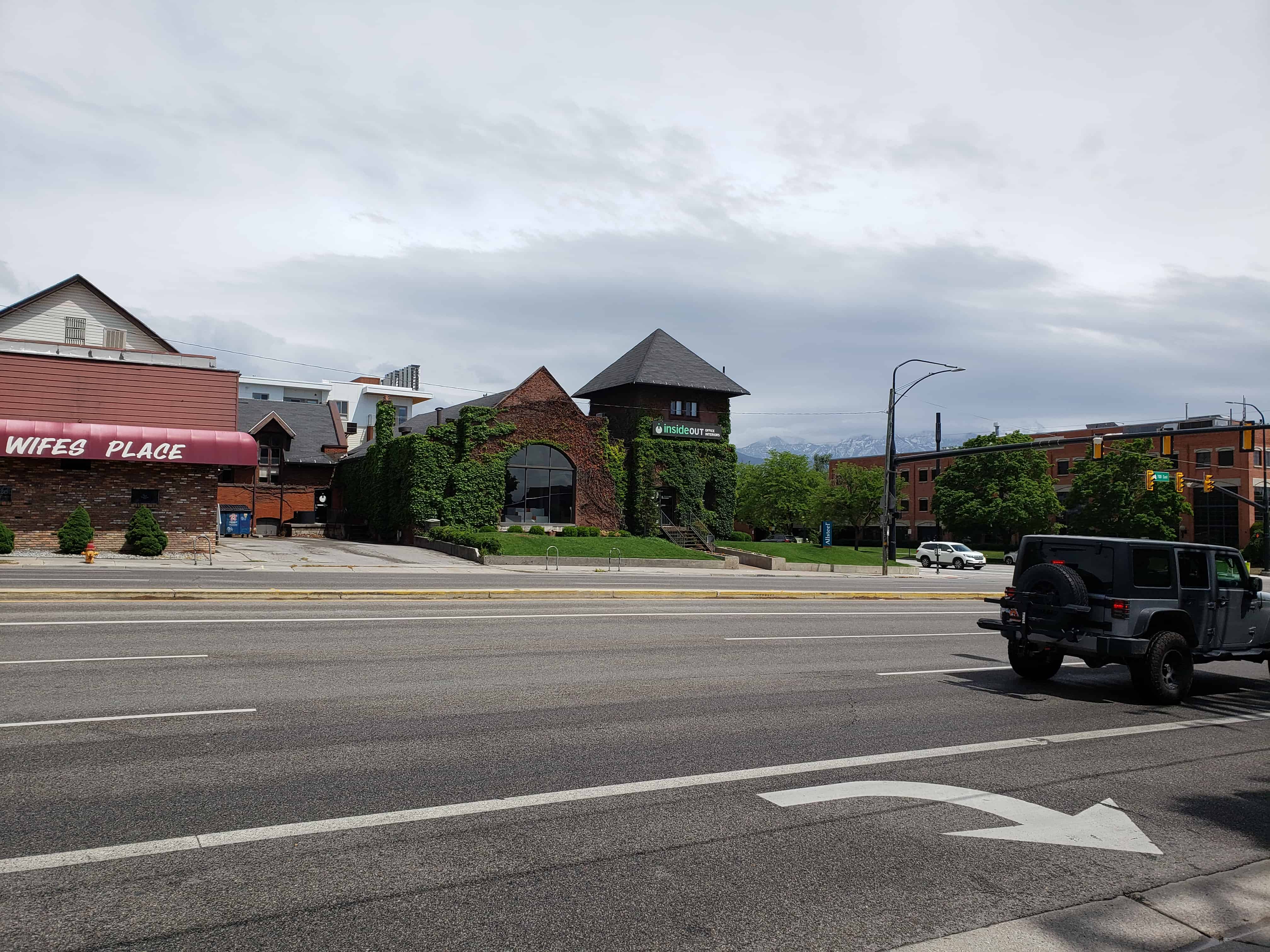
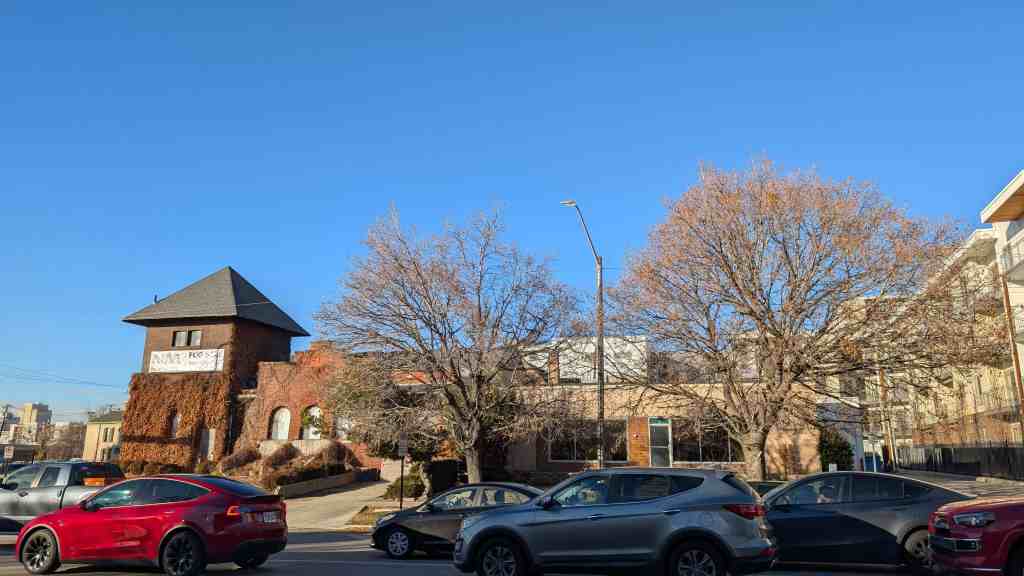
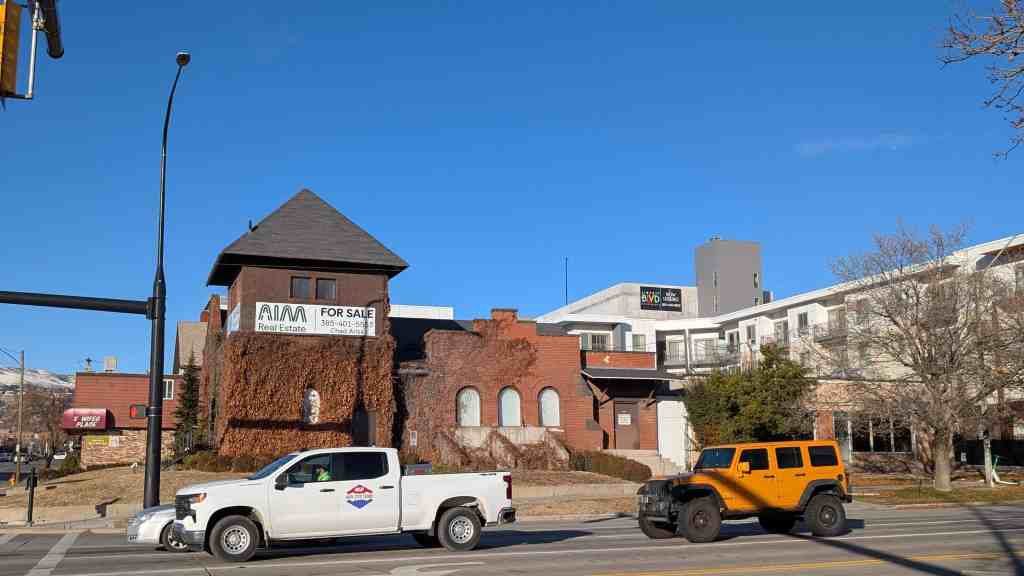
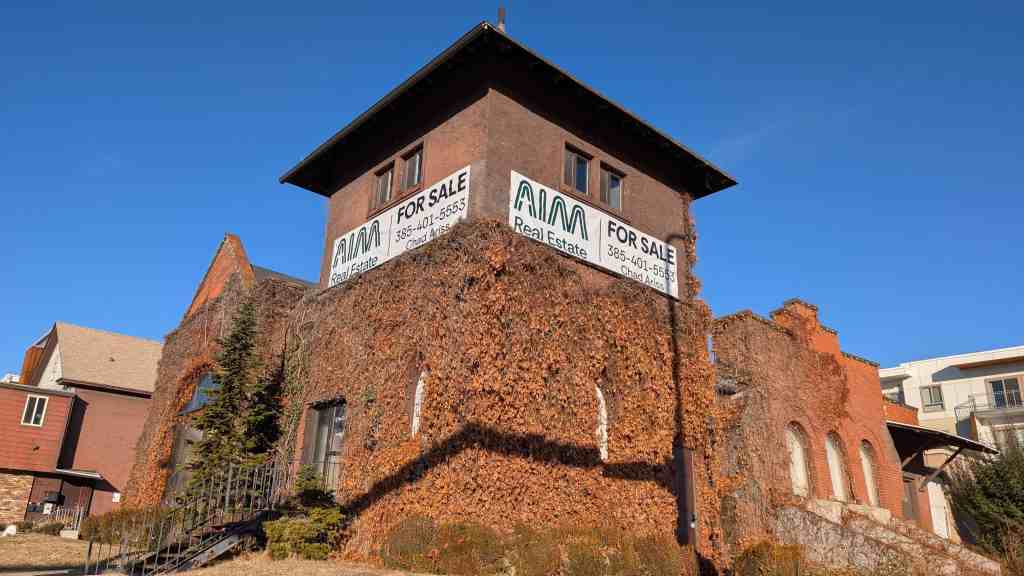
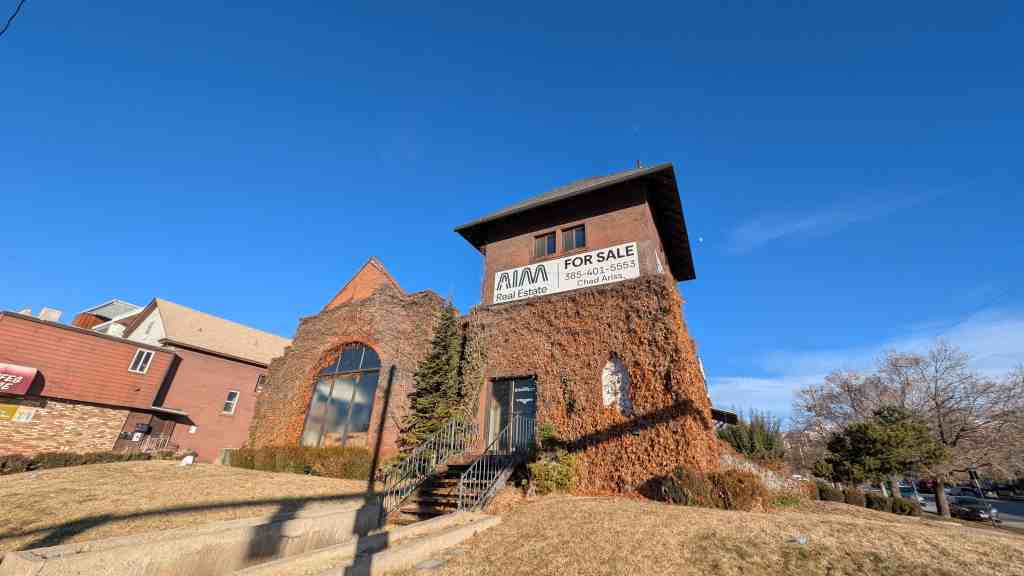
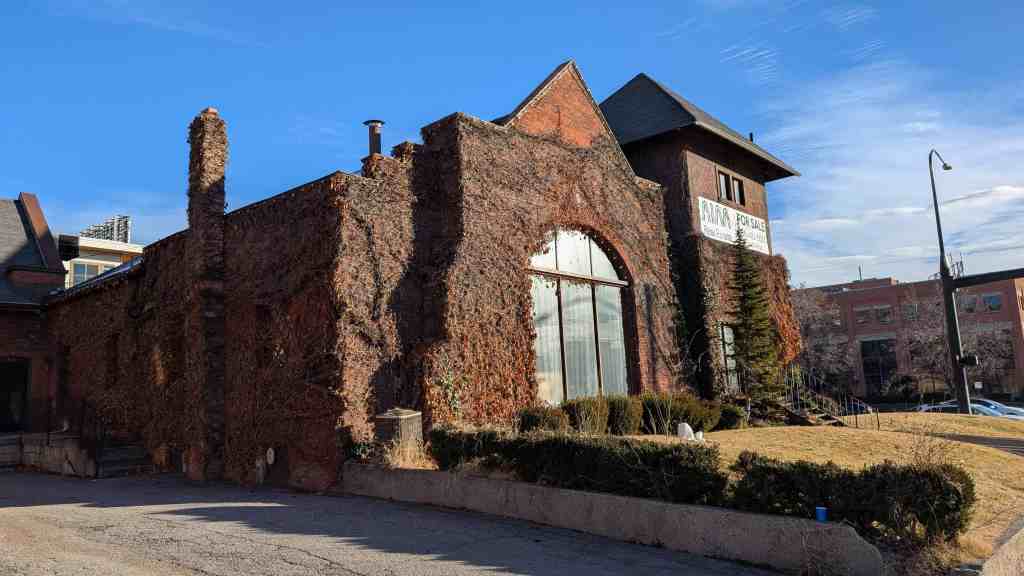
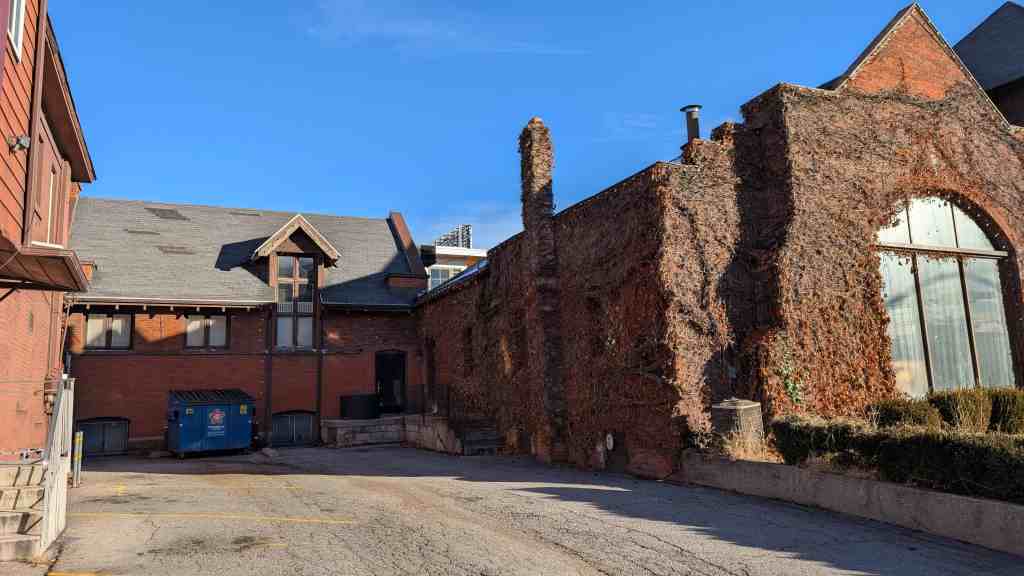
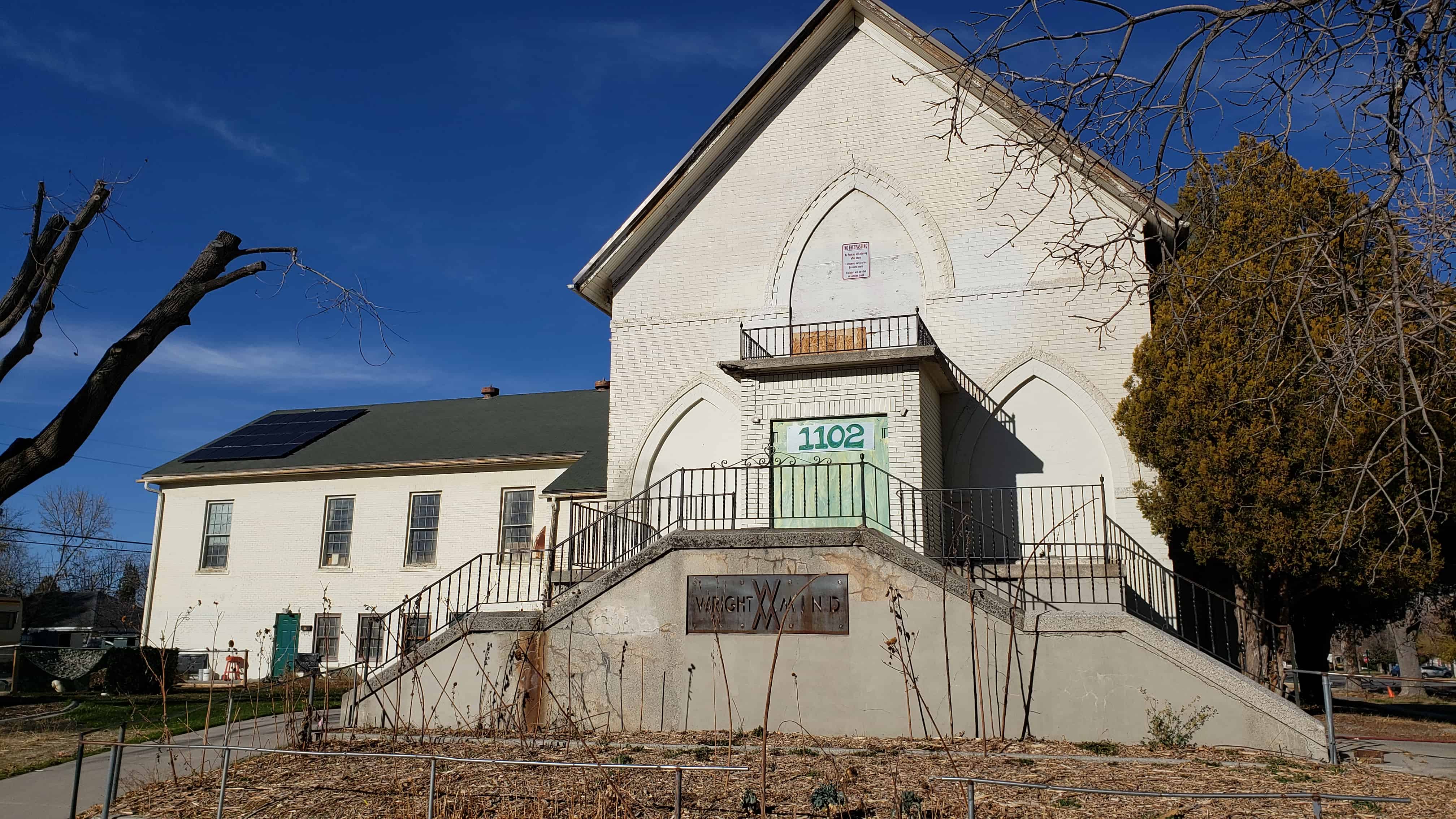
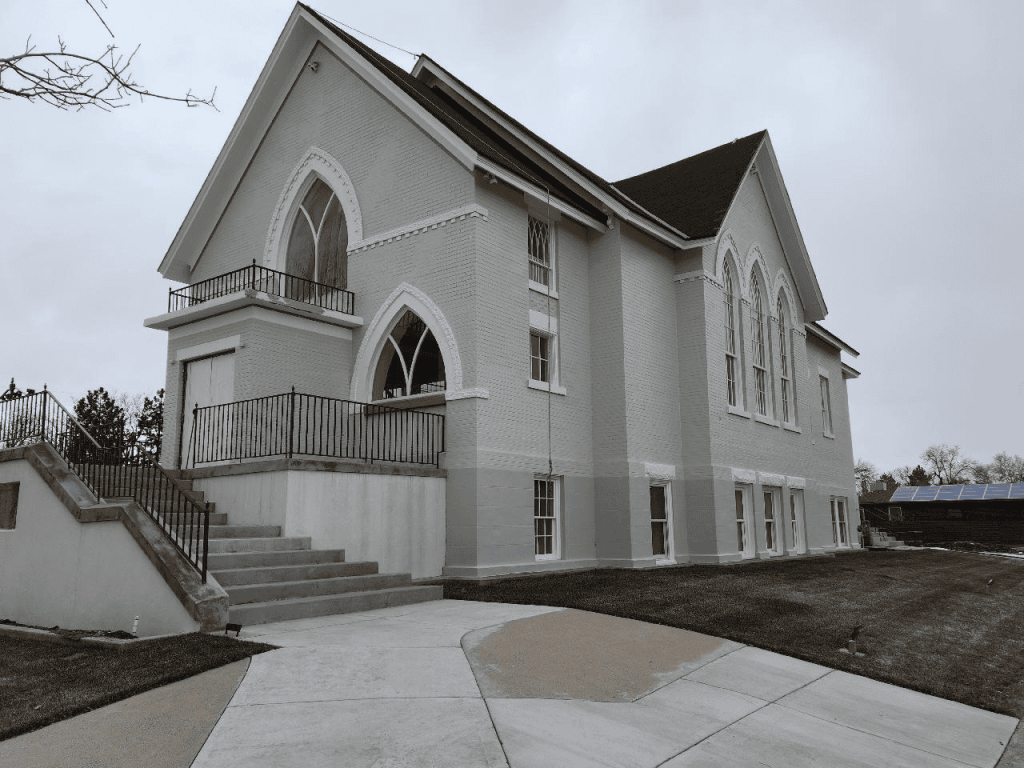
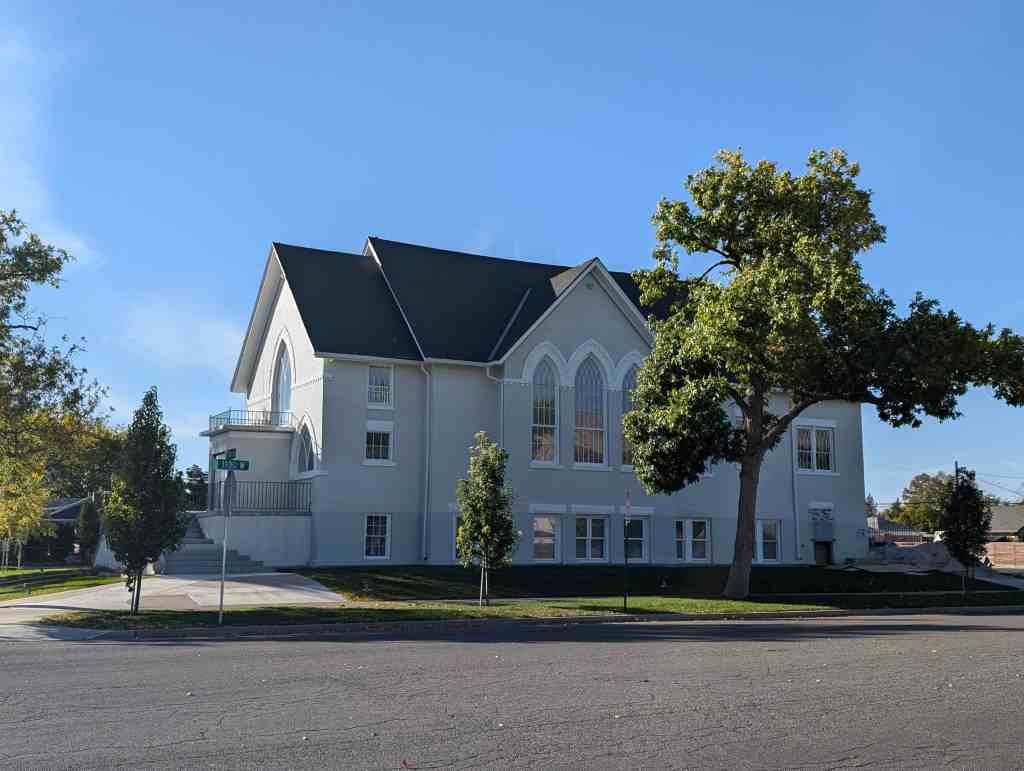
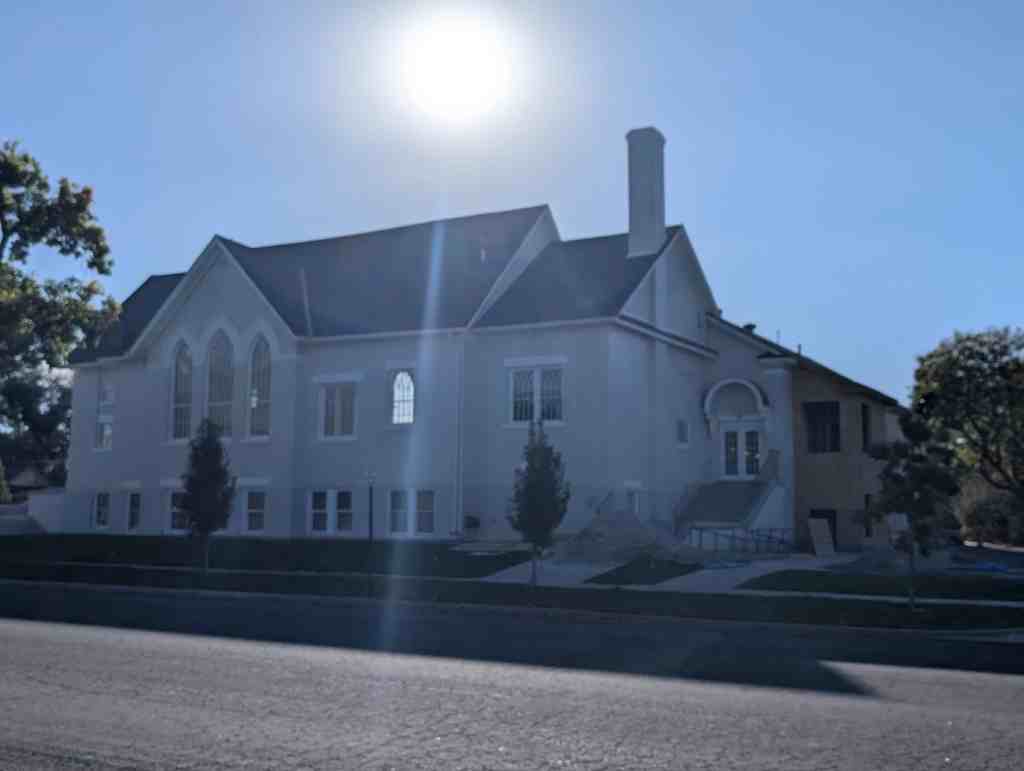
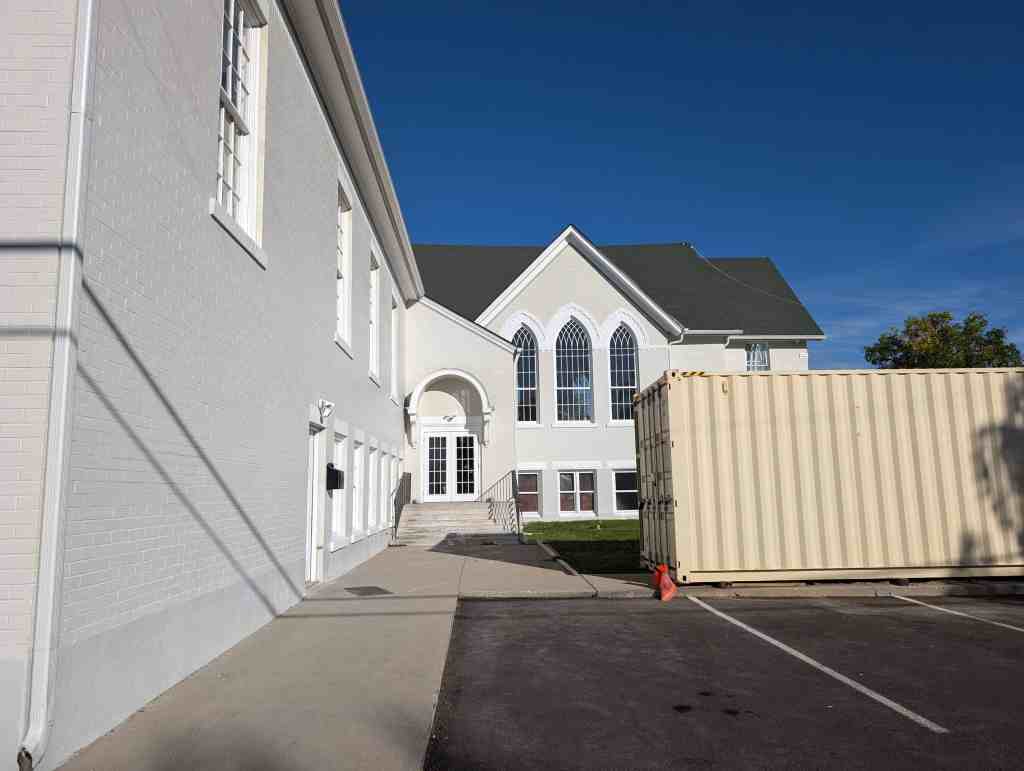
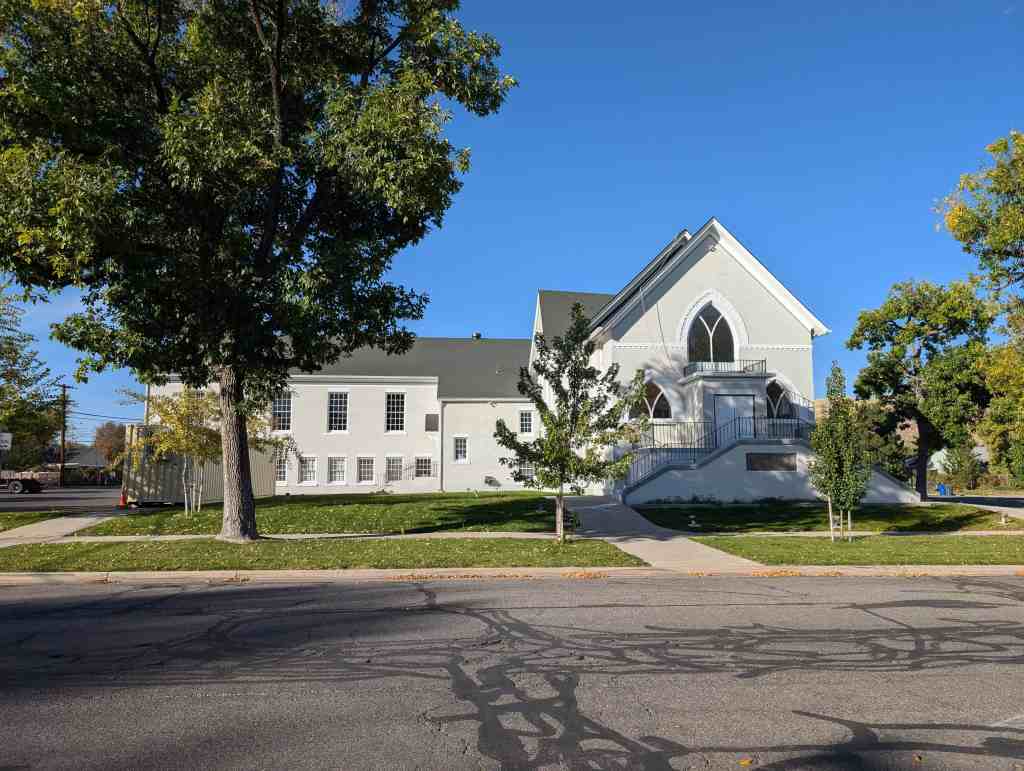
Price Community Methodist Church Built in 1899, rededicated 100 years later in 1999. Grand Lodge F. & A. M. in Utah C. F. Jennings Commandry #6 Carbon Lodge #16 Joppa Lodge #26 10 North 200 East in Price, Utah
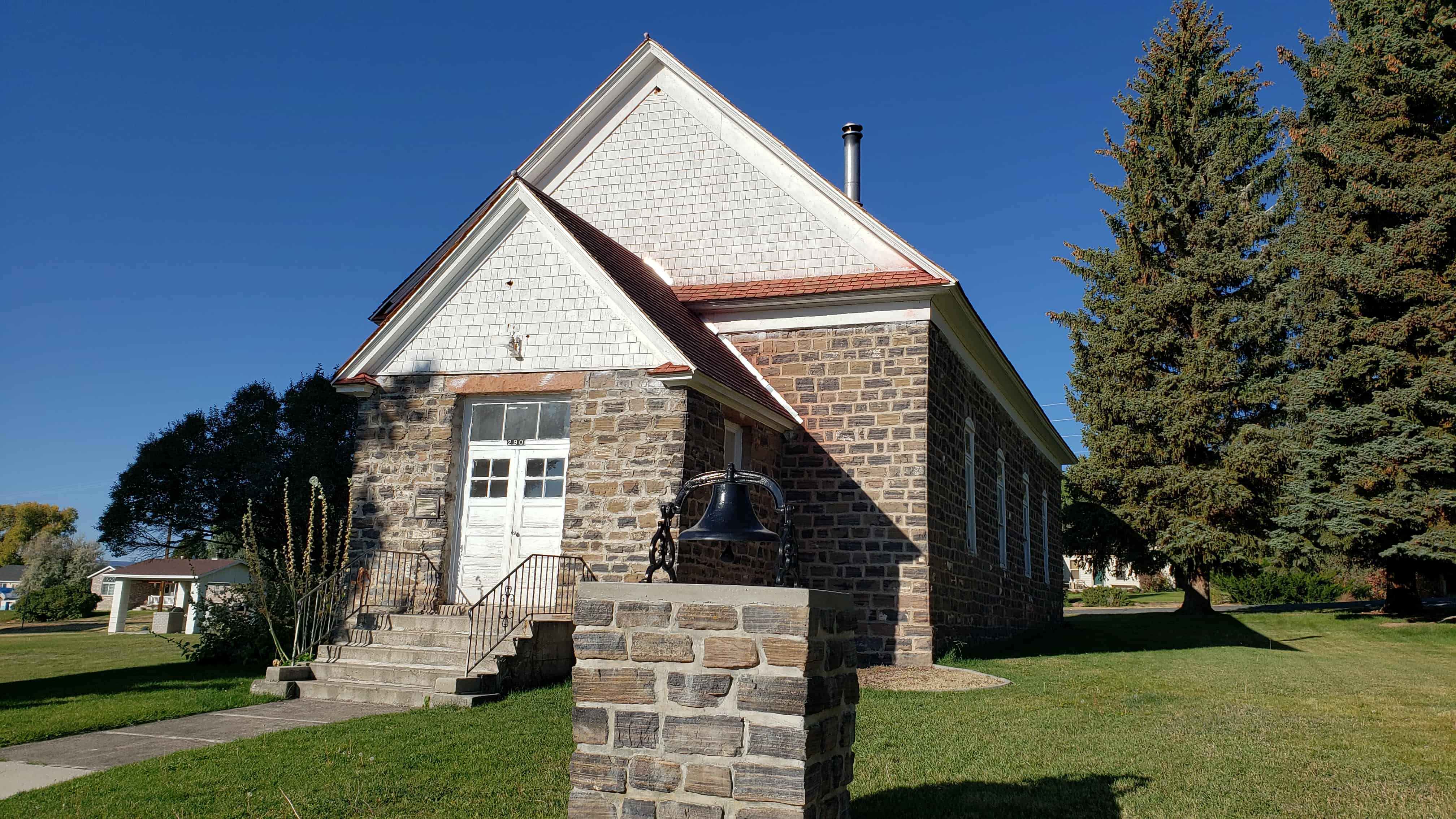
Built c. 1890 and remodeled in 1923-24 after a fire, the Mount Carmel School and Church is historically significant as the only remaining building in Mount Carmel that served the community’s educational and religious needs. Built to replace an earlier log schoolhouse, the building served concurrently as both church and school for over twenty-five years. It was also used as a civic meeting place and for dances and other recreational and cultural activates. After the fire, school children were transported to the nearby town of Orderville to attend school, and from 1924 until 1961 the building was used primarily as a church house. With the exception of the old log schoolhouse, which has long-since been demolished, this building is the only school or church facility that was ever constructed in Mount Carmel.
The church/school is located in Mount Carmel, Utah and was added to the National Historic Register (#87002061) on November 20, 1987.
Mount Carmel was first established in 1864-65 by several families of Mormon pioneers as part of the general colonizing effort in the Utah Territory by members of The Church of Jesus Christ of Latter-day Saints (LDS or Mormon church). Indian depredations led to the abandonment of the settlement in 1866, and it was not until 1871 that the town was permanently resettled. Farming and livestock raising were the principal means of livelihood in the community for decades. The town has always been small, never more than 150-200 people, and the only businesses until recent years were small mercantile and grocery stores operated from private homes.
The first school in Mt. Carmel was established in a log building in 1880, nine years after the town was permanently settled. That building served as a one-room school, church, and recreation hall for the town until the stone schoolhouse was constructed in the 1890s. A published history of the town provides the following description and history of the Mount Carmel School.
The rock for the building was hauled by team and wagon from a hill about a mile south of town. Later a lumber wing was added, making it into a two-room school. At first the floors were of rough pine lumber. Then hardwood floors were installed, which made them “nicer for dancing.”
Work on this rock building began in 1902. The black rock was quarried in the basin behind the big ledges above Fremont.
The building was constructed to the square in 1904 by rock masons, George F. F. Albrecht and his sons, John, Henry, and Charlie. Frank Morrell mixed all the mortar of burned lime and sand.
The LDS Church wanted the structure built higher, so Bishop Heitt Maxfield, William Charles Jenson, and Albert Shiner added four more feet of rock. John Hector and Frank Brown were the carpenters, and George Morrell and Charles Ellett hauled the hardwood flooring in wagons from Salt Lake. Benches were constructed by Jerry Jackson. The building was dedicated in 1907.
This building served the people of Fremont for church meetings, plays, dances, weddings, funerals, elections, and other civic gatherings for over half of the nineteenth Century.
On April 1, 1974, the LDS Church sold the building to Camp Geyser of the Daughters of Utah Pioneers for $500.
The Green River Presbyterian Church / Green River Bible Church
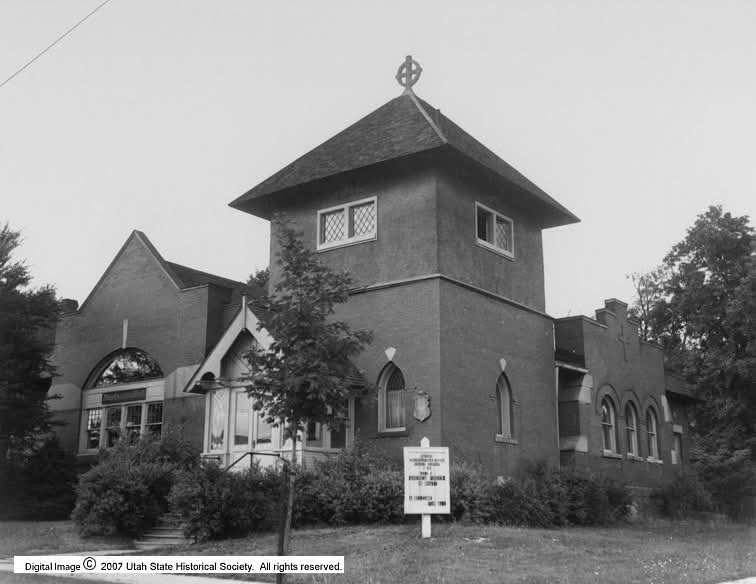
Built in 1907, this small wooden church is a good example of the Victorian Gothic architectural style. It is composed of intersecting wings with a tower set into the entrance angle. The principal wing is nearly two stories high and has a broad, steeply pitched gable roof. The front projecting wing is smaller, perhaps a story-and-a-half, but has the same pointed roof shape as the larger section to the rear. The tower is a full two stories and the roof a unique mixture of hip and tower element. The tower roof itself is hipped, but it is clipped at each corner by square battlements that protrude upward to a point just below the apex of the hip. Each wing contains large Gothic arched, stained-glass windows with pointed-arch wooden tracery. The two visible sides of the tower have round-arched paired windows on the second story. Above each of these windows is another small round window which is framed beneath a decorative pointed arch of applied wood. Over the tower’s front door is a slightly flared hipped roof canopy. The wooden frame sits on a rusticated stone foundation and is covered with clapboard siding. Originally, the building was white with brown trim.
In 1963 a four room addition was put on the west end for Sunday School rooms, and storage. In 1986 the old paint was removed and the church repainted white with gold trim. The interior walls were originally painted plaster and moveable chairs were used for seating. In the 1970’s, carpet was placed over the wooden floors, and pine pews replaced moveable chairs. In 1985, the interior plaster walls were replaced with insulation and sheetrock and all woodwork was restored and refinished. In 1986, the church received a new asphalt roof. Despite these changes and perhaps because of them the building retains much of its historic integrity.
Located at 320 West Main Street in Green River, Utah and added to the National Historic Register (#88002998) on January 5, 1989.
Constructed in 1906-07, the Green River Presbyterian Church is architecturally significant at the local level as an excellent example of the Victorian Gothic style. It is also historically significant as the first church built in the town and as an important early example of the “community church” phase of Protestant church activity in predominantly Mormon Utah. Unlike nineteenth-century Protestant church buildings in Utah, which were erected as part of the missionary effort among the Mormons, twentieth-century churches were constructed with the sole purpose of serving local congregations. The relatively small number of non-Mormons in Utah communities often prompted members of various Protestant backgrounds to band together in a community church arrangement, even though one faith may have sponsored the congregation and the construction of the building. Such was the case with the Green River church, which was loosely affiliated with the Presbyterian Church but had several different denominations represented among its original members. Although the church acted solely as a religious structure, its significance is derived from its unique architecture and early representation of the historical theme of Protestant community churches.
The first Protestant congregation in Green River was established in March 1906 under the direction of Rev. J.K. McGillivray, a Presbyterian pastor. There were 29 members of the original congregation, representing eight different denominations. Immediately after Rev. McLain W. Davis took over the pastorate in December 1906, he proposed the project to construct a building for the congregation. Land for the new church (five lots valued at $1000) was donated by the Green River Land and Townsite Company, and over $2200 were raised locally through donations, labor subscriptions and a variety of fund-raising activities, such as chicken pie suppers. There was also a $1000 grant from the “Board of Church Erection” of the Utah Presbytery to assist with construction costs. Ware & Treganza, a prominent architectural firm from Salt Lake City, was hired at a cost of $125 to design the new structure. Work on the project probably started in the spring or summer of 1907. The building was dedicated on October 20, 1907, though it had been used for some time before its completion. Total cost of the facility, which included an organ and chairs, was almost $4500. The building functioned as a Presbyterian church until 1958, when the Presbytery of Utah was no longer able to provide a full-time minister. Since 1959 the church has been a nondenominational community church, though its historical role has always been that of a community church.
The Green River Presbyterian Church was constructed at a time when the community of Green River was emerging as an official town. A makeshift settlement known as Blake City had been located at this site as early as 1879 along the newly established mail route connecting Salina, Utah, and Ouray, Colorado. The site of the settlement was at a favorable crossing of the Green River. In 1883 the Denver and Rio Grande Western Railroad established an east/west line along that route, helping ensure the existence of the settlement. The town took on the name Green River in 1895, but it was not until 1906 that the first town council was elected and a new townsite laid out. Green River was officially incorporated in 1910. This period of municipal growth corresponded with the local “Peach Boom,” during which the peach industry was introduced and thrived. Other community advances at that time were the construction of a two-story brick school in 1910, the erection of a metal-truss wagon bridge across the Green River in 1910, the establishment of a Mormon ward (congregation) in 1904, and the formation of a Presbyterian congregation in 1906 and the construction of their building in 1907.
The Green River Presbyterian Church represents a new phase of Protestant activity in Utah cities, a “community church” phase. The evangelical zeal that had sustained Protestant missionary efforts in Utah during the 1870s-90s was extinguished by the turn of the century. Nationwide economic depressions during the 1890s greatly reduced donations from church contributors in the eastern U.S., and the perceived need for missionary work among the Mormons was significantly lessened with the 1890 Manifesto denouncing polygamy by Mormon church president Wilford Woodruff. The establishment of a viable Utah public school system in the 1890s also had a negative effect on Protestant missionary efforts in Utah. These efforts focused on providing Mormon children with schooling as a first step toward conversion. The combination of these factors in the 1890s brought an end to the Protestant evangelical missionary period in Utah.
The community church phase of Protestantism in Utah represents a local desire for Protestant religious services and the willingness of the various churches to support congregations of mixed denominational background. Most Utah towns were at overwhelmingly Mormon, so there were relatively few Protestant churches, usually only one per community (except in the larger cities). No single denomination had enough congregants to justify the expense of a building and minister, so ecumenical community churches were the practical solution. Affiliations with the sponsoring institutions were maintained for a number of years (e.g. Green River Presbyterian Church, Magna Community Baptist Church), but they usually became weaker with time. Most of the congregations eventually became nondenominational community churches.
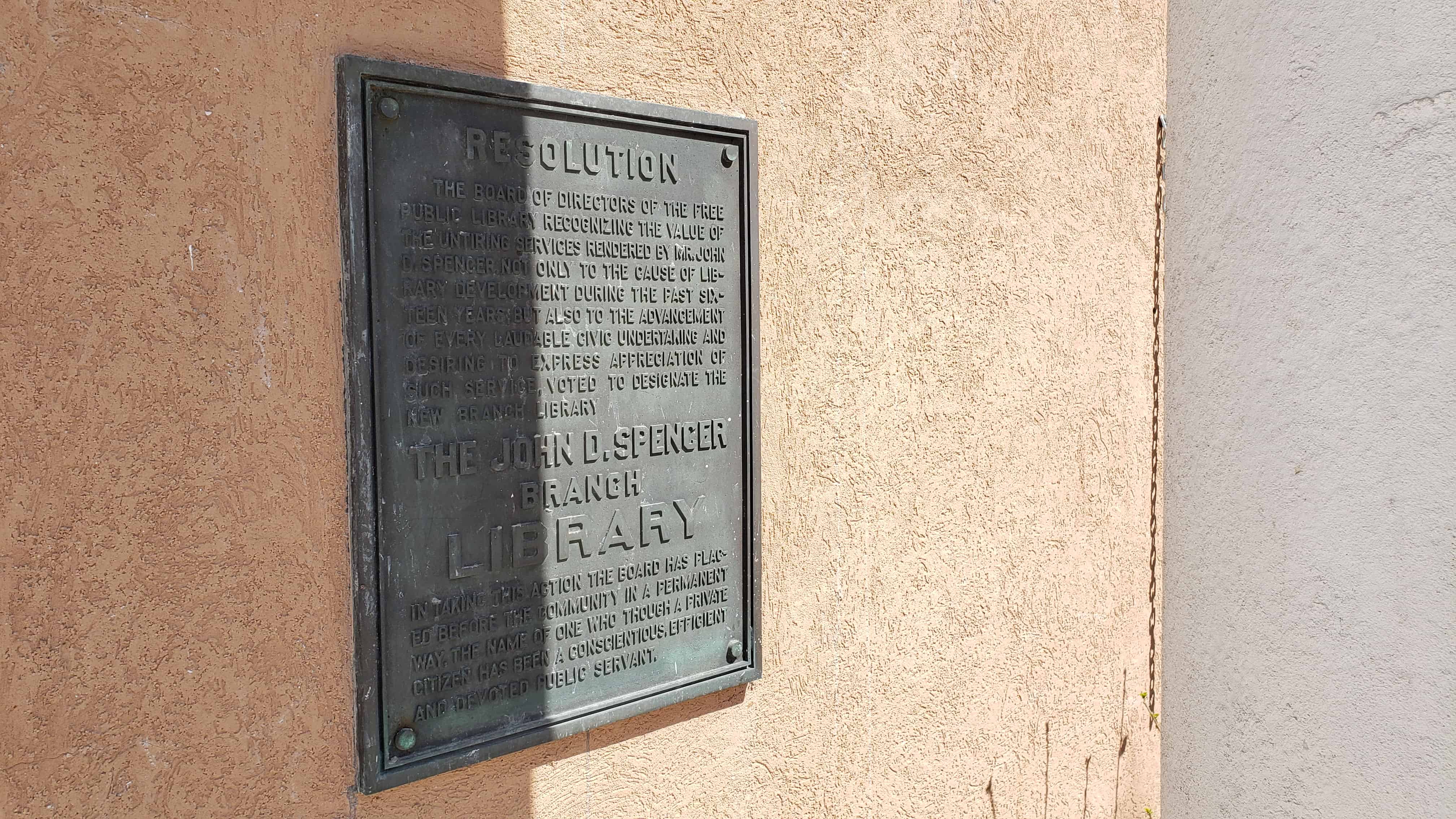
The board of directors of the free public library recognizing the value of the untiring services rendered by Mr. John D. Spencer, not only to the cause of library development during the past sixteen years, but also to the advancement of every laudable civic undertaking and desiring to express appreciation of such service, voted to designate the new branch library.
In taking this action the board has placed before the community in a permanent way, the name of one who though a private citizen has been a conscientious efficient and devoted public servant.
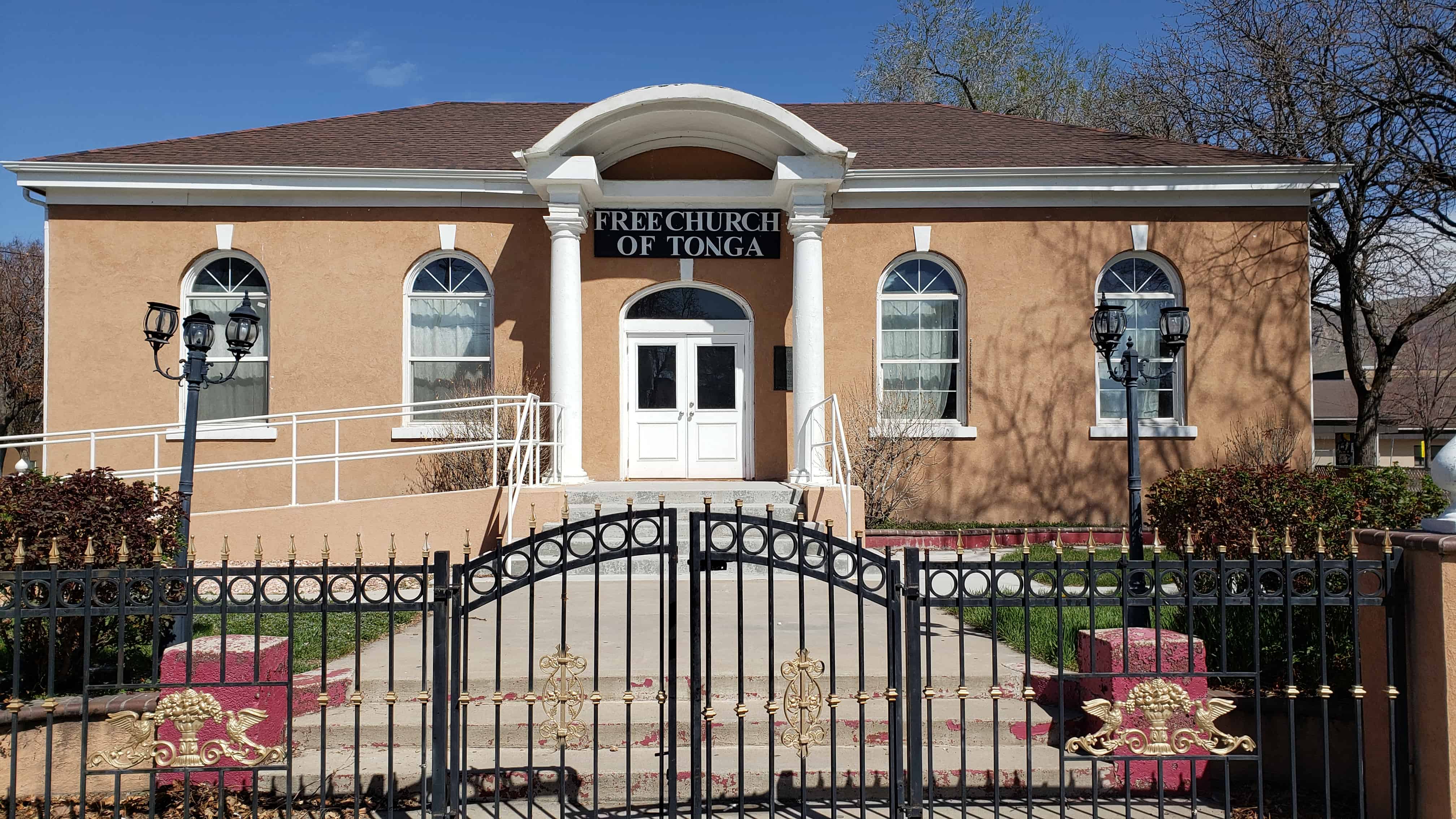
From Salt Lake Northwest Historic District: Another significant building is the former Spencer Branch Library, located 776 West 200 North, was built in 1921. The library is T-shaped in plan and is constructed of striated brick. The broadside faces the street with a symmetrical façade. Classical and Colonial Revival details are found in the concrete keystone and end stones of the round relieving arches, and in the Tuscan columns supporting a rounded pediment at the main entrance. The building is currently owned and maintained by the Free Church of Tonga and has seen little exterior alteration.