Tags
Layton Elementary School
369 West Gentile Street in Layton, Utah
See some of the history on this page: Early Education in Layton

19 Saturday Feb 2022
Posted in Uncategorized
Tags
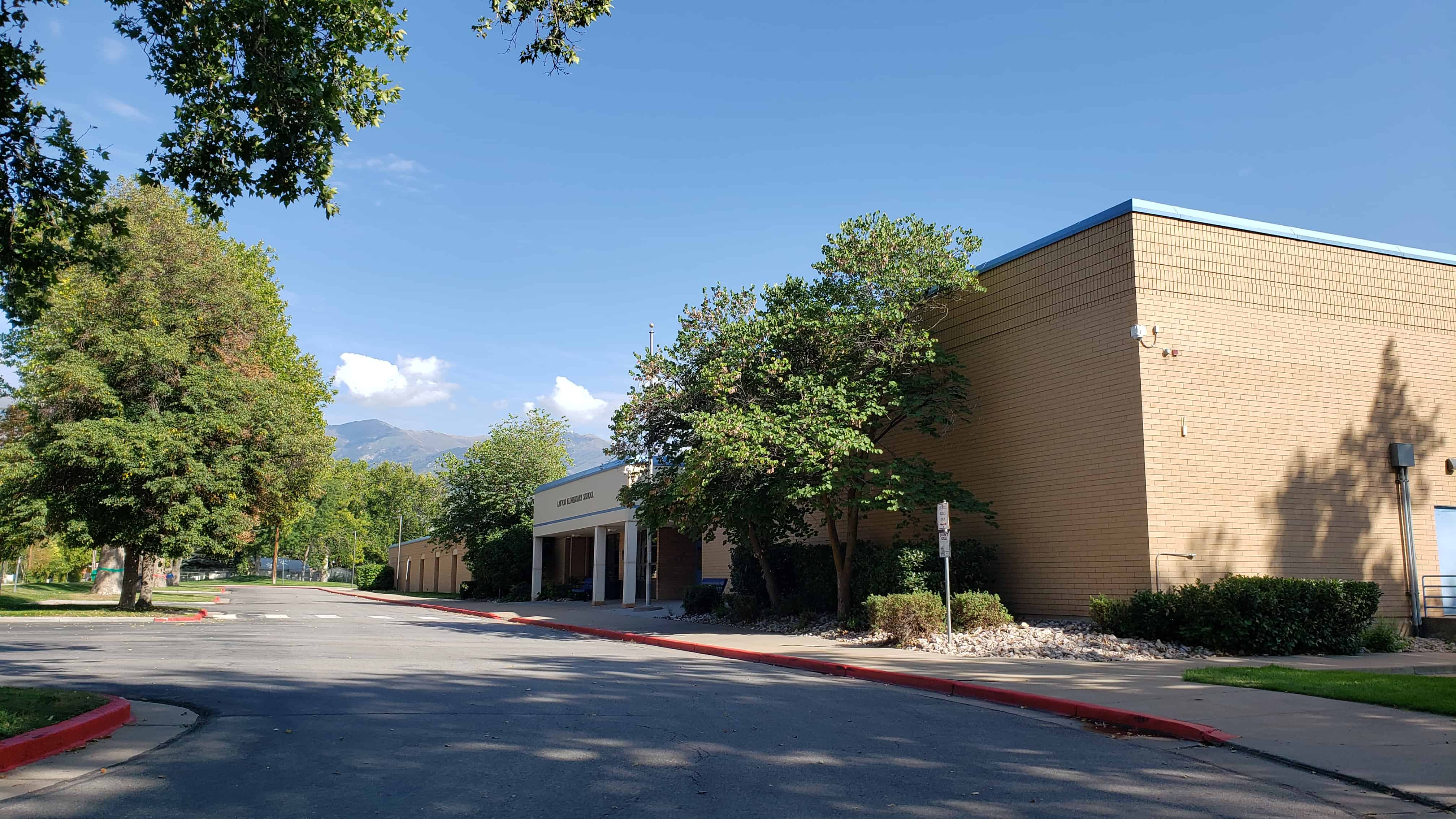
Layton Elementary School
369 West Gentile Street in Layton, Utah
See some of the history on this page: Early Education in Layton
29 Saturday Jan 2022
Posted in Uncategorized
Tags

The Original portion of the Barnes-Gibson Home was constructed of adobe in 1851 by John R. Barnes. In 1867-1869 he built the two story brick structure and it was purchased in 1941 by Mr. & Mrs. James R. Gibson.
The John R. Barnes House is located at 10 South 100 West in Kaysville, Utah and was added to the National Historic Register (#82004121) on July 23, 1982.

This house is significant because of its association with John R. Barnes, the dominant economic figure in Kaysville during the late Nineteenth and early Twentieth centuries, and because it represents several distinct stages of architectural design in Utah. Originally built ca. 1869 as a small adobe structure, the house was extensively remodeled in the mid-1870s using a folk/vernacular plan, and in the early 1890s it received a Victorian addition that dramatically changed its character. Epitomizing the height of fashion in two distinct buildings styles, the house reflects John R. Barnes’ attempt to maintain a residence fully consistent with his economic status and social position in Kaysville.

Barnes was born in England, July 28, 1833 and emigrated to Utah as a convert to the Mormon Church in 1853. He settled in the newly established community of Kaysville, twenty five miles north of Salt Lake City, and for the next ten years, farmed and taught school. In 1863 he opened the first general merchandise store in Kaysville. The business flourished and became the foundation for other business ventures, and he operated it for the rest of his life. He also remained in farming throughout his life, becoming one of the largest landowners in Davis County. In 1891 he established the Barnes Banking Co. in Kaysville, in 1902 the Kaysville Canning Co., in 1905 the Kaysville Milling Co., and in 1907 the Davis County Canning Co. Thus, by the early twentieth Century, he was the dominant force in Kaysville’s economic life, owning the towns’ leading store, its bank, its cannery, its mill, and running one of the largest farming operations in the county.
Barnes was also active in political affairs. He was a member of the Kaysville City Council from 1868 until 1882, mayor from 1916 to 1918, a member of Utah’s Constitutional Convention in 1895, and a member of the first Utah State Legislature as senator from Davis County. Also active in Mormon Church affairs, he served in the bishopric of the Kaysville Ward for thirty years, from 1877 until 1907.
Barnes was a polygamist and married three wives, Emily Shelton in 1853, Elizabeth Geeves in 1865, and Emily Stewart in 1869. According to his son and biographer, “He was gradually becoming a man of affairs, indeed so much that he felt he was able to follow the practice of the one principle of the Gospel he had embraced that was enjoined as essential to the highest glory in the Celestial kingdom of God, plurality of wives.” Barnes built this house for his third wife, Emily Stewart, following his marriage to her in 1869. At the time, he was living with his first two wives and their children in a house about one block south of this one. Barnes evidently divided his time between the two houses. In 1875 his first wife died. It is not clear whether her five children remained with the second wife in the house in which they had been raised, or whether they moved in with the third wife, who now had three children of her own. In 1887 Barnes was convicted of “unlawful cohabitation” under the Edmunds Act of 1882, fined $300 and sentenced to three months in prison. To avoid further prosecution following his release from prison, he decided to legally marry and live with one of his two wives. With the consent of Elizabeth, his second wife, he married Emily Stewart, and lived with her and their children in this house. If they had not done so earlier, the children from his marriage with his first wife now moved into this house.
The architect of the second section of the house was William Allen, a largely self-trained architect/brick mason who worked extensively in Davis County. His influence may be seen in other substantial brick and stone houses in Kaysville. Born January 1870 in London, England, he emigrated to Utah as a Mormon convert in 1863 and settled in Kaysville. He worked first as a farmhand and then followed his father’s trade as a brick mason. After studying architecture and drafting by correspondence, he became Davis County’s most prominent architect. In addition to this house, he designed the Kaysville Presbyterian Church (1888), the Davis County Courthouse (1889-1890) , the Barnes Bank Building (1910), the Kaysville Tabernacle (1912), the Kaysville Elementary School (1918), and homes for Henry H. Bloc4, governor of Utah from 1932 to 1940, John G. M. Barnes, Hyrum Stewart, James Smith, John Barton and his own house.


02 Sunday Jan 2022
Posted in Uncategorized
Tags

The Kay’s Ward Meetinghouse served residents of north Davis County for nearly 90 years as a center of religious and social life. Early pioneers gathered here to learn from Prophets, Apostles, and other lecturers, while plays, concerts, dances, and dinners helped satisfy their social needs.
Organized in 1851, the original Kay’s Ward stretched from the Weber River on the north to Haight’s Creek on the south, and from the mountains on the east to the Great Salt Lake on the west. As the local population grew, residents soon realized they needed a building where they could gather. Thus, in 1855 work on a 45′ x 80′ structure began here on the corner of what was then Locust and 5th Streets. A chapel occupied the main floor and some of the additional rooms in the basement doubled as school classrooms. Following an unfortunate delay of several years caused by the Utah War, Apostle John Taylor dedicated the building on September 26, 1863.
As construction on a new tabernacle across the street began in 1911, the old meetinghouse was remolded on both structure and purpose. A two-story addition on the front provided a balcony and rooms for costumes and scenery; a stage and dressing rooms were added on the back. All religious services moved to the tabernacle, and the meetinghouse became known as the Music Hall/Opera House and promoted a wide variety of church, civic, and cultural events. It was one of the few Utah venues in which the national Vaudeville circuit performed. A Relief Society birthday celebration each March drew hundreds of faithful members.
In 1951, the building that had served as both a facilitator for and a symbol of spiritual and cultural growth for hundreds of pioneer families was demolished after a recreation hall was added to the tabernacle.
This is D.U.P. Marker #578 (see others here) located at 202 West Center Street in Kaysville, Utah.


01 Saturday Jan 2022
Posted in Uncategorized

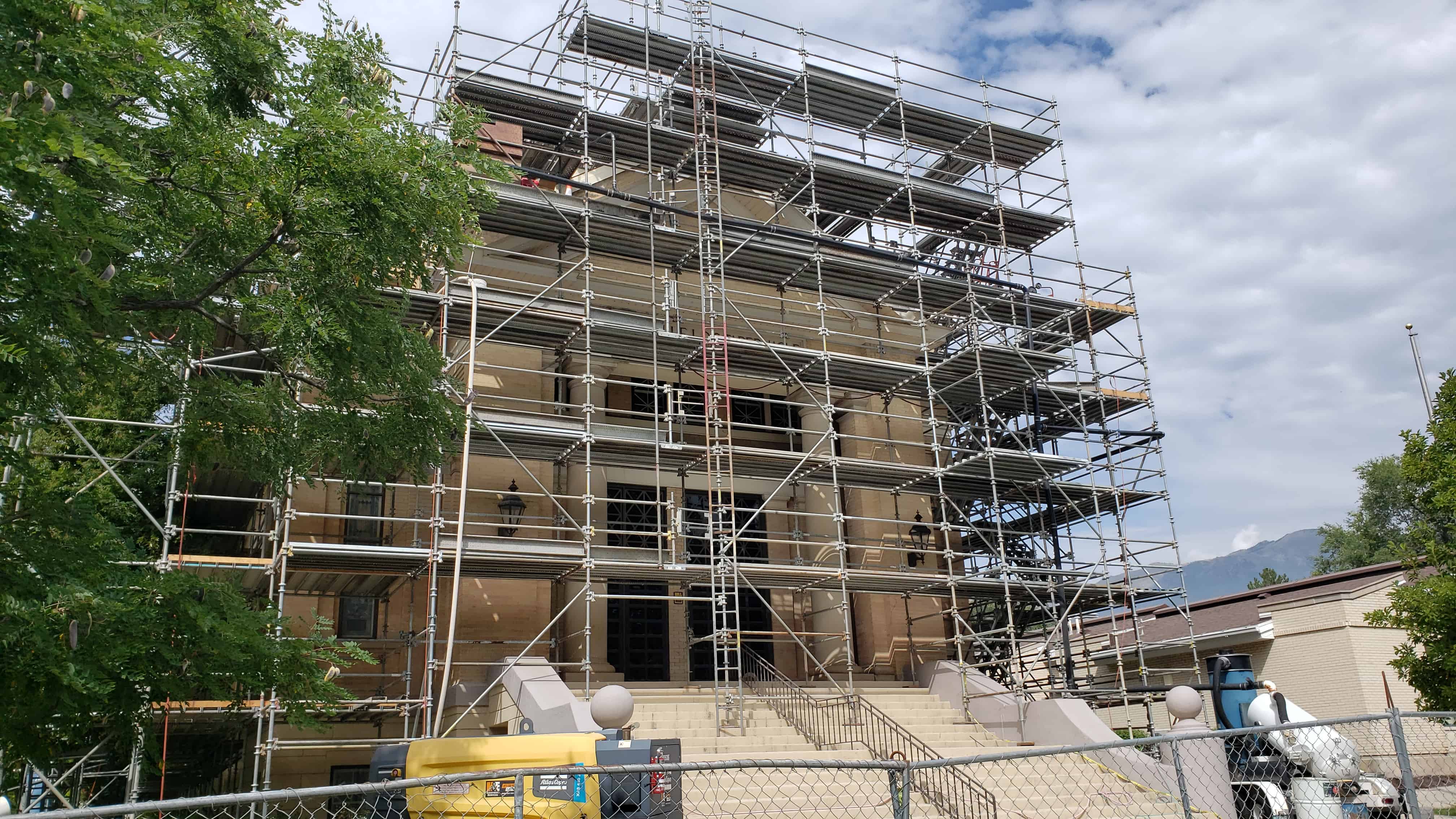
Construction of the Kaysville Tabernacle began in 1912 and the building was dedicated May 24, 1914. When the old adobe meetinghouse, built between 1855 and 1863, became too small, Kaysville architect William Allen was commissioned to design a new church across the street. A groundbreaking ceremony was held July 24, 1912 under the direction of Bishop Henry H. Blood, who later served as Utah’s governor from 1933 to 1941. The Tabernacle combines “modern” and Greek Revival styling and is noted for its beautiful stained glass windows.
198 W Center Street in Kaysville, Utah.






24 Friday Dec 2021
Posted in Uncategorized
Tags
Centerville, Davis County, Grist Mills, Historic Markers, Mills, SUP, utah
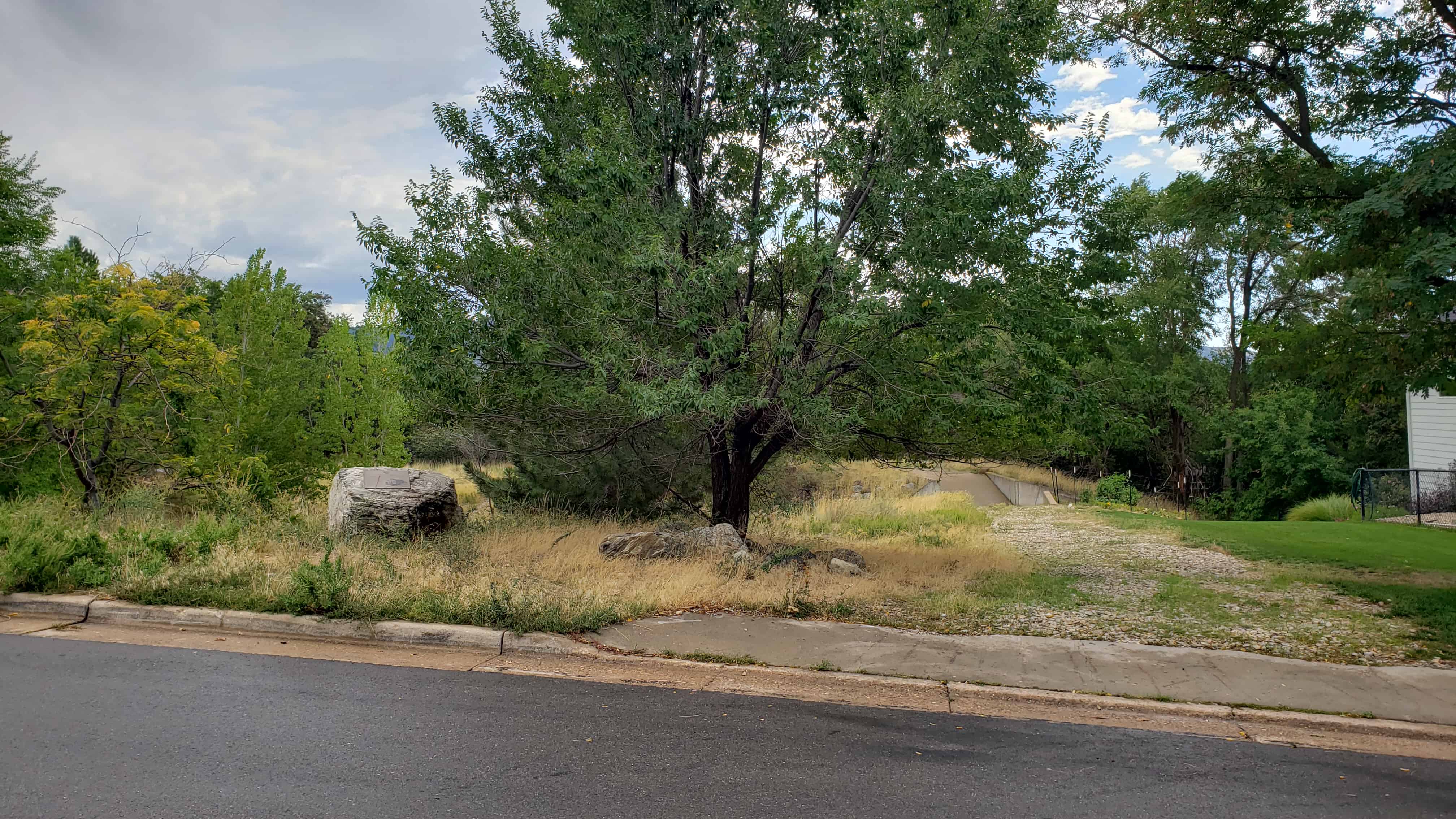
In 1854 Anson Call of Bountiful erected a Grist Mill on the south side of Deuel Creek, just southeast of this marker. The mill was a three-story building made from Centerville Canyon rock, with the machinery on the top floor. The people brought their grain to be ground into flour, and the miller kept a portion of it as his pay. The power to turn the grinding wheels was generated solely by water flowing down Deuel Creek, which was run into two holding ponds on the hillside above the mill and then piped to a water wheel which turned the drive shaft.
The larger pond also served as a baptismal font for many of the pioneers. In the winter, when the water was frozen solid, ice was cut into blocks and stored in sawdust for use in the spring and early summer.
The first miller of record was a Mr. Southworth, followed by Messrs. Symns, Winn, McKinney, and Miller. For 15 years the mill lay idle until 1890 when Alwood Brown took it over. He renovated it and installed new machinery.
After Alwood Brown left, the mill was run by several others, including Mr. Everett, Mr. Hancock, and finally by Jim Brown. At one time Mr. Everett ran a wholesale bakery in the basement and drove a bakery wagon all over Davis County. He also had an ice-cream parlor, and so on warm summer evenings the young couples of the town would stroll up here for refreshments – and a little spooning. The place was romantic.
The mill was last operated in about 1905. The lumber was removed in the 1930s and the building fell into decay. The walls were blown in by east winds and the structure became dangerous, so it was completely torn down in 1944.
Davis County purchased the site and constructed a storm water debris basin here following the flood of 1983.
Related:
Located at 600 East 100 South in Centerville, Utah


17 Friday Dec 2021
Posted in Uncategorized
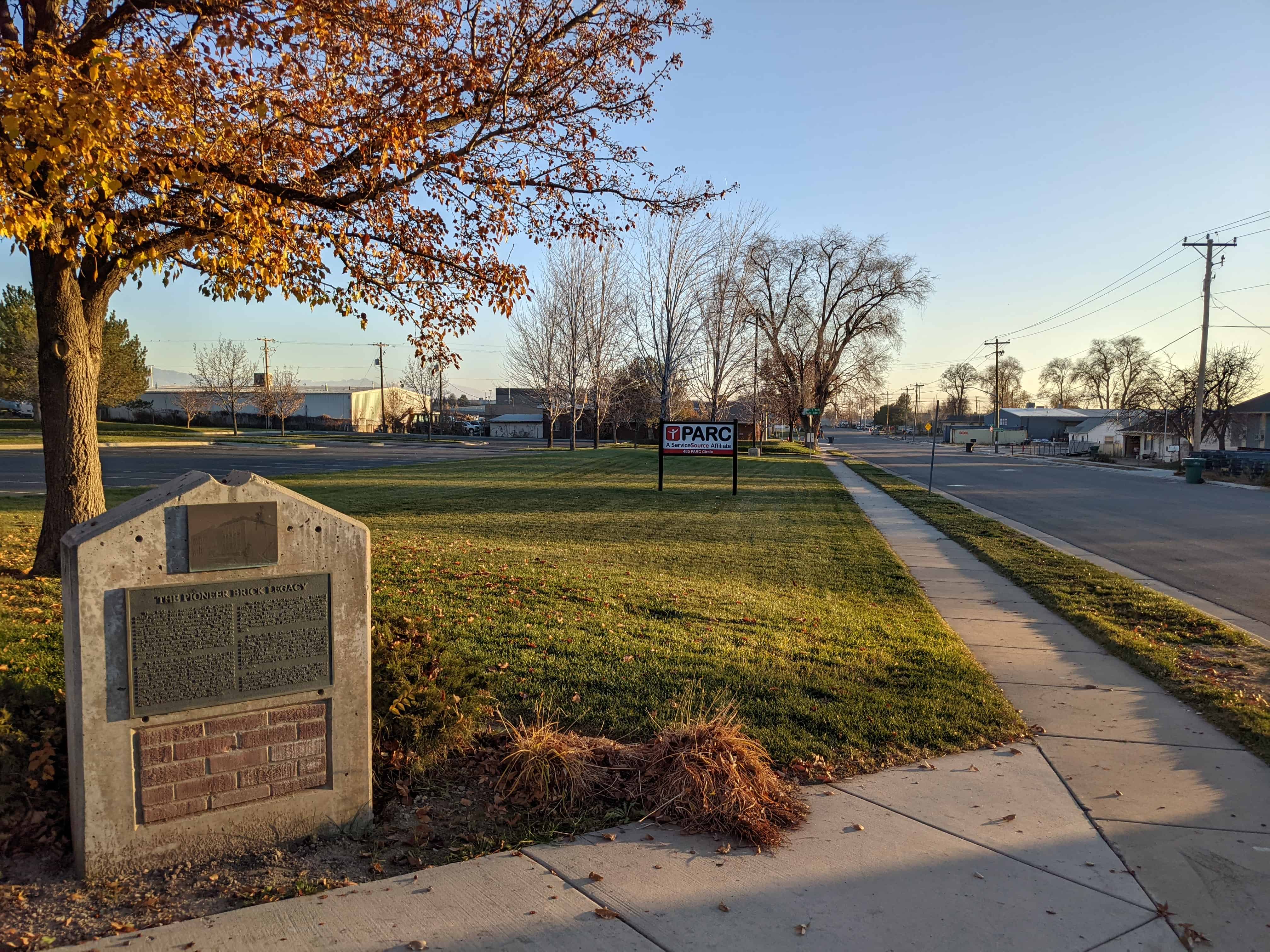
The Pioneer Brick Legacy
These bricks were recued out of the rubble left behind when the 1907 Pioneer School building was knocked down in December, 1998. A few days later many truckloads of debris were carried away, leaving only a flat expanse of dirt where once the big brick school with its tall landmark brick chimney stood. These bricks were there, witnessing the changes in education from the early 1900’s. We are unable to go back in time to see those very unique, individual decades, but these bricks remain as a physical reminder that those times were real, benefiting many who passed through the doors of the old Pioneer School.
The brickwork for the Clearfield School, at 435 South Main, was completed by Duncan Brothers late in November of 1906, and the school opened in September, 1907. The two-room brick building had two teachers, Heevy Johnston, from Mt. Pleasant, taught the three lowest grades, and the older children were instructed by Florence Todd of Farmington. Six rows of seats filled each classroom, two for each grade. Soon the school was enlarged to four rooms with two grades taught in each room for the first through eighth grade. The seventh and eighth grade teacher was usually also the principal.
The Clearfield School operated from 1907 until 1923. It was destroyed that year, when the wood roof caught on fire. The closest fire department was in Ogden. After meeting in temporary quarters in a church across the street, by 1926 a new six-room Clearfield School was ready for occupancy. The new building acquired the name “Pioneer School” in 1952 and remained in use until 1980.
In 1981, the Davis County School District moved the Davis County Development Center to the Pioneer building. The vocational program serving students and adults with disabilities changed its name to PARC, the Pioneer Adult Rehabilitation Center, to preserve the memory of the Pioneer School. The new location offered PARC participants stronger employment opportunities with close proximity to Hill AFB and new government contracts.
PARC occupied the Pioneer building for 16 years before constructing a new building behind the old Pioneer School and moved out in October, 1996. After a short time as an Alternative Junior High, the Pioneer building stood empty until it was razed in December, 1998.
Located at 685 Parc Circle / 435 South Main Street in Clearfield, Utah


13 Monday Dec 2021
Posted in Uncategorized
12 Sunday Dec 2021
Posted in Uncategorized
Tags
Barns, Bountiful, Davis County, historic, Historic Buildings, utah

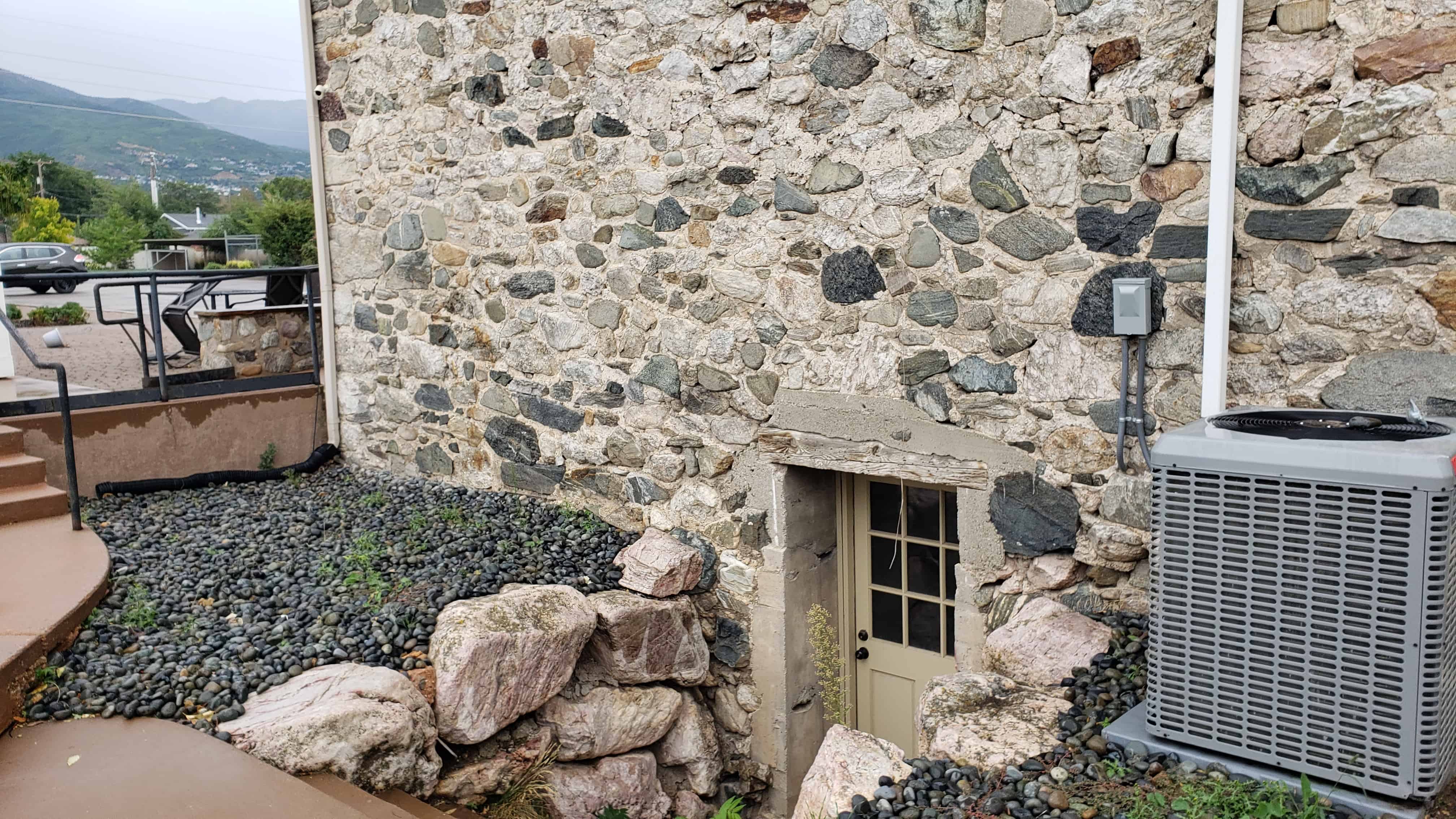
Daniel Carter Barn
1803-1887
The Daniel Carter Barn was built in 1850. It is the oldest structure standing in its original location in Bountiful.
Daniel Carter was born 28 August 1803, in Benson, Rutland, Vermont, the son of Jabez Carter and Rebecca Dowd. He was a farmer by profession. After joining the Church of Jesus Christ of Latter-day Saints, he moved first to Kirtland, Ohio, then Far West, Missouri, then Nauvoo, Illinois, and finally traveled by wagon train to the Salt Lake Valley in 1850 with his daughter, Ruth Clarissa.
He settled in what is now known as Bountiful. He built the rock barn to shelter not only his animals, but his family. Carter is listed among the area’s first nurserymen.
A description in the book, “east of Antelope Island,” said “Many a tree was budded by him.” He had the best fruit orchard in Bountiful and the produce from his vegetable garden was so plentiful, that he always had much to give away. Flowers, too, grew abundantly around his home. He died 10 April 1887, and is buried in the Bountiful City Cemetery.
This plaque has been donated by the posterity of Peter Carlos Cornia, a great grandson of Daniel Carter. Carlos was born 8 March 1886 in Woodruff, Rich County, Utah, the son of Peter Carlos Cornia and Lucy Helen Dickson. He died 11 March 1979 and is buried in the Woodruff City Cemetery.
Located at 299 North 200 West in Bountiful, Utah.


17 Wednesday Nov 2021
Posted in Uncategorized
Tags
06 Saturday Nov 2021
Posted in Uncategorized
Tags
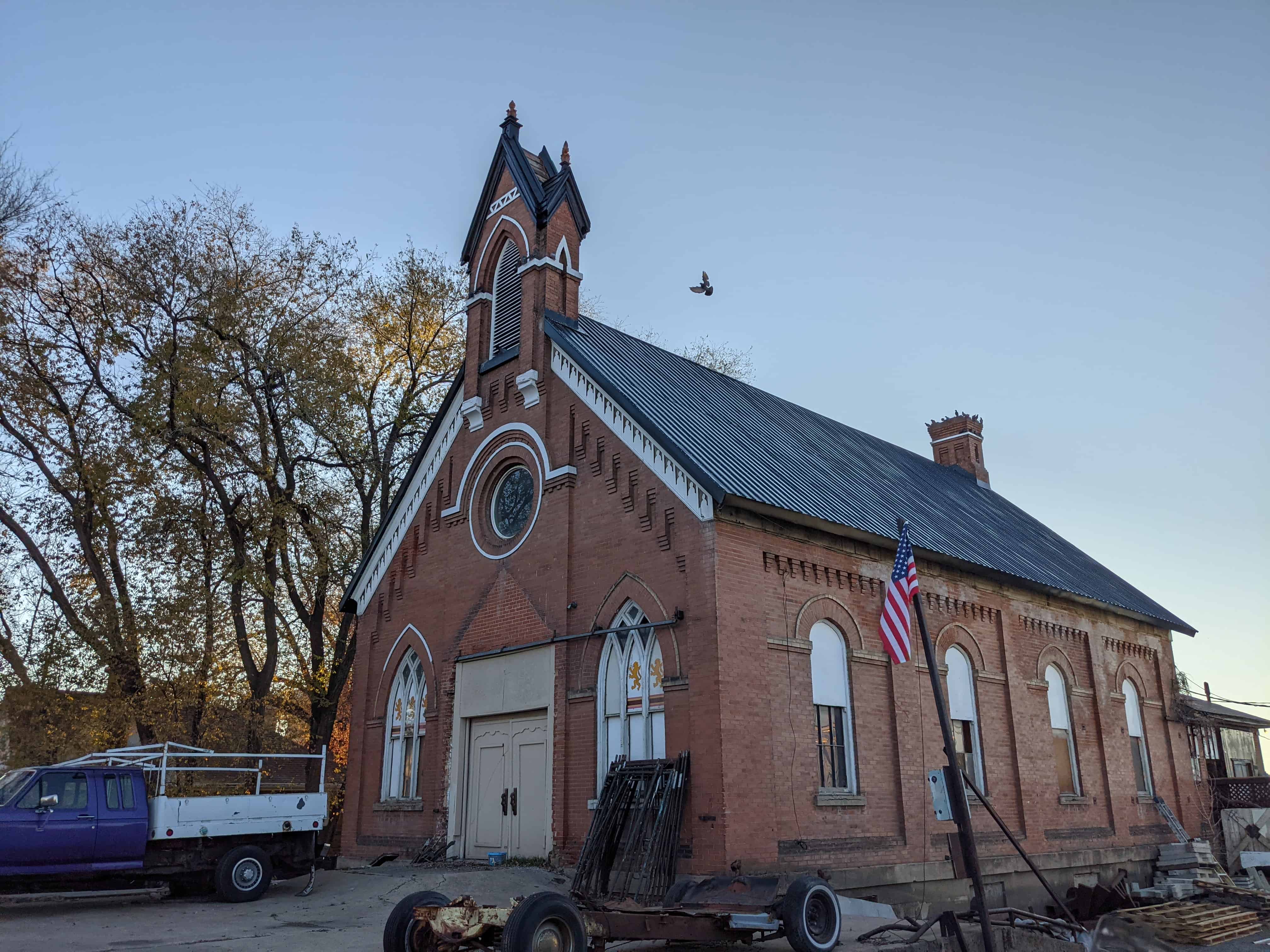
1880s, Davis County, Historic Churches, Kaysville, NRHP, Presbyterian, Presbyterian Churches, utah

Kaysville Presbyterian Church and School
Gothic-style Church built of brick in 1888 during the last years of an intense period of missionary activity by the Presbyterians in Utah. Architect was William Allen of Kaysville. Marker placed October 1973 by Alpheus and Ivy Harvey.
Located at 94 East Center Street in Kaysville, Utah on a parcel located at 80 East Center with another home.
Related: