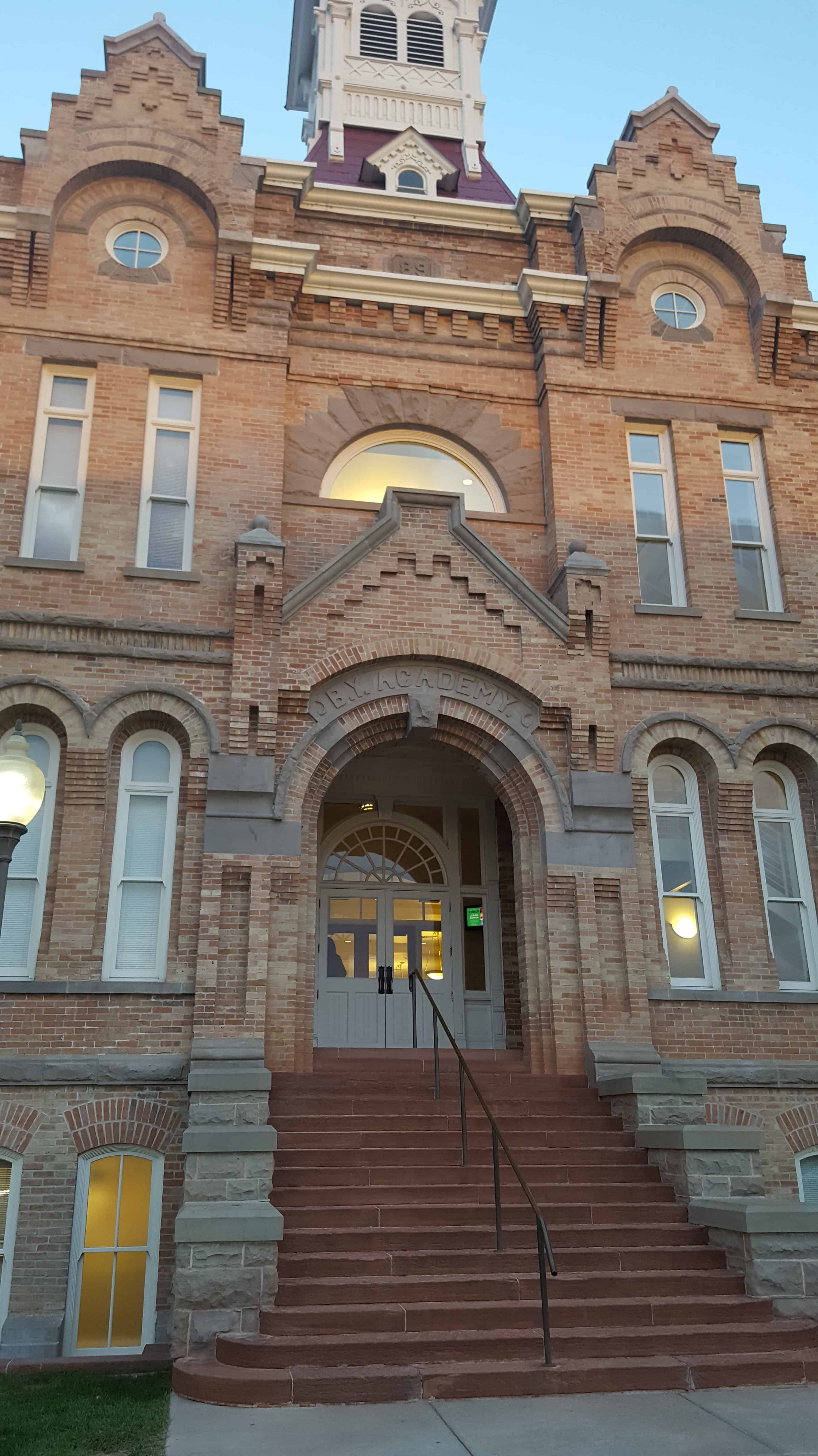
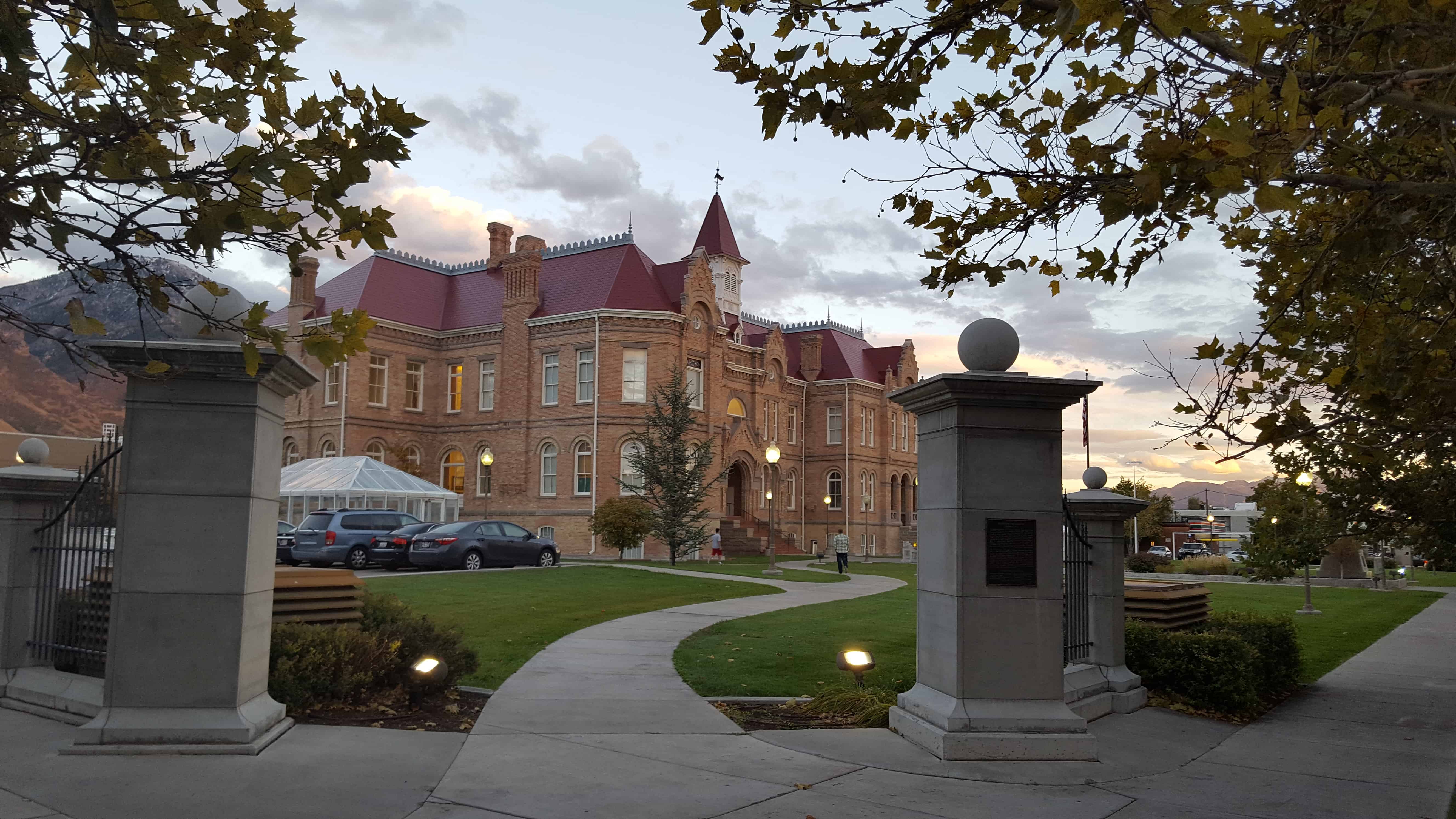
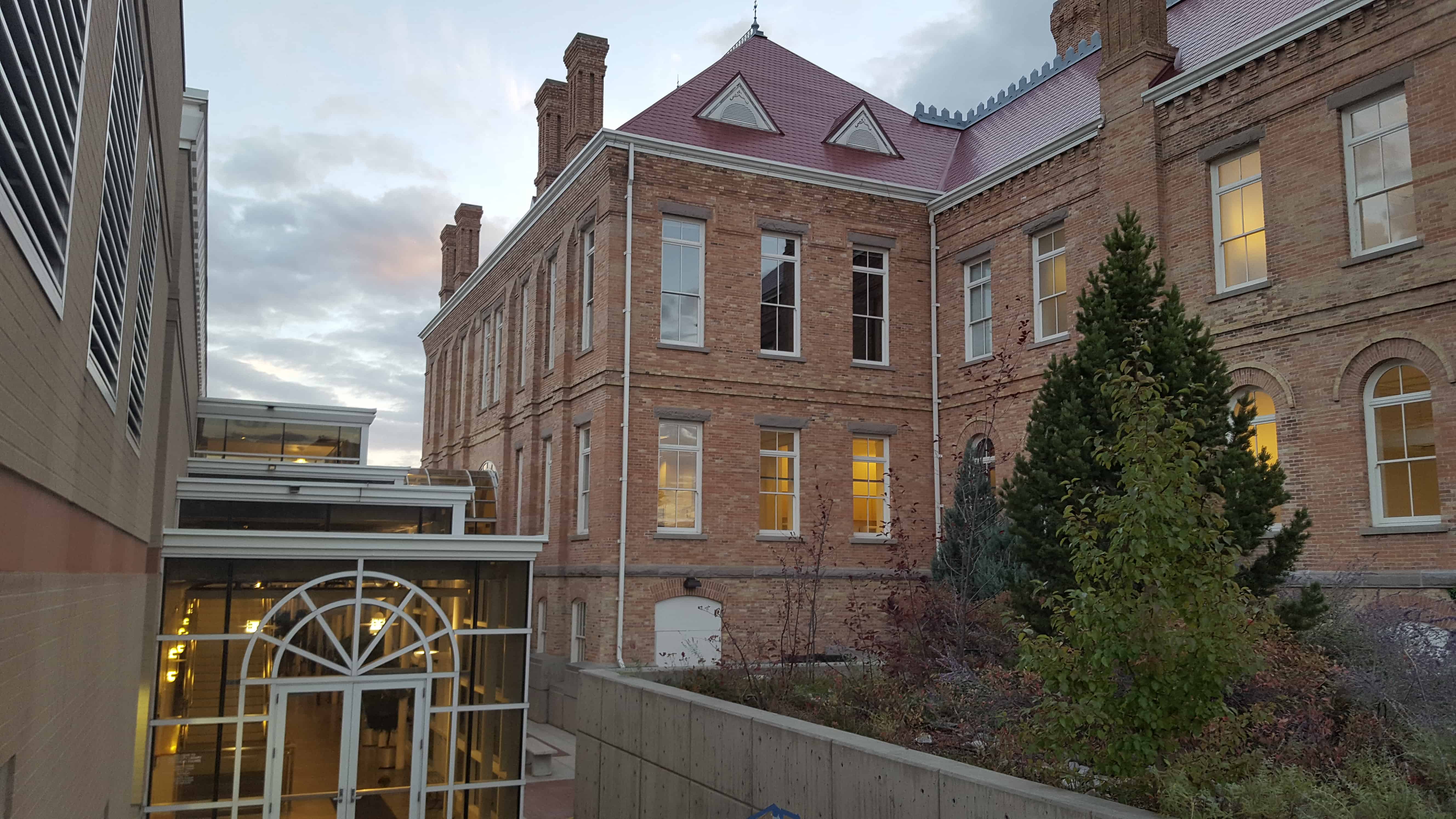
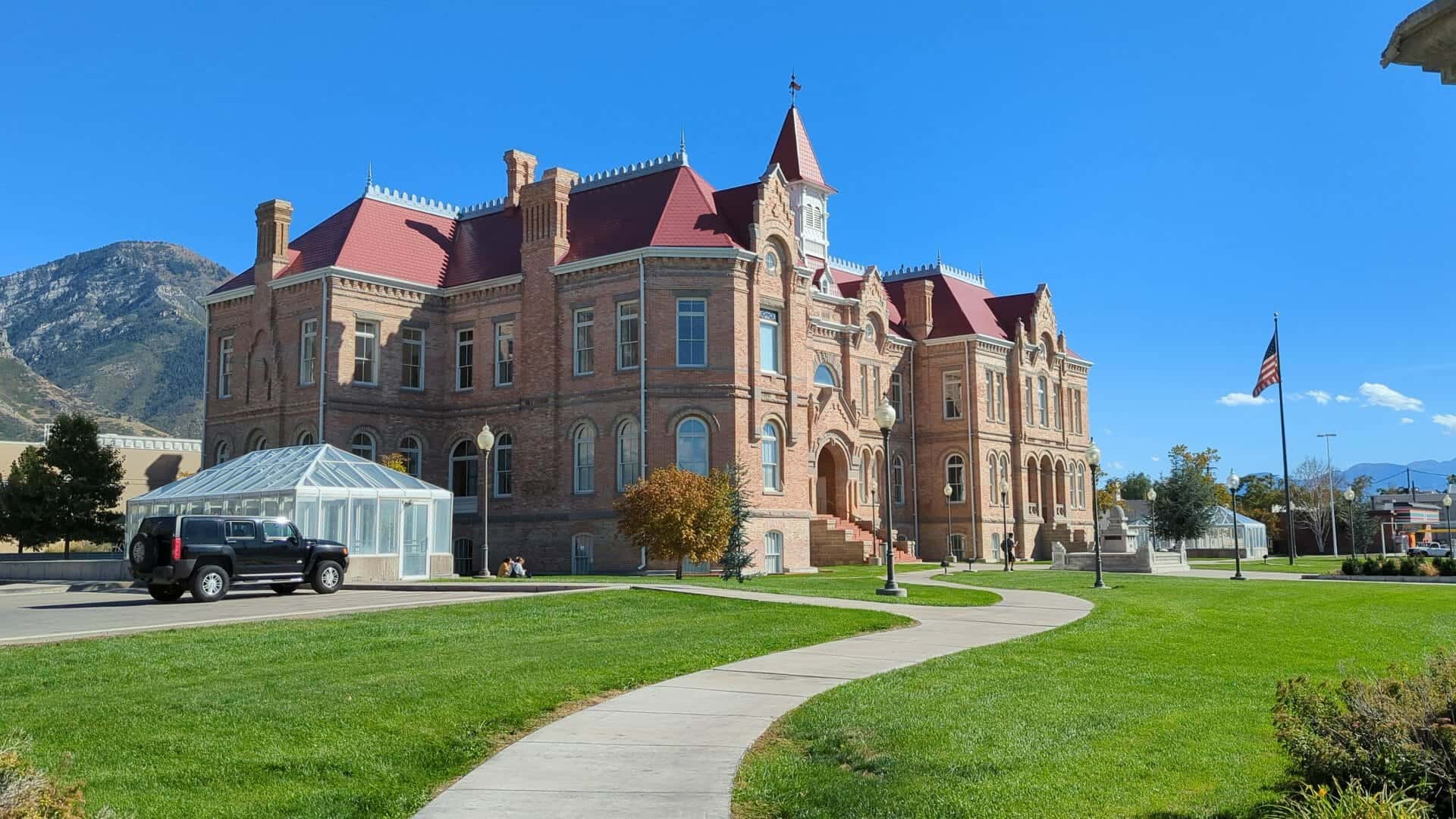
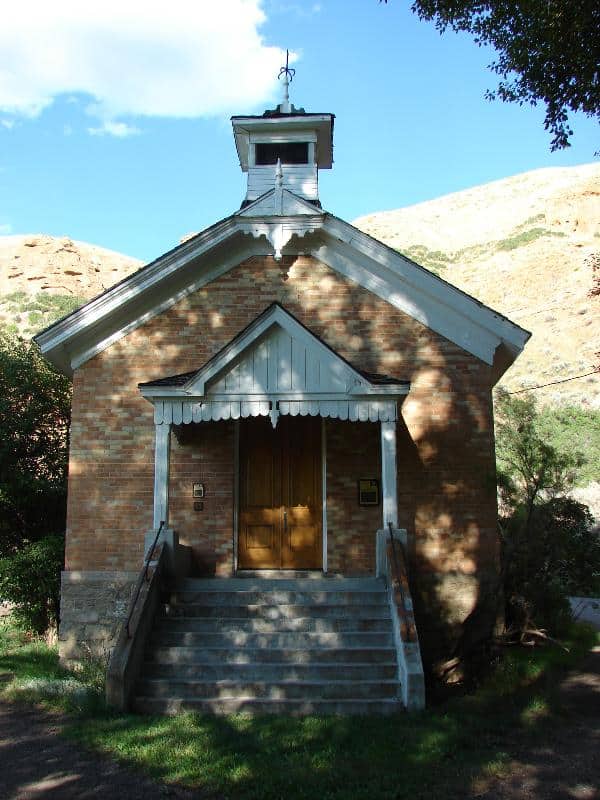
In 1901, Jefferson School was built at 757 S. Main Street in Springville. The school was built using a Victorian Romanesque style and out of the couple of schools that were built around the same time, the Jefferson School is the only one that is still standing.
When the school was built, there were also 2 other schools built, although they have since been demolished. This was due to the population growing towards the east side of Springville. All three buildings were built around the historic main street district. There used to be a fort located on the west side of the building, this may have been located where the large grass field currently is. I’m not sure when the school closed, but I did find an article online where a Springville councilman told of story about when he attended the school during World War II. I think I may have even found on classmates.com several people who attended the school in the 60’s and one who even attended it in the 1980’s.
Luckily the school has been preserved quite well. In 2004, it became part of the National Register of Historic Places as part of the Springville Historic District. The south boundary of the district is Jefferson School. The school was converted into an office building as is currently occupied by Red Cliff Ascent Treatment Centers. Red Cliff Ascent is a residential treatment center, specializing in outdoor activities for at-risk youth. I don’t know if they actually use the building as a housing complex, but I do believe that youth occasionally visit it, as the field to the west of the school is, I believe, owned by Red Cliff.
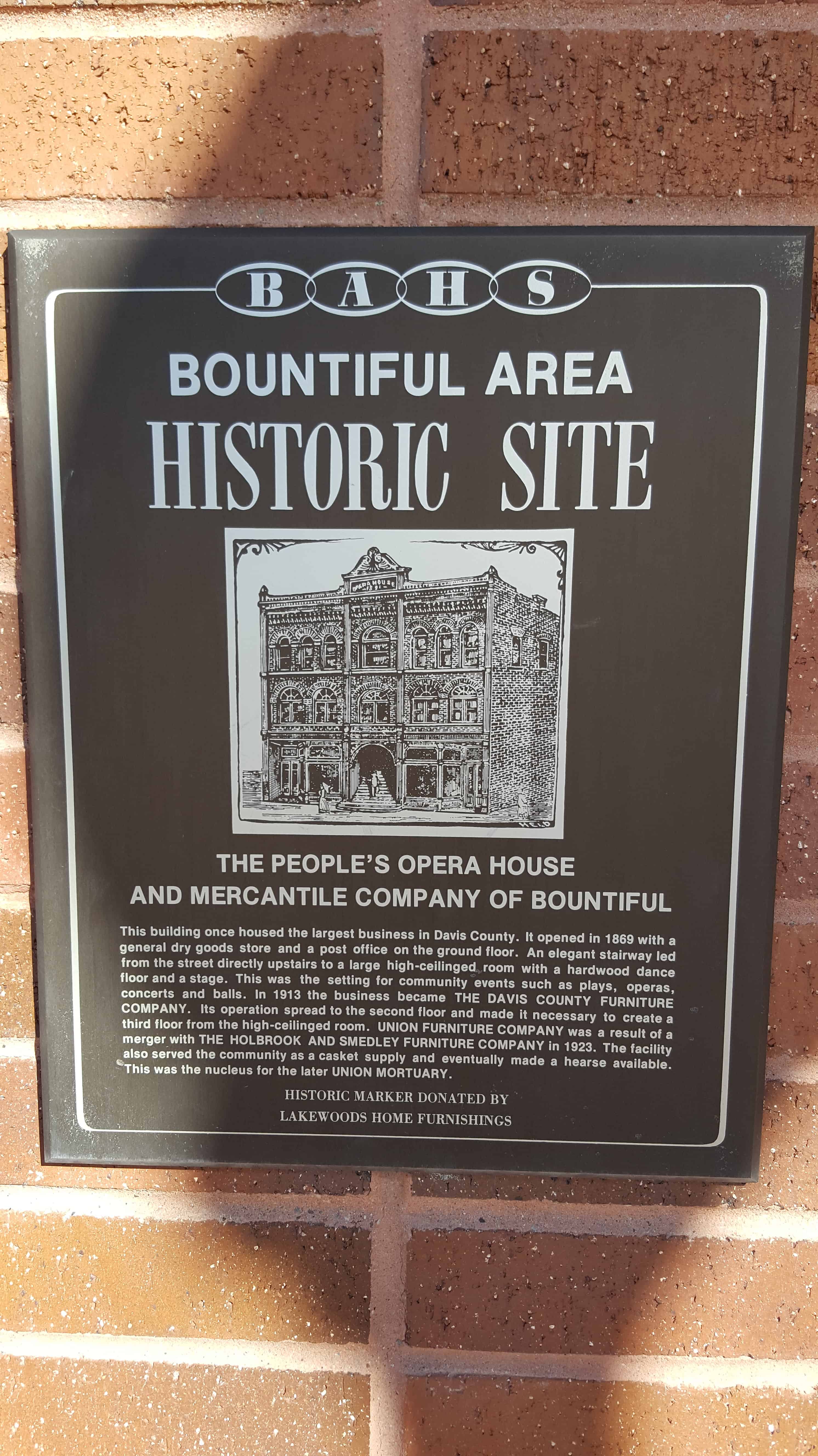
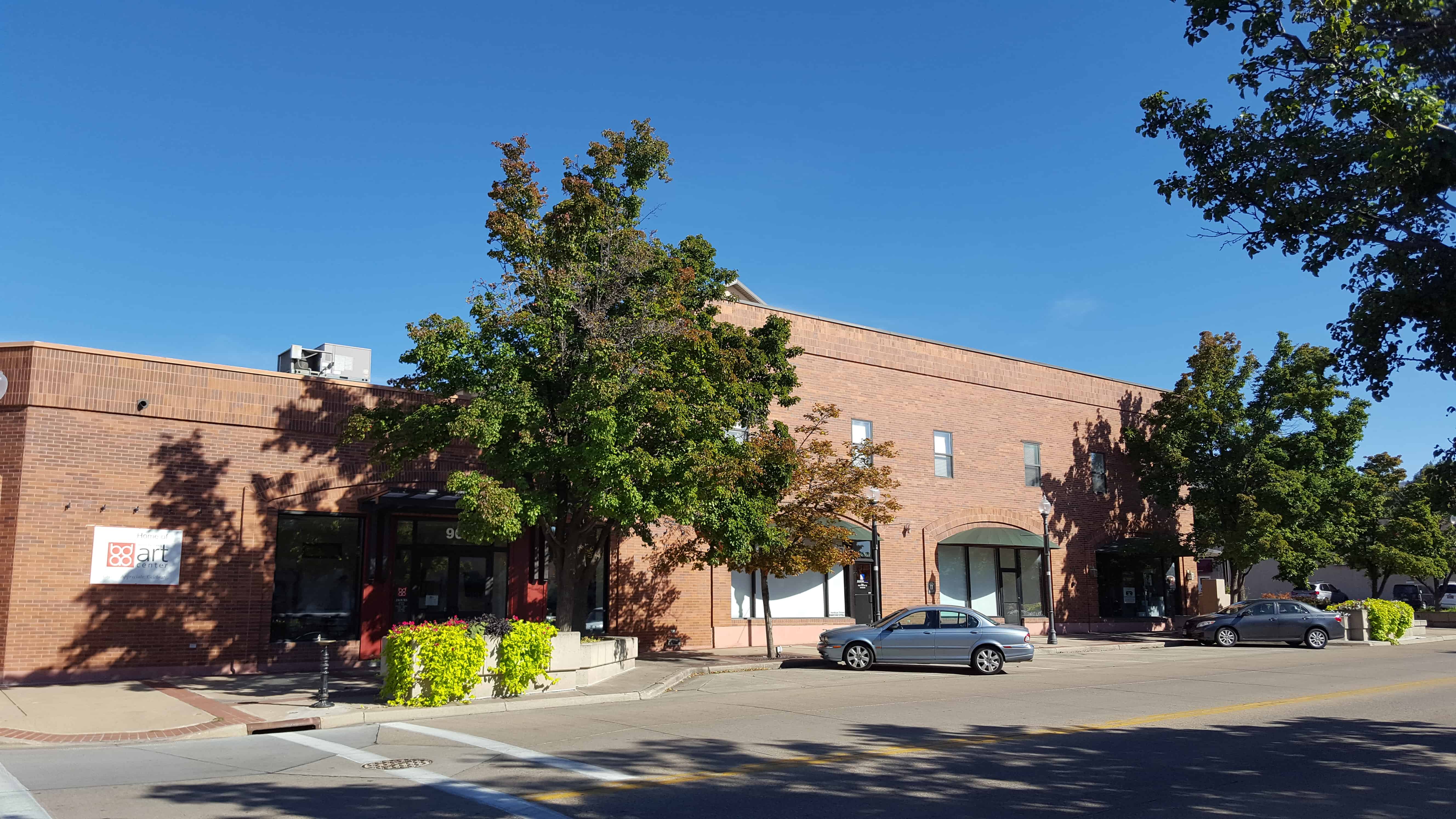
The People’s Opera House and Mercantile Company of Bountiful
This building once housed the largest business in Davis County. It opened in 1869 with a general dry goods store and a post office on the ground floor. An elegant stairway led from the street directly upstairs to a large high-ceilinged room with a hardwood dance floor and stage. This was the setting for community events such as plays, operas, concerts and balls. In 1913 the business became The Davis County Furniture Company. Its operation spread to the second floor and made it necessary to create a third floor from the high-ceilinged room. Union Furniture Company was a result of a merger with The Holbrook and Smedley Furniture Company in 1923. The facility also served the community as a casket supply and eventually made a hearse available. This was the nucleus for the later Union Mortuary.
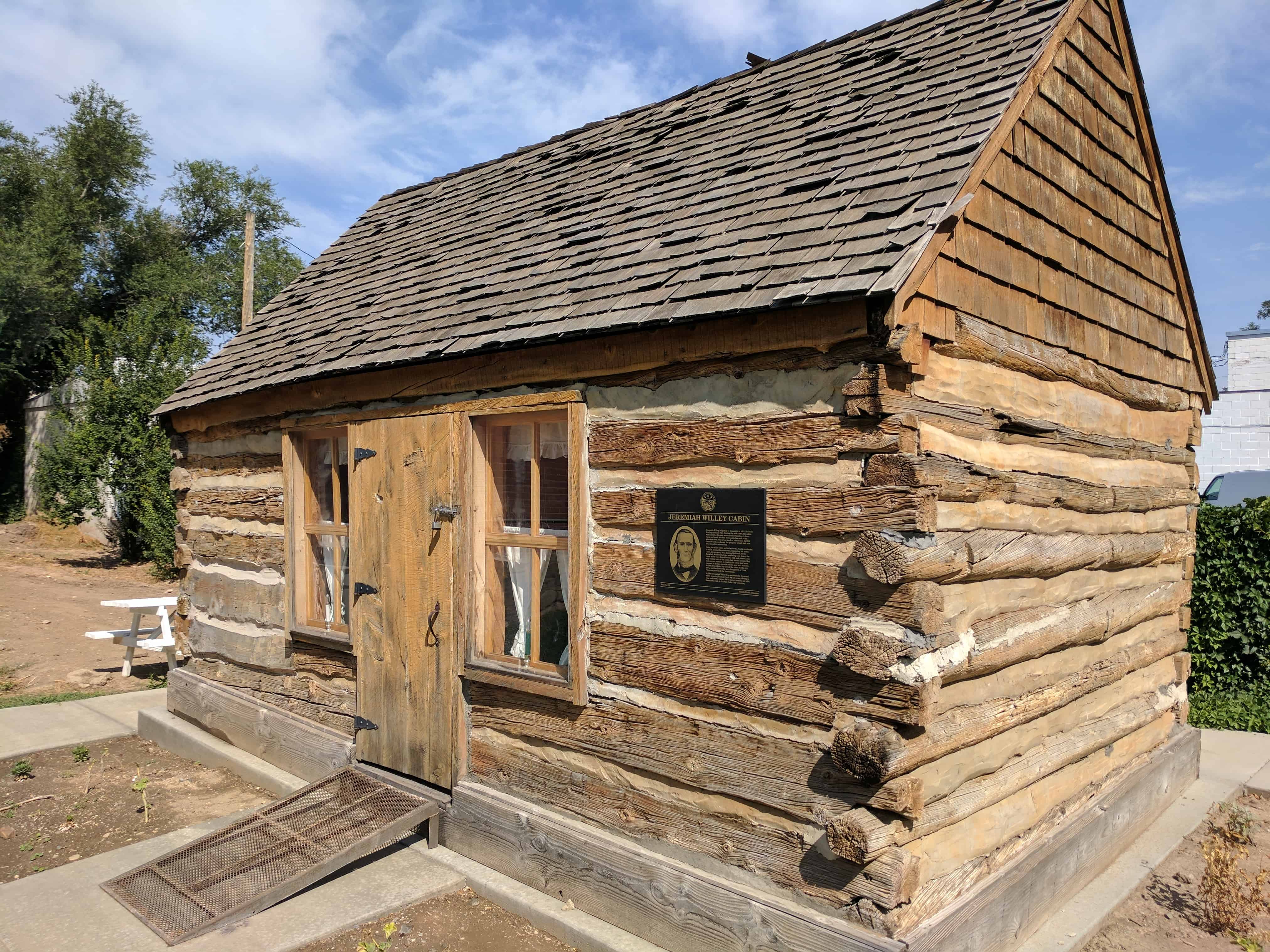
Jeremiah Willey migrated to Bountiful in 1851. He built this log cabin in 1854. During the mid-1930’s the cabin was home for his and several other families. A front room and small kitchen were added as well as an attached shed which was used as a bedroom. In 1939 Grant Neath purchased the property which had now been wired for electricity.
Using the main cabin as the bedroom, Neath continued to build around the structure, expanding his home. Later, the property was donated to South Davis Hospital. As the structure was being torn down, the cabin walls were found behind lath and plaster. The only visible part of the cabin had been a painted log and mortar portion. In reality, the cabin had been encased in a time-capsule for the past half century. In 1992 Bountiful City moved the cabin to the city park, and the Bountiful area Daughters of Utah Pioneers provided the furnishings.
In 1868 Jeremiah Willey was accidentally drowned while crossing Barton Creek by his home, closing a long and useful career. He is buried next to his wife, Samantha Call, in the Salt Lake City Cemetery.
See other historic markers in the series on this page for SUP Markers.
UPDATE
I noticed the cabin was moved from the above location (Next to the City building at 900 S 100 E) to a new location next to the Historical Museum (300 N Main).
(*)This building was built in 1863 by J. E. Johnson, St. George’s first horticulturist, and members of the Gardeners’ Club. It served as a meeting place for the club and was never used as a home. It is one of the oldest public buildings still in use in St. George.
Around 1869, advanced or special courses were given by Richard Horton in the Gardener’s Club Hall.
The Gardeners’ Club is said to be the oldest pioneer building still standing in St. George. It was built in 1867 on land reported to have been donated by Joseph E. Johnson, whose property it adjoined. Members of the club made their own adobes and took their own teams and wagons to the Pine Valley sawmill to secure the lumber for building the small structure for their meeting place.
When the first settlers came to St. George in 1861, they were instructed by Brigham Young to explore the region’s agricultural possibilities so that the colony might become self-sufficient. Noted horticulturist Walter E. Dodge of Santa Clara was joined by Luther Hemenway, J. E. Johnson and others in cooperative efforts to establish and improve Dixie’s crops. Johnson published a newspaper, The Pomologist, to encourage horticulture, and the club staged displays of agricultural products, giving ribbons to the winners, in what must have been the forerunner of the county fair.
It is difficult for us to visualize this small building as the center of the village’s social and civic life until the completion of the Social Hall across the street. However, plays were held here, as were receptions, meetings and fairs. It even welcomed dances, but since space was so limited, a young man purchasing a ticket received a number and was only allowed to take his partner onto the floor when his number was called.
Eventually the building was deeded to James Pace and then to Sheriff Hardy, in whose family it remained until the Pace family secured it again and began the restoration of the corner.
The Gardeners’ Club stands today in the complex known as Ancestor Square and is used for a boutiqe shop. It remains much as it was at the time of its construction. It is a lasting memorial to the workmanship our ancestors believed in doing.
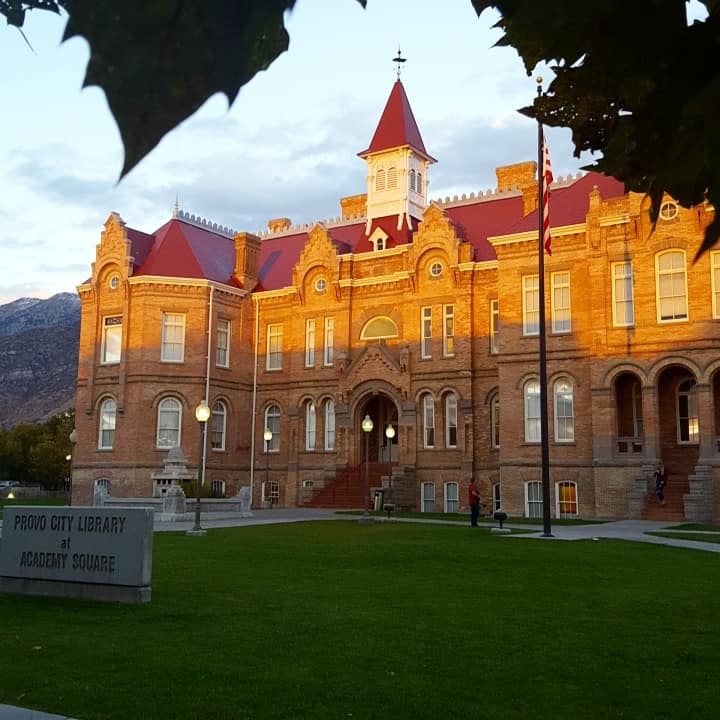
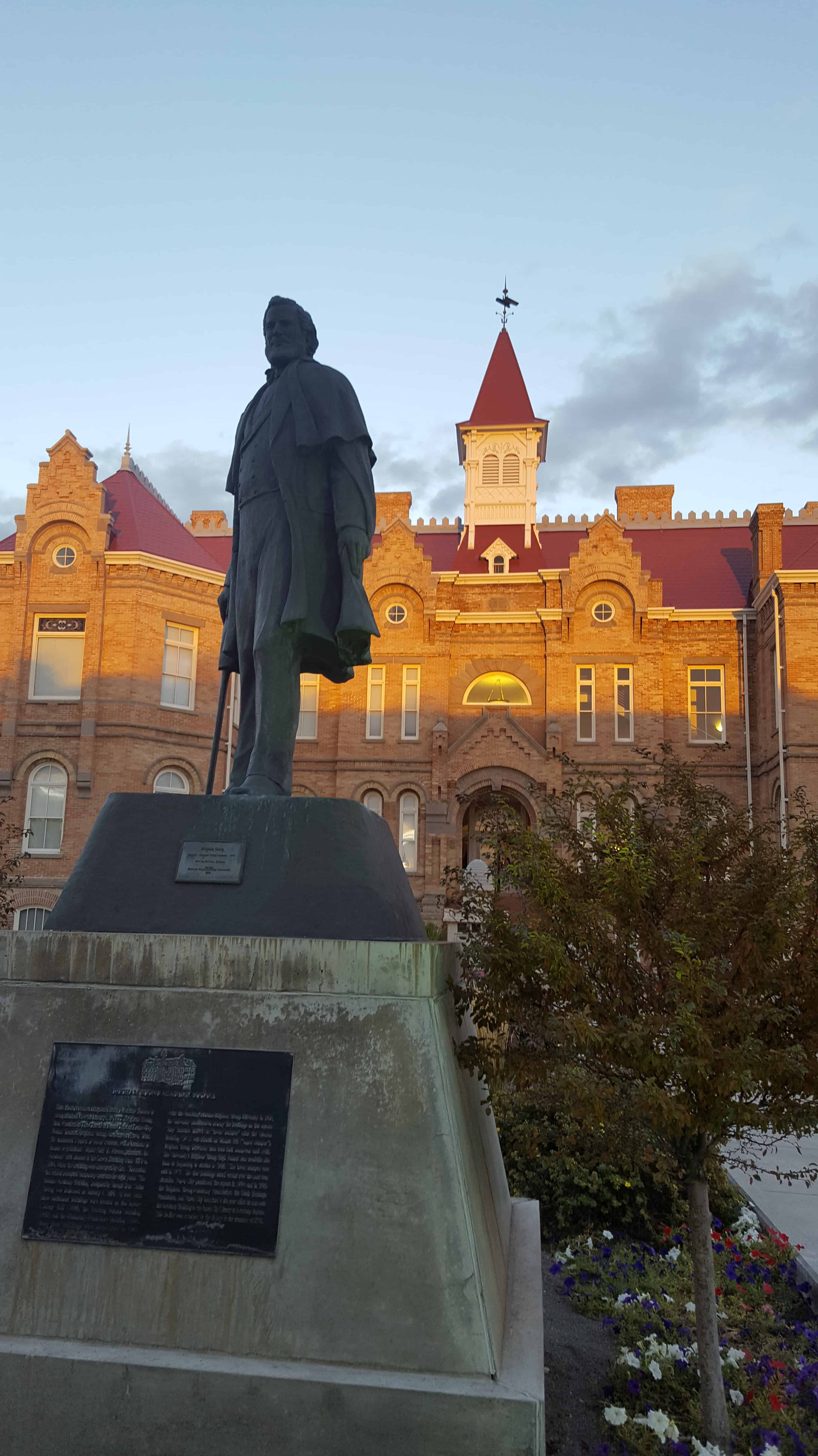
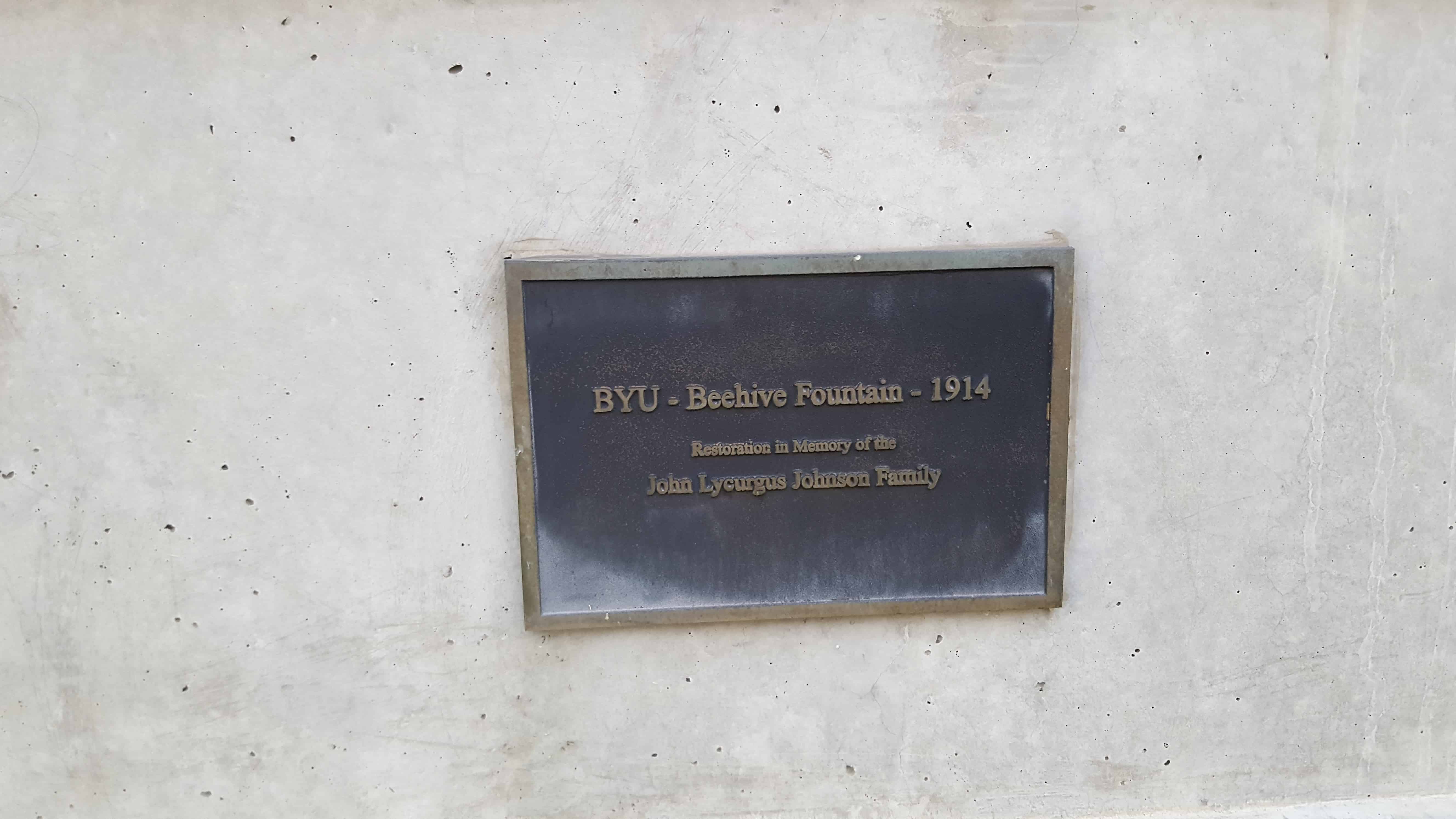
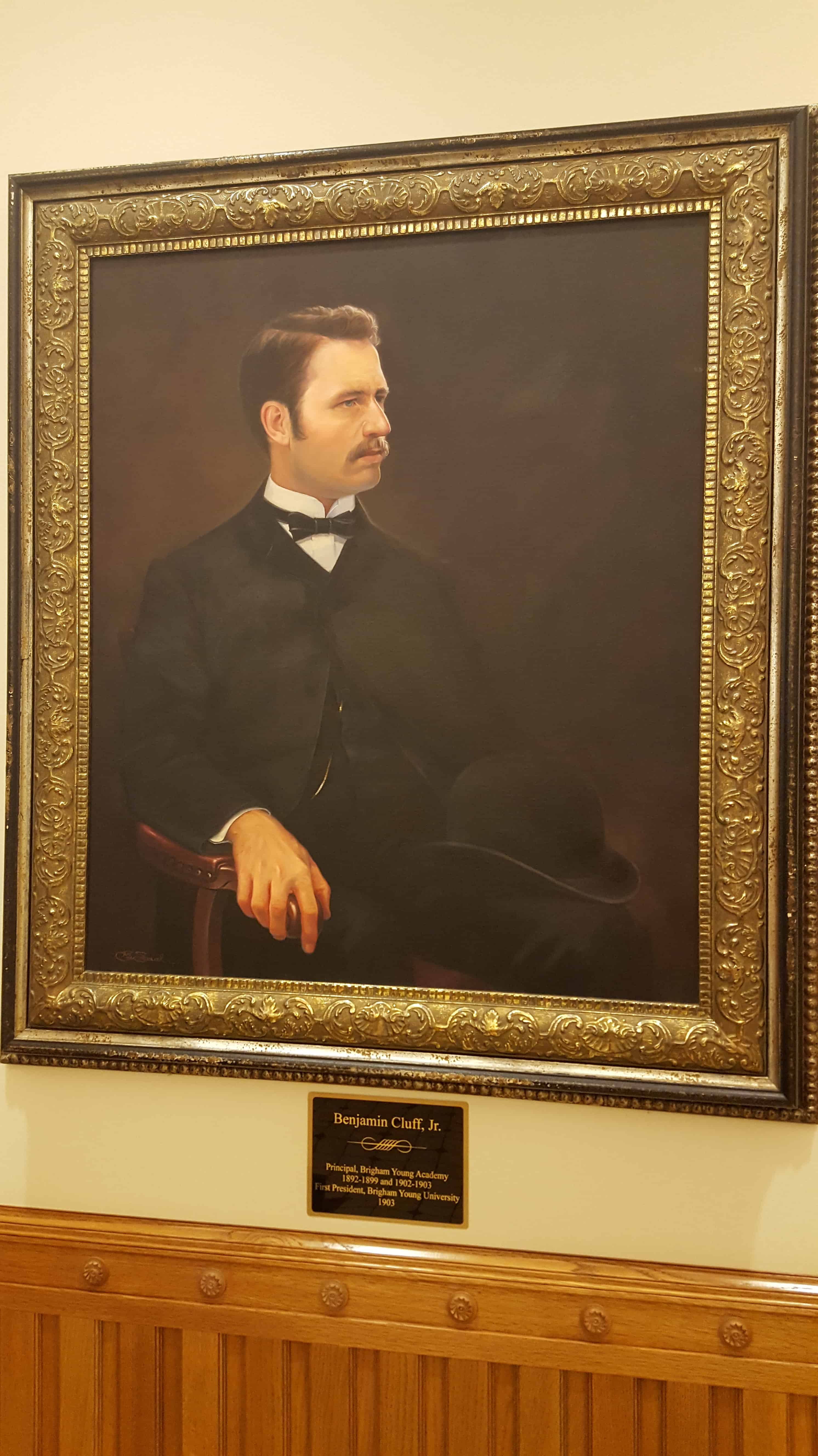
Brigham Young Academy was the predecessor of both the Brigham Young High School and Brigham Young University. The Academy was founded in 1876. The Academy was essentially a high school until 1896 when a College Department was added. In 1903, although the high school students still outnumbered the college level students, the name of the Academy was changed to Brigham Young University. The High School continued as a part of the University until the end of the 1967-1968 school year. At that time the High School was shut down permanently.
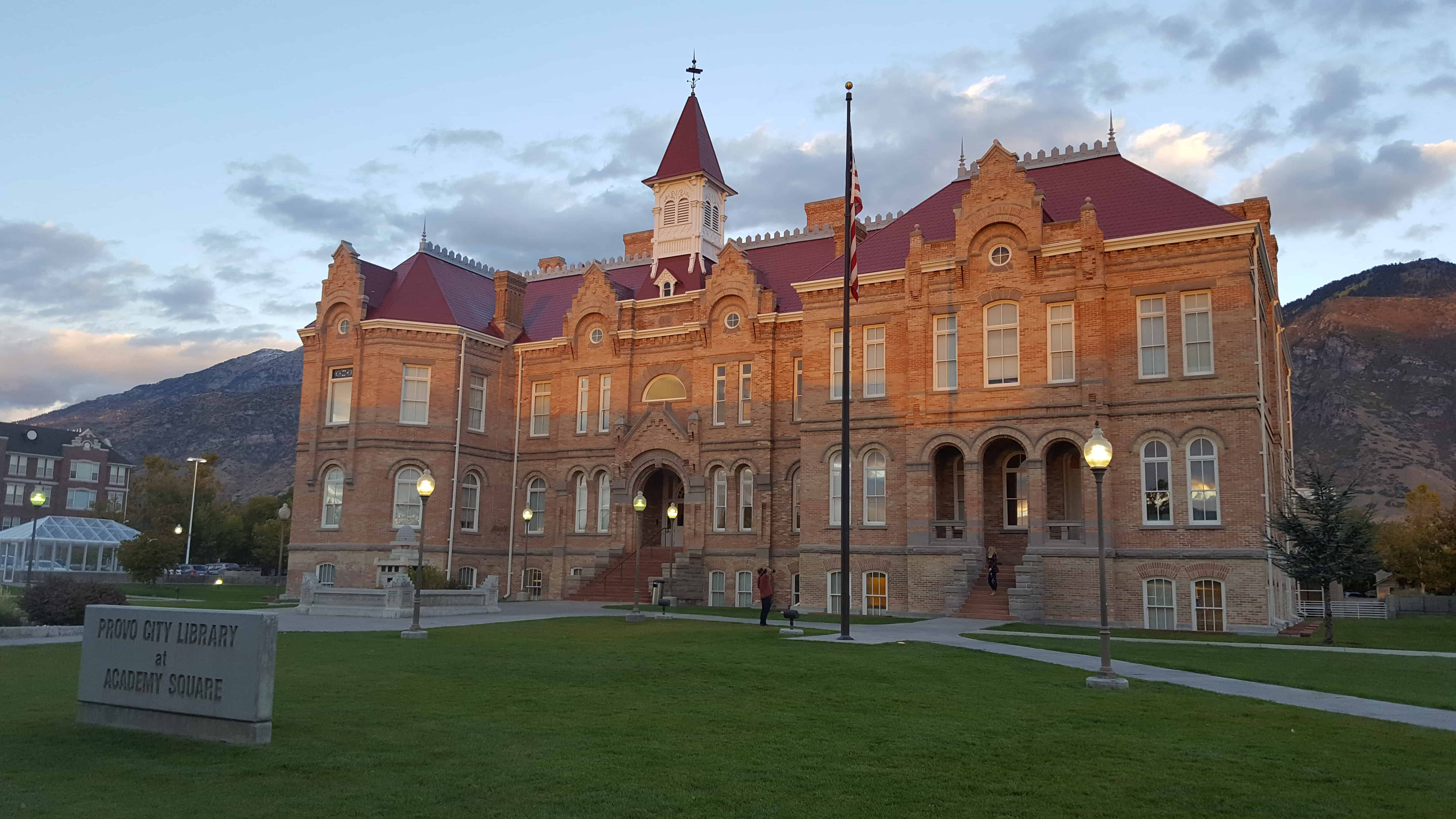
The Brigham Young Academy was one of the largest school buildings in the western Rocky Mountain region. The Principal of the Academy, Karl G. Maeser, designed the building with the help of Don Carlos Young as the architect. The Academy was located in Northern Provo. The name of the building has changed many times: in 1898, it was known as the High School Building, and in 1922 it was known as the Education Building, which it remained until 1968.
Located at 550 North University Avenue in Provo, Utah and added to the National Register of Historic Places on (#76001839) January 1, 1976.
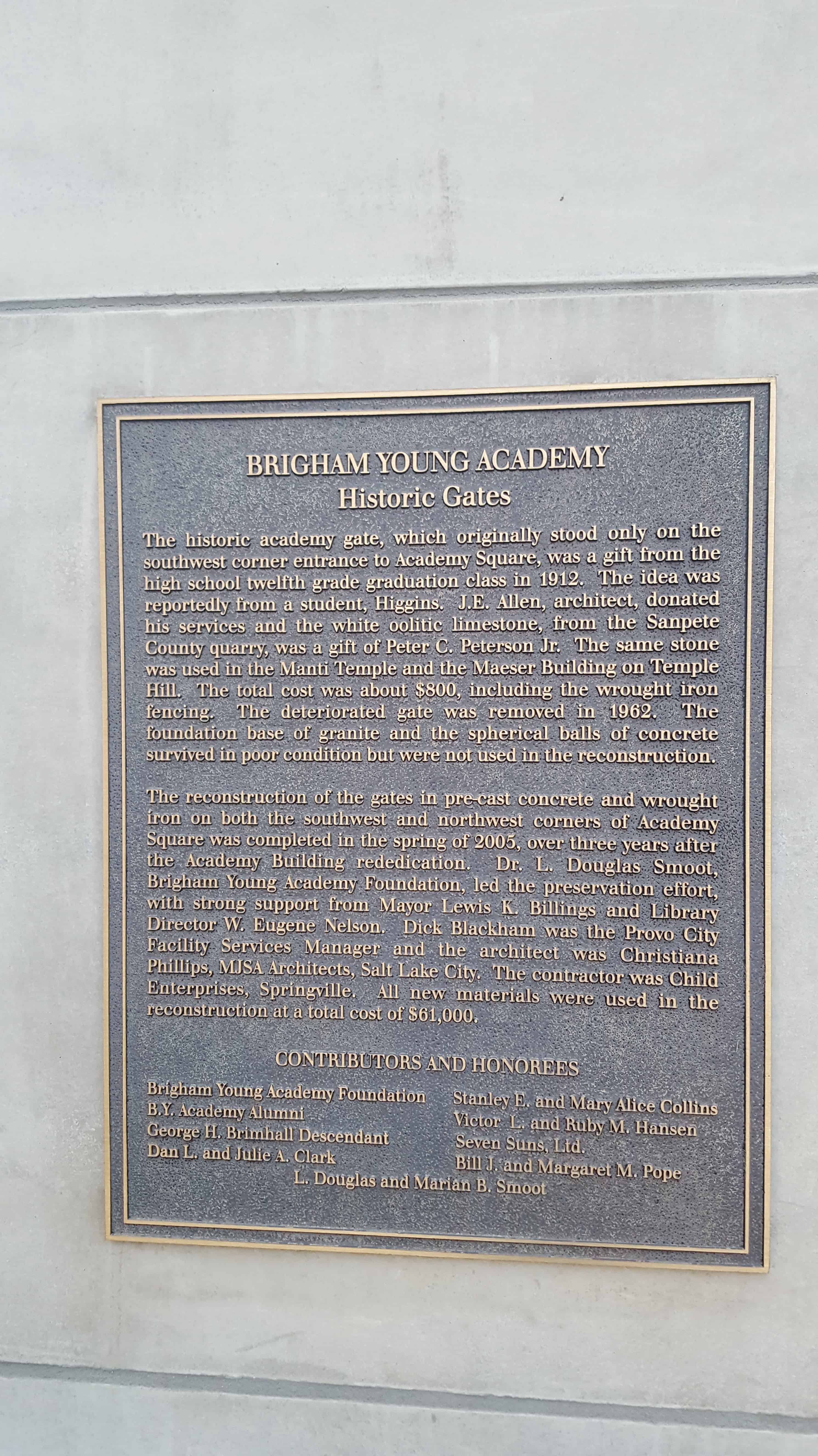
This block is named Brigham Young Academy Square in recognition of its vital history. In 1875, Brigham Young, then President of the Church of Jesus Christ of Latter-day Saints, founded Brigham Young Academy in Provo, Utah. He appointed a board of seven trustees, with Abraham O. Smoot as president. Under Karl G. Maeser, principal, the Academy held classes in the Lewis Building from 1876 to 1884, when the building was destroyed by fire. Thereafter, the school occupied temporary quarters for eight years. The historic Academy Building, designed by Joseph Don Carlos Young, was dedicated on January 4, 1892. In later years, three additional buildings were erected on this square: College Hall (1898), the Training School Building (1902), and the Missionary Preparatory Building (1904). These three buildings were demolished in 1997.
After the Academy became Brigham Young University in 1903, the University continued to occupy the buildings on this square. They became known as “lower campus” after the Maeser Building (1911) was erected on Temple Hill (“upper campus”). Brigham Young University then used both campuses until 1968. The University’s Brigham Young High School also used this site from it’s beginning to closure in 1968. The lower campus was sold in 1975. The four buildings stood vacant over the next two decades. Provo City purchased the square in 1994 and in 1995 the Brigham Young Academy Foundation, the Utah Heritage Foundation, and Provo City launched a six-year effort to renovate the Academy Buildings as the Provo City Library at Academy Square. This facility was occupied by the library in the summer of 2001.
From the nomination form of the national register:
Brigham Young Academy was created October 16, 1875, by Brigham Young as part of a chain of academies sponsored by the Mormon Church throughout Utah. The first principal was Warren N. Dusenberry who resigned after a year to practice law. Brigham Young then called Carl G. Maeser, a teacher from Germany, to be principal. Maeser was surprised by the assignment and when he went to Brigham Young for instructions the Church President gave only one admonition: “You should not teach even the alphabet or the multiplication tables without the Spirit of God. That is all. God bless you. Goodbye.”
The school met in a variety of locations before the Academy, the first structure on Lower Campus, was built. But the Academy building, and the others constructed later on the Lower Campus; site, were the first built specifically for the school. Originally the campus was, located in the country outside Provo City. Later the city grew up around the Lower Campus, indicating the importance of the university in Provo f s community life.
Over the years, the Church school system was gradually superseded by a public, state-financed system, until finally the Provo school became the only higher educational institution of the Church in Utah.
In 1897 the First Presidency assumed the primary financial responsibility. Prior to that year, the Academy had been sponsored by A,0. Smoot and “Uncle” Jesse Knight with, subsidiary contributions from other wealthy friends. In 1903 the name was changed to Brigham Young University to signify its change in purpose from church normal school to an institution with a wider scope. Today BYU is the largest private university in the country.
Theology, particularly the principles of the LDS Church, has always provided the foundation for BYU. The deed of trust indicated that “nothing shall be taught in any way conflicting with the principles of the Gospel.” This maxim is still in force today, indicating a philosophy and tradition of education found in few other institutions of higher learning.
The Lower Campus was the first permanent home of the Brigham Young Academy (later University). The original Academy Building was also one of the first, and finest, buildings built in the state expressly for higher education.
The first home of the Brigham Young Academy (founded in 1875) was the Lewis Building at 300 West and Center Street in Provo, This building burned in 1884. Immediately, Joseph Don Carlos Young, son of Brigham, was hired to draw plans for a permanent Academy Building, Excavation began in 1884. then was discontinued until 1890. The Academy Building was finished in 1891 and dedicated January 4, 1892. At the dedicatory service, Wilford Woodruff, then president of the Mormon Church (the sponsoring body then, as now, of Brigham Young University), declared that “It is the finest building in Utah erected for the education of the children.’ (Territorial Enquirer? January 4, 1892)
At the dedication, Karl G, Maeser who was retiring; as principal of the school told how Brigham Young had cone to him in a dream in 1898 and led, him through a building to a big room on the top floor where Brigham disappeared. Maeser woke up, drew what he had seen, then stored it away. When J. Don Carlos Young was commissioned architect for the building, Maeser showed him the plan. The resulting interior followed Maeser’s dream plan closely, prompting Maeser to declare, ‘When in future days people shall ask for the name of the wise designer of … the edifice, let the answer be: Brigham Young.” (BYU Archives, Lower Campus papers)
Highlights of the building included a large assembly room on the second floor where all school functions were held, for several years,, and a ventilating system which offered “cold, not, or perfumed” air. (Territorial Enquirer January 4, 1892)
Though the Academy Building could accommodate 600 students, it rapidly became , inadequate. Therefore, a campaign began for another building, Reed Smoot, later U. S. Senator, volunteered, ten friends to make contributions of $1000 each. Smoot assumed the remaining cost himself. This structure became the College Building and was connected to the Academy at the back. The Academy now housed the younger students and was renamed the High School Building.
The next project, the Training Building designed by Richard Watkins, was completed in 1902. It was originally the Church Normal School, but was funded independently with generous contributions from Jesse Knight, David Evans, Thomas Kearns and David Keith, who were all important in Utah mining circles. The second floor housed the gymnasium, probably the first educational one in the state.
The Arts Building (architect Richard Watkins) was completed in 1904. As the Missionary and Preparatory Building, the first two stories were financed with contributions from the Utah Valley stakes (dioceses) of the LDS Church. The third story was finished courtesy of Emma Lucy Gates Bowen (prominent Utah opera singer) who gave $1000 for a domestic science department in honor of her grandmother, Lucy B. Young one of Brigham’s wives. Eventually, the purpose of the building changed and was renamed the Arts Building. In 1912 a steel bridge was built connecting the third floor of the Arts with the second of the High School (Academy).
A blacksmith shop across the street north was completed in 1904 and the Women’s Gym across the street west was finished in 1912. In the early 20s, the Academy became a University and began moving to Temple Hill where it is today. As a result the High School changed function again and became the Education Building, by which name it is still known.
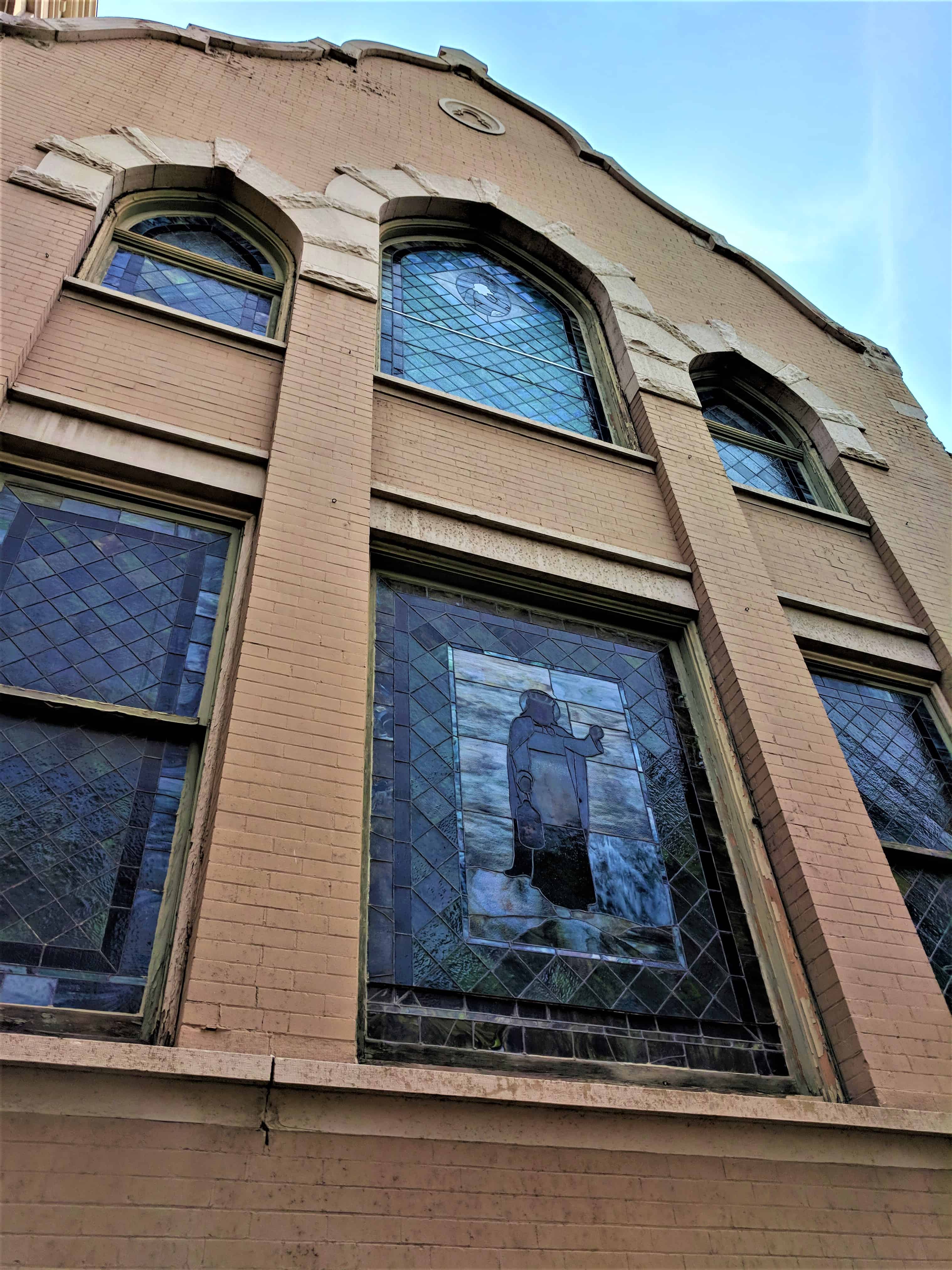
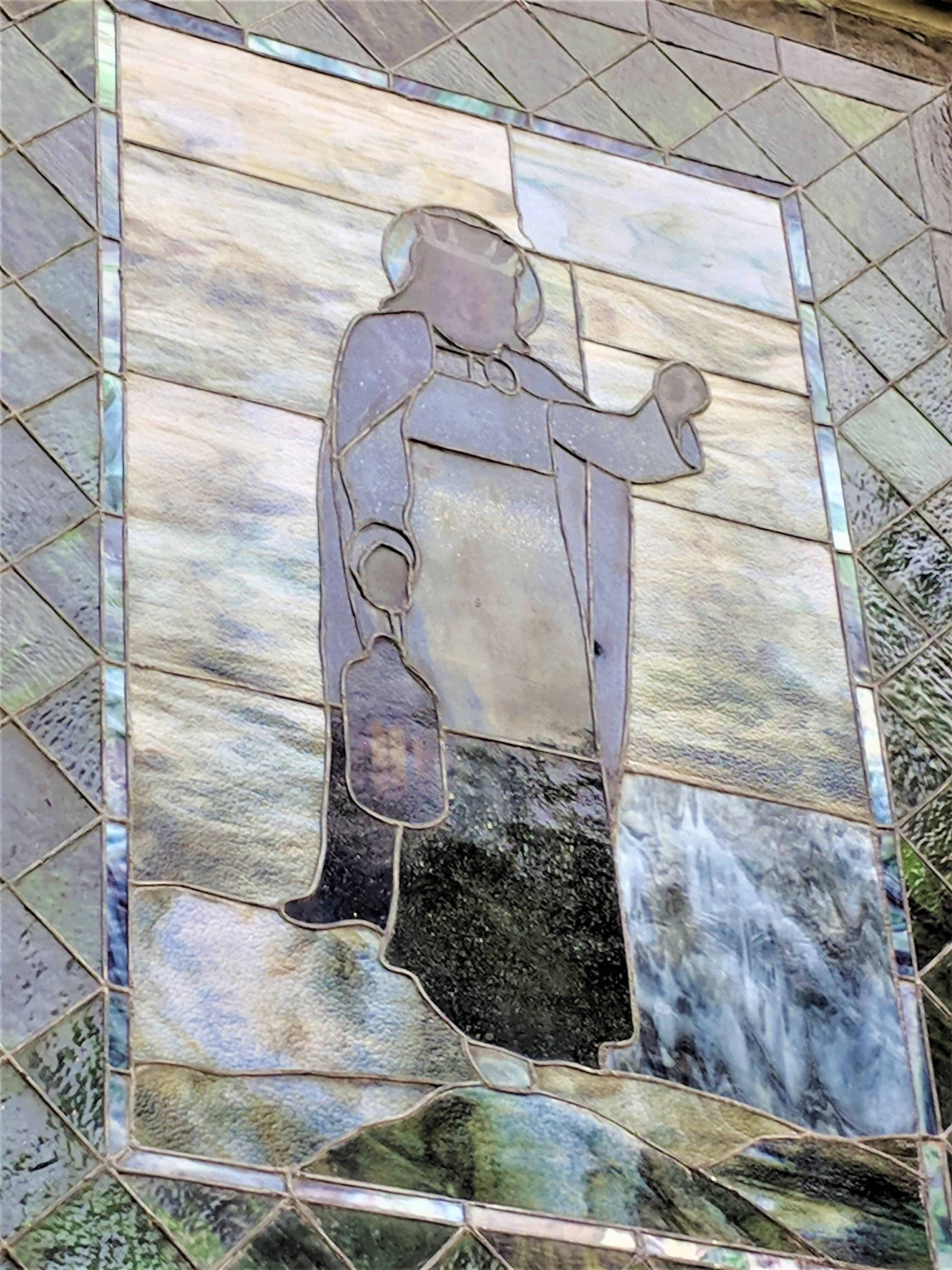
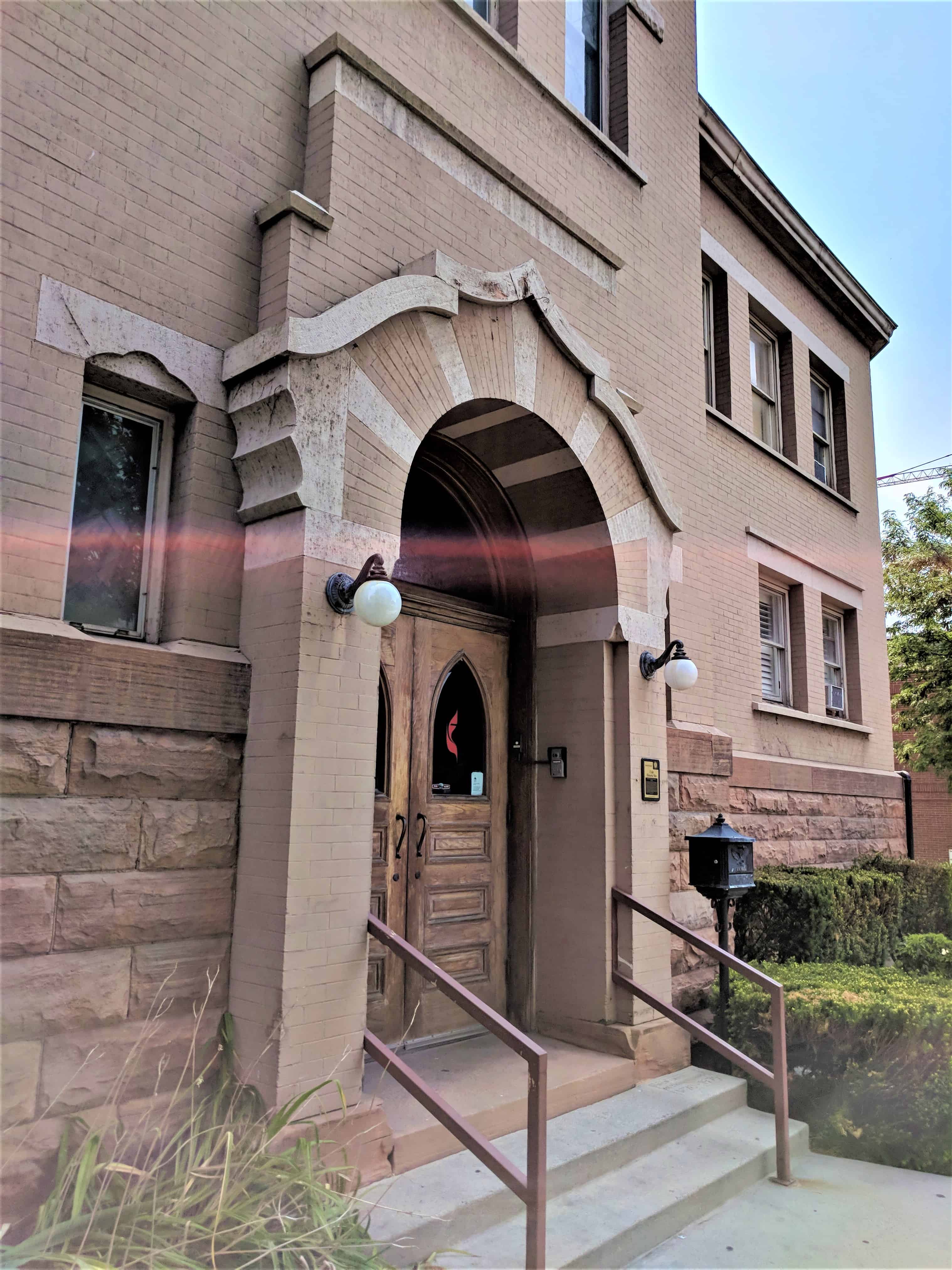
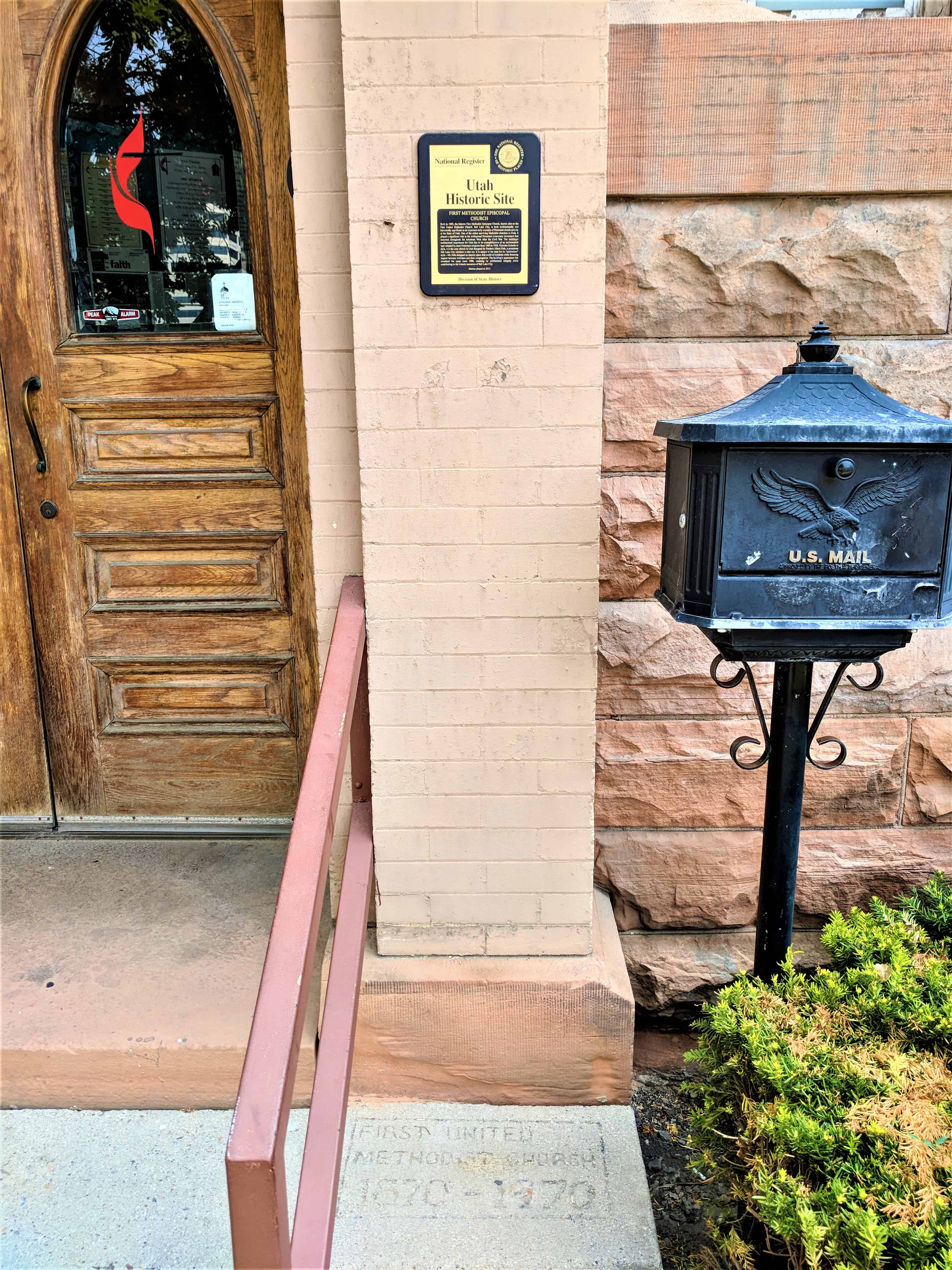
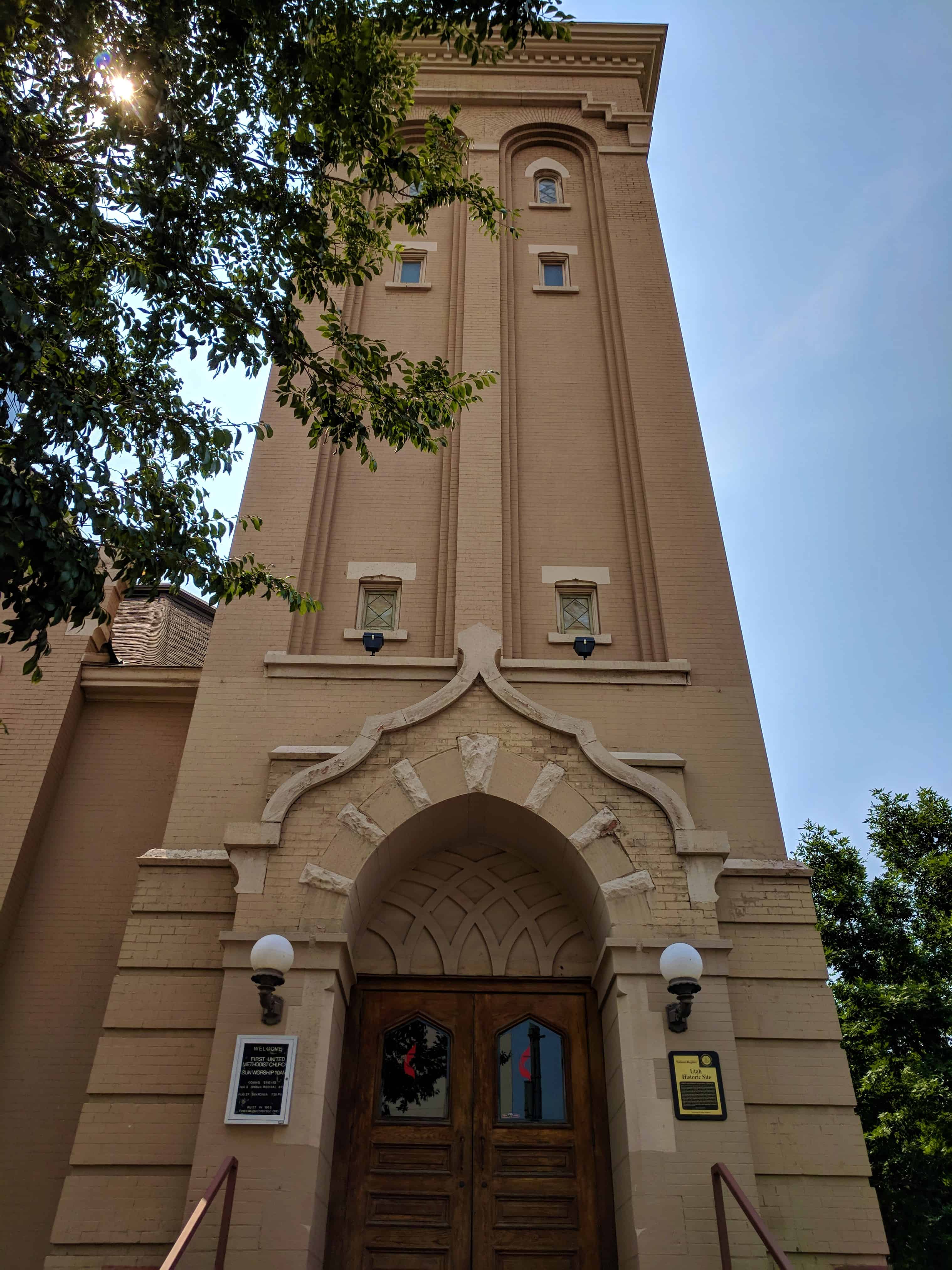
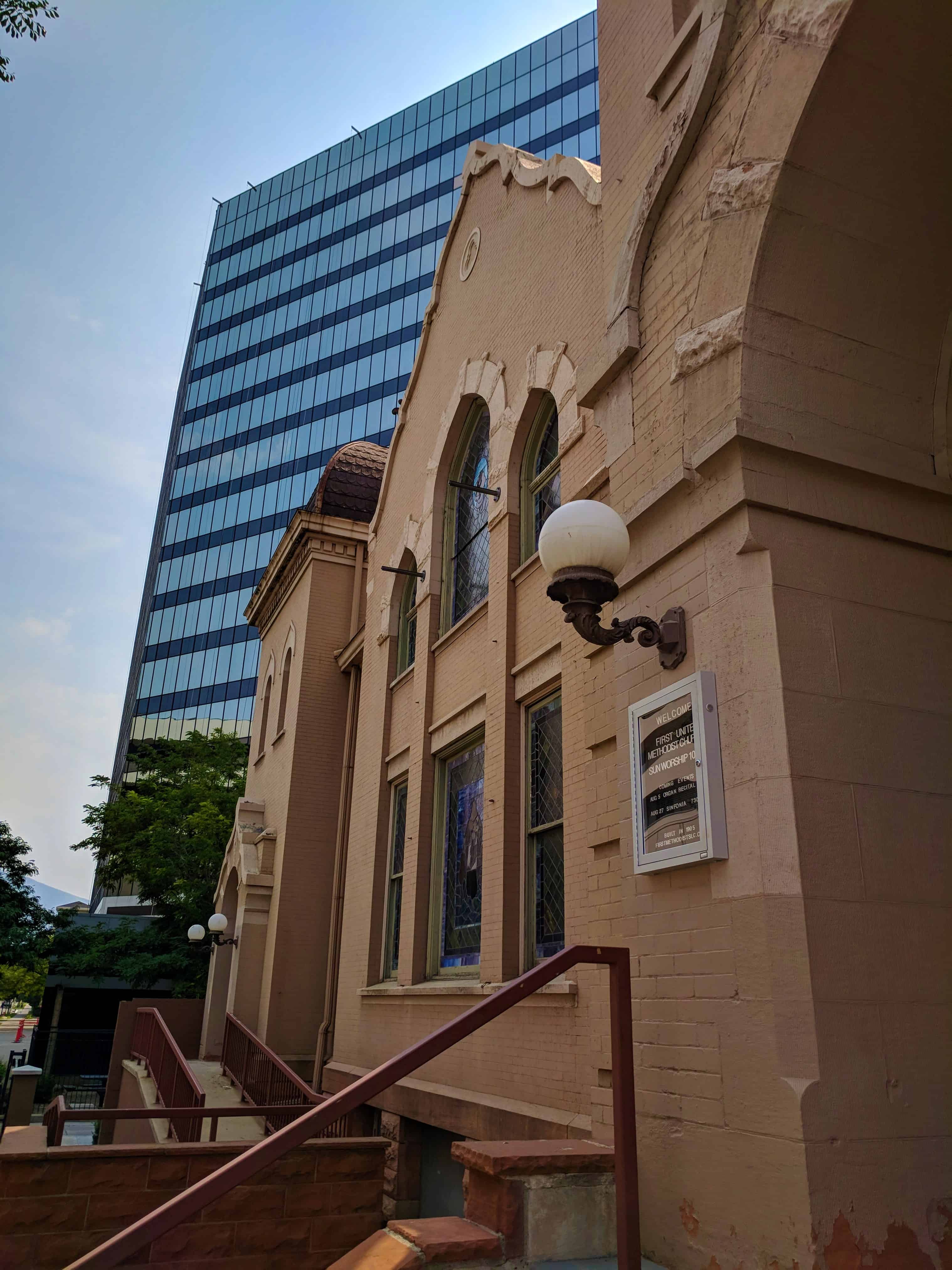
Built in 1905, the historic First Methodist Episcopal Church, known also as the First United Methodist Church, Salt Lake City, is both architecturally and historically significant as an important early example of Protestant church activity in the State of Utah.
One of the oldest surviving Methodist churches in Utah, it played a significant role in the widespread Protestant missionary movement that occurred throughout the American West after the Civil War. The building’s architectural importance for Utah lies in its exemplification of an ecclesiastical type adopted by most Protestant religions from 1880 to 1930. Victorian Eclectic in style, it is the only church in Utah designed by Frederick Albert Hale, a prominent Salt Lake City architect in that era. It is unique in the state for its “auditorium” style – Mr. Hale designed an interior space that could sit hundreds while fostering rapport between ministers and their congregation. The building’s appearance has remained the same since 1906, retaining its architectural integrity while contributing to the historic resources of Salt Lake City.
It was added to the National Register of Historic Places in 1995.
Erected 2013 – This bridge commemorates the area where the first pioneers crossed the Jordan River to settle the West side of the Salt lake Valley. In November 1848, the family of Joseph and Susannah Harker were the first “over Jordan” and built a log home near 3300 South and 1400 West.
On January 9, 1849, the families of Thomas MacKay, John Bennion, Samuel Bennion, Thomas Tarbet, William Blackhurt, William Farrer, John Robinson and James Taylor crossed the Jordan River on the ice and built dugouts and cabins in this area.
Other settlers followed these first pioneer, resulting in many prosperous communities West of the Jordan River. Pioneer Crossing Bridge honors these first families and all others who have sought a brighter future by making their home on the Salt Lake Valley’s West side.
Moesser – Rushton Granary
Erected c1878 in Hunter, Preserved 2014 – As pioneers and homesteaders moved West across the Salt Lake Valley they prospered in developing farming communities. Harvested lumber from Bingham, Harker and Coon Canyons in the Oquirrh Mountains was used by settlers to build area homes, barns and granaries.
Pioneer Joseph Hyrum Moesser constructed this granary near his adobe brick house in c1878 at approximately 4450 South 5400 West in Hunter. Newly wed Alma E Rushton acquired this granary and surrounding farm in 1917. Merging it into the Rushton homestead across the street. This historic granary was in use for over 100 years of agricultural production and is perhaps the oldest building in West Valley City today. It commemorates all those that seek to build and shape their community into a better place.
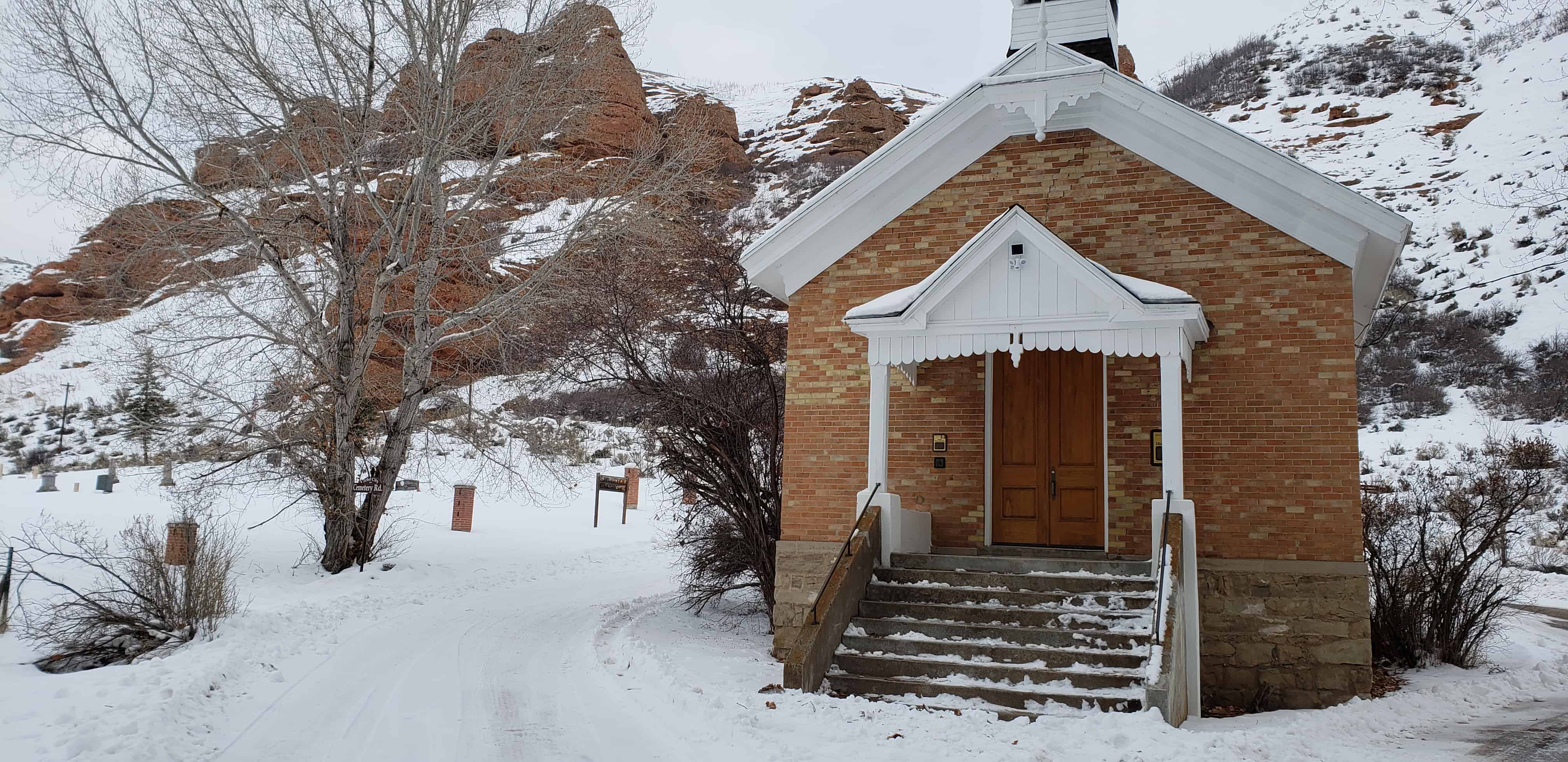
Constructed C. 1876, this building served protestants as a church and school until 1880 when it was sold to the Echo School District. Latter-day Saints then obtained permission to worship here and bought the building in 1913. The chapel served until 1963 when it was closed due to Echo’s declining population. The young adults, L.D.S youth group, reopened the chapel in 1974 and placed this marker in 1976.
Echo School and Church
This Victorian Gothic building stands as the remaining historic edifice of “Echo City,” one of many boom towns built along the Transcontinental Railroad. In 1876, the Echo City School District constructed the building with English immigrant John Shill reportedly designing and supervising the construction. Most of the materials are local: red pine lumber from Saw Mill in Echo Canyon, sandstone from a quarry in Grass Creek, brick from clay in the Echo hills. The bell arrived by rail. Protestants began using the building for evangelical purposes in 1882, and for a few years even provided the weekday school classes. The LDS Church began worshiping here in 1905 and purchased the building in 1914 after Echo built a new school house. In 1940 major remodeling occurred, including a concrete basement and stairway. People of all denominations helped. The building became idle in 1963 as a result of Echo’s decline in population. A local LDS Young Adult group used the building in the 1970’s. In 1983 ECHO, a non-profit corporation dedicated to preserving the site, purchased the building to continue its use as a community center.
A fire in 1935 gutted the sanctuary, but the church was rebuilt following the original design.
Located in the Central City neighborhood at 231 East 100 South in Salt Lake City, Utah. The building was added to the National Historic Register (#70000630) on September 22, 1970.
The original plan for the Cathedral was drawn by Richard Upjohn. His design called for an east-west transept on a Latin cross plan. The cornerstone was laid in 1870, but only part of the nave was built in 1871. However, the original plan was completed in two later stages, 1882 and 1902.
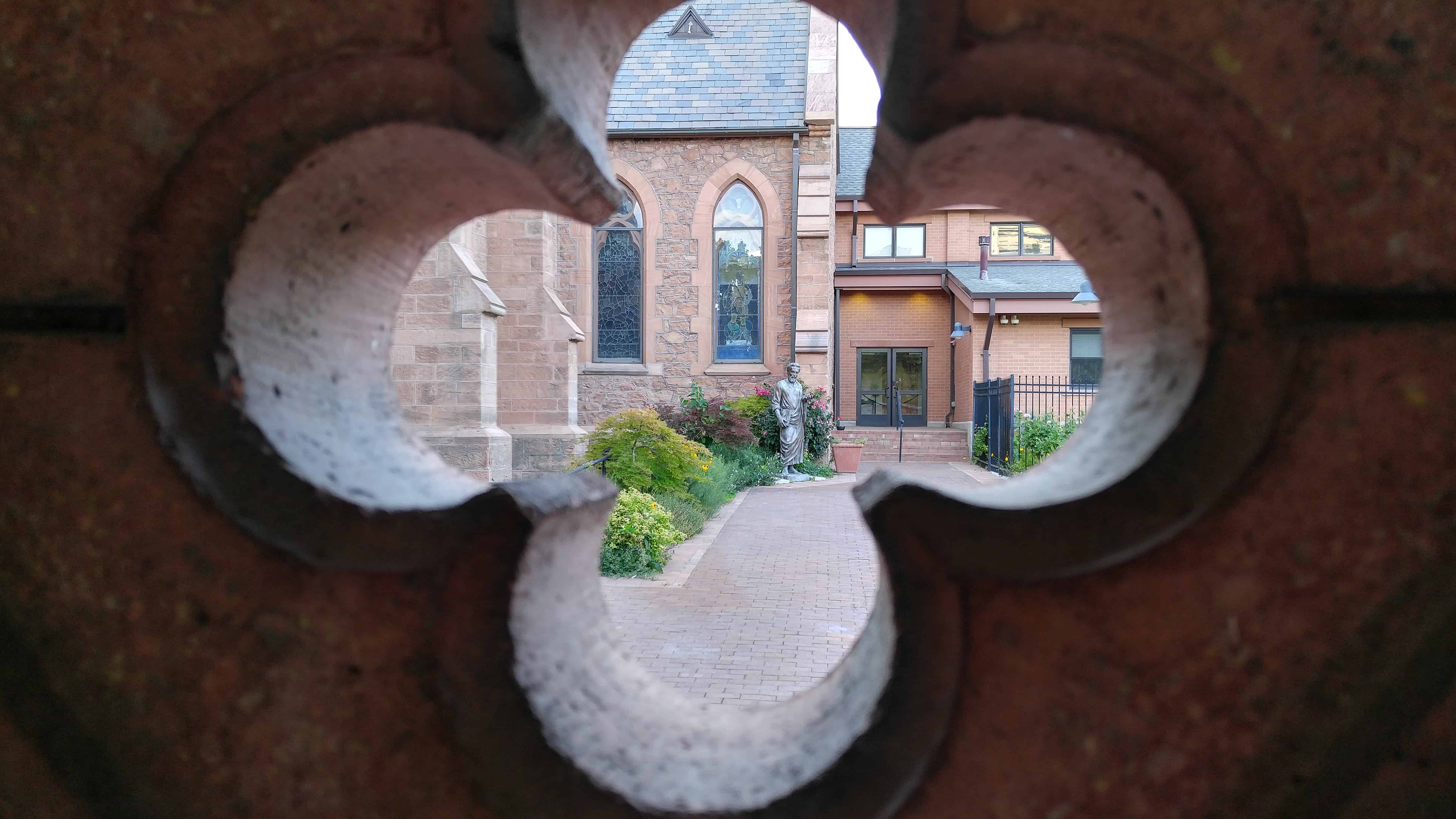
It was built of red sandstone, cutstone, and rubble, with one story, a basement and a gabled roof. The belfry and chimney are extensions of the façade. The nave windows have Gothic arches; the; gables contain rose windows. Arched roof beams are supported on hammerbeams and stone corbels. The stained glass windows represent the tastes of a ninety-year period and include several from Tiffany Studios.
Several alterations have been made. The east transept and an organ were added in October 1882; the west transept and chancel were added in 1902 (architect: Mr. Hall). The west transept and chancel were rebuilt after fire on March 31, 1935. The interior alterations to the main and second floor were by architects, Snedaker & Macdonald (November 1946). The front was extended with a new vestibule and cloisters were added in 1958 (architect: Ashley T. Carpenter). The balcony and organ were installed at rear of nave in 19&7 by Mr. Carpenter. Present condition of fabric is excellent. The additions obscure, but have not changed, the original building.
St. Mark’s Episcopal Cathedral is the oldest non-Mormon cathedral in Utah and probably the oldest religious structure in continuous use in Salt Lake City. It was designed by famed architect, Richard Upjohn, architect of the Trinity Church, New York City, and founder and first president of the American Institute of Architects. It is said to be the last church designed by Mr. Upjohn and is a good example of his Gothic Revival style. Its location in Utah is significant.
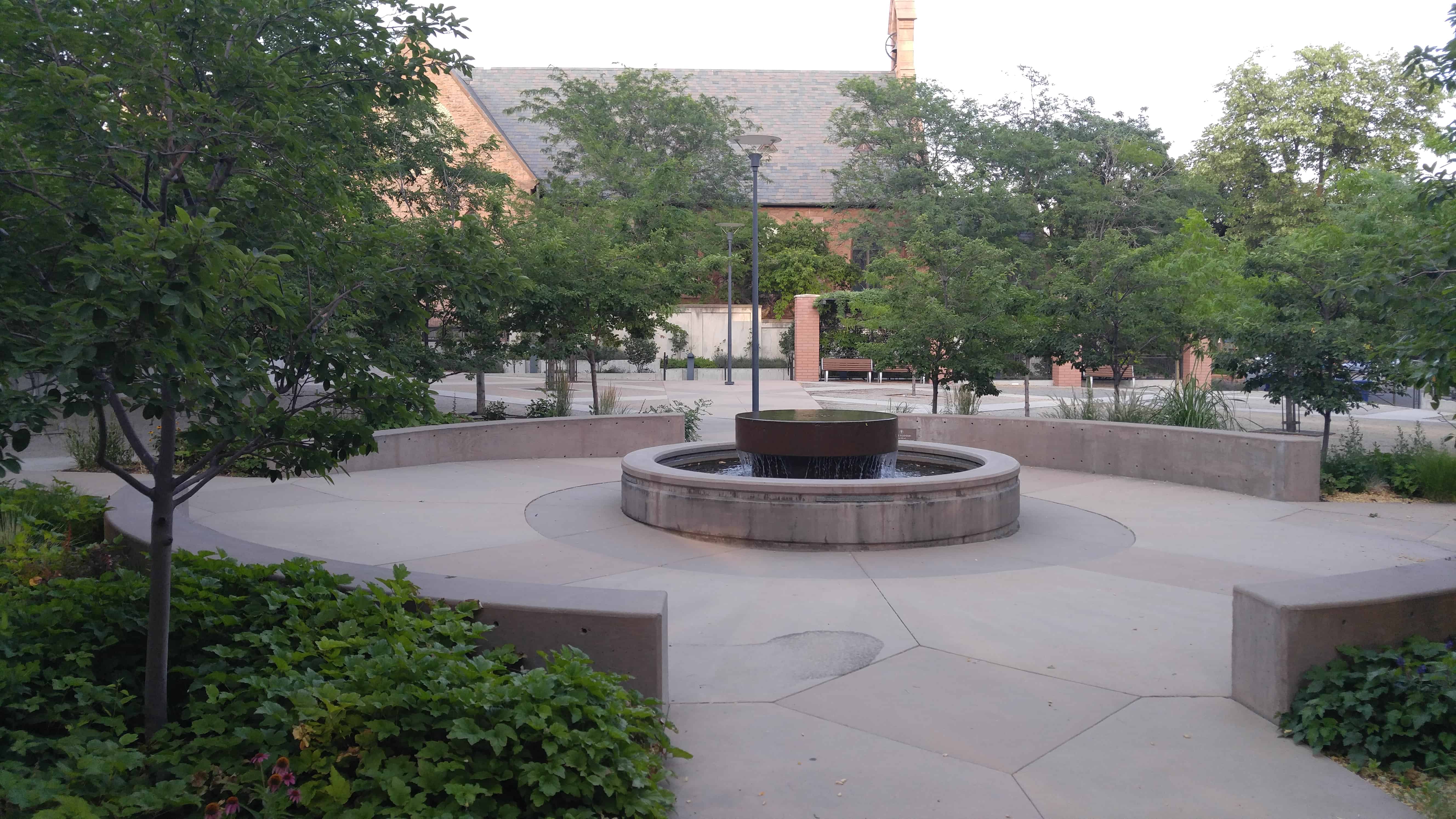
Now owned by the Corporation of the Episcopal Church of Utah, 1911, St. Mark’s Episcopal Cathedral, Parrish of Salt Lake City, Utah, who held the cornerstone centennial celebration April, 1970. This lovely cathedral sits in downtown Salt Lake City as a monument to a great architect and pioneer church construction in Utah.