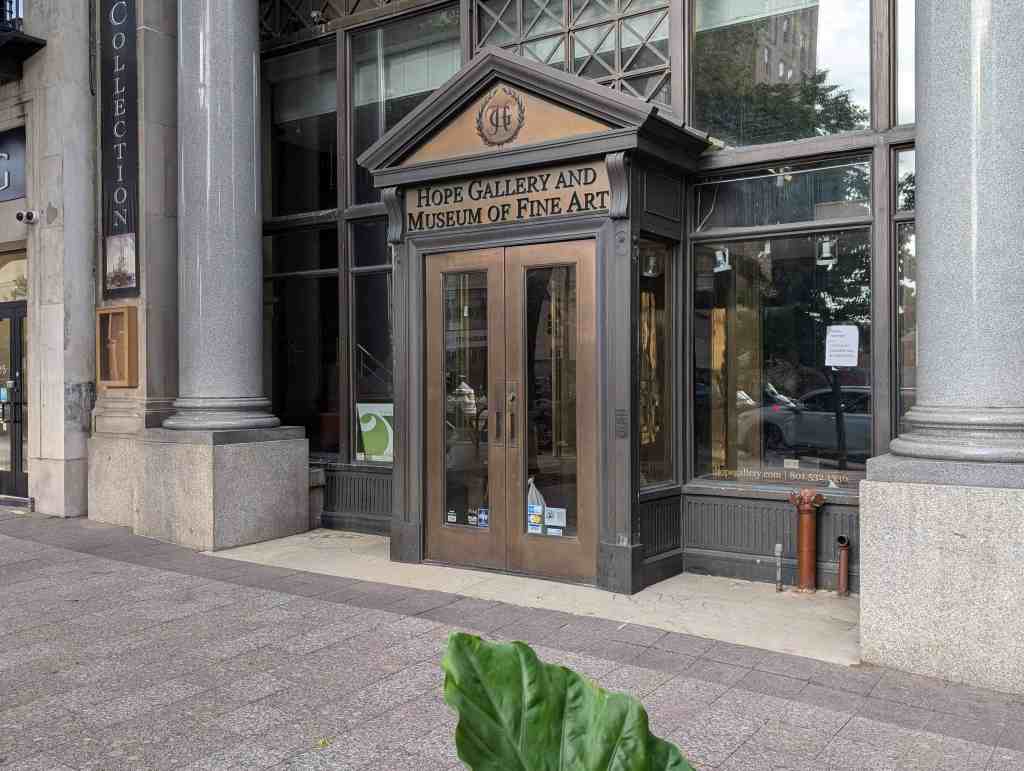
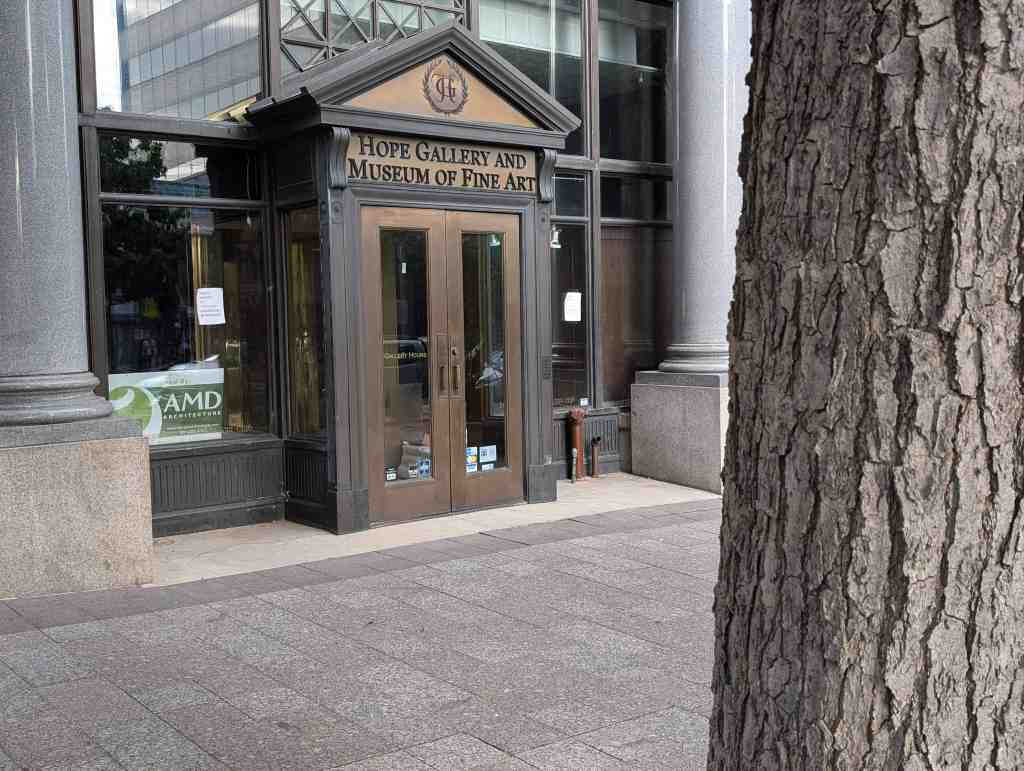
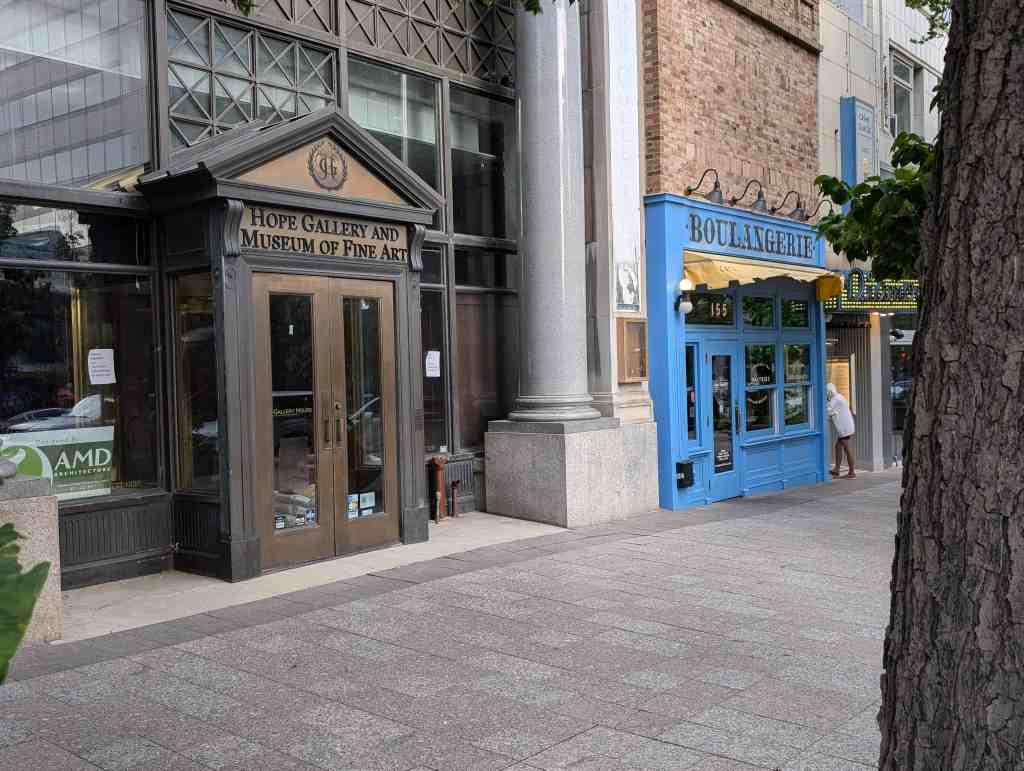
I found the Urban Adventure Quest online and it looked like a lot of fun, I took a friend and followed the clues around downtown Salt Lake City exploring and seeing a lot of things that most people would miss in their hurry.
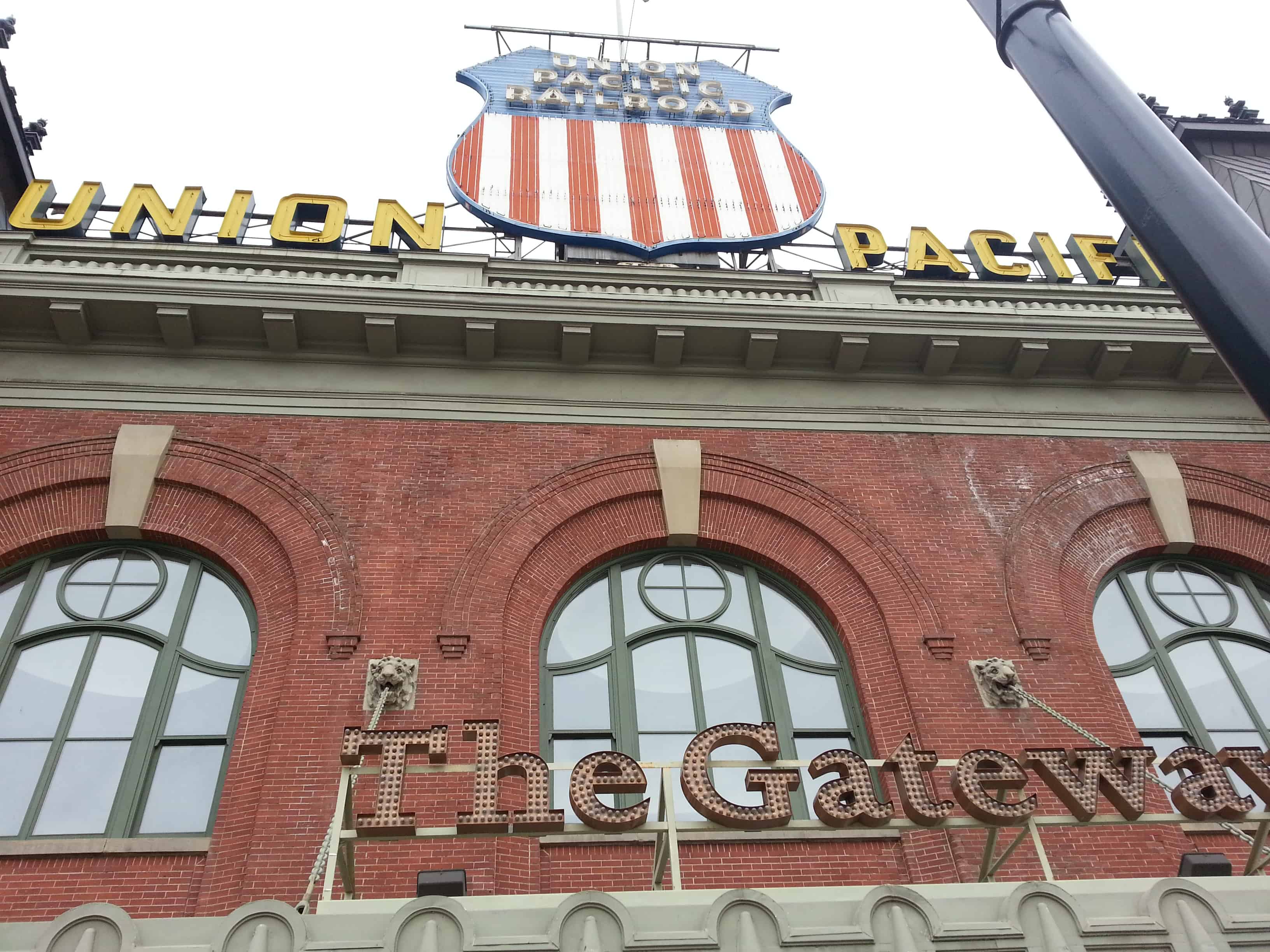
The Union Pacific Depot, Temple Square, City Creek, the State Capitol and other locations will be visited. I would suggest this to anyone with a few hours and a love for exploring.
The completion of the Union Passenger Station which provided joint services for the San Pedro, Los Angeles and Salt Lake Railroad and the Oregon Short Line was the culmination of a series of events, the most important of which was the establishment of a more direct rail route to Southern California, In the early 1900s there existed a rivalry between Senator William A, Clark of Montana and the E, H, Harriman railroad interests over a proposed rail link between Salt Lake City and Los Angeles,, California, A settlement was reached in June of 1903 and in September of that year maps were published indicating the proposed improvements for the Oregon Short Line in Salt Lake City, including a new depot to be shared with the San Pedro, Los Angeles and Salt Lake Railroad. The new direct route was completed and opened for business in the spring of 1905. By eliminating the need to travel to Southern California via Sacramento (on Harriman-controlled systems), passengers and freight traveled more quickly and inexpensively due to a savings of over 400 miles between the two cities.
On September 12, 1903, an announcement was carried in the Deseret Evening News, noting plans for a proposed depot on the present site, Two” years later the Oregon Short Line was given permission to go ahead with the proposed depot; however, work did not commence until February 1908. D, J, Patterson,, architect for the Southern Pacific Company, prepared the plans for the building in cooperator with John D. Isaacs, consulting engineer for the Harriman System.
The depot was completed in July 1909 and has served as Salt Lake City’s railroad transportation center since that time. Its greatest significance, however, is its place as one of the outstanding architectural structures in Utah.
The Salt Lake Union Pacific Station is a large detached building, basically rectangular in shape with wings on both sides of the central waiting room complex. The central area is 100 x 136 feet while the wings measure 71 x 126 feet each. The central complex is the tallest but contains only two stories, the added height taken up by a dome ceiling over the waiting room. The wings contain three stories each and are arranged symmetrically with respect to the central complex, There is a basement under both wings but not under the central complex. Basement walls are constructed of reinforced concrete with some brick work. Exterior walls on the first level are made of cut gray sandstone which has a smooth dressed finish and is laid in even courses. The sandstone is a veneer for the structural walls of reinforced concrete. Walls above the first level are made of brick, laid in stretcher bond.
The mammoth roof is mansard and features small circular French Second Empire dormers which seen overwhelmed by the massive arc of the roof and the large windows on the lower level, Perhaps the most distinctive architectural feature, the roof is covered with black slate shingles and is terminated by fancy metal entablatures and crestwork, all in French Renaissance style.
The cornice is heavily molded, boxed, bracketed and has a molded, frieze.
Window bays in the station are of three types square, segmented and Roman. The flat bays contain several window types, most of which feature decorative brick framing in the form of radiating voussoir headers or corbeled, square brick “frames.” In each bay are combination of double-hung sash windows and larger fixed sash center and transom windows. The segmented bays are on the ground level only and constitute the openings for several triple door entries. The three Roman or half-round bays are found on the second level of the central complex of the station. These bays are recessed from the main plane of the building and have corbeled arches, The windows themselves are either fixed or easement.
Other exterior decorative elements include the twin front towers, carved stone gargoyles, faint quoins at the building’s corners, classical fascia on the entry canopy, stained glass windows (on the west side) and original gas lamps.
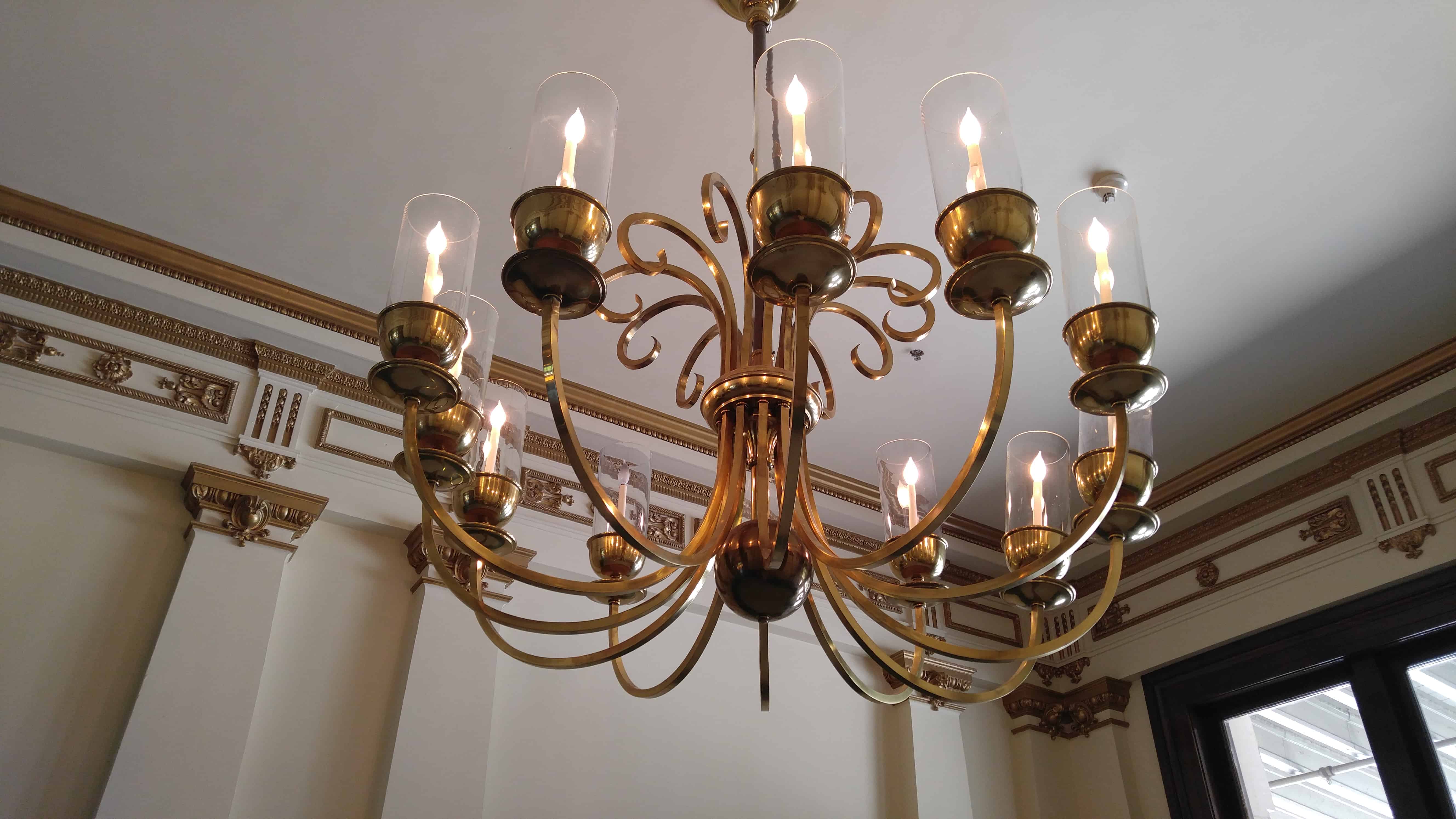
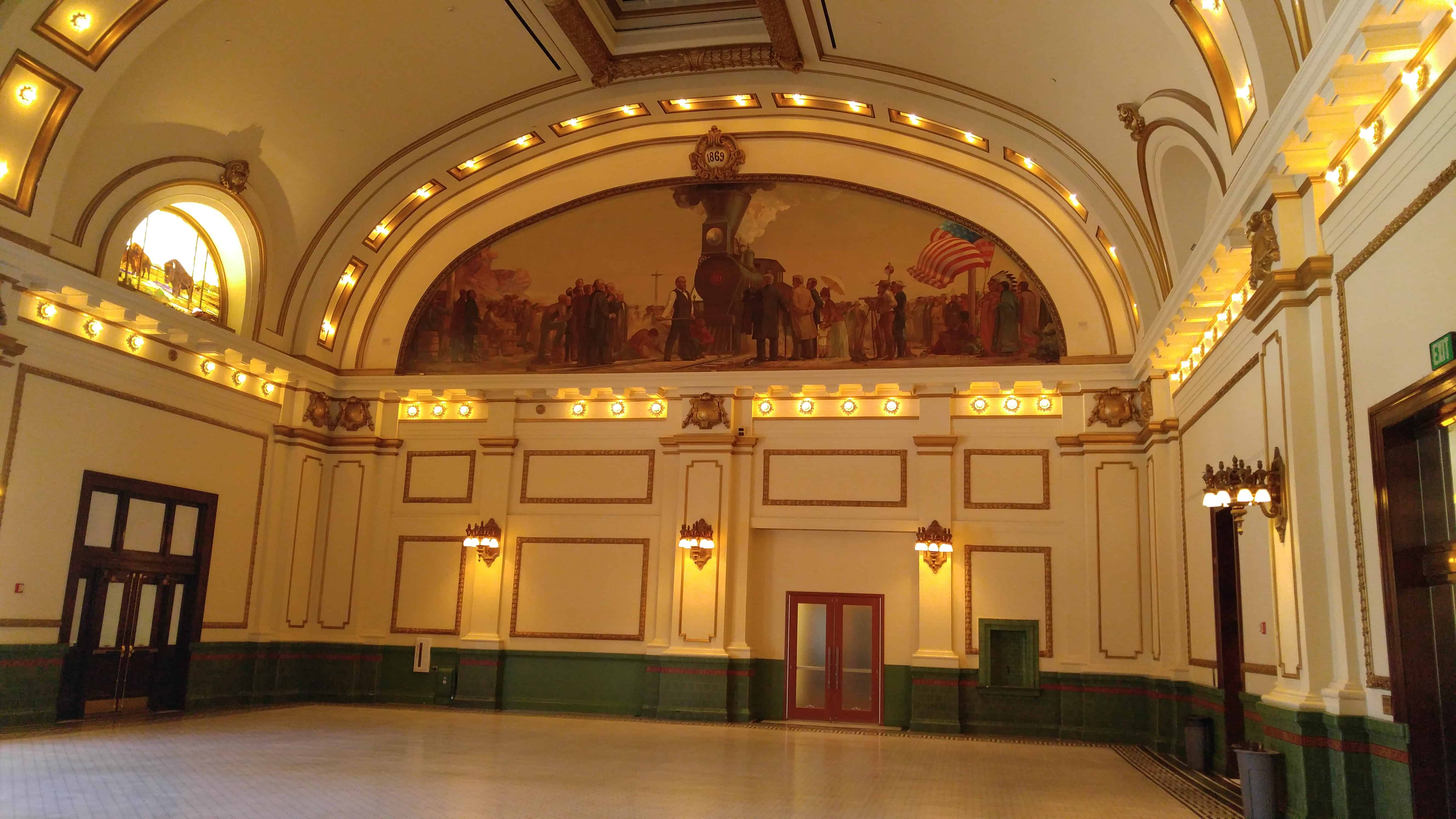
The station’s interior consists of a typical grouping of railroad-related rooms, including waiting rooms; baggage rooms; ticket office,, employees and administrative offices railway agent and express offices, telegraph, engineering and equipment offices; club rooms and many other specialized rooms and areas. Most impressive architecturally is the large waiting room with its round, vaulted ceiling and lighting fixtures recessed in the arches of the vault.
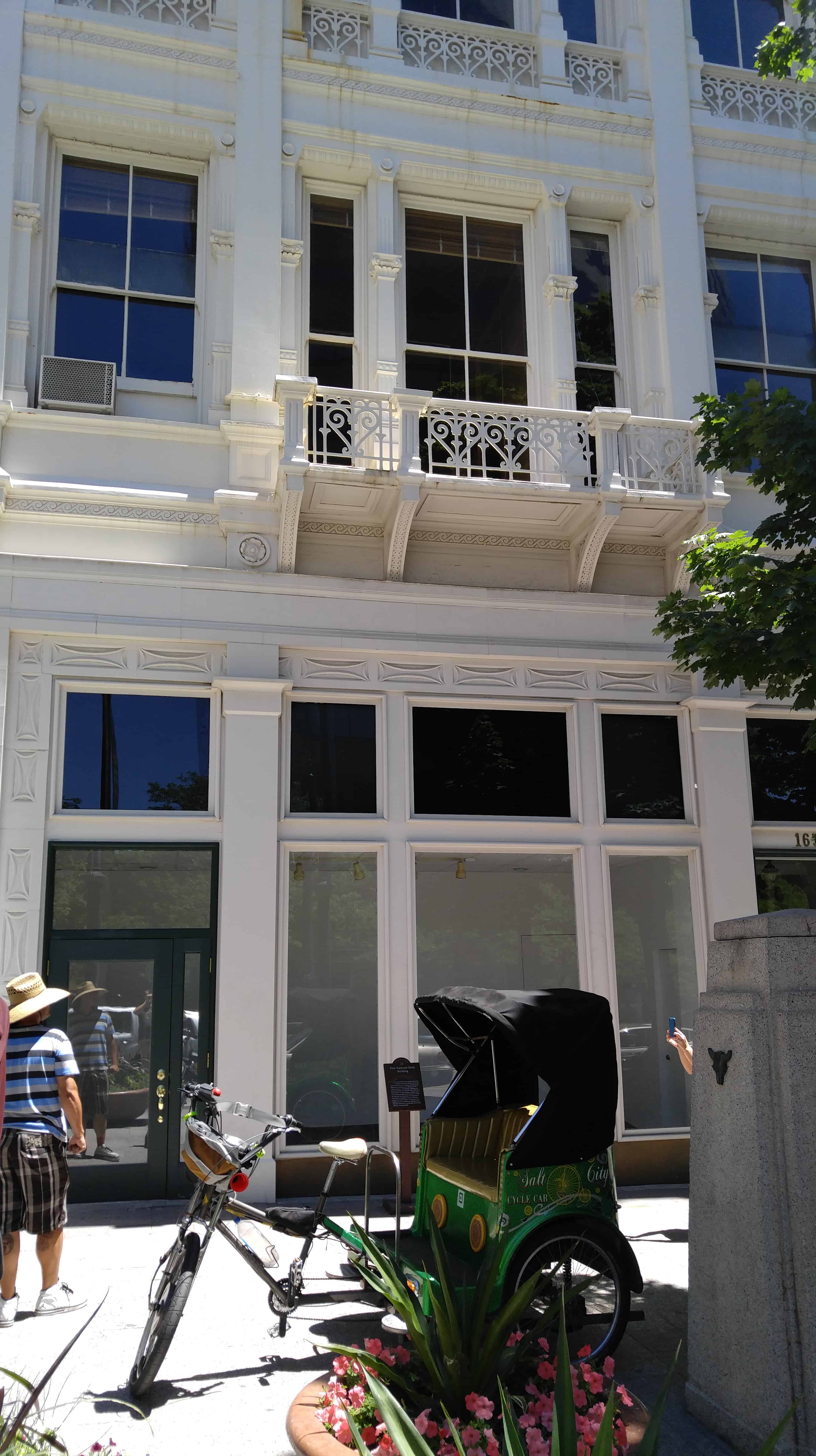
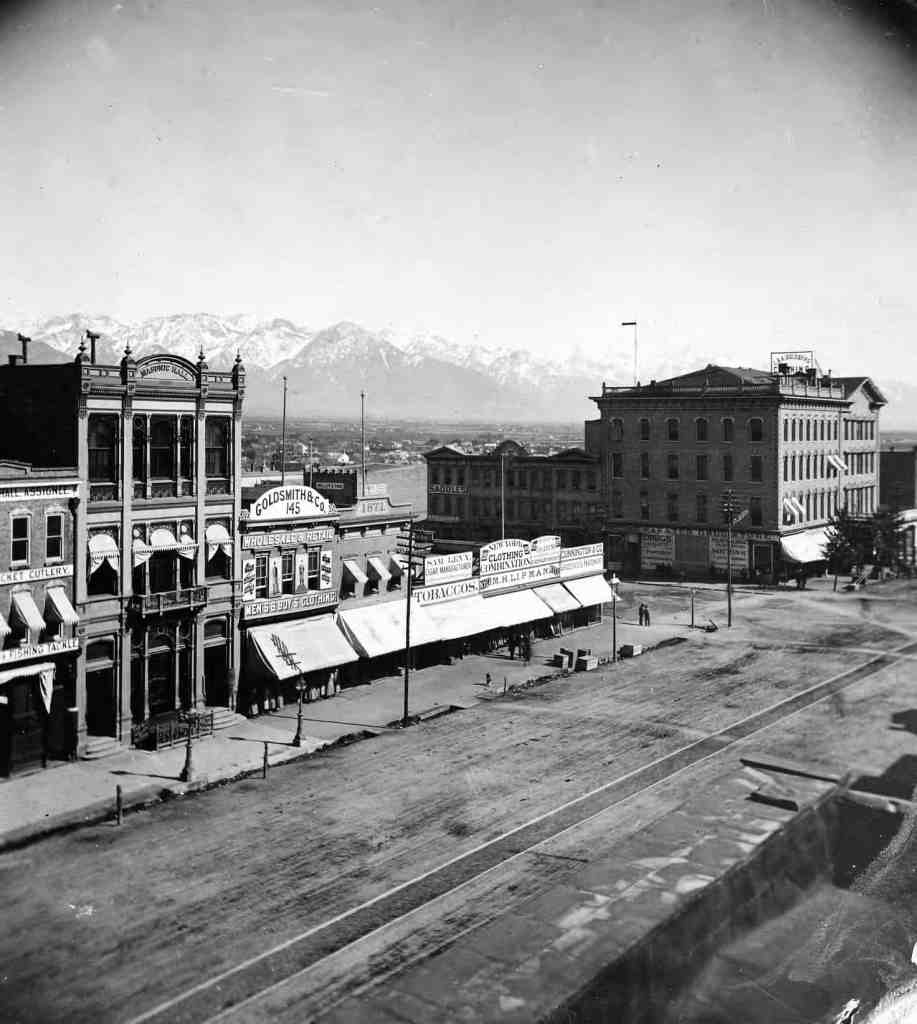
The First National Bank Building features the oldest known cast iron façade in the Intermountain West. It was designed by Richard M. Upjohn, one of America’s most distinguished 19th century architects. The building originally had a fourth story which was destroyed by fire in 1875.
First National Bank was spectacularly profitable when it constructed this building in 1873. By the end of 1874, the bank had been liquidated. The depression of 1873 and liberal lending practices were the main cause of the bank’s demise. Its expensive new building, however, contributed to its financial woes. Originally estimated to cost $80,000, the building ended up costing $140,000.
See other buildings on Salt Lake’s Main Street on this page.
There is also a monument in front of this building to the Pony Express Station that used to be in this location.
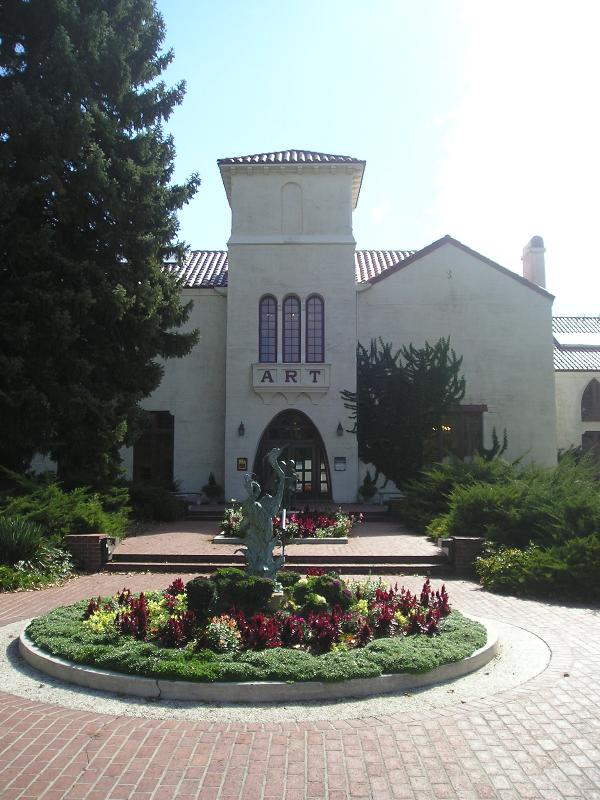
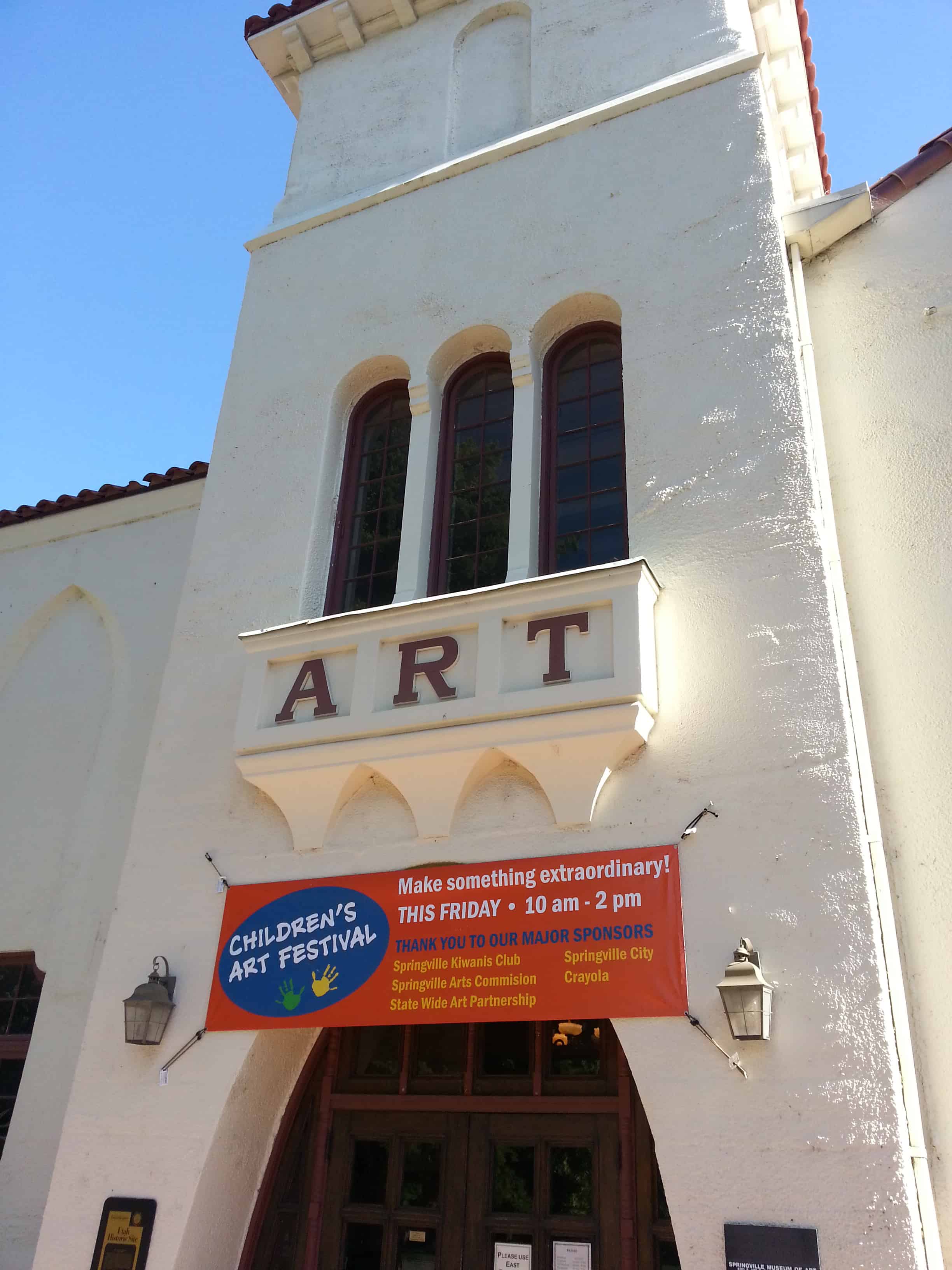
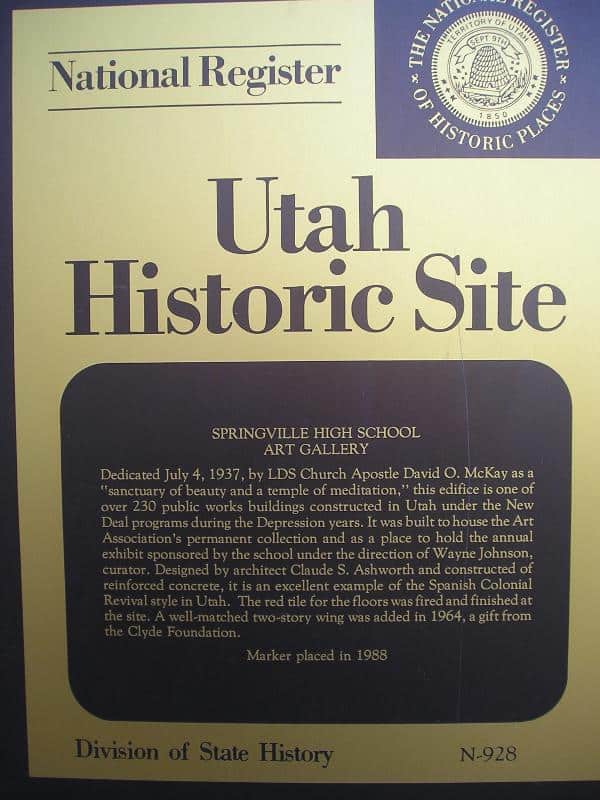
The Springville Museum of Art, on the U.S. National Register of Historic Places as the Springville High School Art Gallery.
The Springville Museum of Art was built in 1937 as a WPA project during the Great Depression. It was designed by Claud S. Ashworth in the Spanish Colonial Revival style of architecture. It is a municipal art museum (Springville, UT has given itself the nickname “Art City,” and the museum is featured prominently in its seal)and free and open to the public, although they do accept donations. It has over 1500 works of art in its permanent collection. It features fine works by Utah artists, as well as a significant collection of twentieth century American realism and Soviet Socialist Realism from the 1930’s to the 1970’s.
This building, popularly known as the Panaca Co-op, was constructed of adobe in 1868, by the (Mormon) “Panaca Cooperative Mercantile Institution” comprising more than 100 stock holders—to meet barter, merchandising and marketing needs. Wagons from Salt Lake drawn by six-mule teams, carried stocks to, and produce from, Panaca and way stations.
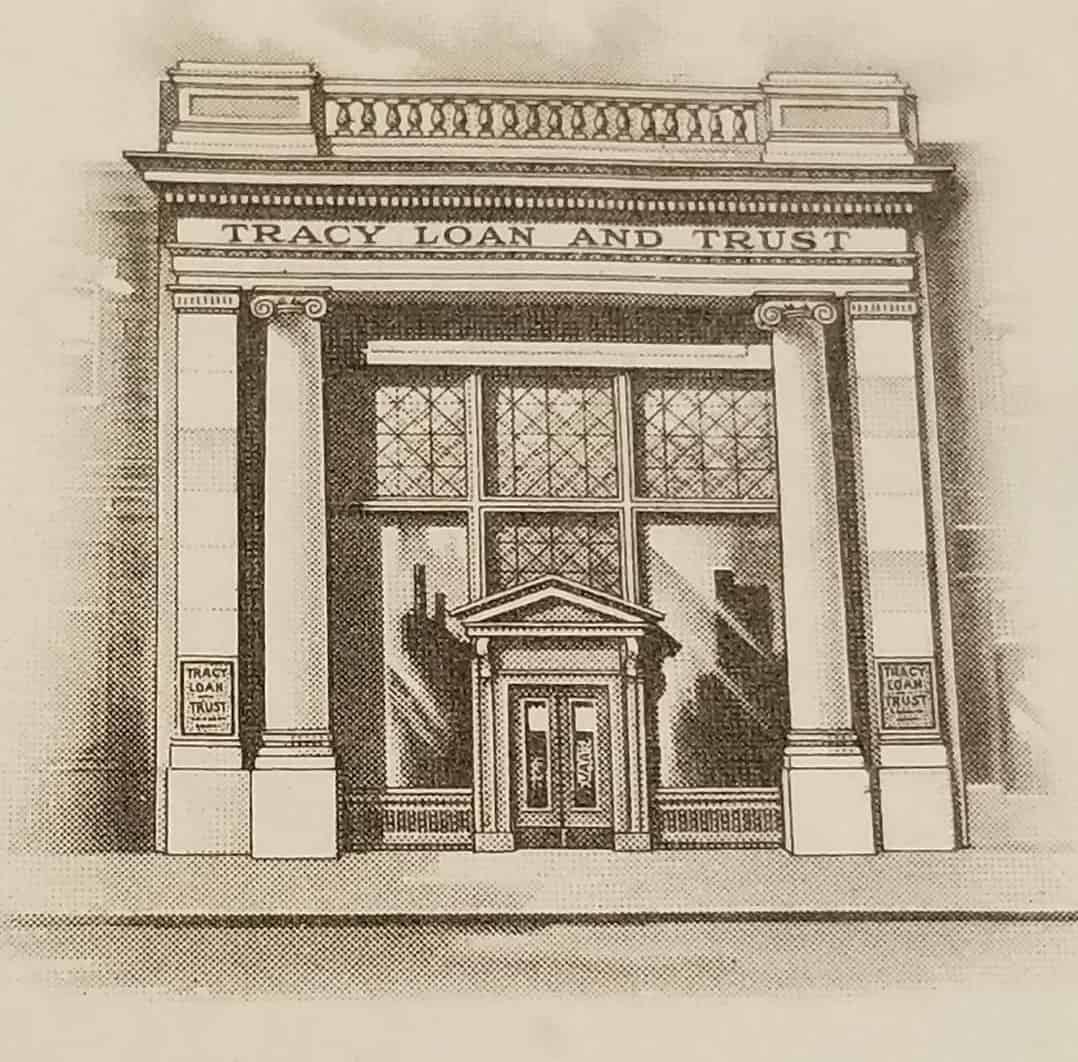
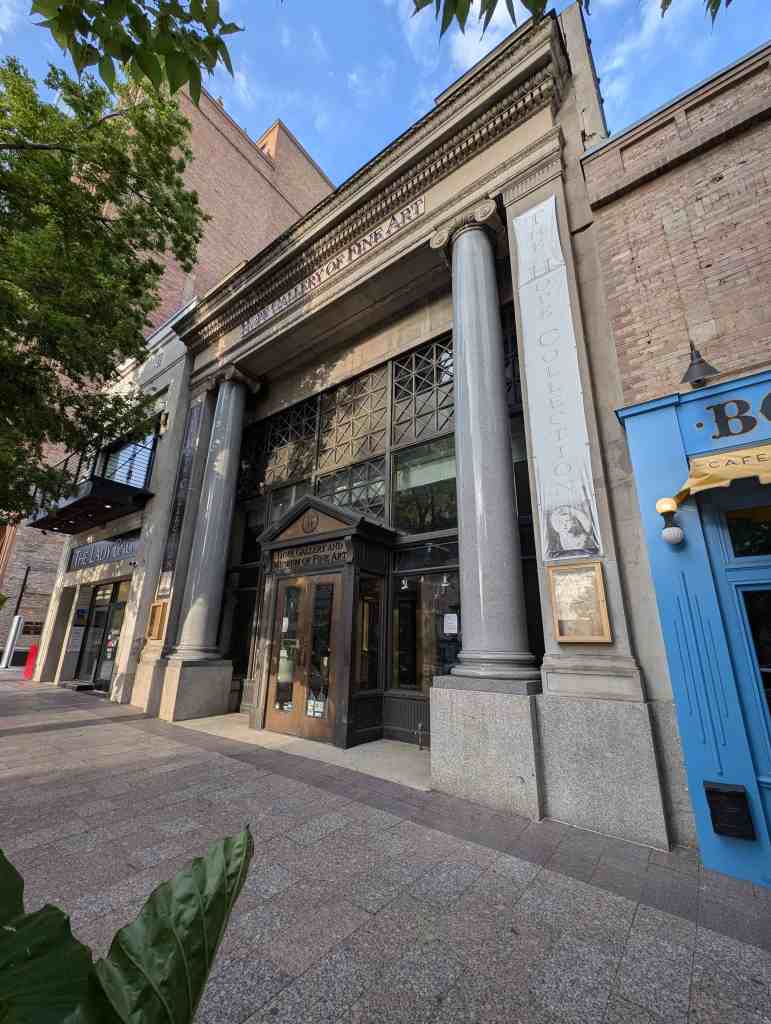
This building, designed by Architect Walter J. Cooper and constructed by James Stewart and Company, was built in 1916 for the Tracy Loan and Trust Company. Originally organized in the Cheyenne, Wyoming, in 1884. The Tracy Loan and Trust Company was moved to Salt Lake City in 1892 and has been one of Utah’s important banking institutions since that time. Renovation was begun by Ivory and Company in 1975 and continued after the building was acquired by Allen C. Brown in 1977.
The old historic Peteetneet School on a hill in Payson, Utah.
Prior to serving as a museum and cultural arts center, the Peteetneet School or Peteetneet Academy was erected in 1901. The architectural design combines both Victorian and Romanesque Revival architecture and was done by Richard C. Watkins, who designed many other schools through Utah and Sanpete counties. The Victorian belfry makes this school more flamboyant than other prominent schools designed by Watkins such as the Maeser School or Old Spring City School. The building served as an academy and then elementary school until 1989 when Payson City planned to demolish the building. A group of concerned citizens formed People Preserving Peteetneet and were instrumental in saving and restoring the school. Since the building is located on the Nebo Loop Scenic Byway, the Utah Department of Transportation awarded over $100,000 to assist in the restoration. The building was transformed into a museum and civic center. A glass elevator was added in 2008. The building has been listed on the National Register of Historic Places since May 30, 1990.
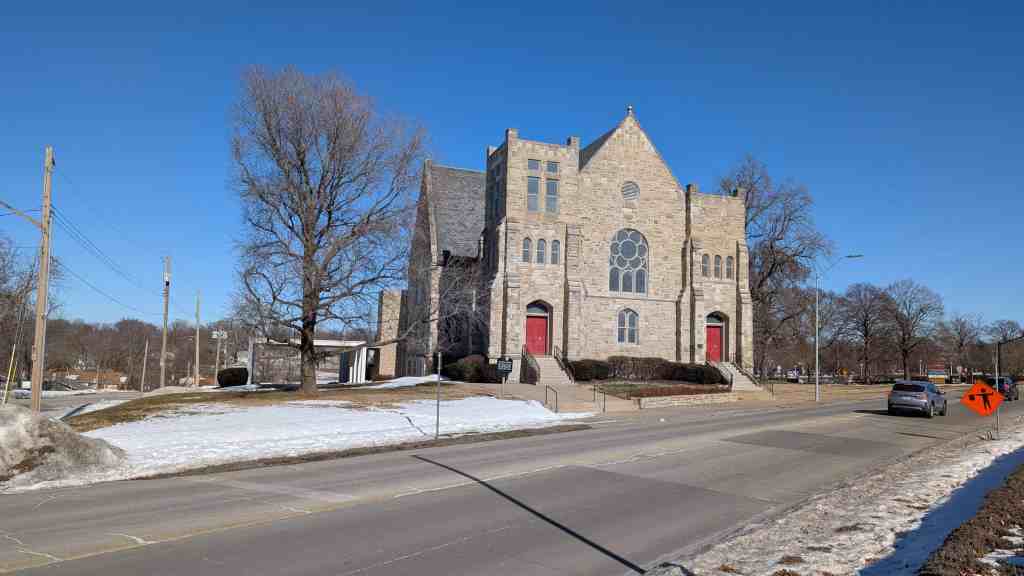
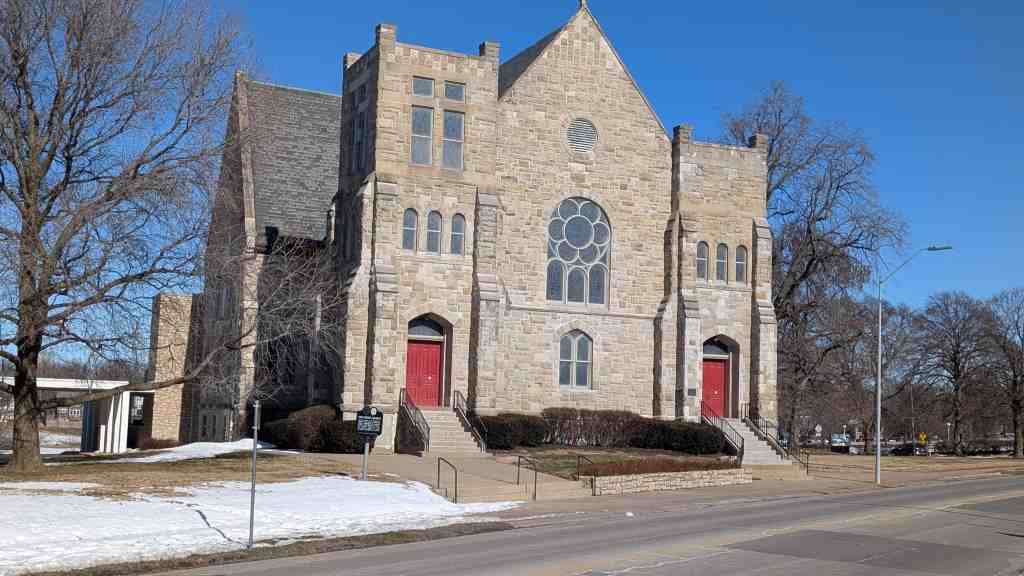
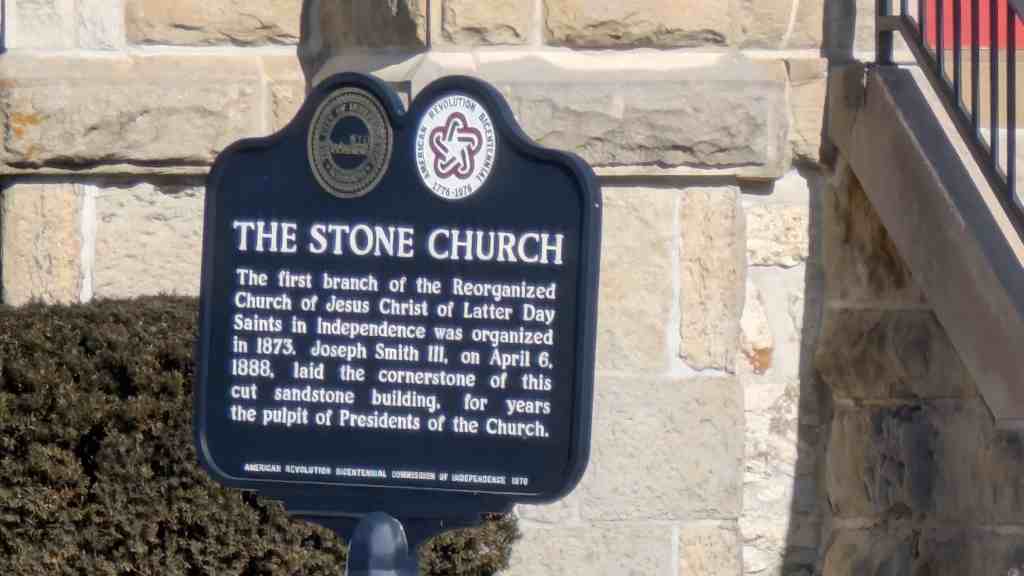
The First Branch of the Reorganized Church of Jesus Christ of Latter-Day Saints in Independence was organized in 1873. Joseph Smith III on April 6th, 1888 laid the cornerstone of this cut sandstone building.
1012 West Lexington Avenue in Independence, Missouri
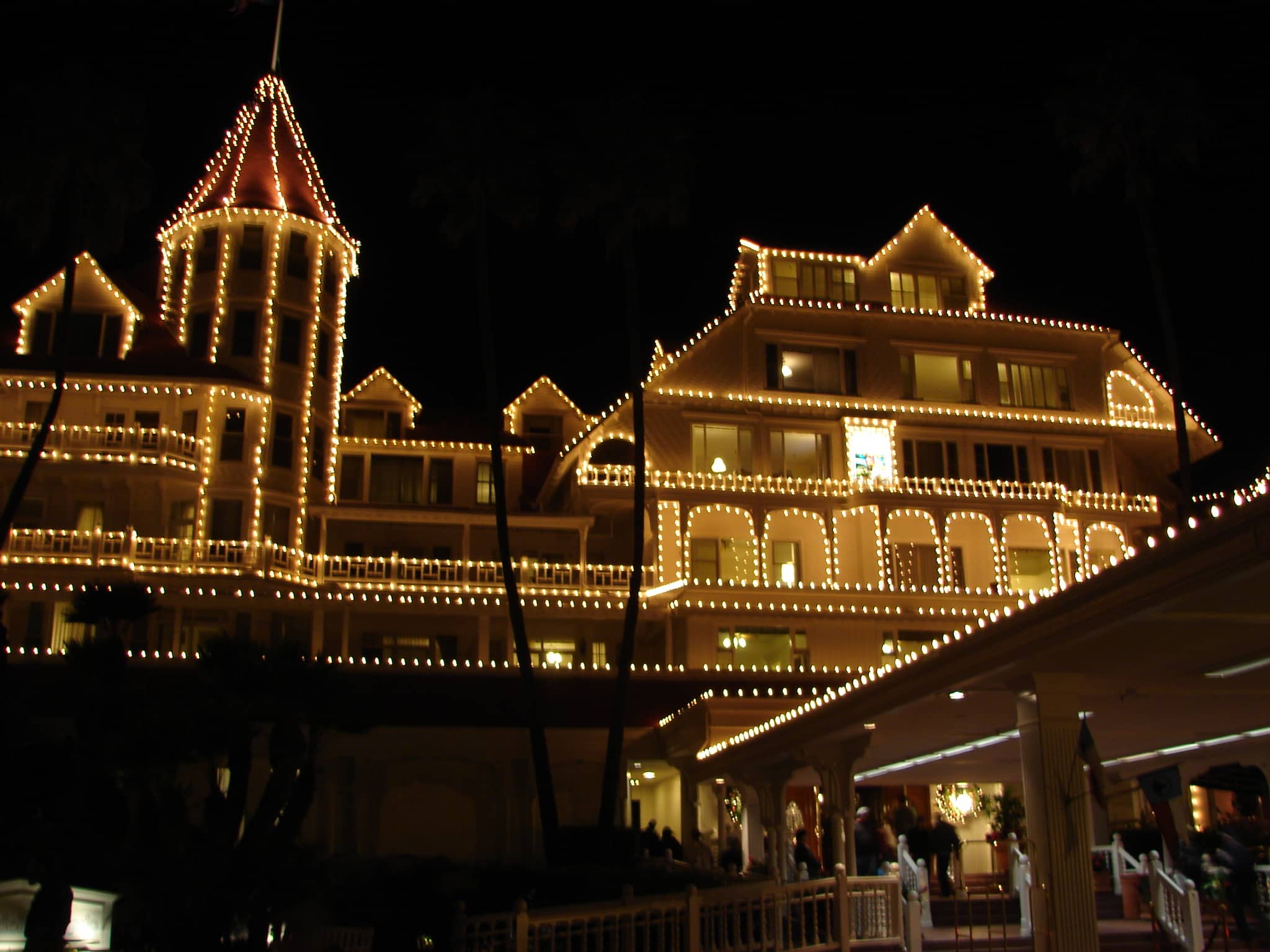
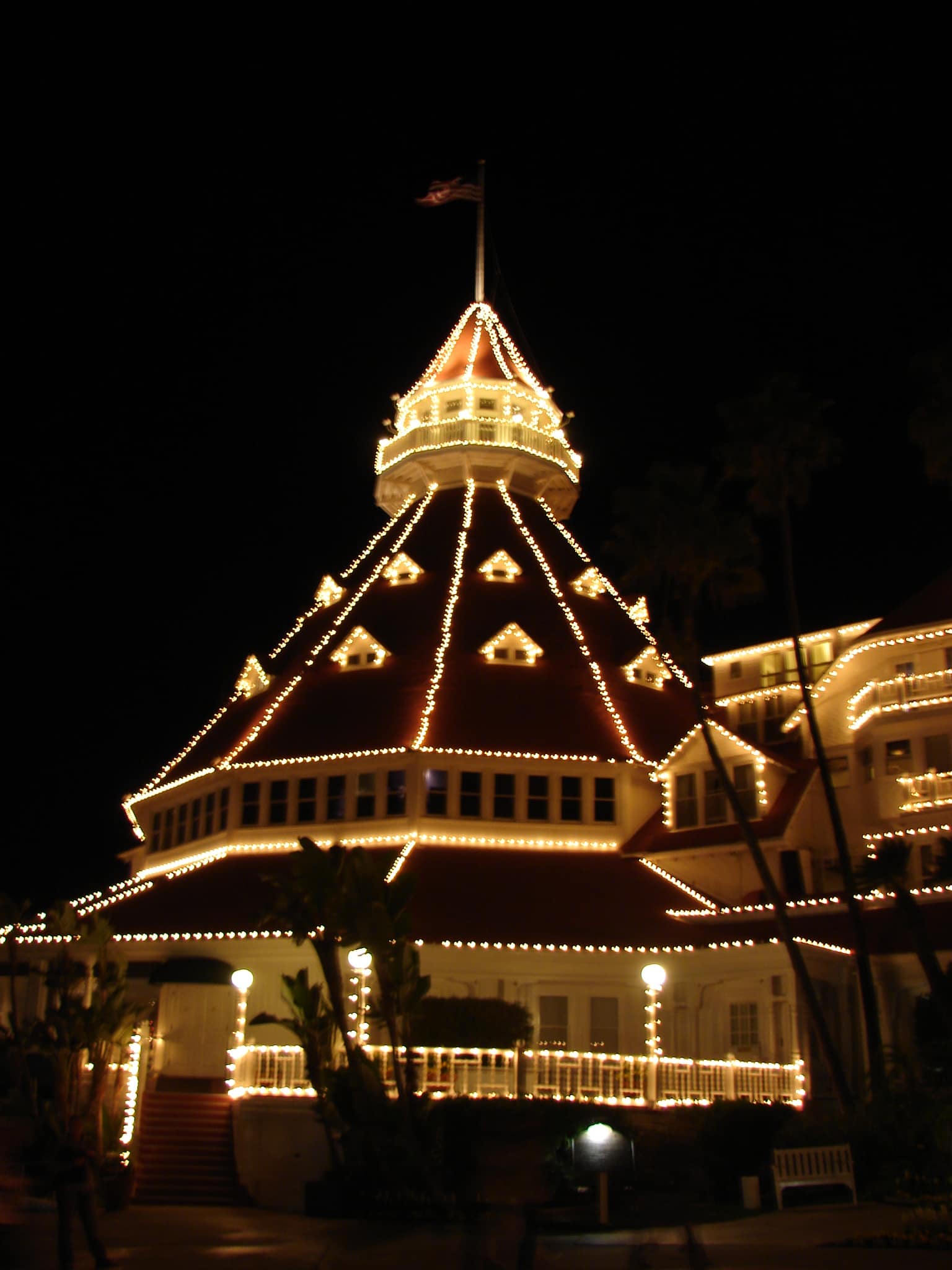
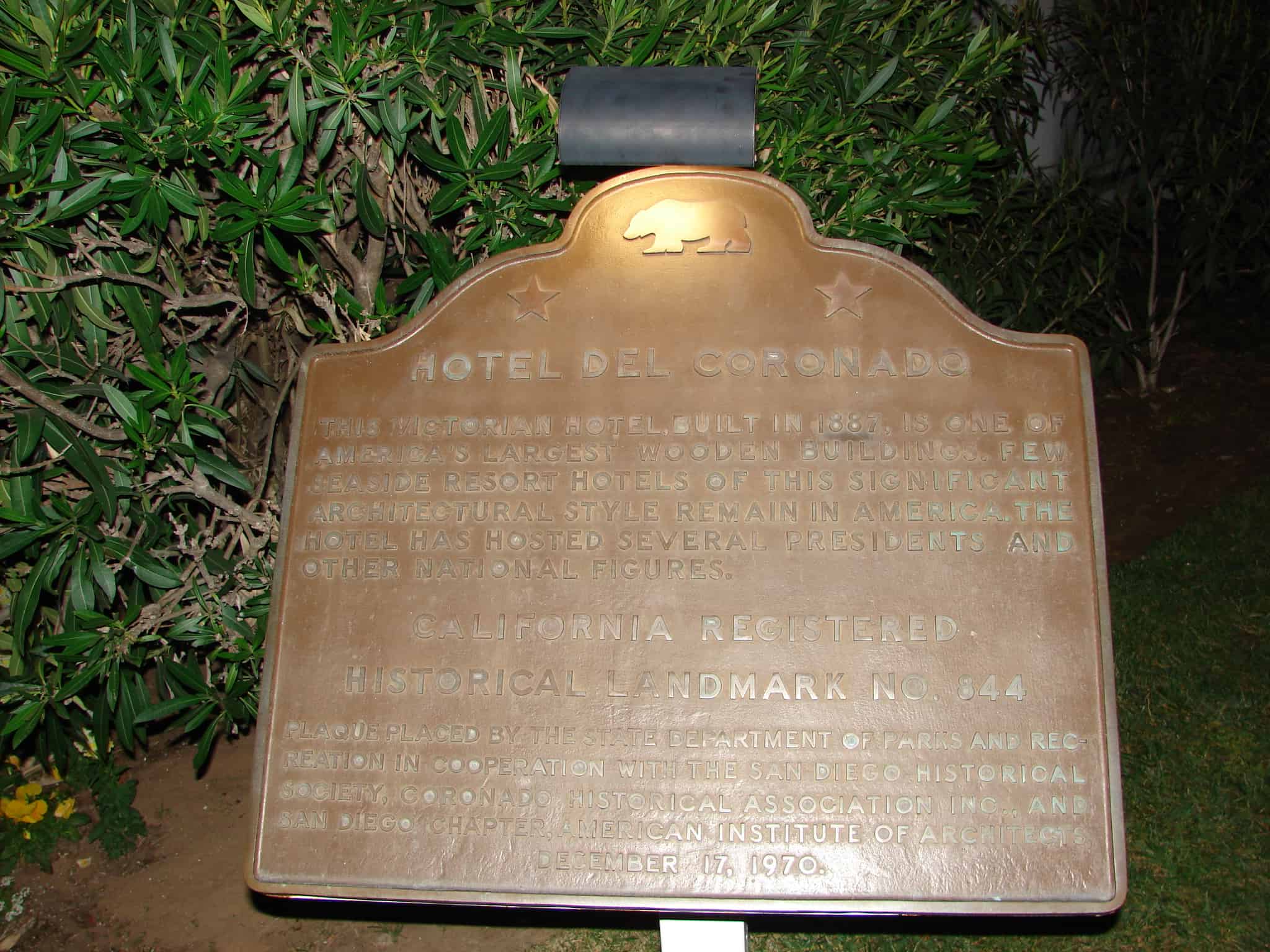
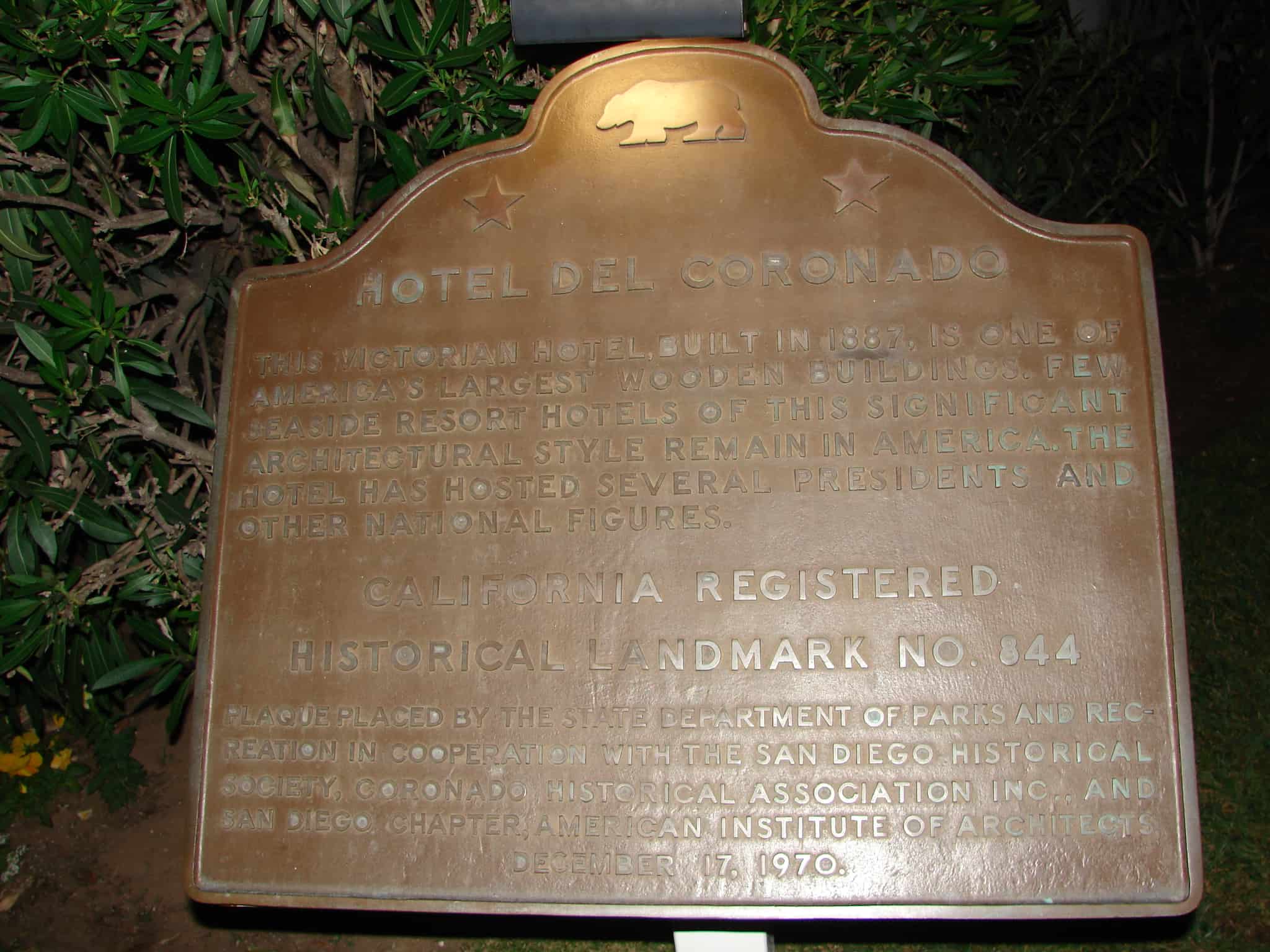
This Victorian hotel, built in 1887, is one of America’s largest wooden buildings. Few seaside resort hotels of this significant architectural style remain in America. The hotel has hosted several presidents and other national figures.
Erected 1970 by State Department of Parks and Recreation in Cooperation with the San Diego Historical Society, Coronado Historical Association, Inc., and San Diego Chapter, American Institute of Architects (December 17, 1870). (Marker Number 844.)
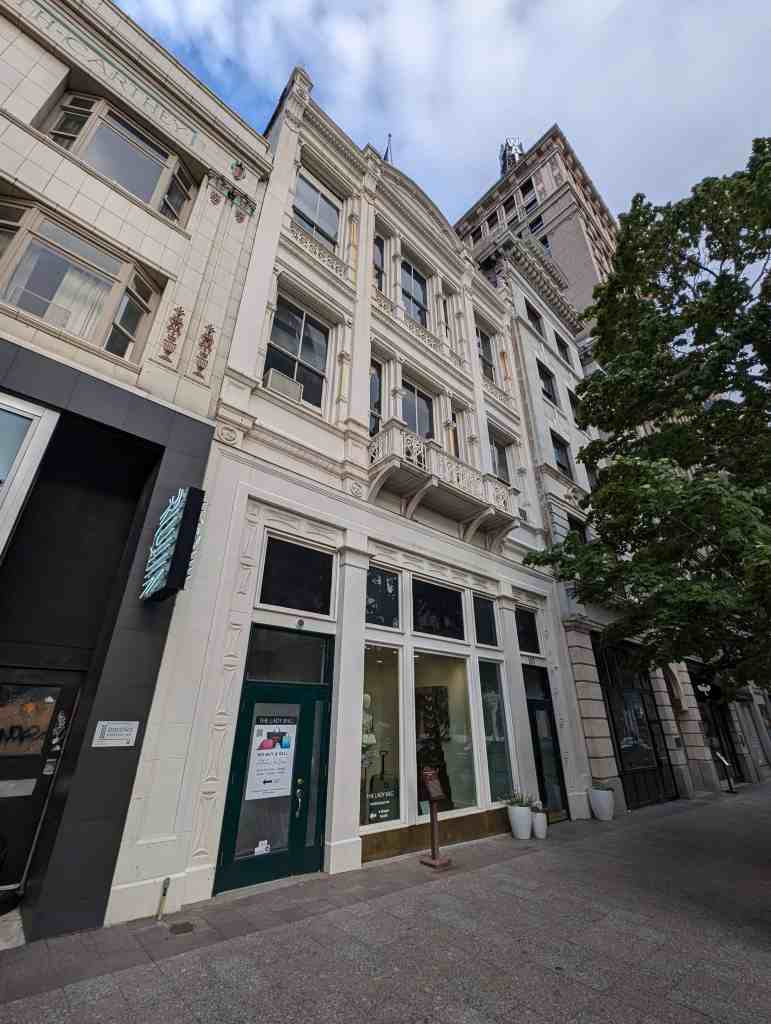
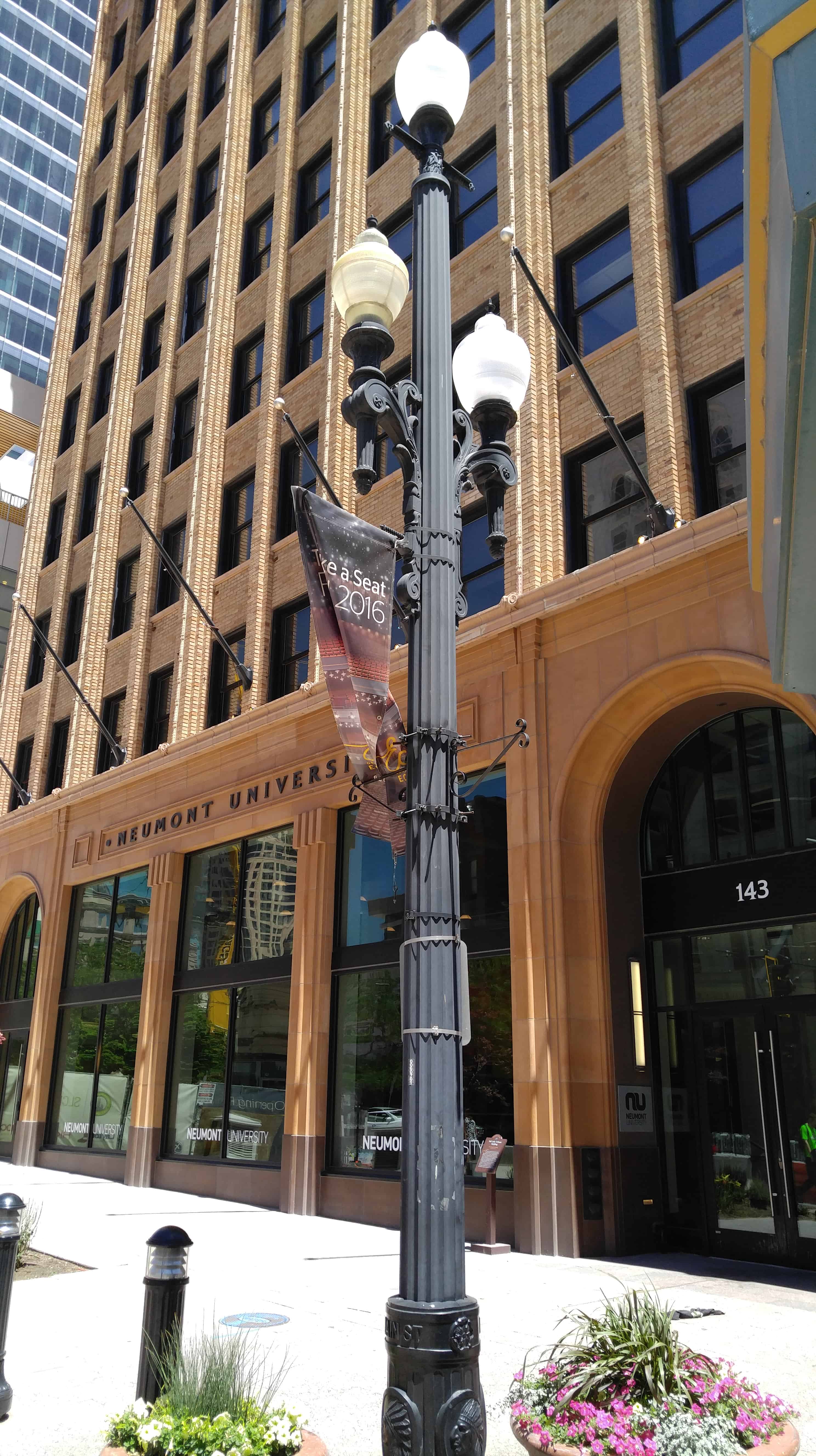
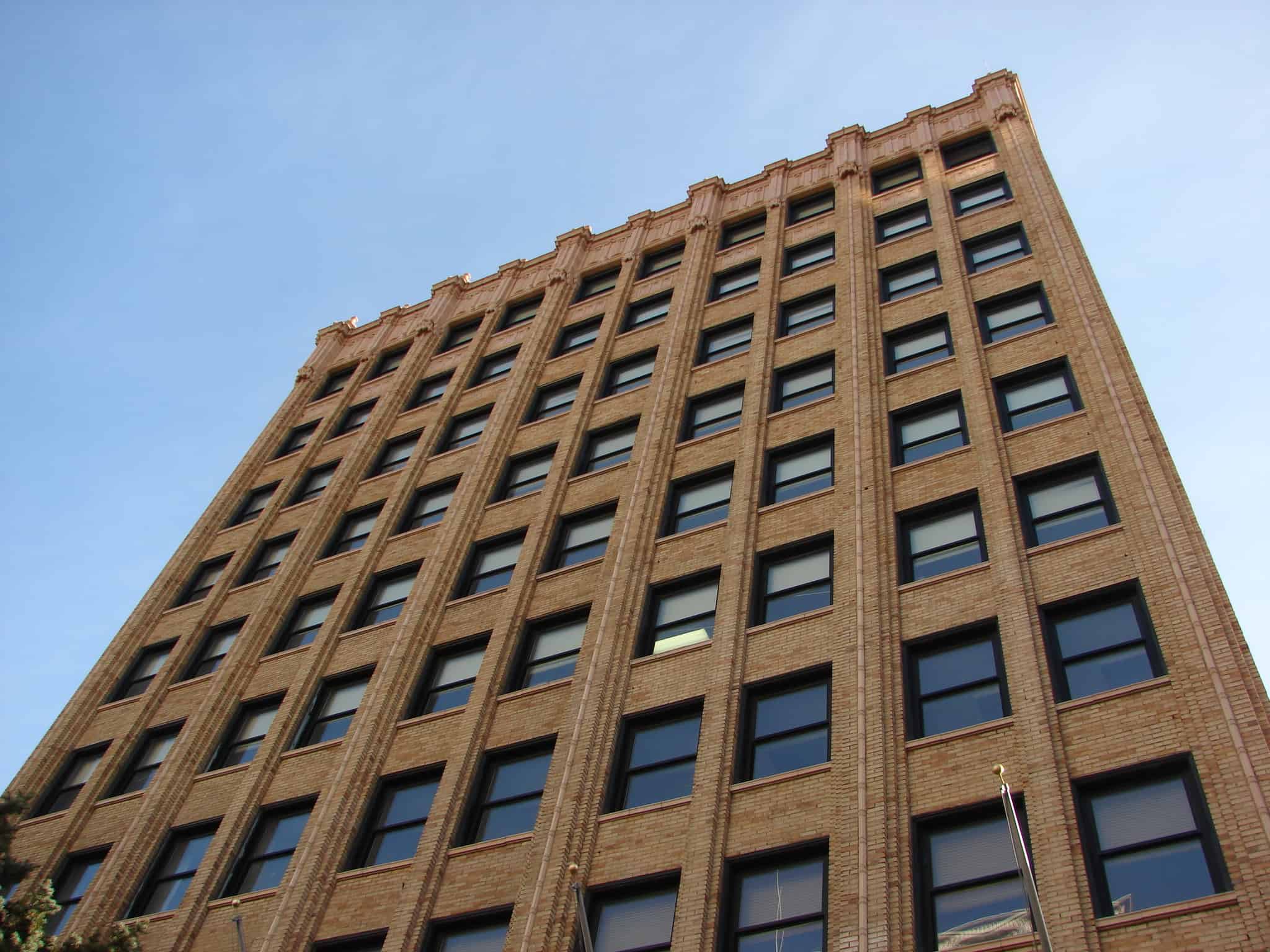
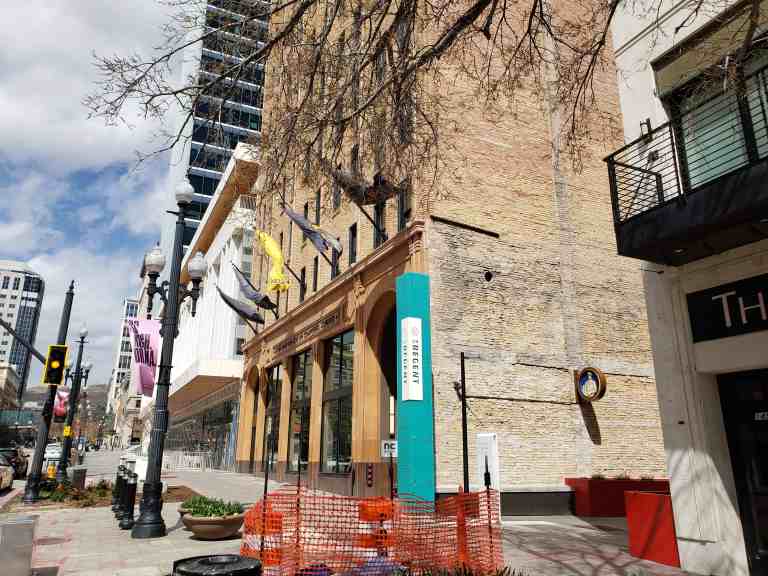
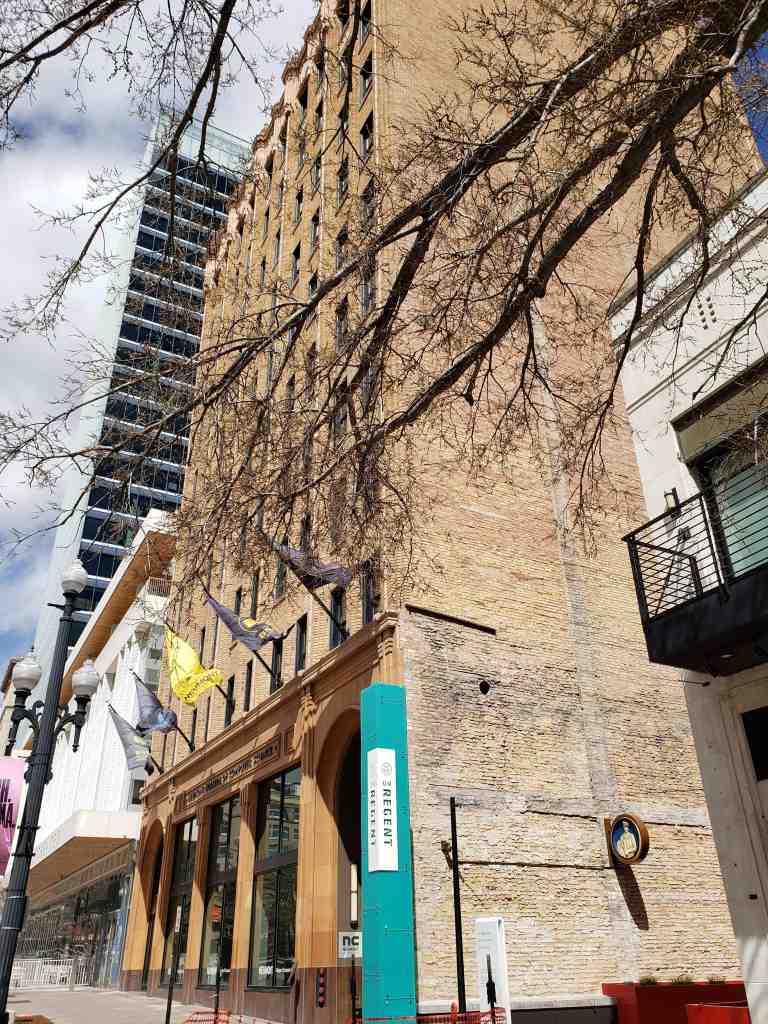
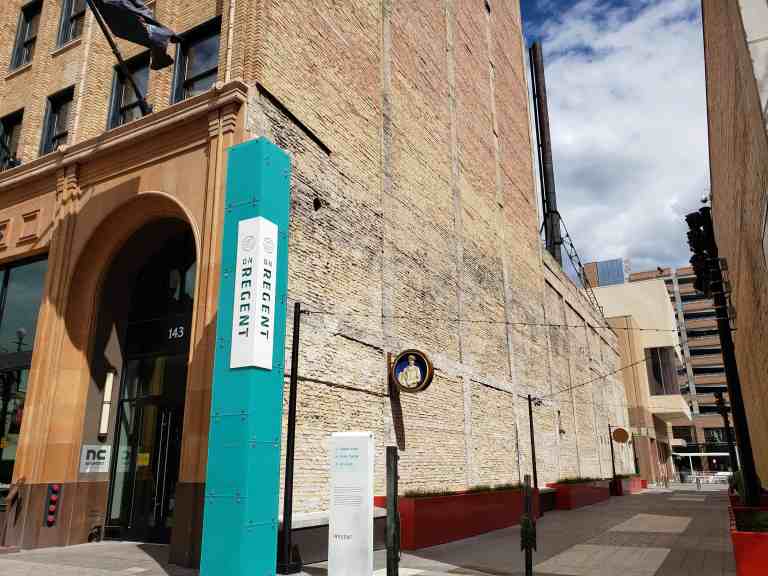
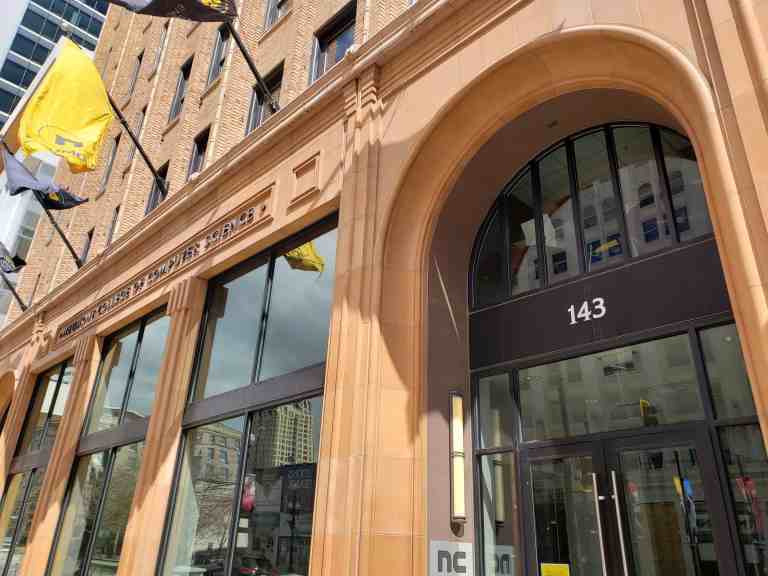
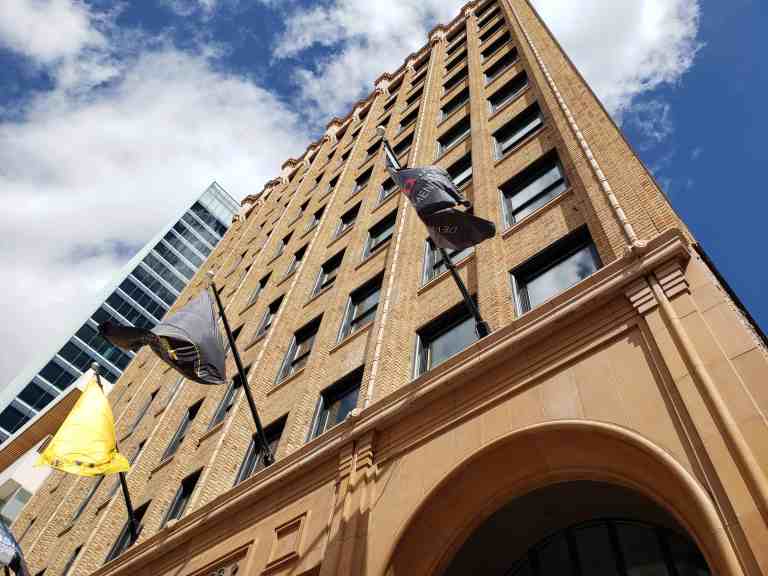
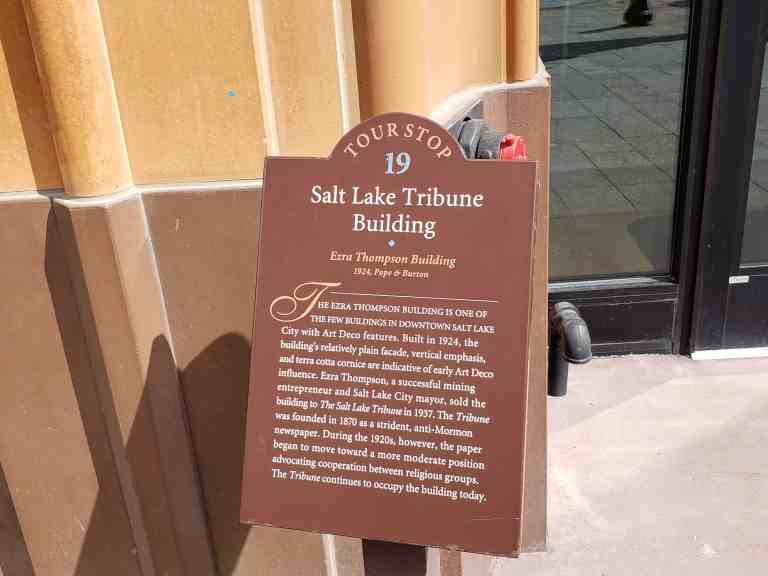
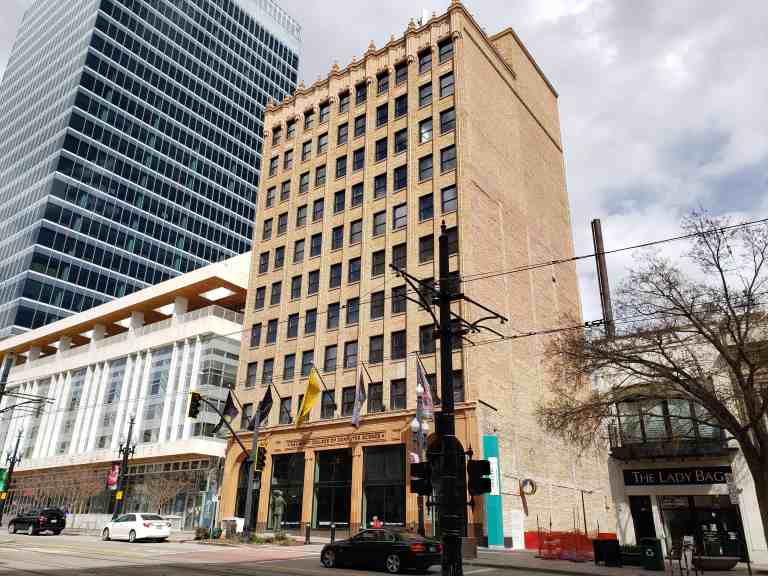
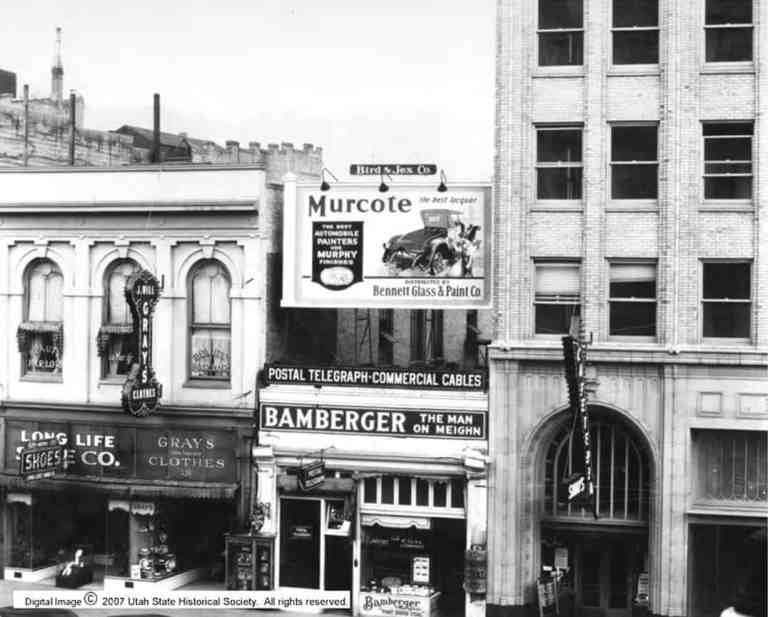
The Ezra Thompson Building is one of the few buildings in downtown Salt Lake City with Art Deco features. Built in 1924, the building’s relatively plain façade, vertical emphasis, and terra cotta cornice are indicative of early Art Deco influence.
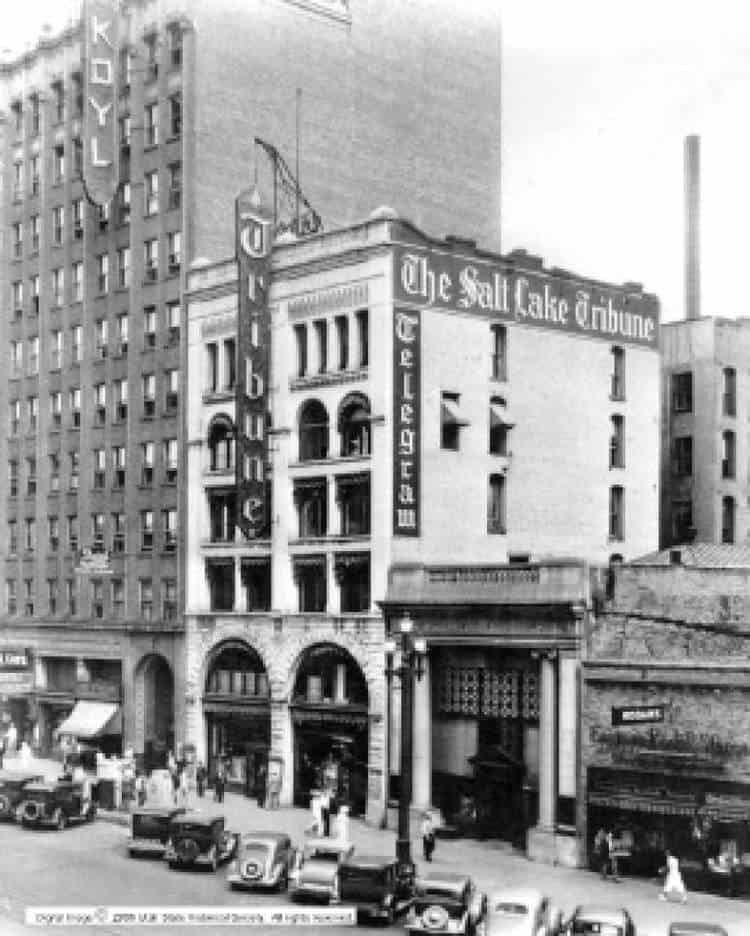
Ezra Thompson, a successful mining entrepreneur and Salt Lake City mayor, sold the building to The Salt Lake Tribune in 1937. The Tribune was founded in 1870 as a strident, anti-Mormon newspaper. During the 1920s, however, the paper began to move toward a more moderate position advocating cooperation between religious groups.