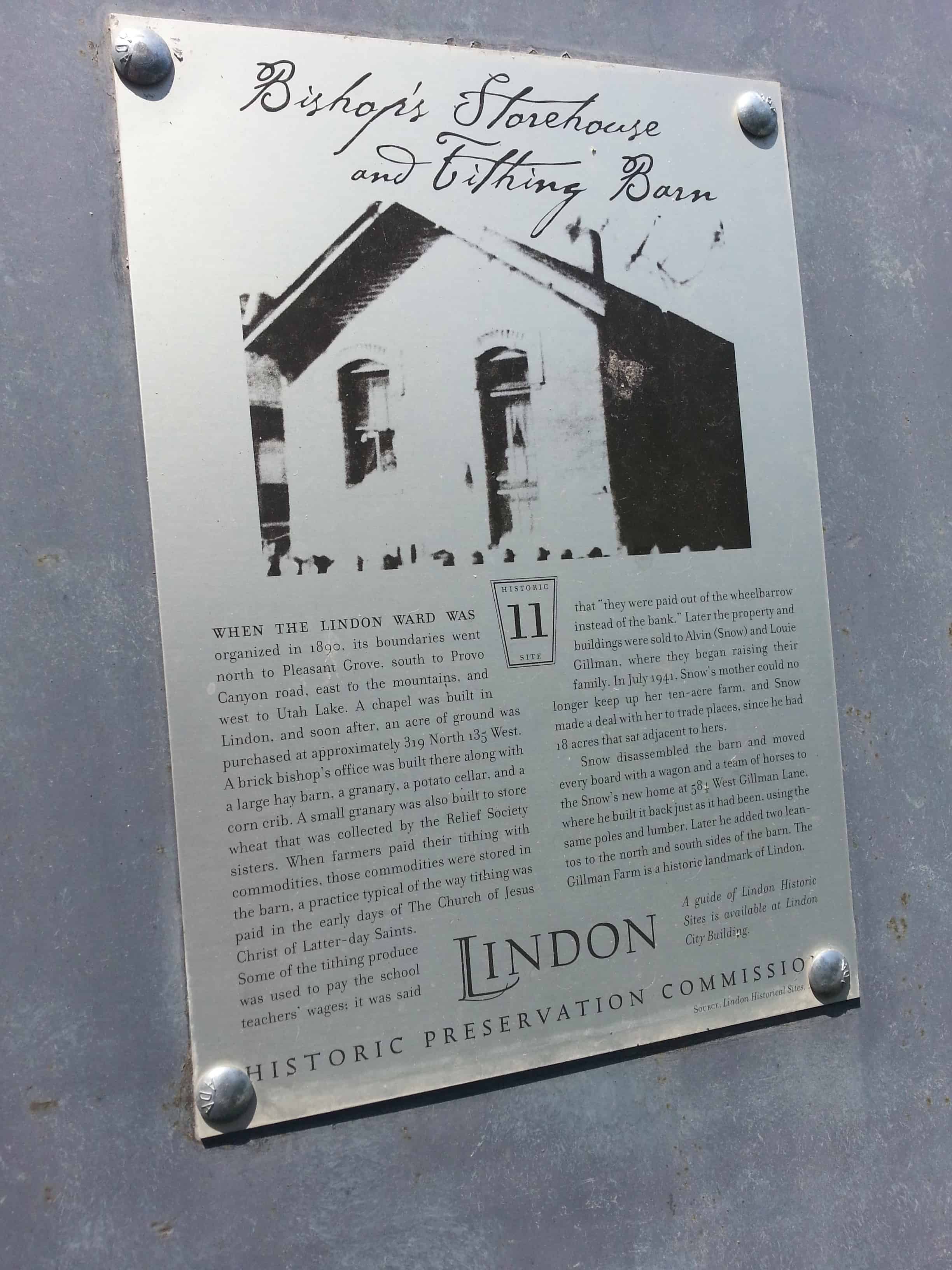
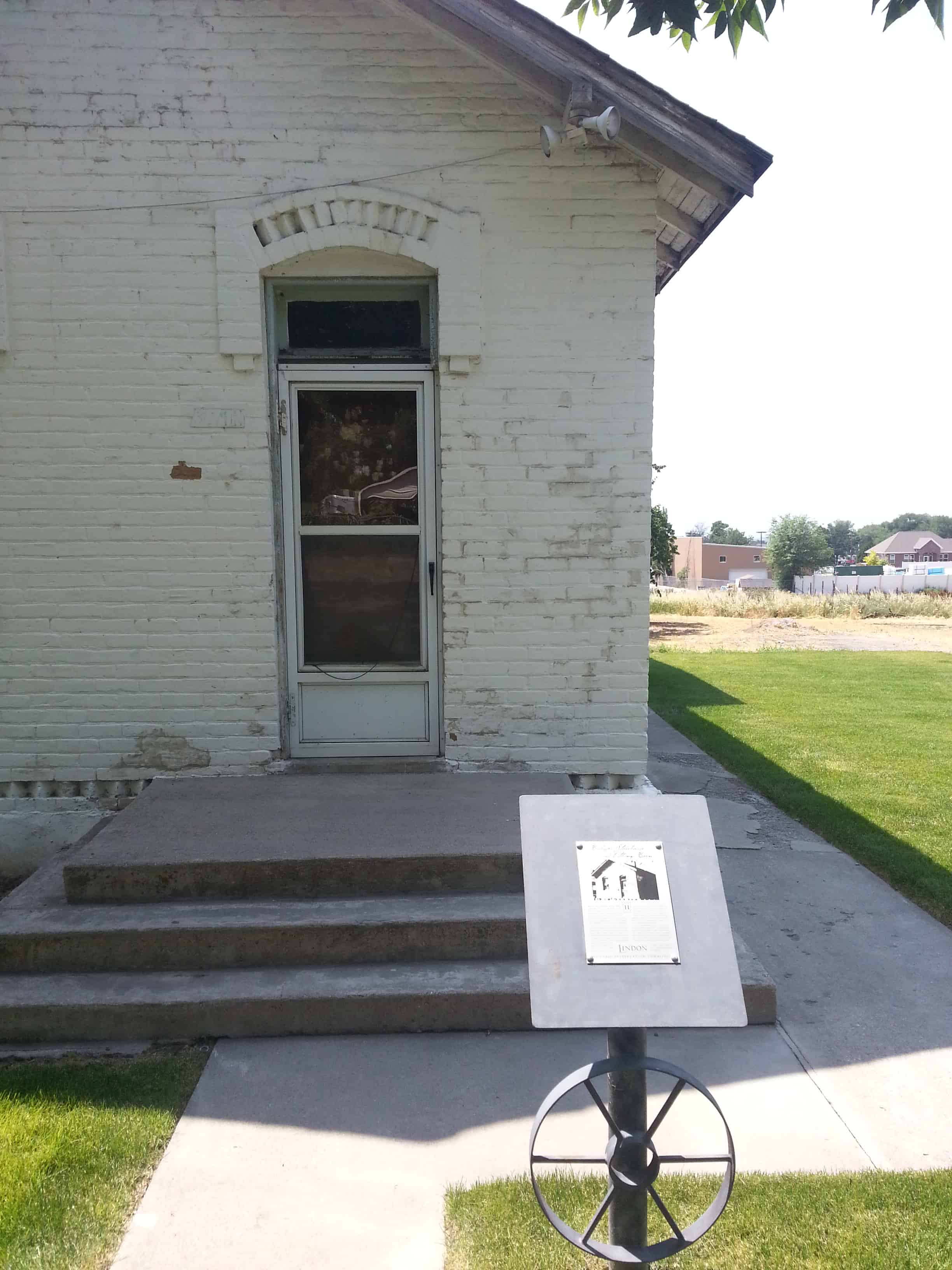
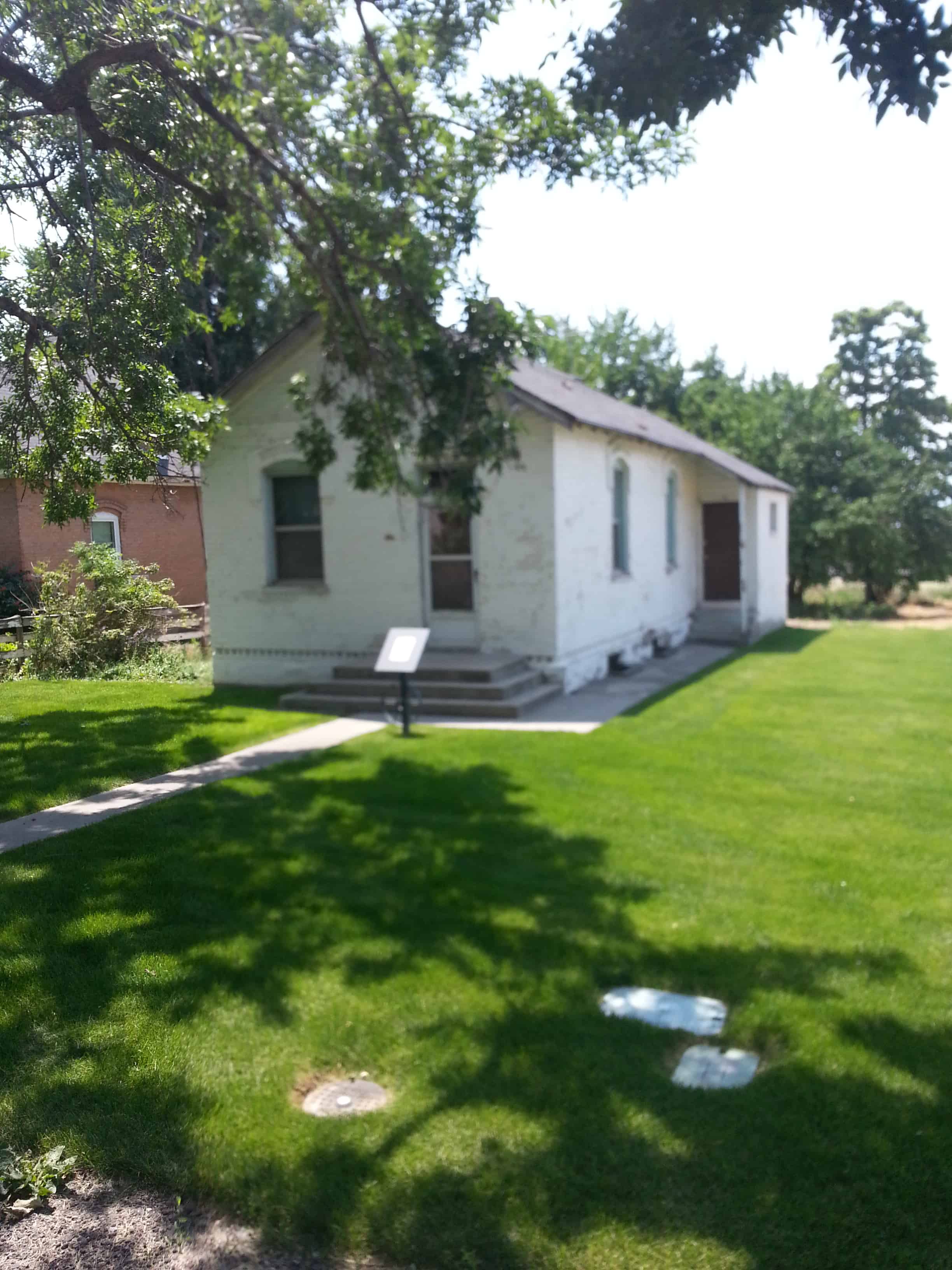
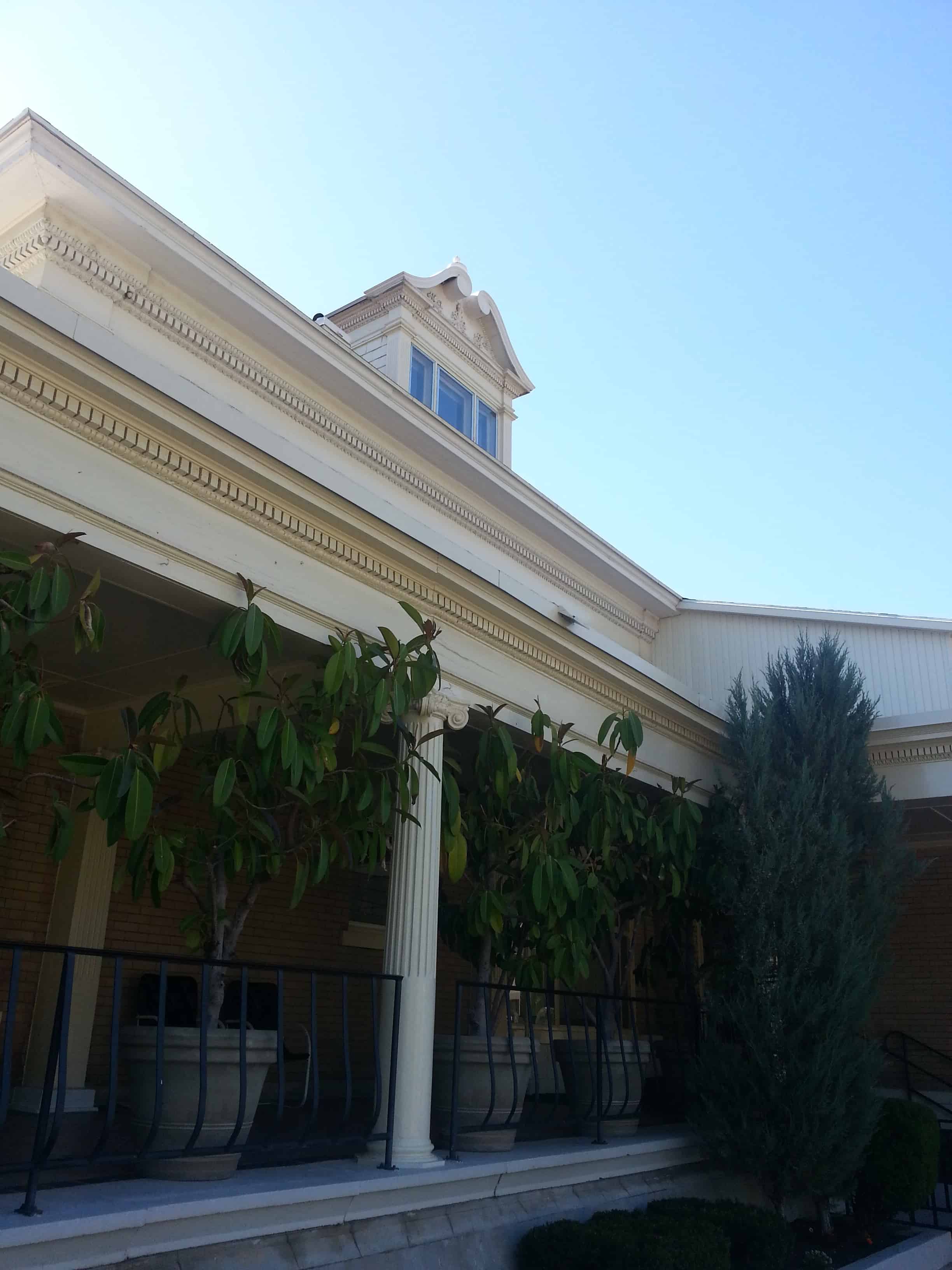
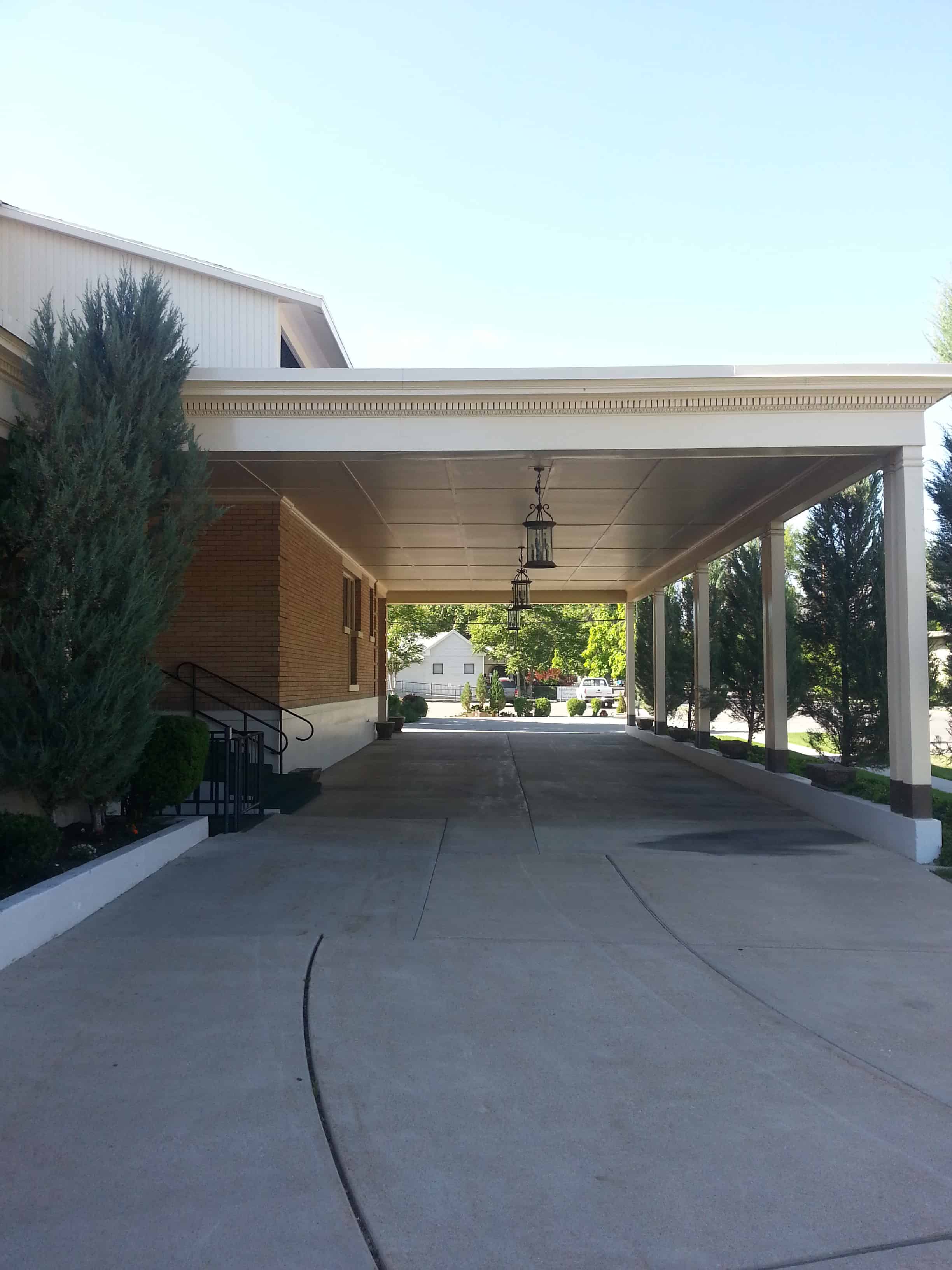
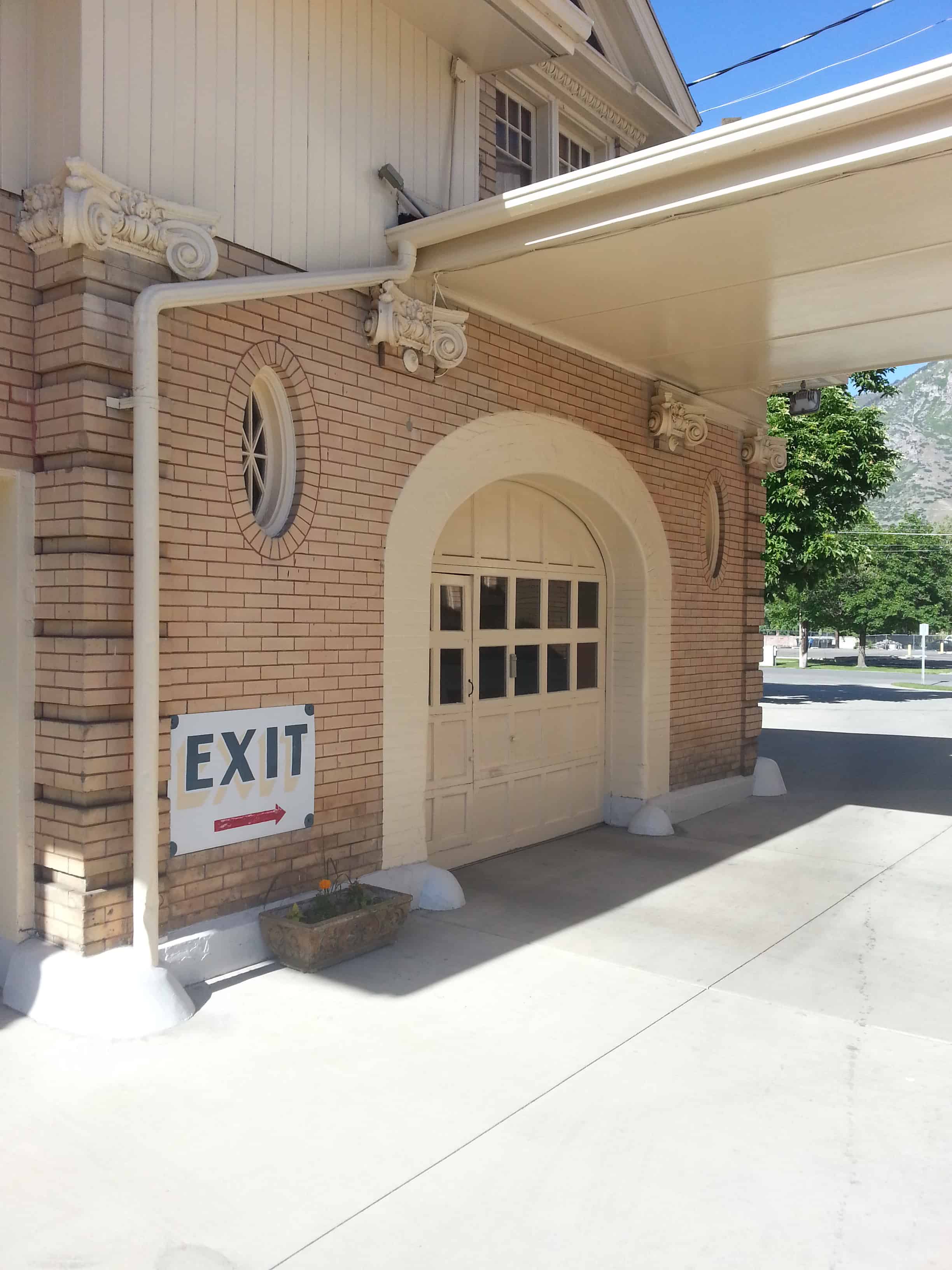
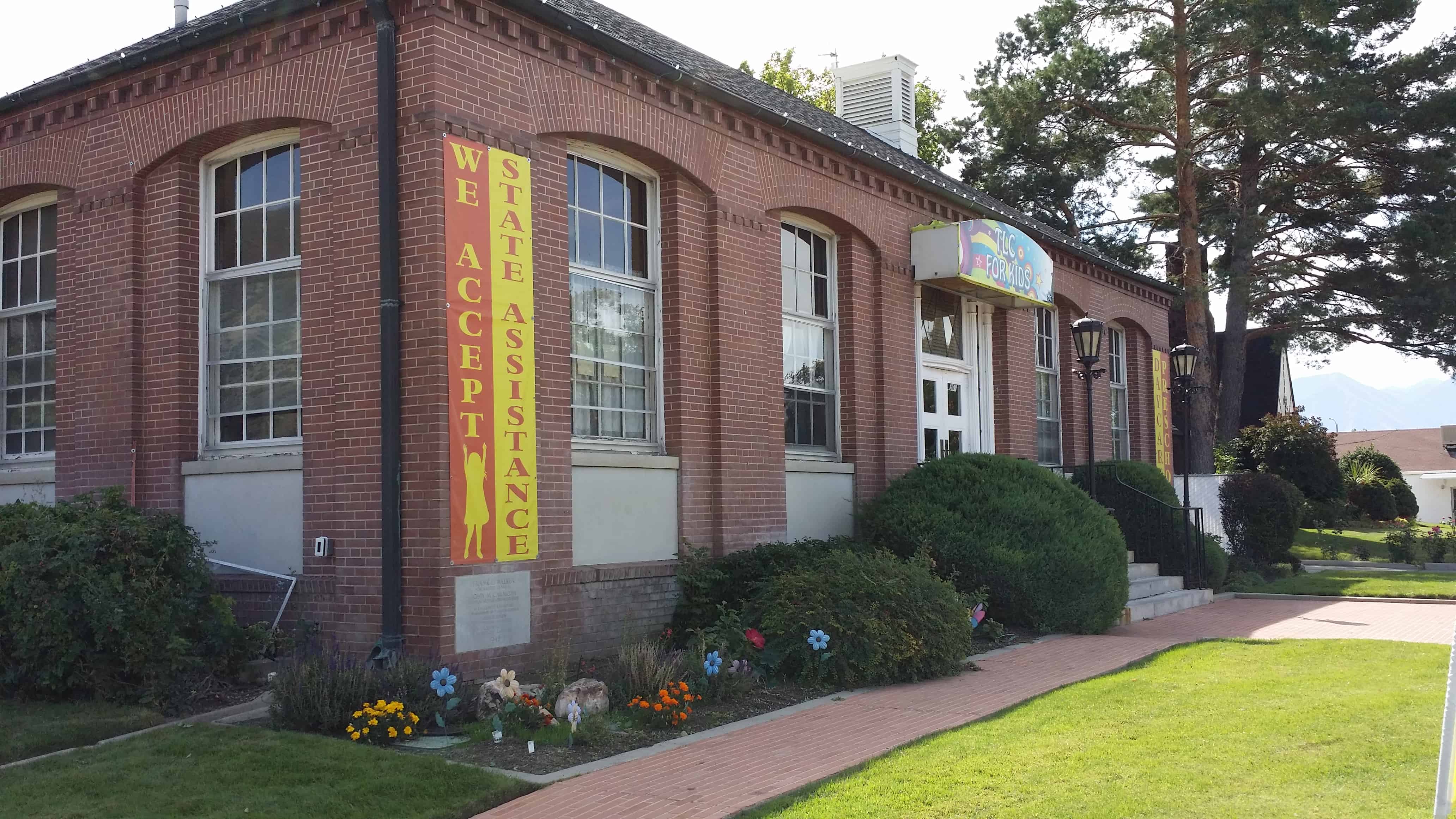
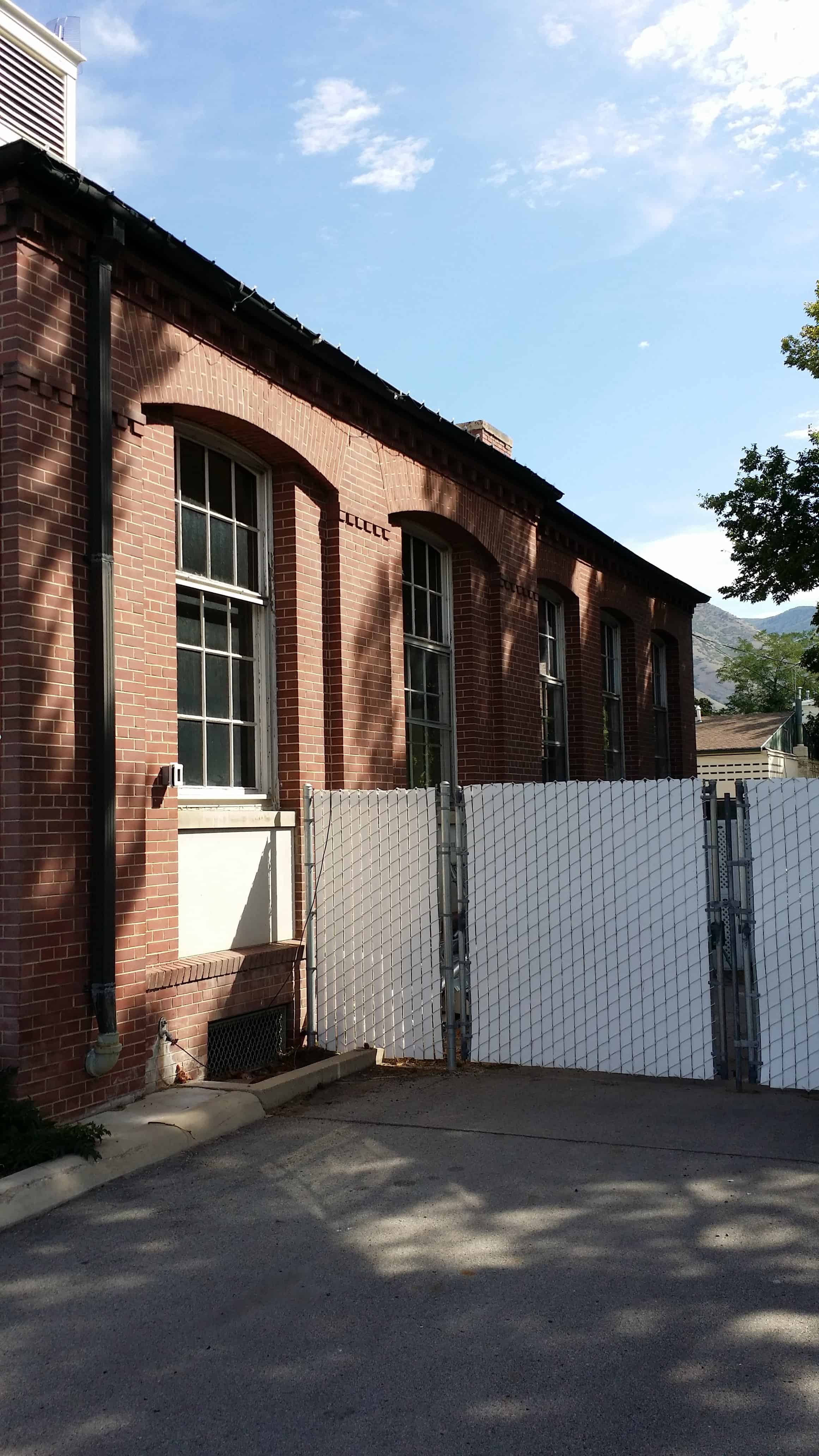
Bishop’s Storehouse and Tithing Barn 319 North 135 West in Lindon.
When the Lindon Ward was organized in 1890, its boundaries went north to Pleasant Grove, south to Provo Canyon road, east to the mountains, and west to Utah Lake. A chapel was built in Lindon, and soon after, an acre of ground was purchased at approximately 319 North 135 West. A brick bishop’s office was built there along with a large hay barn, a granary, a potato cellar, and a corn crib. A small granary was also built to store wheat that was collected by the Relief Society sisters. When farmers paid their tithing with commodities, those commodities were stored in the barn, a practice typical of the way tithing was paid in the early days of The Church of Jesus Christ of Latter-day Saints. Some of the tithing produce was used to pay the school teachers’ wages; it was said that “they were paid out of the wheelbarrow instead of the bank.” Later the property and buildings were sold to Alvin (Snow) and Louie Gillman, where they began raising their family. In July 1941, Snow’s mother could no longer keep up her ten-acre farm, and Snow made a deal with her to trade places, since he had 18 acres that sat adjacent to hers.
Snow disassembled the barn and moved every board with a wagon and a team of horses to the Snow’s new home at 584 West Gillman Lane, where he built it back just as it had been, using the same poles and lumber. Later he added two lean-tos to the north and south sides of the barn. The Gillman Farm is a historic landmark of Lindon.
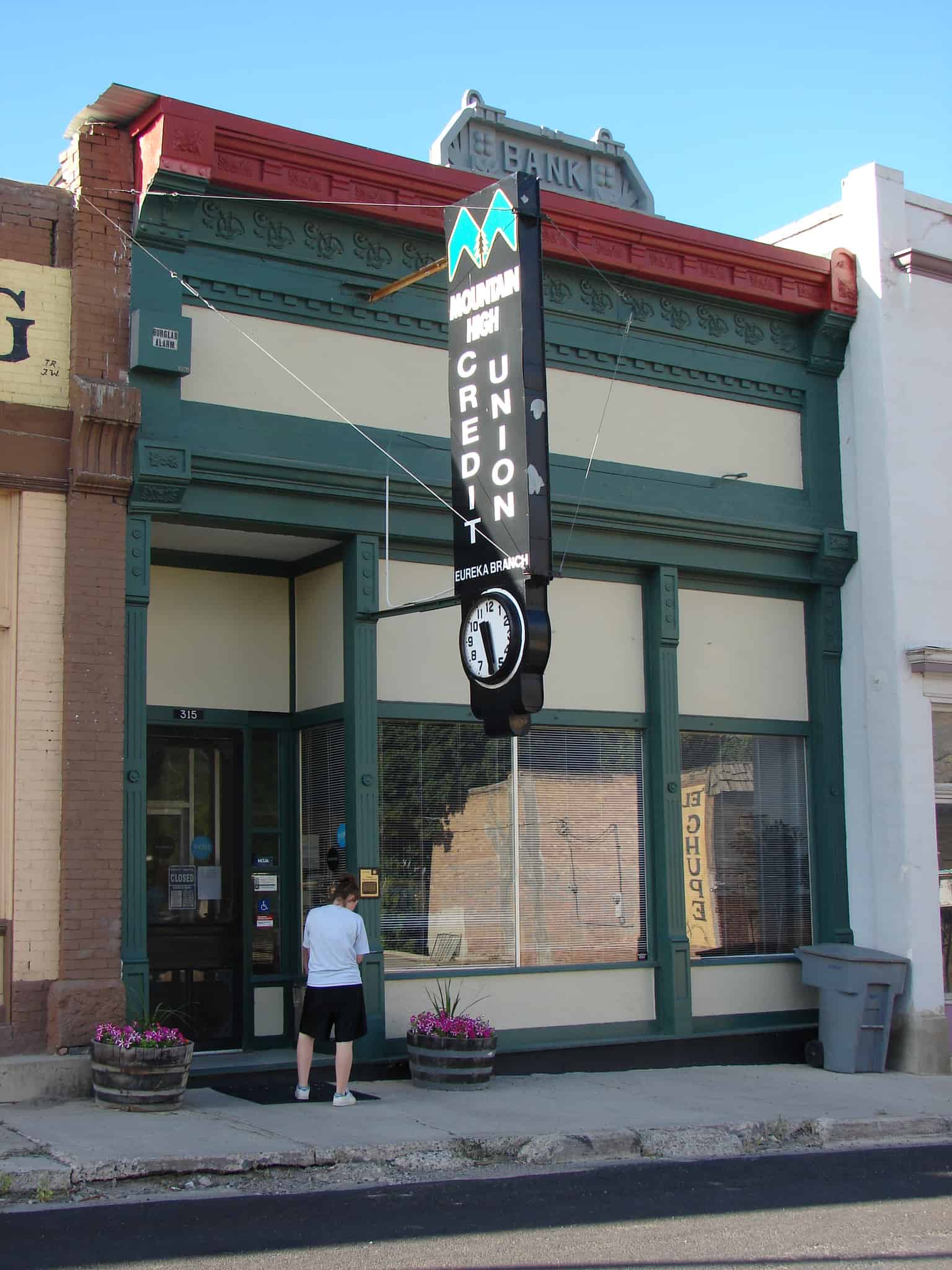
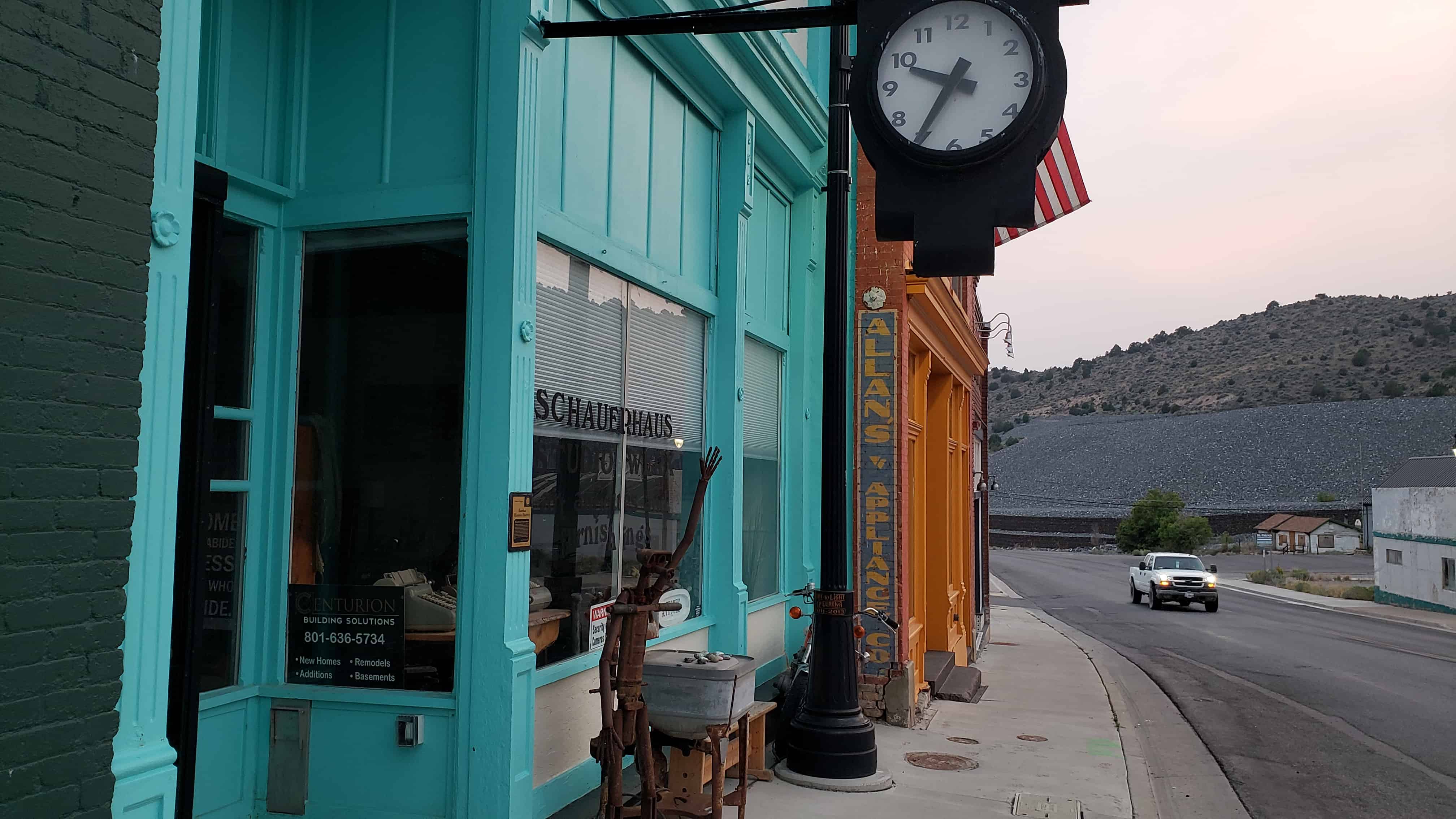
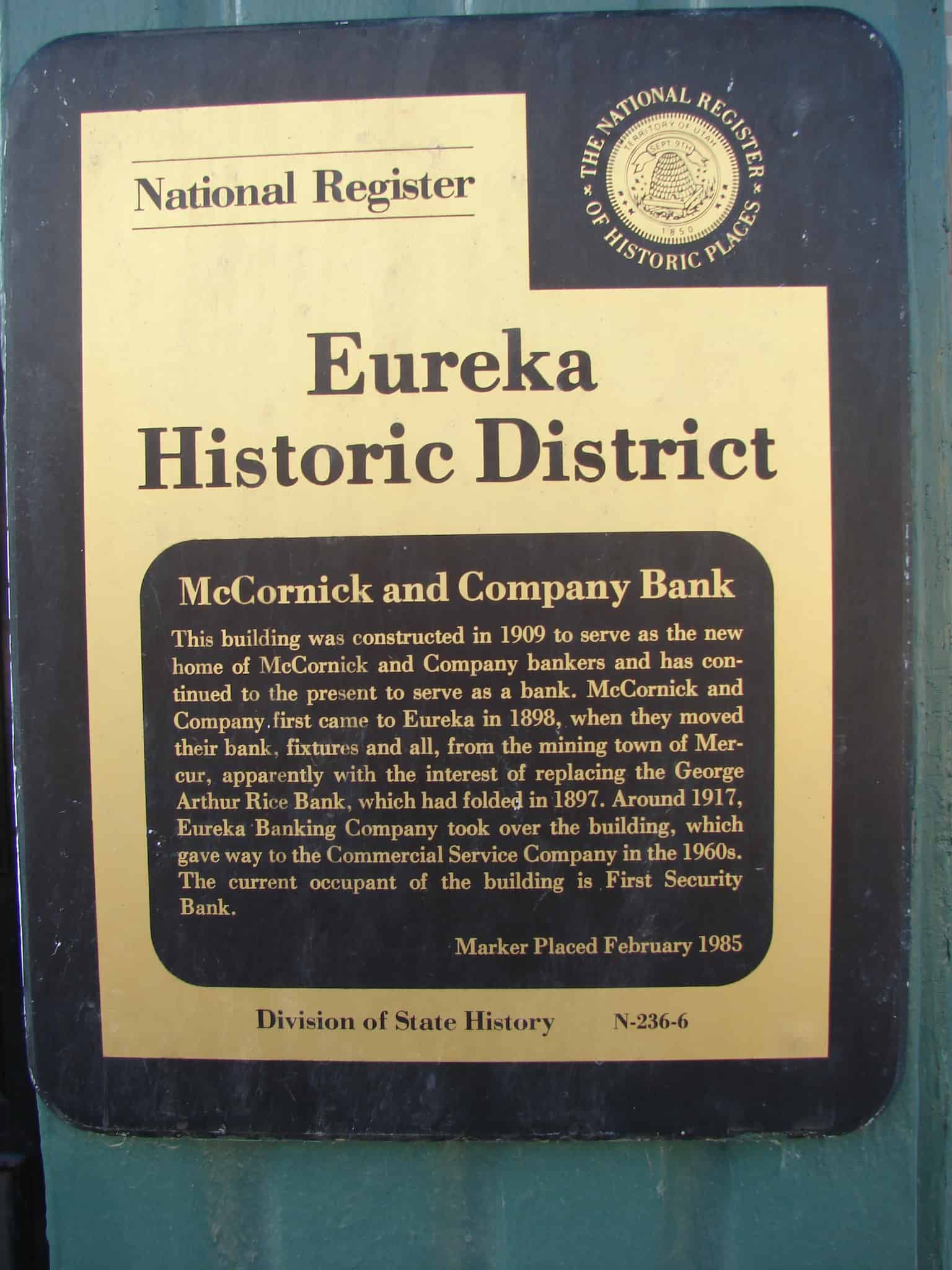
This building was constructed in 1909 to serve as the new home of McCornick and Company Bankers and has continued to the present to serve as a bank. McCornick and Company first came to Eureka in 1898, when they moved their bank, fixtures and all, from the mining town of Mercur, apparently with the interest of replacing the George Arthur Rice Bank, which had folded in 1897. Around 1917, Eureka Banking Company took over the building, which gave way to the Commercial Service Company in the 1960s. The current (1985) occupant of the building is First Security Bank.
The Amusement Hall
150 North State Street in Lindon
The Lindon Amusement Hall once occupied this site. Constructed in 1900, it was built in a shape resembling a “T,” with overall dimensions of 70 feet by 30 feet. The exterior walls were made of rustic lumber, and the interior was lined with ceiling lumber.
On the east end, a stage was situated about three feet above the hall floor. The curtain was canvas, handpainted with an outdoor scene of a girl sitting beside a standing boy playing a violin. The curtain would roll up on a large roller and lights would rise up through holes in the floor, giving the effect of floodlights. The hall was the setting for three-act plays, one produced each month of the winter. Silent films were shown on Thursdays, and often three dances were held per week.
Even though the hall was not elaborate, it was a place for people from all over Utah County to gather and have good time.
Around 1940, the hall was converted into a cannery. Many different types of produce were canned, tomatoes being the most common.
Lindon Elementary School – Main Street and Center Street
In 1900 the settlers of Lindon voted to erect a new school on the corner of what is now Main and Center, and a four-room school and well were built, at a combined cost of $5,200. There was not any indoor plumbing; the students had access to outdoor privies. Wilford W. Warnick was the first principal of the school.
During the years between 1911 and 1935 an addition was built onto the school which included four more classrooms, a furnace room, and indoor restrooms. The children and teachers alike appreciated the new modern facilities.
In 1943 when Geneva Steel was established, the school population soared; hallways were converted into classrooms and some teachers had as many as 58 pupils.
On Christmas night in 1948, a fire began in the furnace room of the school and caused considerable damage. The destroyed areas were rebuilt in September 1949, with the addition of lavatories, a kitchen, and a lunch room.
In the summer of 1966 the old school was torn down, including the additions, and a new school was built to accomodate the growing population of Lindon. The new school cost $510,000 and was dedicated November 6, 1967.
Lindon Elementary School and its grounds have truly been an asset to the community, serving our young people well over the years and helping them to make valuable contributions to our society.
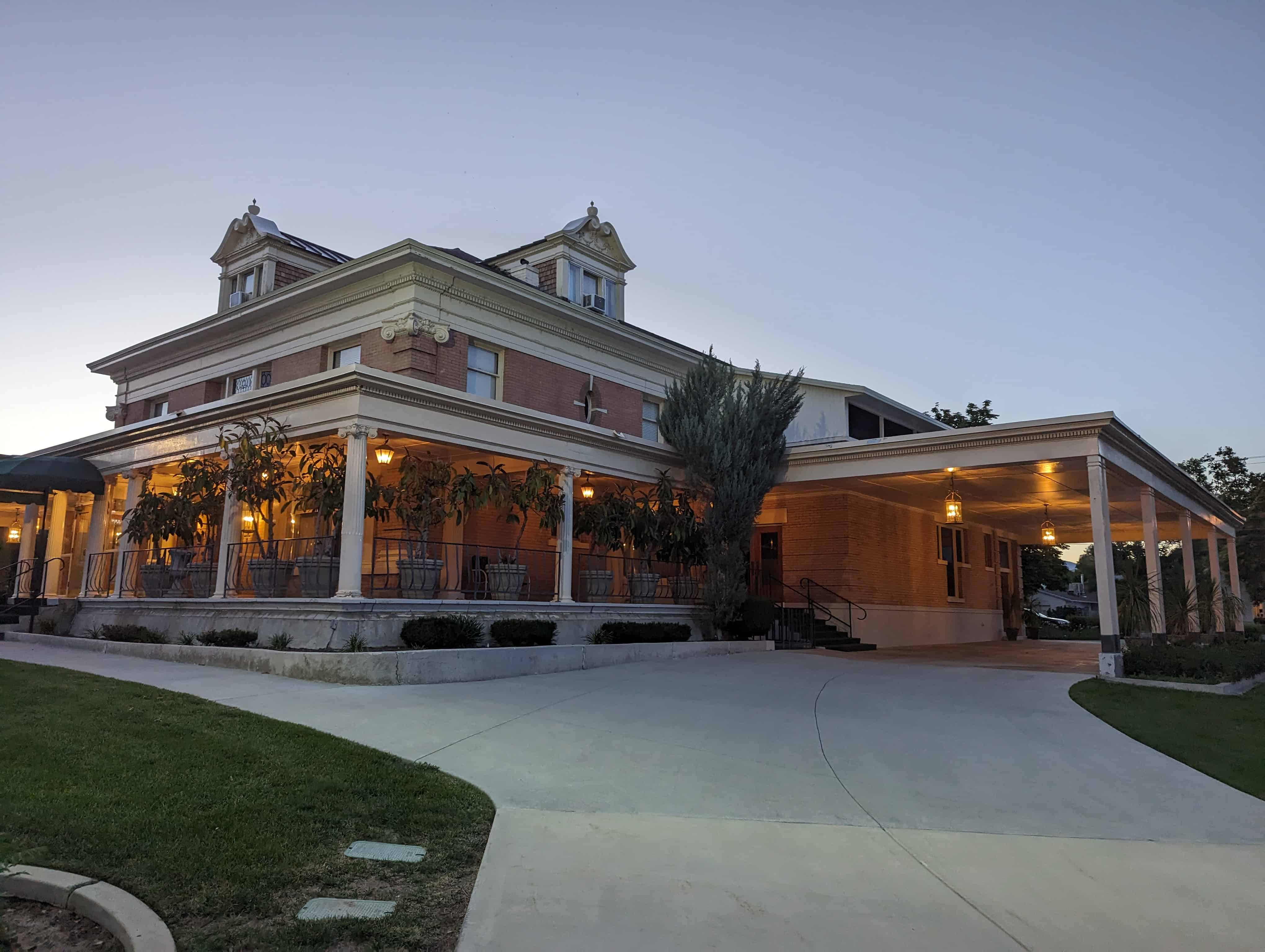
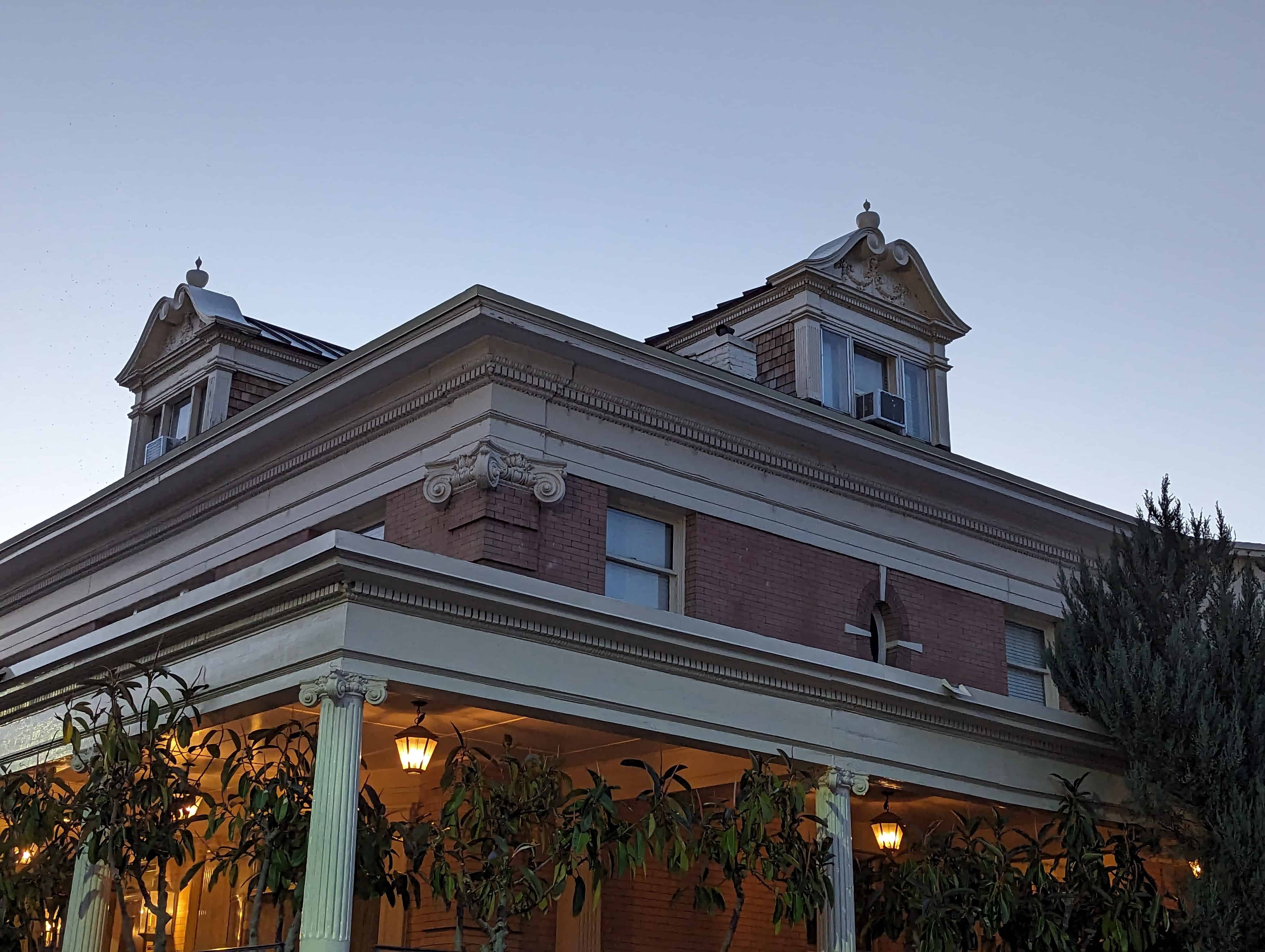
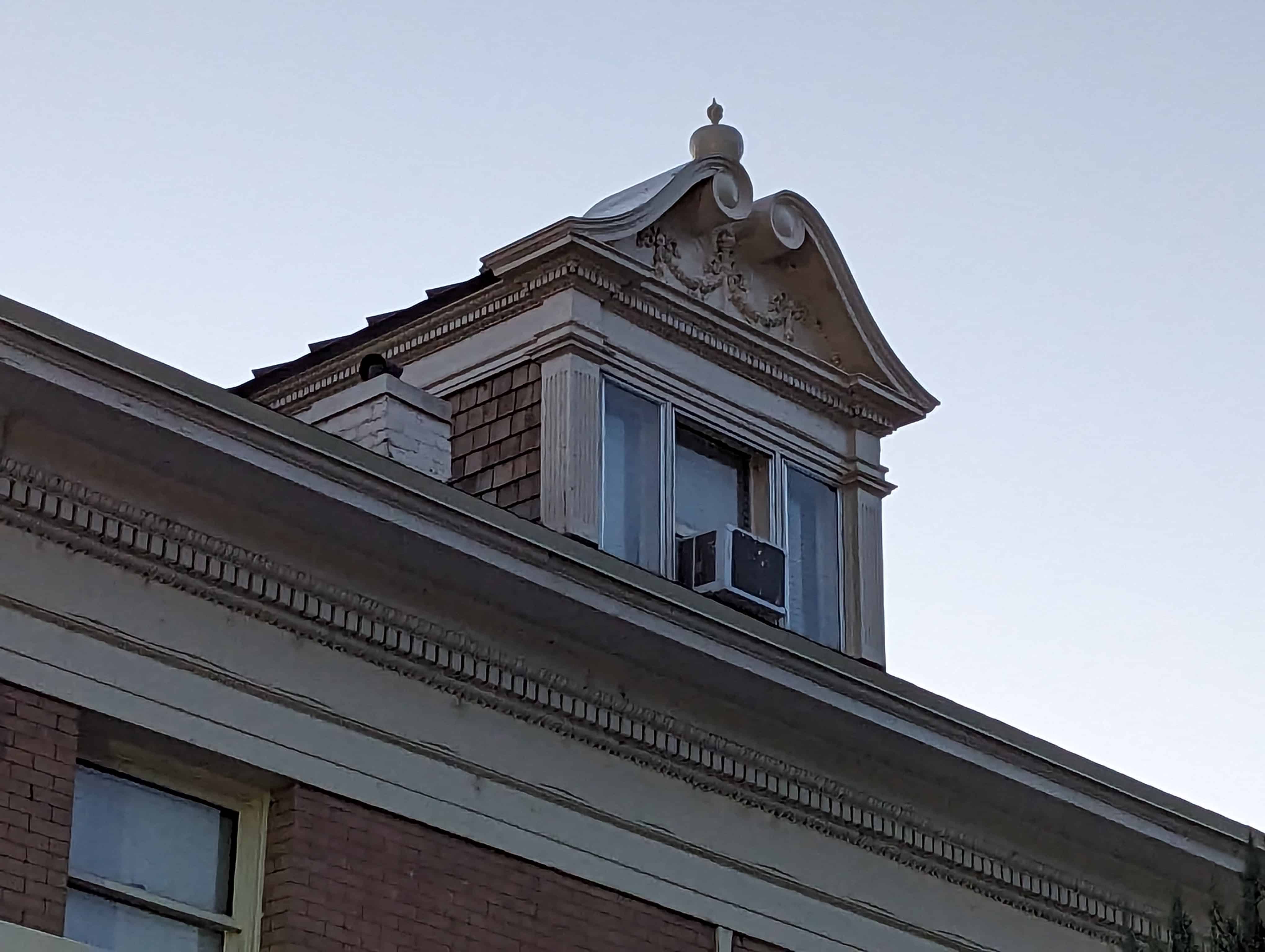
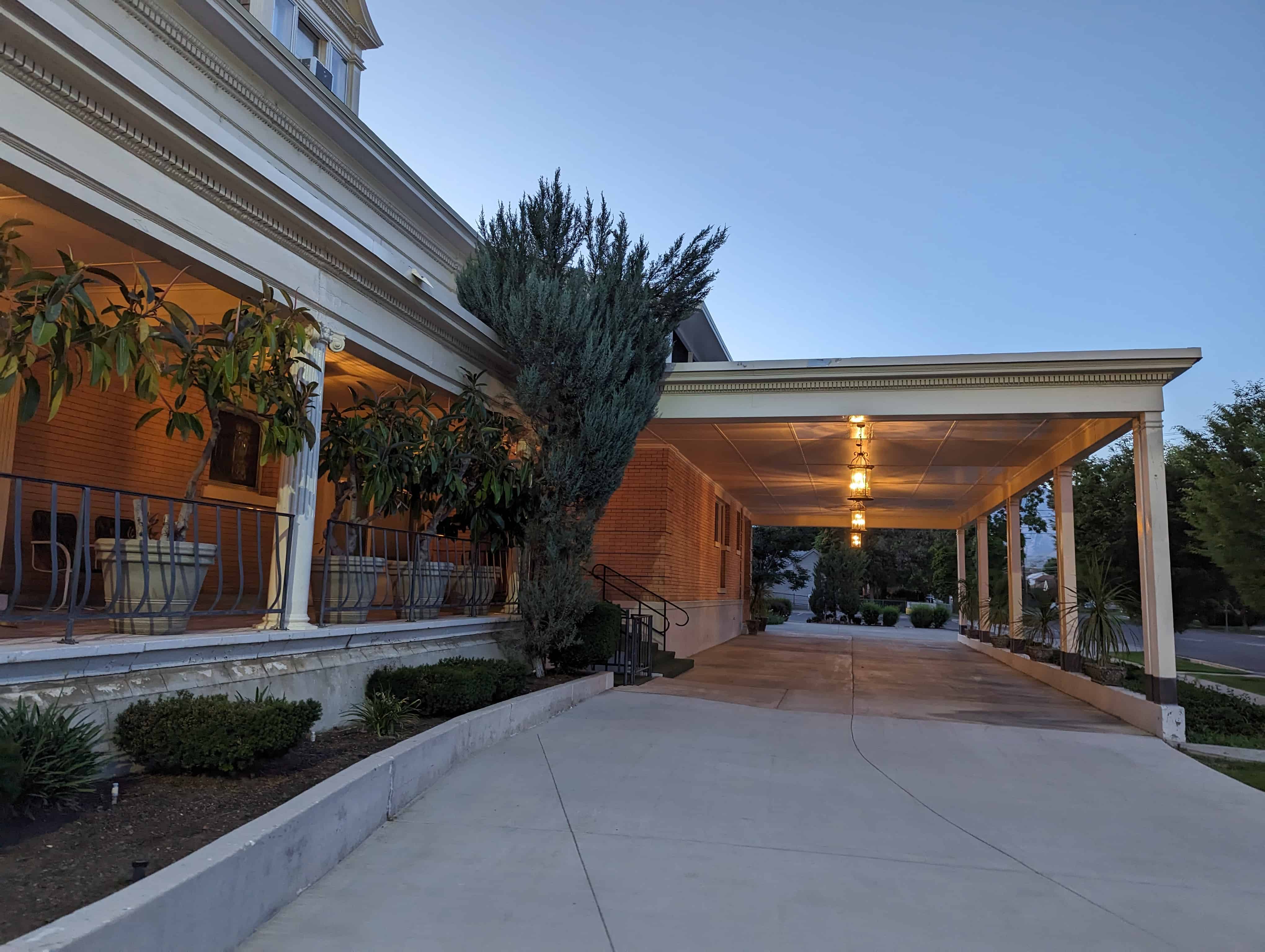
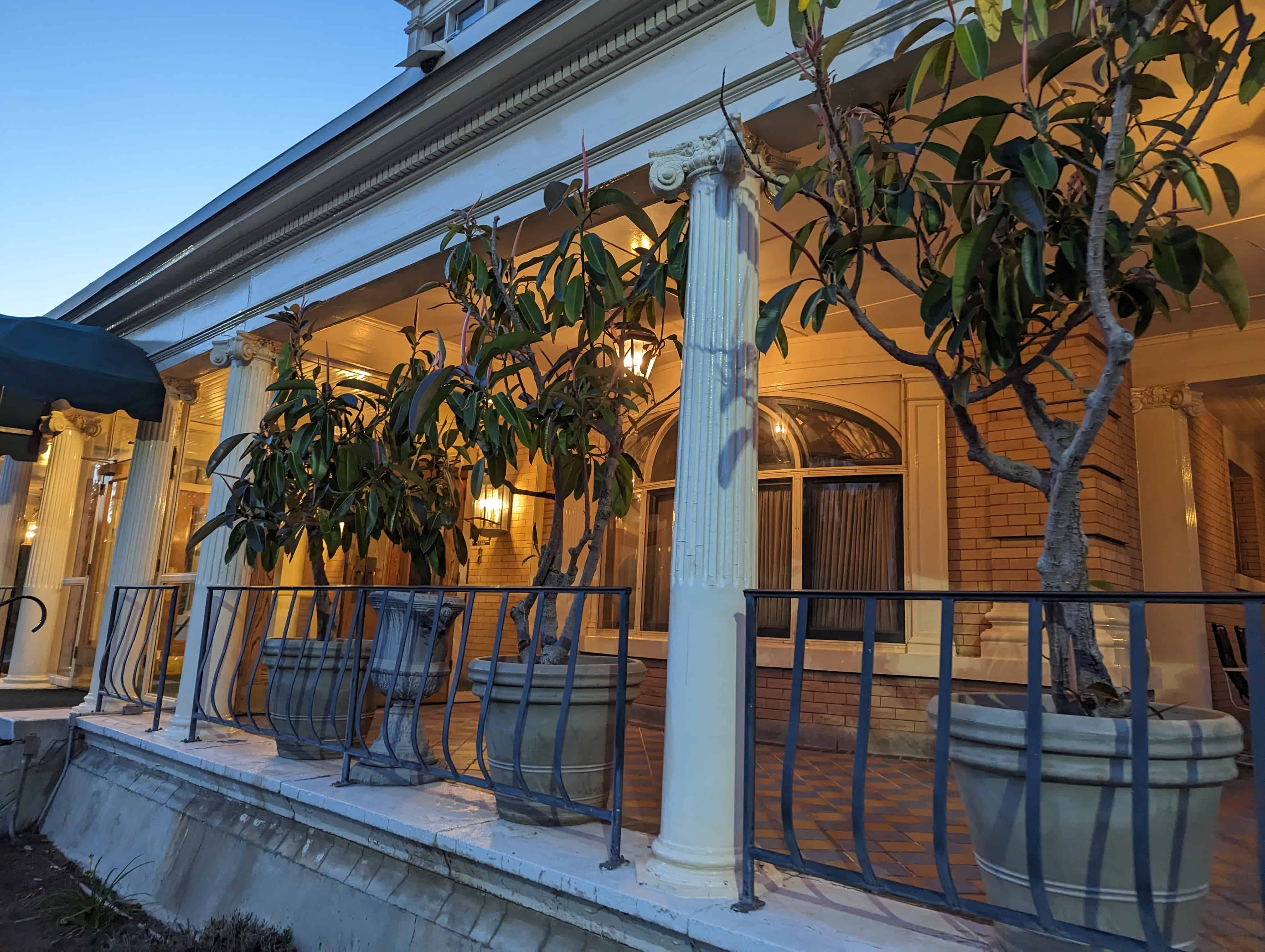
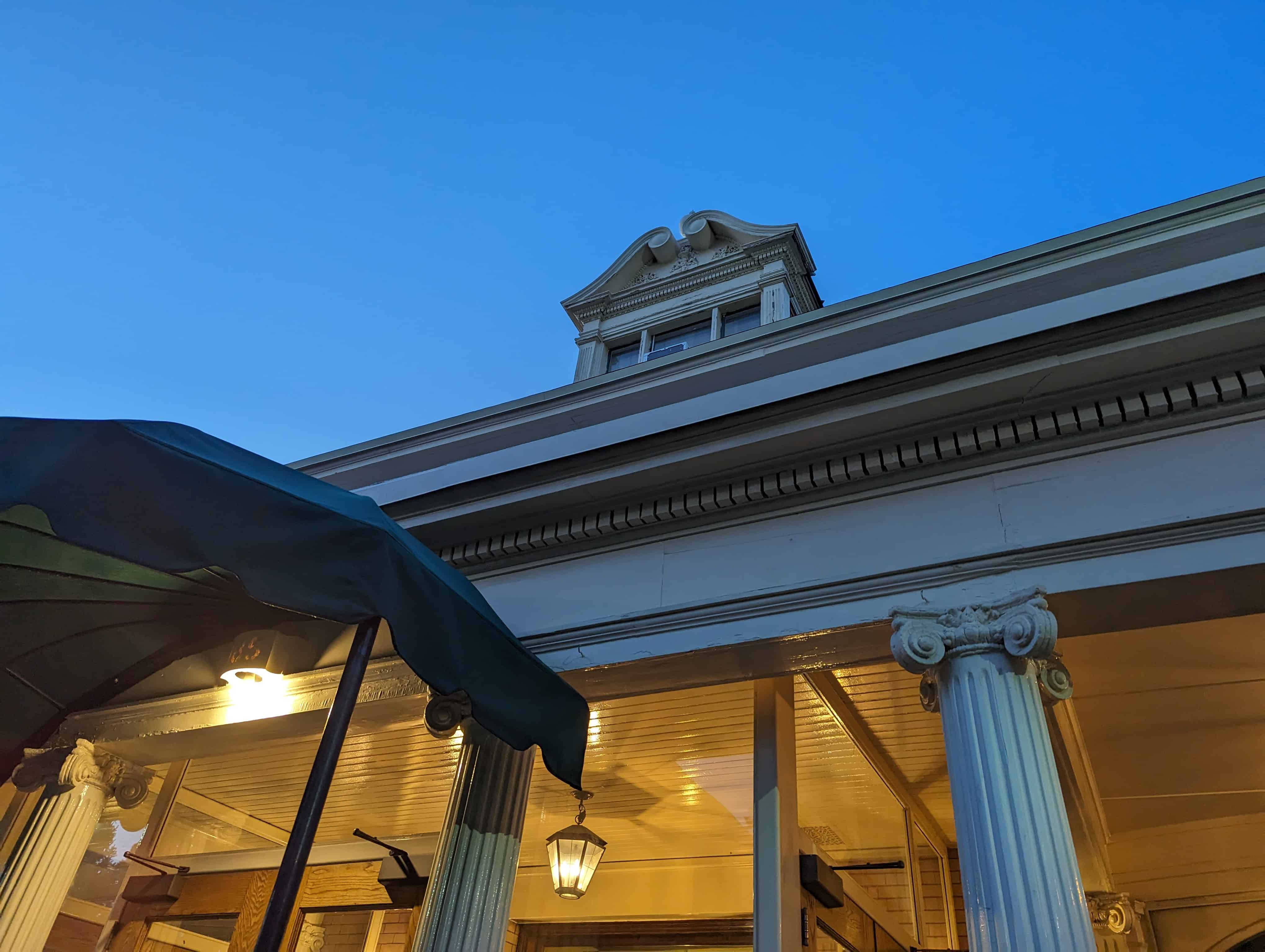
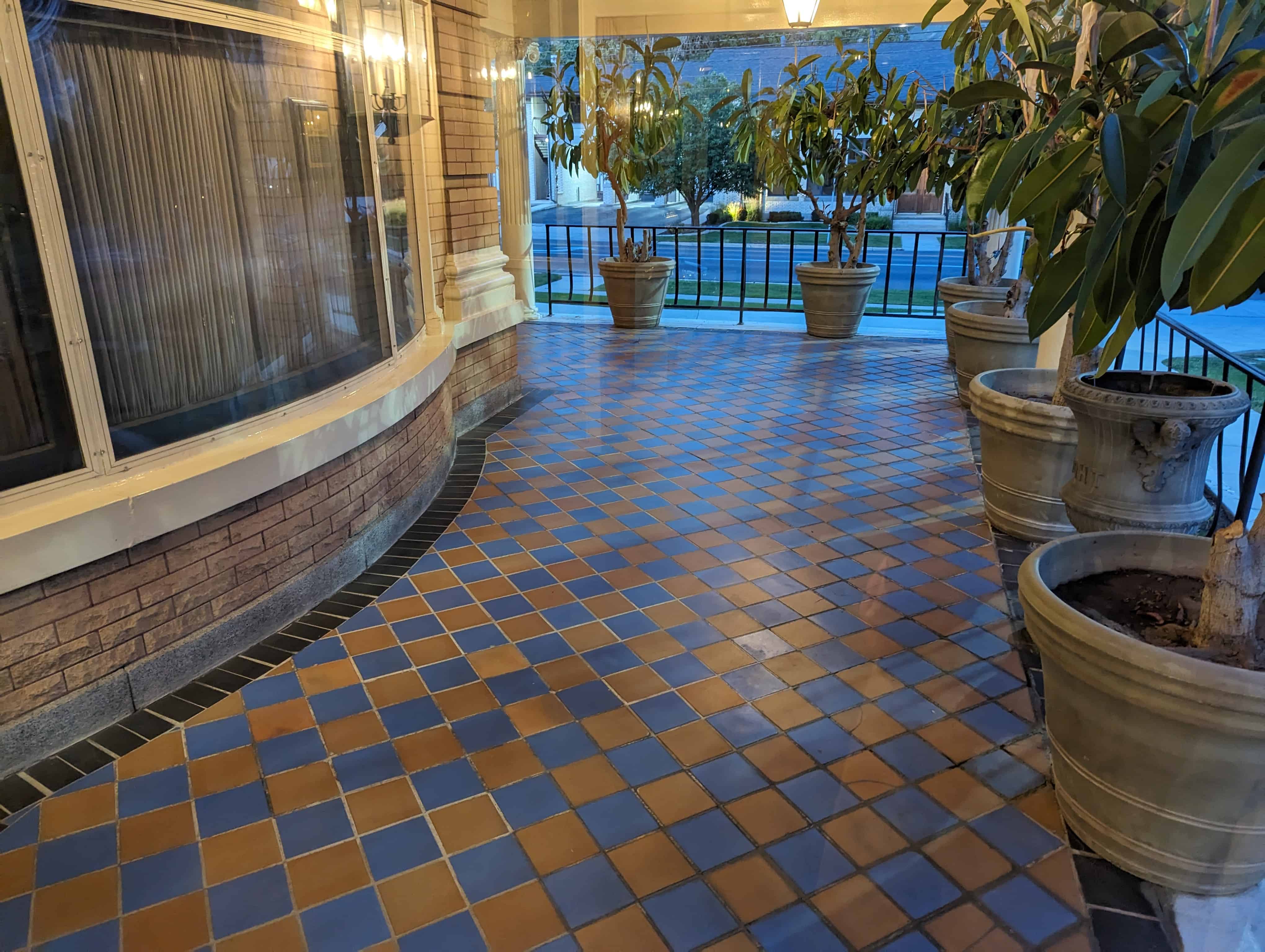
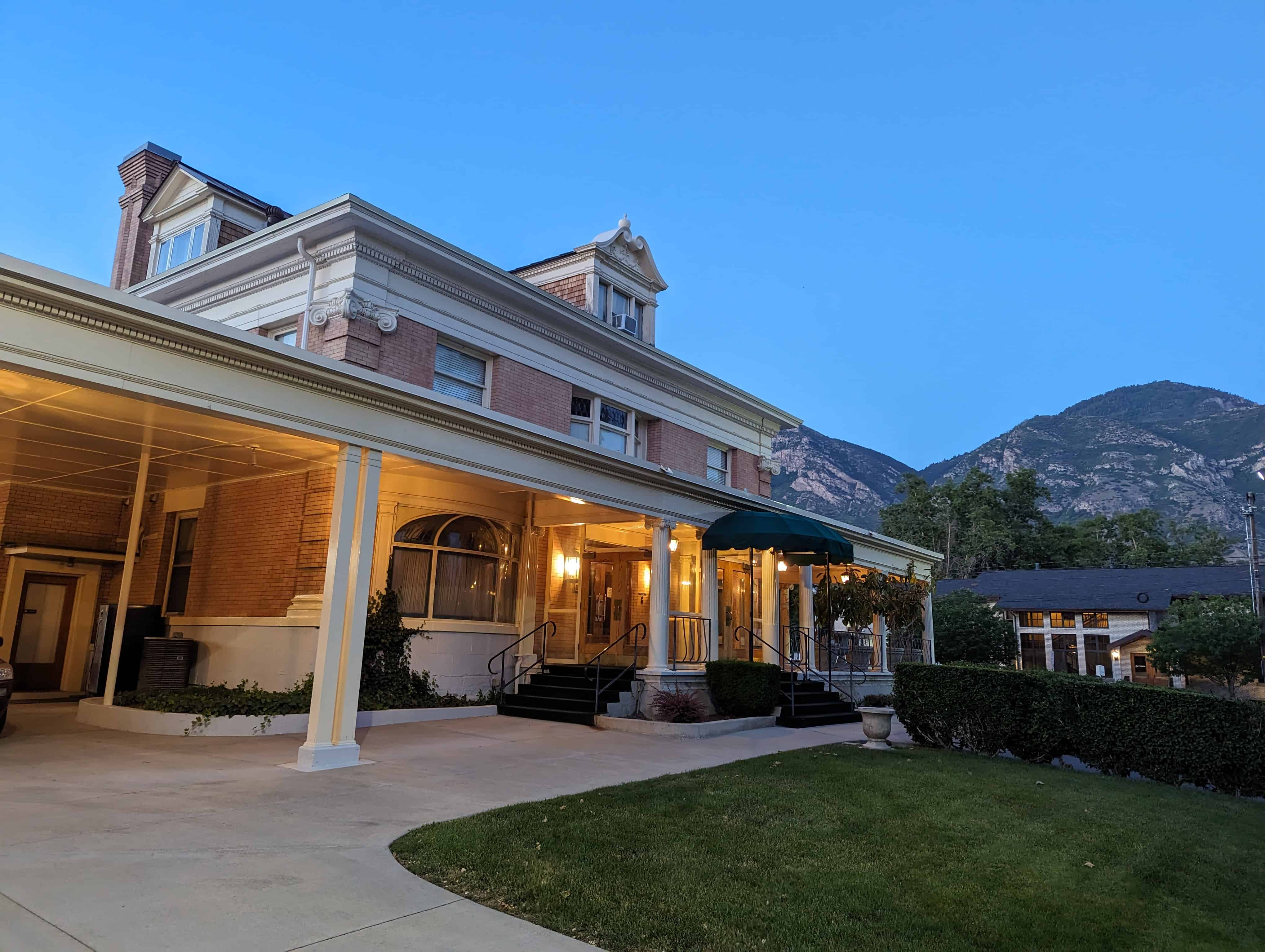
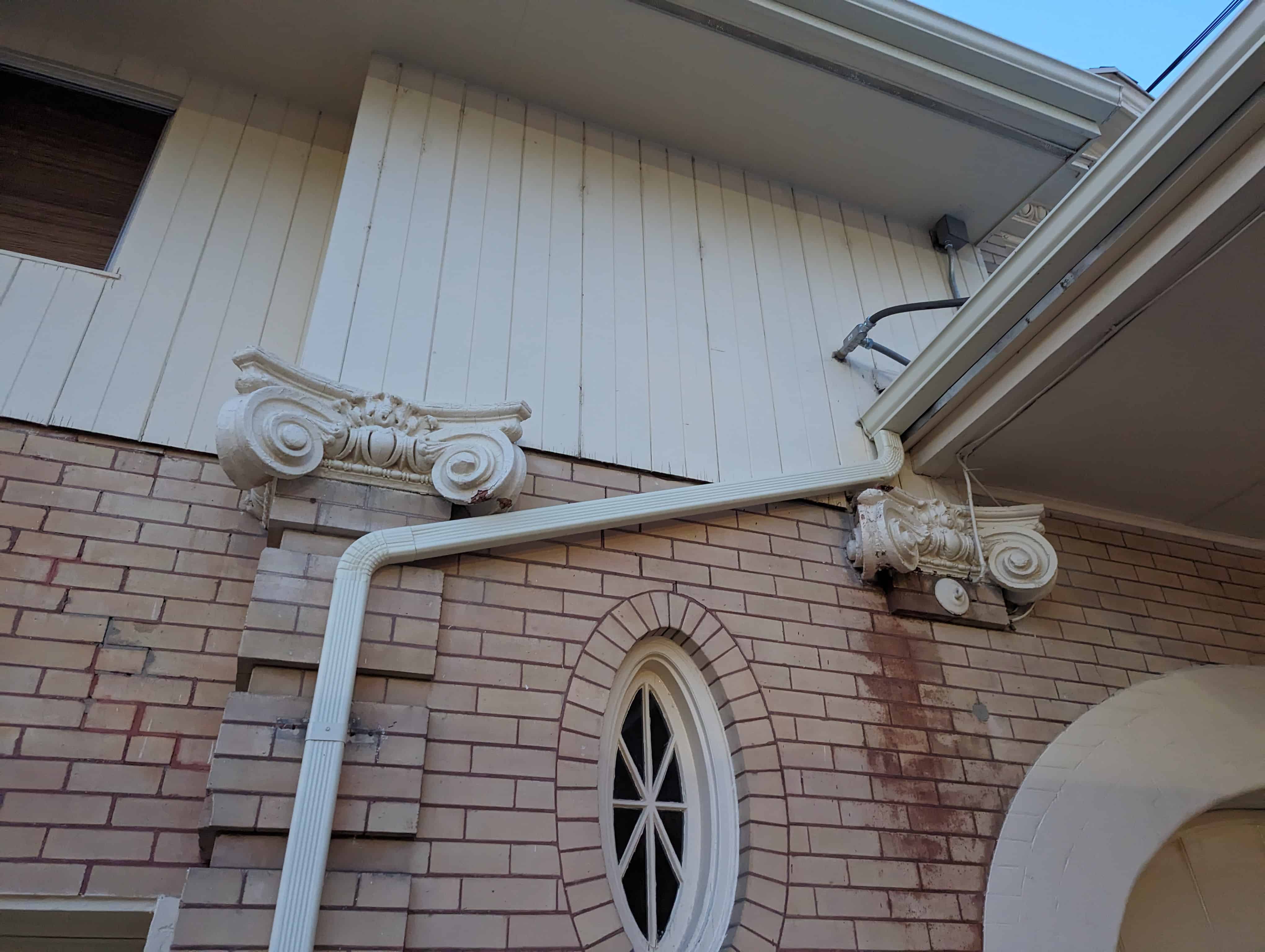
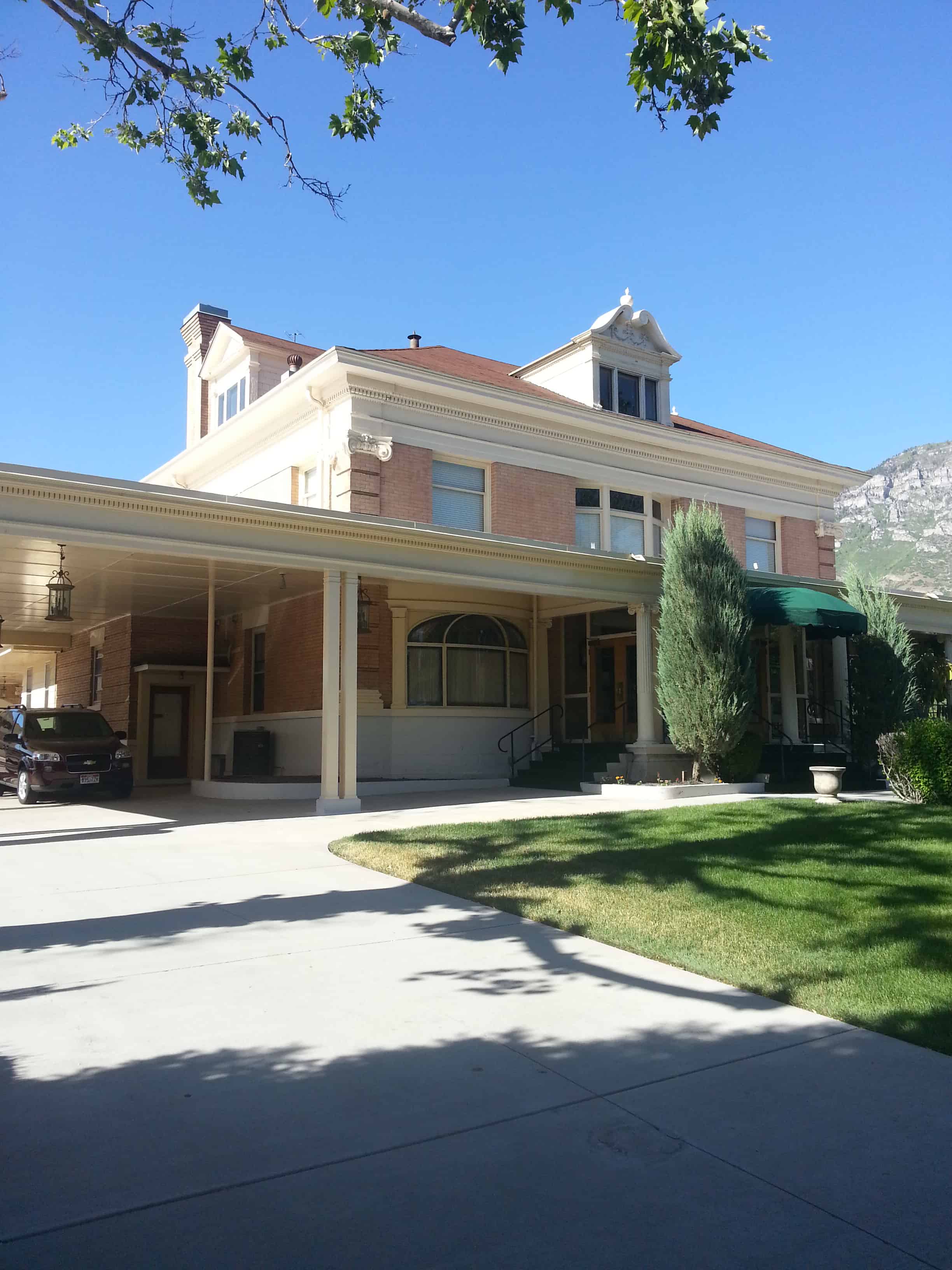
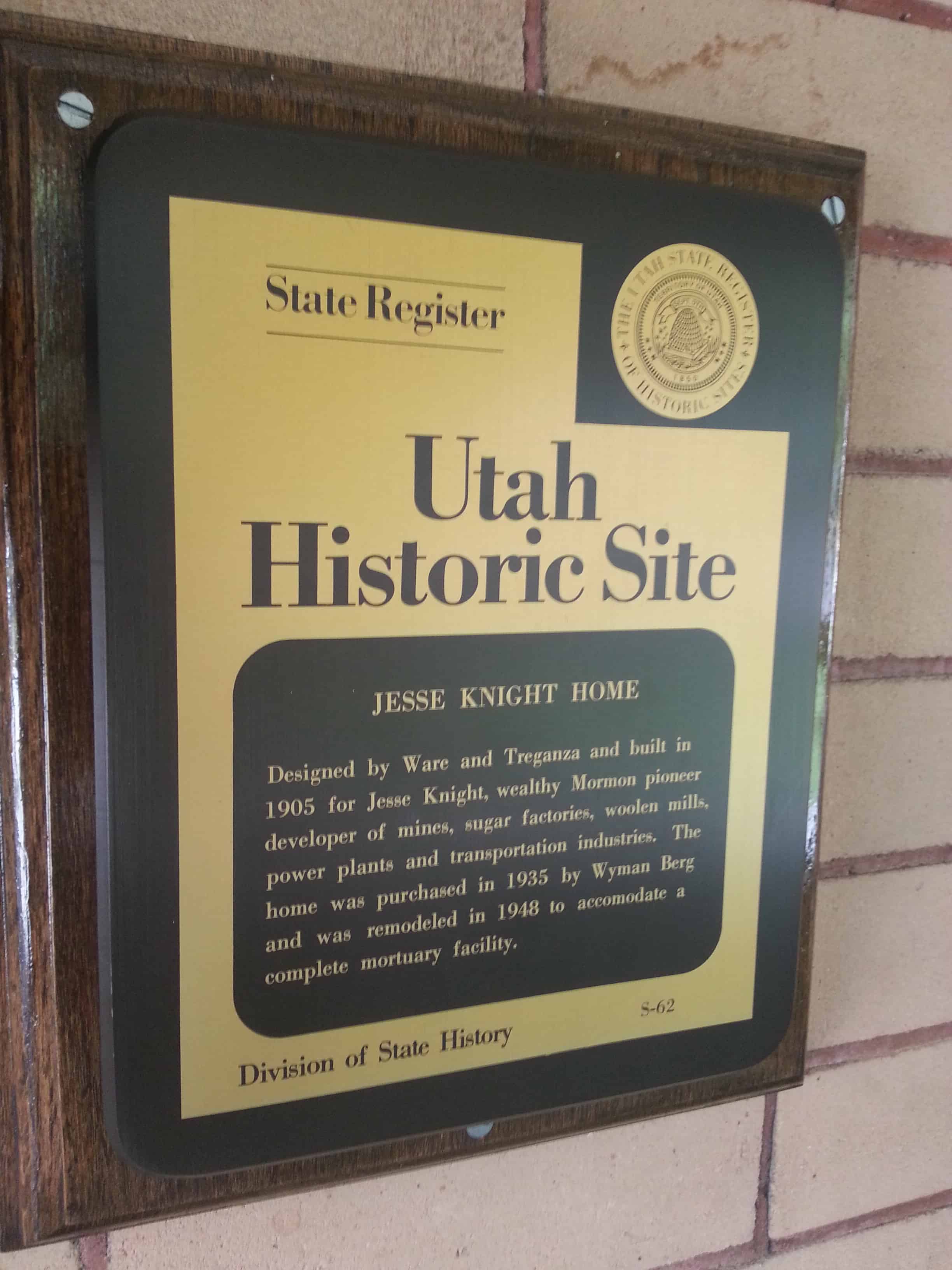
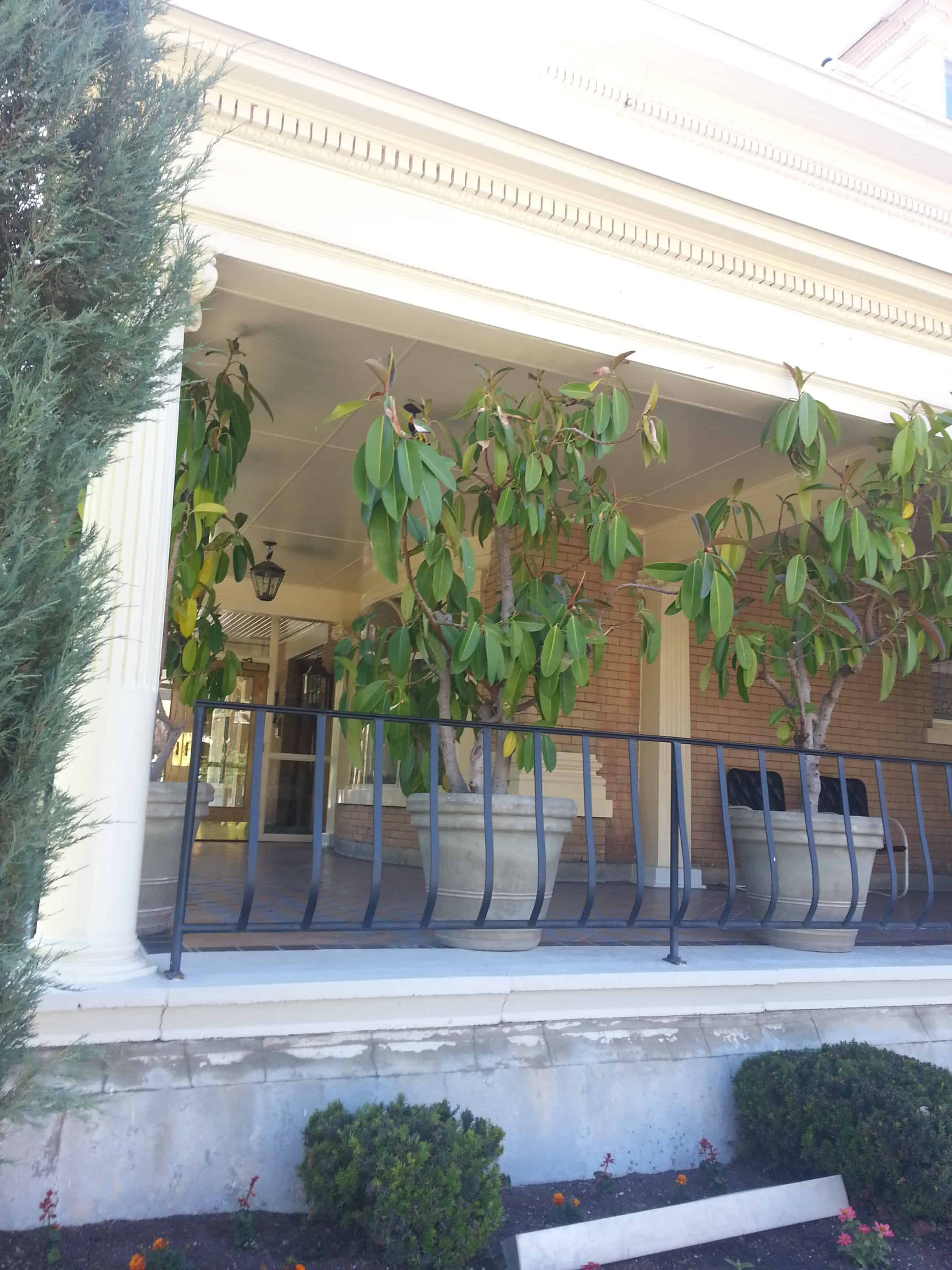
Designed by Ware and Treganza and built in 1905 for Jesse Knight, wealthy Mormon pioneer developer of mines, sugar factories, woolen mills, power plants and transportation industries. The home was purchased in 1935 by Wyman Berg and was remodeled in 1948 to accommodate a complete mortuary facility. (text from the plaque on the building)
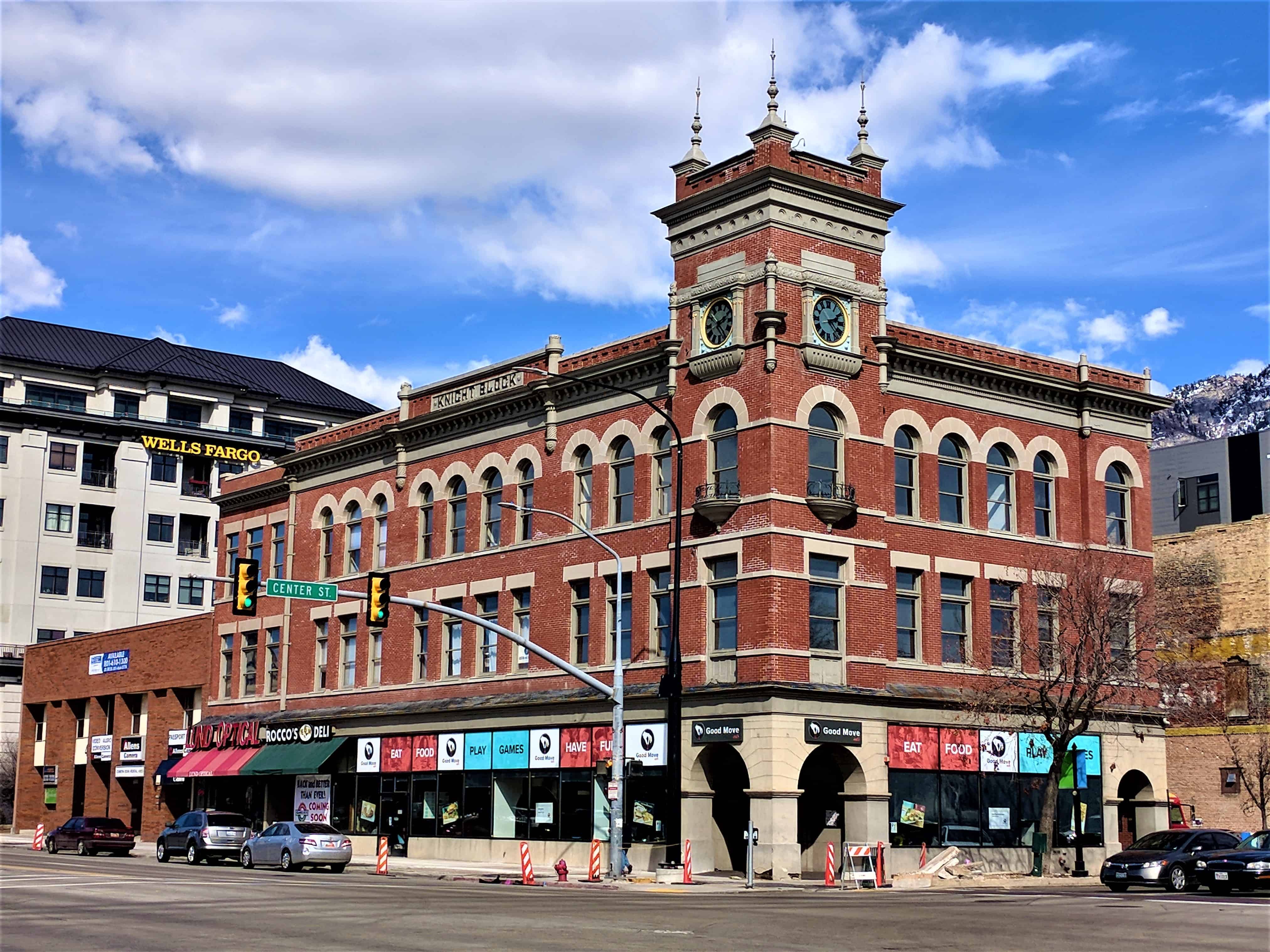
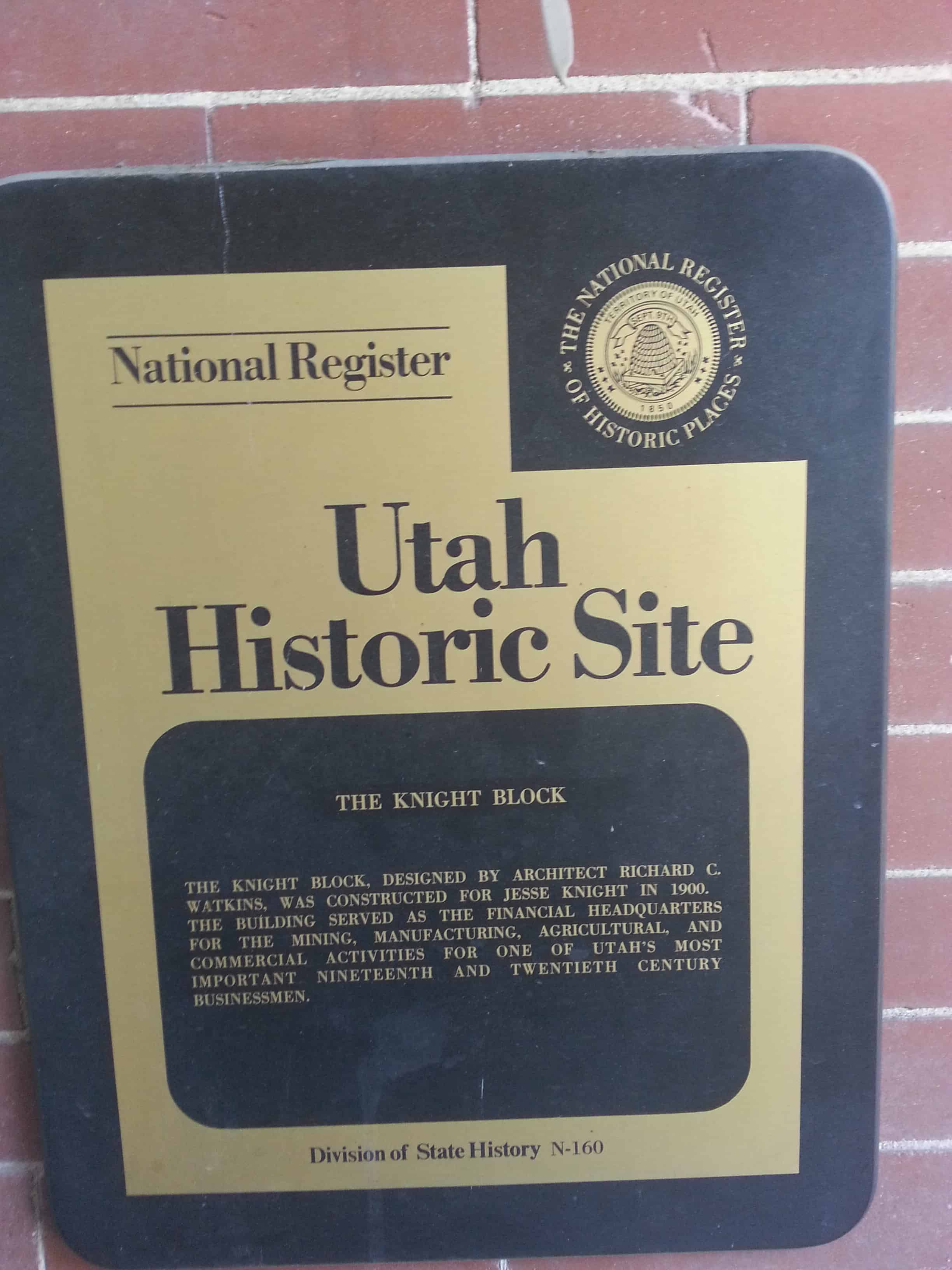
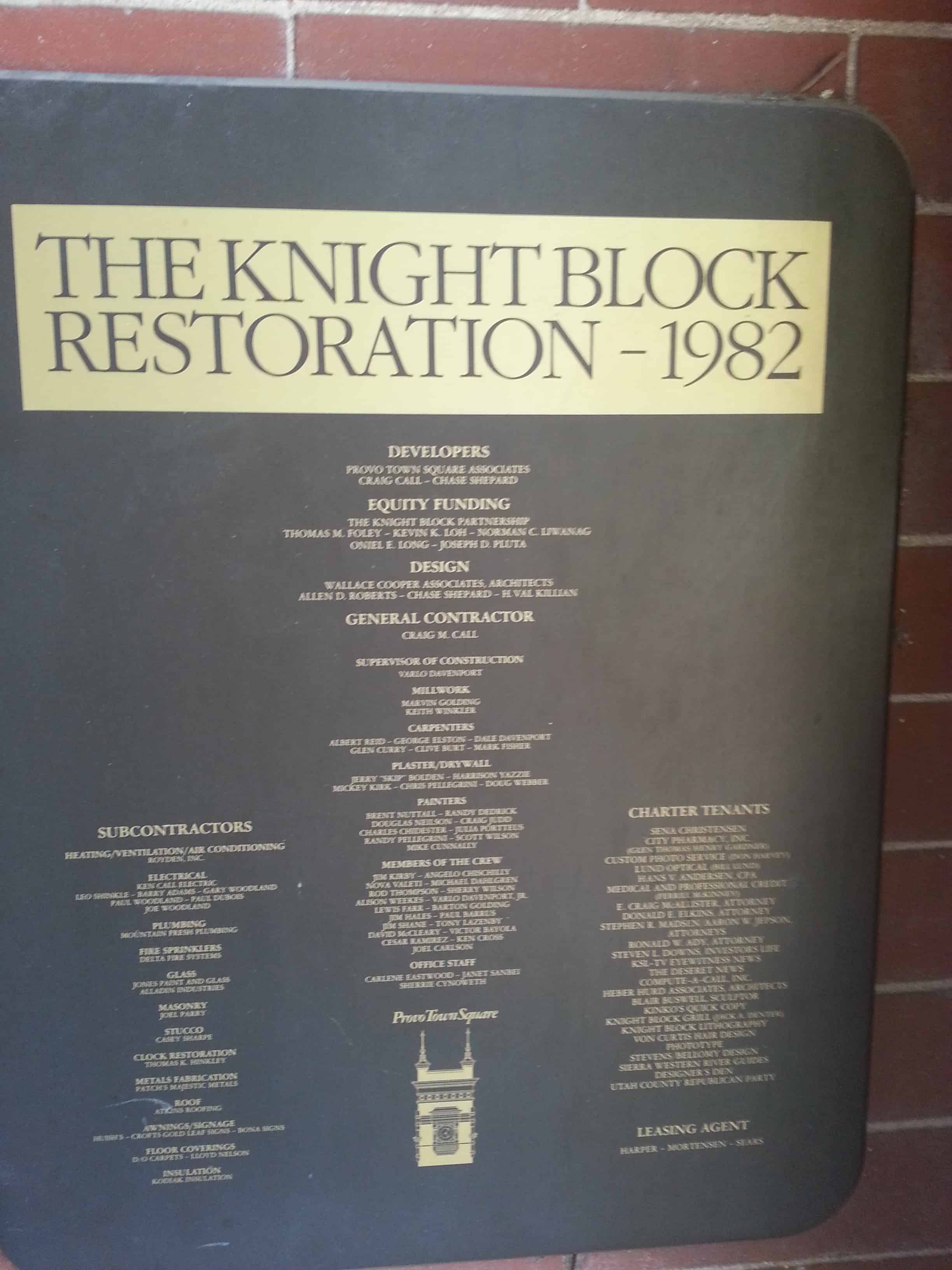
The Knight Block, designed by architect Richard C. Watkins, was constructed for Jesse Knight in 1900. The building served as the financial headquarters for the mining, manufacturing, agricultural, and commercial activities for one of Utah’s most important nineteenth and twentieth century businessmen.
Located at 1 East Center Street in Provo, Utah and added to the National Register of Historic Places (#77001322) on December 2, 1977.
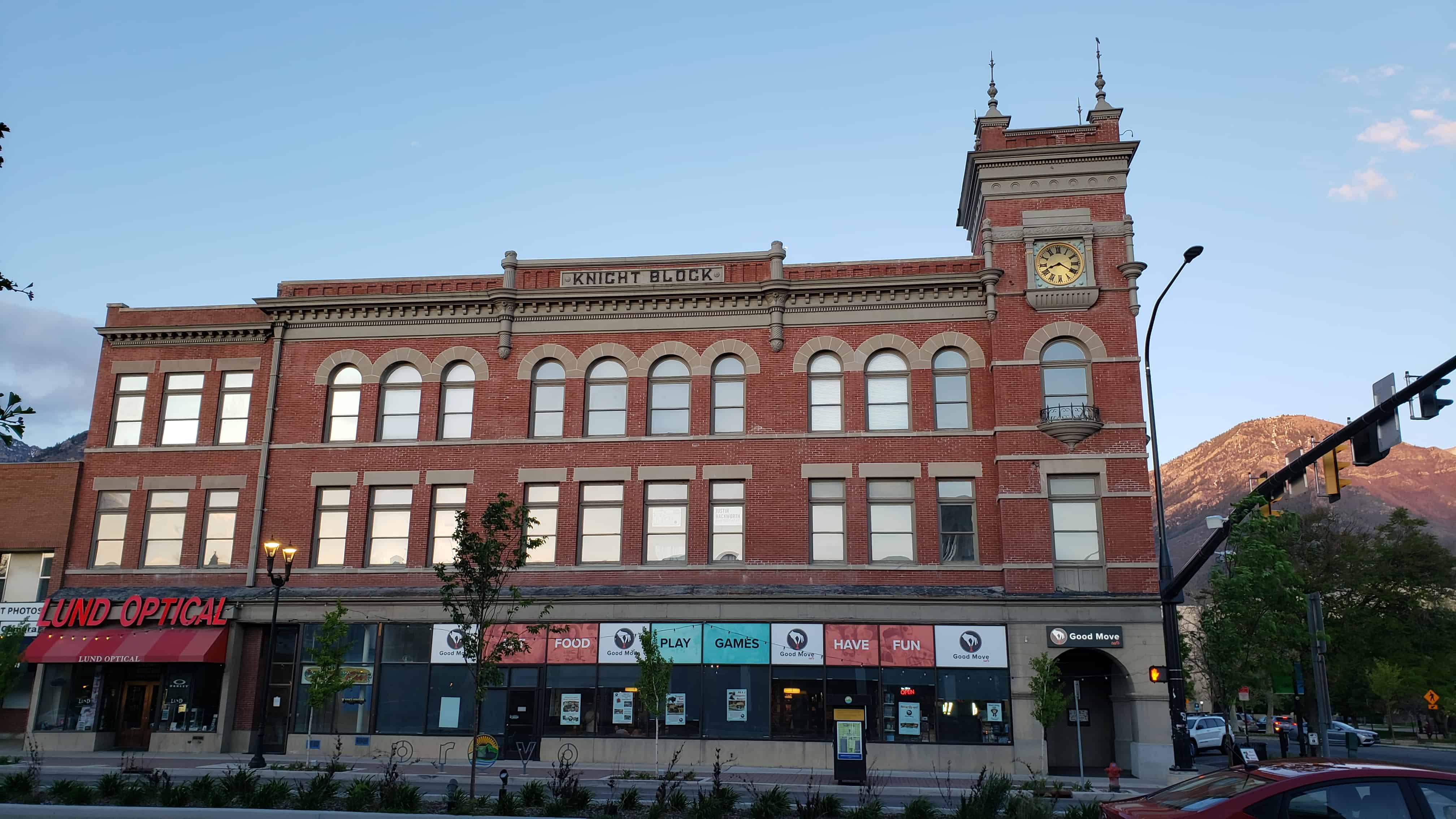
Knight Block
Built: 1900
The Knight Block Building, one of two twin buildings on the north corners of University Avenue and Center Street, is an iconic structure in Provo. It was built in 1900 for local mining magnate and businessman Jesse Knight, to house his financial headquarters. But while the building still bears his name, the Knight family has long since ceased doing business there.Today, the Knight Block rents spaces to several local businesses.It was designated to the National Registry of Historic Places in 1977.
Location: University Avenue and Center Street, Provo
(the next building to the east)
From the National Register’s nomination form:
The Knight Block, built in 1900, is significant for its historical associations with Jesse Knight and the development of Provo and Central Utah. Long one of the city’s most imposing landmarks, its fine architecture also qualifies it for preservation.
Knight was born in Nauvoo, Illinois in 1845 while the “Mormon” Church prepared to move West. His story of growth and prosperity parallels the Church’s progress in Utah, and intertwines the political, financial and religious influences of central Utah’s development. He attributed his vast wealth from mining, ranching, finance, and industry to spiritual insights he had received, and became a major factor in avoiding bankruptcy for the Church during the years the federal government disenfranchised it and took title to Church assets.
Knight’s philanthropy promoted employment and education in Central Utah. His large woolen mills and public works projects were designed to create jobs. Seven major buildings on-the-campus of Brigham Young University resulted from his’ contributions.
In 1909, the Utah democratic convention offered a unanimous nomination as governor to Knight. Because of Church pressure and his own misgivings, he declined. His own town, Knightsville, was unique in Western mining development, for it had no saloons, no gambling houses, and no “honkytonks, ” representing a stark contrast to the development of other “non-Mormon” boom towns in other areas of the state.
As Knight’s financial headquarters, this edifice is the most significant reminder of his career and times. It also is Provo’s best link to the turn-of-the-century commerce that changed it from a farming hamlet to an industrial center. It remains in its original use, a visual tie-to Pioneers, like Jesse Knight and the Mormon role in Utah’s commercial development.
The Knight Block is a three story rectangular building, approximately 55 feet by 118 feet, housing a ground floor of retail space with a full basement and two upper floors of offices. The office levels have six bays on the South facade and 13 on the West. These two facades are the public areas of the exterior walls, The most prominent feature of the structure is a clock tower on the Southwest corner which extends above the roof line of the rest of the building. This tower is flat-roofed, with a center flagpole and finial point on each of the four corners. The clock, with faces on the South and West, still keeps accurate time and is original/except for the electrical rewind system.
Most of the building is red brick with gray limestone lintels and belt courses that form window sills. Originally large stone arches formed the tower base and framed the entrance to the office stairs on the Eastern side of the South façade. These have been removed and the first floor is now faced with a corrugated metal veneer above and below the plate glass store windows installed after a fire circa 1934. The second and third floors are in an excellent state of preservation, with recent painting of the wood, cleaning of the brick, and rehabilitation of the tin work.
The upper floors of the façade are highlighted by pressed metal trim, which forms a bracketed cornice on the South and West facades, topped by brickwork that features rectangular indentations. A sign “Knight Block” caps the center of the West façade. The clock tower is dignified by more elaborate pressed metal trim, framing the clock faces, and forming a metal frieze and more intricate cornice at the top.
The second floor windows have square openings with limestone -lintels, the third floor, roman arches of stone instead. The corner windows had small balconies with metal railings originally. Only the third floor balconies remain. The last three bays on the north end of the west facade are slightly different having straight lintels on the third level. This part was built on to the structure shortly after completion, and is known as the Annex.
The interior of the first floor has been altered, except for the hexagonal ceramic tile floors that remain. The second and third levels are well preserved with the original banisters, balustrades, doors, hardware, and woodwork intact. An Axminister carpet adds to the historical flavor. An Otis elevator was installed circa 1935, with little effect on the building’s historicity. About \ the original milk glass chandeliers also remain.
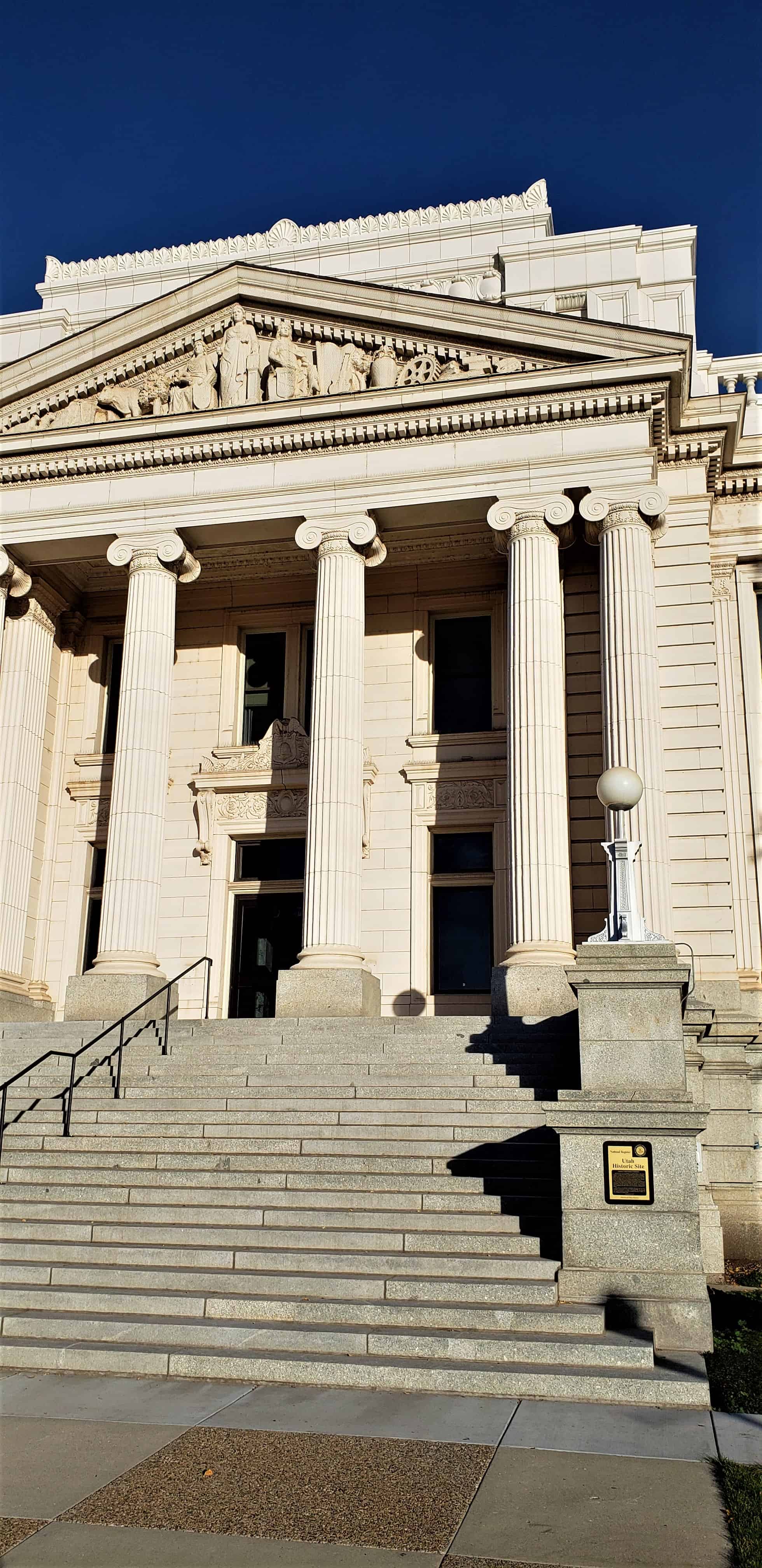
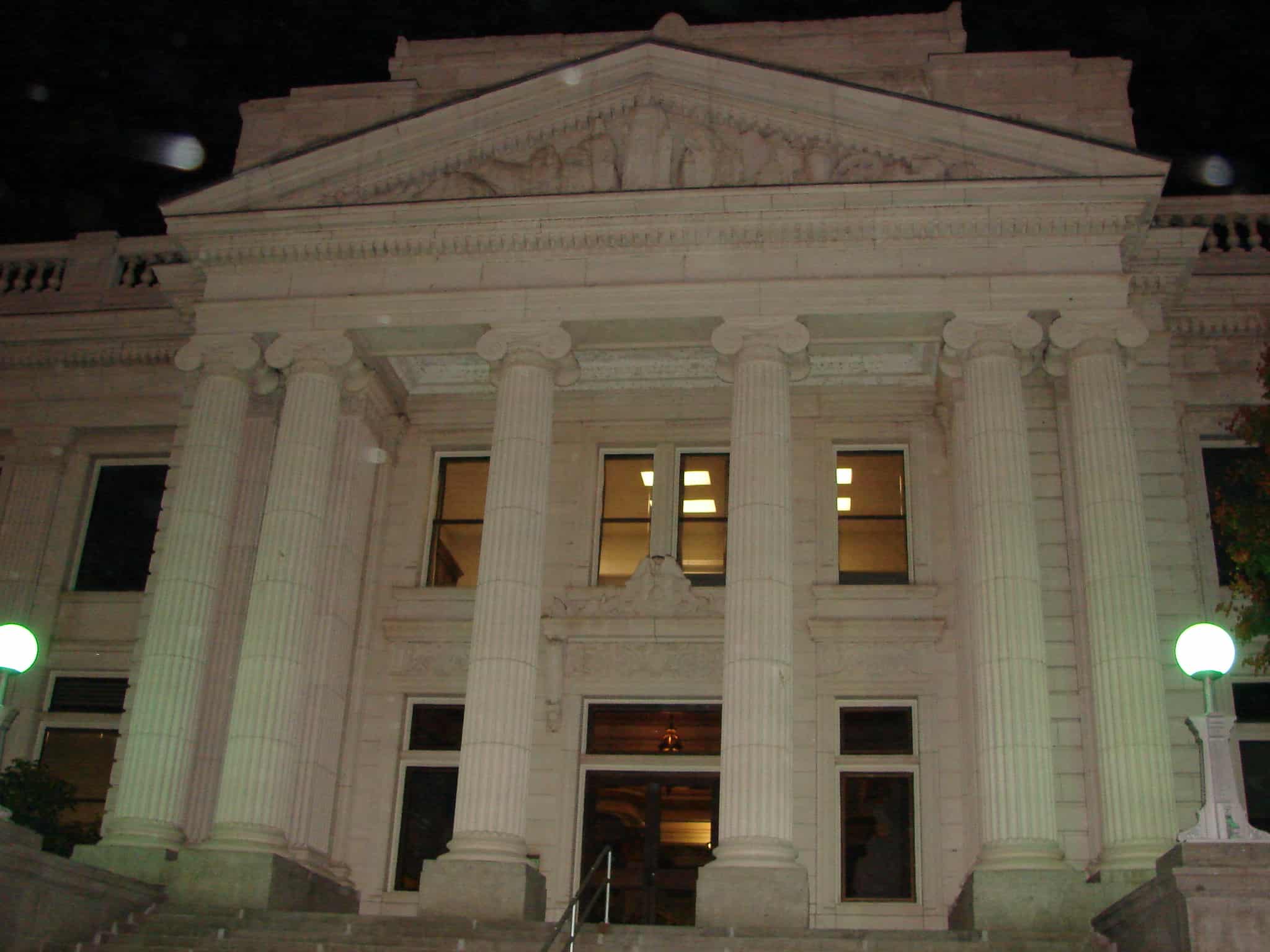
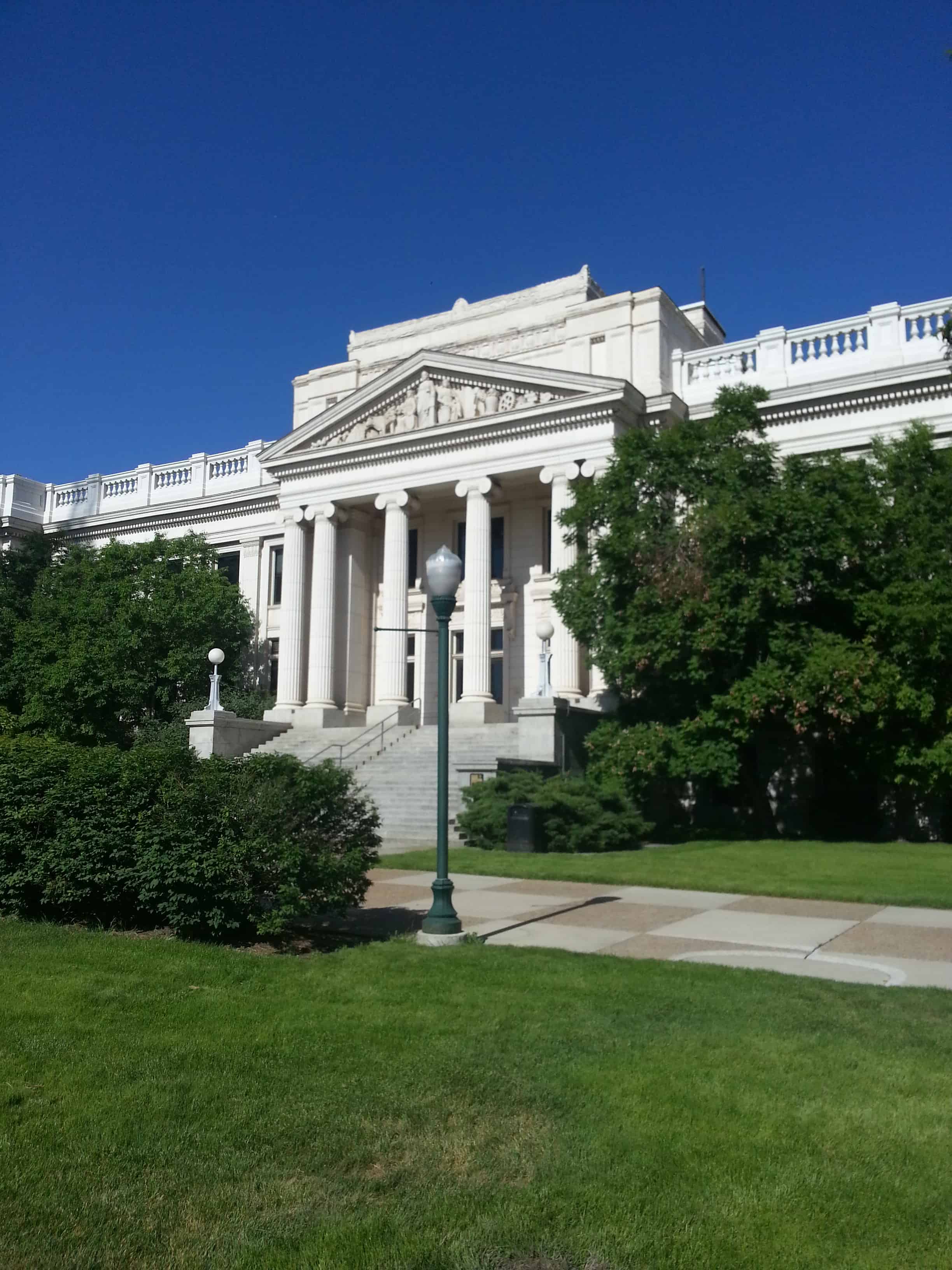
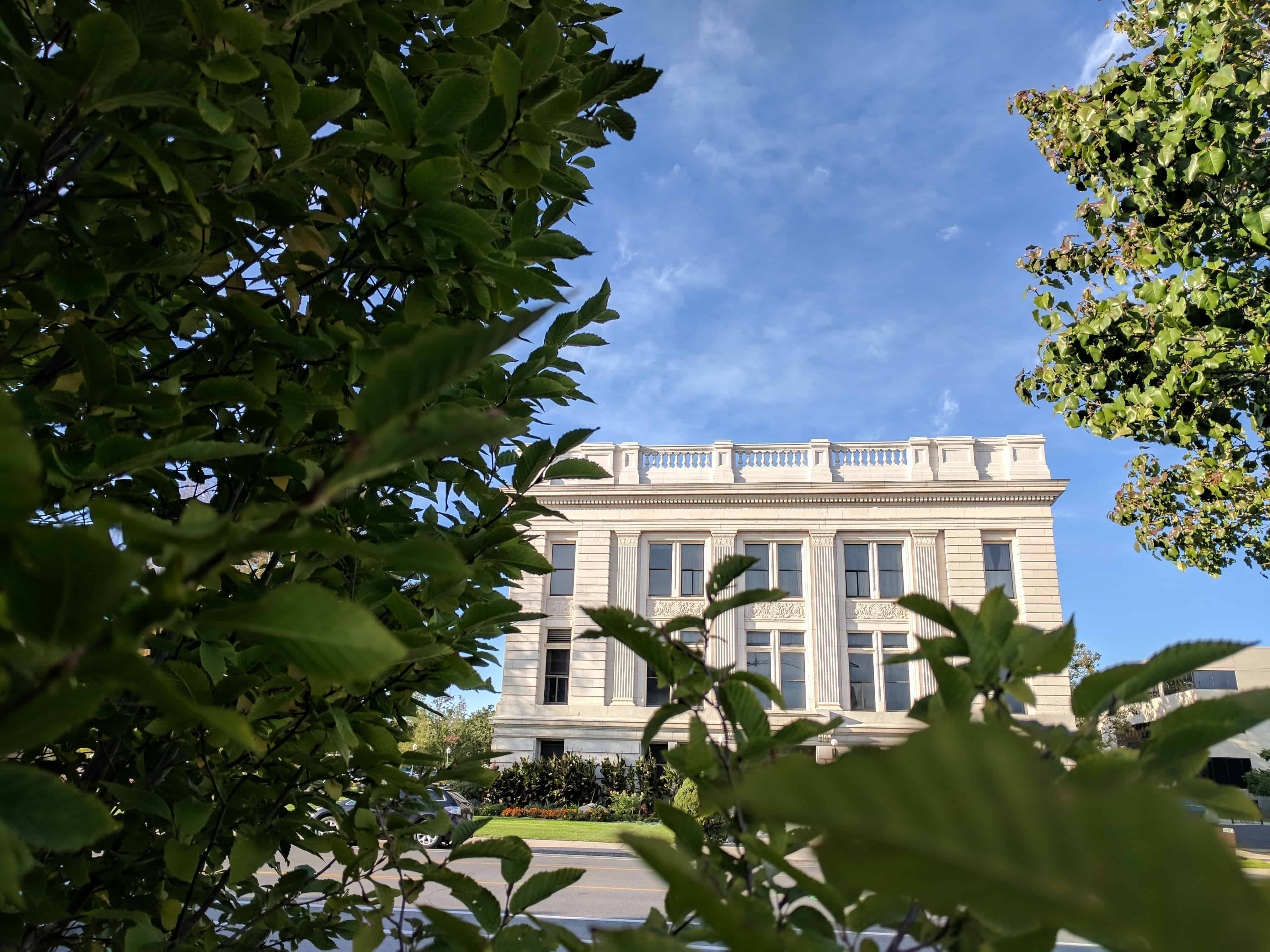
The Provo City and County Building, now called the Historic Utah County Courthouse, was built between 1920-26. Joseph Nelson, the architect, traveled with a committee to the West Coast to gather ideas from other administration buildings, prepared sketches, and submitted a plan that was accepted by the committee in 1919. Rudine and Chytraus were the contractors for this two-and-one-half story Neoclassical building. Built of oolitic limestone from Sanpete County, the lower portion of the building is faced with granite from Little Cottonwood Canyon.
The sculpture grouping within the pediment was designed by Joseph Nelson and executed by sculptor Joseph Conradi. The figure of justice stands in the center with female figures on each side representing Utah County and Provo City. Horticulture, dairying, mining, lovestock, and farming on the left, and music, sculpture, industry, letters, and painting on the right, are the various arts and industries symbolized in this grouping.
The interior is also elaborately ornamented. The central two-story foyer incorporates a painted arched ceiling and a stained glass skylight. The stairs at the rear of the central pavilion curve upward to the mezzanine. Two long narrow atria with coffered ceilings are accented with stained glass panels below skylights. The floors throughout are of Alaskan marble.
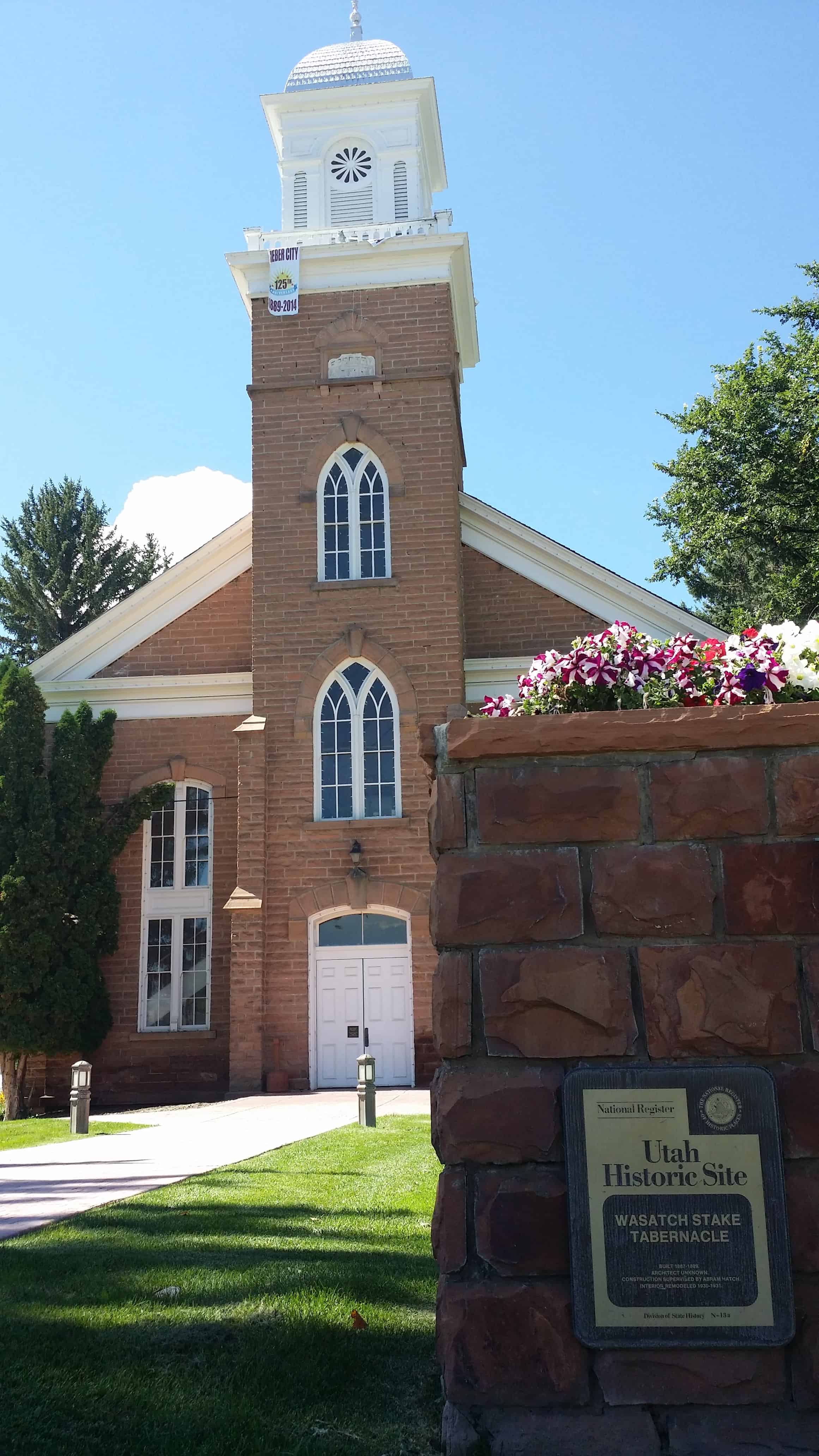
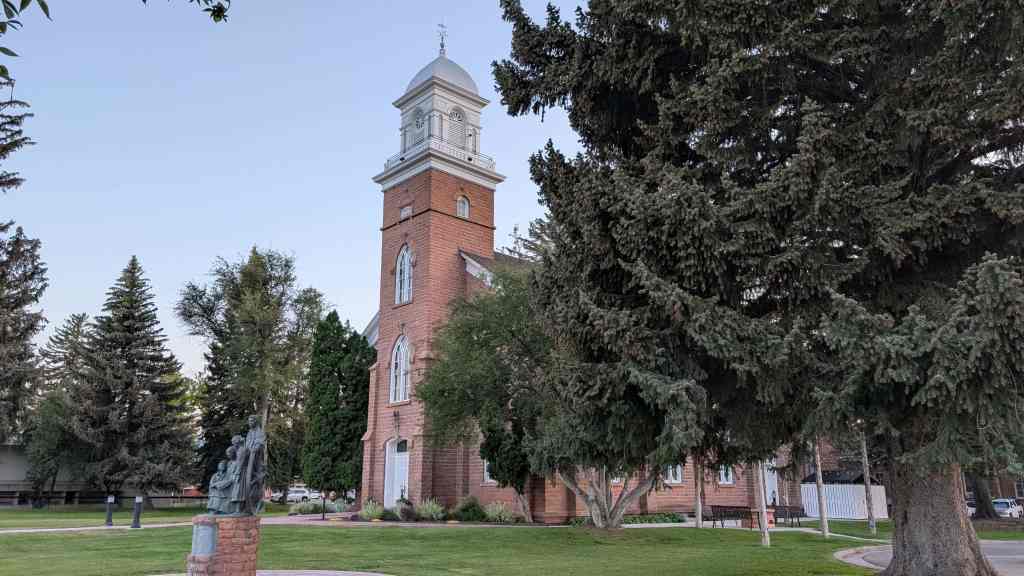
Built in 1887, this is one of the Tabernacles around Utah still standing – it is now used as a city office building but stands as an awesome reminder of what the pioneers did long ago.
Alexander Fortie, Jr. immigrated to America in 1866 from Glosgow, Scotland and was the designer and architect of this tabernacle, he also oversaw the carpentry work during its construction. His tools and tool chest are on display in the D.U.P. Museum.
The Utah Historic Marker outside says:
Built 1887-1889
Architect unknown, construction supervised by Abram Hatch. Interior remodeled 1930-1931.
The tabernacle is located at 75 North Main Street next to the Amusement Hall in Heber City, Utah and was listed (together with the Amusement Hall as listing #70000633) on the National Historic Register on December 2, 1970.
The Tabernacle is significantly associated with the history of the area and reflects the religious, cultural and social aspirations of the settlers of Heber Valley, The Tabernacle is unique since there is no other such building in Heber Valley, and it is one of the few remaining outstanding early church structures left in Utah, In addition to being a typical early Mormon meeting house, it is part of the Heber Town Square which, in itself, is typical of the early Utah Town Square on which were located governmental recreational and religious structures.
The Wasatch Stake Tabernacle was built of red sandstone quarried from the mountains east of Heber near Lake Creek, It was begun in 1887 and dedicated May 5, 1889, at a cost of over $30,000. President Abram Hatch served as Superintendent, Elisha Averett directed the masonry work, and Alex Fortie the carpentry work. Frederick O. Buell fixed the metal shingles on the tower, and Francis Kirby oversaw the painting. Most of the labor was volunteer.
The good people of Heber City, who had toiled and sacrificed to build the Tabernacle, quite naturally took special pains to furnish and maintain their new stake house. The floors were scrubbed and bleached with homemade soap; homemade carpets were carefully laid down the aisles; the hard benches were sanded and smoothed and polished. Coal oil lamps were hung from the ceiling, and finally, a large bell was placed in the tower. The surrounding grounds were landscaped and cottonwood trees were planted.
In 1930-31, under the direction of President D, A. Broadbent, the inside was extensively remodeled at a cost of $20,000 and a new heating system installed. The side galleries and stand were taken out and a stage put in the west end. This describes its present condition. The structure is in good condition generally, although the interior needs painting and minor repairs.
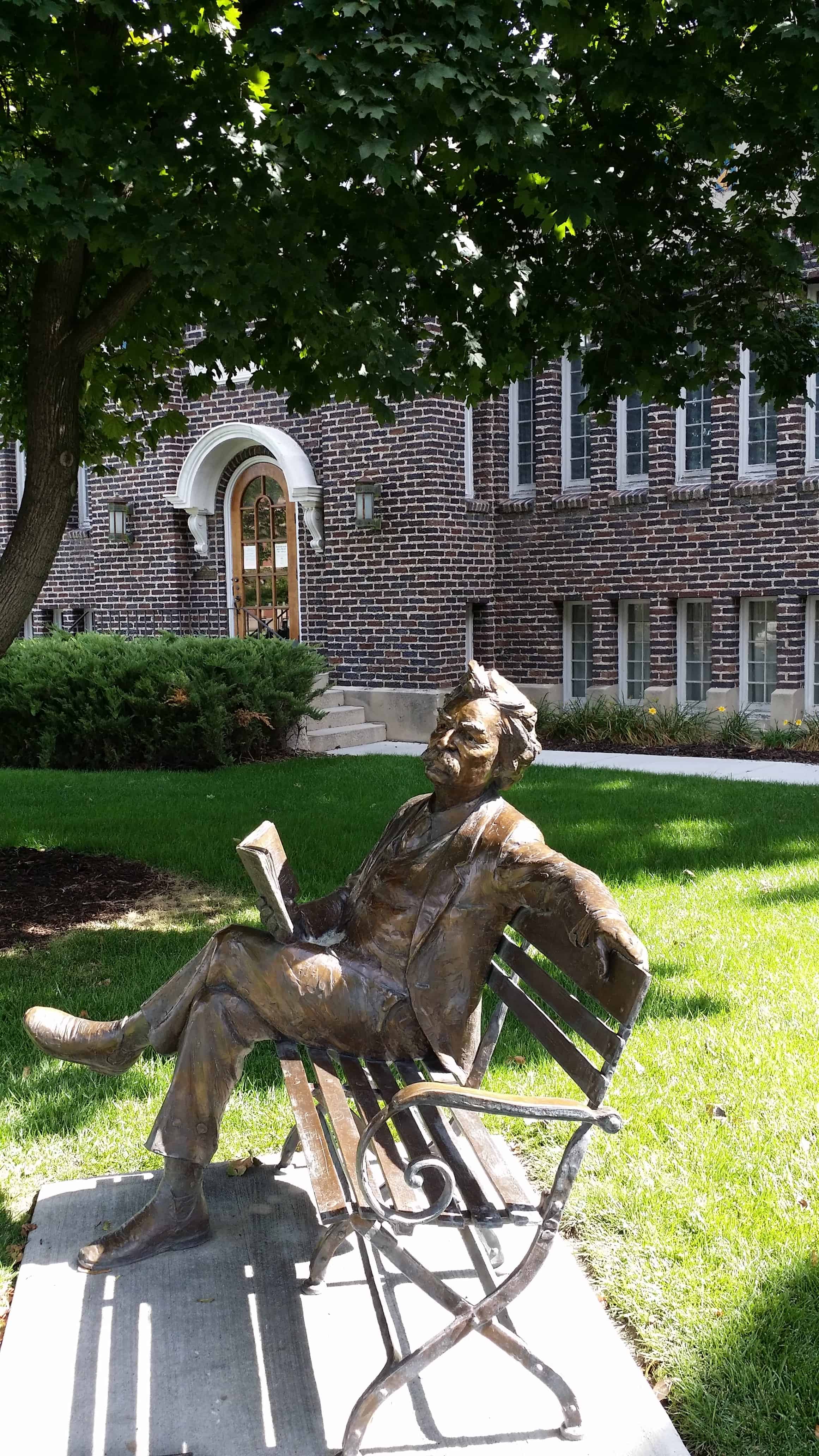
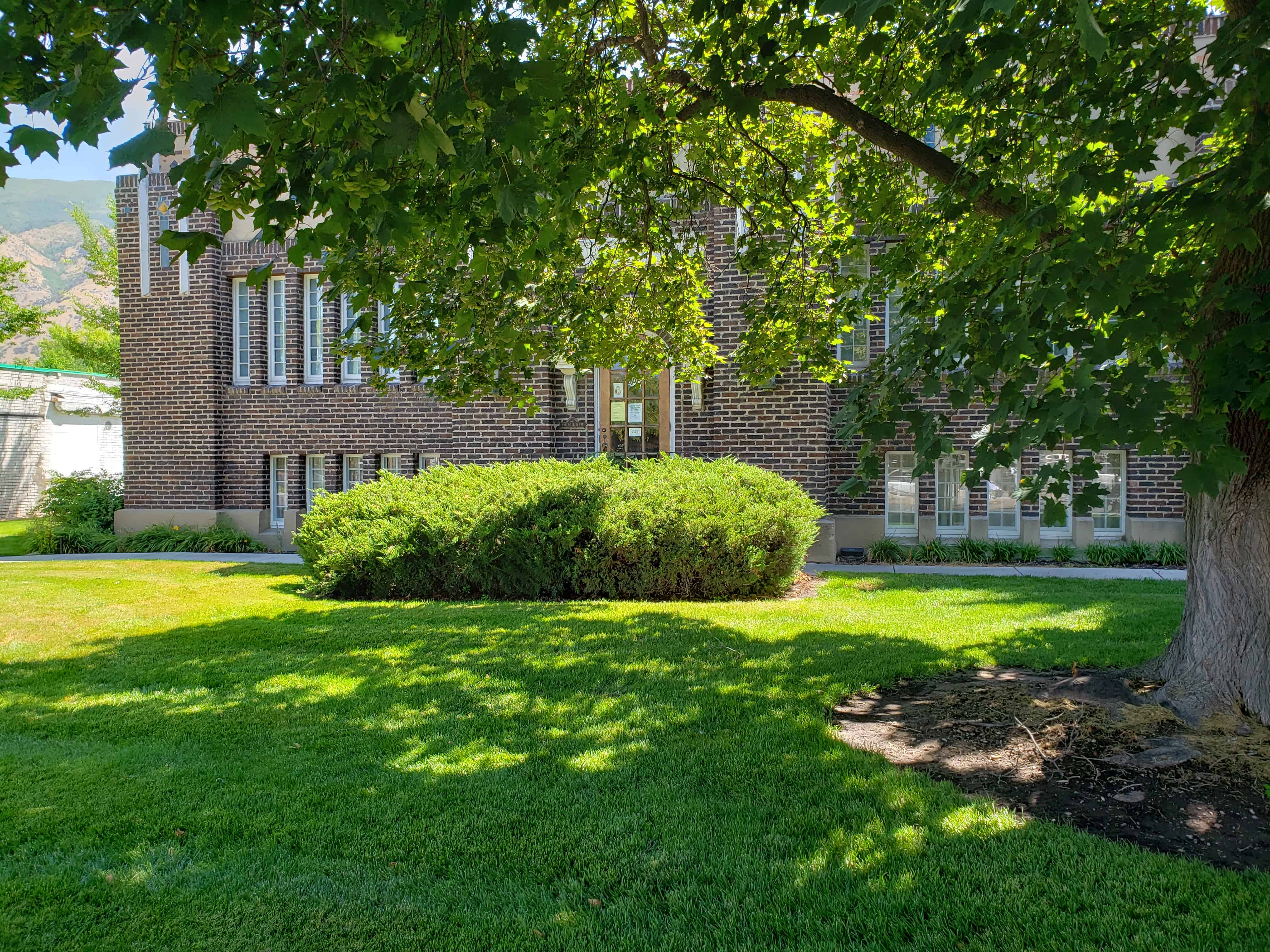
The Springville Carnegie Library at 175 S. Main St. in Springville, Utah is a Prairie School style Carnegie library building completed in 1922. It is one of the 23 Carnegie Libraries built in Utah. It functioned as the city public library until 1965, when the library was moved to a new larger. The 1922 building was listed on the National Register of Historic Places in 1991. It now houses a pioneer relic museum.
The National Register of Historic Places Registration Form describes the building as building that follows the Carnegie Library standards. The building is generally characterized by Prairie style architecture, most notably seen in the tall, vertical windows arranged in a strong horizontal band on both the main and lower levels. However, the main entry is characterized by its classical influences including the rounded top main door capped by a semi-circular pre-cast concrete hood with decorative scroll brackets on both sides.
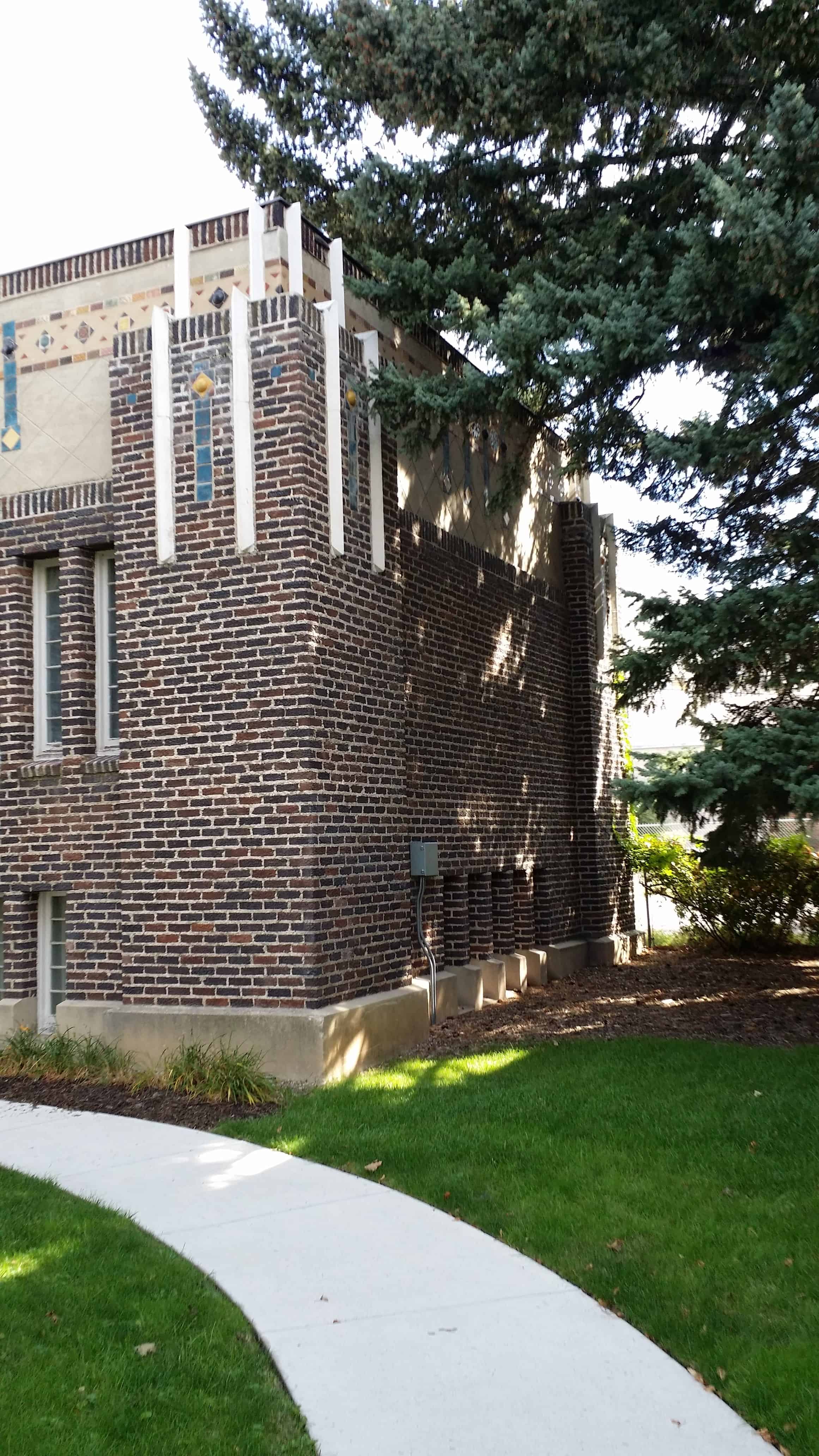
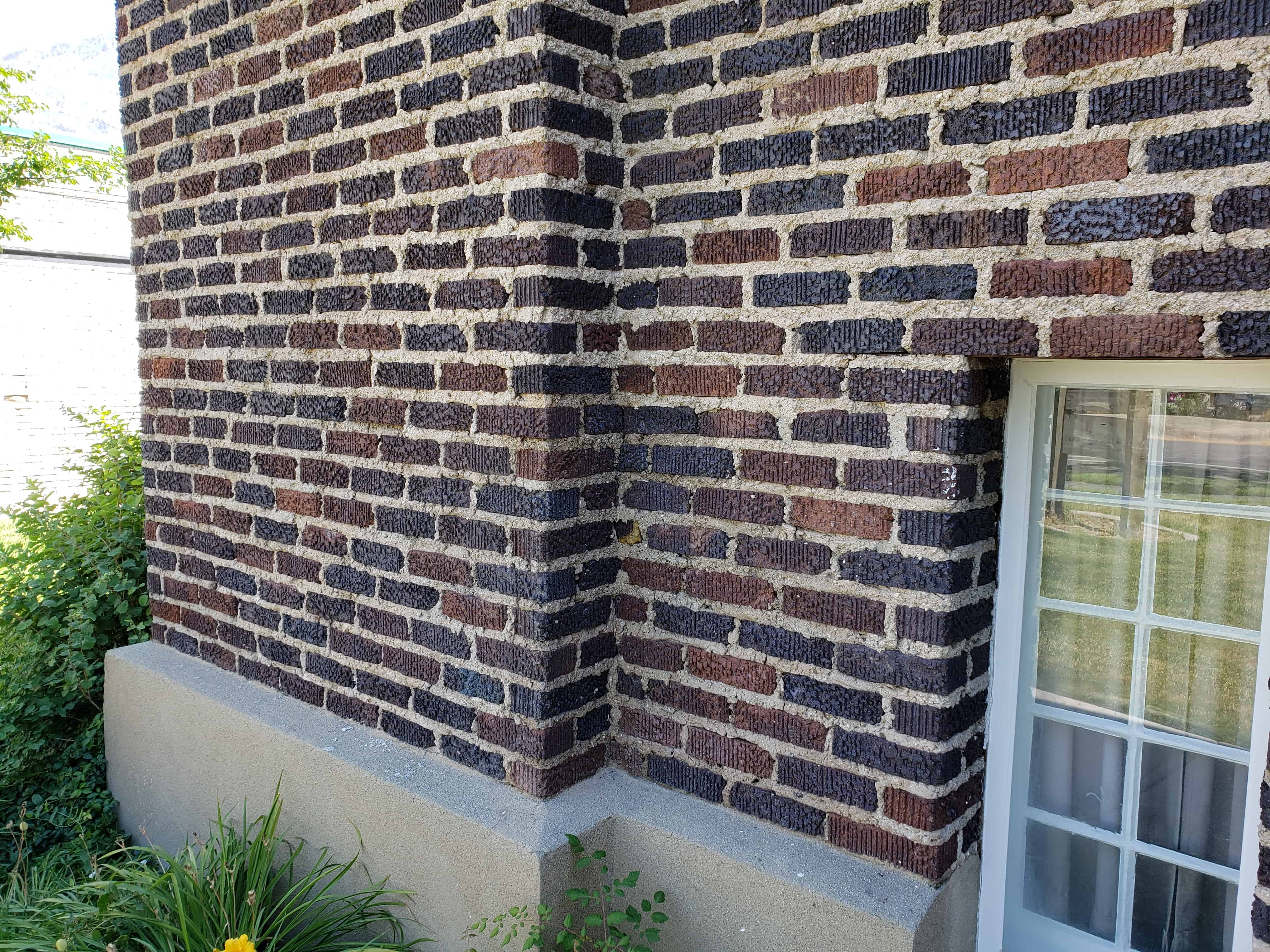
The library is rectangular in shape and one-and-one-half stories in height. The exterior consists of textured bricks and is capped by a horizontal band of stucco decorated in ceramic tile mosaics. This stucco also characterized by a brick soldier course at the top and bottom.
Large masonry piers interrupt at all four corners of the building as well as at the main entry. They divide the main facade into three symmetrical parts.
In the 1970s, an imitation mansard roof was added and this greatly altered its appearance. This addition rendered the Springville Carnegie Library ineligible for recognition by the National Register of Historic Places. Since then, the mansard roof was removed, which restored the building to its original appearance. It is now currently eligible.
The last modification to the exterior of the building was the replacement of a three foot tall brick railing wall at the main entry by a cast iron railing.
The U.S. Post Office-Springville Main at 309 S. Main in Springville, Utah was built in 1941. It was built in Colonial Revival style and credited to supervising architect Louis A. Simon. It has also been known as Springville Main Post Office. It was listed on the National Register of Historic Places in 1989.