• About JacobBarlow.com
  • Cemeteries in Utah
  • D.U.P. Markers
  • Doors
  • Exploring Utah Email List
  • Geocaching
  • Historic Marker Map
  • Links
  • Movie/TV Show Filming Locations
  • Oldest in Utah
  • Other Travels
  • Photos Then and Now
  • S.U.P. Markers
  • U.P.T.L.A. Markers
  • Utah Cities and Places.
  • Utah Homes for Sale
  • Utah Treasure Hunt

JacobBarlow.com

~ Exploring with Jacob Barlow

JacobBarlow.com

Tag Archives: historic

Leeds CCC Camp

03 Tuesday Jan 2023

Posted by Jacob Barlow in Uncategorized

≈ 2 Comments

Tags

CCC, Eagle Projects, historic, Leeds, New Deal Funded, NRHP, utah, Washington County

Leeds CCC Camp

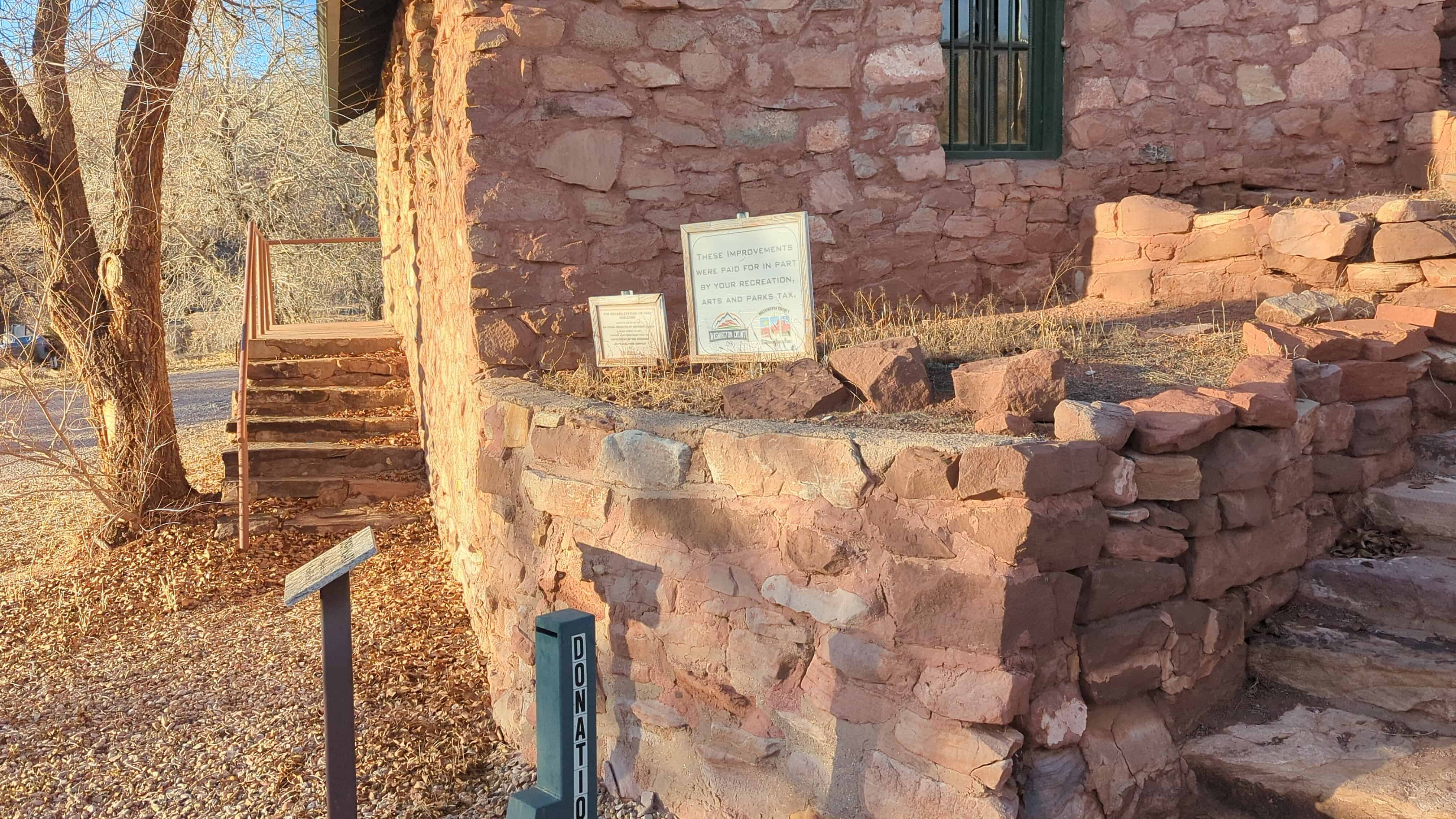
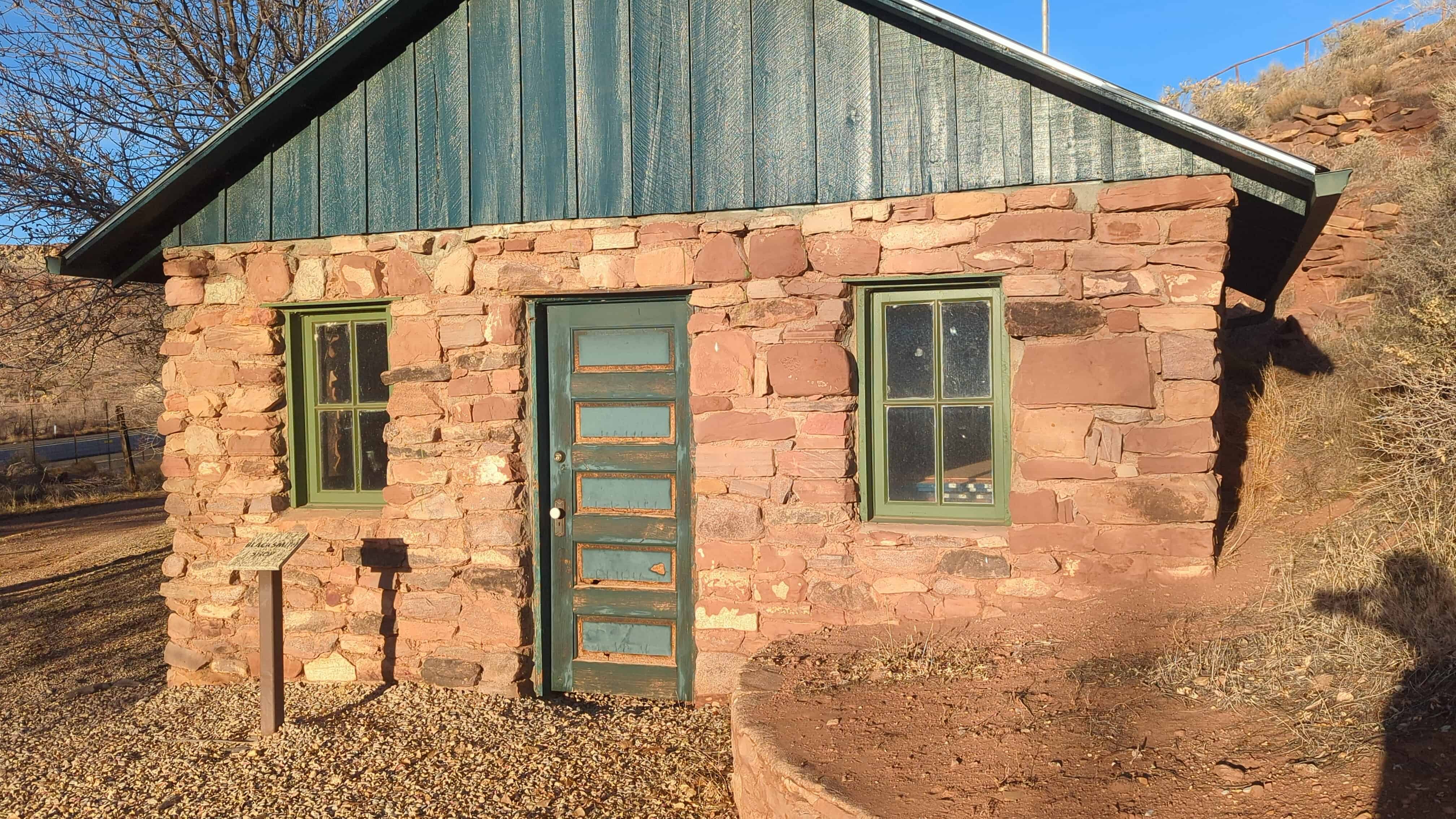
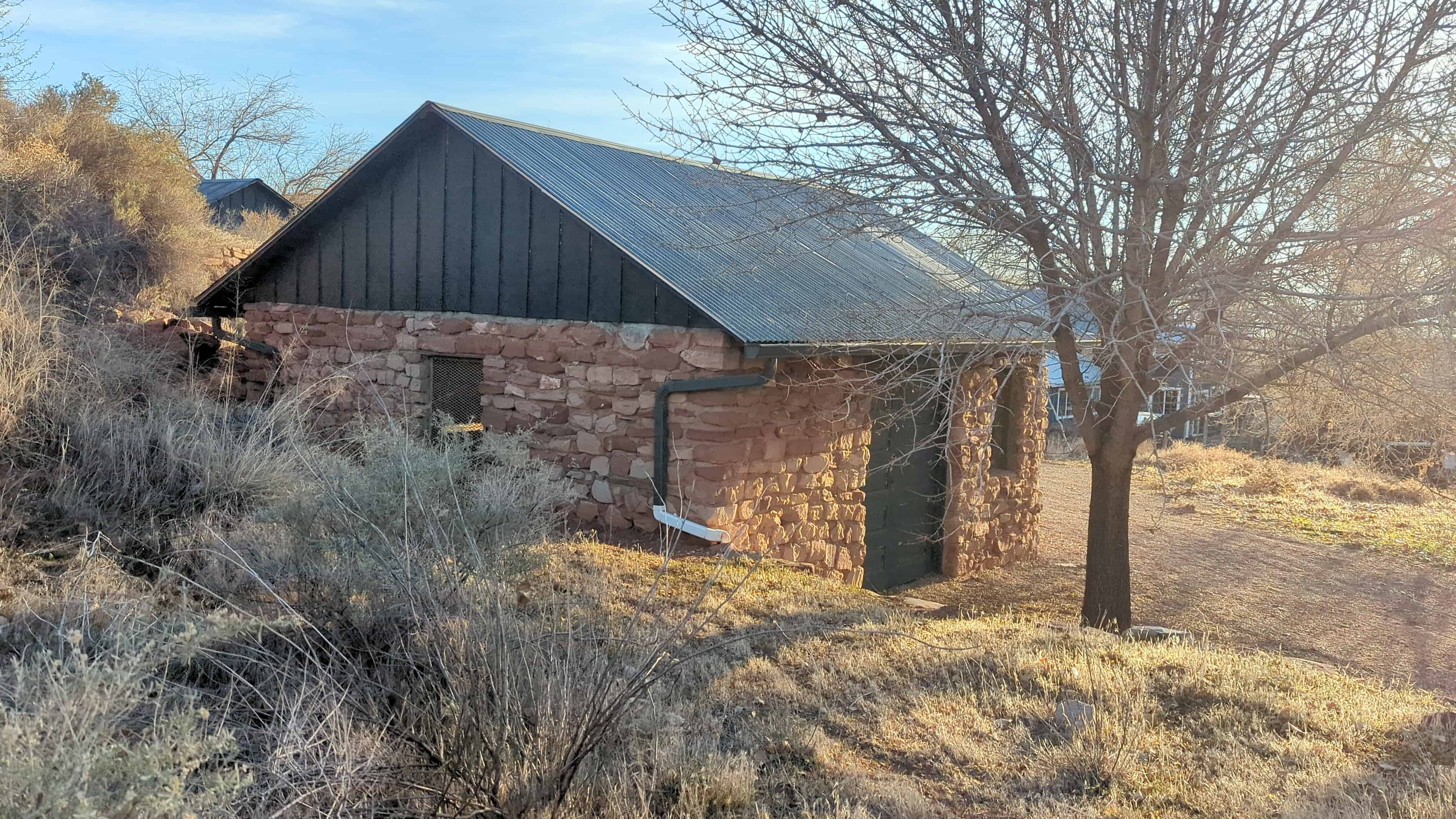
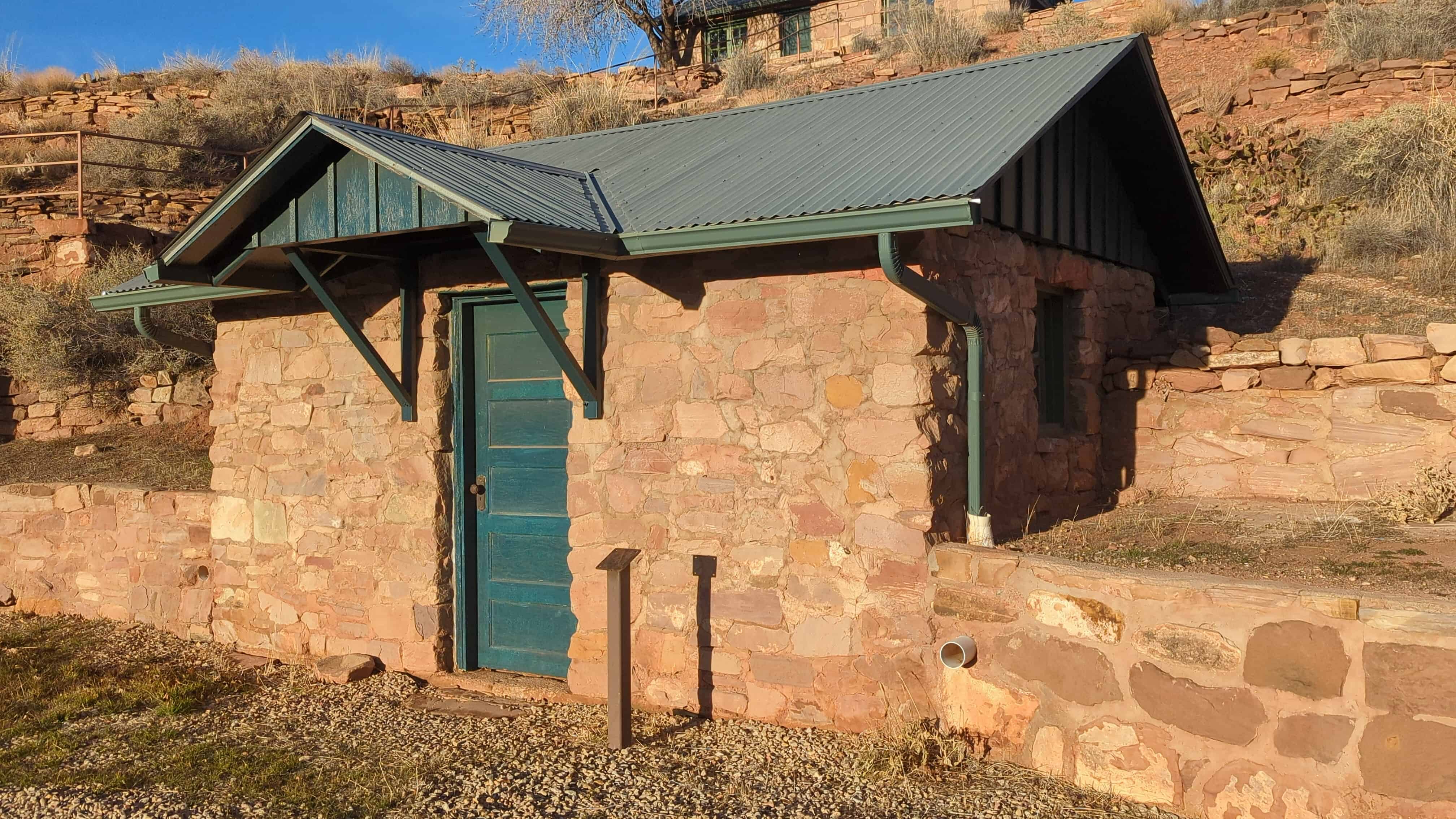
Built in 1933, the Leeds Civilian Conservation Corps Camp is significant as perhaps the best remaining example of a CCC camp in Utah. These camps were typically built of relatively temporary frame construction, and the surviving buildings and features such as the stone terraces at the Leeds camp present a unique, if somewhat limited, view of these important facilities. The economic impact of the Great Depression was especially severe in Utah where unemployment averaged 25 percent during the 1930s and was once as high as 36 percent. Because of the pressing need for conservation work, such as flood control, water resource development, etc., in the arid climate of southern Utah, the CCC work projects were of great importance locally.

Approximately 250 men were housed in frame barracks that were located to the southwest with other buildings such as a mess hall, library, and showers. The remaining stone structures are but a few of those originally built. The men were typically from out-of-state and served in the CCC for 9 to 12 months. Temporary remote “spike” camps were established near many of the actual construction projects. The Leeds CCC Camp was closed in 1942, and most of the frame buildings were removed before 1950.

Related:

  • CCC Camps
  • Civilian Conservation Corps, Leeds, Utah
  • New Deal Funded Projects in Utah
  • “They Were Poor, Hungry, and They Built to Last”

Located at 90 West Mulberry Lane in Leeds, Utah and added to the National Historic Register (#93000062) March 4, 1993.

Leeds Historic CCC Camp

In the depression year of 1933, President Franklin Delano Roosevelt initiated the Civilian Conservation Corps. This program provided much needed employment for the nation’s youth 18-25 years old. The men had to complete the 8th grade, and have 3-4 family members dependent on their paycheck. The men received $30.00/month of which $25.00 was sent home to their family.

The men at this base camp developed the Oak Grove Campground, built bridges and constructed roads from Leeds to St. George. They were instrumental in preserving and protecting forests, waterways and other natural resources. But the real benefit was that it gave these young men hope, self respect, and a new start in life.

Our task today is to preserve and restore this Utah CCC camp site. Your donations will be used wisely. For more information on other local CCC camps: www.wchsutah.org

2011 by Eagle Scout Project by Kody Allen.
252 Canyon Road

07 Friday Oct 2022

Posted by Jacob Barlow in Uncategorized

≈ Leave a comment

Tags

City Creek Canyon Historic District, historic, NRHP, Salt Lake City, Salt Lake County, utah

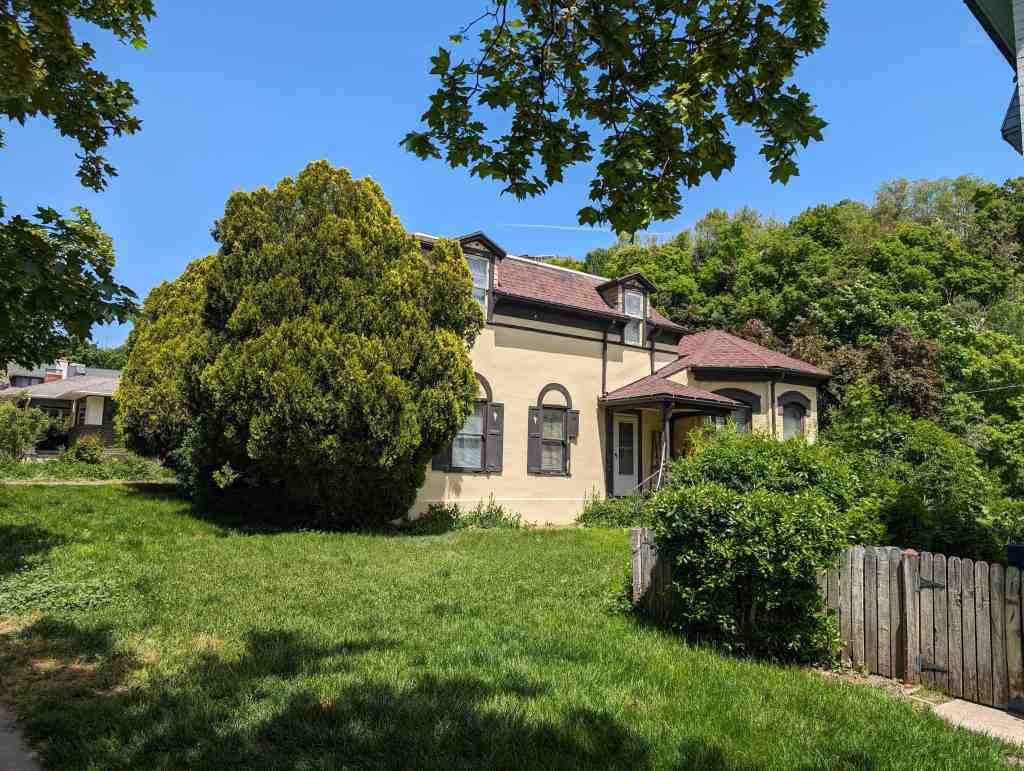
This one and one-half story house follows the French Second Empire style with eclectic variants. It has a mansard roof and two gabled dormer per side. It has a wide frieze with brackets. The Roman arched window bays with transom filled in. The architecture is similar to a style of houses in Ogden and Brigham City. There is an usually wide open wall area between the first and second windows. It is significant because it is an example of the Second Empire architecture.

It is hard to tell the original exterior wall treatment and the windows have phony shutters. The house is worthy of restoration.

This 1880 house is one of the best examples of French Second Empire architecture in Salt Lake. Helaman Pratt, the original owner, was a colonizer in several areas in the West. Later the house belonged to Franklin Richard Snow, a leading Salt Lake businessman.

This was one of the first homes in the City Creek area. It was built before Canyon Road came through so it faced downtown rather than on to a road like the rest of the houses.

Helaman Pratt, the original owner of this house, was born in Mt. Pisgah in 1847 as the Mormons were crossing the plains. He helped settle the Muddy River mission in Arizona and the Sevier area. He served two missions to Mexico, one in 1875 and one in 1883. He was made president of the mission in 1884. Pratt spent the rest of his life after there as a leader of the LDS Church in the Mormon colonies in Mexico.

Pratt acquired the property in City Creek in 1880 from Joseph L. Kinsburg who ran a mill in the area. Pratt lived in the house from 1880 until he went on his mission in 1883.

In the early 1890’s Pratt agreed to sell the house to Franklin Richard Snow, a son of Erastus and Artimesia Beman Snow. Snow had also served a mission to Mexico in 1883 and he might have met Pratt there.

Located at 252 Canyon Road in the City Creek Canyon Historic District of Salt Lake City, Utah.

Gas Works Park

27 Tuesday Sep 2022

Posted by Jacob Barlow in Uncategorized

≈ Leave a comment

Tags

historic, NRHP, Parks, Seattle, Washington

Gas Works Park

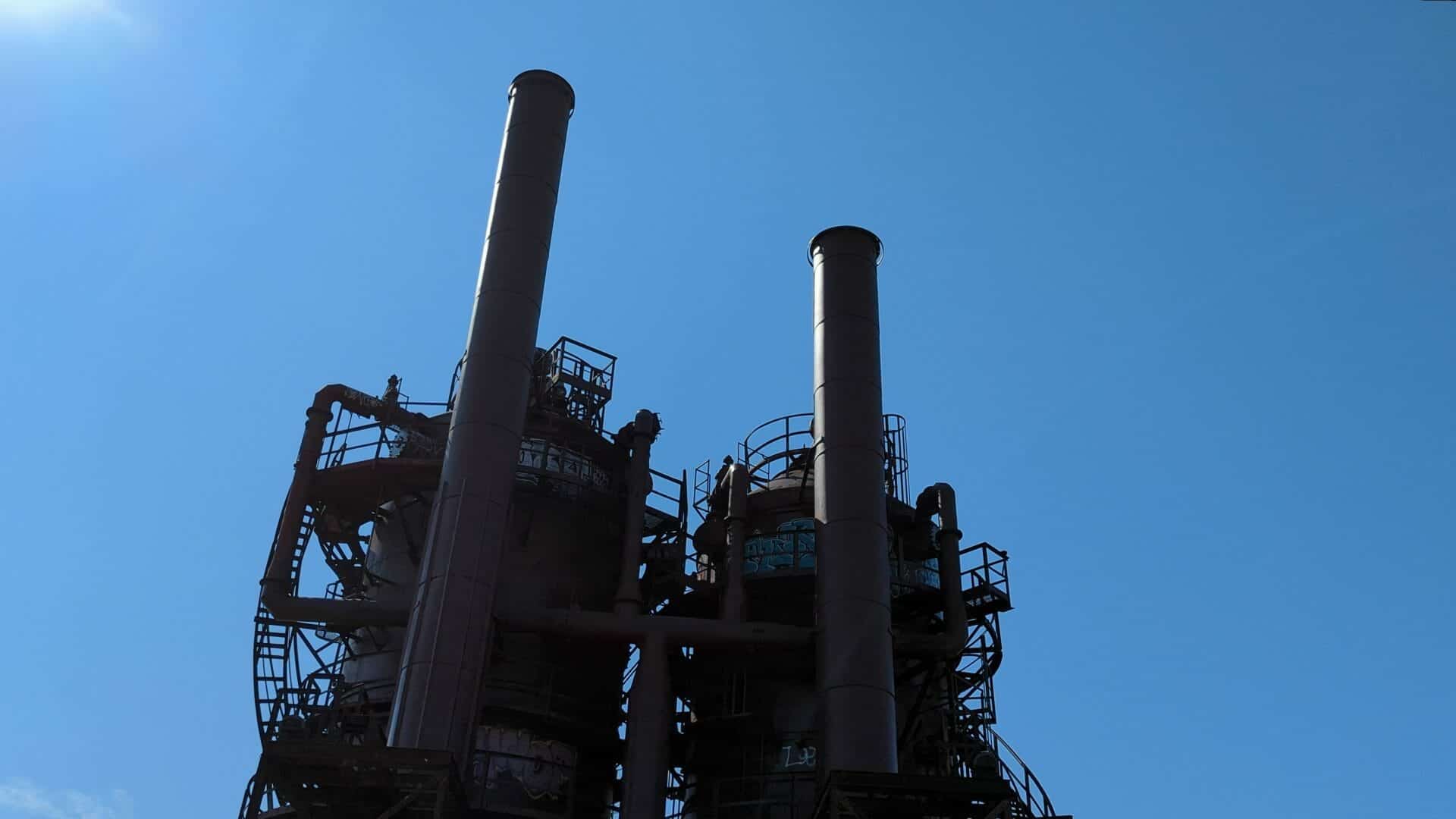
Gas Works Park in Seattle, Washington.

From Geocaching.com:

The Location

Gas Works Park is a ca. 20-acre public park located on the north shore of Lake Union at the south end of the Wallingford neighborhood. It is recognized in the National Register of Historic Places. Aside from the machines and structures of the former gasification plant, the location offers a stunning panorama of the Seattle skyline. If you can, wait till the lights start coming on at dusk!

History and Transformation

In the early 20th century, Seattle Gas Light Company purchased the land. They built a gas manufacturing plant in what was then a highly industrial area. At the time, it was the largest private utility in Seattle.

The plant produced illuminating gas, so-called because it was used for lighting. Later, the gas was also used for cooking, refrigeration, and heating homes and water. Hence, the origin of the park’s name — Gas Works Park. The gas was originally generated from coal. Production later switched to oil gas generators.

Gas production operations ceased in 1956. In 1962, the City of Seattle began purchasing the area. The transfer was completed and the park opened to the public in 1975.

The Play Barn

The building known as the Play Barn dates to the original coal-gas facility and was constructed of wood. It features the former pump house, ca. 7,340 square feet and boiler house, ca. 5,720 square feet. Their wood frames remain intact and in place on concrete slab foundations.

The former boiler house was turned into a picnic shelter. The tubes of one former boiler remain in place at the eastern end of the building. They are an impressive display of technology from days-passed.

The former pump house showcases most of its machinery still in place. It features pumps, piping and also its old 3,000 hp compressor. An old smoke arrestor hood has been refurbished as a play structure for climbing.

Kite Hill

Kite Hill offers stunning views and a fascinating history to its visitors. Thousands of cubic yards of rubble from old gas plant buildings were covered with fresh top soil, sewage sludge, and sawdust. What sounds gross at first was a successful early attempt of bioremediation. It is a natural way to decontaminate soil and groundwater. The area offered plenty of both from past days of gasification plant operation. Today, Gas Works Park is fully decontaminated and covered with lush green field grass.

Once visitors have reached the top of the hill, they are met by an unexpected artpiece — a sundial. It was created by two local artists, Chuck Greening and Kim Lazare. Their material of choice was concrete, which they delineated with rocks, shells, glass, bronze, and many other materials. The sundial tells time by using the body of the visitor as the gnomon. The viewer’s shadow tells the time of day and the season.

The site was added to the National Register of Historic Places (#02000862) on January 2, 2013 and is located at 2000 N. Northlake Way, Seattle, Washington

Park Valley Historic Bell

22 Thursday Sep 2022

Posted by Jacob Barlow in Uncategorized

≈ Leave a comment

Tags

Bells, historic, Park Valley, Railroad, Southern Pacific

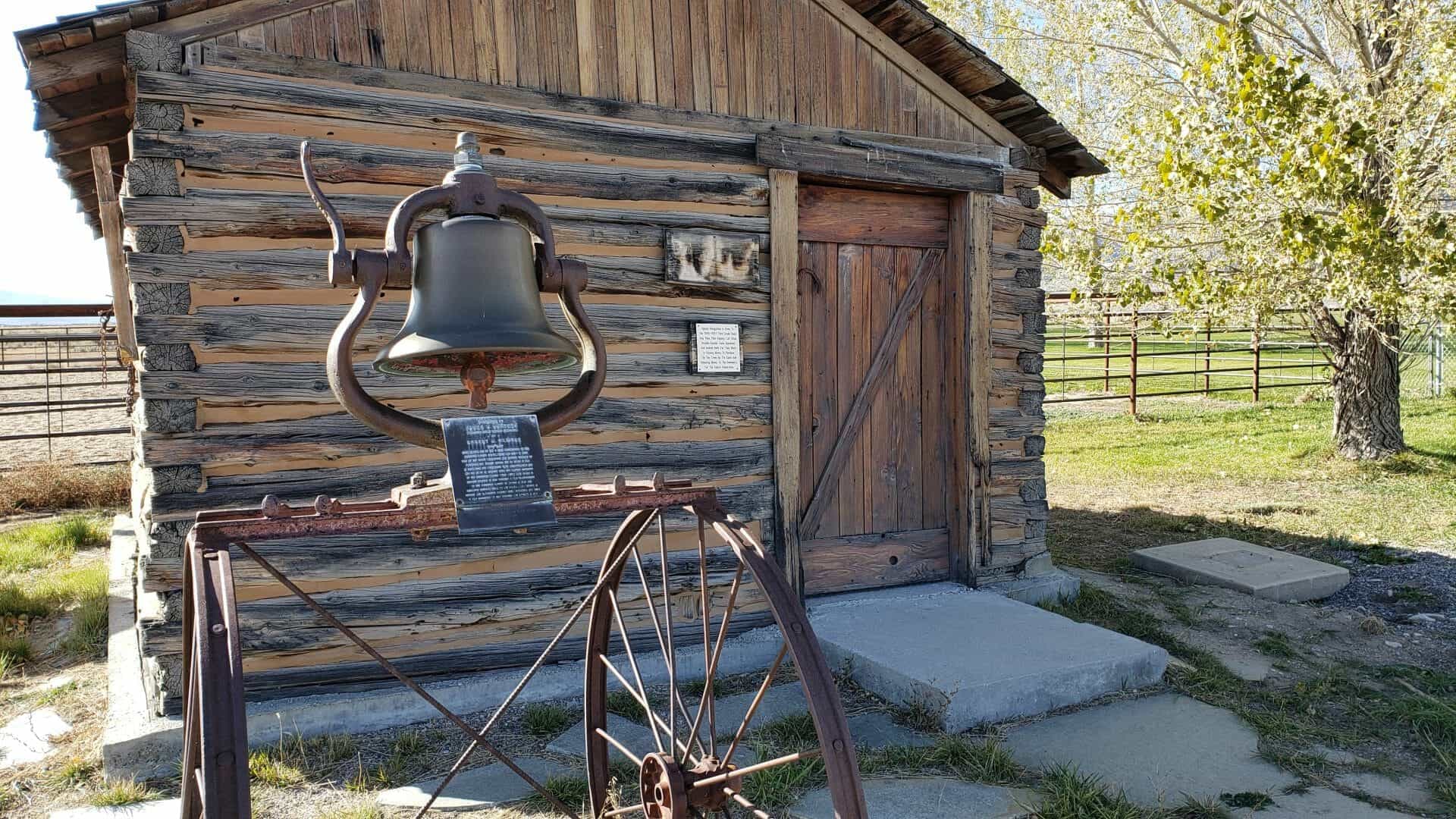
Presented to
James K. Knudson
Administrator Defense Transport Administration
– By –
Robert M. Gilmore
—
From No. 1678, One of the oldest locomotives on the Southern Pacific system, which was built in April 1900 by the Cooke Locomotive and Machine Company of Patterson, New Jersey. During the 52 years it was in operation, the locomotive gave approximately one million miles of service over the various districts of the Southern Pacific. After many years in freight service in this country it was transferred to the Southern Pacific of Mexico in 1946 and operated between Nogales and Guadalajara, Mexico in freight and passenger service until December 1951 when it was returned to this country and retired in 1952.

This bell given to Park Valley, by Cam Harmon, Brigham City, Utah. Erected at Park Valley October, 1969

Fish Springs Station

18 Sunday Sep 2022

Posted by Jacob Barlow in Uncategorized

≈ Leave a comment

Tags

Central Overland Stage, historic, Historic Markers, Overland Trail, Pony Express, SUP, UPTLA, utah

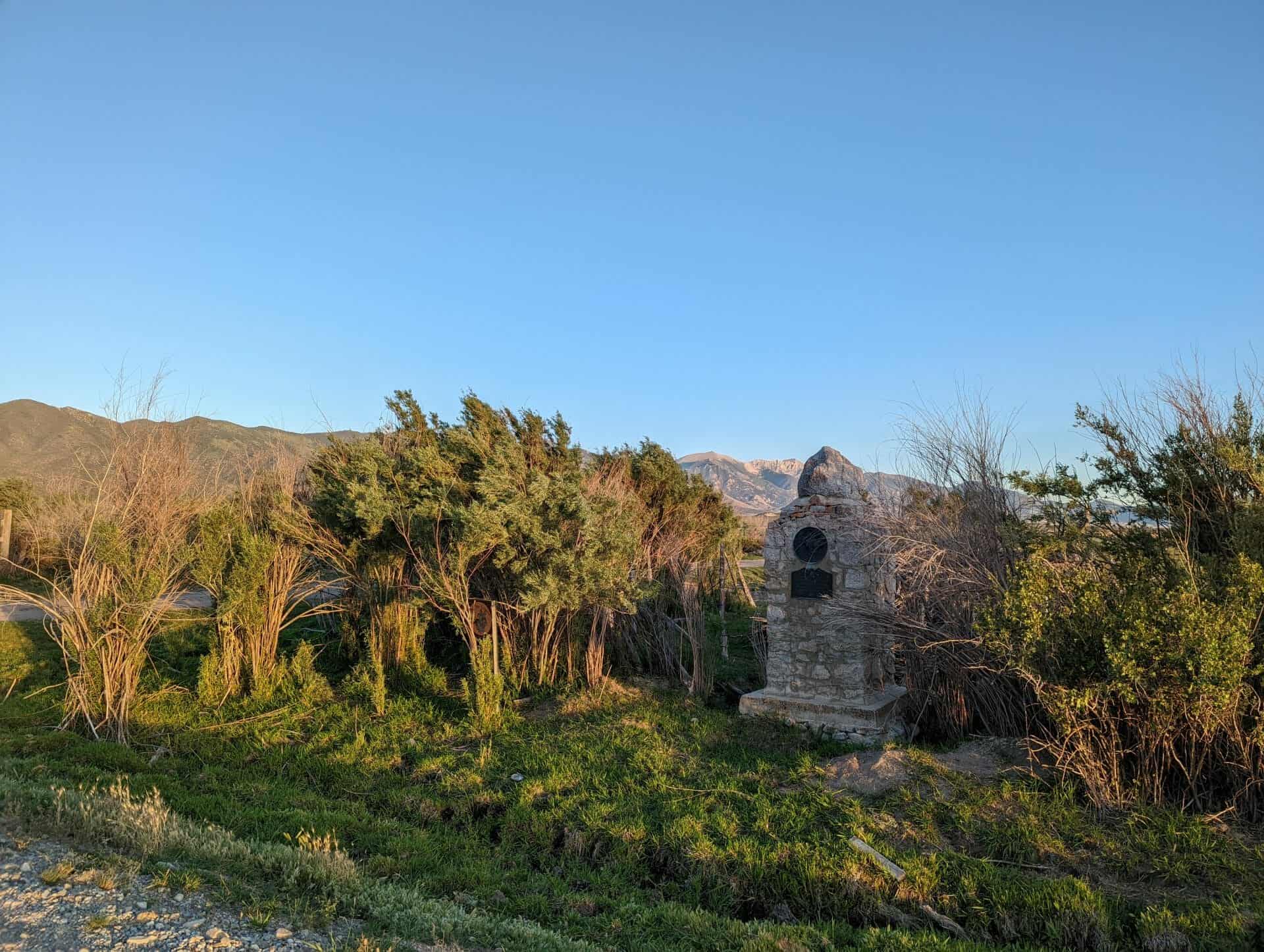
Fish Springs Station

Pony Express – 1860-61
St. Joseph, Missouri – Sacramento, California
Also Overland Stage & Freight Route 1858-1868


This monument was constructed by enrollees, U. S. Grazing Division, C. C. C. Camp 116, Company 2529 on August 23, 1940 and sponsored by the Utah Pioneer Trails and Landmarks Association (#91 of their monuments) it was later adopted by the Sons of Utah Pioneers (#237 of their monuments) and rededicated in 2017.

Related:

  • Central Overland Trail
  • Other UPTLA Historic Markers and Sons of Utah Pioneer Markers
  • Pony Express

Jones Hotel

14 Wednesday Sep 2022

Posted by Jacob Barlow in Uncategorized

≈ Leave a comment

Tags

Clark County, historic, Hotels, Nevada, Overton

The historic Jones Hotel, located at 159 W Virginia in Overton, Nevada.

Fitch Cemetery

22 Monday Aug 2022

Posted by Jacob Barlow in Uncategorized

≈ Leave a comment

Tags

Cemeteries, historic, NRHP

Fitch Cemetery

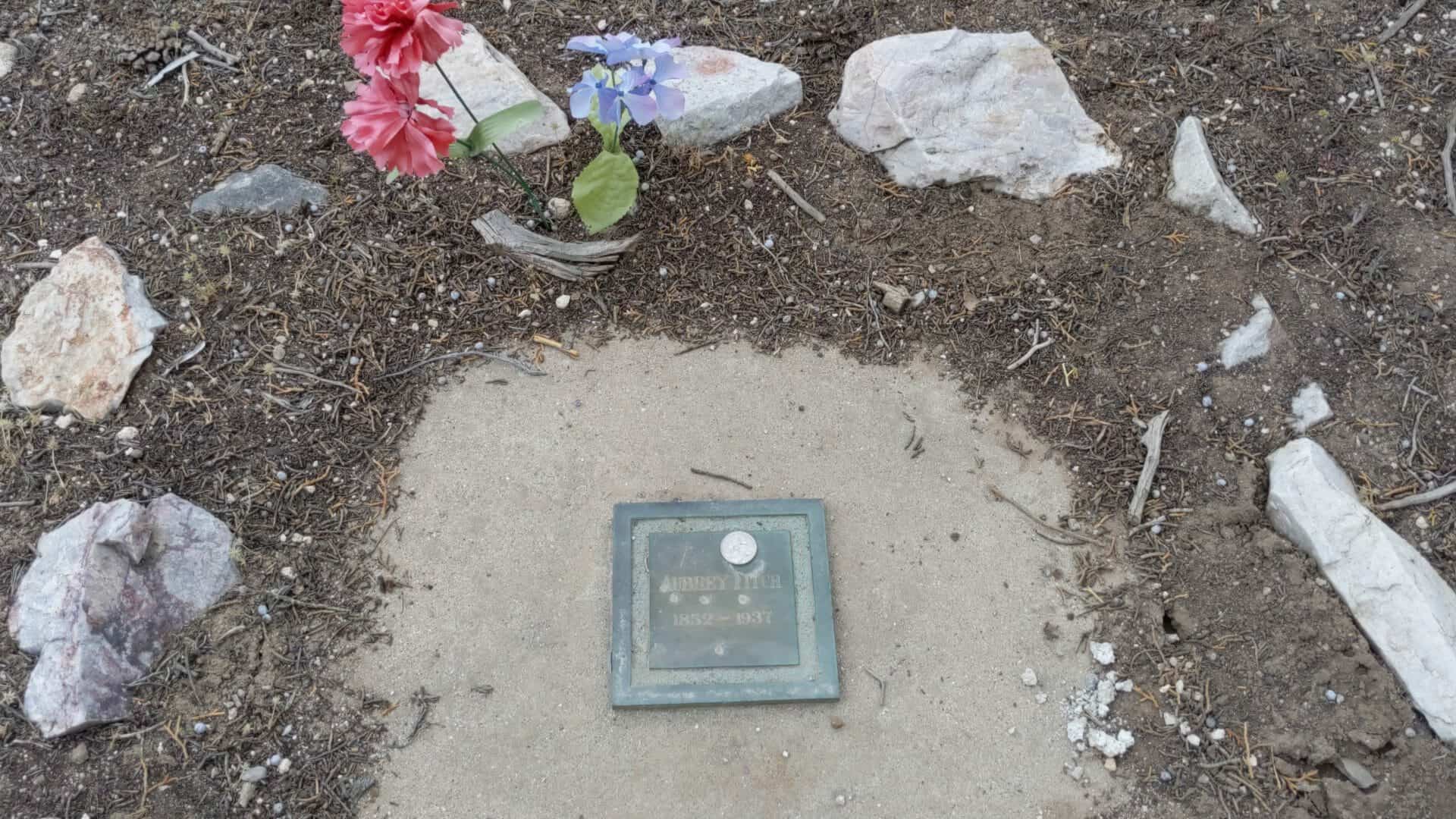
Established in the 1920s, the Fitch family cemetery is unique and significant for its role as a private cemetery for a mining entrepreneurial family and is located near the family’s historic mine, mining headquarters, and residence.

Approximately one-half acre in size, it is designed in the form of a circle and features a wrought iron fence, a stone pathway, and a surrounding rock wall. As members of the Catholic faith, the Fitch family also had an altar for saying Mass and places to kneel built at the cemetery. Several members of the Fitch family are buried at the cemetery, and it continues to function today as the family cemetery.

This cemetery is listed on the National Register of Historic Places. (#79003471)

Deep Creek Station

21 Thursday Jul 2022

Posted by Jacob Barlow in Uncategorized

≈ Leave a comment

Tags

Central Overland Stage, historic, Historic Markers, Overland Trail, Pony Express, SUP, UPTLA, utah

Deep Creek Station
Pony Express

St. Joseph, Missouri to Sacramento, California
1860-1861

This monument was constructed September 3, 1934 by citizens of Ibapah and by the Utah Pioneer Trails and Landmarks Association (it is #47 of their monuments) it was later adopted by the Sons of Utah Pioneers and is located in Ibapah, Utah.

Related:

  • Other UPTLA Historic Markers and Sons of Utah Pioneer Markers
  • Pony Express

Historic Hyde Park Horse Barn

13 Wednesday Jul 2022

Posted by Jacob Barlow in Uncategorized

≈ 1 Comment

Tags

Barns, Cache County, historic, Hyde Park, utah

This barn displays horizontal siding, which is less common than vertical. Some people believe that it creates a more weather-tight barn. Little is known about the barn except that it was supposed to have housed U.S. Cavalry horses at one time.

Located at 340 North 200 West in Hyde Park, Utah

Related:

  • Historic Barns of Northern Utah

Burnt Station

13 Wednesday Jul 2022

Posted by Jacob Barlow in Uncategorized

≈ Leave a comment

Tags

Central Overland Stage, historic, Historic Markers, Overland Trail, Pony Express, SUP, UPTLA, utah

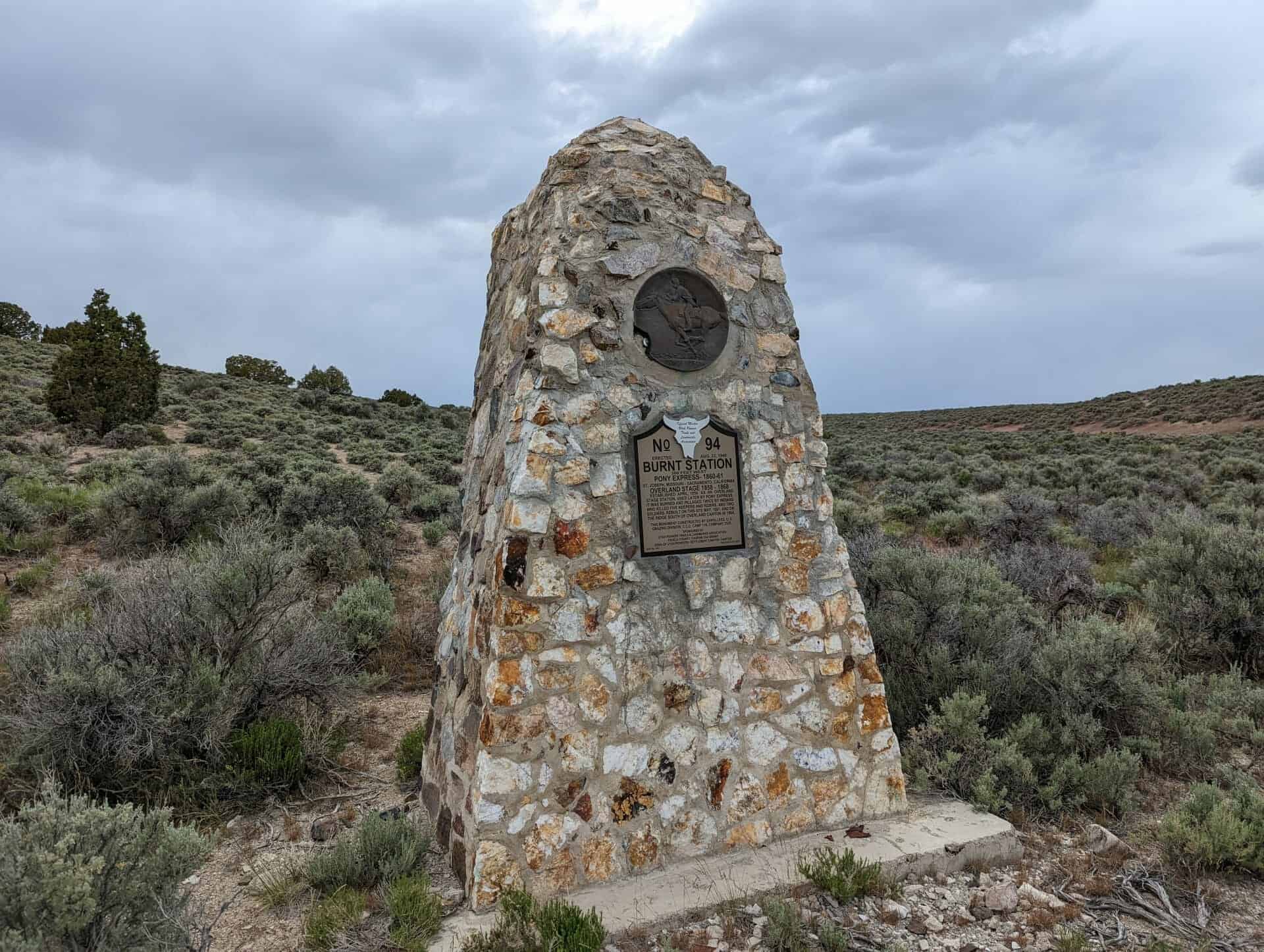
Burnt Station
300 Feet West
Pony Express – 1860-61
St. Joseph, Missouri – Sacramento, California
Overland Stage 1858-1868
Established April, 1859 as an Overland Stage Station. Used later by Pony Express.
It was burned and pillaged twice by Indians who killed five keepers and riders, and two soldiers. Rebuilt on this site May, 1861, and on the ridge south of Overland Canyon in 1864.

This monument was constructed by enrollees, U. S. Grazing Division, C. C. C. Camp 116, Company 2529 on August 23, 1940 and sponsored by the Utah Pioneer Trails and Landmarks Association (#94 of their monuments) it was later adopted by the Sons of Utah Pioneers (#238 of their monuments) and rededicated in 2017.

Related:

  • Central Overland Trail
  • Other UPTLA Historic Markers and Sons of Utah Pioneer Markers
  • Pony Express

← Older posts
Newer posts →

Follow Jacob

Follow Jacob

Blog Stats

  • 2,021,419 hits

Social and Other Links

BarlowLinks.com

Recent Posts

  • Dale’s Sinclair Service Station
  • 83 N Street
  • First Company of Pioneers into the Valley
  • Blue Base – The Stand Filming Location
  • 926 E South Temple

Archives


Loading Comments...