• About JacobBarlow.com
  • Cemeteries in Utah
  • D.U.P. Markers
  • Doors
  • Exploring Utah Email List
  • Geocaching
  • Historic Marker Map
  • Links
  • Movie/TV Show Filming Locations
  • Oldest in Utah
  • Other Travels
  • Photos Then and Now
  • S.U.P. Markers
  • U.P.T.L.A. Markers
  • Utah Cities and Places.
  • Utah Homes for Sale
  • Utah Treasure Hunt

JacobBarlow.com

~ Exploring with Jacob Barlow

JacobBarlow.com

Tag Archives: Historic Buildings

Farrer Elementary School

12 Tuesday Sep 2017

Posted by Jacob Barlow in Uncategorized

≈ 2 Comments

Tags

historic, Historic Buildings, Historic Marker, Historic Markers, Provo, Schools, utah, utah county

  • 2017-07-11 19.04.22

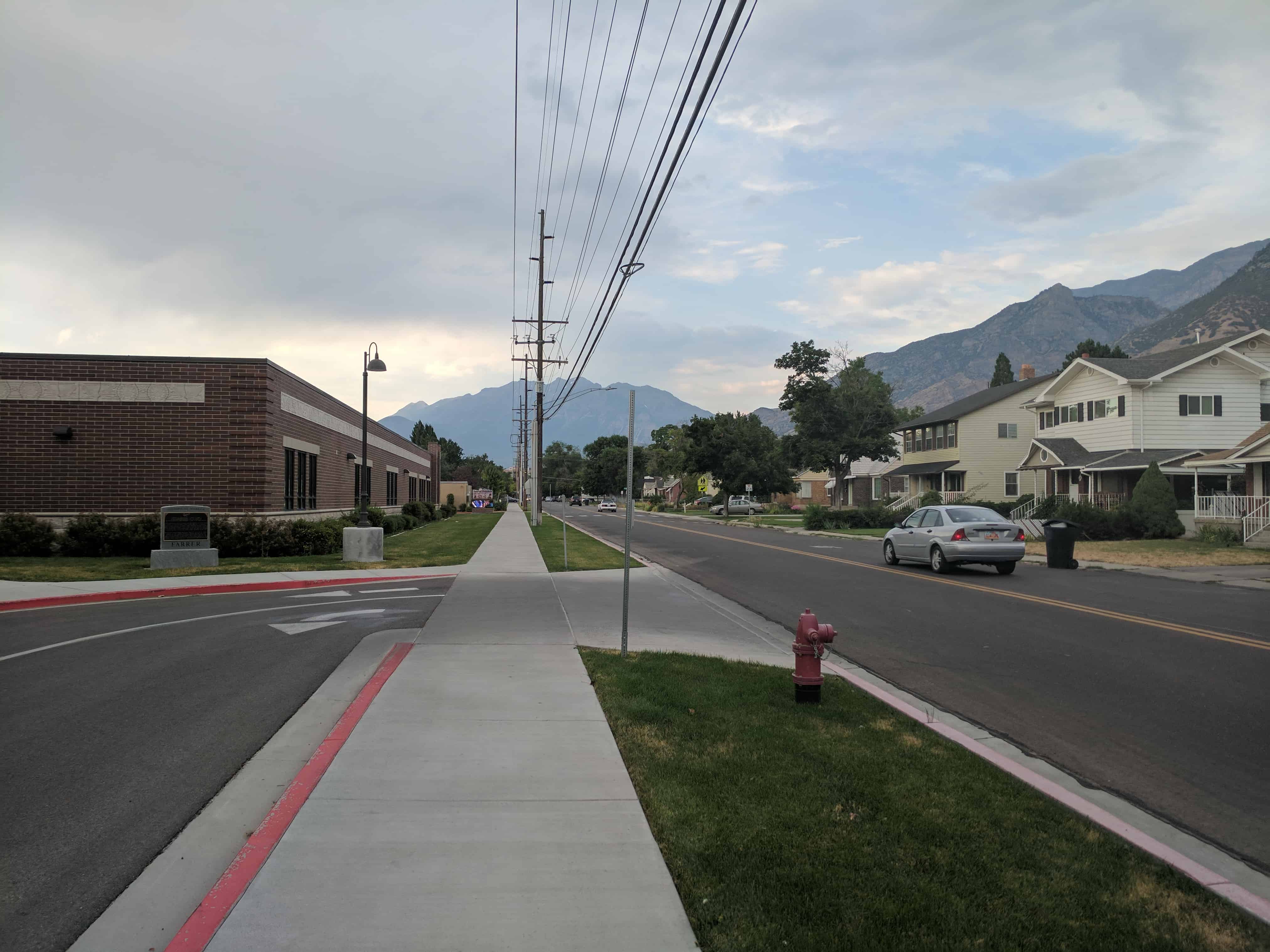
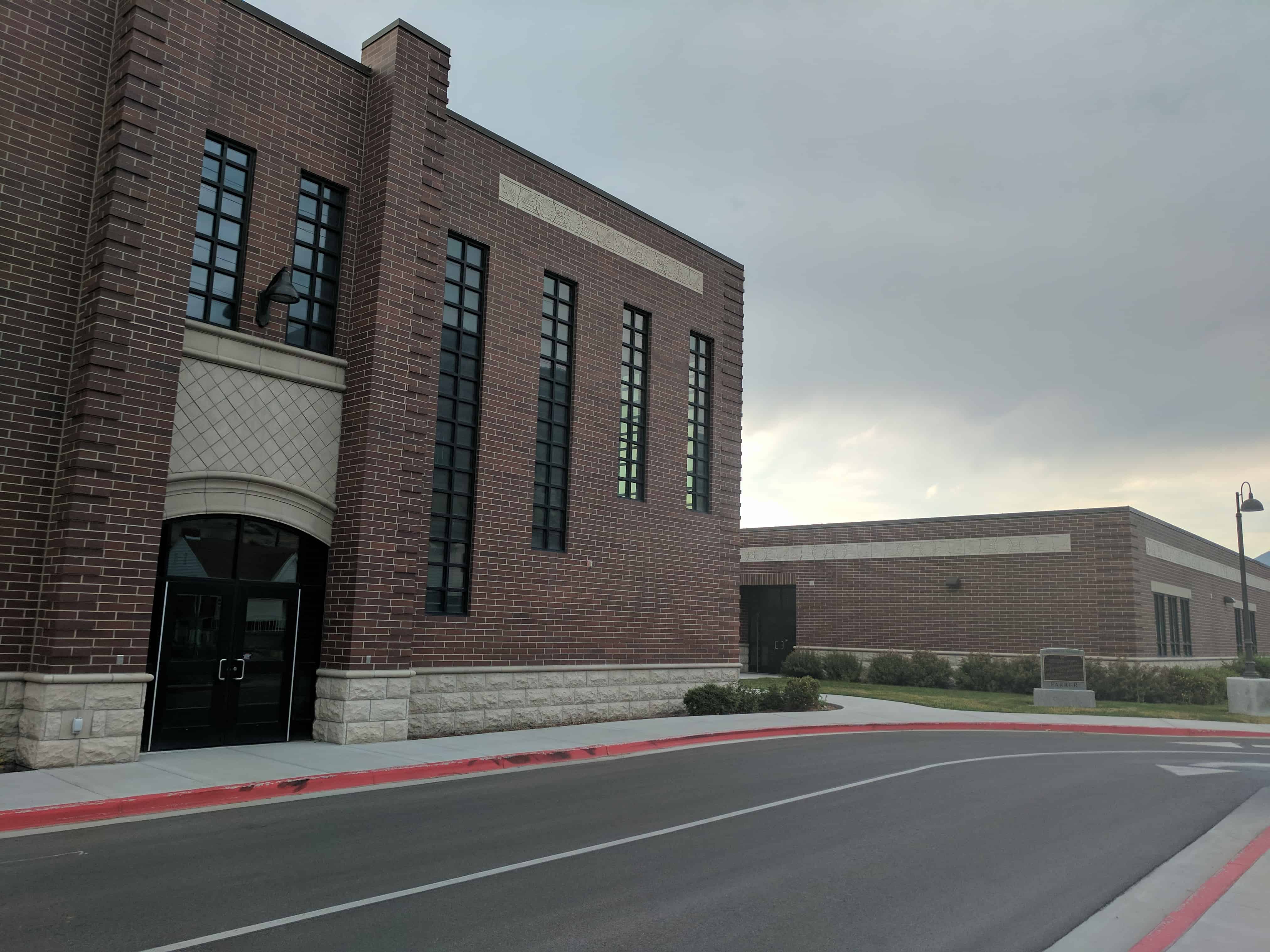
Provo‘s Farrer Elementary School, now renamed to Provo Peaks Elementary School.

  • 2017-07-11 19.02.52

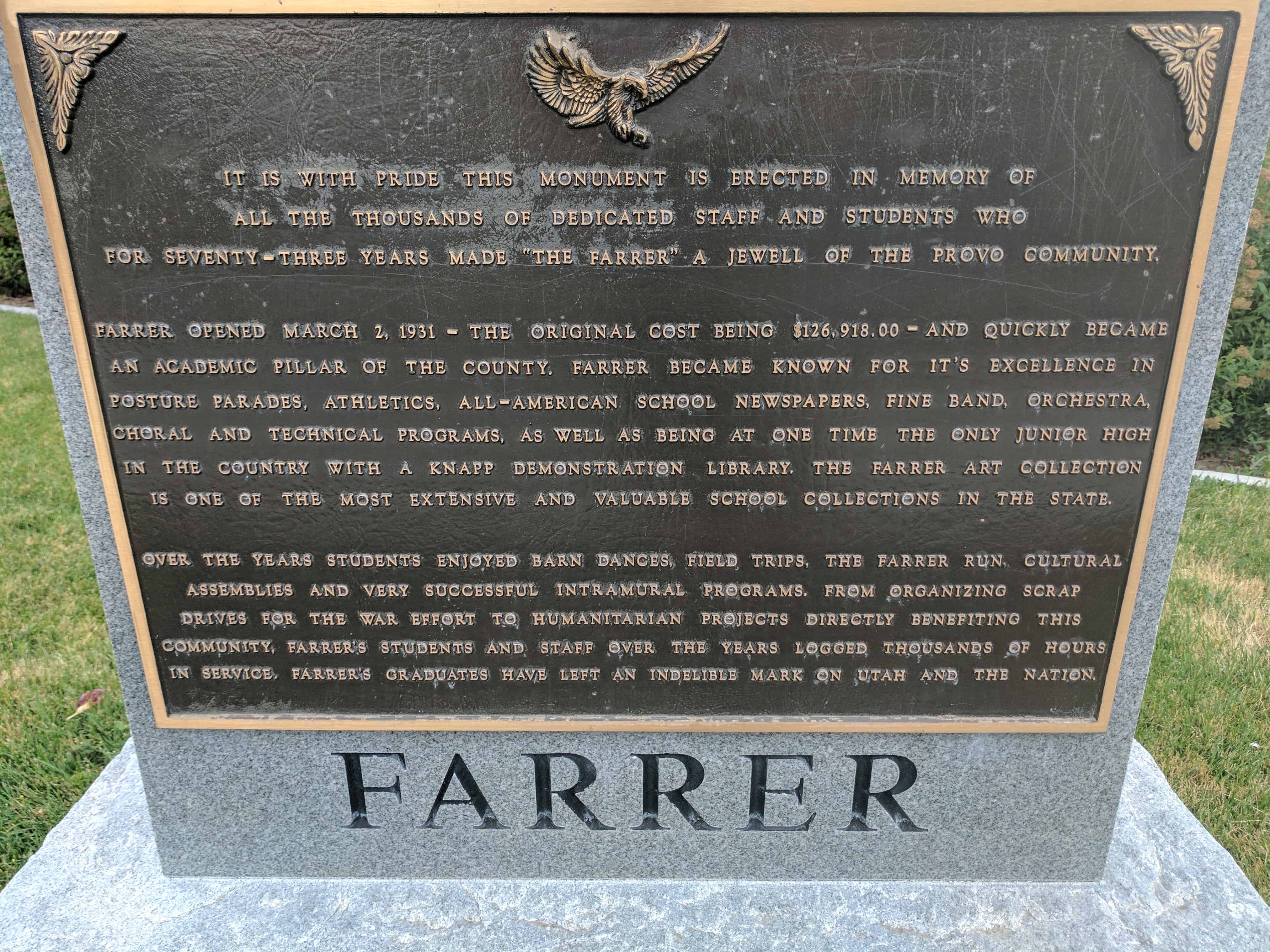
A plaque on a monument outside reads:

It is with pride this monument is erected in memory of all the thousands of dedicated staff and students who for seventy-three years made “The Farrer” a jewel of the Provo Community.

Farrer opened March 2, 1931 – The original cost being $126,918.00 – and quickly became an academic pillar of the County.  Farrer became known for its Excellence in Posture Parades, athletics, All-American school newspapers, fine band, orchestra, choral and technical programs, as well as being at one time the only junior high in the country with a Knapp Demonstration Library.  The Farrer Art Collection is one of the most extensive and valuable school collections in the state.

Over the years students enjoyed barn dances, field trips, the Farrer Run, cultural assemblies and very successful intramural programs.  From organizing scrap drives for the war effort to humanitarian projects directly benefiting this community, Farrer’s students and staff over the years logged thousandths of hours in service.  Farrer’s graduates have left an indelible mark in Utah and the nation.

  • 2017-07-11 19.03.18

Original Farrer Student Creed

I believe in Farrer Junior High School and in the things for which she stands – Health in body, honest work, generous comradeship and reverence in the spiritual.  I believe in achievement and I pray for forcefulness to accomplish what I set out to do.  I believe in loyalty to our school and her traditions.  I pledge upon my honor to help in all her undertakings in all that will make her a stronger and nobler school, and I promise to do all that is within my power to become a student to match our building.

1934 — 2005
  • 2017-07-11 19.02.29
  • 2017-07-11 19.02.33
  • 2017-07-11 19.02.58

Fire Destroys Brigham Young Academy Building

30 Wednesday Aug 2017

Posted by Jacob Barlow in Uncategorized

≈ 5 Comments

Tags

Historic Buildings, Historic Markers, History, Provo, Schools, utah, utah county

2017-07-11 18.36.20

Fire Destroys Brigham Young Academy Building

William and Warren Dusenberry operated the Timpanogos Branch of the University of Deseret in Lewis Hall, a two-story brick building on the northeast corner of the intersection of 300 West Center.  From 1870 to 1875, the school succeeded educationally, but it failed financially.

Brigham Young, who owned Lewis Hall, transferred the deed to the building to a board of trustees in 1875 and instructed them to create a new school named Brigham Young Academy.  The board complied and elected Warren Dusenberry as the new school’s principal.

Karl G. Maeser replaced Dusenberry the next year, and the teachers of the academy incorporated religion into their courses.  Enrollment grew and workmen expanded the building in 1882 and 1883.

Then on the night of January 27, 1884, tragedy envoloped Lewis Hall.  Two men walking past the building about 11:00 p.m. noticed a glow of flames inside.  They broke into the building and dragged the school’s pump organ out of harm’s way.  Other men sounded the alarm by ringing the meetinghouse bell or by running through the streets yelling, “Fire! It’s the B.Y. Academy!”

A large crowd gathered around the academy and carried out some of its contents.  Since Provo had no fire department, members of the throng formed a bucket brigade from the millrace a block to the east.  The efforts of the brigade were futile, and the fore consumed the uninsured building.

Local officials announced a public meeting to be held the next day in Provo’s partially finished tabernacle.  President Smoot announced that the new term would start the next day as scheduled.  Students met in the basement of the Provo Meetinghouse and in various business buildings.  Te school’s board of trustees chose a new site for the academy and build a large school building on what is now Academy Square.  It has served many years as Provo’s library.

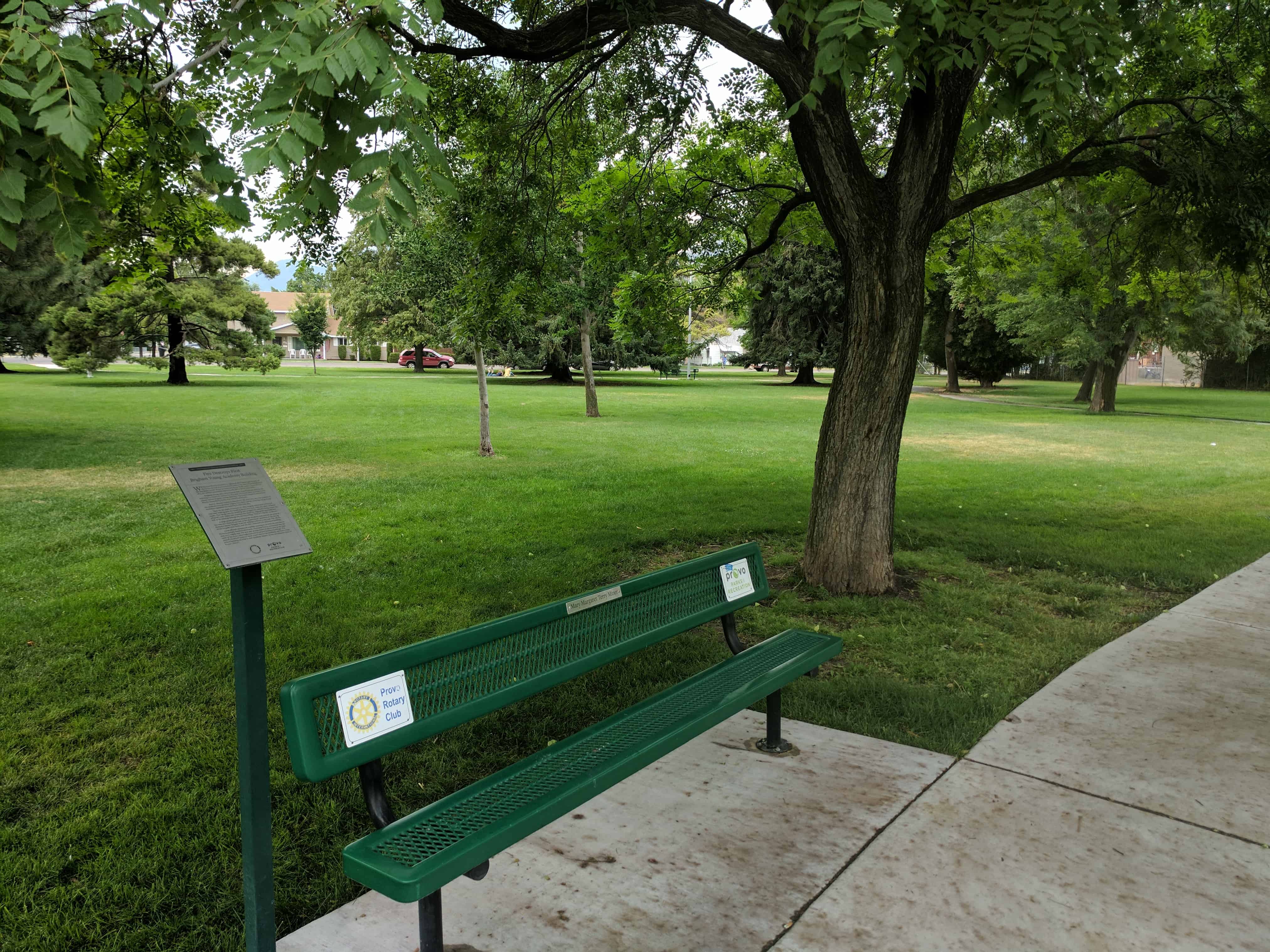
This plaque is located in Memorial Park, to see other plaques in the series click here.

2017-07-11 18.36.27

Utah Territorial Insane Asylum Came to Provo in 1885.

29 Tuesday Aug 2017

Posted by Jacob Barlow in Uncategorized

≈ 4 Comments

Tags

Asylums, historic, Historic Buildings, Historic Markers, History, Provo, utah, utah county

  • 2017-07-11 18.30.03

For decades after colonists settled Provo in 1849, the Utah County Court (now called the County Commission) supervised the care of those in the county who suffered from extreme poverty, mental deficiency, or mental illness.  Residents of the community submitted bids to the County Court for the care of these people.  The justices then assigned the care of these disadvantaged individuals to the lowest bidder.

The Utah Territorial Legislature passed a bill authorizing the establishment of the Utah Territorial Insane Asylum in 1880.  This new institution’s board of directors, which included two former members of the Provo City Council, became responsible for choosing a site for the asylum.

Utah, Salt Lake, and Davis counties actively campaigned to become the site of the new institution.  In an effort to sway the opinion of the board of directors, Provo City offered the asylum’s board $500 and Utah County offered another $2,000 to help buy the necessary land for the new buildings.  With this inducement in mind, the board chose Provo in 1881 as the site for the asylum.

A four-man committee selected the location for the new buildings in the foothills east of the end of Provo’s Center Street where a good spring flowed from the mountain.  The money from the city and county paid for the initial 40 acres of land.

There was one major difficulty with the site: no road existed between the location of the future buildings and the east end of Center Street.  The Provo City Council negotiated with landowners, bought the right of way, and extended Center Street to the asylum grounds.

Construction workers finished the south wing of the new building in 1885.  It housed the first 200 patients.  Builders added a middle wing and north wing to the main building later.  Although the old building has been replaced, the current hospital stands on the same site.   A small museum open to the public now occupies the former residence of the superintendent.

This plaque is located in Memorial Park, for other plaques in the series click here.

  • 2017-07-11 18.30.19
  • 2017-07-11 18.30.11

Historic Garden Park Ward

25 Friday Aug 2017

Posted by Jacob Barlow in Uncategorized

≈ 1 Comment

Tags

historic, Historic Buildings, LDS Church, Salt Lake City, Salt Lake County, utah

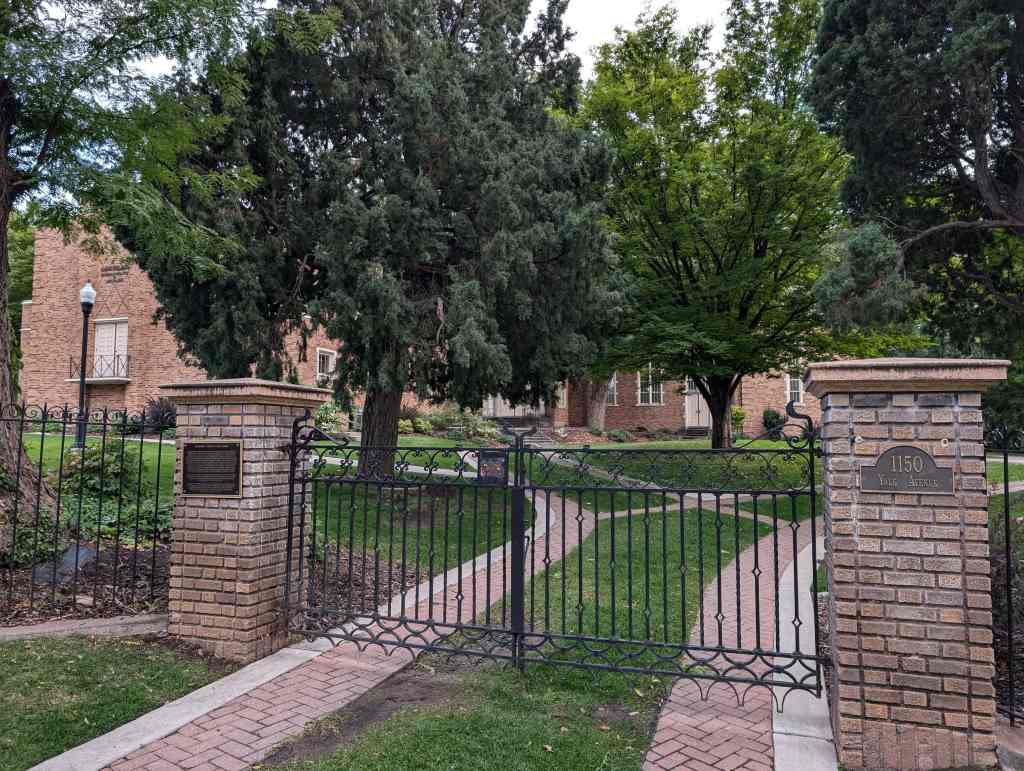
2017-07-07 15.32.07-1

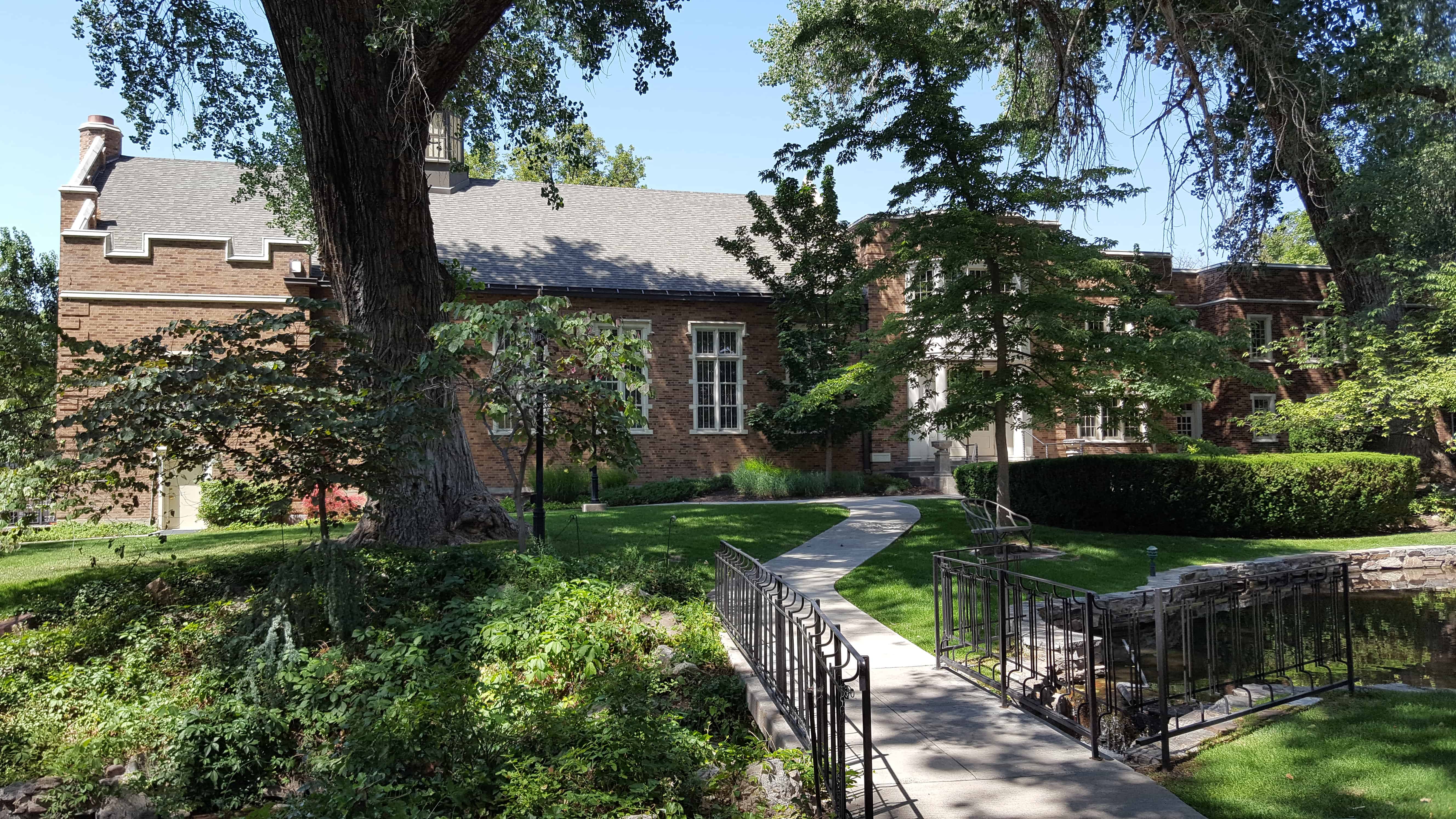
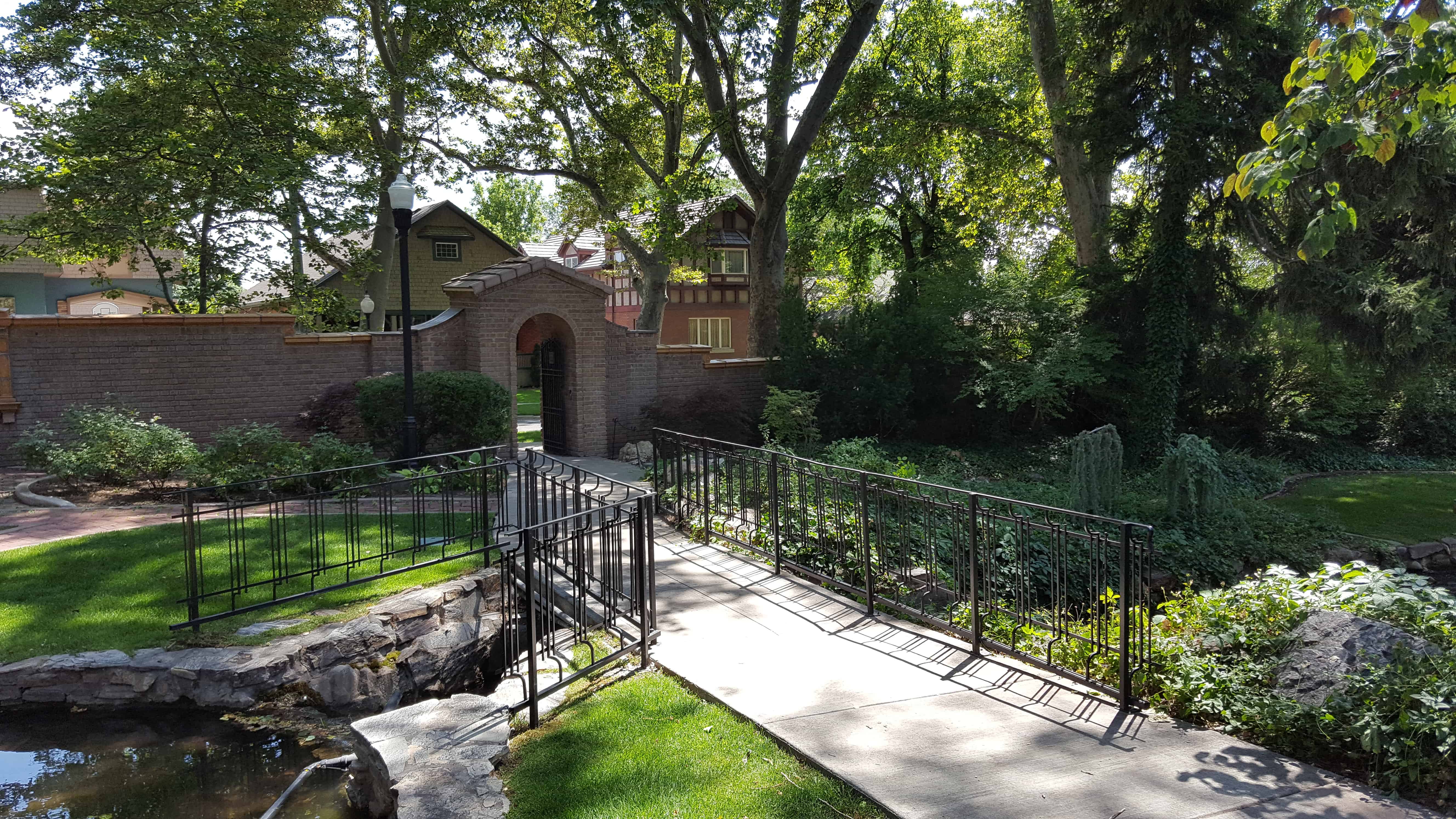
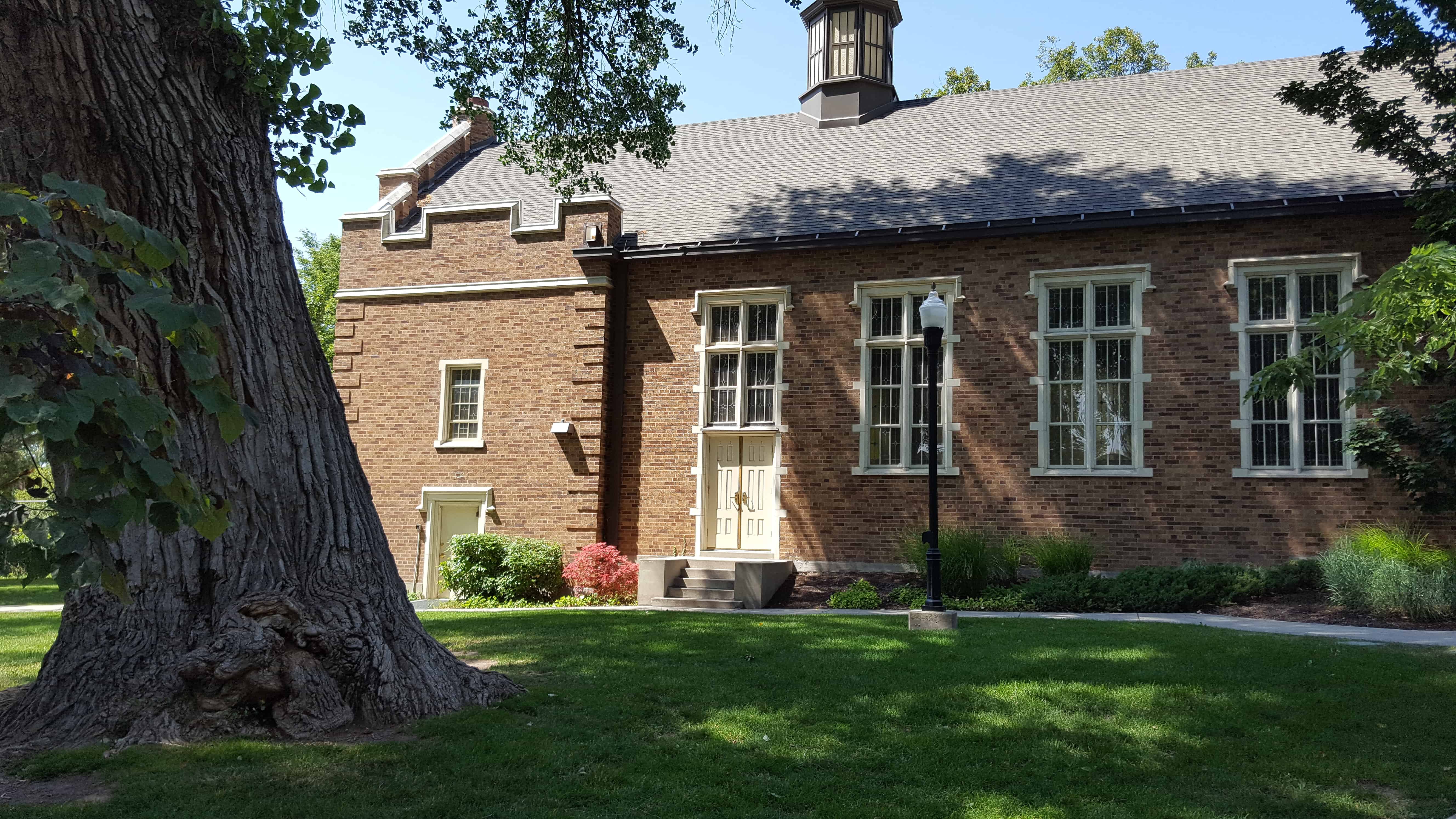
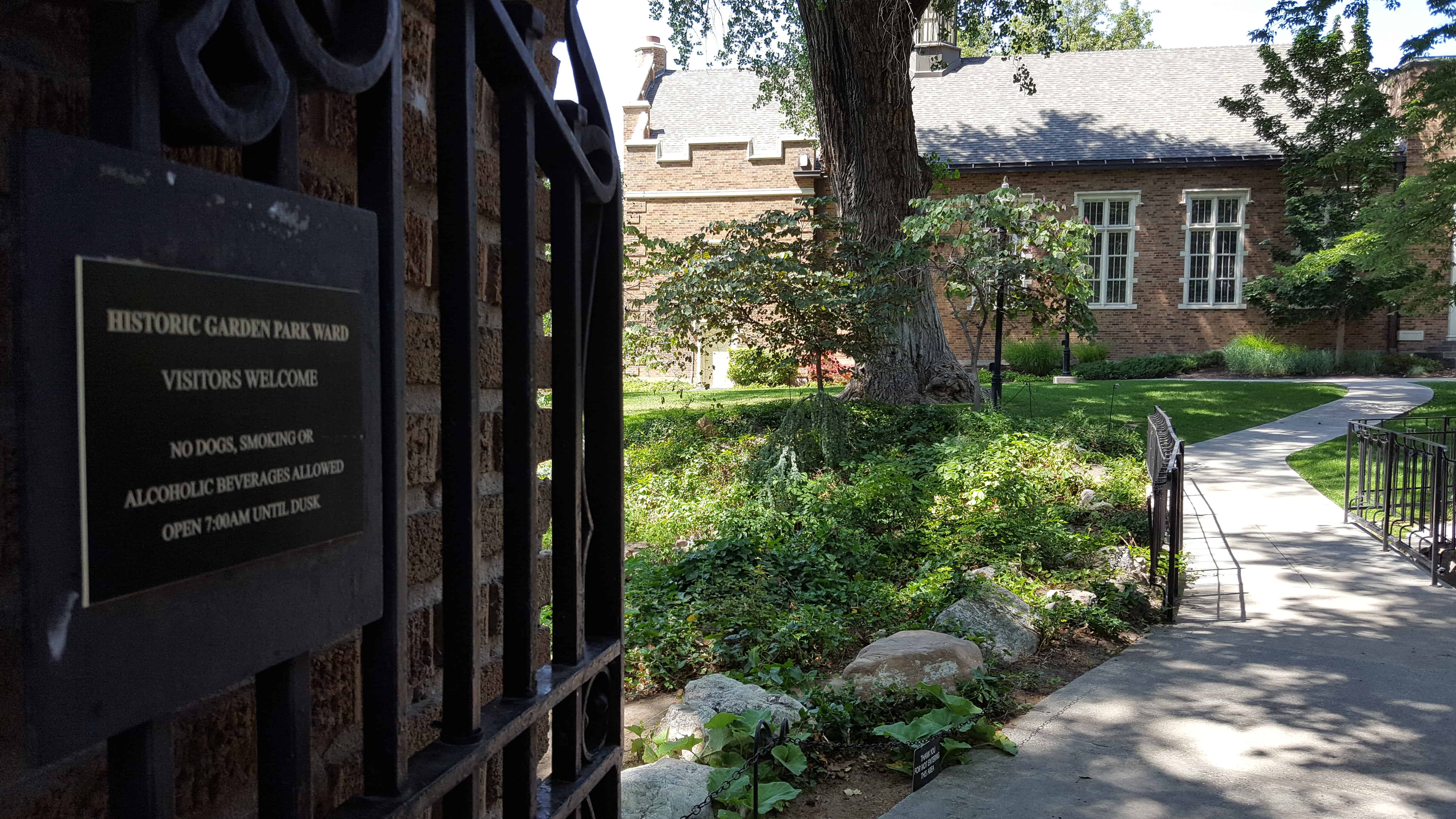
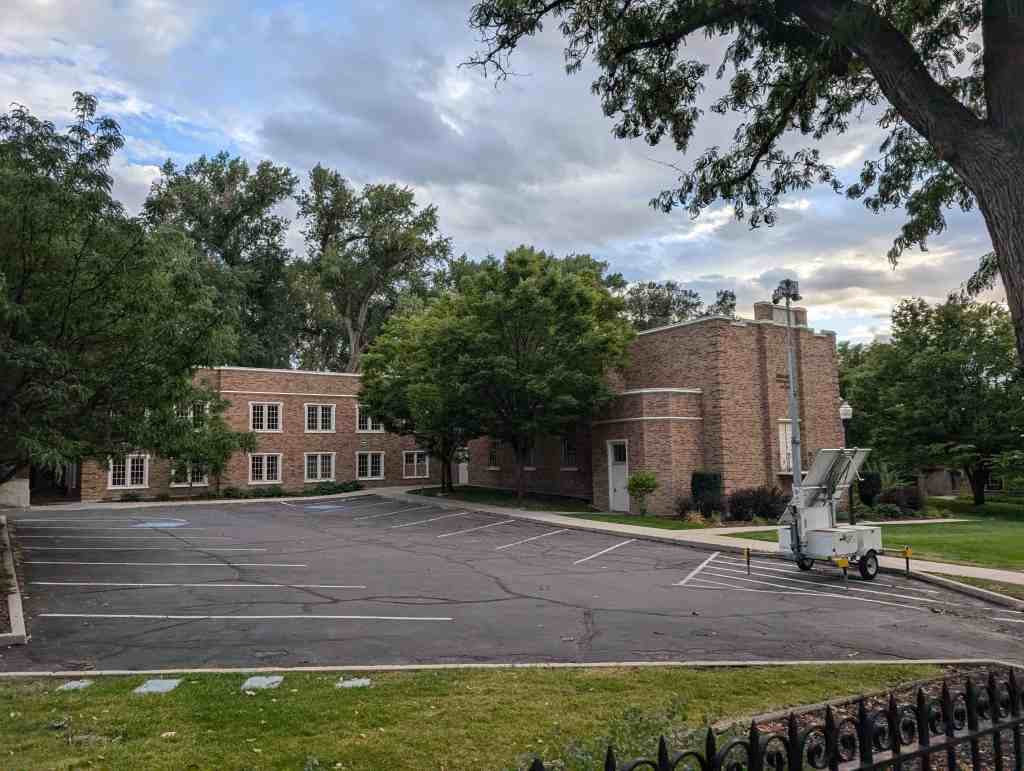
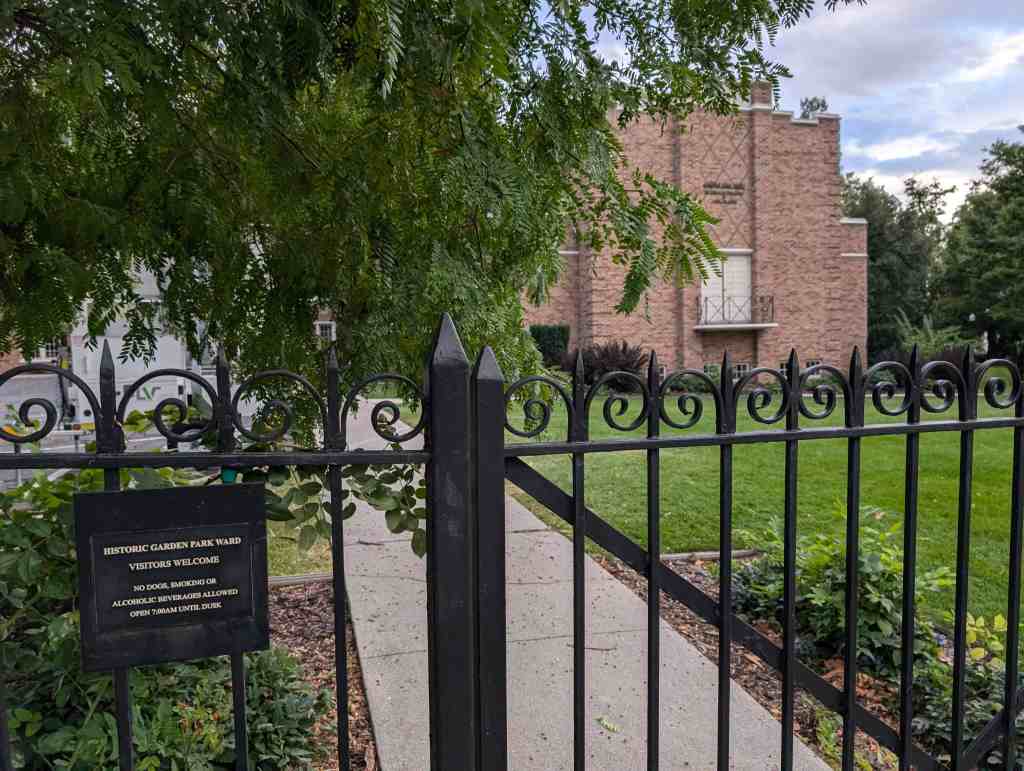
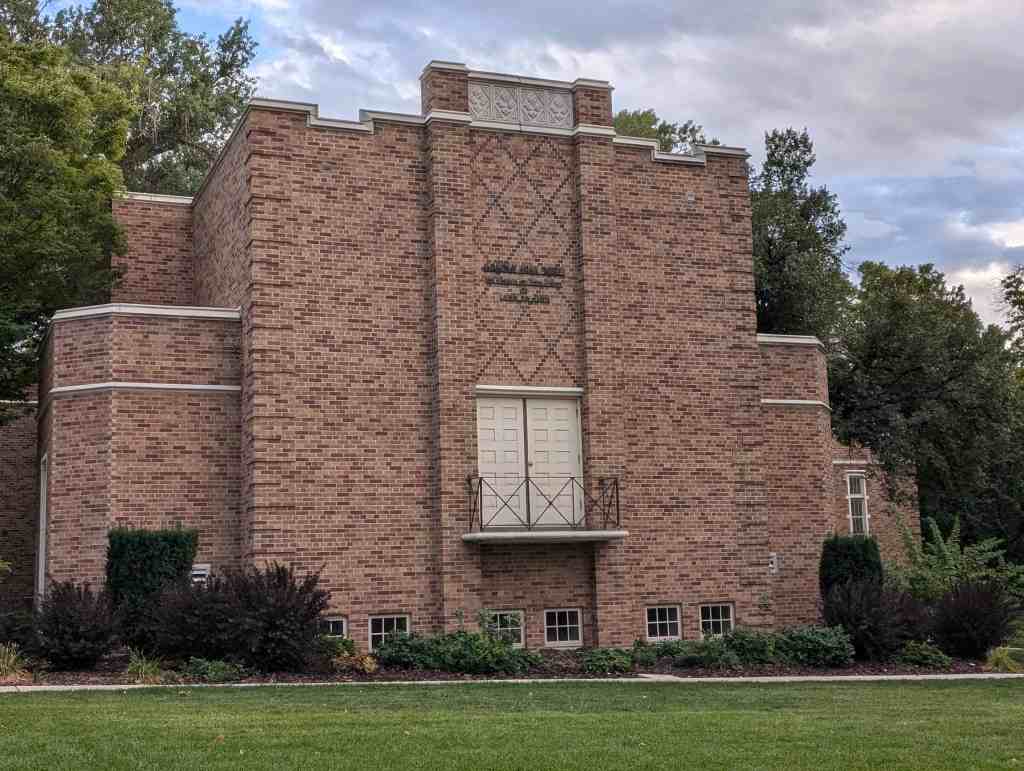
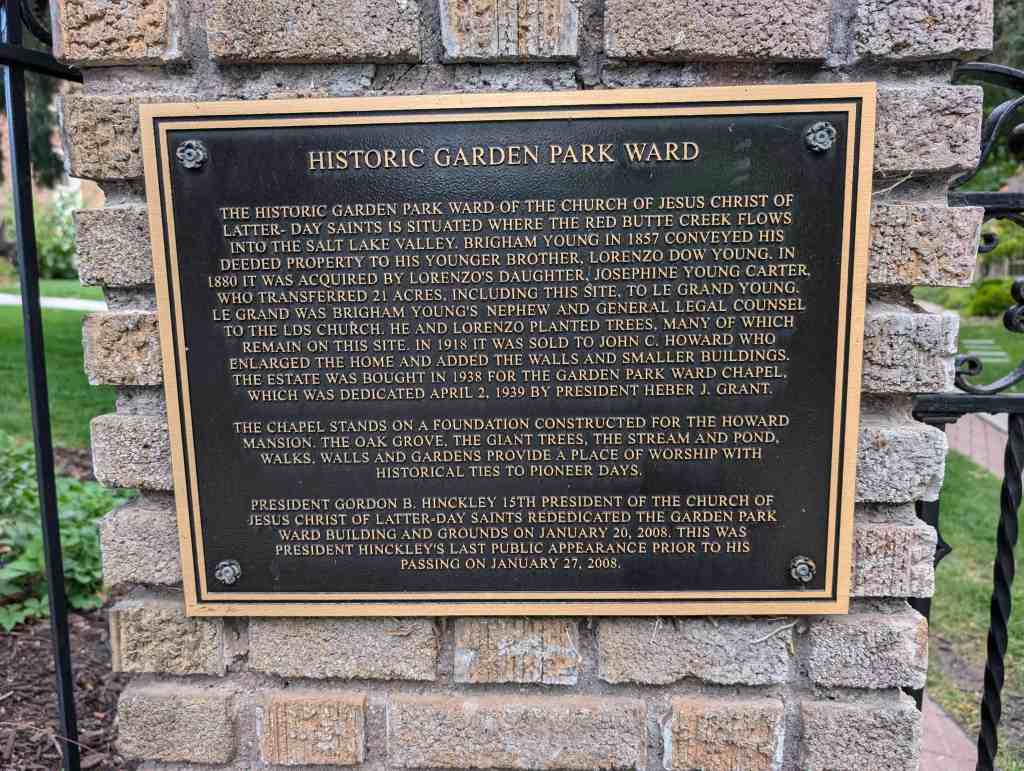
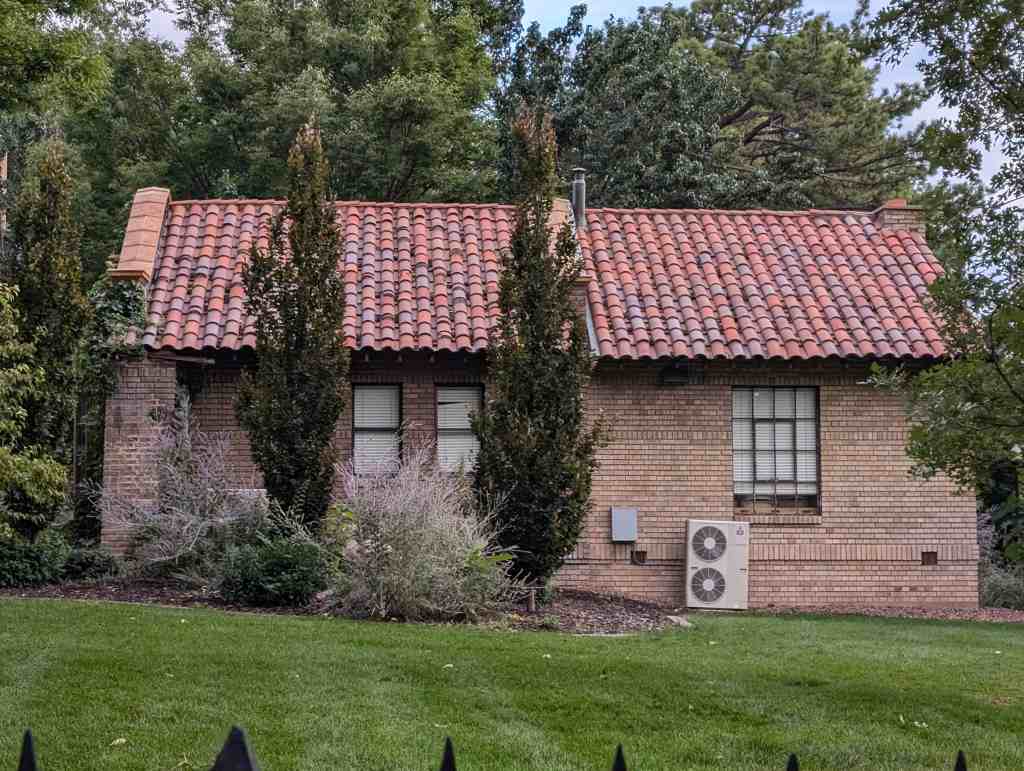
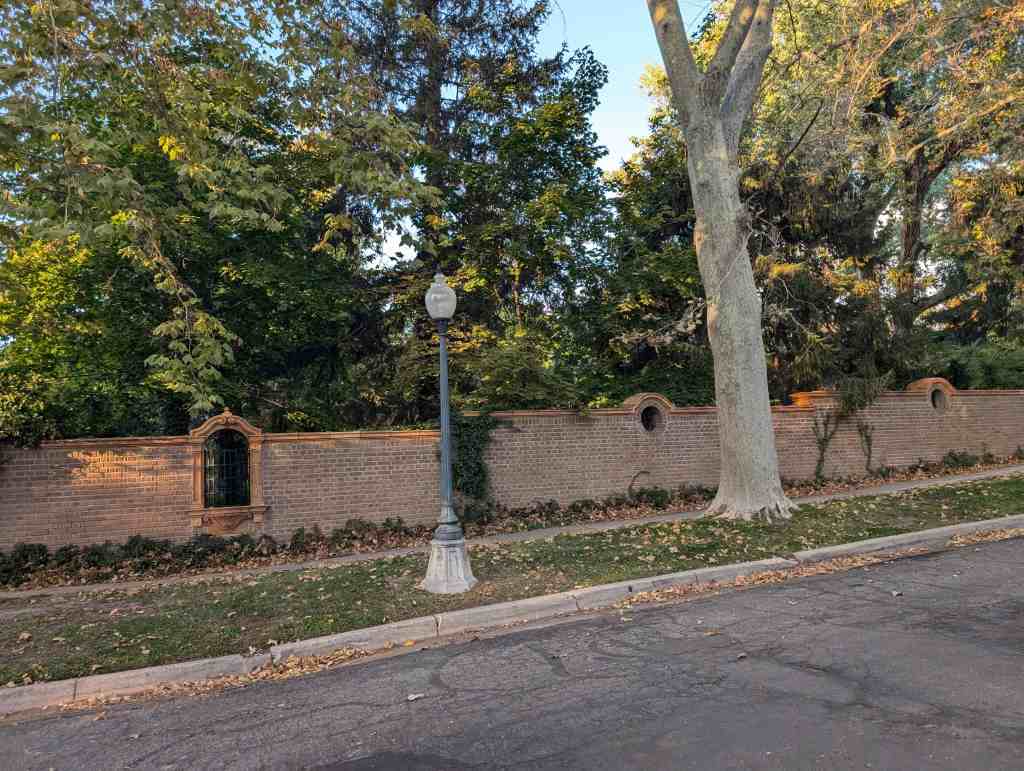
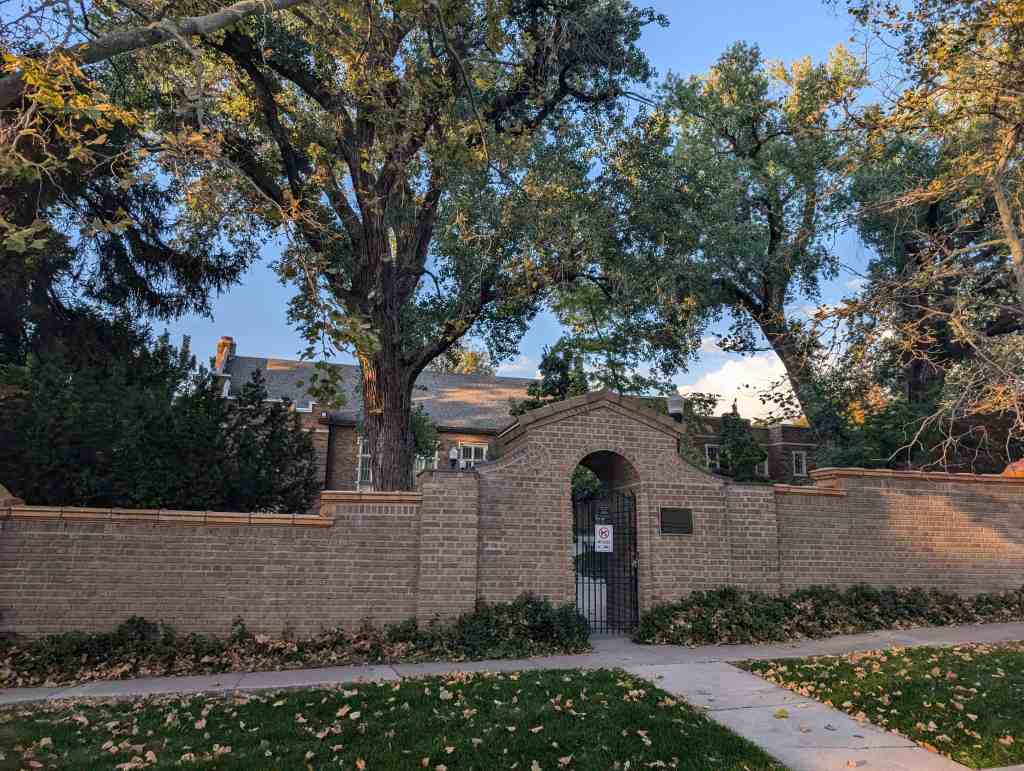
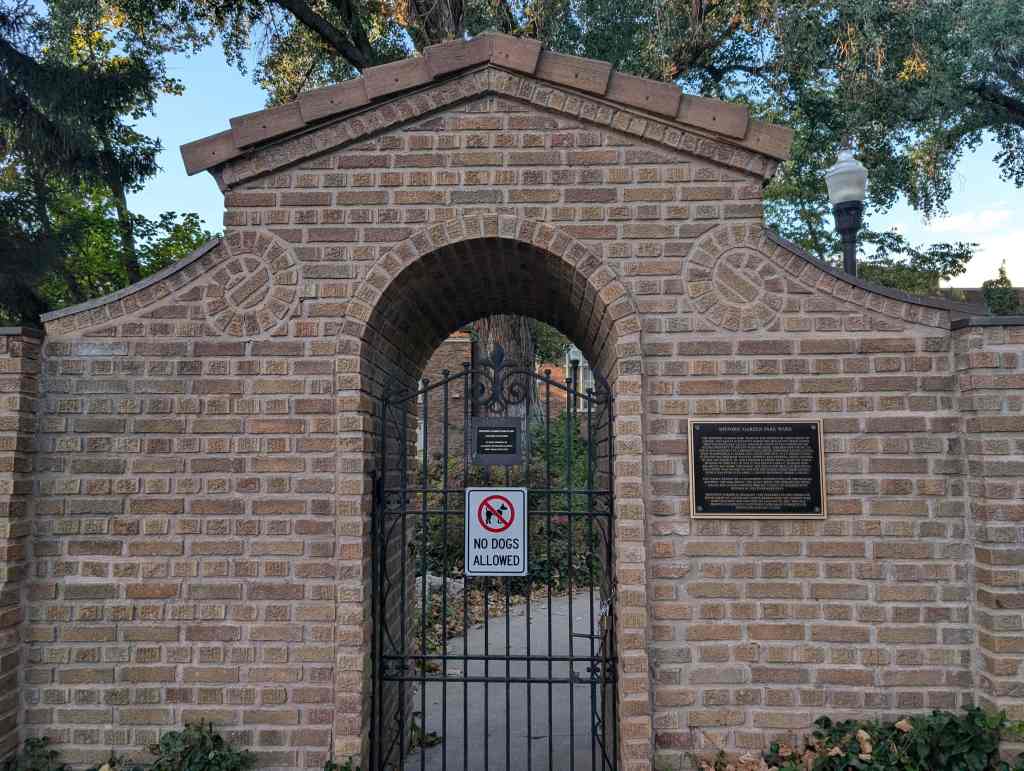
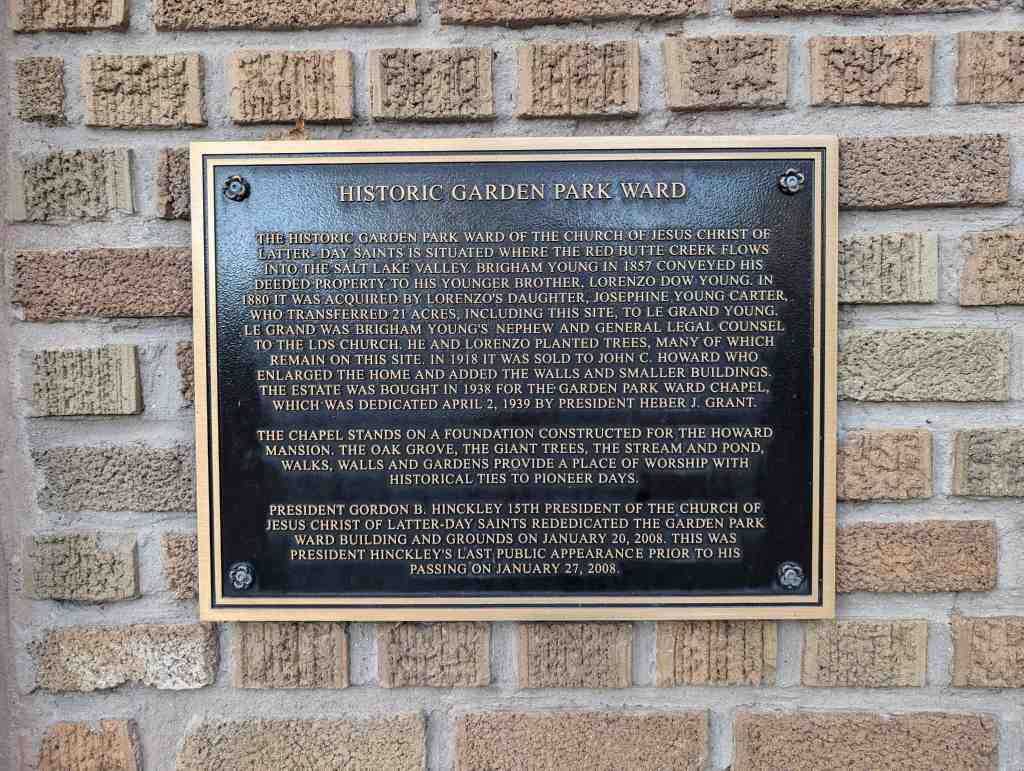
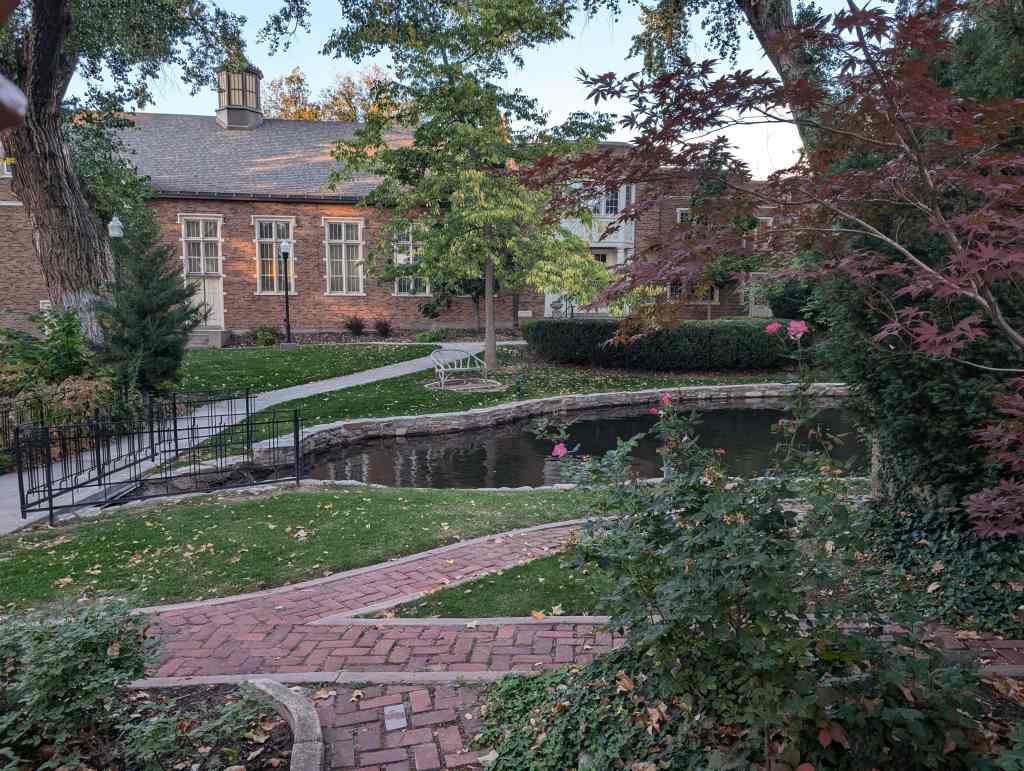
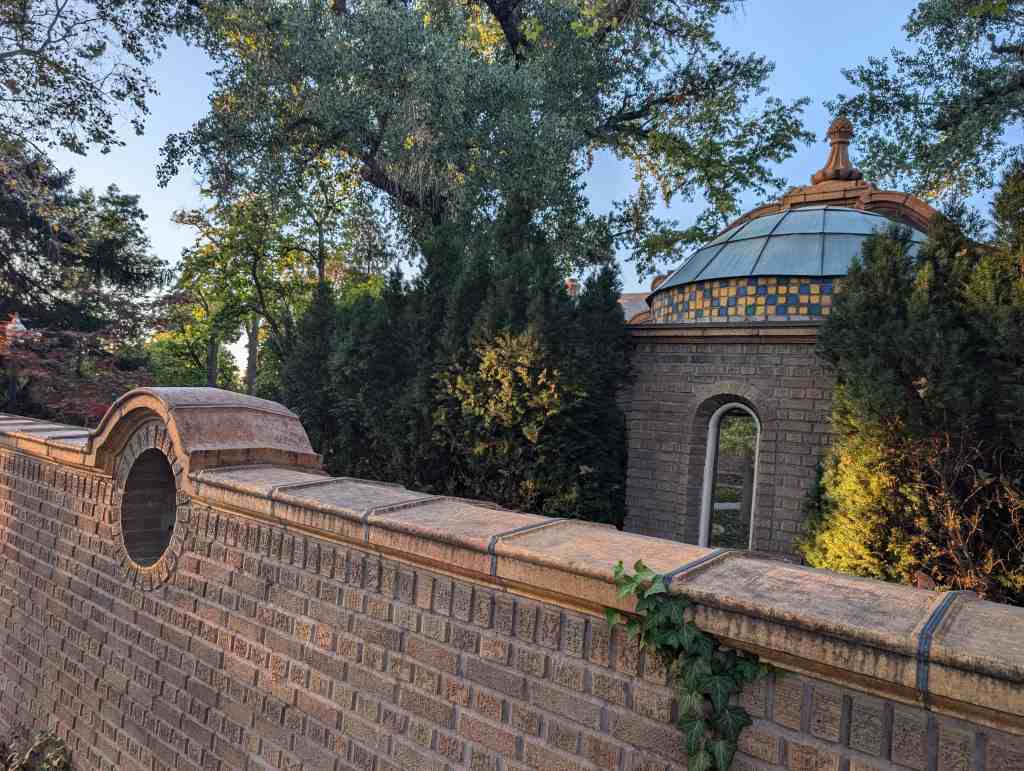
The historic Garden Park Ward of the Church of Jesus Christ of Latter-Day Saints is situated where the Red Butte Creek flows into the Salt Lake Valley. Brigham Young in 1857 conveyed his deeded property to his younger brother, Lorenzo Dow Young. In 1880 it was acquired by Lorenzo’s daughter, Josephine Young Carter, who transferred 21 acres, including this site, to Le Grand Young. Le Grand was Brigham Young’s nephew and general legal counsel to the LDS Church. Le Grand and Lorenzo planted trees, many of which remain on this site. In 1918 it was sold to John C. Howard who enlarged the home and added the walls and smaller buildings. The estate was bought in 1928 for the Garden Park Ward Chapel, which was dedicated April 2, 1939 by President Heber J. Grant.

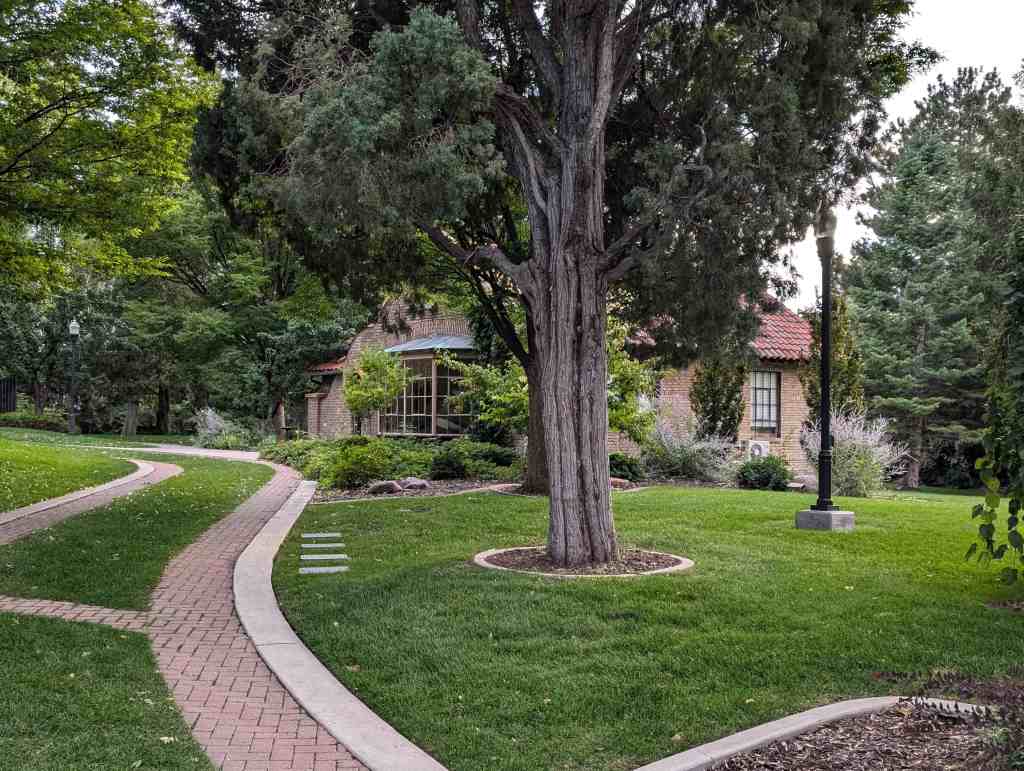
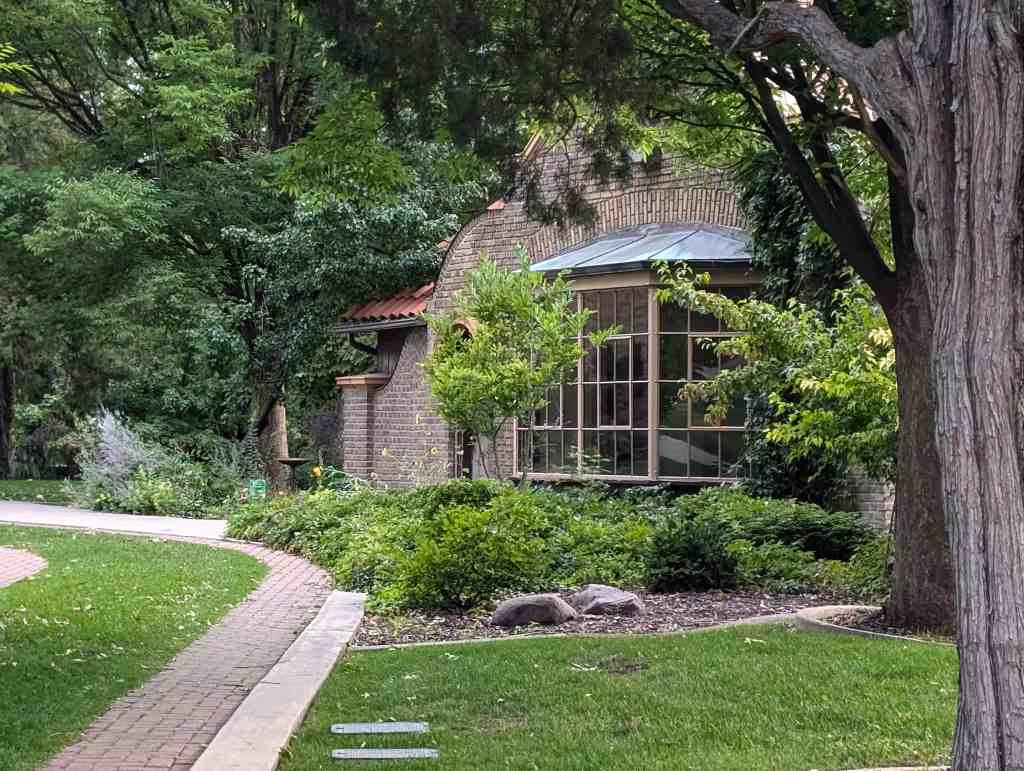
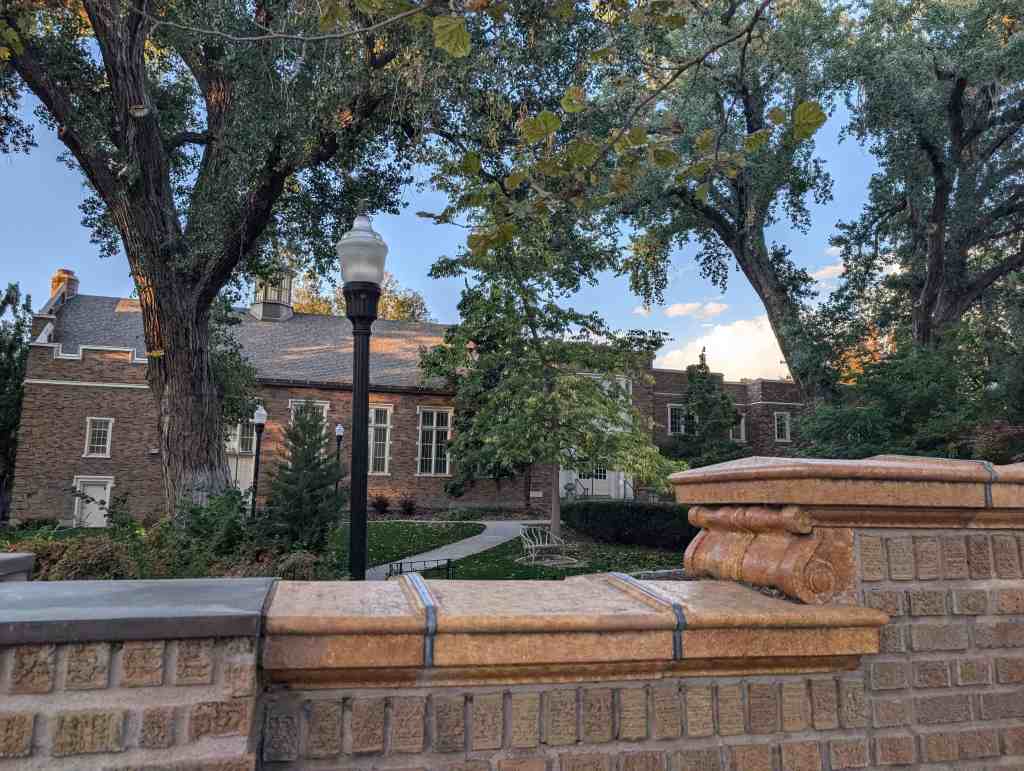
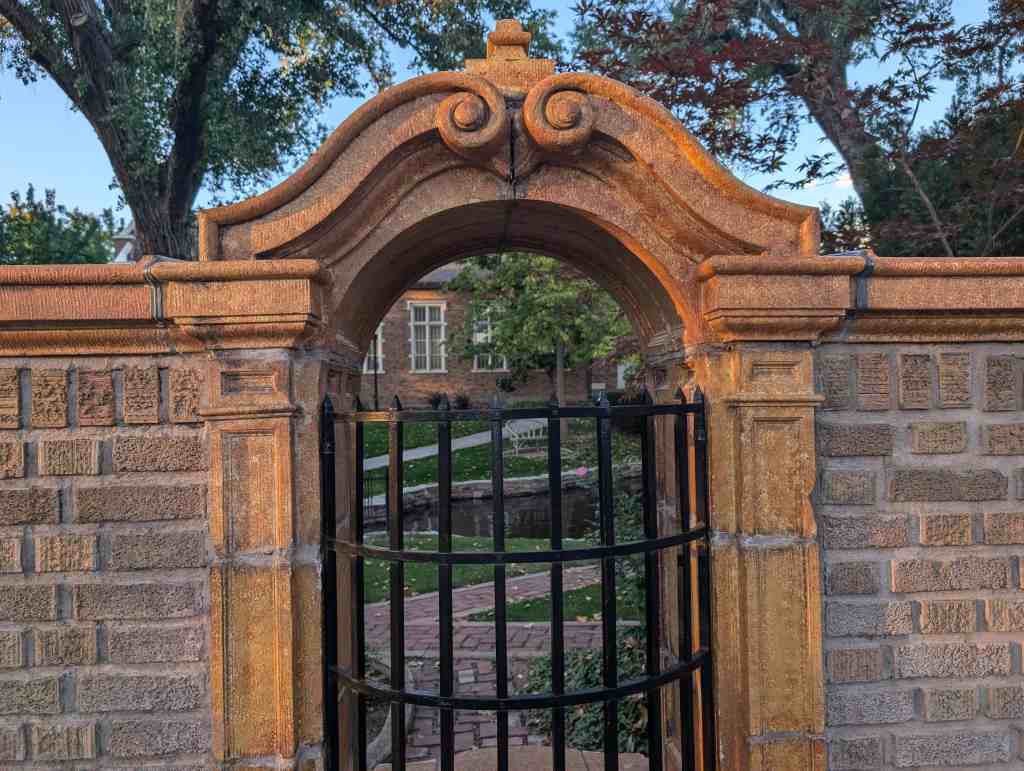
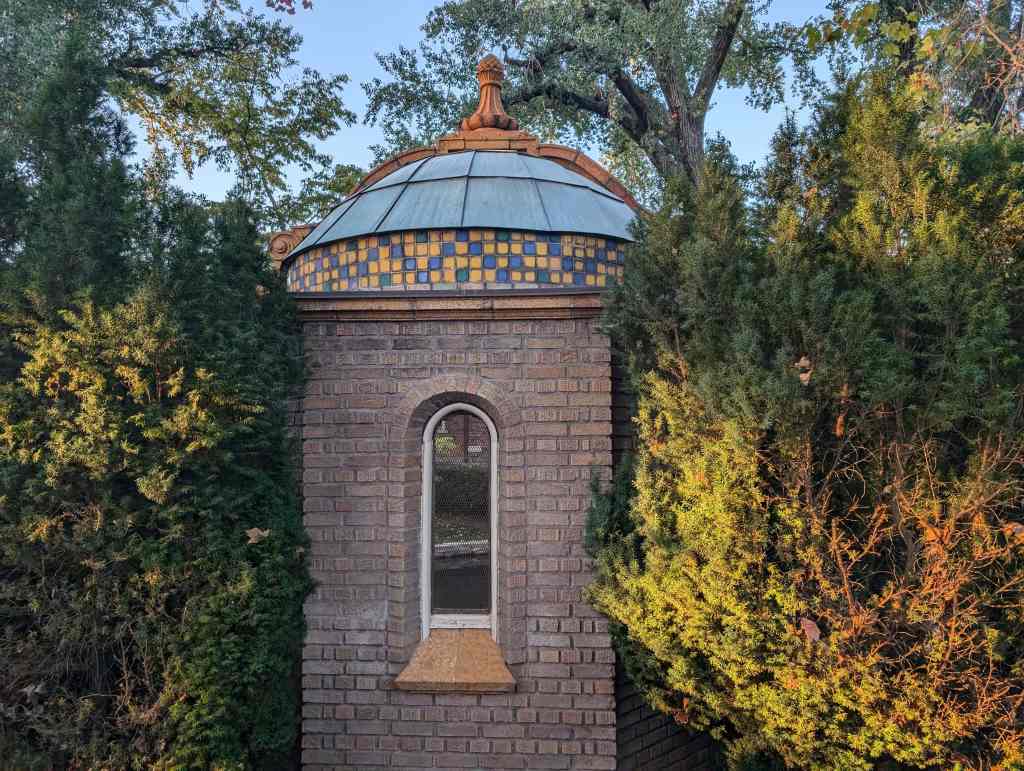
The chapel stands on a foundation constructed for the Howard mansion. The oak grove, the giant trees, the stream and pond, walks, walls, and gardens provide a place of worship with historical ties to pioneer days.

President Gordon B. Hinckley 15th president of the Church of Jesus Christ of Latter-Day Saints rededicated the Garden Park Ward building and grounds on January 20, 2008. This was President Hinckley’s last public appearance prior to his passing on January 27, 2008.

1150 East Yale Avenue in the Gilmer Park Historic District in Salt Lake City, Utah

Related Posts:

  • Historic Churches in Salt Lake
2017-07-07 15.31.55
2017-07-07 15.31.43
2017-07-07 15.31.37
2017-07-07 15.31.57
2017-07-07 15.32.02
2017-07-07 15.32.07
2017-07-07 15.32.19
2017-07-07 15.32.24
(county records)

Photos from Harvard Avenue:

Westside Market

16 Wednesday Aug 2017

Posted by Jacob Barlow in Uncategorized

≈ 2 Comments

Tags

Historic Buildings, Neon Signs, Springville, utah, utah county, Vintage Signs

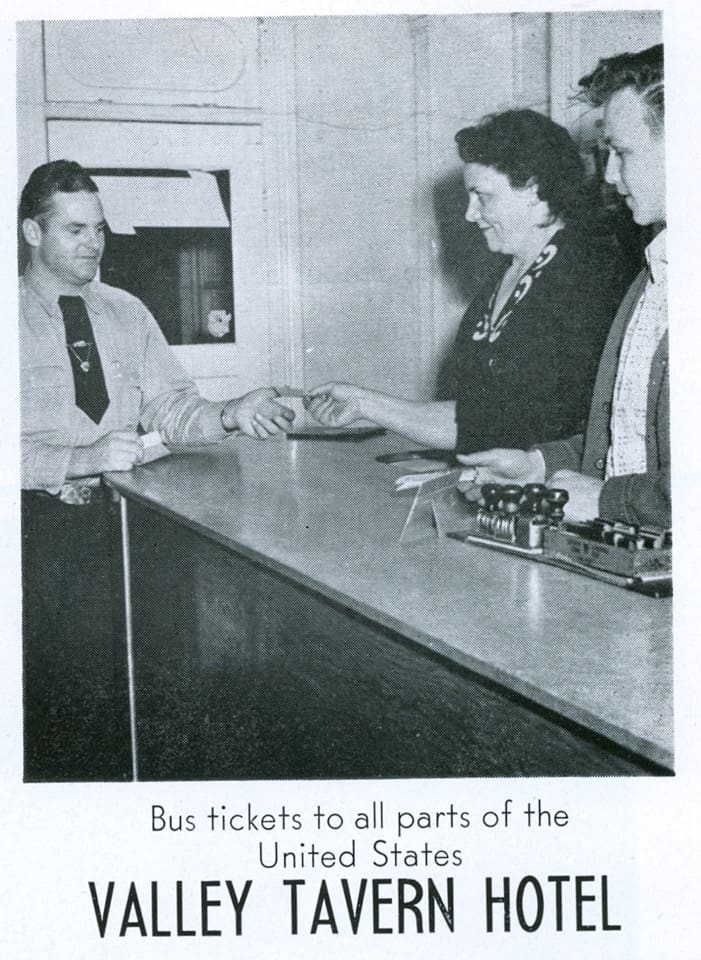
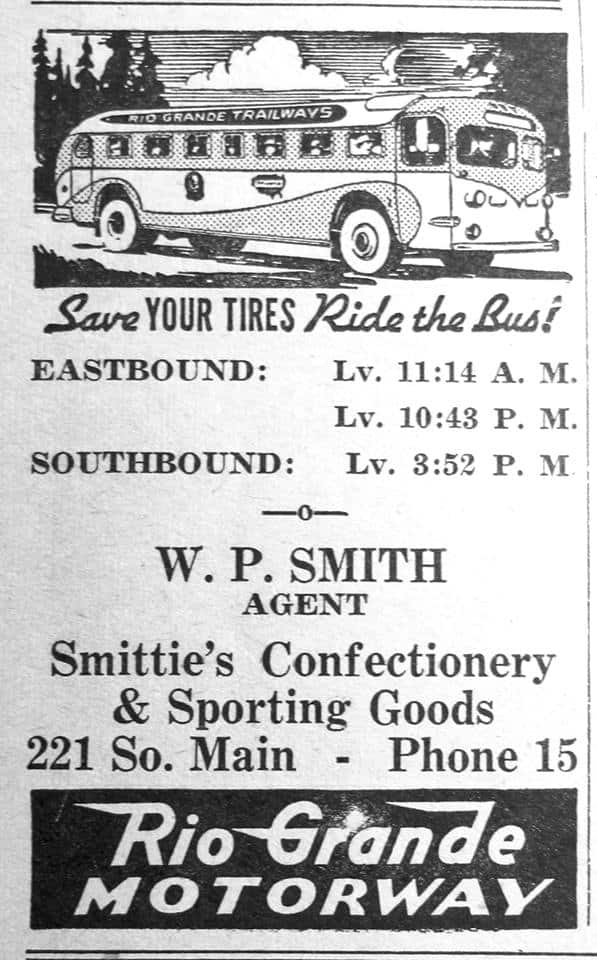
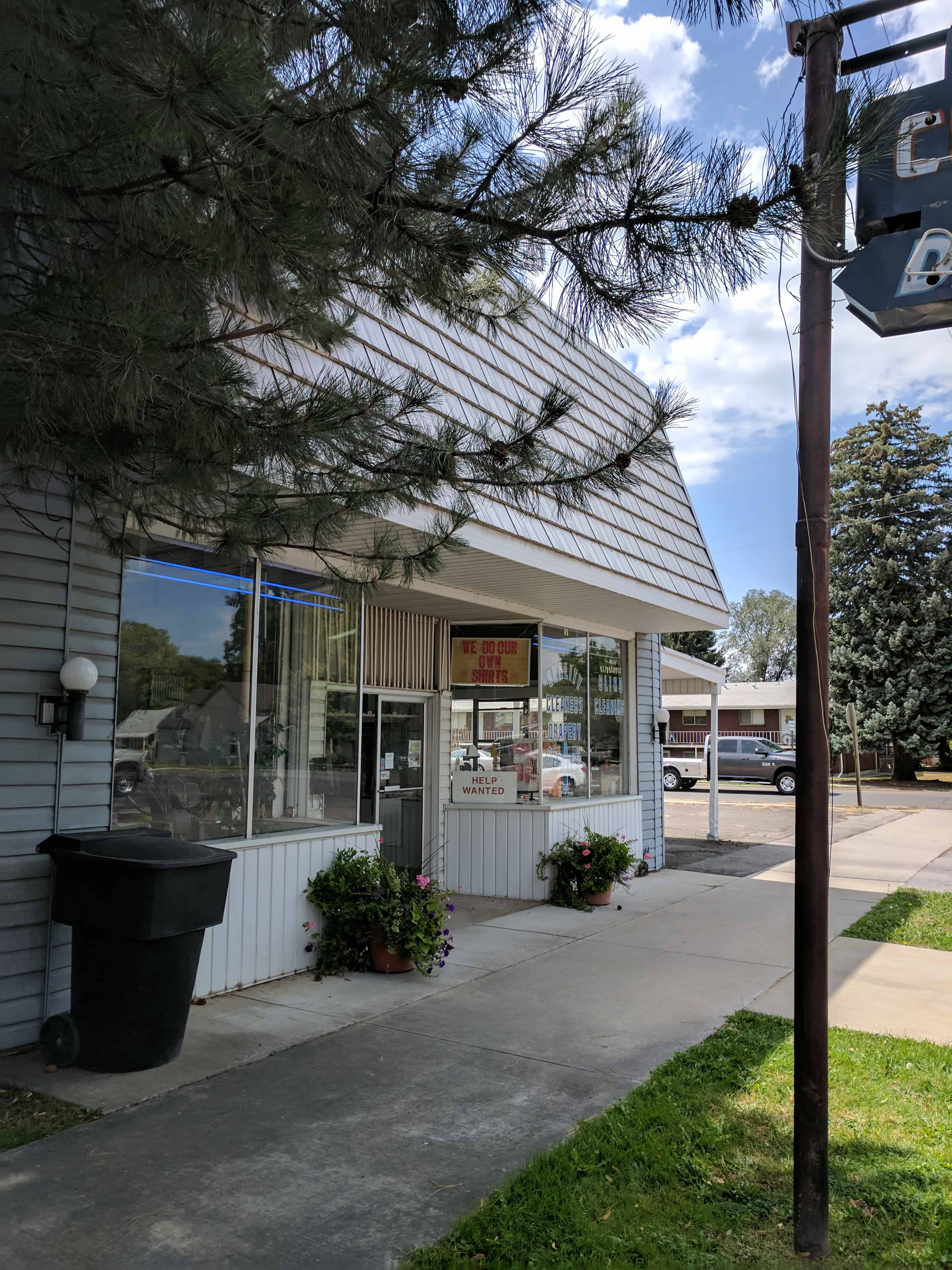
A small “Mom and Pop” shop that was located in Springville was Westside Market.  It was also the bus station for travelers.  It is now Quality Cleaners at the corner of 100 W 200 S.

Here are some old photos and then some current.

16864924_727712290737396_6692003395918096985_n
16832330_10210564894132131_2163082030650056922_n
16864055_10210565107417463_1542795478573618266_n
2017-08-15 13.42.48
2017-08-15 13.43.09
2017-08-15 13.43.01

Maeser School

10 Thursday Aug 2017

Posted by Jacob Barlow in Uncategorized

≈ 3 Comments

Tags

historic, Historic Buildings, Historic Markers, Provo, Schools, utah, utah county

2017-07-20 18.55.30

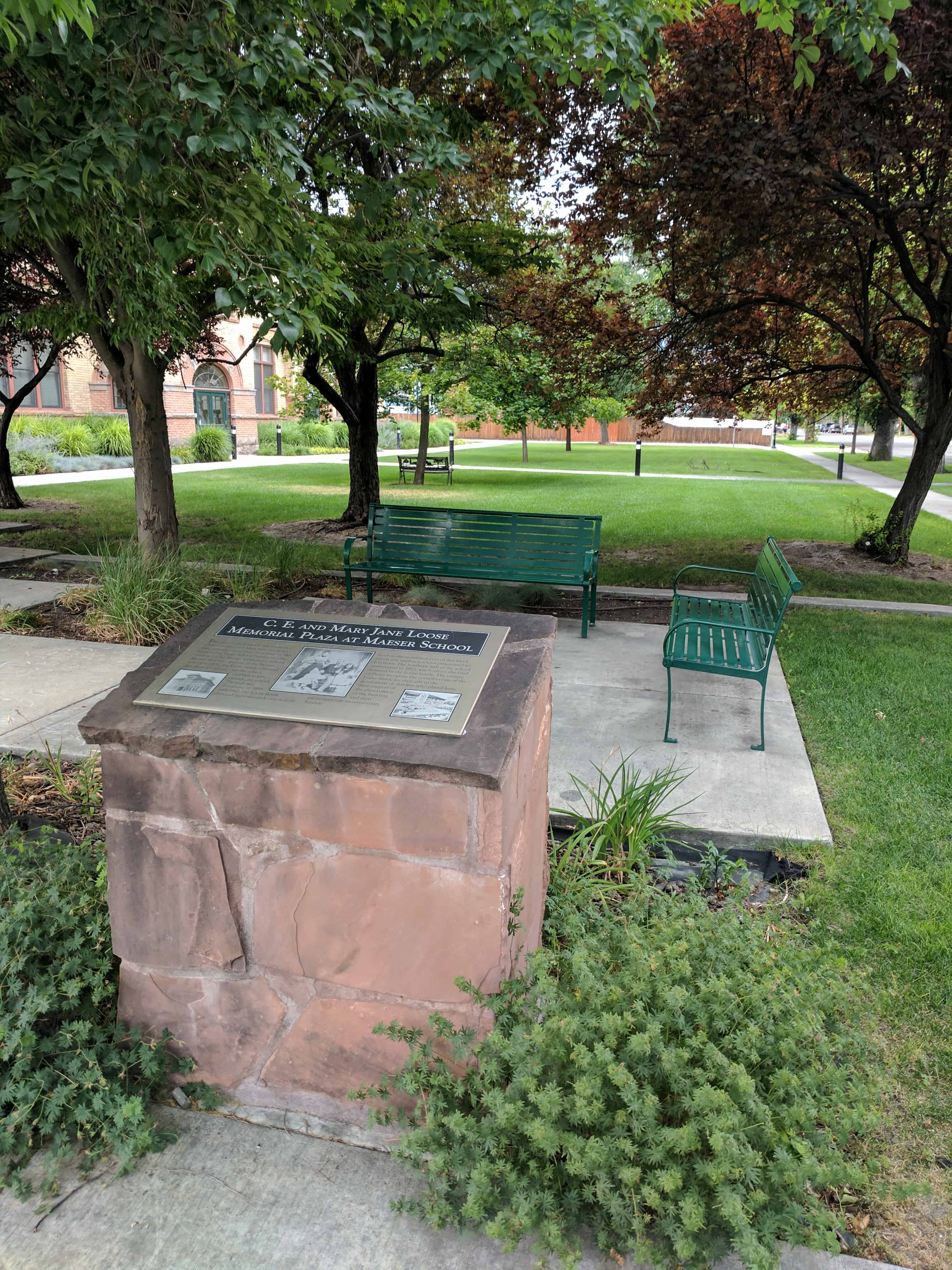
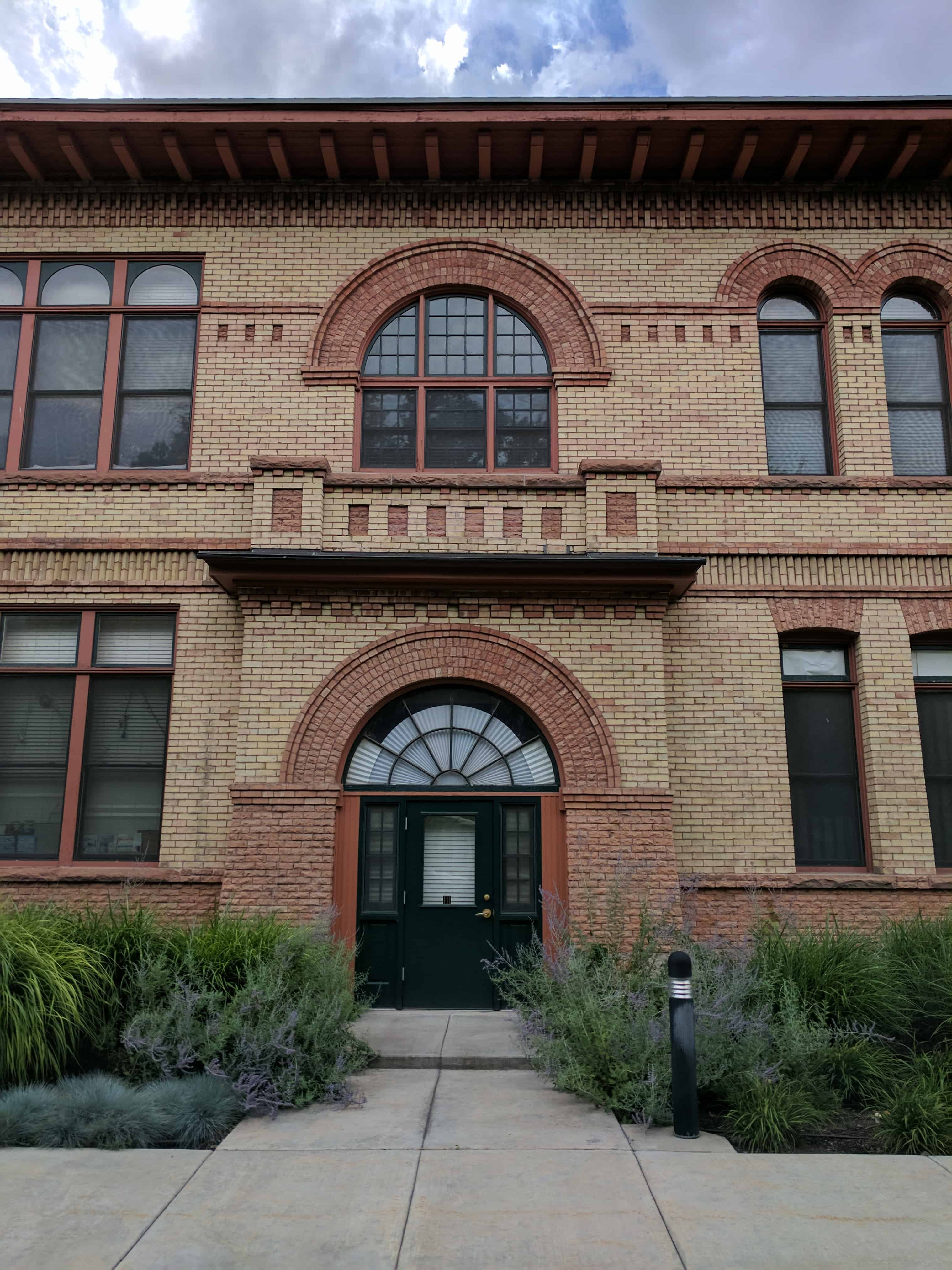
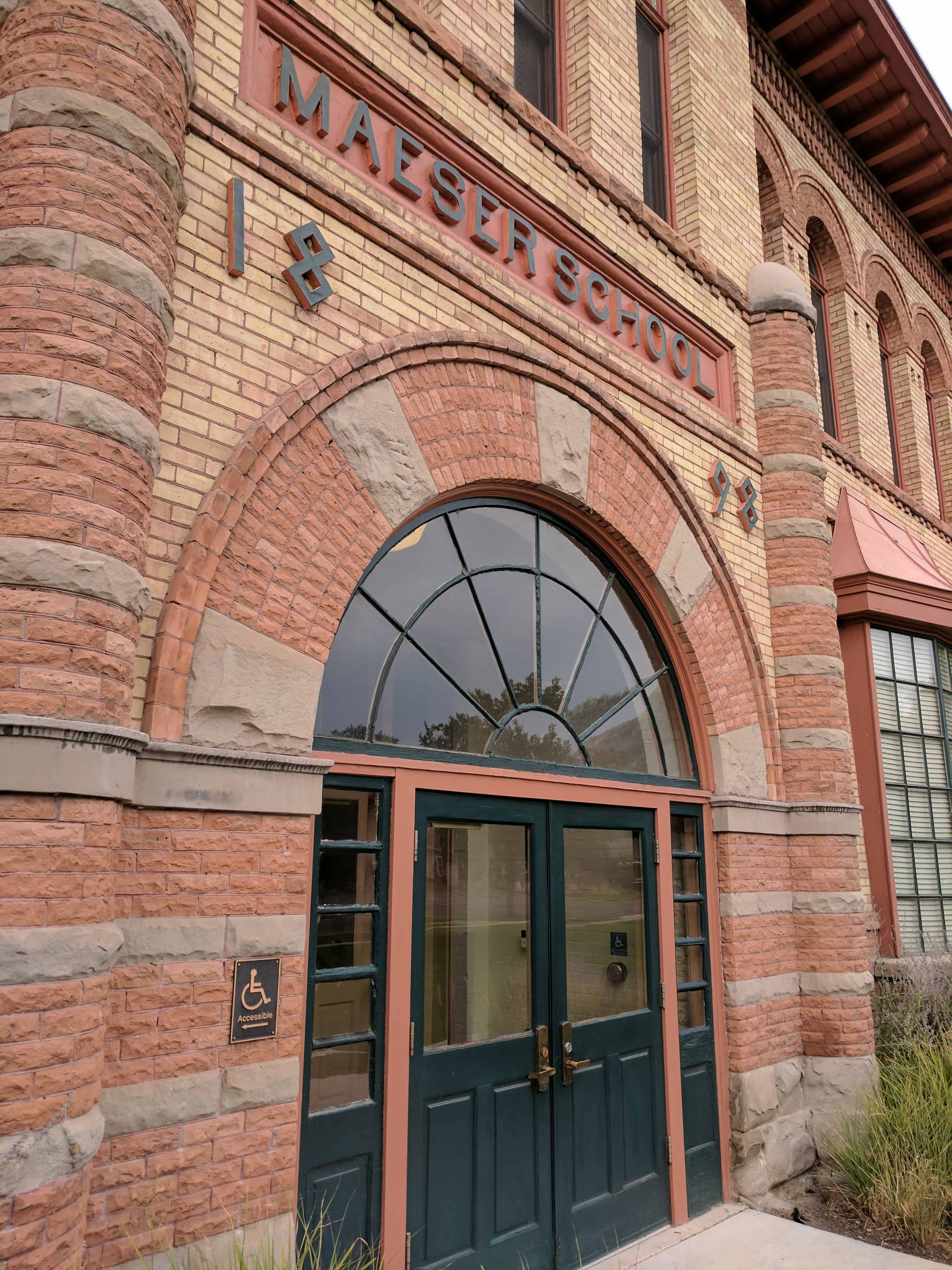
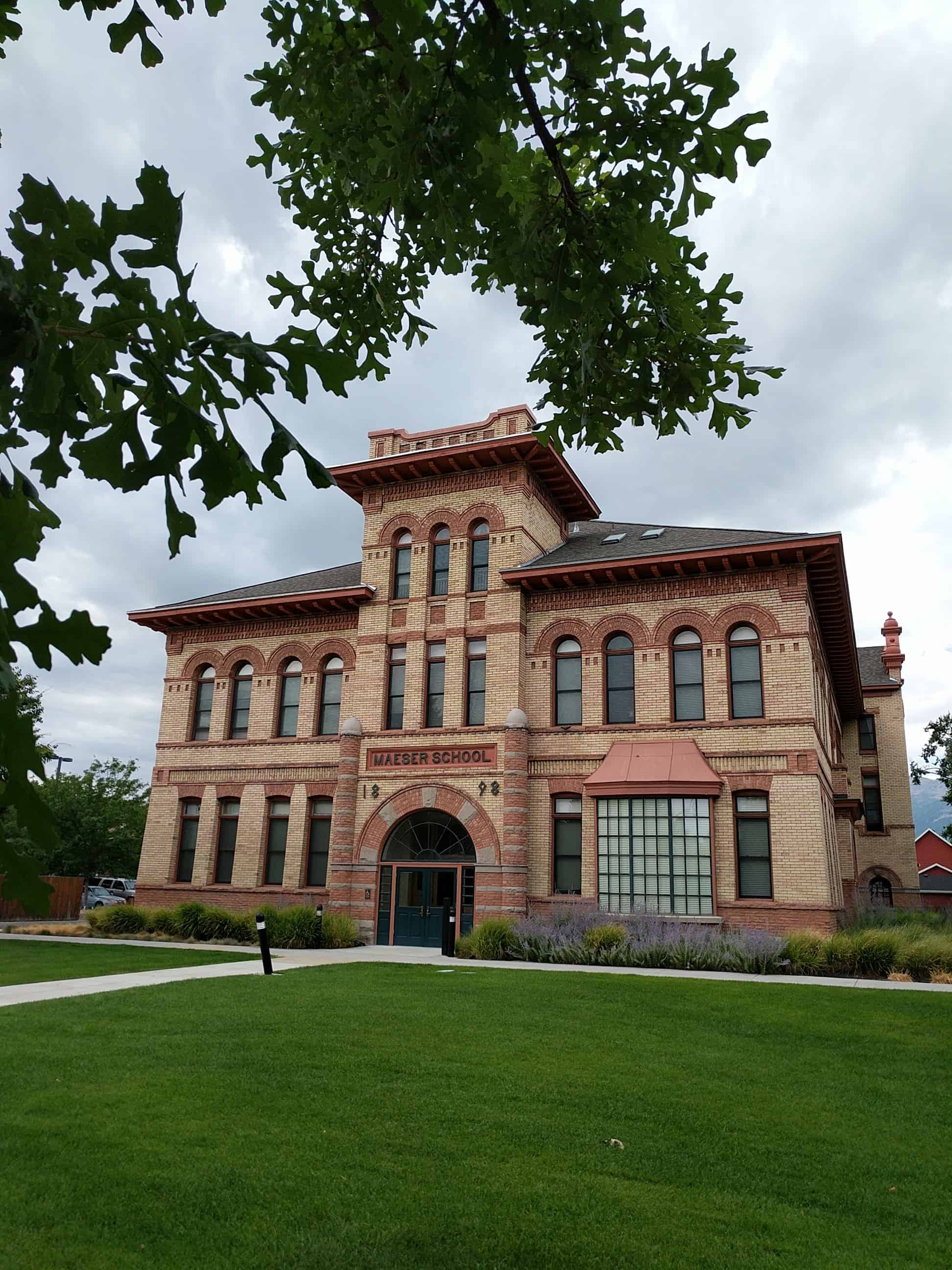
Maeser Elementary was an elementary school in Provo, Utah. It was named after Karl G. Maeser. Built in 1898, it is the oldest school building in Provo, Utah. The school was designed by architect Richard C. Watkins, who also designed the Provo Third Ward Chapel and Amusement Hall, The Knight Block Building, and the Thomas N. Taylor Mansion.  It is now an apartment building.

2017-07-20 19.03.10

2017-07-20 19.00.09

2017-07-20 18.54.48

2017-07-20 18.54.43

2017-07-20 18.54.39

2017-07-20 18.54.31

2017-07-20 19.00.09

2017-07-20 19.00.06

2017-07-20 18.59.01

2017-07-20 18.58.57

2017-07-20 18.57.50

2017-07-20 18.57.21

2017-07-20 18.55.56

2017-07-20 18.55.09

El Portal Theatre

17 Monday Jul 2017

Posted by Jacob Barlow in Uncategorized

≈ 1 Comment

Tags

Clark County, Historic Buildings, Las Vegas, Nevada, Theaters

2017-06-06 11.30.51

El Portal Theatre

“The Gateway”

Built: 1927-28

Architect: Charles Alexander MacNelledge

Opened: June 21, 1928

Located on Fremont Street, this building was Las Vegas‘ cultural center for many years.  Its 700seat auditorium and elegant Spanish motif lobby were used for films, plays, music recitals, vaudeville shows, high school graduations and other social events.

This was also the first Air-conditioned building in Las Vegas.

310 Fremont Street in Las Vegas, Nevada

2017-06-06 11.31.01

Here are a few old photos I found online:

8323dec62a11a99dd337eff49ed5a128
El Portal Theatre, Exterior, Las Vegas, NV.

Beaver Opera House

25 Sunday Jun 2017

Posted by Jacob Barlow in Uncategorized

≈ 2 Comments

Tags

Beaver, historic, Historic Buildings, Historic Markers, Millard County, NRHP, utah

  • 2017-05-13 19.36.58

The Beaver Opera House, built between 1908 and 1909, helped mark the beginning of the local citizens’ desire to build a “New Beaver” that would be the envy of other communities. The board of directors of the opera house were quoted as saying “…nothing is too good for the people of Beaver…” It was designed and built by the architectural firm of Liljenberg and Maeser, and is an impressive example of a Classical Renewal Style building constructed of tuff, the pink stone used in many Beaver residences. The opera house served as a center for community and church affairs for over two decades, and attracted many famous performers. For many years the building was used by the National Guard and today is the home of the Opera House Civic Center.

Related Posts:

  • Utah Social Halls, Opera Houses, and Amusement Halls

Located at 81 East Center Street in Beaver, Utah

  • 2017-05-13 19.36.54
  • 2017-05-13 19.40.05
The Leeds Tithing Office

22 Thursday Jun 2017

Posted by Jacob Barlow in Uncategorized

≈ 1 Comment

Tags

historic, Historic Buildings, Historic Markers, LDS Church, Leeds, utah, Washington County

2017-05-13 17.47.35
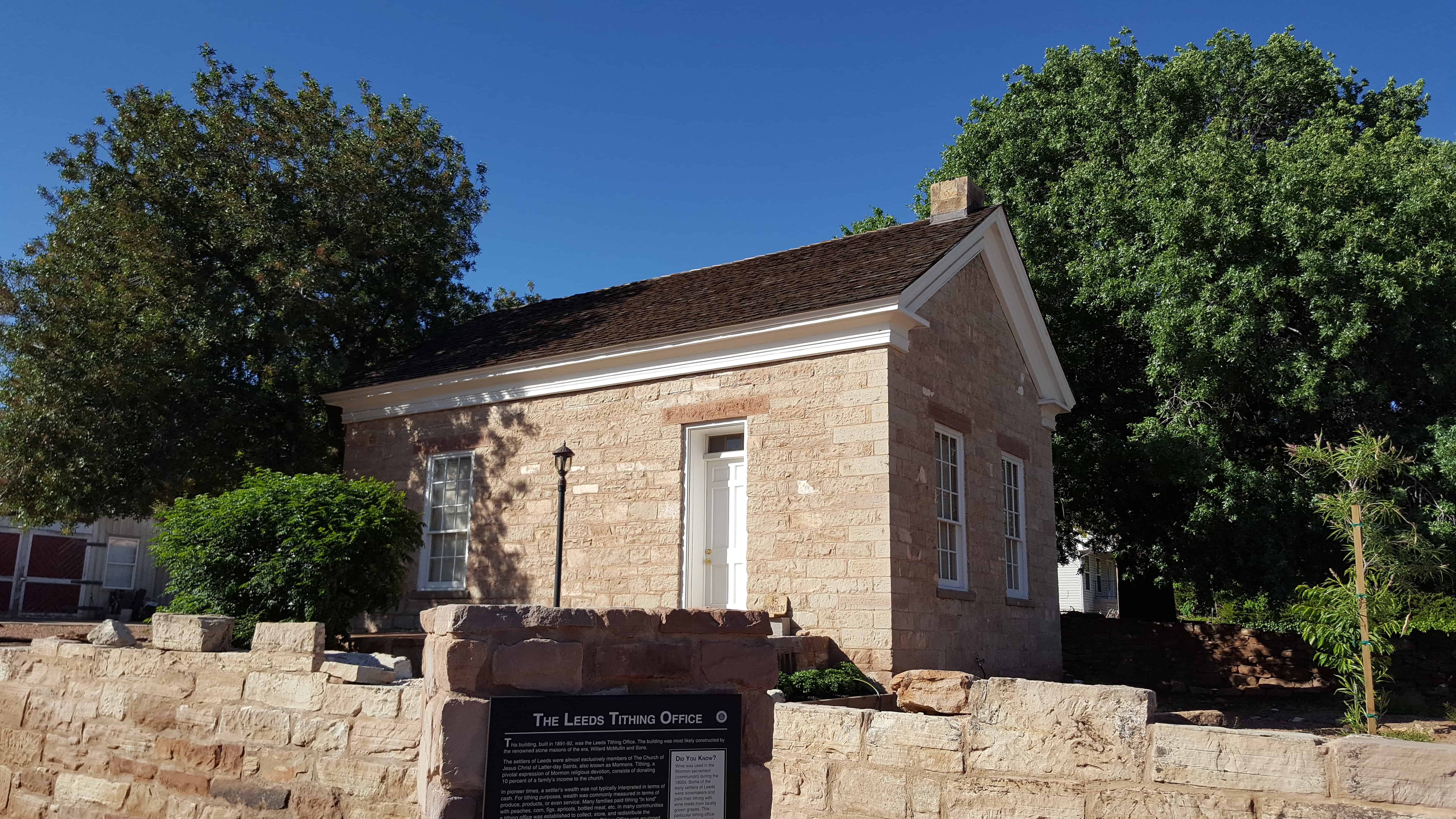
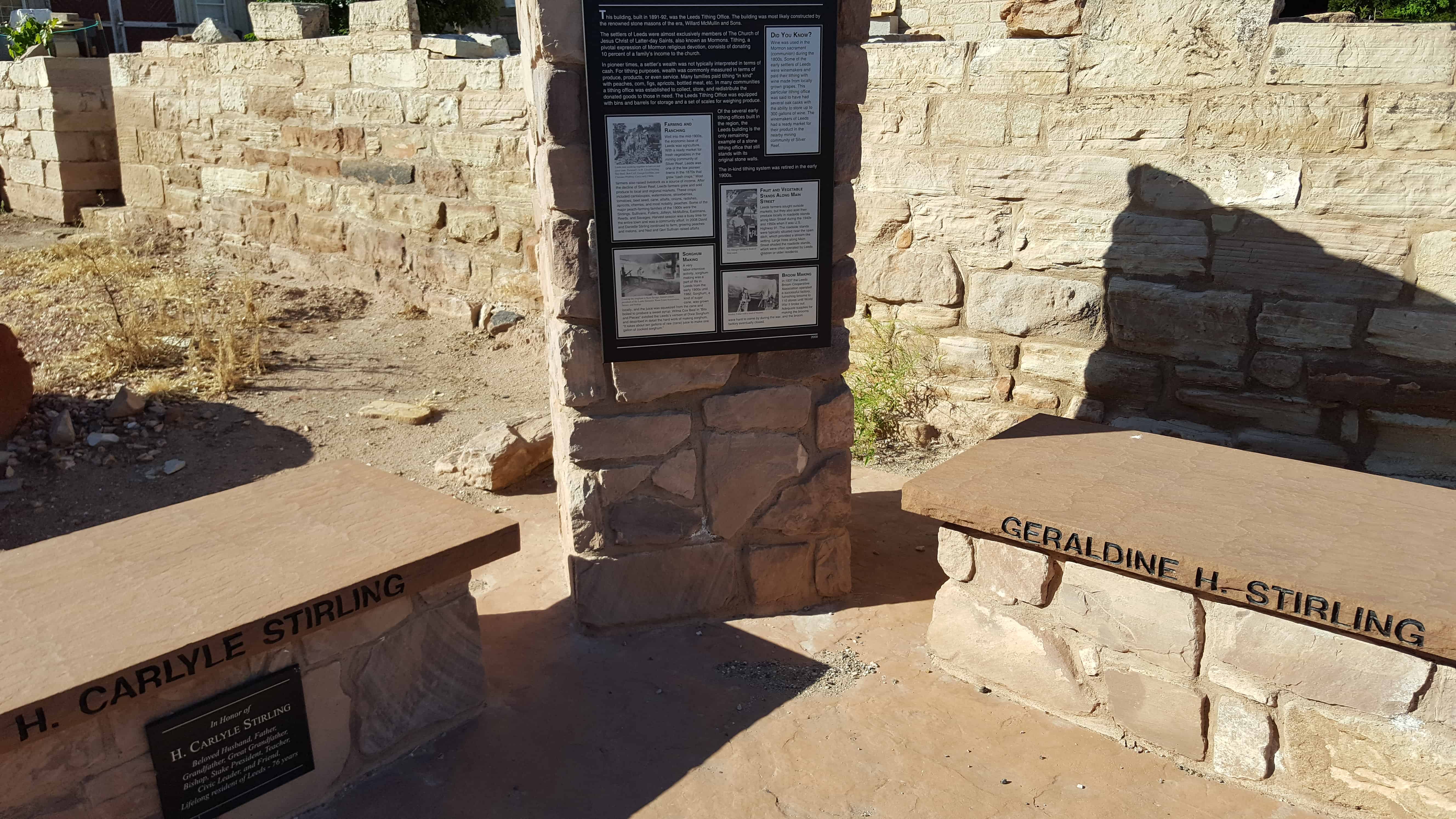
This building, built in 1891-92, was the Leeds Tithing Office. The building was most likely constructed by the renowned stone masons of the era, Willard McMullin and Sons.

The settlers of Leeds were almost exclusively members of The Church of Jesus Christ of Latter-day Saints, also known as Mormons. Tithing, a pivotal expression of Mormon religious devotion, consists of donating 10 percent of a family’s income to the church.

In pioneer times, a settler’s wealth was not typically interpreted in terms of cash. For tithing purposes, wealth was commonly measured in terms of produce, products, or even service. Many families paid tithing “in kind” with peaches, corn, figs, apricots, bottled meat, etc. In many communities a tithing office was established to collect, store, and redistribute the donated goods to those in need. The Leeds Tithing Office was equipped
with bins and barrels for storage and a set of scales for weighing produce.

Of the several early tithing offices built in the region, the Leeds building is the only remaining example of a stone tithing office that still stands with its original stone walls.

The in-kind tithing system was retired in the early 1900s.

2017-05-13 17.47.46

2017-05-13 17.47.43

2017-05-13 17.48.13

2017-05-13 17.47.51

Pioneering Utah

11 Thursday May 2017

Posted by Jacob Barlow in Uncategorized

≈ 1 Comment

Tags

Clear Creek Canyon, Fremont Indian State Park, historic, Historic Buildings, Historic Homes, Historic Markers, Sevier, Sevier County

2017-03-26 15.58.39

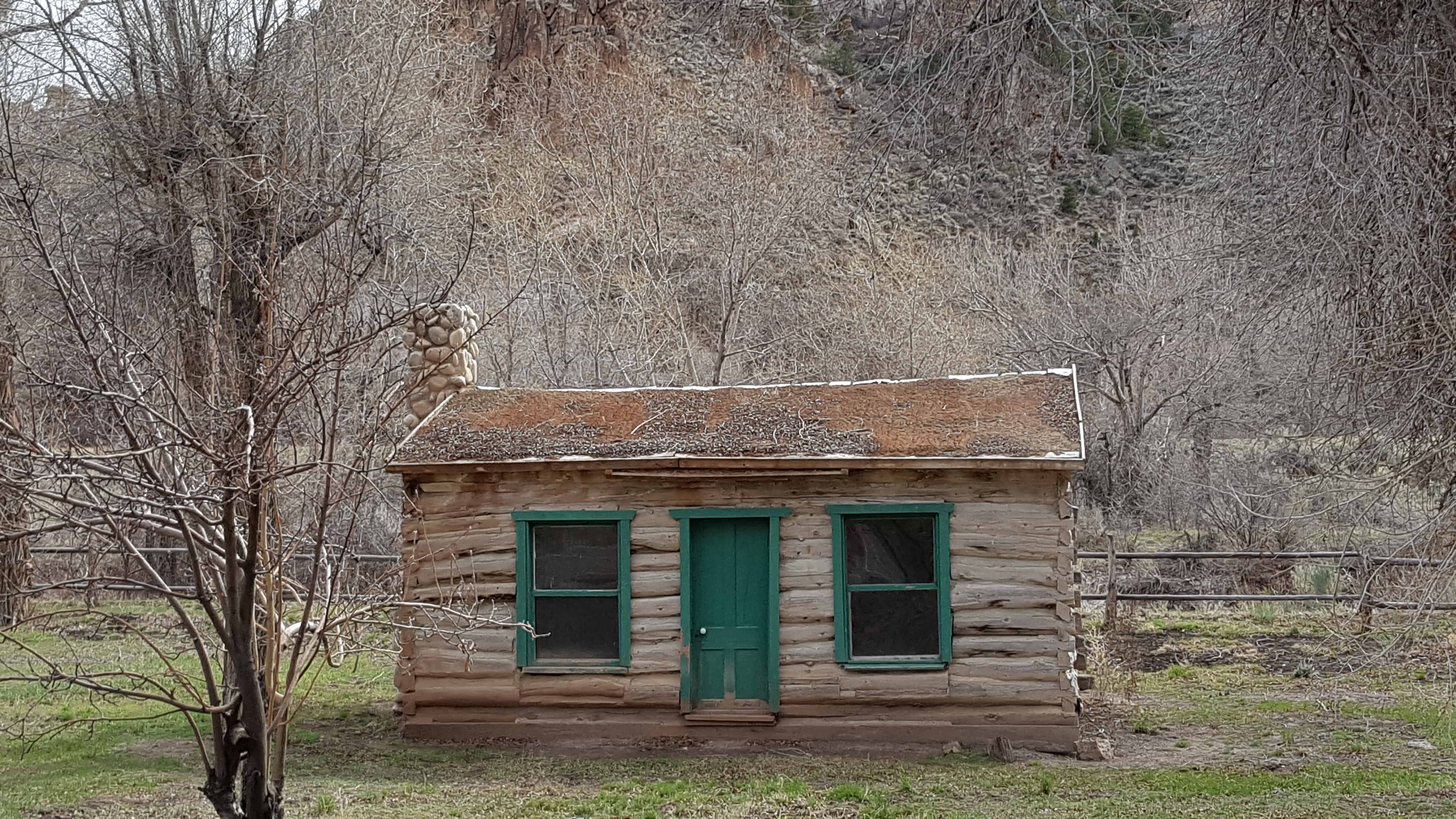
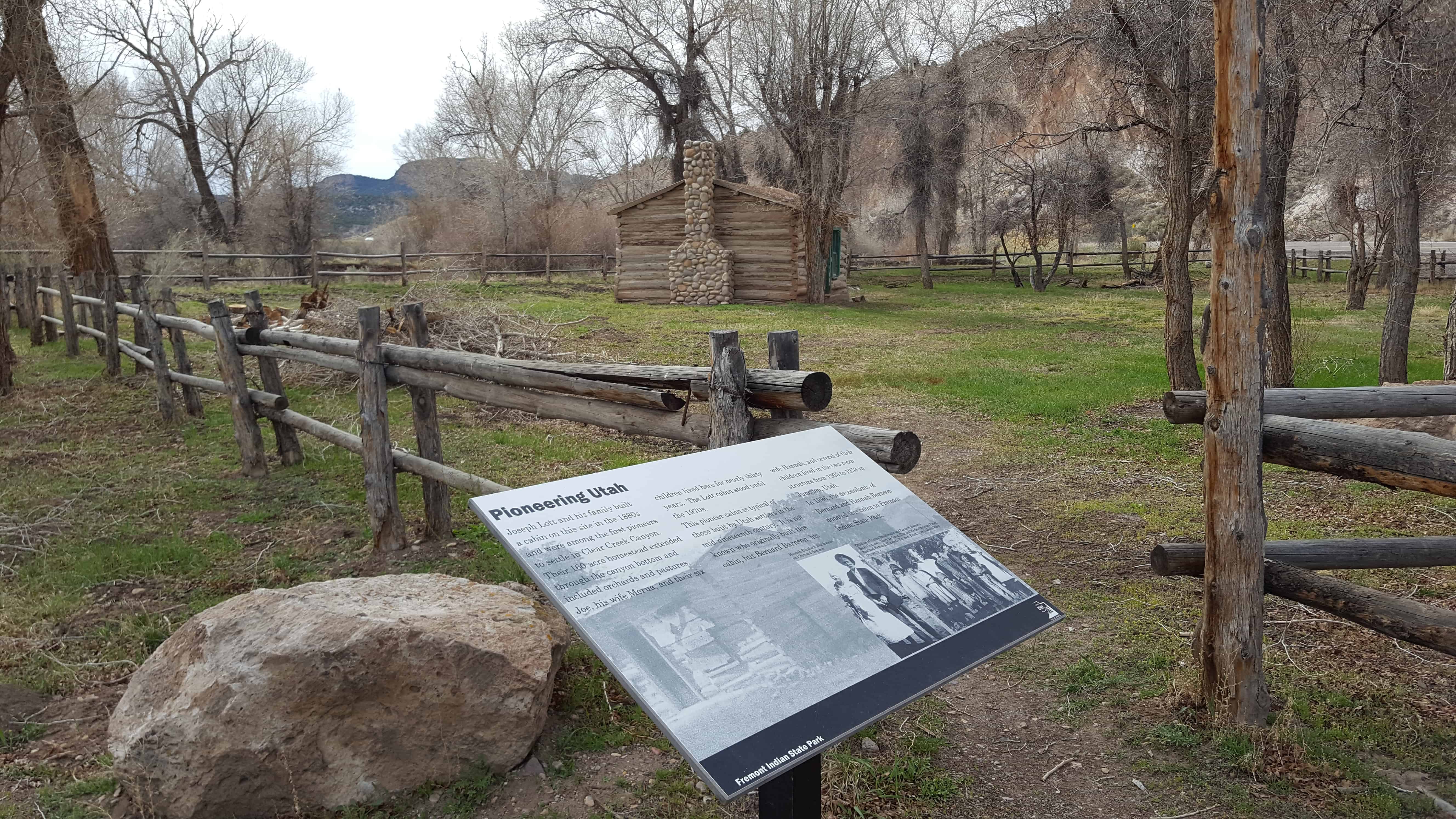
Joseph Lott and his family built a cabin on this site in the 1880s and were among the first pioneers to settle in Clear Creek Canyon.

Their 160 acre homestead extended through the canyon bottom and included orchards and pastures.

Joe, his wife Merua, and their six children loved here for nearly thirty hears.  The Lott cabin stood until the 1970s.

This pioneer cabin is typical of those built by Utah settlers in the mid-nineteenth century.  It is not known who originally built this cabin, but Bernard Barnson, his wife Hannah, and several of their children lived in the two-room structure from 1903 to 195 in Junction, Utah.   In 1996, the descendants of Bernard and Hannah Barnson donated this cabin to Fremont Indian State Park.

2017-03-26 16.00.22

2017-03-26 16.00.18
2017-03-26 15.58.59

← Older posts
Newer posts →

Follow Jacob

Follow Jacob

Come wander with me on Youtube.

Blog Stats

  • 2,102,994 hits

Social and Other Links

BarlowLinks.com

Recent Posts

  • Scout Monument
  • Provo High School Seminary Building
  • 821 E 100 S
  • 820 E 100 S
  • 817-819 E 100 S

Archives

Loading Comments...