• About JacobBarlow.com
  • Cemeteries in Utah
  • D.U.P. Markers
  • Doors
  • Exploring Utah Email List
  • Geocaching
  • Historic Marker Map
  • Links
  • Movie/TV Show Filming Locations
  • Oldest in Utah
  • Other Travels
  • Photos Then and Now
  • S.U.P. Markers
  • U.P.T.L.A. Markers
  • Utah Cities and Places.
  • Utah Homes for Sale
  • Utah Treasure Hunt

JacobBarlow.com

~ Exploring with Jacob Barlow

JacobBarlow.com

Tag Archives: Payson

Payson Presbyterian Church

04 Thursday Sep 2014

Posted by Jacob Barlow in Uncategorized

≈ 3 Comments

Tags

Churches, historic, Historic Churches, NRHP, Payson, utah, utah county

2014-08-15 17.27.09
2014-08-15 17.27.12

2014-08-15 17.27.21
2014-08-15 17.27.40
2014-08-15 17.27.44

The Payson Presbyterian Church at 160 S. Main in Payson, Utah was built in 1882. It has also been known as Payson Bible Church. It was listed on the National Register of Historic Places (NRHP) in 1986; the listing included two contributing buildings.

According to its NRHP nomination, it is “one of a number of Protestant churches constructed in Utah during the 1870s-90s, the period of most concentrated and active missionary work by Protestants among the Mormons.”

It is also a contributing building in the Payson Historic District, which was listed on the National Register in 2007.

Here is the NRHP listing text:
The Payson Presbyterian Church, constructed in 1882, is a one-story Gothic Revival brick building with a rectangular plan and a steeply pitched gable roof with a bell tower. Despite a few minor alterations, the building retains its historical integrity.

Evidence of the building’s Gothic Revival style is found in the use of pointed arches over the windows and door and in the decorative bargeboards on the gable end of the façade. Also located on the front gable are a circular window and a decorative corbeled brick belt course which arches over the window and door openings. All elevations of the building are symmetrically composed, with four evenly spaced windows on each side and a central doorway flanked by two windows on the façade. The bell tower, located at the peak of the front gable, is an original feature. The building rests on a stone foundation.

Alterations made to the church over the years are minor and do not significantly affect the building’s integrity. The most noticeable change is the small one-story frame addition on the rear which was built sometime after 1930. The front doorway has been altered slightly by the replacement of the original door with the existing modern one (n.d.) and by the removal of what was probably a window or transom above that door; the opening itself has not been altered, however. The only alteration of note on the interior is the
addition of a small, enclosed entrance vestibule.

There is one other building located on the property, a one-story brick “education building” situated just south of the church building. Since it was built in the 1970s it does not contribute to the significance of this property.

Built in 1882, the Payson Presbyterian Church is historically significant as one of approximately ten remaining Presbyterian churches built in Utah as part of the church’s missionary program among the Mormons during the late nineteenth century. The Payson Presbyterian Church, which was the first Protestant church built in Payson, served for over 25 years as both a school and church, making it one of the longest-lived of the approximately 20 church/schools operated by the Presbyterians. The Presbyterian Church was one of several Protestant denominations which operated day schools as an important part of their missionary work among the Mormons in Utah. Though those facilities were not successful at winning converts, they were effective in providing some of the highest quality education available in Utah prior to the
establishment of a publicly funded school system in the 1890s. The Payson Presbyterian Church is also architecturally significant as one of the best examples, if not the only example, of the Gothic Revival style in Payson.

Though an architectural survey of Payson has not yet been completed, it is known that there are relatively few examples of the Gothic Revival style in the community. The Gothic Revival style was a popular choice for small Protestant churches throughout the state, though it was not common for Mormon churches built during the same period.

Christopher F. Dixon, Jr., House

04 Thursday Sep 2014

Posted by Jacob Barlow in Uncategorized

≈ 2 Comments

Tags

historic, Historic Homes, NRHP, Payson, utah, utah county

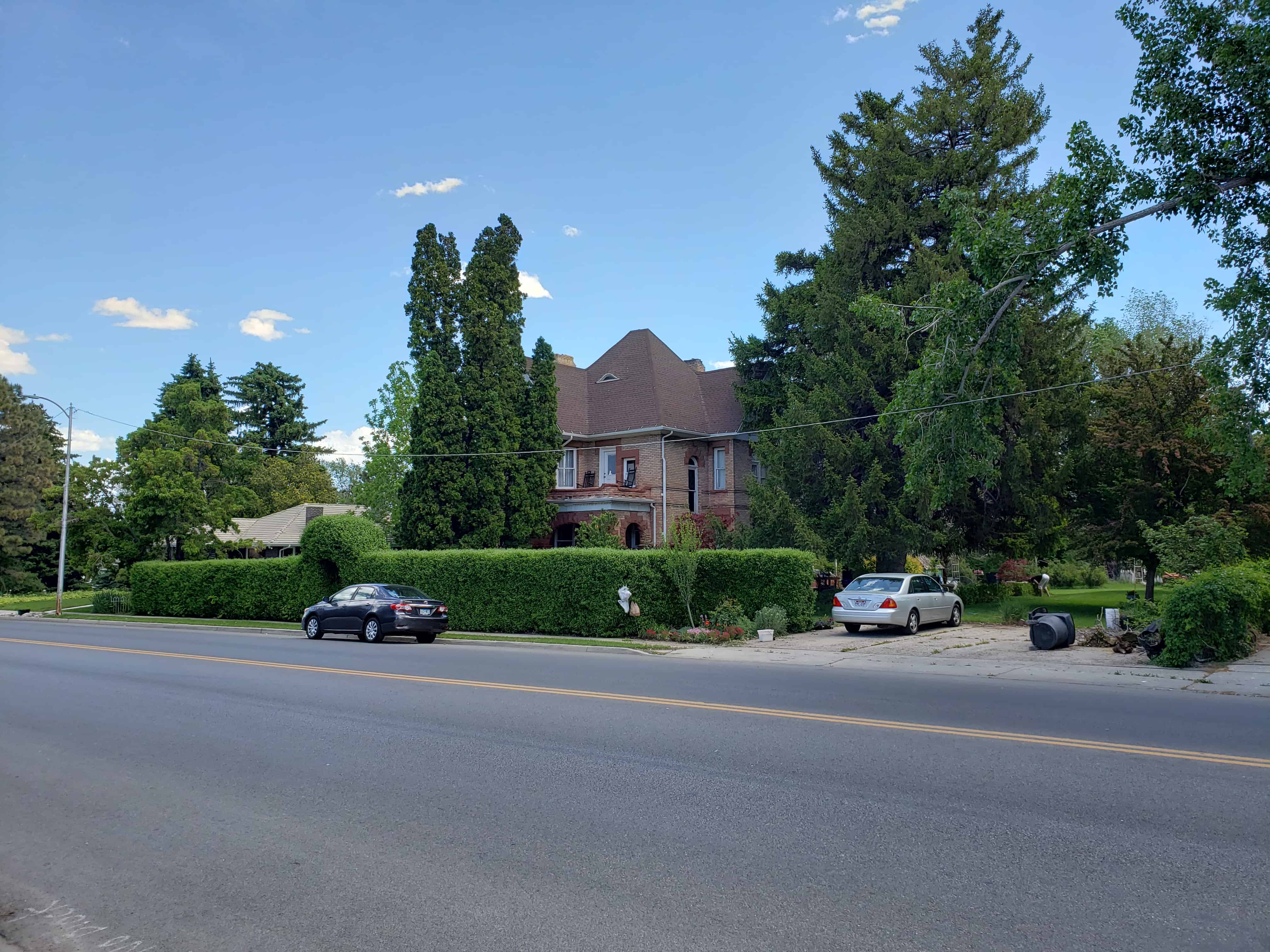
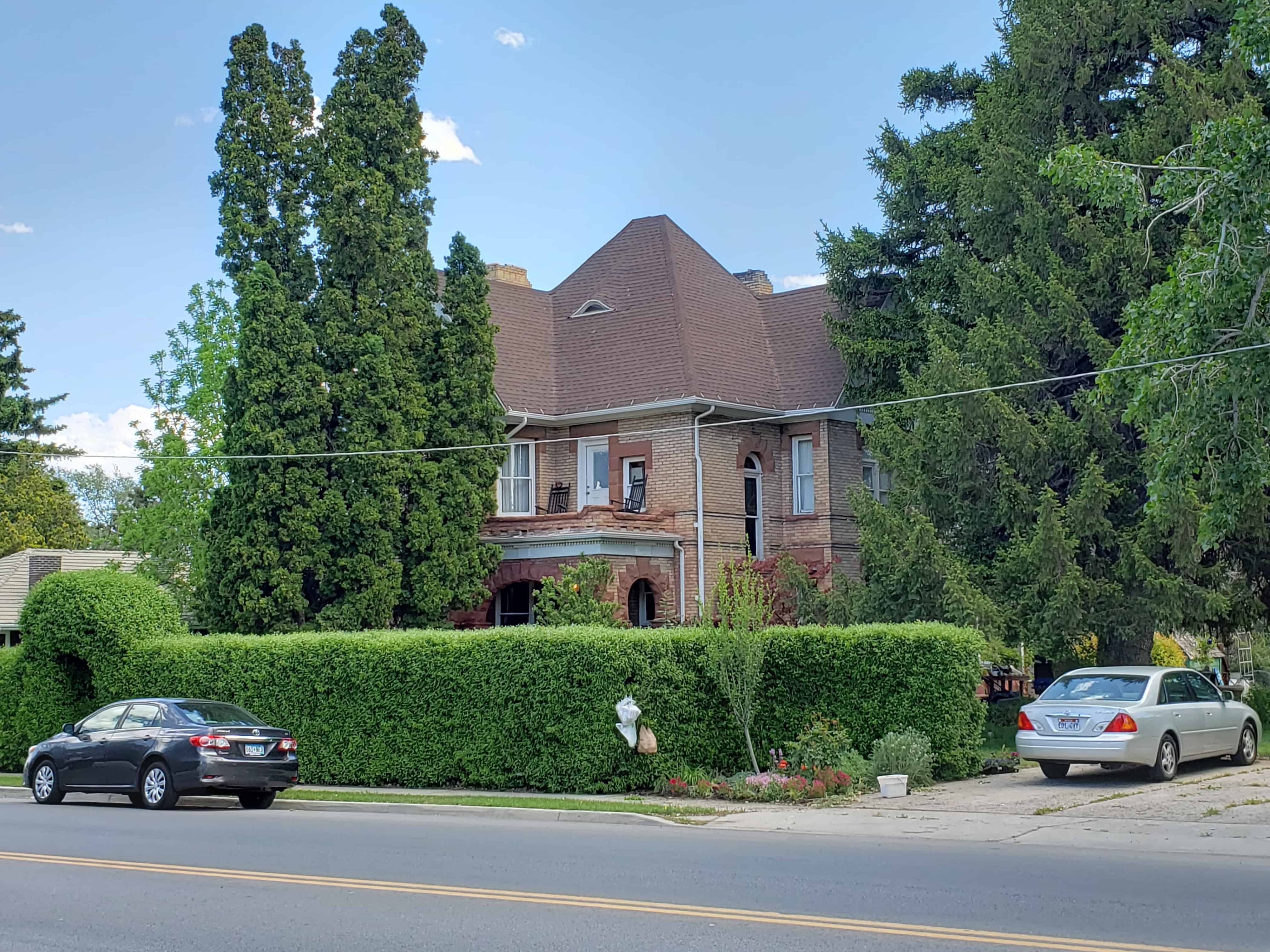
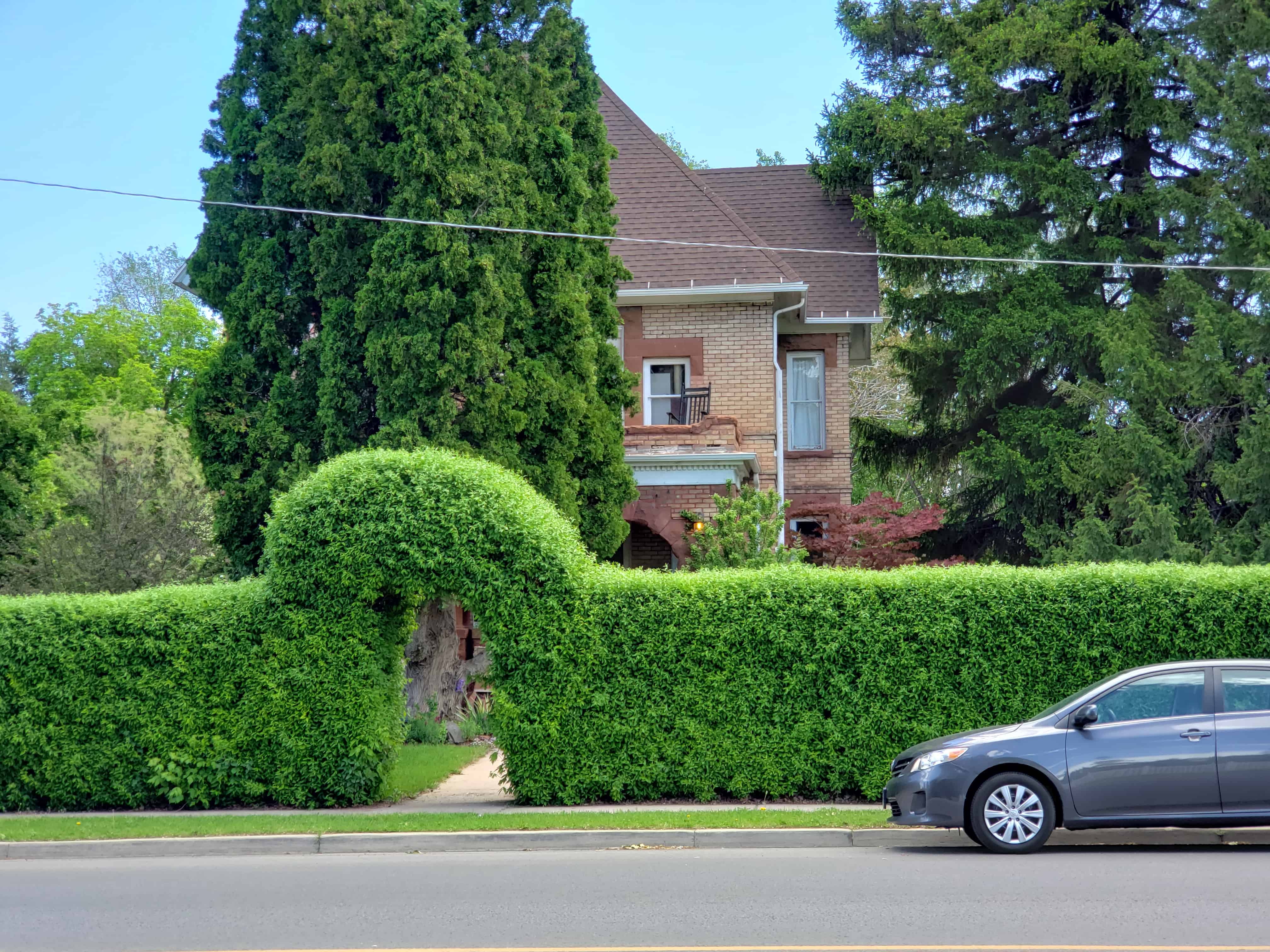
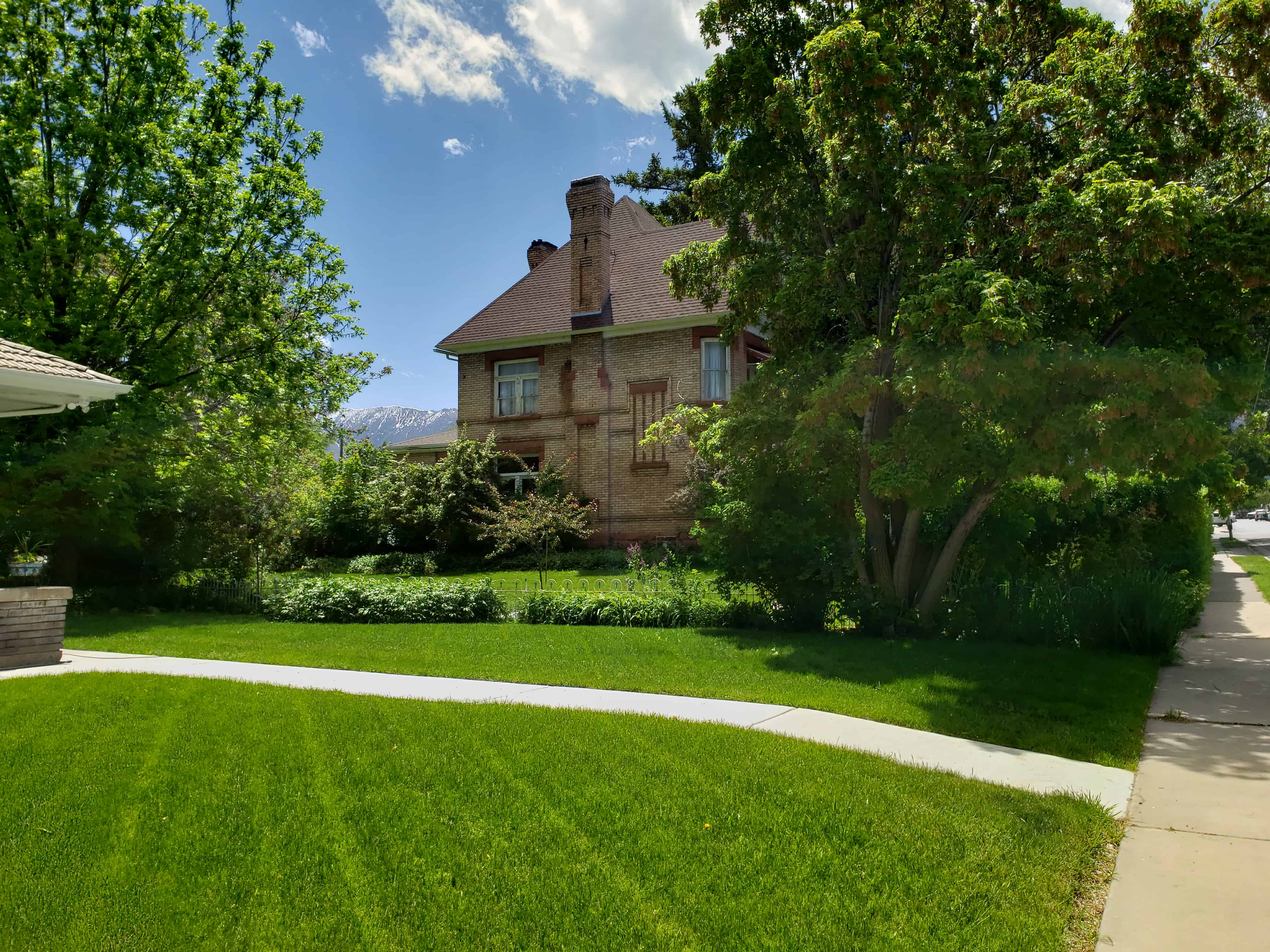
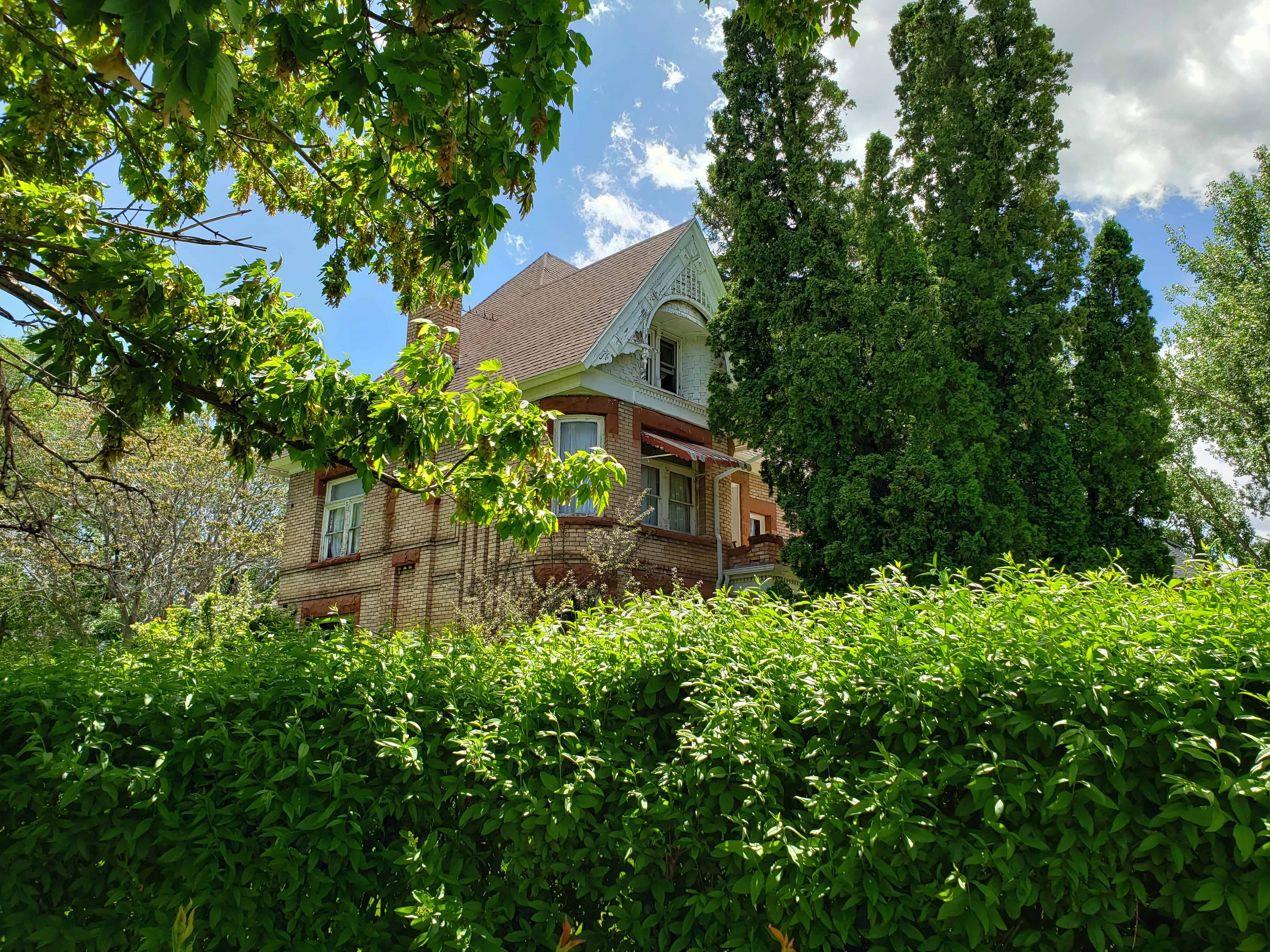
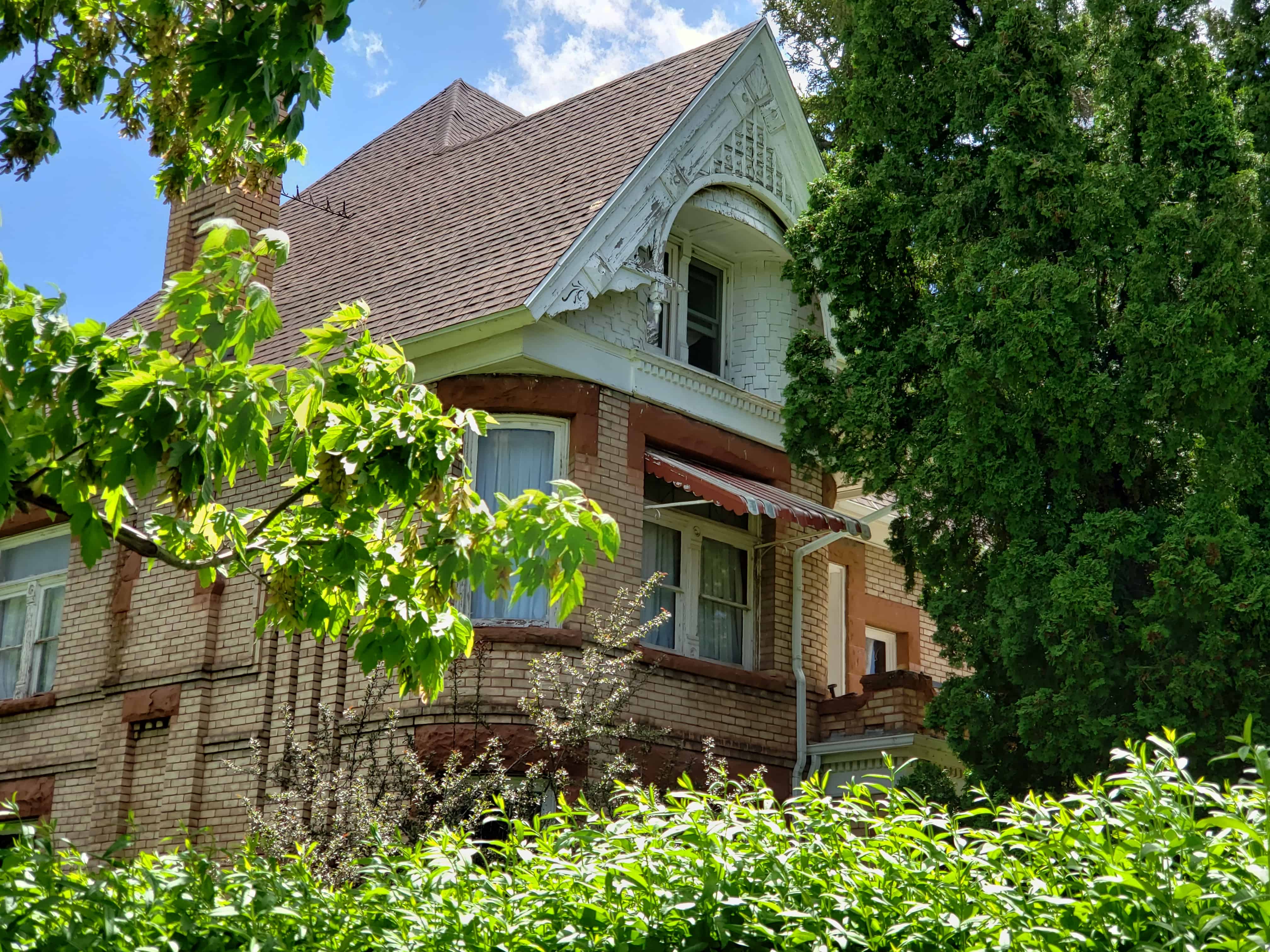
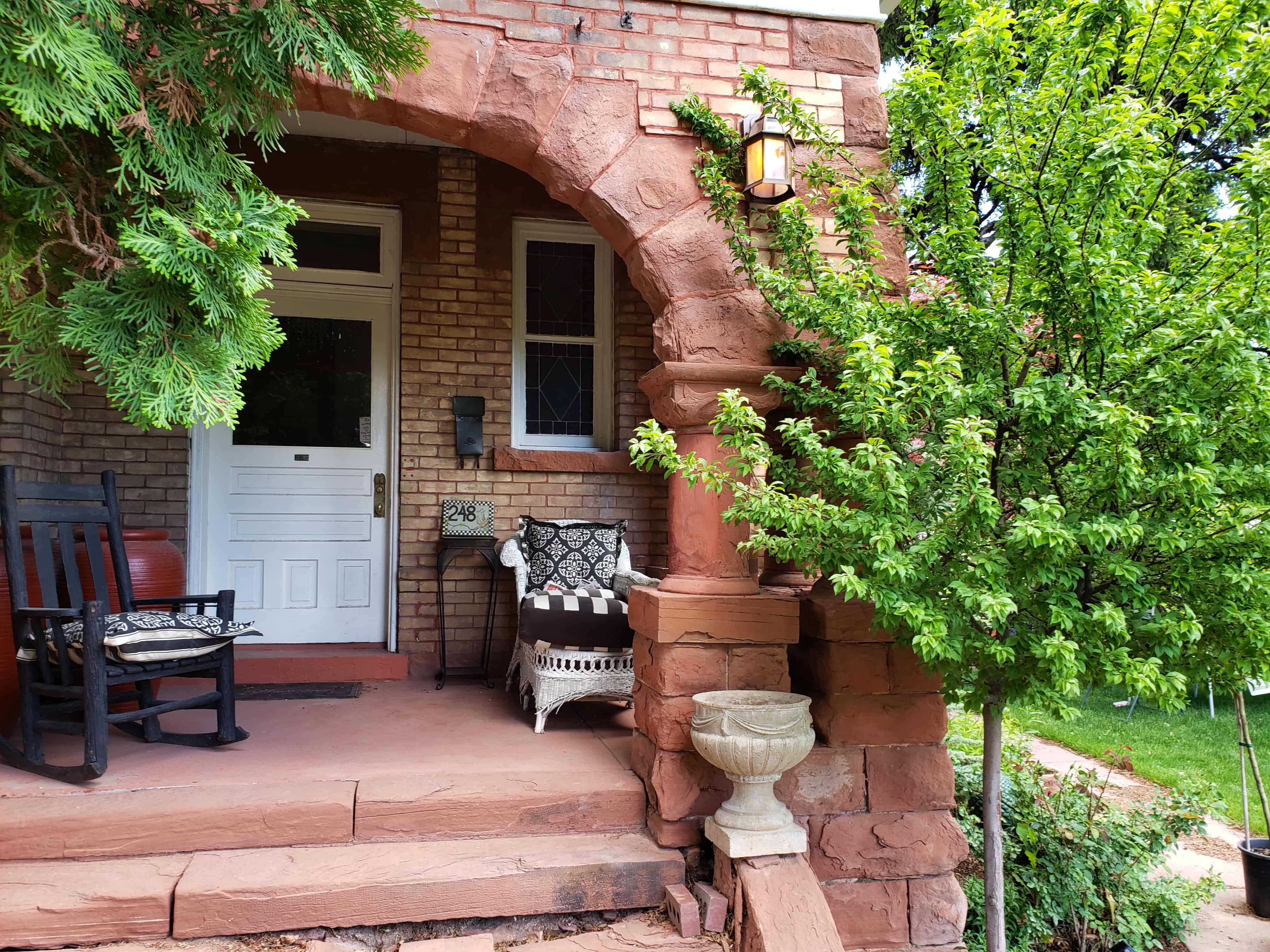
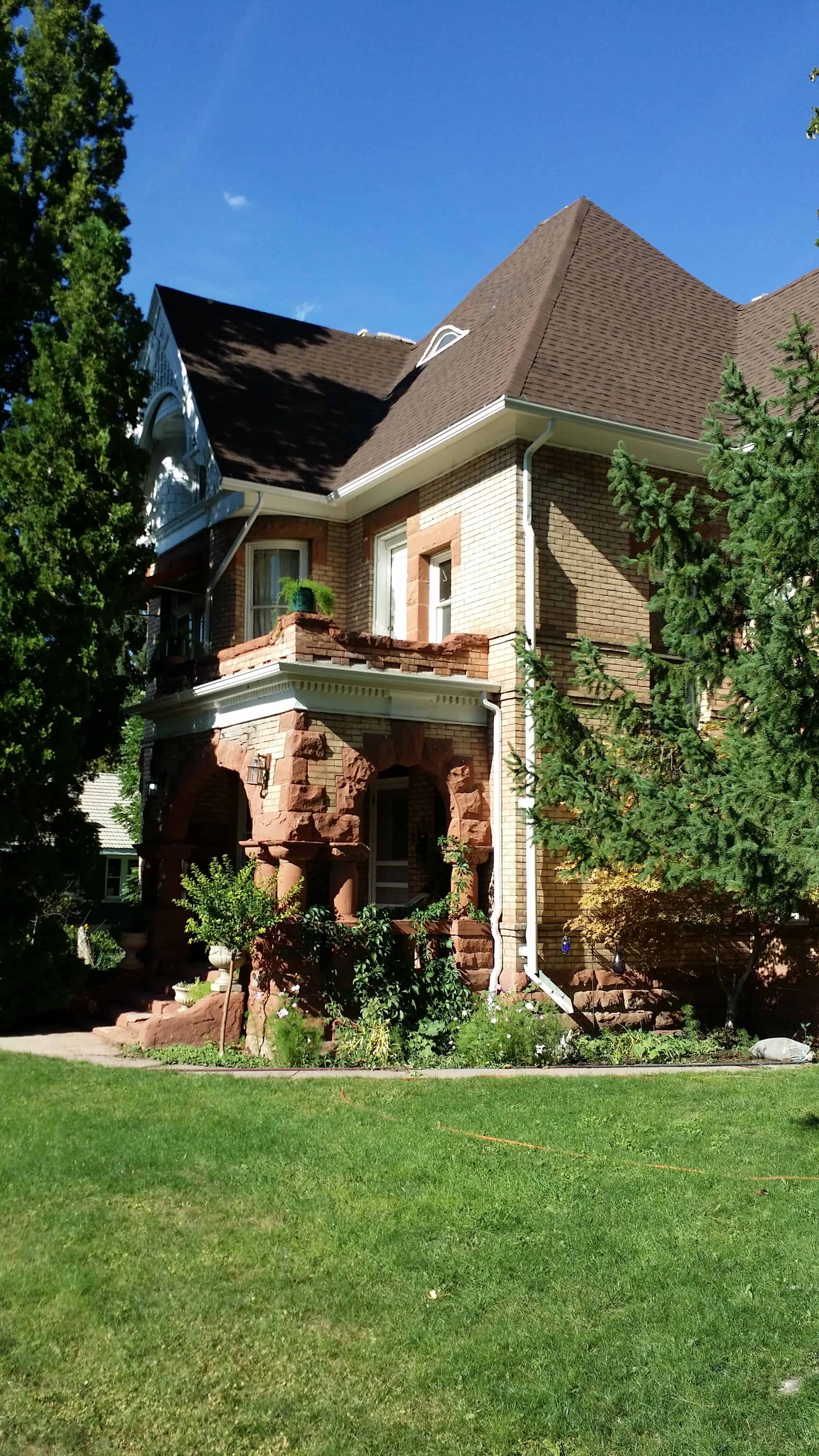
The Christopher F. Dixon, Jr., House, built in 1899 is located at at 248 North Main Street in Payson, Utah and was added to the National Register of Historic Places(#77001319) on November 7, 1977.

It was constructed as a home for Christopher Flintoff Dlxon, Jr. (b. 1861 in Ohio) whose family arrived in Payson in 1862 as pioneer Mormon settlers. He did well in cattle and wheat and eventually arranged to have this eclectic Victorian home built. It is a local landmark.

Click here for other historic homes in Payson.


Christopher Flintoff Dlxon, Jr., was the youngest son of C. F. Dixon, Sr., and Jane Elizabeth Wightman Dixon. He was born October 20, 1861, in Kirtland, Ohio, and was one year old the day the family arrived in Payson, Utah, after crossing the plains as part of the Mormon pioneer immigration. Upon arriving in Utah, the Dixon family acquired a sixty-acre farm adjoining the city of Payson on the north. Here they built an adobe home, planted a ten-acre apple orchard, and irrigated the land with water from Peteetneet Creek. C. F. Dixon, Sr., also operated a freighting business, hauling farm products from Utah to Iowa and Missouri. He would return with fruit trees, shade trees and building materials which he traded or used to build up his own farm. C. F. Sr. also homesteaded and farmed the Salem Field and helped build the Salem Canal which brought water from the Spanish Fork River for irrigation purposes.

Like most boys of pioneer times, Jack assisted his father with his various projects. In his youth, Jack helped to clear land and prepare it for planting, herded cows and worked in the family’s cheese-making dairy. Jack Dixon married Jane Orton Richmond, a Payson native, in 1883 and by their union ten children were born, eight of which survived childhood. 
After leaving the dairy business, Jack Dixon began a livestock business in Payson Canyon with his uncles, Ammon Nebeker and John Dixon. In 1890 the group purchased 1000 head of Merino sheep at Dixon, California (settled by C. F. Dixon, Sr.’s two brothers) and shipped them to Utah. The Dixons and Mr. Nebeker purchased the Jesse Knight ranch in Thistle Valley and also leased the Knight ranch on West Mountain. The partners also purchased 600 acres of winter pasturage west of Goshen Bay on Utah Lake. During these growth years in the partnership, each partner had his own brand on his livestock but all ran the animals together with Jack Dixon supervising the farms and cattle operation.

During the Panic of 1897, Jack Dixon made large profits on cattle sales in Chicago, Illinois. Dixon also was successful in raising wheat. He was instrumental in starting out many family members and neighbors in the cattle business, his influence extending as far north as Calgary, Canada, where he developed a ranch for two of his nephews. A generous man, Jack Dixon paid tithing (10 percent of his income) to the Mormon Church although he was never a member.

Dixon was educated in Payson schools and encouraged his children to seek all educational opportunities available. As a result, several of his children obtained college degrees. With his wealth, Dixon purchased one of Payson’s first automobiles, a Studebaker sedan, and also visited the Chicago World’s Fair with members of his family, By 1899 Dixon had the affluence to have built the impressive residence which is the object of this nomination.

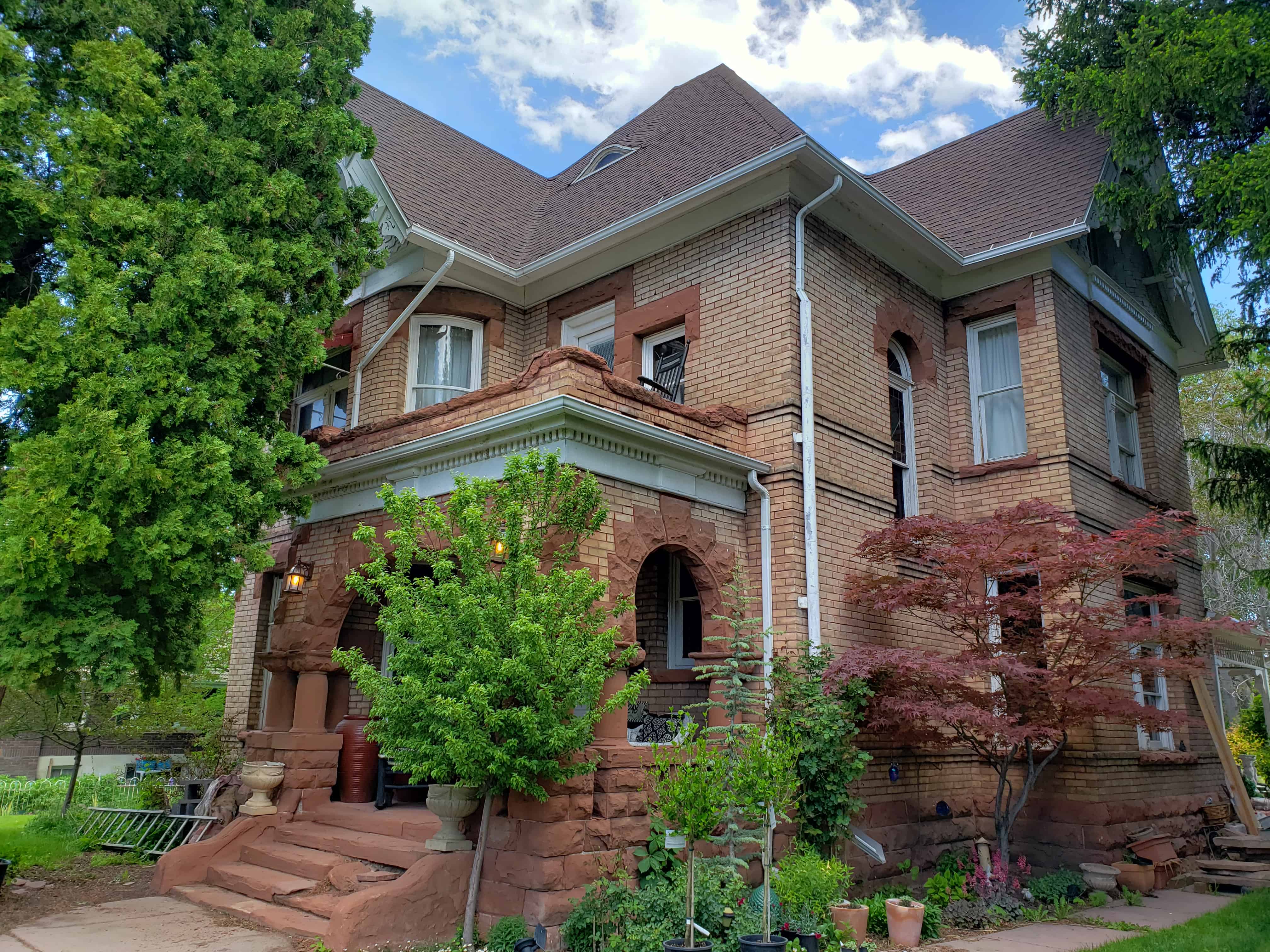
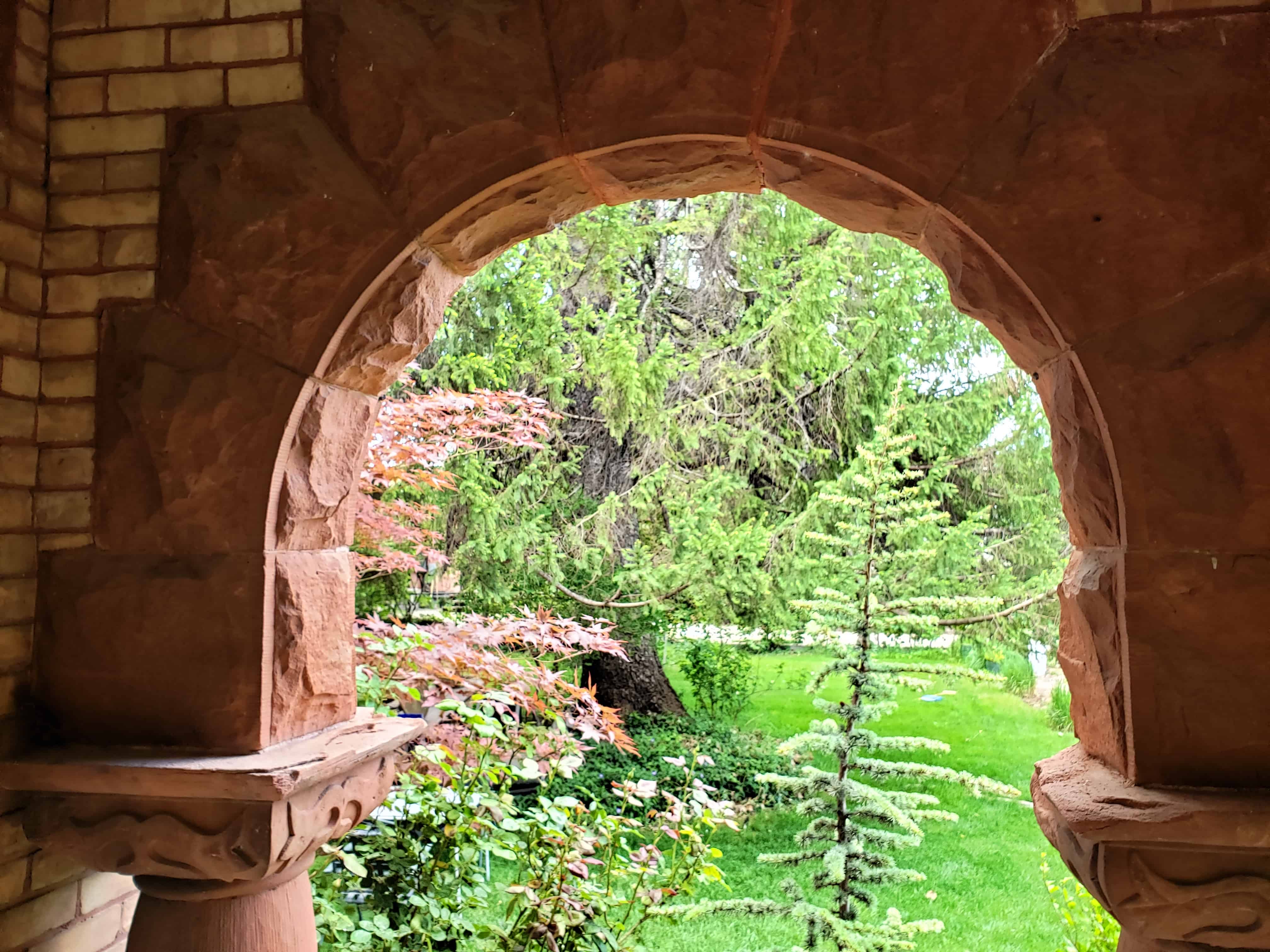
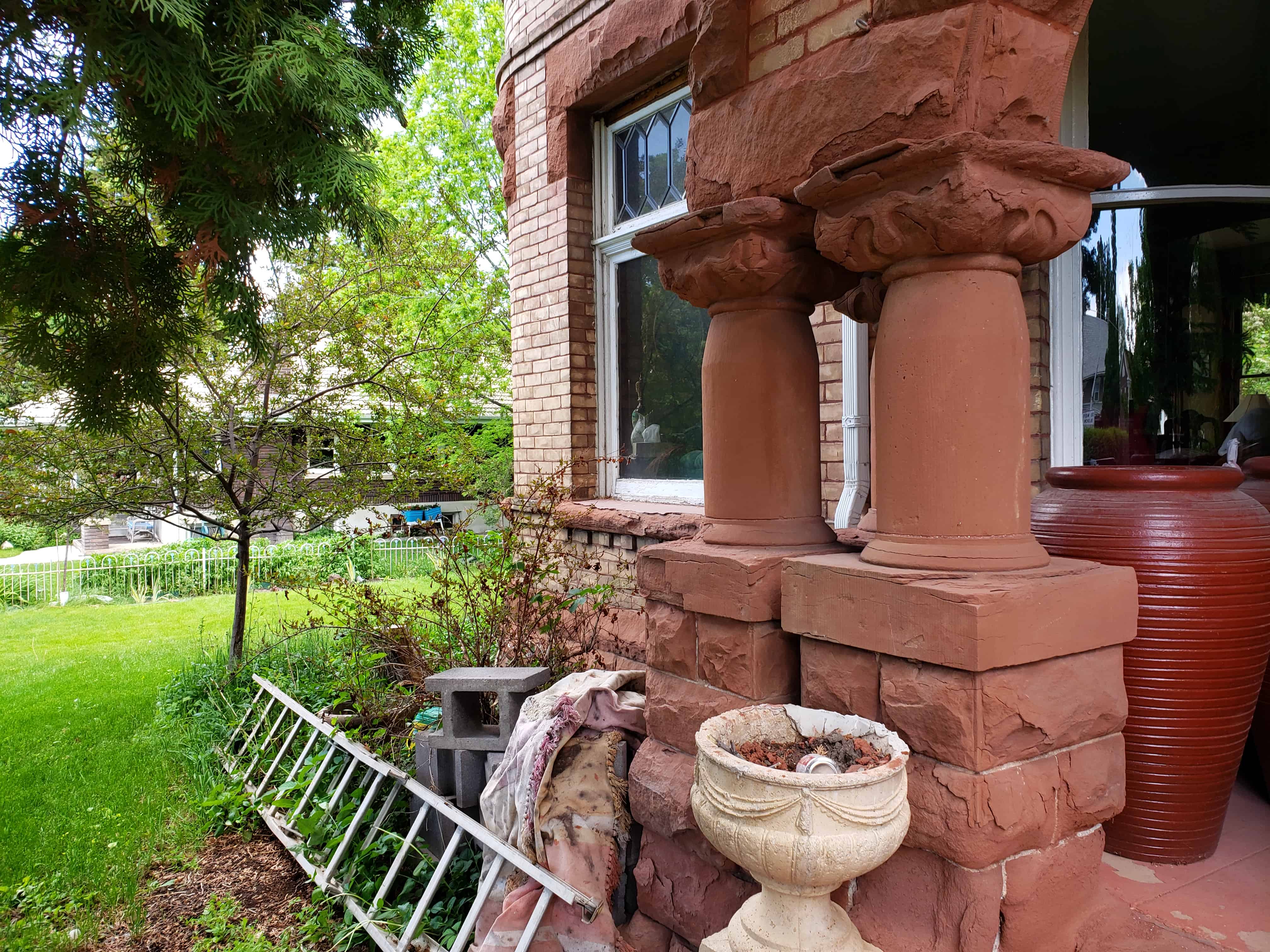
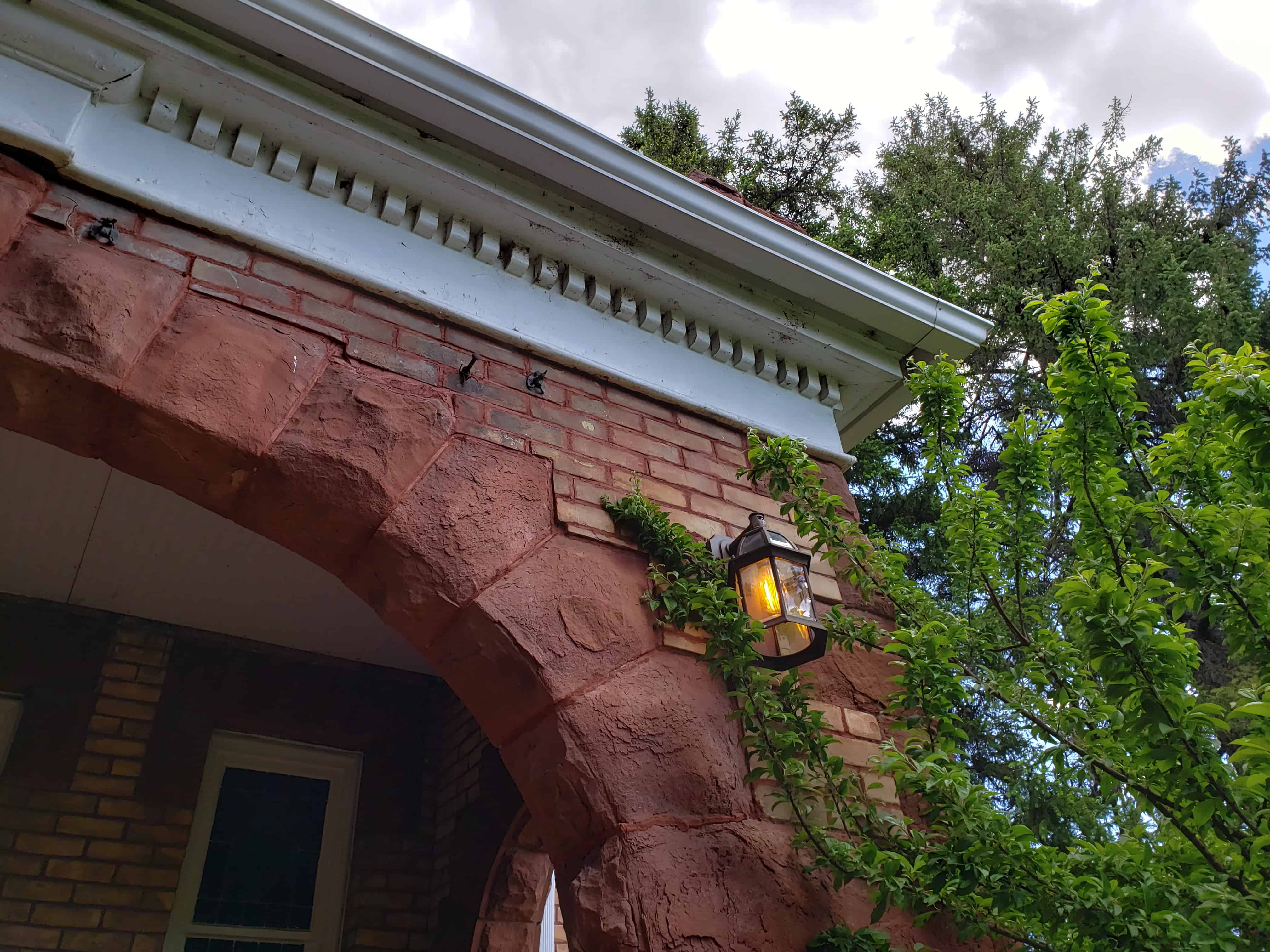
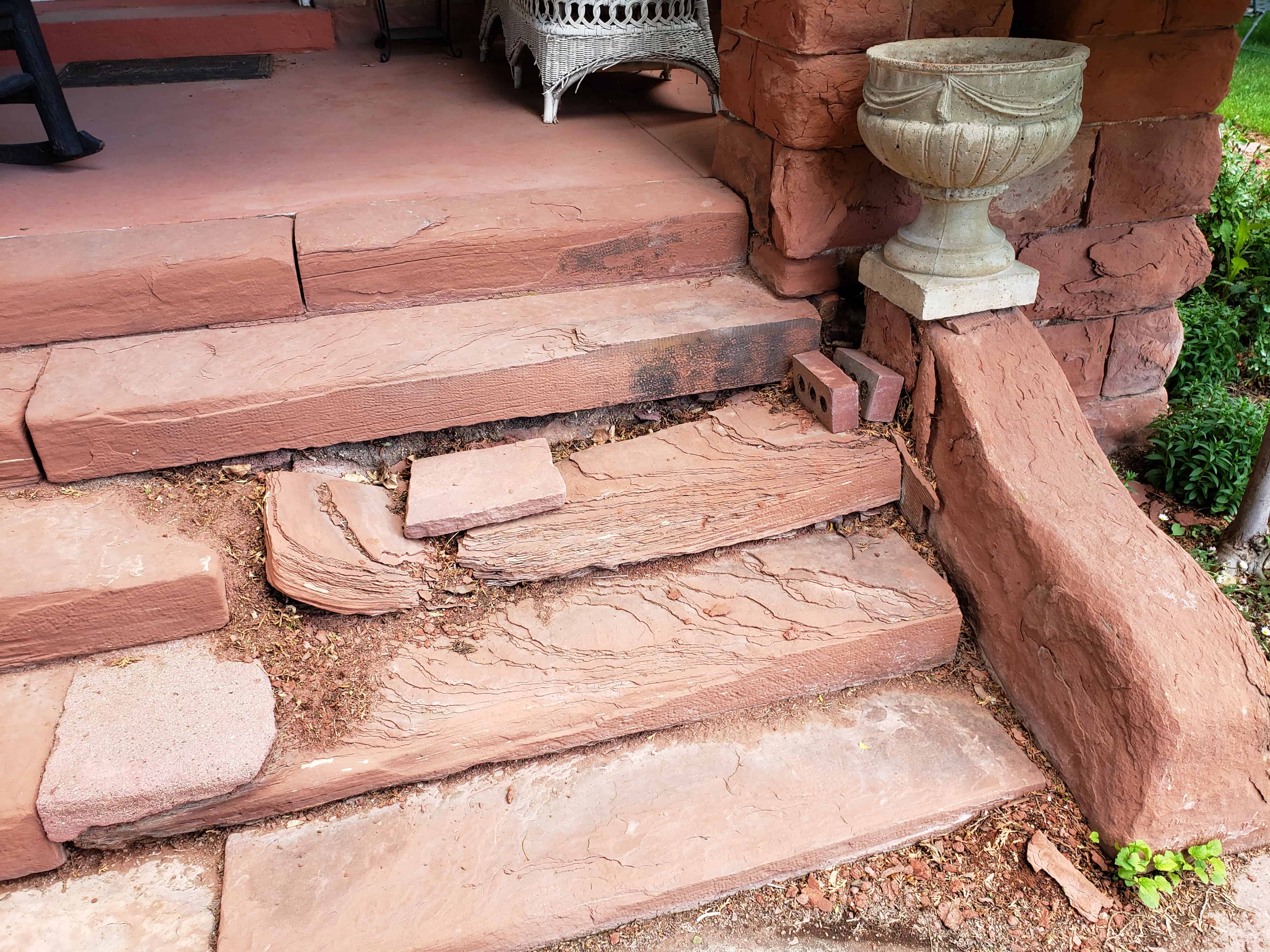
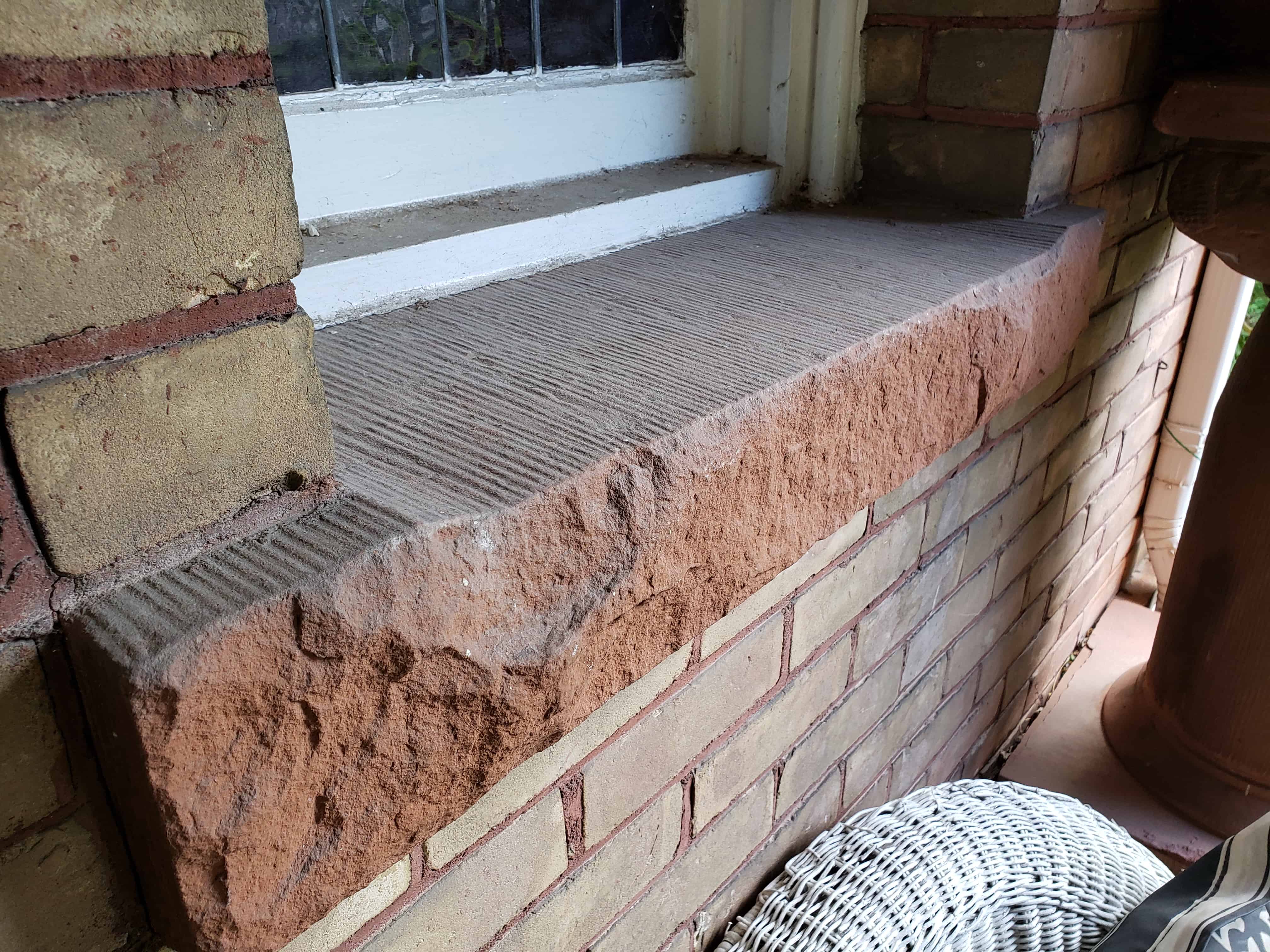
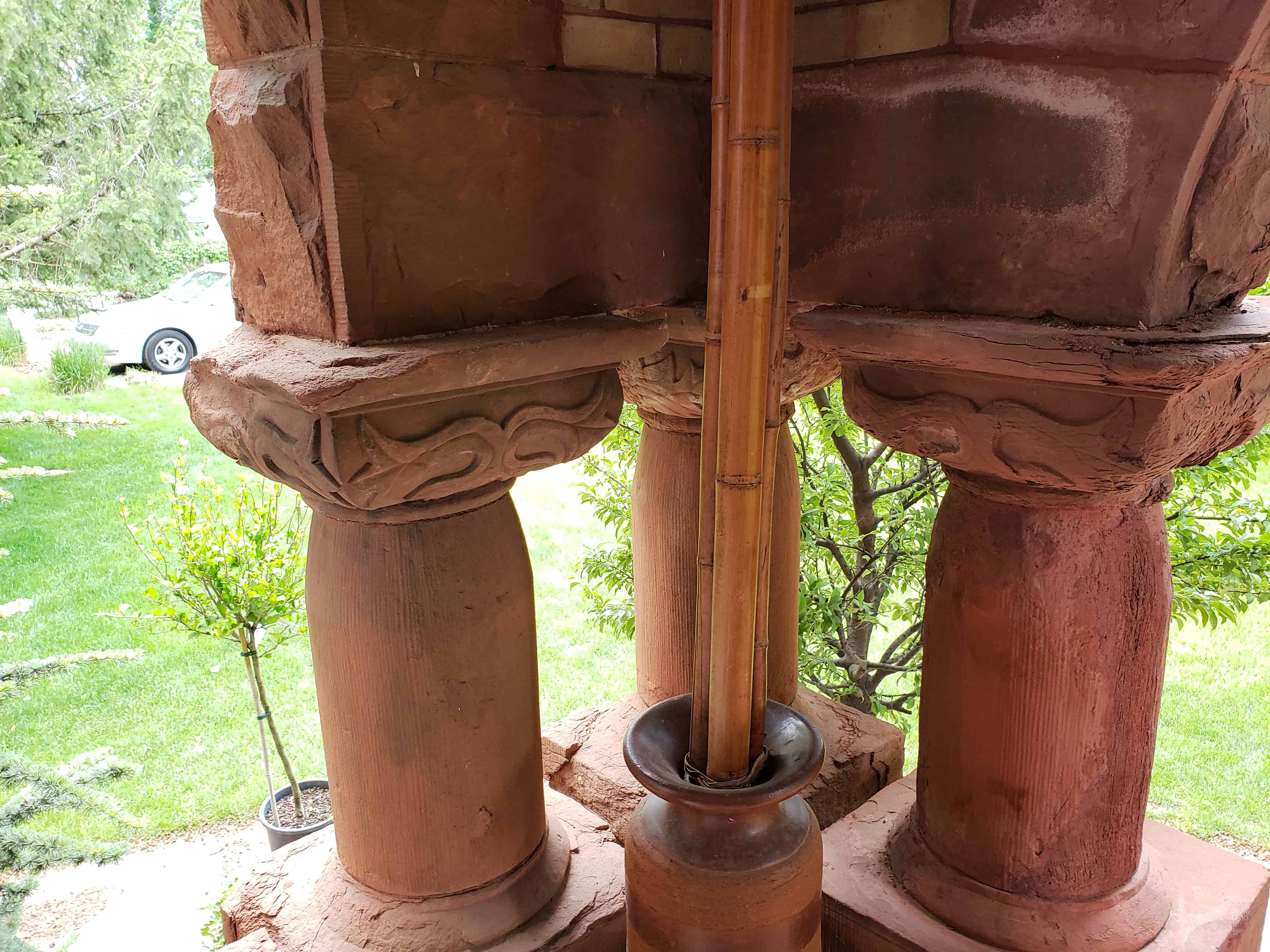
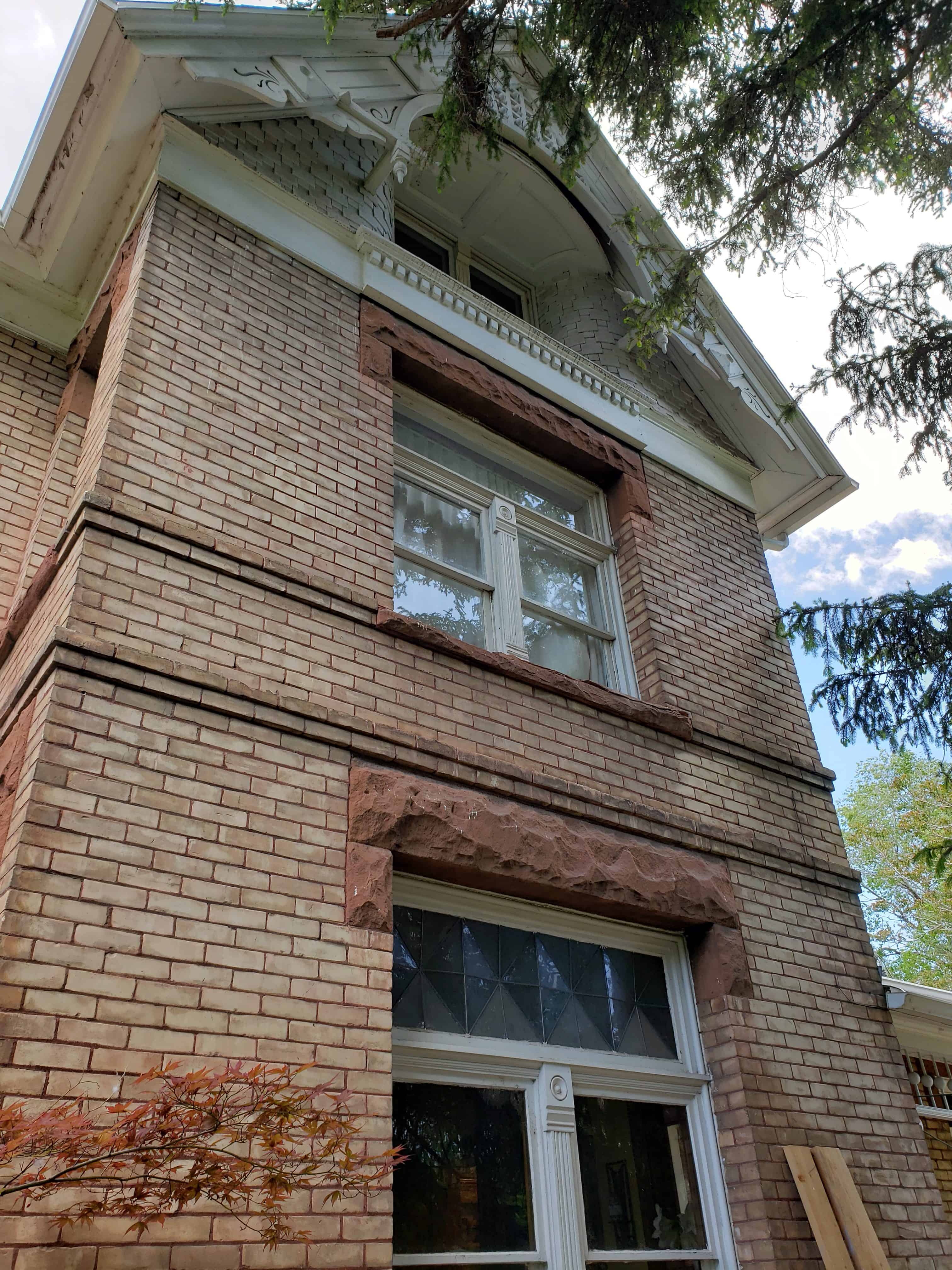
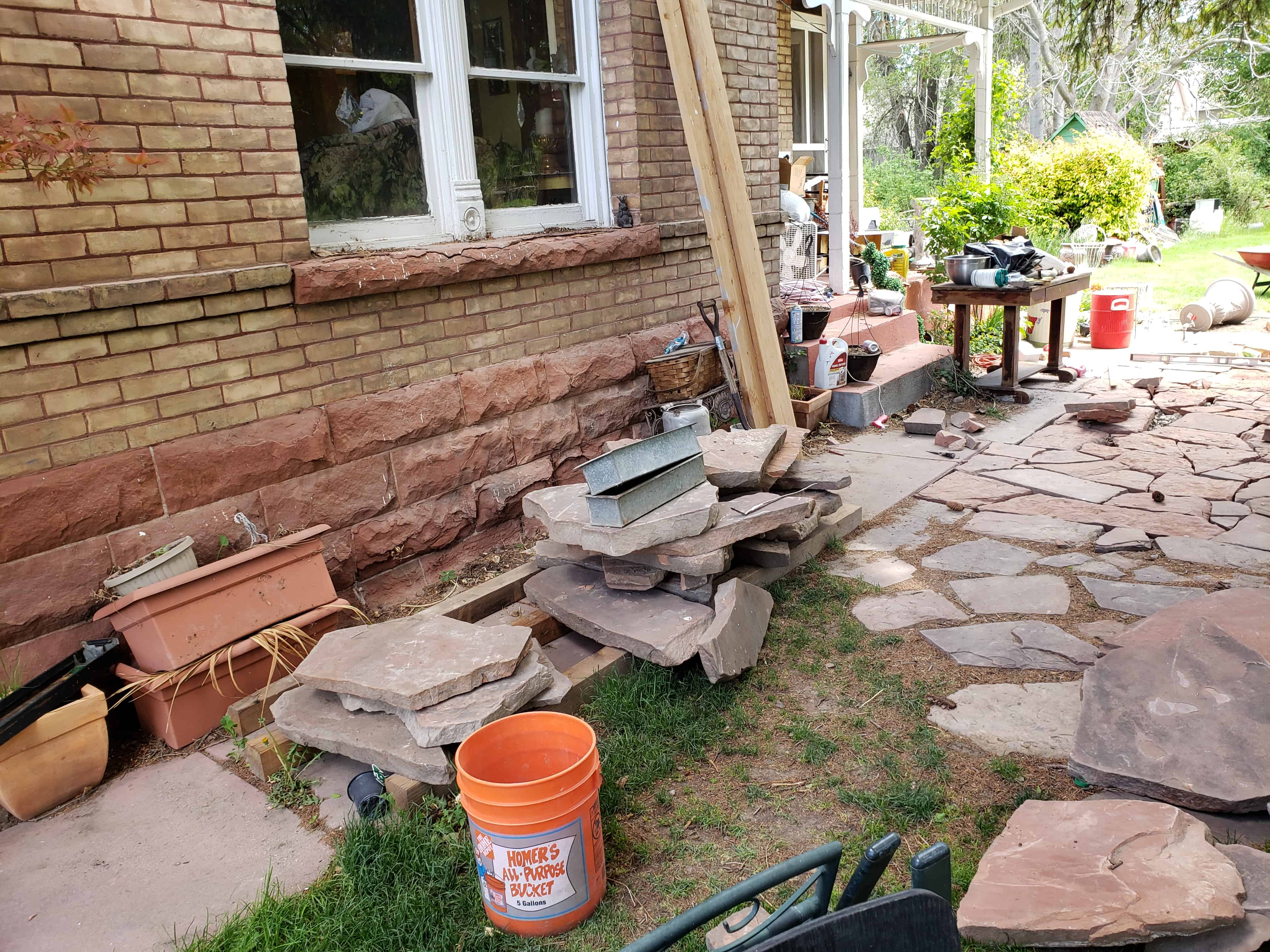
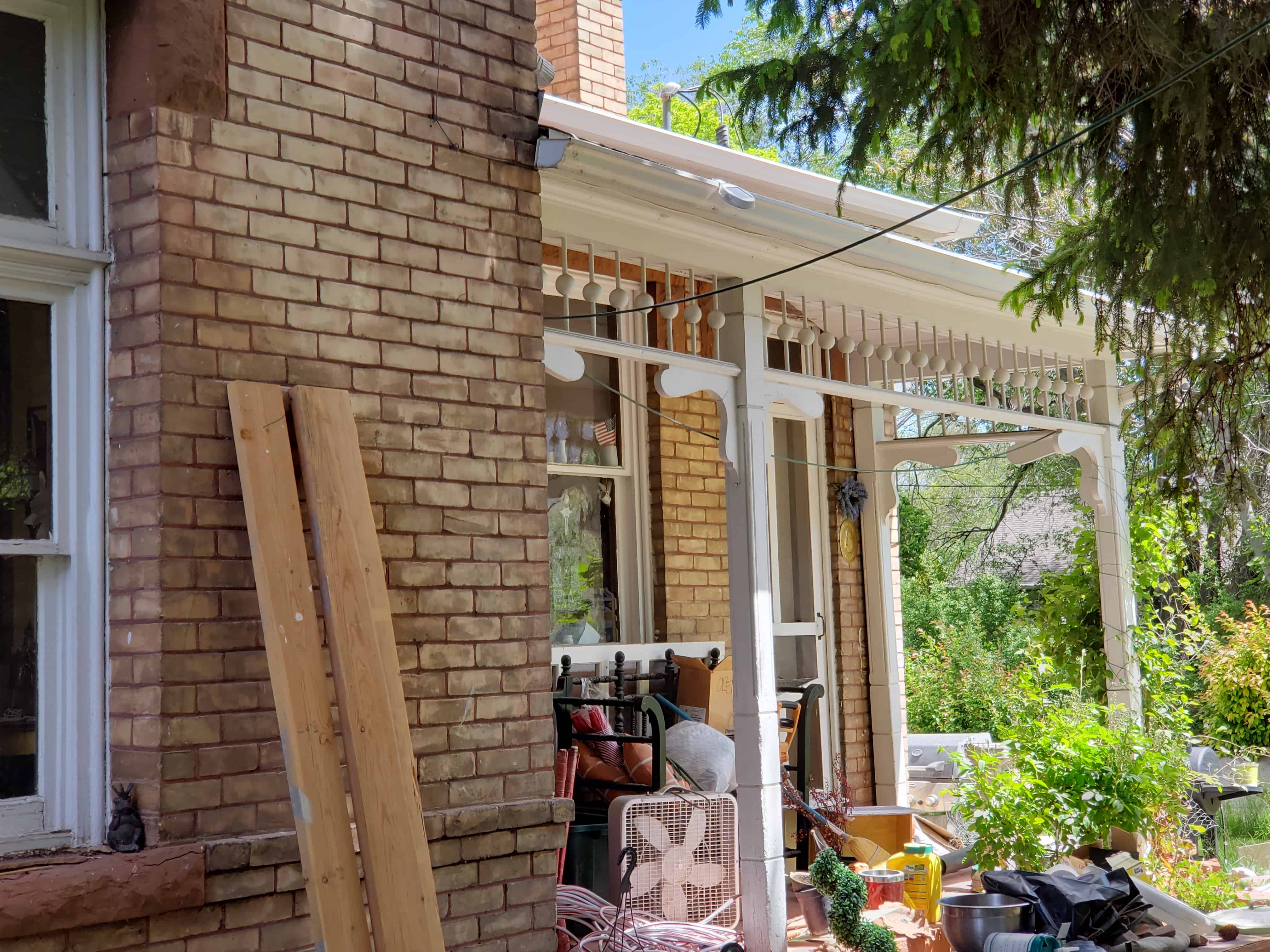
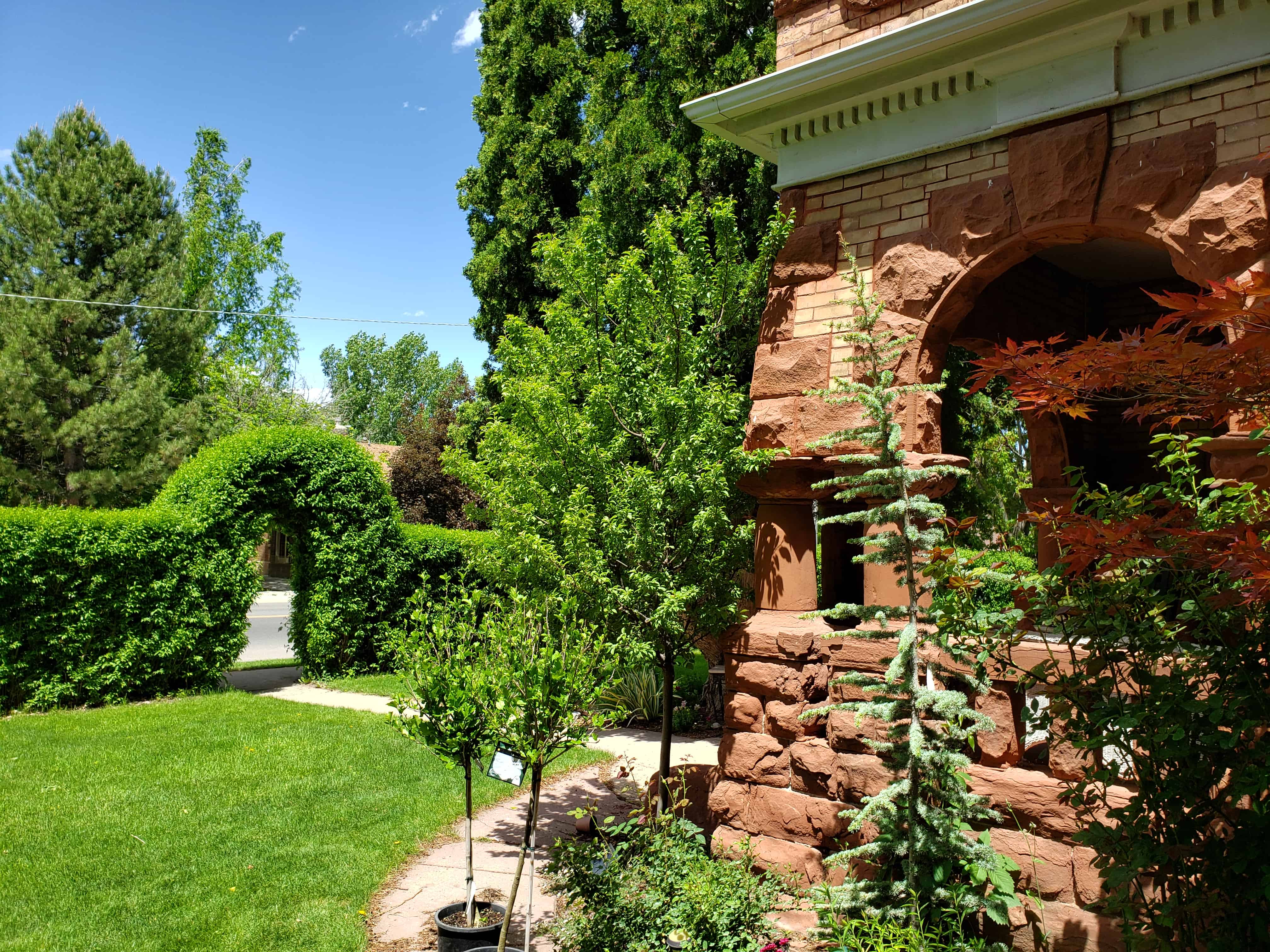
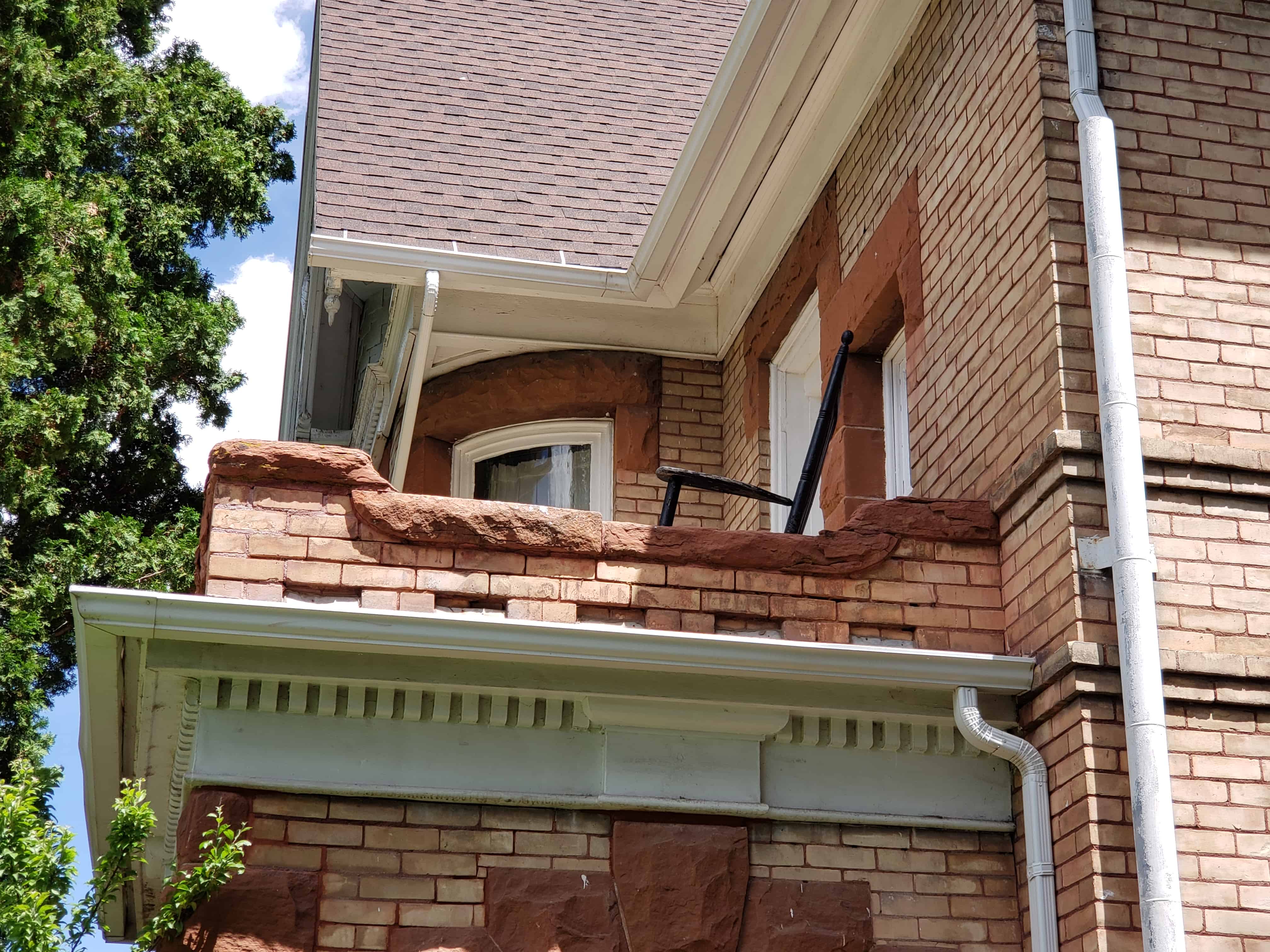
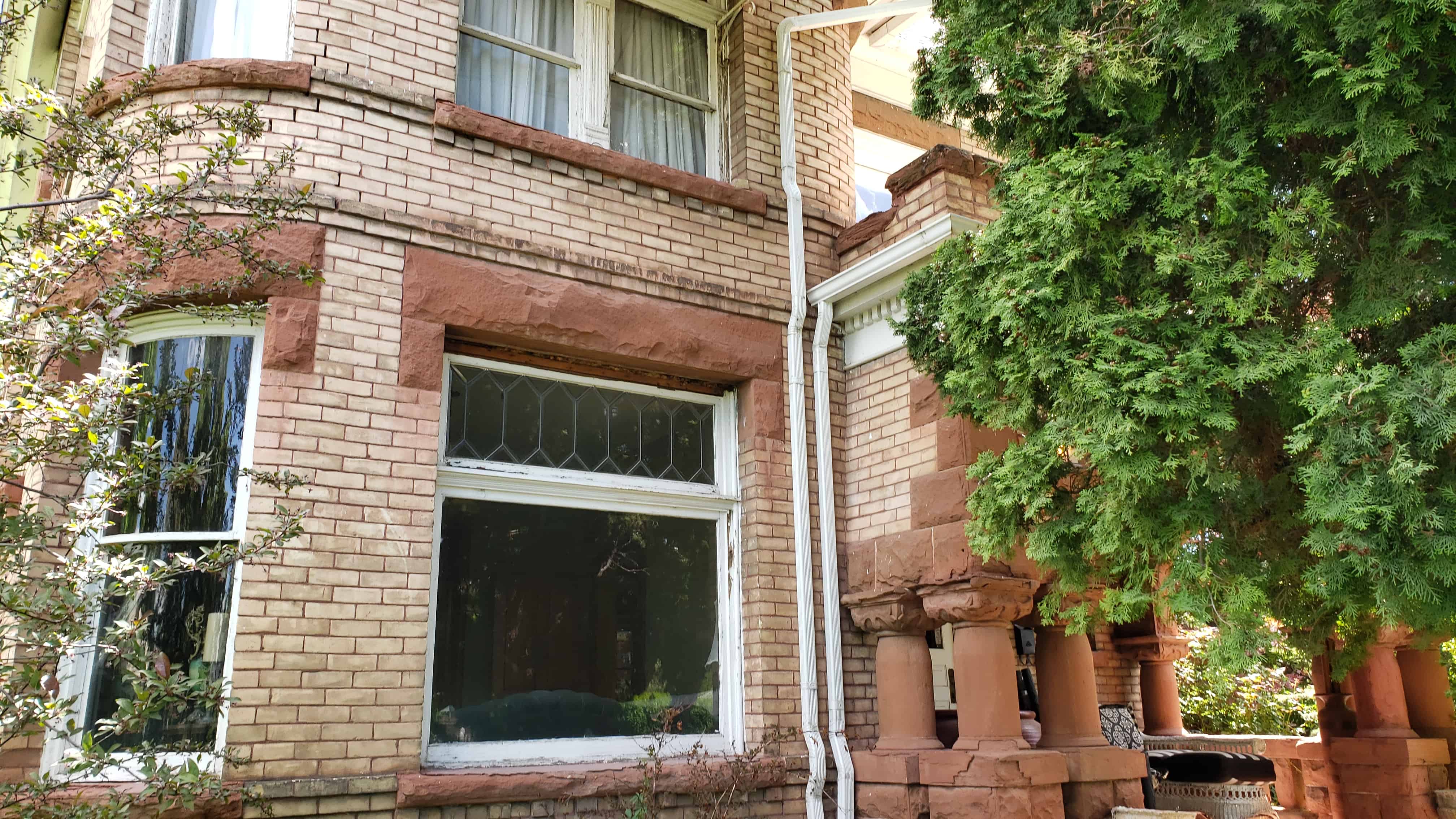
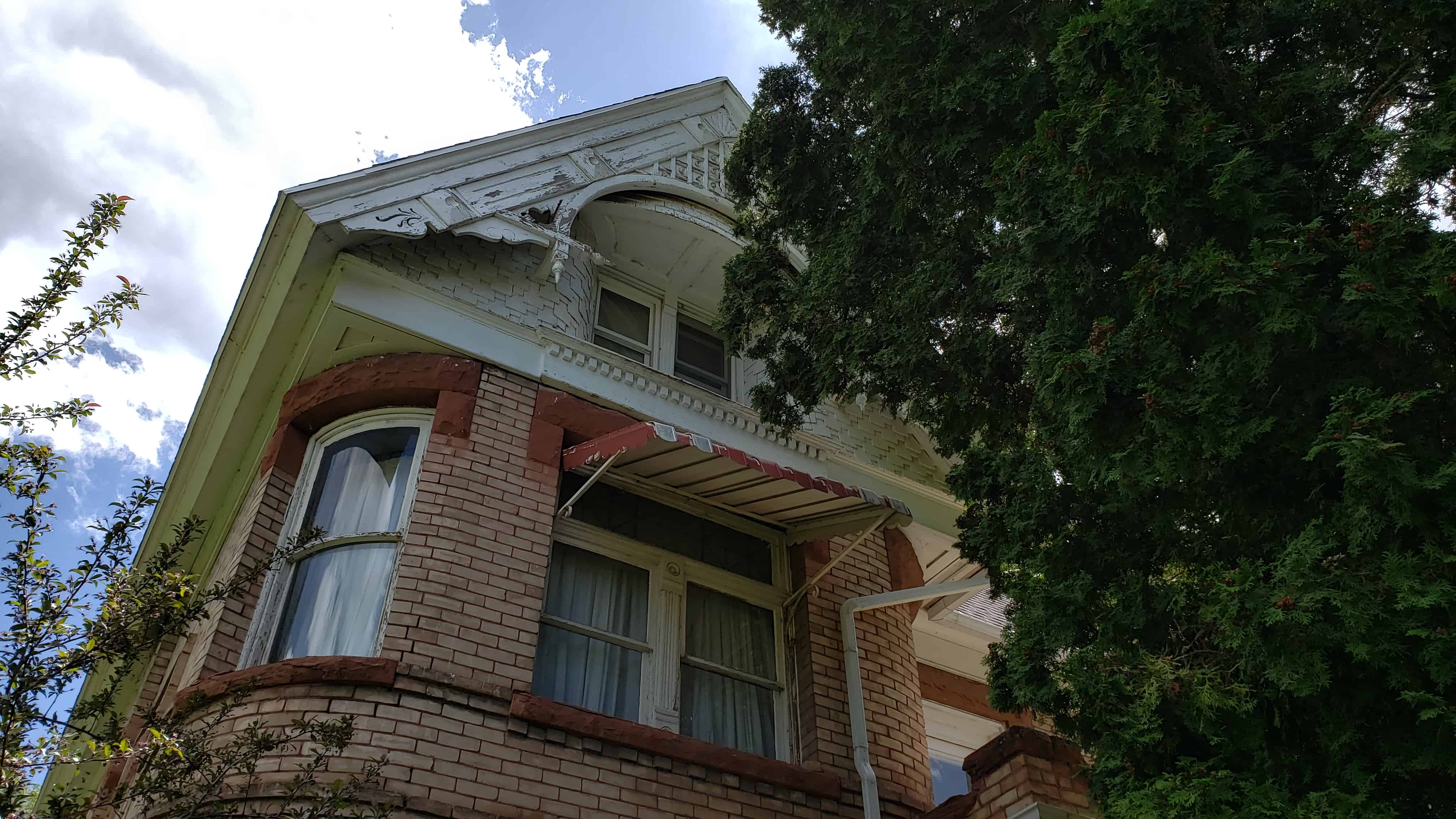
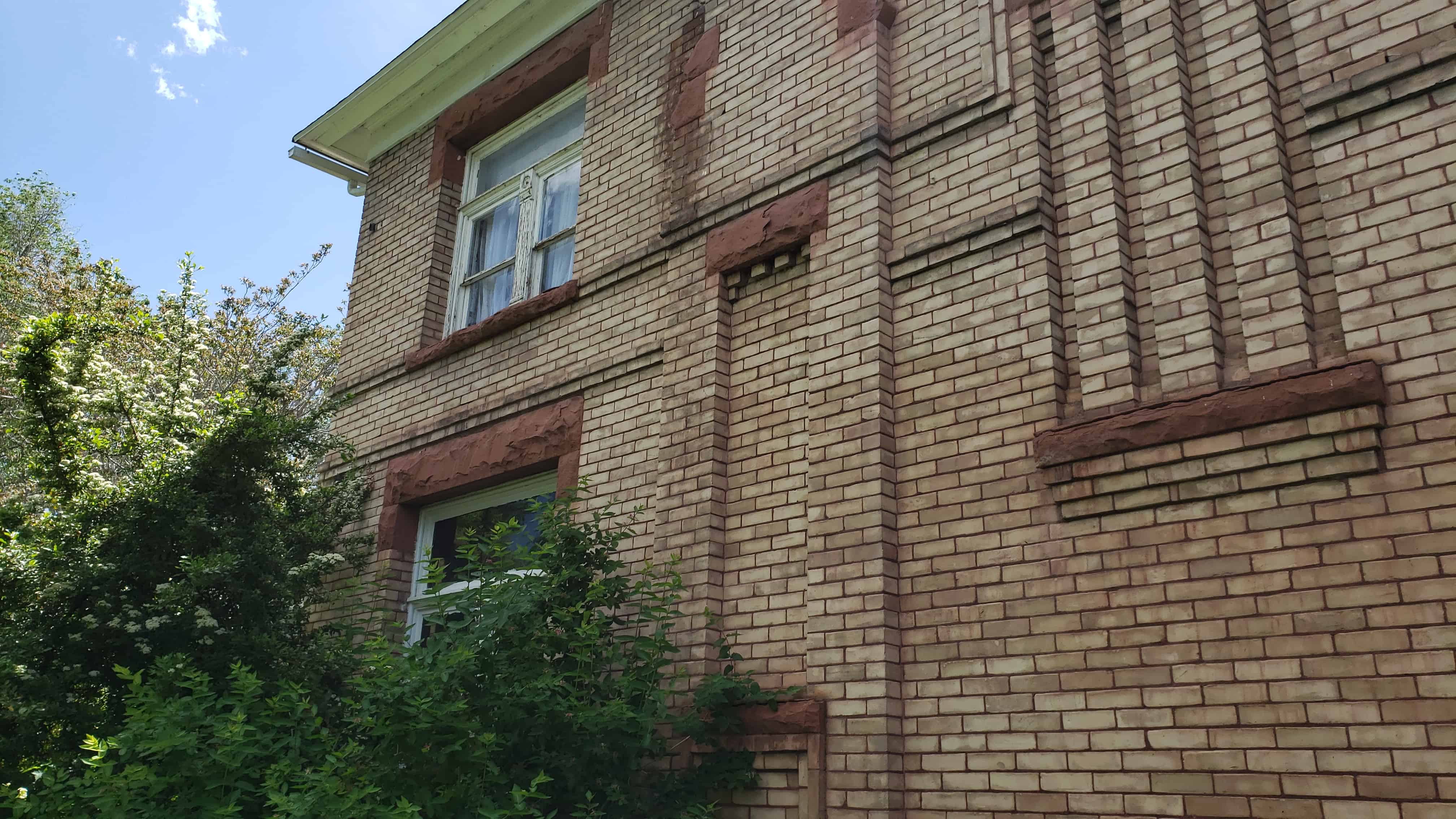
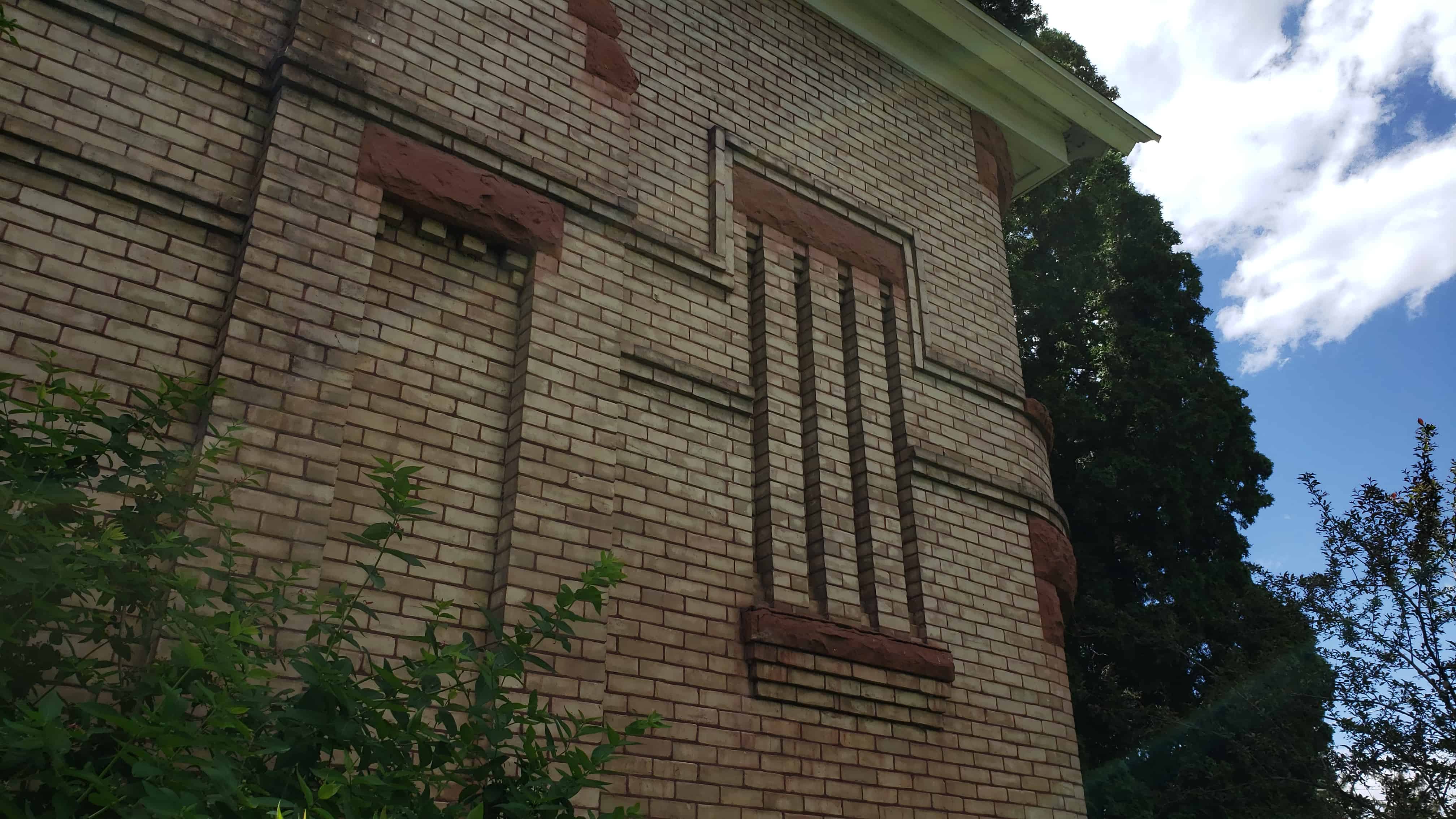
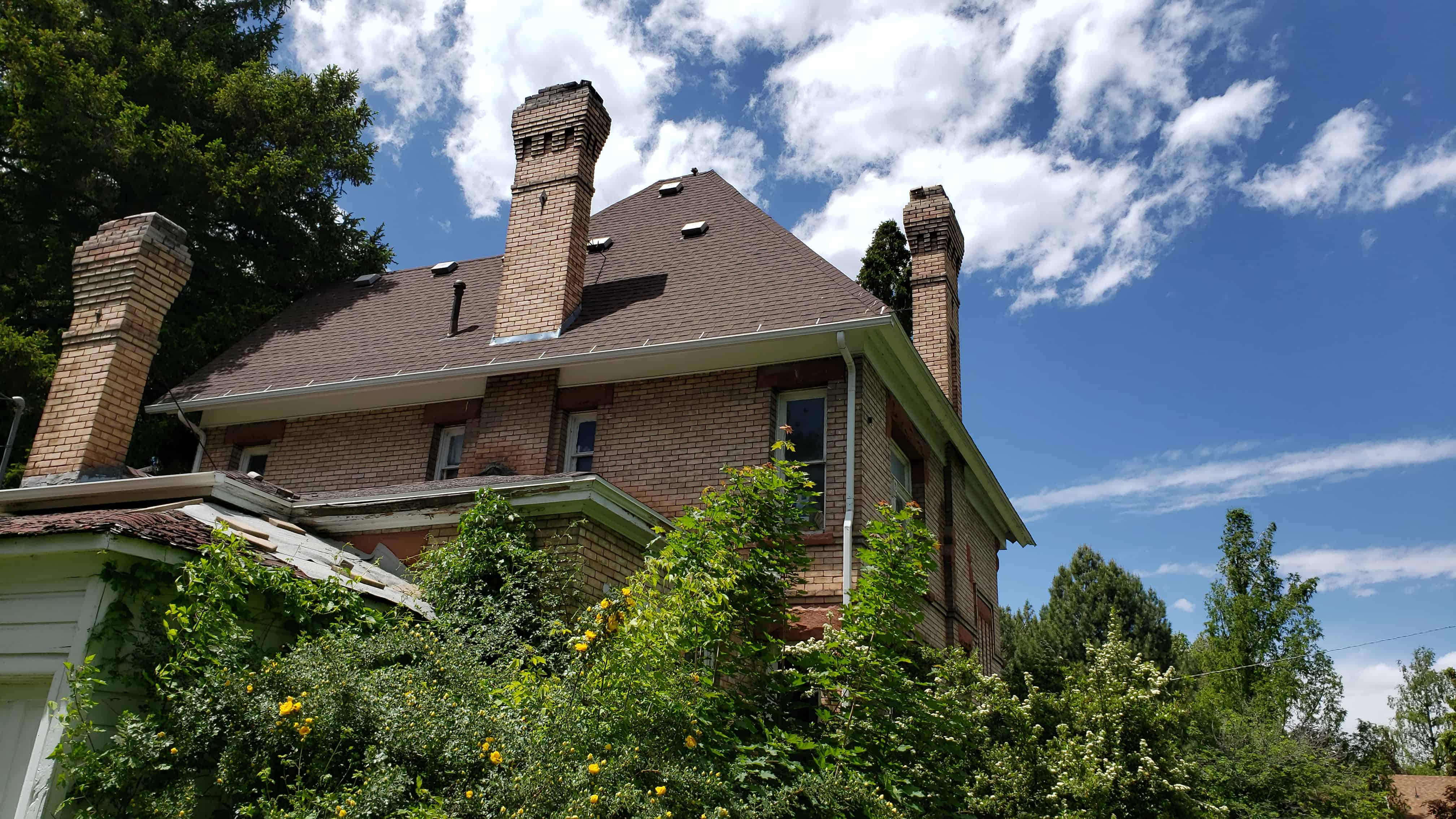
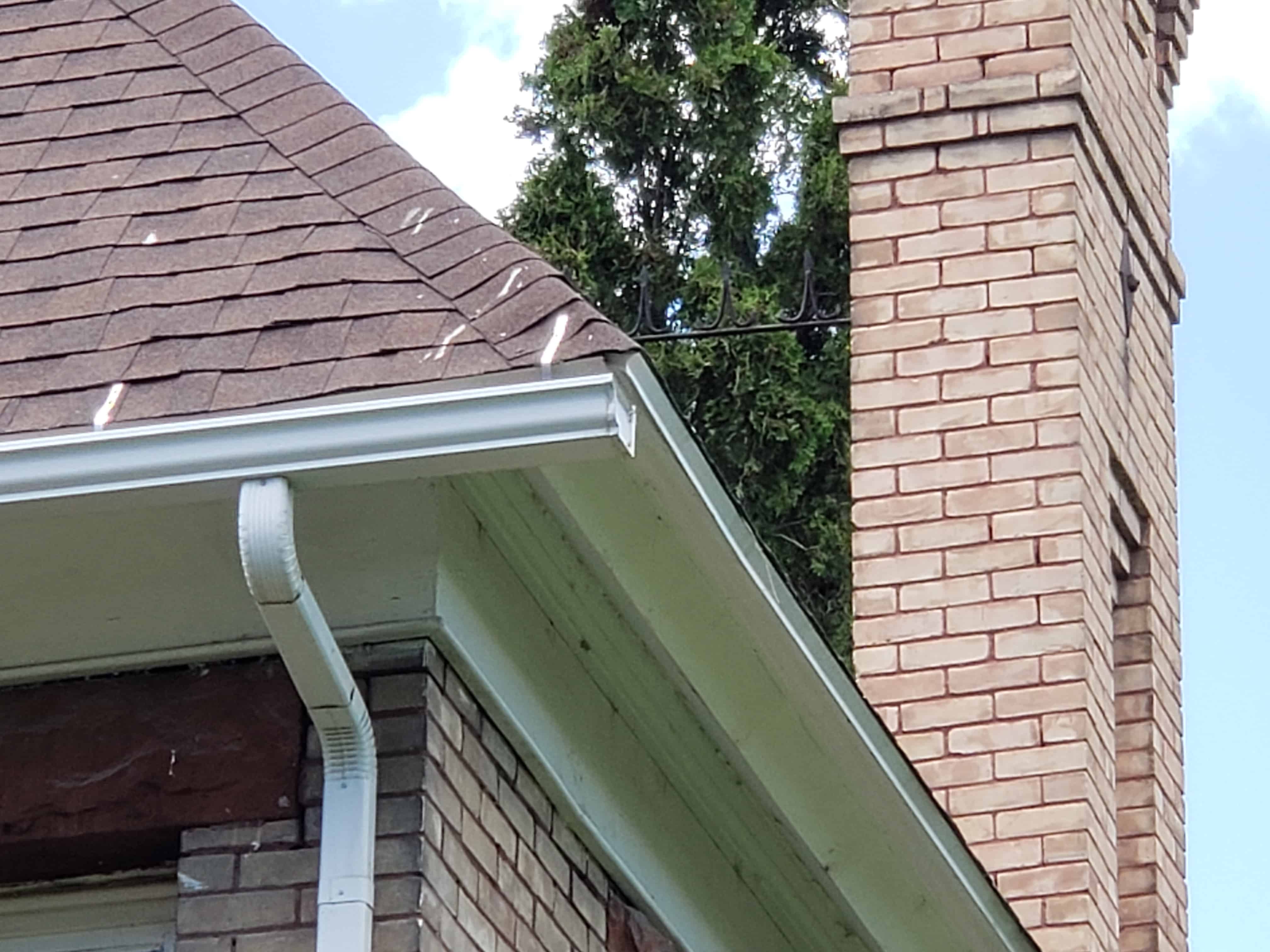
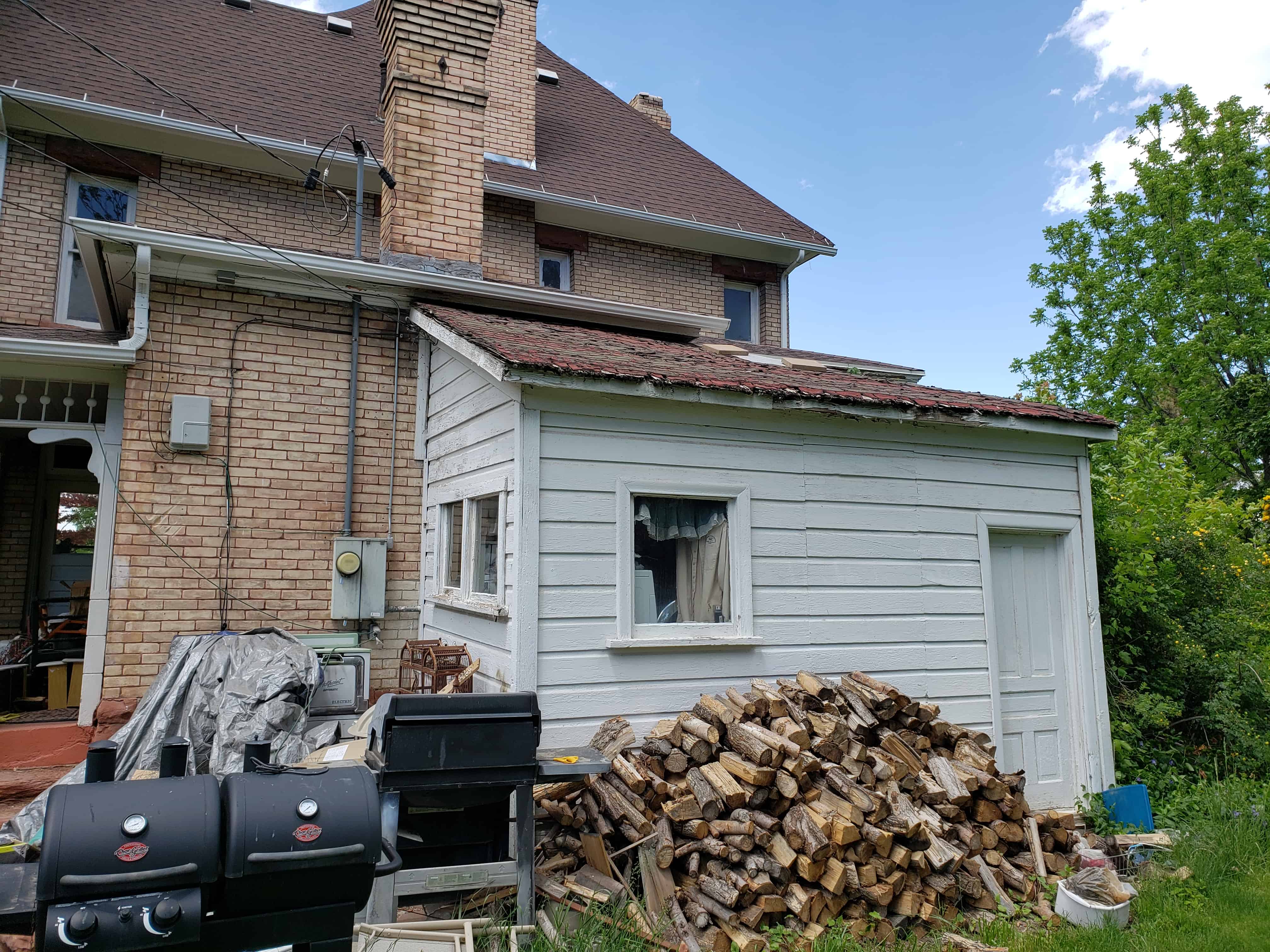
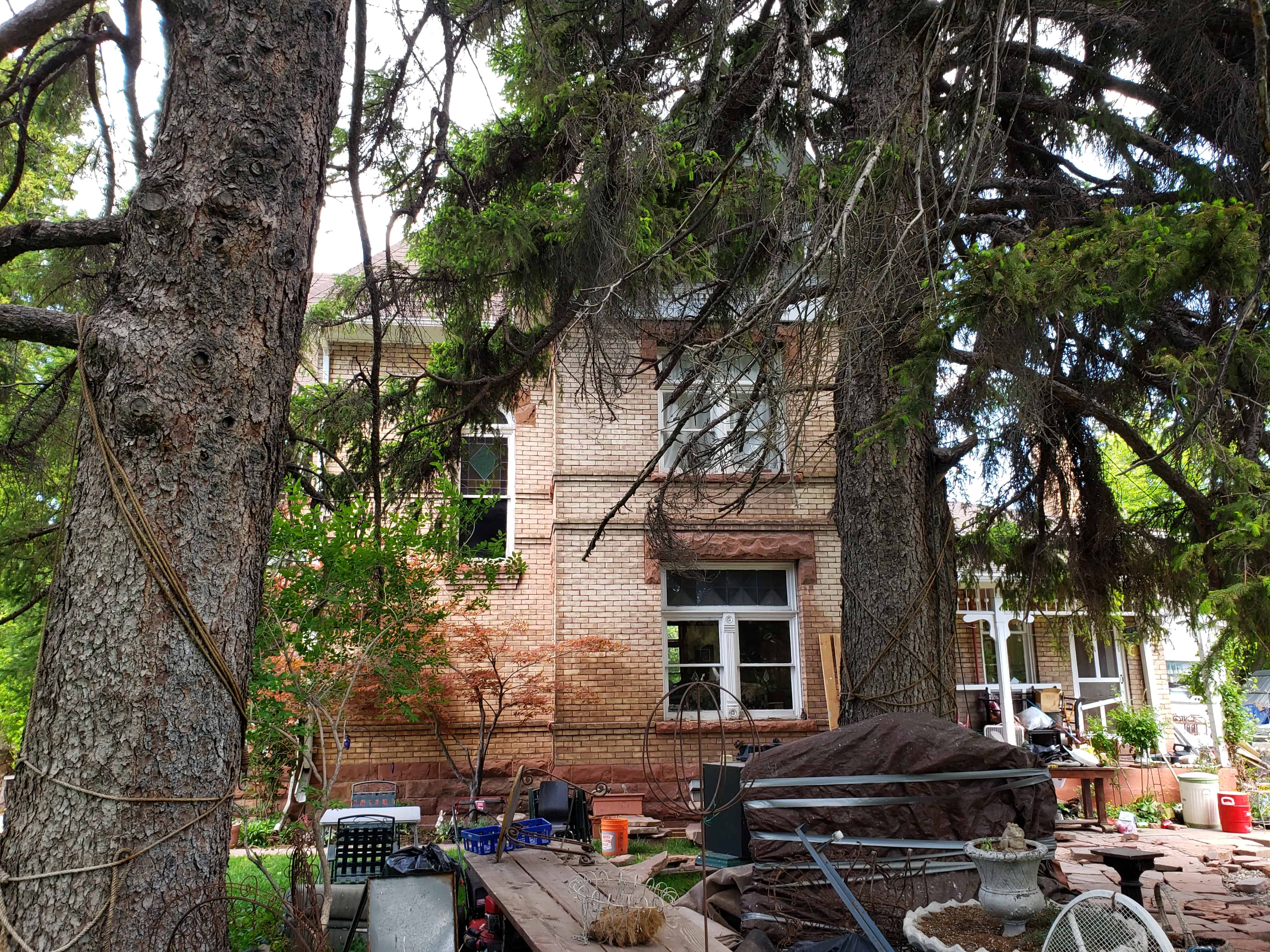
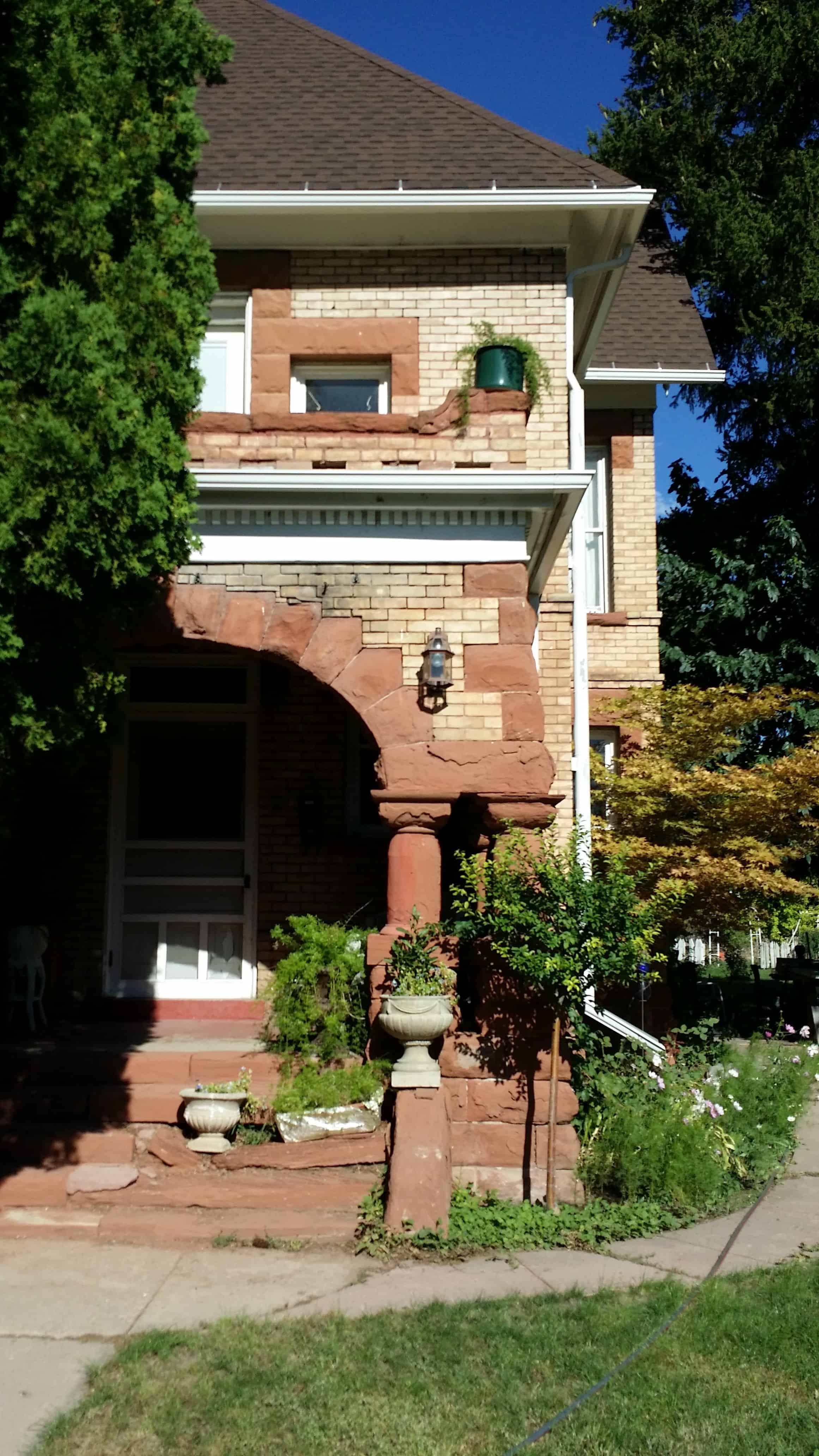
The C. F. Dixon Home is a two-story residence constructed of brick, stone and native wood. The main structure is roughly square with major gabled wings extending west and south and a massive balconied portico located along the south side of the western or front facade. At the east or back of the home is a one-story brick kitchen wing with wood-framed porches along the east and south side. A full basement exists under the entire building. The brick superstructure of the Dixon home rests upon a dark red rusticated sandstone foundation. The same rusticated stone is used for the lintels, sills, chimney trim and for the pedestals, columns, archways and quoins of the portico. Providing a lighter colored and less textured contrast to the rustic stone are the tan-cream brick. walls. Brick detailing is restrained, consisting only of three belt courses, corbeled chimneys, recessed panels on the north wall, and dentils under the stone sills of the front picture windows. The front gabled extension has rounded corners and the windows in these cornices have curved glass. All window and door bays are square, excepting the round-arched stairway window bay in the south facade.
Woodworking on the C. F. Dixon Home is often decorative, as evidenced by the Eastlake window mullions, bargeboards and interior trim. The gables are particularly ornamental, featuring shingled walls which curve inward toward the recessed windows and lathe-turned finials mimicking a collar brace and hammer brace motif. Although the boxed cornice has a simple frieze, the portico cornice has a dentil band, as the special cornice pieces over the second story lintels of the windows in the gabled wings. The roof of the Dixon Home is both hipped and gabled and has a steep pitch.

The interior of the home has experienced little alteration and is owned by the daughter of the original owner. The bottom floor contains an entry, stairwell, parlor, living and dining room and a kitchen with porches, upstairs are several bedrooms. Fireplaces, mouldings, doors and other original architectural elements are intact throughout the home. The landscaping has been carefully maintained as well.

Built in 1899 on a prominent site along Payson’s Main Street, the C. F. (Jack) Dixon, Jr. Home is an eclectic Victorian creation having the appearance of an oversized house–pattern book design embellished by a Richardsonian Romanesque treatment of the front portico, sills and lintels, and a Queen Anne or perhaps Eastlake treatment of the gables. The picturesque home has experienced no significant alterations since its initial construction and is considered a city landmark locally.

35 CORA'S HOUSE NEW
2014-08-15 17.13.23
2014-08-15 17.13.31
2014-08-15 17.14.46

John Dixon House

04 Thursday Sep 2014

Posted by Jacob Barlow in Uncategorized

≈ 4 Comments

Tags

Cartouches, historic, Historic Homes, NRHP, Payson, utah, utah county

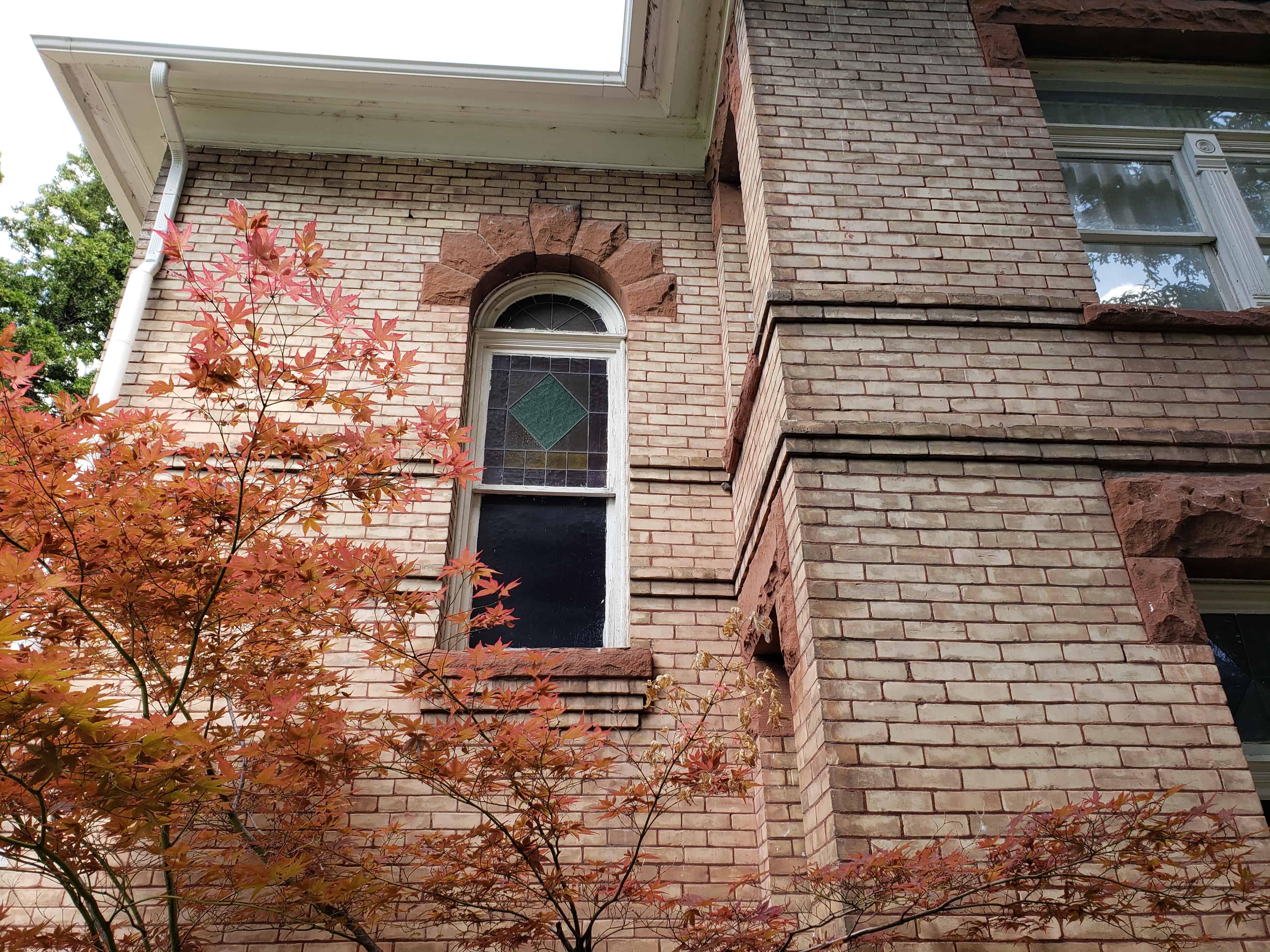
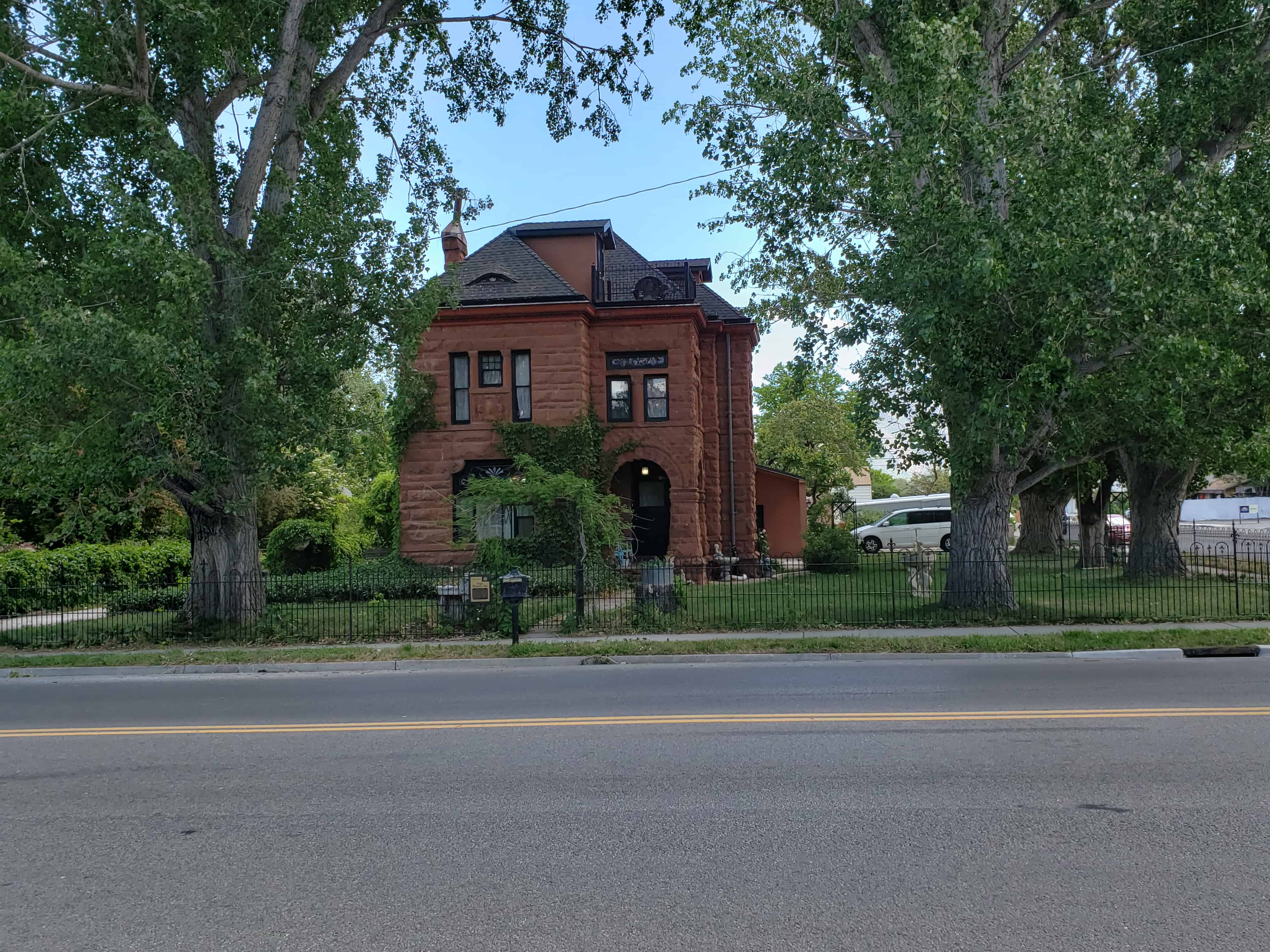
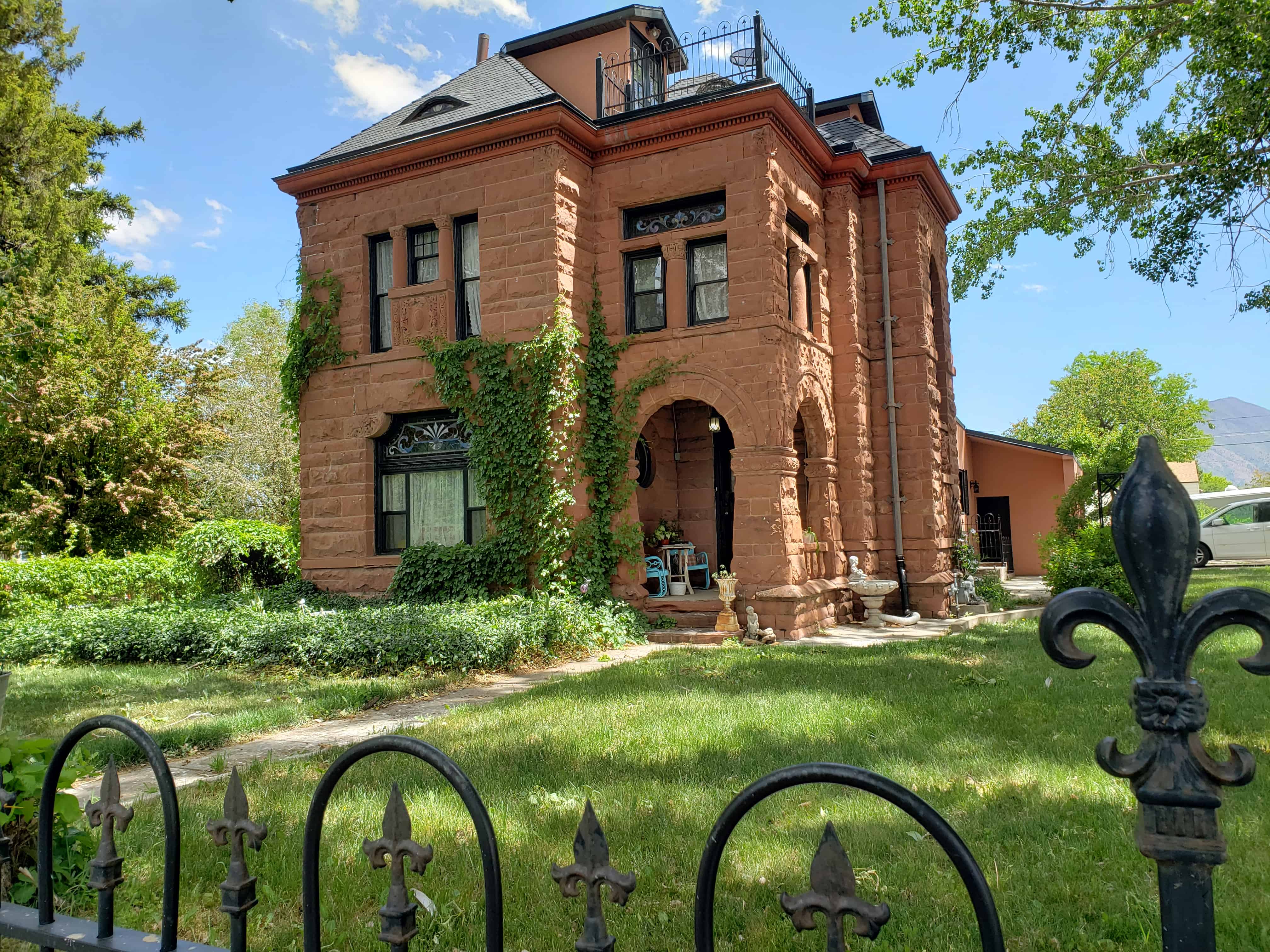
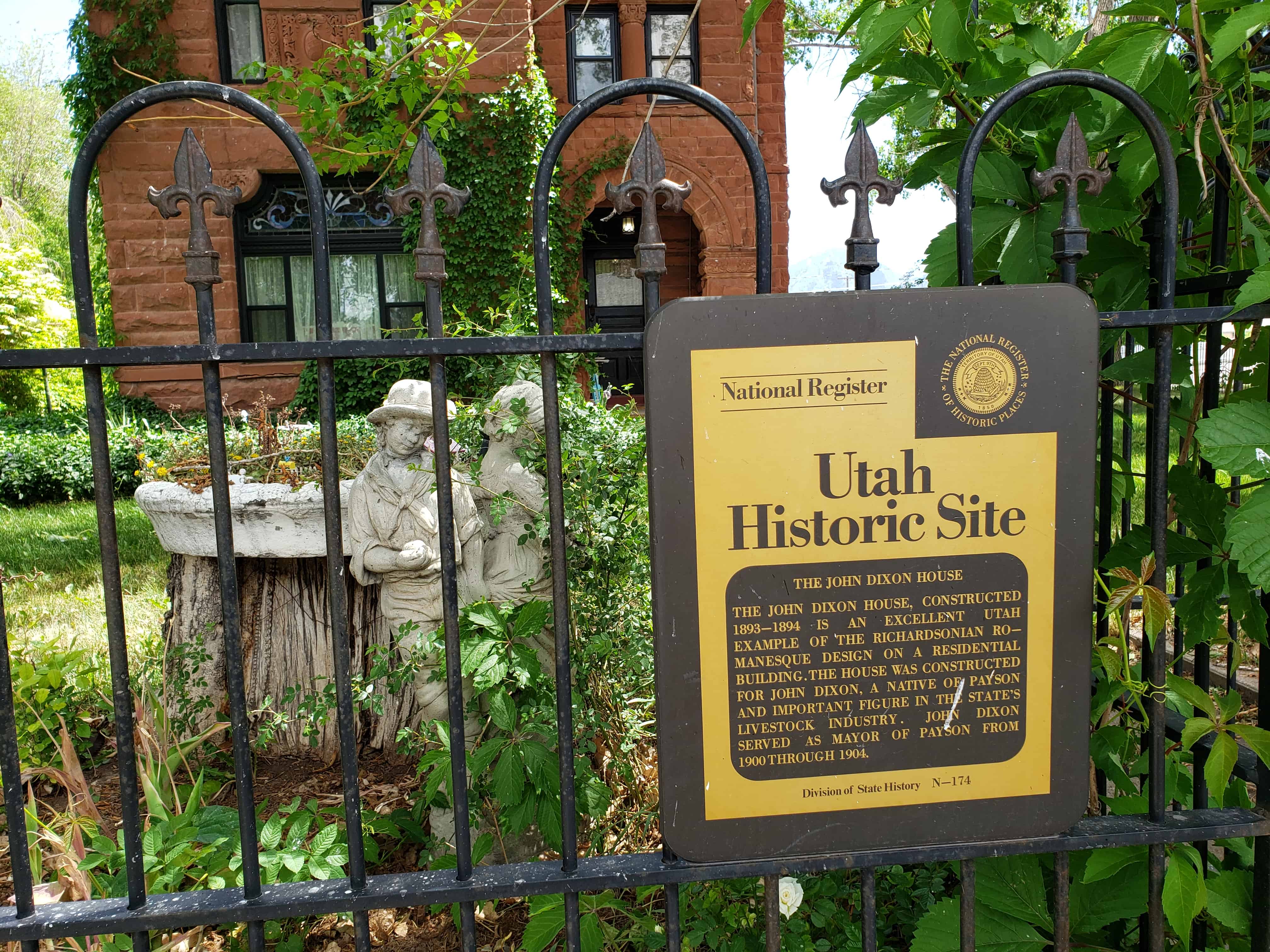
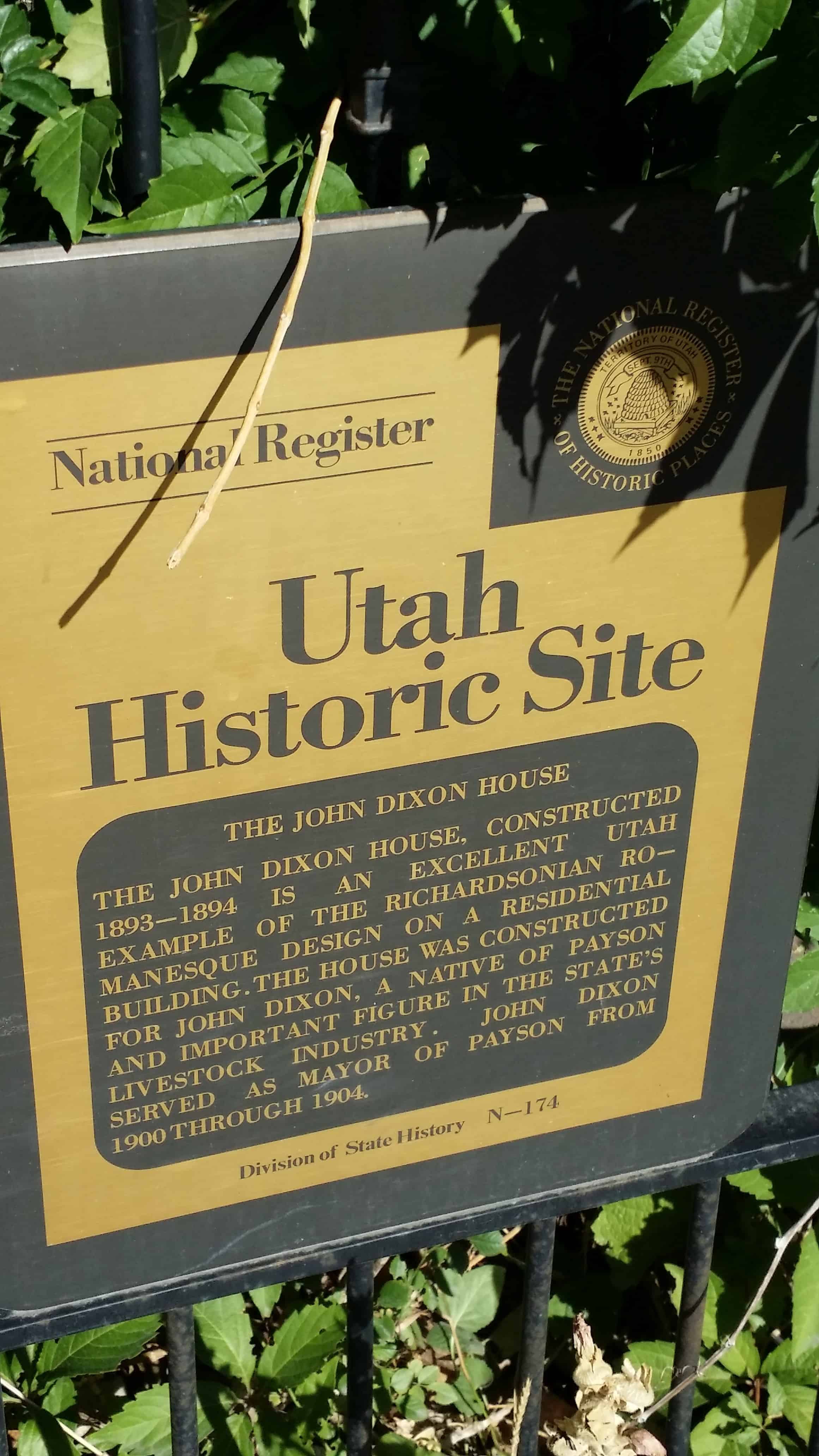
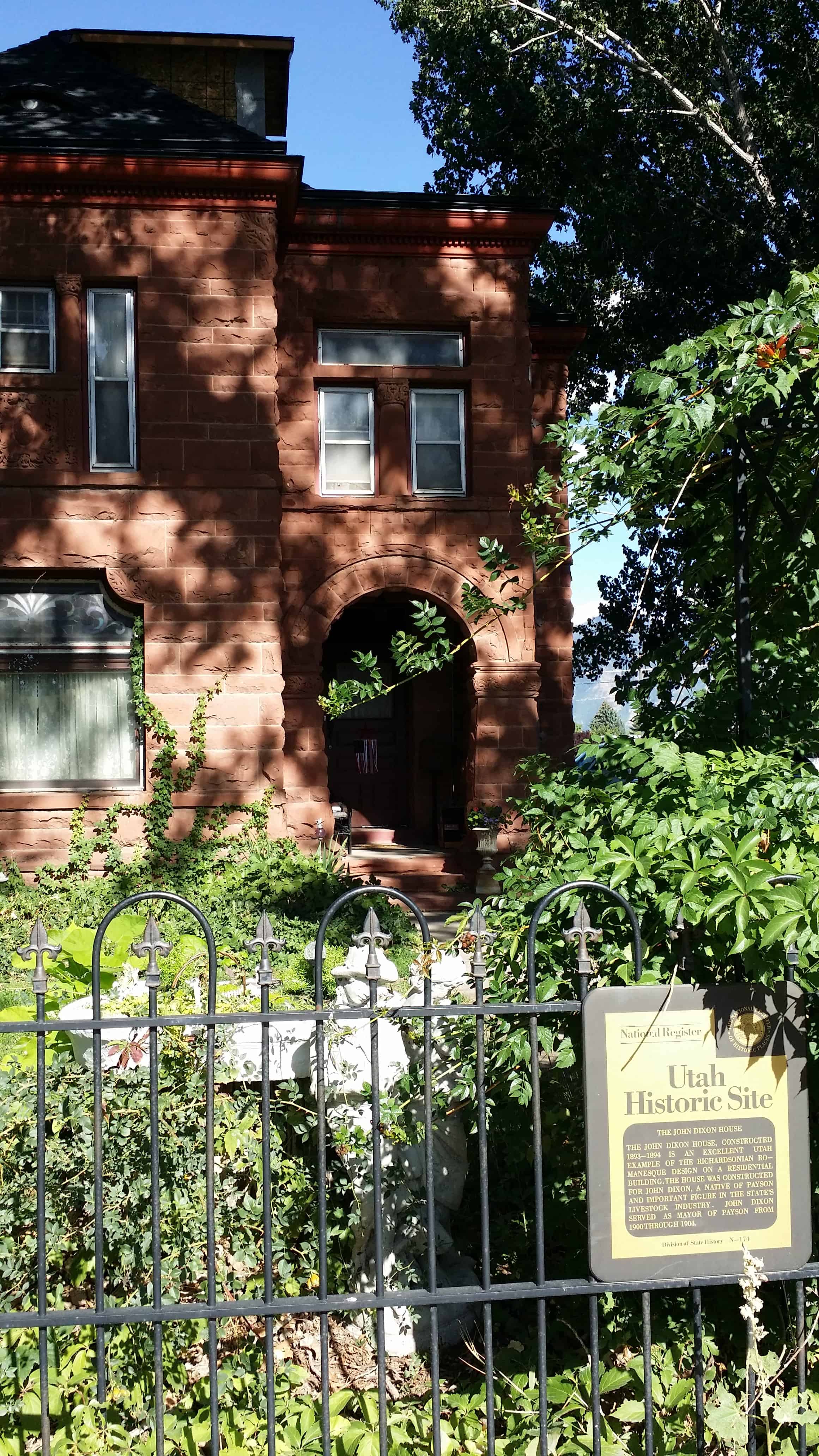
The John Dixon House, constructed in 1893-1894 is an excellent Utah example of the Richardsonian Romanesque design on a residential building. The house was constructed for John Dixon, a native of Payson and important figure in the state’s livestock industry. John Dixon served as mayor of Payson from 1900 through 1904.

According to its 1977 NRHP nomination, the house “is architecturally significant as a rare example of the influence of the Richardsonian Romanesque mode of design on residential architecture of the state. The high quality of craftsmanship represented in the building is also significant.”

The John Dixon House at 218 North Main Street in Payson, Utah was built in 1893. It was listed on the National Register of Historic Places (#78002701) on February 17, 1978.

The John Dixon Home, a substantial two-story stone building, helps document the life and accomplishments of one of the more prominent citizens of Payson, Utah. Dixon served as the town’s mayor, was a leader in developing the livestock industry in Payson and served in other capacities in local commercial and religious circles.

John Dixon came to Utah as a child following his family’s conversion to the Mormon Church in Ohio. The Dixon family came to Payson in 1862 to help permanently establish the young community. John’s father, Christopher Flintoff Dixon, engaged in the freighting business using the two teams of mules he had crossed the plainswith to haul local farm products to Iowa and Missouri. Upon his return he brought fruit and shade trees and building materials for his own use or for trading purposes. When the Dixons arrived in Payson, they acquired a farm of sixty acres adjoining the city on the north. There they built a house of adobe, planted a ten-acre apple orchard and irrigated the land with water out of Peteetneet Creek.

John Dixon grew to manhood experiencing the agricultural environment common to his family and the vast body of Mormon pioneers in general. With his father and brothers, he shared in dairy operations and in raising beef cattle. In 1890 he traveled to Dixon, California, where his father’s two brothers were living, and while there purchased one thousand head of Merino sheep which he shipped to Utah. He ran the sheep on Loafer Mountain southeast of Salem, Utah and thereby began his career in livestock raising.

Dixon and his family partners capitalized on the inability of Jesse Knight and his sons to buy from the government all of Payson Canyon. Knight, a developer of mines and other Utah industries, elected to raise his livestock in Canada and therefore sold his Thistle Valley ranch, and leased his 2,900 acres West Mountain Ranch to the Dixons. With this range and additional acreage purchased west of Goshen Bay on Utah Lake, John Dixon and partners assembled sufficient land to develop a large sheep and cattle raising business. In this enterprise they continued to associate with the Knight family through Raymond Knight, Jesse’s son. Together the two families weathered the panics of 1893 and 1897 and eventually assumed a role as regional cattle barons.

As his career grew, John Dixon entered commercial and public circles in his community. He was owner, with Hyrum Lemons, of the First Bank of Payson. Dixon also served as Payson’s mayor from 1900 through 1904. He was also an active member of the Mormon faith and was a High Priest and High Counselor, positions of leadership in the Nebo Stake, the major ecclesiastical unit of the Mormon Church in that area. Dixon erected his impressive hone on Payson’s Main Street. Later the Nebo Stake Tabernacle was built directly South of his home while the C.F. (Jack) Dixon residence was built to the north. The home is therefore not only individually distinctive, but is a key structure in the street-scope of Payson’s historic Main Street

The John Dixon Home is architecturally significant as a rare example of the influence of the Richardsonian Romanesque mode of design on residential architecture of the state. The high quality of craftsmanship represented in the building is also significant.

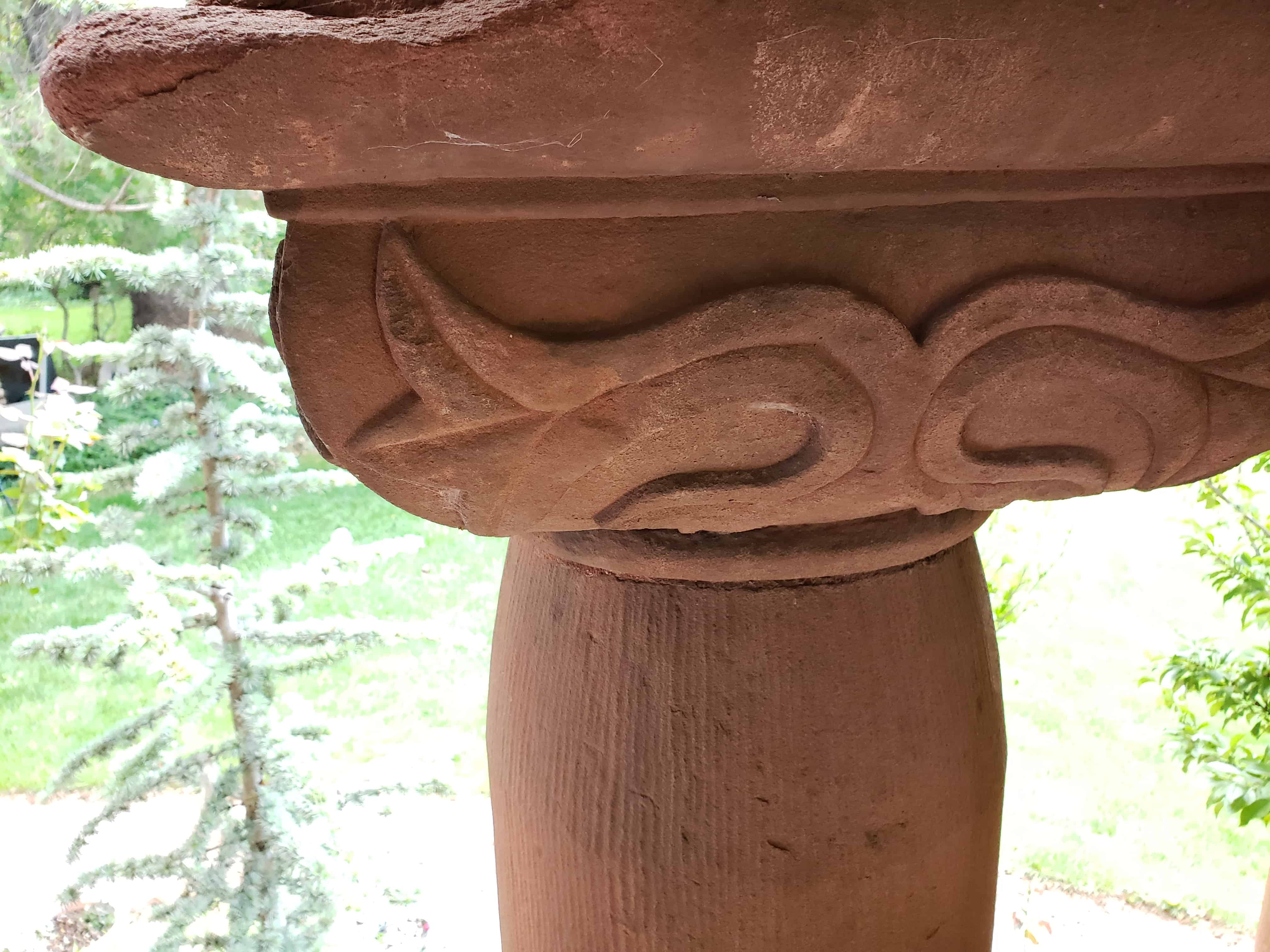
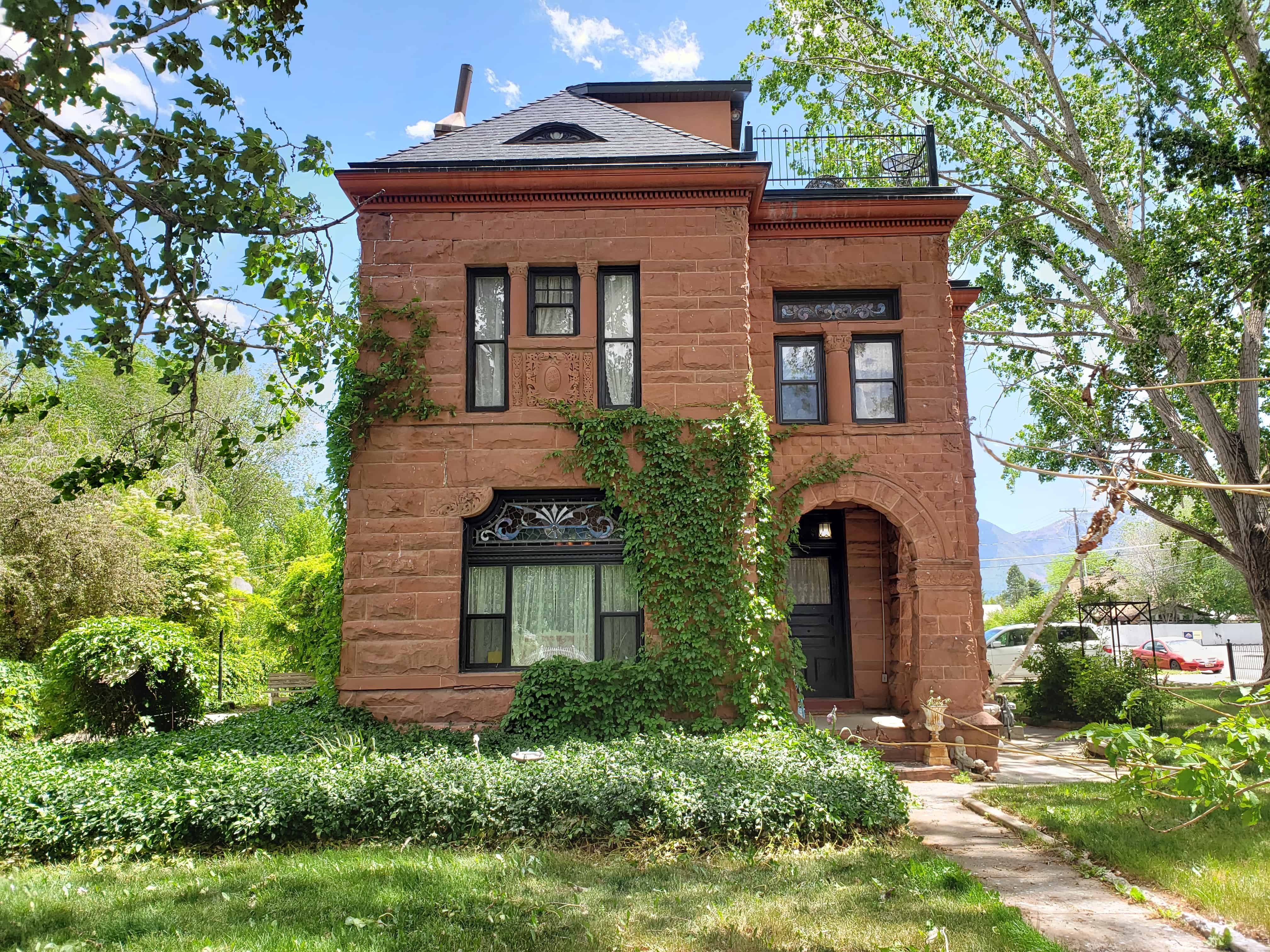
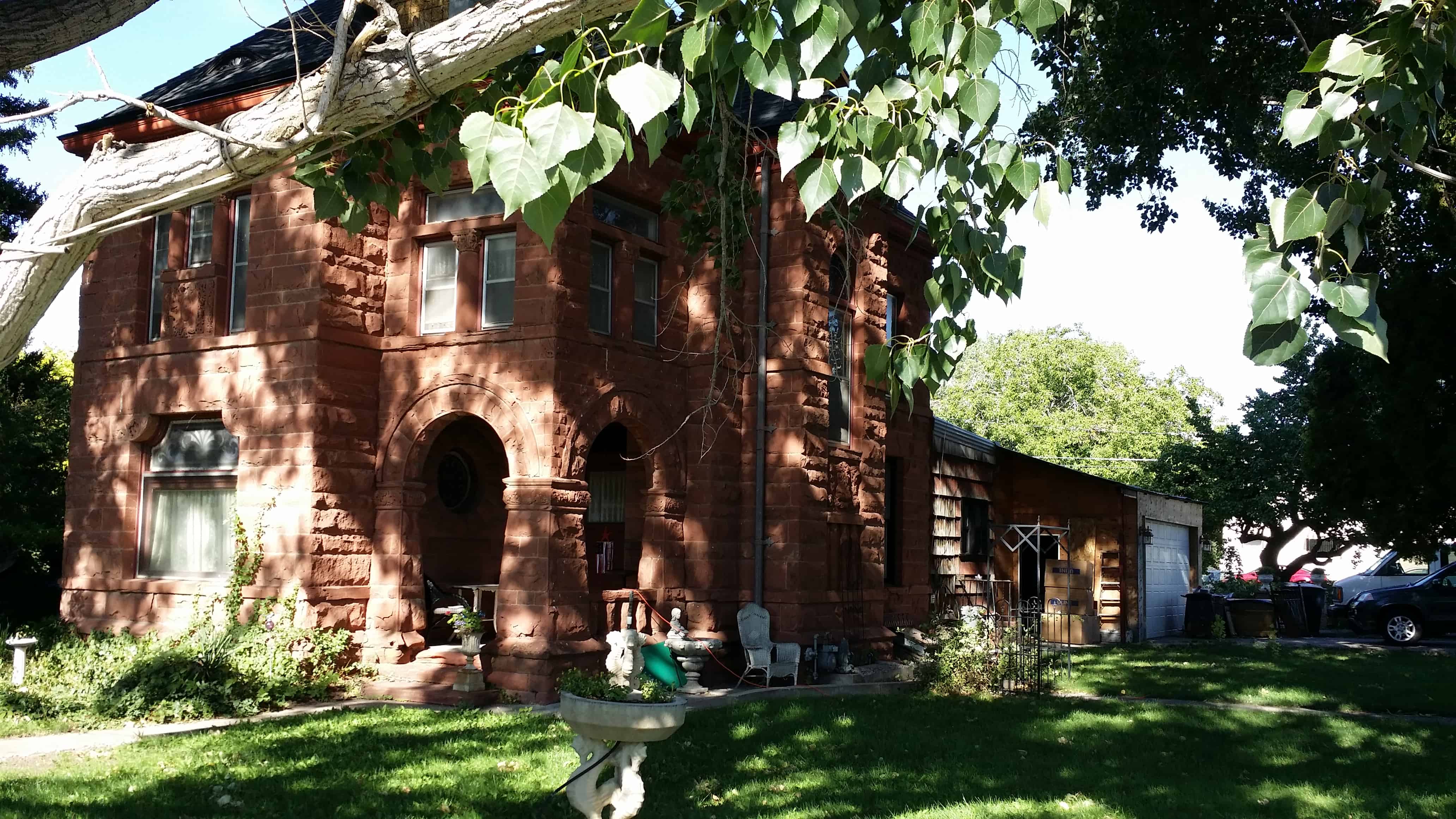
Built during the Victorian era, the Dixon Home is one of the few residences in the state to employ aspects of Richardsonian Romanesque styling, a design trend which was confined almost entirely to commercial and public structures in Utah. The Dixon Home, however, with its simple but heavy massing, rock-faced masonry, hip roof and decorative carved stone, makes definite reference to Richardsonian Romanesque. The two-story home is constructed of dark red sandstone and features fine workmanship in its masonry, both structural and ornamental, and in its art glass windows and woodworking. The well preserved residence has experienced no important changes with respect to original appearance and is considered one of Payson’s most distinctive cultural assets.

The John Dixon Home is a 2 story structure built in 1893-4 of dark red sandstone. The building has an irregular plan but is straightforward in its form and massing. Due to its dark color and rock-faced masonry exterior, the building possesses qualities of heaviness and strength. The home has most in common with the Richardsonian Romanesque mode in style.

The facades of the Dixon Home are asymmetrical and feature large square bays on both floors. The windows, several of which feature art glass, are recessed, giving the walls an effect of depth. Entry to the home is made through vestibule which has two Roman-arched openings. All exterior walls surfaces feature rock-faced stone, excepting the two belt courses at the sill lines which are of smooth stone. The home has a hip roof and features small eyebrow windows. The cornice is shallow, molded and has a dentiled frieze. Of particular interest to the exterior design is a variety of ornamental carved stone. The inscription plaque in the front façade reads, “John Dixon, 1894” and has small faces and arabesque foliation of carved stoned. The capitals of the second story mullion-columns, pedestals of the Roman arches and lentil brackets in the first floor window bays also display carved foliation. The interior of the Dixon Home is also rich in design and materials and retains most of its original character. The only important alteration of original appearance consists of a small frame addition which was made to the rear of the building.

Samuel Douglass House

29 Friday Aug 2014

Posted by Jacob Barlow in Uncategorized

≈ 3 Comments

Tags

historic, Historic Homes, NRHP, Payson, utah, utah county

  • 2014-08-15 17.06.20

The Samuel Douglass House at 215 N. Main St. in Payson, Utah was built in 1874 (making it one of the oldest in Utah) and later substantially altered. It was updated to include Bungalow/craftsman architecture in 1912, and won a high school civics class award.

It was listed on the National Register of Historic Places in 1992. It is also a contributing building in the Payson Historic District, which was listed on the National Register in 2007.

Built in 1874 and expanded c. 1894 and 1912, the Samuel Douglass House is architecturally significant in Payson. It is an excellent local example of the vernacular interpretation of nineteenth-century Greek and Gothic Revival styles subsequently adapted to twentieth-century Bungalow and Arts and Crafts styles. The house is also significant for its unique, original floor plan, which remains easily discernible.

Samuel Douglass was born in 1850 in Salt Lake City, moving to the Peteetneet community in 1863. He followed his father in the general merchandise business and served in several civic positions. He married Emma Jane Dixon in 1874 and was recognized as a successful businessman and supporter of important civic projects such as the Strawberry Valley Project. His house was wired for electricity in 1897 and was also among the first in the community to have running water installed in 1902. The architectural changes made to the house in 1912 reflected growing optimism in the area and incorporated the latest Bungalow and Arts and Crafts styles.

Click here for other historic homes in Payson.

  • 2014-08-15 17.06.24
  • 2014-08-15 17.07.24
  • 2014-08-15 17.07.28
  • 2014-08-15 17.07.34
  • 2014-08-15 17.07.40

Woodland Hills, Utah

01 Tuesday Jul 2014

Posted by Jacob Barlow in Uncategorized

≈ Leave a comment

Tags

Payson, Salem, spanish fork, utah, utah county, Woodland Hills

Woodland Hills is a city in Utah County, The population was 1,344 at the 2010 census.

As of the 2000 census, Woodland Hills had the highest median income in the state of Utah.

Image


The Dream Mine

30 Monday Jun 2014

Posted by Jacob Barlow in Uncategorized

≈ Leave a comment

Tags

historic, Mines, Payson, Salem, utah, utah county, Woodland Hills

ImageImage

Jay M. Haymond
Utah History Encyclopedia

The so-called Dream Mine is located east of Salem in Utah County. The mine founder, John H. Koyle, was born August 14, 1864 at Spanish Fork, Utah County. He married Emily Arvilla Holt 9 December 1884. They had four son and three daughters. At about age twenty-two, Koyle experienced a dream about lost livestock and other domestic matters. Gradually he became known as a visionary man. He grew to dream about a wide variety of subjects, including world affairs. Many of his predictions came true and earned him a following of faithful admirers.

His membership in the Mormon Church led him to serve a mission in 1888 to 1891 in the Southern States Mission. His dreams continued and he was known as a missionary with prophetic abilities. Following his missionary service, Koyle returned home to his wife and family to resume farming.

In August 1894 he experienced a dream in which he was visited by a figure from another world. The visitor carried him to a high mountain east of Koyle’s house and into the mountain, showing him the various strata and explaining the meaning of the minerals. The visitor showed Koyle an ancient “Nephite” mine with large rooms of mined-out ore bodies. The rooms contained treasure and artifacts of an extinct civilization. Koyle was instructed that he was to open a mine and extract gold for the welfare of “his” people. Specific instructions were given for the mine development leading to rich ore bodies. The riches would be found and released to him and his followers during a time of world crisis. The wealth would be spread to others through Koyle and the people organized around the mine. In this way the name “Relief Mine” was attached to the project. The heavenly messenger made it known that the wealth would not be available for “self gratification.” The dream was repeated for a total of three times. Koyle talked of his dream to friends and others for support. In 1909 the Koyle Mining Company was formed with 114,000 shares of stock issued at $1.00 per share.

Koyle’s dreams continued. He predicted the First World War and the economic crash of October, 1929. He foresaw “horseless carriages” bigger than railroad cars going down the road at great speeds. He especially received instruction on how to develop the mine. Plans included air shafts, escape ways and drainage tunnels. Instructions came to build a processing mill and storage bins for grain. By 1910, Koyle was appointed bishop of the Leland Ward in Spanish fork. The mining activities closely coupled with his church work attracted attention from the Mormon Church leaders. Apostle James E. Talmage, a geologist by training, came to look at the Dream Mine claims and could find no evidence that precious metals would ever be found in the strata being explored. The Mormon Church spoke out against the Koyle mine and associated activities and released John H. Koyle from the bishopric. However, Koyle’s ongoing success as a seer and visionary continued to attract supporters and money, including some members of the Mormon Church leadership. Koyle was getting a mixed message from the Church. For a time, Koyle moved some members of his family to Idaho to pursue farming and while there Koyle was appointed to another bishopric as a councilor, but released when the Mormon leadership learned of the appointment. He continued to attract opposition from the Church for the rest of his life. He negotiated a repudiation of his claims, in 1947 and then reversed himself almost immediately and was excommunicated from the Church 18 April 1948. John H. Koyle died 17 May 1949 in Payson.

The mine continued in fits and starts under the leadership of Quayle Dixon for another twenty-three years. In 1961, a new company, The Relief Mine Company, succeeded the Koyle Mining Company and continued to do the minimum $100 per claim annual assessment work. Little more can be said about the often promised Koyle Dream Mine.

See: Norman C. Pierce, The Dream Mine Story, Salt Lake City, 1972.


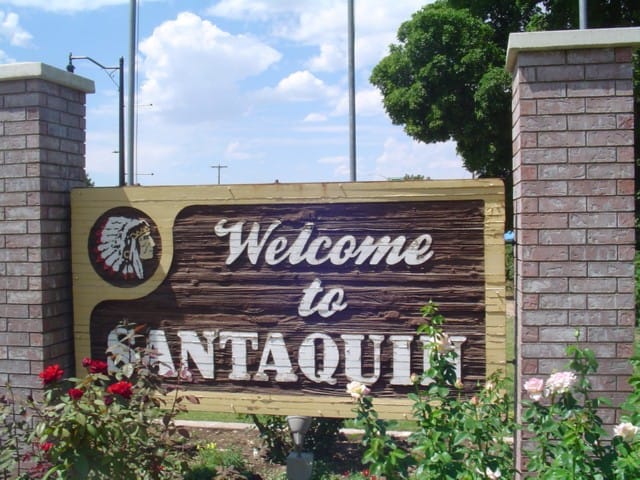
Santaquin, Utah

20 Friday Jun 2014

Posted by Jacob Barlow in Uncategorized

≈ 7 Comments

Tags

Genola, Payson, Santaquin, utah, utah county

Image

Santaquin Posts:

  • Central School
  • City Center Park
  • First Relief Society Hall
  • O. Doyle Crook Memorial Rose Garden
  • Parks in Santaquin
  • Santaquin DUP Marker
  • Santaquin Junior High
  • Santaquin Ward Chapel
  • Southern Utah Valley Historic Marker
  • Santaquin posts sorted by address

Santaquin is located in Utah County, about seventy miles south of Salt Lake City in a picturesque and beautiful site with a view of Utah Lake and Mount Timpanogos to the north. Originally called Summit City because of its location at the summit dividing line between Utah and Juab valleys, it was settled in late 1851 by pioneers who were helping settle Payson, located about six miles to the north. Abundant water, plenty of fertile land for farming, and abundant groves of trees for firewood, fence posts, and cabin logs made this an ideal place for a community.

A friendship developed between local Indian chief Guffich and Benjamin F. Johnson, leader of the original pioneers, which enabled the whites to settle peacefully in the area. By 1853 the settlement had grown sufficiently to become known as Summit Creek Precinct No. 7. Soon after, however, the Walker War broke out, and the settlers were forced to move for safety to Payson, where they remained until 1855.

Around this time a fort was built according to plans furnished by architect Truman O. Angell. After its completion, the settlers moved back to the town in the spring of 1856. One night soon after resettlement Chief Guffich came secretly to warn Johnson of an impending raid by young braves, including his son Santaquin. The settlers quickly left, and when the raiders found the fort deserted Chief Guffich explained to them that the white men were good people and that the Great Spirit had warned them of the attack. It was claimed that from that day peace was made between the local Indians and the Mormon pioneers. It was decided to name the town after Guffich, but he declined the honor and asked that the settlement be named “Santaquin” for his son.

A rock schoolhouse was built in the fort in 1856. It was stoutly built and served the public for many years, still being used into the 1980s. It was not until 1896 that the first local church building was constructed, religious meetings having been conducted in the school building, which now serves as a senior citizens’ center and a veterans’ memorial hall.

In addition to farming, early industries included sawmills, a flour mill, a molasses mill, and a furniture shop. A silk industry was started with the planting of mulberry trees, some of which still remain in the city. Horse and buggy were the only means of transportation available until 1875, at which time the Utah Southern Railroad completed a line to Santaquin. About that time, rich ore was discovered in the Tintic area. Several mines were discovered on Santaquin ridge, or Dry Mountain, with some copper, lead, silver, and zinc being mined; the Union Chief mine was the most prosperous.

Following serious flooding in 1949, the Summit Creek Canal and Irrigation Company was given approval to construct a reservoir west of the city; on several occasions it has prevented disastrous damage to the community. A diversion dam was completed and more than 10,000 feet of concrete pipe laid in 1971, which proved to be an efficient method of conserving valuable water resources. Irrigation methods changed to sprinkling systems or drip systems, enabling farmers to efficiently irrigate land that was not level, bringing more farmland into production. Natural gas service was brought to Santaquin in 1954, and marked a major development in the modernization of the community.

With the construction of the steel plant at Geneva and the rapid growth in the Provo–Orem area to the north, many fruit farmers relocated to the Santaquin area. Large orchards were planted, replacing wheat fields and pasture land. The construction of huge cold storage facilities for the fruit created many jobs in the community. Another boast to the economy and population came in 1968 with the completion of Interstate 15 through the town.

Salem’s First Post Office

10 Tuesday Jun 2014

Posted by Jacob Barlow in Uncategorized

≈ Leave a comment

Tags

DUP, historic, Payson, Salem, utah, utah county

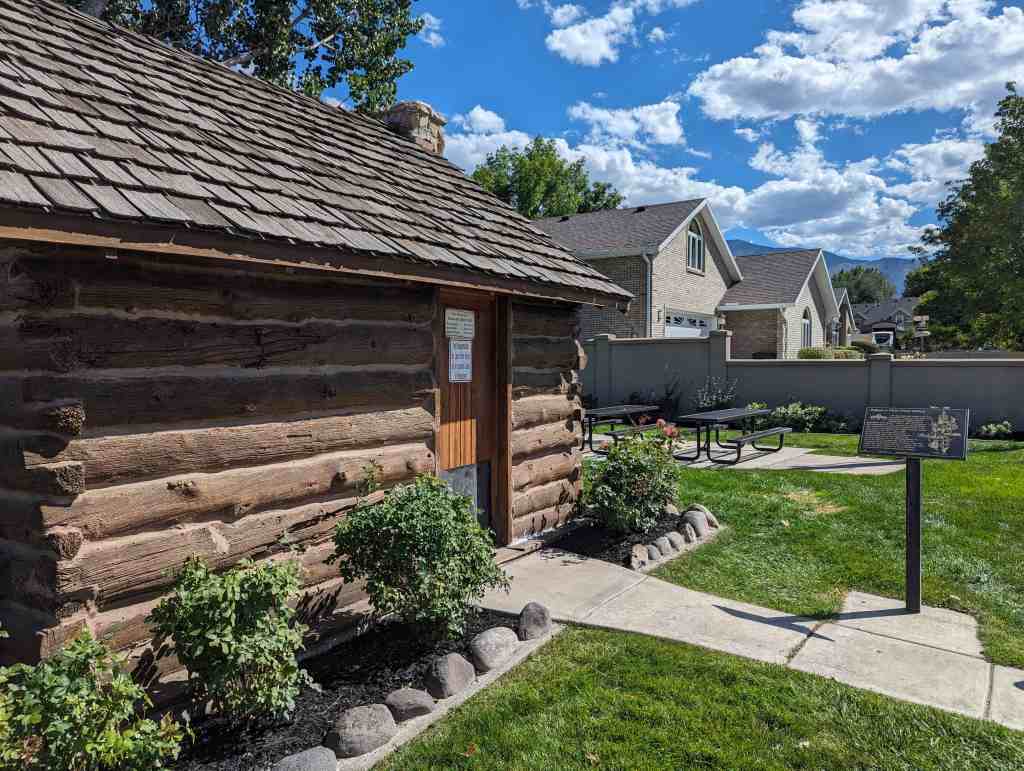
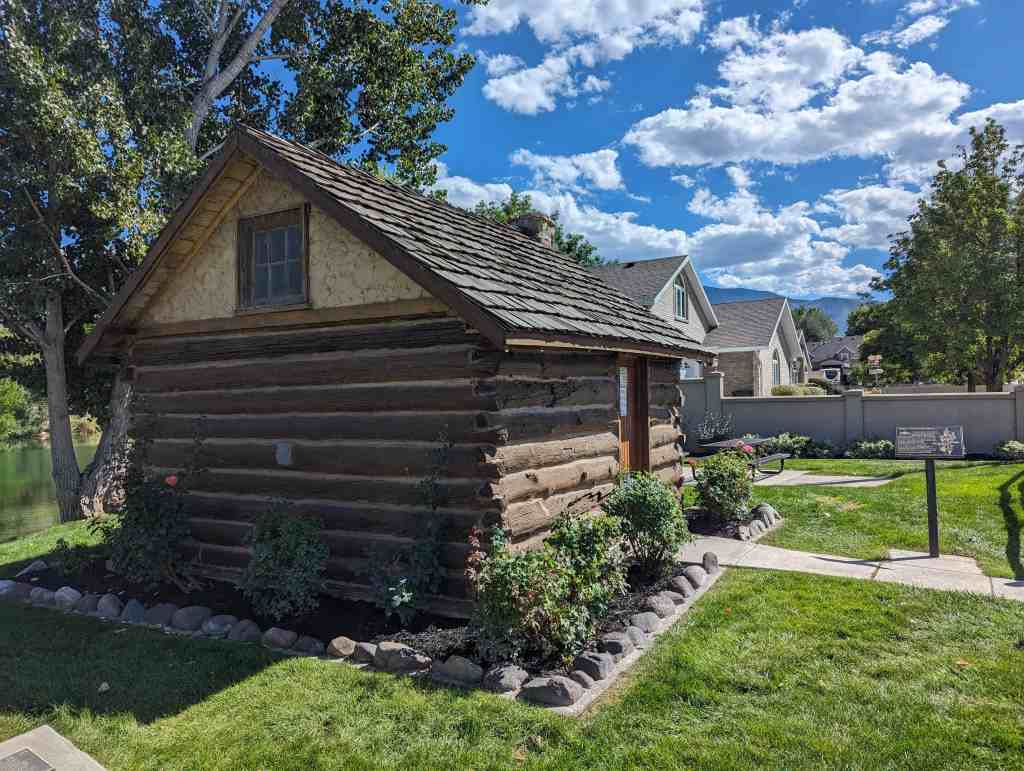
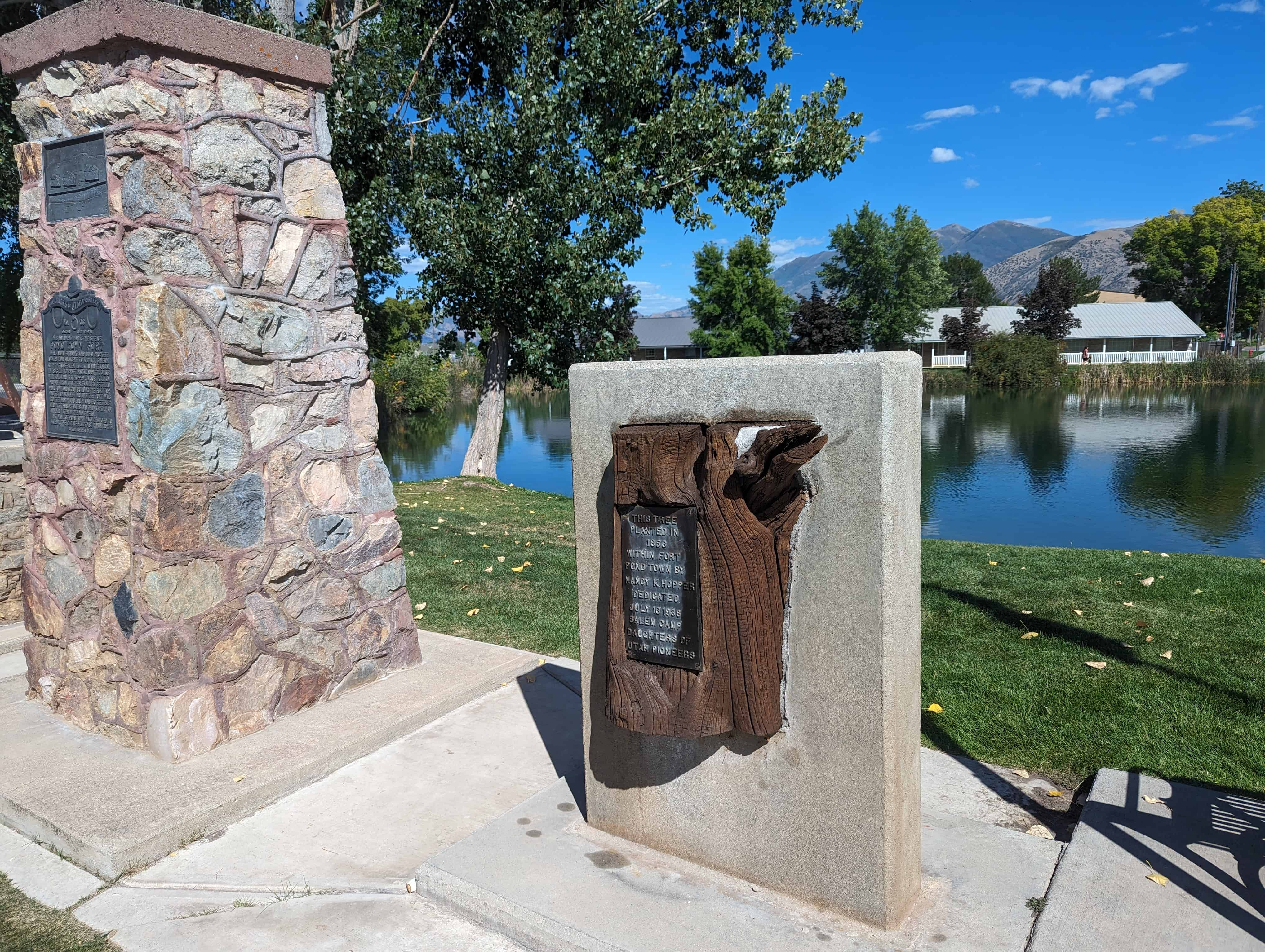
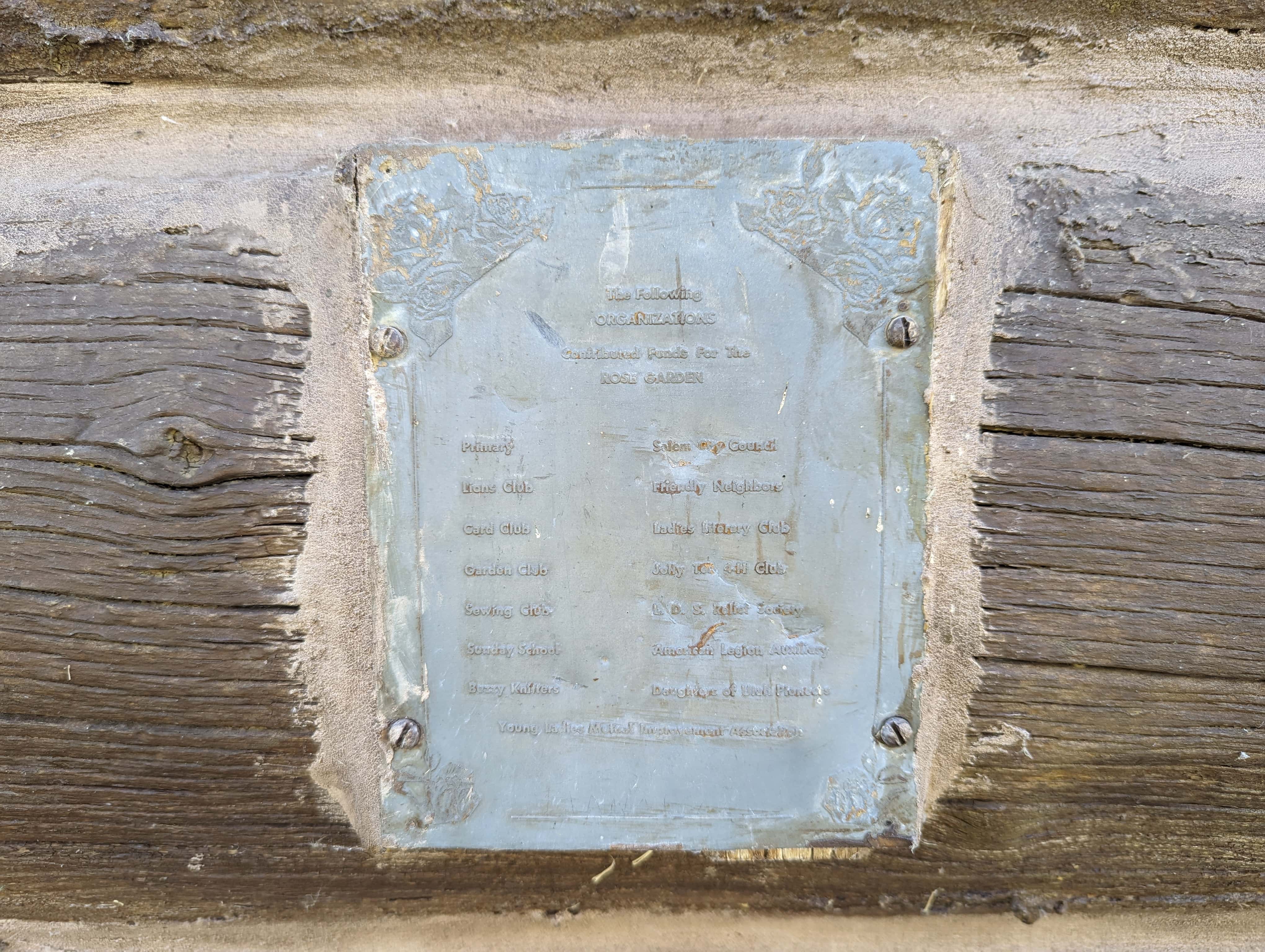
This log cabin was used as the first Post Office in Salem. It was built on the east bank of the Salem Pond by George Killiam, who served as postmaster from March 1, 1872 to 1877. Harry Nelson then purchased the cabin, moved it to the southeast part of Salem, and used if for a summer home. It was later sold to Chris Nelson, his brother, whose children played there until 1937, when it was purchased by the Daughters of Utah Pioneers. The cabin was next moved to a location northwest of the chapel of The Church of Jesus Christ of Latter-day Saints. On March 19, 1972, the cabin was moved to the southwest corner of the church lot when a new LDS Chapel was built. It has now been moved to the west bank of the Salem Pond at 13 South 300 West, renovated and furnished with pioneer artifacts.

The text above is from Daughters of Utah Pioneers historic marker #479, located at Salem Pond at 99 South 300 West in Salem, Utah

  • D.U.P. Historic Markers
Image
Image

Payson’s Pioneer Industry

29 Thursday May 2014

Posted by Jacob Barlow in Uncategorized

≈ 1 Comment

Tags

DUP, historic, Payson, utah, utah county

Payson’s Pioneer Industry
The Pioneer Millstone designates the centennial of Payson City, founded Oct. 20, 1850, by Mormon settlers. Near this monument on Peteetneet Creek was erected the first public building, a log cabin used as a school, church and fort. A sawmill and flour mill were build by 1853. A nail factory, one of the first west of the Mississippi River in 1860; a planing mill, one of the first in Utah Territory in 1861, and Payson’s first public school was opened in the Spring of 1866.

ImageImage

Check out all of the historic markers placed by the Daughters of Utah Pioneers at JacobBarlow. com/dup

Our Pioneers

23 Friday May 2014

Posted by Jacob Barlow in Uncategorized

≈ 2 Comments

Tags

DUP, historic, Payson, utah, utah county

picture7sep07-038

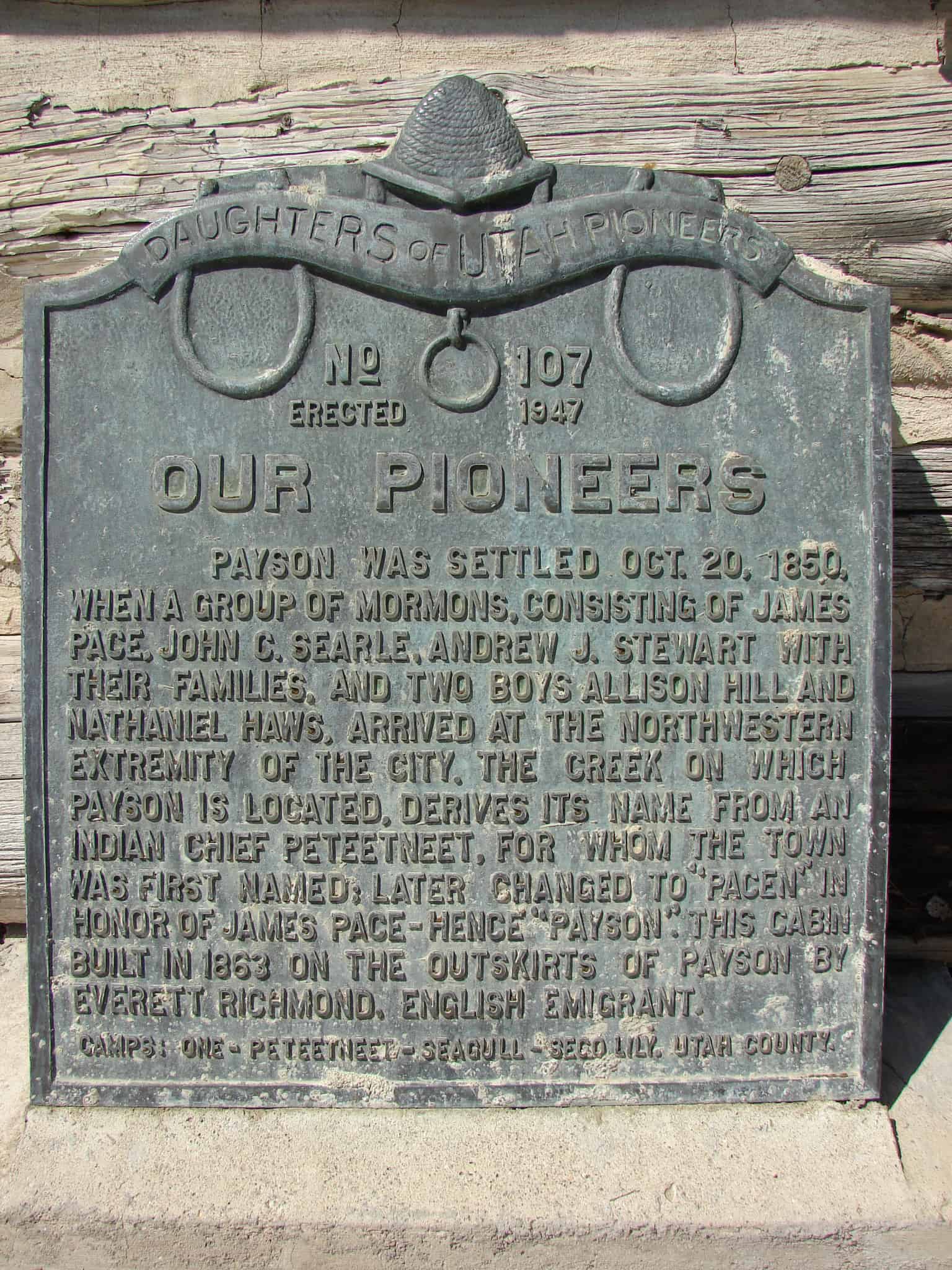
Payson was settled Oct. 20, 1850, when a group of Mormons consisting of James Pace, John C. Searle, Andrew J. Stewart with their families, and two boys, Allison Hill and Nathaniel Haws, arrived at the north-western extremity of the city. The creek on which Payson is located, derives its name from the Indian Chief Peteetneet, for whom the town was first named, later changed to “Pacen” in honor of James Pace, hence “Payson”. This cabin built in 1863, on the outskirts of Payson by Everett Richmond, English emigrant.

picture7sep07-037

Check out all of the historic markers placed by the Daughters of Utah Pioneers at JacobBarlow. com/dup

← Older posts
Newer posts →

Follow Jacob

Follow Jacob

Blog Stats

  • 2,048,098 hits

Social and Other Links

BarlowLinks.com

Recent Posts

  • Old Farmers Co-Op Building
  • Fort Douglas Officers Club
  • Israel and Elizabeth Haven Barlow
  • Anson Call
  • Jane Elizabeth Manning

Archives


Loading Comments...