Tags

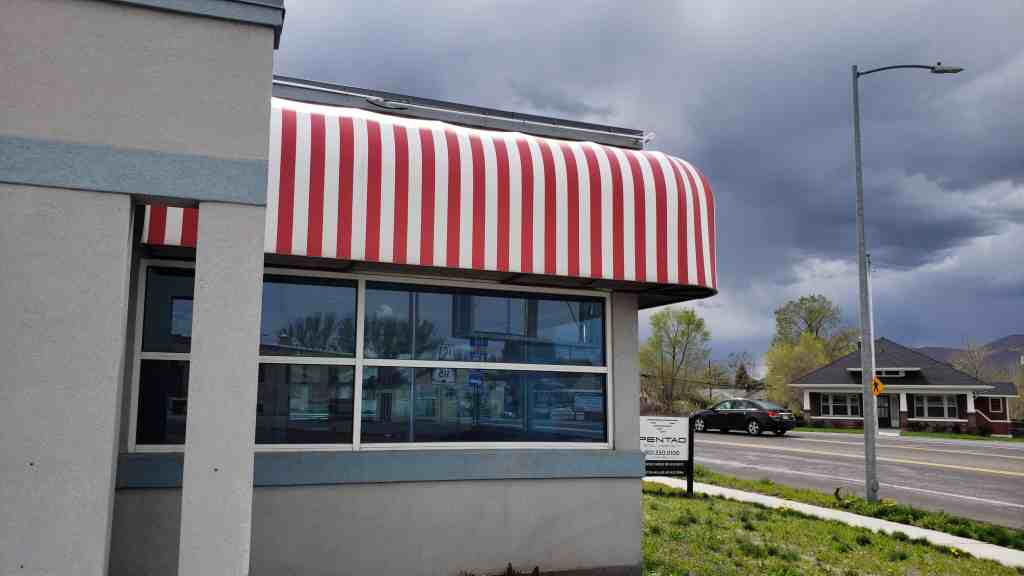
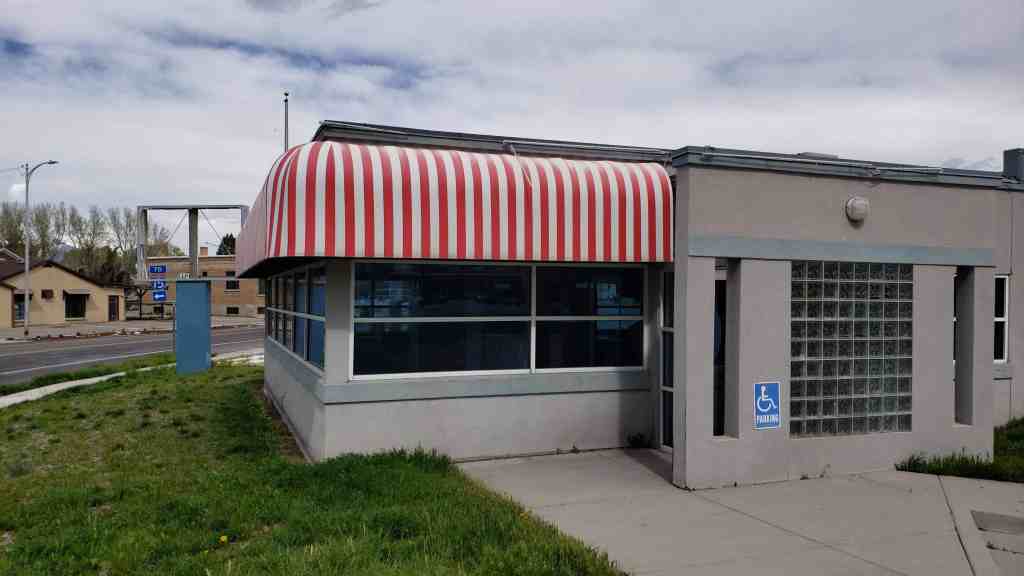
I stopped by the closed down One Man Band Diner in Payson, Utah to get some pictures and video.

30 Sunday Jun 2019
Posted in Uncategorized
Tags
I stopped by the closed down One Man Band Diner in Payson, Utah to get some pictures and video.





26 Wednesday Jun 2019
Posted in Uncategorized
Tags

Pine Valley has about 500 homes, most of which are vacation homes with about 225 permanent residents. It was settled in 1859.
Related Posts:


12 Wednesday Jun 2019
Posted in Historic, Uncategorized, Utah

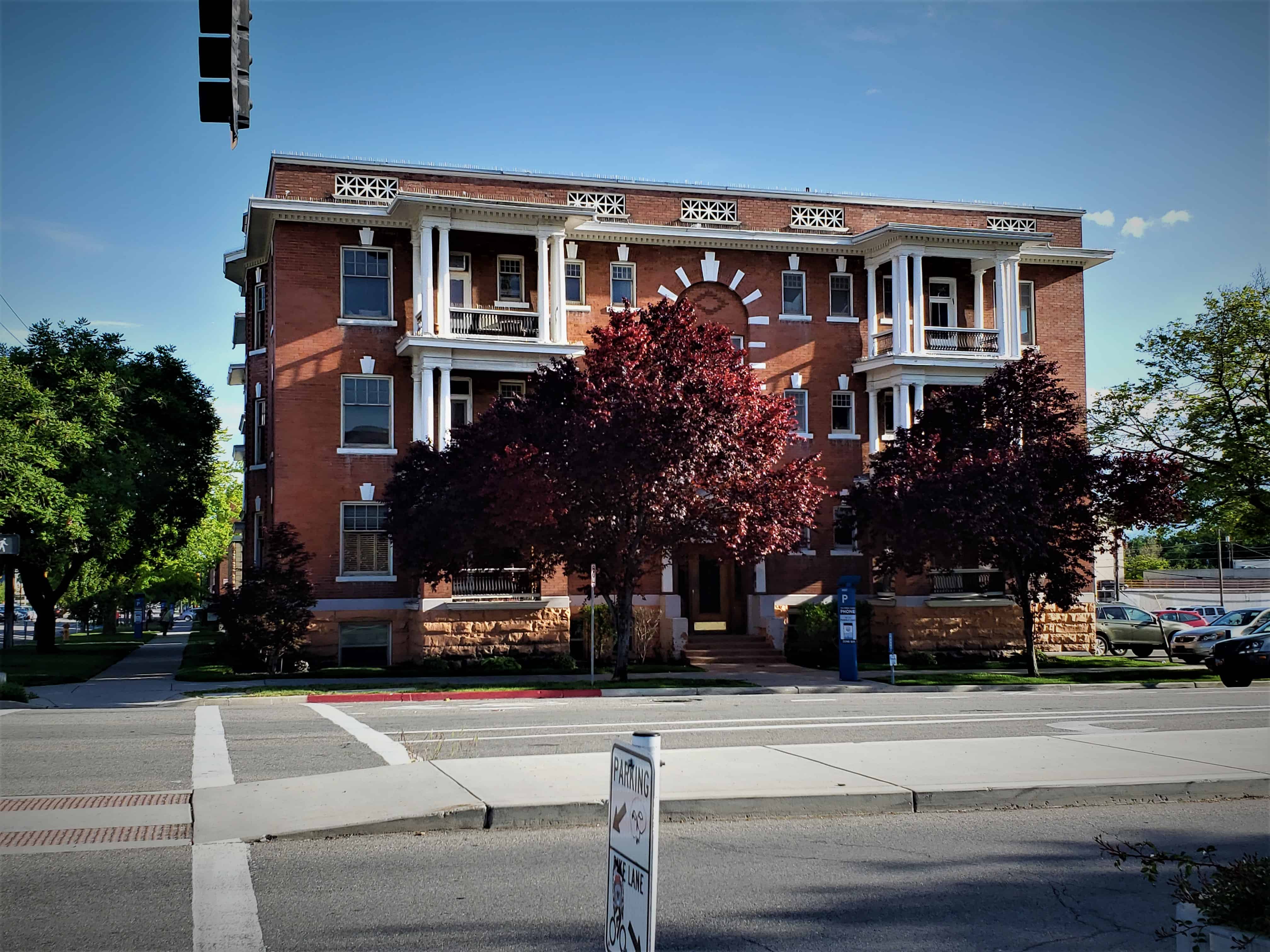
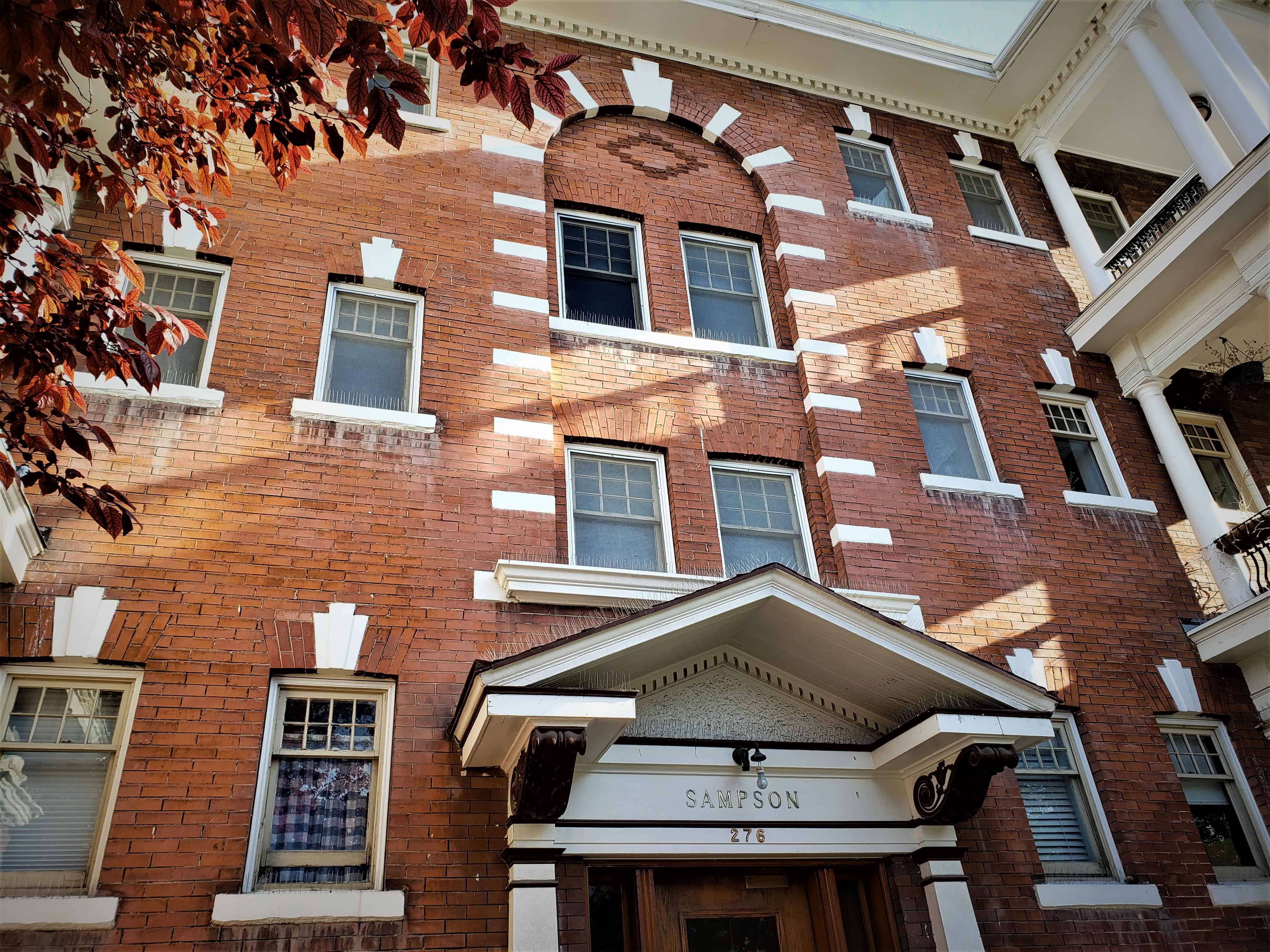
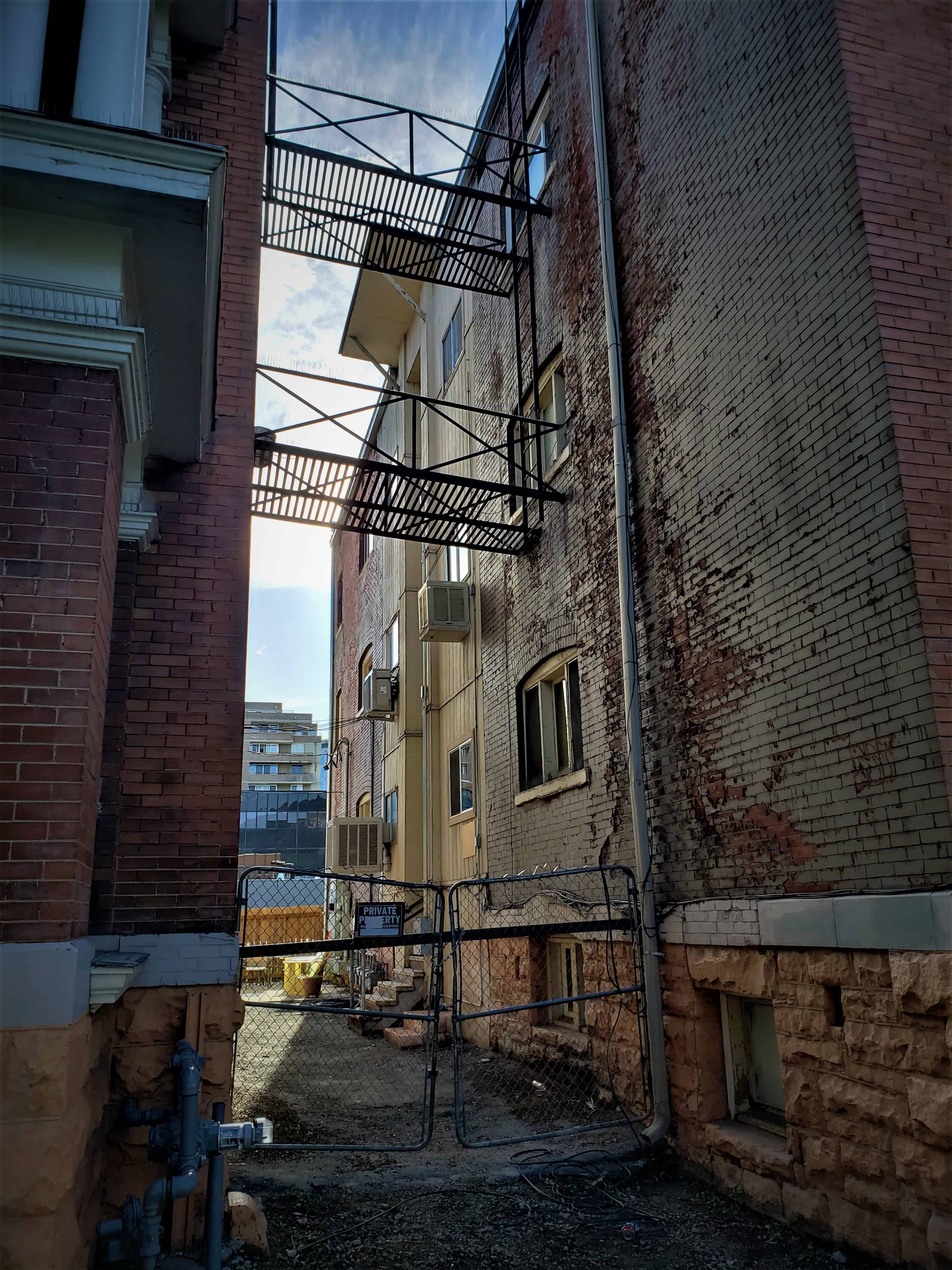
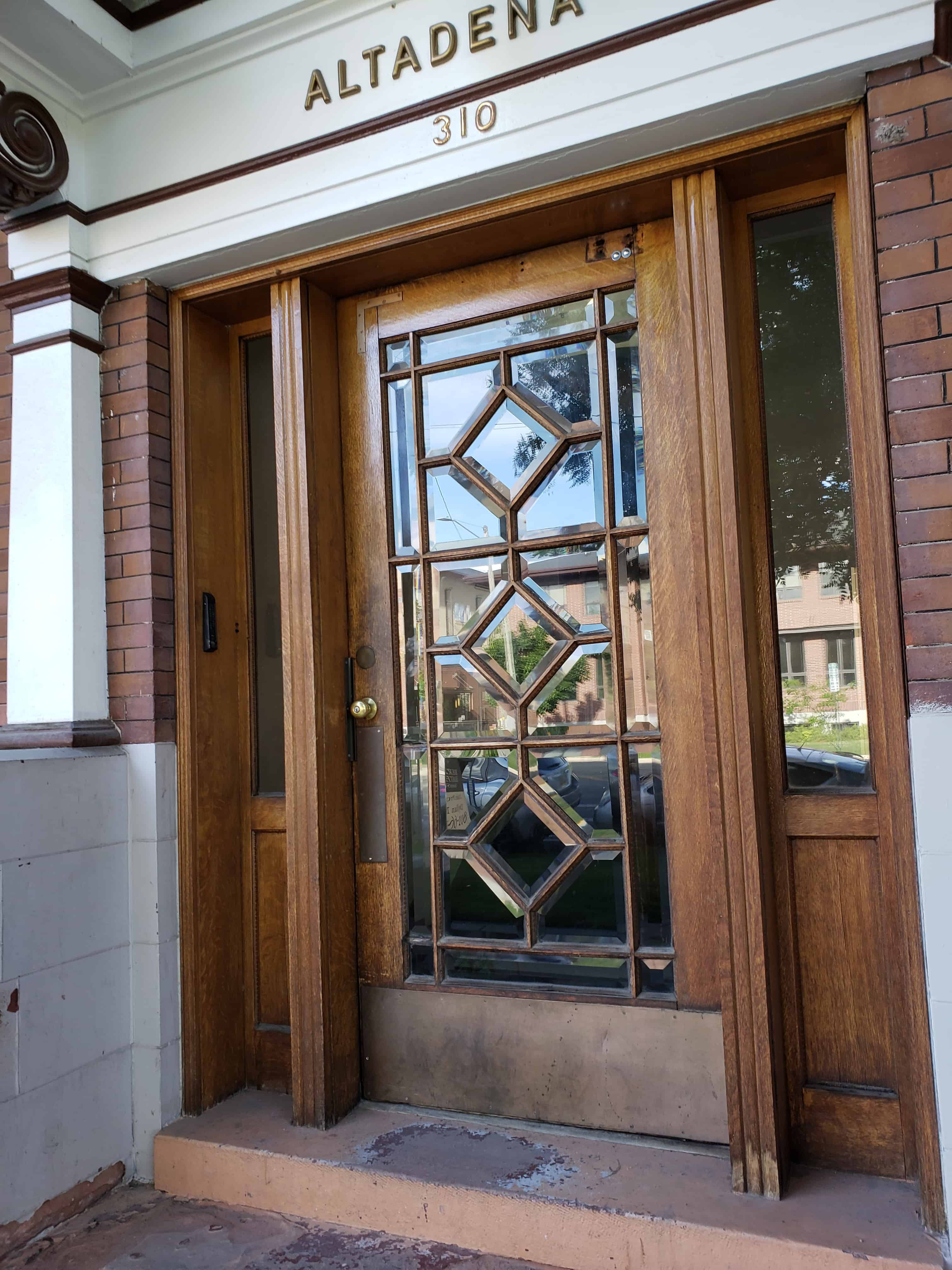
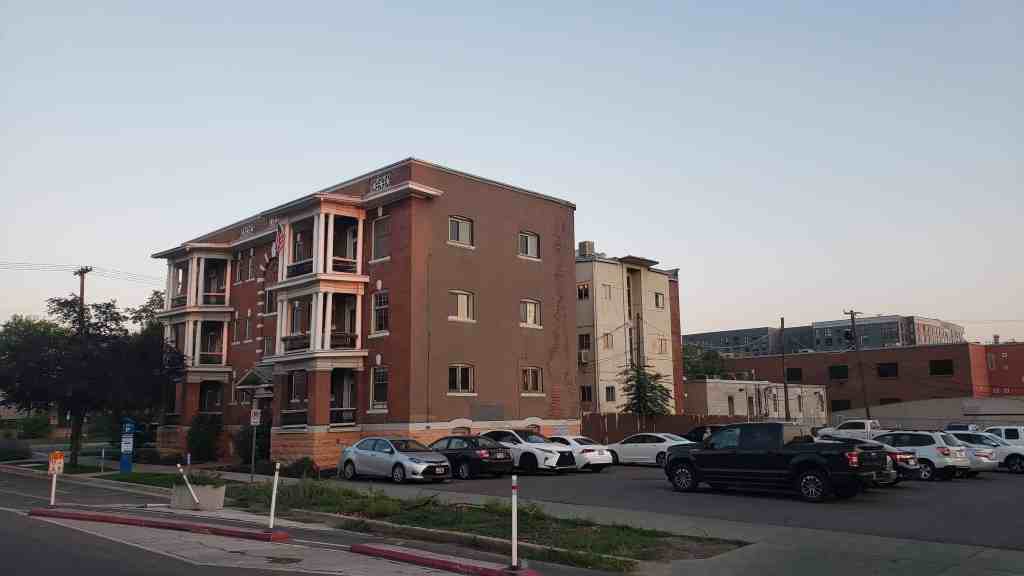
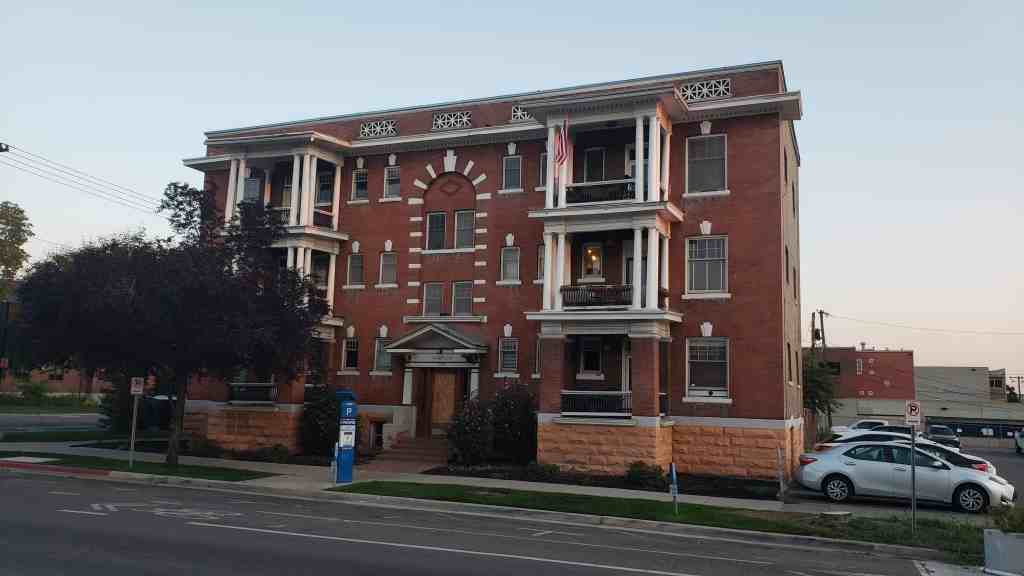
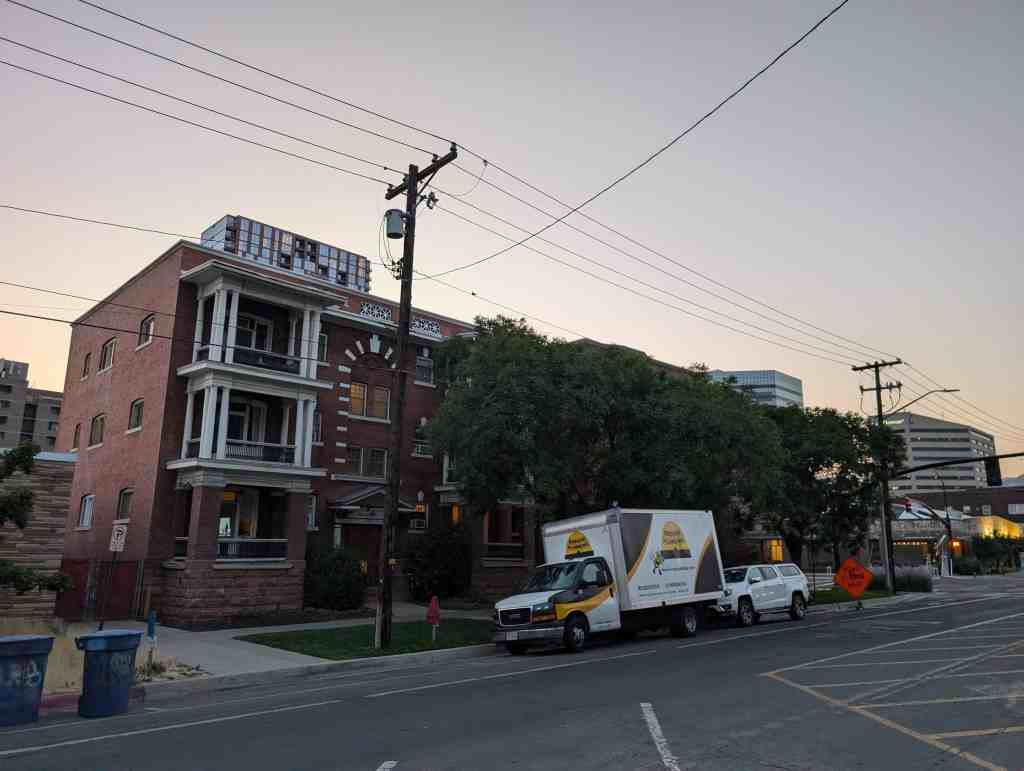
Sampson and Altadena: 276 East 300 South & 310 South 300 East in Salt Lake City, Utah
The twin apartment buildings Atadena and Sampson were built in 1905 or 1906 according to different sources. They are listing on the National Register of historic places and were built according to Wikipedia by Octavius Sampson for $21,000.
Related Posts:




04 Tuesday Jun 2019
Posted in Uncategorized
Tags

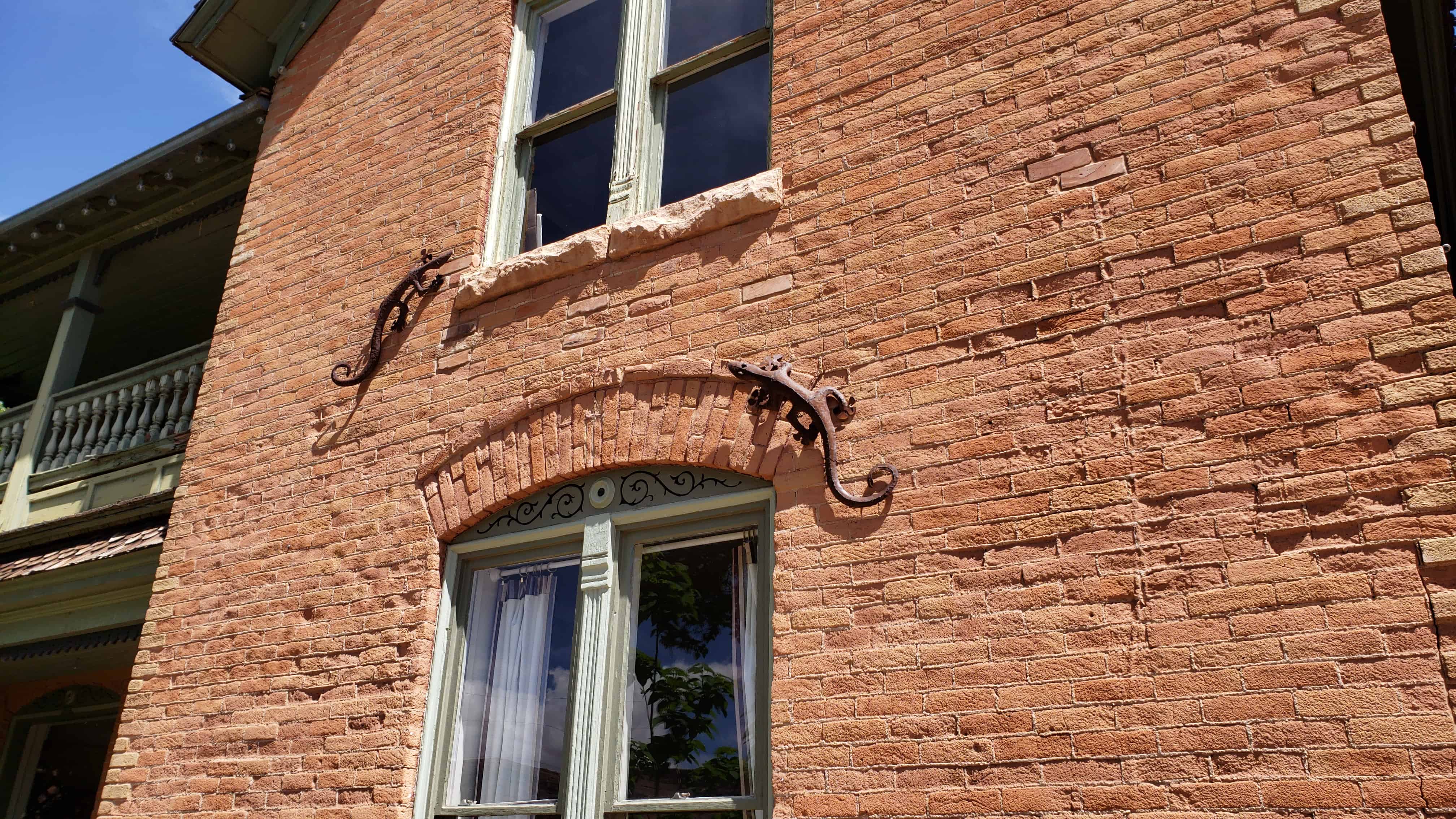
The Arthur Taylor House documents and illuminates some of the social and economic aspects of ranching in Southeastern Utah. Its size and sophistication, in comparison with the crude homes of most of Moab’s citizens, clearly marks the importance of ranching in the area during the late 19th century. Equally important are the home’s associations with members of the Taylor family who were pre-eminent in the promotion of ranching in Grand County. The Old Taylor Homestead is one of the few remaining historical and architectural assets of the town of Moab, which has suffered the baleful effects of uranium booms and tourist infestations, It is an essentially intact late nineteenth century farm complex, with a two story, T-plan main house of brick.
Located at 1266 U.S. Highway 191 in Moab, Utah and added to the National Historic Register (#80003908) on February 28, 1980.
The Taylor family arrived in Moab in 1881, and with their arrival, large scale cattle ranching got under way. The industry suffered from a grat deal, of lawlessness in the area, and cattle rustling was a continual problem. Amusingly, and accurately, local lore recalls that many local ranchers actually got their start in cattle ranching by establishing their herds with cattle stolen from longer established neighbors. The Taylor’s were the principal targets 6f much of this rustling, and the losses they were suffering contributed to their decision to switch to sheep ranching. The first to introduce sheep into Grand County, they were inevitably involved-in the range war that followed.
It was profits from sheep that enabled the construction of the Taylor Homestead to begin in 1894. The bricks were made in Moab by another member of the family, Elmer Taylor, while paints from the interior walls came from the Carter Brothers of Prove. When the Arthur Taylor’s moved into the house, the GJ:and Valley Times reported,, “Mr and Mrs Arthur Taylor had a parTy on Monday evening to celebrate the occupancy of their new mansion.” The Taylors were thus established as the leading family of Moab, and the object of considerable envy by the residents of the log cabins that constituted most of the dwellings in town.
Following Arthur Taylor, the home passed to his brother Lester Taylor and later went through a succession of hands residence, it is now used for refrigerated storage. Materials and building techniques place this structure at a date close to that of the main house. Of brick on a rough faced, ashlar foundation (now stuccoed with concrete), the gable areas are shingled. Segmental arches and wooden segmental insets complete the two-over-two windows treatment. A screened frame porch was part of this structure originally, resting on the same stone foundation.
Though adapted for use as a restaurant, the present owners have restored the interior of the Taylor home to its original character as much as possible. Woodwork was refinished and missing millwork has been reproduced and replaced. Facsimile wallpapers and paint colors were made after consulting a surviving early resident, Lydia Taylor Skewes.
The home has been rewired and period fixtures used. A second floor bathroom added ca 1945 was left intact. The first floor bathroom was divided into men’s and women’s sections in accordance with the restaurant code.
Outbuildings formed an integral part of any farm complex. At the Taylor farmstead the many extant outbuildings contribute to preserving the character of the original site.
Three original, rough-faced sandstone outbuildings survive, all with gable roofs. For the one story smoke-house, sandstone was used for the lower elevation level, while yellow brick was used on the upper portion. Dug partly into the hill is the icehouse. The creamery also remains, though the stone has been stuccoed. Frame storage sheds, corrals and chicken coops dot the complex.
The Taylor home exemplifies a common approach to domestic architecture in America. An established vernacular form with comfortable associations socially and historically was chosen. Yet in desire to keep up with current taste, details were applied which were not integral to the overall form.
The social and economic conditions which allowed the Taylor family to prosper and build are gone, but the home that was the result remains as a landmark of later nineteenth century architecture in rural Utah.

The Taylor Farmstead in Moab, Utah, remains as an essentially intact late nineteenth century farm complex. Begun in 1894, the farmhouse is similar in form and detail to other domestic architecture of the period. The T plan, one of the popular pattern book plans, was used extensively during this era throughout the West. Applying period ornament to a vernacular architectural type in order to update the appearance was a popular move – a comfortable step – embracing the vogue and the traditonal at once. Substantial scale and materials added to the pretentious detail crate an imposing result.
A full two stories, the Taylor home is large in comparison to other homes in the region. Brick for the walls was made locally by a family member. The lighter colored quoins may have been from another source. Rough faced, regular coursed sandstone was used for the massive window sills and the foundation (now stuccoed with concrete).
Window treatment for the Taylor Home is arranged around double hung, sash windows. Brick segmental arches with archivolt bands, and wooden segmental insets with an incised scroll motif seen commonly in Utah architecture are uniform. In the double unit window configurations, a classical vernacular pilaster divides the windows. Surrounds are of a plain, moulded style.
A porch and balcony in the Eastlake Style mark the main façade. The original arrangement (see ca. 1896 photo) was later modified by the addition of a roof over the second story balcony. Originally polychromed, the porch is now painted white. Scalloped shingles on the pent roof complimented the vergeboard drapery of quatrafoil motif, which is now missing. Later modifications were made to include the roof over the second story balcony. Here, square posts with milled bracketing replaced the turned balusters. Rafter ends have decorative rounded shapes.
Rear extensions and interior modifications began ca. 1943 and continued until the present ownership, under which a readaptive restoration was launched. The original rear porch has been enclosed. To accommodate the home’s present use as a restaurant, a kitchen has been added at the rear.
This modern kitchen connects the farmhouse to a one-story, rectangular brick structure. Probably originally a three-room before finally ending up as a prize to be carefully restored to its former grandeur. The present owners are making a worthwhile effort to rescue the building from dilapidation and to make it once more a showplace of Moab, and a reminder of the colorful ranchers who built Moab and Grand County.


06 Monday May 2019
Posted in Uncategorized
Tags
City Creek Canyon Historic District, Memorials, NRHP, Salt Lake City, Salt Lake County, utah, War Memorials, World War I

The World War Memorial in Memory Grove.
The circular classic styled memorial is composed of eight peripteral doric columns rendered in granite. The colonade supports a circular entablature composed of an architrave, wide frieze and cornice, above which is found a carved crown molding rendered in a floral motif. The entablature supports no dome allowing light to penetrate to the central interior of the monument via the round opening which the entablature forms. The colonade rests on a round three-stepped base of granite.
The central focal point of the monument is a centrally located octagonal shaft which supports an urn. Around the flat sides of the shaft are bronze plaques bearing the names of war dead. Radiating out from the base of the shaft Is a star form composed of random shapes of marble set into the floor.


1914-1918
In Grateful Remembrance of the Heroic Sons of Utah Who Gave Their Lives in the World War
This Monument Erected A.D. 1932
02 Thursday May 2019
Posted in Uncategorized
Tags
NRHP, Provo, utah, utah county

This page is to condense and link to other posts on this website that relate to the Provo Tabernacle which later became the Provo City Center Temple.
The tabernacle is located at 50 South University Avenue in Provo, Utah and was added to the National Register of Historic Places (#75001830) on September 9, 1975. The text below is from the nomination form from when it was submited:
The Provo Tabernacle is significant for both religious and architectural reasons. It is still the place where great nesses of Mormons come to hold their conferences. It is also the major symbol of pioneer accomplishment in Utah Valley. The Tabernacle is used by the Utah Valley Symphony and other groups promoting cultural, political and religious betterment,, causes which were greatly espoused by the pioneers in Utah Valley.
Since the destruction of the old tabernacle in 1919 and the later razing of the old court house and others of Provo’s historic buildings, the Tabernacle stands out as the roost important architectural landmark in the valley, Both its monumentality and its architectural refinement continue to told the observer somewhat awestruck. The building is useful, beautiful and it should continue to serve the community for countless years.
Description –
The present Provo Tabernacle was built clue south of the older tabernacle constructed 1856 to 1867, which continued to stand until 1919* The old tabernacle could seat 1100 to 1300 people, but in 1882 was deemed too small and a decision was made to build a tabernacle that would house three times the number of people as did the older edifice. At a quarterly conference held, in September, 1882, a building committee was chosen and soon after,, work on the tabernacle began. The following description of the building was made in 1914, four years before its renovation: “Located in Provo, Utah and erected between 1883 and 1896, it is made of brick and stone, the superstructure being of brick, The building measures 128 by 75 feet and 40 feet to the square. The seating capacity is three thousand. It cost between eighty and ninety thousand dollars, There is one auditorium and a vestry. William H. Folsum was the architect. Building supervisors were Elder H. H. Cluff, and later. Elder Reed Snoot. The building was so far completed that the general conference of the Church of Jesus Christ of Latter-day Saints was held in it in April, 1887.
Another description, made in 1947, also tells of the building’s interior: “The Provo Tabernacle, located on University Avenue between Center Street and First South Street, was erected at a cost of $100,000, It is built of red brick and set in wide lawns covering most of the city block. The building has octagon towers at each of its four corners. A central tower that arose above the lintel to the height of 140 feet was later removed, being too heavy for the roof. Cathedral windows are used throughout the building, and beautiful ivy vines cover the walls. The interior is finished with painted- stained and varnished sugar pine wood. The stand was designed by Thomas Alltman, When first finished the benches were made with straight backs and the seats were covered with red velvet later these were replaced by curved back, spring-filled. leather upholstered benches. A green plush curtain separated the choir from top pulpit and speakers. When the green curtain was removed, the space was filled with a strip of fir lumber, beautifully designed, carved and engraved by Thomas M. Allman, which has been admired by many church leaders, diplomats, and thousands of Saints and friends. The balcony extends around the entire assembly hall and the building is well lighted, heated and ventilated. The pipe organ was imported by D. O. Calder and was one of the finest to be bought at that tine. The Tabernacle has been in service for sixty years, being used for church gatherings and other special occasions. It has a seating capacity of 3000 people.
At the time it was completed, Utah Stake boundary lines included all of Utah County. All joint meetings and special church assemblies, including the semi-annual conference in October, 1886, were held in the Tabernacle, At the present time Provo and Utah Stakes use the Tabernacle jointly, arranging quarterly conferences at different tines.
Another report states that the indebtedness upon the building was liquidated by the “50¢ Fund” which called upon men in the stake to contribute 50¢ a month toward the building, and women 25¢.
The building was partly condemned in 1918 because the roof was under great stress from the large tower which sat at the crossing of the ridges, The building was renovated at this time, but the tower was permitted to stay until 1949 when the building was again condemned. At that time the building was about to be destroyed when Provo architect Fred Markham stepped in just in time to save the structure. He designed a method for removing the central tower and rebuilding the roof and in this manner the tabernacle was saved. This work was done in 1950. Stake meetings continue to be held frequently in the edifice.
The Provo tabernacle is a stately structure. It is slightly cruciform in plan and is a split-level with two full stories altogether. At each of the four major corners is a large, octagonal tower. At the east end they also serve as vestries. The towers have a combination of Gothic and segmented bays, each having corbeled arches and keystones. The towers have molded cornices and segmented, conical steeples. The four major gabled ends are extensively detailed. Features include a corbeled dentil run with, tiny Gothic arches, a curious terminal piece at the top of the gable, a swooping., steep roof pitch, indented Gothic arches, large Gothic windows with central mullions and several other decorative elements which harmoniously combine to give an overall effect of dignity and grandeur. In the English tradition ivy grows on the walls. The city fathers themselves once admitted that s the design was adapted with the view of preserving among us a reminiscence of a Presbyterian meetinghouse, that the children of the saints might see in what kind of edifice their fathers worshipped before they heard the gospel.” With this in mind we can better appreciate some of the unusual decorative elements of the building. The central tower which was taken away was wider and had a taller steeple than the existing towers. It sat on a square pedestal. From the ground level to the top of the tower the height was 140 feet.
The interior assembly hall is a spectacular space. The original pews, horseshoe gallery, decorative woodworking and beautiful organ loft with exposed pipes remain as a tribute to the craftsmanship of our pioneer ancestors. Below the chapel are four rooms for the accommodation of the Stake Presidency, High Council and auxiliary Stake boards. On the top floor is a circular prayer room with dressing rooms attached. There is also a baptismal font with dressing rooms in the basement. The treatment of the interior is tastefully lavish and. inspiring. There is an especially impressive mood in the morning when the sunlight floods into the huge chapel through the many stained glass windows.
31 Sunday Mar 2019
Posted in Uncategorized
Tags

Pierpont House
957 East Center Street
The house is a good example of an English Tudor period cottage. The steep roof pitches, large front chimney, round arched entry and multicolored brick are elements of this style. The property has been owned by members of the Pierpont family since 1962. The Pierpont name is well known due to Thomas Pierpont, who was prominent in the steel and foundry business. Other owners of this home include Albert and Pauline Taylor (1937 to 1953) and Ralph and Elaine Bringhurst (1953 to 1962).
Related posts:
05 Tuesday Mar 2019
Posted in Uncategorized
Tags

Springville Museum of Art
Related Posts:
Some of the art at the museum:


13 Wednesday Feb 2019
Posted in Uncategorized
Tags

Spiral Jetty is an earthwork sculpture constructed in April 1970 that is considered to be the most important work of American sculptor Robert Smithson. Smithson documented the construction of the sculpture in a 32-minute color film also titled Spiral Jetty.
Built on the northeastern shore of the Great Salt Lake near Rozel Point in Utah entirely of mud, salt crystals, and basalt rocks, Spiral Jetty forms a 1,500-foot-long , 15-foot-wide counterclockwise coil jutting from the shore of the lake.
The sculpture is sometimes visible and sometimes submerged, depending upon the water level of the Great Salt Lake. Spiral Jetty is now largely white against pink due to salt encrustation.
In 1999, the artwork was donated to Dia Art Foundation. Since its initial construction, those interested in its fate have dealt with questions of proposed changes in land use in the area surrounding the sculpture.
See more Land Art here.


15 Tuesday Jan 2019
Posted in Uncategorized
Tags

Randolph Tabernacle
The Randolph Tabernacle, constructed between 1898 and 1914 by members of the Church of Jesus Christ of Latter-day Saints, is architecturally significant as the best example of Victorian Eclectic religious architecture both in the town of Randolph and in Rich County. Though its design, materials and construction were provided primarily through local efforts, the building reflects the LDS church-wide trend at that time toward more eclectic and expressive styles than those used in either previous or subsequent periods. Though not yet fully understood, that architectural trend has been described as symbolizing the concurrent shift of the LDS church from an attitude of isolationism’ to an embracing of national ideas.
The tabernacle is located at 25 South Main Street in Randolph, Utah and was listed on the National Register of Historic Places (#86000724) on April 10, 1986.

The Randolph Tabernacle is easily the most substantial and elaborate historic building in Rich County. Located in an isolated agricultural region in northeastern Utah, Rich County consists of some half dozen small towns and a population of approximately 2000. Though small in size and population, the county is a distinct region of the state. It is bordered by Idaho on the north, Wyoming on the east, and by uninhabited mountainous regions on the south and west. Ranching and farming have persisted as the principal industries in the county since its founding in the late nineteenth century. Besides the Randolph Tabernacle, there are other well preserved nineteenth and early twentieth century buildings in the county, including a number of residences, several commercial buildings, and one other church, the Laketown Ward House. Though some of those buildings were constructed in the Victorian Eclectic Style, none of them match the Randolph Tabernacle in terms of scale or architectural expression.
The Victorian Eclectic Style was one of several architectural styles used on buildings constructed for the Church of Jesus Christ of Latter-day Saints (Mormon or LDS church) during the 1890s and early 1900s. Architectural historian Alien Roberts describes those decades as the Eclectic or High-style Period of LDS church architecture, noting that “Probably no period…saw greater profusion and reaching out for new styles than the score of years from 1890 to 1910.” The use of “modern” architecture during that period has been viewed as a symbol of the Mormon church’s transition from isolationism to accommodation and unity with the rest of the country. Tangible, as opposed to symbolic, evidence of that change in attitude include the abolition of polygamy by the church in 1890, the achievement of statehood for Utah in 1896, and the replacement of Utah’s commonwealth economy with an open market capitalist system. Though there is definitely evidence that church architecture might reflect that transition, more research is necessary to fully understand and interpret that phenomenon.
The decision to begin construction of a new meetinghouse in Randolph was made on 5 July 1898, shortly after the creation of the Woodruff Stake of the LDS Church (a stake comprises several wards or congregations). The consensus of the local leadership at that time was that a “good, large meetinghouse” be built for the Randolph Ward, “a house that should be modern and large enough to accommodate people from far and near.” The idea that the building might be used as a central gathering place for conferences with the other wards and branches in the stake may have led to its being referred to as a “tabernacle,” though in reality it was simply a meetinghouse to serve the needs of the local ward. Tabernacles were constructed to serve as stake centers and were therefore usually larger and more elaborate than typical meetinghouses. This building was used for stake conferences only when it was Randolph’s turn to host the meeting, which rotated from town to town within the stake. The building’s elaborate styling may also have contributed to its tabernacle image.
The Randolph Tabernacle was constructed primarily with resources provided by members of the Randolph Ward. Local members provided approximately 82% of the $23,884.76 total cost of the building. Contributions included donated labor and materials as well as cash donations. LDS Church headquarters contributed $2000 toward the building project. The collection of money and materials for the building began as early as March 1895, but it was not until 1898 that construction actually began. The lengthy 16-year construction period can be attributed in part to the elaborate design of the building and the relatively small size of the congregation providing the funds, some 100 families.
The architect of the Randolph Tabernacle was John C. Gray, a local contractor/builder who participated in virtually every phase of the building’s construction. Gray probably designed other buildings in the area, but this is the only known example of his work to date. He later served as bishop of the Randolph Ward for 20 years (1901-1921). Gustave Nelson of Logan was the general contractor and was responsible for laying the brick and stone for the building. The brick walls were laid in 1900 and 1901, and the roof was put on in 1902. Fred Datwiler, also from Logan, was hired to plaster the interior of the building. Nearly everyone in the ward was involved in some form or another in the construction of the building. Men graded the site, cut and hauled timber from the nearby mountains, and assisted in various other construction activities, while the women helped collect donations and gathered rags to make carpeting for the new building. Samuel Brough was contracted to provide the 180,000 fired brick used in the building, and most of the lumber was taken from Green Fork and sawed at Con Andrew’s Mill. The rock and sandstone used on the building were hauled from Big Creek and Otter Creek, south of the W.T. Rex Ranch.
Though still ten years from its final completion, the building was finished to a usable degree by November 1904 when the first meeting was held in the main assembly hall. At that time Apostle George A. Smith from church headquarters “gave orders to discontinue work on the tabernacle until all debts were paid.” Work proceeded slowly but steadily over the next several years as the basement was finished for use by the auxiliaries and other interior improvements were made. The tower was completed in 1909 with Gus Nelson laying the brick and Bishop Gray adding the frame sections. The building was finally dedicated on July 26, 1914, by Apostle George Albert Smith.
The Great Depression hit the Randolph area very hard, but by 1936 the farmers had recovered enough to afford needed work on the building. The interior was remodeled and redecorated, and an amusement hall, adjacent but not attached, was built at a cost of $40,000. The basement was remodeled in 1936 and completed in 1938. The floor was raised to prevent flooding, which had plagued the building from the outset, and the original five classrooms and small assembly room were divided into several classrooms. A baptismal font and furnace were installed and the interior of the chapel was also redecorated.
Other changes were made on the building in later years. In 1977 the tabernacle received new interior furnishings, new carpet, and interior painting. The exterior trim was painted, and the roof of the tower was painted a bright blue. Due to deterioration, the original foundation was repaired in 1980 and faced with concrete.
In 1984-85 the tabernacle was thoroughly renovated. A large rear addition was built, housing classrooms, a cultural hall and offices, and the original building was sensitively refurbished. The renovation architect was Tom Jensen of Logan, Utah.

Built between 1898 and 1914, the Randolph Tabernacle is a one story brick Victorian Eclectic style building with a two story tower. The original features of the building are well preserved, though a few minor alterations have been made on both the interior and exterior, and a large one story addition was built on the rear in the early 1980s. The rear addition is a major change, but its location, scale, and massing are such that it does not significantly detract from the original building. The prominent stylistic features of the original building are virtually unaltered, therefore it retains its original integrity.
The original building is set on a rock and sandstone foundation faced with concrete, is three bays wide and four bays deep, and measures approximately 50′ x 120′. The bays are separated by false buttresses and there is a round arch opening in each of the bays. A polygonal bay is attached to the rear or west end of the building and is topped by a tent roof. The building has an irregular roof configuration. There is a gable roof oriented broadside to the street over the first side bay. The last three side bays are covered by a gablet roof that is higher than the broadside gable and extends over the broadside gable. There are fishscale shingles in each of the gable ends of the gablet roof, and there is stickwork in each of the roof gables.
The tower is attached to the front of the southernmost bay on the front of the building, and the main entrance is set into it. It is approximately one bay wide and one bay deep, two stories high, and is topped by an elaborate roof. The roof consists of a bell cast roof section that rises to a square panel that contains air vents and is accented by decorative stickwork. Above the square section projects a domed roof section that is covered with slate fishscale shingles. All other roof sections have recently been re-roofed with asphalt shingles. A small gable projects into the front of the bellcast roof, and is set over an occuli. There is decorative stickwork in that gable as in the other .gables. Round arch openings are set into three sides of the tower on both stories.
Decorative brickwork in conjunction with the almost exclusive use of round arch openings creates a decorative scheme that is particularly distinctive. Decorative brickwork includes corbelling at the roof edge, projecting false buttresses, and projecting bands of brick over the door and window openings and between the stories of the tower. Two colors of brick have been used. A warm red brick is accented by yellow brick in the pilasters, the brick corbelling at the roof edge, the bands that separate the stories of the tower, and the arches over the windows. Each of the windows is divided into three vertical panes and topped by a semicircular transom. There is leaded glass in the central vertical pane and in the transom of each window. The main entrance consists of double doors topped by a large arched transom which also has leaded glass. The original doors have been replaced by glass doors, but the change is minor.
The walls measure 19 inches thick and contain a two inch air space. There are five rooms on the interior. The chapel measures 47′ x 34* and is made distinctive by coved ceilings. The interior was restored in 1984-85. Minor replastering was done and new light fixtures were installed that are compatible with the interior decoration. The chapel still retains its original character.
Typical of Victorian Eclectic buildings, the Randolph Tabernacle features stylistic elements from the Queen Anne, Eastlake, and other Victorian era architectural styles. Prominent features of the building include the irregular massing, variety of roof types, contrasting colors of brick, decorative brickwork, patterned shingles, round arches over the windows, stickwork in the gables, and the large tower. These distinctive features are all well preserved.
An addition was made to the building in the mid-1950s, but was replaced by a new one story addition in the early 1980s. It wraps around the polygonal bay at the rear, extends around the southwest corner of the building, and projects beyond the north wall. It was built to complement the original building. The addition is constructed of a compatible red brick, and the roof line is set lower than the original building. The round arch motif was used on the section attached to the southwest corner, and other windows are clearly new windows, pairs of double hung sash windows topped by arches, but are sympathetic with the style of the original building. In 1984 restoration was begun on the original tabernacle building. The roof sections were re-shingled, and as previously mentioned, minor replastering was done on the interior. The changes do not affect the original character of the building.